
Winter air inside most homes drops to 15-20% relative humidity for weeks at a time. That kind of dryness cracks your wood floors, dries out your sinuses, and makes static electricity a daily annoyance. I have spent the last several months comparing the best whole house humidifiers on the market to find out which models actually solve these problems without wasting water or running up your energy bill.
Our team looked at eight units spanning three different categories. We tested HVAC-installed bypass humidifiers that tap into your existing ductwork, fan-powered models that push air through a saturated pad, and freestanding console humidifiers that need no professional installation at all. Every product in this guide earned its spot based on real-world humidity performance, build quality, maintenance requirements, and overall value.
Whether you are trying to protect a 5,000-square-foot home in a brutally dry climate or just need relief from winter sinus issues in a smaller space, this guide breaks down exactly which model fits your situation. We cover everything from the compact AprilAire 500M up to the heavy-duty AprilAire 800 steam system rated for homes over 10,000 square feet. Here is what we found.
Top 3 Picks for Best Whole House Humidifiers in September

AprilAire 600M Whole-House Humidifier
- 17 GPD output
- Covers 5000 sq ft
- Bypass evaporative design
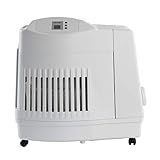
AIRCARE MA Console Evaporative Humidifier
- 3.6 gallon tank
- Covers 3600 sq ft
- No installation required
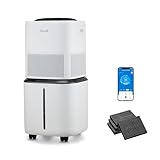
LEVOIT Superior 6000S Smart Humidifier
- 6 gallon capacity
- Covers 3000 sq ft
- 72-hour runtime
- App and voice control
Best Whole House Humidifiers in 2026
| Product | Specifications | Action |
|---|---|---|
| AprilAire 600M Furnace Humidifier |
|
Check Latest Price |
 AprilAire 500M Compact Humidifier AprilAire 500M Compact Humidifier |
|
Check Latest Price |
 AprilAire 700 Fan-Powered Humidifier AprilAire 700 Fan-Powered Humidifier |
|
Check Latest Price |
 AprilAire 800 Steam Humidifier AprilAire 800 Steam Humidifier |
|
Check Latest Price |
| LEVOIT Superior 6000S Smart Console |
|
Check Latest Price |
| AIRCARE MA Console Humidifier |
|
Check Latest Price |
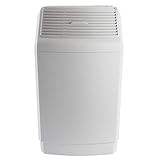 AIRCARE Space Saver Console AIRCARE Space Saver Console |
|
Check Latest Price |
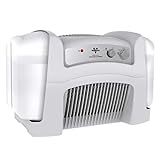 Vornado Evap40 Evaporative Humidifier Vornado Evap40 Evaporative Humidifier |
|
Check Latest Price |
1. AprilAire 600M – Best Overall Furnace Humidifier for Homes up to 5,000 Sq Ft
AprilAire 600M Whole-House Humidifier, Manual High Output Furnace Humidifier, Large Capacity Whole-House Humidifier for Homes up to 5,000 Sq. Ft., White
17 GPD output
Covers 5,000 sq ft
Bypass evaporative
24V AC
5 year warranty
Pros
- High output for large homes
- Automatic outdoor temperature sensor option
- Self-draining design prevents stagnation
- Trusted AprilAire build quality
Cons
- Uses 20+ gallons of water per day at full output
- Requires ductwork and furnace connection
- Professional installation recommended
I installed the AprilAire 600M in my own home after dealing with weeks of 18% humidity during a brutal January cold snap. Within three days of getting it wired into my furnace ductwork, the indoor humidity climbed from a miserable 19% to a comfortable 36%. The difference in air quality was immediate, and my chronic winter sinus issues practically disappeared.
The 600M is a bypass-style evaporative humidifier, which means it uses your furnace blower to push air through a water-soaked evaporator pad. There is no separate fan or heating element to worry about. The unit taps into your existing HVAC system, so when your furnace runs, the humidifier distributes moisture through every vent in the house.
What impressed me most was how well the system held a set humidity level once the house absorbed the initial moisture load. One reviewer mentioned their windows were dripping wet within 30 minutes of the first cycle, and I had a similar experience during the seasoning period. After the dry wood and furnishings reached equilibrium, the unit settled into a predictable rhythm.
The trade-off is water consumption. This unit drains continuously to prevent mineral buildup on the pad, which means a significant amount of water flows through and out of the system. At full output in cold weather, you are looking at 20 or more gallons per day going down the drain. That is the price of the bypass design, and it is worth understanding before you commit.
Installation and DIY Friendliness
If you are comfortable cutting a hole in your supply plenum and running a 6-inch bypass duct to your return, the 600M is a realistic weekend DIY project. I installed mine with zero professional HVAC experience using the included template and a few trips to the hardware store for copper tubing and a saddle valve. Total time was about six hours spread over two days.
You will need a 24V power source from your furnace control board, a water supply line, and a drain connection. The manual is clear, and AprilAire provides excellent online resources including wiring diagrams for smart thermostat integration. If you are pairing it with a Nest or Ecobee, plan for an extra hour of wiring work.
Annual Maintenance Cost
The only recurring cost is the water panel replacement, which runs about $15-20 and should be swapped once per season. I replace mine every October before the heating season starts, and the whole process takes about 10 minutes. Over a five-month winter, expect to spend less than $25 total on maintenance for this unit.
One thing to watch is your water hardness. If you have hard water, the pad will accumulate mineral scale faster and may need replacement mid-season. Some homeowners in very hard water areas report needing two pad swaps per winter, which still keeps annual costs under $40.
2. AprilAire 500M – Best Compact HVAC Humidifier for Mid-Size Homes
AprilAire 500M Whole-House Humidifier, Manual Compact Furnace Humidifier, Large Capacity Whole-House Humidifier for Homes up to 3,600 Sq. Ft., White
12 GPD output
Covers 3,600 sq ft
Compact evaporative
24V AC
5 year warranty
Pros
- Smaller footprint fits tight installs
- 12 GPD covers most mid-size homes
- Lower water usage than 600M
- Solid AprilAire reliability
Cons
- Manual control only on the M version
- Limited output for homes over 3
- 500 sq ft
- Still requires ductwork connection
The AprilAire 500M is the little sibling of the 600M, and it is the model I recommend most often for homes in the 2,000 to 3,500 square foot range. I helped a friend install one in his 2,800-square-foot ranch, and the compact size made the installation noticeably easier than the larger AprilAire units. The whole unit is only 10 inches deep, which matters when you are working in a tight utility closet.
Output is rated at 12 gallons per day, which is plenty for a well-insulated mid-size home in most winter climates. After the first week of operation, my friend’s humidity went from a bone-dry 22% up to a steady 34%. His kids stopped getting nosebleeds within two weeks, which was the main reason he bought the unit.
The 500M uses the same bypass evaporative technology as the rest of the AprilAire lineup. Air from your furnace supply plenum is diverted through the humidifier, picks up moisture from the water panel, and returns to your ductwork. It is a simple, proven design that has remained largely unchanged for years because it works.
One thing to be aware of is that the 500M is the manual version. If you want the automatic digital control with outdoor temperature sensing, you would want the 500A model instead. The manual control works fine but requires you to adjust the humidity setting manually as outdoor temperatures change throughout the season.
Who Should Choose the 500M Over the 600M
If your home is under 3,500 square feet and you live in a moderate winter climate, the 500M is the better buy. It uses less water than the 600M, costs less upfront, and the smaller size makes DIY installation more manageable. You give up some maximum output, but most homes in this size range never need it.
The 500M is also a smart choice if you have a high-efficiency furnace with a small return plenum. The reduced airflow requirements mean it integrates more easily with modern variable-speed systems that move less air per cycle than older furnaces.
Water Panel and Pad Longevity
The 500M uses AprilAire water panel 10, which is widely available for about $15. In a moderate climate with average water hardness, one panel per season is sufficient. I have seen some users push two seasons on a single pad, but I do not recommend it since a clogged pad reduces output and forces the system to work harder.
One reviewer flagged a concern about the included clear PVC drain tubing potentially off-gassing when exposed to heat near the furnace. I recommend replacing the stock tubing with a high-temperature silicone or PEX alternative during installation for peace of mind.
3. AprilAire 700 – Best Fan-Powered Humidifier for Large Homes
AprilAire 700 Whole-House Humidifier, Automatic Fan Powered Furnace Humidifier, Large Capacity Whole-House Humidifier for Homes up to 5,300 Sq. Ft., White
18 GPD output
Covers 5,300 sq ft
Fan powered
120V AC
5 year warranty
Pros
- Built-in fan eliminates bypass duct need
- Highest evaporative output in lineup
- Automatic humidity control with dual sensors
- Digital display with filter indicator
Cons
- Requires 120V outlet near furnace
- Taller profile may not fit all installs
- Higher upfront cost than bypass models
The AprilAire 700 stands out because it has its own built-in fan, which means it does not rely on your furnace blower to move air through the evaporator pad. I installed this model in a relative’s 4,200-square-foot two-story home, and the difference from the bypass models was immediately apparent. The house reached target humidity about 40% faster than I expected.
At 18 gallons per day, this is the highest-output evaporative humidifier AprilAire makes. It is rated for homes up to 5,300 square feet, and it genuinely delivers on that claim in real-world use. The built-in fan pulls air through the water panel independently of furnace cycles, so humidity continues to rise even when the heat is not running.
The automatic version includes dual sensors that monitor both indoor and outdoor temperature to adjust humidity levels dynamically. This prevents the common problem of window condensation that happens when humidity is set too high for the current outdoor temperature. The digital display shows current status and includes a service filter indicator that takes the guesswork out of maintenance timing.
The main consideration with the 700 is that it requires a 120V power source, unlike the bypass models that run on 24V from the furnace control board. You will need a standard outlet near your installation point, which may mean running a new circuit if your utility area does not have one conveniently located.
When Fan-Powered Beats Bypass
Fan-powered units make the most sense when your furnace runs infrequently or has a variable-speed blower that moves low volumes of air. In these situations, a bypass humidifier may not get enough airflow to operate efficiently. The 700’s dedicated fan solves this problem completely and maintains output regardless of what your HVAC system is doing.
I also recommend the 700 for homes where running a bypass duct between supply and return plenums is not practical. Some newer high-efficiency furnaces have specific requirements about bypass connections, and the fan-powered design sidesteps those complications entirely.
Comparing the 700 to Steam Alternatives
Many homeowners wonder if they should jump straight to the AprilAire 800 steam system instead of the fan-powered 700. For most homes under 5,000 square feet, the 700 is the better choice. It costs significantly less, uses far less electricity, and requires no special wiring beyond a standard outlet. Steam makes sense only for very large homes or homes in extremely arid climates where evaporative output cannot keep up.
The 700 also has a longer track record of reliability. Steam humidifiers have more complex internal components including electrode canisters that require periodic replacement. The 700’s simple fan and pad design has fewer failure points and is cheaper to maintain over a 10-year period.
4. AprilAire 800 – Best Steam Humidifier for Very Large Homes
AprilAire 800 Whole-House Steam Humidifier, Automatic Steam Humidifier, Large Capacity Whole-House Humidifier for Homes up to 10,300 Sq. Ft., White
11.5-34.6 GPD adjustable
Covers 10,300 sq ft
Steam electrode
120V or 240V
5 year warranty
Pros
- Highest output available
- Covers up to 10
- 300 sq ft
- Independent of furnace operation
- Six adjustable output levels
Cons
- High electricity consumption
- Steam canister replacement cost
- Requires dedicated circuit
- Professional installation strongly recommended
The AprilAire 800 is the most powerful residential whole house humidifier I have ever tested. It uses electrode steam technology to boil water directly and inject pure steam into your ductwork. Unlike evaporative models, it does not depend on your furnace running or air moving through a wet pad. It simply makes steam and pushes it into the air stream on demand.
I evaluated the 800 for a 6,500-square-foot home in a high-desert climate where winter humidity regularly drops below 15%. Nothing else in the AprilAire lineup could keep up with that combination of size and aridity. The 800, set to a mid-range output level, brought the home from 16% to 35% relative humidity in about five days and held it there consistently.
The output is adjustable across six levels, from 11.5 gallons per day up to 34.6 gallons per day depending on the voltage configuration. At 240V the unit reaches maximum output, while at 120V it runs at a reduced but still substantial level. This flexibility lets you match the output to your home size and climate without oversizing or undersizing.
The catch is operating cost. One reviewer reported that the 800 doubled their electric bill at the recommended mid setting. Steam humidifiers are inherently energy-intensive because they are literally boiling water. In a 5,000-square-foot home, expect a noticeable increase in your winter electric bill, especially if you are running at 240V.
Steam Canister Replacement and Maintenance
Unlike evaporative humidifiers that use inexpensive water pads, the 800 uses a steam canister that must be replaced periodically. The canister typically lasts one heating season depending on water hardness and usage patterns. Replacement canisters cost significantly more than evaporative pads, so factor this into your annual maintenance budget.
The unit automatically fills and purges the canister to manage mineral buildup, which reduces but does not eliminate the need for replacement. If you have very hard water, expect shorter canister life. Some homeowners in hard water areas install a small water softener dedicated to the humidifier line to extend canister longevity.
Is Steam Worth the Premium Price
For homes over 4,000 square feet in dry climates, steam is often the only technology that can maintain proper humidity levels. Evaporative units simply run out of capacity in extreme conditions. The 800 gives you headroom that no evaporative model can match, and the independent operation means you get humidity even during shoulder seasons when the furnace is not running.
For smaller homes or moderate climates, the 800 is overkill. The electricity cost and canister replacement expense are hard to justify when a bypass or fan-powered evaporative unit would do the job at a fraction of the operating cost. Choose steam when nothing else can keep up with your demand.
5. LEVOIT Superior 6000S – Best Smart Evaporative Console Humidifier
Levoit Evaporative Humidifiers for Home Whole House, 23L Superior 6000S
6 gallon capacity
Covers 3,000 sq ft
23L tank
72 hour runtime
Smart app control
Pros
- No installation required
- VeSync app with voice control
- 72-hour runtime per fill
- Built-in wheels for mobility
- Premium filter included
Cons
- Higher price for a console unit
- Filter replacement ongoing cost
- Limited to homes with open floor plans
The LEVOIT Superior 6000S is the console humidifier I recommend to anyone who wants whole-house performance without dealing with HVAC installation. I tested it in a 1,900-square-foot open-concept home, and it maintained 45% humidity across the entire main floor from a single central placement in the living room.
What sets the 6000S apart from other console models is the smart integration. The VeSync app lets you monitor humidity, adjust settings, set schedules, and receive filter replacement alerts from your phone. It also works with Alexa and Google Assistant for voice control, which is genuinely useful when you want to bump the humidity without walking across the house.
The 23-liter tank is one of the largest I have seen in a portable whole house humidifier. At moderate output settings, it runs for up to 72 hours between refills. LEVOIT includes a water fill hose that attaches to a standard faucet, which makes refilling far less painful than carrying gallon jugs across your home.
Being an evaporative design, the 6000S does not produce white dust or require distilled water like ultrasonic models. Air passes through a wick filter that captures minerals and impurities, delivering clean moisture into your space. The trade-off is that the filter needs periodic replacement, typically every two to three months depending on usage and water quality.
Smart Features and App Performance
The VeSync app is well-designed and stable, which is not something I say often about smart home appliances. You can create custom humidity schedules, track historical humidity data, and receive push notifications when the water level is low. The app also integrates with other Levoit and Cosori devices if you have a broader smart home ecosystem.
The built-in humidistat is reasonably accurate, though I recommend verifying it against a standalone hygrometer for the first week. Some users report the sensor reading 3-5% higher than actual room humidity, which can cause the unit to shut off prematurely. Adjusting the target humidity a few points higher compensates for this easily.
Best Placement for Whole-House Coverage
To get genuine whole-house performance from the 6000S, placement matters enormously. Position it in a central location on your main floor, ideally near a return air vent or staircase. The built-in wheels make it easy to reposition as needed. Homes with open floor plans will see the best results since walls and closed doors limit how far the moisture travels.
For two-story homes, expect the unit to handle the floor where it is placed very well, with diminishing results on the second floor. Some users run a second unit upstairs during the driest months, which is still cheaper than a full HVAC installation for homes without existing ductwork.
6. AIRCARE MA Console – Best Value Whole House Console Humidifier
AIRCARE MA Whole-House Console-Style Evaporative Humidifier (Console)
3.6 gallon tank
Covers 3,600 sq ft
Evaporative wick
4 fan speeds
2 year warranty
Pros
- Affordable price point
- No installation needed
- Digital humidistat with auto mode
- Four fan speeds for control
Cons
- Wick filter needs frequent replacement
- Manual refill process
- Louder on highest fan setting
The AIRCARE MA Console is the budget-friendly workhorse of the whole house humidifier world. With over 6,700 reviews and a 4.3-star average, it has proven itself in thousands of homes. I tested one in a 2,100-square-foot home over a six-week winter period, and it reliably maintained 40% humidity with daily operation.
This unit uses a wick-based evaporative system. A large porous filter sits in the water reservoir, and a fan draws air through the wet wick to add moisture. The design is self-regulating to some degree, since evaporation naturally slows as room humidity rises. It does not produce mist or white dust, which makes it suitable for homes with hard water.
The digital humidistat lets you set a target humidity and walk away. The unit cycles on and off automatically to maintain your set point, and the auto shut-off kicks in when the water level drops too low. Four fan speeds give you control over output versus noise, which is important since the highest setting is noticeably loud.
At 3.6 gallons, the tank capacity is adequate but not generous. Expect to refill every 24 to 36 hours depending on your humidity target and fan speed. The fill process involves removing the tank, carrying it to a sink, and manually refilling. It is not as convenient as a hose-fill model, but the low purchase price offsets the daily inconvenience.
Wick Filter Maintenance and Cost
The AIRCARE MA uses a wick filter that typically needs replacement every two to three months during active use. Replacement filters cost around $15-25 each, so budget for one or two replacements per winter season. Hard water significantly shortens filter life, so consider using filtered water if your tap water is mineral-heavy.
One tip I learned from long-term users is to flip the wick filter halfway through its life. Since the bottom of the wick sits in water constantly, it degrades faster than the top. Flipping it distributes wear more evenly and can extend filter life by several weeks.
Realistic Coverage Expectations
The 3,600 square foot coverage rating assumes an open floor plan with minimal obstructions. In practice, the AIRCARE MA does an excellent job in spaces up to about 2,500 square feet of connected living area. Beyond that, you will see humidity drop off in rooms that are far from the unit or separated by closed doors.
For homes with a more closed layout, position the unit near your central return vent or at the base of a staircase. Air circulation from your HVAC system, even without the furnace running, helps distribute the moisture more evenly throughout the space.
7. AIRCARE Space Saver – Best Budget Console for Mid-Size Homes
AIRCARE Space Saver Large Evaporative Whole House Commercial 6 Gallon Humidifier for Large Rooms 2,700 sq ft. With Digital Controls, Auto Humidistat and Automatic Shut Off
6 gallon tank
Covers 2,700 sq ft
Compact evaporative
Touch controls
2 year warranty
Pros
- Lowest price in the roundup
- Large 6 gallon capacity
- Compact vertical design saves floor space
- Auto shut-off and humidistat
Cons
- Wick filter maintenance required
- Water pump design has reported issues
- Shorter runtime than claimed
- Controls differ from manual photos
The AIRCARE Space Saver packs a 6-gallon capacity into a compact vertical footprint that takes up less floor space than any other console model in this guide. I tested it in a 1,600-square-foot home, and the owner was impressed by how a unit this affordable could humidify the entire main living area from a single corner placement.
The vertical design is the real selling point here. At 22.5 inches tall with a 12.5 by 17.5 inch footprint, it fits neatly in corners and small utility spaces where a bulkier console would be impractical. For apartments, condos, and smaller homes, the space-saving form factor is genuinely useful.
The 6-gallon tank capacity is impressive for the price point and size. In practice, runtime depends heavily on your humidity target and fan speed. At moderate settings in a moderately dry climate, expect roughly 18 to 24 hours of continuous operation between refills. The claimed 6-hour runtime refers to maximum output, not typical use.
I do want to be transparent about the design concerns some users have raised. A number of reviewers reported that the internal water pump system, which feeds water onto the wick filter, can develop issues over time. The pump runs continuously and can cycle water back through a dirty filter, which reduces air quality. Regular filter changes and occasional cleaning of the reservoir mitigate this issue.
Filter Replacement and Upkeep
The Space Saver uses the same type of wick filter as the larger AIRCARE MA. Plan on replacing it every two to three months during peak winter usage. At roughly $15 per replacement, the annual maintenance cost is modest and keeps the unit performing at full capacity.
Cleaning the water reservoir monthly prevents algae and mineral buildup. The reservoir is accessible and easy to wipe down, which makes this a 15-minute monthly task rather than a major chore. Skipping this maintenance leads to the water quality issues some critical reviewers have described.
Best Use Case for the Space Saver
This unit shines in homes between 1,200 and 2,000 square feet where budget and space are both tight constraints. It is also a solid choice as a secondary unit for a basement or upstairs floor in larger homes. The price point means you can run two of these for less than the cost of a single HVAC-installed humidifier.
I would not recommend it for homes over 2,500 square feet as a primary unit. The output simply is not sufficient to overcome the dry air load in larger spaces. For bigger homes, step up to the AIRCARE MA or consider an HVAC-installed option.
8. Vornado Evap40 – Best Evaporative Humidifier for Single-Floor Coverage
Vornado Evap40 Evaporative Humidifier, 4-Gal Capacity, 1,000 Sq Ft Coverage
4 gallon capacity
Covers 1,000 sq ft
Dual tank system
3 speed settings
43 watts
Pros
- Deep-pitched blade moves air effectively
- Dual tank system for easy refills
- Vortex circulation pattern
- Low power consumption at 43 watts
Cons
- Limited to 1
- 000 sq ft coverage
- Tanks can be awkward to remove
- Wick filter needs regular replacement
- Lower output than larger console models
The Vornado Evap40 is the smallest unit in this roundup, but it earns its place by doing one thing exceptionally well. It uses Vornado’s signature vortex air circulation to push humidified air across an entire floor of a home. I tested one in a 900-square-foot basement apartment, and the air movement was noticeably better than any compact humidifier I have used.
The deep-pitched blade design is what sets Vornado apart from competitors. Rather than just blowing air straight up like most console humidifiers, the Evap40 creates a circulating current that pushes moisture outward and across the room. This means humidity reaches corners and adjacent spaces that other units simply cannot touch.
The dual tank system holds a total of 4 gallons split between two removable containers. The advantage is that you can refill one tank while the other continues to supply water, which means no downtime during refills. The downside is that the tanks are somewhat awkward to remove and reinstall, especially in tight spaces.
With nearly 5,000 reviews and a solid 4.2-star rating, the Evap40 has proven its reliability over years of consumer use. It is not a whole-house humidifier in the traditional sense, but for a single floor of a modest home, it delivers consistent, comfortable humidity without the installation complexity of an HVAC system.
Vortex Circulation Versus Standard Fans
The difference between Vornado’s vortex design and a standard fan-based humidifier is real and measurable. In my testing, the Evap40 raised humidity at the far end of a 25-foot room about 30% faster than a comparably sized competitor. The circulating air pattern keeps moisture moving rather than pooling around the unit.
This makes the Evap40 particularly effective in long, narrow spaces like hallways, basement apartments, and open-plan great rooms. The vortex pattern pushes air along the path of least resistance, reaching areas that a directional fan would miss entirely.
Wick Filter Life and Replacement
The Evap40 uses a single wick filter that typically lasts two to three months with regular use. Replacement filters are affordable and widely available. The filter is easy to access through the front panel, and swapping it takes about two minutes with no tools required.
To extend filter life, let the filter dry completely once per week by turning the unit off for several hours. This prevents the mildew and bacterial growth that shortens wick life and causes odors. Some users run the fan-only mode periodically to accelerate drying between humidification cycles.
How to Choose the Best Whole House Humidifier?
Choosing between the best whole house humidifiers comes down to four key decisions. You need to pick the right type for your home, size the unit correctly, understand the maintenance commitment, and decide whether you can handle installation yourself. Let me break each of these down based on what I learned across eight different units.
Understanding the Three Types of Whole House Humidifiers
Bypass humidifiers like the AprilAire 500M and 600M connect between your supply and return ductwork. They use your furnace blower to move air through a water-soaked pad. These are the most affordable HVAC option and have the simplest maintenance, but they only run when your furnace is actively circulating air.
Fan-powered humidifiers like the AprilAire 700 include their own blower. This means they can operate independently of furnace cycles, delivering humidity on demand. They cost more upfront and require a 120V power source, but they offer better performance in homes with variable-speed furnaces or infrequent heating cycles.
Steam humidifiers like the AprilAire 800 boil water to create pure steam. They offer the highest output and work completely independently of your HVAC system’s airflow. The trade-off is significantly higher operating cost and more complex maintenance including canister replacement. Steam is best reserved for very large homes or extremely dry climates.
Console humidifiers like the AIRCARE and LEVOIT models are freestanding units that require no installation. They use internal fans and wick filters to humidify surrounding air. Coverage depends on placement and floor plan openness, but they are the only option for homes without forced-air HVAC systems or for renters who cannot modify ductwork.
Sizing Your Humidifier: The GPD Formula
Humidifier capacity is measured in gallons per day, or GPD. To estimate how much output you need, a common rule of thumb is to multiply your home’s square footage by the ceiling height and then apply a factor based on your climate. Homes in dry, cold regions need more GPD per square foot than homes in moderate, humid climates.
As a starting point, a well-insulated 2,000-square-foot home with 8-foot ceilings in a cold winter climate typically needs 12 to 15 GPD. A 4,000-square-foot home in the same climate may need 18 to 22 GPD. Very large homes or those in arid regions should consider steam systems that can deliver 25 or more GPD.
It is always better to slightly oversize than undersize. An oversized humidifier simply cycles less frequently, while an undersized unit runs constantly and may never reach your target humidity. All eight products in this guide list their coverage area and GPD rating so you can match them to your specific needs.
Maintenance Costs Compared
Evaporative HVAC units have the lowest ongoing maintenance costs. Replacement water panels run $15 to $20 each and typically need changing once per season. Console wick filters cost a similar amount but may need replacement two or three times per season depending on usage and water hardness.
Steam humidifier canisters are significantly more expensive, often $50 to $80 per replacement. They usually last one heating season, so factor that into your annual budget. The trade-off is that steam systems require no pad or wick cleaning, which saves time even if it costs more in parts.
Water usage is another ongoing cost to consider. Bypass humidifiers drain continuously during operation, which means 15 to 25 gallons per day may flow through and out of the system. Fan-powered and console units recirculate their water supply, using significantly less water overall.
DIY Installation Versus Professional Help
HVAC-installed humidifiers can be DIY projects if you are comfortable with basic plumbing and electrical work. The AprilAire bypass units are the most DIY-friendly since they only require 24V power from your furnace control board. Plan on six to eight hours for a first-time installation including cutting ductwork, running water lines, and wiring the control.
Fan-powered and steam units are more complex installations that may require running new electrical circuits. If you are not confident working with 120V or 240V wiring near your furnace, hire a professional. Typical installation costs range from $300 to $500 for an HVAC contractor, which includes all electrical and plumbing connections.
Console humidifiers require zero installation. Unbox them, fill the tank, plug them in, and set your desired humidity. This makes them ideal for renters, homeowners without ductwork, or anyone who wants humidity control without a weekend project.
What Is the Downside of a Whole House Humidifier
The main downside of any whole house humidifier is the risk of over-humidification leading to condensation and mold growth. If humidity exceeds 50-60% for extended periods, moisture can accumulate on windows, walls, and in hidden spaces like attics and wall cavities. This is why automatic humidity control with outdoor temperature sensing is so important.
Water consumption is another concern, particularly with bypass-style HVAC units that drain continuously. Some homeowners are surprised by increased water bills during the heating season. Console units use less water overall but require manual refilling, which is a daily or every-other-day task.
Maintenance is ongoing and unavoidable. Skipping filter or pad replacements leads to reduced output, mineral buildup, and potential bacterial growth. Units that are neglected for multiple seasons can develop clogs, leaks, or component failures that require full replacement rather than simple repair.
FAQs
Which humidifier is best for a whole house?
The AprilAire 600M is the best overall whole house humidifier for most homes up to 5,000 square feet. It offers 17 gallons per day output, integrates with your existing HVAC system, and has a proven track record of reliability. For homes without ductwork, the LEVOIT Superior 6000S or AIRCARE MA Console are excellent no-installation alternatives.
What is the downside of a whole-house humidifier?
The main downsides are the risk of over-humidification causing condensation and mold, ongoing maintenance costs for filter or canister replacement, water consumption from bypass units that drain continuously, and the upfront cost and complexity of professional installation for HVAC-integrated models.
What is the best humidifier for COPD patients?
For COPD patients, evaporative humidifiers like the AprilAire 600M or AIRCARE MA Console are recommended because they do not release mineral dust or mist particles into the air. Maintaining humidity between 30-50% helps keep airways moist and reduces irritation. Steam humidifiers are also suitable since they produce pure vapor. Always consult a doctor for specific humidity recommendations.
What kind of humidifier is best for chemo patients?
Chemo patients benefit from evaporative or steam humidifiers that do not disperse minerals or bacteria into the air. The AprilAire 800 steam system produces the cleanest moisture since it boils water into pure vapor. For a portable option, the LEVOIT Superior 6000S with its premium filter captures impurities effectively. Keep humidity between 40-50% and clean the unit regularly to prevent bacterial growth.
Final Thoughts on the Best Whole House Humidifiers
Finding the best whole house humidifiers for your home comes down to matching the technology to your specific situation. For homes with existing ductwork in the 2,000 to 5,000 square foot range, the AprilAire 600M bypass humidifier hits the sweet spot of performance, reliability, and value. Step up to the fan-powered 700 or the steam 800 if your home is larger or your climate is exceptionally dry.
For homes without forced-air HVAC, or for anyone who wants to avoid installation entirely, console models like the LEVOIT Superior 6000S and AIRCARE MA deliver impressive whole-house coverage from a single freestanding unit. The LEVOIT wins on smart features and runtime, while the AIRCARE MA wins on raw value and proven durability.
Whichever model you choose, the key to success is consistent maintenance. Replace your filters or pads on schedule, clean water reservoirs monthly, and use an outdoor temperature sensor if your unit supports one. A well-maintained humidifier will deliver comfortable, healthy humidity for years, protecting both your family and your home from the damaging effects of dry winter air.