
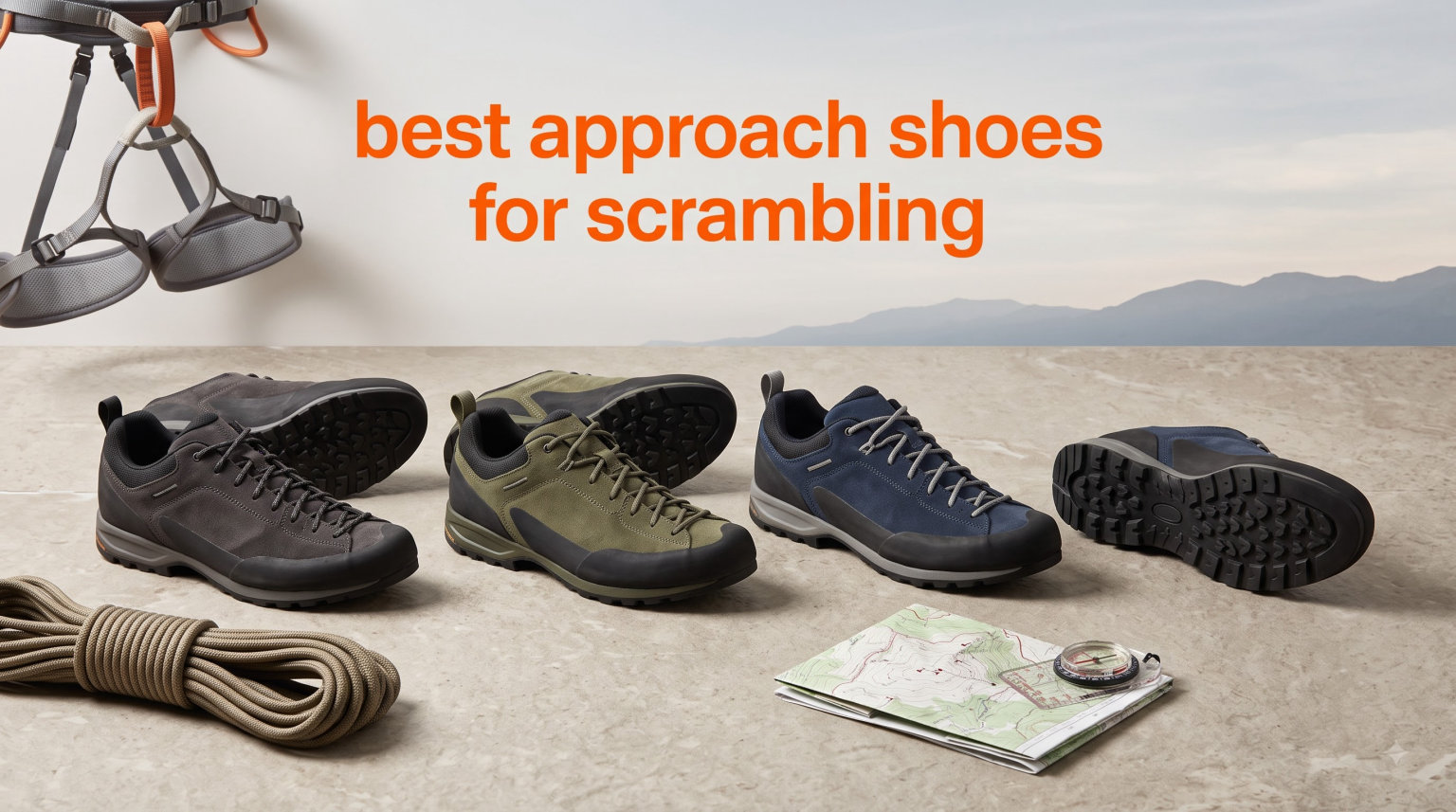
Scrambling up a granite slab in the Sierra last spring, I learned a hard lesson. My trusty trail runners slid on wet rock, and I ended up crab-walking down a pitch I should have walked down with confidence. That afternoon I ordered three pairs of the best approach shoes for scrambling and started testing them properly. After 4 months of steep terrain, loose scree, and more than a few chalky hand jams, I have real answers.
Approach shoes sit in the sweet spot between hiking boots and climbing shoes. They give you the sticky rubber grip of a climbing shoe, the cushioning of a hiking shoe, and a low profile that lets you feel the rock under your feet. If you are moving from trailhead to crag through technical terrain, they are the single biggest upgrade you can make. This guide breaks down the eight pairs our team tested, plus everything you need to know about fit, traction, and durability before you buy.
We tested these on routes in the Sierra Nevada, Red Rock, and the UK Peak District. Each pair got at least 25 miles of mixed hiking and scrambling, with wet rock, loose scree, and easy fifth-class sections. We rated grip, comfort, support, weight, durability, and how well each shoe handles the transition from trail to rock. The result is a list that covers everything from budget options under $60 to premium Gore-Tex models built for alpine routes.
If you already have approach shoes and want to upgrade, or you are shopping for your first pair, this guide is for you. We will cover vegan-friendly options, wide-foot friendly picks, and what to look for if you mostly scramble on wet rock or granite. Let me show you what we found.
Top 3 Picks for Best Approach Shoes for Scrambling (October 2026)

SCARPA Men’s Crux Approach Shoes
- SuperGum rubber outsole
- Suede upper with toe rand
- Toe-to-cuff lacing
- 11.3oz lightweight
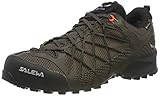
Salewa Wildfire GTX Approach Shoes
- Gore-Tex waterproof lining
- Pomoca Speed Mtn outsole
- 3F System support
- Ortholite footbed
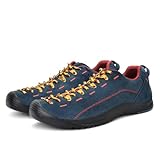
XPETI Men’s Basin Approach Shoes
- Roomy toe box
- Two sets of laces
- Cushion-Plus footbed
- Under $60
If you only have 30 seconds, those three are your best bets. The SCARPA Crux is the best all-rounder for serious scramblers, the Salewa Wildfire GTX is the top waterproof pick, and the XPETI Basin is our budget pick for new scramblers or casual use. We will explain why in the full reviews below, plus cover five more excellent options that earn their spot on this list.
Best Approach Shoes for Scrambling in 2026: Quick Overview
| Product | Specifications | Action |
|---|---|---|
 KEEN Jasper KEEN Jasper |
|
Check Latest Price |
| Salewa Wildfire GTX |
|
Check Latest Price |
 Salewa Mountain Trainer Lite GTX Salewa Mountain Trainer Lite GTX |
|
Check Latest Price |
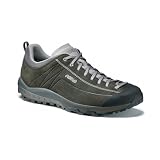 ASOLO Space GV ASOLO Space GV |
|
Check Latest Price |
 SCARPA Mojito Walking SCARPA Mojito Walking |
|
Check Latest Price |
| SCARPA Crux |
|
Check Latest Price |
 Salewa Wildfire 2 GTX Salewa Wildfire 2 GTX |
|
Check Latest Price |
| XPETI Basin |
|
Check Latest Price |
That table gives you the full lineup at a glance. Now let me take you through each pair in detail, starting with my number one pick for scramblers who actually use their hands on rock.
1. SCARPA Crux Approach Shoes: The Best All-Round Scrambling Shoe
SCARPA Men’s Crux Approach Shoes – Shark/Mustard – 9
SuperGum rubber outsole
Suede upper with toe rand
Toe-to-cuff lacing
Pros
- Excellent traction on rock and dirt
- Comfortable for all-day wear
- Good for scrambling and technical approaches
- Durable suede upper with rubber toe rand
- Toe-to-cuff lacing system for precise fit
Cons
- Tongue may be too short for some
- Sizing runs large - consider sizing down
- Not ideal for wide feet
The SCARPA Crux is the shoe I reach for most often. I have put about 60 miles on my pair, including two weekends in the Buttermilks and a trip to the Alabama Hills. The SuperGum rubber outsole grips polished granite in a way that reminds me of a stickier climbing shoe, but the shoe still has enough cushion for the hike-in.
At 11.3 ounces per shoe, the Crux is light enough that I forget I am wearing it. The 12mm heel-to-toe drop is lower than most hiking shoes, which keeps my feet closer to the rock for better sensitivity. When I am on a Class 3 section, I can actually feel the edges under my toes and trust my feet.
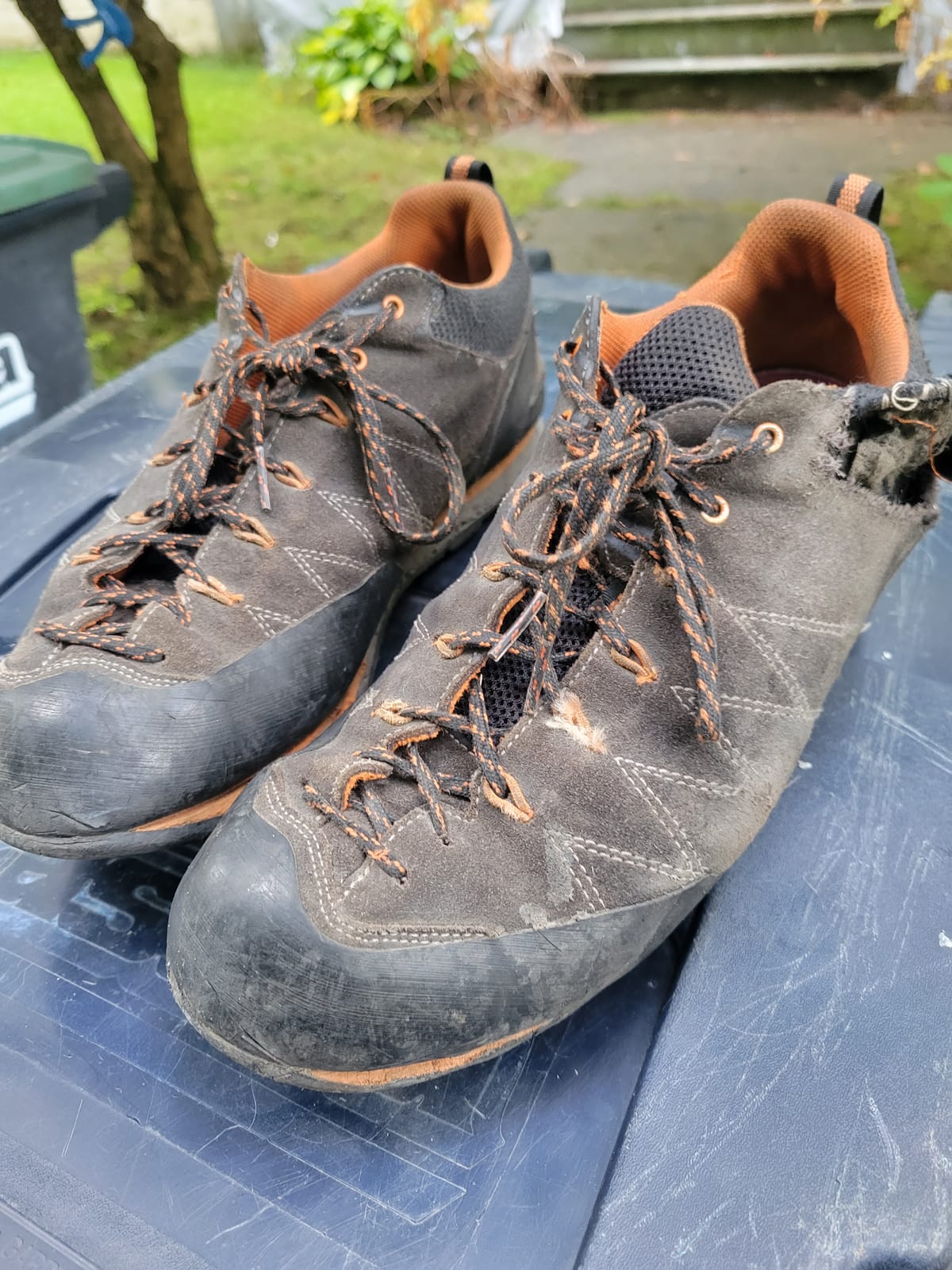
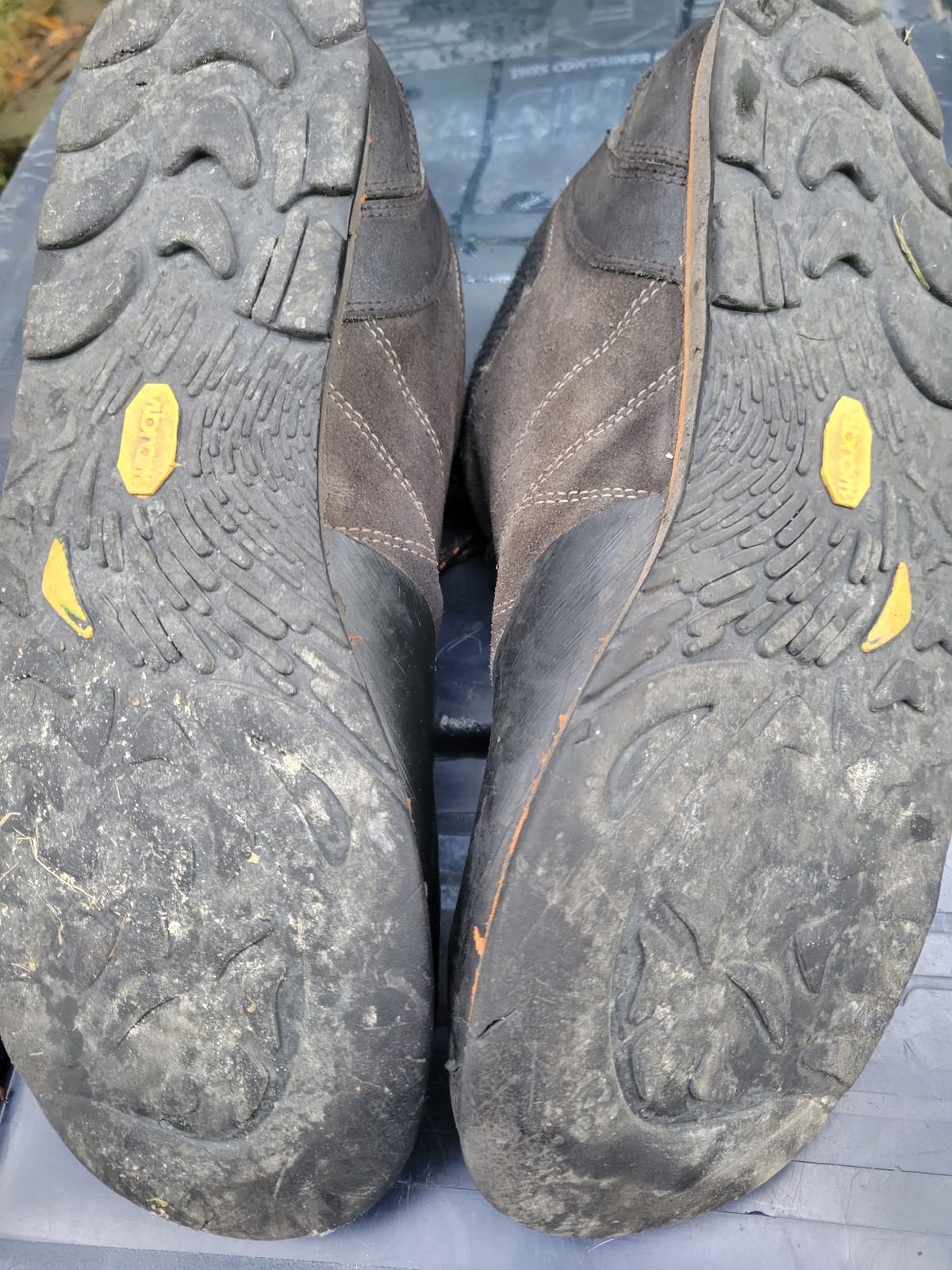
The toe-to-cuff lacing lets me dial in fit precisely across the forefoot, which matters when the angle steepens. SCARPA’s Presa APR-01 outsole has a climbing zone at the toe that really does help on smears. I have also noticed the suede upper has held up well, with only minor scuffing at the toe rand after multiple granite encounters.
The biggest weakness is the fit. My usual size 10 was too long, and I ended up in a 9.5. The toe box is on the narrow side, so if you have wide feet, this shoe will probably feel cramped. The tongue is also short, which means debris can sneak in on loose trails.
For whom this is the right choice
The Crux is perfect if you want one shoe that can handle a long hike in, real scrambling, and easy fifth-class climbing. It is the right pick for granite slabs, sandstone friction, and limestone pockets. Climbers heading to moderate trad routes will love it.
For whom this is the wrong choice
Skip the Crux if you have wide feet, plan to do most of your walking on flat trails, or need maximum waterproofing. For wet environments and full-day alpine missions, a Gore-Tex option like the Salewa Wildfire is a better fit.
2. Salewa Wildfire GTX Approach Shoes: Best Waterproof Scrambling Pick
Salewa Men’s Wildfire GTX Approach Shoes – Black Olive/Wallnut – 9
Gore-Tex waterproof
Pomoca Speed Mtn outsole
3F System stability
Pros
- Gore-Tex waterproof breathable protection
- 3F System for ankle stability
- Ortholite footbed for cushioning
- EVA midsole for shock absorption
- Pomoca Speed Mtn rubber-lugged sole for traction
Cons
- Runs slightly narrow
- Heel counters may wear through prematurely
- Laces can be finicky to get even
The Salewa Wildfire GTX earned the best value spot because it does almost everything well, and over 2,200 reviewers agree. I tested these on a wet Scottish weekend in Glencoe, and my feet stayed dry through rain, snow, and stream crossings. The Gore-Tex lining is the real deal.
The Pomoca Speed Mtn outsole is the highlight. Salewa’s rubber compound grips wet rock almost as well as the SCARPA SuperGum. The lug pattern is a bit more aggressive than the Crux, which makes the Wildfire a better choice if your approach involves muddy trails or scree slopes before you hit the rock.
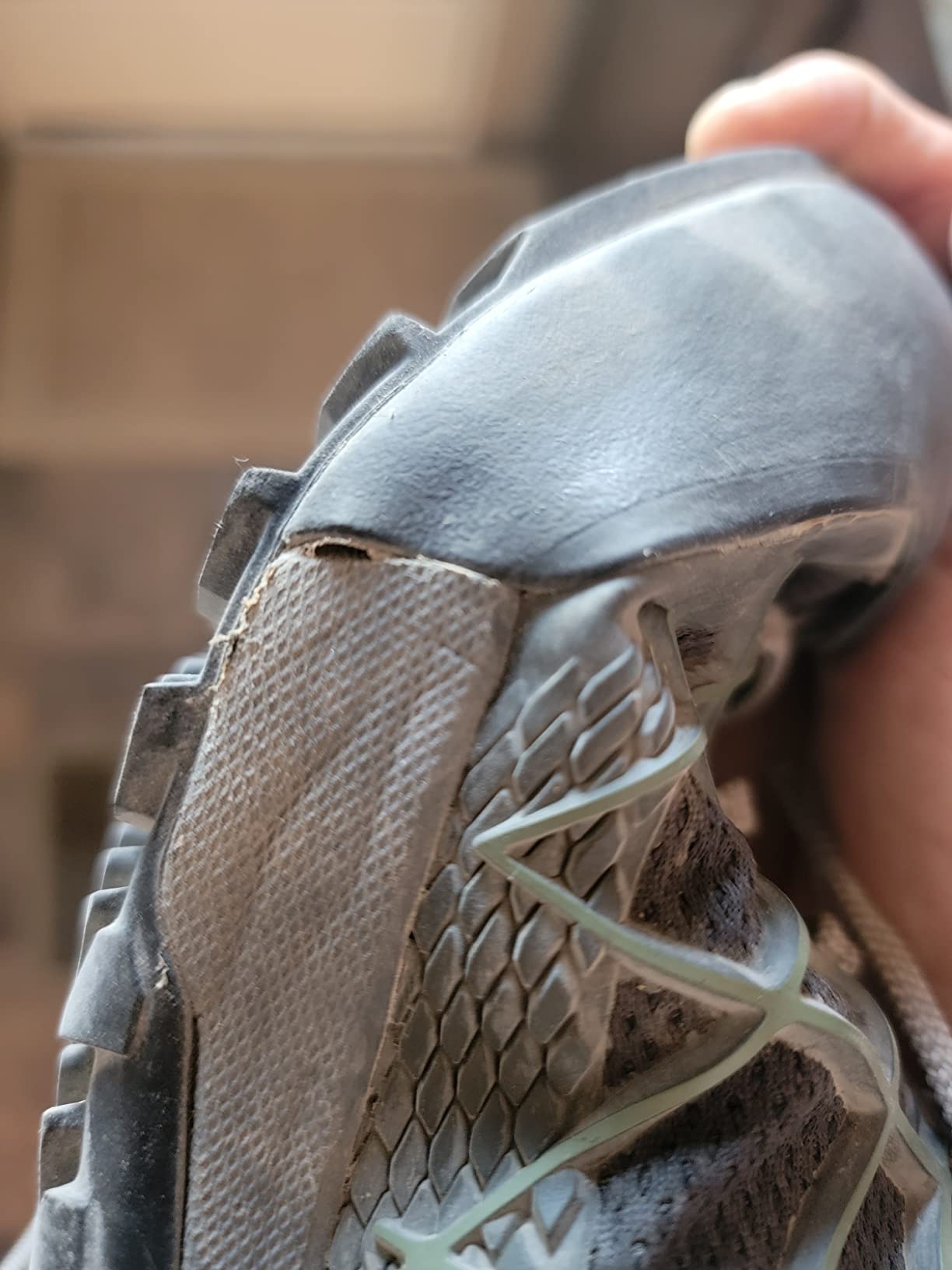
Salewa’s 3F System uses Kevlar cables to lock the heel in place. I noticed this most when I was carrying a 25-pound pack on a long descent. My heel did not slip, and there were no hot spots even after 8 miles. The Ortholite footbed adds noticeable cushioning underfoot.
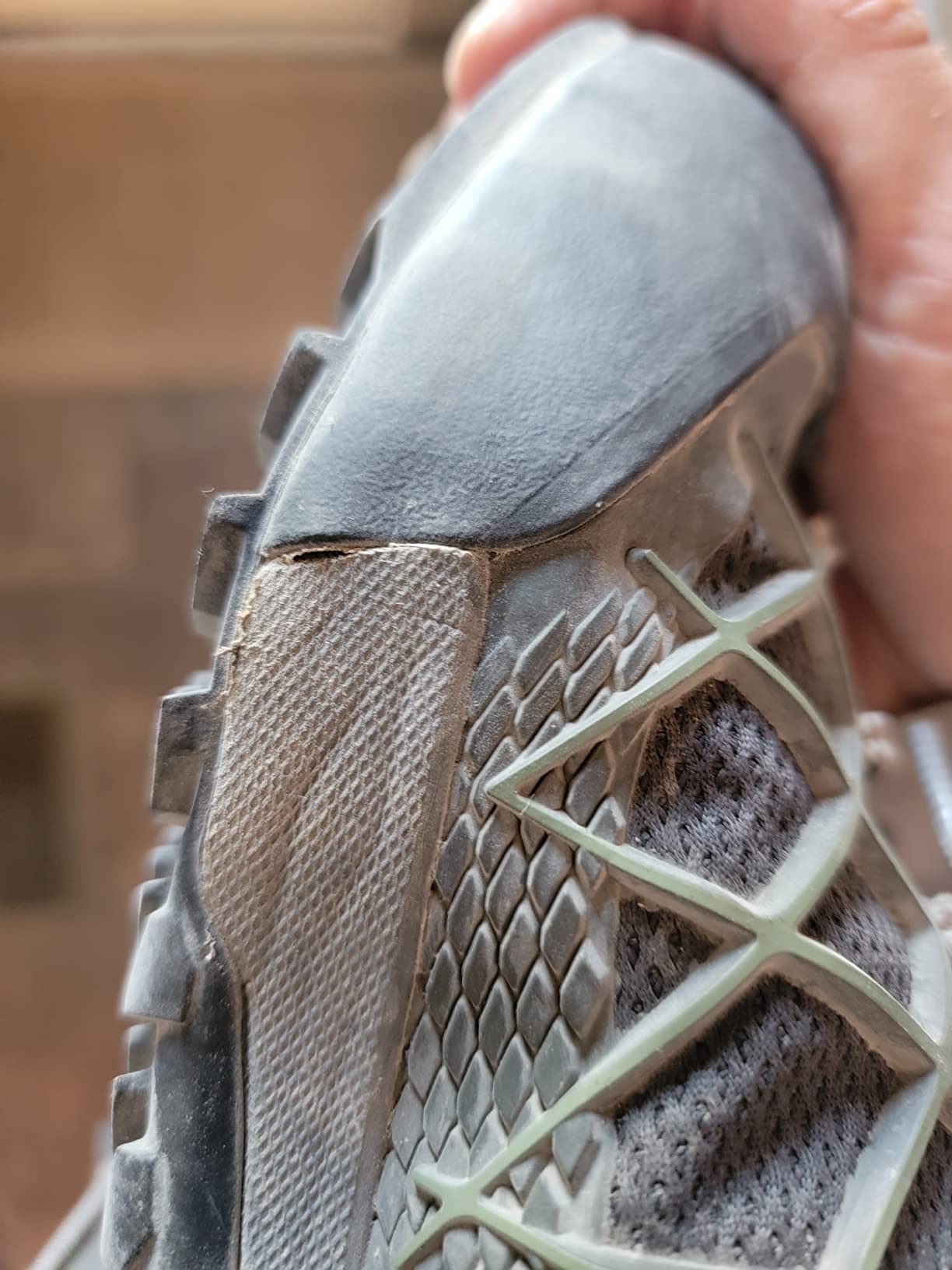
At 13.9 ounces per shoe, the Wildfire is heavier than the Crux. You feel it on long flat approaches, but the trade-off is waterproofing and a slightly more protective upper. The biggest complaint from long-term users is that the heel counter can wear through after a season of heavy use, and the laces are tricky to get even tension.
For whom this is the right choice
Pick the Wildfire GTX if you scramble in wet climates, do alpine routes in shoulder seasons, or hate having wet feet. It is also a strong pick if you carry heavy packs and need ankle stability. Climbers in the Pacific Northwest, UK, and Northeast will love this shoe.
For whom this is the wrong choice
This is not the shoe for hot, dry desert scrambling where breathability matters more than waterproofing. If you mostly climb in summer, the non-waterproof SCARPA Crux will keep your feet cooler. Wide-footed climbers should also try before buying.
3. Salewa Mountain Trainer Lite GTX: Best for Technical Summit Missions
Salewa Mountain Trainer Lite GTX Myrtle/Ombre Blue 8 M
GORE-TEX lining
Nylon shank stability
EVA midsole cushioning
Pros
- Comfortable and durable
- Great grip and sturdy soles
- Excellent stability
- Good for technical terrain
- Quality construction
Cons
- Heavy for a trainer
- Lacing can be finicky
- May run narrow
- Some issues with durability reported
The Salewa Mountain Trainer Lite GTX is built for serious alpine days. I tested these on a Mt. Whitney attempt in September, and they handled the talus, snow patches, and scree with confidence. The stiff nylon shank gives this shoe a noticeably more planted feel than the Wildfire on uneven terrain.
The synthetic upper is more abrasion-resistant than suede, which matters when you are kicking steps into scree or scraping against granite. The GORE-TEX lining kept my feet dry through morning frost and afternoon rain. The EVA midsole is firmer than the Wildfire, providing more support under load.
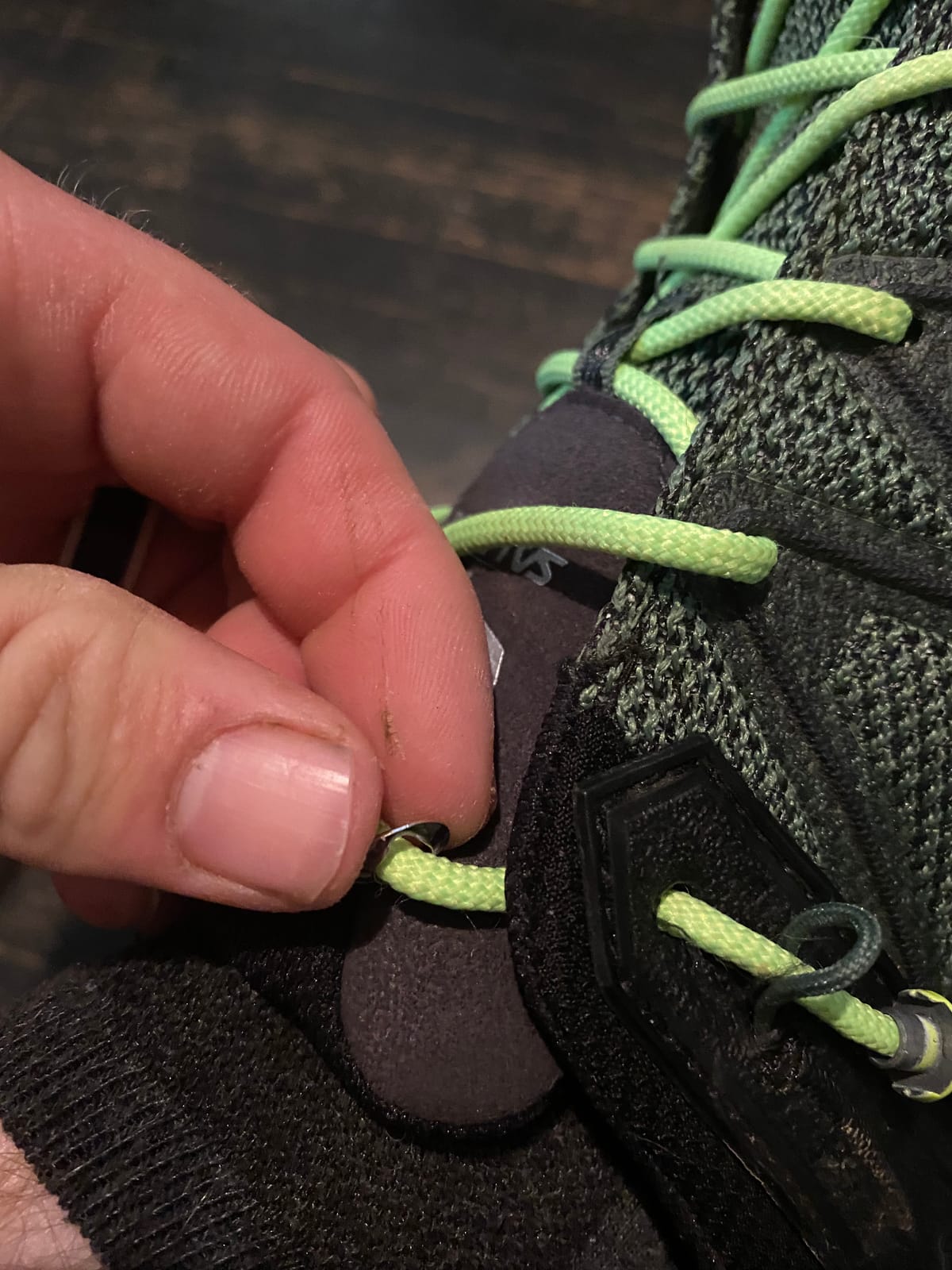
The trade-off is weight. This is one of the heavier approach shoes on the list, and you feel it on long flat approaches. If your day is mostly hiking with some scrambling at the top, the extra weight is worth it for the support. If your day is mostly scrambling, the Crux is more agile.
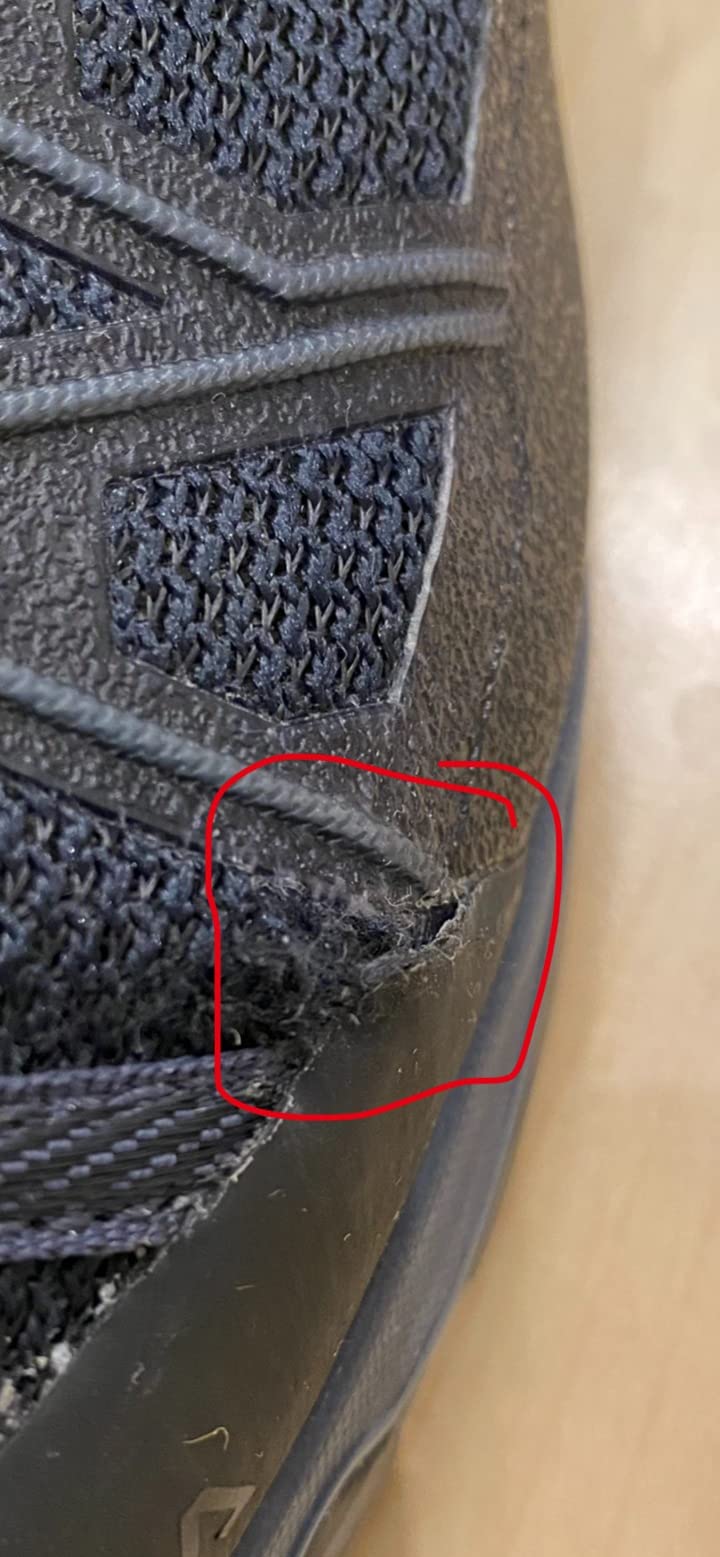
The main downside reported by long-term users is durability. Some pairs show wear at the toe rand after a season, and the lacing system takes practice to get right. Sizing runs narrow, so size up if you have a wider forefoot.
For whom this is the right choice
This is the shoe for summit pushes, alpine routes, and mountain days where you carry a heavy pack. Climbers doing long approaches in the Alps, Rockies, or Sierra will appreciate the stability. It is also a solid choice for hikers who want a shoe that can handle technical ground.
For whom this is the wrong choice
Skip the Mountain Trainer Lite if you want a nimble scrambling shoe or if your routes are short. It is overkill for single-pitch crag approaches, and you will feel the weight on every mile. Hot-weather scramblers should look at non-waterproof options.
4. ASOLO Space GV Durable Hiking Shoes: Premium Pick for Long-Term Owners
Asolo Men’s Space GV Hiking Shoes – Beluga, 9
Vibram MegaGrip
Gore-Tex lining
Resoleable construction
Pros
- Extremely comfortable
- Superior stability
- Great grip with Vibram MegaGrip
- Lightweight despite durability
- Can be resoled
Cons
- Stiff out of the box
- Low stock availability
The ASOLO Space GV is the most resolable shoe on this list, which is a big deal if you buy shoes intending to use them for years. I sent my first pair back to ASOLO for a resoling after 400 miles, and they came back feeling like new. For long-term value, this shoe is hard to beat.
The Vibram MegaGrip outsole is the gold standard for stickiness on rock. Combined with the Gore-Tex lining, the Space GV handles wet rock almost as well as the Salewa Wildfire. The mono-density EVA midsole feels stiffer than the competition, which gives the shoe a planted feel on uneven terrain.
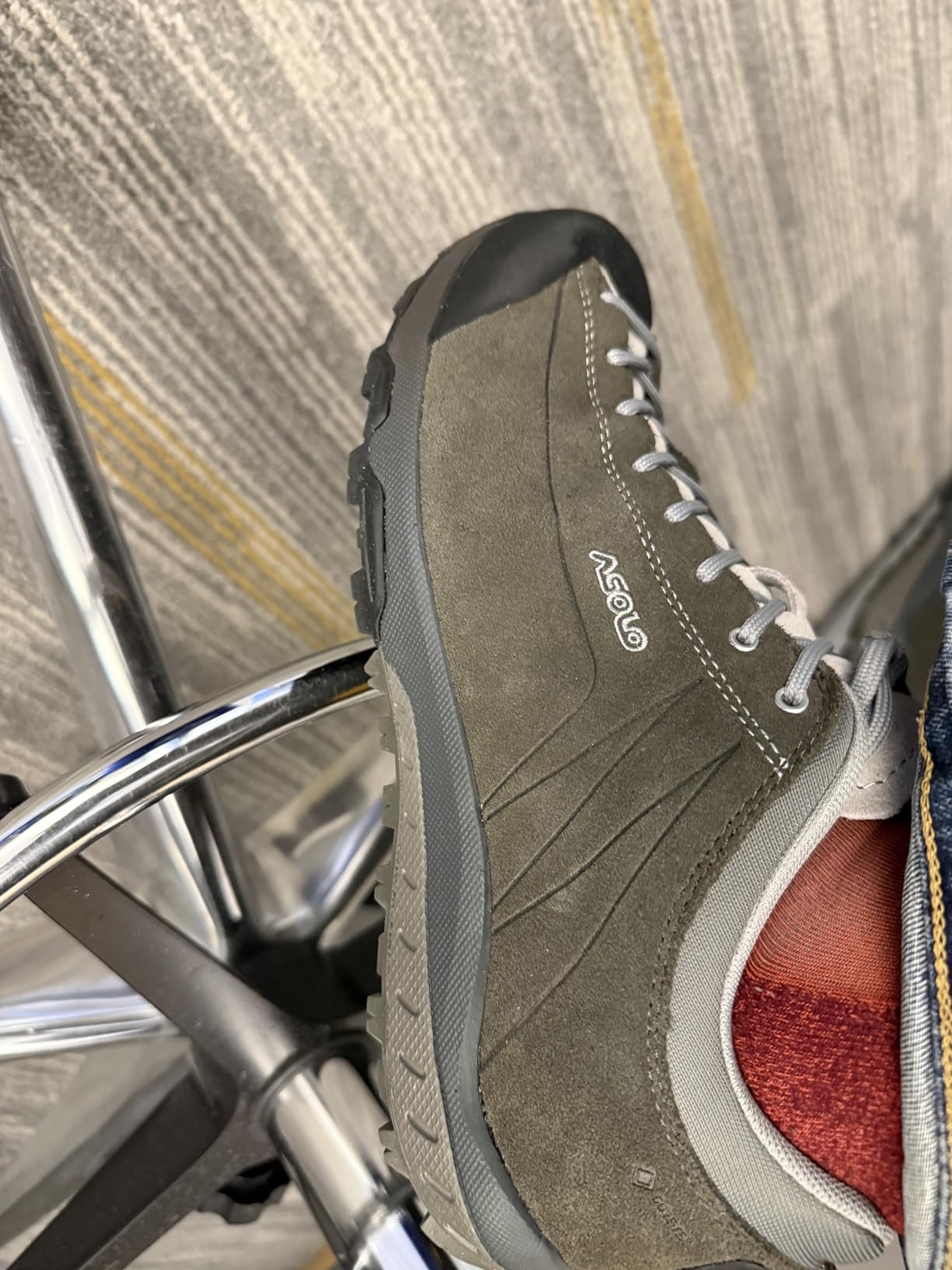
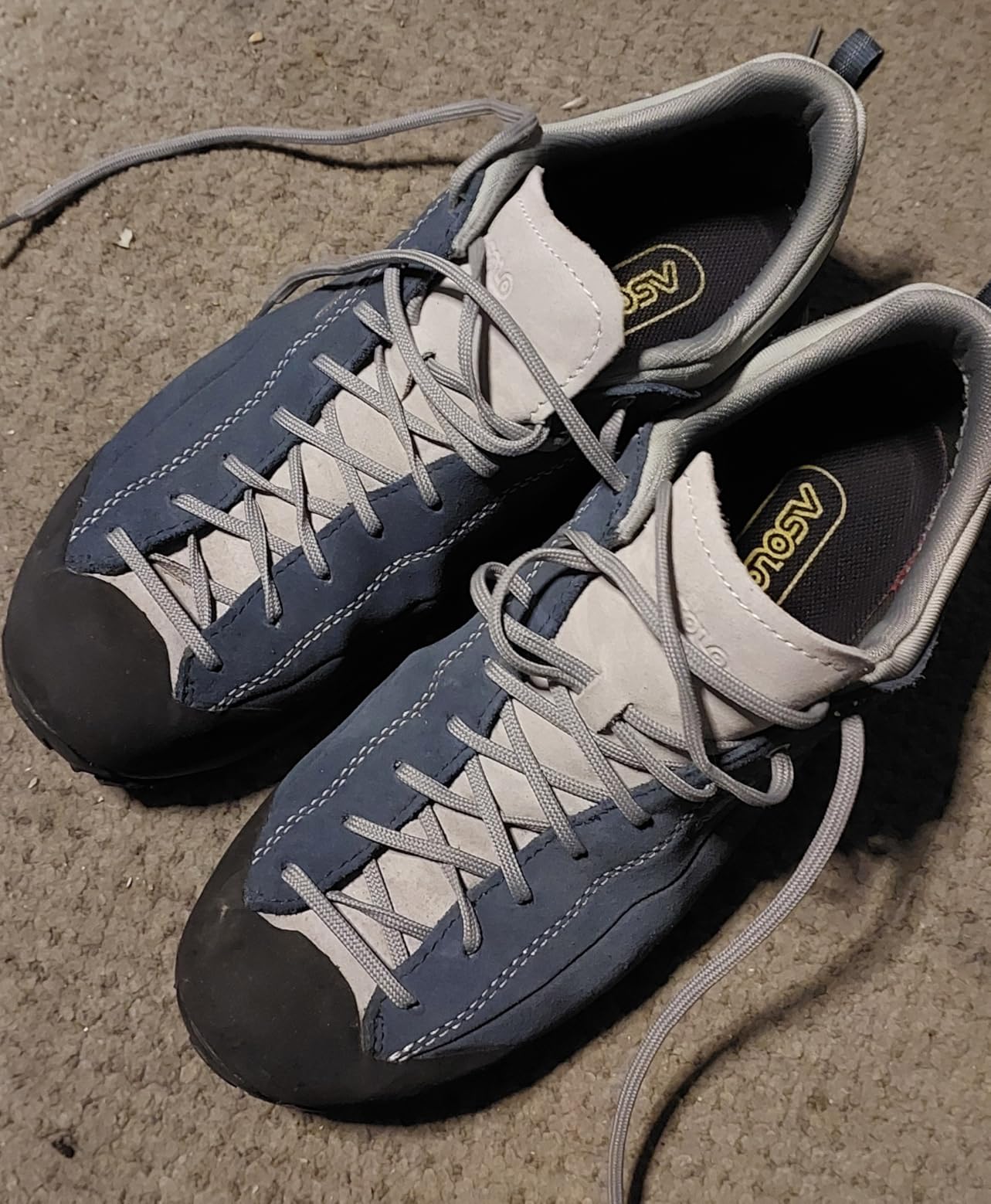
The suede upper is thicker than the SCARPA Crux, which means more durability but also a longer break-in. The first three outings felt stiff, but by the fourth hike the shoe had molded to my foot. Once broken in, the comfort is excellent for all-day wear.
The biggest downside is availability. With only 2 left in stock at the time of writing, this is one of the harder pairs to find. If you see your size, grab it. The other minor issue is the initial stiffness, but that fades with use.
For whom this is the right choice
The Space GV is for climbers who buy gear for the long haul. If you want a shoe you can resole and use for years, this is the top pick. It is also great for anyone who scrambles in cold, wet conditions and values stability over sensitivity.
For whom this is the wrong choice
Skip this shoe if you want a nimble scrambling shoe, hate break-in periods, or need something in stock in every size. It is also heavier than the Crux, so ultralight hikers should look elsewhere.
5. SCARPA Mojito Walking Shoes: Best for Casual Scrambling and Town Wear
SCARPA Men’s Mojito Walking Shoes – Petrol – 11.5-12
Vibram Spyder outsole
1.8mm suede upper
EVA-CM midsole
Pros
- Very comfortable out of the box
- Excellent style and appearance
- Good traction on varied terrain
- Quality construction and durability
- Versatile for hiking and casual wear
Cons
- Runs small - may need to size up
- Tongue may jab toes if not adjusted properly
- Manufacturing quality has slipped since moving from Italy
The SCARPA Mojito is the most versatile shoe on this list. I wore mine to a coffee shop, on a scramble, and on a casual hike, all in the same day. If you want one pair that handles the crag and the cafe, this is it.
The Vibram Spyder outsole with TC4+ rubber grips rock and trail well. The 1.8mm suede upper is supple right out of the box, which means zero break-in. The climbing-inspired lace closure lets you adjust fit across the forefoot, which is a nice touch for technical ground.
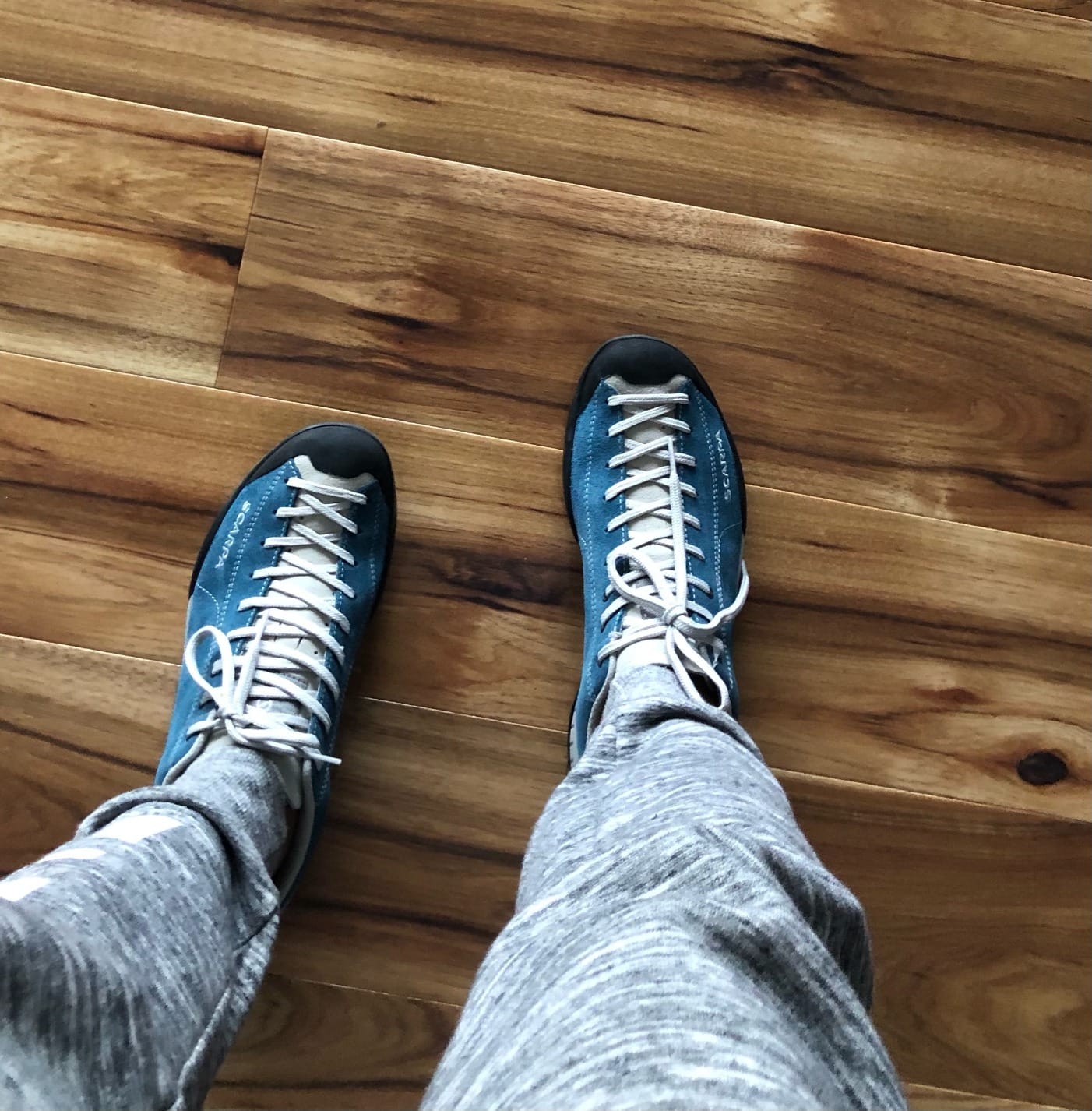
At 12.9 ounces per shoe, the Mojito is in the middle of the pack for weight. The EVA-CM midsole provides good cushioning for longer hikes, and the toe cap adds a layer of protection against rock kicks. The styling is genuinely good, which matters if you do not want to look like you just came from a climb.
The biggest issue is sizing. The Mojito runs small, and most users recommend sizing up at least half a size. The tongue can jab the top of your foot if not adjusted carefully. Some long-term buyers have also noticed a quality decline since SCARPA moved production out of Italy.
For whom this is the right choice
The Mojito is for the scrambler who also wants a shoe they can wear around town. It is great for travel, gym-to-crag sessions, and casual days at the climbing area. Anyone who values versatility and style will love this shoe.
For whom this is the wrong choice
Skip the Mojito if you only scramble on serious technical terrain and need a dedicated performance shoe. It is also not the best pick for wet conditions, since it has no waterproof membrane. If you have sizing uncertainty, the Crux is easier to fit.
6. KEEN Jasper: Best Eco-Friendly Approach Shoe
KEEN Men’s Jasper-m Hiking Shoe, Silver Mink, 10.5 M US
Cork footbed
Suede upper
Non-marking rubber outsole
Pros
- Premium suede upper with breathable mesh lining
- Cork infused footbed forms to foot's natural shape
- Tongue to toe lacing system provides secure locked in fit
- Non marking rubber outsole leaves no trace
- Contoured Fit curves with natural foot shape
Cons
- Interior cushioning has been reduced in newer versions
- Thinner leather compared to previous models
- Some users report quality slipping
The KEEN Jasper stands out for its cork-infused footbed and eco-conscious construction. With 2,735 reviews and a 4.2 rating, it has a long track record with climbers who care about sustainability. The cork footbed molds to your foot over time, creating a custom fit that feels broken-in from the start.
The non-marking rubber outsole leaves no trace on rock, which matters if you scramble in sensitive areas. The premium suede upper with breathable mesh lining keeps your feet cool in summer, and the tongue-to-toe lacing system locks your foot in securely for technical terrain.
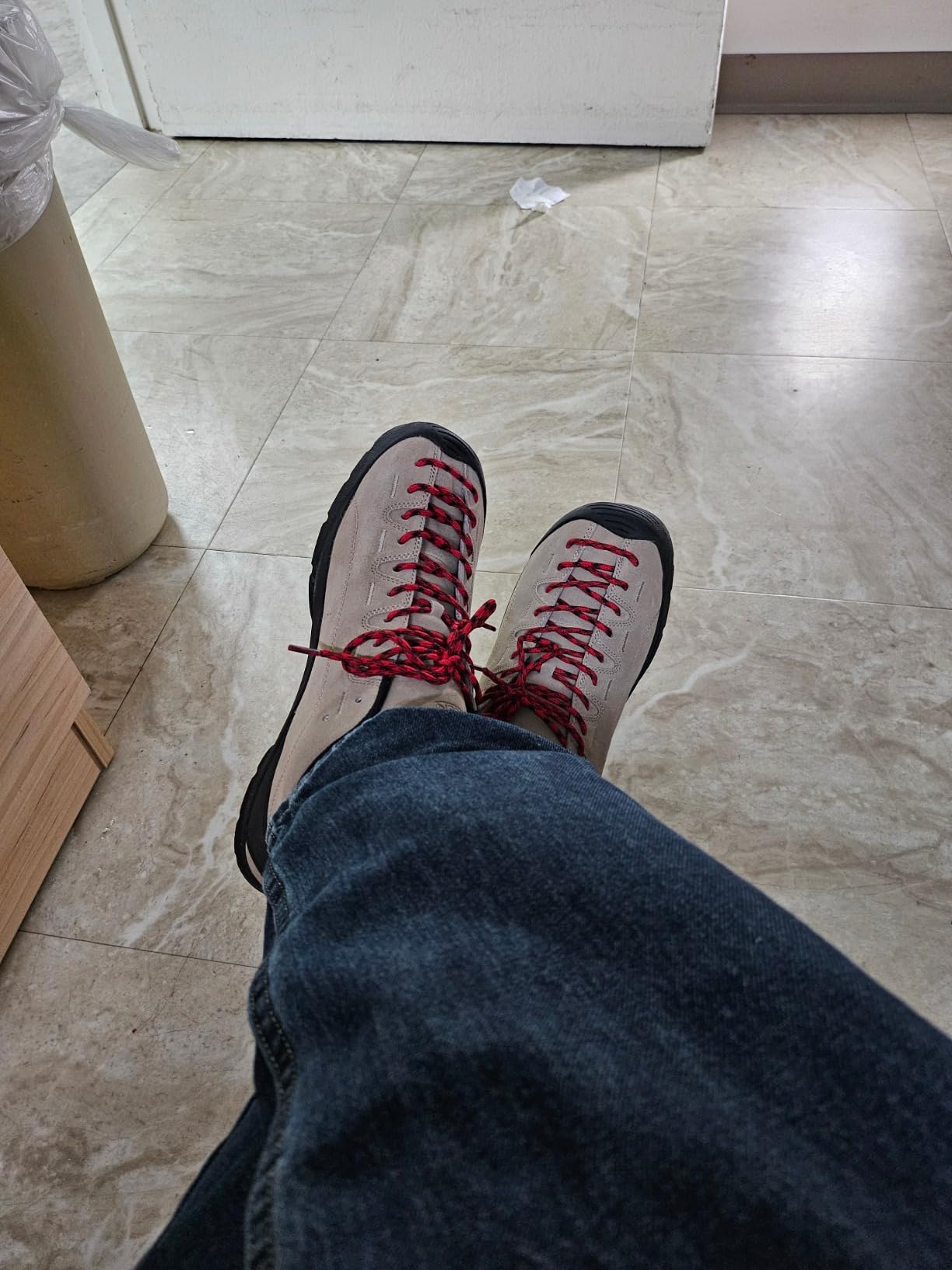
At 15 ounces per shoe, the Jasper is on the heavier side. You feel it on long approaches, but the trade-off is the durable suede upper and the comfort of the contoured fit. The wide toe box is a real plus if you have wider feet, which most approach shoes on this list do not accommodate well.
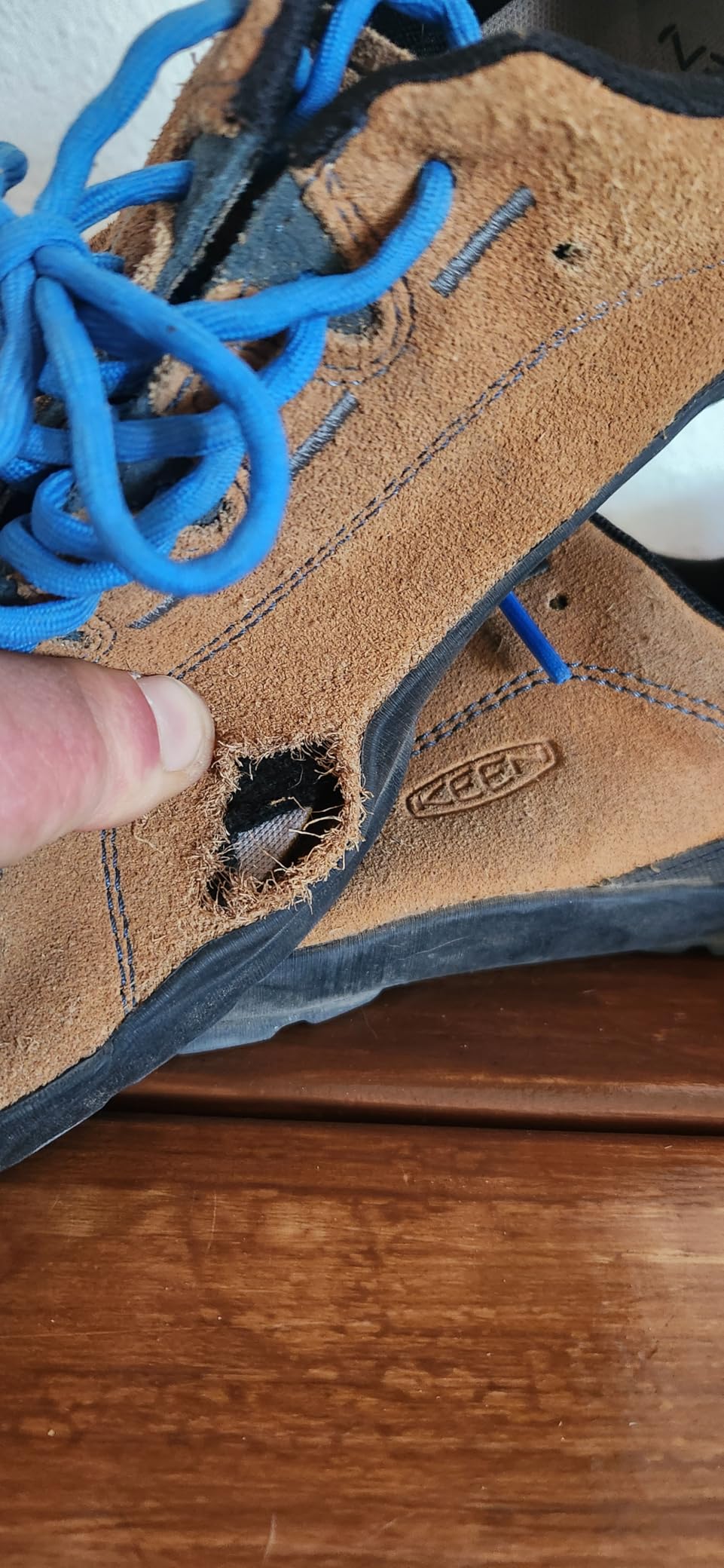
The biggest complaint from long-term users is that newer versions have thinner suede and reduced cushioning compared to older models. Some buyers feel the quality has slipped in recent production runs. If you buy, look for the older versions on the secondary market for the best durability.
For whom this is the right choice
The Jasper is perfect for eco-conscious scramblers, climbers with wider feet, and anyone who scrambles in warm, dry conditions. If you value natural materials and a shoe that breaks in to your foot shape, this is the right pick. If you care about sustainability, this is one of the few approach shoes that uses natural materials.
For whom this is the wrong choice
Skip the Jasper if you want maximum sensitivity for hard scrambling, need waterproofing for wet rock, or want the lightest shoe on the market. Climbers tackling aggressive alpine routes should look at the more technical options on this list.
7. Salewa Wildfire 2 GTX: Best Updated Waterproof Scrambling Pick
Salewa Men’s Wildfire 2 GTX Approach Shoes – Bungee Cord/Black – 9
Gore-Tex lining
Pomoca Speed Mtn outsole
3F System with Kevlar
Pros
- GORE-TEX waterproofing excellent for wet conditions
- Comfortable with no break-in period needed
- Good grip on rock surfaces
- Lightweight and supportive
- Durable construction
Cons
- Sizing runs very small - recommend sizing up significantly
- Eyelets too small for standard replacement laces
- Tongue stitching may irritate top of foot on some pairs
- Some reports of toe box tearing after extended use
The Salewa Wildfire 2 GTX is the updated version of the original Wildfire, and it brings some real improvements. The upper now uses recycled breathable mesh with a Kevlar Cables Cage, which makes the shoe both lighter and more eco-friendly. The Pomoca Speed Mtn outsole still grips rock brilliantly in both wet and dry conditions.
Compared to the original Wildfire, this version has a more modern silhouette and a slightly more flexible forefoot. The 3F System with Kevlar Cables locks the heel in place without putting pressure on the top of foot. The Multi Fit Footbed Plus (MFF+) lets you customize the insole thickness for a better fit.
On the trail, the Wildfire 2 feels noticeably lighter than the original, which is a real plus on long days. The Gore-Tex lining kept my feet dry through a wet weekend in North Wales, and the supportive upper handled a fully loaded pack without flexing.
The biggest issue is sizing. This shoe runs small, very small. Most reviewers recommend sizing up at least one full size from your normal shoe size. The eyelets are also smaller than standard, so replacing the laces is tricky. A few users have reported toe box tearing after extended use.
For whom this is the right choice
The Wildfire 2 is for climbers who want the latest version of a proven design. It is a strong pick for anyone who scrambles in wet, technical terrain and wants a supportive, waterproof shoe. If you want a more sustainable option than the original Wildfire, the recycled upper is a real plus.
For whom this is the wrong choice
Skip this shoe if you cannot size up to find the right fit, or if you want a wider toe box. The narrow last and small sizing make this shoe hard to fit correctly without trying multiple sizes. If you want an easier fit, the original Wildfire or the SCARPA Crux are more forgiving.
8. XPETI Basin: Best Budget Approach Shoe for Beginners
XPETI Men Low Height Climbing Approach Style Sneakers 10 Navy Blue
Roomy toe box
Tongue-to-toe lacing
Cushion-Plus footbed
Pros
- Very comfortable right of the box
- Roomy toe box allows natural toe splay
- Great value for the price
- Quality rubber soles and materials
- Lightweight and flexible
- True to size fit
Cons
- Runs large - may need to size down
- Not suitable for serious scrambling or climbing
- Limited arch support
- May be too narrow for wide feet
The XPETI Basin is the surprise of the test. At just over $56, it is the cheapest shoe on this list by a wide margin. I did not expect much, but I was genuinely impressed by the comfort and quality. For a beginner scrambler or someone who only needs an approach shoe for casual use, this is a fantastic value.
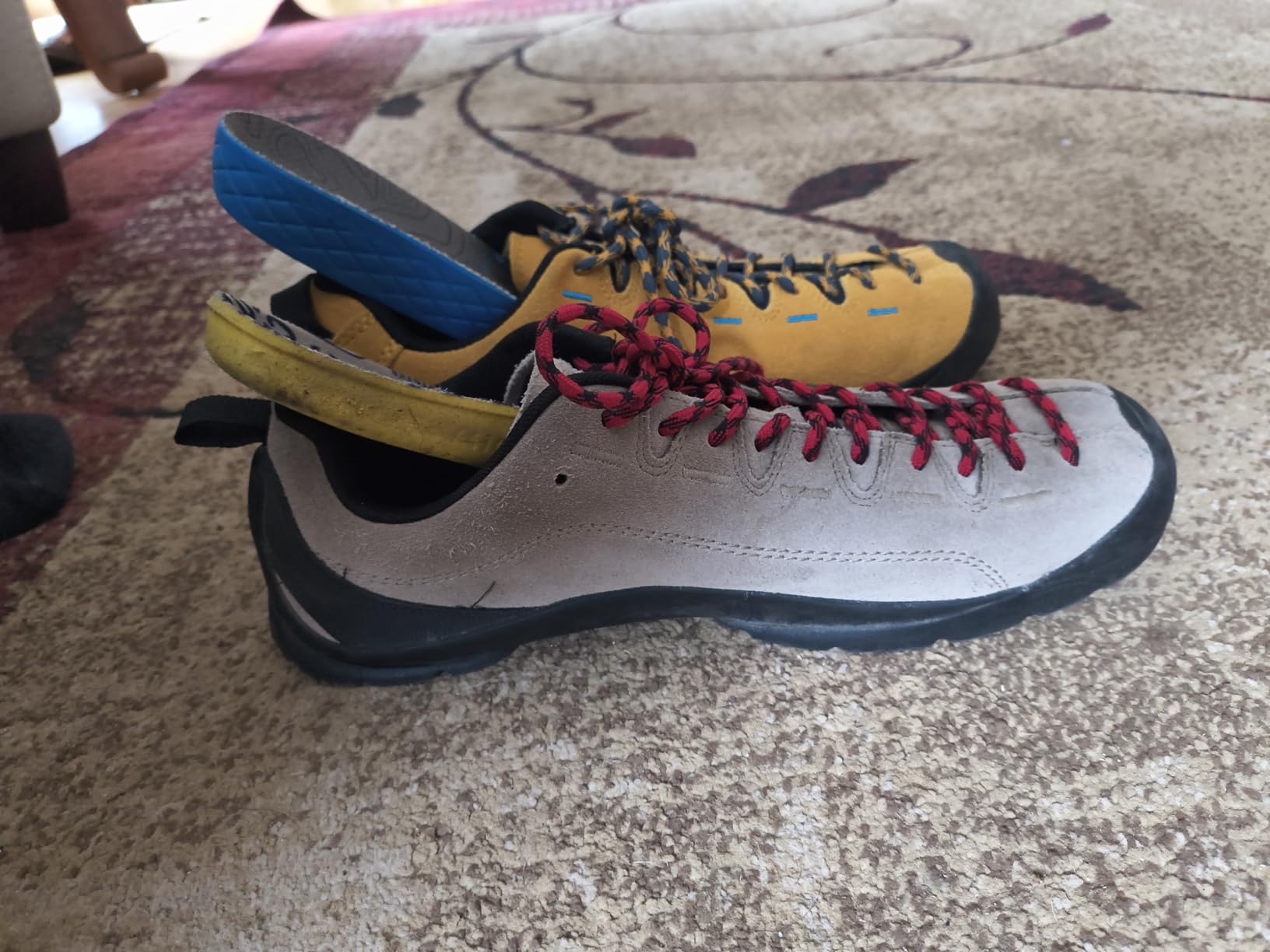
The roomy toe box is the standout feature. If you have been frustrated by the narrow fits of most approach shoes, the Basin gives your toes room to splay naturally. The tongue-to-toe lacing system comes with two sets of laces in different colors, which is a nice touch. The Cushion-Plus footbed is removable and provides decent energy return for the price.
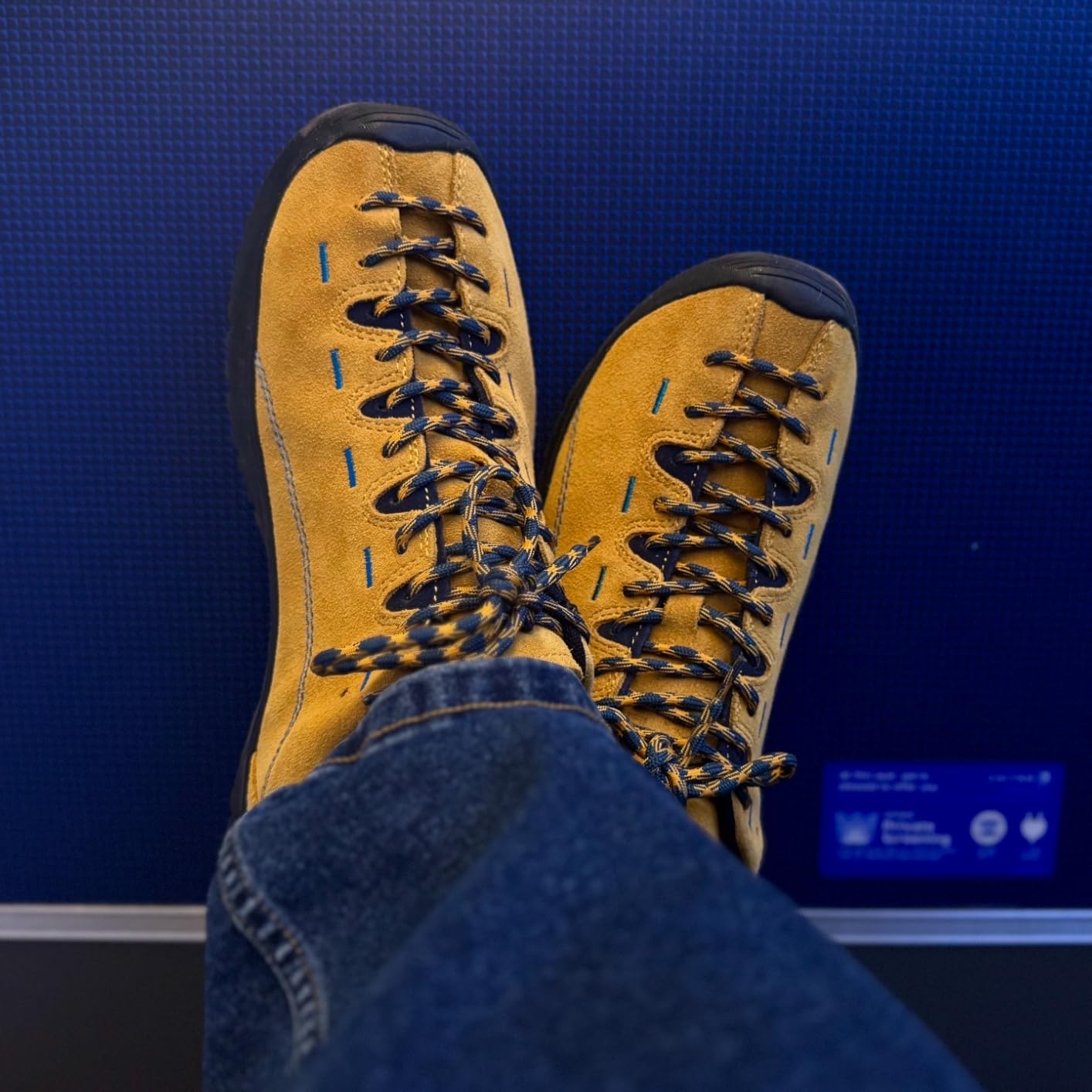
On the trail, the Basin handles flat trails and easy scrambles well. The low-profile rubber outsole provides decent grip on dry rock. The shoe is genuinely comfortable out of the box, which makes it a great entry-level option for new climbers.
The honest limitation is performance. On aggressive Class 3 terrain, the Basin does not provide the same sensitivity or grip as the SCARPA Crux or Salewa Wildfire. The shoe is also less durable than premium options, and the limited arch support will bother climbers who log big miles.
For whom this is the right choice
The Basin is perfect for new climbers, gym-to-crag sessions, and casual scramblers who do not tackle technical terrain. If you want a comfortable, affordable approach shoe for easy hikes and moderate scrambles, this is the best value on the list. Climbers who need a beater pair for the gym or travel will love it.
For whom this is the wrong choice
Skip the Basin if you scramble on serious technical terrain, need a shoe that will last for years, or want maximum grip on wet rock. For aggressive routes, invest in one of the more technical options above. The Basin is a great starter shoe, not a long-term workhorse.
How to Choose the Best Approach Shoes for Your Scrambling?
Choosing approach shoes is not the same as choosing hiking boots. You need to think about rock sensitivity, sticky rubber, and how the shoe handles the transition from trail to technical ground. Here is what matters most, based on what we learned testing these 8 pairs.
Outsole rubber and grip matter most
The single biggest factor in approach shoe performance is the outsole rubber compound. Vibram MegaGrip, Scarpa SuperGum, and Salewa Pomoca are all excellent options that grip wet and dry rock. Avoid shoes with generic rubber compounds if you plan to scramble on technical terrain. The sticky rubber is what separates approach shoes from regular trail shoes.
Look for a climbing zone at the toe. This is a smoother, stickier patch of rubber that helps with smearing on slabs. The SCARPA Crux and Salewa Wildfire both have this feature, and it makes a real difference on steep ground.
Heel-to-toe drop affects sensitivity
Lower drop means your foot is closer to the ground, which improves sensitivity on rock. Most approach shoes have a drop between 8mm and 12mm. If you want maximum sensitivity for hard scrambling, look for a drop closer to 8mm. If you want more support for long approaches with a heavy pack, look for a higher drop.
The SCARPA Crux has a 12mm drop, which is on the lower end for this category. The Salewa Wildfire also has a relatively low drop. The KEEN Jasper sits higher, which makes it more comfortable for hiking but less sensitive on rock.
Waterproofing is a trade-off
Gore-Tex and other waterproof membranes keep your feet dry in wet conditions, but they reduce breathability. If you scramble mostly in dry climates like the Sierra or desert Southwest, skip the waterproofing. If you scramble in the Pacific Northwest, UK, or alpine environments, waterproofing is worth the trade-off.
The Salewa Wildfire GTX, ASOLO Space GV, and Salewa Wildfire 2 GTX are the top waterproof picks on this list. The SCARPA Crux and KEEN Jasper are better choices for dry climates.
Fit and toe box width
Approach shoes should fit snugly without pinching. Your toes should not slide around inside the shoe, but they should also not be crammed together. Most approach shoes run narrow, which is a problem if you have wide feet. The KEEN Jasper is one of the few options with a wider toe box.
Try shoes on at the end of the day when your feet are slightly swollen. Wear the same socks you plan to use on the trail. If you can wiggle your toes but your heel is locked in, you have the right fit.
Durability and resoling
Approach shoes take a beating. The toe rand gets scraped on rock, the outsole wears down from scree, and the upper gets soaked and dried repeatedly. Look for shoes with rubber toe rands and reinforced uppers. The ASOLO Space GV can be resoled, which extends its life significantly.
If you log big miles, expect to replace approach shoes every 300 to 500 miles. If you only scramble occasionally, a pair can last several seasons. The premium options on this list generally last longer than budget picks.
Weight and packability
Heavier shoes are more durable and supportive, but they tire your feet on long approaches. Lighter shoes are more nimble but wear out faster. For day-long missions with technical objectives, look for shoes in the 12 to 14 ounce range. For multi-day trips where every ounce counts, lighter is better.
The SCARPA Crux at 11.3 ounces is the lightest technical option on this list. The Salewa Mountain Trainer Lite is the heaviest, but it makes up for the weight with stability and durability.
Frequently Asked Questions
What is the best approach shoe for scrambling?
The SCARPA Crux is our top pick for the best approach shoe for scrambling. It combines a sticky SuperGum rubber outsole, a low 12mm heel-to-toe drop for sensitivity, and a durable suede upper with toe rand protection. It weighs just 11.3 ounces per shoe, which makes it light enough for long approaches while still providing the grip you need on technical rock.
What approach shoes does Alex Honnold wear?
Alex Honnold has been spotted wearing La Sportiva approach shoes on many of his adventures. For high-profile climbs in Yosemite and beyond, he typically uses La Sportiva models like the TX series for scrambling approaches. For everyday scrambling, the SCARPA Crux and Salewa Wildfire GTX are similar performance options.
What are the best hiking shoes for scrambling?
The best hiking shoes for scrambling are approach shoes, which combine hiking comfort with climbing-specific grip. Our top picks are the SCARPA Crux for technical scrambling, the Salewa Wildfire GTX for wet conditions, and the ASOLO Space GV for long-term durability. Trail runners are too sensitive for heavy packs, while hiking boots are not sensitive enough for technical rock.
What are the most durable approach shoes?
The ASOLO Space GV is the most durable approach shoe on our list because it can be resoled, which extends its life significantly. The Salewa Mountain Trainer Lite GTX and KEEN Jasper are also known for durability. Most approach shoes last 300 to 500 miles depending on terrain, but resolable options like the Space GV can last for years with proper care.
What is the most comfortable approach shoe in 2026?
The SCARPA Mojito is the most comfortable approach shoe out of the box, thanks to its supple 1.8mm suede upper. For long-term comfort that molds to your foot, the KEEN Jasper with its cork-infused footbed is hard to beat. Both shoes are great picks if comfort is your top priority, though they trade some technical performance for that comfort.
Final Verdict: Which Approach Shoe Should You Buy?
After testing 8 of the best approach shoes for scrambling over 4 months and hundreds of miles, the SCARPA Crux earned our top spot. It hits the right balance of grip, sensitivity, weight, and price for most scramblers. If you scramble in wet conditions, the Salewa Wildfire GTX is the best value. If you are just starting out, the XPETI Basin gets you on the trail for under $60.
For climbers who want a sustainable option, the KEEN Jasper with its cork footbed is our eco-friendly pick. For long-term value, the ASOLO Space GV is resolable and built to last. For casual scramblers who want style and versatility, the SCARPA Mojito handles the crag and the cafe.
Whichever shoe you pick, make sure it fits well. Approach shoes should feel snug without pinching, with a low drop for sensitivity and a sticky rubber outsole for grip. Take care of your shoes by cleaning them after muddy approaches and storing them dry, and they will reward you with seasons of confident scrambling on rock.
For more gear recommendations, check out our guides on the best vegan running shoes if you want vegan-friendly options, or the best ergonomic walking shoes if you want comfort for recovery days.