
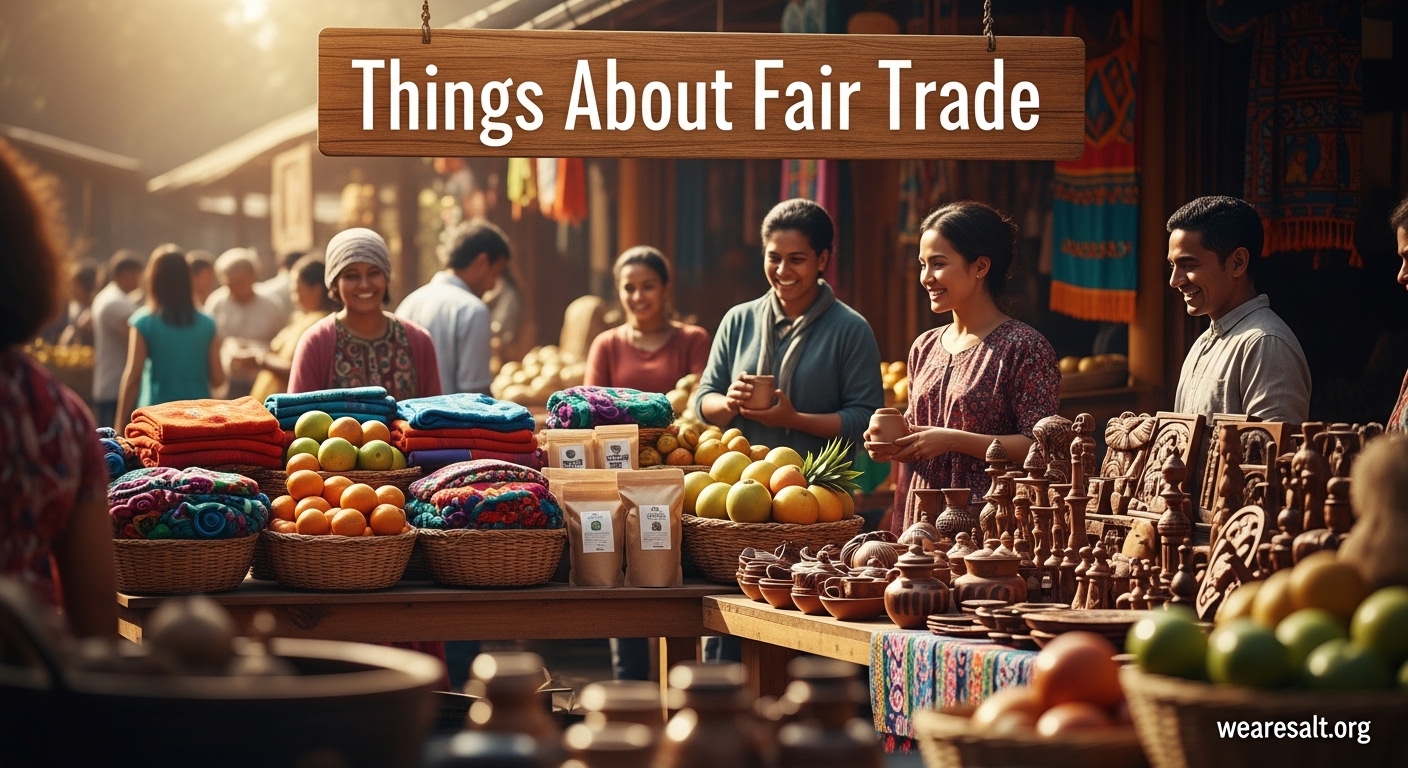
Fair trade is a global movement that ensures producers in developing countries receive fair prices, work in safe conditions, and can invest in their communities through ethical trade arrangements. When you see that familiar certification mark on your morning coffee or chocolate bar, you’re looking at the result of a system designed to make trade fairer for the people who grow our food and craft our goods.
In this guide, we will explain what fair trade means in simple terms, how the certification system works, and why it matters for farmers, workers, and conscious consumers alike.
Table of Contents
What Is Fair Trade?
Fair trade is an organized social movement and market-based approach that aims to help producers in developing countries achieve better trading conditions and promote sustainability. The system addresses the imbalance of power in traditional supply chains by setting standards that ensure fair treatment of farmers and workers.
At its core, fair trade creates a direct connection between producers in the Global South and consumers in the Global North. This relationship cuts out exploitative middlemen and ensures that the people who actually make our products receive a fair share of the profits.
The fair trade system covers everything from agricultural products like coffee and cocoa to manufactured goods like clothing and handicrafts. Any product carrying a fair trade certification has met strict standards for ethical production, fair wages, and environmental stewardship.
The Key Principles of Fair Trade
Organizations that certify fair trade products follow a set of core principles designed to protect workers and the environment. These standards create accountability throughout the supply chain.
Here are the key principles that define fair trade:
Fair Prices: Farmers and producers receive minimum price guarantees that cover their production costs, even when market prices drop. This financial security helps them plan for the future and invest in their businesses.
Safe Working Conditions: Certified producers must provide workplaces that meet strict safety standards. This includes proper equipment, reasonable hours, and protection from hazardous materials.
No Child Labor: Fair trade strictly prohibits child labor. Children under 15 cannot be employed, and those between 15 and 18 cannot perform dangerous work. This ensures children can attend school instead of working in fields or factories.
Community Development Premium: On top of the fair price, producers receive an additional premium for community projects. This money funds schools, healthcare facilities, clean water systems, and other improvements chosen by the community itself.
Environmental Stewardship: Fair trade standards require sustainable farming practices. This includes limiting pesticide use, protecting water sources, preventing deforestation, and promoting organic certification.
Transparency and Accountability: The entire supply chain must be transparent and open to independent audits. This prevents fraud and ensures that fair trade claims are legitimate.
Gender Equality: Fair trade organizations promote equal opportunities for women. This includes leadership positions, fair wages, and protection from discrimination and harassment.
How Does Fair Trade Work?
The fair trade system operates through a certification process that tracks products from farm to shelf. Independent organizations verify that producers meet strict standards before granting the right to use fair trade labels.
Here is how the process typically works:
First, farmers or producers join a certified cooperative or organization. These groups must meet democratic standards and represent member interests fairly.
Next, independent auditors inspect the farm or facility. They verify working conditions, check records, interview workers, and ensure environmental compliance.
Once certified, producers can sell their goods as fair trade products. Buyers pay a minimum price that covers production costs, plus the community development premium on top.
The premium goes into a communal fund managed democratically by the cooperative. Members vote on how to spend this money on community improvements like schools, clinics, or training programs.
Throughout the supply chain, documentation tracks the product from its origin to the final consumer. This chain of custody prevents mixing certified and non-certified goods.
Finally, the finished products reach stores with recognizable fair trade labels. Consumers can identify these products and know their purchase supports ethical trade practices.
Common Fair Trade Products
You have probably encountered fair trade products without even realizing it. Many everyday items carry fair trade certification, from your morning coffee to the cotton in your t-shirt.
Coffee: Coffee was one of the first fair trade products and remains the most popular. Fair trade coffee ensures farmers receive stable prices despite volatile commodity markets.
Cocoa and Chocolate: Many major chocolate brands now offer fair trade options. This addresses exploitation in cocoa-producing regions where child labor has been a serious concern.
Bananas: The banana industry has historically exploited workers with low wages and dangerous conditions. Fair trade bananas provide better compensation and safer working environments.
Tea: From black tea to green tea and herbal blends, fair trade certification helps tea workers receive fair wages and safe conditions on plantations.
Cotton and Textiles: Fair trade cotton ensures farmers receive fair prices for their crops, while fair trade clothing manufacturing protects garment workers in factories.
Sugar: Fair trade sugar cane and beet farmers receive fair prices and community premiums that help improve living standards in producing regions.
Gold and Precious Metals: Fair trade gold addresses dangerous mining conditions and ensures miners receive fair compensation for their labor.
Flowers: The cut flower industry employs millions of workers, often women, in developing countries. Fair trade certification addresses pesticide exposure and wage issues.
Other fair trade products include nuts, spices, wine, handicrafts, and cosmetics made with fair trade ingredients.
Fair Trade vs Regular Trade
Understanding the difference between fair trade and conventional trade helps explain why the movement exists. The contrast reveals systemic problems in global supply chains.
In regular trade, prices fluctuate based entirely on commodity markets. When prices crash, small farmers often receive less than their production costs. Large corporations and middlemen capture most of the profits while producers struggle to survive.
Regular trade often lacks transparency. Consumers have no way of knowing where products came from, who made them, or under what conditions. This opacity allows exploitation to continue unchecked.
Fair trade addresses these problems directly. Minimum prices guarantee farmers can cover costs and feed their families regardless of market volatility.
The certification system creates accountability through independent audits. Workers gain protections against unsafe conditions, discrimination, and child labor that conventional trade often ignores.
Community premiums in fair trade direct additional money toward development projects. Regular trade provides no such mechanism for reinvestment in producing communities.
Environmental standards in fair trade require sustainable practices. Conventional trade often prioritizes short-term yields over long-term environmental health.
Why Is Fair Trade Important?
Fair trade matters because it addresses real problems faced by millions of farmers and workers worldwide. The movement creates tangible benefits for people who have been historically exploited by global trade systems.
Over 2 million farmers and workers across 67 countries participate in fair trade systems. These people gain price stability that helps them plan for the future and escape poverty cycles.
Studies show fair trade farmers often earn significantly more than their conventional counterparts. The Fairtrade Premium alone has funded over 1 billion dollars in community development projects since the system began.
Environmental protection benefits everyone. Fair trade standards reduce pesticide use, protect forests, and promote sustainable agriculture that preserves land for future generations.
Gender equality programs in fair trade organizations help women gain leadership roles and fair compensation. This addresses historical discrimination in agricultural and manufacturing sectors.
For consumers, fair trade offers a way to align purchases with values. Every certified product represents a vote for ethical treatment of workers and sustainable production methods.
The system also creates market incentives for ethical business practices. As consumer demand for fair trade grows, more companies adopt sustainable sourcing policies.
How to Identify Fair Trade Products
Finding fair trade products has become easier as certification systems have expanded. Several recognizable labels appear on certified goods sold worldwide.
Look for the Fairtrade Mark, the most recognized fair trade certification globally. This blue and green logo appears on products that meet international Fairtrade standards.
In the United States, Fair Trade Certified products carry a distinct label from Fair Trade USA. This certification covers products sold in North American markets.
The Fair Trade Federation certifies businesses committed to fair trade principles across their entire supply chain. Member companies undergo thorough vetting before joining.
When shopping online, check product descriptions for fair trade claims. Reputable retailers will specify which certification system their products meet.
Be cautious of vague claims like ethically sourced or responsibly made without specific certification backing. These terms have no standardized meaning and may not reflect genuine fair trade practices.
Download apps like Buycott that scan barcodes and identify fair trade certifications. These tools make ethical shopping easier when browsing store shelves.
Ask questions at your local grocery store or coffee shop. Consumer demand drives retailers to stock more fair trade options.
FAQ
What is Fairtrade in simple terms?
Fairtrade is a system that ensures farmers and workers in developing countries receive fair prices for their products and work in safe conditions. When you buy Fairtrade certified products, you know the people who made them were treated fairly and paid enough to support their families.
What is the meaning of fair trading?
Fair trading means conducting business in ways that respect workers rights, pay fair wages, protect the environment, and ensure transparency throughout the supply chain. It prioritizes people and planet alongside profit.
What is an example of Fairtrade?
A common example is Fairtrade coffee. When you buy a bag of coffee with the Fairtrade Mark, you know the farmers who grew those beans received a minimum price that covers their production costs, plus an extra premium for community projects. The same applies to Fairtrade chocolate, bananas, tea, and cotton products.
What is the meaning of trade fairs?
Trade fairs are different from fair trade. A trade fair is an exhibition where companies show and sell their products to other businesses or consumers. While some trade fairs focus on ethical or sustainable products, the term itself refers to the event format rather than the ethical trading system.
How does Fairtrade certification work?
Independent organizations inspect farms and facilities to verify they meet Fairtrade standards. These include fair wages, safe conditions, no child labor, and environmental protections. Once certified, products can carry the Fairtrade Mark, and producers receive minimum prices plus community premiums.
Does Fairtrade actually help farmers?
Studies show Fairtrade does help farmers earn more stable incomes and invest in their communities. The Fairtrade Premium has funded over 1 billion dollars in projects like schools, clinics, and clean water systems. However, some critics argue the system could be more inclusive and reach more producers.
Conclusion
Fair trade represents a practical response to the inequalities built into global commerce. By choosing certified products, consumers support a system that treats farmers and workers with dignity while protecting the environment.
What is fair trade? It is more than a certification mark. It is a commitment to justice in our everyday purchases. Every cup of certified coffee, every bar of ethical chocolate, and every organic cotton shirt represents a choice to value people over maximum profit.
The movement continues to grow as more consumers recognize their power to create positive change. Start by looking for fair trade labels on products you already buy. Ask your favorite brands about their sourcing practices. Share what you have learned about fair trade with friends and family.
Small choices add up. When millions of consumers demand fair trade, markets respond. Together, we can build a global economy that works for everyone, not just the powerful few.