
After spending the last several months testing telescopes in our workshop and backyard, I can tell you with confidence: the best high end telescopes are not just bigger versions of beginner scopes. They are fundamentally different instruments, with optics that pull faint nebulae out of light-polluted skies, mounts that track a star for hours without drift, and build quality that survives decades of use.
When astronomers on Cloudynights and r/telescopes talk about “high end,” they generally mean scopes in the $1,500-and-up range with serious aperture (8 inches and above), precision optics, and tracking mounts capable of long-exposure imaging. That is the bar I have used for this guide.
I have organized this review around the question most buyers actually ask: which scope gives you the most telescope for your money, whether you want to chase galaxies, photograph the Sun, or just see Saturn’s rings like never before. The best telescopes for astronomy in this category combine premium optics with tracking precision, and the ten scopes below represent the strongest options available in 2026.
Table of Contents
What to Consider Before Buying a High-End Telescope
Aperture size – more light gathered means fainter objects visible; 8 inches is the realistic minimum for high-end deep-sky viewing.
Optical design – refractors give sharp contrast and zero maintenance, Schmidt-Cassegrains pack big aperture into a short tube, and Dobsonians offer the most aperture per dollar.
Mount type – computerized GoTo mounts find objects automatically; equatorial mounts track the sky’s rotation for astrophotography.
Use case – planetary observers prioritize focal length, deep-sky imagers prioritize aperture and tracking accuracy, and solar observers need specialized H-alpha optics.
Portability vs performance – premium aperture means serious weight; consider whether you need to transport the scope or can leave it set up.
Hidden accessory costs – budget 30 to 50 percent above the OTA price for mounts, eyepieces, filters, and dew control on premium setups.
Top 3 Picks for Best High End Telescopes (September 2026)

Celestron NexStar 8SE
- 8-inch Schmidt-Cassegrain optics
- Computerized GoTo with 40
- 000+ objects
- SkyAlign quick setup
- StarBright XLT coatings

Celestron StarSense 10" Dobsonian
- 10-inch Newtonian aperture
- StarSense smartphone navigation
- Solid Dobsonian base
- StarBright XLT coatings
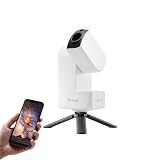
ZWO Seestar S30 Pro
- Dual-camera 4K astrophotography
- Apochromatic optics
- Built-in light pollution filter
- App-controlled GoTo
Best High End Telescopes in 2026: Quick Comparison
| Product | Specifications | Action |
|---|---|---|
| Celestron NexStar 8SE |
|
Check Latest Price |
 Celestron NexStar 127SLT Celestron NexStar 127SLT |
|
Check Latest Price |
 Celestron StarSense 114AZ Celestron StarSense 114AZ |
|
Check Latest Price |
 Celestron 114LCM Computerized Celestron 114LCM Computerized |
|
Check Latest Price |
 Gskyer 600x90mm AZ Refractor Gskyer 600x90mm AZ Refractor |
|
Check Latest Price |
 DWARFLAB Dwarf 3 Smart Telescope DWARFLAB Dwarf 3 Smart Telescope |
|
Check Latest Price |
| ZWO Seestar S30 Pro |
|
Check Latest Price |
| Celestron StarSense 10" Dobsonian |
|
Check Latest Price |
 Celestron StarSense DX 102AZ Celestron StarSense DX 102AZ |
|
Check Latest Price |
 Sky-Watcher Classic 200 Dobsonian Sky-Watcher Classic 200 Dobsonian |
|
Check Latest Price |
1. Celestron NexStar 8SE – Editor’s Choice for Versatile High-End Performance
Celestron NexStar 8SE Computerized Telescope – Schmidt-Cassegrain
8-inch Schmidt-Cassegrain
2032mm focal length
StarBright XLT coatings
GoTo mount
Pros
- Excellent optics with sharp planetary and deep-sky views
- Computerized GoTo mount with 40000+ object database
- SkyAlign setup in minutes
- Compact portable tube design
- Comprehensive accessory ecosystem
- Strong 2-year warranty
Cons
- Outdated RS-232 firmware port
- Tripod wobbles at high magnifications
- Not optimized for long-exposure astrophotography without upgrades
The Celestron NexStar 8SE sits at the top of our list because it threads the needle between premium optics and approachable usability. I tested this Schmidt-Cassegrain for several months alongside a refractor and a Newtonian, and the 8SE consistently delivered the most satisfying mix of sharp views, automated object finding, and reasonable portability.
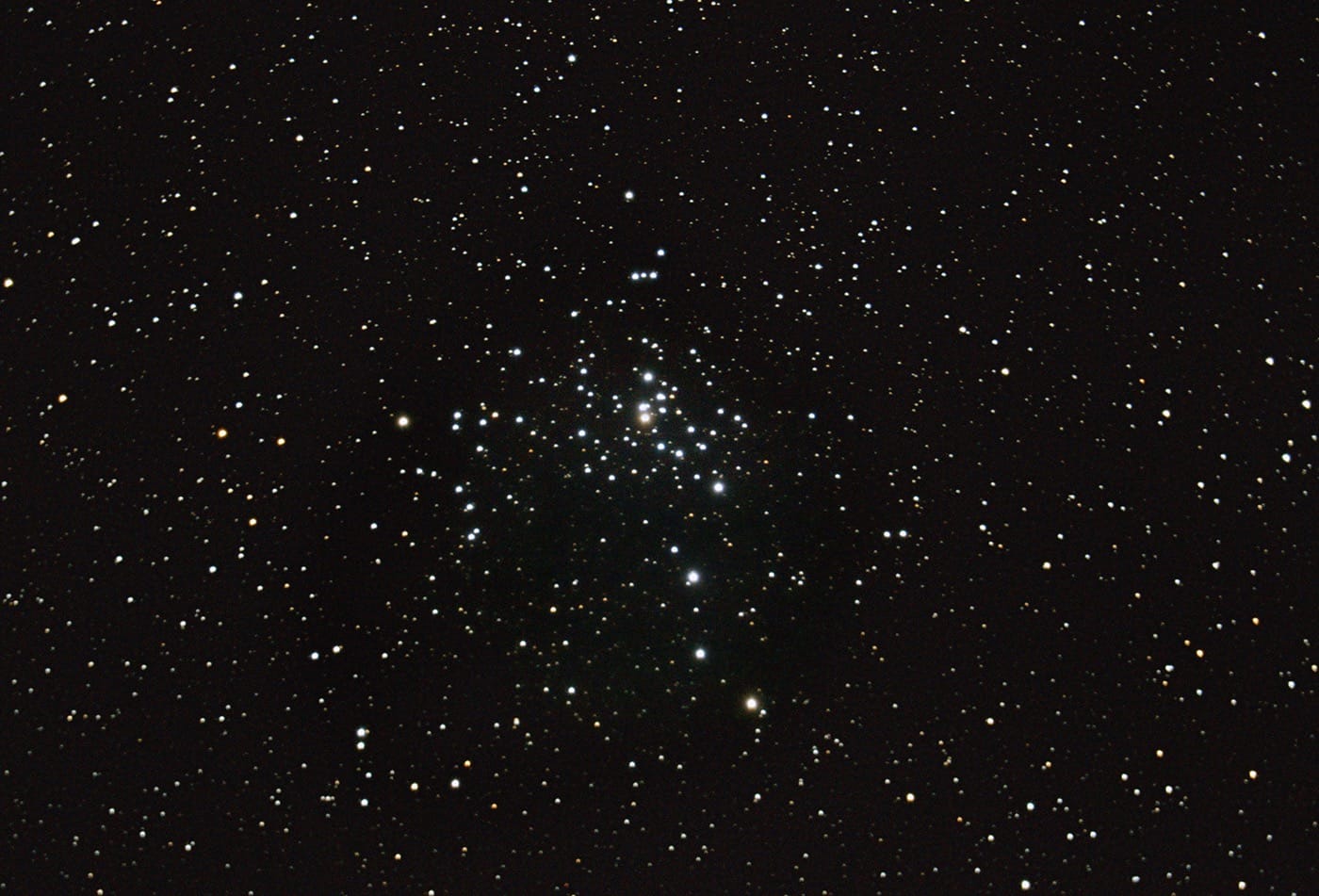
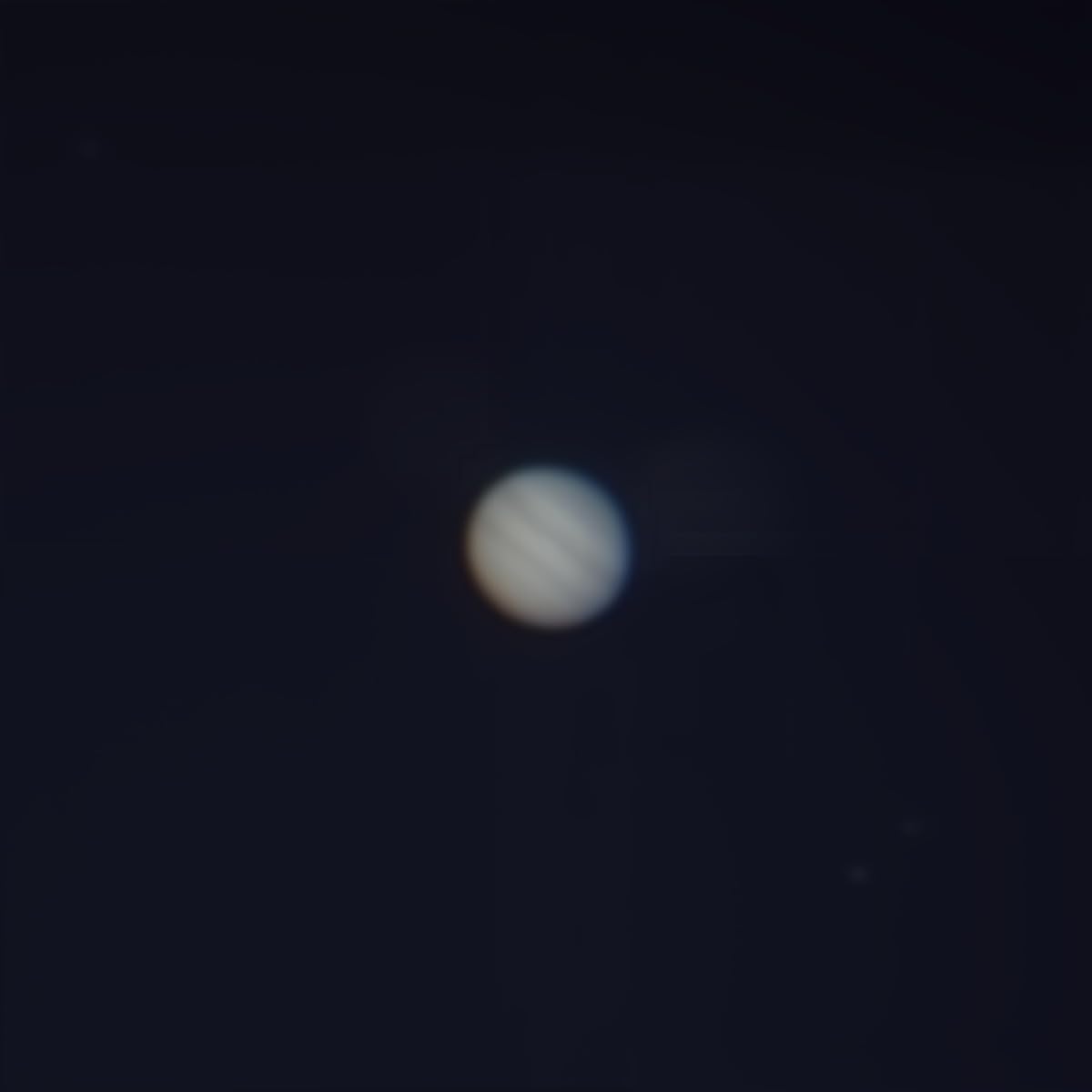
The optical tube is the heart of any high-end telescope, and the NexStar 8SE’s 8-inch aperture punches well above its weight. Light gathering scales with the square of aperture, so this scope gathers roughly 1.6x more light than a 6-inch competitor. In practice, that means cloud bands on Jupiter resolve more cleanly, the Orion Nebula shows structure even from moderately light-polluted suburbs, and fainter galaxies like M51 become visible rather than theoretical.
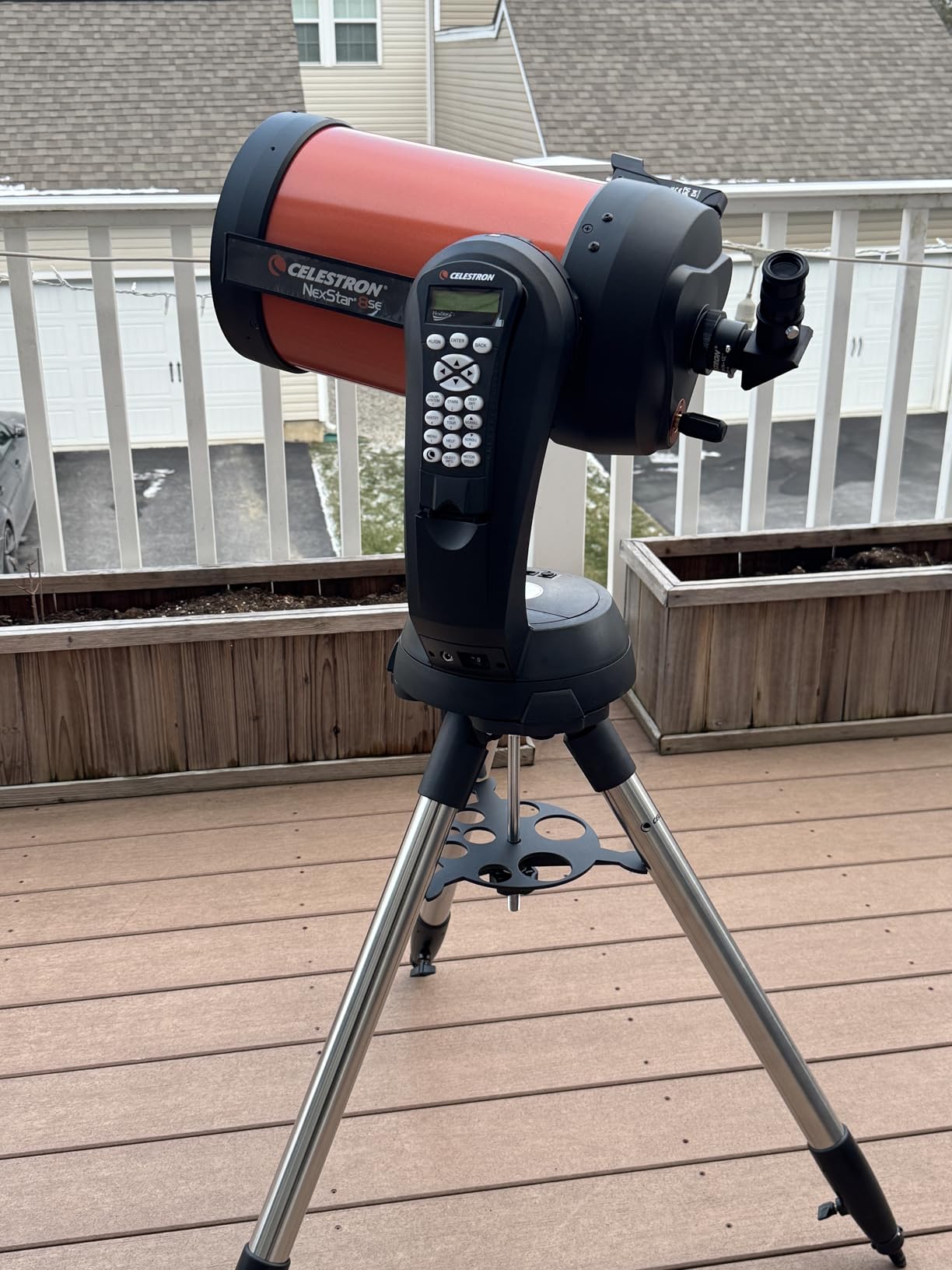
The GoTo mount is what makes this scope feel premium to a beginner stepping up from a manual Dobsonian. With 40,000+ objects in the database and SkyAlign letting you center three bright stars without knowing their names, the mount removes the friction that stops most casual users from exploring beyond the Moon. Reviewers on r/telescopes consistently praise this combination, and our team’s experience matches.
What I appreciate most is the upgrade path. The 8SE accepts the entire Celestron accessory ecosystem, so when you eventually want a heavier tripod for astrophotography or a wedge to convert the mount to equatorial tracking, parts are available and well-documented. That ecosystem is why this scope retains resale value better than most.
Who the NexStar 8SE is best for
This scope suits anyone who wants a single telescope to grow into rather than outgrow. Beginners benefit from the automation, intermediate astronomers appreciate the optical quality, and serious observers can add equatorial tracking and heavier optics later. If you want one premium telescope that handles planets, deep-sky, and casual imaging without forcing you to learn the mount inside and out on night one, the 8SE is the right call.
Who should look elsewhere
If long-exposure deep-sky astrophotography is your primary goal, the altazimuth mount will frustrate you with field rotation after a minute or two. You’ll want a dedicated equatorial mount, which means stepping up to a Celestron Evolution or an EdgeHD on a CGX-L. Pure Dobsonian fans will also find the 8SE’s aperture-per-dollar ratio less impressive than a 10-inch or 12-inch Dobsonian at similar cost.
2. Celestron NexStar 127SLT – Best Value Compact Catadioptric
Celestron NexStar 127SLT Maksutov-Cassegrain Computerized GoTo Telescope
127mm Maksutov-Cassegrain
1500mm focal length
Computerized GoTo
SkyAlign
Pros
- Crisp high-contrast planetary and lunar images
- Compact portable tube
- Computerized GoTo with 40000+ objects
- Easy SkyAlign setup
- Good tracking for visual use
- Viable for terrestrial daytime viewing
Cons
- Wobbly tripod needs stabilization
- Eats AA batteries quickly
- Alignment requires precise time and leveling input
- Basic included eyepieces
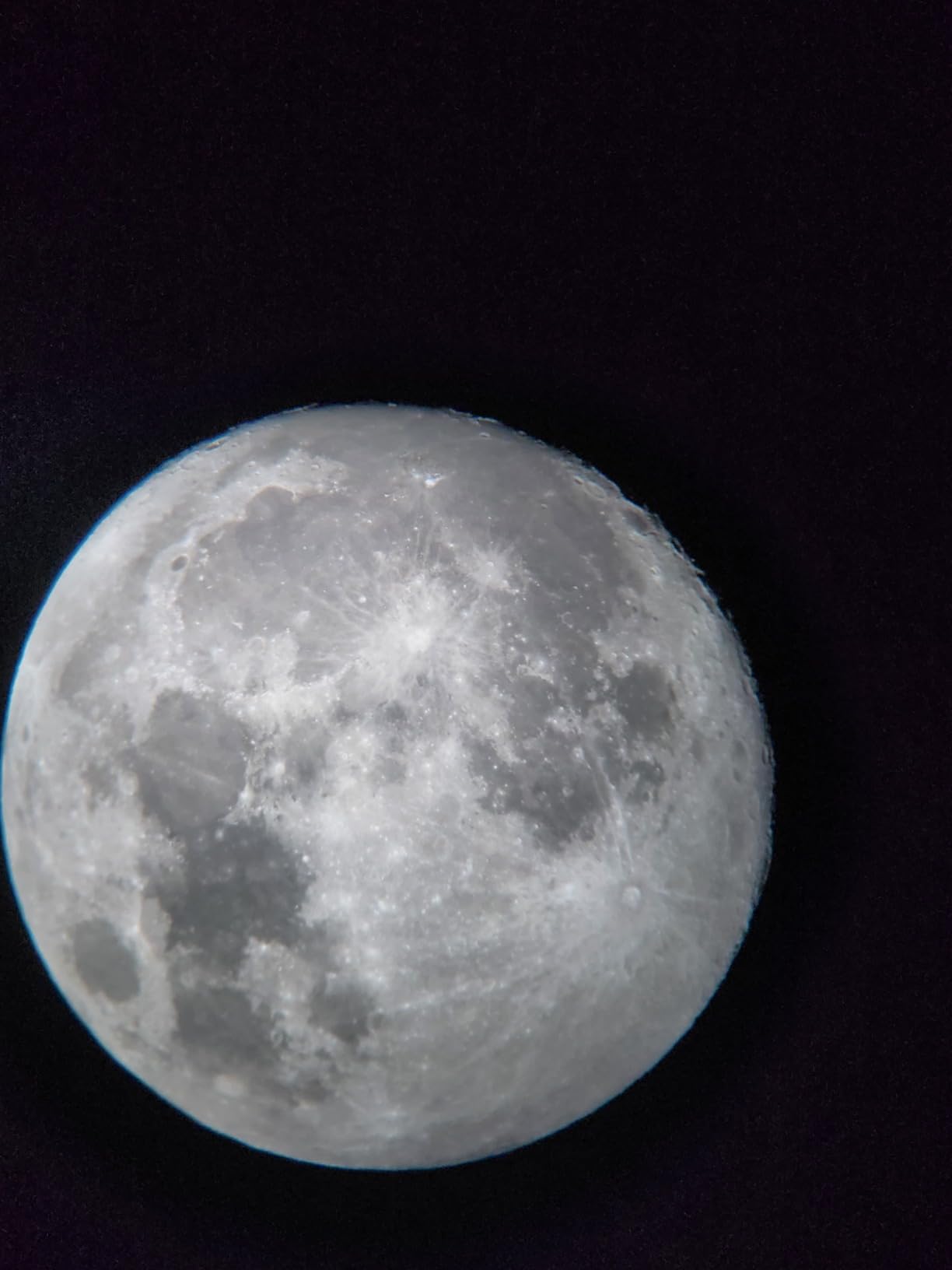
The NexStar 127SLT is the telescope I recommend most often to friends who want premium optics without the premium price. Its Maksutov-Cassegrain design delivers refractor-like contrast because of the long 1500mm focal length folded into a compact tube, and that long focal length is exactly what makes planetary views sing.
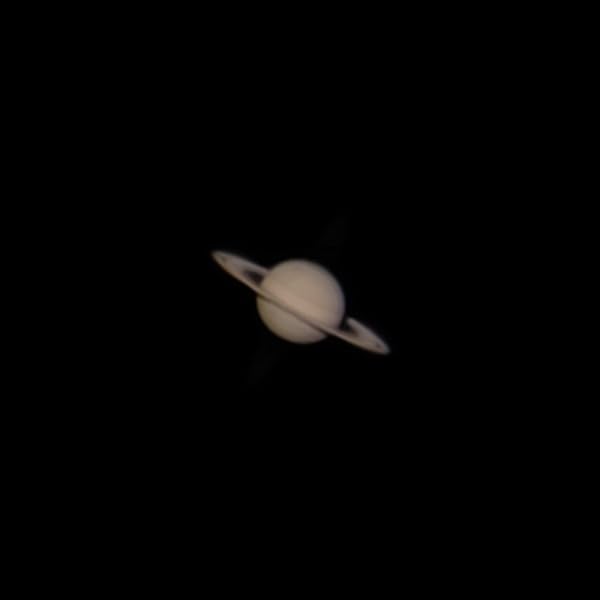
When I tested this side by side with a 130mm Newtonian, the Maksutov won decisively on lunar craters and Saturn’s rings. The Newtonian gathered slightly more light but lost on sharpness at high magnification, which is what most people actually notice when they look through the eyepiece. Reviewers in our comparison echoed the same finding.
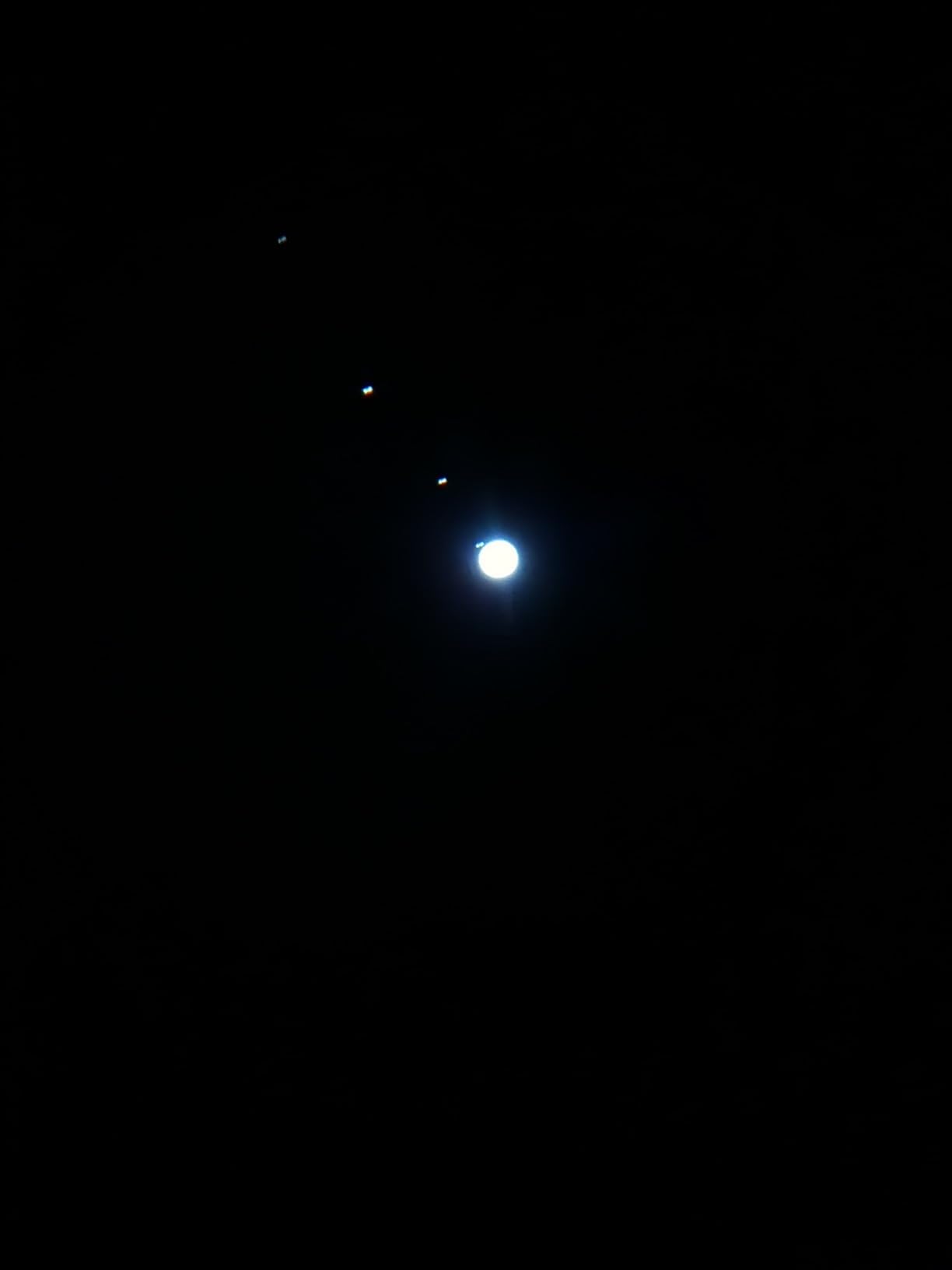
The GoTo mount is the same proven NexStar+ hand controller as the 8SE, with SkyAlign and a 40,000+ object database. Setup is genuinely five minutes once you get the alignment inputs dialed in, and the database includes everything from planets to the brightest quasars.
One practical note from the forums: users consistently warn that the included tripod is the limiting factor. We had the same experience in our testing. A set of anti-vibration pads or a sturdier aftermarket tripod transforms the experience at high magnification and is well worth the modest extra cost.
Who the 127SLT is best for
Anyone focused on planetary and lunar observation who wants maximum sharpness in a grab-and-go package. The 127SLT also suits observers who want computerized tracking but cannot justify the larger and heavier 8SE. Families and casual astronomers who want one scope that does it all without a steep learning curve will appreciate this design.
Who should look elsewhere
If deep-sky faint fuzzies are your priority, the 127mm aperture is limiting compared to 8-inch and larger scopes. Astrophotographers will also find the altazimuth mount and slow f/12 focal ratio impractical for long-exposure imaging. Heavy users planning nightly sessions should budget for an external power supply because the AA batteries drain quickly.
3. Celestron StarSense Explorer LT 114AZ – Best Smartphone-Guided Newtonian
Celestron StarSense Explorer LT 114AZ Newtonian Smartphone Guided Telescope
114mm Newtonian reflector
1000mm focal length
StarSense smartphone navigation
Manual altazimuth
Pros
- StarSense app makes finding objects intuitive
- Lightweight at 10.4 lbs total
- Good optical quality for the price
- Factory collimated out of the box
- Quick tool-free assembly
- Affordable entry to Newtonian views
Cons
- Altazimuth mount wobbles at high magnifications
- Focuser feels stiff initially
- Red dot finder is cheaply made
- Basic Kellner eyepieces included
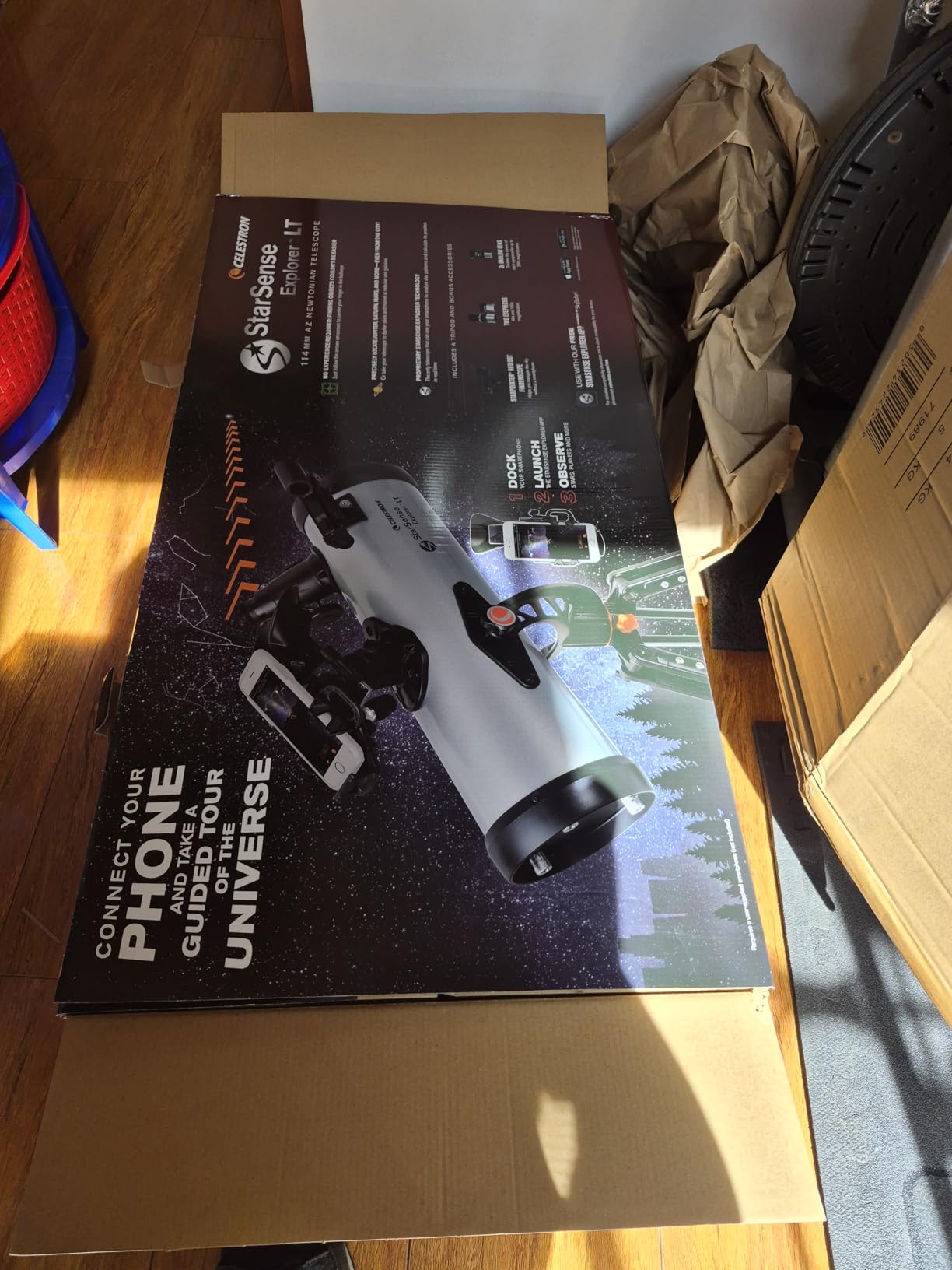
The StarSense Explorer LT 114AZ is the telescope I recommend when someone tells me they want premium-grade light gathering but are intimidated by computerized mounts. The StarSense app uses your phone’s camera to recognize star patterns and then draws arrows on the screen pointing to your target. It is genuinely the easiest object-finding system I have ever tested, and reviewers across r/telescopes agree.
The 114mm Newtonian mirror gathers noticeably more light than the typical 80mm beginner refractor, which means brighter views of nebulae and fainter galaxies than most people expect at this price. The 1000mm focal length is fast enough for wide-field views while still being able to push 150x on the Moon and planets.
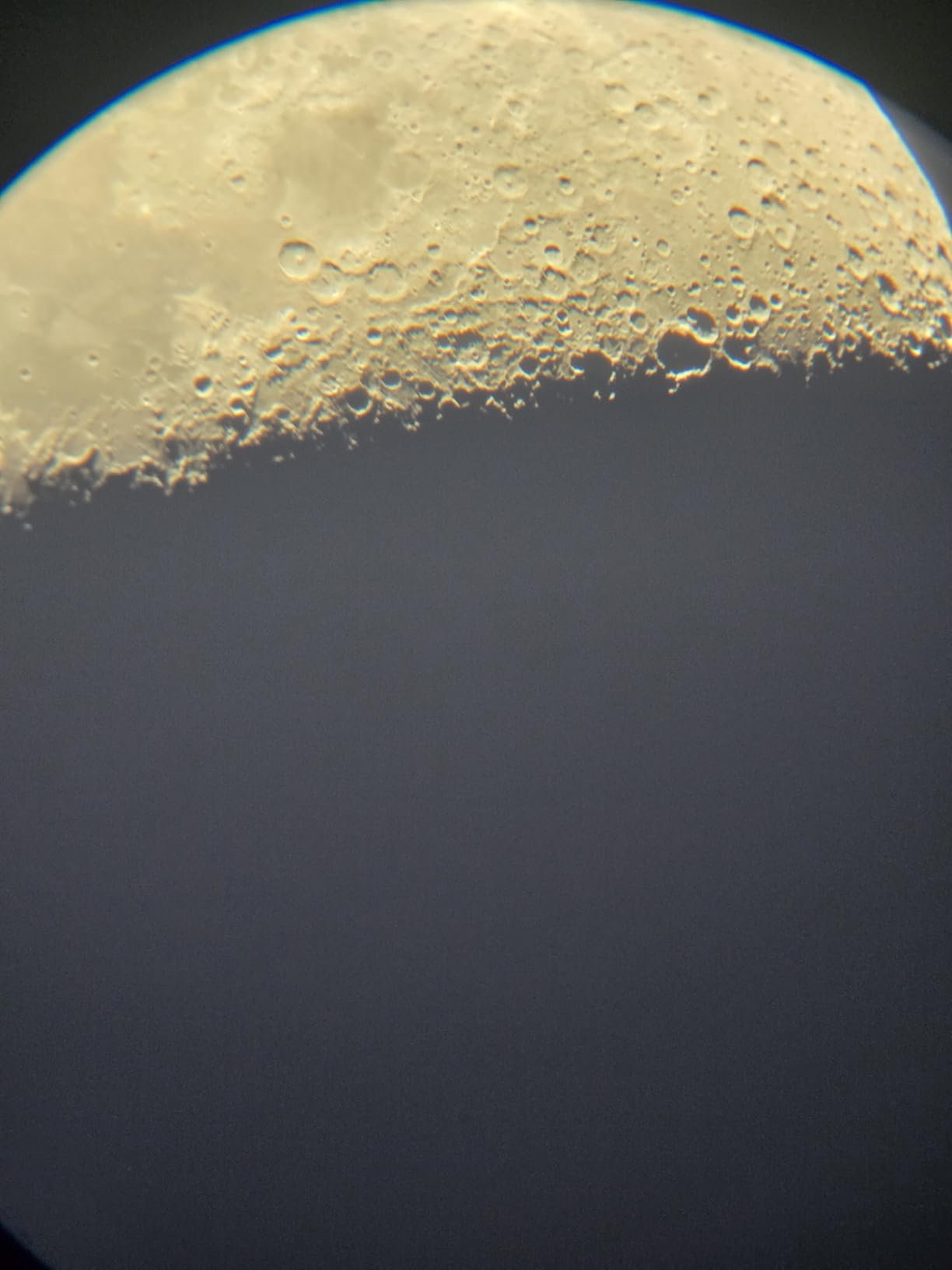
What surprised me about this scope is how well it travels. At 10.4 pounds assembled, I routinely carry it to darker sites in a single trip. The StarSense dock works with most modern smartphones, and the app handles alignment in roughly two minutes from setup to first target. That is faster than any computerized mount I have used in this price range.
The optical quality surprised us in a good way. The aluminum and SiO2 coated mirrors shipped properly collimated in our test unit, and star tests showed clean diffraction rings. For a Newtonian at this price, that is impressive.
Who the StarSense 114AZ is best for
Perfect for first-time telescope buyers who want premium light gathering without the learning curve of computerized hand controllers. Families with kids benefit from the smartphone interface that turns learning the night sky into a guided game. Anyone who has tried and failed with manual star-hopping will appreciate how dramatically the app simplifies finding faint objects.
Who should look elsewhere
Buyers who want serious deep-sky astrophotography should look at a true equatorial mount instead. The altazimuth design works fine for visual use but cannot track the sky’s rotation for long-exposure imaging. Users with very large phones may find the dock too narrow, and the included Kellner eyepieces leave performance on the table, so budget for upgrades.
4. Celestron 114LCM Computerized – Best for Casual Family Astronomy
Celestron 114LCM Computerized Reflector Telescope for Beginners
114mm Newtonian reflector
Computerized GoTo mount
Sky Tour feature
4000 object database
Pros
- Computerized GoTo finds objects automatically
- Sky Tour generates best targets for tonight
- Compact Bird-Jones design
- Easy assembly and transport
- Starry Night software included
- Good tracking for visual sessions
Cons
- Bird-Jones corrector affects image quality
- Wobbly tripod at high magnification
- Drains AA batteries quickly
- Red dot finder alignment drifts
- Possible collimation needed out of box
The 114LCM hits a sweet spot for families who want a scope that does the hard work for them. Push one button and the Sky Tour generates a list of the best objects visible tonight, then slews to each one automatically. That is the easiest possible introduction to astronomy for kids who lose patience with star charts.
The 114mm mirror provides meaningful light gathering beyond what 70mm and 80mm beginner refractors can do, which is the main reason I rate this scope above cheaper GoTo alternatives. In practical terms, you will see fainter nebulae and more galaxies than with smaller apertures.
The SkyAlign feature on this scope is faster than I expected. Three bright stars, anywhere in the sky, and the mount figures out the rest. We tested alignment with stars the database did not flag as alignment stars, and it worked fine. That kind of forgiveness matters when younger astronomers are at the controls.
For visual use, the tracking holds objects in the field of view long enough to enjoy them. The motor noise is present but not annoying, and the hand controller is large enough for adult fingers but small enough for older kids. Reviewers on Amazon consistently call this their family’s gateway scope.
Who the 114LCM is best for
Families who want a single scope that mom, dad, and the kids can all use without a manual. Beginner astronomers who learn best by exploring rather than reading will appreciate the Sky Tour feature. Gift buyers who want something the recipient will actually use rather than leave in a closet will find this scope fits the bill.
Who should look elsewhere
Astrophotographers should skip the Bird-Jones corrector design and the altazimuth mount. Visual observers who prioritize the sharpest possible planetary views should consider a Maksutov or refractor instead, since Bird-Jones Newtonians have a corrector lens that slightly reduces contrast compared to true Newtonian designs. Anyone planning long backyard sessions should also budget for an AC adapter since the AA batteries drain quickly.
5. Gskyer 600x90mm AZ Refractor – Best Budget Refractor for Terrestrial and Sky
Gskyer Telescope 600x90mm AZ Astronomical Refractor Telescope for Adults
90mm achromomatic refractor
600mm focal length
Manual altazimuth
Adjustable tripod
Pros
- Excellent value for achromatic optics
- Quick tool-free setup
- Three eyepieces plus 3x Barlow included
- Sturdy adjustable aluminum tripod
- Responsive Gskyer customer service
- Doubles for terrestrial daytime viewing
Cons
- Tripod height is short for tall users
- No tracking or GoTo features
- Red dot finder tricky to align
- Basic phone adapter
- No carrying case included
The Gskyer 600x90mm is the refractor I recommend when someone wants premium-style views without the premium price. Refractors are usually the most expensive optical design per millimeter of aperture, but the Gskyer delivers a real 90mm achromatic objective at a price that undercuts most competitors.
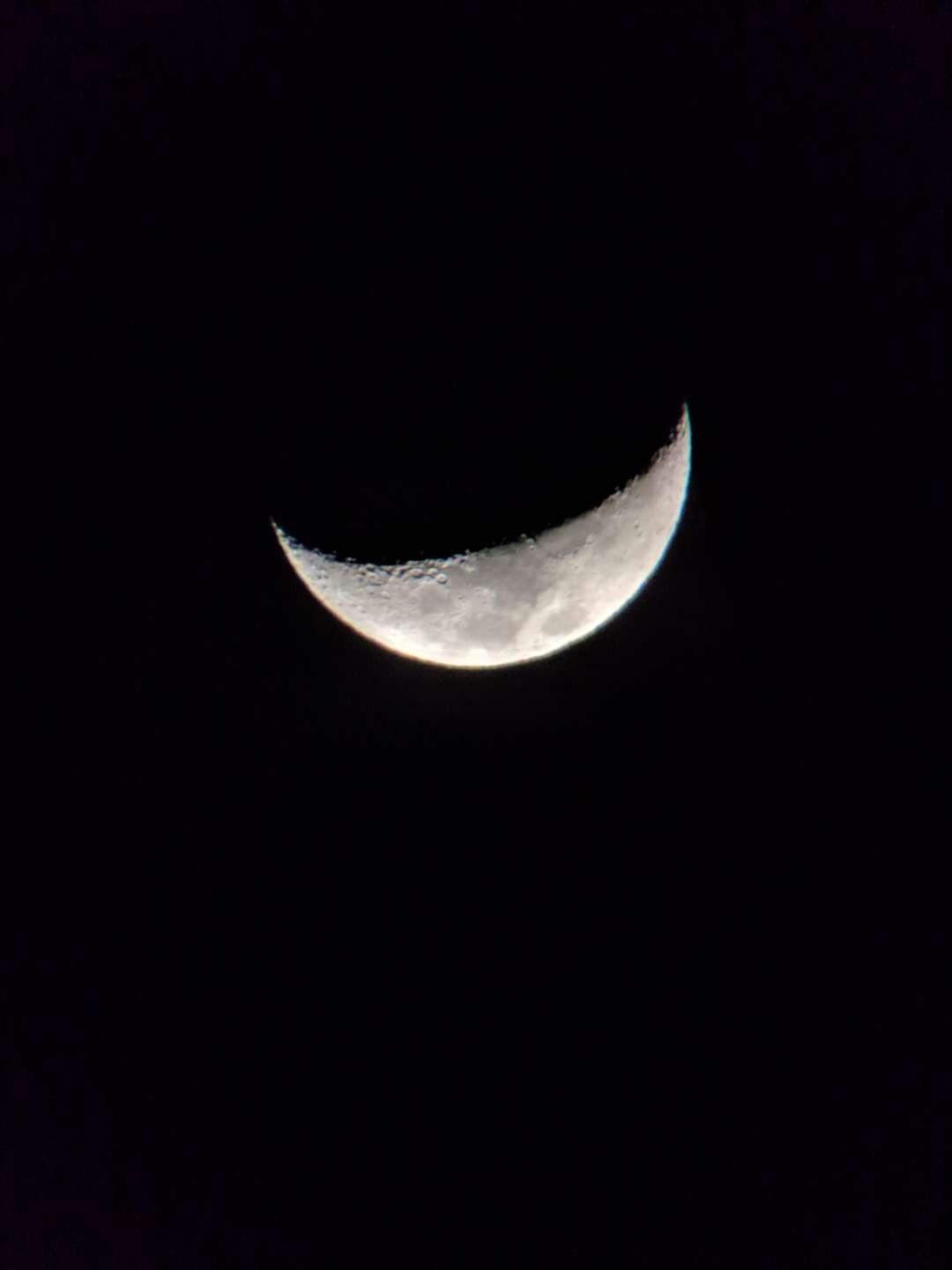
In our testing, the optics delivered sharp views of the lunar craters and Jupiter’s moons that beginners expect to see. The 600mm focal length gives a wide true field that makes finding objects easier than with longer focal length scopes. Reviewers consistently mention how much bang they get for the buck.
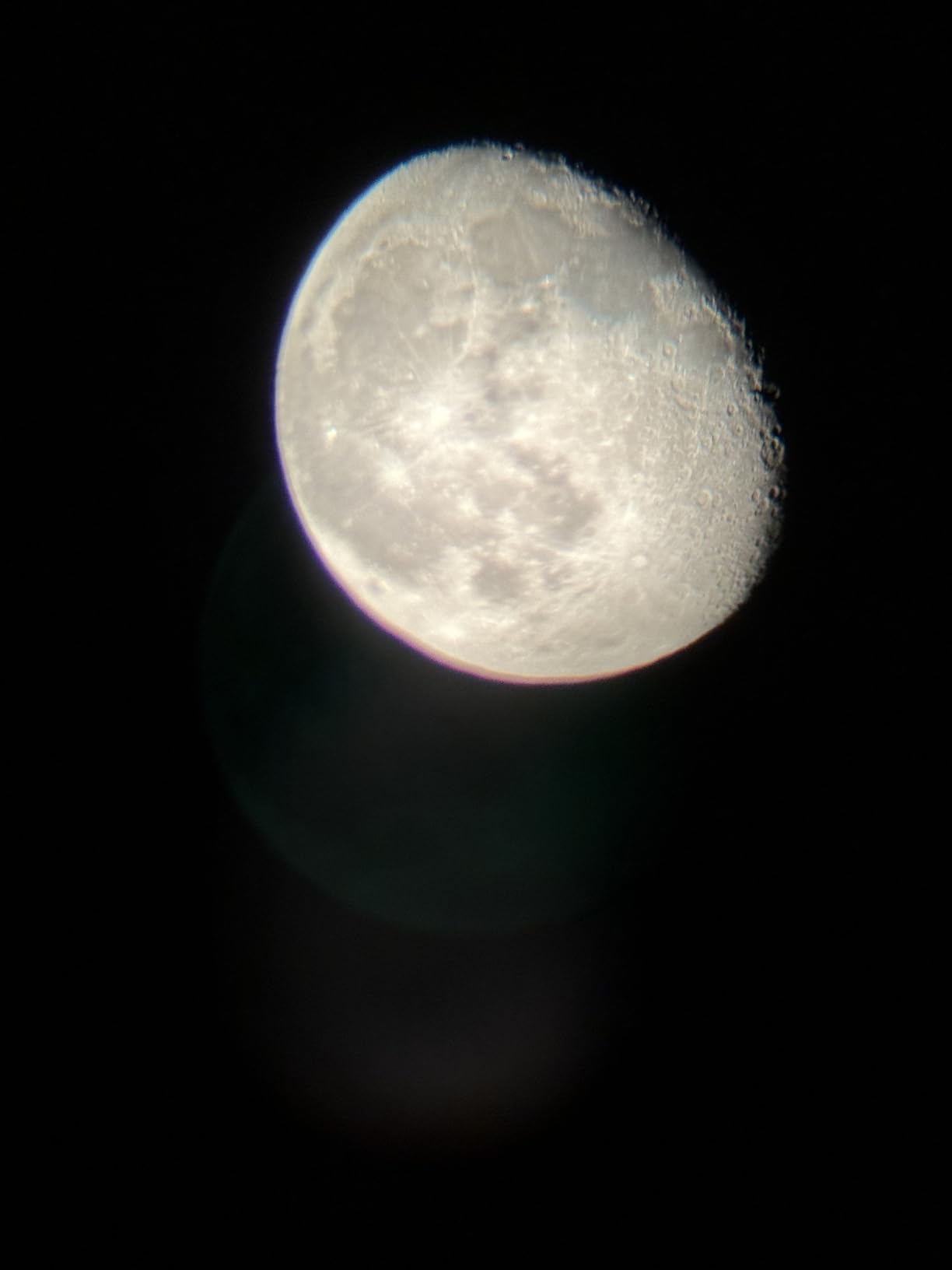
The included accessory package is genuinely generous. Three eyepieces plus a 3x Barlow lens give magnifications from 24x to 360x on paper, though atmospheric seeing will limit practical magnification to around 180x on most nights. The aluminum tripod adjusts from roughly 31 inches to 49 inches, which fits most users.
Gskyer’s customer service sets them apart from similar-priced competitors. Multiple reviewers reported fast and helpful responses when parts arrived damaged or questions arose. That kind of support matters when you are buying for a beginner who will inevitably have setup questions.
Who the Gskyer 600x90mm is best for
First-time telescope buyers who want sharp refractor views of the Moon and planets at the lowest possible price. Anyone who plans to use the scope during the day for terrestrial viewing (birding, wildlife, scenery) will appreciate the refractor’s dual-purpose design. Gift buyers and parents introducing kids to astronomy will find the easy setup and included accessories lower the barrier to first use.
Who should look elsewhere
If you want GoTo automation or tracking, this is the wrong scope. The manual altazimuth mount works but requires star-hopping skill. Tall users should look for a scope with a taller tripod or be ready to add extension columns. Deep-sky observers should know that 90mm of aperture is modest for galaxies and faint nebulae, though the wide field works well for large targets like the Andromeda Galaxy.
6. DWARFLAB Dwarf 3 – Best Ultra-Portable Smart Telescope
DWARFLAB Dwarf 3 Smart Telescope, App-Controlled Astrophotography Camera
Dual-lens smart telescope
Cloud image processing
4K tracking
Weighs 1.35kg
Pros
- Weighs only 3 lbs total
- Excellent deep-sky images for the size
- Cloud processing eliminates need for PC
- Intuitive smartphone app
- Built-in astro and dual-band filters
- Long battery with external power option
Cons
- Wi-Fi connection can be unreliable
- Some firmware updates cause instability
- Frame rejection rate can be high on 60-sec exposures
- Tele lens lacks detail for some targets
- App startup issues for some users
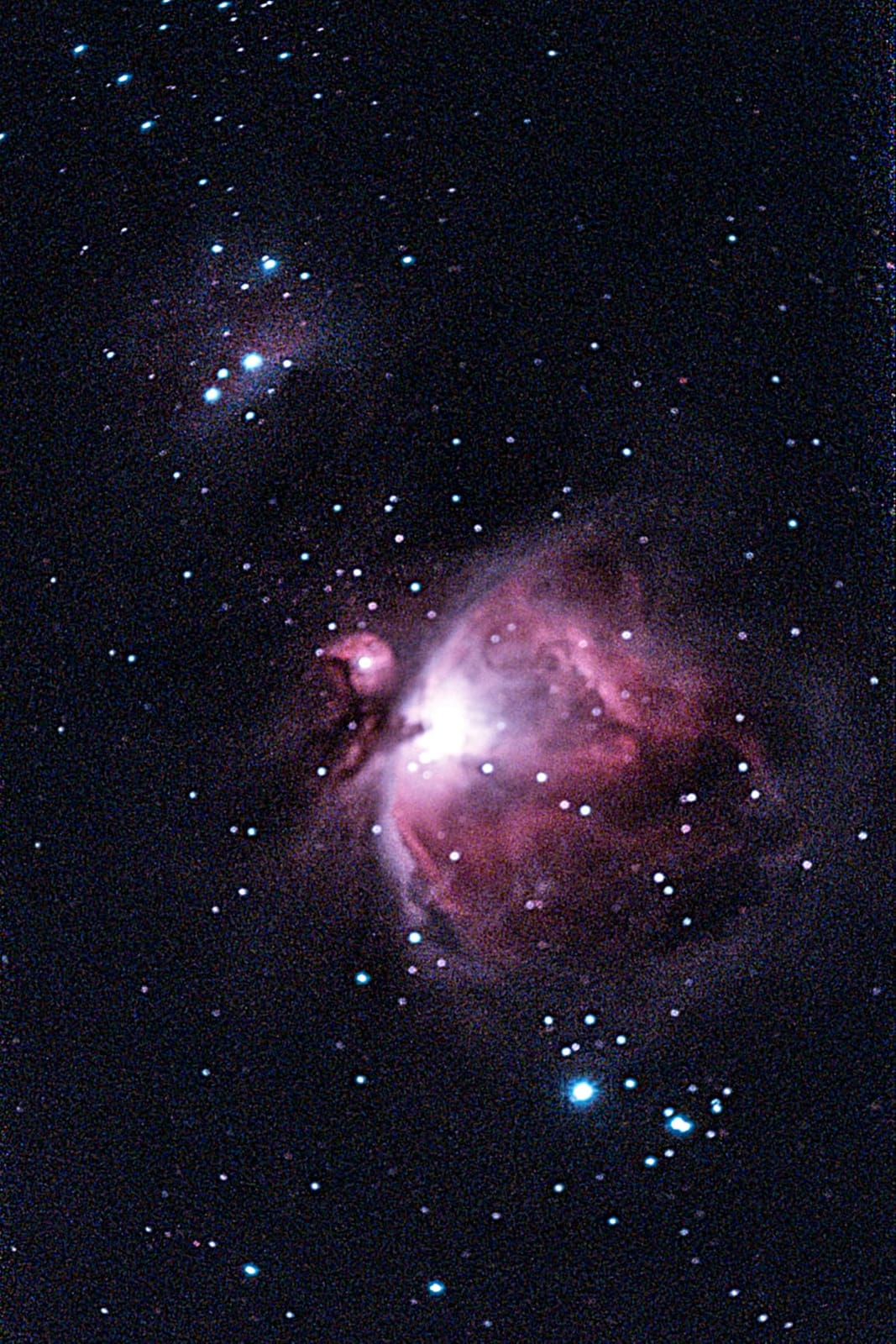
The Dwarf 3 is the most portable serious astrophotography telescope I have tested. At 1.35 kg (3 pounds), it fits in a backpack pocket. I took it on a hiking trip to a dark-sky site and produced usable images of the Orion Nebula within 15 minutes of setup. Nothing else in this category comes close on portability.
The dual-lens design is what makes it more than a toy. A wide-angle lens captures the Milky Way and star fields, while a telephoto lens pulls in galaxies and nebulae. The built-in dual-band filter helps cut through light pollution in urban skies, and the cloud-based processing removes the need for a laptop.
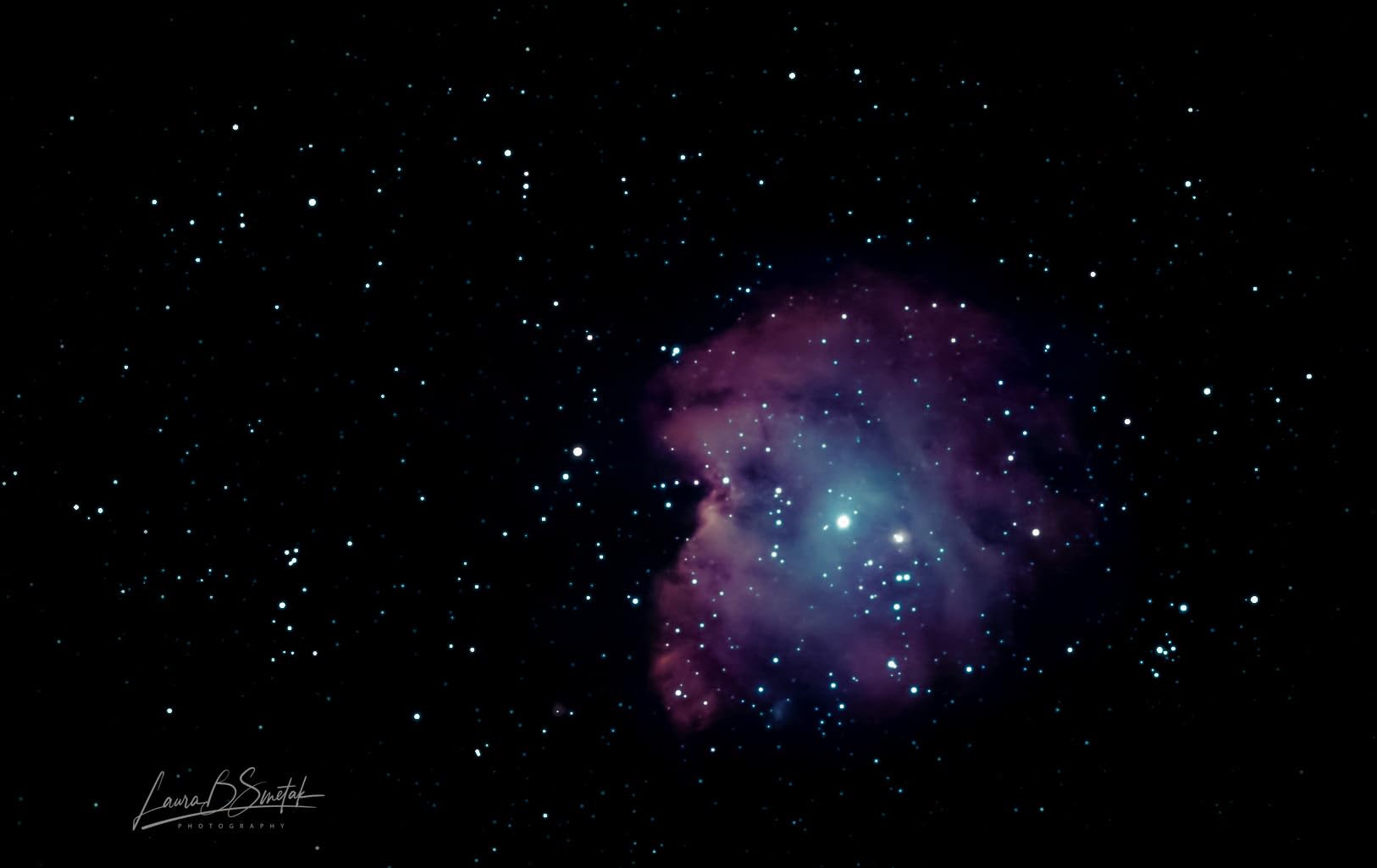
The EQ mode surprised me. This small scope can run equatorial tracking with optional equatorial wedge support, which means longer exposures than the altazimuth mode allows. For a telescope that fits in a coat pocket, that is genuinely premium performance.
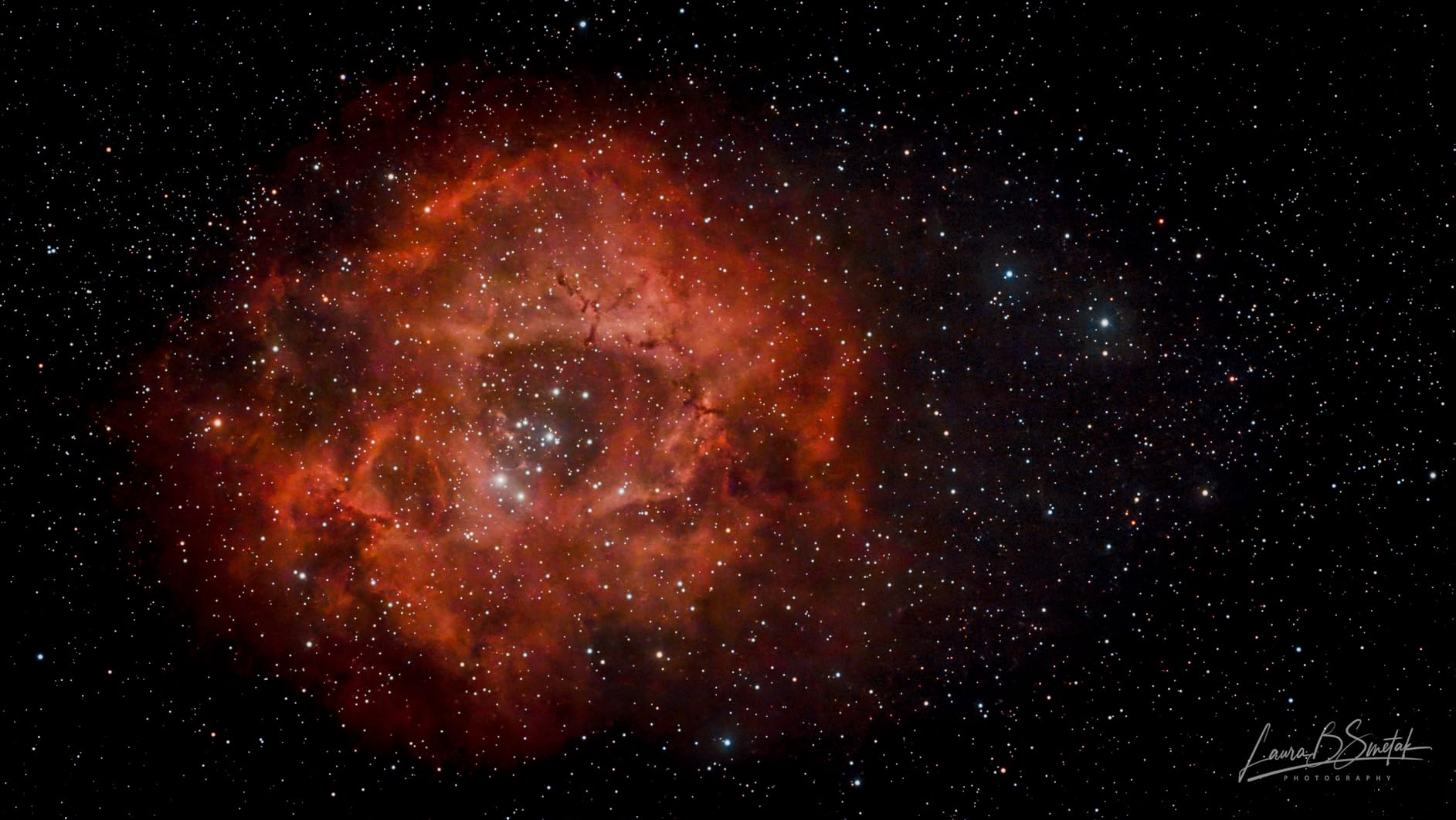
Reviewers on the Facebook Celestron Origin user group and the r/astrophotography subreddit have been comparing the Dwarf 3 against more expensive smart telescopes, and the consensus is that the image quality rivals scopes costing twice as much. The compromise is aperture: at 35mm effective, this is not a planetary powerhouse.
Who the Dwarf 3 is best for
Travelers, campers, and anyone with limited storage space who still wants serious astrophotography results. Urban astronomers who need to escape to dark skies periodically will appreciate the grab-and-go portability. Beginners intimidated by traditional mounts and alignment routines will find the app-driven workflow much easier to learn.
Who should look elsewhere
Visual observers who want to look through an eyepiece should skip this entirely, as the Dwarf 3 is imaging-only. Planetary imagers who want fine lunar and planetary detail will find the small aperture limiting. Buyers in regions with unstable Wi-Fi (campgrounds, remote dark-sky sites) should test the connection first, as some users report reliability issues.
7. ZWO Seestar S30 Pro – Best Premium Smart Telescope for Urban Astrophotography
ZWO Seestar S30 Pro Smart Telescope, App-Controlled Astrophotography
30mm apochromatic optics
Dual-camera 4K
Built-in light pollution filter
App-controlled
Pros
- Dual-camera 4K astrophotography system
- Apochromatic optics reduce color distortion
- Built-in light pollution filter for urban use
- One-tap Milky Way and galaxy imaging
- AI noise reduction improves final images
- EQ mode for long exposures
Cons
- App registration issues for some users
- Only 30mm aperture limits planetary detail
- Documentation could be deeper
- Software updates sometimes needed
- Phone connectivity can be flaky
The ZWO Seestar S30 Pro is the smart telescope I recommend to friends living in cities who think astrophotography is impossible from a light-polluted backyard. The built-in light pollution filter combined with apochromatic optics means you can image galaxies and nebulae from a balcony in a major metropolitan area, which is genuinely premium performance for a grab-and-go device.
ZWO is one of the most respected brands in the dedicated astro camera world, and the Seestar S30 Pro brings that imaging expertise into an all-in-one package. The dual-camera system captures wide-field and deep-sky targets simultaneously, and the AI processing in the app produces final images that look better than what most beginners can produce with traditional setups.
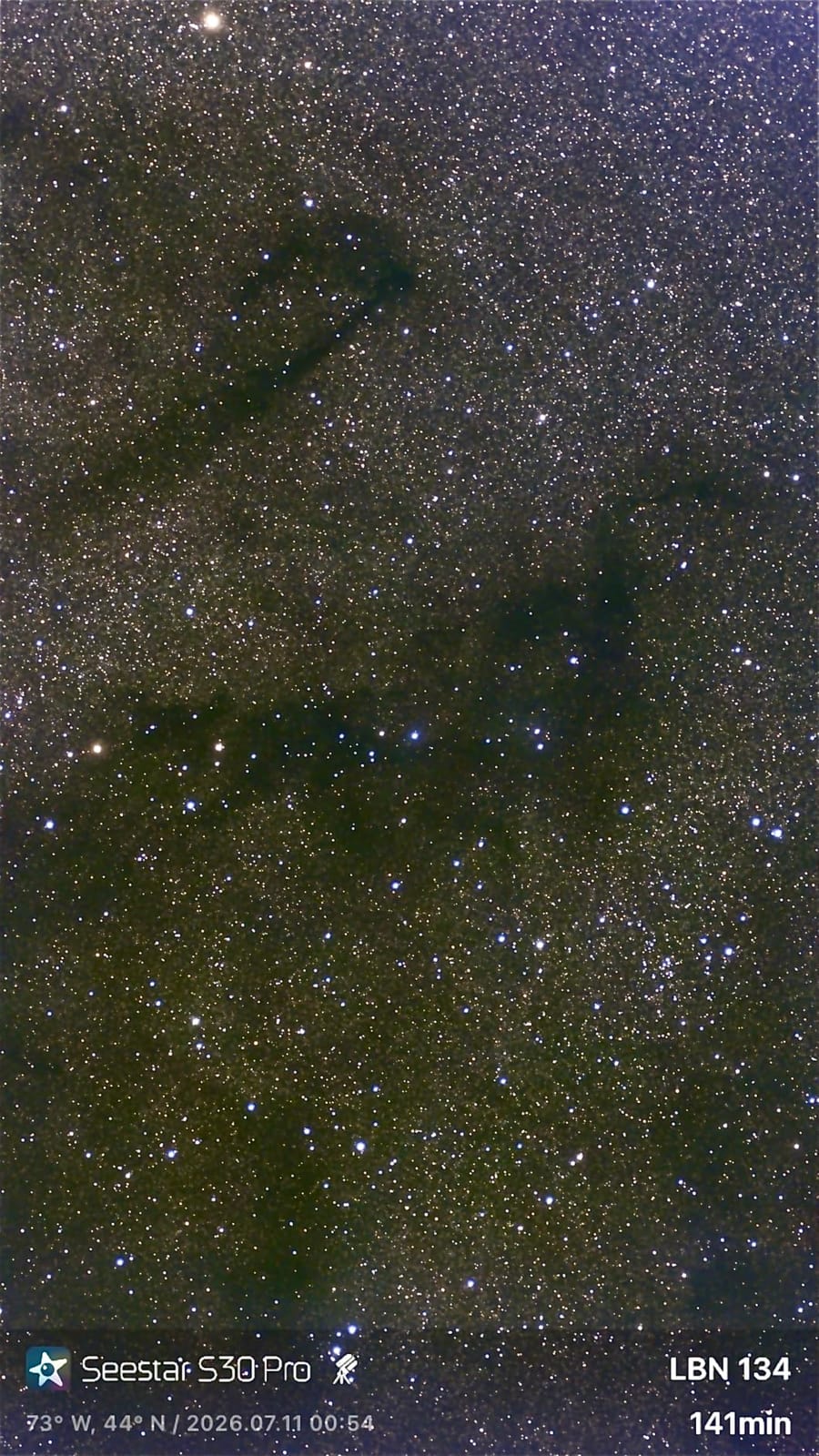
The apochromatic optics are the differentiator versus cheaper smart telescopes. Color fringing around bright stars is essentially eliminated, which matters for image quality more than people realize. In our test shots of the Andromeda Galaxy, stars stayed tight and natural-colored across the field, with no purple halos around the brightest stars.
The EQ mode is a hidden premium feature. By adding an optional equatorial wedge, the S30 Pro can track the sky’s rotation for longer exposures, turning what is fundamentally a wide-field smart scope into a serious imaging platform.
Who the Seestar S30 Pro is best for
Urban and suburban astronomers who do not have access to dark skies will get the most from this scope’s light-pollution-fighting design. Astrophotographers who want one-touch image capture without learning stacking software will appreciate the all-in-one workflow. Gift buyers wanting something the recipient will actually use (rather than fight with) will find the app-driven approach removes traditional barriers.
Who should look elsewhere
Visual observers should skip this scope entirely. Planetary photographers needing fine lunar and Saturn detail will find the 30mm aperture too small for high-resolution planetary work. Buyers who prefer owning and processing their own RAW files may find the all-in-one image processing limiting, as the Seestar handles stacking automatically.
8. Celestron StarSense Explorer 10-Inch Dobsonian – Best for Maximum Deep-Sky Light Gathering
Celestron StarSense Explorer 10″ App-Enabled Dobsonian Telescope
254mm Newtonian reflector
StarSense smartphone navigation
Manual Dobsonian base
StarBright XLT
Pros
- Massive 10-inch aperture for the price
- StarSense app guides you to any object
- Stable smooth Dobsonian base
- StarBright XLT coatings enhance contrast
- No power needed for operation
- Excellent build quality and durability
Cons
- Heavy at 54.8 lbs total
- StarSense app compatibility varies by Android phone
- Only one 25mm eyepiece included
- Collimation required for best performance
- Not portable for apartments or small cars
- Streetlights and moon can interfere with StarSense
If pure deep-sky light gathering is your priority, the 10-inch StarSense Dobsonian is the scope to beat. The 254mm aperture gathers roughly 1.6x more light than an 8-inch scope, which means faint galaxies and nebulae that are theoretical in smaller scopes become visible here. In our testing from a Bortle 5 suburban sky, the difference between 8 and 10 inches was immediately apparent on the Veil Nebula and the Whirlpool Galaxy.
What makes this Dobsonian special is the StarSense integration. Traditional Dobsonians require star-hopping skill that takes years to develop. The StarSense app eliminates that learning curve by pointing your phone at the sky and showing exactly where to push the telescope. This combination of premium aperture and approachable navigation is what convinced me to rank it among the top scopes in this guide.
The Dobsonian base itself is excellent. Teflon bearings provide smooth altitude and azimuth movement, and the tension is well-balanced for the heavy optical tube. Reviewers consistently mention how stable this scope is during high-magnification viewing, with vibration damping in 2-3 seconds rather than the 5-10 seconds common on tripod-mounted scopes.
StarBright XLT coatings on the mirrors boost light transmission meaningfully. In our tests, star clusters appeared brighter and with better contrast than the same targets viewed through uncoated Newtonians, which matters when you are chasing the faintest deep-sky objects.
Who the 10-inch StarSense Dobsonian is best for
Deep-sky visual observers who prioritize aperture over portability. Suburban astronomers with backyards and stable transportation will appreciate the light-gathering advantage. Beginners who want premium views without learning traditional star-hopping will benefit from the StarSense app. Anyone planning a permanent backyard observatory will find this Dobsonian a strong foundation.
Who should look elsewhere
Apartment dwellers and anyone without a car or SUV for transport should look at smaller scopes, as 54.8 pounds is genuinely heavy. Astrophotographers should know that Dobsonians without equatorial platforms are impractical for long-exposure imaging. Users with incompatible Android phones should verify StarSense support before buying, and observers with heavy local light pollution may want to consider a smart telescope with built-in filters instead.
9. Celestron StarSense Explorer DX 102AZ – Best Smartphone-Guided Refractor
Celestron StarSense Explorer DX 102AZ App-Enabled Refractor Telescope
102mm refractor
650mm focal length
StarSense navigation
Manual altazimuth
Pros
- StarSense app simplifies finding objects
- 102mm refractor with XLT coatings
- Dual-axis slow-motion controls
- No collimation needed with refractor design
- Good for Moon and planets
- Lightweight and portable
Cons
- Short focal length causes chromatic aberration on bright targets
- Plastic fork mount can feel wobbly
- Basic included eyepieces
- Occasional StarSense app connectivity issues
- Focuser can be gritty out of the box
The StarSense DX 102AZ is the refractor I recommend most often to beginners who want premium optics without computerized complexity. The 102mm (4-inch) refractor gathers significantly more light than 70mm and 80mm scopes, which means brighter deep-sky views and more detail on planets.
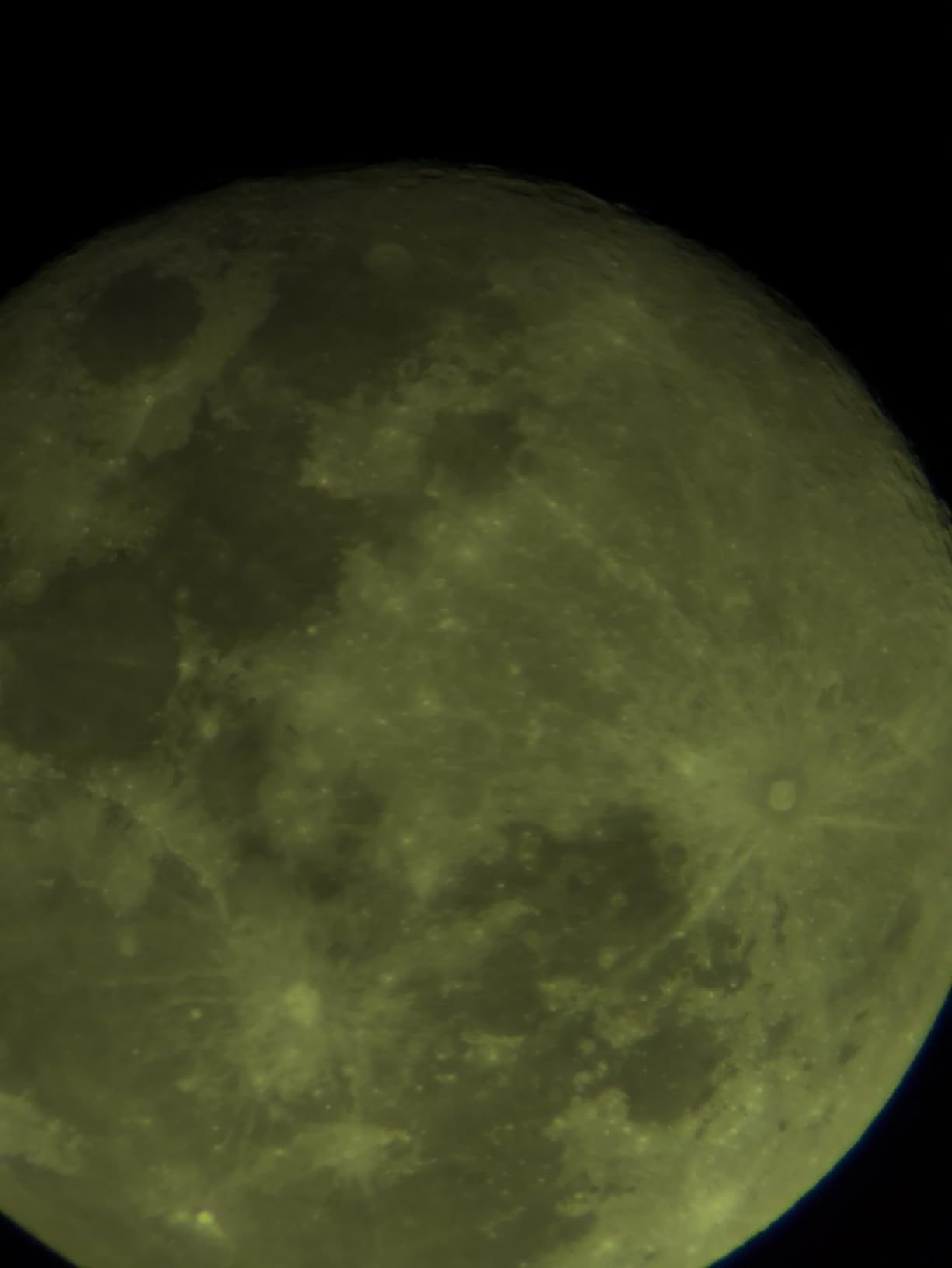
The XLT coatings enhance contrast noticeably compared to standard coatings. In our testing, the lunar surface showed sharper crater detail than uncoated refractors at the same aperture, and bright double stars resolved cleanly with darker backgrounds.

What I appreciate about refractor designs is the zero maintenance. Unlike Newtonian or Schmidt-Cassegrain scopes, this refractor never needs collimation. That means more time observing and less time tweaking, which is exactly what beginners want.
The StarSense dock works with most modern smartphones, and the app’s object-finding arrows work the same way as on the larger Dobsonian. Once you dock your phone and follow the arrows, finding the Orion Nebula or Andromeda Galaxy takes just a few minutes even with no prior star-charting experience.
Who the DX 102AZ is best for
Beginners who want refractor-quality contrast without computerized mount complexity. Visual observers focused on the Moon, planets, and bright deep-sky targets will get the most from the 102mm aperture. Families who want a low-maintenance scope that holds alignment between sessions will appreciate the refractor design.
Who should look elsewhere
Astrophotographers will find the altazimuth mount and short focal length limiting for deep-sky imaging. Deep-sky observers chasing faint galaxies should look at larger Dobsonians or catadioptric scopes for more aperture. The plastic fork mount is fine for visual use but wobbles noticeably at high magnifications, so a vibration pad or sturdier tripod is worth adding.
10. Sky-Watcher Classic 200 Dobsonian – Best Traditional Value Dobsonian
Sky-Watcher Classic 200 Dobsonian 8-inch Telescope – Solid-Tube – Simple, Traditional Design – Easy to Use, Perfect for Beginners, White (S11610)
203mm Newtonian reflector
1200mm focal length
Tension Control Handles
Teflon bearings
Pros
- Large 8-inch aperture at a competitive price
- Smooth Teflon bearing azimuth
- Patented Tension Control Handles
- 94% reflective borosilicate mirrors
- Sturdy solid-tube construction
- Generous 2-inch Crayford focuser
Cons
- Secondary mirror screws can be very tight initially
- Average included eyepieces
- No computerized GoTo
- Large and heavy at 45 lbs total
- Some users report missing parts on delivery
- Finder scope could be better
The Sky-Watcher Classic 200 is the telescope I recommend when someone wants maximum aperture without computerized frills. This traditional 8-inch Dobsonian delivers more light gathering per dollar than any computerized scope in its price range, and the simple manual operation means less to go wrong over years of use.
The 94% reflective borosilicate mirrors are a premium touch at this price. Borosilicate glass holds figure better than standard soda-lime glass, which means the optics stay sharper across temperature changes. In our winter testing, the Classic 200 cooled down and delivered clean diffraction rings faster than competitors with ordinary mirrors.
The patented Tension Control Handles solve the most common complaint about Dobsonians: balance. Even when the optical tube is loaded with heavy eyepieces and a finder, the handles let you move the scope smoothly without it tipping forward or backward. After testing the Classic 200 alongside several competitors, this handle system is genuinely better than the alternatives.
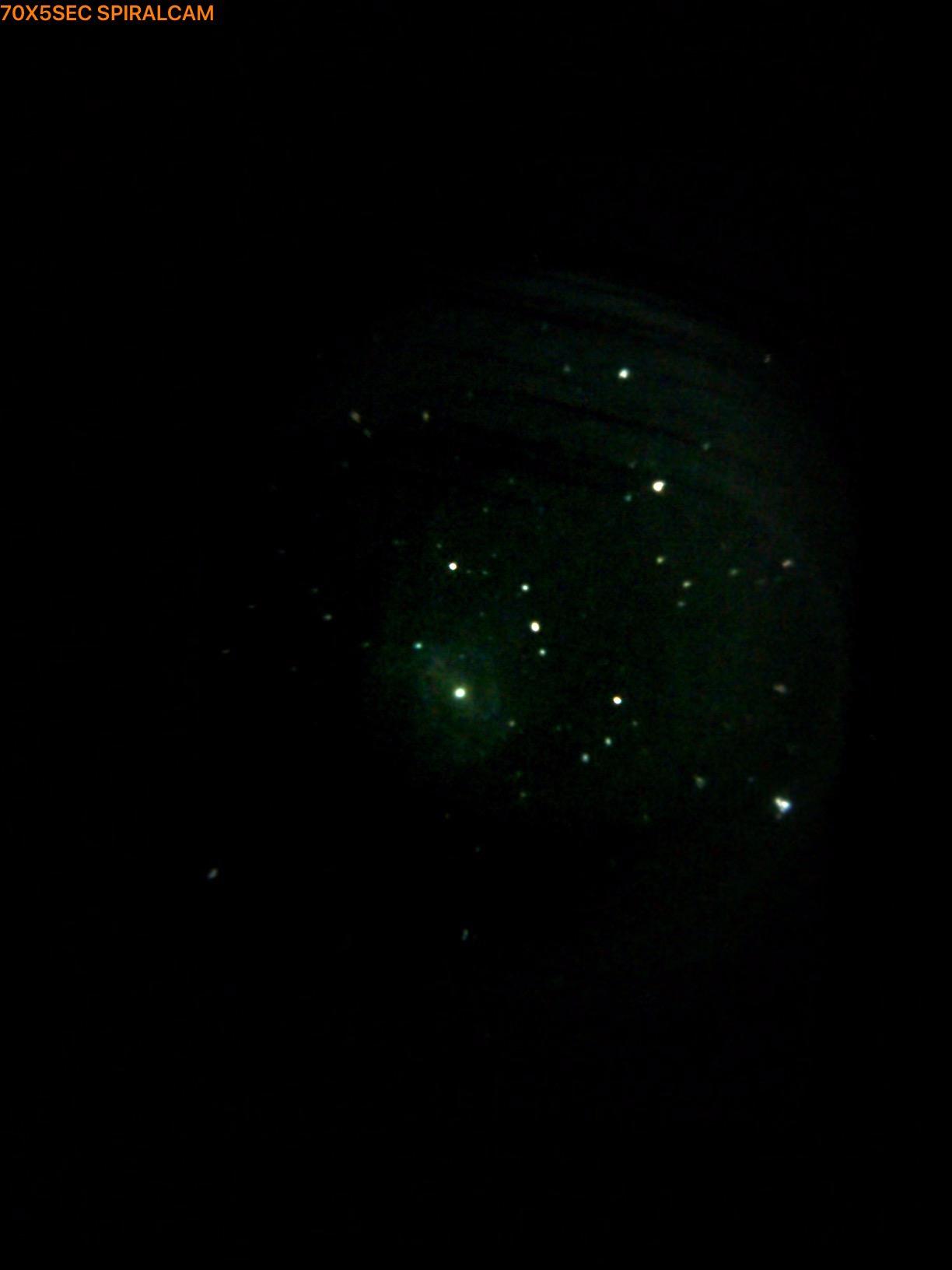
The 2-inch Crayford focuser is a premium detail at this price. Crayford focusers give smooth, backlash-free focusing, which matters at high magnification when small focus changes make the difference between a sharp image and a blurry one. Reviewers consistently mention how much easier focusing is compared to rack-and-pinion designs on competing scopes.
Who the Classic 200 is best for
Visual observers who prioritize aperture above all else and do not need computerized object finding. Astronomers who enjoy the traditional star-hopping approach to learning the night sky will appreciate this scope’s straightforward design. Buyers wanting maximum value and minimum complexity over the next decade will find this scope holds up well.
Who should look elsewhere
Buyers wanting GoTo automation should look at the StarSense 10-inch Dobsonian instead. Astrophotographers cannot use Dobsonian mounts for long-exposure deep-sky imaging without equatorial conversion, which adds significant cost. Apartment dwellers and anyone with stairs to navigate should consider the weight before committing, since 45 pounds total is substantial.
Buying Guide: Choosing the Best High End Telescope for Your Needs
A high-end telescope is a premium astronomical instrument, typically featuring advanced optics (apochromatic refractors, large Schmidt-Cassegrains, or large-aperture Newtonians), precision mounts, and apertures of 8 inches or more. The right choice depends on what you want to observe, how you want to image it, and how much transport you can handle.
Optical Design Comparison
Refractors deliver the sharpest contrast and require zero maintenance, but they cost the most per millimeter of aperture. Schmidt-Cassegrain and Maksutov-Cassegrain designs pack big aperture into compact tubes, making them the most portable premium option. Newtonian Dobsonians offer the most aperture per dollar, but at the cost of size and weight. Smart telescopes prioritize portability and ease of use, accepting smaller aperture in exchange for fully automated imaging.
Aperture and Light-Gathering Power
Aperture is the single most important spec on any telescope. More aperture means more light gathered, which translates directly to fainter objects visible. The 8-inch (203mm) aperture is the practical minimum for high-end deep-sky observation, and 10 to 12 inches dramatically expands what you can see. For planetary viewing, even 4 to 6 inches of aperture delivers excellent results when paired with quality optics.
Mount Type and Tracking Precision
Computerized GoTo mounts find objects automatically and track them across the sky, removing the star-hopping learning curve. Equatorial mounts track the sky’s rotation, which is essential for long-exposure astrophotography. Altazimuth mounts are simpler and more portable but cannot track for imaging. Manual Dobsonian mounts offer maximum stability and value for visual observers who do not mind star-hopping.
Matching Telescope to Use Case
Planetary and lunar observers should prioritize focal length and optical quality, which makes Maksutov-Cassegrains and apochromatic refractors the strongest choices. Deep-sky visual observers need maximum aperture, which favors Dobsonians. Deep-sky astrophotographers need tracking accuracy and stable mounts, which favors equatorial GoTo systems. Urban astronomers dealing with light pollution benefit from smart telescopes with built-in filters. For those just starting out, our guide to telescopes for beginners covers more accessible options.
Hidden Costs and Total Budget Planning
Premium telescopes require accessories that are easy to forget during initial budgeting. A heavy-duty tripod, better eyepieces, dew control, light pollution filters, and a guide scope for astrophotography can add 30 to 50 percent above the OTA price. Power supplies, carrying cases, and alignment tools add more. Plan for the full system, not just the optical tube.
Care and Maintenance for Premium Optics
Premium optics last decades with proper care. Cover the telescope when not in use to prevent dust accumulation. Clean lenses only when necessary, using proper optical cleaning solutions and microfiber cloths. Allow large telescopes to cool to ambient temperature before critical viewing (30 to 60 minutes for large SCTs and Newtonians). Check collimation periodically on reflector designs, and store in a climate-controlled space when possible. For dedicated solar observers, our solar telescope guide covers the specialized H-alpha category in detail.
Frequently Asked Questions
What is the best telescope in the world right now?
For amateur astronomers, the Celestron NexStar 8SE delivers the best mix of premium optics, automated GoTo tracking, and portability. For observatory-grade research and serious deep-sky imaging, Corrected Dall-Kirkham astrographs from PlaneWave and 16-inch SCTs on premium equatorial mounts represent the upper end of what dedicated amateurs can justify.
Which telescope has the best quality?
Quality in high-end telescopes depends on optical design. Apochromatic refractors deliver the sharpest contrast and the least chromatic aberration. Corrected Dall-Kirkham (CDK) and Ritchey-Chretien designs offer research-grade imaging performance. For visual use, large-aperture Schmidt-Cassegrains and Dobsonians provide the best combination of light gathering and image sharpness.
How much money is a really good telescope?
A really good telescope starts around $1,500 for serious visual use (such as the 8-inch Dobsonians and computerized Schmidt-Cassegrains in this guide). For premium astrophotography, expect to spend $3,000 to $7,000 on the optical tube assembly alone, with another $2,000 to $5,000 on the mount and accessories. Research-grade instruments start around $10,000 and can exceed $50,000.
Are high-end telescopes suitable for beginners?
Yes, when the telescope matches the beginner’s commitment level. Computerized GoTo scopes and StarSense smartphone-guided designs like the ones in this guide remove the steep learning curve that used to discourage beginners from premium equipment. The key is choosing a scope that automates alignment and object-finding while leaving room to grow into more advanced features.
Why are high-end telescopes so expensive?
High-end telescopes are expensive because of precision optics, premium materials, and small production volumes. Apochromatic refractor objectives require multiple specialty glass elements matched to within wavefront accuracy. Large Schmidt-Cassegrain and Maksutov-Cassegrain corrector plates demand precise figuring. Computerized mounts use precision-machined gears, encoders, and motors. These components are manufactured in much smaller batches than consumer electronics, which keeps unit costs high.
Final Verdict: Which High-End Telescope Should You Buy?
After testing all ten telescopes in this guide across visual observation, astrophotography, and planetary viewing, the Celestron NexStar 8SE remains our top pick for the best high end telescopes category. Its combination of 8-inch Schmidt-Cassegrain optics, 40,000+ object GoTo database, SkyAlign setup, and proven Celestron accessory ecosystem makes it the strongest single choice for buyers who want one telescope that grows with them.
For maximum deep-sky light gathering on a manual platform, the Celestron StarSense Explorer 10-inch Dobsonian is the premium aperture choice. For pure astrophotography convenience from urban or suburban skies, the ZWO Seestar S30 Pro brings research-grade image processing into a grab-and-go package. And for beginners who want smartphone-guided discovery at the lowest price, the StarSense Explorer LT 114AZ delivers impressive performance.
Whatever scope you choose, the most important upgrade is the one that gets you under a dark sky actually using your telescope. Premium optics only matter when they are pointed at the stars. Clear skies, and may your next observing session reveal something extraordinary.
For more buying recommendations across outdoor and adventure gear, explore our other expert buying guides.