
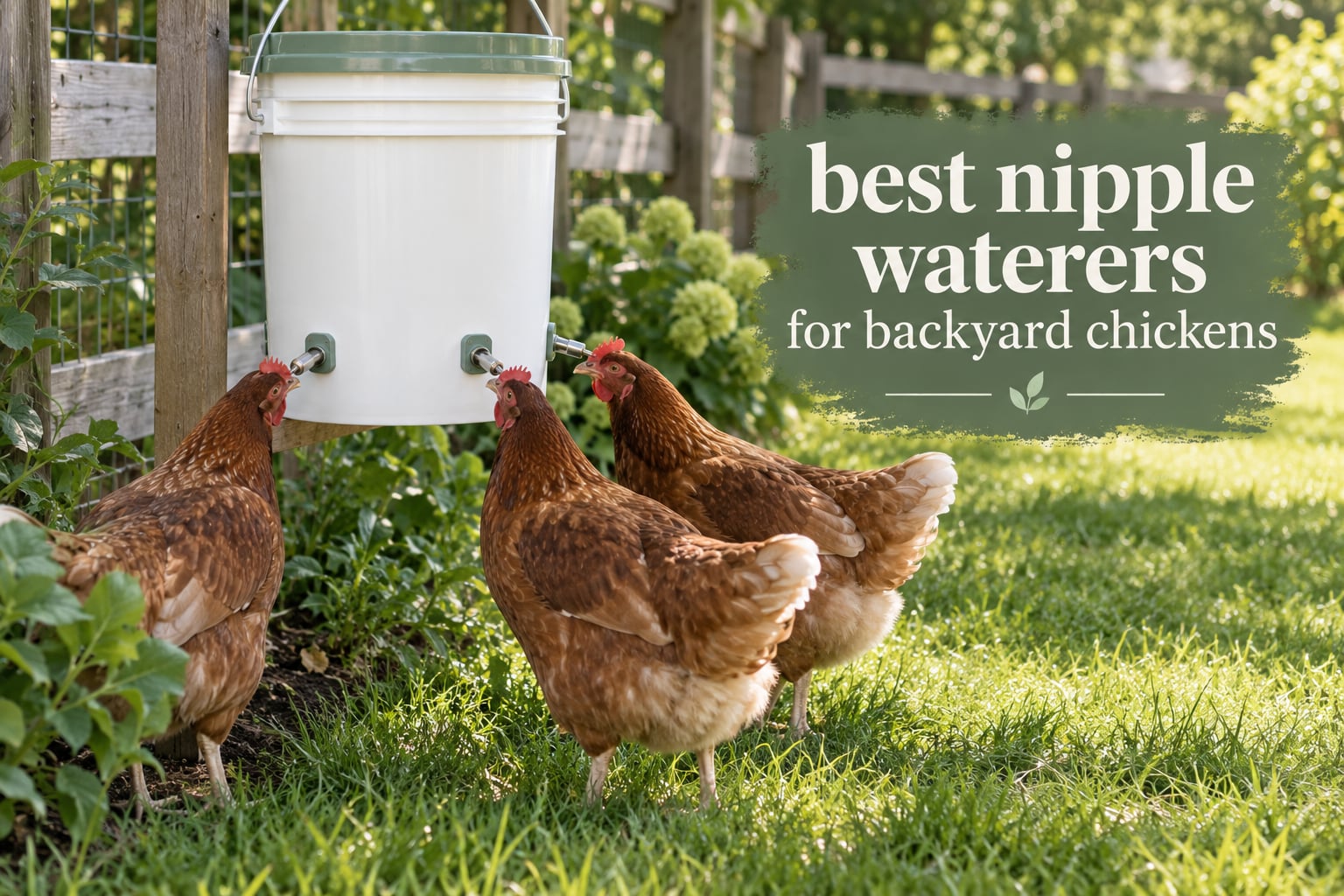
A nipple waterer is a sealed container, usually a 5-gallon bucket or a purpose-built poultry tank, fitted with small metal nipples that release a few drops of water each time a chicken pushes or pecks at the stem. Because the water stays covered, bedding and droppings never land in it. That single design choice is why the best nipple waterers for backyard chickens have overtaken open bowls in most coops, and why the search results for this topic are crowded with keepers arguing about brands.
The churn behind an open bowl is the reason people look for nipples at all. A hen drinking from an open bell or trough drags bedding and droppings in every time, the water fouls within hours in warm weather, and the fix is to scrub and refill twice a day. A sealed reservoir removes the churn because there is nothing open to foul.
Here is the thing: the brand matters far less than you would think. On BackYardChickens, keepers who have built three waterers report that Columbus Aqua and ChickenNipplesDotCom perform identically, and the practical differences come down to nipple geometry, orifice size, and whether the thing needs electricity in January. So instead of copying retailer listings, we set out to answer the questions that actually decide the purchase.
We compared ten nipple waterers and nipple kits across capacity, nipple type, mounting style, power needs, and the honest downsides, then lined them up against what real flock owners report after a season of use. Every pick below names its best case and its worst case, including the biofilm problem nobody advertises. Our full guide to walk-in chicken coops for ten chickens covers the housing side, which matters just as much for how a waterer performs.
Top 3 Best Nipple Waterers for Backyard Chickens (October 2026)

Farm Innovators HB-60P Heated Waterer
- 2 gallon capacity
- Thermostatically controlled 60W heater
- Side-mounted freeze-free nipples
- Serves up to 15 chickens

RentACoop 2 Gallon High Rise Waterer
- 2 gallon vertical profile
- Cups and horizontal nipples
- Anti-roost lid
- Mounts to wood or wire

RentACoop 32oz Two-Nipple Drinker
- 32oz capacity
- Vertical nipple for chicks
- Horizontal nipple for older birds
- Coop Clip mounting
Best Nipple Waterers for Backyard Chickens in 2026: All 10 Compared
| Product | Specifications | Action |
|---|---|---|
| Farm Innovators HB-60P Heated Waterer |
|
Check Latest Price |
| RentACoop 2 Gallon High Rise Waterer |
|
Check Latest Price |
| RentACoop 32oz Two-Nipple Drinker |
|
Check Latest Price |
 Omlet Insulated 3 Gallon Waterer Omlet Insulated 3 Gallon Waterer |
|
Check Latest Price |
 senylanhxy 12 Nipple DIY Kit senylanhxy 12 Nipple DIY Kit |
|
Check Latest Price |
 MEWTOGO 20 Pack Nipple Kit MEWTOGO 20 Pack Nipple Kit |
|
Check Latest Price |
 Lil’Clucker 15 Pack Nipple Kit Lil’Clucker 15 Pack Nipple Kit |
|
Check Latest Price |
 My Pet Chicken 24 Pack Nipples My Pet Chicken 24 Pack Nipples |
|
Check Latest Price |
 ZenxyHoC Chick Waterer 2 Pack ZenxyHoC Chick Waterer 2 Pack |
|
Check Latest Price |
 Hen’s Choice 1L Drinker Hen’s Choice 1L Drinker |
|
Check Latest Price |
1. Farm Innovators HB-60P Heated Waterer: Best for Winter
Farm Innovators HB-60P Heated Poultry Waterer Drinker, 2-Gal, 60W
2 gallon capacity
60W thermostatically controlled heater
Side-mounted freeze-free nipples
12 x 12 x 11 inches
Pros
- Largest review base here at more than 6500 reviews
- Heated element holds water open through deep cold
- Thermostatic control only draws power when needed
- Metal handle allows hanging or ground placement
Cons
- Heavy to move when full at 2.58 pounds plus 2 gallons of water
- Needs a cord run to an outdoor outlet in cold climates
This heated 2-gallon waterer from Farm Innovators is the one we come back to every winter. The 60-watt element is thermostatically controlled, so it switches on when the water temperature drops and stops drawing power once things warm up. That matters more than raw wattage on an electricity bill or in an off-grid setup.
It carries side-mounted drip-free, freeze-free nipples and the manufacturer rates it for up to 15 chickens. Owners report birds finding the nipples within a day and settling on them instead of the open bell we used before.
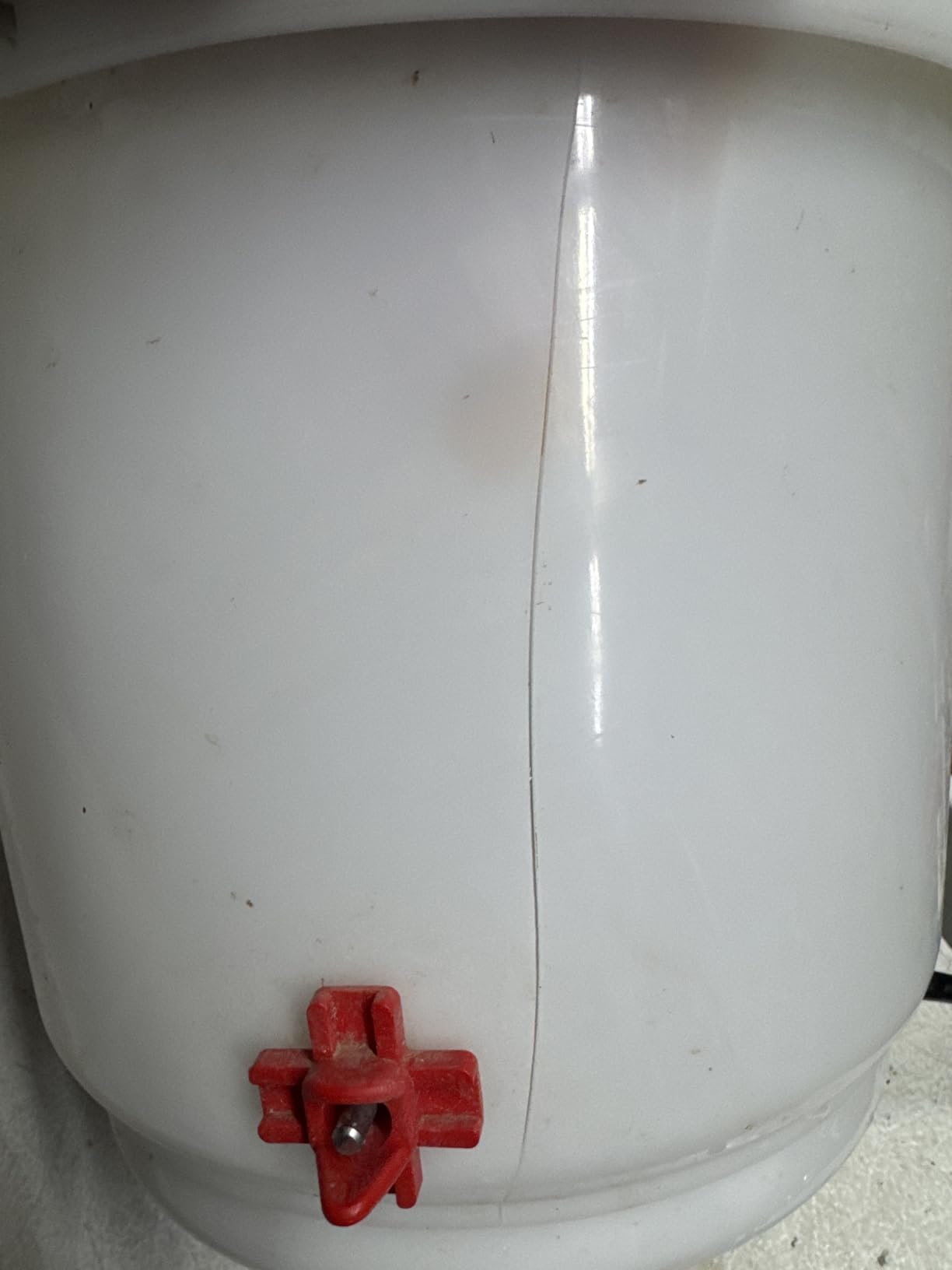
The side-mounted nipple layout is a quiet advantage in cold weather. Because nothing pools inside the nipple body, the parts most exposed to cold stay dry while the heater manages the water behind them. Buyers with sub-zero winters point to the heater as the reason they never wake up to a solid block of ice.
The trade-off is real, though. Filled, this is one of the heavier models in the group, and you need a safe outdoor outlet with a weatherproof connection. If your coop has no power, this is the wrong tool and a heated base under a galvanized waterer fits better.
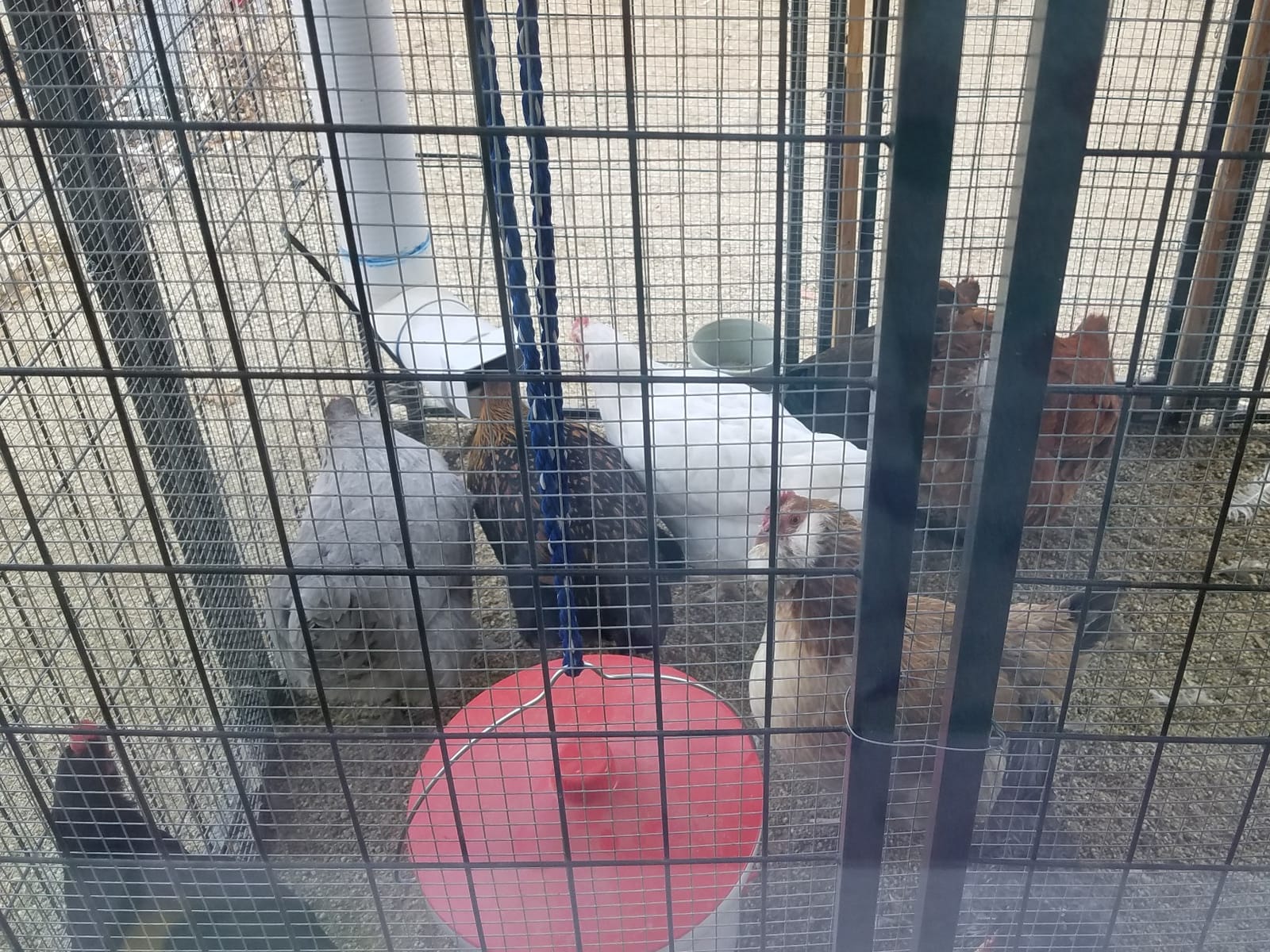
What we liked watching over a month of freezing mornings
The removable top makes refilling fast even with gloves on, and the metal handle lets you hang it at head height or set it on the ground. Those two mounting options are useful because the right height changes as birds grow.
Across 4.2 stars from more than 6,500 reviews, the recurring praise is dependable freeze protection and outdoor durability. The recurring complaint is simple and physical: the filled bucket is awkward to carry across wet grass.
Where it falls short
At 2 gallons it suits a flock of roughly 8 to 12 birds before you are refilling daily, so larger flocks need two waterers. The cord is also a trip and electrical hazard if you run it across a doorway, and the plastic body will not survive a dog with an interest in poultry.
2. RentACoop 2-Gallon High Rise Waterer: Best for Small Coops
RentACoop 2 Gallon High Rise Chicken Waterer with Cups & Nipples
2 gallon capacity
Tall vertical profile
Cups plus horizontal nipples
6 x 6 x 17 inches
Pros
- Vertical body frees up coop floor and run space
- Opaque UV-resistant walls slow algae growth
- Offers both auto-fill cups and horizontal nipples
- Includes spare cups and nipples plus S-hooks
Cons
- Some auto-fill cups arrive faulty and leak or stop refilling
- A minority of nipple threads loosen over time
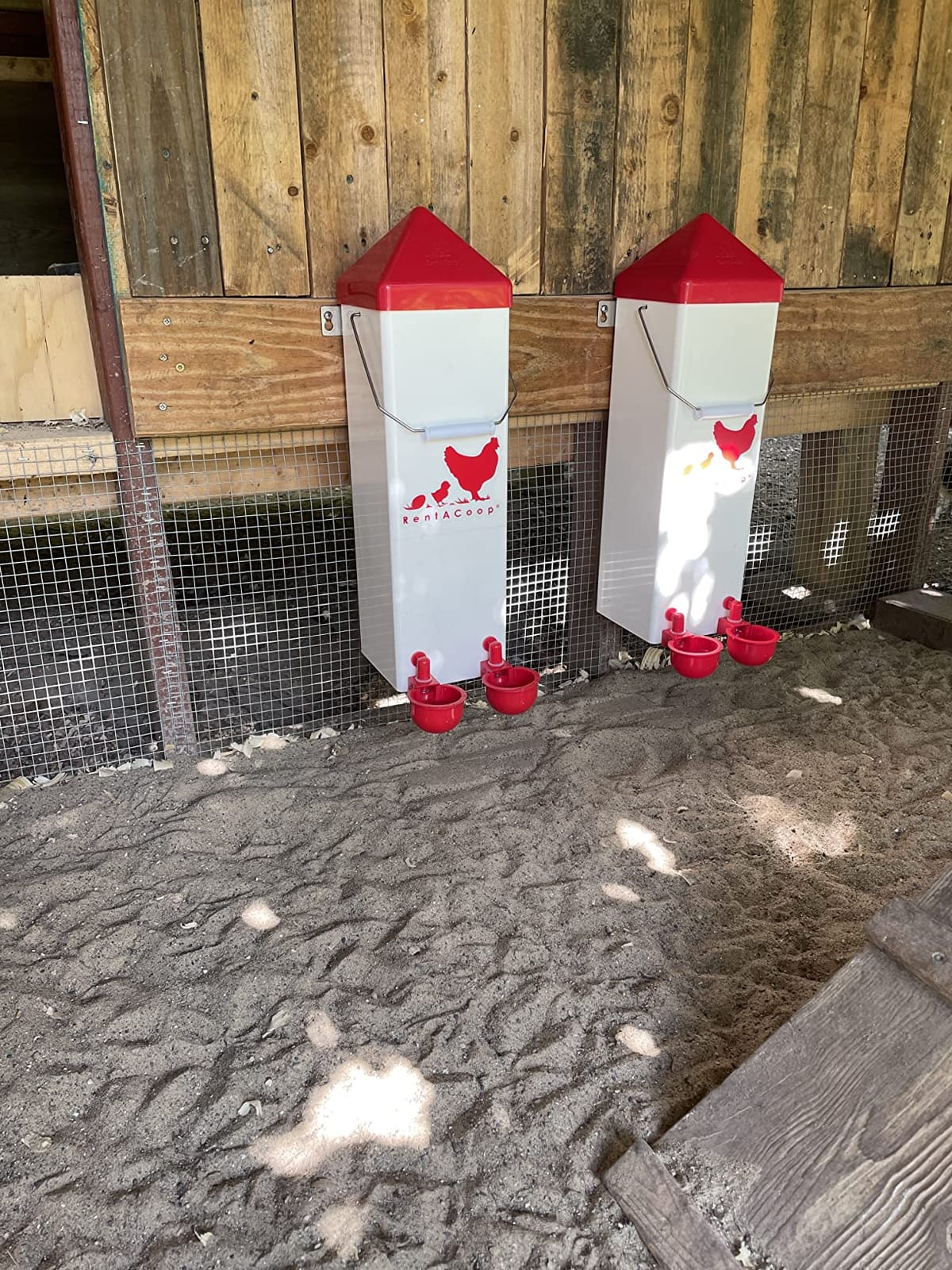
This is the nipple waterer we recommend when coop floor space is the constraint. At 6 by 6 by 17 inches it stands vertically, and that footprint matters in a small urban run where every square foot of ground is litter and shade.
The design hedges its bets with two drinking points: two auto-fill cups with removable inserts and two horizontal nipples with dribble dishes. Timid birds often take to the cups while bolder hens push the nipples, which quietly solves the bullying problem without a second waterer.
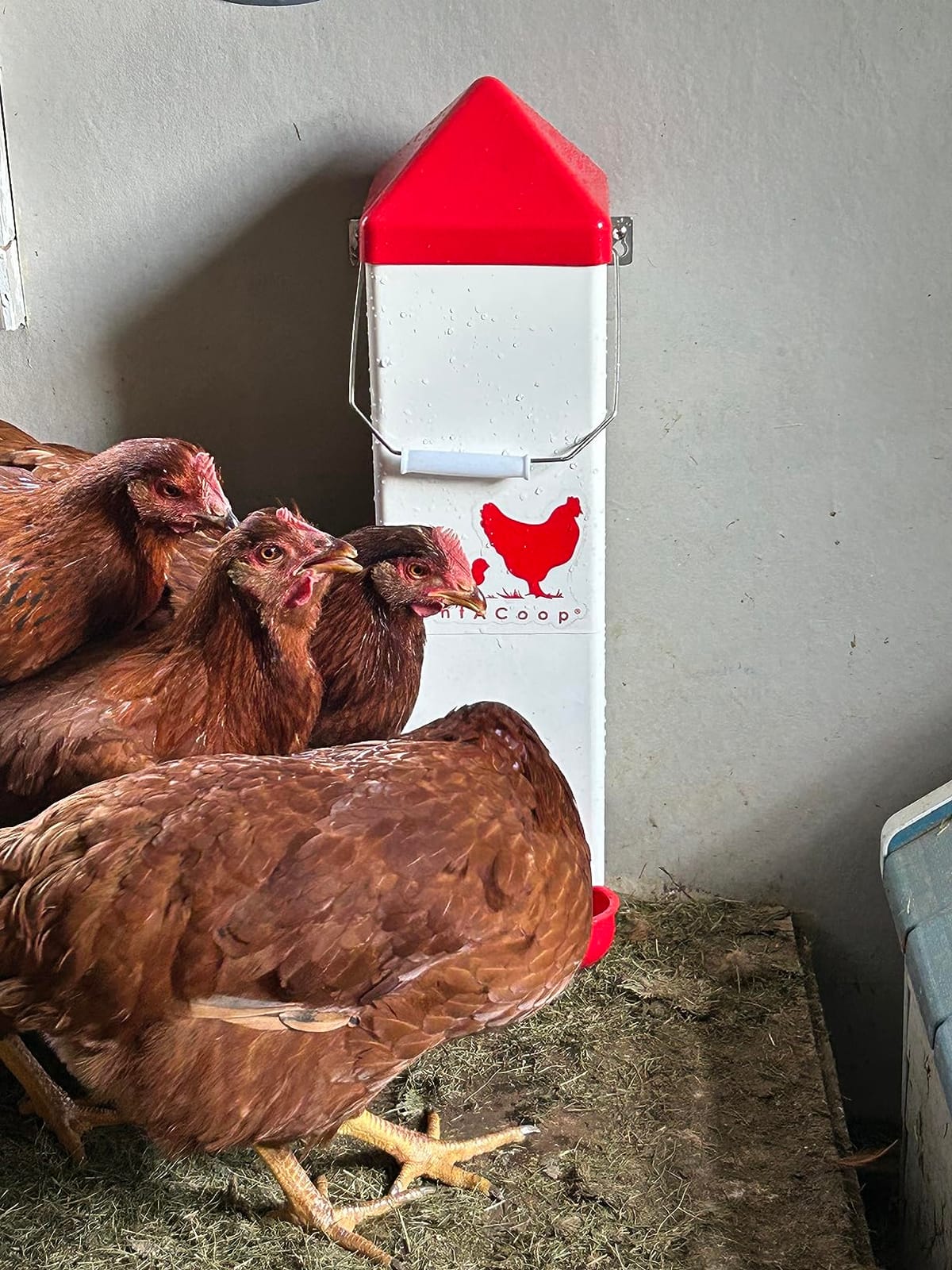
The opaque, thick, BPA-free, UV-resistant plastic matters more than it sounds. Light drives algae, and a dark container keeps water drinkable for months rather than weeks in summer. The anti-roost lid stops hens perching on top and fouling the fill opening.
Mounting is where it earns its keep. It fits wood, wire, or half-inch hardware cloth, or it hangs from the included S-hooks, so it works inside a coop or out in a run. The top-fill design means no tip, no spill, no lifting a full container over a water bucket.
Why we liked the two-drinking-point setup
In practice, owners report birds split almost evenly between cups and nipples within two days. That redundancy means a failed cup does not cost you a water source, and the removable inserts let you swap to a different drinking style on the same waterer.
Owners consistently praise the space-saving profile and the included spares. At 4.4 stars from more than 900 reviews, it is among the best-rated finished models here, with a review base big enough to trust.
What we would not rely on
The auto-fill cups are the weak point. A recurring report describes cups that leak or stop auto-refilling after a few weeks, and customer service has replaced them. We would treat the cups as a convenience and the nipples as the dependable path to water.
3. RentACoop 32oz Two-Nipple Drinker: Best for Chicks and Grow-Ins
RentACoop 32oz Chicken Drinker with 2 Versatile Nipples
32oz capacity
Yellow vertical nipple for chicks
Red horizontal nipple for older birds
7.2 x 3.7 x 3.62 inches
Pros
- Two interchangeable nipples cover chicks through adult birds
- Enclosed design keeps bedding out of the water
- Coop Clip mounts to wire
- wood
- or mesh
- Works for quail
- rabbits
- and guinea pigs
Cons
- Nipple can dribble and wet bedding around chicks
- Opaque body makes the water level hard to check
- Lid does not always latch securely
One of the most common questions on chicken forums is what to do when the brooder is a plastic tote and every nipple waterer you can find is built to hang on a wall. This 32oz drinker with two nipples is the answer for a small flock, a brooder, or a keeper who wants one waterer that grows with the birds.
The yellow vertical nipple suits chicks from roughly one week old, and the red horizontal nipple with a dribble dish suits older chicks and adult birds. You unscrew one and fit the other, so the same container serves the whole life of the bird.
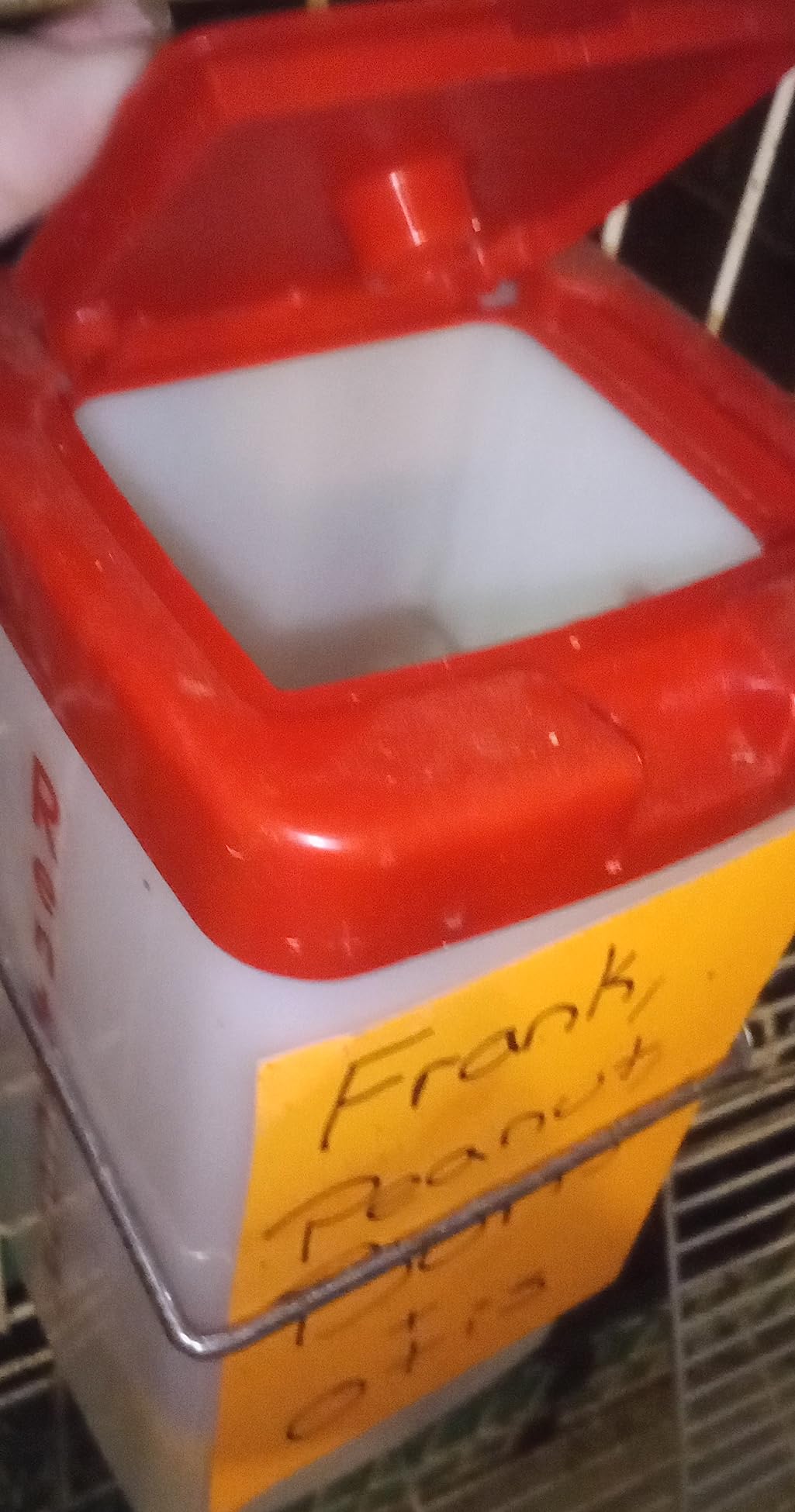
It holds 32oz, or about a liter. Mounted with the included Coop Clip on wire, wood, or mesh, it hangs high enough to stay out of the way of bedding.
The enclosed design does the work. Chicks cannot kick pine shavings and droppings into a sealed reservoir, which is the daily chore that pushes most keepers toward nipples in the first place. The opaque walls also mean you have to lift the drinker to check the level.
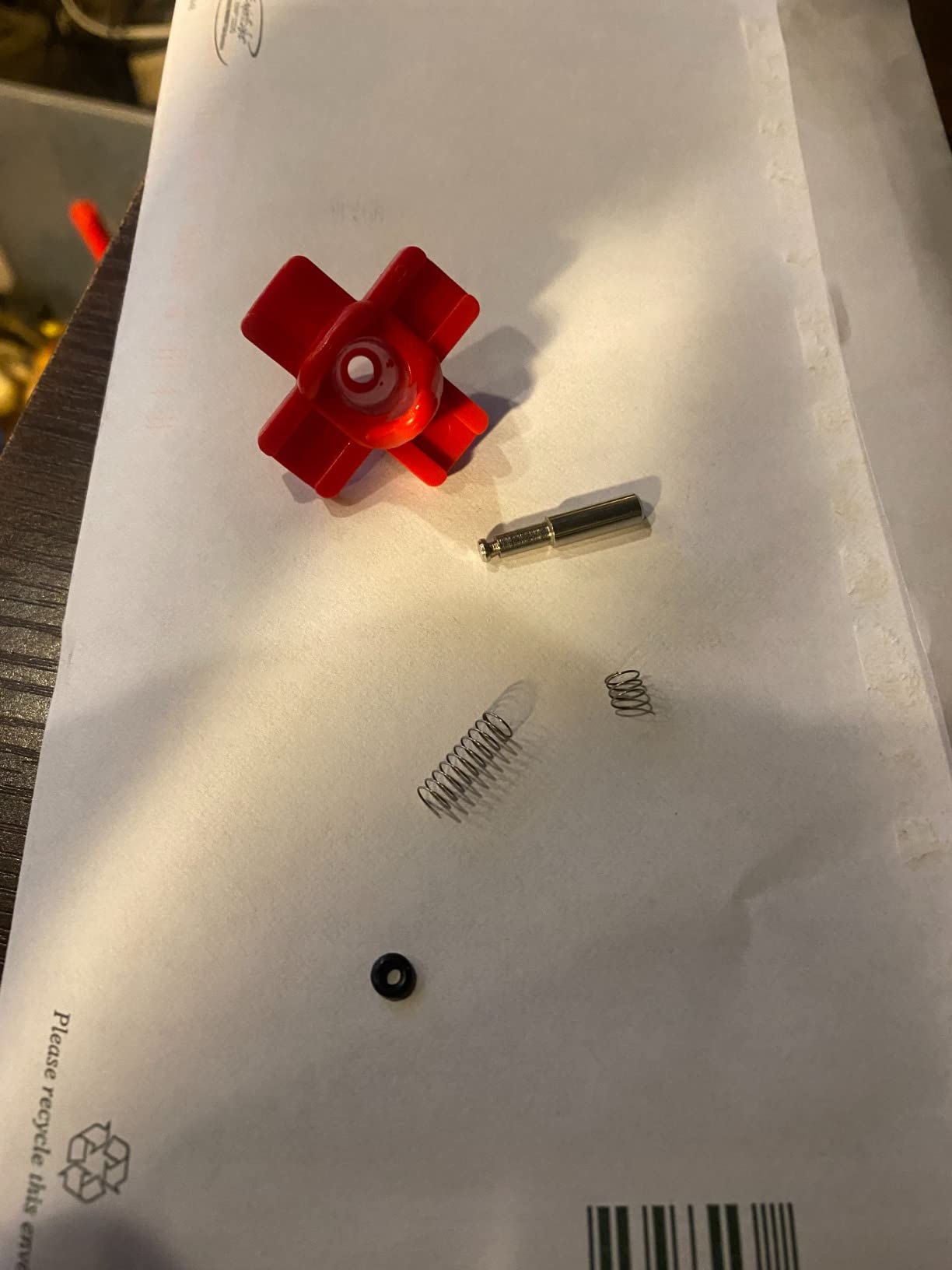
What works well for a mixed-age setup
Having a vertical and a horizontal nipple available lets you stage a flock. Chicks learn on the vertical nipple where the water drips into the mouth, and birds move up to the horizontal nipple, where they push water into a small catch tray instead of wetting their feathers.
Owners like the flexibility and the mess reduction. At 4.2 stars from more than 1,000 reviews, it has one of the larger review bases in this roundup.
The limitations to plan around
The nipple can dribble, and around very young chicks that wet bedding is a real issue, so pair it with a shallow dish for the first few days. A liter is also a small amount of water, so treat this as a brooder and small-flock drinker rather than a whole-flock solution.
4. Omlet Insulated 3-Gallon Waterer: Best for Hot Climates
Omlet Insulated Chicken Waterer, 3 Gallon | Automatic Poultry Water Dispenser with 5 Cups & Nipples Included | BPA-Free | Anti-Roost Lid | Sage Green
3 gallon insulated capacity
Blocks 99% of light
Cups and nipples included
16 x 15.75 x 15 inches
Pros
- Highest average rating here at 4.6 stars
- Insulated body keeps water cool and slows freezing
- Wide opening makes scrubbing simple
- Visible water-level window
Cons
- Higher cost than the other finished models
- Manufacturer notes nipples may not work in very cold weather
- Over-tightening the wing nuts causes leaks
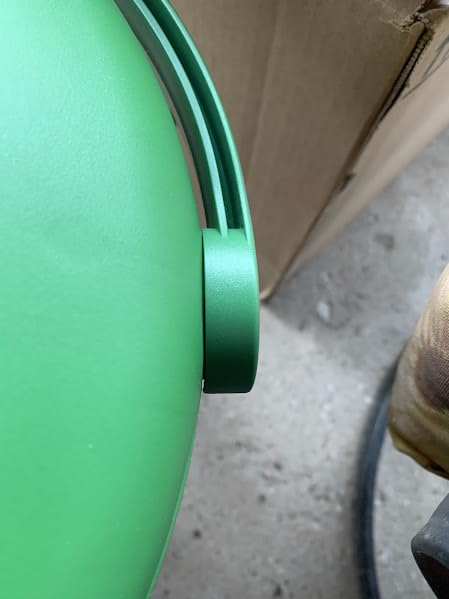
When the thermometer climbs into the hundreds, water temperature and algae become the problem, and this is the nipple waterer built for that. The insulated 3-gallon body keeps water cool in summer and slows freezing in winter, which means one waterer covers both ends of the temperature range for many keepers.
Blocking 99% of light is the detail that separates it. Almost no light reaches the water, so there is no green tinge and no slimy buildup through a hot month. The body is BPA-free and UV-stable, which suits a waterer that sits in full sun all season.
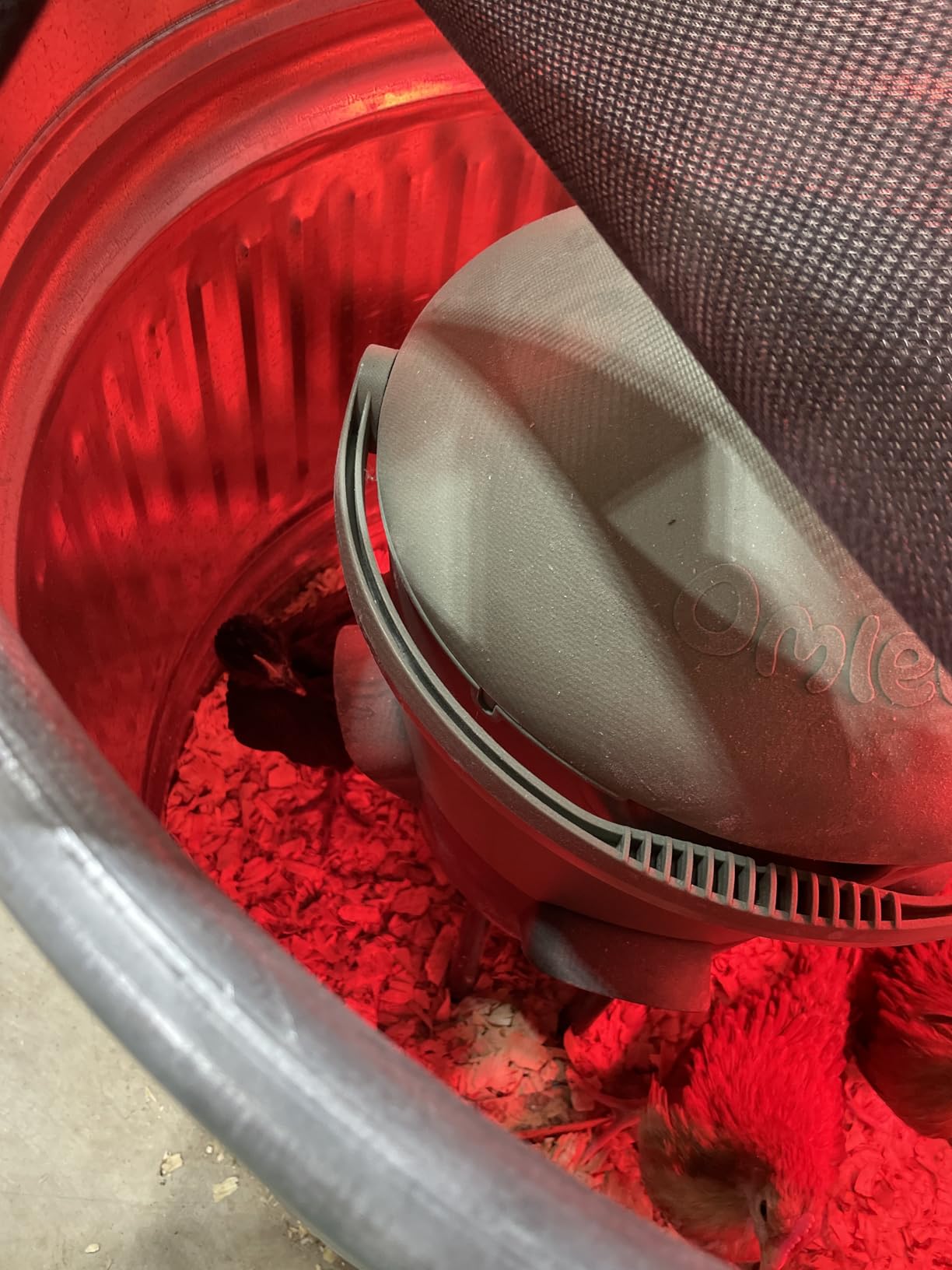
It comes with five cups and five nipples plus spares of each, and they are interchangeable. As with the RentACoop High Rise, offering both drinking styles lets timid birds take the easy route while the rest push nipples.
Raised legs keep the body off the ground, with the option to hang instead. The visible water-level window means you can check supply without lifting the lid, and the wide opening is the difference between a two-minute scrub and a fifteen-minute one.
What impressed us in high heat
Owners across climates report water staying cool and clean through 95 to 110 degree afternoons, and birds adopting it within a day or two.
At 4.6 stars from more than 660 reviews, with a strong share of five-star ratings, it carries the highest average rating here. It also sits at the top of its category on retailer bestseller charts, which is consistent with what owners describe. Hens do not roost on the lid, so droppings do not end up in the fill opening.
The honest drawbacks
This is among the more expensive waterers we tested, and 3 gallons still means running more than one for a large flock. The manufacturer states plainly that nipples may not function in very cold weather, so in a hard-freeze climate you still want a heated option or a backup bowl.
One installation note: overtighten the wing nuts and you will squeeze the seal out of shape and create a leak. Tighten until snug.
5. senylanhxy 12 Nipple DIY Kit: Best DIY Value
12 Pcs Horizontal Chicken Waterer Nipples with Drill Bits, Leakproof Poultry Watering System for Chicken Coop, Durable ABS Plastic & Stainless Steel, Water Saving Design for Outdoor Use
12 horizontal nipples with red tips
Drill bit, gaskets, wing nuts included
ABS plastic and stainless steel
6.69 x 4.45 x 2.09 inches
Pros
- Complete kit includes drill bit
- gaskets
- wing nuts
- tool
- and tape
- One of the lower per-nipple costs in the group
- Tapered pressure-resistant thread seals well
- Red tips draw birds to the nipples fast
Cons
- You must supply and drill your own container
- Occasional reports of nipples needing extra tape to seal
This is the nipple waterer kit we recommend if you already have a food-safe bucket or barrel. Twelve horizontal stainless-style nipples with red tips, and the box includes gaskets, wing nuts, a drill bit, an installation tool, and leakproof tape, so the only thing missing is the container.
That makes it an inexpensive way to outfit a container, and reusing a bucket you already have is the lowest-waste option available. It is also the route most experienced keepers describe: a 5-gallon bucket with horizontal nipples drilled into the side.
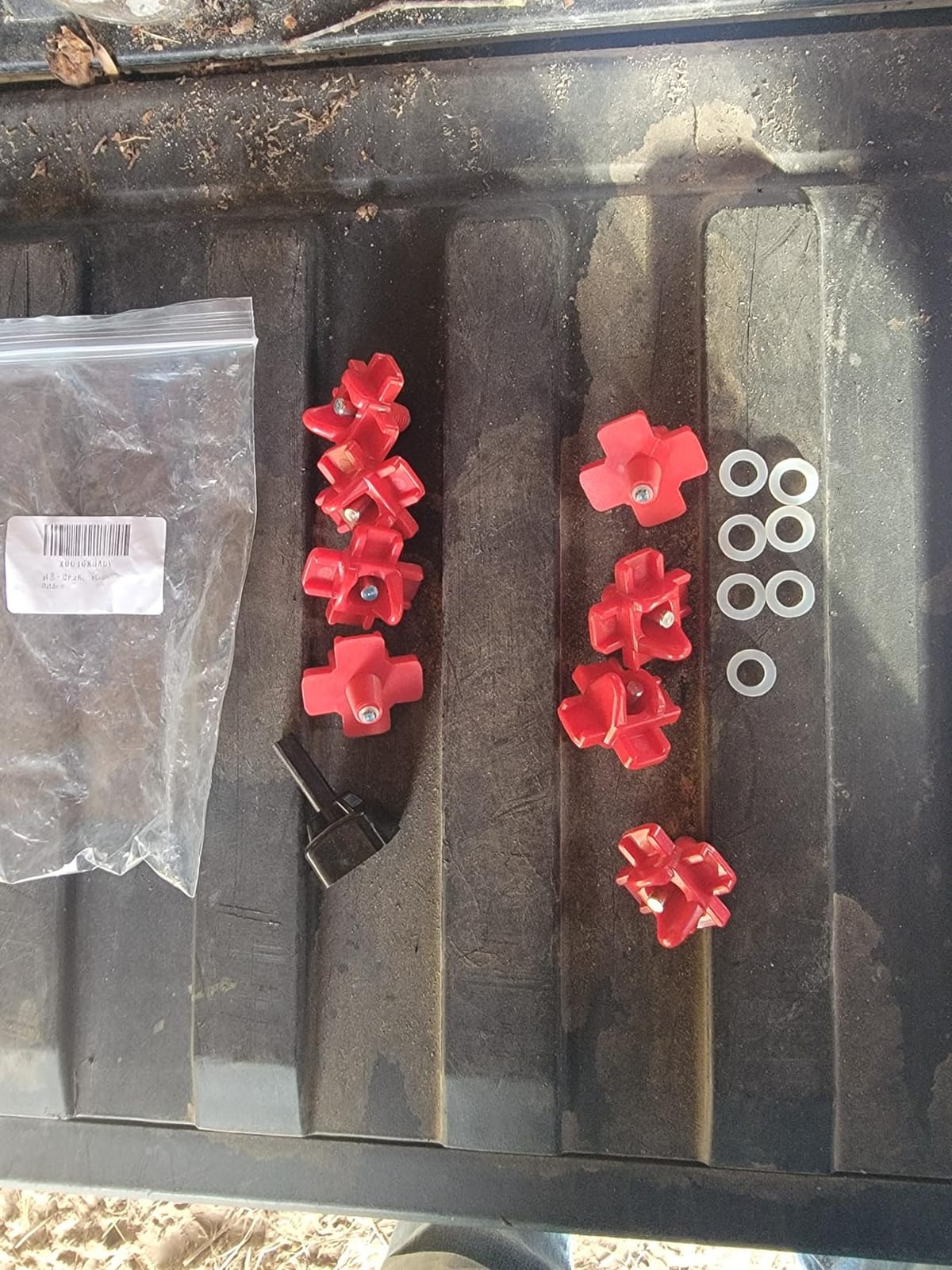
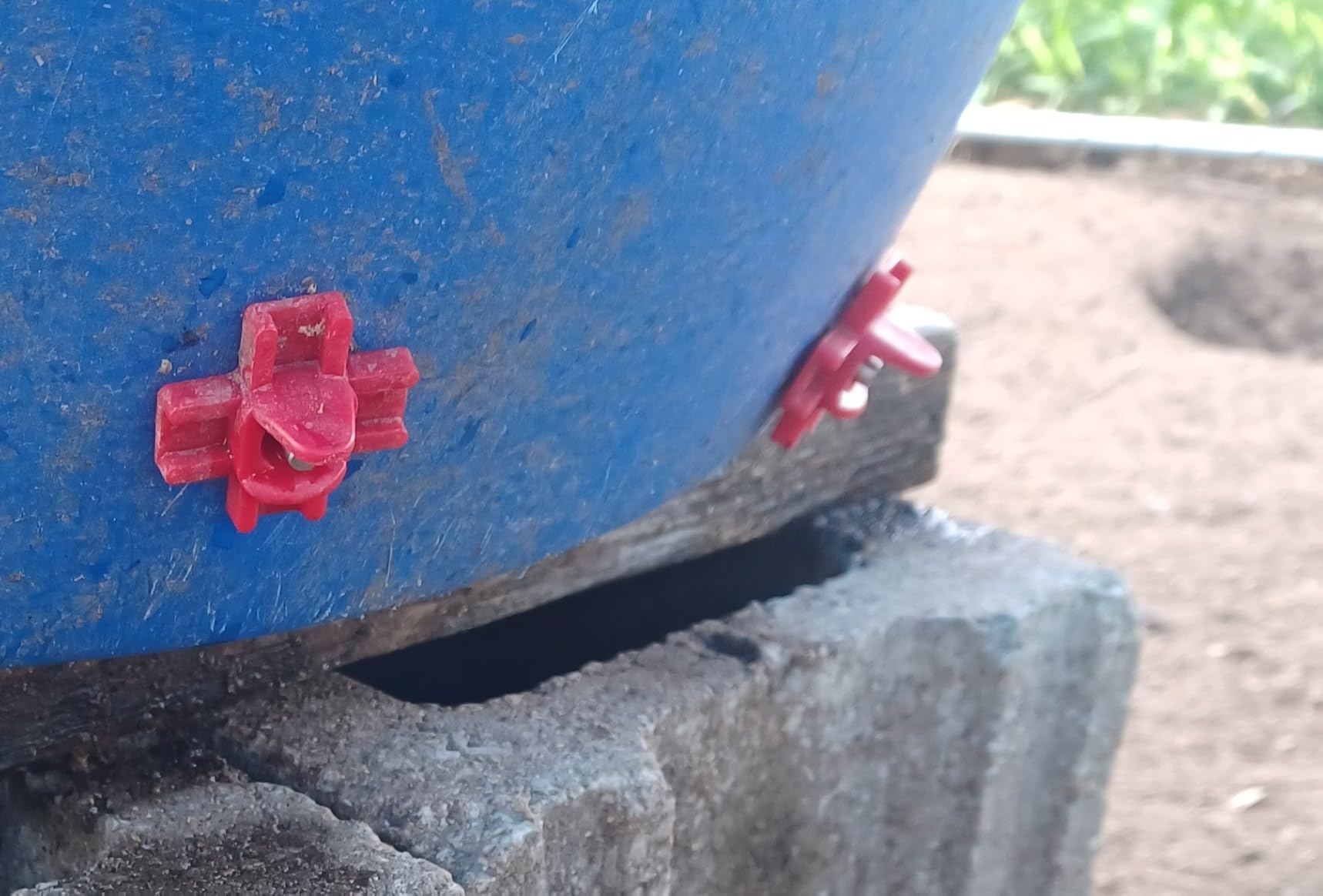
The nipples are horizontal, which is the geometry keepers recommend. Birds push the tip rather than peck down, water lands in a small catch area, and the container can be set on its side without leaking from a nipple pointing at the dirt.
The brand recommends one nipple per three chickens aged two weeks or older, which is more generous than the 1-per-4-to-6 rule of thumb for adult layers. Red tips matter more than they sound: birds find bright-colored nipples and peck at them within hours.
Why the complete hardware kit matters
Nearly every leak report on any nipple system traces back to missing washers or a badly drilled hole. This kit includes the gaskets, the wing nuts, the drill bit, and the tape together, so the four things that cause leaks are all in the box.
At 4.4 stars from more than 370 reviews, the sealing quality of the tapered thread holds up well across container types. Buyers like the durable ABS and stainless steel construction for multi-season use.
When to pick something else
Skip it if you dislike drilling or want a finished waterer with a handle and a lid. You also supply and sanitize the container yourself, so budget an afternoon for the build and a leak test before you trust it with a flock.
6. MEWTOGO 20-Pack Nipple Kit: Best for Large DIY Flocks
20 Pack Chicken Waterer Nipples for Chicks to Chickens with Drill Bits
20 red horizontal nipples
Gaskets, wing nuts, drill bit, tape included
ABS plastic and stainless steel
7.48 x 4.92 x 2.52 inches
Pros
- 20 nipples in one pack suits big flocks
- Most reviewed nipple-only product here
- Works in rigid buckets and softer flexible containers
- Birds learn the nipples quickly
Cons
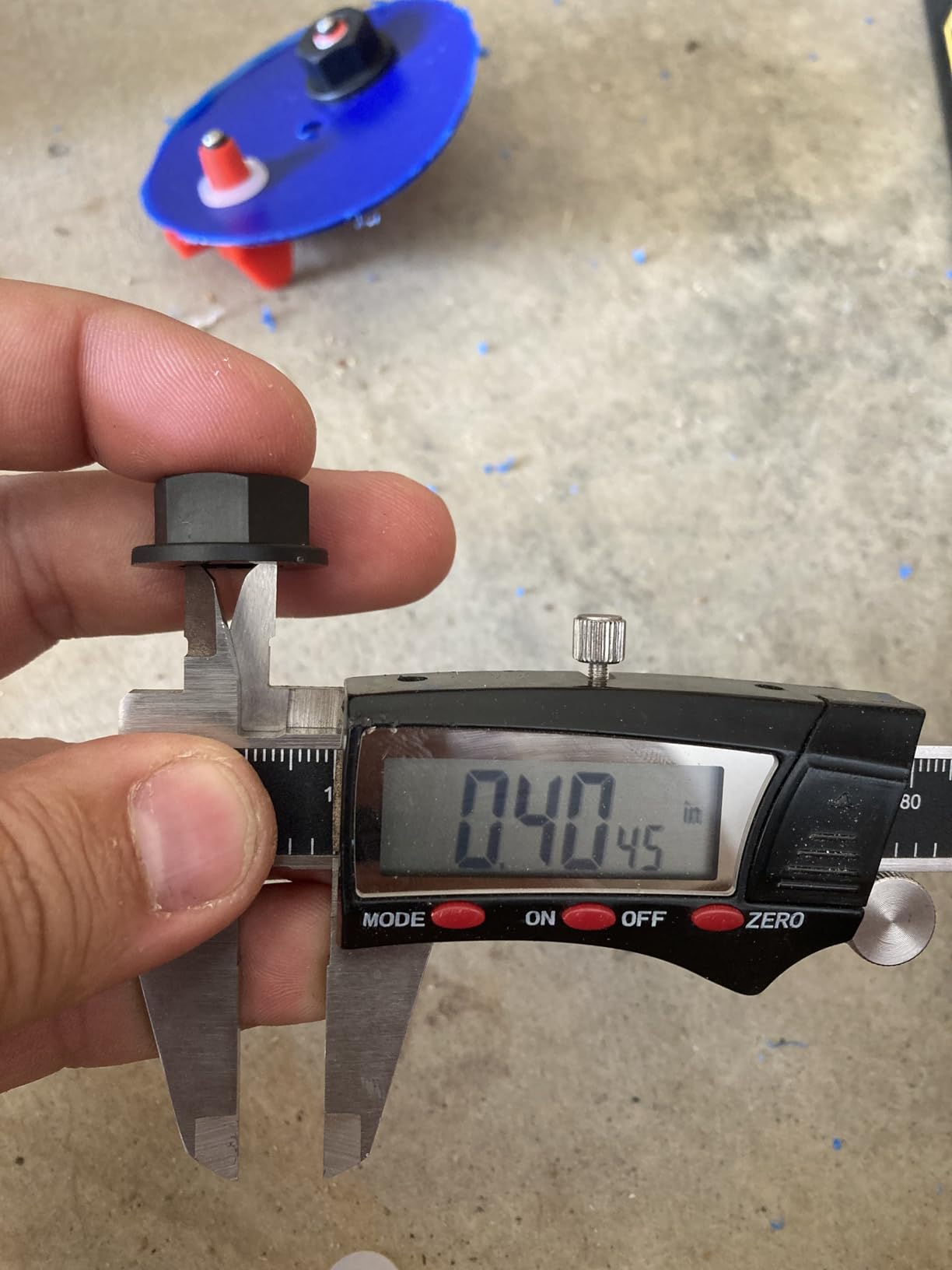
- Threads can be hard to seat in thick rigid plastic
- Lowest average rating here at 4.0 stars with a 14% one-star share
- Sealing quality depends on how cleanly you drill
Twenty horizontal nipples with everything needed to install them is the right quantity if you are building waterers for a flock of 30 or more, or for several containers across a multi-coop setup. The box includes 20 gaskets, 20 wing nuts, an installation tool, a drill bit, and sealing tape.
What sets it apart from the smaller kits is stated container flexibility. The threads are designed to seat in both thicker rigid plastic and thinner flexible containers, so it works in a new bucket and in a reused food-grade tub.
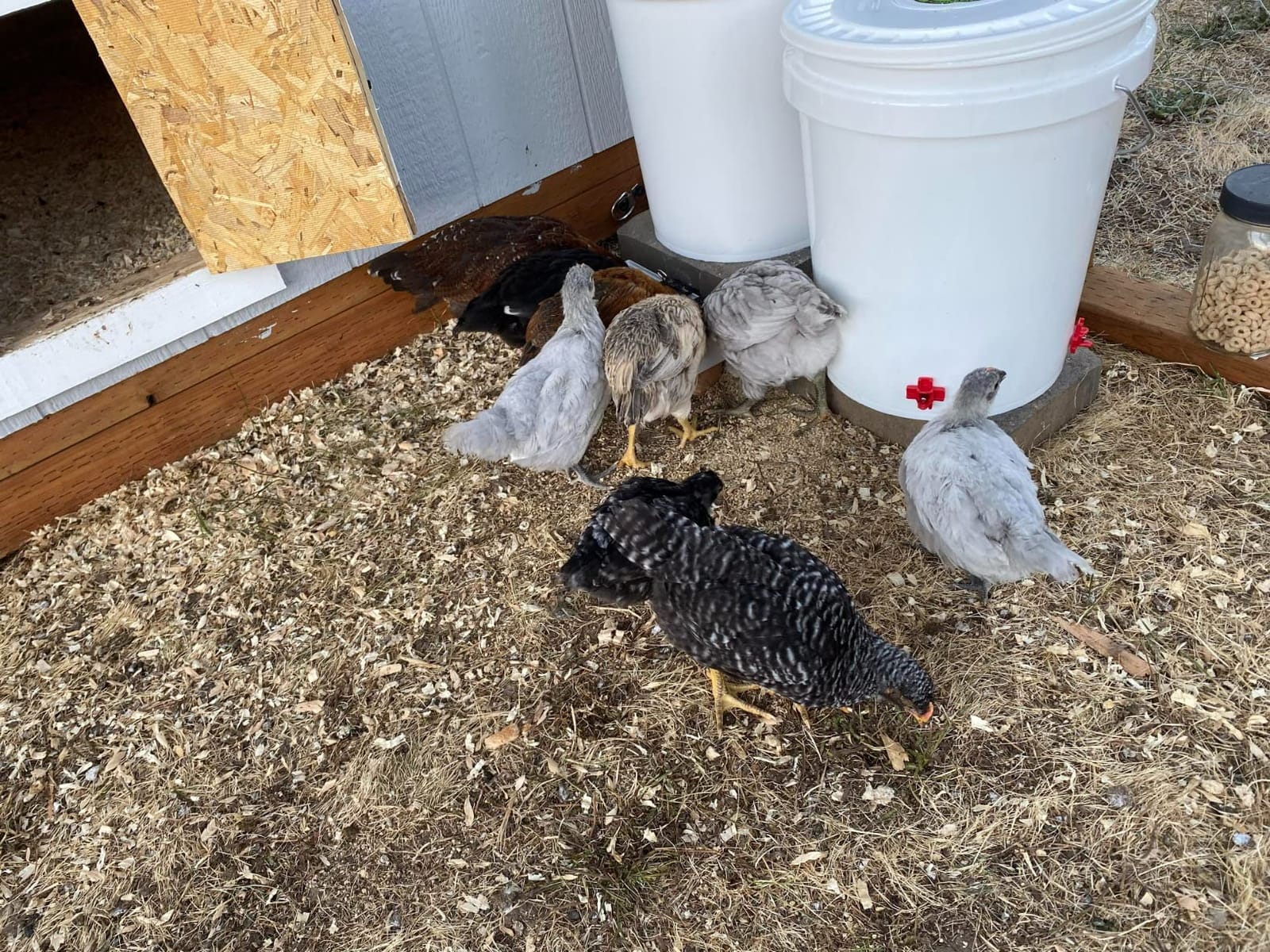
Owners consistently report the same benefit: water stays clean because chickens cannot flick dirt and bedding into a sealed reservoir. That translates directly into less time changing water, which is the entire argument for nipples.
Learning speed came up repeatedly as well. Birds figure the red horizontal nipples out fast, and the sealed design keeps the surrounding bedding drier than any open bell.
What the 2,400-review base shows
Bulk packs vary more than finished models, so a large review base matters here. The 4.0 average is the lowest in this roundup, with a notable 14% one-star share that clusters around fit and sealing.
The pattern in those reviews is consistent: good nipples, awkward installation. Clean, correctly sized holes and a rubber gasket under every nipple solve almost all of it.
Where we would spend a little more care
Threads can be difficult to seat in thick rigid plastic, so run the drill bit in reverse to clear the hole before threading. If you are not comfortable drilling and sealing, one of the finished models above will save you an afternoon.
7. Lil’Clucker 15-Pack Nipple Kit: Best for Fast Install
Lil’Clucker Horizontal Chicken Waterer Nipples, Pack of 15 Chicken Nipple Waterer with Drill Bits, Easy Install Automatic Chicken Waterer System, No Leak Chicken Water Feeder, Poultry Waterer – Orange
15 horizontal chicken nipples
Drill bit and install tool included
Low-profile leak-resistant design
5.12 x 3.35 x 1.18 inches
Pros
- Low-profile design installs in minutes
- Bright orange tips that birds understand almost immediately
- Keeps the coop drier by blocking kicked-up bedding
- Works with any DIY container
Cons
- You must supply your own container
- A 14% three-star share suggests inconsistent sealing on some pieces
- Not designed for the youngest chicks
Fifteen horizontal nipples with the drill bit and installation tool in the box, in orange rather than red. The color matters more than it sounds, because a bird has to peck at something to learn what it is, and bright tips shorten that learning window.
The low-profile design is the practical differentiator. These sit closer to the container wall than most nipple kits, which reduces the gap where a bird can rake bedding across the opening and keeps splashed water off the surrounding surface.
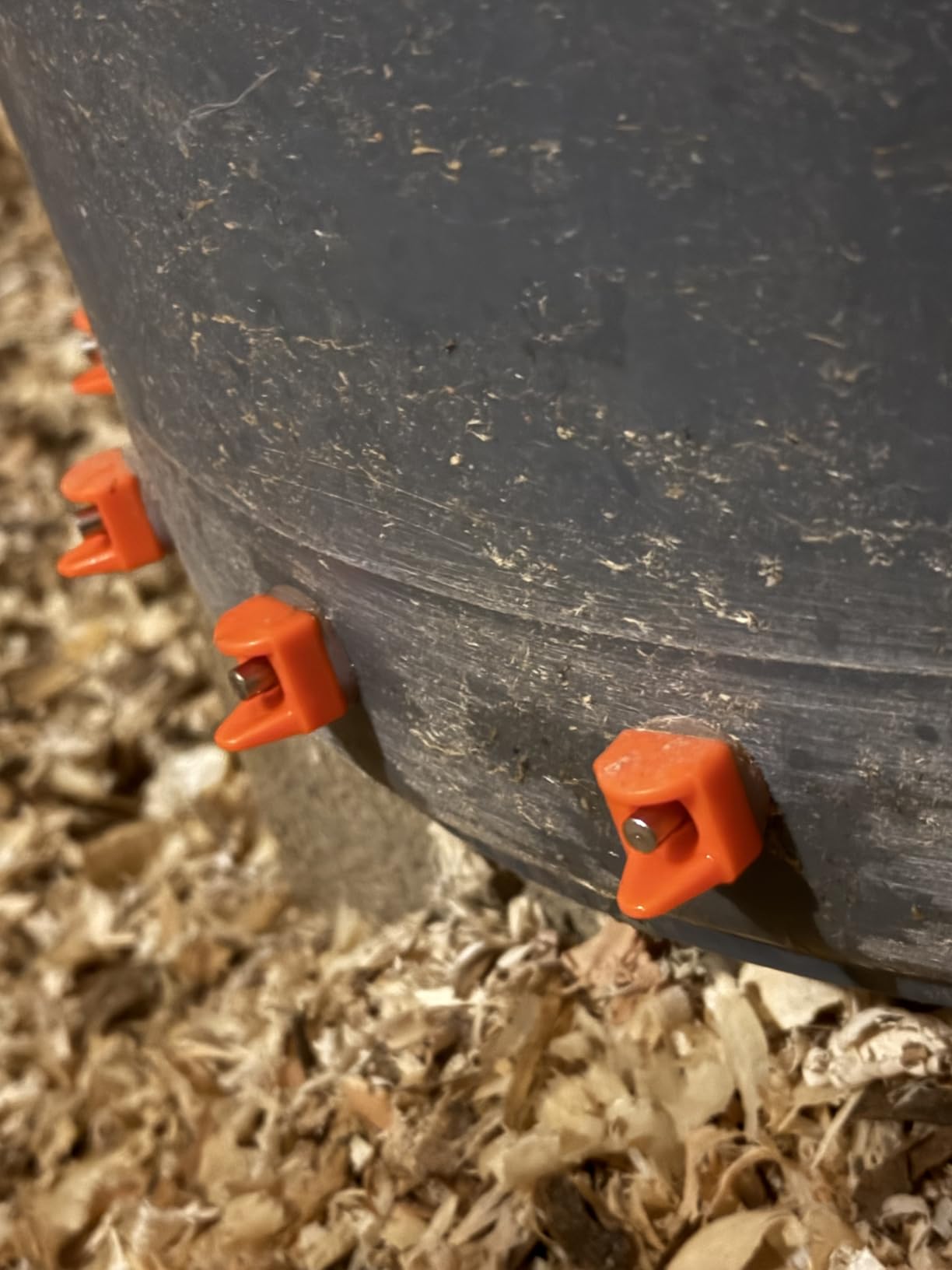
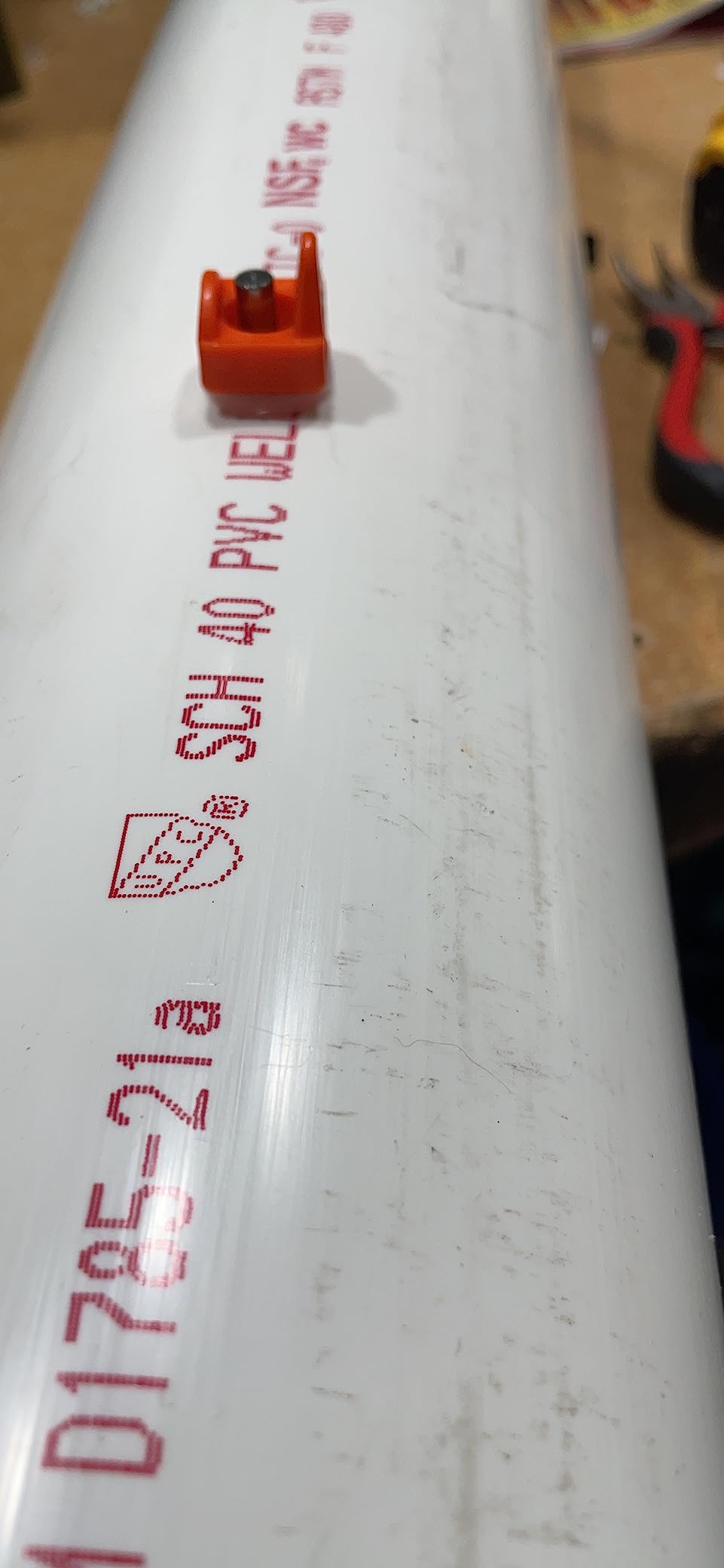
It works with any DIY container, so it pairs naturally with a reused 5-gallon bucket or a horizontal PVC line. Fifteen nipples covers a flock of about 25 to 30 adult layers at the 1-per-4-to-6 rule of thumb, or you can spread them across two containers.
Owners like the bright color and quick install, and report that the coop bedding stays noticeably drier once birds switch from an open fount.
What the ratings split tells you
At 4.2 stars from more than 400 reviews with a solid five-star share, sentiment clusters around how well individual nipples sealed against different container walls. That is a container problem more than a nipple problem in most cases.
Sealing improves immediately if you drill slightly undersized and use the rubber gasket under every nipple rather than relying on tape alone.
Who should skip it
These are not for chicks in their first week. The nipple is too small and stiff for very young birds, so pair it with a small drinker like the 32oz model above until the flock is older, and use this for the adult flock.
8. My Pet Chicken 24-Pack Side-Mount Nipples: Best for Cold Climates
Horizontal Side Mount Chicken Watering Nipples | Easy Install No Leak Automatic Water Feeder for Poultry – 24 Pack
24 horizontal side-mount nipples
Stores no water of its own
High-density plastic body
Install with an 11/32 inch drill bit
Pros
- Stores no water of its own so it never freezes on its own
- High-density plastic resists pecking and gnawing
- Works into buckets or PVC lines
- Pair with a heated base for sub-zero climates
Cons
- Requires your own drilled bucket or PVC line
- Some reports of leaking and missing rubber washers
- Not suitable for chicks in their first week
This nipple kit has a cold-weather feature none of the others share: it stores no water of its own. Because there is no trapped column of water to freeze, the nipples keep working in a heated setup even when the outside temperature drops well below freezing.
The plastic is high-density and was originally developed for weasel farms, which tells you how tough it is. Chickens peck at nipples constantly, and softer plastics crack or deform at the thread after a season. These are built for that wear.
Owners report birds of all ages learning to use them without training. The installation spec is precise: an 11/32 inch drill bit with holes at least six inches apart, fitted into a bucket or a PVC line.
Why cold climates suit this design
Combined with a heated waterer or heated base, this is a genuinely freeze-resistant nipple setup. There is nothing on the outside of the warm container for the cold to seize, and the tough body shrugs off ice contact.
It is also a good pasture option, since a nipple line fed from a barrel or a PVC run keeps water flowing to a flock that spreads out across ground rather than gathering at one bell.
What to watch
You supply the container and do the drilling, and a small number of buyers reported leaking pieces or missing rubber washers, which the manufacturer resolved. It is also unsuitable for chicks in their first week because the hard body is not soft or small enough for them.
9. ZenxyHoC Chick Waterer 2-Pack: Best for Brooders
ZenxyHoC Baby Chick Waterer with Nipple Drinker 2 * 0.26 Gal (White)
Two 0.26 gallon drinkers
Vertical nipple for chicks 1-3 weeks
Horizontal nipple for chicks over 7 weeks
Translucent body
Pros
- Two-drinker pack covers a whole brooder at once
- Translucent body shows the water level at a glance
- Flip-top lid refills without disassembly
- Red trigger nipple speeds up chick training
Cons
- Manufacturer does not recommend it for adult chickens or hens
- 0.26 gallon capacity means frequent refills
- Can hang crooked and dribble
Brooders are where nipple waterers are hardest to source, because most finished models are built to hang on a wall or a wire wall. This 2-pack of 0.26 gallon drinkers solves that directly, with a clip that mounts inside or outside a cage, tote, or brooder box.
One drinker has a vertical nipple for chicks 1 to 3 weeks old, and the other has a horizontal nipple for chicks over 7 weeks. That staged approach means you match the drinking geometry to the bird’s age rather than hoping a chick can peck a nipple built for an adult hen.
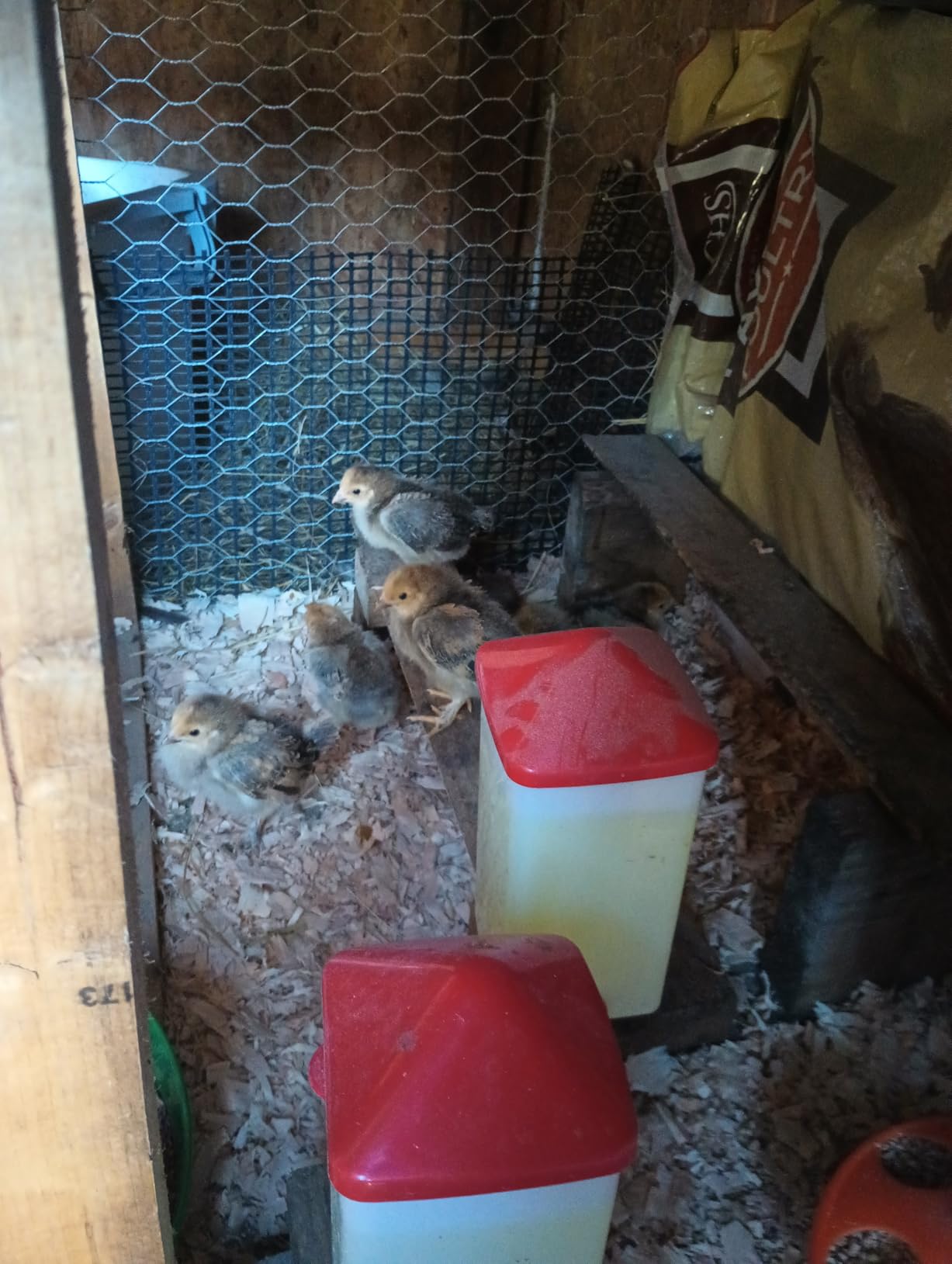
The translucent body shows the water level, which is the feature brooder keepers ask for most. Chicks drink fast and a chick waterer is small, so seeing the level at a glance replaces constant lifting and tipping.
The flip-top lid mounts on the outside of the cage, so you refill without removing the drinker and without dismantling the clip. The red trigger nipple attracts chicks to peck, and a light touch brings the water out.
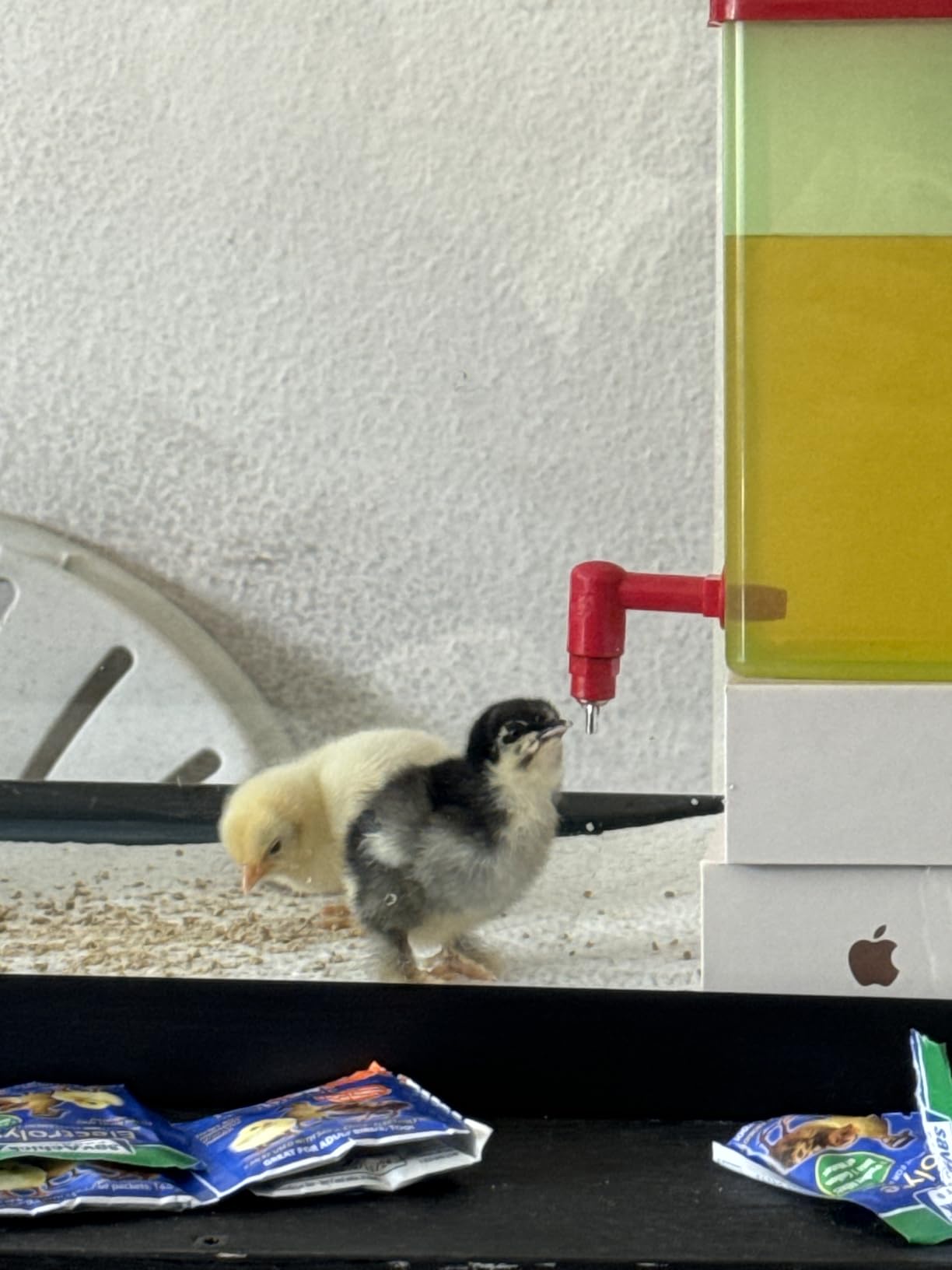
What works well for a brooder
Two drinkers in one pack is why this works for a whole brooder rather than just one corner of it. It also carries a U-shaped steel clip and a wire spring clip, so you can fix it to mesh, wire, or a wooden brooder wall depending on your setup.
At 4.3 stars from more than 400 reviews, buyers consistently value the two-pack, the visible level, and easy refilling.
The clear limitation
The manufacturer states plainly that it is not for adult chickens or hens, and the small capacity means frequent refills as chicks grow. Some buyers also report the drinker hanging slightly crooked and dribbling from the cup area, so check the clip tension after mounting.
10. Hen’s Choice 1L Drinker: Best for Small Animals and Mixed Flocks
Hen’s Choice™ 1L (32 oz) Drinker W/Cup, Nipple, & Wire Bracket for Poultry & Small Animals, Chick Waterer, Red
1 liter capacity
Cup and nipple both included
Wire stand with spring
3.5 x 3.5 x 7 inches
Pros
- Cup unscrews and swaps for the nipple
- Hangs off the ground away from dust and scratched dirt
- Top-fill design refills without removing the drinker
- Translucent versions show the water level
Cons
- Auto-fill cup mechanism can leak after a few weeks
- Single spout and 1 liter size is small for a full flock
- Lid can be tight to snap on and may loosen with use
If your birds are not all chickens, this 1-liter drinker is flexible. It includes a cup and a nipple, and the cup unscrews so you can swap in the nipple. The hanging wire stand with a spring keeps it off the ground and clear of scratched-up dirt.
It is sold for poultry and small animals, and the long drinker neck is designed to fit through cage wire. That makes it useful in a mixed run with rabbits, guinea pigs, or quail alongside a handful of hens.
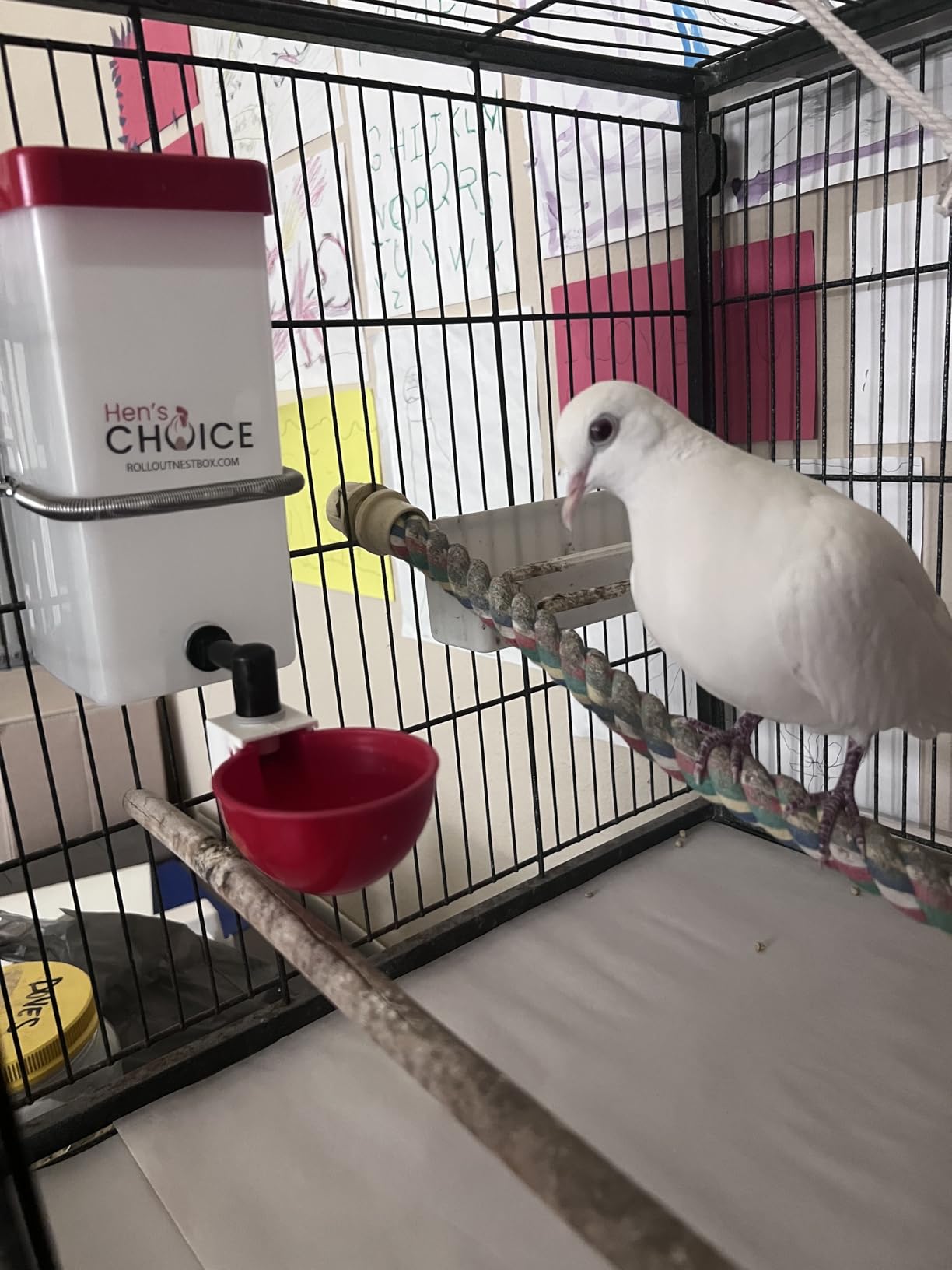
The top-fill design means no removal to refill, and the cup is a genuine advantage in hot weather because hens use it to wet their wattles and cool down. Translucent versions let you check the level without lifting.
Owners like that it hangs, which keeps the drinker away from dust and the scratched soil around a small run.
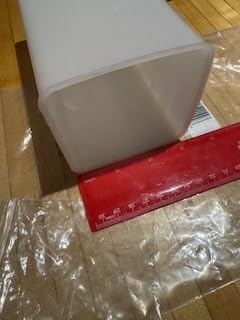
What makes it easy to live with
The refill and mounting story is simple: the top-fill lid means no removal to refill, and the cup is a genuine advantage in hot weather because hens use it to wet their wattles and cool down. Translucent versions let you check the level without lifting the unit off the ground.
Owners like that it hangs, which keeps the drinker away from dust and the scratched soil around a small run, and the wire spring holds its angle without a bracket.
Where it disappoints
At 4.1 stars from about 180 reviews, the recurring issue is the auto-fill cup mechanism, which some owners report beginning to leak after a few weeks of use. The nipple path is the more dependable one. The lid also runs tight and may loosen with use, and chicks outgrow the 1-liter size quickly.
Horizontal vs Vertical Nipples: Which One Should You Buy?
Buy horizontal nipples unless you have a specific reason not to. That is the strongest consensus among keepers on BackYardChickens, where a thread on nipple brands ends with the observation that Columbus Aqua and ChickenNipplesDotCom work the same and the real difference is geometry.
Horizontal nipples drip less because water pushes into a small catch tray instead of falling straight down. They can be set down on a surface without leaking, which matters when you need to fill or move the container. And because less water sits inside the nipple body, they are less likely to freeze in an unheated setup.
Vertical nipples sit lower in cost per fitting and are easier to install into awkward containers with tight walls. They suit chicks, because a young bird pecks downward and catches the drop. The trade-off is dripping, a narrower orifice, and a nipple that must stay upright.
How Many Nipples Does Your Flock Actually Need?
Plan for one nipple per four to six chickens, and never fewer than two or three nipples on a single waterer. Several independent sources converge on the same ratio, including one DIY kit manufacturer that recommends one nipple per three birds aged two weeks or older.
The minimum matters more than the ratio. A single-nipple waterer is a single point of failure: one clogged nipple, one frozen line, or one dominant hen guarding it and your flock has no water.
Spread nipples across at least two or three sides of the container. Four nipples on one face let a bossy hen block all four, while three nipples on three sides mean she has to stand in three places at once.
Capacity follows the same math. A 5-gallon bucket holds roughly 3 to 5 birds for four to six weeks, 6 to 11 birds for two to three weeks, and 12 to 15 birds for one to two weeks. Once you are refilling more than twice a week, add a second container rather than stretching one waterer past its rating.
Running two waterers in different parts of the run is also the simplest fix for timid birds. A bird that will not approach a nipple because a dominant hen owns that corner will drink happily from the same style of nipple on the other side of the coop.
Nipple Size and Flow Rate: Do Chickens Get Enough Water?
Yes, chickens get enough water from nipple waterers, provided the orifice suits the bird. An adult hen drinks roughly 1 pint a day and closer to 2 pints in hot weather, and a nipple sized for an adult layer will deliver that comfortably. Chicks, pullets, and untrimmed or molting birds are the exception.
Flow rate is measured in milliliters per minute and it decides whether a bird can drink comfortably or gives up. One poultry equipment manufacturer recommends drip cups at 50 ml/minute flow for flocks, specifically because untrimmed laying hens tend to spill from a plain nipple.
This is why the 32oz two-nipple drinker and the brooder 2-pack both include a vertical option. A vertical or drip-cup nipple for chicks, and a horizontal stainless nipple for adult layers, covers nearly every flock without guesswork.
How High Should You Hang a Nipple Waterer?
Nipples should sit at head height, so birds reach up slightly to drink. Gravity troughs and founts belong at shoulder or back height instead, and anything placed on the floor fills with bedding within a day.
In a mixed flock with standard birds and bantams, set the height to the head of your smallest bird. Re-measure as birds grow, and re-hang the waterer rather than expecting them to stretch.
Nipples vs Water Cups: An Honest Comparison
Nipples keep water sealed, debris-free, and drip-free. Cups are easier to teach, easier to see water levels in, and better for untrimmed birds, but they trap dust and dirt and flip over when bumped.
The keeper view is that the waterer may matter more than whether it is a nipple or a cup. Several owners in forum threads report birds ignoring a perfectly good nipple waterer in favor of an old open basin, which tells you that preference is individual.
Our practical advice is to run one nipple waterer as the main supply and keep one open bowl alongside it in hot weather. That gives you clean water most of the time and guarantees intake on the hottest days.
How to teach birds to drink from nipples
Most adult birds figure out a nipple within a day or two, especially when the tips are bright. Tap each nipple so water fills the small reservoir and let a curious hen discover the first drip.
For chicks, start on a vertical nipple at about one week old and keep a shallow dish of water alongside for the first few days. The dish is not wasted, it is insurance against the one failure you cannot recover from quickly.
Some keepers dab a little sweet jam or jelly on the nipple to encourage pecking. It works, and it is one more reason to keep a nipple waterer out of the reach of anything with a sweet tooth.
How to Keep a Nipple Waterer From Freezing
The reliable answer is a heated waterer or a heated base. That handles the water temperature directly, and for keepers with power this removes winter water management from the list of chores.
Without electricity, a deicer rated for animal water tanks can be suspended inside a container with horizontal nipples. A small plastic bottle of salt water hung inside the waterer is the most commonly repeated off-grid trick; it does not stop a freeze ring completely, but it helps.
Third option: keep rubber bowls as a backup and swap them in on the coldest nights. Rotating water twice daily in deep cold is a lot of work, but a frozen waterer in freezing weather is an emergency, not an inconvenience.
Chickens cannot go long without water in freezing temperatures. Treat a frozen waterer as an emergency, break the ice and refill immediately, and do not wait for a thaw.
Winter planning runs past the waterer. Keeping a warm, draft-free coop takes care of its own, and if you enjoy cooking outdoors year round, our guide to pellet grills for backyard cooking covers the fixture that gets used on the same long evenings.
Cleaning Nipple Waterers and the Biofilm Problem
Sealed does not mean self-cleaning. Algae and biofilm still build up inside a nipple reservoir, particularly in warm weather, and that is the strongest honest argument against nipples.
A weekly scrub with a diluted vinegar solution and a bottle brush run through each nipple handles it. Opaque bodies slow algae, and light-blocking designs slow it further, but nothing eliminates it.
Avoid vinegar in any metal waterer or metal fittings, where it causes corrosion. Wipe the fill opening weekly too, since that is where droppings enter.
How to Build a Bucket Nipple Waterer
Building your own is the lowest-waste option and the one experienced keepers describe. Use a food-safe 5-gallon bucket you already own rather than buying a proprietary system.
Pick a food-safe 5-gallon bucket and scrub it well. A new bucket tastes of plastic for weeks.
Mark nipple positions at least six inches apart and low on the side, so a horizontal nipple sits near head height for the birds.
Drill with an 11/32 inch bit, clearing each hole in reverse to remove plastic debris.
Fit a rubber gasket under each nipple, then the nipple and wing nut. Add a bead of silicone or the supplied sealing tape on any fitting that enters the bucket body.
Sanitise the container with a diluted vinegar solution and rinse before use.
Fill and test for leaks before you hang it. Check again after an hour of use and re-tighten any nipple that weeps.
For a plastic tote brooder, mount a short rail of nipples at head height inside the lid area instead, which is the fix the top-ranking forum question was looking for. Expect the whole build to take an afternoon the first time and about twenty minutes once you have done it once.
Frequently Asked Questions
Do chickens get enough water from nipple waterers?
Yes, provided the orifice suits the bird. An adult hen needs roughly 1 pint per day and closer to 2 pints in hot weather. Chicks, pullets, and untrimmed or molting hens need a larger orifice or a drip cup, and one poultry equipment maker recommends drip cups at 50 ml/minute flow for those birds.
How many nipple drinkers per chicken?
One nipple per four to six chickens, never fewer than two or three nipples per waterer, and spread them across at least two or three sides of the container so a dominant hen cannot guard the source.
How far off the ground should chicken water nipples be?
Nipples and cups should sit at head height so birds reach up slightly to drink. Gravity troughs and founts belong at shoulder or back height. In a mixed flock with bantams, set the height to the head of the smallest bird.
Are water cups or nipples better for chickens?
Nipples keep water sealed, debris-free, and drip-free, while cups are easier to teach, easier to see water levels in, and better for untrimmed birds but trap dust and flip when bumped. Keeper consensus is that the waterer itself matters more than the delivery method.
Can nipple waterers freeze in winter?
Yes, unless the water is kept above freezing. A heated waterer or heated base is the reliable answer. Without electricity, a livestock tank deicer suspended inside a horizontal-nipple container helps, and a small bottle of salt water hung inside reduces freeze rings. Chickens should not go hours without water in freezing weather, so treat a frozen waterer as an emergency.
Can chicks use nipple waterers?
Yes, but not every nipple. Chicks need a vertical or small-bore nipple, and most horizontal stainless nipples are too stiff and too small for very young birds. Keep a shallow dish or a second open waterer alongside for the first few days, and start on a vertical nipple at about one week old.
The Best Nipple Waterers for Backyard Chickens in 2026
The best nipple waterers for backyard chickens come down to three decisions: horizontal over vertical nipples, one nipple per four to six birds spread across multiple sides, and whether you have power in winter. Get those right and almost any of the ten waterers above will serve you well.
For most backyard flocks, the Farm Innovators HB-60P is the one to buy, because the heater removes the single biggest failure mode and it carries the largest review base here. In hot climates, the Omlet insulated 3-gallon waterer is the better long-term buy. For chicks and small flocks, the 32oz two-nipple drinker and the brooder 2-pack cover a range no finished adult waterer reaches.
If you already have a bucket, skip the finished systems and build it. A dozen horizontal nipples, a gasket under each, and a weekend afternoon beats any proprietary waterer on reuse alone. As we noted in our backyard koi pond kit guide, the low-waste build is usually the one that ages best, and water is no different.