
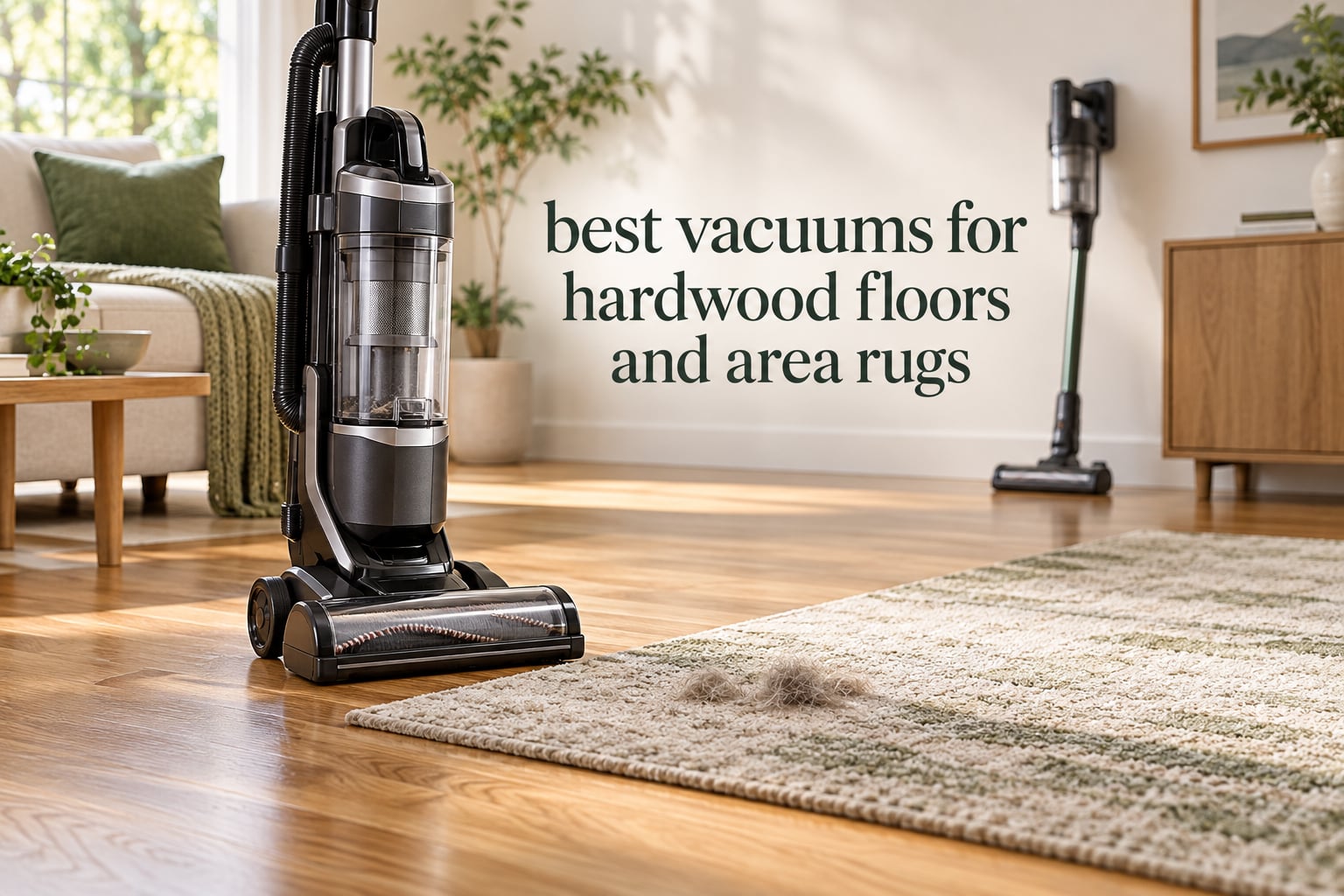
Most households with mixed flooring do not have one flooring problem. They have two, and they fight each other. Hardwood needs a gentle, well-sealed floorhead that will not grind grit into a finish, while an area rug needs a spinning brush and open airflow to pull pet hair and grit back out of the pile. That is the whole reason people search for the best vacuums for hardwood floors and area rugs, and it is why so many machines disappoint within a month.
We spent weeks with corded uprights, cordless sticks, canisters and wet/dry hybrids across sealed oak, engineered wood, laminate and everything from flat-weave to shag area rugs. The models below are the ones that handled the switch between surfaces without a second thought. We also leaned on what long-term owners report on r/VacuumCleaners and r/CleaningTips, where the same frustrations keep surfacing: bagless machines that need filter cleaning every week, cordless bins that fill before the room is done, and area rugs that shift when a powerful beater bar hits them at speed.
Here is the short version before the detail:
Best overall: Shark Navigator Lift-Away NV360, because the brushroll shutoff lets one machine deep-clean rugs without touching sealed wood.
Best premium canister: Miele Classic C1 Pure Suction, a bagged machine built for hard floors with long service life and very quiet running.
Best cordless stick for rugs and wood: Shark Rocket Pet Plus HV322, with two beater bar speeds and LED headlights for dark floors.
Best value upright: Eureka PowerSpeed NEU280, five height settings covering everything from shag to hardwood.
Best large-capacity canister: Eureka Whirlwind NEN110A, a 2.5 liter bagless bin that outlasts most stick vacuums between empties.
Best wet/dry hybrid: Bissell CrossWave Turbo 3888A, the only pick here that washes hard floors and area rugs in one pass.
Best cordless floor wash: Tineco Floor ONE S3, self-propelled and sensor-controlled for sealed hard floors.
Best for small apartments: Tineco iFLOOR 2 Complete, a cordless one-pass washer for sealed floors only.
Best lightweight corded option: Shark Rocket HV301, under 8 pounds with no battery to degrade.
Budget pick: Bissell FeatherWeight 2033, 2.6 pounds, huge review volume, and no pretence about deep pile.
If your home is mostly cordless already, our guide to the best cordless vacuums for hardwood floors goes deeper on battery sizing and runtime claims. If the rug is the problem rather than the floor, start with our picks for the best area rugs for living rooms so you know what pile height you are actually cleaning.
Top 3 Picks for Hardwood Floors and Area Rugs in 2026
Three models earn a place above the rest, and each wins for a different reason. The Navigator wins on balance, the Miele wins on build quality and floor gentleness, and the PowerSpeed wins on capability per dollar spent. Here they are at a glance.
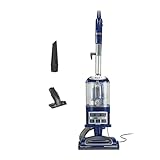
Shark Navigator Lift-Away NV360
- Brushroll shutoff for sealed wood
- Deep carpet agitation when switched on
- Lift-away pod for stairs and upholstery
- HEPA filter with anti-allergen seal

Miele Classic C1 Pure Suction
- Bagged canister that never re-dusts the room
- Six suction power settings
- SBD 365-3 combination floorhead for hard surfaces
- Quiet 64 dB operation

Eureka PowerSpeed NEU280
- Five height settings for shag to hardwood
- 960 watts of suction
- 1.9 liter bagless canister
- Washable foam filter with no replacement cost
All 10 Vacuums for Hardwood Floors and Area Rugs Compared in 2026
This table covers every pick in the roundup, with the features that matter most when one machine has to handle sealed wood and a rug in the same room. The format column tells you at a glance whether you are dealing with a corded upright, a stick, a canister or a wet/dry hybrid.
| Product | Specifications | Action |
|---|---|---|
| Shark Navigator Lift-Away NV360 |
|
Check Latest Price |
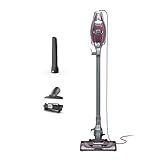 Shark Rocket Pet Plus HV322 Shark Rocket Pet Plus HV322 |
|
Check Latest Price |
| Miele Classic C1 Pure Suction |
|
Check Latest Price |
| Eureka PowerSpeed NEU280 |
|
Check Latest Price |
 Eureka Whirlwind NEN110A Eureka Whirlwind NEN110A |
|
Check Latest Price |
 Bissell CrossWave Turbo 3888A Bissell CrossWave Turbo 3888A |
|
Check Latest Price |
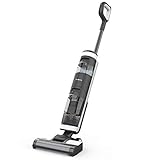 Tineco Floor ONE S3 Tineco Floor ONE S3 |
|
Check Latest Price |
 Tineco iFLOOR 2 Complete Tineco iFLOOR 2 Complete |
|
Check Latest Price |
 Shark Rocket HV301 Shark Rocket HV301 |
|
Check Latest Price |
 Bissell FeatherWeight 2033 Bissell FeatherWeight 2033 |
|
Check Latest Price |
1. Shark Navigator Lift-Away NV360: the one machine that flips between wood and rug cleanly
Shark Navigator Lift-Away Vacuum, HEPA, Carpet and Pet Hair, Blue, NV360
Brushroll shutoff upright
1200 watts, 0.9-quart bagless cup
HEPA with anti-allergen seal
16 pounds
Pros
- Brushroll shutoff protects sealed wood while still deep-cleaning rugs
- 1200 watt motor lifts embedded carpet dirt in a single pass
- Lift-away pod makes stairs and upholstery straightforward
- HEPA filtration suits allergy-sensitive households
- Swivel steering with a narrow head that reaches under furniture
Cons
- Heavier at 16 pounds than most stick vacuums
- Short 5-foot hose is awkward on stairs
- Bulky body that can tip if bumped
The Navigator is the pick we kept coming back to because the brushroll shutoff is a real, physical switch rather than a suction compromise. You flip it and the agitator stops contacting the floor, so the same head that digs embedded hair out of a wool rug can glide across sealed oak without you thinking about it. On our runs the difference was obvious within a minute of walking from the entryway rug onto the hallway wood.
The lift-away pod is the second reason it earns the top spot. You detach the whole canister and carry 16 pounds of machine nowhere, which is exactly what stairs and upholstery require. The included crevice and upholstery tools clip on, and the washable HEPA filter can be rinsed under a tap and left to air dry, so there is no recurring filter purchase.
Where it earns its reputation is carpet. At 1200 watts this is the strongest motor in the group, and with the brushroll engaged it pulls dirt out of low-pile and mid-pile rugs in a single pass rather than three. Owners with shedding dogs consistently describe it as comparable to far more expensive machines, and the HEPA filter with an anti-allergen complete seal keeps fine dust in the canister rather than back into the room.
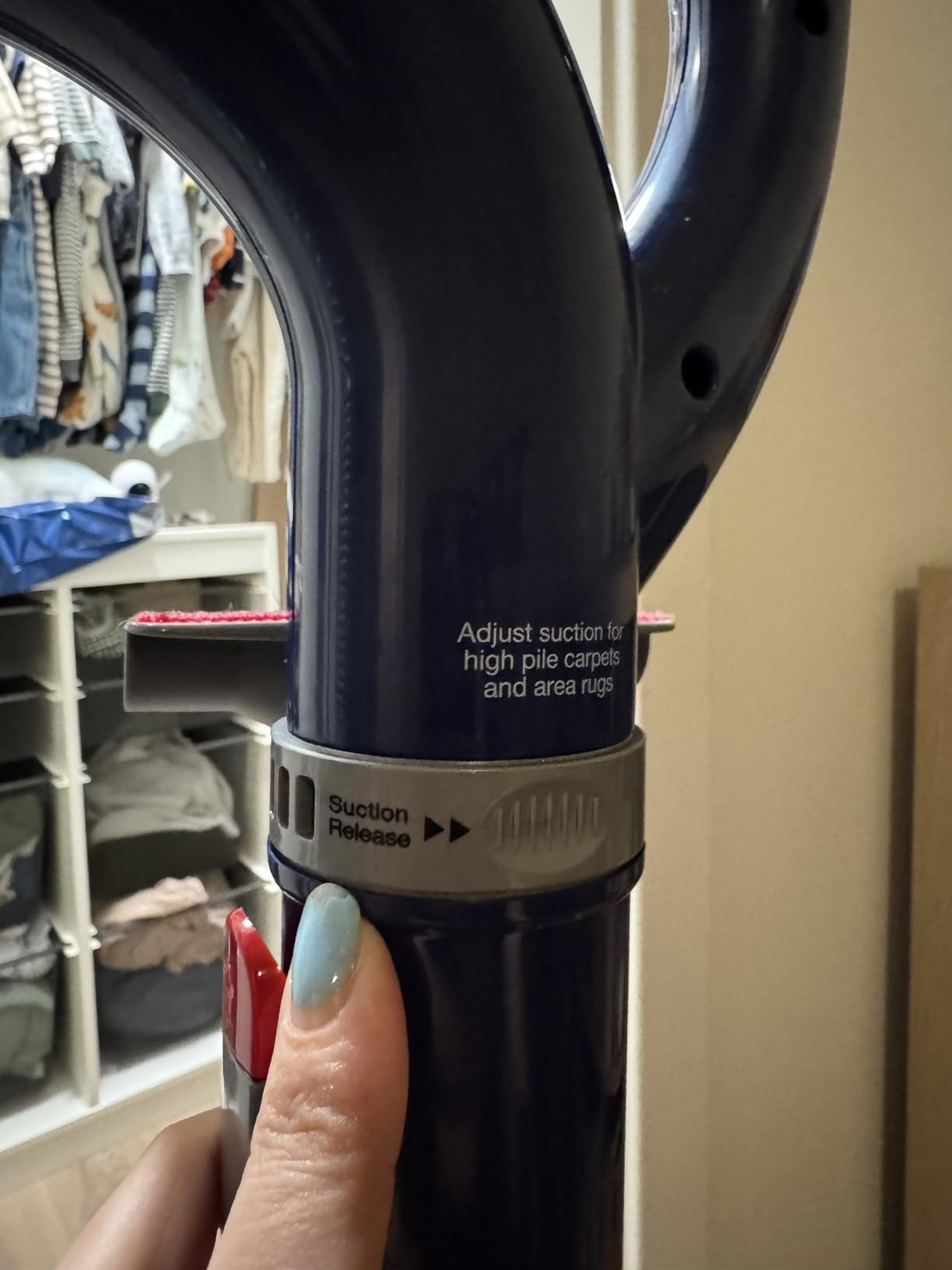
Adjustable suction is handled by the mode switch and the rotating dial, which gives you fine control when you are moving from a bare floor to a rug. It is not the most self-regulating machine here, and it will not sense a rug edge the way a sensor-driven cordless can, so the switch is a deliberate act rather than an automatic one. In exchange, you get consistent behaviour that does not change from day to day.
Brush control and floor contact on sealed wood versus rug
With the shutoff engaged, the head rides on its hard-floor setting and the suction alone does the picking, which is the correct configuration for sealed hardwood and engineered wood. With the brushroll on, the same head sits lower and agitates. The one thing to watch is the wheel condition, because a head carrying embedded grit is what actually scratches, not the plastic itself.
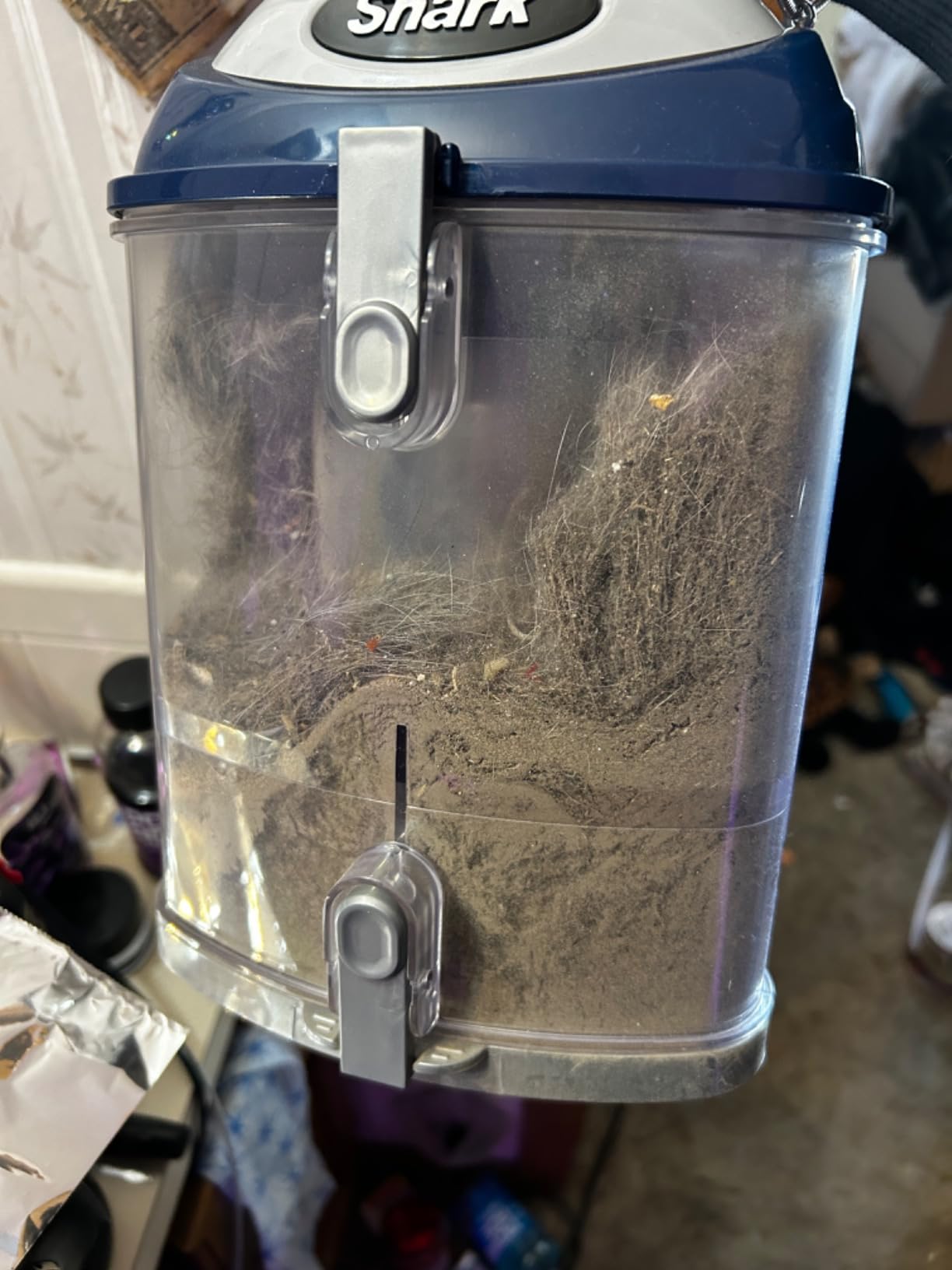
Reviewers report that the 0.9-quart cup fills faster than expected on carpet-heavy rooms, so plan on a mid-room empty if you are working through several large rugs back to back. The five-foot hose is the other recurring complaint, and it is worth planning your route around outlets on staircases.
Weight, storage and the honest trade-offs
Sixteen pounds is heavy compared with the 2.6 pound Featherweight, and it is the reason this is not the right pick for a top-floor apartment with no storage. The body is also wide, which means a closet or a corner behind the sofa rather than a slim gap.
The trade-off with this model is straightforward: you accept weight and bulk in exchange for the strongest suction in the group, a genuine brushroll shutoff, and a sealed HEPA system. For a mixed-floor home that is a good exchange. For a studio with two rooms of laminate and no rugs, it is more machine than the job requires.
2. Shark Rocket Pet Plus HV322: two beater bar speeds make the wood-to-rug switch effortless
Shark Rocket Pet Plus Corded Stick Vacuum, Lightweight, Bordeaux, HV322
Corded stick with handheld pod
Two beater bar speeds
LED headlights on floor head
8.6 pounds
Pros
- Two beater bar speeds switch between hard floors and rugs
- LED headlights reveal dust on dark hardwood
- Effective pet hair pickup on rugs stairs and upholstery
- Long cord covers a home from one outlet
- Detachable pod works as a handheld for stairs
Cons
- Louder than expected with the motor near ear level
- Hair wraps tightly around the brush roll and needs cutting free
- Headlight illuminates only forward
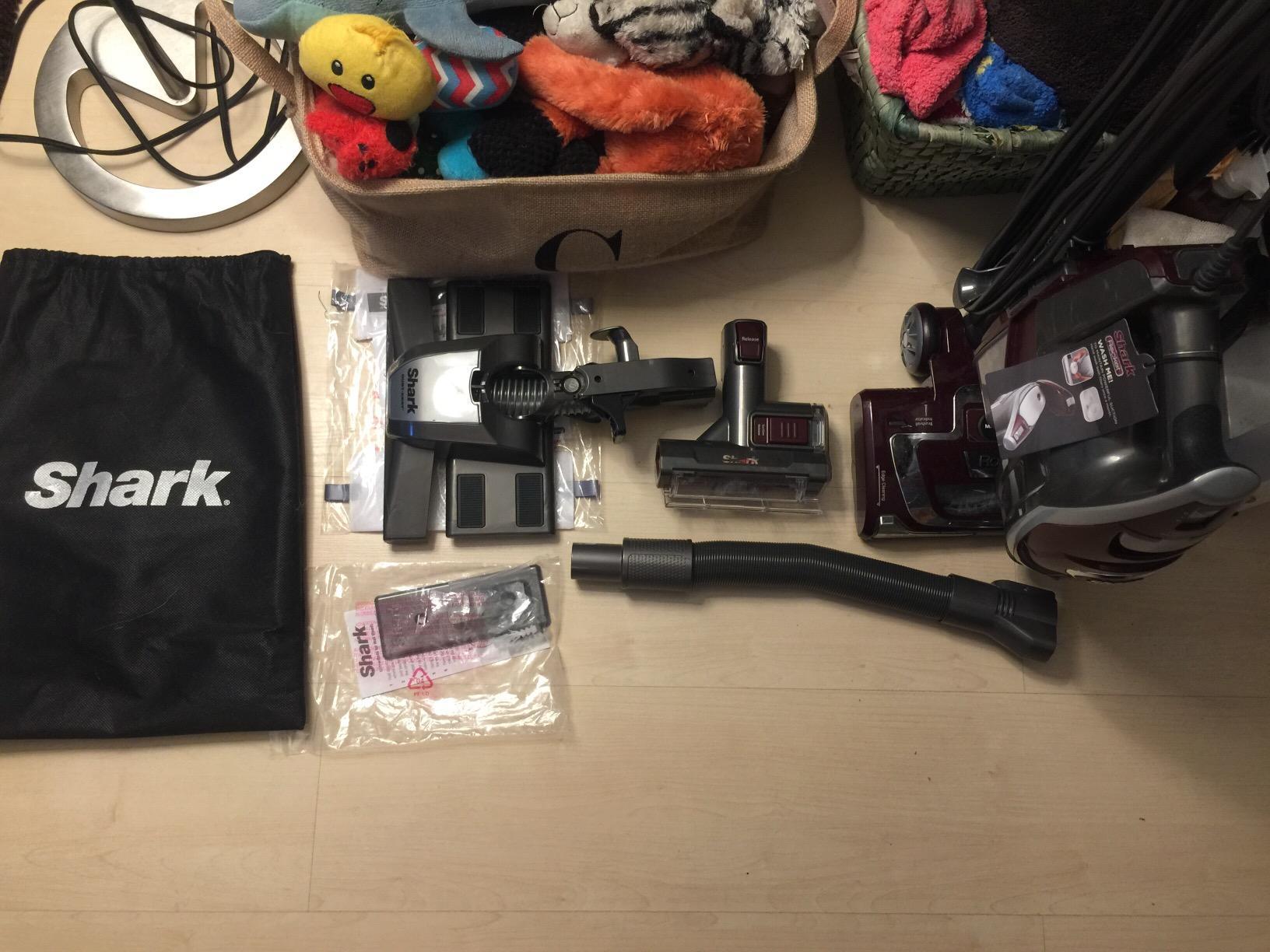
The Pet Plus solves the exact problem this article is about with a mechanical solution rather than a clever one. Two beater bar speed settings mean the harder, faster setting handles rugs and the softer one handles sealed wood, and you change it with a button at your thumb. There is no separate soft roller to swap, which removes the most common failure mode in mixed-floor cleaning.
Corded power is the quiet advantage here. Suction does not fade after twenty minutes because there is no battery, and long-term owners on r/VacuumCleaners frequently report several years of daily use with no battery degradation to worry about. The included Pet Multi-Tool and crevice tool handle upholstery and sofa gaps without buying anything else.
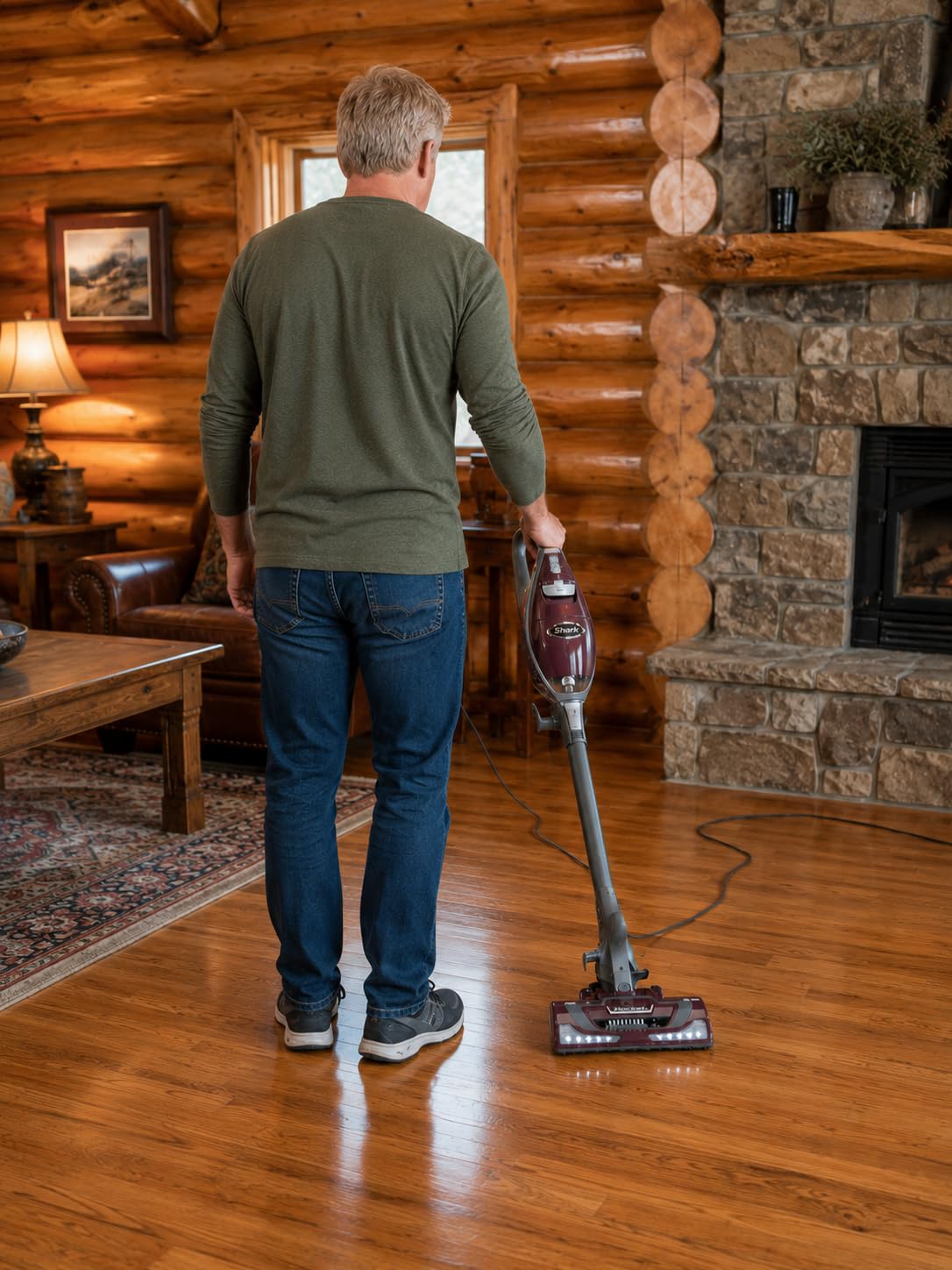
The LED headlights on the floor nozzle are more useful than they sound. On dark walnut or espresso-stained oak, a matte finish hides dust completely until light rakes across it at an angle, and the forward-facing beam shows exactly where you still need to pass. It is a small feature that changes how thoroughly you clean a dark floor in daylight.
Filtration is where this machine is thinner than its price suggests, using a foam filter rather than a sealed HEPA cartridge. That suits most pet households, but anyone genuinely sensitive to allergens should look at the Navigator or the Eureka Whirlwind instead. The foam filter is washable, so it is an ongoing cost of zero, just not an allergy-grade seal.
Agitation settings and how they behave on low-pile versus shag
On a low-pile or flat-weave rug, the lower speed setting still moves surface debris and embedded hair without pushing a wave through the weave. On a thick or shag rug, use the higher setting but slow your pace, because a fast beater bar across a loose rug is exactly what makes rugs shift and buckle. If the rug has a pad, check that the pad edge is tucked flat before you start.
The ten-inch cleaning path is wider than most sticks, which means fewer passes on a large rug. It also means less precision at baseboards, so plan a detail pass with the crevice tool along edges and corners where the pod cannot reach.
Noise, hair wrapping and long-term ownership
Owners are candid about the noise level, which comes from the motor sitting close to the user’s head on a stick frame. It is a fair trade for never charging anything, and it is quieter than most full-size uprights in this roundup. Anyone sensitive to sound may prefer the Miele, which runs at a much lower level.
Hair wrapping is the one genuine maintenance task. Reviewers describe cutting wrapped hair free with scissors every few weeks in heavy-shedding homes, and the design gives you clear access to the roll once the wand is off. Add a couple of minutes a month and it is a non-issue.
3. Miele Classic C1 Pure Suction: a bagged canister that treats sealed wood as the main event
Miele Classic C1 Pure Suction Vacuum for Hard Floors & Low-Pile Carpet
Bagged canister for hard floors
Six suction settings
AirClean three-tier filtration
Quiet 64 dB
Pros
- Exceptionally adjustable suction that outmatches costlier machines
- Bagged system means you never touch collected dust
- Glides smoothly over hardwood and low-pile rugs
- Long service life reported by owners with old machines
- Quiet enough to run early or late
Cons
- Replacement filter bags are an ongoing cost
- HEPA filter is not included and sold separately
- Not built for deep or shag pile
The C1 is the machine we would put in a home with beautiful wood floors and low-pile rugs, because the entire design assumes hard surfaces are the priority. The SBD 365-3 combination floorhead has a smooth, hard glider underneath that slides across sealed oak and engineered wood without any risk of the head itself marking the finish, and there is no motorized brush at all. Nothing is spinning, so nothing can scuff.
Six suction power settings on the body let you dial the airflow down for delicate finishes and up for rug edges. At the quieter end of the dial it is a genuinely different machine, running at a level that lets you clean at night without waking the house. That quietness is one of the most commonly praised traits in owner reviews.
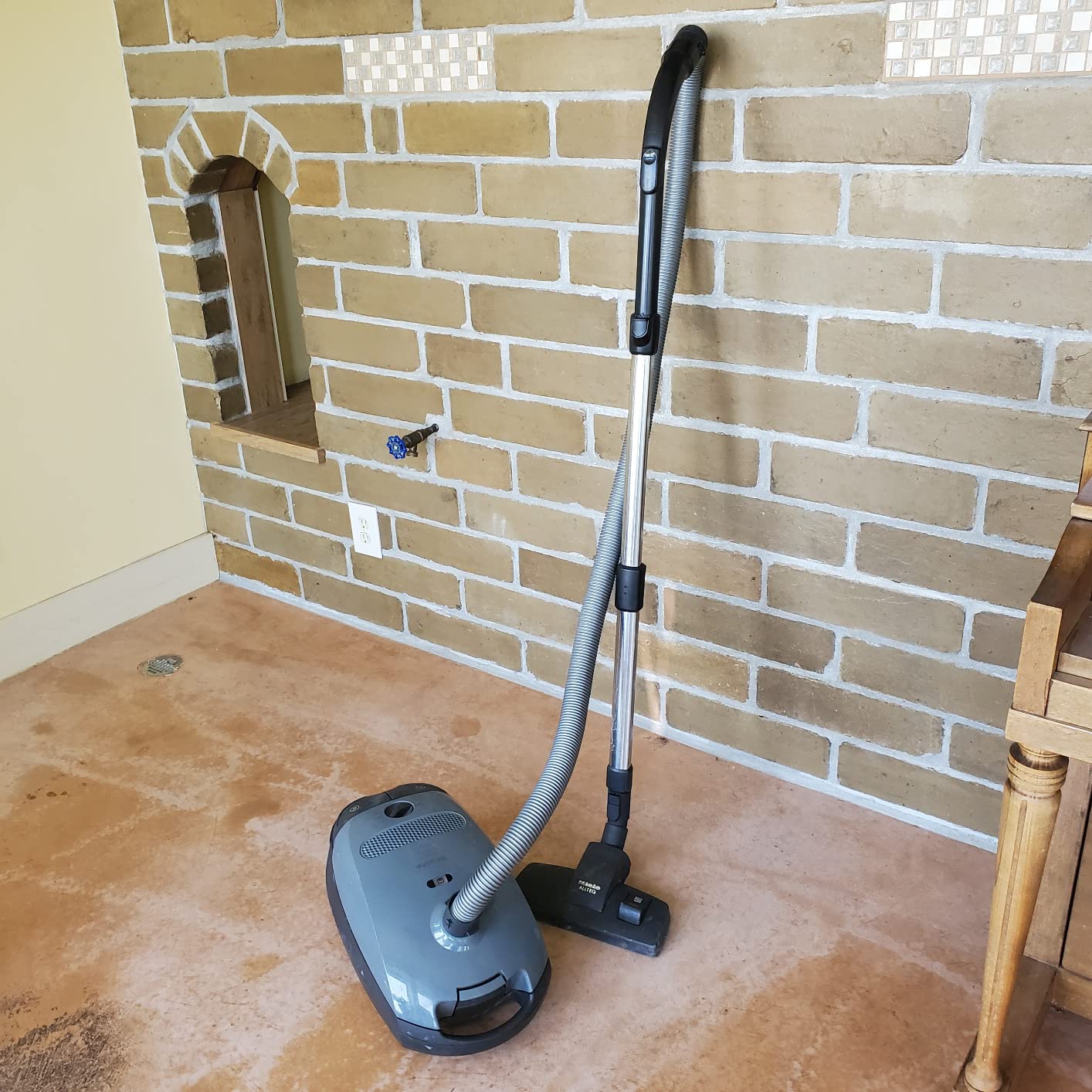
The bagged design matters more than most buyers expect. When you remove a full bag you lift it out by the collar and drop it in the bin without shaking a cloud of fine dust back into the room, which is the single biggest complaint we hear about bagless machines in allergy-sensitive homes. The AirClean three-tier system pairs a genuine Miele FilterBag with a motor protection filter and an exhaust filter.
Build quality is the quiet story. Owners on r/BuyItForLife and r/VacuumCleaners repeatedly mention keeping these machines for a decade or more, and replacement parts, bags and brushes for a model this established remain easy to find. That is a real argument for buying one machine and keeping it, which matters for anyone who prefers to avoid replacing working equipment.
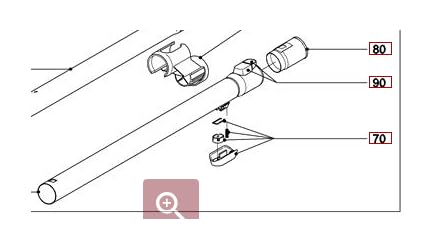
Why the bagged canister approach suits bare floors and low pile
Because the airflow is sealed and controlled, the C1 holds suction as the bag fills, and there is no cyclone filter to clog and drop performance after a few weeks. On sealed wood that steady airflow is what makes one pass enough for grit and dust. On low-pile rugs and runners it performs well, provided you use the combination head at the right height setting.
The one thing to plan for is the standard floorhead catching slightly on rug edges, particularly on loop pile. Some owners work around it by lowering the suction dial as they cross onto a rug, which keeps the head light enough to glide rather than hook. If your rugs are thick or loosely woven, budget for a parquet head with soft bristles instead.
Ownership cost, accessories and the real limitation
You will buy filter bags, and if you want a genuine HEPA seal you will buy that filter separately. That is the honest cost of the bagged approach and it is the main reason this is not the value pick. Add optional accessories such as a swivel parquet head and the outlay grows further, so look at what the machine will actually be used for before adding them.
The real limitation is pile depth. This is not a deep-cleaning carpet machine and it was never meant to be, so a home with thick shag rugs needs a second tool for that job. For sealed wood plus low-pile rugs, the C1 is close to ideal, and the community consensus on forums is that it is the durable choice when you are prepared to own one vacuum for a long time.
4. Eureka PowerSpeed NEU280: five height settings cover everything from shag to hardwood
Eureka Upright Vacuum Cleaners, PowerSpeed Lightweight, NEU280
Bagless upright, five heights
960 watts, 1.9 liter canister
Washable foam filter
2 year warranty
Pros
- Strong suction that lifts deeply embedded carpet dirt
- Five height settings handle shag rugs thin rugs and hard floors
- Front-weighted design pushes easily without scattering debris
- All accessories store on the machine
- Washable foam filter means no replacement filter cost
Cons
- Louder at 88 dB than most uprights in this range
- No retractable cord so it must be wrapped manually
- Plastic body can catch under raised bed frames
Few machines at this level give you five height settings, and that single feature is what makes the PowerSpeed the most flexible budget upright in this roundup. A low setting for thin flat-weaves, a mid setting for low-pile rugs, and the top settings for shag and deep carpet, all on the same head without tools. On sealed hardwood you set it high and the wheels glide without dragging.
The front-weighted design does something the spec sheet does not mention but you notice immediately: it presses forward into the carpet rather than pulling back, and because the weight is over the wheels, debris goes into the path of the brush instead of being pushed ahead of it. That is a real difference on a bare floor, where scatter is the thing that makes you go back over the same strip.
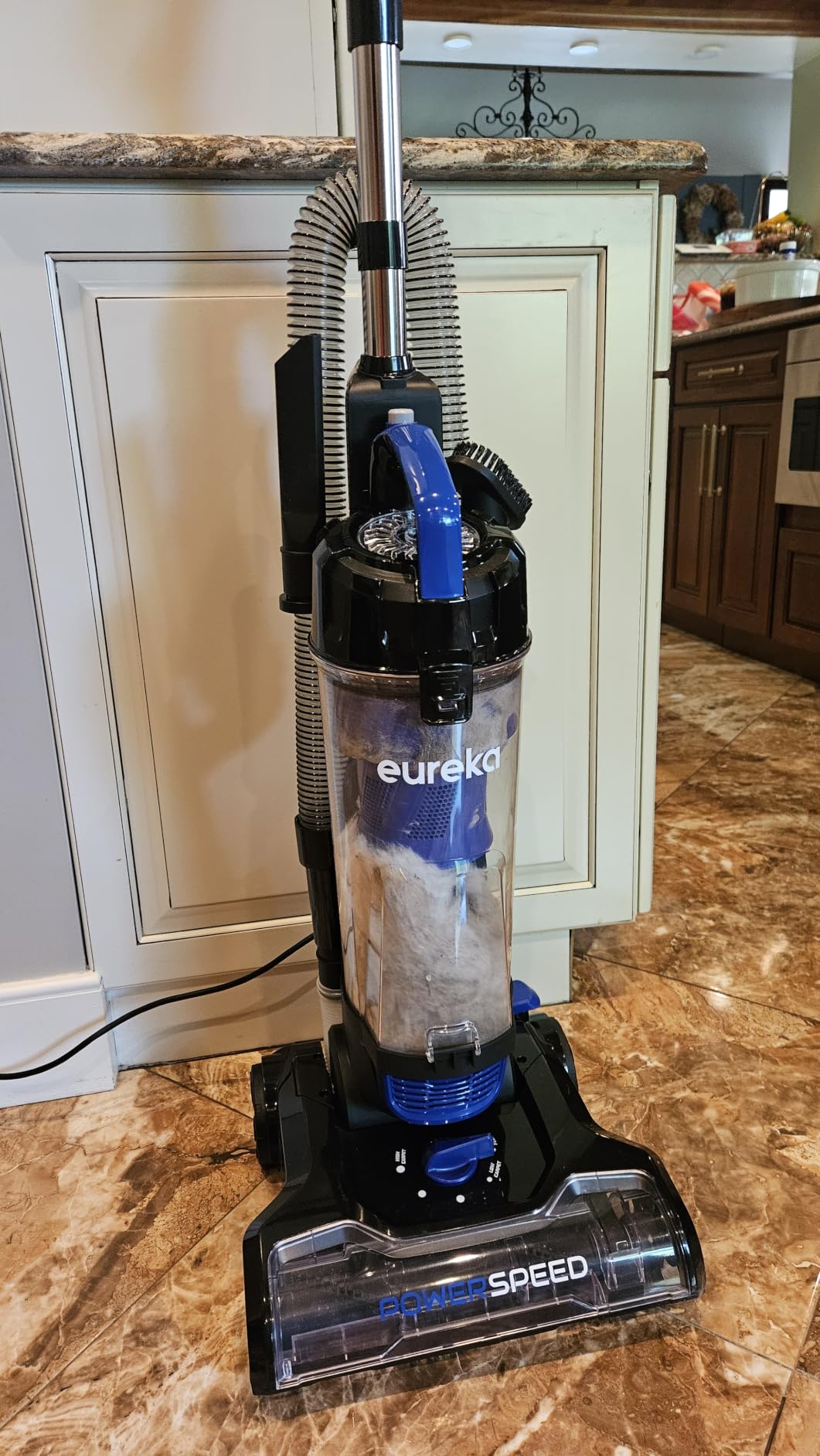
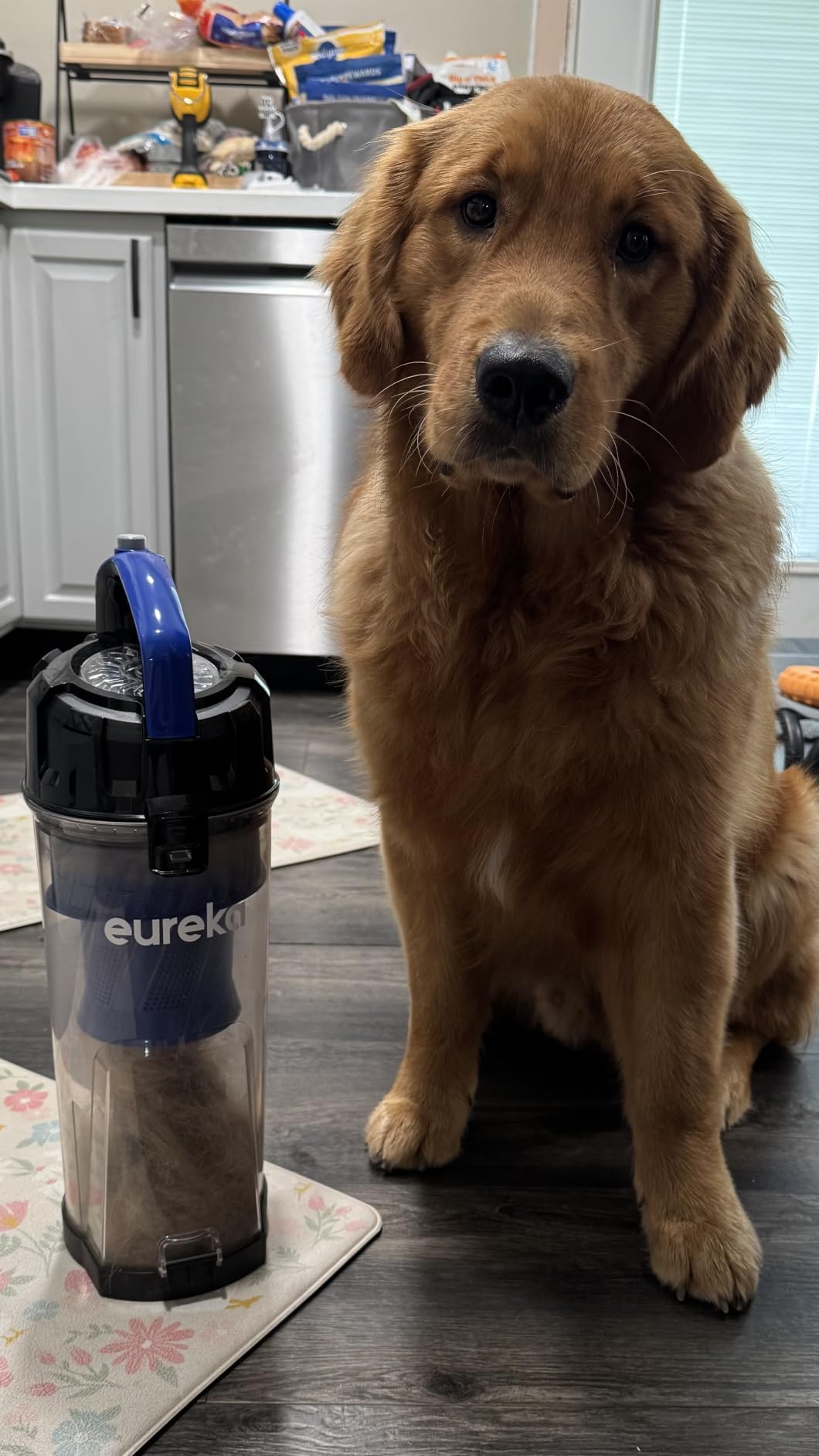
At 960 watts it is the second most powerful motor in this group, and reviewers describe it as delivering upright-level performance at a fraction of what premium uprights cost. The cyclone system is rated to trap 99.9 percent of dust, dander and allergens, and the washable foam filter is rinsed and reused rather than replaced, which removes the most common recurring cost in bagless ownership.
Storage is handled by clipping the crevice tool, dusting brush and pet tool onto the body, and the quick-release handle extends into a wand for furniture and ceiling work. The two-year warranty is longer than most competitors at this level, which is a reasonable signal about expected service life.
Height settings matched to pile depth
Match the setting to the pile and the job gets much easier. Flat-weave and thin low-pile: second setting. Standard low-pile area rug: middle settings. Shag and deep pile: top settings, and slow down, because a full-width brush at speed will shift a loose rug and pull its edge. Hardwood and tile: top setting, so the head rides on its wheels and the bristles barely touch the floor.
One maintenance note comes straight from the manufacturer: clean the roller brush and belt every two weeks in a pet home, and more often with long hair. The design gives you access without tools, but skipping it is how belts fail early on this style of upright.
Noise, cord handling and multi-pet homes
At 88 dB this is the loudest machine in the roundup, and anyone working night shifts around a sleeping household should know that before buying. It is a straight trade for motor power at this weight and price, and it is still quieter than a shop vac, but it is not a discreet cleaner.
There is no retractable cord, so the cord has to be wrapped by hand after each use. In a multi-pet household the cyclone can also fill with hair faster than expected, so the 1.9 liter canister is genuinely useful here. Pet owners report needing frequent emptying, which is worth knowing before you commit.
5. Eureka Whirlwind NEN110A: a 2.5 liter canister that outlasts most sticks between empties
Eureka Whirlwind Bagless Canister Cleaner NEN110A Lightweight Corded Vacuum for Carpets and Hard Floors, Blue
Bagless canister, HEPA filter
2.5 liter container
Handle airflow control
8.2 pounds, 9 foot cord
Pros
- Large 2.5 liter bagless container holds a lot before emptying
- Lightweight body with swivel steering and telescoping wand
- Airflow control on the handle switches power per surface
- Automatic cord rewind simplifies storage
- Washable filters remove ongoing replacement costs
Cons
- Louder than most stick vacuums at 82 dB
- Corded design requires proximity to an outlet
- Canister body takes more floor space than a stick
The Whirlwind solves capacity better than anything else here. A 2.5 liter dust container means you can finish a large rug or two rooms of hardwood before you think about emptying, which removes the mid-session interruption that frustrates people with small stick vacuums. In a home with pets and a lot of tracked-in grit, that difference shows up every single week.
Airflow control sits on the handle where your hand already is, so you reduce power as you cross onto a rug and increase it when you hit carpet. That fingertip control is more useful than it sounds because it lets you keep the machine on one setting for the whole room instead of walking around a body dial every few feet.
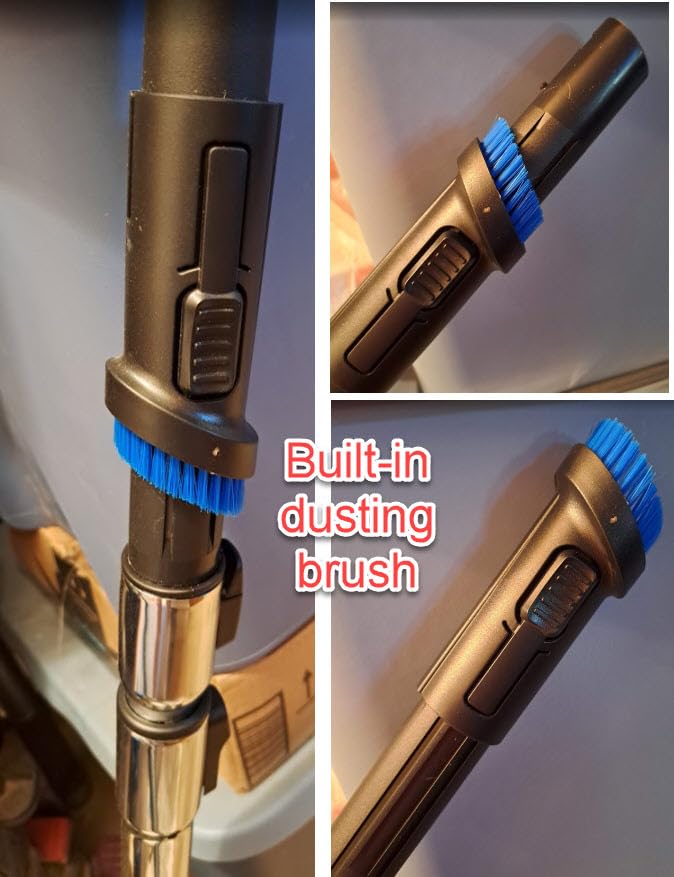
The washable HEPA filter is a genuine advantage for allergy households and it costs nothing to maintain, which is rare in a bagged market. The telescoping metal wand and swivel steering combination gets under furniture and around table legs that a stick vacuum simply cannot reach, and the nine foot cord gives a generous working radius in a single room.
Automatic cord rewind is the feature people mention as unremarkable until they move to a machine without it. One button empties the canister and one rewinds the cord, so the whole job of putting the vacuum away takes a few seconds and the body can be parked upright against a wall between rooms.
Bagless capacity and what it means for a rug-heavy room
Because the canister is bagless, the collected material is compacted rather than absorbed into fabric, so the stated volume translates into a lot of real cleaning time. On pet hair that would fill a 0.31 quart stick cup twice over, the Whirlwind finishes the room. The trade is that you do have to empty it into a bin, and that act releases some fine dust unless you empty carefully away from living spaces.
For rugs, use the brush head at full airflow and slow down on high pile. For sealed wood, dial down and run the head with the brush, then follow with a second pass at reduced power if any line of fine dust remains along the baseboard edge.
Noise level and where a canister fits in a small home
At 82 dB it sits between the Shark sticks and the PowerSpeed, so it is a reasonable compromise if noise matters but does not dominate your decision. The canister body is compact at just over eight pounds, but it does take up a real patch of floor near an outlet, which is the main reason small-apartment buyers skip canisters entirely.
Stairs are where the canister format quietly wins again. The body stays at the bottom of the flight, you carry only the hose and wand, and the nine foot cord plus telescoping wand covers the run without unplugging. If you have a split-level or a loft conversion, that is worth a lot.
6. Bissell CrossWave Turbo 3888A: the only pick here that washes the floor and the rug
Bissell Crosswave Turbo Vacuum Mop All in One Wet and Dry Vac Combo Hard Floor & Area Rug Cleaner, 3888A
Wet and dry vacuum mop combo
420 ml cartridge filter
Antimicrobial FreshStart filter
11 pounds
Pros
- Vacuums and washes hard floors and area rugs in one pass
- Two-tank design keeps clean solution separate from dirty water
- Self-cleaning cycle cuts down hands-on maintenance
- Safe on sealed wood tile laminate and linoleum
Cons
- Requires emptying and rinsing both tanks after every use
- Replacement rollers and filters add to ownership cost
- Bulky upright form factor takes real storage space
The CrossWave is the only machine in this roundup that treats wet cleaning as part of vacuuming, and for a sealed wood floor that has lost its shine or a rug that has been walked on for years, that is a different job rather than a better one. It sucks and washes in a single pass, which is roughly half the work of vacuuming and then mopping the same area separately.
Two-tank technology is the important engineering detail. Clean water and formula sit in one tank, recovered dirty water goes to the other, so you are not re-wiping a floor with the dirt you just removed. The antimicrobial-treated FreshStart filter is designed to resist odour build-up, which matters in a machine that holds moisture on every pass.
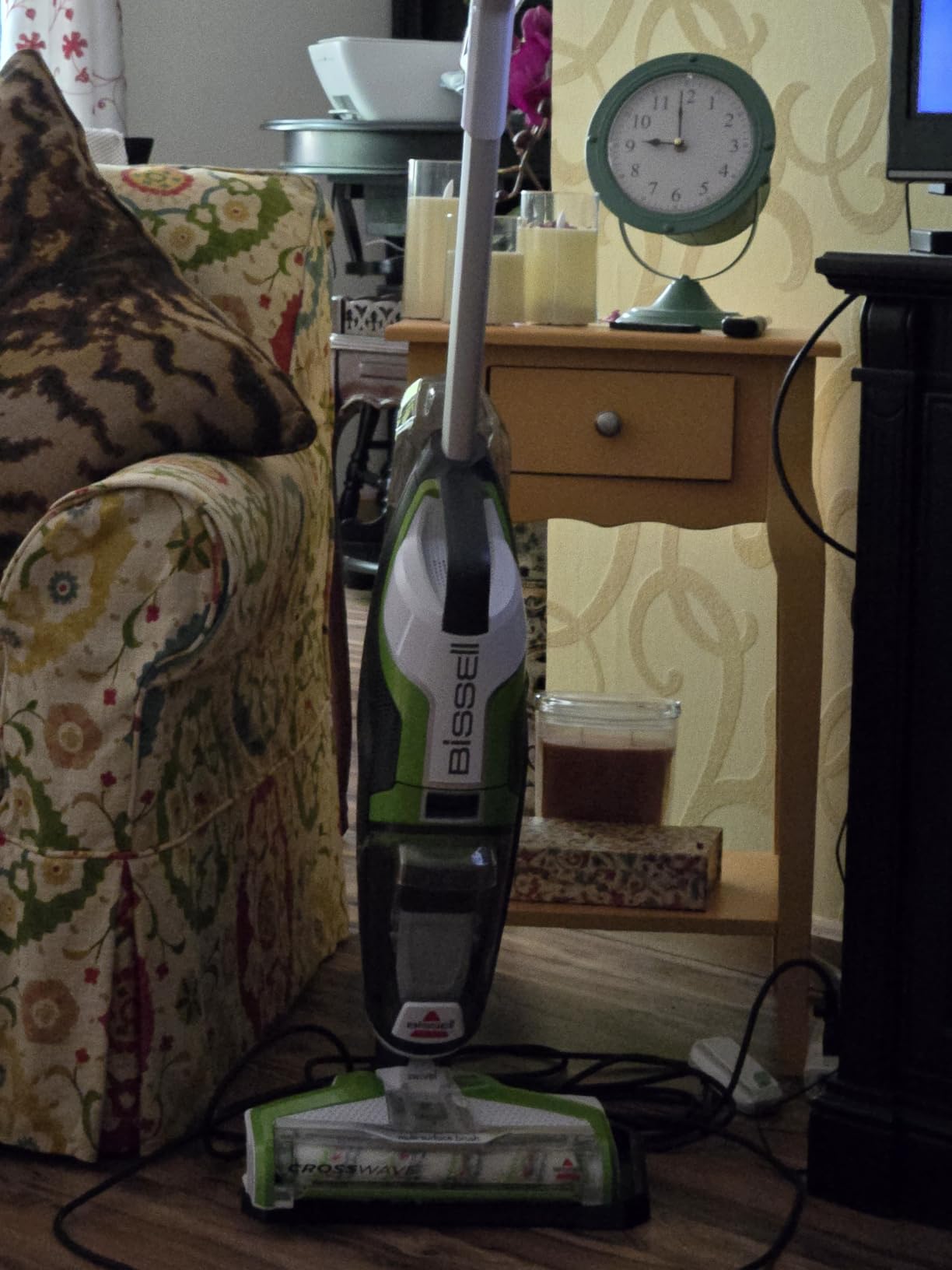
Bissell lists the machine as safe and effective on tile, sealed wood floors, laminate, linoleum, rubber mats, pressed wood and area rugs. That last one matters for this article: the CrossWave is one of very few hybrids that can be moved from a hardwood living room onto a rug without changing heads. Verify your finish is sealed before you wet clean, and check the flooring manufacturer guidance first.
Corded power is the right call for a wet/dry machine, since battery chemistry and standing water are a poor combination. The trade-off is that you are tethered to an outlet, so you plan the room before you fill the tanks rather than filling them and roaming.
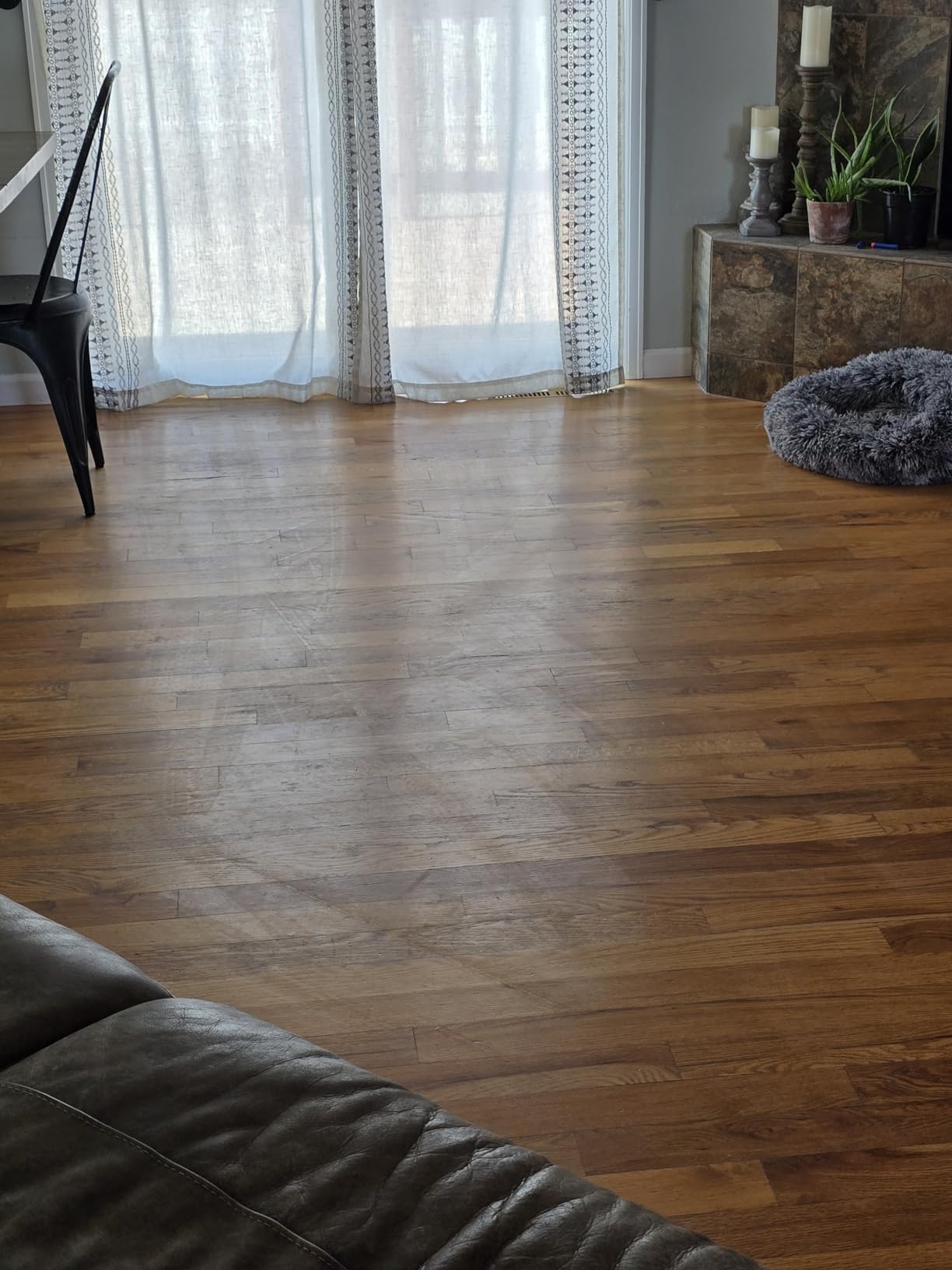
Where the wet/dry format beats a dry vacuum
It wins on sealed hard floors that need more than dust removal: traffic lanes, kitchen spills, dried mud tracked in from outside, and the grey film a dry vacuum leaves on matte wood. For an allergy household, washing removes residue that a dry pass can leave behind. It also does not raise dust, so it suits people sensitive to airborne particles.
It does not replace a dry vacuum for the reasons that matter most in this roundup. A damp roller on a low-pile rug can spread debris rather than collect it, and reviewers report that behaviour on rugs where the head is not designed for wet pickup. Use it on wood, and use a dedicated tool for the rug.
Daily maintenance and the honest cost of wet cleaning
This is the least hands-off machine here. Both tanks need emptying and rinsing after each use, the filter and roller need periodic replacement, and the one-press self-cleaning cycle flushes the tubing for you. Owners who already do a weekly mop see this as a huge time saving; owners who do not see a chore they did not previously have.
At 11 pounds and roughly 26 inches tall, it needs a real storage corner rather than a closet shelf. It is also worth remembering that the antimicrobial filter and replacement roller are consumables you will buy again, which is a meaningful ongoing cost over the life of the machine.
7. Tineco Floor ONE S3: sensor-driven wet cleaning for sealed hard floors
Tineco Floor ONE S3 Cordless Hardwood Floors Cleaner, Lightweight Wet Dry Vacuum Cleaners for Multi-Surface Cleaning with Smart Control System
Cordless wet dry cleaner
35 min runtime, 9 inch path
iLoop smart sensor
HEPA, 5-in-1 self-clean
Pros
- Vacuums and washes sealed hard floors in a single self-propelled pass
- Lightweight cordless design glides forward with minimal effort
- LED display and voice assistant simplify operation
- Self-cleaning cycle reduces contact with the dirty roller
- Battery typically covers a small to medium home
Cons
- Not designed for carpets or rugs where the roller spreads debris
- Leaves a narrow gap along baseboards and walls
- Small 0.6 liter tanks need refilling on larger homes
The Floor ONE S3 is a different proposition from the CrossWave, not a better one. Where the CrossWave is a corded workhorse, this is a cordless, self-propelled machine that you walk forward with almost no pressure, and the iLoop sensor reads each patch and adjusts suction and water flow automatically. On sealed hard floors in a home with small children or pets, that one-pass routine becomes a daily habit instead of a weekend project.
Runtime is quoted at up to 35 minutes on the battery, and in practice that figure depends on how much the sensor is fighting dirty patches. Owners in small to medium homes report one charge covering a full clean; owners in larger homes refill both tanks and finish on a second pass, so judge the battery against your actual square footage rather than the headline number.
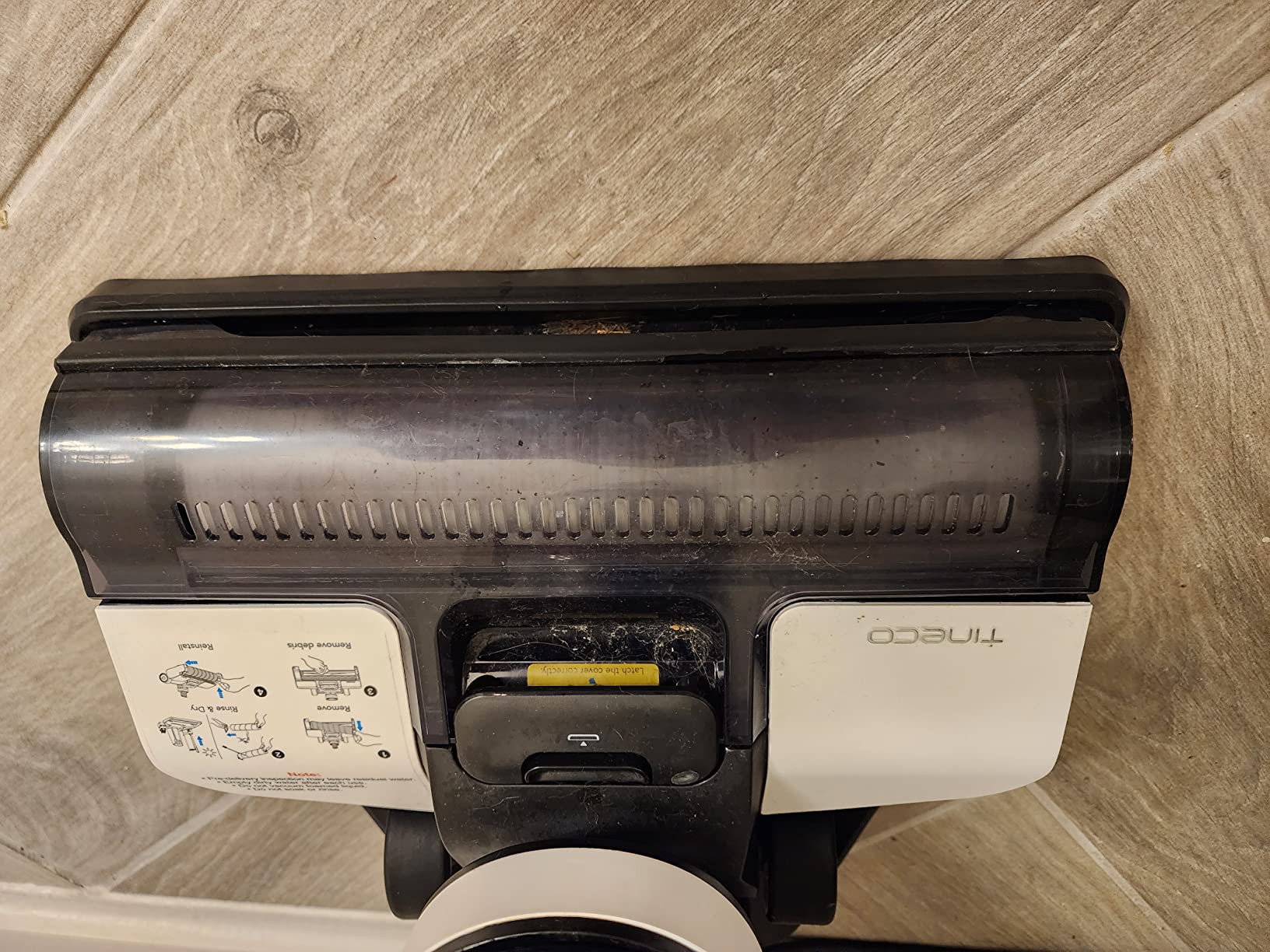
The LED display and voice assistant report cleaning status and tank levels, which sounds minor until the machine is moving at walking pace. You get told before the dirty water tank is full instead of discovering it from the floor. The 5-in-1 self-cleaning flushes the tubing and brush roller so you are not pulling hair off a wet roller by hand after every use.
There is a requirement worth reading twice: the machine must be used with Tineco cleaning solution, because plain water risks corrosion and the manufacturer ties long-term use to it. Owners who skip this are the ones appearing in the reliability complaints, including units that start and stop or docks that stop charging after extended use.
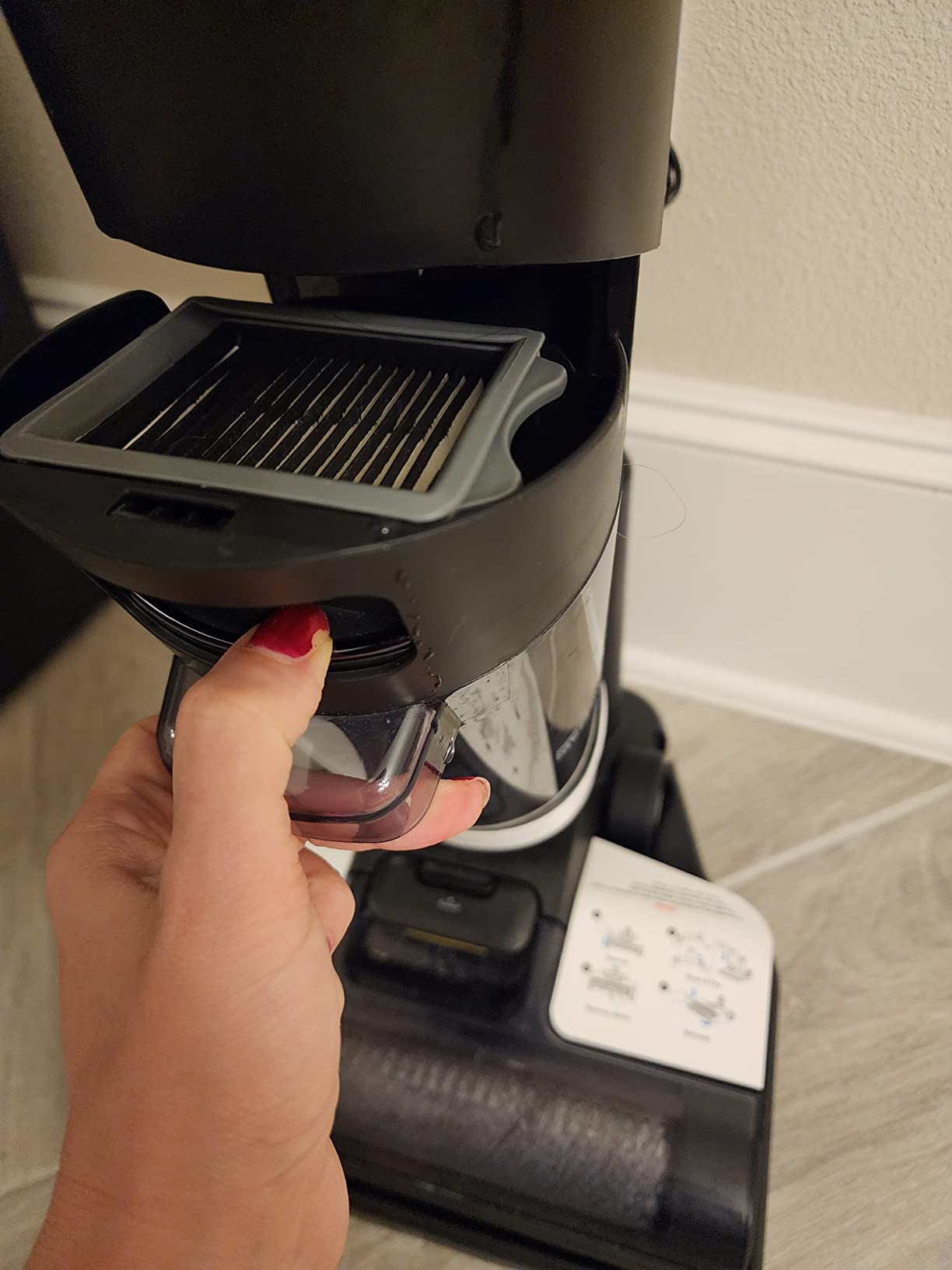
Sensor behaviour and drying on sealed wood
On sealed hardwood and laminate, the sensor approach means the machine lays down less water on clean patches and more on wet messes, which reduces streaks and speeds drying. The self-propelled brush also does part of the work, so you are guiding rather than pushing. On a freshly sealed floor, test a hidden corner first to confirm the finish is fully cured.
Edges are the weak point. The nine inch path does not reach flush to a baseboard, so a narrow line of debris remains along walls, and you will need the crevice tool or a separate dry vacuum for that strip. Plan for a quick detail pass rather than expecting one pass to finish the room.
Daily upkeep and when to skip it entirely
Expect to empty the tanks and run the self-cleaning cycle daily, and to clean the filter with a 24 hour air dry. That routine is realistic for someone cleaning every day and unrealistic for someone who plans to vacuum weekly, so the maintenance habit matters more here than the specification.
Skip this machine if you have significant area rug coverage. It is built for hard floors, and reviewers report the roller spreading rather than collecting debris on carpet. A home that is mostly rug needs one of the dry picks on this list instead.
8. Tineco iFLOOR 2 Complete: cordless one-pass washing for small sealed-floor spaces
Tineco iFLOOR 2 Complete Wet Dry Vacuum, Hard Floor, Cordless
Cordless wet dry washer
22 min runtime, 0.5 L tanks
Dual-tank system
90% water recovery
Pros
- Combines vacuuming and mopping in a single self-propelled pass
- Dual-tank design always applies fresh water to the floor
- Up to 90 percent water recovery for fast streak-free drying
- Lightweight cordless design is easy to carry between rooms
- Hands-free self-cleaning flushes tubing and roller
Cons
- Shorter 22 minute runtime than larger cordless floor cleaners
- Small 0.5 liter tanks need refilling during a whole-home clean
- Not designed for carpet or area rugs
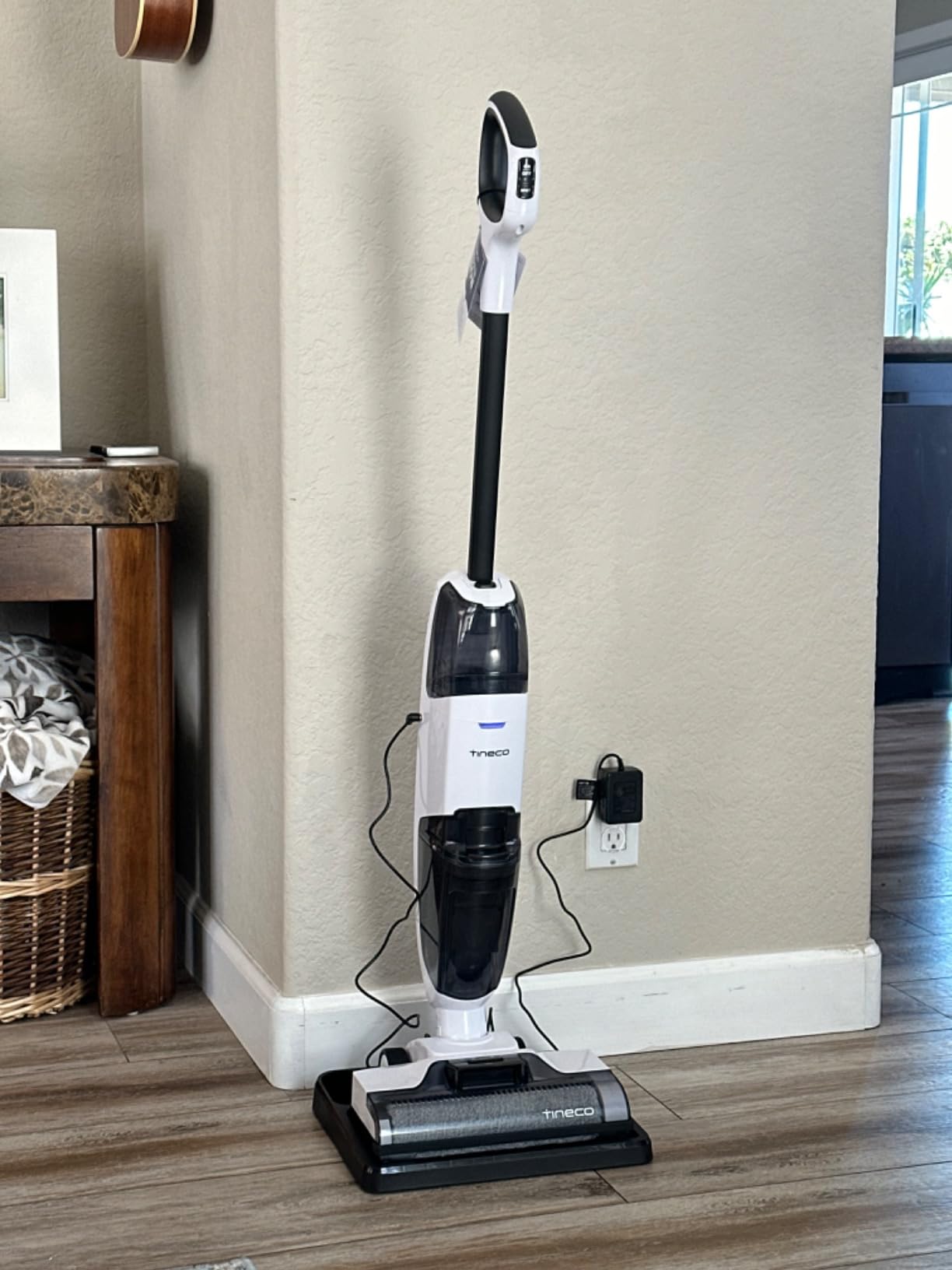
The iFLOOR 2 is the compact answer to a small question: can you get vacuumed and washed floors in one pass without an outlet? Yes, and the dual-tank system means every pass lays down fresh water rather than re-wiping with what you just lifted. That design choice is what separates these from a sponge mop and bucket, which the manufacturer compares against directly.
At 8.4 pounds with a self-propelled brush, it is easy to carry between a kitchen and a bathroom, which is exactly the small-apartment use case. Storage is another win: it stands on its own and needs no wall mount, so a studio with one closet corner is enough.
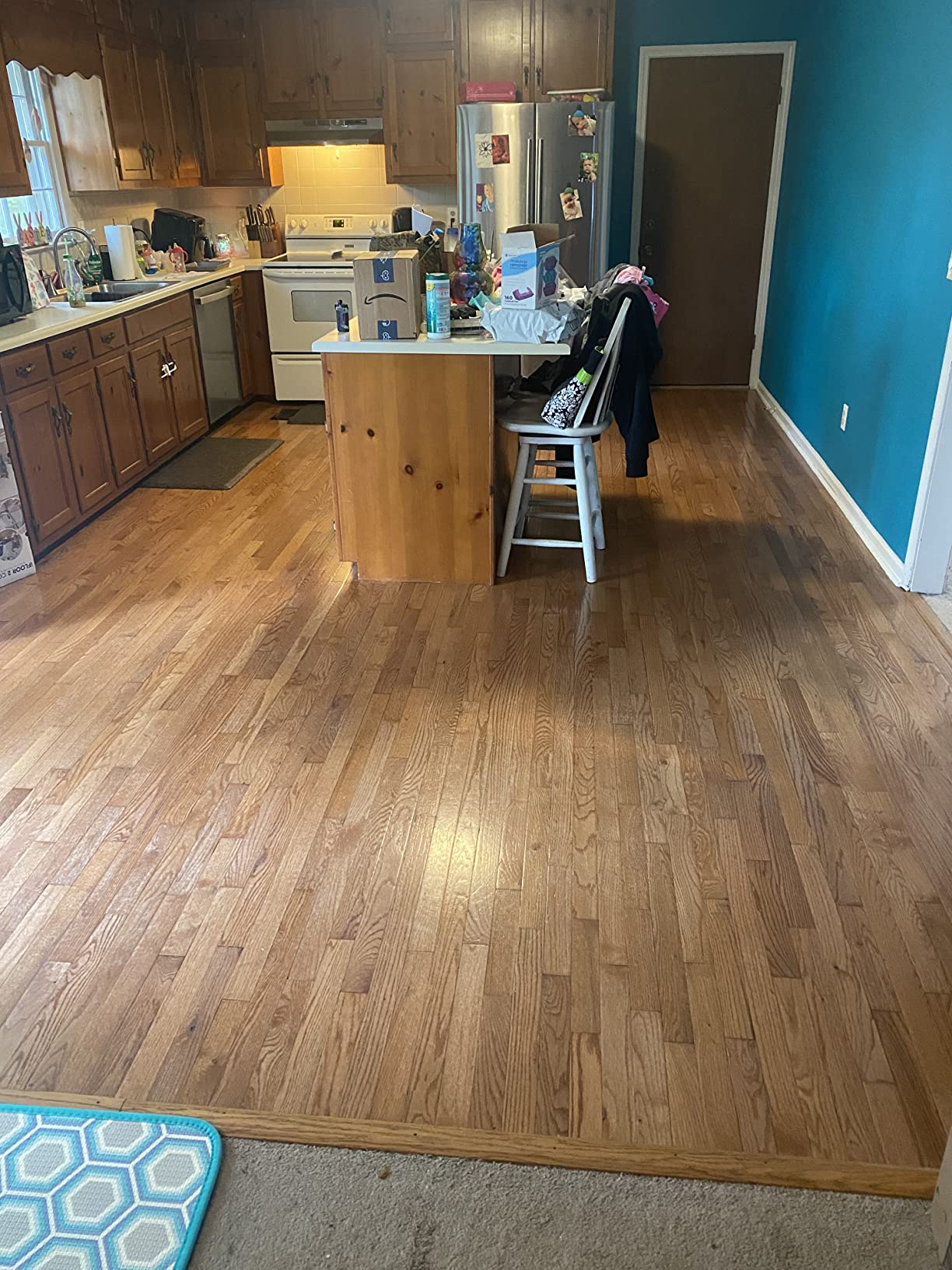
Water recovery is the number to look at here. Up to 90 percent water recovery means floors dry quickly and streak-free, which is what makes this a daily driver rather than a weekend event. On sealed hardwood, sealed tile, laminate, vinyl and marble it is rated to perform, and the runtime figure of 22 minutes is a realistic number for a compact home.
Like the other wet/dry machines, it is a hard-floor tool. Area rugs are outside the design brief, and the roller will spread debris on them. If your home is a small apartment with sealed floors and a single low-pile rug, use the rug as the exception and keep this machine on the wood.
Tank size and runtime against actual home size
Both tanks are 0.5 liters, which is the main limitation. In a studio or a one-bedroom flat with sealed floors, a single fill handles a room or two. In a larger open-plan space you will refill mid-run, and the clean solution and dirty water have to be carried to a sink twice. Judge the machine on your square footage, not on the runtime headline.
The monthly filter and HEPA cleaning instruction is not optional in practice, because the instructions state it is required to maintain stability of suction. Set a calendar reminder, because a neglected filter in a wet machine shows up as weak performance long before anything stops working.
Best fit and the situations to skip it
This is the right pick for a small apartment that is mostly sealed hard floor, for anyone who cannot easily plug in a corded machine, and for households that want a quick daily reset rather than a weekend deep clean. The lightweight cordless design also handles a split-level or a rental without asking where to put a canister.
Skip it if you have more than a token amount of carpet, if you own a large rug you deep clean regularly, or if you want one machine for the entire home. In those cases a dry vacuum from the earlier picks serves you better, and you can still add a steam mop for periodic hard-floor deep cleaning if you want the extra step.
9. Shark Rocket HV301: the lightest corded option that still handles bare floors well
Shark Rocket Corded Stick Vacuum, Carpet & Hard Floors, Gray/Orange, HV301
Corded stick vacuum
0.31 quart bagless cup
8.5 inch path, 500 watts
Converts to handheld, 80 dB
Pros
- Very light so it is easy to carry between rooms and up stairs
- Corded suction stays consistent with no battery degradation
- Swivel steering and low-profile nozzle reach under furniture
- Bagless cup empties quickly without touching debris
- Compactly freestanding storage with no wall mount
Cons
- Small 0.31 quart dust cup fills quickly on carpet
- No motorized brush roll so deep carpet cleaning is limited
- No headlight for dark areas
The HV301 is a bare-floor specialist that also happens to cope with rugs. At under eight pounds it is one of the easiest machines here to carry between a hardwood bedroom and a rug in the next room, and because it is corded there is no runtime to plan around. For quick daily pickups rather than deep cleans, that combination is hard to beat.
The floor nozzle is a slim hard-floor style head rather than an agitator head, which is exactly what sealed wood wants. There is no brush roll to switch off because there is nothing spinning underneath, so the scratch question simply does not arise. On rugs it performs as a surface pickup machine rather than a deep cleaner.
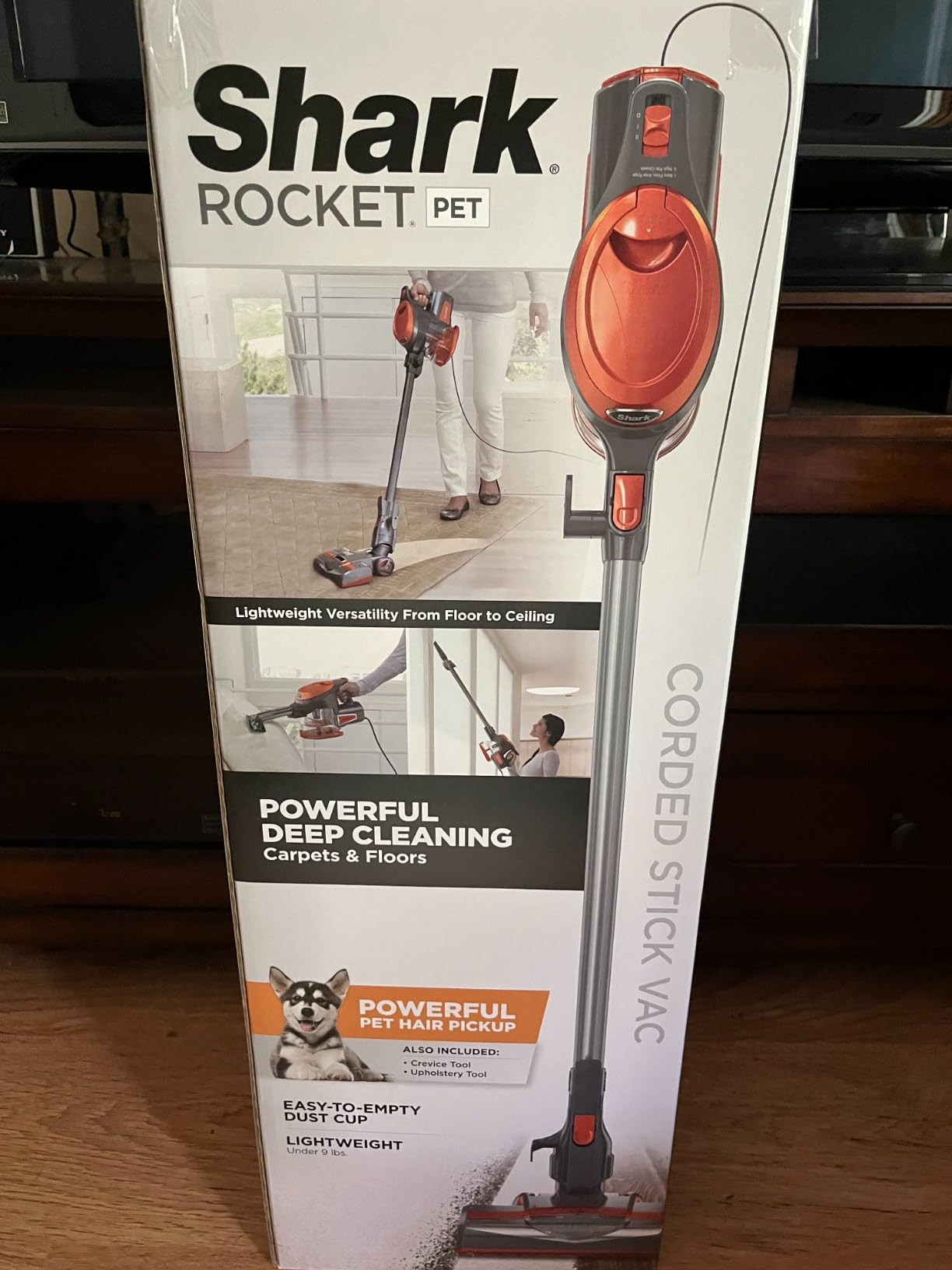
Swivel steering makes it genuinely easy to run along baseboards and around dining chair legs, and the low-profile nozzle goes under couches and beds that a full-size upright cannot reach. The included crevice and upholstery tools convert the wand into a handheld for stairs, furniture and car interiors, which covers most of the above-floor work in a home.
Noise sits at 80 dB, which is normal for a stick vacuum and higher than the Miele canister. Storage is unusually tidy because the hand vac clips to the wand base and the whole thing stands on its own in a closet, with no wall mount and no cord rewind to fight.
Where the small dust cup actually matters
A 0.31 quart cup is the smallest bin here and it fills quickly once you cross onto carpet or a rug with fine grit in it. On hardwood, where the debris load is lighter, it lasts a full room. Plan one extra emptying per room on carpet-heavy days, and empty it before it reaches the filter, because a full cup is the main reason bagless suction drops in a machine this size.
With an eight-and-a-half inch path you will make slightly more passes than with a ten-inch head, but the lighter weight partly compensates on a small floor. For a studio or a one-bedroom with hard flooring and a low-pile rug, that is a good working combination.
What you give up by choosing the lightest option
Deep carpet cleaning is the honest limit. Without a motorized brush roll, embedded pet hair and grit in a mid-pile rug will sit there after a pass, and no amount of suction fixes that. If your home is half rug, choose the Navigator or the PowerSpeed instead and accept the extra weight.
There is also no headlight, so on a dark floor you are cleaning by feel in a dim room or by working with the room lighting angled across the surface. It is a small omission that shows up most in an evening clean of dark-stained wood.
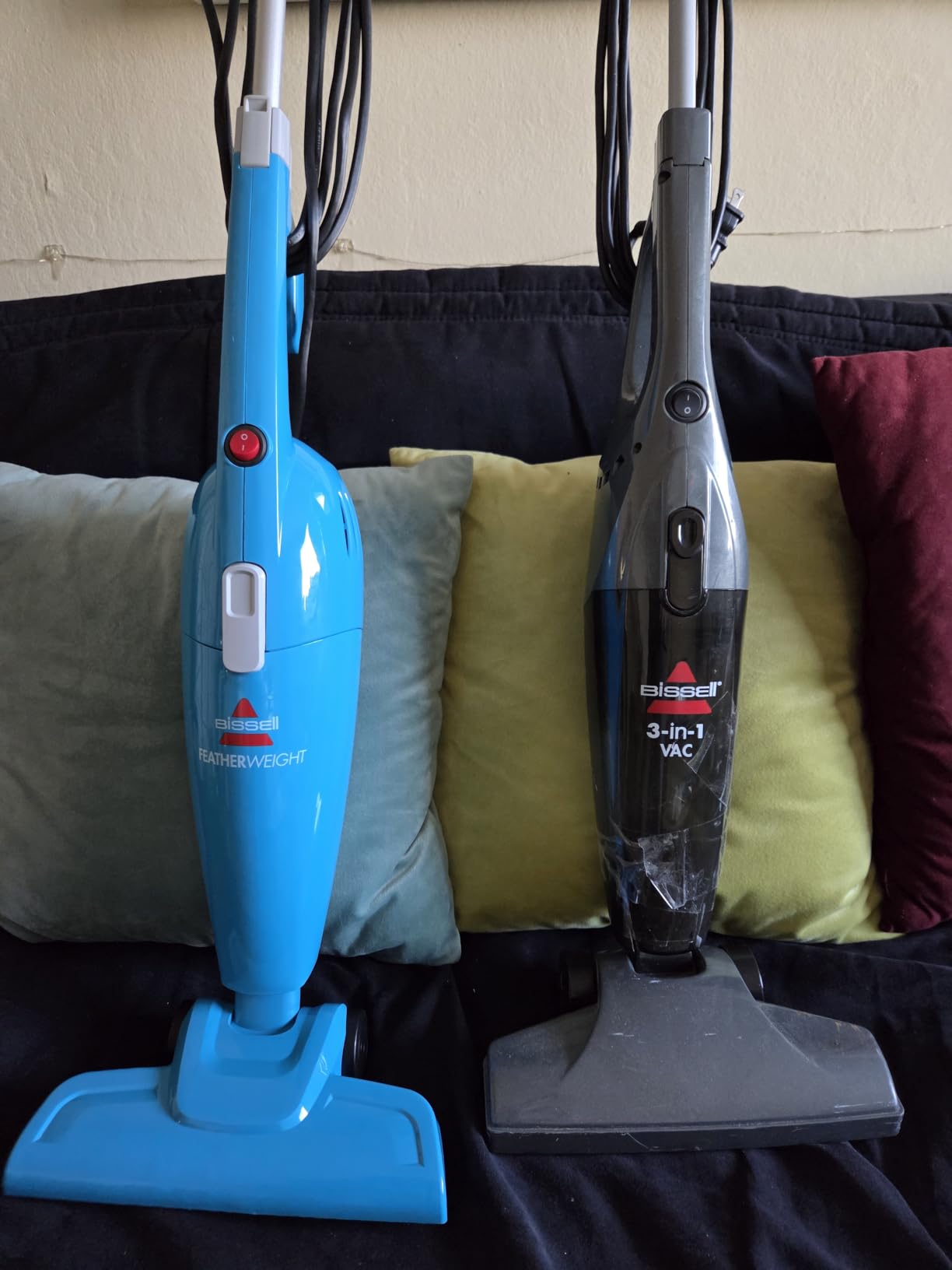
10. Bissell FeatherWeight 2033: the budget pick that succeeds by staying small
Bissell 2033 Featherweight Stick Lightweight Bagless Vacuum and Electric Broom with Crevice Tool for Hard Floors and Carpets, Blue
Corded stick vacuum
2.6 pounds, 15 foot cord
0.67 liter dirt cup
Three-in-one conversion
Pros
- Exceptionally light and easy to carry and store
- Good suction for the size on sealed hard floors and thin rugs
- Converts quickly to a handheld or stair vacuum
- Bagless cup empties without touching the debris
- Very large review base showing consistent results
Cons
- Struggles on thicker and deep-pile carpet
- Narrow head means more passes on a large floor
- Limited one year warranty
At 2.6 pounds, the Featherweight is the machine we recommend for a small apartment, a dorm room, a single-level home with hard floors, or anyone who finds a full-size vacuum impossible to lift. It is the only pick in this roundup you can comfortably carry in one hand up a flight of stairs while holding a railing with the other.
The design is a corded stick vacuum that converts to a handheld and a stair vacuum, with a 15 foot cord that is long enough to clean a small room without unplugging. On sealed hardwood and thin flat-weave rugs it is a genuinely capable little machine, and its review volume is the largest in the group, which tells you a lot about how it performs over time.
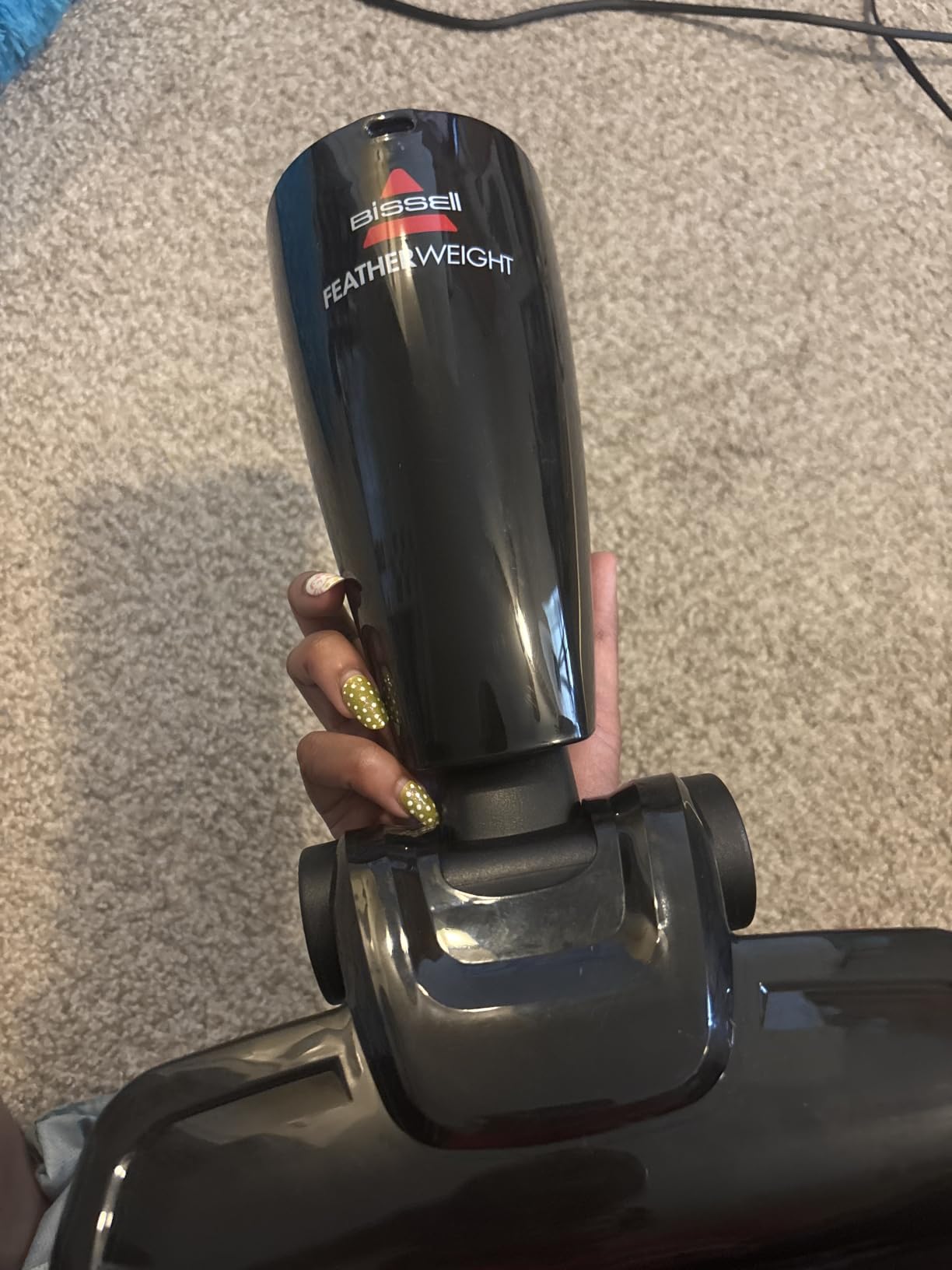
The bagless dirt cup is transparent, so you can see when it needs emptying instead of guessing, and the disk filter is washable rather than a recurring purchase. That low ongoing cost is part of why the total ownership picture here is better than the sticker suggests, and it is a machine you can keep for years without planning for consumables.
Surface recommendation on the box covers hard floor, bare floor, carpet and upholstery, which is honest for a machine at this level. It is a surface picker on low pile and a genuinely useful tool on sealed hard floors, which is the pairing this article is about.
What 2.6 pounds buys you in a mixed-floor home
Lightness is not a trivial feature when you are moving between a rug and a wood floor in the same room, or carrying equipment up stairs between floors. A machine you will actually use beats a machine you avoid because it is annoying to lift, and in small homes that is the more common reason floors go unvacuumed.
The nine-and-a-half inch path is reasonably wide for its size, so more passes are needed only on large rooms. On a sealed wood floor the suction is enough for crumbs, dust and everyday grit in a single pass, and the low weight makes back-and-forth passes on a bare floor fast.
The limits to set expectations on
Thicker and deep-pile carpets are the clear limit, and this machine will not rescue a home that is mostly high pile. It is also a one-year warranty, the shortest in this roundup, and a small number of reviews report early motor failure, so the long-term durability story is less established than it is for the Miele or the Sharks.
Buy it for sealed hard floors and thin rugs, treat it as a second machine for a bedroom or a rental, and you will get your money back in use. Expect to buy a second tool for the rooms that are mostly carpet.
How to Vacuum Hardwood Floors Without Scratching Them
Most scratch damage attributed to a vacuum is not caused by the vacuum’s plastic. It is caused by grit trapped under the floorhead, under a wheel, or wound into the brush roll, and then dragged across the finish in a straight line. The fix is a short routine that takes about a minute before you start and about a minute when you finish.
First, clear the floor by hand. A dustpan and brush, or a dry microfiber pad, removes the loose grit that would otherwise sit under the machine.
Second, check the floorhead before every session. Run a finger along the bottom edge, the wheels and the brush roll. If you feel grit, cut it free with scissors rather than running the machine over it.
Third, drop the brush roll or set the head to hard-floor height before you start on wood. A spinning brush on a sealed finish is what leaves scuff arcs, even with a soft bristle parquet head.
Fourth, dial suction down to the middle range on wood. Maximum airflow on bare floor pulls grit toward the head faster and increases scatter, and on a glossy finish it can leave visible dust lines that require a second pass.
Fifth, vacuum with the direction of the floorboards, not across them, and slow down at transitions. Cross-grain strokes concentrate load at the edge of each board seam.
Sixth, open the canister and filter outdoors or over a bin, and wipe the wheels before putting the machine away. Dried grit on a wheel is the most common cause of the next scratch.
Seventh, check your flooring type before wet cleaning. Sealed hardwood, laminate and engineered wood can be damp-wiped; an unfinished, waxed or freshly oiled floor cannot, and no vacuum or washer should be run over it without checking the flooring manufacturer’s care instructions.
How to Vacuum an Area Rug by Pile Height
Pile height decides the head setting, the speed and whether the brush should be running at all. Get it wrong and you will either leave debris in the pile or push a wave through the rug that shifts it off its pad.
Flat-weave and thin low-pile rugs
Use the lowest brush setting or switch the brush off and rely on suction, and vacuum in the direction of the weave. Flat-weaves have almost no depth to agitate, so extra agitation mostly moves the rug rather than the dirt.
Standard low-pile and mid-pile area rugs
Use the middle height setting with the brush engaged and drop your pace slightly. Work from the edge inwards in overlapping passes, and go with the nap rather than against it, which leaves the pile looking uniform when you finish.
High-pile and shag rugs
Use the top height setting with the brush at full speed but vacuum slowly, roughly half your normal pace. On shag the machine can bury itself and stop, so keep the path overlapping and lift rather than push if the head stalls. Leave the suction high throughout.
On every pile height, check the rug pad is flat and the rug edge is not lifting before you start, and vacuum along the edge last so you are not pulling the rug away from the wall. Fringed rugs should be combed straight and vacuumed in the direction of the fringe, never across it.
Buying Guide: Features That Matter on Mixed Flooring
Brush-roll shutoff is the single most important feature
A brush-roll shutoff is a switch or button that stops the powered agitator so it will not contact bare floors. It is the difference between one machine for wood and rugs and two machines for the same house. Only some picks here have it, so check the specification before buying, because the marketing name rarely tells you.
Floorhead design and soft rollers
A soft roller or parquet brush has soft nylon or natural bristles meant for sealed wood, and it is gentler than a stiff agitator. The better machines combine one of those with a switchable head rather than requiring you to physically swap parts mid-room, which is the step most people skip.
Suction control and debris scatter
Debris scatter is what happens when a floorhead pushes crumbs and grit ahead of itself instead of collecting it, and it is the reason a second pass is needed on bare floors. Adjustable suction, either a rotary dial or handle-mounted airflow control, is how you fix it. High suction on a bare floor is not automatically better.
Filtration, sealed systems and bagged versus bagless
A sealed system isolates the motor and exhaust from collected dust, and a HEPA media filter is what allergy households should be looking for. Bagged machines mean you never touch or shake the debris, which is the main reason forum users recommend them despite the ongoing bag cost. Bagless machines cost less to own and have larger capacity, but emptying one re-dusts the room if you are not careful.
Capacity, runtime, cord length and weight
Dust cup or bag volume decides how long you clean before stopping, and on carpet the small stick cups are the first thing to fill. For cordless, judge runtime on the hardest surface with the motorised head attached, not the headline number. For corded, the operating radius from one outlet matters more in a large open-plan room. Weight decides whether you will actually use the machine on stairs.
Ownership cost over three to five years
Count the consumables before you buy. Bagged machines need filter bags, often on a schedule set by capacity. Bagless machines need filters, some washable and some not. Wet/dry hybrids need rollers, filters and cleaning solution, and two of the machines here also require branded solution to keep the warranty valid. Machines with washable filters and no proprietary parts have the lowest ongoing cost of anything in this list.
One more angle worth weighing is whether the brand will still exist in five years and whether parts are easy to find. Established models with long-running part availability are easier to repair, and repairing keeps a working machine in service rather than sending it to landfill.
Which Vacuum Fits Your Home
For a home that is mostly hardwood with a few low-pile area rugs, choose a machine with a brush-roll shutoff or no brush at all, and keep the water-based machines in reserve. The Miele C1 and the Shark Navigator both fit this profile well, and the Navigator handles rugs better if yours are deeper.
For an equal mix of wood and rug, the switchable machines win. The Navigator, the Rocket Pet Plus and the PowerSpeed all let you change behaviour between surfaces, and any of them will serve a fifty-fifty home without a second machine.
For a heavy pet hair household, prioritize an agitator that will not tangle and a head that lifts hair in a single pass. The Rocket Pet Plus with its pet tool and the Navigator with its lift-away pod handle upholstery and stairs as well as floors, which is where most pet hair actually accumulates.
For allergy-sensitive households, favor a sealed HEPA system. The Navigator and the Eureka Whirlwind both provide it, and the Miele C1 wins on the bagged approach, which keeps collected dust sealed inside a bag instead of being tipped into a bin in the room.
For a small apartment, weight and storage decide it. The Featherweight at 2.6 pounds and the iFLOOR 2 for sealed hard floors are the two lightest options here, and both store without a wall mount. The Rocket HV301 is the compromise if you want a dry vacuum that still handles a rug.
For a large or multi-level home, prioritise capacity and weight over portability. The Eureka Whirlwind’s 2.5 liter canister and the Navigator’s suction will finish a room before you think about emptying, and corded power removes battery sizing from the decision entirely.
For a sealed hard floor that needs washing rather than vacuuming, the wet/dry hybrids are the answer. The CrossWave handles rugs as well as wood, the Floor ONE S3 is cordless and sensor-driven, and the iFLOOR 2 is the compact option. None of them replace a dry vacuum for rug work, so treat them as a complement unless your home is nearly all hard floor.
Maintenance Schedule for a Vacuum Used on Wood and Rugs
Weekly, empty the dust cup or bag before it is full, since airflow drops as the container fills. Wipe the wheels and the underside of the floorhead with a damp cloth, which is the single highest-value task for protecting a wood floor.
Every few weeks, check the brush roll for wrapped hair and cut it free with scissors. In a pet home, check the belt at the same time. The manufacturer on the PowerSpeed recommends cleaning the roller and belt every two weeks for exactly this reason.
Monthly, rinse washable filters under cool water and let them air dry for a full 24 hours before refitting. Never refit a damp filter, and never use detergent unless the manufacturer permits it. On a bagless machine, a clogged filter is the main cause of the drop in suction that sends people shopping for a new machine.
Every few months, cut away hair from the brush roll ends and check the hose and wand for trapped debris. On wet/dry machines, run the self-cleaning cycle and clean the sensor pin on the dirty water tank so it does not trigger false alarms.
Once a year, check whether any consumable parts have worn beyond use, and confirm that the replacement parts for your exact model are still available before you need them. That check is also a good moment to see whether the machine is still worth keeping rather than replacing.
Frequently Asked Questions
What is the best vacuum for both hardwood floors and area rugs?
The best vacuum for both hardwood floors and area rugs is one with a brush-roll shutoff, adjustable suction and a washable or bagged dust system. The shutoff lets the same head glide on sealed wood, then engage for rug agitation without changing parts. Among our picks, the Shark Navigator Lift-Away NV360 is the most balanced, the Miele Classic C1 is the gentlest on wood, and the Eureka PowerSpeed is the most capable per dollar. Match the machine to how much of your home is rug, not just to the motor wattage.
What vacuum will not scratch hardwood floors?
Any vacuum with the brush roll disengaged, or one with no powered brush at all, will not scratch hardwood by design. The real cause of scratches is grit trapped under the floorhead or wheels and dragged across the finish, so clear the floor by hand first, inspect the head and wheels, and wipe them after every use. Choose sealed hardwood care guidance over any machine claim, and never run a wet/dry machine on an unfinished, waxed or freshly oiled floor.
What is the best vacuum brush for hardwood floors?
The best brush for hardwood is a soft roller or parquet head with soft nylon or natural bristles, set to the lowest position, or a hard-floor head with the brush switched off entirely. A stiff, spinning carpet beater bar on a sealed finish causes scuff arcs rather than removing dust. If your machine has no soft head, the safer route is a hard-floor setting on the existing head plus reduced suction, and switching the brush roll off on every pass over bare wood.
Should I turn the brush roll off on hardwood floors?
Yes, on sealed hardwood and engineered wood, turn the brush roll off or drop it to its lowest setting before you start. Off means the machine picks up grit on airflow alone, which is enough for everyday dust and crumbs, and it removes the risk of the brush marking the finish. Turn the brush back on for rugs, where agitation is what lifts embedded hair and dirt out of the pile. The compromise with a machine that has no shutoff is that you must switch modes yourself each time you cross between surfaces.
What is the best affordable vacuum for both carpet and hardwood floors?
The best affordable vacuum for both carpet and hardwood floors is the Eureka PowerSpeed NEU280, a bagless upright with 960 watts, five height settings and a washable foam filter, so there are no replacement filter costs. The Bissell FeatherWeight 2033 costs even less and is the lightest option at 2.6 pounds, but it has no motorized brush and struggles on deeper pile. Both handle sealed hard floors well; the PowerSpeed is the one to buy if you have real carpet as well as wood.
How often should I vacuum hardwood floors?
Vacuum sealed hardwood once or twice a week for dust and grit, and more often in a home with pets, an entryway or a high-traffic hallway where dirt gets tracked in. Daily passes matter less on wood than on carpet, because debris sits on top of the surface rather than in it. Vacuum rugs at least weekly, and weekly for pet hair. Always empty the machine and wipe the floorhead wheels after a hard-floor pass so trapped grit does not get dragged next time.
Final Verdict: The Best Vacuums for Hardwood Floors and Area Rugs in 2026
The Shark Navigator Lift-Away NV360 is our pick for the best vacuums for hardwood floors and area rugs, because its brushroll shutoff, lift-away pod and 1200 watt motor handle the wood-to-rug transition without any compromise you will feel every week. If your home is mostly wood and you want the quietest, gentlest machine on sealed floors, the Miele Classic C1 is the better long-term buy.
Two more worth calling out: the Eureka PowerSpeed NEU280 is the strongest value option thanks to five height settings and a washable filter, and the Bissell CrossWave Turbo 3888A is the only pick that washes hard floors and area rugs in one pass. Whichever you choose, inspect the floorhead for grit before every session, and match the brush setting to the pile rather than to the room.
If you are still working out your floor and rug combination, our cordless stick vacuum guide for hardwood and our picks for the best luxury area rugs will help you match pile height to the tool you actually need. For a deeper clean on sealed floors, our roundup of the best steam mops for hardwood floors covers the periodic wet-clean step these vacuums do not handle.
Still deciding? Tell us your budget, how much of your home is rug, whether you have shedding pets, and whether you prefer corded or cordless, and we will narrow this list down to one machine for your floors.