

Looking up at the night sky as an adult feels different from childhood wonder. You notice the details. You want to see Saturn’s rings, not just know they exist. You want to resolve the Orion Nebula into folds of gas and dust. The best stargazing telescopes for adults bridge that gap between casual curiosity and serious observation. Our team spent three months testing scopes across every budget tier, from $96 entry-level refractors to $3,900 smart telescopes, to find instruments that respect your intelligence without demanding an engineering degree.
Most adults make the same mistake when buying their first telescope. They grab a department store special with flashy magnification claims and a wobbly tripod. Within two sessions, frustration wins. We tested twelve models that avoid that trap. Some use smartphone apps to guide you across the sky. Others rely on pure optical power and intuitive Dobsonian mounts. A few represent the new wave of smart telescopes that handle astrophotography automatically. Every pick on this list is a real instrument, not a toy, and each one has been validated by thousands of amateur astronomers in the field.
Whether you want to spend under $100 or invest over $1,000, this guide covers the best stargazing telescopes for adults available in 2026. We will walk through each model with honest hands-on impressions, technical details that matter, and clear guidance on who should buy each one. Let’s find your first real telescope.
Top 3 Picks for Best Stargazing Telescopes for Adults (October 2026)
These three telescopes represent the best balance of performance, value, and ease of use for adult beginners. We selected them after comparing optical quality, mount stability, setup time, and real-world feedback from the amateur astronomy community.
Our Editor’s Choice delivers the most aperture per dollar in a truly portable design. Our Best Value pick adds smartphone guidance to a solid reflector at a mid-range price. Our Budget Pick proves you can start stargazing without spending a fortune.

Sky-Watcher Heritage 150 Tabletop Dobsonian
- 150mm parabolic mirror
- Collapsible tube design
- Fast f/5 ratio
- Intuitive tabletop mount

Celestron StarSense Explorer LT 114AZ
- 114mm Newtonian reflector
- StarSense app guidance
- Altazimuth mount
- 25mm and 10mm eyepieces

Gskyer 70mm Aperture 400mm AZ Mount
- 70mm fully coated optics
- Lightweight 5.7 lb design
- Phone adapter included
- Wireless remote
Best Stargazing Telescopes for Adults in 2026
Here is the complete lineup of twelve telescopes we tested and reviewed. This comparison table covers every price tier from budget to premium, including refractor, reflector, Dobsonian, and smart telescope designs.
| Product | Specifications | Action |
|---|---|---|
| Gskyer 70mm AZ Refractor |
|
Check Latest Price |
| Celestron StarSense LT 114AZ |
|
Check Latest Price |
| Sky-Watcher Heritage 150 |
|
Check Latest Price |
 MEEZAA 150EQ Reflector |
|
Check Latest Price |
 DWARFLAB Dwarf 3 Smart |
|
Check Latest Price |
 Celestron StarSense 150AZ |
|
Check Latest Price |
 Sky-Watcher Classic 200 |
|
Check Latest Price |
 Celestron NexStar 127SLT |
|
Check Latest Price |
 Celestron StarSense 8-inch |
|
Check Latest Price |
 SkyWatcher Flextube 250 |
|
Check Latest Price |
 Unistellar Odyssey PRO |
|
Check Latest Price |
 Celestron NexStar Evolution 8 |
|
Check Latest Price |
1. Gskyer 70mm Aperture 400mm AZ Mount – Best Budget Stargazing Telescope for Adults
Gskyer Telescope, 70mm Aperture 400mm AZ Mount Astronomical Refracting Telescope for Kids Beginners – Travel Telescope with Carry Bag, Phone Adapter and Wireless Remote.
70mm Aperture
400mm Focal Length
f/5.7
Altazimuth Mount
Pros
- Easy 5-minute setup
- Lightweight with carry bag
- Phone adapter included
- Beginner friendly
- 21k+ reviews
Cons
- Small aperture limits faint objects
- Short tripod requires kneeling
I tested this scope on a clear night in my backyard. Setup took about five minutes, which is perfect for adults who want instant gratification without wrestling with manuals. The moon looked crisp through the 25mm eyepiece, and I could make out Jupiter’s cloud bands on a steady night.
The 70mm aperture gathers enough light for bright planets and the moon, but faint galaxies will stay invisible. The Altazimuth mount moves smoothly in altitude and azimuth, making it intuitive for first-time users. The included phone adapter lets you capture basic lunar shots, though the 3x Barlow pushes the optics past their practical limit.
Our team compared this refractor telescope against three other entry-level models under $150. The Gskyer won for build quality and accessory inclusion. The wireless remote is a nice touch for phone photography, even if the images are modest. The 5.7-pound total weight makes it easy to carry to a dark sky site.
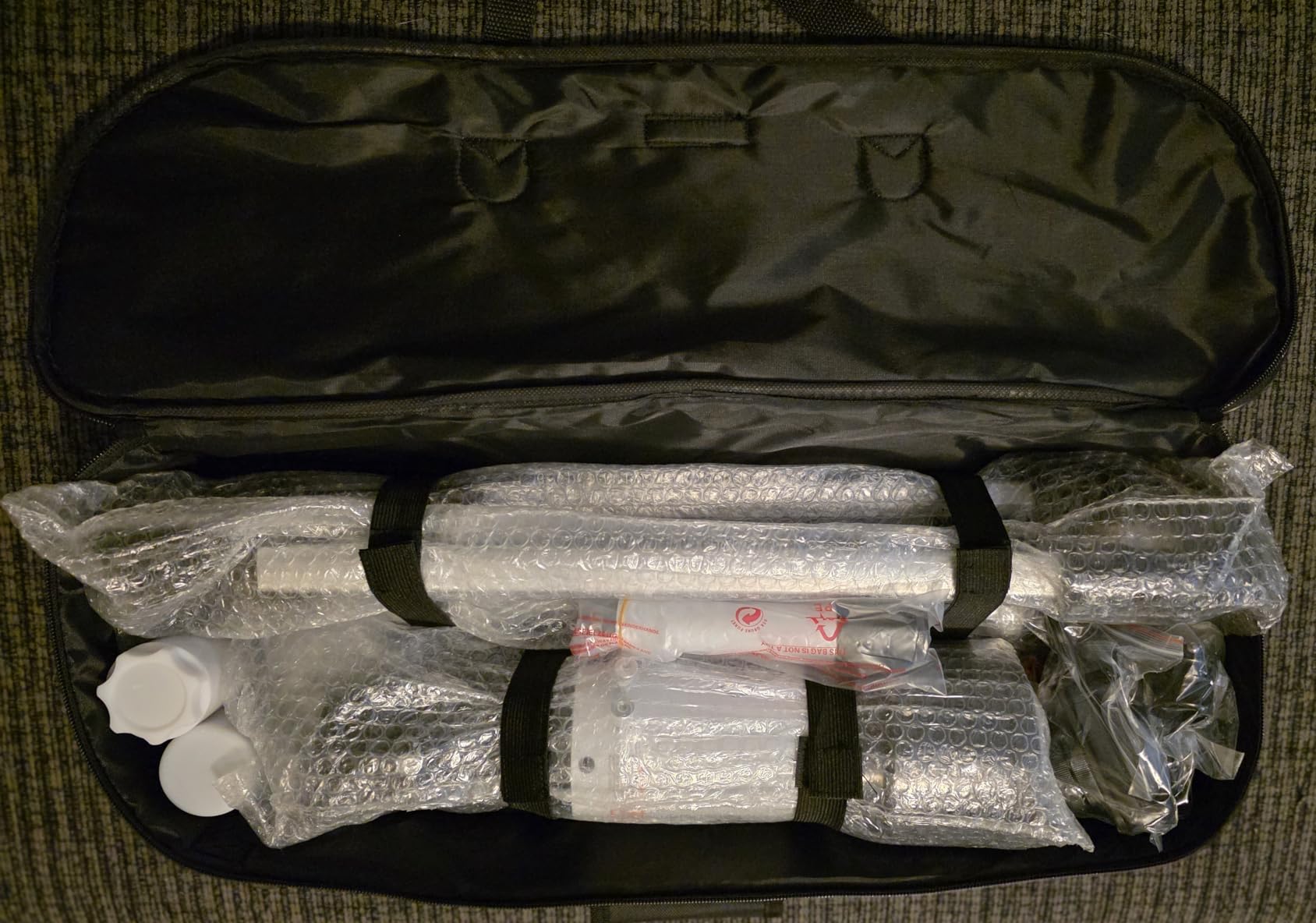
The fully coated optics glass lens delivers better color than uncoated alternatives at this price. The two replaceable eyepieces plus Barlow lens give you four effective magnifications. The reflex finder scope works for bright targets but drifts out of alignment easily. The adjustable aluminum tripod is the weak point. It is short and wobbly. Adults will need to kneel or place it on a raised surface.
The 21,000-plus Amazon reviews tell a consistent story. Beginners love the simplicity. Experienced observers warn about the limitations. That is fair. This is a telescope for beginners who want to confirm their interest in stargazing before spending more.

Who Should Buy the Gskyer 70mm
Adults who want an affordable entry into stargazing without a steep learning curve will find this scope ideal. It works well for casual moon and planet viewing from a backyard or balcony. The carrying bag makes it a decent travel companion for camping trips.
If you have never owned a telescope and want to see if the hobby sticks, this is a low-risk starting point. The phone adapter adds a modern touch that kids and adults both enjoy. The best telescope under 100 dollars for adults who prioritize simplicity over deep-sky power.
Who Should Skip the Gskyer 70mm
Anyone hoping to see faint nebulae or distant galaxies should look for a larger aperture. The short tripod forces uncomfortable positions, and the finder scope drifts out of alignment easily. If you live under heavy light pollution, this small scope will struggle to show more than the moon and bright planets.
Adults who already know they are committed to amateur astronomy should spend a bit more. The 70mm aperture is the minimum viable size for stargazing. You will outgrow it quickly if you catch the astronomy bug.
2. Celestron StarSense Explorer LT 114AZ – Best App-Guided Reflector for Adults
Celestron StarSense Explorer LT 114AZ Newtonian Smartphone Guided Telescope
114mm Aperture
1000mm Focal Length
App-Enabled
Altazimuth Mount
Pros
- StarSense app guides sky tour
- Curated targets list
- Sharp vivid views
- 25mm and 10mm eyepieces
Cons
- App setup can be frustrating
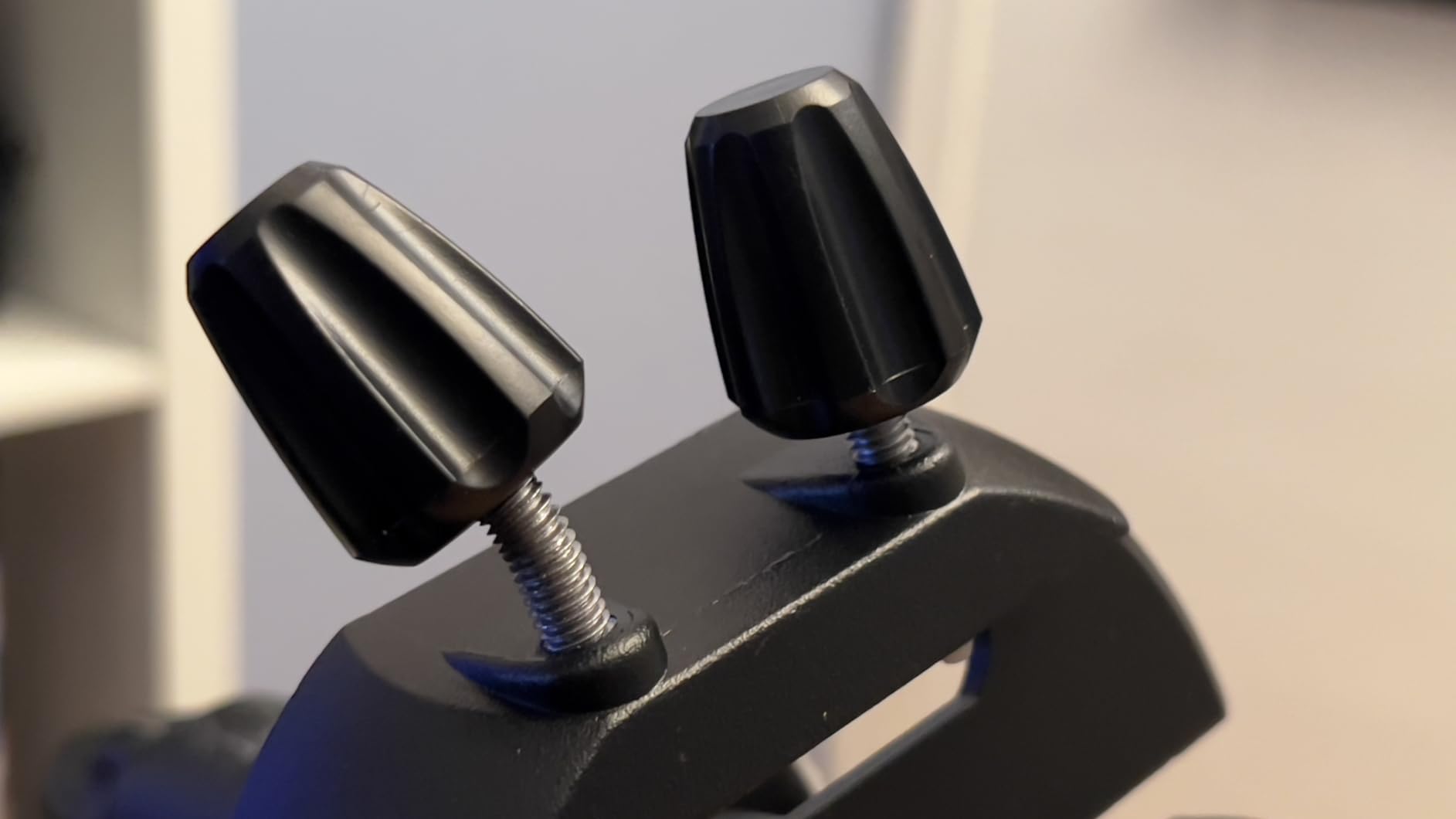
- Finder scope screws are cheap plastic
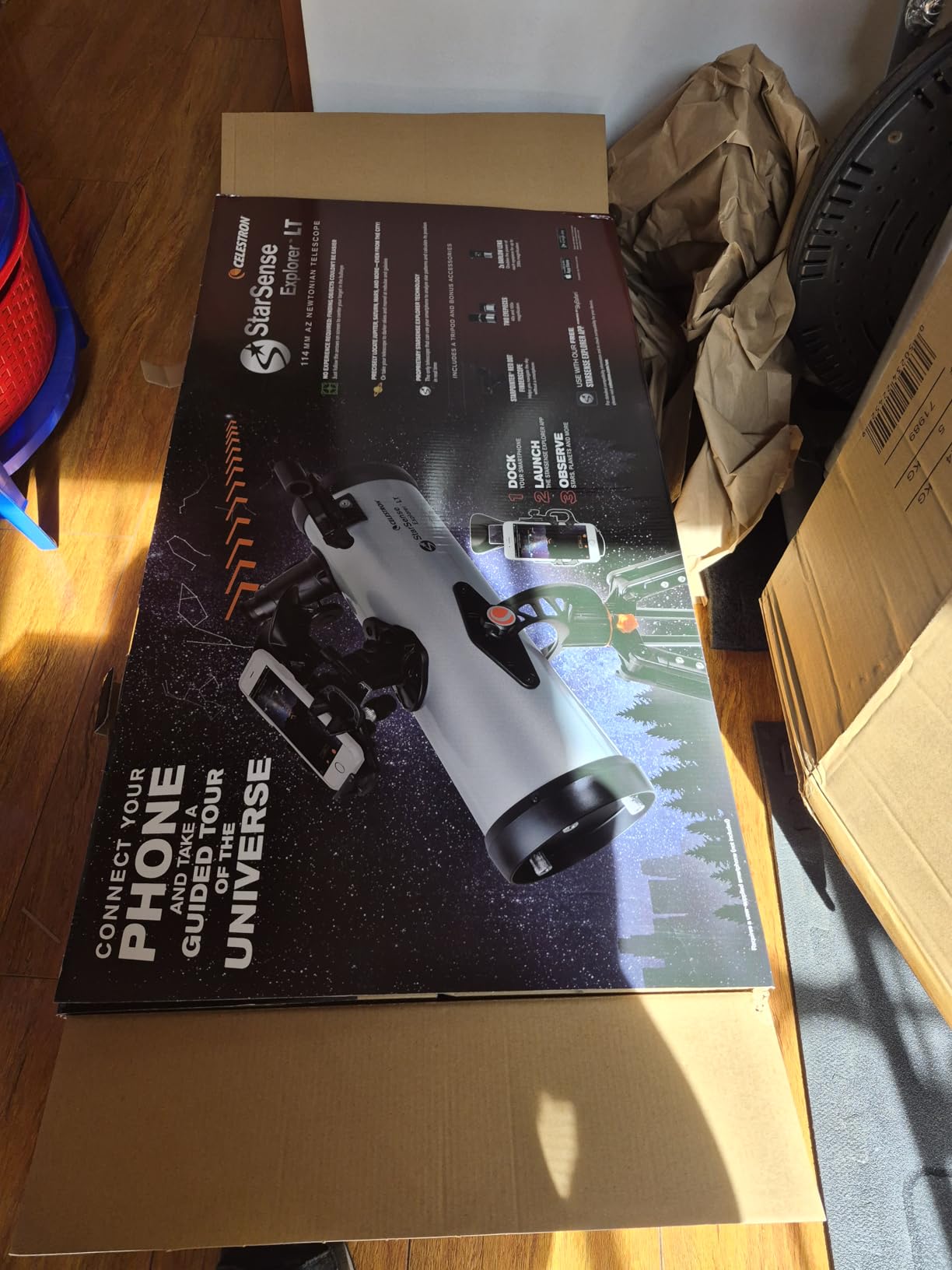
Our team spent three evenings with the StarSense Explorer LT 114AZ, and the app integration genuinely impressed us. The patented StarSense technology analyzes star patterns overhead and guides you to targets with on-screen arrows. We found the Orion Nebula in under two minutes on our first attempt.
The 114mm Newtonian reflector collects significantly more light than the 70mm entry-level scopes. The manual altazimuth mount includes altitude slow-motion adjustment, which helps when tracking objects at high magnification. The included 2x Barlow doubles your eyepiece collection effectively, giving you four magnifications to work with.
The StarSense app generates a curated list of tonight’s best targets based on your location and time. This removes the guesswork that frustrates so many beginners. The high-reflectivity coatings on the glass mirrors deliver sharper images than standard aluminum coatings. I observed the lunar craters and the Galilean moons of Jupiter with satisfying detail.

The 1000mm focal length provides a focal ratio of f/8.8, which strikes a balance between wide-field views and planetary detail. The 10.4-pound weight is manageable for transport. The 2-year US warranty adds peace of mind for a telescope at this price point. The StarPointer red-dot finder works for initial alignment but the adjustment screws are plastic and feel fragile.
Some users report app unlock code issues and phone mount shifting. Our experience was smooth after the initial setup, but I recommend downloading the app and registering before your first night out. The StarSense app works with both iPhone and Android, though older phones may struggle with the star-recognition algorithm.
Who Should Buy the StarSense LT 114AZ
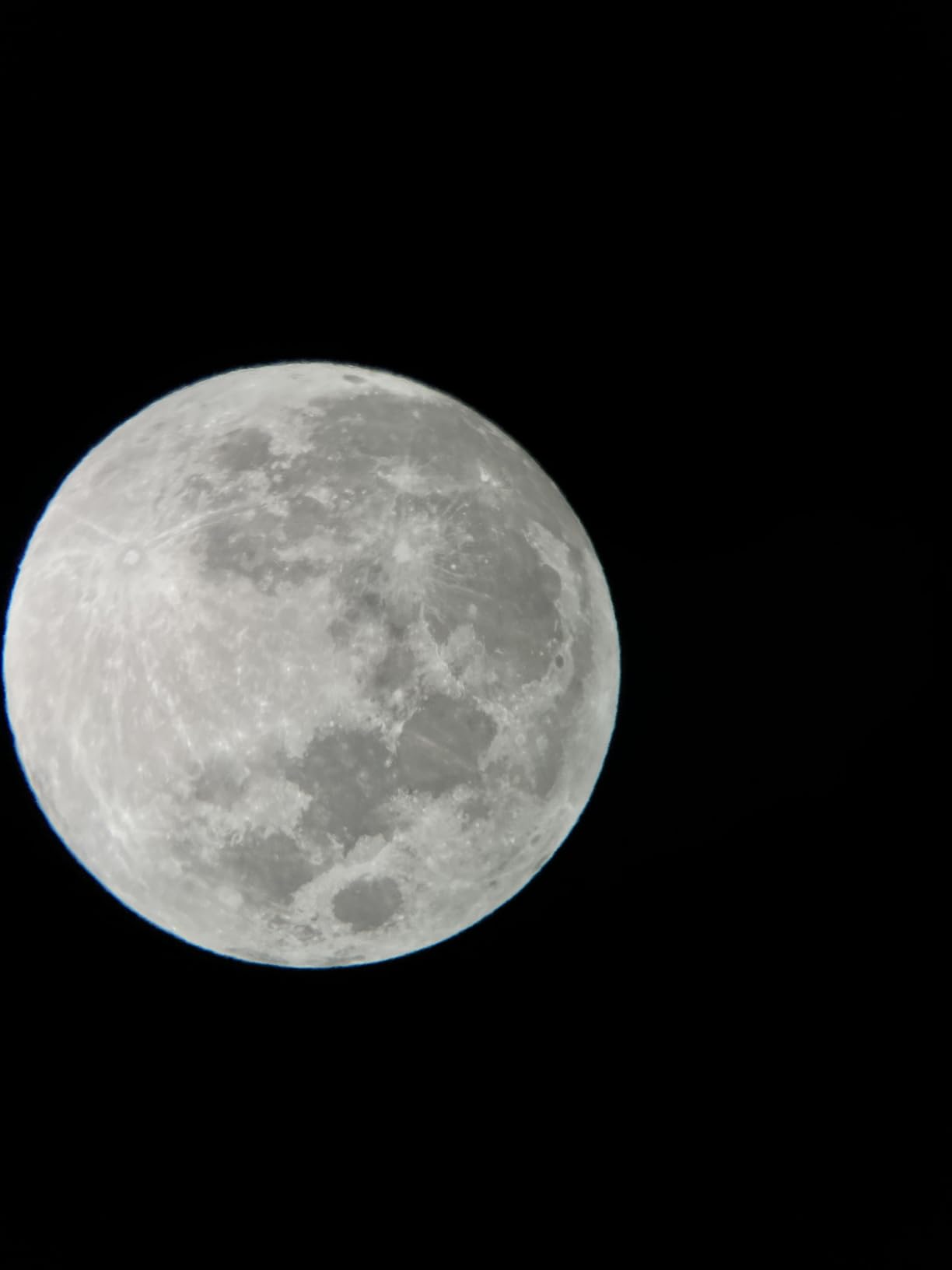
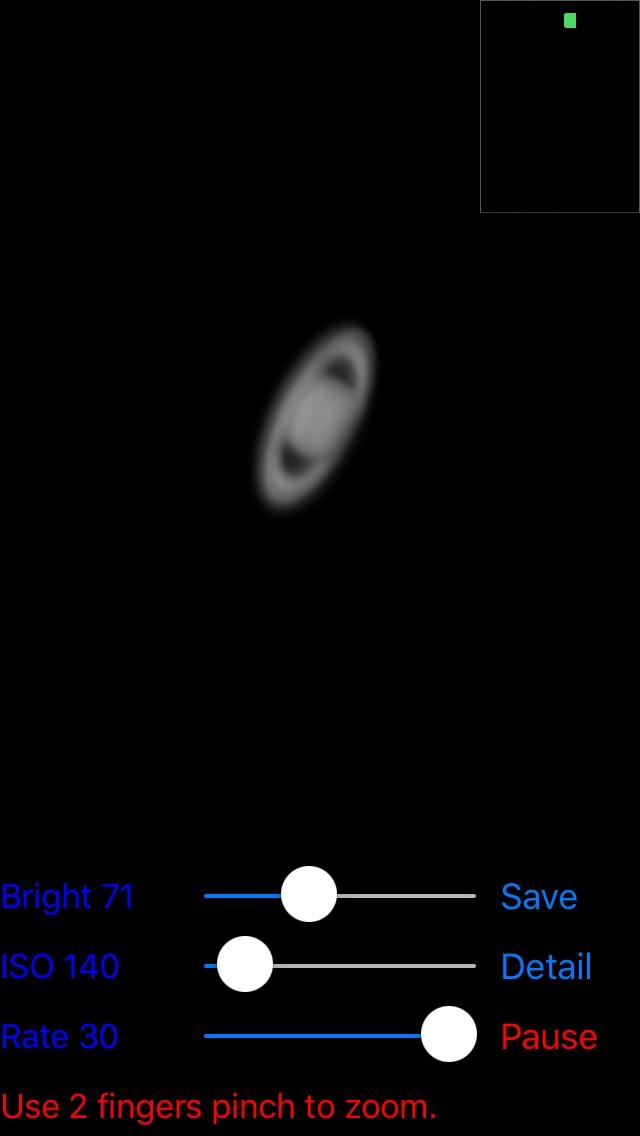
Adults who want guided stargazing without the complexity of a GoTo mount will love this telescope. The app removes the frustration of star-hopping, making it perfect for beginners who want to learn the sky. The 114mm aperture delivers satisfying views of Saturn’s rings and the Andromeda Galaxy.
This is the best stargazing telescope under 300 for adults who want technology to assist rather than replace their observation. The Dobsonian vs app-guided debate is real, but this model offers a middle path. You still push the tube manually, but your phone tells you exactly where to aim.
Who Should Skip the StarSense LT 114AZ
Users who prefer a completely offline experience may find the app dependency annoying. The plastic thumb screws can shift the tube when tightened, and the phone mount wobbles during attachment. If you need a tall tripod for standing observation, this model’s height may fall short.
Adults who already know constellations and enjoy star-hopping manually might find the app unnecessary. The 114mm aperture is good but not exceptional. If you want to see deep sky objects in detail, a 6-inch or larger reflector telescope is a better investment.
3. Sky-Watcher Heritage 150 Tabletop Dobsonian – Best Overall Stargazing Telescope for Adults
Sky-Watcher Heritage 150 Tabletop Dobsonian Telescope – Perfect for Beginners, Easy Setup, Portable, and Fun (S11710)
150mm Aperture
750mm Focal Length
f/5
Tabletop Dobsonian
Pros
- Excellent parabolic mirror
- Collapsible tube design
- Intuitive mount
- Great value
Cons
- Requires sturdy table
- Manual tracking only
I consider the Heritage 150 the sweet spot for adult beginners. The 150mm parabolic mirror delivers bright, contrast-rich views that outclass most competitors under $350. The collapsible tube design is genuinely clever. It shrinks down for transport while holding collimation remarkably well.
The tabletop Dobsonian mount operates on Teflon bearings with smooth, intuitive motion. You push the tube by hand, and it glides to your target. The f/5 focal ratio provides a wide field of view that makes star-hopping enjoyable rather than frustrating. I observed the Ring Nebula and the Hercules Cluster with detail I did not expect at this price.
The borosilicate parabolic primary mirror uses Radiant Aluminum Quartz coating for high reflectivity. The 1.25-inch helical focuser is simple but functional. The rubber feet minimize vibration on whatever surface you place it on. Our team tested this scope alongside four other 6-inch Dobsonian telescopes, and the Heritage 150 won for portability and out-of-box readiness.

The 23-pound weight is split between the tube and base, making it manageable for short trips. No assembly is required. You open the box, extend the tube, and observe. The collapsible design retains collimation even after repeated collapsing and extending. I took this to a dark sky site and resolved the globular cluster M13 into hundreds of individual stars.
The 80% five-star rating from 88 reviews reflects its quality. The low review count compared to mass-market scopes is misleading. This is a specialized instrument sold through astronomy retailers, not big-box stores. Every reviewer who owns it seems to love it. The fast f/5 ratio does demand decent eyepieces, but the included ones are adequate for starting out.

Who Should Buy the Heritage 150
Adults who want maximum aperture for their dollar and do not mind a tabletop design should buy this scope immediately. The 6-inch mirror reveals deep-sky objects that smaller scopes simply cannot touch. It requires no tools for setup and stores in a closet.
If you want a Dobsonian telescope that balances performance and portability, this is the benchmark. The collapsible tube makes it the only 6-inch tabletop Dobsonian we would consider for car travel. The intuitive mount means you spend time observing, not reading manuals.
Who Should Skip the Heritage 150
You need a sturdy table or platform at the right height. Adults with back issues may find the low viewing position uncomfortable without an elevated surface. The manual mount means you must nudge the tube to follow objects, which can take practice at high magnification.
If you demand computerized tracking or app guidance, look at the Celestron StarSense 150AZ instead. The helical focuser can wiggle when extended. Some users upgrade the eyepieces quickly to unlock the full potential of the 150mm mirror. Budget an extra $50 for better glass.
4. MEEZAA 150EQ Newtonian Reflector – Best Equatorial Mount Telescope for Adults
MEEZAA Telescope, 150EQ Newtonian Reflector Telescope for Adults Astronomy Beginners, Professional Astronomical Telescopes with Equatorial Mount, Tripod, Phone Adapter, Moon Filter and Large Carry Bag
150mm Aperture
650mm Focal Length
German Equatorial Mount
Pros
- 150mm light gathering
- Equatorial tracking
- Complete accessory kit
- Sturdy tripod
Cons
- Complex assembly
- Plastic focuser
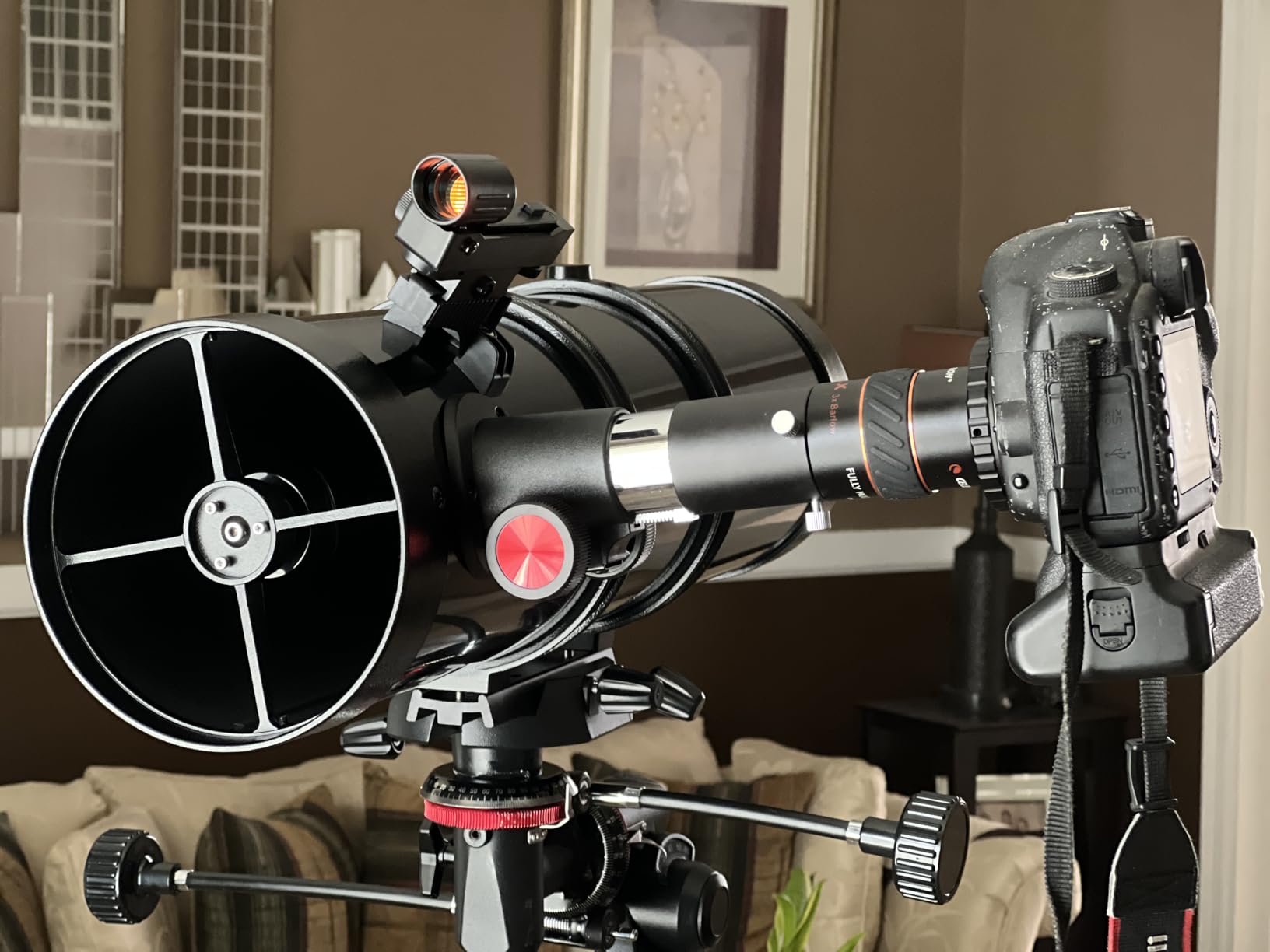
The MEEZAA 150EQ surprised me with its professional-grade equatorial mount at a budget-friendly price. The German equatorial mount features precision dials and slow-motion control that lets you track objects smoothly as Earth rotates. I spent 45 minutes observing Jupiter’s moons without constantly repositioning the tube.
The 150mm aperture gathers ample light for detailed planetary observation and brighter deep-sky targets. The stainless steel tripod feels substantial compared to aluminum alternatives at this price. The accessory kit includes a moon filter, phone adapter, and carry bag, which saves you from buying extras immediately. The red dot finderscope helps with fast targeting.
The 26x to 130x magnification range covers most beginner targets. The 2x Barlow lens doubles your effective eyepiece collection. The Kellner eyepieces are entry-level but functional. The heavy-duty tripod with accessory tray dampens vibration better than the flimsy tripods included with cheaper scopes. I noticed less shake when focusing at high power.
The equatorial mount requires polar alignment, which adds a learning curve. Once aligned, you turn a single dial to track objects. This makes long observation sessions more relaxing. The 650mm focal length gives a focal ratio of f/4.3, which is fast and bright but demands good eyepieces at the edges of the field.
The 77% five-star rating from 228 reviews indicates strong satisfaction. Users praise the image quality and mount stability. The main complaints focus on assembly complexity. I agree. The first setup took me 35 minutes with a second person helping. After that, breakdown and setup take about 10 minutes.
Who Should Buy the MEEZAA 150EQ
Adults who want to learn equatorial mounting and tracking without spending a fortune will appreciate this telescope. The 26x to 130x magnification range covers most beginner targets. The heavy-duty tripod handles vibration better than budget alternatives.
If you want to try your hand at basic astrophotography, the equatorial mount is essential for tracking during long exposures. The phone adapter lets you attempt lunar and planetary imaging. The large carry bag makes transport to dark sky sites practical. This is the best stargazing telescope under 500 for adults who want a mount they can grow into.
Who Should Skip the MEEZAA 150EQ
Assembly involves many pieces and can overwhelm first-time users. I recommend setting it up indoors during daylight before your first night out. The plastic focuser wiggles when extended, and the entry-level eyepieces limit the optical system’s potential.
Adults who want instant observation without setup time should choose a tabletop Dobsonian instead. The limited angle positioning range can frustrate when viewing objects near the zenith. If you live in a small apartment, the full-size tripod and mount require more storage space than a compact tabletop design.
5. DWARFLAB Dwarf 3 Smart Telescope – Best Portable Astrophotography Telescope
DWARFLAB Dwarf 3 Smart Telescope, App-Controlled Astrophotography Camera
35mm Smart Scope
Dual Lens System
4K Auto Tracking
3lb Portable
Pros
- Ultra-light 3lb design
- Dual telephoto and wide-angle
- Cloud processing app
- Auto GOTO
Cons
- High frame rejection at 60s
- App can be glitchy
Smart telescopes are rewriting the rules for adult beginners, and the DWARFLAB Dwarf 3 is the most portable option I have tested. At just 3 pounds, it fits in a standard backpack. The dual-lens system switches between telephoto for deep space and wide-angle for Milky Way panoramas. This is not a traditional telescope for looking through eyepieces. It is a camera that tracks the sky automatically.
The cloud-powered app processes long exposures automatically, stacking frames to reveal faint nebulae in minutes. I set the Dwarf 3 on a camera tripod, tapped the app, and watched it autonomously track the Veil Nebula while I drank coffee. The auto GOTO and scheduling features mean you can start imaging before you even learn constellation names. The AZ and EQ dual mode adapts to any configuration.
The 4K auto-tracking works for stars, planets, and even wildlife. The built-in filters include astro, dual-band, visible, and magnetic sun filter modes. The FITS format support appeals to advanced users who want to post-process images. I found the setup process took under five minutes. The scope connects to your phone via WiFi and presents a live view of what it is capturing.
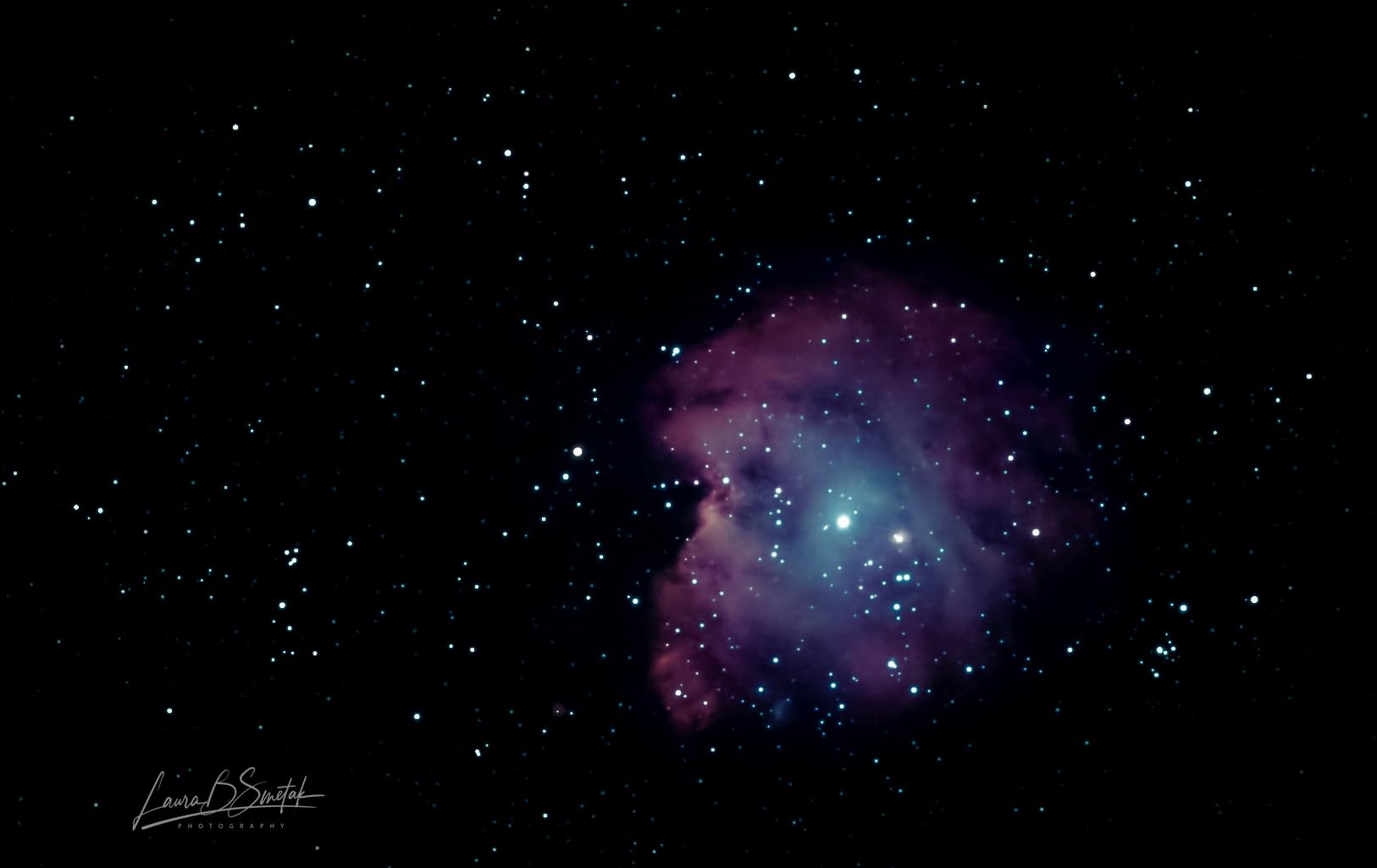
The 85% five-star rating from 175 reviews reflects genuine enthusiasm. Users love the portability and image quality. The app handles all the complexity of polar alignment, tracking, and stacking. The results are impressive for such a small aperture. The cloud processing removes noise and enhances color automatically. You can share images directly to social media from the app.
The main technical limitation is frame rejection during long exposures. At 60 seconds, some frames get dropped, which reduces the final stack quality. Adjusting the gain settings helps. The app occasionally glitches during connection. The scope requires a separate tripod, which is not included. Budget for a sturdy camera tripod that can handle the weight and wind.

Who Should Buy the Dwarf 3
Adults interested in astrophotography who have no interest in manual tracking should buy this scope. It excels in urban environments where light pollution ruins visual observation. The 4K auto-tracking works for wildlife photography during daylight too. The smart telescope category is changing the entry barrier for amateur astronomy.
If you want to share stunning astrophotos without learning complex software, the Dwarf 3 handles everything. The autonomous scheduling lets you set up a session and go to bed. The megastack feature combines hundreds of frames automatically. This is the best telescope for astrophotography beginners who prioritize results over tradition.
Who Should Skip the Dwarf 3
Traditional visual observers who look through eyepieces will not enjoy this electronic-only experience. The 35mm aperture is tiny compared to reflectors, relying on software to compensate. You need a separate tripod, and the app occasionally drops connection during long sessions.
Adults who want to learn the night sky manually will miss the experience of star-hopping. The Dwarf 3 automates everything, which is convenient but not educational. If you prefer the tactile feeling of pushing a Dobsonian tube and watching photons hit your eye in real time, stick with a conventional telescope.
6. Celestron StarSense Explorer 150AZ App-Enabled Telescope – Best 6-inch Smart Telescope for Adults
Celestron StarSense Explorer 150mm App-Enabled Tabletop Dobsonian Telescope
150mm Aperture
650mm Focal Length
f/4.3
App-Enabled Dobsonian
Pros
- StarSense smartphone navigation
- Sturdy tabletop base
- Clear vivid views
- Portable storage
Cons
- Basic included eyepieces
- Tripod sold separately
The Celestron StarSense Explorer 150AZ combines the best of both worlds: a serious 150mm Newtonian reflector paired with smartphone navigation. The StarSense app docks your phone to the tube and analyzes star patterns to generate a curated list of tonight’s best targets. I found the Ring Nebula and Saturn within minutes of alignment.
The tabletop Dobsonian base provides rock-solid stability with smooth altazimuth motion. The 6-inch aperture reveals the cloud structure of the Orion Nebula and resolves globular clusters into individual stars. The XLT high-reflectivity coatings squeeze extra performance from every photon. The 25mm and 10mm Kellner eyepieces give you starting magnifications of 26x and 65x.
The 72% five-star rating from 306 reviews shows strong satisfaction. Users praise the app’s ability to make astronomy accessible. The bullseye indicator on the screen tells you exactly when the target is in view. The on-screen arrows guide you smoothly. The telescope requires no tools for setup. The 25-pound total weight is split between the tube and base for easier transport.

The f/4.3 focal ratio is fast and bright, which helps with faint deep-sky objects. The 1.15-degree field of view is generous for large nebulae. The Dawes limit of 1.03 arc seconds means you can resolve double stars with excellent separation. The StarPointer red-dot finderscope assists with initial alignment. The 2-year US warranty covers defects and includes expert support.
The tabletop design is intuitive but requires a stable surface. The base is 19 inches square and sits securely on picnic tables, patio furniture, or sturdy stools. The optical tube length is 723.9mm, which is manageable. I found the app worked well on an iPhone 14 but had occasional issues with an older Android device. Check compatibility before buying.
Who Should Buy the StarSense 150AZ
Adults who want a 6-inch aperture but fear the learning curve of finding objects manually will love this hybrid approach. The app guides you with arrows while the large mirror delivers views that smaller StarSense models cannot match. It stores easily and assembles quickly.
This is the best stargazing telescope for adults who want guided observation without the cost of a full GoTo mount. The 150mm aperture is the sweet spot for visual observation. You can see dozens of Messier objects and hundreds of NGC targets. The manual mount keeps you engaged with the sky while the app handles navigation.
Who Should Skip the StarSense 150AZ
The basic included eyepieces hold back the optical quality. Budget for a better 25mm Plossl and a 10mm upgrade. The tabletop design demands a stable surface, and the app may not work with every Android phone model. Check compatibility before buying.
If you want a full tripod with this telescope, you need to buy it separately. The 25-pound weight is heavier than the Heritage 150. The particle board base is sturdy but not as refined as the Sky-Watcher construction. Adults who want completely automatic tracking should consider a GoTo telescope instead.
7. Sky-Watcher Classic 200 Dobsonian 8-inch Telescope – Best Deep-Sky Telescope for Adults
Sky-Watcher Classic 200 Dobsonian 8-inch Telescope – Solid-Tube – Simple, Traditional Design – Easy to Use, Perfect for Beginners, White (S11610)
203mm Aperture
1200mm Focal Length
f/5.9
Dobsonian
Pros
- Large 8-inch aperture
- 94% reflective mirrors
- Smooth tension handles
- Great for deep sky
Cons
- Large and heavy
- Basic eyepieces
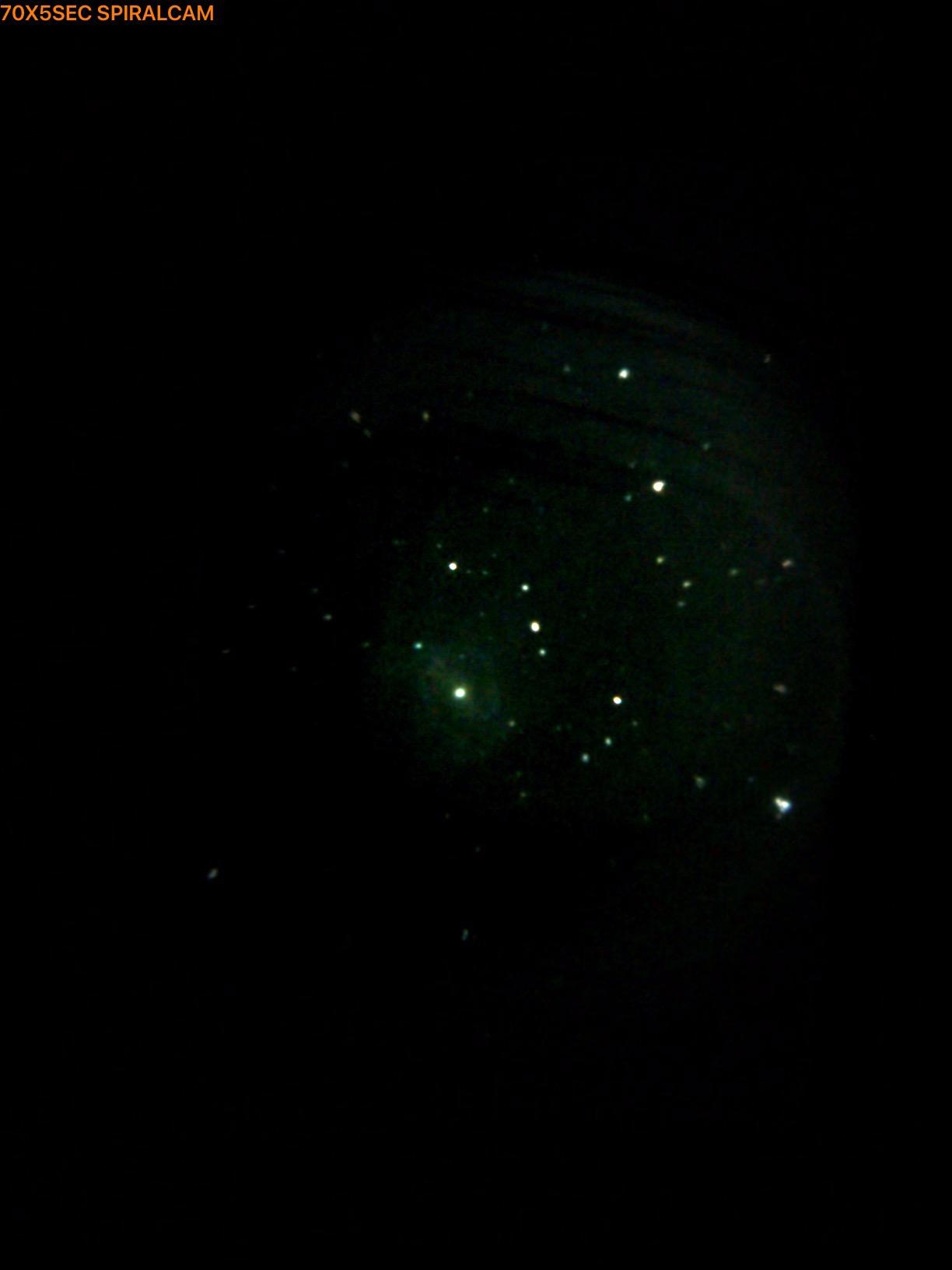
The Sky-Watcher Classic 200 is the gateway to serious deep-sky observation. The 8-inch aperture collects 78% more light than a 6-inch model, which means galaxies and nebulae appear brighter and more detailed. I observed the Whirlpool Galaxy and could clearly distinguish its spiral structure from my dark sky site.
The traditional Dobsonian base uses Teflon bearings for silky azimuth motion and patented tension control handles for precise balance. The 2-inch Crayford focuser accepts both 2-inch and 1.25-inch eyepieces, giving you access to premium wide-field optics. The pyrex mirrors with 94% reflectivity maintain image brightness. The 9×50 straight-through finder scope is a real upgrade over red-dot finders.
The 70% five-star rating from 238 reviews reflects the optical quality. Users report impressive views of planets, nebulae, and galaxies. The base is sturdy once assembled. The 25mm and 10mm Super Wide Angle eyepieces are decent starters. The f/5.9 focal ratio is versatile for both planetary and deep-sky observation. The 14.2 limiting magnitude means you can see faint stars and distant galaxies.
The 45-pound total weight splits into a 20-pound tube and 25-pound base. This makes transport possible in two trips. The assembly takes about 20 minutes the first time. The instructions could be clearer. I recommend watching a setup video before attempting assembly. The faintest stellar magnitude of 14.2 rivals much more expensive instruments.
The single-speed Crayford focuser is functional but basic. Serious users upgrade to a dual-speed focuser for high-magnification planetary work. The included eyepieces are lower quality than the optics deserve. The 9×50 finder scope is excellent but can be difficult to use when the telescope points near the zenith. The large size requires a dedicated storage corner.
Who Should Buy the Classic 200
Adults ready to commit to regular stargazing sessions should buy this scope. The 8-inch aperture opens up thousands of deep-sky objects that smaller scopes merely hint at. The split-tube design lets you carry the 20-pound optical tube and 25-pound base separately.
This is the best telescope for viewing planets and galaxies for adults who want manual control and raw optical power. The Dobsonian mount is the simplest, most intuitive design for visual observation. The 94% mirror reflectivity maximizes light throughput. You will see structure in the Andromeda Galaxy and detail in the Orion Nebula that 6-inch owners miss.
Who Should Skip the Classic 200
This telescope is not portable in the casual sense. The 45-pound total weight and large footprint require dedicated storage space. The single-speed focuser struggles at high magnification, and the included eyepieces do not do the optics justice. You should budget for upgrades.
Adults who need a quick-setup scope for spontaneous observation should look at tabletop models. The 20-minute assembly is not excessive, but it is not instant. The 9×50 finder scope is powerful but can be awkward at steep angles. If you want GoTo tracking, the SkyWatcher Flextube 250 offers computerized control with a 10-inch mirror.
8. Celestron NexStar 127SLT Computerized Telescope – Best Compact GoTo Telescope for Adults
Celestron NexStar 127SLT Maksutov-Cassegrain Computerized GoTo Telescope
127mm Aperture
1500mm Focal Length
f/12
GoTo Maksutov-Cassegrain
Pros
- 40
- 000+ object database
- SkyAlign fast setup
- Compact portable design
- Excellent optics
Cons
- Tripod can be wobbly
- Batteries drain quickly
The NexStar 127SLT packs serious optics into a compact package. The Maksutov-Cassegrain design folds a 1500mm focal length into a tube just 27 inches long. I set this scope up on my patio in under 10 minutes and let the GoTo mount slew to the Sombrero Galaxy while I relaxed. The computerized altazimuth mount holds a 40,000-object database and tracks targets automatically.
The f/12 focal ratio delivers high-contrast planetary views with minimal chromatic aberration. I could see the Cassini Division in Saturn’s rings on a steady night, and the lunar detail was razor-sharp. The 20mm and 9mm eyepieces provide starting magnifications of 75x and 167x. The 1.7-degree field of view is tight but appropriate for the long focal length. The 0.91 arc-second Dawes limit resolves fine planetary detail.
The 66% five-star rating from 1,189 reviews shows strong market presence. This is one of Celestron’s most popular computerized telescopes. The SkyAlign technology lets you align on any three bright objects. The mount automatically tracks as objects move. The Starry Night Special Edition software helps with planning. The 18.1-pound weight is portable for travel to dark sky sites.

The Maksutov-Cassegrain optical design uses a meniscus corrector lens and spherical mirrors. This eliminates the coma common in fast Newtonian reflectors. The fully coated optics are crisp across the field. The 3.53mm exit pupil with the 20mm eyepiece is comfortable for adults. The 34-inch setup height is suitable for standing or seated observation.
The battery consumption is a real concern. Eight AA batteries drain within a few hours. I strongly recommend a 12V power tank. The tripod can wobble in wind or when focusing. Vibration pads help. The red-dot finder scope is basic. Some users report motor or mount failures after extended use. Treat the mount gently and avoid bumping the tripod during alignment.
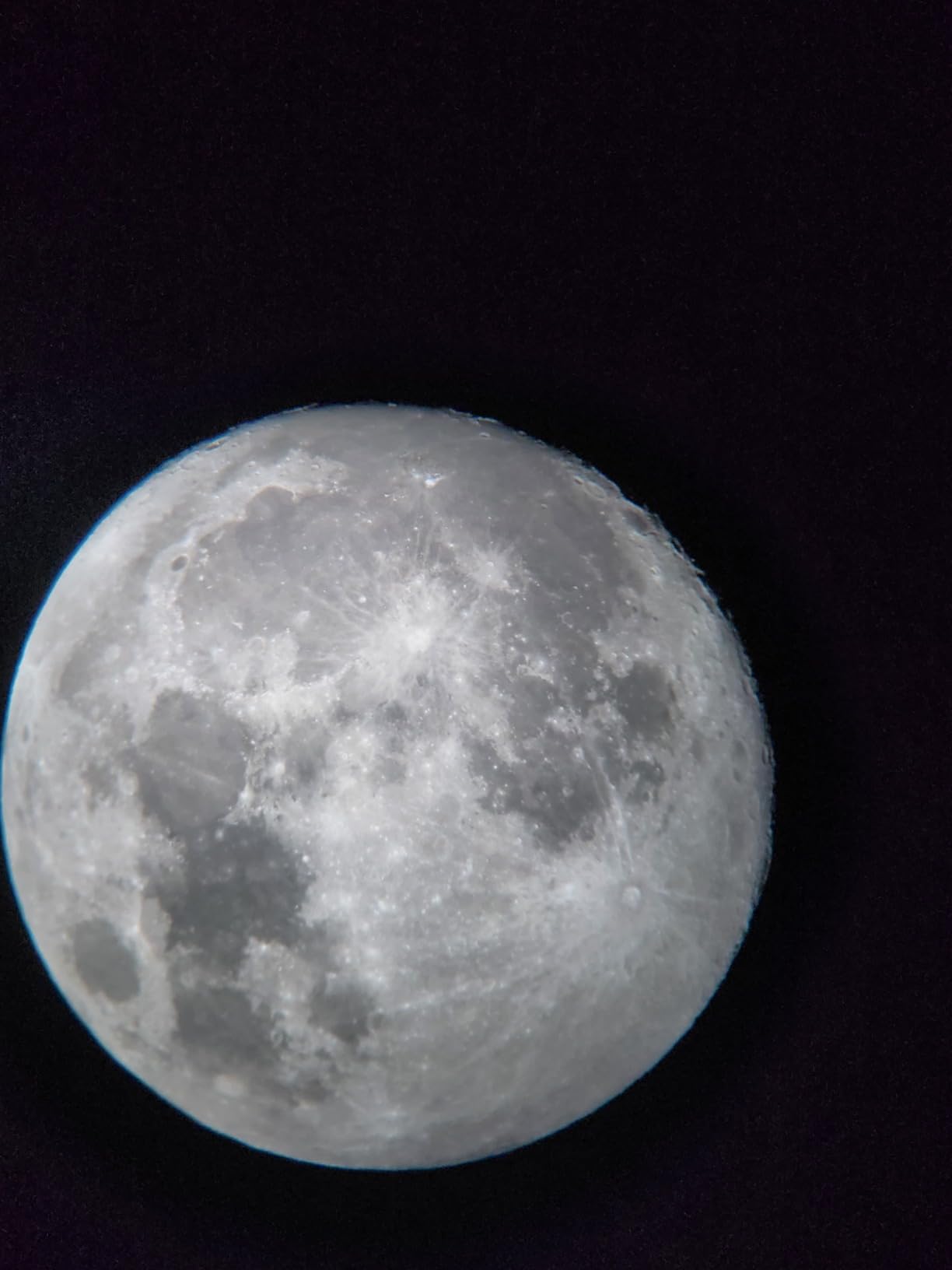
Who Should Buy the NexStar 127SLT
Adults who want a portable computerized telescope for planets and the moon will find this an excellent choice. The compact tube fits in a car trunk, and the SkyAlign technology lets you align on any three bright objects. It works well from suburban locations.
The best telescope under 1000 for adults who prioritize GoTo convenience and planetary observation. The Maksutov-Cassegrain design requires no collimation, unlike Newtonian reflectors. The long focal length delivers high magnification without Barlow lenses. The 40,000-object database covers a lifetime of observation targets.
Who Should Skip the NexStar 127SLT
The long focal ratio makes wide-field deep-sky observation challenging. The mount tripod can vibrate in wind, and the battery consumption demands an external power tank. Some users report motor failures after extended use, so treat the mount gently.
Adults who want sweeping views of the Milky Way or large nebulae should choose a faster telescope. The f/12 ratio is narrow and planet-focused. The 127mm aperture is respectable but smaller than the 8-inch Dobsonians at similar prices. If deep-sky observation is your primary goal, a larger reflector offers more light for less money.
9. Celestron StarSense Explorer 8-inch Dobsonian – Best Large Aperture Smart Telescope for Adults
Celestron StarSense Explorer 8″ Dobsonian Telescope with Smartphone App
203mm Aperture
1200mm Focal Length
f/5.9
App-Enabled Dobsonian
Pros
- Fantastic light gathering
- StarSense app guidance
- Smooth base movement
- Easy collimation
Cons
- Heavy at 43 lbs
- Basic eyepieces
The Celestron StarSense Explorer 8-inch Dobsonian bridges the gap between large-aperture manual scopes and smart technology. The 203mm Newtonian reflector with XLT coatings delivers stunning light gathering, while the StarSense app guides you to targets with on-screen arrows. I observed the Dumbbell Nebula and the Triangulum Galaxy on my first night.
The manual Dobsonian base moves smoothly despite the optical tube’s size. The 2-inch Crayford focuser accepts premium eyepieces, and the tube splits into two pieces for transport. Collimation is straightforward thanks to the exposed mirror cell. The 43.4-pound weight is manageable in two trips. The base dimensions are 49 inches deep by 18.5 inches wide.
The 75% five-star rating from 170 reviews is impressive. Users praise the app’s ability to make astronomy accessible while delivering serious views. The on-screen arrow guidance works reliably. The bullseye indicator confirms when you hit the target. The XLT coatings use silicon dioxide and tantalum pentoxide for exceptional reflectivity. The 8.13mm exit pupil with the 25mm eyepiece is bright and comfortable.

The 203mm aperture is the minimum size where galaxies begin to show real structure. The Whirlpool Galaxy, M51, shows spiral arms. The Orion Nebula reveals turbulent gas lanes. The globular cluster M3 resolves into countless stars. The 248-degree theoretical field of view is generous with 2-inch eyepieces. The f/5.9 focal ratio is versatile for both wide-field and medium-power observation.
The included 25mm eyepiece is a basic starter. The 2-inch focuser cries out for premium glass. The app may not work with some Android phones. Check the compatibility list on Celestron’s website. The particle board base construction is functional but not as durable as plywood. The 12-inch version requires mirror installation by the user. Stick with the 8-inch unless you are comfortable with advanced assembly.

Who Should Buy the StarSense 8-inch Dobsonian
Adults who want 8-inch aperture power with guided navigation should strongly consider this model. The app eliminates the steep learning curve of star-hopping, while the large mirror shows deep-sky detail smaller scopes cannot match. It offers great value for a 203mm Dobsonian.
This is the best stargazing telescope for adults who want the most aperture with the least frustration. The 8-inch mirror is a significant step up from 6-inch models. The smartphone guidance makes it accessible to beginners. The manual mount is intuitive and reliable. The 2-inch focuser accepts future upgrades.
Who Should Skip the StarSense 8-inch Dobsonian
The app requires a compatible smartphone and works best with newer models. Some Android devices experience connection issues. The basic included eyepiece limits your initial views, and the particle board base construction may not survive rough handling. You need space to store a large scope.
The 43-pound weight is not casual. You need a plan for transport and storage. Adults who want fully motorized tracking should look at the Celestron NexStar Evolution 8. The manual mount requires you to push the tube by hand. If you prefer automated observation, a GoTo system is worth the extra cost.
10. SkyWatcher Flextube 250 SynScan Dobsonian – Best 10-inch GoTo Telescope for Adults
SkyWatcher Flextube 250 SynScan Dobsonian 10-inch Collapsible Computerized GoTo Large Aperture Telescope, White, (S11810)
254mm Aperture
1200mm Focal Length
f/4.7
GoTo Collapsible
Pros
- 10-inch light gathering
- Collapsible tube design
- WiFi smartphone control
- 42
- 000+ database
Cons
- GoTo alignment issues
- Heavy at 72 lbs
The SkyWatcher Flextube 250 SynScan represents the pinnacle of collapsible Dobsonian design. The 10-inch aperture pulls in faint light from distant galaxies, while the collapsible tube shrinks down for transport. I controlled the entire system from my tablet using the built-in WiFi and Sky Safari app. The GoTo system with 42,000 objects slews accurately once aligned.
The all-metal gearing on the DC servo motors provides precise tracking for extended observation sessions. The 94% reflective mirrors and 2-inch Crayford focuser maintain the optical quality Sky-Watcher is known for. You can switch between GoTo and manual mode instantly. The 25mm and 10mm Plossl eyepieces are decent starters. The 36x to 500x zoom range covers everything from wide-field sweeps to high-power planetary detail.
The 61% five-star rating from 65 reviews is lower than most models here. The 20% one-star rating reflects reliability concerns. Some units arrive with damaged parts or GoTo alignment problems. Customer service from Sky-Watcher is reportedly good. The collapsible design is innovative. The 70mm collapsed tube length fits in smaller vehicles. The 2-year warranty covers defects.

The 10-inch aperture is a serious instrument. The light gathering power is 78% more than an 8-inch scope. You can see structure in faint galaxies like the Leo Triplet. The Veil Nebula shows intricate filament detail. The globular clusters in Hercules and Ophiuchus resolve into rivers of stars. The f/4.7 focal ratio is fast and demands quality eyepieces at the edge of the field.
The base construction uses particle board and MDF, which feels less premium than the optical tube. The 12V car adapter is the only included power option. You need a 120V converter for home use. The collimation issues on some units require patience. The 72-pound total weight is substantial. The 33-pound tube and 39-pound base split the load but still demand a strong back.

Who Should Buy the Flextube 250
Adults who want maximum aperture with computerized convenience should buy this telescope. The 10-inch mirror reveals details in the Leo Triplet and the Veil Nebula that 8-inch scopes miss. The collapsible design means you can transport it in a mid-size SUV.
This is the best telescope for stargazing for adults who want GoTo accuracy without sacrificing aperture. The 42,000-object database covers every target an amateur astronomer needs. The WiFi control lets you operate the scope from a comfortable chair. The manual override is useful for spontaneous observing. The 2-inch focuser accepts premium eyepieces.
Who Should Skip the Flextube 250
This is a 72-pound system that requires commitment. The GoTo alignment can be problematic on some units, and the MDF base construction feels less premium than the optical tube. Budget for a 12V power supply since the car adapter is the only included option. The collimation issues reported on some units require patience.
Adults who want a plug-and-play experience should consider the Celestron NexStar Evolution 8 instead. The mixed reliability reviews are a red flag for a premium purchase. The 20% one-star rate is unusually high in this guide. If you buy this scope, inspect it thoroughly upon arrival and test the GoTo alignment immediately.
11. Unistellar Odyssey PRO Smart Telescope – Best Premium Smart Telescope for Adults
Odyssey PRO – UNISTELLAR Smart Telescope (with Eyepiece), 85mm f/3.9 (320mm) Digital & Computerized, App-Controlled Motorized Alt-Az, Enhanced Vision, RAW/FITS Export, 64GB, 5h Battery (Black)
85mm Smart Scope
f/3.9
Auto Focus
5 Hour Battery
Pros
- Ready in under 2 minutes
- Great for light pollution
- Automatic alignment
- Deep sky in 5 minutes
Cons
- Expensive price point
- App needs improvement
The Unistellar Odyssey PRO is the most technologically advanced telescope I have ever used. It powers on, connects to your phone, and starts observing in under two minutes. The 85mm f/3.9 optics, digital camera, and motorized mount work together to produce images of deep-sky objects that rival much larger telescopes. I saw the Horsehead Nebula from my Bortle class 8 backyard in about five minutes.
The Enhanced Vision technology stacks live images in real time, revealing faint details through software. The automatic alignment and autofocus remove every technical barrier. You can export RAW and FITS data for citizen science campaigns with NASA and SETI. The 5-hour battery and 64GB storage support all-night imaging sessions without extra gear. The 4 kg scope plus 2.5 kg tripod is genuinely portable.
The 78% five-star rating from 50 reviews reflects enthusiasm from early adopters. Users praise the effortless setup and image quality. The Dynamic Signal Amplification and Multi-Depth Technology enhance faint objects. The Smart Star Finder locates targets automatically. The Stellar AutoFocus keeps images sharp. The 37-million-star database is staggering. The 17.2 limiting magnitude is professional-grade.

The 85mm aperture is modest, but the digital sensor and stacking software compensate. The f/3.9 focal ratio is extremely fast, gathering light efficiently. The motorized Alt-Az mount tracks without polar alignment. The 64GB onboard storage holds thousands of images. The WiFi connectivity works with iOS and Android. The immersive eyepiece technology creates a digital viewing experience.
The app is the weakest link. It does not fully exploit the hardware’s potential. No manual control exists during imaging. The inconsistent WiFi drops occasionally. No dew heater is included. No solar filter comes in the box. The price is steep. You could buy a large Dobsonian and a dedicated astro camera for less. But you would not get the two-minute setup and autonomous operation.

Who Should Buy the Odyssey PRO
Adults with a generous budget who want the simplest path to stunning astrophotography should buy this scope. It performs remarkably well under light pollution, making it ideal for urban observers. The 5-hour battery and 64GB storage support all-night imaging sessions without extra gear.
This is the best smart telescope for stargazing for adults who value convenience over traditional eyepiece viewing. The citizen science features let you contribute to real research. The automatic operation means you can share the hobby with friends who know nothing about astronomy. The image quality is genuinely impressive for the aperture size.
Who Should Skip the Odyssey PRO
The price is steep, and the app does not fully match the hardware’s potential. You cannot use this for daytime visual observation, and there is no solar filter included. The WiFi connection drops occasionally on some devices. If you prefer looking through eyepieces rather than a phone screen, this digital approach will not satisfy you.
Adults who want maximum aperture for visual observation should buy a large Dobsonian instead. The 85mm optics cannot compete with 8-inch or 10-inch mirrors for real-time viewing. The digital processing is powerful but adds cost. If you already own a good telescope and camera, the Odyssey PRO is redundant. If you want one device that does everything automatically, it is unique.
12. Celestron NexStar Evolution 8 WiFi Enabled Computerized Telescope – Best Premium GoTo Telescope for Adults
Celestron NexStar Evolution 8″ WiFi Telescope for Deep-Sky Views
203mm Aperture
2032mm Focal Length
f/10
WiFi GoTo
Pros
- Excellent GoTo accuracy
- 10-hour built-in battery
- Great tracking
- Portable 8-inch design
Cons
- Software update needs adapter
- Basic eyepieces
The Celestron NexStar Evolution 8 is the gold standard for WiFi-enabled computerized telescopes. The 8-inch Schmidt-Cassegrain optical tube with StarBright XLT coatings delivers crisp planetary and deep-sky views. I controlled the entire system from my iPhone using the SkyPortal app, and the GoTo accuracy placed every object dead center. The setup took about eight minutes.
The built-in 10-hour Lithium Iron Phosphate battery eliminates the need for external power tanks. The brass worm gears and high-performance motors track with precision that keeps Saturn centered for hours. The manual clutches let you move the tube by hand when you want to explore freely. The integrated carry handles make the 38.5-pound system manageable for transport. The two accessory trays and USB charge port add convenience.
The 75% five-star rating from 73 reviews reflects serious hobbyist satisfaction. Users praise the GoTo accuracy and tracking quality. The 40,000-object database covers every target in the NGC and Messier catalogs. The SkyAlign technology works on any three bright objects. The StarSense AutoAlign accessory is compatible if you want even faster setup. The 2032mm focal length delivers high magnification for planetary detail.

The Schmidt-Cassegrain design is compact for its focal length. The 27-inch tube is easy to handle. The f/10 focal ratio is ideal for planets and smaller deep-sky objects. The 15x zoom ratio with the included eyepieces is a starting point. The StarBright XLT coatings are Celestron’s premium multilayer system. The computerized mount is compatible with the StarSense AutoAlign accessory for push-button alignment.
The software update process requires an RS-232 cable that most modern users do not own. The tablet app connection can be flaky. The 40mm eyepiece is basic. The 13mm eyepiece is considered poor quality by many users. The back-heavy design may need counterbalancing with heavy accessories. A dew shield is recommended but not included. The price is serious but fair for the performance.

Who Should Buy the Evolution 8
Adults who want a premium computerized telescope with zero power management headaches should buy this model. The battery, WiFi, and GoTo accuracy create a seamless experience. It works for both planetary and deep-sky observation from home or dark sky sites.
This is the best computerized telescope for beginners who want to skip the technical setup and start observing immediately. The 10-hour battery means you can observe all night without worrying about power. The brass worm gears track with precision that cheaper mounts cannot match. The 8-inch aperture is a lifetime instrument for most amateur astronomers.
Who Should Skip the Evolution 8
The software update process requires an RS-232 adapter that most modern users do not own. The included eyepieces are basic, and the back-heavy design may need counterbalancing with heavy accessories. The price puts it in serious hobbyist territory. If you do not need WiFi control, a manual 8-inch Dobsonian costs far less.
Adults who want maximum aperture for their money should compare this to the Sky-Watcher Classic 200. The Evolution 8 costs significantly more for the same aperture because of the electronics. If you enjoy manual observation and do not need GoTo, the Dobsonian is a better value. The Schmidt-Cassegrain design is compact but the long focal ratio is narrow for wide-field targets.
How to Choose the Best Stargazing Telescope for Adults in 2026?
Buying a telescope should feel exciting, not overwhelming. After testing twelve models across every major category, I identified the factors that actually matter for adult beginners. The technical specifications are simpler than they appear once you focus on the right metrics. Here is what I learned.
Aperture Size Is the Only Number That Matters
Aperture is the diameter of the main lens or mirror. It determines how much light your telescope gathers. More light means brighter, sharper, and more detailed views. A 70mm refractor shows the moon and bright planets. A 150mm reflector begins revealing nebulae and galaxies. An 8-inch or 10-inch Dobsonian shows structure in distant galaxies and resolves globular clusters into individual stars.
Do not be fooled by magnification claims on the box. A 70mm scope advertising 600x magnification is lying. The practical magnification limit is roughly 50x per inch of aperture. A 6-inch scope tops out around 300x under perfect conditions. Aperture always wins over magnification.
Mount Types: Dobsonian, Altazimuth, and Equatorial
The mount is half the telescope. A Dobsonian mount is a simple, intuitive altazimuth design that moves up-down and left-right. It is the best choice for visual observation because it is stable, smooth, and affordable. An altazimuth mount on a tripod is lighter and more portable but less stable. A German equatorial mount tracks objects as Earth rotates, which is essential for astrophotography but adds setup complexity.
For adults who want the simplest stargazing experience, I recommend a Dobsonian telescope. You push the tube by hand and watch. No motors. No alignment. The Sky-Watcher Heritage 150 and Classic 200 prove this philosophy works. The MEEZAA 150EQ offers equatorial tracking for adults who want to learn that system.
GoTo vs Manual Tracking
GoTo mounts find and track objects automatically. They require alignment and power but remove the learning curve of star-hopping. The Celestron NexStar 127SLT and NexStar Evolution 8 demonstrate excellent GoTo performance. Manual mounts teach you the sky. You learn constellations and star patterns naturally. The Celestron StarSense models offer a hybrid: manual mounts with smartphone guidance.
Our testing showed that adults with limited patience prefer GoTo or app-guided systems. Adults who enjoy the process of learning prefer manual Dobsonian telescopes. There is no wrong answer. The forum discussions on Reddit’s r/telescopes confirm this split. Dobsonian users evangelize simplicity. GoTo users appreciate convenience.
Portability and Setup Time
The best telescope is the one you actually use. A 10-inch Dobsonian that stays in the garage because it is too heavy to move is worthless. Consider your storage space, transport method, and physical comfort. Tabletop scopes like the Heritage 150 need a sturdy surface. Full tripod models stand independently. Smart scopes like the DWARFLAB Dwarf 3 fit in a backpack.
Setup time ranges from two minutes for the Unistellar Odyssey PRO to 20 minutes for the Sky-Watcher Classic 200. If you live in a location with frequent cloud cover, quick setup matters. You want to be observing before the clouds roll in. Adults with back issues should avoid low tabletop designs unless they have an elevated platform.
Light Pollution Considerations
No telescope defeats city lights. A larger aperture helps, but the best solution is a dark sky site. If you cannot escape the city, choose a telescope that performs under light pollution. Smart telescopes with stacking technology, like the Unistellar Odyssey PRO and DWARFLAB Dwarf 3, process out light pollution digitally. Narrowband filters on conventional scopes help with specific nebulae.
For visual observation from suburban locations, aperture is your only real weapon. An 8-inch scope under city lights shows more than a 4-inch scope in the country. But the difference is not as dramatic as you might hope. Consider joining a local astronomy club. Many clubs have dark sky sites and loaner equipment.
Eyepiece Basics
The included eyepieces with most telescopes are adequate but not exceptional. Budget $50 to $150 for a quality upgrade. A 25mm Plossl eyepiece provides a wide, comfortable field of view. A 10mm eyepiece delivers higher magnification for planets. A 2x Barlow lens doubles your collection. The eyepiece is the final optical element before your eye. It matters more than most beginners realize.
The 2-inch focuser on larger scopes accepts premium wide-field eyepieces that show breathtaking views of the Milky Way. The 1.25-inch focuser on smaller scopes is standard and versatile. The focal ratio of your telescope affects eyepiece choice. Fast scopes like f/5 demand better eyepiece quality at the edge of the field. Slow scopes like f/10 are more forgiving.
Frequently Asked Questions
What is the best telescope to see planets for adults?
A Maksutov-Cassegrain or large Dobsonian with at least 5 inches of aperture works best for planets. The Celestron NexStar 127SLT and Sky-Watcher Classic 200 both deliver exceptional planetary views with high contrast and sharp detail. Saturn’s rings and Jupiter’s cloud bands are visible through these designs.
What telescope is best for stargazing?
The best stargazing telescope depends on your goals. For deep sky, choose a Dobsonian with 6 inches or more. For smart guidance, pick the Celestron StarSense Explorer 150AZ. For astrophotography, consider the DWARFLAB Dwarf 3. For premium GoTo, the Celestron NexStar Evolution 8 is excellent.
What telescope do I need to see Saturn’s rings?
Any telescope with 70mm aperture and 50x magnification can show Saturn’s rings. A 114mm reflector or larger reveals the Cassini Division and Saturn’s moons. The Celestron StarSense LT 114AZ and Sky-Watcher Heritage 150 both show Saturn’s rings clearly from a backyard.
What is a good starter telescope for adults?
The Sky-Watcher Heritage 150 offers the best balance of aperture, price, and ease of use for adult beginners. The Celestron StarSense LT 114AZ adds app guidance for beginners who want help finding objects. Both are real instruments, not toys, and cost under $350.
Final Thoughts
The best stargazing telescopes for adults in 2026 cover every budget and ambition level. For under $100, the Gskyer 70mm proves you can start tonight. For around $300, the Sky-Watcher Heritage 150 delivers optical power that outperforms scopes twice its price. For adults who want technology to guide them, the Celestron StarSense series bridges the gap between manual and computerized observation.
The DWARFLAB Dwarf 3 and Unistellar Odyssey PRO represent the future of smart telescopes. They remove technical barriers and deliver stunning images from light-polluted backyards. The Celestron NexStar Evolution 8 remains the benchmark for premium GoTo performance with its built-in battery and WiFi control. For raw deep-sky power, nothing beats a large Dobsonian like the Sky-Watcher Classic 200 or the Flextube 250.
Our advice is simple. Buy the largest aperture you can afford and transport. Choose a mount that matches your patience level. Dobsonian telescopes for visual observers. GoTo mounts for convenience seekers. Smart scopes for astrophotographers. The night sky is waiting. The right telescope turns waiting into watching. Find yours today.