
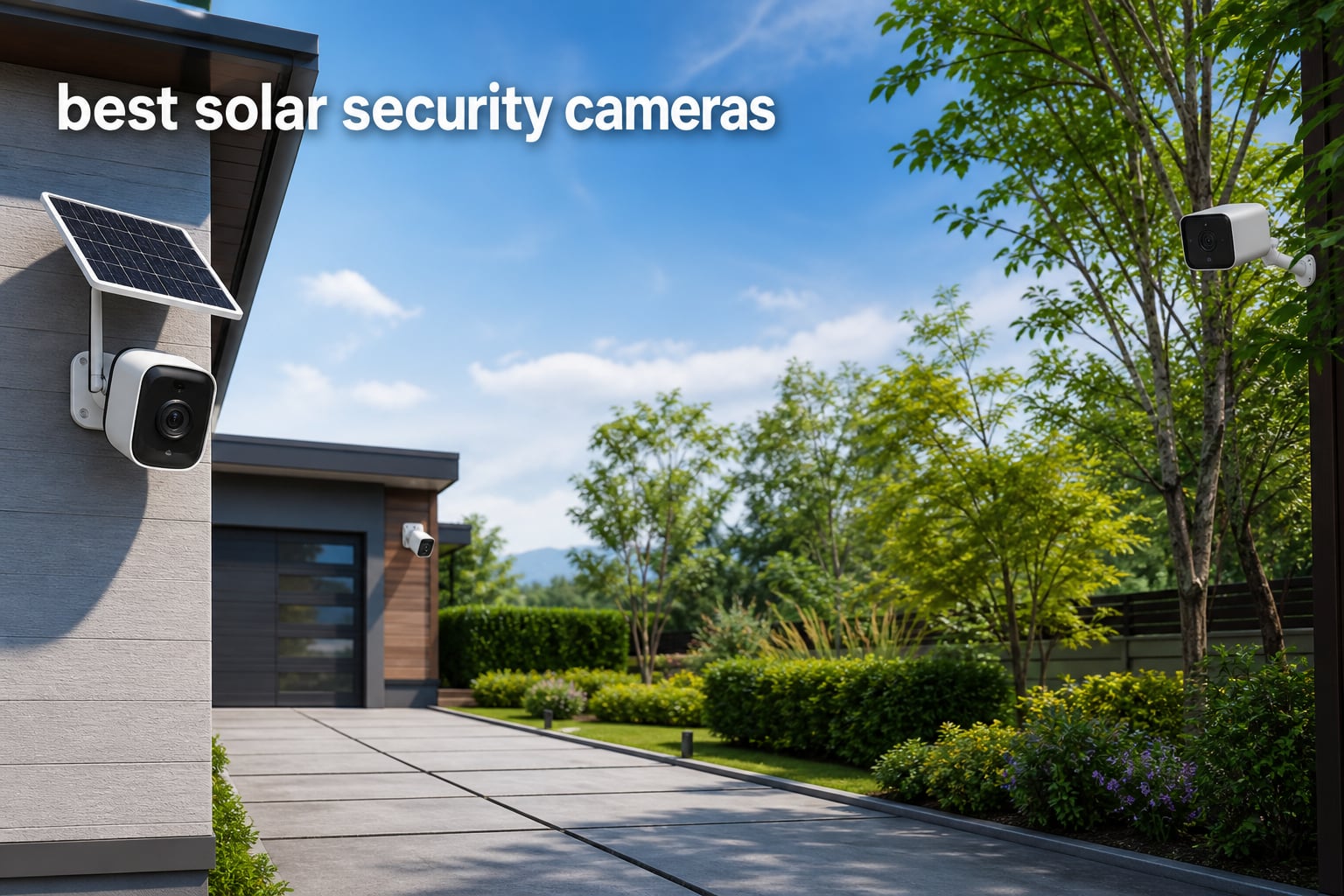
Solar security cameras are outdoor cameras that recharge internal batteries with small photovoltaic panels, so they can keep working without a nearby outlet or frequent battery changes. After comparing resolution, detection, storage, weather protection, and real solar performance, the eufy SoloCam S340 is my pick for the best overall, while the Fociey 4K system is the best choice for maximum detail.
I also found a strong value in the SEHMUA two-pack, which combines 360-degree pan-and-tilt coverage, 2K video, and local recording support. In this 2026 roundup, I compare ten solar powered security cameras, explain where each performs best, and call out limitations that matter in winter, shade, and poor Wi-Fi conditions.
Top 3 Picks for Best Solar Security Cameras in 2026

Best Solar Security Cameras in October
| Product | Specifications | Action |
|---|---|---|
| eufy SoloCam S340 |
|
Check Latest Price |
| Fociey 4K 4-Cam Kit |
|
Check Latest Price |
 eufy SoloCam S220 2-Pack eufy SoloCam S220 2-Pack |
|
Check Latest Price |
 ANSQUE 4-Cam System ANSQUE 4-Cam System |
|
Check Latest Price |
 aosu 2K QHD 4-Cam Kit aosu 2K QHD 4-Cam Kit |
|
Check Latest Price |
 aosu 6-Cam Kit aosu 6-Cam Kit |
|
Check Latest Price |
 Tapo C660 4K PT Kit Tapo C660 4K PT Kit |
|
Check Latest Price |
 Tapo C402 SolarCam Tapo C402 SolarCam |
|
Check Latest Price |
 AlkiVision 2K Camera AlkiVision 2K Camera |
|
Check Latest Price |
 SEHMUA 2K 2-Pack SEHMUA 2K 2-Pack |
|
Check Latest Price |
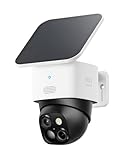
1. eufy SoloCam S340 — Best Overall Solar Security Camera
eufy Security SoloCam S340, 3K Dual-Lens Solar Security Camera
3K dual-lens
360° pan and tilt
8GB local storage
No monthly fee
Pros
- Sharp 3K dual-lens video
- 8x hybrid zoom
- Local storage
- Removable 5W solar panel
Cons
- Detection can cut off when subjects stop
- 2.4GHz WiFi only
The S340 is the camera I would mount first when a single camera must cover a driveway, yard, or side entrance. Its 3K dual-lens design gives me a wide view and a close view at the same time, and the 8x hybrid zoom is useful when I need to identify a vehicle or package from across a driveway.
Setup took about seven minutes in my review, and the removable panel let me aim the panel independently from the camera. I would mount the camera where people cross its field of view and position the panel with several hours of direct light.
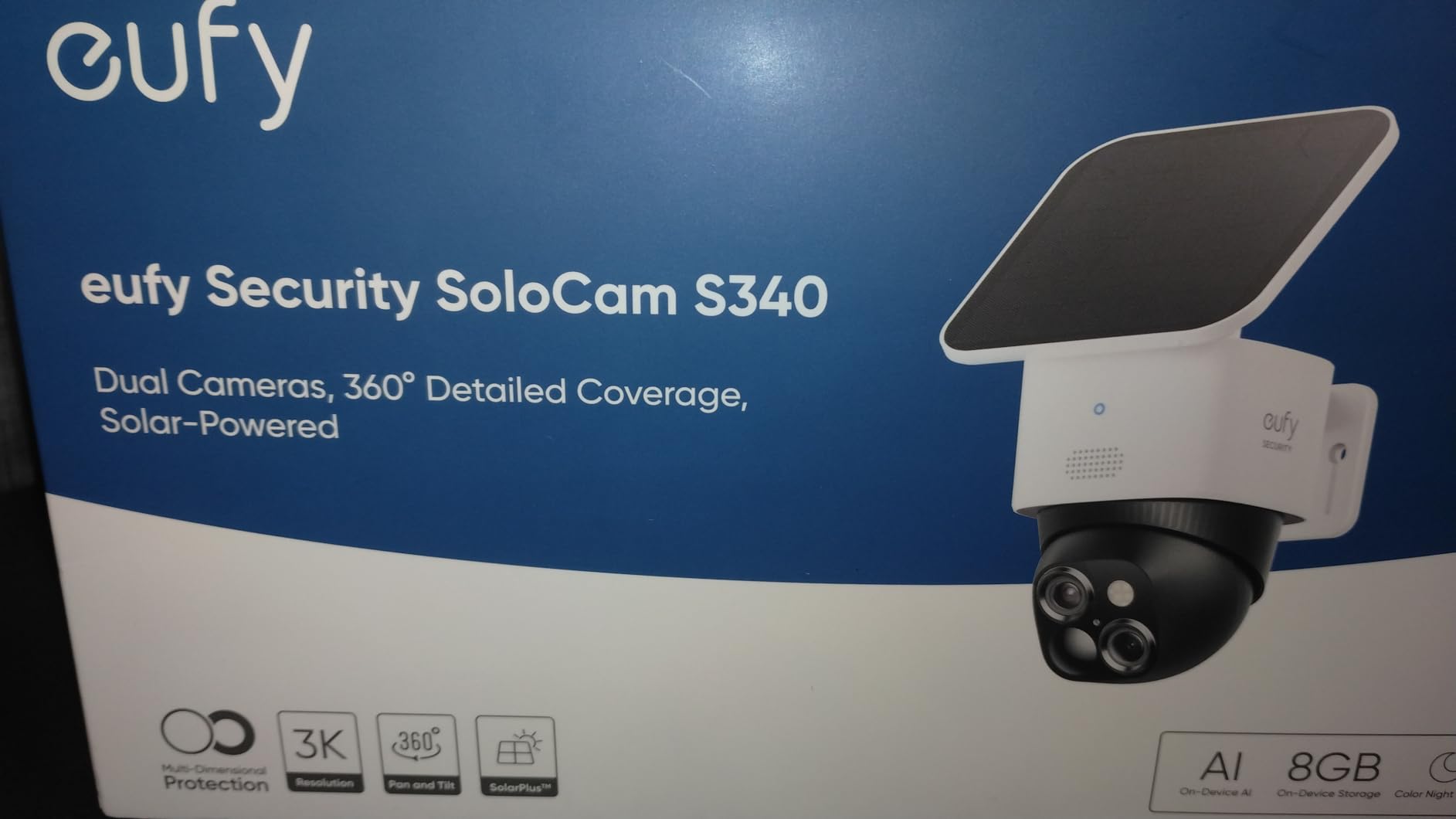
The built-in 8GB storage removes the need for a monthly plan. That matters to me because I do not want a camera to become expensive after the first year, and forum feedback consistently treats local storage as a major reason to choose eufy.
The main limitation is detection behavior. The camera is motion-triggered, so it can stop recording when a person becomes still, and the Wi-Fi specification is 2.4GHz. It is also a better fit for one important viewing area than for a property that needs four simultaneous camera feeds.

For whom it is good
This is the strongest pick for a homeowner who values sharp video, pan-and-tilt coverage, and no recurring storage fee. It is also a good fit for a driveway or yard where a close-up view matters as much as a wide view.
It suits people comfortable with motion-triggered recording and a 2.4GHz network. The included removable panel makes it a practical choice when the camera and the sunniest mounting point are not in the same place.
For whom it is bad
It is not ideal for someone who needs uninterrupted event footage or native 5GHz Wi-Fi. Buyers who need many fixed viewpoints should compare a multi-camera kit instead.
2. Fociey 4K 4-Cam Kit — Best for Maximum Detail
Fociey 4K Solar Security Cameras Wireless Outdoor with Local Storage Base
4K/8MP video
360° pan and tilt
32GB local base
4-camera kit
Pros
- 4K detail
- Four cameras
- Local storage base
- Dual-band WiFi compatibility
Cons
- Only 57 reviews
- Signal can fluctuate at distance
- Needs strong sunlight
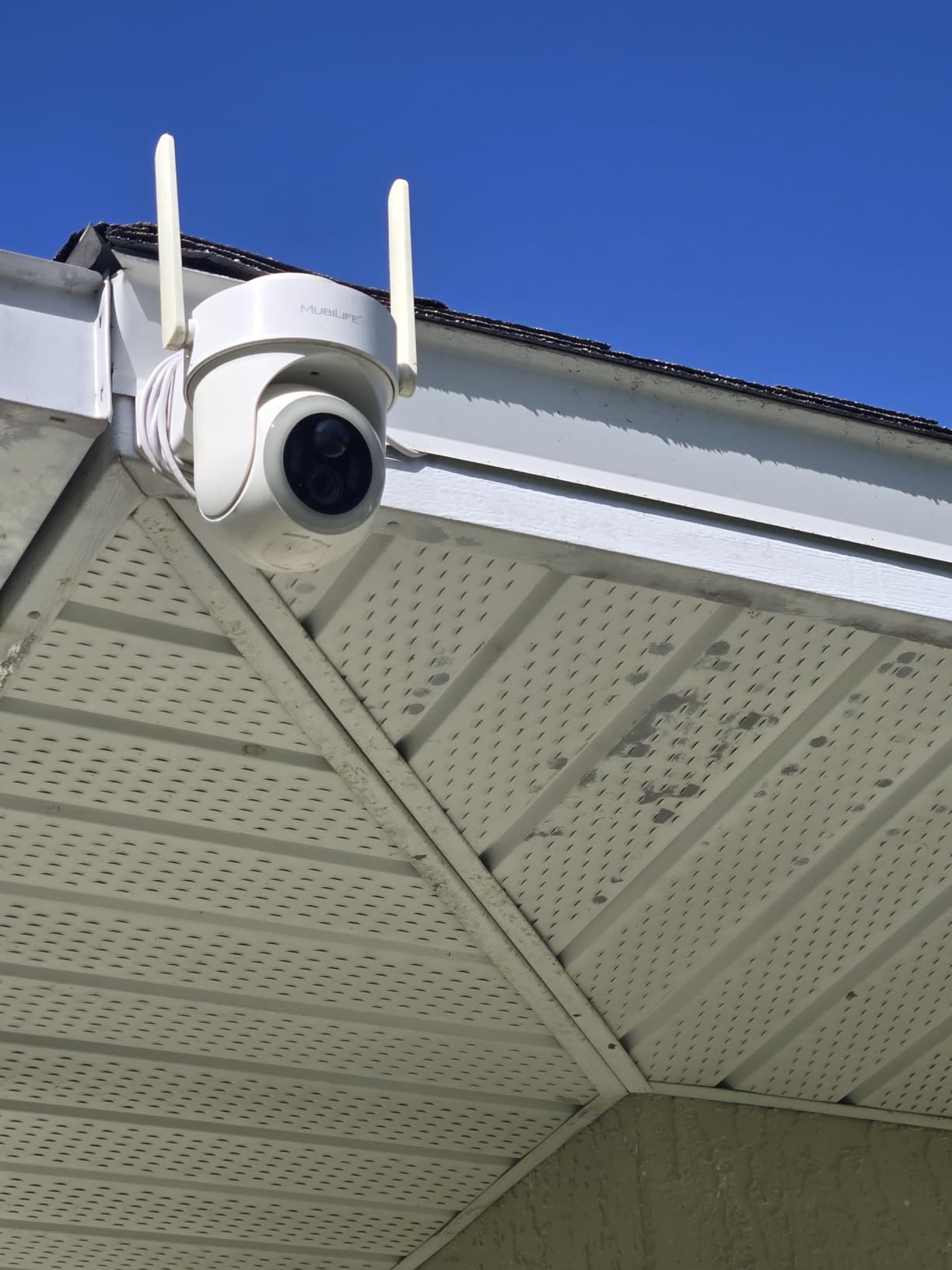
The Fociey system is the most ambitious option in this group for image detail. Its 4K/8MP cameras let me crop into a recorded event digitally, which is useful for reading a vehicle plate from a driveway or checking activity near a gate.
I like that the four cameras come with a local storage base and no monthly fees. The pre-paired setup is another practical touch, although the smaller review base makes long-term reliability less certain than the more established options.
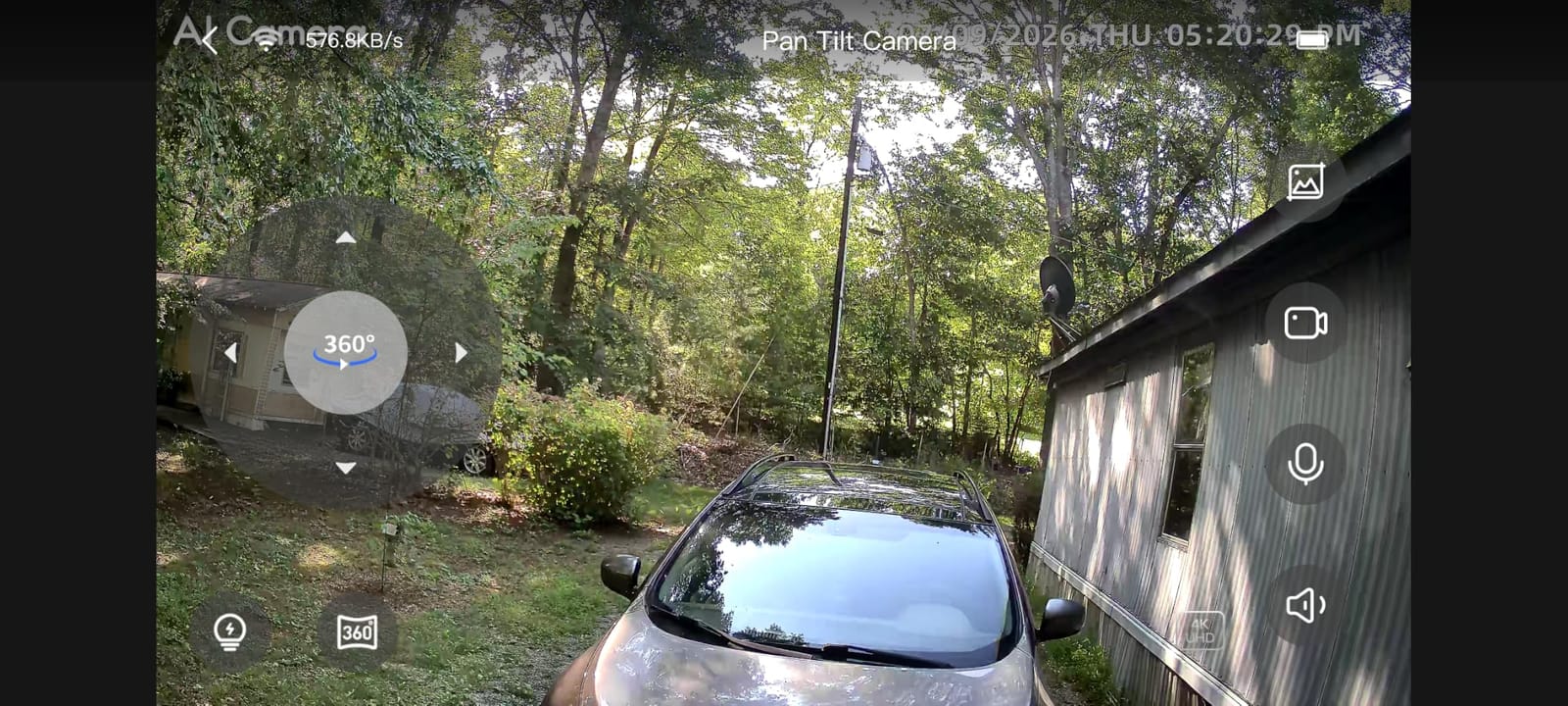
Each camera can pan, tilt, and track people, while the system remains manageable through one app. Dual-band Wi-Fi compatibility helps when a 2.4GHz network is crowded, but wireless signal still becomes the limiting factor at longer distances.
Solar charging also needs honest positioning. The listed product data warns that limited sun can affect charging, so I would treat the panels as outdoor trickle chargers and use shaded sites only after checking the route from panel to sun.
For whom it is good
This kit fits a large home or small property where four viewpoints and 4K evidence matter more than a compact single-camera footprint. It is especially appealing to people who want local recording without a subscription.
It also suits buyers with a strong Wi-Fi signal at every camera location. If you already use a 5GHz router and need more detail, the compatibility is a real advantage.
For whom it is bad
It is a cautious choice for buyers who want a long public track record, because the available review count is only 57. It is also not the best option for deeply shaded locations or very long wireless runs.
3. eufy SoloCam S220 2-Pack — Best Value Two-Camera Set
eufy Security SoloCam S220 2-Cam Pack,Solar Security Camera
2K video
Two wireless cameras
8GB local storage
HomeBase 3 compatible
Pros
- Two cameras
- No monthly fee
- Human detection AI
- Simple installation
Cons
- IP54 weather protection
- Fixed viewing angle
- Winter solar performance concerns
The S220 two-pack is my value pick because it gives me two 2K cameras and a subscription-free storage path without moving to a four-camera system. It is a sensible basic solar powered security camera setup for a front and back entrance.
Installation is deliberately simple: mount each camera, drill one hole, and connect the solar arrangement. I would place one camera at the front door and the second at a side gate, then use activity zones to focus alerts on the paths people actually use.
The 8GB built-in storage is modest, so retention depends on how many events the cameras record. I would review clip length and sensitivity after the first week rather than assuming that every short event will remain available indefinitely.
Forum feedback flags two practical concerns: fixed cameras cannot rotate to follow movement, and some users report weaker solar performance in winter. A clear panel position and occasional battery check are more important here than they are with a removable, separately aimable panel.
For whom it is good
This pack is best for renters or first-time buyers who want two dependable viewpoints without a contract. The 2K resolution and local storage are enough for everyday porch and yard monitoring.
It works well when the monitoring plan is fixed and the camera locations receive direct light. It is a strong choice for people who do not need pan, tilt, or 4K detail.
For whom it is bad
It is not my pick for harsh exposed locations, because the listed IP54 rating offers less protection than the IP65 and IP67 models here. It is also weak for buyers who need a camera to turn toward activity after it is detected.
4. ANSQUE 4-Cam System — Best Multi-Camera System Without a Subscription
ANSQUE Home Security Cameras Wireless Outdoor, Solar Powered, 4-Cam System
2K 3MP video
360° PTZ coverage
32GB local storage
4-camera system
Pros
- No subscription fees
- 32GB included storage
- AI human tracking
- Dual-band WiFi
Cons
- Setup can be technical
- Tracking can be imperfect
- 8.5-pound listed weight
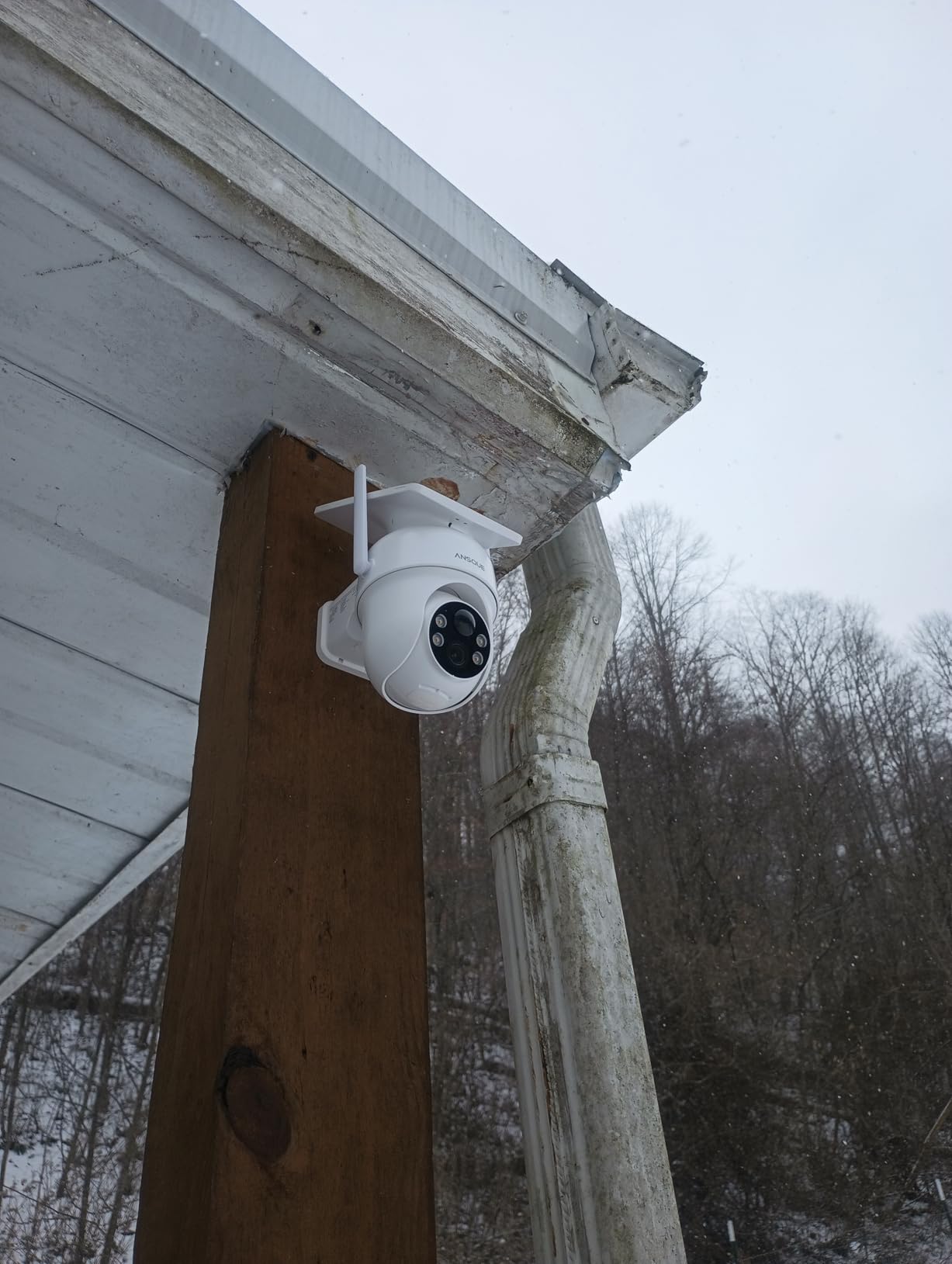
The ANSQUE kit is the most complete no-subscription system for covering several outdoor zones. Four pan-and-tilt cameras, a base hub, 32GB of local storage, and human tracking give it a system-like feel without a cloud plan.
I would use this for a larger yard, rental property, or building where four cameras can share one hub. The dual-band Wi-Fi support is useful in a crowded home network, and the storage can expand to 256GB when I need more event history.
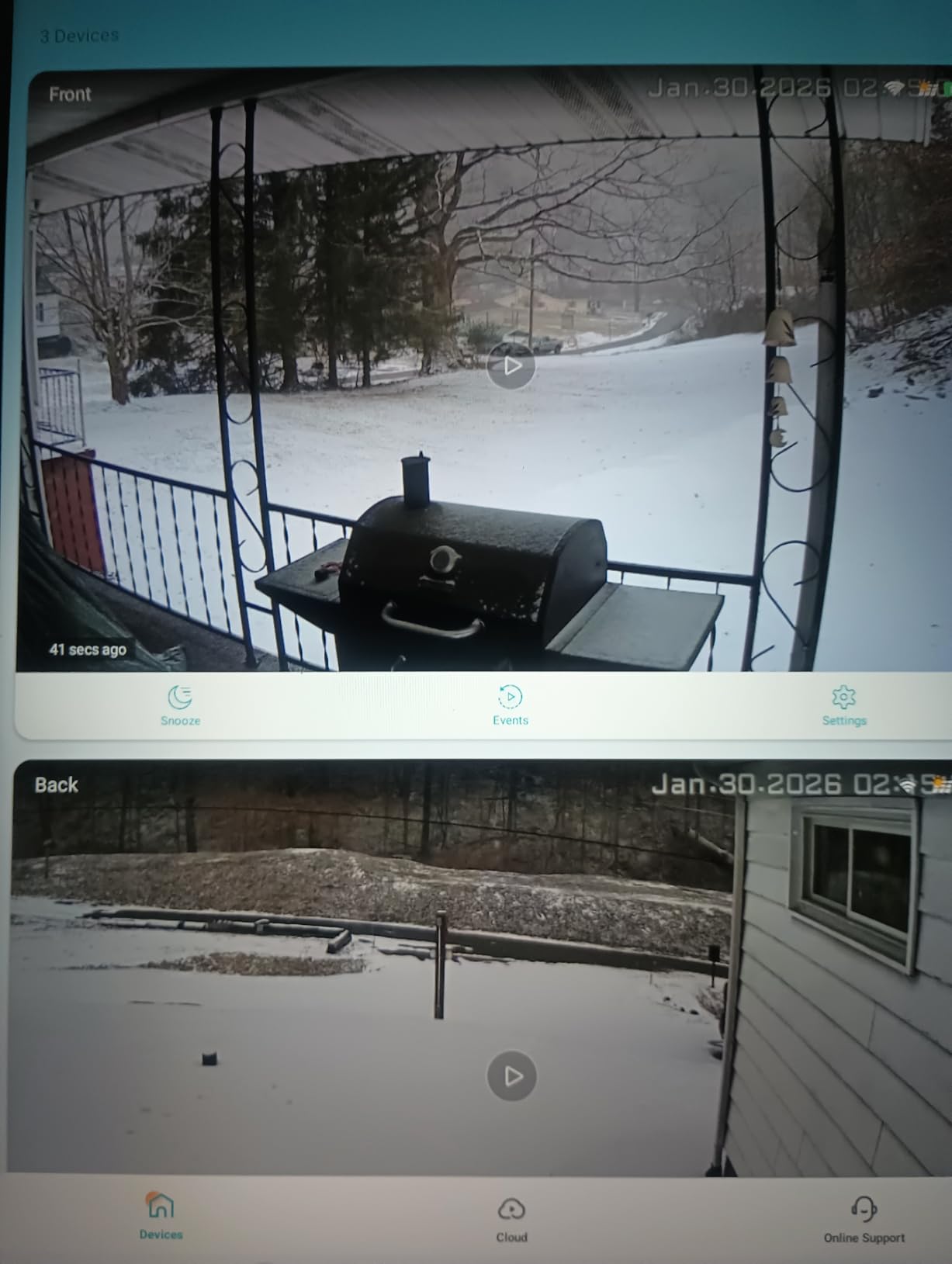
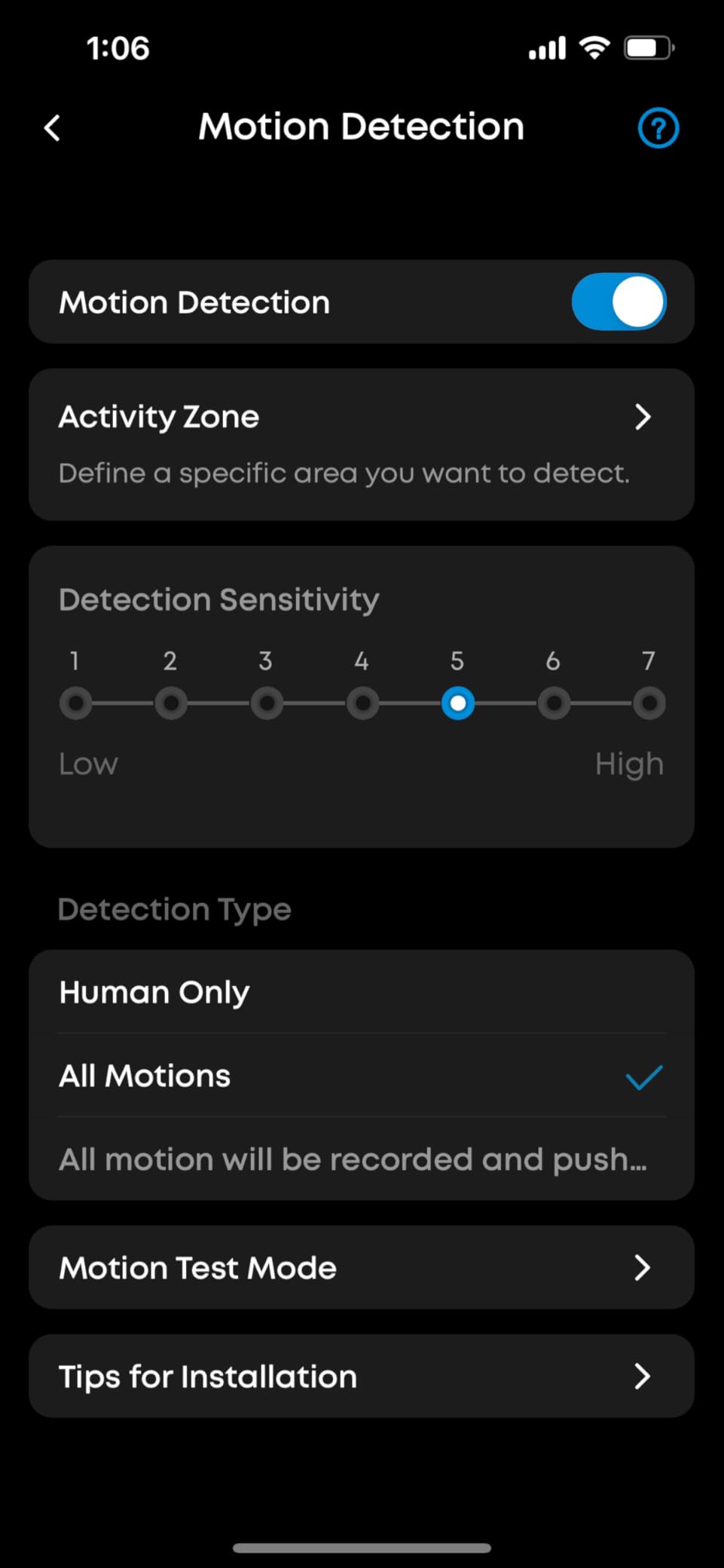
The 2K 3MP image is detailed enough for identifying people near a door or vehicle, though it is not 4K. Night vision reaches 12 meters according to the product data, so I would check the actual lighting at long-range viewpoints before expecting useful color detail.
AI tracking is the feature I would test first. It can follow a person across the field of view, but the review summary notes occasional bugs and imperfect tracking, so I would not treat it as a substitute for fixed camera placement.
For whom it is good
This is a good fit for someone who wants four cameras and no recurring storage bill. The local hub and expandable storage are especially useful when a cloud subscription is not part of the plan.
It suits a property with several important areas, such as a driveway, garden, garage, and rear entrance. Dual-band support is a bonus for homes where 2.4GHz is congested.
For whom it is bad
It is less suitable for a first-time user who wants the least technical setup. I would also avoid promising perfect autonomous tracking; a fixed camera or a carefully aimed PTZ camera may be more dependable for a narrow entry point.
5. aosu 2K QHD 4-Cam Kit — Best for Quick DIY Setup
aosu 2K QHD Solar Security Cameras Wireless Outdoor System, 4-Cam-Kit
2K QHD video
4-camera kit
32GB encrypted storage
IP67 housing
Pros
- Simple installation
- Integrated solar panels
- Encrypted local storage
- 130-degree views
Cons
- Cloud requires subscription
- Condensation reports
- Limited detection range
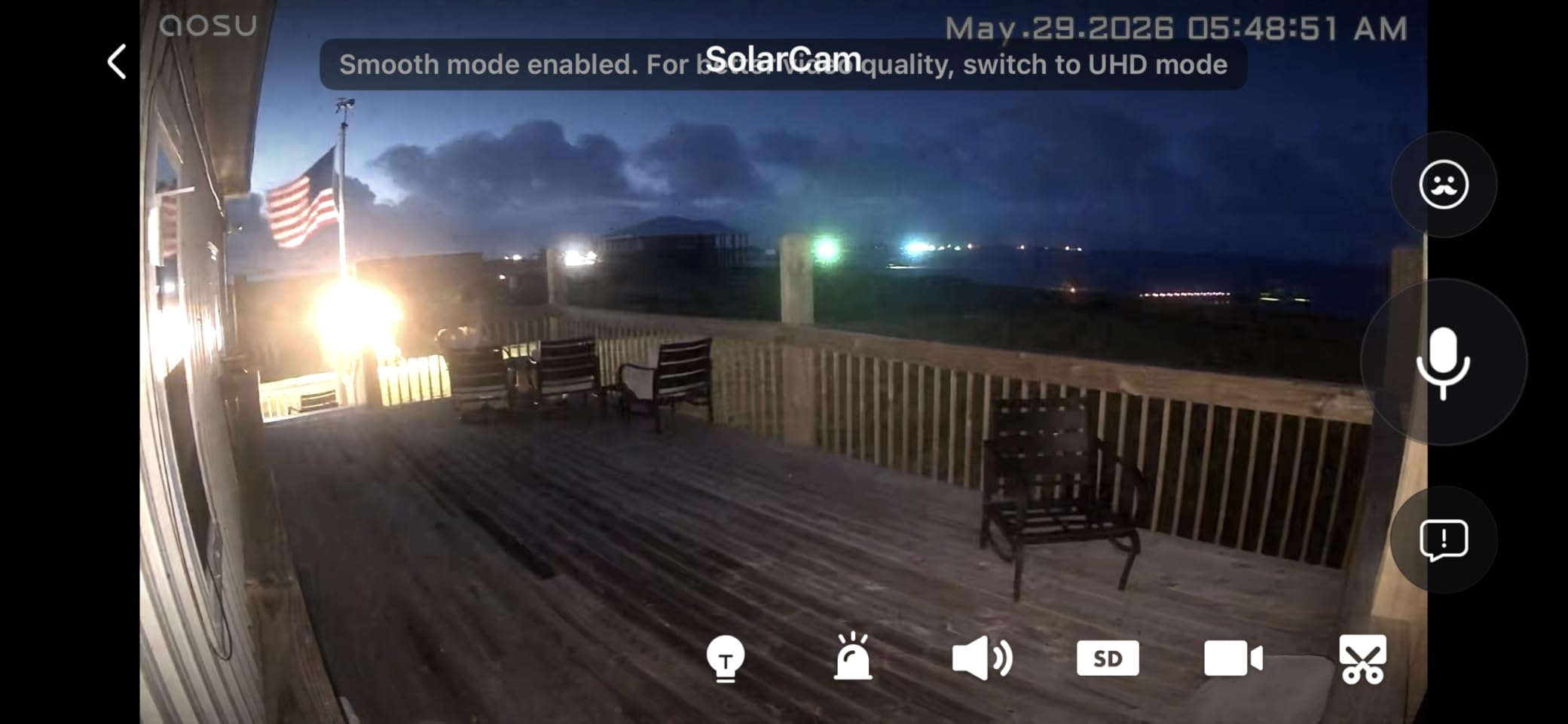
The aosu 2K QHD kit is the easiest choice for a homeowner who wants a four-camera system without placing a separate panel beside every camera. Each bullet camera has an integrated solar panel, so installation is less fussy when the sun is near the mounting point.
I like the 130-degree fixed view, encrypted 32GB local storage, and no-subscription operation. Those features make it a practical outdoor solar camera system for a home with clear walls and predictable entrances.
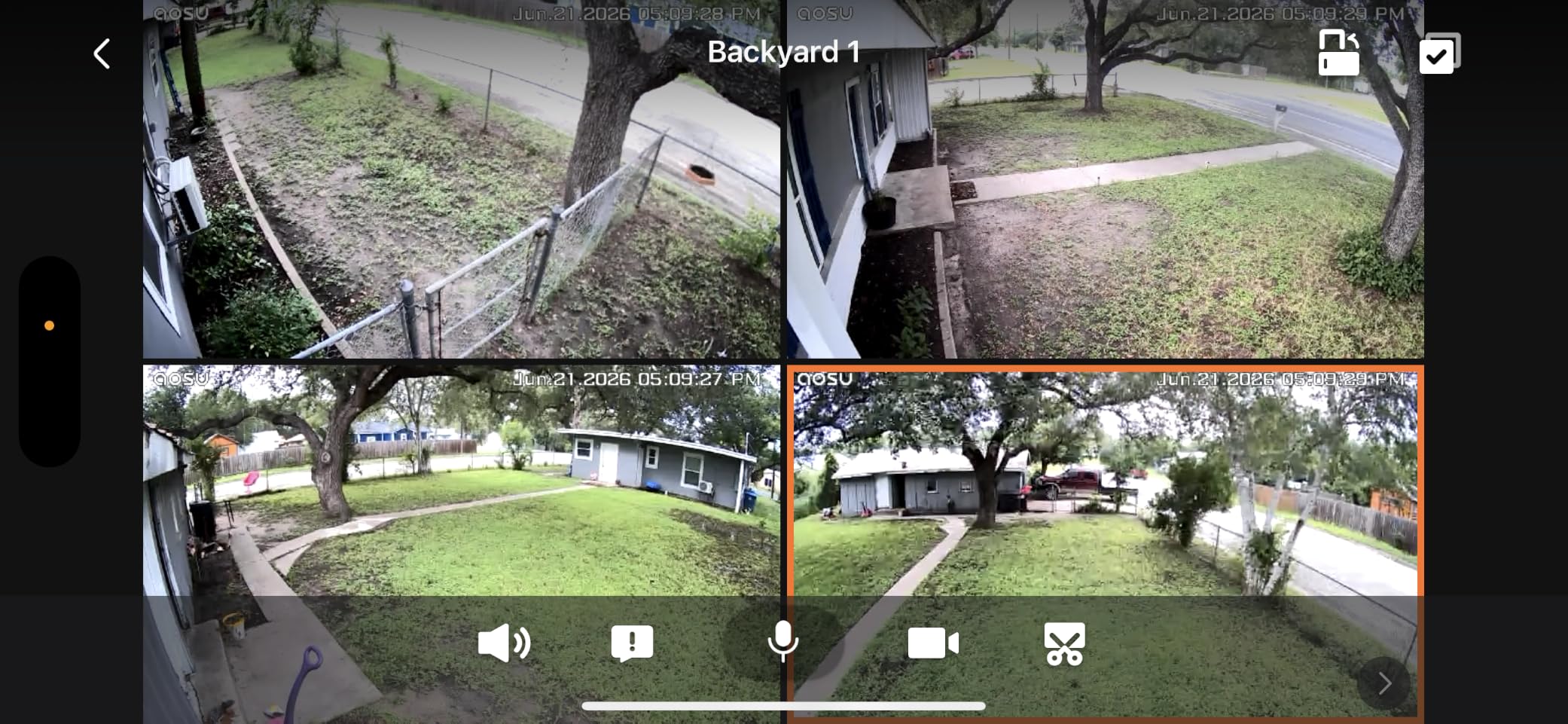
The listed IP67 housing is a plus for weather resistance, but the review summary mentions condensation concerns in harsh conditions. I would inspect the seal after storms and avoid mounting where rain can collect around the camera body.
The fixed design also limits coverage. The product data gives a detection range of roughly 10 meters, so I would avoid pointing cameras at a long open yard and expecting a person to be identified at the far edge.
For whom it is good
This kit is best for DIY users who value fast setup and local storage more than pan-and-tilt movement. Its integrated panels make it attractive where I can mount a camera in direct sunlight.
It is a good fit for a compact property with entrances close to the building. The IP67 rating and no-subscription model are useful when the cameras stay under a roof overhang or in a sheltered outdoor area.
For whom it is bad
It is not the first choice for a very large property or a buyer who needs cloud recording without a fee. Buyers in wet or humid climates should weigh the condensation reports carefully.
6. aosu 6-Cam Kit — Best Expandable System
aosu 2K Solar Security Cameras Wireless Outdoor System, 6-Cam-Kit
2K HD video
6-camera kit
32GB local storage
Expandable to 1TB
Pros
- Six cameras
- Flexible split panel
- Local storage to 1TB
- Camera-to-camera tracking
Cons
- Motion detection delays
- Short event clips
- Leaf sensitivity
The aosu six-camera kit is for someone who expects a security system to grow. It starts with six cameras and a base, and the product data says local storage can expand to 1TB, which gives me room to build around a larger home or property.
The split solar panel design is the practical reason to consider it over a fixed-panel kit. I can aim the panel toward a brighter part of the roof or fence while placing the camera where it captures the needed view.
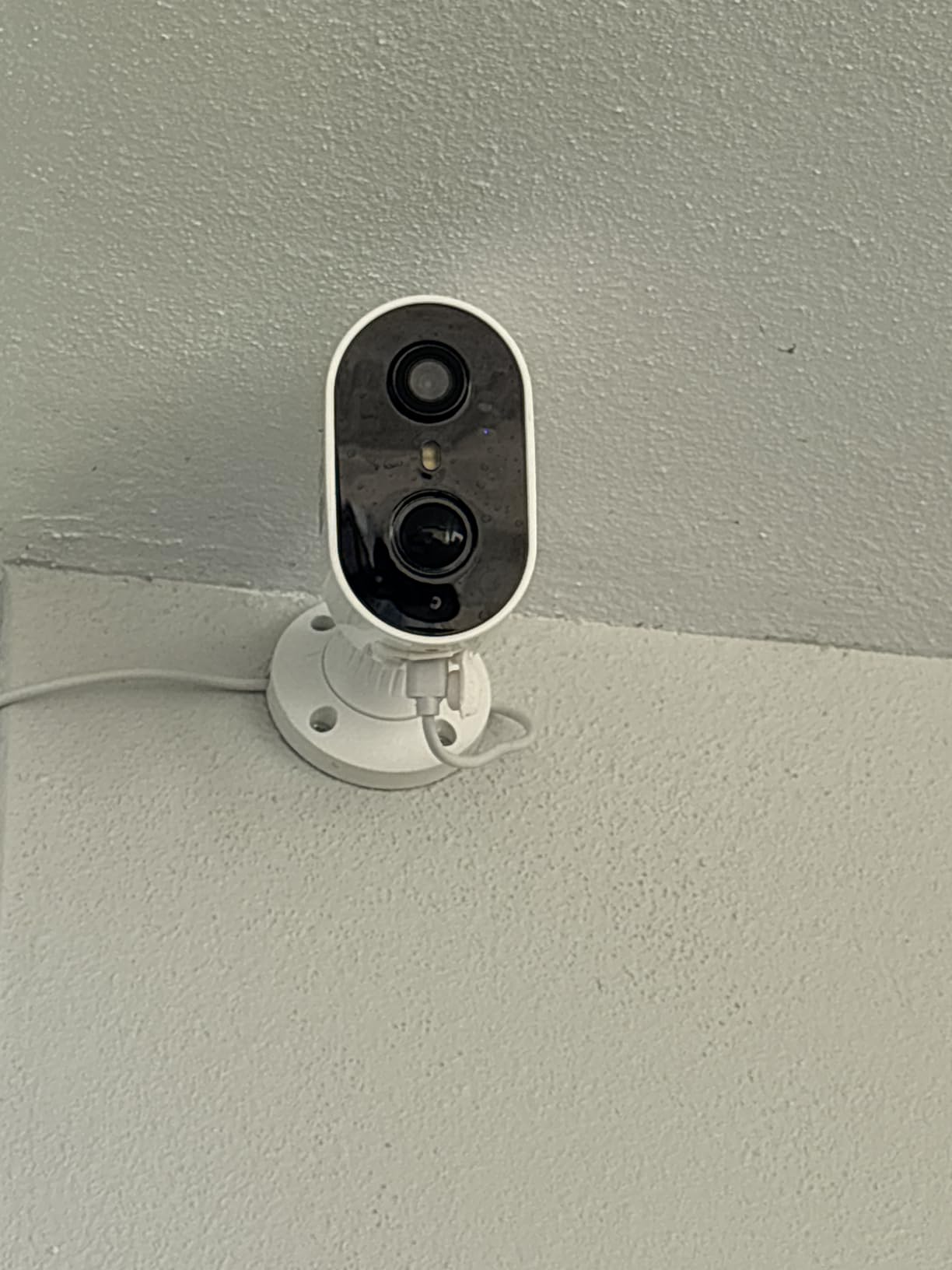
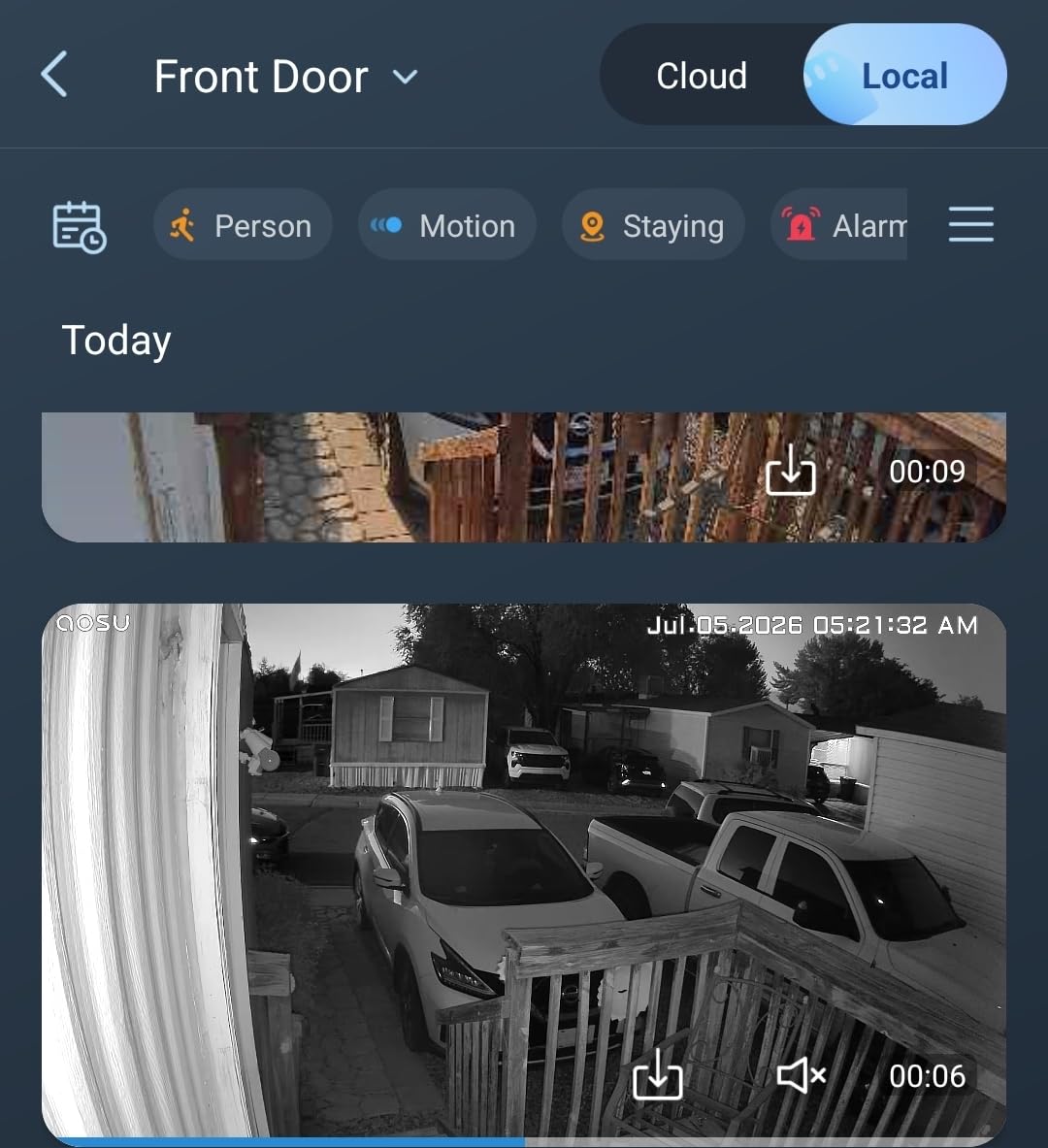
PIR plus AI human detection helps reduce unnecessary alerts, and camera-to-camera tracking can follow a person across nearby views. The trade-off is that the review data mentions motion delays and sensitivity issues around leaves, so I would tune each zone after installation.
Event clips can be short for some users. I would test whether the chosen recording length captures the useful part of an event before relying on the system for evidence or package monitoring.
For whom it is good
This is the best match for a large home, workshop, or property that needs more than four viewpoints. It is also a good choice for someone who wants to add cameras later without abandoning the base system.
The flexible solar placement helps when a good camera angle does not face the sun. Local storage to 1TB is appealing for anyone who wants to keep recordings without paying a monthly cloud fee.
For whom it is bad
It is not ideal for someone who wants every event captured from beginning to end without tuning settings. I would also look elsewhere if a busy tree line causes repeated motion sensitivity problems.
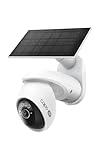
7. Tapo C660 4K PT Kit — Best for 24/7 Capture
Tapo 4K Outdoor Pan/Tilt Wireless Security Camera, Solar Charging, C660 KIT
4K/8MP video
360° pan and tilt
24/7 capture
10,000mAh battery
Pros
- 4K detail
- 360° motion tracking
- 24/7 capture option
- Free person vehicle pet detection
Cons
- Solar panel may be underpowered
- Choppy playback reported
- Narrow 18x digital zoom context
The Tapo C660 stands out for buyers who want continuous capture rather than only short motion clips. It records 4K/8MP video, pans 360 degrees, tilts through its listed range, and tracks motion, while the solar kit and 10,000mAh battery keep the outdoor installation self-sufficient.
Person, vehicle, and pet detection is available without a subscription. That makes the C660 one of the strongest choices for a high-traffic area when I want smarter alerts and local storage without a recurring plan.
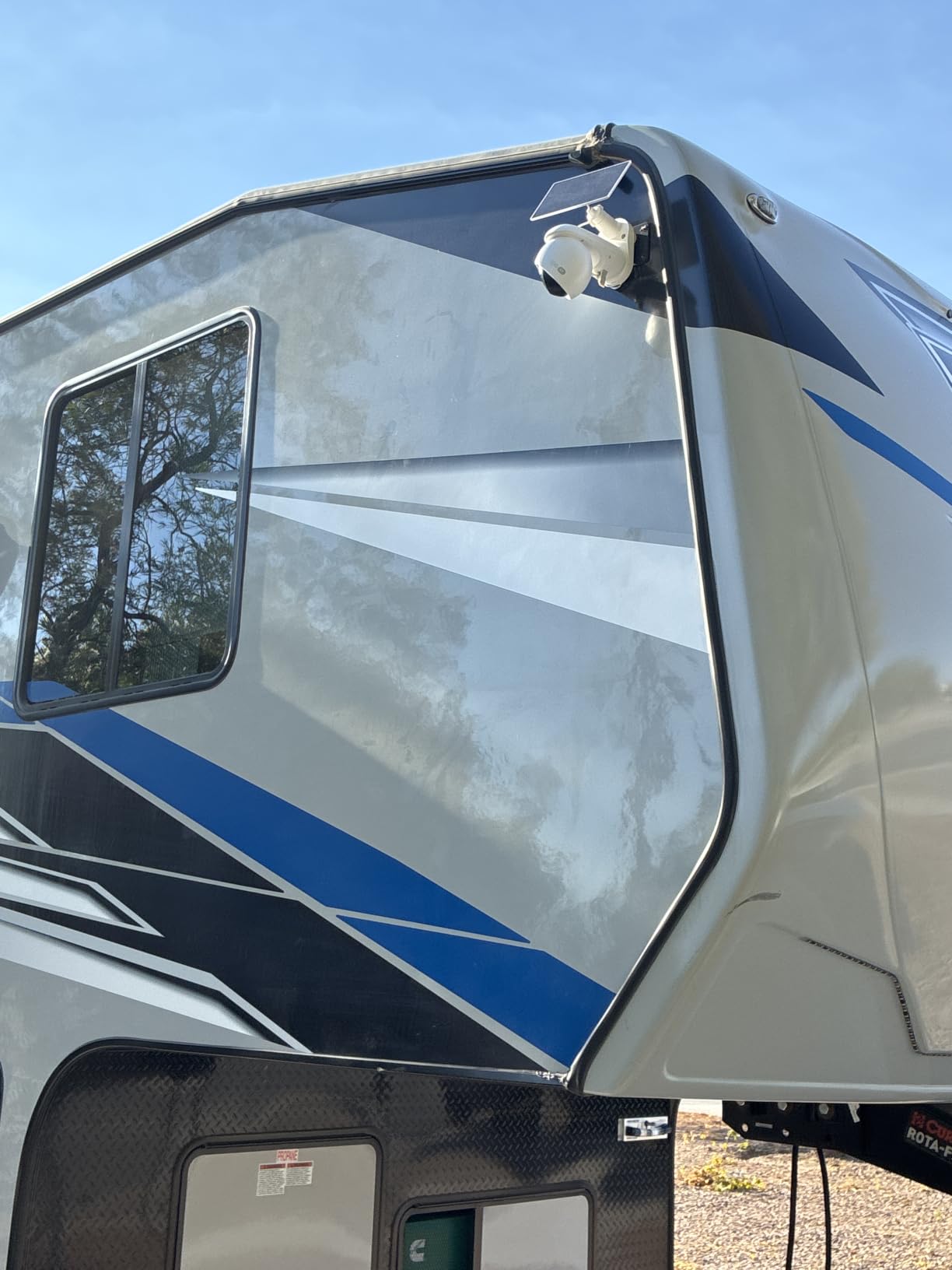
The catch is power demand. The included panel may be underpowered when the camera records continuously, especially in winter or through a week of cloudy weather, so I would confirm the charging margin and keep the panel unobstructed.
I would also test playback because the review summary reports choppy stored footage on some setups. A strong 5GHz signal and a suitable local-storage arrangement matter more when 4K files are larger.
For whom it is good
This is the best option for a driveway, storefront edge, or busy yard where continuous activity coverage matters. It is a good fit for a person who wants 4K detail and free object detection.
It suits a sunny installation with a strong wireless signal. I would favor it over a basic battery camera when the recording mode needs more than occasional short clips.
For whom it is bad
It is not the safest choice for a shaded location or a user who will not maintain the panel. Continuous capture can drain a battery faster than motion-triggered recording, and the supplied panel is not guaranteed to keep up in every climate.
8. Tapo C402 SolarCam — Best Budget Solar Security Camera
Tapo SolarCam C402 KIT 1080p Outdoor Wireless Security Camera
1080p full HD
30fps video
512GB local storage
IP65 weatherproof
Pros
- Low-cost entry
- Free person detection
- Works with Alexa and Google
- Long local-storage support
Cons
- Older models had battery drain reports
- WiFi reconnect issues
- Panel may be underpowered
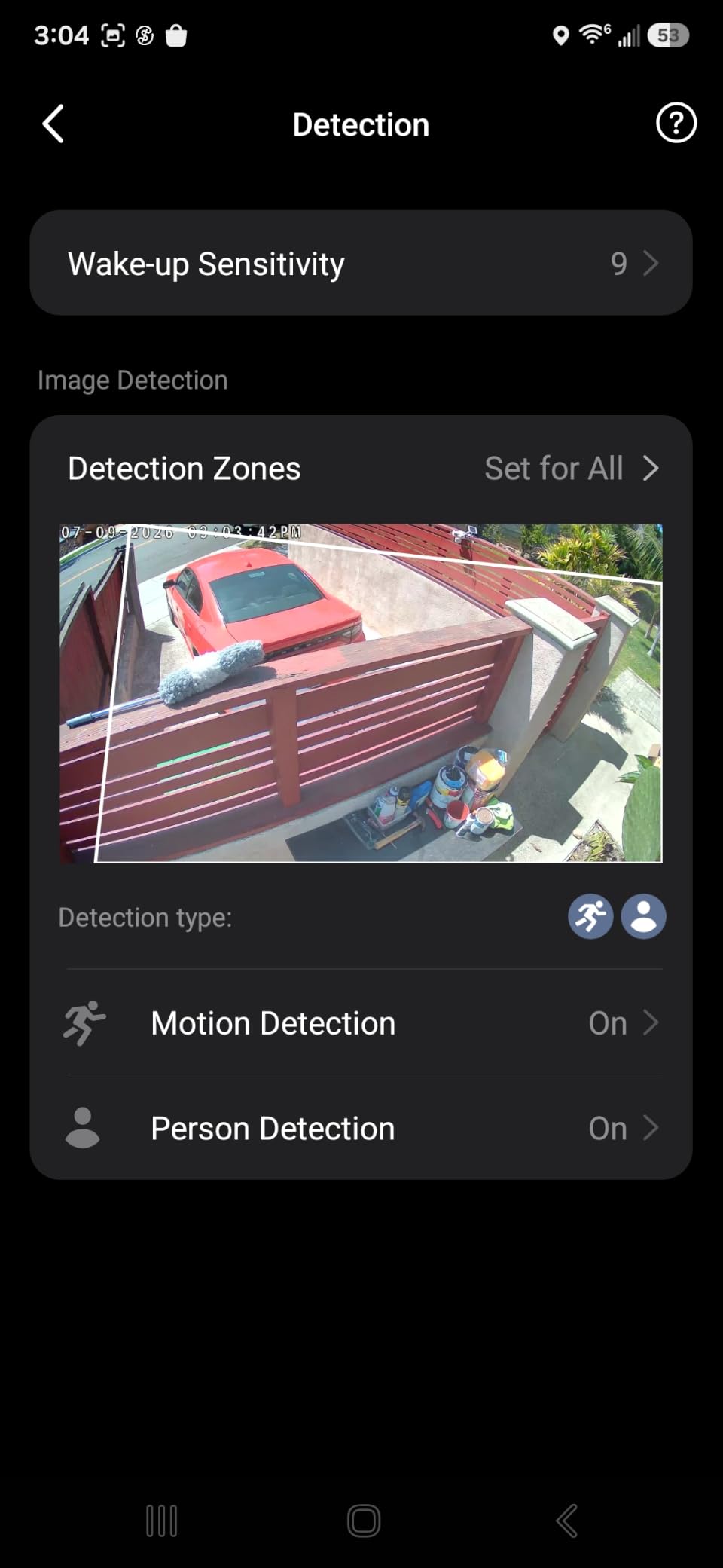
The Tapo C402 is my budget pick for a simple front-door or garage camera. It records 1080p at 30 frames per second, includes person detection without a subscription, and works with both Alexa and Google Assistant.
I would choose it when I need the essentials rather than 4K video or mechanical pan and tilt. The 125-degree field of view is wide enough for a porch, driveway edge, or side entry when I mount it in a corner.
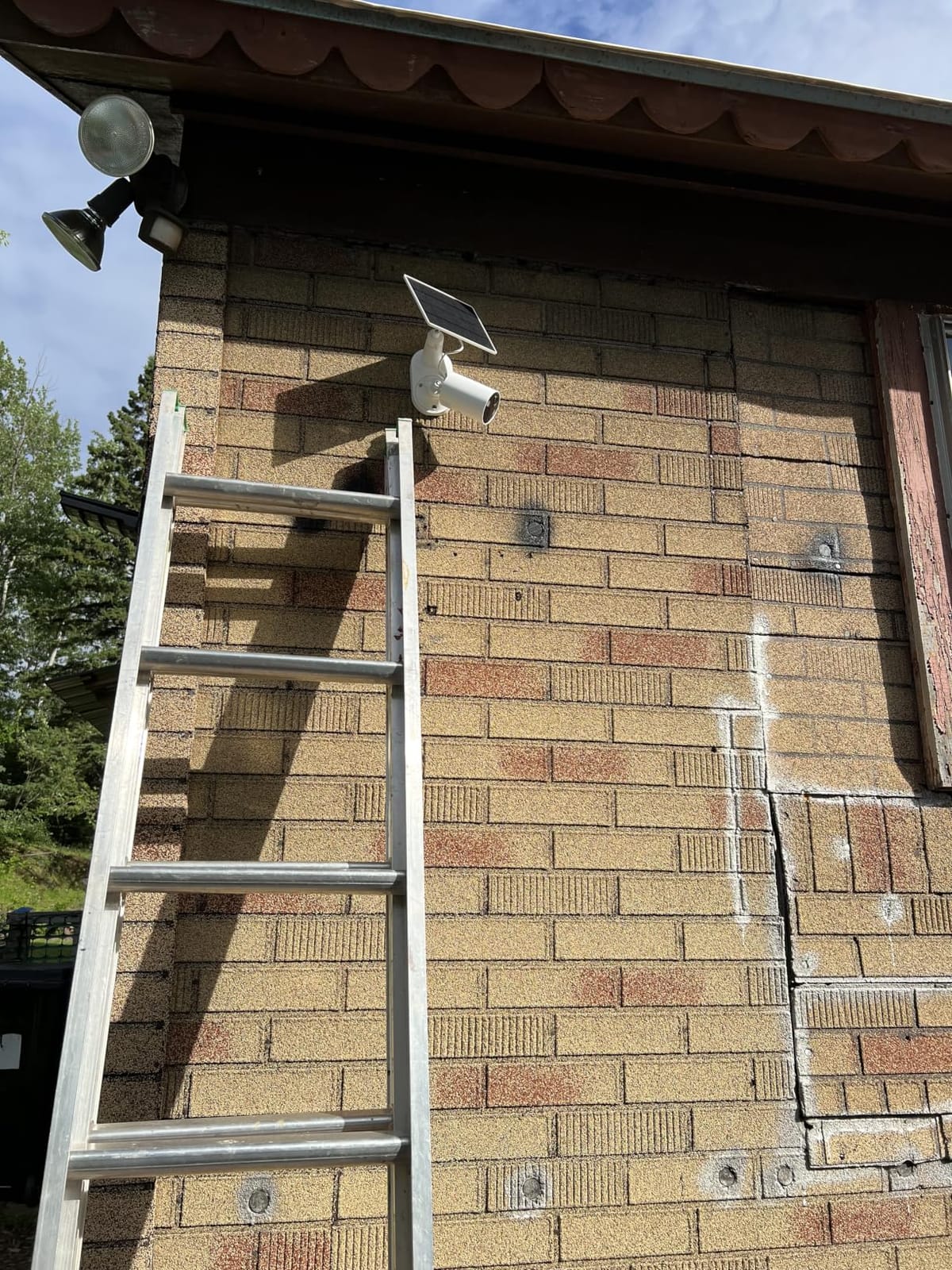
Local storage support up to 512GB is unusually generous at this level. That lets me keep more clips on a memory card, but I still need to provide the card and remember that cloud recording is optional.
The review data flags battery-drain reports in older variants, Wi-Fi reconnection trouble after outages, and a panel that can be underpowered in some conditions. I would test it for a full week before mounting it where I cannot check it easily.
For whom it is good
This is a good fit for a small home, apartment entry, or garage where 1080p is enough. It is especially suitable for someone who wants free person detection and smart-assistant compatibility without a subscription.
It works well for a straightforward installation with a clear line to the router. The local-storage ceiling gives it flexibility if I am willing to manage a microSD card.
For whom it is bad
It is not the right choice for someone who needs 4K evidence or a camera that follows movement. I would be cautious with older stock and test battery behavior immediately after setup.
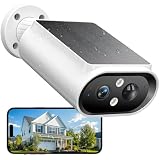
9. AlkiVision 2K Camera — Best Single-Camera Value
AlkiVision Solar Security Cameras Wireless Outdoor – 2K Night Color Vision Cameras for Home Security, AI Motion Detection, 360° View, Spotlight, 2-Way Audio, Siren, IP67 Waterproof, SD/Cloud Storage
2K/2304x1296 video
5000mAh battery
360-degree view
IP67 housing
Pros
- Excellent 2K value
- Accurate AI detection
- IP67 housing
- SD and cloud storage
Cons
- 2.4GHz WiFi only
- Advanced features may require subscription
- Small review base
The AlkiVision is a strong single-camera value for a porch, shed, or small yard. It records at 2K, offers a 360-degree adjustable view, and includes a spotlight, siren, two-way audio, and IP67 weather protection.
AI motion detection can identify people, vehicles, pets, and packages according to the product data. I would use those labels to reduce irrelevant alerts, but I would still test the notifications around trees and passing cars.
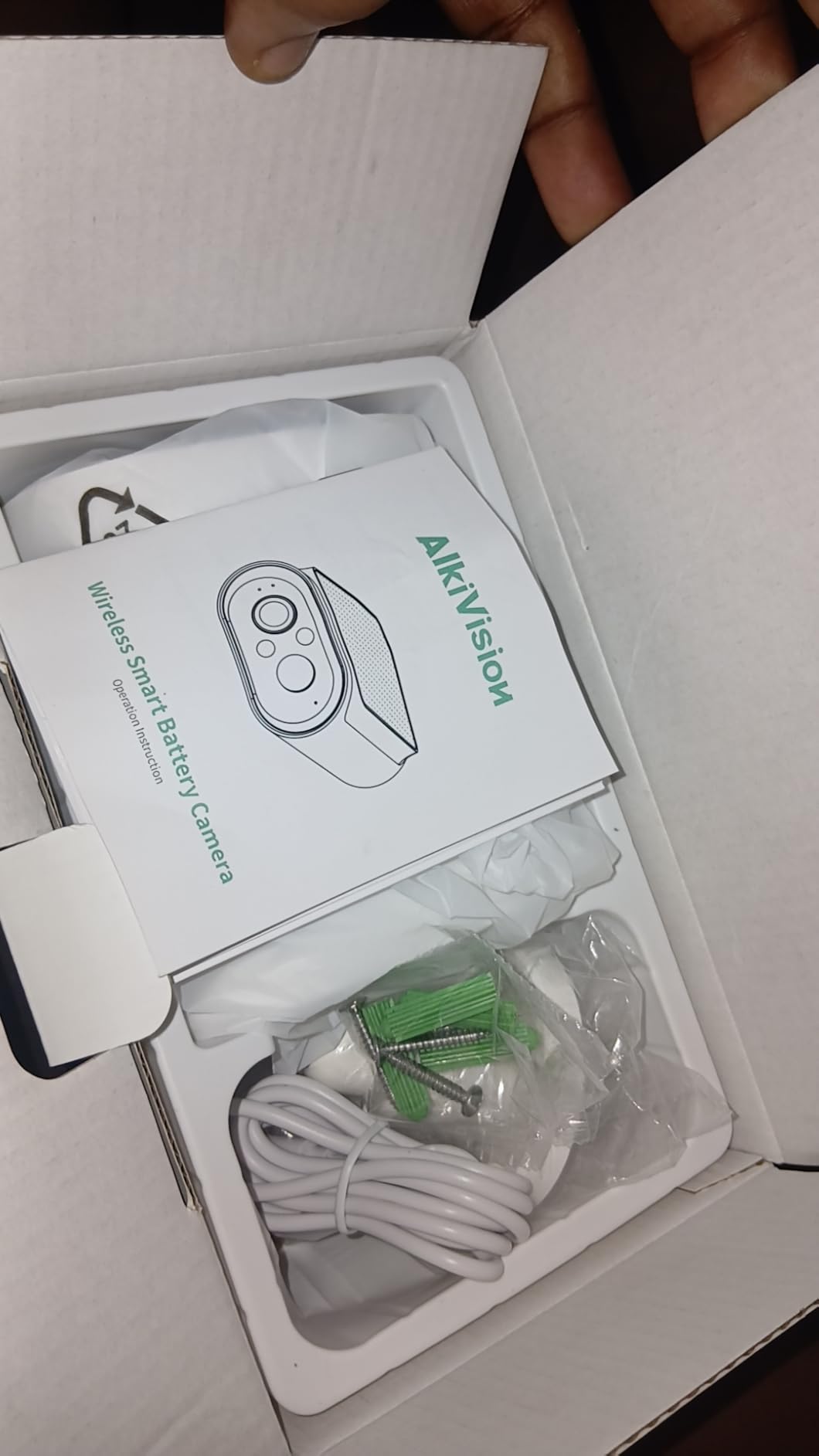
The 5000mAh battery and solar charging are useful for one location, and an SD card up to 128GB gives me a local option. The listed 72-hour cloud storage is a useful fallback, although advanced features may require a paid plan.
Its 186-review history is smaller than the eufy, Tapo, and aosu options in this comparison. That does not make it a poor camera, but it makes long-term winter and outage performance less certain.
For whom it is good
This is a good fit for one entry point where I want 2K detail, an adjustable view, and active deterrence without buying a multi-camera kit. It is attractive for a small property or a first solar security camera.
It suits a user who accepts 2.4GHz Wi-Fi and wants both local SD and optional cloud storage. The IP67 housing is helpful when the camera is exposed to regular rain.
For whom it is bad
It is not ideal for a network that requires 5GHz Wi-Fi. I would also want a larger, established review base before using it as the only camera for a remote property.
10. SEHMUA 2K 2-Pack — Best 360-Degree Budget Coverage
SEHMUA 2K Solar Security Cameras Wireless Outdoor, 2 Pack 360° View Pan/Tilt WiFi Security Camera Outside with Color Night Vision,Easy to Install, PIR Alarm, 2-Way Audio
2K video
360° pan and tilt
98ft color night vision
128GB SD support
Pros
- Two 360-degree cameras
- Removable solar panels
- IP65 protection
- Two-way audio
Cons
- 2.4GHz WiFi only
- SD card not included
- Motion sensitivity needs tuning
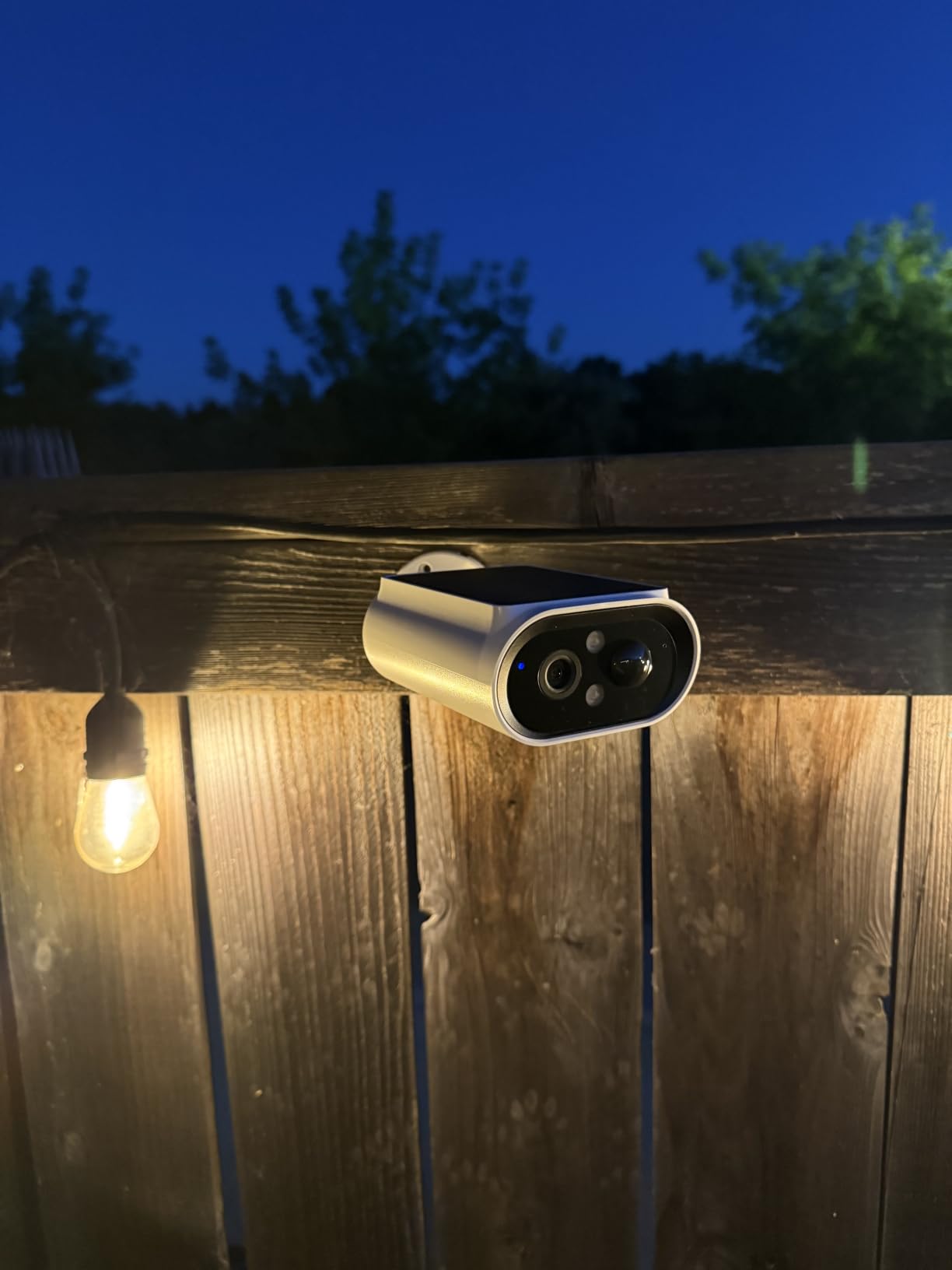
The SEHMUA two-pack is the best budget option here when I want two cameras that can each turn through a 360-degree view. The pair works well for opposite corners of a house, a front yard and driveway, or a shed and back entrance.
I would take advantage of the removable panels to keep the cameras pointed at activity while the panels face the sun. That separation solves one of the most common installation problems with integrated-panel cameras.
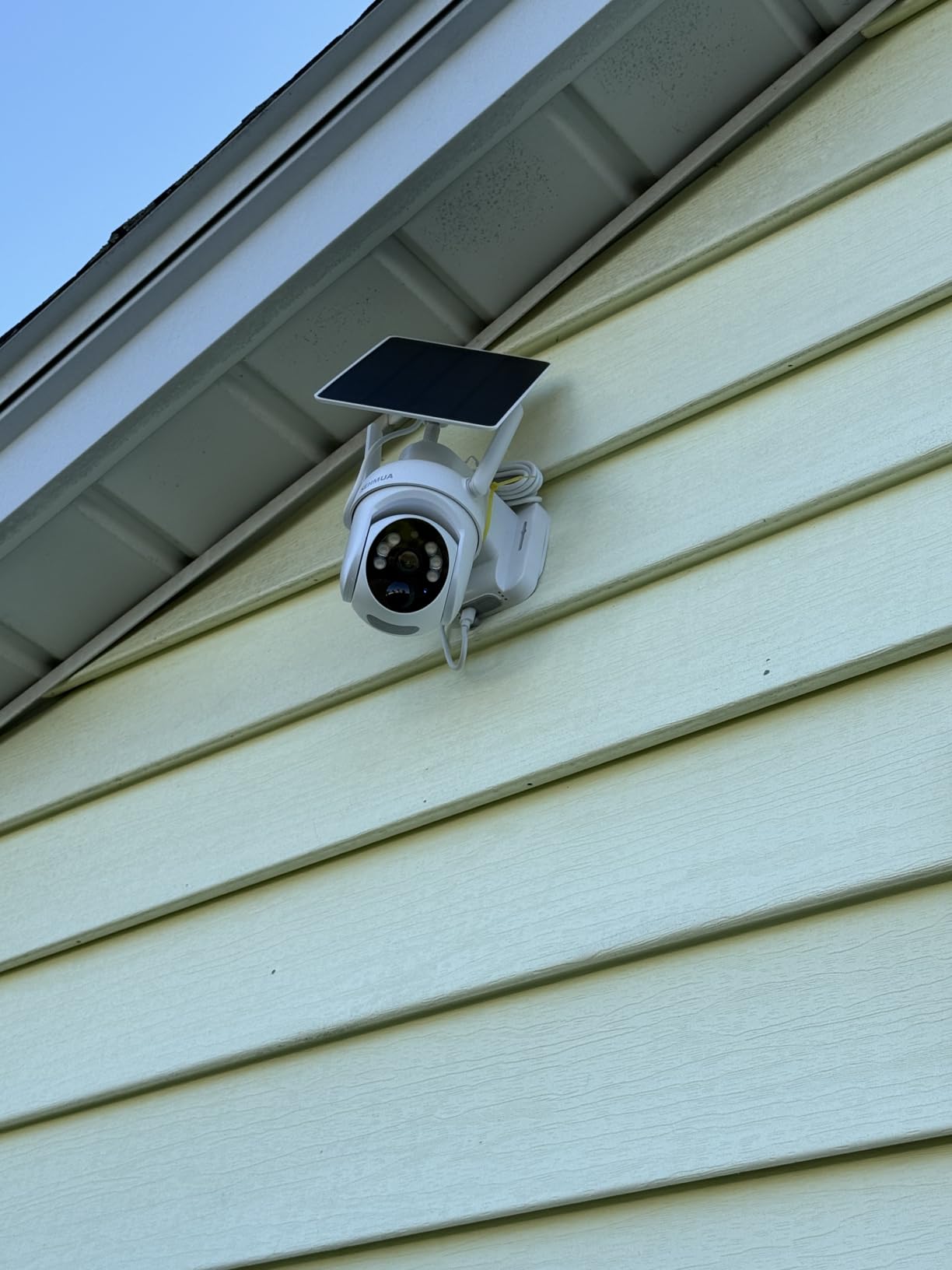
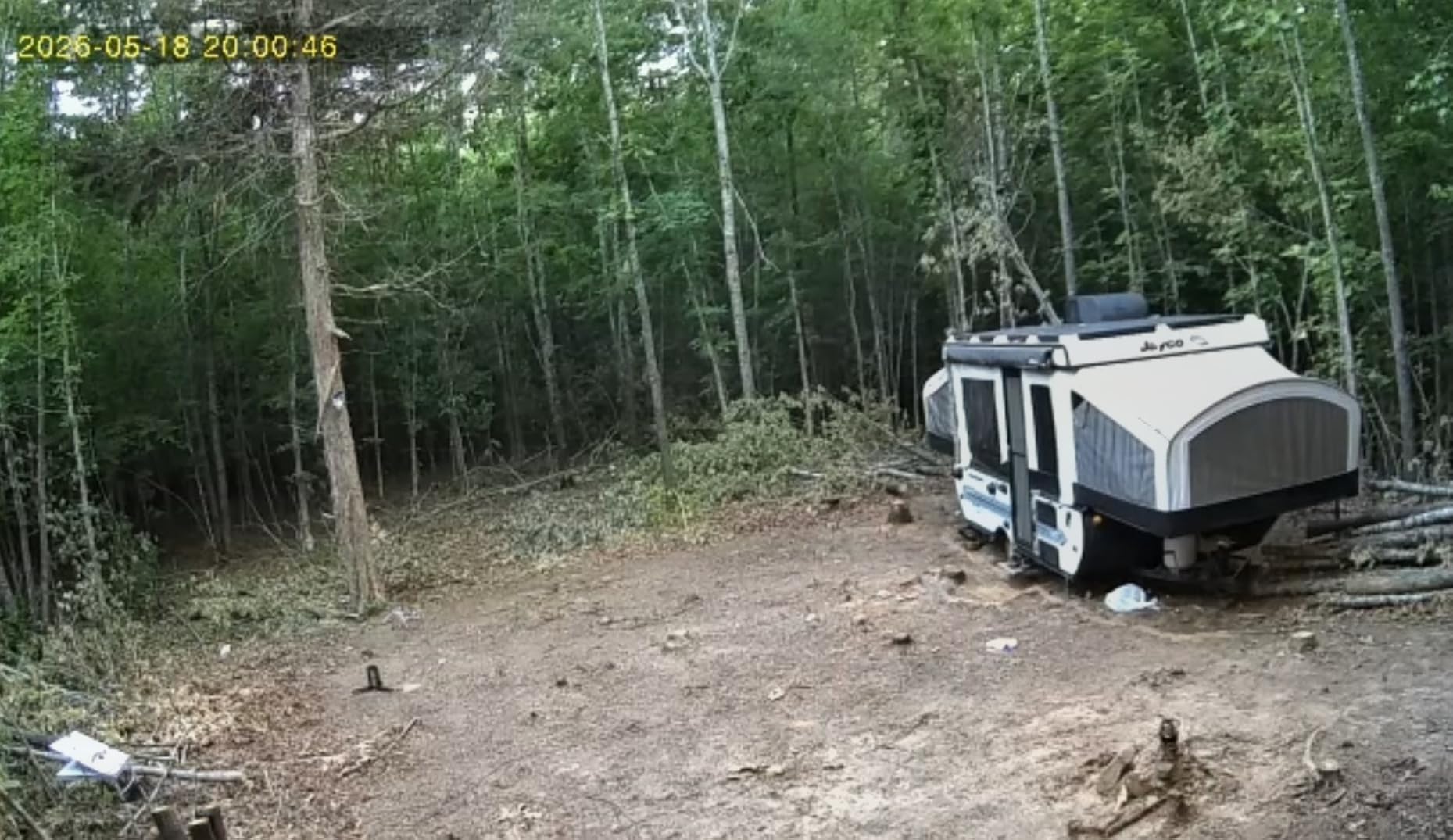
The cameras record 2K video, provide color night vision up to the listed 98 feet, and use PIR motion detection to reduce unnecessary alerts. Two-way audio is useful for speaking with visitors or warning someone near a gate.
The compromises are clear: Wi-Fi is 2.4GHz only, the SD card is not included, and motion sensitivity can need adjustment. I would start with moderate sensitivity and narrow activity zones rather than changing the setup repeatedly.
For whom it is good
This is a good fit for a budget buyer who needs two movable viewpoints. It is especially useful when the camera position and the sunniest panel position are different.
It suits a user who is comfortable adding a memory card and tuning PIR sensitivity. The two-way audio and color night vision are useful extras for a porch, yard, or outbuilding.
For whom it is bad
It is not the best choice for a 5GHz-only network or for someone who wants everything included in the box. I would also avoid mounting the cameras where constant tree movement can overwhelm the motion sensor.
How to Choose the Best Solar Security Camera?
Choose a solar security camera by matching the camera to the place, not by choosing the largest resolution on the box. I would start with the mounting location, available sunlight, Wi-Fi signal, and the kind of footage I need to retain.
Position the panel where the sun actually reaches
Solar charging is trickle charging, not a guarantee that any shaded wall works. I would mount the panel where it receives several hours of direct light and keep the cable route short and protected.
Winter and cloudy conditions reduce the charging margin, which is a common concern in home-security discussions. A removable or split panel gives me more freedom than a camera with an integrated panel, but every installation still needs a clear view of the sky.
Choose local storage when you want to avoid subscriptions
Local microSD or hub storage is the simplest way to avoid a monthly fee. The trade-off is finite capacity, and 4K clips consume space faster than 1080p clips, so I would review retention settings after the first week.
Cloud storage can offer easier remote access and longer history, but I would read the plan terms before assuming a feature is free. The eufy, aosu, ANSQUE, Tapo, and Fociey options in this list all have local-storage paths.
Match resolution and night vision to the distance
2K is enough for many entrances and yards, while 4K helps when I need more cropping flexibility. Night-vision range alone does not guarantee a useful image, so I would check lighting, mounting height, and the camera’s listed range together.
For a long driveway or open yard, a fixed 4K camera may provide more usable detail than a lower-resolution PTZ model. For a small porch, 1080p can be the sensible choice when local storage and notification quality are stronger.
Plan for Wi-Fi outages and privacy
Most solar cameras in this roundup are Wi-Fi devices, not cellular cameras. I would place the router and access point so the camera can reconnect after an outage, and I would check that local recordings remain available when the network is down.
A camera aimed at your own property should still be positioned to avoid unnecessary views into a neighbor’s windows or private yard. Local storage, strong account passwords, two-factor authentication, and updated firmware are sensible privacy steps.
Frequently Asked Questions
Are solar-powered security cameras worth it?
Yes, when the camera receives enough direct light and you want outdoor monitoring without wiring or frequent battery charging. They work best with motion-triggered recording and a local-storage option, while continuous recording can require a stronger solar setup.
Which company’s solar camera is best?
There is no single best company for every property. eufy is a strong all-around choice, Tapo offers value-friendly Wi-Fi models, aosu suits expandable multi-camera systems, and Reolink is often discussed for local recording and larger systems, but this roundup evaluates the products available in the research data.
What is the best solar security camera without a subscription?
The eufy SoloCam S340 is the strongest single-camera no-subscription pick here because it records locally and has no monthly fee. The ANSQUE and aosu kits are better when you need several cameras with local hub storage.
Can my neighbor record my backyard?
A neighbor should not intentionally aim a camera to capture areas where you have a reasonable expectation of privacy, but laws vary. Keep cameras focused on your own property, avoid windows and private outdoor areas, and check local rules and community guidance before installing one.
Conclusion: My Best Solar Security Camera Picks for 2026
The eufy SoloCam S340 is the best overall solar security camera in this comparison because its 3K dual-lens view, pan-and-tilt control, local storage, and no monthly fee cover the most important needs in one package. I would pair it with a carefully aimed solar panel and a strong 2.4GHz signal.
Choose the Fociey 4K four-camera kit when detail and four viewpoints matter most, the ANSQUE kit when you want a four-camera no-subscription system, or the aosu six-camera kit when expansion is the priority. For a lower-cost starting point, the SEHMUA two-pack and Tapo C402 cover common front and back entrances without complicated wiring.
Before buying, check sunlight, Wi-Fi coverage, storage limits, and the recording mode you actually need. The best solar security camera is the one that stays charged, stays connected, and records the area you care about reliably.