
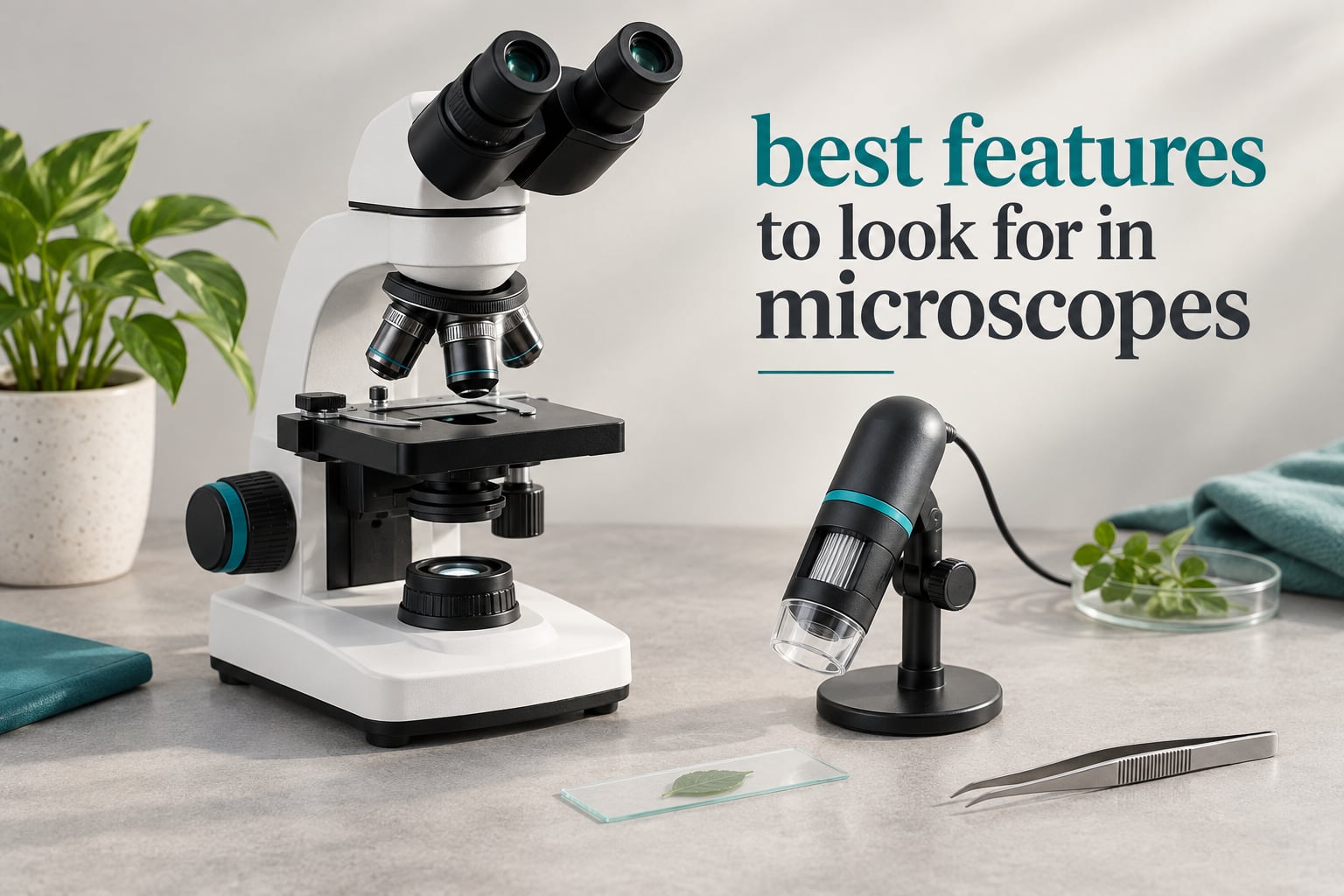
Most people buy a microscope the wrong way round. They open a listing, read a headline magnification figure like 2500x, and assume the biggest number wins. The best features to look for in microscopes have very little to do with that number, and almost everything to do with whether you can actually bring a specimen into focus and control the light on it.
We have gone through the feature lists, optics, focus systems and lighting options on ten microscopes spanning kids kits, lab-grade compound scopes, stereo dissection models and digital inspection tools. What follows is the decision framework first, the products second. Read the feature sections and you will be able to evaluate any microscope on a shop page, whether or not it is on our list.
If you want a shorter path, our student microscope picks cover the school-age end, and our stereo microscope picks cover dissection and repair work. This guide is about how to tell them apart and what deserves your money.
Top 3 Microscope Features To Look For (October 2026)

National Geographic Kids Microscope
- Up to 400x magnification
- LED lighting above and below
- Prepared slides and rock specimens
- Soft-touch eyepiece and large focus knobs
OMAX M82ES Binocular Microscope
- Achromatic DIN 4X
- 10X
- 40X
- 100X oil objectives
- X-Y mechanical stage
- NA 1.25 Abbe condenser with iris

TOMLOV DM9 Digital Microscope
- 7 inch LCD screen
- Up to 1200X magnification
- 12MP stills and 1080P video
- Metal stand with gooseneck lights
Those three cover very different jobs. The National Geographic kit is the entry point most families actually need, the OMAX is the feature-complete optical scope for anyone who will outgrow toys, and the TOMLOV is a bench tool for soldering and coin work rather than a biology instrument at all. Our 10 best student microscopes guide covers more of the school-age end.
Microscope Quick Overview in 2026
| Product | Specifications | Action |
|---|---|---|
| National Geographic Kids Microscope |
|
Check Latest Price |
 PalliPartners Compound Microscope PalliPartners Compound Microscope |
|
Check Latest Price |
| OMAX M82ES Binocular Microscope |
|
Check Latest Price |
 SWIFT SW380B Binocular Microscope SWIFT SW380B Binocular Microscope |
|
Check Latest Price |
 AmScope B120C-E5 with 5MP Camera AmScope B120C-E5 with 5MP Camera |
|
Check Latest Price |
 AmScope M162C-2L-PB10-WM AmScope M162C-2L-PB10-WM |
|
Check Latest Price |
| TOMLOV DM9 Digital Microscope |
|
Check Latest Price |
 Andonstar AD246S-M Digital Microscope Andonstar AD246S-M Digital Microscope |
|
Check Latest Price |
 AmScope SE306R-PZ Stereo Microscope AmScope SE306R-PZ Stereo Microscope |
|
Check Latest Price |
 Aomekie Portable Stereo Microscope Aomekie Portable Stereo Microscope |
|
Check Latest Price |
Two columns in that table deserve attention before you read a single spec. The first is the difference between a compound scope that resolves detail and a digital scope that enlarges pixels. The second is that a stereo microscope topping out at 80X is not a weaker instrument than a compound scope at 2500X. They are different tools for different specimens.
What to Look for in a Good Microscope?
A good microscope is judged on resolution, lighting control and focus quality, not headline magnification. Check for a real fine focus knob, an Abbe condenser with an iris diaphragm, a mechanical stage, and objectives covering 4X, 10X, 40X and 100X oil if you want to see cells. Useful detail on an optical compound scope stops near 1000X total.
That is the whole argument. Everything below fills in the detail, ordered by how much each feature changes what ends up in your eyepiece.
Objective lenses at 4X, 10X, 40X and 100X oil. Four discrete steps let you move from whole-specimen survey to single-cell detail without swapping lenses mid-session.
Fine focus as a separate control. Coarse focus alone makes critical focus above 400X genuinely frustrating.
A condenser with an iris diaphragm. This is how you control contrast, not by cranking brightness up and down.
A mechanical X-Y stage. Slide clips mean moving the specimen with two hands and losing it every time.
A binocular head with interpupillary and diopter adjustment. Monocular heads tire one eye and cannot be shared.
Variable intensity LED illumination. The same lamp is far too bright at 40X and far too dim at 100X.
Wide-field eyepieces, ideally two magnifications. Swapping between a 10X and a 25X eyepiece is faster than rotating the nosepiece.
Achromatic or better objective glass. Plastic objectives blur colour fringes and cost you detail at the top step.
DIN-standard objective thread and standard tube length. This is what lets you replace or upgrade a lens in five years instead of buying a new scope.
A metal frame and a warranty of at least a few years. Plastic frames crack at the focus housing, which is the first thing to break.
There is also a list of things that sound important and are not, which we cover in its own section further down.
Magnification and the 1000X Useful Ceiling
Useful magnification on an optical compound microscope tops out around 1000X total, which is 100X oil objective multiplied by a 10X eyepiece. Beyond that you are enlarging a blurry circle. The honest limit is set by resolution, not by the number printed on the box.
Magnification is just how much the image is scaled up. Resolution is the smallest distance between two points that still shows up as two points. A scope can magnify 2500X and resolve nothing new past 600X if the objective glass is poor or the light is badly arranged.
This is why a 1000X scope with achromatic DIN objectives and an Abbe condenser routinely produces a sharper image than a 2500X scope with thin plastic objectives. Experienced users on microscopy forums make this point repeatedly, warning that claimed magnification above 1000X is empty and that on budget models the real resolution may stop nearer 600X.
One more trap: on digital microscopes, the headline number includes digital zoom. A 2040X figure built from a 510X lens and 4X of on-screen enlargement is not a 2040X microscope. Ask what the optical magnification of the lens itself is, then check the sensor size, because a small sensor sets a minimum useful magnification well below its maximum.
Resolution and Numerical Aperture
Resolution is the number that actually matters, and it is driven by numerical aperture. Numerical aperture, or NA, measures how wide a cone of light an objective can gather. Higher NA gathers more light and resolves finer detail. It is a property of the glass, so no adjustment or accessory can improve it.
That last sentence is the practical takeaway. A scope with a 1.25 NA Abbe condenser and 1.25 NA objectives can reach the resolution limit of light. A scope with a fixed disc under the stage cannot, and closing an iris on a weak condenser mostly just makes the image dim.
Look for NA figures in the objective list rather than adjectives like plan or premium. A listing that gives you 4X, 10X, 40X and 100X oil with NA values attached is a listing written by someone who knows the glass. One that says HD optics and nothing else is not.
Working distance matters for the same reason in reverse. It is the gap between the front of the objective and the specimen, and you want a long one when you are looking at something live, thick, or mounted in a container you cannot open.
Illumination, Condenser and Contrast Control
No single lighting level suits all magnifications. At 40X you want light dialled down to control glare, and at 100X oil you need it pushed up because the light is spread thinner. A scope with a dimmer or intensity control solves this; a fixed-output lamp forces you to choose between a washed-out image and a black one.
LEDs have replaced the old tungsten and halogen lamps almost everywhere, and for good reason. They run cool, they do not need a warm-up, and the intensity is usually on a dial. Halogen is still common in older stereo bodies and it runs hot enough to matter if you are looking at a live insect.
Transmitted light shines up through the slide and is what you use for cells, smears and prepared slides. Incident light, also called top or reflected light, shines down onto the surface and is what you use for coins, rocks, solder joints and anything opaque. If you only have one, you have halved the specimens you can work with.
The condenser is the lens assembly under the stage that focuses light up through the specimen. An Abbe condenser with an iris diaphragm gives you a cone of light you can open and close, and closing it slightly is the single fastest way to improve contrast on a transparent sample. Budget scopes with no condenser at all leave you adjusting brightness, which changes brightness and nothing else.
Focus, Stage and Slide Handling
Coarse focus moves the stage fast, fine focus moves it slowly, and a microscope worth owning has both on coaxial knobs so the left hand works the same as the right. Fine focus is not a luxury at high power. Above 400X the depth of field becomes fractions of a millimetre, and coarse-only focusing means you spend more time hunting than looking.
Some budget bodies list coaxial coarse and fine focus while omitting the fine control entirely, or ship a fine knob that does almost nothing. Check reviews for the phrase rather than trusting the spec line.
A plain stage with spring clips is fine for a single prepared slide that never moves. A mechanical stage with coaxial X-Y controls lets you slide the specimen under the objective without lifting it, which is what you need for a blood smear, a mitosis slide, or anything you want to photograph. The upper layer on a double stage holds the slide still while the lower layer moves it.
Forum advice is consistent here: the mechanical stage, the fine focus knob, a proper condenser and a binocular head are the four features that separate a usable microscope from a frustrating one. Beginner threads on r/microscopy almost always land on that same list.
Eyepieces, Objectives and the Head You Look Through
Total magnification is the eyepiece multiplied by the objective, so a 10X eyepiece on a 40X objective gives 400X. What matters is the quality of both. Achromatic objectives correct the most common colour error and are the sensible default; plan achromats add a flat field and better colour correction, and are what lab work eventually calls for.
DIN standard means a 160mm finite tube length with a 20.32mm thread, the same fit across brands. A scope with a non-standard thread locks you into one manufacturer’s lenses forever. Parfocal objectives are designed so that when one lens is in focus, switching to another keeps the sample roughly in focus, which saves a lot of knob-twisting at 100X oil.
For the head, a Siedentopf binocular head is designed so that the image stays in focus as you adjust the distance between your eyes. A monocular head uses one eyepiece, tires the eye you are using and forces a different person to physically rotate the scope to look. A trinocular head adds a third port for a camera or phone adapter, which is the correct choice if you plan to photograph anything.
Interpupillary adjustment sets the distance between the two eyepieces to match yours, and the diopter ring lets one eye be corrected for astigmatism so both eyes are sharp at once. Teachers who have had children fight with binocular eyepieces at the narrowest setting are the people who notice that last detail.
What You Can Actually See at Each Magnification?
This is the breakdown we wish every microscope listing included. It answers the questions people actually ask: what is the difference between 4X, 10X and 40X, can you see bacteria at 40X, is 1000X enough to see sperm, and what does a 5000X microscope show you.
4X scanning objective. You see the whole specimen. A cheek smear, a pond water drop, an onion cross-section, a printed circuit board. Locate and centre here, then move up. Field of view is widest at this step.
10X low power. This is where most real viewing happens. Plant cells with visible nuclei, blood cells at a smear thickness, pond water protozoa, the texture of a coin or mineral. Set up here before touching higher power.
40X high dry. Individual cells fill the field, bacterial colonies on a prepared slide are visible as shapes, and fine surface detail on fabric, paper or a leaf emerges. You cannot resolve most individual bacteria here, only clusters and stained forms.
100X oil immersion. The step that matters. Bacteria resolve as distinct rods and cocci, cell nuclei and chromosomes in a mitosis slide are sharp, and red blood cells show their central pallor. It requires a drop of immersion oil on the coverslip, a 100X oil objective, and steadier technique than any other step.
Anything above 1000X total. Nothing new. The field turns into a larger, softer, more out-of-focus version of the 1000X image. Higher steps exist mostly to make the specification look better.
Start on 4X, find your specimen, then step up to 10X, 40X and finally the 100X oil objective. The step between each of those is fine-tuning a slide you have already located.
So is 1000X enough to see sperm, and what does a 5000X microscope show you? A 5000X scope does not see sperm where a 1000X scope cannot. It shows a hazier version of the same image, and at that point you cannot reliably tell the detail apart.
Compound vs Stereo vs Digital: Which One Are You Buying?
Compound microscopes light specimens from below and are the answer for cells, bacteria and anything thin and translucent. Stereo, or dissection, microscopes use two separate optical paths to give a genuinely three-dimensional image, and they are the answer for insects, plant dissection, electronics rework and coins. Digital microscopes replace the eyepiece with a camera and a screen, which is useful for soldering and inspection but cannot resolve cells.
Handheld and phone-mounted microscopes sit at the bottom of the list. They are fun, they show surface texture, and forum consensus is that they make a good first impression rather than a scientific instrument. Our biological microscope picks go deeper on the compound side if your specimens are cells.
Choosing the wrong type is the most expensive mistake in this whole guide. A stereo scope at 80X will never show a cheek cell, and a compound scope at 1000X is miserable for dissecting a flower.
Features That Are Not Worth Paying Extra For
Several specifications inflate the price without touching the image. Knowing which ones to ignore is worth more than any single feature on the list above.
Magnification above 1000X on an optical scope. Empty magnification. Ignore the number entirely and read the objective list instead.
Digital magnification. It is on-screen enlargement of a fixed optical image. It cannot add detail.
Phone adapter clips on a monocular head. A trinocular port is a proper solution; a clamp over a monocular eyepiece mostly gives you shaky, cropped photos.
Gamut of included coloured filters. One blue or green filter is genuinely useful for stained slides. A full wheel is not a selling point.
Marketing counts of included slides. Twenty blank slides are not twenty things to look at. A box of 30 blank slides tells you nothing about the optics.
Stated durability of plastic frames. Unless the listing names the focus housing material, assume plastic and treat the scope as portable but not rugged.
What does deserve money: achromatic DIN objectives, a 100X oil objective, an Abbe condenser with iris, a mechanical stage, a real fine focus knob, a binocular head, and a metal frame.
1. National Geographic Microscope for Kids with Up to 400x Magnification
National Geographic Microscope for Kids with Up to 400x Magnification
Up to 400x magnification
LED lights above and below
Plastic enclosure
Battery powered, 1.8 lb
Pros
- Large focus knobs and soft-touch eyepiece suit young hands
- Kit comes with prepared plant slides
- rocks and minerals
- Top and bottom lights handle opaque objects as well as slides
- Learning guide and activities add real play value
Cons
- Focus mechanism is stiff and jumps
- Optics only reasonably sharp
- Light output is dim
This is the microscope most families end up buying first, and the reason is simple: it works on a rock as readily as it does on a slide. The lights sit both above and below the stage, so a mineral specimen does not have to be pressed flat against glass to be seen.
At 400X maximum with three magnification steps, it sits well below a compound scope’s ceiling, and for this audience that is the correct trade. Reviewers describe children aged 5 to 8 still asking to use it, rather than losing interest at the lower steps.
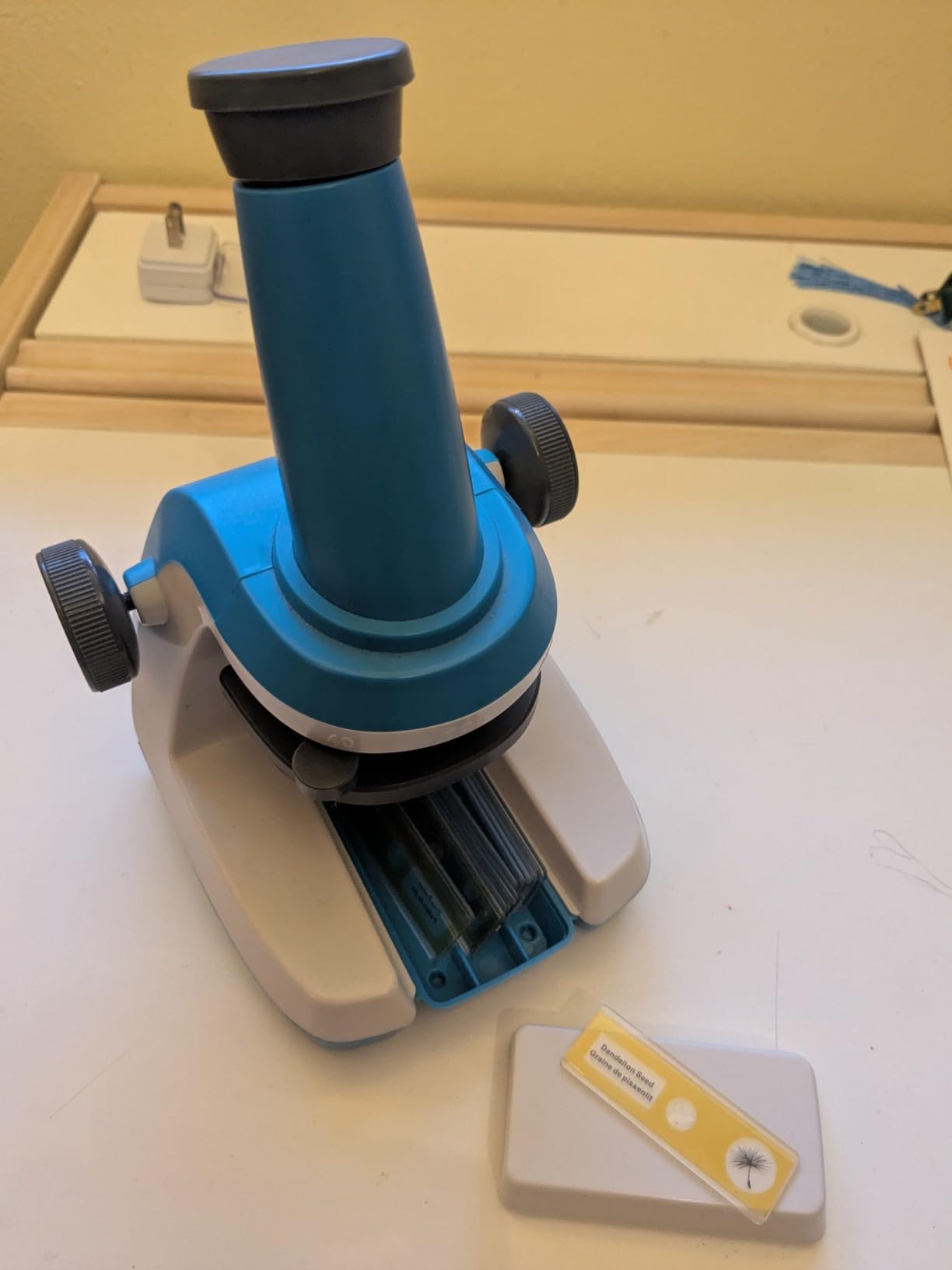
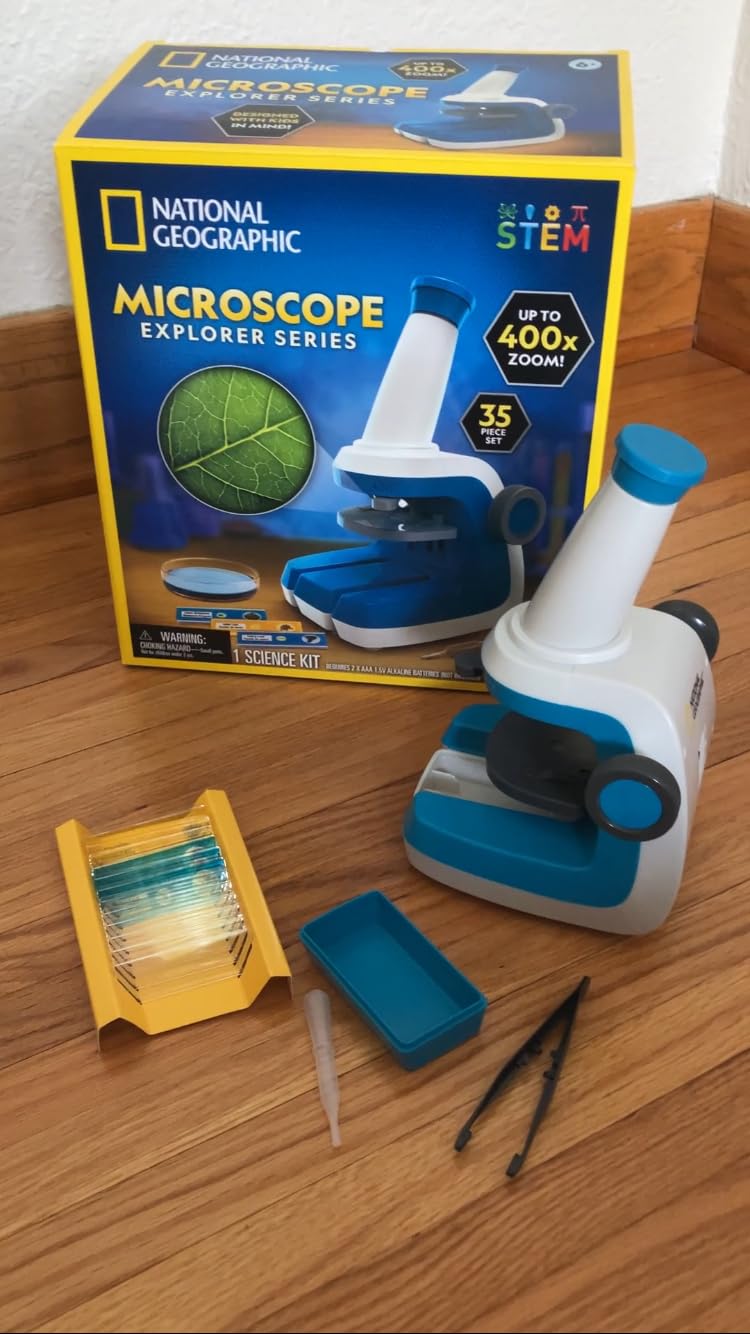
Three details decide whether this is a satisfying first microscope. The focus knobs are large enough for small hands, the eyepiece is soft-touch, and the adjustable platform lets a child move a slide without hunting for it. Parents report that combination is what keeps children coming back to it.
The accessory kit is genuinely generous: 6 prepared plant slides, 6 rocks and minerals, 6 blank slides, a pipette, a specimen dish and tweezers. That is enough to keep a curious child busy for weeks without a second purchase.
What it is genuinely good for?
Getting a child past the novelty stage and into the habit of looking carefully. Parents and grandparents consistently report that it sparks real curiosity rather than a passing fascination, which is the entire point at this age.
Viewing opaque objects without any extra equipment. A child can point the scope at a coin, a leaf or a rock and see surface detail immediately, which keeps the experience from feeling like a chore.
Where it falls short?
The focus mechanism is stiff and tends to jump rather than glide, and that is the single most common complaint. It needs a little patience and a light touch that a seven-year-old will not always have.
The light output is dim, so pale or low-contrast specimens need a brighter room to show up well. It also does not extend into cell work, so a family who quickly moves past rocks and slides will need a second scope.
2. PalliPartners Compound Microscope for Adults and Students
PalliPartners Compound Microscope for Adults & Students, White
100X-2000X total magnification
Adjustable top and bottom LED
Metal stage and support
Battery powered, 1.65 kg
Pros
- Top and bottom LED handles translucent and opaque specimens
- Metal stage feels more durable than typical entry scopes
- Phone clip adapter and Bluetooth shutter included
- 28 slides and a power adapter in the box
- Compact footprint suits small desks
Cons
- No fine focus knob and no movable stage
- Objectives can wobble if handled roughly
- Thin manual
The headline 2000X figure here should be read for what it is: a 100X optical step plus a 2X auxiliary lens. Useful detail will not go past 1000X, and there is no 100X oil objective in the kit. Buyers who know that are usually delighted, because the rest of the package is competent.
The illumination is the standout. Independent top and bottom LEDs mean you can look at a solid object or a translucent slide in the same session, which is a feature many more expensive scopes omit entirely.
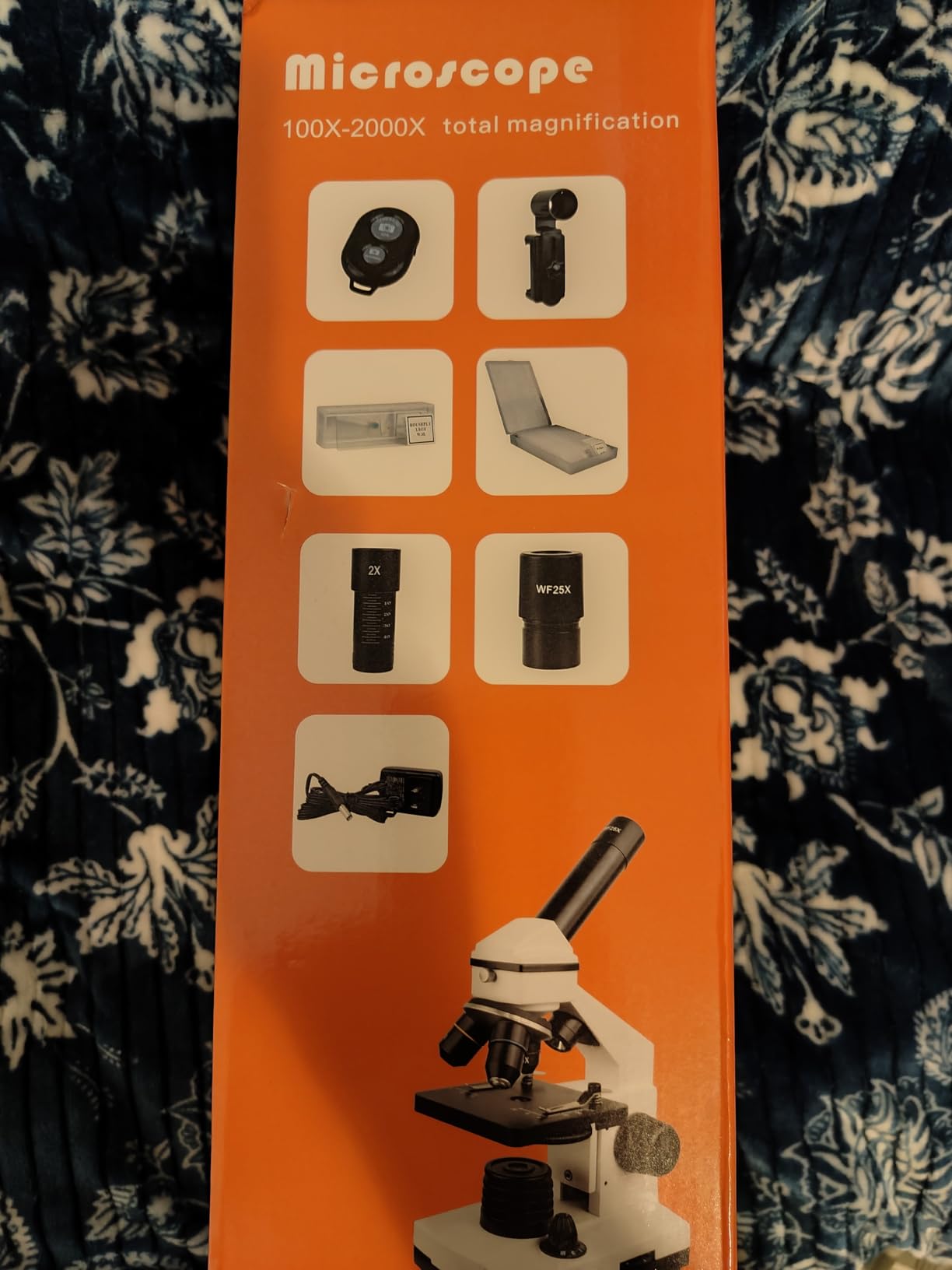
The stage and support are metal, not moulded plastic, and at 1.65 kg the unit has enough mass to stay put on a desk. For a compact footprint it packs a surprising amount in, and the small dimensions suit a homeschool desk better than most lab-style bodies.
It also comes with a universal phone clip and a Bluetooth shutter, so the phone sits over the eyepiece and you take the picture without touching the scope. It is the one on this list that includes a phone clip and shutter as standard.
What it is genuinely good for?
Older children and teenagers who are past the toy stage and want a real compound scope with two light sources. The 28-slide kit means nothing needs buying before the first session.
Anyone who wants phone photos of onion cells or prepared slides on a budget, thanks to the included clip and remote shutter.
Where it falls short?
There is no fine focus knob and no movable stage, which is the combination buyers complain about most. Finding a specimen above 400X takes real practice, and nothing stops it drifting once you have it.
The objectives can wobble in their housing if the scope is moved while a lens is twisted in. Owners with serious microscopy experience tend to rate it below its headline suggests.
3. OMAX M82ES Binocular Compound Microscope, 40X-2000X
Awarded Best Compound Microscope 2016 – OMAX 40X-2000X Lab LED Binocular Microscope with Double Layer Mechanical Stage w Blank Slides Covers and Lens Cleaning Paper
Achromatic DIN 4X, 10X, 40X and 100X oil
WF10X and WF20X eyepieces
NA 1.25 Abbe condenser with iris
Double layer X-Y stage, 5 year warranty
Pros
- Full achromatic DIN set including a 100X oil objective
- Double layer X-Y mechanical stage with scales
- NA 1.25 Abbe condenser with iris diaphragm
- WF10X and WF20X eyepieces with diopter on both tubes
- Solid metal frame with 5 year warranty
- 100 slides
- 100 cover slips and lens paper included
Cons
- Heavy and bulky on the bench
- Oil technique needed above 1000X
If you want one scope that has every feature on our checklist, this is it. The objective set is the full DIN achromatic range at 4X, 10X, 40X and 100X oil, and that 100X oil lens is the difference between seeing bacteria and not.
At 9.6 pounds with a full metal frame, it feels like lab equipment rather than a home gadget. The binocular head is inclined at 45 degrees and swivels 360 degrees, so a second person can look without anyone moving the stage out of position.
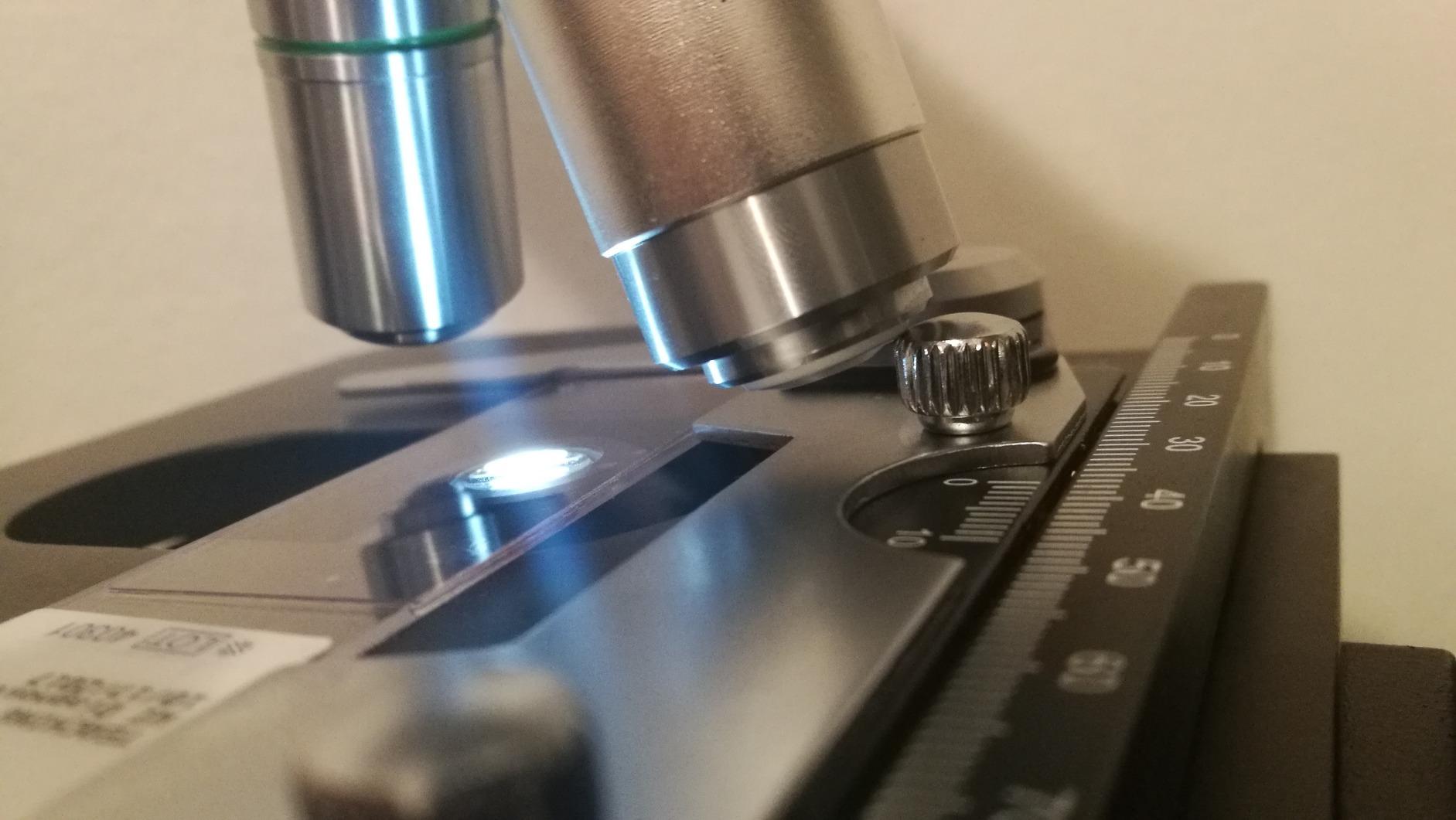
The double layer X-Y mechanical stage has printed scales and a translation range of 70mm by 30mm, and a stage lock that holds position when you move the body. Slide positioning becomes precise instead of hopeful, which is what makes it usable for a blood smear.
Below the stage sits an NA 1.25 Abbe condenser with an iris diaphragm, fed by a transmitted LED with adjustable intensity. That is the full contrast-control package: open the iris for light specimens, close it down for stained material.
Both eyepieces are wide-field glass, 10X and 20X, and both tubes have diopter adjustment. The accessory package is unusually generous at 100 blank slides, 100 cover slips and 50 sheets of lens paper, backed by a 5 year manufacturer warranty.
What it is genuinely good for?
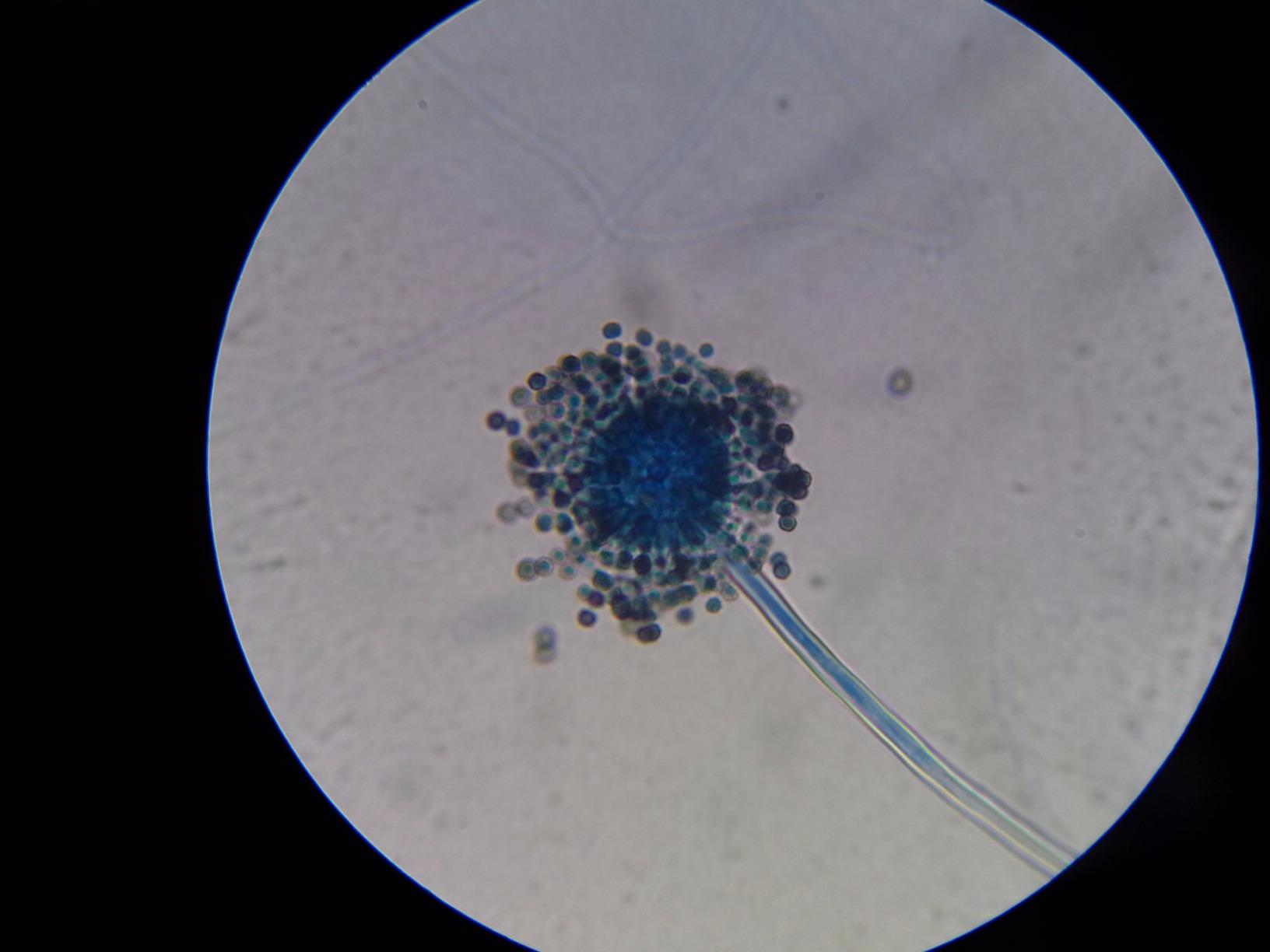
Anyone who wants the full specimen range, from a cheek cell to a bacterium. The 100X oil objective with a 1.25 NA condenser is the combination that makes bacteria resolve as shapes.
Shared viewing. The swivelling binocular head means a parent and child can look at the same cell without the stage moving between them.
Where it falls short?
At 9.6 pounds and 13 inches tall it eats bench space, and it is not the scope you carry to a pond. If your specimens are mostly opaque objects, none of this matters to you.
Everything above 1000X depends on doing the oil immersion properly. Without immersion oil, a 100X objective gives you a blurred, dim image and most first-timers assume the scope is faulty.
4. SWIFT SW380B Siedentopf Binocular Compound Microscope
SWIFT SW380B 40X-2500X Magnification, Siedentopf Head, Research-Grade Binocular Compound Lab Microscope with Wide-Field 10X and 25X Eyepieces, Mechanical Stage, Ultra-Precise Focusing
40X-2500X range
Siedentopf binocular head
WF10X and WF25X eyepieces
Mechanical stage, metal construction
Pros
- Siedentopf head stays in focus as you adjust eye spacing
- Interchangeable 10X and 25X wide-field eyepieces
- 30 degree head tilt reduces neck strain
- Rotatable head suits shared viewing
- Metal construction and mechanical stage
Cons
- 11 lb weight and large footprint
- Achromatic optics limit resolution versus plan achromats
The Siedentopf head is the feature to understand here. Unlike a standard binocular head, it keeps the image in focus as you adjust the distance between the eyepieces, so two people with different eye spacing can look at the same specimen without refocusing.
The eyepieces are interchangeable wide-field glass at 10X and 25X, which gives you a fast overview-to-detail step without touching the nosepiece. The 30 degree head tilt is a real comfort feature over a long session and something most cheaper bodies do not bother with.
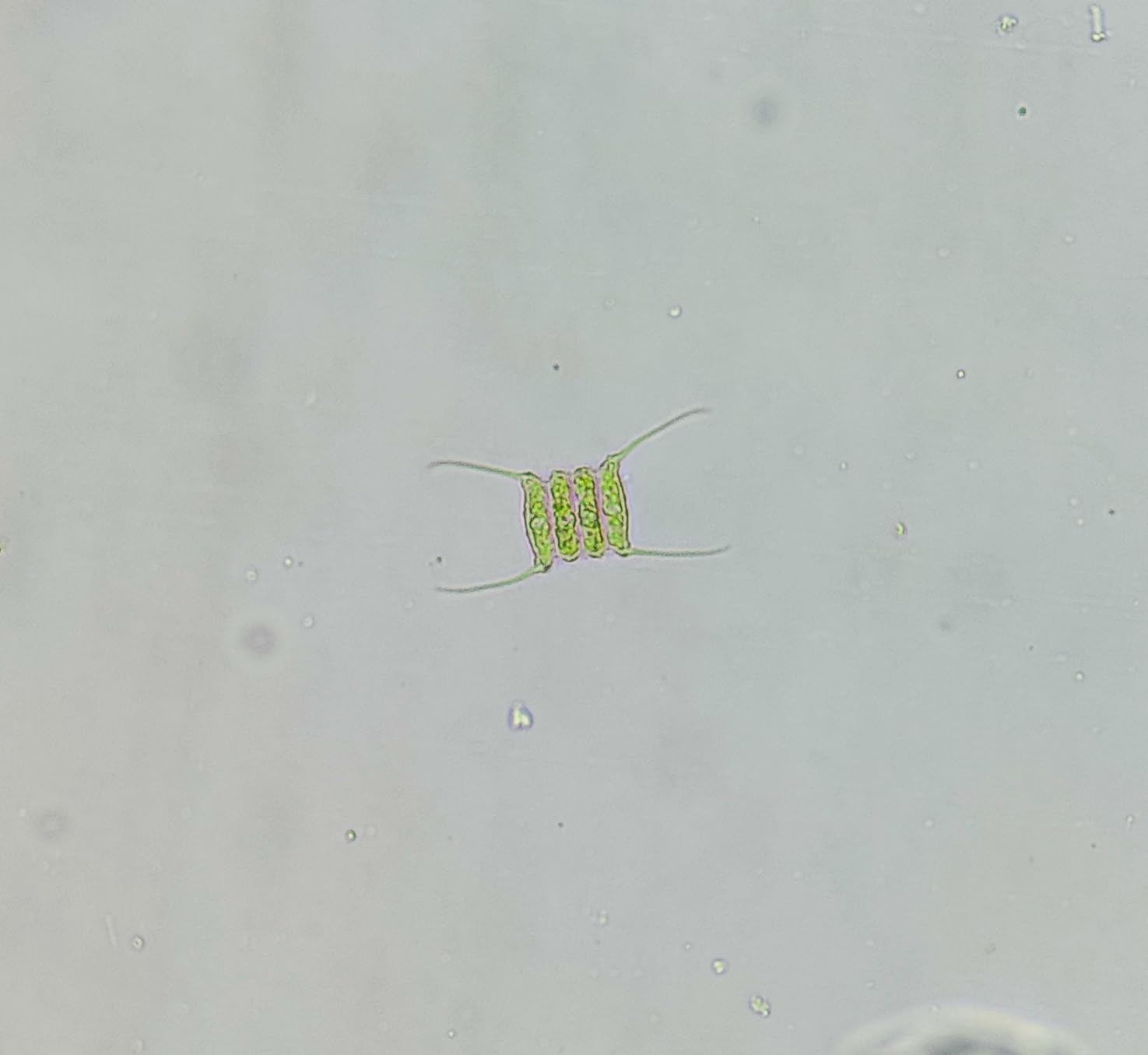
The mechanical stage and metal construction put this firmly in lab territory. The rotatable head means a classroom can pass it around and the specimen stays put, which is the same argument that makes the OMAX head useful.
In practice, the 2500X headline is again an upper limit rather than a promise. Read the objective list and the eyepiece options instead, and judge the achromat glass for what it is: a good, correctable workhorse standard.
What it is genuinely good for?
Long sessions. The 30 degree tilt and the Siedentopf head are both about comfort over hours rather than minutes, and owners repeatedly single them out.
Shared use in a classroom or a family, where the fully rotatable head and focus retention on eye adjustment are the deciding factors.
Where it falls short?
At 11 pounds and 13.78 by 10.63 by 17.32 inches, it is impractical on a small desk and unpleasant to move between rooms. Portability is not on offer here.
Achromatic objectives set a ceiling on resolution. If you later want plan achromats or better correction, you are limited by what the tube and thread allow, and the listings here do not spell out DIN standard.
5. AmScope B120 Series LED Binocular Microscope with 5MP Digital Camera
AmScope B120 Series Student & Professional LED Binocular Compound Microscope 40X-2500X Magnification with 5MP Digital Camera, 3D Stage and Interactive Software Kit
40X-2500X range
Bundled 5MP USB camera
Parfocal objectives with oil immersion
Adjustable condenser, 5 year warranty
Pros
- 5MP camera and software capture and document slides
- Good optical quality at 400X with usable clarity at 1000X
- Fly-eye LED gives bright daylight-balanced light
- Parfocal set includes an oil immersion lens
- Adjustable condenser and two sets of oculars
Cons
- Slide holder is flimsy and lets slides slip
- Build will not tolerate a fall
- Some examples show a slightly cloudy 40X objective
- Oil immersion above 1200X loses clarity
This is the one to buy if your output is images rather than observations. The bundled 5MP USB camera and the image analysis software turn a slide into a file you can measure, annotate, send to a teacher or publish.
Optically it holds up well for the tier. Users report good performance at 400X and usable clarity at 1000X, and the parfocal objective set includes an oil immersion lens so the top step is genuinely available.
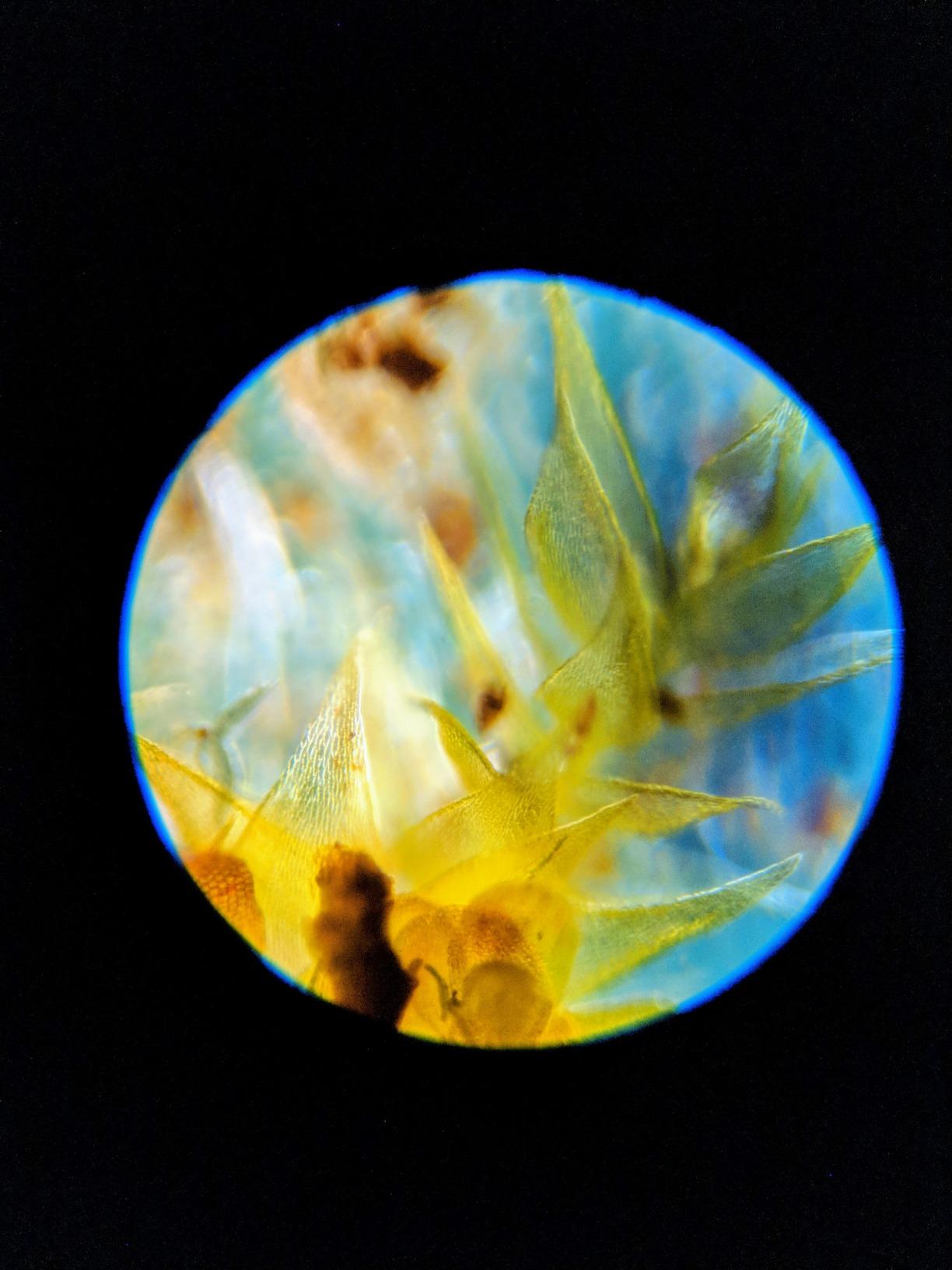
The fly-eye LED gives even, daylight-balanced light, which matters more than it sounds when you are comparing a stained slide to a photograph of the same slide taken under daylight. Variable intensity is included, so the glare at 40X is manageable.
Two sets of oculars and an adjustable condenser round out a well-judged spec sheet, and the 5 year manufacturer warranty is longer than the cover on most of the kits in this guide.

What it is genuinely good for?
Homeschool families and teachers who need to document what is on the slide. The camera is the reason to buy this over a comparable scope without one.
Hobby and reef-keeping work, where owners report using it for parasite checks and general sample inspection at home.
Where it falls short?
The stage slide holder is the most repeated complaint. It lets slides slip instead of gripping them, which is frustrating on exactly the slides you want to photograph.
The build is light for a metal-bodied scope and will not survive a fall from a work surface. Users with lab experience rate it as good value that would not last a semester in a teaching lab, and some examples show a slightly cloudy 40X objective or internal plastic in the image.
6. AmScope M162C-2L-PB10-WM 1000X All-Metal Microscope
AmScope M162C-2L-PB10-WM “Awarded 2018 Best and Microscope Kit” – 1000X
All-metal frame, 40X-1000X
Dual layer mechanical stage
Coaxial X-Y controls
Upper and lower LED light sources
Pros
- All-metal body that feels like real lab equipment
- 4X and 10X objectives are crisp and sharp
- Coarse and fine focus
- stage and clips all work properly
- Front and underside lights handle opaque objects and slides
- Lightweight at 3.7 lb
- Includes 10X and 25X oculars
Cons
- 40X objective is less sharp than the lower lenses
- No model-specific instruction manual
- Few prepared slides included
The headline 1000X here is honest rather than inflated, which is why we like this one. Six magnification settings run from 40X to 1000X using a set of objectives that actually resolve, and there is no digital zoom anywhere in the spec sheet.
At 3.7 pounds with an all-metal frame, it is the rare microscope that is both durable and light enough for a child to move themselves. Parents and homeschoolers, including a working science educator, pick it out immediately as a real instrument rather than a toy.
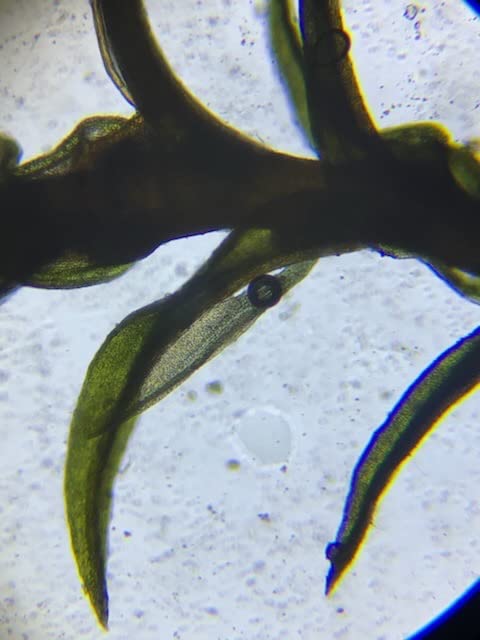
The low-power optics are the standout. Owners repeatedly report that the 4X and 10X objectives are crisp and sharp, comparable to far more expensive university scopes, and the dual-layer mechanical stage with coaxial X-Y controls is a real feature at this level.
Upper and lower light sources mean you can view opaque objects as well as slides, and the 10X and 25X oculars give you a fast magnification step without rotating the nosepiece. It is compatible with optional AmScope digital cameras if you outgrow it.
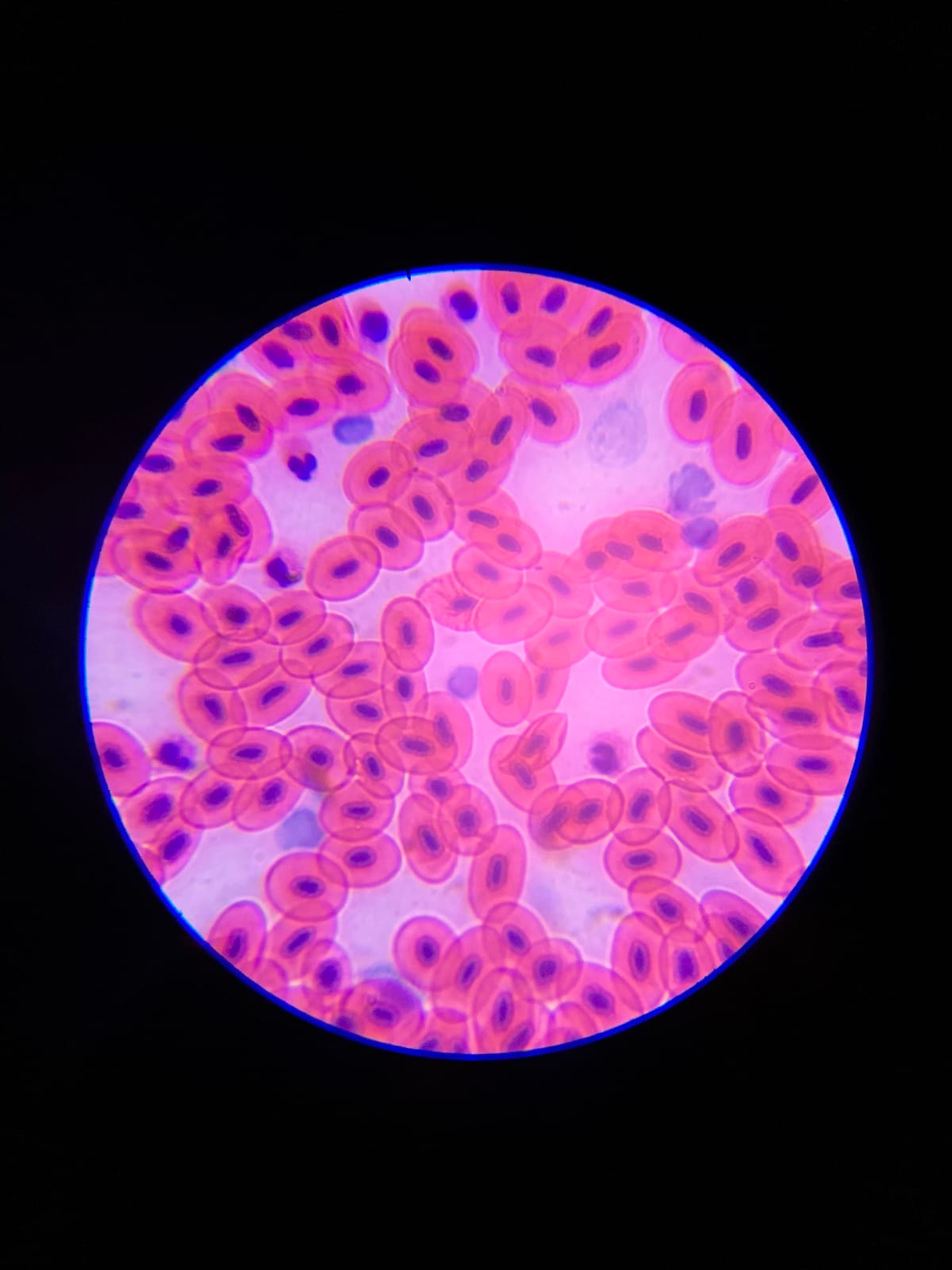
What it is genuinely good for?
A first real microscope for a homeschool family or a school-age child. The metal frame survives being moved and knocked, and the 3.7 pound weight means a child can carry it to another room themselves.
Anyone who wants a truthful magnification ceiling. Everything from 40X to 1000X on this scope does something.
Where it falls short?
The 40X objective is noticeably softer than the lenses below it, which is unusual and worth knowing before you judge the image at that step.
There is no model-specific manual. The included book is general microscope information rather than instructions for this unit, and only a few prepared slides come in the box, so you will be ordering more within a week.
7. TOMLOV DM9 7 inch Digital Microscope
TOMLOV DM9 7″ Digital Microscope: 1080P 1200X Coin Microscope Magnifier, 12MP Ultra-Precise Focusing LCD Soldering Microscopes for Adults, PC View, 16GB
7 inch LCD, up to 1200X
12MP stills and 1080P video
Metal base and 8.5 inch stand
8 built-in LEDs plus 2 gooseneck lights
Pros
- Large 7 inch LCD avoids leaning in for long sessions
- Solid metal base and stand stay steady for soldering
- 12MP stills and 1080P video document collections
- 8 built-in LEDs plus gooseneck lights cut shadows and glare
- 16GB card included
- PC connection gives a bigger real-time view
Cons
- Digital magnification is not optical magnification
- Focusing depends on stand height rather than a focus wheel
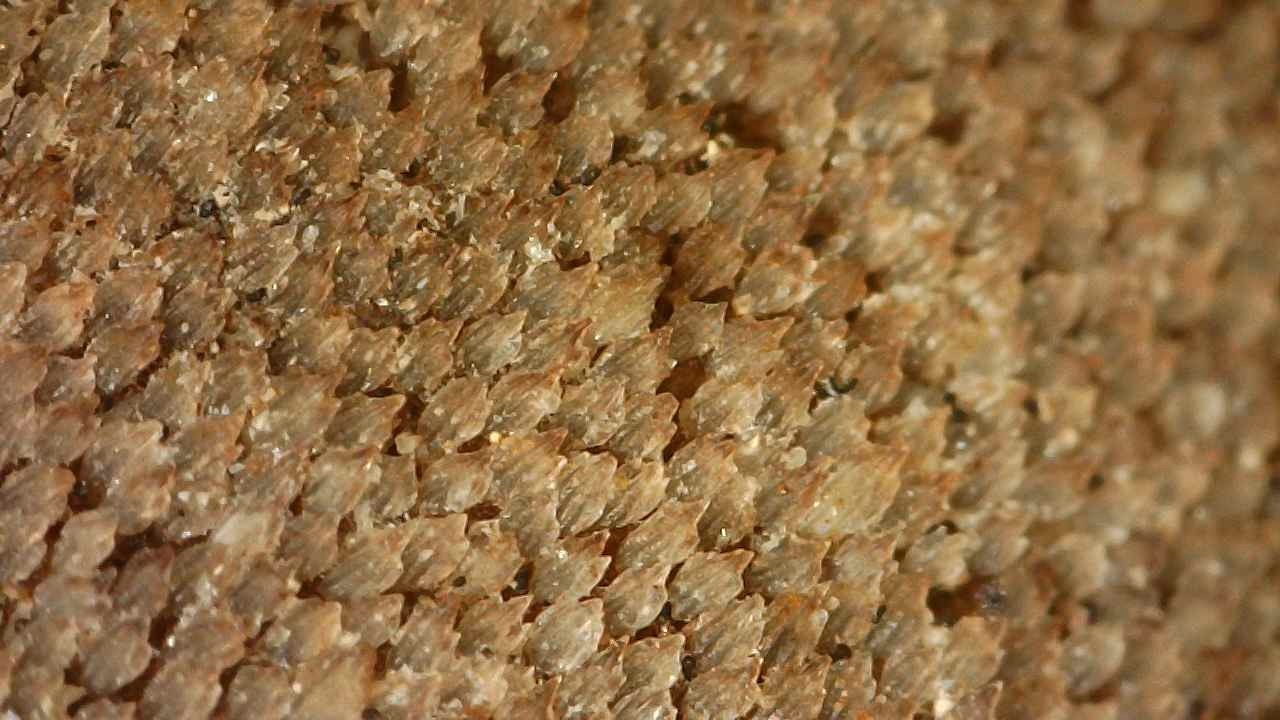
This is an inspection tool, not a biology instrument, and the distinction matters. The 1200X figure is reached by adjusting stand height and on-screen enlargement, not by optical magnification. It cannot resolve a cell, and buyers who expect it to are disappointed.
What it does well is everything around that limitation. The 7 inch LCD means you are not hunched over an eyepiece for an hour at the soldering bench, and the solid metal base and 8.5 inch stand stay steady on a workbench instead of creeping.
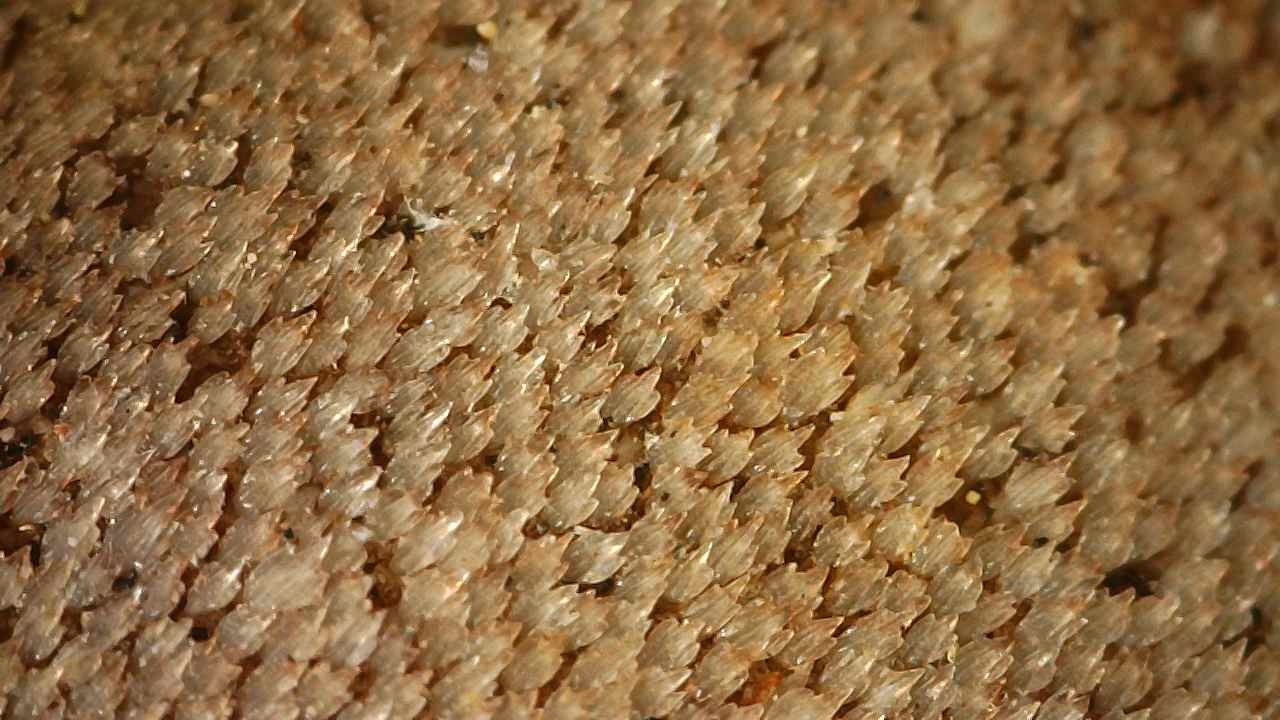
Lighting is the detail that separates it from a basic USB camera. Eight built-in LEDs ring the objective and two flexible gooseneck arms reach in from any angle, which is what removes the shadow a single light source casts on a raised solder joint.
Capture is 12MP stills and 1080P video, and 16GB of storage is included so there is nothing to buy before the first session. The Windows and Mac connection shows a larger live view for teaching or circuit board work.
What it is genuinely good for?
Soldering, PCB inspection and rework. Coin grading and collecting, where the stand height and lighting do the work that magnification cannot. Also strong for documenting a collection.
Anyone who cannot or will not bend to an eyepiece. The screen removes neck and eye strain from long inspection sessions entirely.
Where it falls short?
There is no optical magnification story here, and any cell work is out of reach. Judged as a compound microscope substitute, it will not deliver.
There is no proper focus wheel. Precision focusing means adjusting the stand height, which is slower and less precise than a real coarse and fine focus pair on an optical scope.
8. Andonstar AD246S-M 3 Lens 2160P HDMI Digital Microscope
Andonstar AD246S-M 3 Lens 2160P HDMI Digital Microscope 2000x for Adults
Three interchangeable lenses
2160P UHD with HDMI output
Up to 2040X with digital zoom
Metal boom arm stand, 8 LED levels
Pros
- Three lenses cover soldering
- coins and biological slides in one unit
- 2160P video with HDMI output for a large monitor
- Metal boom arm gives a large stable work envelope
- Measurement software calculates length and area
- Eight LED brightness levels and remote control
- 32GB card
- slides
- tweezers and observation box included
Cons
- Magnification figures depend on digital zoom
- Lenses must be unscrewed to swap
- Power supply rated for 240V
The three-lens arrangement is the reason this one stands out. Lens L at 15-60X handles soldering and repair, Lens A at 4.5-180X covers coins, parts, plants and stones, and Lens D at 450-510X is the one intended for biological slides. One body covers three jobs that usually need three tools.
HDMI output at 2160P means you can drive a large monitor instead of squinting at a 7 inch screen. For coin grading, where surface detail is the whole point, that difference is significant.
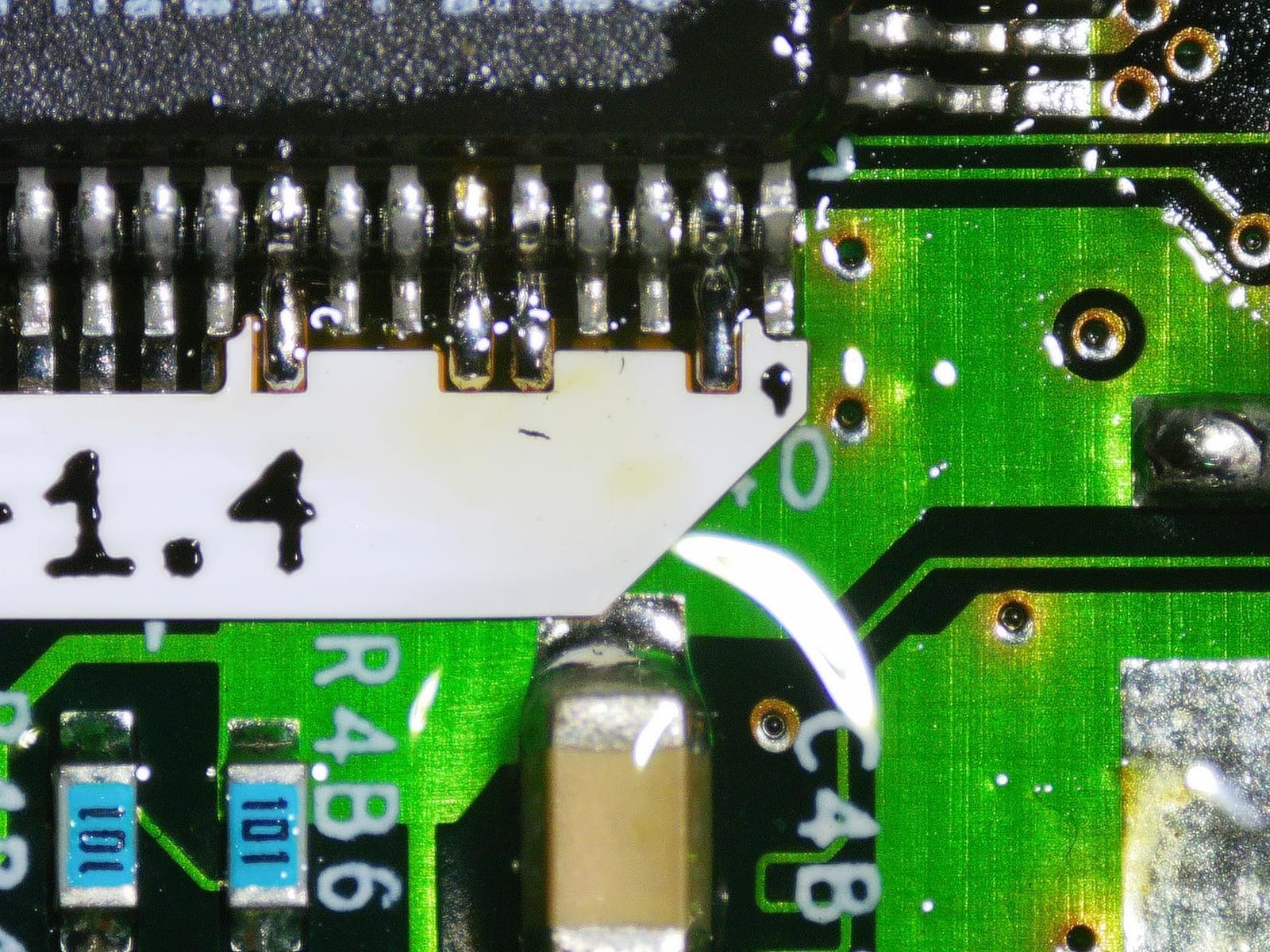
The metal boom arm stand adjusts in all directions and angles across a 7 by 7.8 by 13 inch envelope, which gives you a much larger working area than a fixed column stand. It stays put when you move your hands across the bench.
Windows measurement software handles length and area calculations, which turns it from a viewer into a tool for anyone documenting parts or specimens. Eight LED intensity levels and a wireless remote make it easy to demonstrate from across a room.
What it is genuinely good for?
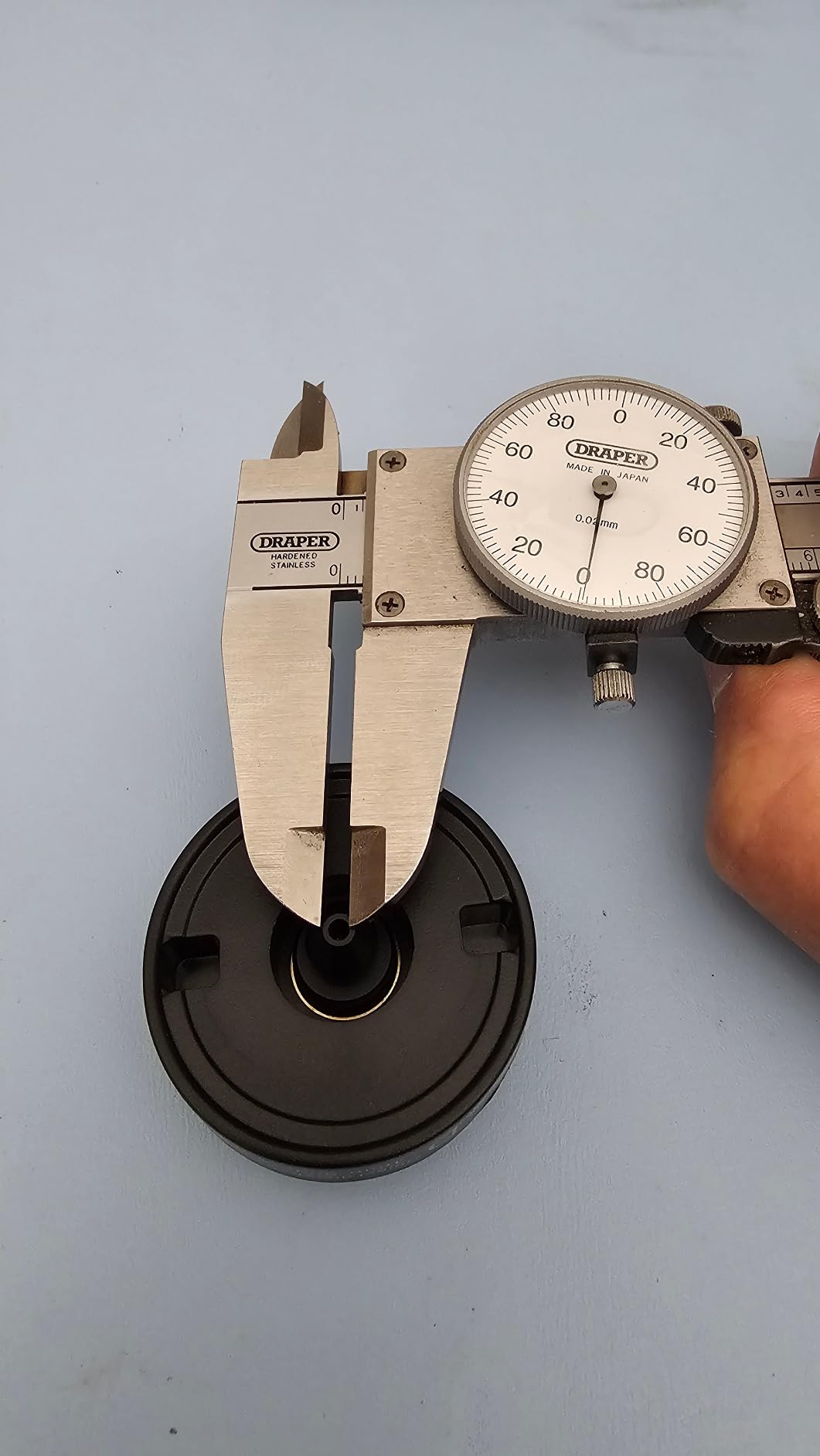
Coin and banknote collectors who need a big, bright, well-lit image with the ability to measure. The measurement software and HDMI output are the differentiators here.
Electronics workbenches where one unit needs to cover soldering, component inspection and general parts checking without a dedicated scope for each.
Where it falls short?
The 2040X headline is 3X digital zoom on top of a lower optical figure, so treat the lens ratings as the real numbers. Compared with a compound scope there is no resolution ceiling worth speaking of.
Swapping lenses means unscrewing and rethreading, which is fiddly and easy to do badly. The bundled power supply is also rated at 240V, which limits direct use in 120V countries.
9. AmScope SE306R-PZ Forward Binocular Stereo Microscope
AmScope SE306R-PZ Forward Binocular Stereo Microscope, WF10x and WF20x
20X, 40X and 80X stereo settings
Widefield optical glass lenses
Incident and transmitted lights
All metal pillar stand with height lock
Pros
- Excellent three-dimensional depth perception
- Sharp widefield glass with no obvious chromatic aberration
- Solid metal build that will not slide or tip
- Switch between top and bottom light sources
- Forward binocular head and pillar stand for larger specimens
- Compact enough for a home desk
Cons
- Halogen housing runs very hot
- Brightness not adjustable and illumination runs warm
- Narrow field and shallow depth of field at 80X
- No trinocular port for a camera
A stereo microscope answers a question a compound scope cannot: is that part a flat surface or a raised one? Two separate optical paths give you genuine depth perception, which is why stereo scopes are the standard tool for insect work, watch repair and electronics rework.
At 20X, 40X and 80X the widefield glass lenses are sharp with no noticeable chromatic aberration. The all-metal pillar stand has a height lock and does not slide or tip when you put a hand on it.
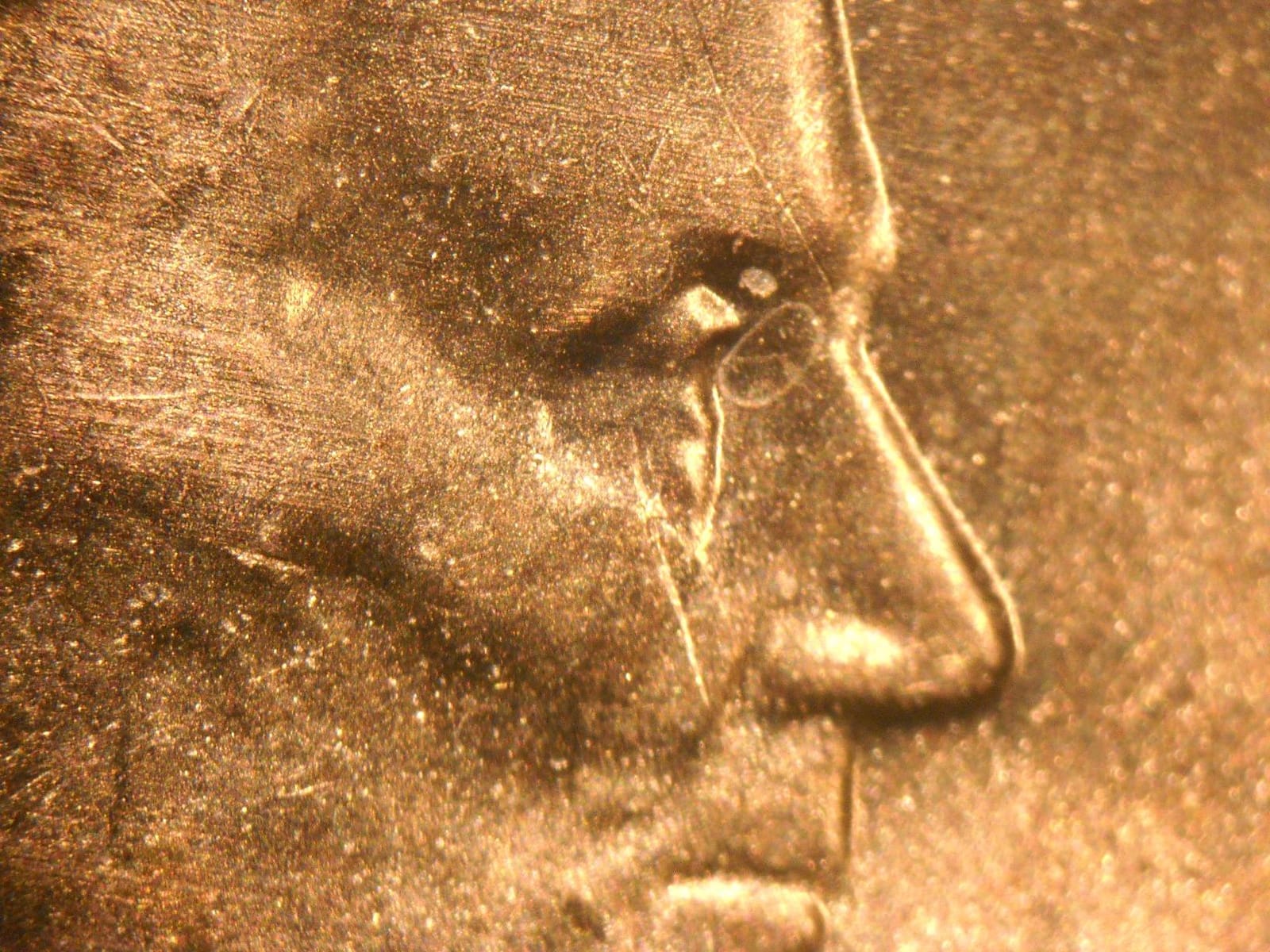
Both light sources are built in and switchable. Bottom transmitted light for transparent samples, top incident light for anything solid, and the forward binocular head plus pillar stand give you clearance for larger specimens than a flat-base model allows.
At 16 ounces it is compact enough for a home desk while still supporting real dissection work, and the 5 year manufacturer warranty is a rare inclusion in this category.
What it is genuinely good for?
Insect work, plant dissection and watch or electronics repair. Anything where you need to manipulate a specimen with tools while looking at it in three dimensions.
Opaque objects that need surface light. The incident lamp is what a compound scope simply cannot do, and for a rock or a solder joint it is the whole job.
Where it falls short?
The halogen housing gets very hot, which can scorch or dry out a live specimen and burn fingers. Brightness is not adjustable, which is a real limitation on a scope aimed at live samples.
At 80X the field of view is very narrow and the image dim, and depth of field stays shallow even at the lower settings. There is also no trinocular port, so camera attachment is not an option.
10. Aomekie 20X-50X Stereo Microscope with Specimen Pack
Aomekie® Microscope 20X 50X with 10Pcs Slides Insect Specimen Stereo Microscope with WF eyepieces LED Light Source Portable Stereoscope 12Pcs Mineral specimens
20X and 50X magnification
65mm-102mm working range
AA battery LED light source
872 g, 12 degree angle of view
Pros
- Long focal length suits large specimens like rocks and jewellery
- Cord-free LED on two AA batteries
- Adjustable interpupillary distance from 55mm to 75mm
- Insects
- 10 slides and 12 mineral specimens included
- Rotatable focus knob
- two year warranty
Cons
- Only 20X and 50X with no intermediate step
- Narrow 12 degree angle of view limits what fits in frame
Where most stereo scopes are built for insects and small electronics, this one has a 65mm to 102mm working range and a longer focal length. That clearance is what lets you look at a mineral, a piece of jewellery, a stamp or a coin without pressing it against the lens.
The LED runs on two AA batteries, so there is no cable between you and the specimen. For taking the scope to a rock hunt, a market stall or a classroom, that is the feature that decides it.
The sample pack is genuinely useful for a first session: one insect specimen, 10 prepared insect slides and 12 mineral specimens. Interpupillary adjustment from 55mm to 75mm means a child and an adult can both use it without swapping heads.
Focusing is a single rotatable knob with a fixed vertical inclination, which keeps the image stable as you turn it. The two year warranty is shorter than the AmScope stereo scope above, and worth noting.
What it is genuinely good for?
Looking at large, opaque objects: rocks, minerals, coins, stamps, jewellery and textiles. The long working distance is the reason it exists.
Taking the microscope out of the house. Battery power, 872 grams, and no cable means it works on a table in a garden or at a mineral fair.
Where it falls short?
Two magnification settings is very few. There is no 40X step, so you move straight from a wide view to a close one with nothing in between, and detailed work is limited to the 50X setting.
The 12 degree real angle of view is narrow, meaning less fits in frame at any one time. It also carries the lowest rating of the ten, with more three-star reports than the rest.
How We Chose These Microscopes?
We evaluated every scope on the same ten-point checklist used earlier in this guide, and weighted it by how much the feature changes the final image. Optics and objective range came first, then condenser and lighting, then focus and stage, then head type and build.
We deliberately excluded one criterion: headline magnification. Any product whose maximum figure relied on digital zoom or an auxiliary lens was scored on its optical steps instead, and we noted the distinction in the write-up.
We also read customer reviews for the failure modes that spec sheets never mention. Loose focus knobs, mis-seated objectives, cloudy lenses, flimsy slide holders and undersized instruction manuals all showed up repeatedly, and they are the details we would want to know before buying.
Where to Start When Budget Forces a Choice?
If money is the constraint, this is the decision hierarchy. Never compromise on these three, compromise on these three, and skip the rest entirely.
Never compromise. A real fine focus knob. A condenser with an iris diaphragm, or at minimum a stage you can control the light under. Objective lenses that are actual glass with NA values listed, including 40X. Without these three, a scope will frustrate you no matter what else it has.
Compromise first if you must. Binocular instead of monocular, since a monocular head tires one eye and cannot be shared. A mechanical stage instead of clips. Achromatic glass instead of plan achromat. These are large comfort gains, but a good monocular scope beats a poor binocular one.
Safe to skip. Anything above 1000X optical. Digital magnification. Phone adapters on a monocular head. Extra coloured filters. Included slide counts. None of them change the image you see through the eyepiece.
The decision most people get wrong is choosing a compound scope when they need a stereo. If your specimens are opaque, three-dimensional or something you want to work on with tools, a stereo microscope will serve you better at a tenth of the magnification. Our biological microscope guide covers the compound side in more detail if cell work is what you have in mind.
How to Clean, Maintain and Store a Microscope?
Never clean a lens with anything but lens paper, and never touch the glass with a finger. Skin oil is the fastest way to fog an eyepiece permanently, and it is the single most common reason people think a new scope has a defect.
Clear dust off the stage, the nosepiece and the eyepieces with a soft brush or a blower. For a compound scope, push the stage down and lock it before you carry the body, so the objective does not take the impact.
Store it covered, or under the supplied dust cover, somewhere dry. A silicone pouch in a cupboard is enough. Do not leave it near a window with direct sun, and do not leave the body in a car in summer heat.
On an optical compound scope, wipe the 100X oil objective with lens paper after every oil session. Oil left to dry on the glass is much harder to remove than oil wiped up straight away.
Frequently Asked Questions
What to look for in a good microscope?
Check for a real fine focus knob, an Abbe condenser with an iris diaphragm, a mechanical X-Y stage, and objective lenses covering 4X, 10X, 40X and 100X oil. Judge any scope on resolution and lighting control rather than headline magnification, because useful detail on an optical compound microscope stops near 1000X total.
Is 1000x enough to see sperm?
Yes. A 1000X total microscope, made up of a 100X oil objective and a 10X eyepiece, resolves sperm clearly enough to see the head, neck and tail. Anything above 1000X only enlarges the same image without adding new detail.
Can you see bacteria with a 1000x microscope?
Yes, at 1000X with a 100X oil immersion objective, a 1.25 NA Abbe condenser and a stained or live sample. You will see rods and cocci as distinct shapes. At 400X you can see colonies and clusters, but not individual bacteria.
What are the top 3 most important parts of a microscope and why?
First, the objective lenses, because their glass and numerical aperture set the resolution you can reach and no accessory can improve them. Second, the condenser with its iris diaphragm, which shapes contrast rather than brightness. Third, the focus system, where a separate fine focus knob makes everything above 400X usable instead of frustrating.
What is the best magnification for a microscope?
1000X total is the practical ceiling for a standard optical compound microscope, using a 100X oil objective with a 10X eyepiece. Spend money on a 4X, 10X, 40X and 100X oil objective set rather than on a higher headline number, and treat anything above 1000X as empty magnification.
Conclusion: The Features Worth Paying For
The best features to look for in microscopes are a fine focus knob, a condenser with an iris diaphragm, a mechanical stage and a proper set of glass objectives ending at 100X oil. Everything above 1000X of claimed magnification is enlargement without detail, and every digital zoom figure is a pixel trick rather than optics.
For 2026, the National Geographic Microscope for Kids is the one to start with: it takes solid objects and slides equally well, so a first-time user is not immediately blocked by specimen choice. When the questions get harder, move up to the OMAX M82ES, which carries the complete optical set with a 1.25 NA Abbe condenser, a double layer X-Y stage and a 5 year warranty. The AmScope M162C is the durable all-metal option for a family starting out, and the TOMLOV DM9 is the right tool if your work is soldering and coin inspection rather than cells.
Pick the type first, read the objective list second, and ignore the biggest number on the page. That order of decisions will save you more money than any deal you could find.