
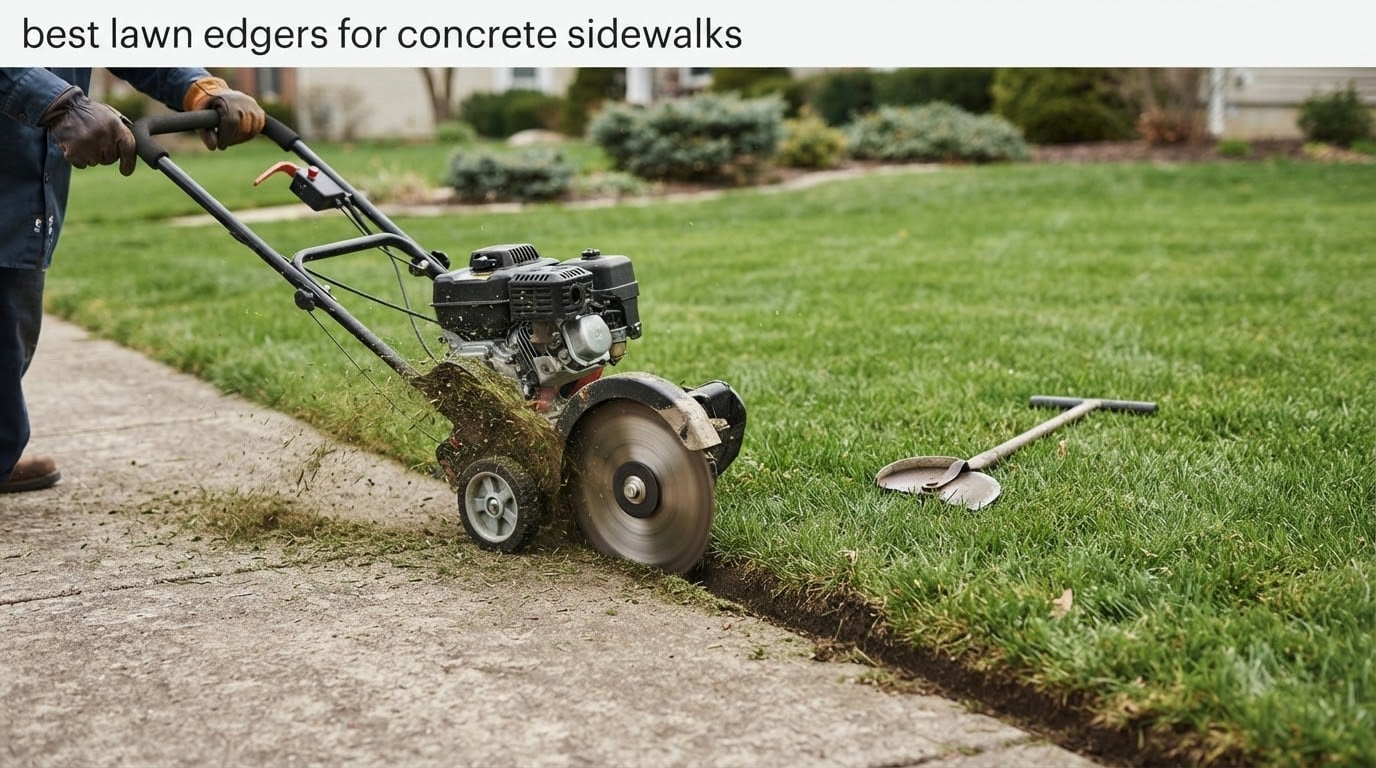
A dedicated blade edger beats a string trimmer on a concrete sidewalk, every time. The reason is not power, it is geometry: a steel blade mounted vertically cuts straight down along the slab face, while nylon line frays against the abrasive surface and leaves a ragged, scalloped line you will redo in two weeks. The second thing that matters is the guide wheel, the small wheel that rides along the concrete and holds a fixed depth and a straight path. Without it you are steering by eye, and concrete shows every wobble immediately.
That is the whole argument, and it is why the best lawn edgers for concrete sidewalks on this list are chosen on cut quality against a hard surface rather than on raw power. We looked at twelve tools across dedicated blade edgers, 2-in-1 trimmer and edger combos, a walk-behind machine and four manual edgers, then judged each one against the same three questions: does it hold a straight line on concrete, can you keep it there for a whole walk without the tool fighting you, and what does it do to the slab when it wanders.
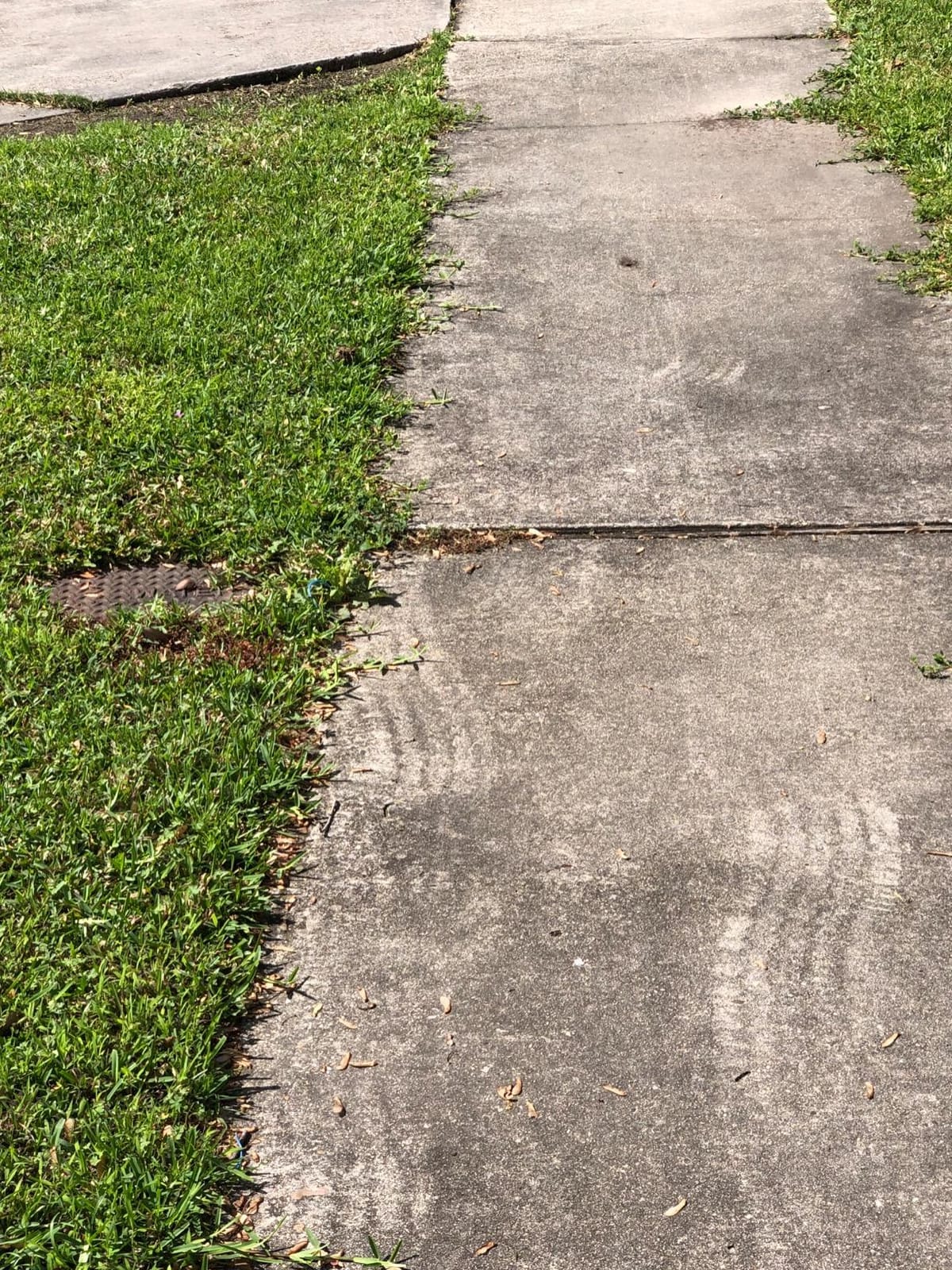
One warning before the picks. A string trimmer held on its side is a perfectly reasonable way to tidy a short front walk while you are learning, and a lot of people never buy anything else. The trouble is that a tilted head bounces, chews through line, and digs a narrow trench in the soft soil right where the grass meets the concrete, which then washes out and leaves a gap. On a 60-foot walk you will make that discovery around the 40-foot mark. Our general edger guide covers the tool types in more depth, and our aerator and dethatcher picks are worth a look if the grass itself is the problem rather than the edge. If compaction is what is pushing grass over the walk in the first place, a lawn roller is the other half of that fix.
Table of Contents
Top 3 Best Lawn Edgers for Concrete Sidewalks
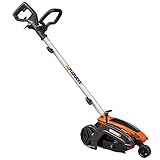
WORX WG896 Corded Edger
- 7.5 inch steel blade at 4700 RPM
- 3-position depth adjustment
- Cutting line indicator for a straight reference
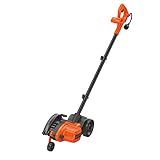
BLACK+DECKER LE760FF Edger
- Edging and trenching in one body
- 7-1/2 inch blade
- Pull-up edge guide for depth control

BLACK+DECKER LST522 20V
- Lightest powered pick here at 5.7 lb
- Automatic Feed Spool
- Wheeled edging mode
The WORX WG896 takes the top slot on proven behaviour rather than novelty. It is the most reviewed tool in this group by a wide margin, the cutting line indicator gives you a physical straight reference to run along the slab, and the three depth settings let you take a light pass on a delicate edge and a deeper one where grass has crept over. It does demand an outlet within reach.
The BLACK+DECKER LE760FF is the one to buy if you want a blade that holds a cut through genuinely overgrown edges, and it switches into a light trencher for cable and lighting runs. The BLACK+DECKER LST522 is the answer for a short urban walk and anyone whose arms give out before the far corner, at 5.7 lb it is the lightest powered tool here by a wide margin.
Best Lawn Edgers for Concrete Sidewalks in 2026
| Product | Specifications | Action |
|---|---|---|
| WORX WG896 Corded Edger |
|
Check Latest Price |
| BLACK+DECKER LE760FF |
|
Check Latest Price |
| BLACK+DECKER LST522 20V |
|
Check Latest Price |
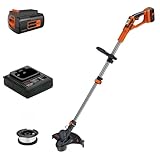 BLACK+DECKER LST136 40V BLACK+DECKER LST136 40V |
|
Check Latest Price |
 Greenworks 40V 8 in Edger Greenworks 40V 8 in Edger |
|
Check Latest Price |
 EARTHQUAKE 79cc Walk-Behind EARTHQUAKE 79cc Walk-Behind |
|
Check Latest Price |
 Radius Garden Pro-Lite Radius Garden Pro-Lite |
|
Check Latest Price |
 Fiskars 38 in Steel Edger Fiskars 38 in Steel Edger |
|
Check Latest Price |
 Root Slayer Serrated Edger Root Slayer Serrated Edger |
|
Check Latest Price |
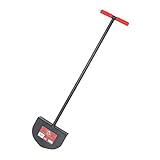 BULLY TOOLS 12-Gauge Edger BULLY TOOLS 12-Gauge Edger |
|
Check Latest Price |
 Amazon Basics 12 Amp Edger Amazon Basics 12 Amp Edger |
|
Check Latest Price |
 VEVOR 20V Cordless Edger VEVOR 20V Cordless Edger |
|
Check Latest Price |
Specs come from the manufacturer listings and the review data attached to each tool. Ratings and review counts are the ones Amazon shows at the time of writing and they change, so treat them as a signal of how well proven a design is rather than a promise about your own experience.
1. WORX WG896 Corded Edger for Straight, Adjustable Cuts
WORX Electric Lawn Edger, 12 Amp 7.5″ Trencher for Lawn Landscaping, WG896
12 Amp corded motor
7.5 inch steel blade at 4700 RPM
3 depth settings
14 lb
Pros
- Most proven design here with about 15500 reviews
- Cutting line indicator gives a physical straight reference
- Three depth settings from 1 inch to 1.5 inches
- Adjustable shaft with D-grip suits different heights
Cons
- 1 ft built-in cord means an extension cord is required
- 14 lb is heavy for long handheld sessions
This is the edger we keep coming back to for concrete. The 7.5 inch steel blade spins at 4700 RPM, which is fast enough to sever roots rather than just clip grass, and the cutting line indicator on the edge guide gives you something physical to sight along the slab instead of guessing. The three depth positions at 1 inch, 1-1/4 inches and 1-1/2 inches cover everything from a delicate pass at a control joint to a deeper cut on a neglected edge.
It also does the reverse job: the same body trenches, which is what you want if you are running low-voltage path lighting or cable along the walk later. The D-grip and adjustable shaft mean two people of different heights can share it, and the D-handle keeps the wrists in a neutral position on a long straight run.
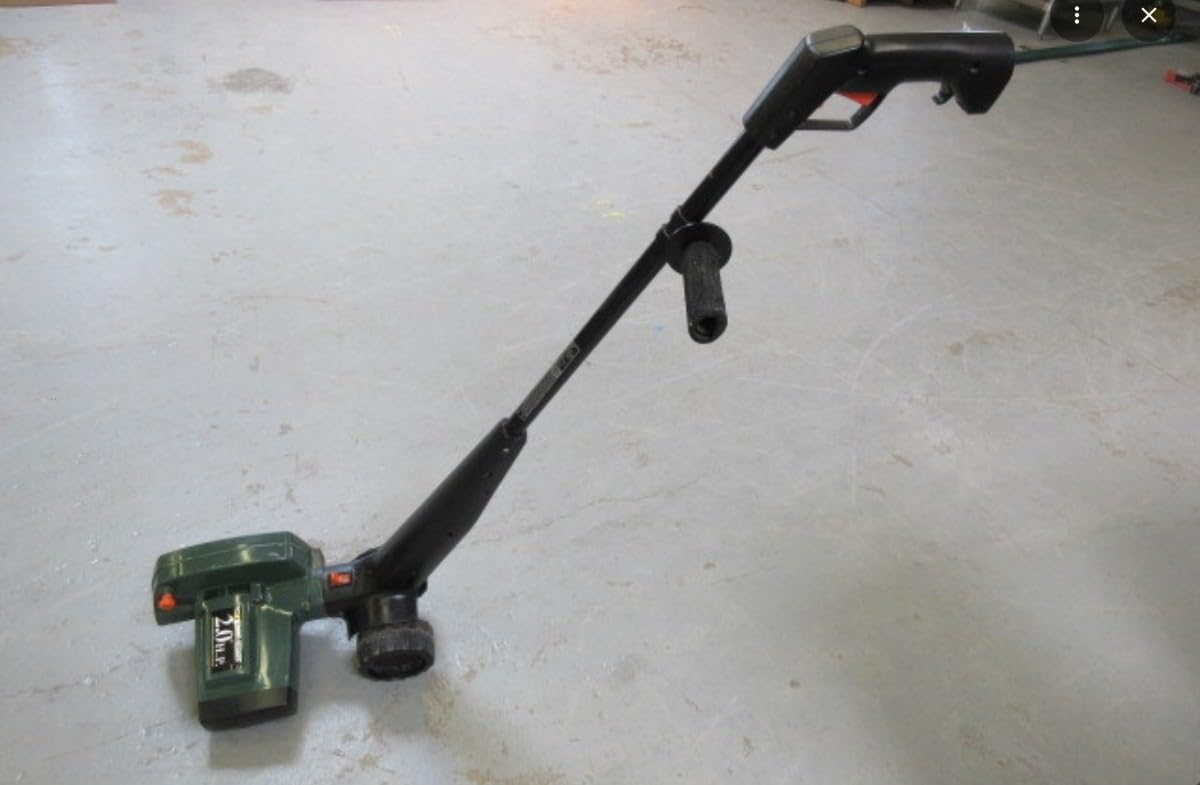
The build has been in production long enough that the design is well understood, and owners report straight, repeatable cuts with simple maintenance. The D-grip position also gives you a second hand near the head, which matters when the blade catches a root at the grass line and the tool tries to rotate.
The honest drawback is the cord. The built-in lead is one foot, so an extension cord is required, and dragging a cord along a walk is where snags and trips come from. If your sidewalk runs away from an outlet, this is not the tool.
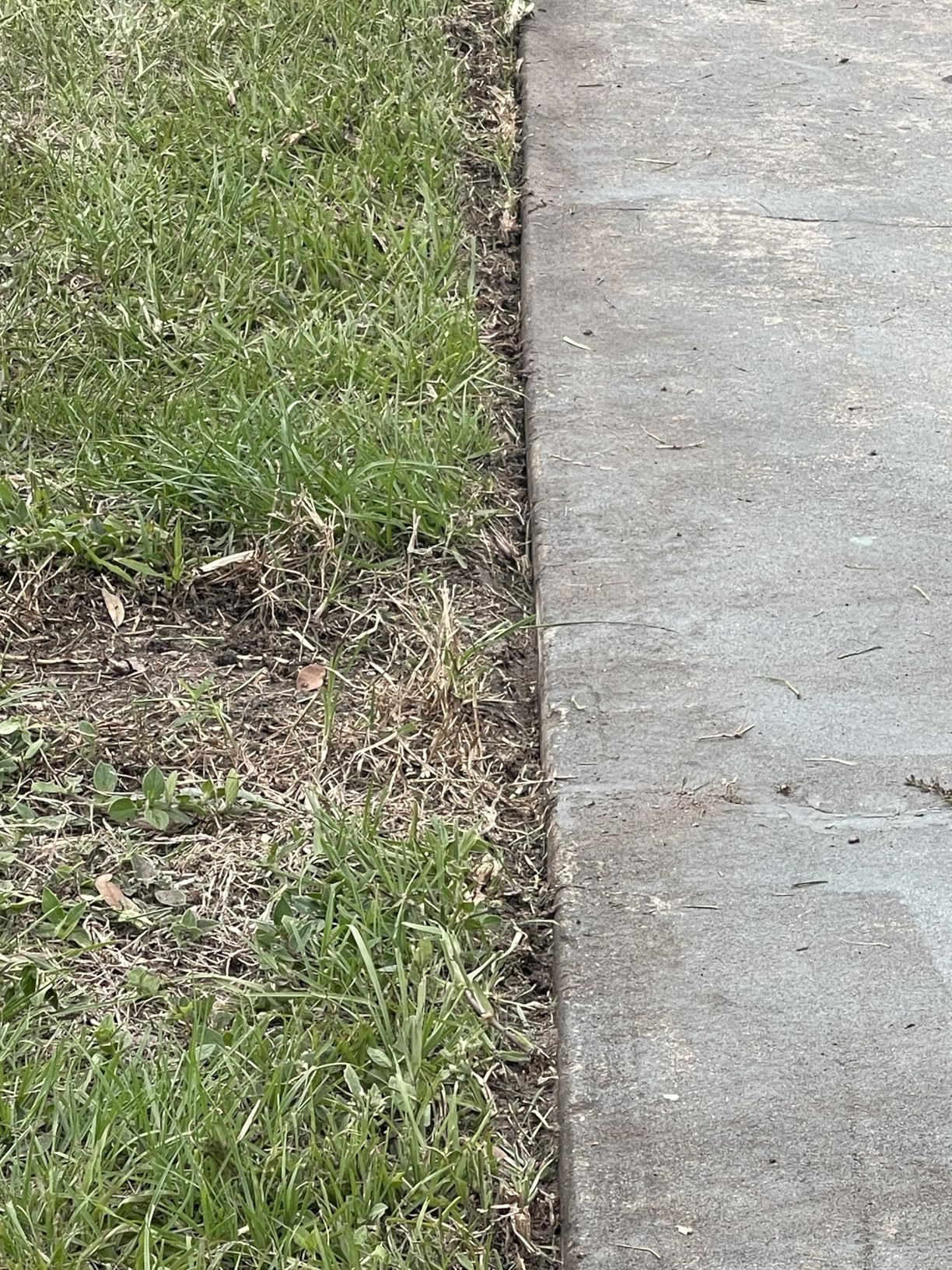
When this is the right pick
Choose the WG896 when you have an outlet near the walk, a long straight run, or roots that need a genuine cut rather than a cosmetic one. The line indicator plus three depth stops is the most repeatable setup we found, and it costs nothing to learn.
When to skip it
Skip it if the nearest outlet is more than a cord’s reach from the slab, or if 14 lb is going to be too much for a long afternoon. Both of those point at a cordless dedicated blade edger instead, and our 10 Best Lawn Edgers guide covers those in more detail.
2. BLACK+DECKER LE760FF Edger for Overgrown, Neglected Edges
BLACK+DECKER Lawn Edger Trencher 2 in 1, 12 Amp 7.5 in. Electric Edger Lawn Tool for Landscaping and Trench Digger, 3 Height Settings, Corded (LE760FF)
12 Amp corded
Edging and trenching modes
7-1/2 inch by 3/16 inch blade
Pull-up edge guide
Pros
- Cuts heavy overgrown edges with a back-and-forth motion
- Wheels make it easy to move and hold a straight line
- Unlimited runtime with no battery to charge
- Spare replacement blade included in the box
Cons
- Blade nut and blade can loosen mid-job and need re-tightening with a socket
- About 14 lb so it is heavy for handheld edging
- Bulky for tight corners and edges next to walls
This is the one to buy when the edge has been ignored. Owners consistently describe working through matted, overgrown edges with a back-and-forth rocking motion, which is exactly the technique a heavy, torquey 12 Amp motor supports. The three-position blade depth adjustment with a pull-up edge guide sets the cut height, and the wheels let you roll the machine to position before you start rather than carrying it.
It ships with the LE750 body, a replacement blade and a second accessory, so a dulled blade mid-season is not a crisis. The same head switches between edging and trenching, which covers cable and lighting runs without a second purchase.
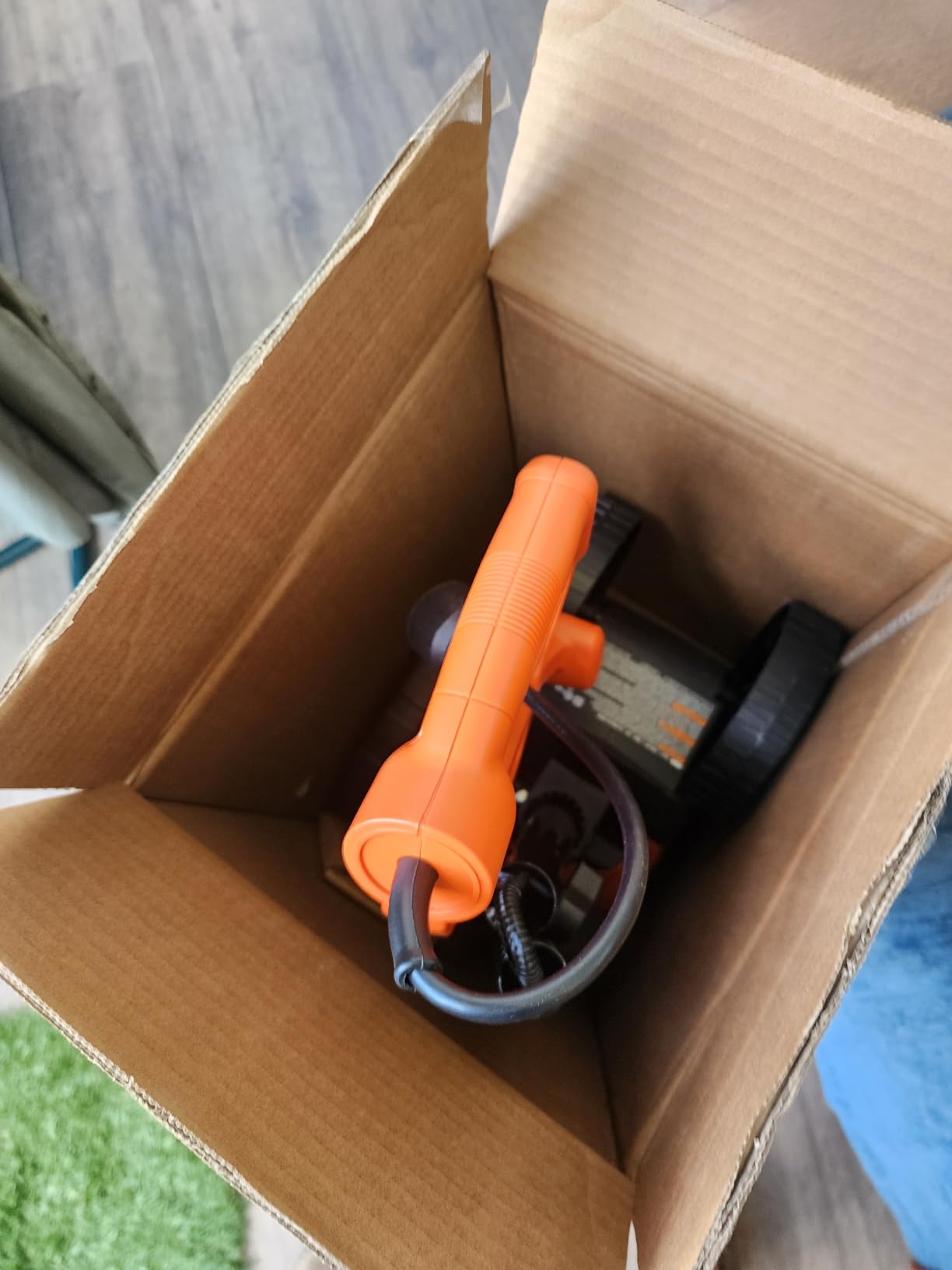
Durability is the standout here. Owners report eight to fifteen years of service from this design, and the wide 7-1/2 inch blade at 3/16 inch thick is a sensible amount of steel for a surface that eats steel. The no-tool setup and an accessible blade guard make blade changes a two-minute job.
The recurring complaint is the hardware, not the machine. A number of owners report the hex nut and blade loosening during use and needing a socket and a torque wrench to set it back to 140 in-lbs. Check it at the start of each job rather than trusting it.
When this is the right pick
Pick the LE760FF for a neglected edge, a long property, or a job where you will be trenching as well as edging. If you like a heavy tool that stays planted, this is the most planted of the group.
When to skip it
Skip it for tight corners, edges tight against a wall, or any work where you need to hold the tool up for a long period. At about 14 lb with a wide body, that is the wrong shape for detail work.
3. BLACK+DECKER LST522 20V for Lightweight Cordless Work
BLACK+DECKER 20V MAX 12 Inch Weed Eater Cordless String Trimmer and Wheeled Edger Lawn Tool with Spool, 2.5Ah Battery and Charger Included, Lightweight, 2 Speed PowerDrive (LST522)
20V MAX cordless
5.7 lb tool weight
2.5Ah battery included
Wheeled edging mode
Pros
- Lightest powered edger in the group at 5.7 lb for long sidewalk runs
- Wheeled edger mode keeps a straight even line on hardscapes
- Automatic line feed removes the bumping step
- Two-speed control for power or runtime
Cons
- String head can scuff the concrete if the guard sits too low
- Entry-level 20V power struggles in thick matted overgrowth
At 5.7 lb this is the tool we hand to anyone whose arms or back cannot carry 12 or 14 lb along a walk. It is a 2-in-1 with a wheeled edging mode, so the head rolls and the line does the work rather than your wrist, and the whole thing is light enough that a longer session is realistic.
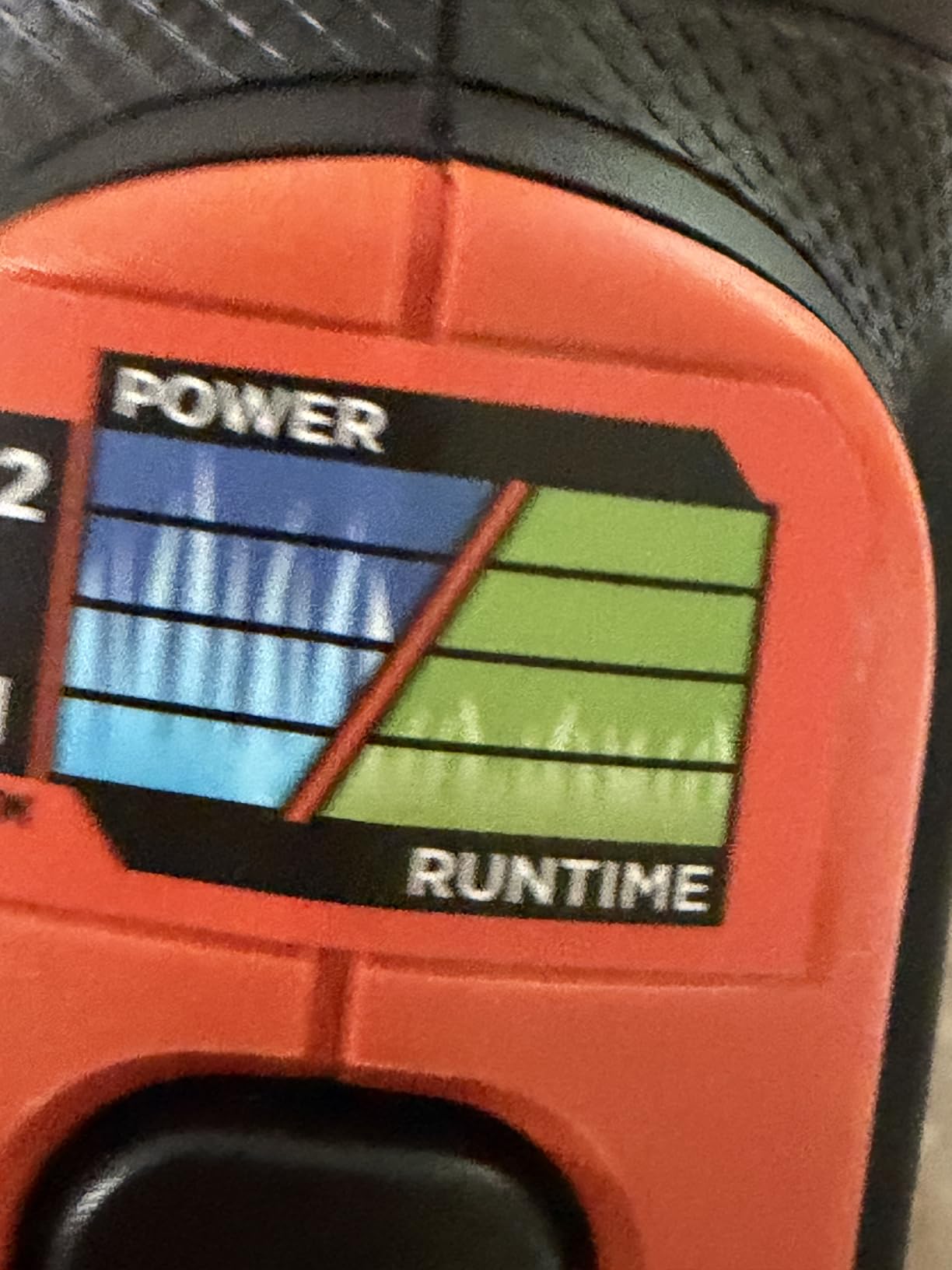
The automatic feed spool advances line without bumping the head on the ground, which matters when the head is already tilted and you do not want to knock it out of position. Two-speed control gives you the choice between cutting hard and running longer, and the 2.5Ah pack is deliberately the extended-runtime type in this platform.
For a short urban front walk, this is close to ideal. The straight, even result on hardscapes is what owners notice first, and the 12 inch cutting width covers ground quickly without the tool feeling twitchy.
Two honest limits. The line can scuff the concrete face if you set the guard low, which is a technique fix rather than a tool defect. And 20V entry-level power is not the answer for a walk where grass has grown across the edge for a season.
When this is the right pick
Choose the LST522 for short-to-medium walks, for anyone who finds 12 lb handheld work tiring, and if you already want one tool for both trimming and edging. Battery and charger are included.
When to skip it
Skip it for a long neglected edge, for a very tall operator, or if you need a defined vertical face that survives a month. Line will not give you that.
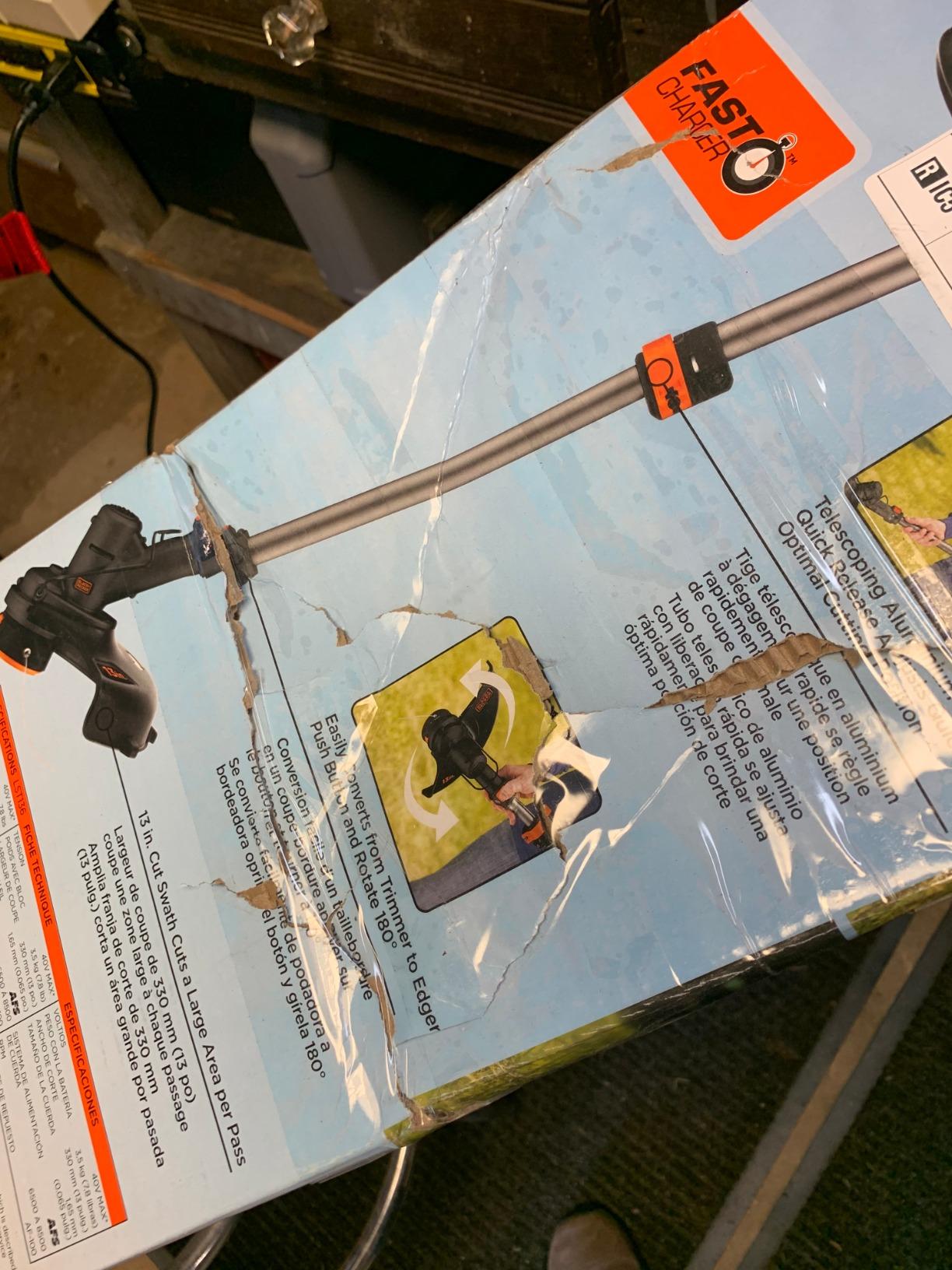
4. BLACK+DECKER LST136 40V for Wide, Fast Edging Passes
BLACK+DECKER 40V MAX 13 in String Trimmer Edger Cordless with Adjustable Telescoping Pole, 2 in 1 Weed Wacker Lawn Edger, Includes Battery and Charger (LST136)
40V MAX battery
13 inch cutting width
8500 RPM
PowerCommand dial
Pros
- 40V platform with a fast charger that refills in two hours or less
- Quick trimmer-to-edger conversion in seconds
- Automatic feed spool needs no bumping
- Lightweight at 7.8 lb with a telescoping pole
Cons
- String edging can scuff the concrete edge if the guard is set low
- Included 2.0Ah pack is smaller than some 40V batteries
The 13 inch swath is the widest cutting width here, and combined with 8500 RPM that means a long walk gets done in fewer passes than anything else in the lineup. The telescoping pole and soft-grip handle adjust for height, which is the single biggest comfort factor on a 200-foot run.
The PowerCommand dial switches between maximum power and maximum runtime, and the power drive transmission delivers the torque at the string that stops a thick edge from stalling the head. The battery has a state-of-charge indicator, and the included fast charger refills in two hours or less.
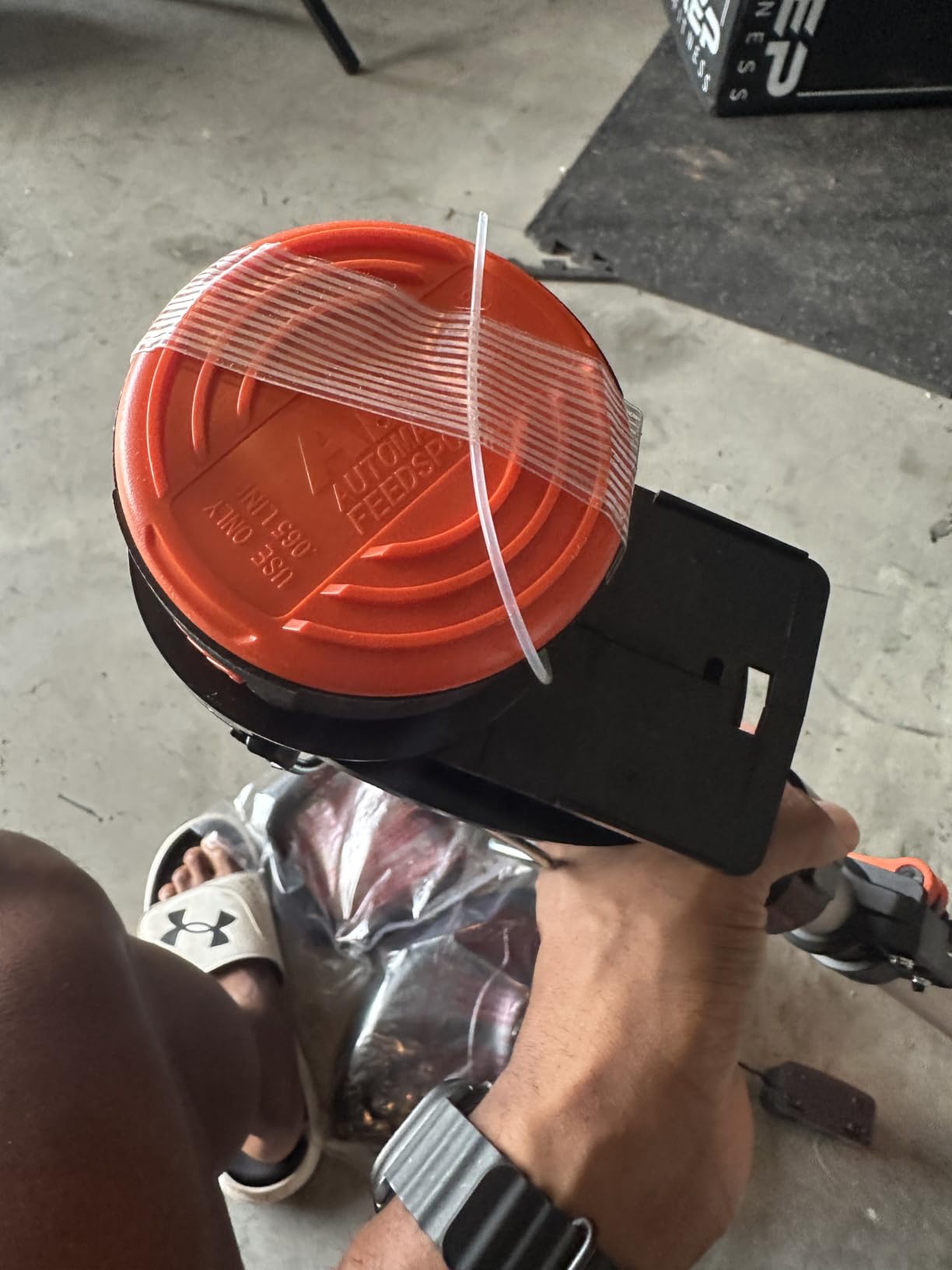
Conversion from trimmer to edger takes seconds, and the automatic feed spool means you never have to bump the head on the ground to get more line. At 7.8 lb it stays light despite the battery and the wide cutting area.
The 2.0Ah pack is the limiting factor on a big property. If you already own larger 40V MAX packs, the tool gets noticeably better. Otherwise plan on a mid-job charge on a very long run.
When this is the right pick
Pick the LST136 for a long sidewalk and driveway route where you want to cover ground in fewer passes, and if you want trimming and edging in one body with a wide cutting width.
When to skip it
Skip it if a defined blade edge is the goal. This is a line tool, and the guard height decides whether the line kisses the concrete face or scuffs it.
5. Greenworks 40V 8 in Edger for Uneven and Settled Slabs
Greenworks 40V 8 in Cordless Electric Lawn Edger, 4.0 Ah Battery, Charger
40V brushless motor
8 inch steel edging blade
Tool-less depth adjustment
4.0Ah battery included
Pros
- Brushless motor is quiet and resists the failures owners saw with brushed motors
- Strong enough to pull you forward through thick grass edges
- Tool-less depth adjustment makes repeat passes quick
- 4.0Ah battery covers multiple walks on one charge
Cons
- At 11.9 lb it is on the heavy side for older users
- Some reviewers report it cutting out briefly under heavy resistance
- The wheel may not reach the ground for very tall users
If your sidewalk has settled into uneven slabs, the stabilizing single-wheel design is the reason to look here. It keeps contact on a wavy surface where a two-wheel guide hops, and the 8 inch steel blade is a real blade rather than a line head, so the edge it leaves has a defined face.
Brushless does three useful things on a hard surface: it is quieter, so you are not fighting a neighbour at 7am, it resists the burnouts owners saw with brushed motors, and it lasts longer. The tool-less depth adjustment means a second pass at a deeper setting takes seconds.
Owners report that it has enough torque to pull you forward through thick grass, and one describes finishing a long driveway-and-sidewalk job in about 15 minutes. The 4.0Ah pack means a full charge covers multiple walks, which removes the mid-job battery anxiety that cordless buyers complain about most.
There is a real learning curve, and a few owners report a brief cut-out under heavy resistance. Check the blade threads direction before your first pass rather than discovering it mid-walk.
When this is the right pick
Choose the Greenworks for cracked, settled or sloped sidewalk, a thick edge that needs real blade force, and early-morning work where a quiet brushless motor is worth paying for. The four-year warranty on tool and battery is the longest in the lineup.
When to skip it
Skip it if you are lighter than about 12 lb can handle comfortably, or if you are very tall and the guide wheel does not reach the ground. Both are fit problems, not quality problems.
6. EARTHQUAKE 79cc Walk-Behind Edger for Very Long Curb Runs
EARTHQUAKE 41273 79cc 4-Cycle Walk-Behind Edger, Red/Black
79cc 4-cycle engine
4-wheel stability platform
10 depth settings to 2.5 inches
Blade pivots 20 degrees
Pros
- Four-wheel chassis holds a straight line over long unbroken sidewalk runs
- Pivoting blade offers straight or beveled cuts
- 10 depth settings cut up to 2.5 inches to slow regrowth
- Variable-speed throttle helps at start-up and corners
Cons
- Extensive assembly with vague instructions and no pictured parts list
- Engine oil must be added to the crank case before first start and no funnel is included
- 57 lb machine with real storage demands
Long-time users on lawn forums make the same recommendation about very long curb runs: a handheld edger wanders no matter how good it is, and a wheeled machine does not. The four-wheel chassis on this 79cc 4-cycle is the direct answer to that, and it is the reason this machine exists rather than a small convenience.
The blade pivots up to 20 degrees in either direction, so you can cut a straight vertical face or a beveled one depending on the look you want. Ten depth settings reach 2.5 inches, which is far past what you want beside a sidewalk, but it is what you need for a real trench for fence or cable runs. The variable-speed throttle controls startup and corners.
The 4-cycle engine runs on straight gas with no oil mixing, starts easily, and delivers more torque than any handheld gas edger. There is a built-in cup and tool holder, which sounds minor until you are mid-job. The warranty is five years with US-based support.
At 57 lb this is a machine you plan a session around. Assembly is the honest weak point: owners report one to four hours of setup with blurry instructions and no pictured parts list, plus a fuel delivery problem for one owner after a season. Budget a full afternoon for the first build.
When this is the right pick
Pick the walk-behind for a long straight run that a handheld edger cannot keep straight, for a large property, and if you want real trenching capability for low-voltage lighting or fence lines. A 5-year warranty helps on a machine this heavy.
When to skip it
Skip it for a short front walk. You would spend the first afternoon assembling it and the second storing it, and any of the handheld edgers above will do the same job faster.
7. Radius Garden Pro-Lite for Crisp Manual Finish Edges
Radius Garden 25602 Pro-Lite Carbon Steel Edger, Green
Heat-treated carbon steel blade
Extra-wide elevated forward step
About 40.25 inch overall length
4 lb
Pros
- Clean quiet and low-maintenance next to concrete
- Extra-wide elevated step gives good prying power and balance
- Heat-treated carbon steel blade holds an edge
- Fiberglass shaft is built for heavy-duty digging
Cons
- Blade must be wiped clean after each use
- Manual pace limits it to borders and detail edging
A hand edger solves a specific problem better than any powered tool: there is nothing spinning inches from your boot. No cord across the walk, no guard to clog, no noise at 7am, and total control over exactly where the cut lands. On a delicate edge beside a slab you would rather not chip, that control is the point.
The heat-treated carbon steel blade is roughly 9 by 5 inches on a 40.25 inch tool, and the extra-wide elevated forward step gives you a stable platform to put your weight through the blade. Owners rate the result as a crisp, defined edge and the 4 lb weight means you can swing it repeatedly without tiring. It also carries the highest average rating of any tool in this group.
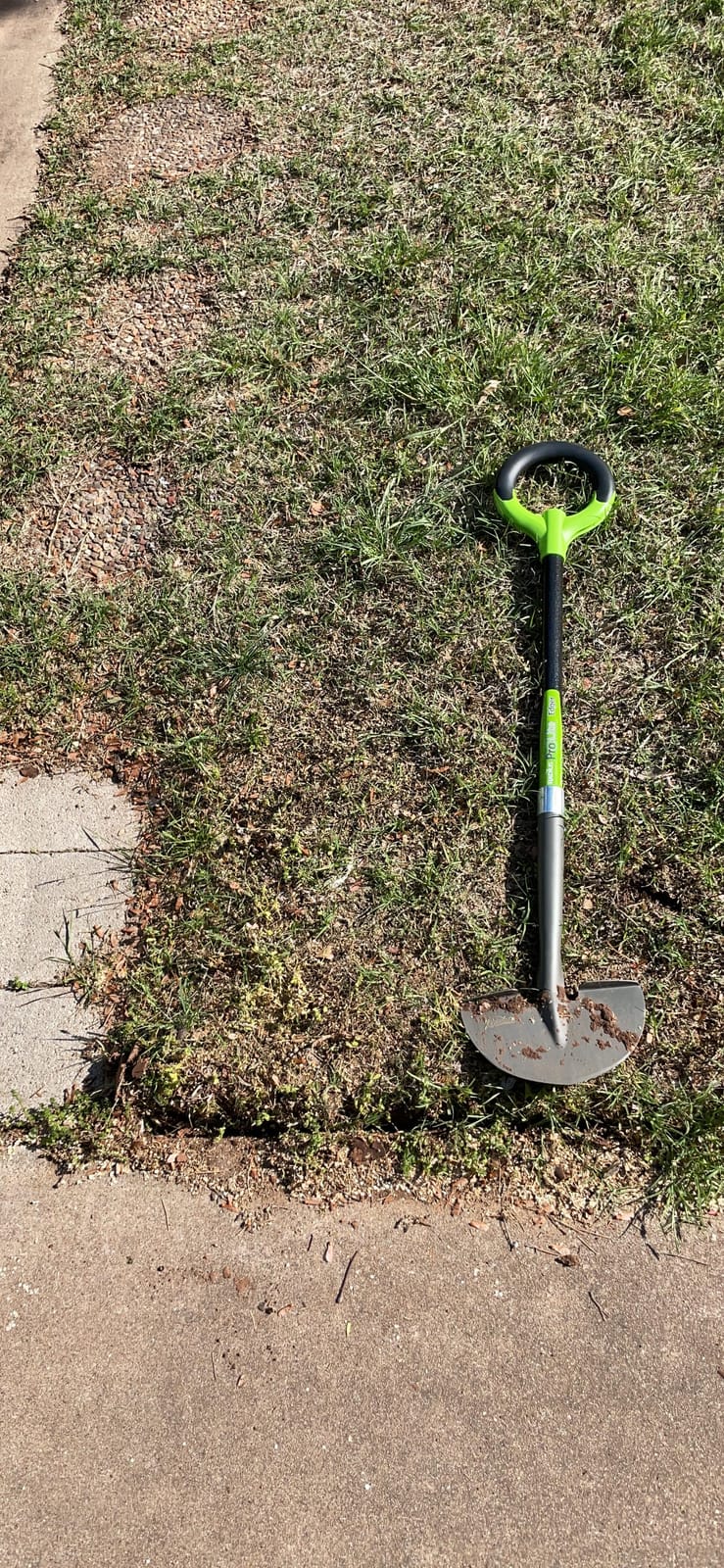
This is a lifetime-guaranteed tool with a fiberglass shaft rated for heavy-duty digging, which means it doubles as a cutting tool for sod and a shallow trencher when you need one. It ranks as the highest-rated product in this group, and the satisfaction behind that number is consistent: crisp edges and a stable step.
The maintenance is the whole trade. Wipe the carbon steel blade clean after each use or it will spot and dull, and the manual pace means this is a finish tool, not a clearing tool. It will not handle a walk that has been swallowed by grass for a season.
When this is the right pick
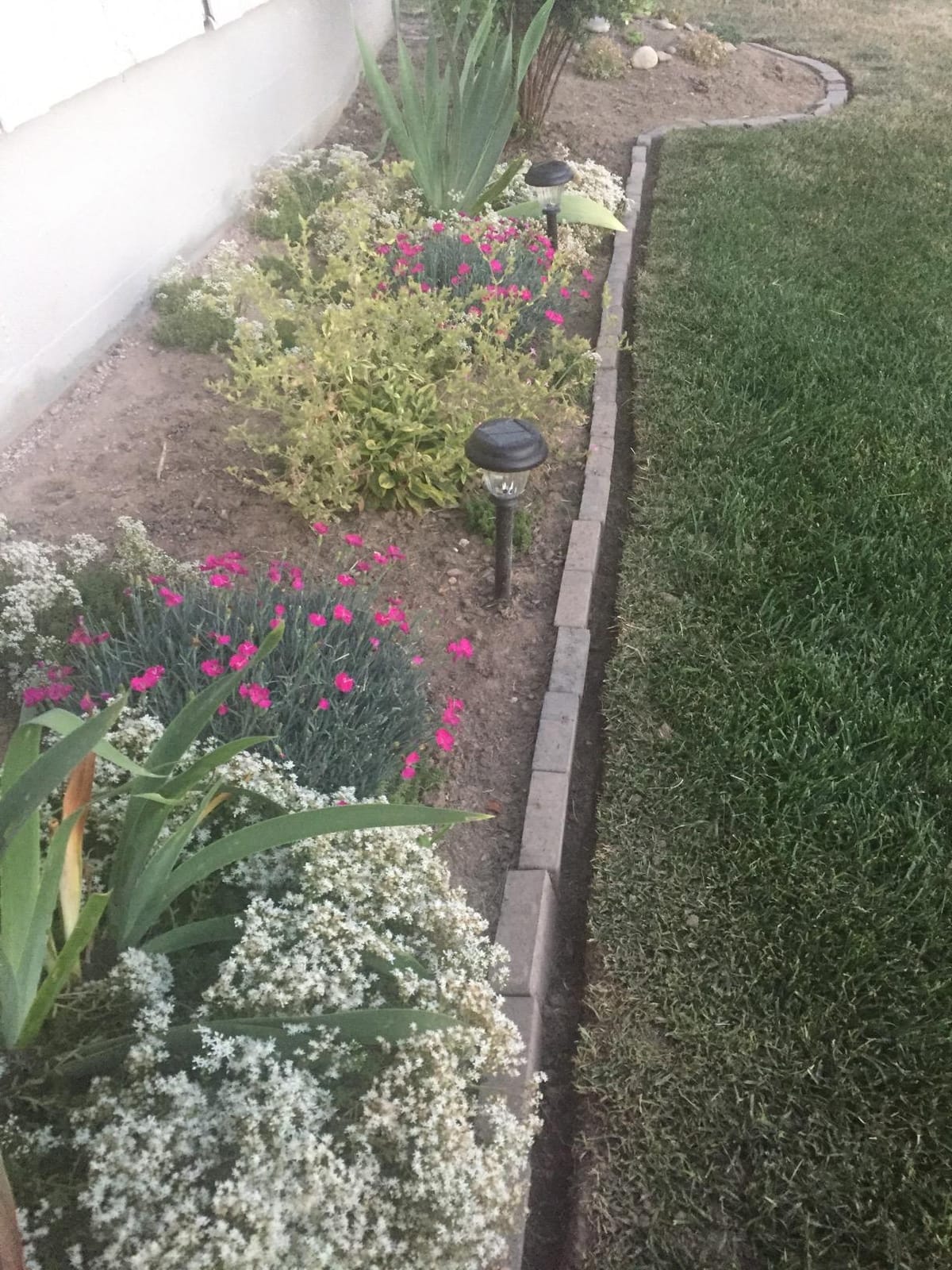
Choose the manual edger for flower bed edges, short runs, a garden border, or any spot where noise, cord risk or a spinning blade near stone is a genuine concern. The elevated step makes it comfortable in soft soil.
When to skip it
Skip it for a long sidewalk, for hard clay, and for any edge with real roots. You would be out there the whole afternoon for a job a machine finishes in fifteen minutes.
8. Fiskars 38 in Steel Edger for Quiet Early-Morning Work
Fiskars 38″ Manual Long-Handled Steel Edger, Garden & Lawn Tool
Welded 14-gauge hardened steel blade
2.2 lb tool weight
38.5 inch overall length
Step foot platform
Pros
- Silent with no fuel or cord needed
- Very light at 2.2 lb for precise control and detail edging
- Long handle reduces kneeling and back strain
- Sharpened blade cuts dense turf and tough soil
Cons
- Manual cutting pace suits short runs rather than long sidewalks
- Blade needs to be kept clean and sharp to perform
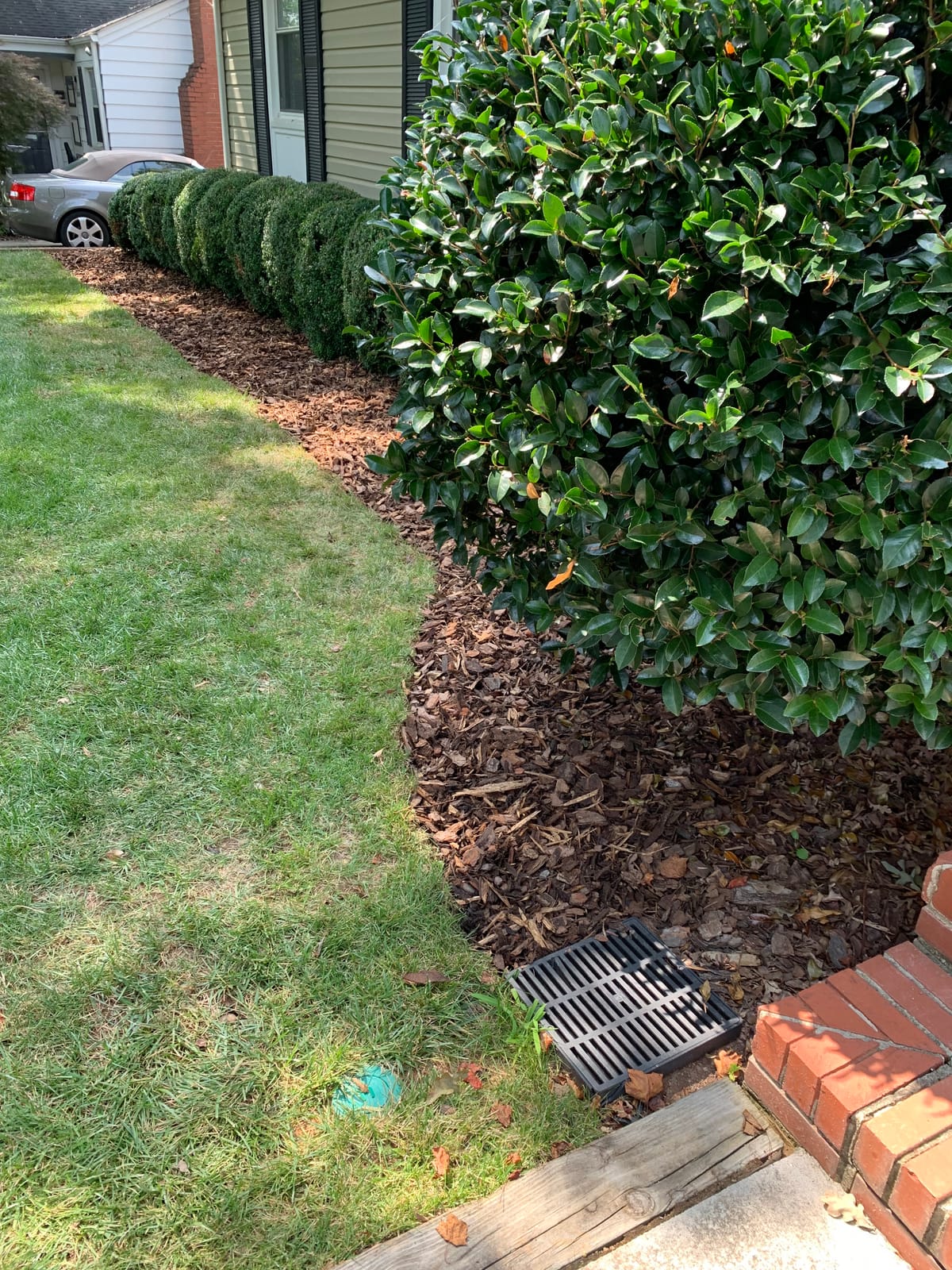
This is the quietest option here and it is not close. There is no motor, so you can work at whatever hour suits you, right next to a neighbour’s patio, with a blade that is inches from your boot and never moving on its own. At 2.2 lb it is also the easiest to control for detail work around posts, downspouts and tight corners.
The 38.5 inch length means you are mostly standing rather than kneeling, and the welded 14-gauge hardened steel blade comes sharpened so it starts cutting into dense turf and compacted soil straight out of the box. The large step platform gives you the prying force to drive the blade in with your foot.
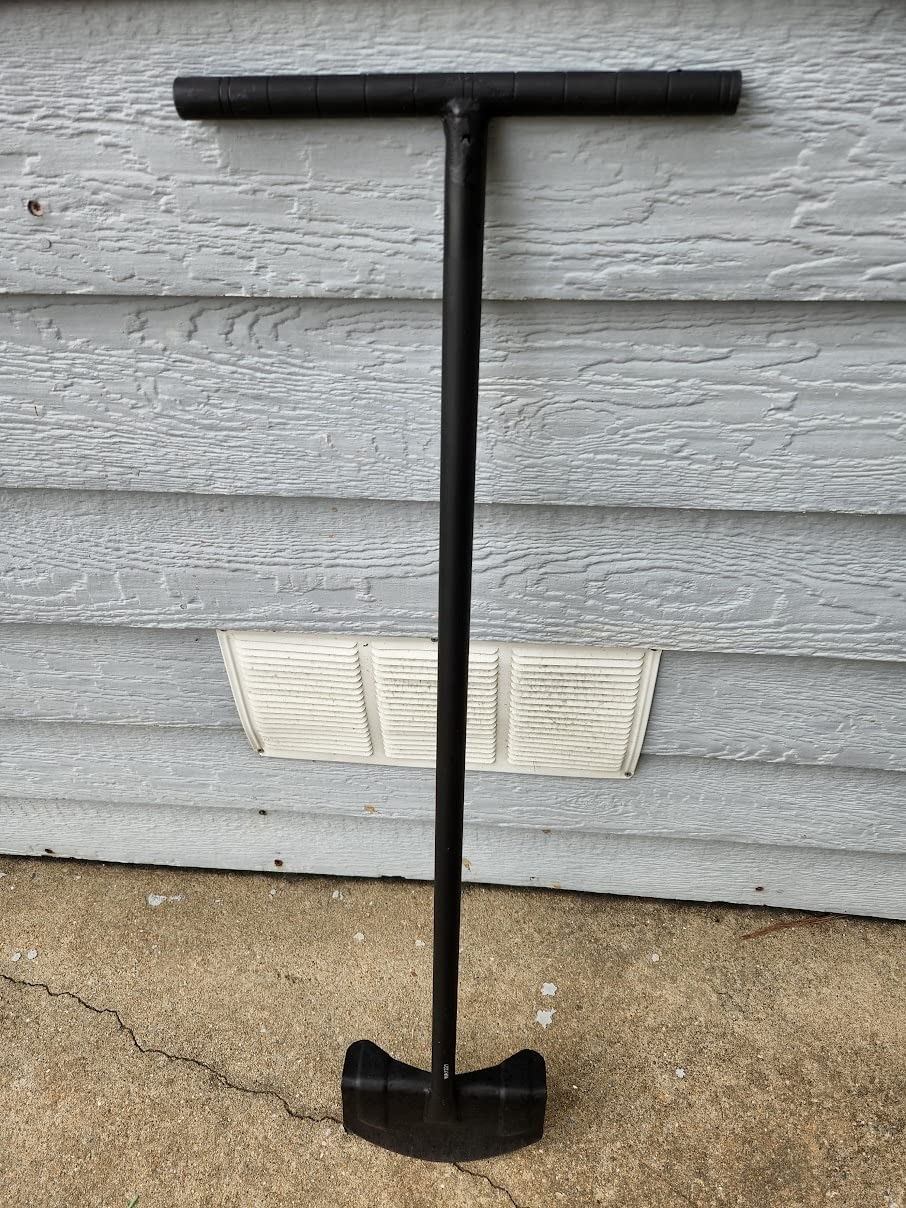
The full lifetime warranty on a tool this simple is a genuine advantage over a powered edger with a battery and a switch. It ranks near the top of the hand edger category for consistent satisfaction on garden borders and sidewalk detail work.
It is also all steel, which means it will not surprise you electronically, but it will still need the blade wiped and kept sharp to perform. Keep it by a door and it will be there when a clump of grass appears at the corner of the walk.
When this is the right pick
Pick the Fiskars for detail edges, short runs, and any household with a noise-sensitive neighbour or a small storage space. The long handle takes a lot of kneeling out of the job.
When to skip it
Skip it for a full-length sidewalk, for hard clay, and for clearing a weed-choked edge. The pace is one deliberate stroke at a time.
9. Root Slayer Serrated Edger for Compact Soil and Roots
Root Slayer 22611 Serrated Garden Edger, Red
Serrated half-moon carbon steel blade
Inverted V cutting tip
Fiberglass shaft with grip
4.8 lb
Pros
- Serrated teeth bite into compact soil and shallow roots better than a plain edge
- Clean quiet and emissions-free right beside concrete
- Handles both straight lines and smooth curves along walkways
- Powder-coated carbon steel with a lifetime warranty
Cons
- Manual labor makes it a detail and finish tool rather than a clearing tool
- Serrations and the inverted V tip need occasional sharpening as they wear
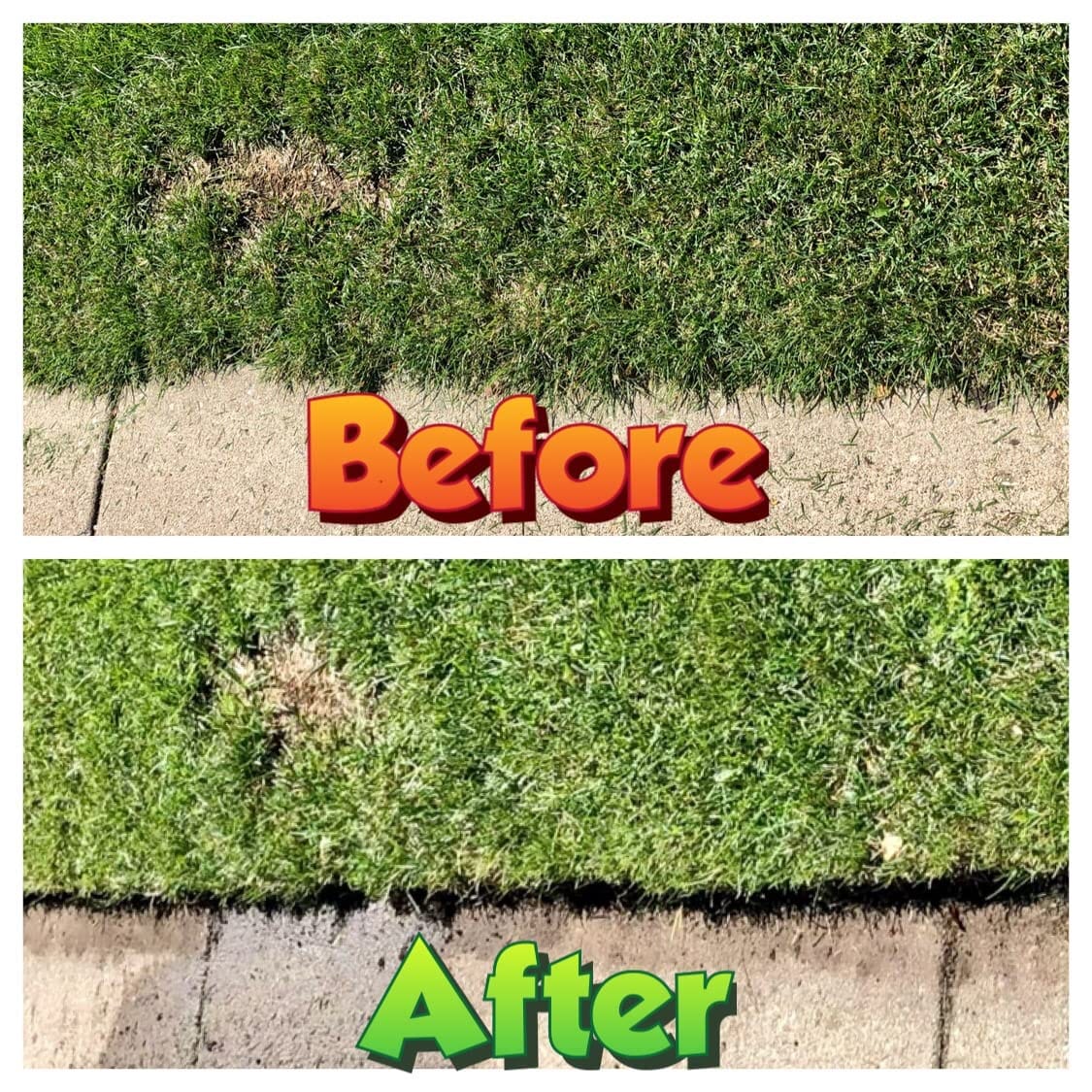
The half-moon blade with an inverted V tip and aggressive serrations is a different tool from the straight-edged hand edgers, and that difference is exactly what hard ground demands. Serrated teeth grip and saw rather than skate, so this is the hand edger to reach for when the soil beside your walk has compacted or when grass has rooted in.
It also handles smooth curves as well as straight runs, which matters if your sidewalk is not a straight line. Like the other manual options it is silent and emissions-free, so there is nothing spinning near the concrete and nothing to trip over.
The powder-coated carbon steel blade resists corrosion, the resin-encased steel shaft carries a non-latex ergonomic grip, and the tool is backed by a lifetime warranty. At 4.8 lb it sits between the two lighter hand edgers, which is a fair trade for the more aggressive cutting geometry.
Two limits. The serrations and the inverted V tip need occasional sharpening as they wear, and the manual labor is real. This is a detail and finish tool, not a way to clear an overgrown sidewalk in one sitting.
When this is the right pick
Choose the Root Slayer for hard clay soil, compact ground, edges with shallow roots, and any walkway that curves. The serrations do the work a plain hand edger would stall on.
When to skip it
Skip it for a long straight run or for clearing a neglected edge. Plan to spend time with a sharpening tool to keep the teeth biting.
10. BULLY TOOLS 12-Gauge Edger for Trenching and Sod Work
BULLY TOOLS 12-Gauge Manual Lawn Edger, 38″ Steel T-Style Grip
12-gauge extra-thick round steel edge
38 inch overall length
All-steel T-style grip
Limited lifetime warranty
Pros
- 12-gauge steel edge resists bending and can be rocked to open a furrow
- Doubles as a trencher for direct-bury low-voltage path lighting
- Made in USA by a family-owned Ohio maker
- Silent and light enough to swing repeatedly all session
Cons
- One reviewer found the factory grind angle too shallow and sharpened it
- One handle can slip and rotate on the pipe
- Foot platform is small for users wearing boots
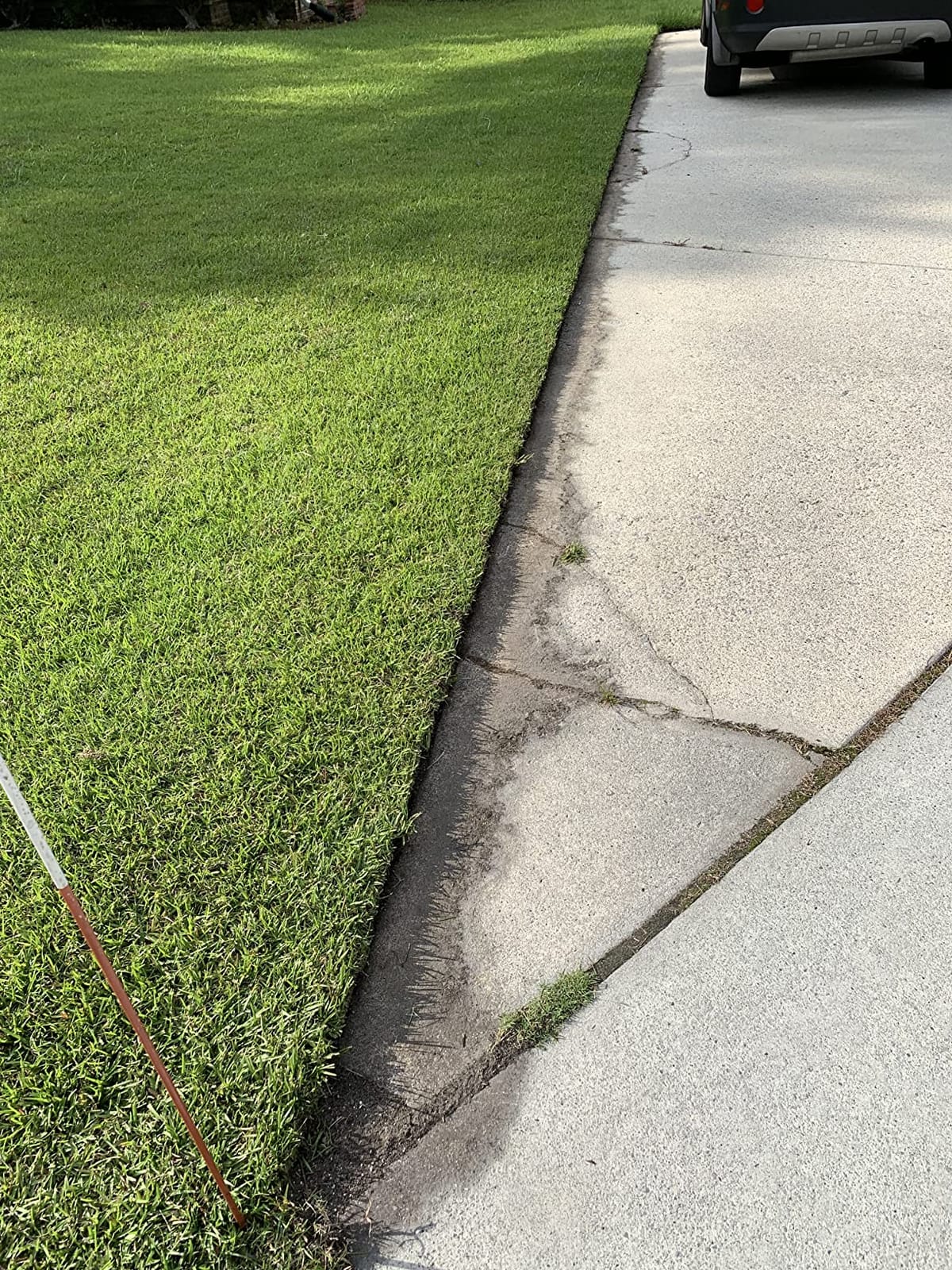
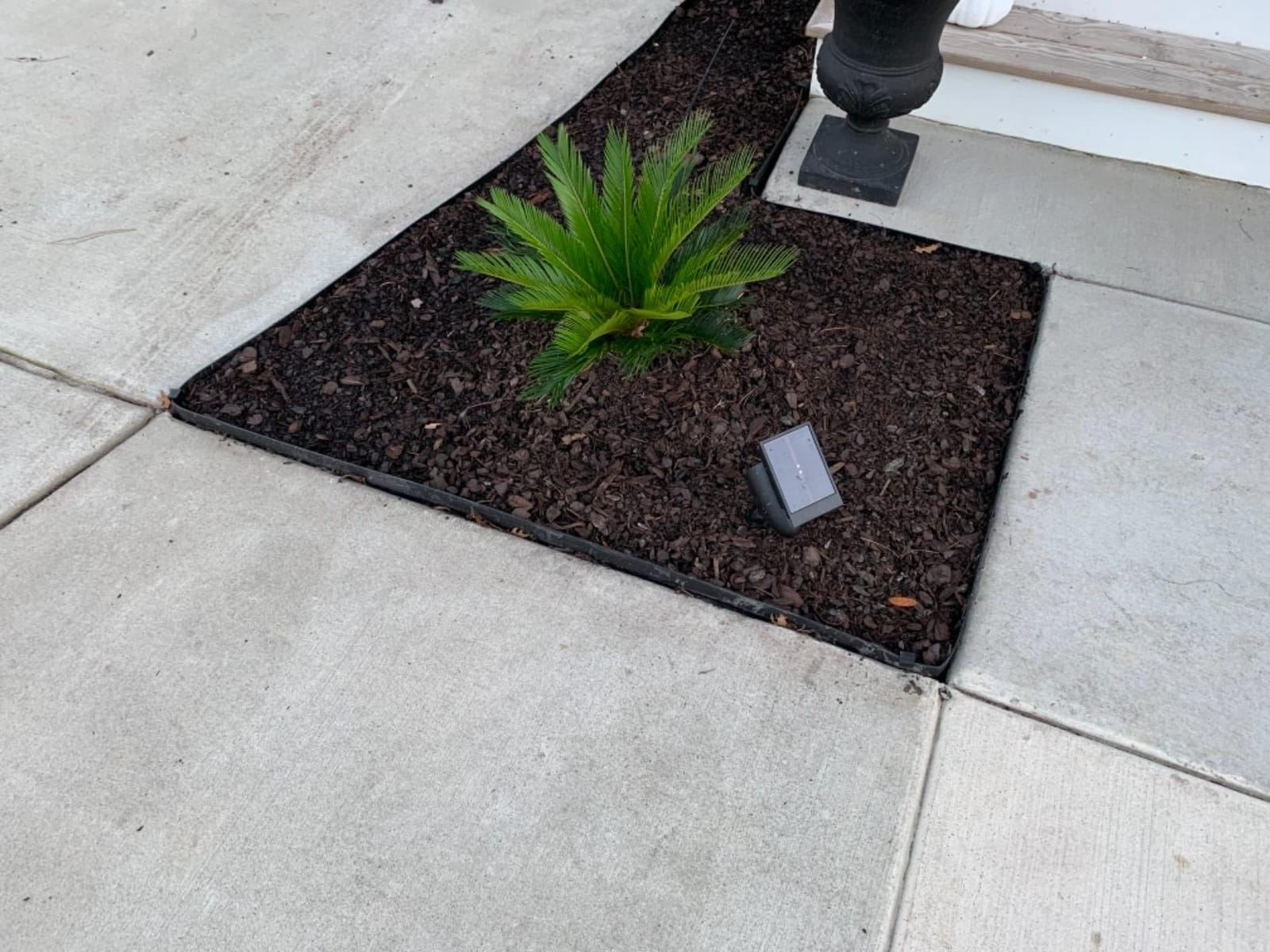
The thickest steel of any hand edger in this group, and that is the reason owners report it resisting bending where lighter tools flex. The 38 inch length gives you reach and the mechanical advantage to push into hard ground, and the ability to rock the blade back and forth is what lets it open a furrow rather than just scratch the surface.
That same furrow capability is why it doubles as a trencher. Owners lay direct-bury low-voltage path lighting cable with it, which is a genuinely useful thing to be able to do along a walkway without renting anything.
It is all steel, made in the USA by a family-owned Ohio maker, and backed by a limited lifetime warranty. at 3.69 lb it is light enough to keep swinging for a whole edging session, and it is completely silent next to concrete.
The factory grind angle is the most common complaint, with one reviewer dressing the blade to a better angle with a grinder. Check the edge before you start on a hard edge. Some buyers also report confusion between the listed dimensions and the actual 38 to 39 inch tool.
When this is the right pick
Pick the BULLY TOOLS for heavy soil, for a project that includes trenching low-voltage lighting or cable along the walk, and for anyone who wants one manual tool with no consumables and a lifetime warranty behind it.
When to skip it
Skip it if you want a factory-sharp out-of-the-box edge, if the rotating handle bothers you, or if you wear boots and want a bigger step pad. It is a work tool, not a finishing tool.
11. Amazon Basics 12 Amp Edger for First-Time Powered Buyers
Amazon Basics 12 Amp Corded Electric Lawn Edger, 7.5″ Double Edge Blade for Landscaping and Garden Beds, 4420 RPM, Adjustable Height
12 Amp corded motor at 4420 RPM
7.5 inch double-edged blade
Digs up to 1.5 inches
Spring-assist front wheel
Pros
- Lowest entry point for a genuine powered blade edger
- Real 7.5 inch double-edged blade that holds up against concrete edges
- Stays tight over long sessions rather than squirting out of line
- Edging and trenching in one body with a 5-year tool warranty
Cons
- Blade hardware can loosen during use and a wheel nut can come off
- Soil and grass build up inside the blade guard on wet ground
- Very loud at 94 dB
- Two reviewers received units that would not power on
This is the cheapest genuine blade edger in the lineup and the one to buy if you have never owned a powered edger and want to find out whether the tool category suits you. It is a real 12 Amp corded motor with a 7.5 inch double-edged blade, not a rebranded trimmer, and owners report it holding a tight line over long sessions rather than wandering.
The spring-assist front wheel adjusts blade depth without tools, and the adjustable auxiliary handle helps keep the tool level. It digs up to 1.5 inches and doubles as a trencher for wires, cables and irrigation lines. The 5-year power tool warranty is unusually long for this bracket.
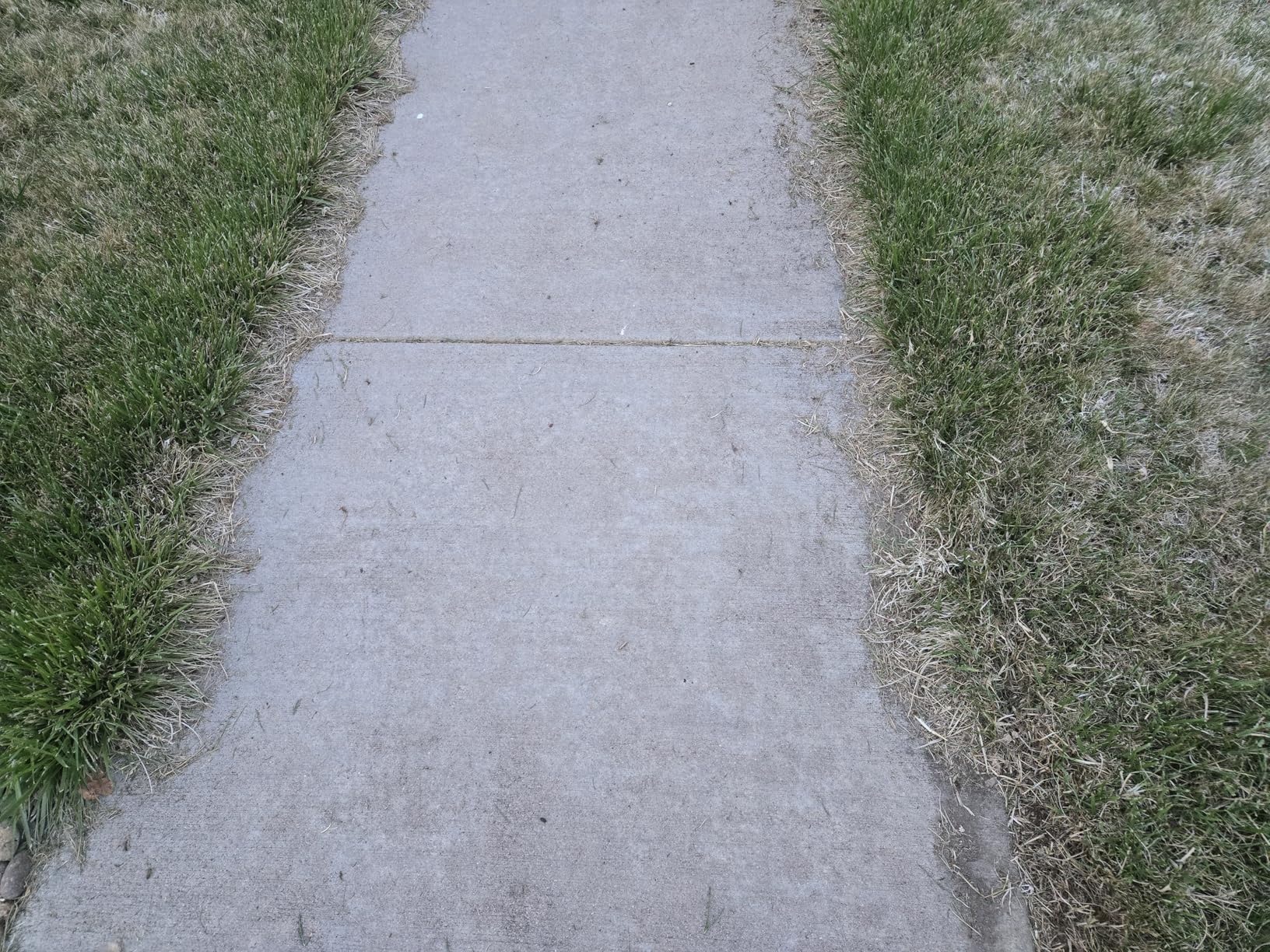
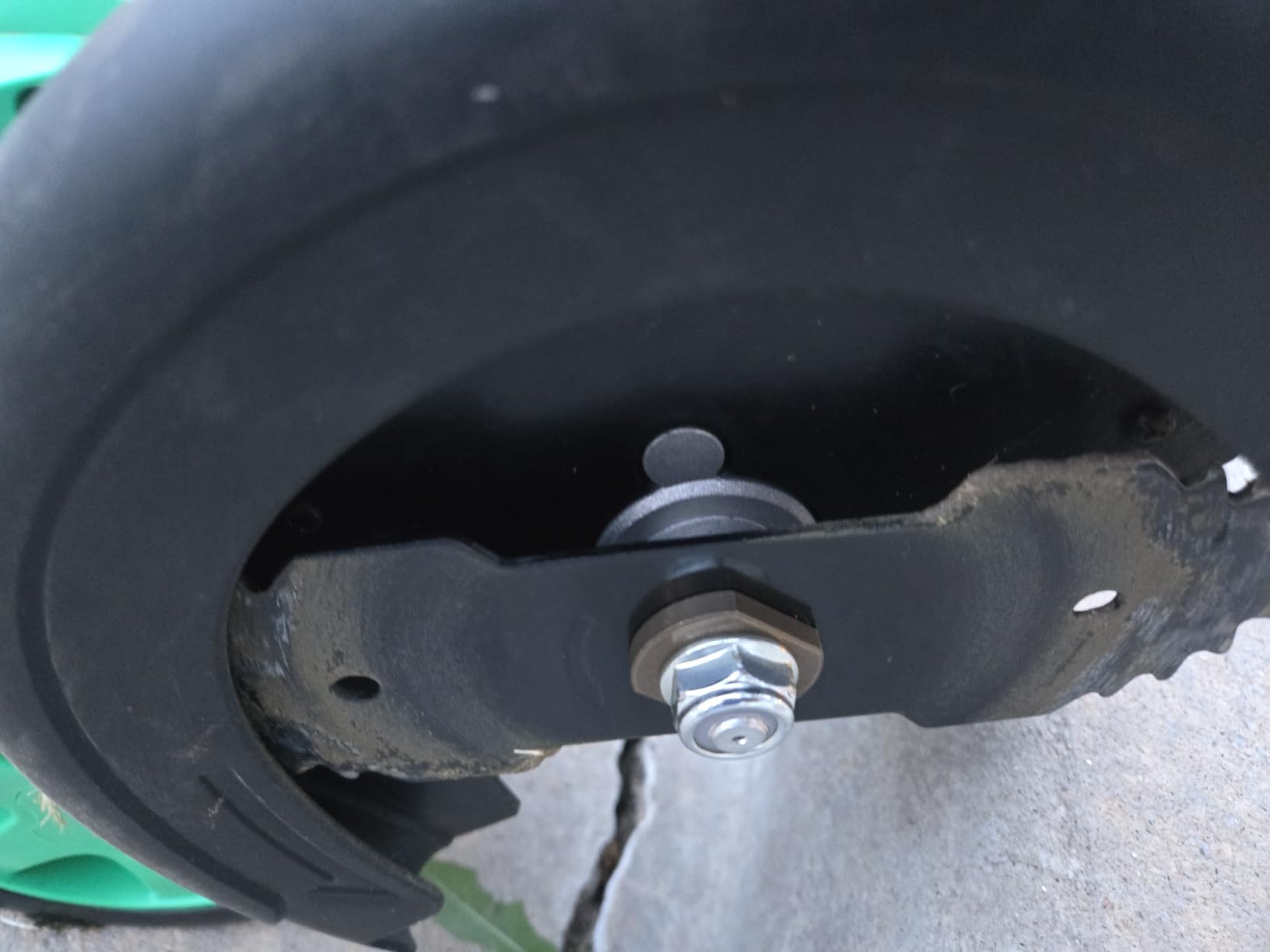
It is loud, at 94 dB measured, so ear protection and avoiding early mornings are both worth taking seriously. The guard is also where the concrete story bites: soil and grass pack into it on wet ground, and owners report loosening blade hardware and a wheel nut that can come off. Check both at the start of each job.
The listed weight of 6.49 kg looks like a unit error and the tool feels top-heavy in practice, so treat it as heavier than the listing suggests. Two reviewers received units that would not power on at all, so keep the return option open.
When this is the right pick
Choose the Amazon Basics edger as a first powered edger, if you have an outlet near the walk, and if the entry cost is the deciding factor. The cutting quality per unit of money is genuinely good.
When to skip it
Skip it for early-morning neighbours, for damp ground where the guard clogs constantly, or if you are fussy about hardware loosening. A stronger brand is worth the difference if you plan to keep it for years.
12. VEVOR 20V Cordless Edger for Tall Operators
VEVOR Lawn Edger 8.8-in Blade, 20V Battery Powered Cordless Edger Lawn Tool
8.8 inch high-carbon steel blade
20V 4000 mAh battery
3 depth settings
57.48 inch overall height
Pros
- Cordless convenience with a 4000 mAh battery and charger included
- Three depth settings from 1 inch to 1.5 inches
- Dual-wheel guide helps hold a straight line along concrete
- Tall 57.48 inch tool height reduces bending
- Steel tube frame and high-carbon steel blade
Cons
- Lowest average rating in the group at 4.1
- 3200 RPM is lower than most competing edgers and bogs in long-neglected edges
- Some reports of units failing after limited use
The reason to notice this one is the 57.48 inch overall height. If you are tall and constantly bent over a shorter edger, that alone changes how a session feels, and the telescoping behaviour of the handle plus the pivoting design for straight lines both support that.
It is otherwise a competent cordless layout: an 8.8 inch high-carbon steel blade, a 4000 mAh pack with charger included, three depth settings from 1 inch to 1.5 inches, and a dual-wheel guide that helps hold a line on concrete. At 9.9 lb it sits in the middle of the weight range.
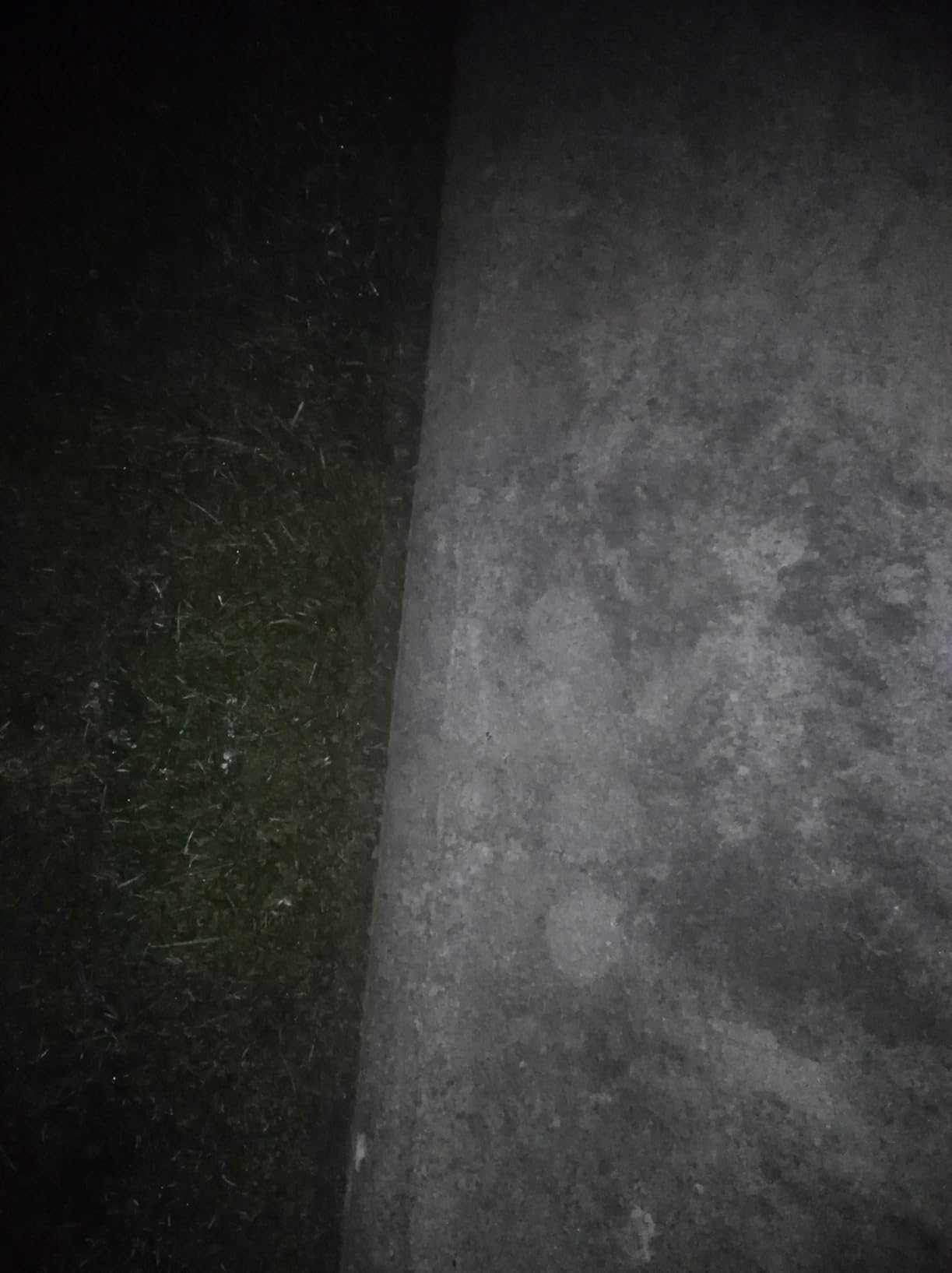
The rating is the problem. At 4.1 it sits below every other tool in this group, with a meaningful share of one-star reviews, and 3200 RPM is the lowest blade speed here, which shows up as bogging down in a long-neglected edge. There are also reports of units failing after limited use, so the durability picture is thinner than the established brands.
Owners also report that concrete contact makes noticeable blade noise and dulls high-carbon steel faster, which is a fair warning on a tool people will use right against a slab.
When this is the right pick
Consider the VEVOR if you are a tall operator who finds shorter edgers punishing, you want cordless convenience with a battery and charger in the box, and the entry point matters most.
When to skip it
Skip it for a hard, rooty edge, for heavy clay, and for anyone planning to keep a tool for a decade. Any of the higher-rated cordless options above is a safer long-term bet.
Trimmer Line for Concrete Edging: Choosing Gauge and Profile
If you are running a line edger rather than a blade, the line choice matters more than most buyers expect. Concrete is abrasive and it finds the weak points in a spool. The useful rule is thicker for durability, and harder shape for cutting edge.
On gauge, .065 inch line is for light edging work and thin grass, and it frays fastest against concrete. .080 inch is the sensible all-round choice for a walk, holding shape better and still feeding reliably through most heads. .095 inch is the point where you get a noticeably cleaner cut and much better abrasion resistance, and it is where most edging-focused recommendations land. .105 inch is heavy-duty line for thick, established edges and near-continuous concrete contact, and it needs a head designed for it.
On profile, twisted copolymer line is the flexible, general-purpose choice and forgives a wandering head. Square and pentagon profiles have harder edges that cut more aggressively and hold a sharper corner, which is what you want against a slab, at the cost of a rougher line and more breakage on contact. Dual-core line puts a hard outer shell over a softer core and is a good compromise if you edge regularly.
Whatever you choose, keep a spare full spool and learn your head’s line cutter. And set the guard height so the line touches the grass-to-concrete seam rather than the concrete face, which is the difference between a clean edge and a scuffed one.
When a Walk-Behind or Hand Edger Wins Instead
There are two situations where the twelve picks above are the wrong shape of tool entirely, and both come up constantly in lawn forums.
The first is a very long, very straight run. A handheld edger of any quality wanders over distance, and the longer the run the more that shows. If you have a long curb, a driveway border, or a property with several hundred feet of edging, a wheeled walk-behind machine holds a straight line that no handheld tool will, and the blade pivot on the EARTHQUAKE above also lets you change the cut angle as you go. Forum regulars with years of curb work tend to end up on a three- or four-wheel machine for exactly this reason.
The second is a tight, quiet, or delicate job. Around posts, downspouts, planting beds, and next to stone or a neighbour’s patio at an ungodly hour, a manual edger wins. Nothing spins, nothing is loud, and you control the cut to the inch. If your concrete is old and brittle, or has exposed aggregate, a hand edger is simply the least risky way to tidy the joint.
There is also a third, more mundane answer, and it comes up in more threads than any other: if you are not going to edge twice a season, learn to edge with the string trimmer you already own. The sideways technique is a genuinely useful skill. The point at which people buy a dedicated edger is usually the point at which a short walk stops being short.
Repairing Trenches a String Trimmer Dug Beside the Walk
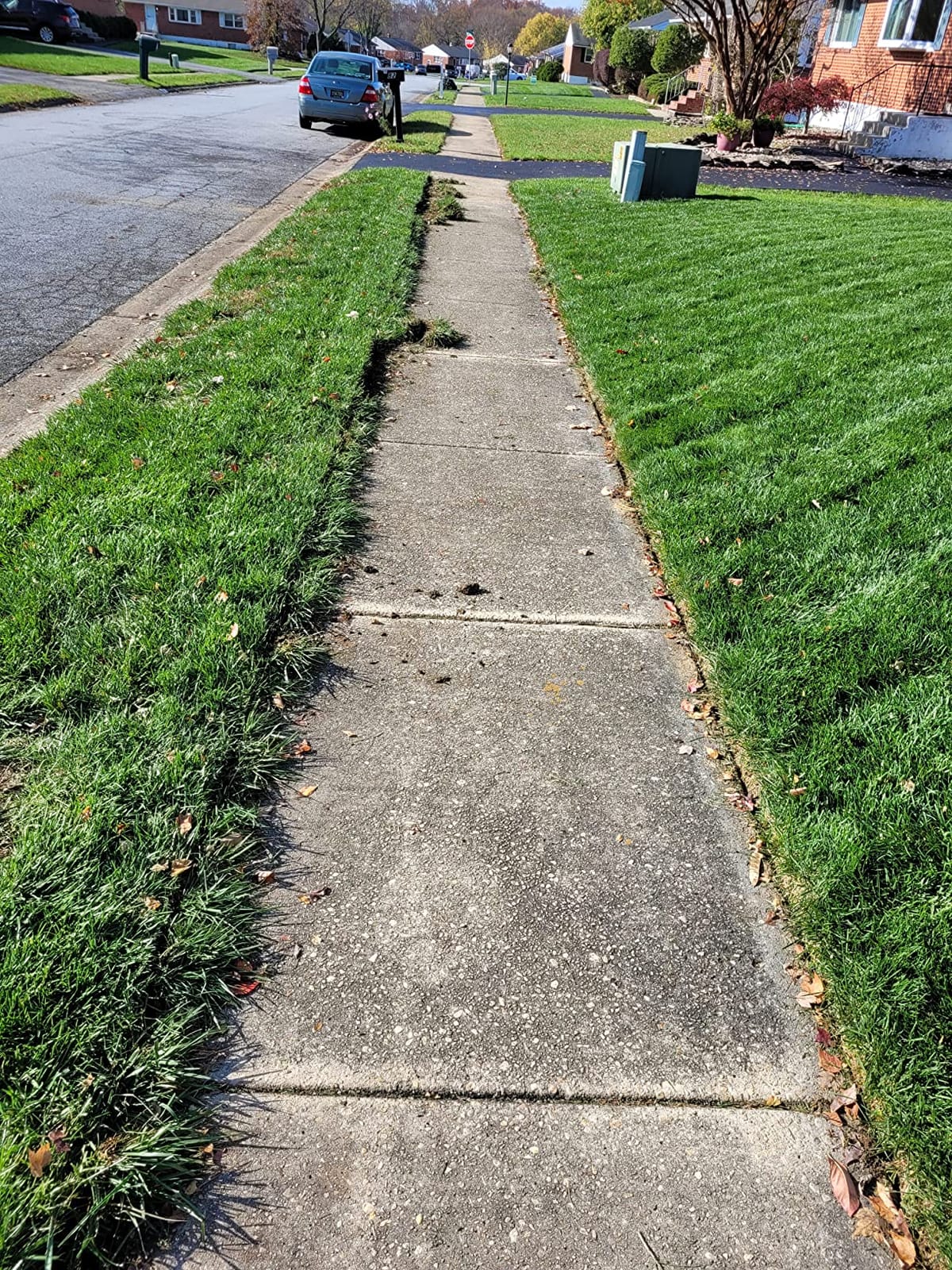
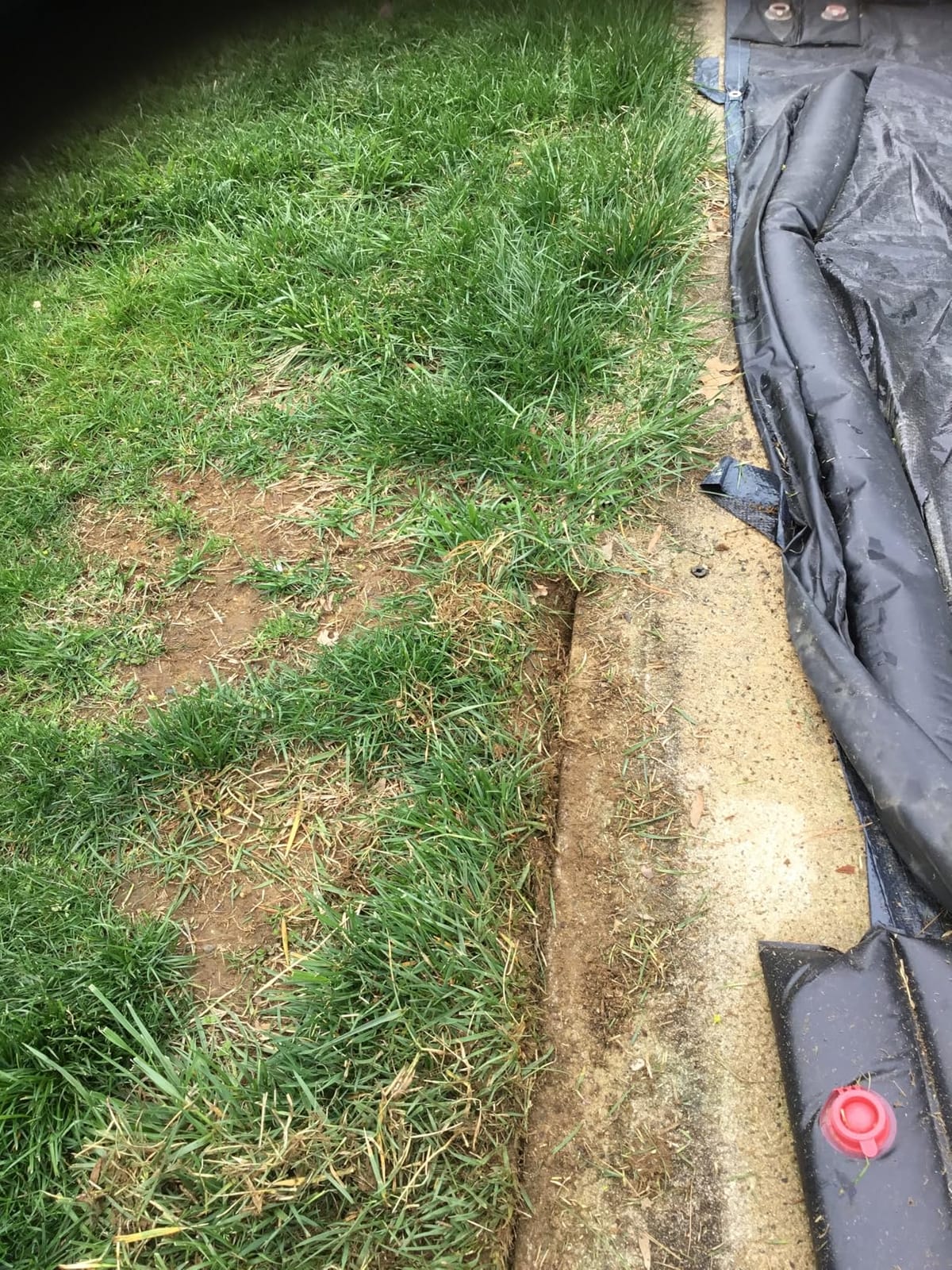
If you have been edging with a weed eater for a few seasons, you probably have a narrow trench of bare soil running alongside your concrete. It is the single most common complaint in lawn forums, and the repair is consistent advice across all of them.
Backfill the trench with two or three inches of soil, water it in well, and let it compact for a couple of weeks. Do not edge that section again with a string trimmer once it has settled, or you will be back where you started. Once it has firmed up, run a dedicated blade edger over it to cut a clean, defined edge. If the trench is deep enough that the grass roots are gone entirely, top-dress with a thin layer of soil and seed before you edge.
The reason this keeps happening is geometry. A tilted string trimmer head bites down into soft soil rather than cutting a level face, and the ground beside a walk is always soft soil. An edger cuts a vertical face and leaves a shoulder of soil that grass grows into, so the trench does not appear.
Buying Guide: Choosing the Right Edger for a Concrete Edge
Blade or line. This is the decision that matters most and everything else is secondary. A dedicated steel blade cuts a defined vertical face that lasts weeks and can be depth-set so every pass matches the last. Line is flexible, cheaper to run, and easier in tight corners, but it frays on concrete and cannot be held to a consistent depth. Choose the blade for anything longer than a short walk.
What counts as a guide. On a hard surface the guide matters more than the motor. A wheel or wheels that ride the concrete give you a physical straight reference and a fixed depth. A tool with only a spinning head and no wheel leaves you steering the cut by eye, and concrete exposes every wobble. Look for a pull-up or adjustable edge guide, a cutting line indicator, or a dual-wheel design.
Depth of cut, and what is under the soil. Shallow settings of about an inch are safe on a lawn you know. Deeper settings reach roots and slow regrowth, but they are also what finds a buried pet fence, low-voltage path lighting, or irrigation line. Locate your services before going past an inch, and call before you dig if you are uncertain.
Weight versus runtime. Weight is the factor people underrate and forums overrate in the wrong direction. Anything above roughly 12 to 14 lb gets tiring across a long walk, and arm fatigue shows up as a wandering line, which defeats the purpose. Below about 6 lb you sacrifice blade force on hard edges. Cordless platforms solve this with amp-hour capacity: a 4.0Ah pack covers multiple walks where a 2.0Ah pack does not.
Power source. Corded gives unlimited runtime and consistent torque but needs an outlet and a cord across the walk. Cordless removes both problems and adds a battery cost, with brushless motors quieter and longer-lived than brushed. Gas gives the most torque and the highest noise, and only really earns its place on very long runs or hard ground.
When you do not need an edger at all. If the edge is a short front walk, you edge twice a year, and the concrete is sound, learn the sideways string trimmer technique first. A lot of people never need more. The point of this roundup is what to buy when the trimmer has stopped being good enough, and for many homes that point never arrives.
Frequently Asked Questions
What is the best edger for edging sidewalks?
A dedicated blade edger with a guide wheel that rides the concrete is the best choice for sidewalks. The vertical steel blade cuts a defined face along the slab and the wheel holds a straight path at a fixed depth. For most home walks our top pick is the WORX WG896 if you have an outlet nearby, or the Greenworks 40V 8 in edger if you would rather not drag a cord.
Can you use an edger on a sidewalk?
Yes, edging along a sidewalk is exactly what these tools are for, and a blade set to roughly an inch of depth will not damage cured concrete. Problems start when the blade is dull, the depth is set too deep, or you carry the cut around a corner at full speed. Wear safety glasses because concrete grit is thrown outward by design, and keep the discharge end pointed away from people and windows.
What is better, an edger or a trimmer?
An edger is better for anything but the shortest run, because it cuts a vertical face with a depth-set blade while a trimmer on its side can only nibble the top of the grass and digs a trench in the soft soil beside the walk. A string trimmer is fine for tidying a short front walk while you learn, and it is cheaper to run. Over distance, a string trimmer wanders and concrete shows every wobble.
Can a string trimmer be used as an edger?
Yes, and many 2-in-1 tools are designed for it with a rotating head or a wheeled edging mode. Set the guard so the line meets the grass at the concrete seam rather than the concrete face, and check the line gauge the manual specifies. A trimmer will not cut a defined vertical face, and it will not hold a straight line over a long walk, which is the moment most people buy a real edger.
What is the best trimmer line for edging concrete?
Around .095 inch twisted copolymer is the best balance for edging concrete, because the thicker line survives the abrasive surface far better than .065 inch and still feeds reliably through most heads. Square and pentagon profiles cut more aggressively and hold a sharper corner if you are edging often. Go to .105 inch for thick established edges, and keep a spare spool on hand.
How do I stop an edger blade from chipping my concrete?
Chipping comes from depth, direction or a dull blade, not from the tool itself. Edge from the grass side and never from the concrete side, set the shallowest depth that still cuts, dry and brush the seam first, and cross control joints square at low speed. Replace a blade that is chipped, bent or wobbling rather than working with it, and avoid catching the far corner of a slab with the blade tip.
How long does a cordless edger battery last on a sidewalk?
On a typical front walk a single charge of a 2.0Ah pack is usually enough for a couple of passes, while a 4.0Ah pack covers multiple walks and driveways on one charge. The wider the cutting swath, the fewer passes you need, which is why a 13 inch model can finish a long route faster than a 7.5 inch one on the same battery. Charge before you start, and keep a second pack if you own the platform.
How do I repair the trenches my weed eater dug along the sidewalk?
Backfill the trench with two or three inches of soil, water it in, and let it compact for about two weeks. Once it has firmed up, run a dedicated blade edger over the section to cut a clean edge, and top-dress and seed any bare areas first. Do not go back to sideways trimmer edging there, because the trench is caused by the tilted head biting into soft soil and it will reappear.
Conclusion
For most people, the best lawn edgers for concrete sidewalks come down to one decision: buy a dedicated blade edger with a guide wheel, not another string trimmer. The WORX WG896 is the pick we would start with if you have power near the walk, the Greenworks 40V 8 in edger if you would rather carry a battery, and the BLACK+DECKER LST522 if weight is the thing that stops you doing the job at all.
Whichever one you choose, the technique decides the result more than the tool does. Edge from the grass side, keep the depth shallow until you know what is under the soil, and take the control joints slowly. Do that and a concrete edge stays crisp for weeks instead of weeks of work.
Start with the model that matches your walk length and your outlet situation, then work the nine steps above on your first pass.