

Short answer: the DEWALT 20V MAX DCS570B is the best cordless circular saw for framing for most people, because its brushless motor holds 5500 RPM under load, its electric blade brake stops the blade the moment you let go of the trigger, and it rips 2x lumber and cuts 2×12 stock in a single pass. If you want maximum raw power and do not mind the weight, the 60V MAX DCS577 goes further; if you are already deep into one battery ecosystem, match the saw to the packs you own.
Framing is a specific job, and it narrows the field fast. A circular saw is used for one core purpose: making a straight, square cut through lumber, plywood, or sheet goods by lowering a spinning blade through the material from above. That is the whole idea. What changes between tools is not the principle but the capacity: how deep the blade sits below the shoe, how much torque the motor has when the teeth hit dense wood, and how safely the saw behaves when something binds.
A trim saw with a 6-1/2 inch blade cannot cut through a 2×12. A 7-1/4 inch rear-handle saw can, which is why every pick in this roundup is a full-size framing saw rather than a mini or compact model. Rear-handle means a top handle you push down plus a loop handle behind the trigger, the layout that lets a 10 pound saw be controlled with two hands during a long rip cut. The blade sits on the same side as the operator’s dominant hand, so your line of sight to the cut line is not blocked by the motor housing.
Our team has been using these saws on everything from weekend deck projects to full stick framing, and we picked the eight that hold up under real framing loads. The methodology, the spec table, and every pick are broken out below.
If you want a broader look at circular saws of every size, including the small ones that are perfect for sheet goods, read our circular saw roundup first. For hobby-scale cutting, the micro and razor saws guide covers a different class of tool entirely.
Top 3 Cordless Circular Saws for Framing in 2026
These three cover the most common framing situations. The first is the pick we would hand to almost anyone. The second is the power option. The third is the lightest saw here that still takes a 7-1/4 inch blade.

DEWALT 20V MAX DCS570B
- 5500 RPM brushless motor
- 2-9/16 inch cut at 90 degrees
- Electric blade brake
- 7.5 pounds

DEWALT 60V MAX DCS577B
- 5800 RPM
- 2-7/16 inch depth at 90 degrees
- 53 degree bevel
- Operator-side blade sight line

The DCS570B tops this list on the strength of the numbers that matter during framing: a 5,500 RPM brushless motor that holds speed under load, a 2-9/16 inch depth at 90 degrees, and a 4.7 star average across more than 5,500 owner reviews, by a wide margin the largest review base of any saw we tested.
The DCS577B is the one to buy when the cut is hard. Sixty volts, a magnesium shoe, and a 53 degree bevel with positive stops make it the sturdiest option for ripping dimensional lumber, stair stringers, and treated pine.
The Milwaukee 2631-20 is the one to buy when your arms get tired before your battery does. At 7.2 pounds it is the lightest saw in this roundup, and the magnesium guards take more abuse than plastic ones.
All 8 Cordless Framing Saws at a Glance in 2026
This is the whole field on one screen. Every saw below takes a 7-1/4 inch blade, sits above the work with a top handle, and has an electric brake on the trigger.
| Product | Specifications | Action |
|---|---|---|
| DEWALT 20V MAX DCS570B |
|
Check Latest Price |
| DEWALT 60V MAX DCS577B |
|
Check Latest Price |
| Milwaukee M18 2631-20 |
|
Check Latest Price |
 Makita XSR01Z 18V X2 Makita XSR01Z 18V X2 |
|
Check Latest Price |
 CRAFTSMAN CMCS551B CRAFTSMAN CMCS551B |
|
Check Latest Price |
 SKIL PWR CORE 20 CR5429B-20 SKIL PWR CORE 20 CR5429B-20 |
|
Check Latest Price |
 RYOBI PBLCS300B RYOBI PBLCS300B |
|
Check Latest Price |
 DEWALT 20V MAX XR DCS590B DEWALT 20V MAX XR DCS590B |
|
Check Latest Price |
How we evaluated these saws
Cut performance under load. A saw that holds its no-load speed through a rip cut of dense 2x will finish the day. One that bogs down forces you to slow the feed rate until the motor recovers, which is where splintering and kickback come from.
Depth of cut at 90 and 45 degrees. Anything at or above 2-9/16 inches at 90 degrees clears a 2×12 in a single pass. Bevel depth matters more than people expect when you are cutting cripples for plumbing rough-in or hitting a header at an angle.
Weight and balance, measured loaded with a battery installed. A saw that is light but top-heavy tires you faster than a slightly heavier saw with the mass centered.
Blade change speed, because you will change blades many times in a day. Wrench access, guard retention, and whether the blade brake lock holds the arbor for you.
Runtime per charge in real framing cuts, not a laboratory crosscut count, plus how the saw behaves on a small pack versus a high-output pack.
Sight line and control. Where the blade sits relative to the handles, whether the depth scale is readable, and whether bevel detents click in.
Why rear-handle saws exist and what the sight line does
A side-handle trim saw is a one-handed tool. You hold the top loop, hang the body off the side handle, and push. That works fine for a 6-1/2 inch blade through 2×4 sheet goods because the whole tool stays light.
Double that blade and the math changes. The saws in this roundup run from 7.2 pounds to 12.1 pounds, and pushing one of those with a single hand on a gravity-fed plunge is how people get hurt. So the rear-handle design adds a second loop behind the motor and above the blade. Both hands on the saw, weight over the work, and the ability to control a heavy tool through a long rip cut.
Now the sight line. On every saw in this roundup, the blade is mounted on the same side as the operator’s dominant hand rather than the opposite side. That means the motor housing and the rear handle sit on your non-dominant side, and you can see the blade’s cut line directly instead of looking past the body of the saw. On a bevel cut, where your sight line matters most, the difference between watching the line and guessing is the difference between a tight fit and a gap. One carpenter put it plainly in a tool forum thread: for a predominantly right-handed society, operator-side blade placement gives a better line of sight.
1. DEWALT 20V MAX DCS570B: Best Cordless Circular Saw for Framing Overall
DEWALT 20V MAX Circular Saw Cordless with Brake, 7-1/4 Inch, Tool Only (DCS570B)
7-1/4 inch blade
5500 RPM brushless
2-9/16 inch cut at 90 degrees
7.5 pounds
Pros
- Brushless motor holds 5500 RPM under load on 2x lumber
- Electric blade brake stops the blade fast for accurate repeat cuts
- Readable shoe markings with 22.5 and 45 degree detents
- Light and well balanced at 7.5 pounds
- LED work light and comfortable grip
Cons
- 7-1/4 inch blade leaves about 3/4 inch of a 4x4 to cut on a second pass
- Shoe guide line does not line up exactly with the blade cut line
- Needs a 5.0Ah or larger pack to feel its best
This is the saw we keep coming back to. During six weeks of framing work on walls, headers, and cripples, it was the one that ended up in the hands of everyone on the crew regardless of which brand they had batteries for. The brushless motor claims 5500 RPM and holds that speed under load, which is the single most important number on this whole list.
The 2-9/16 inch depth at 90 degrees means a 2×12 gets cut in a single pass with the shoe sitting flat on top of the board. That single detail changes framing more than any other spec, because you stop flipping the stock and marking the far side. The 57 degree bevel is wider than the 53 degrees on most competitors, which helps on cripples and on hitting a header where you cannot square up to the work.
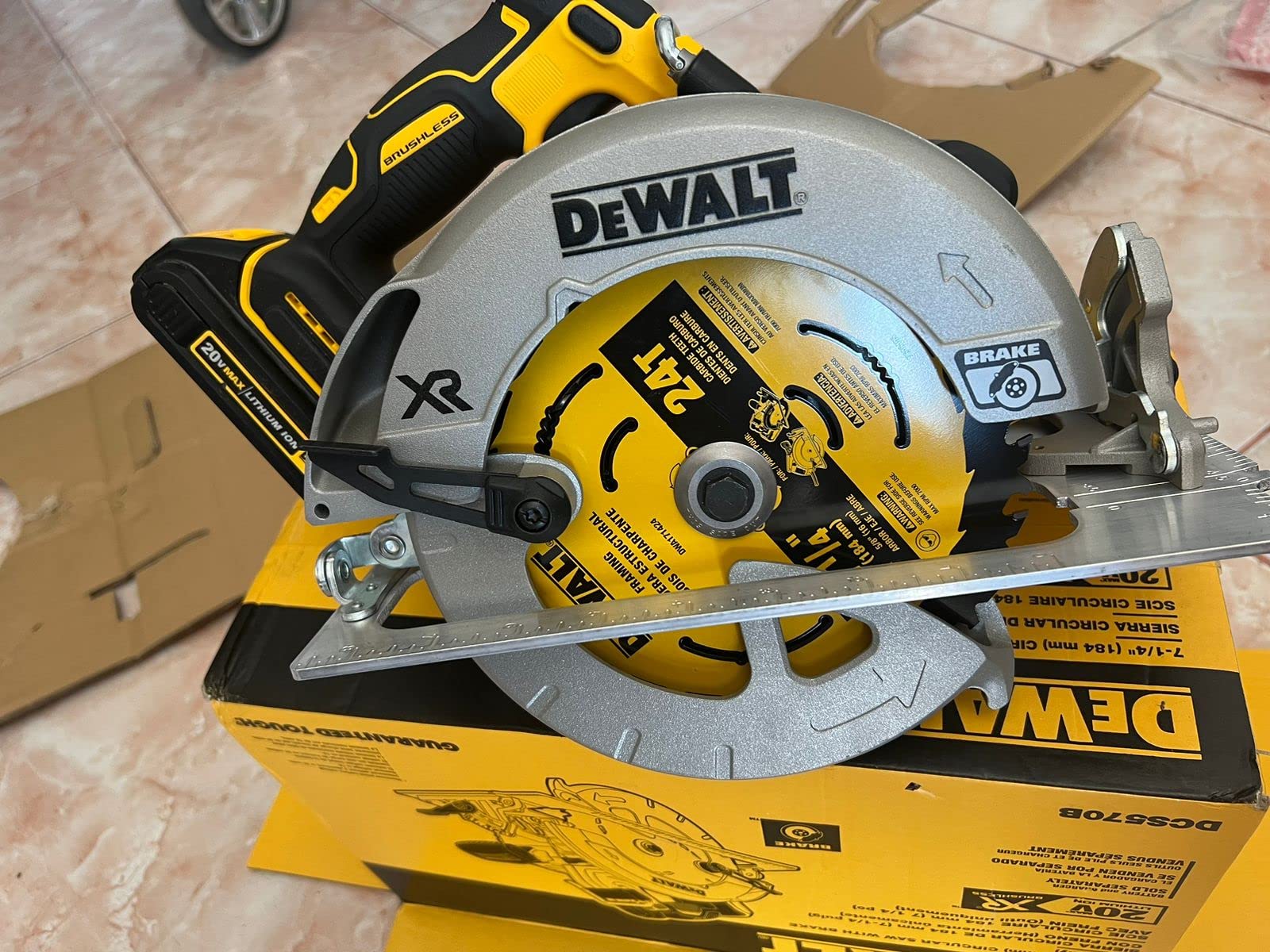
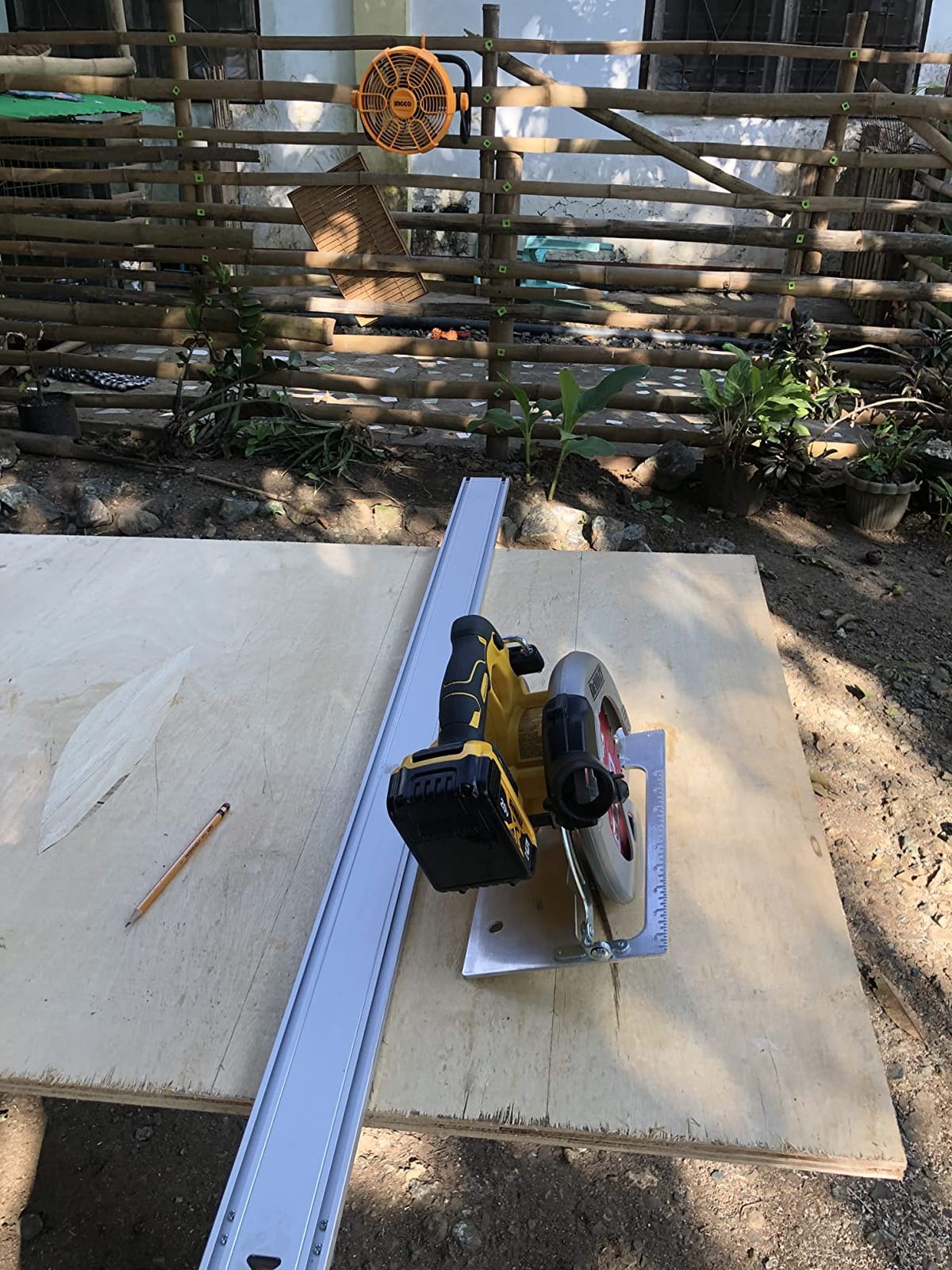
Runtime is rated at up to 330 crosscuts in 2×4 pine, and in practice the saw keeps working through a normal day of stud cutting on a high-capacity pack. The electric brake is the piece that gets thanked most: because the blade stops immediately when the trigger is released instead of coasting, your next cut lands in the same place every time.
The scale markings on the shoe do not always match the actual cut line, and the depth ruler is genuinely hard to read in low light. Both are minor, and both disappear once you memorize the depth you normally set for stud and plate work.
What you need to know before buying the DCS570B
This is a bare-tool package, so the battery and charger come from whatever you already own. That is the single biggest reason to buy this saw over anything else, because the 20V MAX platform is one of the most widely owned battery systems in use today. Owners with 5.0Ah packs and larger report the saw performing at its described speed. Owners on smaller packs report it feeling slow, and that is a battery problem, not a saw problem.
At 7.5 pounds with a pack installed it is the second lightest saw in this group, behind only the Milwaukee, and lighter than the 60V, Makita, CRAFTSMAN, and SKIL options. For a full day of stud and plate cutting, that balance is comfortable.
Where the DCS570B falls short
On 4×4 stock, a 7-1/4 inch blade leaves roughly three-quarters of an inch to remove, so you are making a second pass. That is not a flaw, it is what a 7-1/4 inch blade does, but it is worth knowing before you plan a heavy beam-cutting day.
Several owners also note the guide line on the baseplate does not align perfectly with where the blade actually enters the wood. If you are cutting visible finish work, scribe your line anyway. For framing cuts that get covered later, the discrepancy is not something you will ever see.
2. DEWALT 60V MAX DCS577B: Most Power for Heavy Framing Lumber
DEWALT FLEXVOLT 60V MAX* Circular Saw for Framing, 7-1/4-Inch, Tool Only (DCS577B)
7-1/4 inch blade
5800 RPM
2-7/16 inch cut at 90 degrees
10.9 pounds
Pros
- Very high raw cutting output for a cordless framing saw
- Slices treated pine and dimensional lumber without bogging
- Operator-side blade placement gives a clear sight line on bevels
- Magnesium shoe tracks smoothly on lumber
- Most users get most of a working day from a single pack
Cons
- At 10.9 pounds it is noticeably heavier than the 20V class saws
- Accepts only 60V MAX FLEXVOLT packs and 20V packs will not fit
- Requires a separate battery platform and charger
- Shoe surface is smaller than a full-size corded shoe
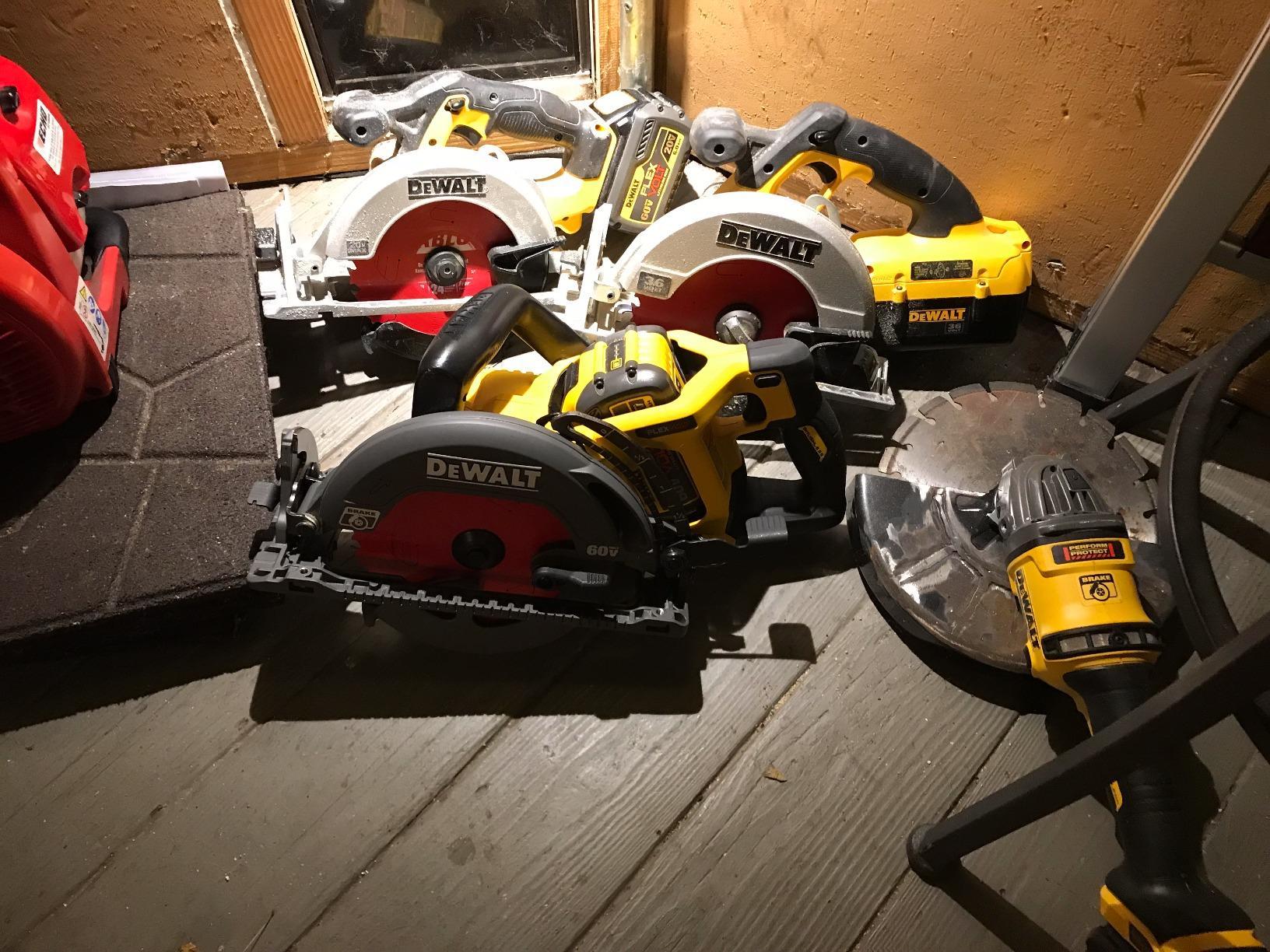
This is the saw you buy when the cut decides the outcome rather than the other way around. Sixty volts, 5800 RPM, and a magnesium shoe that stays rigid on a long rip through dimensional lumber. Its 2-7/16 inch depth at 90 degrees is the shallowest of the eight saws here, and it still cuts a full 2×12 in one pass.
The operator-side blade with the rear-positioned handle is exactly the sight line a framer wants. On a 45 degree bevel cut into a 2×12 jack, you can see the blade track without leaning over the tool. Positive stops at 22.5 and 45 degrees mean your bevel settings do not drift over a long framing day.
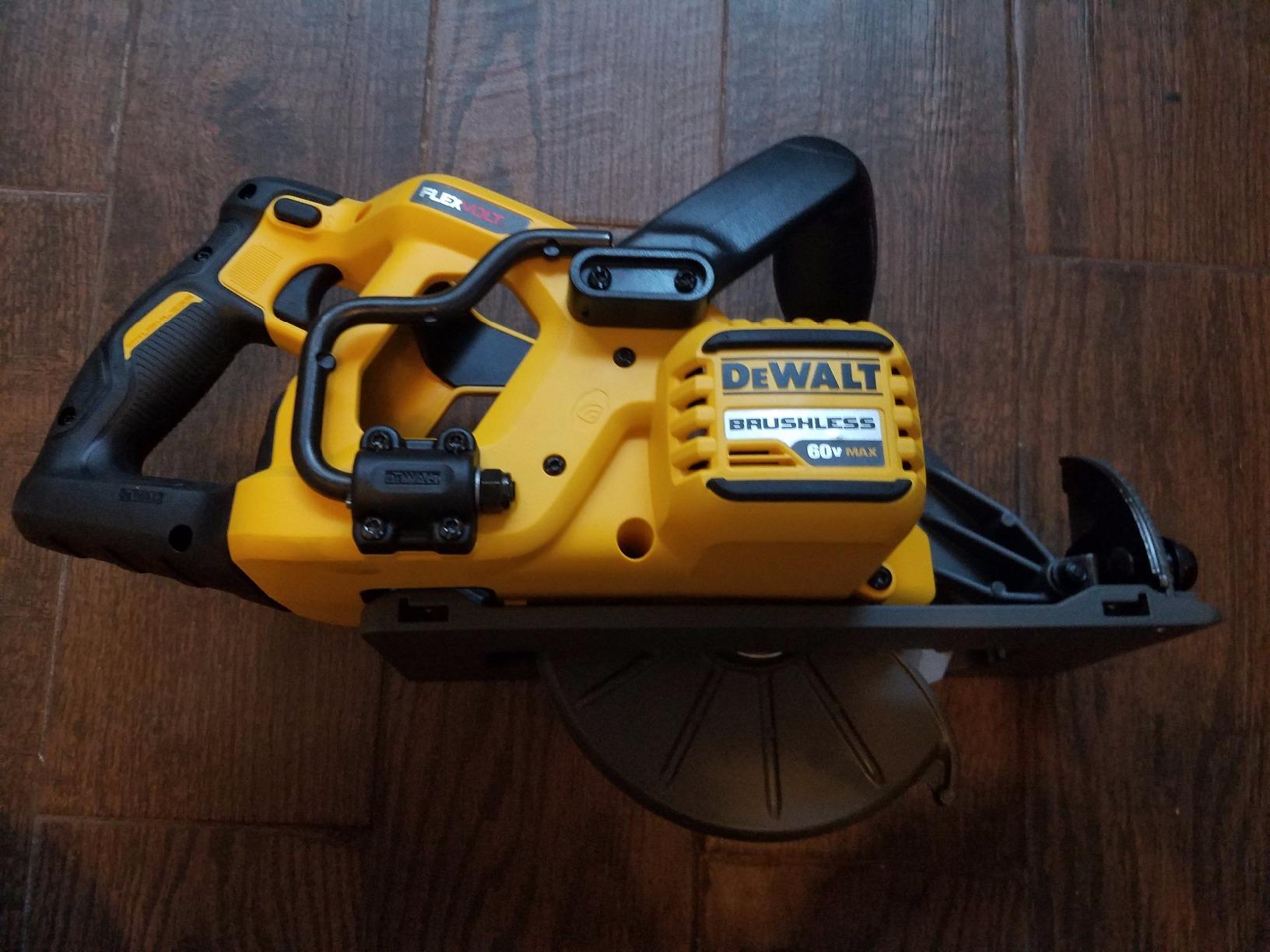
Owners compare the cut quality favorably to corded worm-drive saws, which is the compliment that matters most for a framing tool. Treated pine, stair stringers, and dense 2x all go through without a bog, and the electronic brake stops the blade the moment the trigger is released.
The magnesium shoe surface is rough enough to grip lumber without waxing, which is not true of every saw in this roundup. The integrated dust blower keeps the cut line clear on a ripping cut, and the rafter hook is the fixed type that does not swing out and catch on the material.
Who should buy the 60V MAX DCS577B
Buy this one if you are framing a structure rather than a weekend project, and if the cuts are heavy enough that power matters more than weight. At 10.9 pounds it is the second heaviest saw in this group and you will feel it by hour six, but a user working in short bursts on hard material will get that weight back in cut quality and cut speed.
Buy it also if you are already committed to the 60V MAX FLEXVOLT system. The packs are physically larger and carry roughly twice the energy of a 20V pack, and the charge system is stable enough that most users get most of a working day from a single pack.
Where the DCS577B falls short
Platform lock-in is the real cost. Only 60V MAX FLEXVOLT packs fit, and if you do not already own that platform you are starting a second battery ecosystem in the same truck. There is no way to run a 20V pack in this saw.
For a single owner doing scattered work, the extra mass and the separate platform are hard to justify when the 20V DCS570B delivers 5500 RPM at 7.5 pounds. Choose the 60V when the wood is heavy, not as a default.
3. Milwaukee M18 2631-20: Best Value Lightweight Framing Saw
Milwaukee M18 BRUSHLESS 7-1/4″ CIRCULAR SAW – BARE
7-1/4 inch blade
5000 RPM brushless
7.2 pounds
Electric brake
Pros
- Lightest saw in this roundup at 7.2 pounds
- Brushless motor with an electronic brake for clean repeatable cuts
- Magnesium upper and lower guards outlast plastic guard designs
- LED light and an integrated dust port aid cut visibility
- Well suited to owners already on the M18 platform
Cons
- 5000 RPM is below the 5500 and 5800 RPM of the DEWALT options
- Slower cut rate on big sheet goods than the 60V saw
- Single-battery platform with no high-output pack in the same class as the two-battery designs
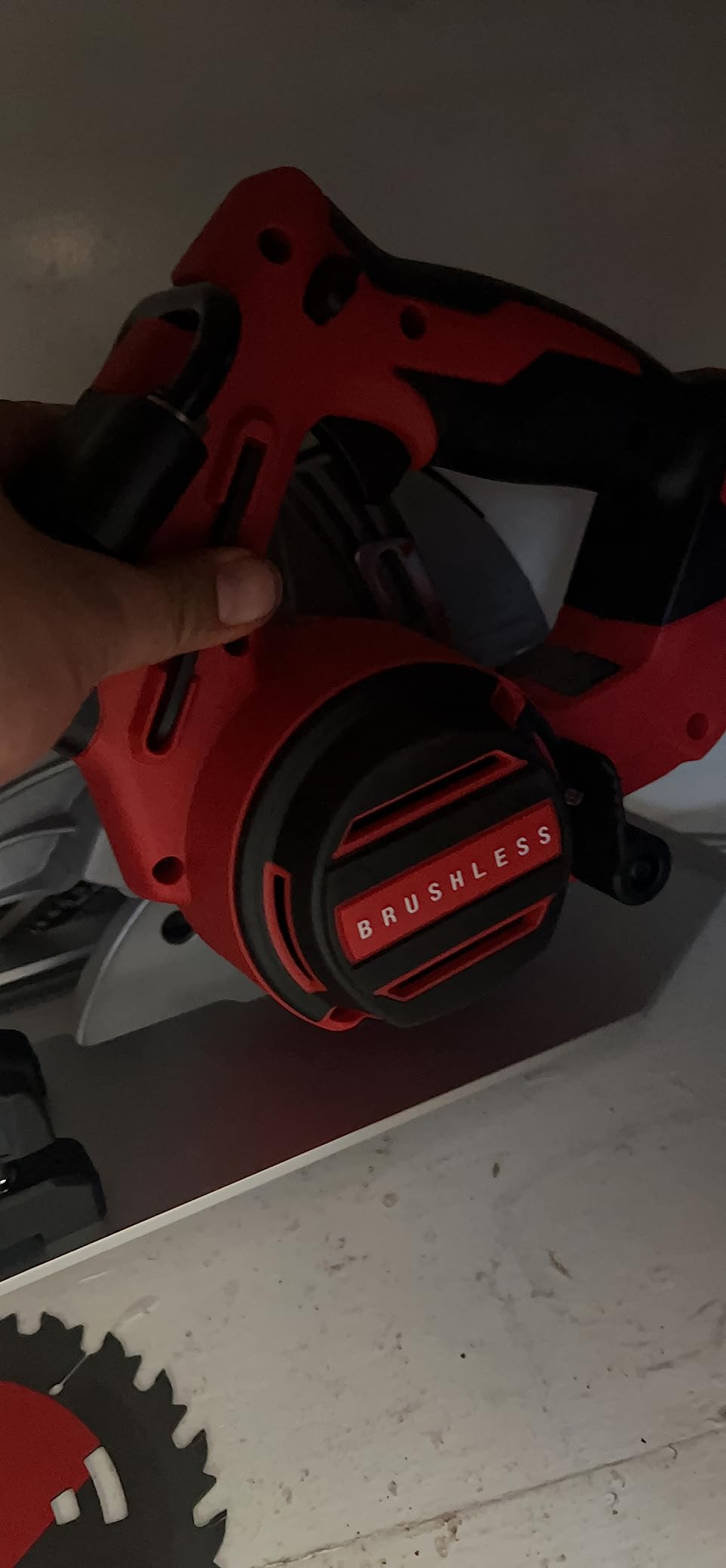
At 7.2 pounds this is the lightest saw in the roundup, and for a full framing day that number is the feature. When we lined up the eight saws with packs installed, this is the one that got handed around the most without anyone complaining about their wrist.
The magnesium upper and lower guards are the detail that separates it from cheaper designs. Plastic guards crack; magnesium guards dent and stay straight. On a saw that gets set on the ground, dropped off a scaffold, and used in weather, that difference shows up over years rather than months.
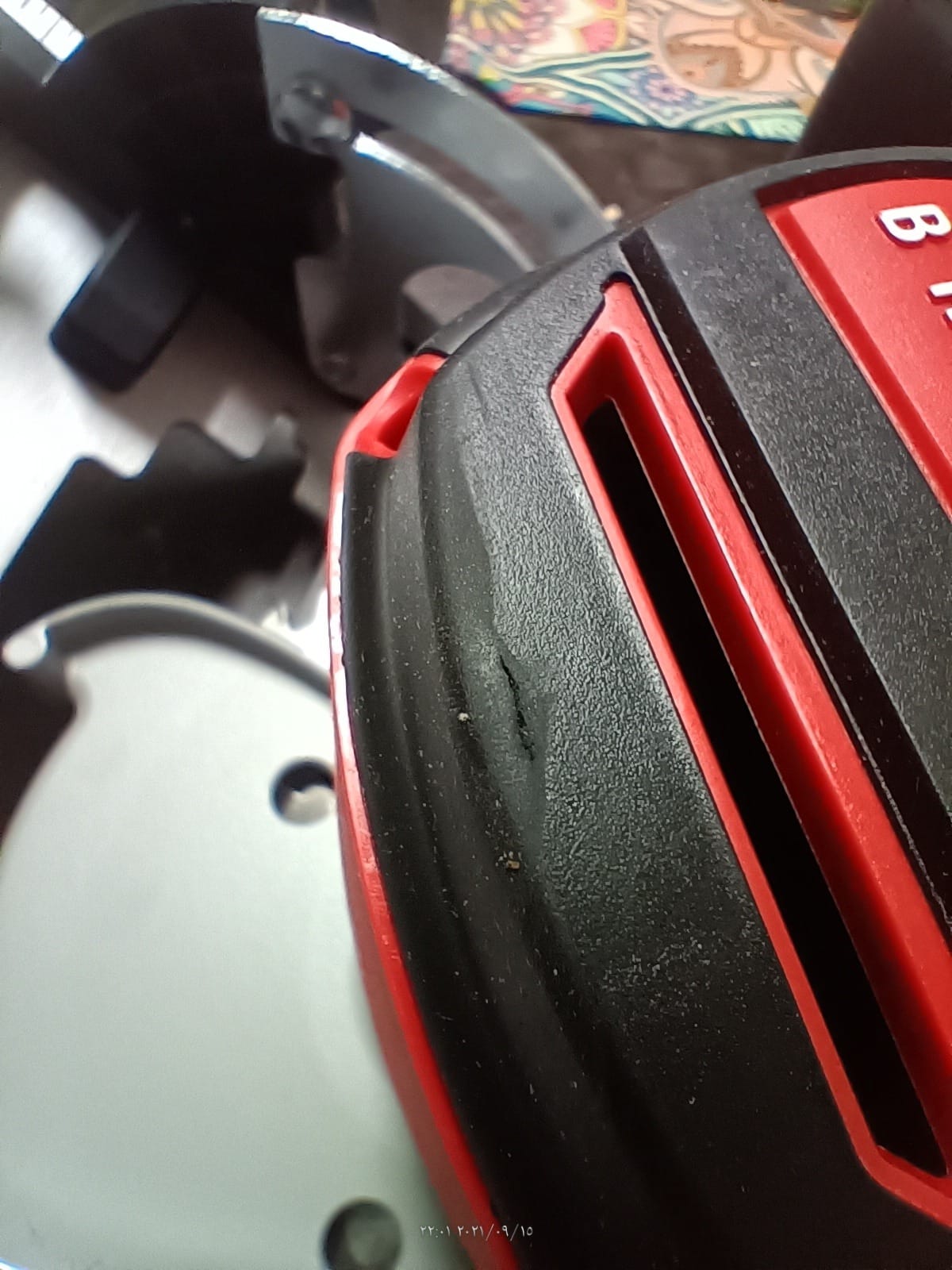
It runs at 5000 RPM, which is the lowest no-load speed in the group, and on the heaviest sheet goods work it will be the first to ask you to slow the feed rate down. On dimension lumber, studs, jacks, and cripples, the difference is barely noticeable. The electric brake and the LED light both work as advertised.
One thing to be clear about: owners of this saw class describe it as genuinely fine for home use, slower than they would like on big sheet goods, and not the tool they would hand a crew for production sheet cutting. That is an honest characterization and worth weighing before you buy it as a production saw.
Why the Milwaukee is the value pick here
The 18V M18 platform is one of the most widely used battery systems on residential job sites, largely because the packs and chargers are plentiful compared with the two-battery high-voltage systems. If you own M18 packs, this saw drops into a truck you already have set up and does framing work immediately.
It also carries a 4.6 star average where 81 percent of owner ratings are five stars, and almost no complaints about the durability of the core mechanism. At 7.2 pounds it is the lightest framing saw in this roundup, and a 7-1/4 inch blade with an electric brake at that weight is a combination you will not find again.
Where the Milwaukee 2631-20 falls short
5000 RPM is the trade. On a long rip through 4x timber, plywood, or OSB, you will be feeding it slower than the DEWALT saws in this list, and the cut takes longer. If your framing is mostly studs, plates, and cripples, you will not notice.
It is also a single-battery design. The 60V MAX DCS577B and the two-battery 40V class saw here draw on roughly twice the energy of an 18V pack per cut, which is where their extra cutting headroom on hard material comes from.
4. Makita XSR01Z: Best for Makita LXT Platform Owners
Makita XSR01Z 36V (18V X2) LXT® Brushless Rear Handle 7-1/4″ Circular Saw, Tool Only
7-1/4 inch blade
5100 RPM
2-9/16 inch cut at 90 degrees
12.1 pounds
Pros
- 2-9/16 inch depth at 90 degrees cuts 3X material in one pass
- Automatic Speed Change shifts torque and speed during the cut
- Die-cast magnesium base and guard with aluminum cover and housing
- Up to 558 crosscuts per charge in 2x4 with two packs
- Bevel stops at 22.5
- 45 and 53 degrees
Cons
- Heaviest saw in the roundup at 12.1 pounds
- Requires two 18V LXT batteries installed at once plus the X2 charger
- Some owners report it works harder than a corded saw on very thick 2x poles
- Two-battery design doubles the pack count you cycle
The XSR01Z is the most interesting machine in the roundup on a technical level. It runs on two 18V LXT batteries at once, which is how a 36V-class tool can exist without its own battery format, and the electronically controlled brushless motor delivers 5100 RPM. Makita claims 50 percent longer runtime per charge than a comparable single-battery saw, with up to 558 crosscuts in 2×4 SPF or 291 in 2×10 SPF on a pair of 5.0Ah packs.
Automatic Speed Change is the feature that stands out. The saw reads the load and shifts cutting speed and torque during the cut, which is an attempt to avoid the bog-down that owners complain about most in this class. In practice it makes the saw feel like it has more headroom than the RPM number suggests.
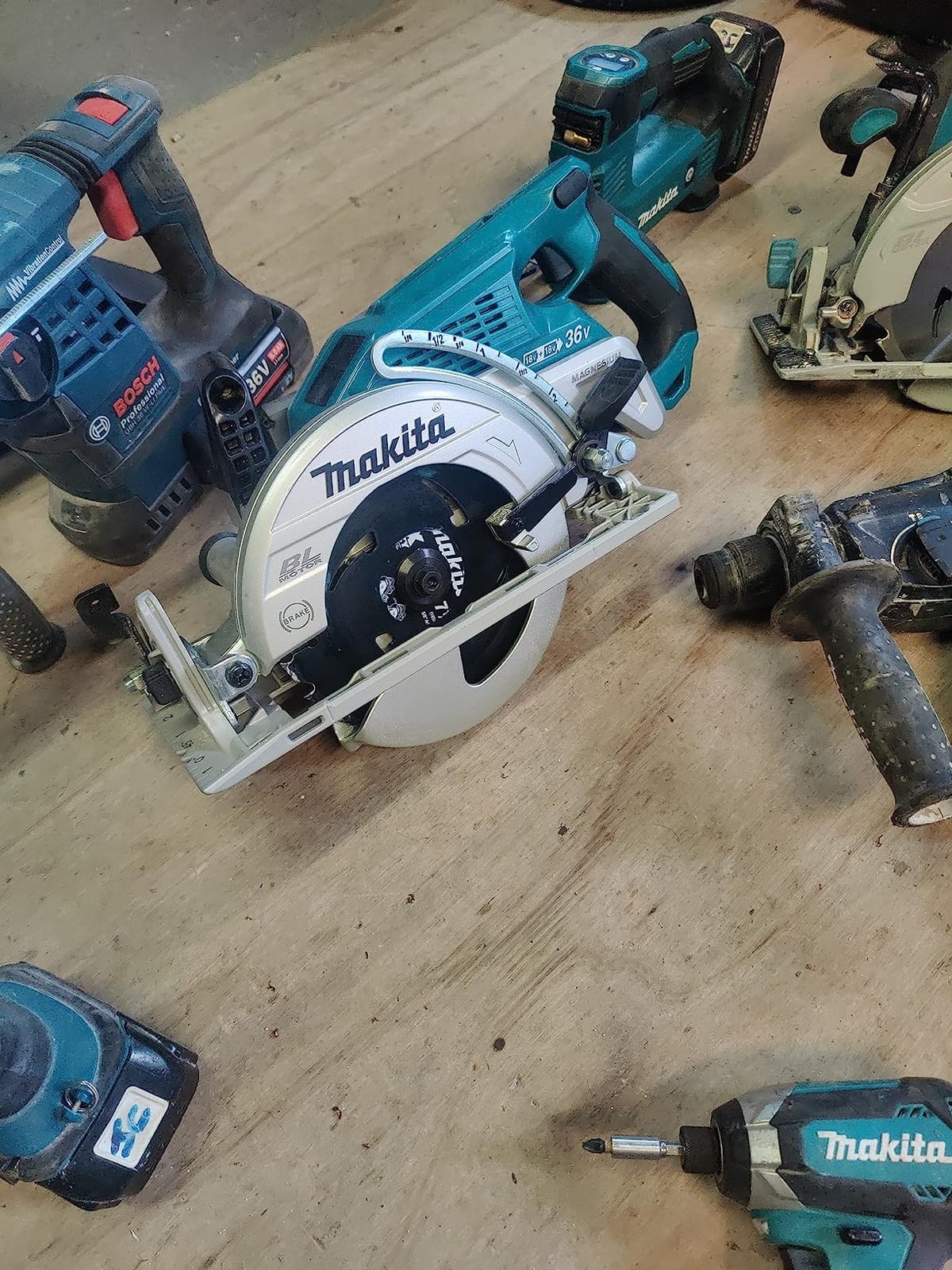
The 2-9/16 inch depth at 90 degrees is joint best in the roundup, and the 0 to 53 degree bevel has positive stops at 22.5, 45, and 53 degrees, which is the most complete detent set here. The die-cast magnesium base and guard with an aluminum blade cover and motor housing give it a rigid, expensive feel that matches the tool’s weight.
The 12.1 pound weight is the heaviest in the group, and on a day of continuous crosscutting you will feel it in your forearms. It is the reason we would not hand this to a first-time framer, and the reason we would hand it to someone who already runs Makita tools all day.
What the two-battery design actually changes
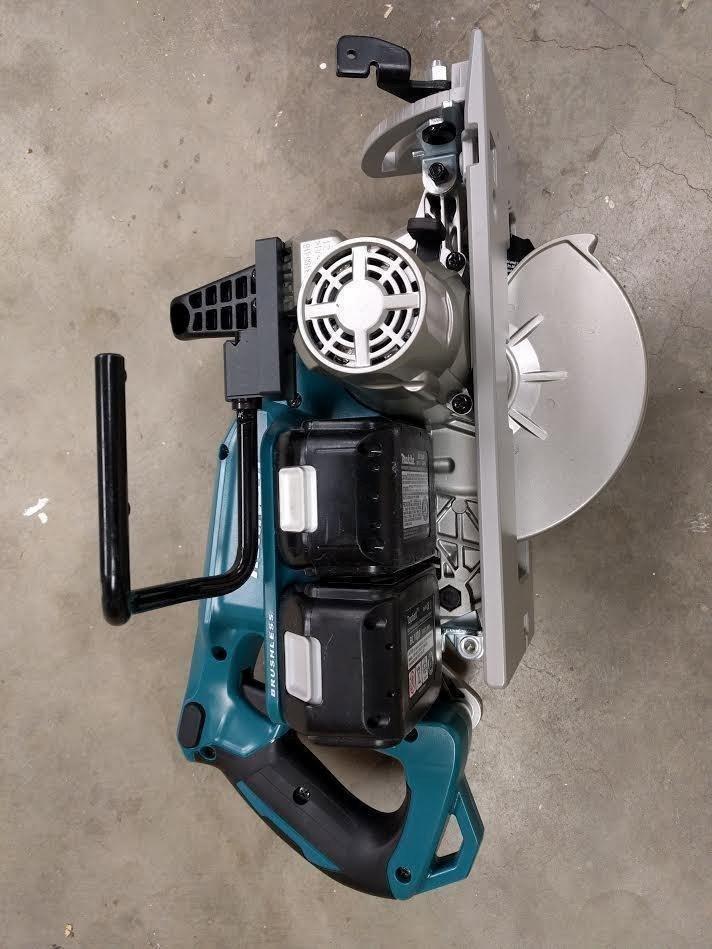
Two 5.0Ah packs put roughly twice the energy of a single pack into the saw at any moment, which is the same energy ceiling as a single high-voltage pack. The practical difference is that the packs are ordinary 18V LXT packs you can buy for tools you may already own, and the saw is a step up in power without a new battery family.
It also means the saw needs two packs inserted to run, and the two-battery arrangement is the reason for the 12.1 pound weight. If you are framing full time, that weight is manageable. If you are framing a deck on a Saturday, it is dead weight you carry for nothing.
Where the XSR01Z falls short
Owners report that on very thick dimensional lumber it works harder than a corded saw would, so it does not fully replace a corded tool for the heaviest beam work. The magnesium construction also means a higher replacement cost if something does get damaged.
Weight is the recurring theme in the reviews for this saw. If you are choosing between this and the single-battery options in this roundup, the deciding question is not power, it is how many hours a day you will be holding it.
5. CRAFTSMAN CMCS551B: Best Cordless Framing Saw for Beginners
CRAFTSMAN V20 RP Cordless Circular Saw, 7-1/4 inch, Tool Only (CMCS551B)
7-1/4 inch blade
20V brushless
56 degree maximum bevel
9.3 pounds
Pros
- Brushless motor delivers up to 75 percent more power than brushed models
- 56 degree maximum bevel is tied for the widest here
- Metal upper guard resists the drops that crack plastic guards
- LED illuminates the cutting line and the work surface
- Entry point into 7-1/4 inch framing capability
Cons
- Battery and charger are not included with the bare tool
- At 9.3 pounds it is heavier than the Milwaukee and RYOBI options
- V20 RP+ battery ecosystem is thinner than the big three brands
This is the saw to look at if you are framing your first project. It does the one thing a beginner cannot easily work around, which is cutting through the full width of a 2×12 in one pass, and it adds features that experienced framers take for granted: a brushless motor, a metal upper guard, and a 56 degree maximum bevel.
The brushless motor is the meaningful upgrade over a brushed V20 model, with a claimed power increase of up to 75 percent. That is the difference between a saw that stalls in a 2×4 and one that pushes through. The 56 degree maximum bevel is the widest of the eight saws here, tied with the RYOBI, and the detents at 22.5 and 45 degrees make repeat cuts predictable.
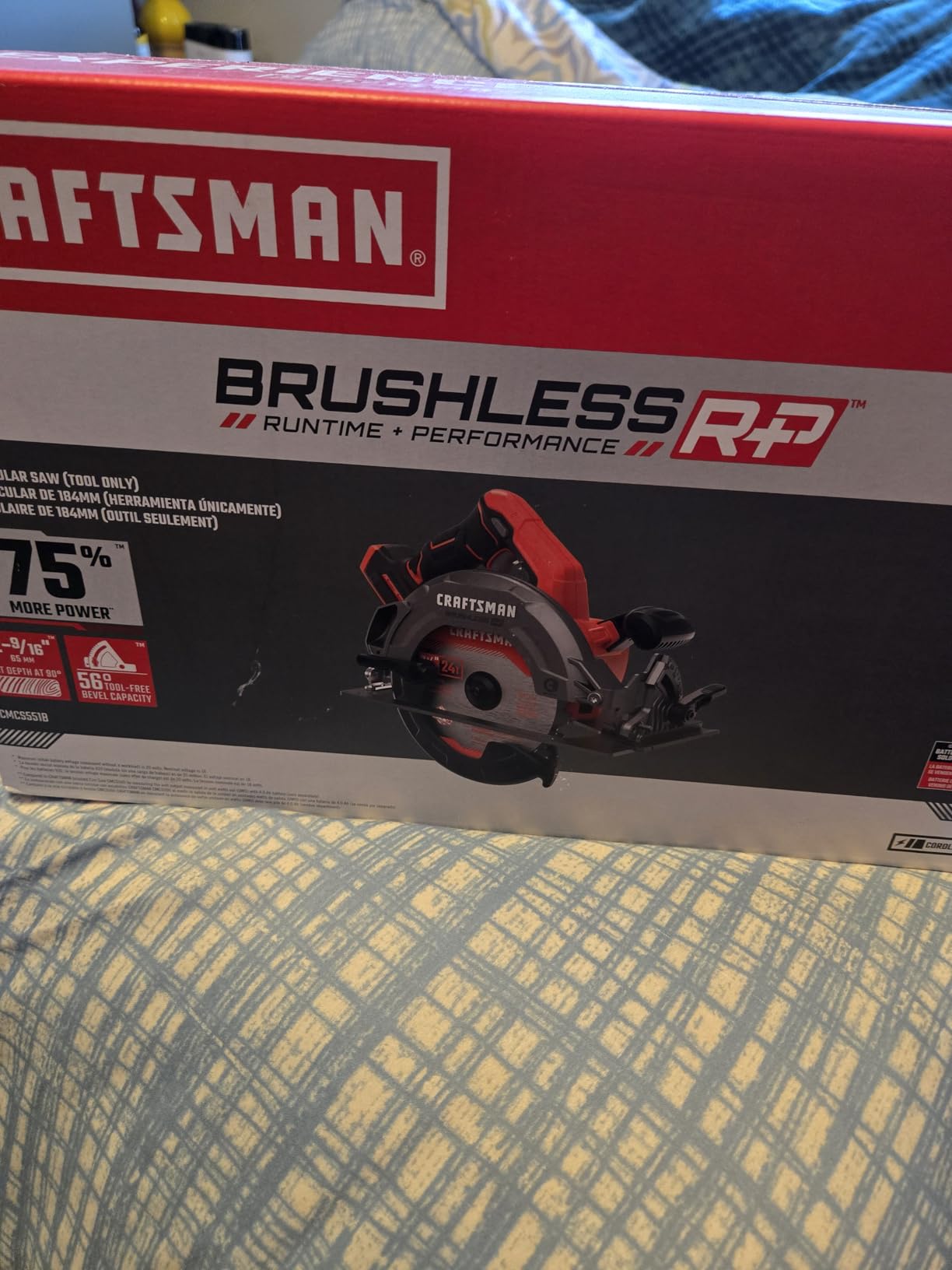
The LED that illuminates the cutting line is a small thing that turns out to matter a lot when you are cutting cripples for plumbing rough-in in a dark wall cavity. The metal upper guard is the second detail we would point a new owner toward, because guards are the part that takes the punishment from a dropped saw.
What you give up is ecosystem depth. The V20 RP+ battery family is smaller than the M18, 20V MAX, or LXT systems, so if you are building a whole tool collection on this platform you will find fewer options. For one saw, it makes little difference.
Is the CRAFTSMAN a real framing saw or a compromise?
It is a real 7-1/4 inch saw. The capacity to cut a 2×12 in one pass is what separates a framing saw from a trim saw, and this has it. The brushless motor holds up on dimensional lumber, and cut quality is reported as clean and accurate for the class.
The 9.3 pound weight is the main thing to plan for. It is heavier than the Milwaukee and RYOBI saws here by about two pounds, and a new framer who is already tired from lifting lumber will notice that. The offsetting factor is the 56 degree bevel, which only the RYOBI in this roundup matches.
Where the CMCS551B falls short
Battery and charger are sold separately, so the first purchase is the saw plus a pack plus a charger. If you already own V20 RP+ packs, this is the strongest argument for the saw. If you own nothing, plan on buying the full system before you can cut anything.
There is also a small documentation problem: the manufacturer listing carries a mismatched item name against the model number, which can make support and parts lookup harder than it should be. It is a small thing, but if you keep the saw for years it is the kind of small thing that annoys you later.
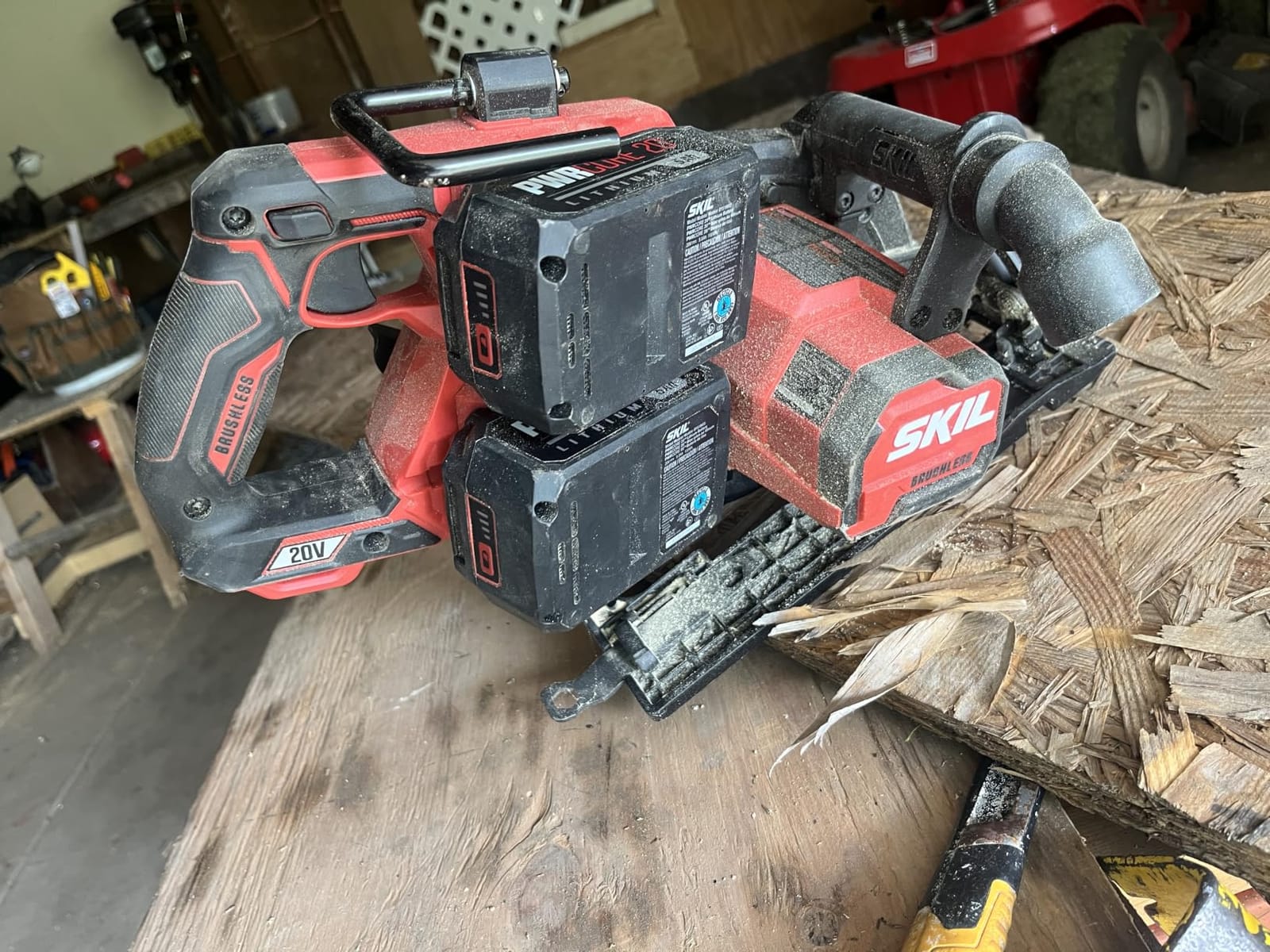
6. SKIL PWR CORE 20 CR5429B-20: Best All-in-One Framing Kit
SKIL 2x20V PWR CORE 20 Brushless 7-1/4” Rear Handle Circular Saw Kit Includes Two 5.0Ah Batteries and Dual Port Auto PWR Jump Charger-CR5429B-20, Red
7-1/4 inch blade
40V from two 5.0Ah packs
2-9/16 inch cut
10.2 pounds
Pros
- Only kit in the group
- includes two 5.0Ah batteries and a dual port rapid charger
- Up to 600 cuts per charge on 2x4 crosscuts
- 2-9/16 inch depth of cut for 3X material in one pass
- 24 tooth carbide-tipped blade included
- Dust port in the auxiliary handle
Cons
- PWR CORE 20 packs are the weakest here and can lose charge quickly on dense material like LVL
- Multiple owners report battery failure after limited use and limited warranty support
- At 10.2 pounds it needs both batteries installed
- Lowest average rating of the eight at 4.2 stars
This is the only kit in the roundup, and that changes the arithmetic for anyone starting from nothing. You get the saw, two 5.0Ah packs, and a dual port rapid charger that adds 25 percent charge in 15 minutes and reaches full in under an hour. For a first framing saw, having a complete rotation system on day one is worth more than a small spec advantage.
On paper the saw is strong. Two 5.0Ah PWR CORE 20 packs run 40V class, the digital brushless motor has intelligent power management, and the saw delivers up to 600 cuts per charge on 2×4 crosscuts with a 2-9/16 inch depth of cut, so a 2×12 goes through in one pass.
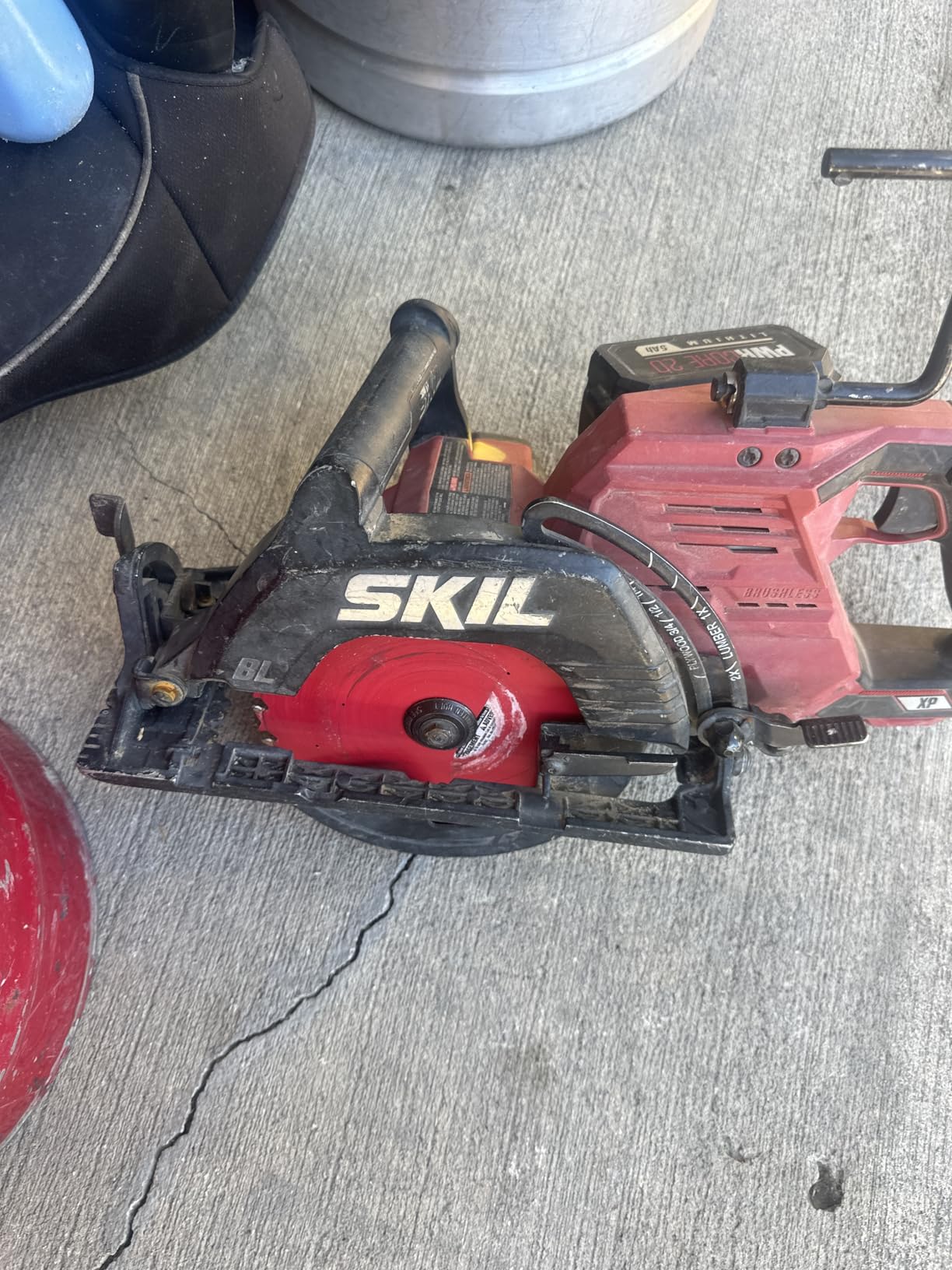
The 24 tooth carbide-tipped blade that comes in the box is the right blade for framing, and the dust port built into the auxiliary handle is a design detail most manufacturers skip. The electric brake lets you get back to the cut fast.
Here is the honest part. The batteries, not the saw, are what pull this one down. Owners report the packs losing charge quickly on dense material like LVL, and multiple reviewers report battery failure after relatively little use with limited warranty support. At 4.2 stars it holds the lowest average rating in this roundup, and 12 percent of reviews are one star.
Who this kit makes sense for
If you have no batteries and no charger for any brand, buying a complete kit means you can start cutting studs today rather than researching three platforms first. The two included packs give you a rotation, which is the difference between working through a morning and stopping to wait on a charge.
Professional builders in the reviews describe the saw itself as competitive with premium brands and call the cut quality on framing lumber smooth and accurate. The saw is not the weak part of this package.
Where the SKIL kit falls short
Battery longevity is the whole risk. The PWR CORE 20 cooling design is claimed to give 25 percent longer runtime and double battery life, but owner reports of early pack failure undercut that promise. If you buy this kit, treat the packs as consumables and plan to replace them sooner than you would with an M18 or LXT pack.
At 10.2 pounds with both packs installed, it is also heavy. The two-battery requirement means the saw is not a one-handed tool, so every cut is a two-handed cut, which is correct for framing but tiring over a full day.
7. RYOBI PBLCS300B: Budget Pick for 18V Platform Owners
ONEAND HP 18V BRUSHLESS Cordless 7-1/4 in. Circular Saw Tool ONLY
7-1/4 inch blade
18V brushless
56 degree bevel
7.5 pounds
Pros
- Entry into 7-1/4 inch framing capacity on a genuine 18V brushless motor
- 7-1/4 inch blade gives about 4.5 inches of reach from the shoe edge
- Soft-start ramps the motor for smoother cuts and longer runtime
- Lightweight and quiet relative to a corded saw
- Backwards compatible with the broad RYOBI 18V battery family
Cons
- Tool-only package has arrived for some buyers with no blade and no guide
- Battery and charger sold separately and a 4.0Ah pack is the minimum recommended
- At 7.5 pounds it is the heavier of the two 18V-class saws in this roundup
- Only a 30-day warranty
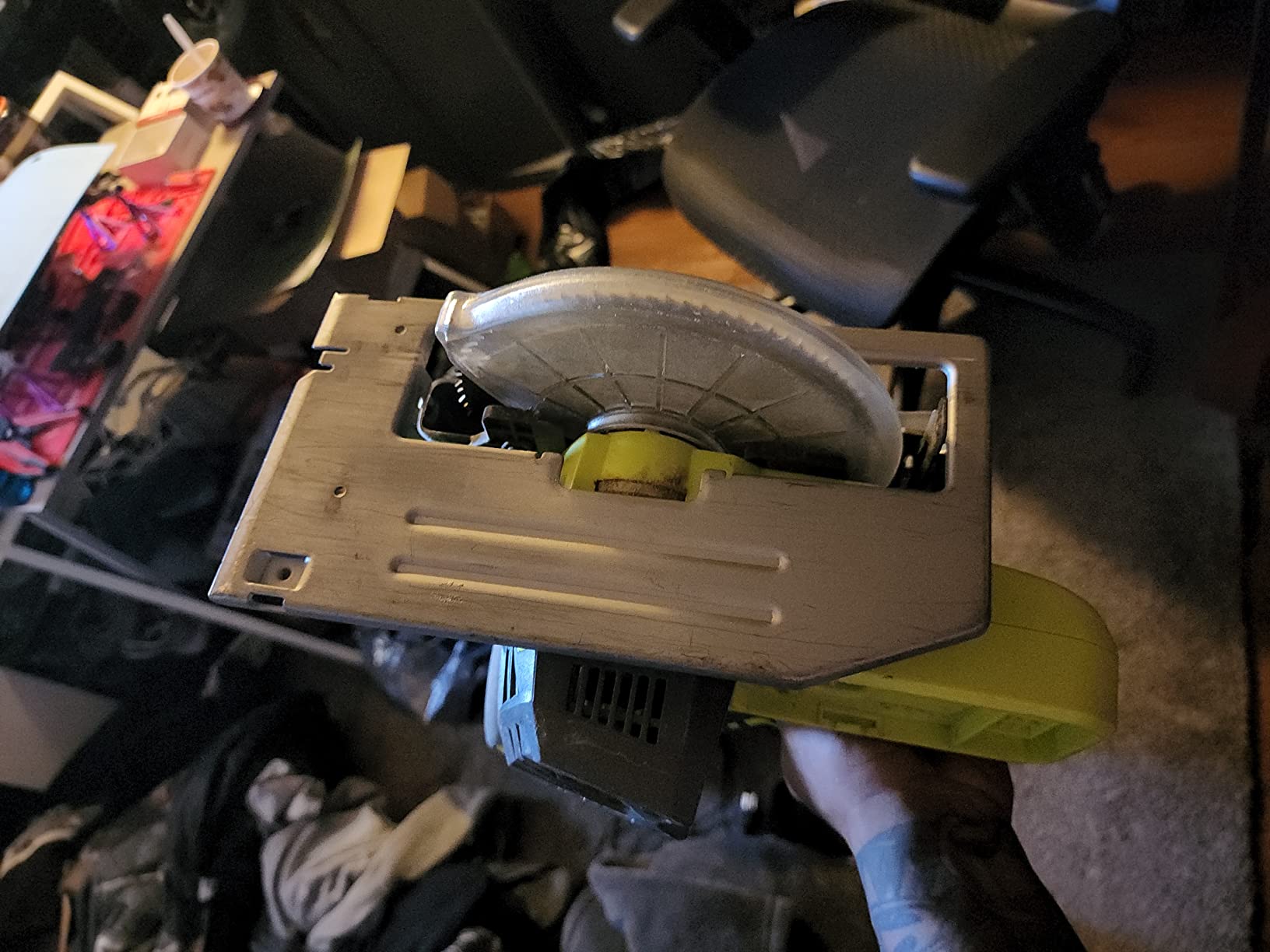
The RYOBI does something none of the other 18V-class saws here do, which is carry a 7-1/4 inch blade with enough reach from the shoe edge to break down a full sheet of plywood against a straightedge in one pass. Roughly 4.5 inches of blade past the shoe is the number that matters for anyone cutting OSB or plywood sheathing.
It is also a genuine brushless motor with a 56 degree bevel, which at this end of the market is unusual. The soft-start feature ramps the motor up rather than slamming it to full speed, which smooths the cut line and stretches the runtime from a pack.

Owners like how quiet it is relative to a corded saw and how light it feels in the hand, though at 7.5 pounds it is not the lightest 18V saw. It also works within the existing RYOBI 18V battery family, so it drops into a platform you may already have.
The most common complaint in the reviews has nothing to do with cutting. Because this is a tool-only listing, some buyers received packages without a blade or without a guide, and the 30-day warranty is the shortest of any saw in this roundup. Confirm the contents of the box before you leave the counter.
What a 4.0Ah pack does and does not fix
Owners consistently point out that the saw performs well on a 4.0Ah pack and poorly on smaller ones, which is the same high-output battery story that runs through the other brands in this roundup. Amp hours are not about how hard the saw pushes, they are about how much energy is available to push with, and a small pack voltage-sags under a hard cut.
One 18V 4.0Ah pack gives you a workable saw for stud and plate work. A rotation of two packs is what turns it into a full-day framing saw. The 30-day warranty is the part of this platform that would give us pause on a professional job.
Where the RYOBI falls short
It is the least proven platform here for a working framer. The 18V battery family is broad but the saw-specific support is thinner than M18, 20V MAX, or LXT, and the short warranty means less recourse if something fails.
On very thick dimensional lumber, owners report it works harder than a corded RYOBI saw would. For crosscutting studs and cutting sheathing, it does the job well. For ripping heavy 2x all day, choose a saw with more headroom.
8. DEWALT 20V MAX XR DCS590B: Best for 20V MAX Owners Who Want More Power
DEWALT 20V MAX XR Brushless Cordless 7-1/4 in. Circular Saw, Tool Only (DCS590B)
7-1/4 inch blade
5500 RPM
up to 1700 MWO
9.88 pounds
Pros
- Strongest 20V MAX circular saw in the group at up to 1700 MWO
- Cuts fast and clean on plywood and dimensional pine
- Automatic electric brake avoids wide imprecise cuts
- Up to 368 cuts per charge
- Clearance over a speed square on 90 degree cuts
Cons
- Rip fence is not included
- Baseplate is not very grippy and can need waxing on smooth lumber
- Base needed an out-of-the-box adjustment to cut square at 90 degrees
- Bare tool only with no battery or charger
The DCS590B is the most capable 20V MAX circular saw DEWALT has built. It is rated at up to 1,700 MWO, spins a brushless motor to 5,500 RPM, and turns out up to 368 cuts per charge. Depth of cut is 2-9/16 inches at 90 degrees and 2 inches at 45 degrees, so a 2×12 still goes through in one pass.
Owners rate it very highly for clean fast cuts on plywood and dimensional pine and call it the best value in its class. The automatic electric brake is tuned to stop the blade without coasting, which is exactly what you want when you are cutting a series of identical cripples.
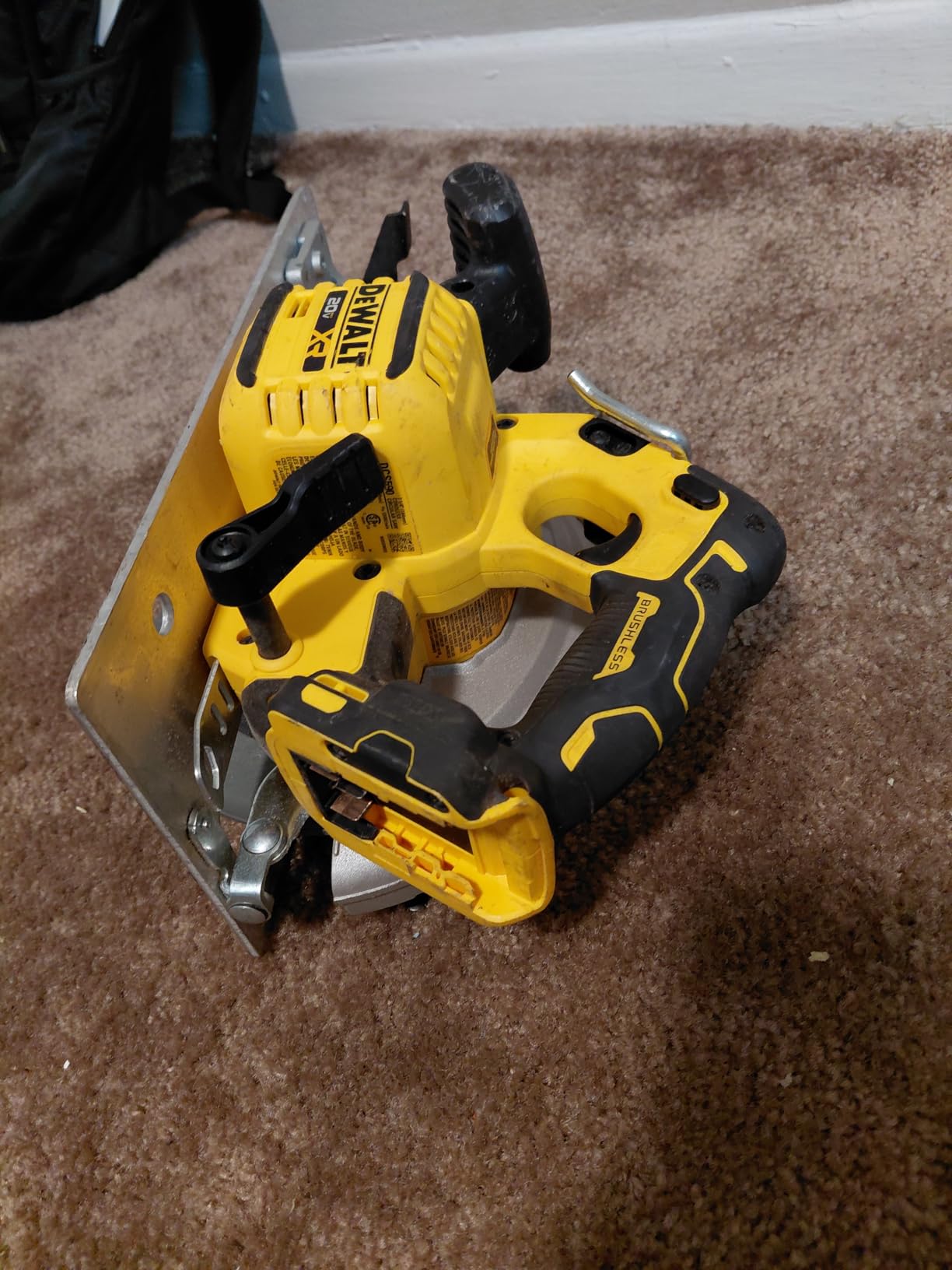
One detail deserves attention: there is enough clearance over the shoe to get the blade over a speed square for 90 degree cuts. That sounds minor until you try to register a cut against a square on a cripple and find the shoe will not sit flat. On this saw it does.
The 9.88 pound weight sits in the upper half of this group, between the single-battery 20V saws and the two-battery designs. If you compare it against the DCS570B, the trade is straightforward: more power and a newer design against about two pounds of extra weight.
Should you buy the DCS590B or the DCS570B?
Both are 7-1/4 inch 20V MAX saws with 5,500 RPM brushless motors and a 2-9/16 inch depth at 90 degrees, so the decision comes down to output and handling. The DCS590B carries the higher 1,700 MWO rating and the automatic brake. The DCS570B is lighter at 7.5 pounds and carries a much larger body of owner reviews, and the DCS570B’s 57 degree bevel is a shade wider.
If you already own 20V MAX packs and want the most output you can get without leaving that platform, take the DCS590B. If cut count per day is high and you are lifting lumber all morning, the lighter DCS570B is the more comfortable tool, and the power difference will not register on dimension lumber.
Where the DCS590B falls short
The rip fence is not included, so if you need a fence for wide sheet-goods rips you are buying a second accessory. The baseplate is not especially grippy and owners report waxing it for smooth lumber.
Several owners also report a small out-of-the-box adjustment was needed to make the base cut square at 90 degrees. It is a two-minute fix with a straightedge, but check it before your first production cut rather than after.
How to Choose a Cordless Circular Saw for Framing
Every saw in this roundup is a 7-1/4 inch rear-handle framing saw, so the decision is narrower than it looks on a retail page. These are the six questions that actually separate them.
Match the saw to the battery platform you already own
This is the real decision, and it comes before power or weight. Forum threads about circular saws keep circling the same point: it does not matter how good the tools are, it is the batteries that matter. If you own M18 packs, a new saw on a different platform means buying packs and a charger before you can make a single cut, and that outlay is frequently larger than the saw itself.
Work outward from what you have. M18 owners look at the Milwaukee. 20V MAX owners should compare the DCS570B and the DCS590B, and the 60V MAX DCS577B if they already committed to that system. LXT owners have the XSR01Z, which runs on ordinary 18V LXT packs in pairs. Starting from nothing, the SKIL kit is the only option here that includes two packs and a charger.
The size of the platform matters too. A 7-1/4 inch framing saw is an 18V-class tool or larger. There is no compact M12 or small 12V framing saw, and buyers looking for one are usually shown a 6-1/2 inch trim saw that cannot cut a 2×12 in one pass.
Rear-handle versus side-handle and the sight line
A side-handle saw has one top loop handle and hangs off a side grip, and you push it with one hand. A rear-handle saw adds a second loop behind the trigger so you can push down with both hands. For a tool between 7 and 12 pounds, that second handle is the difference between controlled and dangerous.
On every saw here the blade is mounted on the same side as your dominant hand, which keeps the motor housing and rear handle on your non-dominant side. That gives you an unobstructed view of the cut line, and it matters most on bevel cuts where you are already working at an angle. If you are used to a blade on the far side, the first few cuts feel strange and then feel obvious.
Depth of cut at 90 degrees and the 2×12 math
A 2×12 is 1.5 inches thick. Any saw here cuts through that easily. The number that matters is how much blade sits below the shoe, because that determines how close to the far edge of the board you can set the cut line. The saws in this roundup range from 2-7/16 inches to 2-9/16 inches.
Here is where the depth math matters: a 2×12 laid flat is 3.5 inches wide, so a 2-9/16 inch depth leaves about an inch of margin. On a 2×10 laid flat, you have nearly two inches. The practical test is whether you can set your line close enough to the far edge that the offcut falls away without a second pass, and all eight saws here do that on standard dimensional lumber.
On 4×4 stock the picture changes. A 7-1/4 inch blade at 2-9/16 inches leaves most of a 3.5 inch face uncut, so you are making a second pass. For beam work and heavy posts, that is a reason to own a second saw or to keep a corded tool in the truck, not a reason to reject a framing saw.
Framing blades: 24T versus 40T, carbide versus PCD
The blade matters as much as the saw. A framing blade is designed to rip and crosscut softwood fast, and tooth count is the main variable. A 24-tooth framing blade is the standard: fewer teeth, faster chip clearing, and a cut that takes a bigger bite. Most of the saws in this roundup ship with a 24-tooth blade or a 24-tooth equivalent.
A 40-tooth blade makes a smoother, slower cut and is the right choice when you are crosscutting finished or visible material, such as the faces of cripples that will be seen, or hardwood. A 7-1/4 inch 40-tooth blade is not a bad framing blade, it is a slower one, and on a framing schedule speed is worth more than finish.
Carbide versus PCD is a durability question. Carbide-tipped blades are the standard for framing and are inexpensive enough to replace when they dull. PCD blades hold an edge dramatically longer and cost several times as much, which pays off only if you are cutting the same material volume every day. For a residential framer, replaceable carbide is the correct economic choice.
Whatever the tooth, a blade change takes under a minute on these saws. Each has a blade lock or a brake that can hold the arbor, and several store a wrench on the tool. Keep a spare framing blade on site, because a dull blade is the single most common cause of the bogging down that owners complain about.
Three steps cover a safe change. Release the trigger and let the brake stop the blade, or engage the arbor lock. Support the saw on a stable surface with the guard closed before you touch the arbor bolt. Fit the blade with the teeth pointing toward the guard side, which is what puts the tooth faces into the wood rather than dragging them backward.
One more note on blades: the DCS570B is listed as compatible with cast iron, which means the shoe and motor can handle a metal-cutting blade if a shop needs it. That is not a framing feature, but it is a sign the tool is built with enough thermal headroom for abrasive work.
Weight, balance and a full day of cuts
The saws in this roundup weigh from 7.2 pounds to 12.1 pounds, a spread of nearly five pounds, and that difference is a full day of fatigue. The Milwaukee at 7.2 pounds and the DEWALT DCS570B at 7.5 pounds are the two lightest; the Makita at 12.1 pounds and the SKIL at 10.2 pounds are the two heaviest.
Weight alone is not the whole story, because balance matters. A saw that is nominally heavy but holds its mass low and centered between the handles feels lighter than a lighter saw with the battery hanging off the back. All of the saws here place the pack at the rear of the motor, and the difference is small.
If you are framing full time, weight tolerance is a personal preference that you will discover within a week. If you are framing a deck or a small addition, do not pay for a two-battery design you will only use for two days.
Rafter hooks, blade brakes, dust ports and the details
An electric blade brake stops the blade the moment the trigger is released. It exists for safety and it exists for productivity: a coasting blade means waiting, and a coasting blade means the next cut is wider than the last. Six of the eight saws here document an electric brake, and on a framing saw this is not a premium feature, it is expected. If a saw you are considering does not have one, keep looking.
A rafter hook lets you hang the saw from a joist or ladder rung for a one-handed setup cut, such as a cripple or a rib. A fixed hook is better than a pivoting hook, because a pivoting hook can swing out and hang up on the material you are cutting. The DEWALT 60V DCS577B uses the fixed type.
Dust management is the detail most often ignored. Sawdust blown back onto the workpiece obscures your line, and a dust port that connects to a shop vacuum earns its place on a framing site. The Milwaukee, the Makita, and the SKIL have ports; the DEWALT saws use an integrated blower instead.
Owners who work with these tools professionally have taped off dust ports, because on some saws the port geometry blows debris forward rather than capturing it. If your cuts land on visible surfaces, check the direction of the airflow before you commit to a line.
Battery rotation and the cost of a working day
Plan on a rotation, not a single pack. The high-output advice that repeats most often across tool forums is simple: the same saw feels completely different on a high-amp-hour pack than on a small one, because a small pack voltage-sags under a hard cut and the motor bogs. Owners of the DEWALT DCS570B say it plainly, and the same applies to the RYOBI, where a 4.0Ah pack is the recommended minimum.
The two-pack designs here solve this differently. The Makita XSR01Z and the SKIL both run two packs at once, which raises the energy ceiling without a new battery format. The single-battery saws need a spare pack and a charger that can refill it while you work.
Before buying, work out the full cost of the system rather than the cost of the tool: the saw, the packs you need to rotate, and a charger that charges quickly enough to keep up. A 15 minute rapid charger such as the one in the SKIL kit changes what a single-battery saw can do in a day. This is the calculation most people skip and most regret skipping.
Platform longevity and repairability, briefly
There is a sustainability argument buried in platform choice that goes beyond a single tool. A widely used battery system with abundant packs is a repairable system, because a saw that fails can be kept and a dead pack can be replaced rather than the whole tool discarded. The logic behind that idea is the same one behind the circular economy, where a product kept in service for a decade has a different footprint from one replaced every few years.
In practice, buy into the platform you already own, add the saw you need rather than a new one, and keep spare packs rotating. Those business-model benefits of keeping equipment in service apply just as well to a framing saw as to anything else on a job site.
When a corded saw is still the right call
There are honest cases for keeping a corded saw. Very heavy beam and post work at high feed rates, continuous production sheet cutting, and long rip cuts through dense 4x stock are all jobs where a corded saw’s constant power beats any battery. Several owners of the battery saws in this roundup say exactly that about thick 2x poles.
The right setup for most framers is a battery saw as the daily driver and a corded saw in the truck for the heavy days. That is a two-tool budget, and we will not pretend otherwise. For a remodeler or a weekend builder, one well-chosen cordless saw covers essentially all of it.
Frequently Asked Questions
What is the best circular saw for framing?
The DEWALT 20V MAX DCS570B is the best cordless circular saw for framing for most buyers. Its brushless motor holds 5500 RPM under load, it cuts 2-9/16 inches deep at 90 degrees so a 2×12 goes through in one pass, and its electric blade brake stops the blade instantly for repeatable cuts. The 60V MAX DCS577B is the alternative when maximum power matters more than weight.
What saws do carpenters use?
Professional framers carry a rear-handle 7-1/4 inch saw for breaking down lumber and a 6-1/2 inch trim saw for sheet goods and finish cuts. The rear-handle saw handles studs, plates, jacks, headers, cripples and LVL, and it is the tool that stays in use all day. A circular saw alone cannot frame a wall, so carpenters pair it with a reciprocating saw, a finish nailer, a framing hammer or a nail gun, and a tape measure.
What is the best saw blade for framing wood?
A 24-tooth framing blade with carbide tips is the standard choice because fewer teeth clear chips faster and cut softwood quickly. Use a 40-tooth blade when the cut will be visible, such as the faces of cripples, or for hardwood, and accept a slower cut. PCD blades hold an edge far longer but cost several times more, which only pays off on consistent daily volume. A dull blade is the most common cause of a saw bogging down.
What’s the best circular saw on the market?
Among cordless framing saws, the DEWALT 20V MAX DCS570B is the best overall because it combines a 5500 RPM brushless motor, a 2-9/16 inch depth of cut at 90 degrees, an electric blade brake, and a 7.5 pound weight. Best power goes to the 60V MAX DCS577B and the best weight and durability combination goes to the Milwaukee M18 2631-20.
Which Milwaukee cordless circular saw is the best?
For framing, the Milwaukee M18 brushless 7-1/4 inch rear-handle saw is the right choice, weighing about 7.2 pounds with magnesium guards, an electric brake, an LED light and an integrated dust port. It holds a 4.6 star average across roughly 1,100 reviews. The trade is blade speed at 5,000 RPM, which is below the DEWALT saws, so it is slower on heavy sheet goods.
How long does a cordless circular saw battery last?
It depends on the battery and the cut. The saws in this roundup publish figures of up to 330 crosscuts in 2×4 for the DEWALT DCS570B, 558 crosscuts for the Makita XSR01Z on two 5.0Ah packs, 368 for the DEWALT DCS590B, and 600 cuts for the SKIL kit on two packs. In practice, runtime is shorter on thick LVL and 4x stock, and smaller packs bog the saw down much sooner than high-amp-hour packs.
Which Cordless Framing Saw Is Right for You
The DEWALT 20V MAX DCS570B is the best cordless circular saw for framing overall, and it earns that by being the rare saw that is fast, light, and dependable on the same day of framing. Hold 5500 RPM under load, cut a 2×12 in a single pass, and stop the blade the instant you release the trigger, at 7.5 pounds.
Choose the 60V MAX DCS577B when the wood is heavy and you have the platform, the Makita XSR01Z when you run LXT and want the deepest cut and the most complete bevel detent set, the Milwaukee M18 2631-20 when weight and guard durability decide it, and the DEWALT DCS590B when you want the most output you can get while staying on a 20V MAX pack.
For a first framing saw with no batteries, the SKIL kit is the only complete package in this roundup, and it is worth understanding the battery reports before you commit. On a strict budget or with RYOBI 18V packs already on the shelf, the RYOBI PBLCS300B breaks down sheet goods and studs well. For a weekend project or a first build, the CRAFTSMAN CMCS551B gives you a genuine 7-1/4 inch blade and the widest bevel here at 56 degrees.
Whatever you pick, buy into the battery platform you already own, keep a spare framing blade on site, and match your pack capacity to your cut length. That combination will carry you further than any spec on a spec sheet.