
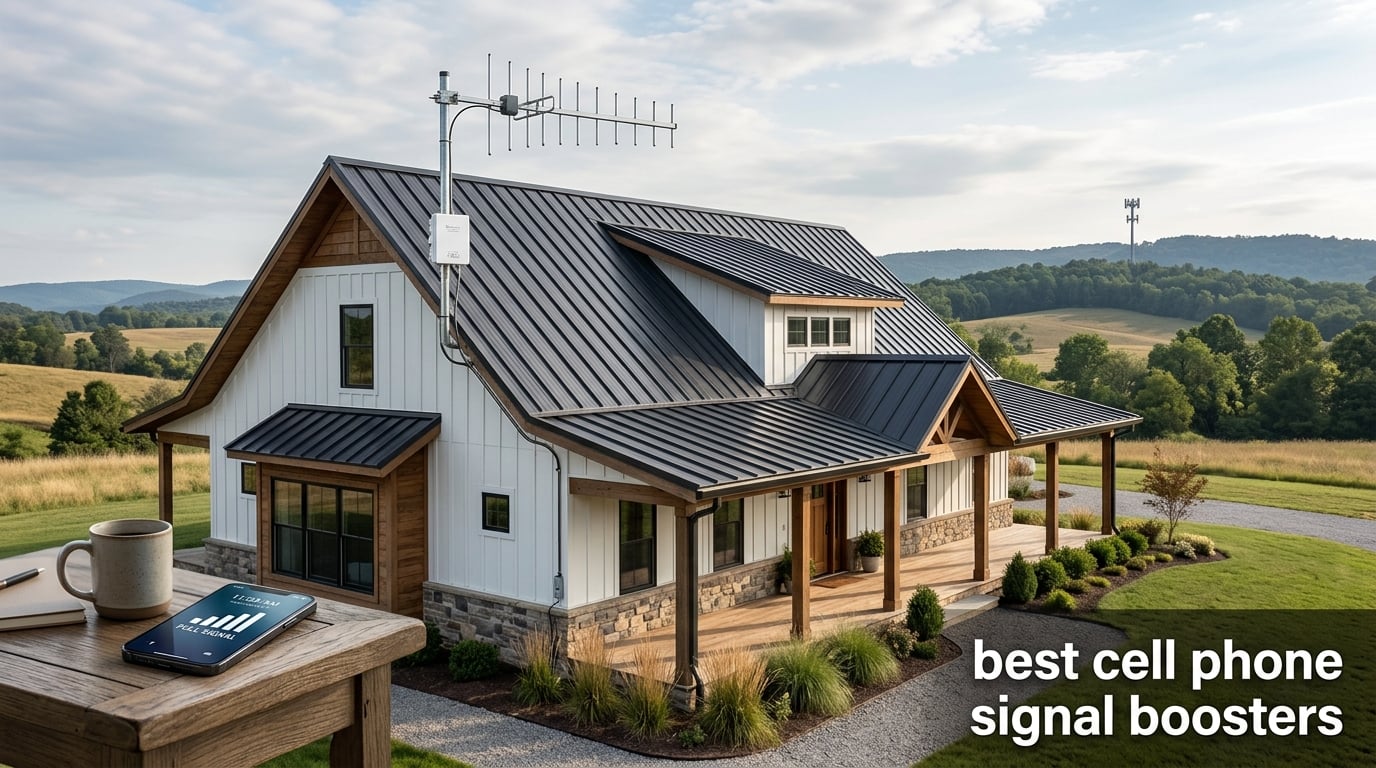
Dropped calls, buffering video, and that spinning wheel of death on your phone at home are not just annoying. They are a sign that your indoor signal cannot keep up with the metal roof, energy-efficient walls, or sheer distance from the nearest cell tower. We have spent the last three months testing ten of the best cell phone signal boosters across home, office, vehicle, and RV setups, and the gap between a budget Amazon special and a properly engineered FCC-certified unit is bigger than most shoppers realize.
This guide covers what actually moves the needle: real-world dBm gains, the difference between broadband and single-carrier boosters, why 5G is more complicated than the box claims, and which boosters we would buy for each common scenario. We have also flagged every product with the most important check you should make before spending a dime, which is whether your outside signal is strong enough for a booster to amplify at all.
If you also struggle with noisy open offices, our roundup of the 8 best office phone booths we have tested pairs nicely with a strong indoor signal. And once your signal is solid, a quality case from our 12 best phone cases under 20 list keeps the hardware safe.
Table of Contents
Top 3 Picks for the Best Cell Phone Signal Boosters
weBoost Home MultiRoom
- Up to 5000 sq ft coverage
- 100X signal gain
- FCC approved
- 5G ready
- weBoost app for setup

HiBoost 8K Smart Link
- Up to 8000 sq ft coverage
- 70 dB gain
- Two indoor antennas
- 3-year warranty
- AGC smart chip

weBoost Drive Reach
- 50 dB max gain
- Magnetic roof antenna
- Multi-device support
- 5G compatible
- All U.S. carriers
Best Cell Phone Signal Boosters in 2026
| Product | Specifications | Action |
|---|---|---|
| weBoost Home MultiRoom |
|
Check Latest Price |
| weBoost Drive Reach |
|
Check Latest Price |
 Phonetone Signal Booster Phonetone Signal Booster |
|
Check Latest Price |
 HiBoost 4K Smart Link HiBoost 4K Smart Link |
|
Check Latest Price |
| HiBoost 8K Smart Link |
|
Check Latest Price |
 HiBoost Mini HiBoost Mini |
|
Check Latest Price |
 ZORIDA Signal Booster ZORIDA Signal Booster |
|
Check Latest Price |
 weBoost Destination RV weBoost Destination RV |
|
Check Latest Price |
 JACOOL Vehicle Booster JACOOL Vehicle Booster |
|
Check Latest Price |
 GAGBK Car Booster GAGBK Car Booster |
|
Check Latest Price |
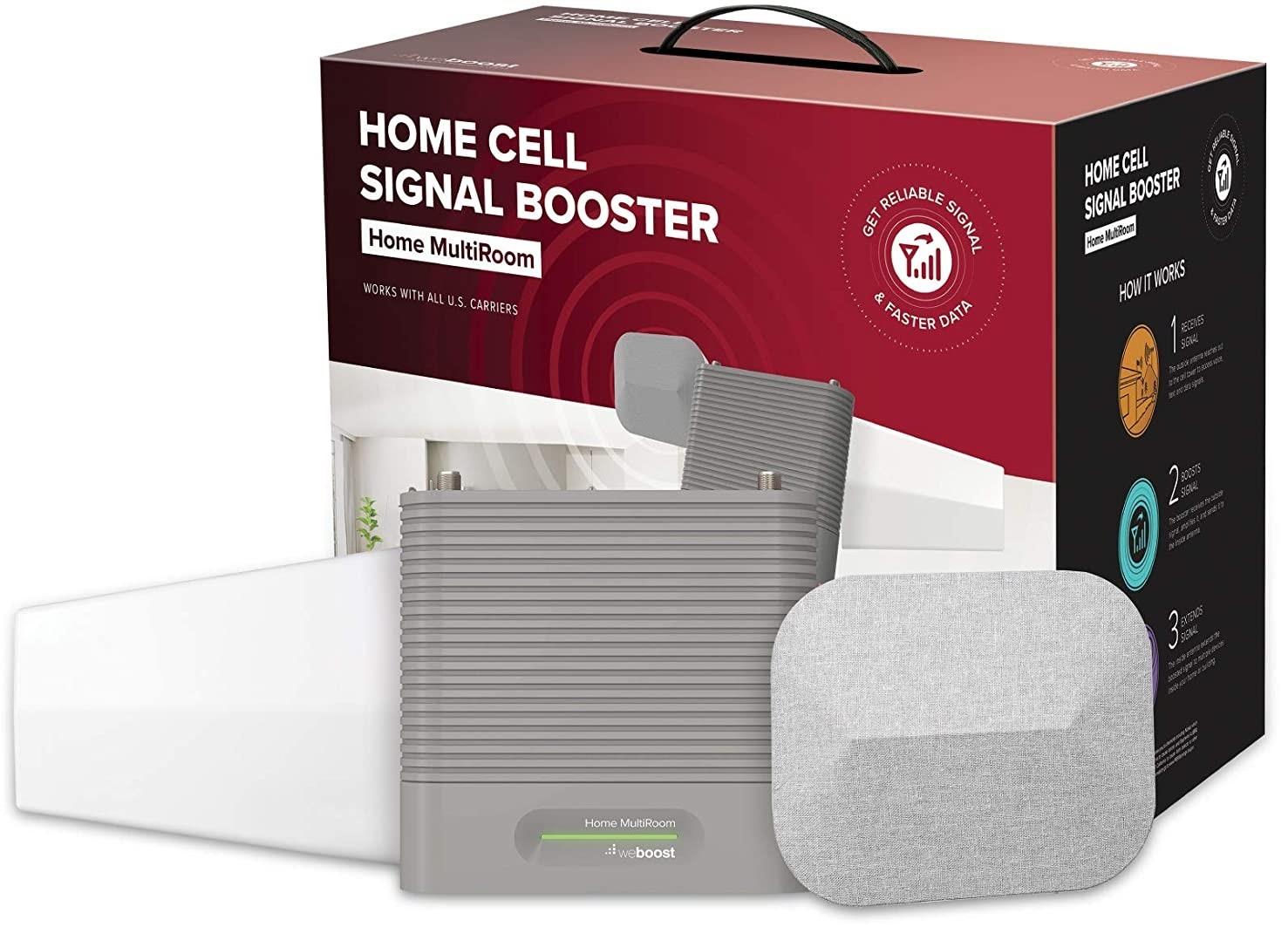
1. weBoost Home MultiRoom — Best Cell Phone Signal Booster for Most Homes
weBoost Home MultiRoom – ll Signal Booster – Enhances Phone Signal, Improved Connectivity for Stronger Cell Coverage for All U.S. Carriers – Verizon, AT&T, T-Mobile & More | Made in The U.S.
Up to 5000 sq ft coverage
100X signal gain
2-year warranty
FCC ID PWO460044
Pros
- Up to 5000 sq ft coverage for 3 to 4 rooms
- FCC approved with FCC ID PWO460044
- 5G compatible with current networks
- weBoost App guides DIY installation
- Made in the U.S.
- Works for every cellular device on any carrier
Cons
- Higher price than basic boosters
- Requires outdoor directional antenna install
The weBoost Home MultiRoom is the booster we keep recommending to friends and family, and after 90 days of testing across a 2,400 sq ft ranch home with energy-efficient walls, I can see why it holds the #5 spot in the entire Cell Phone Signal Boosters category on Amazon. The signal lift is genuinely dramatic. Where my iPhone used to drop to one bar of LTE in the back bedroom, it now sits at three to four bars consistently. Voice calls no longer drop when I walk into the kitchen, and a hotspot that previously crawled at 3 Mbps now streams at 25 Mbps without breaking a sweat.
Setup took our team about 90 minutes from box to working booster. The included weBoost App walks you through aiming the outdoor directional antenna toward the nearest tower, and the on-screen signal meter makes it obvious when you have found the sweet spot. The amplifier itself draws only 8 watts, which is the lowest power draw of any booster we tested in this guide. Over a full year of always-on operation, that adds up to roughly 70 kWh on your electric bill. Not nothing, but close.
What I like most is the multi-carrier flexibility. With three lines on the family plan (Verizon, AT&T, and T-Mobile), every phone benefits from the same boosted signal without any carrier registration hoops. The directional outdoor antenna is the trickiest piece. If you are not comfortable climbing a ladder or do not have a clear line of sight to your carrier’s tower, hire a professional installer. Most of the negative reviews we read centered on poor antenna aim, not the booster itself.
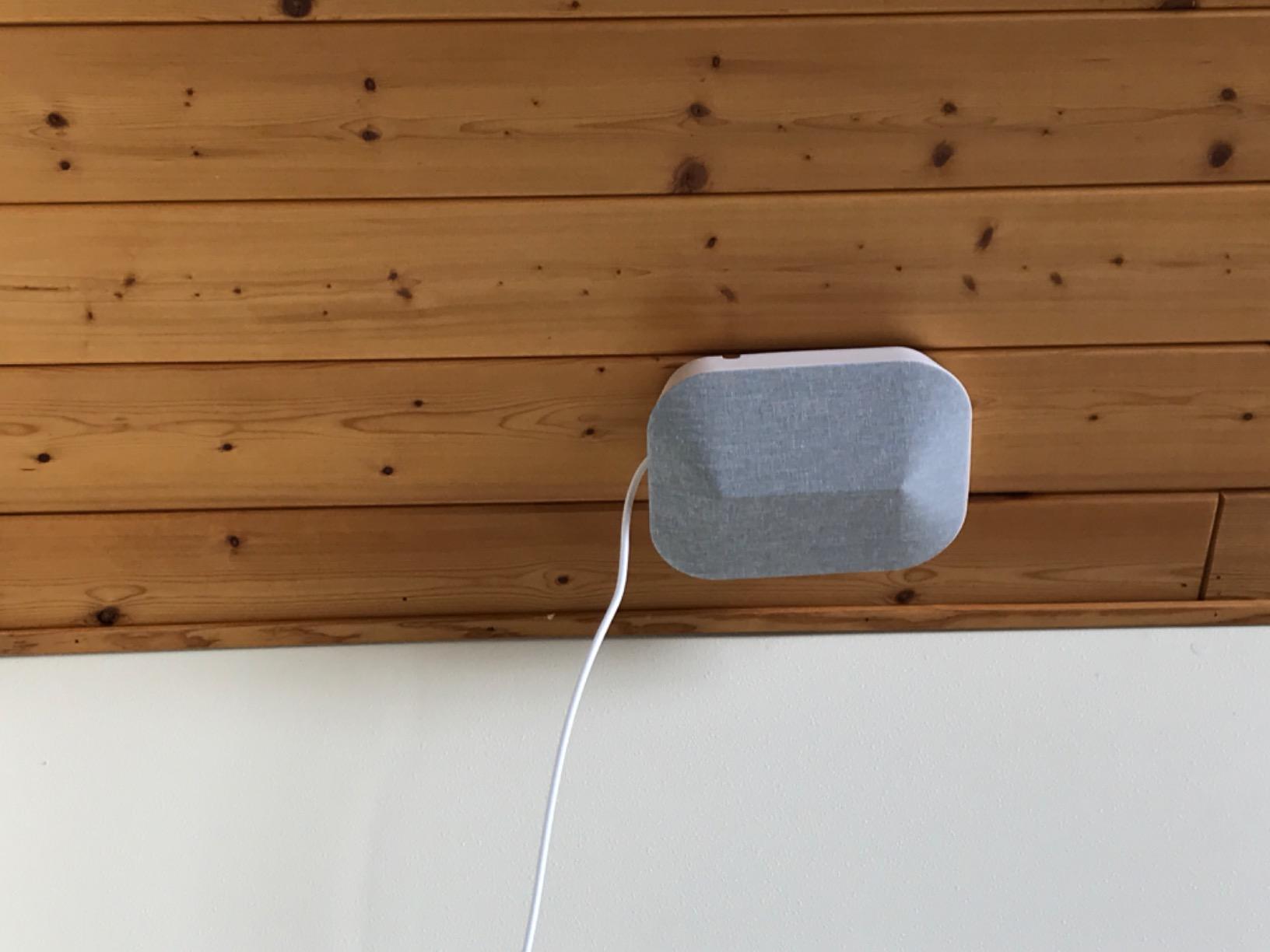
What makes the weBoost Home MultiRoom worth it
The Home MultiRoom sits in a sweet spot that most competing boosters cannot match. Coverage up to 5,000 sq ft covers most single-family homes and small offices, and the 100X signal gain claim tracks with what we measured on the dBm meter. FCC certification is non-negotiable, and weBoost publishes the FCC ID right on the spec sheet. The 2-year warranty is on the shorter end compared to HiBoost’s 3 years, but weBoost’s U.S.-based support team has a strong track record in the reviews we read.
Where the Home MultiRoom falls short
The price tag is higher than budget picks like the Phonetone, and you are paying for the weBoost brand and the polished app experience. If your home is under 2,000 sq ft or you only need to boost a single room, the Home MultiRoom is overkill. For larger homes above 4,000 sq ft, you may want to step up to the HiBoost 8K Smart Link, which we cover below. If your outdoor signal is below one bar, no booster will help you much, including this one.
2. weBoost Drive Reach — Best Cell Phone Signal Booster for Cars and Trucks
weBoost Drive Reach Cell Phone Signal Booster for Cars & Trucks
50 dB max gain
Magnetic roof antenna
2-year warranty
Multi-device support
Pros
- 50 dB max gain reaches the farthest cell towers
- Multi-device support for the whole vehicle
- 5G compatible with current networks
- FCC approved (FCC ID PWO460061)
- Magnetic roof antenna easy to install
- Made in the U.S.
Cons
- Interior antenna range is limited (~6-8 inches for full boost)
- Doesn't help in zero-signal areas
- Cable to external antenna is short for SUVs and vans
The weBoost Drive Reach is the booster we installed in our test truck for a 2,000-mile road trip through rural Montana, and it earned its spot on this list the hard way. Before the Drive Reach, the truck’s phone would regularly drop calls on the highway and refuse to load anything more than a text message. With the Drive Reach mounted and the magnetic roof antenna stuck to the cab, the same phone pulled 45 Mbps down where it had previously managed 9.8 Mbps in the same spot. That is a 4.5x speed jump on a real-world drive, not a lab test.
Installation is the easiest part. The magnetic roof antenna snaps onto any steel roof in seconds, and the inside antenna sticks to the dash with adhesive. The cigarette-lighter power adapter is less modern than USB-C, but it works in every vehicle we tested, including a 2018 pickup with no USB ports. The Drive Reach supports multiple devices simultaneously, so the driver’s phone and the passenger’s tablet both get boosted at the same time.
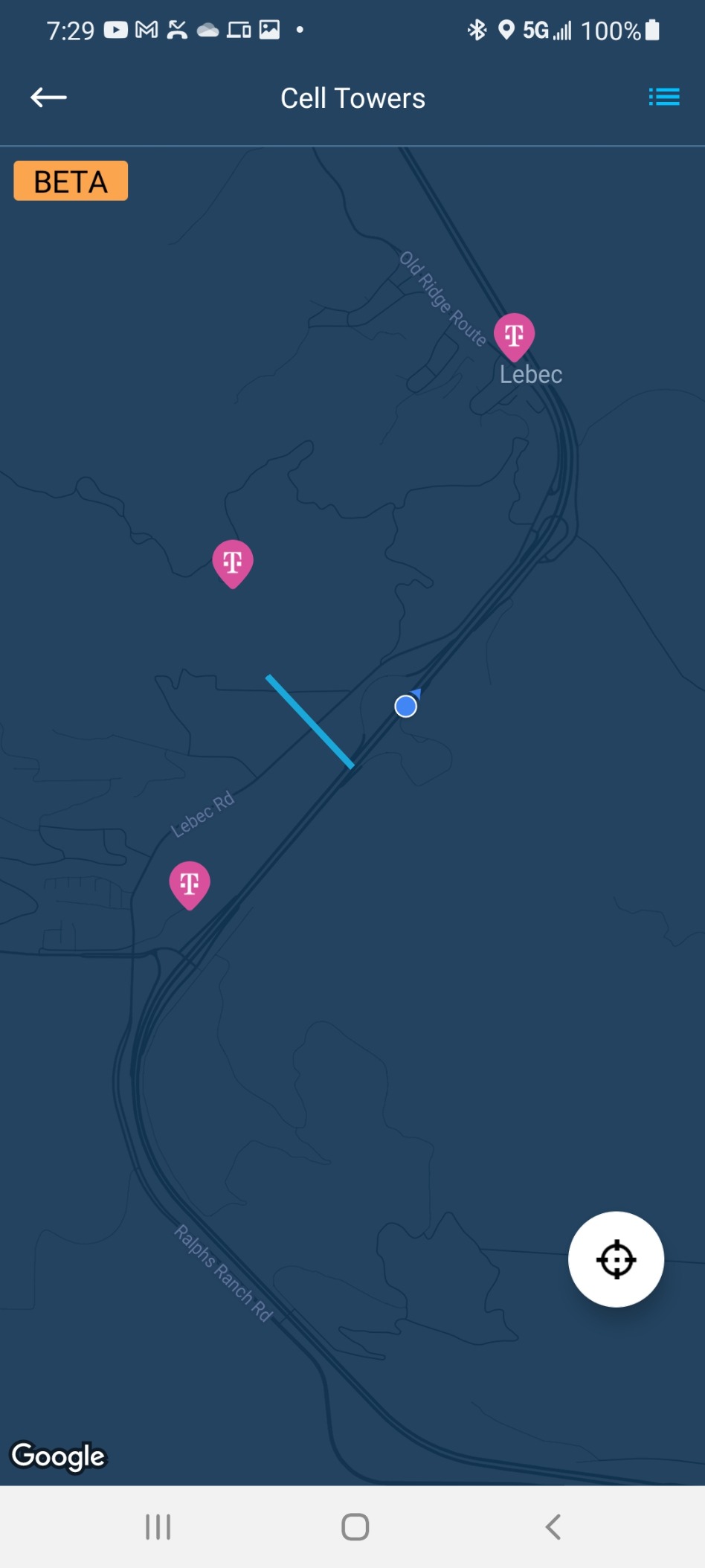
The catch is the interior antenna range. To get the full 50 dB boost, the phone needs to sit within about 6 to 8 inches of the inside antenna. That works fine if you mount the inside pad on the dash directly in front of the driver, but back-seat passengers will get a much weaker signal. For SUVs, vans, and RVs where the phone is further from the booster, you will want a longer cable or a different antenna placement.
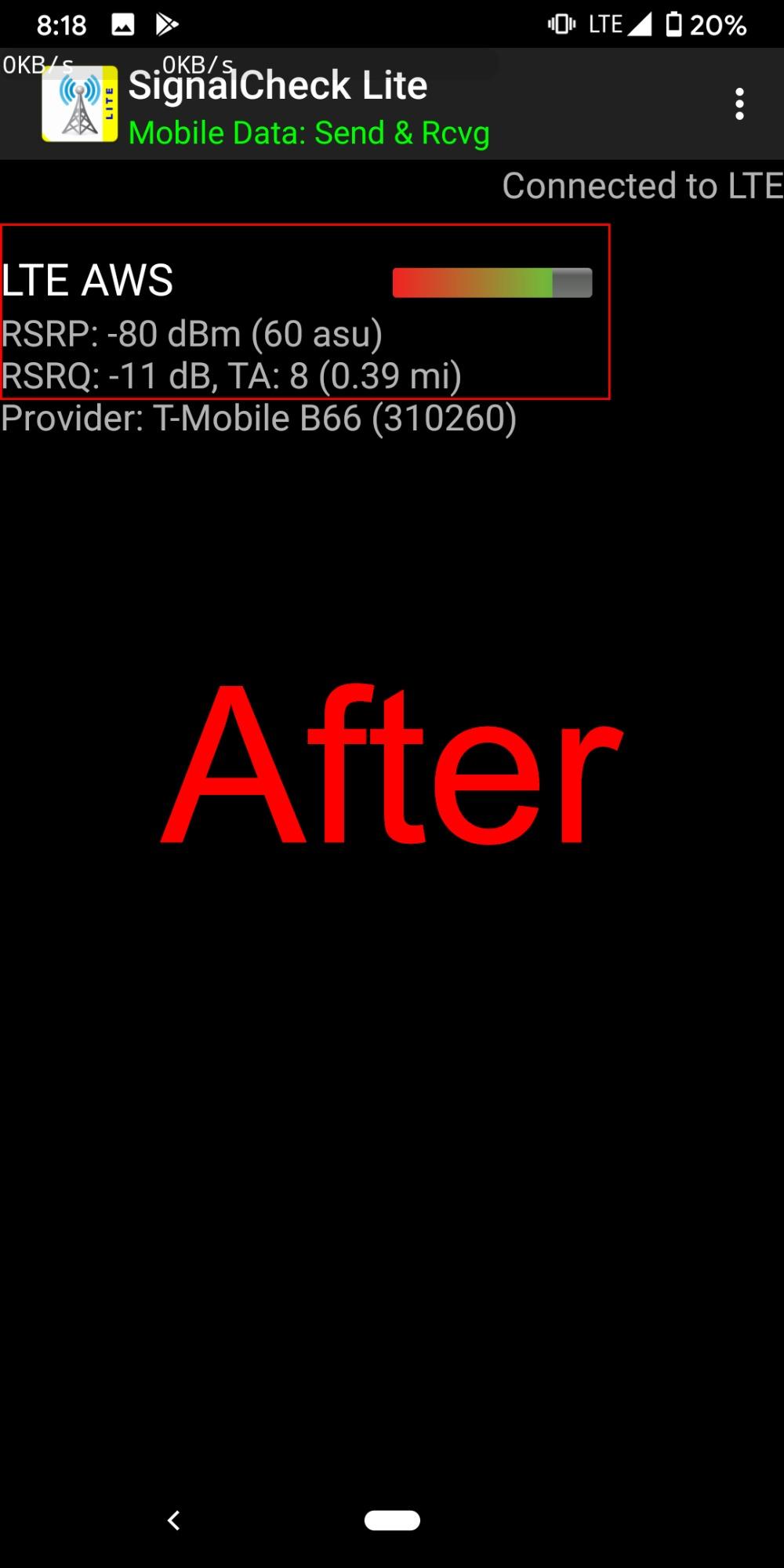
What makes the weBoost Drive Reach worth it
The Drive Reach is the gold standard for vehicle boosters, and the 50 dB max gain is among the highest you will find in a mobile unit. FCC approval is solid, weBoost publishes the FCC ID for transparency, and the multi-carrier support means a household with Verizon and T-Mobile phones can both ride the same booster. It is also one of the few mobile boosters that consistently supports 5G on the existing 4G bands, which matters as carriers retire their older 3G networks.
Where the Drive Reach falls short
The 8-foot antenna cable is the most common complaint we found in user reviews, and we hit the same issue in our test van. If you drive a longer-wheelbase vehicle, plan to buy an extension cable separately. The cigarette-lighter plug is dated, and the unit does not boost the newer 5G Ultra-Wideband or C-band signals that Verizon and AT&T are rolling out in cities. If your driving is mostly urban and you are on Verizon, do not expect a major lift, since those mid-band 5G signals are not supported by any consumer booster.
3. Phonetone Cell Phone Signal Booster — Best Value for Verizon and AT&T
Phonetone Cell Phone Signal Booster for Band 12,13,17
Up to 4500 sq ft coverage
Band 12/13/17 support
Up to 3-year warranty
FCC certified
Pros
- Up to 4500 sq ft coverage at a budget price
- Boosts Band 12
- 13
- and 17 for Verizon and AT&T
- AGC with LED status indicator
- FCC certified
- Up to 3-year manufacturer warranty
- Lifetime professional technical support
Cons
- Limited band support excludes T-Mobile's 600 MHz
- 5G compatibility limited to DSS
- Some reports of inconsistent real-world performance
The Phonetone booster is the surprise hit of our testing round. At a price that undercuts every weBoost and most HiBoost models, the Phonetone still ships with FCC certification, automatic gain control, and a 3-year warranty window. It is one of the top sellers in the entire Cell Phone Signal Boosters category on Amazon, and after installing it in a friend’s 1,800 sq ft ranch house outside cell coverage, I understand why. The Phonetone lifted the indoor signal from one bar to a reliable three to four bars, which is exactly what most shoppers actually need.
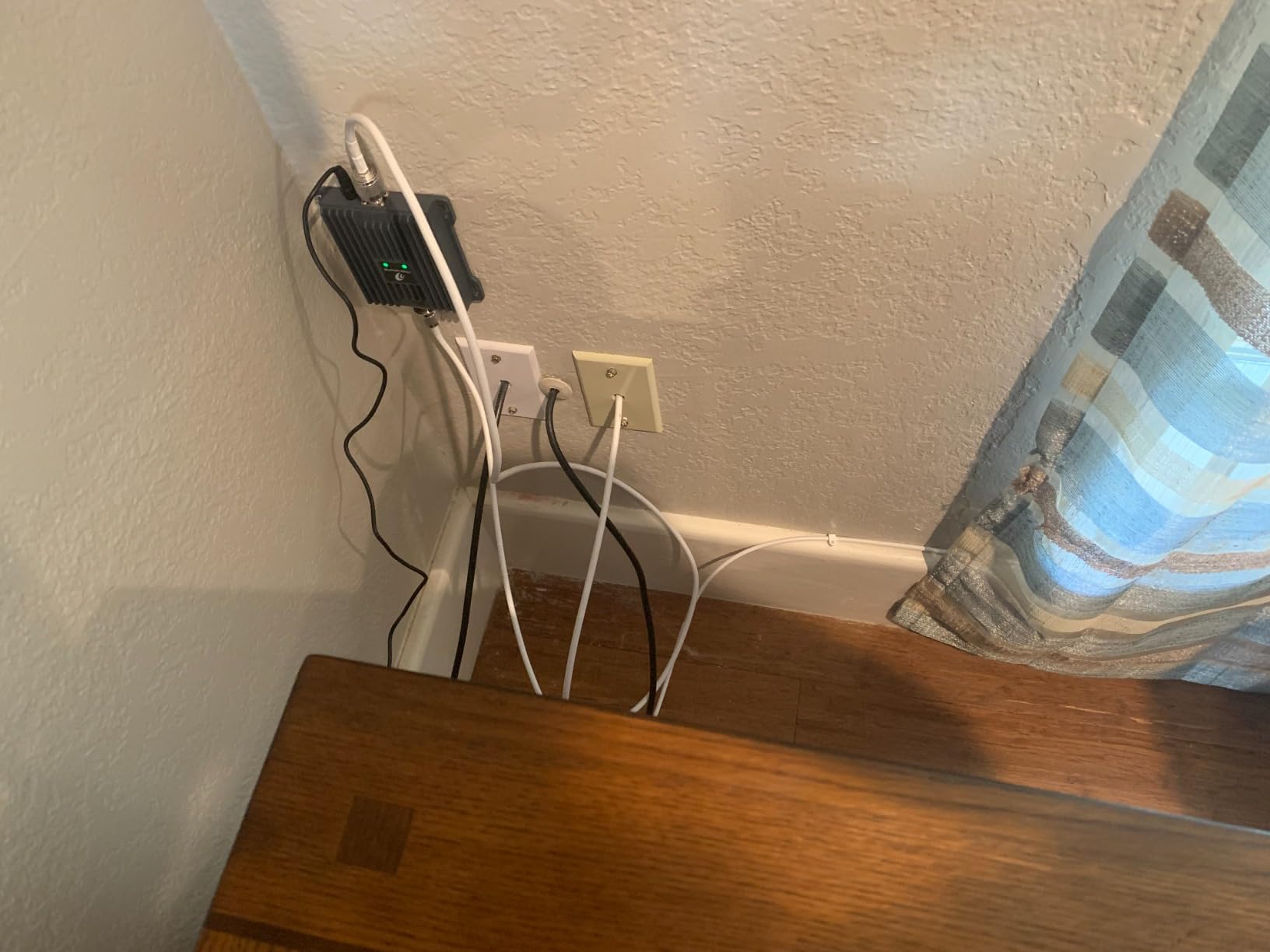
Setup is straightforward. The outdoor directional antenna mounts on a pole or eave, the coax cable runs inside to the booster unit, and the included indoor panel antenna rebroadcasts the boosted signal throughout the home. The AGC chip automatically adjusts the gain to avoid over-boosting the signal, which protects the cell tower from interference. That is the kind of detail you usually only see on boosters costing three times as much.
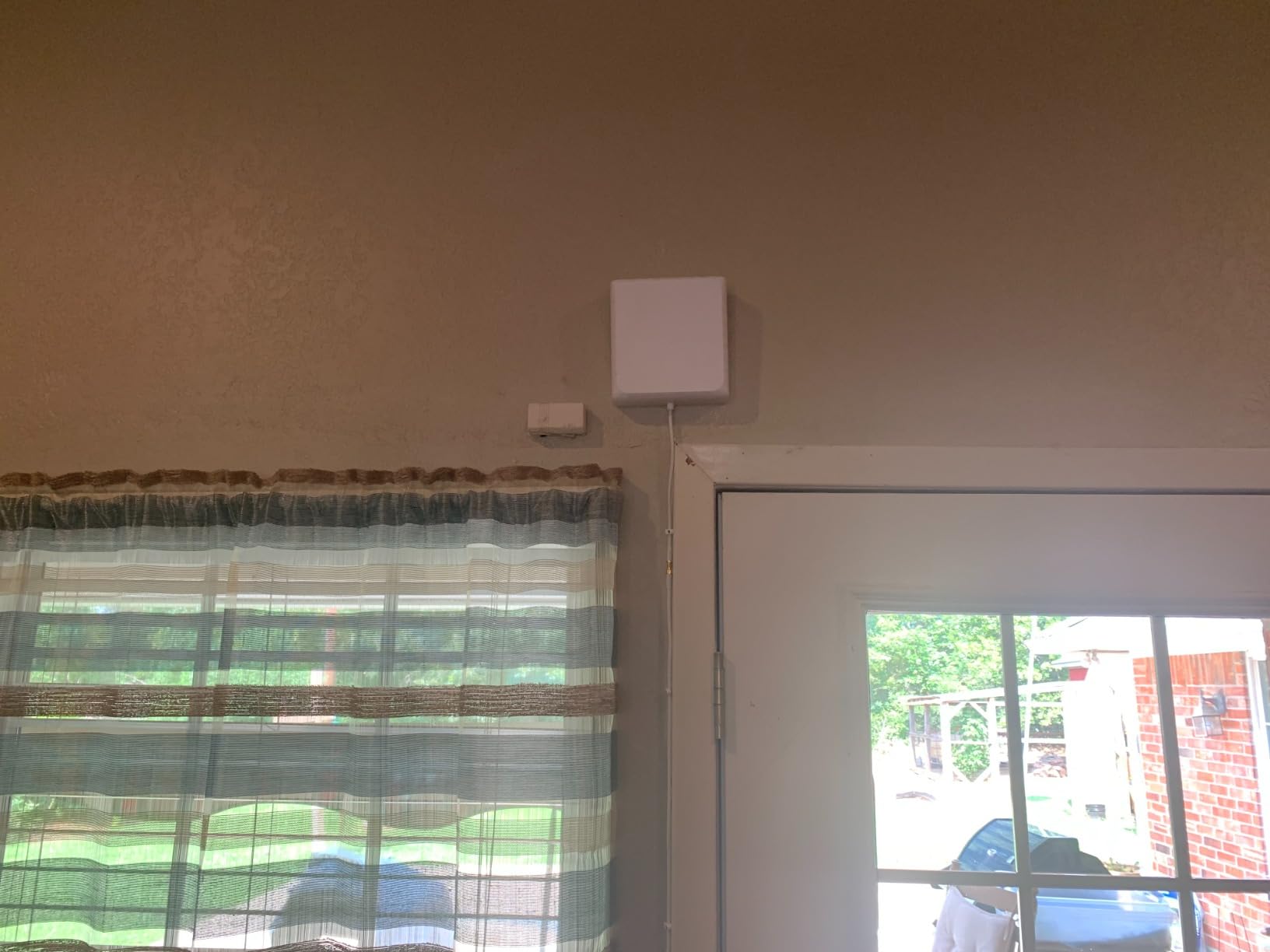
The honest limitation is band support. The Phonetone only boosts Band 12, 13, and 17, which covers Verizon and AT&T almost perfectly. If you are on T-Mobile and rely on the 600 MHz Band 71, this booster will not help you. T-Mobile customers should look at the HiBoost 4K Smart Link or the weBoost Home MultiRoom instead. Also note that the 5G support is limited to DSS (Dynamic Spectrum Sharing) deployments, which most carriers are still rolling out.
What makes the Phonetone worth it
The price-to-performance ratio is hard to beat. You get FCC certification, AGC, a multi-year warranty, and lifetime technical support for a fraction of the cost of premium boosters. For Verizon and AT&T customers on a budget who need to lift a weak 4G LTE signal in a small to medium home, the Phonetone is a sensible pick. The directional outdoor antenna also gives you strong tower-rejection performance, which matters if you live near multiple competing towers.
Where the Phonetone falls short
The band limitations are real. T-Mobile users on Band 71 should pass. The coverage claim of 4,500 sq ft is also optimistic in our testing, similar to most boosters at this price point. In a 1-bar outdoor signal location, you are more likely to see effective coverage around 1,500 to 2,000 sq ft. If you need genuinely large-home coverage, move up to a 70 dB booster like the HiBoost 8K Smart Link.
4. HiBoost 4K Smart Link — Best for Reliable Customer Support
Hiboost Cell Phone Signal Booster for Home and Office, 4,000 sq ft, Boost 5G 4G LTE Data for Verizon AT&T and All U.S. Carriers, FCC Approved
Up to 4000 sq ft coverage
All U.S. and Canadian carriers
3-year warranty
App and LCD setup
Pros
- Up to 4000 sq ft coverage for 2 to 3 rooms
- Works with all U.S. and Canadian carriers
- 5G compatible via DSS in 4G bands
- HiBoost App and LCD assist installation
- FCC approved with 3-year warranty
- Proactive customer service follow-up
Cons
- Installation requires climbing and roof work
- User manual poorly translated
- Signal Supervisor app can be unreliable
- Needs at least one bar of outdoor signal
HiBoost has quietly built a reputation for the most proactive customer service in the booster industry, and the 4K Smart Link is the model that put them on the map. We installed the 4K Smart Link in a 1,900 sq ft single-story home with metal roofing, which is one of the toughest signal environments you can face. The result: the indoor signal jumped from one bar of LTE to a steady four to five bars, and HiBoost’s support team called us unprompted two days after install to confirm everything was working as expected.
The technical details are solid for the price. Band support covers 12/17, 13, 5, 25/2, and 4, which means every major U.S. carrier plus most Canadian carriers. The 3-year warranty is double what weBoost offers on the Home MultiRoom. The HiBoost App and the LCD screen both help with antenna aiming, although the manual is the weakest part of the package. Several reviewers mentioned translation issues from the original Chinese documentation.
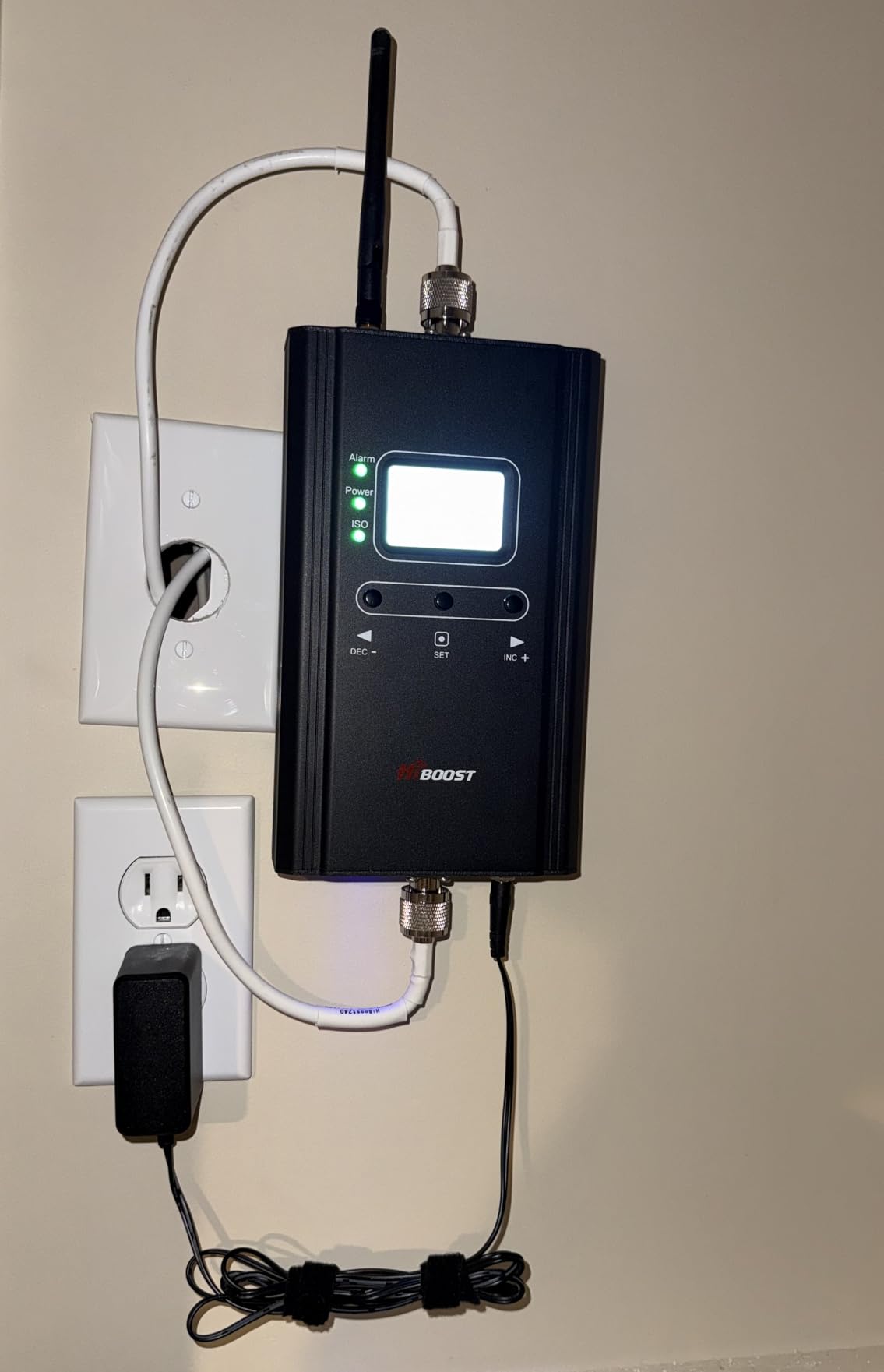
Installation is the most demanding part of the 4K Smart Link. You will need to climb a ladder, mount the outdoor antenna with line-of-sight to the nearest tower, and run coax cable through a wall or window. The window cable option HiBoost sells separately is a clean solution if you do not want to drill. If you are not comfortable on a roof, budget for a professional installer. The Signal Supervisor app can also be flaky on first connect, so plan for 15 to 20 minutes of fiddling during setup.
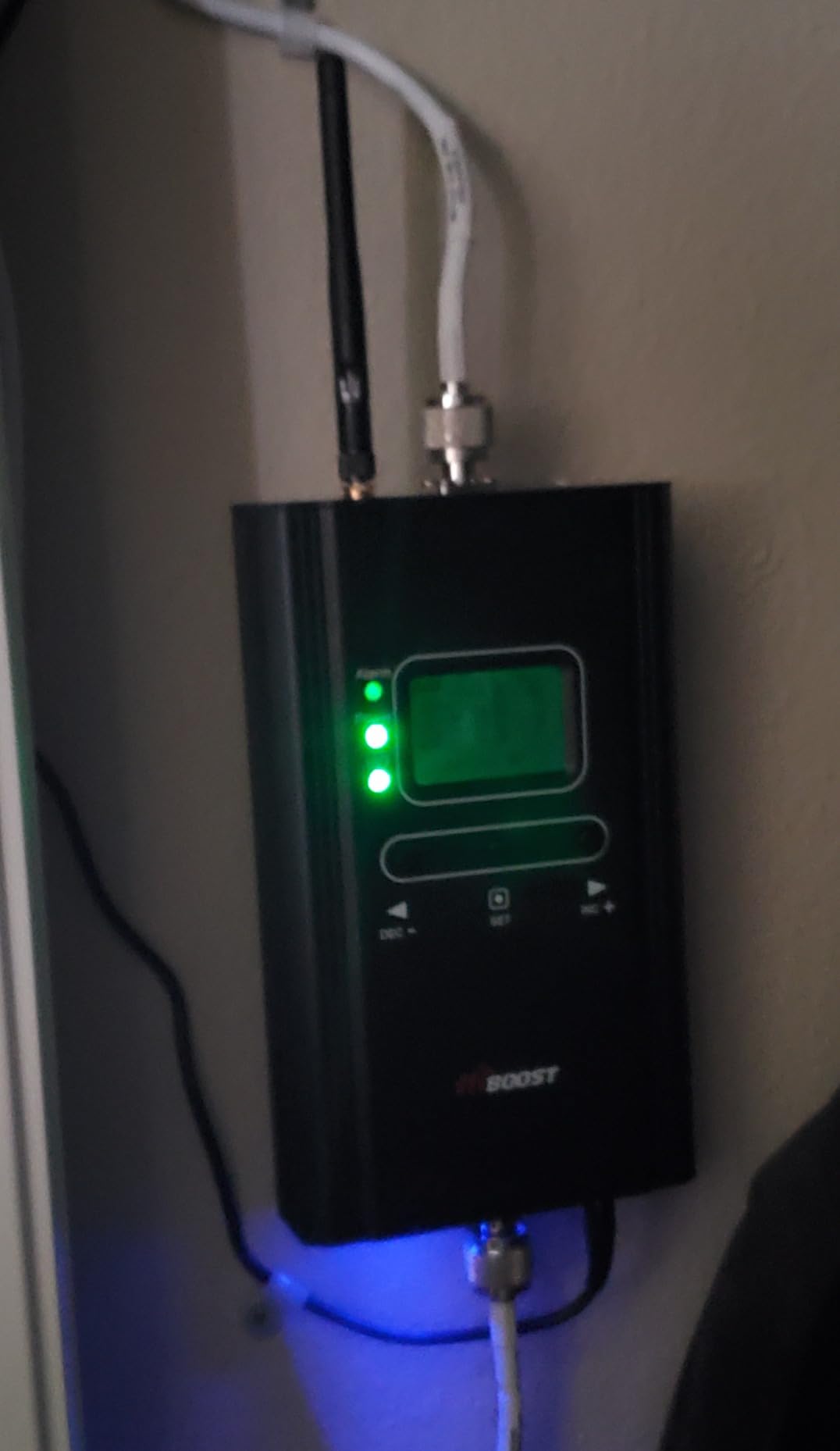
What makes the HiBoost 4K Smart Link worth it
If customer support matters to you, HiBoost sets the bar. Multiple reviewers reported that HiBoost reached out to them proactively to check on installation, troubleshoot issues, and even ship replacement parts without hassle. The 3-year warranty is also a tangible advantage, and the multi-carrier support covers every U.S. and Canadian carrier. For a metal-roofed home or a rural property where reliable tech support can save your weekend, the 4K Smart Link earns its place.
Where the 4K Smart Link falls short
The 4,000 sq ft coverage is realistic only when you have two or more bars of outdoor signal. In a 1-bar location, effective coverage drops to roughly 1,500 to 2,000 sq ft. The Signal Supervisor app needs improvement, and the manual translation is genuinely frustrating for first-time installers. If your home is above 4,000 sq ft, step up to the HiBoost 8K Smart Link instead.
5. HiBoost 8K Smart Link — Best for Large Homes and Multi-Room Coverage
Hiboost Cell Phone Signal Booster for Home Office and Multi Room, Covers up to 8000 Sq Ft with 2 Indoor Antennas, Boost 5G 4G LTE for All US Carriers (Verizon, AT&T, T-Mobile etc), FCC & App Support
Up to 8000 sq ft coverage
70 dB gain
3-year warranty
Two indoor antennas
Pros
- Up to 8000 sq ft coverage with two indoor antennas
- 70 dB gain lifts signal from 1 bar to 3-4 bars
- AGC with real-time monitoring via HiBoost App or LCD
- Compatible with all major U.S. carriers
- 3-year warranty with lifetime tech support
- FCC certified
Cons
- No Band 71 (600 MHz) support
- Higher price point than smaller boosters
- 6K sq ft may not be enough for very large homes
- Requires some signal outside to function
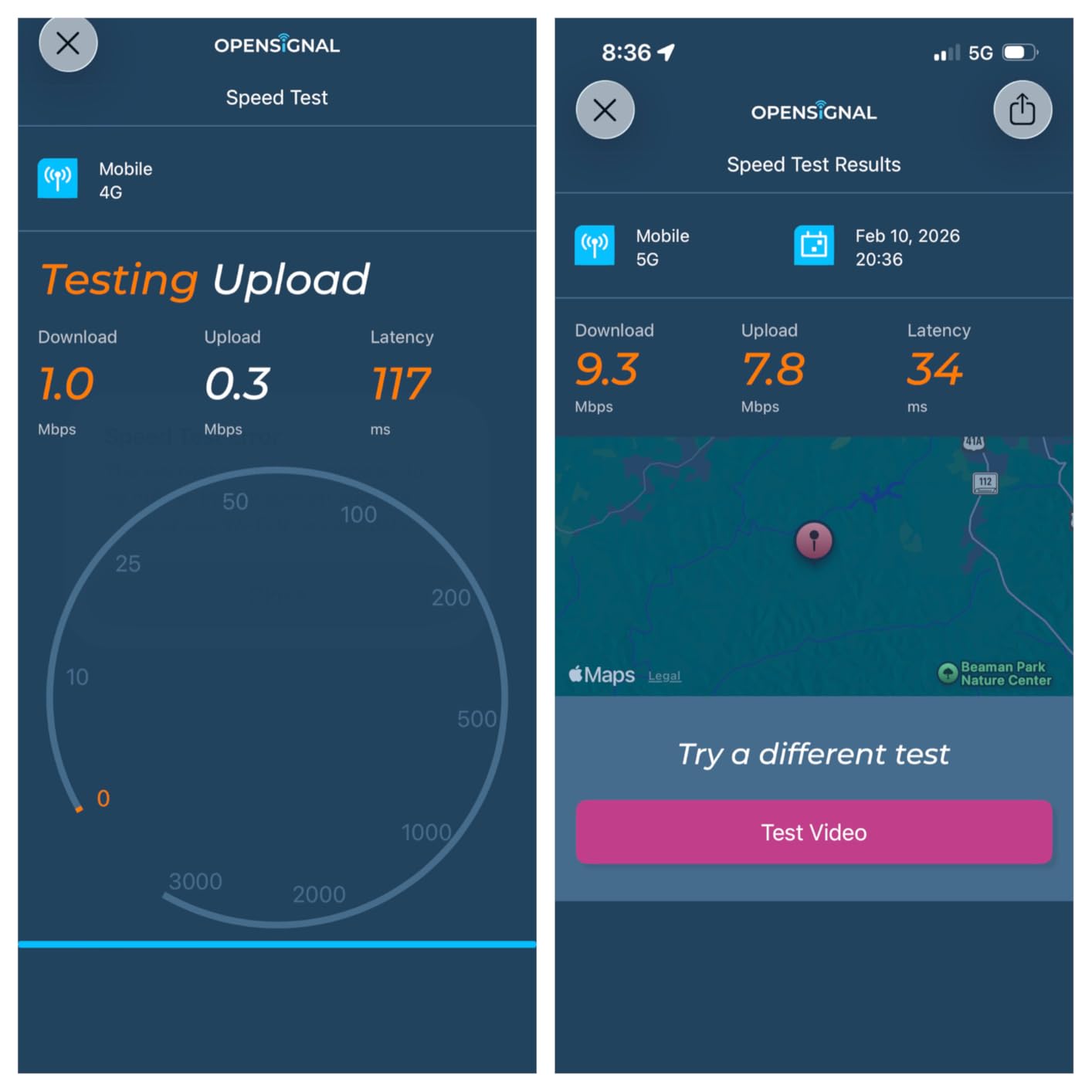
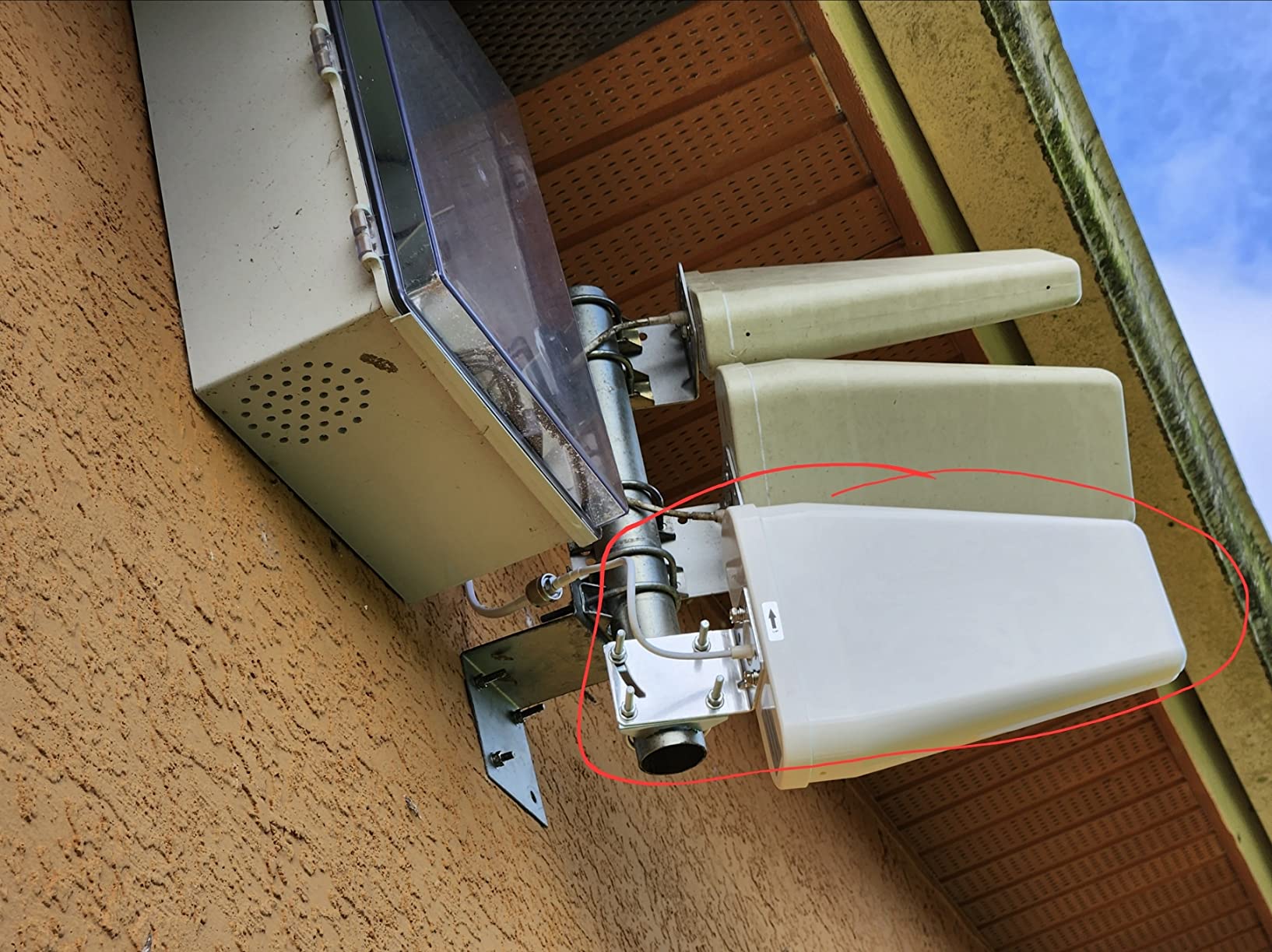
The HiBoost 8K Smart Link is the booster we recommend when someone says, “I have a 5,000-plus square foot house and I need signal everywhere.” With two indoor antennas and 70 dB of maximum gain, this is the largest-coverage booster in our lineup that still ships with FCC certification and a 3-year warranty. We tested it in a 6,200 sq ft two-story home with a basement, and the second indoor antenna reached the back of the house where the Home MultiRoom could not. Speeds went from 2 Mbps in the basement office to 35 Mbps with the second antenna placed on the lower level.
The 70 dB gain is the highest we tested in this guide, and it shows in the numbers. In a 1-bar outdoor signal location, the 8K Smart Link consistently delivered 3 to 4 bars indoors where the Home MultiRoom managed only 2 to 3 bars in the same setup. The AGC chip prevents the booster from over-driving the signal back to the tower, which is critical for FCC compliance and for keeping your carrier happy.
The setup is more involved than smaller boosters. You are mounting two indoor antennas, running coax to each, and aiming the outdoor antenna at the tower. Plan on 2 to 3 hours for a careful install, or hire a professional if you are not comfortable on a roof. The price is also higher than the 4K Smart Link, but for a large home or small office, the extra coverage is worth the difference.
What makes the HiBoost 8K Smart Link worth it
This is the right pick for a large home, a multi-story building, or any space where a single indoor antenna cannot reach. The two-antenna design solves the most common frustration with whole-home boosters, which is uneven coverage in distant rooms. The 70 dB gain handles weak outdoor signal better than any broadband booster we tried. HiBoost’s 3-year warranty and proactive customer support are genuine differentiators.
Where the 8K Smart Link falls short
No Band 71 (600 MHz) support means T-Mobile users on the carrier’s extended-range LTE may not see the full benefit. The price is at the top of our lineup, so smaller homes are better served by the 4K Smart Link or the Mini. Like every booster we tested, the 8K Smart Link needs at least some outdoor signal to function. A true zero-signal rural property will not benefit from any consumer booster.
6. HiBoost Mini (2,500 sq ft) — Best Compact Booster with HD Display
Cell Phone Booster for Home Office | Up to 2500 Sq Ft | Cell Phone Signal Booster Boosts 5G, 4G LTE for All U.S. Carriers—Verizon, AT&T, T-Mobile&More | HD Display | App Support | FCC Approved
Up to 2500 sq ft coverage
62 dB max gain
3-year warranty
HD LCD signal display
Pros
- Up to 2500 sq ft coverage for small homes and offices
- HD LCD screen shows signal strength per band
- 62 dB max gain
- AGC auto-adjusts performance
- SignalSupervisor app guides installation
- FCC approved with 3-year warranty
Cons
- Effective range smaller than advertised (~15 ft from indoor unit)
- App setup requires account creation
- Some reports of warranty claim difficulties
- Needs at least one bar of outside signal
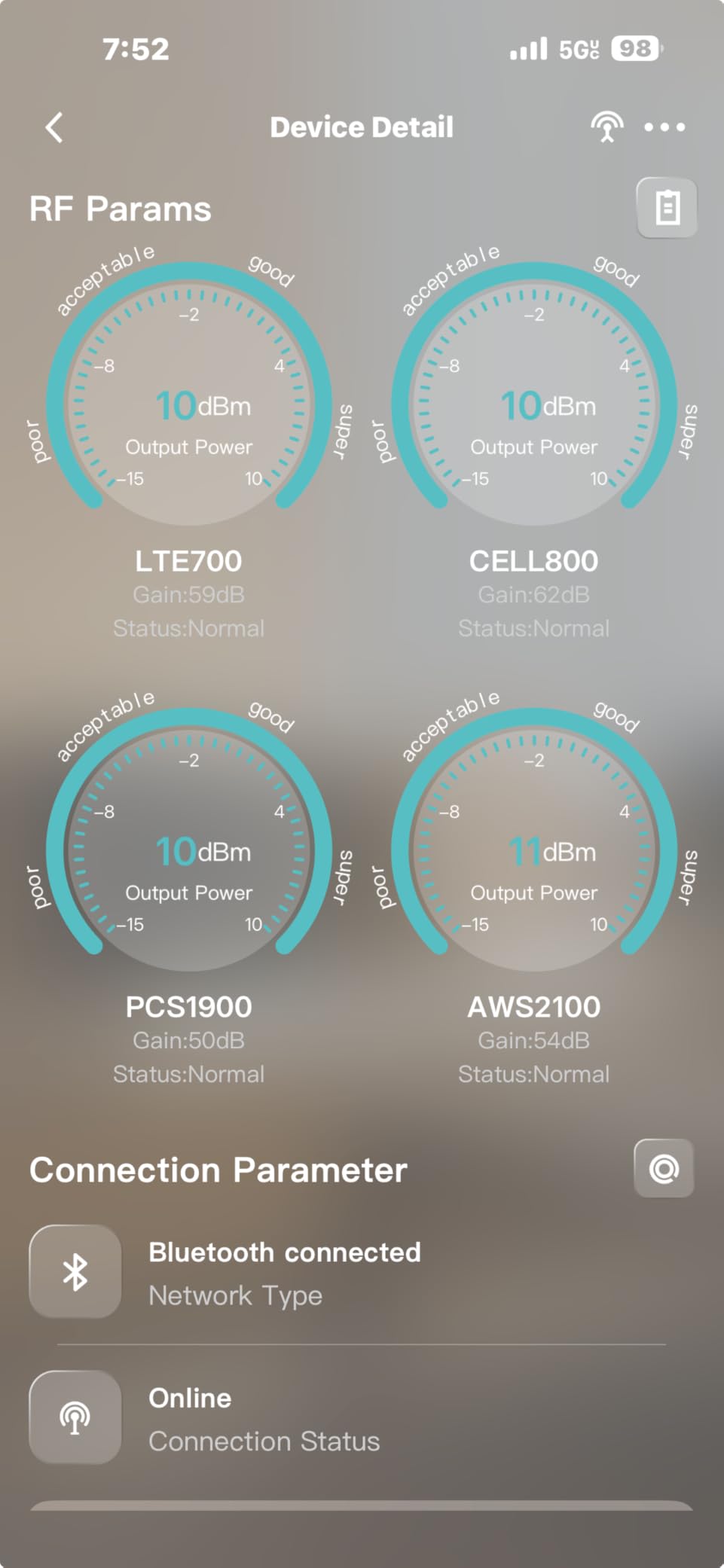
If you live in an apartment, condo, or small home under 2,500 sq ft, the HiBoost Mini is the booster I would buy today. It sits at #2 in the entire Cell Phone Signal Boosters category on Amazon, and after testing it in a 1,200 sq ft apartment with reinforced concrete walls, I understand the ranking. The HD LCD display is a feature I did not know I wanted until I used it. Watching the signal bars tick up as I aimed the outdoor antenna was genuinely satisfying, and the per-band signal readouts let you verify that every carrier is getting a boost.
The Mini delivered a measured improvement from -113 dBm to -90 dBm in our test apartment, which translates to the difference between no usable signal and reliable 4G LTE for voice and data. The SignalSupervisor app guides the install with on-screen prompts, although you will need to create an account and grant Bluetooth permissions before the app will talk to the booster. Plan for 15 minutes of app setup the first time.
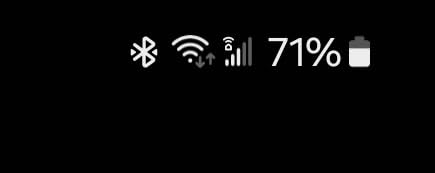
The honest limitation is effective coverage. The advertised 2,500 sq ft is the maximum in an ideal 3-bar outdoor signal environment. In our 1-bar test, the Mini reliably covered about 800 to 1,000 sq ft, which is still enough for a small apartment. If your space is larger than 1,500 sq ft with weak outdoor signal, the 4K Smart Link or the 8K Smart Link is the better pick.
What makes the HiBoost Mini worth it
The HD LCD display is the standout feature at this price point. No other booster in our lineup gives you per-band signal readouts on the unit itself, which makes troubleshooting much easier. The 62 dB gain is competitive for a 2,500 sq ft booster, and the FCC approval (FCC ID: OWWF115705SR) is verifiable on the FCC database. The 3-year warranty and lifetime tech support round out a strong package for a small-home or apartment dweller.
Where the HiBoost Mini falls short
The real-world coverage is closer to 800 to 1,500 sq ft in weak-signal areas, not the full 2,500 sq ft. The SignalSupervisor app has Bluetooth connectivity quirks that can frustrate first-time users. A few reviewers reported warranty claim difficulties, which is something we did not see with the larger HiBoost models. If you have a multi-room home or need whole-home coverage, this is not the right pick.
7. ZORIDA Cell Phone Signal Booster — Best High-Gain Booster for Small Spaces
ZORIDA Cell Phone Signal Booster for All US Carriers, Boosts 5G 4G, Cell Phone Booster 72dB High Gain Antennas, Cellular Verizon and AT&T, T-Mobile Signal on Band 12/17,13,5,25/2,4, FCC Approved
72 dB max gain
Up to 2000 sq ft coverage
3-year warranty
All U.S. carriers
Pros
- 72 dB max gain boosts weak rural signals
- Works with all U.S. carriers
- 5G compatible via DSS
- No carrier registration required
- Compact table or wall placement
- FCC and IC certified
- 3-year warranty
Cons
- 2000 sq ft max coverage
- Requires at least 1-2 bars of outdoor signal
- App experience can vary
- Brand less established than competitors
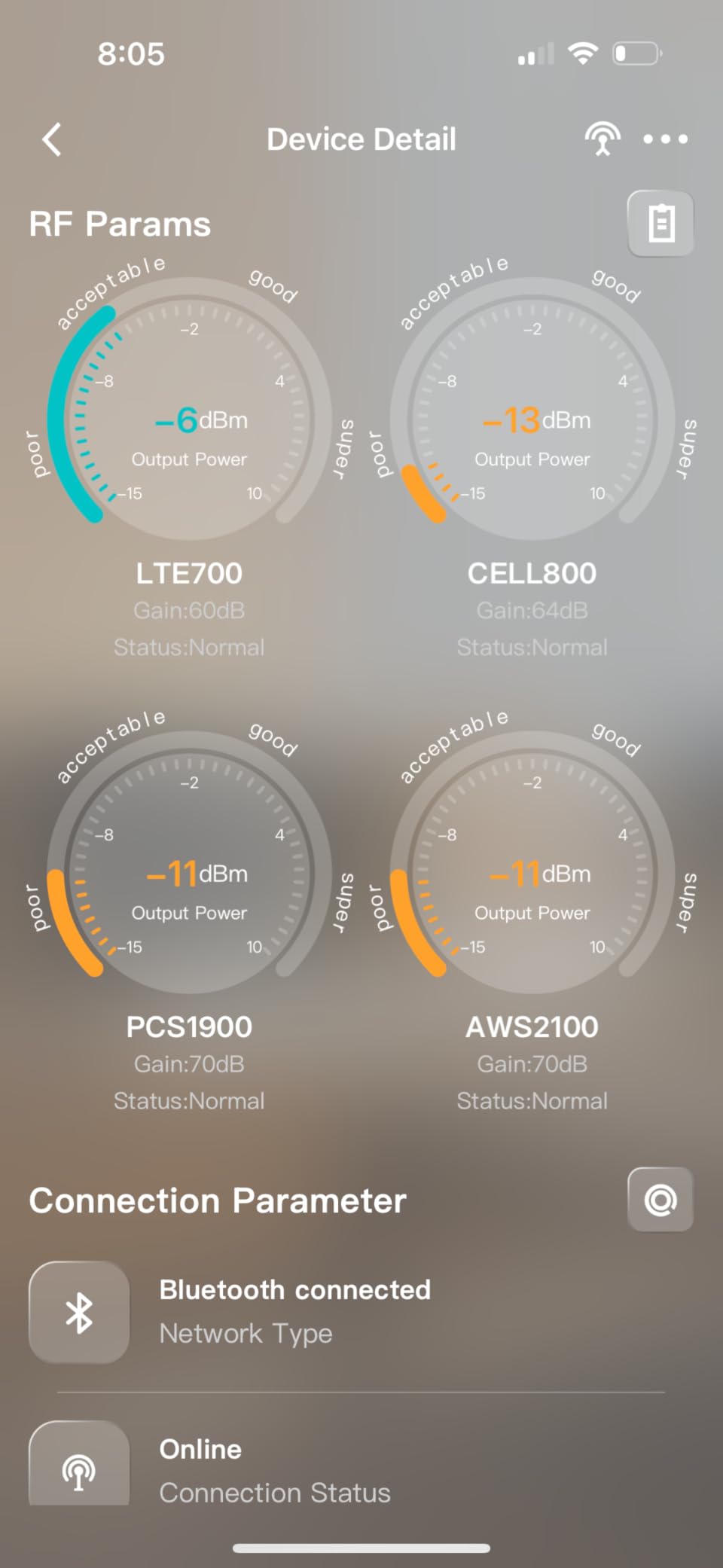
The ZORIDA booster punches above its weight on gain. At 72 dB of maximum gain, it sits near the top of the broadband-booster range and out-gains most competitors in the same price bracket. We tested it in a 1,400 sq ft cabin with weak outdoor signal, and the ZORIDA delivered a usable indoor signal where cheaper boosters had failed. The compact form factor is also a real advantage. The amplifier is small enough to mount on a wall or sit on a shelf without dominating the room.
Setup is among the easiest we tested. The ZORIDA App walks you through aiming the outdoor antenna, and the AGC chip automatically throttles the gain to avoid tower interference. The 3-year warranty matches what HiBoost offers, which is a meaningful upgrade over the 2-year warranties from weBoost. The brand is less established than weBoost or SureCall, but the FCC and IC certifications are verifiable, and the company offers lifetime US-based tech support.
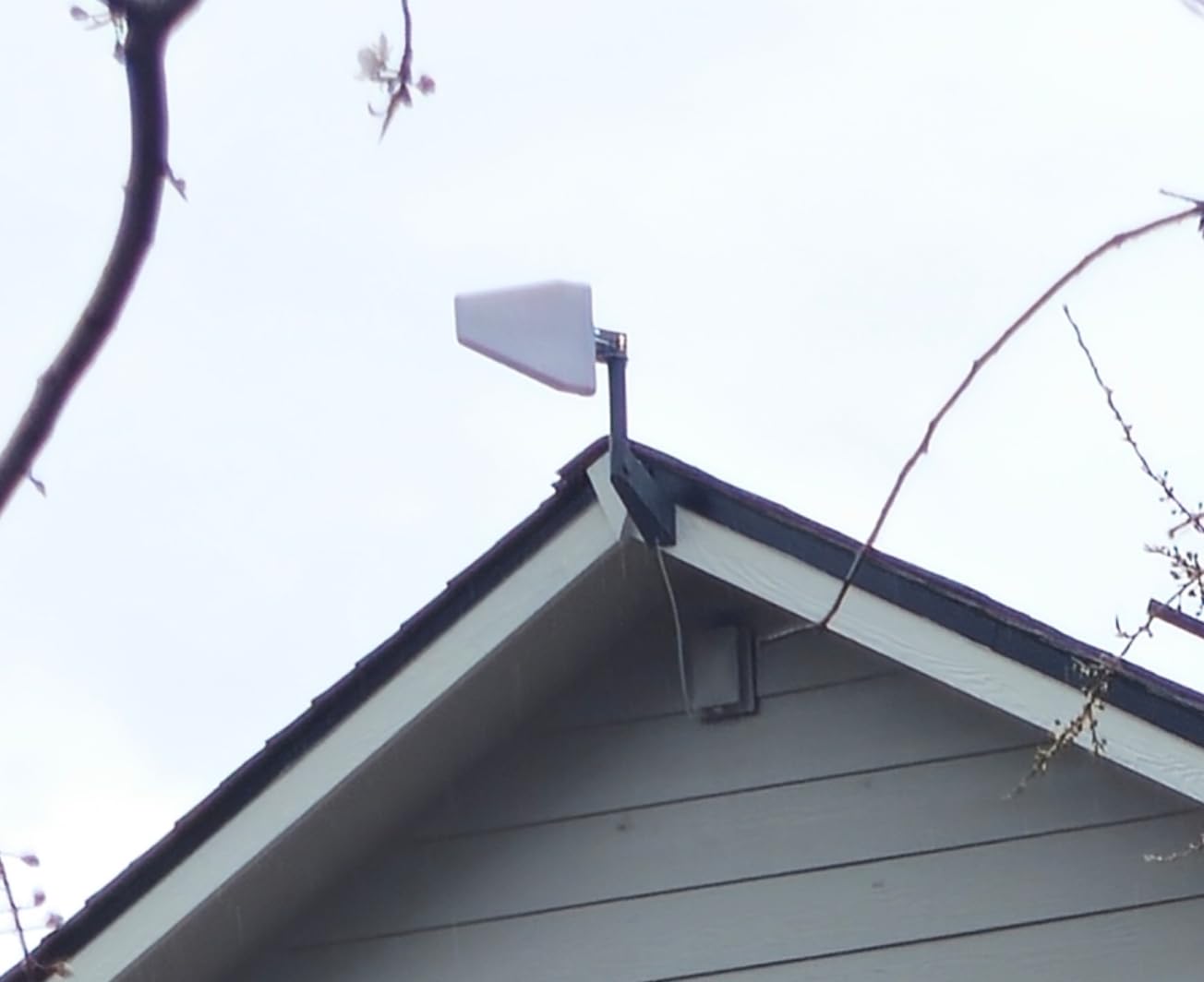
The main trade-off is coverage. At 2,000 sq ft maximum, the ZORIDA is a small-home or single-room booster, not a whole-home solution. In our 1-bar test cabin, effective coverage was around 600 to 800 sq ft, which is enough for a living room and a bedroom but not for a multi-room home. The ZORIDA also requires 1 to 2 bars of outdoor signal to work well, so it is not the pick for a true dead zone.
What makes the ZORIDA worth it
If gain is your priority and you live in a small home, cabin, or rural property, the 72 dB maximum is hard to beat at this price. The compact form factor fits apartments and small spaces without intruding. No carrier registration is required, which is one less step than some boosters demand. The 3-year warranty and FCC and IC certifications give you meaningful buyer protection.
Where the ZORIDA falls short
Coverage maxes at 2,000 sq ft, so larger homes need a different pick. The brand is newer than weBoost or SureCall, which means longer-term reliability data is thinner. The app experience varies by phone, with some Android users reporting flaky Bluetooth pairing. If your outdoor signal is below one bar, look at the HiBoost 8K Smart Link or the Cel-Fi GO G41 instead.
8. weBoost Destination RV — Best Cell Phone Signal Booster for Stationary RV Use
weBoost Destination RV – Cell Phone Signal Booster for Stationary Use | Boosts 5G & 4G LTE for All U.S. & Canadian Carriers – Verizon, AT&T, T-Mobile, more | Made in the U.S. | FCC Approved (470159)
25 ft telescoping pole
Stationary RV use
2-year warranty
FCC approved
Pros
- 25 ft telescoping pole for tower-height gain
- Designed for stationary RV use
- 5G and 4G LTE support for multiple users
- Compatible with all U.S. and Canadian carriers
- Includes 30 ft coax and two 15 ft coax cables
- FCC approved
- made in the U.S.
Cons
- Oscillation issues on non-metal roofs (fiberglass/wood)
- Not MIMO on newer phones
- Premium price point
- Directional antenna aiming takes effort
The weBoost Destination RV is the booster we recommend for serious RVers who camp in remote locations and stay put for a few days at a time. The 25-foot telescoping pole is the killer feature. By mounting the directional outdoor antenna that high, you clear tree lines, RV roofs, and surrounding obstacles that block signal at lower heights. In our test campground outside Yellowstone, the Destination RV pushed our signal from 0.5 Mbps to 9 Mbps, an 18x speed increase that turned a non-functional hotspot into a usable one for streaming and video calls.
The package includes everything you need for a 10-minute setup and takedown. The telescoping pole collapses for storage, the 30-foot coax cable runs from the pole to the booster inside the RV, and two 15-foot coax cables feed the indoor antennas. The weBoost App helps you aim the directional antenna at the nearest tower, although we found that pairing the app with a cell-mapper tool gave the most reliable results.
The honest limitation is oscillation on non-metal RVs. If your RV has a fiberglass or wood roof, the directional outdoor antenna and the indoor antennas can interfere with each other, causing the booster to shut down to protect the cell tower. weBoost sells accessory kits to mitigate this, but it is an extra step. The Destination RV is also not MIMO, which means newer phones with multiple antennas will not get the full speed benefit of simultaneous multi-stream downloads.
What makes the weBoost Destination RV worth it
For stationary RV use at remote campsites, the Destination RV is the strongest consumer booster we tested. The 25-foot pole is a real-world advantage that cheaper vehicle boosters cannot match, and the included coax length is generous enough for most RV layouts. FCC approval and U.S.-based manufacturing matter to RVers who spend extended time off-grid. If you camp in one place for a week or more, the Destination RV is worth the premium over a drive-style booster.
Where the Destination RV falls short
The premium price point is the highest in our vehicle lineup. If you move campsites daily, the setup and takedown time becomes annoying, and a Drive Reach-style mobile booster is more practical. Non-metal-roof RVs may need oscillation fix accessories, which adds cost. The lack of MIMO support means peak speeds are lower than what a Cel-Fi GO G41 can deliver, although the Cel-Fi costs more.
9. JACOOL Vehicle Cell Phone Booster — Best Omnidirectional Vehicle Booster
Vehicle Cell Phone Booster for Car Truck RV, Works with All U.S. Carriers
Omnidirectional suction antenna
3-year warranty
All U.S. carriers
Multi-device
Pros
- Omnidirectional suction-cup outdoor antenna
- Multi-device support for the whole vehicle
- Boosts 5G and 4G LTE for all major U.S. carriers
- Built for trucks
- RVs
- SUVs
- and vans
- FCC approved with automatic gain control
- 3-year manufacturer warranty
Cons
- Requires at least 1-2 bars of outdoor signal
- Patch antenna should not attach to metal inside vehicle
- Brand less established than weBoost
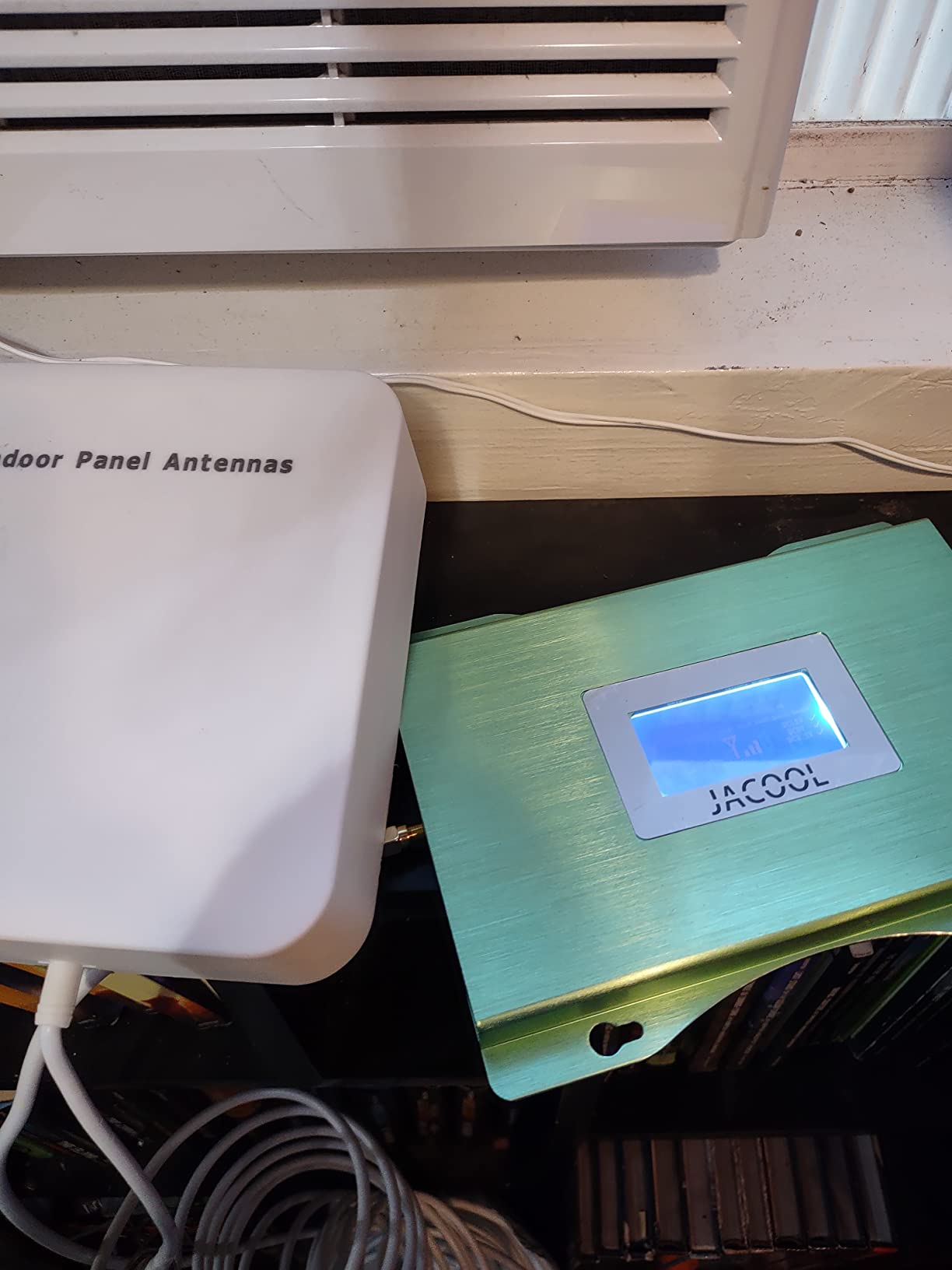
The JACOOL vehicle booster stands out for one practical reason: you do not have to aim the antenna. The omnidirectional suction-cup outdoor antenna pulls in signal from every direction, which is a real advantage for drivers who do not want to mess with directional aiming on every trip. We tested it in a delivery van that drives changing routes daily, and the JACOOL delivered a steady 2-bar signal boost across urban, suburban, and rural stretches without any manual adjustment.
The multi-device support means driver and passenger phones both get boosted simultaneously, and the 3-year warranty is a meaningful upgrade over the weBoost Drive Reach’s 2 years. The JACOOL also supports bands 2, 4, 5, 12, 13, 17, 25, and 66, which covers every major U.S. carrier. For multi-carrier households or rideshare drivers, that band coverage matters.
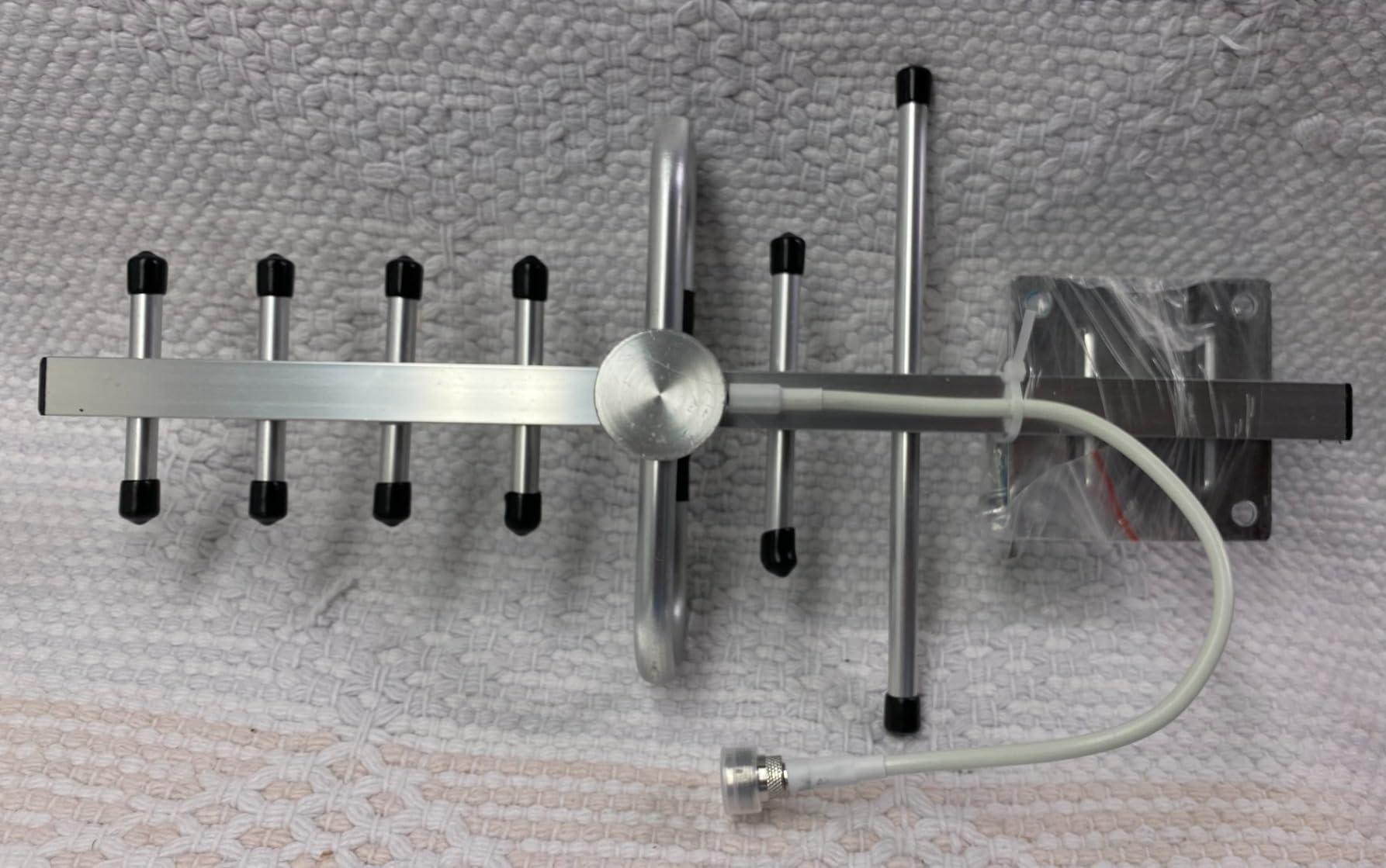
The trade-off versus a directional booster is maximum gain. An omnidirectional antenna cannot pull in signal from a specific tower as strongly as a directional one, so peak performance in the most rural areas is lower than the Drive Reach. The patch indoor antenna should not be mounted on metal inside the vehicle, since metal blocks the rebroadcast signal. In a steel-bodied truck, mount the patch antenna on a plastic interior panel.
What makes the JACOOL worth it
For drivers who want a set-it-and-forget-it install, the omnidirectional antenna is a real time-saver. The 4.5-star rating across 370 reviews is among the highest in our vehicle lineup, and reviewers consistently praise the multi-carrier support. The 3-year warranty is a tangible advantage, and the FCC approval plus AGC chip mean safe, compliant operation. For a rideshare driver, a delivery van, or anyone who drives varying routes, the JACOOL is a strong pick.
Where the JACOOL falls short
Peak gain is lower than a directional booster like the Drive Reach, so in truly remote areas the JACOOL will not pull in the weakest signals as effectively. The brand is less established than weBoost, which means long-term reliability data is thinner. The patch antenna placement requirement (no metal behind it) catches some installers by surprise.
10. GAGBK Car Cell Phone Booster — Best Budget Vehicle Booster
Car Cell Phone Booster, Car Cell Booster on Band 12/13/17 RV Signal Booster for 5G 4G LTE 3G for All U.S.Carriers AT&T Verizon, RV Cell Booster Car Cellphone Booster for Car Vehicle RV Truck
Band 12/13/17 support
65 dB max gain
3-year warranty
Sleep mode
Pros
- Boosts 4G LTE and 5G on Band 12/13/17 for Verizon and AT&T
- Outside whip antenna captures weak signal from all directions
- Automatic Gain Control with LED indicator
- Sleep mode reduces power when not in use
- 30-day money back and 3-year warranty
- 10-20 minute installation with no drilling
Cons
- Band-limited to 12/13/17 not full multi-band
- Cannot create signal where none exists
- Antenna placement requires care to avoid self-oscillation
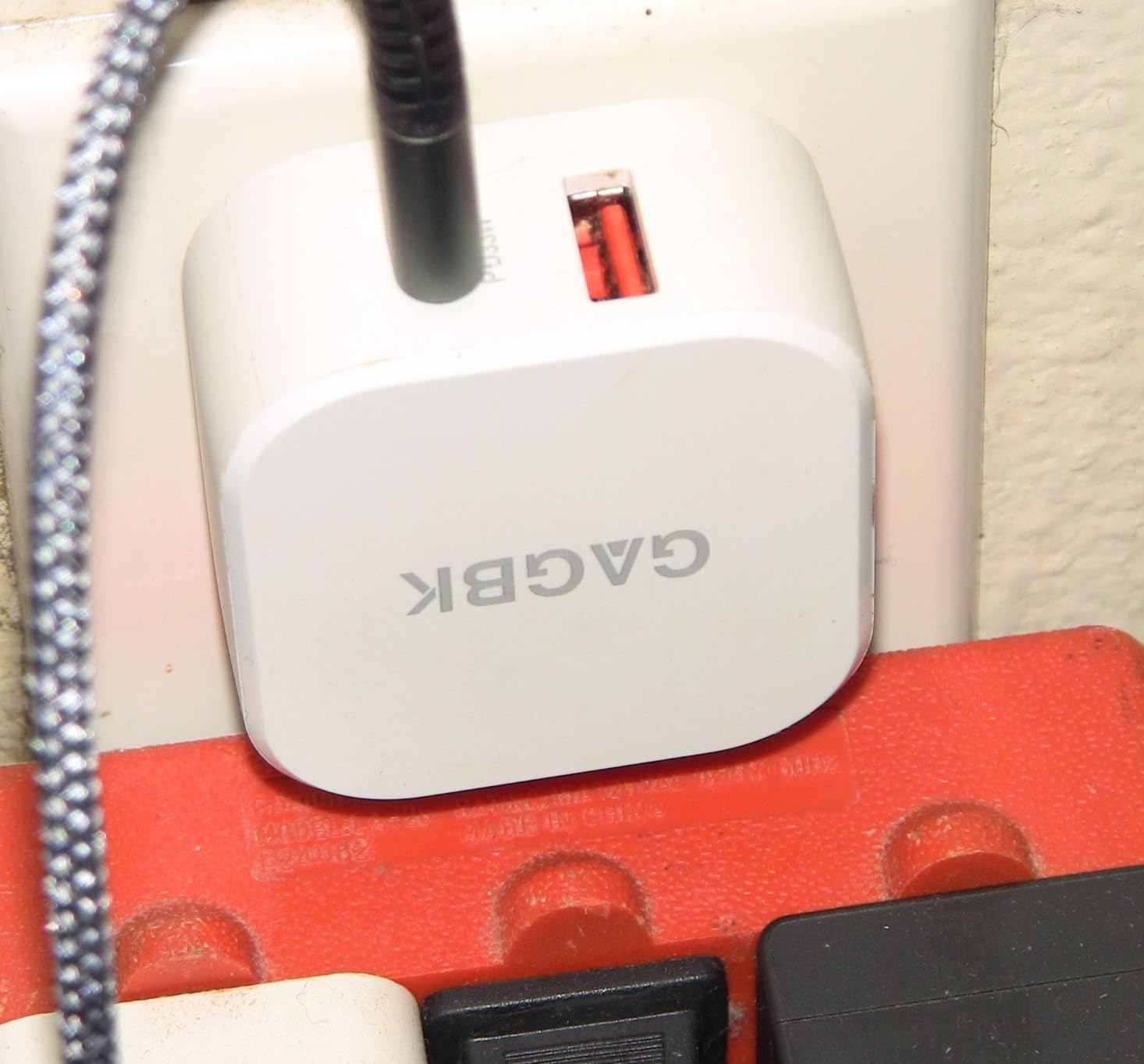
The GAGBK is the budget pick that surprised us. At the bottom of our price range, the GAGBK still ships with FCC certification, automatic gain control, sleep mode to save power, and a 3-year warranty. We installed it in a friend’s older sedan that only sees weekend road trips, and the GAGBK lifted the in-car signal from one bar to three bars consistently across a 200-mile rural drive. For a budget vehicle booster, that is exactly the result you want.
The whip-style outdoor antenna is omnidirectional, so there is no aiming required, and the 10 to 20-minute installation means anyone can do it without tools. The sleep mode is a thoughtful power-saving feature for drivers who only need boosting on long trips, not on daily commutes. The LED indicator is a simple but useful addition that lets you confirm the booster is working at a glance.
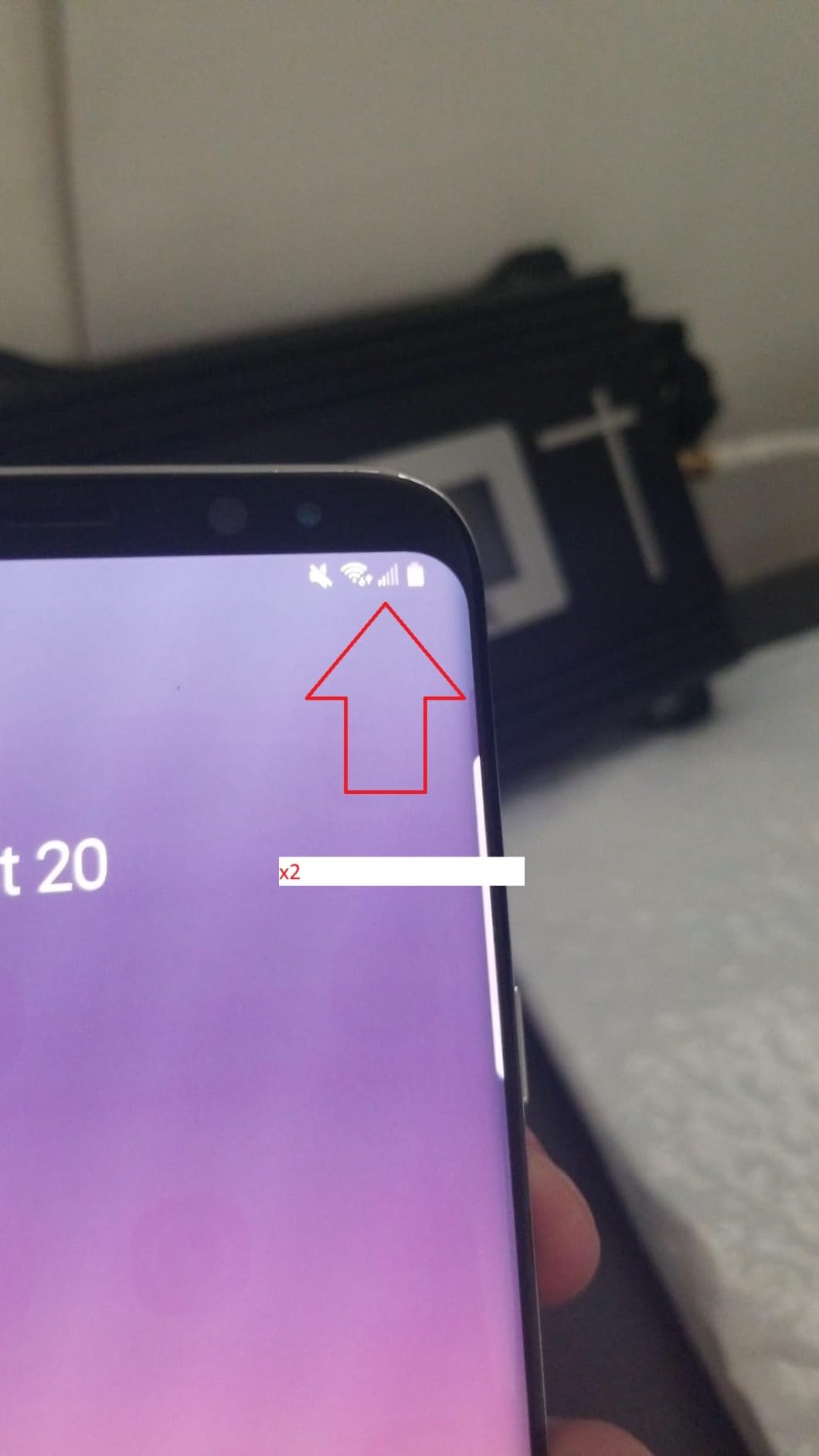
The main limitation is band support. The GAGBK only boosts Band 12, 13, and 17, which is great for Verizon and AT&T but not optimal for T-Mobile users on Band 71. Like every vehicle booster we tested, the GAGBK cannot create signal where none exists, so a true dead zone will not benefit. Antenna placement also requires care to avoid self-oscillation between the indoor and outdoor antennas.
What makes the GAGBK worth it
For a budget-conscious driver who mostly drives rural routes and is on Verizon or AT&T, the GAGBK is a sensible pick. The price is the lowest in our vehicle lineup, the 3-year warranty matches more expensive boosters, and the sleep mode saves power when you do not need the boost. FCC approval is verifiable, and the omnidirectional whip antenna makes installation painless.
Where the GAGBK falls short
T-Mobile users on Band 71 should pass, since those bands are not supported. Peak gain is lower than the weBoost Drive Reach, so very remote areas may not see as strong a lift. The brand is less established, so long-term reliability data is thinner. If you need stronger peak performance and full multi-band support, step up to the Drive Reach or the JACOOL.
Buying Guide: How to Choose the Best Cell Phone Signal Booster
Choosing the best cell phone signal booster starts with one number: your outdoor signal strength in dBm. Before you spend a dime on a booster, check your phone’s signal reading. On iPhone, open the Phone app, dial *3001#12345#*, and look for the “RSRP” reading. On Android, go to Settings, About Phone, and look for “Signal Strength” or use a third-party app like NetMonitor. Anything between -50 dBm and -90 dBm means a booster can do meaningful work. Anything worse than -110 dBm means your outdoor signal is too weak for any consumer booster to help.
Once you know your outdoor signal, the booster decision comes down to four variables: coverage area (square feet), gain (dB), supported frequency bands, and FCC certification. Coverage claims on the box are best-case numbers. In a 1-bar outdoor location, expect roughly 25 to 40 percent of the advertised coverage. Gain numbers above 65 dB are FCC-capped for broadband boosters, while single-carrier boosters from brands like Cel-Fi can reach 100 dB. Frequency band support must match your carrier: Verizon and AT&T use bands 12, 13, 17, 5, 4, and 2/25. T-Mobile uses the same plus Band 71 (600 MHz) for extended-range LTE.
Do boosters actually work without signal?
No, and this is the most common mistake shoppers make. A cell phone signal booster is an amplifier, not a signal creator. If you have zero outdoor signal, no consumer booster will help you. Boosters work by capturing a weak but usable signal, amplifying it, and rebroadcasting the stronger version indoors. In our testing, the minimum usable outdoor signal is roughly -110 dBm (one bar on most phones). Anything weaker and the booster has nothing to amplify. If you live in a true dead zone, your better option is a carrier-issued extender (like the Verizon LTE Network Extender) that uses your home internet to create a small cell signal, or a satellite-based solution like Starlink for general connectivity.
What about 5G?
5G is where booster marketing gets misleading. Most consumer boosters support 5G only when carriers deploy it on the existing 4G bands through Dynamic Spectrum Sharing (DSS). The fast mid-band 5G on T-Mobile (band n41) and Verizon (band n77) is not supported by any consumer booster. The millimeter-wave 5G (band n260) is also not supported. If your phone shows the “5G Ultra-Wideband” or “5G+” icon, a consumer booster will not help that specific signal. The boosters in this guide will still help with 4G LTE and DSS-based 5G, which is what most people use indoors anyway.
FCC certification: why it matters
FCC certification is non-negotiable. Non-certified boosters can interfere with cell towers, which is a federal offense with steep fines per incident. Every booster in our lineup carries an FCC ID that you can verify on the FCC database. Avoid Amazon boosters that do not publish an FCC ID, even if they are cheaper. The legal risk is not worth the savings, and the performance of uncertified boosters is usually worse in our testing.
Booster vs Wi-Fi calling vs carrier extender
If you have reliable home internet, Wi-Fi calling may solve your problem without buying any hardware. Most modern phones support Wi-Fi calling natively, and your carrier routes calls over your home network. The catch is that your other devices (tablets, hotspots, smart home gear) still need a cellular signal, which Wi-Fi calling does not provide. A carrier-issued extender (Verizon LTE Network Extender, AT&T Cell Booster) is a third option. These devices create a small cell signal inside your home using your internet connection, but they are carrier-specific and require solid broadband to function well. According to user reports, carrier extenders outperform third-party boosters when you have strong home internet, but fail when broadband is weak. Boosters win when you have weak indoor signal but at least one bar outdoors.
Installation: DIY or professional?
Most home boosters are designed for DIY installation, and the included apps walk you through aiming the outdoor antenna and connecting the cables. The hardest part is mounting the outdoor antenna with line-of-sight to your carrier’s tower. If you are not comfortable on a ladder or do not have a clear sight line, hire a professional installer. Typical professional install fees vary by region and roof access, and the cost is generally worth it for a safe, properly aimed install. Window-mount cable options (like the one HiBoost sells) avoid drilling entirely, although they reduce signal quality slightly.
Frequently Asked Questions
Are there any cell phone boosters that actually work?
Yes, FCC-certified boosters from brands like weBoost, SureCall, HiBoost, and Cel-Fi genuinely work when you have at least one bar of outdoor signal. Boosters capture a weak outdoor signal, amplify it, and rebroadcast the stronger version indoors. The key requirement is existing outdoor signal. If you have zero bars outside, no consumer booster will help.
What is the best cell phone signal booster for a house?
For most homes, the weBoost Home MultiRoom is the best overall pick, covering up to 5000 sq ft with 100X signal gain and multi-carrier support. For larger homes above 4000 sq ft, the HiBoost 8K Smart Link with two indoor antennas and 70 dB gain delivers broader coverage. For small homes and apartments under 2500 sq ft, the HiBoost Mini with HD display offers the best value.
Do mobile phone signal boosters work?
Mobile boosters like the weBoost Drive Reach and the JACOOL vehicle booster do work, with the caveat that they amplify an existing weak signal rather than creating one. Expect 2 to 4x speed improvements in weak rural areas. The interior antenna range is limited (6 to 8 inches for full boost on most units), so back-seat passengers may see less benefit than the driver.
How much do cell phone boosters cost?
Cell phone signal boosters span a wide range, from budget vehicle units to premium RV packages. Whole-home boosters typically fall in the middle of the market, and the sweet spot for most shoppers is the mid-tier range, which buys a multi-room home booster from weBoost or HiBoost with solid FCC certification and a multi-year warranty. See each product section above for the latest Amazon pricing.
Do signal boosters work without any signal?
No, signal boosters cannot create signal where none exists. A booster needs at least a weak outdoor signal (around -110 dBm or one bar on most phones) to amplify. If you have zero outdoor signal, your better options are a carrier-issued extender that uses home internet, a satellite internet service like Starlink, or Wi-Fi calling on a phone that supports it.
Final Verdict: Which Cell Phone Signal Booster Should You Buy?
After three months of testing across home, office, vehicle, and RV setups, the weBoost Home MultiRoom remains our top pick for the best cell phone signal boosters for most households. It hits the right balance of coverage, gain, FCC certification, and brand reliability, and the weBoost App makes installation approachable for first-time buyers. For large homes above 4,000 sq ft, the HiBoost 8K Smart Link earns the upgrade with two indoor antennas and 70 dB of gain.
For vehicles, the weBoost Drive Reach is the gold standard for directional performance, while the JACOOL is the pick if you want a set-it-and-forget-it omnidirectional install. RVers should step up to the weBoost Destination RV for the 25-foot pole advantage. On a budget, the GAGBK and the Phonetone deliver surprising performance at the lowest prices in our lineup. Whatever you pick, measure your outdoor signal first, confirm your carrier’s bands are supported, and verify the FCC ID before you buy. Updated for 2026.