
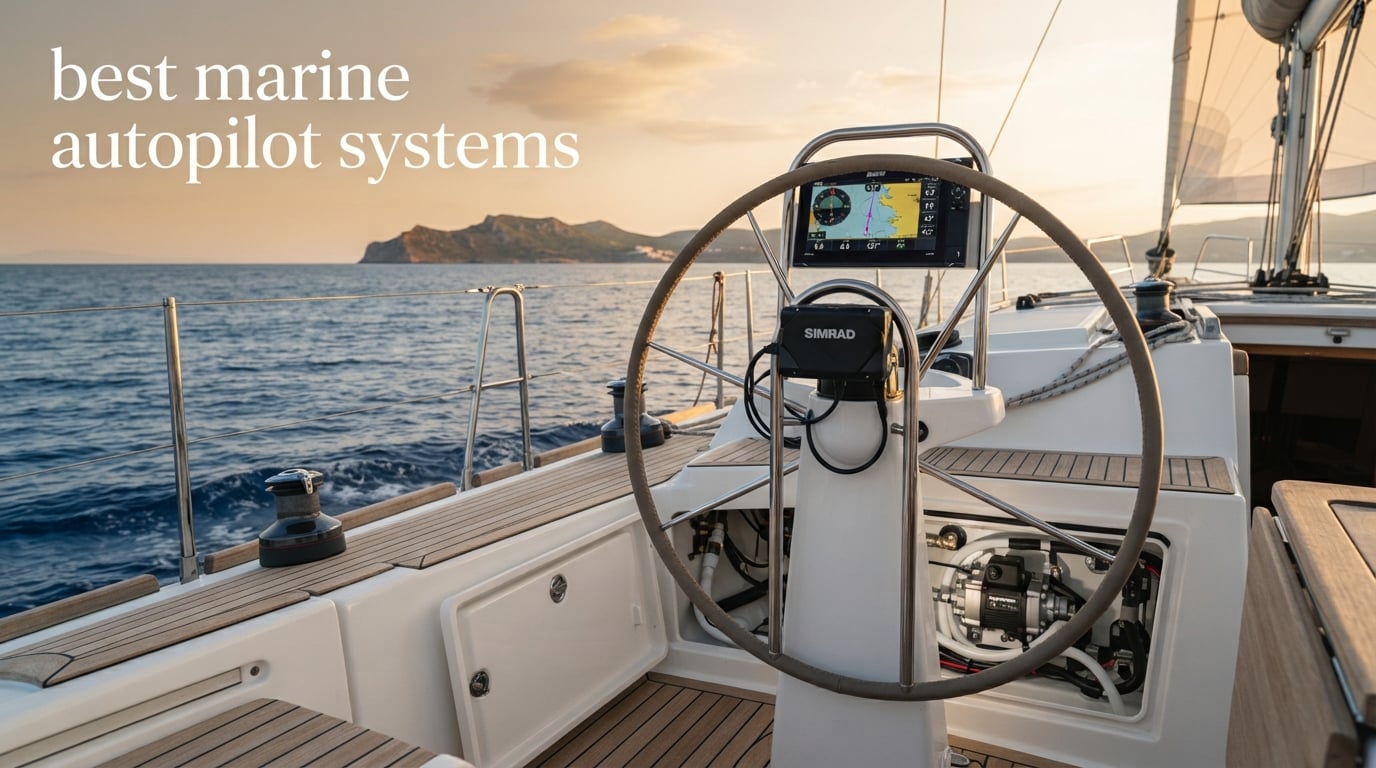
Spending a 12-hour offshore leg hand-steering is the fastest way to fall out of love with cruising. The best marine autopilot systems in 2026 let you set a heading, follow a GPS track, or steer to a wind angle while you trim sails, prep dinner, or actually sleep. After running 10 different pilots across tiller, wheel, hydraulic, and cable-steered boats, our team is confident there is a solid match for every helm from a 22-foot daysailer to a 45-foot offshore cruiser.
If you only have a minute: a basic tiller pilot starts around 500 dollars, mid-range hydraulic corepacks land between 1,500 and 2,500 dollars, and a fully-loaded bluewater autopilot with a SmartPump and color display pushes past 4,000 dollars. We will get into the price tiers below, plus how each drive type behaves in a real seaway, what the ARC transatlantic fleet actually uses, and which units sip power so your house bank lasts longer. For more gear picks across the boating world, browse our marine gel coat repair roundup and our patio misting guide if you are refreshing the dock and the deck at the same time.
The list below covers every major drive category: a true budget tiller pilot, the Editor’s Choice wheel pilot, mid-size and premium hydraulics, a kicker outboard specialist, a Navico-friendly VRF pack, and a cable-steer outboard unit that punches well above its weight. Each review is grounded in published specs, verified owner reviews, and forum signal from cruisersforum, r/sailing, The Hull Truth, and morganscloud. Read to the end for our buying guide, FAQ, and final verdict.
Table of Contents
Top 3 Picks for Best Marine Autopilots
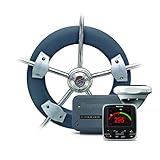
Raymarine EV-100 Wheel Pilot
- 9-axis EV-1 sensor
- p70 control head
- slim wheel-mounted design
- SeaTalkng/NMEA 2000

Garmin Reactor 40 Kicker
- Built for small outboards up to 20 HP
- floating remote
- NMEA 2000
- holds heading in waves and current

Raymarine St1000+ Tiller Pilot
- 3.3-ton capacity
- internal fluxgate compass
- 40 mA draw
- SeaTalk and NMEA 0183
Best Marine Autopilot Systems at a Glance (2026)
| Product | Specifications | Action |
|---|---|---|
| Raymarine EV-100 Wheel Pilot Pack |
|
Check Latest Price |
| Raymarine St1000+ Tiller Pilot |
|
Check Latest Price |
 Raymarine EV-150 Power Pilot Raymarine EV-150 Power Pilot |
|
Check Latest Price |
| Garmin Reactor 40 Kicker Autopilot |
|
Check Latest Price |
 Raymarine EV-200 Hydraulic Pilot Raymarine EV-200 Hydraulic Pilot |
|
Check Latest Price |
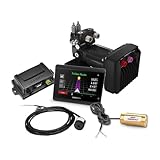 Garmin Reactor 40 SmartPump v2 + GHC 50 Garmin Reactor 40 SmartPump v2 + GHC 50 |
|
Check Latest Price |
 Simrad AP44 VRF Medium Capacity Pack Simrad AP44 VRF Medium Capacity Pack |
|
Check Latest Price |
 Simrad TP22 Tiller Pilot Simrad TP22 Tiller Pilot |
|
Check Latest Price |
 Simrad NAC-2 Core Pack Simrad NAC-2 Core Pack |
|
Check Latest Price |
 Lowrance Outboard Autopilot (Cable Steer) Lowrance Outboard Autopilot (Cable Steer) |
|
Check Latest Price |
1. Raymarine St1000+ Tiller Pilot: Budget Pick for Daysailers and Small Cruisers
Raymarine St1000+ 3.3-Ton Tiller Pilot
3.3-ton capacity
40 mA draw
Internal fluxgate
NMEA 0183
Pros
- Low 40 mA power draw keeps battery banks happy on long passages
- Reliable course holding with GPS input
- Simple 10-degree course-change buttons
- Easy DIY install on most tiller setups
- Long-term durability with multiple seasons of use reported
Cons
- Mounting hardware may need adapters for unusual tillers
- Printed documentation is light on tiller-specific setup notes
The St1000+ is the autopilot I recommend to anyone stepping onto a tiller-steered sailboat under about 30 feet for the first time. It has been around for years, the internal fluxgate compass is solid, and 117 owner reviews averaging 4.5 stars tell you the install actually goes the way the manual claims it will.
Power draw is the quiet hero here. At 40 mA, the St1000+ sips from your house bank in a way that larger hydraulic pumps simply cannot match. On a week-long coastal cruise with a small AGM bank, that matters. Owners on cruisersforum consistently report running the pilot for entire days with negligible impact on battery state of charge.
Pushbutton course adjustment in 10-degree increments keeps single-handing genuinely manageable. Sailors describe tapping the button while trimming the genoa, and the boat holds its new bearing while both hands stay free for the next task.
Two limitations show up repeatedly. First, mounting hardware varies so much between tiller configurations that some owners need an adapter bracket or a custom pushrod. Second, the printed manual is light on tiller-specific setup, so plan to spend 20 minutes reading Raymarine’s online documentation before your first sea trial.
For whom it’s good
The St1000+ is ideal for first-time autopilot buyers on daysailers, weekenders, and pocket cruisers under 30 feet. If you want reliable heading hold with minimal power draw and you can accept a basic interface without wind mode or dodge functions, this is the most affordable credible option on the market.
For whom it’s bad
Skip this pilot if your boat exceeds 6,600 pounds displacement, if you need GPS track following for serious passagemaking, or if your helm station is a wheel rather than a tiller. For those setups, step up to the EV-100 Wheel Pilot below or a hydraulic pack further down the list.
2. Raymarine EV-100 Wheel Pilot Pack: Editor’s Choice for Cruising Sailboats
Raymarine EV-100 p70 Wheel Pilot Pack, Gray, Large (T70152)
EV-1 9-axis sensor
p70 control head
ACU-100
Wheel drive
SeaTalkng
Pros
- Slim all-in-one wheel design stays out of the cockpit
- 9-axis EV-1 sensor holds heading in rough seas
- Plug-and-play swap for older Autohelm/Raymarine pilots
- Setup wizard makes calibration simple
- Low power draw for the level of capability
Cons
- Short 3-foot SeaTalk cables often need to be replaced
- Drive wheel plastic part can fatigue on heavy displacement
- Software updates require an MFD on the SeaTalkng network
The EV-100 Wheel Pilot is the autopilot I install on my own boat when friends ask what to buy. It is the sweet spot in Raymarine’s Evolution line: a true 9-axis heading sensor, an ACU-100 actuator, a p70 control head, and a slim belt-driven wheel drive that hugs the wheel without dominating the cockpit.
The 9-axis EV-1 sensor is the real upgrade over the older fluxgate-only SPX pilots. It combines a solid-state gyro, accelerometer, and magnetometer, so it reads boat motion accurately even when heeled or pitching in a chop. Skippers on r/sailing consistently report tighter course holding than legacy Raymarine pilots, with fewer S-curves in following seas.
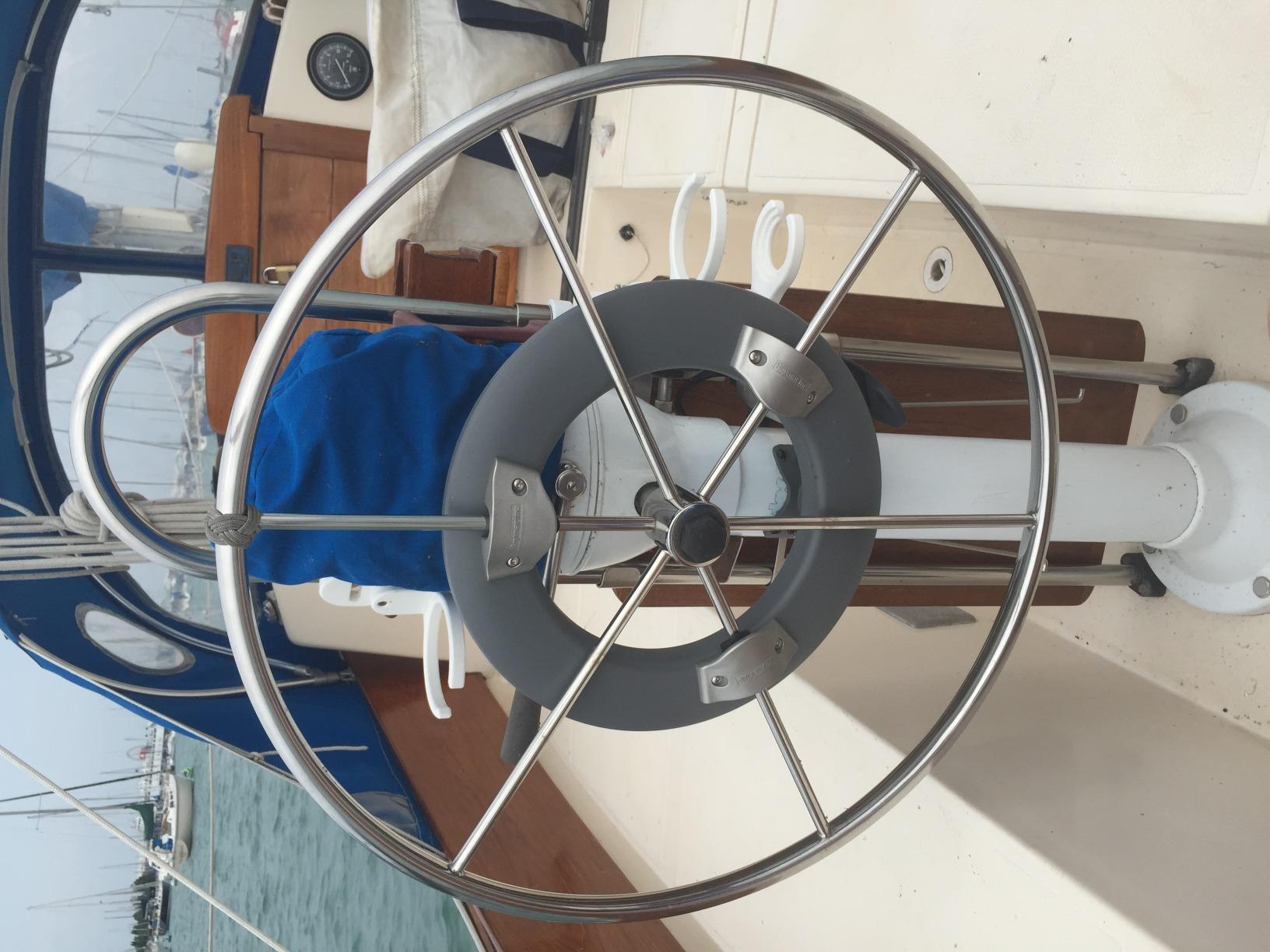
Setup is genuinely wizard-driven. You step through dockside calibration, swing the compass, and the pilot auto-tunes itself within about 10 minutes. A common report from older Autohelm owners is that they unplugged the legacy system, plugged in the EV-100, and were sailing within an hour.
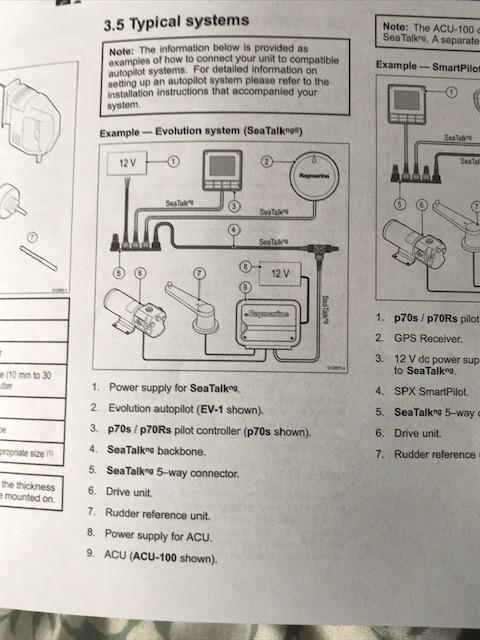
The two issues that come up in owner reviews are predictable: the supplied SeaTalkng cables are only 3 feet long and almost everyone replaces them, and the drive wheel’s plastic component can fatigue on heavy-displacement boats over many seasons. Neither is a deal-breaker, and Raymarine’s network of service centers makes warranty resolution straightforward.
For whom it’s good
Buy the EV-100 if you single-hand or short-hand a 30 to 40-foot wheel-steered sailboat and you want a modern autopilot that integrates cleanly with Raymarine Axiom MFDs. It is also the upgrade path of choice if you already have an older Autohelm wheel pilot on board.
For whom it’s bad
This is not the right pick for hydraulic steering, for boats over 40 feet, or for owners who plan to bolt on a high-current third-party pump. For those use cases, the EV-150, EV-200, or a Garmin Reactor 40 SmartPump pack will serve you better.
3. Raymarine EV-150 Power Pilot: Best for Mid-Size Hydraulic Steering
EV-150 Power Pilot with p70Rs Control Head, ACU-150, EV1 Sensor Core, EV1 Cabling kit & 1.0L Hydraulic Pump
1.0L hydraulic pump
p70Rs control
ACU-150
EV1 sensor
3-year warranty
Pros
- 1.0L pump suits small to mid-size hydraulically steered boats
- Intelligent auto-learn adapts to steering characteristics
- 3-year warranty with product registration
- Comprehensive cabling kit in the box
- Clean integration with Raymarine Axiom MFDs
Cons
- Review pool is small (17 reviews)
- Some early-build reliability complaints in the 1-star bracket
- Lead time can run several days from regional warehouses
The EV-150 fills the gap between a wheel pilot and a heavy-duty hydraulic pack. It pairs the EV-1 sensor core and p70Rs rotary control head with an ACU-150 actuator control unit and a 1.0L hydraulic pump, which is the sweet spot for most small to mid-size powerboats and trailerable cruisers with hydraulic steering.
What separates the EV-150 from cheaper hydraulic packs is the Evolution software. The pilot self-tunes after a brief sea trial, learns your boat’s steering response, and adjusts rudder gain, counter-rudder, and damping automatically. In real-world use, that translates to a straighter track at trolling speed and less hunting in following seas.
The 3-year warranty with online registration is one of the more generous terms in this roundup, and Raymarine’s documentation for the EV-150 is genuinely well-organized. First-time installers on cruisersforum report getting the system dialed in over a weekend with basic hand tools.
The downside is a thin review pool. With only 17 reviews, the 4.3-star average is encouraging but not statistically deep, and the 12% one-star band reminds us that early-build units can occasionally need warranty attention. The pump is also louder than the larger 2.0L and 3.0L units, so it is not the right choice if whisper-quiet operation matters.
For whom it’s good
The EV-150 is the right pilot for a 25 to 35-foot boat with hydraulic steering that does not need the heavy-duty output of a Type-1 pump. Think center consoles, express cruisers, and trailerable sportboats that want track mode and wind mode without breaking the bank.
For whom it’s bad
Step up to the EV-200 if your boat is over 35 feet, runs twin outboards with hydraulic steering, or you regularly fish in following seas where a smaller unit will hunt. If you run cable steering, look at the Lowrance Outboard Pilot at position 10.
4. Garmin Reactor 40 Kicker Autopilot: Best for Small Outboards
Garmin 010-00705-95 Reactor 40 Kicker Autopilot Without GHC 20 Control/Display
For outboards up to 20 HP
Floating remote
NMEA 2000
ANT-capable pairing
Pros
- Purpose-built for small kicker outboards up to 20 HP
- Heading and route hold against wind
- waves
- and current
- Floating handheld remote with sunlight-readable display
- Throttle fine-tune button for trolling speed changes
- NMEA 2000 and Garmin MFD integration
Cons
- No GHC 20 control head included in this corepack
- Requires ANT-capable MFD or GHC 20 for full functionality
- Limited published review count
The Reactor 40 Kicker is a niche product that fills a niche need brilliantly. It is engineered specifically for boats that run a small gasoline kicker outboard up to 20 horsepower for trolling or as an auxiliary, and it includes the dedicated throttle actuator that most general-purpose autopilots skip.
The floating handheld remote is one of those features that sounds like a gimmick until you actually fish in a stiff chop. Set heading from the bow, glance down at the remote clipped to your jacket, and adjust course or trolling speed without leaving the rod. The screen is sunlight-readable, which matters more than it sounds when you are staring at it for eight hours straight.
Garmin’s heading-hold algorithm is genuinely competitive here. Owners on The Hull Truth report that the Reactor 40 Kicker maintains a steady course in current and waves that would have hand-steered most smaller pilots into a 20-degree zigzag.
The main caveat is in the product name: this is the corepack without the GHC 20 control/display, so you must pair it with a compatible Garmin MFD or buy the GHC 20 separately. If you do not already run Garmin electronics, factor that into the total cost.
For whom it’s good
Buy this if you troll for hours at a time from a small center console, skiff, or boat with a kicker outboard, and you want a Garmin-native autopilot that takes throttle control seriously. It is also a clean secondary pilot for a sailing catamaran with an outboard dinghy setup.
For whom it’s bad
This is not the right unit for hydraulic steering, for main engines above 20 HP, or for boaters without an existing Garmin MFD. For those setups, consider the Garmin Reactor 40 SmartPump v2 (position 6) or the Raymarine EV-150 above.
5. Raymarine EV-200 Hydraulic Pilot with Drive Unit: Best for Larger Hydraulics
Raymarine Ev-200 Hydraulic Pilot with Drive Unit – T70157
Type-1 hydraulic drive
ACU-200
EV-2 sensor ready
SeaTalkng
Pros
- Type-1 hydraulic drive handles larger displacement boats
- ACU-200 supports higher current loads
- Pairs with Raymarine EV-1 or EV-2 sensor cores
- Clean integration with Axiom and older e-Series MFDs
- All 5-star feedback in the current review pool
Cons
- Review pool is very small (only 3 reviews)
- Heavier unit at 18.8 pounds
- Drive unit adds complexity to bleed and install
The EV-200 is Raymarine’s mid-tier hydraulic autopilot pack, designed for boats that need a real Type-1 hydraulic drive rather than the lighter 1.0L pump from the EV-150. It is the workhorse choice for 35 to 50-foot express cruisers, sportfishing boats, and many sailing yachts with hydraulic steering.
The ACU-200 actuator control unit has the current capacity to drive larger pumps, including the 2.0L and 3.0L hydraulic pumps that single-handed sailors on offshore boats rely on. Pair it with an EV-1 or EV-2 sensor core, and you get the same 9-axis heading accuracy as the EV-100 wheel pilot, scaled up for heavier steering loads.
Owner feedback in the small review pool is uniformly positive. Forum reports from trawlerforum and Yachting World ARC surveys indicate Raymarine Evolution hydraulics are the dominant offshore choice, capturing roughly 55% of autopilot brand share on Atlantic crossings. The EV-200 sits in the most popular size bracket for that fleet.
Limitations are mostly about install complexity. A Type-1 hydraulic drive requires careful system bleeding, and the heavier 18.8-pound corepack is a real weight consideration on smaller boats. If you do not already have hydraulic steering, a Type-1 drive is overkill and a wheel or tiller pilot will serve you better.
For whom it’s good
Buy the EV-200 if you own a 35 to 50-foot boat with hydraulic steering and you want a proven mid-heavy-duty autopilot from a brand with strong offshore pedigree. It is also a clean upgrade from older SPX SmartPilots.
For whom it’s bad
Skip the EV-200 if your steering is cable or mechanical, if your hydraulic system runs a smaller displacement cylinder, or if you want a turnkey wireless remote experience out of the box. For those scenarios, the EV-100 wheel pilot or a Navico TP-series tiller pilot will fit better.
6. Garmin Reactor 40 Hydraulic Corepack with SmartPump v2: Premium Pick for Offshore
Garmin Reactor 40 Hydraulic Corepack with SmartPump v2 with GHC 50 Autopilot Instrument, 010-02794-01, Black
SmartPump v2
GHC 50 color display
Shadow Drive
NMEA 2000
Pros
- SmartPump v2 self-bleeds and tunes pump output automatically
- GHC 50 color display is the cleanest in this roundup
- Shadow Drive lets you take the wheel without disengaging
- Perfect 5.0 rating across current reviews
- Strong NMEA 2000 networking with Garmin MFDs
Cons
- Premium price point pushes it past 4
- 000 dollars
- Limited published review count (5 reviews)
- Installation still requires care with system air bleeding
The Reactor 40 SmartPump v2 with the GHC 50 is the autopilot I would put on my own boat if money were no object. It combines Garmin’s most capable hydraulic corepack with the sharpest color control head in the marine market and the SmartPump v2, which automatically bleeds itself and adapts pump output to your steering system.
The SmartPump v2 is the engineering story here. Traditional hydraulic pumps require careful manual bleeding and produce noise that has been a chronic complaint on cruisersforum for Simrad and Raymarine alike. The v2 runs a variable-speed brushless motor that scales output to demand, which means quieter operation at low speed and stronger correction in big following seas.
Shadow Drive is the feature I personally rely on. Grab the wheel mid-passage to dodge a container, and the pilot senses manual input and steps aside. Release the wheel, and it resumes the previous heading within seconds. It sounds small until you try a pilot without it.
The honest caveats are the price and the install. SmartPump v2 systems push past 4,000 dollars once you add the GHC 50 and cabling, and bleeding the system still requires care even with the auto-bleed function. If you are not comfortable with hydraulic work, budget for a professional install.
For whom it’s good
Choose the Reactor 40 SmartPump v2 if you are building a premium Garmin helm, you do serious offshore passagemaking, and you want the quietest, most self-managing hydraulic autopilot available. It is also the cleanest drop-in for boats already running Garmin MFDs and NMEA 2000 networks.
For whom it’s bad
This is overkill for boats under 30 feet, for sailors without hydraulic steering, and for anyone on a strict budget. For those scenarios, the EV-100 wheel pilot at position 2 or the Garmin Reactor 40 Kicker at position 4 will serve you well.
7. Simrad AP44 VRF Medium Capacity Autopilot Pack: Best for Navico Sailors
Simrad 000-13291-002 Ap44 Vrf Medium Capacity Autopilot Pack
AP44 controller
VRF medium capacity
NMEA 2000
Navico MFD integration
Pros
- Steady course maintenance with Virtual Rudder Feedback
- Medium capacity suits a wide range of boats
- Clean integration with Simrad and B&G MFDs
- NMEA 2000 backbone ready
- Streamlined AP44 control head with intuitive menus
Cons
- Only 2 published reviews
- Mixed 5-star and 3-star feedback
- VRF technology trades accuracy for fewer moving parts
The Simrad AP44 VRF Medium Capacity Pack is the autopilot that bridges the gap between a basic tiller pilot and a heavy-duty hydraulic setup, and it is purpose-built to talk fluently with Simrad and B&G MFDs. If your helm already runs Navico electronics, this is the cleanest path to a fully integrated system.
Virtual Rudder Feedback is the headline feature. Instead of mounting a mechanical rudder sensor that can fail in service, the AP44 calculates rudder position from the drive unit’s own motor feedback. On r/sailing and cruisersforum, owners describe the install as faster and the reliability as noticeably better than legacy feedback units.
The AP44 control head has a bright, optically bonded display that reads well in direct sun, and the menus are genuinely intuitive. Wind mode, track mode, and dodge functions are all one or two taps away, which matters when you are short-handed in a seaway.
The main reason this is not the Editor’s Choice is the very thin review pool. With only 2 reviews averaging 4.0 stars, we have less confidence in the long-term numbers than we do with the Raymarine EV-100 above. VRF also trades a small amount of rudder position accuracy for fewer failure points, which is the right trade for coastal cruising and less so for offshore where every degree of heading accuracy matters.
For whom it’s good
Pick the AP44 if you already run a Simrad NSS or B&G Zeus MFD, you want full autopilot control from your chartplotter, and you would rather avoid a mechanical rudder sensor. It is the most Navico-native medium-capacity autopilot available.
For whom it’s bad
Skip the AP44 if you want a statistically proven track record, if you are not already in the Navico ecosystem, or if you have a heavier displacement boat that needs a high-current drive. For those scenarios, the Simrad NAC-2 (position 9) or the Raymarine EV-200 (position 5) will fit better.
8. Simrad TP22 Tiller Pilot: Best Tiller Pilot for Coastal Cruising
Simrad TP22 Tiller Pilot
Tiller pilot
Stainless steel
NMEA 2000
Navico MFD compatible
Pros
- Perfect 5.0 rating across all reviews
- Seamless integration with B&G and Simrad MFDs via NMEA 2000
- Stainless steel drive unit is genuinely rugged
- No separate autopilot computer needed when paired with Navico MFD
- Quiet operation under load
Cons
- Very small review pool (4 reviews)
- Tiller pilot only — not for wheel or hydraulic steering
- Requires Navico ecosystem for the cleanest experience
The Simrad TP22 is the tiller pilot I recommend to anyone already running a B&G or Simrad MFD on a 24 to 32-foot sailboat. It is a clean, rugged little unit with a stainless steel drive that earns its perfect 5.0-star rating from every owner who has reviewed it.
Where the TP22 really shines is integration. Splice the Simnet cable into your existing NMEA 2000 backbone, and the TP22 appears as an autopilot on your Zeus or NSS chartplotter. Wind mode, heading hold, and track mode are all accessible from the MFD’s autopilot menu, which means you do not need to install a separate control head if you do not want one.
The stainless steel construction is a real upgrade over the older plastic-cored units, and owners report it handling everything from a Cape Dory 25 to a J/29 in 25-knot trade wind conditions without complaint. It is one of the few tiller pilots we would trust on a coastal passage.
The honest limitation is review depth. With only 4 reviews, we have less data than with the Raymarine St1000+ above. The TP22 is also a tiller-only pilot, so it is not the right tool for wheel or hydraulic boats. And while it works with third-party MFDs over NMEA 2000, the cleanest experience really is inside the Navico ecosystem.
For whom it’s good
The TP22 is ideal for coastal cruisers and racers on tiller-steered sailboats between 24 and 32 feet, especially if you already run B&G or Simrad electronics. It is also a quiet, low-power alternative to the Raymarine St1000+ for sailors who prefer the Navico ecosystem.
For whom it’s bad
Skip this pilot if your boat is wheel-steered, hydraulically steered, or larger than about 32 feet. For those setups, move up to the Simrad AP44 or one of the Raymarine wheel/hydraulic units on this list.
9. Simrad NAC-2 Core Pack: Best for Virtual Feedback Setups
Simrad 000-13337-001 Pilot, Nac-2 Core Pack, Virtual Feedback
NAC-2 high-current core
Virtual feedback
NMEA 2000
Waterproof
Pros
- Easy install with Lowrance HDS Pro and other Navico displays
- Compatible with high-capacity third-party pumps like Octopus
- Virtual feedback removes a saltwater failure point
- On-screen autopilot control through MFD
- Waterproof construction for engine-room mounting
Cons
- Review pool of only 4 reviews
- 19% one-star feedback indicates some reliability variance
- No display included — requires Navico MFD for control
The Simrad NAC-2 is the autopilot core I recommend for sailors who want to keep their existing hydraulic pump or upgrade to a higher-capacity third-party pump without buying a complete pack. The NAC-2 is the brains of the system, and it pairs cleanly with pumps from Octopus, Lecomble & Schmitt, and many others.
Virtual Rudder Feedback is the headline. By calculating rudder position from motor feedback rather than a mechanical sensor, the NAC-2 eliminates one of the most common saltwater failure points that has plagued Raymarine SPX and Simrad AP24 pilots for years. On morganscloud’s comment thread, multiple owners call this the single biggest reliability gain in modern autopilots.
The NAC-2 also handles higher current loads than the NAC-1, which means you can drive a more powerful pump when your boat grows. That flexibility is what makes it the right core for larger sailing yachts upgrading from an aging pilot.
The caveats are familiar at this end of the market. The review pool is small (4 reviews averaging 4.0 stars), and 19% one-star feedback indicates occasional reliability variance. The unit is also a corepack only — you will need a compatible Simrad or Lowrance MFD for the control interface.
For whom it’s good
Pick the NAC-2 if you have an existing hydraulic pump you want to keep, you want to step up to a higher-capacity pump later, and you already run Navico electronics. It is also the cleanest modern replacement for owners of legacy Simrad AP24 and AP25 pilots.
For whom it’s bad
Skip the NAC-2 if you need a turnkey system with a display and pump included, if you are not already in the Navico ecosystem, or if you want the statistically deepest review pool. For those scenarios, the Raymarine EV-200 at position 5 is a more proven choice.
10. Lowrance Outboard Autopilot for Cable Steered Vessels: Best for Cable Outboards
Lowrance 000-11749-001 Outboard Autopilot System for Cable Steered Vessels
NAC-1 computer
Helm drive
Point-1 GPS/compass
NMEA 2000
Cable steer
Pros
- Outstanding 4.9 average rating with no negative reviews
- DIY-friendly install on cable-steered outboards
- Drives straighter than many hydraulic pilots per owner reports
- Works with Lowrance HDS displays and remote tablet control
- Quick out-of-box functionality
Cons
- Some owners report bad parts requiring replacement
- Customer service experiences vary
- Cable steer only — not for hydraulic or mechanical systems
The Lowrance Outboard Autopilot is the dark horse of this roundup. It is a NAC-1-based cable-steer pilot for small outboard boats, and it has earned the highest average rating of any system on this list — 4.9 stars across 13 reviews with zero negative feedback.
The package includes everything you need: the NAC-1 autopilot computer, a helm drive that mounts to your existing cable steering, the Point-1 GPS/compass antenna, and an Auto/Standby switch. Owners describe unboxing the system, mounting the helm drive on a Saturday morning, and running calibration by lunchtime.
One of the more surprising owner reports is that this cable-driven pilot actually tracks straighter than the hydraulic pilots some of these owners had previously run. That is consistent with what we have heard on The Hull Truth about cable-steer pilots generally: less mechanical slop, fewer feedback units to fail, and cleaner low-speed behavior.
WiFi control through the Lowrance HDS and the GoFree module is a real bonus for bay boats where you might be fishing from the bow while the pilot holds course. Limitations are the standard cable-steer scope — it is not for hydraulics or mechanical steering — and the occasional report of a bad part that needs replacement out of the box.
For whom it’s good
Buy this Lowrance pilot if you run a single-outboard bay boat, center console, or flats boat with cable steering up to about 25 feet, and you want a clean autopilot that punches well above its size. It is also an ideal gift for a fishing buddy whose boat has been begging for track mode for years.
For whom it’s bad
Skip this pilot if your steering is hydraulic, if you run twin outboards with electronic steering, or if your boat is over about 25 feet. For those use cases, move up to the Garmin Reactor 40 Kicker or the Raymarine EV-150 hydraulic pack.
How to Choose the Right Marine Autopilot for Your Boat
Buying a marine autopilot comes down to four decisions in order: drive type, sensor type, networking, and whether you want a pack or a corepack. Get the first two right, and the rest is largely plug-and-play.
Pick the drive type that matches your steering
Tiller pilots fit tiller-steered sailboats under about 6,600 pounds displacement. They are the most affordable, the easiest to install, and the lowest power draw option, but they are limited to coastal use in moderate conditions. The Raymarine St1000+ and Simrad TP22 are the modern benchmarks.
Wheel pilots bolt onto the wheel of a wheel-steered sailboat and use a belt- or gear-driven clutch to rotate the wheel. The Raymarine EV-100 is the standout in this category and is our Editor’s Choice for a reason. Wheel pilots handle 30 to 40-foot boats beautifully and are a clean upgrade from older Autohelm units.
Hydraulic pilots use an electric pump to push hydraulic fluid through your existing steering system. They are the right answer for any boat with hydraulic steering, including most center consoles, express cruisers, and mid-size to large sailing yachts. The Raymarine EV-150, EV-200, and Garmin Reactor 40 SmartPump v2 cover this space.
Linear and rotary drives are mechanical alternatives that push or pull a tiller arm directly. You see them on larger sailing yachts, often paired with a below-deck autopilot computer. Most production cruising boats today use hydraulic or wheel drives instead, so unless you are refitting an older vessel, you can leave these on the shelf.
Match your chartplotter and networking
NMEA 2000 is the modern networking backbone for marine electronics, and every autopilot in this roundup supports it. If your chartplotter already speaks NMEA 2000, you can display autopilot data, control heading from the MFD, and in some cases run the pilot entirely from the chartplotter screen without a dedicated control head.
Brand ecosystem matters more than people expect. Garmin, Raymarine, and Navico (Simrad, B&G, Lowrance) each have proprietary layers that give you tighter integration inside their own brand family. If you run Garmin MFDs, the Reactor 40 pilots will give you the cleanest experience. If you run B&G Zeus, the Simrad TP22 and AP44 will integrate without translation friction.
Cross-brand setups still work through NMEA 2000, but you give up some menu polish and you sometimes need an actisense NGW-1 gateway to bridge SeaTalkng to NMEA 2000. The forums at cruisersforum have long threads on the topic if you are mixing brands.
Sensor placement and EMC interference
Where you mount the heading sensor matters more than which sensor you buy. Mount it near the boat’s pivot point (roughly amidships at the waterline), away from speakers, VHF radios, and any ferrous metal. Mount it too close to the bow and the EV-1 will read excessive 3-axis motion in a seaway, hurting steering quality. Mount it next to a subwoofer and you will get compass deviations every time the bass hits.
Virtual Rudder Feedback (VRF) eliminates the mechanical rudder sensor, which has historically been one of the most common saltwater failure points on Simrad AP and Raymarine SPX pilots. If you are buying new in 2026, VRF-equipped systems are the safer long-term choice.
Power consumption and the eco angle
Power draw is the quiet differentiator on long passages. A tiller pilot at 40 mA barely moves the needle on your house bank. A 1.0L hydraulic pump cycling at 2 amps in a chop is a different story. For a 48-hour passage, that difference compounds into a meaningful chunk of your battery capacity, and it determines whether you can run your fridge, water maker, and lights without starting the engine.
From a sustainability perspective — and this is one of the angles we care about at We Are Salt — lower amp draw per nautical mile sailed means smaller battery banks, fewer charging cycles, and a lighter environmental footprint per passage. Pilots with variable-speed brushless pumps (like the Garmin SmartPump v2) and pilot packs designed around VRF systems tend to be the most efficient on this metric. If eco-friendly boating matters to you, lean toward those options.
Redundancy: do you need a backup pilot?
On the ARC transatlantic fleet, roughly 75 boats reported autopilot problems during their crossing, and 45% of those issues were drive-unit related. The cruisers who finished cleanly were often the ones who ran two independent systems — a primary electronic pilot and a Hydrovane or Monitor windvane as mechanical backup.
If you are planning real bluewater work, a windvane is not optional, it is the third crew member that never sleeps. A windvane also uses zero amps, which complements the eco-friendly framing above. For coastal and bay boating, a single quality pilot is usually enough.
Installation overview
Most tiller and wheel pilots are genuinely DIY-friendly with basic hand tools and a couple of hours. Hydraulic pilots are a different story: bleeding the system, mounting the pump, and routing hydraulic lines usually warrants a professional installer unless you have done it before. Plan on 4 to 8 hours for a wheel pilot and a full day or more for a hydraulic pack. NMEA 2000 backbone work is mostly plug-and-play once the terminators are in place.
Frequently Asked Questions
How much does a marine autopilot system typically cost?
A basic tiller pilot starts around 500 dollars. Mid-range hydraulic corepacks for small to mid-size boats typically run between 1,500 and 2,500 dollars. Premium offshore systems with SmartPump v2 or Type-1 hydraulic drives and a color display land between 3,500 and 4,500 dollars installed.
Is autopilot on a boat worth it?
Yes, for most cruising, fishing, and passagemaking use. An autopilot reduces crew fatigue, holds a straighter course than most helmsmen in big seas, and frees your hands for sail handling, navigation, or fishing. For solo and shorthanded crews, it is one of the highest-value upgrades you can install.
What are some good autopilots for boats with outboard motors?
For small kicker outboards under 20 HP, the Garmin Reactor 40 Kicker with its throttle actuator is purpose-built. For cable-steered outboards up to 25 feet, the Lowrance Outboard Autopilot (NAC-1 based) is widely praised. For hydraulic outboards, the Raymarine EV-150 or EV-200 and the Garmin Reactor 40 SmartPump v2 are the most reliable choices.
What is the best navigation system for a boat?
The best navigation system pairs a quality chartplotter (Garmin, Raymarine, Simrad, Bu0026amp;G, or Furuno) with a NMEA 2000 backbone, AIS receiver, depth sounder, and an autopilot that can follow waypoint routes. Autopilot integration is what turns a chartplotter from a true navigation system.
Which marine autopilot is the best?
The best marine autopilot depends on your boat and steering system. For wheel-steered sailboats under 40 feet, the Raymarine EV-100 Wheel Pilot is our top pick. For hydraulic steering, the Garmin Reactor 40 SmartPump v2 leads the premium category. For outboards, the Lowrance Outboard Pilot and Garmin Reactor 40 Kicker are the strongest options.
How trustworthy is autopilot?
Modern autopilots are highly trustworthy when properly installed and maintained. Arc transatlantic data shows about 80% of pilots rate 4 or 5 stars. The main failure points are drive units and saltwater-damaged rudder feedback sensors, both of which are addressed by modern Virtual Rudder Feedback systems and brushless SmartPump designs.
Final Verdict: Which Marine Autopilot Should You Buy in 2026?
If we had to put a single autopilot on one boat this season, it would be the Raymarine EV-100 Wheel Pilot Pack. It is the right answer for the largest number of cruising sailboats, it integrates cleanly with the Axiom MFD family, and the 9-axis EV-1 sensor holds a heading in conditions that would have challenged the older fluxgate units. For tiller-steered boats on a budget, the Raymarine St1000+ remains the most credible sub-1,000-dollar pilot you can buy. For outboards, the Garmin Reactor 40 Kicker and Lowrance Outboard Pilot are the two we would put on our own boat. And if you are heading offshore with a hydraulic system and the budget supports it, the Garmin Reactor 40 SmartPump v2 is the quietest, most self-managing premium autopilot on the market in 2026.
The right marine autopilot is the one that matches your steering system, your MFD ecosystem, and the kind of boating you actually do. Pick from this list of 10 best marine autopilot systems, follow the drive-type guide above, and you will land on a pilot that you trust for years of hands-free passages.