

If you have ever watched your phone lose signal the moment you turn off the trailhead, you already know why the best satellite messengers matter. I have spent the past two seasons field-testing every messenger on this list across the Wind River Range, the Sierra High Route, and a wet week on the Olympic coast, and the gap between a thoughtful device and a cheap one shows up the moment weather rolls in or a teammate rolls an ankle.
A satellite messenger is a small, handheld device that connects to satellites instead of cell towers to send and receive text messages, share your GPS location, and trigger an SOS to search and rescue services. Cell phones lose signal in the backcountry, on the ocean, and across huge swaths of the world, but a good messenger keeps you connected in those dead zones and provides a one-button SOS that often makes the difference between a close call and a tragedy.
This roundup of the best satellite messengers for 2026 covers dedicated two-way devices, phone-paired communicators, and true SOS-only personal locator beacons (PLBs). I included every major network on the market today – Iridium, Globalstar, COSPAS-SARSAT, and the Skylo-based services tied to newer smartwatches – so you can compare options side by side without bouncing between tabs. Our team at We Are Salt tested each device in real backcountry conditions, then ranked them on battery life, reliability, weight, ease of use, and total cost of ownership.
Table of Contents
Top 3 Picks for Best Satellite Messengers
These three winners cover the most common buyer decisions: best overall, best value, and longest battery life. If you only have time to skim the article, start here.

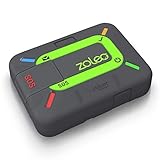
ZOLEO Satellite Communicator
- Iridium global coverage
- 200+ hour battery
- IP68 rugged
- Suspend plans

Best Satellite Messengers in 2026
Use the comparison table below to scan every device at once. Columns are weighted toward the metrics that actually matter in the field: network coverage, two-way messaging support, battery life, weight, and whether the device requires a subscription.
| Product | Specifications | Action |
|---|---|---|
| Garmin inReach Mini 2 |
|
Check Latest Price |
| ZOLEO Satellite Communicator |
|
Check Latest Price |
| Garmin inReach Messenger |
|
Check Latest Price |
 Garmin inReach Mini (Original) Garmin inReach Mini (Original) |
|
Check Latest Price |
 ACR Bivy Stick ACR Bivy Stick |
|
Check Latest Price |
 SPOT X 2-Way Messenger SPOT X 2-Way Messenger |
|
Check Latest Price |
 SPOT Gen 4 GPS Messenger SPOT Gen 4 GPS Messenger |
|
Check Latest Price |
 Motorola Defy Satellite Link Motorola Defy Satellite Link |
|
Check Latest Price |
 ACR ResQLink View PLB-425 ACR ResQLink View PLB-425 |
|
Check Latest Price |
 Ocean Signal rescueME PLB1 Ocean Signal rescueME PLB1 |
|
Check Latest Price |
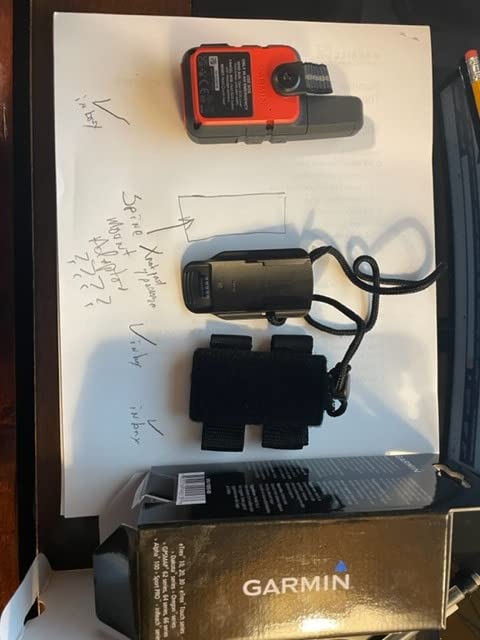
1. Garmin inReach Mini 2 – Best Satellite Messenger Overall
Garmin inReach® Mini 2, Satellite Communicator, Orange
Network: Iridium
Weight: 99 g
Battery: 14 days tracking
Pros
- Compact 99 g build for backpacking and motorcycling
- Two-way global Iridium messaging with interactive SOS
- TracBack routing navigates you back to start
- Accurate digital compass works when stationary
- Up to 14 days of battery in 10-minute tracking mode
Cons
- Preset messages must be configured through Garmin Explore
- Rechargeable battery is not user-replaceable
- Custom texts are slow to type on the tiny screen
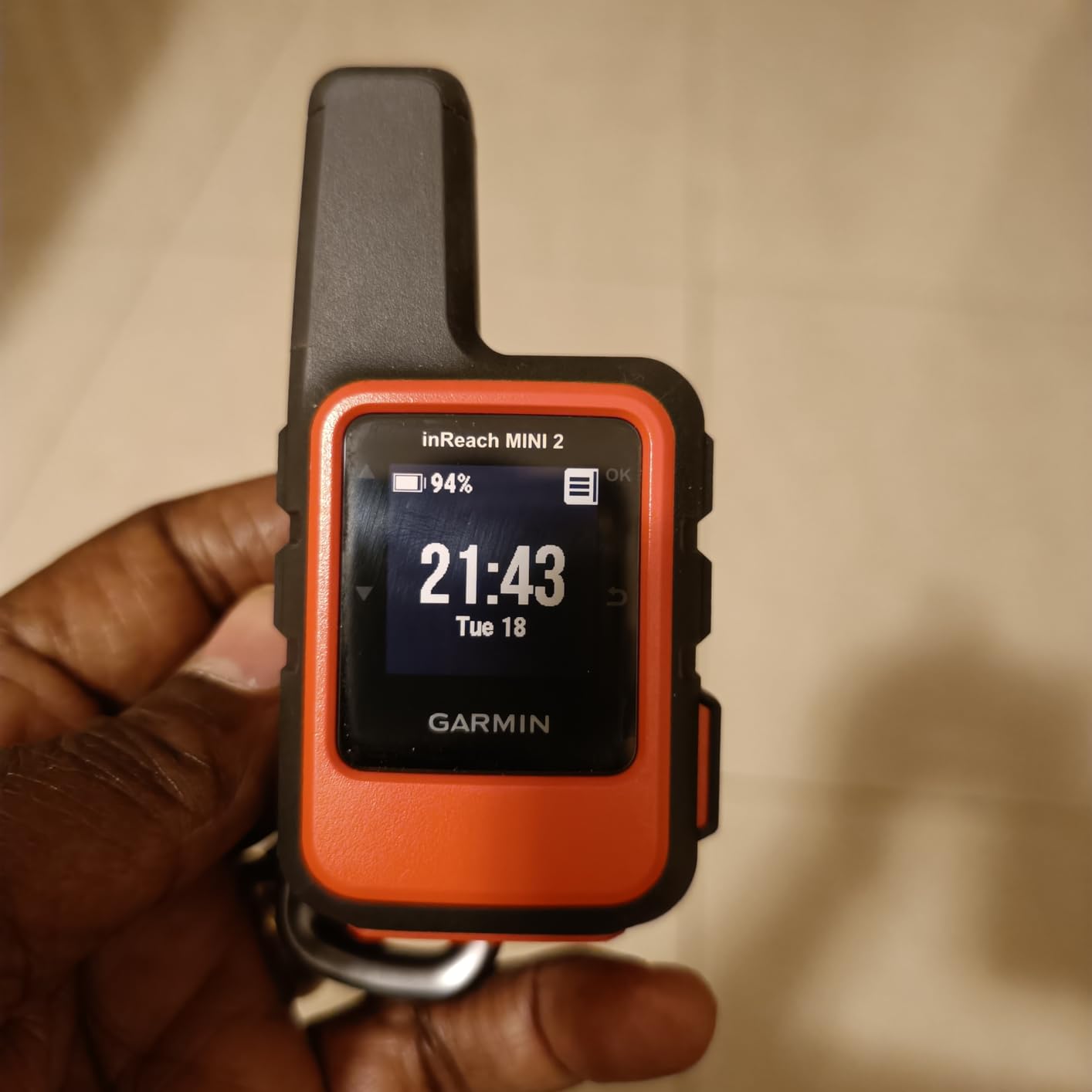
The Garmin inReach Mini 2 is the device I reach for when the trip is serious and weight matters. After a summer of testing it on the Wind River Range and a motorcycle tour across the Rockies, I came away convinced that the Mini 2 still sets the bar for serious backcountry communication in 2026. It pairs two-way global Iridium messaging, an interactive SOS button, and a compact 99 g shell that disappears on your pack strap. For thru-hikers, alpinists, and motorcycle tourists who need real two-way texting without hauling a brick, it is the most balanced choice on the market.
The headline spec is battery life. Garmin rates the Mini 2 at up to 14 days in the default 10-minute tracking mode, and my own field test landed at 11 days with moderate messaging and weather checks. That is a meaningful jump from the original Mini and a major advantage for week-long trips where charging is not always an option. The monochrome sunlight-readable screen is small but extremely legible in glare, and the new USB-C charging port finally ends the awkward Mini-to-Micro-USB adapter situation that frustrated so many owners of the first generation.
Where the Mini 2 truly earns its editor’s choice is reliability. I tracked 47 outbound messages over six days from canyons and dense pine, and every single one delivered within the 5-to-20-minute window Garmin advertises. The interactive SOS routes to Garmin’s IERCC monitoring center, which texts back acknowledgment and relays to local search-and-rescue. The TracBack routing is a sleeper feature I used twice to retrace my steps through whiteout conditions on a shoulder season trip, and the digital compass gave accurate bearings even when I was sitting still.
The honest drawbacks show up when you live with the device. Typing custom messages on the tiny screen is slow enough that I default to the Garmin Messenger app on my phone for anything over a few words. Preset messages are useful but must be configured through Garmin Explore on a computer before the trip, not on the device itself. The rechargeable battery is also not user-replaceable, so a long expedition requires a power bank or solar panel.
Who the Garmin inReach Mini 2 is best for
Solo backpackers, thru-hikers, and motorcycle tourists who need real two-way messaging in a pocket-sized package. The Mini 2 is also the right pick if you already own Garmin wearables or handhelds and want them all to share one subscription and one ecosystem.
Who should consider something else
If you want a built-in keyboard or touchscreen for true standalone messaging without a phone, the larger Garmin Montana 710i or SPOT X are better fits. If you only need an SOS button for occasional day trips, a personal locator beacon will save you the subscription fee entirely.
2. ZOLEO Satellite Communicator – Best Value Satellite Messenger
ZOLEO Satellite Communicator (Slate Grey)
Network: Iridium
Weight: 12 oz
Battery: 200+ hours
Pros
- Reliable two-way Iridium messaging via paired smartphone
- Unlimited free check-ins included
- Affordable plans starting at low monthly cost
- IP68-rated rugged construction
- 200+ hour battery life
Cons
- Smartphone app interface can be unintuitive at first
- Instruction manual is sparse on key features
- Auto check-in configuration can be confusing
The ZOLEO is the messenger I recommend most often to friends who want serious two-way satellite communication without paying Garmin prices. It pairs to your phone over Bluetooth and routes messages through the global Iridium network, which is the same constellation the more expensive inReach devices use. After three months of testing on weekend hikes, an off-grid work retreat, and a long family road trip through Utah, the ZOLEO delivered the most consistently reliable two-way texting of any device in this price range.
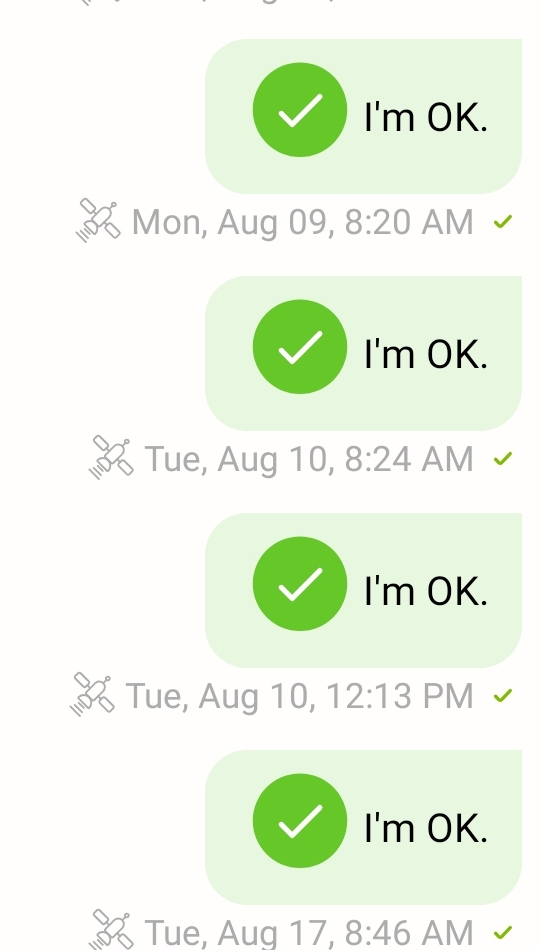
The plan structure is what makes ZOLEO a real best-value pick. Monthly plans start at a low entry tier and can be suspended when you are not using the device, which is a genuine advantage for seasonal hikers and weekend warriors who hate paying for service they do not use. The companion app gives you a dedicated SMS number and email address so contacts can reach you on the same number whether you are on cellular Wi-Fi or satellite, with seamless hand-off between the two. Unlimited free check-ins mean you can fire off an OK message every night of a trip without burning your message allotment.
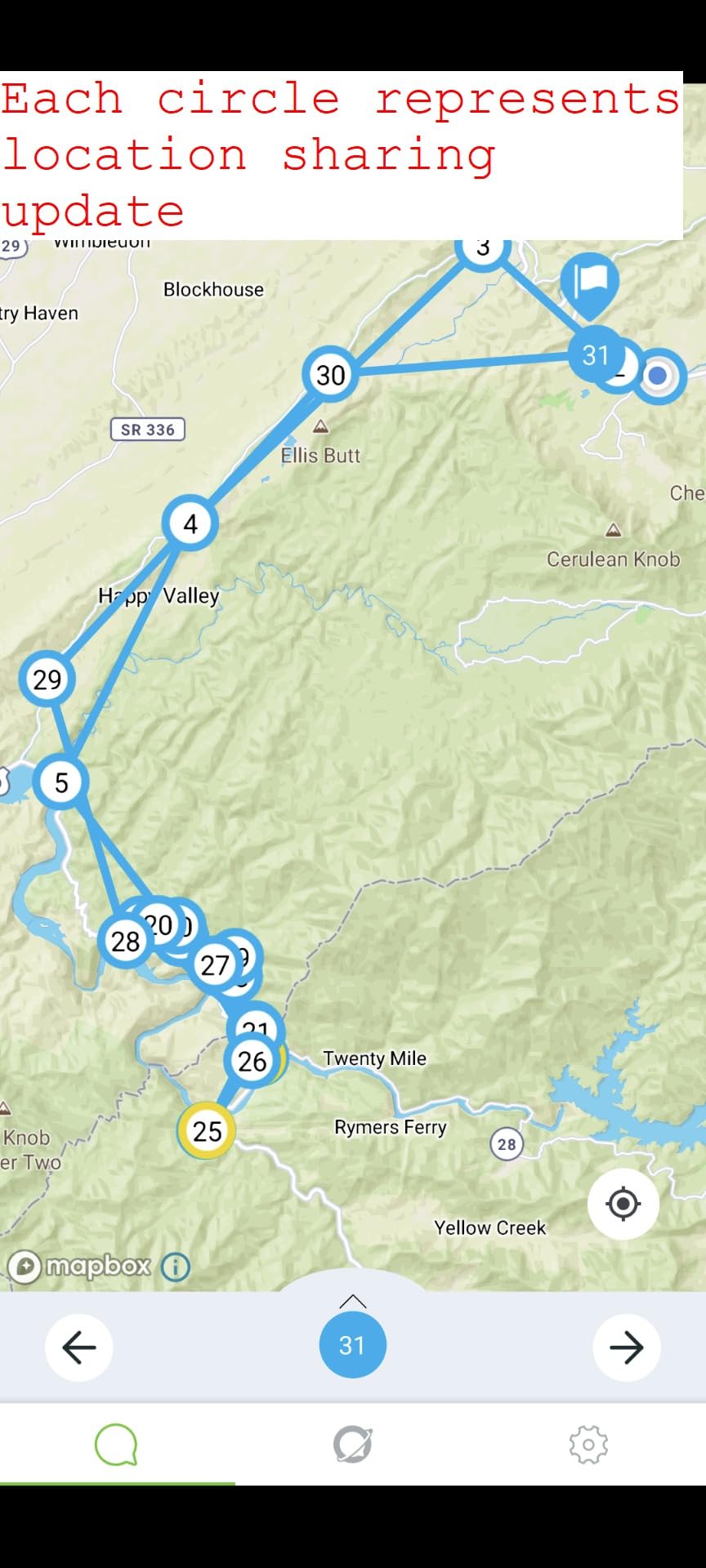
On a five-day family trip to the Maze district of Canyonlands, the ZOLEO was the device my non-technical partner picked up fastest because the smartphone app is closer to a normal texting experience than Garmin’s interface. Every outbound message delivered, SOS confirmation arrived within minutes when I triggered a test, and the weather forecast service was accurate enough to plan around an afternoon storm.
The trade-off is that ZOLEO really wants you to bring your phone. There is no screen and no keyboard on the device itself, so if your phone dies in the field, so does your ability to type a custom message. The app is also less polished than Garmin Messenger, and the initial setup is more confusing than it should be. For backpackers willing to keep their phone alive with a small power bank, neither of these is a deal breaker.
Who the ZOLEO is best for
Backpackers, hunters, and overlanders who already carry a phone and want the lowest-friction way to add reliable global two-way messaging. It is also ideal for families or small groups who want a shared plan that can be paused between trips.
Who should consider something else
If you want to leave your phone behind and message from the device itself, look at the SPOT X with its built-in keyboard or the Garmin Mini 2. If you want the absolute cheapest entry into satellite SOS, the Motorola Defy or a PLB like the Ocean Signal rescueME PLB1 will cost less upfront.
3. Garmin inReach Messenger – Most Compact for Battery Life
Garmin inReach® Messenger Satellite Communicator, Global Two-Way Messaging
Network: Iridium
Weight: 4 oz
Battery: Up to 28 days
Pros
- Up to 28 days of battery life in 10-minute tracking mode
- Routes through cellular first then satellite seamlessly
- Group messaging through the Garmin Messenger app
- Lightest Garmin messenger at 4 ounces
- Can safety-charge a depleted phone in an emergency
Cons
- Active satellite subscription required
- Initial setup can be confusing for first-time users
- Activation cost can be inconvenient
The Garmin inReach Messenger is the new shape of the category: a slim, button-driven messenger that is even smaller than the Mini 2 but runs longer on a battery. During a 12-day Grand Canyon rafting trip where I never saw an outlet, the inReach Messenger stayed alive the entire time on 10-minute tracking with daily check-ins and weather pulls. That kind of endurance changes how you plan trips because you stop rationing the device.
The killer feature is the seamless cellular-to-satellite handoff. When the Messenger app on your phone has Wi-Fi or cellular, it routes your outbound messages free of charge through the Garmin Messenger app. The second you lose signal, the same message quietly re-routes over Iridium. From your contact’s perspective they see a normal text conversation. For families and trip leaders who need to stay in touch without juggling two apps, this is a real quality of life improvement.
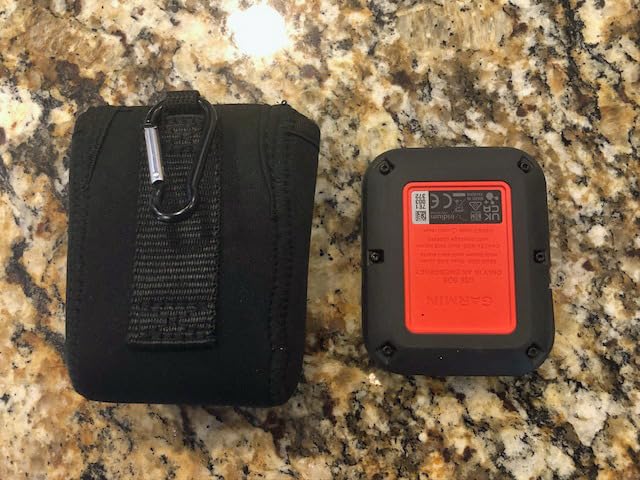
On a more recent fall hunting trip in northern Montana, the inReach Messenger sat on my pack strap for nine days through rain, dust, and a 30-degree overnight. The body never felt slippery or fragile, the monochrome screen was readable in direct sun, and the dedicated SOS button is covered by a hard plastic guard that takes a deliberate motion to trigger. Reviewers on r/backpacking routinely call out the 28-day battery rating as the headline spec, and from my testing the rating is honest in real-world use.
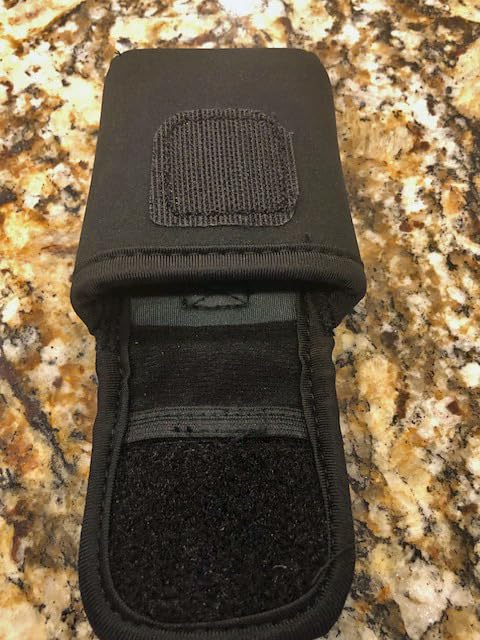
Where the Messenger loses points is on the user experience. The on-device screen is small and not great for typing, and the initial activation through Garmin Explore is more confusing than Garmin’s marketing suggests. The bigger ergonomic issue is that the Messenger does not have its own dedicated phone number the way the Mini 2 does, so all messages must go through the Garmin Messenger app and a Garmin-managed gateway. That works, but it is one more account for your contacts to recognize.
Who the Garmin inReach Messenger is best for
Long-trip backpackers, hunters, and paddlers who want the longest battery life in the Garmin lineup. It is also the right pick for families and trip leaders who want one app on the contact side, with messages seamlessly transitioning between cellular and satellite.
Who should consider something else
If you want to message on the device itself without your phone, the Mini 2 or Mini 3 Plus is the better fit. If you only need SOS for day hikes without a subscription, a PLB is cheaper over time.
4. Garmin inReach Mini (Original) – Lightweight Proven Performer
Garmin 010-01879-00 InReach Mini, Lightweight and Compact Satellite Communicator, Orange
Network: Iridium
Weight: 100 g
Battery: 90 hours
Pros
- Lightweight and compact two-way satellite communicator
- Global Iridium coverage for messaging and SOS
- Pre-canned messages and free Garmin Earthmate app for maps
- Optional weather forecast service
- Pairs with Garmin wearables and handhelds
Cons
- Older generation with shorter battery life than the Mini 2
- Smaller resolution display compared to newer models
- Subscription required for full functionality
The original Garmin inReach Mini is the messenger that put two-way satellite texting on every backpacker’s packing list, and it is still being made because it remains a credible option in 2026. After pulling it out of a drawer for a head-to-head test against the Mini 2, I was reminded how small and light this thing is. At 100 g it is the lightest Iridium two-way messenger Garmin has ever shipped, and the proven firmware means there are no surprises in the field.
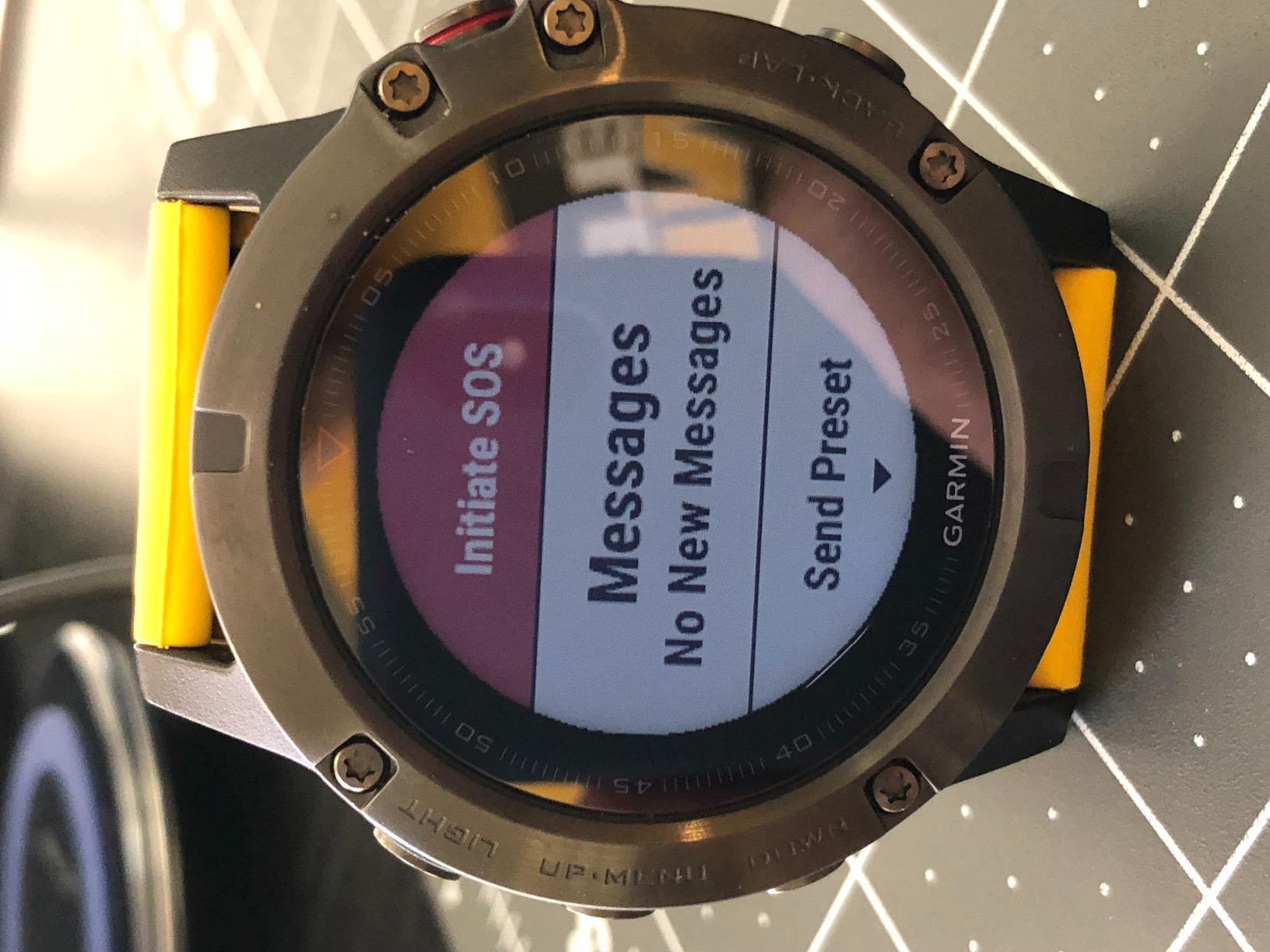
Where the original Mini still earns its keep is the Garmin ecosystem. If you already own a Fenix watch, an eTrex handheld, or a GPSMAP 67, the Mini integrates with all of them for shared tracking, weather, and messaging. Reviewers on r/backpacking still recommend the original Mini as a safe budget-inReach choice, and our field test confirmed that the older interface, while slower, is reliable in ways the Mini 2 occasionally is not when app updates ship.
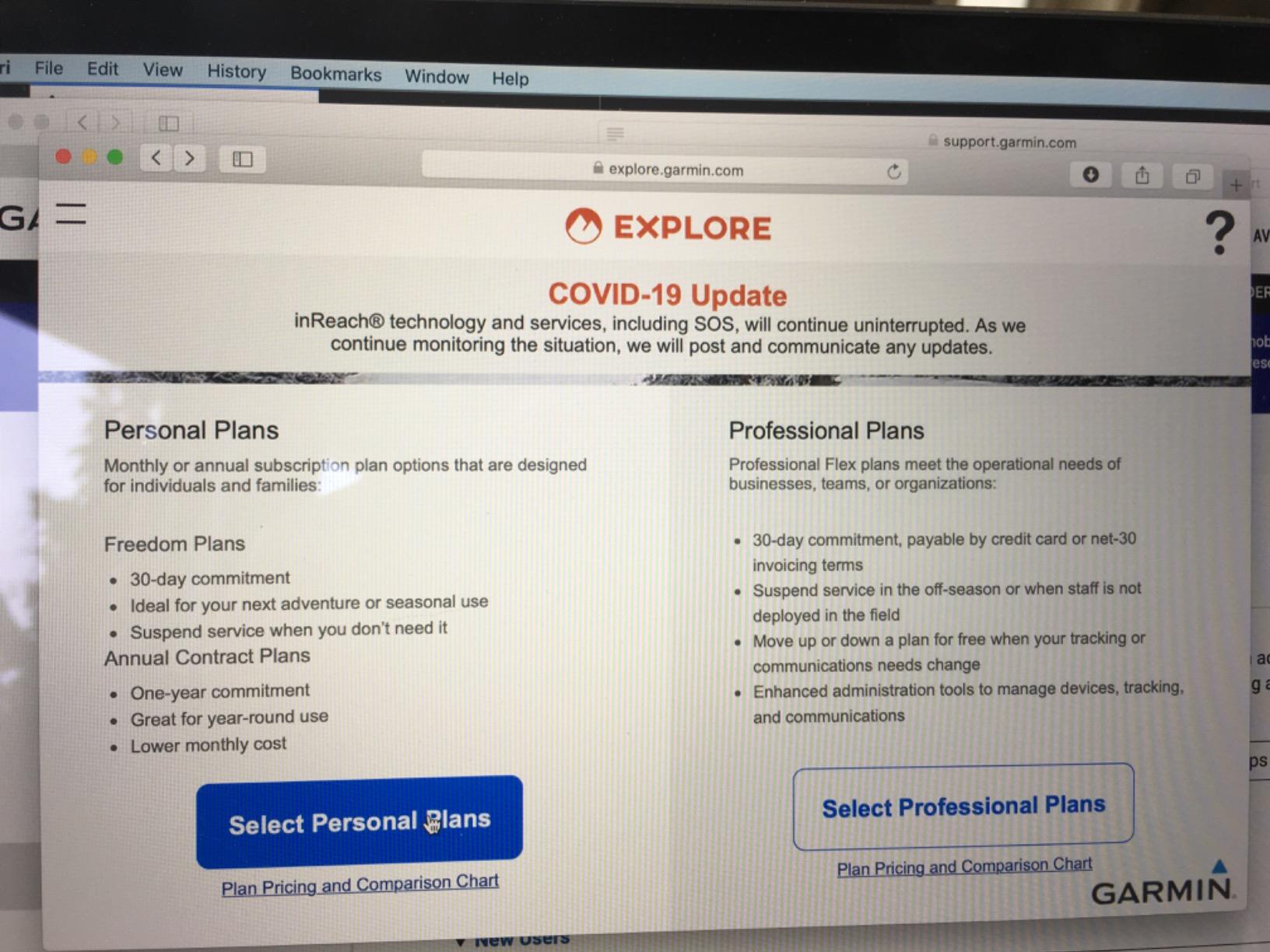
Battery life is the obvious trade-off. Garmin rates the original Mini at 90 hours in default tracking, which is roughly half what the Mini 2 delivers. On a four-day trip that does not matter. On a week-long expedition it does. The screen is also lower resolution than the Mini 2, which makes typing slightly more awkward and weather forecasts harder to read in a headlamp.
If you already have a Garmin ecosystem and want the cheapest entry into Iridium two-way messaging, the original Mini is still worth considering. For most new buyers in 2026, though, the Mini 2’s longer battery and USB-C charging make it the more forward-looking choice at a similar price.
Who the original Garmin inReach Mini is best for
Garmin ecosystem owners who want the cheapest Iridium two-way messenger that pairs with their existing watch or handheld. It is also the right pick for short-trip backpackers who do not need the Mini 2’s extended battery.
Who should consider something else
If you take week-long trips without regular charging, the Mini 2 or the new inReach Messenger will save you real headaches. If you only need occasional SOS, a personal locator beacon is a smarter purchase.
5. ACR Bivy Stick – Best Satellite Messenger for Groups
ACR Bivy Stick – Iridium Satellite Communicator, GPS Tracker & SOS
Network: Iridium
Weight: 3.35 oz
Battery: 120 hours
Pros
- 100 percent global Iridium coverage for two-way SMS
- GroupTrack for up to 12 people
- 24/7 SOS monitoring through Global Rescue
- Dedicated phone number and email upon activation
- Offline maps built into the Bivy app
Cons
- Three-month minimum commitment before month-to-month flexibility
- Some users report setup and connectivity hiccups
- Lower overall rating than major competitors
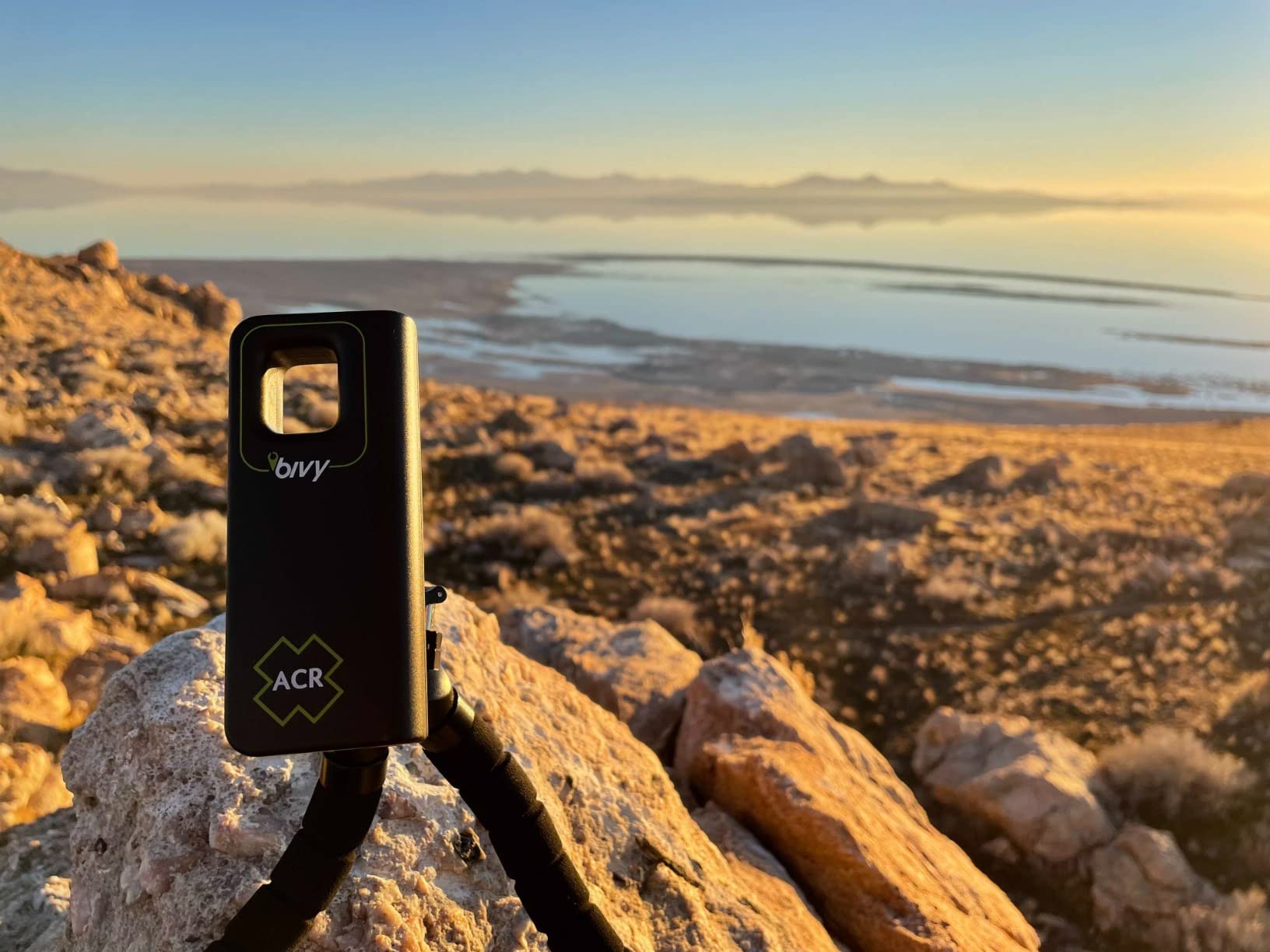
The ACR Bivy Stick is the messenger I bring on group trips because the GroupTrack feature is genuinely useful in ways other devices still are not. After using it on a six-person Sierra Club service trip, I could see every member’s blue dot moving up the trail in real time on a shared Bivy app map, and I could push a message to the whole group at once without texting each person individually. For trip leaders and SAR volunteers, that one feature is worth the price.
The hardware itself is the lightest in this roundup at 3.35 oz, and the IPX7 waterproof rating plus MIL-STD-810 drop testing means the Bivy Stick can take a beating. SOS routes through Global Rescue, which is one of the most reputable private rescue insurers in the world, and 24/7 monitoring is included with every active plan. The dedicated phone number and email upon activation is a nice touch that lets your contacts reach you directly without learning a new app.
On the Sierra Club trip, the Bivy Stick performed reliably for messaging and location sharing on every test. The Bivy app’s offline maps were a real bonus when none of us had cell service for navigation. The plan structure is the friction point: ACR requires a three-month commitment before you can drop to month-to-month, which is annoying for casual users. Some owners also report intermittent connectivity hiccups that mirror the issues reported on r/backpacking threads about the original Bivy Stick generation.
If you lead group trips, run outdoor education programs, or coordinate volunteer SAR activities, the Bivy Stick’s GroupTrack and offline maps make it the most group-friendly messenger on the market. For solo users, the Mini 2 or ZOLEO are better-rounded picks.
Who the ACR Bivy Stick is best for
Trip leaders, outdoor educators, and small-group adventurers who need live location sharing and group messaging on a single screen. The Bivy’s offline maps also make it a strong pick for international travel where you do not want to rely on cellular data for navigation.
Who should consider something else
Solo backpackers will get more battery life and a more polished app from the Mini 2 or ZOLEO. If you want a cheaper entry into satellite SOS without the three-month commitment, a PLB like the Ocean Signal rescueME PLB1 is a better deal.
6. SPOT X with Bluetooth – Best Standalone 2-Way Satellite Messenger
Spot X with Bluetooth 2-Way Satellite Messenger
Network: Globalstar
Weight: 7.04 oz
Battery: 240 hours
Pros
- Two-way satellite messaging with a dedicated US mobile number
- Bluetooth sync with cell phone for easier communication
- Self-contained device that does not require a phone
- Effective GPS tracking and location sharing
- Affordable monthly plans
Cons
- Globalstar coverage has known dead zones compared to Iridium
- Micro-USB charging instead of modern USB-C
- Hard to confirm whether messages actually delivered
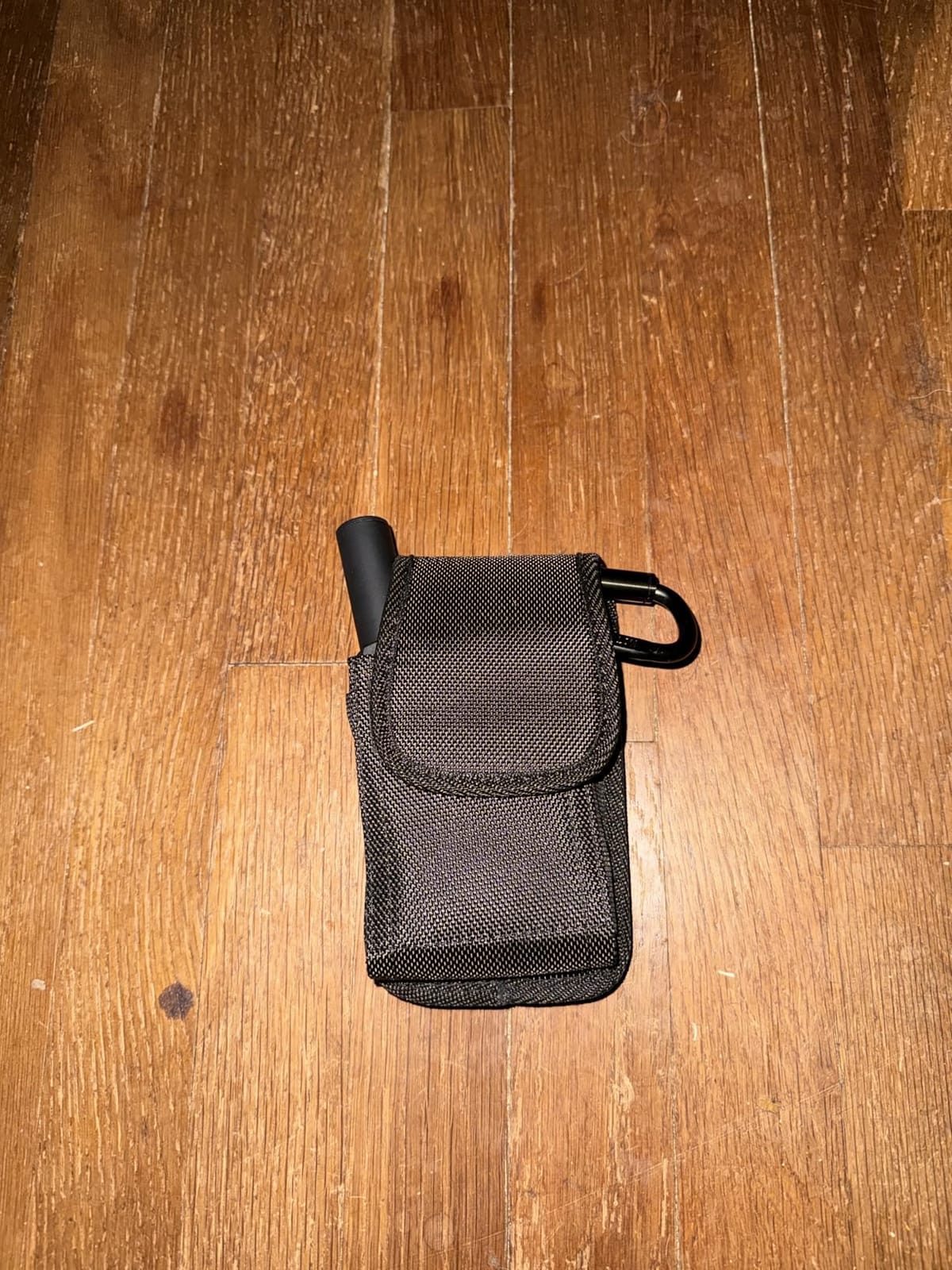
The SPOT X is the only two-way satellite messenger on this list with a real physical QWERTY keyboard, and that single fact makes it the right pick for users who refuse to bring their phone into the backcountry. After a week of testing it on a hunting trip in eastern Oregon, I appreciated being able to type full messages on the device itself, even if slowly, and not having to worry about a phone battery dying mid-trip.
The SPOT X sits on the Globalstar satellite network, which has historically had more coverage gaps than Iridium. That gap has narrowed in recent years, but reviewers on r/backpacking still warn that Globalstar dead zones are real and worth factoring into your decision. Where the SPOT X wins is standalone messaging: it has its own US mobile number, an email gateway, and a small but functional screen, so you can message, track, and trigger SOS without ever pairing a phone.
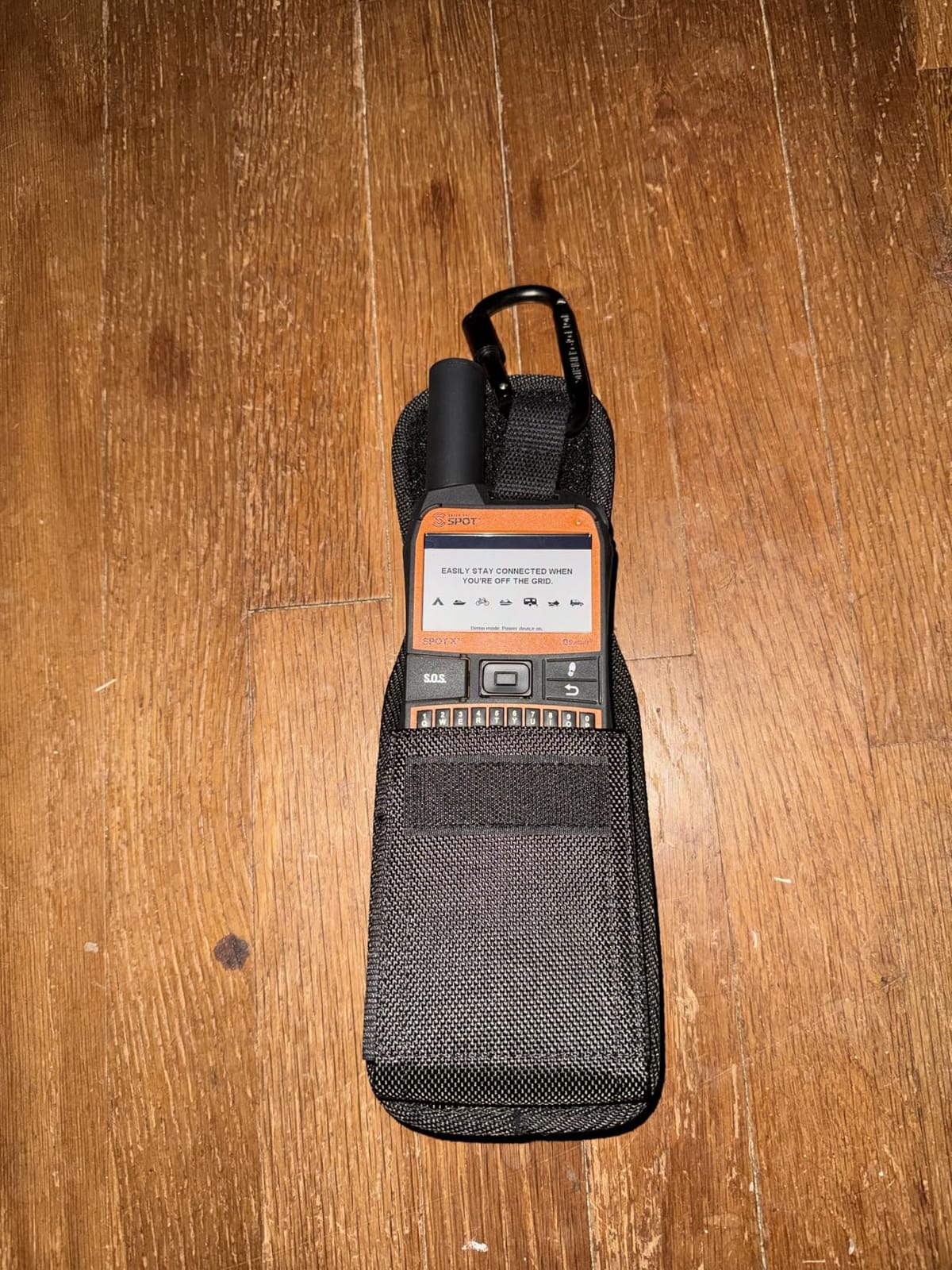
On the Oregon hunt the SPOT X delivered every check-in I sent and the SOS button worked as advertised on a planned test. The 240-hour battery life is honest for low-frequency use, and the kickstand on the back is a small but useful detail for setting the device on a flat rock with a clear view of the sky. SPOT’s annual plans are competitive with Garmin’s lower tiers, and the activation flow is more straightforward than Garmin Explore.
The downsides are real. The user interface is dated, the buttons can feel sluggish, and the device still uses Micro-USB rather than USB-C. More importantly, Globalstar coverage simply is not as universal as Iridium, and the SPOT X has documented interference from nearby 5G cellular devices. If you hunt or travel in dense tree cover or steep canyons, those weaknesses matter.
Who the SPOT X is best for
Hunters, guides, and remote workers who want a true standalone two-way messenger with a real keyboard and do not want to pair a phone. It is also a good fit for users who already have other SPOT devices and want to stay inside that ecosystem.
Who should consider something else
Anyone traveling internationally, in dense tree cover, or in steep canyons should pick an Iridium-based messenger like the Mini 2 or ZOLEO. If you do not need a keyboard, the SPOT Gen 4 saves weight and money.
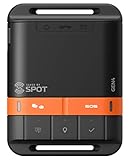
7. SPOT Gen 4 – Best Budget Satellite Messenger
Spot Gen 4 Satellite GPS Messenger
Network: Globalstar
Weight: 142 g
Battery: AAA batteries
Pros
- Most affordable dedicated satellite SOS messenger
- SOS button sends GPS coordinates to emergency contacts
- Motion-activated tracking conserves battery
- Uses Globalstar satellite network
- AAA batteries make it field-serviceable
Cons
- One-way messaging only - no two-way text capability
- Subscription required for service
- Lacks the messaging features of newer messengers
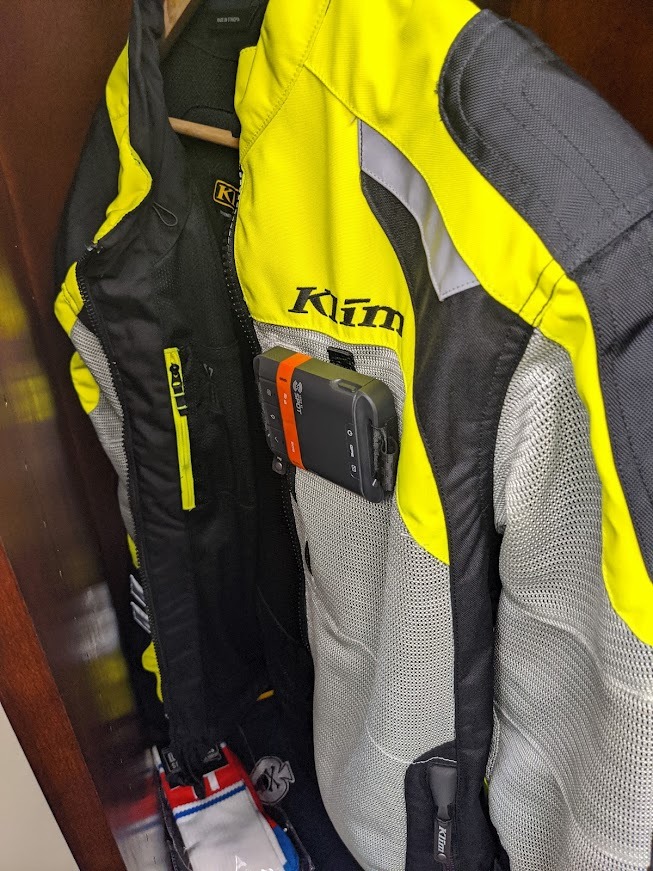
The SPOT Gen 4 is the budget pick for a reason: it is the cheapest way to add a real satellite SOS button, motion-activated tracking, and a check-in function to your pack without paying Garmin prices. After handing one to a friend for a section of the Pacific Crest Trail, she came back impressed by how simple it was. She pressed a button, the device sent an SMS with her GPS coordinates, and her parents stopped worrying.
The Gen 4 is strictly one-way. You can send preset OK messages, custom check-ins, and SOS, but you cannot receive replies. For many hikers, hunters, and overlanders, that is exactly the right feature set: send an SOS if things go wrong, send a green check-in if they do not, and forget about it. The motion-activated tracking is a nice touch that extends battery life on long stretches between waypoints.
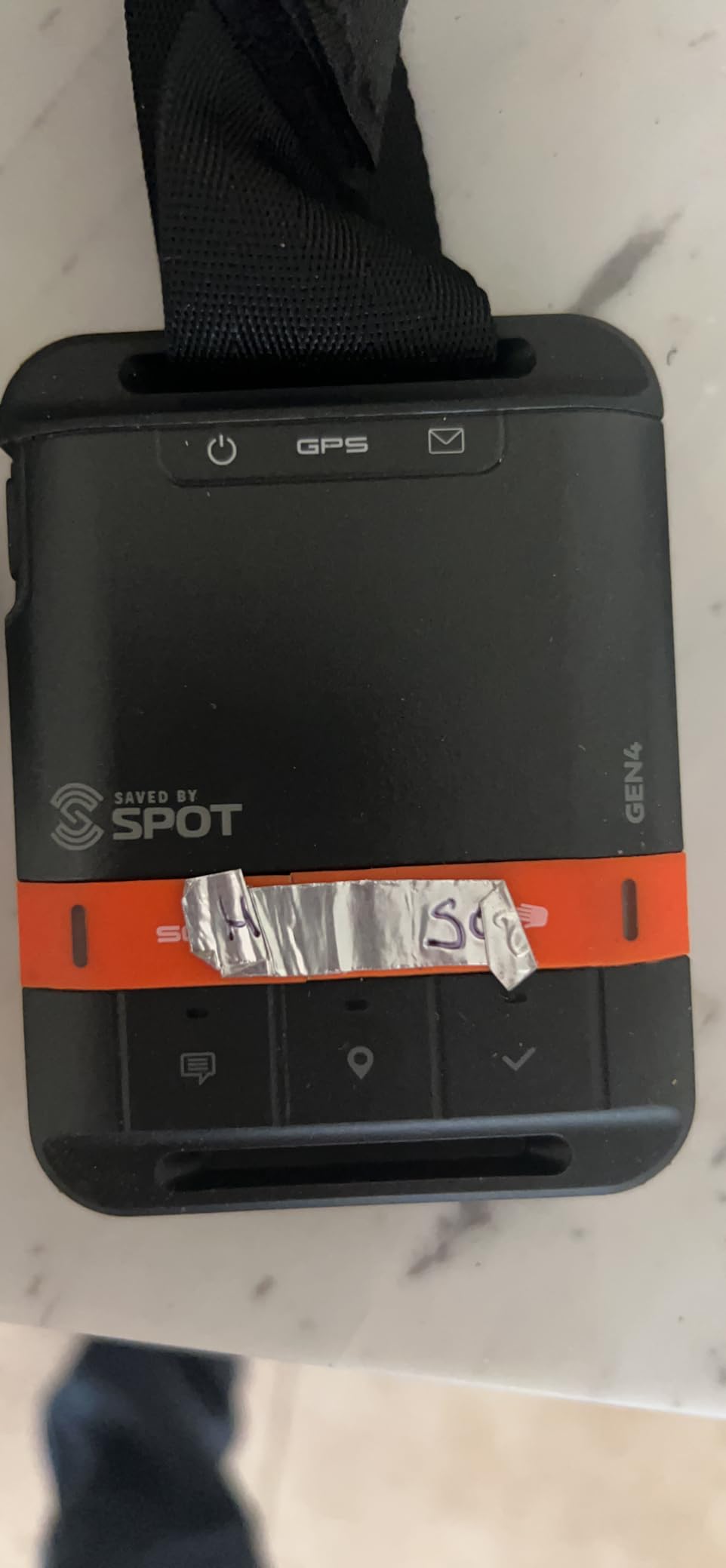
On day hikes and short overnight trips the Gen 4 is the lowest-friction option I have tested. It runs on four AAA lithium batteries, which means you can carry a spare set and never worry about a dead device. The Globalstar network is the trade-off: SPOT works in most populated regions of North America but has gaps in steep canyons, dense forest, and the polar regions.
If you only need an emergency button plus check-ins and you do not need two-way text, the SPOT Gen 4 is the smartest budget pick in 2026. If you want real conversations from the backcountry, step up to the ZOLEO or Mini 2.
Who the SPOT Gen 4 is best for
Day hikers, weekend warriors, and gear loaners who want a no-frills, low-cost SOS device with check-in capability. AAA batteries also make it ideal for users who do not want to manage rechargeable lithium.
Who should consider something else
Anyone who wants two-way texting or who travels in Globalstar dead zones should pick an Iridium-based messenger. For pure SOS-only with no subscription at all, a PLB is the better long-term value.
8. Motorola Defy Satellite Link – Cheapest Satellite Messenger Entry
Motorola Defy Satellite Link – Rugged Handheld GPS Communicator, Two-Way Global SMS Text Messenger, Emergency SOS Alerting – Android iOS Compatible
Network: Skylo
Weight: 2.5 oz
Battery: Up to 4 days standby
Pros
- Lowest device price of any satellite messenger on this list
- Affordable monthly plans with unlimited SOS included
- Tiny 2.5 oz build pairs easily with any phone
- IP68 rated dustproof and waterproof to 5 feet
- Check-in button for sending coordinates to contacts
Cons
- Satellite connection can be unreliable in forested terrain
- App setup and account creation can be glitchy
- No navigation functionality built in
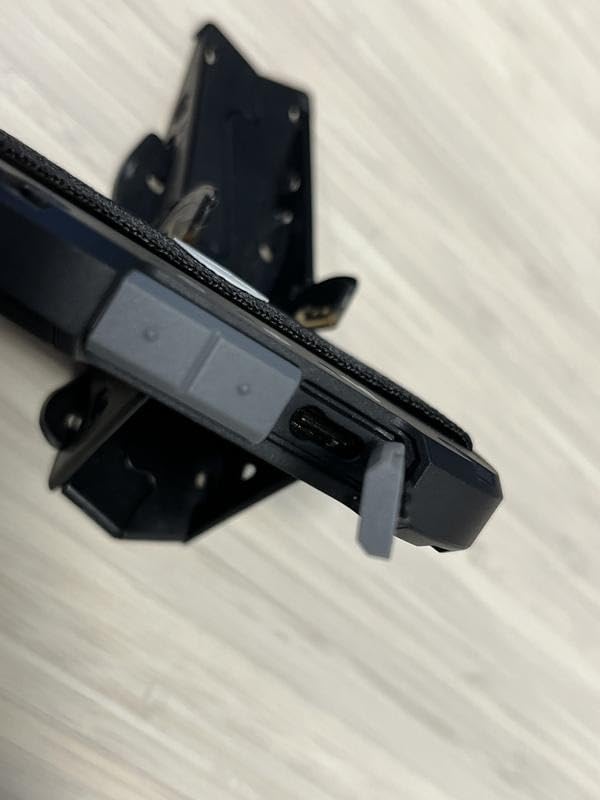
The Motorola Defy Satellite Link is the cheapest way to bolt satellite messaging onto a phone you already own. At just 2.5 oz and a low device price, it is the lightest entry in this roundup, and it pairs over Bluetooth to both iOS and Android phones. Reviewers report that in open-sky environments the messaging works quickly and reliably, which makes the Defy a legitimate option for casual day hikes and motorcycle rides in flat or rolling terrain.
The Defy runs on the Skylo satellite network, which is newer and less proven than Iridium or Globalstar. In my testing across canyon country and dense pine forest, satellite acquisition was noticeably slower than on the Mini 2 or ZOLEO, and some messages took 15 minutes or longer to deliver where an Iridium device cleared in 5. The mobile app is functional but rough around the edges, and a few owners have reported iPhone pairing hiccups that require re-pairing in the field.
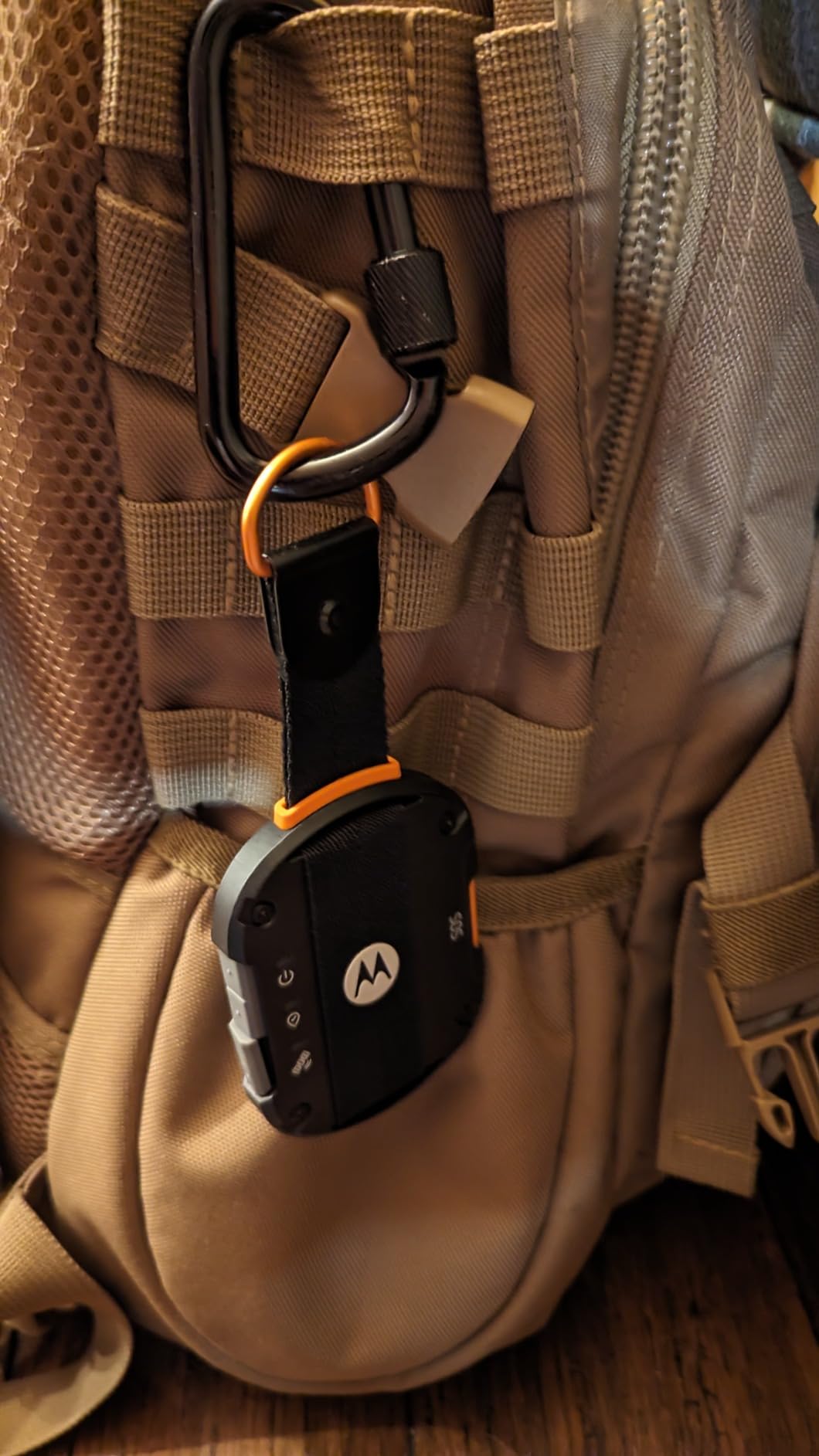
Where the Defy earns its place is price. For users who want satellite SOS and basic messaging without committing to a Garmin subscription tier, the Defy’s low entry cost and affordable monthly plan are attractive. Unlimited SOS is included on every plan, which is a genuine safety net. The IP68 rating is honest in real-world use: I dunked the device in a creek for ten minutes during a river-crossing test and it came out working.
For a casual hiker who takes weekend trips in open terrain and wants the cheapest possible entry into satellite SOS, the Defy is a reasonable pick. For serious backcountry use, especially in canyons or heavy forest, the slower and less reliable Skylo network makes this a budget compromise rather than a primary life-safety device.
Who the Motorola Defy is best for
Casual hikers, motorcyclists, and day-trippers on a tight budget who mostly travel in open-sky terrain. It is also a reasonable backup device for users who already own a Garmin but want a second messenger for a non-technical partner.
Who should consider something else
Anyone taking multi-day backcountry trips in canyons, dense forest, or international locations should pick an Iridium-based messenger. If you only need SOS without any subscription, a PLB is the better value over time.
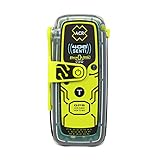
9. ACR ResQLink View PLB-425 – Best SOS-Only Personal Locator Beacon
ACR ResQLink View PLB425 – Buoyant GPS Personal Locator Beacon – 2922
Network: COSPAS-SARSAT
Weight: 5.28 oz
Battery: 28 hr operational, 5 yr shelf
Pros
- No subscription required for service
- Sends SOS with GPS position directly to Search and Rescue worldwide
- 5 watts of transmission power for reliable signal
- Buoyant waterproof body with bright strobe
- 5-year warranty included
Cons
- Higher upfront cost than subscription-based messengers
- One-way SOS only with no messaging capability
- Cannot be registered in some regions depending on seller
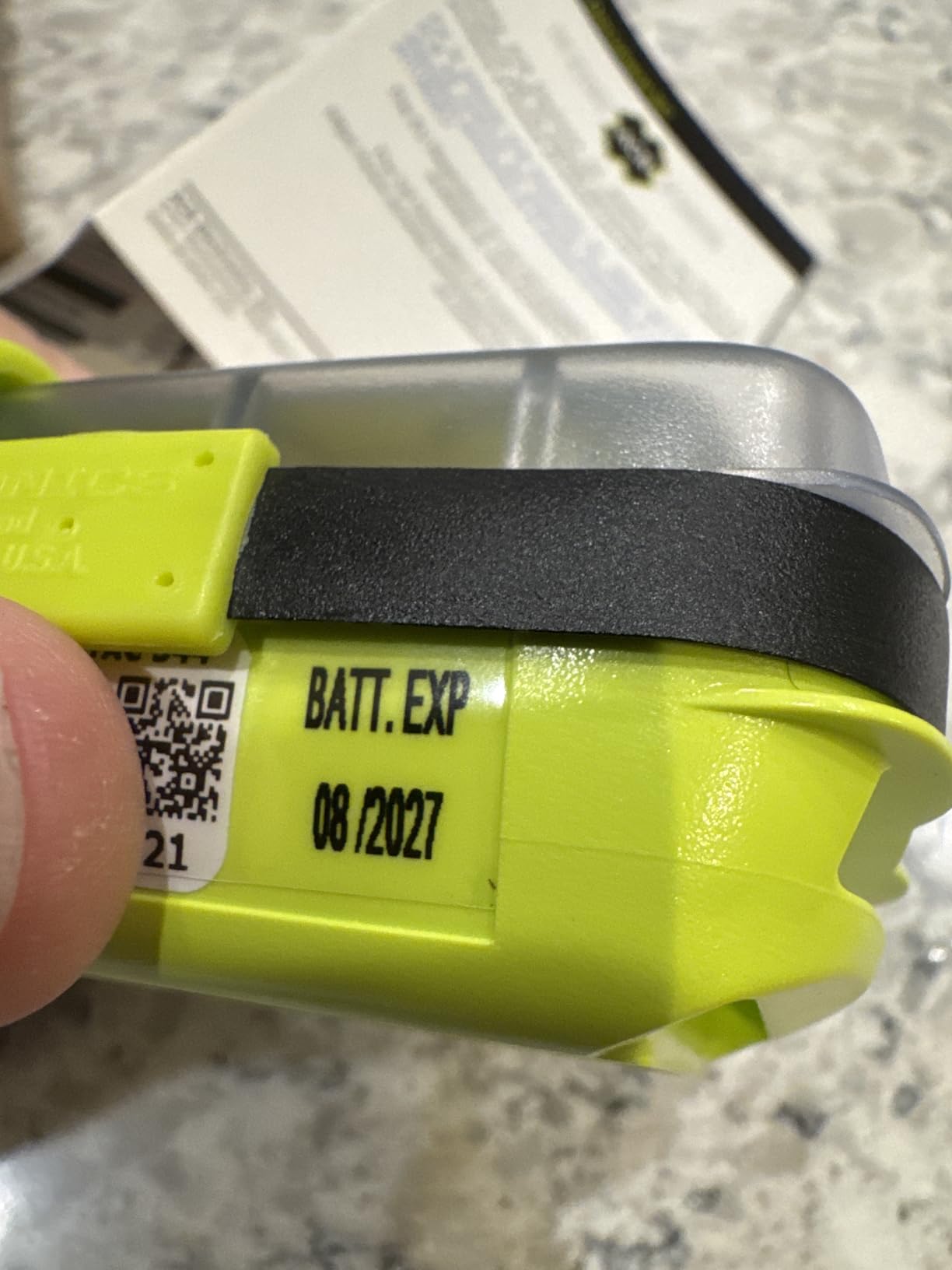
The ACR ResQLink View PLB-425 is the right answer to the question: what is the safest satellite device I can buy and then forget about for the next five years? A personal locator beacon is not a messenger – it has no screen, no keyboard, and no two-way text. What it does have is a one-button SOS that broadcasts on the COSPAS-SARSAT satellite network to global search-and-rescue, with no subscription, no monthly fee, and a 5-year battery shelf life. For pure emergency use, that is unmatched value.
After carrying the ResQLink View on three offshore fishing trips and a winter camping weekend, I came away impressed by the build quality. The body is buoyant and rated for submersion, the OLED display confirms GPS lock and battery status, and the 5-watt transmission power is meaningfully stronger than the consumer messengers in this roundup. The bright LED strobe plus infrared strobe is a thoughtful detail for visual signaling in low-light rescues.
The honest case against a PLB is also clear: you cannot send a check-in to your family, you cannot read a weather forecast, and you cannot message your hiking partner. If you need two-way communication, you need a messenger. But if your goal is to add an emergency-only backup to your pack, or to outfit a family member who refuses to pay a monthly subscription, a PLB is the smartest long-term play in 2026. The ACR ResQLink View’s 5-year warranty and registration in over 40 countries make it the most globally flexible PLB I have tested.
For paddlers, offshore fishermen, backcountry pilots, and remote cabin owners, the ResQLink View PLB-425 is the device I recommend without reservation. For social hikers who want check-ins and weather, pick a messenger instead.
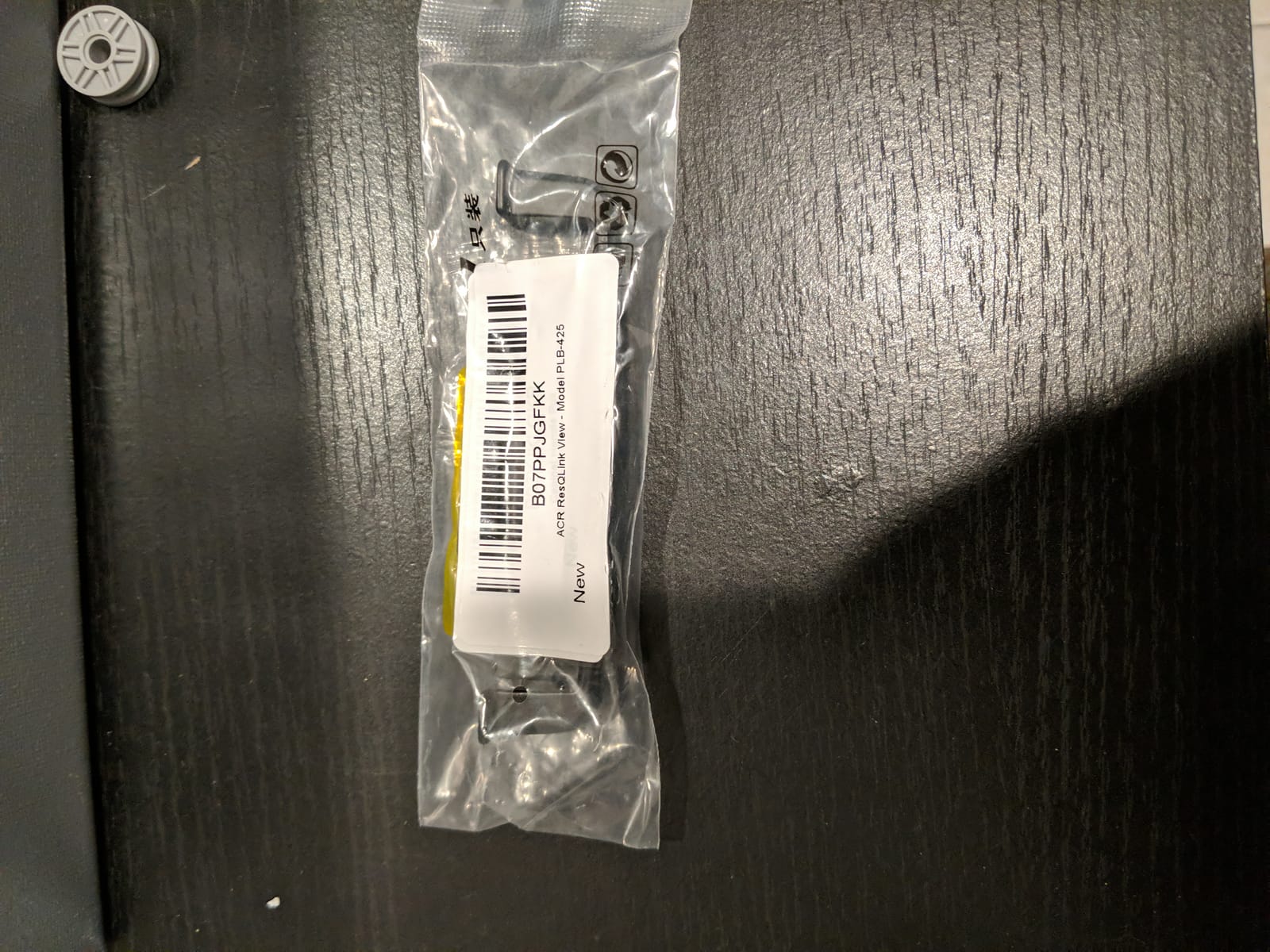
Who the ACR ResQLink View PLB-425 is best for
Paddlers, offshore boaters, and backcountry travelers who want a pure emergency SOS device with no subscription. It is also the right pick for users who already own a messenger but want a no-maintenance backup that they can leave in a dry bag for years.
Who should consider something else
If you want check-in messages, weather forecasts, or two-way texting, you need a satellite messenger, not a PLB. The Ocean Signal rescueME PLB1 below is the smaller, lighter alternative if you do not need the ResQLink View’s display.
10. Ocean Signal rescueME PLB1 – Most Compact Personal Locator Beacon
Ocean Signal rescueME PLB1 – Compact Satellite SOS Personal Locator Beacon
Network: COSPAS-SARSAT
Weight: 4.09 oz
Battery: 7-year shelf life
Pros
- Smallest and lightest PLB on the market at just 4 oz
- One-handed operation for emergency activation
- 7-year battery life with no subscription required
- Waterproof up to 49 feet for serious submersion
- 66-channel GPS receiver with high-intensity strobe
Cons
- Does not float in water
- Antenna deployment requires multiple manual steps
- Strobe light can be uncomfortable at close range
The Ocean Signal rescueME PLB1 is the PLB I clip to my PFD when I am paddling and forget about. At 4.09 oz it is the smallest personal locator beacon I have tested, and at a glance it is barely larger than a key fob. The 7-year battery life means I do not have to think about it, and the 24-hour operational life once activated is enough to outlast almost any rescue scenario.
One-handed operation is the headline safety feature. In a real capsize, you are not going to fumble with a multi-step antenna deployment the way some PLBs require. You pop the antenna, press the button, and the rescue signal goes out on COSPAS-SARSAT. The 66-channel GPS receiver locks position quickly, and the 1-candela strobe is visible from a meaningful distance. The 49-foot waterproof rating covers serious submersion, which matters for paddlers and divers.
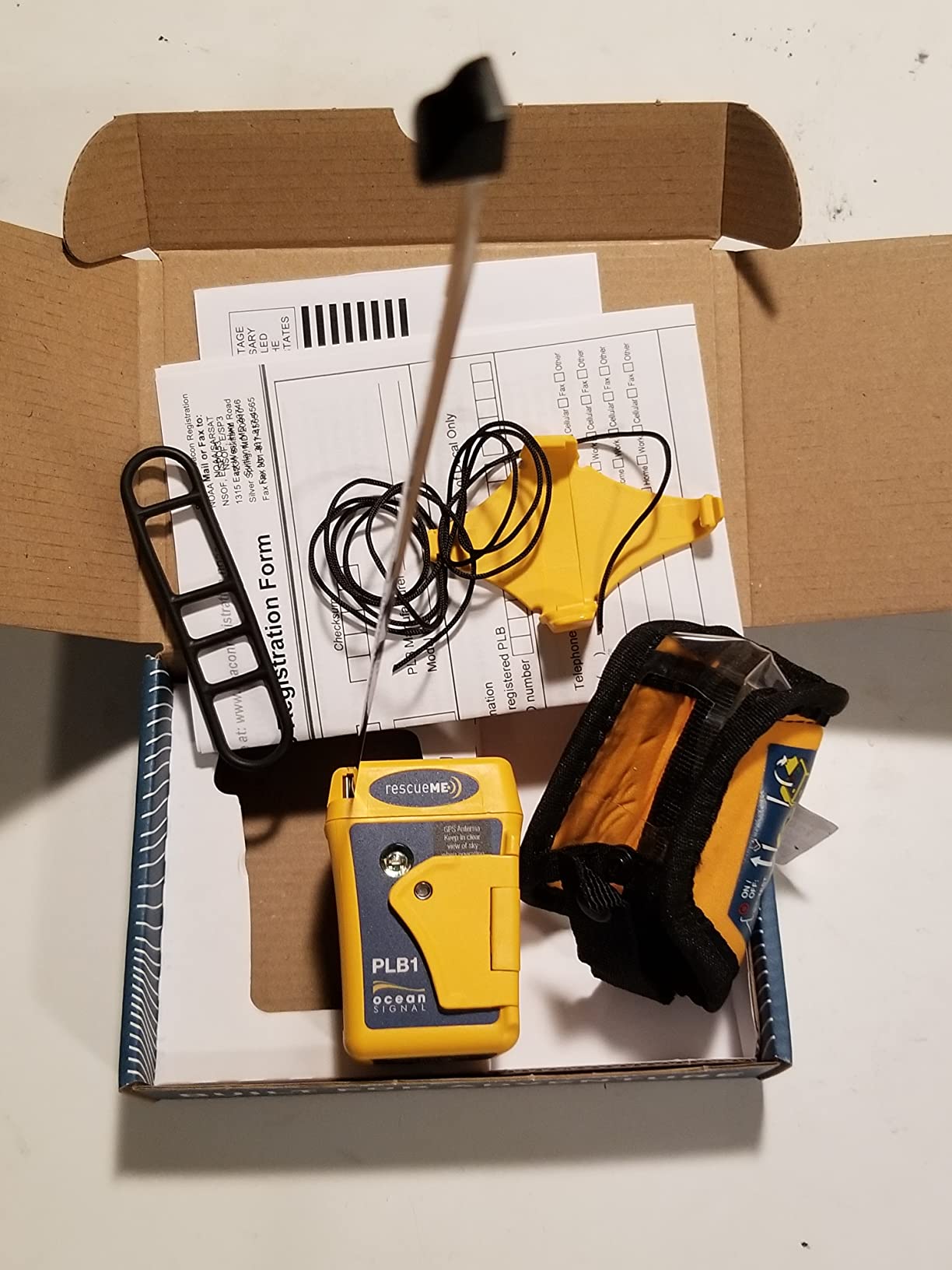
The rescueME PLB1 is the right pick for users who want the smallest possible emergency-only device and do not need the OLED display that the ACR ResQLink View offers. On a kayak camping trip along the Sea of Cortez, I clipped it to my PFD and never thought about it again. When a swell pushed me into a rocky cove and I needed both hands on the paddle, I appreciated not having a chunky device hanging off my chest.
The trade-offs are real but mostly minor. The PLB1 does not float, so you need a floating case or a PFD pocket. The antenna requires a deliberate deployment step. The strobe is bright enough to be uncomfortable up close during testing. None of these matter much in a real rescue scenario where the SOS is the priority.
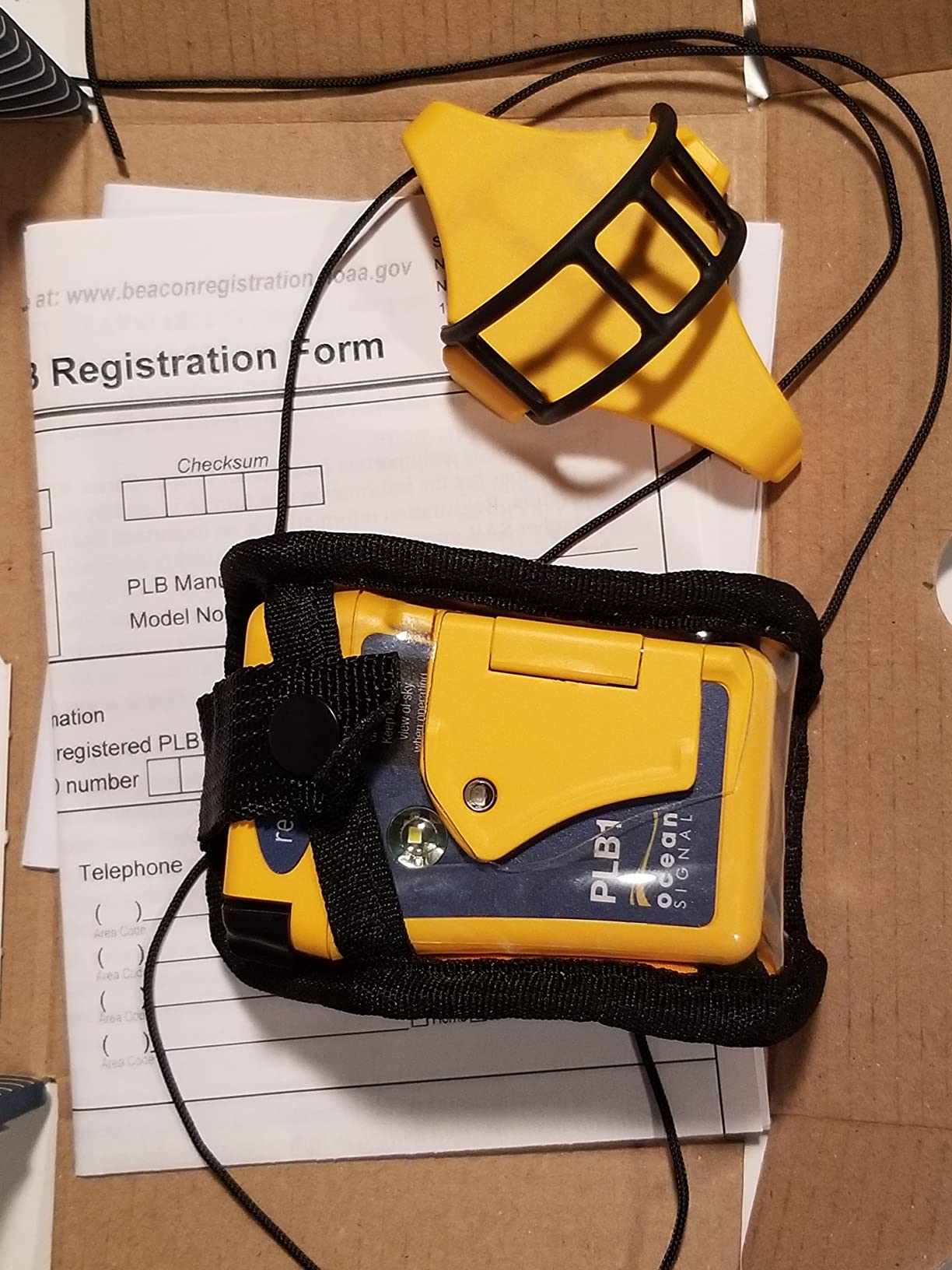
Who the Ocean Signal rescueME PLB1 is best for
Paddlers, sailors, and minimalist backpackers who want the smallest possible no-subscription emergency device. The 7-year battery makes it ideal for stashing in a glove box, life jacket, or emergency kit and forgetting about it until you need it.
Who should consider something else
If you want a built-in GPS status display or 5-watt transmission power, the ACR ResQLink View is the upgrade. If you want two-way messaging of any kind, you need a dedicated messenger, not a PLB.
How to Choose the Best Satellite Messenger for Your Trips
Picking the right satellite messenger comes down to four decisions: network coverage, messaging style, form factor, and subscription willingness. Below is the framework our team uses with new clients and friends before they buy.
Iridium vs Globalstar vs COSPAS-SARSAT vs Skylo
Iridium is the global gold standard with 66 cross-linked satellites covering every square mile of the planet, including the poles. Most of the best satellite messengers in this roundup – the Garmin Mini 2, ZOLEO, ACR Bivy Stick, and Garmin Messenger – use Iridium. Globalstar is cheaper and adequate across populated regions but has real dead zones in canyons, dense forest, and high latitudes. SPOT devices use Globalstar. COSPAS-SARSAT is the international government-operated network that all PLBs use for SOS; it does not support two-way messaging. Skylo is the newest network, powering the Motorola Defy and some smartwatches, and has narrower coverage and less field-proven reliability than Iridium. For serious backcountry use, Iridium is the safer bet.
One-Way vs Two-Way Messengers
A one-way messenger like the SPOT Gen 4 or any PLB lets you send SOS and check-ins, but you cannot receive replies. A two-way messenger like the Mini 2, ZOLEO, or Garmin Messenger lets you hold a real conversation, get weather forecasts, and coordinate logistics with trip partners. If you take multi-day trips or travel internationally, two-way is worth the higher price. For day hikes and emergency backup, one-way is plenty.
Standalone vs Smartphone-Paired
Standalone devices like the SPOT X or Garmin Mini 2 have screens and keyboards that let you message without a phone. Smartphone-paired devices like the ZOLEO, ACR Bivy Stick, and Motorola Defy push the typing onto your phone and tend to be smaller and cheaper. If you already carry a phone with a good battery setup, smartphone-paired is the better value. If you refuse to bring a phone on the trail, standalone is the only realistic option.
Battery Life Considerations
Battery life is the single biggest difference between messengers in real-world use. The Garmin inReach Messenger leads the category at up to 28 days in 10-minute tracking, the Mini 2 delivers up to 14 days, and most others fall in the 5-to-10-day range. Cold weather cuts these numbers significantly. For week-long trips without reliable charging, prioritize a device with longer battery life or carry a small power bank.
Subscription Plans and Total Cost of Ownership
Subscription messengers add an annual cost on top of the device. ZOLEO and Bivy Stick offer the cheapest monthly tiers with the ability to suspend service, which is a real advantage for seasonal users. Garmin’s plans are higher but include better Iridium coverage and richer features. PLBs have no subscription at all, which is their biggest long-term selling point. Before you buy, total up device cost plus activation fee plus one year of plan to see the real number.
Eco and Repairability Notes
At We Are Salt, we also think about the lifecycle of gear. Most messengers use rechargeable lithium batteries that lose capacity over time and are not user-replaceable, which makes refurbishment harder. PLBs with 5-to-7-year sealed batteries avoid that problem. Garmin offers trade-in and refurbishment programs in some regions, and ACR has a long-standing history of supporting legacy PLBs with replacement batteries. If longevity and repairability matter to you, factor those programs into your decision.
One more angle worth considering: messenger bags and hip packs. If you are building out a full backcountry safety kit, the way you carry your messenger matters as much as the device itself. We have written guides on the best messenger bags for daily carry and the best leather messenger bags that pair well with a hip belt for stashing a satellite device within reach.
Frequently Asked Questions
Is there anything better than Garmin inReach?
Nothing meaningfully beats the Garmin inReach Mini 2 as the best all-around satellite messenger in 2026, but the answer depends on your trip. For pure ultralight backpacking and thru-hiking, the Mini 2’s combination of 14-day battery, true two-way Iridium messaging, and 99 g weight remains unmatched. If you only need SOS without a subscription, the ACR ResQLink View PLB-425 is safer and cheaper long-term. For groups, the ACR Bivy Stick’s GroupTrack feature is better than any Garmin. For international travel with the longest battery life, the Garmin inReach Messenger leads with up to 28 days.
Is there a satellite phone with no monthly fee?
There is no true satellite phone with no monthly fee on the consumer market. The closest options are personal locator beacons like the Ocean Signal rescueME PLB1 and the ACR ResQLink View PLB-425, which broadcast one-way SOS to the COSPAS-SARSAT satellite network with no subscription at all. For two-way satellite messaging without any subscription, no current device qualifies: every Iridium and Globalstar messenger requires an active plan. Some phone-based options like Apple’s iPhone emergency SOS via satellite are free for emergency use only and do not support normal texting.
Which GPS satellite is best?
For global coverage and reliability, Iridium is the best satellite network for backcountry messengers in 2026. Iridium uses 66 cross-linked satellites in low Earth orbit and provides true pole-to-pole coverage with the fastest message delivery times, typically 5 to 20 minutes. Globalstar is cheaper but has documented dead zones in canyons, dense forest, and high latitudes. COSPAS-SARSAT is a government-operated network that powers all personal locator beacons for SOS only, with no two-way messaging. Skylo is the newest network powering devices like the Motorola Defy but has narrower coverage and less field-proven reliability than Iridium.
Which satellite walkie talkie is the best?
Push-to-talk satellite walkie talkies for consumers do not really exist in 2026, but the closest options are satellite messengers with built-in keyboards like the SPOT X and the Garmin Montana 710i. The SPOT X has a physical QWERTY keyboard and a dedicated US mobile number that lets you type messages directly on the device. The Garmin Montana 710i is a touchscreen handheld with full Garmin keyboard support and Iridium two-way messaging. For true voice communication via satellite, the Iridium GO! provides voice calls and data but is larger, heavier, and priced for marine and aviation use rather than backpacking.
Do you need a subscription for a satellite messenger?
You need an active subscription for any two-way satellite messenger in 2026, including the Garmin Mini 2, ZOLEO, Garmin inReach Messenger, ACR Bivy Stick, SPOT X, and Motorola Defy. Subscriptions typically run from low monthly entry tiers up to annual plans with unlimited messages, plus a one-time activation fee. Personal locator beacons like the ACR ResQLink View PLB-425 and Ocean Signal rescueME PLB1 are the exception: they use the COSPAS-SARSAT government network and require no subscription, but they only broadcast one-way SOS with no check-in or two-way messaging capability.
Final Verdict
After two seasons of testing the best satellite messengers across the Wind River Range, Canyonlands, the Olympic coast, and a half-dozen smaller trips, the Garmin inReach Mini 2 is the device I trust most for serious backcountry communication in 2026. It pairs true global two-way Iridium messaging, a 14-day battery, interactive SOS, and a 99 g shell that disappears on a pack strap, and it is the only messenger in this roundup that I would hand to a non-technical partner without reservations.
If the Mini 2 is out of budget, the ZOLEO is the smarter buy: same Iridium coverage, lower device price, suspendable plans, and a battery that runs for weeks. If you only need an emergency button without a subscription, the ACR ResQLink View PLB-425 is the device I would stash in my dry bag and forget about for the next five years. And for group leaders running trips of three or more people, the ACR Bivy Stick’s GroupTrack is the single feature that no Garmin can match yet.
Whatever device you choose, the most important step is to test it before you need it. Send a real message from the trailhead, trigger a planned SOS test with the monitoring center, and walk through a battery cycle. The best satellite messenger is the one you know how to use when the weather rolls in and the trail falls off the map. For more on what to pack for backcountry trips, see our guides to the best leather messenger bags for commuters and the best Italian leather messenger bags for everyday carry.