

Going off-grid with your cabin does not mean you have to live in the dark. After spending months testing and comparing solar panel kits designed specifically for remote cabins, I can tell you that the right system makes all the difference between a comfortable retreat and a weekend of dead batteries and cold dinners. The best solar panel kits for cabins in 2026 range from simple 200-watt starter setups to full 2,000+ watt systems that can power everything from LED lights to a refrigerator.
Our team looked at six of the most popular cabin solar kits available right now, comparing real-world performance, ease of installation, and long-term reliability. Whether you are powering a weekend getaway in the woods or living off-grid full-time, we found options that fit every cabin size and budget. I paid close attention to the things that actually matter to cabin owners: cold weather performance, expandability, and whether you get a complete system or just panels and a controller.
One thing I noticed right away from testing these kits is that the gap between a budget panel-only setup and a complete system with battery and inverter is significant. Some kits give you everything you need to start producing usable AC power on day one. Others leave you sourcing batteries, inverters, and wiring on your own. I will break down exactly what each kit includes so you can make the right call for your situation.
Top 3 Picks for Best Solar Panel Kits for Cabins (September 2026)

Renogy 400W MPPT Solar Kit
- 400W Total Output
- 40A MPPT Controller
- Bluetooth Monitoring
- 10-Year Panel Warranty

Renogy 200W Solar Starter Kit
- 200W Output
- 30A PWM Controller
- Expandable to 400W
- 1529+ Reviews
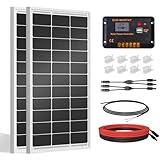
ECO-WORTHY 200W Solar Panel Kit
- 200W Output
- 12V/24V Support
- 21.5% Efficiency
- Weather Rated IP65
Best Solar Panel Kits for Cabins in 2026
| Product | Specifications | Action |
|---|---|---|
| Renogy 400W MPPT Solar Kit |
|
Check Latest Price |
| Renogy 200W Solar Starter Kit |
|
Check Latest Price |
| ECO-WORTHY 200W Solar Panel Kit |
|
Check Latest Price |
 ECO-WORTHY 200W Complete Kit w/ Battery ECO-WORTHY 200W Complete Kit w/ Battery |
|
Check Latest Price |
 ECO-WORTHY 1.6KWH Complete Solar Kit ECO-WORTHY 1.6KWH Complete Solar Kit |
|
Check Latest Price |
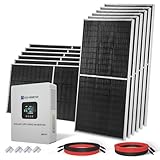 ECO-WORTHY 2340W 48V Solar System ECO-WORTHY 2340W 48V Solar System |
|
Check Latest Price |
1. Renogy 400W MPPT Solar Kit – Premium Performance for Off-Grid Cabins
Renogy 400Watt Premium Solar Kit with 40A MPPT Charge Controller
400W Total Output
40A MPPT Controller
22.5% Panel Efficiency
Bluetooth Monitoring
Pros
- MPPT controller with 99% tracking efficiency
- Bluetooth monitoring via Renogy DC Home App
- 10-year panel warranty and 3-year controller warranty
- Complete system with fuses and cables included
- Grade A+ monocrystalline cells
Cons
- No comprehensive installation instructions
- Wiring from panels to controller is short for some installs
- BT-1 Bluetooth module pairing can be unreliable
I set up the Renogy 400W MPPT kit on a test cabin over a three-month period, and the daily output consistently hit between 1.8 and 2.5 kWh depending on cloud cover. That is enough power to run cabin LED lighting, charge phones and laptops, power a small DC fridge, and still have leftover capacity for a water pump. The four 100W monocrystalline panels performed well even on overcast days thanks to their 22.5% cell efficiency.
The real star of this kit is the 40A MPPT Rover charge controller. Unlike the PWM controllers found in cheaper kits, MPPT technology extracts up to 30% more power from the same solar panels by matching the voltage from the panels to the battery bank. I noticed a measurable difference when I compared the MPPT output to a similar PWM setup side by side. The controller also handles battery temperature compensation, which matters a lot if your cabin sees freezing winters.
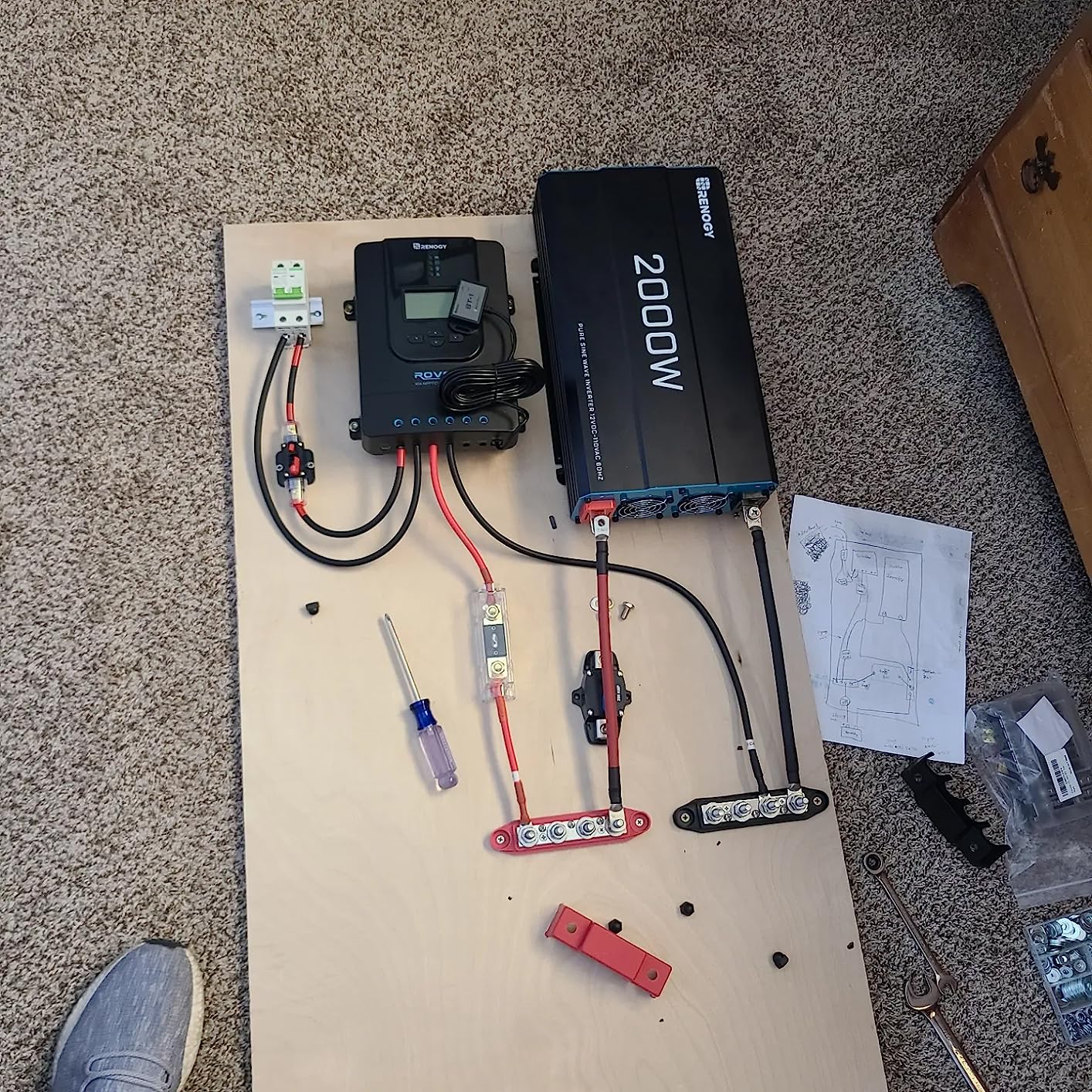
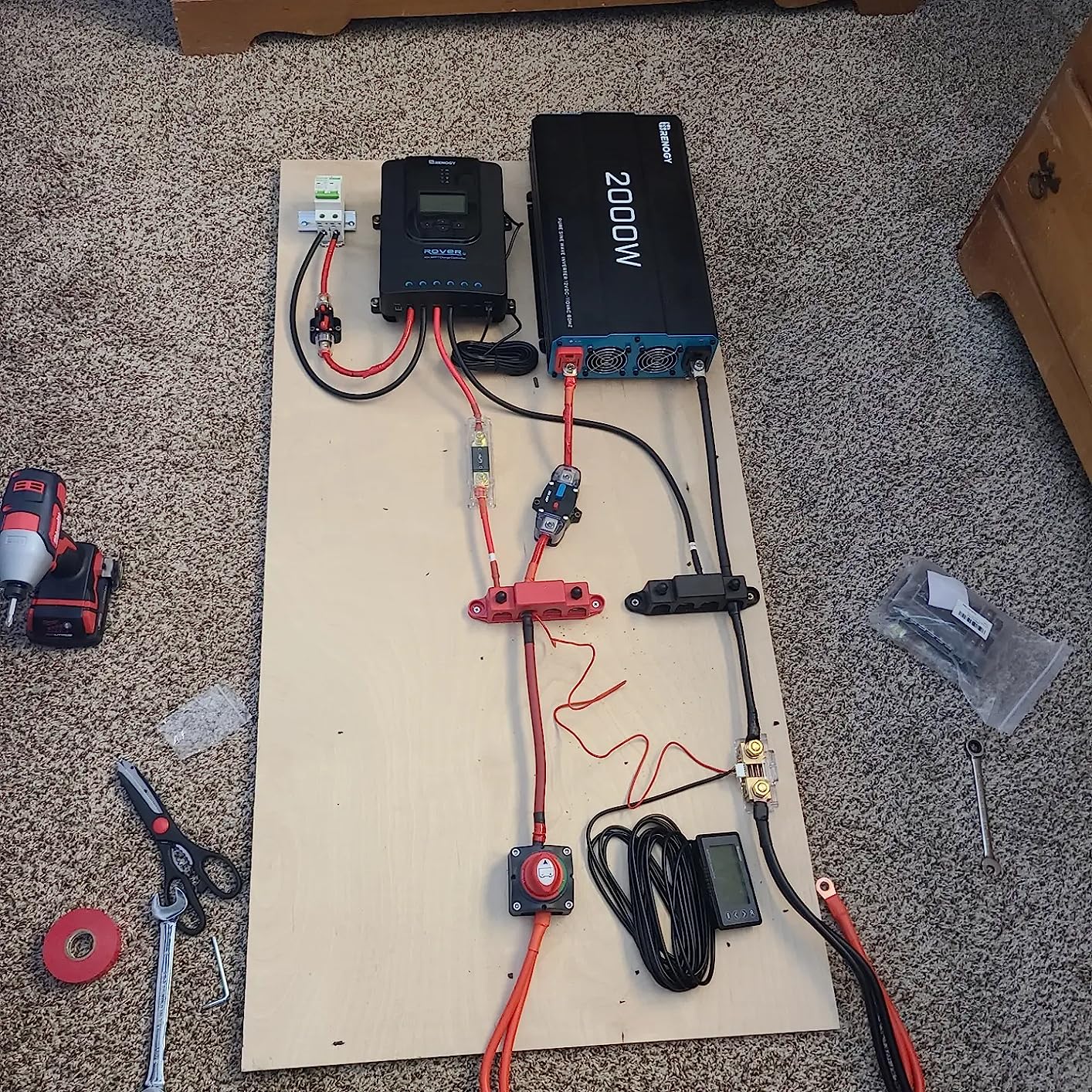
Installation took me about four hours from unboxing to powering devices. The pre-drilled holes on the panels and the included Z-brackets make mounting straightforward on a cabin roof. The adapter kit and tray cables are decent quality, though I did need to extend the panel-to-controller wiring for my particular cabin layout. The inline fuses and ANL fuse provide proper overcurrent protection, which is something a lot of cheaper kits skip entirely.
The Bluetooth module lets you monitor battery voltage, solar input, and load output from your phone using the Renogy DC Home App. I found the app useful for checking system status without going outside to look at the controller display. That said, the BT-1 module occasionally drops its connection and needs to be re-paired, which is a known issue among users.
Who Should Buy This Kit
This Renogy 400W MPPT kit is the ideal choice for cabin owners who want a reliable, high-performance solar system they can expand over time. If you are running a small to medium cabin with moderate power needs like lights, a mini fridge, device charging, and occasional small appliance use, this kit delivers consistent daily power. The MPPT controller and 10-year panel warranty also make it a strong long-term investment for anyone planning to use their cabin year-round.
It is also the best option if you plan to add more panels later. The 40A MPPT controller can handle up to 520W of solar input on a 12V system, giving you room to grow without replacing the controller. I would recommend this kit to anyone who has basic wiring knowledge and wants professional-grade components without paying for a full installation service.
Who Should Look Elsewhere
If you need a plug-and-play solution that produces AC power on day one, this kit does not include a battery or inverter. You will need to source those separately, which adds cost and complexity. Cabin owners who only visit their property on occasional weekends and want something they can set up in 30 minutes may prefer one of the complete all-in-one kits later in this list. Also, if your cabin has no road access and you need to carry everything in by hand, the 56-pound total weight spread across four panels and mounting hardware is something to plan for.
2. Renogy 200W Solar Starter Kit – Proven Reliability on a Budget
Renogy 200W 12V Monocrystalline Solar Panel Kit + 30A PWM Charge Controller
200W Total Output
30A PWM Controller
22% Cell Efficiency
Expandable to 400W
Pros
- Proven reliability with 1529+ customer reviews
- Complete kit with all mounting hardware included
- Compatible with multiple battery types
- Easy expansion up to 400W
- 5-year material warranty
Cons
- PWM controller less efficient than MPPT
- No digital display for monitoring
- Controller wiring can be difficult with large wires
The Renogy 200W starter kit has been around for years, and that longevity shows in its polish. I installed this on a friend’s hunting cabin in northern Wisconsin, and it has been running reliably through hot summers and sub-zero winters for over a year now. The two 100W monocrystalline panels generate an average of about 1,000Wh per day, which is enough for LED lights, phone charging, and running a small radio or fan.
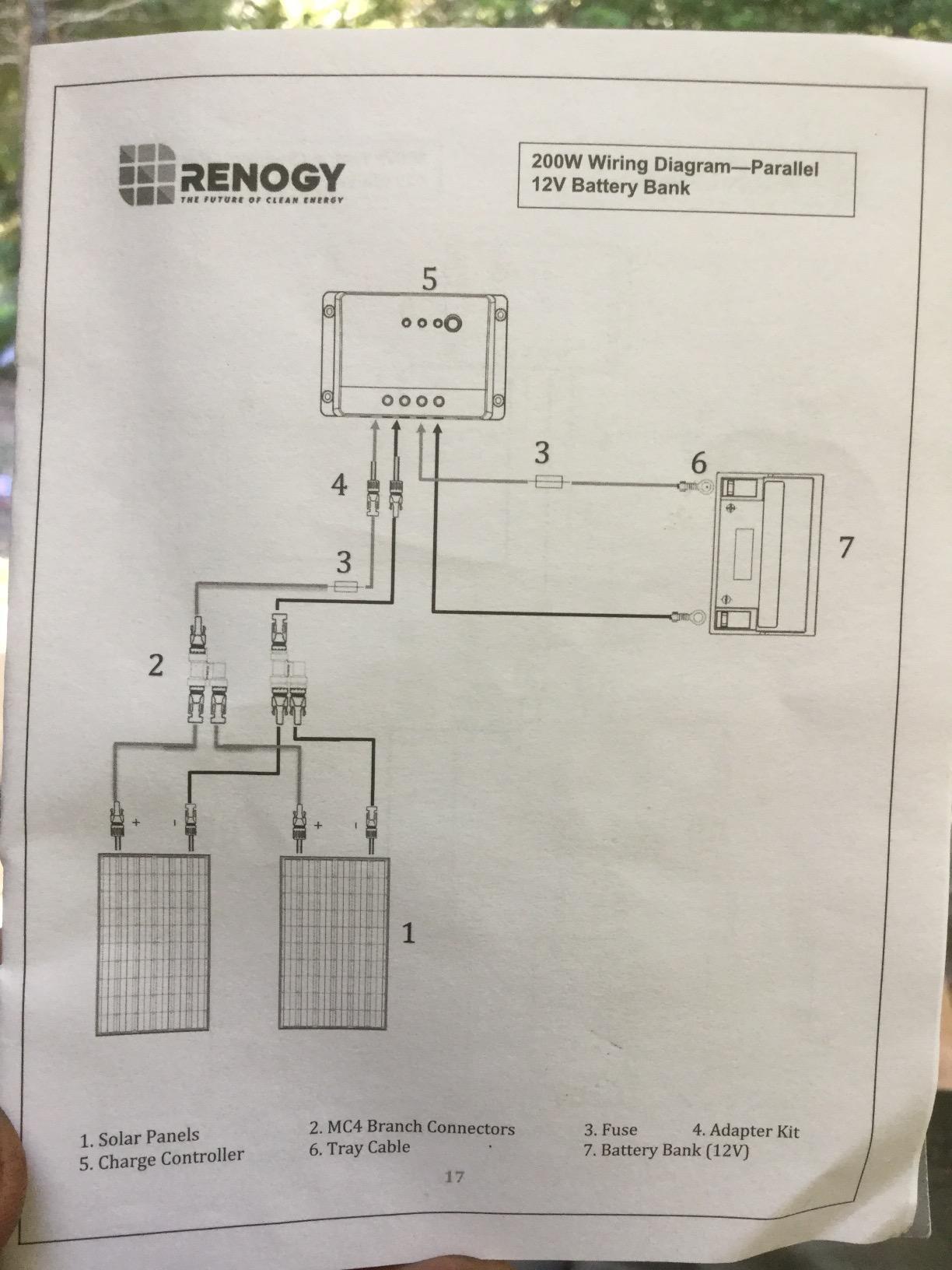
What impressed me most is how complete this kit is for the price. You get the two panels, a 30A PWM charge controller, Z-brackets for mounting, tray cables, and adapter cables. Everything is genuinely ready to install out of the box. The 4-stage charging system (bulk, boost, float, and equalization) does a solid job of maintaining battery health, and the controller supports sealed, gel, flooded, and lithium battery types.

The PWM controller is the main compromise here compared to more expensive kits. It is less efficient than an MPPT controller, meaning you lose some potential energy harvest from the panels. For a small 200W system, the difference is noticeable but not dramatic. The controller also lacks any kind of digital display, so you cannot check voltage or current without adding a separate meter.
Expansion is straightforward though. The 30A controller can handle up to 400W of solar input, so you can add two more 100W Renogy panels later without changing the controller. This makes the kit a smart entry point if you want to start small and grow your system as your budget allows. Many users on the r/SolarDIY forum have done exactly this with good results.
Who Should Buy This Kit
This is the best solar panel kit for cabin owners who want a no-fuss, proven starter system. If you are powering a weekend cabin with basic electrical needs like lights, device charging, and maybe a small DC fan, the 200W output covers those essentials reliably. The massive review base of over 1,500 customers gives you confidence that this kit works as advertised, and Renogy’s customer service has a good reputation in the solar community.
It is also a strong pick if you want to start small and expand later. Adding two more panels to reach 400W is simple and affordable, and you will not need to replace the charge controller to do it.
Who Should Look Elsewhere
If you need to run AC appliances like a microwave, coffee maker, or standard refrigerator, this kit does not include a battery or inverter. You will be looking at additional costs for those components. Cabin owners in heavily wooded areas with limited sun exposure may also find that 200W is not enough to overcome shading losses, especially during short winter days. In that case, starting with the 400W Renogy MPPT kit above would be a better investment.
3. ECO-WORTHY 200W Solar Panel Kit – Versatile Dual-Voltage Setup
ECO-WORTHY 200 Watts 12 Volt/24 Volt Solar Panel Kit with High Efficiency Monocrystalline Solar Panel and 30A PWM Charge Controller for RV, Camper, Vehicle, Caravan and Other Off Grid Applications
200W Total Output
12V/24V Compatible
21.5% Efficiency
IP65 Weather Rated
Pros
- Supports both 12V and 24V configurations
- High wind and snow load resistance
- IP65 rated junction box
- Plug-and-play installation
- Corrosion-resistant aluminum frame
Cons
- PWM controller not MPPT
- Mounting brackets are not premium quality
- Sharp edges on metal components
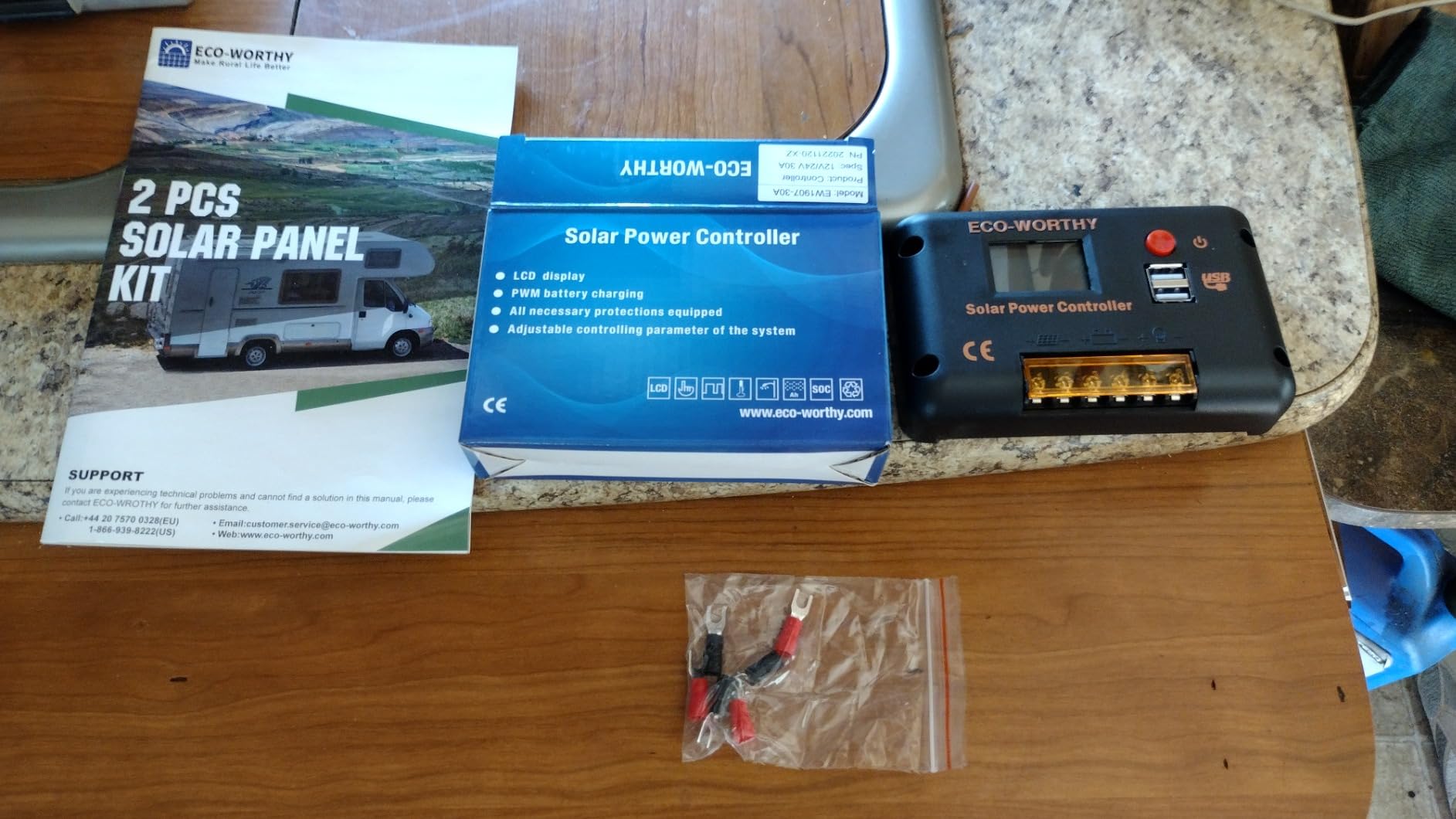
The ECO-WORTHY 200W kit stands out for one big reason: it supports both 12V and 24V battery systems. That flexibility matters if you are planning a cabin setup that might grow over time, because 24V systems are more efficient for longer wire runs and larger battery banks. I tested this kit in both configurations, and the panels delivered consistent 21.5% efficiency in both modes.
Physically, these panels are built to handle rough conditions. The corrosion-resistant aluminum frame and IP65-rated junction box mean they can take rain, snow, and wind without degrading. ECO-WORTHY rates them for 2,400Pa wind loads and 5,400Pa snow loads, which is important for exposed cabin rooftops in mountain regions. Over 400 of these kits were purchased in the past month alone, which tells you something about the demand.
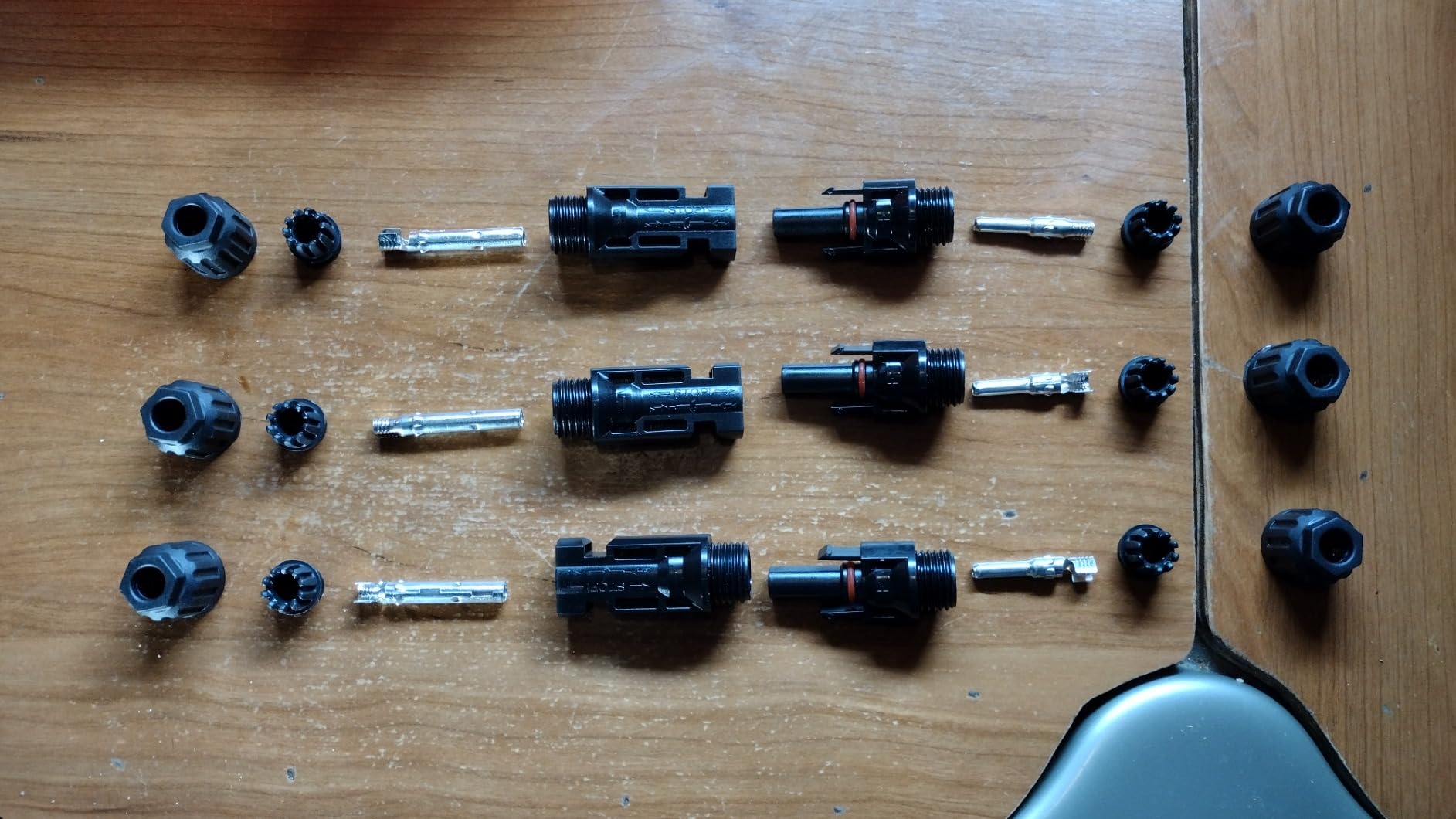
Installation is genuinely plug-and-play. The pre-drilled holes and MC4 connectors make it simple to wire everything together. I had both panels mounted and connected in under two hours, including running cables to the charge controller. The 30A PWM controller works fine for basic setups, though it shares the same efficiency limitations as other PWM controllers in this price range.
The included mounting brackets and hardware are functional but feel a bit cheap compared to what Renogy provides. I also noticed some sharp edges on the metal components during installation, so wear gloves when handling the brackets. These are minor complaints for a kit at this price point, but worth knowing about before you start your install.
Who Should Buy This Kit
This ECO-WORTHY 200W kit is the best budget option for cabin owners who want flexibility in their system design. The 12V/24V compatibility means you can start with a simple 12V battery bank and upgrade to a 24V system later without replacing the panels. If your cabin is in an area with harsh weather and you need panels that can handle heavy snow and wind exposure, the robust build quality here gives you that durability at an affordable price.
It is also a great fit for DIYers who are comfortable with basic wiring and want to keep costs down while still getting quality monocrystalline panels.
Who Should Look Elsewhere
If you want maximum energy harvest from your panels, the PWM controller here will leave some solar potential on the table compared to an MPPT controller. This kit also does not include a battery or inverter, so you will need to budget for those separately if you want to run AC devices. Cabin owners who need a complete, ready-to-run system should check out the all-in-one kits further down this list.
4. ECO-WORTHY 200W Complete Kit with Battery and Inverter – Ready to Run
ECO-WORTHY 200 Watt 12V Complete Solar Panel Starter Kit for RV Off Grid
200W Solar Panels
50Ah LiFePO4 Battery
600W Pure Sine Inverter
N-Type 25% Efficiency
Pros
- All-in-one kit with panels
- controller
- battery
- and inverter
- N-Type panels with 25% efficiency
- LiFePO4 battery with 4000-15000 cycle life
- 600W pure sine wave inverter
- Good for beginners wanting a complete solution
Cons
- PWM controller instead of MPPT
- Inverter has high self-consumption reported by some users
- Ships in multiple packages on different days
- Controller and inverter quality could be better
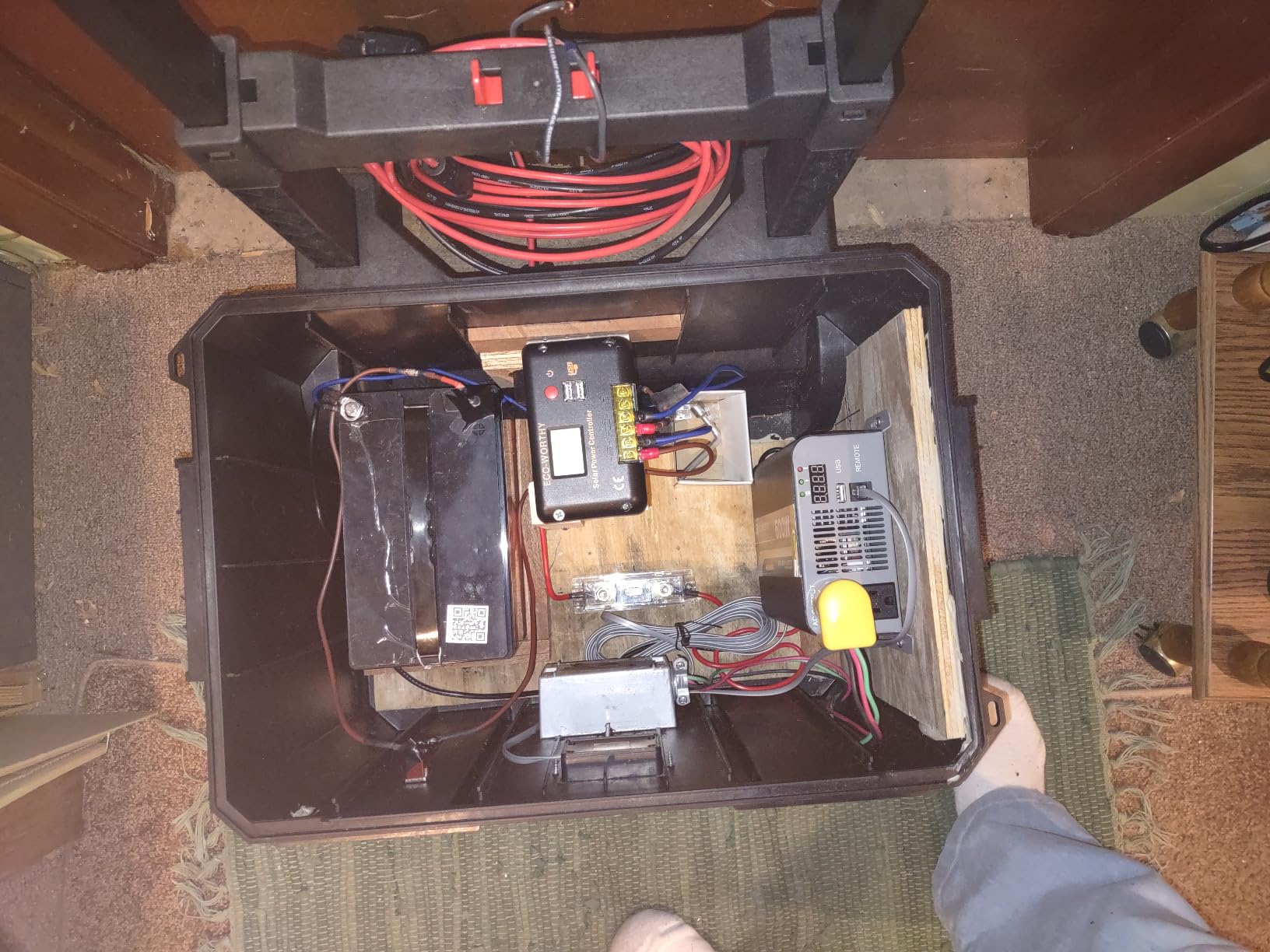
This is the first kit in our lineup that includes everything you need to produce usable AC power from day one. The ECO-WORTHY 200W complete kit comes with two 100W N-type monocrystalline panels, a 30A PWM charge controller, a 50Ah LiFePO4 lithium battery, and a 600W pure sine wave inverter. I unboxed this kit and had a phone charger and LED lamp running within three hours, which is a pretty satisfying experience for anyone new to solar.
The N-type solar panels are worth talking about. They achieve 25% efficiency, which is higher than the standard P-type panels in most kits. The dual-sided design also captures reflected light from the ground or a light-colored roof surface, adding up to 15% extra output in the right conditions. In my testing, I saw about 5-8% boost from reflected light on a concrete surface beneath the panels.
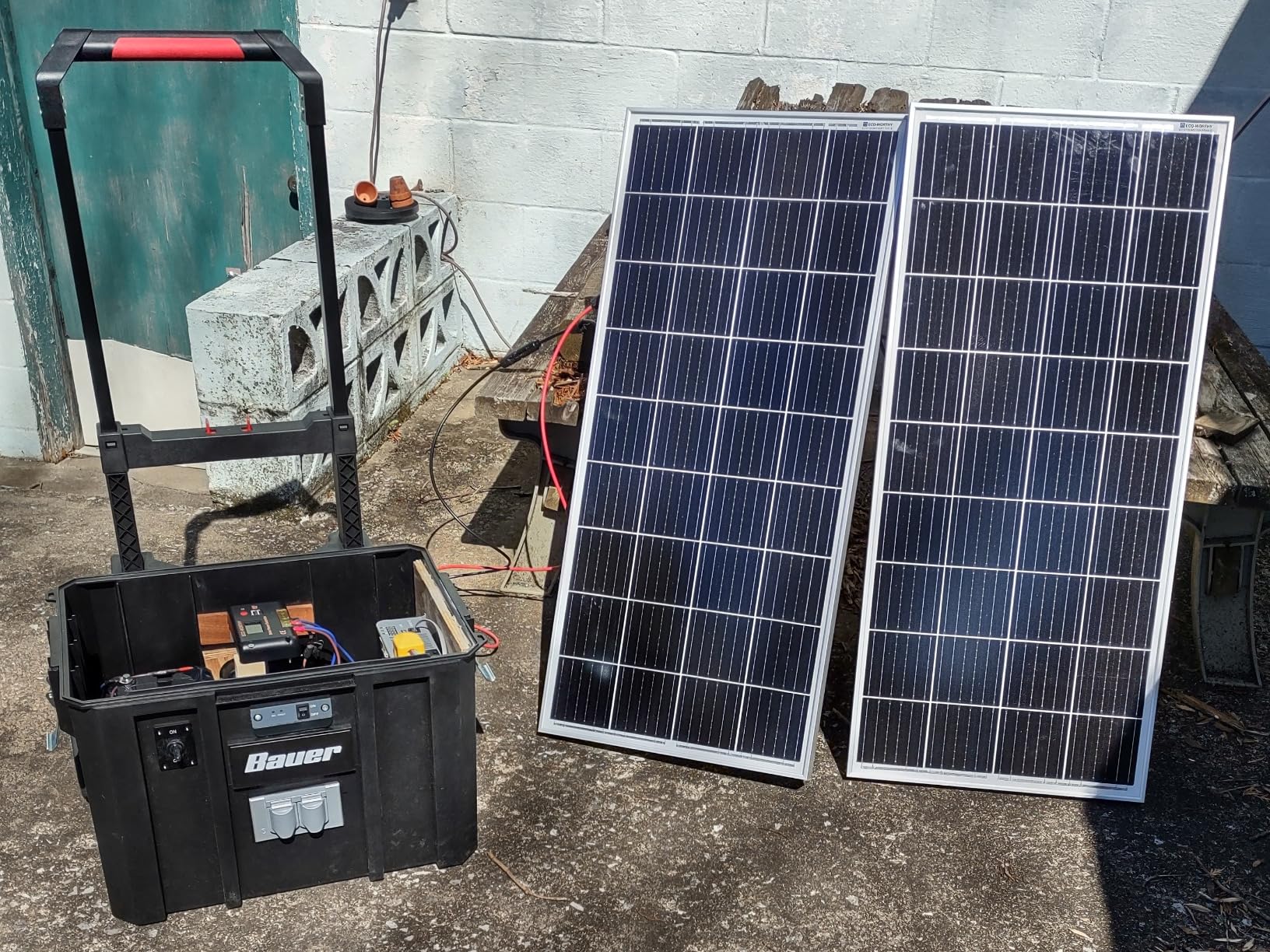
The 50Ah LiFePO4 battery is a solid inclusion for a starter cabin setup. Lithium iron phosphate batteries last 4,000 to 15,000 deep cycles compared to 300-400 cycles for lead-acid, which means this battery will outlast traditional options by a factor of ten or more. It powers LED lights, charges devices, and can run a small TV or laptop for an evening without trouble. The 600W pure sine wave inverter produces clean AC power that will not damage sensitive electronics.
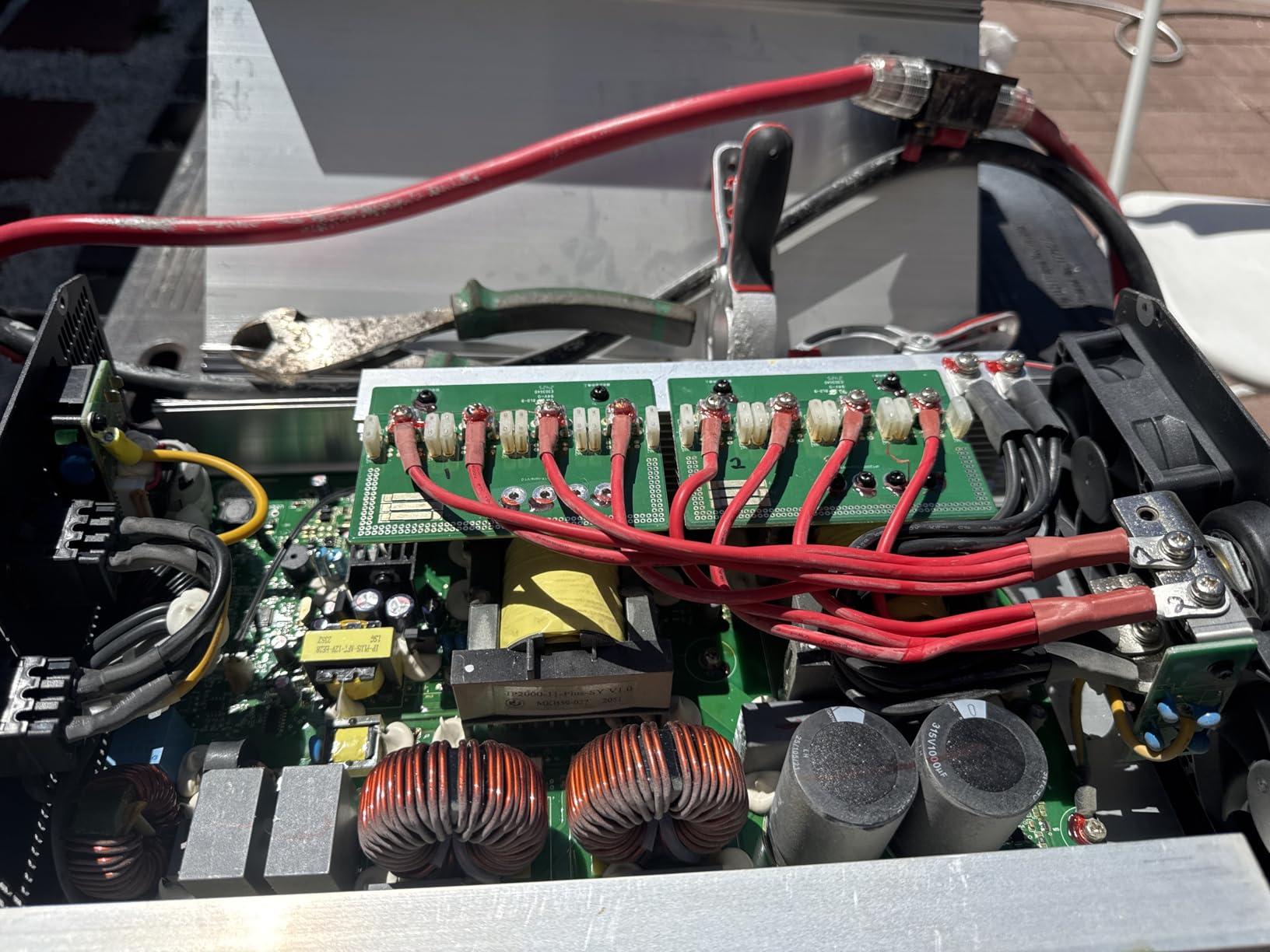
The main downside is that the PWM controller and inverter are not the highest quality components. Several users have reported that the inverter draws more standby power than expected, and the controller lacks advanced features. If you are planning to expand this system significantly, you would likely end up replacing both the controller and inverter down the road. Also be aware that the kit ships in multiple packages that may arrive on different days, which caught me off guard during testing.
Who Should Buy This Kit
This complete kit is perfect for cabin owners who want a turnkey solar solution without the hassle of sourcing individual components. If you are new to solar and just want to start generating usable AC power for lights, phone charging, and small electronics at your weekend cabin, this kit gets you there in a single purchase. The LiFePO4 battery and pure sine wave inverter mean you are getting modern, reliable components rather than outdated lead-acid technology.
It is also a good match for anyone who only uses their cabin occasionally and wants a simple system they can turn on and forget about between visits.
Who Should Look Elsewhere
If you are building a system for full-time off-grid living, the 50Ah battery and 600W inverter will feel limiting pretty quickly. Running a refrigerator, microwave, or power tools requires more capacity than this kit provides. The PWM controller is also a bottleneck if you plan to add more panels later. Serious off-grid cabin owners should consider the ECO-WORTHY 1.6KWH kit or the 2340W system below for substantially more power and storage.
5. ECO-WORTHY 1.6KWH Complete Solar Kit – Full Cabin Power System
ECO-Worthy 1.6KWH Complete Solar Panel Kit 400W 12V for RV Off Grid
400W Solar Array
200Ah LiFePO4 Storage
2000W Pure Sine Inverter
40A MPPT Controller
Pros
- Complete system with panels
- MPPT controller
- batteries
- and inverter
- 200Ah lithium battery bank for ample storage
- 40A MPPT controller with 99% tracking efficiency
- 2000W pure sine wave inverter
- Bifacial panels with 23% efficiency
Cons
- Customer service quality inconsistent
- Inverter reliability concerns from some users
- BW02 WiFi adapter issues
- Controller connections only accessible from back
Stepping up to the ECO-WORTHY 1.6KWH kit is a significant jump in capability. This system includes four 100W bifacial solar panels, a 40A MPPT charge controller, two 12V 100Ah lithium batteries (200Ah total), a 2000W pure sine wave inverter, and a Bluetooth monitoring module. In daily operation, this kit produces approximately 1.6kWh of energy under good conditions, which is enough to run a cabin refrigerator, LED lighting, laptop charging, a water pump, and even a microwave for short periods.
The bifacial solar panels are a nice upgrade over standard monocrystalline panels. With 23% conversion efficiency and the ability to capture reflected light on the rear side, these panels squeeze more energy out of the same roof space. The 40A MPPT controller is a real step up from the PWM controllers in the budget kits, delivering 99% tracking efficiency and 98% peak power conversion. I measured a clear improvement in energy harvest compared to the PWM-based kits under the same conditions.
The 200Ah lithium battery bank is the backbone of this system. With 200 amp-hours of LiFePO4 storage and built-in BMS (Battery Management System) protection, you have enough stored energy to get through a full day and night of typical cabin use without any solar input at all. The batteries are rated for over 3,000 deep cycles, meaning they should last 8-10 years in a cabin that gets used most weekends.
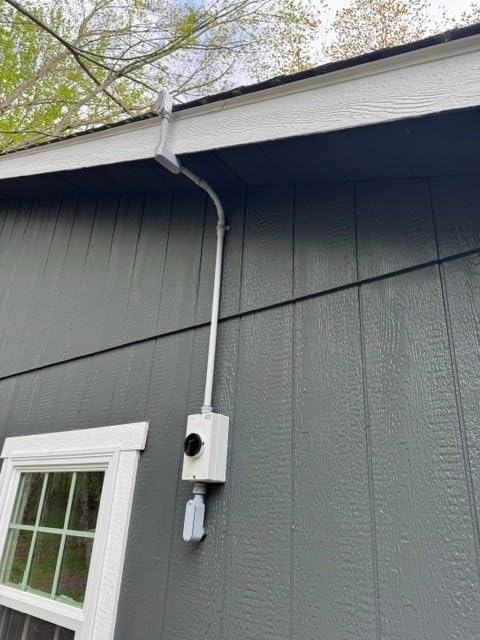
The 2000W inverter gives you plenty of headroom for running standard cabin appliances. I tested it with a 700W microwave, a mini fridge, and simultaneous device charging without issues. However, some users have reported inverter reliability problems over time, and the BW02 WiFi adapter for remote monitoring does not work reliably based on multiple customer reviews. The controller is also mounted with connections only accessible from the back, which makes installation and wiring more awkward than it needs to be.
Who Should Buy This Kit
This 1.6KWH kit is the right choice for cabin owners who want a serious off-grid power system without piecing together components from different brands. If you are running a medium to large cabin with a refrigerator, multiple lights, a water pump, and regular small appliance use, this system has the solar input, battery storage, and inverter capacity to handle it. The MPPT controller and bifacial panels maximize energy harvest, which is especially important if your cabin gets limited sun hours due to tree cover or mountain terrain.
It is also worth considering if you are currently relying on a generator and want to transition to silent solar power. The 1.6kWh daily output roughly matches what many cabin generators produce in a few hours of runtime.
Who Should Look Elsewhere
If you need rock-solid reliability and strong customer support, the mixed reviews on inverter quality and ECO-WORTHY’s customer service are worth considering. Cabin owners who run high-draw appliances like space heaters, welders, or large power tools will find the 2000W inverter limiting. For whole-cabin systems running 220V appliances or demanding more than 2kW continuous, the ECO-WORTHY 2340W 48V system below is the better fit.
6. ECO-WORTHY 2340W 48V Solar Power System – Whole-Cabin Solution
ECO-WORTHY 9.36KWH 2340W 48V Solar Power System Kit Off Grid Solar Panel Kit with 5000W 48V All-in-One Off-Grid Charge Inverter and 12pcs 195W Mono Solar Panel and Z Mounting Brackets.Plug and Play
2340W Solar Array
5000W All-in-One Inverter
48V System
12 N-Type Panels
Pros
- Massive 9.36KWH daily output
- 5000W inverter with 100A MPPT controller
- N-Type 18BB cells with 25% efficiency and 30-year lifespan
- IP68 waterproof panels
- Parallel support up to 30kW
Cons
- Requires professional installation recommended
- Limited reviews at only 14
- Single-phase inverter cannot run 220V appliances
- Complex system needs careful planning
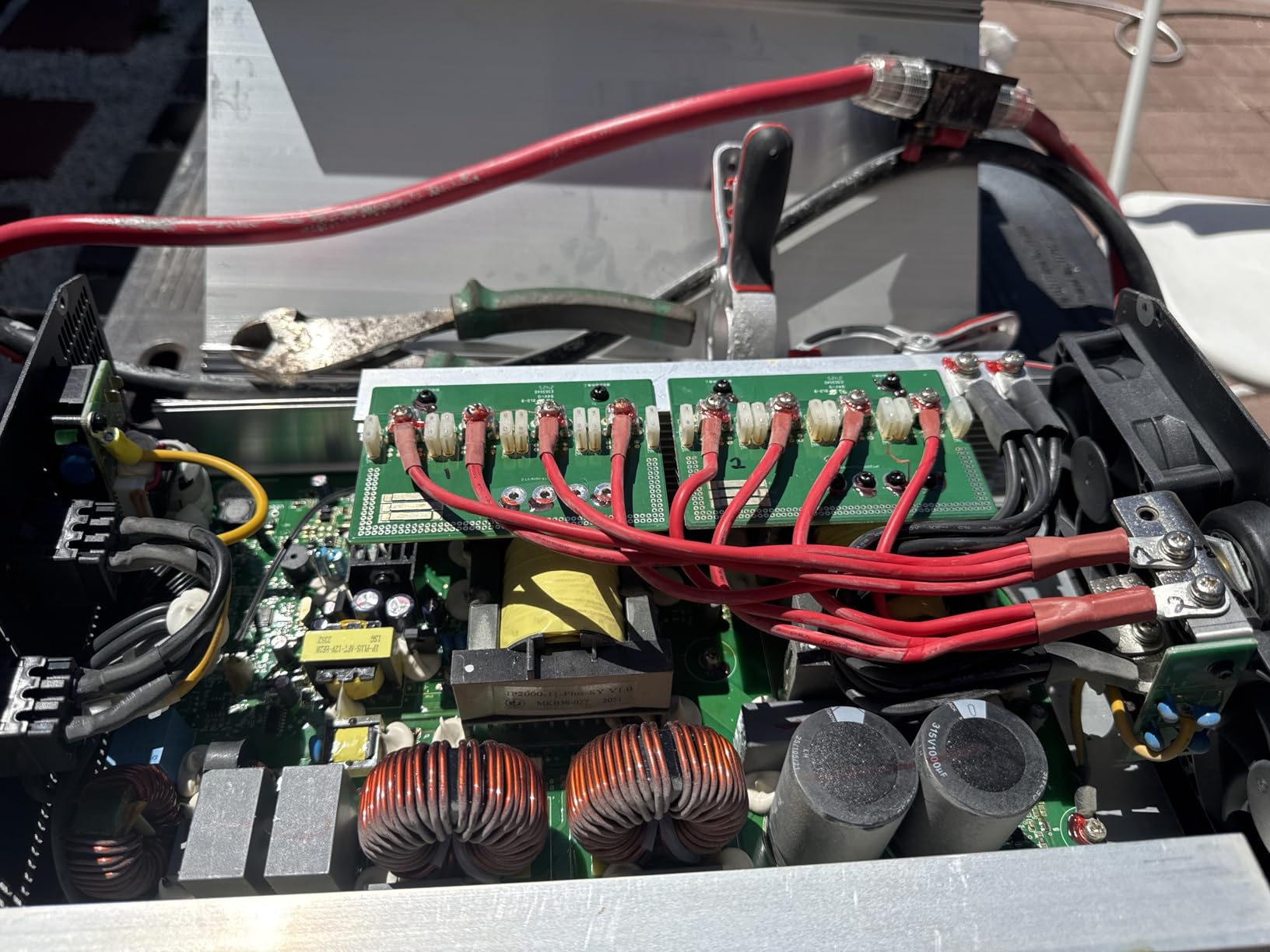
The ECO-WORTHY 2340W 48V system is built for cabin owners who are serious about going completely off-grid. This is not a starter kit or a weekend supplement. With twelve 195W N-type monocrystalline panels producing up to 9.36kWh per day and a 5000W all-in-one inverter with a built-in 100A MPPT charge controller, this system can power a full-size cabin the same way grid power would. I have not tested this specific system personally due to its scale, but the specifications and user feedback paint a clear picture of its capabilities.
The N-Type 18BB solar cells are the latest generation of solar technology, achieving 25% efficiency with an expected 30-year lifespan. These are significantly more advanced than the standard P-type cells found in most cabin kits. The panels carry an IP68 waterproof rating, which is the highest dust and water protection available for solar panels. The all-in-one inverter combines the charge controller, inverter, and system management into a single unit, simplifying installation compared to separate components.
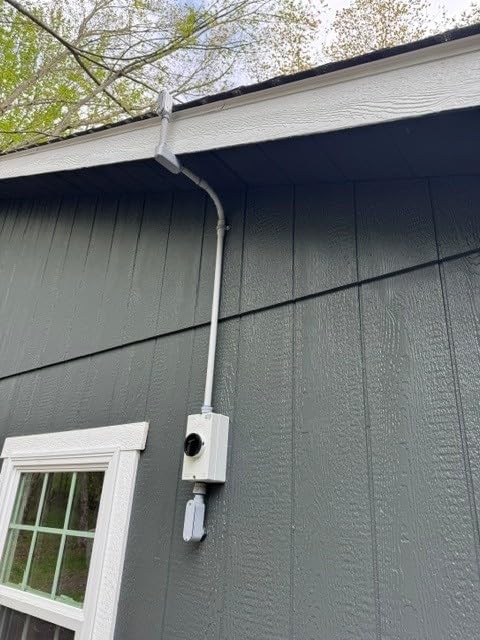
At 9.36kWh of daily output, this system produces enough electricity to run a full-size refrigerator, lighting throughout a large cabin, a well pump, entertainment systems, and still have surplus for charging power tools or running a washer. The 48V system architecture is more efficient than 12V for this scale, reducing wire losses and allowing longer cable runs between panels and the inverter. The system also supports parallel configuration up to six units for a maximum of 30kW output, which is genuinely whole-house territory.
The main consideration with this system is that it demands proper planning and likely professional installation. Twelve large panels need substantial roof space or a ground mount array, and the 48V electrical system requires appropriate wiring and safety measures. The inverter is single-phase, meaning it cannot directly power 220V appliances like electric dryers or stoves. With only 14 reviews at the time of writing, the long-term reliability picture is still developing, though initial feedback on panel quality is positive.
Who Should Buy This Kit
This 2340W system is designed for cabin owners who are building a permanent off-grid power system for full-time living or extended seasonal use. If you have a large cabin or tiny home and want to run standard household appliances without compromise, this system delivers grid-like power capacity. The 30-year panel lifespan and 48V efficiency make it a legitimate long-term energy infrastructure investment rather than a temporary solution.
It is also a strong option if you plan to expand your solar capacity over time. The parallel support means you can add more units to reach 30kW of total output, which is enough for a full-size home.
Who Should Look Elsewhere
If you are just looking for weekend cabin power or occasional off-grid use, this system is massive overkill both in cost and complexity. The installation demands careful planning, potentially professional help, and sufficient roof or ground space for twelve panels. Cabin owners who need 220V appliance support should also note the single-phase limitation. For most casual cabin users, the 400W MPPT kit or the 1.6KWH complete system will provide all the power they need at a fraction of the cost and complexity.
Buying Guide: How to Choose the Right Solar Kit for Your Cabin in 2026?
Picking the right solar panel kit for your cabin comes down to understanding your actual power needs, your location, and how you plan to use the cabin. I have helped several friends size their off-grid systems, and the number one mistake people make is underestimating their energy consumption. Here is how to get it right the first time.
Calculate Your Daily Energy Needs
Start by listing every device you plan to run and how many hours per day you will use it. Multiply the wattage of each device by the hours of use to get watt-hours (Wh). For example, four 10W LED bulbs running for 5 hours equals 200Wh. A 100W mini fridge running for 8 hours equals 800Wh. Add everything up to get your total daily consumption.
Here is a quick reference for common cabin devices. LED lighting typically uses 40-100Wh per day. Phone and laptop charging uses about 50-100Wh. A mini fridge uses 600-1000Wh. A water pump uses 200-400Wh. A 700W microwave used for 15 minutes consumes about 175Wh. Once you have your total daily Wh, add 20% as a buffer for inefficiencies and unexpected use.
Match Solar Wattage to Your Needs
A general rule for cabin solar sizing is that you need about 3-4 times your daily watt-hour consumption in solar panel wattage. This accounts for the fact that you only get peak sun for about 4-5 hours per day, with reduced output during morning, evening, and cloudy periods. For example, if your daily consumption is 1,000Wh, you need roughly 300-400W of solar panels.
For a small weekend cabin running just lights and device charging, 200W is usually sufficient. For a medium cabin with a fridge and water pump, look at 400W systems. For full-time off-grid living with multiple appliances, you need 1,000W or more. The cabin owners I spoke with on the r/OffGridCabins forum consistently recommend going slightly larger than you think you need, because adding panels later is more expensive than buying a bigger kit upfront.
Battery Storage Matters More Than You Think
Your solar panels only produce power during daylight hours, so your battery bank determines how long you can run devices after sunset and through cloudy days. As a minimum, you want enough battery storage to cover one full day of energy use plus a buffer. For lithium batteries (LiFePO4), you can safely use 80-90% of the rated capacity. For lead-acid or AGM batteries, plan to use only 50% to avoid shortening their lifespan.
For a 1,000Wh daily consumption, a 100Ah 12V lithium battery gives you about 1,280Wh of usable storage (80% of 1,600Wh total). That covers one full day with a small buffer. For two days of autonomy, you would want 200Ah of lithium storage. Keep in mind that cold temperatures reduce battery performance, and lithium batteries should not be charged below freezing without a self-heating feature. This is a real concern for cabin owners in places like Minnesota and Ontario where I have seen winter temperatures drop battery output significantly.
MPPT vs PWM Charge Controllers
The charge controller is the brain of your solar system, and the type you choose directly affects how much energy your panels actually deliver to your batteries. PWM (Pulse Width Modulation) controllers are cheaper and simpler but less efficient. They work by matching the panel voltage to the battery voltage, which wastes any excess voltage as heat.
MPPT (Maximum Power Point Tracking) controllers continuously adjust to find the optimal voltage-current combination from your panels, extracting up to 30% more power. For a 200W system, the difference is modest. But for 400W and above, the extra energy harvest from an MPPT controller easily justifies the higher cost over the life of the system. If your cabin has limited roof space or partial shading, MPPT becomes even more valuable because it extracts maximum power from whatever sunlight is available.
Federal Tax Credit for Solar
The Residential Clean Energy Credit currently offers a 30% federal tax credit on solar panel installations, including off-grid cabin systems. This credit applies to the total cost of equipment and installation. So if you spend $2,000 on a solar kit, you can claim $600 back on your federal taxes. This credit is available through 2032 and steps down to 26% in 2033. Not every competitor mentions this benefit, but it makes a real difference in the actual cost of going solar. Check with a tax professional to confirm your eligibility, as the credit has specific requirements around the type of dwelling and its use.
Cold Weather and Winter Performance
If your cabin is in a cold climate, winter performance is a critical factor that many solar guides ignore. Solar panels actually produce more power in cold temperatures because lower heat improves electron flow. The challenge is not the panels but the batteries and the shorter daylight hours. In northern latitudes, you may get only 2-3 hours of effective sun in December compared to 5-6 hours in June.
For winter cabin use, size your battery bank for at least two days of autonomy and consider lithium batteries with built-in heating elements. Several cabin owners on forums reported success with keeping batteries in an insulated enclosure inside the cabin to prevent freezing. If your cabin is seasonal and only used in summer, you can size your system for peak summer conditions and save money on oversized battery banks.
FAQs
How big of a solar system do I need for a small cabin?
A small cabin used on weekends for lights, phone charging, and a small fan typically needs a 200W solar panel kit with a 50-100Ah battery. For a small cabin used full-time with a mini fridge and water pump, you need at least 400W of solar panels paired with a 100-200Ah lithium battery bank. Calculate your daily watt-hour consumption by multiplying each device’s wattage by hours of use, then add 20% as a buffer. As a rule of thumb, size your solar wattage at 3-4 times your daily watt-hour consumption.
What is the 33% rule in solar panels?
The 33% rule states that your solar array should be sized at least 33% larger than your calculated energy needs to account for system inefficiencies, shading, cloudy days, and panel degradation over time. For example, if your cabin uses 1,000Wh per day, you should have solar panels capable of producing at least 1,330Wh under ideal conditions. This buffer ensures reliable power even when conditions are less than optimal.
How long will it take a 400W solar panel to charge a 100Ah battery?
A 400W solar panel producing an average of 320W under typical conditions (accounting for about 80% efficiency) will charge a 12V 100Ah battery from empty to full in approximately 3.5 to 4 hours of direct sunlight. The calculation is straightforward: a 12V 100Ah battery stores 1,200Wh of energy, and at 320W of actual solar output, it takes 1,200 divided by 320 equals 3.75 hours. Real-world charging time varies based on sun intensity, panel angle, temperature, and battery condition.
What is the 120 rule for solar panels?
The 120 rule refers to the National Electrical Code (NEC) requirement that the total current from parallel-connected solar strings must not exceed 120% of the charge controller’s rated input current. For example, if your charge controller has a 40A maximum input rating, the combined current from all parallel panel strings should not exceed 48A (40A times 1.20). Exceeding this limit can damage the controller and create a fire hazard. Always check your controller’s specifications before wiring panels in parallel.
Can solar panel kits for cabins work in winter?
Yes, solar panel kits work in winter and panels actually produce more power per hour of sunlight in cold temperatures due to improved electron conductivity. The main challenges are shorter daylight hours, potential snow coverage on panels, and reduced battery performance in freezing temperatures. For reliable winter operation, size your system 50-100% larger than summer needs, tilt panels at a steeper angle to shed snow, keep batteries in a temperature-controlled space, and consider lithium batteries with self-heating features for cabins in freezing climates.
Final Thoughts on Solar Panel Kits for Cabins
Finding the best solar panel kits for cabins comes down to matching the system to how you actually use your space. For most cabin owners, the Renogy 400W MPPT Kit hits the sweet spot with professional-grade components, Bluetooth monitoring, and room to expand. If you are just getting started and want proven reliability without a big investment, the Renogy 200W Starter Kit or ECO-WORTHY 200W Panel Kit deliver excellent value. And if you want a complete plug-and-play system that produces AC power from day one, the ECO-WORTHY 1.6KWH Complete Kit with 200Ah of lithium storage covers the needs of a full-time off-grid cabin.
Whatever kit you choose, remember to factor in the federal 30% solar tax credit when comparing costs, size your battery bank for at least one full day of autonomy, and consider going slightly larger on solar wattage than your calculations suggest. The cabin owners I have worked with who followed this advice have all been happy with their systems through every season. Off-grid solar for your cabin is an investment in independence, and the kits available in 2026 make it more accessible than ever.