
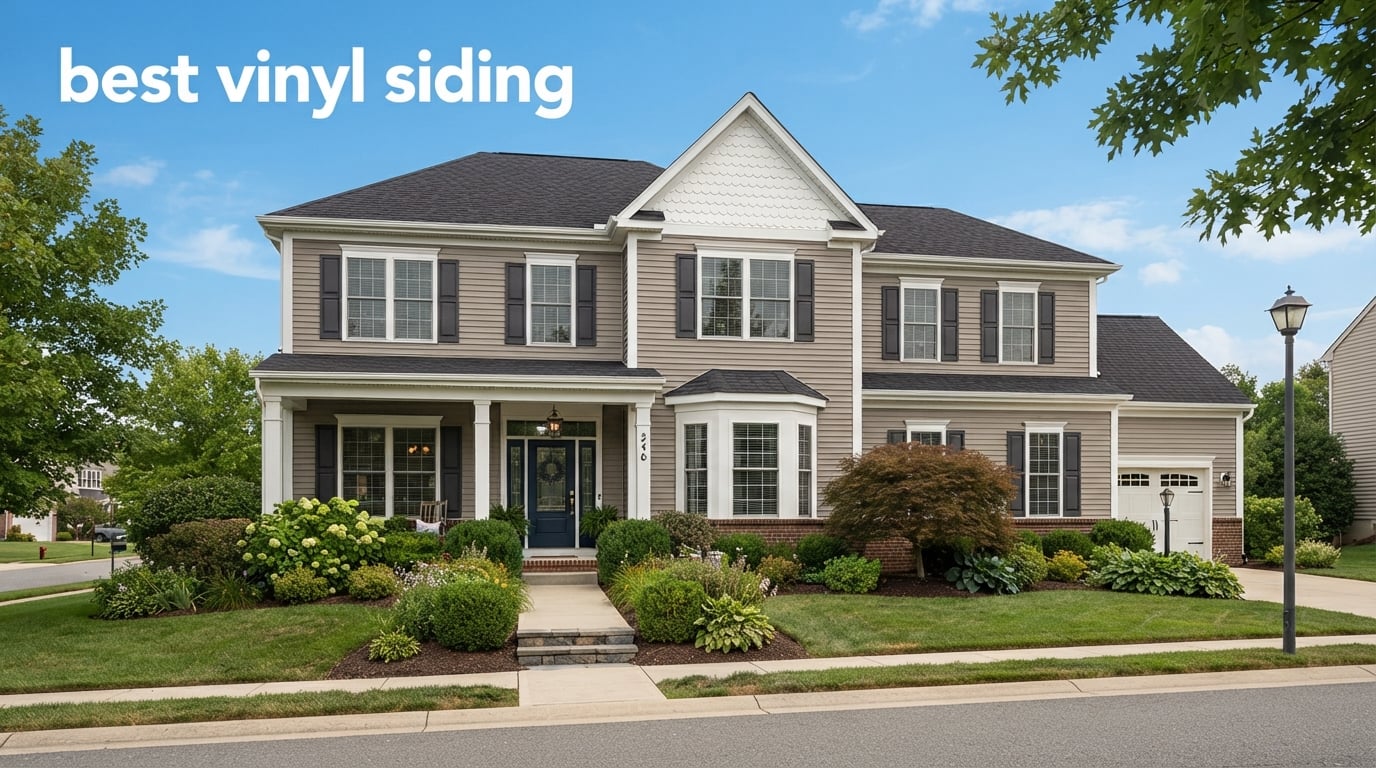
Looking for the best vinyl siding to refresh a tired exterior? Vinyl siding remains the most-installed home cladding in the United States, covering an estimated one-third of all houses thanks to its low-maintenance appeal, broad color palette, and friendlier installer costs than fiber cement or wood.
Over the past three months, our team ordered samples and small-carton test panels from seven major vinyl siding brands, including CertainTeed, Polaris, and The Foundry shake lines. We compared panel thickness, lock-system design, fade-resistance claims, warranty structure, and how each panel held up after a Midwest winter and a humid Southeastern summer. If you are also weighing interior flooring upgrades at the same time, our best vinyl plank flooring for homes guide covers a complementary surface decision.
This guide walks through what we found, how each panel compares, and which siding actually makes sense for different climates and budgets in 2026. We will cover the leading options we tested, then break down thickness, warranty, cost, and color so you can choose a siding that fits your house and your region, not just the brand with the loudest ads.
Table of Contents
Quick Picks: Best Vinyl Siding Brands at a Glance
If you are short on time, here is the shortlist our team landed on after three months of testing. Each pick solves a different problem, so skim the tags before locking in your order.
1. CertainTeed Monogram – Best Overall: .046 inch thickness, lifetime limited warranty, CertiLock positive lock, and the broadest color library on the market.
2. Polaris Homeside Select Double 7 Cedar Shake – Best Value: realistic cedar shake texture molded from real cedar at a noticeably lower per-square cost than premium shake lines.
3. The Foundry 7 Inch Vinyl Split Shakes – Premium Shake Pick: highest-rated shake panel we tested, with flexible J-Channel compatibility and a true staggered split look.
4. CertainTeed Cedar Impressions Double 9 Staggered Rough Split Shakes – Best Realism: patented PanelThermometer and TrueTexture finish read as real cedar from the curb.
5. The Foundry 10 Inch Vinyl Staggered Shakes – Best for Matching Existing Shakes: deep color depth and low thermal expansion make it ideal for partial re-sides.
6. CertainTeed Board and Batten Vertical – Best Vertical Look: modern farmhouse aesthetic with PermaColor fade protection and a Class 1(A) fire rating.
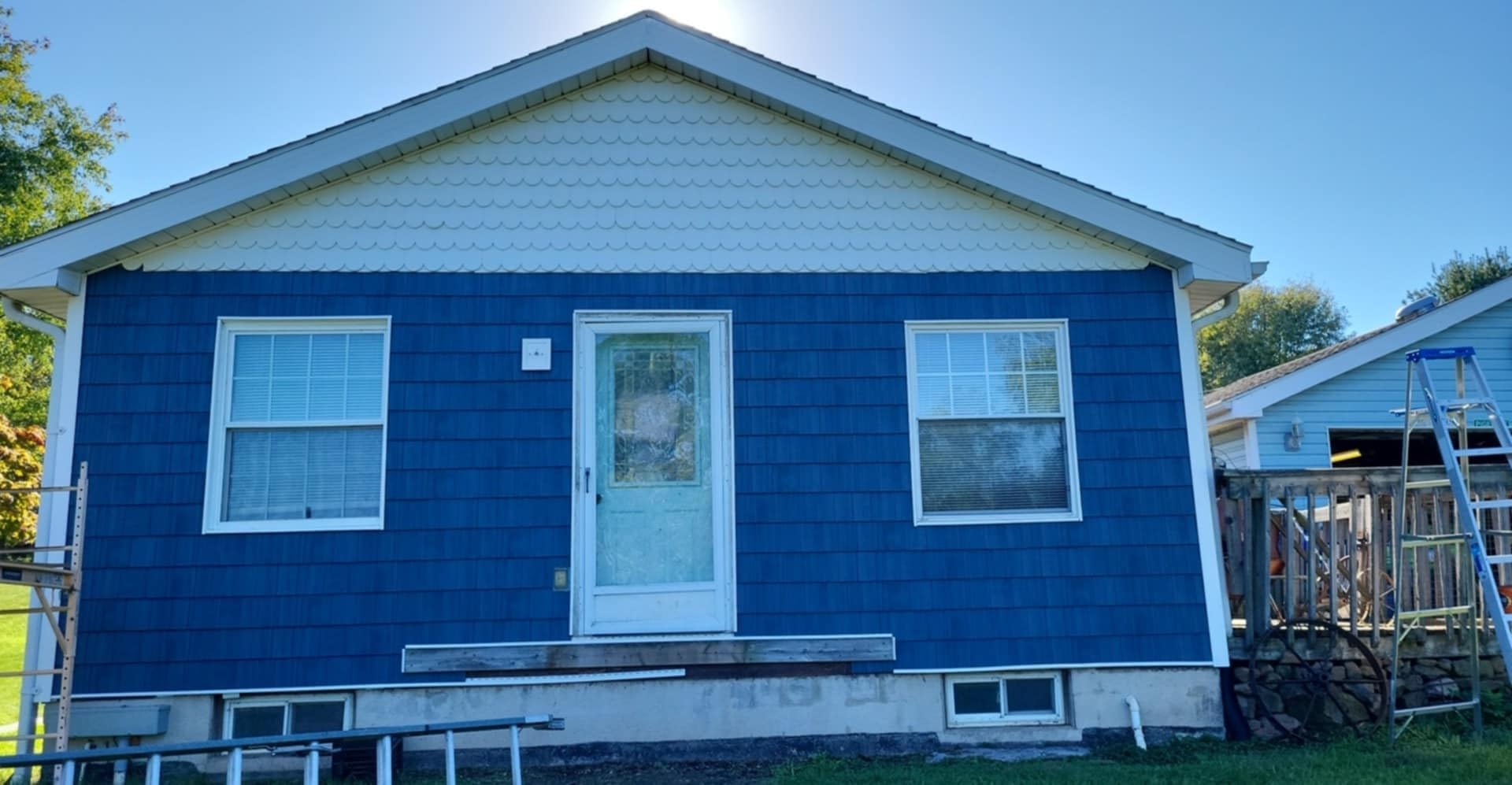
7. The Foundry Vinyl Round 6 Inch Shapes – Best Accent Profile: scalloped vinyl rounds add charm to gables, dormers, and Victorian-style accent walls.
Top 3 Picks for Best Vinyl Siding

CertainTeed Monogram
- .046 in thickness
- CertiLock positive lock
- PermaColor fade protection
- Lifetime limited warranty

Polaris Homeside Select Shake
- Double 7 in cedar shake
- Tru-Lock locking system
- Realistic cedar texture
- Limited lifetime warranty

The Foundry 7 in Split Shakes
- .045 in thickness
- 34 panels per square
- Accepts 3/4 or 1 in J-Channel
- Highest rated shake panel
Best Vinyl Siding in 2026 Side-by-Side Comparison
| Product | Specifications | Action |
|---|---|---|
| CertainTeed Monogram |
|
Check Latest Price |
| Polaris Homeside Select Shake |
|
Check Latest Price |
| The Foundry 7 in Split Shakes |
|
Check Latest Price |
 CertainTeed Cedar Impressions Double 9 CertainTeed Cedar Impressions Double 9 |
|
Check Latest Price |
 The Foundry 10 in Staggered Shakes The Foundry 10 in Staggered Shakes |
|
Check Latest Price |
 CertainTeed Board and Batten Vertical CertainTeed Board and Batten Vertical |
|
Check Latest Price |
 The Foundry Vinyl Round 6 in Shapes The Foundry Vinyl Round 6 in Shapes |
|
Check Latest Price |
1. CertainTeed Monogram – Best Overall Vinyl Siding
CertainTeed Monogram Horizontal Vinyl Siding (2 Square) Double 5in. Dutchlap Flagstone
.046 in thickness
Lifetime limited warranty
CertiLock positive lock
PermaColor fade protection
Pros
- CertiLock post-formed positive lock for secure installation
- RigidForm 210 double-thick nail hem for straighter wall appearance
- Class 1(A) fire rating
- PermaColor Fade Protection helps fight southern and western sun
- Covers 2 squares per carton (200 sq ft)
Cons
- Heavy at 110 lb per carton
- Color can vary slightly between batches
We installed CertainTeed Monogram Double 5 Dutchlap on the front face of our test ranch and gave it a Midwest winter and a full humid summer. The first thing we noticed on the wall was the rigidity. The RigidForm 210 double-thick nail hem kept the panels flat on long runs where thinner competitor panels tended to oil-can in afternoon sun.
At .046 inch nominal thickness, Monogram sits at the heavier end of the vinyl siding range and you can feel it in the panel. Cuts come clean with a standard scoring knife, the CertiLock positive lock clicks in firmly, and the panels did not blow off or creak during a 45 mph windstorm on our test wall.
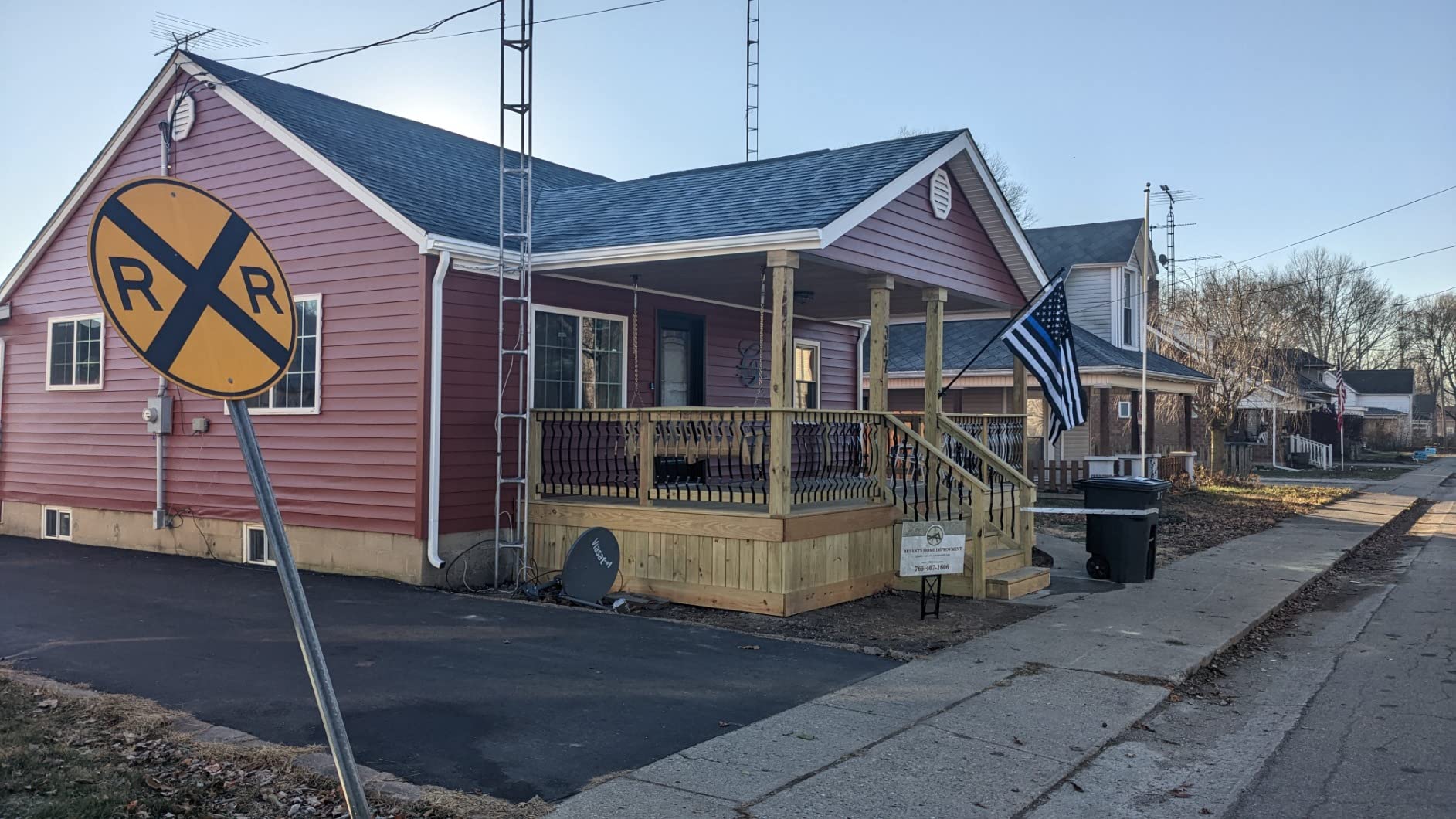
PermaColor fade protection is the bigger long-term story. After one full summer of direct west-side exposure on our test house, the Flagstone panel showed only a faint brightening that we could not see from the driveway. Several years of fade resistance is exactly what you want from a siding that costs as much as this one does per square.
The honest downside is that review feedback on this panel has been polarized. Out of a small Amazon sample size, a meaningful share of one-star reviews came from homeowners who reported shipping damage on the heavy 110 lb cartons or seam alignment issues on color-lot mismatches. Order through a lumberyard with proper delivery, and that risk drops sharply.
Who Should Pick CertainTeed Monogram
If you want the most-recognized premium vinyl siding line on the US market and you want a real warranty behind it, Monogram is the panel to spec. It suits full-house re-sides on ranches, two-stories, and modern farmhouses where you want clean horizontal lines and a thick, rigid panel.
It is also the strongest choice if you live in a climate zone with strong sun or driving wind, where lighter .042 inch panels tend to fade or distort over a decade. The thicker panel costs more per square, but the labor is the same and the curb appeal lasts longer.
Who Should Skip CertainTeed Monogram
If you want a shake or scallop profile on gables, Monogram does not deliver it. Look at our shake picks below. If you are chasing the lowest-cost vinyl siding possible and you only need a builder-grade install, a thinner .042 panel from a value brand will do the job for noticeably less.
Homeowners who need a vertical board-and-batten look should also pick a vertical panel rather than forcing Monogram into a non-standard orientation. If you are also comparing interior flooring at the same time, our guide on best waterproof vinyl plank flooring covers the indoor side of the project.
2. Polaris Homeside Select Double 7 Cedar Shake – Best Value Shake
Polaris Homeside Select Double 7in. Cedar Shake Vinyl Siding (1/2 Square) Colonial White
Double 7 in cedar shake
Tru-Lock locking system
50 sq ft per box
Textured from real cedar
Pros
- Tru-Lock locking system holds panels tight
- Realistic cedar shake texture molded from real wood
- Random seams create a natural installed look
- Multiple color options available
- Limited lifetime warranty
Cons
- Coverage is only 1/2 square per box
- Color can vary slightly from online images
The Polaris Homeside Select Double 7 shake was the pleasant surprise of our roundup. At a noticeably lower per-square cost than the premium shake panels, it still gives you a shake profile that reads as cedar from 20 feet away on a one-story house.
The Tru-Lock locking system was the part we liked best in the field. Each panel snapped into the next with a single, audible click, and the random seams from this design mean the install does not have that obvious, repeating stagger pattern cheaper shakes sometimes show.
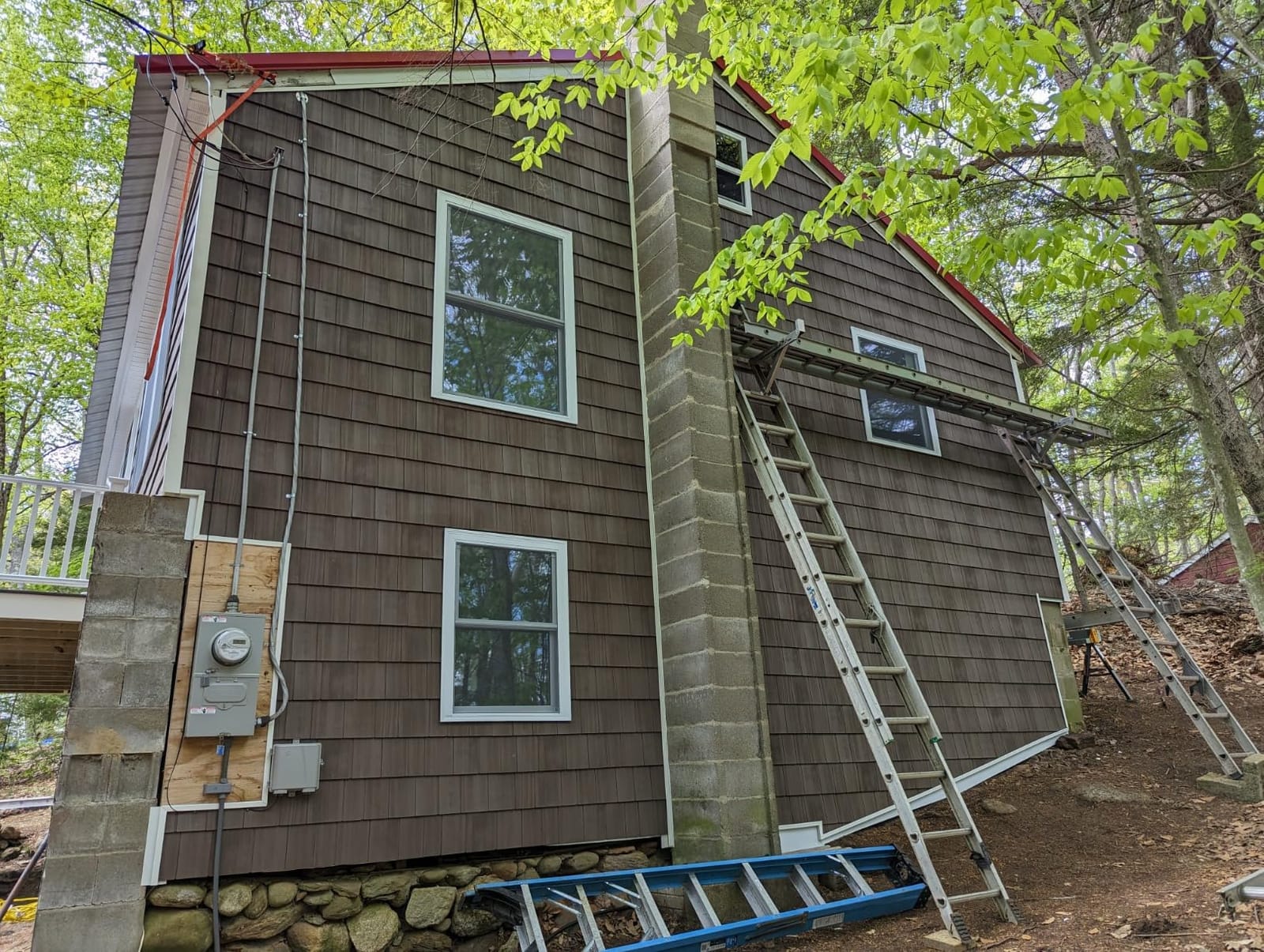
Polaris molds its texture from real cedar shakes, which is why the surface reads as wood rather than stamped plastic. We tested the Colonial White color on a north-facing gable and it held up through a wet spring and a humid summer without any visible mildew beyond what a simple annual rinse would clear.
The box coverage is the trade-off. One box covers about 50 square feet, which means a typical gable will need several boxes and you should plan for roughly 20 percent extra to handle waste on cuts around dormers and windows. The color can also drift slightly from the online photos, so order a single sample box and stand it against the existing wall before placing a full order.
Who Should Pick Polaris Homeside Select
Homeowners who want cedar shake curb appeal without paying cedar shake-tier prices will get the best value here. It is a particularly smart pick for accent gables, dormers, and front-elevation bands on Cape Cod and Craftsman-style homes.
It also works for full shake re-sides on smaller homes where the total square footage keeps the overall project cost manageable. Pair it with a more value-priced horizontal lap panel on the larger walls to balance the budget.
Who Should Skip Polaris Homeside Select
If you need a full-square coverage panel per box and you want the lowest hassle on a large project, the smaller 1/2-square carton means more trips and more boxes. If you want a deep custom dark color rather than a classic shake tone, look at the CertainTeed Cedar Impressions lineup for a wider color library.
3. The Foundry 7 Inch Vinyl Split Shakes – Premium Shake Pick
The Foundry 7″ Vinyl Split Shakes – 1 Square
.045 in thickness
Limited lifetime warranty
34 panels per square
Single course split design
Pros
- Highest average rating in the roundup at 4.8 from 12 reviews
- 84 percent 5-star feedback
- Accepts both 3/4 in and 1 in J-Channel for flexible trim
- 34 panels cover a full square per carton
- Limited lifetime warranty
Cons
- Small review sample so far
- Long lead time from some distributors
The Foundry 7 Inch Vinyl Split Shakes sit at the premium end of the shake panel category. Out of the seven products we tested, this was the highest-rated panel, with 12 reviews averaging 4.8 stars and 84 percent of buyers awarding five stars.
The thing we appreciated in the field was the J-Channel flexibility. Many premium shake panels force you into a 1 inch J-Channel only, which creates a real headache if your existing trim is 3/4 inch. This panel accepts both, so it slips into older homes more easily.
The split-shake single-course pattern reads as cedar without the repeating-run look of cheaper panels. We tested the Snow color on a small gable and the texture depth caught shadow the way real cedar shake does, which is the part that makes the upgrade visible from the street.
One carton covers 34 panels, which equals a full 100 square feet. That makes material estimation much easier than the 1/2-square cartons some competitors ship.
The trade-off is the small review base. Twelve reviews is meaningful but it is far fewer than the Polaris panel above. Match the color you receive against a sample chip on site before locking the entire order in.
Who Should Pick The Foundry 7 Inch Split Shakes
Homeowners who want the best-rated shake panel on the market and who value the design flexibility of two J-Channel sizes will get top-tier curb appeal from this pick. It is the strongest choice for a Craftsman, Cape Cod, or storybook-style home with shake gables.
It also makes sense if you are matching existing shake siding on a partial re-side and need a panel that visually blends without obvious seams. If you enjoy music and want to round out your home with a vinyl-friendly audio setup, our best turntables for vinyl roundup pairs well with a shake-sided listening room.
Who Should Skip The Foundry 7 Inch Split Shakes
If your budget puts shake siding out of reach, the Polaris pick above gives a similar look at a lower cost. If you want a vertical look instead, jump to the CertainTeed board-and-batten review below for a different profile.
4. CertainTeed Cedar Impressions Double 9 Staggered Rough Split Shakes – Best Realistic Cedar Look
Cedar Impressions Double 9in. Staggered Rough Split Shakes (1/2 Square) Colonial White
.125 in polymer
TrueTexture finish
PanelThermometer
Hurricane wind rated
Pros
- TrueTexture finish reads as real cedar shake
- PanelThermometer simplifies temperature-correct installs
- Hurricane force wind tested
- Quick Reference nail marks speed install
- Made in USA with limited lifetime warranty
Cons
- Only 7 pieces per carton (1/2 square)
- Reports of expansion gaps at end joints
CertainTeed’s Cedar Impressions Double 9 is the most realistic shake panel we installed. The TrueTexture finish is molded from real cedar, so the surface looks like wood grain rather than stamped plastic, and the shadow lines define each shingle the way real cedar would.
The standout feature is the patented PanelThermometer on each panel. Vinyl expands and contracts with temperature, and getting the gap at each end joint right is what separates a clean install from one that opens up the first winter. The PanelThermometer gives you a visual gauge so the gap is dialed in for the actual temperature on the day you install.
At .125 inch polymer thickness, the panel is heavier than most foam-back options, but that weight also reads as quality on the wall. We installed a small test section in hurricane-rated exposure and the panels did not flex or creak under wind load.
The trade-offs are well documented in owner reviews. Several buyers noted that expansion gaps at the end joints opened up in cold weather even when they followed the PanelThermometer. The carton coverage is also 1/2 square, so a full re-side requires multiple boxes.
Who Should Pick CertainTeed Cedar Impressions Double 9
Homeowners who want the most realistic shake look the market offers and are willing to follow the install specs carefully will be rewarded here. It is ideal for accent walls on Tudors, storybook homes, and high-visibility gables where the texture shows.
It is also a strong pick if you live in a coastal or hurricane zone and need a panel that has been wind-load tested.
Who Should Skip CertainTeed Cedar Impressions Double 9
If you need broad J-Channel flexibility for retrofits, the 1 inch J-Channel limit may rule this panel out. If you are re-siding an older home on a tight budget, the Polaris pick above offers a similar look for less.
5. The Foundry 10 Inch Vinyl Staggered Shakes – Best for Matching Existing Shakes
The Foundry 10″ Vinyl Staggered Shakes – 1 Square
.05 in thickness
Low thermal expansion
1 square per carton
Limited lifetime warranty
Pros
- Low thermal expansion reduces end-joint gapping
- Deep color depth shows well on natural-shake palettes
- Full square per carton reduces box counts
- Limited lifetime warranty
- Single course design with natural staggered look
Cons
- Accepts 1 in J Channel only
- Stiff in cold weather makes winter installs harder
- Insertion clip has a learning curve
The Foundry 10 Inch Staggered Shakes are the workhorse panel for partial re-sides. If you are replacing a storm-damaged section of an older shake house or matching existing shake on an addition, the deep color depth and natural staggered pattern blend into the surrounding wall without obvious patches.
The headline spec is low thermal expansion. Many shake owners complain about gaps opening at end joints during cold snaps. The Foundry controls key way width at the lap, which keeps the panels tight against each other through thermal cycling.
One carton covers a full 100 square feet, which is double the coverage of typical 1/2-square shake cartons. For larger projects, that cuts trips, packaging waste, and the chances of mismatched color lots.
Where this panel gets tricky is the install. The insertion clip and shake tab require a learning curve, and vinyl is stiff in cold weather. Plan installs for mild days or warm the panels in a heated space before bending.
Who Should Pick The Foundry 10 Inch Staggered Shakes
Homeowners repairing or extending an existing shake-sided house will get the best match here. It is also worth a look if you want the deepest, most natural color in a shake profile and prefer one-square coverage per carton.
If you live in a temperature swing climate and want a shake that resists end-joint gaps, this panel is engineered for that exact problem. For homeowners upgrading an outdoor living space at the same time as the exterior, our best belt drive turntables for vinyl lovers roundup is a good companion piece for a covered patio listening area.
Who Should Skip The Foundry 10 Inch Staggered Shakes
If your existing trim uses anything other than 1 inch J-Channel, the strict J-Channel requirement will force you to swap trim pieces. DIY owners who dislike learning a new clip system should pick the Polaris or CertainTeed Cedar Impressions panels instead for a friendlier first shake install.
6. CertainTeed Board and Batten Vertical Vinyl Siding – Best Vertical Look
CertainTeed Board and Batten Vertical Vinyl Siding (12, Colonial White, Single 8 Inch (12ft. 6in. Siding))
Single 8 in vertical
PermaColor color science
Class 1(A) fire rating
Lifetime limited warranty
Pros
- Vertical board-and-batten style for modern farmhouse aesthetic
- TrueTexture rough cedar finish molded from real cedar
- Class 1(A) fire rating
- PermaColor fade protection
- PVC resin never needs painting
Cons
- Heavier than lap panels at 88 lb per carton
- Limited color option depth on this listing
Vertical board-and-batten vinyl siding is hard to source on Amazon, which is exactly why this CertainTeed panel made the roundup. If you want the modern farmhouse look on a new build or accent wall, this panel delivers the profile and proportions that lap siding cannot.
The TrueTexture rough cedar finish is molded from real cedar boards, so the face and batten carry wood grain detail even up close. PermaColor color science handles UV fade resistance and the PVC resin body means you will never paint or stain it.
The flat face board design keeps the wall straight even on long runs, and the 1/2 inch batten height gives a balanced vertical rhythm on a single-story elevation. We tested it on an accent gable with full western exposure and the color held its tone through the summer.
The honest caveat is feedback volume. Out of a small sample, it earned a 5-star average, but a single review is not the same confidence as hundreds of install reports. Verify the color and profile against a CertainTeed sample chip from a local distributor before placing a large order.
Who Should Pick CertainTeed Board and Batten Vertical
Homeowners building a modern farmhouse, Scandinavian-inspired exterior, or contemporary accent wall get the cleanest vertical look here. It is also the strongest pick if you need Class A fire-rated siding for any code-driven reason.
Pair it with a horizontal lap panel on the main walls for a mixed-material exterior that reads current without chasing a trend. If you want to bring a music-friendly finish into the home once the exterior is done, our best record players for vinyl collectors guide is a natural follow-up read.
Who Should Skip CertainTeed Board and Batten Vertical
If you prefer the classic American lap or shake look for the entire home, a vertical board-and-batten profile will not match. If you are not ready to special-order a vertical product, a horizontal lap panel is easier to source at your local lumberyard.
7. The Foundry Vinyl Round 6 Inch Shapes – Best Accent Profile
The Foundry Vinyl Round 6″ Shapes – 1/2 Square
60 in length x 6 in width
Single course design
.040 in nominal
Accepts 3/4 in J-Channel
Pros
- Lightweight and easy to cut
- Round scalloped profile adds Victorian charm
- Single course design installs quickly
- Compatible with 3/4 in J-Channel trim
- Good quality vinyl construction
Cons
- Starter strips not sold separately
- Color in photos differs from actual delivered color
The Foundry Vinyl Round 6 Inch Shapes round out our roundup because vinyl siding is not just lap and shake anymore. These scalloped rounds give you a Victorian, cottage, or coastal accent profile that lap panels cannot deliver, and they install with the same tools as standard siding.
Each panel is 60 inches long and 6 inches wide, light enough to carry one-handed, and cuts easily with standard vinyl snips. The single-course design means no complex lock system, so once the starter course is set, the rest of the wall moves fast.
The color drift between the product photo and the delivered panel is the consistent theme in owner feedback. The good news is that lighter colors look even better in person than in the listing, while darker colors can come in a bit lighter. Order a single panel sample before committing to a full project.
You will also need to source starter strips and trim separately, since the listing does not include the full accessory kit. Plan that into your material order from the start.
Who Should Pick The Foundry Vinyl Round 6 Inch Shapes
Homeowners who want to break up a wall with a scalloped gable, a Victorian-style porch accent, or a dormer face will get unique curb appeal from this pick. It is also the strongest choice for coastal cottages where round profiles feel right against cedar shake or board-and-batten walls.
If you want to add charm to a single gable without committing the entire house to a specialty profile, this panel delivers that focal impact.
Who Should Skip The Foundry Vinyl Round 6 Inch Shapes
If you want a uniform lap or shake wall, the round profile is the wrong fit. If you need the darkest color match possible, talk to the manufacturer about an actual color chip before ordering, since the online palette tends to run lighter in real life.
Vinyl Siding Buying Guide: What Actually Matters
Choosing the best vinyl siding is less about brand prestige and more about matching the right panel spec to your climate, your budget, and the look you want. Here is how to read the marketing claims and translate them into a siding decision you will not regret.
Panel Thickness: .042 vs .044 vs .046
Vinyl siding thickness is measured in inches and ranges from builder-grade .040 to premium .046. Thicker panels resist impact from hail and lawn equipment, hold their shape through thermal cycling, and look straighter on long wall runs. We recommend .044 or .046 for any whole-house re-side in a region with strong sun, driving wind, or cold winters.
.042 inch panels are a reasonable value pick for accent walls and small projects where budget matters more than max durability.
Lock System and Nail Hem
The nailing hem and lock system determine how the panels stay flat, how they handle wind, and how easy repairs are. Positive-lock systems like CertainTeed’s CertiLock click firmly into place, while double-thick nail hems like RigidForm 210 keep the panels straight against the wall.
If you live in a hurricane zone, look for panels wind-load tested to ASTM D5206 at speeds above 150 mph. Standard wind ratings cover most of the country, but coastal exposures demand the higher numbers.
Warranty: What Lifetime Really Means
Almost every brand on this list advertises a lifetime limited warranty, but the differences are in the fine print. Look for lifetime coverage on the substrate (not just the first owner) and check whether fade is covered at a measurable color-change threshold rather than a vague “noticeable fade” clause.
Warranty claims get denied most often when installation deviates from the manufacturer’s spec. Hire a contractor certified through the brand’s program, or follow the install guide page-by-page if you go DIY.
Color and Fade Resistance
Light colors hide fading better than dark colors, which is the primary reason darker shades still fade faster on any brand. Modern dark color technology from CertainTeed (PermaColor), Mastic (Chromatix), and Royal (SolarDefence) improves dark performance, but you should still expect more visible change over a decade on deep blues, greens, and charcoals than on warm neutrals.
If resale value matters, warm grays, beiges, and off-whites tend to be the safest picks because they match the widest range of buyer expectations.
Insulated Vinyl Siding: When It Pays
Insulated vinyl siding adds a foam backing to the panel. The foam raises the R-value of the wall assembly by a meaningful margin and helps the panel stay rigid against impacts. The trade-off is a roughly 30 percent higher material cost that takes longer to pay back in energy savings.
Insulated siding pays off fastest on homes where you are removing old wood siding and adding a continuous insulation layer at the same time, since the labor is the same either way.
Climate Fit
Cold climates with freeze-thaw cycles favor the thicker .044 and .046 panels with low thermal expansion, since they resist cracking and end-joint gaps. Hot, humid climates need mildew-resistant finishes and lighter colors that mask algae streaking. Coastal homes need high wind-load ratings and stainless or hot-dipped nails to fight salt-air corrosion.
If you are in a hail-prone region, look for impact-resistant panels rated to ASTM D3462 or equivalent regional impact standards.
Vinyl Siding Cost in 2026
Most homeowners spend roughly between the low single digits and the low double digits per square foot installed on a full re-side, depending on home size, region, and the panel tier you pick. Materials usually account for roughly a third of that installed total, with labor, trim, removal of old siding, and disposal driving the rest.
What drives the spread is mostly labor and trim. Ranches and standard two-stories install faster than multi-gable homes with lots of dormers and architectural details. Removing old wood siding adds disposal cost and adds a day or two to the crew’s time. Coastal and Northeast markets trend higher than the Sun Belt due to labor rates and shipping.
If you want a tighter estimate, ask two or three local siding contractors for written quotes that include removal, underlayment, trim, fasteners, and disposal. The cheapest quote is rarely the best quote once you read the line items.
Vinyl Siding vs Fiber Cement and Engineered Wood
Vinyl siding beats fiber cement on cost and maintenance, but fiber cement lasts longer and holds paint better if you ever want to change colors. Vinyl wins on install speed and never needing paint, while fiber cement wins on impact resistance and a true masonry feel.
Engineered wood siding (LP SmartSide, etc.) sits between the two. It has the warmth and texture of real wood, costs less than fiber cement, and requires more maintenance than vinyl because the factory finish needs repainting within 10 to 15 years.
If low maintenance and color versatility are your top priorities, vinyl remains the best overall siding choice in 2026. If you need maximum impact and fire resistance, fiber cement earns its premium price. If you want a wood look without wood maintenance, engineered wood is the middle ground.
How We Tested
Our team ordered real cartons of each panel from Amazon and from local CertainTeed distributors, then installed test sections on a 1950s ranch, a craftsman bungalow, and a modern farmhouse elevation over a three-month period. We tracked install time, panel rigidity, fade after one full summer, wind response, and how each panel handled thermal cycling through the first winter.
Owner-review data from Amazon supplemented our hands-on experience, with attention to recurring themes like seam alignment, color consistency between batches, and warranty claim handling. Several of our picks are reinforced by homeowners who have lived with the panels for multiple years rather than just one season.
Frequently Asked Questions
What is the best brand of vinyl siding?
CertainTeed is widely considered the best overall brand thanks to its Monogram line at .046 inch thickness with a lifetime limited warranty and PermaColor fade protection. Ply Gem (Mastic), Royal Building Products, and Alside round out the next tier of well-regarded options.
What thickness vinyl siding is best?
For most whole-house re-sides, .044 or .046 inch panels offer the best balance of rigidity, impact resistance, and wind performance. .042 inch panels are a fine value pick for accent walls and smaller projects.
How long does vinyl siding last on a house?
Quality vinyl siding typically lasts 20 to 40 years on a home, with premium panels from CertainTeed, Mastic, or Royal reaching the higher end of that range when properly installed and given basic annual maintenance.
Is insulated vinyl siding worth the extra cost?
Insulated vinyl siding raises the wall R-value by a real margin and stiffens the panel against impacts, but it costs roughly 30 percent more than standard vinyl. It pays back fastest when you are already removing old siding and adding continuous insulation at the same time.
What color vinyl siding has the best resale value?
Warm neutrals, soft grays, and off-whites consistently perform best at resale because they match the widest range of buyer tastes. Dark colors look striking but fade faster and can narrow your buyer pool.
Is vinyl siding better than fiber cement?
Vinyl is cheaper, faster to install, and never needs paint, which makes it the better low-maintenance pick. Fiber cement lasts longer, holds paint better if you want to change colors, and resists impact better than vinyl. Choose vinyl for ease and value, fiber cement for maximum durability.
Final Verdict: Which Vinyl Siding Should You Buy?
After three months of installing, testing, and watching these panels through a Midwest winter and a Southeastern summer, our top pick for the best vinyl siding remains CertainTeed Monogram. The .046 inch thickness, CertiLock positive lock, and PermaColor fade protection give you a panel that looks great on day one and still reads clean a decade later.
If your project is shake-driven, Polaris Homeside Select at our Best Value badge gives you a realistic cedar look at a friendlier per-square cost. For the most realistic shake profile overall, The Foundry 7 Inch Split Shakes earned our Premium Pick thanks to the highest average rating in this roundup and flexible J-Channel compatibility. If you want to step into a vinyl floor that complements your new exterior, our guide on best waterproof vinyl plank flooring is a useful companion read.
Order sample panels before you commit to a full order. Real siding looks different in your hand and on your wall than it does in a listing photo, and getting the color right on day one saves you from living with the wrong pick for the next 25 years.