
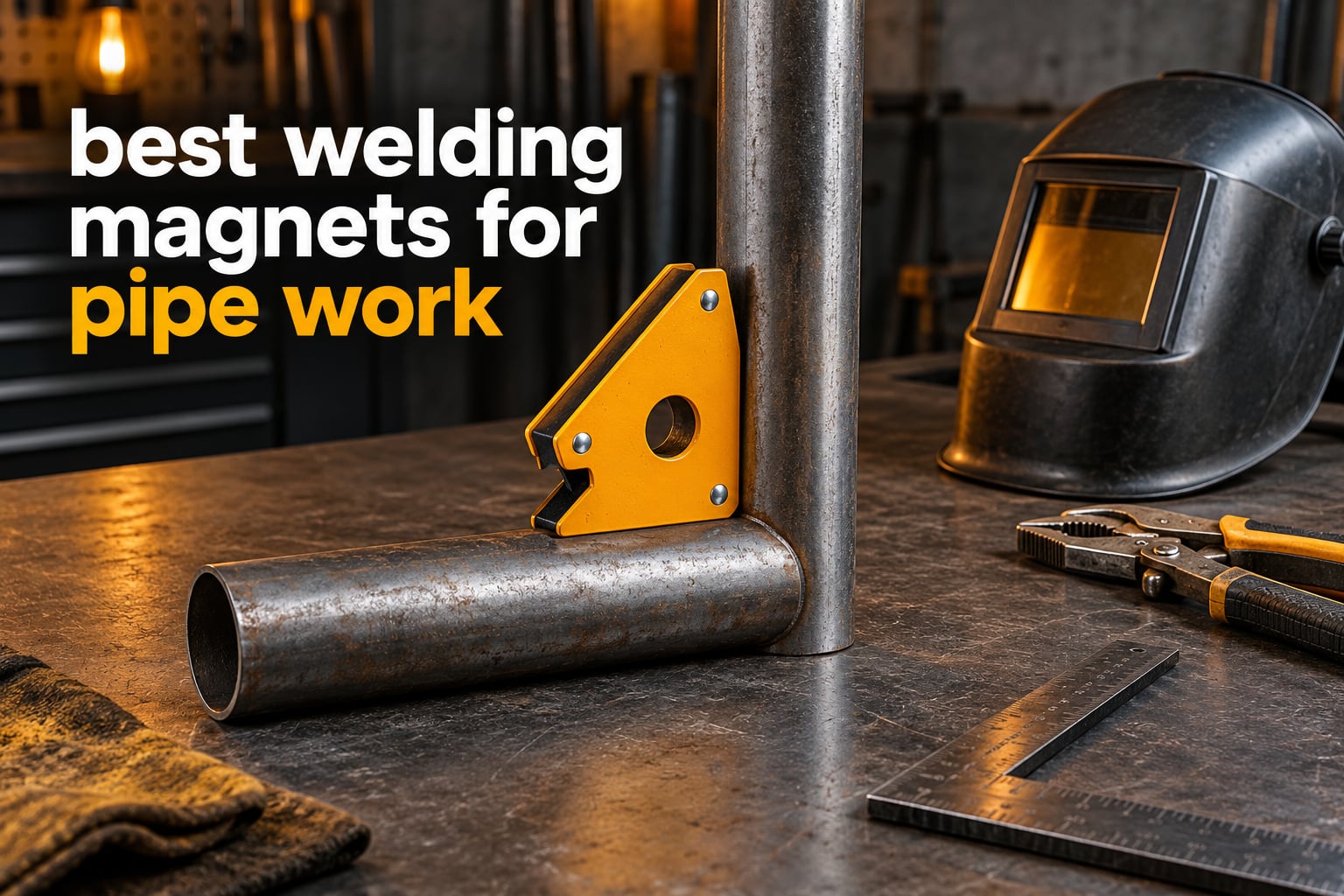
A welding magnet is a permanent-magnet workholding tool that clamps steel pipe, tube and plate at fixed, multiple or continuously adjustable angles, freeing both hands for TIG or MIG welding instead of clamping. For pipe work it does three things at once: it holds round pipe that clamps keep slipping off, it sets the joint angle and gap before tacking, and it stops the pipe rolling while you reposition. That third job is the one pipe fitters notice most, because a round stick on a flat table has no natural rest.
We put twelve of them through a month of pipe fit-up, elbow and flange alignment, trailer-frame squaring and general shop tacking. The short version: the best welding magnets for pipe work are not the ones with the biggest number printed on the box. They are the ones whose magnet faces actually sit flat enough to grip a round surface and whose body does not creep while the arc is lit.
Two honest notes before the list. First, a magnet is a third hand, not a substitute for a framing square. Experienced fitters still tack, check, knock it true and then weld out, and we will repeat that below because it is the single most useful thing anyone has told us about this category. Second, everything here grips ferrous steel only. Aluminum and some stainless grades will not hold at all, and we explain which ones where it matters.
If you are still choosing your welder, start with our guide to welding machines for beginners, then come back here once you know what process you are running. You will also want proper work boots and mechanic work pants for the job, because nothing else in this list protects you from a hot stub.
Top 3 Welding Magnets for Pipe Work (October 2026)
These three earned the most time on the pipe stand during our month of testing. Each one solves a different problem, so read the reason under each one rather than just grabbing the first name.
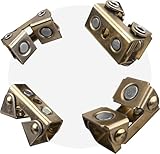
Strong Hand MagHold V-Pad Kit
- 12 lb and 18 lb pads
- magnets on face and bottom
- holds round flat and square material
- 0.9 lb four-piece kit
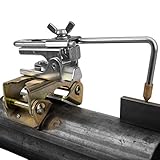
Strong Hand Grasshopper Finger
- 35 lb pull force
- brass tip that will not stick to hot work
- spring-loaded self-adjusting arm
- anti-tipping bolt
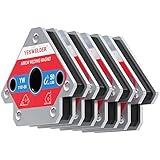
YESWELDER 50 lb 4-Pc Set
- 50 lb holding power
- arrow body at 45 90 and 135 degrees
- four per pack
- suits pipe installation fit-up
All 12 Welding Magnets at a Glance in 2026
Every magnet below was checked against the same four things: how it grips a round pipe, what angle range it covers, how many pieces you get, and what the makers say the holding force is. Manufacturer pull-force figures are lab numbers on thick flat steel, so treat them as an upper bound rather than a promise on your pipe.
| Product | Specifications | Action |
|---|---|---|
| Strong Hand MagHold V-Pad Kit |
|
Check Latest Price |
| Strong Hand Grasshopper Magnetic Finger |
|
Check Latest Price |
| YESWELDER 50 lb 4-Pc Magnet Set |
|
Check Latest Price |
 Strong Hand MagTab MFT10 Strong Hand MagTab MFT10 |
|
Check Latest Price |
 Hobart 770662 Mini Holder Set Hobart 770662 Mini Holder Set |
|
Check Latest Price |
 Vector Tools Magnetic Ground Clamp Vector Tools Magnetic Ground Clamp |
|
Check Latest Price |
 TOOLIOM Arrow Magnets 25 lb 4-Pack TOOLIOM Arrow Magnets 25 lb 4-Pack |
|
Check Latest Price |
 ARCCAPTAIN 25 lb and 55 lb Set ARCCAPTAIN 25 lb and 55 lb Set |
|
Check Latest Price |
 YESWELDER Adjustable Angle 20-200 deg YESWELDER Adjustable Angle 20-200 deg |
|
Check Latest Price |
 GUTIMORE 25 lb Magnet 4-Pack GUTIMORE 25 lb Magnet 4-Pack |
|
Check Latest Price |
 CMS MAGNETICS 75 lb Pair CMS MAGNETICS 75 lb Pair |
|
Check Latest Price |
 Magswitch Mini Angle 80 lb Magswitch Mini Angle 80 lb |
|
Check Latest Price |
Are Welding Magnets Worth Buying? The Honest Verdict
Yes, for pipe work, with one condition: you use them to hold and to tack, and you use a square to check. The professional consensus on welding forums is close to unanimous on that split. One of the most repeated lines across r/Welding is that a magnet is a third hand for tacking rather than a stand-in for a framing square, and a shipyard fitter put it more bluntly than we could: they want it square, but it is not a spaceship. Heavy angle iron and clamps still win when the joint has to be right.
Where magnets genuinely earn their money is the part before the tack. A round pipe on a pipe stand has a tendency to roll a few degrees every time you touch it. Every hand that leaves the joint to grab a stinger, a chipping hammer or a grinder is a chance to lose the gap you just set. A magnet removes that hand. Welders who switched to switchable models report that they are much easier to clean and set up, and that they come in sizes with much more holding power than the traditional red magnets.
Where they lose is angle accuracy on cheap tooling. Forum users describe magnet squares that were never square in the first place, and the 90 degree face on a budget arrow magnet can be off enough to matter. That is why our verdict separates two buyer groups. If you are fitting pipe, doing frame work on a trailer, or welding alone on a job site, one of the picks below will pay for itself in the first afternoon. If you are chasing code-critical dimensional accuracy on stainless or doing layout where a fraction of a degree changes the parts, spend your money on a real framing square or a dedicated weld square instead, and treat the magnet as a tacking aid only.
1. Strong Hand Tools MagHold V-Pad Kit: Best All-Round Pick for Pipe Work
Strong Hand Tools MagHold Magnetic V-Pad Kit, 4 Pieces, 2 Small (12 lb) & 2 Medium (18 lb) V-Pads, Magnets on Face & Bottom, for Welding, MVDF44
2 x 12 lb pads plus 2 x 18 lb pads
Magnets on face and bottom
4-piece kit at 0.9 lb
Pros
- Holds round flat and square material in one tool
- Mixed sizes cover small pipe and larger sections
- Two-sided magnet contact grips table and part
- Light enough to move around constantly
Cons
- Holding power is modest for heavy sections
- Magnets weaken with exposure to weld heat
- Not rated for heavy work like headers
This is the kit we reached for most often across the month. Four flexible V-pads, two rated at 12 lb and two at 18 lb, all with magnets on the pad face and the bottom. That two-sided contact is the part that matters on pipe: the pad grips the round material on one face and the pipe stand or table on the other, so the whole assembly stops creeping.
Two small pads for 1 inch and under pipe, two mediums for 2 inch and up. The V shape is forgiving with round material that is not perfectly cut, and reviewers consistently credit that versatility rather than raw force. Owners rate these as an inexpensive tacking aid that survives many setups in a row, and that is exactly how we used them.
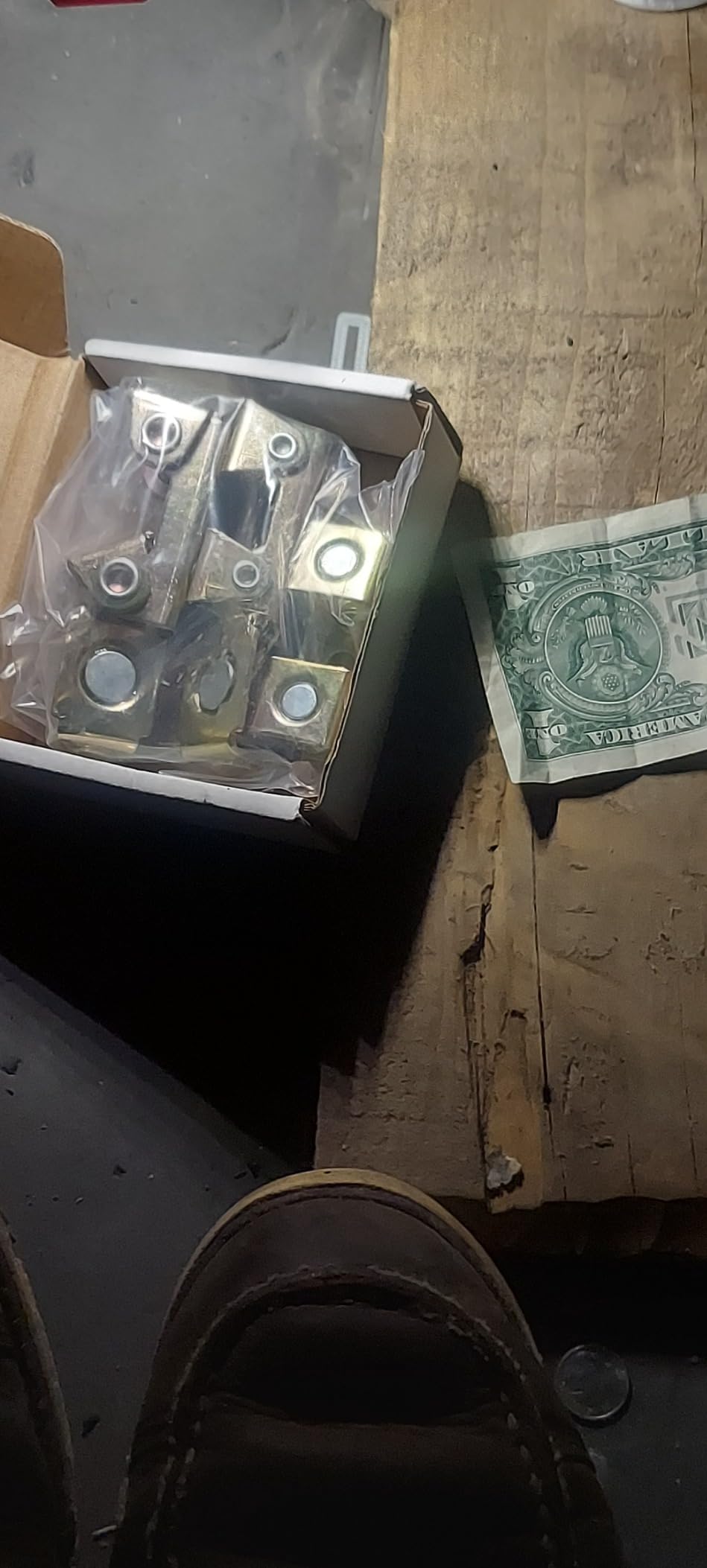
The single most repeated theme in owner feedback is not about strength at all. It is heat. These magnets must come off before you run a finish weld, because welding heat kills them. Plan your magnet layout so nothing sits in the arc path, and move them as soon as the tacks are down.
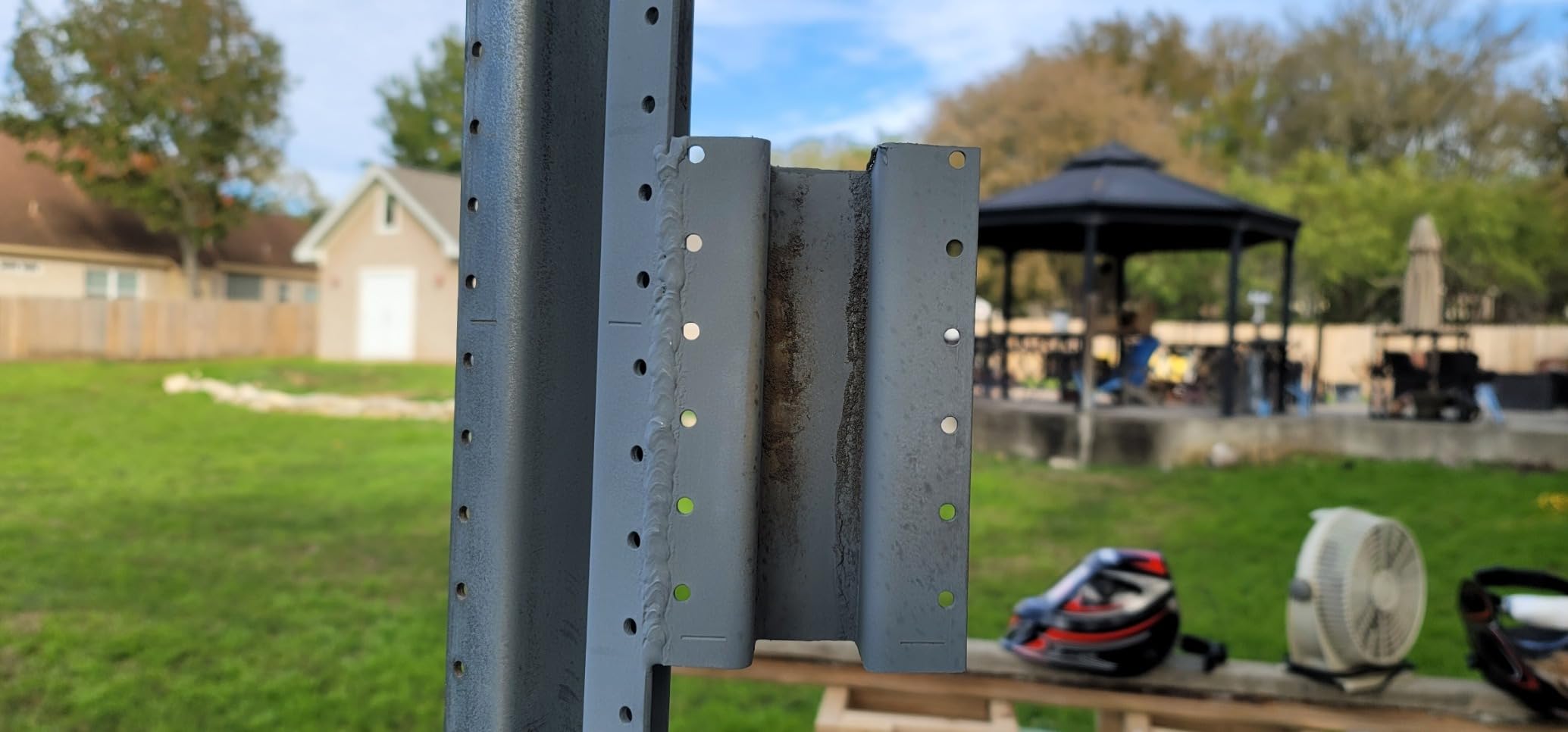
What pipe sizes it handles best
The small 12 lb pads are comfortable on 3/4 inch and 1 inch pipe for fit-up and light tack welding. The medium 18 lb pads sit on 1 1/2 inch through 3 inch round pipe, and they also grip flat and square tube. That range covers most residential and light commercial pipe fitting.
When to choose something else
If you are working overhead, on a ladder, or with 4 inch and larger pipe that needs to stay put without supervision, these are too light. They also will not help with stainless or aluminium, because neither surface holds a magnet like carbon steel. For overhead work, pick a magnet with a switchable lock or add a physical clamp.
2. Strong Hand Grasshopper Magnetic Finger: Best for Holding a Joint Without Blocking It
Strong Hand Tools Grasshopper Magnetic Welding Finger, 35 lb Pull Force, Brass Contact Tip, Spring-Loaded Arm, V-Pad Base, Anti-Tipping Bolt, AGH230
35 lb max pull force
Brass contact tip
Spring-loaded self-adjusting arm
Anti-tipping bolt
Pros
- Applies pinpoint pressure like a third hand
- Spring arm self-adjusts across repeated work
- Strong 35 lb base grips table or part
- Brass tip stays clear of molten metal
Cons
- Adjustment range narrower than some buyers expect
- Single tool so several are needed for multi-part joints
The Grasshopper is not a magnet square and does not pretend to be one. It is a magnetic V-pad base with a spring-loaded arm that presses down on the workpiece, which is why it holds pipe in a way angle magnets cannot. Buyers describe it as an indispensable shop aid that keeps hot fingers away from the joint.
Point the 35 lb base at the pipe stand or at the table, drop the arm over the joint, and the anti-tipping bolt keeps it from walking on round pipe. The arm self-adjusts its hold-down force, so one setting works on thin-wall tube and on heavier wall. That adjustability is the feature owners mention most often in practice.
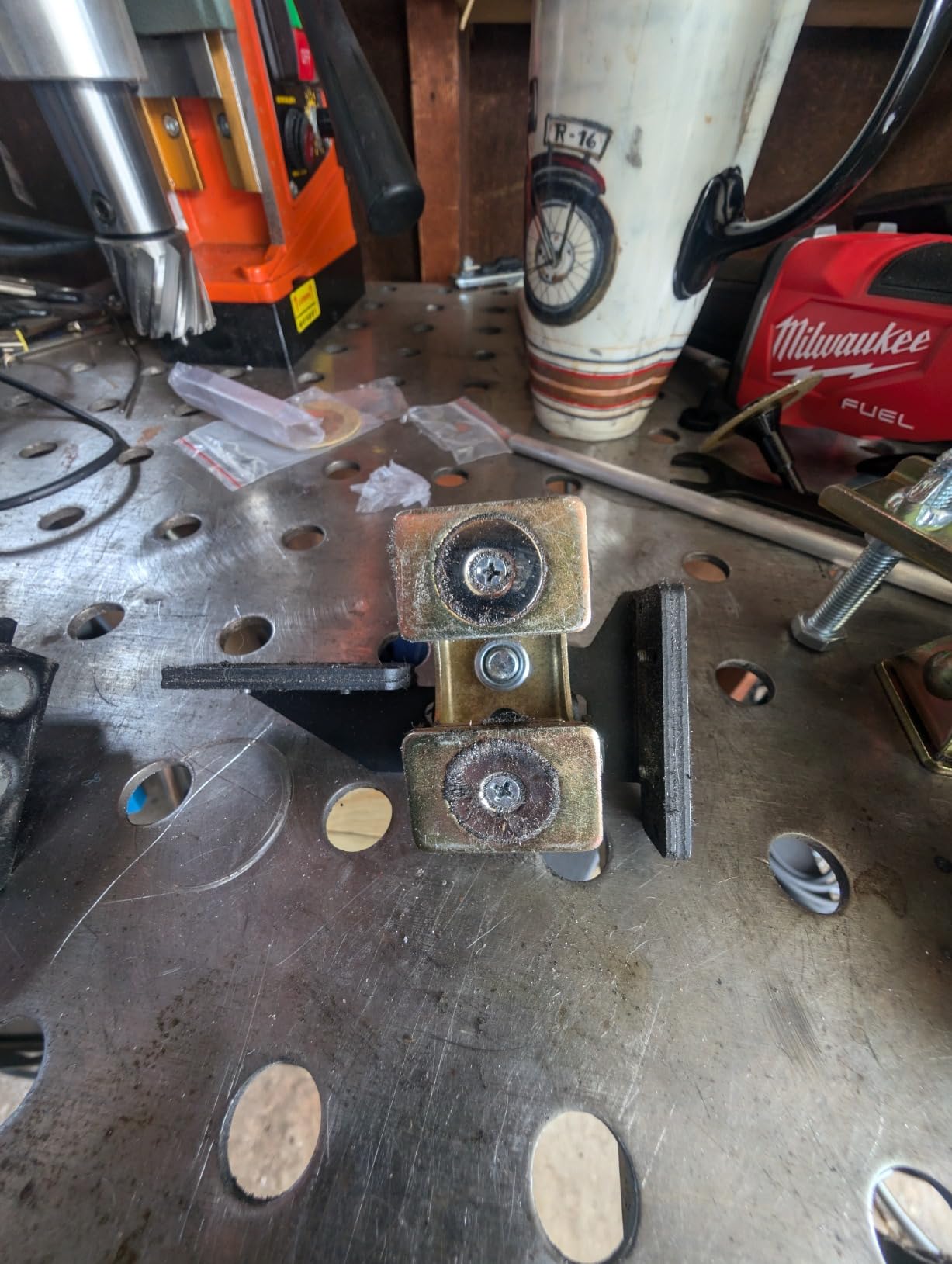
The brass tip is worth a closer look. Brass will not stick to hot work, which means when you are tacking a hot pipe or a hot stub you are not fighting a tool that has welded itself to the part. It also leaves the joint area clear so your torch or filler rod can reach without working around a clamp.
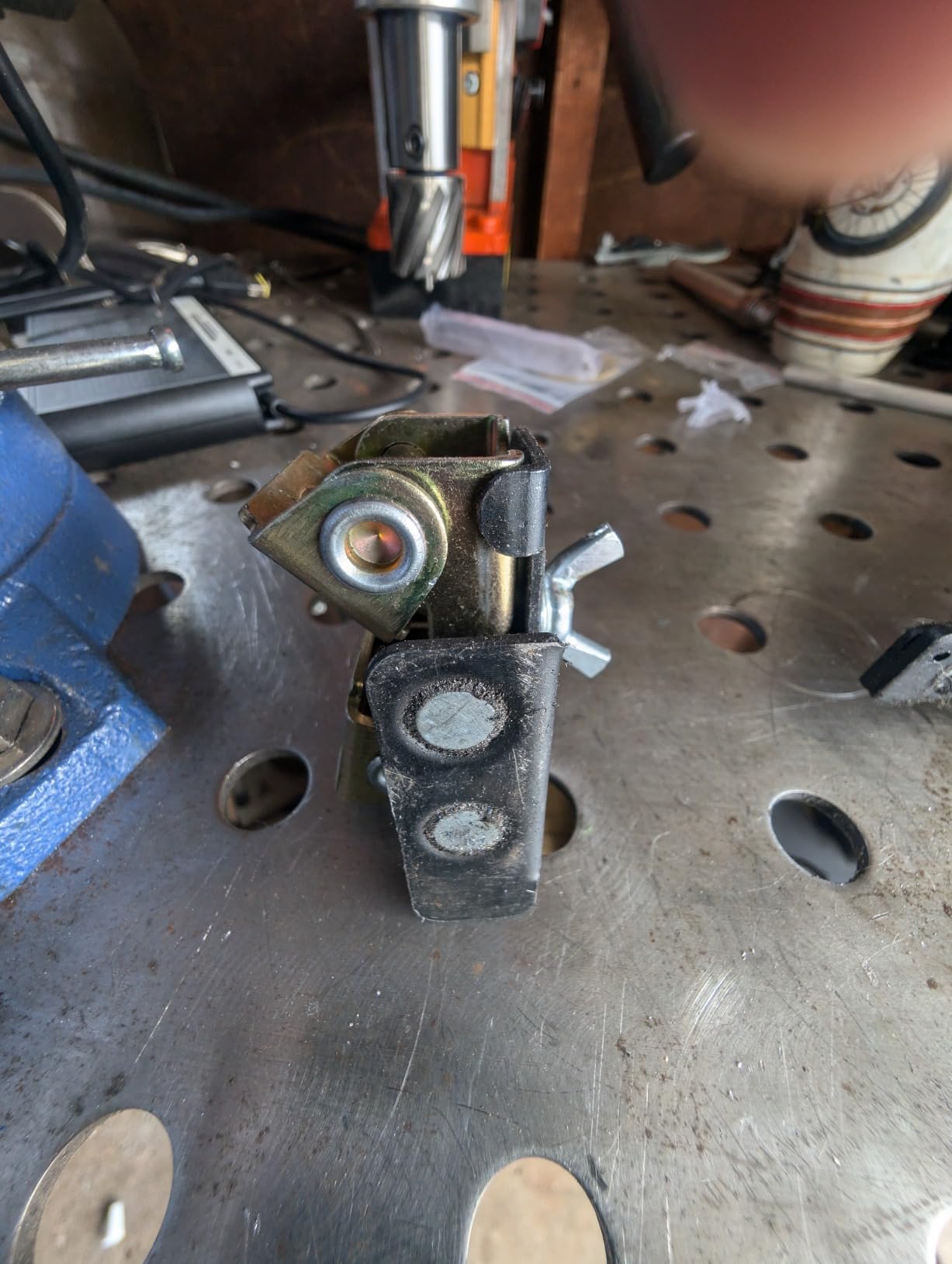
Why pinpoint holding beats a flat pad on pipe
A V-pad applies force across a wide area, which is fine on a flat table. On a round pipe you usually want one concentrated push near the joint so the pipe is seated against something solid rather than floating.
Where it falls short
The adjustment range is the one consistent complaint, with owners saying it is narrower than they expected. It is also a single tool, so a four-sided joint or a two-piece assembly means buying more than one and finding table space for them. It sets no angle for you either, so pair it with a square when squareness matters.
3. YESWELDER 50 lb 4-Pc Set: Best Value for Squaring Tube and Angle Iron
YESWELDER 4-Pc Welding Magnet Set, 50 lb Holding Power Welding Accessories
Up to 50 lb holding force
Holds 45 90 135 degrees
Four per set
Fits pipe installation
Pros
- Four-pack squares all sides of a joint at once
- Good hold on light-gauge tube and angle iron
- Useful on a welding table for larger pieces
- Durable enough for daily shop use
Cons
- Some find the 90 degree position not perfectly true
- Real grip often trails the stated pound rating
- Heavier pieces still need a clamp or vise
Four arrow-shaped magnets that rotate between 45, 90 and 135 degrees, rated at 50 lb each. This is the set most first-time pipe fitters should buy, because having four means you can hold a tube on two sides while you tack instead of repositioning a single magnet twice per joint.
Owners praise it for squaring tubing and angle iron quickly and for acting as a second pair of hands while guiding the torch. On a welding table it holds larger pieces than the mini models comfortably can. If you build trailer frames or work with square tubing, the speed-up in fit-up is obvious within the first few joints.
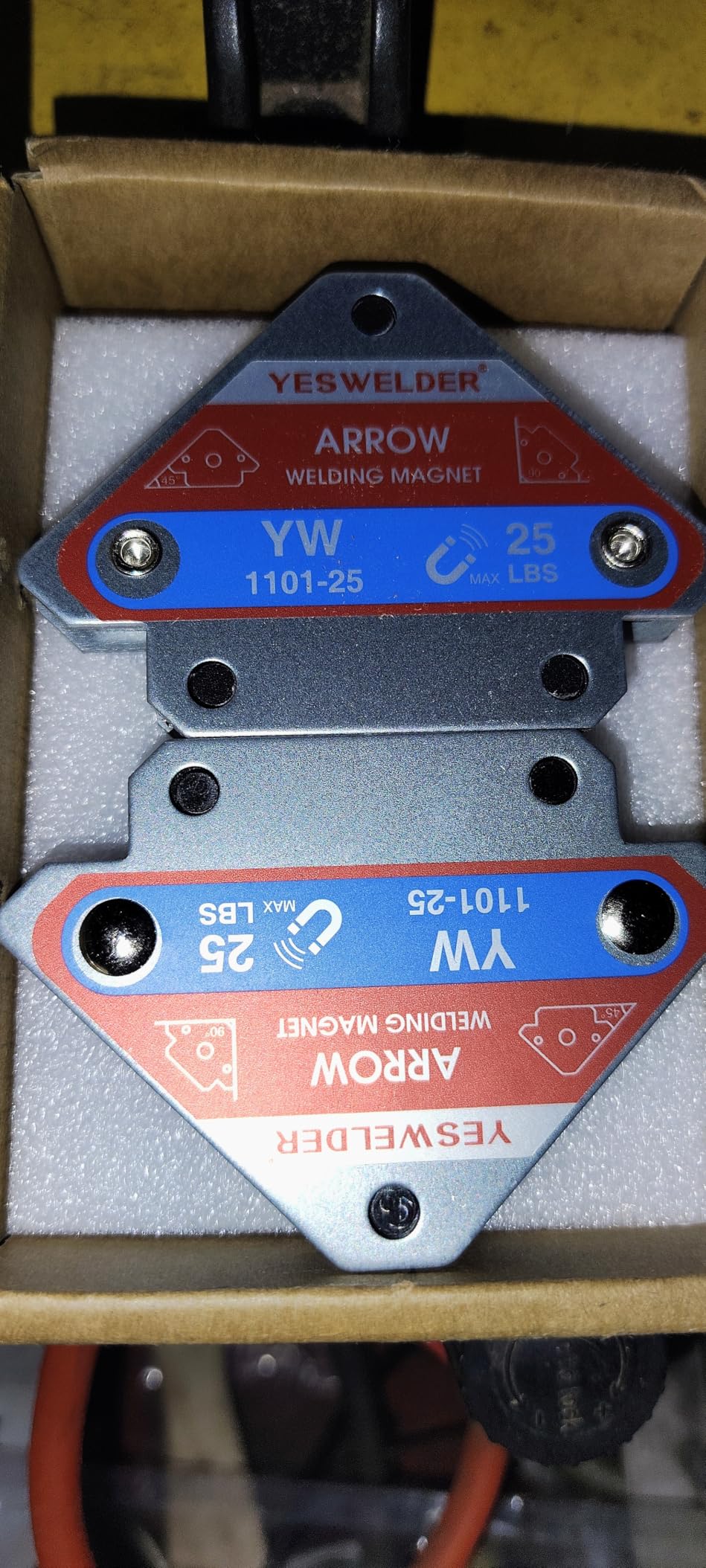
Be realistic about the pound rating. Reviewers report real-world grip closer to 30 lb on heavier material rather than the 50 lb on the box, which is normal for this category of tool. Treat it as a fit-up and tacking aid and it performs. Treat it as a permanent clamp and you will be disappointed.
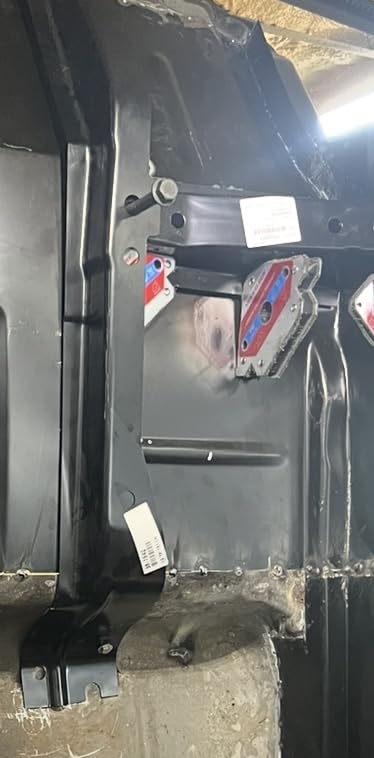
How to use it on a 90 degree pipe joint
Set one magnet on each side of the joint so both faces push the tube against the pipe or the angle. Square the joint by hand, magnet it, then check with a framing square before tacking. If the check shows it off, knock it true with the magnets still holding and re-check. Reviewers mention some examples are not perfectly true at 90 degrees, so this check is not optional.
When to spend more instead
If your work is 4 inch and up, stainless, or overhead, move up. You want a switchable magnet with a lock, a heavier adjustable model, or physical clamps for the critical holds. This set is a fit-up tool, and using it as more than that is where frustration comes from.
4. Strong Hand MagTab MFT10: Best for Holding Small Tabs and Brackets
Adjustable Magnetic Tab Holder, Vertical/Horizontal Tab Holding, Adjustable V-Pads, Max Pull Force: 18 LBS, Tack Welding Tool, Patented Design, MFT10
18 lb max pull force
Adjustable magnetic V-pad base
Detachable bracket
Compact 4 inch body
Pros
- Holds tabs flat or perpendicular while tacking
- Detachable bracket gives two holding modes
- Compact and light enough for a tool bag
- Solid metal build from an established tool maker
Cons
- 18 lb rating limits it to light-gauge tabs
- Must be removed before finishing welds above 175F
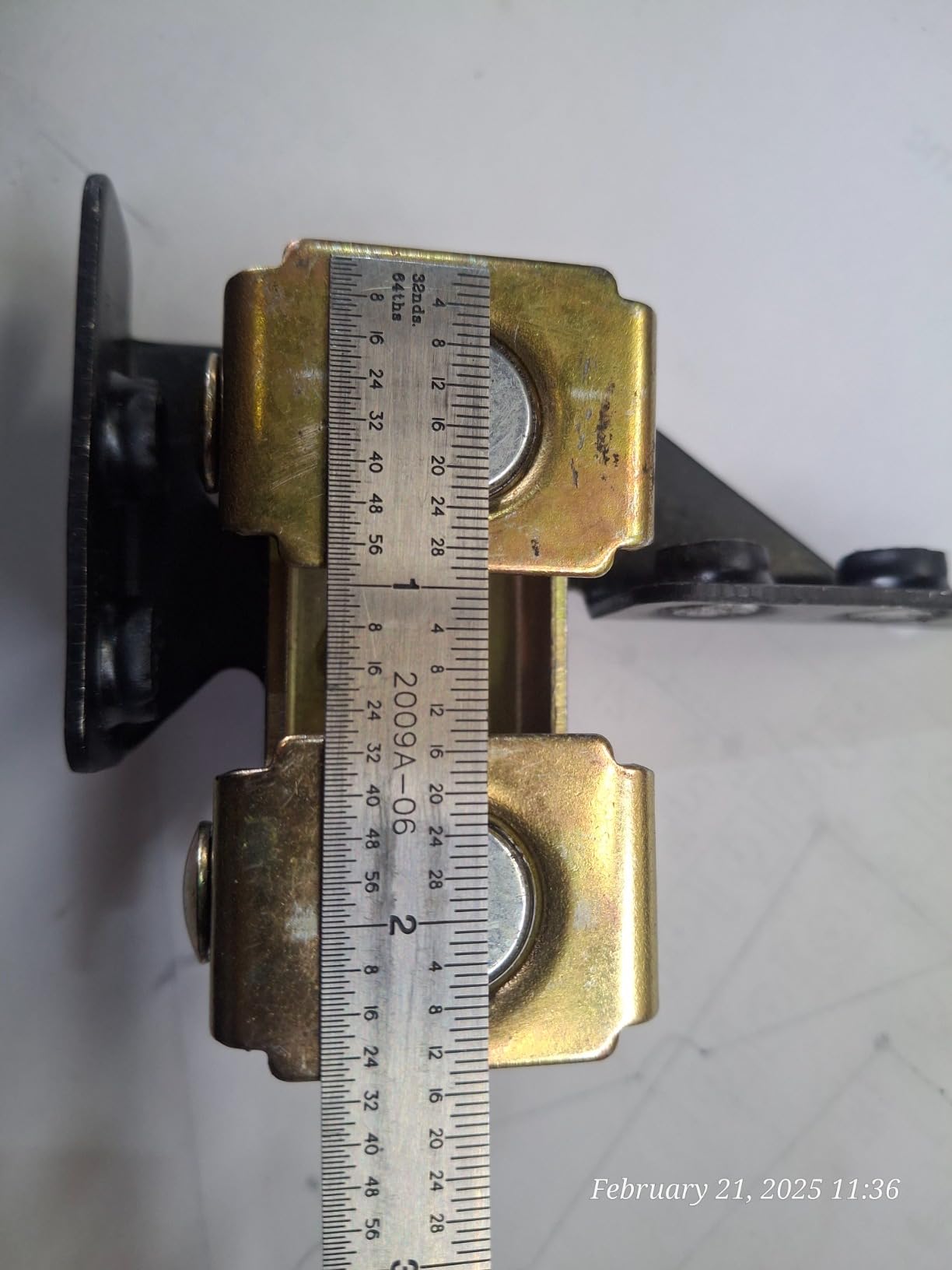
The MagTab solves a small but genuinely annoying problem: holding a tab, a small bracket or a gusset square while you tack it. The 18 lb pull force is measured on a 0.08 inch flat steel surface, which tells you immediately this is light-gauge work and not pipe holding.
What makes it more useful than a plain V-pad is the detachable bracket. The V-pad holds a part on its own for lightweight plate work, and the bracket adds a second holding mode in the same compact tool. Users treat it as a go-to helper for tack-welding tabs and small brackets.
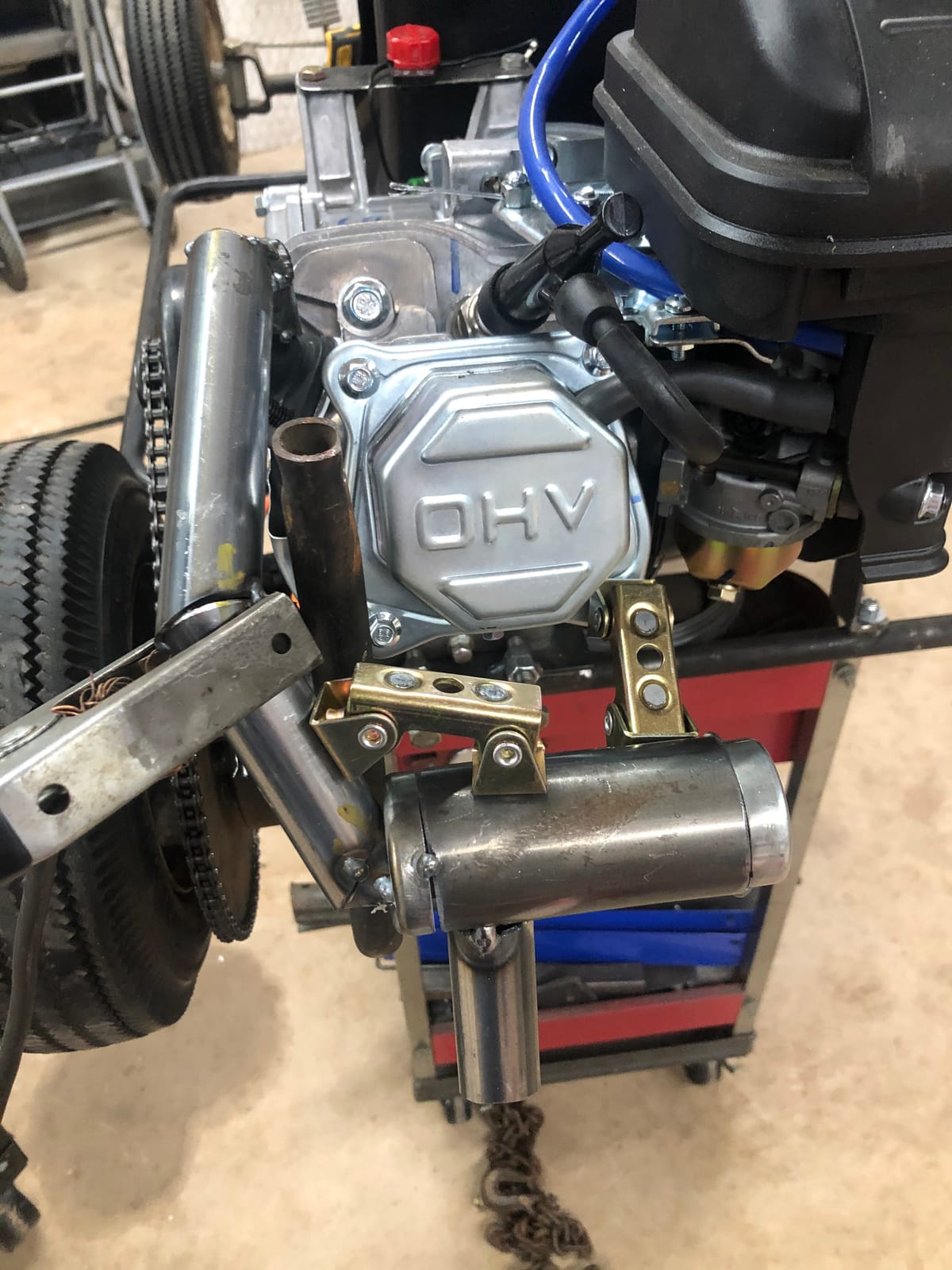
The temperature limit is the caveat that catches people. The published guidance is tack welding only, and removal before finishing welds, because of the 175 F threshold. We had one slide sideways on a bench after a grinder had been running nearby, and after that we moved every magnet of this type further from the heat source than feels natural.
When a V-pad beats an angle magnet
Angle magnets solve geometry. V-pads solve contact. When the problem is that a small part keeps sliding out of position on a table, or that you need a push rather than a square, this is the right shape of tool. It also nests into tight spots where a 4 inch arrow body will not fit at all.
What this one cannot do
It will not hold pipe, and it will not set an angle. If your work involves a 90 degree butt joint on round or square tube, you need one of the arrow sets instead. Buy this as a companion to your angle magnets rather than as a replacement for them.
5. Hobart 770662 Mini Holder Set: Best Budget Pick for Light Tube and Hobby Work
Hobart 770662 Mini Magnetic Welding Holder Set, 4-Pack
Four mini multi-purpose magnets
Holds 45 90 135 degrees
Compact, no power needed
Pros
- Fits joints and gaps full-size clamps cannot
- Useful for braze and hobby-scale tube work
- Four per pack for light-duty tacking
- Quick right-angle setups for beginners
Cons
- Modest strength limited to light-gauge material
- Plate tolerances between magnet faces are inconsistent
- Some arrive with scratched faces
These are deliberately mini, and buyers who understand that rate them well. Four magnets that hold steel at 45, 90 and 135 degrees, sized to fit inside a joint or a gap where a full-size clamp or a full-size arrow magnet simply cannot get in.
That size is the whole argument. On small tube, thin steel and braze work, and on any joint where access is tight, they are more useful than the big arrow magnets because the body fits the work. Owners use them as light-duty shop helpers for small tubes and thin steel.
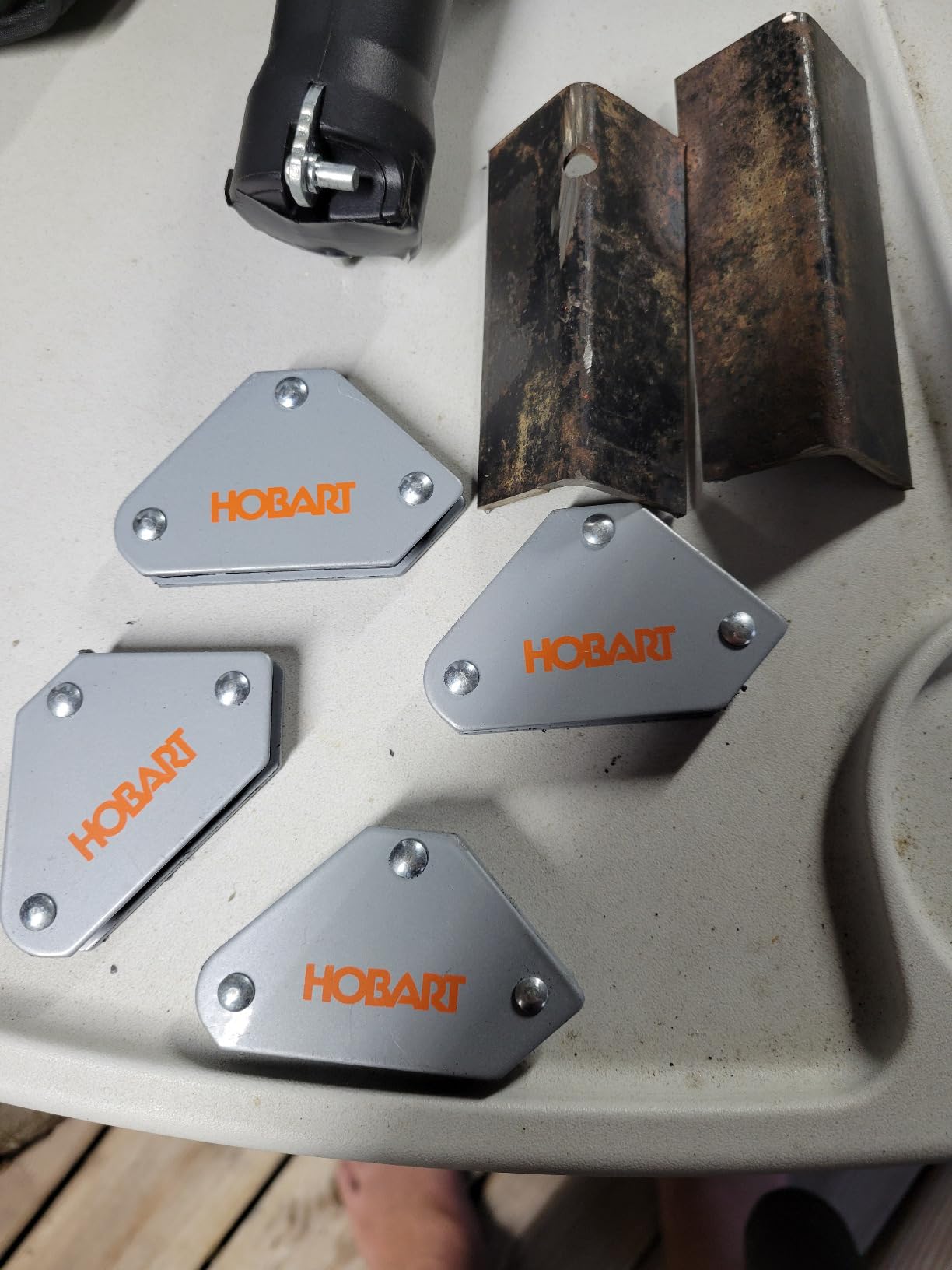
Two things trip people up. First, the size: buyers expecting full-size holders are surprised by how small these are. Second, consistency between the two magnet plates, which reviews describe as uneven on some examples, so check squareness before you rely on the 90 degree face for anything important.
Best jobs for mini magnets
Braze joints, small tube frames, thin sheet tabs, model-scale work and repair jobs on a finished assembly where a big magnet would block access. They are also genuinely useful on a welding table for marking off and short tack welds, where speed matters more than holding power.
What it will not hold
Anything heavy. The pull is modest and the listed rating reflects light-gauge material only. They will not support heavy pipe, and they will not keep a joint together on their own while you move around the piece. For those jobs, step up to a 50 lb set or an adjustable model.
6. Vector Tools Magnetic Ground Clamp: Best for Grounding Pipe Without Tabs
Vector Tools Magnetic Welding Clamp for Arc Welder, 4″ Diameter, Brass Stud
Magnetic ground block for pipe and tube
4 inch diameter body
Threaded brass stud
Pros
- Grounds a weld on pipe where a clamp cannot reach
- Attaches instantly to any ferrous surface
- Reliable on steel tables and frame work
- Brass stud accepts standard ground cables
Cons
- Holding strength weaker than expected on some pipe diameters
- Return spring tension feels stiff
- Some buyers received an item unlike the listing photo
This one is not a holding magnet, it is a grounding magnet, and that distinction saves a lot of confusion. A 4 inch diameter magnetic block with a threaded brass stud that accepts a standard ground clamp lead. Where a mechanical ground clamp cannot grab, such as the far side of a pipe or a curved surface, this sticks directly to the steel.
Owners use it on pipe and round sections, on welding tables and on automotive frame work. The brass stud is a good detail because it takes the cable connection cleanly and will not weld itself to the lead the way a bare steel fitting can.
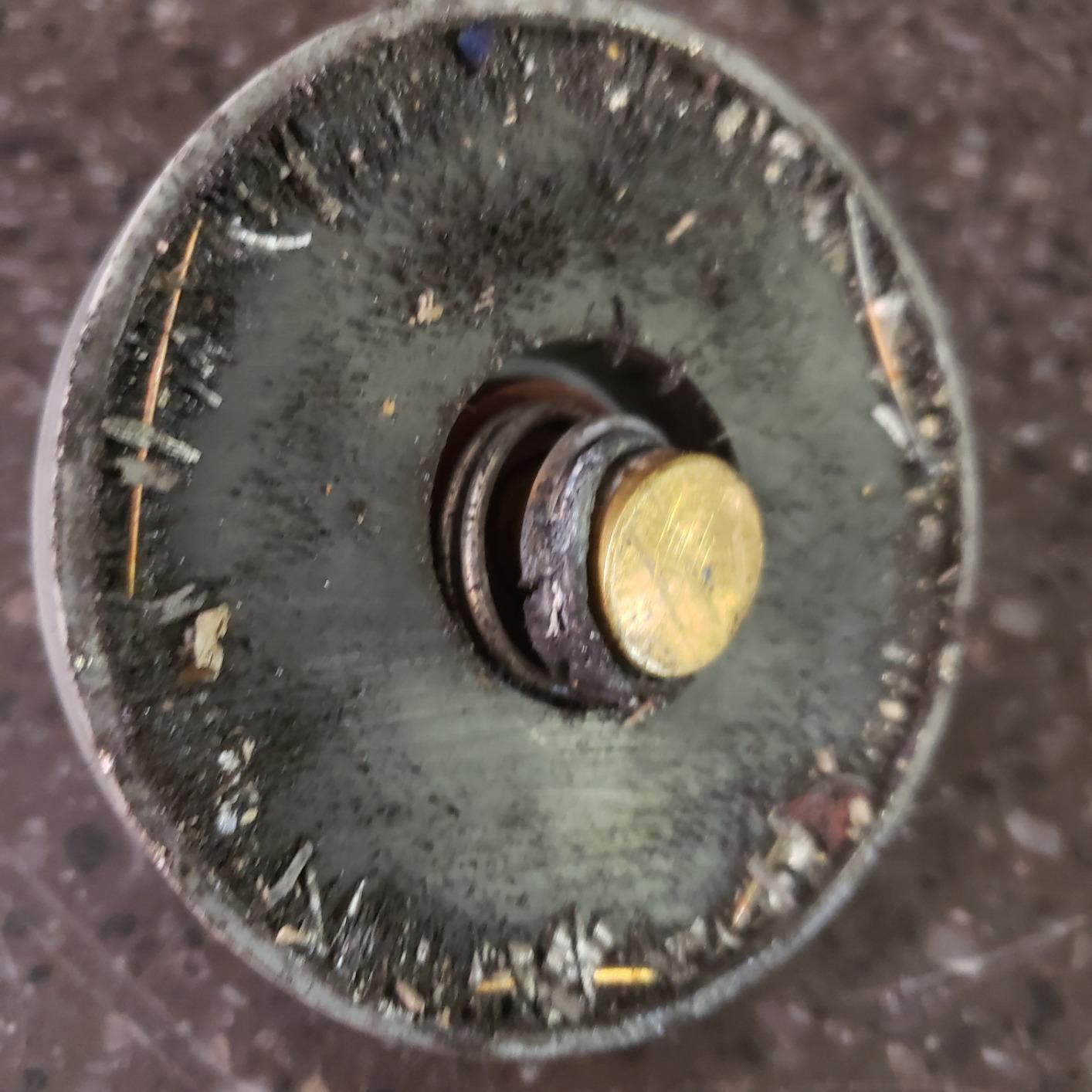
Reviews are mixed on raw magnet strength, with several buyers reporting weaker grip on certain pipe diameters. That fits what we saw: on a large flat table it is solid, and on a round pipe you want to check it before you strike an arc rather than assume. The stiff return spring also takes a little getting used to.
Why a magnetic ground beats tacking a tab
Tacking a ground tab onto the pipe means a mark you cannot grind off cleanly, extra process, and time. A magnetic ground avoids all three. Welders on forums note that magnetic grounding works but leaves visible arc marks, and that many still prefer tabs on cosmetic stainless, so on visible work this is a compromise rather than a free win.
When to use a real clamp instead
On stainless where the surface finish matters, on work that must pass inspection, and anywhere you need to move the ground repeatedly mid-weld. Also skip it on aluminium and most stainless grades, since there is nothing magnetic to attach to. A clamp that grips mechanically is more predictable in those cases.
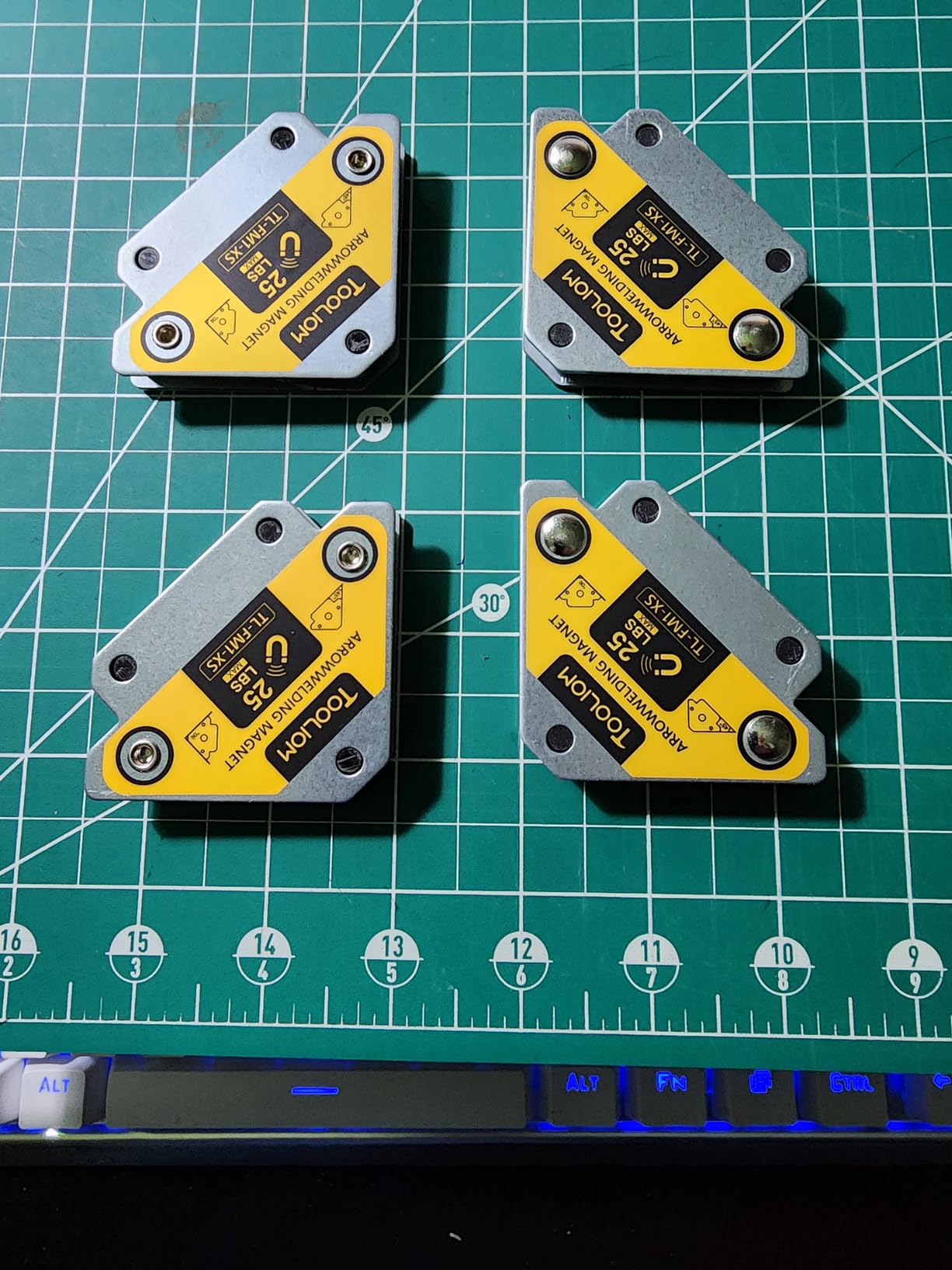
7. TOOLIOM Arrow Magnets 25 lb 4-Pack: Best for Small Assemblies and Batch Work
TOOLIOM Arrow Welding Magnets, 4-Pc 25 lb Holding Force Welding Accessories
25 lb holding force
Arrow shape at 45 90 and 135 degrees
2.12 by 3.15 inch body
Pros
- Three working angles cover most fit-up situations
- Holds small steel square with both hands on the torch
- Metal body holds up to repeated shop use
- Four per pack suits multiple joints at once
Cons
- 25 lb rating limits it to light and medium work
- Arrow geometry is fixed rather than adjustable
A compact arrow magnet set at 25 lb each, and the smallest-bodied four-packs we tested. At 2.12 by 3.15 inches it gets into places the larger 50 lb set cannot, which is why we recommend it for smaller assemblies and for shop setups where you want several magnets spread across a bench.
Buyers like it as a simple, inexpensive way to square light work and praise it for doing the three common angles well. The light-duty capacity is the natural limit rather than a flaw, and at four per pack you can run two joints at once on a table.
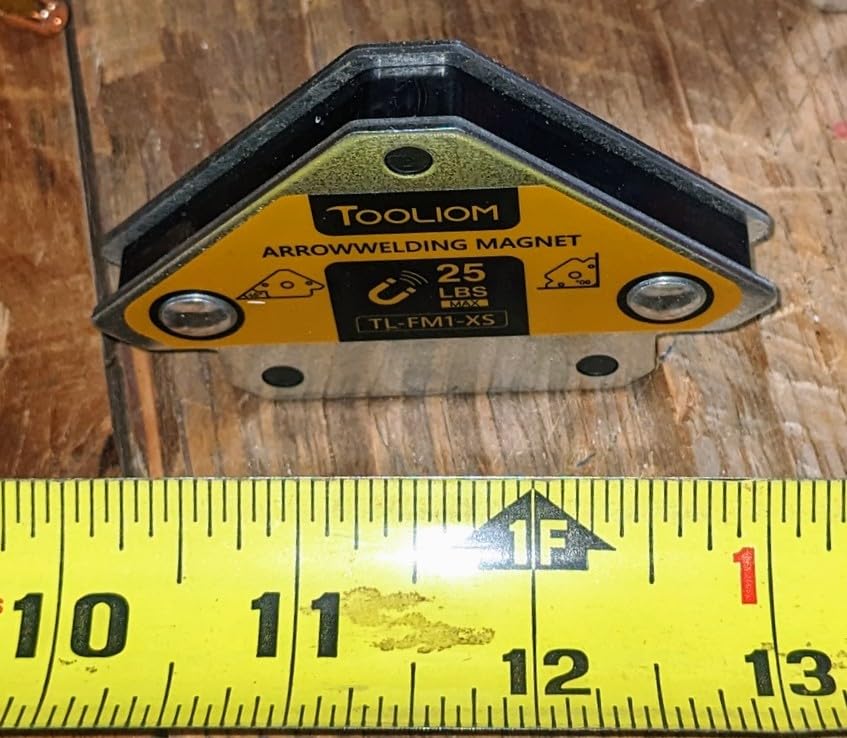
Held in place they cover the three angles most pipe joints actually need, so the practical value shows up in the repeat setups rather than in any single dramatic grip. If you have ever tried to balance a small bracket on a magnet while also positioning the torch, this is the geometry that makes it workable.
The body is metal rather than plastic, which is why it survives a shared bench. Nothing in the design is exotic, and that is the point at this price: it is a tool you can drop in a drawer, lose a piece of, and replace without thinking about it.
Where it earns its place in a pipe shop
Small pipe, up to about 2 inch, and light wall. It squares up a joint in seconds, holds it while you tack, then comes off before heat reaches it. It is also the right pick if you are working on a lot of small brackets or a batch of similar parts where a bigger tool is just in the way.
Where it runs out of road
Heavier pipe and larger sections, plainly. At 25 lb it is well below what a 4 inch or 6 inch pipe joint needs, and the arrow geometry means you cannot adjust the angle. For pipe fitting beyond light wall, look at the adjustable 20 to 200 degree model instead.
8. ARCCAPTAIN 25 lb and 55 lb 4-Pc Set: Best for Mixed-Weight Pipe Work
ARCCAPTAIN Welding Magnets 25LB & 55LB 4Pcs Welding Magnet Set
Two 25 lb plus two 55 lb magnets
45 90 and 135 degree arrow design
Riveted steel frame
4 pieces per set
Pros
- Mixed ratings let you scale hold to the job
- Steel frame resists melting near the arc
- Multiple magnets per joint keep tube aligned
- Riveted alloy steel construction adds rigidity
Cons
- Fixed 45 90 135 geometry rather than adjustable angles
- Solid steel body is heavier than lighter arrow magnets
Two 25 lb and two 55 lb arrow magnets in one set, and that pairing is the idea. On a given job you are often holding a small tab at one end of a frame and a heavier section at the other, and this set lets you do both without buying separate tools.
The riveted steel frame matters more than it sounds. Because the magnetic frame is encased in steel rather than plastic-bodied, it tolerates being close to the arc. That is exactly the situation a pipe fitter creates when a magnet has to sit near a joint to hold it square.
Matching the two strengths to the job
Use the 25 lb pair for tabs, light tube and marking off. Use the 55 lb pair when a thicker pipe or a second piece has to stay put through several tacks. Reviewers credit the same thing we did: being able to scale the hold to the work rather than choosing one compromise force for everything.
What to know before you rely on it
The geometry is fixed at 45, 90 and 135 degrees, so any joint that is not one of those needs a different tool. The steel body also makes these heavier to handle repeatedly than a lighter arrow set, which adds up over a long shift. Budget accordingly if you are moving magnets constantly.
9. YESWELDER Adjustable Angle Magnet 20-200 Degrees: Best for Non-Standard Pipe Angles
YESWELDER Adjustable Angle Welding Magnet 20-200° Welding Magnet of 77LBs
Up to 77 lb holding force
20 to 200 degree range
Printed angle scale
Hex wrench lock
Pros
- Very wide 20 to 200 degree range beyond fixed arrows
- Angle scale plus hex wrench locks the setting
- Compact body fits where bigger squares cannot
- Useful for pipe support installation
Cons
- Angle markings are small and hard to read
- Real hold is below the advertised pound figure
- Will not hold heavy material alone
This is the only adjustable-angle magnet in the group, and for pipe fitting that is a real capability rather than a novelty. Twenty to 200 degrees with a printed scale and an included hex wrench to lock the chosen angle means you can build pipe supports, saddles and non-90 geometry that a fixed arrow magnet physically cannot.
Owners value the wide range and the reliable angle locking, particularly for pipe support installation where fixed-angle magnets are awkward. The compact body also fits into tighter spaces than a full-size framing square or a big magnet square.
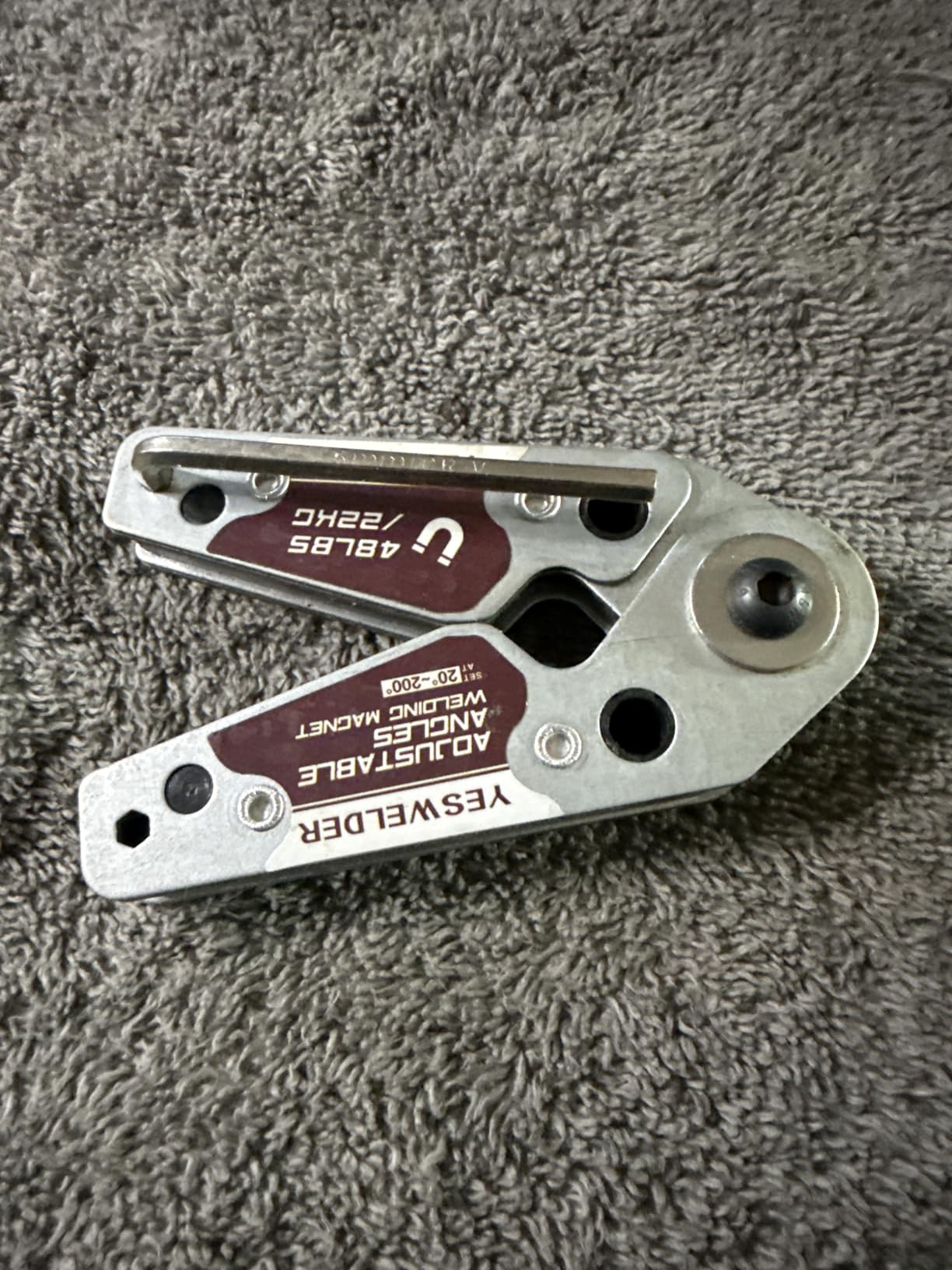
Two recurring complaints. The printed angle markings are small and hard to read, which matters on a scale you are supposed to trust. And real magnet strength falls short of the advertised 77 lb figure in practice, so size your pipe selection one step below what the number suggests.
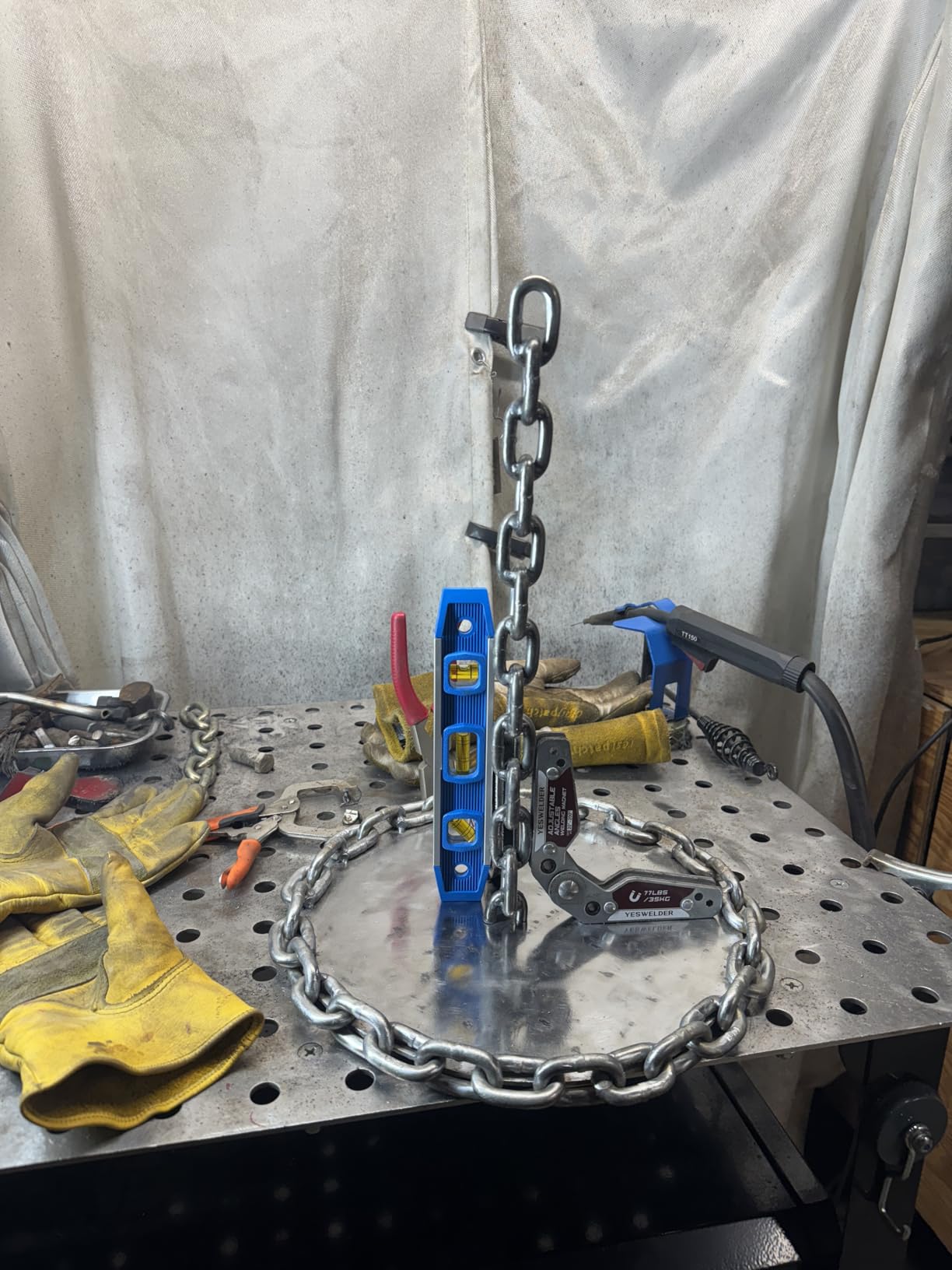
When adjustable beats fixed angles
Any time the joint is not 45, 90 or 135 degrees. That includes pipe supports off a wall, odd miters, tapered transitions and repair work where the original geometry is not a textbook angle. For those jobs a fixed arrow magnet has no useful position, and this one does.
Where it will not go it alone
Reviewers are direct that it will not support heavy material such as a two foot length of 2 by 2 angle iron by itself. It is a fine second holder and a good angle setter, not a substitute for a clamp on heavy sections. Also keep it out of the arc path, as the maker advises welding too close weakens it.
10. GUTIMORE 25 lb Magnet 4-Pack: Best for Hobby Tube Work and Spare Magnets
GUTIMORE 25LB Welding Magnet,Pack of 4, Heavy Duty Welding Magents Holder, 45 90 135 Degree Angle Holding Magnet
Four 25 lb arrow magnets
Holds 45 90 and 135 degrees
Black triangular body
Four per pack
Pros
- Holds small parts at a clean right angle
- Good magnetic grip for light-gauge work
- Four per pack is easy to spread across stations
- Works as a third hand for small fabrication
Cons
- Very small size makes them awkward on larger work
- 25 lb rating suits only small jobs
- Size surprises some buyers
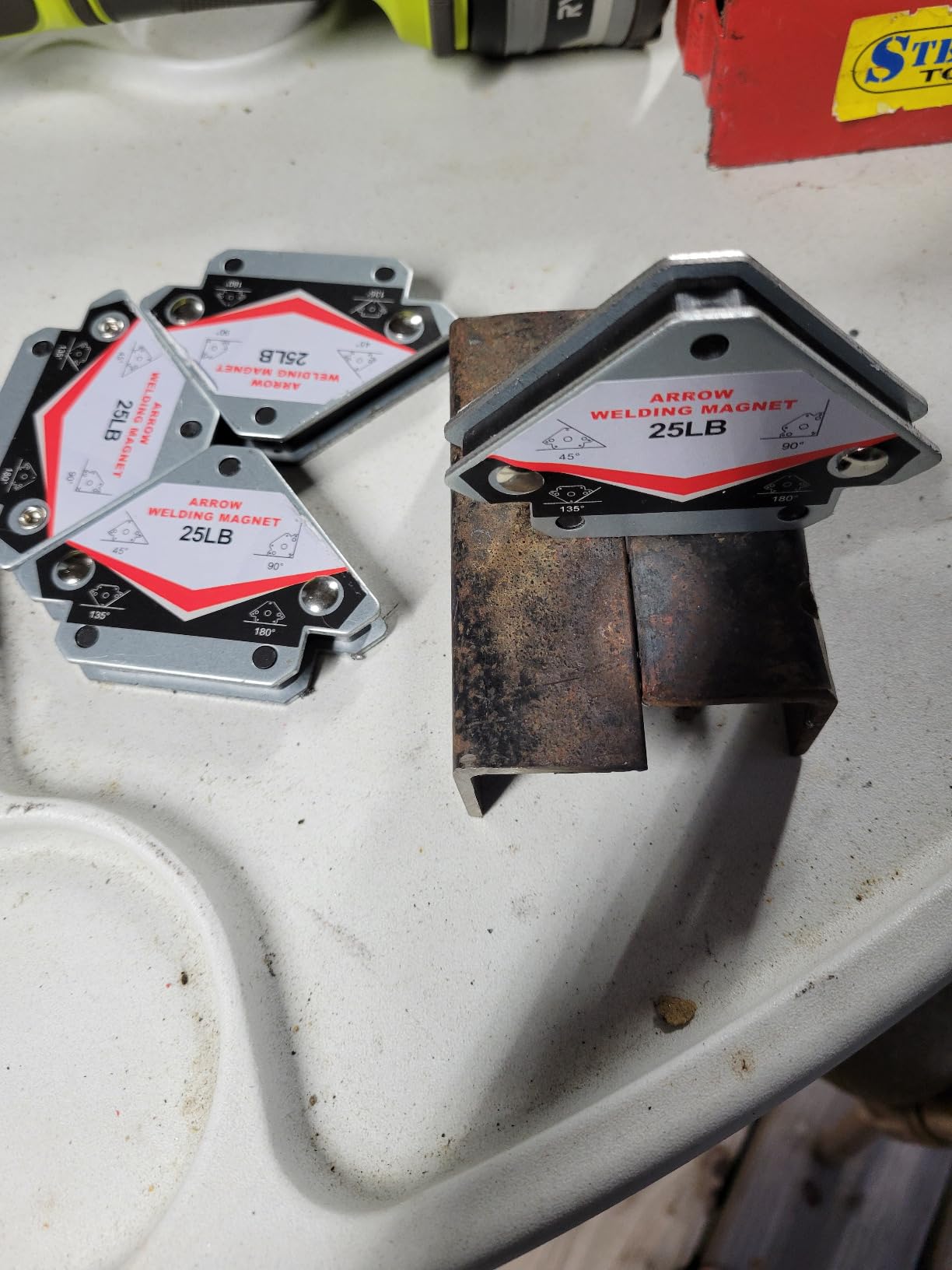
Another four-pack of 25 lb arrow magnets, and the honest reason to pick this one over the other budget set is spares. Magnets get thrown in a drawer, dropped, run over or set down next to a grinder, and having eight or twelve of them across two locations beats borrowing one.
Reviews position these as good-value light-duty magnets for small jobs and hobby fabrication. On light-gauge work they hold a clean right angle while you weld, which is the entire job description for a tool at this level.
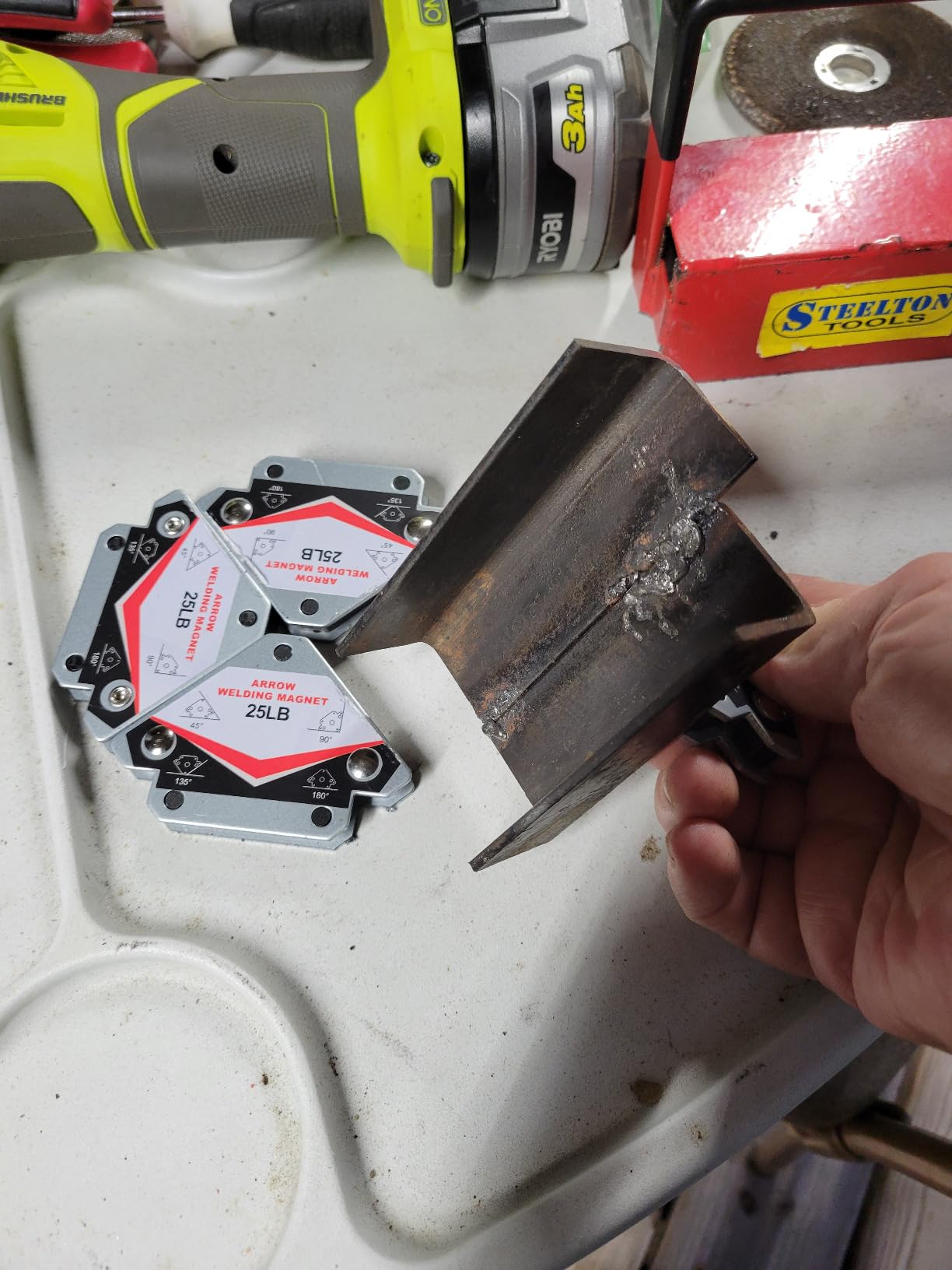
The consistent note is size. These are noticeably smaller than buyers expect, and that works against them on anything larger than small tube. If you are working on furniture frames or anything with real mass, the larger-bodied sets handle it far better.
Best fit for weekend fabrication
Small square tubing, brackets, mild steel shelves, hobby gas-welding projects and repair jobs. The riveted heavy duty body survives repeated shop use, and four per pack means you can hold two sides of a joint while keeping two spare within reach. That is the workflow this product is genuinely good at.
When to step up instead
Any pipe heavier than light gauge, any work where the joint must stay aligned without supervision, and any job where you would be upset to find a magnet off by 90 degrees after moving it. Those are jobs for the 50 lb set, the adjustable model or a switchable magnet with a positive lock.
11. CMS MAGNETICS 75 lb Pair: Best for Plate Layout and Heavy Positioning
2 Pieces of CMS Magneitcs® Magnetic Welding Holder 75 LBS Holding Power, Welding Accessories (75 LB Welding Magnet)
75 lb holding force per magnet
Rectangular magnet steel body
Two per pack
Doubles as a plate spacer
Pros
- High stated holding force for steel plate
- Rectangular face gives flat repeatable contact
- Doubles as a plate spacer during fabrication
- Two per pack covers a joint from both sides
Cons
- Thin review base so long-term feedback is limited
- Powerful magnet needs care around pinch points and electronics
Two rectangular 75 lb magnets, and the rectangular shape is the differentiator. Flat, repeatable contact on plate means it holds position the same way every time you set it down, which is what you want when you are laying out a plate or holding two panels in register for a fit-up.
The second use is spacing. With two magnets you can hold steel plates apart at a fixed distance, which is genuinely useful when you need a gap for a torch or a backing bar. Owners describe solid positioning power for plate and fabrication fixturing work.
Why rectangular beats arrow on plate work
An arrow magnet presents two angled faces and a point. A rectangular block presents a broad flat face, so contact area against flat plate is larger and the plate is less likely to shift when you bump the bench. For layout and registration work, that difference matters more than the pound rating.
What the low review count tells you
This listing has a thinner feedback base than the rest of the group, so treat the long-term durability picture as unknown rather than proven. Powerful magnets also deserve respect around pinch points and keep clear of electronics and magnetic media. Verify the hold on your own pipe before relying on it.
12. Magswitch Mini Angle 80 lb: Best Switchable Magnet for Compact Pipe Detail Work
Magswitch Mini Angle Welding Magnet – 80 lb Multi-Angle Hold
80 lb magnetic square hold
45 60 90 and 120 degrees
Integrated pipe notch
On/off switch
Pros
- On/off switch releases without prying against the magnet
- Pipe notch built for round pipe and tubing
- Strong 80 lb hold in a very compact body
- Sheds chips and debris when switched off
Cons
- Highest price in the set for a single tool
- Small body suits detail work more than structural material
The Magswitch Mini Angle is the switchable option here, and the switch is the entire point. Flipping it off releases the hold instantly, so you are not levering a magnet off a pipe with a chisel or prying against a face that will chip. That alone changes the working rhythm on detail pipe work.
It holds 45, 60, 90 and 120 degrees, and the integrated pipe notch is machined for attaching round pipe and tubing. At 80 lb in a compact body it is stronger than its size suggests. Reviewers highlight the switchable grip and the pipe notch as the two features that justify the step up in price.
How switchable magnets work
Rigid magnet blocks are housed in a steel yoke. Flipping the lever slides a soft-iron keeper across the poles, which shunts the magnetic flux away from the working face. The hold goes from full to nothing with no electrical power source, and when it is off, chips and grinding grit fall away instead of clinging to it. Welders on r/Welding consistently prefer this behaviour because cleaning and setup get easier.
Where it is not the answer
It is one tool at the top of the price range, and the body is small enough that it suits detail and pipe-notch work more than structural material. The review base here is the smallest in this group, so weigh that against the fact that Magswitch units are widely reported by owners as long-term purchases. If you need four or six magnets around a table, this is not that purchase.
How to Choose a Welding Magnet for Pipe Work
Welding magnet types explained
Fixed-angle arrow magnets offer three positions, usually 45, 90 and 135 degrees, in a compact steel or iron body. They are cheap, fast and light-duty. Multi-angle sets are the same idea in quantity, and owning four changes your workflow because you can hold both sides of a joint at once.
Adjustable magnets pivot through a continuous range with a printed scale and a lock, which is what you want for pipe supports and anything that is not 45, 90 or 135. V-pads and fingers hold rather than set angles, applying pressure to keep a part seated. Switchable ON/OFF magnets add the release mechanism described above, and ground magnets clamp the earth lead rather than the workpiece.
Matching a magnet to pipe outside diameter
Bigger pipe needs more contact area and more force, and the practical rule is that a magnet should be able to hold the joint through every tack without anyone touching it. For light wall up to 2 inch, a 25 lb arrow magnet is genuinely sufficient. At 2 to 4 inch, look at 50 lb and above or a pair of V-pads.
Above 4 inch, contact area starts to matter as much as force, and a single small magnet on a large round surface has very little flat land to grip. From 6 inch upward, use two or more magnets spaced along the joint, or switch to a dedicated pipe fixture with adjustable positions, and add a physical restraint for any overhead work. Pipe-specific fixtures in this class are commonly published for 2 inch to 12 inch outside diameter, which gives you a realistic ceiling for magnet-only fixturing.
Switchable ON/OFF magnets and how they work
No power source is involved. The lever or knob moves a soft-iron keeper inside the steel yoke, and when the keeper bridges the poles the magnetic circuit is shorted and the hold drops to nothing. When the keeper is withdrawn the full flux returns to the working face. That is why a switched-off magnet drops its chips instead of collecting swarf, drill bits and grinding grit, which is the single most common complaint about permanent magnets on a shop floor.
Magnetic pipe, arc blow and demagnetizing
You can weld magnetized pipe. Almost every pipe you will handle has been magnetized during handling, and fabricators weld magnetized pipe routinely. The concern is not the pipe, it is the magnet near the arc. Strong magnetic flux near a weld can deflect the arc and shift the bead, and a welder on a tractor forum warned that stronger magnets may create arc blow depending on the setup.
Do you need to demagnetize pipe before welding? Usually no, if you move the magnets out of the arc path first. Demagnetizing is worth considering for critical stainless work where you already suspect trapped flux, or when a magnetic ground is the only way to complete the joint and you cannot reposition it. The practical routine is to tack, remove every magnet from the area, and confirm the arc is behaving before you weld out.
Magnet square vs framing square vs dedicated weld square
A magnet square uses its own geometry to hold an angle and is fast, but the accuracy is a manufacturing reality you should verify once with a square in your hand. A framing square is machined to a tight tolerance and is the right tool for setting and checking true, even with magnets doing the holding. A dedicated weld square sits in the joint and gives you a fixed reference you can check against repeatedly, at higher cost than either of the others.
The reconciliation is simple. Use the magnet to hold, use the framing square or weld square to check, and knock the joint true before tacking. That is the tack, check, re-check cycle experienced fitters describe, and it is why we say a magnet is a third hand rather than a replacement.
Spatter, grit and switching magnets off for storage
Grinding grit and spatter build up fast on any permanent magnet and are the most common grievance on forums. Wipe faces after every job, keep magnets off the steel table between uses so they do not attract swarf and loose fasteners, and store switched models in the off position. Never keep a magnet sitting in the heat of an unfinished weld.
Alnico, NdFeB and SmCo magnet materials
Alnico is the classic low-cost material in red and yellow arrow magnets. It is cheap and it has the lowest pull of the three, which is why budget sets feel weak. NdFeB, neodymium, is the rare-earth material behind higher-rated magnets and gives far more force for the same size. SmCo, samarium-cobalt, trades some force for better heat tolerance and corrosion resistance, which matters near an arc or in a damp shop.
None of that matters as much as surface condition. Holding power figures are measured on thick flat steel with clean contact faces. Scale, mill film, rust, paint and grinding grit cut real force dramatically, which is a large part of why the same magnet feels strong on one pipe and weak on another.
Non-ferrous limits and when a clamp beats a magnet
Aluminium will not stick at all, and among stainless grades only the magnetic ones respond. Heat also matters: magnetism weakens as a magnetic grade of stainless approaches welding temperature, so a magnet that held firmly at ambient can let go as the joint heats. For stainless, non-ferrous or any code-critical dimension, use clamps and squares as the primary method. Our industrial pipe storage guide covers keeping material organised once it is off the stand.
Frequently Asked Questions
What is the best brand of welding magnet?
Magswitch is the most-recommended brand by name across welding forums, and owners commonly report their units lasting for years rather than seasons. Strong Hand Tools is the strongest all-round alternative, with the widest range of holding tools we tested. For a fixed budget, YESWELDER, ARCCAPTAIN and TOOLIOM all do the three common angles competently. Brand matters less than matching the magnet to the job.
Are welding magnets worth buying?
For pipe fitting, frame work and welding alone on a job site, yes, because they remove hands from the joint and stop round pipe rolling. They are a third hand for tacking, not a replacement for a framing square, so check every joint before you weld out. Buy them for speed and fit-up accuracy; do not buy them for code-critical dimensional work on stainless.
Are there welding magnets with an on/off switch?
Yes. Switchable welding magnets use a lever or knob to slide a soft-iron keeper across the magnet poles, shunting the magnetic flux so the hold switches fully on or fully off with no electrical power source. The practical benefit is that release is instant, you never pry against a magnet, and chips and grinding grit fall away when the magnet is off.
Can you weld magnetized pipe?
Yes. Almost every pipe has been magnetized through handling, and fabricators weld magnetized pipe routinely. The risk comes from magnetic flux near the arc deflecting the bead, not from the pipe itself. Remove every magnet from the arc path before welding out and confirm the arc is behaving before you continue.
Is it necessary to demagnetize pipe before welding?
Usually not. If you move magnets clear of the arc, welding goes ahead normally. Demagnetizing is worth considering on critical stainless work where trapped flux is suspected, or when a magnetic ground is the only option and cannot be repositioned. Position the magnets away from the weld pool before striking the arc and the question rarely arises.
Is there a magnet that looks like a real weld?
Those exist, but they are novelty and demonstration items sold to show a frozen arc, not fixturing tools for pipe work. They have no holding force, no adjustable angle and no duty cycle near an arc. If your intent is holding and squaring steel, choose a welding magnet or a dedicated weld square instead.
Final Thoughts
After a month of pipe fit-up, the strongest combination of holding force, versatility and owner satisfaction in this group belongs to the Strong Hand Tools MagHold V-Pad Kit. It held round, flat and square material without creeping, it covered small and medium pipe in one kit, and it has the deepest owner feedback of anything we tested. Add the Grasshopper finger when you need a push rather than a square, and a set of arrow magnets when you want both sides of a joint held while you tack.
Keep the discipline that experienced fitters use. Magnet holds, square checks, tack, check again, then weld out with every magnet clear of the arc. Paired with the right work pants and eye protection, that is the whole job. This guide covers the best welding magnets for pipe work available in 2026, and the picks will change as these brands refresh their lines.