

Most people shopping for the best wired headphones for audiophiles get stuck on sound descriptions, not specs. Flat, warm, neutral, wide. It is easy to read a hundred reviews and still not know which pair to buy. We spent the last several months living with the twelve headphones below, matching them against different sources, and the thing that actually decides the purchase is rarely the tuning. It is impedance, sensitivity, and whether your room can take an open-back.
That is why every card in this guide states the ohm rating and tells you plainly whether an amplifier is required. A 38 ohm headphone and a 300 ohm headphone can sound identical on paper and behave completely differently in your hand. One runs from a laptop. The other goes quiet and thin until you add power.
Our short version: the Audio-Technica ATH-M50x is the single best wired headphone for audiophiles who want one pair that handles both studio work and long critical listening sessions, because it is easy to drive, well isolated, and has a detachable cable. The Sony MDR7506 is the value pick that most people should buy first. The beyerdynamic DT 990 Pro is where you go when soundstage and instrument separation matter more than noise isolation.
There is also a wider context worth naming. If your main goal is a spacious, unfatiguing listen rather than mixing, our guide to open-back headphones for music lovers covers the format in more detail. And if someone in your household needs hearing assistance rather than critical listening, the best wireless TV headphones for hearing loss guide is the relevant read.
Top 3 Picks for the Best Wired Headphones for Audiophiles in 2026

Audio-Technica ATH-M50x
- 38 ohm
- easy to drive
- Detachable cable
- 90 degree swivel cups
- Closed-back isolation
- 20 Hz to 28
- 000 Hz

Sony MDR7506
- 63 ohm dynamic driver
- Decades-proven build
- Folds flat with case
- 40 mm neodymium drivers

beyerdynamic DT 990 Pro
- 250 ohm
- needs an amp
- Wide open soundstage
- Replaceable velour pads
- 5 Hz to 35
- 000 Hz
All three of these are wired, all three use dynamic drivers, and all three have decades of studio use behind them. None of them needs a dedicated amplifier to be usable, although the DT 990 Pro is the only one that clearly asks for one. If you want the single safest first audiophile purchase, take the M50x. If you want the lowest risk on soundstage, take the 990 Pro.
All 12 Headphones Compared in 2026
| Product | Specifications | Action |
|---|---|---|
| Audio-Technica ATH-M50x Studio Monitor |
|
Check Latest Price |
| Sony MDR7506 Large Diaphragm |
|
Check Latest Price |
 Audio-Technica ATH-M20x Studio Monitor Audio-Technica ATH-M20x Studio Monitor |
|
Check Latest Price |
| beyerdynamic DT 990 Pro 250 Ohm |
|
Check Latest Price |
 beyerdynamic DT 770 Pro 80 Ohm beyerdynamic DT 770 Pro 80 Ohm |
|
Check Latest Price |
 Sennheiser HD 599 Open-Back Sennheiser HD 599 Open-Back |
|
Check Latest Price |
 Sennheiser HD 650 Open-Back Sennheiser HD 650 Open-Back |
|
Check Latest Price |
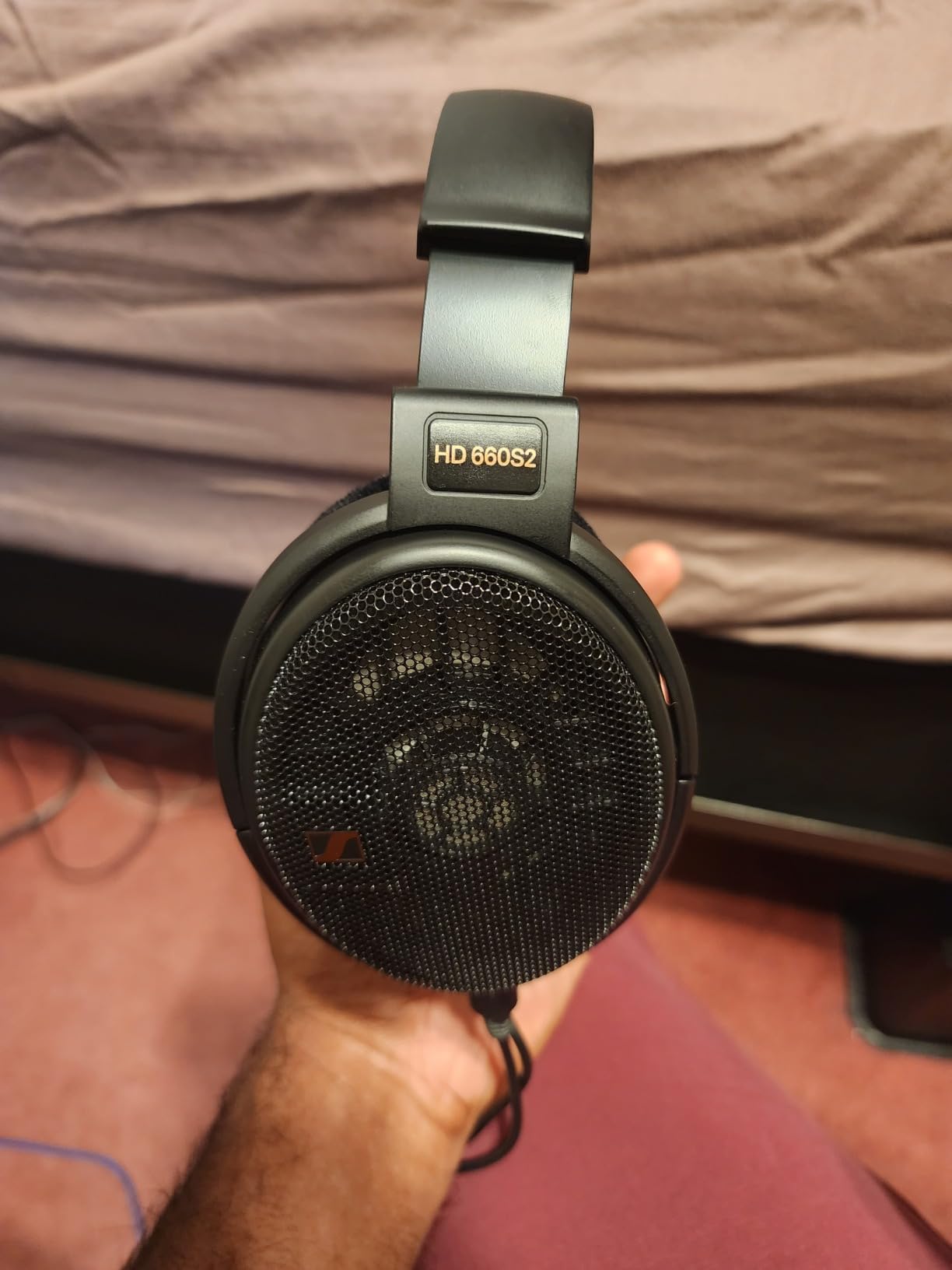
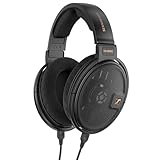 Sennheiser HD 660S 2 Open-Back Sennheiser HD 660S 2 Open-Back |
|
Check Latest Price |
 AKG K240STUDIO Semi-Open AKG K240STUDIO Semi-Open |
|
Check Latest Price |
 Sennheiser HD 280 Pro Sennheiser HD 280 Pro |
|
Check Latest Price |
 beyerdynamic DT 880 Pro 250 Ohm beyerdynamic DT 880 Pro 250 Ohm |
|
Check Latest Price |
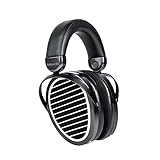 HIFIMAN Edition XS Planar Magnetic HIFIMAN Edition XS Planar Magnetic |
|
Check Latest Price |
Two columns in that table do most of the work. Impedance tells you whether you can drive the headphone from a laptop, and the enclosure style tells you whether you can use it in a shared room. Everything else, including the driver type and the frequency range printed on the box, matters far less to your day-to-day satisfaction.
1. Audio-Technica ATH-M50x Studio Monitor Headphones
Audio-Technica ATH-M50X Professional Studio Monitor Headphones, Black, Professional Grade, Critically Acclaimed, with Detachable Cable
38 ohm
99 dB sensitivity
20 Hz to 28,000 Hz
45 mm dynamic drivers
Pros
- Easy to drive from any source
- Excellent passive isolation for loud rooms
- Detachable and replaceable cable
- 90 degree swivel earcups
- Two year warranty
Cons
- Closed design offers no open soundstage
- Pads and headband pad wear with heavy daily use
- Slightly bass-forward versus flatter references
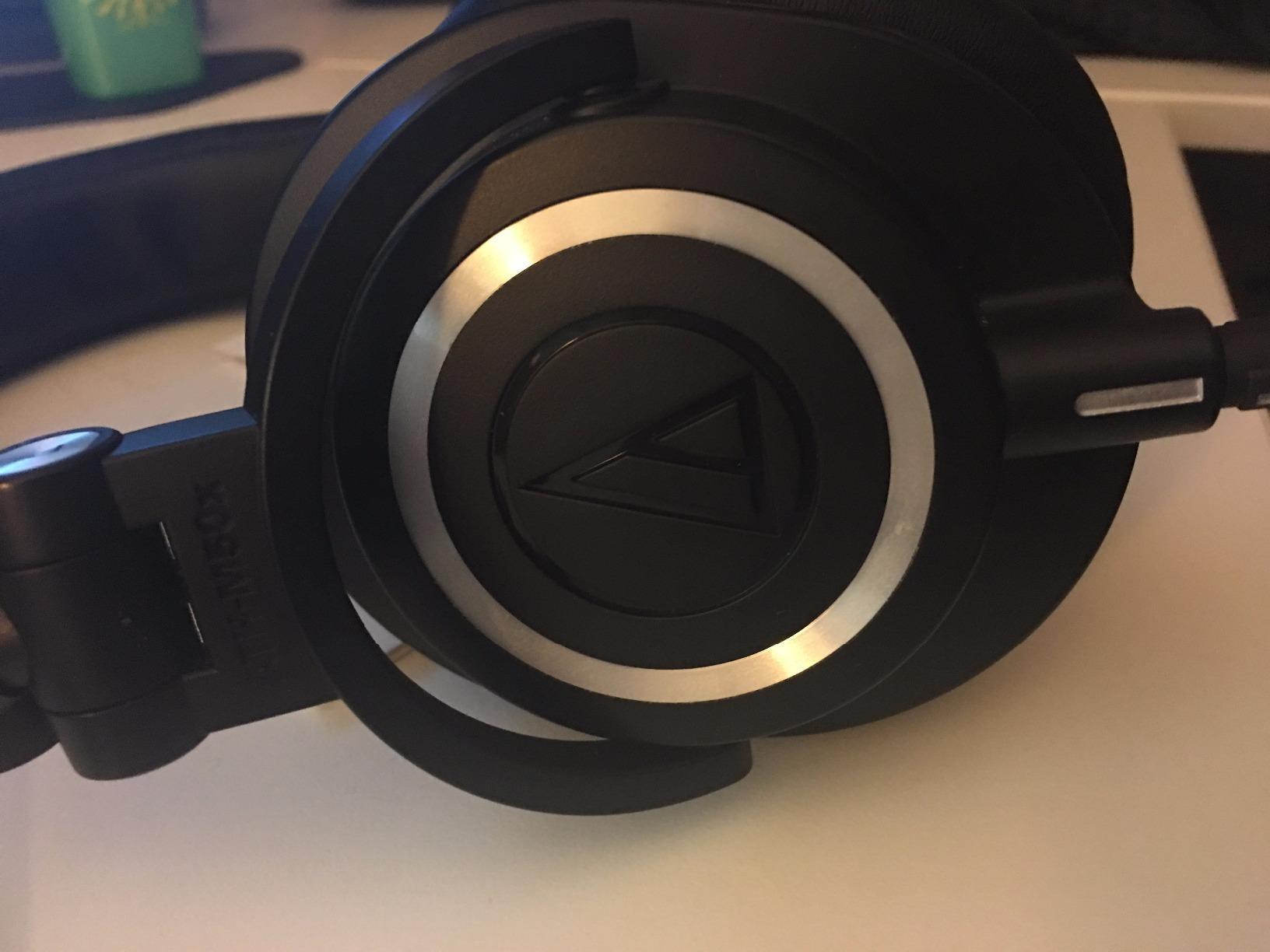
The ATH-M50x is the pair we recommend to someone buying their first serious wired headphone. It is a closed-back circumaural design with 45 mm dynamic drivers using rare earth magnets and copper clad aluminium voice coils, rated at 38 ohm and 99 dB sensitivity. That combination is why it works everywhere: a laptop, a phone, an interface, or a desktop amplifier all drive it without strain.
Sound is neutral with a slight warmth in the low end, and the midrange stays clear when dense material gets busy. Treble extends without the sharp edge that makes listeners reach for the volume knob. Detail retrieval is genuinely good at this level, which is unusual for a headphone whose main job is tracking instruments.
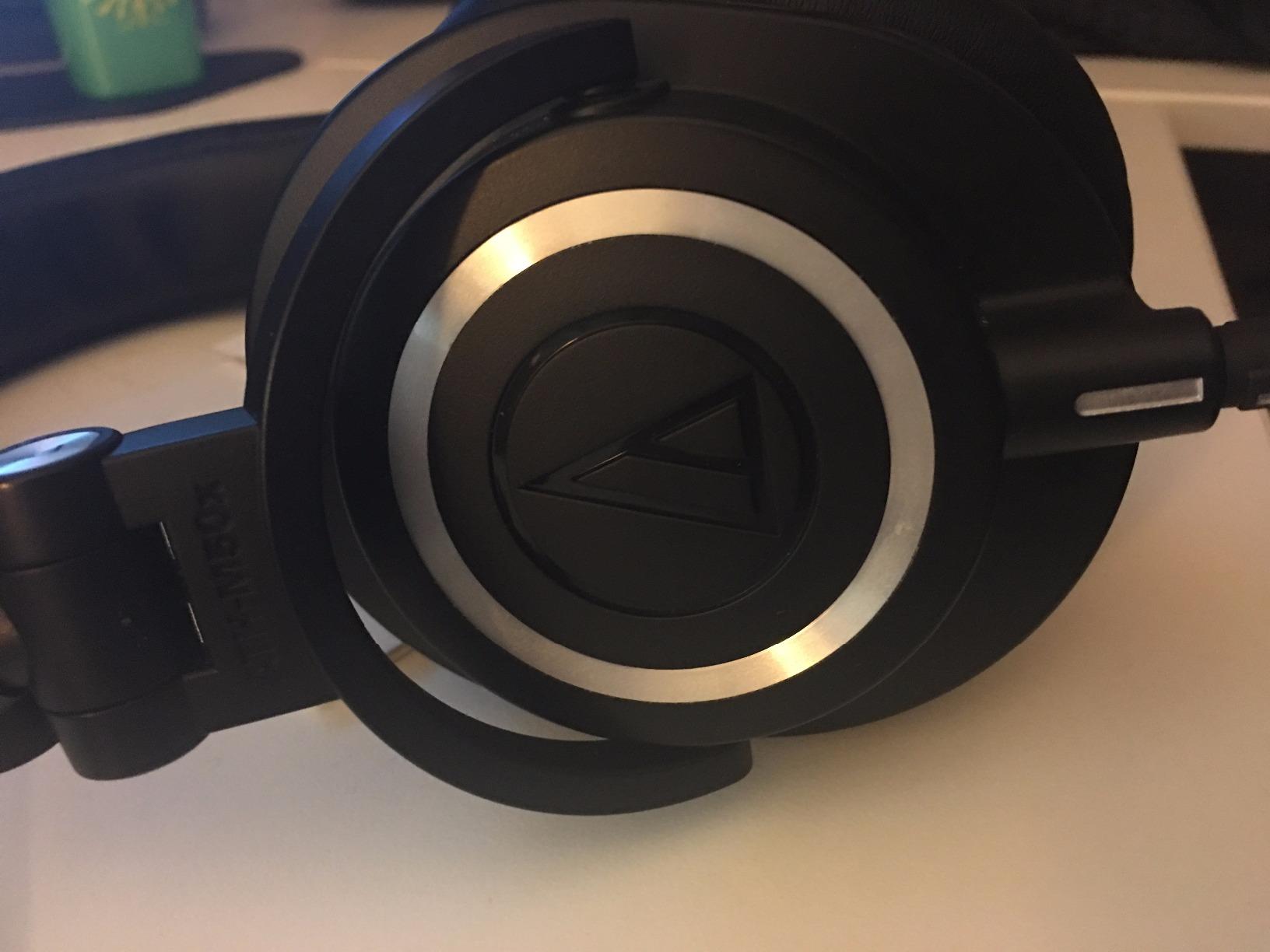
Build is where the M50x separates itself from cheaper closed-backs. The earcups swivel 90 degrees so you can cup one side over your ear and keep the other open, and the cable unscrews at each cup. Pads and the headband pad can be replaced, which matters more than any spec on the spec sheet when you have owned the pair for three years.
One detail we like is the 2 year warranty on parts and labour. For a headphone people use daily in a studio, that coverage is a bigger deal than the printed frequency range. The circumaural shape also means the pads sit around the ear rather than on it, which is how it manages passive isolation without crushing your glasses.
Who the M50x suits best
It suits people who switch between work and pleasure on the same setup. A producer can track vocals on it in the afternoon, then plug the same pair into a desktop amp in the evening for critical listening. The tuning stays honest in both roles, which is rarer than manufacturers admit.
It also suits anyone who cannot use an open-back. Shared flats, small bedrooms, home offices with a colleague nearby, or a partner who finds background music irritating. The isolation is passive, so it needs no power and no battery, and it works identically on a plane or in a studio.
Where the M50x disappoints
If you are chasing a sense of space, the sealed enclosure works against you. Sound stays inside the cups, instruments sit close, and the room never opens up. No amount of amplification changes that. Headphones in this section with open grilles do a better job of placing a band around you.
The pads and headband padding are consumables. Heavy daily studio use wears them, and the replacement pads change the low end slightly. The tuning also sits slightly bass-forward compared with the flattest studio references here, so engineers who want maximum neutrality may prefer the M20x below.
2. Sony MDR7506 Professional Large Diaphragm Headphones
Sony MDR7506 Professional Large Diaphragm Headphone
63 ohm
40 mm neodymium drivers
10 Hz to 20,000 Hz
8 ounces
Pros
- Extremely light and comfortable
- Exceptionally clear and detailed
- Decades of unchanged design
- Folds flat with a soft case
Cons
- Fixed non-detachable coiled cable
- Light bass for bass-forward listeners
- Bright treble can divide opinions
The MDR7506 is the oldest design in this guide and the least changed, which is exactly why it endures. It uses a 40 mm dynamic driver with neodymium magnets, sits at 63 ohm, and has a frequency response of 10 Hz to 20,000 Hz. Almost every broadcast studio and a great many music studios still run it, and the review history reflects that scale.
At 8 ounces it is the lightest full-size headphone here, and the clamping force is gentle enough that you notice it less than you expect. The signature is bright but not fatiguing, with strong clarity in the upper midrange. Bass is deep and well articulated rather than boomy, which is the usual complaint people have about cheap closed-backs.
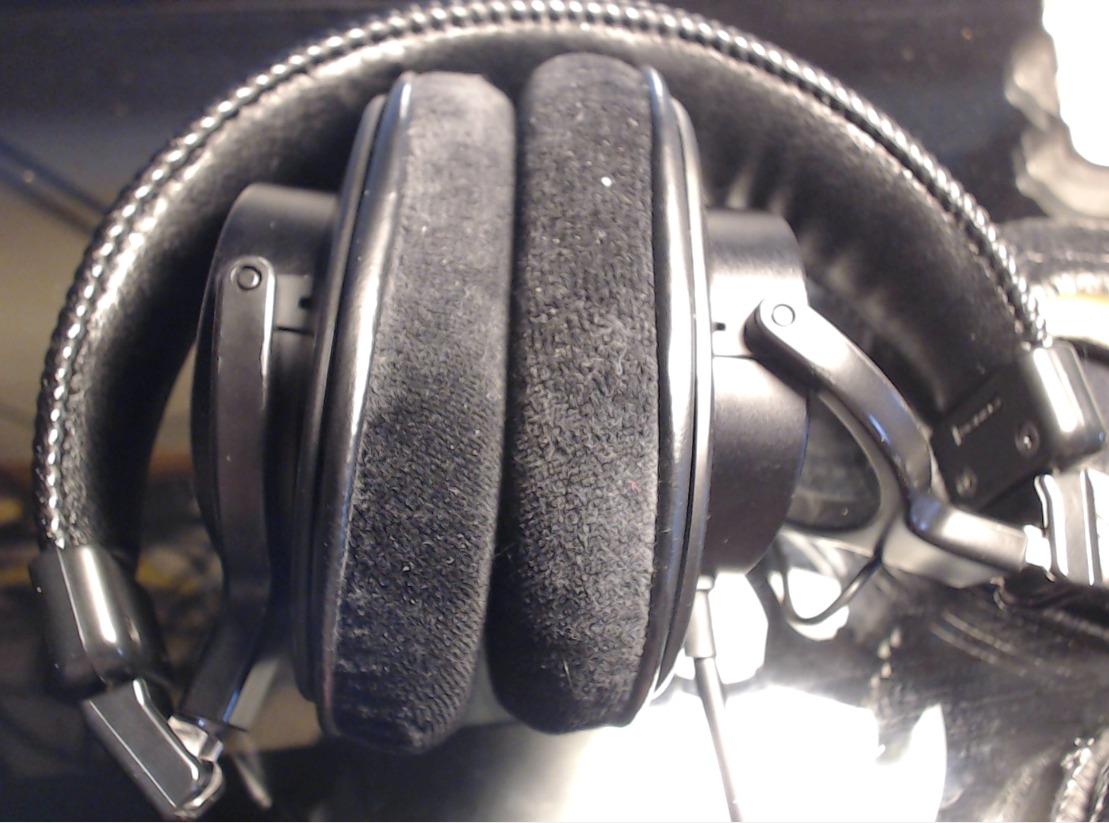
The hardware is deliberately simple. A gold-plated 9.8 foot fixed coiled cord with a screw-on quarter-inch adapter, a folding mechanism, and a soft case in the box. There is no detachable cable, which is the one design decision that dates it. Everything else has survived three decades of daily studio abuse.
Detail retrieval is the reason engineers keep coming back. It exposes problems in a mix rather than smoothing them over, and the imaging stays stable when a session runs long. For critical listening at home it is a genuinely rewarding headphone, provided the brightness suits you.
Who the MDR7506 suits best
It suits anyone who wants a reliable, comfortable, all-day closed-back and does not need to change cables. Radio, voice-over, podcast editing, and general mixing all sit comfortably in its wheelhouse. It is also the easiest headphone here to pack, since it folds flat and the case is thin.
It suits nervous buyers. The design has not changed in decades, which means replacement parts, advice, and settings are easy to find. New listeners chasing a signature will move on quickly. People who want to work will keep it for a decade.
Where the MDR7506 disappoints
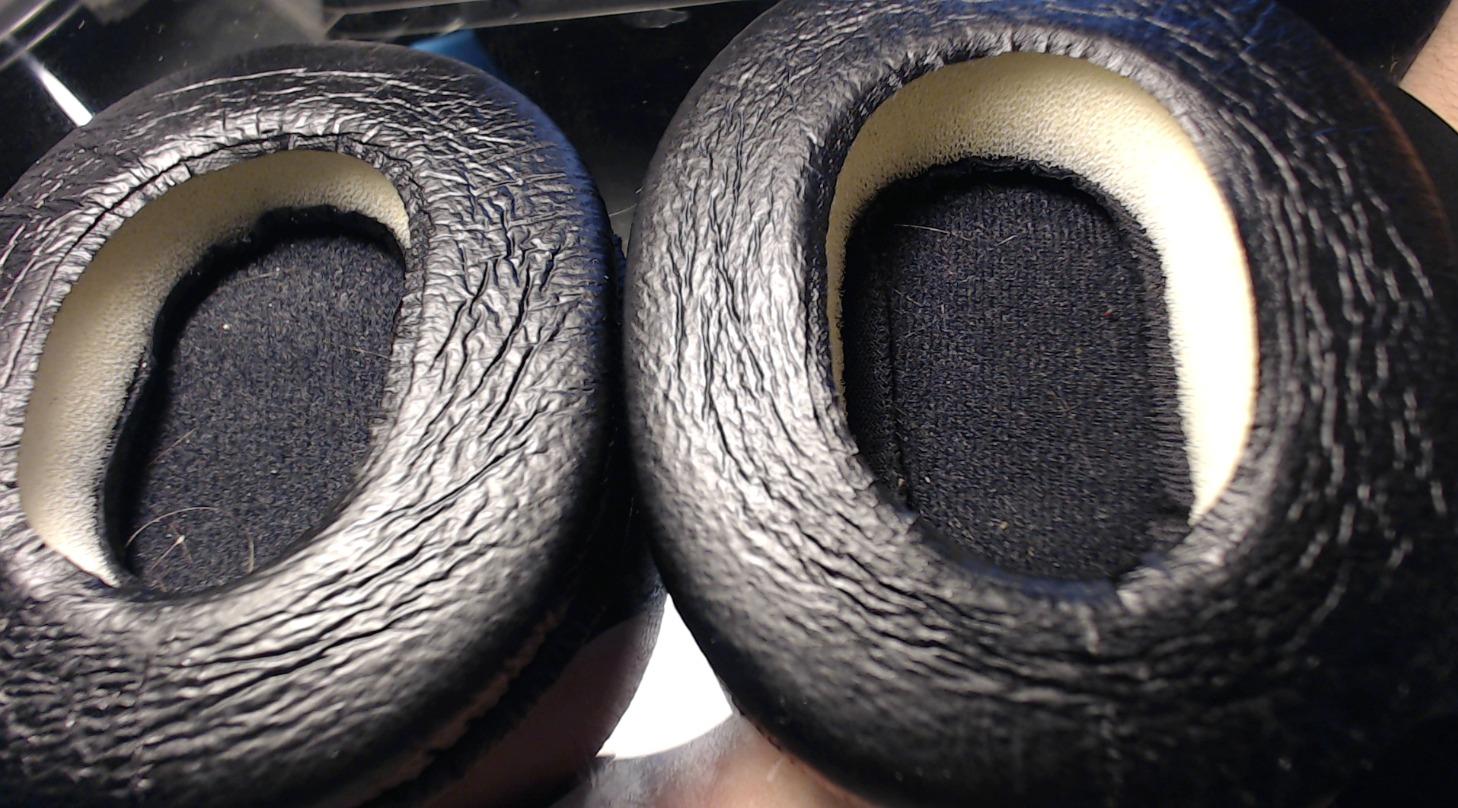
The fixed coiled cord is the real limitation. If the cable is damaged, the pair is finished, because the Sony does not sell a replacement for this model. A detachable cable would have cost nothing and would have made the headphone far more future-proof.
Treble-sensitive listeners sometimes find the top end too bright at low volumes, which is common with studio monitors designed for mixing at higher levels. Bass also skews toward the light side, so if you listen mostly to electronic music and want weight, this is not the pair.
3. Audio-Technica ATH-M20x Studio Monitor Headphones
Audio-Technica ATH-M20x Professional Studio Monitor Headphones, Black
47 ohm
96 dB sensitivity
15 Hz to 20,000 Hz
210 g
Pros
- Clean and flat monitoring sound
- Durable metal-reinforced build
- Comfortable over long sessions
- Includes a quarter-inch adapter
Cons
- Fixed non-detachable cable
- Bass sits on the light side
- Shallow cups can squeeze glasses wearers
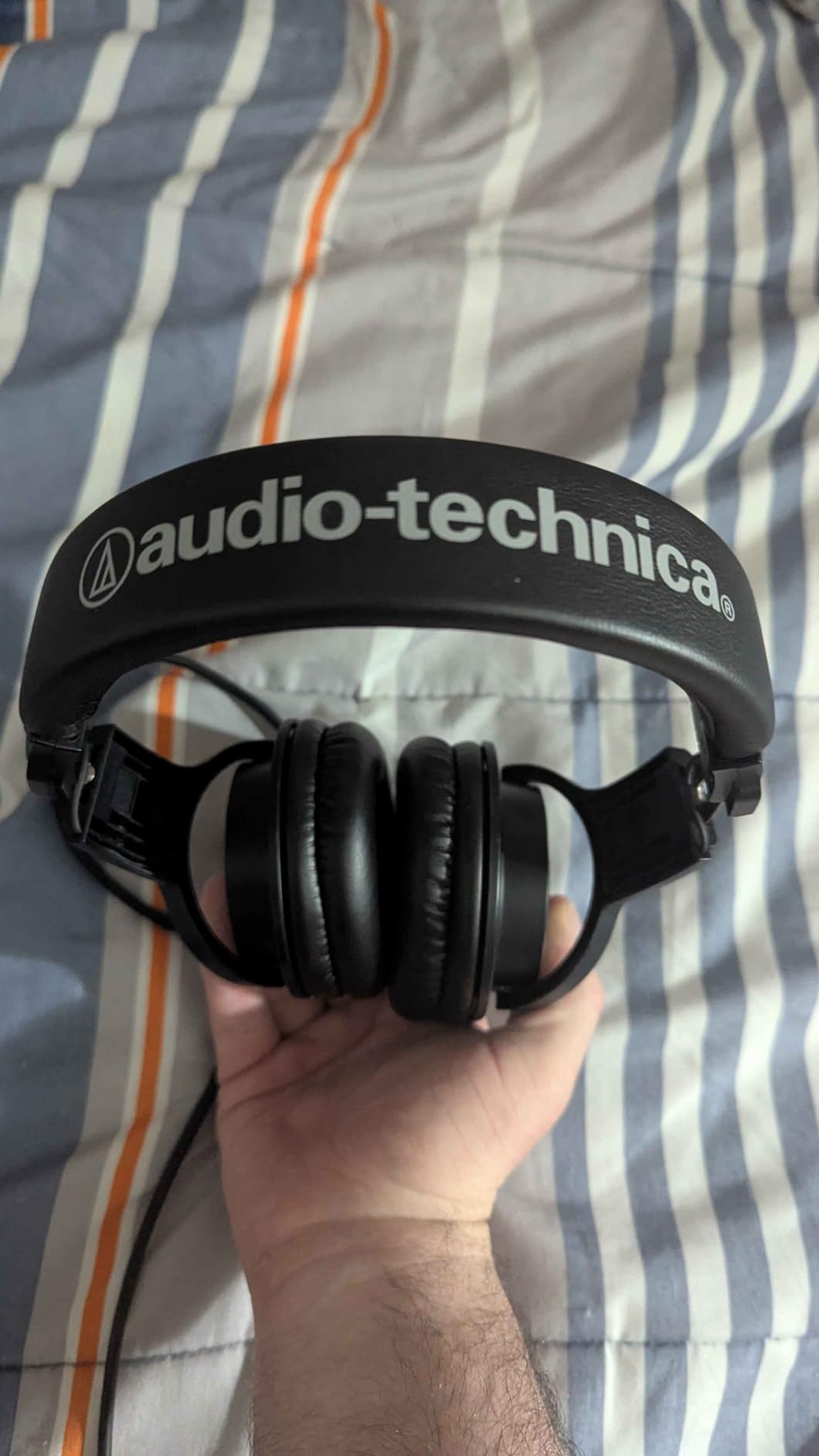
The M20x is the cheapest way into a genuinely accurate wired headphone, and it is often the first recommendation we give. It uses 40 mm rare earth dynamic drivers with copper clad aluminium voice coils, tuned for enhanced low frequency performance, at 47 ohm and 96 dB sensitivity. It pairs with any source without a dedicated amplifier.
The sound is flat and well balanced, which is exactly what you want from a tracking headphone. There is no obvious colouration to correct later in software. At 210 g it is light, and most head shapes find it comfortable over a full working day.
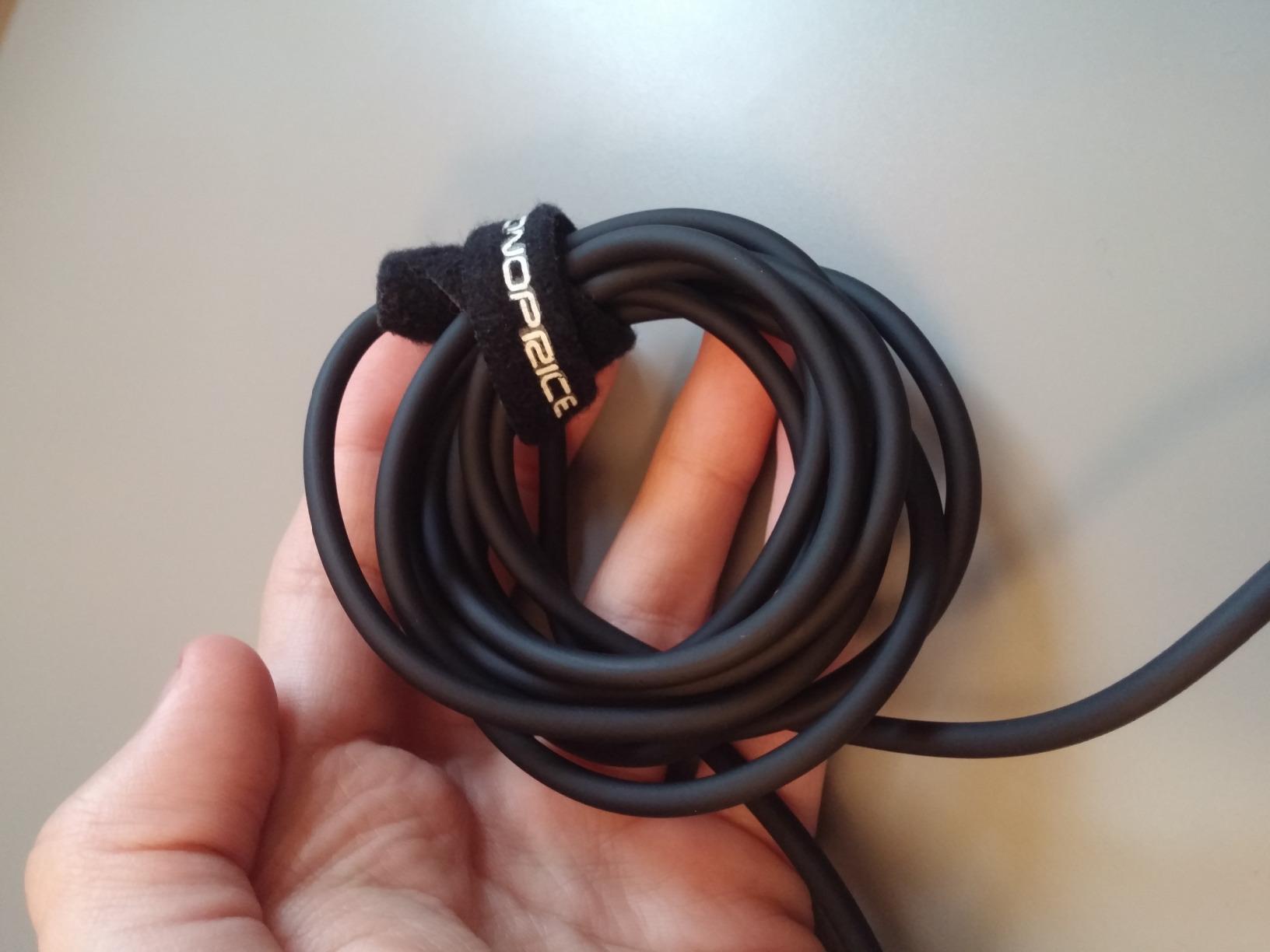
Isolation is good for a closed-back, so it works in a busy room and during tracking sessions. The circumaural design contours around the ear rather than sitting on it, and the single-sided cable exit keeps the cord out of the way of your mouse hand. A 3.5 mm to 6.35 mm adapter is included.
Durability is the quiet strength here. The build is metal reinforced, which is why it survives being moved between home and studio. Audio-Technica backs it with a 2 year warranty on parts and labour, the same coverage as the M50x above it.
Who the M20x suits best
It suits people on a tight budget who want accuracy rather than a nice story. If you are learning to mix, learning to hear detail, or simply tired of consumer headphones that colour everything, this is the honest starting point. The gap between this and the flagship models is smaller in usefulness than in price.
It also suits anyone who works with speech. Voice recording, dubbing, and podcast production are all well served by a flat response with a light, unobtrusive presentation. The M20x will not excite you, and that restraint is the product.
Where the M20x disappoints
Bass is light. It is present and accurate, but there is no sense of weight, and listeners coming from bass-forward headphones sometimes describe it as thin. If physical impact matters to you, step up to the M50x or the Sennheiser HD 660S 2 later in this guide.
The cable is fixed and single-sided, and the earcups are shallower than the M50x. Wearers with glasses occasionally find the pressure uncomfortable over long sessions. Both are trade-offs accepted in exchange for the low weight and low cost.
4. beyerdynamic DT 990 Pro 250 Ohm Open-Back Headphones
beyerdynamic DT 990 Pro (250 Ohm), Open-Back Studio Headphones, Black
250 ohm
96 dB sensitivity
5 Hz to 35,000 Hz
8.8 ounces
Pros
- Very wide open soundstage
- Fast and authoritative bass
- Extremely light with velour pads
- Made in Germany with replaceable parts
Cons
- 250 ohm needs an amplifier
- Bright treble can fatigue some listeners
- Leaks sound in and out
- Fixed cable
The DT 990 Pro is the first open-back in this list and the one that makes the case for the format most clearly. At 250 ohm it is designed for audio interfaces and headphone amplifiers, with a 5 Hz to 35,000 Hz range and 96 dB sensitivity. It is 8.8 ounces, which is remarkable for a headphone with this much internal volume.
Instrument separation is the headline. A full drum kit occupies distinct positions instead of blurring, and a mix gains depth and placement. Bass is fast and tight rather than soft, which surprises people who expect open-backs to be all air and no weight.
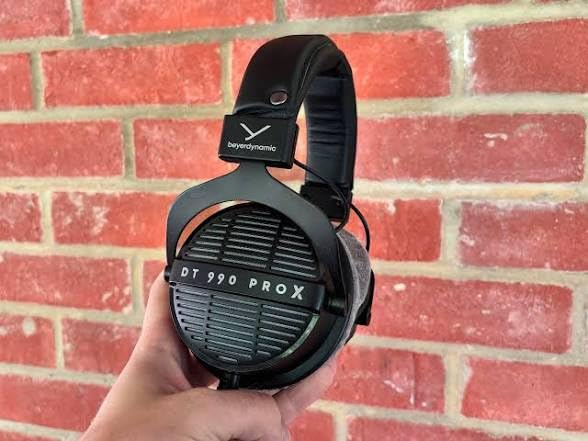
Comfort comes from the grey velour pads, which are replaceable, and the spring-steel headband, which spreads pressure evenly. Many listeners report that the sound opens up noticeably after a period of regular use, and that the included 3 m coiled cable with a quarter-inch adapter is long enough to reach a desk amplifier without an extension.
Construction is German-made, and the parts list is refreshingly serviceable. Pads, headband, and drivers can all be replaced, so the headphone can outlive several generations of electronics. That is a genuine long-term ownership advantage over sealed designs with glued pads.
Who the DT 990 Pro suits best
It suits critical listeners who want space. If you listen to large ensembles, jazz, film scores, or anything recorded in a room rather than a booth, the 990 Pro shows you the difference. It pairs naturally with our open-back listening guide for further reading.
It also suits mastering engineers and producers who want a neutral reference with genuine bass authority. The revealing treble exposes flaws, which is the point. Bring it up in a treated room where you can hear the truth, not in a noisy flat.
Where the DT 990 Pro disappoints
250 ohm is the practical drawback. From a laptop or phone the headphone will play, but it loses volume and low-end weight. A modest desktop amplifier removes almost all of that complaint, and it is the one piece of extra hardware this guide asks you to consider.
It leaks in both directions, so it is unusable in a shared room and audible from the next seat. The treble is deliberately bright, and treble-sensitive listeners may find it tiring after an hour. The fixed coiled cable is also heavy and cannot be replaced.
5. beyerdynamic DT 770 Pro 80 Ohm Studio Headphones
beyerdynamic DT 770 Pro Studio Headphones (80 Ohm, Black)
80 ohm
96 dB sensitivity
5 Hz to 35,000 Hz
9.5 ounces
Pros
- Balanced transparent sound with punchy bass
- Excellent comfort from velour pads
- Strong closed-back isolation
- Serviceable with replaceable parts
Cons
- Bulky and not portable
- Very high frequencies lack sparkle
- 3 m straight cable is unwieldy
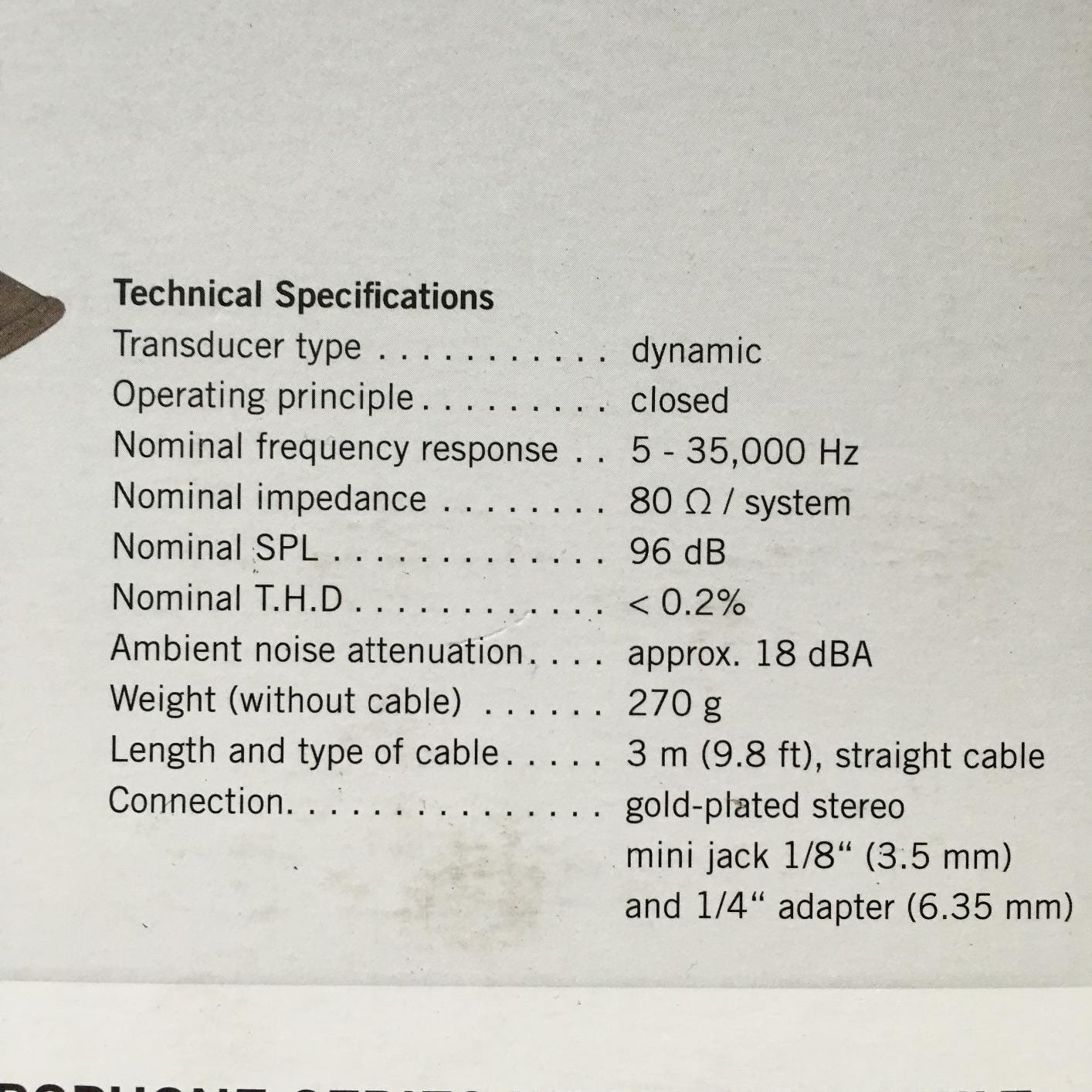
The DT 770 Pro in the 80 ohm version is the version most people should consider, because 80 ohm sits in the sweet spot between ease of drive and headroom. It runs comfortably from a laptop, a phone, an interface, or an amplifier, and it keeps the same 5 Hz to 35,000 Hz extension as the higher-impedance versions.
Sound is well balanced and transparent, with a tight, punchy bass that supports rather than smothers. The upper frequencies are less extended than the brightest open-backs in this list, so cymbals and hi-hats sit back slightly. For mixing decisions that restraint is often preferable.

The velour pads feel like pillows, and at 9.5 ounces the pair disappears on your head during long sessions. Isolation is the strongest argument for the closed design: it blocks enough outside sound to track a vocalist next to a drum kit, and it leaks very little back into the room.
Serviceability is the quiet headline. Pads, headband, and drivers are all replaceable, the headband is spring steel, and the headphone is made in Germany with a 2 year Beyerdynamic warranty. It is a tool designed to be repaired rather than discarded.
Who the DT 770 Pro suits best
It suits vocalists, drummers, and anyone recording in an untreated room who needs isolation plus accuracy. The closed design is a genuine working tool rather than a compromise, and the balanced response gives you a reliable reference for both tracking and editing.
It also suits home listeners who want one closed-back for evening use in a busy household. The 80 ohm version removes the amplifier question entirely, and the comfort holds up across a long evening of lossless streaming from Qobuz, Tidal, or Apple Music Lossless.
Where the DT 770 Pro disappoints
It is not portable. The earcups are bulky and the 3 m straight cable is awkward on a train or a plane. If you want one headphone for commuting and critical listening, a smaller foldable design like the MDR7506 serves better.
The very top end lacks sparkle compared with brighter brands, and some listeners want more air around cymbals and strings. The clamping force also feels firm during the first hour before the pads and headband settle, which can bother people with smaller heads.
6. Sennheiser HD 599 Open-Back Audiophile Headphones
Sennheiser HD 599 Open-Back Wired Audiophile Headphones, Ivory
50 ohm
12 Hz to 38,500 Hz
Two detachable cables
Aluminum voice coils
Pros
- Wide spacious open-back stage
- Velour pads spread pressure well
- Two cables for home and portable
- Low distortion and efficient drivers
Cons
- No isolation and sound leaks both ways
- Heaviest headphone in this group
- Limited bass extension
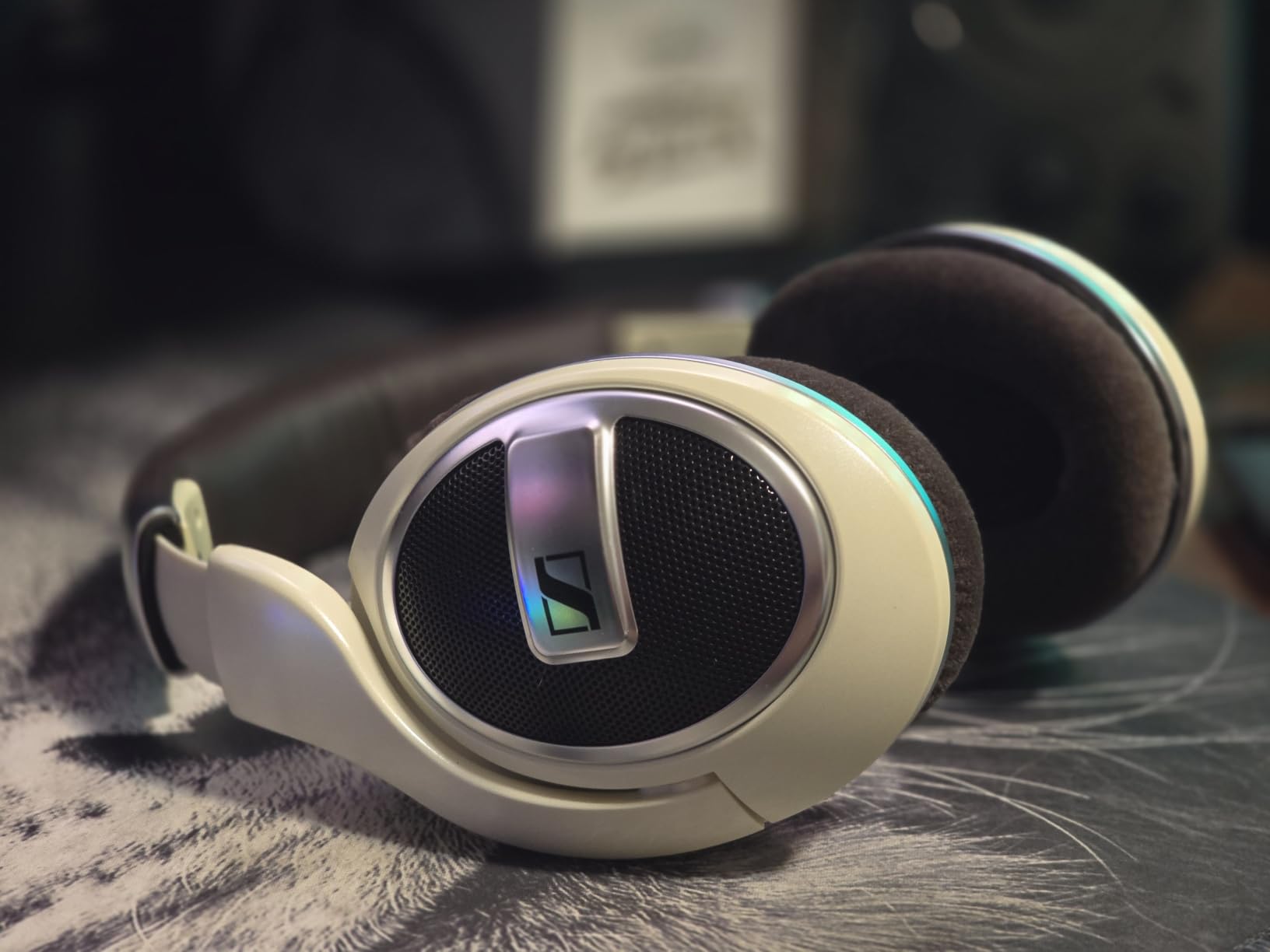
The HD 599 is Sennheiser’s comfort-first open-back entry, and at 50 ohm it is one of the easiest open-backs here to drive. You get a wide, spacious stage with a smooth, natural tonal balance, which is the presentation most people describe as relaxed rather than analytical.
Aluminium voice coils give high efficiency and very low distortion, and the frequency range runs from 12 Hz to 38,500 Hz. Bass is present and clean rather than emphasised. Voices and acoustic instruments sit comfortably forward without being pushed at you.
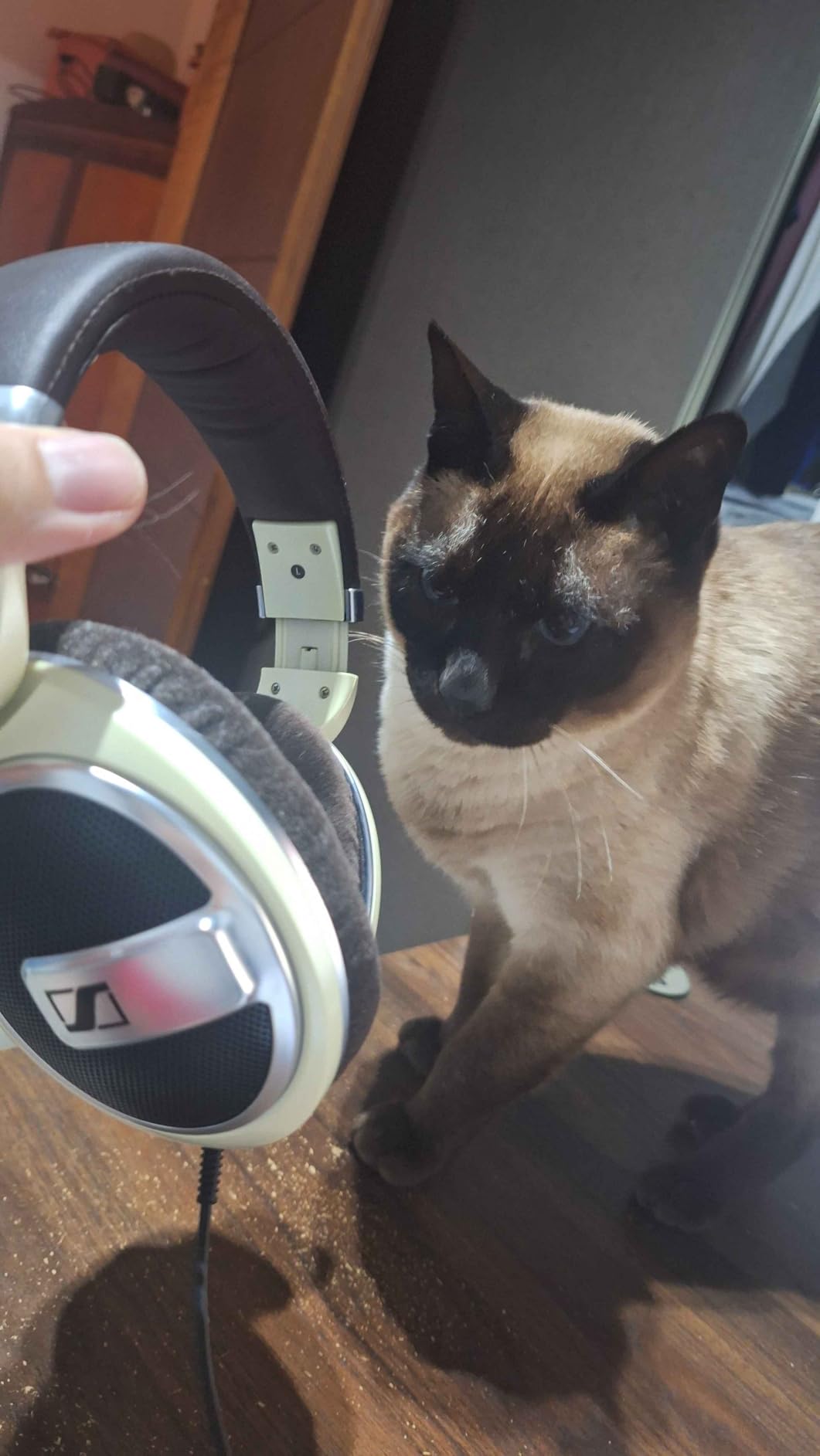
The real headline is what arrives in the box. You get two detachable cables, a 3 m lead with a 6.3 mm jack for a desk setup and a 1.2 m lead with a 3.5 mm jack for a phone or laptop. That single decision removes the most common complaint about entry audiophile headphones, where one fixed cord is all you get.
Comfort is the other headline. Velour-covered ear pads and a padded headband spread pressure rather than concentrating it, so a two-hour listening session does not produce the headache that clamp-heavy designs can. The build mixes aluminium and plastic, with a matte ivory finish and brown headband stitching.
Who the HD 599 suits best
It suits people who want an open-back soundstage without an amplifier. At 50 ohm and 96 dB class efficiency, it produces satisfying volume from a laptop or a modest desktop DAC, and the drivers stay clean well below maximum output.
It also suits long-session listeners and anyone who wears glasses, since the pads distribute pressure instead of pressing on a hinge. For someone moving between a desk and a sofa, the two included cables mean no adapter juggling.
Where the HD 599 disappoints
There is no isolation at all, and it leaks in both directions. In a shared room it announces what you are listening to. It is also the heaviest headphone in this roundup at about 0.71 kg, so very long sessions may still build fatigue even with excellent padding.
Bass extension is limited next to dedicated bass-oriented open-backs. If low end is a priority, the Sennheiser HD 660S 2 further down the list reaches considerably lower. The 1 year warranty is also the shortest in this group.
7. Sennheiser HD 650 Audiophile Hi-Res Open-Back Headphones
Sennheiser HD 650 – Audiophile Hi-Res Open Back Dynamic Headphone
103 dB sensitivity
42 mm dynamic driver
0.05 percent THD
10 Hz to 41,000 Hz
Pros
- Effortless midrange and treble that never harsh
- Wide natural stage with separation
- Very low distortion at the extremes
- Light and well padded for long sessions
Cons
- Almost no isolation and heavy sound leakage
- Bass is present but not emphasised
- High impedance demand rewards an amplifier
The HD 650 is the audiophile reference that most people picture when they hear the phrase wired headphones for audiophiles. It uses a 42 mm dynamic driver with hand-selected matched elements, high power neodymium magnets, and acoustic silk damping that brings total harmonic distortion down to 0.05 percent. Response runs from 10 Hz to 41,000 Hz with 103 dB sensitivity.
What you notice first is how little it does to the music. The midrange is smooth and even, the treble never turns harsh at normal listening levels, and long sessions pass without fatigue. Instrument separation is good enough to follow a conductor through a busy finale.
The detachable twin-lead cable is a 3.5 mm plug design, and pads are replaceable, which keeps the pair useful indefinitely. A 2 year warranty is included, and the aluminium and plastic construction feels proportionate rather than premium-luxurious. At 9.12 ounces it is one of the lighter full-size pairs here.
Because of that low distortion figure, the headphone stays composed at higher volumes. Push it with a dense orchestral passage and the midrange does not harden. That is the practical reason engineers have kept recommending it for mixing reference for years.
Who the HD 650 suits best
It suits classical, acoustic, and vocal listeners who want a natural, unhurried presentation. Strings, piano, and chamber recordings sit well on a wide natural stage, and the restrained voicing means nothing is exaggerated. If you listen to acoustic instruments more than heavily produced electronic music, this is a strong match.
It also suits anyone who wants a single open-back with a long service life. Replaceable pads, a detachable cable, and a repairable design mean the headphone can stay in rotation for a very long time, and a modest amplifier lets it scale with your system as you improve it.
Where the HD 650 disappoints
Bass is restrained. It is clean and accurate but not emphasised, so listeners who want low-end weight find it polite. There is also effectively no isolation, and leakage is significant in both directions. A shared room rules it out entirely.
The 300 ohm class demand means a decent amplifier is recommended, otherwise the headphone will play quietly and lose impact. Detail in the very highest frequencies is good but not class-leading, so treble-focused listeners may prefer a brighter pair.
8. Sennheiser HD 660S 2 Open-Back Audiophile Headphones
Sennheiser HD 660S 2 Open-Back Audiophile Headphones
300 ohm
42 mm transducers
8 Hz to 41.5 kHz
Ultra-light aluminum coil
Pros
- Spacious stage with real depth and layering
- Fast detailed highs without harshness
- Improved sub-bass over the previous model
- Breathable plush cushions
Cons
- 300 ohm strongly rewards a dedicated amplifier
- No isolation whatsoever
- Fewer third-party pad and cable options
The HD 660S 2 is the current flagship of the HD 600 family and the most demanding headphone in this guide. At 300 ohm it wants real amplifier power, and pairing it with a laptop headphone jack will disappoint you. With a proper desktop amplifier it delivers a spacious, natural open-back stage with genuine depth.
The ultra-light aluminium voice coil and 42 mm transducers give precise highs and deep controlled sub-bass, with low frequency reach from 27.5 Hz into the 60 Hz region. That is the low-end weight the HD 650 leaves on the table, and it is the reason to step up.
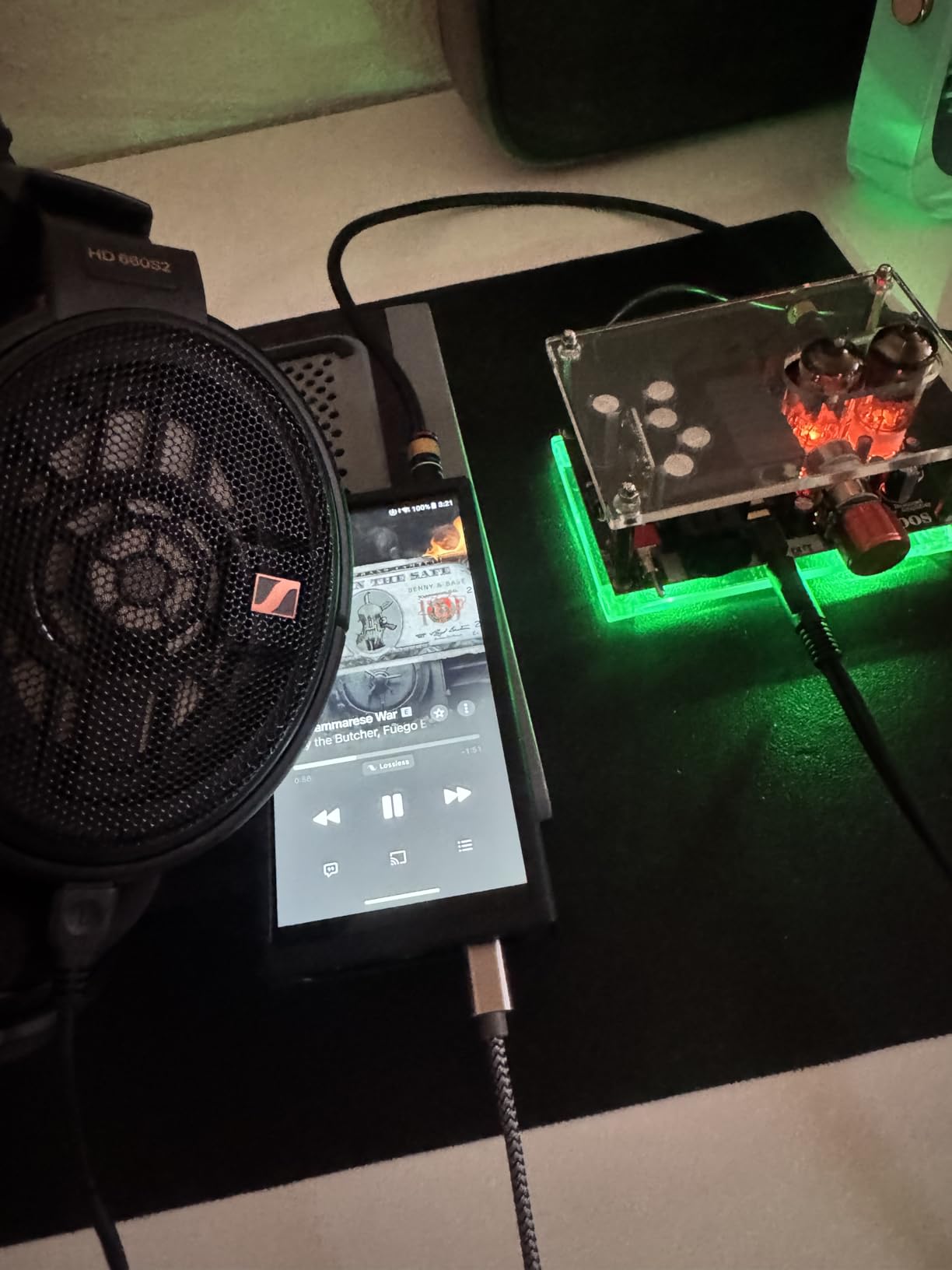
Treble is detailed without the edge that spoils long sessions, and layering on dense mixes is noticeably better than the older model in the family. Breathable plush ear cushions make it one of the more comfortable high-impedance options, which matters because you will want to keep it on for a couple of hours.
The box is generous. Two detachable 1.8 m cables, a 6.3 mm to 3.5 mm adapter, and a carry pouch are included, and the connectors cover 1/4 inch TRS and 4.4 mm TRRRS so you can move between single-ended and balanced sources without buying anything else.
Who the HD 660S 2 suits best
It suits listeners who already own an amplifier or desktop DAC and want the next step in open-back quality. Once the headphone has power, the sub-bass and midrange detail justify the effort far better than the specification list suggests. Rock, film scores, and modern electronic music all benefit from the extra low-end authority.
It also suits balanced output owners. The 4.4 mm TRRRS option means you can use a balanced connection from a modern DAC or dongle and keep the cable count down. That is a genuine advantage over older open-backs that only accept a single-ended plug.
Where the HD 660S 2 disappoints
The amplifier requirement is the deal-breaker for many buyers. At 300 ohm, an underpowered source produces quiet output and thin bass, and people regularly blame the headphone for a problem the source caused. If you cannot add amplification, choose the 50 ohm HD 599 or the 80 ohm DT 770 Pro instead.
There is no isolation whatsoever. As the newest flagship open-back in the range, it also has fewer third-party pad and cable options than the HD 650 or the DT 990 Pro, so a custom fit or alternate cable takes more searching.
9. AKG K240STUDIO Semi-Open Studio Headphones
AKG K240STUDIO Semi-Open Studio Headphones
55 ohm
104 dB sensitivity
30 mm XXL Varimotion drivers
240 g
Pros
- Exceptionally neutral flat monitoring sound
- Very light with a self-adjusting headband
- Detachable locking mini-XLR cable
- Excellent build for the money
Cons
- Semi-open design leaks in both directions
- Bass is accurate but light
- Small drivers lack scale and air
The AKG K240STUDIO is a semi-open design built around 30 mm XXL transducers with patented Varimotion diaphragms. At 55 ohm and 104 dB sensitivity it is extremely efficient, which is why it has been a broadcast and post-production standard for so long despite being far smaller than most studio monitors.
The sound is neutral and flat with clear mids and treble, and it does not editorialize. That makes it a superb monitoring headphone for mixing, mastering, and voice work, and a poor choice if your goal is a flattering, immersive listening experience.
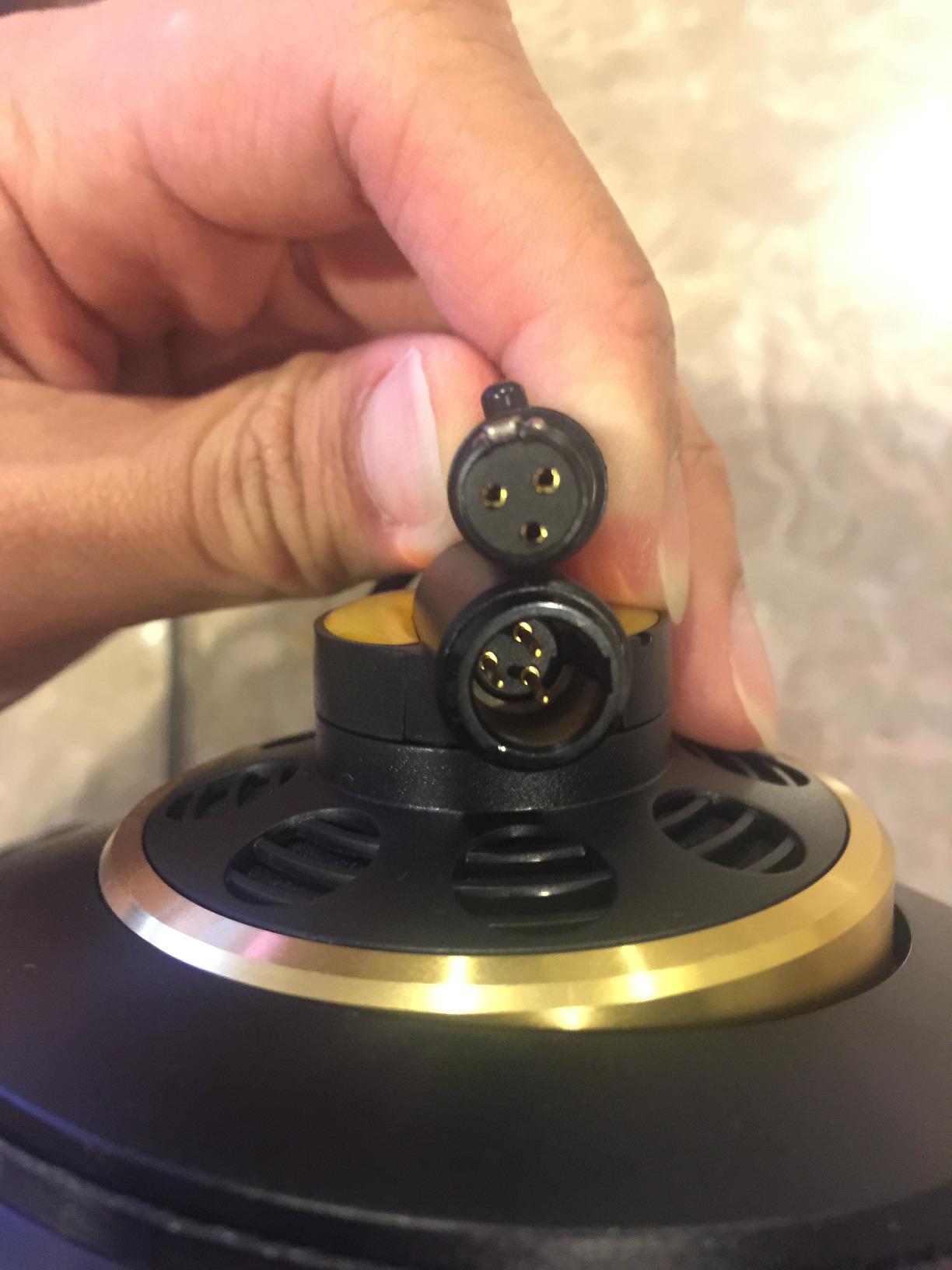
The self-adjusting leather headband is the mechanical highlight. It flexes to fit the wearer, so there is no ratchet to set and the clamping pressure stays gentle. The stainless steel build and the detachable locking mini-XLR cable add real longevity, and the cable is easy to replace or shorten.
Connectivity is practical for a studio. You get a 3 m cable, a 3.5 mm stereo plug, and a screw-on quarter-inch adapter. For spoken word, video, and podcast editing, the detail and neutrality are the whole point of the headphone.

Who the K240STUDIO suits best
It suits anyone working with voice. Broadcasters, narrators, dubbing artists, and podcast editors consistently choose it because the midrange clarity and flat response make consonants easy to judge. The detachable cable also means a longer or shorter cord is trivial to fit to your desk.
It suits engineers who want a second reference without spending much. It will not flatter a mix, which is exactly what a checking headphone should do. Pair it with an open-back reference such as the DT 990 Pro and you have covered both ends of the checking spectrum.
Where the K240STUDIO disappoints
It is not a music-first headphone. Bass is accurate but lean, and the 30 mm drivers lack the scale and airiness of larger open-backs. Listeners who want to relax into an album rather than evaluate it will find the presentation clinical.
The semi-open design provides no isolation and leaks heavily, so it is a poor choice in a noisy room. The earcups and pleather pads also feel less refined than the headband mechanism, which is the better part of the build.
10. Sennheiser HD 280 Pro Closed-Back Headphones
Sennheiser HD 280 Pro Headphone, Black
64 ohm
8 Hz to 25 kHz
Up to 32 dB passive isolation
Detachable 3.3 m coiled cord
Pros
- Exceptional passive isolation up to 32 dB
- Warm natural unboosted tuning
- Excellent imaging for a closed-back
- Collapsible and fully serviceable
Cons
- Heavy permanently attached coiled cable
- Faux leather pads and padding degrade with age
- Not tuned for bass-forward music
The HD 280 Pro is the isolation champion in this guide, with up to 32 dB of passive attenuation from outside sound. That is a figure that belongs to professional hearing protectors, and it is achieved with no electronics, no battery, and no processing. It simply blocks the room out acoustically.
Sound is warm and natural with no artificial bass emphasis, and the imaging is unusually good for a closed-back. A mix appears to sit in the room rather than inside the cups. At 64 ohm it drives from a laptop, a phone, or a studio interface without complaint.
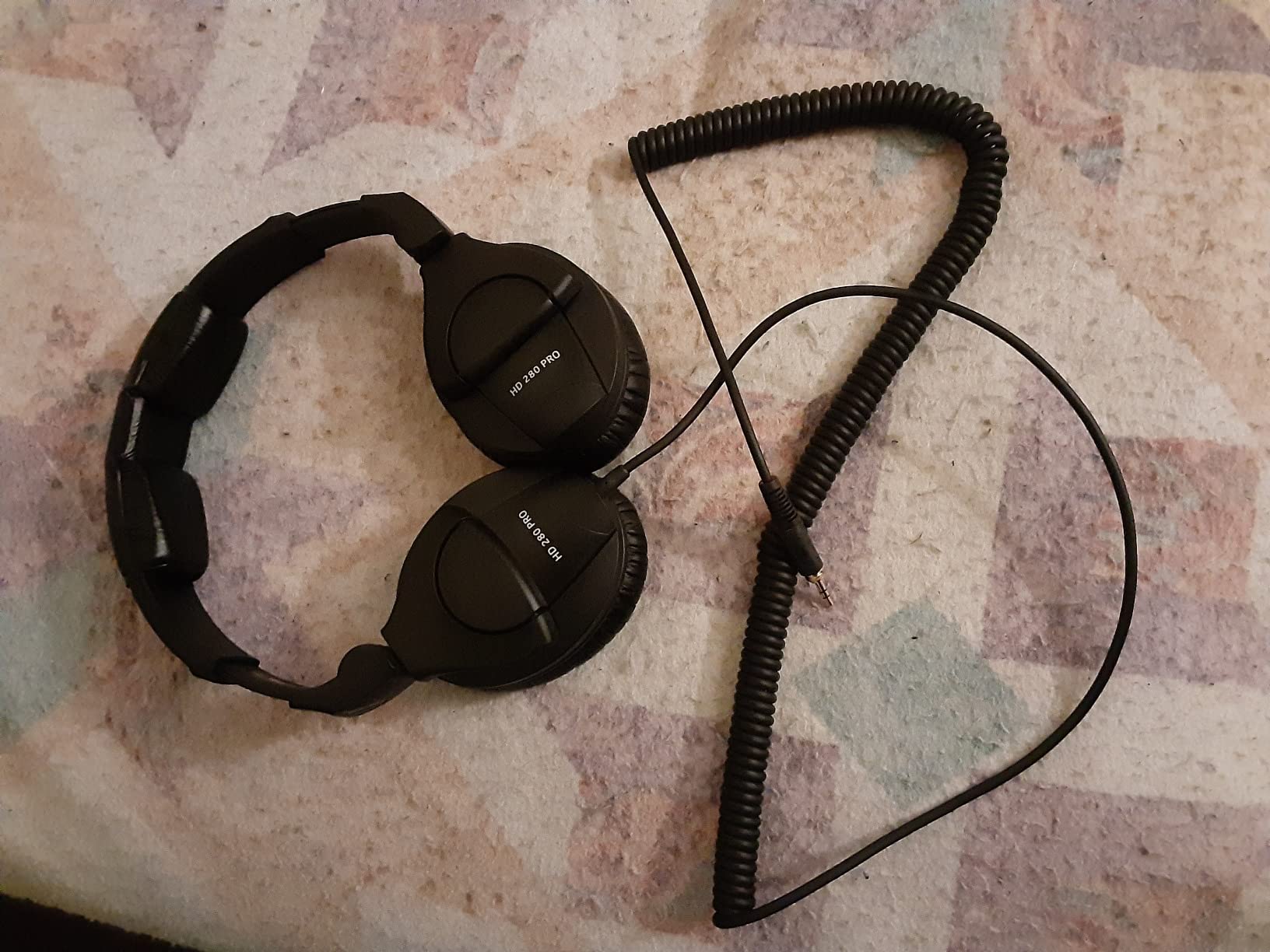
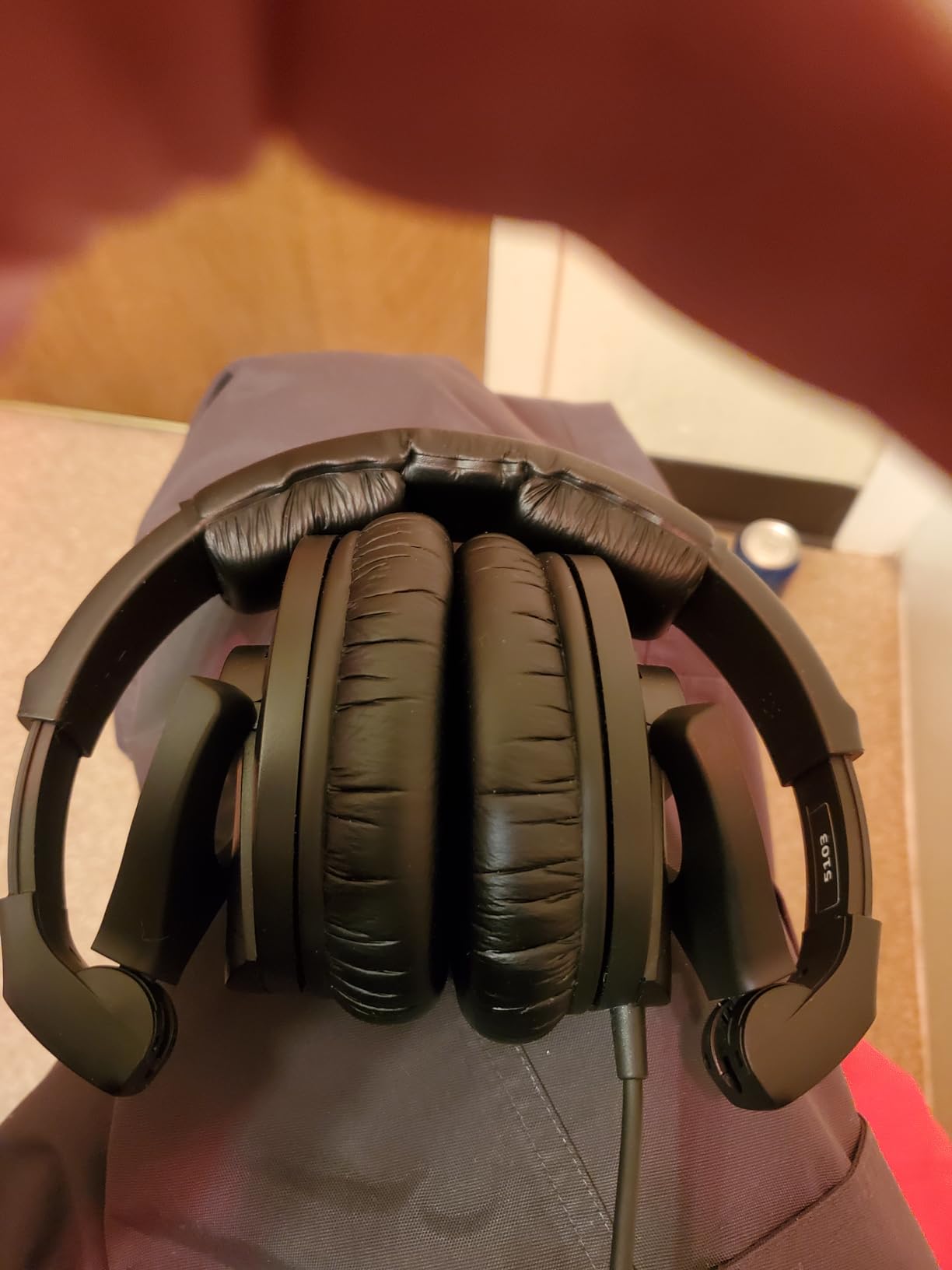
The design details are thoughtful. Earpads, headband padding, and the audio cord are all easily replaceable, and the earpieces collapse for transport. The frequency response runs from 8 Hz to 25 kHz, which covers the musical range fully even though the printed ceiling is modest.
This is the headphone to pick if you listen in a busy household, work in an open-plan office, or want to edit voice without the ventilation system in the signal. Pair it with a lossless source and the warm tuning stays out of the way of the material.
Who the HD 280 Pro suits best
It suits people whose environment fights them. If a shared wall, an open office, or a partner who works from home makes normal listening difficult, the passive isolation changes the experience more than any upgrade to the source component would.
It also suits mixing engineers who want a closed-back for tracking and editing in a room they cannot treat. The honest, unboosted tuning means you are not fighting the headphone when you make a decision, and the detachable parts keep it usable for years.
Where the HD 280 Pro disappoints
The 3.3 m coiled cable is heavy and permanently attached, which is genuinely awkward on a train or at a cafe. It also adds weight around the neck during long sessions. A detachable coiled cable would fix the most common complaint about this headphone.
The faux leather earpads and headband padding wear and flake after a few years, and the replacement parts are not as refined as the velour pads on the beyerdynamic models. The tuning is also not the most fun choice for bass-forward or heavily produced modern music.
11. beyerdynamic DT 880 Pro 250 Ohm Semi-Open Headphones
beyerdynamic DT 880 Pro (250 Ohm), Semi-Open Studio Headphones, Silver
250 ohm
Semi-open design
3 m coiled fixed cable
10 ounces
Pros
- Accurate flat response with a wide stage
- Semi-open design controls bass better than full open
- Excellent power handling and low distortion
- Velour pads and spring-steel headband
Cons
- Clamping force can create crown pressure
- Heavy and bulky overall
- 250 ohm requires an amplifier
- Plastic slider brackets are a weak point
The DT 880 Pro sits between the 990 and the 770. It is a semi-open design at 250 ohm, which means it borrows the open-back sense of space while controlling the low end more tightly than a fully open grille. For mastering decisions that balance is the entire point.
Response is accurate and flat, the soundstage is genuinely wide, and mixes translate well to other systems. Power handling is excellent and distortion stays low, so the headphone behaves predictably when you push it during a long mastering session. The 3 m coiled cable and quarter-inch adapter are included.
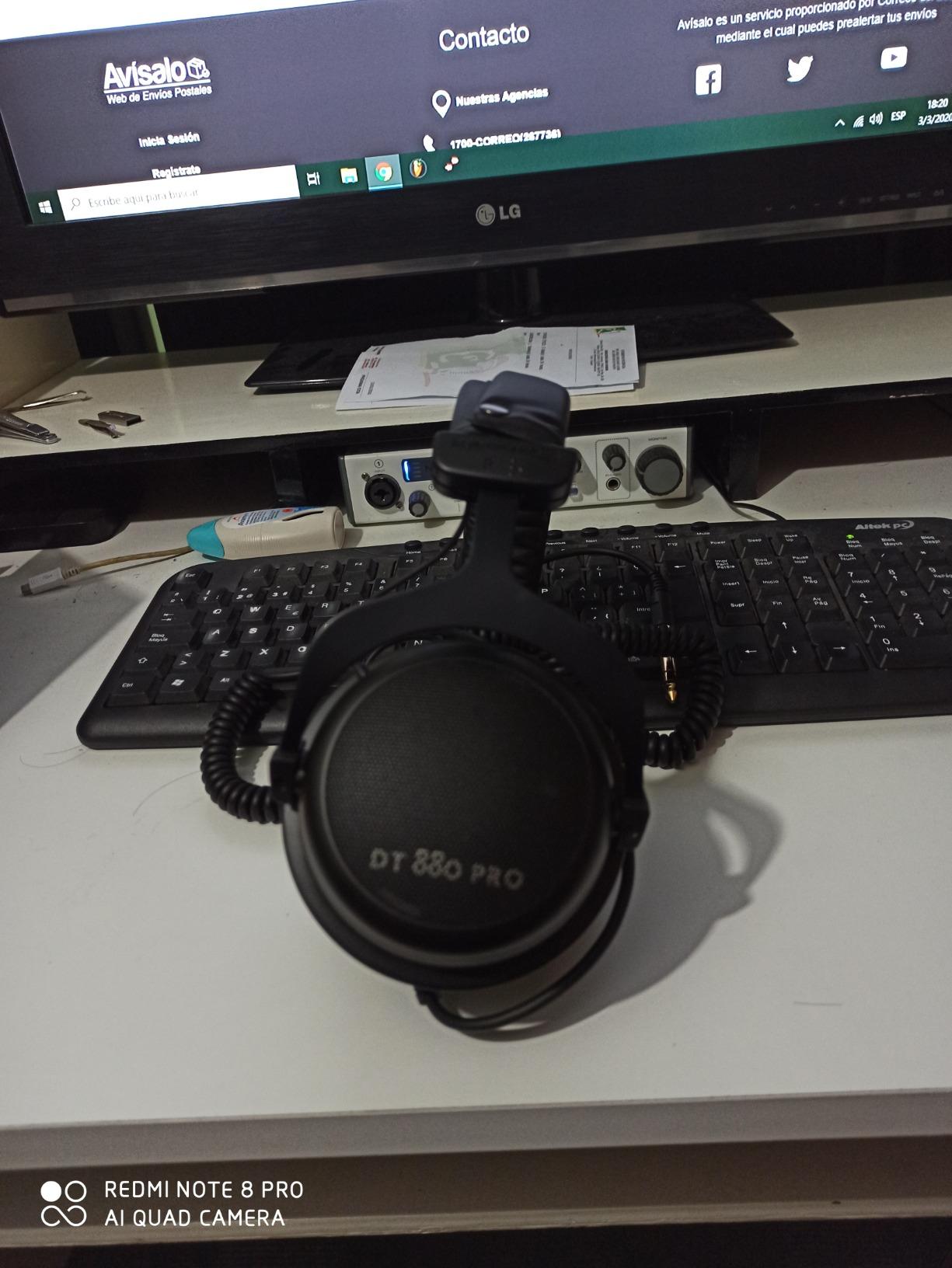
Grey velour pads and a spring-steel headband make it comfortable, and many owners rate it as the most comfortable open-style headphone they have owned. It is made in Germany, weighs 10 ounces, and the pads and headband are replaceable, which protects the long-term value of the purchase.
Compared with the DT 990 Pro, the bass is firmer and the top end is a little calmer. If the 990 feels like a mixing tool, the 880 feels like a finishing tool. That difference is subtle but real, and it is why both remain in professional workflows.
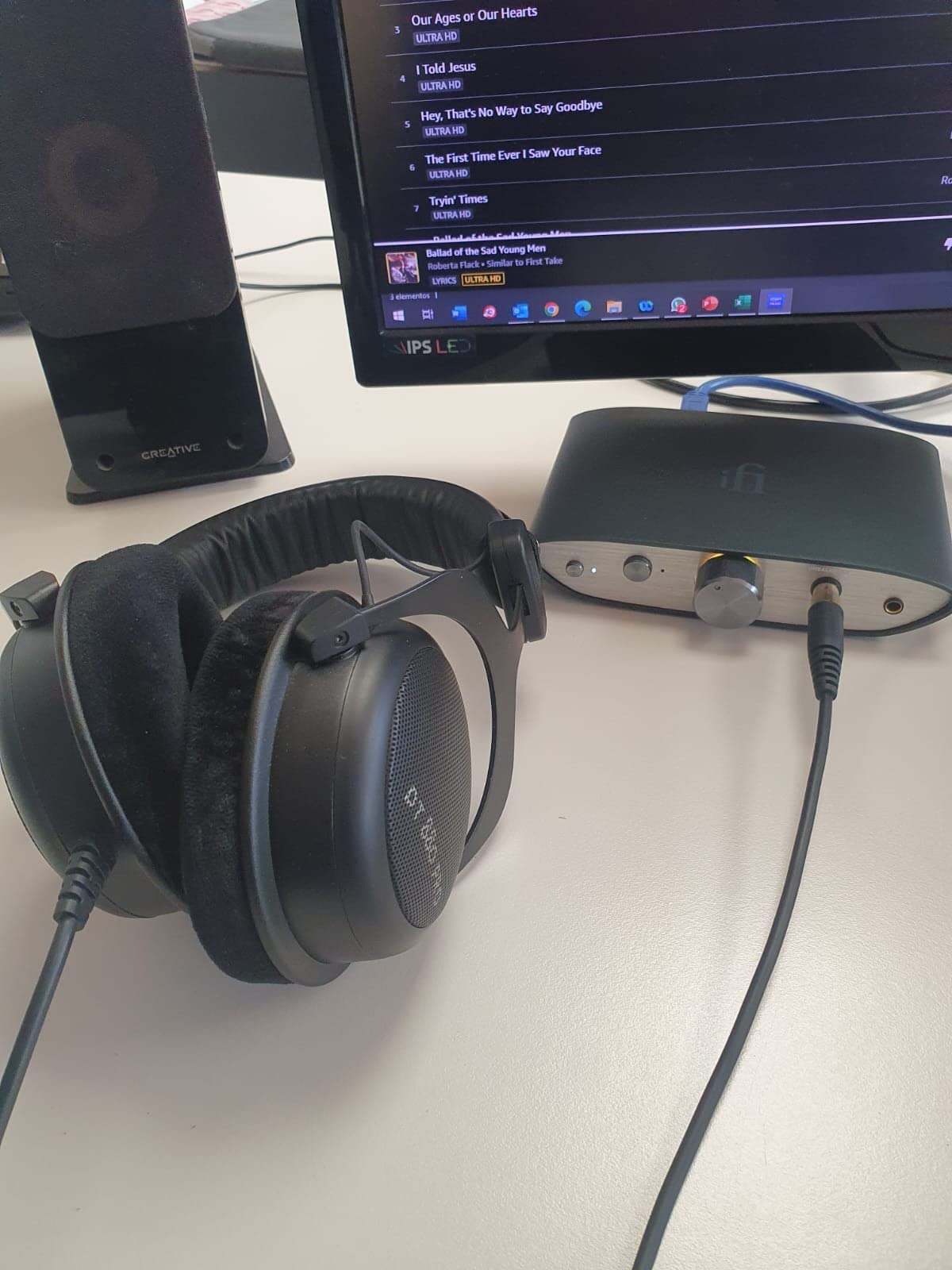
Who the DT 880 Pro suits best
It suits mastering engineers and serious producers who work in a treated room and want an accurate reference with a semi-open presentation. The controlled low end helps you judge balance, and the wide stage helps you judge placement and depth.
It also suits critical listeners who love open-back space but find some full open-backs too uncontrolled in the bass. The DT 880 is the compromise that most people stop searching for once they try it, and the velour comfort supports genuinely long listening.
Where the DT 880 Pro disappoints
The 250 ohm version needs an amplifier for adequate volume, and the Pro model’s clamping force can create pressure points on the crown for some head shapes. The headphone is also heavy and bulky, and the coiled cable adds weight around the neck.
The plastic headband slider brackets are a known durability weak point, and they can crack over years of use. Buyers who want the same family of sound with less clamping pressure should look at the DT 770 Pro 80 ohm instead, which is also much easier to drive.
12. HIFIMAN Edition XS Planar Magnetic Open-Back Headphones
HIFIMAN Edition XS Full-Size Over-Ear Open-Back Planar Magnetic Hi-Fi Headphones with Stealth Magnets Design, Adjustable Headband, Detachable Cable for Audiophiles, Home, Studio-Black
18 ohm
92 dB sensitivity
Planar magnetic driver
8 Hz to 50 kHz
Pros
- Fast detailed imaging with low distortion
- Wide natural soundstage with good placement
- Very low 18 ohm impedance is easy to drive
- Light memory foam headband
Cons
- Lowest average rating in this group
- Bass less impactful than dynamic open-backs
- Build and finish less refined than German rivals
The Edition XS is the only planar magnetic headphone in this guide, and the technology difference is real. A thin diaphragm driven across its whole surface produces fast transients and very low distortion. HIFIMAN pairs that with a Stealth Magnet design intended to reduce diffraction and turbulence around the driver.
The result is excellent treble and upper-mid detail, with instruments placed convincingly in a wide, natural stage. At 18 ohm it is the lowest impedance headphone here, so it drives from almost anything, including a phone. That combination of detail and ease of use is unusual.
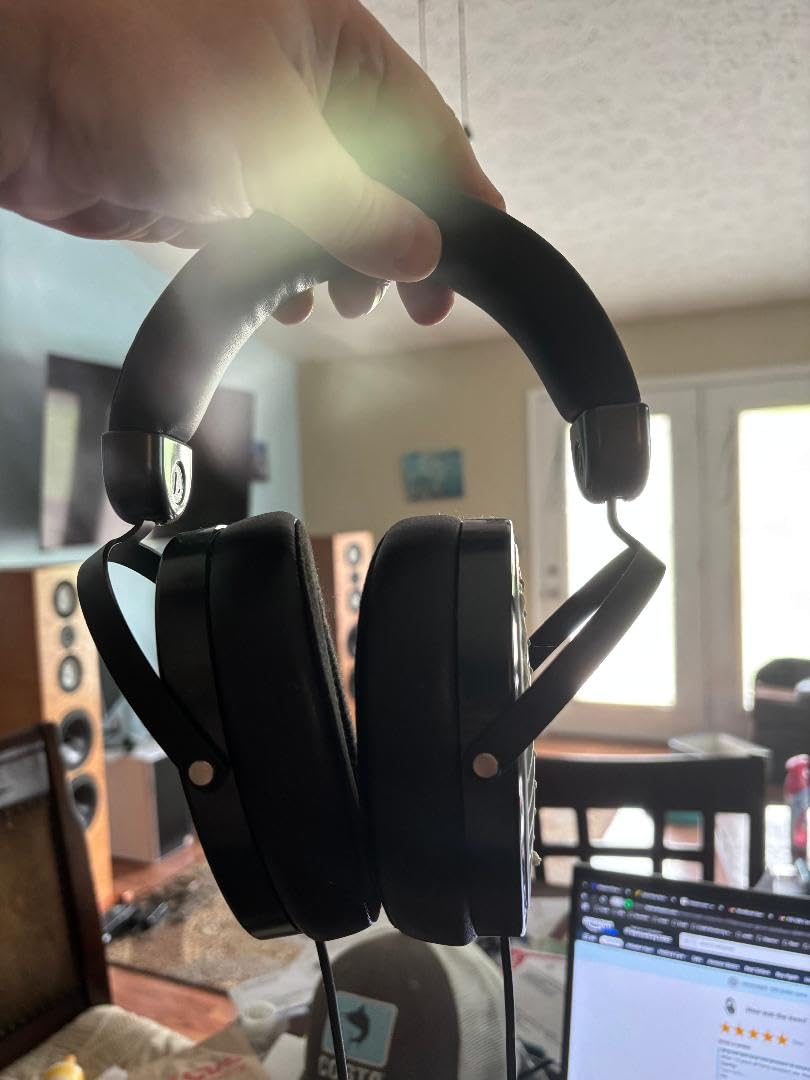
The NEO supernano diaphragm is described as 75 percent thinner than earlier designs, and the effect is speed rather than harshness. The headband is light with a high-grade memory foam interior, and the 3.5 mm cable is user replaceable, so a shorter or balanced cable is easy to fit later.
It is worth being straightforward about the rating spread. At 4.2 across 830 reviews, this is the lowest average in the group, and the one-star share is higher than any other model listed. Buyers who care about finish quality and long-term reliability should weigh that carefully against the acoustic gains.
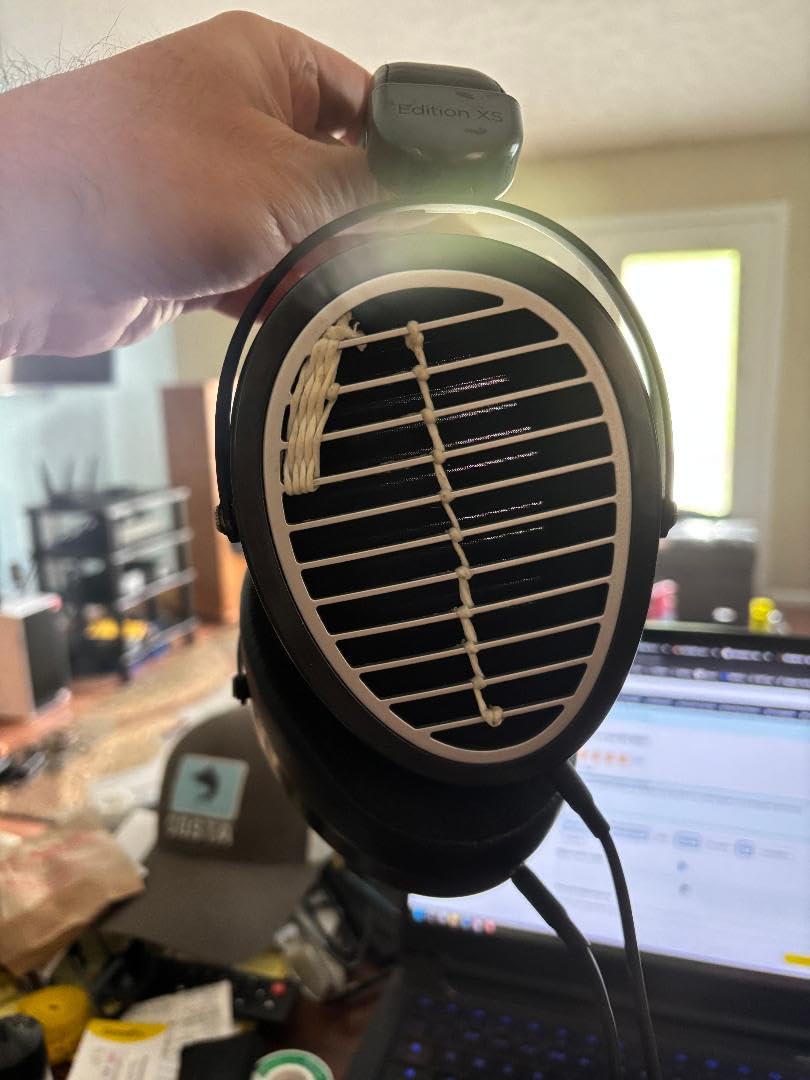
Who the Edition XS suits best
It suits listeners who want planar-magnetic detail without a demanding amplifier. Many planar designs are famously hard to drive, and at 18 ohm with a replaceable cable this one works on a laptop while still offering the fast transient response the technology is known for.
It also suits critical listeners focused on treble, strings, and percussion, and anyone building a first home chain who does not want to buy an amplifier before buying a headphone. The Stealth magnet design and 8 Hz to 50 kHz range are attractive on paper and audible in detail retrieval.
Where the Edition XS disappoints
It carries the weakest average rating of the twelve, with a noticeably higher share of critical reviews than the rest. Complaints cluster around build and finish feeling less refined than the German-made rivals, and around long-term reliability of specific units.
Bass is also less impactful than dynamic-driver open-backs for some listeners, so if physical low-end weight is your priority, a dynamic model such as the DT 990 Pro or the HD 660S 2 is the safer recommendation. As an open-back, it also leaks sound in both directions.
How to Choose: Impedance, Drivers, Cables and Fit
Everything above reduces to a handful of decisions. If you take those decisions in the right order, the twelve headphones above sort themselves into groups and the choice gets much easier. Start with the room, then the source, then the signature, and only then the price.
Do you need a DAC or a headphone amp?
The rule of thumb is simple. At 38 to 64 ohm with 96 dB sensitivity or higher, a laptop or phone is enough. This covers the ATH-M50x, the Sony MDR7506, the ATH-M20x, the DT 770 Pro 80 ohm, the HD 599, the AKG K240STUDIO, and the HD 280 Pro. Seven of the twelve headphones in this guide need nothing added to them.
At 250 ohm you should plan on a headphone amplifier or an audio interface with a real headphone output. That covers the DT 990 Pro and the DT 880 Pro. The HD 650 and the HD 660S 2 sit in the same demanding class, and the HD 660S 2 at 300 ohm is the most power-hungry headphone here. A modest desktop amplifier removes nearly every complaint those four attract.
A DAC is a different question. Modern computers and phones convert digital audio adequately, so a DAC matters most when your source has a poor analogue output or when you want a balanced connection. Adding a DAC without adding amplifier power will not make a 300 ohm headphone louder. Power first, then conversion.
This is where the total cost of ownership shock catches people out. A new audiophile headphone plus a desktop amplifier can cost meaningfully more than the headphone alone, which is why the 80 ohm DT 770 Pro and the 50 ohm HD 599 exist. If you cannot add a second component, buy within the easy-to-drive group and upgrade later.
Open-back vs closed-back: which one fits your room
Open-back headphones vent the cup to the air, which removes the pressure build-up responsible for the artificial bass lift most closed-backs have. The result is wider, more natural, and usually more fatigue-free. The cost is total acoustic transparency: you hear the room, and the room hears you.
Closed-back headphones seal the cup and use that seal as part of the tuning. Isolation improves, bass tightens, and outside noise disappears, which is why studios use them for tracking. The trade-off is a smaller sense of space and, in many designs, a slightly boosted low end.
Semi-open designs such as the DT 880 Pro and the AKG K240STUDIO sit between the two. You get some of the open-back space with more low-end control, and still meaningful leakage. They are a sensible middle choice for listeners who want space but also want bass that does not run loose.
Decide by room, not by preference. A private listening room with soft furnishings suits an open-back. A shared flat, an office, or a bedroom with someone asleep in it needs a closed-back. Buying an open-back for a noisy room leads almost every buyer to regret it, and the regret is rarely about sound.
Dynamic vs planar magnetic drivers
Dynamic drivers use a moving cone attached to a voice coil and a magnet. They are efficient, robust, easy to drive, and dominate the entire list above. Every one of the eleven dynamic headphones here runs comfortably from a modest source, and they cover a wide range of tuning from flat and clinical to warm and musical.
Planar magnetic drivers use a thin flat diaphragm suspended between two magnet arrays. The whole surface moves rather than a single cone, which produces faster transients and lower distortion. The trade-offs are lower sensitivity, a bulkier build, and a typically lighter low end. The HIFIMAN Edition XS at 18 ohm shows that the efficiency problem is not always present.
Neither technology is automatically better. Planar magnetics reward listeners who chase micro-detail and speed, and dynamic drivers win on efficiency, durability, and bass weight. If you are buying your first audiophile headphone, a dynamic design is the lower-risk choice because the driving requirements are simpler.
Balanced vs unbalanced cables and the cable upgrade myth
An unbalanced connection carries one signal and one return on a single conductor pair. A balanced connection carries the signal and its inverted copy on separate conductors, which cancels interference along the run and allows the output stage to drive the signal twice as hard. Common balanced connectors in this category are 4-pin XLR, 6.3 mm TRS, and the 4.4 mm TRRRS Pentaconn.
Balanced output is only worth using when the source is genuinely balanced. A balanced cable plugged into an unbalanced output gives you a more robust connection and nothing else. The HD 660S 2 ships with both 1/4 inch TRS and 4.4 mm options, so you can match the cable to whatever DAC you own.
The cable upgrade myth is worth confronting directly. Swapping an OEM cable for an expensive aftermarket cable with the same connectors and similar construction changes very little, because the cable is rarely the limiting factor. Cable matters when the original is broken, too short, the wrong impedance, or a connector your gear does not accept. Those are practical reasons, not acoustic ones.
Where cables do matter is the detachable system. Headphones with a locking mini-XLR or 2-pin connector, such as the AKG K240STUDIO and the Audio-Technica M50x, let you change length, connector type, and material without replacing the headphone. That flexibility is worth more than conductor purity.
Comfort, pads, and long-session wear
Comfort is decided by clamping force, pad material, weight, and headband design together. Velour pads feel cool and spread pressure well, which is why the DT 990 Pro, the DT 880 Pro, the DT 770 Pro, and the HD 599 suit long sessions. Pleather and faux leather feel sealed and warm but degrade faster, as owners of the HD 280 Pro and the ATH-M20x report.
Weight matters more than buyers expect. The Sony MDR7506 at 8 ounces and the DT 990 Pro at 8.8 ounces are noticeably easier over three hours than the HD 599 at about 0.71 kg. If you wear glasses, choose deeper circumaural cups rather than shallow on-ear pads, because the pad edge presses against the frame arm.
Replaceable parts extend the usable life of a headphone considerably. The beyerdynamic models, the HD 599, the HD 660S 2, the M50x, and the HD 280 Pro all let you replace pads or cables. Fixed cables and glued pads, common on the Sony MDR7506, the ATH-M20x, and the DT 770 Pro, turn a cable fault into the end of the product.
Burn-in, EQ, and other persistent myths
Burn-in is the belief that headphones change measurably after hours of playback. A fixed cable and a coil in a magnet do not mechanically settle into a new specification. Some listeners report a period of adjustment, and that is genuine, but it is the ear adapting to a new tuning rather than the driver transforming.
EQ is different and is a legitimate tool. Software correction on a system with a good DAC can tame a peak or lift a dip that interferes with a specific recording, and it costs nothing. Treat it as a tool for a specific problem rather than a way to repair a headphone you chose badly.
Finally, the common beginner mistakes. Buying an open-back for a noisy room, buying a 300 ohm headphone before buying any amplifier, replacing a working cable with an expensive one, and judging a headphone on a compressed source before trying a lossless one. Avoiding those four mistakes will improve your listening more than any single upgrade in this guide.
Frequently Asked Questions
What are the best audiophile wired headphones?
The best wired headphones for audiophiles in 2026 depend on your room and source. The Audio-Technica ATH-M50x is the most versatile pick, pairing 38 ohm impedance with a detachable cable and strong isolation. The Sony MDR7506 is the value option, the beyerdynamic DT 990 Pro wins on soundstage, and the Sennheiser HD 660S 2 delivers the deepest bass if you already own an amplifier.
What kind of headphones do audiophiles use?
Most audiophiles use wired over-ear headphones, usually open-back models built around dynamic drivers with a 40 mm to 45 mm driver size. Open-back designs are preferred for critical listening because they vent pressure and give a wider, more natural soundstage. Planar magnetic headphones are popular for detail and speed, and closed-backs are chosen when isolation matters more than space.
Do audiophile headphones need an amplifier?
It depends on impedance and sensitivity. Headphones between 32 and 64 ohm with sensitivity around 96 dB or higher run happily from a laptop or phone, so an amplifier is optional. Headphones at 250 ohm and above, such as the beyerdynamic DT 990 Pro, the DT 880 Pro, the Sennheiser HD 650, and the HD 660S 2, need real amplifier power to reach volume and keep bass weight.
Is open-back better than closed-back headphones?
Open-back is better for soundstage, natural tonal balance, and long fatigue-free listening, but it provides no isolation and leaks sound in both directions. Closed-back is better in a shared or noisy room because it blocks outside sound and leaks very little. Many listeners end up owning one of each, using the open-back for quiet critical listening and the closed-back for everything else.
Should I use a DAC or an amp for my headphones?
Buy an amplifier first if your headphone sits at 250 ohm or above, because power is what limits volume and bass weight. A DAC matters when your source has a poor analogue output, when you want a balanced connection, or when you are driving high-impedance headphones from a device without a real headphone output. A DAC alone will not make a difficult headphone louder.
Are expensive headphones worth the money?
Price does not map neatly to sound quality. A headphone at the middle of this list, properly amplified, will satisfy most listeners for years, and comfort and build quality matter more long-term than small tuning differences. Spend first on a comfortable, serviceable design with replaceable pads, then upgrade to a more demanding model once your source gear can drive it.
Which Wired Headphone Should You Buy?
If you take one recommendation from this guide, make it the Audio-Technica ATH-M50x. At 38 ohm it needs nothing added to it, the detachable cable means you can change connection type later, the isolation works in a real room, and it stays comfortable for the long sessions that serious listening actually involves. It is the most complete answer to the question of the best wired headphones for audiophiles in 2026.
Pick the Sony MDR7506 if you want the lightest, most proven design at the lowest commitment. Pick the beyerdynamic DT 990 Pro when soundstage and instrument separation are what you are chasing, and add a desktop amplifier. Pick the Sennheiser HD 660S 2 only when you already have amplification, because it is the most demanding headphone we tested.
Start with one closed-back and one open-back rather than three similar models. That pairing covers noisy rooms, long evening sessions, mixing work, and critical listening without duplicating what you already own. Whatever you choose, buy it, use it for a month, and only then decide whether the next upgrade is a cable, an amplifier, or a different headphone entirely.