
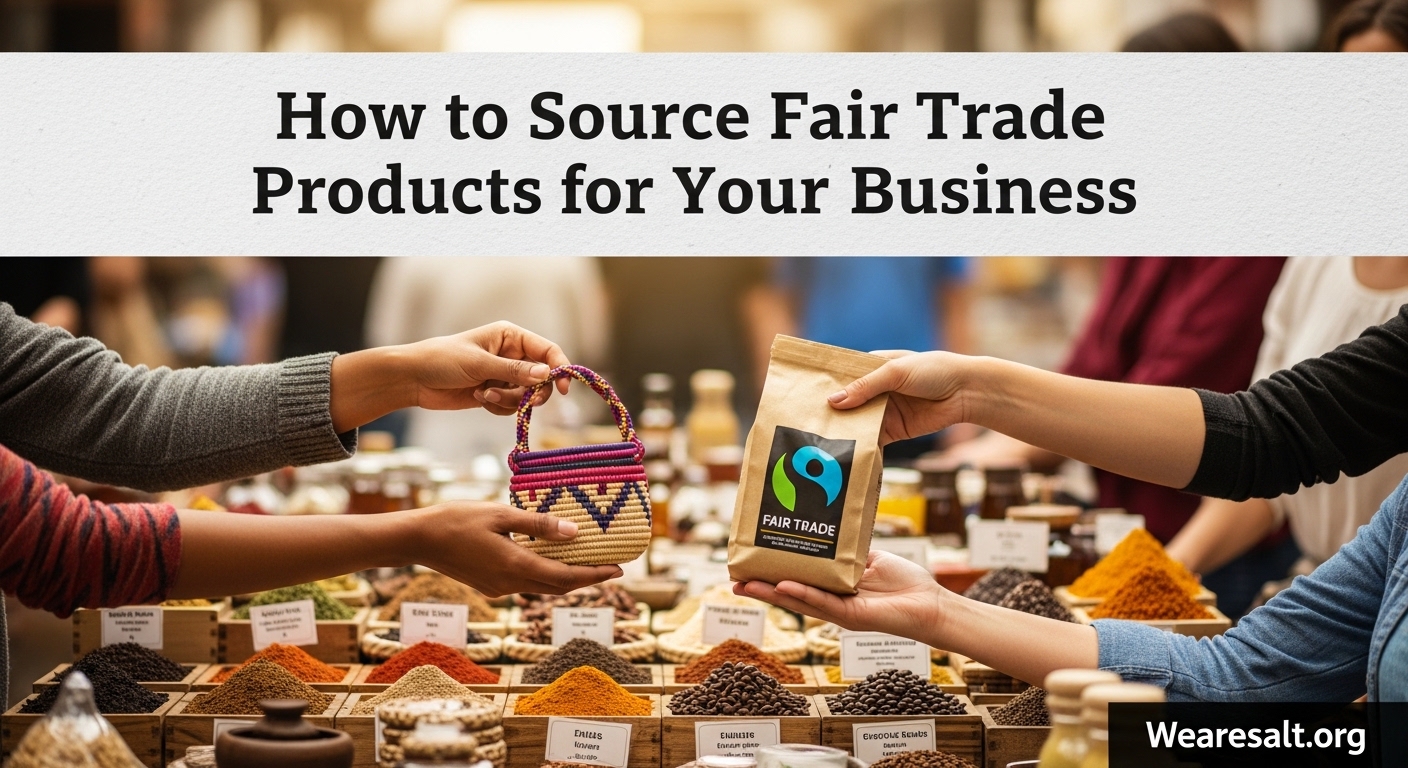
Sourcing fair trade products for your business is one of the most impactful decisions you can make in 2026. Consumers are increasingly voting with their wallets, and they’re choosing brands that align with their values. Our team has spent years helping businesses navigate the world of ethical sourcing, and I have seen firsthand how the right fair trade partnerships can transform not just your supply chain, but your entire brand story.
Fair trade sourcing means building relationships with producers who receive fair wages, work in safe conditions, and follow sustainable practices. It is not just about feeling good. It is about creating resilient supply chains that stand up to scrutiny and deliver real value to everyone involved. Whether you run a small retail shop or manage procurement for a growing brand, this guide will show you exactly how to source fair trade products for your business without the confusion.
By the end of this article, you will understand what fair trade really means, how to verify certifications, where to find reliable suppliers, and how to avoid common pitfalls that trip up even experienced buyers.
Table of Contents
What Is Fair Trade Sourcing and Why It Matters for Your Business
Fair trade sourcing is the practice of purchasing products from producers who meet strict social, environmental, and economic standards. These standards ensure workers receive fair wages, work in safe conditions, and use sustainable farming or production methods. Unlike conventional sourcing, fair trade creates direct relationships between buyers and producers, cutting out exploitative middlemen.
The business case for fair trade has never been stronger. Studies show that 73% of global consumers say they would change their consumption habits to reduce environmental impact. When you source fair trade products, you are not just buying inventory. You are investing in a story your customers want to hear.
From a supply chain perspective, fair trade relationships tend to be more stable. When producers earn fair prices, they can invest in quality improvements and maintain consistent output. This reliability matters when you are building a brand that customers trust.
Understanding Fair Trade Certification
Not all “fair trade” labels are created equal. Third-party certification is what separates genuine fair trade products from marketing claims. Here are the three main certification bodies you should know about.
Fairtrade International (FLO)
Fairtrade International is the global leader in fair trade certification. They work with over 2 million farmers and workers across 70 countries. Their Fairtrade Mark appears on coffee, chocolate, bananas, and many other products. When you see this label, it means the product meets rigorous standards for fair pricing, labor rights, and environmental protection.
Fair Trade USA
Fair Trade USA is an independent certification body that works primarily with North American businesses. They have certified over 1,000 brands and offer more flexible sourcing models than Fairtrade International. Their certification allows businesses to source from certified farms even when 100% fair trade content is not possible.
World Fair Trade Organization (WFTO)
WFTO focuses on handicrafts and manufactured goods rather than agricultural products. They verify entire organizations rather than individual products. Their Guarantee System ensures fair trade principles are embedded in business practices from top to bottom. This is particularly valuable for businesses sourcing textiles, home goods, and artisan products.
The Difference Between Certified and Claims
Many products carry labels like “ethically sourced” or “fairly traded” without third-party verification. These claims are not regulated and can be misleading. Always look for recognized certification marks or ask suppliers for their certification documentation. Legitimate fair trade suppliers will gladly provide audit reports and certificates.
Where to Find Fair Trade Suppliers
Finding reliable fair trade suppliers requires going beyond standard wholesale directories. Here are the channels that have proven most effective for businesses we have worked with.
Direct from Producer Cooperatives
Building direct relationships with producer cooperatives gives you the most control over your supply chain. Organizations like Equal Exchange and Divine Chocolate work directly with farming cooperatives. While this approach requires more upfront investment in relationship building, it often yields the best pricing and most authentic stories for your marketing.
Fair Trade Certified Wholesalers
Certified wholesalers act as intermediaries between producers and retailers. They handle logistics, quality control, and import paperwork. Companies like Ten Thousand Villages and Fair Trade Federation members specialize in connecting businesses with verified fair trade products. This is often the best starting point for small businesses.
Online Directories and Marketplaces
Fair Trade USA maintains a directory of certified suppliers searchable by product category and region. The WFTO member directory lists verified fair trade enterprises worldwide. For food products, the Fairtrade International sourcing database connects buyers with certified producer organizations.
Trade Shows and Industry Events
Events like the Natural Products Expo, NY NOW, and the Specialty Food Association Winter Fancy Food Show attract fair trade suppliers. These events let you meet suppliers in person, examine products firsthand, and start relationship conversations. We always recommend attending at least one major trade show before committing to significant orders.
How to Source Fair Trade Products for Your Business: Step-by-Step Process
Successful fair trade sourcing follows a clear process. Here is the exact framework we use when helping businesses find ethical suppliers.
Step 1: Define Your Product Requirements
Start by documenting exactly what you need. Include product specifications, quality standards, minimum order quantities, and delivery timelines. Be realistic about your volumes. Many fair trade producers are small-scale operations that cannot fulfill massive orders immediately.
Step 2: Research and Shortlist Potential Suppliers
Use the directories mentioned above to create a list of 5-10 potential suppliers. Check their certifications on the official certification body websites. Do not rely on logos on supplier websites alone. Cross-reference their claims with Fairtrade International’s FLOCERT database or Fair Trade USA’s certified ingredient database.
Step 3: Verify Certifications and Credentials
Request copies of current certification certificates. Legitimate suppliers will have these readily available. Check expiration dates and certification scopes. Ask about their audit process and how they maintain compliance. This verification step protects you from greenwashing and ensures your marketing claims are defensible.
Step 4: Request Samples and Evaluate Quality
Quality matters as much as ethics. Request samples from your top three suppliers. Evaluate product quality, packaging, and presentation. Consider lead times for sample delivery as an indicator of their operational efficiency. Poor communication during the sampling phase often signals bigger problems down the line.
Step 5: Negotiate Terms and Place Initial Orders
Fair trade pricing includes a premium that supports community development. Do not try to negotiate this away. Instead, focus on payment terms, delivery schedules, and quality guarantees. Start with a small test order to evaluate the full relationship before committing to larger volumes.
Step 6: Build Long-Term Relationships
The real value of fair trade sourcing comes from ongoing partnerships. Visit your suppliers when possible. Share your business plans so they can prepare for your growth. Long-term relationships lead to better pricing, priority treatment during supply shortages, and authentic stories for your marketing.
Cost Considerations and Pricing Strategy
Fair trade products typically cost 10-30% more than conventional alternatives. This premium funds fair wages, community development projects, and sustainable production methods. While this increases your cost of goods sold, it also opens premium pricing opportunities.
Consumers who care about ethical sourcing are often willing to pay more for verified products. Position your fair trade offerings as premium options with compelling stories. Share specific impact data. Tell customers exactly how their purchase supports producers.
Calculate your true ROI by factoring in customer loyalty, brand differentiation, and supply chain stability. We have seen businesses reduce customer acquisition costs by 20% after emphasizing their fair trade commitments. Ethical sourcing is an investment that pays dividends beyond the initial price difference.
Common Mistakes to Avoid When Sourcing Fair Trade
After helping dozens of businesses source fair trade products, we have seen the same mistakes repeat. Here is what to watch out for.
Not Verifying Certifications Independently
Never take a supplier’s word that they are certified. Always check certification databases yourself. We have encountered suppliers using expired certificates or making claims about certifications they never held. Independent verification takes five minutes and protects your reputation.
Focusing Only on Price
The lowest price is rarely the best value in fair trade sourcing. Extremely low prices often indicate corners being cut somewhere in the supply chain. Focus on total value including quality, reliability, and verifiable impact. Your customers will thank you.
Neglecting Long-Term Relationship Building
Fair trade is built on relationships, not transactions. Suppliers who feel valued will prioritize your orders, share market insights, and work with you through challenges. Treat your suppliers as partners, not vendors, and you will build a supply chain that supports your business for years.
Marketing Your Fair Trade Products
Once you have sourced fair trade products, tell the story. Transparency builds trust with conscious consumers.
Share specific details about your producers. Include photos and quotes (with permission). Explain exactly what fair trade certification means. Many consumers recognize fair trade logos but do not understand the full impact.
Use certification marks correctly. Each certifier has specific guidelines for logo usage. Follow them precisely to maintain your certification status. Misuse of certification marks can result in penalties and damaged relationships with certifiers.
Train your staff to answer questions about fair trade. Frontline employees should understand your sourcing commitments and be able to explain them to curious customers. Authentic enthusiasm from your team sells better than any marketing campaign.
Frequently Asked Questions About Fair Trade Sourcing
What are the 5 main Fairtrade products?
The five main Fairtrade products by volume are coffee, cocoa, tea, bananas, and sugar. These agricultural products represent the majority of fair trade sales globally. Coffee alone accounts for over 25% of all Fairtrade sales, making it the biggest selling fair trade product.
Who certifies Fairtrade products?
Fairtrade products are certified by independent third-party organizations including Fairtrade International (FLO) through their auditing body FLOCERT, Fair Trade USA, and the World Fair Trade Organization (WFTO). Each organization has specific standards and certification processes.
What is the biggest selling Fairtrade product?
Coffee is the biggest selling Fairtrade product, accounting for over 25% of all Fairtrade sales globally. Bananas rank second, followed by cocoa and tea.
How much does fair trade certification cost for businesses?
Fair trade certification costs vary by certification body and business size. Annual license fees typically range from $500 to $5,000 for small to medium businesses. Additional costs include audit fees (typically $1,000-$3,000) and a percentage of sales as a licensing fee. Many certifiers offer sliding scales for small businesses.
Can small businesses afford fair trade sourcing?
Yes, small businesses can absolutely afford fair trade sourcing. Many fair trade suppliers have low minimum order quantities suitable for small businesses. Certification costs are often scaled to business size, and the marketing benefits frequently offset the premium pricing. Start with one fair trade product line and expand as your business grows.
Conclusion: How to Source Fair Trade Products for Your Business
Fair trade sourcing is not just an ethical choice. It is a smart business strategy that builds resilient supply chains and attracts loyal customers. The process starts with understanding what fair trade really means, verifying certifications through independent sources, and building genuine relationships with producers.
Remember that fair trade is a journey, not a destination. You do not need to transform your entire supply chain overnight. Start with one product category. Verify one supplier. Tell one authentic story. Each step builds momentum toward a more ethical and sustainable business model.
The businesses that succeed with fair trade sourcing share common traits. They verify claims independently. They prioritize relationships over transactions. They communicate transparently with customers. They view the fair trade premium as an investment, not a cost.
If you are ready to source fair trade products for your business, start with the step-by-step process outlined in this guide. Define your requirements. Research certified suppliers. Verify credentials. Build relationships. The fair trade community is welcoming to businesses that approach sourcing with authenticity and respect.
Your customers are waiting for brands that align with their values. Your suppliers are waiting for partners who treat them fairly. The tools and knowledge you need are at your fingertips. The only question remaining is: which fair trade product will you source first?