
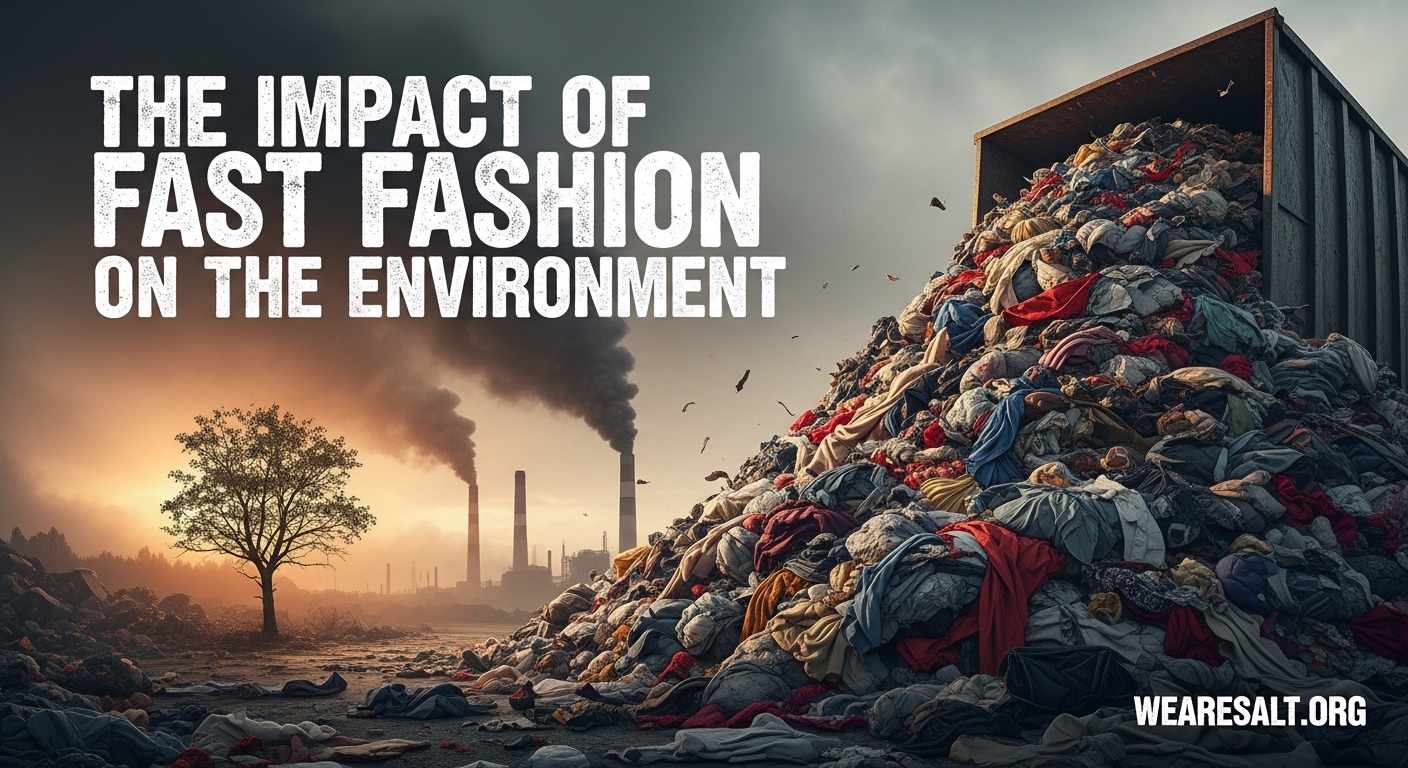
Fast fashion has quietly become one of the most polluting industries on our planet. This business model, built on rapid production and disposable clothing, accounts for 10% of global carbon emissions and stands as the second-largest consumer of water worldwide.
Over the past decade, I have researched how our clothing choices affect the environment. The numbers are staggering, but they also point toward solutions. In this guide, I will break down exactly how fast fashion harms our ecosystems, who the worst offenders are, and what we can do about it.
Table of Contents
What Is Fast Fashion?
Fast fashion refers to a business model where clothing designs move quickly from runway to retail stores. Traditional fashion cycles took six months from design to shelf. Fast fashion brands compress this to as little as 10 days.
The model relies on cheap materials, high production volumes, and low prices. Brands like Shein, Zara, and H&M pioneered this approach. They produce thousands of new styles weekly, encouraging consumers to buy more and discard clothing after only a few wears.
Key characteristics define fast fashion: rapid design turnover, inexpensive synthetic fabrics, overseas manufacturing with minimal labor protections, and marketing that creates urgency around limited-time trends. The goal is volume over longevity.
Water Consumption and Chemical Pollution
The fashion industry is the second-largest consumer of water globally. A single cotton shirt requires approximately 700 gallons of water to produce. One pair of jeans demands up to 2,000 gallons, equivalent to what one person drinks in 10 years.
Cotton farming accounts for 69% of the fashion industry’s water footprint. Traditional cotton is water-intensive, requiring extensive irrigation in regions already facing water scarcity. Countries like India, Pakistan, and Uzbekistan suffer severe groundwater depletion due to cotton agriculture.
Textile dyeing and treatment create additional problems. Factories discharge untreated wastewater containing toxic chemicals directly into rivers and streams. These chemicals include heavy metals, formaldehyde, and phthalates that poison aquatic life and contaminate drinking water sources.
In Bangladesh alone, textile factories release over 22,000 toxic chemicals into water systems annually. Communities downstream report increased rates of skin diseases, respiratory problems, and waterborne illnesses. The burden falls disproportionately on developing nations where environmental regulations remain weak.
Carbon Emissions and Climate Impact
Fast fashion contributes approximately 10% of global carbon emissions. This exceeds the combined emissions of international flights and maritime shipping. If the fashion industry were a country, it would rank as the fourth-largest carbon emitter globally.
The carbon footprint begins with raw material production. Synthetic fabrics like polyester come from fossil fuels, primarily petroleum. Manufacturing these materials releases significant greenhouse gases before a single garment is sewn.
Coal-powered factories in countries like China, Bangladesh, and Vietnam generate most fast fashion items. These facilities rely on the dirtiest energy sources, amplifying emissions with each production run. Transportation adds another layer, as materials ship across continents multiple times during manufacturing.
Projections paint a concerning picture. Without intervention, the fashion industry’s emissions could increase by 50% by 2030. The industry is growing faster than its ability to decarbonize, making immediate action essential.
Microplastics From Synthetic Materials
Over 60% of clothing produced today contains synthetic materials, primarily polyester, nylon, and acrylic. These petroleum-based fabrics create an invisible but massive pollution problem.
Every washing cycle releases microfibers into wastewater. A single load of laundry can shed over 700,000 microplastic fibers. These particles are too small for standard washing machine filters and water treatment plants to capture effectively.
These microfibers eventually reach oceans, rivers, and lakes. Scientists now find microplastics in drinking water, seafood, and even human blood. The health implications remain under study, but early research links microplastic exposure to inflammation, cellular damage, and hormone disruption.
Polyester production has doubled since 2000 and continues rising. Unlike natural fibers, synthetics do not biodegrade. Every polyester garment ever made still exists somewhere in our environment, fragmenting into smaller pieces but never truly disappearing.
Textile Waste and the Landfill Crisis
The average American discards approximately 81 pounds of clothing annually. Globally, humans produce 92 million tons of textile waste each year. That equals a garbage truck full of clothes dumped in a landfill every single second.
Approximately 60% of all clothing items end up in landfills or incinerators within one year of purchase. Fast fashion garments, designed for short lifespans, often fall apart after fewer than 10 wears according to user reports from Reddit forums.
Synthetic materials compound the problem. Polyester, nylon, and acrylic can take up to 200 years to decompose in landfills. When they do break down, they release methane, a greenhouse gas 25 times more potent than carbon dioxide.
Developed nations export textile waste to developing countries. Ghana receives over 15 million used garments monthly. These shipments overwhelm local waste management systems and destroy domestic textile industries. What cannot be resold becomes environmental pollution in communities least equipped to handle it.
Social and Labor Impacts
Environmental damage and human exploitation intertwine in fast fashion supply chains. The 2013 Rana Plaza collapse in Bangladesh killed over 1,100 garment workers, exposing the deadly conditions behind cheap clothing.
Garment workers, predominantly women in developing nations, earn poverty wages. Many receive less than $3 daily, below subsistence levels in their countries. Workers report unsafe buildings, blocked fire exits, and exposure to toxic chemicals without protective equipment.
Environmental injustice extends to communities hosting factories. Polluted water and air from textile production harm residents who lack political power to demand change. The people paying the true cost of cheap clothing live far from those wearing it.
Solutions: What Consumers Can Do
Change begins with individual choices. Here are practical steps to reduce your fashion footprint:
Buy Less, Choose Better: Invest in quality pieces that last multiple seasons. One well-made item replaces five disposable ones.
Embrace Second-Hand: Thrifting, consignment shops, and clothing swaps extend garment lifespans. This keeps clothes out of landfills and reduces demand for new production.
Care For What You Own: Wash clothes less frequently, use cold water, and air dry when possible. Simple maintenance like sewing buttons and patching holes adds years to garment life.
Research Before Purchasing: Look past marketing claims. Certifications like GOTS, Fair Trade, and B Corp indicate genuine commitment. Be skeptical of vague “green” or “eco-friendly” labels without verification.
Support Slow Fashion: Brands focused on timeless designs, quality materials, and ethical production offer alternatives. While prices run higher, cost-per-wear often proves lower than fast fashion.
How to Spot Greenwashing
Many fast fashion brands now advertise sustainability initiatives. Some are genuine; others constitute greenwashing, marketing that exaggerates environmental benefits.
Red flags include vague claims without specifics, small “eco” collections while the majority of production remains unchanged, and clothing recycling programs that collect more than they actually recycle. H&M’s garment collection program, for example, receives millions of items but recycles only a fraction.
Trust certifications from independent third parties over self-reported claims. Look for transparency about supply chains and manufacturing partners. True sustainability involves trade-offs and honest communication, not perfect solutions.
Frequently Asked Questions
What is the environmental impact of fast fashion?
Fast fashion is responsible for 10% of global carbon emissions and is the second-largest consumer of water worldwide. It produces 92 million tons of textile waste annually, releases microplastics into oceans, and pollutes waterways with toxic chemical dyes. The industry contributes more to climate change than international aviation and shipping combined.
Why does it take 7500 litres of water to make a pair of jeans?
A single pair of jeans requires approximately 7,500 liters (2,000 gallons) of water because cotton is extremely water-intensive to grow. The process includes irrigation for cotton farming, water for dyeing and treating the fabric, and washing during manufacturing. This amount equals what one person drinks over 10 years.
What happens to 60% of all clothing items within one year?
Within one year of purchase, approximately 60% of clothing items are discarded into landfills or incinerators. Fast fashion garments are designed for short lifespans and often fall apart after fewer than 10 wears. Synthetic materials can take up to 200 years to decompose, releasing methane greenhouse gas in the process.
Who is the biggest polluter in fast fashion?
Shein is currently considered the worst offender due to its ultra-fast fashion model producing thousands of new styles daily. However, major brands including Zara, H&M, and Forever 21 also contribute significantly. The sheer volume of production, not just individual companies, drives the environmental crisis.
What is slow fashion?
Slow fashion is a movement emphasizing quality over quantity, timeless designs over trends, and ethical production over speed. It encourages buying fewer, better-made garments, caring for clothing to extend its life, and supporting brands with transparent supply chains. Slow fashion opposes the disposable culture that fast fashion promotes.
How can I reduce my fashion environmental impact on a budget?
Start with what you already own. Wash clothes less frequently and repair instead of replace. Shop second-hand at thrift stores, consignment shops, and online resale platforms. Organize clothing swaps with friends. When buying new, choose versatile pieces that work with multiple outfits. Focus on cost-per-wear rather than upfront price.
Conclusion
The impact of fast fashion on the environment is undeniable and growing. From depleted water resources to overflowing landfills, from carbon emissions to ocean microplastics, our clothing choices have planetary consequences.
Yet this knowledge brings power. Every purchase is a vote for the kind of world we want. By understanding the true cost of fast fashion, we can make choices that align with our values. The shift toward sustainable fashion is not about perfection. It is about progress, one garment at a time.
Start today. Wear what you own. Buy less. Choose well. The planet, and future generations, will thank you.