
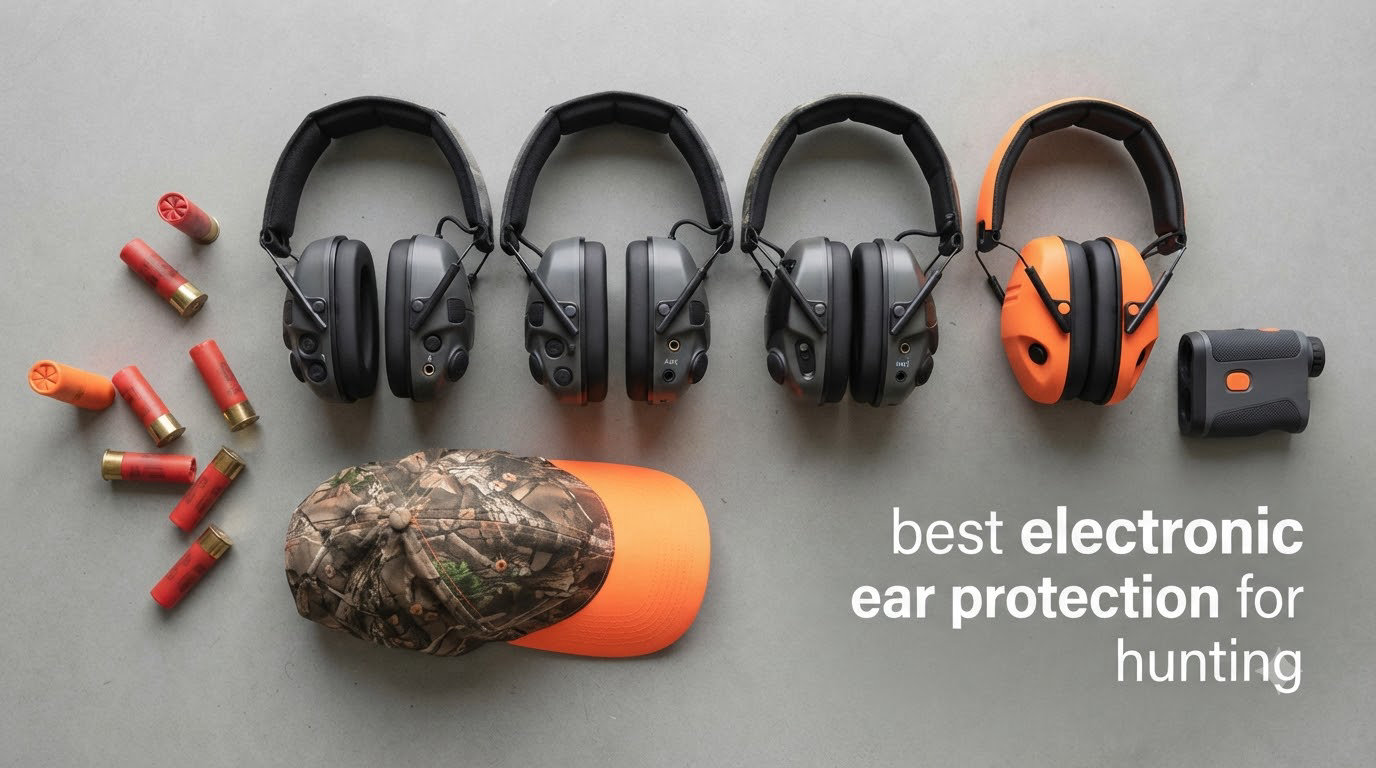
A rifle shot at 100 yards puts out well over 140 decibels, and one unprotected shot can do permanent damage. That is the whole reason electronic hearing protection exists: it damps the gunshot while quietly turning up the birds, the wind in the cedars and your hunting partner calling a coyote from the ridge.
We spent weeks with the twelve best electronic ear protection for hunting options on the market, swapping them between squirrel season, waterfowl blinds, a walk-in range and a long afternoon on a deer stand. What separates the good ones from the cheap ones is rarely the marketing. It is how fast the circuit reacts, whether the cups clear a rifle cheek weld, and whether the thing still works after a season of rain and sweat.
Below you will find every pick, ranked by what we found in the field, with the noise reduction rating, weight, battery type and the compromises each one asks you to accept. If you want the short version, the Walker’s Razor Slim is the one we ended up reaching for most. Our [electronic ear protection for shooting guide](https://www.wearesalt.org/best-electronic-ear-protection-for-shooting/) covers the range-day side of the same problem, and we also break down the [in-ear options](https://www.wearesalt.org/best-electronic-earplugs-for-shooting/) separately.
Top 3 Best Electronic Ear Protection For Hunting (October 2026)

Walker’s Razor Slim
- Ultra low-profile extra slim ear cups
- Two hi-gain omnidirectional microphones
- Recessed external volume knob
- Audio input jack for phones
Howard Leight Impact Sport
- NRR 22 dB with 82 dB amplification cutoff
- Low profile cups shaved for stock clearance
- 3.5 mm AUX input
- Two AAA batteries with 4 hour auto shut-off

Peltor Sport Tactical 500
- NRR 25 dB
- Dynamic Suppression Time and Clear Voice Tracking
- Bluetooth with separate volume controls
- Low profile cups with long-gun cutouts
All 12 Picks at a Glance in 2026
| Product | Specifications | Action |
|---|---|---|
| Walker’s Razor Slim Electronic Muff |
|
Check Latest Price |
| Howard Leight Impact Sport Sound Amplification Earmuff |
|
Check Latest Price |
| Peltor Sport Tactical 500 Bluetooth Hearing Protection |
|
Check Latest Price |
 Peltor Sport RangeGuard Electronic Hearing Protector Peltor Sport RangeGuard Electronic Hearing Protector |
|
Check Latest Price |
 ZOHAN EM054 Electronic Shooting Ear Protection ZOHAN EM054 Electronic Shooting Ear Protection |
|
Check Latest Price |
 GLORYfire Bluetooth In-Ear Hearing Protection GLORYfire Bluetooth In-Ear Hearing Protection |
|
Check Latest Price |
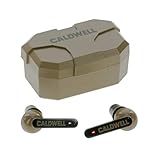 Caldwell E-MAX Shadows Bluetooth Hearing Protection Caldwell E-MAX Shadows Bluetooth Hearing Protection |
|
Check Latest Price |
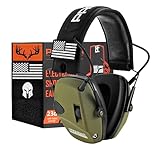 PROHEAR 4X Sound Amplification Muff PROHEAR 4X Sound Amplification Muff |
|
Check Latest Price |
 AXIL GS Extreme 2.0 Shooting Ear Buds AXIL GS Extreme 2.0 Shooting Ear Buds |
|
Check Latest Price |
 Walker’s XCEL Digital Bluetooth Earmuffs Walker’s XCEL Digital Bluetooth Earmuffs |
|
Check Latest Price |
 AXIL XCOR PRO Wireless Bluetooth Earbuds AXIL XCOR PRO Wireless Bluetooth Earbuds |
|
Check Latest Price |
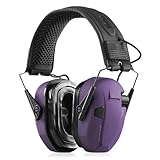 Savior Equipment Apollo Electronic Earmuffs Savior Equipment Apollo Electronic Earmuffs |
|
Check Latest Price |
1. Walker’s Razor Slim Electronic Muff – Best Overall for Hunting
Walker’s Razor Slim Electronic Muff, Black
NRR-rated slim muff
12.63 oz
2 AAA batteries with exterior battery door
3.5 mm audio input
Pros
- Extra slim cups clear a rifle stock
- Very light at 12.63 ounces for long sits
- Two hi-gain mics pick up voices and game movement
- Recessed knob and battery door work with gloves
- Recessed control resists pocket snags
Cons
- Noticeable audio latency in amplification mode
- Digital hiss on the aux input path
- Modest passive protection versus higher NRR models
This is the muff we kept grabbing first when the morning got cold. At 12.63 ounces it is one of the lightest units we tested, and on a six-hour squirrel hunt it never left a pressure headache behind. The extra slim cups sit close enough to the head that they disappear under a brimmed cap, which matters when the sun is coming straight down the ridge line.
The amplifier is analog and immediate. Two hi-gain omnidirectional microphones with enhanced low-end response mean you hear a grouse flush at forty feet without the muff coming off. Cut a round at the pole barn and the shot is gone; the birds start talking again within seconds.
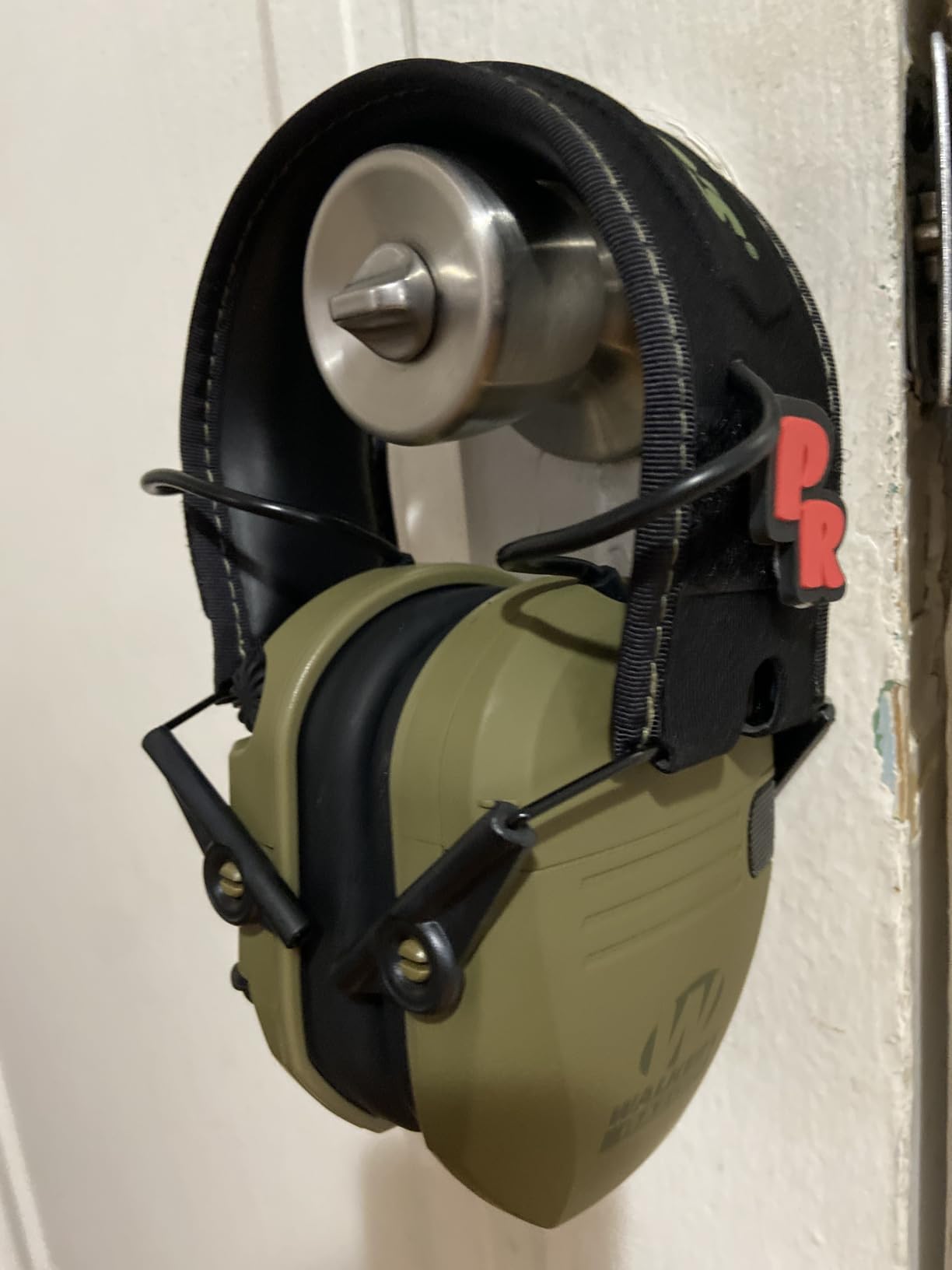
The build is a sound-dampening composite housing under a rubberized coating, carried on a padded metal wire frame. That frame is the part I like most, because a folding plastic hinge is the first thing to snap on a budget muff, and this one has nothing to fold. The recessed volume knob on the cup face and the battery door that opens from the outside are both glove-friendly details that most designs at this level skip.
What you give up for that slimness is passive attenuation. Once the batteries die the muffs go back to being a fairly light passive pair, so a second layer of foam plugs is sensible on a big deer rifle. The external-opening battery door is also a double-edged sword: convenient in the field, but it leaves contacts exposed to rain, so a zip bag in the pack is worth it.
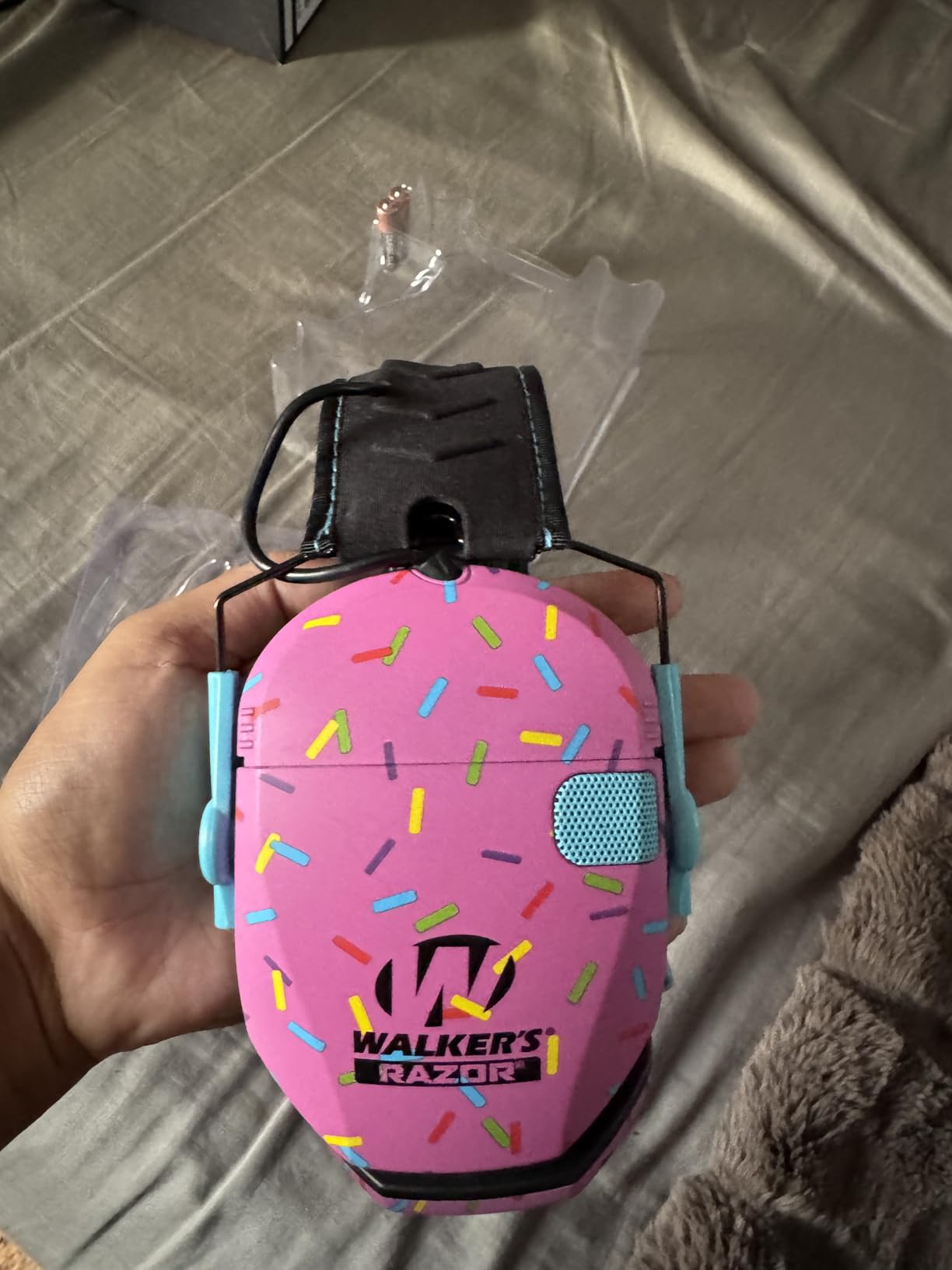
When the extra slim profile matters most?
If you shoot a stocked rifle offhand or from a sitting position with your cheek on the comb, cup width is the single thing that decides whether you keep wearing protection or shrug it off. The Razor Slim’s cups are among the narrowest we tested, and the shaving at the bottom keeps the seal from lifting when the stock pushes up. Our [shooting earmuff comparison](https://www.wearesalt.org/best-electronic-shooting-earmuffs/) covers the geometry side in more detail.
It is also the muff we hand to younger hunters and to anyone wearing a cap with a tight back strap. Nothing about the headband fights with eyewear, because the cups ride narrow and high enough to sit on the top of the arm rather than over the temple.
When to pick something else instead?
If your hunting includes long sessions on a black bear or elephant-class game, or a lot of suppressed precision work where you want to hear a lot more low-frequency detail, 23 ounces of extra passive protection buys you real margin. The Razor Slim is a hunting-first muff, not a range-first muff, and it is at its weakest with the power off.
The other limitation is the amplifier latency. Direction finding, which is a genuine problem in low brush when a grouse is holding tight, takes a few days of practice with this circuit. Anyone who wants pinpoint localization should look at the digital models further down the list.
2. Howard Leight Impact Sport – Best Value for Hunters
Howard Leight by Honeywell Impact Sport Sound Amplification Electronic Shooting Earmuff, Teal
NRR 22 dB
16 oz
Folds flat for a pack
AUX input with 3.5 mm cord
Pros
- Directional mics amplify to a safe 82 dB
- Low profile cups clear a rifle cheek weld
- Exceptionally strong passive isolation with power off
- About 350 hours on two AAA batteries
- Proven durable over years of heavy use
Cons
- Clamp-style fit can feel tight on the jaw
- Headband adjustment is fiddly on the tucked leather ends
- Slight hiss at maximum volume
- Occasional one-sided static on individual units
Long-range hunters in our research kept landing on the Impact Sport as the sensible middle option between budget models and premium digital muffs, and after our testing we understand the appeal. It is the second-oldest design here and it is still doing the fundamentals very well: directional microphones amplify range commands, and amplification cuts out automatically when ambient sound hits 82 dB.
Its cups are low profile with shaving at the bottom, and that shaving is what makes it work for rifle work. The whole unit folds flat, which meant it lived in the side pocket of our pack for a season instead of riding on our belt.
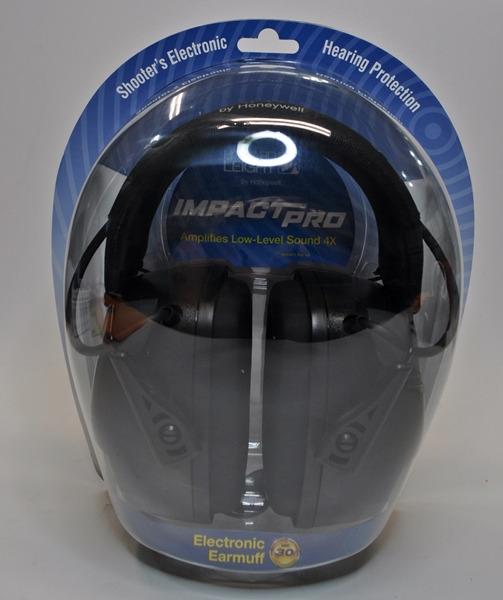
Two AAA batteries carry it about 350 hours, and a four-hour auto shut-off means the set you leave on the truck seat in October still has power in it in November. With the power off, owners frequently note the passive isolation is better than the NRR number suggests, which is a nice safety margin for the first shot of the morning.
Fit is where this one splits people. The clamp-style frame can feel tight on the jaw if you have a smaller head, and the headband adjustment requires pulling the frame out of the tucked leather ends, which is annoying with cold hands. Turn the volume all the way up and there is a faint hiss, and we did run into one unit with static out of the left cup that a battery change did not clear.
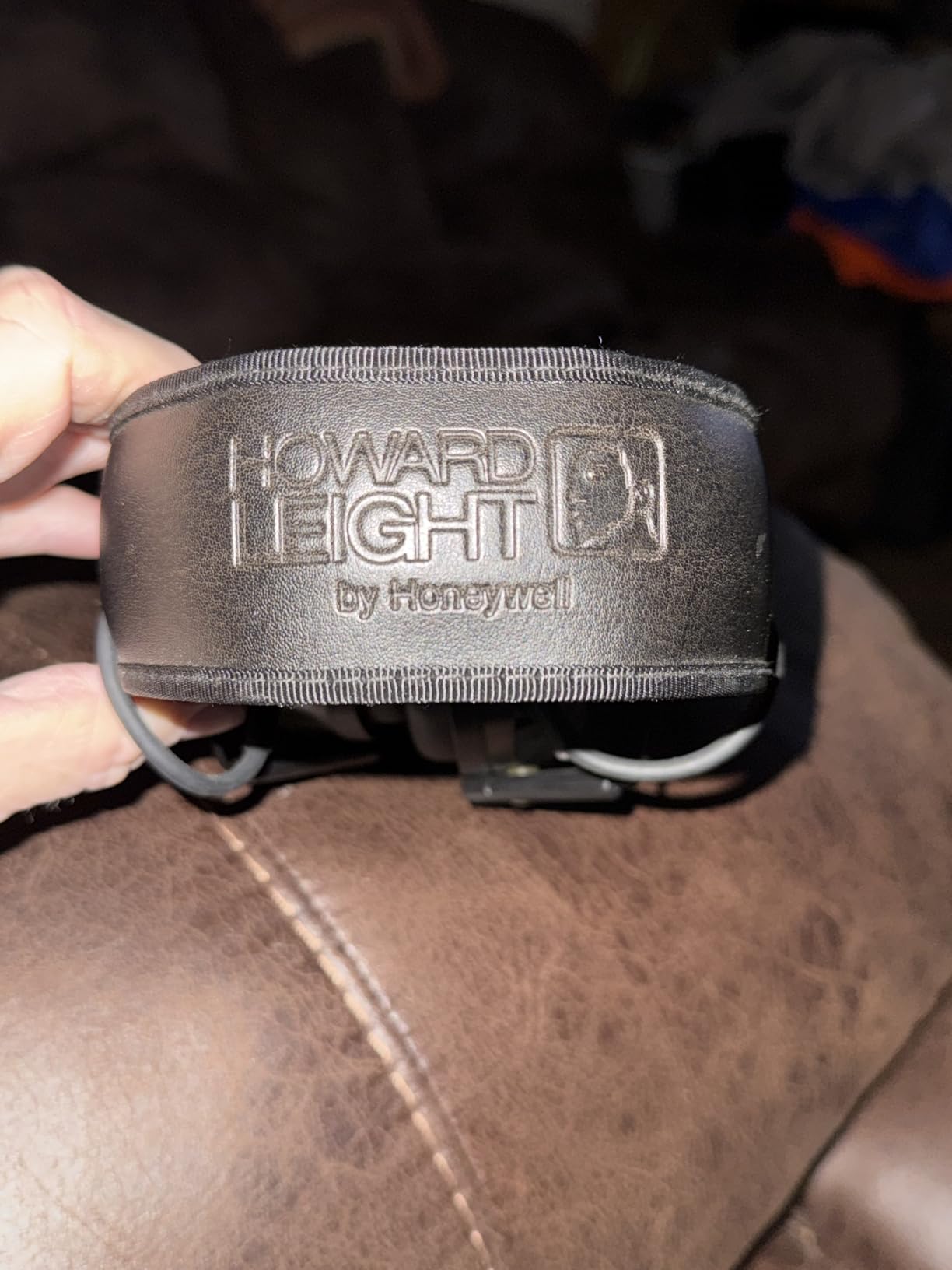
Why this one earns its spot for value hunters?
The reason this muff has been in continuous production for years is that it does the important things without a gimmick. Amplification cutoff at 82 dB, a low profile that clears a stock, an AUX jack, and a folding frame. Nothing on it needs an app, a firmware update or a proprietary charging cable, so it is also the one we would hand to a hunting partner who does not want to think about gear.
It is the pair we recommend for someone whose main worry is a rifle stock and a limited budget rather than Bluetooth connectivity. If you want calls and music routed through the same muff, step up to the digital section below.
Where it will frustrate you?
The clamp fit is the honest flaw. Hunters with smaller heads sometimes cannot keep it on through a long sit, and the fix ends up being a hat or a beanie to take up the slack. If you know you have a small head, the ZOHAN and PROHEAR options on this list use a wider telescopic band that adjusts more freely.
Second, the hiss at maximum volume matters if you plan to run the amplifier cranked during a walk. At moderate gain the sound is clean, but the last quarter of the range is where you start hearing the circuit rather than the woods.
3. Peltor Sport Tactical 500 – Best for Maximum Protection with Bluetooth
Peltor Sport Tactical 500 Bluetooth Hearing Protection Ear Muffs, 25 dB NRR
NRR 25 dB
12.96 oz
Bluetooth with separate volume controls
Runs on 2 AA or a rechargeable pack
Pros
- Highest passive NRR among the muffs we tested
- Clear Voice Tracking rejects wind and lifts voices
- Dynamic Suppression Time cuts the echo after a shot
- Independent Bluetooth and ambient volume
- Long-gun cutouts with rubber stock bumpers
Cons
- Highest cost in this roundup
- Needs AA batteries or a separately sold rechargeable pack
- Digital menus add complexity some hunters never use
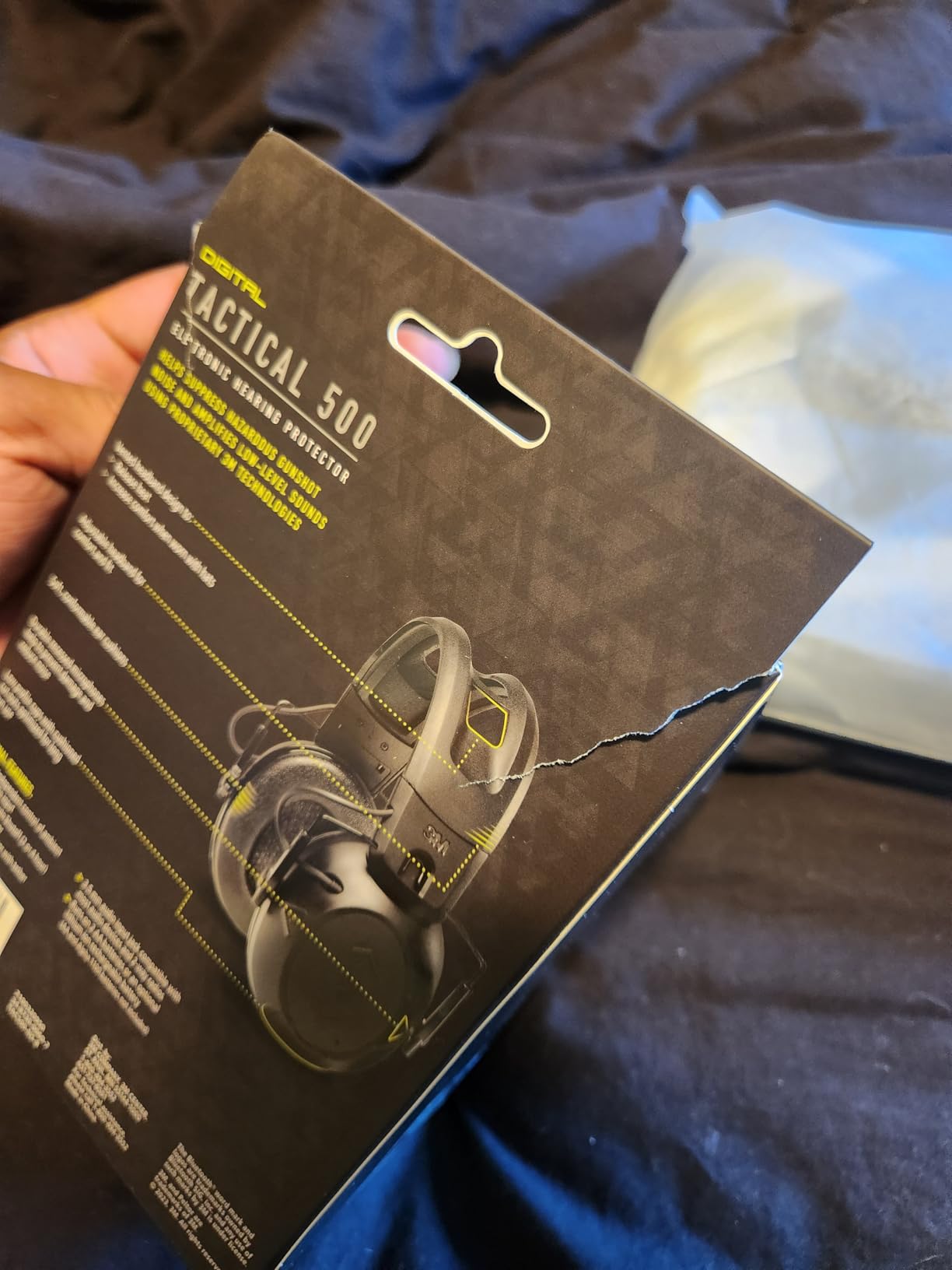
The Tactical 500 is the only muff here rated at 25 dB NRR, and that number matters more in the field than the feature list suggests. Everything else on this list protects a rimfire or a shotgun beautifully. This one is the model we would hand to a hunter working black bear or anything with a recoil that makes your teeth hurt.
Two features set it apart. Dynamic Suppression Time adapts the suppression window to the energy of the incoming noise, which is what kills the ringing after a shot. Clear Voice Tracking filters wind and background noise while it lifts low-level sound, so a whispered conversation across a creek survives a crosswind.
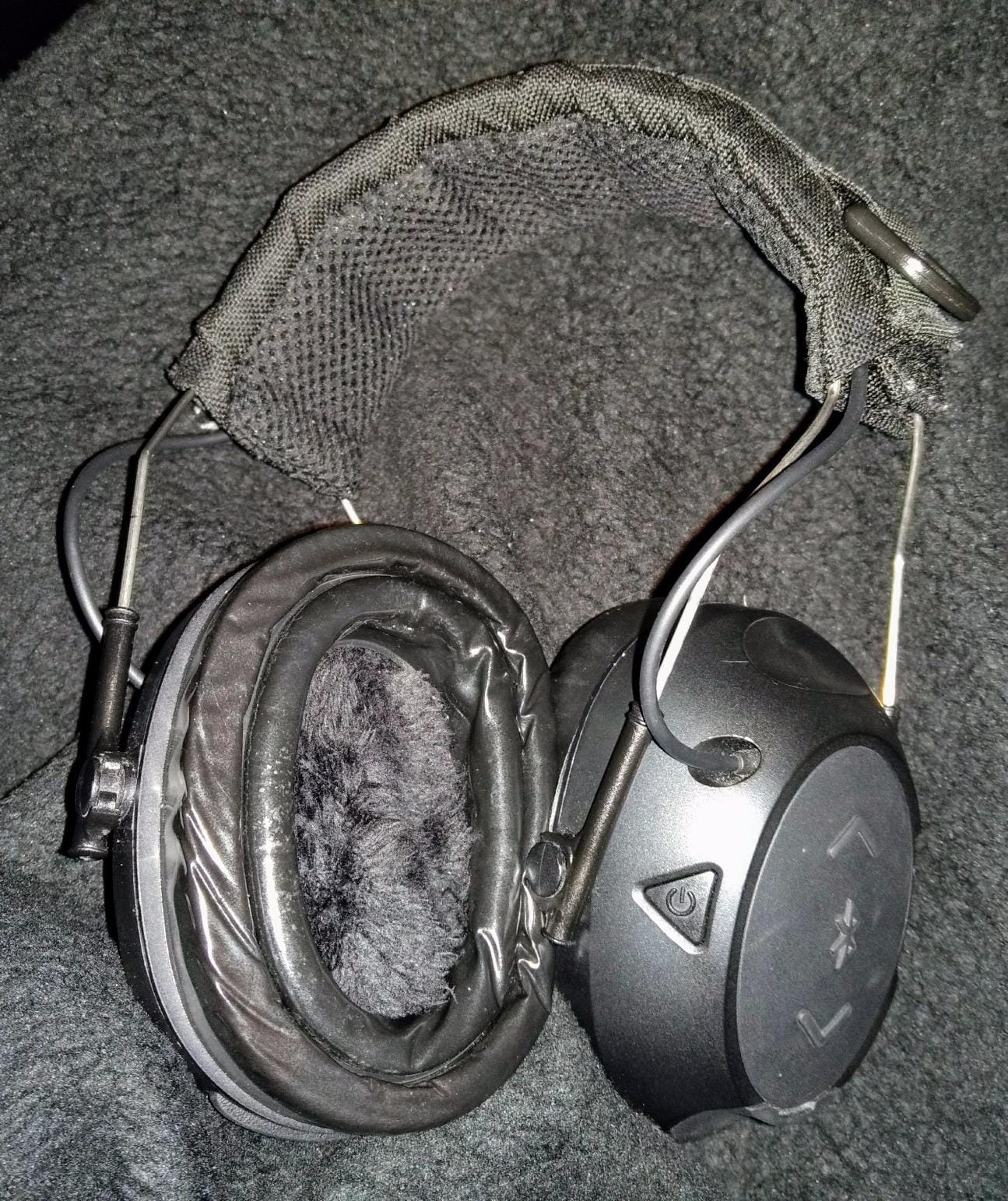
Bluetooth works the way it should on a hunting muff, meaning you take a call or hear a notification without pulling the protection off. Crucially, the audio input and the ambient microphones have independent volume controls, so you can set the amplification for the environment and still hear the phone clearly. A storage bag and replacement gel hygiene kits are available for it.
Power is the friction point. It runs on two AA batteries, which are not included, or a separately sold 3M Alpha 1100 lithium-ion pack. Since AA cells drain slowly, most hunters end up carrying a spare set and never bothering with the rechargeable pack at all. There is auto shut-off and a low battery indicator, plus voice guidance on the button interface.
Why the extra NRR is worth it past the range?
Passive NRR is the only number on a hunting muff that keeps working when the circuit does not. A 25 dB rating gives you a genuine buffer on a muzzle blast you did not expect, and the cups are low profile with vented adjustable headband, long-gun cutouts and rubber bumpers that keep the stock from hitting the shell.
It is also the muff we would pick for a hunter who wants to run a Bluetooth dog-collar receiver or play a call through it. The independent volume structure means the call and the birds do not fight each other.
When it is the wrong call?
Cost is the honest drawback, and it is a large step up from the analog budget models that cover most hunting situations perfectly well. If your season is pheasants and grouse with a 20 gauge, you are buying margin you will never use.
The mode structure also takes a day or two to learn. Hunters who just want one switch to turn on and off can find the Peltor Sport RangeGuard simpler, and we found the Tactical 500’s menus were more than a season-one hunter needed.
4. Peltor Sport RangeGuard – Best for Range Days and Folding Packability
Peltor Sport RangeGuard Electronic Hearing Protector, NRR 21 dB, Ear Protection for the Range, Shooting and Hunting
NRR 21 dB
8.32 oz
Folds to fit a pocket
2 AAA batteries
Pros
- Natural clear amplification even at maximum gain
- Very slim and folds down to a pocket
- Comfortable for long sessions including with safety glasses
- Fast clean suppression with minimal residual artifact
- Strong passive isolation for a 21 dB rated muff
Cons
- Audio input shares the circuit that shuts off on loud noise
- Hiss rises noticeably at high amplification
- Controls sit on the right side
- 21 dB NRR is light for sustained high volume work
At 8.32 ounces this is the lightest muff we tested, and it is the one that ended up permanently in the range bag. It folds down small enough for a hoodie pocket, which sounds like a gimmick until you spend a season of public-land mornings looking for a flat spot on a truck seat.
The sound is the story here. Owners consistently describe the amplification as natural and clear even at maximum gain, with no microphone peaking, and the suppression as fast and clean with very little residual artifact after the shot. It is the most honest-sounding analog amplification on this list.
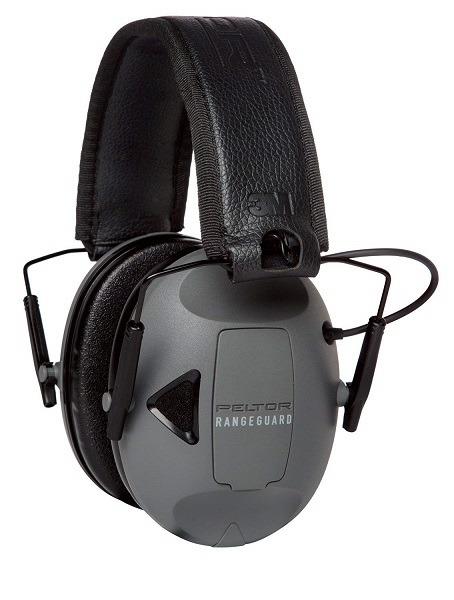
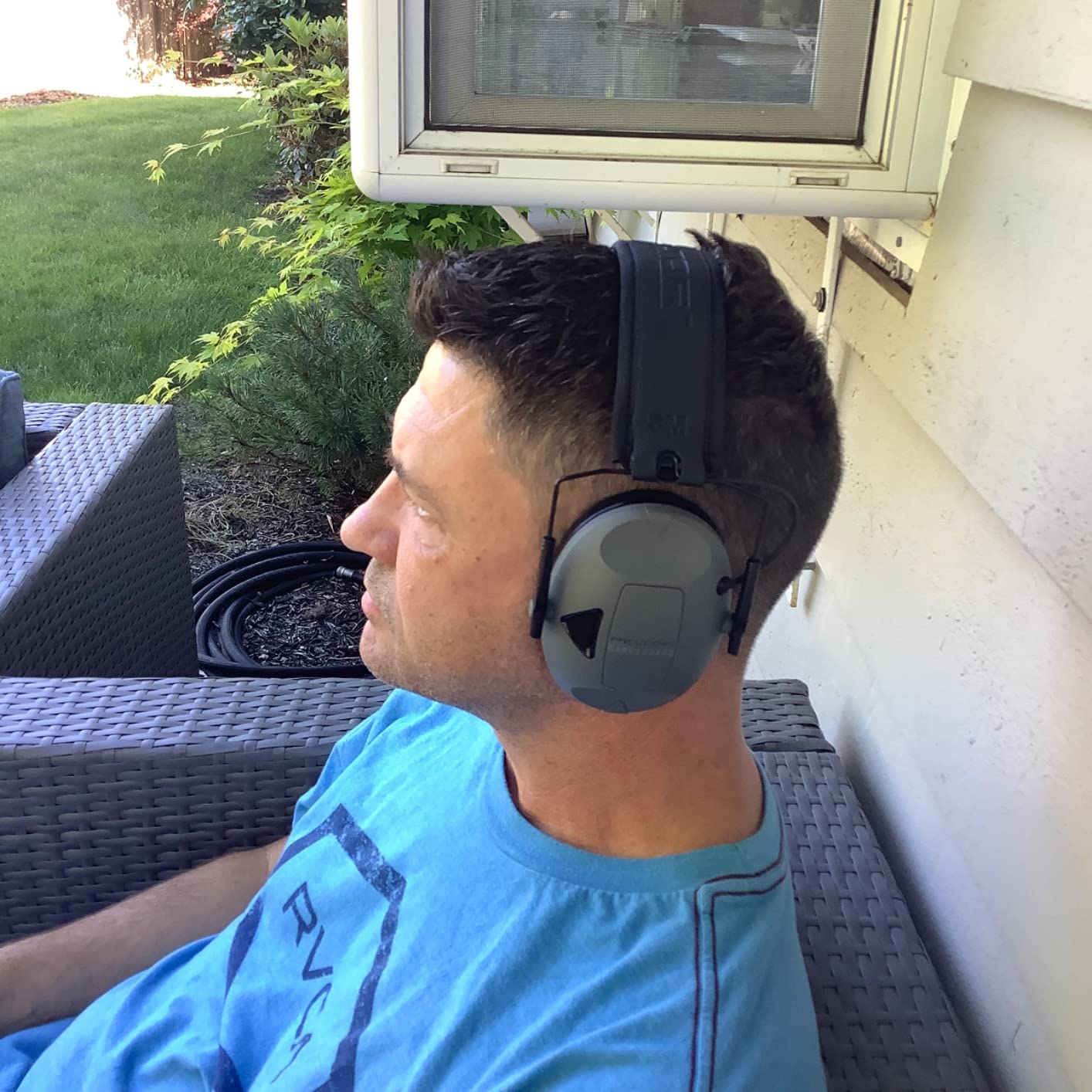
Low profile cups with cutouts for rifle and shotgun, an adjustable headband, and recessed microphones designed to survive wind and rough handling. We found it genuinely comfortable to wear over safety glasses, which is a surprisingly common problem with electronic muffs.
Its real limitation is the audio input. It shares the same circuit that gets shut off by loud noise, so music cuts in and out constantly on a range day. That would be a minor annoyance in the field, but on a bench with music playing between strings it is genuinely irritating. Hiss also increases noticeably at high amplification settings, and the volume and on/off controls sit on the right side, which is awkward for right-handed shooters.
Why hunters keep two pairs in the truck?
Twenty-one dB is enough for a 12 gauge and 20 gauge field hunt with foam plugs, and this is the pair we would carry as your secondary set. Because it folds flat and weighs under nine ounces, you can keep it in the pack as a spare for the hunter you are walking with, and it takes almost no space to do it.
Some owners who do a lot of sustained high volume range work pair it with earplugs because 21 dB is light for that application. For an actual hunting season it is a comfortable match.
Where it falls short in the field?
Wind is the honest weakness of any analog amplification circuit, and this one is no different. On an exposed ridge the microphones pick up gusts along with the grouse, and you end up turning the volume down, which is the opposite of what you bought the product for. The digital models handle that better.
Right-handed shooters also notice the control placement every single time, because on the shooting side the volume knob is under your cheek weld. Not fatal, but it is the first thing we would change.
5. ZOHAN EM054 – Best for Wet Weather and Cold Hands
ZOHAN EM054 Electronic Shooting Ear Protection with Sound Amplification, Slim Active Noise Reduction Earmuffs for Gun Range
Amplifies ambient sound up to 4x
Water sweat and stain resistant
Folds for portability
ANSI and CE certified
Pros
- Fast suppression of gunshots and impulse noise
- Enough gain to hold a conversation without removing the muffs
- Lightweight and folds compact for a range bag
- Water sweat and stain resistant for all-weather use
- Performance owners compare to pricier brands
Cons
- Amplifies rather than cancels
- so it is not active noise cancelling
- Ambient pickup degrades in very windy surroundings
- Microphone foam covers can degrade with dust and moisture
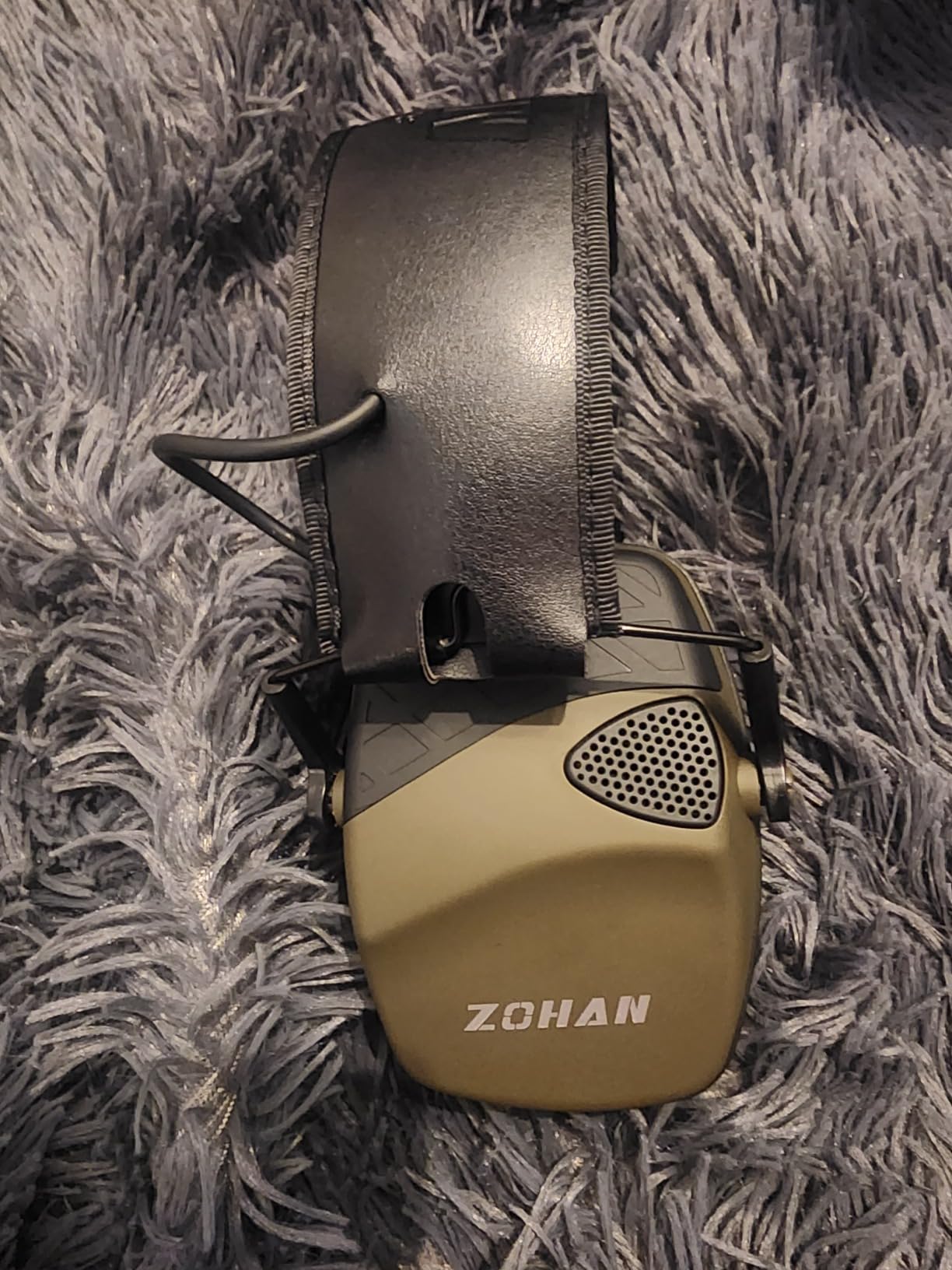
The ZOHAN EM054 is built for the parts of the season that ruin electronics. Water, sweat and stain resistant, folding, and light enough that we forgot it was on by the end of a wet buck season in the rain shadow. Two omnidirectional microphones amplify low-level ambient sound up to 4x, which is enough to talk to the guy beside you without lifting the muffs off your ears.
It is certified to ANSI S3.19-1974 in the US and CE EN352-1, EN352-4 and EN352-6 in Europe, so it is legitimate protection and not just an amplifier. The rubber paint finish and hand-stitched artificial leather headband feel more substantial than the assembly cost suggests.
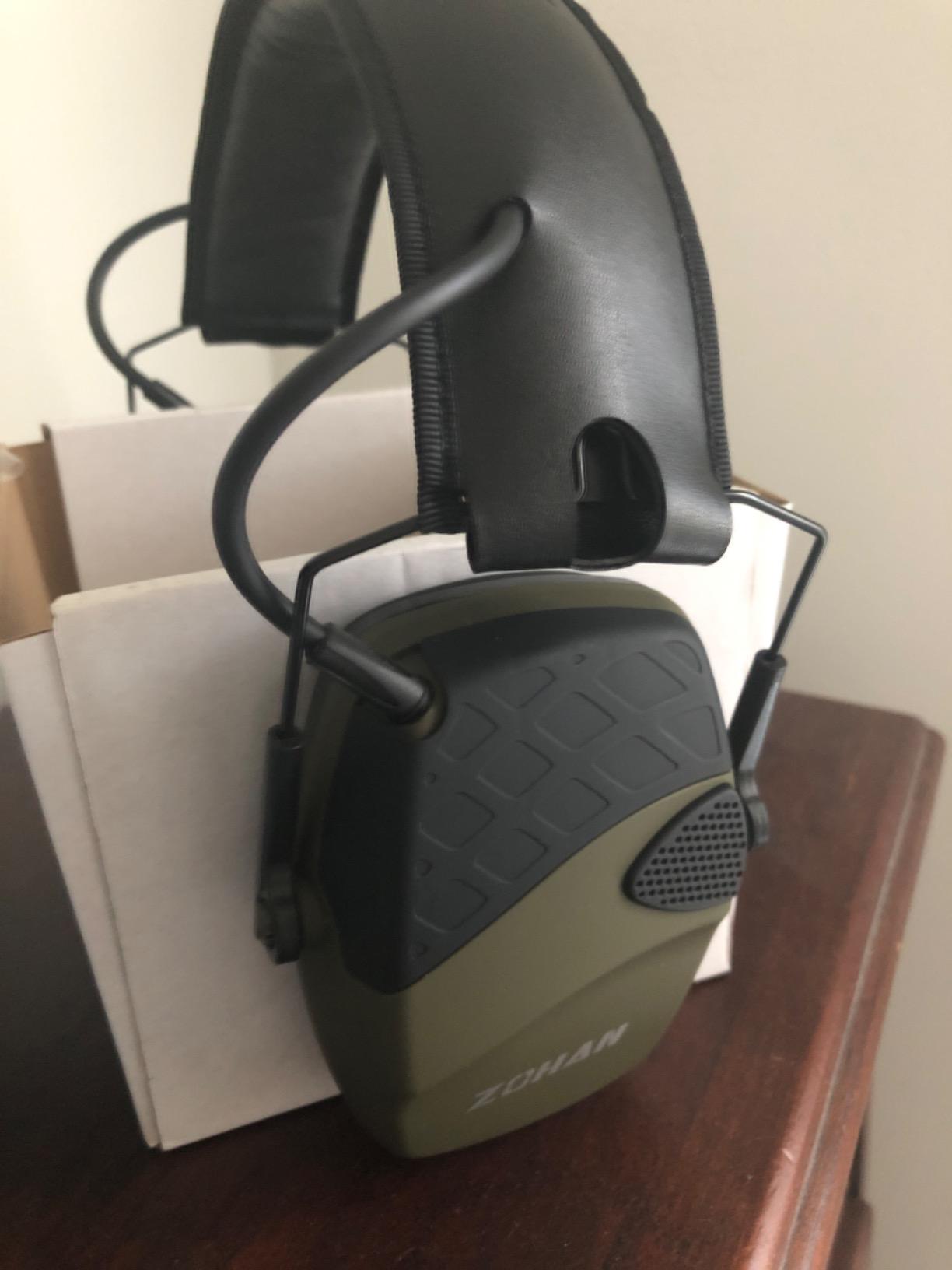
The controls are the real hunting feature. The volume buttons are arranged vertically and physically large, so you can find and press them with a glove on and without looking, which matters when you are trying to change volume while holding a shotgun at a tailgate.
Owners report near-instant suppression of gunshots and other impulse noise, and light enough weight to be comfortable for a full day. The recurring clarification in reviews is worth repeating: this muff amplifies and suppresses, it does not actively cancel noise like a pair of ANC travel headphones.
Where water resistance actually earns its place?
Waterfowl blinds, rain, snow, a flooded boat ramp, a humid July bow stand. The weather-resistant construction is the reason we kept reaching for this set when the forecast turned. The folding design also means it does not take up a whole pocket in a chest wader jacket.
The 4x amplification is genuinely useful for a hunter working a treeline who needs to hear a distant vehicle, and the certification gives you the protection floor you are actually buying it for.
When the amplification is not enough?
Buyers sometimes expect active noise cancelling and are disappointed, which is why the reviews spend so much time on this point. In a strong wind, ambient pickup degrades noticeably and you will be fighting the wind noise rather than the game noise.
The microphone foam covers are also the part most likely to degrade over years, since dust and moisture sit right on them. Keep a spare set of covers in the range bag and this one ages well; ignore them and the amplification will start sounding thin.
6. GLORYfire Bluetooth In-Ear Hearing Protection – Best High-Protection In-Ear
GLORYFIRE Bluetooth Shooting Ear Protection & Sound Amplification, Onyx
NRR 26
In-ear electronic earplugs
0.5 ms reaction time
Three switchable sound modes
Pros
- Very high 26 NRR for an in-ear design
- Extremely fast 0.5 ms reaction to loud impulses
- Three modes adapt to open field and indoor range
- Bluetooth streaming and calls without removing protection
- Compact and discreet under a cap
Cons
- Highest cost among the in-ear options here
- In-ear form is wrong for anyone who cannot wear earplugs comfortably
- Seal depends on finding the right ear tip size
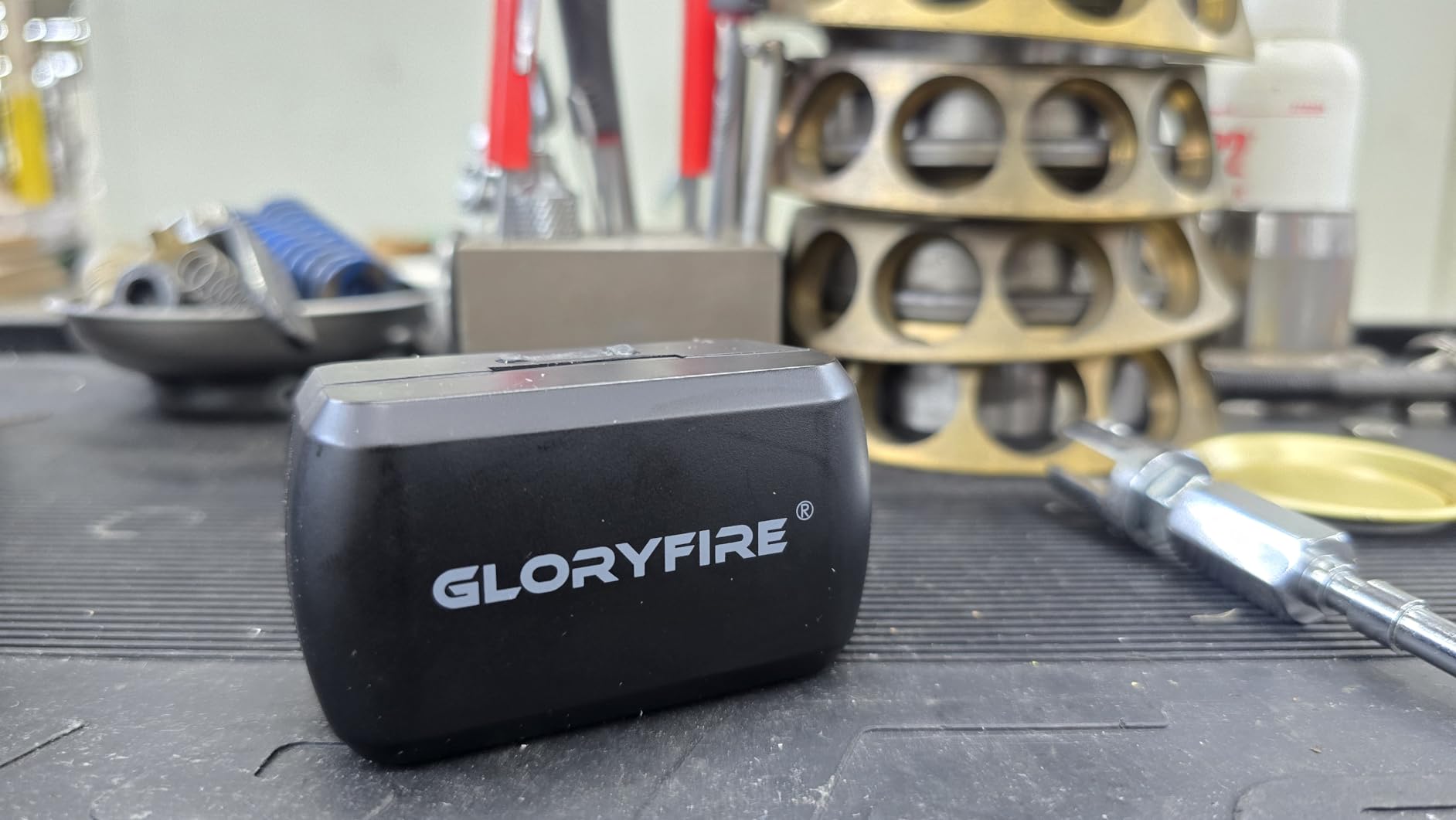
Twenty-six dB NRR from an in-ear design is unusual, and it is why this set earns a place on a hunting roundup at all. Most electronic earbuds are audibility products with modest protection. This one is tested and approved to ANSI standards with output limited to 85 dB, and the 0.5 ms reaction time is the fastest we saw anywhere in this roundup.
Three switchable sound modes cover the hunting year. Outdoor mode handles the field, indoor mode handles a covered range, and Silent mode is where the Bluetooth music and calls live. The separation means you are not muting your music every time a branch snaps.
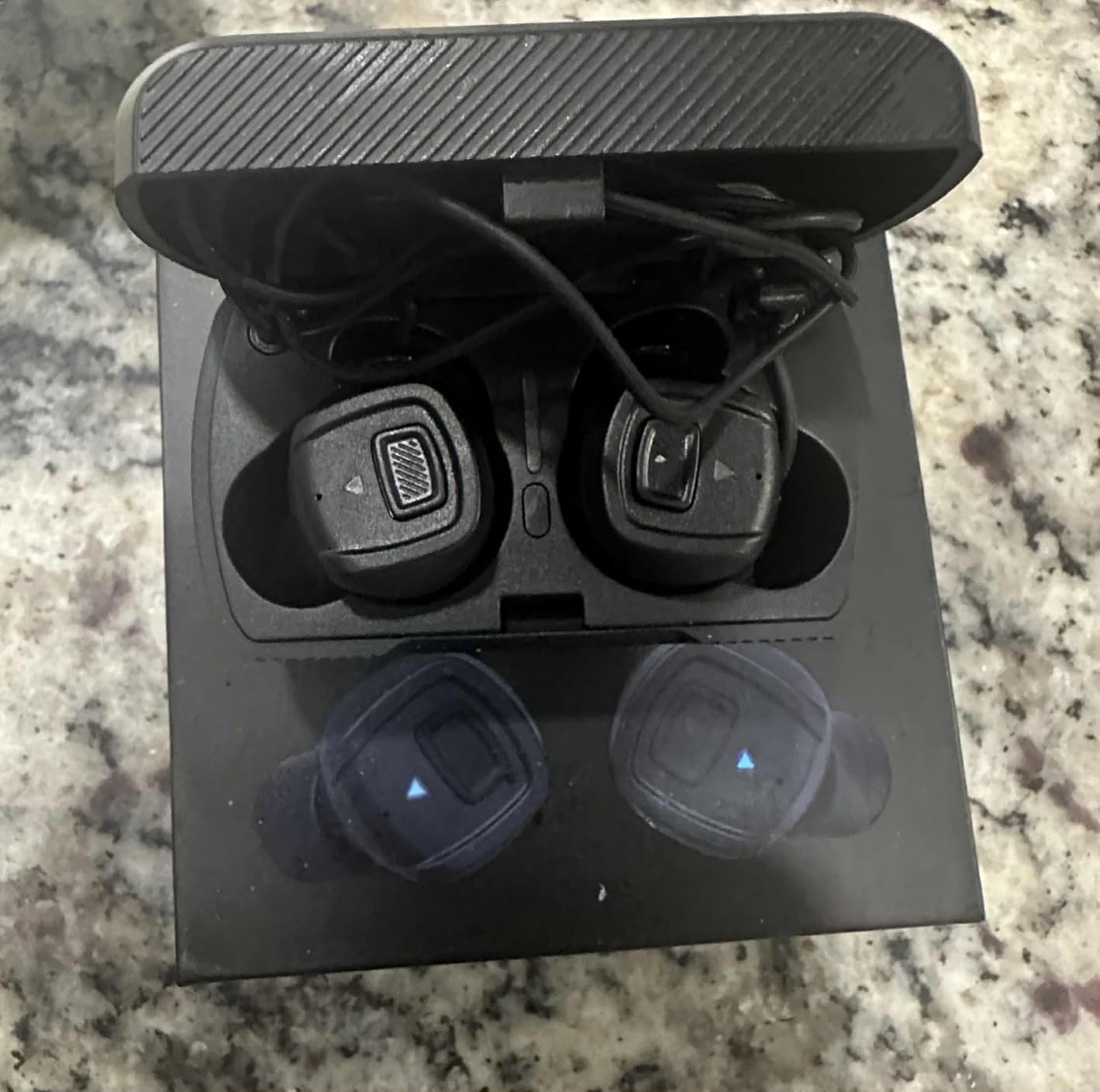
Vocal tracking covers both your own voice and the surrounding sound, so conversations across a camp road are easier than with a pair of muffs that seal you off. At 6.74 ounces and 4 by 2 by 4 inches, it lives in a chest pocket and disappears under a hood.
What you give up is comfort margin and price. The cost is at the top of the in-ear range here, and more importantly, some people simply cannot wear earplugs. If that is you, skip this section entirely and go back to the over-ear options.
Why the in-ear form is worth the effort?
In-ear protection eliminates glasses conflicts completely, works under a cap, and gives you a much higher NRR in a smaller package than most muffs. For a hunter who wears prescription glasses and a beanie, that combination is genuinely rare.
Multiple ear tip sizes are included so you can find a conforming seal, and the seal is the whole game here. Spend the two minutes cycling through the tips before you rely on it, because a bad seal throws away most of that 26 dB.
When to choose muffs instead?
The trade is comfort over time. Muffs can be worn indefinitely with no canal pressure; in-ear units need a break. Anyone hunting long days on a sit, or anyone with a history of ear canal irritation, will find the muffs a better long-term answer.
Also note the fit sensitivity. Users report that the seal varies meaningfully from ear to ear, and it takes a few range trips to work out which tip is right. That is a worse experience for a first-time shooter than a muff that fits everyone.
7. Caldwell E-MAX Shadows – Best for a Custom Sealed In-Ear Fit
Caldwell E-Max Shadows FDE 23 Decibels NRR – Electronic Hearing Protection with Bluetooth Connectivity for Shooting, Hunting, and Range
23 dB NRR
In-ear Bluetooth protection
Six foam tip sizes included
Rechargeable with hard case
Pros
- Six foam tip sizes allow a genuinely custom seal
- Bluetooth pairs easily for calls and media
- Ambient reinforcement works for conversations
- Discreet alternative to muffs
- Caldwell service resolves problems quickly
Cons
- 17 percent one-star rating reflects outright unit failures
- Micro USB charging cable is dated
- One channel can drop and needs a factory reset to resync
- Very bright LED is disruptive at dawn
- Wind noise and audible hiss in passthrough
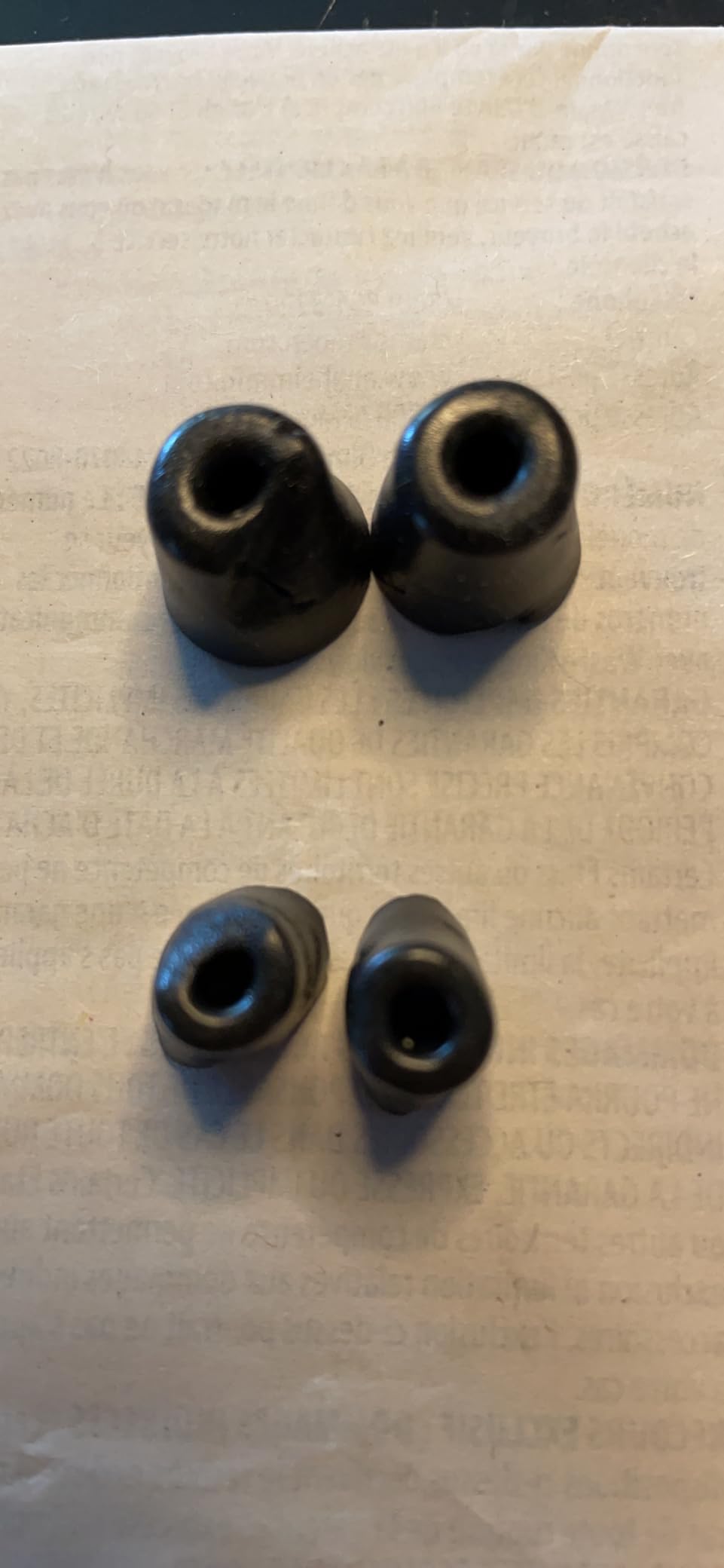
Six sizes of foam tips is the best fit selection in this roundup, and it is why the E-MAX Shadows can be made to seal properly for almost any ear. Continuous sound suppression to a safe level without clipping is a real advantage over earbuds that just clip the peaks and ring.
Bluetooth connects easily and handles calls and media, and ambient reinforcement is good enough to hold a conversation in a noisy place. The included hard charging case, soft storage case, charging cord and six ear tips make it a complete kit out of the box, and Caldwell’s customer service is repeatedly praised for resolving problems quickly.
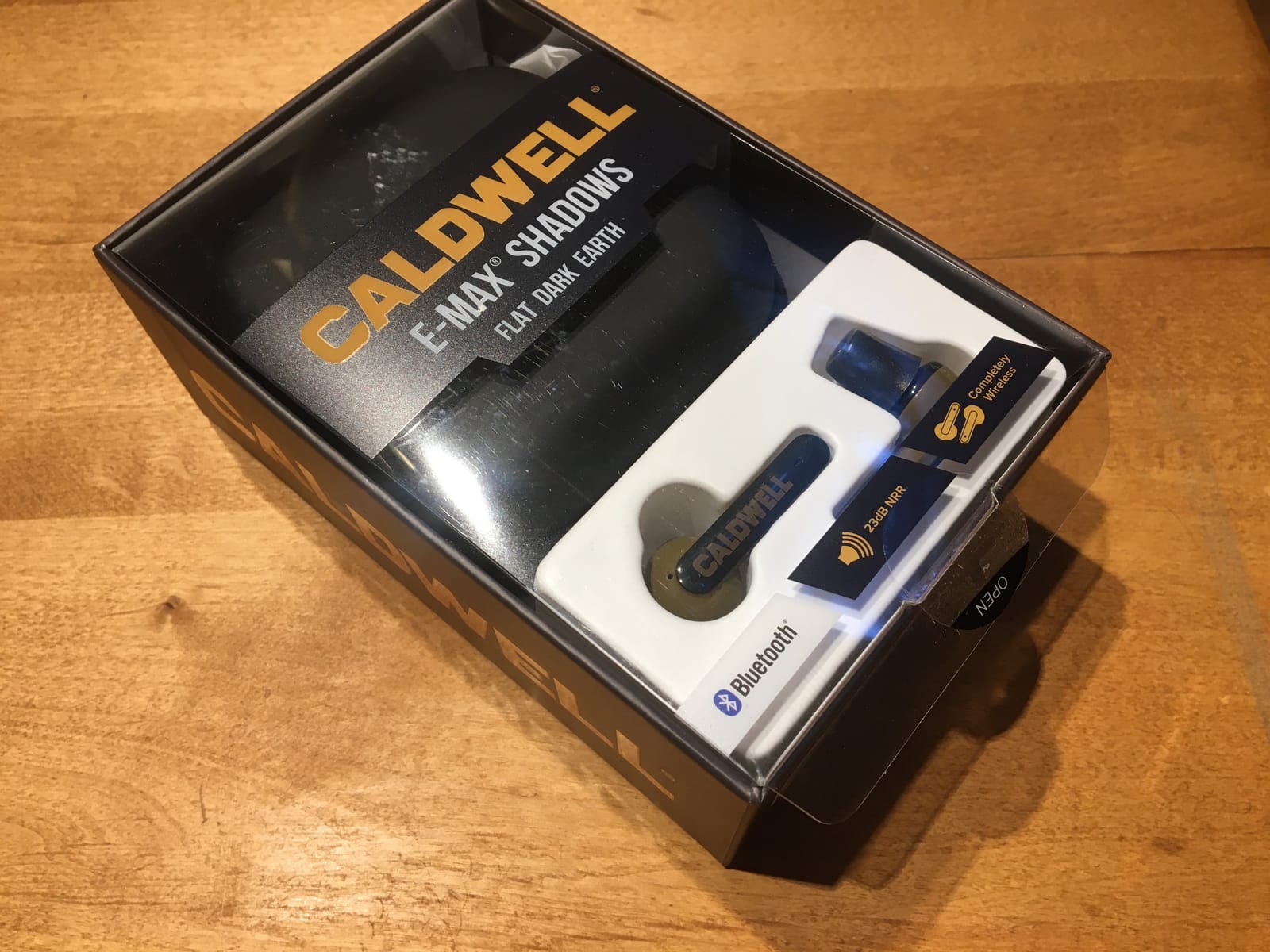
But this is the lowest-rated product we included, at 3.6 stars, and the reasons are specific enough that you should hear them before buying. Seventeen percent of ratings are one-star, and a large share of those describe outright failures including a dead right channel. Resyncing the two buds when they lose sync requires a factory reset with the paired phone switched off, which is a genuinely bad morning at a treestand before first light.
The other complaints are field-specific. A very bright blinking LED is disruptive during a dawn hunt, which is exactly when most of us are using them. There is no tether strap, so the small buds are easy to lose in brush. The charging cable is micro USB. Wind noise is picked up noticeably outdoors, and there is audible hiss in passthrough mode.
Where the fit system genuinely wins?
If you have narrow or unusual ear canals, this is the set most likely to give you a proper seal, and the six tip sizes are the reason. A real seal also makes the Bluetooth audio and the ambient reinforcement sound better than a badly fitting pair of any other brand.
It is also a reasonable pick for a hunter who wants one device for protection and music, since a 4 hour auto shutoff with an illuminated indicator means it will not run flat in the truck.
Why we would not build a season around it?
The failure rate is the issue. Two independent channels in a device you depend on for a whole day is a fragile design, and a dead channel in the field means a hunter working with one ear uncovered.
Protection is also thin for large-caliber indoor shooting compared with over-ear muffs, and a product with no tether strap belongs in a pocket rather than a cap. Buy it for fit and Bluetooth convenience, not for heavy big game work.
8. PROHEAR 4X Sound Amplification Muff – Best for Waterfowl and Budget Buyers
PROHEAR Electronic Ear Protection for Shooting with 4X Sound Amplification, Gun Range Hearing Protection Muffs, NRR 23dB Noise Reduction Headphones for Hunting, Green
NRR 23 dB
9.6 oz
IPX4 rated
300 hours on 2 AAA batteries
Pros
- Suppression in under 0.01 s with 4x amplification
- NRR 23 dB meeting ANSI S3.19
- IPX4 water sweat and dust resistance
- Large knob adjustable with gloves
- Carry pouch and 3.5 mm cable included
Cons
- Rigid feel before the headband breaks in
- Faint mic interference at maximum amplification
- Battery polarity markings are hard to read
- Volume control lacks adjustment latitude
Suppression in under 0.01 second and amplification up to 4x, at 9.6 ounces, ranked second best in Hunting and Shooting Earmuffs. That is a strong performance-to-spec ratio and the reason this muff shows up in so many budget roundups, including ours.
The IPX4 rating for water, sweat and dust resistance is the detail that makes it a waterfowl pick rather than just a cheap one. A pit blind in November is wetter than most deer stands, and a 300 hour battery life on two AAA batteries means the whole season runs on one pair of cells.
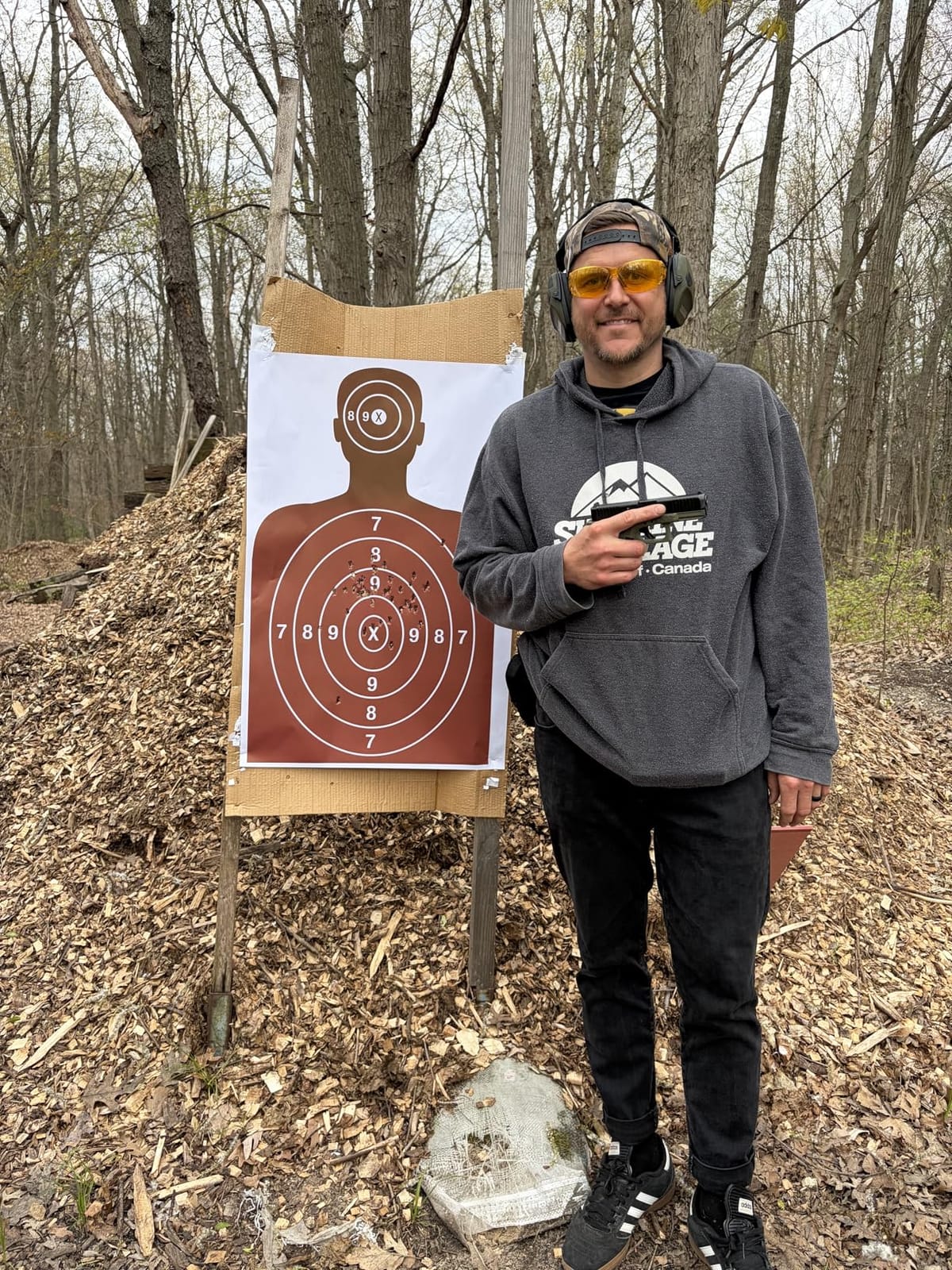
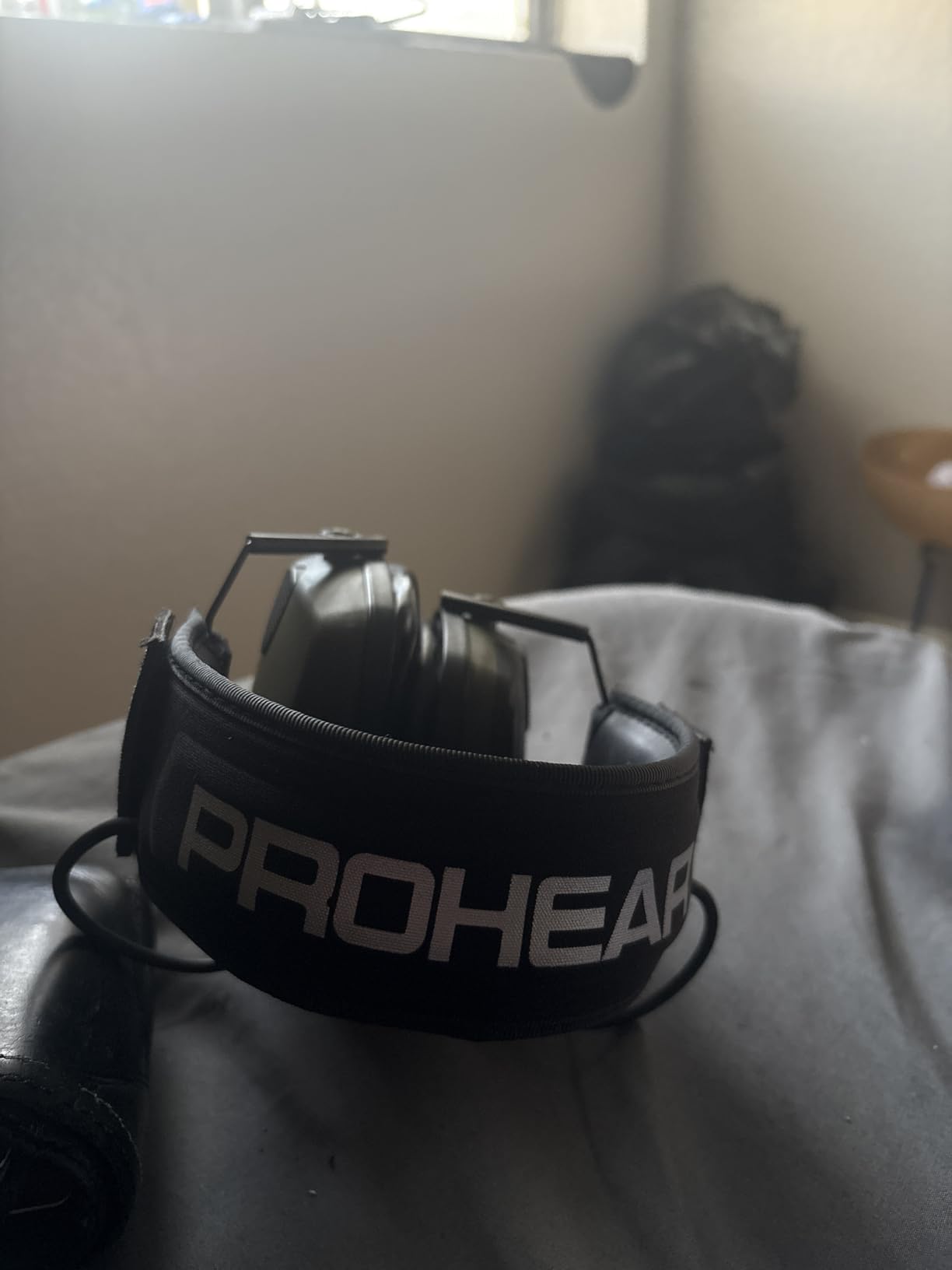
The volume control is a single large knob, sensitive to adjust and usable with gloves, mounted on a telescopic padded headband with wide ultra-soft cups. Slim low-profile cups with cutaways protect a shooting accuracy position, and the whole thing folds into a compact bundle.
The extras in the box are unusually generous: a carrying pouch, a 3.5 mm cable, a user manual, and a set of morale patches with hook backing. Reviewers regularly rank it above pricier muffs for the money.
Why it works in a wet blind?
IPX4 covers sweat, dust and rain, and the wide soft cups seal well enough to stay comfortable for a full sit. Slim cups with cutaways also mean you can keep protection on and still get a cheek weld, which is where many waterfowl hunters give up on protection entirely.
It is a straightforward, no-frills analog design that does one job well. No app, no Bluetooth, no charging cable to lose in a duck boat.
Where the friction is?
Fresh out of the box the headband can feel rigid, and it takes a few wears before it settles. At the highest amplification setting there is some microphone interference, which sounds like a faint crackle on top of the wind.
Also expect a small annoyance: the battery polarity markings are hard to see, and the two cells do not go in the same way. Every hunter gets this wrong once, and the volume control could use a little more range at the bottom of its travel.
9. AXIL GS Extreme 2.0 – Best for Hearing Enhancement and Spotting Game
Axil GS Extreme 2.0 Shooting Ear Buds – Hearing Enhancement & Noise Isolation Bluetooth Earbuds – w/Dynamic Speakers – 25-Hour
In-ear earbuds with ear hooks
Enhances sound up to 6x
25 hours run time
120 hours standby
Pros
- Very strong 6x hearing enhancement for spotting game
- 3-in-1 protection audio and calls in one device
- Ear hooks keep the buds secure when moving
- 25 hour runtime with a lanyard rechargeable battery
- Discreet enough to fit under a cap
Cons
- Only 49 percent five-star and 16 percent one-star ratings
- Protection is lighter than muffs for large-caliber shooting
- Music audio lacks low end
- Some units failed out of the box
- Fit and tip seal vary widely
Six times hearing enhancement is the headline number, and for a hunter scanning a hillside at dawn it is the feature that matters more than any NRR figure. You are not listening to a shot; you are trying to hear a branch rub at a hundred yards. This set is built for that.
It is a genuine 3-in-1 device. You switch between hearing enhancement and protection mode, Bluetooth audio, or both at once, with independent volume controls for each, so a call can sit under your game listening level instead of replacing it. Bluetooth 5.0 handles hands-free communication, and the ear hooks plus lanyard battery keep things in place and powered through a long day.
Twenty-five hours of run time and 120 hours of standby cover a multi-day hunt without a charger, which for remote country is a real advantage over the rechargeable earbuds further down this list.
It is also one of the more polarizing sets we included. Just 49 percent of ratings are five-star against 16 percent one-star, the second widest spread here. Critics point to light protection for large-caliber shooting, music audio with no low end, units that failed out of the box, and a fit and tip seal that varies significantly between users.
Who should buy the enhancement side?
Upland bird hunters, predator callers, and anyone who spends the dawn hours listening rather than shooting. Six times enhancement on a slow dial is how you spot a grouse holding at forty feet without walking into it, and no over-ear muff in this roundup amplifies that aggressively.
The ear hooks also solve a real problem: buds that fall out when you kneel, draw a bow, or climb into a tree stand. The lanyard battery keeps the weight off your ears.
Who should not?
Anyone whose season is defined by big game or magnum rifle work. The protection here is meaningfully lighter than an over-ear muff, and the 16 percent one-star rate means you have a real chance of a quality problem in the first year.
Wind and music are also weak points. The 6x amplification amplifies gusts too, and if the music is your main draw rather than the hearing enhancement, these are not the buds for you.
10. Walker’s XCEL Digital Earmuffs – Best Digital Muff with Bluetooth
Walker’s XCEL Digital Electronic Hearing Protection Earmuffs with Bluetooth & Voice Clarity – Grey
NRR 26 dB
16 oz
Four listening modes
Bluetooth for calls and notifications
Pros
- 26 dB NRR among the highest available in electronic muffs
- Dynamic suppression adapts compression to noise level
- Four listening modes for field and range work
- Bluetooth keeps you reachable without removing the muff
- Voice prompts auto shut-off and low battery warning
Cons
- Bulkier and wider than slim analog muffs
- Heavier at 16 ounces over very long sessions
- Higher cost than basic analog electronic muffs
Twenty-six dB NRR with Bluetooth in a muff is a combination you rarely get, and the XCEL is Walker’s’ answer to hunters who wanted the Razor Slim’s profile thinking with a digital circuit under the hood. Hi-gain omnidirectional microphones do the amplifying, and the active noise control is handled properly rather than simulated.
Sound-activated compression and dynamic sound suppression adapt the compression time to the noise level, which is what stops the ringing ear after a shot. Four distinct listening modes give you real flexibility between hunting, range work and plain Bluetooth audio.
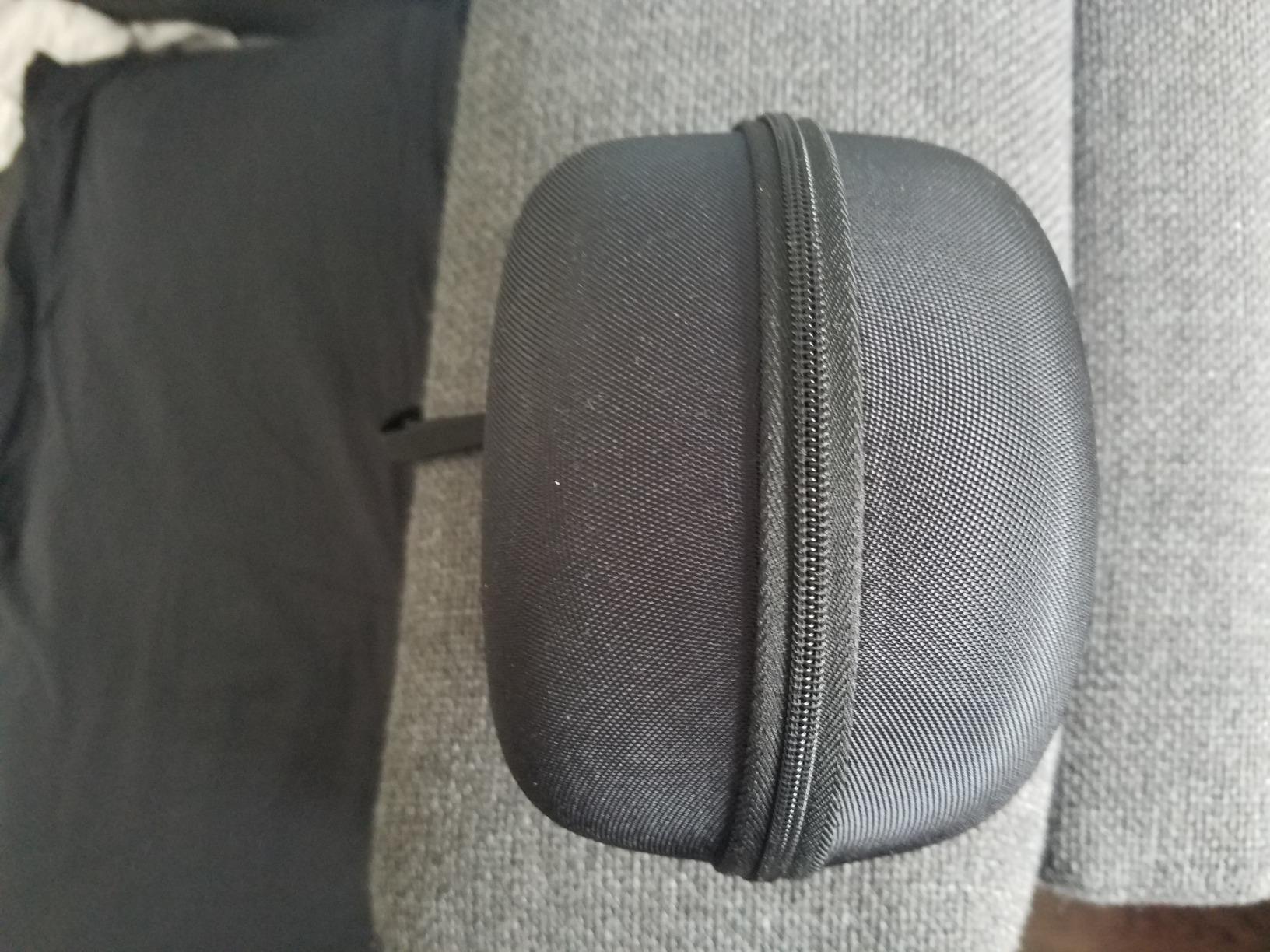
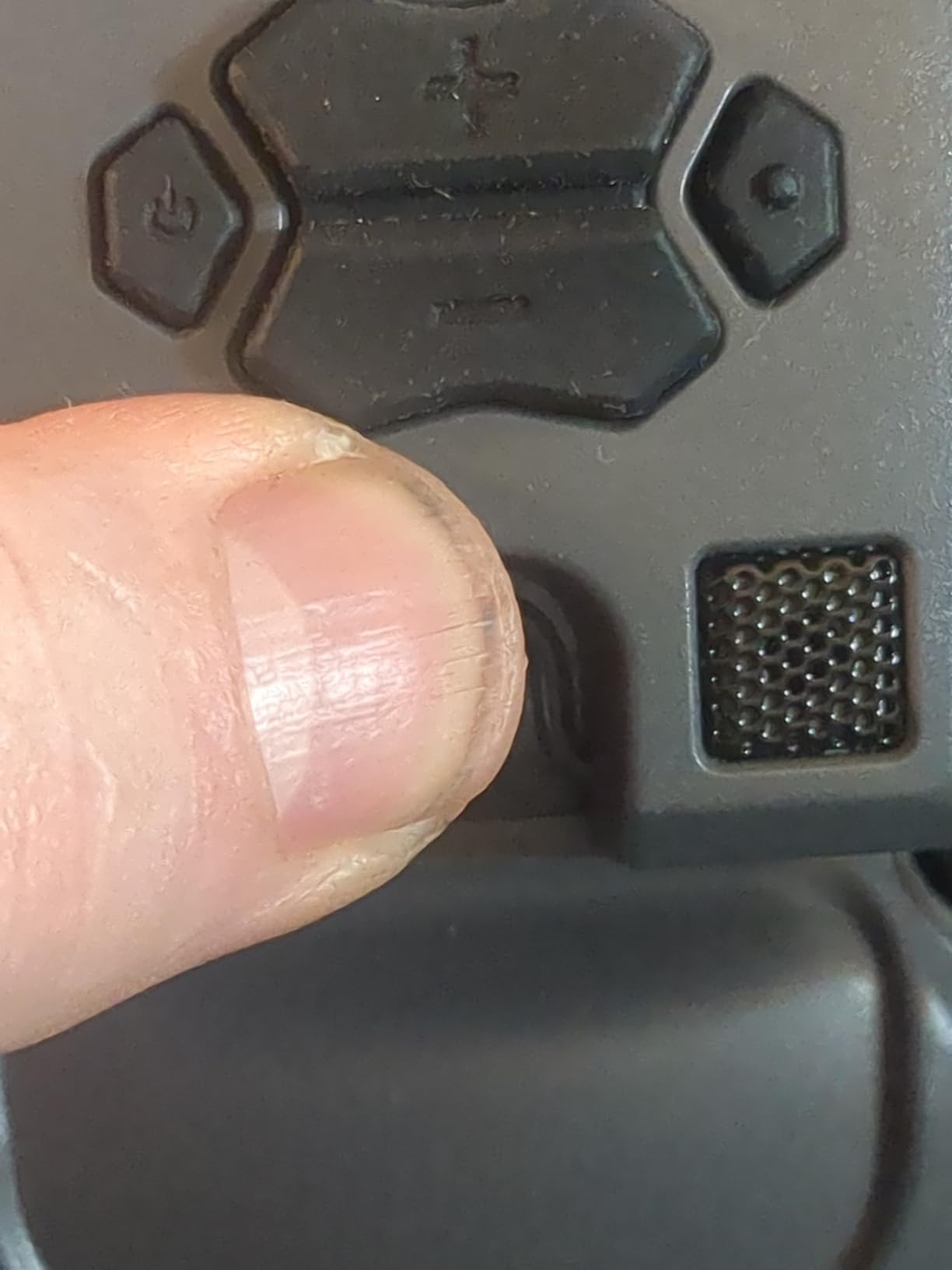
Bluetooth handles calls and notifications, and the auto shut-off, low battery warning and voice prompts make it easy to leave running without wondering whether it is on. The ergonomic headband uses fewer cup holes than competing designs, which is the detail behind the improved NRR claim.
The physical trade is size and weight. Sixteen ounces and a deeper cup than the Razor Slim or Impact Sport means this is not a stock-clearance-first design, and over a very long session the weight adds up on your neck. It is also priced above the basic analog electronic muffs, which is a fair comparison to make before buying.
When the 26 dB changes the decision?
The 26 dB NRR puts this in the same protective class as the Peltor Tactical 500, and it is the second-highest rated muff here. For a hunter who shoots hard recoil rifles or hunts dangerous game, that margin over a 21 or 22 dB analog muff is a genuine safety improvement rather than a spec-sheet difference.
The four modes are the practical winner. Hunters who switch between a field day, a walk-in range and a truck drive in Bluetooth mode get one device that adapts, and the voice prompts mean you can check your setting without pulling the muffs off.
When the bulk is a problem?
Anyone shooting off a stocked rifle should try these on first. The deeper cups are the classic reason hunters take muffs off mid-hunt, and the extra two ounces over the slim analog models adds up across a twelve-hour day.
They are also simply not as small to pack. If your hunting life is a single day trip with a folding muff in the pack, the extra volume here is a cost with no matching benefit.
11. AXIL XCOR PRO Wireless Earbuds – Best for Moving Hunters
AXIL XCOR PRO Wireless Bluetooth Earbuds, HearPRO Enhancement
Digital HearPRO compression
30 ohm drivers
Bluetooth 5.2 with touch control
Rechargeable with case
Pros
- Enough protection to shoot 5.56 through 12 gauge without muffs
- Sound boost and cutoff work seamlessly
- Multiple ear tip sizes stay put during running and movement
- 6+ hours per charge with a case that recharges the buds
- Useful for lawn work and other loud outdoor tasks
Cons
- Battery reported failing after roughly the two year warranty
- No manufacturer repair or battery replacement path
- Hard plastic casing gets uncomfortable after about an hour
- No wind filtering so outdoor wind is amplified
- Call microphone quality is poor
Owners who get on with these rate them well. The digital HearPRO protection compresses loud noises above 85 dB rather than shutting them out, which means a shot goes flat and quiet instead of vanishing, and the sound boost and cutoff work smoothly together in a way that does not sound like a compressor riding the signal.
Protection is sufficient to shoot 5.56 through 12 gauge without wearing muffs over the top, and the multiple ear tip sizes stay put during running and aggressive movement, which is the entire point of an earbud. Bluetooth 5.2 with touch control handles audio, and some units can pair with Bluetooth-capable radios for two-way communication.
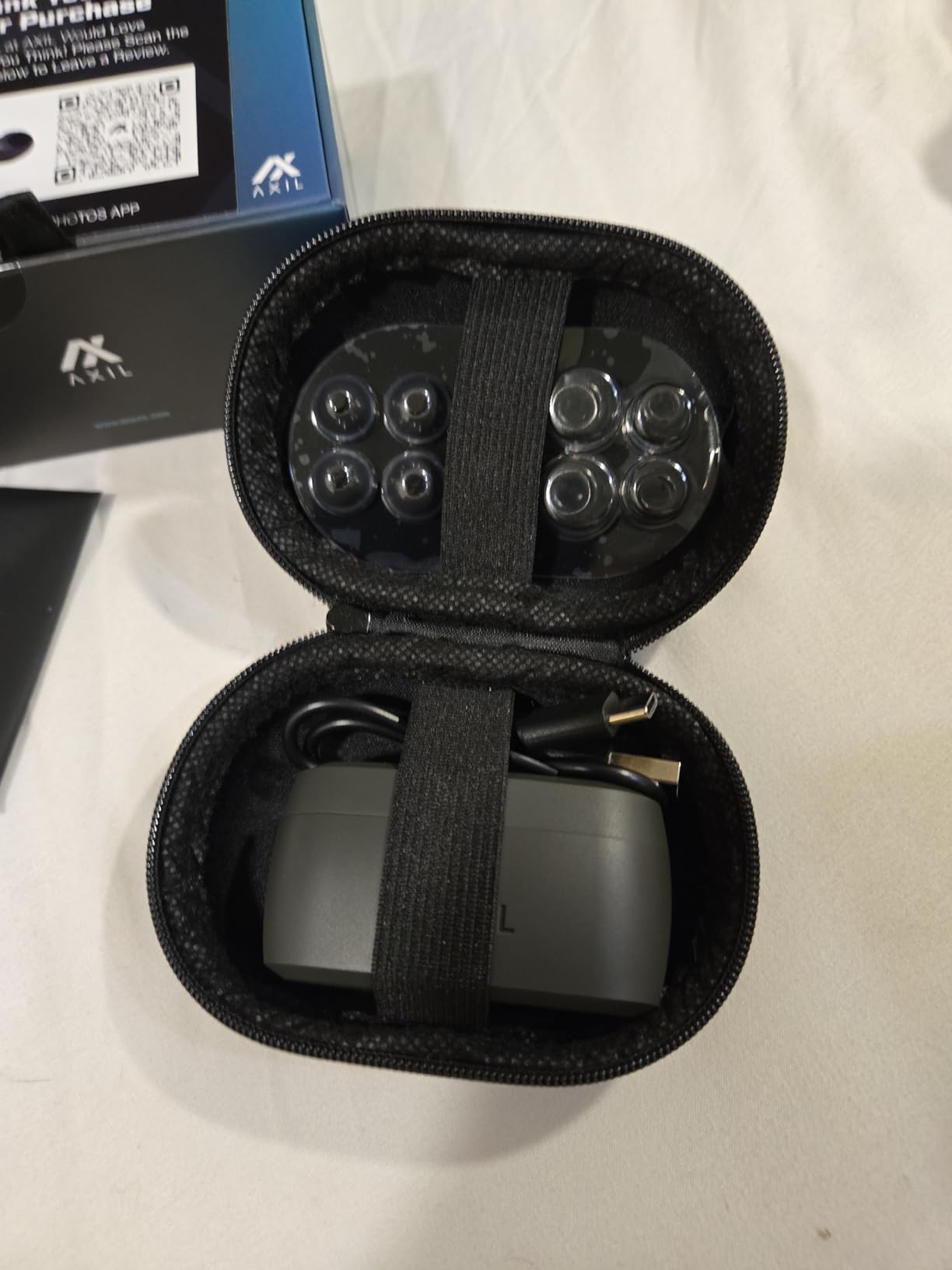
That combination is why we rate these for moving hunters. A bow hunter who is walking, a runner who shoots, a hunter working from a vehicle: anything where a muff would be in the way. Six hours plus per charge with a case that recharges the buds several times is a full season of short trips. It is also rated water resistant and carries a 2 year manufacturer warranty, the longest listed here.
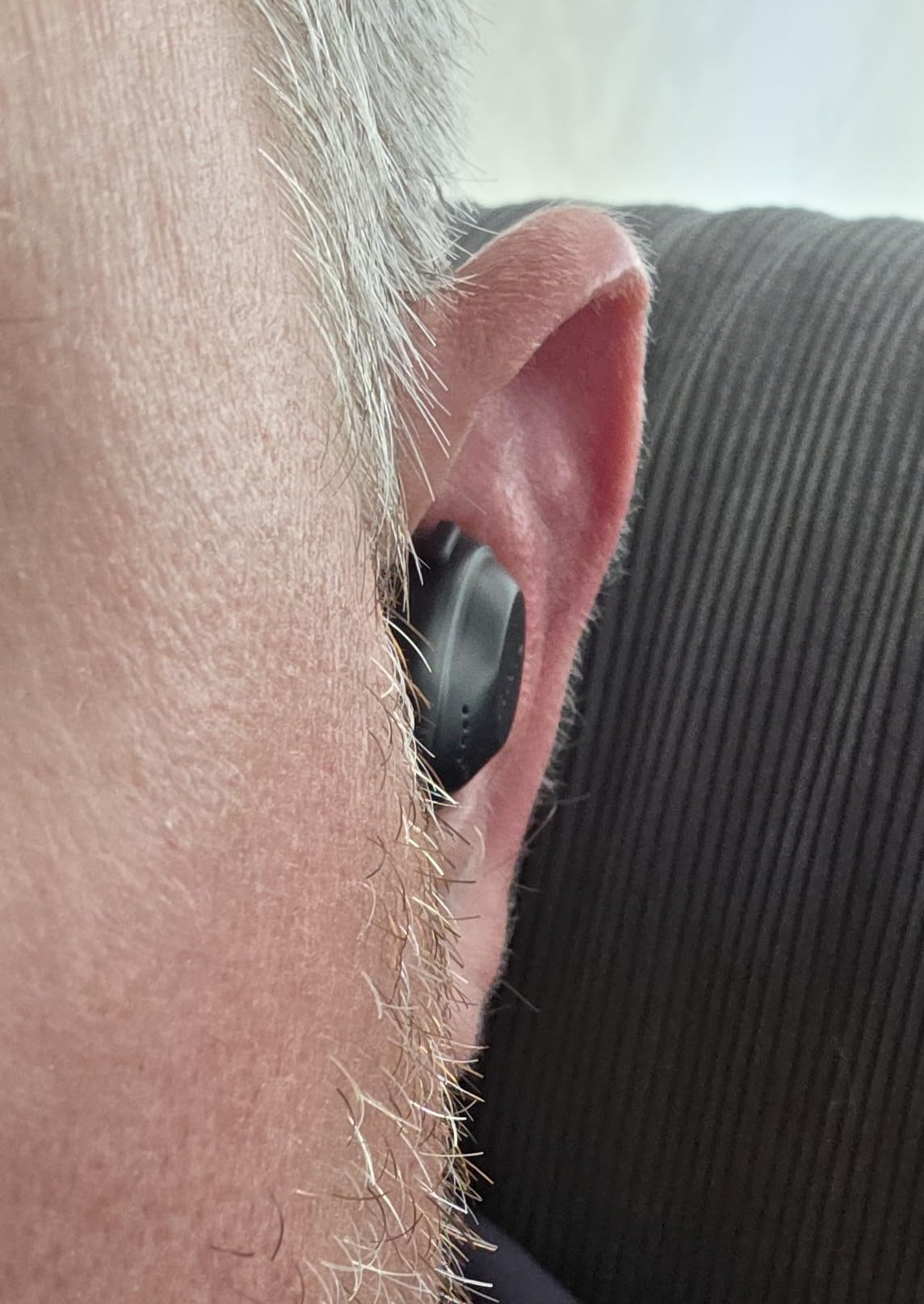
The trouble is what happens after the warranty. Some buyers report battery failures after roughly two years, and the manufacturer offers no repair or battery replacement path, so the set becomes a pair of ordinary earbuds. The hard plastic casing also gets uncomfortable after about an hour, and there is no wind filtering at all, so outdoor wind gets amplified along with everything else. Call microphone quality is poor. The music audio is good rather than great, with no low end, and the buds are difficult to pull out of the case.
Why it suits an active hunter?
Nothing else in this roundup stays in your ears while you move. Every muff here has to be taken off to talk to someone at a fence line, and every muff shifts when you run. These stay sealed through movement, which is worth a lot on a tracking day.
The radio pairing function is also genuinely useful for guides and hunt teams, and the water resistance covers the wet ground case that flattens most buds.
Where the long-term value falls apart?
A device with no serviceable battery and no repair path is a poor long-term purchase, because the battery is the only part that will actually fail. Treat the two year warranty as the useful life and buy accordingly.
Long-wear comfort is the other limit. Hard plastic in the canal past an hour is a real ceiling on this design, and the missing wind filtering makes them noticeably worse than the over-ear options on any open, windy day.
12. Savior Equipment Apollo – Best Gel Cushion Comfort
Savior Equipment Apollo Electronic Earmuffs For Shooting w/Gel Ear Pads, 24dB NRR, Noise Cancelling Ear Protection Headset
NRR 24 dB
Two high-gain omnidirectional mics
Cooling gel pads included
3 year electronics warranty
Pros
- Very high gain
- hard to tell whether the muffs are worn
- Mics do not peak at maximum gain
- Keeps background sound while cutting only the loud report
- Cooling gel pads and mesh headband stay comfortable for hours
- Sturdy build and a 3 year electronics warranty
Cons
- Loud and uncomfortable power beep on and off
- Analog electronics lack digital features
- No audio jack and no Bluetooth or comms
- Battery compartment door is difficult to open
The gel ear pads are the reason this muff is worth a place, and the fact that the pads, the batteries and the patches all ship in the box rather than costing extra. On a long all-day hunt, a gel cushion is the difference between wearing protection and going without, and the cooling gel plus mesh padded headband stayed comfortable for us across a full day.
Amplification is strong to the point where owners say it is hard to tell whether the muffs are on, and the microphones do not peak at maximum gain, which is a specific complaint about plenty of competitors. Twenty-four dB NRR passive with two high-gain omnidirectional microphones puts real protection under that comfort.
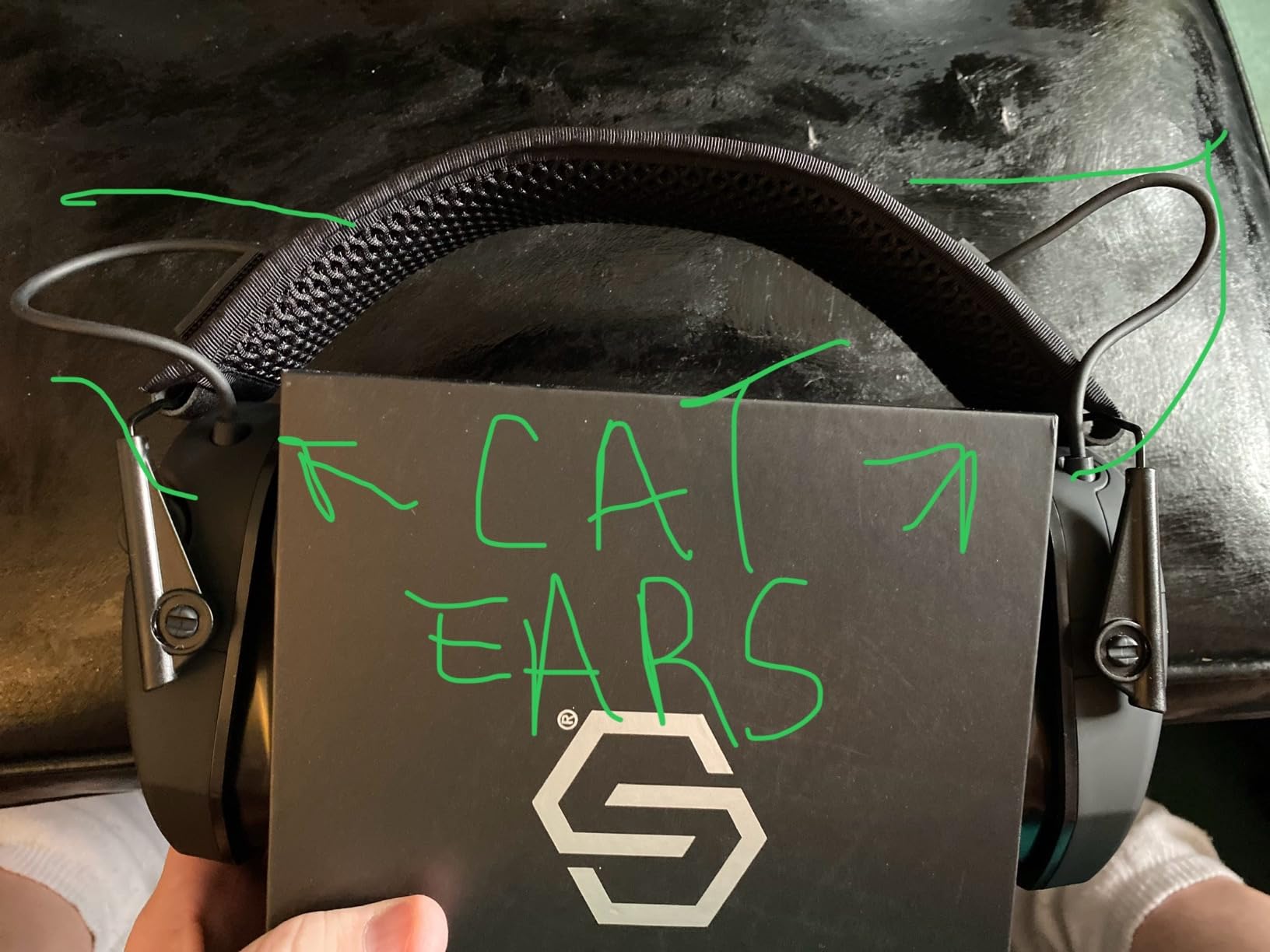
The adjustable headband extends 1.5 inches on each side, which fits most head sizes, and the cups fit under a cap and sunglasses. The included writable ID patch and flag patch are a small touch that makes it easy to identify your set on a shared range bench, and the 3 year warranty on the electronic parts is the longest electronics warranty in this roundup.
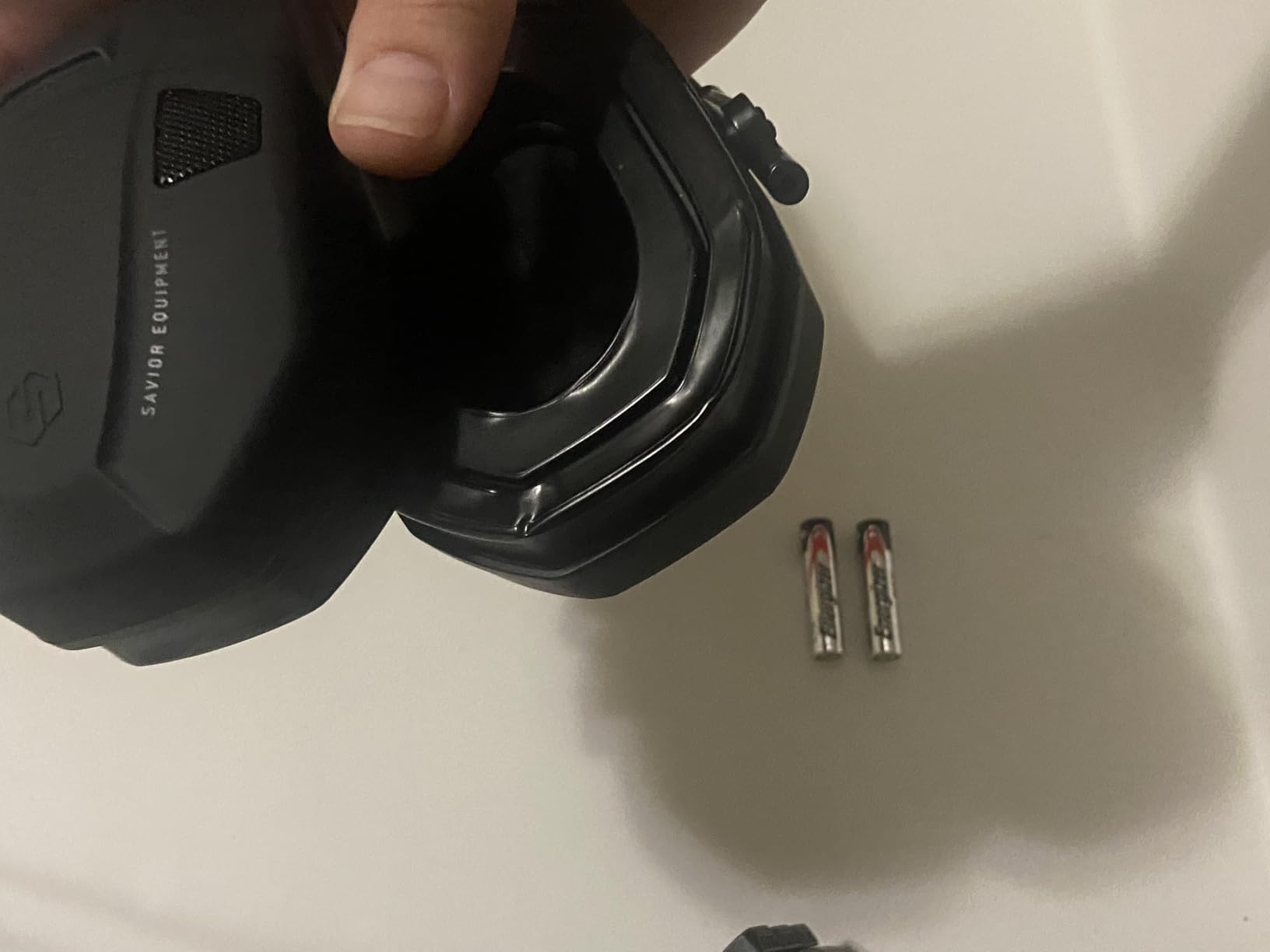
The complaints are consistent. The power-on and power-off beep is loud and uncomfortable, which is a real problem when you are trying to sit quietly in a treestand at dawn. There is no audio jack, no Bluetooth and no comms capability. The battery compartment door is difficult to open, the volume knob feels slightly tight and plasticky, and the headband is tighter than some users prefer. Owners who shoot rifle also report the limiter ducks the whole frequency spectrum for a long time afterward.
Why comfort drives the choice here?
Search almost any hunting forum complaint thread and the pattern is the same: people stopped wearing protection because the muffs hurt. Gel cushions solve that, and reviewers single them out first, repeatedly.
The included extras also remove the usual follow-up spend. Pads, batteries and patches in the box means nothing to chase down before the season, and the three year electronics warranty gives you something to fall back on if the amplifier circuit gives up.
When to buy something digital instead?
No audio jack means no music, no dog-collar receiver, no phone call audio. If your hunt depends on hearing a tracking collar or playing a call, this muff cannot do that no matter how good the amplification is.
The loud power beep is a genuine field annoyance rather than a novelty complaint, and the spectrum ducking after a rifle shot is worth hearing in person before you commit. For a shotgun hunter this is a great all-day pair; for a big game rifle hunter, a digital model with adaptive suppression handles the aftermath better.
How to Choose Electronic Ear Protection for Hunting?
The muffs on this list span 8.32 ounces to 16 ounces and 21 dB to 26 dB NRR, and all of them will protect you from a normal field shotgun. The differences that actually change your season are profile, circuit type, cushion and power. Here is how to think through each one.
What NRR numbers actually mean in the field?
NRR is measured in a laboratory against a reference, and real protection is lower than the printed number. Treat it as a ranking rather than a promise. Within this roundup, 21 dB is enough for shotguns and rimfire, 22 to 24 dB handles a deer rifle, and 25 to 26 dB is where you go when the recoil is heavy or the game is dangerous.
What NRR cannot tell you is how the muff behaves with the batteries dead. That is the passive rating, and it is the number worth respecting for a shot you did not expect.
Slim cups versus standard cups for a rifle cheek weld
This is the most common reason hunters abandon protection mid-season. A wide cup gets pushed up by the stock, breaks the seal, and the muff ends up hanging off the side of your head. Ultra low-profile designs like the Walker’s Razor Slim exist specifically to solve that.
Try any muff against your actual rifle, in your actual shooting position, before you commit. If you shoot offhand, buy narrower than you think you need.
Over-ear muffs versus in-ear electronic protection
Muffs win on comfort over long days, on passive protection and on not caring whether you can wear earplugs. In-ear units win on NRR, on glasses compatibility, on concealment under a cap, and on staying put while you move.
The honest rule: if you sit for hours, use muffs. If you walk, climb and shoot, consider in-ear. If you wear glasses and a hat, in-ear solves two problems at once.
Ambient amplification and sound localization
Amplification is what makes electronic protection worth it in the field. Analog circuits sound more natural and react faster; digital circuits filter wind and adapt suppression better. Walkers and Howard Leight are the analog reference points here, and Peltor’s digital models are the better answer in a crosswind.
Direction finding is a skill, not a spec. Loud, low-frequency sounds are easier to localize than the thin high frequencies a small microphone picks up, so give any new set two or three days of walking before you judge it.
Battery type, battery life and field charging
Two AAA batteries running 300 to 350 hours is a full season on one set of cells, and the auto shut-off features on several models mean a set left on the dash in October still works in November. That reliability is worth more than any rechargeable convenience.
Rechargeable and Bluetooth models need a charged pack in the pack, and charging pins and micro USB cables are the parts most likely to fail or go missing. If your hunt is a single day trip, favor cells.
Weather resistance for rain, snow and waterfowl blinds
Water resistance ratings matter more than most buyers expect. A pit blind in November is a wet environment, and a battery door that opens from the outside is convenient until it collects water. PROHEAR’s IPX4 rating and ZOHAN’s water and stain resistant build are the two options here we would take into a boat.
Keep a small zip bag in the pack regardless. It costs nothing and it doubles the life of any electronic set in wet weather.
Gel cushions, glasses fit and all-day comfort
Cushion material is the highest-impact comfort feature. Gel pads like the Savior Equipment Apollo’s stay cool across a long sit and spread pressure, while basic foam pads can create a hotspot behind the ear by hour four. The Walker’s XCEL’s fewer cup holes also improve the seal and therefore the rating.
For glasses, look for low profile cups with cutouts and a narrow band, and always test the muff over your actual frames and hat together. A muff that fits alone will not necessarily fit with both.
Frequently Asked Questions
What is the best electronic hearing protection for hunting?
The Walker’s Razor Slim is the best all-round choice for most hunters, because its extra slim cups clear a rifle stock and it weighs only 12.63 ounces. Hunters who need more passive protection should move up to the Peltor Sport Tactical 500 at 25 dB NRR, and in-ear listeners should look at the GLORYfire set with its 26 NRR and three sound modes.
Do electronic ear protection devices actually work for hunting?
Yes. They suppress loud impulse noise from a gunshot while quietly amplifying low-level ambient sound such as birds, movement and voices. Models rated 21 dB NRR or higher handle shotguns and rimfire, while 25 dB and above is the sensible range for deer rifles and dangerous game.
Is 23 dB NRR enough for hunting?
For most hunting situations, yes. A 23 dB NRR covers 12 gauge and 20 gauge shotgun hunting and most rimfire, and it is the rating carried by the PROHEAR and Caldwell E-MAX Shadows on this list. Add foam earplugs underneath when you are working with a hard-recoil deer or black bear rifle.
Are electronic ear muffs better than ear plugs for hunting?
Muffs are better for long sits because they are more comfortable over many hours and need no canal seal. In-ear electronic protection gives you a higher NRR in a smaller package, works under a cap and avoids conflicts with glasses, which makes it better for hunters who walk, climb and move while shooting.
What NRR do I need for a magnum rifle?
Go as high as you can find. The 26 dB muffs and 26 dB in-ear units on this list give you the most margin, and a well-fitting pair of foam plugs underneath turns a 26 dB muff into genuine dual protection. That is the standard combination we would use for magnum and black bear work.
Final Recommendations by Hunting Style
For most people reading this, the Walker’s Razor Slim is the best electronic ear protection for hunting in 2026. It weighs almost nothing, its slim cups clear a stock, and 85k owners have confirmed it holds up over years of seasons.
Match your pick to your actual season rather than your ambition. Upland bird and shotgun hunters get the most out of the ZOHAN EM054 or the PROHEAR 4X, both of which handle wet weather and low recoil without fuss. Big game and dangerous game hunters should take the Peltor Sport Tactical 500 or the Walker’s XCEL for the extra passive NRR, with foam plugs underneath. Hunters who walk more than they sit should try the in-ear options, and anyone wearing glasses all season will find that an in-ear set removes a whole category of frustration.
Whatever you choose, test it against your own rifle before the season starts. The best electronic ear protection for hunting is the one you are still willing to put on in hour six.