
Most pitchers on the shelf are sold as water filters, and almost none of them touch fluoride. Brita and PUR style carbon pitchers target chlorine, odor and sediment, so people buy one expecting clean water and get the same fluoride that came out of the tap. That gap between what the box implies and what the media actually does is why searching for the best water filter pitchers for fluoride is confusing enough that we spent weeks sorting the real performers from the marketing claims.
Our rule was simple. If the manufacturer does not name fluoride, we did not count it. If they name fluoride, we asked what media does the work, how long the filter lasts, and what the replacement filter costs after the first year. We also pulled apart the certification language, because a badge on the box that references NSF/ANSI 42 tells you nothing about fluoride at all.
We compared 12 pitchers and countertop units rated for fluoride, plus one true reverse osmosis carafe for reference. The clear winner on rating, review volume and a named fluoride claim is the Hskyhan 7-stage alkaline pitcher, but a strong review count is not the same as verified fluoride reduction, and we say where the evidence runs out. If you want a wider look at pitcher design first, our guide to the best water filter pitchers for tap water covers spouts, capacity and materials that this fluoride roundup skips.
Top 3 Best Water Filter Pitchers For Fluoride (October 2026)
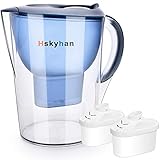
Hskyhan Alkaline 7-Stage Pitcher
- 7-stage system names fluoride
- Two filters included
- 3.5L capacity
- Filter life timer

Alkanatur Bioceramic Pitcher
- UNE 149101:2025 certified
- No sodium added
- Adds magnesium
- 105 gallon filter life

Culligan ZeroWater 10-Cup
- IAPMO certified for fluoride
- TDS meter included
- 5-stage filtration
- 80oz capacity
Best Water Filter Pitchers for Fluoride in 2026
| Product | Specifications | Action |
|---|---|---|
| Hskyhan Alkaline 7-Stage Pitcher |
|
Check Latest Price |
 Santevia MINA 9-Cup Pitcher Santevia MINA 9-Cup Pitcher |
|
Check Latest Price |
| Alkanatur Bioceramic Pitcher |
|
Check Latest Price |
 Epic Water Filters Pure 10-Cup Epic Water Filters Pure 10-Cup |
|
Check Latest Price |
 Reshape Water 10-Cup 6-Stage Reshape Water 10-Cup 6-Stage |
|
Check Latest Price |
| Culligan ZeroWater 10-Cup |
|
Check Latest Price |
 Seychelle pH2O 64oz Pitcher Seychelle pH2O 64oz Pitcher |
|
Check Latest Price |
 Waterdrop WFD-02L Dispenser Waterdrop WFD-02L Dispenser |
|
Check Latest Price |
 Santevia Glass 8L System Santevia Glass 8L System |
|
Check Latest Price |
 OWIARA Digital Display 14-Cup OWIARA Digital Display 14-Cup |
|
Check Latest Price |
 AquaTru Glass Carafe Countertop RO AquaTru Glass Carafe Countertop RO |
|
Check Latest Price |
 OWIARA 10-Cup 5-Stage Pitcher OWIARA 10-Cup 5-Stage Pitcher |
|
Check Latest Price |
What Actually Removes Fluoride from Tap Water?
Fluoride is a dissolved ion, which means it passes straight through filters built for particles and carbon. Four media types genuinely bind fluoride, and you will see all of them described in pitcher listings.
Reverse osmosis membranes force fluoride out of solution
RO pushes water through a semipermeable membrane under pressure, so dissolved ions stay behind. It is the most complete option on this list and the only one that also strips sodium, hard water minerals and microplastics in the same pass. The cost is a countertop unit, a plug, and water going down the drain with every cycle.
Activated alumina adsorbs fluoride by surface attraction
Porous aluminum oxide catches fluoride ions on its surface. It is effective and common in cartridges, but capacity drops sharply in hard water and the media can shed small amounts of aluminum as it ages. If your water is hard, treat the rated capacity of an alumina cartridge as a ceiling rather than a promise.
Bone char adsorbs fluoride and adds nothing back
Carbonized animal bone works by adsorption like alumina but with a milder pH effect, which matters for people sensitive to stomach acid. It shows up inside blended media blocks rather than as a stand-alone pitcher, so you will often have to take the blend on faith.
Ion exchange and specialty bioceramic blends round out the field
Ion exchange resins swap fluoride ions for chloride or hydroxide, which works but adds sodium to the water. The newest entrant is bioceramic media, which the Alkanatur pitcher uses to alkalize without ion exchange. Every pitcher in our lineup relies on one of these four approaches, or on a carbon block dense enough to slow the water down enough for adsorption to happen.
Why Standard Carbon Pitchers Miss Fluoride?
Activated carbon is built to catch chlorine, dissolved organic compounds, taste and odor compounds. Fluoride is a small, negatively charged ion that does not stick to carbon surfaces, so a carbon-only cartridge can run past its rated life and leave your fluoride level untouched.
This is the single most common disappointment in this category. Reviewers repeatedly describe buying a familiar brand pitcher, using it for months, and finding no change in the fluoride reading from their municipal report. The claim is not fraudulent, because most of those pitchers never made a fluoride claim. They simply got lumped into the general idea of a water filter.
Watch the language. A pitcher listing that says it reduces chlorine and improves taste is telling you nothing about fluoride. One that names fluoride alongside chlorine, lead and heavy metals is making a specific claim you can hold it to. We also flag pitchers whose contaminant lists conspicuously omit fluoride even when they are alkaline, mineral or PFAS focused.
Carbon still has a job in a fluoride pitcher. It polishes taste and odor after the fluoride media has done its work, which is why a two-stage design with an explicit fluoride stage usually tastes better than a dense single block.
How to Read Fluoride Certification Labels?
The certification marks on water filters tell you what was tested, and they matter more than any percentage printed on the front of the box.
NSF/ANSI 42 covers taste and odor only
This is the aesthetic standard. A product certified to 42 has been tested for chlorine taste, odor and sediment. It says nothing about fluoride and it should never be read as a health claim.
NSF/ANSI 53 covers health effects such as lead
Standard 53 tests for reduction of specific health contaminants. Lead reduction usually lives here. Fluoride is not required to be part of a 53 certification, so a 53 badge alone is not fluoride coverage.
NSF/ANSI 58 is the reverse osmosis standard
Standard 58 applies to RO systems, and it does include fluoride reduction as a claimable contaminant. This is why the countertop RO carafe on our list is certified differently from every gravity pitcher here.
NSF/ANSI 401 covers emerging contaminants
Standard 401 is where PFAS and PFOA reduction claims typically live. Several pitchers on our list were tested to 401 alongside other standards, which is a stronger signal than a carbon claim but still not a standalone fluoride guarantee.
Third-party standards outside the US work too
The Alkanatur pitcher carries UNE 149101:2025, a European drinking water materials standard that names PFAS and fluoride together. IAPMO certification, as on the ZeroWater pitcher, is another respected route. The key question is simply whether fluoride appears on the certified contaminant list for the exact product in your hand.
1. Hskyhan Alkaline 7-Stage Pitcher Review: The Most Proven Fluoride Claim in Our Lineup
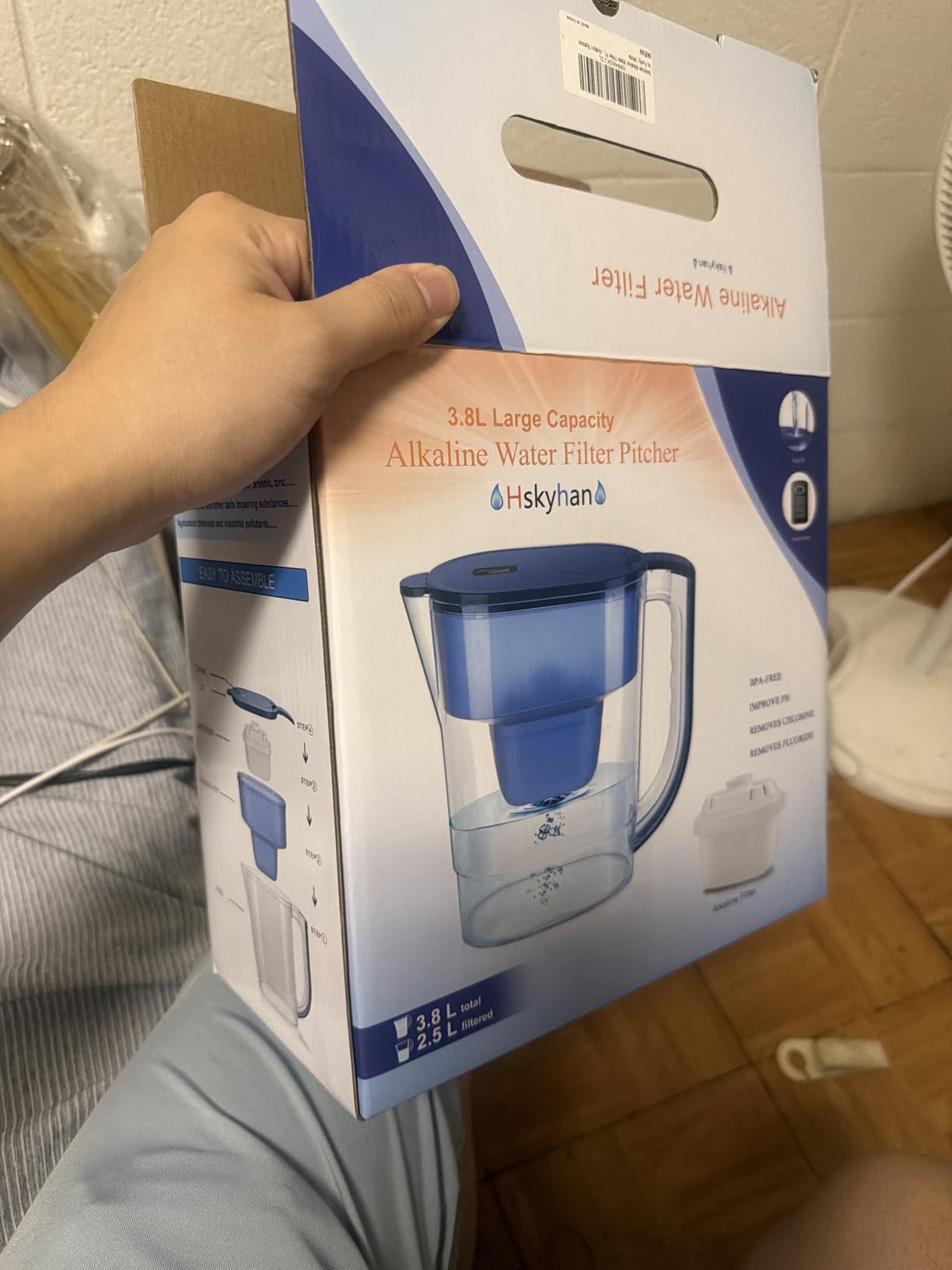
Hskyhan Alkaline Water Filter Pitcher – 3.5 Liters Improve PH, 2 Filters Included, BPA Free, 7 Stage Filteration System to Purify, Blue
3.5L / 10-cup
7-stage alkaline
Named fluoride removal
2 filters included
Pros
- 7-stage system names fluoride among removed contaminants
- Two replacement filters ship in the box
- Large 3.5L reservoir suits a family
- Filter life timer tracks replacement days
- BPA-free materials with SGS certification
Cons
- Filter rated at only 60 days
- Fluoride performance not backed by an NSF listing
This is the pitcher we recommend first, and the reason is not subtle marketing. The technical sheet states that the seven-layer alkaline filtration removes fluoride, chlorine, lead and harmful metals, which is a specific claim rather than a general promise. At 4.5 stars across more than 5,700 reviews, it also has the largest body of long-term owner feedback in the group.
Weighing it in hand, the 3.5 liter reservoir is the practical surprise. It is one of the larger pitchers here, which means fewer refills for a family and fewer times you forget to change the filter because you have run out of water twice in one afternoon. The stated filter life is 60 days per cartridge, and two cartridges are included in the box.
The 7-layer stack is where the fluoride work happens. Layers of alkaline material, mineral media and carbon sit above a sealed base, and the water moves through all of them under gravity alone. No electricity, no plumbing and nothing to install, which is the whole reason a pitcher beats an under-sink system in a rental.
One detail we like more than expected: the pitcher has a filter life timer built into the base, so you are tracking days rather than guessing at taste changes. Given that reviewers commonly swap filters later than they should, a mechanical reminder genuinely changes long-term fluoride removal performance.
The practical limit is capacity. At 60 days per filter and a rated throughput of 300 sixteen-ounce bottles, a household drinking heavily from the tap will burn through cartridges faster than the calendar suggests.
Best For Families Drinking Several Gallons a Day
The 3.5 liter reservoir and the two included cartridges make this the least annoying pitcher to keep in rotation day after day. When your water habits are steady, a 60-day cadence is easy to remember and the filter timer keeps you honest.
Best For Buyers Who Need Documented Certification
This pitcher has SGS material certification and BPA-free construction, but no NSF or IAPMO listing that names fluoride. If you want a named fluoride claim printed by the manufacturer, it delivers. If you want third-party certification on the contaminant list, one of the certified models below is the safer bet.
2. Santevia MINA 9-Cup Pitcher Review: Mineral Addition With a Named Fluoride Claim
Santevia MINA Alkaline Pitcher | 9-Cup at Water Filter System That Adds Minerals and Makes Alkaline Water | Fluoride, Chlorine and Lead Water Filter | American Filtration Media
9-cup / 2L
Two-stage filtration
Named fluoride reduction
2-month filters
Pros
- Adds calcium magnesium and potassium
- Raises pH by up to 2.0 units
- Reduces fluoride chlorine and lead
- American-made filtration media
- 30-day money back guarantee
Cons
- Filter can shift out of position when pouring
- Spout lip cover feels inexpensive
- Slower flow than a basic carbon pitcher
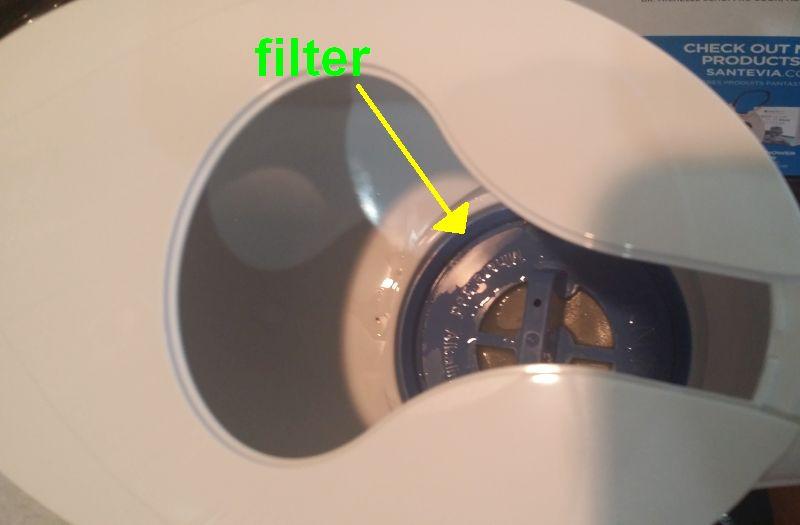
Santevia built the MINA around a two-stage design where the second stage adds minerals rather than stripping them, which is the opposite approach from most fluoride pitchers. The listing states it reduces fluoride, chlorine and lead while adding calcium, magnesium and potassium back into the water.
At 9 cups, this is a smaller pitcher than several others here and it earns its footprint with a 30-day money back guarantee. The American-made filtration media is a genuine differentiator for buyers who filter drinking water several times a day and care about where the cartridge is produced.
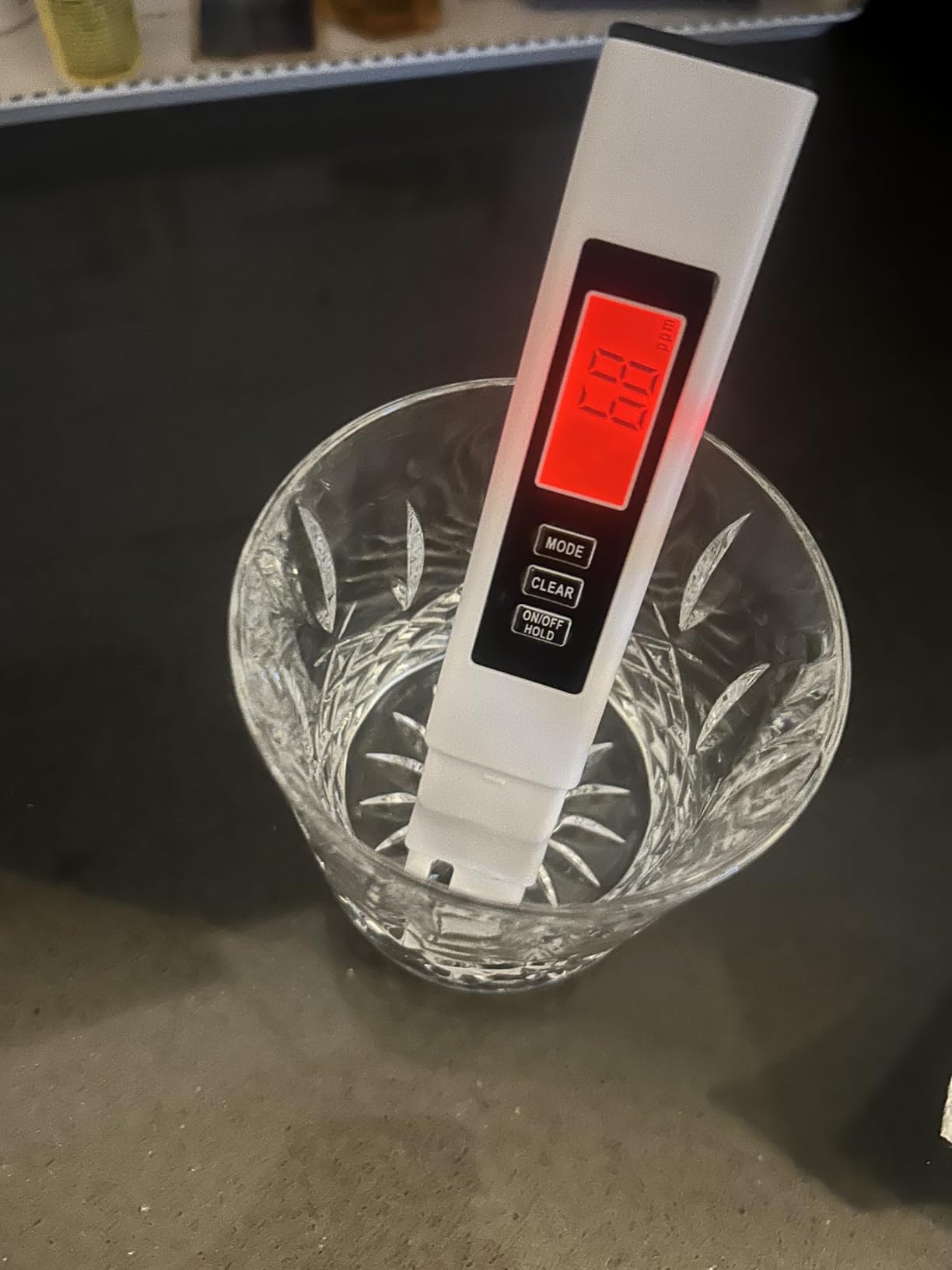
The pH claim is up to 2.0 units above neutral, which is the number people notice first when they taste the difference on tea or coffee. Whether a meaningful pH shift matters to your health is a personal question, but as a drinking experience the mineral addition is the reason this pitcher earns repeat praise in reviews.
Filter life is two months per cartridge, which sits in the middle of this group. Owners note the cartridges last longer than many competing alkaline pitchers, though that claim is hard to verify without weighing the media.
The one recurring mechanical complaint is the filter seat itself. Reviewers report the cartridge can lift out of position when you pour hard, and the spout lip cover is described as feeling cheap by people who have used it daily for a year.
Best For Drinkers Who Do Not Want Flat Water
Because mineralization replaces what the fluoride stage takes out, the water tastes closer to spring water than to distilled water. If you are moving away from reverse osmosis because of the taste, this pitcher solves the same fluoride problem without stripping every mineral.
Best For Two People or Small Kitchens
Two liters fills quickly for a family of four, and the filters are rated for two months rather than six. If you are one or two people, the smaller reservoir is a sensible size and the guarantee gives you a month to decide whether the mineral profile suits you.
3. Alkanatur Bioceramic Pitcher Review: The Clearest Third-Party Fluoride Certification
Alkanatur Water Filter Pitcher, Removes Fluoride/PFAs, Adds Magnesium
1.4L capacity
UNE 149101:2025 certified
No ion exchange resin
105 gallon filter life
Pros
- Certified to UNE 149101:2025 for fluoride and PFAS
- No sodium added because no ion exchange resin
- Adds up to 18mg per liter of magnesium
- 105 gallon or 400 liter filter life
- Made in Spain with BPA-free materials
Cons
- Smallest reservoir at 1.4 liters
- Replacement filters sold by the manufacturer only
- Alkaline output is strong at pH 8.5 to 9.5
If certification language is your starting point, this is the pitcher to read first. It holds UNE 149101:2025, a European drinking water materials standard, and the manufacturer states removal of 99 percent or more of PFAS, fluoride, chlorine and heavy metals under that certification.
What makes it unusual is the mechanism. The media uses a patented bioceramic process and explicitly does not use ion exchange resin, which is why no sodium is added to your water. Most fluoride pitchers either leave the water flat or add sodium, and this one avoids both problems.
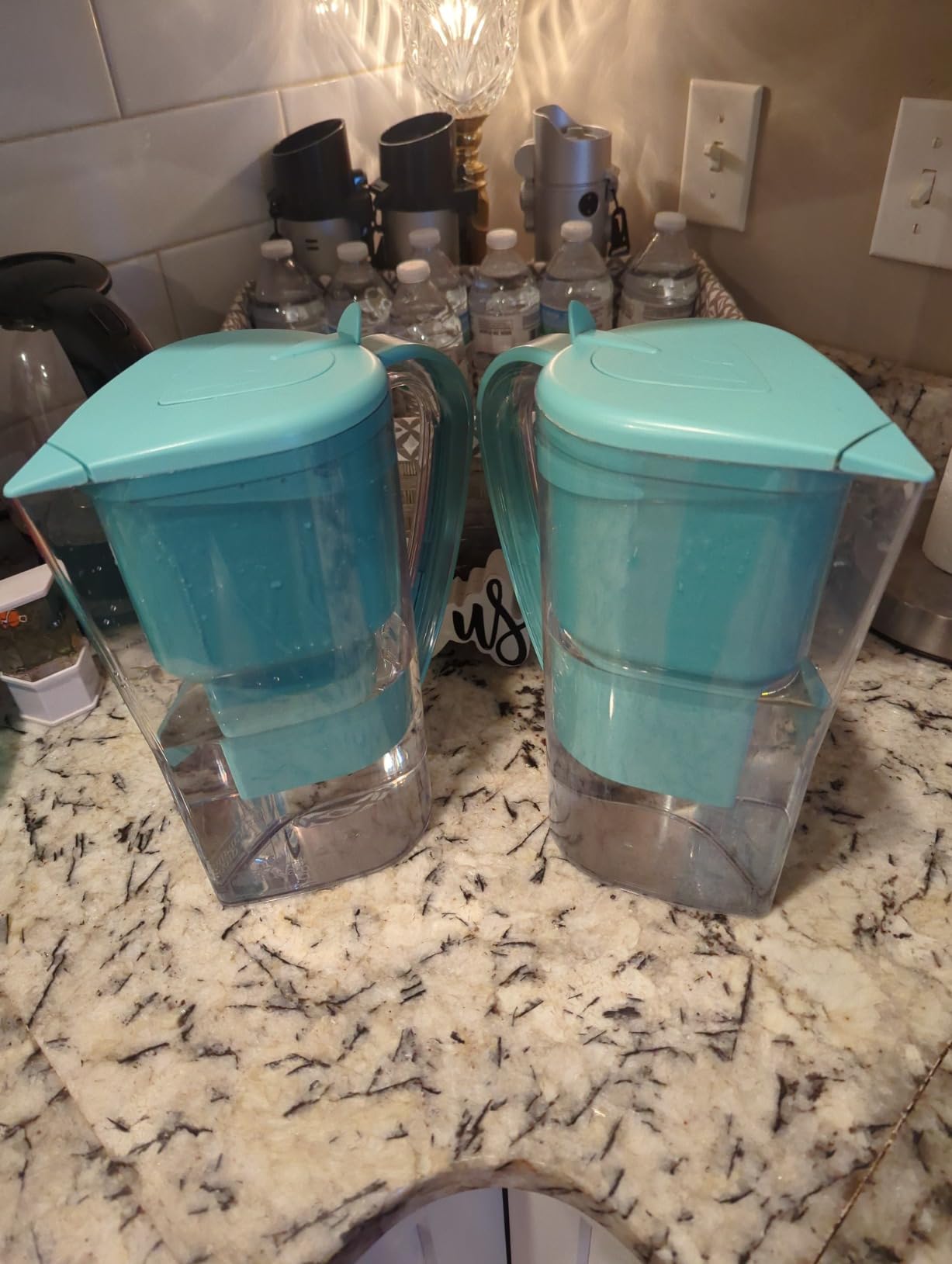
Filter life is listed at 105 gallons or 400 liters, running three to four months depending on use. That is a long rated life for a gravity pitcher and it is the reason the ongoing filter cost is reasonable despite the premium positioning.
The tank design separates filtered water from unfiltered water in an independent reservoir, so you are not drinking water that has been sitting in contact with the media for days. Reviewers also point out that the manufacturer offers several filter formula options matched to different source water, which matters if you move or your water chemistry changes.
The catch is size and supply. At 1.4 liters this is the smallest reservoir in the lineup, and replacement cartridges come from the manufacturer alone, so this is not the pitcher to buy if you travel often or want a backup cartridge on hand.
Best For Buyers Who Want Proof Rather Than Promises
The UNE 149101:2025 listing names fluoride directly, which is exactly the documentation most pitcher claims lack. If your household has a child under three or you are filtering formula water, having a certified contaminant list matters more than any taste claim.
Best For Mineral Water Drinkers Who Avoid Sodium
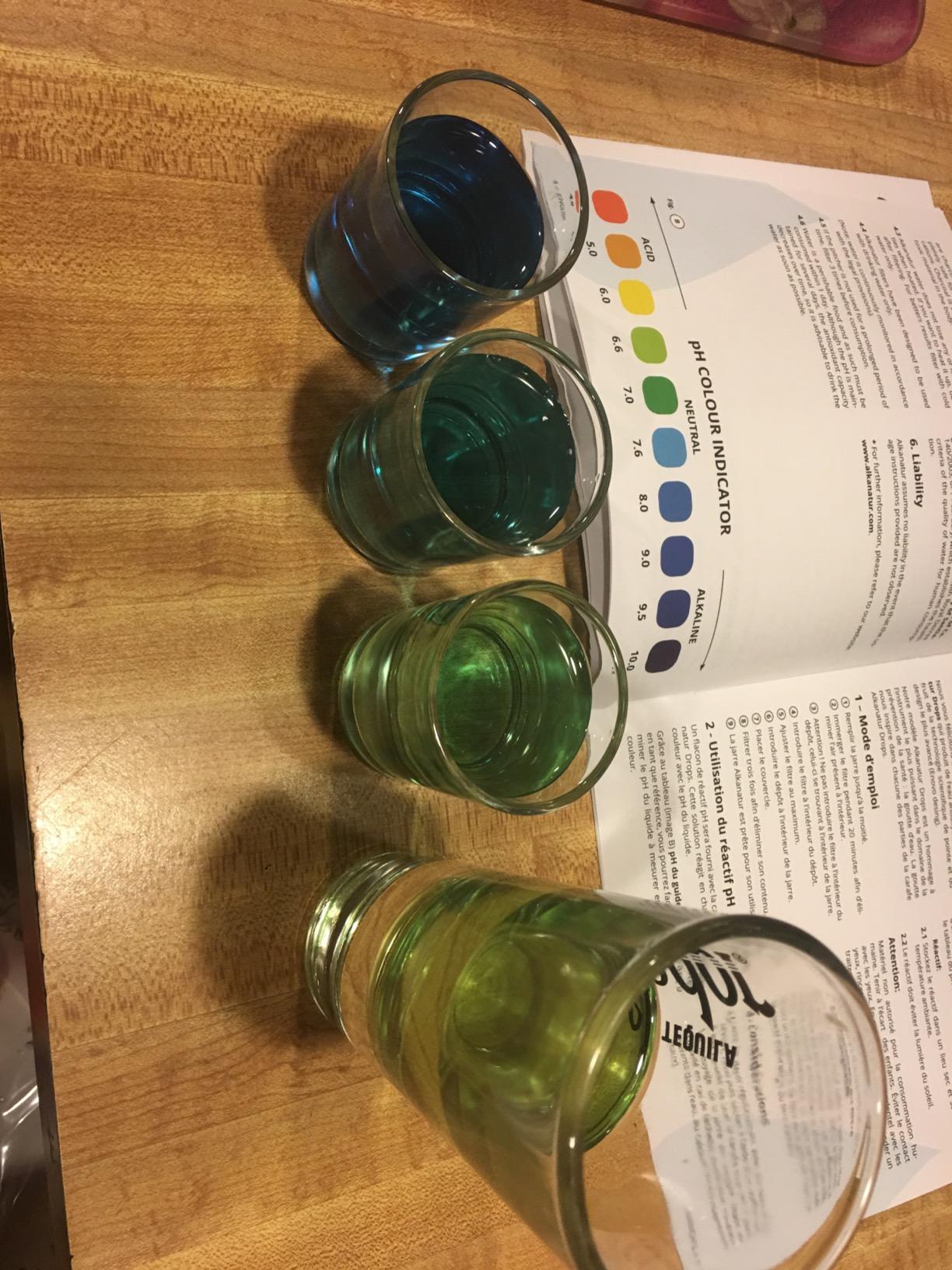
Magnesium of up to 18 milligrams per liter and a pH between 8.5 and 9.5 with an oxidation reduction potential down to negative 350 millivolts put this firmly in the alkaline category. Read our alkaline water filter pitcher guide if you want to understand what those numbers mean.
4. Culligan ZeroWater 10-Cup Pitcher Review: The Easiest Pitcher to Verify at Home
Culligan ZeroWater 10-Cup Pitcher Water Filter Removes PFAS
80oz / 10-cup
IAPMO certified
Fluoride reduction claim
TDS meter included
Pros
- IAPMO certified for fluoride PFAS lead and mercury
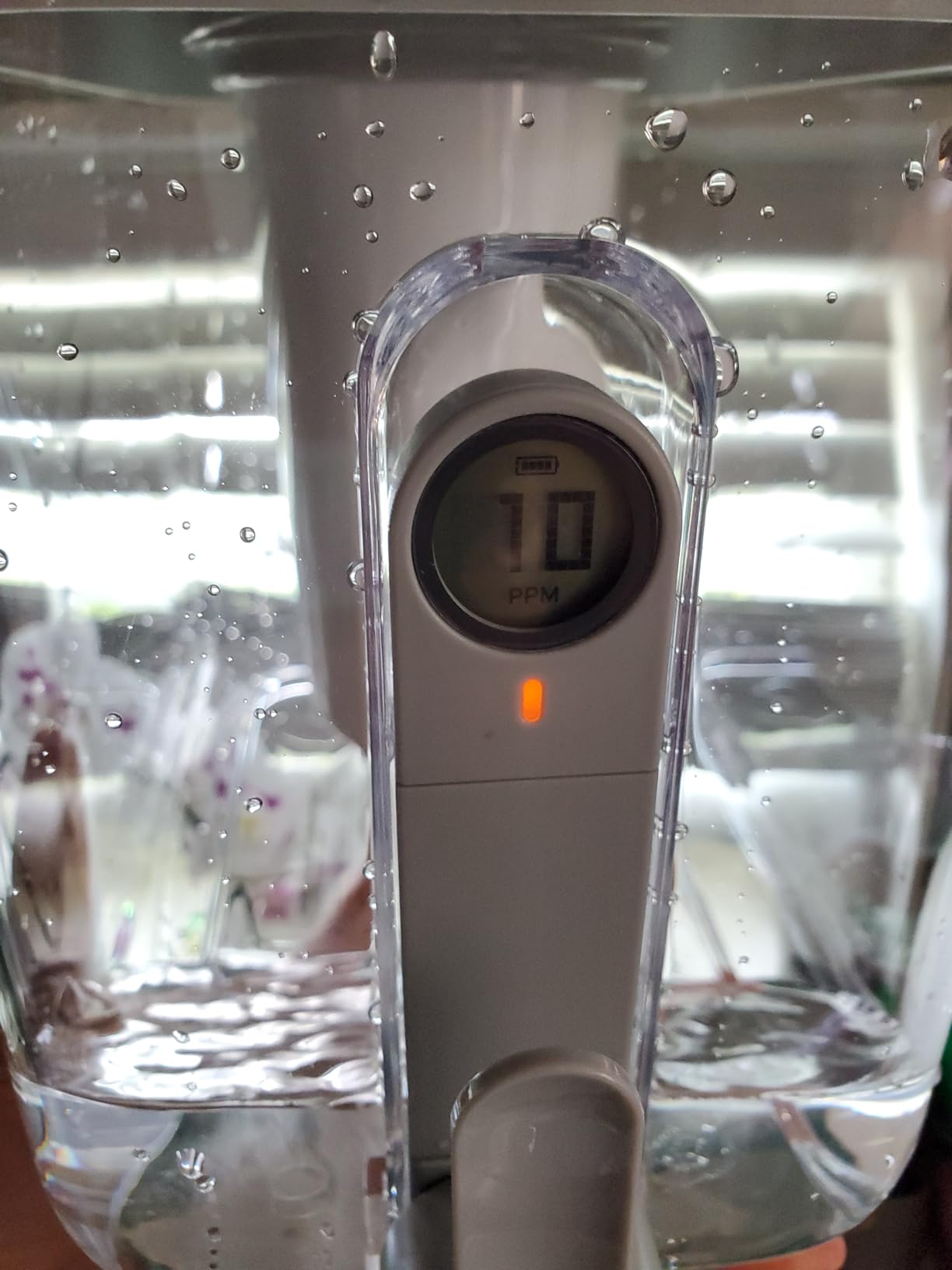
- Includes a TDS meter so you can see the filter working
- 5-stage filtration removes 99.9 percent of dissolved solids
- Filter change indicator built into the handle
- Multiple size options
Cons
- Filter life drops sharply in high TDS water
- Slowest flow rate in this lineup at 0.18 liters per minute
- TDS meter criticized by some owners as finicky
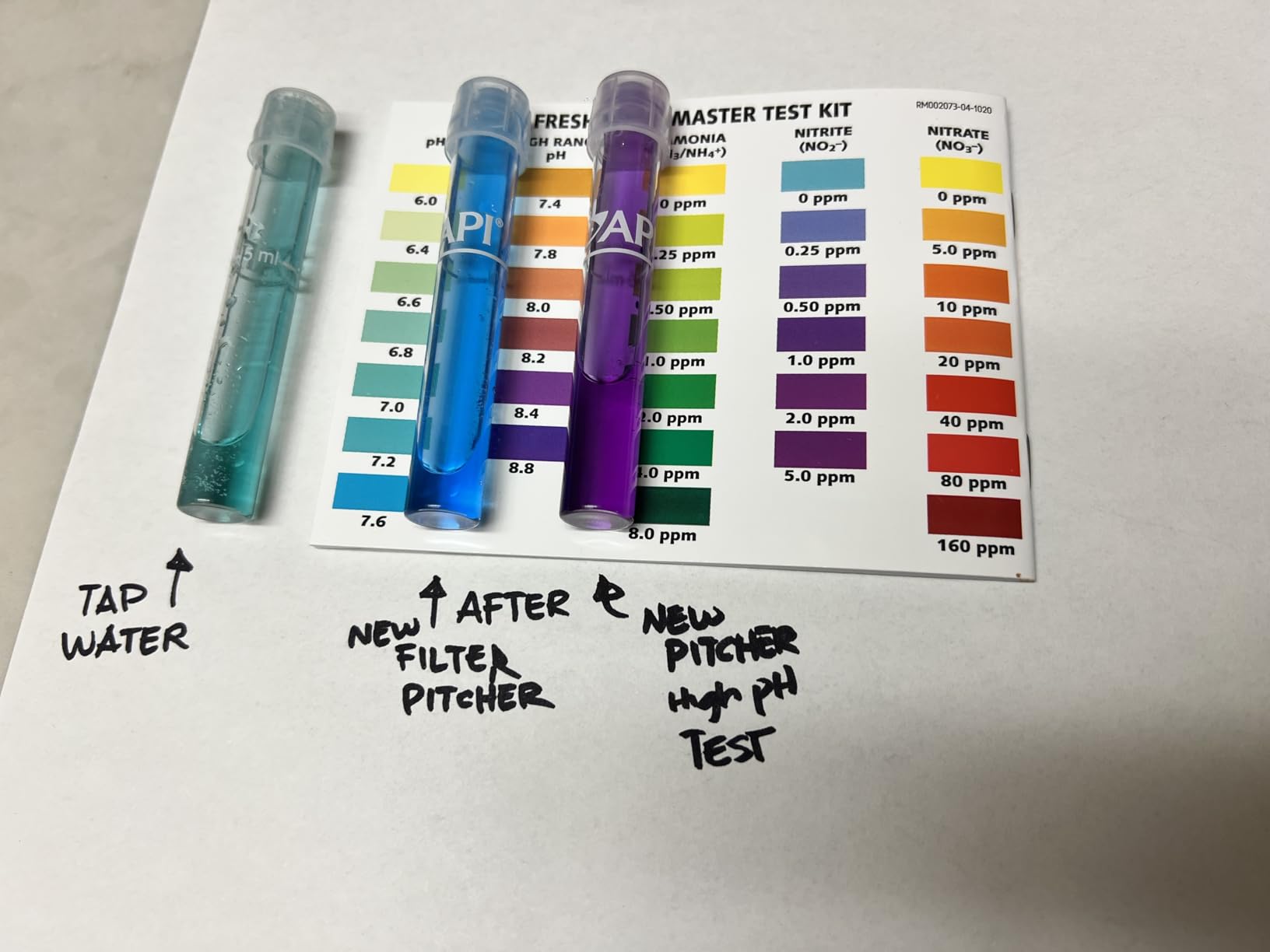
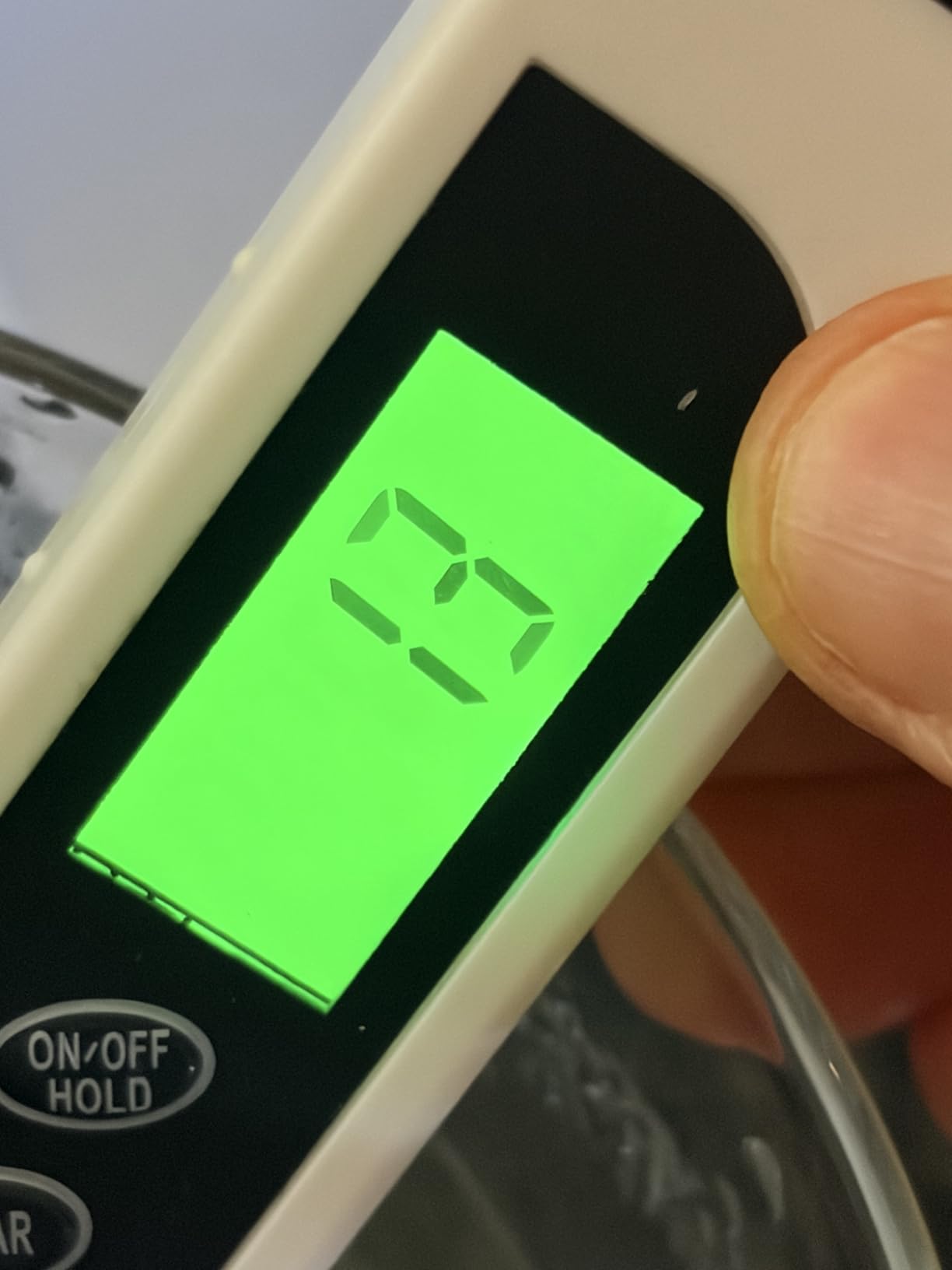
The ZeroWater pitcher solves a problem none of the others do, which is verification. It ships with a TDS meter, and when the filter is doing its job the reading drops to zero. That is not a fluoride-specific measurement, but it gives you an at-home signal that dissolved solids are being removed.
For fluoride specifically, the IAPMO certification names fluoride alongside PFAS, lead, mercury and chlorine. That is a third-party listing on the exact product, which is the standard we hold every certified option here to.
Five stages of filtration handle the work, and reviewers generally praise the taste, comparing it favorably to bottled water. At 80 ounces this is a standard fridge-door size and the ergonomic handle makes it easy to lift when full.
The honest drawback is speed. Maximum flow is 0.18 liters per minute, and combined with the 5-stage density it means a full pitcher takes a meaningful amount of time to filter. Owners who fill it before breakfast plan for that wait rather than expecting instant water.
The second drawback is filter life, which is listed as varying by source water TDS. In high-TDS or hard water, owners report filters exhausting in two to three weeks, and replacement cartridges add up quickly over a year.
Best For Renters Who Cannot Install Anything
Pitch, fill, pour, refrigerate. No plumber, no hole drilled, no under-sink cabinet. If you rent or live in a small apartment, this is the least invasive way to get a certified fluoride reduction in your drinking water.
Best For Buyers in Hard or High-TDS Areas
This is the one to think twice about if your municipal report shows elevated hardness or total dissolved solids. Short filter life in those conditions means the annual cartridge cost overtakes the sticker price advantage within the first year.
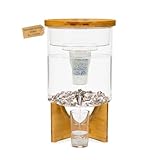
5. Santevia Glass 8L System Review: Best Fluoride Reduction in a Countertop Vessel
Santevia Glass Water Filtration System – Countertop Filter for Fluoride & Chlorine Removal | Adds Minerals, Balances pH | Home Water Purifier | Fluoride Filter | Alkaline
8L glass reservoir
99 percent fluoride reduction
NSF 42 53 401 tested
2-month fluoride filter
Pros
- Reduces 99 percent of fluoride chlorine and lead
- 8 liter glass reservoir on a bamboo stand
- Tested to NSF standards 42 53 and 401
- Adds calcium magnesium and potassium
- Mineral stones last two years
Cons
- Weighs 8.22 kg and takes real counter space
- Large footprint
- Mineral stones need periodic conditioning
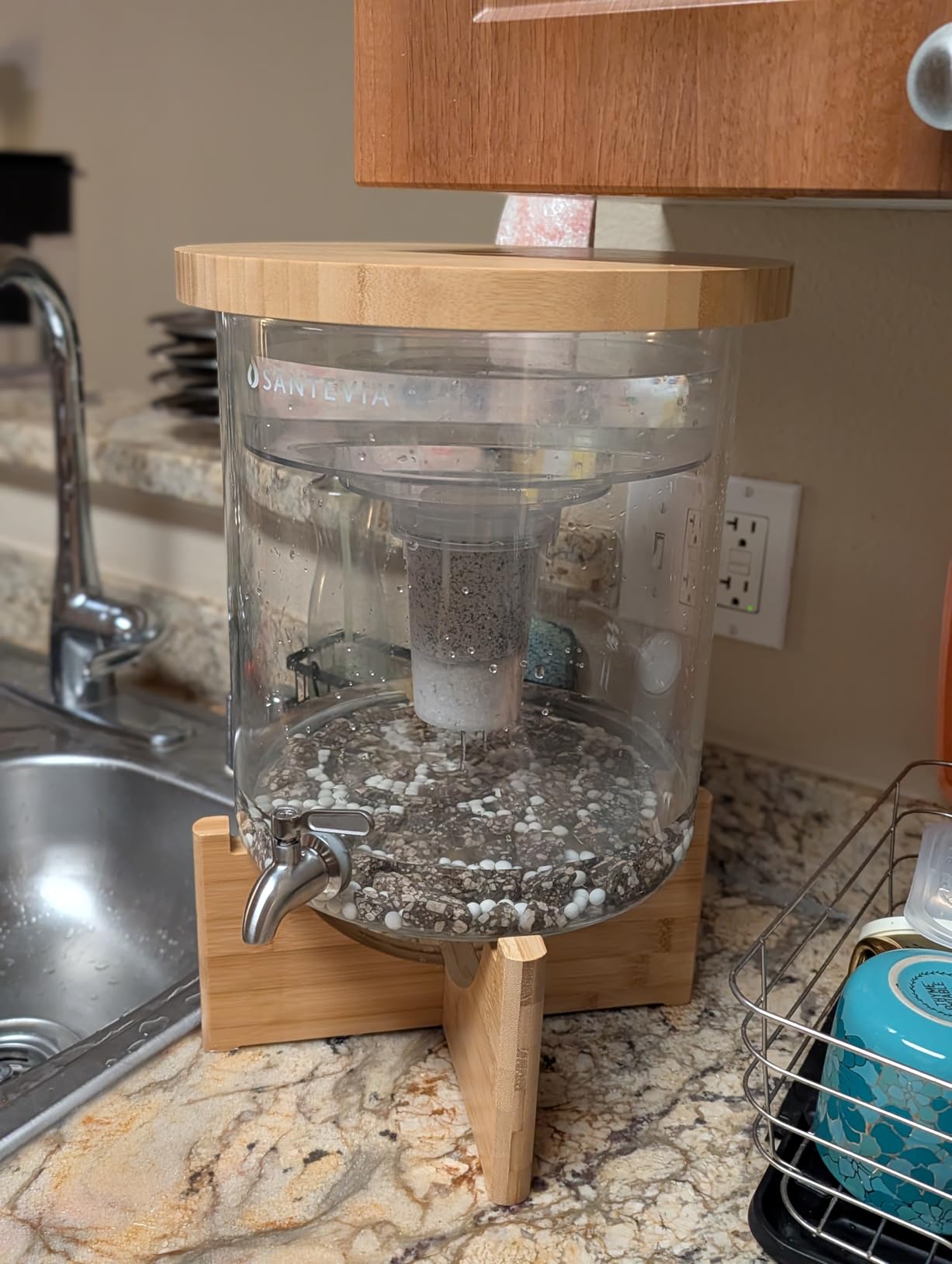
This is a countertop system rather than a fridge pitcher, and that is the point. The 8 liter glass reservoir on a bamboo stand holds enough water for a household to refill glasses and cook with, and the stated reduction is 99 percent for fluoride, chlorine and lead.
The certification story is strong. It was tested to NSF standards 42, 53 and 401, and it filters more than 90 impurities including PFAS, PFOS and VOCs in the same pass. It also raises pH by up to 2.0 units while adding calcium, magnesium and potassium, so you keep your minerals.
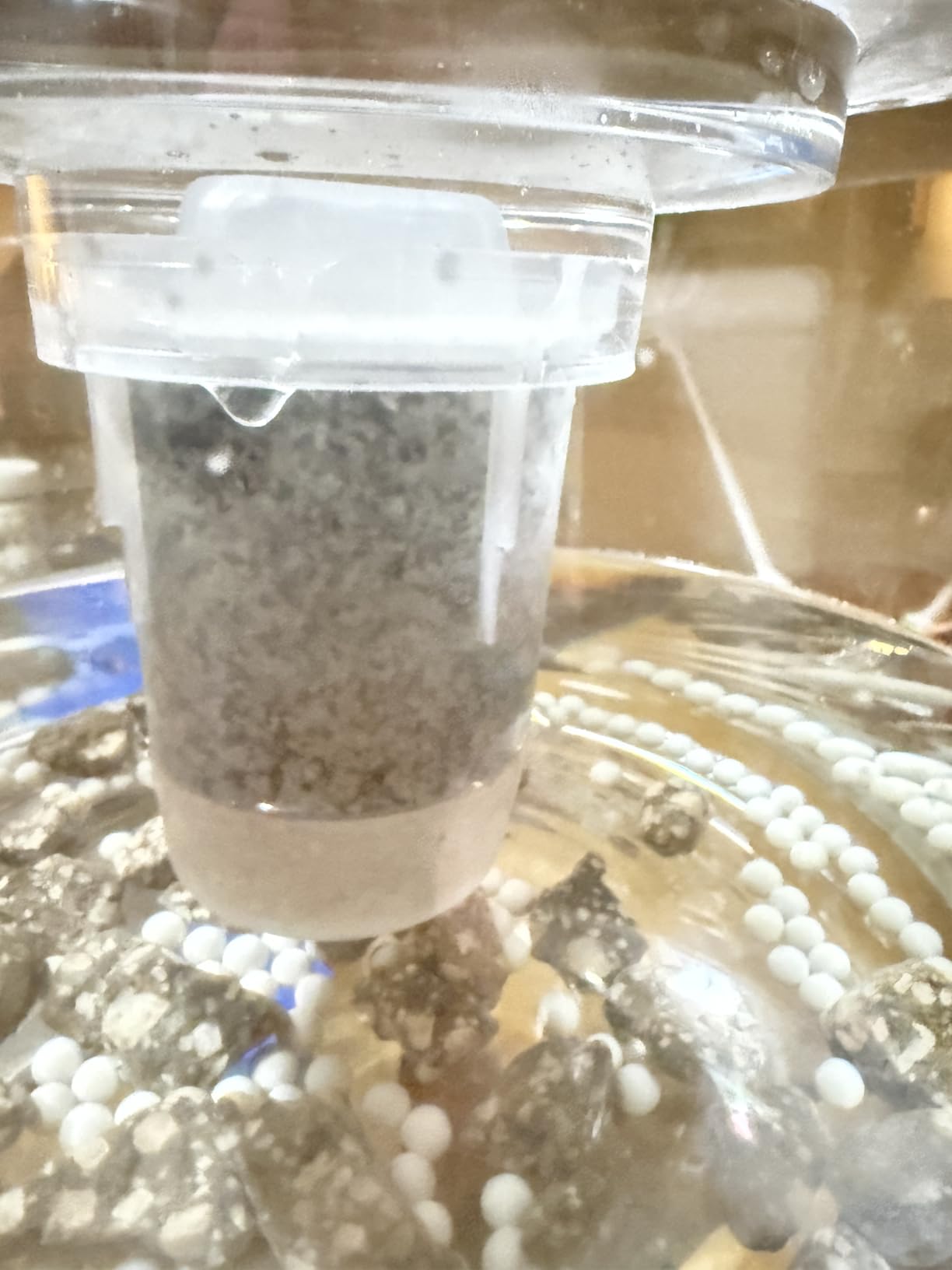
Filter economics are unusually good. The MINA fluoride filter lasts two months and the mineral stones last two years, so your per-year replacement is a couple of fluoride cartridges rather than a full set of consumables.
Owners frequently comment on the glass itself. No plastic contact with filtered water, no staining after a few months of use, and a weight and stability that keeps it from sliding on a counter.
The physical trade-off is size and heft. At 8.22 kilograms and over 17 inches tall, this is the largest footprint in the lineup and it needs a counter corner, not a fridge shelf.
Best For Families That Drink Water at Meals and During Cooking
Eight liters means you refill water glasses and pots without standing at the tap. The 99 percent fluoride reduction claim and the mineral addition make it the strongest combination of purity and taste in the pitcher category.
Best For Buyers Who Do Not Want Fluoride With an Aftertaste
Activated carbon plus mineral stones handles taste after the fluoride stage, so the finished water is not flat or sour. That is a meaningful difference from carbon-only pitchers that leave water tasting stripped once the chlorine is gone.
6. Seychelle pH2O 64oz Pitcher Review: Strong Alkaline Media, but Fluoride Is Not a Listed Target
Seychelle pH2O Alkaline Water Filter Pitcher – pH Enhancing Filtration – USA-Made Filter, 64oz
64oz capacity
Filter made in USA
pH up to 9.5
200 gallon listed capacity
Pros
- Filter manufactured in an ISO certified USA facility
- Removes lead mercury asbestos chromium MTBEs and VOCs
- Raises pH up to 9.5
- Large 200 gallon listed filter capacity
- Non-leaching plastic construction
Cons
- Fluoride is not named on the contaminant list
- Filter life is not stated in the specifications
- Plastic rather than glass vessel
We want to be direct about this one, because Seychelle is a well-regarded name and a reasonable guess for a fluoride buyer. The stated contaminant list covers lead, mercury, asbestos, chromium, MTBEs, VOCs, THMs and chloroform. Fluoride is not named.
That does not mean the media is incapable of it. It means the manufacturer has not made the claim, and on this list we only count claims that exist. If reducing fluoride is your primary goal, choose a pitcher whose documentation names it.
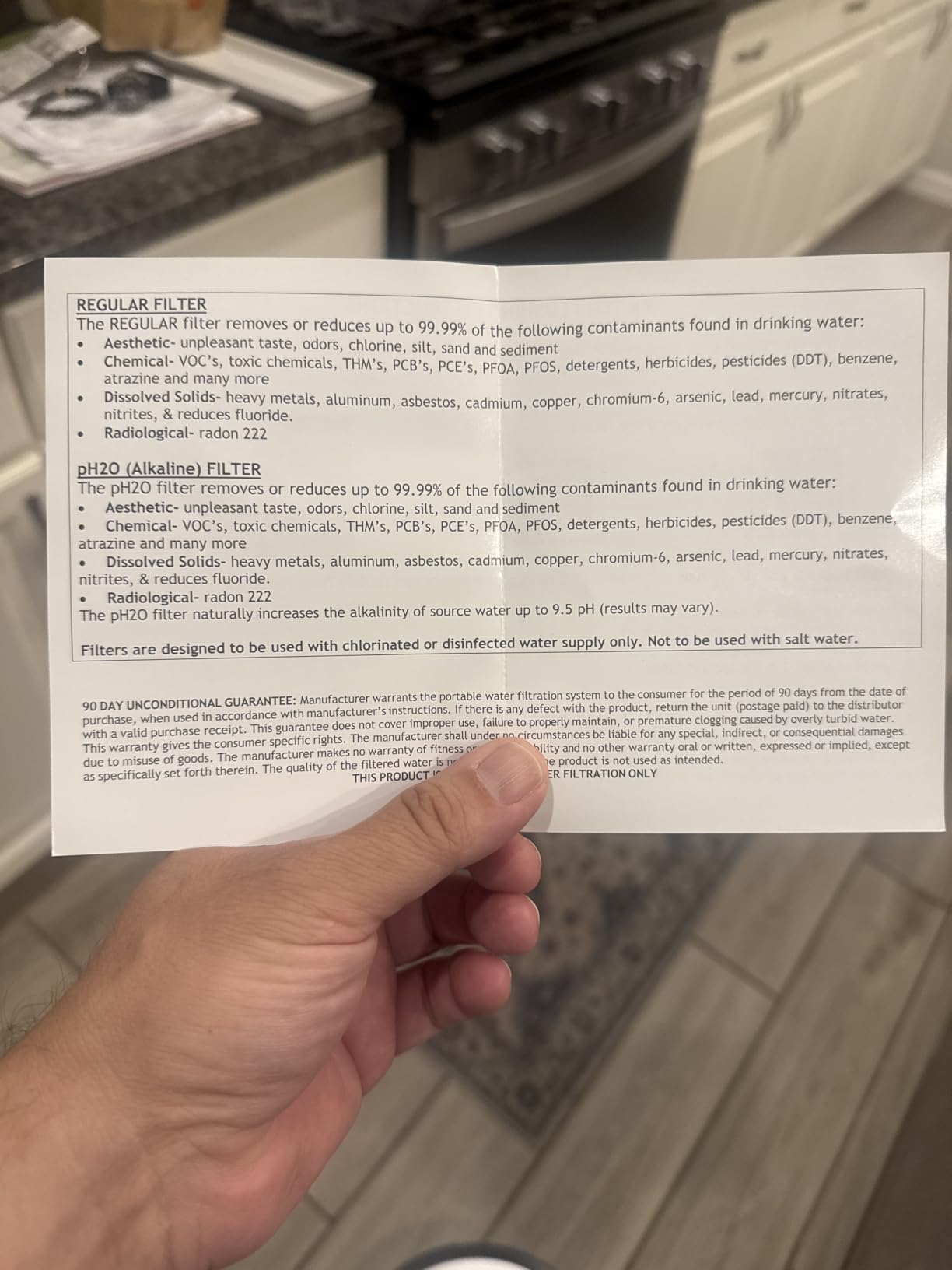
What Seychelle does offer is alkalization up to pH 9.5 and a filter manufactured in an ISO certified facility in the United States with more than two decades of production history. Reviewers consistently like the taste, particularly in coffee and tea.
The listed filter capacity of 200 gallons is the longest number published by any pitcher here, though the specifications do not state a calendar life for the cartridge. Long rated capacity is meaningless if you cannot find a replacement.
The 64 ounce vessel is compact enough for a fridge door and the non-leaching plastic construction avoids the scratch and stain problems that plague glass pitchers after months of use.
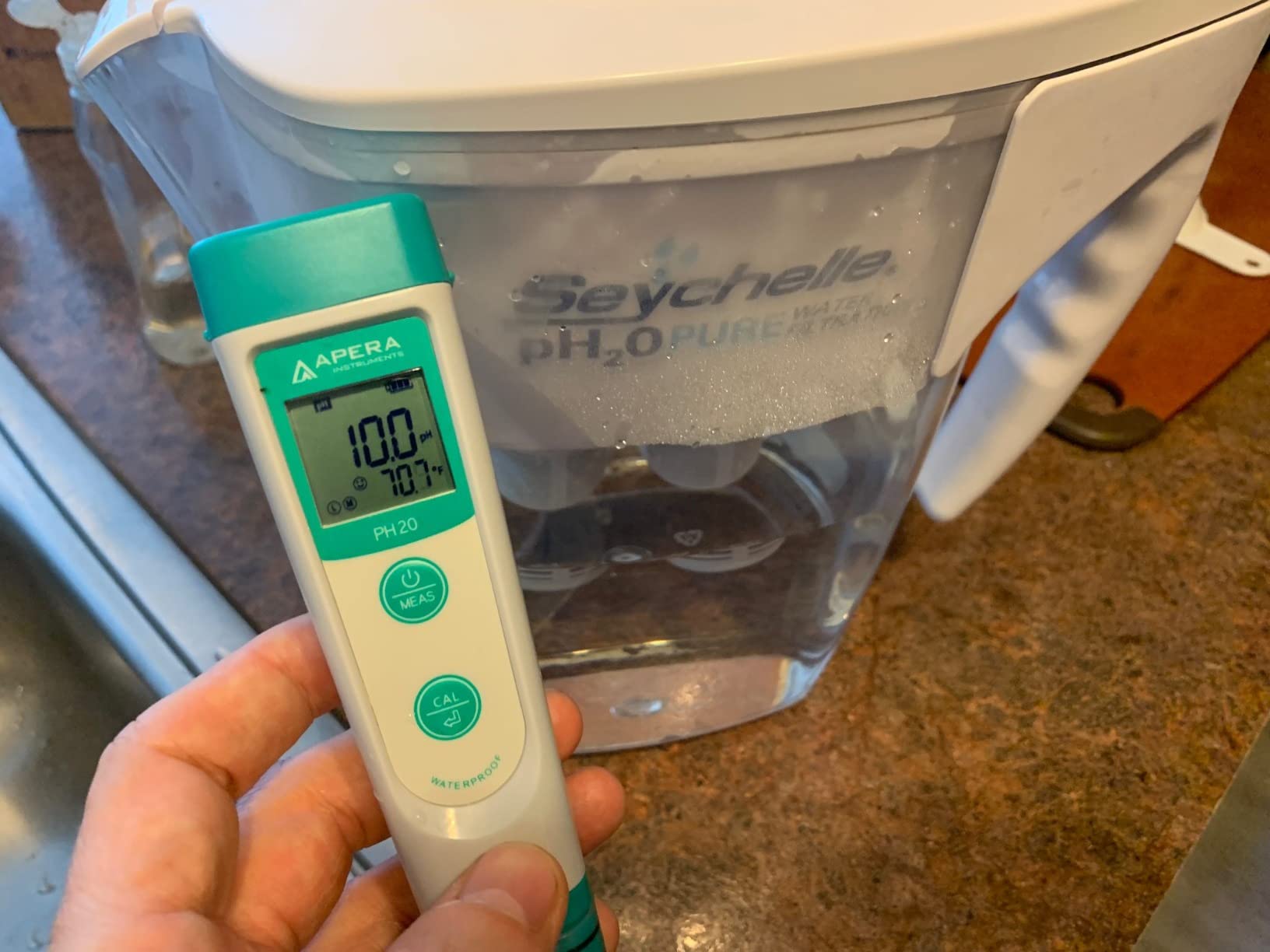
Best for Buyers Prioritizing Alkaline Taste and Made in USA Media
If your goal is better tasting alkaline water from a domestically produced filter and you are not specifically chasing fluoride, this pitcher performs well and has a large body of owner feedback behind it.
Poor Fit for Households Whose Main Goal Is Fluoride Reduction
Because fluoride appears nowhere on the removal list, you cannot use the manufacturer’s documentation to justify buying it for fluoride. A certified model that names fluoride is the defensible choice.
7. Epic Water Filters Pure Pitcher Review: The Longest-Lived Solid Carbon Block
Epic Water Filters Pure Filter Pitchers for Drinking Water, 10 Cup 150 Gallon Filter, Tritan BPA Free, Removes Fluoride, Chlorine, Lead, Forever Chemicals (White & Bamboo)
10-cup pitcher
6mm solid carbon block
150 gallon filter life
Named fluoride removal
Pros
- 150 gallon filter life rated at four times a standard pitcher
- Tested against NSF ANSI 42 53 401 and P473 standards
- Removes PFAS PFOA PFOS lead fluoride and chloramines
- Keeps calcium and magnesium in the water
- LED timer counts down 90 days
Cons
- Slow flow is the most common complaint
- Solid carbon block clogs earlier in hard water
- Highest rating sits below the rest of this lineup at 3.9
Epic uses a 6mm solid carbon block with ion exchange, and the density is deliberate. Slowing the water down extends contact time with the media, which is exactly the condition adsorption needs to work on fluoride.
The filter is rated at 150 gallons or 90 days, which is several times the life of a standard pitcher cartridge. It was tested against NSF/ANSI 42, 53, 401 and P473, and the manufacturer states it removes PFAS, PFOA, PFOS, lead, fluoride and chloramines.
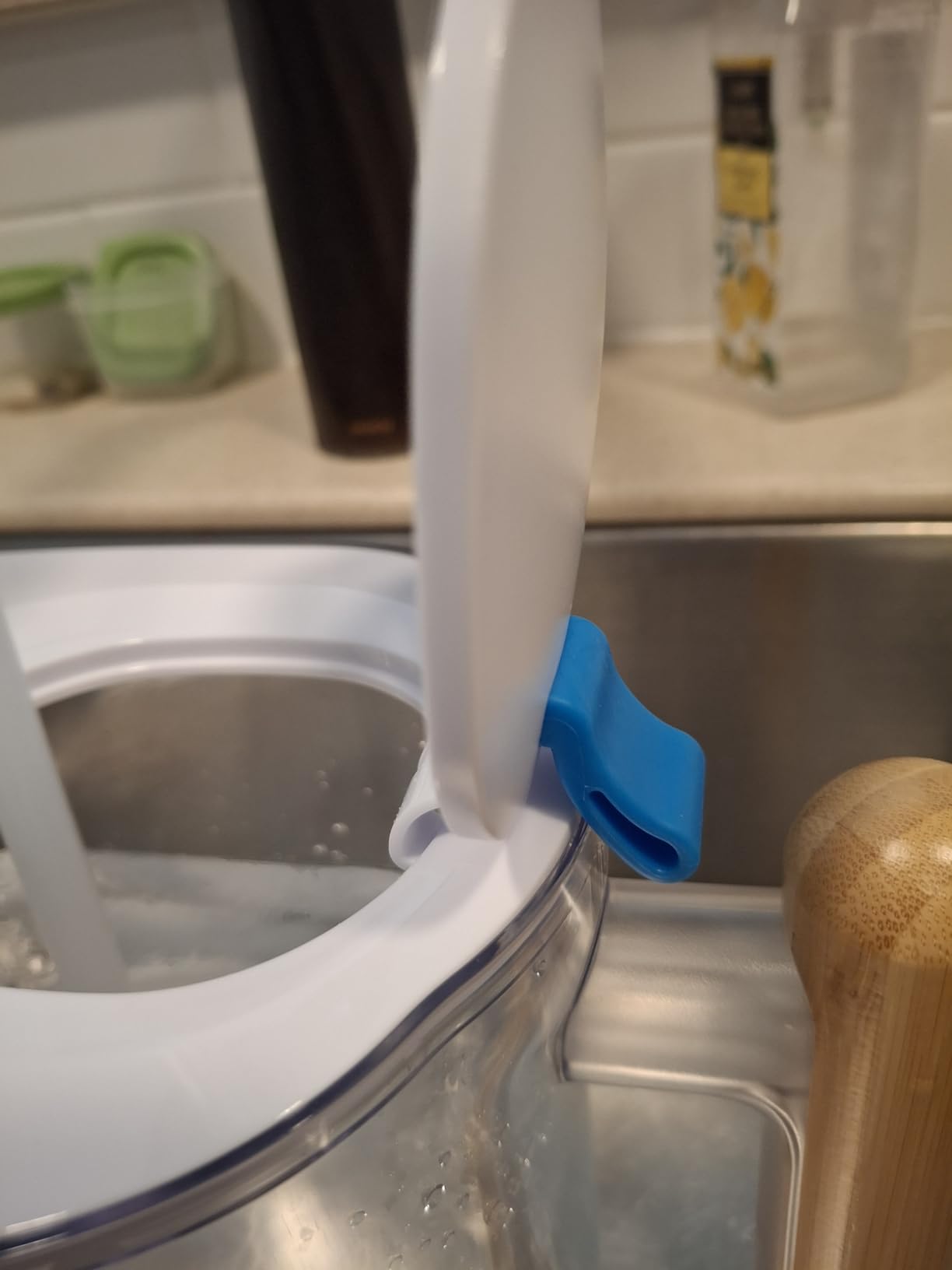
Unlike most fluoride pitchers, it is marketed as keeping calcium and magnesium in the water while removing the fluoride. That makes it a reasonable middle ground for people who dislike the flatness of fully stripped water but do not want to install anything.
The LED timer counts down 90 days on the pitcher itself, so you are not relying on taste to guess when to swap the cartridge. That matters more than usual given the long rated life.
Reviews explain the 3.9 rating better than the number alone does. Owners like what it filters and several like the taste, but the flow rate is slow and the block clogs sooner than 150 gallons in hard water areas.
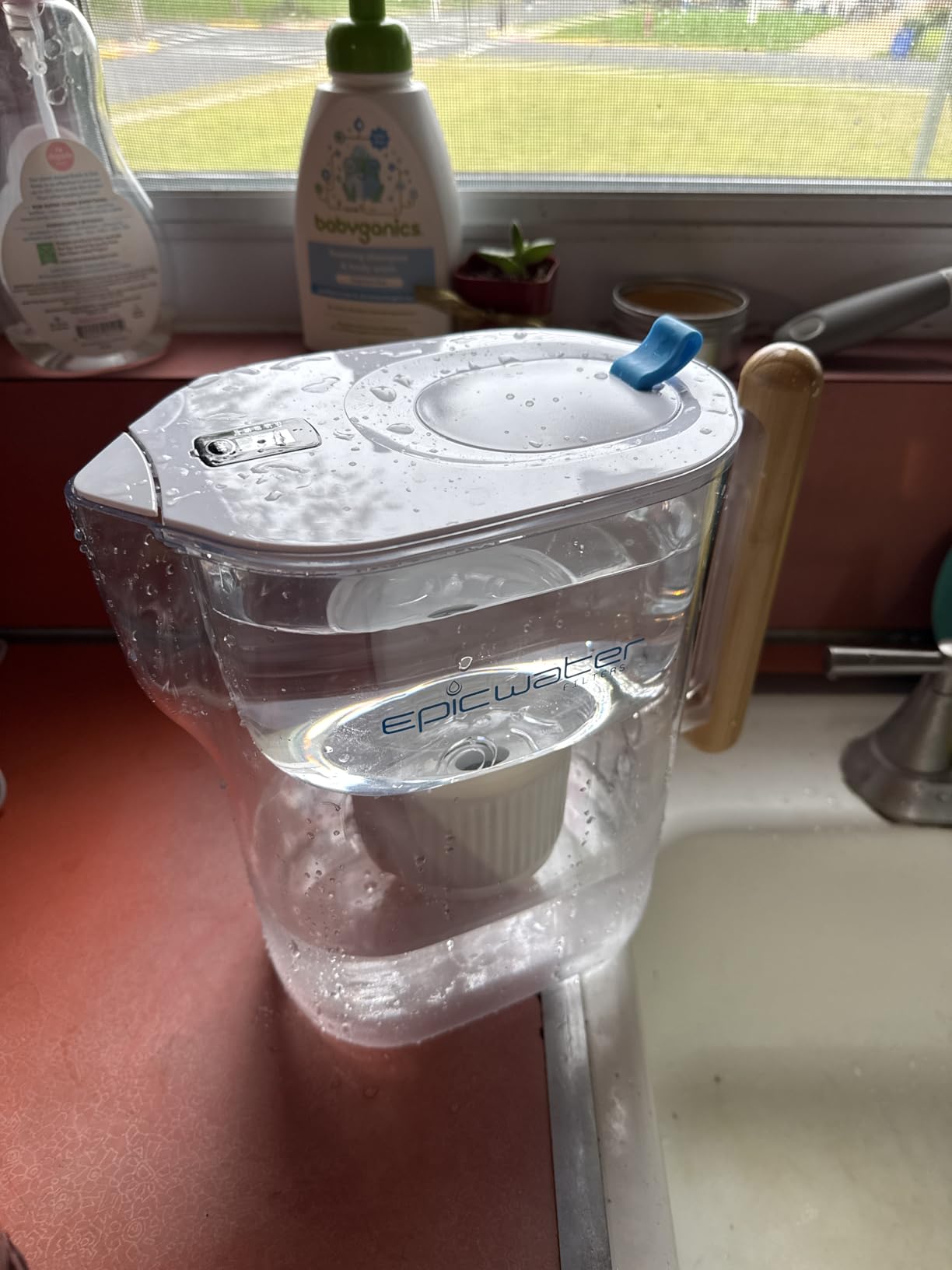
Best For Households That Want Fewer Cartridge Changes
A 150 gallon rated life and a 90-day timer mean roughly four changes a year for a family of four. Fewer swaps also means fewer windows where an exhausted filter is quietly passing fluoride through.
Poor Fit for Anyone in a Hurry or on Hard Water
The dense block that does the filtering is the same thing that makes the pour slow. If your water is hard, expect the rated 150 gallons to arrive sooner than the manual suggests.
8. Waterdrop WFD-02L 35-Cup Dispenser Review: Built for Big Households
Waterdrop WFD-02L 35-Cup Water Filter Dispenser, Fluoride Reduction, Black
35-cup reservoir
90 percent fluoride reduction
150 gallon filter life
Carbon block media
Pros
- Stated 90 percent or higher fluoride reduction
- Largest stated reservoir for whole household use
- 150 gallon filter rated at two months
- Carbon block also reduces chlorine rust PFOA and PFOS
- Space-saving design sized for a fridge shelf
Cons
- Very slow to filter when the cartridge is new
- Filter can dry out and need soaking between uses
- Tall footprint may not clear a low fridge shelf
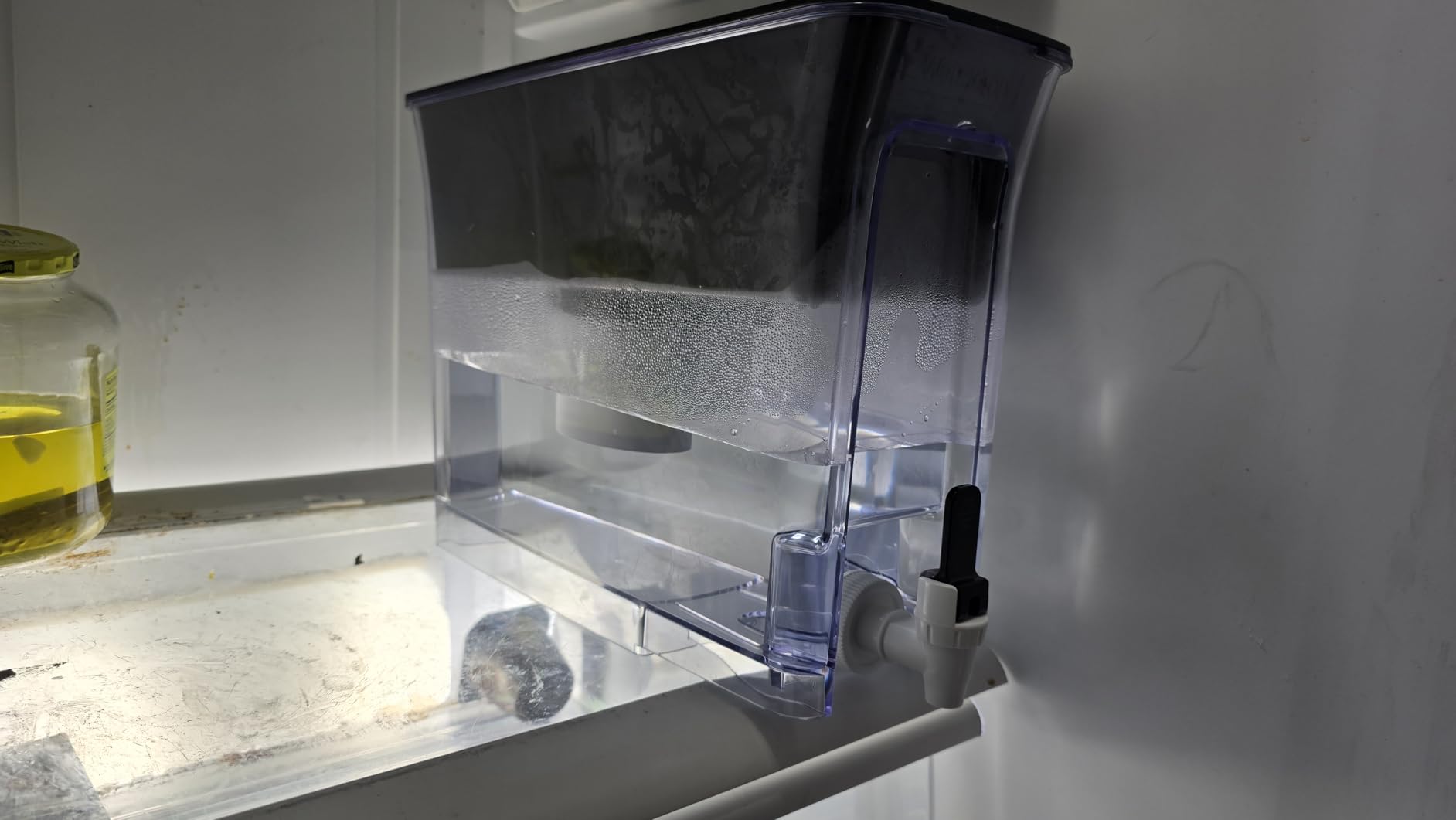
The Waterdrop is a dispenser, not a table pitcher. Its 35-cup reservoir means a family of five filters once or twice a day rather than refilling constantly, and the manufacturer states 90 percent or higher fluoride reduction.
Media is carbon block, so it is filtering for more than fluoride. Chlorine, rust, PFOA and PFOS are all listed targets, and the rated filter life is 150 gallons or two months.
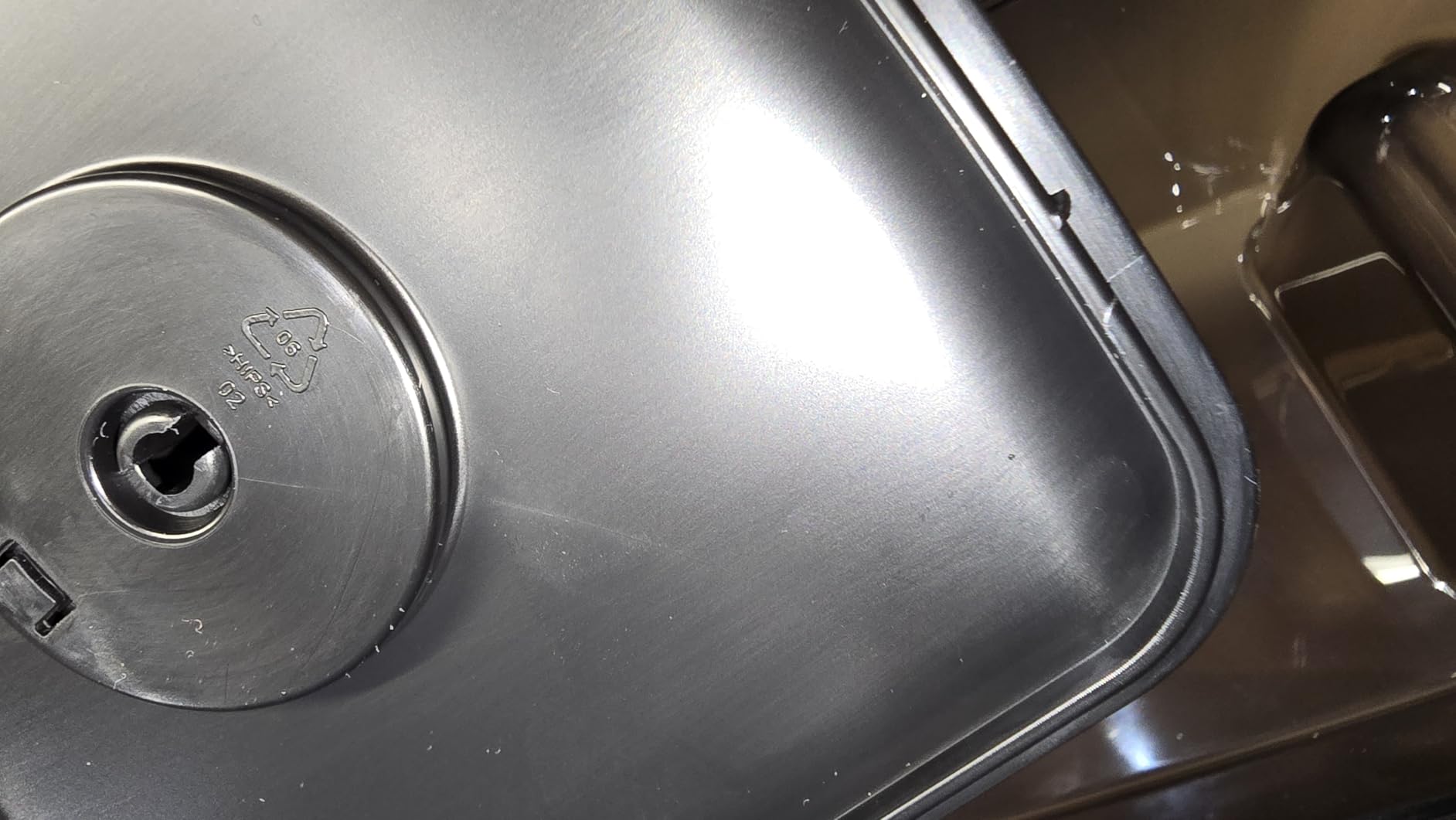
Owners rate the design above comparable products for a simple reason: the refill spout is secure and the lid does not have to come off. Water goes in from the top without wrestling a loose lid, and the reservoir is narrow enough for most refrigerator shelves.
Speed is the main complaint, and it is worth planning around. Filtration is slow, and several owners note the filter needs to soak if it sits dry between uses, which is common when a dispenser is used mostly on weekends.
The stated 90 percent removal is lower than the 99 percent figures from the Santevia and Alkanatur models. For low municipal fluoride levels that is more than sufficient, but if your utility reports high fluoride, the percentage gap becomes the deciding factor.
Best For Large Families and Shared Kitchens
Thirty-five cups covers breakfast, lunch and cooking for a big household without a daily refill. If everyone in the house drinks filtered water, the per-person cartridge cost is lower than any small pitcher here.
Poor Fit for Households in High-Fluoride Areas
Ninety percent reduction is meaningful but it is the lowest fluoride figure among the certified options in this roundup. Check your municipal report before buying, and consider a higher-certified model if levels are elevated.
9. Reshape Water 10-Cup 6-Stage Pitcher Review: The Cheapest Ongoing Filters in the Group
Reshape Water 10- Cup Pitcher with 6-Stage Filter. Removes Fluoride, Chlorine, Lead, and Other Volatile Organic Compounds. Increases PH. Improves Taste. Replacement Filters Cost 25% to 33% Less.
3.5L / 10-cup
6-stage filtration
75-day filter life
Named fluoride removal
Pros
- Replacement filters cost 25 to 33 percent less than competitors
- Six stages include FIR balls ion exchange and activated carbon
- Removes fluoride chlorine lead and VOCs
- Alkalizes water and adds magnesium potassium calcium
- SGS certified BPA-free commercial grade plastic
Cons
- Filter can be slow while air bubbles clear initially
- Reservoir design leaves unfiltered water sitting at the bottom
- Only one replacement filter included
The case for this pitcher is arithmetic. Replacement filters cost 25 to 33 percent less than comparable brands, and with a 75-day rated life covering 300 liters or 79 gallons, that difference compounds across every year you own it.
Six stages combine FIR balls, ion exchange resins, activated carbon, negative potential particles and minerals. The manufacturer states the media removes or reduces fluoride, chlorine, lead and volatile organic compounds, and alkalizes the water in the same pass.
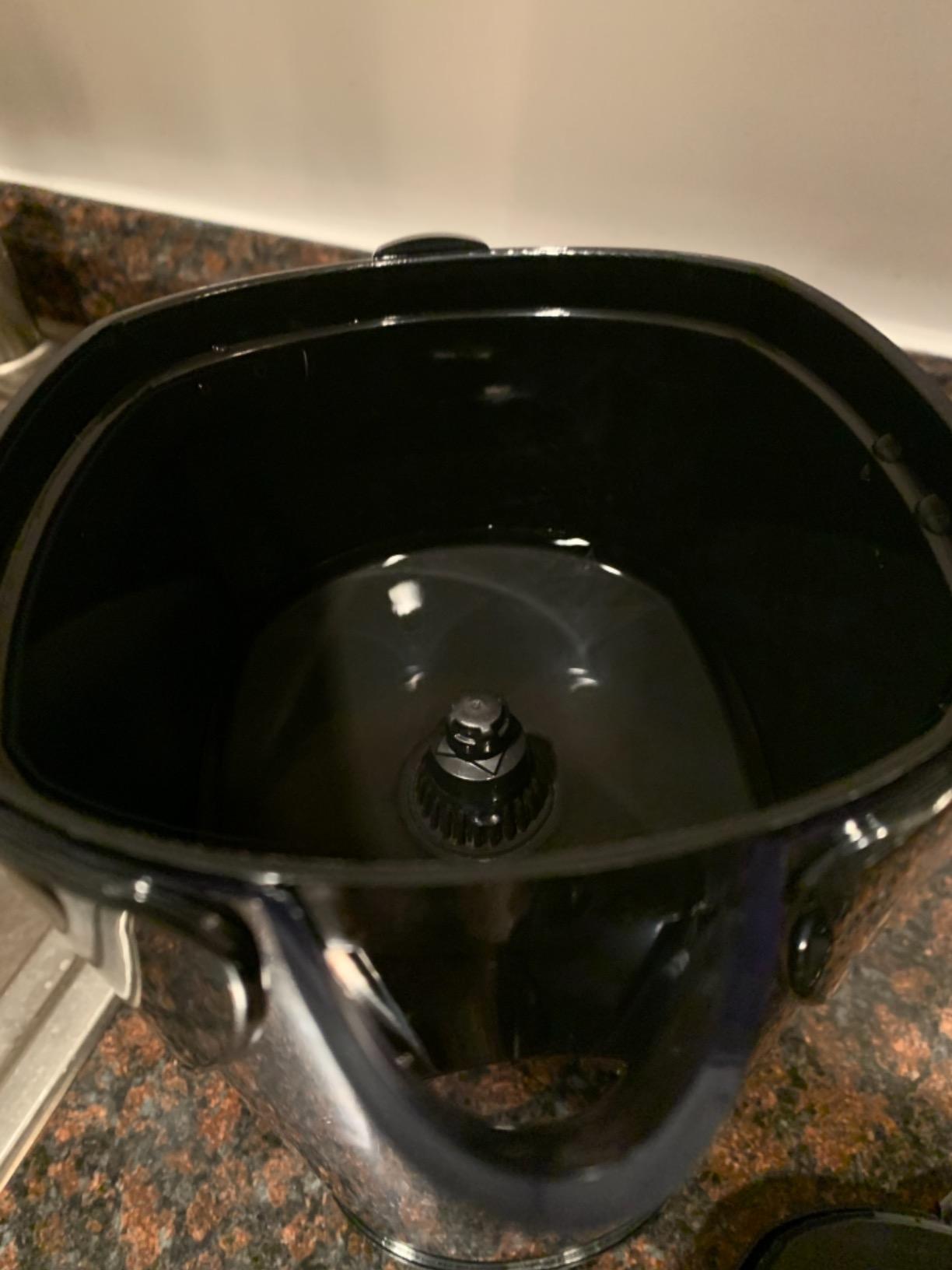
The 3.5 liter reservoir matches the largest pitchers in the lineup, and the commercial grade ABS body is built to survive being dropped in a sink. Reviewers frequently call the value the standout feature.
Two design details cause most of the complaints. The filter can flow slowly at first while trapped air clears, and the reservoir layout leaves a small pool of unfiltered water sitting below the filter cartridge.
Only one replacement filter ships in the box, which is a minor annoyance given how much cheaper they are to buy. Budget a two-pack for your first order so you are not waiting on a delivery before the second change.
Best For Buyers Who Will Actually Use the Filter
Fluoride removal only happens with fresh media. Buying the cheapest cartridge on the market makes sense precisely because you can afford to change it on schedule, and the six-stage build does name fluoride among its targets.
Poor Fit for Impatient Pourers
The slow initial flow and the standing unfiltered water in the reservoir are real, if minor, friction points. If you want water on demand the second you lift the lid, choose a faster-flowing single block design instead.
10. AquaTru Glass Carafe Review: Real Reverse Osmosis for Fluoride, Without Installation
AquaTru Glass Carafe | Countertop Reverse Osmosis Water Filter Countertop RO System Water Purifier | 4 Stage Reverse Osmosis Filtration | Removes 84 Contaminants Like PFOA + PFOS, Lead, Microplastics
4-stage reverse osmosis
Removes 84 contaminants
Glass carafe
Plug and play
Pros
- True reverse osmosis removes 84 contaminants including fluoride
- IAPMO tested and certified to NSF standards
- Borosilicate glass carafe means no plastic contact
- Plugs into a standard outlet with no drilling or plumbing
- Auto refills the carafe when it runs low
Cons
- Largest counter footprint in the lineup at 14.7 pounds
- Filter replacement runs 6 to 12 months per stage
- Waste water produced during every cycle
We include one reverse osmosis unit on purpose. A semipermeable membrane does not negotiate with fluoride, and if your water report shows levels you want gone rather than reduced, this is the only category on this list that removes it thoroughly.
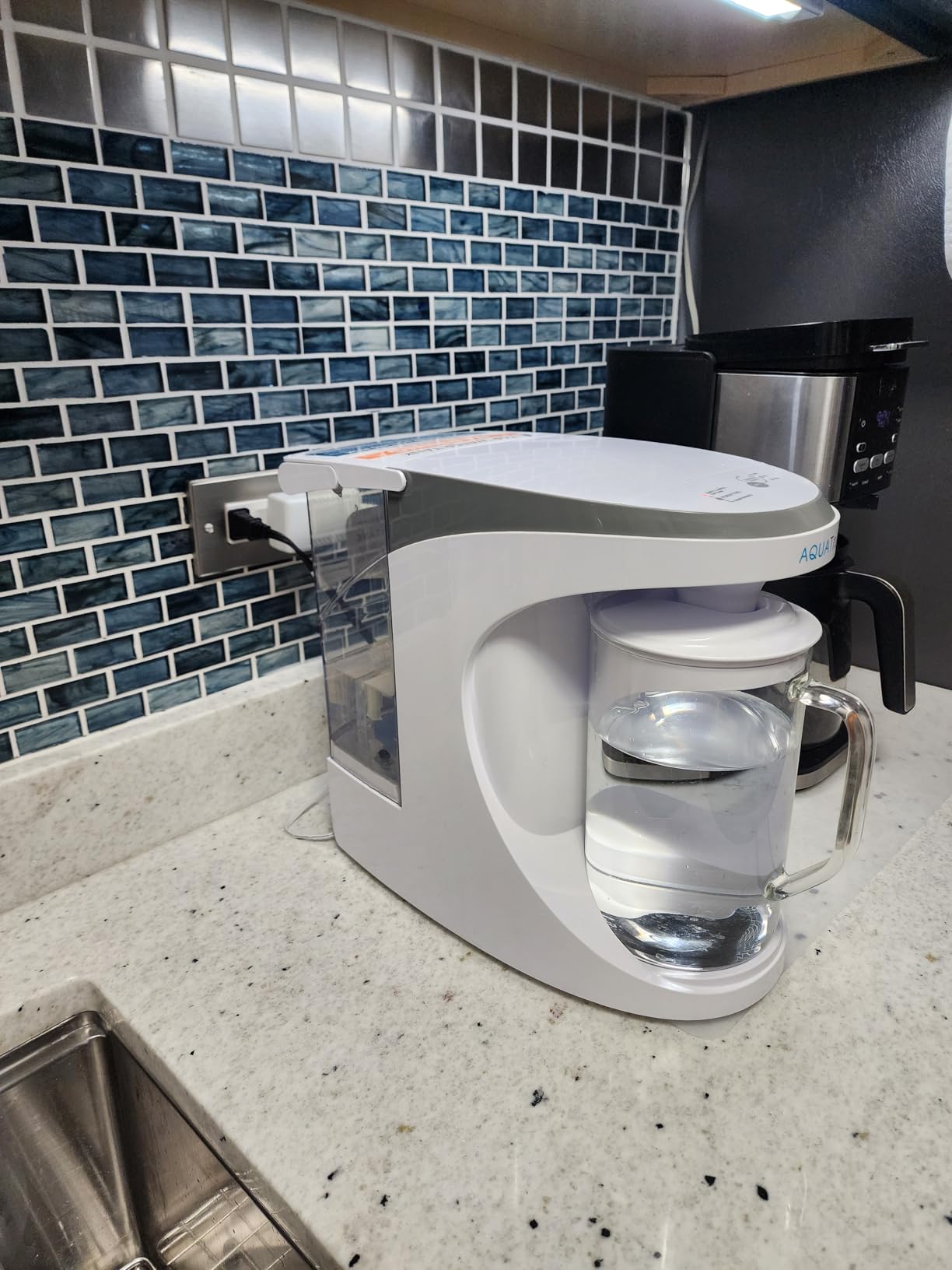
The AquaTru runs four stages, a pre and carbon stage, an RO membrane and a VOC carbon stage, and it is stated to remove 84 contaminants including fluoride, microplastics, chromium-6, arsenic, PFOA and PFOS. It is IAPMO tested and certified to NSF standards.
There is no installation. It plugs into a standard outlet, operates between 40 and 85 psi and produces water at 0.5 gallons per minute into a borosilicate glass carafe. Water never touches plastic, and the carafe auto-refills from the input tank when it runs low.
Filter intervals are generous by pitcher standards: the pre and carbon stage lasts six months or 300 gallons, the RO membrane a year or 600 gallons, and the VOC stage a year or 300 gallons, all under a one-year warranty.
The compromises are space, water and money over time. The unit weighs 14.7 pounds, the input tank only holds about a carafe and a half so you refill it often, and every cycle sends water down the drain.
Best for Households With Elevated Fluoride Levels
When the goal is removal rather than reduction, a membrane is the mechanism that delivers. This unit also handles microplastics and PFAS, which no gravity pitcher on this list addresses at that level.
Poor Fit for Small Kitchens or Thirsty Families
The footprint, the 1.5 carafe input tank and the refill routine make this a poor daily driver for a one or two person household. For a family of five it works well, and our reverse osmosis fluoride removal guide covers the alternatives.
11. OWIARA Digital Display 14-Cup Pitcher Review: Filter Life Tracking, Unverified Performance
OWIARA Alkaline Water Filter Pitcher with Filter, 14 Cup Digital Display Water Purifier Pitcher in BPA Free for Quick Clear Chlorine, Fluoride, Heavy Metals, Odor, Bad Taste
3.2L / 14-cup
Digital filter life display
5-stage filtration
No lid refill design
Pros
- Digital display shows remaining filter life at a glance
- 5-stage filtration states 99.9 percent TDS removal
- No lid refill means you do not remove the lid each time
- Dust proof filter design
- BPA-free food grade materials
Cons
- Filter life falls short of the advertised number in practice
- Some units report alkalinity gains that owners could not confirm
- Replacement cartridges sold separately
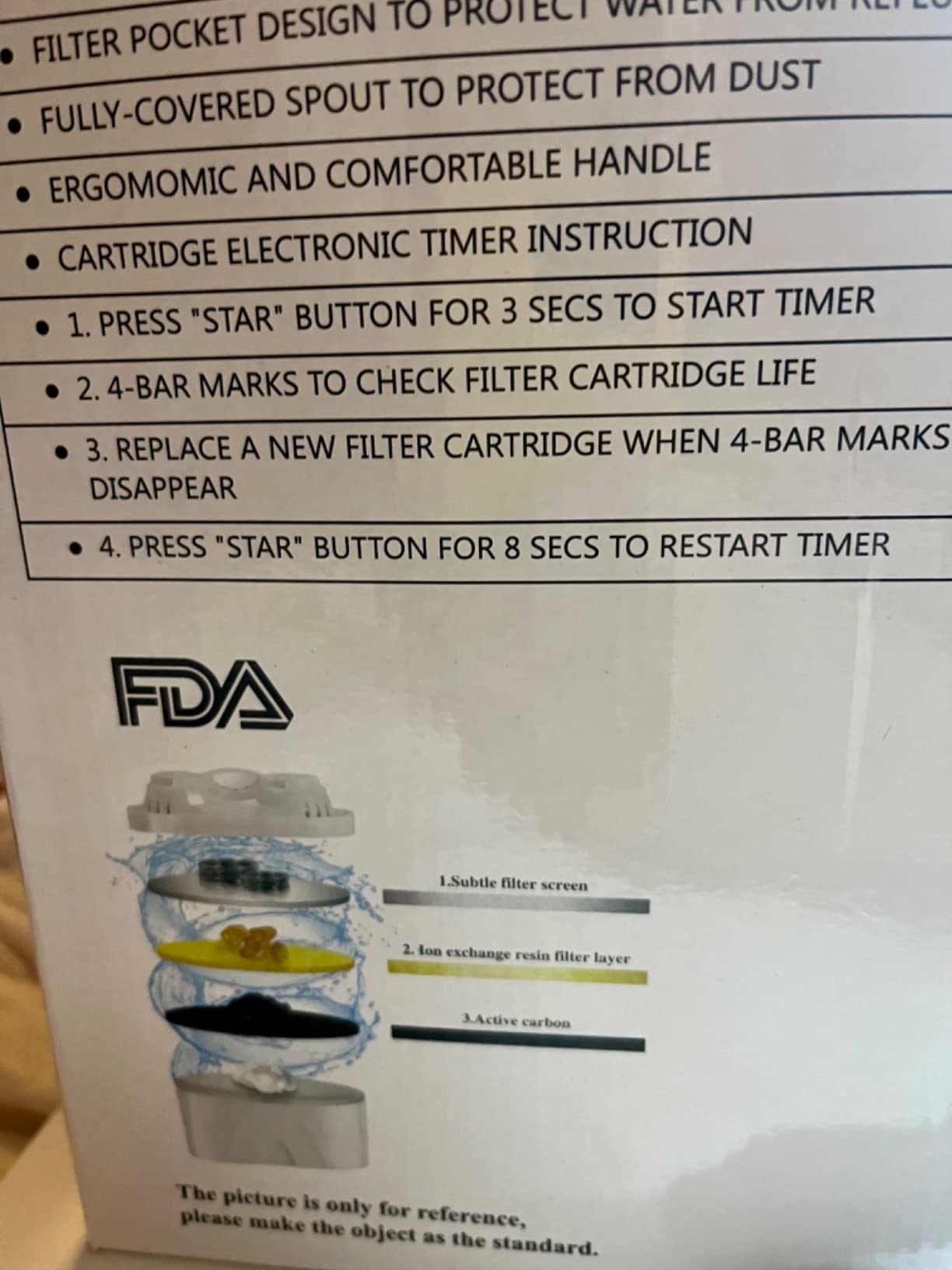
The reason this pitcher is here is the digital filter life display. Every other model on this list asks you to estimate when to change the cartridge by taste or by memory, and this one counts down on the front of the pitcher.
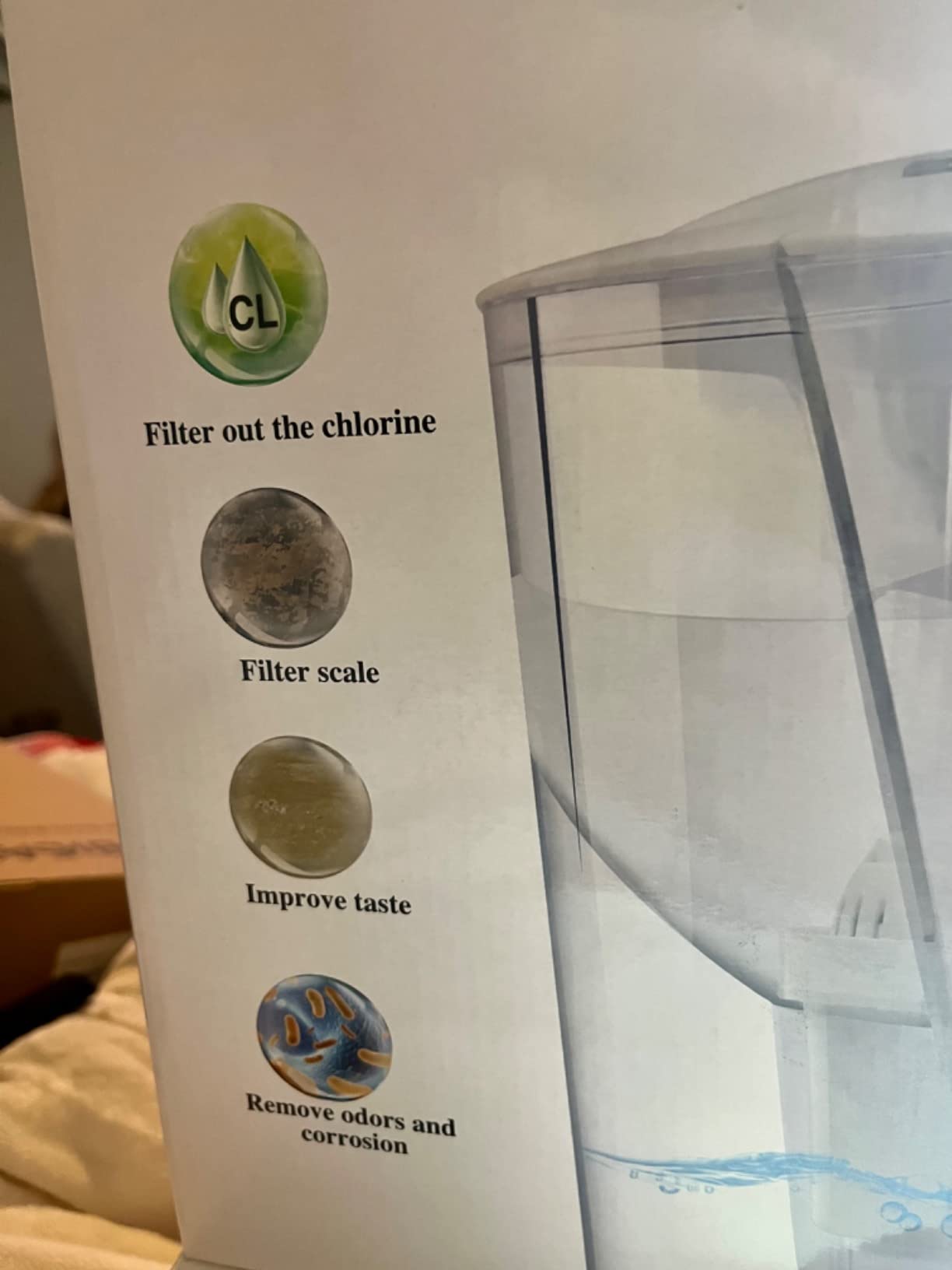
Filtration is five stages using activated carbon and ACF, with a stated 99.9 percent dissolved solids removal and a claim of up to 9.5 pH. The refill design means water is poured into the side without removing the lid, and the cartridge sits in a dust-proof housing.
The refill design is genuinely convenient and the display is the rare feature you will actually use. First use needs a 45 to 60 minute soak to prime the media, which is standard for carbon blocks and easy to overlook.
The caution is verification. With 136 reviews and a 4.1 rating, this is one of the thinner bodies of feedback here, and the specific complaints are consistent: filter life shorter than advertised and alkalinity gains that owners who tested their water could not reproduce.
Because the manufacturer lists activated carbon as the purification method without naming a fluoride-specific media stage, treat the fluoride claim as unverified. Buyers focused purely on fluoride reduction should look at the certified models earlier in this list.
Best For Buyers Who Want a Visual Filter Reminder
The countdown display converts filter changes from a memory task into a glance, and for households who repeatedly run cartridges past their useful life, that is worth more than an extra filtration stage.
Poor Fit for Buyers Who Need a Documented Fluoride Claim
The documentation here describes carbon stages and dissolved solids, not fluoride-specific media. For a health-driven purchase, buy the pitcher whose certification names the contaminant.
12. OWIARA 10-Cup 5-Stage Pitcher Review: The Budget Tier, With the Same Caveats
OWIARA Water Filter Pitchers for Drinking Water with Activated Carbon Filter,10 Cup 150 Gallon Filter Water Pitcher, BPA Free and Removes Fluoride, Chlorine, Lead, PFAS, PFOA
3.2L / 10-cup
5-stage activated carbon
Budget build
Fluoride claim listed
Pros
- Fluoride chlorine lead PFAS and PFOA all named in the claims
- Handles water up to 1000 ppm TDS
- BPA-free food grade materials
- Same replacement cartridge as the digital model
- No lid refill keeps the filter area cleaner
Cons
- Lowest rated in the lineup at 3.8 stars
- Filter life claims unverified by owners
- No independent certification for the fluoride claim
This is the entry tier of the lineup and the same brand as the digital display model, minus the screen. It shares a replacement cartridge, which is convenient if you own both or plan to upgrade later.
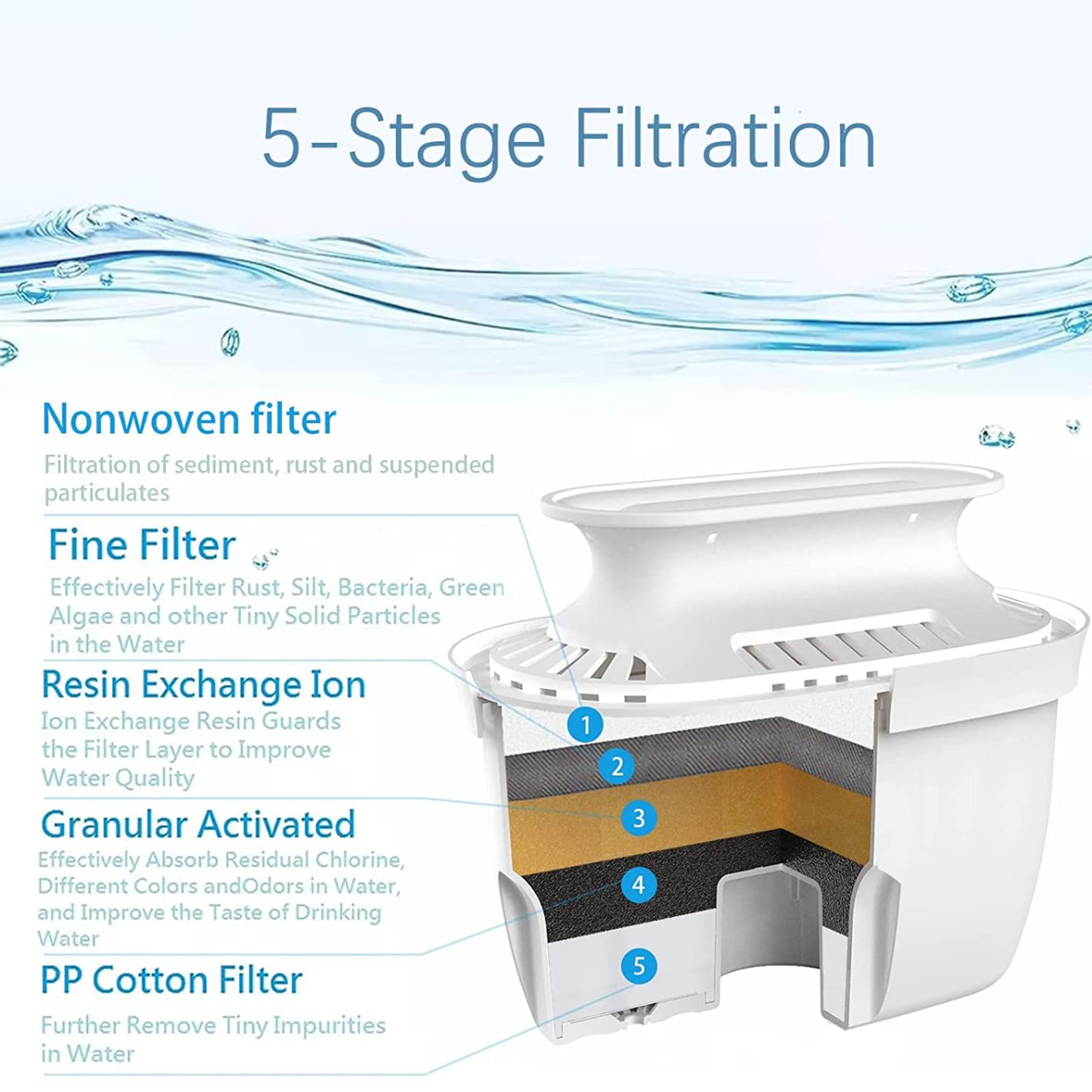
The claims are broad. The listing names fluoride, chlorine, lead, PFAS and PFOA as removed contaminants, states 99.9 percent dissolved solids removal and supports source water up to 1000 ppm TDS, the highest tolerance listed here.
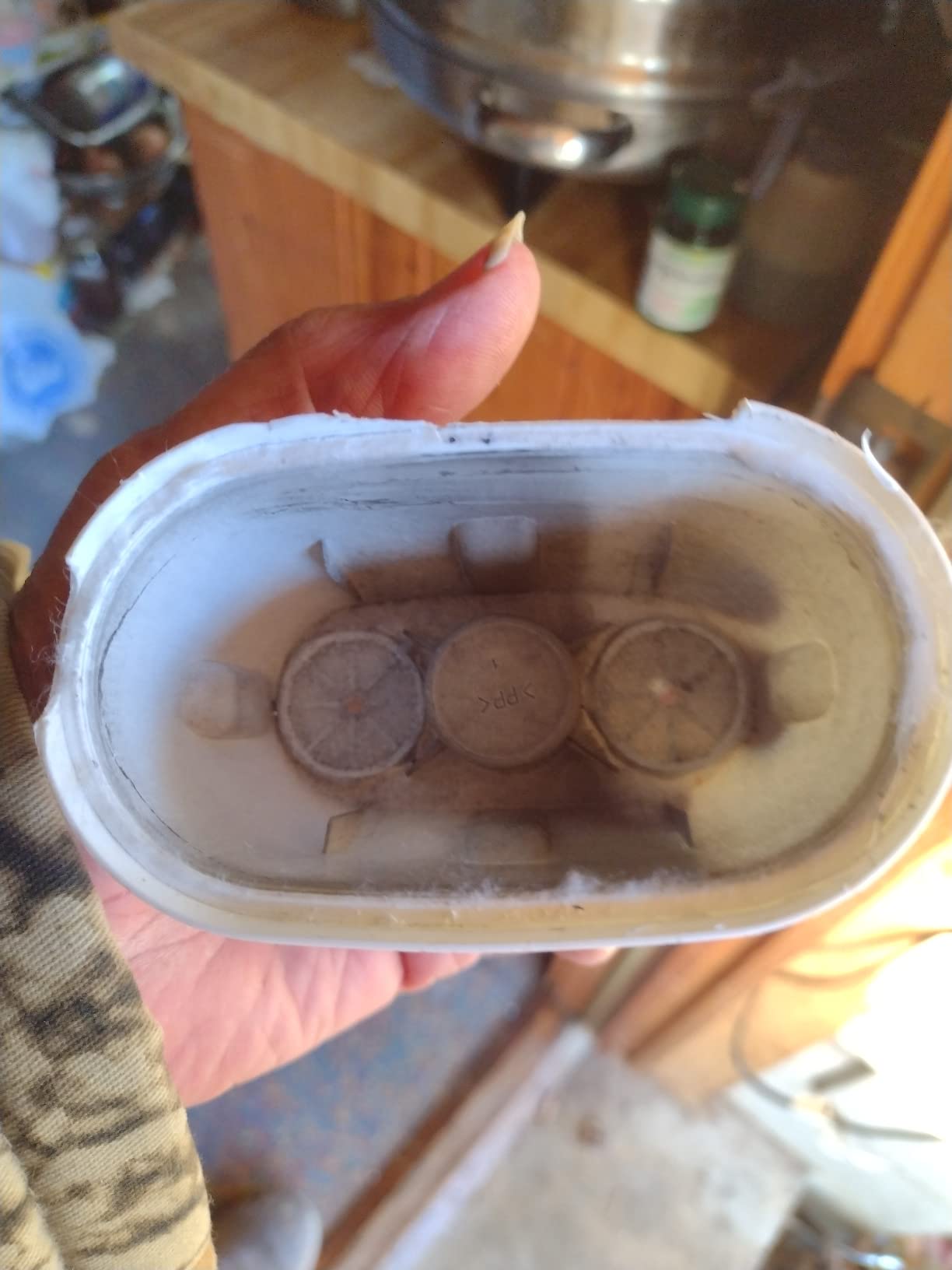
Construction is lead-free food grade material with activated carbon and ACF media, BPA-free and built around the same no-lid refill and dust-proof filter design as the digital version.
Where it falls short is evidence. At 3.8 stars on 77 reviews it is the lightest reviewed product here, and the feedback pattern matches its sister model: filter life claims that users could not confirm and alkalinity that did not show up in testing.
That does not make it a bad pitcher. It makes it a poor choice for someone who needs certainty about fluoride specifically, since there is no third-party certification attached to the fluoride claim.
Best for Occasional Use and Low-Fluoride Water
If your water has modest fluoride levels and you filter a glass or two a day, the two-month cartridge and the low build cost make this a defensible way to reduce taste and odor without a large commitment.
Poor Fit for High-Fluoride Households
The 1000 ppm TDS ceiling says the pitcher can handle hard source water, but a high-TDS supply also shortens cartridge life. Buyers in elevated fluoride areas should choose a certified model with a longer rated life instead.
Pitcher vs Countertop RO vs Under-Sink RO for Fluoride
Once you know which media remove fluoride, the real decision is how much water you drink and how much disruption you will accept.
Pitchers are the right answer for renters and small households
A gravity pitcher needs no plumbing, no power and no counter drilling, and you can move it between homes in a bag. The limits are volume and filtration chemistry, since adsorption media have finite capacity and pitchers deliver water in small batches. If you live in an apartment and drink a gallon a day, a pitcher is the realistic starting point.
Countertop reverse osmosis suits high-fluoride water and large daily volumes
A countertop RO unit still avoids installation but runs on electricity and produces wastewater with every cycle. You gain membrane-level fluoride removal plus microplastics and PFAS, at the cost of counter space and a higher replacement budget. Our whole house filter features guide covers what to check if you are filtering at the point of entry instead.
Under-sink RO is for households that drink a gallon or more daily
Once installed, an under-sink system is the cheapest way to get high-volume filtered water, because there is no pitcher to refill and no electricity. It requires a plumber or a DIY connection under the sink, which is exactly what renters cannot do. If you own the home and drink filtered water daily, this beats every pitcher on cost per gallon.
Well water changes the question entirely
Well water carries naturally occurring fluoride from the geology, and levels vary by aquifer with no utility report to check. Treat every pitcher as needing a starting test, and consider a properly sized system rather than a single cartridge. If your water is also hard or high in iron, capacity ratings drop and a softener decision may matter first. Our well water softener guide covers that side of the equation.
How to Choose a Fluoride Water Filter Pitcher?
Five questions separate a good purchase from a disappointing one, and each one is answered by information the manufacturer has already published.
Does the documentation name fluoride, and under which standard?
A contaminant list that includes fluoride is the minimum bar. Better still is a third-party certification where fluoride appears, such as the UNE 149101:2025 listing on the Alkanatur, the IAPMO listing on the ZeroWater, or NSF/ANSI 42, 53 and 401 testing on the Epic and Santevia glass system. A carbon-only claim is not enough.
What media does the work, and how much is in the cartridge?
Activated alumina, bone char, ion exchange and reverse osmosis membranes all bind fluoride. Granular activated carbon alone does not. Ask what proportion of the cartridge is fluoride media rather than carbon, because a pitcher can be mostly carbon with a token additive stage.
What is the rated filter life in both gallons and months?
Rated life is the number that drives your annual cost. Convert it to a per-gallon figure using your household’s daily drinking volume, then multiply by the cost of a replacement cartridge. A cheap pitcher with 60-day filters can cost more over five years than an expensive one with six-month cartridges.
Will your water chemistry shorten that rated life?
Hard water and high total dissolved solids deplete adsorption capacity quickly. The same is true of well water with elevated iron. Manufacturers rate filters under controlled conditions, so treat the printed figure as a best case and ask your utility for hardness and TDS numbers before you commit.
Can you actually keep up with the replacement schedule?
A pitcher that filters well but whose cartridges you cannot afford to replace on time is worse than a mediocre one you service faithfully. Look for a mechanical timer or an electronic display, and check that replacement cartridges are readily available from more than one source.
Filter Replacement Calendar and Annual Cost Planning
Annual cost is the number most listings hide, and it is the easiest way to compare pitchers that look similar on a shelf.
Start with rated filter life in months, multiply by twelve and divide by twelve to get the number of cartridges you will buy in a year. Then multiply by the price of a replacement cartridge. The Hskyhan pitcher’s 60-day cadence means six cartridges a year, the Epic pitcher’s 90-day rating means four, and the Alkanatur pitcher’s three to four month rating means three or four.
Next, divide your annual filter spend by your annual drinking volume to get cost per gallon. This is the figure that makes the comparison honest, because the 35-cup dispenser and the 1.4 liter pitcher deliver water on completely different scales.
Finally, subtract what you would otherwise spend. If you are buying single-use bottled water for drinking and cooking, a pitcher usually pays for itself inside the first year. If you are not, the argument becomes about water taste and contaminant reduction rather than savings.
Write the change dates on a calendar the day the filter arrives. Reminders on your phone beat a spring-loaded timer in the base, because the timer resets when you install the cartridge and tells you nothing about how hard your water is working it.
Frequently Asked Questions
Do water filter pitchers remove fluoride?
Only if the media is built for it. Carbon-only pitchers such as most Brita and PUR models target chlorine, taste and sediment and leave fluoride in the water. Pitchers that use activated alumina, bone char, ion exchange, specialty bioceramic media or a reverse osmosis membrane do reduce fluoride, which is why you should look for fluoride named on the contaminant list or on a third-party certification.
What type of water filter removes fluoride?
Four media types work. Activated alumina adsorbs fluoride onto a porous aluminum oxide surface. Bone char adsorbs it with a milder pH effect. Ion exchange resins swap fluoride ions for others, which works but adds sodium. Reverse osmosis membranes force dissolved fluoride out of solution, and these are the most complete of the four.
Is there a water filter that removes fluoride completely?
No household filter removes it completely, because every media type has a finite capacity and eventually exhausts. Reverse osmosis reduces fluoride further than any gravity pitcher, and certified adsorption media typically remove 90 percent or more when fresh. Complete removal is achievable in practice only by keeping filters on schedule and treating source water before it reaches the tap.
Do Brita and PUR filters get rid of fluoride?
No. Those brands use activated carbon cartridges designed for chlorine taste, odor and sediment, and neither brands fluoride on the contaminant list. Water passing through them carries the same fluoride level as the tap. If fluoride is your reason for buying a filter, choose a pitcher whose documentation names fluoride or carries a certification that lists it.
How often should you change a fluoride filter pitcher?
Follow the rated life in months rather than a taste change, because fluoride removal drops before you notice anything. A 60-day rated filter should be changed about six times a year, while a 90-day rated filter needs four changes. Replace earlier if your water is hard or high in total dissolved solids, since both conditions consume adsorption capacity faster.
Can you remove fluoride without reverse osmosis?
Yes. Every gravity pitcher in our lineup that names fluoride uses adsorption media such as activated alumina, bioceramic blends, ion exchange or a dense carbon block with extended contact time. These reduce fluoride substantially without electricity, plumbing or wastewater, and they also leave more of the natural mineral content in the water than reverse osmosis does.
Our Final Verdict for Fluoride Removal in 2026
The best water filter pitchers for fluoride in 2026 are not the most famous names on the shelf, and they are certainly not the ones with the biggest marketing budgets. After working through 12 of them, the Hskyhan 7-stage alkaline pitcher is our first recommendation because it names fluoride on the technical sheet, holds a 4.5 rating across more than 5,700 reviews, and ships with two cartridges and a filter life timer.
For buyers who want third-party proof rather than a manufacturer claim, the Alkanatur bioceramic pitcher carries the clearest certification, naming fluoride and PFAS under UNE 149101:2025 while adding magnesium instead of sodium. The Culligan ZeroWater pitcher is the practical middle ground, IAPMO certified and equipped with a TDS meter so you can see the filter working.
Two warnings before you buy. Check whether fluoride appears on the contaminant list, because Seychelle and several carbon-led pitchers do not name it at all, and check your water hardness, because high TDS and hard water cut rated filter life short. Start with a pitcher if you rent or drink a gallon a day. If you own the home and want fluoride gone rather than reduced, a reverse osmosis system is the mechanism that gets you there.