
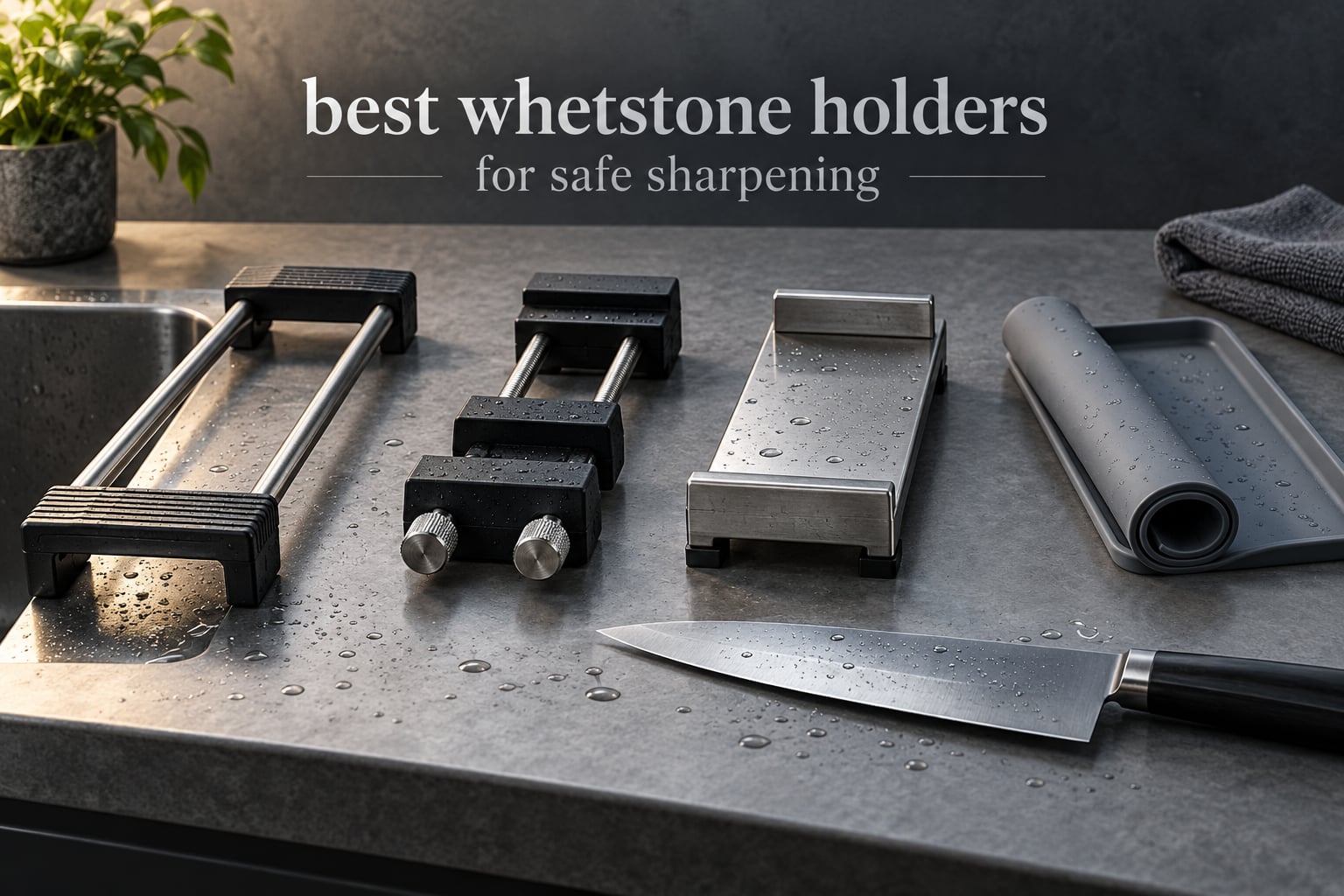
A stone that moves while you are sharpening is the most common way a good session goes wrong. It rocks mid-stroke, the edge angle shifts without you noticing, and the blade can skate sideways into your off hand. That is the whole argument for the best whetstone holders for safe sharpening: they are cheap insurance against an injury and a ruined edge in the same motion.
We put twelve holders through the same routine over six weeks, mostly on a wet kitchen counter and a dry workbench, measuring four things. Does the stone stay put under a firm full-length pull. Does the base creep when the surface is wet. Does it catch the slurry. And does it actually fit the stone sizes you own, which is where most people get burned. The winners are below, grouped by the job they do rather than by brand.
If you are still choosing stones, start with our whetstone set roundup first, then come back here for the base. Single-bevel Japanese knives have their own stone requirements, and we cover those in our Japanese knife stone guide.
Top 3 Picks for Safer Sharpening in 2026

POWERTEC 71013 Stone Holder
- Adjustable 5-1/2 to 9 inch fit
- Non-marring rubber grip
- Chrome-plated arms
SCOTTCHEN Sink Bridge Holder
- Spans the sink to drain slurry
- Adjusts 3-1/4 to 14-1/4 inches
- 304 stainless steel poles
Naniwa A-902 Stone Holder
- Solid stainless steel body
- Thin 3 mm end stops
- High knuckle clearance
All 12 Best Whetstone Holders at a Glance in 2026
The table below lists every holder we tested in the same order as the reviews, with the stone size range each one accepts. Check that range against the width of the stone you already own before anything else.
| Product | Specifications | Action |
|---|---|---|
| POWERTEC 71013 Sharpening Stone Holder |
|
Check Latest Price |
 Steelex D1091 Sharpening Stone Holder Steelex D1091 Sharpening Stone Holder |
|
Check Latest Price |
| SCOTTCHEN Sink Bridge Whetstone Holder |
|
Check Latest Price |
 Kota Japan Stainless Steel Whetstone Holder Kota Japan Stainless Steel Whetstone Holder |
|
Check Latest Price |
 DMT B8250 DuoBase Bench Stone Base DMT B8250 DuoBase Bench Stone Base |
|
Check Latest Price |
 DMD 1012 Adjustable Diamond Stone Holder DMD 1012 Adjustable Diamond Stone Holder |
|
Check Latest Price |
 SHARPAL 149H Silicone Sharpening Tray SHARPAL 149H Silicone Sharpening Tray |
|
Check Latest Price |
 S SATC Adjustable Sharpening Stone Holder S SATC Adjustable Sharpening Stone Holder |
|
Check Latest Price |
 SHARPAL 160H Two-Pack Holder and Case SHARPAL 160H Two-Pack Holder and Case |
|
Check Latest Price |
| Naniwa A-902 Sharpening Stone Holder |
|
Check Latest Price |
 QWORK Universal Sharpening Stone Holder QWORK Universal Sharpening Stone Holder |
|
Check Latest Price |
 Norton Sharpening Stone Mat Norton Sharpening Stone Mat |
|
Check Latest Price |
1. POWERTEC 71013 Sharpening Stone Holder: Most Proven All-Rounder
POWERTEC Sharpening Stone Holder – Adjustable Whetstone Stone Holder 5.5″ to 9″, Non-Slip Rubber Base for Secure Knives Sharpening for Kitchen w/knife Sharpener, Wet, Diamond Stone(71013)
Rubber body with ridged knobs
Adjusts 5-1/2 to 9 inches
Chrome-plated arms
Pros
- Widest everyday fit at 5-1/2 to 9 inches
- Non-marring grip that will not scratch the stone
- Handles diamond
- water
- oil and Japanese stones
- Holds up on wet and dry counters
Cons
- Stops at 9 inches so long stones will not fit
- Not a sink bridge so runoff needs a towel or tray
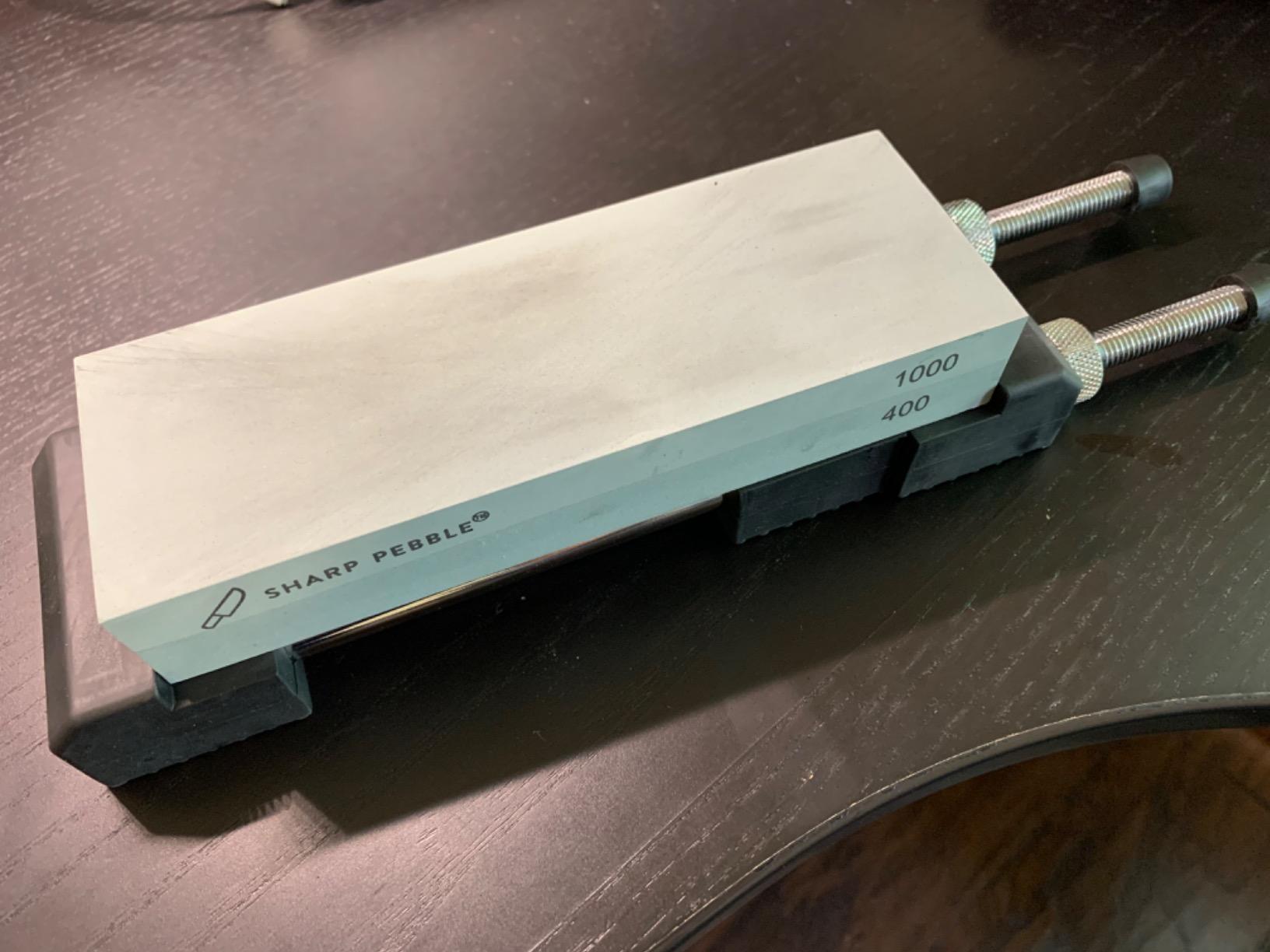
This is the holder our team leaned on most during six weeks of testing, and it is the one we put in front of anyone who asks for a single recommendation. The body is solid rubber rather than a plastic frame with rubber feet, and that difference shows the moment a wet stone sits on it. Nothing shifted, and the two ridged knobs clamp the stone without leaving marks on the edges.
The adjustment runs from 5-1/2 inches to 9 inches, which covers nearly every stone a home sharpener will own, from small diamond plates to a full 8 inch waterstone. Reviewers consistently note the same two strengths: a grip that stays secure, and chrome-plated arms that hold up around water and slurry. The rating distribution backs that up, with 83 percent of reviews at five stars across more than 2k ratings.
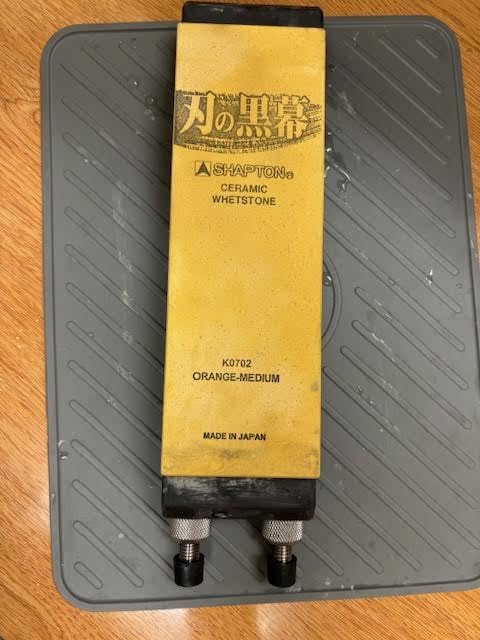
Where it does less well is containment. Water runs off the stone and onto whatever is below, and the rubber body is not a basin. Pair it with the silicone tray further down if your counter is wood, or sharpen over the sink. A towel underneath works for a quick session, but it saturates after a few passes and the stone starts to rock again.
Stone sizes and materials you should know before buying
The rubber body grips by compression, so a stone with a slightly rounded or chamfered end sits more securely than a perfectly square one. Chromed arms are the only part that sees water, and a rinse and a wipe after each session is enough to keep them clean.
At 12 by 3.5 by 1.5 inches and 1.1 pounds, it is compact enough for a small drawer and heavy enough to stay planted. If your stone is longer than 9 inches, or if you sharpen over a sink regularly, look at the sink bridge option instead.
Who should skip it
Skip it if you work on 10 inch or 12 inch stones, or if you want one product to handle both wet and messy workflows with nothing else on the counter. The 9 inch ceiling is the hard limit, and reviewers call it out as the main drawback.
It is also not a storage case. Stones left sitting on a rubber bed for weeks collect grit at the edges and can chip if knocked. Put them away between sessions, and keep a case on hand if you have more than one stone.
2. Steelex D1091 Sharpening Stone Holder: Heavy-Gauge Daily Driver
Steelex – D1091-BRK D1091 Sharpening Stone Holder, 1.5 pounds, black
Zinc-plated steel body
Rubber base, no slip
Adjusts 5-1/2 to 9 inches
Pros
- Long-established design with a large review base
- Plated steel parts tolerate water and slurry
- Same 5-1/2 to 9 inch range as the leaders
Cons
- Lowest average rating here at 4.4
- Older adjustment mechanism feels less refined
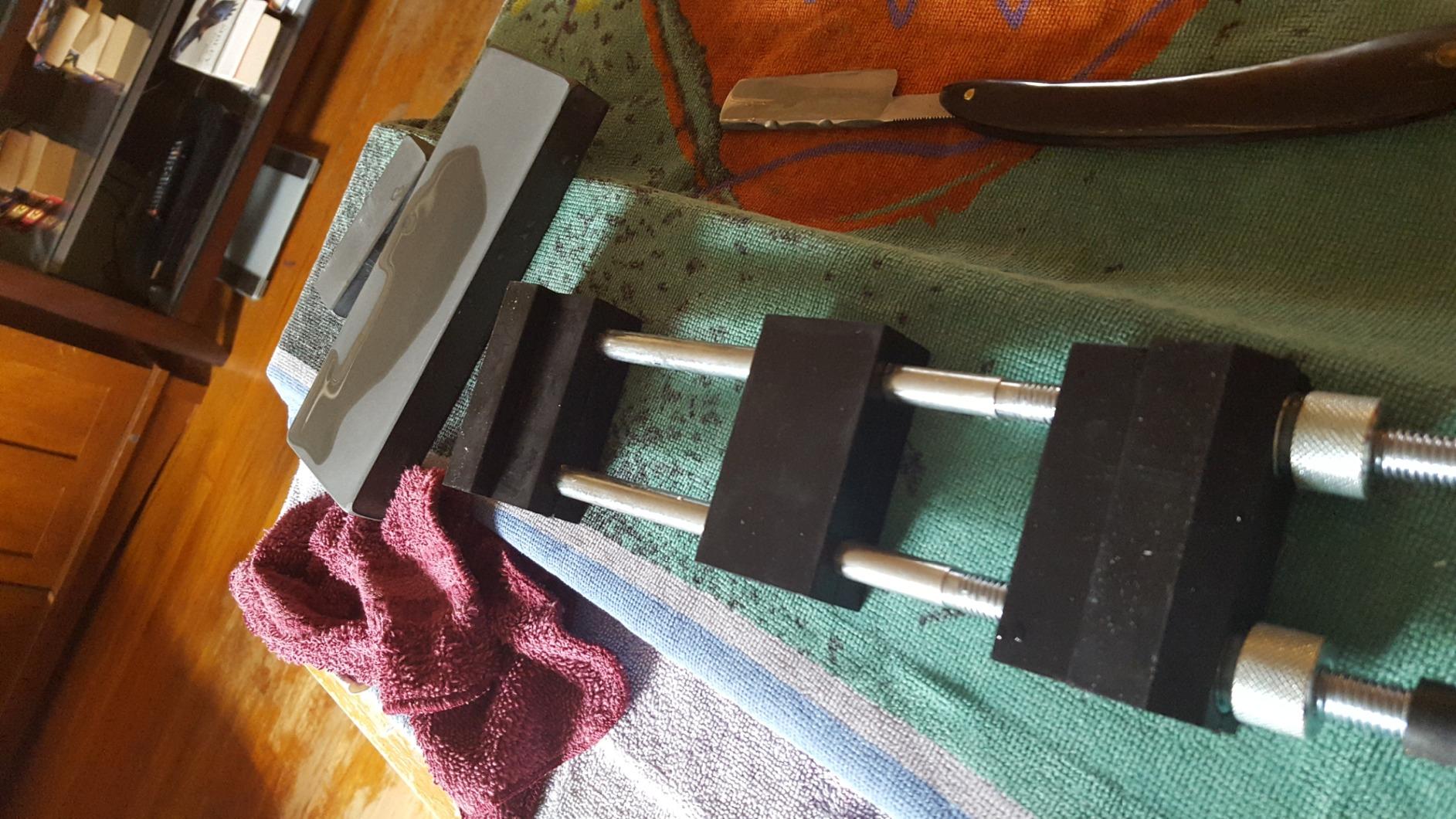
The Steelex D1091 has been around long enough that most sharpeners have handled one. That is not a criticism so much as a description: it is the benchmark traditional rubber-and-steel holder, and it does the fundamentals without fuss. The rubber base grips wet and dry surfaces, and the adjustment covers the same 5-1/2 to 9 inch window as the POWERTEC.
Where it differs is the build. The frame is plated steel rather than a moulded rubber body, which gives it a firmer, more mechanical feel and a 1.5 pound weight that helps on a wet counter. Zinc plating is what keeps it from staining around a waterstone, and reviewers confirm the plating holds up as long as you rinse it.
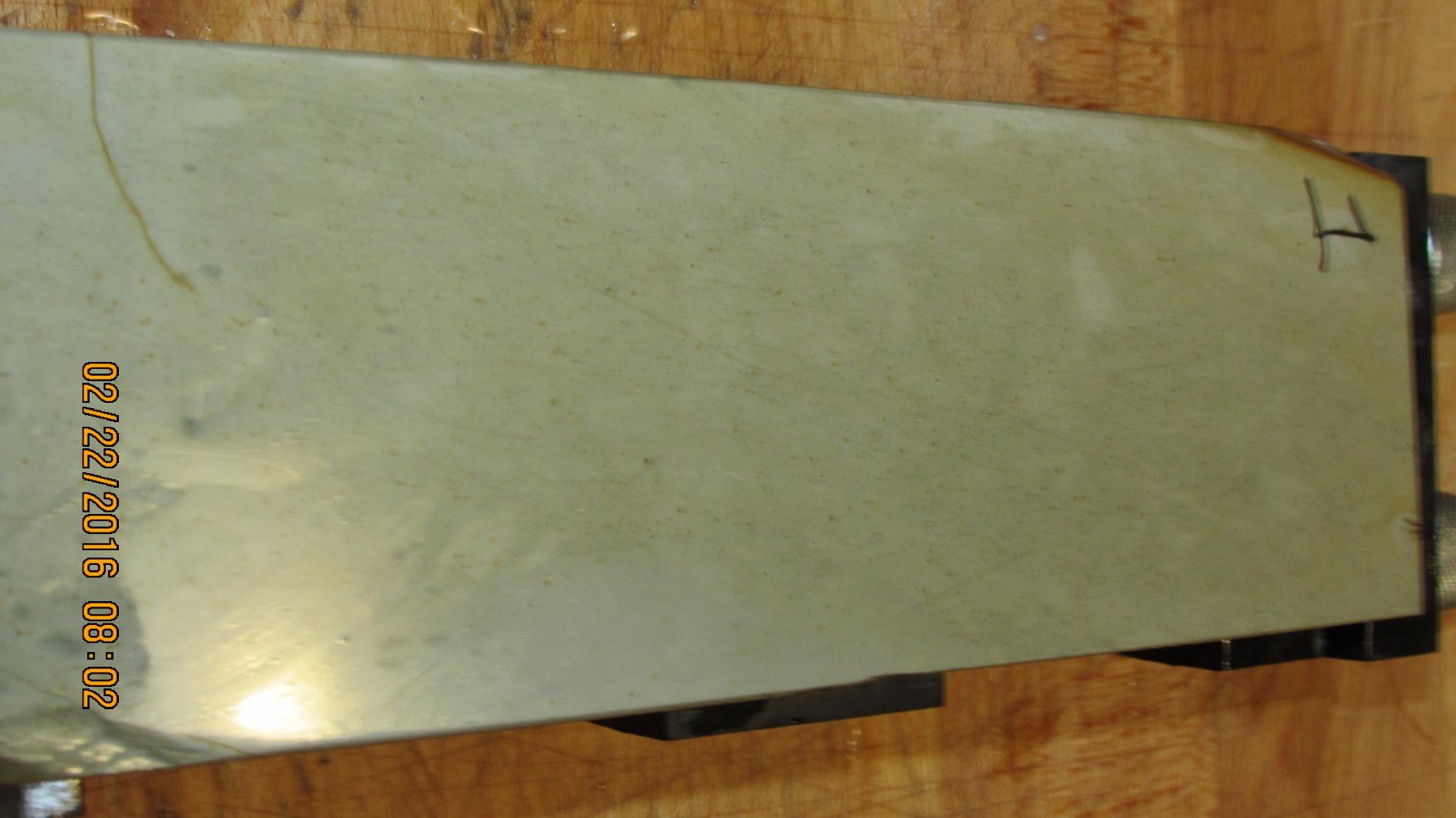
Our honest note is on consistency of feedback. Its 4.4 average is the second lowest in this group, and the star distribution shows a wider spread than newer designs, with 4 percent of ratings at one star. The complaints cluster around the adjustment mechanism, which reviewers describe as functional but less refined than a rubber body with ridged knobs.
It is also a countertop base, not a bridge. Slurry will find your work surface unless you work over a tray or a folded towel. Several people on sharpening forums pair this style of holder with a plastic hotel pan for exactly that reason.
Who this suits and who should pass
Choose it if you want a traditional, serviceable design and you already sharpen on a dry or well-controlled surface. The metal frame shrugs off knocks better than a plastic body, which matters if the holder lives in a garage or a workshop.
Pass if you are starting from scratch and want the smoothest possible setup. Newer designs in the same size class offer a firmer grip and a better base, and a mat underneath is effectively required on a wet or polished counter.
3. SCOTTCHEN Sink Bridge Whetstone Holder: Runs Over the Sink
SCOTTCHEN 17-3/4” Sink Bridge Whetstone Holder – Heavy Duty 304 Stainless Steel Sharpening Stone Base for Kitchen Sink – Adjustable Non-Slip Rubber, Rust-Proof Fits Stones 3-1/4″ to 14-1/4″
Spans a sink basin
Adjusts 3-1/4 to 14-1/4 inches
304 stainless steel and rubber ends
Pros
- Widest size range of any holder here
- Sends water and slurry straight down the drain
- Raised height gives real knuckle clearance
- Rubberized ends protect the sink
Cons
- Requires measuring your sink before buying
- Useless without a compatible basin
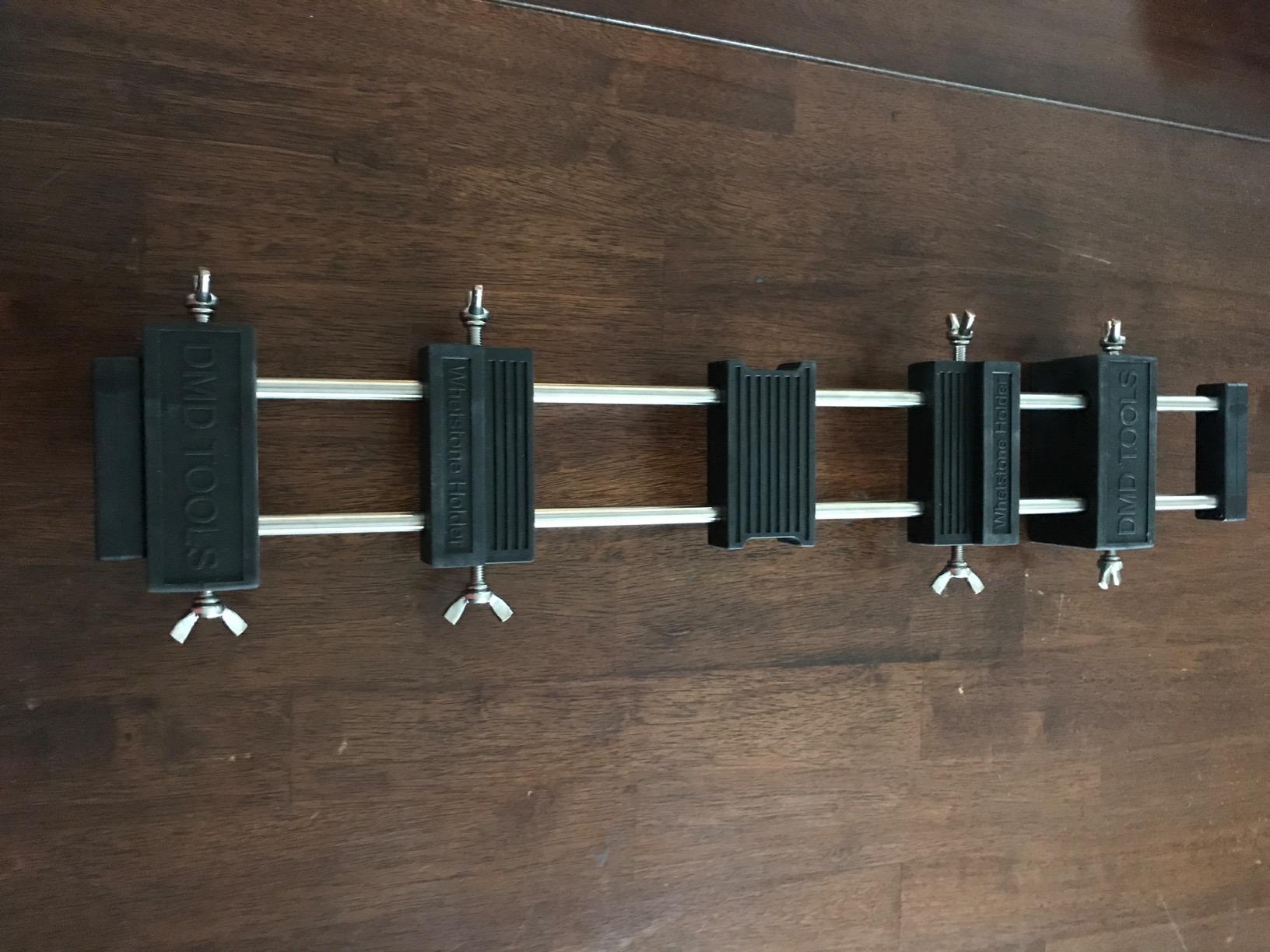
Wet sharpening is messy by definition, and this holder solves the mess rather than the grip. It spans the sink on two solid 304 stainless steel poles, holds the stone above the rim, and lets everything run into the drain. No towel, no tray, no wiping slurry off a wooden table afterwards.
The adjustment range is the real headline. It takes stones from 3-1/4 inches to 14-1/4 inches, which is far wider than anything else we tested and means it handles small sharpening plates and genuinely large stones in the same frame. Buyers frame it the same way in reviews: this is the mess-free option, and the sizing is the main thing to check.
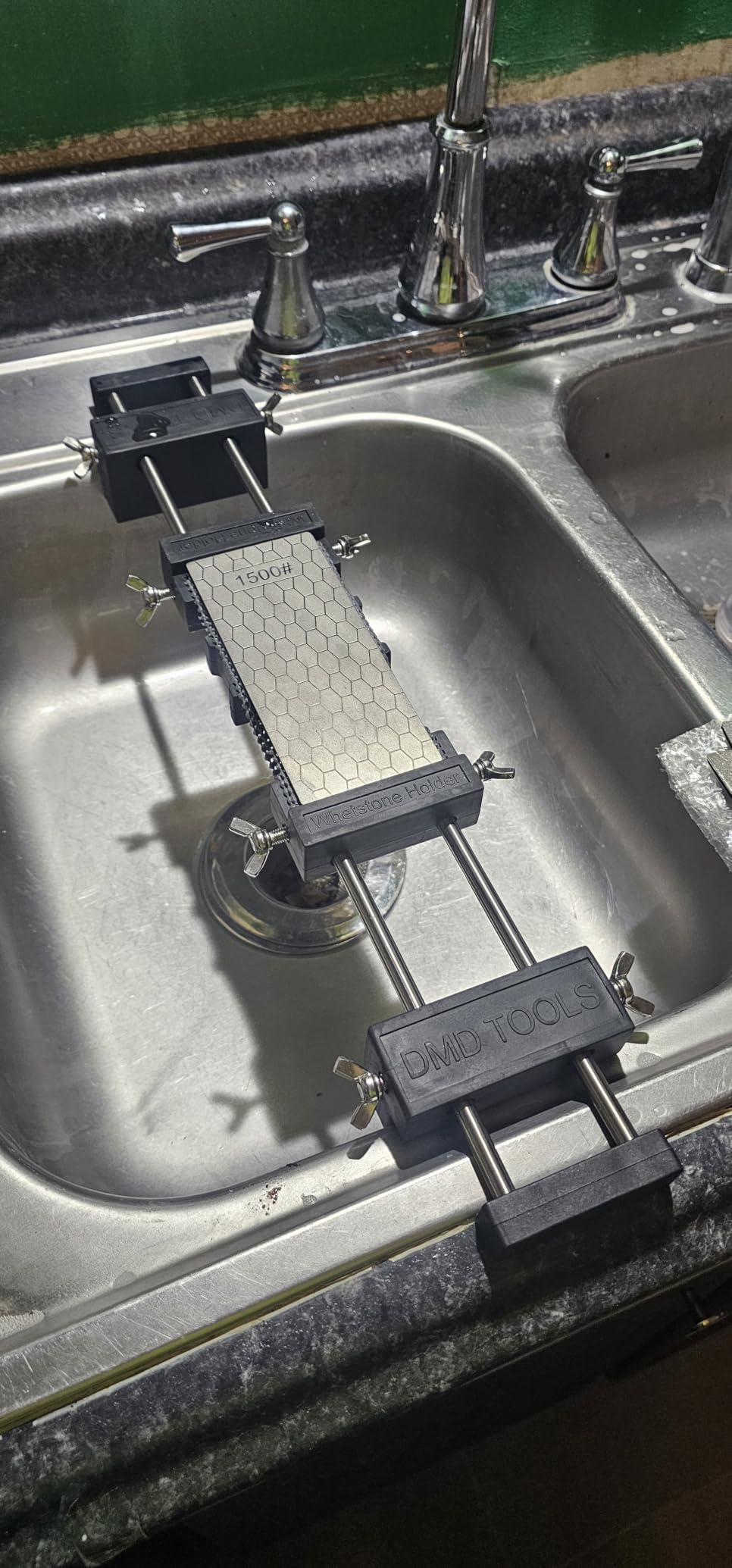
Measure before you commit. The basin needs to be at least 6-3/4 inches and no more than 17-3/4 inches wide, and that is a real limit in compact kitchens. Anyone sharpening on a small apartment sink, on a workbench, or away from plumbing should skip this one entirely, which is exactly the complaint that shows up most often in the reviews.
The height is the underrated part. Raising the stone above the sink rim means your off hand has somewhere to go that is not the stone itself, and the knuckle clearance is markedly better than a flat mat. It is the clearest example on this list of why working height is a safety feature and not a comfort extra.
Before you buy, check these two things
First, basin width. If your sink falls outside that range, this holder is a wasted purchase no matter how well it performs. Second, stone thickness. Very thin plates can flex slightly between the poles, so check the adjustable range against both the length and the depth of your stones.
The stainless poles are the components to rinse afterwards. Water sitting in the joint between pole and rubber end is where corrosion starts, and a quick wipe after each session keeps the rubber ends from staining your sink.
Who should skip it
Skip it if you sharpen away from a sink, which for many people means a table in a small kitchen or a bench in a workshop. There is no floor mode and no counter mode; the design only works spanning a basin.
Also skip it if you have already solved runoff with a tray you like. A tray costs less, takes up less space, and works anywhere, while this one is tied to a single fixture. What you gain in exchange is a genuinely clean workflow and a raised working height that no tray can match.
4. Kota Japan Stainless Steel Whetstone Holder: Compact Fit for 6 to 8.5 Inch Stones
Kota Japan Stainless Steel Whetstone Holder, Non-Slip, Fits 6-8.5 in Stones
Stainless steel body
Fits 6 to 8.5 inch stones
Non-skid rubber base
Pros
- Stainless steel outlasts plastic and plated bodies
- Non-skid base holds on wet counters
- Steady platform for repeatable angles
Cons
- Narrower fit range at 6 to 8.5 inches
- 10 and 12 inch stones will not fit
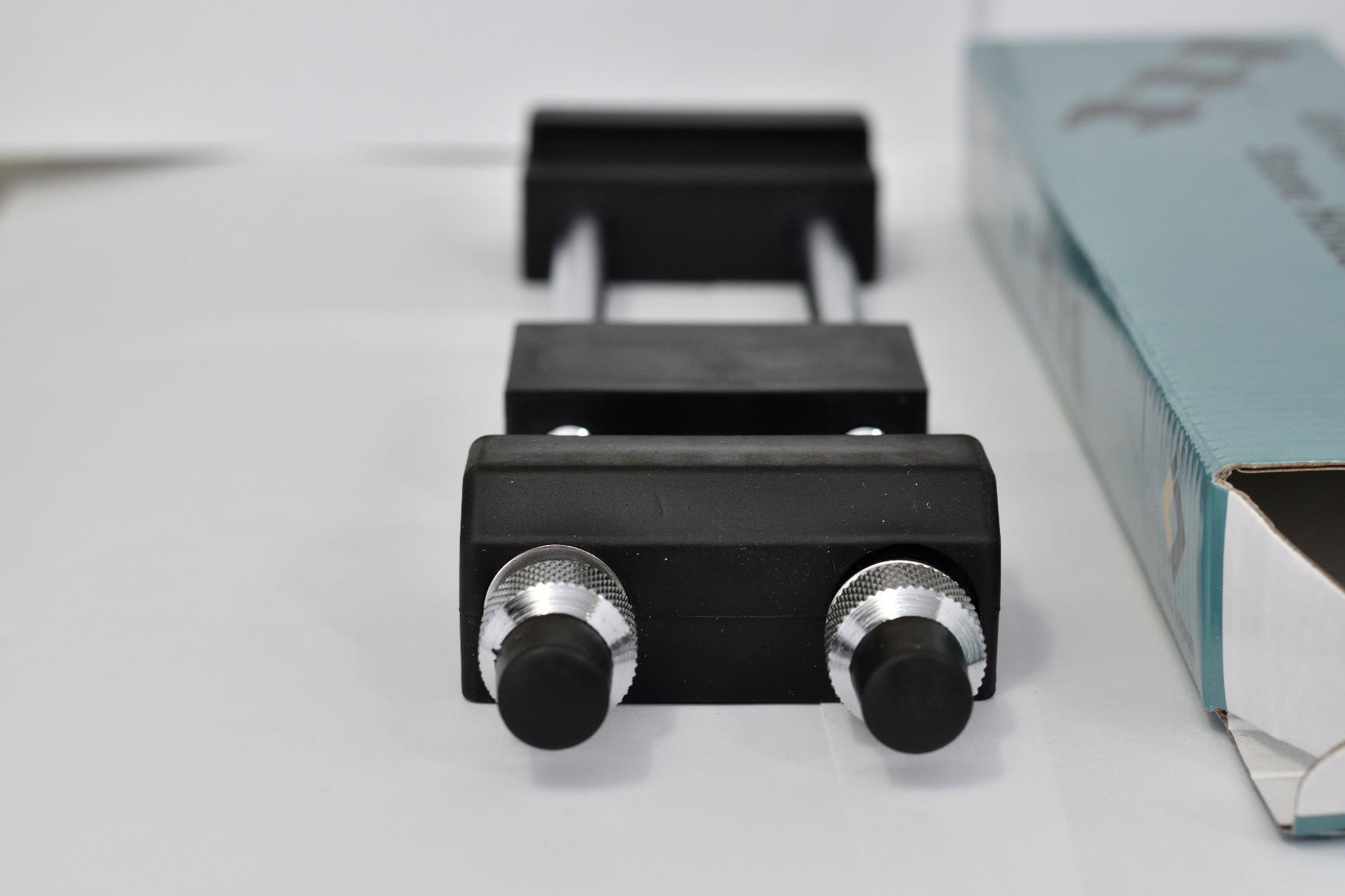
This is the middle of the size spectrum, and for a lot of people that is exactly right. The Kota Japan holder fits stones from 6 to 8.5 inches, which covers the standard 6, 7 and 8 inch waterstones most sharpening kits ship with, including common Japanese stone formats.
The body is stainless steel rather than plated steel, and reviewers single that out as the reason the holder outlasts cheaper competitors. It weighs 1.3 pounds, which is enough to stay planted, and the non-skid rubber base holds on both wet and dry counters. The heavy duty support is what reduces wobble, which in turn keeps your angle consistent.
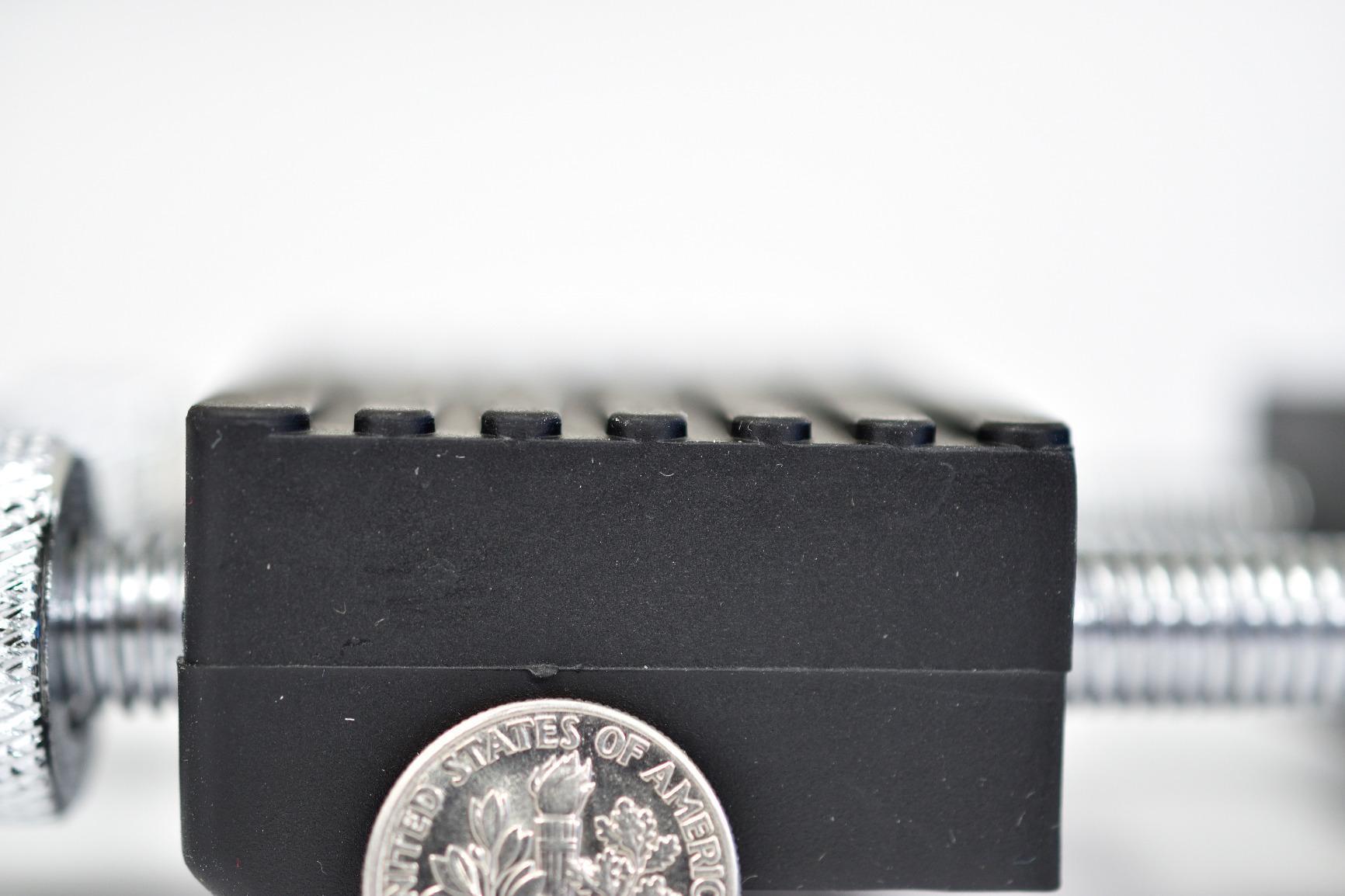
Our testing note is that the raised support makes a bigger difference than the material does. Wobble at the corners is what ruins consistency, and a solid frame across the stone length solved that here. If you have ever had a thin stone flex under a hard pull, that is the feature to look for in any holder.
The compromise is width of fit. 6 to 8.5 inches will not take a 5 inch sharpening plate, and it will not take a 10 or 12 inch stone. Measure your collection before choosing, because the adjustment is smooth but the window is fixed.
Stone compatibility and care
Rust is the main reason to prefer stainless over plating, and it matters most in a waterstone workflow where the holder sits in standing water. This one has no coating to wear through, so a rinse and a dry is all the maintenance it asks for.
Because the base is rubber and the frame is steel, check the frame ends for standing water after each session. The rubber base also marks some polished stone countertops very slightly, so put a mat under it if you care about the finish.
Who should skip it
Skip it if you own a mix of sizes that stretches past 8.5 inches, or if you want one holder to double as a sink bridge. It is a sturdy countertop base, and that is the whole design.
It is also worth skipping if you never use water. A dry stone on a rubber mat is a solved problem for a fraction of the effort, and a full clamp gives you no advantage in that workflow.
5. DMT B8250 DuoBase: Bench Base With the Most Knuckle Clearance
DMT B8250 DuoSharp DuoBase – bench stone base
Bench base for 6 x 2 inch stones
2 inch knuckle clearance
Underside carry handle
Pros
- 2 inch clearance is the tallest working height we tested
- Underside handle lets you move the stone over a workpiece for flattening
- Two units let you keep coarse and fine loaded
Cons
- Lowest rating in the group at 4.2
- Light plastic body can slide on a smooth counter
- Needs the Magna-Base adapter for Dia-Sharp stones
The DMT DuoBase is a specialist. It is not a general kitchen holder, it is a bench base for 6 by 2 inch DuoSharp bench stones, and its standout feature is height. The 2 inch knuckle clearance is the tallest working height we measured, which makes it genuinely useful when you are working on a large workpiece, a blade spine, or a chisel where hand position is cramped.
The handle underneath is the other idea worth stealing. It lets you slide the stone over a large workpiece while sharpening, which is what you need to flatten the back of a blade or a chisel without picking the whole thing up. The rubber offsets clip to the feet and the stone end stops to keep things fixed.
Fit is the problem. The recess is shorter than some 6 by 2 inch stones, even ones the listing claims to accept, and Dia-Sharp stones need the separate Magna-Base adapter. Owners also report that the light plastic body, at 6.2 ounces, will slide on a smooth kitchen counter unless you add weight or a mat underneath.
What it is genuinely good at
Two of these side by side means a coarse stone and a fine stone both stay loaded, which is a nicer workflow than swapping plates on a clamp every session. For someone who sharpens chisels or hand tools on a bench, that alone justifies the footprint.
It is also the lightest thing here that still gives a real raised platform, so it travels well between a workbench and a table. Just confirm your stone dimensions, because the tolerance is tighter than the 6 by 2 inch label suggests.
Who should skip it
Skip it for kitchen knives on a wet counter. There is no runoff control, no water basin, and a light base that moves on a wet surface is the opposite of what safe wet sharpening needs. Its 4.2 average is the lowest in this group for good reason.
Also skip it if you own Dia-Sharp plates. Without the adapter you will spend the session fighting a fit that was never meant to work, and you are better off with a rubber or stainless base elsewhere in this list.
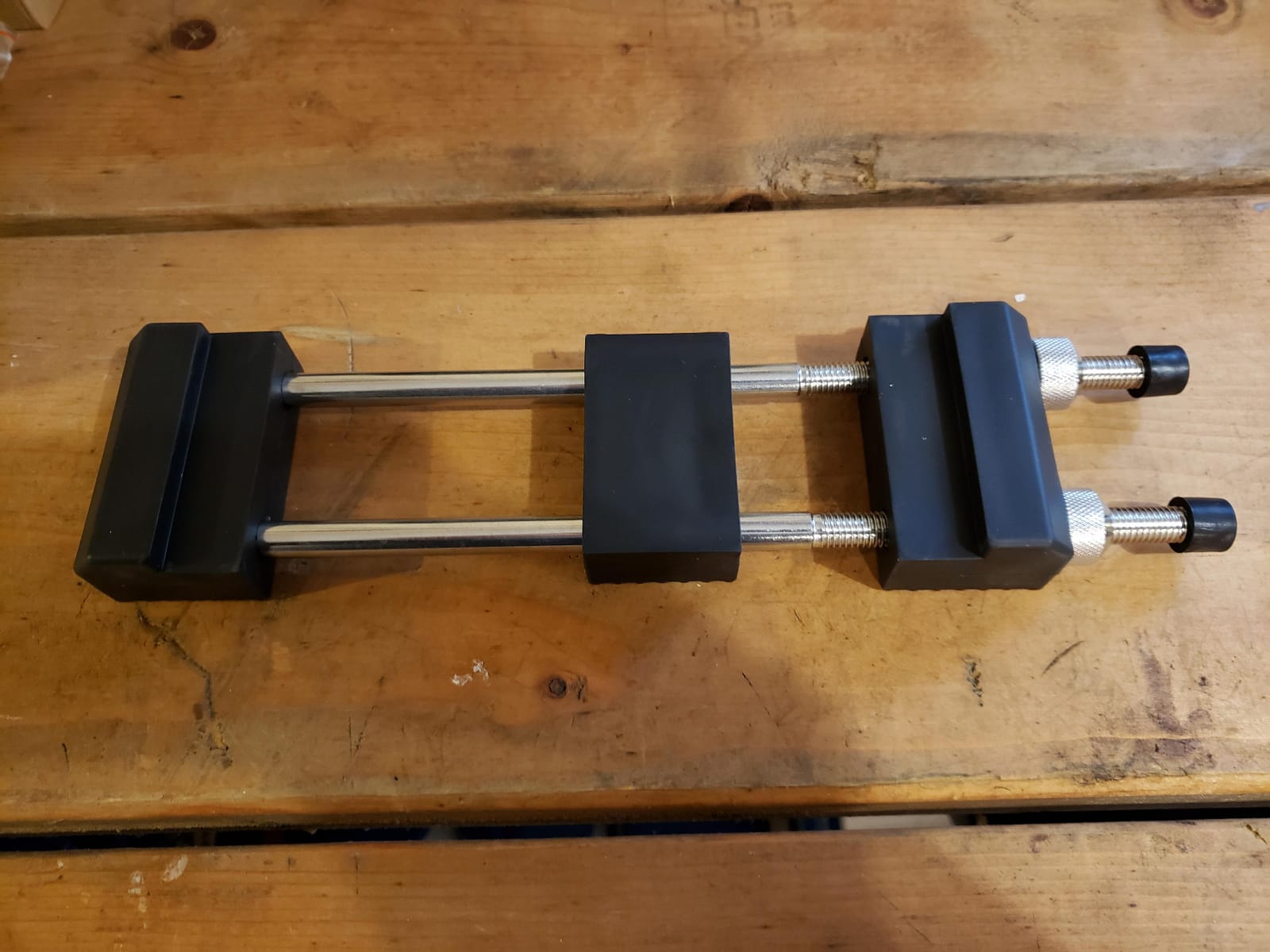
6. DMD 1012 Adjustable Holder: All-in-One Kit With Angle Guides
DMD Adjustable Diamond Sharpening Stone Holder
Adjusts 5-13/16 to 8 inches
Stainless frame with rubber blocks
Includes three angle guides
Pros
- Bundles a 400/1000 diamond stone and three angle guides
- Solid weight keeps the setup planted
- Adjustable jaws also hold plates from other makers
Cons
- Adjustment tops out at 8 inches
- Underside rubber could be softer and still creeps on some surfaces
Most holders are sold alone. This one arrives as a working setup, because the package includes the holder, a 400/1000 grit diamond stone, and three angle guides for long, short and triangle profiles. If you are starting from nothing and want a stable base plus a stone plus a way to hold your angle, this is the shortest path.
The frame is stainless steel with solid rubber support blocks and threaded adjustment screws, running from 5-13/16 inches to 8 inches. At 1.4 pounds it has real heft, and that weight is the difference between a base that stays put and one that creeps. Overall dimensions of 11-7/16 by 2-13/16 by 1-3/16 inches keep the footprint narrow on a crowded counter.
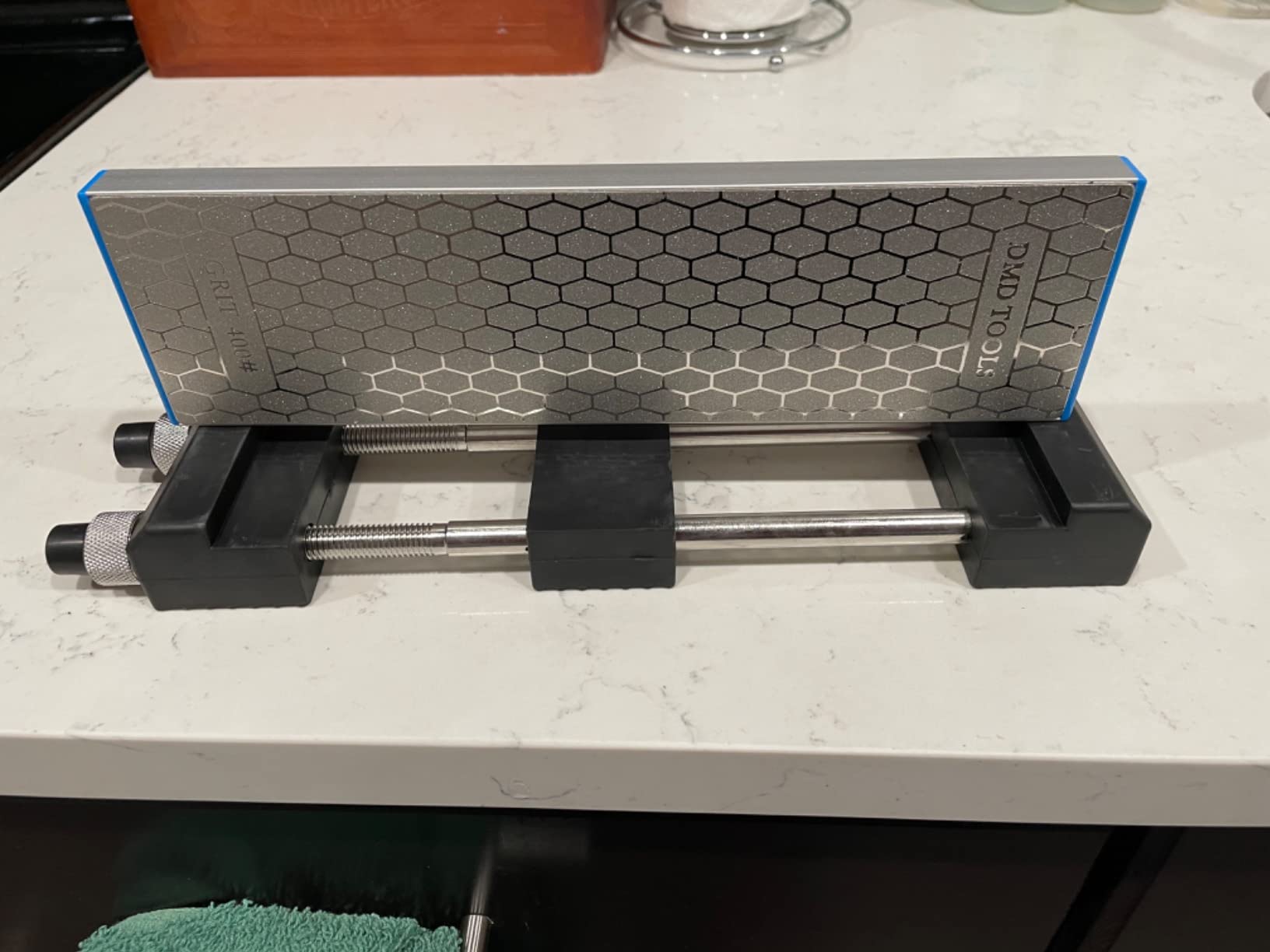
The design intent is clear from the specifications: a flat, dry tabletop or workbench base, not a sink bridge. The angle guides are the quiet advantage, because consistent angle is the other half of safe sharpening once the stone itself has stopped moving.
The recurring request in the reviews is softer rubber on the underside. Owners like the value and the grip on most surfaces, but a few note it still creeps on smooth or polished tops, and on a wet counter you will want a mat or tray underneath.
Who this is for
Pick this if you want one purchase that gives you a holder, a usable stone, and angle control without a second box. It is also a good fit if you work on a bench rather than at a sink, since the whole design assumes a dry, flat surface.
Skip it if your stones run long. Eight inches is a shorter ceiling than most competitors here, and if you already own a 10 or 12 inch stone this will not hold it.
7. SHARPAL 149H Silicone Tray: Best Runoff Control on a Dry Counter
SHARPAL 149H Sharpen-No-Mess Silicone Sharpening Stone & Whetstone Tray
17 x 14 inch silicone tray
800 mL water and debris capacity
Basket handles and stopper bar
Pros
- Captures water
- slurry and filings so the counter stays dry
- Anti-slip texture plus a stopper bar holds an oil stone in place
- Large surface handles several stones at once
- Rolls up for storage and hangs to dry
Cons
- Soft silicone can be punctured by a sharp blade or dropped stone
- Low lip lets water escape when tilted
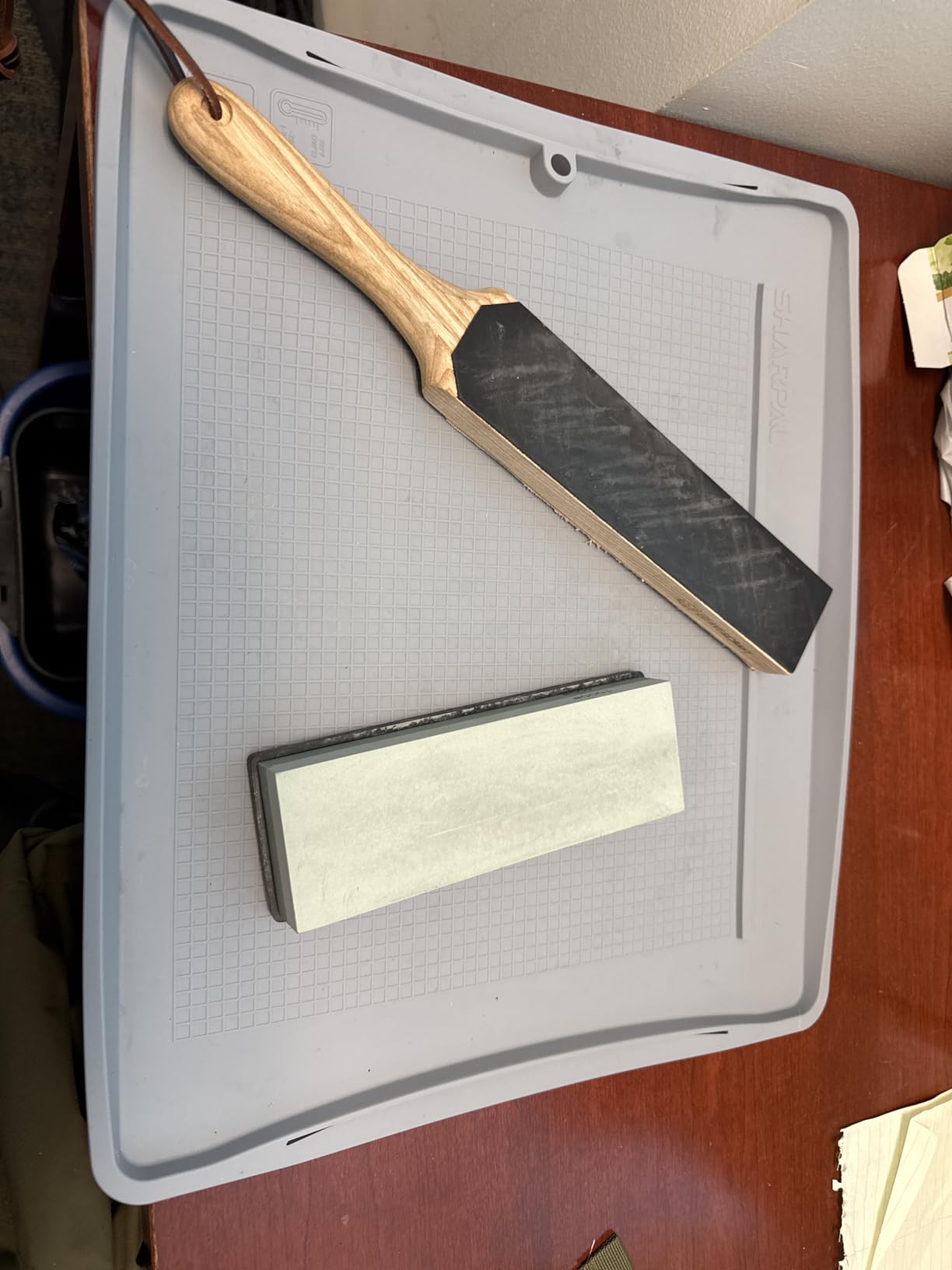
This is a different category of product and it solves a different problem. The SHARPAL 149H does not clamp a stone, it catches everything the stone throws off. At 17 by 14 inches with 800 mL of capacity, it holds the water, slurry and metal filings that a normal stone session sends across a worktop.
The anti-slip textures work on both levels. They stop the tray sliding under the stone, and the stopper bar pins an oil stone in place so it does not wander. Basket-style handles let you lift the whole tray and empty it without a spill, which is a small detail that matters more than it sounds once you have done it the hard way.
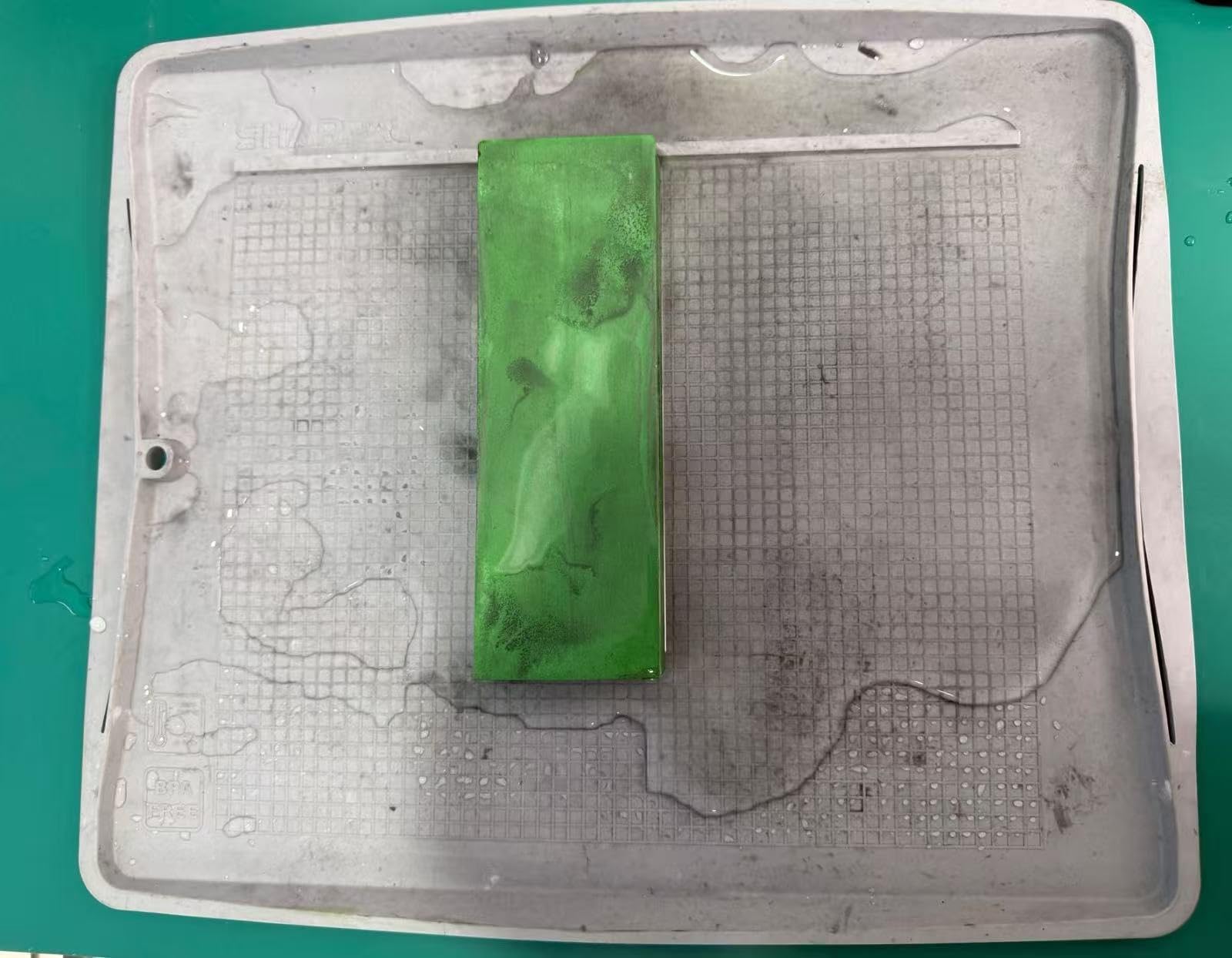
Material choice is why it doubles as storage. BPA-free silicone rated from 392F down to minus 22F rolls up for a drawer and has a hanging hole for wall storage, so the tray is the same object that dries the workspace and the one that stores flat when you are done. It weighs 320 grams, which is easy to move one-handed.
Our caveat is durability. Silicone of this thickness will not survive a dropped stone or a knife tip dragged across it, and the low lip means water escapes if you tip the tray to empty it. Owners report the puncturing issue more than any other.
How to use it with a holder
The best setups pair one of the clamps on this list with this tray underneath. The clamp keeps the stone immobile, the tray keeps your work surface dry, and the two solve separate problems. That combination is what we use on a wooden counter.
On its own, the tray also works as a dry sharpening surface for oil stones, which do not produce much slurry and do not need a full basin. Just do not expect a rubber mat level of grip from a flat silicone sheet.
Who should skip it
Skip it if you work over a sink already, since the bridge options handle runoff at the source. Also skip it if your sharpening area takes heavy traffic, because a punctured tray is a replacement, not a repair.
It is not a stone holder in the clamp sense, so anyone whose main problem is a moving stone should start with a clamp rather than a tray.
8. S SATC Adjustable Holder: Stainless Frame for Diamond Stones
S SATC Sharpening Stone Holder,Adjustable 5-1/2 Inch to 9 Inch,Rubber Stainless Steel No-Slip Sharpening Stone Base for Diamond Stones
Stainless steel frame, rubber jaws
Adjusts 5-1/2 to 9 inches
Elevated stone height
Pros
- Uncoated stainless resists rust better than plated holders
- Good heft keeps the base planted
- Rubber jaws grip without scratching the stone
Cons
- Must be rinsed and dried or the steel will spot
- Base can creep slightly on a smooth counter
- Overtightening risks cracking a thin stone
Diamond stones are the reason many people buy a clamp holder in the first place, because a monocrystalline plate is unforgiving of wobble and it does not need soaking. The S SATC holder was built for that workflow. The frame is uncoated stainless steel with round adjustment nuts, and the rubber jaws hold the stone at a height that exposes the full sharpening surface.
Adjustment covers 5-1/2 to 9 inches, which is a wide enough window for mixed collections, and the patterned non-slip base is designed to grip dry and wet surfaces. At 1.3 pounds and 11.42 by 2.76 by 2 inches, it is the tallest profile among the conventional clamps here, which improves hand clearance during long passes.
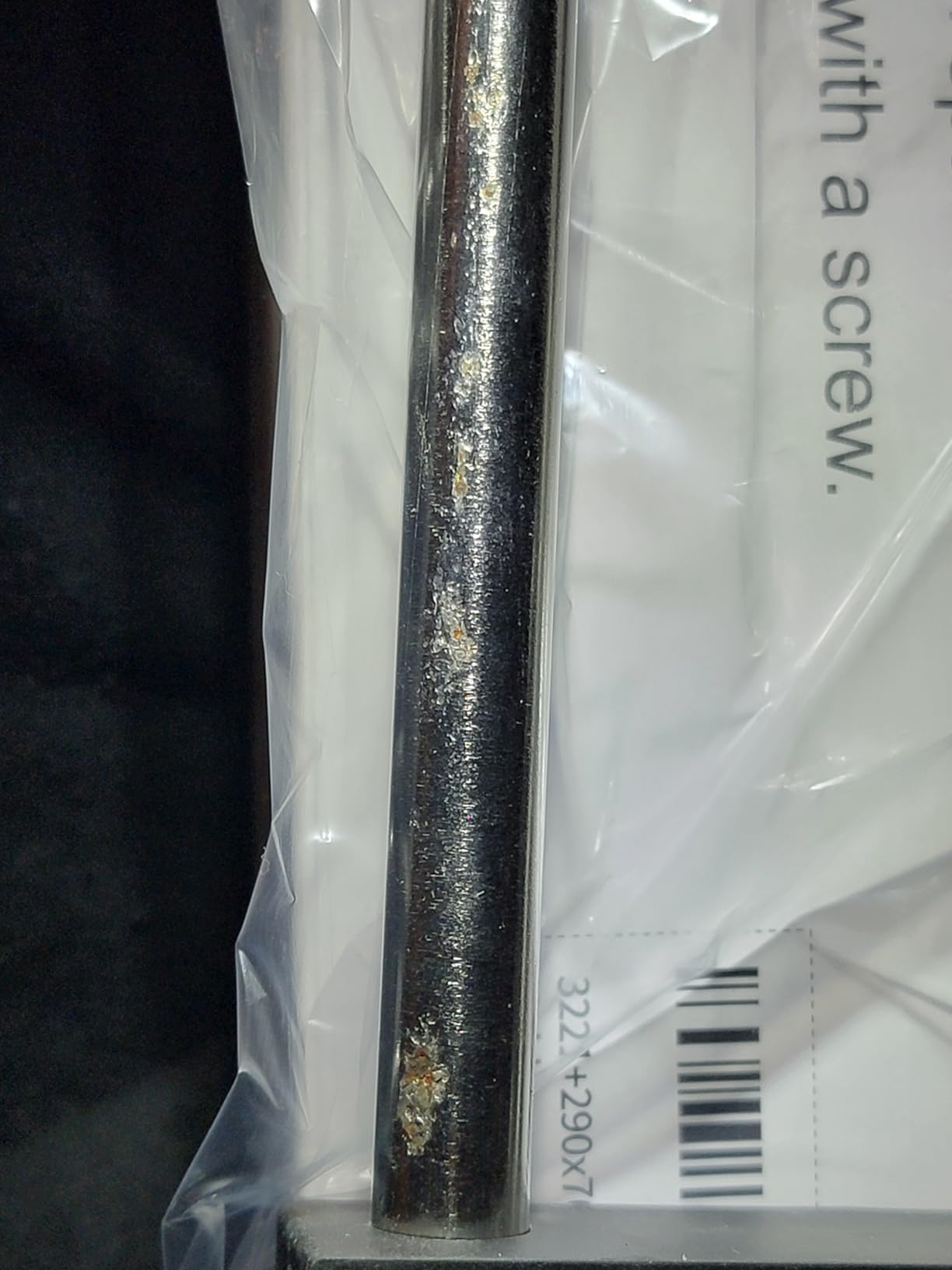
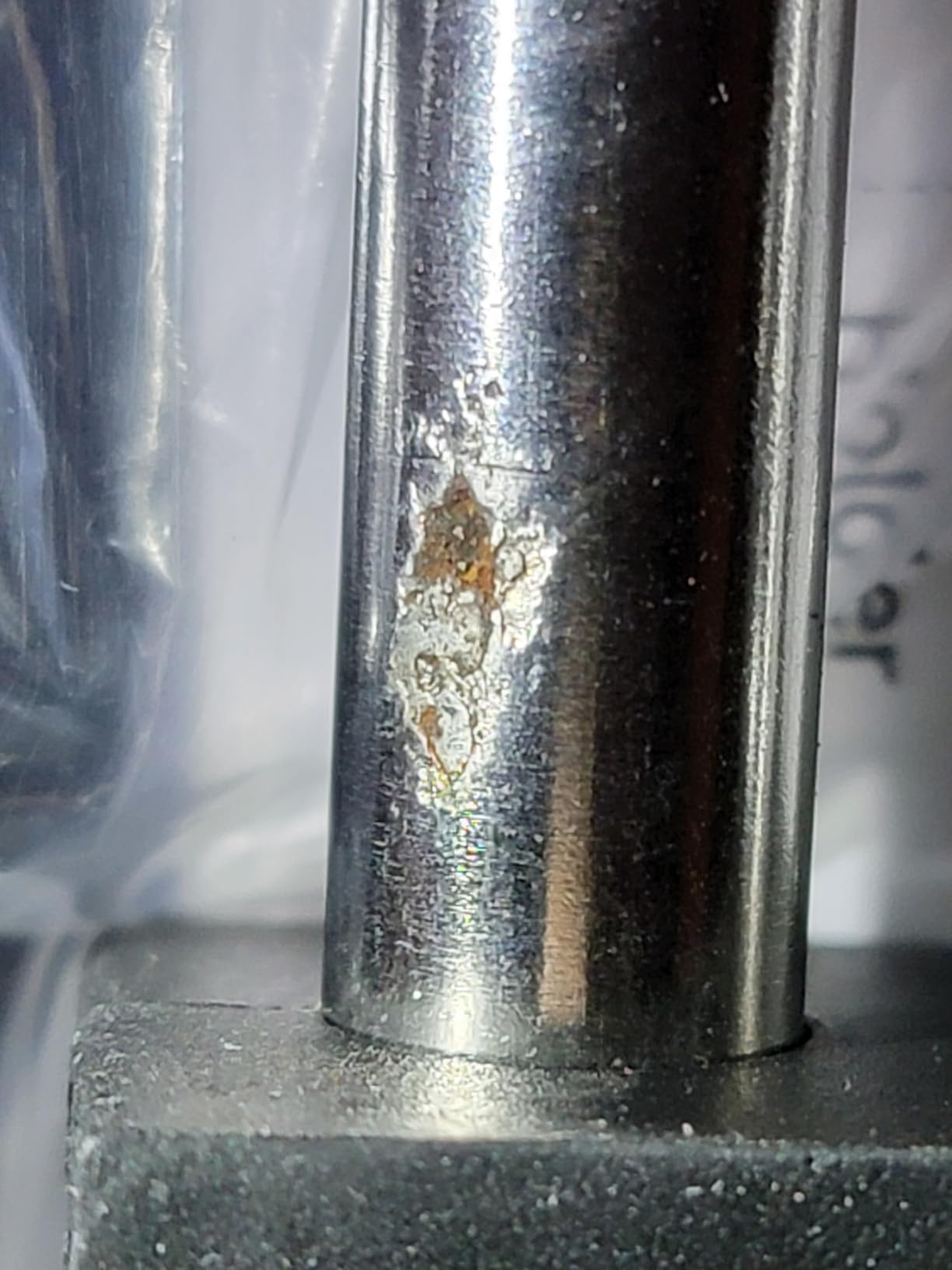
Uncoated stainless cuts both ways. It will not pit the way plating can, but it will spot and scum if you leave slurry sitting on it, and drying it after every wet session is not optional. That single maintenance habit is the most repeated note in the reviews, and it is the price of corrosion resistance.
Two smaller issues are worth knowing. The base can still creep on a very smooth counter, and overtightening the jaws risks cracking a thin plate or popping it out. Tighten until it is firm, not until it is maximum.
Best fit and best avoided
This is the one to pick if your main stones are diamond plates and you work at a bench or a dry counter. The full-surface exposure means you are not fighting the holder for access to the corners, which matters on small plates.
Avoid it in two situations. Do not use it as a sink bridge, since it is not designed to span a basin, and do not leave it wet overnight. A tray or a rinse is the whole maintenance routine.
9. SHARPAL 160H Two-Pack: Holder and Storage Case in One
SHARPAL 160H 2PCS 2-in-1 Whetstone and Sharpening Stone Holder&Storage Case
Two identical units in the pack
Accepts stones up to 7.95 x 2.95 x 1.1 inches
Textured rubber top, anti-skid base
Pros
- Holds a stone and stores it in the same box
- Two units keep coarse and fine loaded at once
- Transparent body shows contents at a glance
- Snap closure suits drawers
- toolboxes and travel
Cons
- Not a rigid clamping jig
- Thinner stones rattle without padding
- Sized for smaller plates so long DMT and Atoma plates will not fit
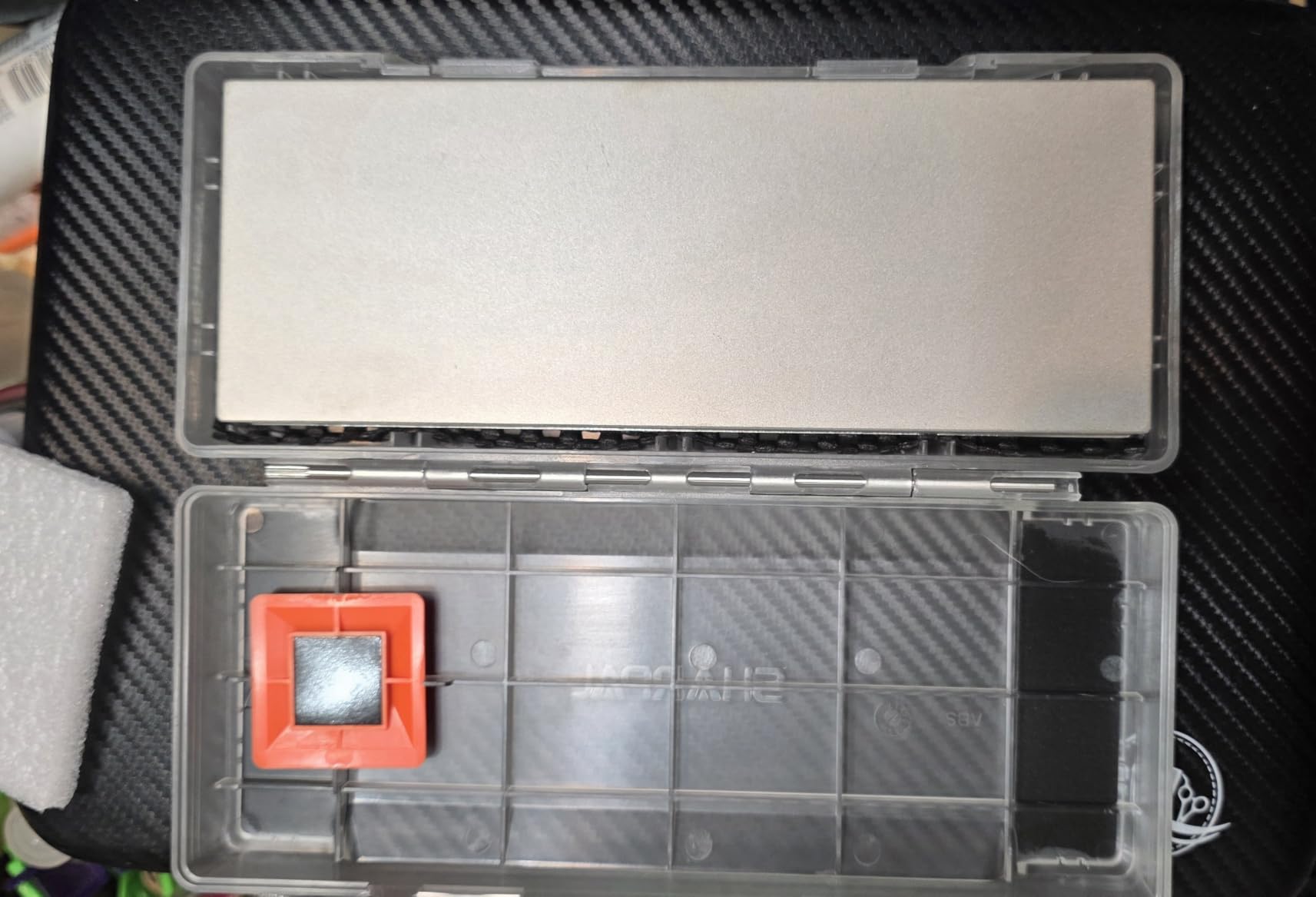
Two products in one idea. Each unit is a holder with a textured rubber top and an anti-skid base, and the lid snaps on to make it a protective case. That solves the problem nobody else on this list addresses, which is what happens to your stones between sessions. A stone left loose in a drawer chips. A waterstone left wet in a cold room cracks.
The fit limit is 7.95 by 2.95 by 1.1 inches, so it accepts whetstones, diamond plates, oil stones and leather strops within that envelope. It is also compatible with SHARPAL models 168H, 169H, 162N, 204N and 140H if you already own their stones. Angle guide cones snap into the lid for storage.
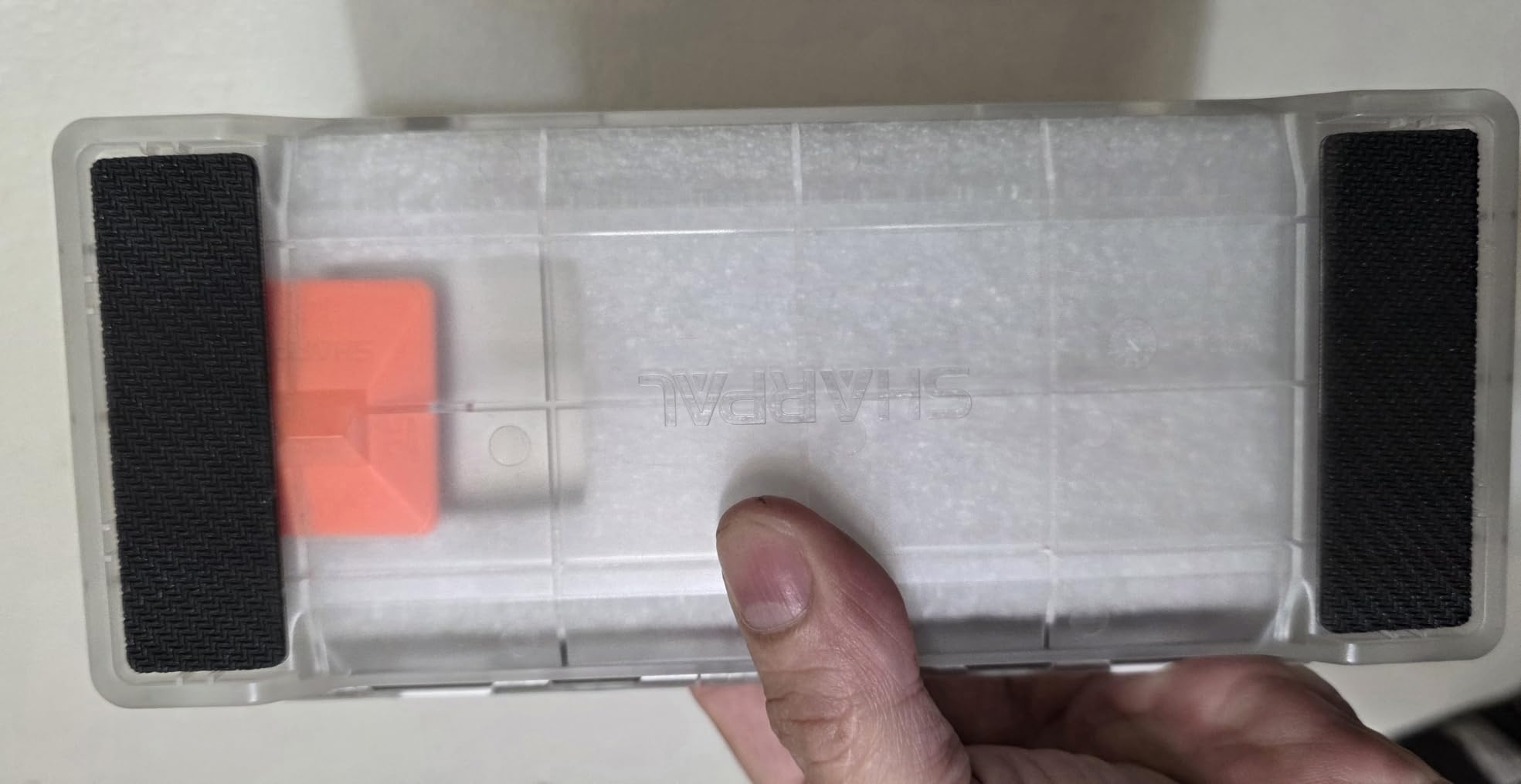
The honest limitation is that this is not a vise. There is no threaded adjustment and no clamping force, so a stone can still shift under a hard pull if you are aggressive. Several buyers say the right way to use it is as a holder that is good enough, plus a case that is genuinely useful, rather than as a precision jig.
Size is the other check. Plates like 3 by 8 inch DMT and Atoma formats are too long, and thinner plates rattle inside unless you add foam or a folded towel. The snap latches are also stiff for the first few openings.
Why storage belongs in this guide
Stone damage is a safety issue as much as an inconvenience. A chipped edge on a waterstone is a catch point that grabs a blade mid-stroke, and a dropped stone is a foot hazard in a small kitchen. A case that lives next to the holder removes the temptation to leave stones loose.
The transparent body means you can check what is loaded without opening anything, which matters when you have a progression of grits and want to keep them labelled and separate.
Who should skip it
Skip it if you need clamp force. Users with single-bevel Japanese knives or heavy thick stones want a rigid grip, and this box will not deliver that. It is also too small for the larger plates in a serious collection.
Buy it if your real problem is that you have nowhere sensible to put the stones you already own.
10. Naniwa A-902 Stone Holder: Premium Stainless for Japanese Stones
Sharpening Stone Holder A-902 NANIWA
Stainless steel and rubber
Thin end stops, elevated profile
Firm easy clamping
Pros
- Solidest build and least rocking in our testing
- Real stainless steel never rusts in wet work
- Thin end stops expose more usable stone surface
- Taller profile gives good knuckle clearance
Cons
- Highest cost in the group
- Japanese market sizing may not suit larger stones
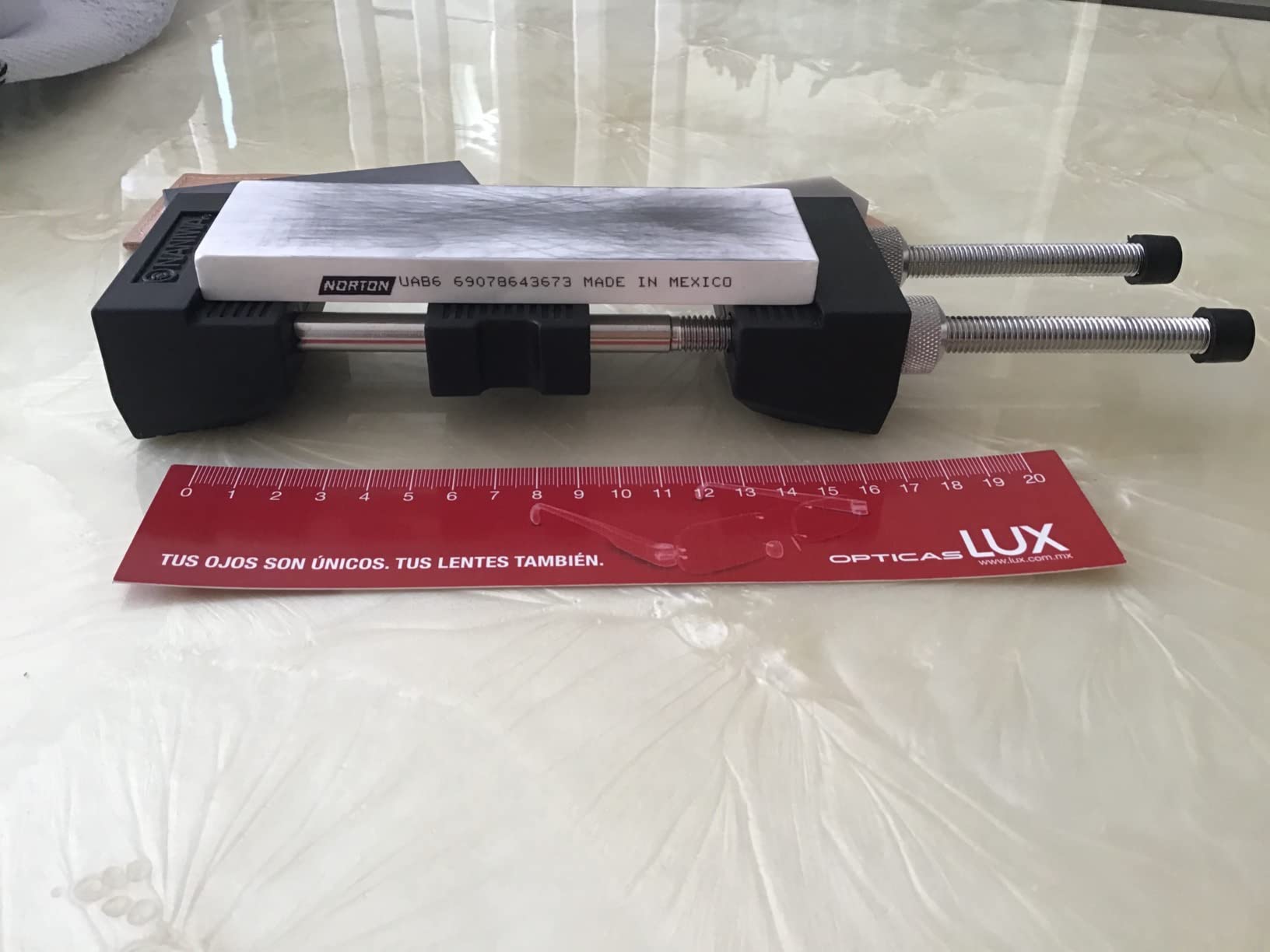
Of everything we tested, this is the one that felt the most substantial in the hand. The A-902 is a real stainless steel body with rubber end stops, and it rocked less than any other holder on the list during our passes. At 11.34 by 2.99 by 1.42 inches and 0.65 kg, the weight is where the stability comes from.
The detail that sharpens notice over time is the end stop thickness. The rubber stops measure roughly 3 mm, which is minimal coverage, so more of the stone length stays available for use compared with holders whose jaws cover a wide band. The taller profile also gives more knuckle clearance than most conventional clamps.
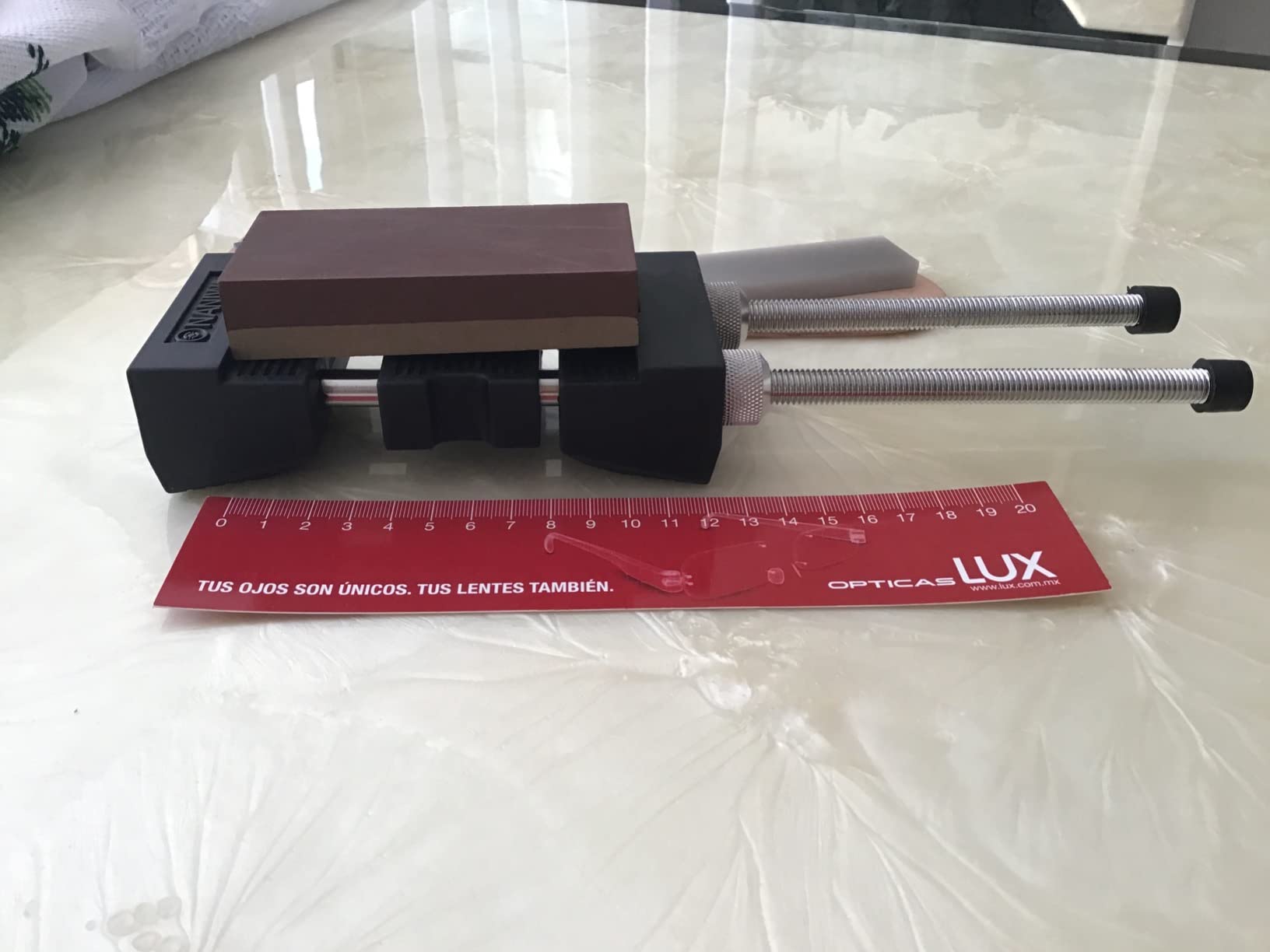
Clamping is firm without being aggressive, and stones did not pop out during normal use. The 82 percent five-star share in the ratings reflects the same thing owners write about: a premium option that justifies itself through stainless construction and minimal obstruction of the stone.
Two cautions. It sits at the top of the price range for a holder, and it is designed around the 21 by 7 cm stone format common in the Japanese market. If you own wide plates or oversized stones, check dimensions before committing, and see our Japanese knife stone guide for the stones it suits best.
Why it suits single-bevel knives
Owners of long, thin single-bevel Japanese knives are cautious about clamp tension for good reason. Too much pressure on a thin stone, or on a stone with a fragile edge, can chip it. The A-902 clamps evenly and releases cleanly, which is the behaviour you want when the knife is doing most of the work.
It is also the holder most often recommended to people working through a full Japanese stone progression, because it never rusts and it leaves the stone surface unobstructed. If that is your setup, this is the one to buy once.
Who should skip it
Skip it if you sharpen a couple of knives a year on a dry counter. The stability benefit is real but modest for a small stone, and you would be paying for a build quality that your workflow will not use.
Also skip it if your stones fall outside the 21 by 7 cm format. A different adjustable design will serve you better than a beautiful holder that does not fit.
11. QWORK Universal Stone Holder: Budget Tier That Holds 4.7 Stars
QWORK Sharpening Stone Holder, Universal Sharpening Whetstone Holder, Adjustable from 5-1/2 to 9 Inches, No-Slip Sharpening Stone Base, for Various Whetstone, Oils Stone or Diamond Stones
Chrome-plated iron and silicone
Adjusts 5-1/2 to 9 inches
Central support block
Pros
- Lowest cost in the group with a 4.7 average rating
- Adjusts across 5-1/2 to 9 inches
- Flat stable platform for consistent passes
- Suits knives
- chisels and scissors
Cons
- Middle support block can slide
- Adjustment becomes tedious when swapping plates often
- Too short to bridge a sink
- Plated parts need drying after wet use
The QWORK holder is the value argument in this list, and it is a strong one. It carries a 4.7 average across 125 ratings, sits at the lowest cost of the twelve, and still gives you the full 5-1/2 to 9 inch adjustment with a central support block and adjustable end pads.
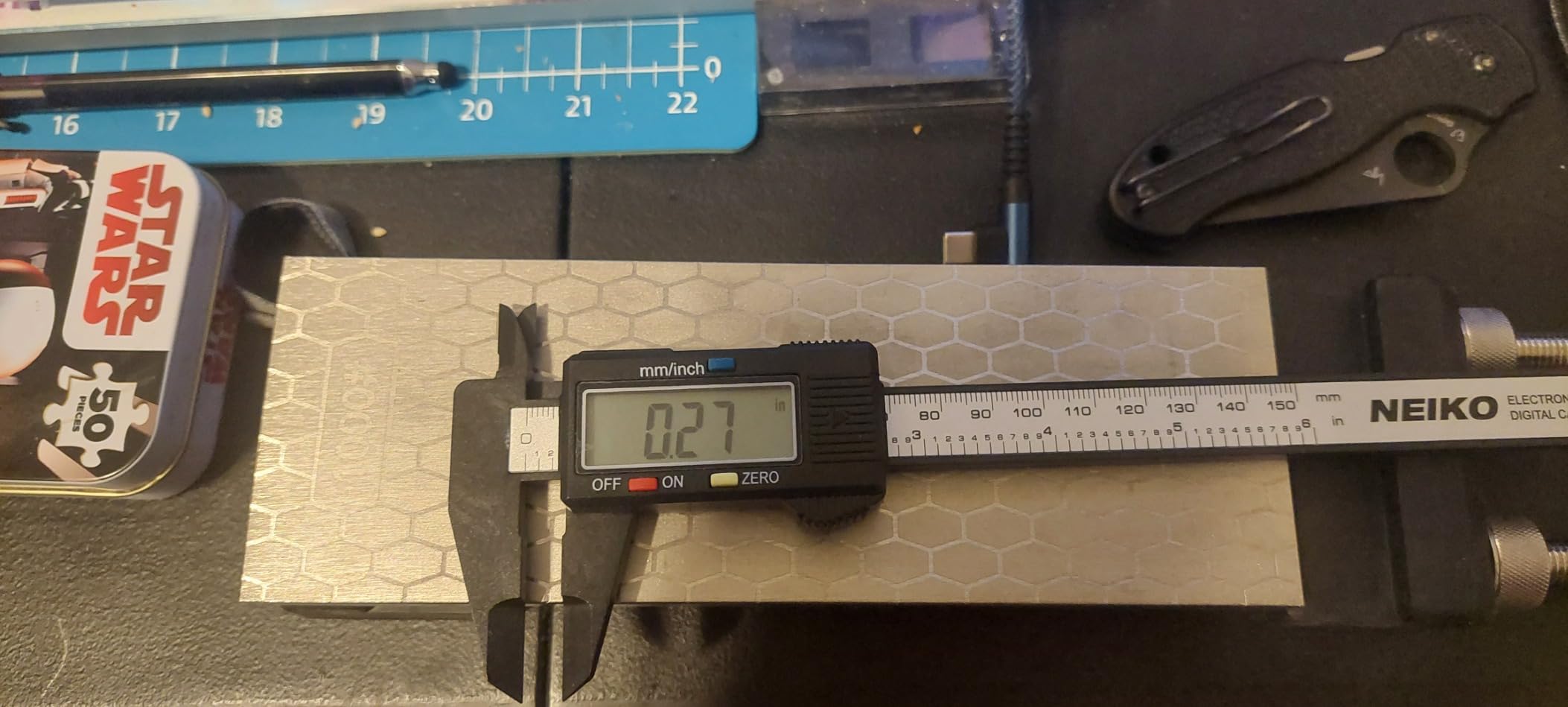
It is built from chrome-plated iron with silicone pads, and the rubber base grips both tabletops and granite. Owners describe it as a flat, stable platform that lets you concentrate on your passes rather than on stone movement, and the receiving area is wide enough for flat diamond plates and odd sizes. It also has enough heft to raise the stone clear of the table surface.
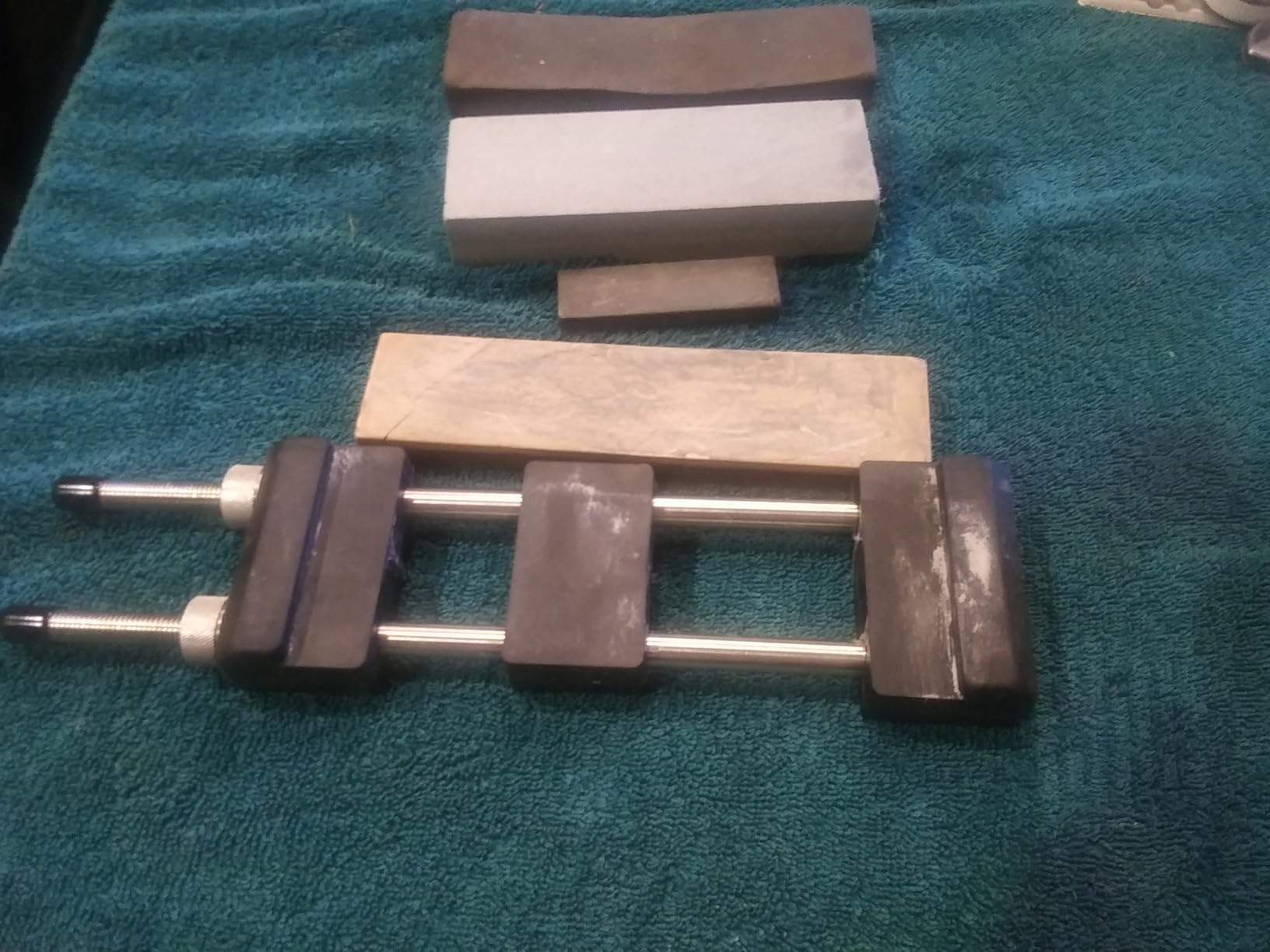
The specific complaint worth knowing is the middle support block. It can slide and does not fully support the stone, which matters most with a heavy or thick stone where the centre wants to sag. For a normal 8 inch waterstone the effect is minor; for a large stone it is noticeable.
Two workflow limits also come up. Swapping plates often makes the adjustment tedious, and at this length it cannot bridge a sink, so wet sharpening needs a towel or tray underneath. Chrome plating means the parts should be dried after use.
Best value for whom
Pick this if you sharpen on a dry counter, own stones inside the 5-1/2 to 9 inch window, and want a firm platform without spending much. It handles chisels and scissors as well as knives, which broadens its appeal for a workshop.
The wide receiving area is underrated for anyone with unusual plates. Several owners mention it fitting flat diamond plates and mixed sizes that other holders refuse, which is exactly the compatibility problem most people hit.
Who should skip it
Skip it if you sharpen thick or heavy stones regularly, where the loose centre block is a real wobble source. And skip it if your workflow is wet, because there is no containment and the plating needs drying every time.
For those two cases, spend a little more on a stainless frame with rubber jaws or on a tray to pair with it.
12. Norton Sharpening Stone Mat: Lightest Fix for Dry Work
Norton Knife Sharpener Mat, Sharpening Stone Holder for Whetstones and Oil Stones, Pack of 1
Dual-sided textured silicone
8 x 14 inch surface
Washable and foldable
Pros
- Textured surface markedly reduces stone sliding
- Catches water
- oil and slurry
- Rolls or folds for compact storage
- Simple to clean with soap and water
Cons
- No raised lip so water and slurry spread during wet work
- Slurry sticks to the texture and needs scrubbing
- 8 x 14 inch size is tight for larger stones
The Norton mat is the simplest thing on this list and it solves one narrow problem well. A dual-sided textured silicone sheet, 8 by 14 inches, that reduces how much your stone slides and catches oil, water and slurry before they reach the workbench. It weighs 5 ounces and folds flat, so it lives in a drawer until you need it.
For dry sharpening on an oil stone, that is genuinely enough. The texture gives the stone something to bite into, and the surface protects whatever you are working on. Several people on sharpening forums use a cut-to-size silicone mat for exactly this kind of setup.
For wet work it falls short, and it is worth being direct about that. There is no raised lip, so water and slurry spread across the mat during a waterstone session instead of being contained, and dried slurry grips the texture hard enough to need scrubbing rather than a quick rinse. The 8 by 14 inch size is also tight if you work on larger stones or on a workpiece.
When a mat is the right answer
A mat is right when you sharpen occasionally, work on a dry surface, and want zero commitment from your setup. It is also the standard pairing for travel sharpening, where a full clamp is one more thing to pack.
It is a useful underlay for any of the clamp holders on this list. Forum regulars frequently recommend a mat under a generic holder, and on a wet or polished counter that extra layer is what stops the whole assembly from moving.
Who should skip it
Skip it as a wet sharpening solution. The lack of a lip means your counter still gets wet, and a tray with a basin will handle that far better. Reviewers rate it 4.5 with the smallest review base here, and the caveat about wet use is the most consistent note in those reviews.
Also skip it if a moving stone is your actual problem. It reduces sliding without eliminating it, so a stone that rocks under a firm pull will still rock. That is a job for a clamp.
How to Choose a Whetstone Holder Without Guessing
Start with the mechanism, because that decides how the stone is held. A screw clamp uses threaded rods you tighten by hand, which gives firm even pressure but takes time to set up and loosen for each change. A spring-loaded squeeze holder grips the instant you press it against the stone, which is faster but gives you less control over final pressure. A rubber band or strap system is the simplest and usually the least stable, though it is also the cheapest part to replace when it perishes.
A fixed or platform-style base, like the bench base in this list, sits under the stone and lifts it to a working height rather than gripping the sides. That is a different job entirely, and it works well for chisels and for stones you load once and leave alone.
Check the stone size range before anything else
Stones are not sold in standard widths, which is why fit is the most repeated frustration in every forum thread about holders. Measure the length of the stones you own, then confirm the holder’s stated range covers them. Most adjustable holders in this roundup cover 5-1/2 to 9 inches. The sink bridge option covers 3-1/4 to 14-1/4 inches. The compact stainless model covers 6 to 8.5 inches only.
If your stone falls outside every range, do not force it. Oversized stones and narrow jaws are the combination that cracks a stone corner, and that crack becomes a catch point on your next stroke.
Materials decide how much maintenance you accept
Rubber bodies grip well and are gentle on stone edges, but they can smell strongly when new and they degrade over time. Silicone is flexible, easy to wash, and does a good job of catching runoff, but it is soft enough to puncture. Plated steel is durable and affordable, and it needs drying after every wet session or it will spot. Uncoated stainless steel or a 304 stainless sink bridge will not corrode in standing water, and it is the right answer for a wet workflow.
Wood bridges look pleasant and are common on the market, but unsealed wood near a waterstone is a swelling and staining risk. Our rule is simple: if you are doing wet sharpening, choose metal or rubber and skip the wood.
Working height and load capacity are not details
A raised stone gives your off hand clearance, and clearance is what keeps your hand away from the blade path. The bench base in this roundup provides 2 inches, and the taller stainless designs give noticeably more than a flat mat. If you are working on a large chef’s knife or a chisel, spend your effort here.
On load, be realistic. Small plastic stands and light plastic bodies are designed for a 6 by 2 inch bench stone, not a thick waterstone. If your stone feels heavy for the holder, it is too heavy, and you should move to a stainless or rubber-body clamp with real mass. A mat underneath a light holder is not a substitute for a heavier frame.
One caution for long single-bevel knives
If you sharpen long, thin single-bevel Japanese knives, treat clamp tension as a real risk. Hard pressure from a screw clamp on a fragile thin stone can chip it, and a chipped edge is exactly what you are trying to avoid. Choose a holder that clamps firmly but releases cleanly, tighten only until the stone stops moving, and support the knife with a light hand rather than a heavy one.
Whetstone Holder vs Wet Towel vs Silicone Mat
A wet towel is the answer you will get most often on sharpening forums, and it is not a bad one. It costs nothing, works perfectly well for many people, and for occasional sharpening of a small stone on a dry counter it is genuinely enough. The limitation everyone eventually hits is saturation: once the towel is soaked, the stone starts to rock, and a rock is the thing you were trying to avoid.
A silicone mat sits in the middle. It reduces sliding, catches oil and some water, and needs no adjustment. It does not clamp the stone, and on wet work it spreads slurry because it has no lip.
A purpose-built holder is the strongest option on grip and the weakest on value. It gives firm retention, a consistent working height, and repeatable passes, but it does not contain runoff, so wet workflows need a tray, a bridge, or a towel underneath. Used dry, a holder is a complete solution. Used wet over a sink, a bridge is a complete solution on its own.
The pattern we settled on: dry sharpening, mat is enough. Wet sharpening on a counter, tray plus a clamp. Wet sharpening at a sink, a bridge. If you are not sure which describes you, the sharpening systems guide covers the wider setup question.
How to Sharpen Safely with a Holder
Set the stone down first and check it is stable before you pick up a knife. Push on the corners with a thumb. If it rocks at all, adjust the clamp or move to a wider contact area before you start.
Wet the stone if it is a waterstone and let it soak, or oil the stone if it takes oil, and spray the holder base and the work surface so nothing is slick.
Place your off hand so the heel of your palm rests clear of the blade path, with fingers on the stone edge rather than over the surface. This is where working height pays off.
Hold the knife with a light pinch grip near the bolster and keep the spine of the blade in visual contact with the stone face. A light grip lets you feel the angle through the handle instead of forcing it.
Use consistent full-length strokes in one direction. Most sharpeners pull the blade toward themselves, and the reasoning is simple: pushing away moves your hand toward the edge, and a slip happens further forward. Whichever direction you choose, use the same one for both sides of the edge so the angle stays matched.
Rinse, flip, and repeat with a finer grit, then strop or hone on a leather side if you have one. Lift the knife away from the stone rather than sliding it off the edge, which is how edges get chipped during cleanup.
Rinse the stone and the holder, dry both fully, and store the stone where it cannot be knocked. Waterstones left wet in a cold room can crack, and oil stones collect dust if they are stored dusty.
Frequently Asked Questions
What is a whetstone holder and do I need one?
A whetstone holder is a base or clamp that grips a sharpening stone so it stays flat and fixed while you draw a knife across it. You need one if you sharpen with any stone, because a moving stone changes your angle mid-stroke, wears unevenly, and can slip the blade into your hand. A silicone mat is enough for occasional dry work; a clamp is worth it once you sharpen regularly.
Is a whetstone holder necessary for safe sharpening?
A holder is the cheapest safety measure in knife sharpening. A stone that shifts under a hard pull changes the edge angle without you noticing and can slide sideways into your off hand. A firm grip removes both risks and also lets you use a lighter touch, which reduces the pressure that causes slips in the first place.
Can I use a wet towel instead of a whetstone holder?
Yes, and many experienced sharpeners do. A wet towel works for occasional dry or light wet work at no cost. The problem is saturation: once the towel is soaked the stone starts to rock, and a rock is exactly what a holder prevents. A towel also does nothing for working height or for containing slurry on a worktop.
What size whetstone holder do I need?
Measure the length of your longest stone and match it to the holder’s stated range. Most adjustable holders cover 5-1/2 to 9 inches, which fits most home sharpening kits. Compact stainless models cover about 6 to 8.5 inches only, and sink bridges cover the widest range at roughly 3-1/4 to 14-1/4 inches.
Are stainless steel whetstone holders rust proof?
Uncoated stainless steel resists rust far better than plated or painted steel, and a 304 stainless sink bridge will not corrode in standing water. It still needs a rinse and a wipe after a wet session, because slurry left on the surface will spot over time. Plated steel is cheaper but shows corrosion sooner.
Should my whetstone holder sit over the sink?
Only if it is designed as a bridge. A sink bridge spans the basin, raises the stone above the rim, and lets water and slurry drain away, which is the cleanest wet workflow there is. A conventional countertop holder is not a bridge, so sitting it over a sink is pointless. If you do not have a suitable basin, use a silicone tray instead.
Why does my whetstone move around while sharpening?
Common causes are a too-narrow clamp that does not reach the stone ends, an over-tightened jaw that squeezes the stone out rather than holding it, a light or worn base, and a wet or slick work surface. Check the size range first, then tighten only until the stone stops moving, and put a mat under the holder on a wet or polished counter.
Do you push or pull on a whetstone?
Most sharpeners pull the blade toward themselves. Pushing away moves your hand toward the edge, so a slip happens further forward and closer to the cutting line. The important part is consistency: use the same direction on both faces of the edge so your angles stay matched, and use full-length strokes rather than short ones.
How do I properly store a whetstone?
Dry the stone fully after use and store it in a ventilated place away from temperature extremes. A waterstone stored wet in a cold room can crack, and an oil stone left dusty will gum up. A dedicated case or a two-in-one holder and case keeps stones from being knocked or chipped in a drawer.
How do I clean and maintain a whetstone holder?
Rinse the holder after each session and wipe the metal parts dry, especially the joints where poles meet rubber ends and where threaded screws sit. Wash silicone mats and trays with soap and water, and scrub dried slurry from the texture rather than rinsing it. Check rubber pads and bands periodically, since hardened rubber loses grip.
Conclusion
For most people the right starting point is the adjustable rubber-body clamp in our first pick, because it covers the common stone sizes, holds under a wet stone, and takes the least adjustment between sessions. Pick the sink bridge if you sharpen waterstones and want runoff to leave without a wipe. Pick the premium stainless holder if you are working through a Japanese stone progression or sharpening long single-bevel knives. Pick a silicone tray if your real constraint is protecting a wooden counter.
Whatever you choose, measure your stones first, keep the base and the stone both gripped, and use a lighter hand than you think you need. That is the whole safety case for the best whetstone holders for safe sharpening: a stationary stone is the precondition for everything else going well in 2026.