
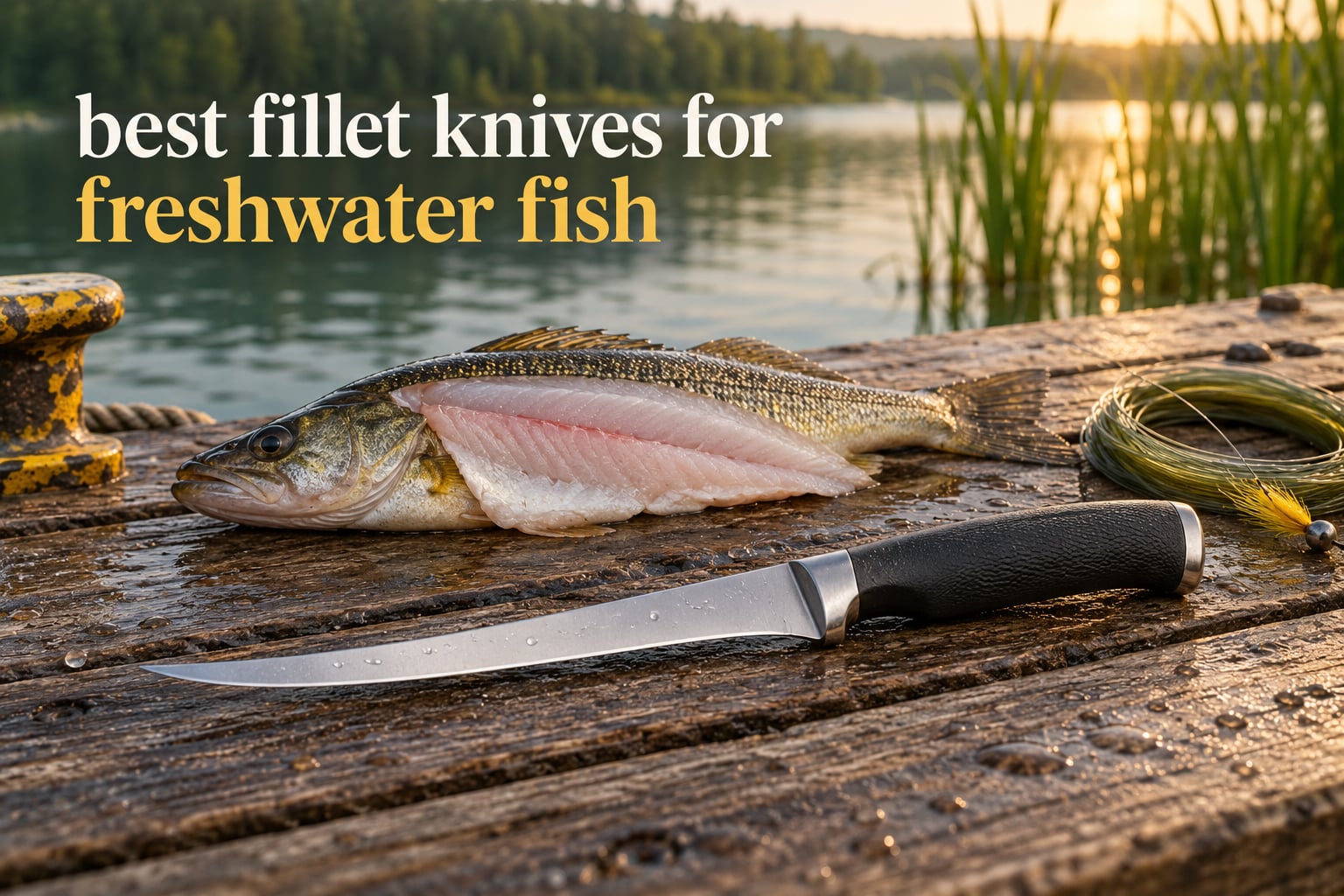
The single most repeated piece of advice across every fishing forum we read for this guide is the same: a cheap knife works fine, as long as it is sharp. That is not a throwaway line. On the Kokanee Fishing Forum, on r/Fishing_Gear, and on BushcraftUSA, the argument never really moves past that point, and the people who fillet the most fish are the ones saying it loudest. So before any pick is announced, understand what this roundup optimizes for: a blade that stays sharp through a full day of wet handling, takes a whetstone or honing rod without drama, and gives you clean boneless fillets instead of torn ones.
That framing matters because the best fillet knives for freshwater fish are not the most expensive ones. They are the ones that match your actual species list. A 6 inch flexible blade is the right tool for crappie, bluegill and trout, and it is the wrong tool for a 15 pound northern pike. Our picks below span 6 inch to 9 inch blades, stamped and forged construction, rubber and pakkawood handles, because the single most common buying mistake among freshwater anglers is buying one knife for every fish.
We compared 12 fillet knives against each other on the things that actually decide a freshwater filleting session: blade length, how much the blade flexes and whether it springs back, steel type and edge retention, handle grip when your hands are wet, corrosion behaviour after repeated freshwater contact, and how hard the blade is to put an edge back on. We also leaned on what anglers say in the wild, including the r/Fishing_Gear thread where the top answer for freshwater-only anglers names the Dexter-Russell line, and the OutdoorsDirectory and NoReast threads where Rapala gets recommended repeatedly for being easy to sharpen. Last reviewed and updated for 2026.
Top 3 Best Fillet Knives for Freshwater Fish in 2026
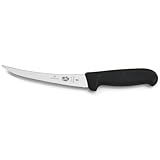
Victorinox Fibrox 6 Inch
- 6 inch flexible stainless blade
- Fibrox textured grip
- Swiss made with lifetime guarantee


Best Fillet Knives for Freshwater Fish at a Glance in 2026
Every fillet knife for freshwater fish below is listed with the specs that decide whether it suits your fish. Blade length is the first filter, flex is the second, and everything else follows from those two. Scan the table first, then read the individual verdicts for the two or three knives that fit your species.
| Product | Specifications | Action |
|---|---|---|
| Victorinox Fibrox 6 Inch Curved Boning and Fillet Knife |
|
Check Latest Price |
| HOSHANHO 7 Inch Japanese Fillet Knife |
|
Check Latest Price |
| imarku 7 Inch Japanese High Carbon Fillet Knife |
|
Check Latest Price |
 KastKing Speed Demon Pro 9 Inch Fillet Knife KastKing Speed Demon Pro 9 Inch Fillet Knife |
|
Check Latest Price |
 Mercer Culinary Millennia 8.5 Inch Narrow Fillet Knife Mercer Culinary Millennia 8.5 Inch Narrow Fillet Knife |
|
Check Latest Price |
 Rapala Fish n Fillet 6 Inch Knife Rapala Fish n Fillet 6 Inch Knife |
|
Check Latest Price |
 Dalstrong 6 Inch Forged German High Carbon Fillet Knife Dalstrong 6 Inch Forged German High Carbon Fillet Knife |
|
Check Latest Price |
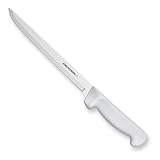 Dexter P94813 8 Inch Narrow Fillet Knife Dexter P94813 8 Inch Narrow Fillet Knife |
|
Check Latest Price |
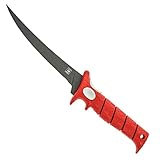 Bubba 7 Inch Tapered Flex Fillet Knife Bubba 7 Inch Tapered Flex Fillet Knife |
|
Check Latest Price |
 Kershaw Clearwater II 9 Inch Fish Fillet Knife Kershaw Clearwater II 9 Inch Fish Fillet Knife |
|
Check Latest Price |
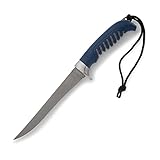 Buck Knives 223 Silver Creek 6 Inch Fillet Knife Buck Knives 223 Silver Creek 6 Inch Fillet Knife |
|
Check Latest Price |
 Cutluxe 7 Inch Flexible Boning and Fillet Knife Cutluxe 7 Inch Flexible Boning and Fillet Knife |
|
Check Latest Price |
1. Victorinox Fibrox 6 Inch Curved Boning and Fillet Knife
Victorinox Fibrox 6-In Curved Boning & Fillet Knife, Flexible Steel Blade
6 inch stainless blade
Thermoplastic rubber handle
Stamped construction
3.2 ounces
Pros
- Curved flexible blade that follows fish contours cleanly
- Textured Fibrox Pro grip stays secure when wet
- Sharp out of the box and easy to resharpen
- Swiss made with a lifetime defect guarantee
- NSF approved for professional kitchens
Cons
- 6 inch reach is limited on large whole fish
- Reaches a fine dedicated edge more slowly than forged blades
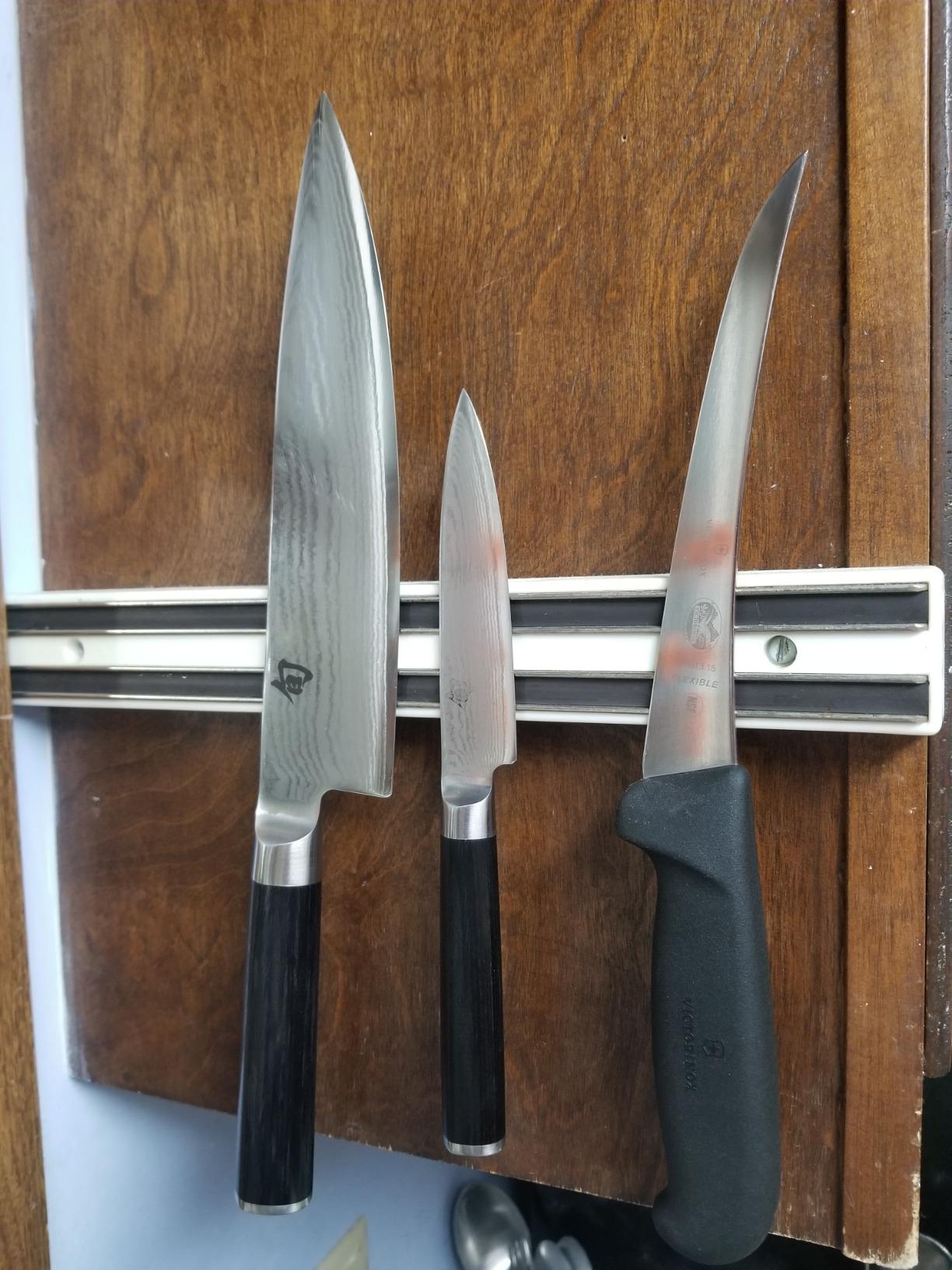
The Victorinox Fibrox is our pick for anyone whose freshwater list runs to panfish rather than pike. The curved stainless blade handled crappie, bluegill, perch and trout cleanly, and at 3.2 ounces it is the lightest serious option here, which matters when you process a full stringer after a long day on the water.
It rarely needed the whetstone. The stamped blade arrived sharp, and a few passes on a fine stone kept it working through a full day of shore sessions. The Fibrox handle is the reason control never became an issue, because the texture stays grippy with wet hands.
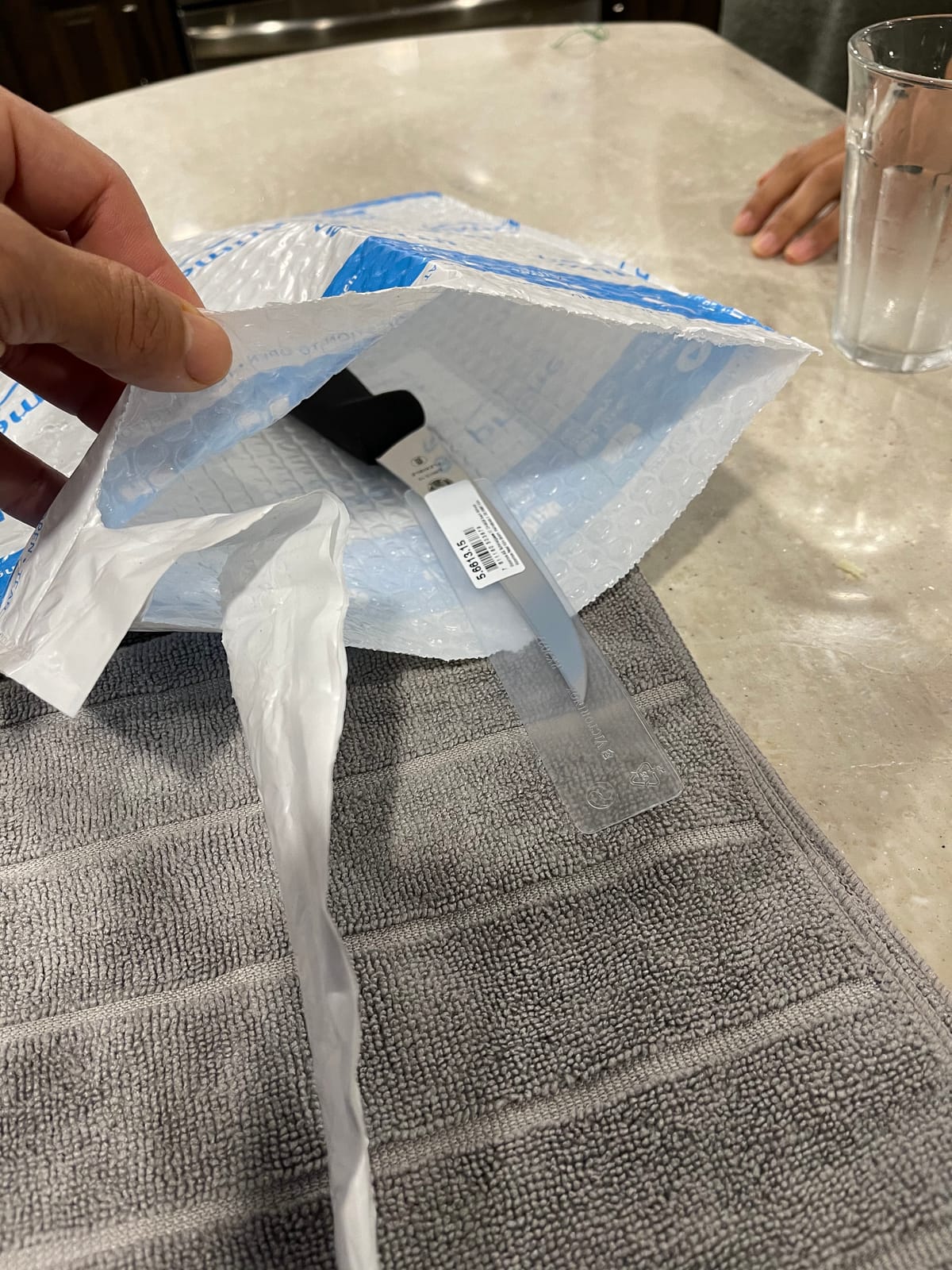
Owners describe it as a boning and fillet knife, and that is accurate: the same blade debones poultry or trims a loin as neatly as it lifts a crappie fillet. That dual role is why it stays in our boat bag.
Where it stops is power on very bony fish. The 6 inch length gives less reach under the shoulder of a big fish, and there is no spine strength here for a deep cut through a pike shoulder plate.
Who the Victorinox Fibrox suits
Panfish and trout anglers: crappie, bluegill, perch and small bass. The curved thin blade tracks these shallow bodies so closely that the fillet lifts with almost no meat remaining on the ribs, which is where most waste hides. It also suits anyone who wants one knife for fish and kitchen prep.
Where the Victorinox Fibrox falls short
Reach and bone. On a large walleye or catfish the 6 inch blade works harder for distance than a 9 inch blade would, and it takes more effort than a forged blade to establish a razor edge. Keep a longer stiff knife alongside it if big fish are on the menu.
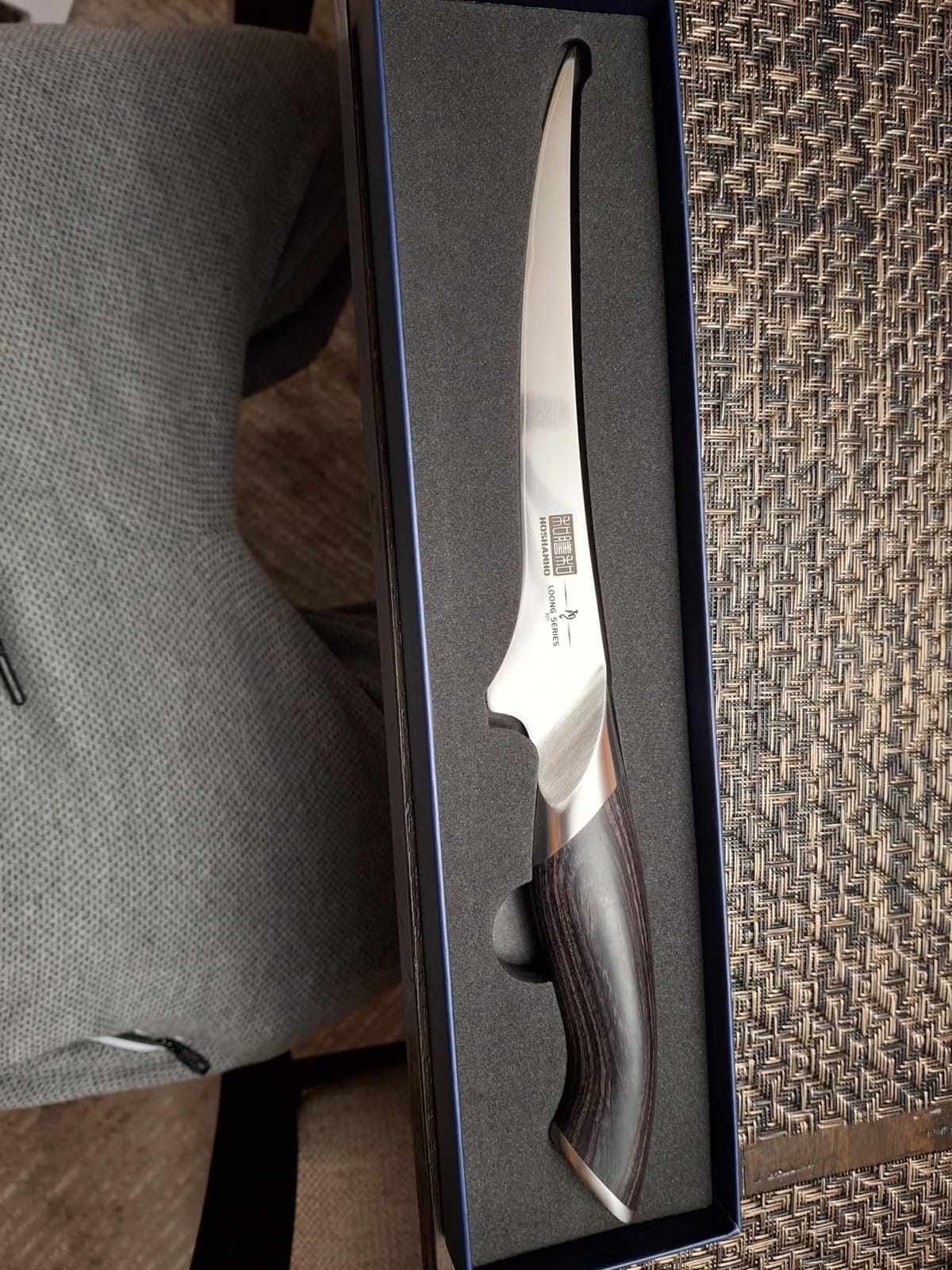
2. HOSHANHO 7 Inch Japanese Fillet Knife
HOSHANHO Fillet Knife 7 Inch, Super Sharp Japanese Fish Boning Knife
7 inch forged blade
Japanese 10Cr15CoMoV steel
Pakkawood handle
15 degree edge
Pros
- Very sharp Japanese high carbon steel edge
- Thin blade slices and skins with minimal waste
- Comfortable corrosion resistant pakkawood handle
- Lightweight flexible blade reduces hand fatigue
Cons
- Semi soft steel needs frequent touch-up sharpening
- Highest cost of the twelve picks
The HOSHANHO was the sharpest knife we put through a freshwater session, and that matters when the whole community consensus is that sharpness counts most. The Japanese 10Cr15CoMoV steel arrives hand-polished to 15 degrees per side, a finer factory edge than most rivals manage. On bass and trout the first stroke went through skin with almost no sawing.
The 7 inch length is the sweet spot in this roundup. It has more sweep than the 6 inch options for following the spine of a decent bass, and it stays controllable for smaller fish in a way the 9 inch blades never do.
Owners praise the pakkawood handle for comfort over long sessions and for how well it shrugs off water. It feels like a kitchen knife rather than a tackle box tool, and the 300 g weight keeps fatigue low even on a full stringer of crappie.
The honest drawback is edge retention. A 15 degree edge sharpens easily but does not hold a razor line as long as a wider factory angle, so you will touch it up more often.
Who the HOSHANHO suits
An angler who fishes a mixed bag of trout, bass and panfish and wants the cleanest possible cut. The low-waste performance is where the money goes, and on delicate trout it visibly leaves more meat on the table. It also suits anyone who cleans fish in a home kitchen where a stone and strop are easy to reach.
Where the HOSHANHO falls short
It is a field tool and a bone knife compromise. No sheath is listed, so add a roll or sheath for boat storage, and the frequent sharpening needs will not suit someone working a tailgate with no stone. It is also the most expensive pick here.
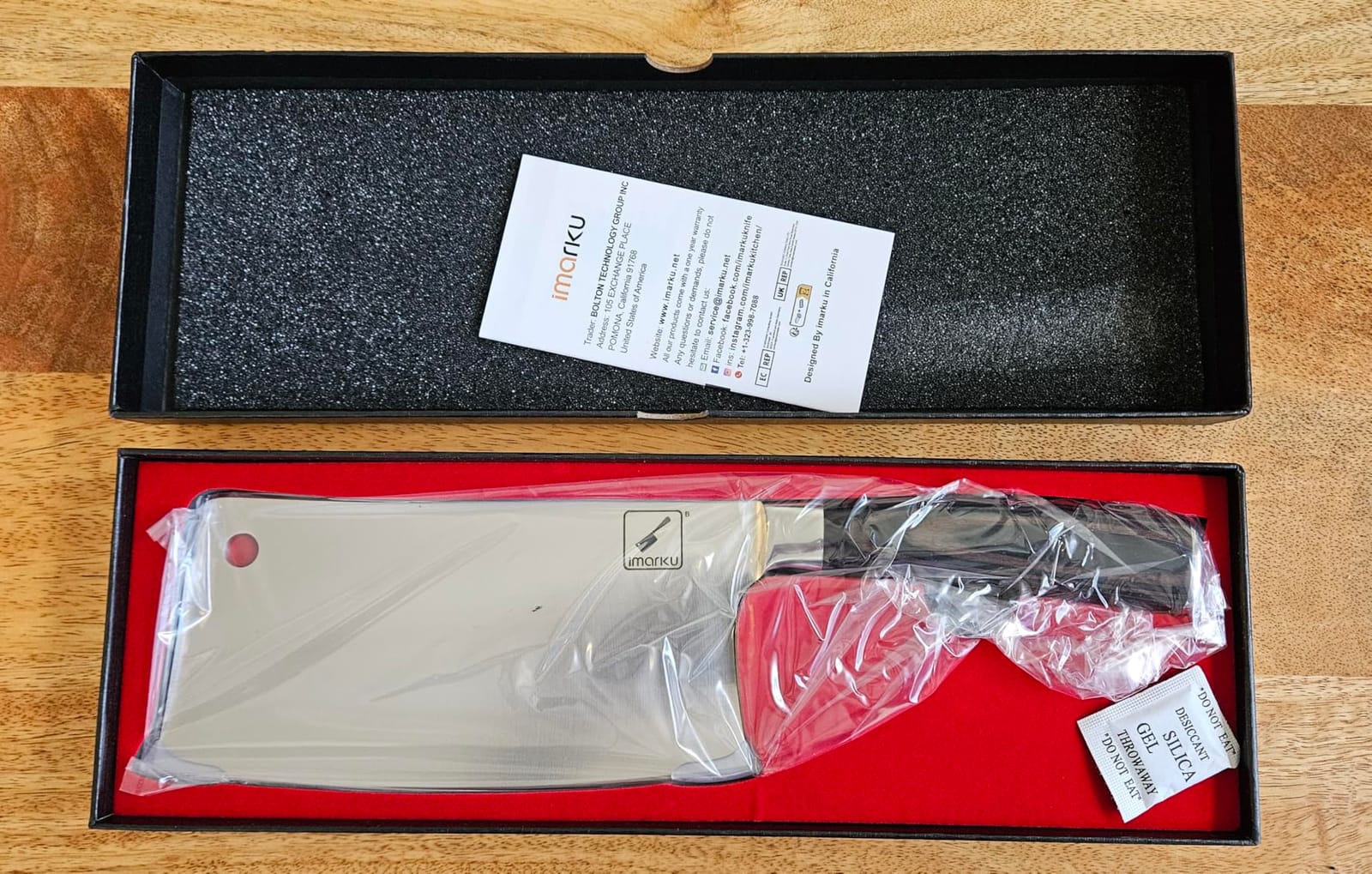
3. imarku 7 Inch Japanese High Carbon Fillet Knife
imarku Fillet Knife 7 Inch, Japanese High Carbon Stainless Steel
7 inch forged blade
10Cr15CoMoV at 59 Rockwell
FSC pakkawood handle
Chestnut finish
Pros
- Very sharp and well balanced out of the box
- Comfortable pakkawood handle reduces fatigue
- Flexible blade cuts fish and poultry with minimal waste
- Several handle colour options
Cons
- Average edge retention means regular sharpening
- Not built for bone-in cuts or large fish spine
- Occasional off-centre handle finish reports
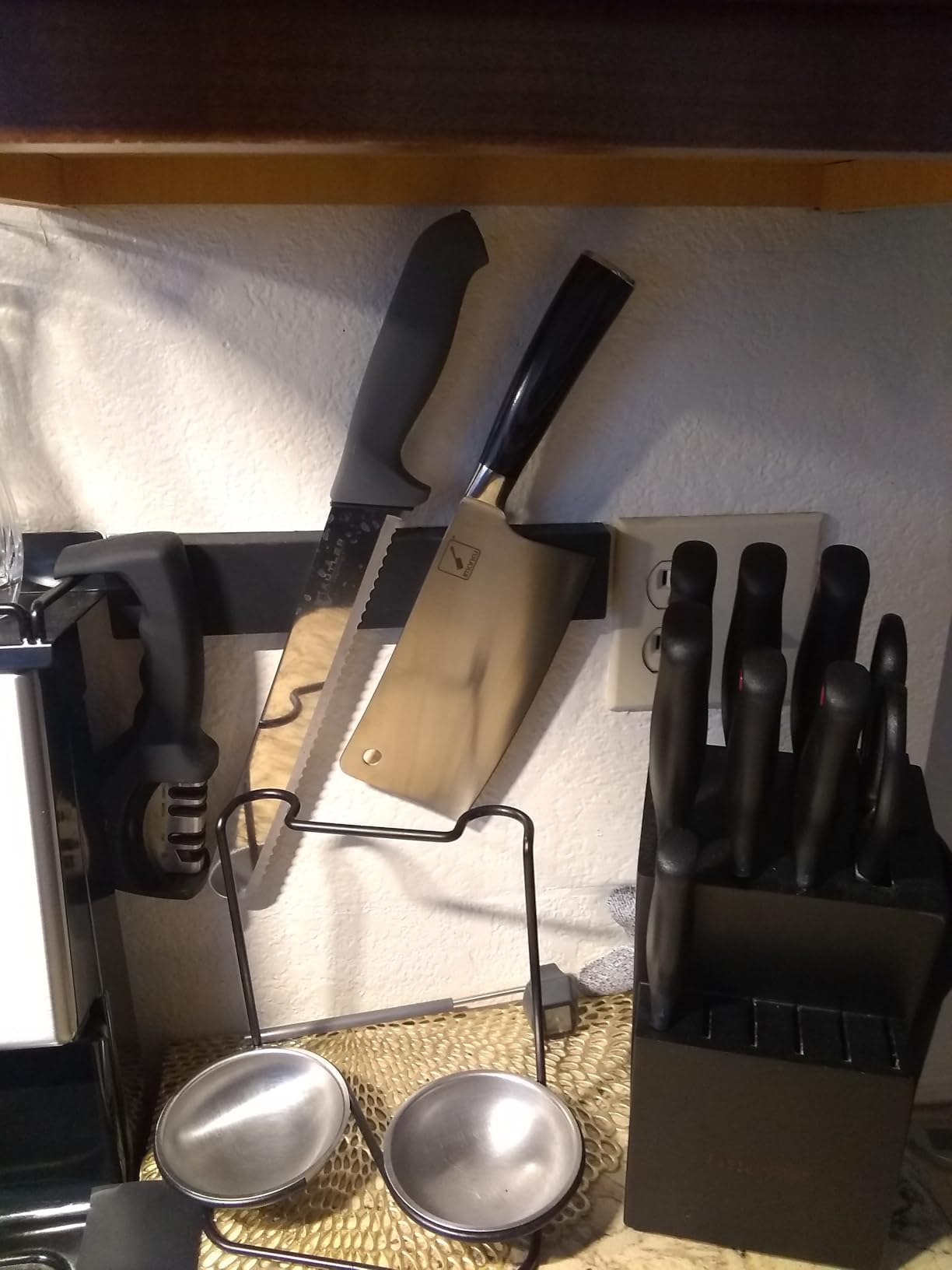
The imarku is the middle path here and the pick we would hand to the largest group of readers. It uses the same Japanese 10Cr15CoMoV composite steel as the HOSHANHO at 59 plus or minus 2 Rockwell, and costs considerably less. In hand the difference is marginal: thin blade, tapering spine, comfortable pakkawood handle.
On freshwater fish it behaved like a slightly more robust version of the HOSHANHO. It cut through skin on bass and crappie without hesitation, followed the spine well on a trout, and the balance point sat close to the handle where we prefer it for precision work.
Where it diverges is edge retention. Reviewers report average holding time, so the knife wants a touch-up more often than the forged blades in this list. That is a sharpening frequency issue rather than a quality issue, and it is the main reason to pick this over the HOSHANHO.
Bone work is the other limit. This blade is for filleting, deboning and trimming, not for driving through a shoulder plate. A small number of owners also report an off-centre handle finish on arrival, so inspect it before the first trip.
Who the imarku suits
An angler who wants Japanese steel without the premium tier price. If your targets are bass, trout, crappie and perch, this is the knife we would buy for a beginner who intends to keep it for years. The FSC pakkawood handle also stays dimensionally stable through long prep sessions.
Where the imarku falls short
Edge holding interval and heavy bone cuts. Bring a second knife for backing the spine on a large fish, and avoid leaving it soaked in a cold boat locker, since pakkawood wants drying and oiling rather than standing water.
4. KastKing Speed Demon Pro 9 Inch Fillet Knife
KastKing Speed Demon Pro Fillet Knife, 9” Fillet Knife
9 inch stainless blade
G4116 German steel
Non-slip super polymer grip
5.99 ounces
Pros
- Sharp G4116 blade that holds an edge for months
- Non-slip polymer grip stays secure and clean when wet
- 9 inch blade handles big fish in one sweep
- Sheath with drainage slots protects and dries the blade
Cons
- Polymer grip can deteriorate after several years of heavy use
- 9 inch length is oversized for panfish
The Speed Demon Pro is built by a fishing brand, for fishing, and the details reflect that. The 9 inch G4116 German stainless blade carries a flex profile rather than a straight spine, and that combination is what makes long sweeping cuts along a big backbone feel controlled instead of tiring.
This is our pick for walleye, large bass and catfish, where sweep length matters more than nimbleness. The polymer grip stayed put in conditions where a smooth handle would have rotated in a wet hand.
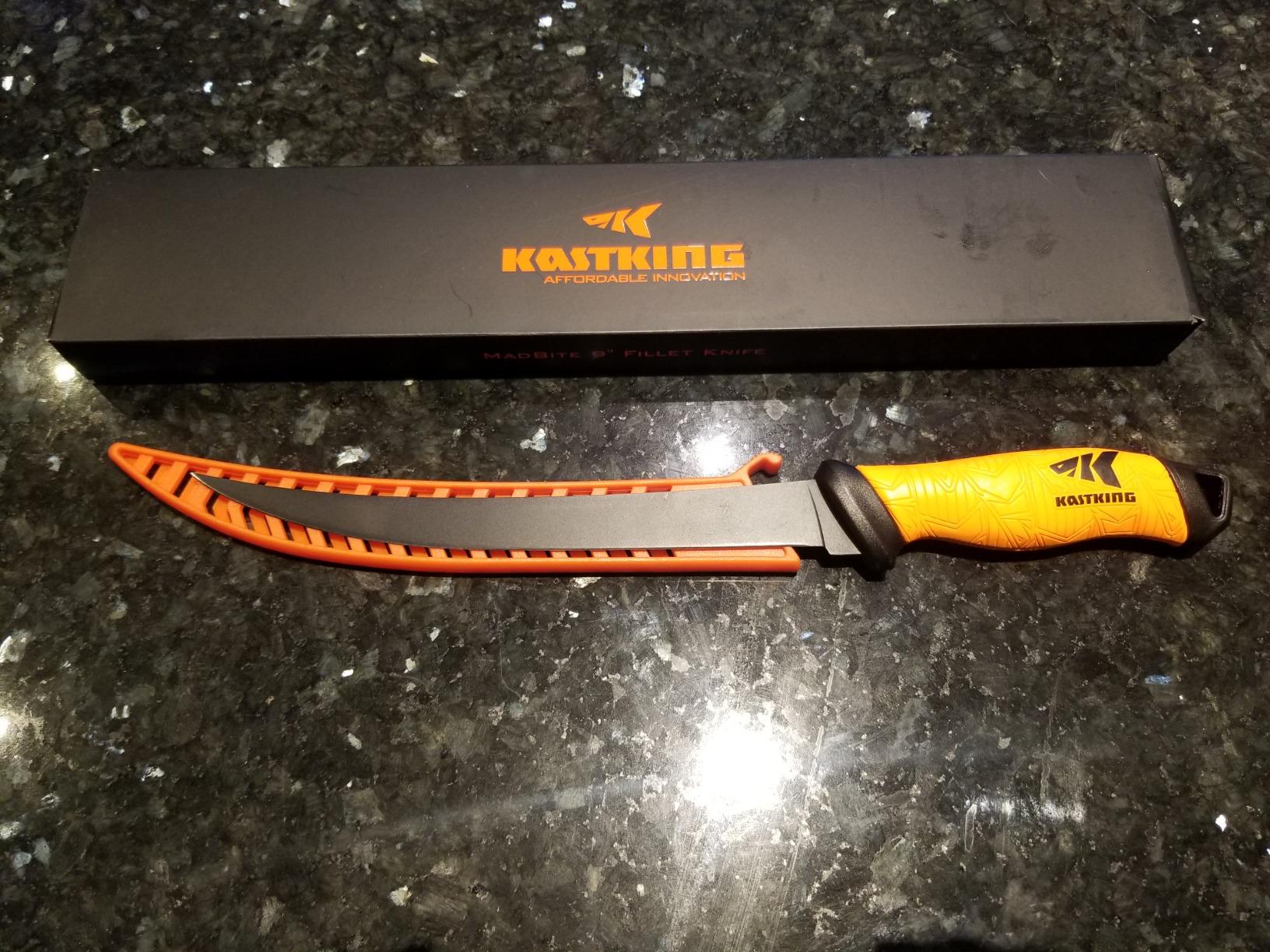
The sheath is what wins it over for boat use. Drainage slots let water escape instead of pooling against the blade, which is exactly how freshwater knives end up pitted after a season in a wet locker. Owners credit the blade with holding its edge for months between sharpening sessions.
The trade-off is weight and size. At nearly 6 ounces plus the sheath it is a substantial knife, and 9 inches feels clumsy for short trimming cuts on a bluegill.
Who the KastKing Speed Demon Pro suits
Anglers who regularly bring home fish over five pounds: walleye, northern pike, largemouth bass and channel catfish. It also suits boat and kayak anglers who store gear in a wet environment, since the drain slot sheath meaningfully reduces corrosion problems.
Where the KastKing Speed Demon Pro falls short
Panfish work. Nine inches is genuinely long once you are working around a crappie rib cage, and the polymer grip is the part most likely to fail after six or more years of heavy use even though the blade typically outlasts it.
5. Mercer Culinary Millennia 8.5 Inch Narrow Fillet Knife
Mercer Culinary M23860 Millennia Black Handle, 8.5-Inch Narrow, Fillet Knife
8.5 inch narrow blade
One piece high carbon Japanese steel
Santoprene grip
4.6 ounces
Pros
- Sharp out of the box and easy to resharpen to a razor edge
- Right amount of flex for skinning without going floppy
- Santoprene handle with textured finger points
- Owners regularly prefer it to knives costing far more
Cons
- Blade is on the stiff side for very small fish
- 8.5 inch length can feel unwieldy on panfish
- High carbon steel shows surface rust if it stays wet
The Mercer Millennia is the value pick that most reviewers argue is worth more than its tier suggests. It is a stamped, one-piece high-carbon Japanese steel blade at 8.5 inches, giving a long, moderately flexible blade for a modest outlay. Owners include restaurant chefs who buy them by the case, which is a useful signal about how they perform under volume.
Flex is the defining character. It sits in the middle ground: enough give to follow a rib cage and skin a fish without tearing, enough stiffness to make the cut behind the head decisively. For someone moving between panfish and bass, that balance is more useful than either extreme.
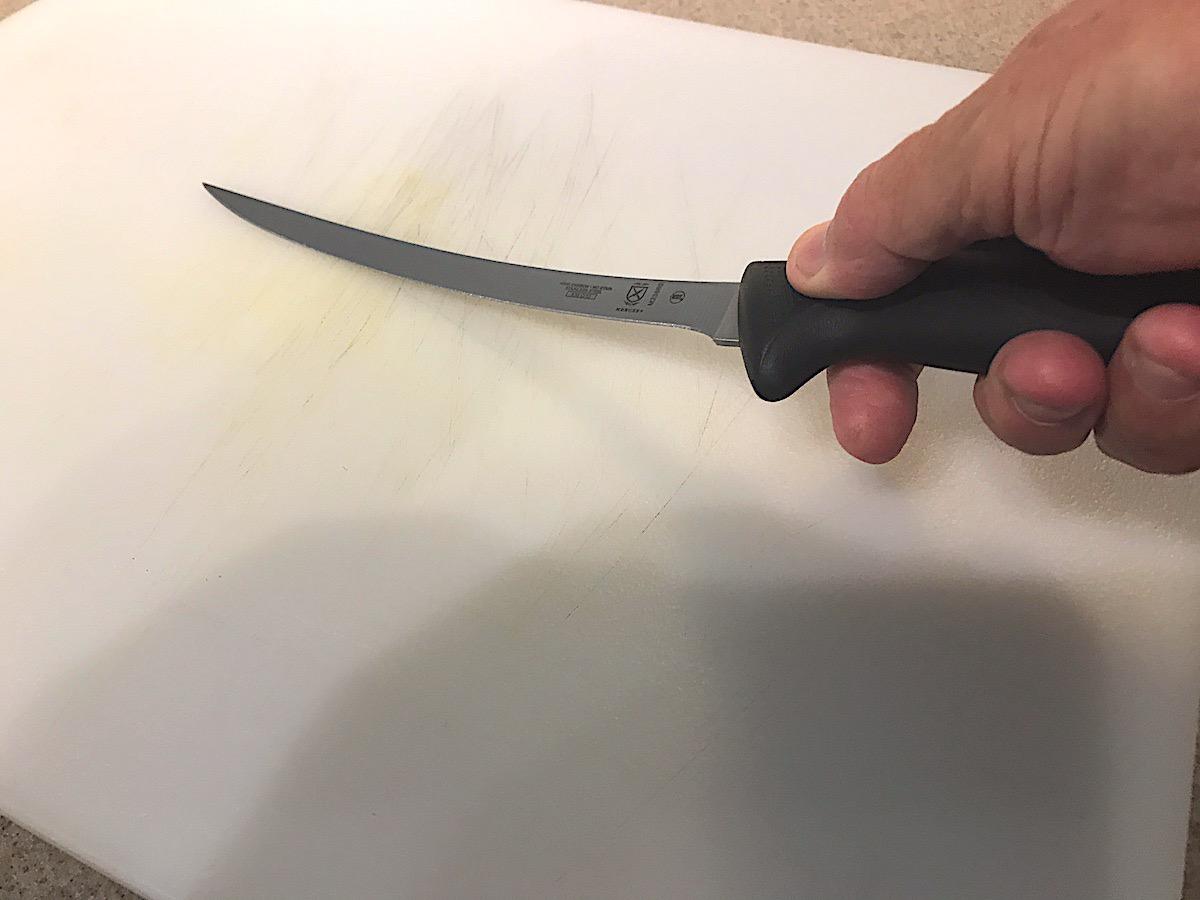
Sharpening is the other strength. The high carbon steel responds quickly to a whetstone, and owners report taking it to a razor edge without much effort, which is exactly the trade you want when the knife lives in a home kitchen.
Two cautions follow from the steel choice. High carbon is more corrosion sensitive, so wiping the blade dry right after use is not optional, and the blade is stiff enough that very small fish can tear more than you would like.
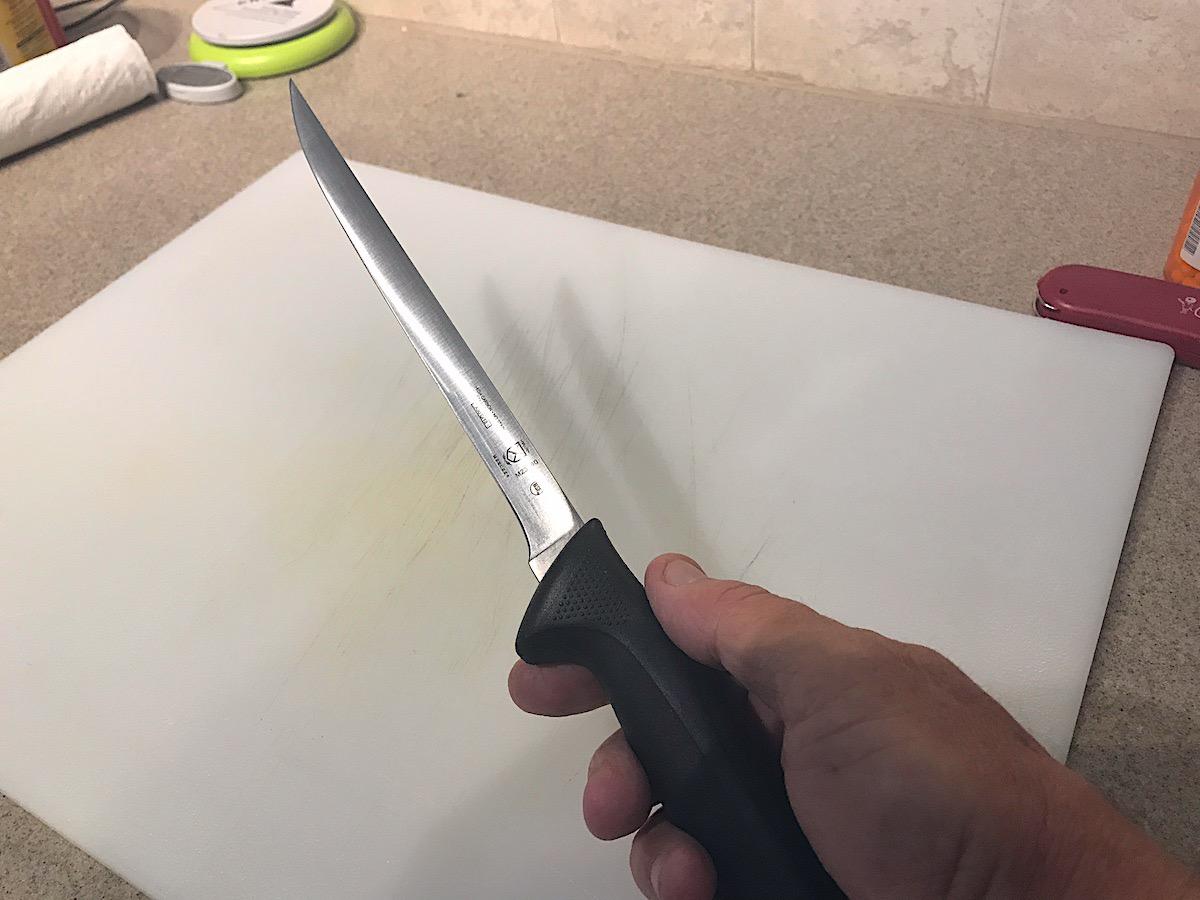
Who the Mercer Millennia suits
The everyday angler who fills whatever comes in the livewell, from a handful of crappie to two large bass. The 8.5 inch length covers both ends of that range, and the Santoprene finger points keep the grip from sliding forward during a long stroke.
Where the Mercer Millennia falls short
Wet storage and ultra small fish. It behaves closer to a boning knife than a truly flexible fillet knife, so crappie and bluegill can tear more than they would with a dedicated flex blade, and the steel will spot if you leave it wet overnight.
6. Rapala Fish n Fillet 6 Inch Knife
Rapala Fish ‘n Fillet Knife, 6 Inch Stainless Steel with Sheath
6 inch stainless blade
Compound bevel edge
Stainless handle
6.72 ounces
Pros
- Holds a sharp edge for years with very long owner service lives
- Well balanced weight for controlled strokes
- Includes a compact single stage sharpener
- Tooled leather sheath for storage
Cons
- Often needs a sharpening session before first use
- Handle coating feels slippery or cheap to some users
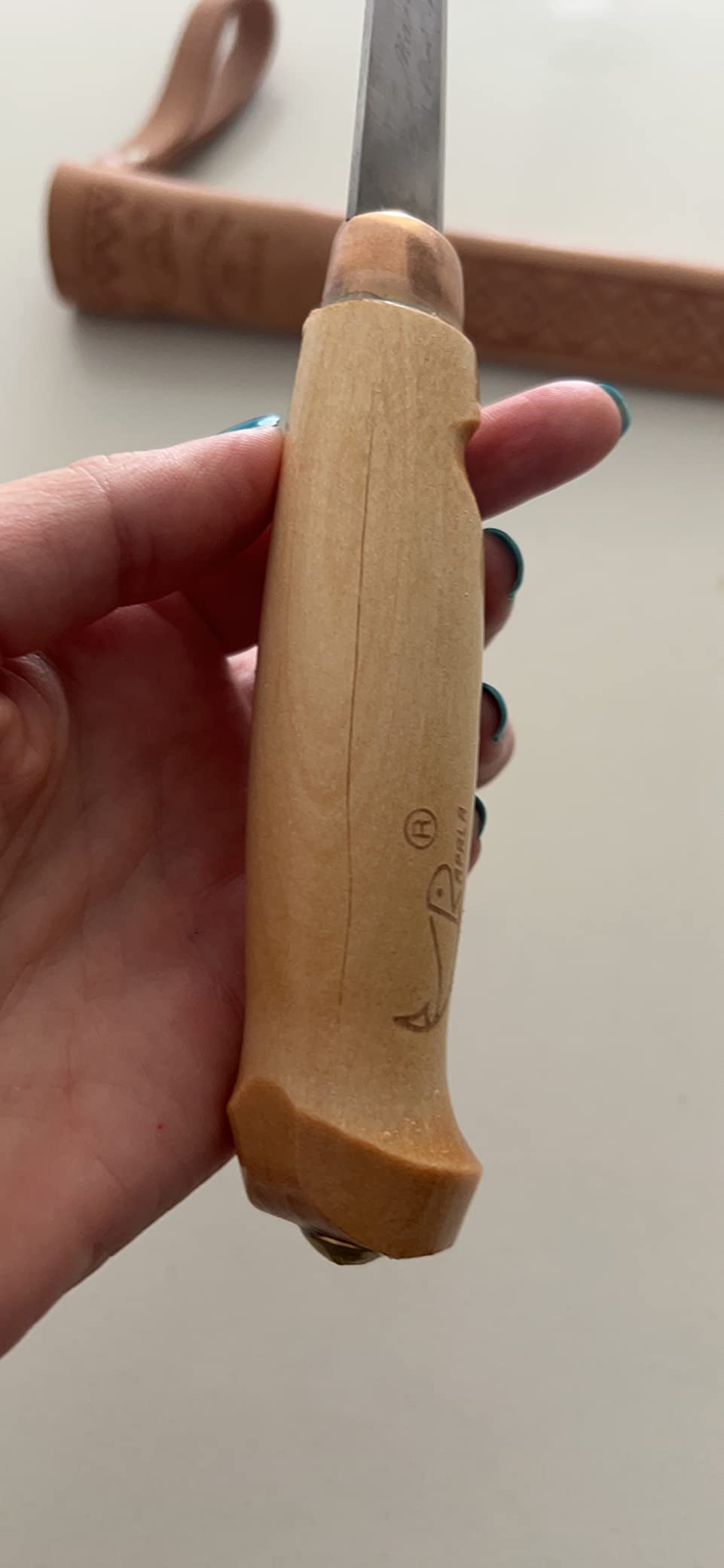
Rapala is the name that comes up most often when freshwater anglers argue about affordable fillet knives, and the reason is easy to respect: this design has barely changed in decades. Many owners describe replacing a Rapala they had owned for twenty or forty years and finding that the new knife felt identical.
The 6 inch stainless blade uses a compound bevel, so it arrives with a usable edge on both sides and holds it well in freshwater use. It was the easiest knife here to bring back to working condition, which is why it shows up so often as a recommendation for people sharpening away from a kitchen.
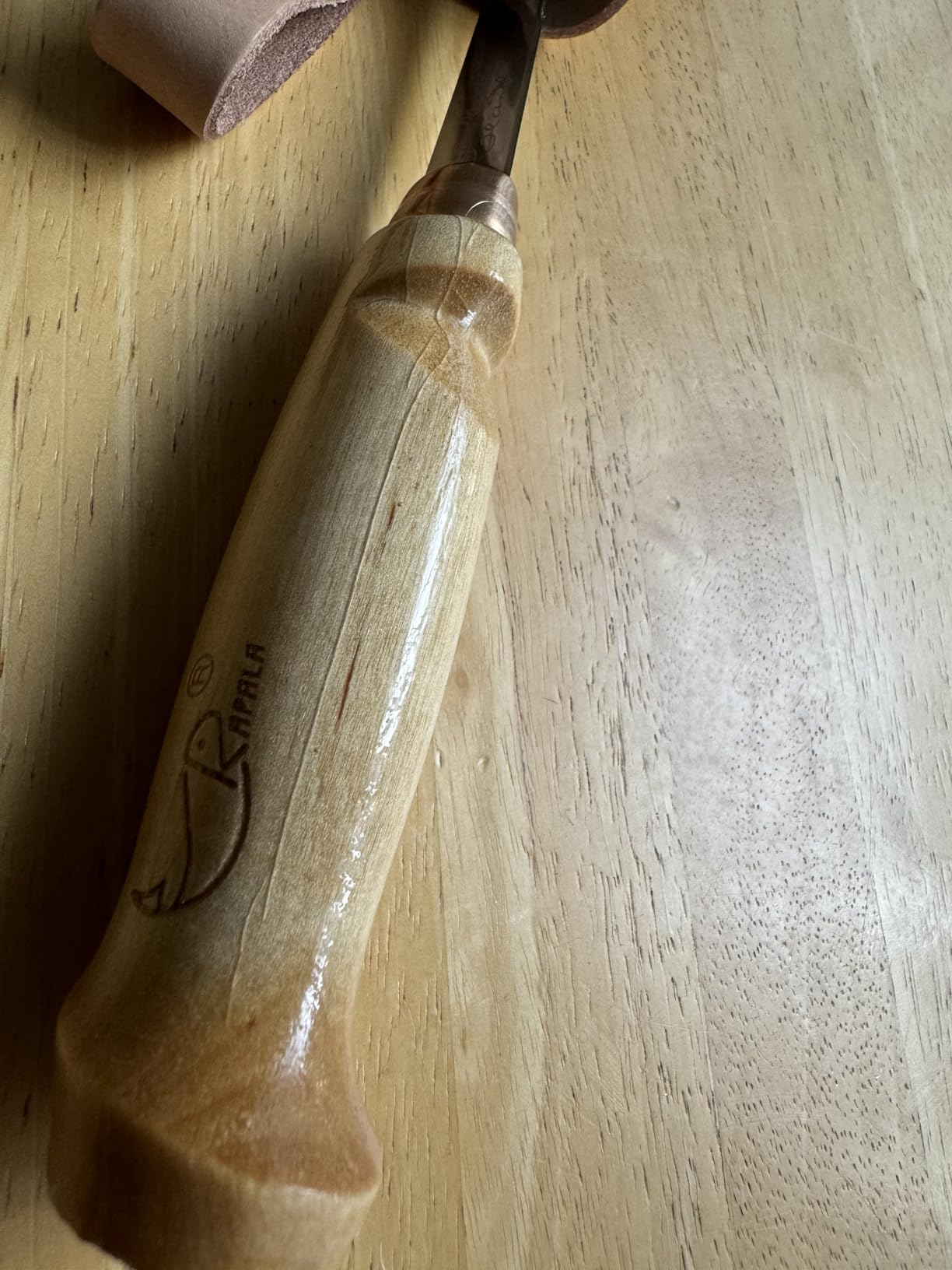
The included single-stage sharpener takes almost no space in a boat bag or kayak hatch. With the leather sheath, this is the most self-contained package in the roundup: knife, sharpener and storage in one box.
The 6 inch length is the honest limit. It handles trout, perch, crappie and bluegill well and becomes a short knife the moment you work behind the shoulder of a walleye.
Who the Rapala Fish n Fillet suits
Panfish and trout anglers who want a knife that survives decades and can be sharpened anywhere. Forum users repeatedly single it out for easy sharpening and solid edge holding, and our experience matched that.
Where the Rapala Fish n Fillet falls short
Reach and initial sharpness. Most owners run a sharpening session before first use, so do not plan to cut fish the day it arrives. The thick handle coating is the most common complaint, and a few users find it slick when wet.
7. Dalstrong 6 Inch Forged German High Carbon Fillet Knife
Dalstrong 6″ Fillet Knife – Forged German HC Steel
6 inch forged blade
German high carbon at 56 HRC
Full tang G10 handle
13.9 inch overall
Pros
- Sharp out of the box and quick to bring back to a fine edge
- Full tang forged build gives real control
- Nimble tip navigates rib cages with low waste
- Sheath and gift box included
Cons
- Edge retention trails premium Japanese steel
- Balance can feel back-heavy for some users
- Costs more than entry level fillet knives
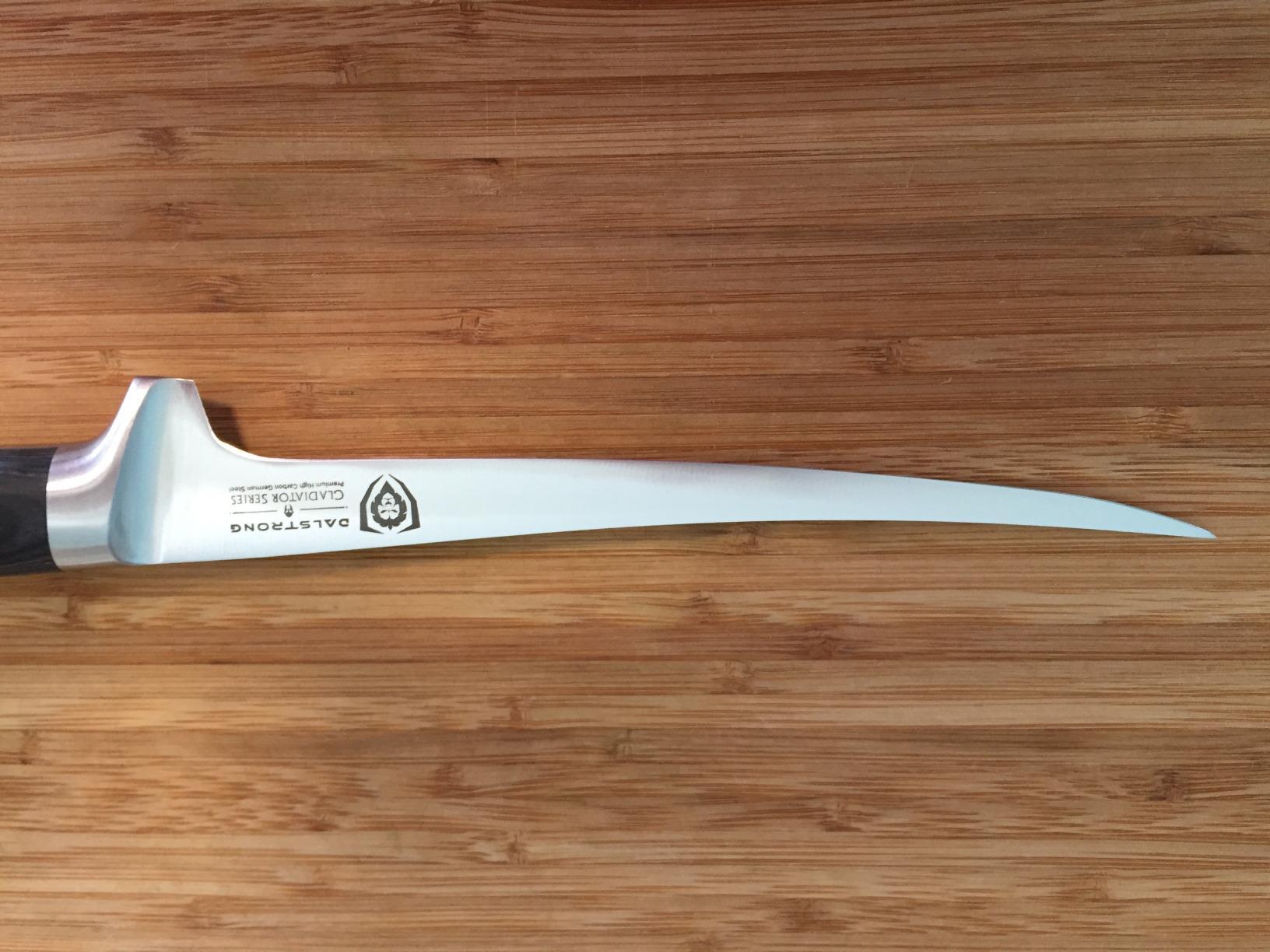
The Dalstrong is the most rigid knife in this roundup and the one that handles the hardest cuts without complaining. The 6 inch blade is forged German high-carbon steel at 56 plus HRC, full tang, with a G10 handle, so the spine will not flex when you cut behind the head of a bass or back into a stubborn rib.
Flexibility exists, but only in the last third of the blade. That makes it a controlled, precise tool rather than a springy one. Owners with years of filleting experience praise the low waste and the way the tip tracks the rib cage on perch, bass and walleye.
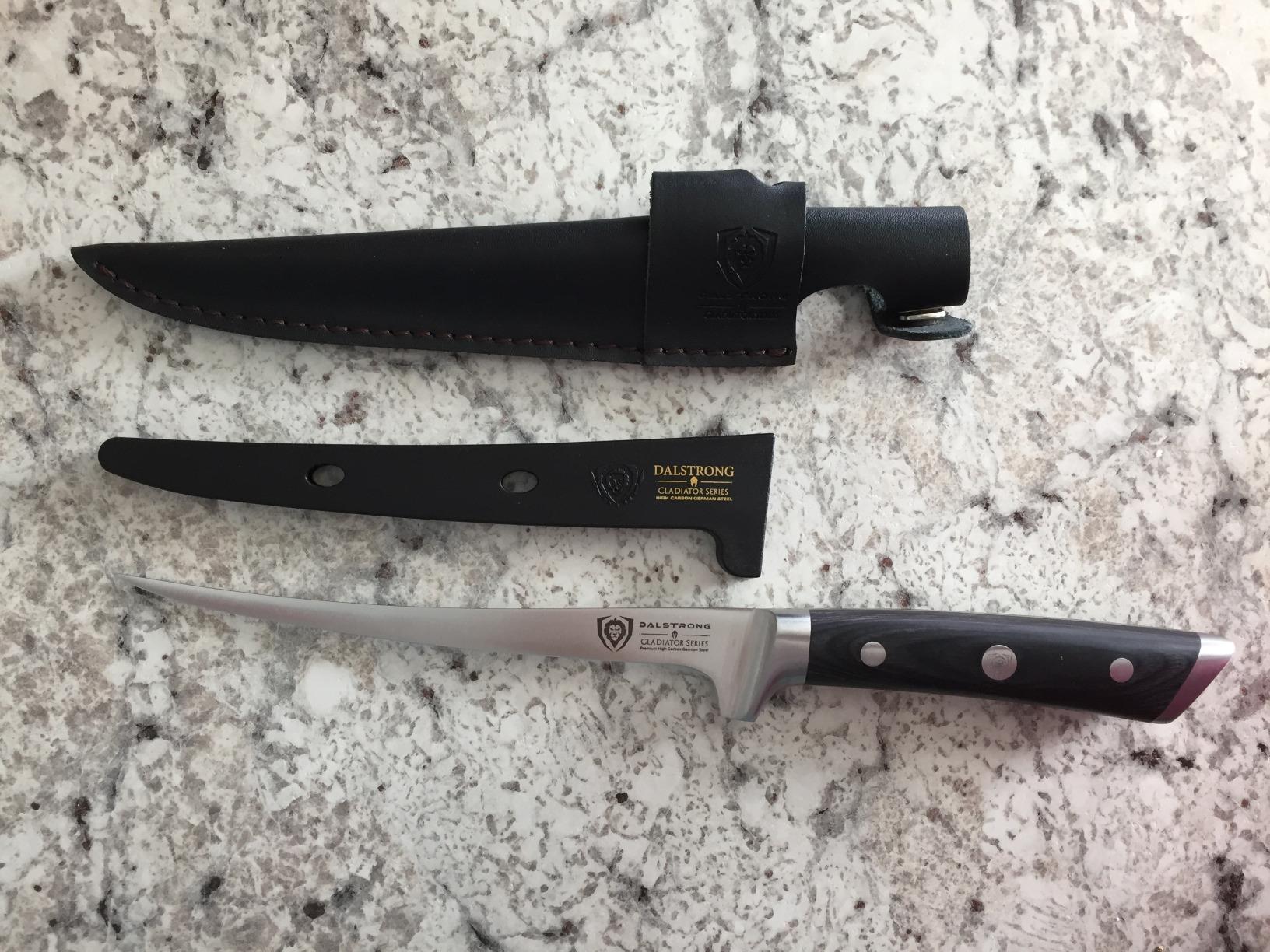
Edge recovery is the best part of ownership. Even when the edge softens, a few passes on a stone bring it straight back to a fine cutting state, which is the advantage of a slightly thicker forging compared with the razor-thin Japanese steels here.
What you give up is edge holding time and, for some users, balance. A small number of reviewers describe the knife as back-heavy, and a few report dull or balance issues straight out of the box.
Who the Dalstrong suits
Anglers who want spine strength more than maximum flex, particularly anyone breaking down ribs, cutting through cartilage or working a bony fish. The full tang gives you authority the thinner blades cannot provide.
Where the Dalstrong falls short
Flex. If your whole list is crappie and bluegill, a stiffer tip can tear more fillet than you would like, and some users find the balance point further back than they prefer for fine trimming. Justify it on build and spine strength rather than on spring.
8. Dexter P94813 8 Inch Narrow Fillet Knife
Dexter P94813 Narrow Fillet Knife, 8-Inch, White
8 inch narrow blade
Hollow ground 400 series steel
Polypropylene handle
2.4 ounces
Pros
- Sharp out of the box with a tapered skinning profile
- Hollow ground blade is quick to re-sharpen
- Lightest option here at 2.4 ounces
- Slip resistant handle and dishwasher safe
Cons
- Rough handle texture traps stains and is hard to clean
- No sheath included
- Some owners report weaker edge retention than older Dexter models
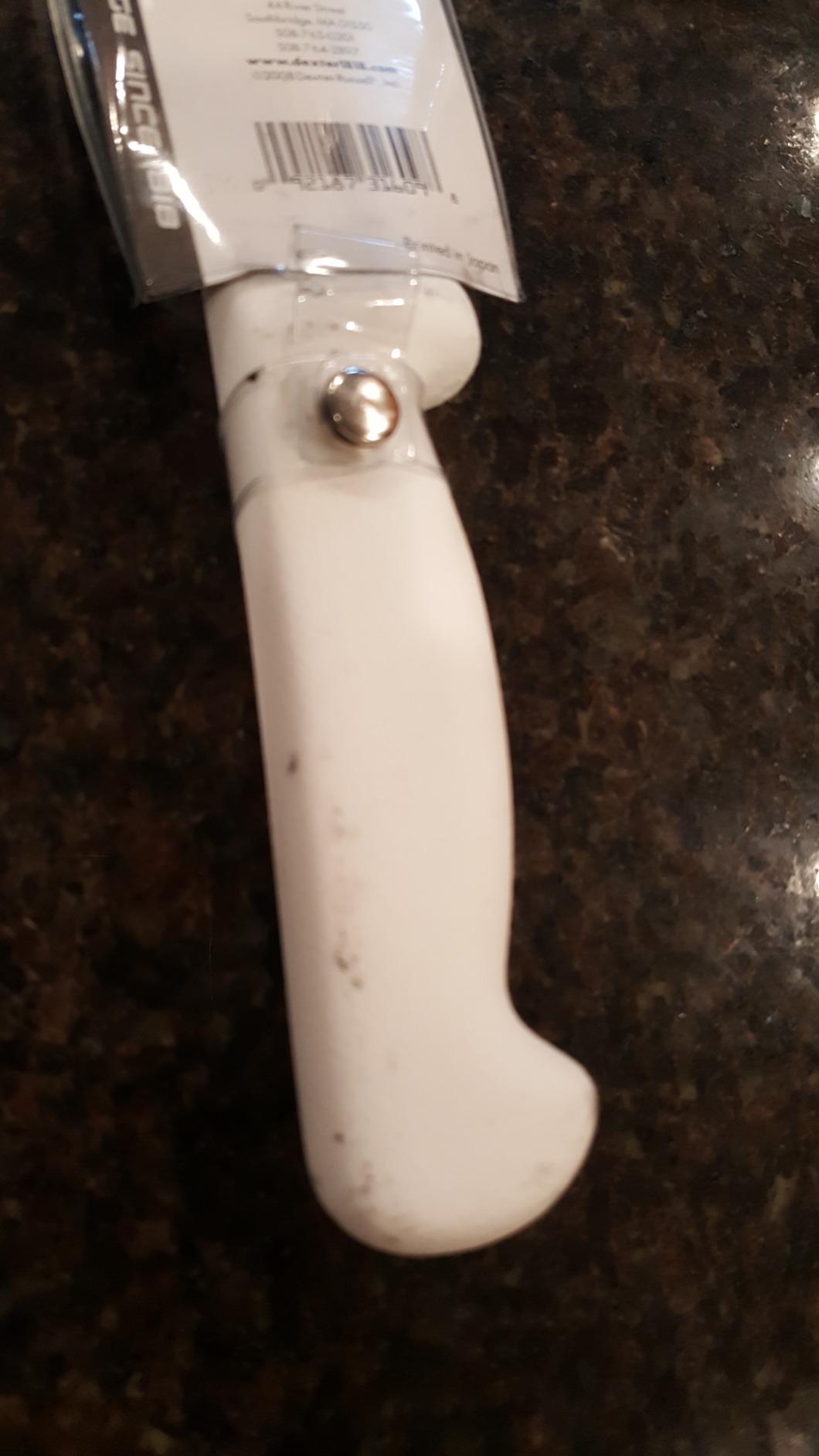
Dexter has been the default fillet knife name in American fishing for decades, and the P94813 8 inch is the narrow standard pattern most anglers picture. It is a stamped hollow-ground 400 series high-carbon blade, made in the USA, and at 2.4 ounces it is the lightest knife we tested by a wide margin.
That weight matters more than it sounds. On long shore sessions and slow kayak trips, a knife this light reduces wrist fatigue to almost nothing, and the tapered hollow-ground profile slides under skin on bass and trout with very little pressure. Experienced anglers who have compared dozens of fillet knives frequently call this the best of the bunch for the money.
Maintenance is straightforward. Hollow grinding means a few passes on a stone restore a working edge quickly, and the limited lifetime warranty covers defects in materials and workmanship.
The handle is the weak point. The textured polypropylene finish is genuinely slip resistant, but it also traps fishy stains and is hard to clean. There is no sheath in the box, and a small number of owners feel edge retention has slipped compared with older Dexter models.
Who the Dexter P94813 suits
Anglers who process a lot of fish in one sitting and care more about fatigue than absolute cutting power. The 8 inch length covers everything from panfish to mid size bass with a single tool.
Where the Dexter P94813 falls short
Cleaning convenience and included gear. That handle texture will need scrubbing, you will have to source your own sheath, and it is not the knife for driving through heavy bone. Buy it for the balance and the weight.
9. Bubba 7 Inch Tapered Flex Fillet Knife
BUBBA 7 Inch Tapered Flex Fillet Fishing Knife with Non-Slip Grip Handle, Full Tang Stainless Steel Non-Stick Blade, Lanyard Hole and Synthetic Sheath for Fishing, Boating and Hunting
7 inch ultra thin blade
8Cr13MoV stainless
Trigger grip with guards
9.6 ounces
Pros
- Super thin blade lifts fillets with minimal meat loss
- Trigger style grip adds real control
- Guards protect against blade and spine contact
- Highest rated knife in this roundup
Cons
- Heaviest pick here at 9.6 ounces
- Only a 1 year limited warranty
- Guard design adds bulk for slim grip fans
The Bubba Tapered Flex is the extreme end of the flexibility argument, and if your game is panfish and trout, it is the knife most likely to make you wonder why you used anything else. The 8Cr13MoV blade is described as super thin, and it behaves that way: the spine bends deeply under light pressure and springs back without taking a set.
Low meat loss is the result. On crappie, bluegill and trout the blade hugs the rib cage so closely that the fillet comes away almost clean. If you care about how much backbone meat you throw away, this is the pick.
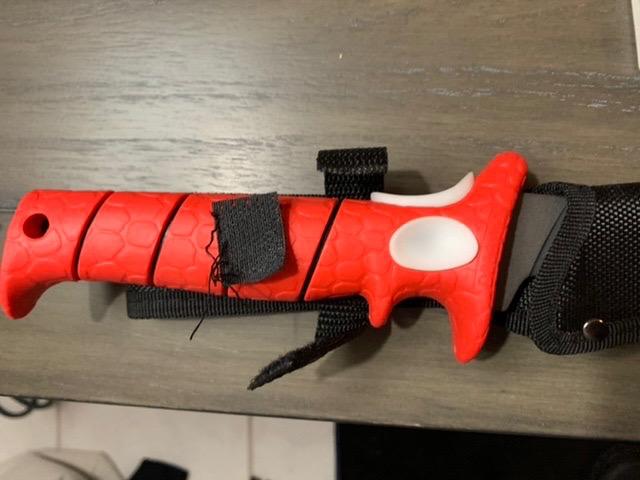
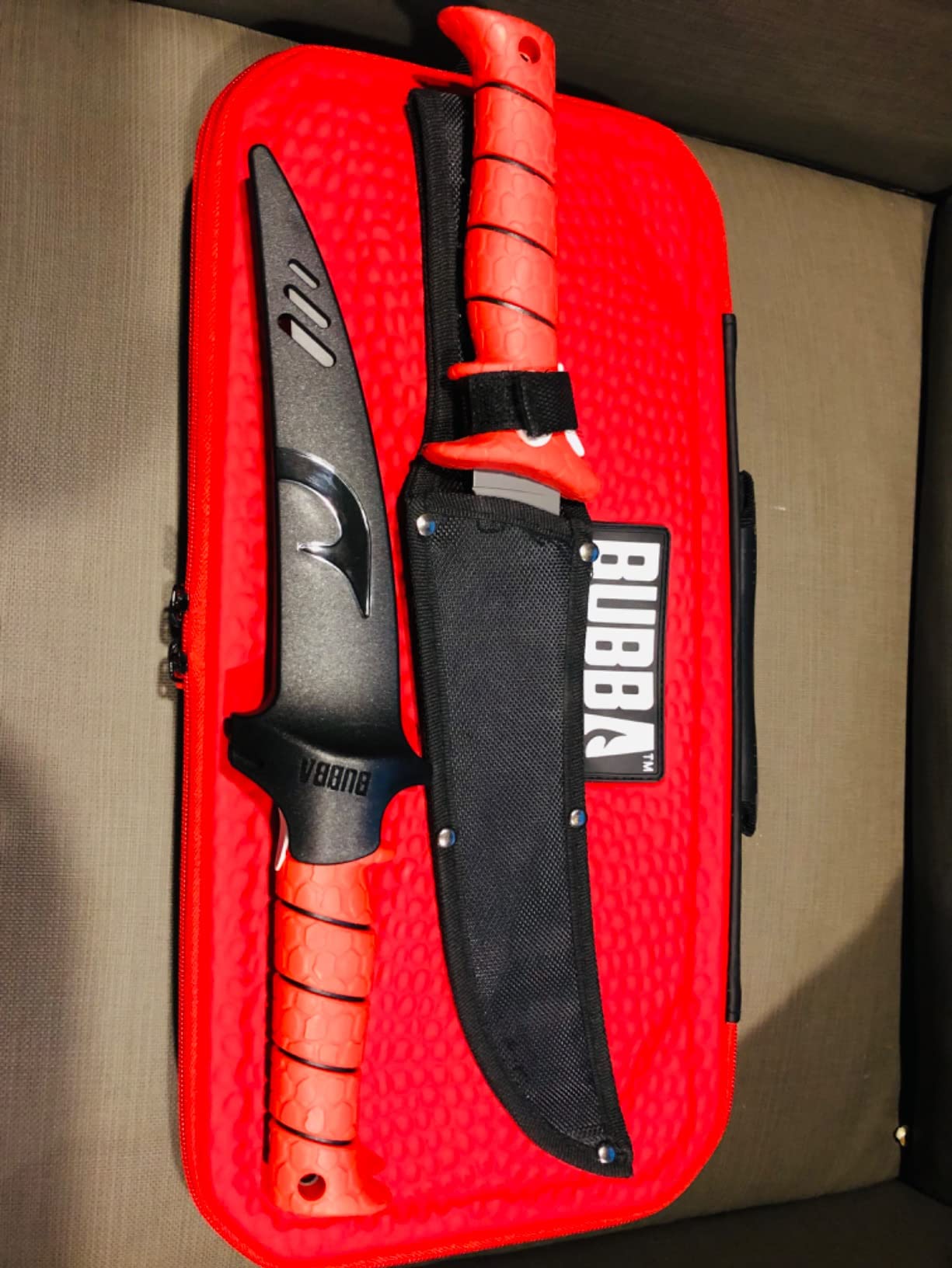
The handle is the differentiator for wet work. A trigger-style hold locks your index finger in place, and the guards sit between your hand and the blade and spine of the fish. That gave us the most confident grip of any handle here, slime-covered hands included.
Weight is the price. At 9.6 ounces it is the heaviest knife here, and on a long day you feel it in your hand and forearm. The warranty is also the shortest, at one year.
Who the Bubba Tapered Flex suits
Panfish and trout anglers who want minimal waste. The extreme flex follows the small contours a stiffer blade would tear through, and the trigger grip reduces the chance of the knife rotating when you grip the fish with one hand.
Where the Bubba Tapered Flex falls short
Large fish and long sessions. A super thin blade has limited spine strength for the initial cut behind the head on a big walleye, and the weight tires your grip sooner than the lighter picks. Pair it with a stiffer knife if you fish pike or catfish regularly.
10. Kershaw Clearwater II 9 Inch Fish Fillet Knife
Kershaw 9″ Clearwater Fish Fillet Knife, Black, 9 Inch Blade
9 inch 420J2 blade
Co-polymer grip
14.25 inch overall
3.6 ounces
Pros
- Japanese 420J2 stainless has the right amount of flex
- Co-polymer handle grips well in wet conditions
- Lightweight at 3.6 ounces for long sessions
- Belt loop sheath and limited lifetime warranty
Cons
- 420J2 is a softer steel that dulls sooner
- 9 inch length is long for smaller freshwater fish
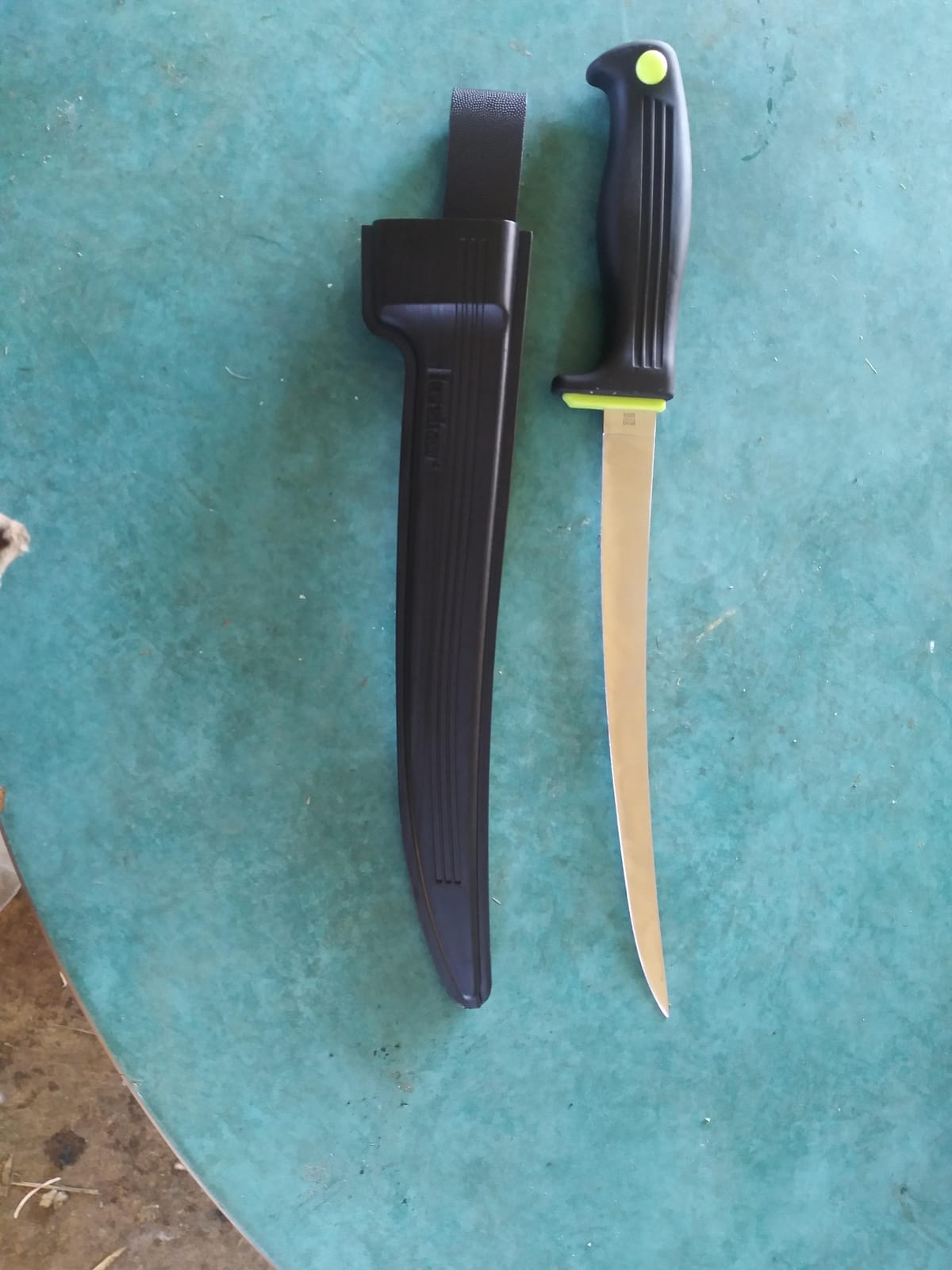
The Clearwater II is built for the situation most freshwater anglers actually face: a wet boat, limited space and a need for a long blade that will not corrode out from under you. The 9 inch 420J2 stainless blade is Japanese steel with a trailing point profile, and its corrosion resistance is why we recommend it for lake fish that sit in a livewell full of water.
Flex is described as just right by owners, and that matched our feel. There is enough give to follow a rib cage and enough spine to make the first cut behind the head. At 3.6 ounces it is one of the lighter 9 inch options here, which reduces the fatigue that usually comes with a long blade.
The co-polymer handle is the other reason this lands on the list. It stays secure in wet conditions and wipes clean easily, and the neon yellow highlights make the knife easy to find in a cluttered boat locker, which is a real safety point when you are reaching for a blade in the dark.
The trade-off is steel hardness. 420J2 is softer than the Japanese high-carbon steels here, so the edge dulls sooner and wants sharpening more often. The 9 inch length is also long for small fish, offset by a limited lifetime warranty.
Who the Kershaw Clearwater II suits
Boat and kayak anglers who want corrosion resistance and a light, long blade. It pairs well with bass, walleye, trout and catfish trips where the knife lives in a wet locker all season, and the belt loop sheath keeps it secured.
Where the Kershaw Clearwater II falls short
Edge holding time and small fish. The softer steel means more sharpening sessions than the forged picks here, and 9 inches is a lot of knife for a crappie. If you sharpen regularly, this is a very practical tool.
11. Buck Knives 223 Silver Creek 6 Inch Fillet Knife
Buck Knives 223 Silver Creek Fixed Fillet Knife, Fishing Gear, 5 oz
6-3/8 inch titanium coated blade
TPE rubber overmold grip
Integrated safety guard
5 ounces
Pros
- Titanium coated 420J2 resists corrosion and flexes along the bone
- TPE rubber overmold grip has anti-slip ridges when wet
- Integrated stainless safety guard protects the hand
- Sheath has a belt clip and drain hole
Cons
- 6 inch blade is short for large whole fish
- Fixed blade with no folding mechanism
- Lowest review volume among these picks
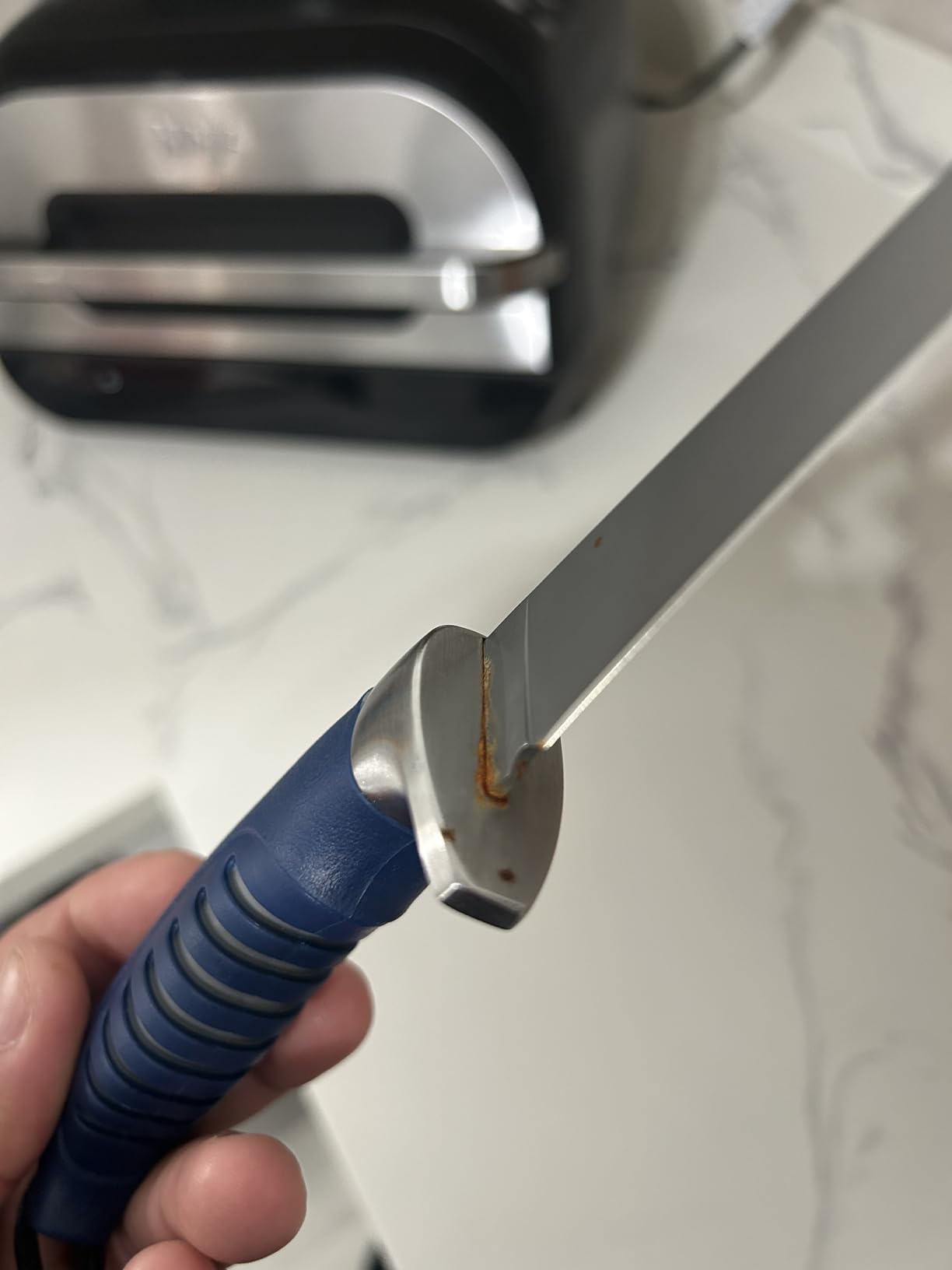
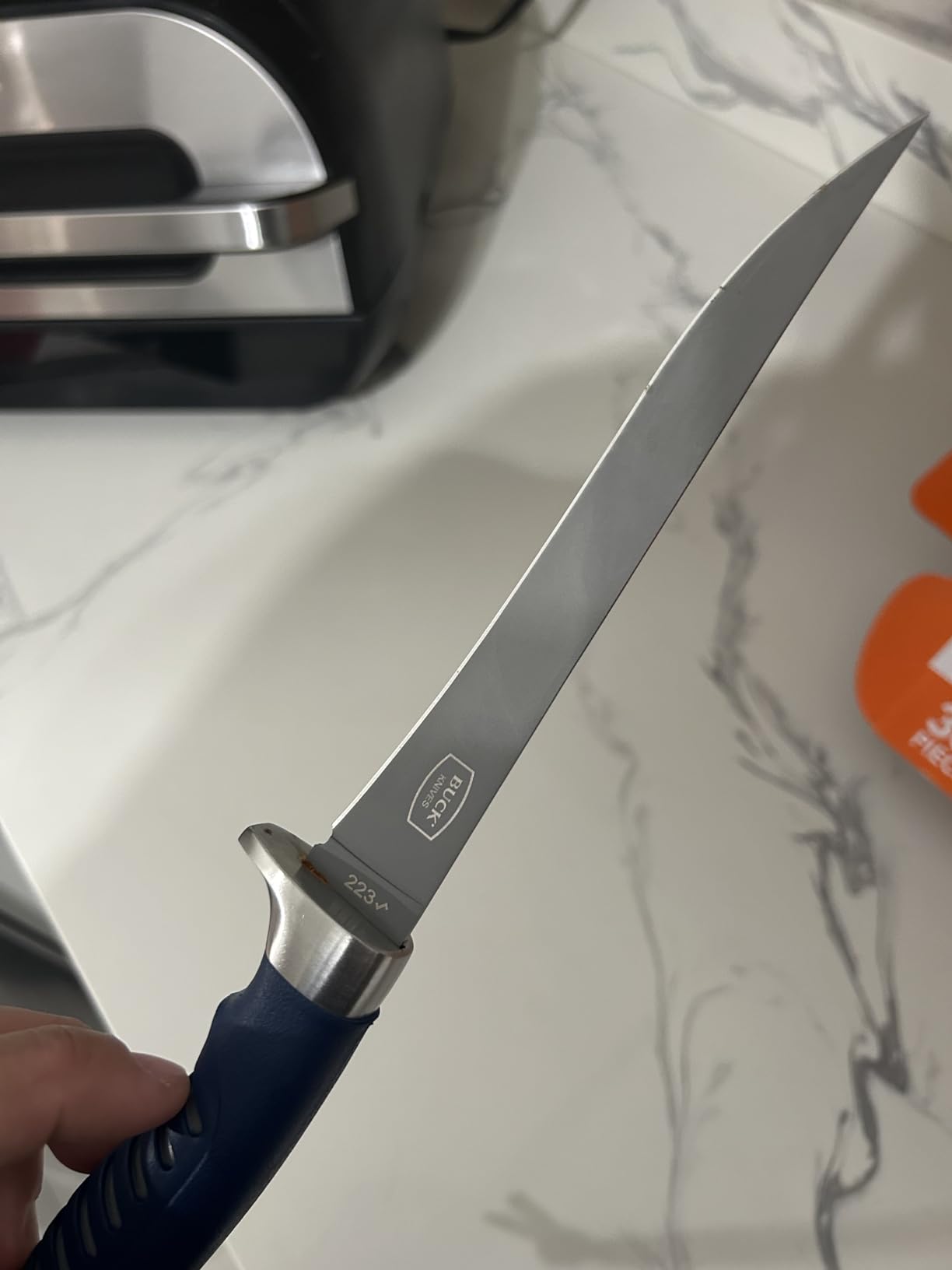
The Buck Silver Creek is the wet-hand safety pick, and that is a narrow but real problem in freshwater fishing. The TPE rubber overmold with anti-slip ridges gives a surface that stays put when your hands are cold, wet and covered in fish mucus, and the integrated stainless safety guard keeps your forward hand away from the blade.
The 6-3/8 inch titanium-coated 420J2 blade is a traditional angler profile. The coating adds corrosion resistance on top of what the steel already provides, which matters for anyone who leaves the knife in a boat locker. Owners consistently praise the corrosion performance and the wet grip.
The convex edge is set up for a clean slicing draw rather than a chop, and the blade flexes along the bone the way a traditional fillet knife should. Buck’s Forever warranty covers the knife for life, matching the longest commitment in this roundup.
Blade length is the limit owners cite most, since 6-3/8 inches is short for large whole fish, and it carries the smallest review base here. The sheath’s drain hole helps drying between trips.
Who the Buck Silver Creek suits
Anglers who fish in the rain, in the cold, or off a slippery bank where grip is the limiting factor. The rubber overmold and safety guard are the best wet-hand combination we found at this length.
Where the Buck Silver Creek falls short
Length and large fish. Six and three-eighths inches will not carry a walleye or a catfish on its own, so this is a panfish and trout knife that happens to be built extremely well. If your targets are all under five pounds, that is no problem.
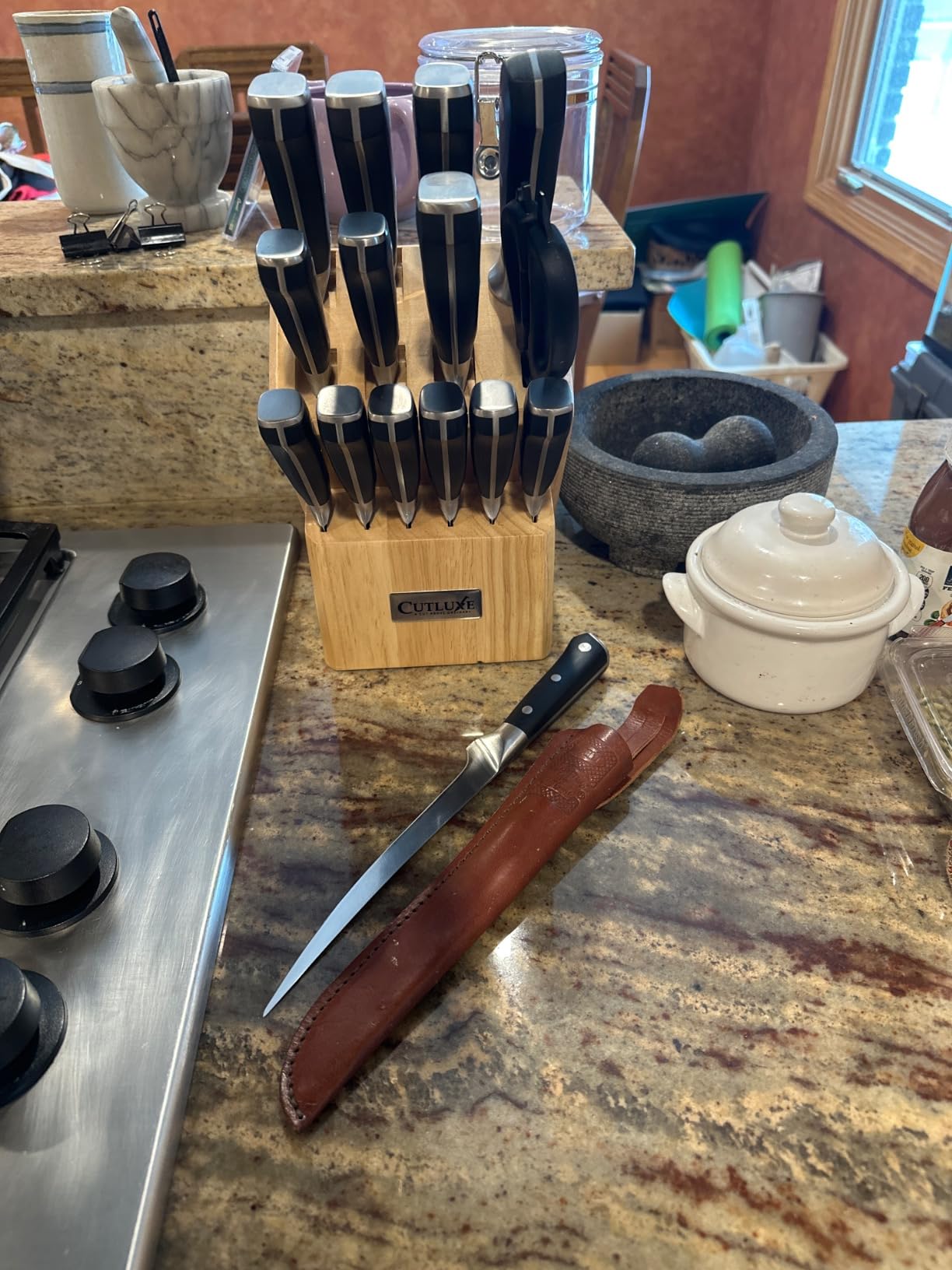
12. Cutluxe 7 Inch Flexible Boning and Fillet Knife
Cutluxe Fillet Knife 7″ – Sharp Flexible Boning Knife for Fish & Meat
7 inch forged blade
High carbon German steel at 56 HRC
14-16 degree edge
Pakkawood handle
Pros
- Hand sharpened 14-16 degree edge cuts cleanly
- Forged German steel holds a strong working edge
- Triple riveted pakkawood handle is stable and comfortable
- Lifetime warranty against defects
Cons
- 7 inch blade is limited for very large fish
- Pakkawood handle needs hand washing and oiling
- Bulkier handle than rubber gripped options
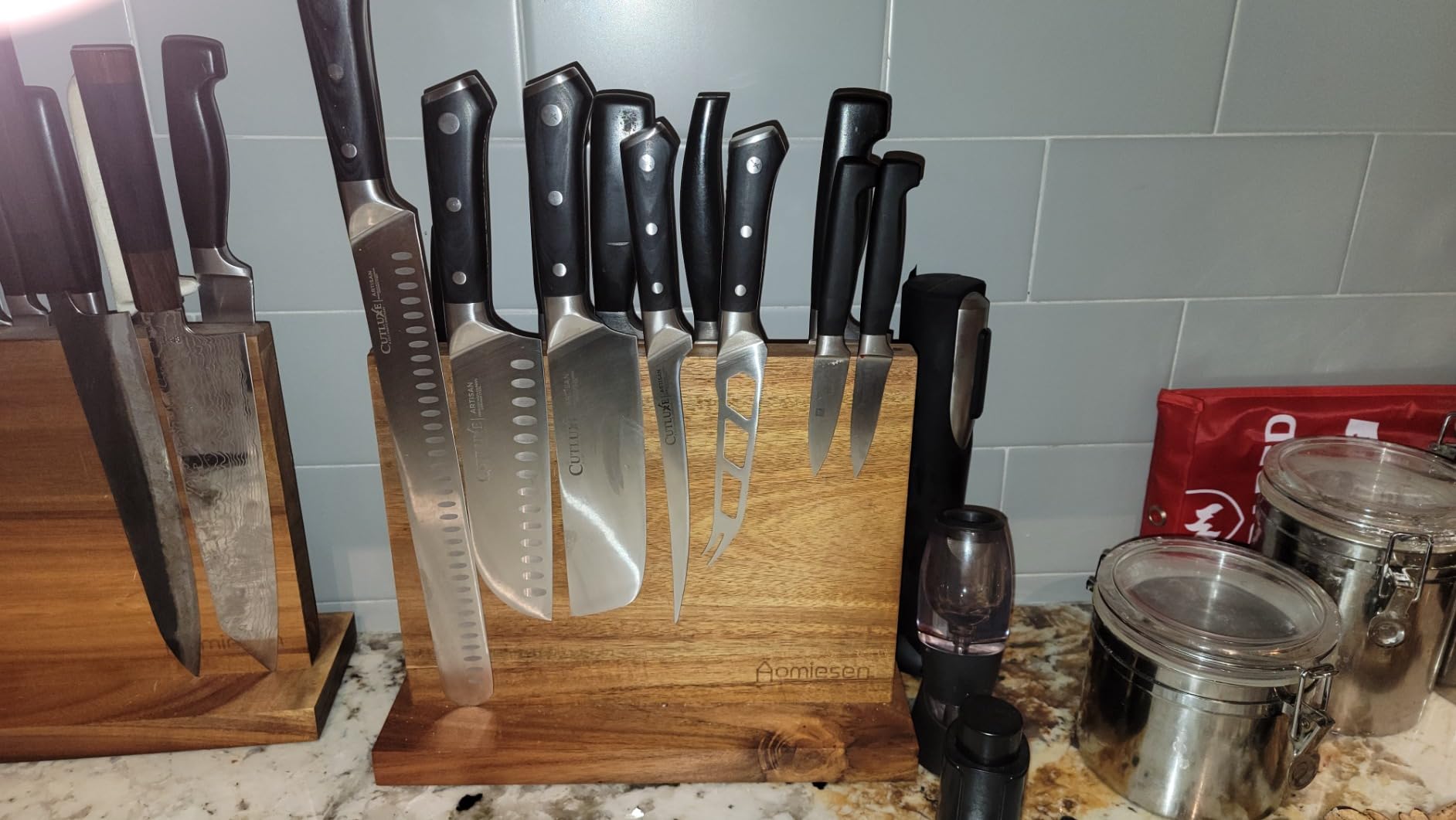
The Cutluxe rounds out the list as a mid-tier forged knife with a warranty you rarely see in this category. The 7 inch blade is forged German high-carbon steel at 56 plus Rockwell, full tang, triple riveted to a laminated pakkawood handle, and it arrives hand sharpened at 14-16 degrees per side.
In use it feels premium. The tapered profile handled filleting, deboning and skinning cleanly on bass, perch and trout, and reviewers describe a premium feel that surprises people who expected more at this price.
Edge holding is a genuine strength rather than a compromise: the 14-16 degree angle survives fish bone contact while still cutting cleanly, which is the balance you want in a boat rather than a kitchen. The forged steel recovers quickly on a stone.
The pakkawood handle is the trade. It needs hand washing and occasional oiling, and it is bulkier than the rubber handles some anglers prefer for a slim wet grip.
Who the Cutluxe suits
The angler who wants a forged, full tang knife with a serious factory edge and a lifetime warranty without moving up to the premium tier. It works well for mixed freshwater bags of bass, trout and perch.
Where the Cutluxe falls short
Maintenance and very large fish. Pakkawood demands more care than rubber, 7 inches limits you on the largest species, and a slim grip fan may find the handle bulky.
How to Choose a Fillet Knife for Freshwater Fish
Should you get a 7 inch or 9 inch fillet knife?
Choose 7 inches for panfish, trout and most bass under three pounds. Choose 9 inches for walleye, catfish, northern pike, carp and anything over five pounds, because the longer sweep lets you make the cut behind the head and along the spine in fewer passes. A 6 inch blade is a specialist panfish and trimming tool rather than a general freshwater answer. If you can only buy one knife and your lake produces mixed fish, 7 inches is the safer default.
Forum consensus lines up with this. The NoReast thread picks a 7 inch as the general freshwater length, while anglers targeting larger fish gravitate to longer blades. For most people, the 6 inch and 7 inch picks in this roundup cover the majority of inland fishing.
How much blade flex do you need?
Flexible blades are better for panfish, crappie, bluegill, trout and flat fish, because they wrap around contours without tearing. Semi-flex blades are the safest all-round choice for mixed bags. Stiff or thick blades are better for the first cut behind the head on large fish, for cutting through ribs and cartilage, and for any species where you need force rather than contour.
The most useful test is the fish itself. If your fish is thin and bony, you want flex. If your fish is deep-bodied with heavy shoulders, you want spine. Many freshwater anglers own one of each, which is a perfectly reasonable answer to the flex debate.
Which steel should you look for?
High carbon steel holds the sharpest edge and sharpens fastest, but it will spot or rust if it stays wet, so it suits anglers who clean fish at home and dry the blade promptly. Stainless steel resists corrosion and forgives a wet boat locker, which makes it the safer choice for the field, at the cost of some edge retention and a narrower factory angle.
VG-10 and other Japanese stainless grades sit in between and are the reason several picks here sharpen well while still tolerating freshwater contact. Whichever steel you pick, favour a knife you can put an edge back on with a stone or a honing rod, because that matters more than the steel name.
How much do handles and grip matter?
A lot. A textured rubber handle such as Fibrox or TPE overmold, or a grippy polymer handle, stays secure when your hands are wet and covered in mucus. Pakkawood and G10 handles feel better in a kitchen but need more care and offer less grip when soaked. A safety guard between the handle and the blade is worth having on a boat. Many anglers also pair a knife with a cut-resistant glove on the holding hand, which improves control rather than comfort alone.
We maintain a separate guide to everyday carry pocket knives, which is a different use case entirely, and to santoku knives for vegetables if you want a kitchen workhorse that is not a fillet knife.
Which Freshwater Species Needs Which Fillet Knife
Bluegill, crappie and yellow perch are shallow-bodied and bony, so they reward a flexible 6 or 7 inch blade. Trout need a thin blade and a fine edge to keep the skin intact. Largemouth and smallmouth bass sit in the middle: a 7 inch semi-flex blade handles them well, and a longer blade helps as the fish get bigger.
Walleye are the reason most freshwater anglers end up with a 9 inch knife. They are long, deep and heavily ribbed, and a longer sweep makes the behind-the-head cut and the spine cut far fewer strokes. Yellow perch and small walleye can be handled with a 7 inch, but a 9 inch is the safer choice for a mixed walleye lake.
Catfish require a stiffer blade and a strong spine rather than a springy one, because you are cutting through thicker skin and firm rib meat. A stiff-backed blade such as a forged 6 inch or a long stainless blade is the right tool, and you will also want pliers or a gripper for the head.
Northern pike and muskellunge are the hardest freshwater fish to fillet, and the reason is bone, not skin. Both have a dense rib cage and stubborn pin bones near the head, and a flexible blade tends to tear through them and waste meat. A stiffer, longer blade gives you control, and the technique that works best is to follow the ribs with short controlled passes rather than one long sweep. If you fish pike regularly, this is the one case where a stiff blade beats a flexible one.
Carp are thick-skinned and bony, and they reward a stiffer blade with reach, often with a separate knife for the initial cut. Y-bones in crappie are the other recurring frustration: a long thin blade that stays sharp past the shoulder is what makes removing them in one piece realistic rather than a series of nicks.
Keeping a Fillet Knife Sharp and Rust-Free
Freshwater contact is the enemy of a sharp edge and the enemy of carbon steel. A short routine after every trip handles both, and it is much easier than resharpening on a tailgate at the end of a long day.
First, rinse the blade in cool fresh water immediately after use, then dry it fully with a towel before anything else. Skipping the dry step is what causes the spotting and pitting that anglers complain about, especially on high-carbon steel such as the Mercer and Dexter picks.
Second, hone during the trip and sharpen between trips. A honing rod or a compact sharpener keeps an edge working through a day of filleting without removing much steel, while a whetstone restores the full edge when you get home.
Third, store it dry and sheathed. A sheath with drainage slots, like the one included with the KastKing Speed Demon Pro, keeps a wet blade from sitting against a damp surface. For a boat locker, an open-air dry rack beats a closed plastic box.
Fourth, oil the handle if it is pakkawood or wood. The HOSHANHO, imarku and Cutluxe handles all benefit from an occasional coat, which keeps the laminate stable and resists the swelling that comes from repeated soaking. Sharpen on a consistent schedule rather than waiting for a bad cut, since most owners touch up between trips and do a full sharpening only a few times a year.
Frequently Asked Questions
What is the best knife for filleting fish when fishing?
The best fillet knife for freshwater fishing is one whose blade length and flex match your species: a flexible 6 or 7 inch blade for panfish and trout, a longer 9 inch blade for walleye, catfish and pike. Sharpness and the ability to re-sharpen in the field matter far more than brand or cost. Our top overall pick is the Victorinox Fibrox 6 inch.
Should I get a 7 or 9 inch fillet knife?
Get a 7 inch blade for panfish, trout and bass under about three pounds. Get a 9 inch blade for walleye, catfish, northern pike, carp and larger fish, because the longer sweep makes the cut behind the head and along the spine in fewer passes. If your lake produces mixed fish and you want one knife, 7 inches is the safer default.
Can I use a regular knife to fillet a fish?
You can fillet a fish with a regular kitchen knife, but you will waste more meat and tear more fillet. A thin fillet knife flexes around the rib cage and slides under skin with far less force, which is why dedicated fillet knives have a narrow profile and a tapered spine. A stiff chef’s knife is better used for the initial cut behind the head.
Are northern pike hard to fillet?
Yes. Northern pike and muskellunge are the hardest freshwater fish to fillet because of bone rather than skin, with a dense rib cage and stubborn pin bones near the head. A stiff, longer blade gives you control that a highly flexible blade does not, and short controlled passes following the ribs waste less meat than one long sweeping cut.
What is the best flexible fillet knife?
Among the picks here, the Bubba 7 inch Tapered Flex is the most flexible, with a super thin blade that lifts panfish and trout fillets with very little meat loss. If you want flexibility with more everyday durability, the Victorinox Fibrox 6 inch and the Rapala Fish n Fillet are the more practical choices. Flex matters most on thin, bony fish.
What fillet knife do professionals use?
Fish house workers and professional chefs tend to use whatever is sharp, and the brands that show up most often in commercial settings are Dexter-Russell, Mercer and Rapala, largely because they are easy to sharpen and hold an edge. Reviews frequently mention owners replacing a twenty-year-old Rapala with an identical new one, which is the strongest longevity signal available.
What’s the best steel for a fillet knife?
High carbon steel holds the sharpest edge and sharpens fastest but spots if it stays wet, so it suits anglers who clean fish at home and dry the blade right away. Stainless steel forgives wet storage and is the safer field choice, at some cost to edge retention. Japanese steels such as VG-10 and 10Cr15CoMoV balance the two and are a strong middle ground.
What is a good professional filleting knife?
A good professional filleting knife has a thin tapered blade between 6 and 9 inches, a grippy handle that stays secure when wet, and steel you can restore on a whetstone. The Mercer Culinary Millennia 8.5 inch and the Dexter P94813 8 inch fit that description, and both carry limited lifetime warranties. Very long or very short blades suit specialists rather than general work.
Final Verdict on the Best Fillet Knives for Freshwater Fish
The best fillet knives for freshwater fish are the ones matched to your fish, and the best single buy in this roundup is the Victorinox Fibrox 6 inch for its balance of flex, weight, grip and repairability. Go with the HOSHANHO for the finest cut, the imarku for Japanese steel at a lower outlay, the KastKing Speed Demon Pro for big fish, and the Rapala for a panfish knife you will still own decades from now.
Whichever you choose, sharpen it before the trip, dry it after, and take our field knife guide and karambit reviews for the rest of your gear. Our picks were reviewed and updated for 2026.