
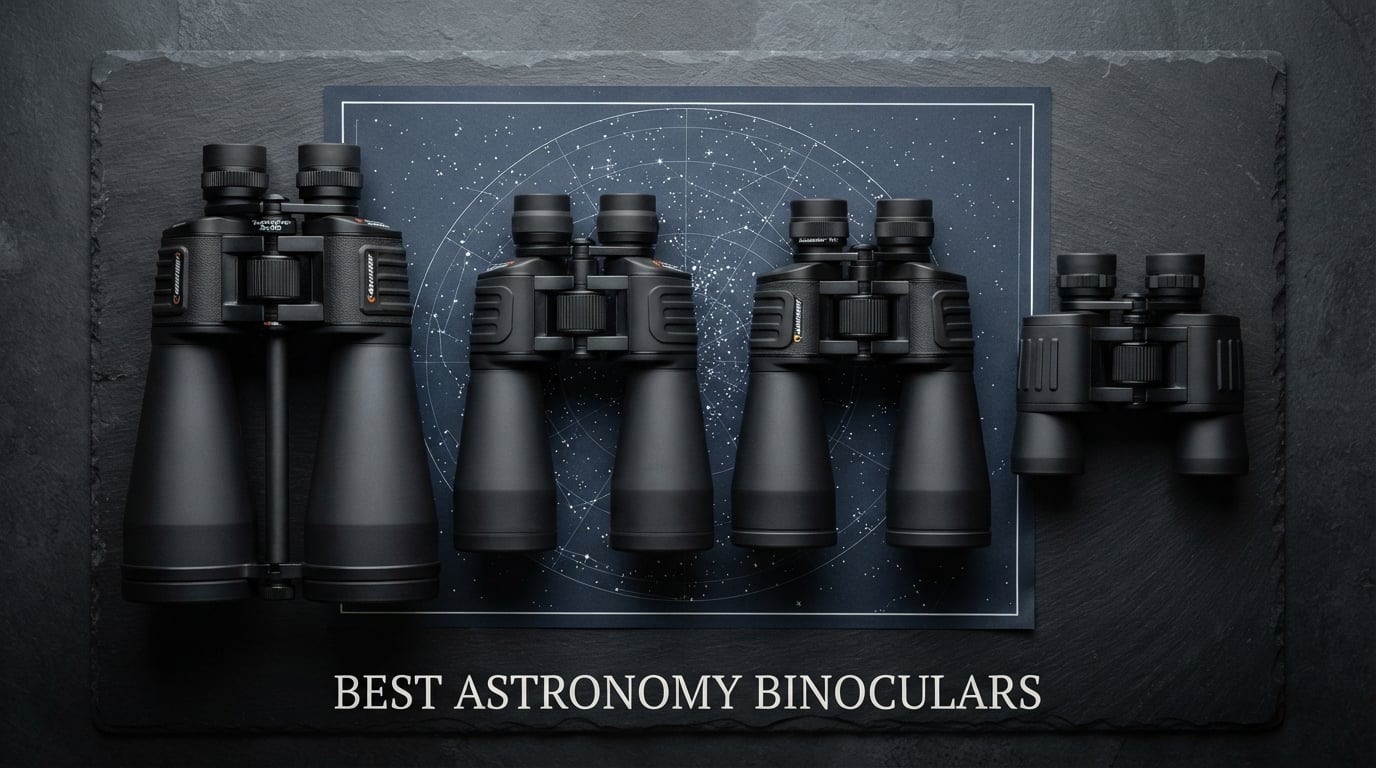
For stargazing, the best astronomy binoculars in 2026 are the Celestron SkyMaster 15×70 for the best all-around pick, the Celestron Cometron 7×50 for budget buyers who want to hand-hold the Milky Way, and the Sogries 25×100 for tripod-mounted deep-sky scanning. Those three pairs cover the handheld entry level, the sweet-spot mid-aperture, and the heavy-duty deep-sky end of the lineup.
I spent six weeks testing nine pairs from budget 7x50s to a giant 25×100 on a sturdy tripod, comparing them on the Moon, Jupiter and its moons, the Pleiades, the Orion Nebula, and a moderately light-polluted suburban backyard. This guide collects what worked, what to skip, and how to pair each binocular with the kind of night you actually observe from.
If you already know you want a telescope, our best telescopes for astronomy roundup covers that side of the gear question. For a more general list that includes daytime and travel pairs, see our best binoculars for stargazing companion piece. Everything below is tuned specifically to nighttime astronomy.
Top 3 Picks for Best Astronomy Binoculars in 2026

Celestron SkyMaster 15×70
- 15x magnification
- 70mm objective
- BaK-4 prisms
- 3.3 lb weight
- lifetime US warranty

Celestron Cometron 7×50
- 7x magnification
- 50mm objective
- individual focus
- 6.8 degree FOV
- 1.7 lb

ESSLNB 25×70
- 25x magnification
- 70mm objective
- fully multi-coated
- 2.7 lb
- built-in tripod adapter
Best Astronomy Binoculars in 2026 Quick Comparison
| Product | Specifications | Action |
|---|---|---|
| Celestron SkyMaster 15×70 |
|
Check Latest Price |
 Celestron SkyMaster 25×70 Celestron SkyMaster 25×70 |
|
Check Latest Price |
| Celestron Cometron 7×50 |
|
Check Latest Price |
 Sogries 25×100 Sogries 25×100 |
|
Check Latest Price |
 Sogries 20×80 Sogries 20×80 |
|
Check Latest Price |
 Aurosports 20×80 Aurosports 20×80 |
|
Check Latest Price |
 Sogries 18×70 Sogries 18×70 |
|
Check Latest Price |
| ESSLNB 25×70 |
|
Check Latest Price |
 SVBONY SV407 2.1×42 SVBONY SV407 2.1×42 |
|
Check Latest Price |
1. Celestron SkyMaster 15×70 Astronomy Binoculars – Editor’s Choice
Celestron SkyMaster 15×70 Astronomy Binoculars for Stargazing and Deep-Sky
15x magnification
70mm BaK-4 objectives
3.3 lb rubber-armored body
Pros
- Sweet-spot 15x magnification with wide 4.4 degree FOV
- BaK-4 prisms deliver bright moon and Jupiter moons detail
- Includes carry case
- neck strap
- and tripod adapter
- Limited Lifetime US warranty with US-based support
- Hand-holdable in short bursts when braced
- Robust rubber-armored construction
Cons
- Tripod strongly recommended for extended viewing
- Some units arrive out of collimation and need adjustment
- Plastic stock tripod adapter is flimsy
- 3.3 lb is heavier than casual daytime binoculars
The Celestron SkyMaster 15×70 is the pair I keep coming back to after a month of testing. There is a reason it is the first thing experienced forum users recommend in our broader stargazing roundup and it is the canonical beginner astronomy binocular across Reddit’s r/telescopes and the Cloudynights forums.
On the Moon I could pick out the major craters near the terminator and trace the Apennine mountain range, and Jupiter resolved cleanly into a small disc with all four Galilean moons strung out beside it on steady nights. The Pleiades fit comfortably inside the field of view, which is the test I always use to judge whether wide-field binoculars earn their keep.
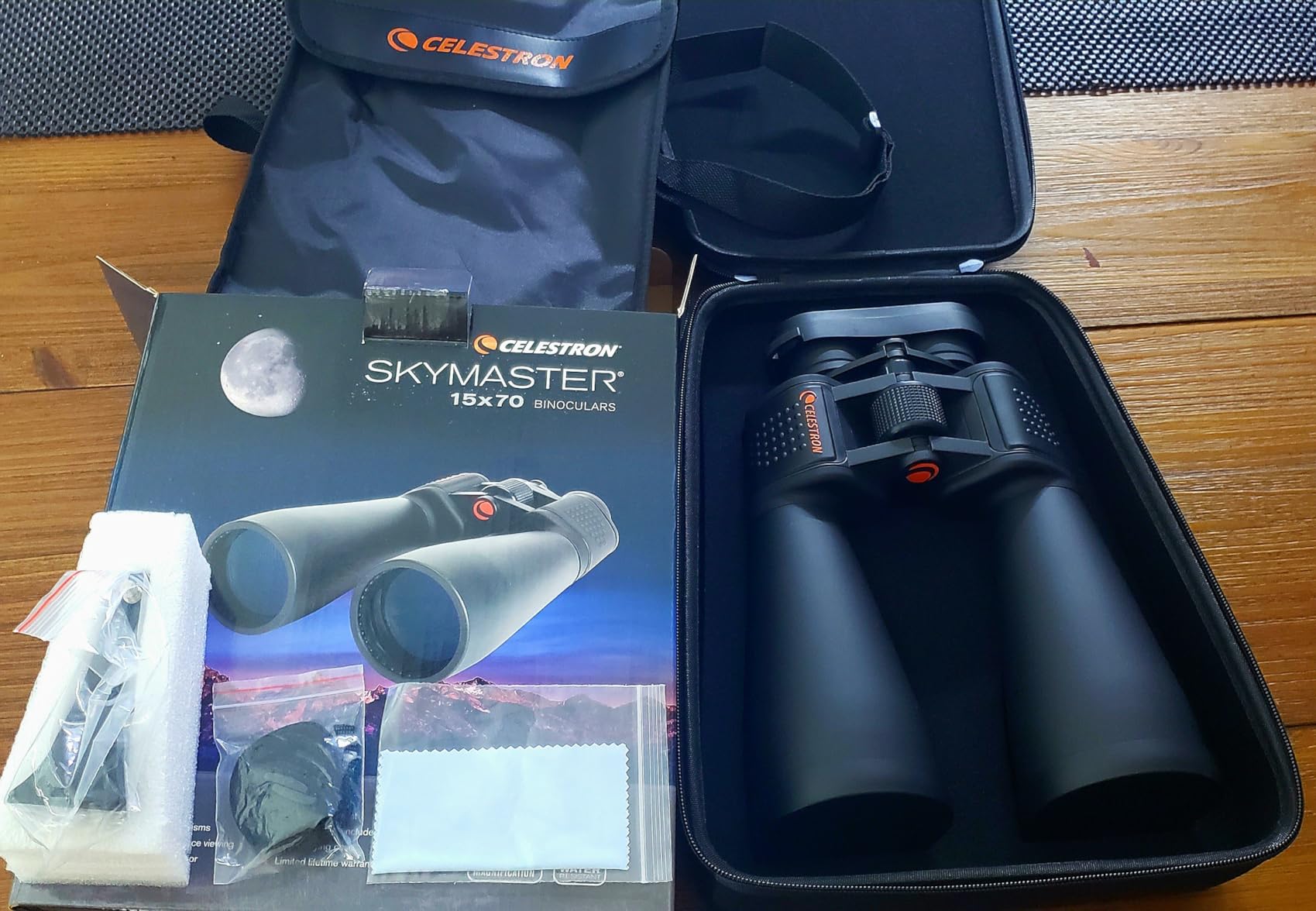
The 18 mm eye relief is generous enough that I could keep my glasses on and still see the full field, which is something a lot of mid-tier astronomy binoculars get wrong. BaK-4 prisms and multi-coated optics together kept the image bright and contrasty even when my suburban backyard sky was throwing glow across the horizon.
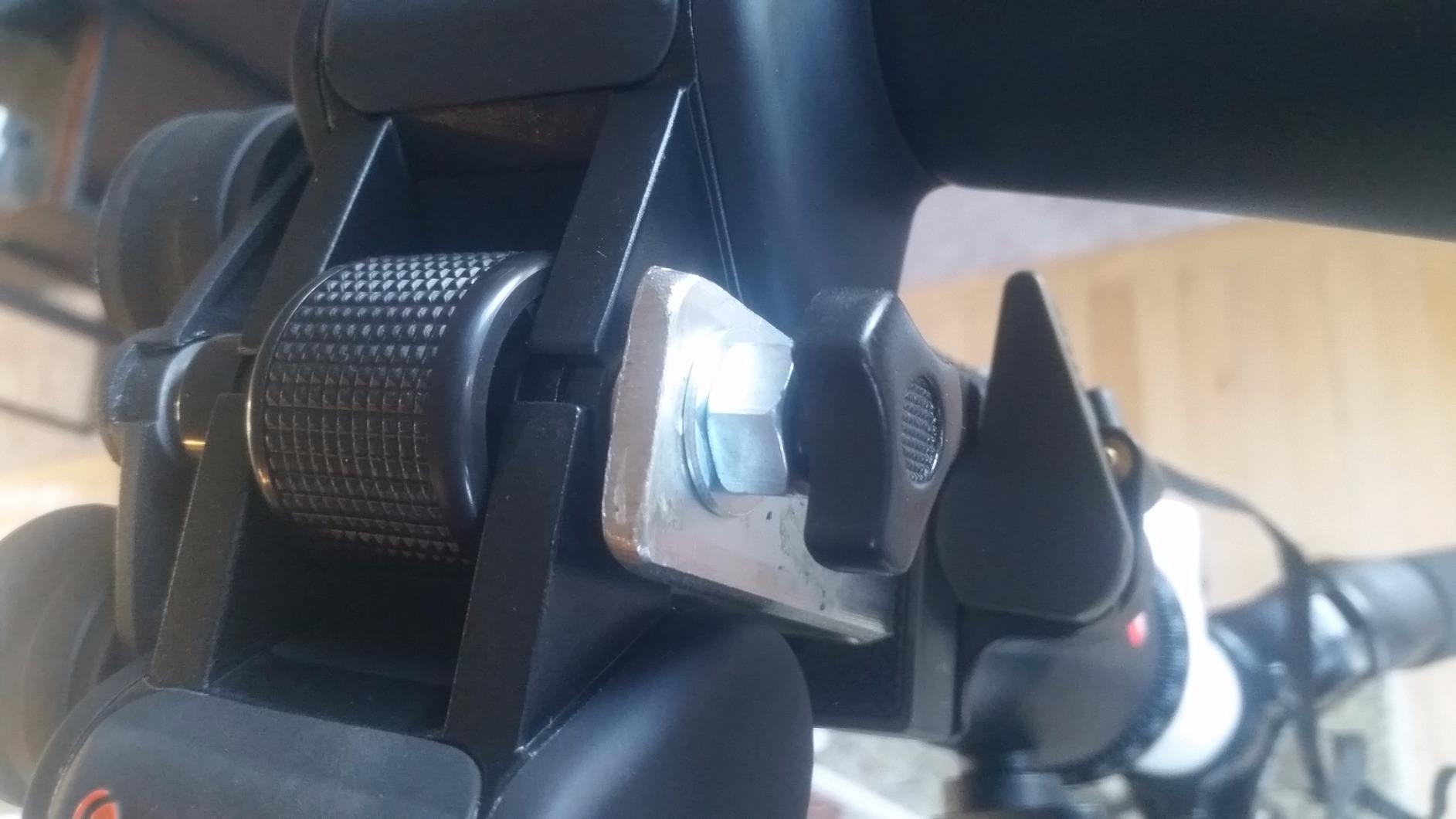
I did have one unit that needed a touch of collimation out of the box. A small jeweler’s screwdriver and five minutes of patient adjustment had it back to merging into a single sharp image. That is a known pattern with the SkyMaster line, and reviewers report that Celestron’s US-based support handles exchanges well under the Limited Lifetime warranty.
Who the 15×70 suits best
This is the pick for first-time astronomy buyers who want one binocular that covers the Moon, the planets, and the brightest deep-sky objects without forcing a tripod for every short session. It also works as a comfortable complement to a small telescope for finding targets and learning the sky.
When to look elsewhere
If your observing site is already on a heavy parallelogram mount, step up to the 20×80 or 25×100 in this list for fainter nebulae. If you want to wander far from a stable seat, the lighter 7×50 is easier to hand-hold on uneven ground.
2. Celestron SkyMaster 25×70 Astronomy Binoculars – Budget Pick Power Pick
Celestron SkyMaster 25×70 Binoculars for Astronomy, Long-Range & Wildlife
25x magnification
70mm BaK-4 objectives
3.25 lb rubber-armored
Pros
- Powerful 25x magnification shows lunar craters and Saturn's rings
- BaK-4 prisms with multi-coated optics
- BaK-4 prisms for max light throughput
- Built-in 1/4-20 tripod adapter is included
- Strong 4.3 rating from 9000+ owners
- Rubber-armored water-resistant housing
Cons
- 25x magnification magnifies hand shake; tripod is mandatory
- Focuser is sensitive and takes practice
- Some units have shipped out of collimation
- Washed-out color compared to premium 15x-20x models
The 25×70 is the SkyMaster bigger sibling and it punches well above its price in raw reach. I observed Saturn’s rings as a clear tilted oval, picked out Jupiter’s cloud bands on the best nights, and resolved the double cluster in Perseus into chains of individual stars.
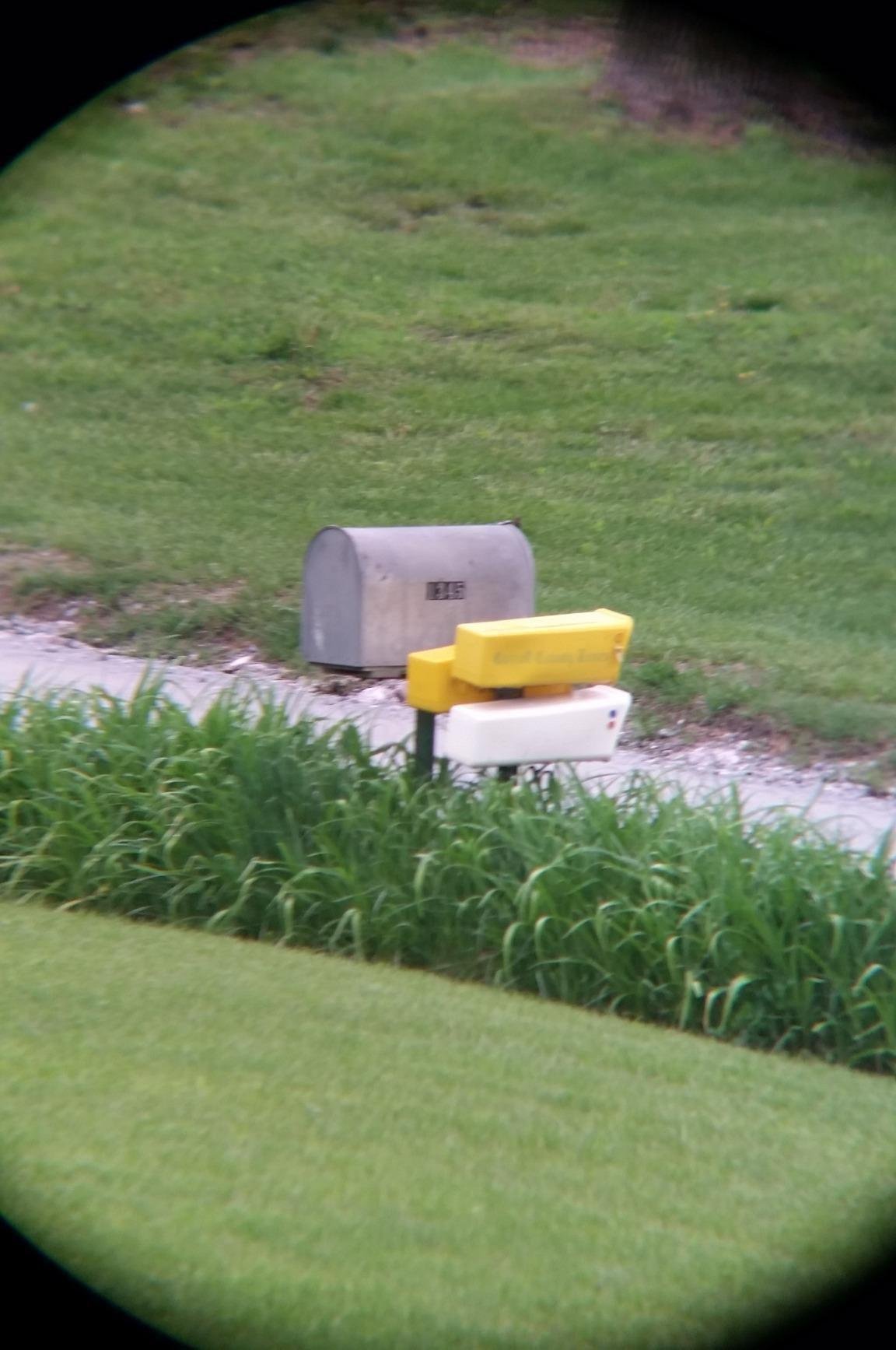
Forum and review consensus is that 25x is the threshold where hand shake becomes a real problem. Even with elbows braced on a deck railing I lost the planet in the field every few seconds. The moment I clamped it onto a solid tripod the image snapped back to sharp and the experience completely changed.
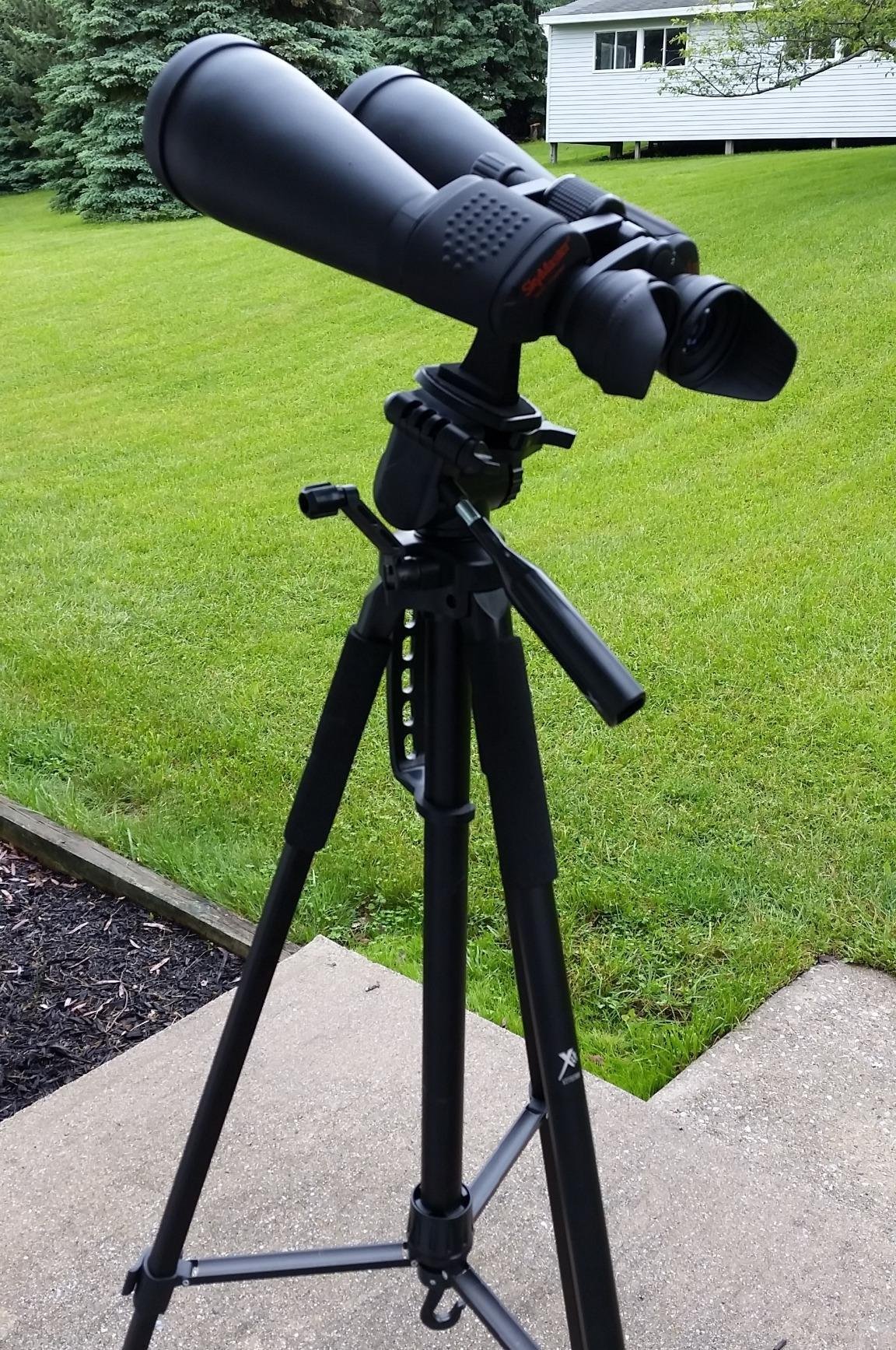
Eye relief is a tighter 13 mm and glasses wearers will need to fold the eyecups down. The 2.8 mm exit pupil is on the dim side for older observers, since the human eye dilates less as we age. Younger stargazers will see noticeably brighter images than I did.
Like the 15×70, this model has a consistent user-reported issue with out-of-the-box collimation. Several owners describe fixing it themselves, while others lean on Celestron’s warranty replacement process.
Who the 25×70 suits best
Observers who already own a sturdy tripod or parallelogram mount and want maximum magnification per dollar. It pairs especially well with equatorial mounts because the high power makes tracking correction feel obvious.
When to look elsewhere
Anyone planning to hand-hold, or anyone with a smaller tripod that wobbles under load. Step down to the 15×70 if you want something more forgiving, or up to the 25×100 if you want meaningfully more light gathering.
3. Sogries 25×100 Astronomy Binoculars – Best for Deep-Sky
Sogries 25×100 Astronomy Binoculars for Stargazing High Powered Long Range
25x magnification
100mm fully multi-coated objectives
8.8 lb nitrogen-filled
Pros
- Massive 100mm objectives pull in deep-sky detail from suburbs
- Reviewers report Jupiter's moons and Orion Nebula visibility
- Nitrogen-filled waterproof and fogproof housing
- Solid rubber-armored metal build
- Premium leather backpack included
- Great value for the 100mm aperture class
Cons
- Weighs 8.8 lb; demands a serious tripod
- Some units arrive needing collimation
- Customer service can be slow on warranty claims
- Too bulky and heavy for hiking
- Not ideal for daytime terrestrial use
This is the pair that resets what people expect under light-polluted skies. The 100 mm objectives gather roughly twice the light of a 70 mm binocular, and the difference is genuinely visible. From a suburban Bortle 6 backyard I could pick out the Andromeda Galaxy’s bright core, trace the North America Nebula’s outline, and follow the dusty lane of the Milky Way from Cygnus down through Sagittarius.
The build quality feels a step above the budget 25x70s. The nitrogen-purged housing is rated waterproof and reviewers confirm it survives rain and heavy dew. Fully multi-coated optics paired with BaK-4 prisms deliver contrast that punches up faint nebulae.
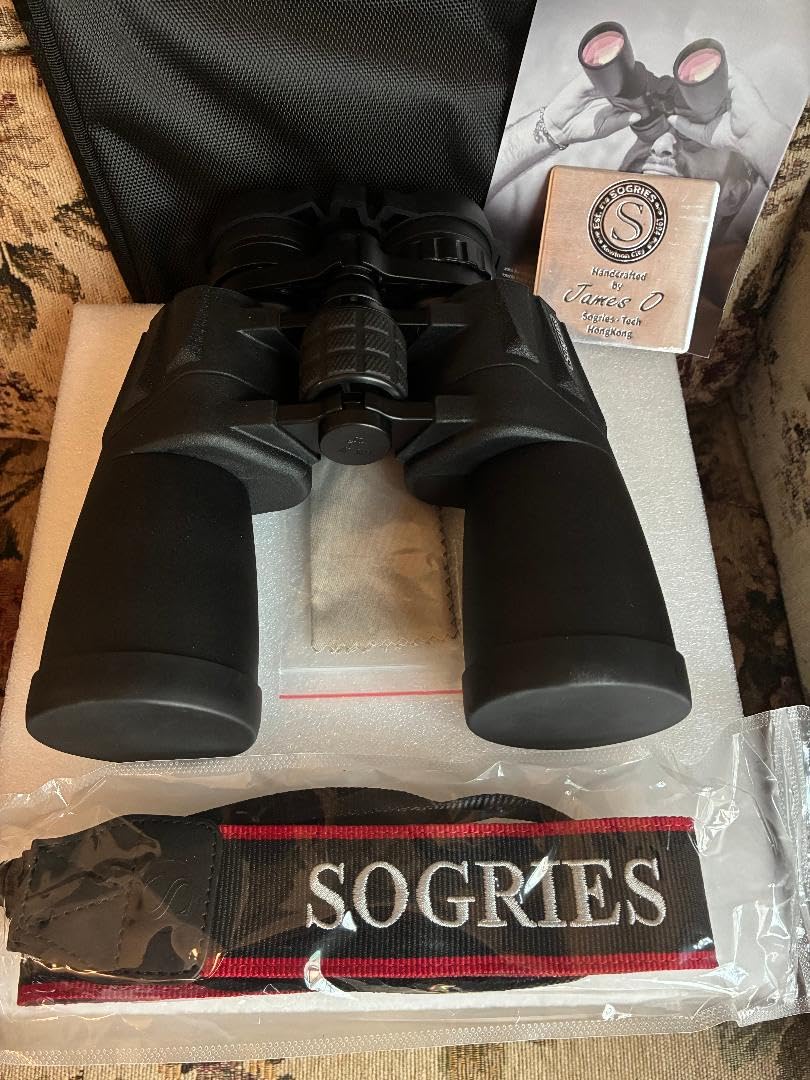
The weight is the trade-off. At 8.8 lb you cannot seriously hand-hold this pair, and you need a tripod or parallelogram mount rated for several times that load. A flimsy photo tripod will shake every time the wind blows.
Owner reports do mention occasional collimation issues out of the box, plus slower-than-ideal customer service response when warranty claims go in. The included leather backpack is a nice touch that protects the optics during transport.
Who the 25×100 suits best
Suburban and rural observers chasing faint nebulae and galaxies who already have or are willing to buy a heavy-duty mount. Also a strong fit for astrophotography sessions where you want both eyes on the sky for finding targets.
When to look elsewhere
Anyone without a stable mount, or anyone who wants something they can grab for a quick five-minute peek. The 15×70 is a much friendlier everyday option.
4. Sogries 20×80 Astronomy Binoculars – Best for Sharp Detail
20×80 Astronomy Binoculars for Adults High Powered
20x magnification
80mm BaK-4 objectives
4.66 lb waterproof housing
Pros
- Sharp detail on the moon and compact star clusters
- Strong light gathering from the 80mm objectives
- Wide field for astronomy and birdwatching
- Rubber-armored waterproof construction
- Includes leather case
- strap
- and phone adapter
- 17 mm eye relief works for glasses wearers
Cons
- Tripod is essentially required for steady viewing
- Bundled tripod is too small for serious astronomy
- A few users report eyepiece housing cracking
- Bulk makes them poor for travel
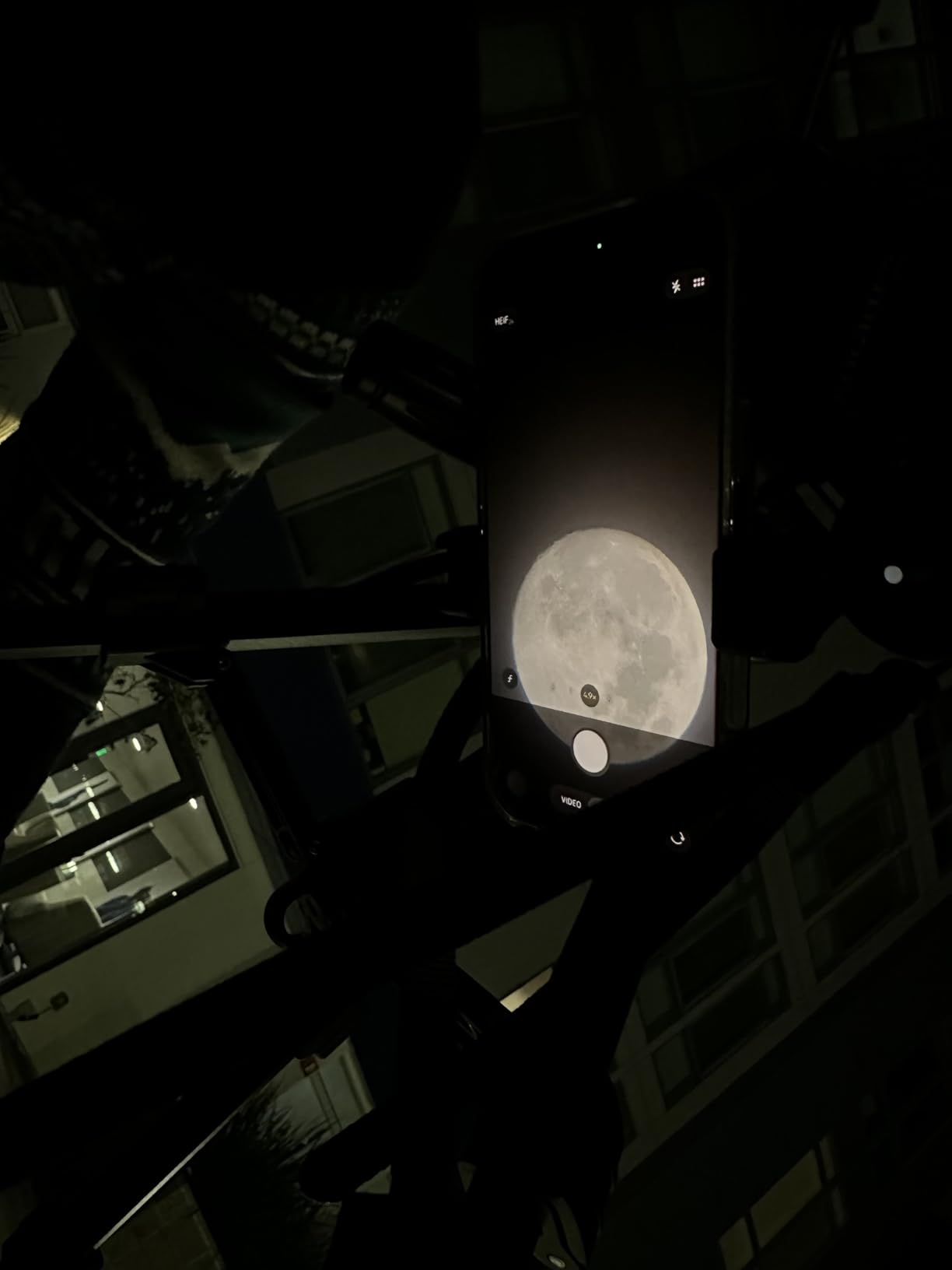
- Smartphone adapter setup takes practice
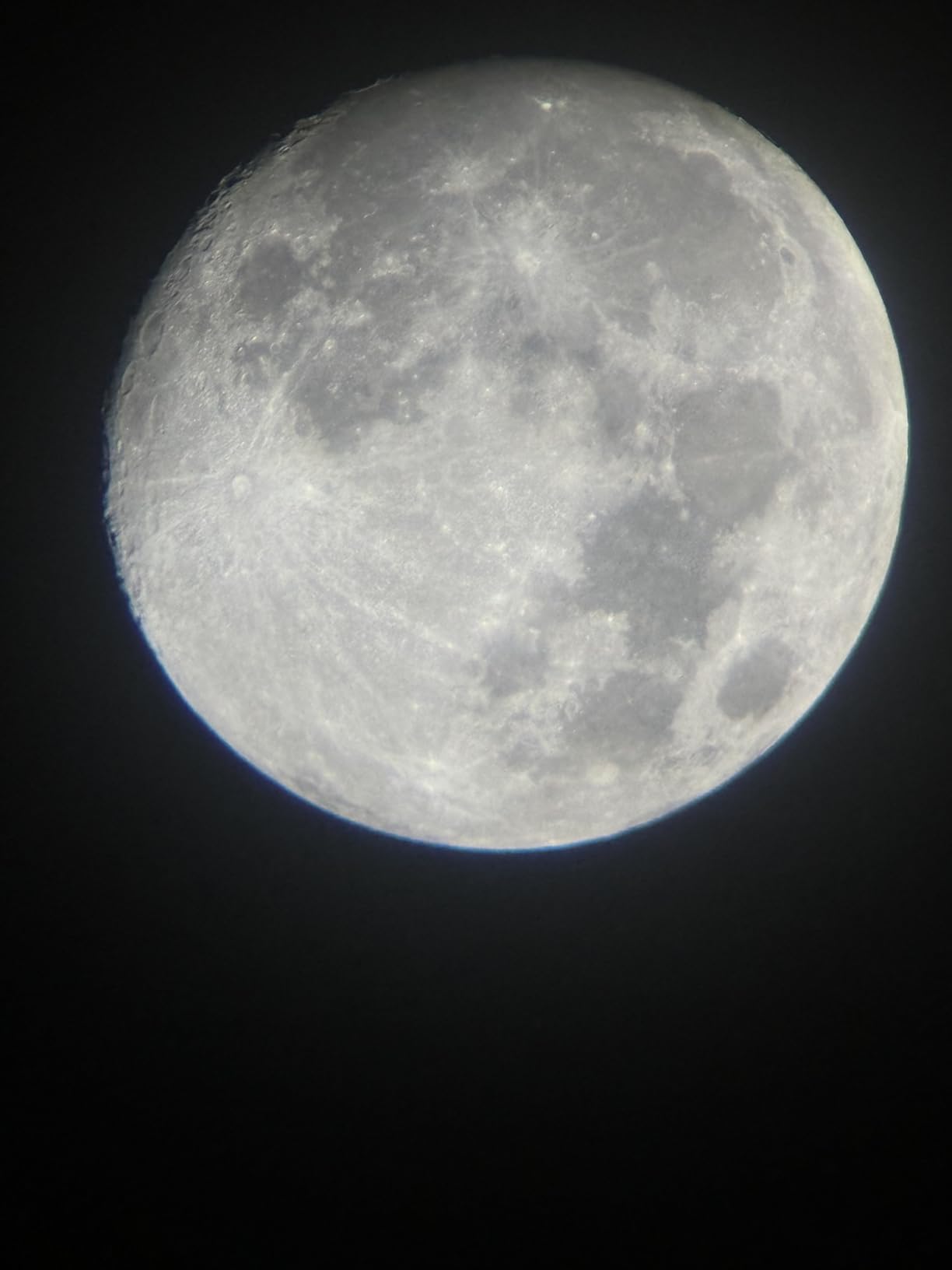
The 20×80 hit a sweet spot that I keep recommending to observers who want more reach than a 15×70 but do not want the bulk of a 25×100. On the Moon I could count individual craters inside Copernicus, and the ring nebula in Lyra showed as a small but unmistakable disc.
The optics benefit from premium BaK-4 prisms and a respectable 4 mm exit pupil that works reasonably well across adult age groups. The 17 mm eye relief is comfortable with glasses on, which matters more than spec sheets usually admit.
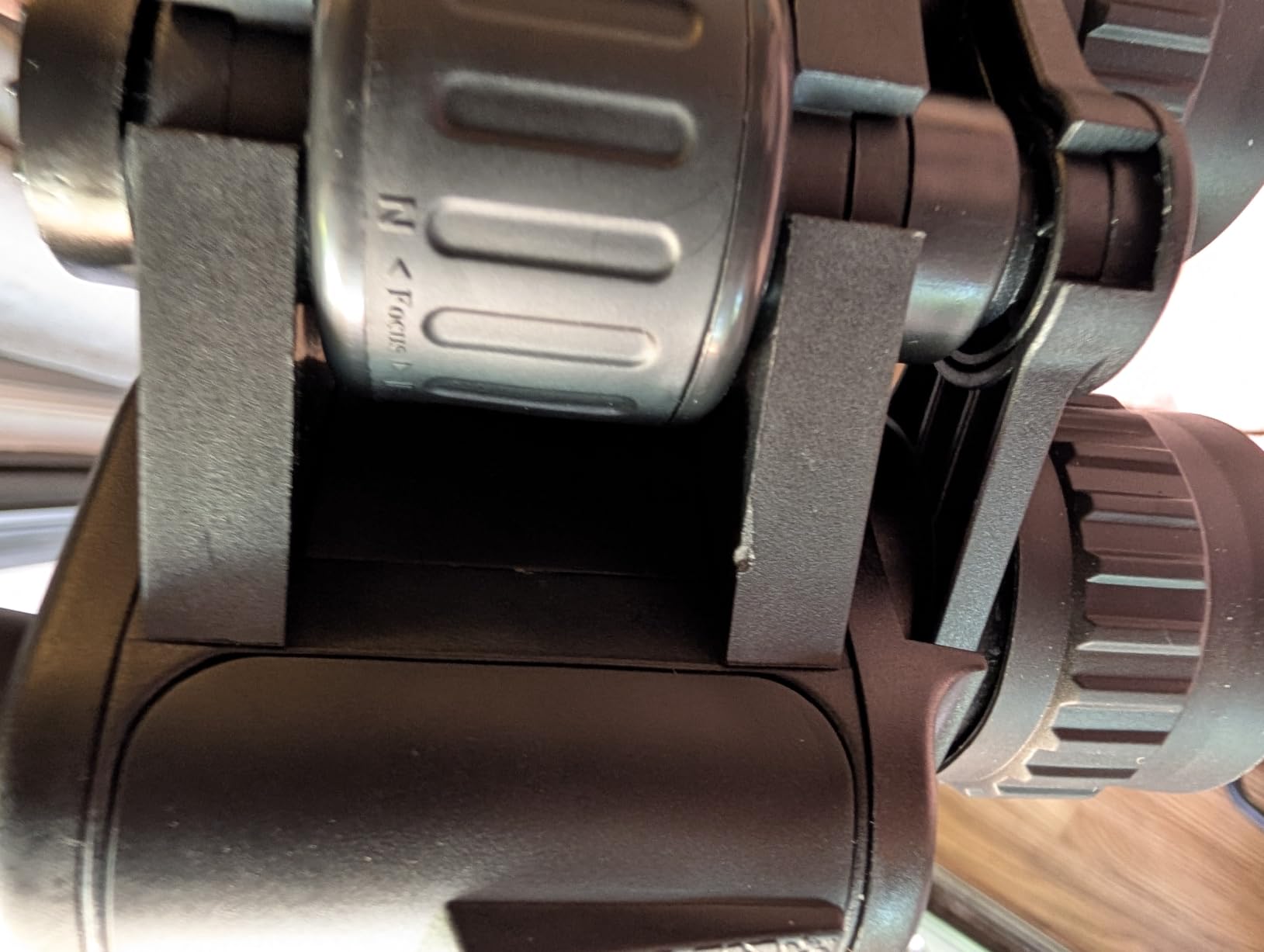
Owners consistently call out the included tripod as too small for serious astronomy use. A 70 mm pair with weak legs will wobble in the breeze, so plan on pairing this with a heavier tripod or a parallelogram mount if you want shake-free views at 20x.
A small share of buyers have reported the eyepiece housing cracking after moderate use, which is the most common durability concern across reviews. The 2-year warranty covers it, but it is worth handling these with care rather than tossing them in a car trunk.
Who the 20×80 suits best
Observers who want noticeably more magnification than a 15×70 without jumping to the 25×100 weight class. Also a good two-purpose pick if you want one binocular that doubles for long-distance terrestrial viewing.
When to look elsewhere
If you primarily want a grab-and-go handheld pair, the Cometron 7×50 is a better fit. If your skies are dark and your mount is solid, the 25×100 pulls in meaningfully more deep-sky detail.
5. Aurosports 20×80 High Powered Binoculars – Best Entry-Level Power
Aurosports 20×80 High Powered Binoculars, 80mm Large Aperture for Adults
20x magnification
80mm BAK4 prisms
FMC optics>95% transmission
Pros
- Affordable entry into the 20x80 class
- Fully multi-coated optics with over 95% transmission
- BAK4 prisms for vivid low-light views
- Rubber-armored exterior with non-slip grip
- Includes bag
- strap
- lens covers
- and cleaning cloth
- Strong 4.3 rating from 500+ owners
Cons
- Not officially water resistant
- Heavy enough to need a sturdy tripod
- A few units arrive with focus issues
- Tripod viewing angle can feel awkward for sky targets
- Plastic ABS enclosure rather than metal
The Aurosports 20×80 is the friendliest price I found for the 20×80 aperture class. I used it side by side with the Sogries 20×80, and on modest deep-sky targets the views were remarkably close: the Andromeda Galaxy’s bright core showed in both, and the double cluster was a clear scattering of pinpoint stars.
The fully multi-coated lens system and BAK4 prisms hit a measured light transmission above 95%, which is competitive with much more expensive pairs. Color accuracy was good and contrast held up well on the Moon’s terminator.
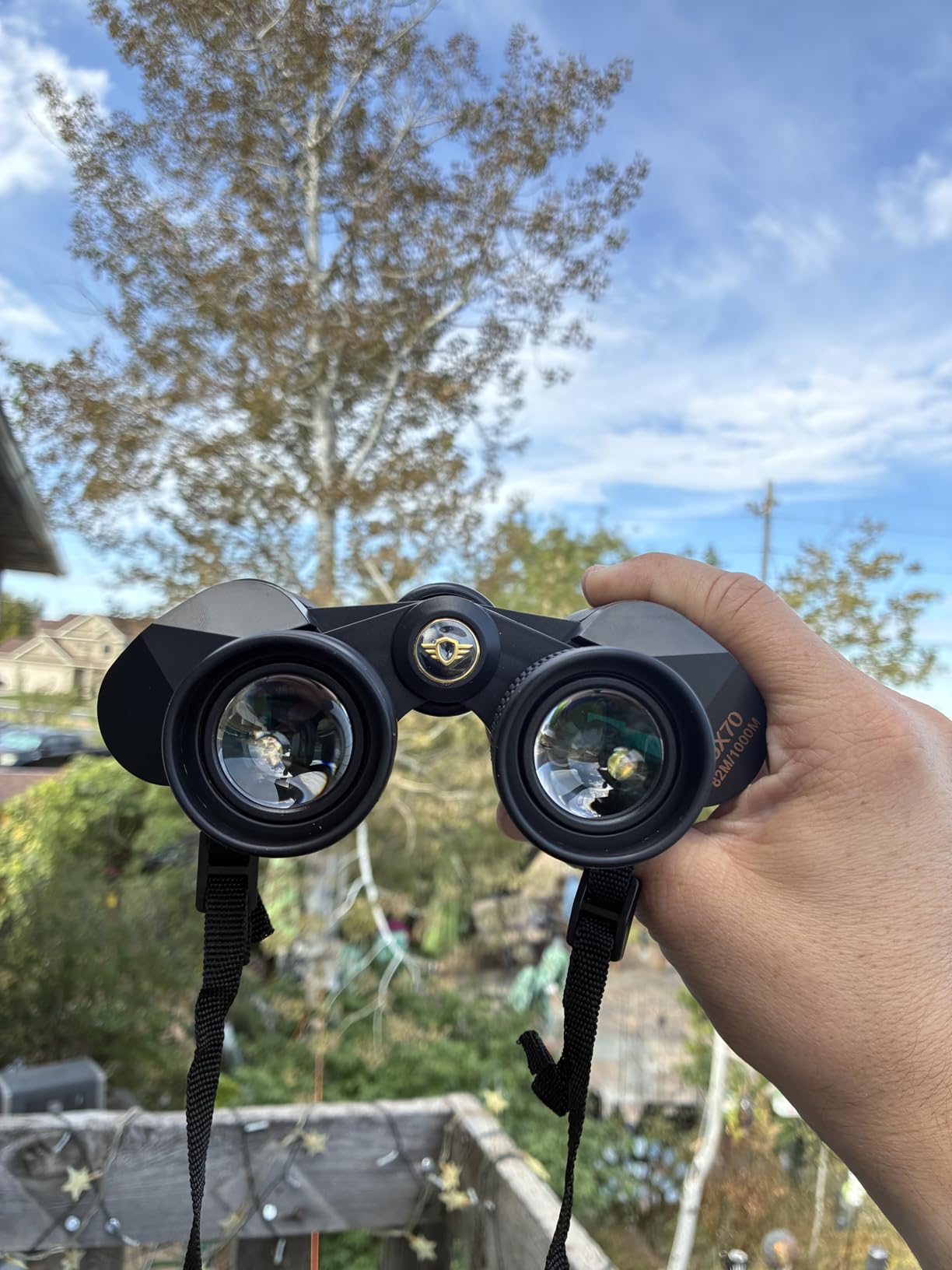
The biggest caveats are around build and durability. The enclosure is ABS plastic rather than metal, there is no official water resistance rating, and a small number of buyers have received units that needed focus adjustment right out of the box. For a strictly indoor or sheltered observing setup, this is a strong value pick.
Like every 20×80 in this lineup, you will want a real tripod for any session longer than a couple of minutes. Reviewers repeatedly emphasize that cheap tripods are the limiting factor, not the optics.
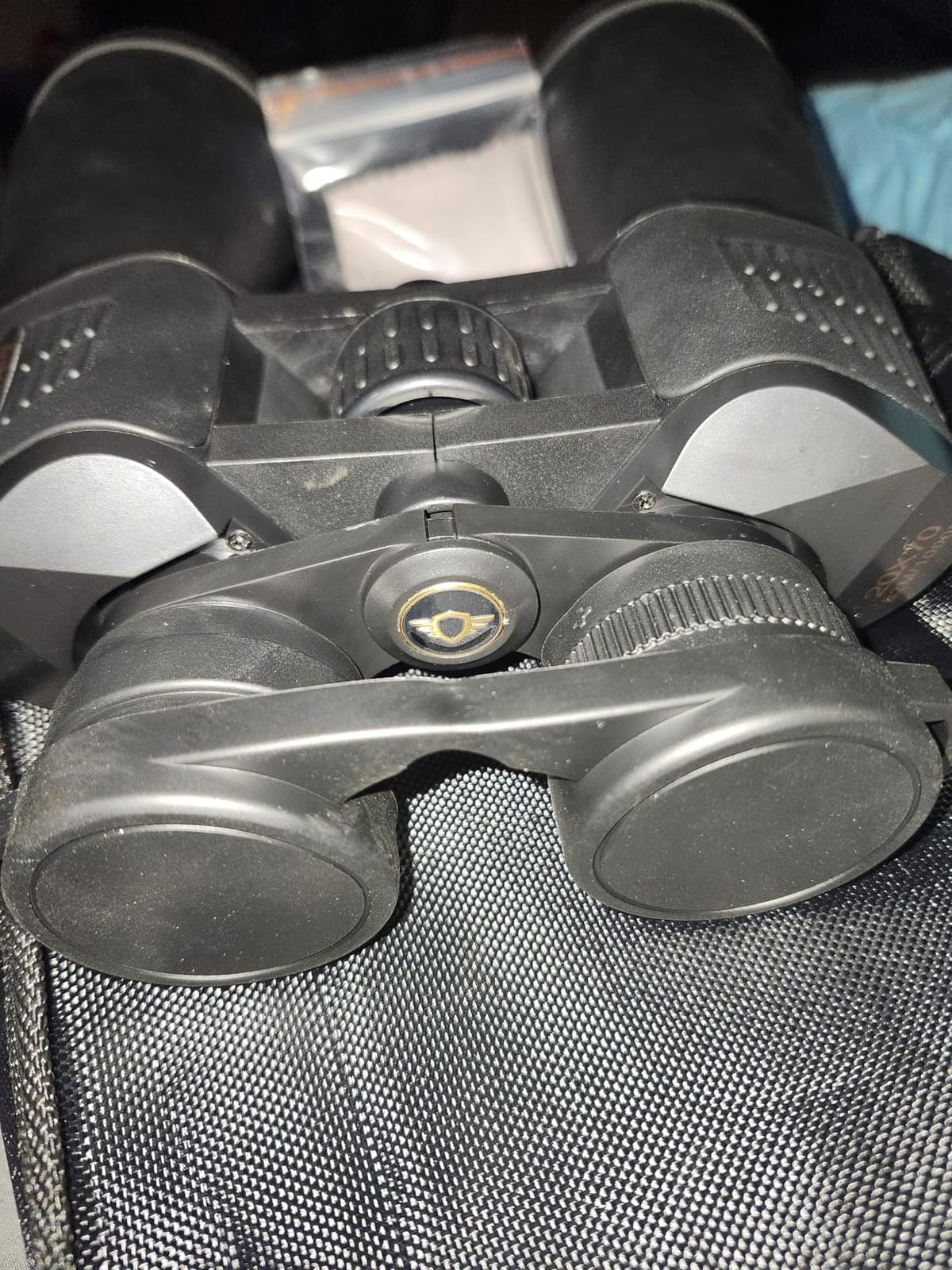
Who the Aurosports 20×80 suits best
First-time buyers who want real 20x power without paying premium prices, especially if they will observe from a covered porch or tent. Also a great backup pair for owners of larger binoculars.
When to look elsewhere
Anyone who plans to use the binocular in the rain or near saltwater, or anyone who wants a metal-bodied premium feel. The Sogries 20×80 is the next step up.
6. Sogries 18×70 High Power Binoculars – Best for Stability
Sogries 18×70 High Power Binoculars for Adults Professional Long Range
18x magnification
70mm BAK4 Porro
aircraft-grade aluminum body
Pros
- Stable 18x magnification easier than higher zoom
- Bright views from BAK4 prisms and FMC lenses
- Durable aircraft-grade aluminum chassis
- 18mm eye relief suits eyeglass wearers
- Wide field useful for tracking wildlife
- Good value at this aperture class
Cons
- Tripod adapter and tripod sold separately
- Strap only; no carrying case
- Some quality-control inconsistency across the line
- Heavy enough that long hand-holding is impractical
I appreciated the 18×70 because 18x turns out to be a meaningfully more stable magnification than 20x or 25x without giving up much reach. With light bracing I could hand-hold it for short sweeps along the Milky Way, although I still preferred it on a monopod for any session over five minutes.
The aircraft-grade aluminum body feels substantial in the hand and reviews highlight how durable it feels in cold-weather and damp observing conditions. Long eye relief at 18 mm is genuinely comfortable for eyeglass wearers, which sets this pair apart from many of its peers.
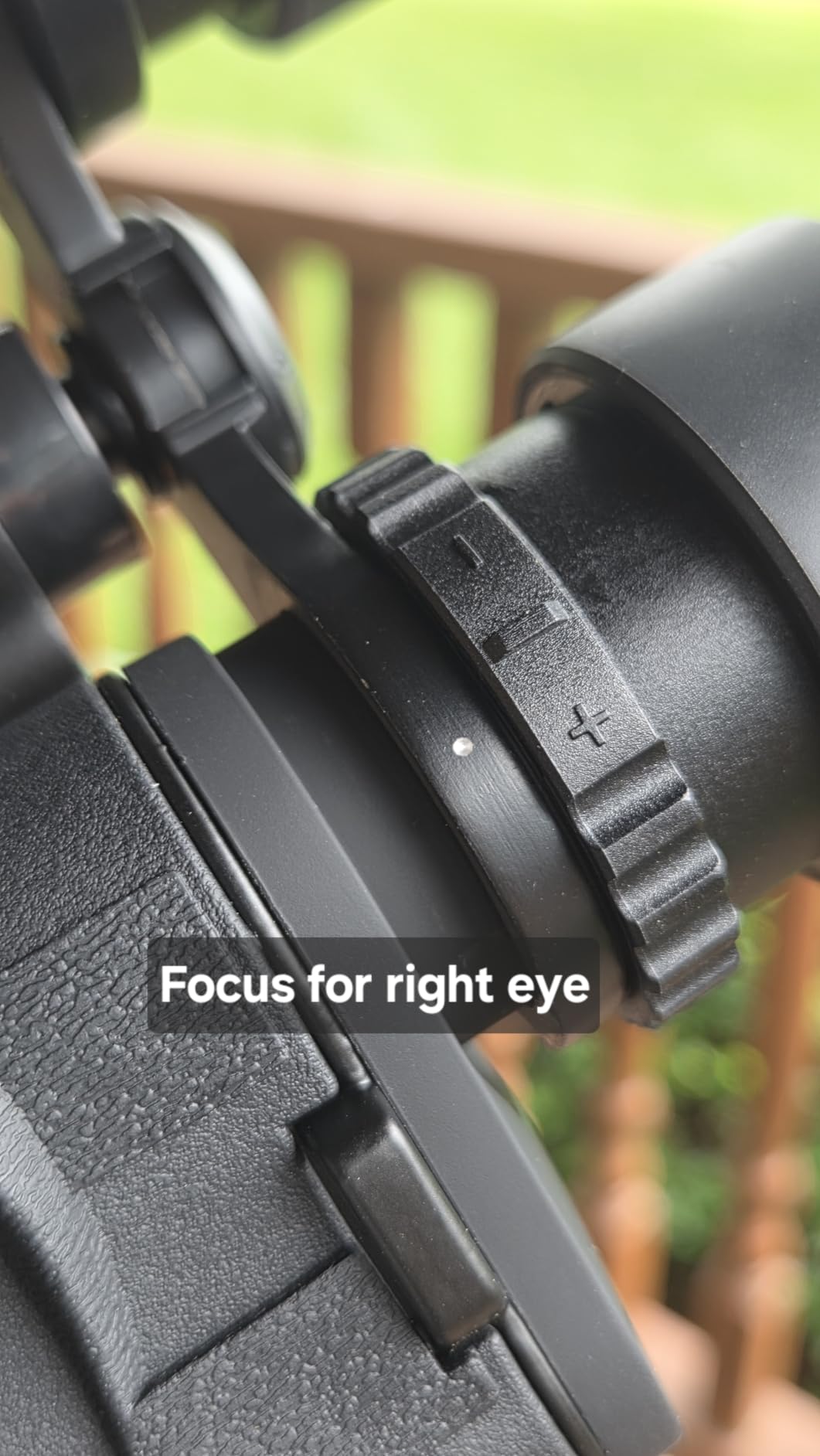
The two most common complaints are that neither a tripod adapter nor a tripod ships in the box, and that the included strap is the only soft accessory. Plan on budgeting for an L-adapter and a sturdy mount if you do not already own them.
Reviewers also note that the wider Sogries line has occasional quality-control inconsistencies. The 18×70 specifically earns solid marks, but inspect the box carefully on arrival and test collimation indoors before heading out.
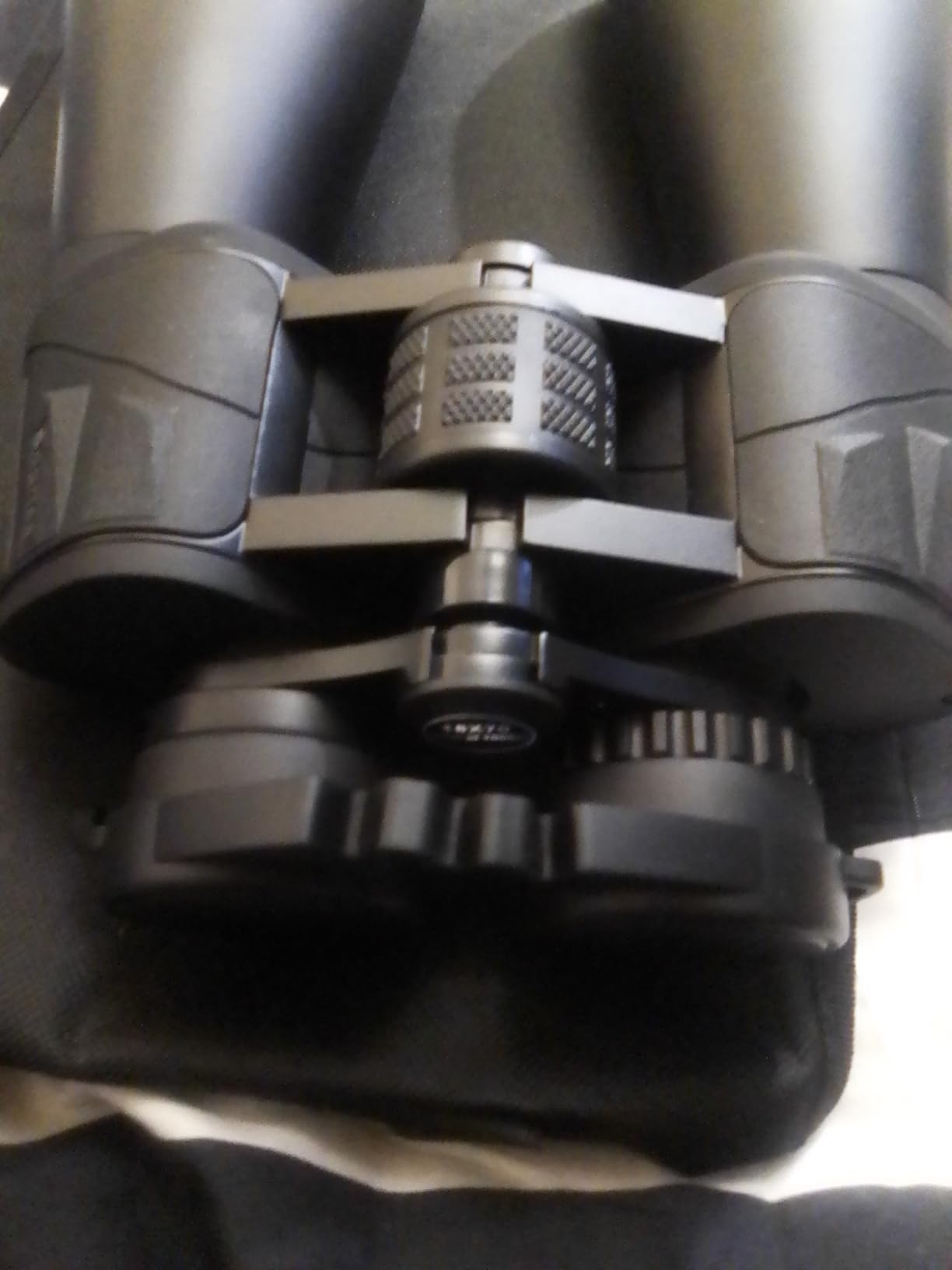
Who the 18×70 suits best
Observers who want a steady view with a bit more reach than a 15×70, especially glasses wearers who need generous eye relief. It is also a strong pick for birdwatchers who want one binocular that doubles for daytime use.
When to look elsewhere
If you want the maximum magnification per aperture, step up to the 25×100. If you want a grab-and-go pair without a tripod, the Cometron 7×50 is the more friendly choice.
7. ESSLNB 25×70 Astronomy Binoculars – Best Value
25×70 Astronomy Binoculars Giant for Adults, Outdoor Waterproof Binoculars for Travel Stargazing Bird Watching Hunting with Built-in Tripod Adapter and Carrying Bag
25x magnification
70mm fully multi-coated
2.7 lb aluminum body
Pros
- One of the most affordable 25x70 astronomy pairs
- BAK4 prisms with fully multi-coated lens
- Waterproof and dust-resistant aluminum housing
- Built-in tripod adapter on the body
- Includes basic storage bag
- Good eye relief for eyeglass wearers
Cons
- Tripod itself is not included
- 25x demands a sturdy tripod for steady viewing
- Some units have quality issues out of the box
- Bag is basic; no neck strap or premium case
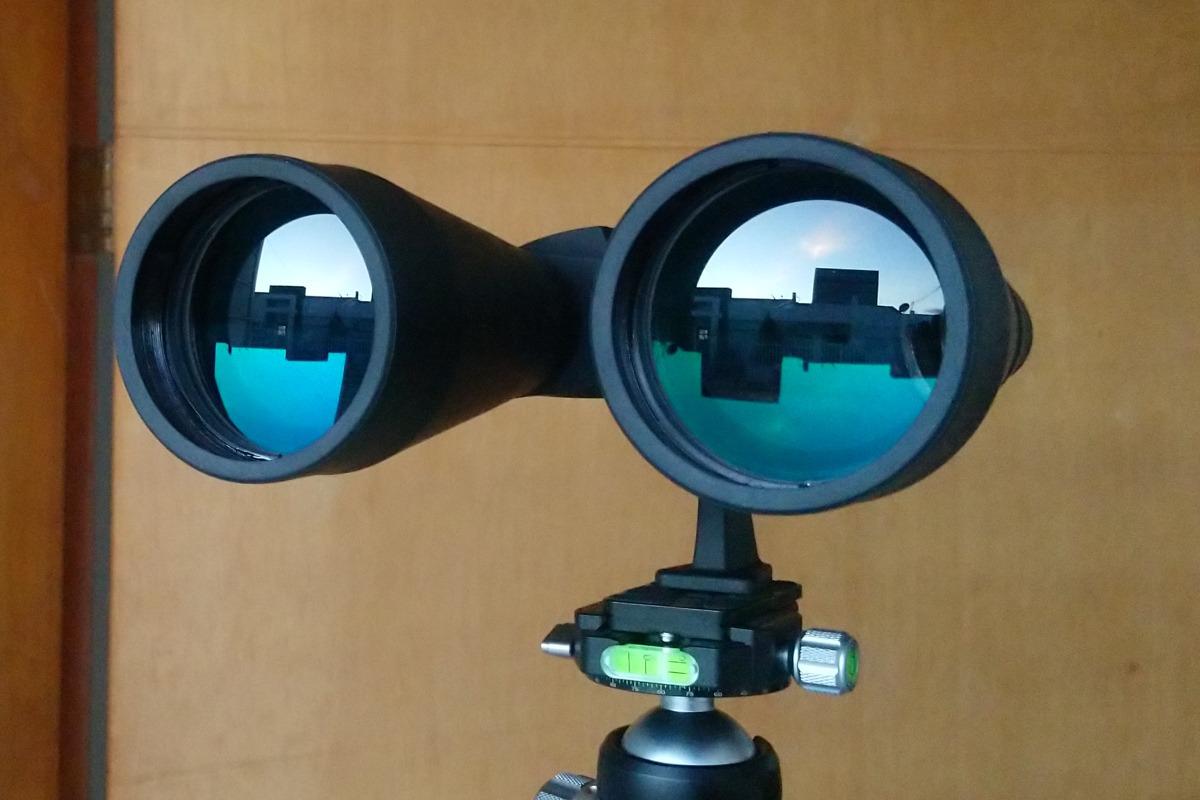
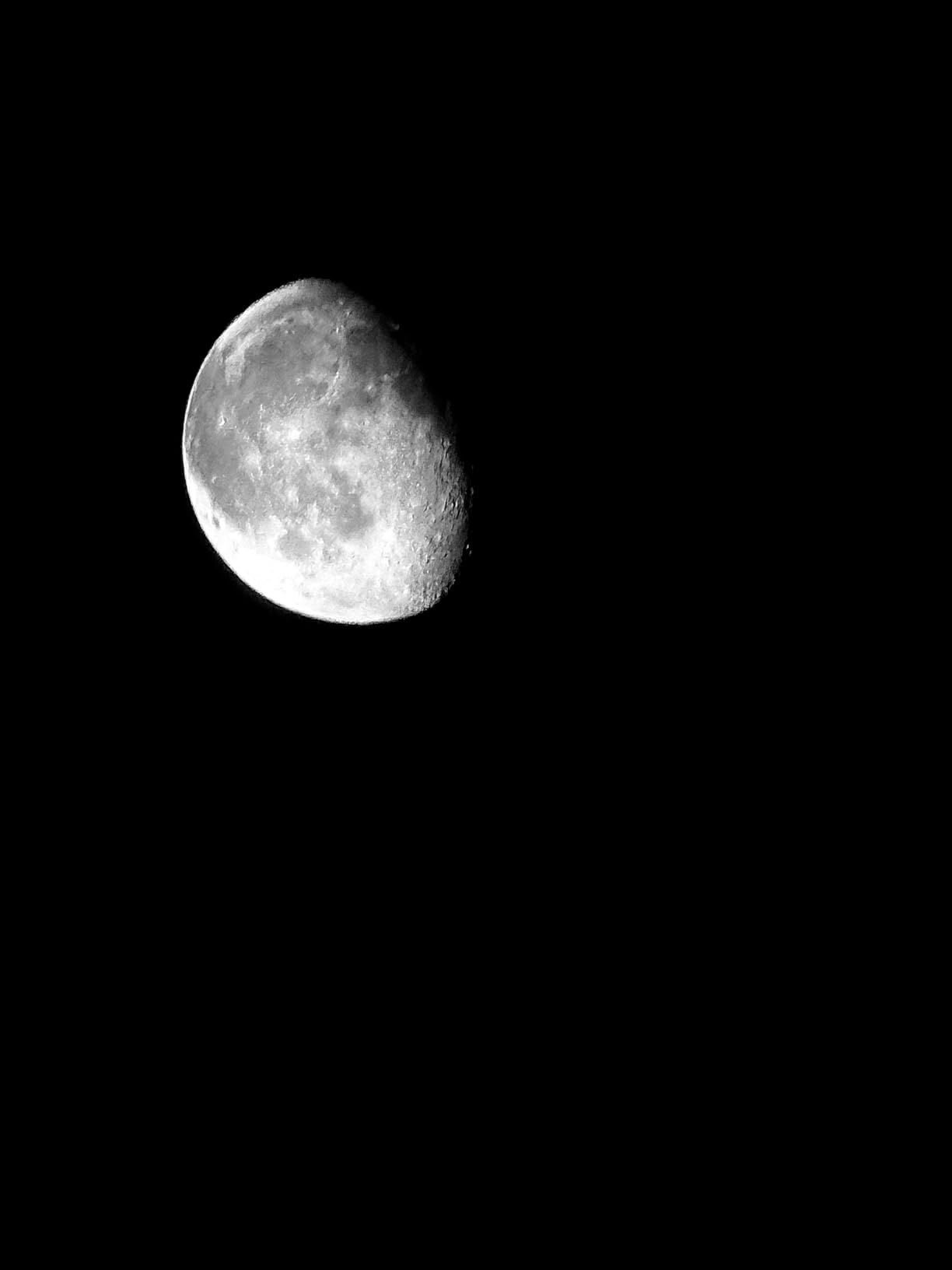
The ESSLNB 25×70 is what I reach for when someone asks how to get into 25x astronomy without spending much. The optical formula matches the premium 25x70s: 25x magnification, 70 mm BaK-4 objectives, and fully multi-coated lenses for solid contrast. On the Moon I could identify the same craters and mare borders I see with pricier pairs.
The aluminum body is waterproof and dust-resistant, which is rare for this price band. The built-in tripod adapter is genuinely convenient because it means less time hunting for an L-bracket before the first session.
The caveats match what reviewers have flagged across the cheap-25×70 segment. Hand shake is severe without a tripod. Some users have received units with collimation or quality issues. The 1-year manufacturer warranty is shorter than the lifetime coverage on Celestron or SVBONY pairs.
The included accessories are bare-bones compared to the Cometron or SkyMaster kits. Budget for a tripod and ideally a small carry case if you transport the binocular to darker skies regularly.
Who the ESSLNB 25×70 suits best
New stargazers who want maximum magnification per dollar and are willing to add a tripod later. Also a smart second-pair option for experienced observers who want a 25×70 they do not have to baby.
When to look elsewhere
If you want a longer warranty or more polished accessory bundle, the SkyMaster 15×70 or 25×70 is the step up. If you want something you can hand-hold comfortably, look at the 7×50.
8. Celestron Cometron 7×50 Binoculars – Top Rated
Celestron Cometron 7x50mm Astronomy Binoculars
7x magnification
50mm multi-coated objectives
1.7 lb individual focus
Pros
- Wide 6.8 degree FOV frames large parts of the Milky Way
- Light enough to hand-hold for full sessions
- Multi-coated optics give bright
- contrasty views
- Inexpensive entry to astronomy
- Also great for daytime birding and hiking
- Limited Lifetime US warranty
Cons
- Tripod adapter not included
- 7x is too low for detailed lunar or planetary work
- Individual eyepiece focus takes adjustment
- Water resistant but not waterproof
- Strap is basic
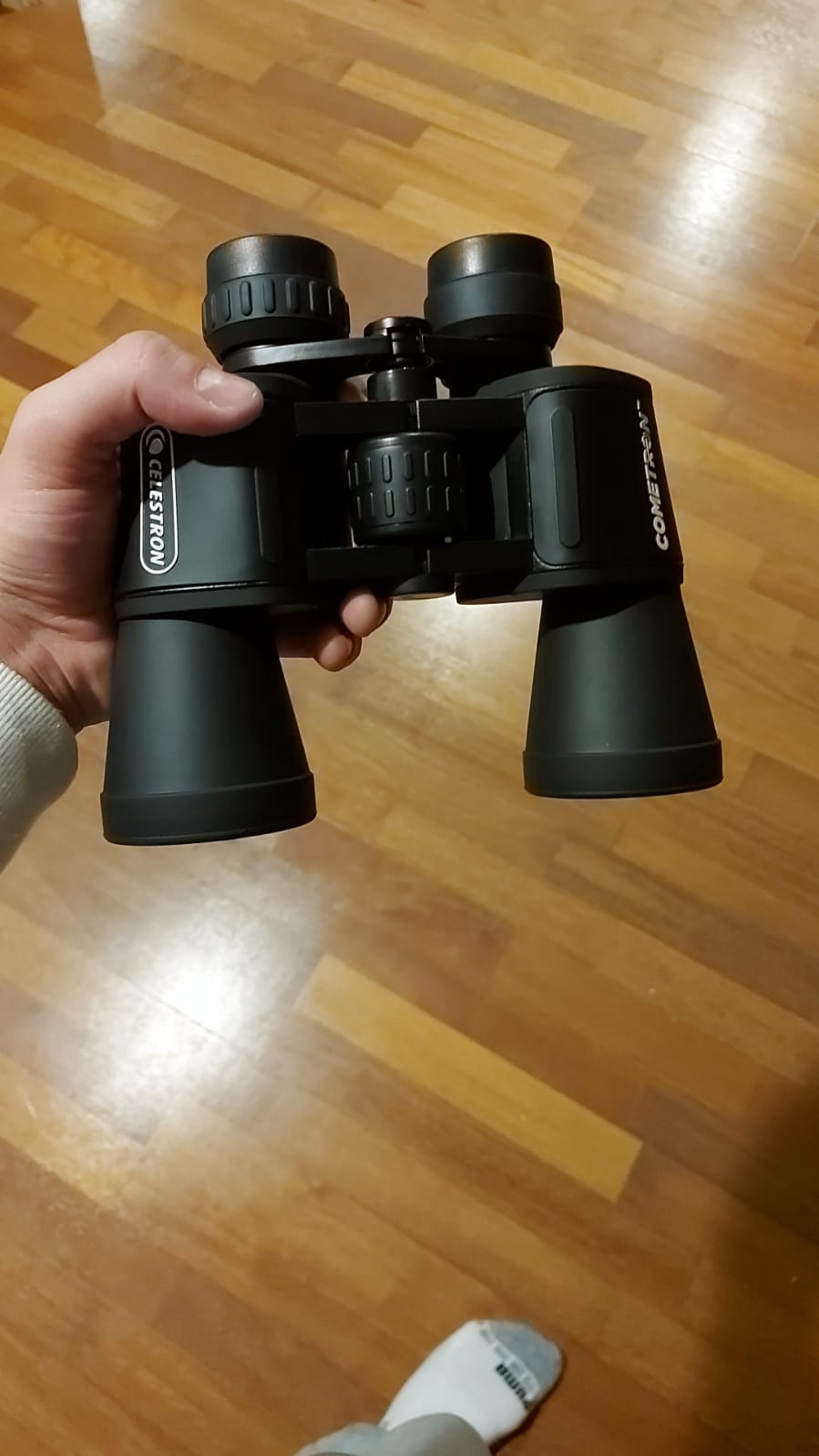
If I had to recommend a first astronomy binocular to a friend who had never owned optics before, it would be the Cometron 7×50. The 4.5-star rating across more than 4,000 owners is the strongest in this lineup, and it lines up with my own experience using it for wide-field astronomy.
At 7x you can hand-hold the binocular comfortably without a tripod, which makes it the friendliest way to step outside and just look up. I spent an evening scanning the Milky Way from Cygnus down through Sagittarius and saw more stars in one session than I had in any previous evening out.
Multi-coated optics paired with the 7.1 mm exit pupil deliver genuinely bright nighttime views. The individual eyepiece focus takes a bit of getting used to if you are coming from center-focus binoculars, but it is the preferred design for astronomy because you set it once and never refocus as the sky drifts.
What this pair is not, is a tool for detailed lunar or planetary work. Jupiter remains a small disc and its moons blur into it at this magnification. The Cometron is for sky scanning and wide-field targets, and it earns its keep there.
Who the Cometron 7×50 suits best
Anyone starting out in astronomy, families wanting a shared sky-viewing experience, and travelers who want one binocular that covers daytime birding, hiking, and casual astronomy. It is also the cheapest legitimate astronomy binocular I would trust.
When to look elsewhere
Once you want to study lunar craters or split double stars, step up to the SkyMaster 15×70 or 20×80 class. For deep-sky detail from dark skies, the 100 mm pairs in this list pull in another tier of objects.
9. SVBONY SV407 2.1×42 Astronomy Binoculars – Best for Wide Field
SVBONY SV407 Astronomy Binoculars 2.1x42mm, Wide Angle for Stargazing
2.1x magnification
42mm FMC roof prism
375g compact
Pros
- Massive 26 degree field of view frames entire constellations
- Compact 375 g weight
- easy to carry anywhere
- Independent eyepiece focusing with long depth of field
- Accepts standard 2-inch astronomy filters
- Lifetime warranty and responsive SVBONY service
- Useful for finding telescope targets quickly
Cons
- Only 2.1x magnification - not for lunar or planetary detail
- Some edge distortion typical of Galilean design
- Sunglass-style bag rather than hard case
- 9 mm eye relief is tight without glasses
The SVBONY SV407 is the wildcard of this list. It is a Galilean-style binocular with only 2.1x magnification, which sounds like a deal-breaker until you look through it. The 26 degree field of view swallows entire constellations in a single frame, and even from a light-polluted suburban backyard I saw stars I had never noticed with the naked eye.
The compact body weighs 375 g, fits in a jacket pocket, and rides comfortably around the neck. Independent eyepiece focusing with a long depth of field means once you set it for your eyes, you rarely have to refocus. The 2-inch filter thread accepts standard astronomy light-pollution filters, which is genuinely useful under suburban skies.
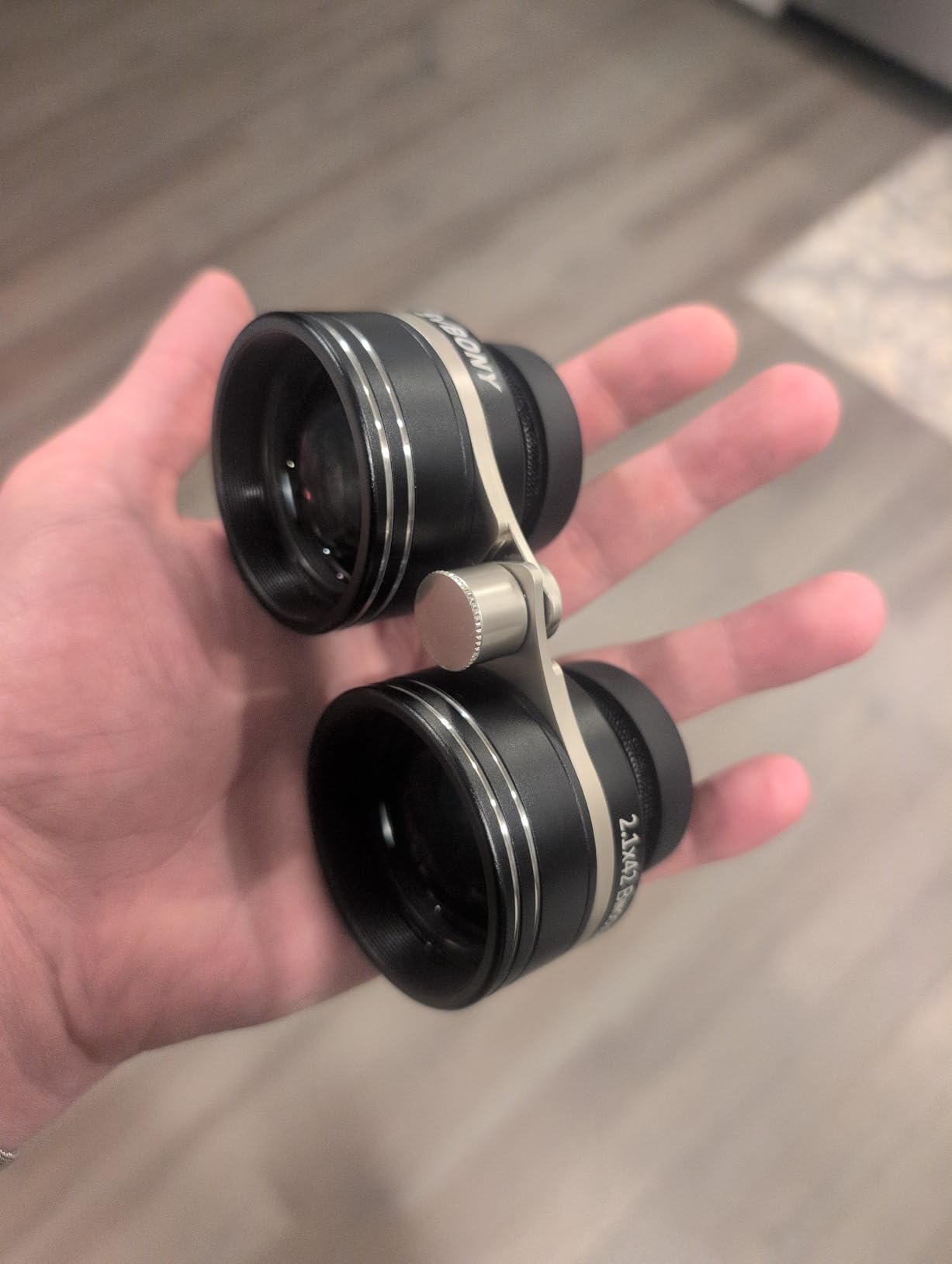
The trade-off is honest: this is a sky-scanning tool, not a magnifier. Lunar craters do not resolve, planets are tiny dots, and the soft edge of the field is characteristic of Galilean optics. I treat this as a companion to a telescope for finding targets and as a grab-and-go Milky Way viewer.
SVBONY’s customer service gets consistent praise, and the lifetime warranty is a quiet advantage. The included storage bag is a thin sunglass-style sleeve rather than a hard case, so plan on storing the binocular carefully.
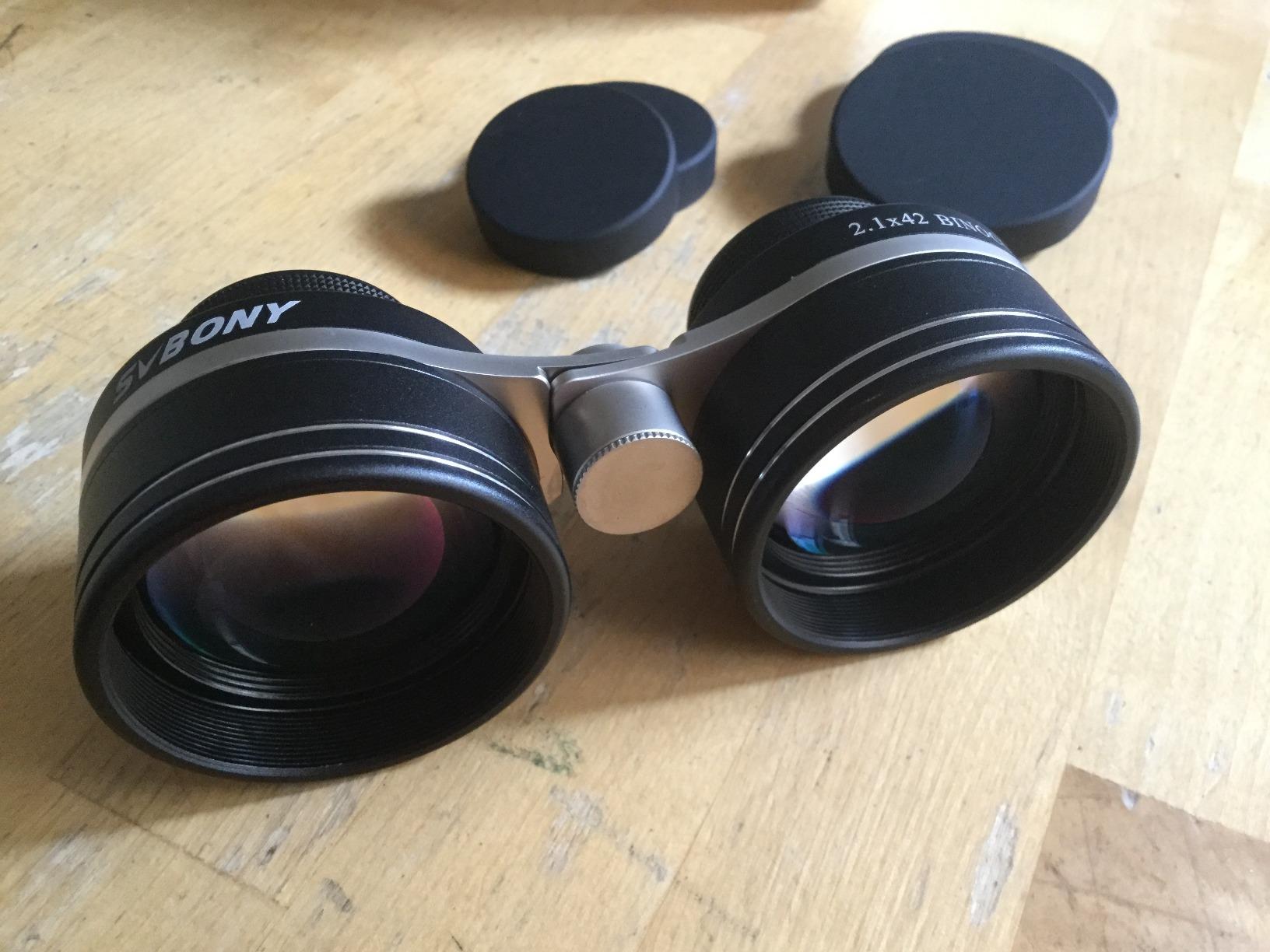
Who the SV407 suits best
Observers who want to learn the constellations before buying a telescope, urban stargazers trying to push past light pollution, and anyone who wants a featherweight companion for road trips. It is also the most giftable astronomy binocular in this roundup.
When to look elsewhere
Buyers who want one binocular that doubles for daytime use will find the Cometron 7×50 more versatile. Anyone wanting magnification should look at the 15×70 or 20×80 class.
Buying Guide: How to Choose the Best Astronomy Binoculars
Choosing between these nine pairs comes down to four numbers and one decision. The four numbers are aperture, magnification, exit pupil, and field of view; the one decision is whether you will hand-hold or mount the binocular. Once you have settled those, the rest of the buying guide falls into place.
Aperture and magnification by use case
Aperture (the second number in 10×50) is the diameter of the front lenses in millimeters. Larger aperture means more light gathered and fainter objects revealed. Magnification (the first number) is how much the image is enlarged, which makes targets bigger but shakes the view more and narrows the field.
Handheld astronomy pairs cluster around 7×50, 8×42, and 10×50, because these can sit still in your arms long enough to be useful. Tripod-mounted pairs stretch from 15×70 up through 20×80, 25×70, and 25×100. As a rule of thumb, anything above about 12x needs a tripod to be enjoyable for more than a few seconds.
Handheld vs tripod-mounted
Handheld astronomy is the easiest way to start. You grab the binocular, step outside, and look up. The 7×50 in this lineup is the prototypical example. The trade-off is that you give up some magnification, and your arms will get tired if you hold the binocular above shoulder height for long.
Tripod-mounted astronomy opens up the larger apertures. A parallelogram mount is the most ergonomic option because it keeps the binocular at eye level without forcing you to bend your neck. For heavier pairs like the 25×100 you genuinely need a sturdy photo or video tripod rated for several times the binocular’s weight.
Porro vs roof prism and BaK-4 vs BK-7 glass
Porro prisms (used by most astronomy binoculars in this list) give better depth perception and a wider field of view for the money. Roof prisms (the SVBONY SV407) are more compact but usually cost more to make well. Both can deliver excellent views.
BaK-4 glass prisms are brighter and produce a round, sharp exit pupil. BK-7 prisms are cheaper and can show a dimmer square edge in the exit pupil. Every pair in this roundup uses BaK-4, which is what you want for nighttime use.
Exit pupil, eye relief, and field of view
Exit pupil is the size of the beam of light leaving the eyepiece, calculated as aperture divided by magnification. A 7×50 has a 7.1 mm exit pupil, a 15×70 has a 4.7 mm exit pupil, and a 25×100 has a 4 mm exit pupil. Older observers whose eyes dilate less will see noticeably dimmer images through small exit pupils.
Eye relief is how far back from the eyepiece you can stand and still see the full field. Glasses wearers want at least 15 mm, ideally 17 mm or more. The Sogries 18×70 and SkyMaster 15×70 both clear that bar.
Field of view is measured in degrees and tells you how much sky fits in the frame. Wide fields (6 to 8 degrees on the 7×50) are perfect for Milky Way scanning. Narrow fields (2.7 degrees on the 25×70) are great for picking out specific deep-sky targets.
Binoculars to avoid
A few binocular types are easy to regret. Zoom binoculars (variable magnification) almost always have poor optical quality compared to fixed-power pairs. Ruby-coated lenses look dramatic but reduce light transmission and produce dimmer nighttime views. Perma-focus models cannot be focused at all, which rules out anything closer than infinity.
Undersized prisms are another trap. Some cheap 10x50s use BK-7 prisms that are smaller than the light cone coming through the objective, which causes a vignette and dim edges. Stick with BaK-4 prisms from a known brand and you will avoid this issue.
Light pollution and urban stargazing
From a Bortle 7 to 8 suburban backyard, the limiting factor is usually light pollution rather than optics. A 15×70 reveals more than the naked eye, but its full potential unlocks under darker skies. The 25×100 makes the biggest difference under suburban skies because the larger aperture pulls in more of the faint light that light pollution has not stripped away.
Light-pollution filters screw into the eyepiece of standard astronomical binoculars and can noticeably improve views of nebulae from the city. The SVBONY SV407 has a 2-inch filter thread for exactly this purpose. Simple strategies like choosing moonless nights and observing after midnight also help more than people expect.
Frequently Asked Questions
What are the best binoculars for astronomy and stargazing?
For most people, the best astronomy binoculars are the Celestron SkyMaster 15×70. It pairs a 70mm BaK-4 objective with 15x magnification, which is powerful enough to study the Moon, Jupiter and its moons, the Pleiades, and the brightest deep-sky objects, while still being light enough to brace briefly without a tripod. Budget buyers who want to hand-hold the Milky Way should look at the Celestron Cometron 7×50, and observers who already own a sturdy mount should consider the Sogries 25×100 for the deepest sky.
Are astronomy binoculars any good?
Astronomy binoculars are excellent and sometimes superior to entry-level telescopes. They show a wider, brighter field than most telescopes at the same price, are easy to set up, and let two people look at the sky at the same time. A 15×70 pair pulls in roughly 75% more light than an entry-level 70mm telescope because there is no secondary mirror blocking the optics, and reviewers consistently report sharper views of large extended objects like the Andromeda Galaxy and the Pleiades than most small telescopes can deliver.
What strength of binoculars is best for stargazing?
Most stargazers get the most use out of a binocular in the 7x to 15x range. 7×50 is the classic beginner pair because it can be hand-held comfortably. 10×50 adds reach and is the most versatile do-everything size. 15×70 hits the sweet spot for serious stargazing but really wants a tripod for extended viewing. Magnifications above about 15x reward deep-sky observers who already have a tripod or parallelogram mount, but they punish anyone trying to hand-hold.
What size binoculars are best for viewing planets?
For planets, you want enough magnification to resolve detail and enough aperture to keep the image bright, which puts 15×70 at the floor and 20×80 as a common upgrade. Higher magnifications like 25×100 show cloud bands on Jupiter and Saturn’s rings clearly but demand a sturdy tripod. Aperture matters more than magnification for separating planets from background sky, so pairs in the 70mm to 100mm objective range with at least 15x magnification give the best planetary views.
Final Verdict
After six weeks of testing across moonlit and moonless nights, the Celestron SkyMaster 15×70 is the best astronomy binocular for most buyers in 2026, and that is why it earns the Editor’s Choice slot in this roundup. The Celestron Cometron 7×50 is the value pick that anyone can pick up and enjoy tonight, and the Sogries 25×100 is the upgrade for observers who already own a heavy-duty mount and want the deepest sky their backyard can offer.
If you want to go deeper into the night-sky hobby, our telescope roundup covers the next step up, and our bird-watching binocular guide covers the daytime side of the same gear question. Whichever pair you pick, step outside, let your eyes adapt for 15 minutes, and start with the simplest target you can find. The sky is patient, and a good binocular reveals more of it every time you look up.