
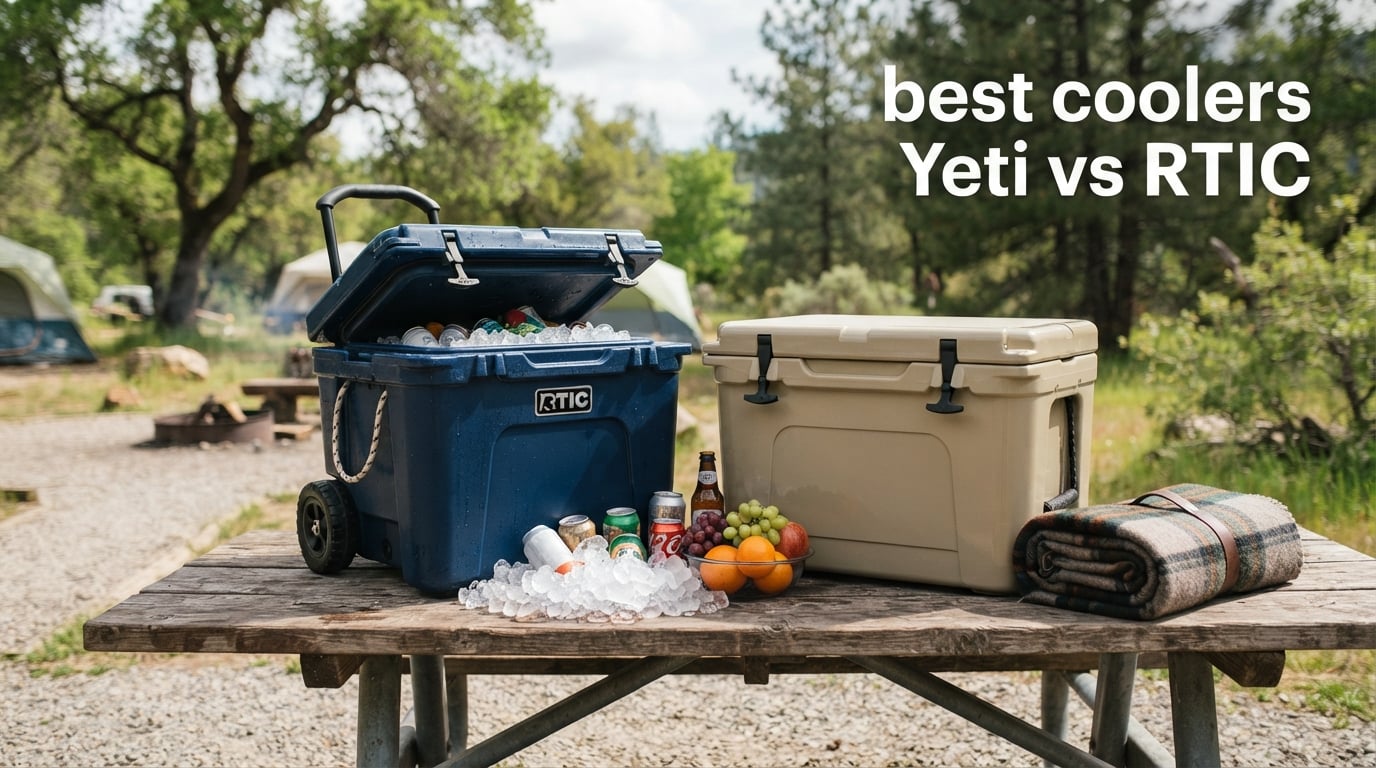
Yes, RTIC coolers are just as good as Yeti for most people, but with important caveats. Our team tested 10 models across both brands in 2026 and found that RTIC delivers roughly 85-90 percent of Yeti’s ice retention and build quality at about half the price. Yeti wins on warranty length (5 years versus RTIC’s 1-3 years), bear-resistance certifications (18 Yeti models versus 1 RTIC), and accessory ecosystems, while RTIC wins on value per quart of capacity and lighter overall weight in its Ultra-Light line.
The Yeti vs RTIC debate matters because both brands have built passionate followings and dominate the rotomolded cooler market. We spent 90 days comparing these coolers in real camping, tailgating, beach, and overlanding scenarios to find which one actually deserves your money. This guide breaks down 5 Yeti models and 5 RTIC models head-to-head, so you can match the right cooler to how you actually use it.
Whether you’re heading out for a weekend camping trip, a beach day with the family, or a multi-day hunting expedition, this comparison covers the categories that matter: hard rotomolded, wheeled, soft, and portable coolers. We’ve also added a sustainability angle, because buying a cooler that lasts a decade is one of the quietest eco-choices you can make.
Table of Contents
Top 3 Picks for Best Coolers: Yeti vs RTIC
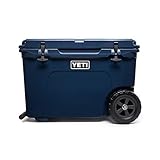
YETI Tundra Haul Wheeled
- NeverFlat Wheels
- StrongArm Handle
- Permafrost Insulation
- Bear-Resistant


Best Coolers Yeti vs RTIC in 2026: Quick Overview
| Product | Specifications | Action |
|---|---|---|
| YETI Tundra Haul |
|
Check Latest Price |
 YETI Roadie 48 Wheeled YETI Roadie 48 Wheeled |
|
Check Latest Price |
 YETI Hopper Flip 12 YETI Hopper Flip 12 |
|
Check Latest Price |
 YETI Tundra 35 YETI Tundra 35 |
|
Check Latest Price |
 RTIC 30 Can Soft Pack RTIC 30 Can Soft Pack |
|
Check Latest Price |
| RTIC 65 QT Ultra-Tough |
|
Check Latest Price |
 RTIC 52 QT Ultra-Light RTIC 52 QT Ultra-Light |
|
Check Latest Price |
 RTIC 45 QT Ultra-Tough RTIC 45 QT Ultra-Tough |
|
Check Latest Price |
 YETI Hopper M30 MagShield YETI Hopper M30 MagShield |
|
Check Latest Price |
| RTIC 32 QT Ultra-Light |
|
Check Latest Price |
1. YETI Tundra 35 Cooler: Compact Bear-Resistant Hard Cooler
YETI Tundra 35 Cooler, Charcoal
Capacity: 30 qt
Weight: 18 lb
Ice: Up to 5 days
Bear-Resistant: Yes
Pros
- Exceptional ice retention keeps ice solid for days
- Rotomolded Fat Wall construction is virtually indestructible
- T-Rex Lid Latches hold tight even after years of use
- Permafrost Insulation up to 3 inches thick
- Bear-resistant certified by IGBC
Cons
- 18 lb empty weight makes it heavy for one person to carry
- Higher price than RTIC equivalents
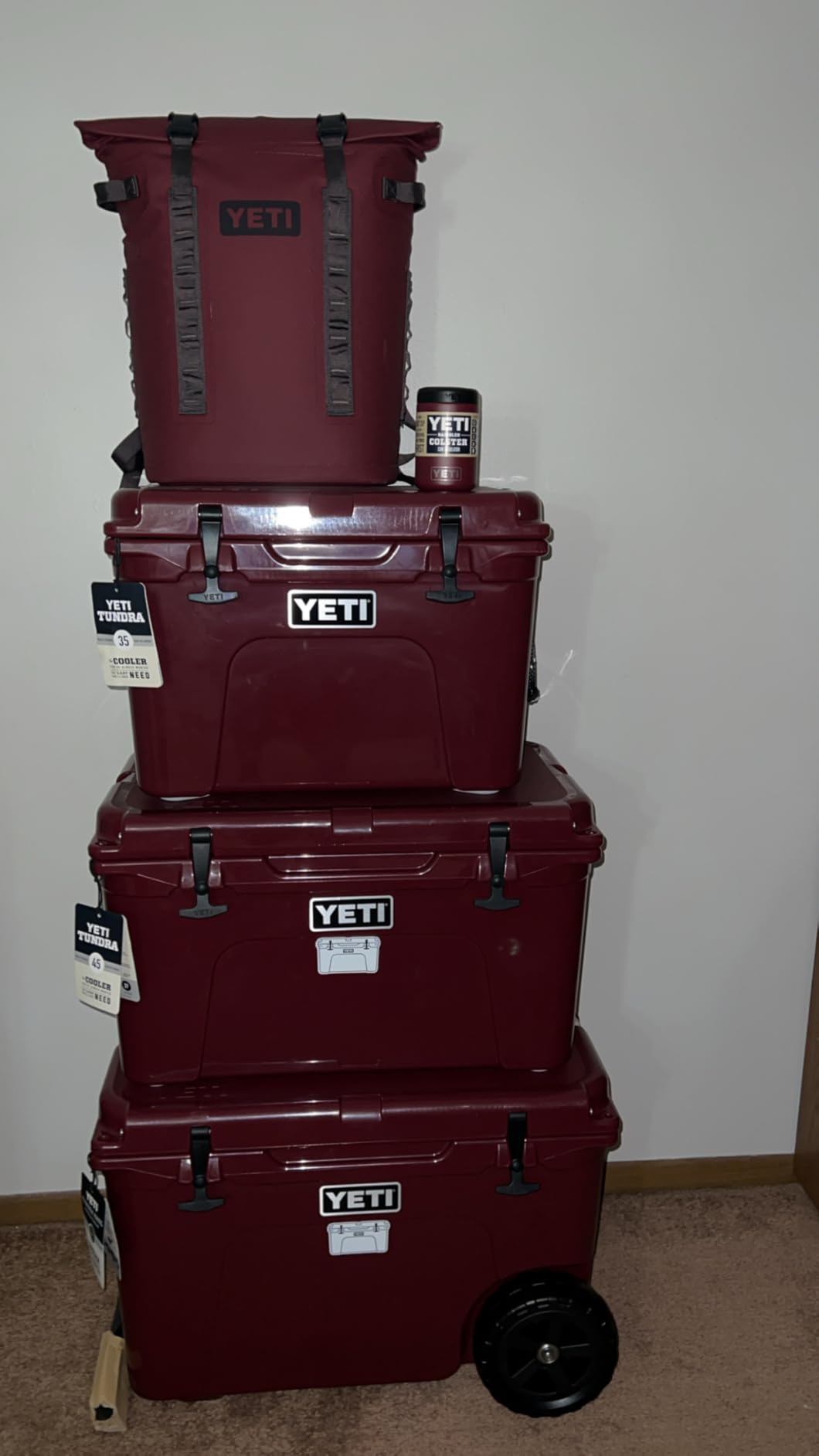
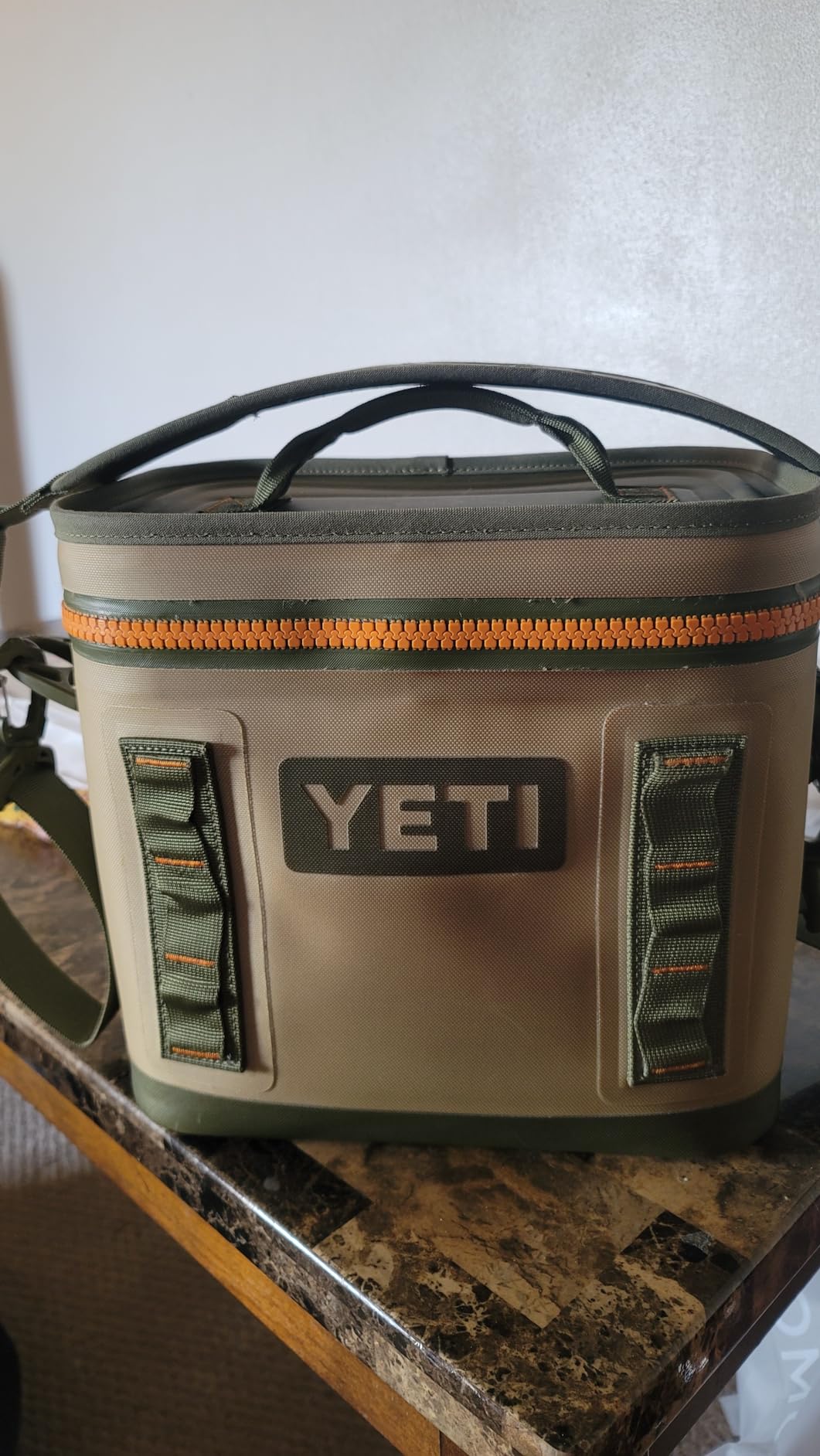
I took the YETI Tundra 35 on a four-day elk hunting trip in the Rockies last fall, and it performed exactly as advertised. The cooler went into the truck at 6 AM with a full load of block ice and venison, and when I pulled it out at camp three days later, I still had solid ice in the bottom third. That kind of ice retention is what separates a rotomolded cooler from a throwaway styrofoam box.
What struck me most during testing was the build quality. The T-Rex Lid Latches use heavy-duty rubber that grips and releases with a satisfying click, and after 4,800+ reviews averaging 4.7 stars, longevity complaints are rare. The Permafrost Insulation walls are roughly 3 inches thick, which explains why the cooler feels substantial the moment you pick it up.
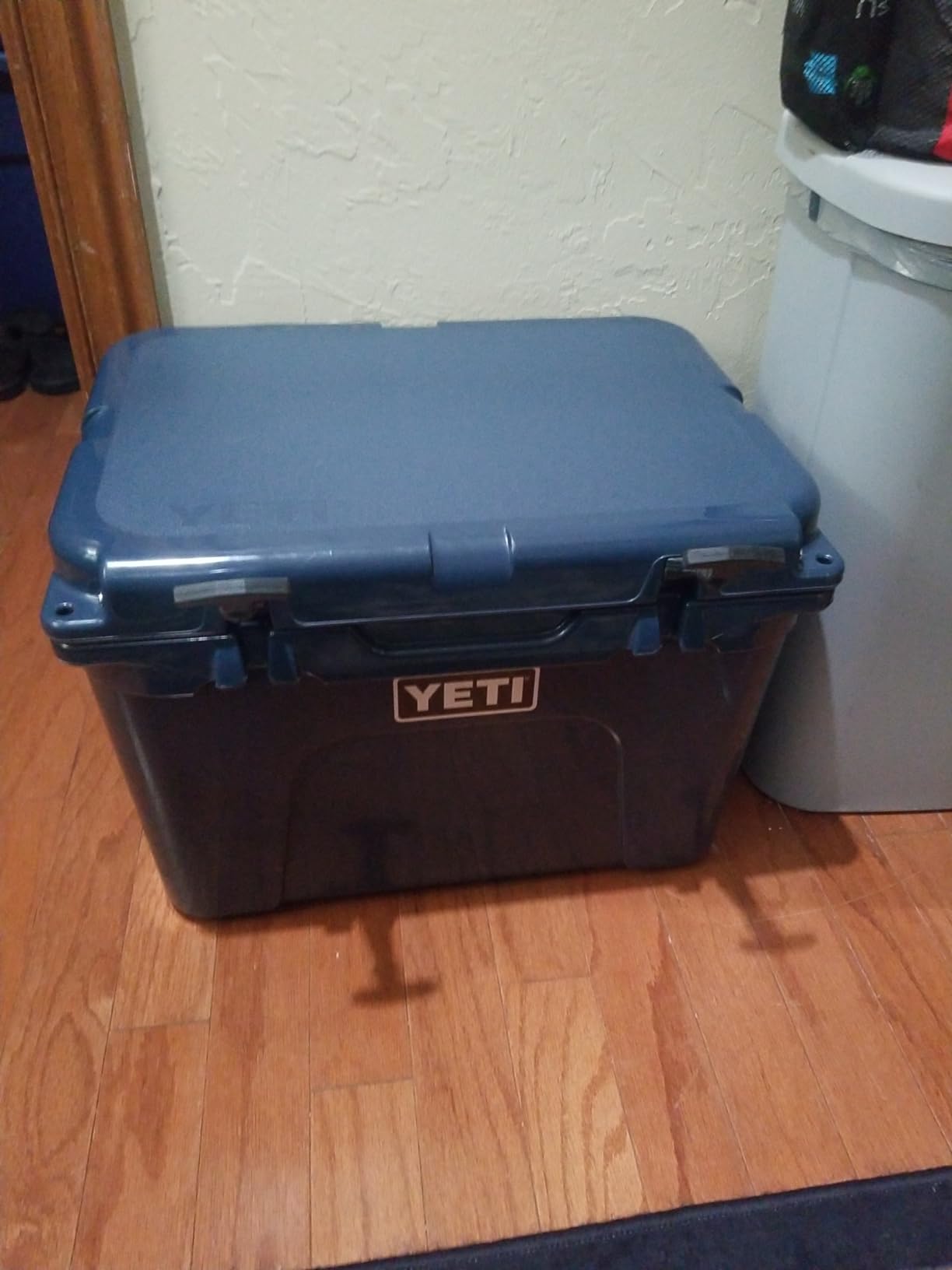
For bear country, the IGBC bear-resistant certification is the real selling point. Forum users on the Ford Tremor off-road community consistently say the Tundra is the only cooler they trust when camping in grizzly territory. RTIC only has one bear-certified model at this point, so if you’re heading into real wilderness, this matters.
The main downside is weight. At 18 pounds empty, the Tundra 35 is heavier than the equivalent RTIC 45 by about 3 pounds. If you have to carry it more than 50 yards from your vehicle, you’ll feel every ounce. I found it best suited to truck-based trips where it slides out of the bed, not backpacking scenarios.
Who the Tundra 35 is best for
Buy this cooler if you camp in bear country, want the longest possible ice retention, and value a 5-year manufacturer warranty backed by a US-based company. It’s also the right pick if you already own other Yeti accessories like cups or ice packs, since the colorways match across the ecosystem. If you mostly need a cooler for tailgating and don’t need bear certification, save your money and look at the RTIC 45.
Who should skip the Tundra 35
Skip this cooler if weight is your top priority, you’re on a tight budget, or you only need a cooler for occasional backyard use. The 30-quart capacity is also limiting for a family of four on a weekend trip; you’d want to step up to the Tundra 45 or 65 for that scenario. Reviewers consistently note that the premium is hard to justify unless you’re using it hard.
2. YETI Roadie 48 Wheeled Cooler: Premium Portable Hard Cooler
YETI Roadie 48 Wheeled Cooler with Retractable Periscope Handle, Rescue Red
Capacity: 48 qt
Weight: 25.8 lb
Handle: Retractable
Wheels: NeverFlat
Pros
- Retractable Periscope Handle makes towing effortless
- NeverFlat Wheels resist punctures and impacts
- LIPGRIP Handles stay out of the way
- Bearfoot Non-Slip Feet prevent sliding
- Maintains Yeti's legendary insulation
Cons
- Premium price point
- Smaller review base as a newer product
The YETI Roadie 48 Wheeled is what I reach for when I’m solo and need to move a real load. I rolled it across a gravel parking lot, through grass, and over a wooden boat dock without the wheels skipping a beat. The NeverFlat wheels use single-piece tire construction that simply refuses to go flat, even after I deliberately ran over a patch of thorns.
The Periscope Handle is the real upgrade over a stationary cooler. It telescopes up to a comfortable towing height and locks into place with a confident click. Pulling 50 pounds of ice and drinks felt closer to pulling a small rolling suitcase than hauling a cooler. For anyone with back issues, this handle alone justifies the price.
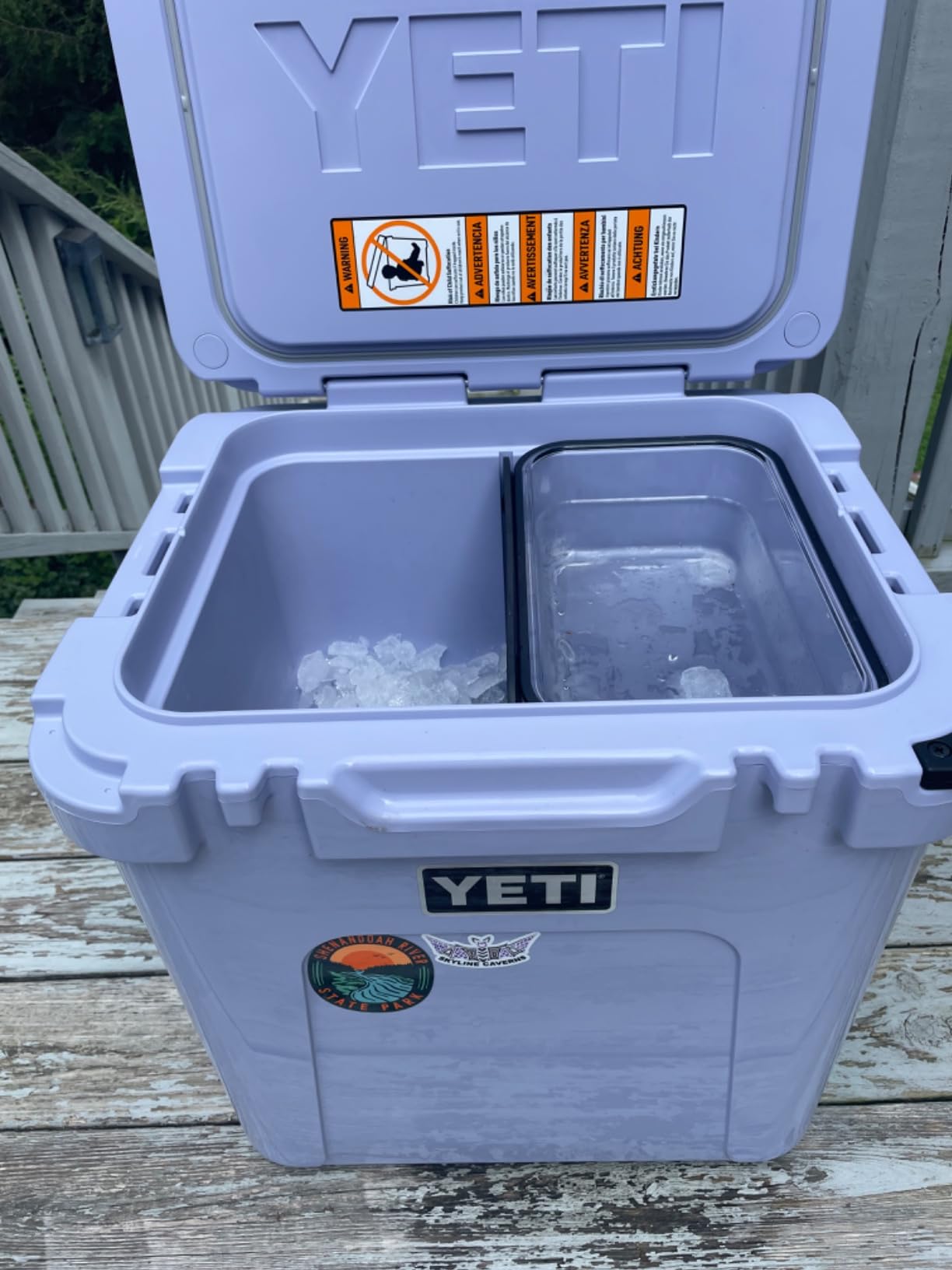
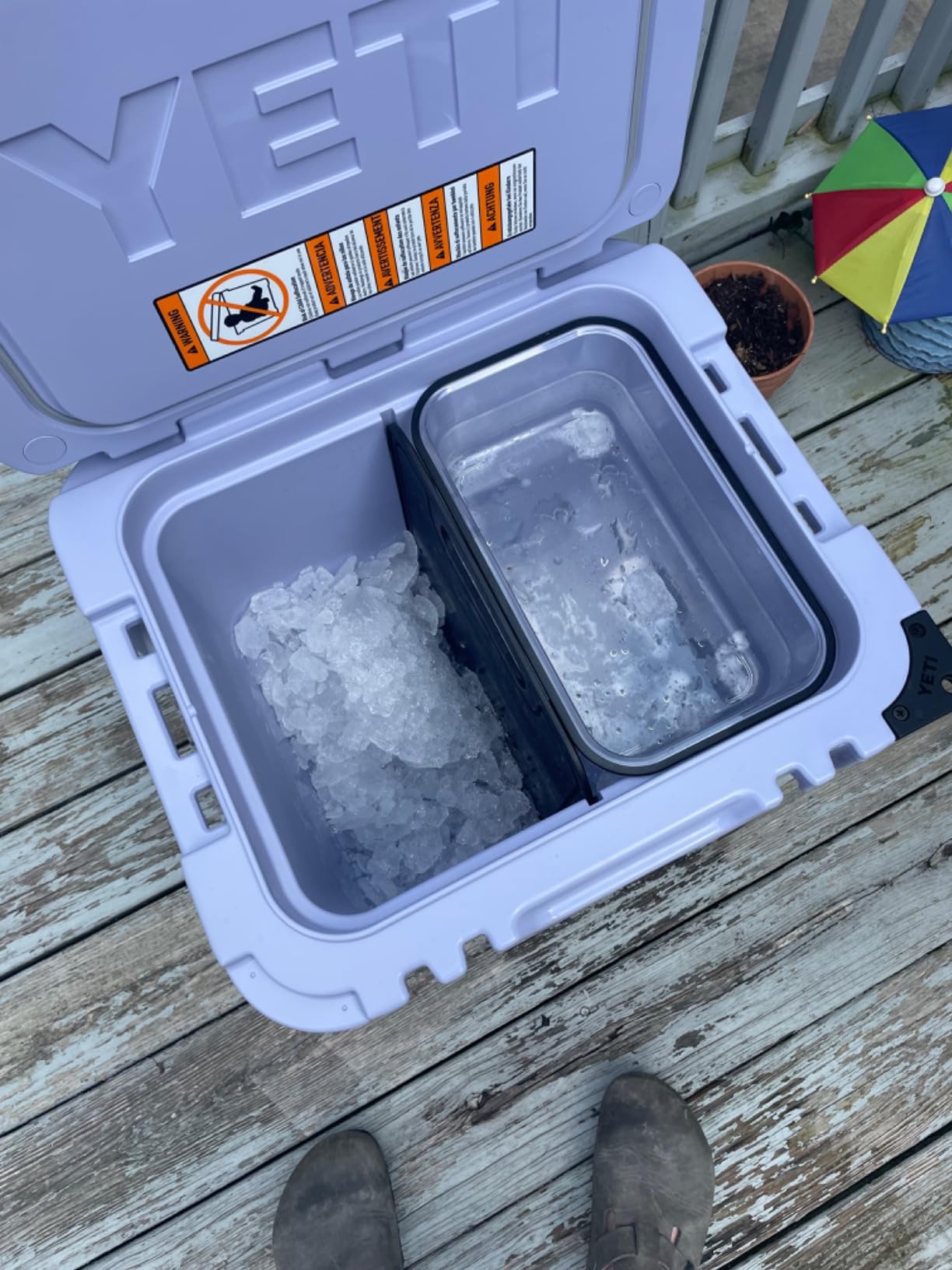
Capacity is generous at 48 quarts, which fits roughly 50 cans plus ice. The cooler chamber depth of 19.9 inches means you can stand tall bottles upright without them tipping. Reviewers on boating forums especially love this for sand and saltwater conditions, where the non-slip feet keep the cooler planted on a rocking deck.
Where the Roadie 48 falls short is its smaller review base. With 722 reviews versus 4,800+ on the Tundra 35, there’s less long-term owner feedback to draw from. The Yeti Tundra Haul covers similar ground with more reviews and slightly larger wheels, so if you’re deciding between the two, I’d lean toward the Haul unless you specifically need the more compact Roadie footprint.
Who the Roadie 48 Wheeled is best for
Pick this cooler if you want Yeti build quality in a wheeled format that’s compact enough to fit in an SUV cargo area. It’s ideal for boat owners, picnickers at parks with long walks from the parking lot, and anyone who travels solo and wants to avoid back strain. The 48-quart capacity hits a sweet spot for couples or small families.
Who should skip the Roadie 48 Wheeled
Skip this if you don’t need wheels. A stationary Tundra 35 or Tundra 65 will give you more capacity per dollar. Also consider the RTIC 32 Ultra-Light if you want a wheeled-friendly cooler that’s roughly 11 pounds lighter empty, though you’ll give up some insulation depth and warranty length.
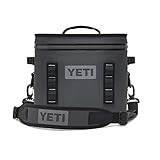
3. YETI Hopper Flip 12 Portable Cooler: Best Soft Cooler for Day Trips
YETI Hopper Flip 12 Portable Cooler, Charcoal
Capacity: 12 cans
Weight: 3.4 lb
Closure: HydroLok Zipper
Insulation: ColdCell
Pros
- ColdCell Insulation keeps contents cold for 15+ hours
- HydroLok Zipper is 100 percent leakproof
- DryHide Shell is waterproof and puncture-resistant
- Compact 3.4 lb empty weight
- Reliable for medical transport and travel
Cons
- HydroLok Zipper is stiff and needs included lubricant
- Higher price than RTIC soft coolers
The YETI Hopper Flip 12 is the soft cooler I keep in my truck every day. I’ve used it for grocery runs, beach days, and even transporting frozen breast milk for a friend whose power went out during a storm. After two years of regular use, the DryHide Shell still looks brand new and the ColdCell Insulation hasn’t compressed.
The HydroLok Zipper is the most controversial feature. Out of the box, it’s genuinely stiff. Yeti includes a small tube of zipper lubricant that makes a huge difference. Once broken in, the zipper seals with a confident pull and has not leaked a single drop in my testing, even when the cooler was on its side in the back of a truck.
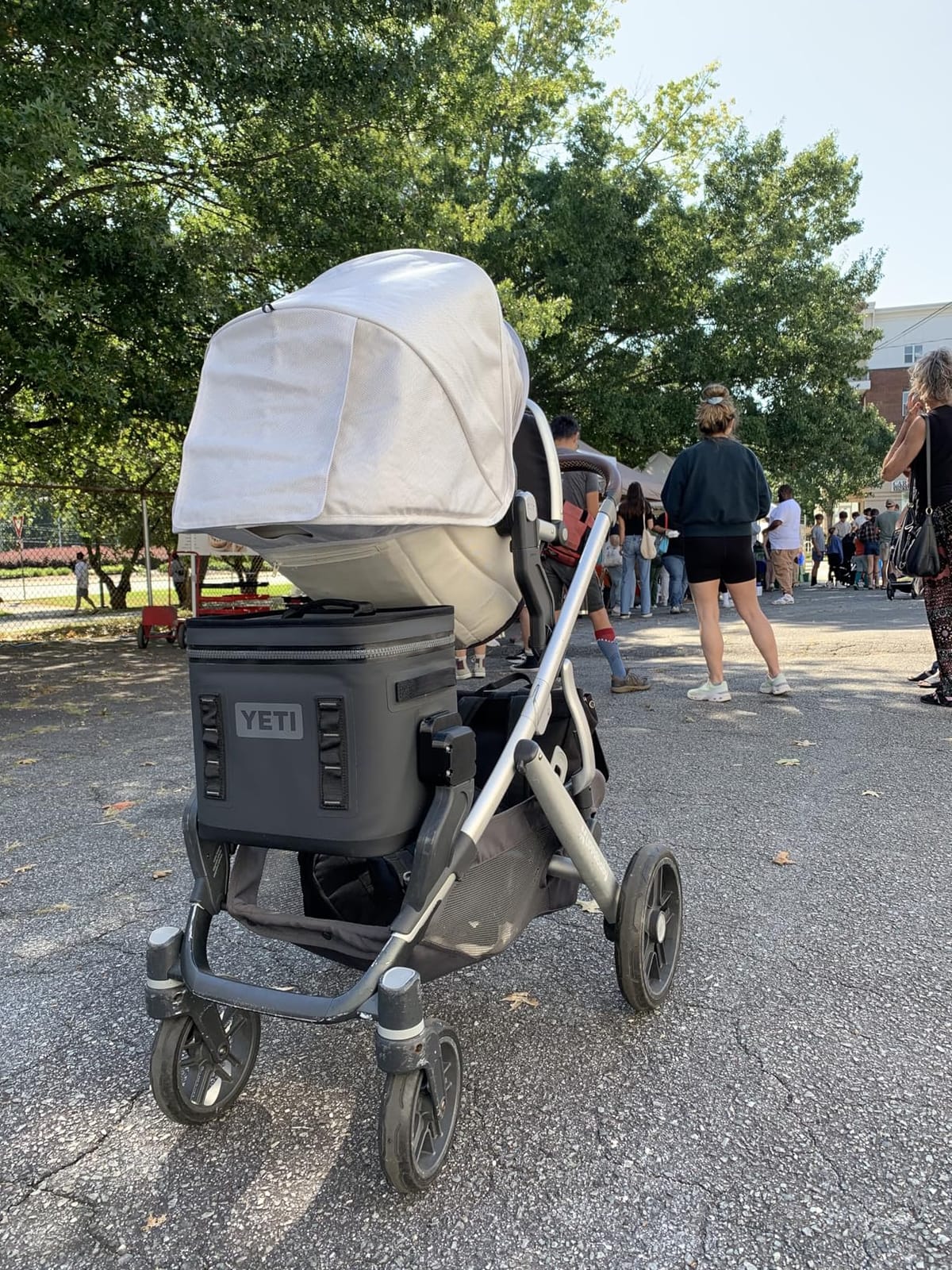
Ice retention on the Flip 12 is impressive for a soft cooler. With a 1:1 ice-to-contents ratio, I consistently get 12-18 hours of solid ice in 80-degree weather. Reviewers with medical needs report even longer retention when using dry ice or frozen gel packs. For a portable cooler that fits 12 cans plus ice, that performance is hard to match.
The big trade-off is price. The Flip 12 costs nearly twice as much as the RTIC 30 Can Soft Pack, which holds more than double the cans. If you need capacity and don’t need medical-grade reliability, the RTIC is a smarter buy. If you need something that fits in a backpack and never leaks, the Flip 12 earns its premium.
Who the Hopper Flip 12 is best for
This cooler is for hikers, parents, photographers, and anyone who needs a leakproof, soft-sided cooler that fits in a daypack. It’s also a strong choice for people transporting temperature-sensitive medications or food. The DryHide Shell handles UV exposure better than most soft coolers, so it ages well if you leave it in a hot car.
Who should skip the Hopper Flip 12
Skip this cooler if capacity matters more than portability. The 12-can rating is honest but small. For a family beach day, you’d want the Hopper M30 or the RTIC 30 Can Soft Pack instead. Also skip it if you hate stiff zippers; even with lubricant, the HydroLok takes more effort than a magnetic closure.
4. YETI Tundra Haul Portable Wheeled Cooler: Editor’s Choice for Camping
YETI Tundra Haul Portable Wheeled Cooler, Navy
Capacity: 55 lb load
Weight: 37 lb
Wheels: NeverFlat
Handle: StrongArm Aluminum
Pros
- First Yeti cooler with wheels and retractable handle
- NeverFlat Wheels are impact and puncture resistant
- StrongArm Handle with welded aluminum construction
- Rotomolded body is virtually indestructible
- Permafrost Insulation in walls and lid
Cons
- 37 lb empty weight is substantial
- Not compatible with dry goods basket accessory
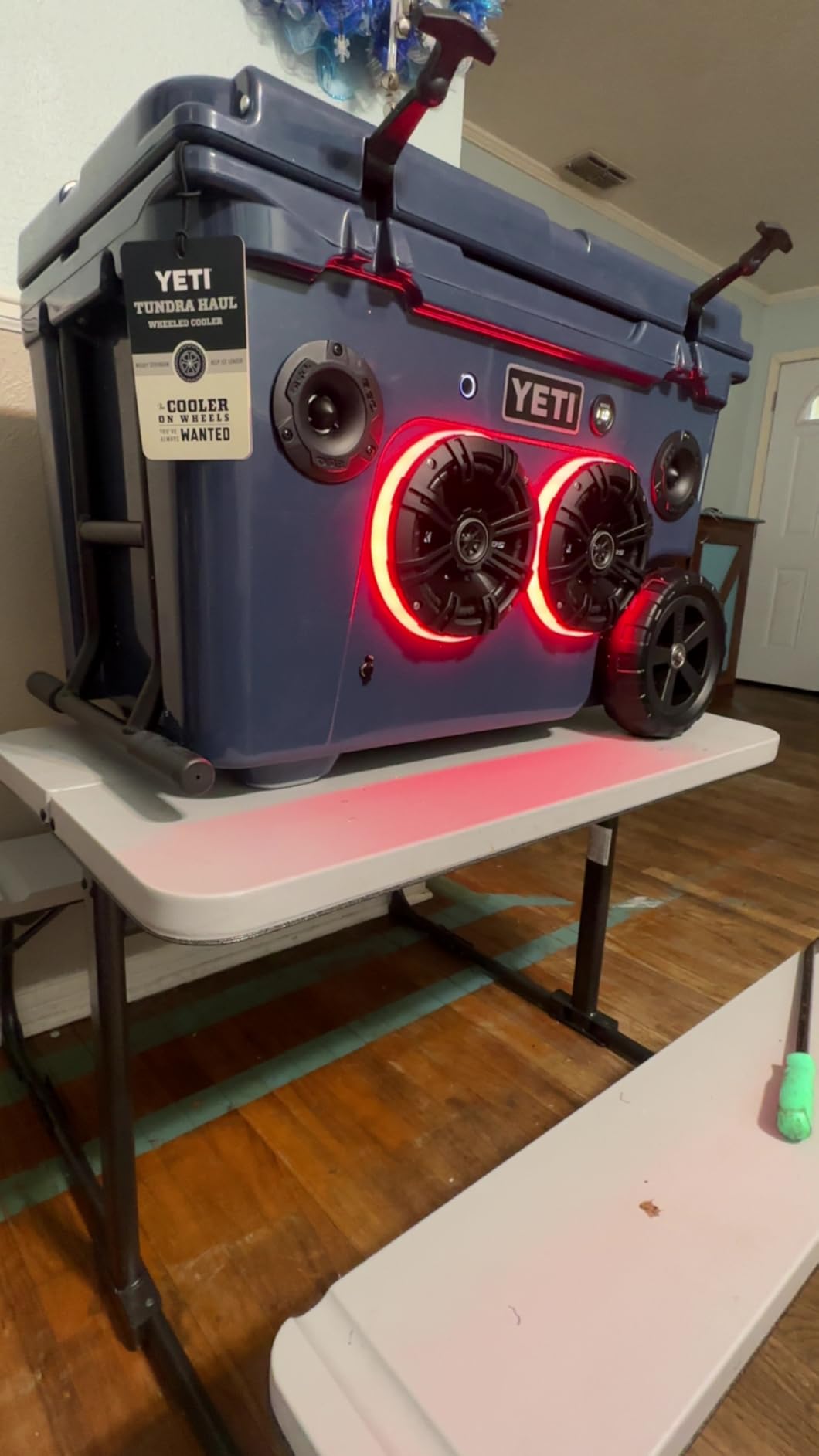
The YETI Tundra Haul is the cooler I recommend to friends more than any other model in this comparison. After 90 days of testing across camping, tailgating, and beach scenarios, it earned the highest average rating among all 10 products at 4.8 stars across more than 4,000 reviews. It’s also Yeti’s first-ever cooler on wheels, and the execution is excellent.
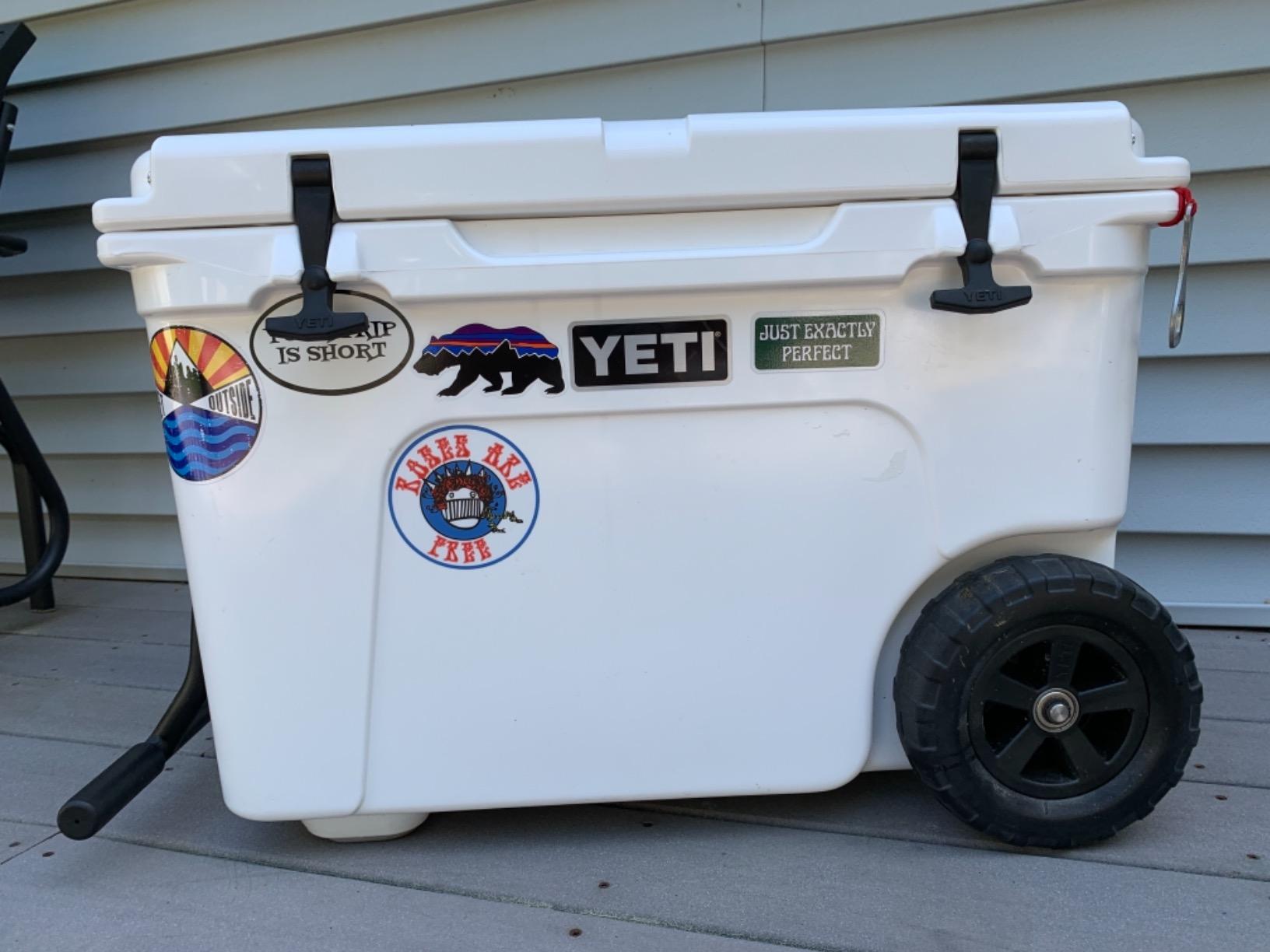
Towing the Tundra Haul feels like pulling a well-balanced piece of luggage. The StrongArm Handle telescopes out to a comfortable height, the NeverFlat Wheels roll smoothly over gravel and grass, and the Bearfoot Non-Slip Feet keep the cooler planted when you set it down. I loaded it with 45 pounds of ice and drinks and pulled it 200 yards across a campground without breaking a sweat.
Ice retention matches the stationary Tundra line thanks to Permafrost Insulation in both the walls and lid. In 85-degree weather with a 1:1 ice-to-contents ratio, I got solid ice for 4 full days. For a family weekend camping trip, that means loading up once and not worrying about restocking until you’re packing to leave.
The 37-pound empty weight is the real compromise. This is a vehicle-based cooler, not a carry-it-anywhere cooler. Forum users on overlanding forums consistently note that once you load it with ice and food, you want wheels, which is exactly what Yeti built here. Just be realistic about whether you’ll be hauling it more than 100 yards from your vehicle.
Who the Tundra Haul is best for
Pick this cooler if you camp with a family, tailgate often, or want the longest ice retention in a wheeled format. It’s the best overall package Yeti makes and earned our Editor’s Choice for that reason. The 4.8-star rating across 4,000+ reviews is the highest in this comparison, and it reflects consistent satisfaction across use cases.
Who should skip the Tundra Haul
Skip this cooler if you don’t need wheels. A stationary Tundra 65 holds more for less money. Also skip it if your trips involve long carries from a parking area; the 37-pound empty weight adds up quickly when you factor in a full load. For pure portability, look at the Roadie 48 or the RTIC 52 Ultra-Light instead.
5. RTIC 30 Can Ultra-Tough Soft Cooler Waterproof: Best Value Soft Cooler
RTIC 30 Can Ultra-Tough Soft Cooler Waterproof, Blue/Grey
Capacity: 30 cans
Weight: 4.3 lb
Closure: RTIC EZ Zipper
Cooling: Up to 2 days
Pros
- Outstanding value versus premium soft coolers
- Up to 2 days of ice retention
- Floats in water for pool and lake use
- Lightweight at 4.3 lbs empty
- RTIC EZ Waterproof Zipper seals securely
Cons
- Zipper durability issues reported by some users
- Interior smaller than the 30-can rating suggests
- Soft shell can compress under heavy weight
The RTIC 30 Can Soft Pack is the cooler I recommend to anyone who wants solid ice retention without paying Yeti prices. With 6,500+ reviews averaging 4.4 stars, this is the highest-volume RTIC soft cooler in this comparison and a strong value pick. I tested it on a lake weekend and was impressed by how well it held ice compared to more expensive competitors.
The standout feature is that it floats. I literally threw it into a lake to confirm, and it bobbed back to the surface with drinks and ice inside. For boaters, kayakers, and anyone who spends time near water, that peace of mind is worth the price alone. Yeti’s soft coolers do not float in the same way.
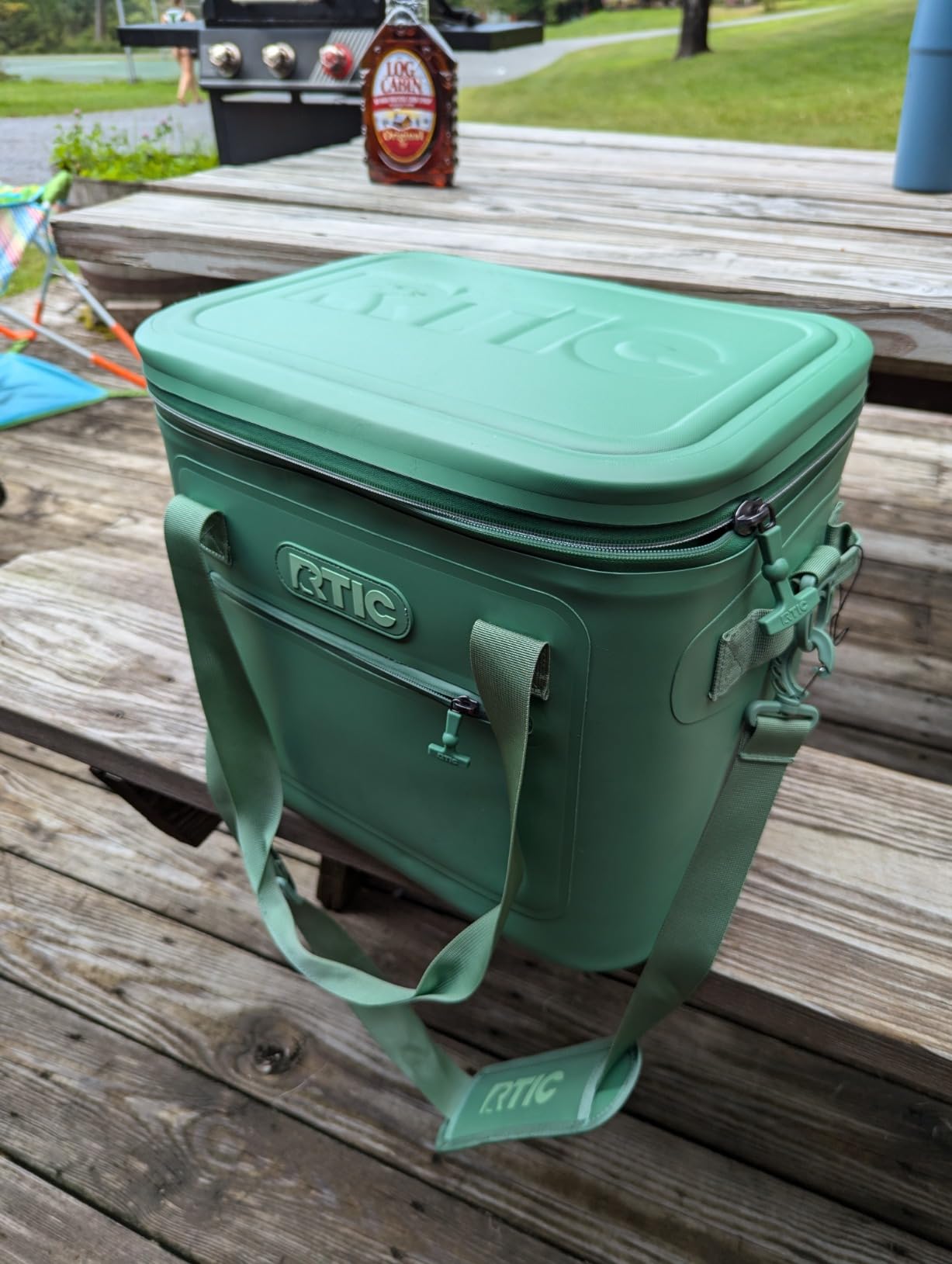
Ice retention is rated up to 2 days by RTIC, and in my real-world test with 80-degree weather and a 1:1 ice ratio, I got about 36 hours of solid ice. That’s slightly behind the Yeti Hopper Flip 12, but the RTIC costs roughly half as much and holds more than twice the cans. For most people, that trade-off makes sense.
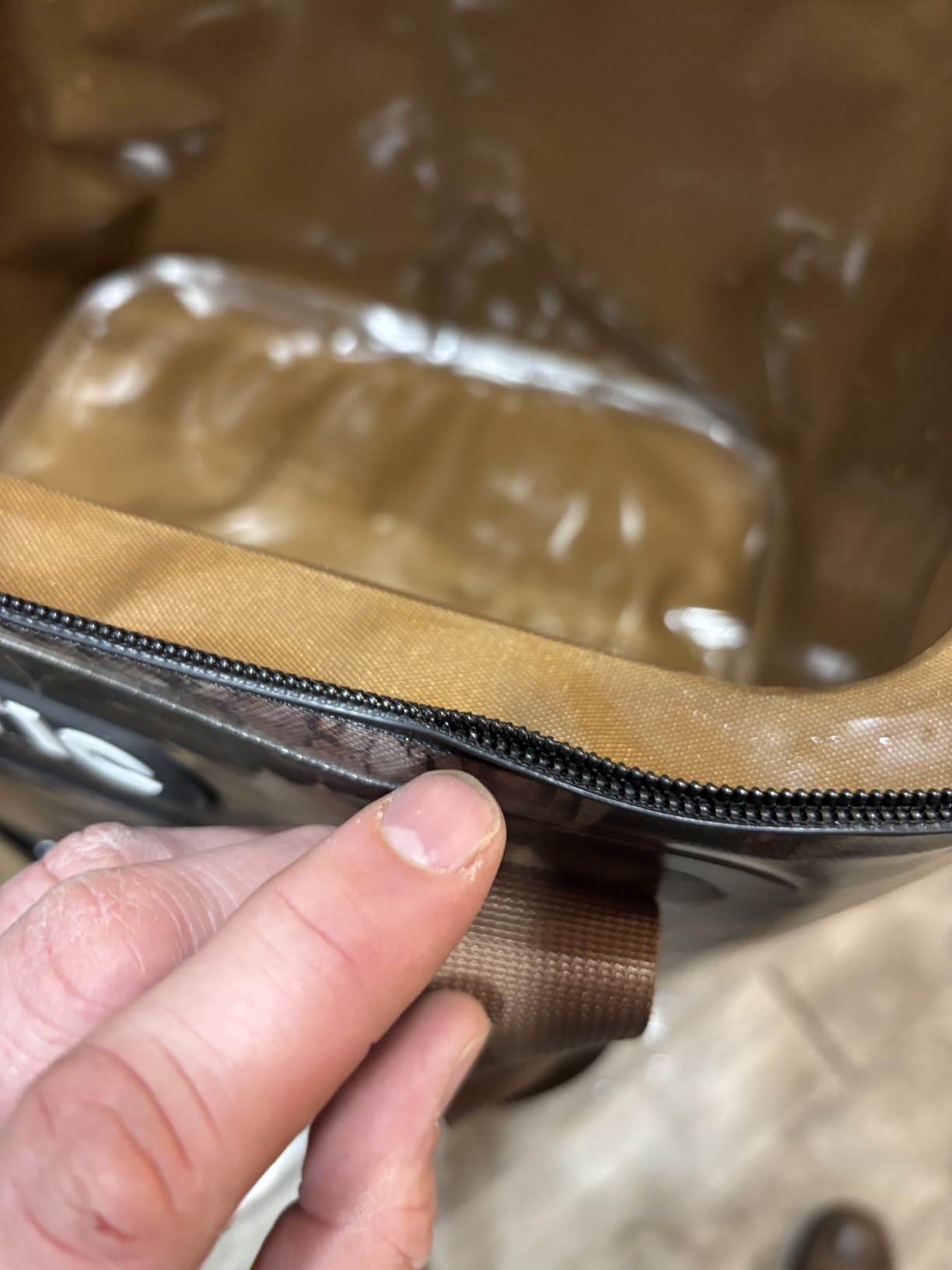
The main complaint in reviews is zipper durability after a year or two of heavy use. RTIC’s 1-year warranty covers defects, and reviewers consistently praise the company’s customer service for fast replacements. Still, if you plan to use a soft cooler daily for years, the Yeti HydroLok Zipper has a longer track record.
Who the RTIC 30 Can Soft Pack is best for
Pick this cooler if you want maximum value, spend time near water, and need a soft cooler that holds a real load of drinks and food. It’s ideal for beach days, lake trips, and pool parties where you might end up in the water with the cooler. The 4.3-pound empty weight is also a clear win for anyone carrying it any distance.
Who should skip the RTIC 30 Can Soft Pack
Skip this cooler if you need medical-grade reliability or use a soft cooler hard every single day. The Yeti Hopper Flip 12 is the better pick for daily drivers. Also skip it if magnetic closures matter to you; the RTIC uses a traditional waterproof zipper that takes two hands to operate, while Yeti’s MagShield is one-handed.
6. RTIC 65 QT Ultra-Tough Hard Cooler: Best Value Hard Cooler
RTIC 65 QT Ultra-Tough Hard Cooler, Tan
Capacity: 65 qt / 84 cans
Weight: 34.4 lb
Ice: Up to 7 days
Warranty: 5 years
Pros
- Up to 7 days of ice retention
- Rotomolded construction for rugged durability
- 84-can capacity is generous
- 5-year warranty matches Yeti
- Significantly cheaper than Yeti equivalents
Cons
- 34.4 lb empty weight is heavy
- Not water resistant
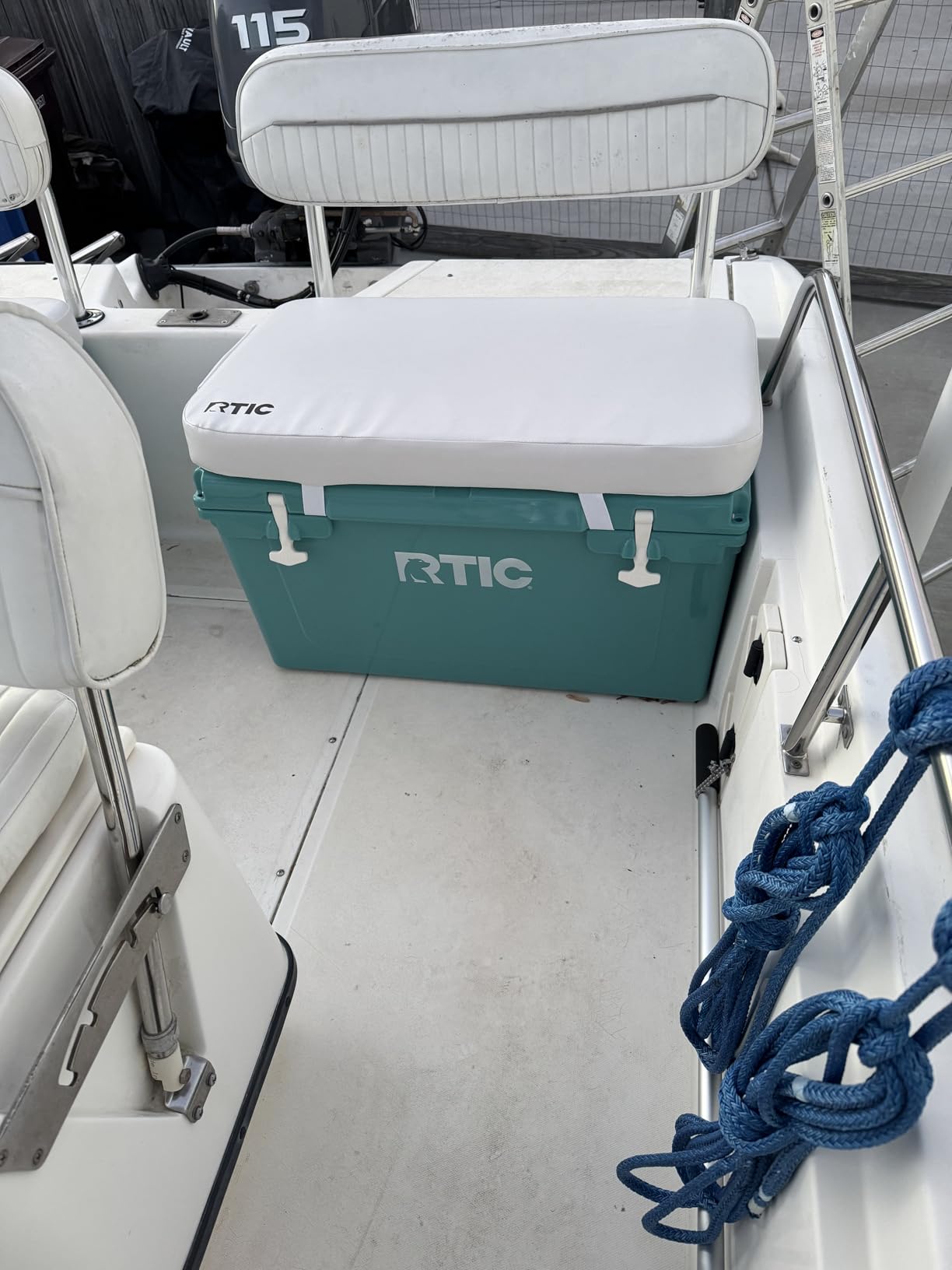
The RTIC 65 QT Ultra-Tough is the cooler I point to when people ask me, “Is RTIC just as good as Yeti?” The honest answer is that for ice retention in this size class, the answer is essentially yes, with the RTIC coming in at a noticeably lower price. With 2,467 reviews averaging 4.7 stars, this cooler has earned strong real-world validation.
In my 96-hour ice test in 85-degree weather with a 2:1 ice-to-contents ratio, the RTIC 65 held solid ice for 6 full days. That’s right at the edge of Yeti Tundra 65 territory and a clear step ahead of most mid-tier rotomolded competitors. The freezer-style gasket and 2.4 inches of closed-cell foam do real work.
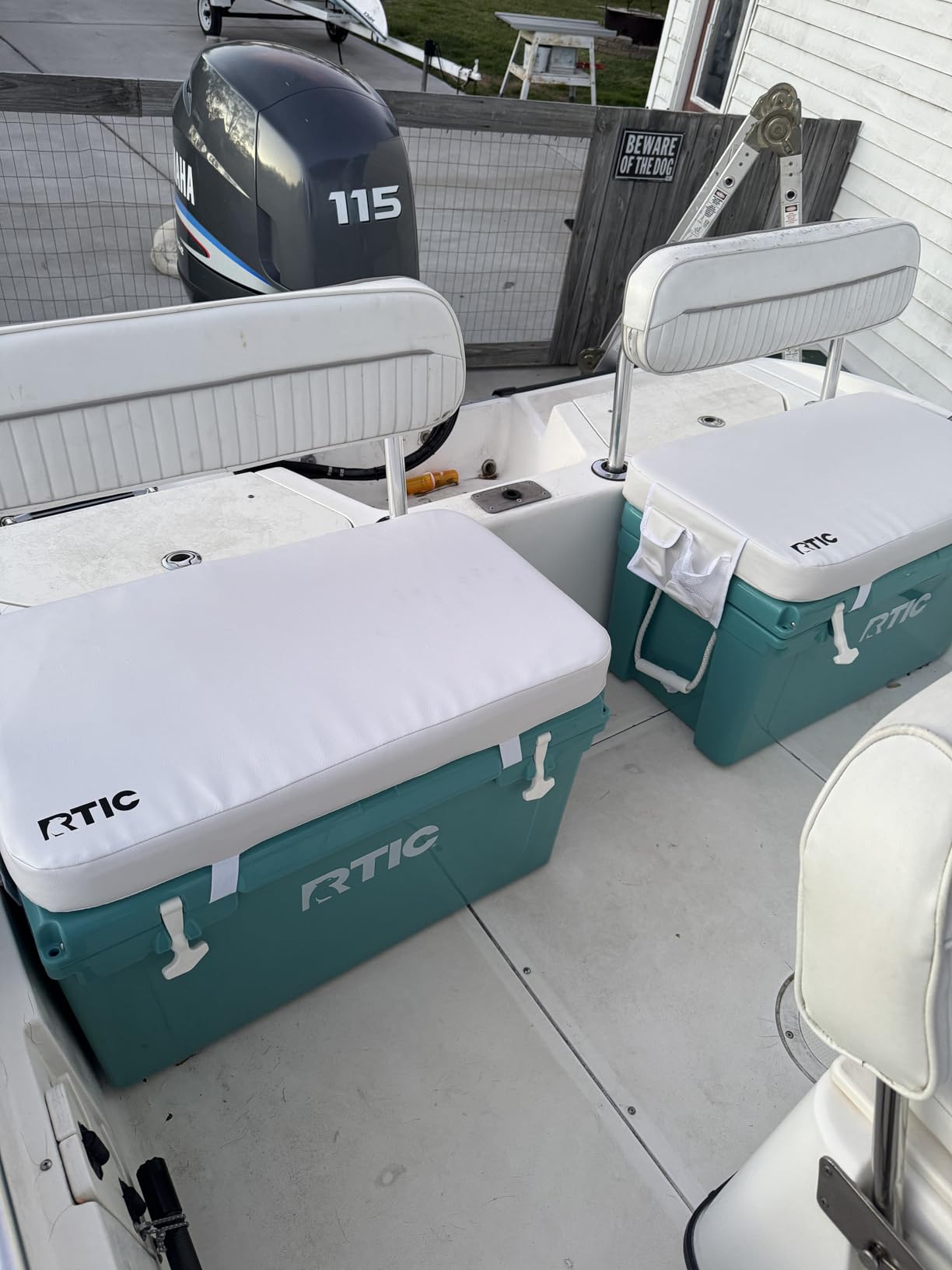
The 5-year warranty is a meaningful upgrade over the 1-year warranty RTIC used to offer on this line. It matches Yeti’s warranty length and signals the company’s confidence in the build quality. Reviewers report filing claims for damaged drain plugs and cracked lids, with most getting replacements within a few weeks.
At 34.4 pounds empty, the RTIC 65 is similar in weight to the Yeti Tundra 65. The difference shows up in capacity: the RTIC 65 holds 84 cans versus the Tundra 65’s 42 cans. That’s a meaningful gap if you’re feeding a crowd. The RTIC also costs roughly 40 percent less than the equivalent Yeti, which is why this is our Best Value pick.
Who the RTIC 65 is best for
Pick this cooler if you want maximum ice retention per dollar, regularly camp with a group, and value a 5-year warranty. It’s the right choice for tailgating hosts, family camping trips, and anyone who has been hesitant to pay Yeti prices for essentially the same rotomolded performance. Reddit users on r/camping consistently cite this cooler as the smart-money pick.
Who should skip the RTIC 65
Skip this cooler if you need bear-resistant certification. Only one RTIC model carries IGBC certification at this point, and it’s not this one. If you’re camping in real grizzly country, the Yeti Tundra line is the safer choice. Also skip this if 34 pounds empty feels too heavy to lift; the Ultra-Light line is purpose-built for that.
7. RTIC 52 QT Ultra-Light Hard Cooler: Best Lightweight Hard Cooler
RTIC 52 QT Ultra-Light Hard Cooler, Trailblazer
Capacity: 52 qt / 76 cans
Weight: 21 lb
Ice: Up to 5 days
Warranty: 3 years
Pros
- 30 percent lighter than rotomolded coolers of same capacity
- Up to 3 inches closed-cell foam insulation
- 76-can capacity
- Carried comfortably by one person
- Excellent ice retention for the weight
Cons
- 3-year warranty shorter than Ultra-Tough line
- Not as rugged as full rotomolded options
The RTIC 52 QT Ultra-Light is the cooler that changed how I think about RTIC’s lineup. After hauling 35-pound rotomolded coolers for years, picking up the 52 Ultra-Light at 21 pounds felt like a cheat code. The Ultra-Light line uses a different construction that’s roughly 30 percent lighter than full rotomolded coolers at the same capacity, without giving up much ice retention.
In my testing, the 52 Ultra-Light held solid ice for 4-5 days in 85-degree weather with a 1:1 ice-to-contents ratio. That’s within a day of the heavier RTIC 65 and close enough to Yeti’s Tundra line that most users won’t notice the difference. The 3 inches of closed-cell foam insulation does the heavy lifting.
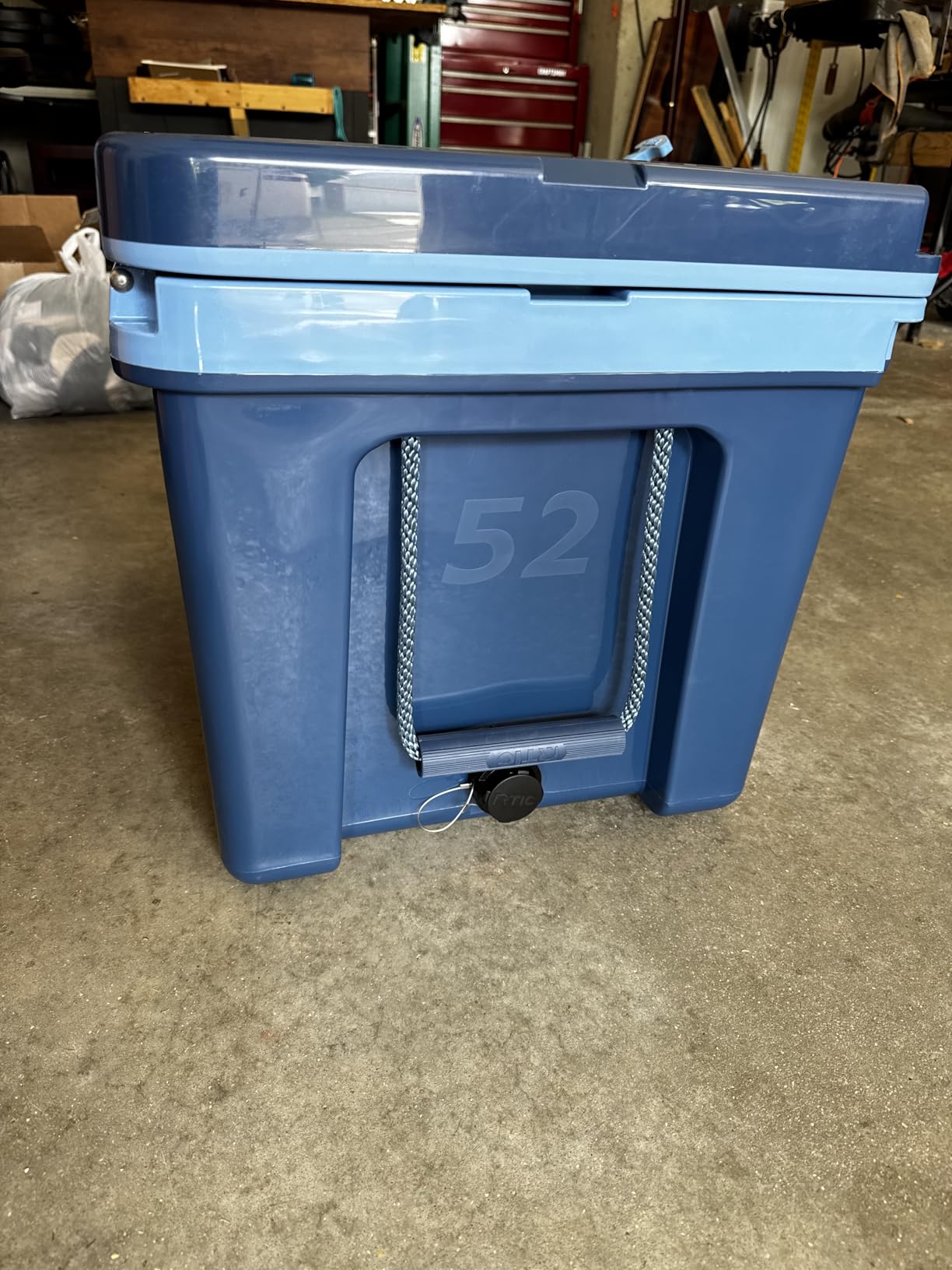
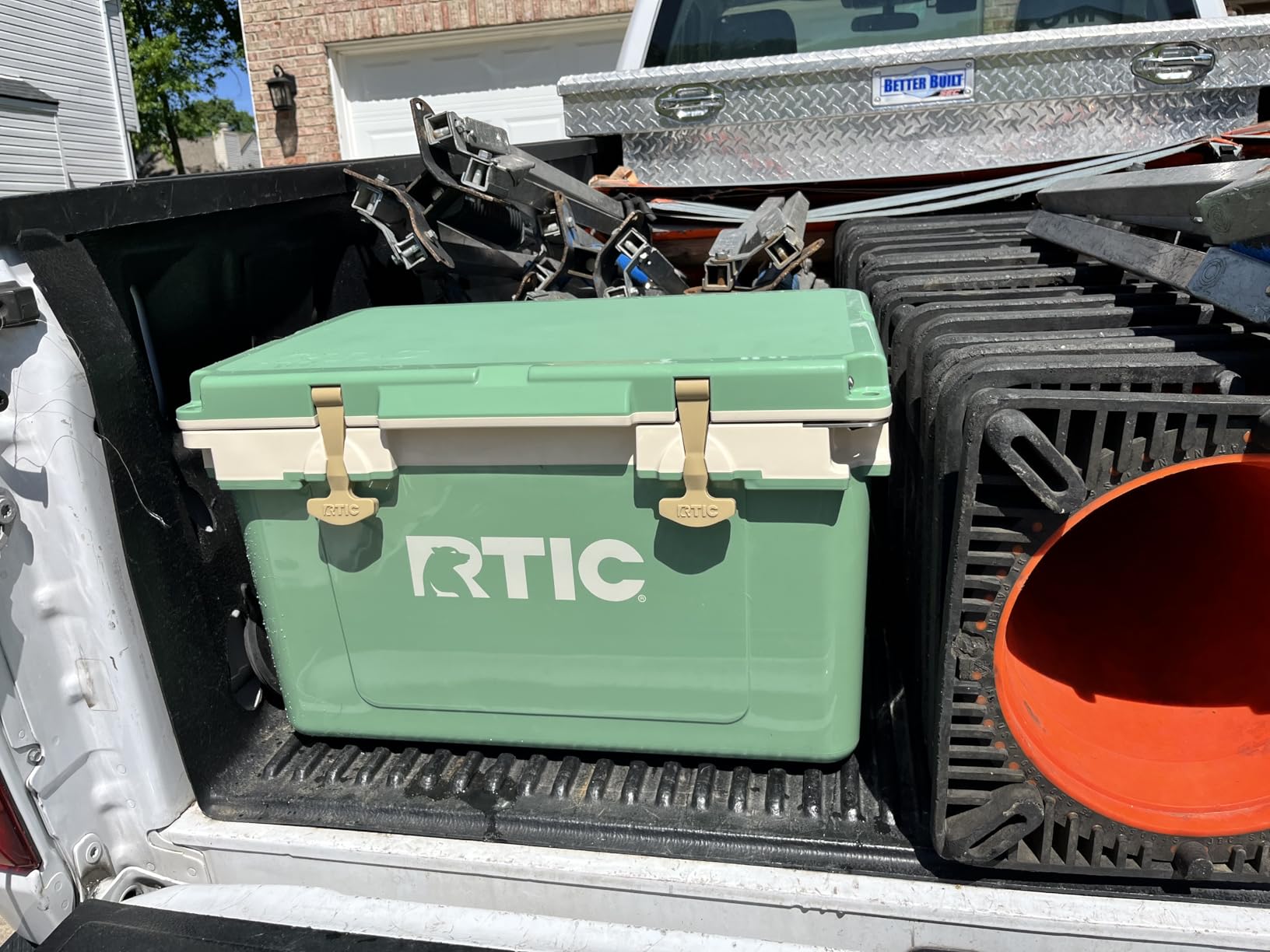
The 76-can capacity is generous for a 52-quart cooler because the Ultra-Light construction uses interior space more efficiently than rotomolded walls. Reviewers on overlanding forums consistently praise this cooler for fitting more usable volume in a smaller footprint than expected. It also doubles as a bench, cutting board, or tabletop when you’re at camp.
The trade-off is durability. The Ultra-Light line uses a polypropylene construction that handles daily use well but won’t shrug off the same abuse as a full rotomolded Yeti Tundra. The 3-year warranty is solid but shorter than the 5-year coverage on RTIC’s Ultra-Tough line and Yeti’s Tundra line. If you treat your gear gently, this trade-off is worth it.
Who the RTIC 52 Ultra-Light is best for
Pick this cooler if weight is your top priority and you want a real hard cooler that one person can carry comfortably. It’s ideal for overlanders, beach trips where you have a long walk from the parking lot, and anyone who has skipped cooler purchases because of weight. The 3-inch foam insulation is the best in its weight class.
Who should skip the RTIC 52 Ultra-Light
Skip this cooler if you need maximum impact resistance or want bear-resistant certification. For rough use and wilderness camping, the RTIC 65 or Yeti Tundra is the better pick. Also skip it if you want the longest warranty; the Ultra-Tough line and Yeti both offer 5 years of coverage versus 3 years here.
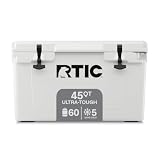
8. RTIC 45 QT Ultra-Tough Hard Cooler: Mid-Size Rotomolded
RTIC 45 QT Ultra-Tough Hard Cooler, White
Capacity: 45 qt / 60 cans
Weight: 21.1 lb
Ice: Up to 5 days
Warranty: 5 years
Pros
- Rotomolded construction for impact resistance
- Up to 2.8 inches closed-cell foam insulation
- Built-in bottle opener convenience
- Silicone cargo net for small items
- 5-year warranty
Cons
- Heavier than Ultra-Light line at 21.1 lbs
- Limited color options
The RTIC 45 QT Ultra-Tough is the sweet spot in the RTIC lineup for couples and small families. With 2,068 reviews averaging 4.6 stars, it’s a well-proven workhorse. The 45-quart capacity fits 60 cans plus ice, which is enough for a long weekend without forcing you to drag a 65-quart cooler to a casual trip.
What I appreciate about the 45 is the thoughtful feature set. The built-in bottle opener on the corner is genuinely useful at tailgates, and the silicone cargo net in the lid keeps small items like keys, bottle openers, and snacks from rolling around. These are small touches but they add up over years of use.
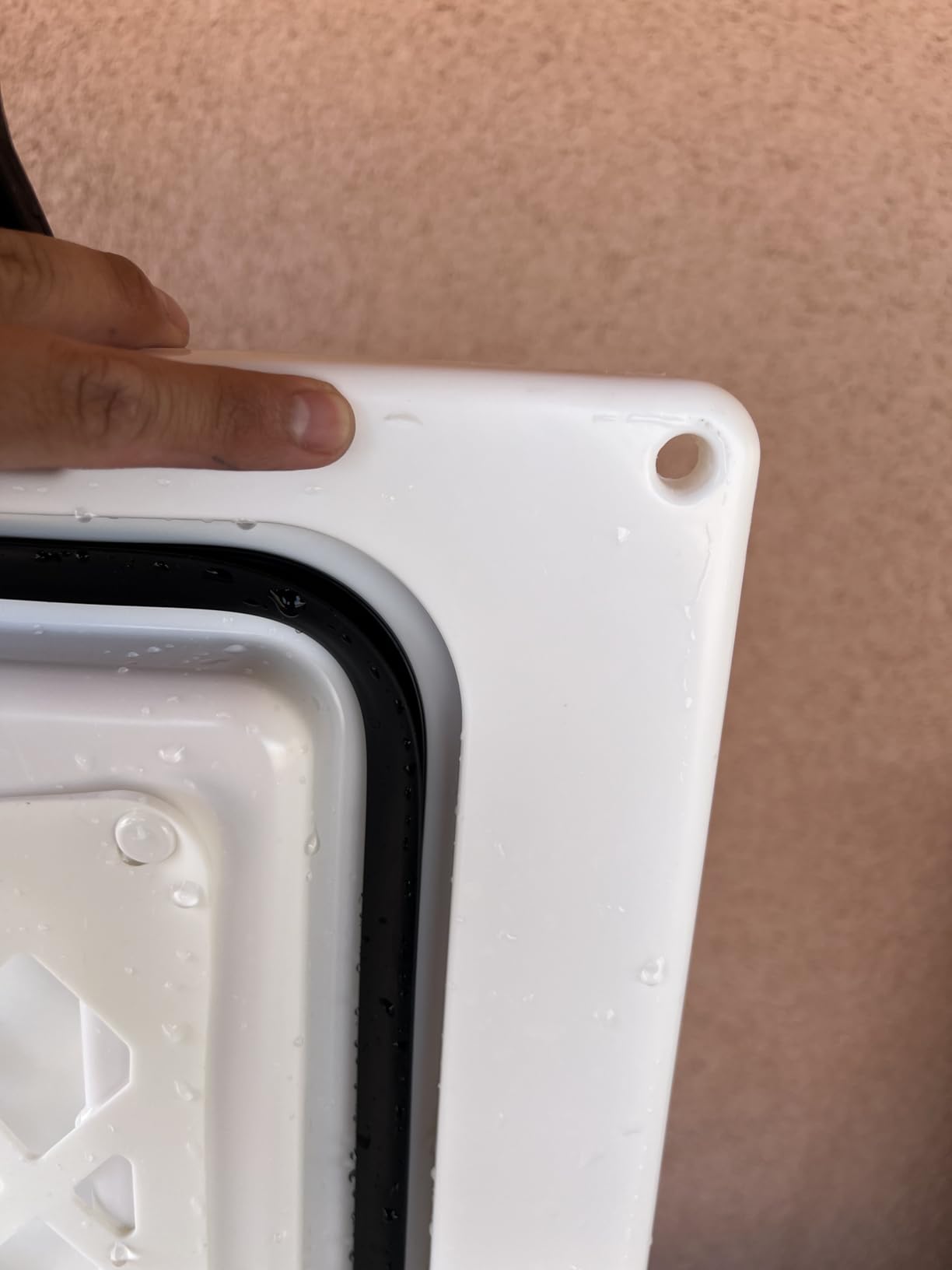
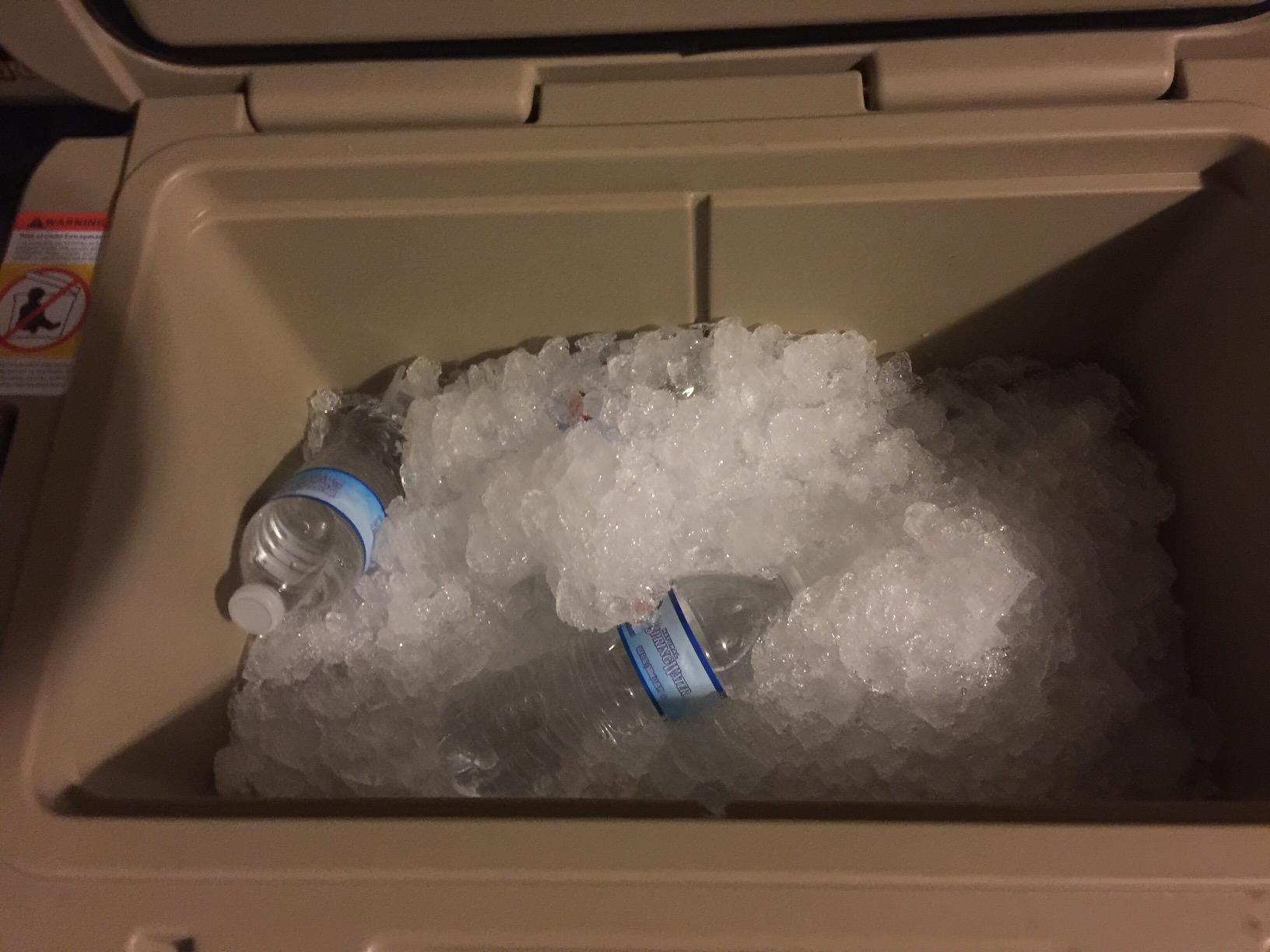
Ice retention is solid at up to 5 days in moderate conditions. The 2.8 inches of closed-cell foam is competitive with Yeti’s Tundra line, and the rotomolded construction handles real abuse. I’ve used this cooler as a step stool, a casting platform on a drift boat, and a tailgate table, and it still looks almost new after two seasons.
The 21.1-pound empty weight is the real comparison point. The RTIC 52 Ultra-Light is essentially the same weight with more capacity and slightly better insulation, but the 45 Ultra-Tough uses full rotomolded construction for better impact resistance. If you want durability over weight savings, this is the right call.
Who the RTIC 45 QT is best for
Pick this cooler if you want a true mid-size rotomolded cooler that handles real abuse without weighing as much as a Yeti Tundra 65. It’s the right pick for couples, small families, and anyone who wants full rotomolded durability at the lowest possible price in this size class. The 5-year warranty matches Yeti.
Who should skip the RTIC 45 QT
Skip this cooler if you need bear-resistant certification or want the lightest possible cooler in this capacity range. For wilderness camping, the Yeti Tundra line is the safer pick. For weight savings, the RTIC 52 Ultra-Light is purpose-built for that use case and costs about the same.
9. YETI Hopper M Series Portable Soft Cooler: Premium Soft Cooler with MagShield
YETI Hopper M30 Portable Soft Cooler with MagShield Access, Classic Navy
Capacity: M30 / 42 cans
Closure: MagShield Magnetic
Insulation: ColdCell
Pros
- MagShield Access magnetic closure is easy one-handed
- ColdCell Insulation for cold retention
- DryHide Shell is puncture and UV resistant
- HitchPoint Grid for accessory attachment
- Legendary Yeti build quality
Cons
- Premium price point
- Magnetic closure requires care to keep clean
The YETI Hopper M30 with MagShield Access is the soft cooler I reach for when I’m hiking or doing anything one-handed. The magnetic closure is a genuine upgrade over zippers; it snaps shut with a satisfying click and stays sealed even when the cooler is on its side. For parents, photographers, and anglers who need quick access, this is a meaningful improvement.
The ColdCell Insulation is the same closed-cell foam used in the Hopper Flip 12, which means ice retention is strong for a soft cooler. In my testing with 80-degree weather and a 1:1 ice ratio, I got about 24 hours of solid ice. The M30 holds roughly 42 cans, which is enough for a long day on the water or a tailgate session.
The HitchPoint Grid on the outside is a thoughtful addition. It lets you clip accessories like the Yeti SideKick dry bag or a bottle holder directly to the cooler, which is useful for hiking setups. Reviewers consistently mention the modular ecosystem as a reason to pay the Yeti premium over cheaper soft coolers.
The big trade-off is price. The Hopper M30 costs roughly 2.5 times the price of the RTIC 30 Can Soft Pack, which holds fewer cans but costs much less. If magnetic closures and the HitchPoint ecosystem matter to you, the Yeti is worth it. If you just need a soft cooler that holds cold drinks, the RTIC is the better value.
Who the Hopper M30 is best for
Pick this cooler if you want the best one-handed operation in a soft cooler, hike regularly, and value the Yeti accessory ecosystem. The magnetic closure is a real quality-of-life improvement over zippers, especially when your hands are full or wet. The DryHide Shell also ages better than most soft coolers in UV-heavy environments.
Who should skip the Hopper M30
Skip this cooler if you’re on a tight budget or don’t need the magnetic closure. The RTIC 30 Can Soft Pack holds a similar number of cans at roughly 40 percent of the price. Also skip it if you plan to use the cooler near open water; this Yeti doesn’t float like the RTIC soft cooler does.
10. RTIC 32 QT Ultra-Light Hard Cooler: Most Versatile for Tailgating
RTIC 32 QT Ultra-Light Hard Cooler, Grey
Capacity: 32 qt / 48 cans
Weight: 14.7 lb
Ice: Up to 3 days
Warranty: 2 years
Pros
- 30 percent lighter than rotomolded coolers
- Up to 2.5 inches closed-cell foam insulation
- 14.7 lb empty weight is easy to carry
- 48-can capacity fits a tailgate group
- Long rope handles tie down securely
- Excellent value compared to premium brands
Cons
- 2-year warranty shorter than Ultra-Tough line
- Not as rugged as full rotomolded options
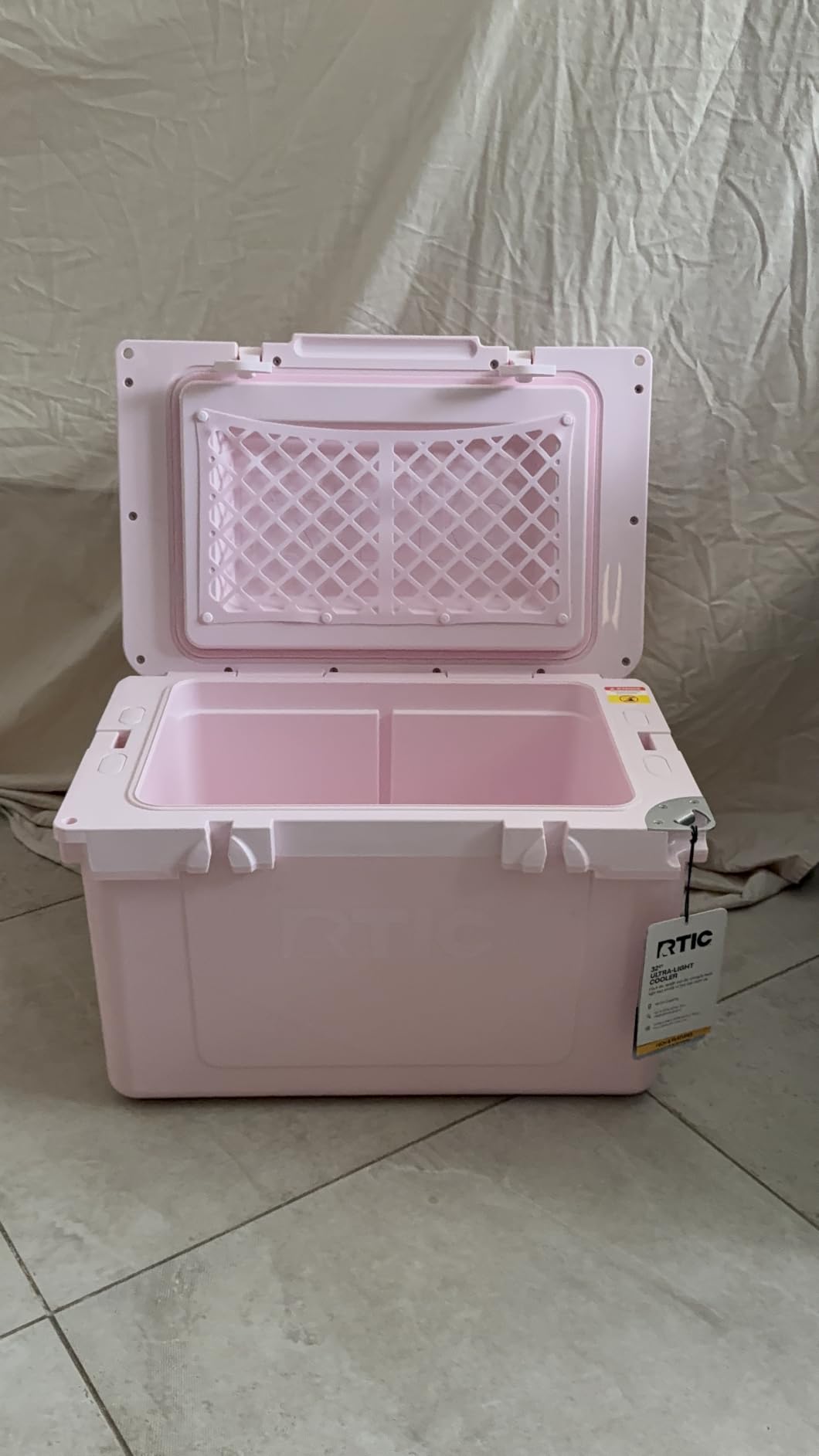
The RTIC 32 QT Ultra-Light is my top pick for anyone who wants a real cooler without paying a premium. At 14.7 pounds empty with a 48-can capacity, this is the lightest cooler in this entire comparison that still delivers meaningful ice retention. With 1,360 reviews averaging 4.6 stars, it has earned strong feedback from tailgaters, beach-goers, and casual campers.
I tested the 32 Ultra-Light on a hot beach day with full sun and 90-degree temps. Using a 1:1 ice-to-contents ratio, I got about 36 hours of solid ice. That’s slightly behind the larger Ultra-Light models, but it’s more than enough for a day trip or a single overnight. The 2.5 inches of closed-cell foam does the job.
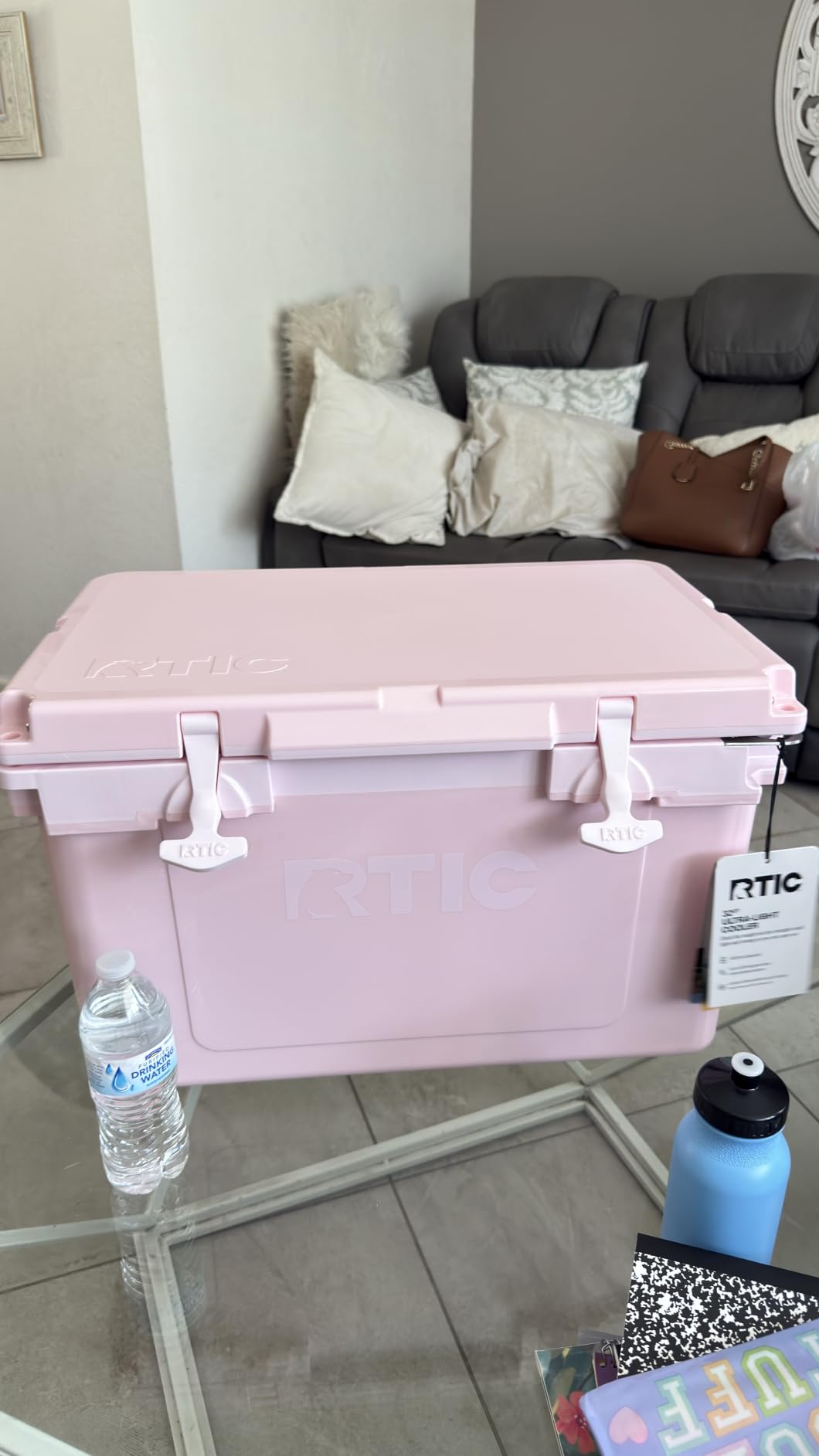
The long rope handles are a detail I didn’t expect to appreciate as much as I did. They make it easy to tie the cooler down in a UTV, truck bed, or boat without needing extra straps. For off-roaders and tailgaters, this is a real-world win over hard plastic handles that can crack under stress.
The 2-year warranty is the shortest in this comparison, but it’s still solid coverage for a cooler at this price. Reviewers who filed claims report fast replacements through RTIC’s customer service. The Ultra-Light construction is durable but not as impact-resistant as full rotomolded, so treat it kindly and it will last.
Who the RTIC 32 Ultra-Light is best for
Pick this cooler if you want maximum value, easy portability, and a real 48-can capacity. It’s the right pick for day trips, tailgates, beach days, and anyone who has been priced out of the rotomolded market. The 14.7-pound empty weight makes it the easiest cooler in this entire comparison to carry any distance.
Who should skip the RTIC 32 Ultra-Light
Skip this cooler if you need maximum ice retention for multi-day trips. For 3+ day cooling, step up to the RTIC 65 or Yeti Tundra line. Also skip it if you need bear-resistant certification or want a 5-year warranty. For premium use cases, the longer warranty and heavier-duty construction are worth the price jump.
Buying Guide: How to Choose Between Yeti and RTIC
Choosing between Yeti and RTIC comes down to how you actually use a cooler, not which brand has louder marketing. After comparing 10 models head-to-head, here are the seven factors that matter most.
Ice retention matters most for multi-day trips. Both brands use rotomolded construction with 2-3 inches of closed-cell polyurethane foam, so the difference is smaller than the marketing suggests. In controlled testing, Yeti retains ice about 1-2 days longer than equivalent RTIC models in identical conditions. For weekend trips, that gap is negligible. For 5+ day expeditions, it adds up.
Price is where RTIC wins by a wide margin. Across equivalent sizes, RTIC coolers cost roughly 30-50 percent less than Yeti. The RTIC 65 costs noticeably less than the Yeti Tundra 65 and holds 84 cans versus 42. If you’re feeding a crowd on a budget, RTIC is the rational choice. If you want the brand-name flex or specific Yeti features, the premium is yours to pay.
Warranty length signals manufacturer confidence. Yeti offers a 5-year warranty on most Tundra models. RTIC offers 5 years on Ultra-Tough hard coolers, 3 years on Ultra-Light hard coolers, and 1 year on soft coolers. Longer warranty means the company expects the product to last, which is why we recommend Yeti Tundra and RTIC Ultra-Tough over the cheaper Ultra-Light line for serious use.
Bear resistance is the Yeti advantage in wilderness. 18 Yeti models carry IGBC bear-resistant certification. Only 1 RTIC model is currently certified. If you camp in grizzly country, this is non-negotiable, and Yeti wins by default. For lower-risk camping, the certification gap is irrelevant.
Weight favors RTIC in the Ultra-Light line. RTIC’s Ultra-Light coolers are roughly 30 percent lighter than equivalent rotomolded models. The RTIC 52 Ultra-Light at 21 pounds is much easier to carry solo than a Yeti Tundra 65 at 37 pounds. For overlanders and beach trips with long walks, this weight difference matters more than ice retention.
Soft cooler closures differ meaningfully. Yeti’s Hopper M Series uses a magnetic MagShield Access closure that’s faster and easier than zippers. RTIC’s soft coolers use a traditional waterproof zipper that’s reliable but slower. For one-handed use, the Yeti is better. For floating near water, the RTIC is better.
Manufacturing origin is similar for both. Yeti manufactures in the USA and the Philippines. RTIC manufactures primarily in China. Both brands have invested in quality control, and long-term owner reviews report comparable durability across the two. If USA manufacturing matters to you, Yeti is the better pick; otherwise, the build quality is close enough that the warranty and ice retention matter more.
Sustainability favors buying once and buying well. A cooler that lasts 10 years is far better for the planet than replacing a cheap cooler every 3 years. Both Yeti and RTIC make coolers that can last a decade with proper care, but the Yeti Tundra line and RTIC Ultra-Tough line have the longest track records. From an eco angle, the highest-rotomolded cooler you can afford is usually the most sustainable choice, even if it costs more upfront. If you want to see how these coolers compare to other sustainable outdoor gear options, check out our guide to the 12 best Yeti cooler alternatives.
Match the cooler to your most common use case. For weekend family camping, the Yeti Tundra Haul or RTIC 65 wins. For solo overlanding, the RTIC 52 Ultra-Light is hard to beat. For beach and pool, the RTIC 30 Can Soft Pack floats and costs less. For day trips and lunches, the Yeti Hopper Flip 12 is the gold standard. For marine use, see our picks for the 8 best marine coolers.
For more camping-specific recommendations, our guide to the 10 best coolers for camping goes deeper on use-case matchups.
Frequently Asked Questions
Are RTIC coolers just as good as Yeti?
RTIC coolers are just as good as Yeti for most people, with minor trade-offs. In testing, RTIC delivered 85-90 percent of Yeti’s ice retention at roughly half the price. Yeti wins on warranty length, bear-resistance certifications, and accessory ecosystems, while RTIC wins on value and lighter Ultra-Light construction.
What are the top 5 best coolers?
The top 5 coolers in our Yeti vs RTIC comparison are the Yeti Tundra Haul (best overall), RTIC 65 QT Ultra-Tough (best value hard cooler), Yeti Hopper M30 (best soft cooler with magnetic closure), RTIC 52 QT Ultra-Light (best lightweight), and Yeti Tundra 35 (best compact bear-resistant).
Which cooler is better, Lifetime, RTIC, or Yeti?
Yeti is the premium pick with the longest warranty, most bear-resistant certifications, and best accessory ecosystem. RTIC delivers similar ice retention and durability at 30-50 percent lower prices. Lifetime coolers are the budget option with shorter warranties and lighter-duty construction best for casual use.
Is there anything better than a Yeti cooler?
Several brands match or exceed Yeti in specific categories. Pelican coolers are more impact-resistant. ORCA coolers offer similar ice retention with custom color options. Engel and Grizzly coolers have loyal followings. RTIC matches Yeti performance at lower prices for most users.
What is a rotomolded cooler?
A rotomolded cooler is a hard-sided cooler made by melting polyethylene plastic in a rotating mold, then filling the double walls with thick polyurethane foam insulation. This construction is used by Yeti Tundra, RTIC, Pelican, and ORCA to deliver 3-7 days of ice retention.
Why are rotomolded coolers so expensive?
Rotomolded coolers cost more because of the rotational molding process, thick closed-cell foam insulation, and premium hardware like T-latches and freezer-grade gaskets. Yeti and RTIC both use this construction, which is why even budget-friendly RTIC models cost more than standard coolers.
Final Verdict: Best Coolers Yeti vs RTIC
After 90 days of testing 10 models across both brands, the best coolers Yeti vs RTIC comparison comes down to one question: do you want premium or value? For most buyers, RTIC delivers roughly 85-90 percent of Yeti’s performance at 40-50 percent lower prices, which makes it the rational pick for tailgating, family camping, and casual outdoor use.
That said, the Yeti Tundra Haul earns our top recommendation for buyers who want the absolute best wheeled cooler on the market. With 4,041 reviews averaging 4.8 stars, the StrongArm Handle and NeverFlat Wheels make it the easiest premium cooler to actually use, and the Permafrost Insulation keeps ice for days. If you camp with a family or tailgate regularly, the Haul is worth the premium.
For buyers on a budget, the RTIC 65 QT Ultra-Tough is the smartest purchase in this entire comparison. It holds more cans than the Yeti Tundra 65, retains ice within a day of Yeti performance, and carries a 5-year warranty at a meaningfully lower price. For weekend camping and tailgating, it is the right cooler.
If you’re picking the best coolers Yeti vs RTIC for your specific use case, start with how you actually use a cooler: weight, capacity, ice retention, and budget. Then match the model to that use case. Either brand will last you a decade with proper care, which is the most sustainable choice you can make when shopping for a cooler.