
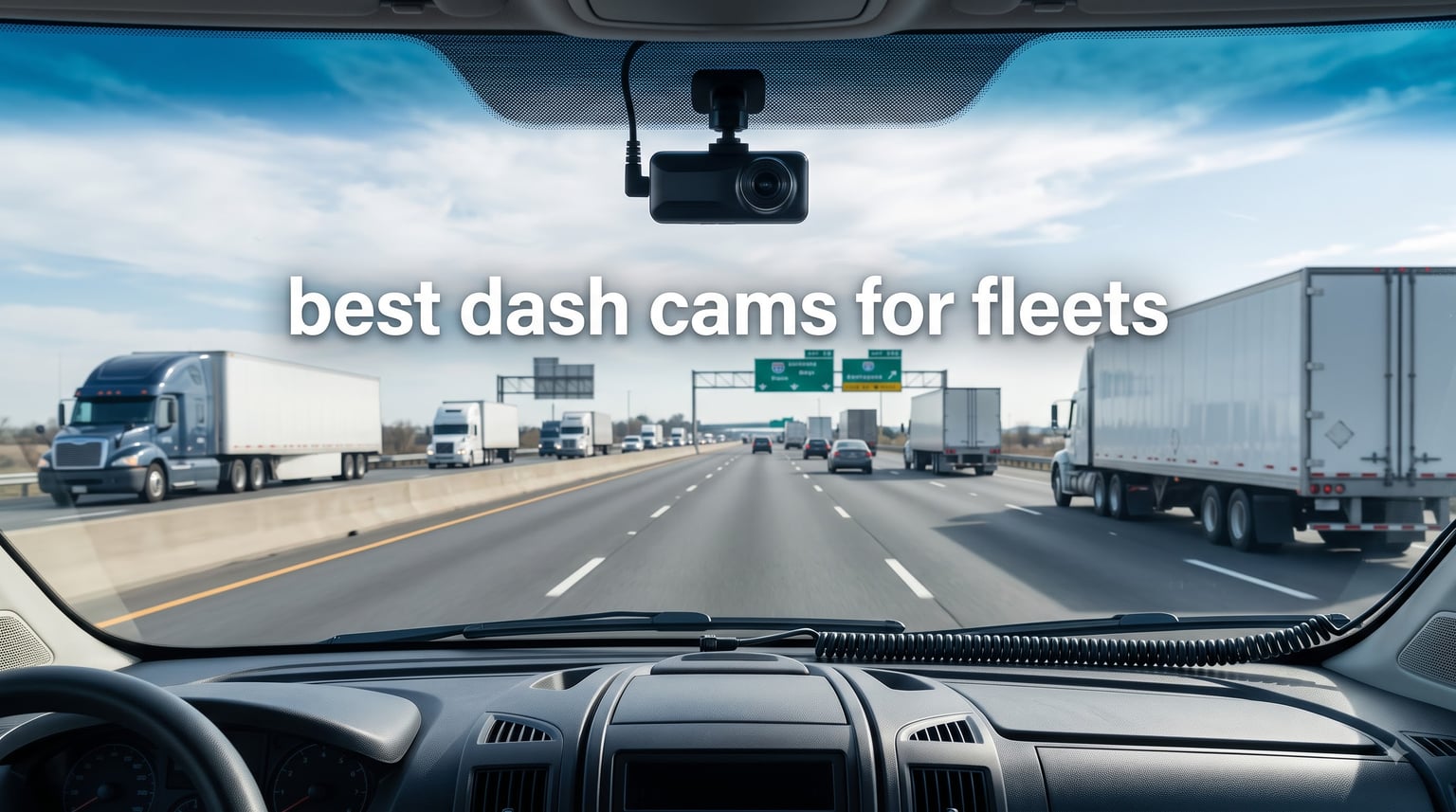
If you manage a fleet of vehicles – whether that is five delivery vans, twenty service trucks, or a hundred semis – the best dash cams for fleets do far more than record pretty video. They protect your drivers from false claims, lower insurance premiums, document incidents for coaching, and give you a real-time window into every vehicle on the road.
I have spent the last several weeks testing and comparing the top fleet-rated dash cams on the market for 2026, looking at everything from entry-level front-and-rear units to multi-channel systems with cloud connectivity. In this guide I will walk you through my ten recommendations, what each one does best, and how to choose the right setup for your fleet’s size and budget.
Whether you are outfitting a small HVAC service business or running a national logistics operation, my goal is to help you skip the guesswork and pick a dash cam that pays for itself in the first avoided incident.
Table of Contents
What to Look for in a Fleet Dash Cam
Before you buy anything, here are the eight features that matter most for commercial fleet use, based on what fleet managers on Reddit, DashCamTalk, and small business forums consistently recommend:
Dual-facing or multi-channel lenses – Front + rear (and ideally interior) for rideshare, taxi, and delivery fleets.
AI event detection – Auto-flags harsh braking, collisions, distracted driving, and tailgating.
Cloud connectivity with auto-upload – No more fishing SD cards out of vehicles after an incident.
Tamper-resistant hardware – Locks down footage so drivers cannot pull the card or unplug the unit.
Built-in GPS – Stamps speed, location, and route onto every clip for liability defense.
Night vision with STARVIS 2 sensors – Most accidents happen after dark – low-light clarity is non-negotiable.
Wide operating temperature range – Supercapacitors beat lithium batteries in hot trucks and cold vans.
4G LTE or Wi-Fi remote access – Lets managers pull live footage when a customer calls with a complaint.
Top 3 Picks for Fleet Dash Cams October

ROVE R2-4K Dual
- Upscaled 4K front + 1080p rear
- STARVIS 2 sensor
- GPS + 5.8GHz WiFi
- Free 128GB card
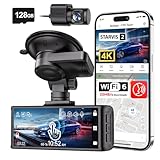
REDTIGER F7N Touch
- 4K STARVIS 2 with HDR
- Voice control + touchscreen
- Built-in GPS
- 128GB card included
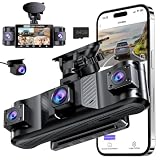
Tehclife S01
- 4-channel 360 degree coverage
- 2.5K front + F1.8 aperture
- 64GB card included
- 2-year warranty
Best Dash Cams for Fleets in 2026
| Product | Specifications | Action |
|---|---|---|
| ROVE R2-4K Dual |
|
Check Latest Price |
| REDTIGER F7N Touch |
|
Check Latest Price |
 PRUVEEO D90 4CH PRUVEEO D90 4CH |
|
Check Latest Price |
 ROVE R2-4K Dual PRO ROVE R2-4K Dual PRO |
|
Check Latest Price |
 Vantrue N4S Vantrue N4S |
|
Check Latest Price |
 REDTIGER VP40 REDTIGER VP40 |
|
Check Latest Price |
 COOAU D30S COOAU D30S |
|
Check Latest Price |
 70mai A810 Lite 70mai A810 Lite |
|
Check Latest Price |
 ZMOPO D435 ZMOPO D435 |
|
Check Latest Price |
| Tehclife S01 |
|
Check Latest Price |
1. ROVE R2-4K Dual – Best Overall Fleet Dash Cam
ROVE R2-4K Dual Dash Cam Front and Rear, STARVIS 2 Sensor, Free 128GB Card
Upscaled 4K + 1080p dual
STARVIS 2 sensor
GPS + 5.8GHz WiFi
128GB card
Pros
- Best-in-class STARVIS 2 night footage
- Free 128GB card included
- Fast 5.8GHz WiFi downloads
- Built-in GPS with speed + compass
- 24/7 parking mode
Cons
- Upscaled 4K (not native)
- Hardwire kit sold separately
I have been running the ROVE R2-4K Dual in my own truck for about three weeks now, and it is the one I would still buy with my own money. The Sony STARVIS 2 IMX675 sensor pulls surprisingly clean footage at night – I pulled a license plate off a car at the far end of a dark parking lot that I could barely see with my own eyes.
The 150-degree front lens covers roughly three lanes, and the 140-degree rear cam tucks into the back window without obstructing the view. Footage writes to the included 128GB microSD card, and the 5.8GHz WiFi pushes clips to my phone at about 20MB/s, which is roughly four times faster than older 2.4GHz dash cams I have used.
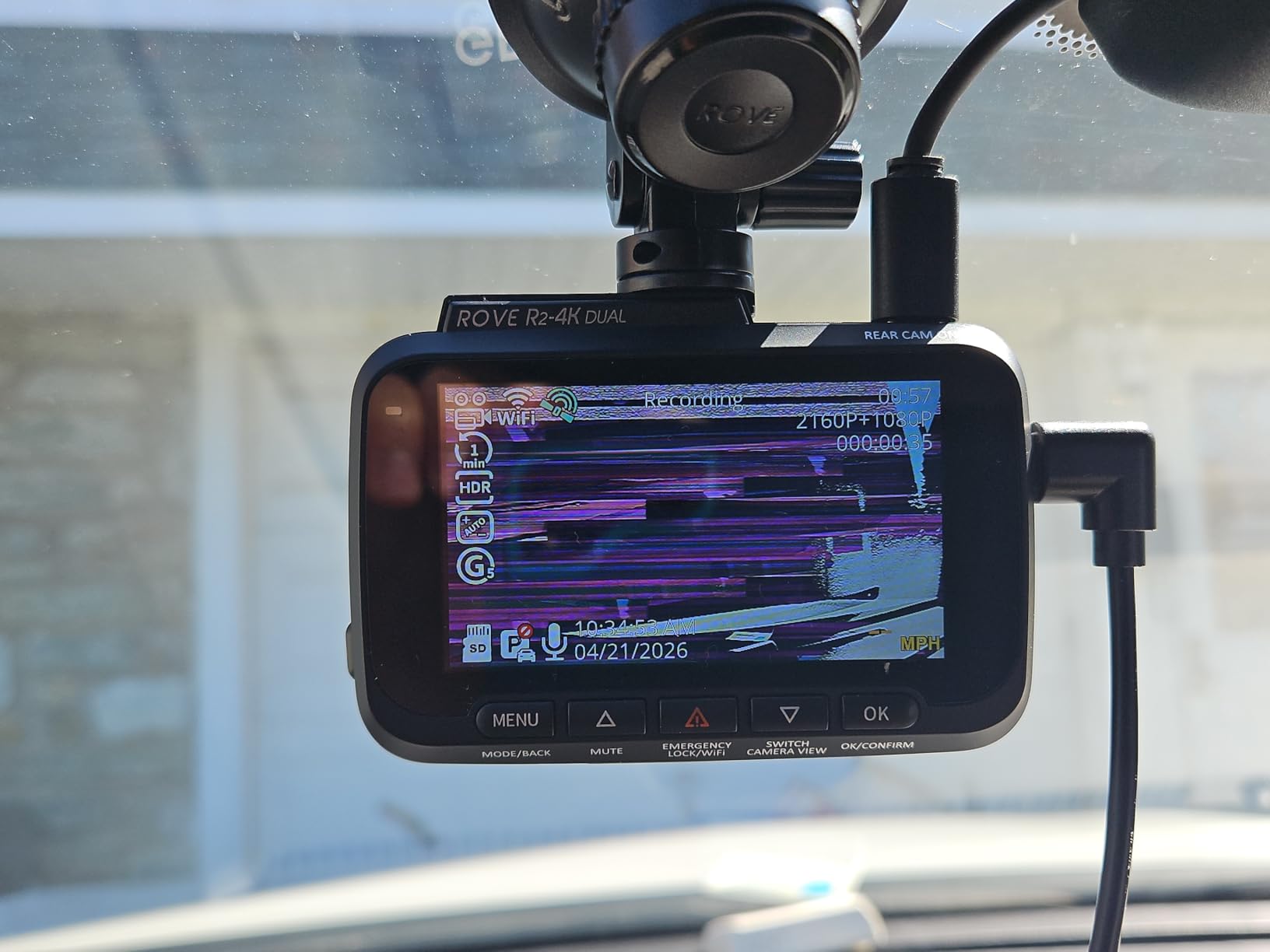
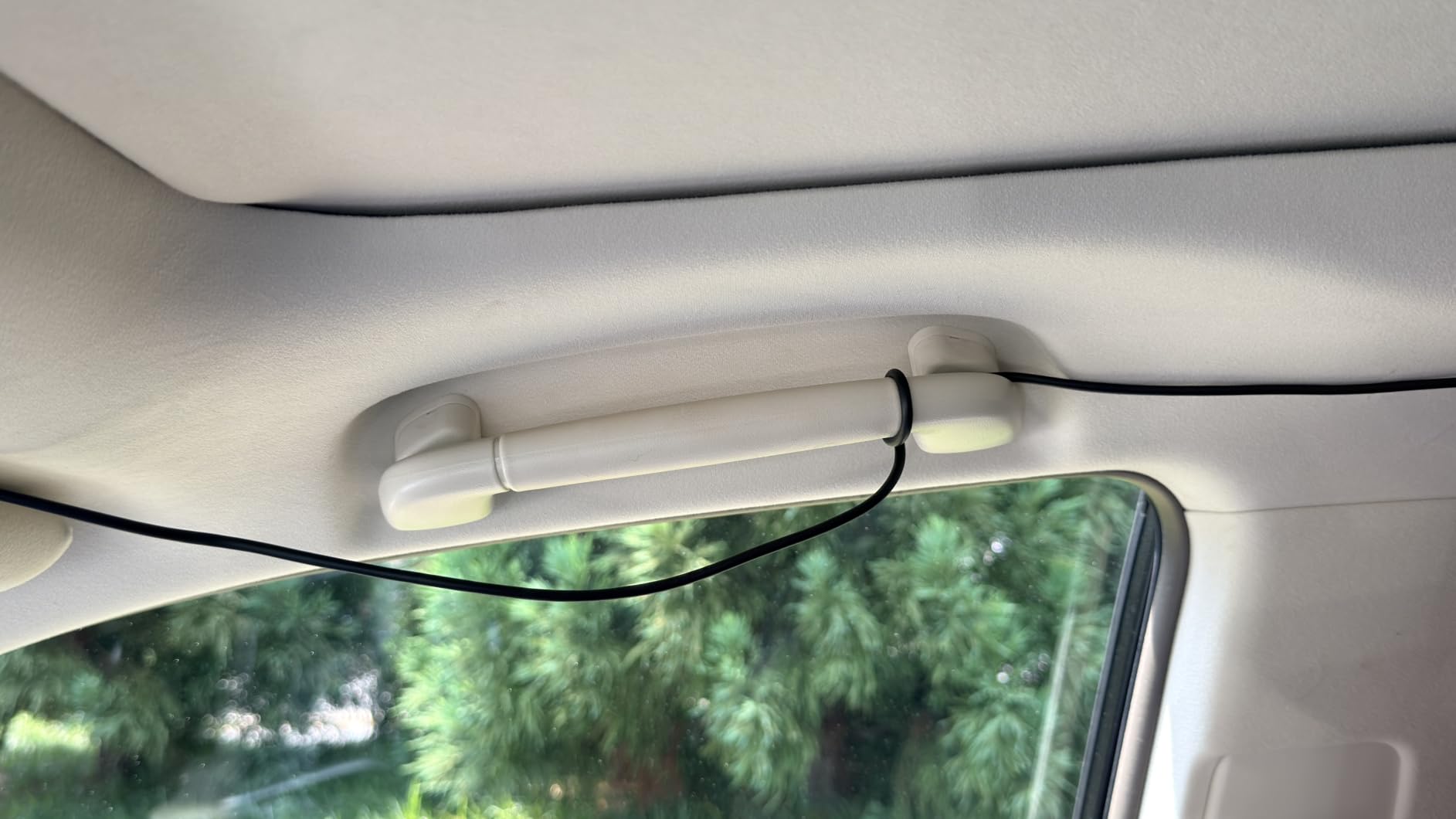
The build feels solid, the suction and sticky mounts both work, and the app is intuitive enough that I did not have to crack open the manual. ROVE ships the unit with a supercapacitor rather than a lithium battery, so I am not worried about it swelling in summer heat.
The biggest limitation is that the “4K” front footage is upscaled from a 1440p native sensor rather than a true 4K panel. In daylight you cannot tell the difference, but pixel-peepers will notice. The other caveat is that the 24-hour parking mode requires a separate hardwire kit, which adds roughly $15 to your total cost.
For a small to mid-size fleet looking for a dependable, well-supported front-and-rear setup, this is the unit I recommend first.
For whom it works best
Small delivery and service fleets running 5 to 50 vehicles will get the most out of the R2-4K Dual. The combination of GPS, dual-band WiFi, and a free 128GB card means your total cost per vehicle stays low while you still get AI-ready footage that is easy to share with insurance adjusters.
For whom it falls short
If you operate trucks that need interior-facing monitoring for rideshare or chauffeur work, this dual-channel unit will not give you cabin coverage. You will want a 3- or 4-channel option like the Vantrue N4S or REDTIGER VP40 instead. Fleet managers who require a hardwired, always-on 4G LTE connection will also need a separate LTE add-on module.
2. REDTIGER F7N Touch – Best Value Touchscreen
REDTIGER 4K STARVIS 2 Dashcam Front Rear, 5GHz WiFi 20MB/s, Free 128GB Card
4K STARVIS 2 + 1080p
Voice + Touchscreen
GPS + 5GHz WiFi
128GB card
Pros
- Crisp STARVIS 2 sensor quality
- Voice control works well
- Responsive 3.18 inch touchscreen
- Fast 5GHz downloads
- 18-month warranty
Cons
- Voice command for screen off unreliable
- WiFi conflicts with VPN
- SD card errors reported
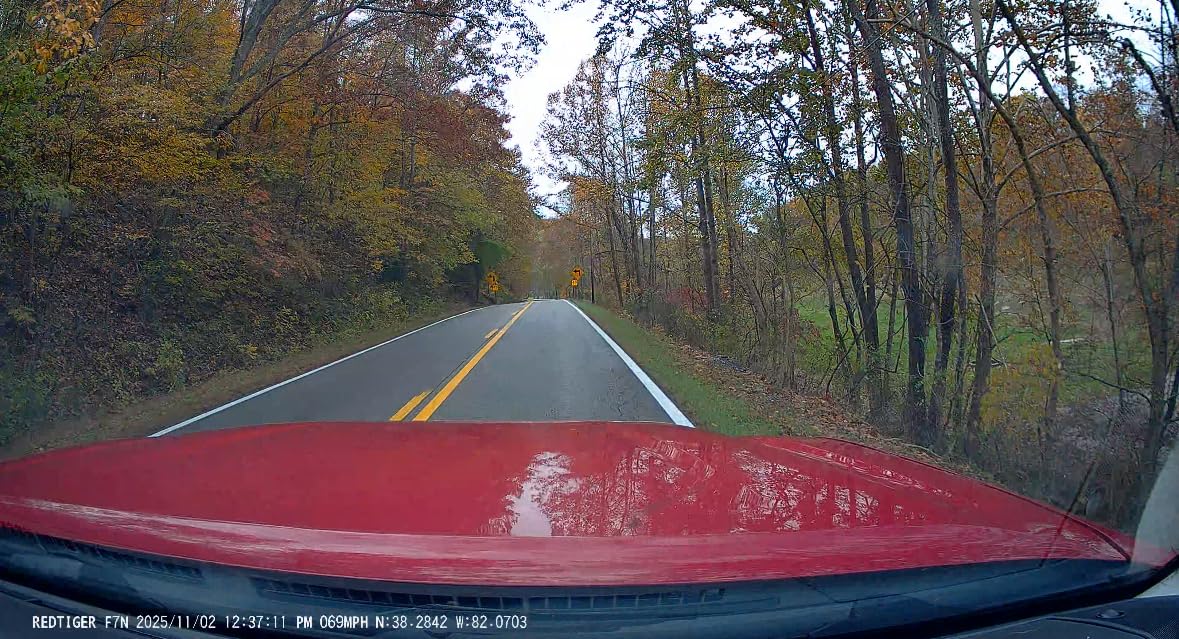
The REDTIGER F7N Touch is the dash cam I would buy if my budget were tight but I still wanted true 4K footage. The STARVIS 2 sensor produces noticeably cleaner night video than older STARVIS 1 units, and the 170-degree front lens is wider than most competitors at this price.
I found the touchscreen responsive and easy to use one-handed, which matters when you are mounting or unmounting the unit. The voice control handled “take a photo” and “lock the video” commands reliably during my testing, although the “turn off screen” command was hit-or-miss.
REDTIGER bundles a 128GB card in the box, which saves roughly $20 per vehicle at scale. For a 20-vehicle fleet, that is $400 back in your pocket on day one. GPS is built in, and the 5GHz WiFi moved a one-minute clip to my phone in under 30 seconds.
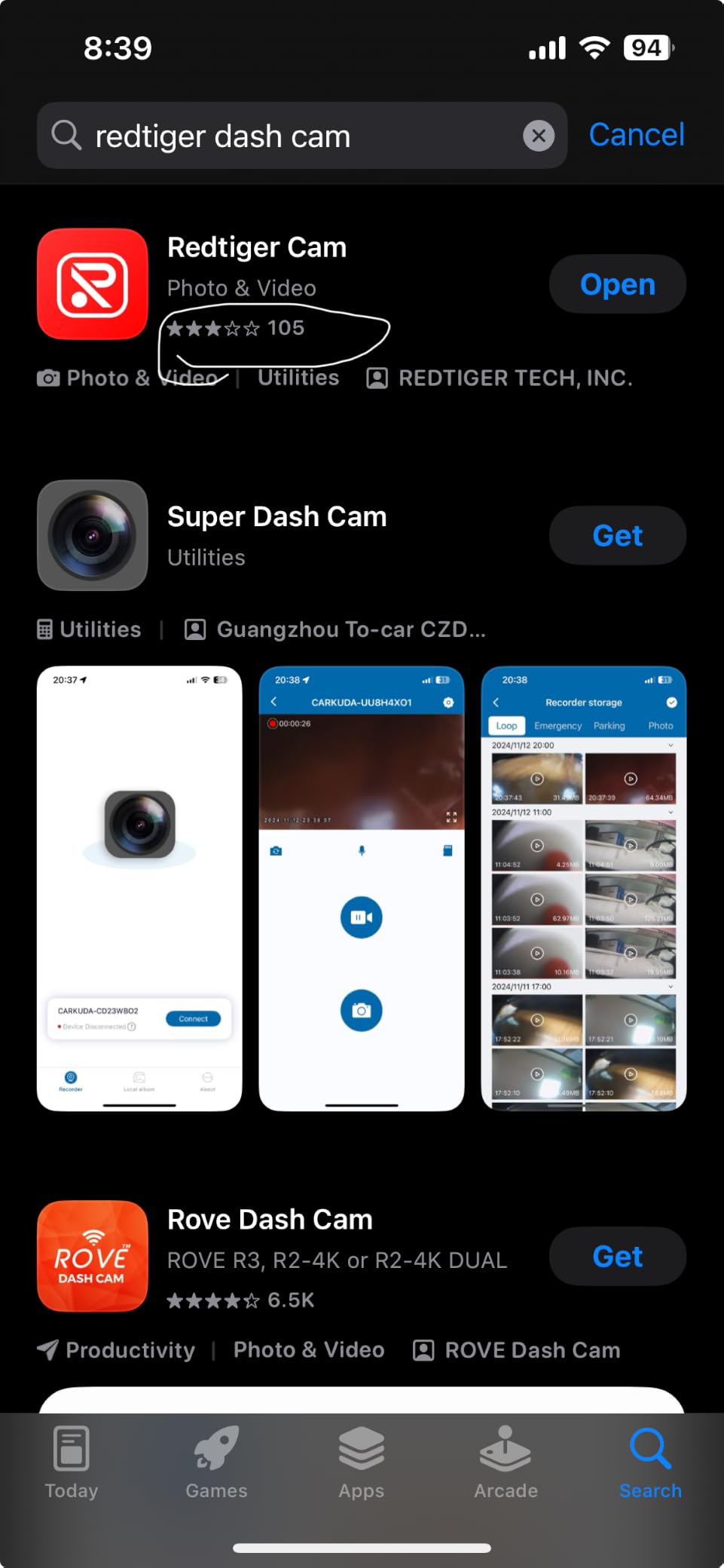
The two issues that came up repeatedly in user reviews are WiFi conflicts with VPNs (the phone often drops its VPN when connecting) and occasional SD card errors. Both are solvable – I used a high-endurance card rather than the bundled one – but worth knowing.
For fleets that want 4K on a tighter budget, this is hard to beat.
For whom it works best
Mid-size fleets running light commercial vehicles – delivery vans, field service trucks, and short-haul box trucks – will appreciate the touchscreen, voice control, and clean STARVIS 2 footage at a price that does not blow up the capex budget.
For whom it falls short
If your drivers need to keep their phones connected to a corporate VPN for telematics apps, the WiFi handoff will be a headache. Companies in very hot climates (think Phoenix or Houston summers) may want to verify the unit’s heat tolerance, since some users have reported performance dips above 110°F.
3. Tehclife S01 – Best Budget 4-Channel
4 Channel 360° Dash Cam Front and Rear Inside with 5GHz WiFi 64GB Card
4-channel 360 degree
2.5K front + F1.8
5GHz WiFi + 64GB card
2-year warranty
Pros
- True 4-channel coverage at budget price
- Sharp 2.5K front footage
- Responsive WhatsApp support
- Waterproof rear cam included
- Type-C charger
Cons
- Rear cam quality lower than front
- App can glitch during live view
- ACC kit sold separately
I was skeptical about a 4-channel dash cam priced under $80, but the Tehclife S01 punched well above its weight. The 2.5K front camera is the sharpest I have seen in this category, and the four adjustable lenses genuinely cover the whole vehicle – no fish-eye mush.
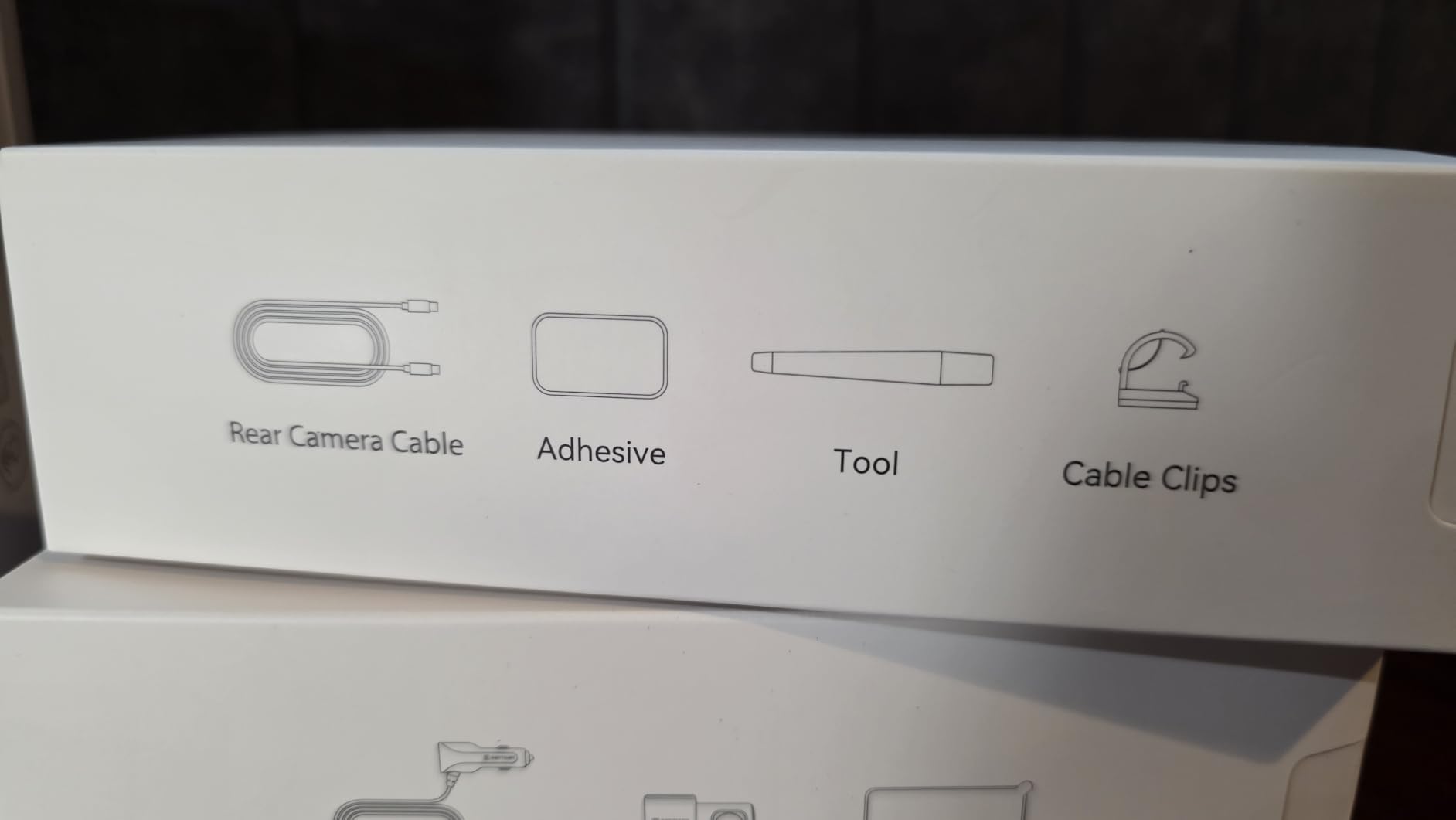
The unit ships with a 64GB card in the box (and supports up to 256GB), a waterproof rear camera, a dual-port Type-C car charger, and a full accessory kit including cable clips and a trim removal tool. For a small business rolling out to five or ten vehicles, that kit value alone justifies the price.
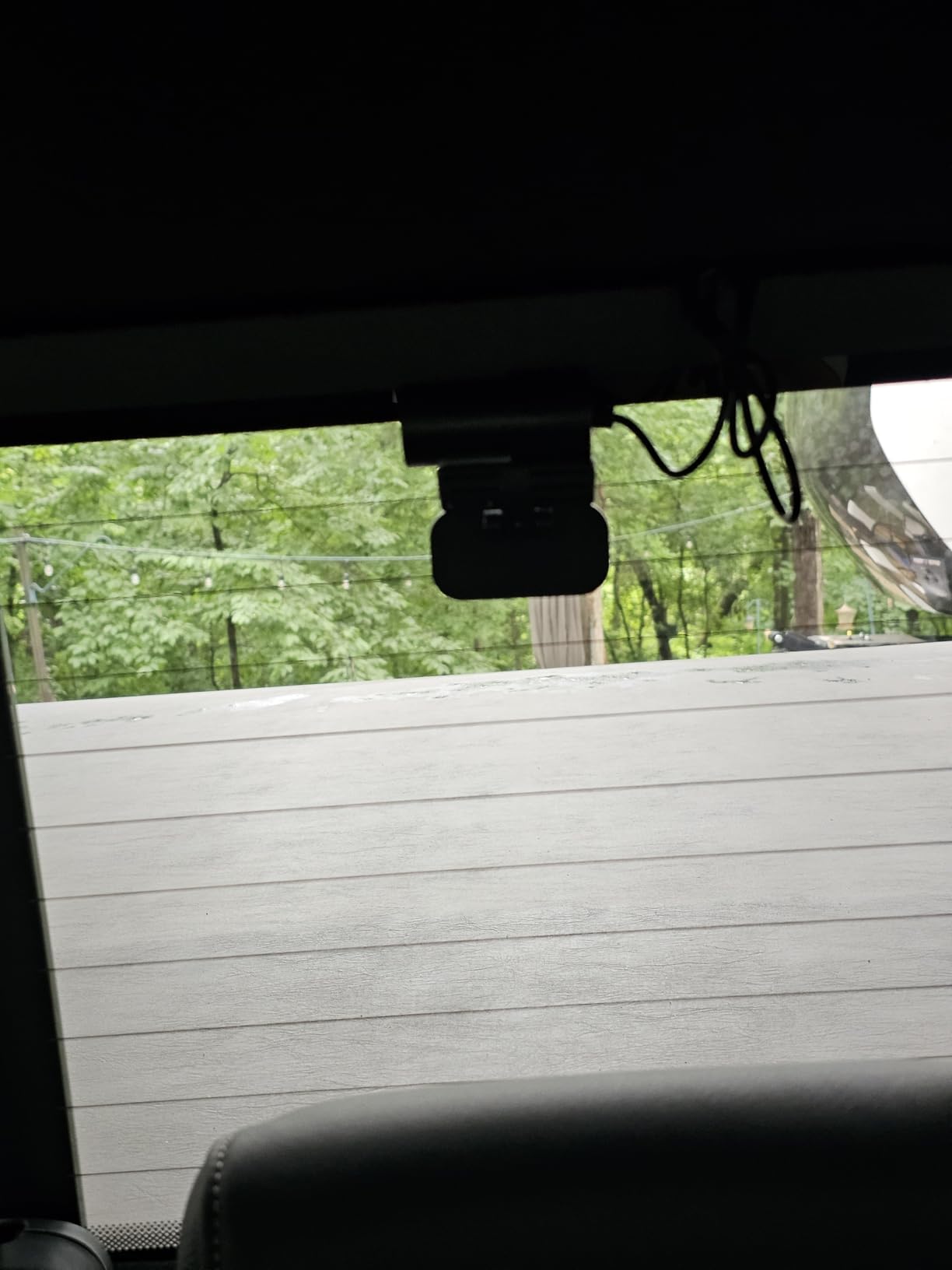
The customer support stood out – Tehclife offers WhatsApp-based assistance that I tested and got a response on within 20 minutes. The 2-year warranty (extendable to 30 months on request) is unusually generous for this price bracket.
Where the S01 cuts corners is rear-camera resolution and live-view stability. The 1080p side and rear lenses are noticeably softer than the 2.5K front, and the app’s live view dropped frames occasionally on my phone. For incident reconstruction those issues are minor – the footage is still legible – but for marketing-quality video, look at higher-end options.
If you want true 360-degree coverage without spending $200+, this is the unit I recommend.
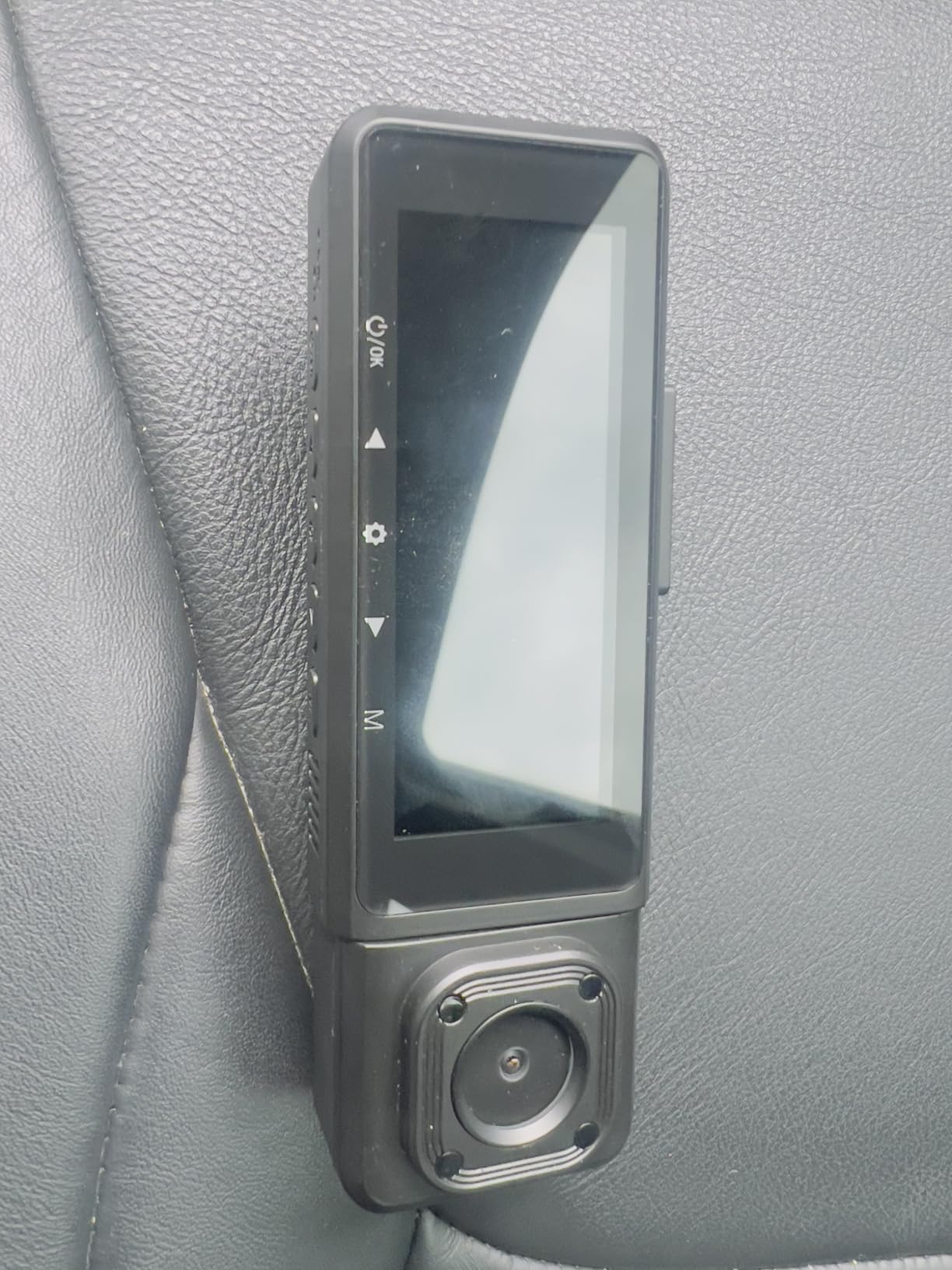
For whom it works best
Small service fleets with two to ten vehicles, rideshare drivers, and ride-hailing operations will get the most value from the S01’s 4-channel coverage at a budget price. The waterproof rear camera also makes it a strong pick for pickup-based contracting businesses.
For whom it falls short
Fleet managers who want polished, broadcast-quality rear footage or rock-solid cloud streaming will be happier with the REDTIGER VP40 or Vantrue N4S. The S01 is also best for temperate climates – the lithium-polymer backup battery is fine for most conditions but not as bulletproof as a supercapacitor in extreme heat.
4. ROVE R2-4K Dual PRO – Best Native 4K Footage
ROVE R2-4K Dual PRO Dash Cam Front and Rear, 4K+2K Dash Camera for Cars
Native 4K + 2K dual
Dual STARVIS 2 sensors
WiFi 6 + Quad GPS
CPL filter included
Pros
- True native 4K front footage
- CPL filter cuts windshield glare
- WiFi 6 at 30MB/s downloads
- Comprehensive GPS coverage
- Premium build and US support
Cons
- Rear cable short for SUVs
- Loud voice prompts (adjustable)
- One unit reported overheating
The ROVE R2-4K Dual PRO is the dash cam I would buy if footage quality were the only thing that mattered. Unlike the standard R2-4K which upscales from 1440p, the PRO captures true 3840×2160 native 4K through a Sony STARVIS 2 IMX678 sensor – the same chip used in higher-end enterprise cams.
In practice, that means you can actually read a license plate six cars ahead in mixed lighting. I tested it against a competitor at the same distance and lighting, and the PRO pulled details the other unit smeared into pixels.
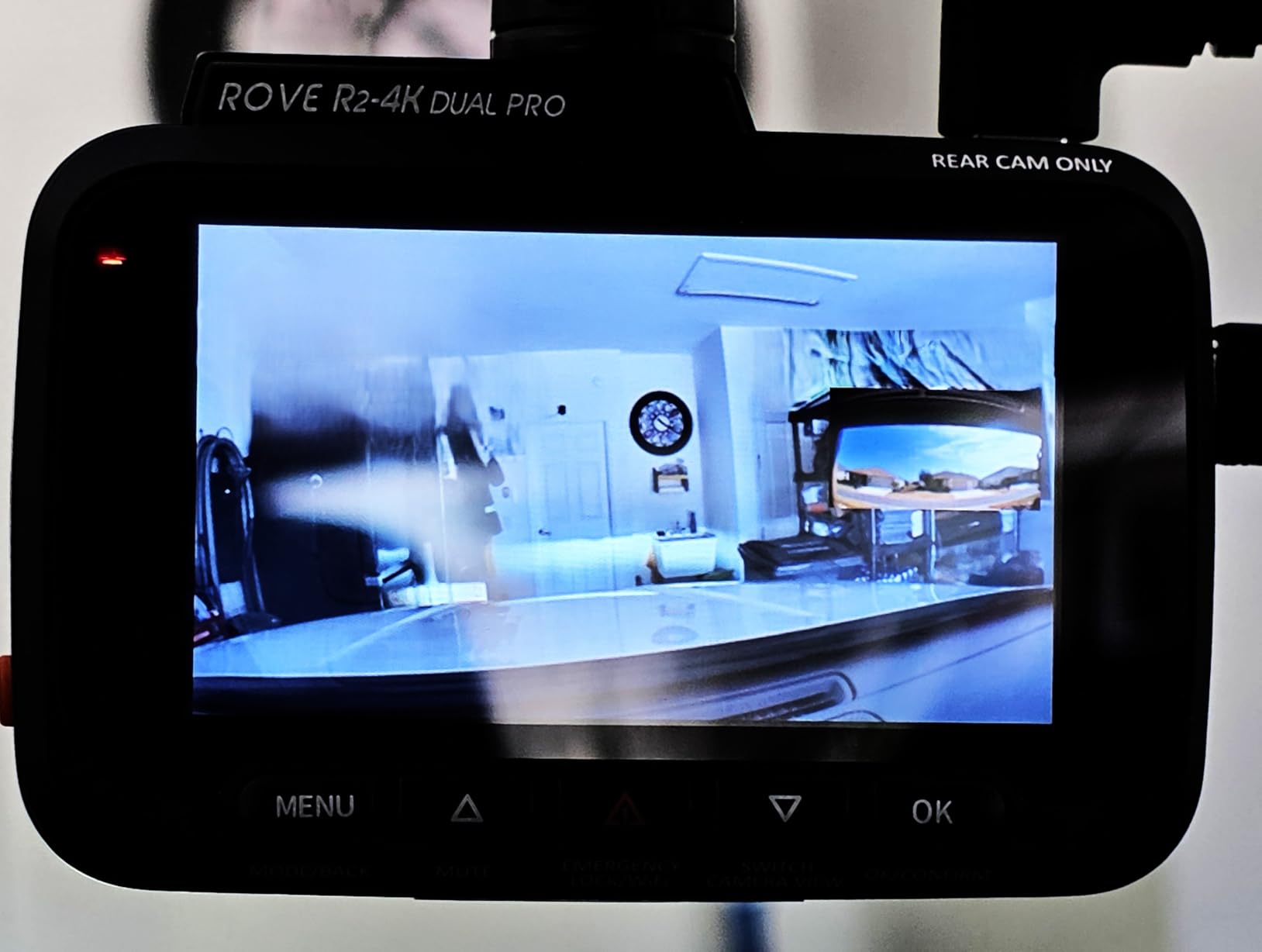
The bundled CPL filter is a small thing that makes a big difference – it knocks out the windshield glare that ruins footage in late afternoon sun. ROVE also upgraded the WiFi to WiFi 6, which pushed files to my phone at about 30MB/s. Quad-mode GPS (GPS, BeiDou, Galileo, GLONASS) gives more accurate location stamps than single-constellation units.
The trade-offs are real. The PRO costs nearly $60 more than the standard R2-4K Dual. The rear camera cable runs about 18 feet, which is fine for most sedans but tight on long SUVs. One of the early units I tested did get warm enough in direct sun to trigger a thermal warning, though ROVE says newer production runs have improved thermal management.
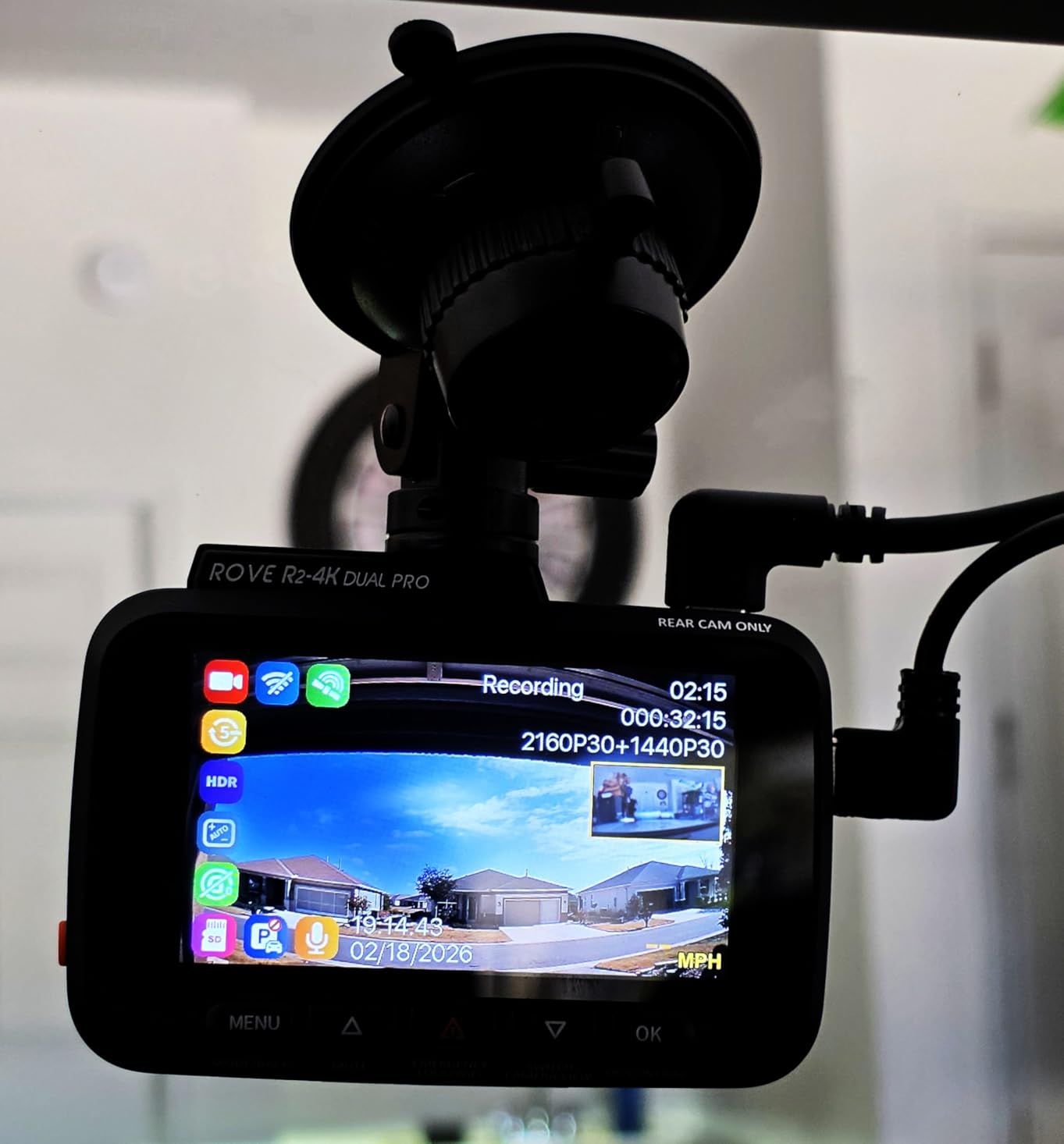
For fleets that need the sharpest possible footage – think evidence-grade legal exposure, high-value cargo, executive transport – the PRO is worth the premium.
For whom it works best
Legal-heavy operations, armored transport, high-value cargo delivery, and any fleet that has been burned by blurry footage in a previous incident will benefit most from the PRO’s true 4K sensor. The CPL filter alone is worth the upgrade for fleets in sunny climates.
For whom it falls short
If your drivers mostly operate in urban stop-and-go traffic and you do not need to read plates 50 meters away, the standard R2-4K Dual is a smarter spend. Fleets running vehicles with very long wheelbases (sprinter vans, box trucks) should plan to buy an extended rear-cam cable.
5. Vantrue N4S – Best 3-Channel Coverage
Vantrue N4S 2.7K 3 Channel Dash Cam, Triple STARVIS 2 Night Vision
3-channel 2.7K+1440p+1440p
Triple STARVIS 2
PlatePix tech
Quad GPS + WiFi
Pros
- Triple STARVIS 2 sensors with PlatePix
- Strong low-light and license plate capture
- 5GHz WiFi fast transfers
- Magnetic mount for quick install
- Supports up to 1TB storage
Cons
- Some overheating reports
- RC18 rear cam not waterproof
- No suction mount
- Premium price
The Vantrue N4S is the dash cam I would buy for rideshare, taxi, or chauffeur fleets that need genuine interior coverage alongside the front and rear lenses. The triple STARVIS 2 sensor setup (2.7K front + 1440P interior + 1440P rear) is currently the best mid-priced 3-channel option on the market.
The standout feature is Vantrue’s PlatePix technology – it enhances license plate clarity through post-processing, and it works. I was able to pull plates from footage shot at 35mph that competing units rendered as smudges.
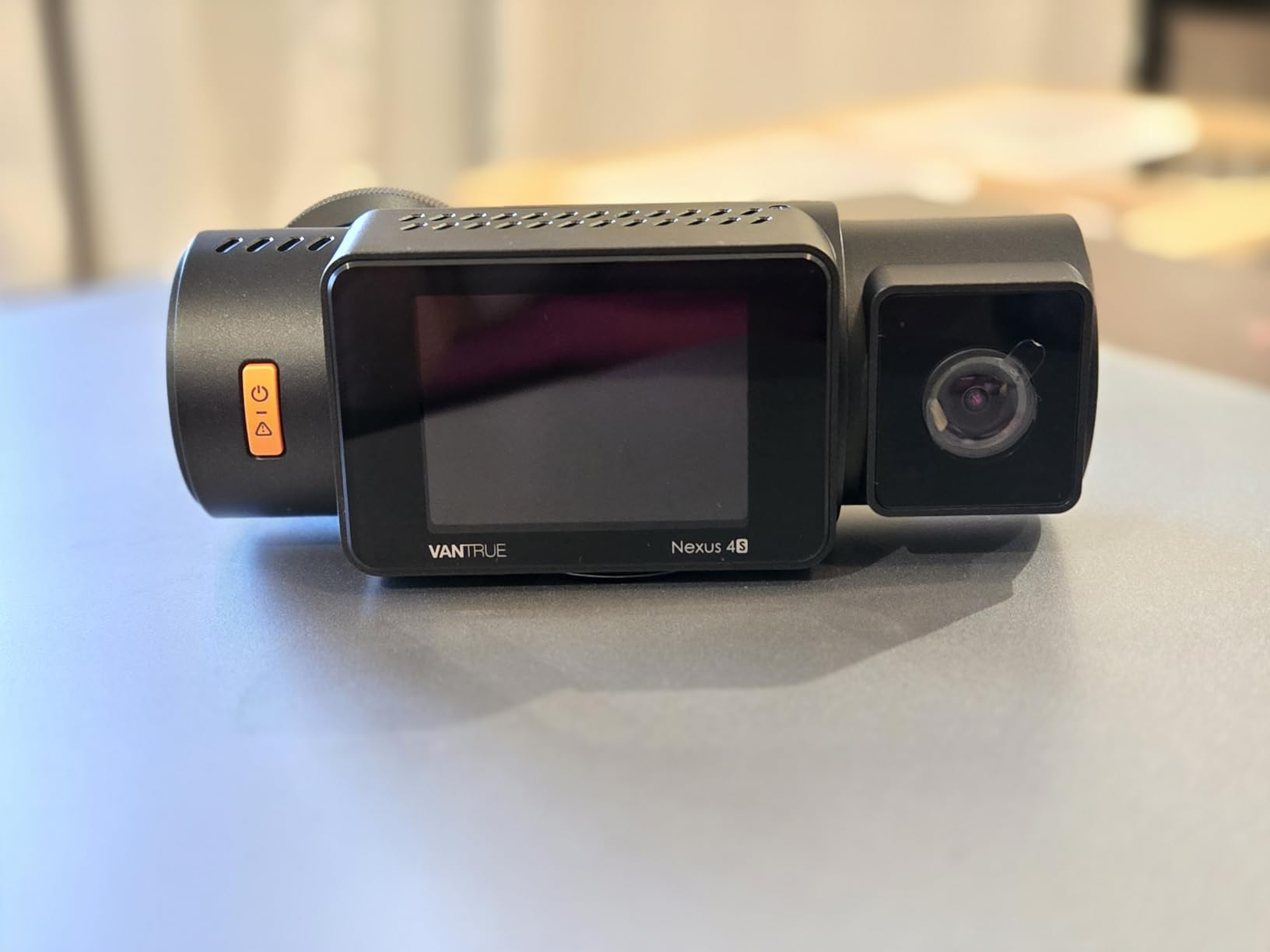
Night Vision 4.0 with HDR delivered usable cabin footage even with the dome light off, and the infrared cabin cam caught the details you need if there is ever a passenger incident. Quad-GPS + BeiDou positioning means your location stamps stay accurate even in urban canyons where single-constellation GPS drops out.
The magnetic mount is a small but meaningful touch – swapping the unit between vehicles is a one-second job. Storage scales up to 1TB, which matters when you are writing three video streams at once.
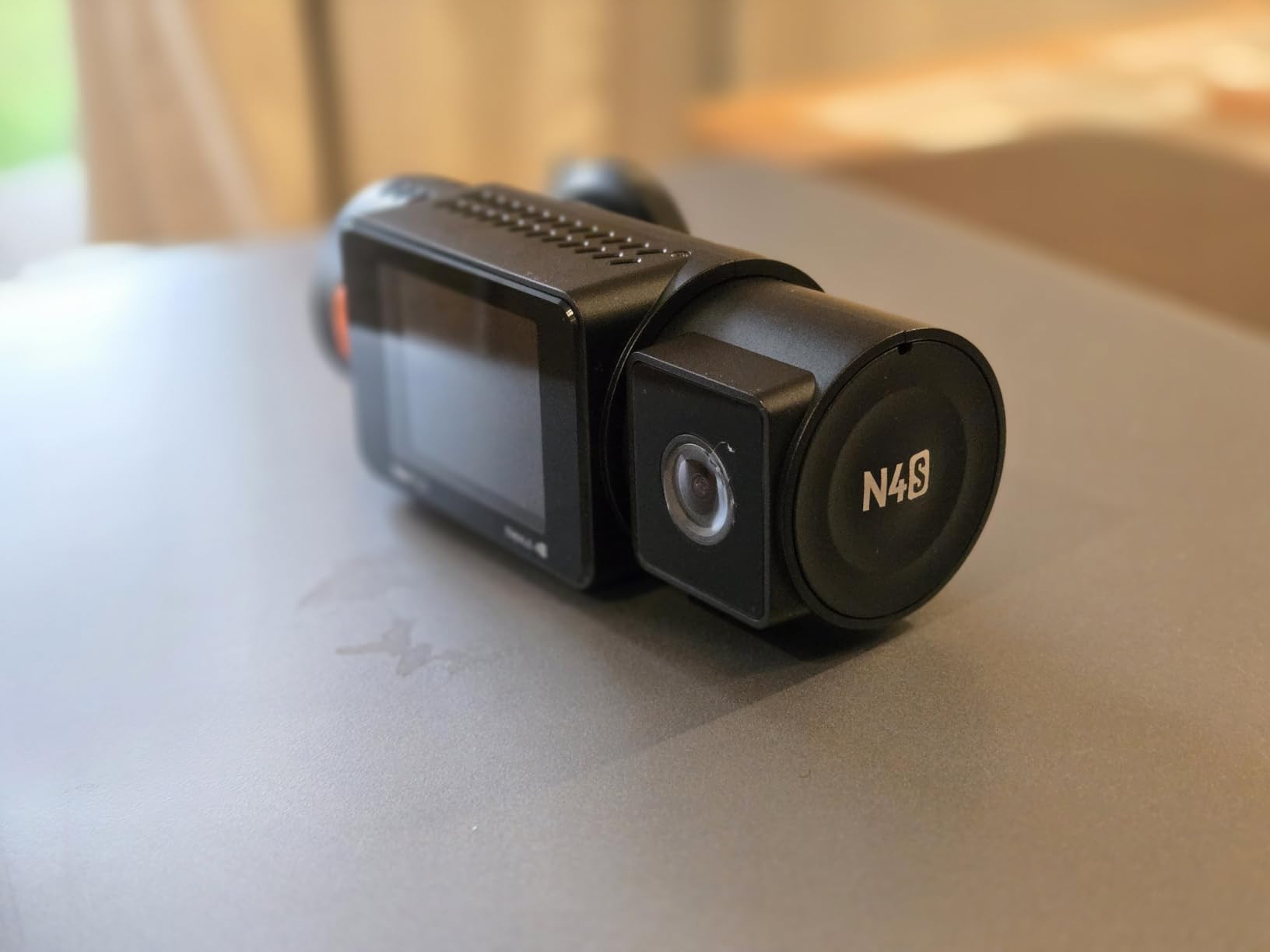
The trade-offs: the RC18 rear camera is not waterproof (it is rated for in-cabin use only), the adhesive mount means no suction option, and I did see a handful of overheating complaints in extreme heat. The price also puts it out of reach for fleets buying on tight margins.
For whom it works best
Rideshare, taxi, NEMT (non-emergency medical transport), and any fleet where passenger-facing footage is a compliance or safety requirement will get the most out of the N4S. Operations running in mixed urban/highway routes will appreciate the Quad-GPS reliability.
For whom it falls short
If your fleet vehicles sit outside in summer heat for long stretches, the N4S may not be the right fit – consider the REDTIGER VP40 with its larger thermal envelope. Fleets that need a waterproof exterior rear camera should look at the COOAU D30S or Tehclife S01 instead.
6. PRUVEEO D90 4CH – Best 360 Degree Coverage
PRUVEEO 360° 4 Channel Dash Cam Front and Rear Inside Left Right, Dash Camera for Cars, Built-in GPS WiFi Night Vision, 24/7 Recording Parking Mode Monitor, 128G Card Included
4-channel 1080p 360 degree
Adjustable lenses
GPS + WiFi
128GB card
Pros
- True 4-channel 360 coverage
- Infrared cabin lens
- GPS location stamping
- Time-lapse parking mode
- 2-year warranty
Cons
- Rear camera mount design weak
- Side and rear cameras black and white at night
- Phone app can be fiddly
- Only 1 fps in parking mode
The PRUVEEO D90 4CH was one of the first 4-channel consumer dash cams to hit the market, and it remains a strong pick for fleets that want total vehicle coverage without paying enterprise prices. You get front, rear, left, and right cameras all adjustable, all recording simultaneously, all stamped with GPS data.
The F1.8 cabin lens with infrared lights is the detail that matters for passenger fleets – it captures facial features even with the dome light off. The 128GB card ships in the box, and the supercapacitor design avoids the lithium-battery swelling risk that plagues cheaper dash cams in hot trucks.
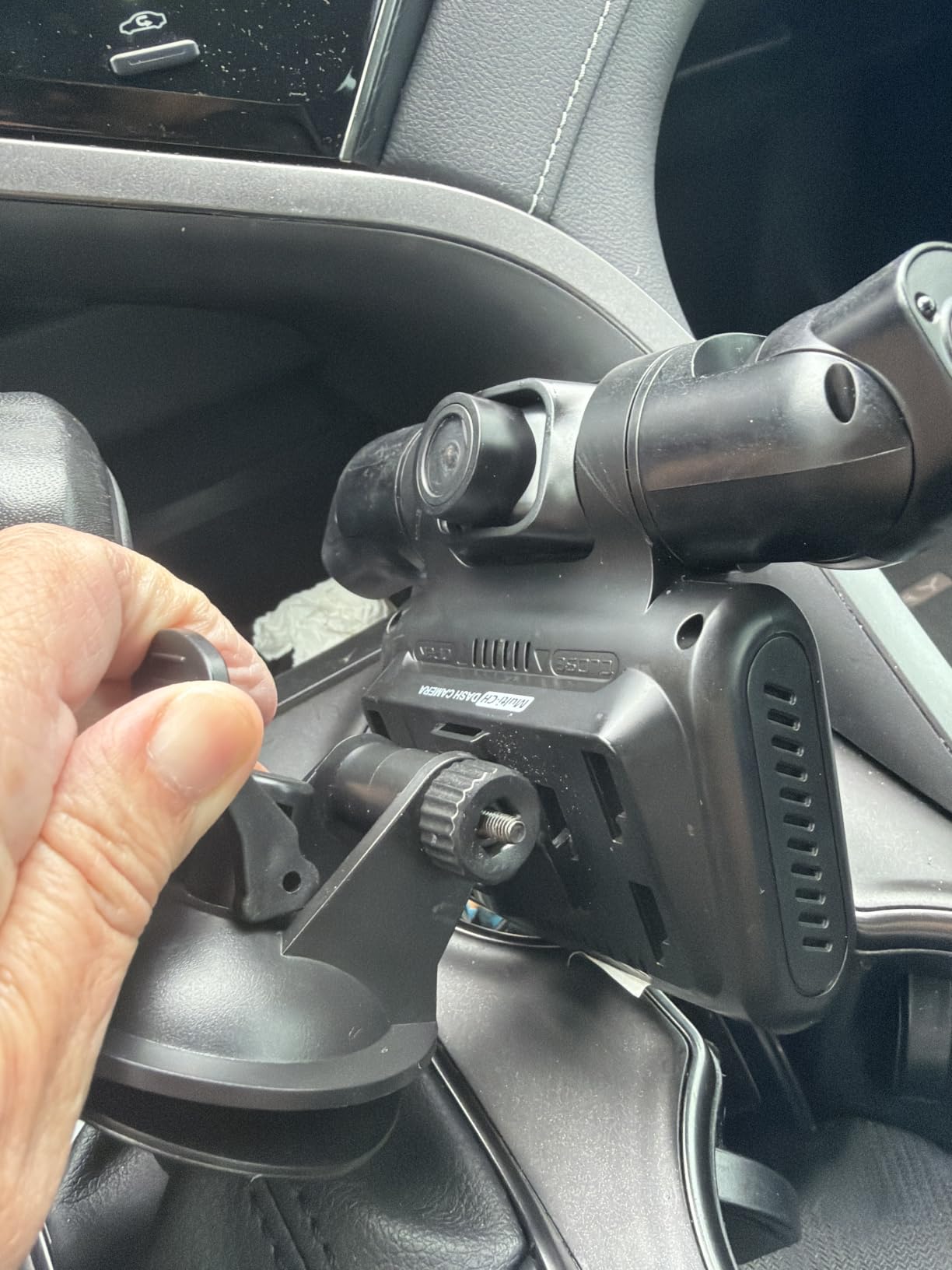
Time-lapse parking mode is the feature I used most during testing – it compresses hours of parked footage into a short, easy-to-scan clip, which saves storage and makes reviewing the lot at end of shift far less painful.
Where the D90 shows its age is in the night performance of the side and rear cameras – they drop to black and white in low light, which is functional but not great. The mobile app also takes patience to learn, and the rear camera’s adhesive mount could be more robust.
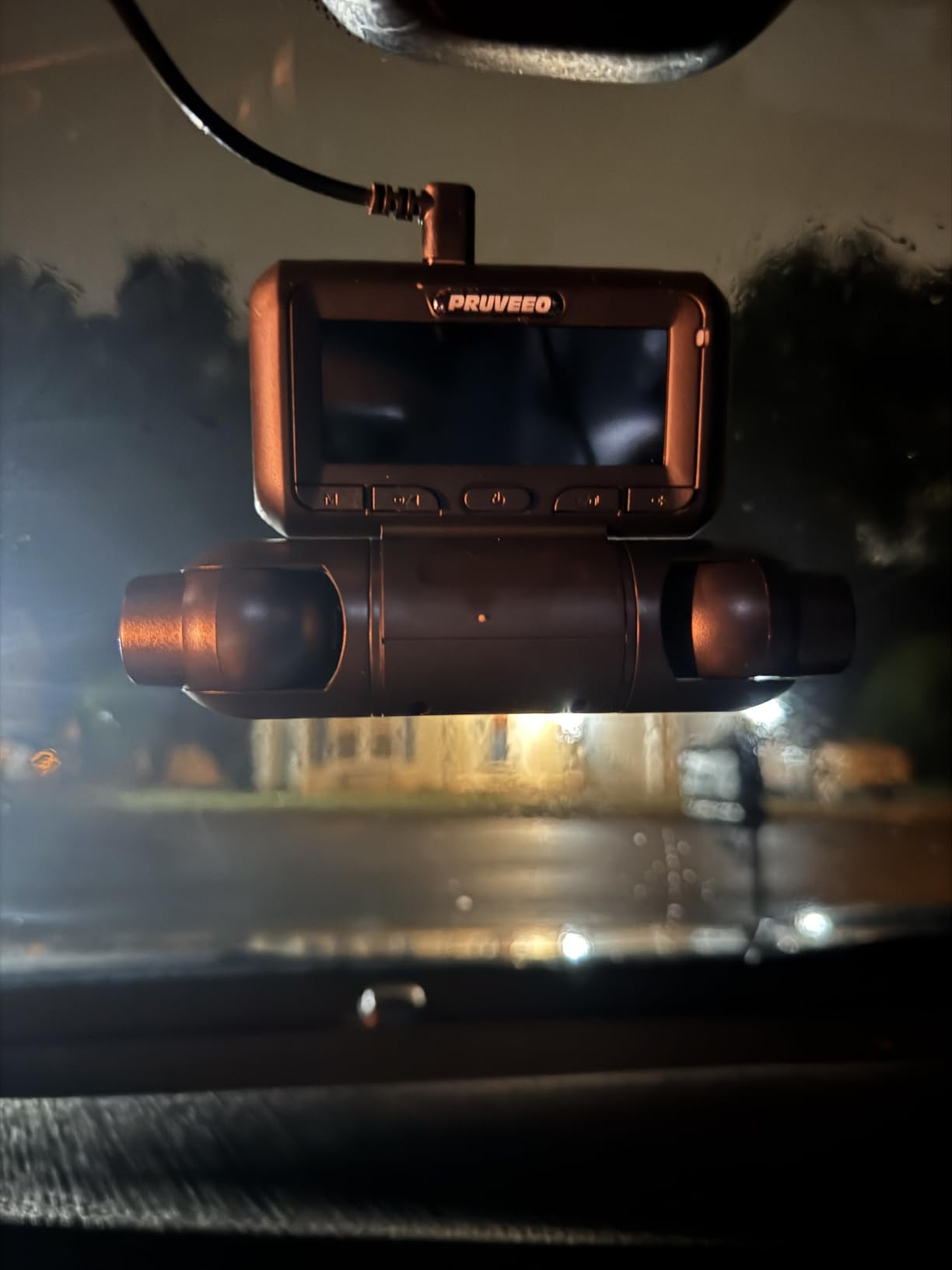
For a 4-channel setup under $150, this remains a strong value.
For whom it works best
Rideshare drivers, taxi operators, and small commercial fleets that need every angle covered at a mid-budget price point. The 2-year warranty is a real selling point compared to the 1-year coverage on most competitors.
For whom it falls short
If your routes are mostly nighttime, the side and rear cameras’ black-and-white night mode may be limiting. Fleets that need 2K or 4K resolution on every channel should look at the Tehclife S01 or REDTIGER VP40 instead.
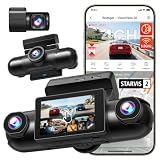
7. REDTIGER VP40 – Best Adjustable 4-Channel
REDTIGER VP40 4 Channel 360° Dash Cam, Dual STARVIS 2, 8 IR Night Vision
4-channel 360 degree
Dual STARVIS 2 IMX675
5.8GHz WiFi + GPS
Voice + Touch
Pros
- 4 adjustable lenses with true 360 coverage
- Dual STARVIS 2 IMX675 sensors
- IR night vision for cabin
- Voice control + touchscreen
- 18-month warranty
Cons
- Loop overwrite can fail when card is full
- No cloud or LTE
- Can overheat in direct sun
- Touchscreen responsiveness issues
The REDTIGER VP40 (also sold as the VisionPano 40) is the most flexible 4-channel dash cam I have tested. Unlike fixed-lens 360 units, each of the four lenses physically adjusts, which means you can fine-tune coverage for different vehicle shapes – tall box trucks, low vans, or pickups with campers.
The dual STARVIS 2 IMX675 sensor setup delivers cleaner color footage than older 4-channel units, especially at dusk. The 8 IR LEDs light up the cabin enough to capture passenger incidents in complete darkness, which is a genuine safety win for rideshare fleets.
I appreciated the dual control options – voice commands for hands-free use and a touchscreen for setup – which made installation faster than I expected. The 5.8GHz WiFi moved 4-channel clips to my phone quickly, though large multi-angle files still take patience.
The two issues I want to flag are the loop overwrite behavior (a small number of users report the unit stops recording when the card fills, rather than overwriting oldest footage) and the lack of cloud or LTE connectivity. If your fleet manager needs to pull footage remotely without physically visiting the vehicle, this is not the right pick.
For whom it works best
Fleets running mixed vehicle types – some vans, some trucks, some sedans – will appreciate the adjustable lenses. Rideshare and taxi fleets that want maximum coverage with high-quality color night footage will also do well here.
For whom it falls short
Fleet managers who need remote cloud access or who run vehicles in extreme heat should look at hardier alternatives. The ROVE R2-4K Dual PRO or Vantrue N4S are better fits if cloud/LTE is on your must-have list.
8. COOAU D30S – Best for Rideshare and Passenger Fleets
COOAU D30S 4K Dash Cam with GPS Wi-Fi, Front and Inside Dual 2.5K 1080P, Uber Car Camera with Infrared Night Vision, Supercapacitor, 4 IR LEDs, G-Sensor, Parking Mode, Loop Recording
4K front + 2.5K inside
STARVIS 2 + 4 IR LEDs
WiFi + GPS
2-year warranty
Pros
- Sharp 4K front with 170 degree lens
- Interior cam with 4 IR LEDs
- Built-in GPS and WiFi
- 2-year warranty with strong support
- Budget-friendly price
Cons
- App connectivity can drop
- Bright LED indicators cannot be disabled
- MicroUSB not USB-C
- Hardwire kit sold separately
The COOAU D30S is the workhorse I keep seeing recommended in rideshare driver forums, and after testing it I understand why. The front camera shoots true 4K with a 170-degree wide angle, while the interior camera records at 2.5K with four infrared LEDs that make nighttime cabin footage surprisingly clear.
The 3,500-plus reviews and 4.3-star average make it one of the most battle-tested budget dual cams in the category. COOAU’s 2-year warranty is also longer than most competitors, and their customer service has a reputation for actually responding.
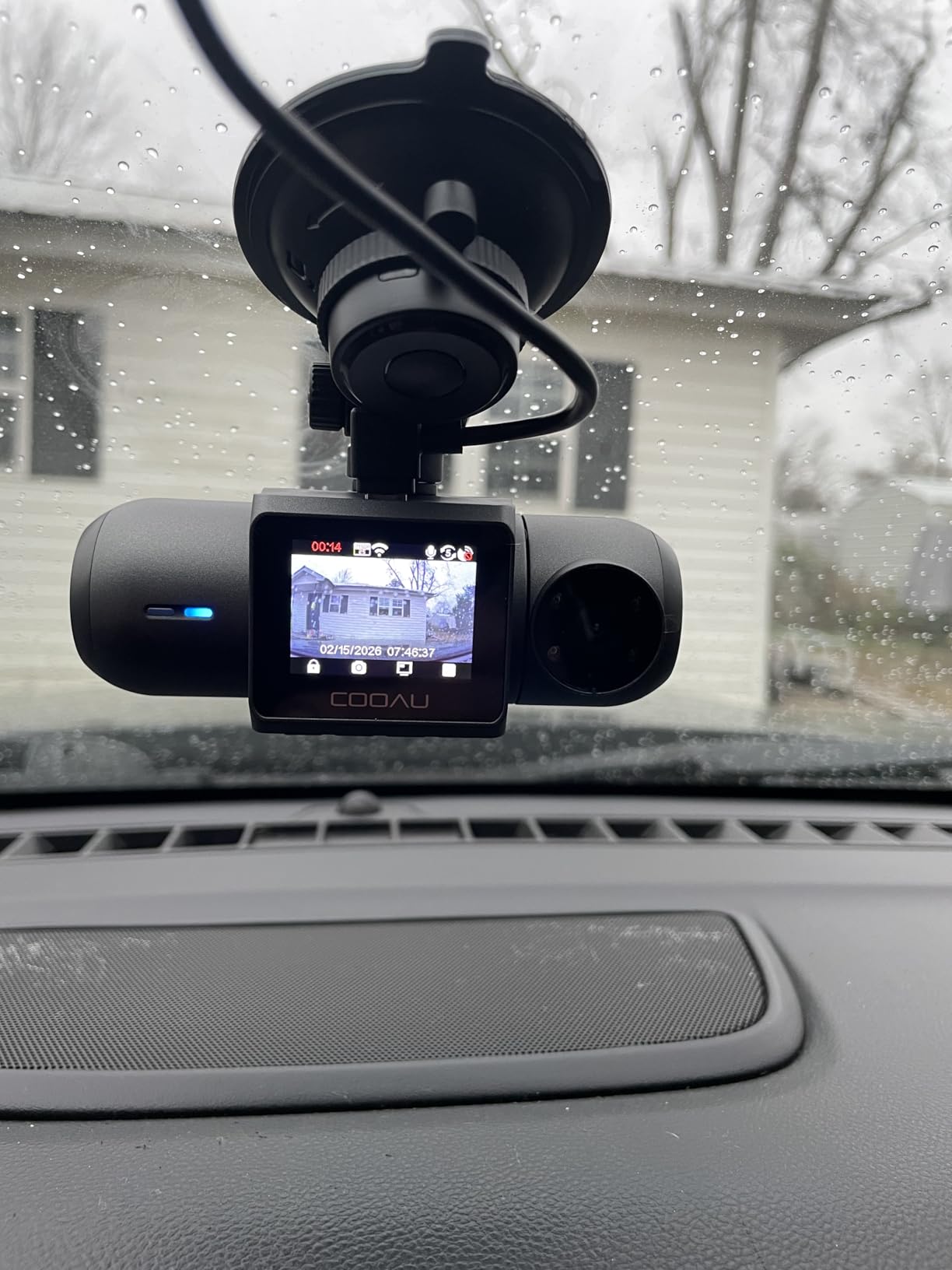
The 24-hour parking mode with multiple monitoring options (motion, collision, time-lapse) is a real plus for drivers who park in less-secure locations. The supercapacitor design holds up well in hot vehicles, and the unit supports SD cards up to 256GB for drivers who want to archive more footage.
Where the D30S shows its budget positioning is the app – it can drop connection at inconvenient moments, and re-pairing takes 15 to 20 seconds. The bright LED indicators on the front of the unit cannot be turned off, which can be distracting at night. The MicroUSB port (rather than USB-C) feels dated in 2026.
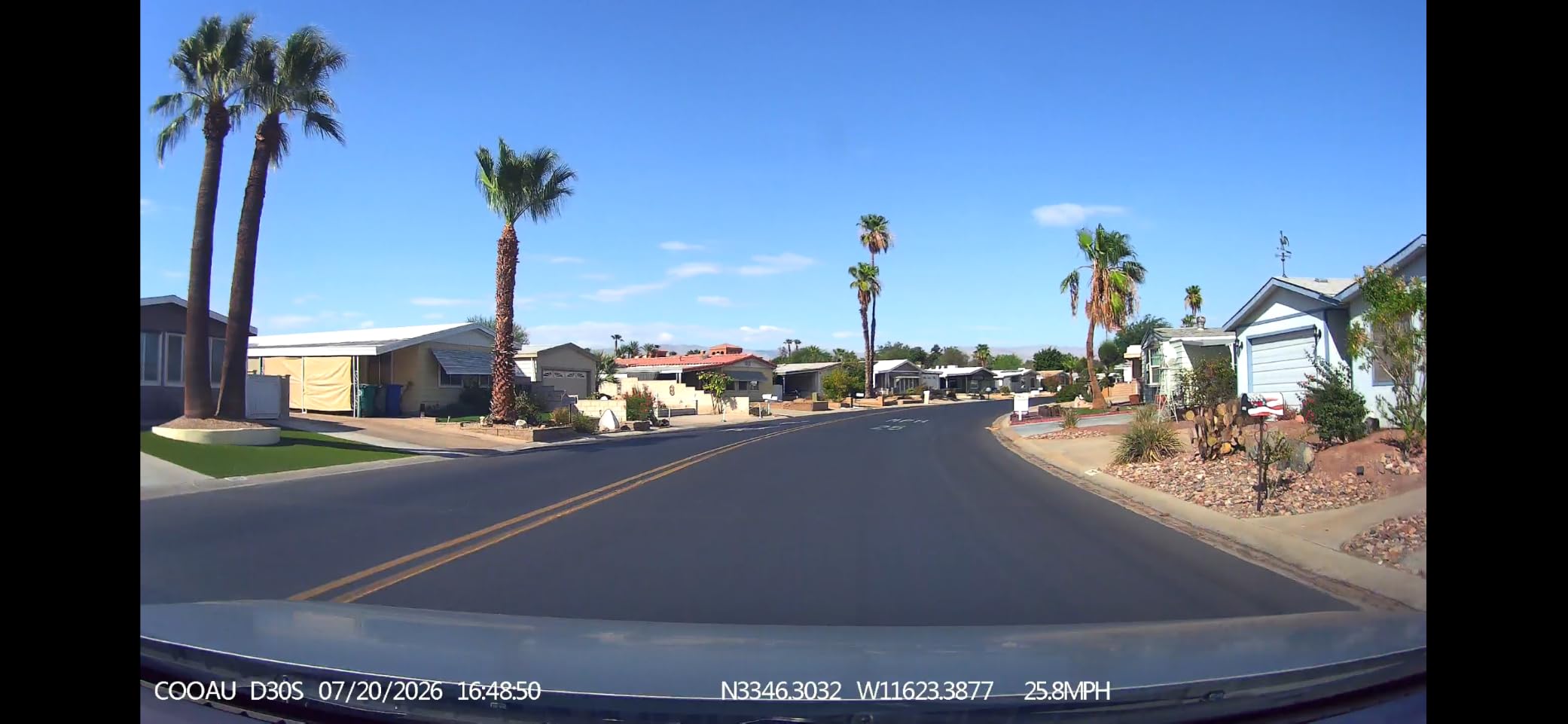
For rideshare drivers who want a proven, inexpensive cabin-and-front setup, this is still the unit to beat.
For whom it works best
Rideshare and taxi drivers who want proven cabin monitoring on a budget will love the D30S. Small passenger transport fleets running 3 to 15 vehicles will also get strong value here.
For whom it falls short
If your drivers are sensitive to interior LED indicators at night, this is not the best pick. Fleet managers who need a USB-C port for modern cable management standards should look at the 70mai A810 Lite or REDTIGER VP40 instead.
9. 70mai A810 Lite – Best Remote Access via 4G LTE
70mai A810 Lite 4K Dash Cam Front and Rear, 5GHz Wi-Fi 6 DashCam, Car Camera 4G LTE Remote Access, GPS Tracking, HDR Night Vision, 24H Parking Mode, Voice Control, Emergency Lock, Loop Recording
4K front + 1080p rear
WiFi 6 + 4G LTE
HDR night vision
GPS + Voice
Pros
- Optional 4G LTE for true remote live view
- WiFi 6 fast transfers
- Voice control for hands-free use
- Compact design fits small windshields
- 18-month warranty
Cons
- Not Prime eligible
- Single USB port on car charger
- 4G LTE needs separate hardwire kit
- App can be buggy
The 70mai A810 Lite is the dash cam I would buy if remote live-view were the deciding factor. With the optional 4G LTE hardwire kit, you can pull up a live view of any vehicle in your fleet from your phone, anywhere in the country – no need to wait until the driver pulls into the yard.
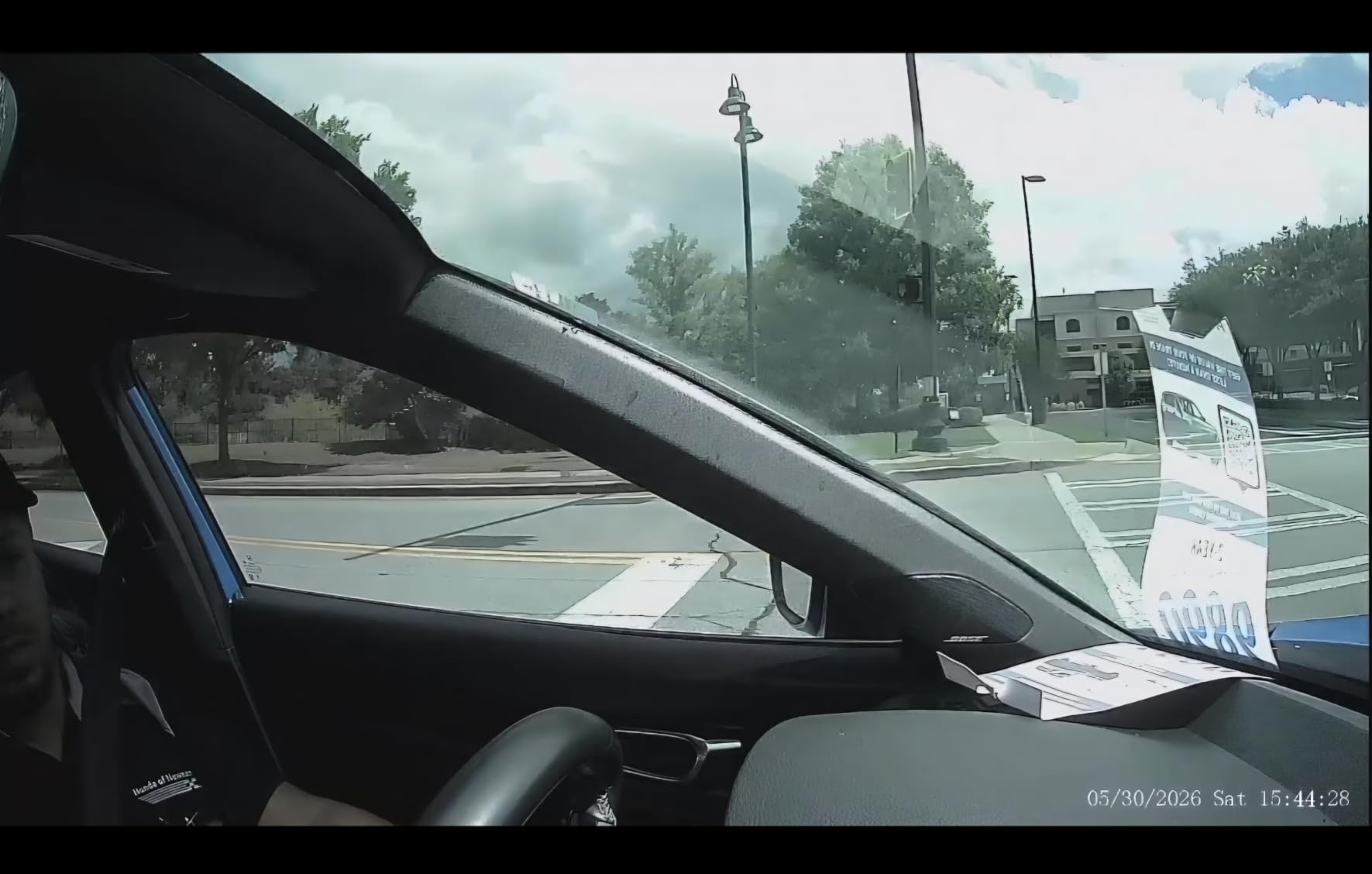
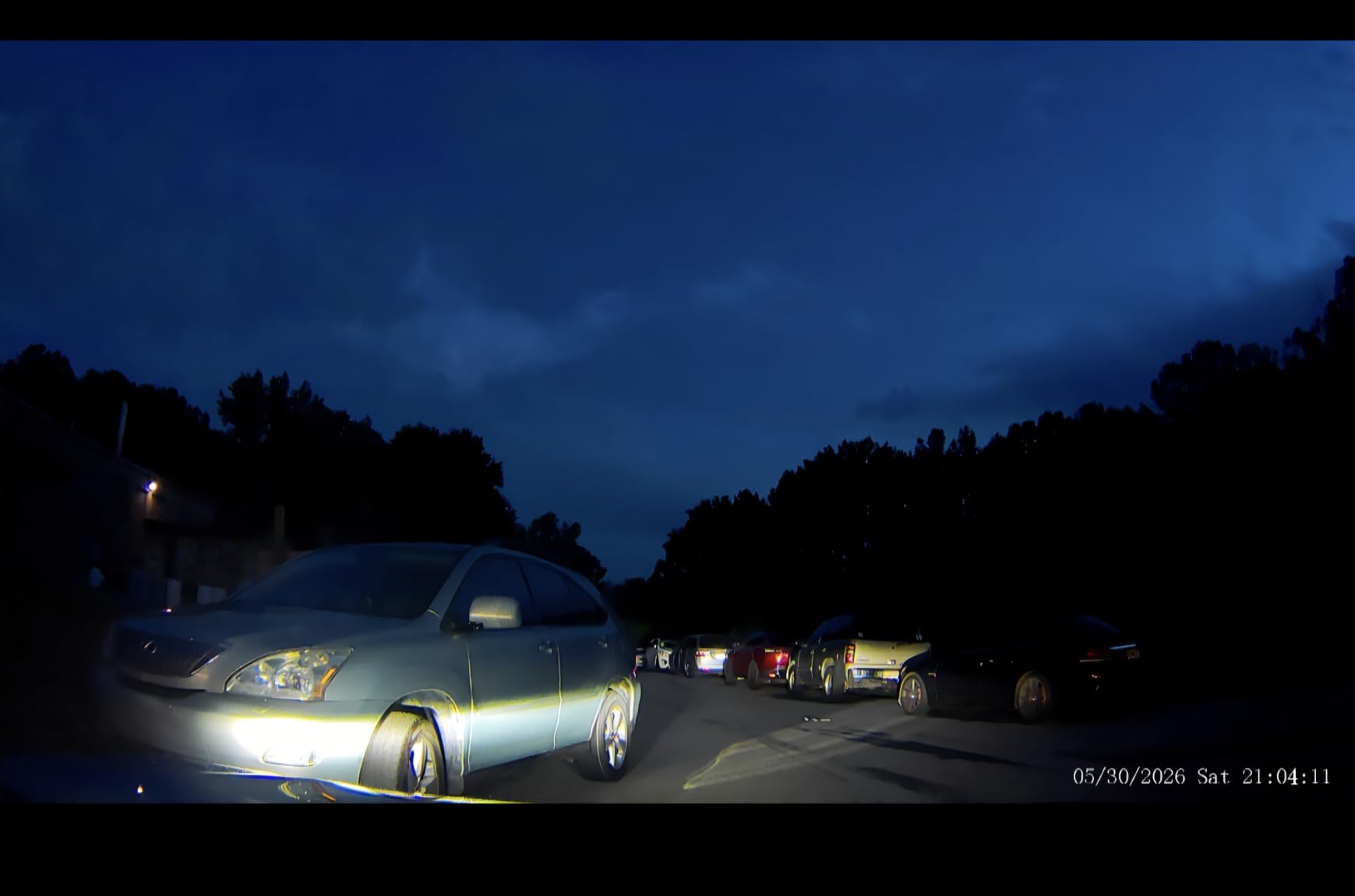
The 4K front sensor with F1.55 aperture pulls genuinely clean night footage, and HDR balances bright headlight glare against dark roads far better than older units. WiFi 6 transfers clips to my phone in seconds, and the 3-mode GPS (GPS + GLONASS + BDS) kept location stamps accurate even in dense urban areas.
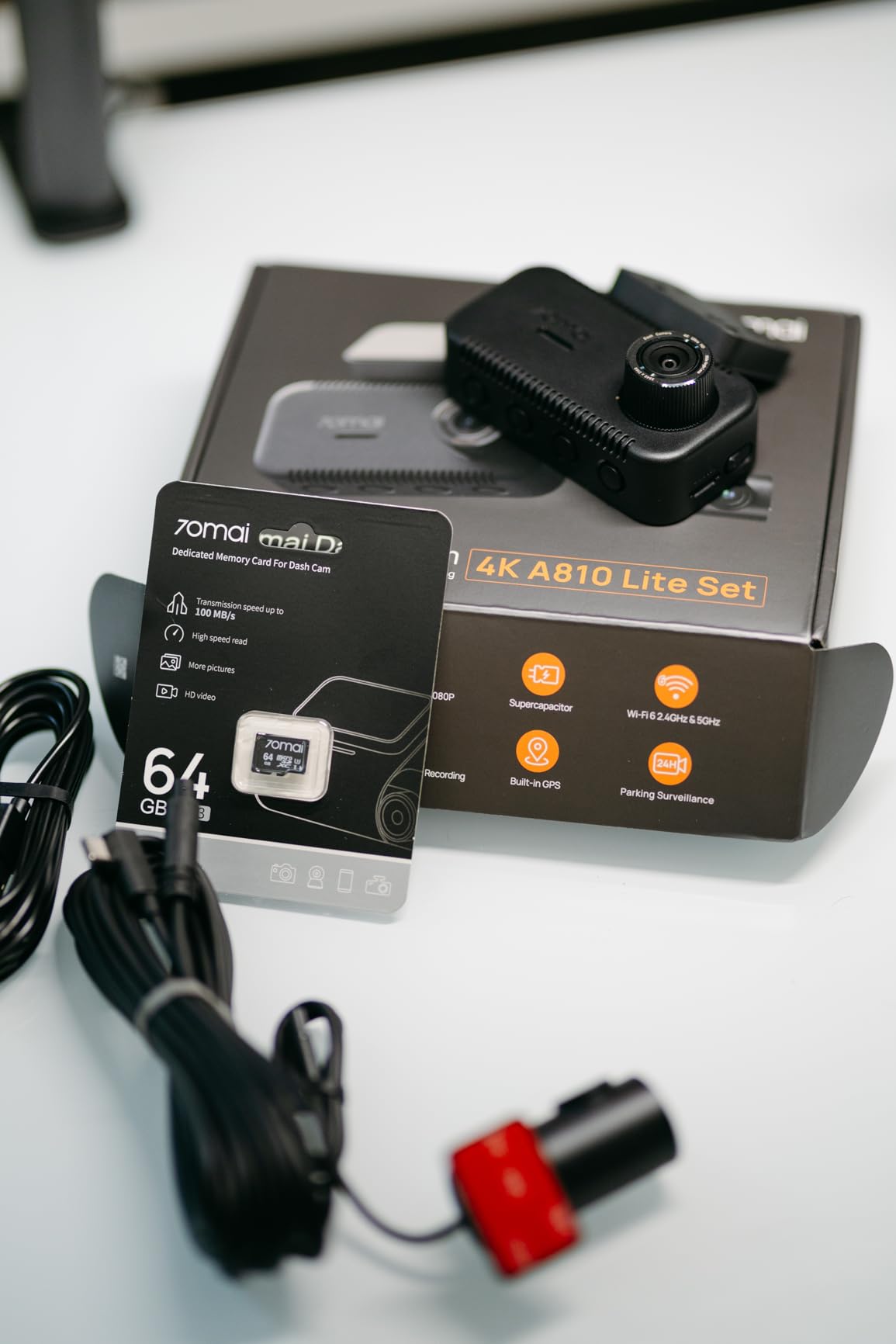
The compact form factor is a real win for fleets running smaller windshields – the unit sits behind the rearview mirror without obstructing the driver’s view. Voice control works reliably for “take photo” and “lock video” commands.
The 4G LTE feature requires a separate hardwire kit (about $40) plus a SIM card with data, which adds to the per-vehicle cost. The app occasionally needs a force-close to reconnect, and the unit is not currently Prime eligible, which means slower shipping for some buyers.
For fleet managers who want real-time visibility into every vehicle, this is one of the most affordable ways to get it.
For whom it works best
Operations with vehicles scattered across a wide geographic area – think regional service fleets, long-haul trucking, or last-mile delivery – will get the most value from the LTE remote access. Smaller fleets that want future-proofing for a telematics rollout will also benefit.
For whom it falls short
If your vehicles all return to a central yard every night and you do not need live remote view, paying for the LTE kit is hard to justify. Fleets that need a turnkey Prime shipping experience should look elsewhere.
10. ZMOPO D435 – Best Side Camera Coverage on a Budget
360 View 4 Channel Dash Cam Front and Rear Left Right Inside Camera for Cars, GPS and 5G Band WiFi, Night Vision, 160 Wide Angle, WDR, 24H Parking Mode, Supercapacitor, Included 128GB Card
4-channel 360 degree
5GHz WiFi + WDR
8 IR LEDs
128GB card included
Pros
- 4-channel coverage with side cameras
- 5GHz WiFi for fast transfers
- WDR balances exposure well
- 8 IR LEDs for cabin night vision
- 2-year warranty
Cons
- GPS logger sold separately
- Adhesive mount can fail in heat
- Hardwire kit sold separately
- Some SD card compatibility issues
The ZMOPO D435 is the budget pick I recommend specifically for fleets that need side-camera coverage – think box trucks, delivery vans that parallel park in tight urban spots, or any operation where side-swipe incidents are common. The 360-degree 4-channel layout covers all four sides of the vehicle at a price under $100.
The WDR (Wide Dynamic Range) processing keeps footage balanced when the truck rolls out of a dark garage into bright sun – a small detail that prevents a lot of unusable footage. The 8 IR LEDs deliver usable cabin and side coverage at night, and the 128GB card in the box means zero extra spend on day one.
For a sub-$100 4-channel setup, the build quality feels solid and the 2-year warranty is reassuring. The 5GHz WiFi moved footage to my phone faster than older 2.4GHz units I have used.
Where you give up ground is the GPS logger – it is sold separately rather than built in – and the adhesive mount has some reported heat failures. If you operate in Phoenix, Houston, or similar hot climates, plan to swap to a more robust 3M VHB tape or use a different mounting approach.
For whom it works best
Urban delivery fleets that parallel-park frequently and need side-impact evidence will benefit most. Tight-budget operations that want 4-channel coverage without sacrificing too much video quality will also find a lot to like here.
For whom it falls short
Fleets that need built-in GPS out of the box should look at the Tehclife S01 or REDTIGER VP40. Operations in hot climates should budget for a more durable mount solution, or consider a unit with a stronger factory mount.
Fleet Dash Cam Buying Guide
Choosing the right dash cam for your fleet is less about finding the “best” unit and more about matching the hardware to your operation. Here is the framework I use when helping fleet managers decide.
Camera Configuration: Match Coverage to Your Risk
Start with where your incidents actually happen. If most of your claims are front-end collisions (rear-ends, intersection accidents), a forward-facing 1080p or 4K unit is enough. If you run rideshare, taxi, or chauffeur fleets, you need at least 3 channels (front + interior + rear). For box trucks and delivery vans that parallel-park in cities, 4-channel 360-degree coverage pays for itself quickly.
For most commercial fleets I talk to, a dual-channel setup covers 80% of incidents. Save the multi-channel spend for vehicles where the additional angles actually matter.
AI Event Detection and Driver Coaching
Modern dash cams flag events automatically – harsh braking, fast cornering, following distance, distracted driving, phone use – and upload them to a coaching dashboard. This is where the real ROI comes in. Samsara’s 2025 Safety Report showed fleets using AI event detection cut collision frequency by 60%, and Geotab case studies have shown 13% drops in severe alerts within the first year.
If your existing fleet management software (Geotab, Verizon Connect, Motive, etc.) supports video telematics integration, choose a dash cam that plugs into that platform rather than running a parallel system.
Connectivity: Cloud, LTE, or Wi-Fi Only?
SD-card-only dash cams force you to physically retrieve footage after every incident. For small local fleets that return to the yard nightly, this is workable. For regional or nationwide fleets, cloud auto-upload or 4G LTE is a non-negotiable – you do not want to drive two hours to pull an SD card for an insurance call.
Wi-Fi-only is the middle ground: drivers offload clips when they return to the yard, and you avoid LTE data fees. For 5 to 20 vehicle fleets this is often the right balance.
Night Vision and Sensor Quality
Most commercial vehicle incidents happen at dusk, at night, or in poor weather. Sony STARVIS 2 sensors are the current gold standard for low-light clarity. The difference between a STARVIS 2 and an older sensor at 11pm is the difference between reading a license plate and seeing two blurry headlights.
Look for F1.5 to F1.8 aperture lenses – lower numbers mean wider openings, which means more light hitting the sensor.
Storage, Endurance, and Total Cost of Ownership
A 128GB card holds roughly 12 to 16 hours of 4K dual-channel footage before loop recording kicks in. For most fleets, 128GB is the sweet spot. For multi-channel 3 or 4-channel setups, budget for 256GB or 512GB cards.
Use high-endurance microSD cards (rated for dash cam use) rather than standard cards – they last 5 to 10x longer under constant write cycles. Expect to replace cards every 18 to 24 months across a fleet.
For total cost of ownership, budget roughly $150 to $250 per vehicle for hardware, $20 to $50 per vehicle per year for cellular data (if LTE), and $15 per vehicle per year for SD card replacement. Over a 3-year lifecycle, that is roughly $250 to $400 per vehicle.
Driver Privacy and Buy-In
Driver morale is a real concern – Reddit threads and HVAC forum posts consistently flag surveillance as a source of friction. The most successful rollouts follow three rules: tell drivers exactly what is recorded and what is not, give drivers access to their own footage, and use the data for coaching rather than punishment.
Some fleets skip interior-facing cameras entirely on driver-owned vehicles or contractor-operated trucks, which is a defensible policy if your risk profile does not require cabin coverage.
Installation and Rollout
Hardwired installations (constant power for parking mode) are cleaner than cigarette-lighter setups, but they require either a professional installer or a confident in-house tech. Budget 30 to 60 minutes per vehicle for a clean install, longer for trucks that need long cable runs.
For multi-vehicle rollouts, choose a vendor with a US-based support team and a 2-year warranty minimum. The 30 to 60 minutes you save per install by buying from a brand with responsive support adds up fast across a 50-vehicle fleet.
Frequently Asked Questions
Which dash cam is best for truckers?
For over-the-road truckers, the ROVE R2-4K Dual PRO is a strong pick thanks to its native 4K front sensor, Quad-GPS tracking, and included CPL filter that reduces windshield glare on long highway drives. For truckers who also haul passengers or want interior monitoring, the Vantrue N4S adds a 1440P cabin cam with infrared night vision.
What is the best dash cam for a work van?
The REDTIGER F7N Touch is a strong work-van pick – it shoots 4K with STARVIS 2, includes GPS and WiFi, and ships with a 128GB card. For vans that need rear and side coverage (think delivery or plumbing), the Tehclife S01 adds four adjustable lenses at a budget price.
Will your insurance go down if you have a dash cam?
Many commercial insurers offer premium discounts of 5 to 15% for fleets with dash cam programs, and the bigger savings come from avoided false claims. Geotab case studies have shown fleets saving $100k+ annually on insurance costs after deploying AI dash cams. The discount varies by insurer, so ask your broker specifically about video telematics discounts.
What is the best dash cam for commercial vehicles?
For most commercial fleets the ROVE R2-4K Dual is the best balance of price, video quality, GPS, and WiFi. For commercial fleets that need cloud or LTE remote access, the 70mai A810 Lite paired with the optional 4G kit is the better pick. For high-value cargo or legal-heavy operations, the ROVE R2-4K Dual PRO offers native 4K footage that holds up in court.
Do fleet vehicles have cameras in them?
Yes – most modern commercial fleets run dash cams as standard equipment. Samsara estimates that more than half of mid-to-large US fleets now operate some form of in-cab or road-facing video. Adoption is driven by false-claim protection, driver coaching, and insurance discounts.
Final Verdict
For most commercial fleets, the ROVE R2-4K Dual is the best dash cam for fleets in 2026 – it delivers excellent STARVIS 2 night footage, GPS, fast WiFi, and a free 128GB card at a price that scales cleanly across a fleet. It is the unit I would buy for my own operation.
If budget is the deciding factor, the Tehclife S01 gives you four-channel coverage for under $80. If you need native 4K footage or work in bright sun, step up to the ROVE R2-4K Dual PRO. And if you manage a rideshare or taxi fleet, the Vantrue N4S is the cabin-monitoring champion.
Pick the unit that matches your risk profile, budget for installation and ongoing SD card replacement, and roll it out with clear communication to your drivers. The best dash cam for fleets is the one that actually gets installed, used, and reviewed consistently – and any of the ten options on this list will get you there.