
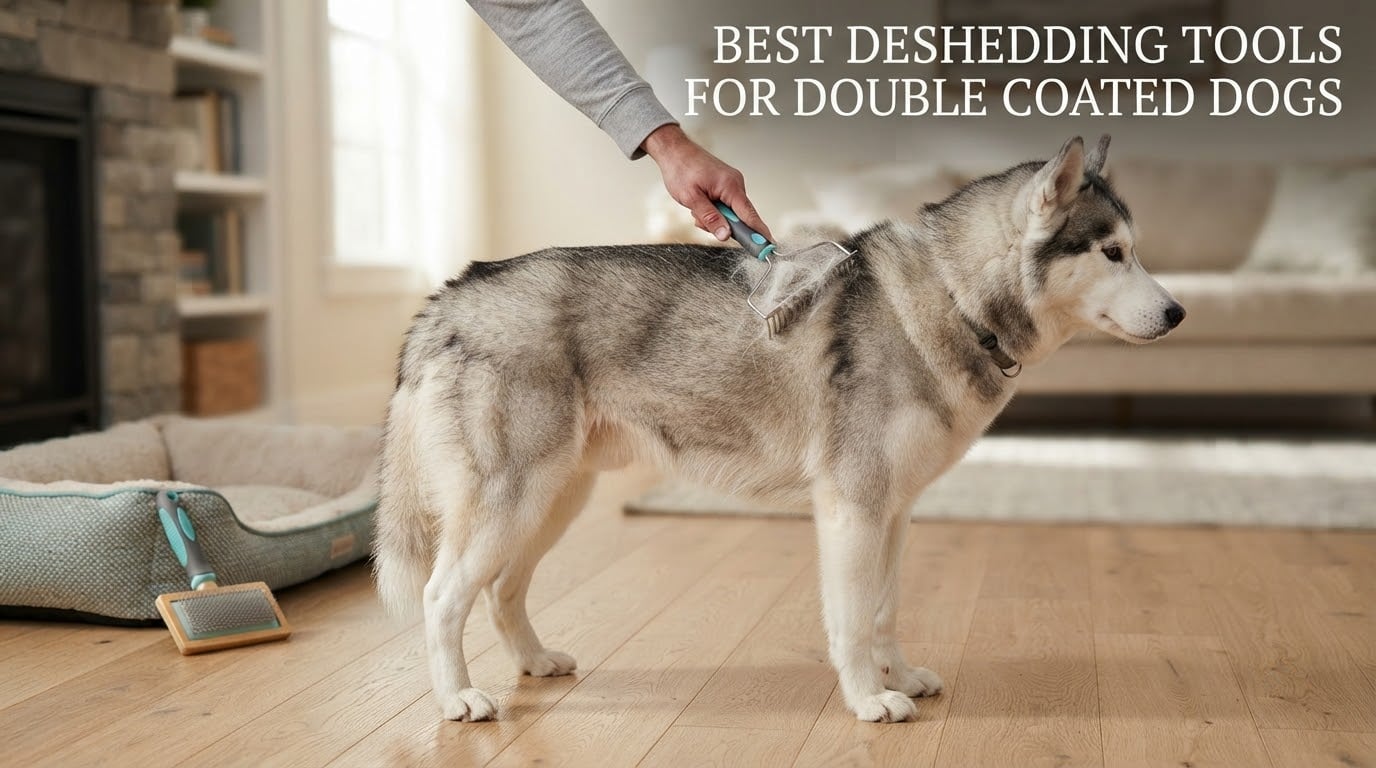
A deshedding tool is a grooming implement with fine metal teeth, pins or a thin steel edge that reaches past a double-coated dog’s guard hairs and pulls out the loose, dead undercoat that an ordinary brush just skims over. It extracts or severs hair that has already detached from the skin, instead of merely sweeping the surface.
That distinction matters because a double coat is built in two layers: a dense, soft insulating undercoat and a coarser outer guard coat that sheds slowly all year. Twice annually the undercoat releases in clumps, and that loose layer is what mats, traps moisture, blocks the skin from regulating temperature and ends up on your furniture. The best deshedding tools for double coated dogs exist to get that layer out before it turns into a problem.
We put ten of them through their paces across coats that range from a Great Pyrenees down to a small doodle, and compared tooth count, blade geometry, weight in the hand, hair-release method and how each one behaved around thin-skinned areas. Three tool types came out of that work: the undercoat rake, the deshedding blade and the slicker brush, with dematting combs sitting alongside them for the mat work a rake cannot do.
If your dog sheds hard twice a year, the difference between a good routine and a losing battle is usually four tools and a consistent order of use. That is what this guide covers, plus the routine, the coat-type matching and the safety rules that keep a double coat doing the job it was built for.
Top 3 Best Deshedding Tools for Double Coated Dogs in 2026

Maxpower Planet Rake
- Dual-sided 9-tooth and 17-tooth head
- Rounded teeth that do not scratch
- Lightweight 4 oz handle

SleekEZ Deshedding Brush
- Patented single-piece blade
- Wooden handle at 4 oz
- Also clears furniture and carpet hair

Aumuca Slicker Brush
- One-click self-cleaning release
- 150-degree bent steel pins
- Round plastic-coated pin tips
Our editor’s choice is the Maxpower Planet dual-sided rake because it handles the widest range of double coats we tested and earned the highest review volume in the group. The SleekEZ is the quickest single tool for everyday loose-hair control, and the Aumuca slicker is the one to reach for when the dog in front of you does not want to be groomed.
All 10 Tools at a Glance
Every tool below earned its place in real sessions, and the table below shows what kind of job each one does and how it clears hair from the head.
| Product | Specifications | Action |
|---|---|---|
| Maxpower Planet Dog Grooming Rake |
|
Check Latest Price |
| Aumuca Self-Cleaning Slicker Brush |
|
Check Latest Price |
| SleekEZ Deshedding Dog Brush |
|
Check Latest Price |
 GoPets 2-in-1 Deshedding and Dematting Comb GoPets 2-in-1 Deshedding and Dematting Comb |
|
Check Latest Price |
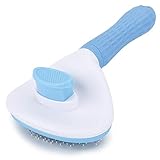 Depets Self-Cleaning Slicker Brush Depets Self-Cleaning Slicker Brush |
|
Check Latest Price |
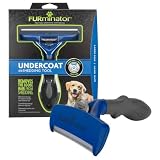 FURminator Large Dog Undercoat Tool for Long Hair FURminator Large Dog Undercoat Tool for Long Hair |
|
Check Latest Price |
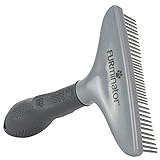 FURminator Grooming Rake for Thick Coats FURminator Grooming Rake for Thick Coats |
|
Check Latest Price |
 Pecute Self-Cleaning Undercoat Rake Pecute Self-Cleaning Undercoat Rake |
|
Check Latest Price |
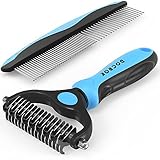 Docrok Pet Grooming Combo Docrok Pet Grooming Combo |
|
Check Latest Price |
 Chris Christensen Big G Slicker Brush Chris Christensen Big G Slicker Brush |
|
Check Latest Price |
1. Maxpower Planet Dog Grooming Rake – the Best All-Rounder for Thick Double Coats
Maxpower Planet Dog Grooming Rake, Deshedding Undercoat Brush, Dogs & Cats
Dual-sided 9-tooth and 17-tooth head
Rounded steel teeth
4 oz
Non-slip base
Pros
- Pulls dense undercoat out in a single session
- Two tooth densities let you open mats first then thin the coat
- Rounded teeth that do not scratch dog or hand
- Stays steady in a non-slip handle
- Suits thick fur and dense double coats on dogs and cats
Cons
- No one-click hair release so fur must be pulled off by hand
- Some pets are wary of it at first
- Instructions warn against use on the legs
This is the tool we keep reaching for first. The head is dual-sided, with 9 teeth on one side to open a knot at its base and 17 teeth on the other to thin a coat that is already loosening, and that combination means one tool covers the whole session rather than half of it.
At 4 ounces it is light enough for long sessions on a large dog, and the non-slip rubber base keeps the head steady when you put real pressure into a thick flank. The teeth are sharpened but finely rounded, so they lift hair without scratching the dog or the hand holding them.
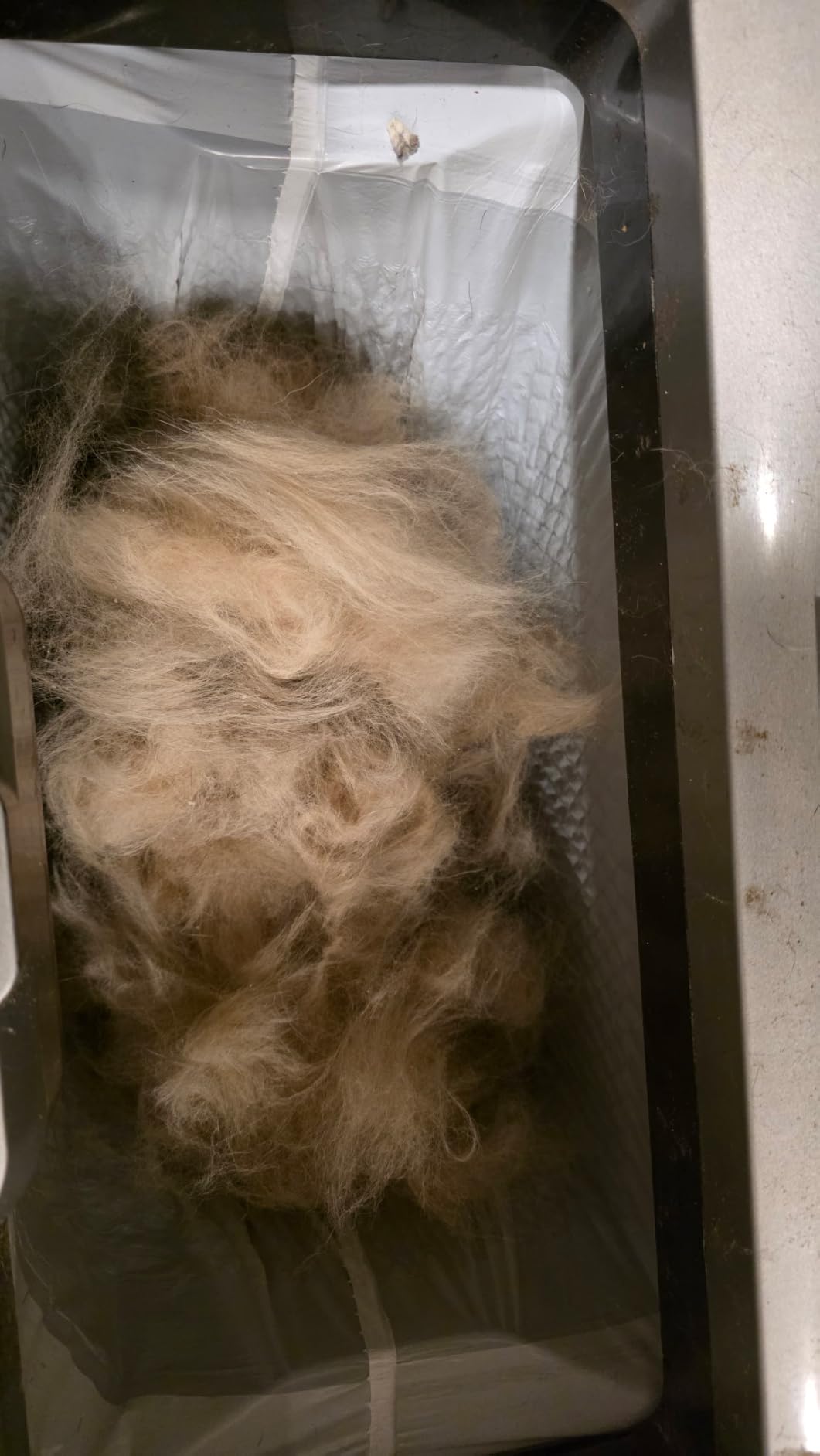
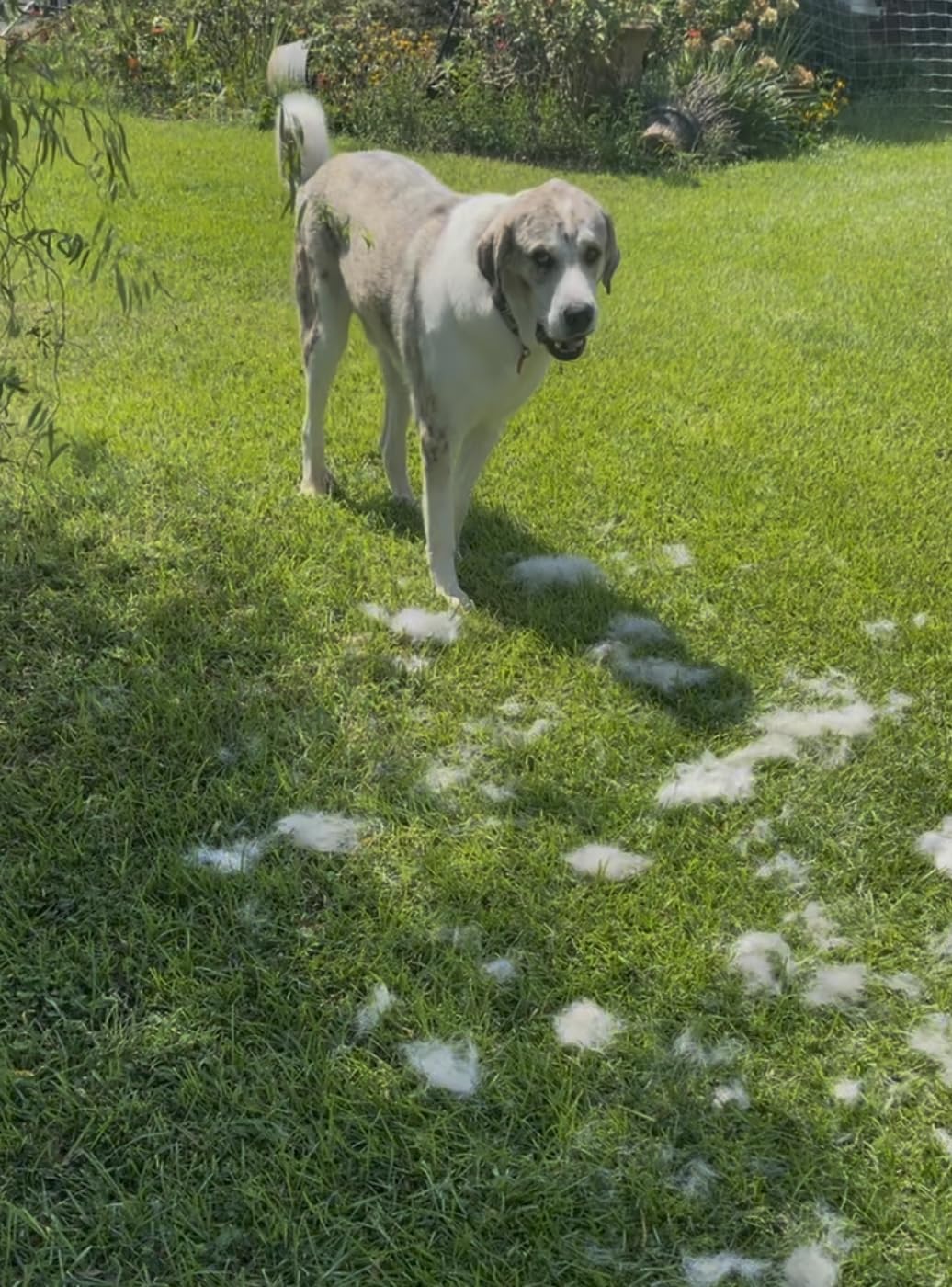
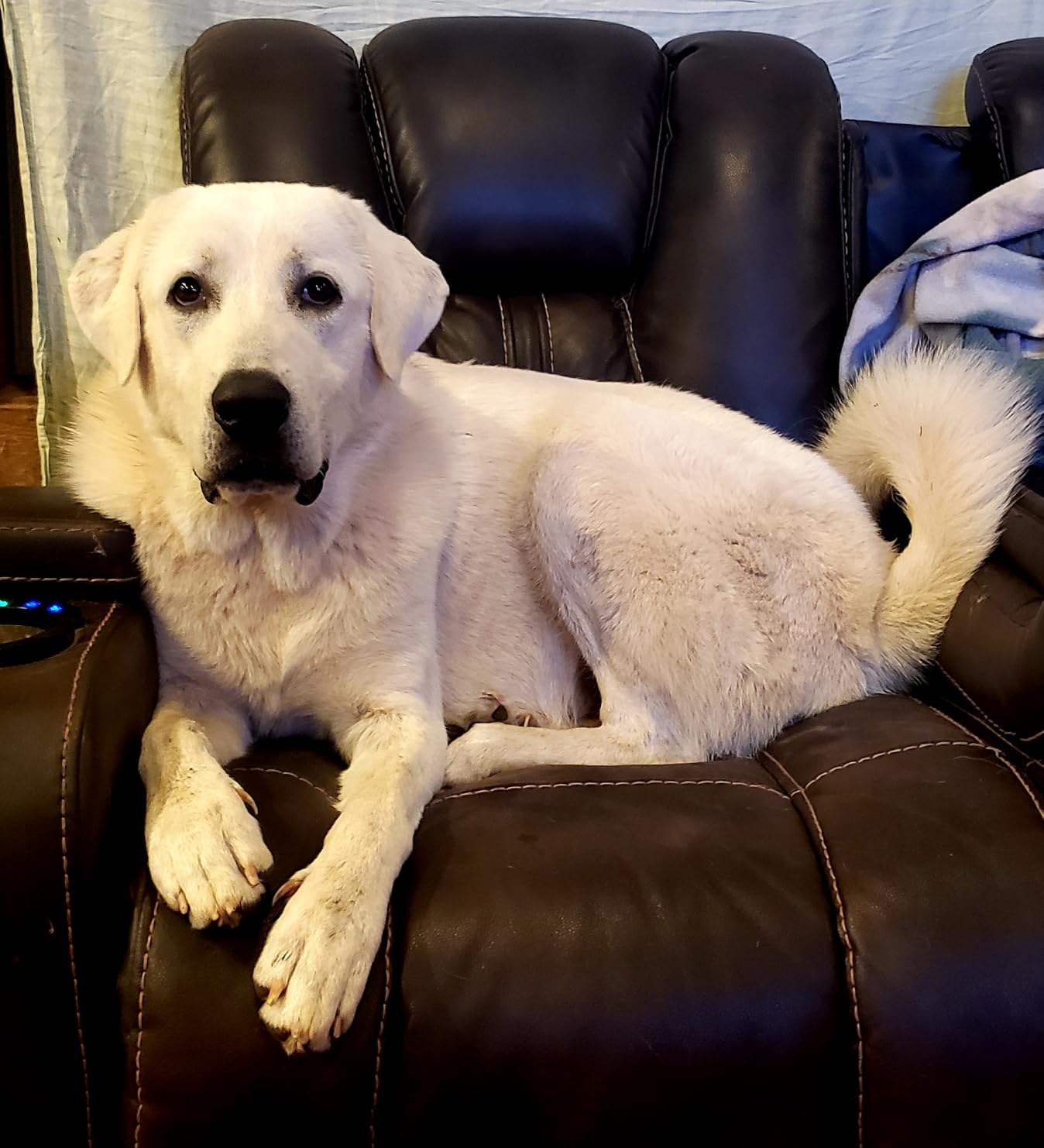
Owners of Great Pyrenees, German Shepherds, Kangals and Huskies consistently report the same outcome: a single session pulls out more undercoat than they expected, and the visible drop in fur around the home follows within days. One owner in r/AustralianCattleDog described a low-cost de-shedding rake pulling more undercoat per stroke than a full-size FURminator on a thick-coated cattle dog, which matches what we saw on dense coats here.
The dual density is the reason it is our top pick. You open a tight mat with the 9-tooth side, switch to 17 teeth once the hair is loose, and the same tool finishes the job. Collected hair releases easily from the rake head, although there is no button, so on a heavy blow you will be pulling fur off the tines by hand every few passes.
Who it suits best
Owners of dense, heavy-blowing double coats, including Alaskan Malamutes, German Shepherds, Huskies, Great Pyrenees, Bernese Mountain Dogs and Newfoundlands. It also handles long-haired cats, which makes it the most useful single tool in a multi-pet household.
Because the teeth are blunt and rounded, it is a reasonable first choice for a dog that is nervous about grooming, provided you introduce it slowly over a few sessions with plenty of treats.
Who should skip it
Skip it for a dog with tight curly or wire-haired coats where you need a slicker to finish the coat flat afterwards, and note the manufacturer’s own warning against using it on the legs. It is also not a substitute for a finishing brush, because a rake leaves the topcoat sitting loose rather than lying down.
If hair release between passes is going to frustrate you, look at a tool with a button instead.
2. Aumuca Self-Cleaning Slicker Brush – the Gentlest Option for Skin and Nerves
Aumuca Skin Friendly Self-Cleaning Slicker Brush for Dogs & Cats, Gentle Pet Grooming Tool for Shedding & Deshedding, Efficient Hair Remover for Long & Short Haired Pets
150-degree bent steel pins
One-click release
5.29 oz
ABS body
Pros
- Plastic-coated round tips avoid scratching skin and fingers
- One-click button retracts the pins to release hair
- Pins are thicker than typical shedding brushes
- Massage-like feel that many pets seek out
- Works on long and short coats
Cons
- Handle shape is awkward and can slip under pressure
- Head runs a little wide for smaller pets
- Best used with light pressure rather than pressed firmly
Slicker brushes have a poor reputation on blowing double coats, and most of that is fair. Used alone, they skim the topcoat and leave the undercoat where it is. Used properly, as the third step in a routine, this one is the tool that gets dogs to tolerate being groomed at all.
What separates it is the pin geometry. The needles are bent at 150 degrees so they enter the coat at an angle and reach further down, and they are noticeably thicker than the wire on a typical shedding brush, which is what stops them deforming after a few months.
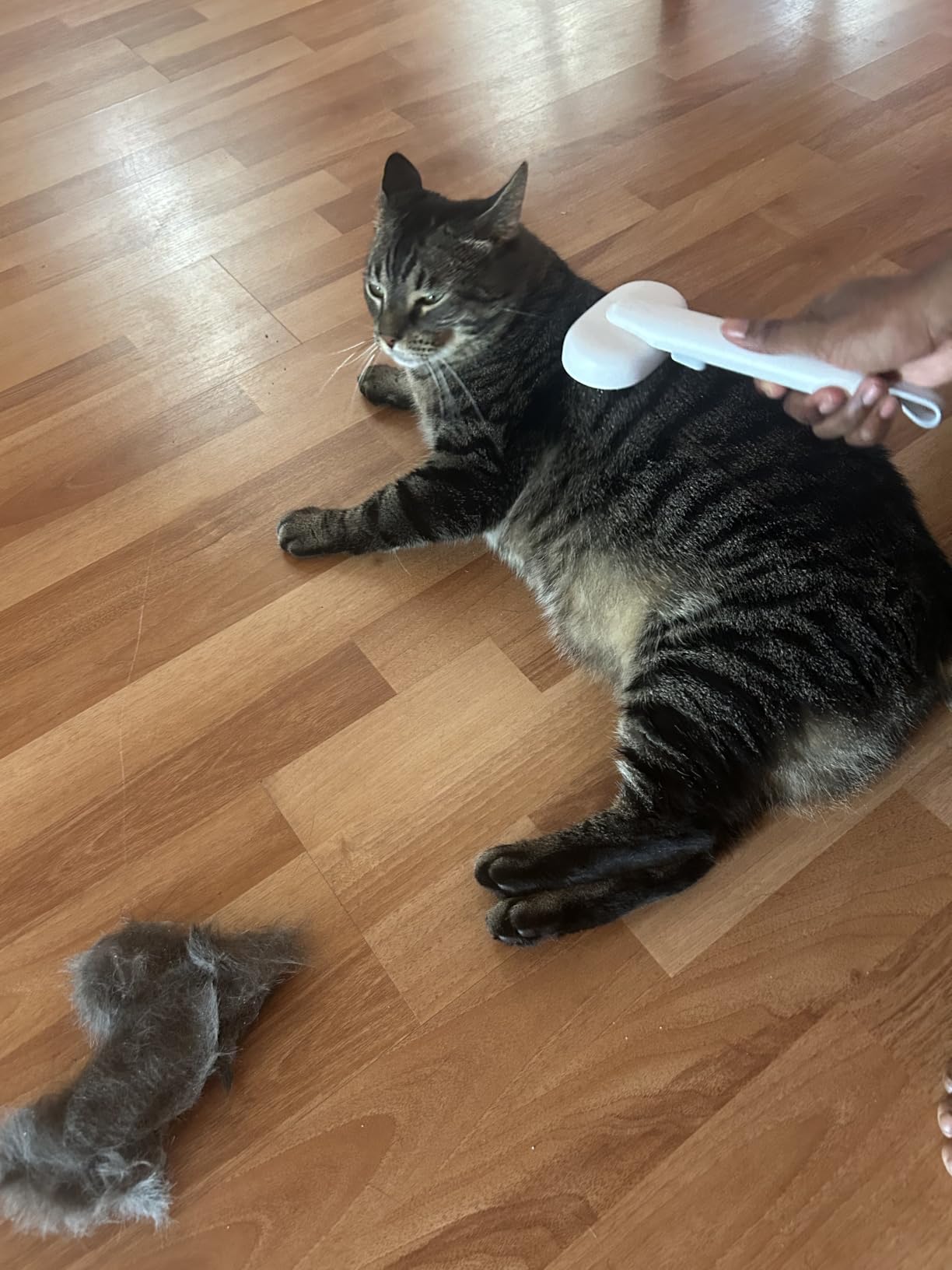
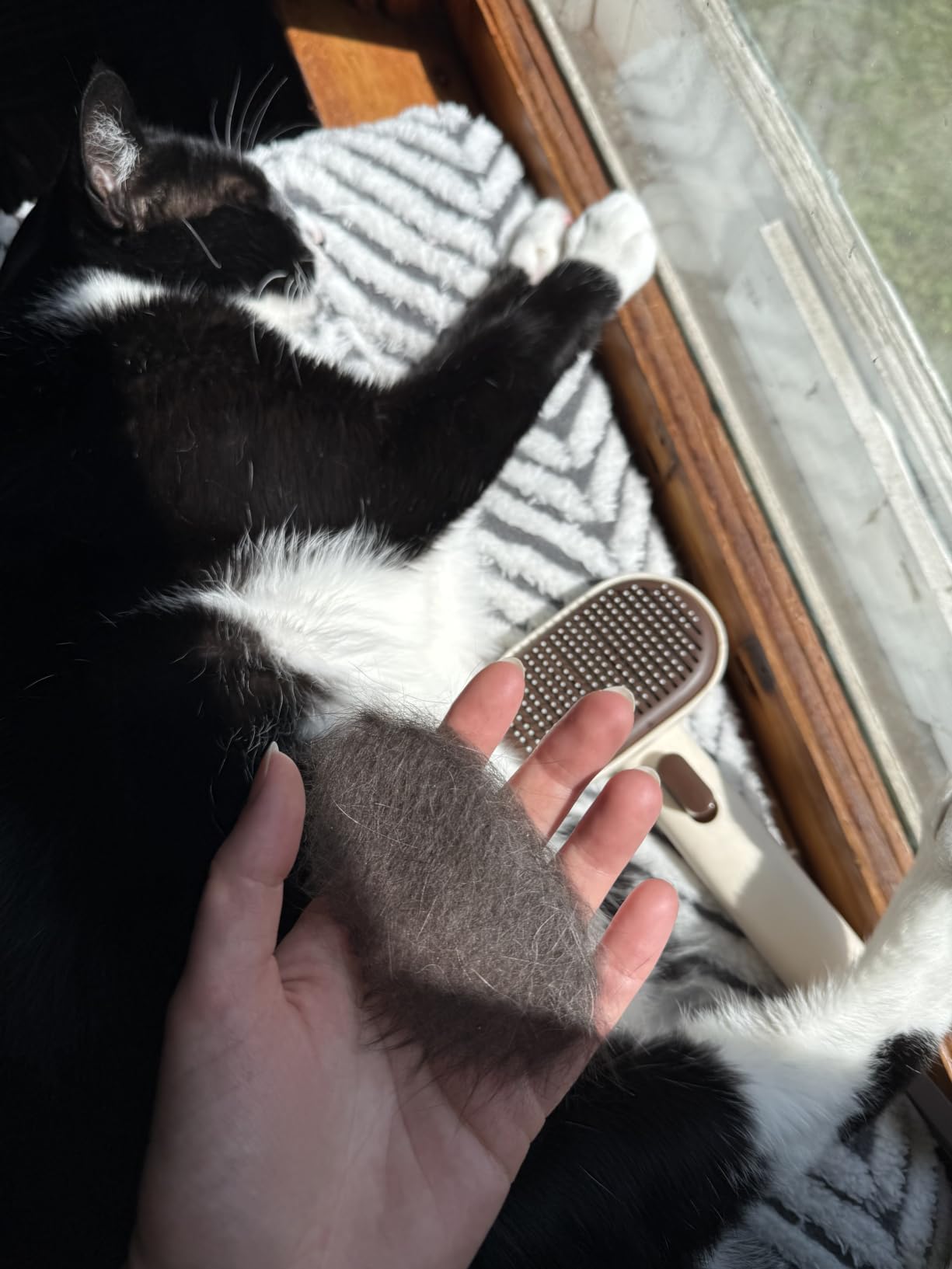
The dominant theme across reviews is gentleness. Owners of previously grooming-averse dogs report that the coated tips and angled pins let them brush animals that once walked away, with several noting their pet rolls over or comes back for more. The self-cleaning button, which retracts the pins to push collected hair off in one movement, is the other feature that comes up constantly because it makes repeated sessions fast.
Pressure is the thing to get right here. Push firmly and the pins scrape rather than glide, which defeats the point. Let the brush travel to the skin on its own and you get a massage that loosens dead hair and refluffs the topcoat at the same time.
Who it suits best
Sensitive-skin dogs, short-coated double-coated breeds, and any dog that treats grooming as an ordeal. It is also the one to keep in a household with a long-haired cat, since the coated tips are safe and cats tend to queue up for it.
Buy it as the finishing step in a rotation, not as your only deshedding tool.
Who should skip it
Skip it if your problem is a full coat blow. A slicker will not clear a heavy undercoat on its own, and owners who try to make it do that usually end up with a scratched dog and a still-shedding carpet.
Also skip it if you have small, fine-coated pets, since the head runs wide and the handle has a documented tendency to slip when you lean on it.
3. SleekEZ Dog Brush for Shedding – the Fastest Way to Control Everyday Hair
SleekEZ Dog Brush for Shedding | Patented Deshedding Dog Brush | Pet Hair Remover for Short, Medium & Long Coats | Made in USA | 5 Inch
Patented single-piece blade
Wooden handle
4 oz
5 inch tool
Pros
- Sweeps loose hair off the coat rather than letting it cling
- Very light with an ergonomic wooden handle
- Dogs generally stay calm and seem to enjoy it
- Doubles as a carpet and furniture rake for collected pet hair
- Compact size fits pets from small breeds to 75 pounds
Cons
- Teeth are sharp enough to leave bald spots or scratch if pressed
- Can scratch hard flooring if dragged carelessly
- Teeth sit too close together for very short fine coats
This is the tool that changes daily life rather than seasonal chaos. While a rake works a heavy blow out of the coat, this one keeps loose hair from migrating to your sofa in the first place, and it takes about a minute on a mid-sized dog.
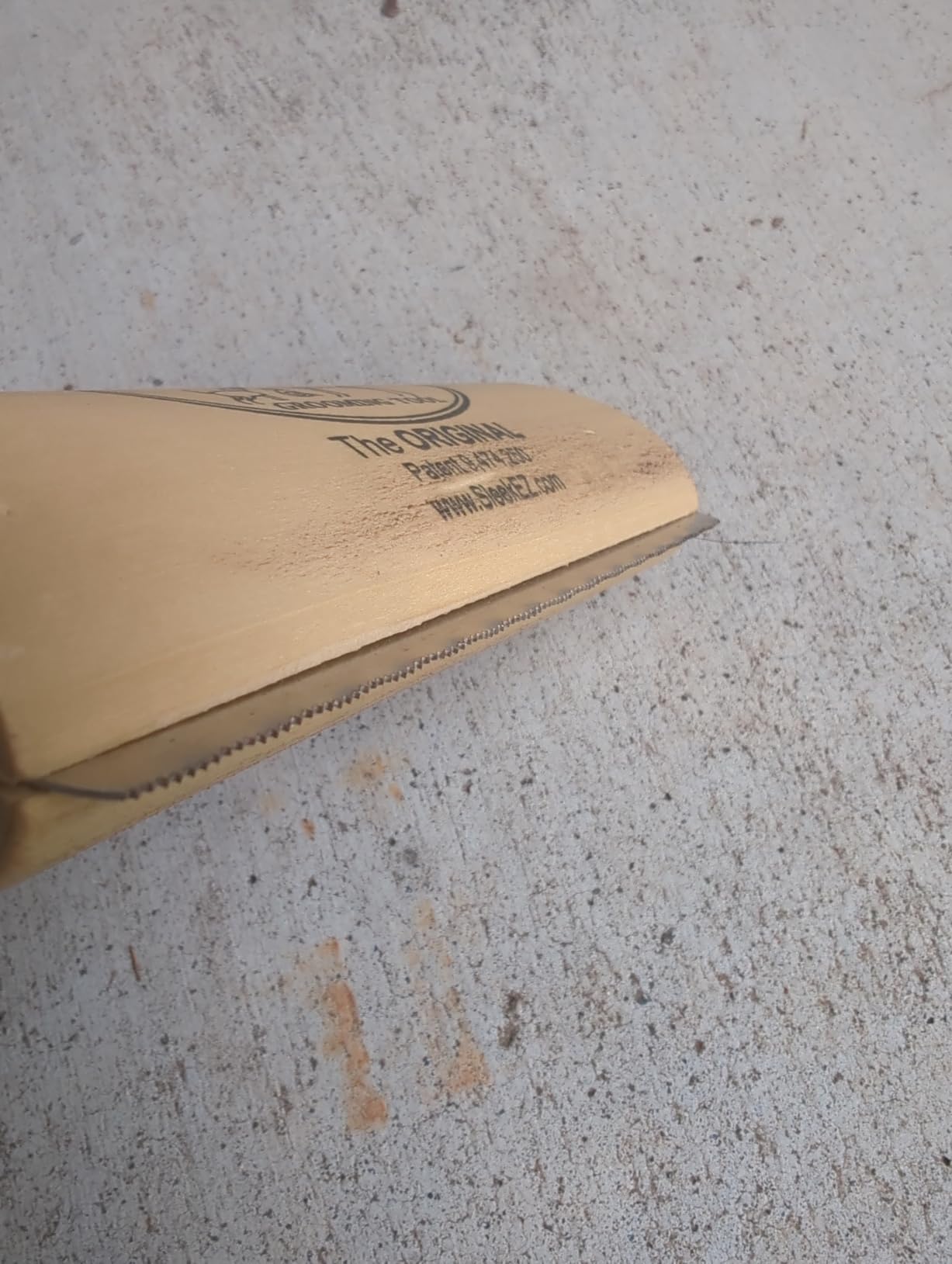
The patented single-piece blade grabs hair tips without pulling at the skin, and the hair does not cling to the tool the way it does on a conventional pin brush. That means you sweep the collected pile off into a bin rather than picking it out of the head one tuft at a time.
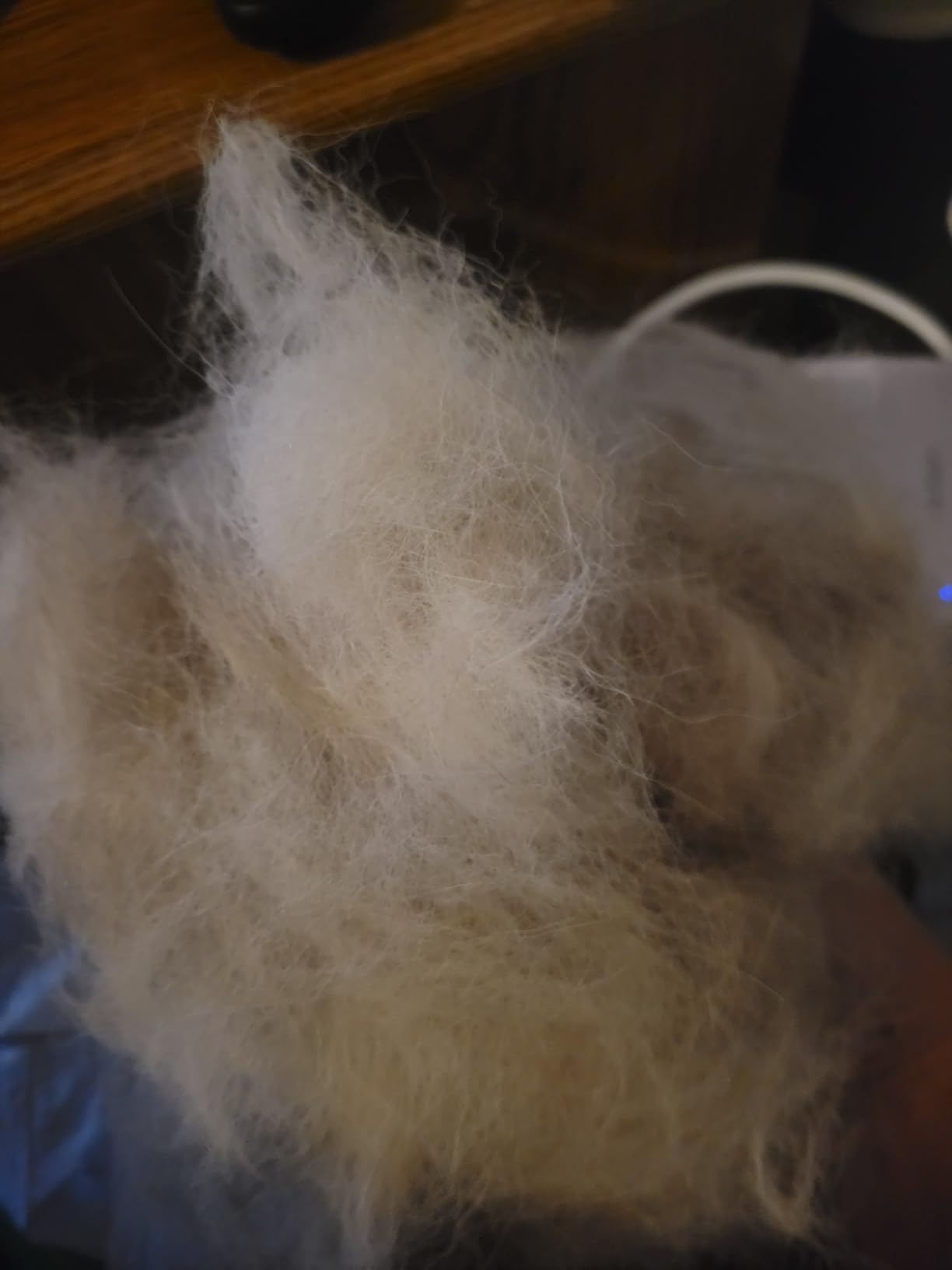
Owners of Huskies, Anatolian mixes and pit-bully crosses report visible hair coming off in minutes and a marked drop in fur on furniture. What we did not expect was how often owners mention that their dog appears to enjoy it, which is unusual for anything in the deshedding category.
The wooden handle is genuinely comfortable and shaped rather than round, and at 4 ounces the tool is easy to hold through a long session. The same blade also works across carpets, dog beds and couches, so it earns its place even in a house with no double-coated dog in it.
Who it suits best
Owners who want one inexpensive tool for daily maintenance across coats from small breeds up to about 75 pounds. It suits short, medium and long coats, and it is a sensible first purchase before committing to a more specialised setup.
It is also the tool most likely to keep a grooming-averse dog onside, because sessions are short and the dog tends to lean into it.
Who should skip it
Skip it for very short, fine coats where the teeth sit too close together to catch anything, and be careful on double coats with wiry guard hairs, where repeated firm strokes can mark the coat.
The teeth are sharper than they look. Used too firmly they can leave bald spots or scratch, and dragged carelessly across hard flooring they will mark the surface.
4. GoPets 2-in-1 Deshedding and Dematting Comb – One Tool for Mats and Loose Coat
GoPets 2-in-1 Deshedding & Dematting Comb & Grooming Brush for Dogs & Cats
12-blade and 23-blade sides
Stainless steel
3.52 oz
Non-slip handle
Pros
- Two-sided design combines mat work and deshedding
- Steel blades glide through thick coats without heavy pulling
- Non-slip handle stays comfortable in long sessions
- Lightweight despite the metal build
- Cuts down on loose fur landing on furniture
Cons
- Denser teeth make it a comb rather than a rake so loose undercoat lifts more slowly
- Mats must be worked in small sections rather than cleared in one pass
Double-coated dogs mat in predictable places: behind the ears, in the armpits, at the tail base and around the leg furnishings. Those are exactly the areas a wide rake is too blunt to enter and a slicker will not reach, and this is the tool that handles them.
One side carries 12 wide blades for opening a compacted mat, the other 23 finer blades for lifting loose hair as you work back through the coat. The stainless steel blades are rust-resistant, which matters more than it sounds when the tool lives in a damp bathroom.
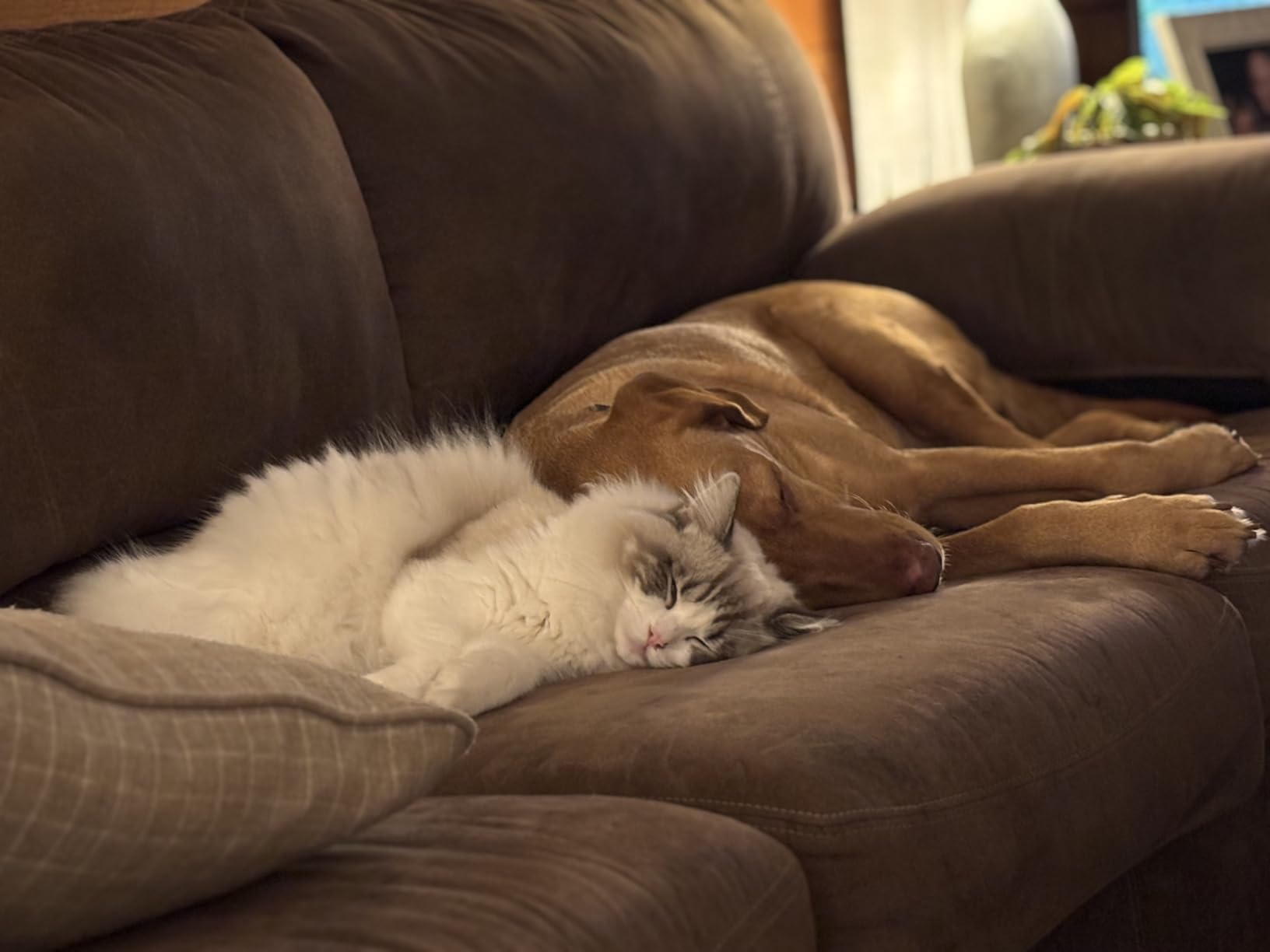
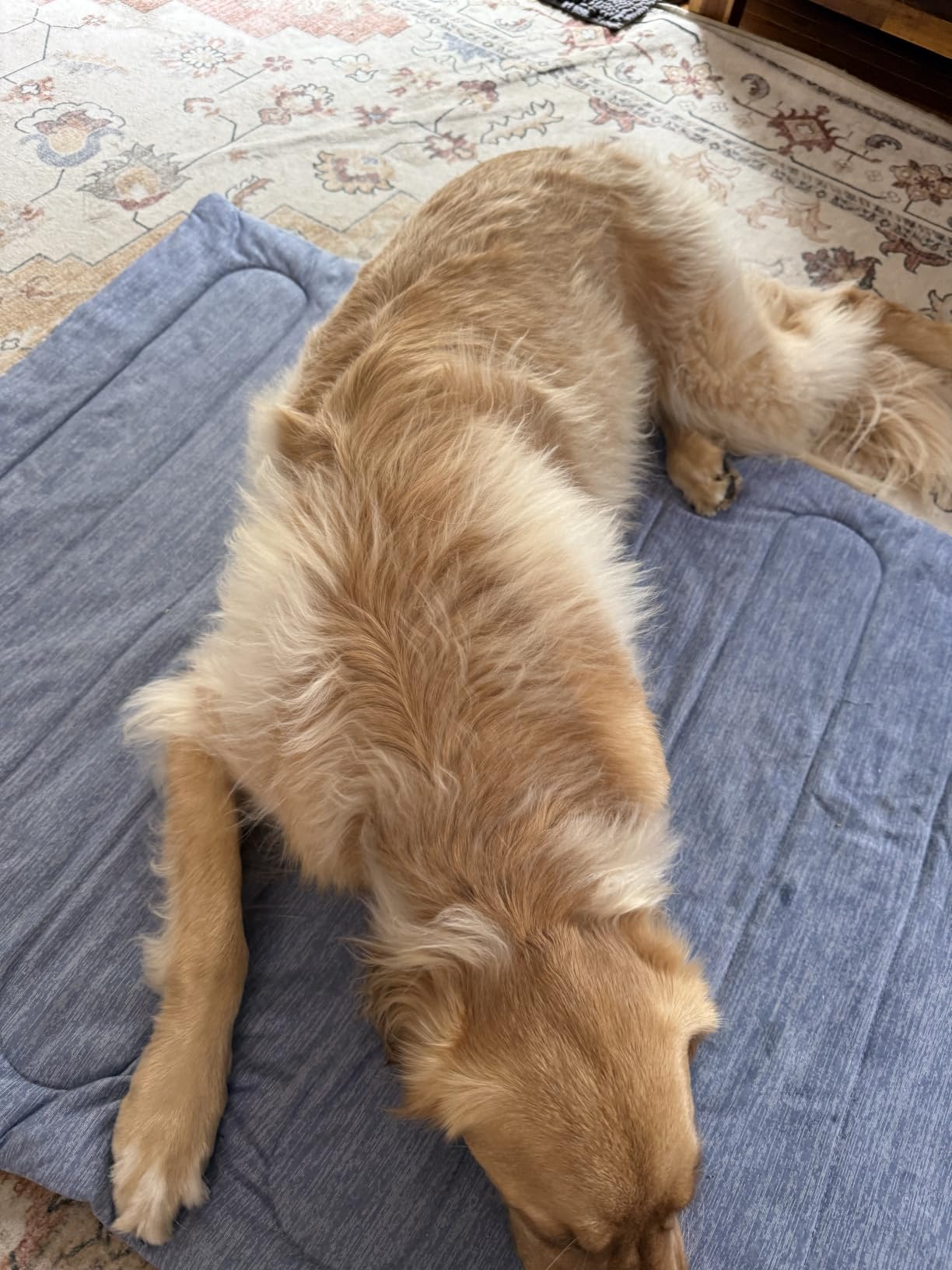
Owners of Golden Retrievers, Huskies, doodles and poodle crosses highlight the versatility of having a wide side and a finer side in one lightweight tool, and the gentle glide comes up in nearly every review. Several note it is not a substitute for a full rake on heavy coat blow, which is the honest limitation of any comb.
At 3.52 ounces it is the lightest metal tool we tested, and the non-slip handle cut down on hand fatigue in long sessions. The trade-off is that dense teeth move through a coat rather than lift from it, so you will want a rake in the kit for the blow and this for the tidy-up.
Who it suits best
Dense double-coated breeds with recurring mat trouble, and owners with a long-haired cat who mats in the same places dogs do. It is the sensible second tool for anyone starting a kit, because it covers the job a single rake cannot.
It is also useful for finishing behind the ears and at the tail base after a blowout, where a wide head fits the body better than a small brush does.
Who should skip it
Skip it as your only tool during a full coat blow. The teeth are too dense to pull loose undercoat out quickly, so you will be working much harder than a rake requires.
Mat work is also slow by design. A compacted mat has to be opened at its base in small sections, and if you are dealing with mats that are tight against the skin, a professional groomer is the safer call.
5. Depets Self-Cleaning Slicker Brush – the Budget Way to Finish a Coat
Depets Self Cleaning Slicker Brush, Dog Cat Bunny Pet Grooming Shedding Brush – Easy to Remove Loose Undercoat, Pet Massaging Tool Suitable for Pets with Long or Short Hair
60-degree bent steel needles
Round bead tips
One-click release
3.53 oz
Pros
- Very low cost for a self-cleaning slicker
- Lightweight enough for users with arthritic hands
- One-click button lifts collected fur off easily
- Round beads massage the coat and pets seem to enjoy it
- Reduces loose hair around carpets and furniture
Cons
- Prong spacing is wider than expected so more hair flies loose than is caught
- Larger than expected for small or lanky pets
- Not intended for curly or wire-haired coats
This is the pick if you want a self-cleaning slicker without spending much, and for a finishing tool it punches above what the cost suggests. The 60-degree bend on the needles is what makes the difference: it lets them reach the skin and promote circulation instead of skating over the coat.
Round bead tips are the other detail worth having. They massage rather than scratch, and the effect is visible in reviews, where owners report softer, shinier coats and pets that come looking for the brush rather than run from it.
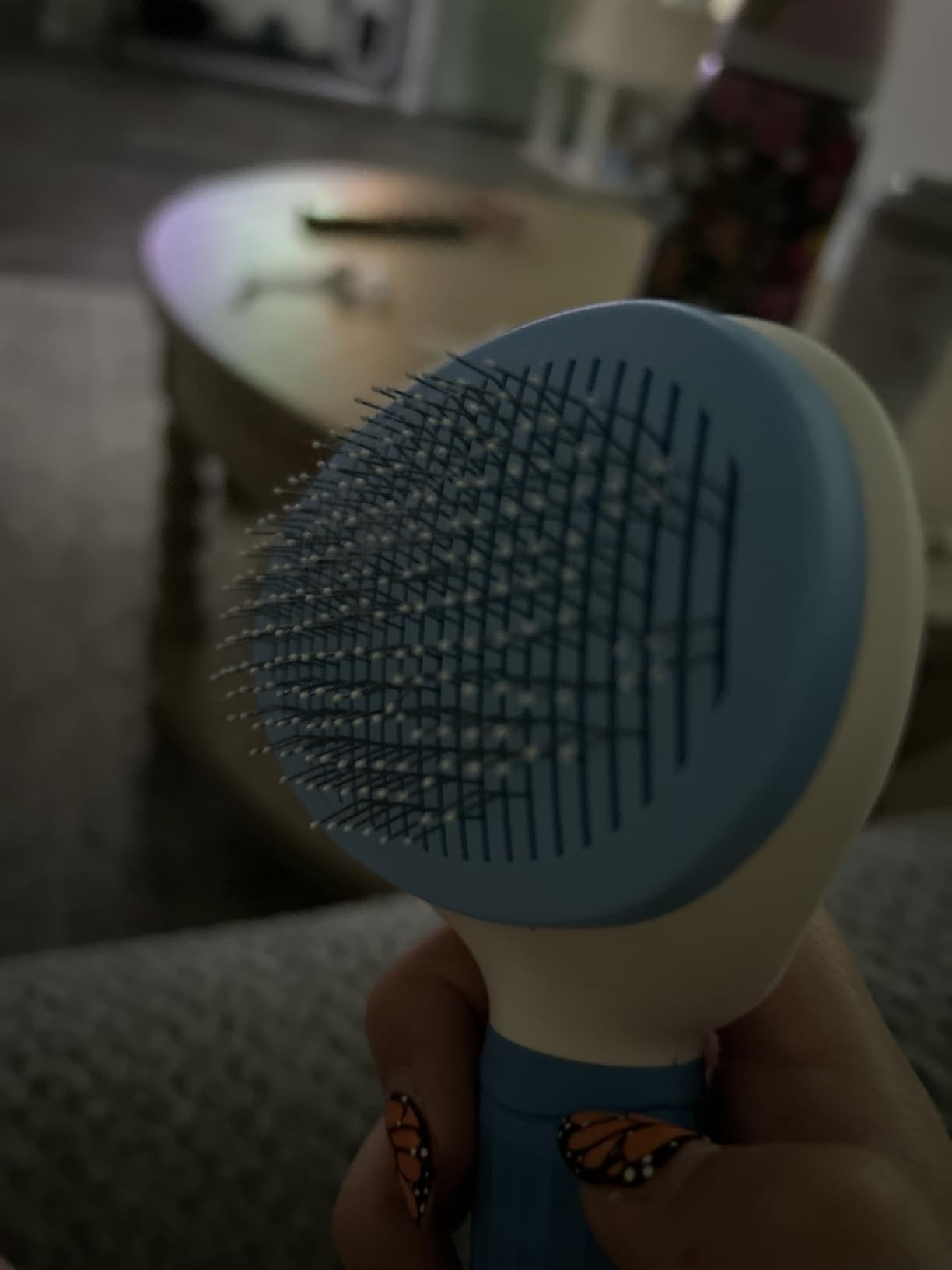
What owners respond to most is the combination of a low cost with a mechanism that actually works. The one-click button pushes collected hair off the needles, so you can clear the head between passes without picking fur out by hand, which is the step people abandon after a few sessions with cheaper brushes.
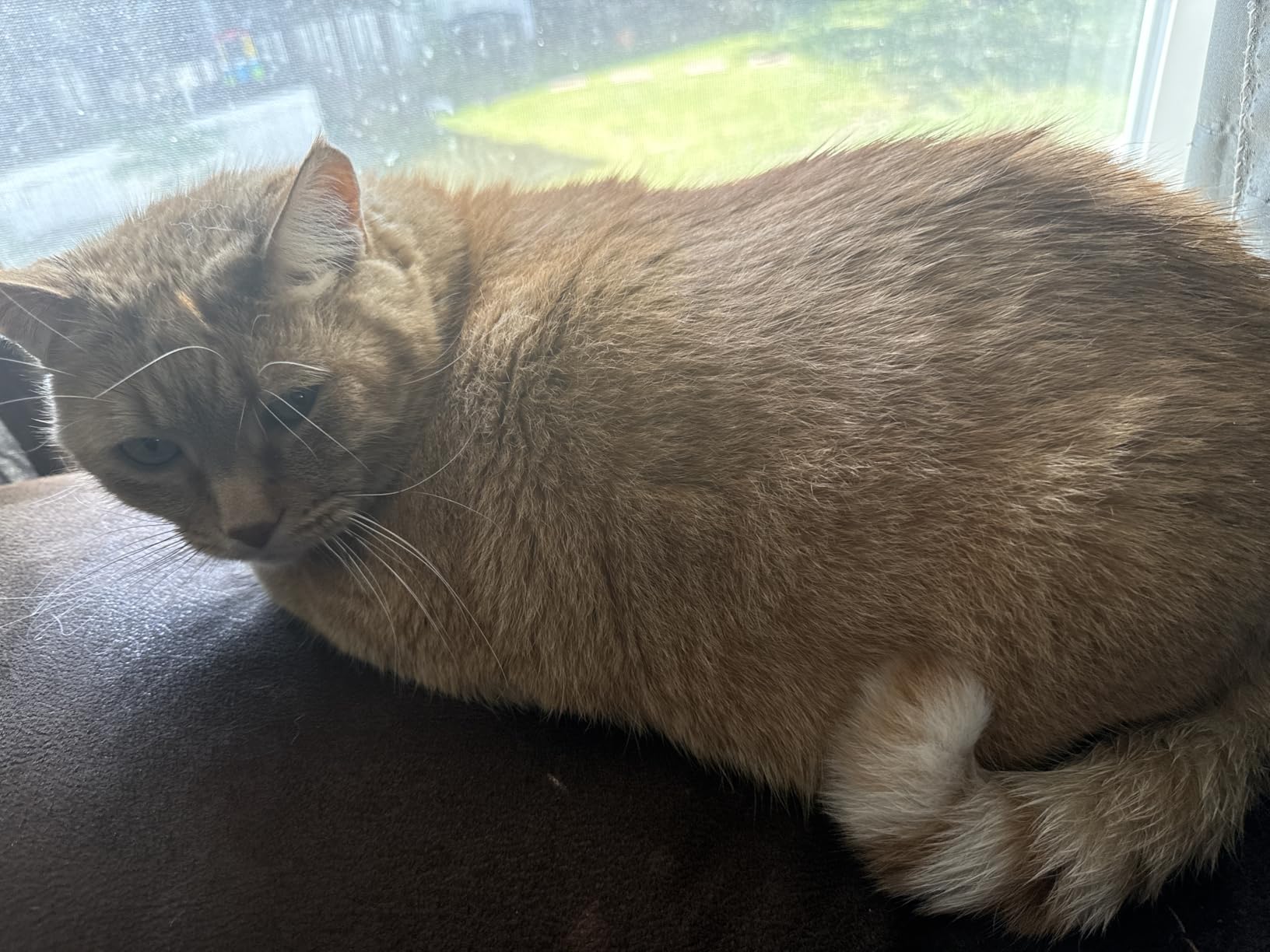
Cats in particular are described as eagerly coming for brushing. If you have a long-haired cat and a double-coated dog, that is real value in a household tool box, and the washable design means the rinse is quick.
Who it suits best
First-time owners building a small kit, multi-pet households with a long-haired cat, and anyone who wants a massage step in their routine. It is also light enough at 3.53 ounces for hands that get tired quickly.
Use it as step three, after the undercoat is out, to refluff the topcoat and check the skin at the same time.
Who should skip it
Skip it for curly, wire-haired or hairless coats, which it is not designed for. It is also larger than some buyers expect, which makes it a poor match for small or lanky pets.
The prong spacing is wider than most people picture, so more hair flies loose than gets captured. If a slicker is your only tool during a blow, this will not clear the undercoat.
6. FURminator Large Dog Undercoat Deshedding Tool – the Fastest Route Through a Heavy Blow
FURminator Large Dog Undercoat deShedding Tool for Long Hair
For dogs over 50 lb
FurReleaser button
9.14 oz
Ergonomic handle
Pros
- Highest average rating among the deshedding tools we tested
- Reaches the undercoat without cutting skin or stripping topcoat when used as directed
- FurReleaser button speeds up repeat sessions
- Ergonomic handle makes long sessions comfortable on big dogs
Cons
- Sized for dogs over 50 pounds so it is oversized for small breeds
- Sharp teeth need care around sensitive skin and thin areas
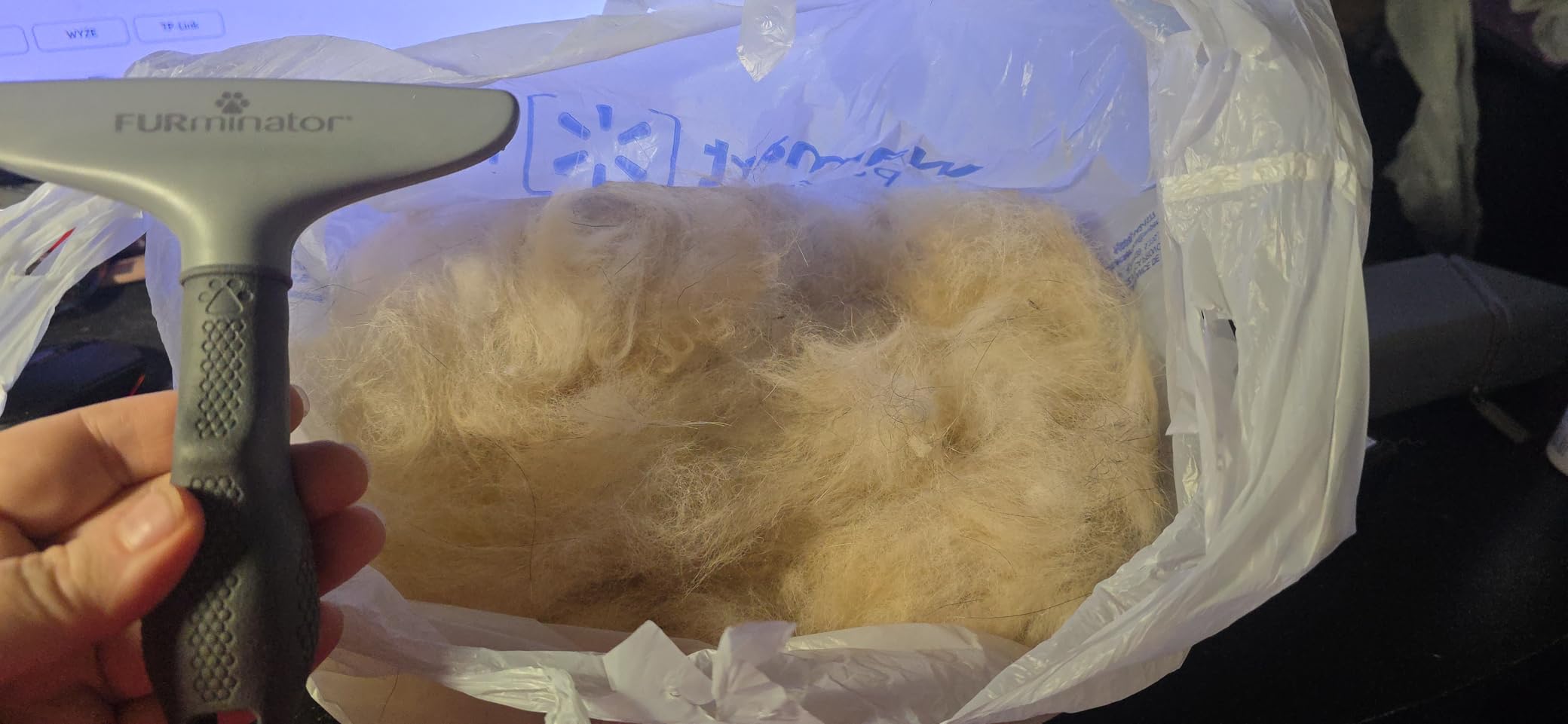
This is the tool the category is named after, and it earns its place for one specific job: clearing a heavy undercoat fast on a large long-haired dog. The steel edge reaches through the topcoat and severs loose undercoat hair in a single pass, then the FurReleaser button pushes the collected clump off the blade.
That collection method is what makes it efficient. Instead of stopping every few strokes to pick hair out of the head, you click the button, drop the clump and keep going, and on a 90-pound dog going through a spring blow that difference adds up.
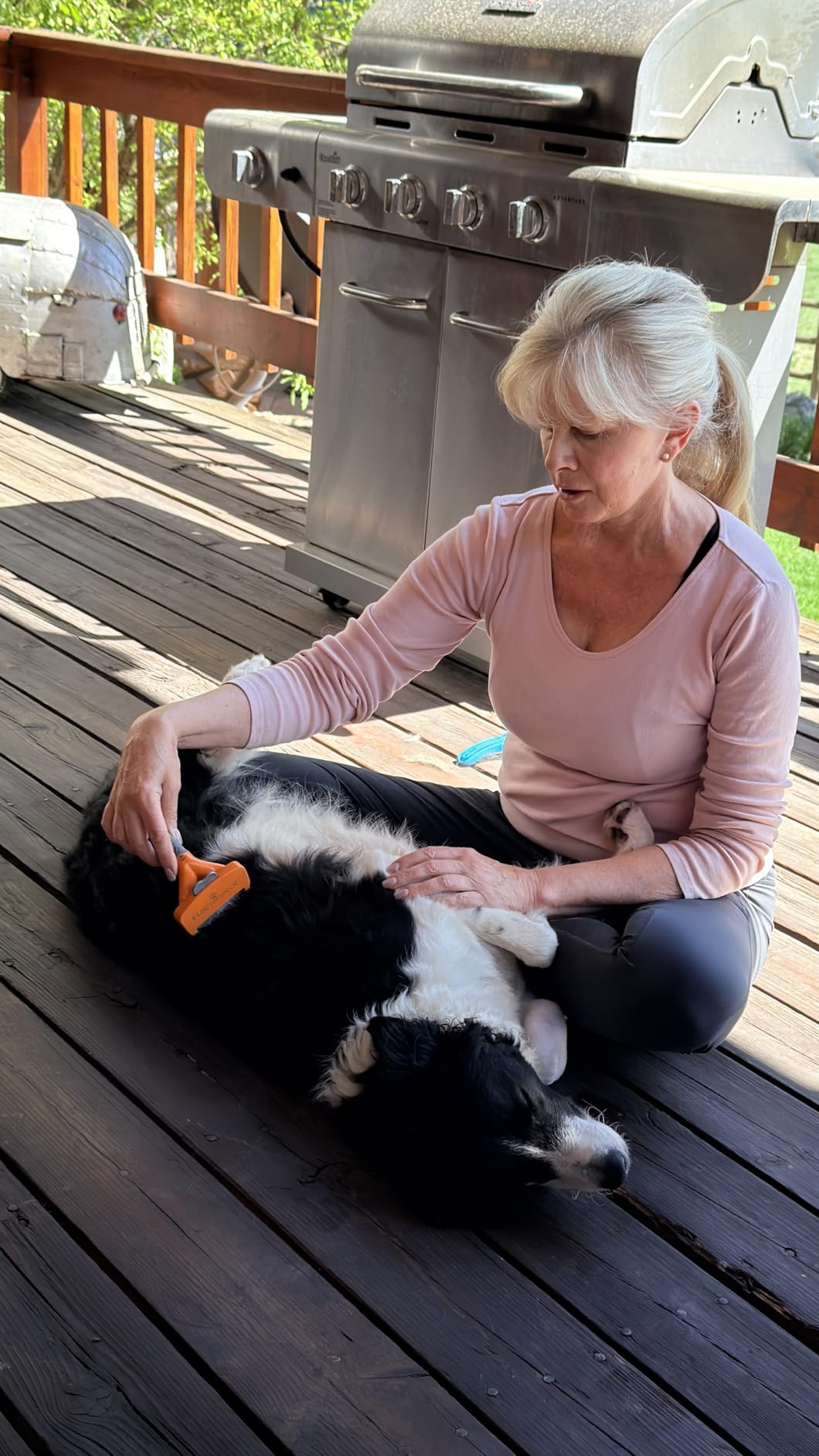
Owner satisfaction here is the strongest in our group, and the review pattern is consistent: effective undercoat removal and a genuinely convenient release button. When used as directed, owners report it reaches the undercoat without cutting the skin or stripping the topcoat, which is the balance a blade tool has to hit to be worth owning.
The handle is the other thing large-dog owners mention. It is sized and shaped for bigger hands, so a full session on a Malamute or a Bernese Mountain Dog does not leave your forearm aching. The teeth are sharp, and thin-skinned areas still need lighter pressure than the back and flanks.
Who it suits best
Owners of large long-haired double-coated dogs over 50 pounds, including Alaskan Malamutes, Great Pyrenees, Newfoundlands, Samoyeds and Bernese Mountain Dogs, who want the shortest possible session during peak blowout.
It is the right pick for a dog that tolerates being brushed well and simply needs the volume of hair removed quickly.
Who should skip it
Skip it if your dog weighs under 50 pounds. The head and handle are physically oversized, and on a small coat the blade sits at an angle that makes precise work difficult.
Skip it if your dog is nervous, if the coat is wiry or curly, or if you are dealing with mats, because a cutting edge over a tight knot will take hair with it.
7. FURminator Grooming Rake for Thick Coats – the Compromise Between a Rake and a Blade
FURminator Grooming Rake Tool for Dogs & Cats With Thick Coats
Rotating metal teeth
Long spaced teeth
6.56 oz
Non-slip handle
Pros
- Rotating teeth glide through the coat without catching and pulling
- Reaches deep into undercoat where many rakes fall short
- Leaves the coat smooth rather than stripped so it repeats well
- Works on mats and tangles when started at the bottom of the knot
- Holds several brushes worth of hair before clearing
Cons
- Loosened undercoat can fly through the air instead of collecting on the brush
- Will not strip an entire heavy coat blow in a single session
Owners of Huskies, German Shepherds, Golden Retrievers and Australian Shepherds consistently describe these rotating teeth as smoother than a standard deshedding blade, because they do not catch and pull. That single design decision is why this tool sits in the middle of our list rather than the top.
It behaves like a rake with extra reach. The long, widely spaced teeth travel deep into a dense undercoat and move loose hair out of the fur, but because the pins rotate rather than cut, the coat comes out smooth instead of stripped. That is what makes it repeatable, week after week, without the thinning you get from an overused blade.
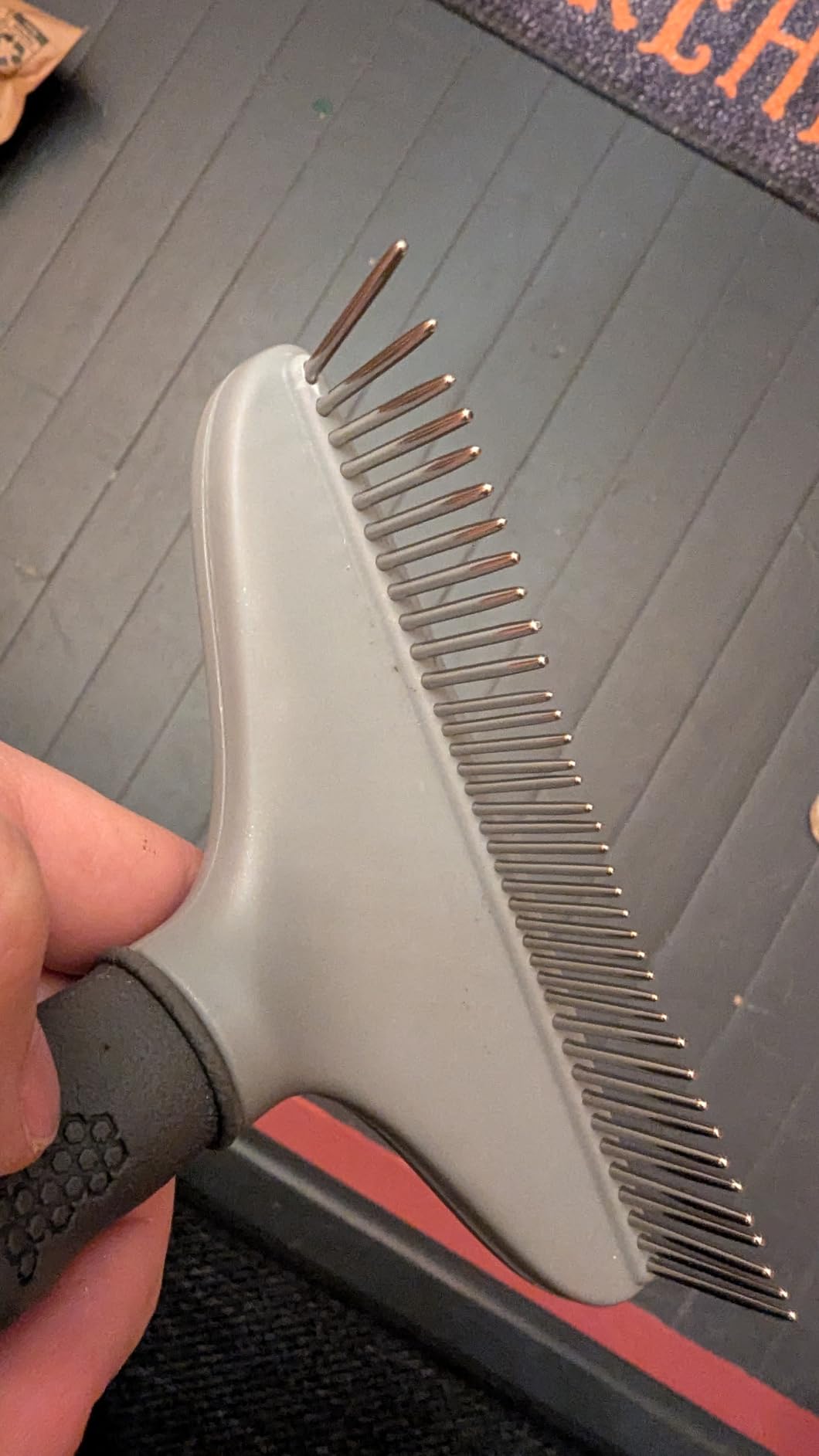
Several reviewers note it is gentle enough for animals that disliked a conventional deshedding tool, and that works well as a weekly deep-undercoat pass rather than an emergency blowout tool. It also handles mats and tangles when you start at the bottom of the knot, and it holds a considerable amount of hair before the head needs clearing.
Two limits are worth knowing. Loose undercoat can fly through the air instead of collecting on the tool, which means you will be sweeping up after yourself, and it will not strip an entire heavy blow in one session the way a blade will.
Who it suits best
Owners who want a repeatable weekly tool rather than an occasional rescue, and dogs that find blade tools uncomfortable. For owners in r/husky, this is the compromise pick that settles most of the argument: rotating pins that do not damage the coat.
It is also a good fit for a dense coat you groom regularly, because it smooths rather than thins.
Who should skip it
Skip it if you have a severe coat blow and need results tonight. A blade clears a heavy blow in one pass; this needs several sessions.
Skip it if you hate sweeping loose hair off the floor afterward, since the rotating teeth release hair rather than trapping it.
8. Pecute Self-Cleaning Undercoat Rake – Best Value in a Two-Piece Set
Pecute Self-Cleaning Undercoat Rake for Dogs Cats with Long/Double Coats
18 rounded steel teeth
One-click release plate
6 oz
Includes finishing comb
Pros
- One-click release clears the tines without hand-pulling fur
- Rounded teeth work through undercoat and light mats without scratching
- Owners of heavy shedding dogs report filling a wastebasket in one session
- Lightweight stainless steel build that does not tire the hand
- Included finishing comb adds value to the set
Cons
- Comb tine spacing suits dogs better than cats
- Wants a few sessions rather than one pass for a full coat blow
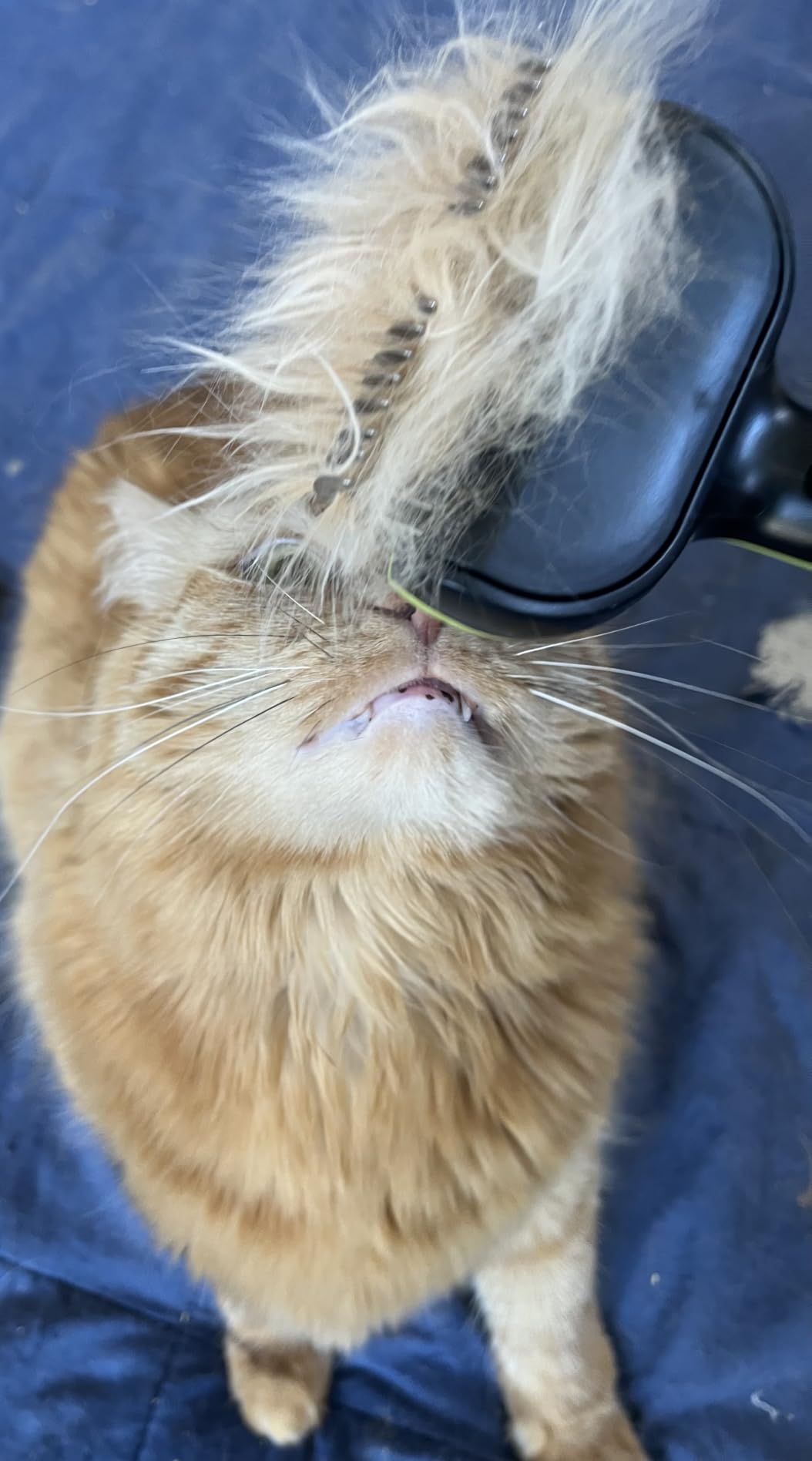
This is the newest tool in the group and the most improved on the design logic of a traditional rake. Eighteen rounded stainless steel teeth reach into dense undercoat, and a one-click release plate pushes trapped fur out sideways between the tines instead of making you pull it off by hand.
That release plate is the feature reviews single out most. On a rake with fixed teeth, clearing the head by hand is the step that ends most grooming sessions early, and a plate that solves it changes how long a person is willing to keep going.
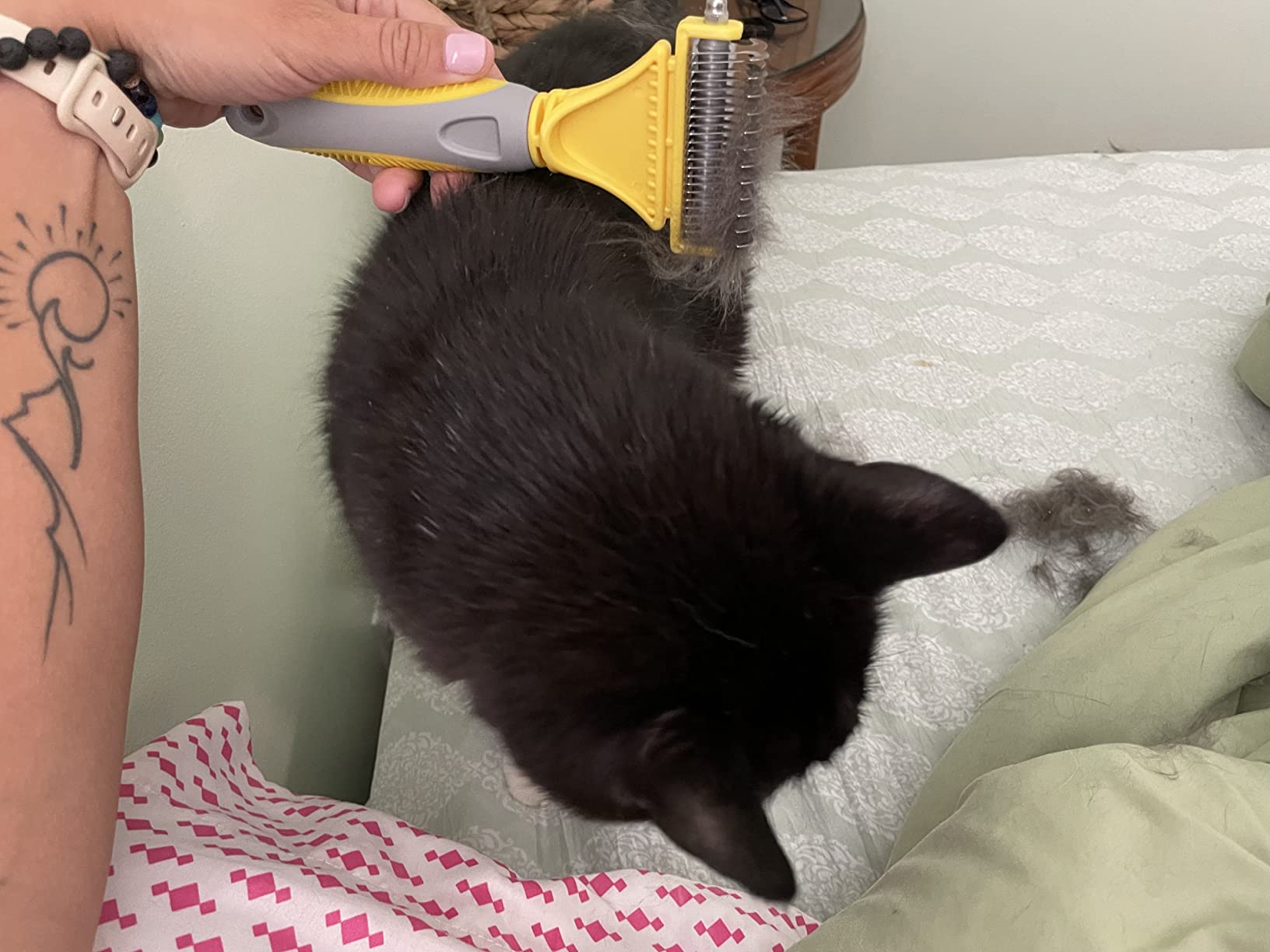
Recent buyers of heavy-shedding dogs and long-haired cats report very large amounts of collected fur and a marked drop in daily vacuuming, and several describe filling a wastebasket in a single session. The build is stainless steel with a non-slip handle at 6 ounces, light enough not to tire the hand over a long pass.
The set also includes a dual-density finishing comb, which is genuinely useful for the face, tail and legs rather than being filler. The silicone hanging hook is a small thing that matters in a shed-heavy house, because tools that live in a drawer do not get used.
Who it suits best
Owners of Labs, Huskies, German Shepherds and other heavy shedders who want a full-coverage rake plus a detail comb in one purchase. The one-click release makes it well suited to long sessions and to multiple pets.
It is also a good first tool for someone building a kit, since the finishing comb covers the areas a rake cannot reach.
Who should skip it
Skip it if you need a single-pass blowout, because it takes a few sessions to work through a full coat release rather than clearing it at once.
If your main concern is a long-haired cat, note that the included comb tine spacing is better suited to dogs than to cats, and the head is larger than a cat coat needs.
9. Docrok Pet Grooming Combo – Two Tools, Two Pets, No Waiting
Docrok Pet Grooming Combo – Blue Deshedding Brush with Metal Comb for Detangling and Dematting Long, Matted Fur on Cats and Dogs
2-in-1 rake with two sides
2-in-1 metal comb
6.74 oz
Soft-edged steel teeth
Pros
- Removes large compacted clumps of undercoat from long-haired dogs and cats
- Deep-reaching teeth get into the coat rather than only the surface
- Teeth look sharp but are blunt enough not to hurt pet or fingers
- Two tools in one set so one pet can be brushed while another is combed
- Leaves coats feeling soft and reduces scratching
Cons
- Hair has to be swept out of the tines by hand
- No written guidance on the best way to use it
- The comb tugs slightly on dense coats
This set solves a specific problem: two animals, one combing session, one set of hands. The rake has a wide side for dematting and a dense side for deshedding, and the separate metal comb carries wide and dense tooth sides for legs, head and tail.
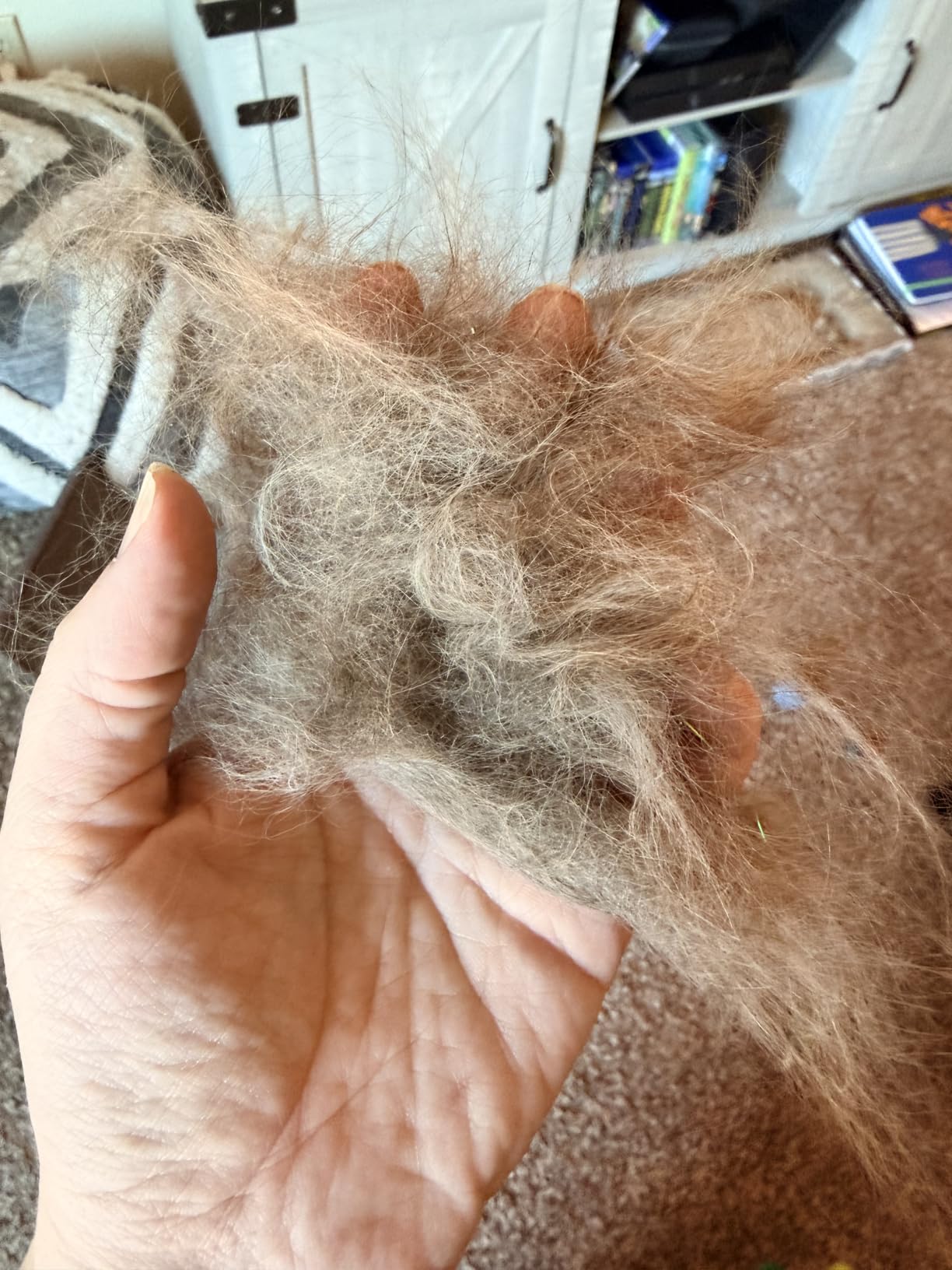
That is a genuinely complete kit for a household with two double-coated pets, or one dog and a long-haired cat. Owners of doodles, German Shepherds and Belgian Malinois report a striking amount of hair coming out in a few strokes, and several note calmer, less scratchy pets afterward.
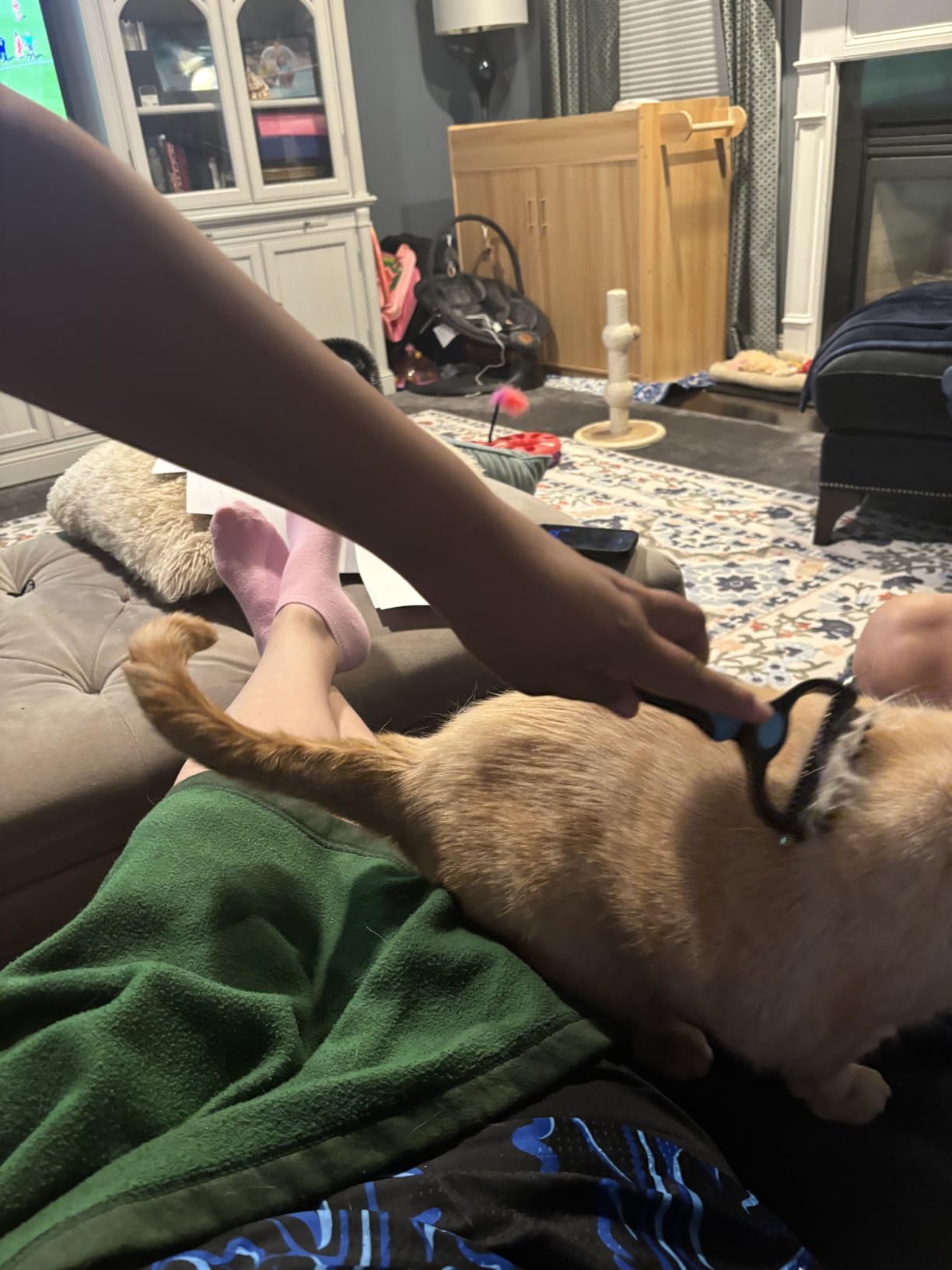
The teeth are described as looking sharper than they are, and owners confirm they are blunt enough not to hurt the pet or the fingers holding the tool. The deep reach is the other strength: it gets into the coat rather than working only the surface layer, which is why large compacted clumps come away whole.
The downside is manual clearing. There is no release button, so hair has to be swept out of the tines by hand, and fur tends to settle at the back of the tool between pets. Several buyers also asked for clearer usage guidance, and the comb does tug slightly on very dense coats.
Who it suits best
Two-pet households with long or dense coats, and owners who want a dematting option and a deshedding option in a single purchase. It is the most complete entry-level set in this roundup.
It also suits owners of doodles and long-haired cats who find clumps coming out in one piece rather than a slow trail of loose hair.
Who should skip it
Skip it if manual hair clearing is a dealbreaker for you, and skip it as your only tool for a full coat blow, since a fixed-tooth rake will not clear a heavy release as quickly as a blade.
On very dense coats, work the comb gently. It tugs more than the rake does, and on a mat that is already tight to the skin, that is a sign to stop and see a professional.
10. Chris Christensen Big G Slicker Brush – the Best Finisher for Doodles and Thick Coats
Chris Christensen Big G Dog Slicker Brush for Dogs (Goldendoodles, Labradoodles, Poodles), Groom Like a Professional, Fluff Detangle Style, Saves Time Energy, Coral, Large
Extra-long angled pins
Cushioned flexible pad
Three sizes
Curved non-slip handle
Pros
- Widely regarded as a groomer-grade tool
- Extra-long angled pins reach deep and remove trapped undercoat in fewer strokes
- Flexible cushioned pad and angled pins glide rather than scratch
- Deshedding and fluffing in one tool
- Curved back and non-slip handle reduce arm fatigue
Cons
- Costs more than every other tool in this roundup
- No hair-release mechanism so collected hair is pulled out by hand
- Large size suits bigger doodles and double-coated breeds
This is the tool we reach for at the end of a session, and it is the one that changes how a coat looks rather than how much hair is on the floor. The extra-long angled pins sit in a flexible cushioned pad, so they flex and glide through the coat instead of raking across it, reaching trapped undercoat in far fewer strokes than a standard slicker.
Owners and professional groomers point to the same three things: pin length, pin count and the cushioned pad. The pins are extra-long and there are 30 percent more of them than on a typical slicker, which is how it gets depth without force, and the pad is what turns a brushing tool into a gentle one.
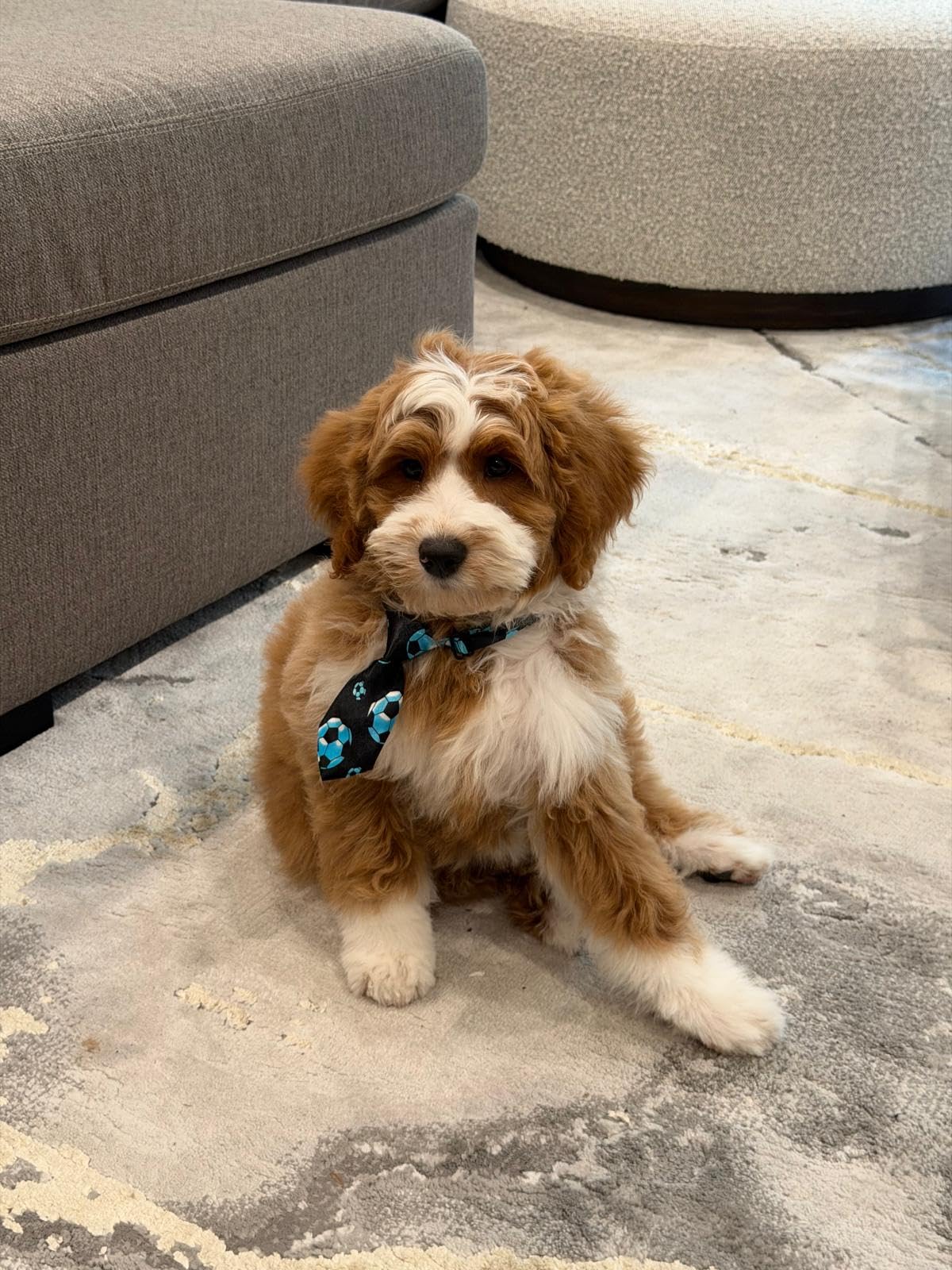
The practical result is less grooming time on thick doodle and double coats, plus a finish that refluffs rather than flattens. The curved back and non-slip handle reduce arm fatigue over a long session, and three sizes plus a range of colours mean you can match the head to the coat rather than making do.
What you give up is the button. Hair stays trapped inside the brush until you pull it out by hand, which is the one real drawback in an otherwise professional tool, and the cost sits well above every other brush we tested.
Who it suits best
Doodles, Labradoodles, Poodles and other thick double-coated dogs where the finish matters as much as the shed. It is the natural companion to a rake or blade, used last to lay the topcoat back down and give an even finish.
If you groom large dogs regularly and time matters, the reduction in strokes and fatigue is the reason to buy it.
Who should skip it
Skip it if you are building a first kit on a tight budget, or if you will not pull hair out of the brush by hand between passes. It is not a blowout tool either, and it is oversized for small breeds in the large size.
If your dog hates being brushed, note that the pins are longer and firmer than a budget slicker, so introduce it gradually.
How to Deshed a Double Coat Without Ruining It
The tools matter less than the order and the pressure. Professional groomers working on double coats describe a kit of a high-velocity dryer, a curry comb, an undercoat rake, a comb with rotating pins, a slicker brush and an equigroomer, and the sequence they use is consistent enough that anyone can copy it at home.
1. Work on a fully dry coat. Deshedding wet undercoat pulls and mats. If the dog is dirty, bathe and dry first, then come back to the coat. A high-velocity dryer after the bath loosens the dead undercoat and takes a surprising amount of it out on its own, which is why a professional blowout always pairs a dryer with a rake.
2. Section the coat. Use your hands or a comb to lift a section about an inch deep, so the skin is never dragged under the tool. Work in sections rather than sweeping the whole flank at once.
3. Start at the bottom of the coat and work with the grain. Stroke from the skin outward, always in the direction the hair grows. Against the grain you will catch guard hairs instead of undercoat. Keep the tool flat against the body rather than digging the teeth in.
4. Light pressure on anything with an edge. Blade tools cut. Pressing hard and repeating on the same spot thins the topcoat, and the result is a visible stripe that takes months to grow out. Rakes and slickers should glide; blades should skim.
5. Clean the tool often and check the skin. Clear hair from the head every few passes, and change direction when you reach thin-skinned areas: the neck, the armpits, behind the ears, the inner legs and the tail base. Redness, flaking or a patch that looks thinner than the rest means you go back to the rake for a week.
One failure mode deserves its own warning. On wiry and crinkly coats, repeated rake use can damage the guard hairs and leave visible lines through the coat. The same is true of a blade overused on curly coats. Neither means the tool is wrong, but both mean you need the slicker step to put the topcoat back down, and a longer gap between sessions.
And the one thing never to do: do not shave a double coat. Clipper blades cut guard hairs, and a double-coated dog without guard hairs loses both insulation in winter and skin protection in summer. The coat also grows back with a changed texture. Pluck the loose undercoat instead.
Which Tool Matches Your Dog’s Coat
Match the tool to the coat texture, not to the breed name. Four texture groups cover almost every double-coated dog.
Dense, plush coats – Malamutes, Huskies, Samoyeds, Chow Chows, Bernese Mountain Dogs, Newfoundlands and Great Pyrenees. Start with a wide-toothed undercoat rake, follow with a blade during a heavy blow, and finish with a slicker. Our top pick, the Maxpower Planet dual-sided rake, was built for exactly this group.
Wiry and crinkly coats – Wire-haired Terriers, some Australian Shepherds, Airedales. A rake with rotating teeth is the safe choice because it lifts rather than cuts, and you keep sessions shorter. Slicker finish is essential here to lay the guard hairs back over the coat.
Curly and wavy coats – Goldendoodles, Labradoodles, Poodles, Portuguese Water Dogs. A slicker brush belongs in the routine from the start, because curls hide loose hair and trap tangles where a rake cannot see. A 2-in-1 rake and comb handles the dematting.
Smooth, short double coats – German Shepherds, Labrador crosses, Pit Bull crosses, Boxers. A short-toothed deshedding tool with a release button is the efficient choice here, and a weekly quick pass keeps the furniture clear between blows.
Size matters as much as texture. Tools built for dogs over 50 pounds are physically awkward on a dog under 25, and small heads that are comfortable on a Corgi will take three passes to cover the flank of a Newfoundlander. Match the head width to the dog and the tooth length to the coat depth.
Frequency follows the coat calendar. Year-round, a quick brush every one to two days keeps the topcoat moving. During the spring and autumn coat blow, run a full deshed one to two times a week. In the off-season, put the blade away entirely and use a rake or slicker for maintenance only.
What a complete kit looks like. Four tools cover almost every situation: a rake, a blade or a self-cleaning rake, a slicker, and a dematting comb. One tool can handle one coat. Four handle a coat, the blow, the mats and the finish.
On cost per session. A low-cost rake can outperform an expensive tool on the right coat type, and durability often matters more than brand. Run a session on each of two candidates before you commit, and check the tooth tips under a light before you buy: rounded, evenly finished tips are the single best predictor of a tool that will not scratch.
Frequently Asked Questions
How to deshed a double coated dog?
Work on a fully dry coat and section it so the skin stays clear of the tool. Start at the bottom of the coat and stroke outward with the grain, using light pressure throughout. Open the coat with an undercoat rake, follow with a deshedding blade only if the undercoat is still thick, then finish with a slicker brush. Clear hair from the tool every few passes and go gently over the neck, armpits, behind the ears and tail base.
What is the best way to brush a double coated dog?
Brush in layers, not in one pass. An undercoat rake pulls dead hair out of the dense layer first, a deshedding blade removes what is still loose when the blow is heavy, and a slicker brush finishes by laying the topcoat back flat. Skipping the rake makes the blade ineffective, and using a slicker alone leaves most of the undercoat in place.
What do groomers use to deshed dogs?
Professional groomers typically work from a kit of a high-velocity dryer, a curry comb, an undercoat rake, a comb with rotating pins, a slicker brush and an equigroomer. The dryer comes first after a bath, because blowing the coat dry loosens dead undercoat, and the rake then pulls it out section by section. The slicker is always last, to finish and check the skin.
What not to do with double coated dogs?
Never shave a double coat. Clippers cut the long guard hairs, and without them the dog loses insulation in winter and skin protection in summer, and the coat regrows with a changed texture. Also avoid pressing hard with blade tools, working against the grain of the coat, and using a rake repeatedly on wiry coats, since damaged guard hairs leave visible lines.
Can you use a FURminator on a double coated dog?
Yes, used correctly and not often. A FURminator blade tool is designed to reach loose undercoat without stripping the topcoat, and it is the fastest option for a heavy blow on a large long-haired dog. It is sized for dogs over 50 pounds, the teeth are sharp, and repeated firm use thins the coat. Many owners in r/husky prefer the rotating-pin rake for routine weekly work instead.
What is the best deshedding brush for a husky dog?
For a Husky, a long-toothed undercoat rake is the safest first tool, because a Husky’s undercoat is dense but the topcoat is fine and can be marked by a blade used too often. Add a slicker brush to finish the coat, and use a blade tool only during a heavy blow and only with light pressure. Rotate tools weekly rather than daily during coat blow season.
How often should I brush a double coated dog?
A quick brush every one to two days year-round keeps the topcoat moving and loose hair off your furniture. During the spring and autumn coat blow, run a full deshed one to two times a week, in sections, on a fully dry coat. In the off-season, put the blade tool away and use a rake or slicker for maintenance only, so the topcoat is not thinned between blows.
What is the difference between a rake and a comb for dogs?
A rake has long, widely spaced teeth that travel down through the topcoat to pull loose undercoat out of the coat. A comb has finer, closer teeth and no depth, so it works on the surface: finishing, detail work and finding tangles. A rake clears a heavy blow, a comb tidies what the rake left and locates mats before they tighten.
The Bottom Line on Double Coat Deshedding
Pick the Maxpower Planet dual-sided rake if you want one tool that handles the widest range of double coats. It opened mats and thinned loose undercoat on every coat we put it through, and it carries the highest review volume of anything we tested.
Pick the SleekEZ if your problem is hair on the furniture rather than a coat blow, and the Aumuca slicker if the real obstacle is a dog who does not want to be touched. For a large long-haired dog in peak shed, the FURminator Large Dog tool clears more hair per minute than anything else here, used with a light hand and put away off-season.
Whichever tool you choose, the routine matters more than the purchase: dry coat, rake first, blade only when the blow is heavy, slicker to finish, and never shave. Do that consistently through the season and the coat keeps doing its job.