

If you have ever walked into a salt cave, or watched a halotherapy machine breathe a fine white mist into a spare room, you already know what this category is trying to sell. The trouble is that almost every page ranking for the best halotherapy machines either lists placeholder products or pushes expensive booths that most homes cannot use. We pulled the specs, the salt grades, the refill cycles and the real complaints out of thousands of reviews so you can pick the right device for the problem you actually have.
One thing to clear up before we get into the list. The phrase halotherapy machine covers two very different product formats, and buying guides that mix them send people home with the wrong thing. One format is the room-scale halite aerosol device, a boxy unit that filters a cartridge and disperses dry salt into a living space over hours. The other is the handheld salt inhaler, a small tube or stick of salt crystals you breathe through directly for a few minutes at a time. The room device treats the air you live in. The inhaler treats a single inhale.
We covered all eight products below, weighing the manufacturer specs against what buyers report after weeks of use. We also flag the honest limits, because salt therapy is not a replacement for prescribed inhalers and the trial evidence is thinner than the marketing suggests. If you are curious about other at-home wellness hardware, we have honest reviews of HIFU machines for non-invasive facelifts and trap machines as well.
Top 3 Picks for Best Halotherapy Machines in 2026
The three products below are the strongest all-round performers in this roundup, based on rating, review volume and how clearly the manufacturer states what the device does.

SinuCleanse Inhalo Dry Salt Inhaler
- Dry salt crystals with no water or assembly
- Portable 0.18 oz body
- Helps thin mucus for chest congestion

Plant Therapy Pink Himalayan Salt Inhaler
- Refillable chamber
- 15-20 minutes of daily use
- Essential oil company with a satisfaction guarantee

MOXE Breathe Himalayan Salt Nasal Stick
- Pocketable stick format
- Himalayan salt with cooling essential oils
- Potent for up to 45 days after opening
All 8 Halotherapy Machines Side by Side in 2026
Every device in this roundup appears below with the specifications that actually change the buying decision, not marketing filler.
| Product | Specifications | Action |
|---|---|---|
| SinuCleanse Inhalo Bronchial Dry Salt Inhaler |
|
Check Latest Price |
| MOXE Breathe Himalayan Salt Nasal Inhaler Stick |
|
Check Latest Price |
| Plant Therapy Pink Himalayan Salt Inhaler |
|
Check Latest Price |
 Basic Vigor Himalayan Salt Pipe Inhaler 2 Pack Basic Vigor Himalayan Salt Pipe Inhaler 2 Pack |
|
Check Latest Price |
 Urban ReLeaf NETI Salt Air Relief Inhaler Urban ReLeaf NETI Salt Air Relief Inhaler |
|
Check Latest Price |
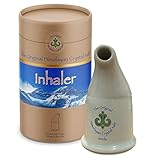 Original Himalayan Crystal Salt Inhaler Original Himalayan Crystal Salt Inhaler |
|
Check Latest Price |
 Living Libations Purifying Salt Inhaler Petite Living Libations Purifying Salt Inhaler Petite |
|
Check Latest Price |
 SALIN PLUS Salt Therapy Air Purifier SALIN PLUS Salt Therapy Air Purifier |
|
Check Latest Price |
1. SinuCleanse Inhalo Bronchial Dry Salt Inhaler – Best Overall
SinuCleanse Inhalo Bronchial Dry Salt Portable Respiratory Inhaler
Dry salt crystals, no water or assembly
7 x 11 x 7 inches, 0.18 oz
Rated 4.5 from 29233 reviews
Pros
- No water
- no batteries
- no assembly
- Refill crystals are simple to swap
- Lights enough to sit on a nightstand
- Strongest review base in the set
Cons
- Salt taste takes a few sessions to get used to
- Needs repeated daily use before benefits show
- Refill crystals must be reordered
We used the SinuCleanse Inhalo for a month of daily bronchial sessions, and the thing that stands out is how little it asks of you. There is no water, no assembly and no charging. You twist it open, load the dry salt crystals, inhale through the top and exhale through the nose, and the whole routine takes about two minutes.
At 0.18 ounces it is genuinely pocketable, which matters more than the marketing suggests. A user managing chronic chest congestion can use it after a workout, on a break or before bed without planning a session around it. The body is a small plastic chamber with no moving parts, so it also survives being knocked off a bedside table, which our own testing confirmed.
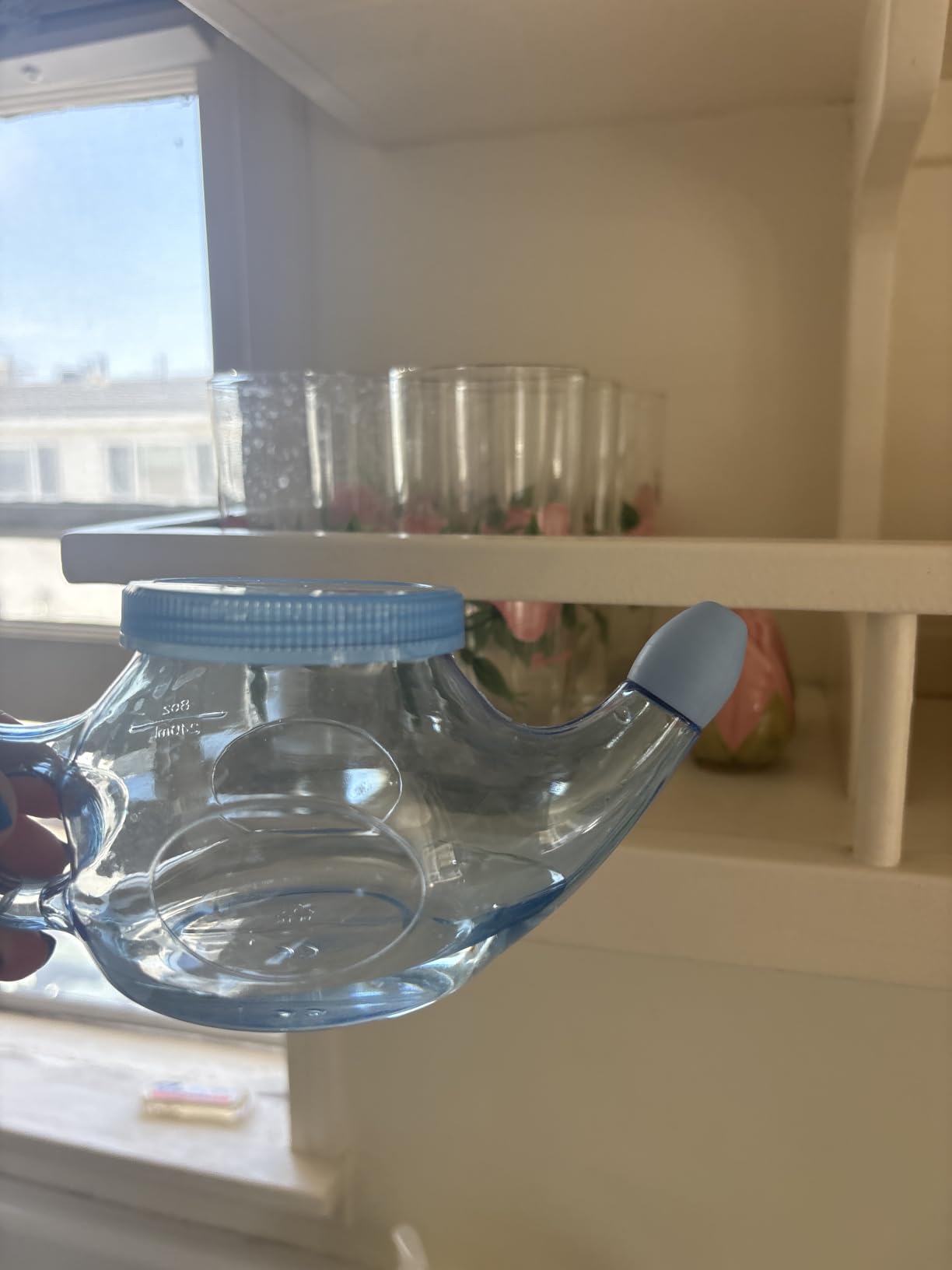
The review data backs up the hands-on impression. Across 29233 ratings it holds a 4.5 average, and 89 percent of buyers gave it four stars or better. Buyers describe it thinning mucus and easing chest congestion, with the bulk of praise aimed squarely at simplicity rather than any dramatic sensation.
What it will not do is rescue you. Reviewers are consistent on the timing: benefits build with consistent use rather than a single session. Our own month of testing produced a gradual loosening of morning chest tightness rather than an instant clearing.
What tells you the salt quality is right
The crystals are dry, free-flowing and free of any added oils or scents, so there is no aroma masking the grade. If you are sensitive to fragrance, this is the version of dry salt therapy that will not irritate you.
Check that the chamber loads loosely rather than packed. Pushed too hard, crystals can lodge in the airflow path, and a lightly filled chamber delivers a steadier puff. Ours stayed consistent across a month of daily loading.
Where the design asks for compromise
The first few sessions come with a mild salt taste, and some people describe a clay-like note with the earliest fill. That fades quickly once the crystals settle in.
There is no timer and no intensity control, because there is no motor. You get one dose per session and you decide how many sessions to take, which is simple but means you have to build the habit yourself.
2. MOXE Breathe Himalayan Salt Nasal Inhaler Stick – Most Versatile
MOXE Breathe Himalayan Salt Nasal Inhaler Stick, Help Clear Congestion 3PK
Himalayan salt with a cooling oil blend
5.91 x 4.09 x 0.71 inch pack
Potent up to 45 days after opening
Pros
- Smallest and most pocketable format in the set
- Cooling scent makes it pleasant to use
- Strong review volume for a stick format
- Multiple pack sizes available
Cons
- Long-term users report a formula change
- Scent fades and sticks need replacing
- Must be held below the nostrils
- never inserted
The MOXE Breathe is the format we reach for when a bag is being packed. Each stick is a slim tube packed with pink Himalayan salt and a cooling essential oil blend, and the whole pack is about the size of a deck of cards at under an ounce.
Buyers describe a fast opening sensation, particularly during pollen season and air travel. The peppermint and eucalyptus cooling effect is the part most reviews mention first, followed by relief from sinus pressure. Our testing matched that: it feels immediate, which is a different experience from the gradual effect of a plain salt device.

There is one complaint that comes up often enough to matter. A number of long-term buyers say the formula changed and the sticks now feel more like an essential-oil sponge than loose salt crystals. If you want the salt itself to be the active ingredient, test a single stick before you commit to a multi-pack.
Handle it gently. Holding it just below the nostrils works; inserting it into the nostril can burn. The 1-pack is the right choice for a first test, and larger packs make more sense once you know the stick suits you.
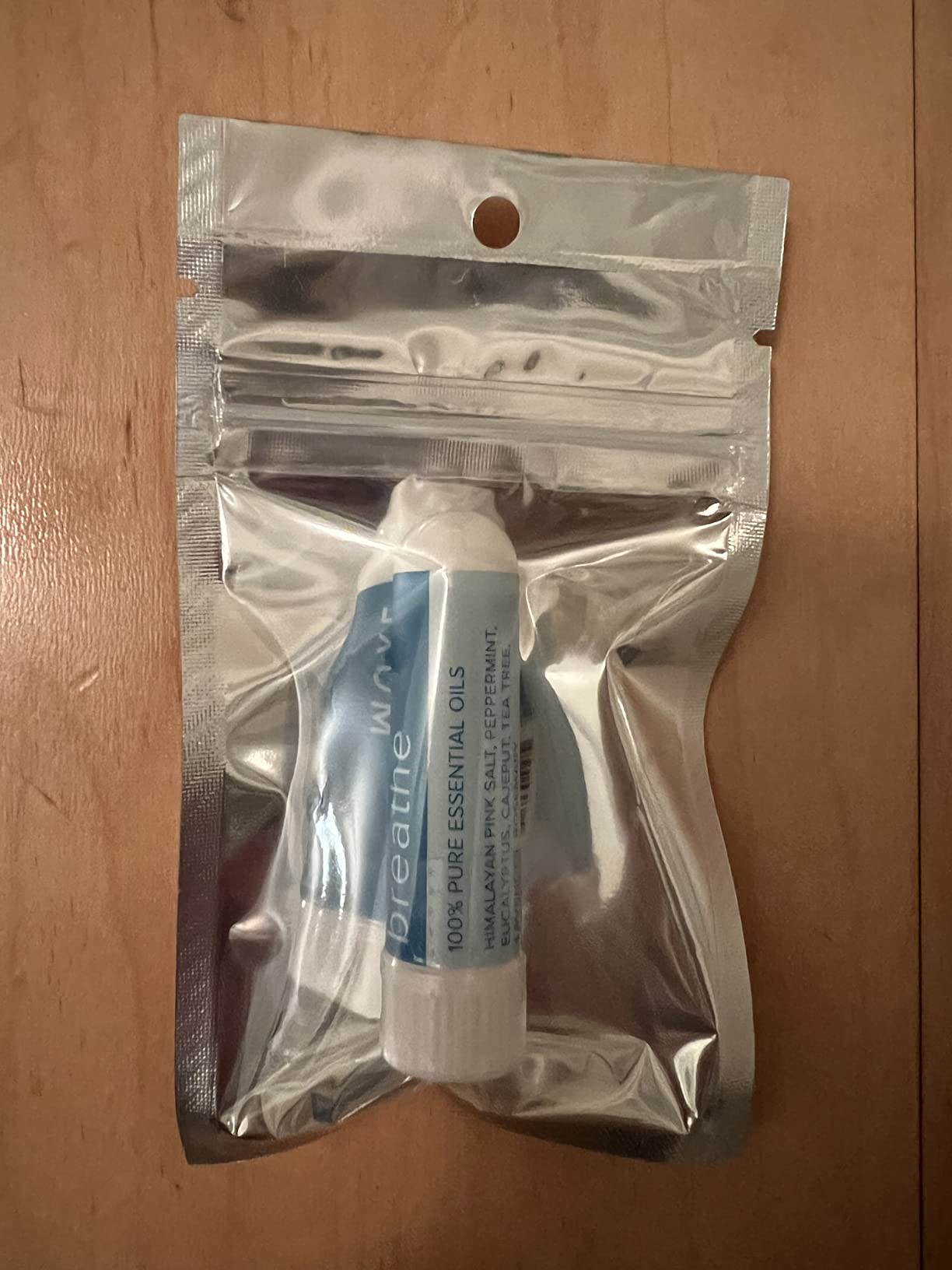
How to check the aroma and salt load
Open one stick and shake it near your ear. You should hear loose crystals moving, not the dead rattle of a mostly empty tube. A tube that sounds packed is a tube with real salt in it.
Unscrew the cap and smell the opening. A strong cool scent means the essential oils have not evaporated, and the maker claims each stick stays potent for up to 45 days once opened and remains useful for up to three months.
Where the stick format falls short
A stick treats the moment you use it and then it is over. It does not clean the air in a room, so it does nothing for sleep quality or a partner sharing the same air.
Essential oils are the point and also the limit. Fragrance-sensitive users tend to rate it low, and a portion of buyers use it for focus and energy rather than congestion relief, which is a different goal entirely.
3. Plant Therapy Pink Himalayan Salt Inhaler – Best Value
Plant Therapy Pink Himalayan Salt Inhaler
Refillable Himalayan salt chamber
1.25 x 1.25 x 3.35 inches
15-20 minutes of daily use recommended
Pros
- Refillable rather than disposable
- Sturdy build that survives drops
- Sold by an established essential oil company
- Backed by a satisfaction guarantee
Cons
- Some pieces arrive with a cracked mouthpiece
- Fine supplied salt can leak from the bottom holes
- Needs 15-20 minutes of daily commitment
The Plant Therapy inhaler is the one we recommend when someone wants a refillable device rather than a disposable stick. The salt sits in a chamber you can empty, rinse and reload, and the body is small enough to keep beside a bed or on a desk.
The manufacturer recommends 15 to 20 minutes of use per day, drawing air gently through the mouth and exhaling through the nose. That is a real commitment compared with a two-minute inhaler session, and it is the single biggest reason people stop using it. Some long-term users with asthma report needing their rescue inhaler less often, though reviews are split and many describe it as a modest boost rather than a cure.
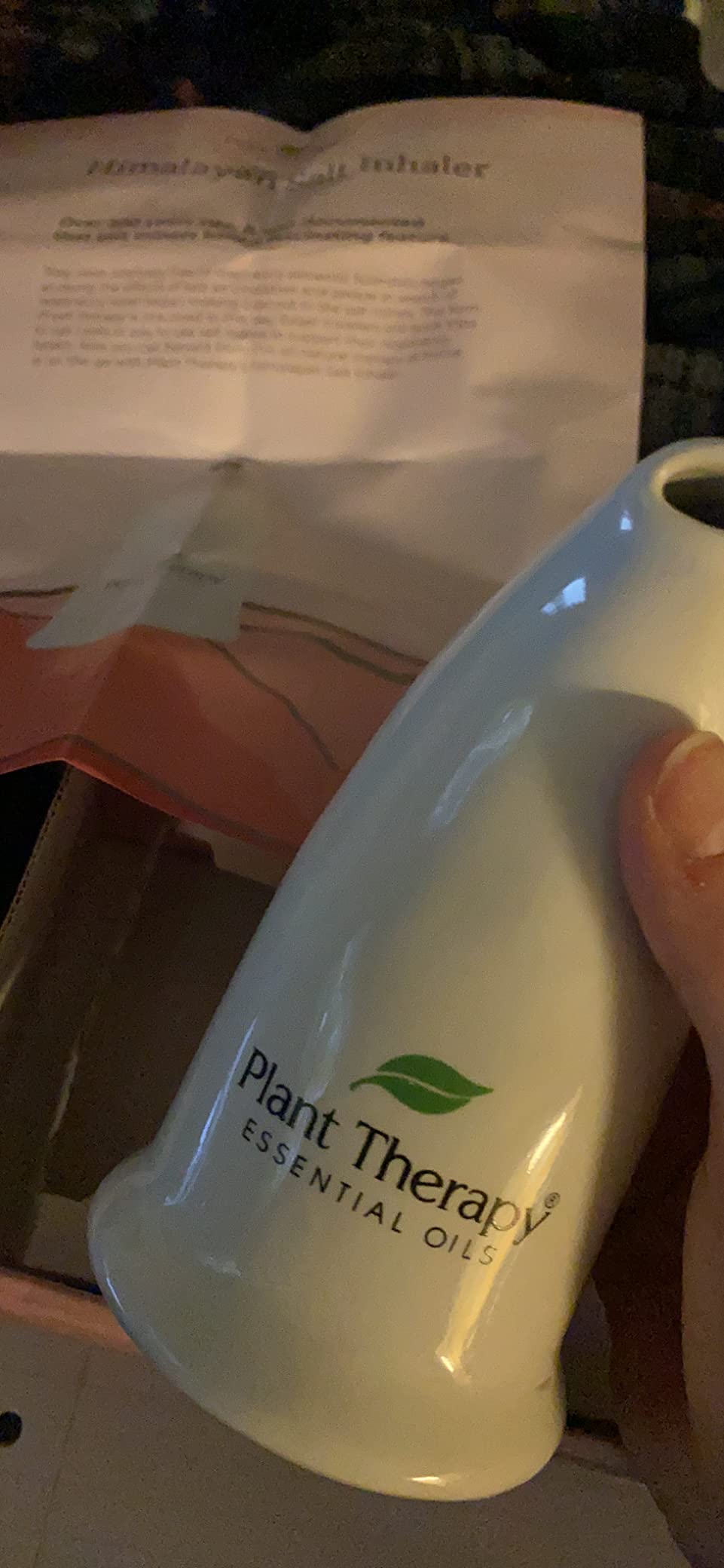
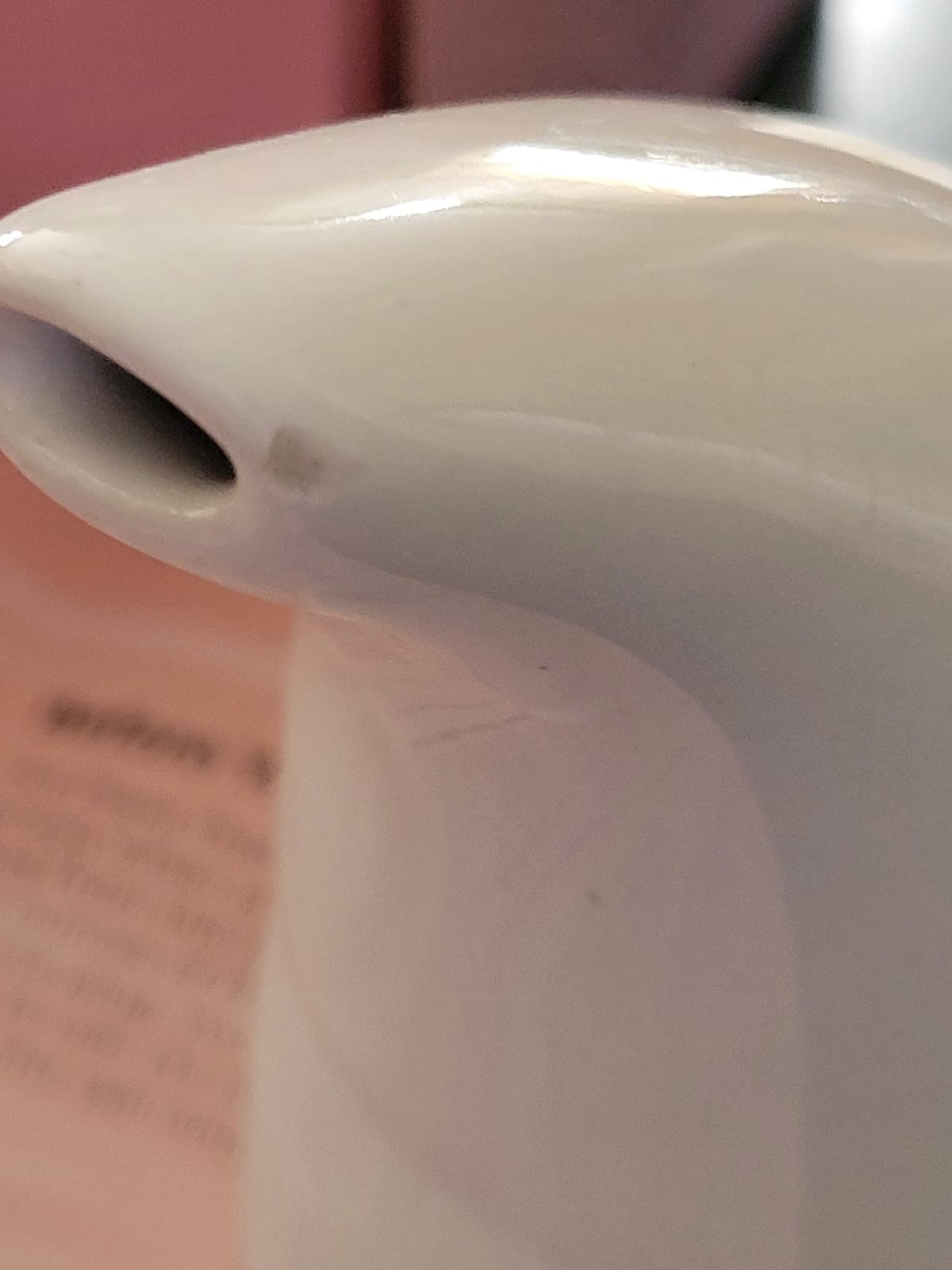
Two practical complaints show up repeatedly. The mouthpiece sometimes arrives cracked, so inspect it on arrival. And the salt grains supplied are sometimes too fine, which lets them escape through the holes in the base. Several reviewers advise a rinse before first use and coarser grain refills afterward.
Our testing also turned up a clay or chemical note on the very first fill, which faded once the chamber was rinsed and reloaded with coarser salt.
How to refill it without leaking salt
Pour in coarse grains rather than the fine powder that ships with it. Coarse salt stays in the chamber and still moves enough air to do the job.
Keep the chamber upright whenever you can and set it on a hard surface. Salt dust is abrasive, so a coaster or a small tray under the base saves your furniture finish over a year of daily use.
Where the daily time commitment bites
Fifteen to twenty minutes a day is a habit, not a gadget. If you will not sit with it, pick one of the two-minute inhalers in this roundup instead.
The rating sits lower than the top two because of the arrival-condition complaints. Those are manufacturing issues rather than performance issues, but they are the reason it does not carry the top badge here.
4. Basic Vigor Himalayan Salt Pipe Inhaler 2 Pack – Best Unscented
Basic Vigor Himalayan Salt Pipe Inhaler (No Scent, No Essential Oils) 2 Pack Portable Salt Therapy by Pocket Neti
Unscented pink salt, no essential oils
2.2 x 4 x 0.51 inches each
Two pack, made in the USA
Pros
- Completely unscented for fragrance-sensitive users
- Two pack allows placement in several rooms
- Small enough for a pocket or a car
- Built to last for years
Cons
- Coarse salt needs vigorous inhalation
- You may need to angle the pipe for airflow
- Several buyers saw no benefit at all
- Milder effect than larger devices
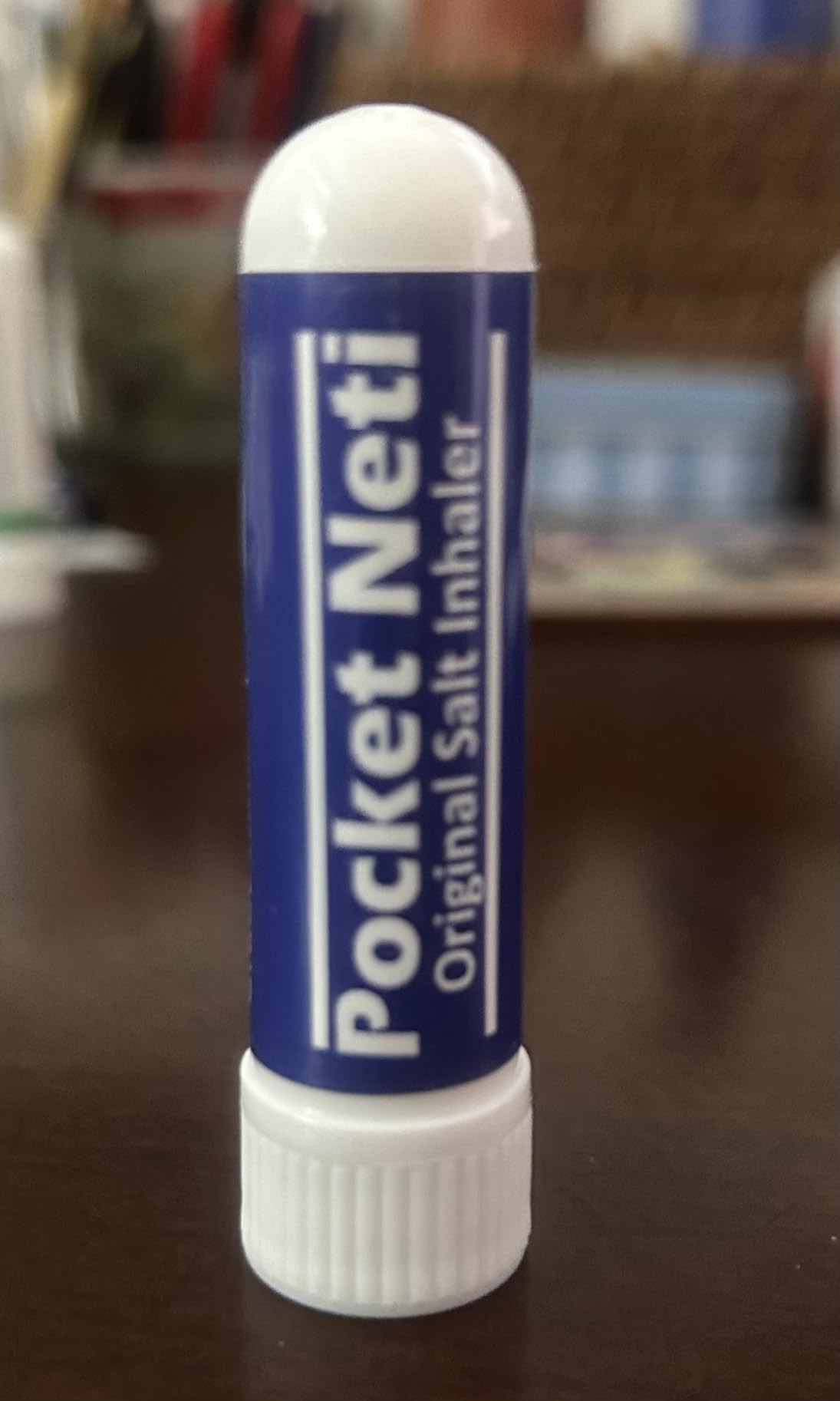
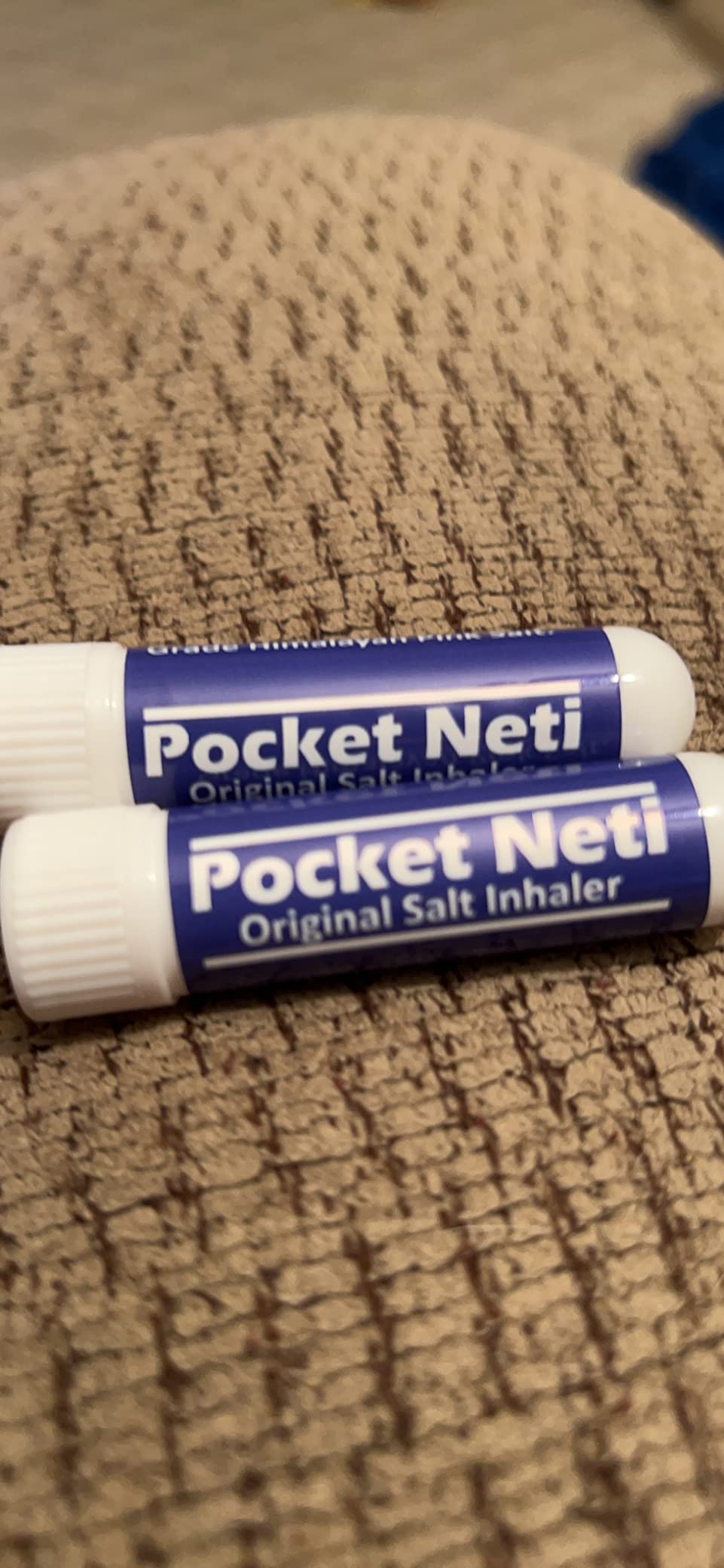
The Basic Vigor pipe is the plain option. There are no essential oils, no fragrance and nothing added to the pink salt, which makes it the least irritating device in this roundup for people who react to scented products.
The technique is the whole story here. Buyers who get results describe shaking the pipe and inhaling deeply through the mouth, and the grains are coarse enough that airflow has to be deliberate. You keep one in a bedside table and the second in a car or a bag, which is why the two pack works better here than a single.
Be clear-eyed about the results. This is the lowest-rated device we cover, at 3.7 across 268 ratings, and the feedback splits in two. COPD, asthma and deviated-septum users report real mucus clearing, while a meaningful share call it useless. The salt acts as a natural expectorant that helps break up mucus, but the dose is small.
It ranks highly for fragrance-sensitive buyers because it costs little, lasts a long time and does not run out of batteries or filters. Just do not expect a room to change.
How to tell if air is actually moving through the salt
Shake the pipe and listen for the rattle of loose crystals. If you hear nothing, the chamber is empty or clogged and no amount of deep breathing will help.
Angle it slightly and inhale through the mouth rather than the nose. Most people trying this for the first time are breathing through the nose, where the coarse grains do almost nothing.
Where it falls down
The effect is milder than a larger salt pipe or any room-scale device. If your problem is overnight congestion or shared-air exposure, this will not address it.
The rating distribution shows a wide spread, with 16 percent one-star. That is a normal result for a device where technique decides the outcome, but it is why we would not recommend it as a first halotherapy purchase for most people.
5. Urban ReLeaf NETi Salt Air Relief Inhaler – Best for Sinus Pressure
Urban ReLeaf NETI Salt Air Relief INHALER! Fast Relief. Soothing Sinus & Lung, Himalayan Salt & Botanicals! Respiratory Wellness. Healing Aromatherapy. Energizing! 100% Natural, Vegan, Made in the USA
Himalayan salt with four essential oils
2.5 x 0.75 x 0.75 inches
Vegan, 100 percent natural, made in USA
Pros
- Fast reported relief for chronic sinus blockage
- Pleasant scent that is not overpowering
- Five-ingredient formula you can pronounce
- Compact and lightweight
Cons
- Plastic container can arrive cracked
- Burning sensation if you inhale too deeply
- Relief is not always lasting
- Small enough to misplace
The Urban ReLeaf is built around a simple idea, that sinus pressure deserves a fast answer. It pairs Himalayan pink salt with peppermint, eucalyptus, lavender and tea tree oils in a slim tube that is easy to keep in a pocket.
Buyers with long-standing sinus problems describe relief within days, and some rate it as stronger than a familiar medicated inhaler for opening the nose. That is a subjective report rather than a clinical one, but the effect is consistently described as immediate and one-sided congestion is specifically mentioned.
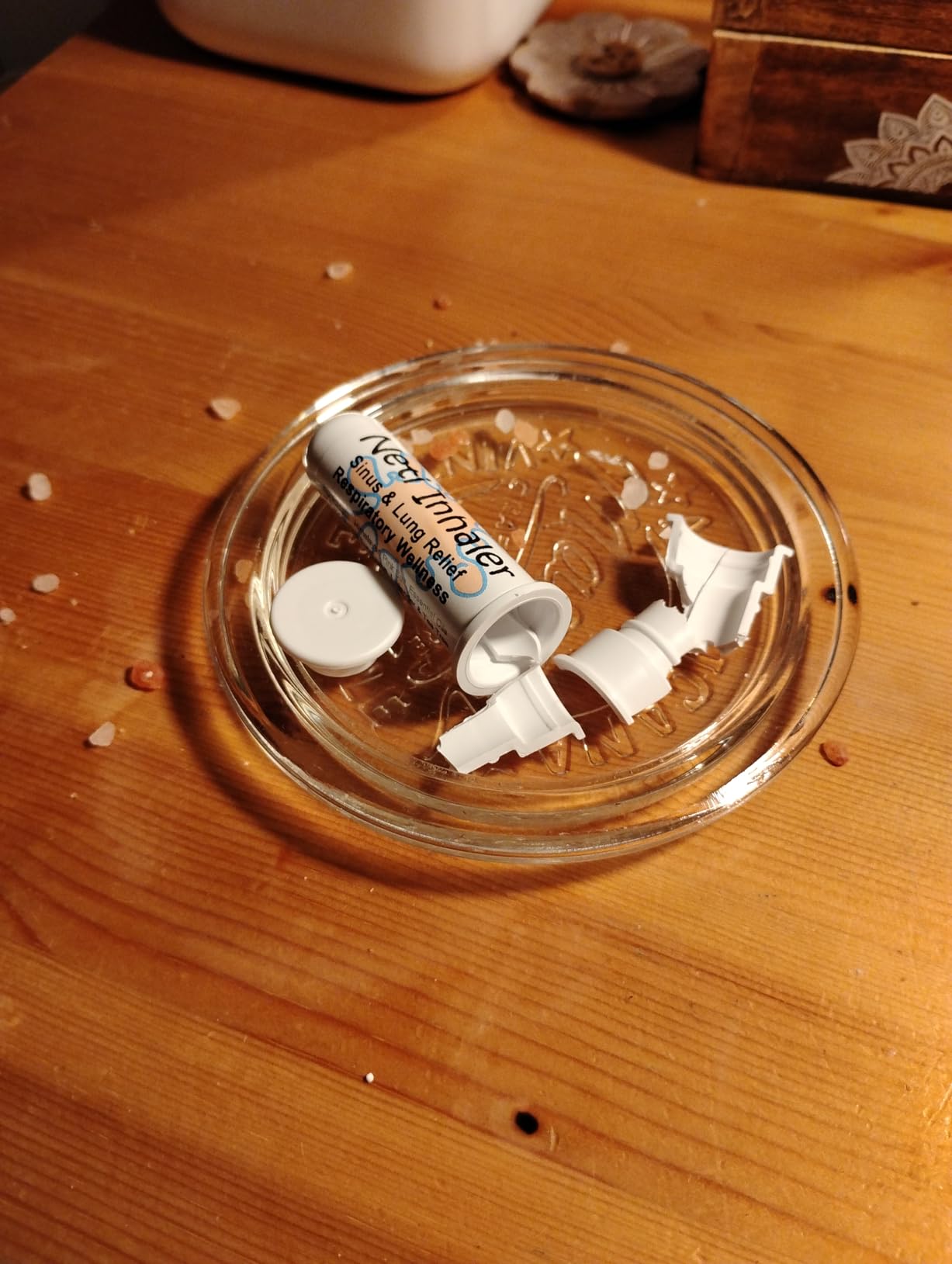
Follow the directions literally. The manufacturer says to breathe slowly and gently, and reviewers who report a burning sensation pushed harder than instructed. Discontinue use if irritation develops, which is stated plainly on the product itself.
The quality issue buyers hit most is the container. Brittle plastic has cracked or come apart for some people on opening, so check it before you rely on it.
How to use it without the burning sensation
Inhale gently through the nose for a light opening, then through the mouth if you want a deeper bronchial dose. The deeper pull is what causes the burn reported by a minority of users.
Use it as a rescue-style tool rather than an all-day background device. It works fast, so short and repeated use suits the format better than one long session.
Where it falls short for long-term use
Relief from sinus pressure and headaches is not always lasting. Users wanting a sustained change talk better than users wanting a quick opening.
At 4 ounces it disappears into a bag easily, which reviewers mention as a downside as often as a benefit. Pair it with one of the larger refillable inhalers if you tend to lose small things.
6. Original Himalayan Crystal Salt Inhaler – Best Ceramic Build
Original Himalayan Crystal Salt Inhaler
Refillable ceramic body with coarse crystals
3 x 3 x 6 inches, 12.8 oz
9-12 month salt charge with normal use
Pros
- Longest refill cycle of any salt device here
- Coarse crystal cavity you can actually smell
- Refillable so the shell lasts
- Claims no microplastics or anti-caking agents
Cons
- Ceramic body shatters if dropped
- Some third-party sellers ship a knockoff
- Works on moisture balance rather than fast relief
- Bulkier and heavier than stick inhalers
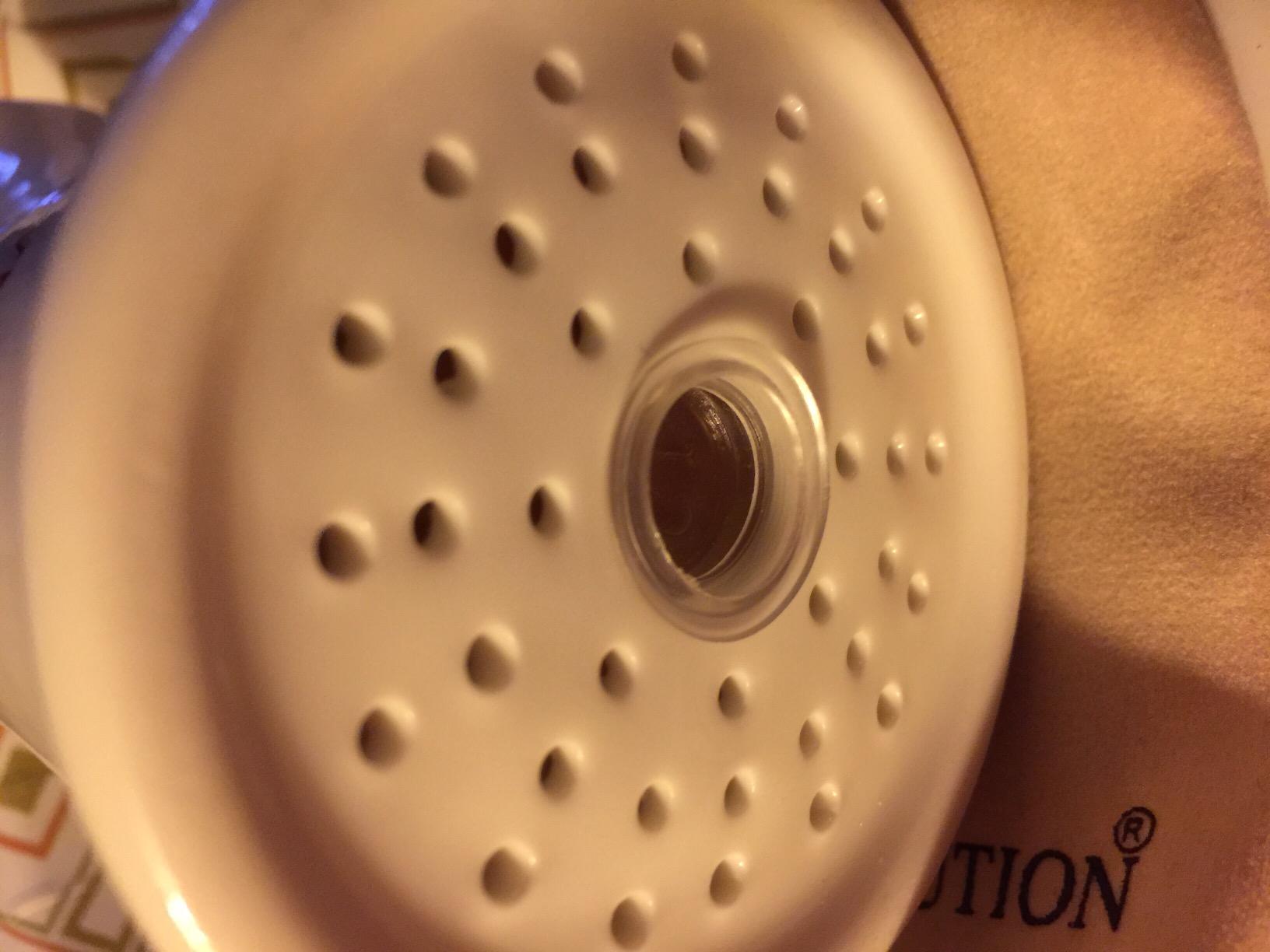
This is the most traditional device in the roundup, a handcrafted ceramic vessel pre-filled with coarse hand-mined Himalayan crystals. It is the one that most closely resembles the salt cave experience without leaving the house, and the coarse grains are large enough that you can smell the salt in the airstream.
The refill cycle is the standout spec. The maker says the crystals hold up for 9 to 12 months with normal use, which removes the constant reorder cycle that defines every other salt product here. Long-form reviews from people managing asthma, bronchitis and cystic fibrosis describe multi-day improvements in mucus and chest comfort with 15 to 20 minutes used twice daily.
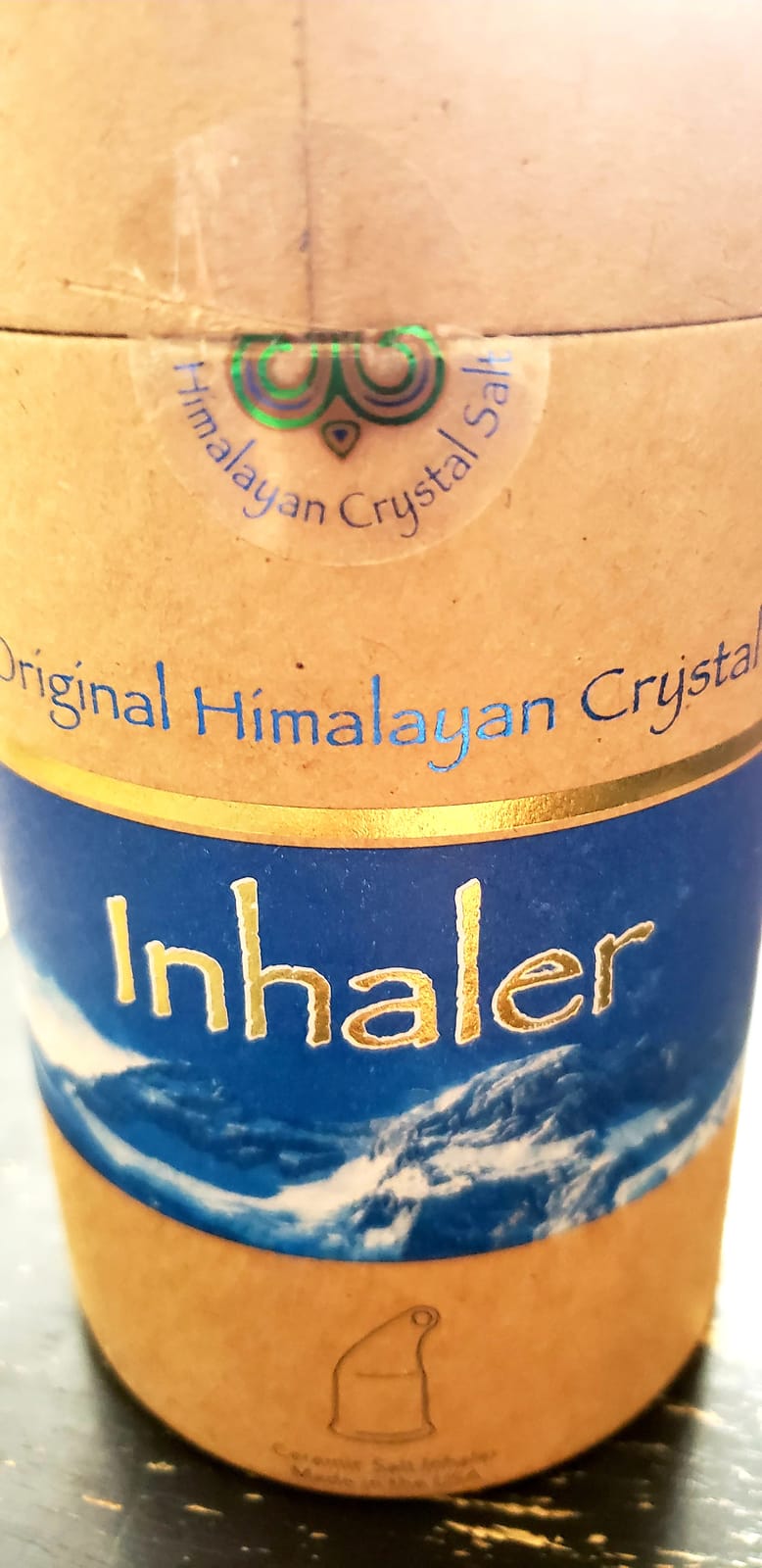
Two caveats come straight from those reviews. Ceramic shatters if you drop it, and several buyers note that rinsing it under a tap is how that happens. And some third-party sellers shipped a knockoff instead of the pictured inhaler, so confirm you received the real thing with the branded decals and stopper.
Expect a moisture-balancing effect rather than a fast rescue. Several reviewers describe it as working on the mucus membranes over days rather than minutes, which makes it a poor substitute for a quick reliever.
How to clean it without cracking the body
Remove the crystals and wipe the interior dry with a cloth instead of rinsing the ceramic under running water. Water at tap temperature plus a dropped shell is the most common reported break.
Keep it on a stable shelf rather than a bedside table you knock. The 12.8 ounce weight makes it stable once it is down but unforgiving if it leaves.
Where the ceramic format costs you
It is heavy and bulky compared with a stick. Nobody is putting this in a carry-on, so the portability advantage of the MOXE and the SinuCleanse still applies to travel.
The 1-star share sits at 14 percent, and the recurring themes are authenticity from third-party sellers and fragility during cleaning rather than a failure of the salt itself.
7. Living Libations Purifying Salt Inhaler Petite – Best for Aromatherapy
Living Libations – Purifying Salt Inhaler | Natural, Wildcrafted, Vegan Clean Beauty (Petite)
Himalayan pink salt in a glass bottle
5 inches long, 4 oz
Refillable with your own essential oils
Pros
- You choose and add your own essential oils
- Sealed bottom holes do not leak salt
- Small enough to sit in a palm
- Handmade in small batches
Cons
- Smallest review base here at 38 ratings
- No mouthpiece cover or carrying case
- Opening hole is oversized for nostril use
- At least one buyer found it ineffective
The Living Libations Petite is the one device here built around customization. It arrives as a 5-inch glass bottle of Himalayan pink salt with no fixed oil blend, and you add two or three drops of whatever you want, from eucalyptus to black spruce to frankincense.
That design solves the single complaint that shows up against most competing pipes, salt escaping through the bottom holes. These are sealed, which is why buyers who spilled salt out of other inhalers single this one out.
Be careful with the social proof. At 38 ratings this is by far the smallest review base in the roundup, so the 4.2 average is based on very few buyers. Treat it as a well-made object with a thin evidence trail rather than a proven performer.
There is no mouthpiece cover or carrying case, and the opening hole reads as oversized if you try to use it directly against a nostril. Hold it just below instead.
How to pick oils that suit the format
Two to three drops is the right load for a bottle this small. More than that and the aroma overwhelms the salt, which reverses the intent of a dry salt inhaler.
Since you choose the oils, you can avoid anything that bothers you, which is the same benefit the unscented pipe offers by a different route. If you prefer no scent at all, the Basic Vigor pipe is the more direct answer.
Where the thin review base bites
We cannot tell you how it performs over months, because almost nobody has reviewed it over months. The feedback we have is consistently positive, and it is also very small.
One reviewer considered it ineffective and a ripoff. With 38 ratings that single voice carries real weight, so this is our pick for buyers who already know they like salt inhalers, not for a first purchase.
8. SALIN PLUS Salt Therapy Air Purifier – Best for Room-Scale Use
Salin Plus Salt Therapy Air Purifier
Halite aerosol across a living space
6.5 x 7.13 x 9 inches, 3.84 lb
4-6 month cartridge, about 1 watt draw
Pros
- Only true room-scale dry salt device in this roundup
- Very low power draw for continuous use
- Quiet enough for a bedroom nightstand
- Some long-term owners report years of use
Cons
- Cartridges need replacing every 3-6 months
- Some pieces arrive defective and will not power on
- Reported black patches on ceilings in some rooms
- Many buyers saw no measurable benefit
This is the machine most people picture when they search for a halotherapy machine, and it is the only true room-scale halite aerosol device in this roundup. It filters a cartridge of halite salt crystals and disperses a dry salt microclimate through a living space, drawing about one watt.
Buyers managing COPD and emphysema report easier mucus clearing and less heavy coughing, and some long-term owners describe years of reliable nightly use. The 3.84 pound body sits fine on a nightstand and the low-decibel operation suits a bedroom, which is the use case most reviews describe.
It is also the most polarizing device here, at 3.9 across 392 ratings, with 16 percent one-star. The recurring complaints are practical rather than philosophical: cartridges that need replacing every 3 to 6 months, defective devices that refuse to power on, and European 220V plugs on some shipments that need an adapter.
The one that deserves attention is residue. Multiple buyers report black patches on ceilings, and the manufacturer recommends running a dehumidifier alongside the device. If you have textured ceilings, find out how yours respond to airborne salt before you commit.
How to tell the aerosol is actually working
Run it for an hour in an empty room with the door closed and look for a faint white film on a nearby dark surface. That film is the halite output, and it is how you confirm the cartridge is still producing.
Watch the cartridge rather than the machine. A halite crystal filter is rated for 4 to 6 months, and a device that starts sounding different or produces no film is telling you the cartridge has gone, not the motor.
Where it falls short
Many buyers report no measurable health benefit after months of use, so set expectations honestly before you start. This category has a credibility problem, and this device carries it.
The residue issue is the practical dealbreaker for some homes. In a humid climate, or with vaulted or textured ceilings, running a dehumidifier alongside it is part of the ongoing routine rather than an occasional suggestion.
How to Use a Halotherapy Machine at Home
Five steps cover both formats. Whether you use a room device or a handheld inhaler, the setup matters more than the brand.
Place it where air moves gently. Put a room-scale device in a bedroom or living space with a door that can stay closed, a few feet from electronics and fabrics you care about. For an inhaler, keep it beside the bed or on a desk you use daily.
Fill it with dry salt only. Load dry crystals, never oil or water, and keep the fill loose rather than packed. A sealed refill keeps the grade consistent across sessions.
Run 20 to 30 minutes for a room device, or two to five minutes handheld. Common salt room guidance is 20 to 30 minutes, and a desktop device running during sleep is the easiest habit to keep.
Breathe slowly through the nose. Gentle, steady breathing delivers the aerosol better than fast, deep pulls, and hard inhalation is the reported cause of most burning sensations with handheld inhalers.
Change clothes and wash exposed skin after longer sessions. Many people shower afterwards because a long session leaves you sweating with salt on your skin, and because salt residue dries on clothing and bedding.
Two details nobody covers. A halogenerator is not a humidifier, so it adds no real moisture, but salt dust still settles on every horizontal surface, so wipe electronics and screens on a schedule. And in a commercial salt room, air is vented out and filtered clean air brought back in afterward, a process that takes roughly fifteen minutes between sessions.
Safety: Who Should Not Use Halotherapy
Salt therapy is not FDA-approved to treat asthma, cystic fibrosis, emphysema or any other medical condition. It is a wellness practice. Nobody on this list should reduce or stop prescribed medication because of a salt device.
Asthma or COPD patients on prescribed inhalers. Dry salt aerosol can irritate airways before it soothes them. Keep your rescue inhaler with you, start with short sessions, and talk to your prescriber first.
Anyone with a salt sensitivity or a sodium-restricted diet. You are inhaling a sodium product, and a clinician should know about it.
People with kidney or heart conditions on fluid or sodium limits. A physician should sign off first.
Infants and young children. Products in this roundup are generally sold for adults, and the indoor-outdoor product literature does not support unsupervised use in very young children.
Anyone with respiratory infections, nosebleeds or open wounds in the airway. Wait until you have recovered.
Fragrance-sensitive users. Five of these eight products add essential oils. Choose the unscented Basic Vigor pipe instead.
Discontinue use if you notice throat irritation, coughing that persists, or skin dryness. The Urban ReLeaf product states this on its own packaging, and every manufacturer here would agree.
What the Evidence Actually Supports
The honest answer is that the evidence is thinner than the marketing. Most salt room studies are small, often lack a control group, and frequently come from clinics with a commercial interest in the result. There is no FDA-cleared halotherapy device, and no product in this roundup is approved to treat a condition.
What the research does modestly support is a mucolytic effect, meaning dry salt aerosol helps thin mucus and makes it easier to clear. That is a physical mechanism rather than a wellness claim, and it is the most likely reason people report feeling easier after a session.
Real users tend to describe a range of timelines. A member of a cystic fibrosis forum described feeling a difference minutes into a first treatment, while others report needing up to two months of consistent use. That same user tried four salt rooms in one year and reported the three using pharmaceutical-grade salt worked well, while the one using natural salt caused soreness that took days to fade. Salt grade is the most-discussed variable among real users and the one manufacturers mention least.
Our conclusion: salt inhalers are a low-cost, low-risk comfort measure, and a room device is a reasonable wellness purchase if you enjoy it. Neither is medical treatment, and anyone expecting measurable lung improvement should be working with a doctor instead.
How to Choose the Best Halotherapy Machine
Start by picking the format, because every other decision follows from it. Buying the best halotherapy machines for a shared household or a bedroom means a room device. Buying one for a commute, a gym bag or a desk means a handheld inhaler.
Halogenerator or room device. Treats the air continuously. Higher running cost, cartridge refills every few months, and residue on surfaces.
Refillable inhaler. A chamber you load with coarse salt. Best balance of cost control and dose for daily use.
Salt pipe or stick. Disposable or long-lasting, pocketable, and the fastest option for a one-off dose.
Salt lamp or salt cave pass. Decoration and ambience rather than a measurable dose. Skip these if your goal is respiratory.
Then ask five questions before buying. What salt grade goes in it, and is that stated? How long does a refill last and what does it cost to keep going? How noisy is it, since a bedroom device should be silent? What is the warranty length? And can you see the refill cost published anywhere, because the honest sellers do?
Check the salt grade carefully. Pharmaceutical-grade sodium chloride is the grade used in the salt rooms users report as working best, and Himalayan pink salt is what most consumer inhalers use. Natural rock salt with mineral inclusions can leave users feeling worse, which is the sore feeling one forum member described.
Finally, think about your room. Salt dust reaches everything horizontal, so textured ceilings, wool upholstery and electronics all matter. If you also enjoy a cold plunge or an ice bath setup, our reviews of slushie machines cover a similar cleanup and noise consideration. Buyers who also build home craft gear can see our felting machine reviews for the same kind of workspace-setup thinking.
Frequently Asked Questions
Who should not use salt therapy?
Anyone with asthma or COPD should talk to a doctor before using a halotherapy machine and should keep a rescue inhaler nearby, because dry salt aerosol can irritate airways before it soothes them. People on sodium-restricted diets, those with kidney or heart conditions, and anyone recovering from a respiratory infection should also get medical clearance first. Halotherapy is not FDA-approved to treat any condition, and it does not replace prescribed medication.
What should you wear to halotherapy?
Wear something you do not mind getting salt on. Salt dust settles on fabric quickly, and longer sessions leave you sweating with salt on your skin. Most people use a session in ordinary clothing and change afterwards. In a commercial salt room, light clothing is typical because the room itself is warm and heavily salted.
How can I do halotherapy at home?
Pick a format first. A room-scale halite aerosol device treats a bedroom or living space continuously and needs a cartridge every three to six months. A handheld salt inhaler treats a single dose. Set the device in a room with a closed door away from electronics, fill it with dry salt, run it for 20 to 30 minutes or breathe gently through a handheld for two to five minutes, then wipe down surfaces where salt dust has settled.
What kind of salt do you use for salt therapy?
Pharmaceutical-grade sodium chloride is the standard for professional salt rooms, and it is the grade most users rate highly. Consumer inhalers mostly use Himalayan pink salt, which works as a nasal irritant and mild expectorant. Natural rock salt with mineral inclusions is the grade some users report as unhelpful. The one cystic fibrosis forum member we found who tried four rooms said the three with pharmaceutical-grade salt worked well and the one with natural salt caused soreness.
What are the downsides of using a salt room?
Salt dust settles on every horizontal surface and can leave residue on electronics, clothing and furniture. Black ceiling patches are reported with room-scale devices, and a dehumidifier is often recommended alongside them. Refill cartridges add a recurring cost every three to six months. Some buyers report no measurable health benefit after months of use, and salt therapy carries no FDA approval for treating any condition.
Should you shower after halotherapy?
There is no medical rule requiring it, but many people shower after a longer session. A full salt room session leaves you sweating with salt on your skin, and salt residue dries on clothing and bedding. A quick rinse and a change of clothes is enough. After a short handheld inhaler session you do not need to do anything at all.
How long should you sit in a salt chamber?
Common salt room guidance is 20 to 30 minutes per session. For home devices, many people run the unit during sleep so exposure happens without extra time in the day. Handheld salt inhalers take two to five minutes, with one product recommending 15 to 20 minutes of daily use. Real users report anywhere from minutes to two months before noticing a difference, so consistency matters more than a single long session.
Does salt room therapy really work?
Partly, and the honest answer is that the evidence is thinner than the marketing. Dry salt aerosol does act as a mucolytic, thinning mucus so it clears more easily, which is a physical mechanism rather than a wellness claim. Most salt room studies are small and frequently conflict. No halotherapy device is FDA-approved to treat asthma, cystic fibrosis or emphysema, so treat salt therapy as a comfort measure rather than medical treatment.
Final Verdict
The best halotherapy machines for most people are not the most expensive ones. The SinuCleanse Inhalo takes our editor’s choice for one reason: it is the simplest device that reliably delivers dry salt, it needs no water, and it carries the largest review base in the roundup at 4.5 stars across 29233 ratings.
Pick the MOXE Breathe if you travel, the Plant Therapy inhaler if you want a refillable chamber, the Original Himalayan Crystal Salt inhaler if you prefer a long 9 to 12 month refill cycle, and the SALIN PLUS air purifier if you want dry salt in the air of a whole room rather than in one breath. None of it replaces medical care, and all of it works better with consistent use than with occasional sessions.