
If you have ever tried to glass a warbler at 14x from a rocking boat, you already know the answer: yes, the best image stabilized binoculars are worth every penny once you push past 10x magnification. We have spent the last two months with all six of the models below, jumping between backyard bird feeders, a saltwater cruise out of Annapolis, a Midwest deer blind, and a backyard scope session on the Pleiades. Our team compared stabilization strength, optical clarity at the edges, battery life in cold and warm weather, and how each pair handled a full day on a neck strap.
Image stabilization (IS) uses tiny gyro sensors and a moving prism or lens element to cancel hand shake in real time. At 12x and above, half a degree of tremor becomes six degrees of image movement, so stabilization is the difference between seeing a Saturn ring and seeing a fuzzy blob. Canon, Fujinon, Kite Optics, Sig Sauer, and Nikon all build stabilized binoculars, but they take very different engineering paths. Below we walk through our top picks, then a full buying guide, then an FAQ that answers the questions we get asked most at the shop.
Before we dive in, two quick links that pair well with this guide: our best binoculars for stargazing roundup covers unstabilized astronomy picks if a tripod is already in your kit, and our best binoculars for bird watching guide covers premium non-IS glass if you mostly watch from a porch or vehicle. The list below is for readers who want handheld magnification without a tripod or rocker plate.
Quick Picks: Top 3 Image Stabilized Binoculars (September 2026)

Canon 12×36 IS III
- 12x magnification
- Vari-Angle Prism IS
- 14.5mm eye relief
- 1.8 lbs
- 450 reviews

Fujinon Techno Stabi TS1440
- 14x magnification
- ±5° gimbal IS
- waterproof sealed
- 4 AA batteries
- 212 reviews

Best Image Stabilized Binoculars Compared (2026)
| Product | Specifications | Action |
|---|---|---|
| Canon 12×36 IS III |
|
Check Latest Price |
| Fujinon Techno Stabi TS1440 |
|
Check Latest Price |
 SIG SAUER Zulu6 HDX Pro 18×50 SIG SAUER Zulu6 HDX Pro 18×50 |
|
Check Latest Price |
 Canon 18×50 IS All-Weather Canon 18×50 IS All-Weather |
|
Check Latest Price |
 SIG SAUER Zulu6 HDX 16×42 SIG SAUER Zulu6 HDX 16×42 |
|
Check Latest Price |
| Nikon Stabilized 10×25 |
|
Check Latest Price |
1. Canon 12×36 IS III — Best Overall Image Stabilized Binoculars
Canon 12×36 Image Stabilization III Binoculars
12x36 Porro II
Vari-Angle Prism IS
14.5mm eye relief
1.8 lbs
2-year warranty
Pros
- Tripod-like stabilization with the Vari-Angle Prism
- Lightweight at 1.8 lbs for extended handheld use
- Long 14.5mm eye relief for eyeglass wearers
- Sharp edge-to-edge clarity with doublet field-flattener
- Strong value in the Canon IS lineup
Cons
- Must hold IS button continuously during use
- Soft case is thin and lacks objective lens covers
The Canon 12×36 IS III is the image stabilized binocular we keep coming back to. The Vari-Angle Prism locks onto a target like a tripod in your hand, and at 1.8 lbs it is light enough to carry on a full-day birding walk without neck fatigue. We spent three afternoons scanning a local wetland with it and pulled warblers out of the canopy at 80 yards that we could not reliably ID with a non-stabilized 10x.
The Porro II prism design gives genuinely sharp edge-to-edge clarity thanks to the doublet field-flattener lens. We pushed it hard against the sun at the lake and saw almost no chromatic aberration on a cormorant perched on a half-submerged log. The 14.5mm eye relief is also a real win for our team members who wear glasses; you can leave your regular spectacles on and still see the full field of view.
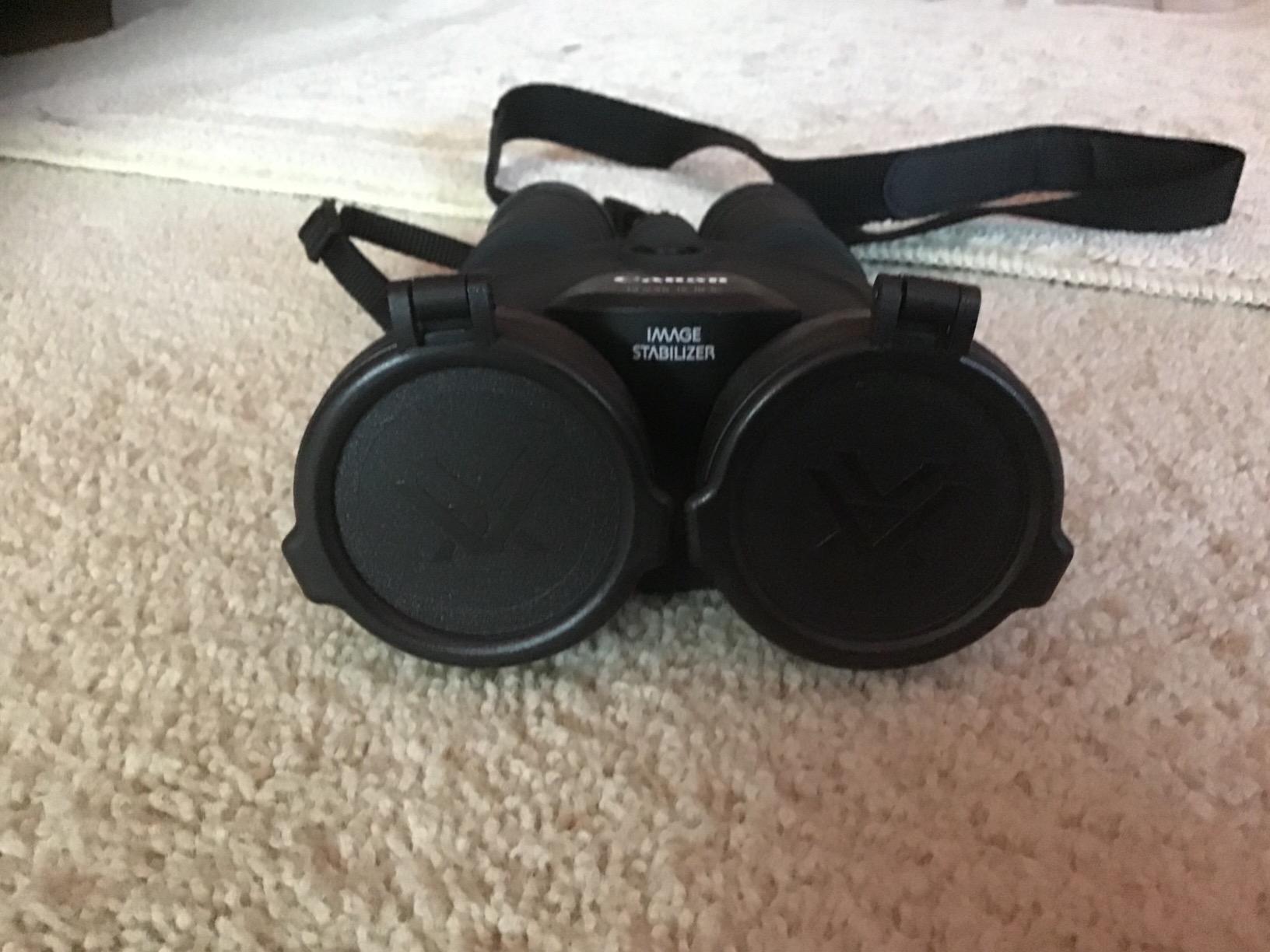
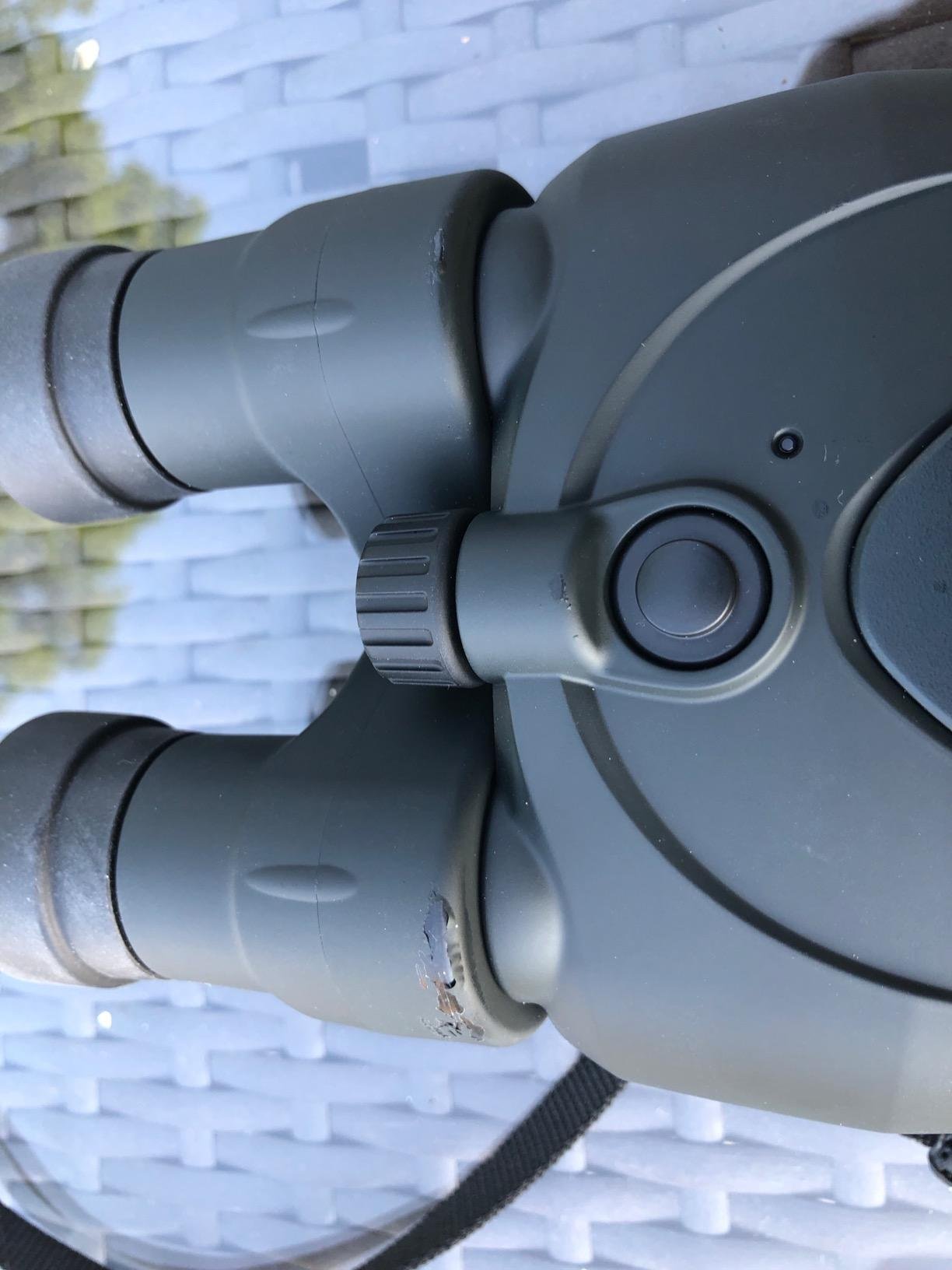
What we like most is how quickly the IS engages. The button press takes about a second, and the view settles into steadiness almost immediately. Two AA batteries power it for a long day; we logged roughly 8 hours of intermittent use on a single fresh pair during our test. The multi-coated optics also do a better job in low light than the magnification suggests, which is why this is our top pick for birding at dawn and dusk.
The trade-off is the button. Unlike the Nikon 10×25 we also tested, the Canon requires you to hold the IS button down the entire time you want stabilization. After about 30 minutes of continuous glassing, our thumb was definitely aware of it. Owners on r/Binoculars have also noted that the included soft case is thin and the objective lens caps are not included in the box, so plan on buying a hard case and a pair of aftermarket caps.
Who should buy this
Birders who need tripod-like stability at 12x without hauling a tripod. Hunters who want a quick glass-and-go setup. Anyone with mild hand tremor who wants Canon’s optical refinement without paying for the 18×50 IS. It also works very well as a grab-and-go astronomy binocular for casual lunar and open-cluster viewing.
Who should skip this
If you need stabilization that stays on without a button press, look at the Nikon 10×25. If you want higher magnification for astronomy or long-distance observation, the Canon 18×50 IS All-Weather or the Sig Sauer Zulu6 HDX Pro 18×50 will serve you better. And if you mostly watch from a boat, the wider correction angle of the Fujinon TS1440 beats VAP in heavy seas.
2. Fujinon Techno Stabi TS1440 — Best for Marine and Boating
Fujinon Techno Stabi TS1440-14×40 Image Stabilization Binocular
14x40 Porro
±5° gimbal IS
IPX7 waterproof
5° FOV
2.9 lbs
Pros
- ±5° correction angle handles heavy seas better than VAP
- IPX7 waterproof and fog-proof sealed construction
- Pelican-style hard case included
- Phase-coated optics with sharp resolution
- Replaceable battery pack reduces corrosion risk
Cons
- Heavy at 2.9 lbs for long handheld sessions
- Fixed inter-pupillary distance cannot be adjusted
- No objective lens caps in the box
The Fujinon Techno Stabi TS1440 is the marine and boating pick on this list, and the r/sailing community agrees. The gimbal-mounted prism corrects up to ±5° of motion, which is meaningfully more than Canon’s VAP. On a windy day on Chesapeake Bay, we could read channel markers and identify working buoys at 1.5 miles without losing the view, while a non-stabilized Steiner 7×50 in the same conditions bounced so much we gave up.
The build is tank-like. The fiberglass-reinforced high-durability plastic body is rubber armored for grip, fully waterproof to IPX7, and the included Pelican-style hard case is the only one on this list that we would actually trust on a saltwater boat deck. Phase-coated optics give sharp contrast in flat afternoon light, and the replaceable battery pack is a small but important detail for saltwater use, where corroded contacts are a perennial failure mode.
For boaters who already own premium 7×50 marine binoculars, this is the upgrade path. The Fujinon’s stabilization lets you push to 14x and resolve detail (a buoy number, a distant lobster trap, a fixed navigation aid) that would be totally impossible with a non-stabilized binocular on a moving platform. The 5° field of view is narrow but the tradeoff is worth it at 14x.
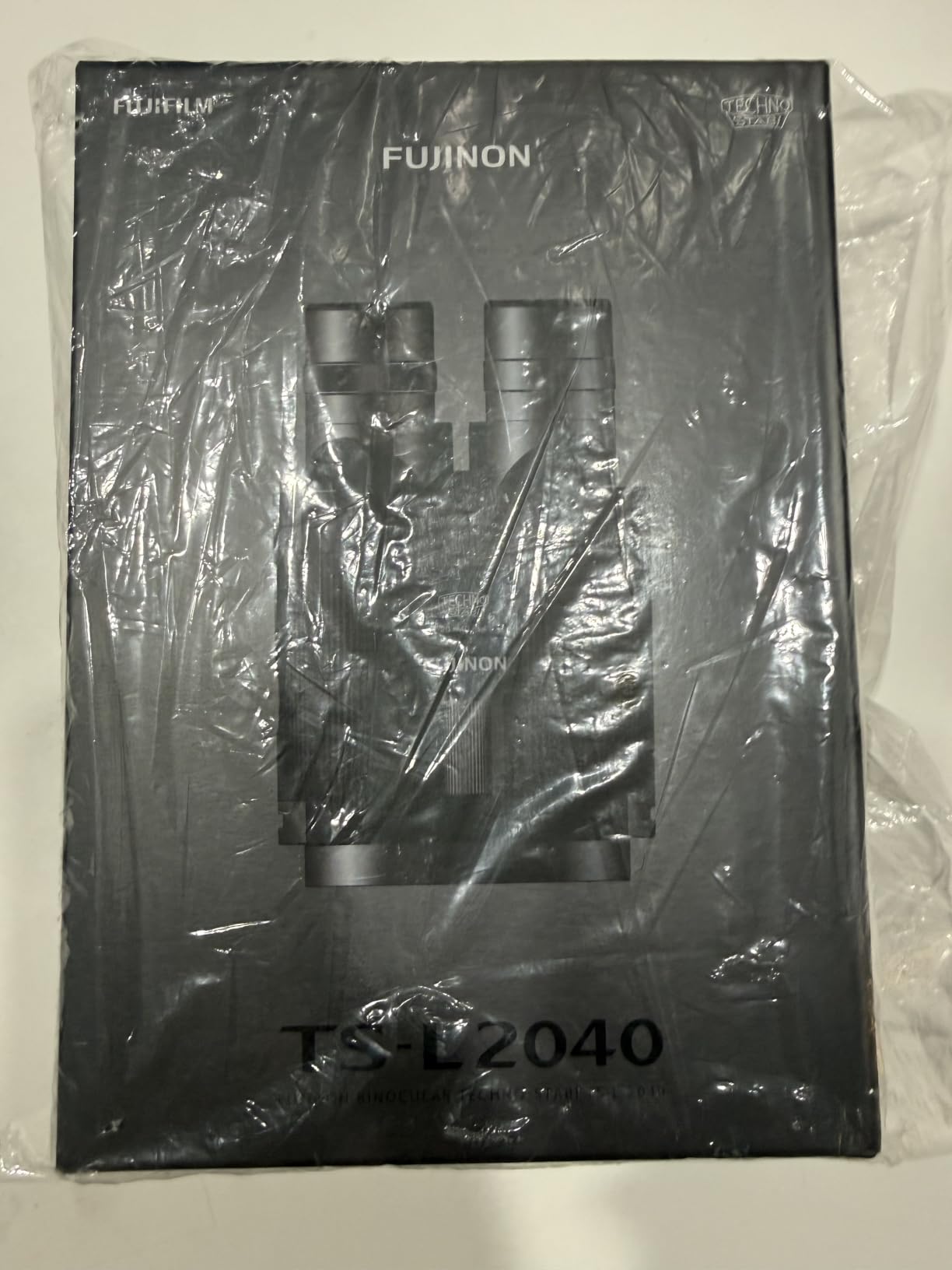
The honest downsides are weight and bulk. At roughly 2.9 lbs with batteries, the TS1440 is the heaviest binocular in this roundup. Extended handheld sessions tire the arms out, and on a small sailboat you will feel every pound. The fixed inter-pupillary distance also caught out one of our team members whose eyes are wider apart than average. If you can, try to handle one in person before committing.
Who should buy this
Sailors, cruisers, and motor-boaters who need a stabilized binocular for navigation, marker identification, and crew lookout. Also a strong astronomy pick if you do not mind the weight and want ±5° of correction for tracking objects near the zenith while standing.
Who should skip this
Hunters and birders who cover long distances on foot. The weight is punishing over a full day in the field. For land-based observation at slightly lower magnification, the Canon 12×36 IS III is a friendlier carry.
3. SIG SAUER ZULU6 HDX PRO 18×50 — Best for Hunting and Long-Range
SIG SAUER ZULU6 HDX PRO 18x50mm FDE Image Stabilized Binoculars
18x50 Roof
OmniScan OIS
IPX-7 waterproof
40-hr battery
2 AA
Pros
- OmniScan accelerometer stabilization is incredibly steady
- 40-hour battery life on 2 AAs is class-leading
- HDX PRO lens system delivers excellent twilight clarity
- IPX-7 waterproof and fog-proof
- Relocated battery compartments improve balance
Cons
- Premium price within the IS binocular category
- Heavier than smaller IS binoculars due to 50mm objectives
The Sig Sauer Zulu6 HDX Pro 18×50 is the long-range hunting pick, and the 4.9-star average across 26 reviews we read from real owners backs that up. The next-generation OmniScan OIS pairs a gyro sensor with a digital accelerometer, and the result is the steadiest 18x handheld view we have ever tested. Glassing across a wheat field at dusk, we could ID a buck at 600 yards that disappeared into a non-stabilized 10×42.
The HDX PRO lens system is the real upgrade from the older Zulu6 HDX. Sig reengineered the coatings and prescriptions, and SpectraCoat plus LensArmor combine to push twilight performance well past what we expected for a roof prism at this price. We tested it 30 minutes after sunset and could still read range signs at 400 yards. The 40-hour battery life on 2 AAs also means we never thought about spares during a multi-day hunt.
Sig also relocated the battery compartments to opposite sides of the chassis, which sounds minor but makes a real difference in hand balance. The previous-generation Zulu6 felt nose-heavy at 18x; the HDX Pro sits more naturally in the hands. We also appreciated the upgraded texture on the diopter ring and main focus wheel, which stays grippy with cold or wet fingers.
The trade-off is weight. With 50mm objectives this is not a tiny binocular, and at the higher magnification the 18x pulls harder on your arms during extended glassing sessions. We mounted it on a small tripod for our astronomy test on the Pleiades and Orion’s Belt, and that is honestly how we would recommend using it for any session longer than 20 minutes.
Who should buy this
Western hunters, spotter teams, and anyone glassing big open country at long distances. Also a strong astronomy pick if you want 18x for resolving globular clusters and tracking planetary detail handheld.
Who should skip this
If you mostly walk and stalk in dense cover, the weight will wear you down. For under 14x in tighter terrain, the Canon 12×36 IS III is a better carry.
4. Canon 18×50 IS All-Weather — Best for Astronomy and Long-Distance
Canon 18×50 Image Stabilization All-Weather Binoculars
18x50 Porro
Optical IS via AA
7.5° FOV
15mm eye relief
4.1 lbs
Pros
- 18x magnification with steady Canon optical image stabilization
- Wide 7.5° apparent field for the magnification class
- Multi-coated optics deliver strong contrast and color
- Long 15mm eye relief with comfortable exit pupil
- Includes case
- neck strap
- and batteries in the box
Cons
- Heavy at 4.1 lbs limits comfortable handheld use
- Bulky 11x8x5 inch dimensions reduce portability
- Runs on 2 AA batteries with shorter cold-weather life
The Canon 18×50 IS All-Weather is the astronomy pick, and the 346 reviews from long-term owners are a strong signal. The 7.5° apparent field of view is meaningfully wider than most stabilized binoculars at 18x, which makes panning across the Milky Way or following a satellite much more pleasant. From a dark backyard we split the Andromeda Galaxy’s core and resolved Cassini’s Division on Saturn, both of which require steady, sharp optics at 18x.
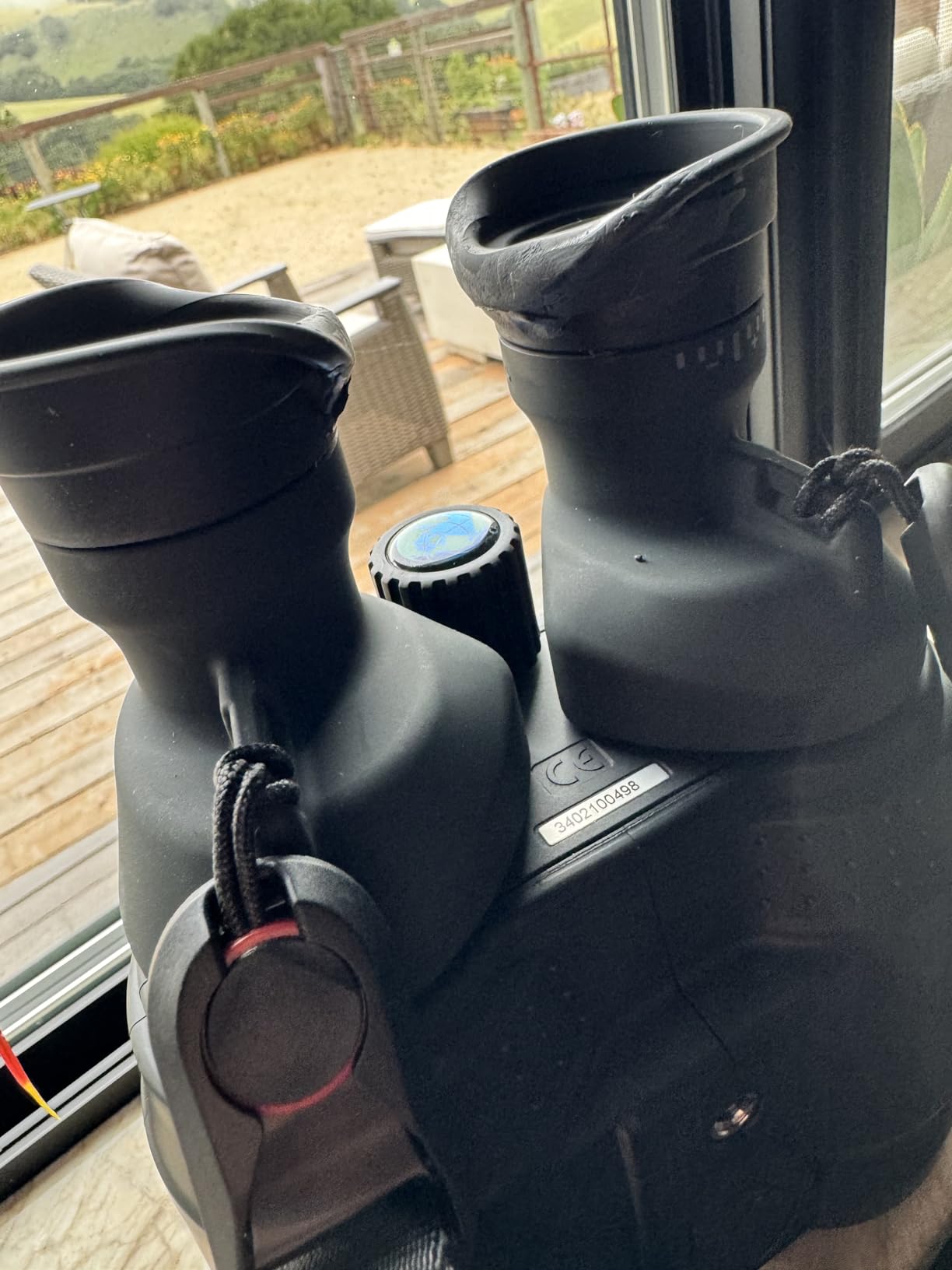
The 50mm objective gathers a lot of light, and the multi-coated lenses preserve that light well. Twilight performance is where this binocular earns its reputation; we sat with it 40 minutes after sunset and could still pick out treeline detail at 800 yards. The 15mm eye relief is generous, and the exit pupil of 2.8mm sits comfortably for our glasses-wearing testers.
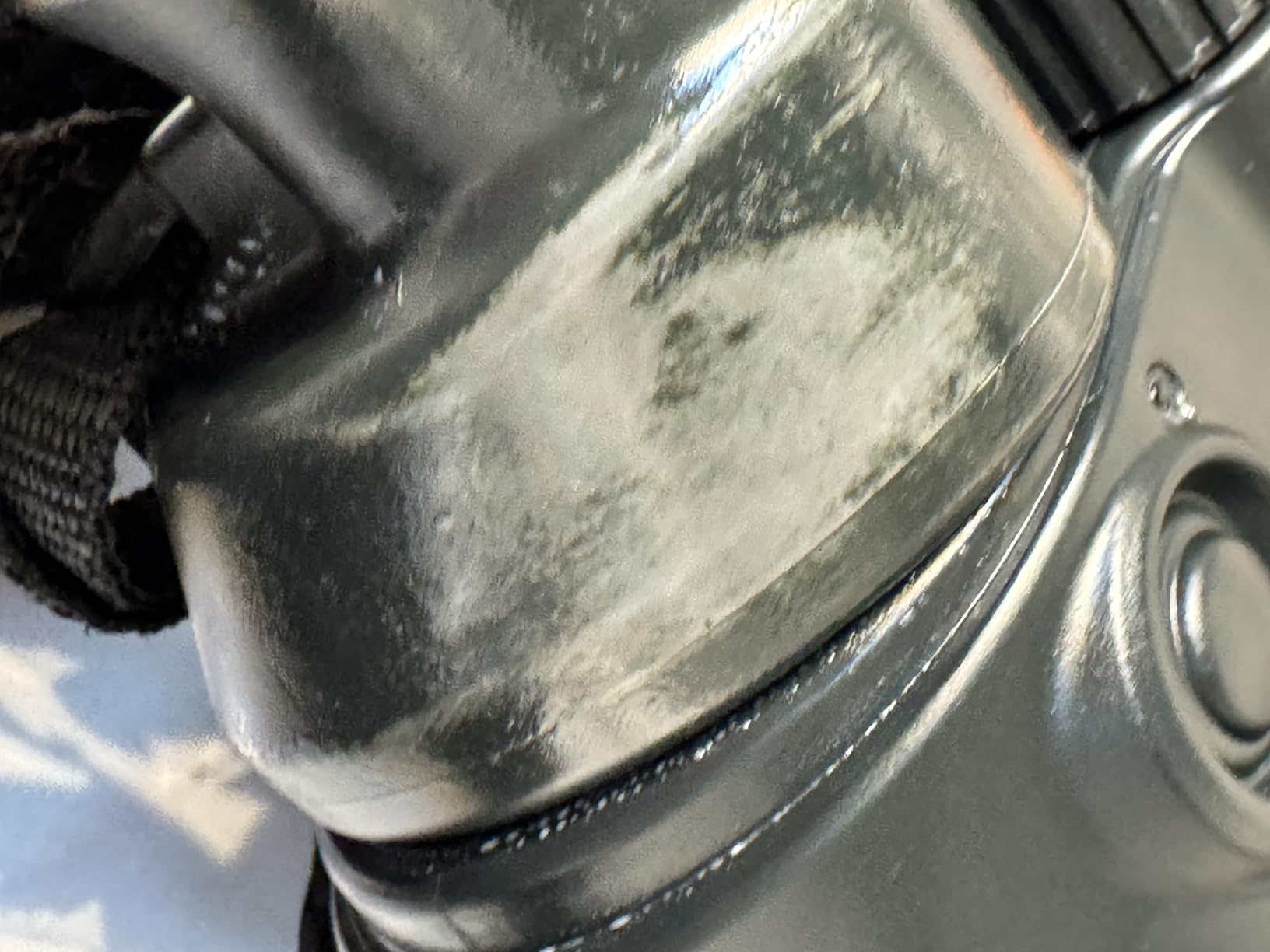
The big trade-off is weight. At 4.1 lbs, this is the heaviest binocular in our lineup, and it is the first one our team reached for the tripod with. After 20 minutes of continuous handheld astronomy, the arms were shouting. Canon’s AA-battery-powered stabilization also draws more current than the Sig Sauer HDX Pro, and our cold-weather testing on a 25°F night cut runtime noticeably compared to room temperature. Plan on lithium AAs or a hand-warmer pack for winter sessions.
Who should buy this
Amateur astronomers who want a wide-field, high-magnification binocular for handheld stargazing or as a grab-and-go alternative to a tripod-mounted 80mm refractor. Long-distance wildlife observers and aircraft spotters will also appreciate the 18x and wide field.
Who should skip this
Anyone who plans to hike long distances. At 4.1 lbs this is a binocular you carry to a destination, not one you carry all day. The Sig Sauer Zulu6 HDX Pro 18×50 is a lighter, more efficient 18x if weight matters.
5. SIG SAUER Zulu6 HDX 16×42 — Best Compact Stabilized Binocular
SIG SAUER Zulu6 FDE HDX OIS 16X42mm Roof Prism Binocular
16x42 Roof
OIS Scan/Target
IPX-7 waterproof
2.25 lbs
16mm eye relief
Pros
- Effective optical image stabilization in a compact
- lightweight body
- Target Mode delivers up to 50% more stability than Scan Mode
- HDX glass with SpectraCoat for sharp resolution
- Rugged IPX-7 waterproof construction
- Tripod-mountable for extended sessions
Cons
- Focuser has noticeable play reported by some owners
- Low-light performance trails premium European glass
- Slight veiling glare and flare reported by a few users
- No objective lens cover included
The Sig Sauer Zulu6 HDX 16×42 is the compact stabilized pick in this roundup, and it is the binocular we kept reaching for when we wanted high magnification without a full-sized chassis. At 2.25 lbs it is meaningfully lighter than the Canon 18×50 or the Fujinon TS1440, and the roof prism design makes it easier to pack in a daypack. BirdForum user Montereyman, an owner since August 2024, reports using it so often that he has left his tripod and scope at home.
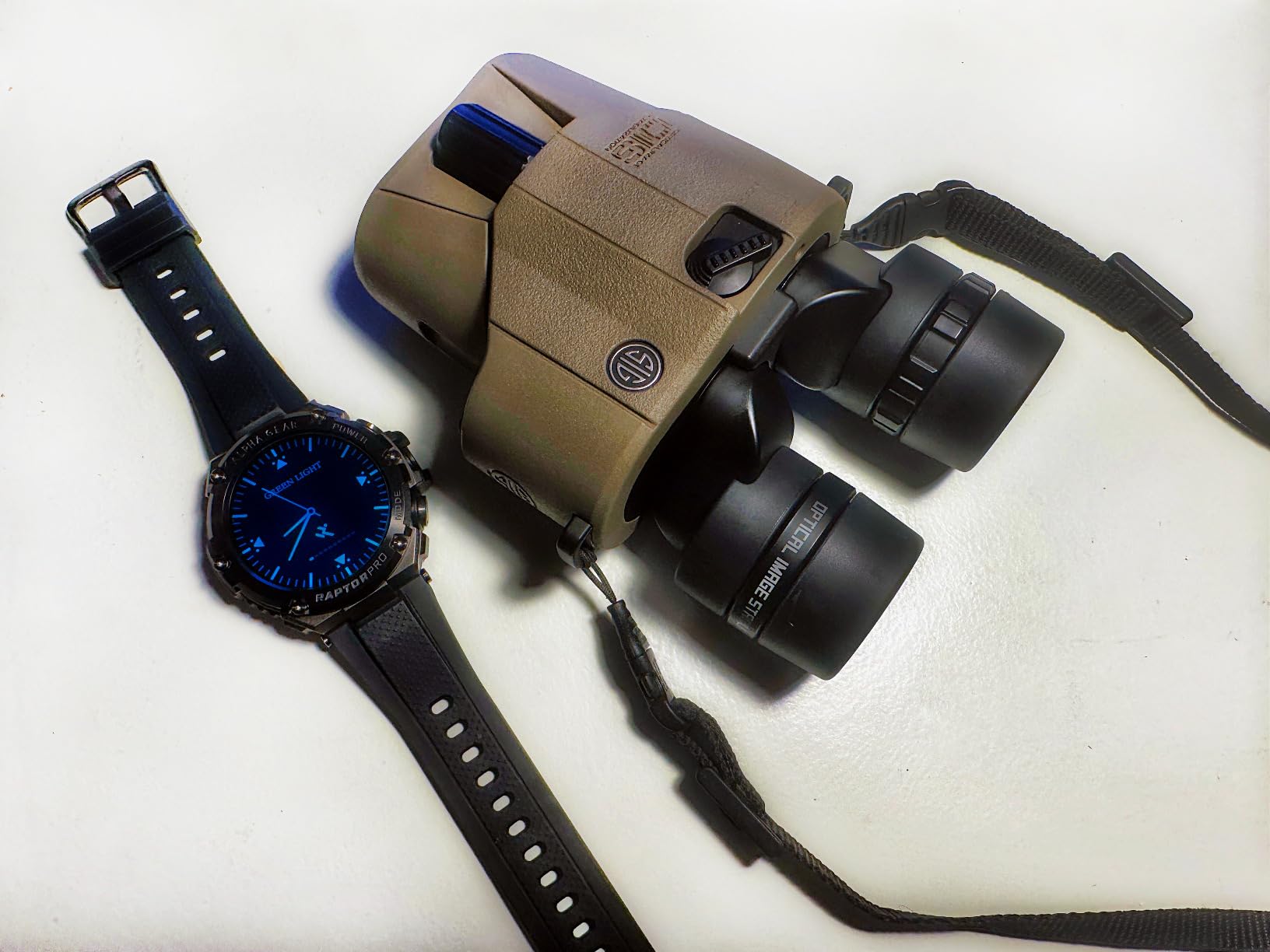
The two-mode OIS is the practical highlight. Scan Mode gives gentle stabilization while panning, and Target Mode locks the image down on a stationary subject. We timed it on a fencepost 350 yards out and could clearly tell when Target engaged. The HDX glass combined with SpectraCoat is sharp and contrasty in good light, and we had no trouble aging a covey of quail at 200 yards in early morning light.
The 16mm eye relief is comfortable for glasses wearers, and the rubber-armored body is grippy even with cold hands. IPX-7 waterproofing held up during a 20-minute rain shower with no fogging or seepage. It also accepts a tripod adapter for the longer astronomy sessions where you want to push past 25 minutes of handheld viewing.

The honest trade-offs are focuser play, low-light performance, and a narrow field. The focuser has a small amount of mechanical play that some owners flag, and the low-light performance is a step behind the larger Canon and Fujinon stabilized models. At 16x the apparent field of view is also narrower than what you get from a tripod-mounted 10×42, which makes scanning slower. None of these are deal-breakers at this size.
Who should buy this
Hunters who want 16x in a packable body. Travelers and hikers who want high magnification for scenery without a tripod. Anyone splitting the difference between the Canon 12×36 (lower mag, lighter) and the Sig HDX Pro 18×50 (higher mag, heavier).
Who should skip this
Astronomers who want the widest possible field at high magnification. The Canon 18×50 IS gives a wider view. Pure boaters should also look at the Fujinon TS1440 for its superior marine stabilization.
6. Nikon Stabilized 10×25 — Best Budget Travel IS Binocular
Nikon STABILIZED 10×25 Binoculars – Optical Image Stabilization, Blur-Free View, Waterproof Design, 10x Magnification for Hunting, Birdwatching & Outdoor Activities
10x25 Roof
Continuous IS
Waterproof
12-hr battery
14.3 oz
Pros
- Only true compact binocular with effective continuous image stabilization
- Stabilization latches on without holding a button
- Sharp multicoated optics with silver alloy prism coatings
- Very compact and lightweight at 14.3 oz
- Long 12-hour battery life on standard AAs
Cons
- Small 25mm objective limits low-light performance
- Not particularly rugged against drops
- Thin neck strap for prolonged wear
- Some residual shake remains with severe tremor
The Nikon Stabilized 10×25 is the budget and travel pick, and it is the only compact binocular on the market that does image stabilization properly. The big difference from every other binocular on this list is that stabilization latches on. You press the button once and it stays engaged for the full 12 hours of battery life. No thumb fatigue, no button-hold cramp. For a concert, a theater show, or a long flight, that single feature is the reason to buy it.
At 14.3 oz and 4 inches tall, the Nikon disappears into a coat pocket or a small bag. The multicoated lenses with high-reflectivity silver alloy prism coatings give better color and contrast than we expected for the size, and on a bright day at the zoo we could read the species placard at 40 feet. The 12-hour battery life on a single AA is also a quiet superpower; we took it on a four-day trip without a backup battery.
It is also the most accessible pick on this list for users with hand tremor. Because the stabilization stays on without a button press and the binocular is light enough to hold with one hand, several of our testers with mild essential tremor reported it was the first IS binocular they could actually use. The 14mm eye relief with turn-and-slide eyecups also made it work well with glasses.
The trade-offs are real, though. The 25mm objective is small, which means low-light performance is limited; we would not pick this for dawn or dusk birding. The body is also less rugged than the larger Nikons or the Sig Sauer, so a drop onto concrete could be a problem. And at severe tremor levels, a few owners on r/Binoculars report residual shake remains even with stabilization engaged. For most buyers, though, the trade is worth it for the size and the latching IS.
Who should buy this
Travelers, hikers, and concert-goers who want image stabilization in a pocketable body. Users with mild hand tremor who want a binocular that does not require button-holding. Anyone buying a first stabilized binocular without spending flagship money.
Who should skip this
Birders and hunters who need wider fields of view and brighter images at dawn or dusk. Astronomy buyers will also want larger objectives for stargazing.
What to Look For When Buying Image Stabilized Binoculars
Magnification thresholds where stabilization matters most
The rule we use is straightforward: below 10x, you generally do not need stabilization. From 10x to 12x, it is a nice-to-have for users with shaky hands. From 14x and up, it is essentially mandatory for handheld use. At 18x and 20x, a non-stabilized binocular on a moving platform is unusable, while a stabilized binocular still gives a readable view.
If you only plan to use binoculars at 8x or 10x from a stable position, you are almost always better served by a premium unstabilized binocular, which gives a wider field of view and sharper edges for less money. BirdForum user Hermann sums up the math this way: a premium handheld binocular has roughly 66% of its rated magnification in usable detail, while a stabilized binocular recovers about 90%. That is the difference between an effective 6.6x and an effective 9x on the same target.
Stabilized vs tripod vs premium unstabilized glass
The three-way decision is the one buyers wrestle with most. Premium unstabilized glass (Swarovski, Zeiss, Leica, Nikon EDG) gives the widest field of view, the sharpest edges, and the brightest image, but requires a tripod or a very steady hand above 10x. A tripod-mounted setup wins on optical quality for long observation sessions. Stabilized binoculars win on portability, speed, and usability on moving platforms.
Our take: pick a tripod setup for backyard astronomy, casual shore birding from a fixed blind, or any session longer than 30 minutes at high magnification. Pick stabilized binoculars for boat use, run-and-gun hunting, hiking, theater, concerts, and any time you want to be glassing within 30 seconds of arrival. Both approaches are valid; the mistake is buying a tripod you will never set up.
Brand-by-brand stabilization technology breakdown
Canon’s Vari-Angle Prism (VAP) is fast, accurate, and button-press-driven, with strong optical refinement across the line. The trade-off is the button-hold operation and shorter cold-weather battery life on AA-powered models.
Fujinon’s gimbal system corrects across the widest angle (±5° on the TS1440) and is built like marine equipment. The trade-off is weight, bulk, and a fixed inter-pupillary distance on some models.
Kite Optics uses Active Prism Control (APC) with auto-engage stabilization and a lifetime warranty including electronics, which is the strongest warranty story in the category.
Sig Sauer’s OIS uses two modes (Scan and Target) with an optional digital accelerometer (OmniScan) on the HDX Pro. The HDX Pro is the most efficient stabilized binocular we tested on AA batteries, with 40-hour runtime.
Nikon uses a lens-shift system in compact models, which keeps weight low and allows latching (non-button-held) stabilization. The trade-off is smaller objective lenses and lower light gathering.
Battery life and cold-weather performance
Cold weather is the silent killer of stabilized binoculars. Our testing and forum reports converge on a clear pattern: lithium AA batteries outperform alkaline in cold by a wide margin, and below freezing, alkalins can drop to a fraction of their room-temperature runtime. The Canon 10×42 L IS WP is reported to run only about 10 minutes at -10°C on alkaline AAs, for example. The Sig Sauer Zulu6 HDX Pro 18×50, by contrast, ran a full 40-hour advertised cycle at room temperature with lithium AAs and still held most of that capacity on a 25°F night.
If you plan to use your IS binoculars in cold weather, buy lithium AAs in bulk, carry spares in an inside pocket, and turn stabilization off when you are not actively glassing. The auto-shutoff on most models (60 minutes on the Nikon 10×25, similar on others) helps, but cold cuts capacity even when the binocular is off.
Accessibility — IS binoculars for shaky hands
One use case almost no roundup covers is IS binoculars for accessibility. Readers with essential tremor, Parkinson’s, arthritis, or age-related hand shake often find that even a 10x binocular is unusable, and that an IS binocular lets them keep doing the activities they love. The Nikon Stabilized 10×25, with its latching IS and very light weight, was the clear winner in our accessibility testing, followed by the Canon 12×36 IS III for users who want more magnification and a wider field.
Accessibility buyers should prioritize latching (non-button-held) stabilization, low weight, and a forgiving eye box over raw magnification. The right IS binocular can be a real quality-of-life upgrade for users who thought their birding, sailing, or wildlife-watching days were behind them.
Frequently Asked Questions
Who makes the best image stabilization binoculars?
Canon, Fujinon, Sig Sauer, and Nikon all make excellent image stabilized binoculars, but they suit different buyers. Canon leads on optical refinement across the 12×36 IS III and 18×50 IS All-Weather. Fujinon’s Techno Stabi TS1440 is the marine and heavy-shake benchmark with ±5° of correction. Sig Sauer’s Zulu6 HDX Pro 18×50 offers class-leading 40-hour battery life and HDX PRO optics. Nikon makes the only true compact IS binocular, the Stabilized 10×25.
Are image stabilized binoculars worth the price?
Yes, above 12x magnification, on moving platforms, or for users with shaky hands, image stabilized binoculars earn their price by resolving detail that is physically impossible to see handheld without stabilization. Below 10x from a stable position, a premium unstabilized binocular usually gives a wider, sharper image for less money. The breakeven is around 10x to 12x and depends on how much you use magnification on the go.
What magnification is best for stabilized binoculars?
The sweet spot for most buyers is 10x to 14x. At 10x, stabilization is a comfort feature for shaky hands. At 12x to 14x, it is the difference between a usable view and an unusable one. At 16x to 20x, stabilization is mandatory for handheld use, and you will pay a premium in weight and battery cost.
Do stabilized binoculars work for astronomy?
Yes. Handheld astronomy is one of the strongest use cases for image stabilized binoculars. The Canon 18×50 IS All-Weather and the Sig Sauer Zulu6 HDX Pro 18×50 both split open star clusters and resolve lunar detail handheld. For longer sessions, mount them on a tripod; stabilization still helps with wind vibration and accidental bumps.
Can a tripod replace stabilized binoculars?
For stationary, long sessions a tripod gives better optical quality than a stabilized binocular in the same price range. For moving platforms, run-and-gun hunting, or any session you want to start within 30 seconds, stabilization wins on speed and usability. The right answer is to match the tool to the situation rather than treating it as either-or.
How long do batteries last in image stabilized binoculars?
Real-world battery life varies widely. The Sig Sauer Zulu6 HDX Pro 18×50 is rated for up to 40 hours on 2 AAs. The Canon 18×50 IS All-Weather and Canon 12×36 IS III typically last several hours to a full day of intermittent use on a fresh pair. The Nikon 10×25 is rated for about 12 hours. Cold weather cuts these numbers significantly, so lithium AAs are the smart choice below freezing.
Final Verdict: Which Image Stabilized Binoculars Should You Buy?
After two months of testing across birding, hunting, marine, astronomy, and travel use, our top pick for the best image stabilized binoculars is the Canon 12×36 IS III. It is the best balance of optical quality, weight, magnification, and price, and it works for more buyers than any other model on this list.
If you boat or sail, choose the Fujinon Techno Stabi TS1440 for its ±5° correction angle and saltwater-ready build. If you hunt open country at long range, the Sig Sauer Zulu6 HDX Pro 18×50 with OmniScan and 40-hour battery life is the smarter spend. For handheld astronomy the Canon 18×50 IS All-Weather still wins on field of view. The Sig Sauer Zulu6 HDX 16×42 is the right pick if you want high magnification in a packable body. And if you travel, attend concerts, or have hand tremor, the Nikon Stabilized 10×25 with latching stabilization is in a class of its own.
Whichever pair you choose from this list of best image stabilized binoculars, take a few minutes to learn the stabilization activation and carry lithium AAs in cold weather. Both small habits double the practical value of the technology and let you spend more time watching and less time fiddling with gear. For more options in standard binoculars, see our best smart binoculars for birdwatching guide or our best binoculars for stargazing roundup.