
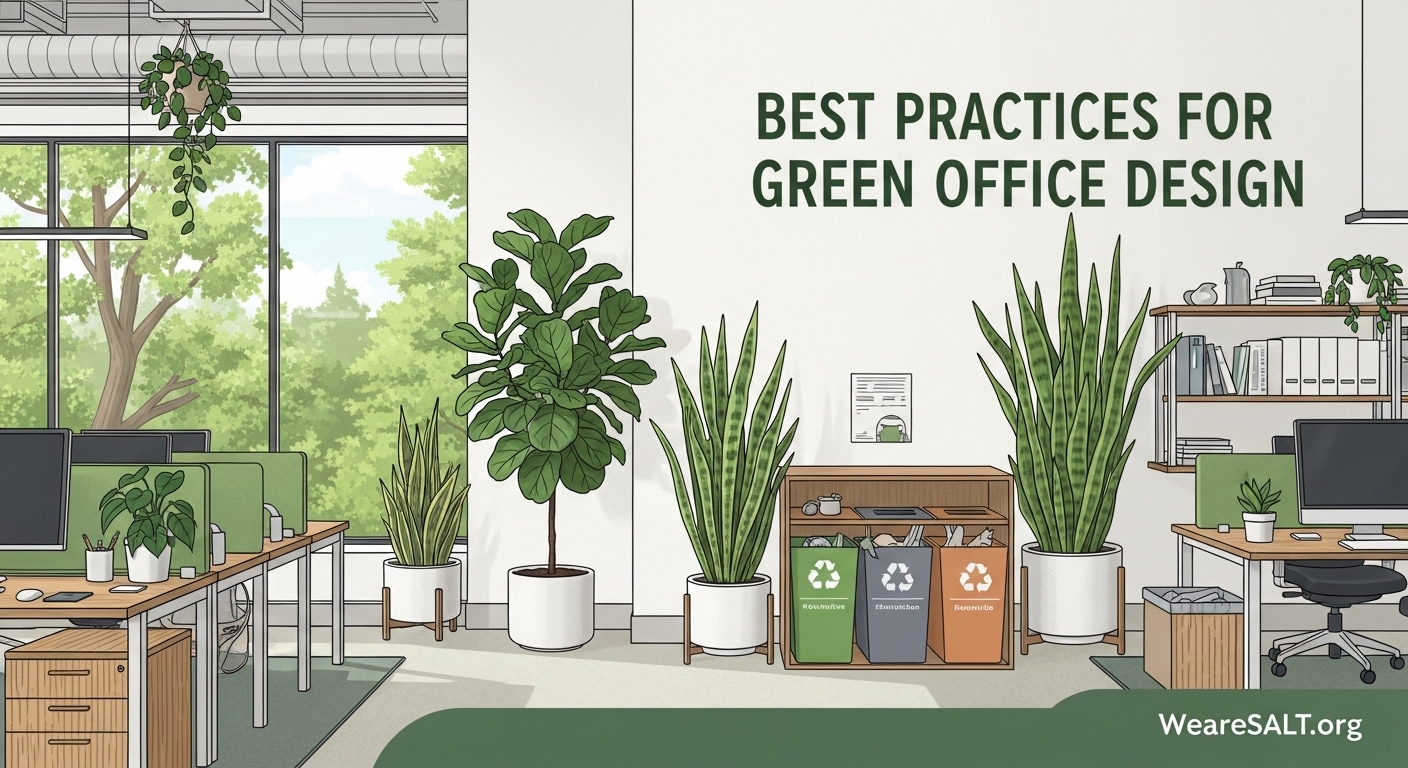
Creating a green office design is one of the most impactful decisions your organization can make in 2026. Commercial buildings account for nearly 40% of global carbon emissions, and offices represent a significant portion of that footprint. The good news? Transforming your workspace into a sustainable office doesn’t require a complete rebuild or massive budget.
Our team has spent months researching eco-friendly office strategies, analyzing case studies from Fortune 500 companies and small businesses alike. We’ve found that the most successful green office design initiatives balance environmental responsibility with employee wellbeing and cost efficiency.
In this guide, you’ll learn the proven best practices for green office design that actually work. Whether you’re planning a full office fit-out or looking for quick wins to reduce your environmental impact, these strategies will help you create a workspace that benefits both the planet and your people.
Table of Contents
What Makes an Office Sustainable?
A sustainable office minimizes environmental impact across four key pillars: energy consumption, material selection, waste management, and workplace culture. These elements work together to create a truly eco-friendly office environment.
Energy efficiency forms the foundation. This includes everything from LED lighting and motion sensors to optimized HVAC systems. The typical office can reduce energy use by 30-50% through smart efficiency measures alone.
Sustainable materials matter too. Low-VOC paints reduce indoor air pollutants. Reclaimed wood and recycled content minimize resource extraction. Bamboo grows rapidly and makes excellent flooring and furniture alternatives.
Waste reduction completes the operational triangle. Comprehensive recycling, composting programs, and paperless workflows dramatically decrease what offices send to landfills.
Finally, culture ties everything together. Even the greenest building fails without employee buy-in. Successful green office design requires engaging your team in sustainability initiatives.
Energy Efficiency Best Practices for Green Office Design
Lighting represents 17% of commercial building energy use. Switching to LED fixtures cuts that consumption by 75% while lasting 25 times longer than incandescent bulbs. Motion sensors and daylight harvesting systems ensure lights operate only when needed.
HVAC optimization delivers even bigger savings. Smart thermostats with zoned controls prevent heating or cooling empty spaces. Regular maintenance keeps systems running at peak efficiency. Upgrading to ENERGY STAR certified equipment can reduce HVAC energy use by 10-15%.
Natural daylighting reduces artificial lighting needs while improving employee mood and productivity. Strategic window placement, light shelves, and skylights bring sunshine deep into interior spaces. Our research shows offices with abundant natural light report 15% higher employee satisfaction scores.
Building automation systems tie everything together. Smart sensors monitor occupancy, temperature, and air quality in real-time. These systems learn usage patterns and automatically adjust for optimal efficiency and comfort.
Sustainable Materials and Sourcing
The materials you choose for your green workspace directly impact both environmental footprint and indoor health. Traditional construction materials often contain volatile organic compounds (VOCs) that off-gas into workspace air for years.
Low-VOC Paints and Finishes
Conventional paints release formaldehyde, benzene, and other harmful chemicals. Low-VOC and zero-VOC alternatives perform equally well while maintaining indoor air quality. Look for GreenGuard Gold certification when selecting paints, adhesives, and sealants for your environmentally friendly office.
Recycled and Reclaimed Materials
Reclaimed wood adds character while saving forests. Recycled steel requires 75% less energy to produce than virgin steel. Carpet tiles made from recycled plastic bottles perform beautifully while diverting waste from landfills.
Our favorite example: Interface carpet tiles contain up to 100% recycled content and are themselves fully recyclable through the company’s ReEntry program. This closed-loop approach embodies circular design principles.
Rapidly Renewable Resources
Bamboo matures in 3-5 years versus 50+ years for traditional hardwoods. Cork harvests without cutting trees. Both make excellent sustainable office flooring and furniture materials.
Locally sourced materials reduce transportation emissions. Sourcing finishes, furniture, and fixtures from within 500 miles cuts embodied carbon while supporting regional economies.
Water Conservation Measures
Office buildings use thousands of gallons of water daily. Implementing water conservation strategies reduces utility costs while preserving this vital resource.
Low-flow faucets and dual-flush toilets cut water use by 30% without sacrificing performance. Aerators on existing fixtures cost under $5 each and pay for themselves within weeks.
Rainwater harvesting systems collect precipitation for irrigation and non-potable uses. Simple rain barrels suffice for small offices. Larger buildings benefit from underground cisterns and filtration systems.
Greywater recycling reuses sink and shower water for toilets and landscaping. While requiring upfront investment, these systems can reduce freshwater consumption by 40% in high-usage facilities.
Water monitoring technology detects leaks immediately. Smart meters alert facilities teams to unusual usage patterns, preventing the thousands of gallons lost annually to undetected drips and running toilets.
Waste Reduction Strategies
The average office worker generates nearly two pounds of waste daily. Effective waste reduction programs cut this dramatically while often saving money.
Comprehensive Recycling Programs
Single-stream recycling makes participation easy. Clearly labeled bins throughout the office ensure proper sorting. Partner with vendors who accept hard-to-recycle materials like electronics, batteries, and printer cartridges.
Composting Systems
Food waste represents 24% of landfill volume. Office composting programs collect coffee grounds, tea bags, food scraps, and compostable serviceware. Options range from simple countertop bins to commercial collection services.
Some progressive offices install vermicomposting systems (worm bins) on-site. Others partner with local farms or community gardens that collect organic waste weekly.
Paperless Initiatives
Digital document management eliminates printing needs. Cloud storage, e-signatures, and electronic workflows reduce paper consumption by 50-80% in typical offices.
When printing is necessary, duplex (double-sided) settings cut paper use in half. Reuse printed sheets as scrap paper before recycling.
Reusable Supplies
Ditch disposable cups, plates, and utensils. Stock kitchens with durable dishware and encourage employees to bring their own. Provide filtered water stations instead of bottled water. These simple swaps eliminate thousands of single-use items monthly.
Indoor Air Quality and Biophilic Design
We spend 90% of our lives indoors. The air quality in your sustainable workplace directly impacts employee health, cognitive function, and productivity.
Air Purification and Ventilation
Mechanical ventilation systems should exceed minimum ASHRAE standards. HEPA filtration removes particulates, while activated carbon filters capture VOCs and odors. CO2 sensors alert teams when fresh air intake needs adjustment.
Opening windows when weather permits provides free ventilation and connects occupants with outdoor conditions. Even brief exposure to fresh air improves alertness and wellbeing.
Office Plants and Biophilic Elements
Biophilic design incorporates natural elements into built environments. Studies show offices with plants, natural materials, and nature views reduce stress by 37% and boost creativity by 15%.
Low-maintenance plants thrive in office conditions. Snake plants, pothos, and ZZ plants tolerate low light and irregular watering while actively purifying air. Living walls make dramatic statements in reception areas and common spaces.
Toxic-Free Cleaning Products
Standard cleaning chemicals release harmful compounds into office air. Green cleaning programs use plant-based, biodegradable products that clean effectively without health risks. Many facilities find these products cost-competitive with conventional alternatives.
Green Certifications: LEED vs BREEAM vs WELL
Third-party certifications validate your green office design efforts and provide frameworks for continuous improvement. Three standards dominate the commercial office market.
LEED (Leadership in Energy and Environmental Design) focuses on building performance and environmental impact. The U.S. Green Building Council administers this globally recognized program. LEED-certified buildings use 25% less energy and 11% less water than conventional construction. Points are awarded across categories including sustainable sites, water efficiency, energy, materials, and indoor environmental quality.
BREEAM (Building Research Establishment Environmental Assessment Method) originated in the UK and remains popular across Europe and increasingly in North America. BREEAM emphasizes rigorous assessment of energy, health, materials, and management practices. Its 10-star rating system provides clear benchmarks for improvement.
WELL Building Standard takes a different approach, centering human health and wellness. Rather than measuring building performance, WELL evaluates how spaces affect occupant health through air, water, nourishment, light, fitness, comfort, and mind categories.
Which certification fits your needs? LEED works best for comprehensive environmental performance tracking. BREEAM suits international portfolios and those wanting detailed benchmarking. WELL excels for organizations prioritizing employee wellness as a competitive advantage.
Many offices now pursue multiple certifications. LEED addresses the building; WELL addresses the people inside. Together they create truly exceptional sustainable workspaces.
Building a Green Office Culture
Technology and materials matter, but culture determines long-term success. Your eco-friendly office needs engaged employees who champion sustainability daily.
Employee Engagement Strategies
Green teams or sustainability committees empower interested employees to lead initiatives. Monthly challenges – like zero-waste weeks or bike-to-work months – generate enthusiasm and friendly competition.
Recognition programs celebrate individual and team contributions. Simple acknowledgments in all-hands meetings or small rewards for innovative ideas reinforce that sustainability matters to leadership.
Green Commuting Incentives
Transportation often exceeds office operations in carbon footprint. Subsidized transit passes, bike storage, and preferred parking for carpools encourage low-carbon commuting. Some companies offer stipends for employees who walk, bike, or use public transportation.
Remote and hybrid work options dramatically reduce commuting emissions. The COVID-19 pandemic proved many jobs function effectively from home. Maintaining flexible policies permanently cuts both environmental impact and real estate costs.
Education and Training
Employees can’t support what they don’t understand. Onboarding should include sustainability orientation. Regular workshops cover topics like proper recycling, energy conservation, and sustainable purchasing. Knowledge builds ownership and action.
Budget-Friendly Implementation: Small Steps That Add Up
Small businesses and startups often assume green office design requires massive budgets. The reality proves more accessible. Many high-impact changes cost little or nothing.
Low-Cost Quick Wins
Start with behavioral changes. Adjust thermostat setpoints by 2 degrees (higher in summer, lower in winter) and save 5-10% on HVAC costs. Implement power-down procedures ensuring computers, monitors, and equipment shut off after hours.
Free tools from utilities and government agencies help identify opportunities. ENERGY STAR Portfolio Manager benchmarks your energy use against similar buildings. Many utilities offer free audits revealing no-cost and low-cost improvements.
Buy secondhand furniture. Quality used office furniture costs 50-75% less than new and often includes high-end pieces. Local liquidators, auction sites, and office decommissioning services provide excellent sources.
Phased Approach for Small Businesses
Rather than attempting everything immediately, phase improvements over 12-24 months. Year one might focus on waste reduction and culture building. Year two addresses lighting and equipment upgrades. Year three tackles larger investments like HVAC or solar.
This approach spreads costs while allowing learning. Early wins build momentum and demonstrate ROI that justifies larger expenditures.
ROI Timeline and Cost Savings
LED retrofits typically pay for themselves in 2-3 years through energy savings alone. Low-flow fixtures save water costs immediately. Waste reduction programs often pay for themselves through reduced hauling fees.
Employee productivity gains are harder to quantify but equally real. Better indoor air quality reduces sick days by 30%. Natural light improves focus and energy levels. These human benefits often exceed utility savings in value.
According to the World Green Building Council, green office buildings command 7% higher rents and maintain 3% higher occupancy rates than conventional buildings. For owners, sustainability literally pays.
Prioritizing High-Impact Changes
Focus first on changes with the highest environmental return on investment. Lighting retrofits, HVAC optimization, and waste reduction deliver immediate results with modest investment. Save expensive upgrades like solar panels or living walls for later phases when budgets allow.
Your Green Office Implementation Checklist
Ready to act? This checklist organizes green office design best practices into manageable phases.
Week 1-4: Foundation
- Conduct waste audit to identify reduction opportunities
- Implement comprehensive recycling program with clear signage
- Switch to LED bulbs in all fixtures
- Adjust thermostat setpoints and install programmable controls
- Form green team or sustainability committee
- Audit and eliminate single-use items from kitchen and breakrooms
Month 2-6: Building Momentum
- Launch composting program for food waste
- Install low-flow aerators on all faucets
- Implement power-down procedures for equipment
- Add air-purifying plants throughout office
- Switch to green cleaning products
- Launch employee sustainability challenge or competition
- Begin digital document management transition
Year-Long Targets
- Evaluate HVAC upgrade or smart control installation
- Research renewable energy options (solar, green power purchasing)
- Develop sustainable purchasing policy
- Explore LEED, BREEAM, or WELL certification
- Set carbon reduction targets and measurement systems
- Implement green commuting incentives
- Consider furniture replacement with sustainable or secondhand alternatives
Frequently Asked Questions About Green Office Design
What are the key elements of a sustainable office?
The key elements of a sustainable office include energy efficiency (LED lighting, smart HVAC, renewable energy), sustainable materials (low-VOC finishes, recycled content, reclaimed resources), water conservation (low-flow fixtures, rainwater harvesting), waste reduction (recycling, composting, paperless workflows), and indoor air quality (ventilation, plants, non-toxic cleaning). A strong sustainability culture engaging employees in green practices ties these elements together.
How can companies be more sustainable in office design?
Companies can create more sustainable offices by conducting energy audits and retrofitting lighting and HVAC systems, selecting materials with recycled content and low environmental impact, implementing comprehensive waste reduction programs, maximizing natural light and ventilation, adding biophilic elements like plants, pursuing green certifications such as LEED or WELL, and building employee engagement through green teams and sustainability challenges.
What are 10 ways to make an office more sustainable?
1) Switch to LED lighting with motion sensors. 2) Install low-flow water fixtures. 3) Implement comprehensive recycling and composting. 4) Choose low-VOC paints and finishes. 5) Add air-purifying plants throughout the space. 6) Use sustainable or secondhand furniture. 7) Transition to paperless document management. 8) Install smart thermostats and HVAC controls. 9) Provide green commuting incentives. 10) Switch to non-toxic cleaning products.
Why are sustainable offices important?
Sustainable offices are important because commercial buildings account for 40% of global carbon emissions. Green offices reduce environmental impact through lower energy and water consumption while improving occupant health and productivity. Studies show employees in green buildings have 30% fewer sick days and report higher job satisfaction. Additionally, sustainable offices command higher property values and rental rates while reducing operational costs.
How much does green office design cost?
Green office design costs vary widely depending on project scope. Low-cost changes like LED retrofits, recycling programs, and policy adjustments require minimal investment and often pay for themselves within 2-3 years. Major renovations or new construction with green certification may add 2-5% to conventional costs, though this premium has decreased significantly as sustainable materials have become mainstream. Many utilities and governments offer rebates and incentives that offset upgrade costs.
Conclusion: Your Path to a Sustainable Office Starts Today
Best practices for green office design combine energy efficiency, sustainable materials, waste reduction, water conservation, and engaged workplace culture. These elements create spaces that benefit the environment while supporting employee health, productivity, and satisfaction.
The journey to a fully sustainable office happens step by step. Start with quick wins like LED lighting and recycling programs that require minimal investment. Build momentum through employee engagement and visible results. Gradually tackle larger projects as budget and opportunity allow.
The business case for green office design grows stronger each year. Energy costs continue rising, making efficiency investments more valuable. Employees increasingly choose employers based on environmental values. Clients and partners expect sustainability commitments.
Your sustainable office transformation starts with a single decision. Pick one action from this guide and implement it this week. Whether it’s adjusting thermostat settings, adding plants, or launching a recycling program, that first step begins the journey toward a truly green workspace in 2026 and beyond.