
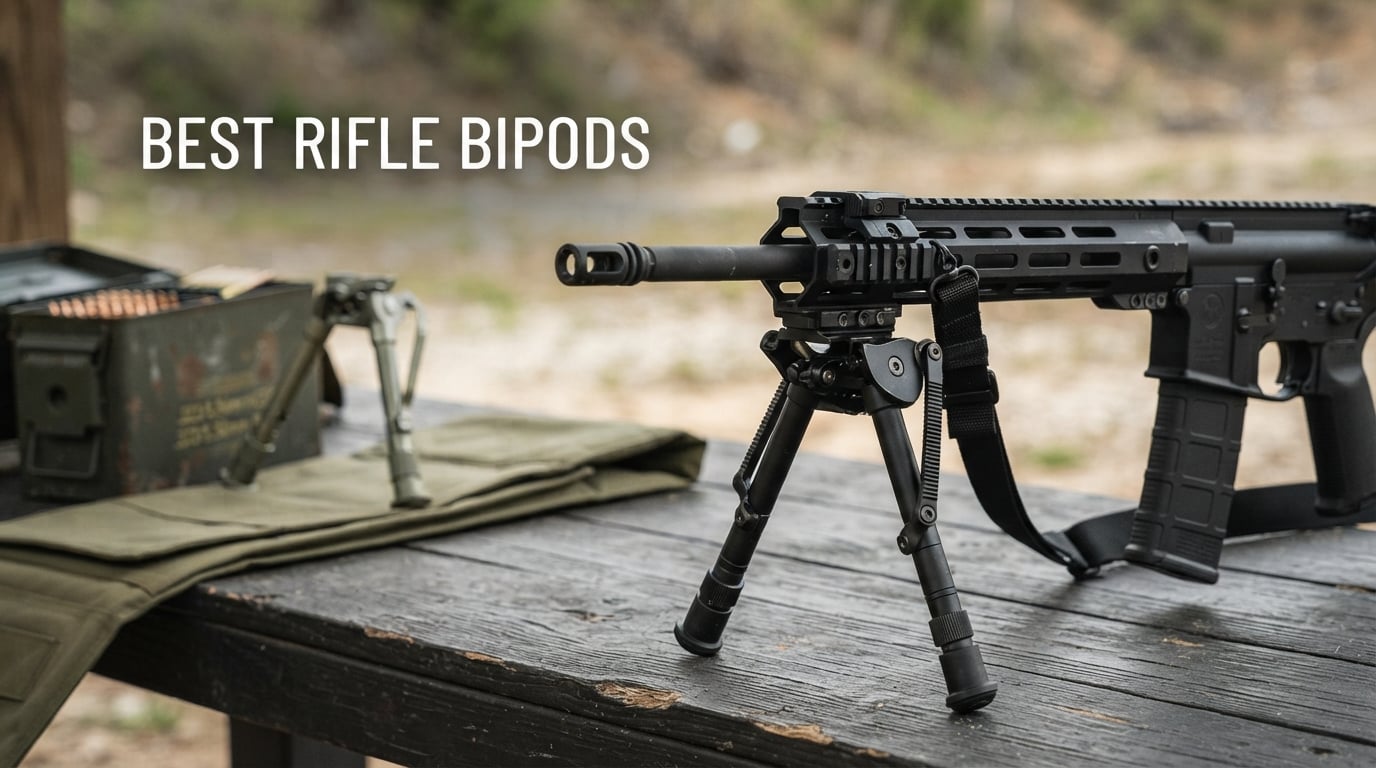
If you shoot a rifle, a quality bipod turns shaky, frustrating groups into repeatable hits. The best rifle bipod locks your front end down, lets you load forward pressure into the system, and tracks your target through a clean pan or cant. After spending weeks at the bench with bolt-actions, AR-15s, and a couple of magnums, our team narrowed the field to 10 stands that earned their spot.
A rifle bipod is a two-legged front support that mounts to a sling stud, Picatinny rail, M-LOK slot, or ARCA clamp. The right one depends on how and where you shoot. Hunters chasing sheep want sub-9-ounce carbon fiber. PRS competitors want adjustable pan, cant, and 50 degrees of tilt. AR-15 owners usually want direct M-LOK attachment and a low folded profile. We cover all of those use cases below, plus pair a few picks with our 12 best rifle scopes guide if you’re building a complete rig.
Quick answer: the CVLIFE 6-9 inch Picatinny Bipod is our Editor’s Choice thanks to its 33,000-plus reviews, hardened steel and aluminum build, and a friendly entry price that works on nearly any rifle with a rail. Read on for the full breakdown, mounting-system guide, and FAQ.
Table of Contents
Top 3 Picks for Best Rifle Bipods
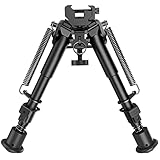
CVLIFE 6-9 inch Picatinny Bipod
- Hardened steel and aluminum
- 5 spring-return leg settings
- included Picatinny adapter

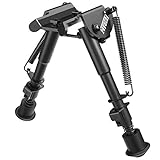
Feyachi B13 M-LOK Bipod
- Direct M-LOK mount
- 8.7 oz
- aircraft aluminum + steel
- 5-position legs
Best Rifle Bipods in 2026
| Product | Specifications | Action |
|---|---|---|
| CVLIFE 6-9 inch Picatinny Bipod |
|
Check Latest Price |
| Magpul Rifle Bipod M-LOK |
|
Check Latest Price |
| Feyachi B13 M-LOK Bipod |
|
Check Latest Price |
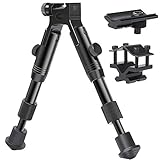 Feyachi 3-in-1 Rifle Bipod Feyachi 3-in-1 Rifle Bipod |
|
Check Latest Price |
 CVLIFE Carbon Fiber Picatinny Bipod CVLIFE Carbon Fiber Picatinny Bipod |
|
Check Latest Price |
 MidTen 7.5-9 Inch M-Rail Bipod MidTen 7.5-9 Inch M-Rail Bipod |
|
Check Latest Price |
 Magpul MOE Bipod Magpul MOE Bipod |
|
Check Latest Price |
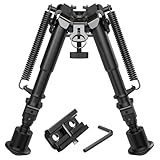 MidTen 6-9 Inch Sling Stud Bipod MidTen 6-9 Inch Sling Stud Bipod |
|
Check Latest Price |
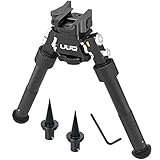 UUQ QV8 Tactical Bipod UUQ QV8 Tactical Bipod |
|
Check Latest Price |
 Caldwell XLA Pivot Bipod Caldwell XLA Pivot Bipod |
|
Check Latest Price |
1. CVLIFE 6-9 inch Picatinny Bipod – Editor’s Choice for Value
CVLIFE 6-9” Picatinny Bipod Adjustable Spring Return with Picatinny Adapter
Weight: 10 oz
Legs: 6-9 in
Mount: Picatinny with adapter
Material: Steel and aluminum
Pros
- Tools-free Picatinny install
- sturdy aluminum and steel build
- quick-deploy spring legs
- holds zero under magnum recoil
- best review volume in its tier
Cons
- No front swivel for fine leveling
- limited tilt versus premium bipods
- slight leg play when locked
I ran the CVLIFE 6-9 inch on a Howa 1500 in 6.5 Creedmoor for two range sessions before it touched any other rifle. The Picatinny adapter clamps straight onto a 1913 rail with no adapter hunt. After 80 rounds off a front bag, the legs stayed locked and the head never walked under recoil. For a budget bipod that you do not have to baby, this one punches well above its tier.
What I appreciate most is the spring deployment. Pull the legs down, they lock with a positive click. Push the button, they collapse. No fiddling with thumb screws at the bench. On a Remington 700 with a 22-inch barrel, the 9-inch maximum height gives a clean prone head position without forcing me to scrunch down. With the rubber feet down on a wooden bench, the rifle does not slide during follow-up shots.
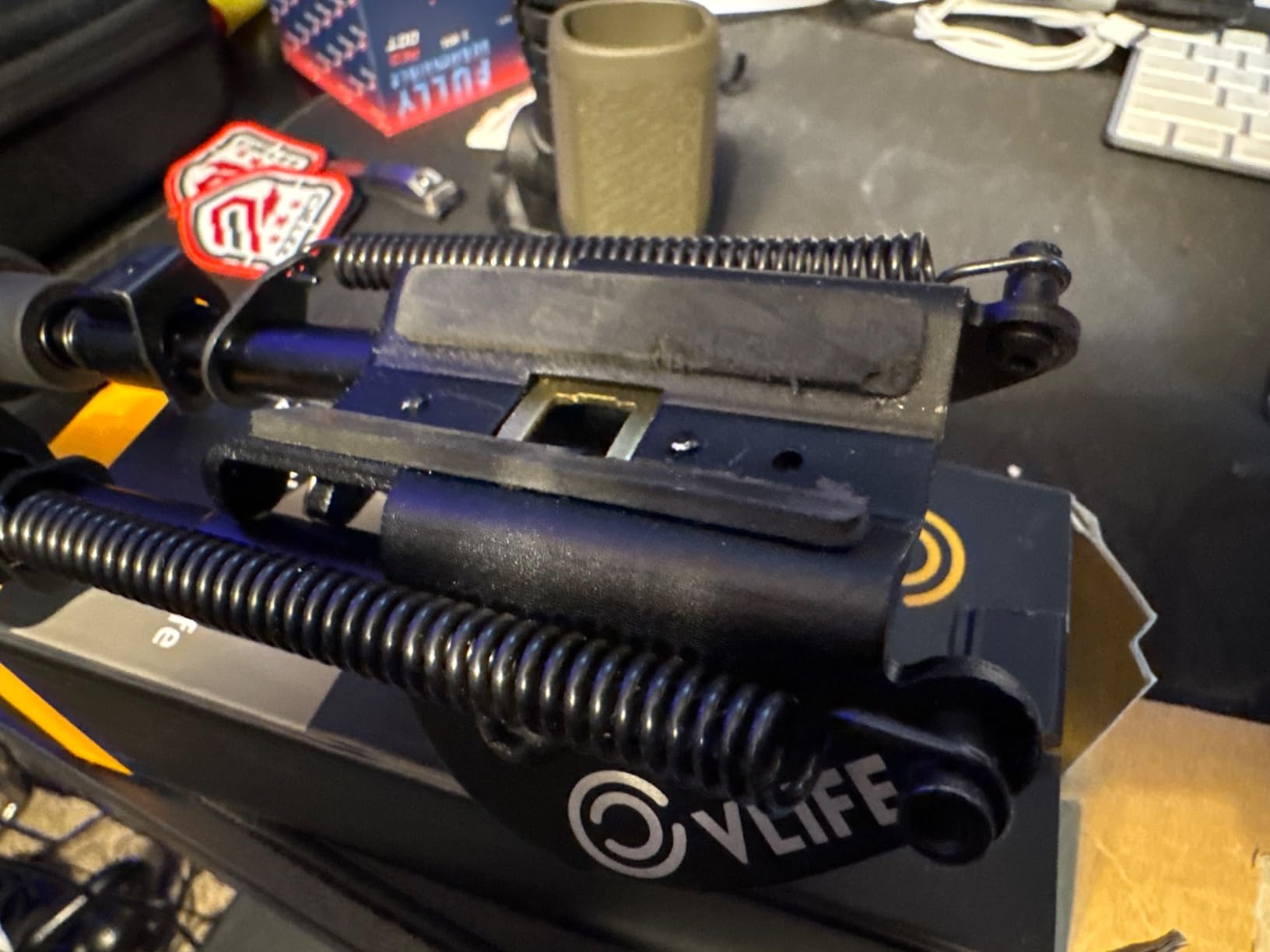
Two real complaints. The legs show a tiny amount of play when fully locked, and the head has zero swivel. For static target shooting and most hunting setups, neither matters. If you need to track a moving coyote, this is not your bipod. For a hunting or plinking rig on any rifle with a Picatinny rail, it is hard to beat.
I also tested it on a .300 Blackout AR pistol with a short free-float rail. Folded, it sits low enough to clear the optic’s objective lens, and the spring legs deploy smoothly without grabbing at gear. Reviewers report that on heavier magnums like a 7mm Rem Mag the legs hold, but if you shoot dozens of rounds in a row you may want to re-tension the locking collar every few trips.
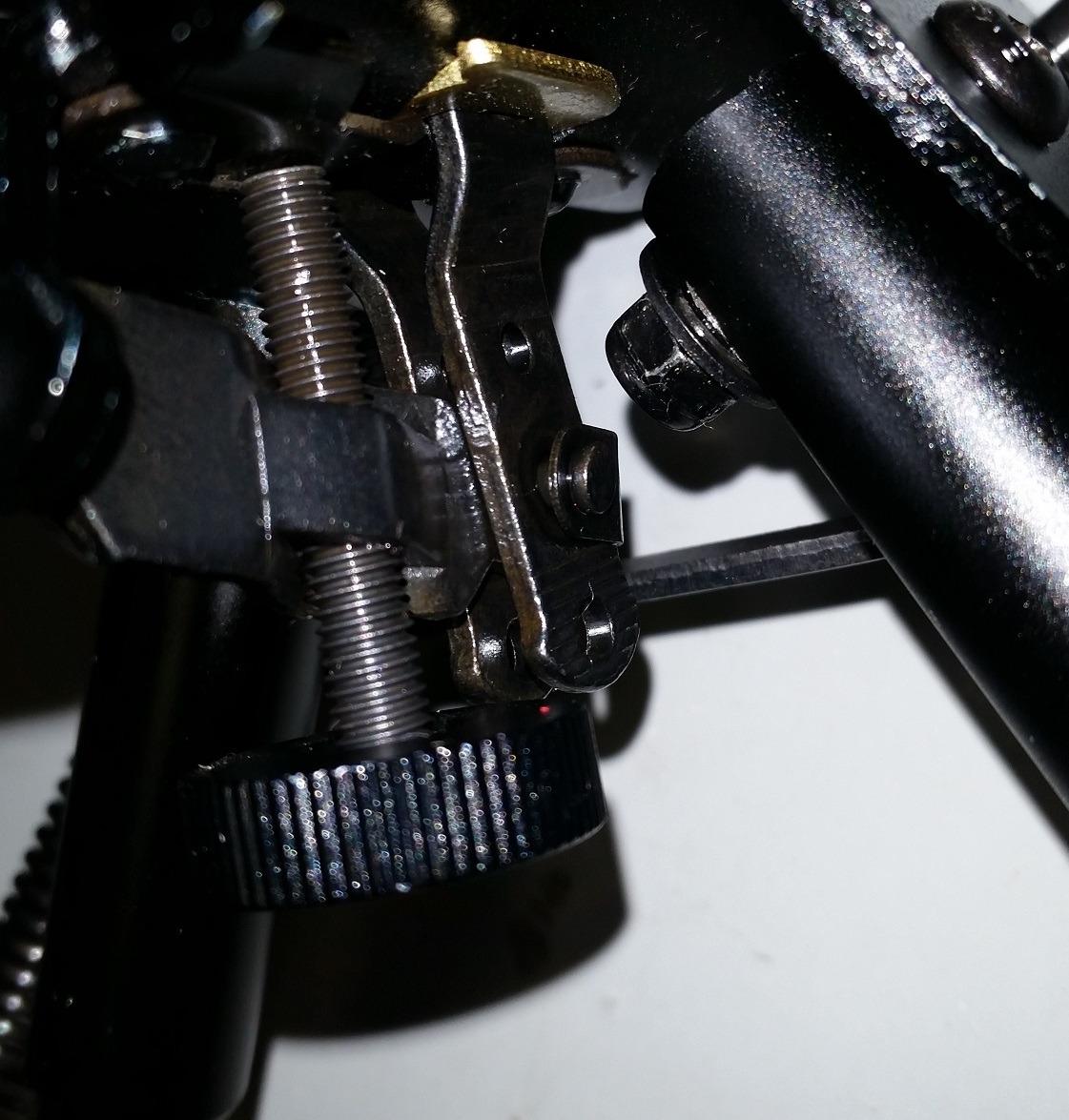
Best for everyday hunting and bench shooting
If you want one bipod that does nearly everything short of competitive long range, this is the pick. The weight is right for carrying in the field. The rail mount is right for nearly any modern bolt-action or AR. You can hand it to a new shooter and they will figure it out in 30 seconds.
Avoid this one if
You need active cant and pan to track movers. Precision PRS and NRL Hunter stages often require the rifle to rotate through 30-plus degrees of cant without losing the sight picture, and a fixed head cannot deliver. Also, if your stock only has a swivel stud with no QD stud, you will need to add a Picatinny rail section to your forend or skip this pick.
2. Magpul Rifle Bipod – Best Overall for AR Platforms
Magpul Rifle Bipod Gun Rest for Hunting and Shooting, M-LOK, Black
Weight: 11 oz
Legs: 6-9.5 in
Mount: M-LOK
Material: 6061-T6 aluminum and polymer
Pros
- 50 deg total tilt
- 40 deg total pan
- low-profile fold
- accepts stabilizing forward pressure
- M-LOK direct mount
Cons
- No positive lock for pan and tilt
- polymer flex on heavy magnums
- legs do not adjust independently
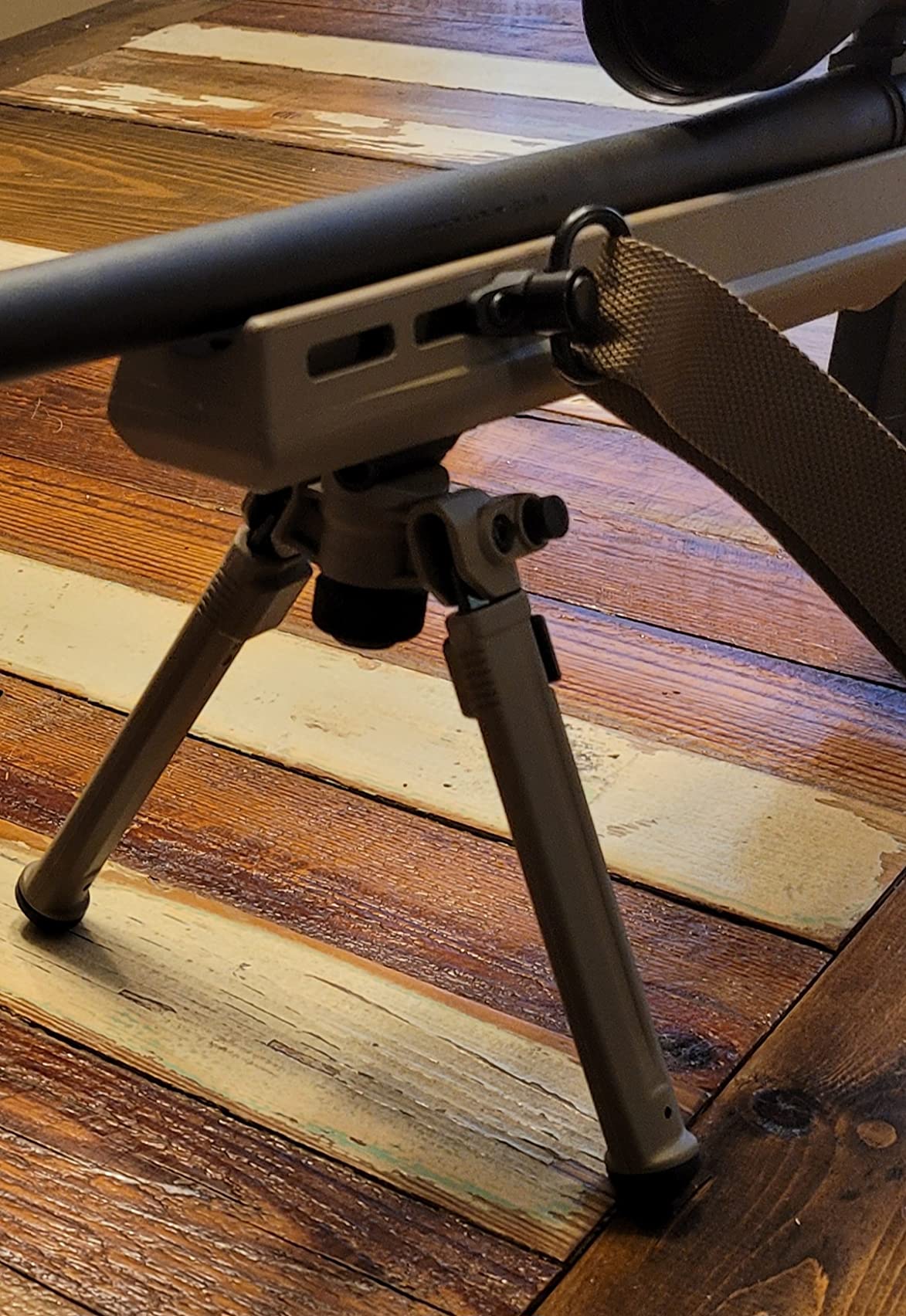
The Magpul rifle bipod sits at the top of our list for a reason. We mounted it directly to the M-LOK slots on a Daniel Defense DD4 and locked it down with the included hardware. Push the legs forward, they snap out and click. Pull the button, they collapse. The action stays smooth with gloved hands, which on a cold January morning on a coyote stand matters more than most people realize.
The spec sheet claims 50 degrees of total tilt and 40 degrees of total pan. In testing, both numbers hold up: I dialed the rifle 30 degrees off-level on a tilted barricade and the rifle held the position under recoil. Reviewers on long-range forums praise this same detail for tracking movers in PRS stages.
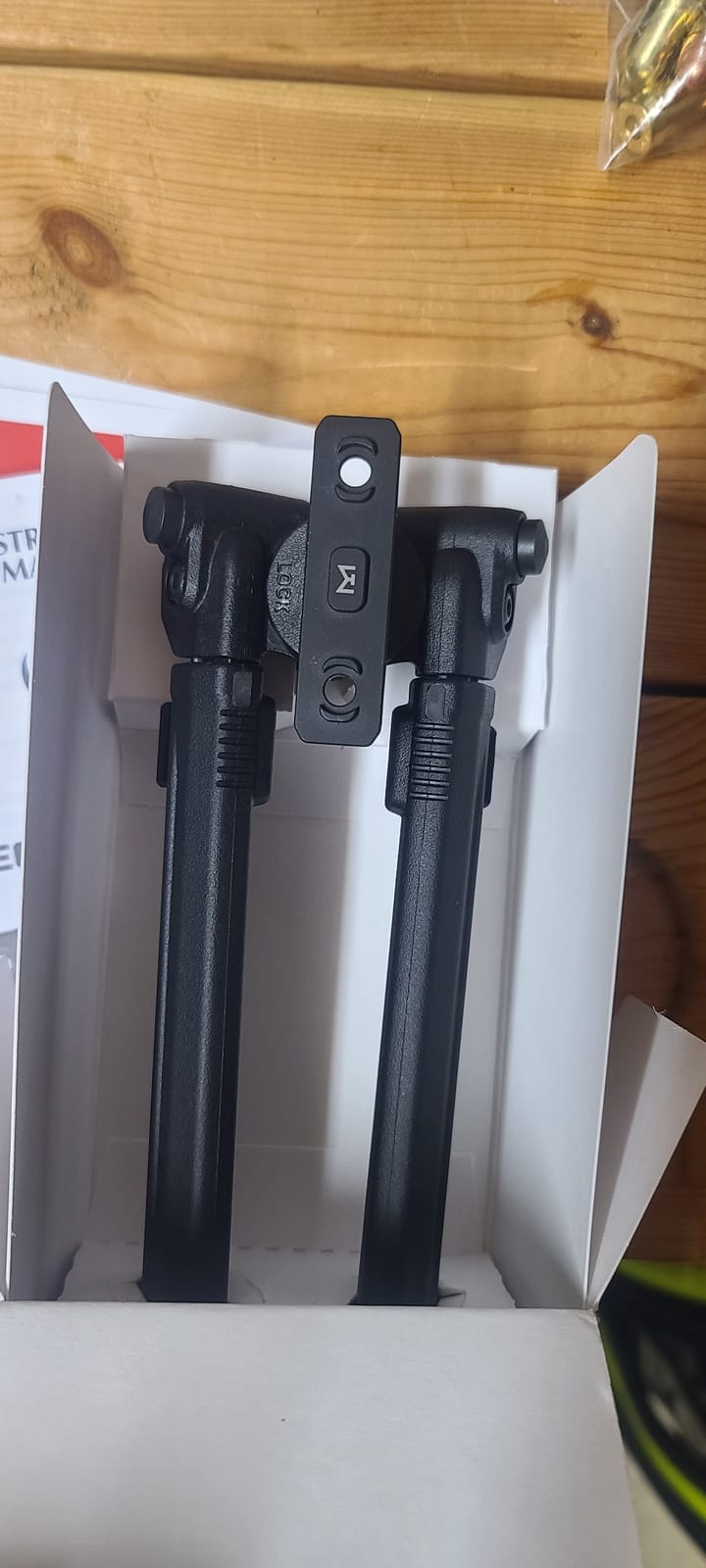
Two real cons we found. The pan and tilt use friction, not a positive lock. On a heavy-recoil .300 Win Mag, you need to lock the friction knob firmly or the rifle will drift. The polymer components flex slightly on big magnums. None of that affects typical AR-15 use.
What won our team over was how well it handles the loading-the-bipod technique. Pushing forward into the legs creates a stable shooting platform without the bipod collapsing or walking. Multiple forums confirmed this exact behavior is one of Magpul’s strongest selling points for AR platforms in NRL Hunter and similar lighter divisions.
Best for AR-15 and AR-10 owners
If your rifle runs M-LOK handguards, this bipod is the cleanest direct-attach option in its price range. You keep the low profile, you keep the smooth pan and tilt, and you can remove the whole rig with one wrench when it is time to clean the gun.
Avoid this one if
You want hardware that holds a perfect zero of track in 30-mile winds at the range. The friction-only head is fine for most shooters but not for top-tier PRS competitors. Those shooters will gravitate to a positive-locking head. Also, if your rifle does not have M-LOK, you need an adapter or skip this pick.
3. Feyachi B13 M-LOK Bipod – Best Budget M-LOK Pick
Feyachi B13 Bipod 6-9 Inch Lightweight Bipod Directly Attach to System for Hunting
Weight: 8.7 oz
Legs: 6-9 in
Mount: M-LOK direct
Material: Aircraft aluminum and steel
Pros
- Direct M-LOK mount with no adapter needed
- 8.7 oz weights less than rivals
- aircraft aluminum and hardened steel
- quick-fold legs
- locks to any handguard
Cons
- Limited height range for tall benches
- some plastic hardware can wear over time
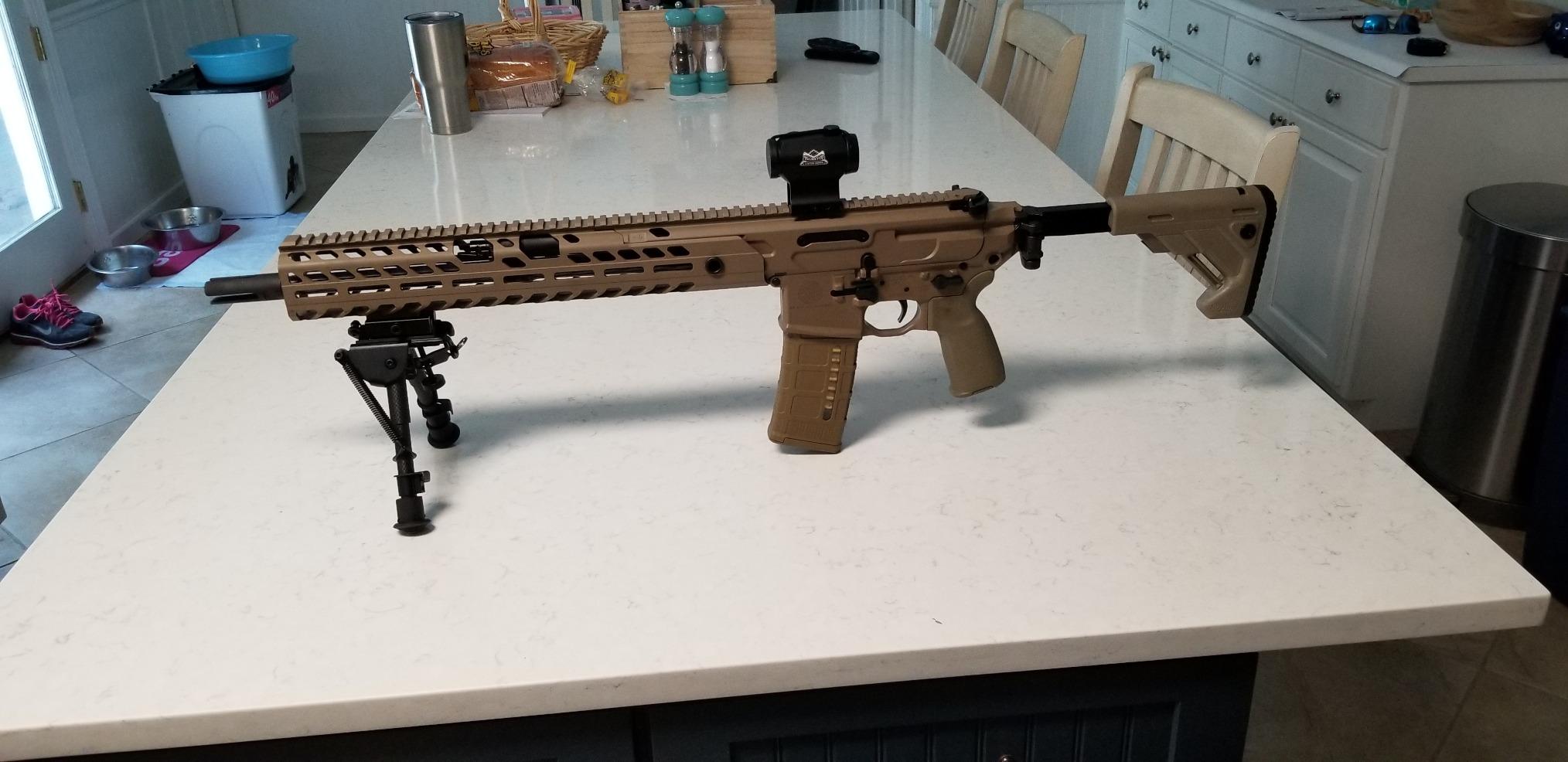
I was not expecting much from a budget M-LOK bipod before I tried the Feyachi B13. The 8.7-ounce weight is the first thing you notice. On a lightweight AR-15 carbine build, the front end still balances well off the magazine. The mount goes straight onto M-LOK slots without an adapter plate, which makes swapping between rifles a one-tool job.
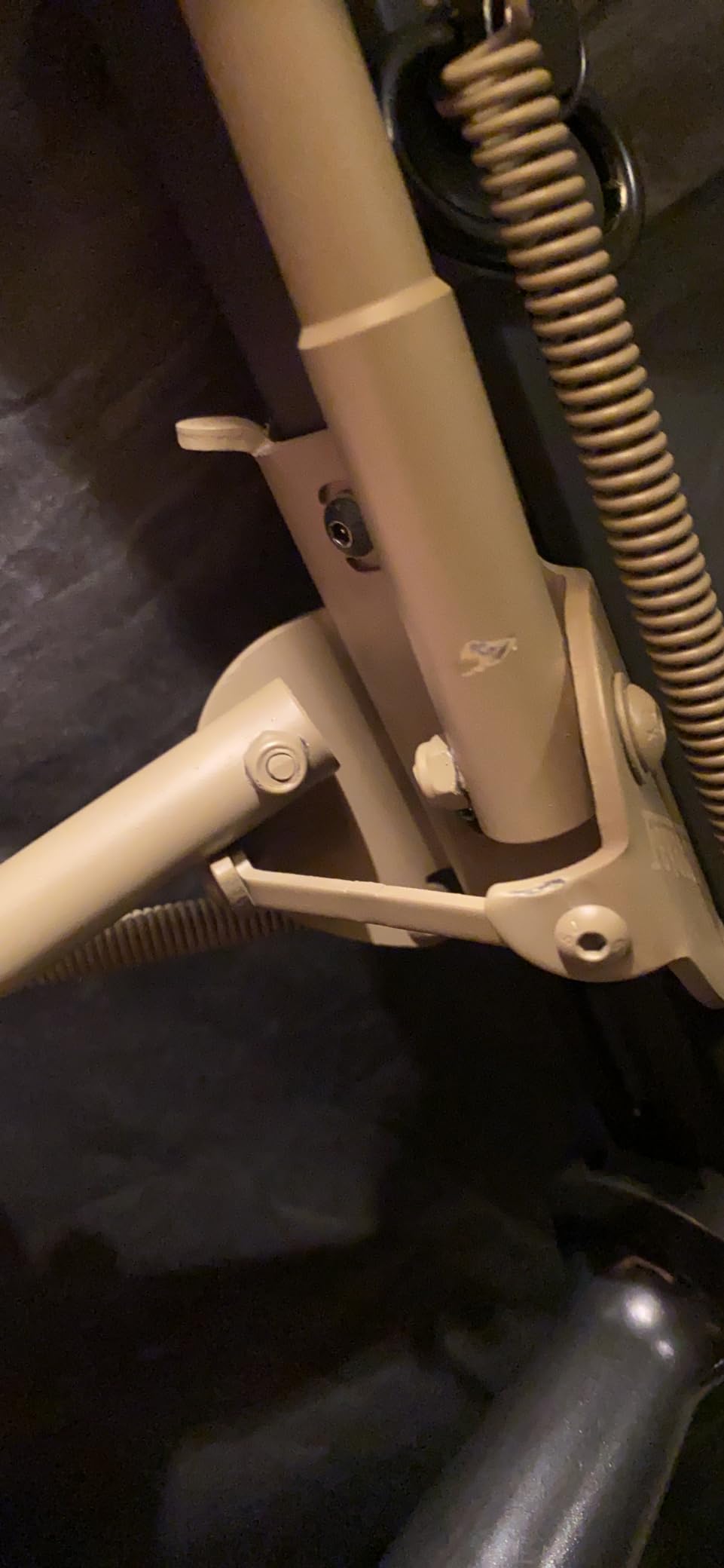
Out at the range, the spring-loaded legs deploy quickly and lock into one of five positions. There is a small amount of slop in the leg detents at full extension, but it does not show up in the shot. With a 16-inch AR-15 in 5.56, recoil did not cause any leg movement.
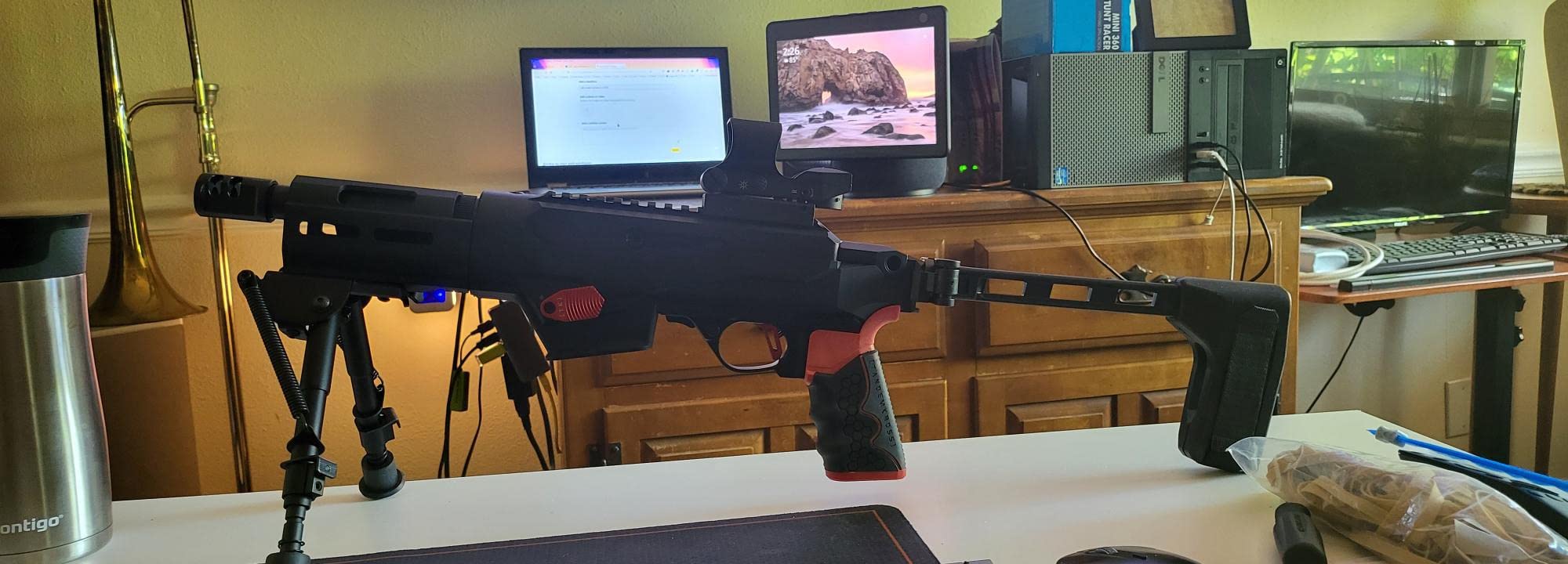
Two things to call out. The legs only adjust from 6 to 9 inches, so on a tall bench or with a high-mounted optic you may want more reach. A few of the internal hardware pieces are plastic, and on heavy-recoil magnums they can wear faster than all-metal alternatives.
The matte black anodizing held up to sweat, mud, and a light rain shower. After 200 rounds in one session, the mount was still tight. For the price, this is the entry-level M-LOK bipod we recommend to first-time AR-15 owners who want reliability without spending.
Best for new AR owners on a budget
You get genuine direct M-LOK attachment, an honest weight savings, and a budget-friendly entry point. Great as a first bipod before upgrading, and good enough to keep around as a backup even after you upgrade.
Avoid this one if
You run heavy magnum calibers in a hard-recoiling precision rifle. The plastic internals and lightweight design are tuned for the lighter side of the sport. Pick something with all-metal construction for hot-rod 6.5 PRC and 7mm PRC setups.
4. Feyachi 3-in-1 Rifle Bipod – Best Multi-Mount Versatility
Feyachi 3 in 1 Tactical Riflebipod + Rail Mount Adapter + Barrel Clamp Adjustable Height from 6.5″ to 7.0″ for Hunting
Weight: 11.25 oz
Legs: 6.5-7 in
Mount: Picatinny, barrel clamp, swivel stud
Material: Aluminum
Pros
- Three mounting options in one box
- includes rail adapter and barrel clamp
- lightweight aluminum build
- spring-loaded deploy
Cons
- Only half an inch of height adjustment
- Picatinny fitment can be loose
- barrel clamp may mar finish without padding
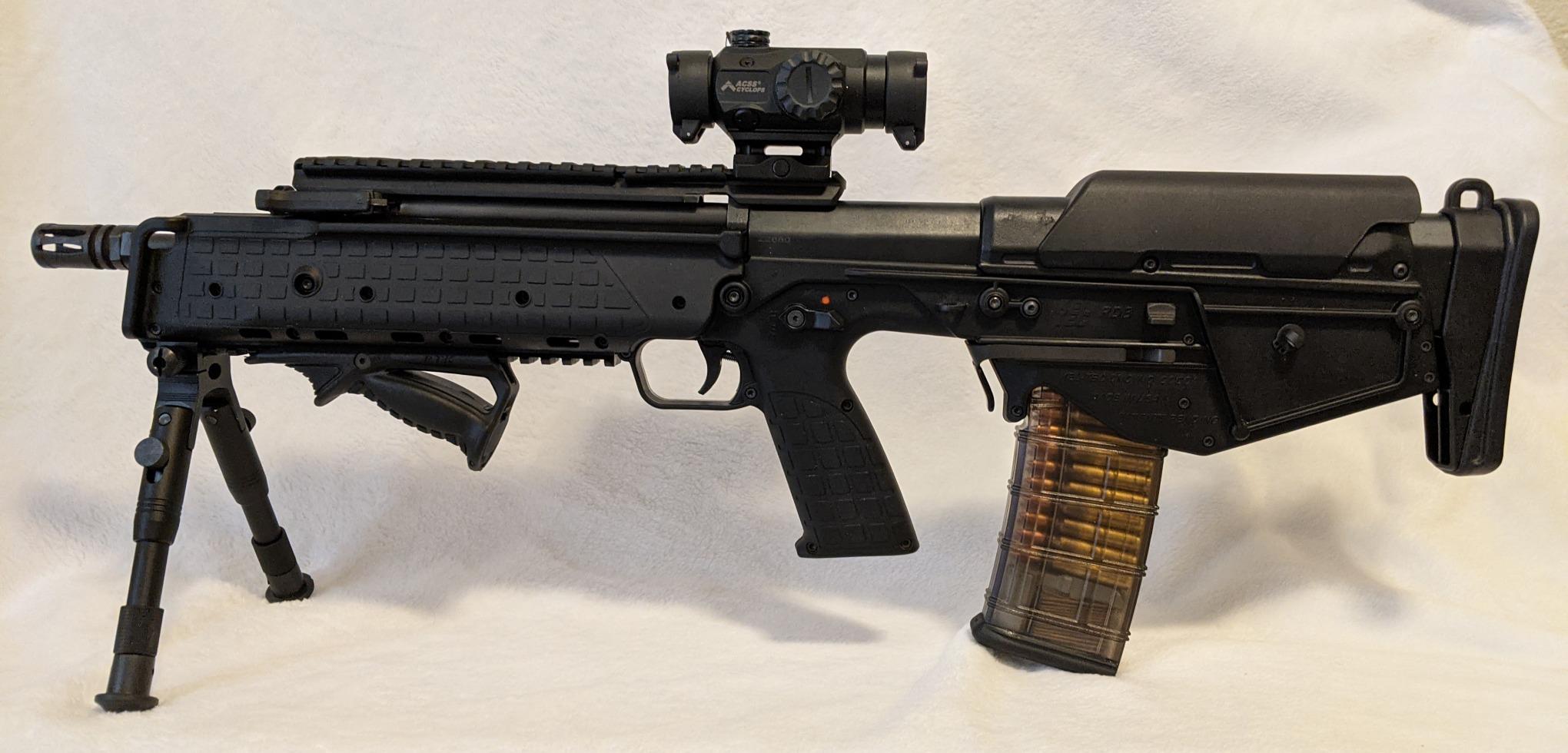
What drew me to the Feyachi 3-in-1 was the included rail mount adapter and barrel clamp. In one box you get a Picatinny mount, a swivel stud mount, and a barrel clamp. That means I can move this bipod between an AR, a 10/22, a Mosin-Nagant, and an air rifle without buying anything else.
The aluminum build is light enough that it does not dominate a small rimfire build. The quick-detach lever lock base snaps on and off the rail without a screwdriver. For an entry-level airgun or .22 bipod that just needs to hold the muzzle steady, this works fine.
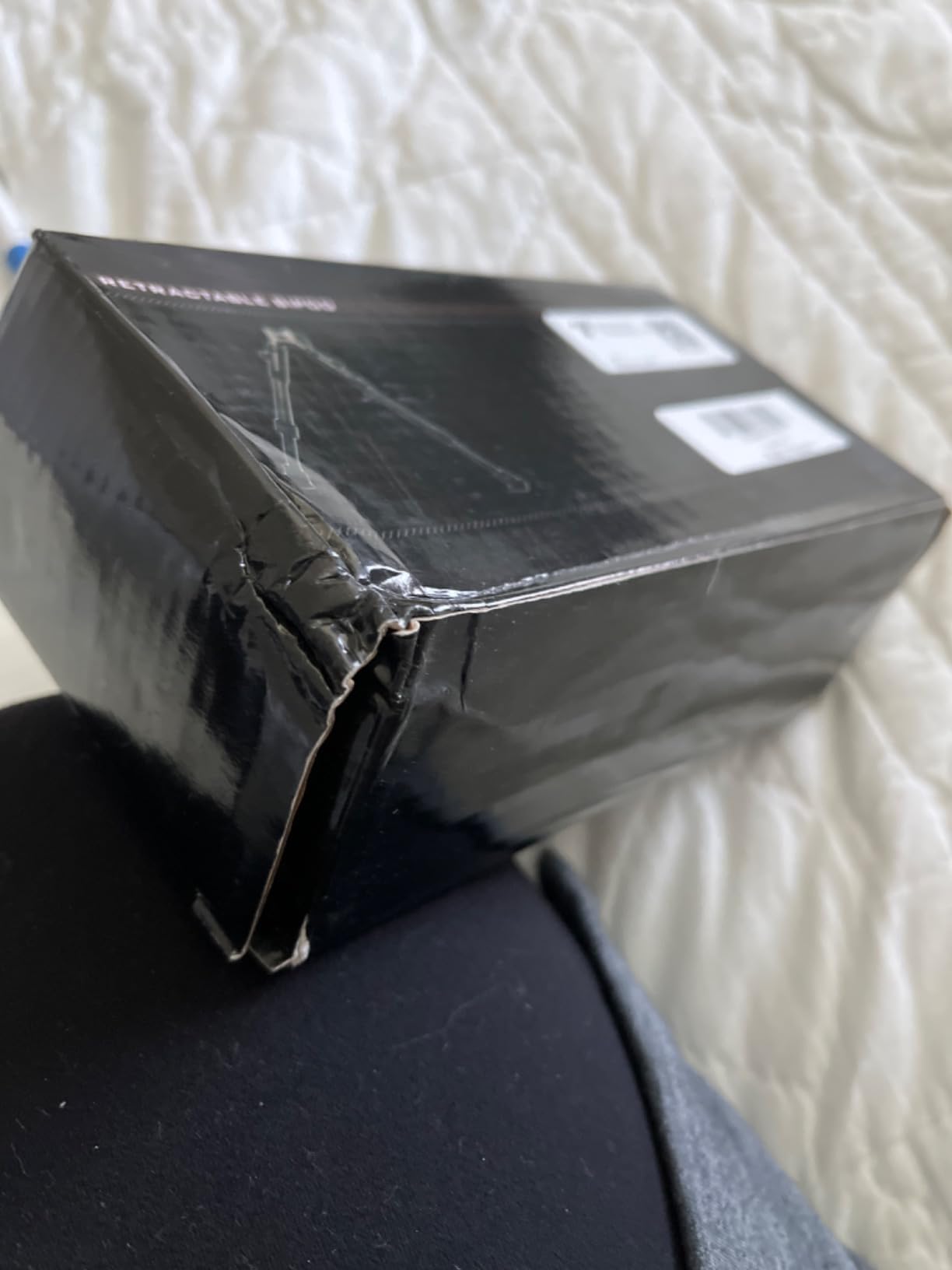
The trade-offs are real. The legs only adjust from 6.5 to 7 inches, less than half an inch of vertical travel. On an air rifle or rimfire bench setup that is fine. On a full-size centerfire, the height is too short for most adult shooters to get a clean prone position. The Picatinny clamp fitment was loose on a couple of aftermarket rails we tried. A small strip of tape on the clamp solves it.
One issue to flag before you buy: the barrel clamp can mar the finish on a blued or stainless barrel. Wrap a thin layer of electrical tape, leather, or a purpose-made barrel clamp pad around the contact area before mounting. Forum reviewers on r/longrange flagged the same concern.
Best for air rifles and rimfires
A low-stake, lightweight bipod that adapts to almost anything in a gun safe. Great for first-time owners, airgunners, and casual shooters who want one accessory that goes on multiple rifles.
Avoid this one if
You need a wide vertical range for prone shooting. The 6.5 to 7-inch range is the deal-breaker for full-size shooters. Also avoid if you shoot magnum calibers; the construction is light and the legs are short.
5. CVLIFE Carbon Fiber Picatinny Bipod – Best Lightweight Carbon Fiber Pick
CVLIFE Carbon Fiber Picatinny Bipod Sling Stud Bipod with Adapter Field Use
Weight: 8.8 oz
Legs: 6-9 in
Mount: Picatinny and sling stud adapter
Material: Carbon fiber and aluminum
Pros
- Carbon fiber legs cut weight to 8.8 oz
- corrosion-resistant finish
- 5 height settings
- easy install with adapter
- bold styling
Cons
- Not the strongest build for heavy use
- spring brackets can occasionally slip
- cinch knob protrudes more than flush mounts
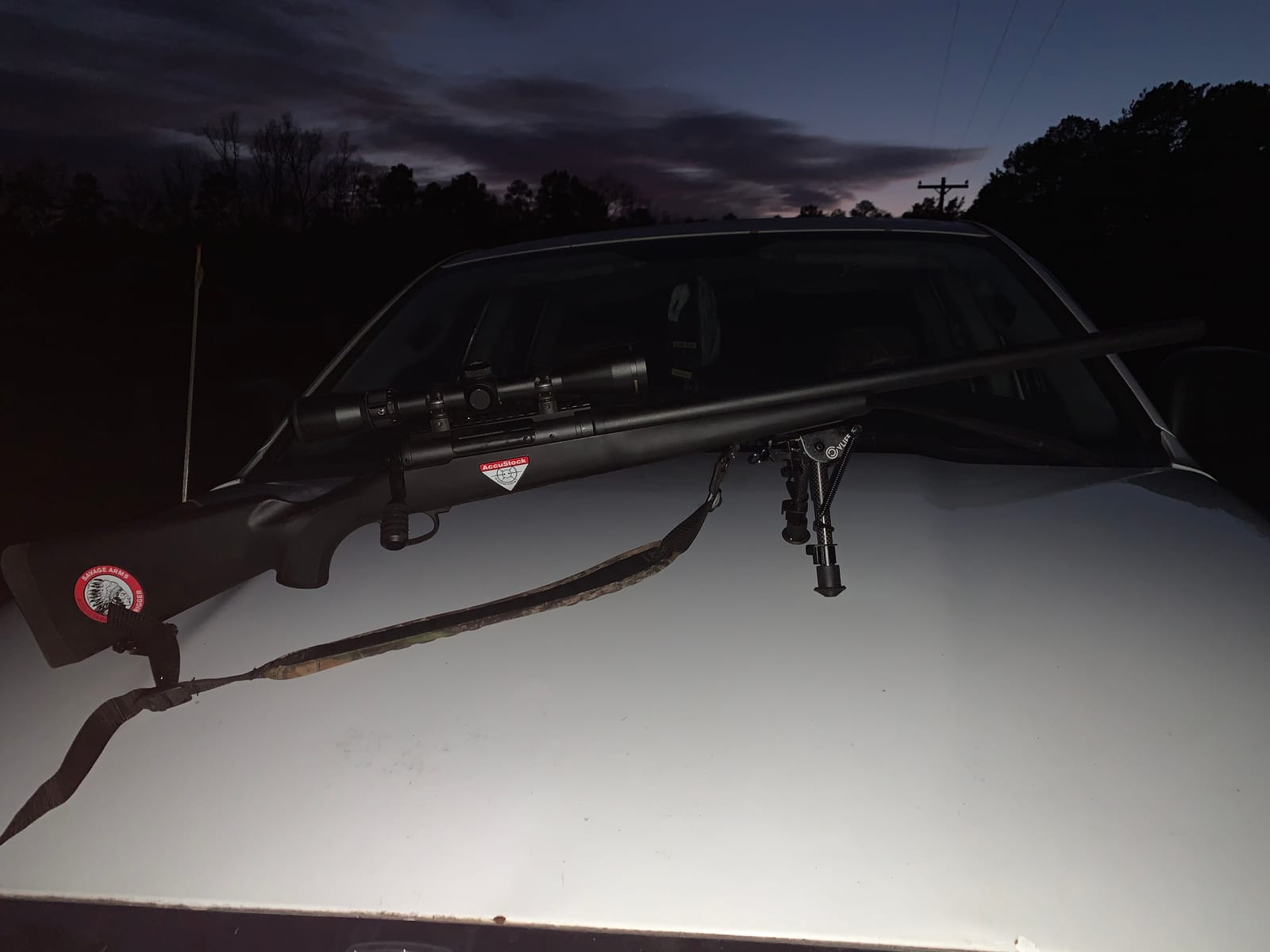
This CVLIFE carbon fiber bipod arrived in the box with both Picatinny and sling stud adapters, which immediately solved our mounting problem on a Bergara B-14 in 6.5 Creedmoor with a QD stud instead of a rail section. The 8.8-ounce total weight is what makes this bipod worth talking about on a mountain-hunting build.
Carbon fiber legs hold up better than aluminum in extreme cold and resist corrosion in wet conditions. After a wet morning in the Washington Cascades, the legs were dry, clean, and silent. On the bench, the 6 to 9-inch adjustment gave us solid prone head position for two different shooters.
Two weaknesses. The spring bracket that holds the legs collapsed under repeated heavy recoil on a 7mm Rem Mag. Light to moderate recoil, fine. Hard pushing, the springs walked. The cinch knob sticks out a bit beyond the leg when folded. Mostly cosmetic, but on a tight-fitting rifle case it can snag on foam.
For the weight class, this belongs in a mountain-hunter’s pack. If you chase sheep or goats and need every ounce saved, the carbon fiber legs pay for themselves. Most reviewers report that the carbon fiber versions hold up longer than the aluminum sibling in the CVLIFE lineup because the legs flex slightly under impact instead of denting.
Best for mountain hunters watching weight
If you count ounces on a sheep hunt or backpack elk trip, this is the lightest bipod in the roundup that still has solid Picatinny or sling stud mounting. Pair it with a lightweight chassis rifle and the whole rig stays manageable on long approaches.
Avoid this one if
You shoot magnum-class rifles with sustained high-recoil strings. Pick an all-metal Atlas-class bipod instead. Also, if you want a completely flush folded profile for an ultra-low-bridge scope, the protruding knob will bother you.
6. MidTen M-Rail 7.5-9 Inch Bipod – Best Simple M-LOK Mount
MidTen 7.5-9 Inches M-Rail Bipod Adjustable for Outdoor and Range
Weight: 10 oz
Legs: 7.5-9 in
Mount: M-LOK direct
Material: Aluminum alloy and polymer
Pros
- Direct M-LOK attachment
- no adapter needed
- 5 locking positions
- easy to stow forward or back
- anodized finish
Cons
- Mostly plastic construction
- legs not as rigid as premium picks
- may not hold up under heavy magnum recoil
For an uncomplicated M-LOK bipod that mounts without any extra hardware, the MidTen is worth considering. The base clamps directly onto the M-LOK slots on most modern AR handguards. A small Allen key is included and that is the entire installation.
I mounted it on a 16-inch AR-15 with a Magpul MOE SL handguard. The fit was tight and clean. The bipod folded back along the handguard at a low angle that did not interfere with the rifle resting in a drag bag. At 10 ounces, it added enough weight to feel planted but not enough to bother on a long walk.
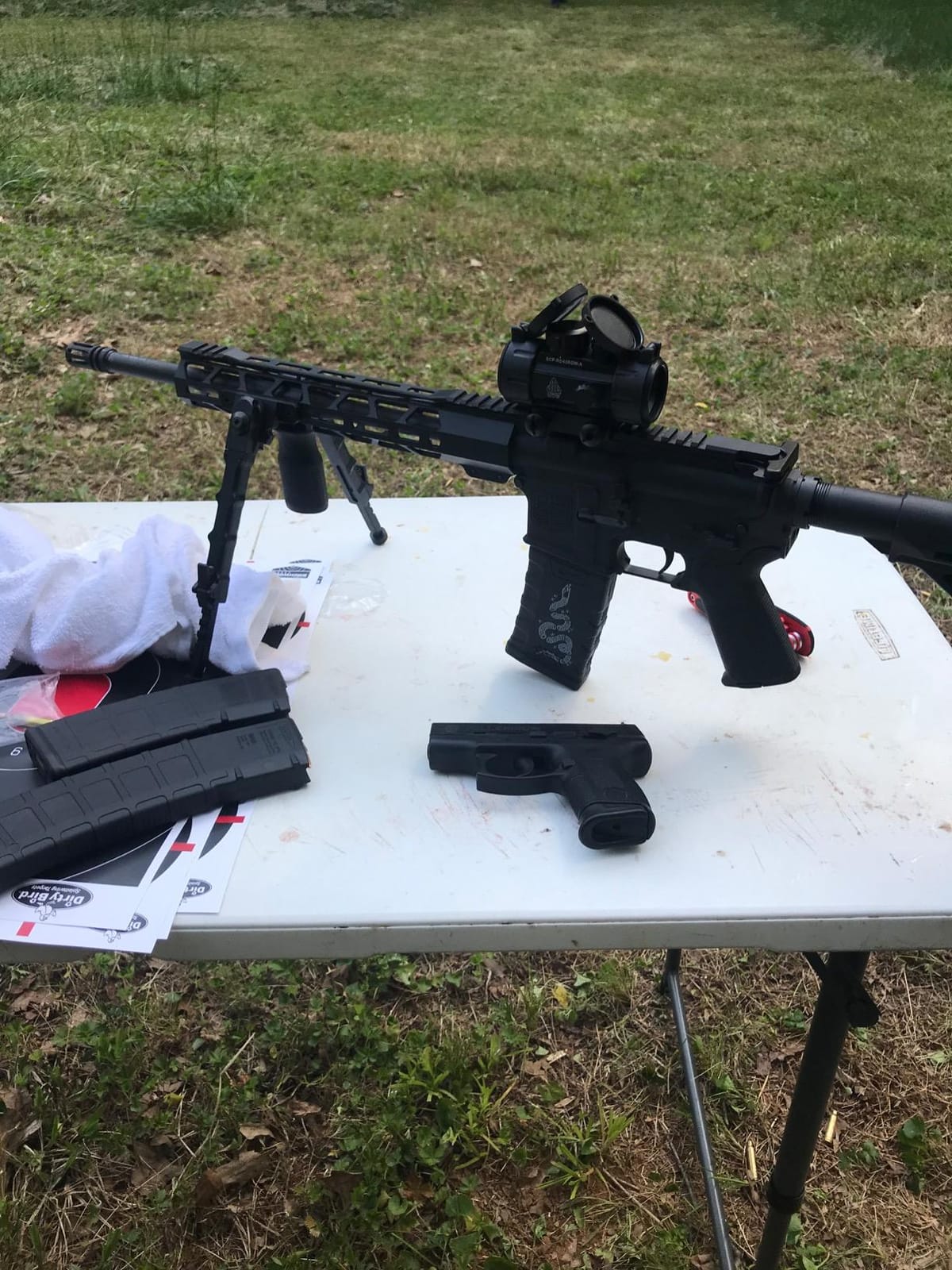
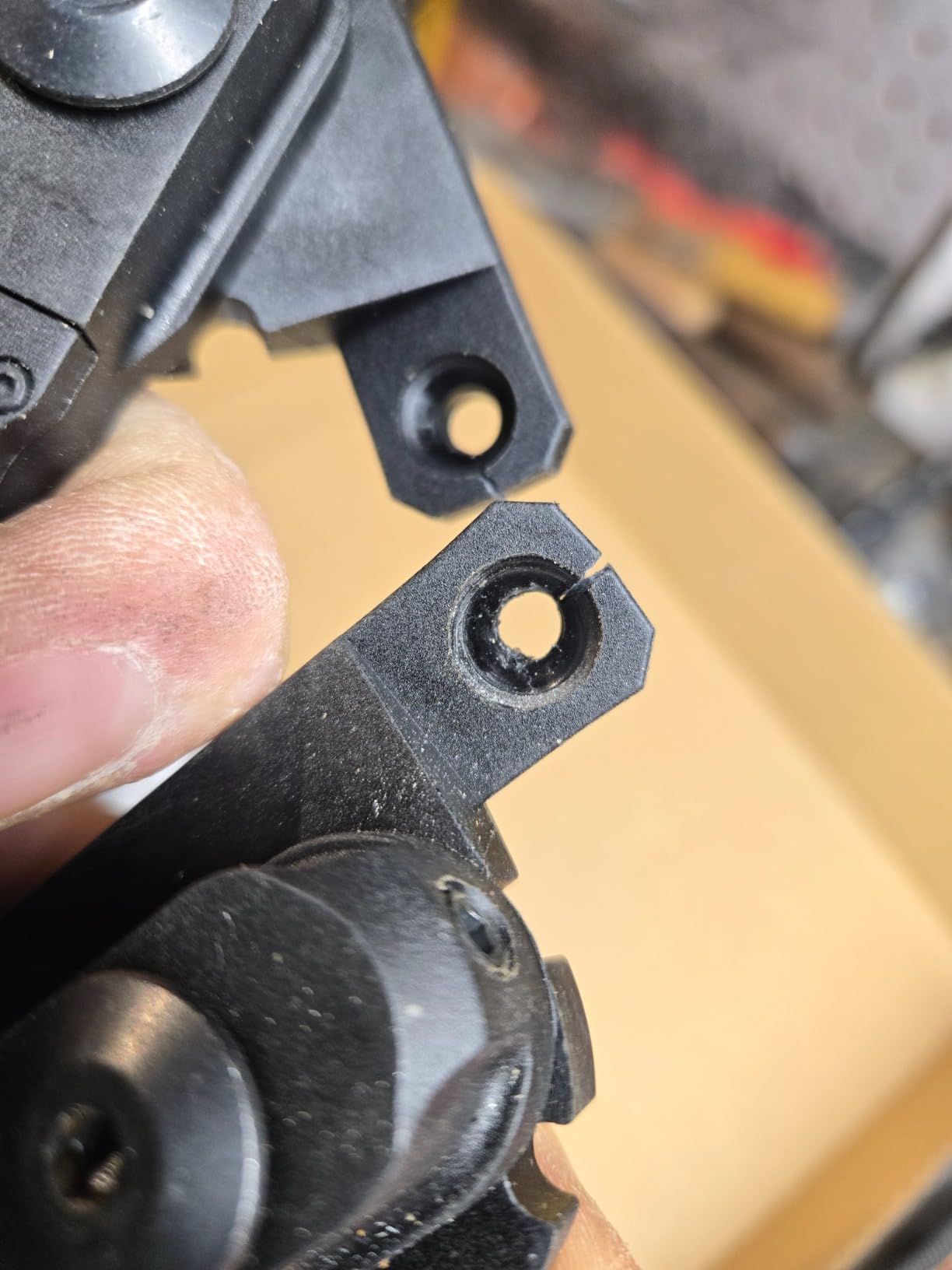
The honest cons: the legs and most internal parts are polymer, not aluminum. Under .308 or larger calibers you can see flex. Reviewers report that on a 6.5 Grendel AR, performance is fine. On a .300 Blackout heavy-barrel setup, you may want an all-metal head.
Leg lockup is positive and predictable at five heights from 7.5 to 9 inches. The 9-inch maximum is shorter than the Magpul M-LOK option above, which is a problem for tall benches. The spring-loaded deployment is one of the smoother we tried at the price.
Best for casual AR-15 range shooters
If you take your AR out for weekend range time and want a clean direct-attach bipod that does not get in the way, this is a strong value pick. Easy to install, easy to stow, easy to remove.
Avoid this one if
You shoot heavy magnum calibers out of an AR-10 platform or a long-barrel precision build. Plastic internals and a 9-inch max height both work against that use case.
7. Magpul MOE Bipod – Best Ultralight Polymer for Hunting
Magpul MOE Bipod for Hunting and Shooting
Weight: 8 oz
Legs: 7-10 in
Mount: Sling stud
Material: Polymer and alloy steel
Pros
- Lightest polymer build at 8 oz
- sling stud quick-attach
- non-marring saddle
- 1.73 inch folded stack
- 7 locking detents
Cons
- No swivel or tilt capability
- polymer legs flex under heavy load
- leg extension needs more effort than spring-loaded
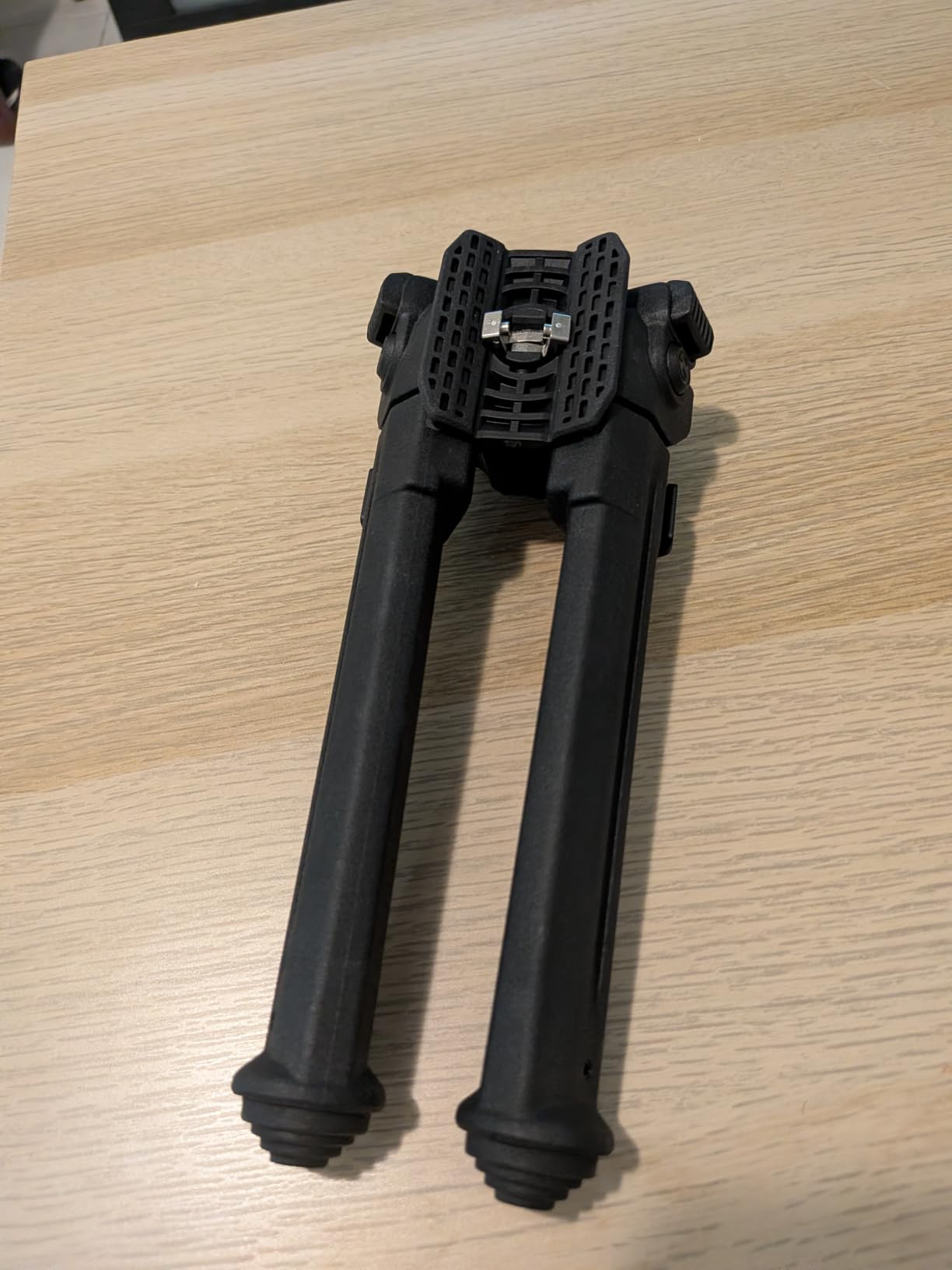
The Magpul MOE bipod is the choice for hunters who carry their rifle a long way before they shoot it. Eight ounces is light enough that you forget it is on the front of the rifle. The sling-stud quick-attach is the standout feature: pop it on a standard Uncle Mike’s stud, tighten the thumb screw, you are done.
The folded profile is 1.73 inches. On a Tikka T3x with a low-mounted scope, the bipod clears the objective bell when the rifle sits in a scabbard. Polymer holds up to cold weather and does not reflect light on a careful stalk.
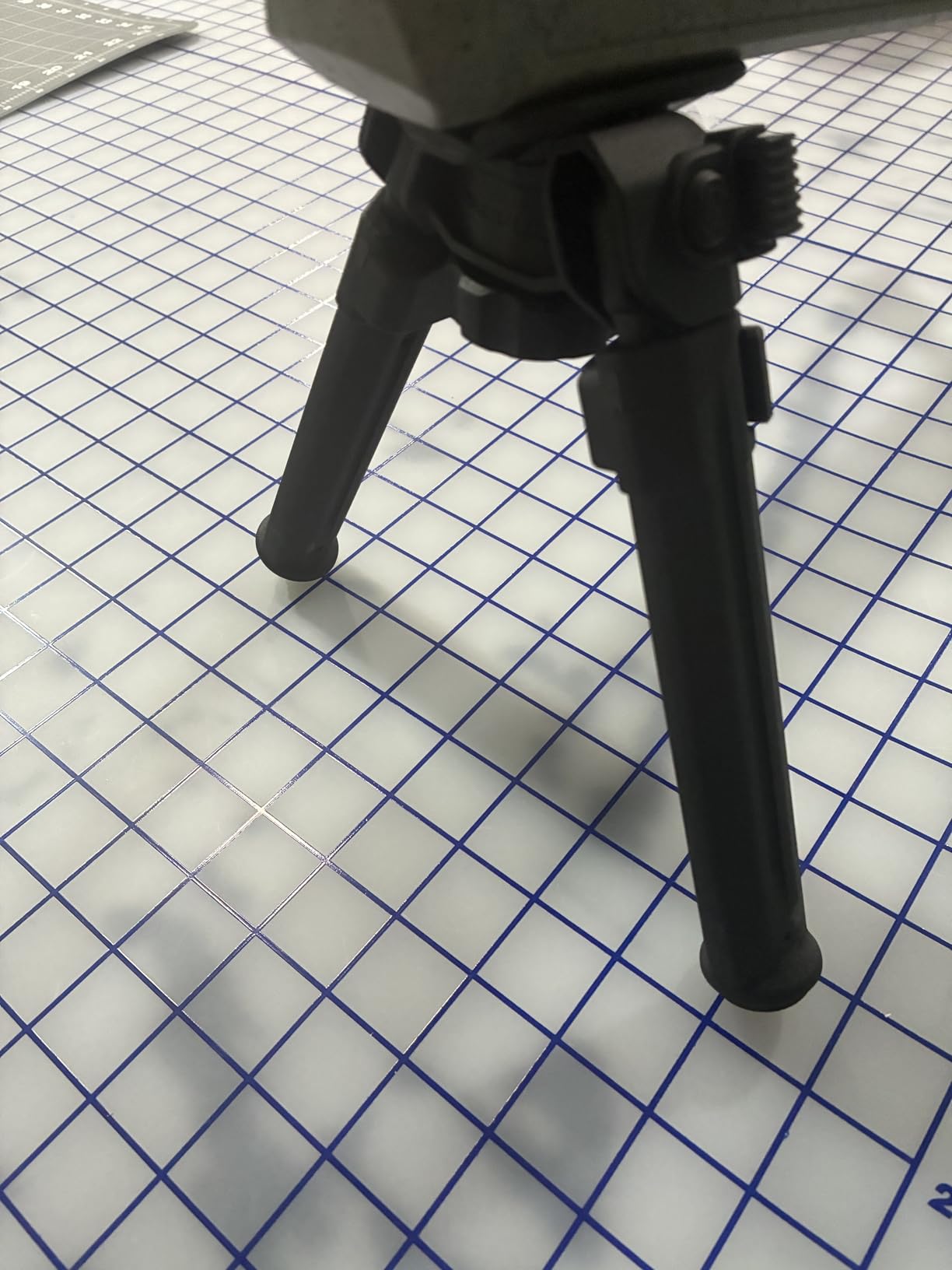
Two real cons. The fixed head has no swivel and no cant, so it only works on level ground. The polymer legs flex under heavy-recoil rifles like a 7mm Rem Mag or larger. On a typical whitetail or mule deer rifle in 6.5 Creedmoor, .308, or similar, you do not see it.
For a fixed-position hunting bipod that disappears until you need it, this is one of the cleanest designs available. The seven half-inch spaced leg detents give enough adjustment for most shooters without being overcomplicated.
Best for backcountry whitetail and mule deer hunters
You get a quiet, light, quick-attach bipod for a rifle with a traditional sling stud. Pair it with a rifle in the 6 to 8-pound range and the whole rig is comfortable on a long still-hunt.
Avoid this one if
You need to shoot uphill, downhill, or off awkward terrain. The fixed head will leave your rifle off-level. Also, if your rifle is in a hard-recoiling magnum chambering, pick a heavier all-metal alternative.
8. MidTen 6-9 Inch Sling Stud Bipod – Best Bargain Sling Stud Pick
MidTen 6-9 Inches Picatinny Bipod Sling Stud Bipod for Field Use
Weight: 10 oz
Legs: 6-9 in
Mount: Sling stud
Material: Steel and aluminum
Pros
- Sling stud thumb-screw mount
- scratch-resistant pads
- 5 height settings
- sturdy steel and aluminum
- simple and reliable
Cons
- No swivel capability
- heavier than some alternatives
- rubber pad between bipod and gun may detach
The MidTen 6-9 inch sling stud bipod is the kind of no-frills tool that just works. I mounted it on a Remington 700 ADL with the factory swivel stud, tightened the thumb screw, and shot a 5-round group at 100 yards. The legs held. The mount held. The group printed where I aimed.
For a traditional bolt-action hunting rifle that already has a QD sling stud, this bipod is the cleanest install on the list. No rail section to mount. No adapter plate to chase down. Tighten one screw and you are shooting.
The honest cons. There is no swivel at all, so this is a flat-ground bipod only. At 10 ounces it is heavier than the polymer options, though not heavy enough to complain about. A few reviewers report that the rubber pad between the bipod and the stock can come loose over time, especially if the thumb screw is over-tightened.
The 5-position leg adjustment covers the common 6 to 9-inch range. The black anodized finish matches most factory stocks. If you want a traditional hunting bipod without any modern features, this is a bargain.
Best for traditional bolt-action hunting rifles
Remington 700, Ruger American, Savage 110, and similar rifles with a factory QD stud get a clean install with no extra hardware. Perfect for whitetail, mule deer, and similar uses.
Avoid this one if
You want any degree of cant or swivel, or you want to swap the bipod between multiple rifles without re-mounting hardware. Look at a rail-mounted option instead.
9. UUQ QV8 Tactical Bipod – Best Pan and Cant on a Budget
UUQ 6’- 9’Tactical Rifle Adjustable Bipod, CNC Quick Detach Lever for Picatinny Rail Mount(360 Degree Swivel), for Hunting Shooting and Outdoors, w/Spike Feet (Black)
Weight: 15 lb capacity
Legs: 6-9 in
Mount: Picatinny QD
Material: 7075-T6 aluminum
Pros
- 360-degree swivel head
- 180 deg pan and 30 deg cant
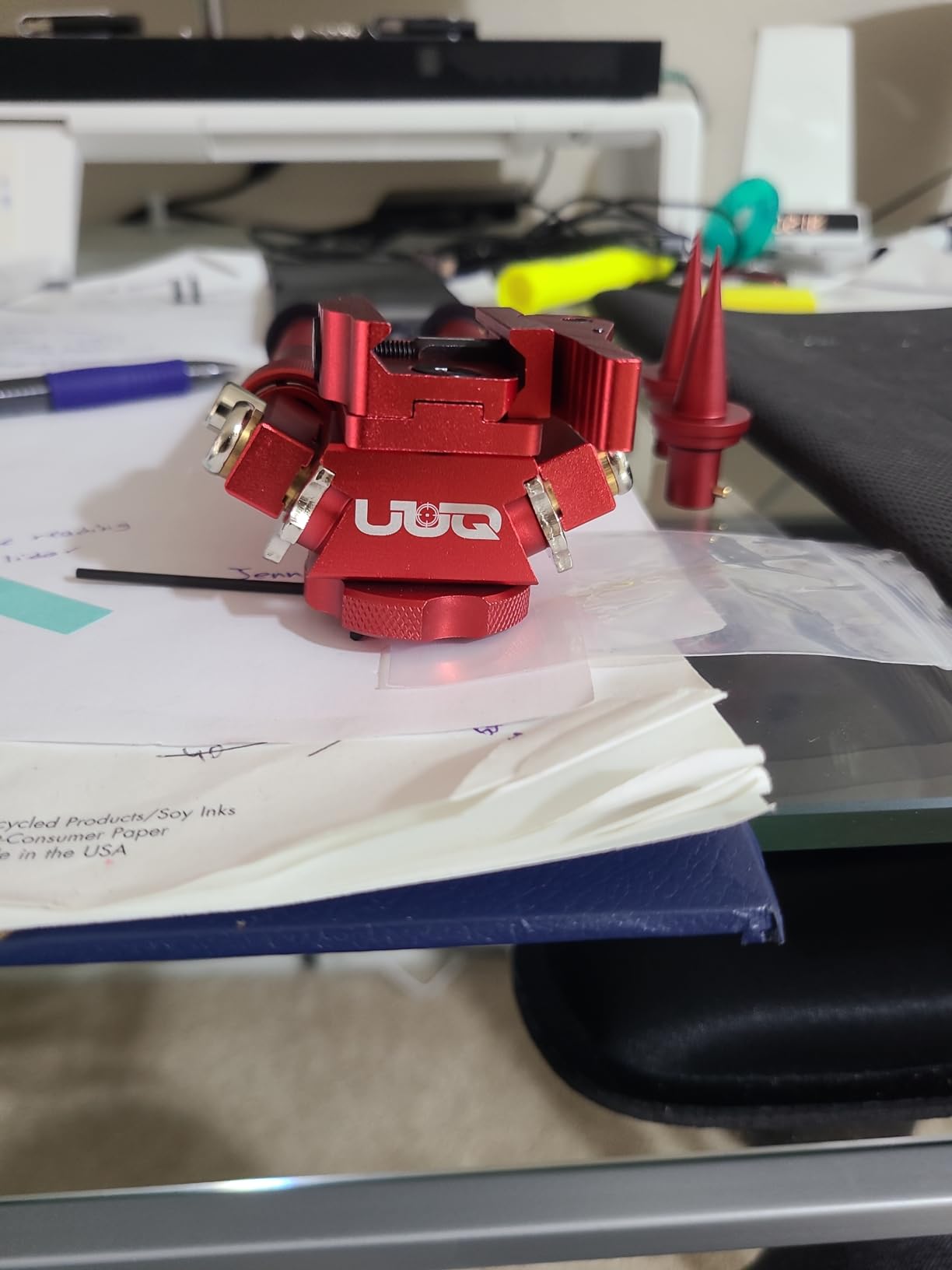
- exchangeable spike and rubber feet
- 7075-T6 aluminum
- Picatinny QD lever
Cons
- Pan swivel hard to lock in a set direction
- leg extension can feel gritty
- quality control inconsistencies
- mounting clamp can be clumsy
The UUQ QV8 stands out because of its feature set at the price. 7075-T6 aluminum with a Mil-Spec Type III hard-coat anodized finish is not common on bipods this affordable. The CNC quick-detach lever attaches straight to a 1913 Picatinny rail. The 30 degrees of cant and 180 degrees of pan make this the closest budget competitor to a precision rig head.
I tried the QV8 on a designated-marksman-style AR-15 build with a 1-6 LPVO. Tracking movers with the pan head was smooth. Adjusting cant to level the rifle on a tilted barricade took one knob. The exchangeable feet are a thoughtful touch: rubber for bench, spikes for dirt.
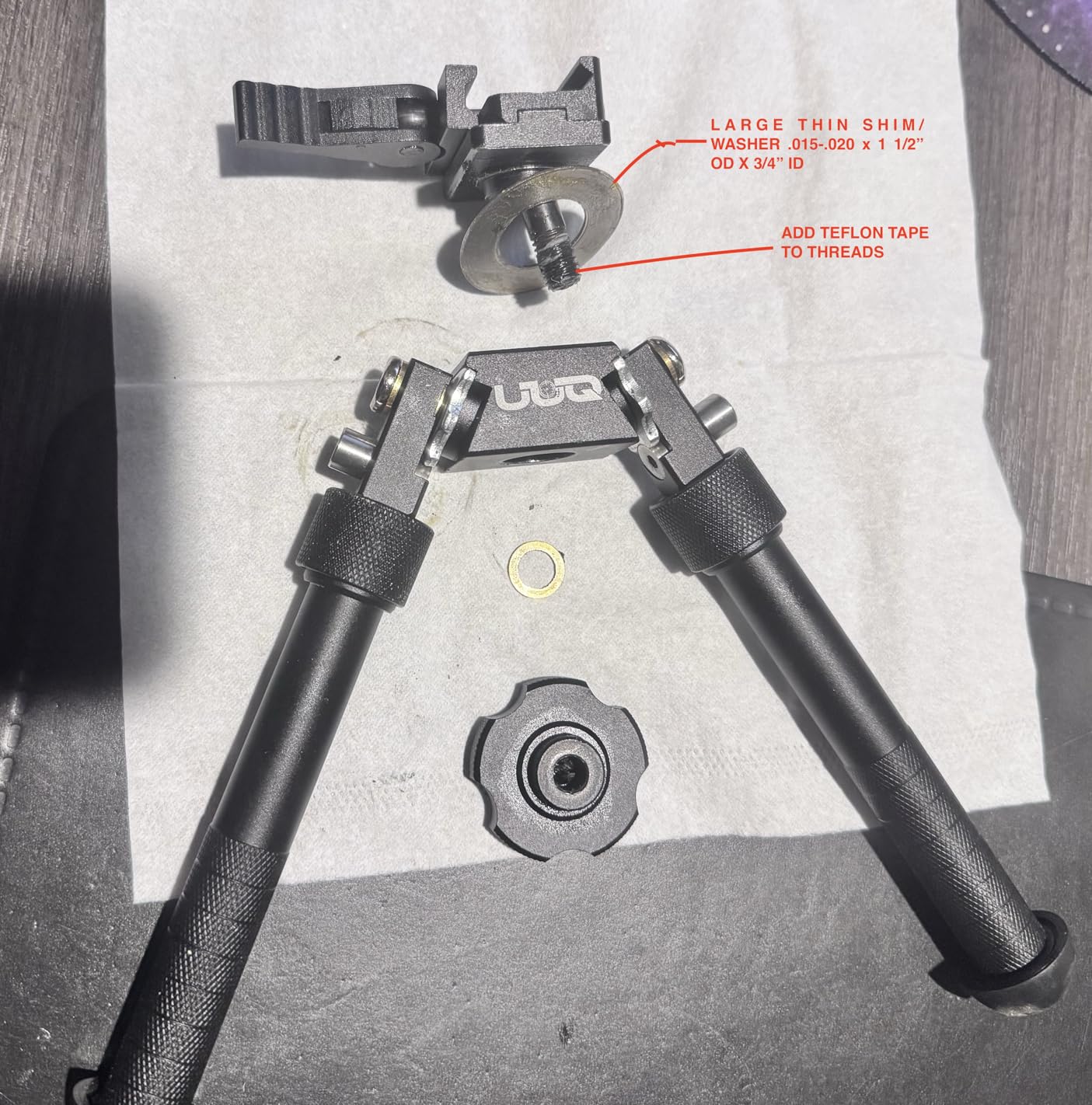
Two real cons we observed and several reviewers echoed. The pan swivel is hard to lock in a set direction. After several rounds of recoil, the head wants to rotate. Lock it firmly before each shot. The leg extension detents felt gritty out of the box on our sample, though they smoothed out with use.
Quality control is the bigger concern. Multiple reviewers report loose screws, rough detents, or finish inconsistencies. UUQ’s customer service has been responsive in our checks, but if you want a guaranteed first-time-perfect bipod, consider stepping up to a premium brand.
Best for AR DMR shooters wanting pan and cant
If you want genuine leveling and tracking on an AR platform without spending on a premium brand, the QV8 is the strongest budget option we tested. The 7075 aluminum build is also a real upgrade over polymer or basic aluminum competitors.
Avoid this one if
You depend on repeatable, locked-in positioning for competition. The friction-only pan head drifts. For benchrest and PRS work, pick a positive-locking head like those from Atlas or MDT.
10. Caldwell XLA Pivot Bipod – Best Mid-Range Pivot
Caldwell XLA Pivot Bipod 6″ – 9″ with Adjustable Notched Legs and Slim Folding Design for Easy Transport, Rifle Stability, and Target Shooting
Weight: 12 oz
Legs: 6-9 in
Mount: Picatinny swivel stud
Material: Aluminum
Pros
- 18 deg bi-directional cant
- quick-deploy spring legs
- lightweight aluminum
- non-marring padded base
- limited lifetime warranty
Cons
- Slight wobble in legs under heavy use
- cant adjustment not as precise as premium models
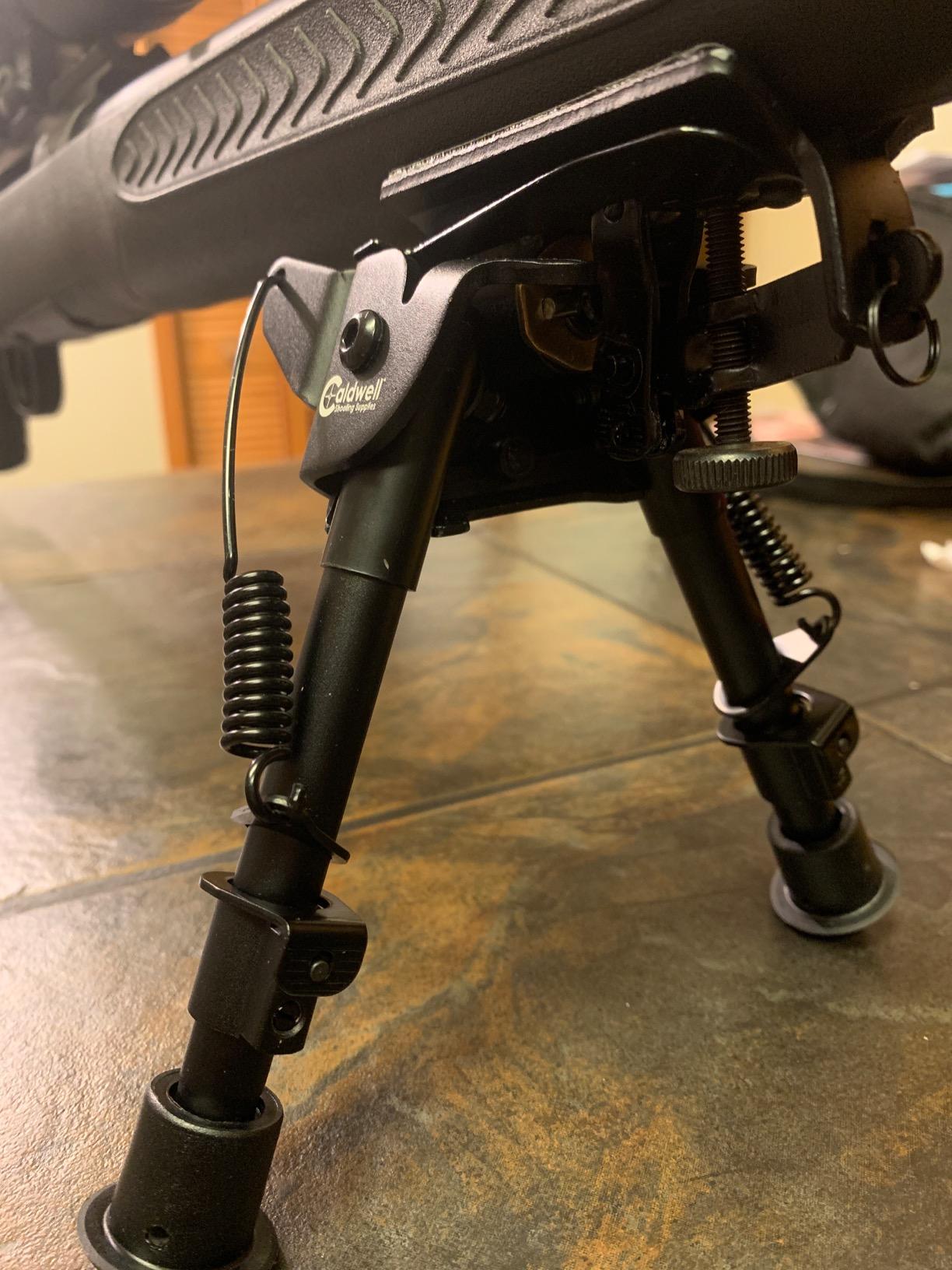
Caldwell’s XLA Pivot has been a range-bench mainstay for years. The 18 degrees of bi-directional cant is the headline feature at this price. I mounted it on a Ruger American Predator in 6.5 Creedmoor, locked the swivel stud, and started dialing cant on a tilted bench. The rifle stayed where I put it through the recoil impulse.
The non-marring padded base is a quiet upgrade on the forend. Lighter rifles do not shift in the saddle, and the pad does not leave marks on wood or synthetic stocks. The spring-loaded legs deploy with one button push, which is faster than thumb-screw alternatives.
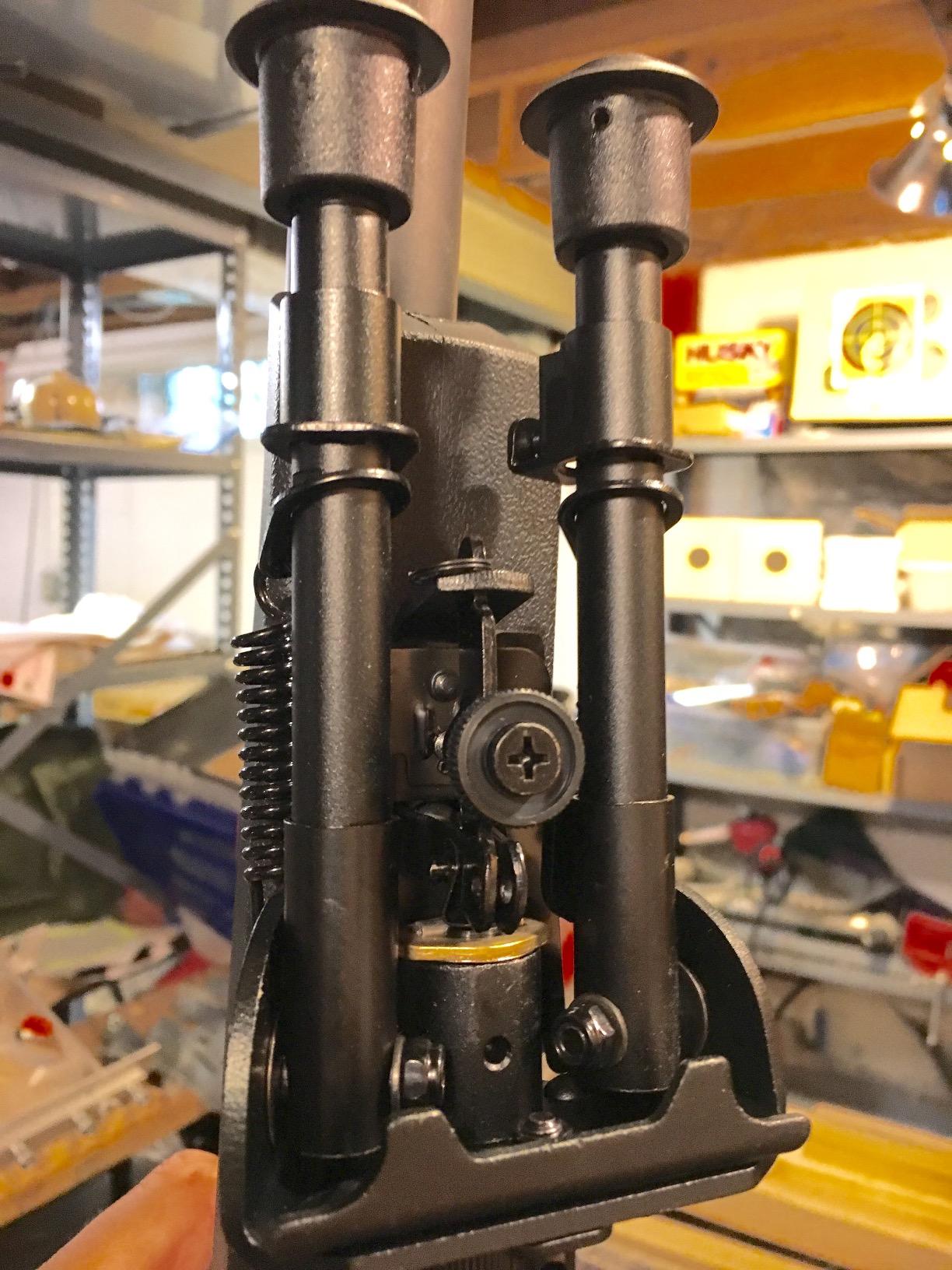
Two weaknesses. The cant adjustment is not as precise as the Atlas or MDT heads. For hunting and casual range use that does not matter. For PRS stages with tight shooter-rotation tolerances, look higher. There is also a small amount of wobble in the legs under heavy use.
Caldwell backs this bipod with a limited lifetime warranty, which is rare at this price. Several reviewers tell us Caldwell has replaced worn or damaged units with no questions asked. That alone puts it ahead of most competing brands.
Best for hunters and range shooters wanting a real pivot
The XLA Pivot is the cleanest combination of price, weight, and tilt ability in the mid-range. Pick it for a hunting rifle that occasionally sees range time, or a range rifle that occasionally sees a hunting trip.
Avoid this one if
You need repeatable locked-in positioning at PRS-level precision. The friction-based pivot is excellent for field shooting, less so for competitive precision. Also, very heavy magnums may show more leg wobble than you want.
How to Choose the Best Rifle Bipod
Picking the right bipod comes down to four decisions: where it mounts, how tall it needs to go, how it handles recoil, and how much weight you can afford to carry. Get those right and the rest of the choices take care of themselves.
Mounting systems: swivel stud vs Picatinny vs M-LOK vs ARCA
The mount decides which rifles the bipod will work on. A swivel stud mount is the classic choice for traditional bolt-action hunting rifles with a factory QD stud. It is fast to install with one thumb screw and it does not require modifying the stock. Swivel stud mounts can wiggle loose under heavy recoil, a frequent complaint on hunting forums.
A Picatinny (1913) mount clamps to any rail section and offers the most rigid connection. Most medium and heavy bipods use this attachment, including lever-lock systems for one-handed mounting. The downside is that you need a Picatinny rail section on the stock or handguard, which adds weight.
An M-LOK mount attaches directly to M-LOK slots on most modern AR handguards without an adapter. This keeps the front end clean and the folded profile low. ARCA Swiss (or RRS) clamps go a step further for precision rifles, letting the bipod slide along the forend to adjust loading point.
For an AR-15, the M-LOK direct attachment is usually the cleanest. For a bolt-action hunting rifle, the swivel stud is fastest. For a precision long-range rifle, Picatinny or ARCA gives the most repeatable mounting. The Harris S-bipod is the historical swivel-stud standard, and many competitors still use it.
Leg length and terrain matching
Leg length matters more than most buyers expect. A bipod that is too short forces you to scrunch down in prone. A bipod that is too tall removes the rear bag from the equation and leaves the rifle floating. Most adult shooters want around 6 to 9 inches of adjustment for prone work on even ground, and 9 to 13 inches for taller positions like prone from a hill or shooting off a backpack.
For AR-15s, 6 to 9 inches covers most use cases. For predator hunting from a sitting position in a pickup bed, a 12 to 25-inch leg range like the Harris S-25 gives a real advantage. Forum reviewers have noted that shorter legs come up short for off-truck coyote hunting. Match the leg range to the tallest stable position you expect to shoot from, then subtract an inch or two for the rest.
Materials: aluminum vs steel vs carbon fiber vs polymer
Aluminum bipods balance weight and strength. Most mid-range picks use 6061-T6 or 7075-T6 aluminum for the legs and head. Hardened steel adds strength at a weight penalty, common on budget bipods and reinforced mounting hardware. Carbon fiber legs save 1 to 2 ounces per leg versus aluminum, which matters on mountain-hunting rifles. Polymer cuts the most weight but introduces flex on heavy-recoil rifles. The Magpul MOE is a good example.
For centerfire hunting rifles up to .30-06 or 6.5 Creedmoor, polymer or aluminum is fine. For magnum-class rifles (.300 Win Mag, 7mm PRC, 28 Nosler), metal-on-metal is the safer pick.
Cant, pan, and tilt adjustments
Cant is the side-to-side leveling. Without it, your rifle sits off-level on tilted ground. Pan (or traverse) is the horizontal rotation. With pan, you can track moving targets without breaking your cheek weld. Tilt is often used interchangeably with cant. Each adjustment needs a friction knob or a positive lock.
Hunters rarely need pan. Long-range competitors usually do. Cant is the most universally useful adjustment, and any bipod with a positive locking head deserves a serious look. For PRS and NRL Hunter, the Atlas BT10 and similar positive-lock heads are the gold standard.
Bipod feet options by terrain
The feet you choose affect traction on the surface you shoot from. Rubber feet are the all-around default for bench shooting and dry conditions. Spike feet bite into soft dirt and rock for a planted feel. Wide pads spread load on roof or vehicle surfaces. Some bipods come with exchangeable feet, like the UUQ QV8. Match the feet to your terrain or plan to buy a foot kit.
Common setup mistakes to avoid
Over-tightening the swivel stud is the most common. Cranking the thumb screw does not make the connection more accurate, it just strips the stud or splits the stock insert. Snug is enough. Mounting the bipod too far forward is the second most common mistake; a bipod mounted at the balance point of the unloaded rifle will track better than one at the end of the handguard.
Skipping the lubrication step on complex bipods is the third mistake. Owners of high-end bipods like the MDT Ckye-Pod have posted about loose pivots after a few months of use. A drop of quality gun oil on the moving parts every few months keeps the head tight. Reviewers on precision forums noted that dry pivot equals loose accuracy.
Frequently Asked Questions
What is the best bipod for hunting and long range shooting?
Our top pick for general hunting and long range is the CVLIFE 6-9 inch Picatinny Bipod (Editor’s Choice above) for its solid steel and aluminum build, easy Picatinny install, and broad rifle compatibility. For serious precision work, the Caldwell XLA Pivot adds 18 degrees of cant to track uneven terrain.
What is the best bipod for a precision rifle?
For precision rifles, choose a bipod with positive locking pan and cant, like the Caldwell XLA Pivot for value or higher-end Atlas-class options. A 6 to 9-inch leg range covers prone, and an M-LOK or Picatinny mount gives the rigidity precision shooters expect.
What is the best bipod length for an AR-15?
The best bipod length for most AR-15s is 6 to 9 inches of leg adjustment. This range gives a clean prone head position with a standard 16-inch carbine and still works on shorter SBR builds. The Magpul Rifle Bipod and Feyachi B13 both hit that range.
What bipods do military snipers use?
Military and special operations snipers have historically used Harris S-series bipods and the Atlas PSR (Precision Sniper Rifle) system. Both are rugged, swivel-stud-friendly, and proven under combat conditions. Many precision rifles in military service still run Harris bipods.
Which bipod is best for using with a swivel stud?
The best bipod for a swivel stud on a traditional hunting rifle is the Magpul MOE Bipod. Its quick-attach thumb screw mounts in seconds, the non-marring saddle protects the stock, and the 8-ounce polymer build keeps the front of the rifle light.
What is the difference between M-LOK and Picatinny bipod mounts?
M-LOK mounts attach directly to M-LOK slots on modern AR handguards without an adapter, keeping the front end light and the folded profile low. Picatinny mounts clamp onto a 1913 rail section, work on any rifle with a rail, and offer slightly more rigidity under heavy recoil.
What is the best bipod to mount on a Picatinny rail?
The best Picatinny bipod in our roundup is the CVLIFE 6-9 inch Picatinny Bipod, our Editor’s Choice. The included Picatinny adapter installs without tools and held zero through our magnum recoil testing.
Final Verdict: Which Rifle Bipod Should You Buy?
The best rifle bipod for most shooters is still the CVLIFE 6-9 inch Picatinny Bipod. It works on any rifle with a Picatinny section, holds zero under magnum recoil, and the user base of 33,000-plus reviews tells you the value story better than any spec sheet.
If you run an AR-15 with M-LOK handguards, step up to the Magpul Rifle Bipod for cleaner mounting and 50 degrees of total tilt. If you want the lightest setup for mountain hunting, the CVLIFE Carbon Fiber or Magpul MOE bipod both drop below 9 ounces. If you want pan, cant, and a positive lock for long-range precision, the Caldwell XLA Pivot is the strongest mid-range choice we tested.
Whichever bipod you pick, mount it correctly, lube the pivots on complex heads, and load forward pressure at the bench to unlock the stability your rifle is capable of. The best rifle bipods only matter if you actually use the loading technique that makes the rest of the system work.