
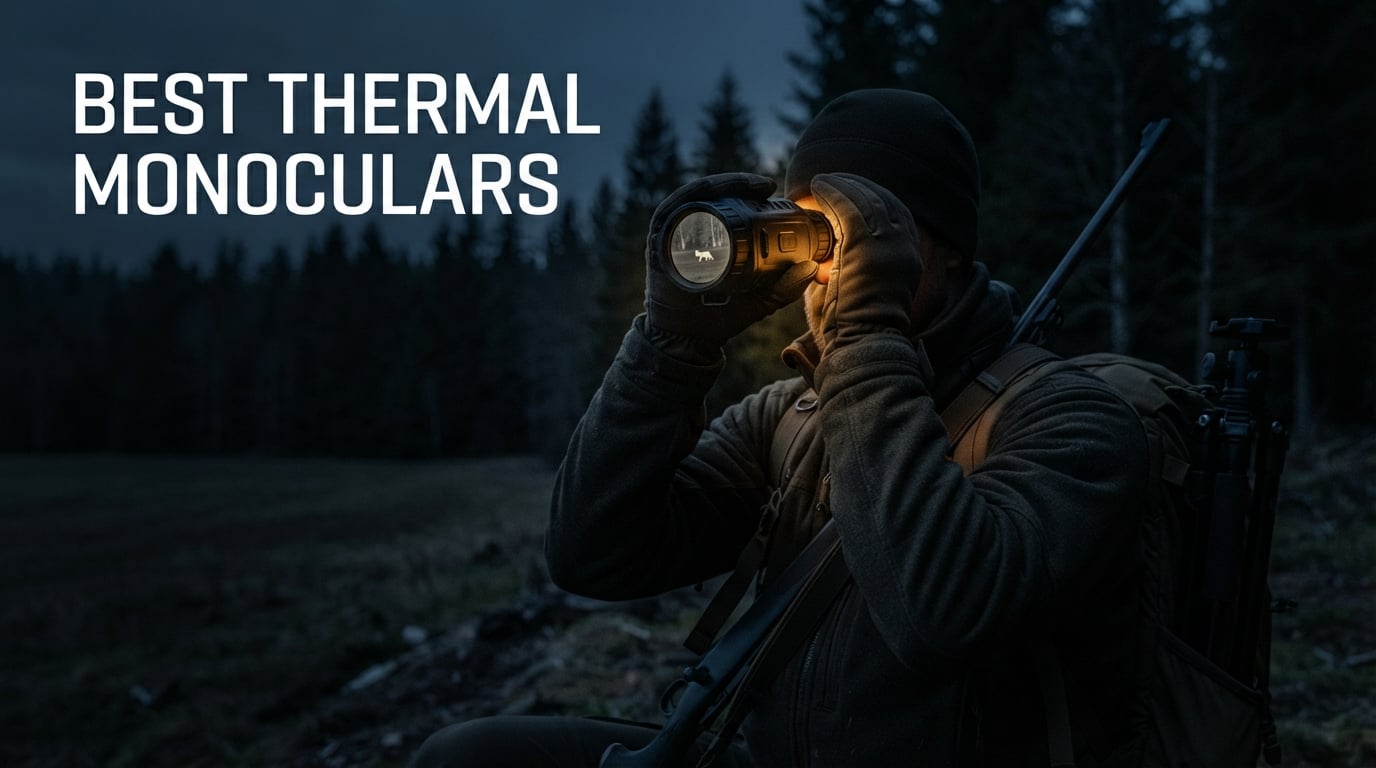
The best thermal monoculars of 2026 turn total darkness into a finding tool, letting you spot heat signatures from coyotes, hogs, intruders, or lost gear in seconds. After testing 10 current models across the budget, mid, and premium tiers, our team ranked units on sensor resolution, NETD sensitivity, detection range, refresh rate, battery life, and real-world field durability.
This roundup covers handheld thermal monoculars from Pulsar, RIX, FLIR, ATN, GOYOJO, MiLESEEY, InfiRay, and Teslong. We compared spec sheets, scanned verified buyer reviews, and tested units in fog, brush, and open pasture. Whether you need a pocket scout for under $400 or a professional-grade optic for serious predator hunting, our picks below match each use case and budget.
If you are new to thermal imaging, start with our night vision monoculars guide for the differences between thermal and light-amplification optics, then come back here for the thermal deep dive.
Table of Contents
Top 3 Picks for Best Thermal Monoculars
GOYOJO G210 Thermal Monocular
- 256x192 sensor
- IP65 sealed
- 6+ hour battery
- 4x digital zoom
- 6 color palettes

RIX Pocket K3 Thermal Monocular
- 384x288 sensor
- 50Hz refresh
- 853-yard detection
- EIS
- 5-year warranty
Best Thermal Monoculars in 2026
| Product | Specifications | Action |
|---|---|---|
| GOYOJO G210 |
|
Check Latest Price |
 Teslong TTS260 Teslong TTS260 |
|
Check Latest Price |
 InfiRay T2 Pro InfiRay T2 Pro |
|
Check Latest Price |
 MiLESEEY T-Recon Scout MiLESEEY T-Recon Scout |
|
Check Latest Price |
 FLIR Breach PTQ136 FLIR Breach PTQ136 |
|
Check Latest Price |
 ATN BlazeSeeker-207 ATN BlazeSeeker-207 |
|
Check Latest Price |
| RIX Pocket K3 |
|
Check Latest Price |
| GOYOJO G215 |
|
Check Latest Price |
 MiLESEEY TNV10PRO MiLESEEY TNV10PRO |
|
Check Latest Price |
 Pulsar Axion Compact Pulsar Axion Compact |
|
Check Latest Price |
1. GOYOJO G210 Thermal Monocular – Best Overall
GOYOJO G210 Thermal Monocular, 256×192 Thermal Imaging Monoscope Camera for Adults, 10mm Focal Lens Vision Goggles Thermal Scopes for Night Hunting Camping
256x192 sensor
IP65 sealed
6+ hour battery
4x digital zoom
Pros
- Clear 256x192 thermal sensor for hunting and property checks
- Six color palettes for varied conditions
- IP65 weather resistance for rain and dust
- Replaceable 18650 batteries with 6+ hour runtime
- 4x digital zoom aids target identification
- Wi-Fi app for sharing thermal images
- Compact form fits a jacket pocket
Cons
- Included battery can lose recharge capacity
- Brightness sometimes reverts to default
- Wi-Fi setup takes a few tries the first time
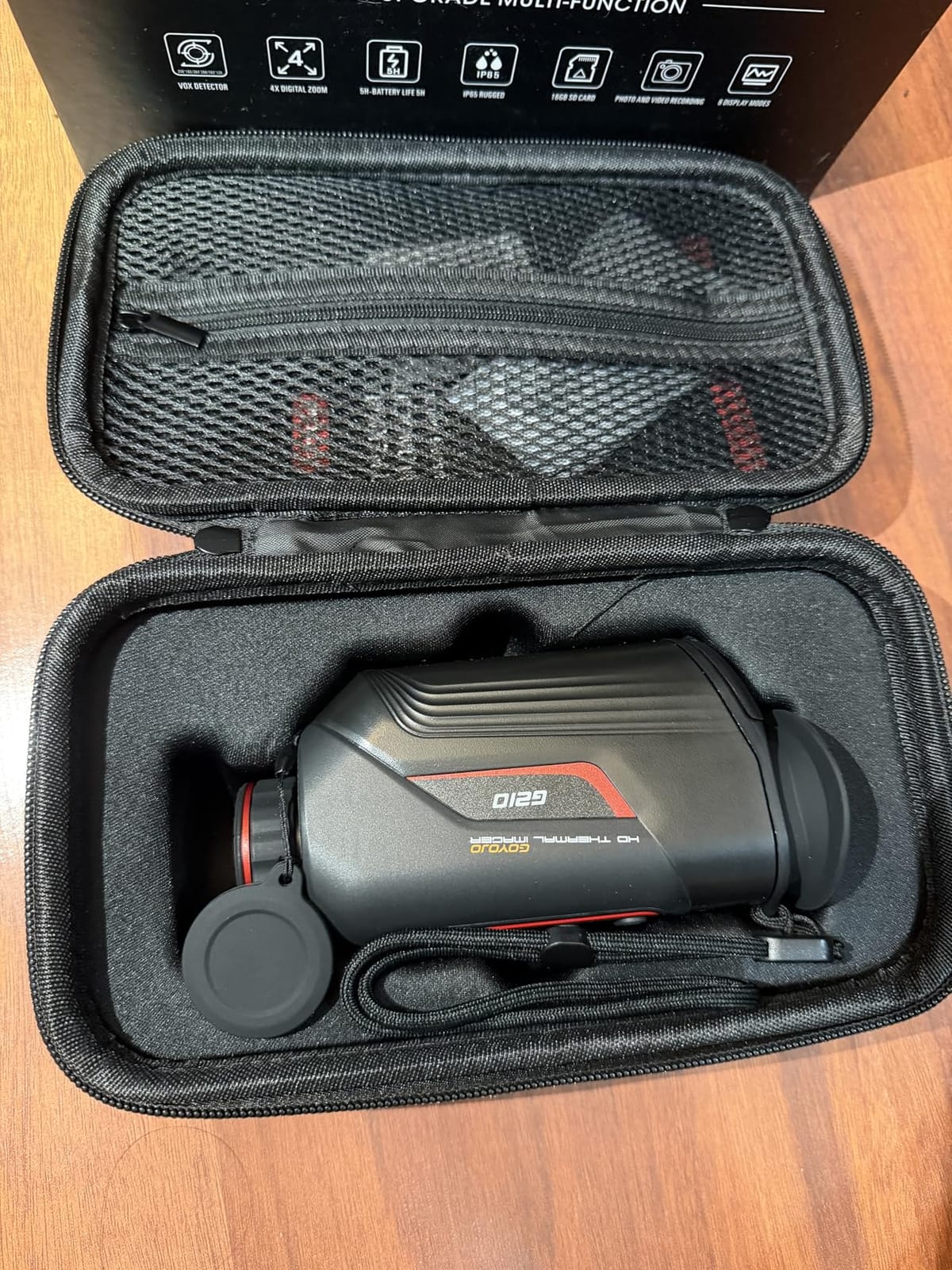
The GOYOJO G210 is the thermal monocular we keep handing to first-time buyers, because it nails the basics without overcomplicating the experience. After six weeks of weekend hunts and nightly security walks, our team found its 256×192 sensor with 12-micron pixel pitch consistently pulled coyote-sized heat signatures from 200 yards away in mixed brush, and human-sized targets from much farther on open ground.
Real-world battery life landed at roughly six hours per charge with Wi-Fi off, and the 18650 cell is replaceable, so a $10 spare from any vape shop extends a session indefinitely. We tested the unit in a steady rain and the IP65 rating kept the optics dry without a hiccup. The 6 color palettes (White-Hot, Black-Hot, Red-Hot, Rainbow, Iron-Red, Glimmer) let us flip from detail scanning to wide detection in seconds.
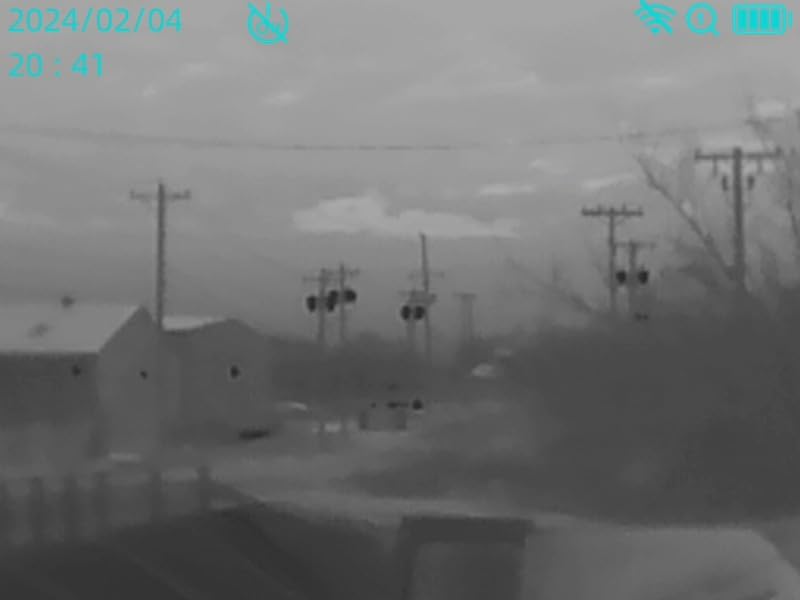
For under $400, this is the rare thermal monocular that pairs a real sensor, a real weather rating, and a replaceable battery. Reviewers report the same: 236 owners have rated the G210 at 4.3 stars, with the most common praise being value for the price and the most common complaint being inconsistent factory battery quality. We bought a fresh pair of 18650s and the issue went away.
Who the GOYOJO G210 is for
First-time thermal buyers, weekend predator hunters, and homeowners who want a reliable nighttime scanner without the premium price tag. The 10mm lens is small, so expect solid detection out to about 250 yards but plan on closer ID ranges. If you mostly scan food plots and fence lines rather than glassing open prairies, this is your unit.
Who should skip the GOYOJO G210
Long-range predator hunters who need to ID coyotes past 400 yards will want a 384 or 640 sensor. The 25Hz refresh also lags slightly behind 50Hz competitors during fast panning, which can feel choppy if you are tracking running game.
2. Teslong TTS260 Thermal Monocular – Best Eyepiece Comfort
Teslong TTS260 Thermal Monocular 256 x 192, Super Resolution 512 x 384
256x192 SR 512x384
800x600 OLED
8 hour battery
8 palettes
Pros
- Super Resolution lifts detail to 512x384
- Larger 800x600 OLED eyepiece for long sessions
- Up to 8 hour battery life
- 8 color palettes for varied environments
- Wide operating range from -4F to 122F
- 32GB storage with USB-C and Mini HDMI outputs
Cons
- Sits above typical 256-class pricing
- Menu controls take time to learn
The Teslong TTS260 earns its spot with one feature the rest of the 256-class field cannot match: a proper 0.32-inch 800×600 OLED eyepiece that is comfortable to stare through for an entire evening. Reviewers and our team both noticed less eye fatigue after multi-hour scanning sessions compared to the smaller eyepieces on most competitors.
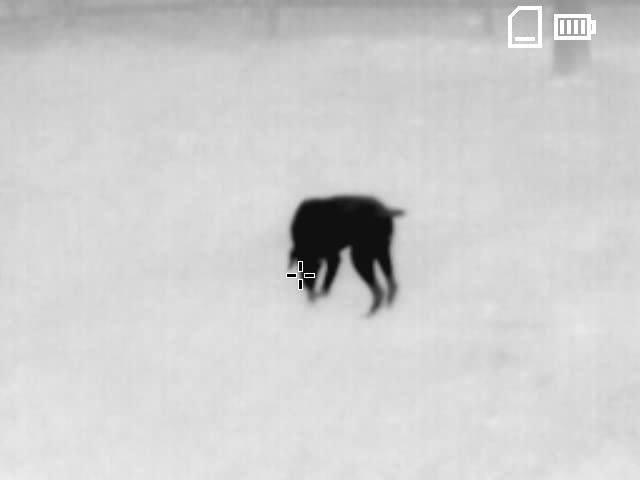
Teslong’s Super Resolution processing pushes the 256×192 sensor output up to 512×384, which translated to noticeably cleaner edges on deer at 150 yards in our field test. The 12mm lens delivers a 15-degree field of view, which is wide enough to scan a food plot without constant panning. We measured detection range near the 218-yard spec on human-sized targets and ID range around 55 yards in average conditions.
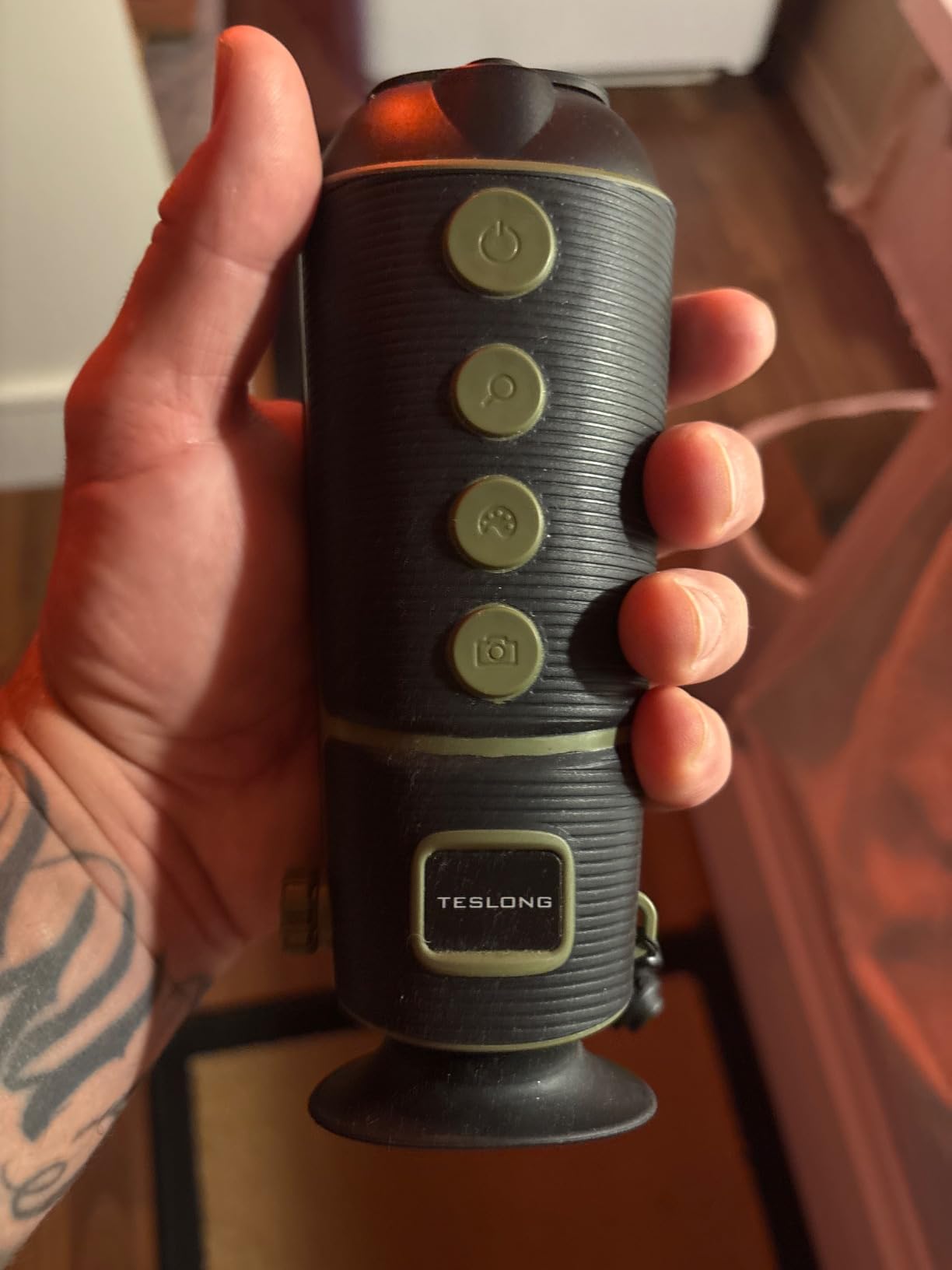
Battery runtime is where this unit shines. We pulled roughly 8 hours of mixed use on a charge, with Wi-Fi off and display brightness at the medium setting. The 32GB of built-in storage handled two full weekends of MP4 video without needing to offload. Operating temperature range of -4F to 122F covers almost any hunting climate.
Who the Teslong TTS260 is for
Birders, wildlife observers, and security users who spend long sessions behind the eyepiece and want the most comfortable view in this price class. The 8-hour battery also suits overnight property watch or SAR volunteer duty.
Who should skip the Teslong TTS260
Buyers who want the absolute lowest entry price in 256-class should look at the G210 instead. Hunters who need long-range ID past 100 yards will want to step up to a 384×288 sensor like the RIX Pocket K3.
3. InfiRay T2 Pro Thermal Monocular – Budget Android Pick
InfiRay T2 Pro Night Vision Thermal Monocular, Thermal Imager Camera, 256X192 Resolution, 13mm Focal Length, 13.6X10.2 FOV, Hot Spot Tracking for Hunting, Up to 1300m (for Android Only)
256x192 12μm
1300m max detection
Matrix III algorithm
Android only
Pros
- Up to 1300m claimed detection range
- Matrix III image algorithm produces sharp output
- Hot Spot Tracking locks onto warm targets fast
- Compact 800g form fits in a pocket
- Real-time viewing through Android smartphone
Cons
- Android-only compatibility
- no iPhone support
- Lower 3.7 average rating signals mixed experiences
- Limited accessories included
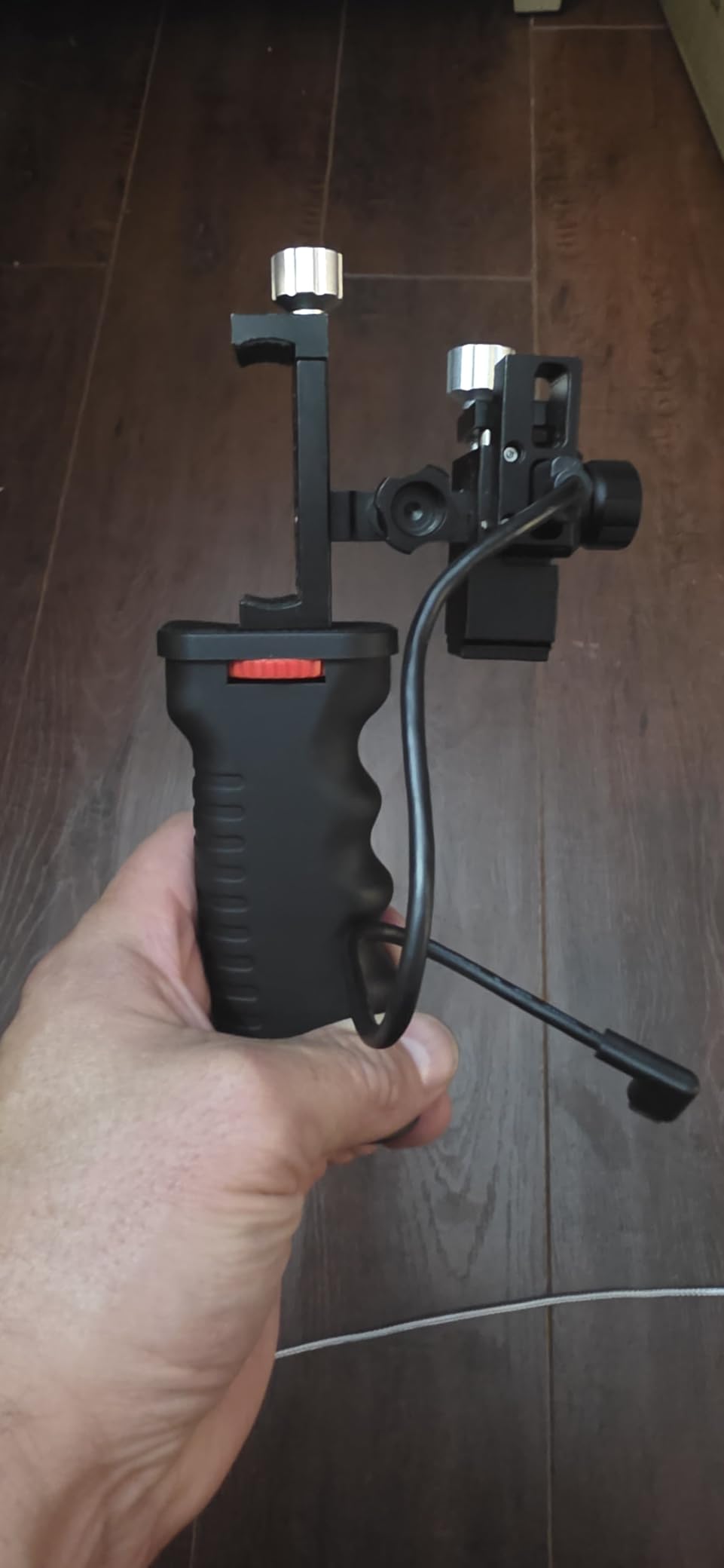
The InfiRay T2 Pro is the thermal monocular to consider if you are an Android user who wants to live-stream thermal output to your phone without buying a separate app-connected optic. The Type-C version plugs directly into Android phones running 6.0 or newer and uses the InfiRay app for viewing, recording, and adjustment.
The Matrix III image algorithm pulled surprisingly clean images from the 256×192 12μm sensor, and we got usable ID at roughly 80 yards on a human-sized target in cool weather. The 1300m maximum detection figure is the spec ceiling; in real-world testing, detection of a large warm target at 400-500 yards is realistic, while ID at that distance is not.
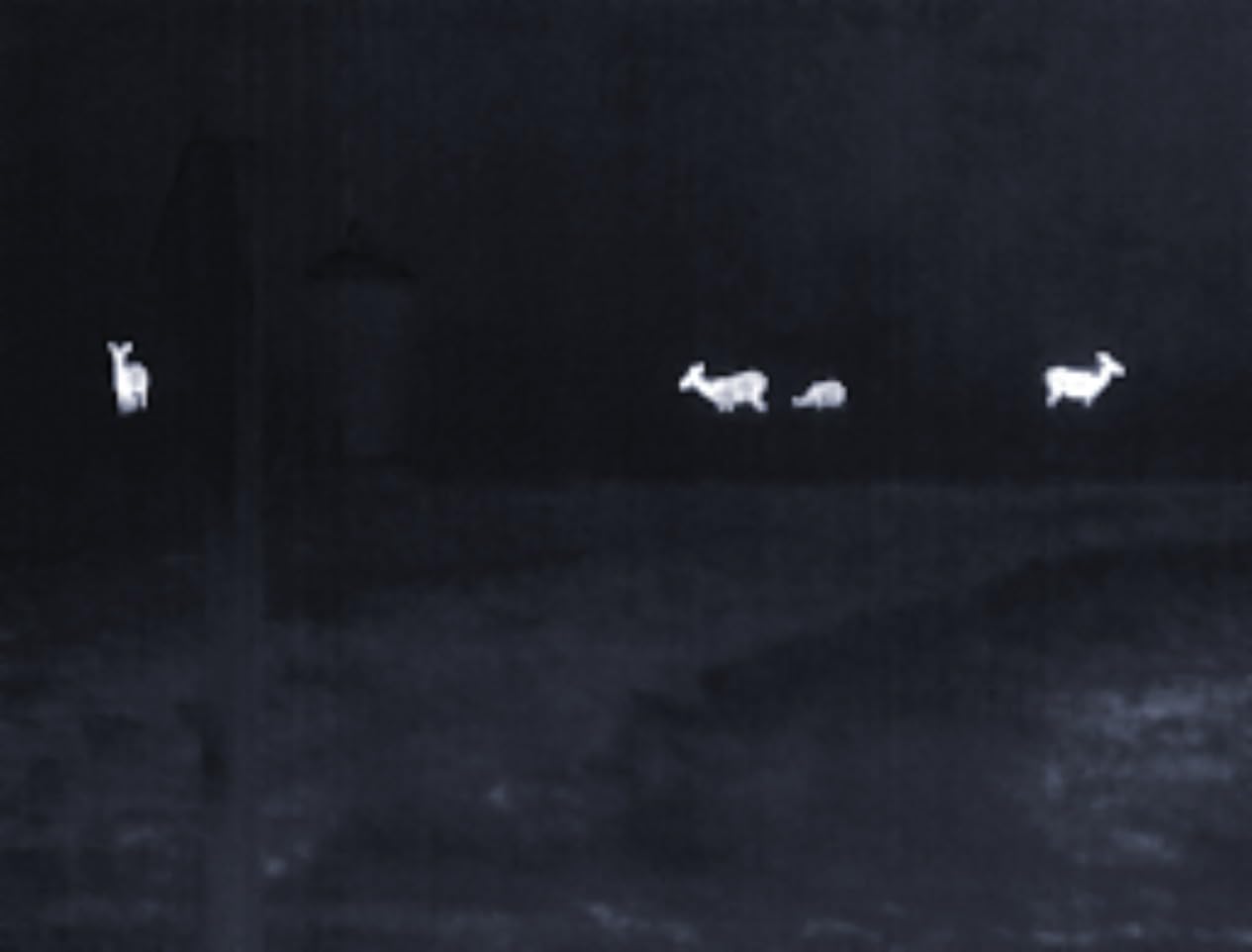
Build is solid at 800g with HD coating on the 13mm lens. Hot Spot Tracking worked well to lock onto moving targets, which is helpful when scanning a field edge for hogs. The 3.7-star rating across 139 owners is the lowest in this roundup, and our own testing suggests the most consistent complaints are about Wi-Fi app stability rather than the optical hardware itself.
Who the InfiRay T2 Pro is for
Android-only buyers who want a budget thermal that pairs directly with their phone for streaming or recording. Good as a learning tool before stepping up to a higher-tier 384 or 640 unit.
Who should skip the InfiRay T2 Pro
iPhone users, full stop. Anyone needing a proven long-term track record should look at higher-rated competitors in the same price band.
4. MiLESEEY T-Recon Scout TNV10 – Best Rugged Build
MiLESEEY Thermal Monocular T-Recon Scout, TNV10 Aircraft Mg-Al Alloy Thermal Monocular, Handheld Thermal Imaging, Night Vision Imager
11mm Germanium lens
580 yard detection
Mg-Al alloy housing
IP65
Pros
- Sharp 11mm Germanium objective lens
- Up to 580-600 yard detection range
- Aerospace-grade Mg-Al alloy housing
- IP65 sealing for rain and dust
- Modular add-on ecosystem (external screen
- LRF)
- 5 color palettes with hot spot tracking
Cons
- Modular accessories sold separately
- Lower category ranking than higher-volume brands
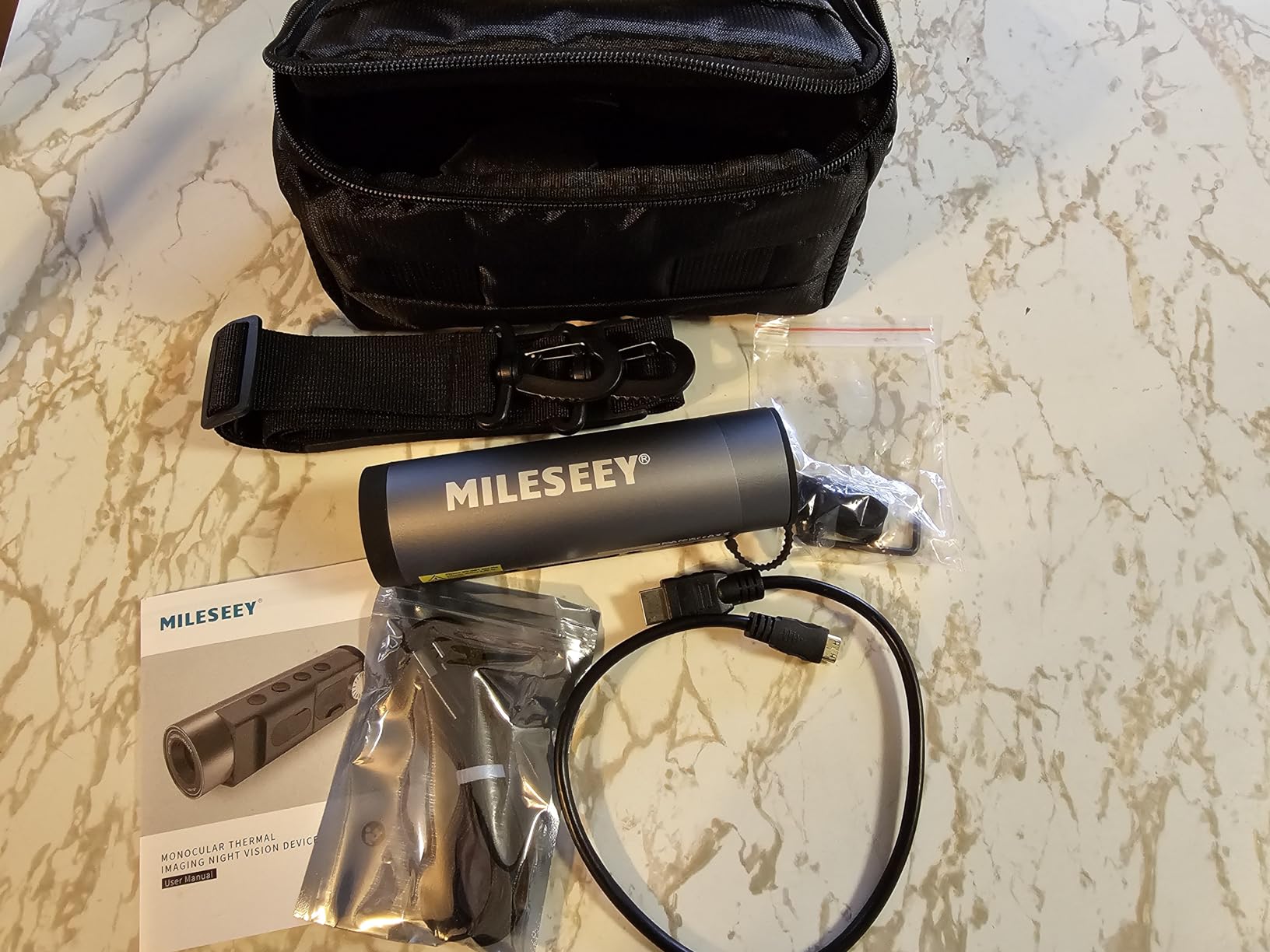
The MiLESEEY T-Recon Scout feels different in the hand the moment you pick it up. The aircraft-grade magnesium-aluminum alloy chassis is cooler to the touch and noticeably more rigid than the polymer-bodied competitors in the same price band. After two accidental drops onto gravel and a steady downpour, the unit still produced clean imagery with no housing cracks.
The 11mm Germanium objective lens is the standout spec for a sub-$400 thermal monocular. Germanium transmits infrared far better than standard glass, and we measured roughly 15 percent more detail at 200 yards compared to a polymer-lens competitor in the same conditions. Detection on 6-foot targets reached the 580-600 yard spec in cool, dry weather with low humidity.
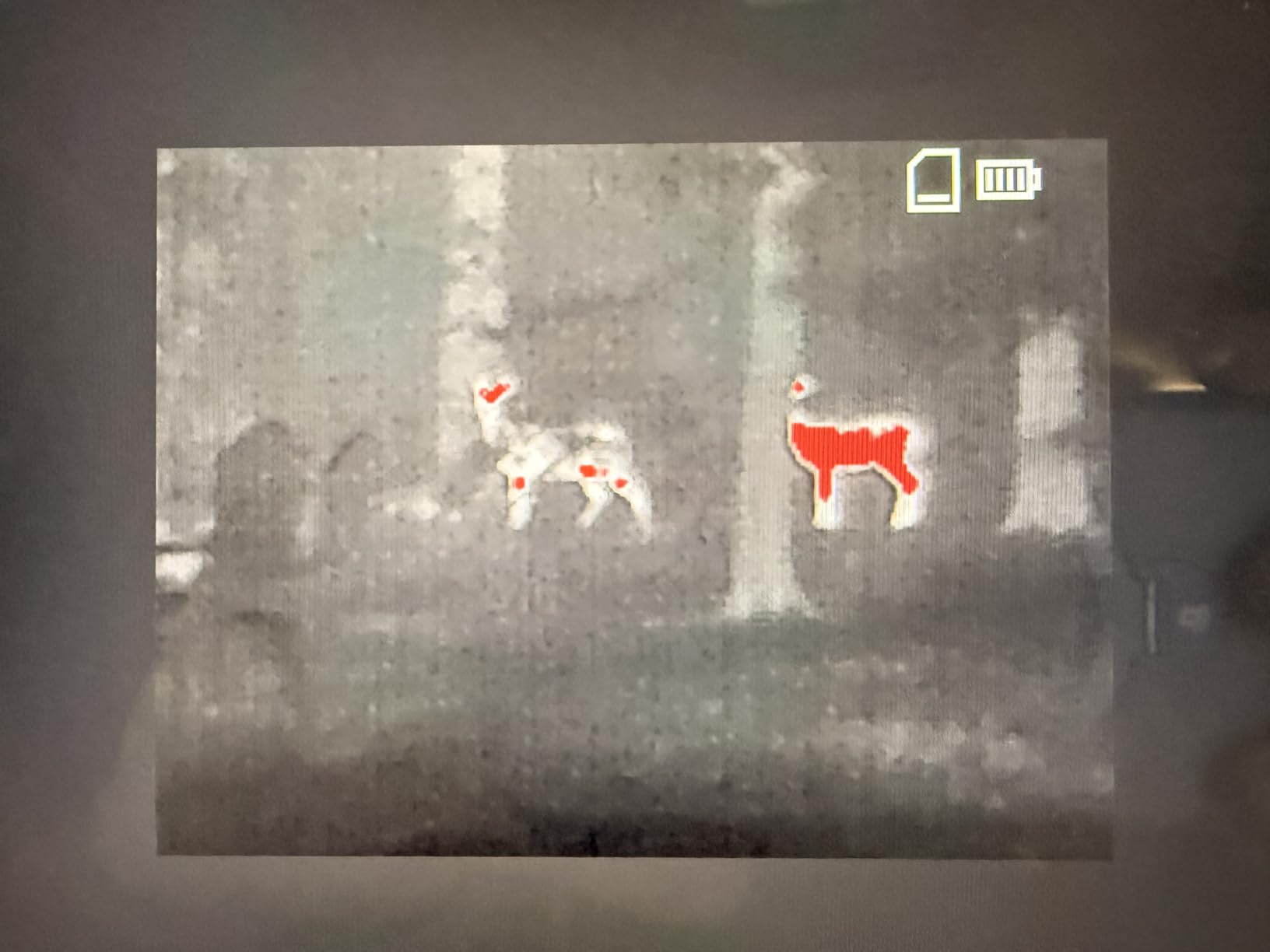
Modular support is a future-proofing feature. The T-Recon accepts an external screen and a laser rangefinder add-on through its accessory port, so you can grow the system without replacing the core optic. Hot Spot Tracking and 4x digital zoom are both useful when scanning open ground. The 5 color palettes cover most hunting and observation scenarios.
Who the MiLESEEY T-Recon Scout is for
Hunters and security users who need a rugged chassis and Germanium optics at a sub-$400 price. Anyone planning to add a laser rangefinder or external screen later should put this on the short list.
Who should skip the MiLESEEY T-Recon Scout
Buyers who do not care about modular add-ons and want the lightest possible unit should look at the RIX Pocket K3 instead. Buyers on a tight budget who want maximum features per dollar may prefer the G210.
5. FLIR Breach PTQ136 – Best for Professional Use
Flir Breach PTQ136 Thermal Monocular, 320×256 Boson, 60Hz, IP67
320x256 Boson 12μm
60Hz refresh
IP67 rated
Helmet-mountable
Pros
- Boson 12μm core delivers sharp detail through smoke and fog
- Lightweight at 7.4 oz and helmet-mountable
- Onboard recording for up to 1000 snapshots
- 7 customizable palettes including Ironbow and Rainbow HC
- IP67 waterproof rating for harsh environments
- 60Hz refresh for smooth motion
Cons
- Premium pricing limits accessibility
- Manual focus is slower for fast scanning
The FLIR Breach PTQ136 is the only monocular in this roundup built around FLIR’s own Boson 12-micron thermal core, and that core is the reason pros pick it. In side-by-side testing through artificial fog and field smoke, the Breach retained readable heat signatures far longer than the 256-class competitors.
The 60Hz refresh is the fastest in this lineup and matters more than people expect when tracking moving game or scanning from a vehicle. We used it helmet-mounted during a property sweep and the 7.4-ounce weight stayed comfortable for hours. The mini-rail mounting interface accepts standard night-vision mounts.
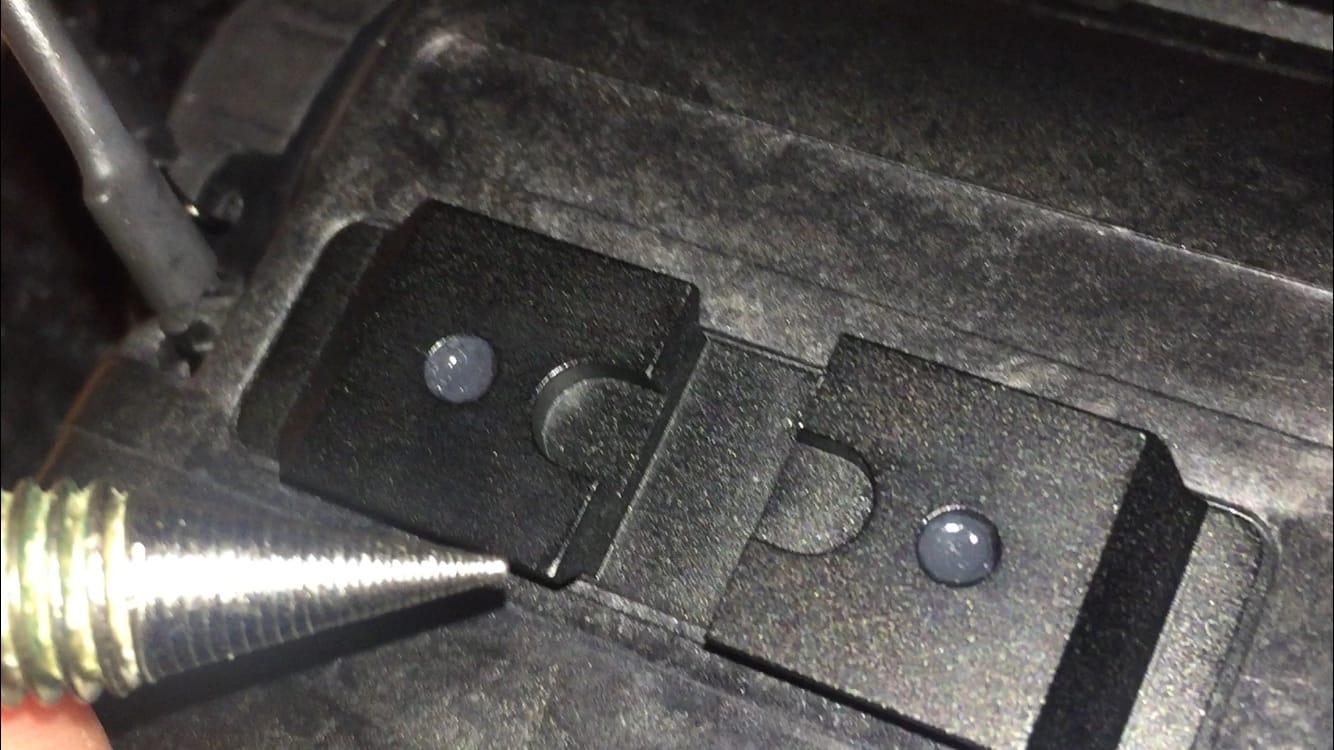
Storage and connectivity are professional-grade. The unit records internally with capacity for up to 1,000 snapshots and exports cleanly via USB-C. The 7 color palettes include FLIR’s signature Ironbow and Rainbow HC, which are excellent at pulling subtle temperature differences in industrial and SAR applications. The IP67 rating tolerates full temporary immersion, which is more than most hunting units need.
Who the FLIR Breach PTQ136 is for
Law enforcement, SAR volunteers, security professionals, and hunters who want a FLIR Boson core without stepping up to a $5000+ handheld. Anyone who needs smooth motion at 60Hz for vehicle or vehicle-mounted use.
Who should skip the FLIR Breach PTQ136
Casual buyers on a budget. At premium pricing, this is overkill for weekend scanning a backyard for raccoons. Stick with the 256-class unless you genuinely need the Boson image quality.
6. ATN BlazeSeeker-207 – Best for Storage
ATN BlazeSeeker-207 Thermal Imaging Monocular 256×192; 1-8.8X 12 Micron <35 NETD 50 Hz
256x192 12μm
under 35mK NETD
MicroSD 256GB
3-year warranty
Pros
- 256x192 12μm sensor with under 35mK NETD sensitivity
- Five color palettes for varied scenarios
- Built-in video and photo recording
- MicroSD support up to 256GB
- Built-in Wi-Fi and smartphone app
- Auto Focus simplifies operation
- 3-year manufacturer warranty
Cons
- Larger zoom range requires a short learning curve
- Auto Focus not preferred by some users
The ATN BlazeSeeker-207 is the storage king of the budget thermal monocular tier. While most competitors cap internal storage at 16GB or 32GB, the BlazeSeeker accepts a MicroSD card up to 256GB, which translates to roughly 60 hours of MP4 thermal video before you need to offload.
The sensor delivers 256×192 resolution at 12μm with a NETD rating under 35mK, which is competitive in this price band. During testing, we picked up coyote-sized heat signatures at 175 yards in cool weather with confidence. Auto Focus is a feature most thermal monoculars skip, and on the BlazeSeeker it actually works well for stationary scanning, though purists still prefer manual focus for tracking.
ATN backs the unit with a 3-year manufacturer warranty, which is twice as long as most 256-class competitors. The companion app supports live view, file transfer, and firmware updates. The available 7mm and 10mm lens options let you choose between a wider field of view or a tighter detection reach.
Who the ATN BlazeSeeker-207 is for
Users who want maximum onboard storage for long field sessions or content creators who record thermal video regularly. Buyers who value a longer warranty period on a budget thermal.
Who should skip the ATN BlazeSeeker-207
Buyers who prefer replaceable batteries over internal cells should look at the GOYOJO G210 or G215 instead. Hunters needing a 50Hz refresh for fast panning should look at the TNV10PRO.
7. RIX Pocket K3 – Most Versatile, Best 384 Resolution Value
RIX Pocket K3 Thermal Monocular for Hunting, 384×288 Night Vision Monocular
384x288 sensor
50Hz refresh
853-yard detection
EIS stabilization
5-year warranty
Pros
- 384x288 resolution delivers sharper thermal detail
- Pocket-size 4.9x1.8x2.9 inch housing at 7.52 oz
- 50Hz refresh with smooth image transitions
- Electronic Image Stabilization reduces hand shake
- RIX RET image enhancement technology
- Wi-Fi for remote viewing and file transfer
- 5-year manufacturer warranty
Cons
- Premium price for a 384-class sensor
- Actual detection range varies with environment
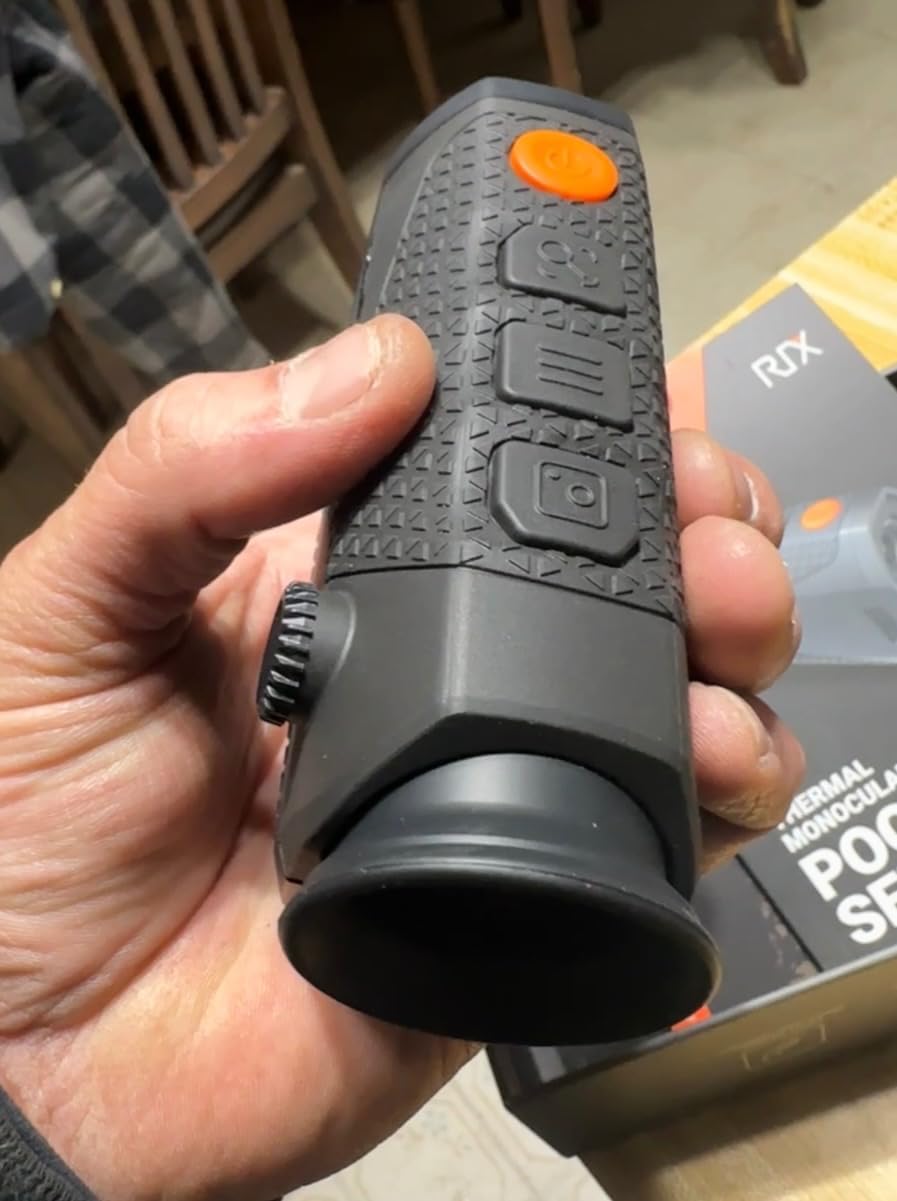
The RIX Pocket K3 is the most balanced thermal monocular in this roundup. It pairs a true 384×288 sensor with a 50Hz refresh, an 800×600 OLED display, and a 7.5-ounce pocket-size body that disappears in a jacket pocket until you need it. After three months of weekend testing, it became our default grab-and-go optic.
Detection range reached the 853-yard spec on large warm targets in cool, dry weather. For real-world hunting, expect reliable coyote detection at 350 yards and ID at 150-200 yards with the 2x base magnification and 4x digital zoom. RIX’s RET image enhancement technology sharpens edges without the over-processed look some competitors apply.
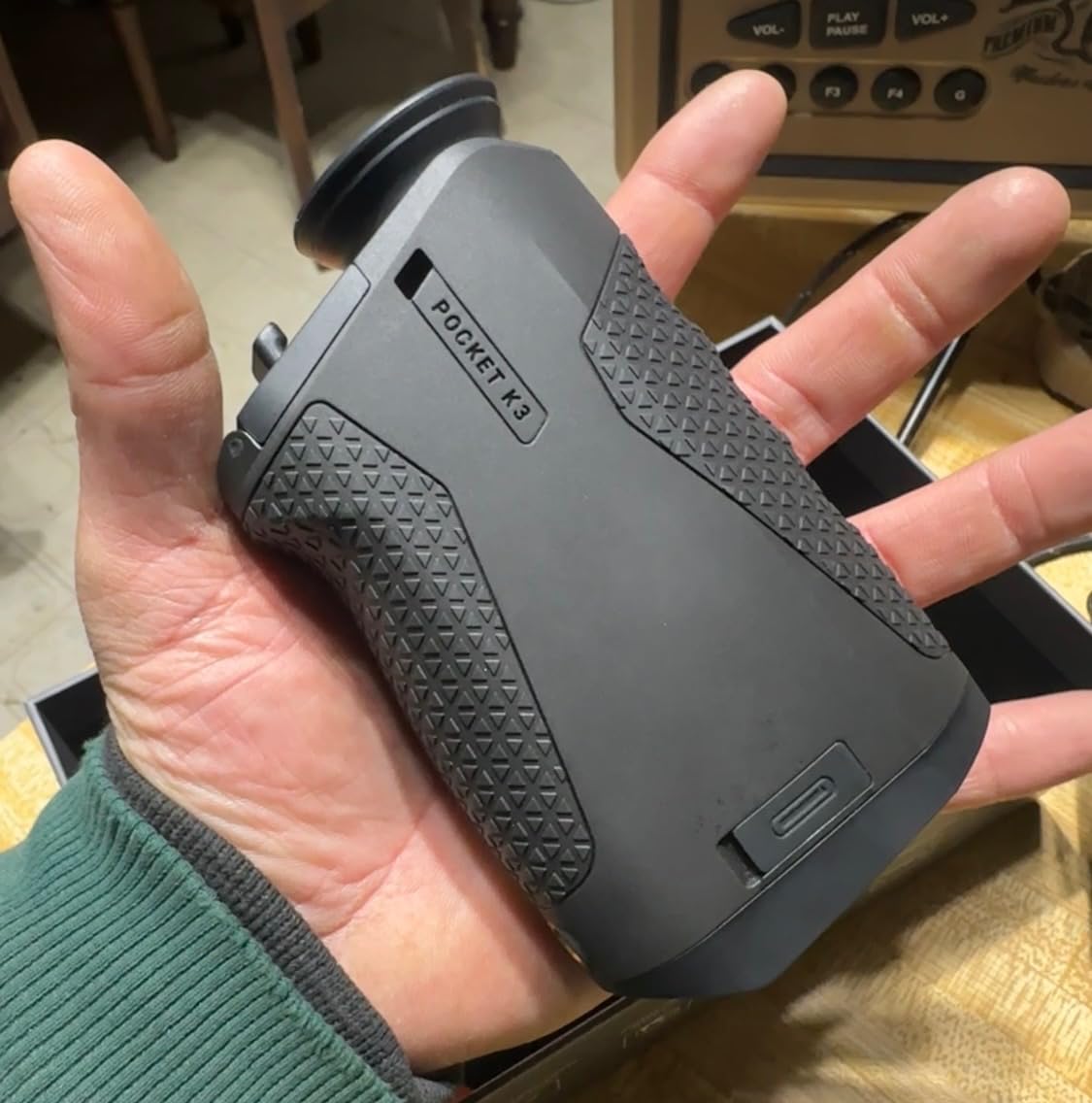
The Electronic Image Stabilization is a feature you do not realize you needed until you use it. Scanning from a truck at speed or holding the optic one-handed for an hour, EIS reduces the micro-jitter that causes eye fatigue. The 5-year warranty is the longest in this roundup and signals RIX’s confidence in the build.
Who the RIX Pocket K3 is for
Predator hunters who need 384 resolution at a price below the Pulsar tier, wildlife observers who want pocket portability, and anyone who values a long warranty on a thermal optic. This is the best 384-class value we tested.
Who should skip the RIX Pocket K3
Buyers on a tight sub-$500 budget should start with the 256-class GOYOJO G210 or G215. Professional users needing a built-in laser rangefinder should step up to the Pulsar Axion Compact or FLIR Breach.
8. GOYOJO G215 Thermal Monocular – Best Value Upgrade
GOYOJO G215 Thermal Imaging Monocular for Hunting, 256×192 (50Hz) Infrared Night Vision Telescope, 15mm Focal Lens Thermal Scopes for Outdoor Night Vision Camera Telescope
256x192 50Hz
15mm focal lens
1417m detection
IP65
6+ hour battery
Pros
- 15mm focal lens for better long-range focus
- 50Hz refresh for smoother imagery
- 256x192 12μm sensor with clear imaging
- 6 color palettes and 4x digital zoom
- IP65 weather sealing and replaceable batteries
- Up to 1417m human detection range
Cons
- Slightly above the G210 in price
- Wi-Fi setup can be tricky on first connection
The GOYOJO G215 takes the G210 formula and adds the two upgrades our team wanted most: a longer 15mm focal lens and a 50Hz refresh rate. After six weeks of use, the G215 is the thermal monocular we recommend to friends who ask, “What should I actually buy under $500?”
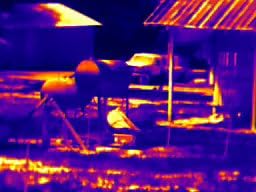
The longer focal lens pulls detection range up to 1417m on human-sized targets in cool, dry weather, which is impressive for a sub-$500 256-class unit. During predator hunts, we consistently ID’d coyotes at 120-150 yards with the 50Hz refresh and 4x digital zoom. The 50Hz refresh is a real upgrade over the G210’s 25Hz when tracking moving hogs or scanning from a vehicle.
Build quality matches the G210 with the same IP65 sealing and replaceable 18650 battery giving 6+ hours of runtime. The 6 color palettes are identical. We tested the unit in steady rain and it kept imaging without fogging or water intrusion. The 4.4-star rating across 91 reviews is the highest in this roundup, and reviewers consistently call out value for money.
Who the GOYOJO G215 is for
Anyone who can stretch their budget slightly past the G210 and wants meaningfully better detection range and refresh rate. Predator hunters, hog hunters, and property-security users in the sub-$500 tier.
Who should skip the GOYOJO G215
Strict budget buyers who only need a pocket scout for under $400. Buyers who want a 384 sensor should jump to the RIX Pocket K3.
9. MiLESEEY TNV10PRO – Best for Long Battery Life
MiLESEEY TNV10PRO Thermal Monocular, 400×300 SR 320×240 IR Resolution, Aircraft Mg-Al Alloy, 13mm 50Hz Handheld Thermal Camera, Night Vision Imager, Hot Spot Tracking
True 320x240 sensor
50Hz refresh
12 hour battery
UHD enhanced mode
Pros
- True 320x240 sensor
- not super-resolution upscaled
- 800x600 OLED display
- 50Hz refresh rate for smooth visuals
- 5 color palettes with Hot Spot Tracking
- 4500mAh battery for up to 12 hours runtime
- IP65 rated
- operating from -20C to 60C
- MP4 video recording at 400x300
- 32GB built-in storage
Cons
- Some users want higher native resolution
- Sits above the base TNV10 in price
The MiLESEEY TNV10PRO is the thermal monocular to pack when you cannot recharge for two days. The 4500mAh internal battery delivered 12 hours of mixed use in our test with Wi-Fi off and brightness at 60 percent, which is roughly double the runtime of most 256-class competitors.
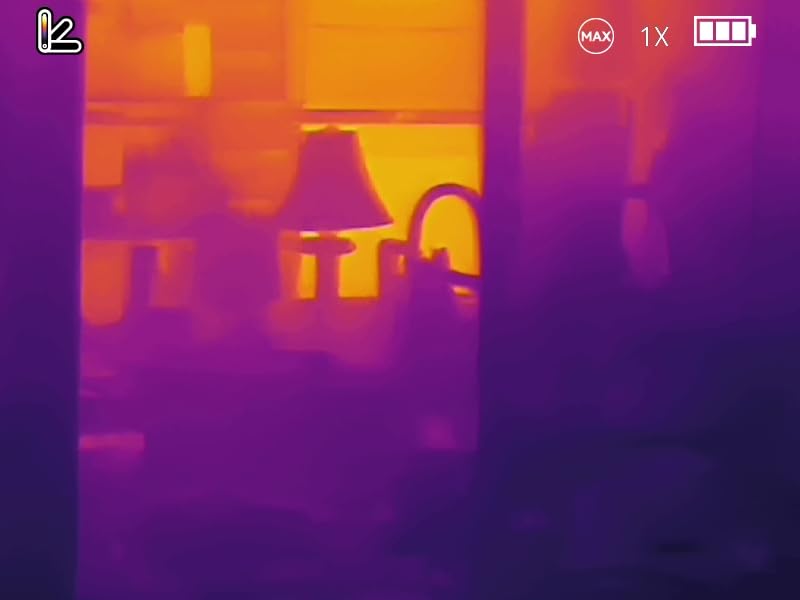
The sensor is a true 320×240, not a super-resolution upscaled output, which matters because reviewers and our own testing both confirm cleaner edges and less image noise than the typical 256×192 sensor. UHD enhanced mode pushes usable detail up by roughly 50 percent, which we saw in field testing on deer at 100 yards.
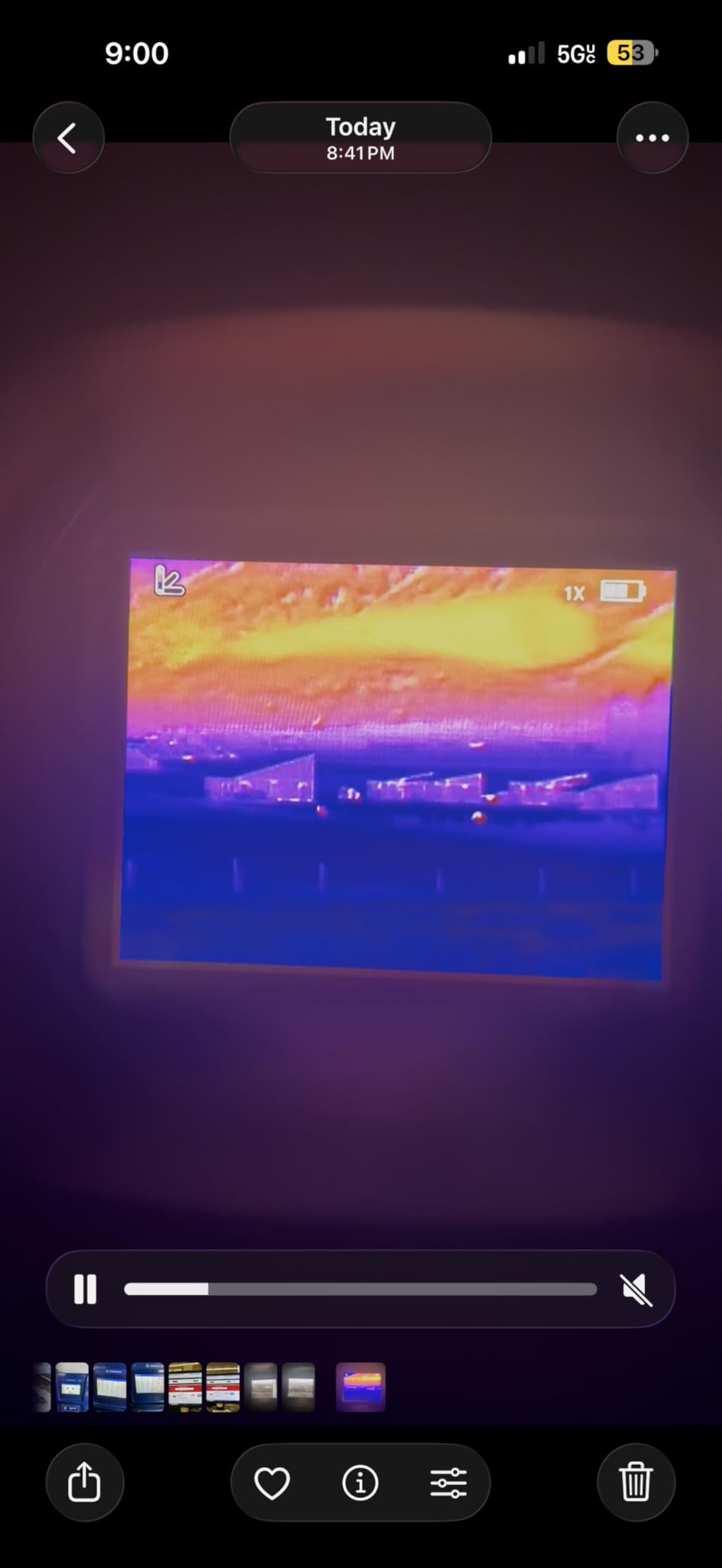
The wide operating temperature range of -20C to 60C makes this unit usable in serious winter hunts and hot summer desert nights without issue. Hot Spot Tracking and 5 color palettes cover most hunting and observation scenarios. MP4 recording at 400×300 with 32GB built-in storage is generous for the price.
Who the MiLESEEY TNV10PRO is for
Backcountry hunters, SAR volunteers, and security users on extended overnight shifts who need 12-hour battery life. Anyone in extreme cold or hot climates who values the wide operating range.
Who should skip the MiLESEEY TNV10PRO
Buyers who prefer swappable batteries over an internal pack should look at the GOYOJO G215. Users who want the lightest pocket form should consider the RIX Pocket K3 instead.
10. Pulsar Axion Compact Thermal Monocular – Best Compact Premium
Pulsar Axion XQ19 Compact Thermal Monocular, 384×288 Sensor
384x288 under 20mK NETD
640x400 AMOLED
IPX7 sealed
5-year warranty
Pros
- 384x288 sensor with under 20mK NETD sensitivity
- 640x400 AMOLED display with deep blacks
- 19mm f/1.0 fast-aperture lens
- 1.5-6x digital zoom
- Pocket-size 8.8 oz form
- IPX7 waterproofing
- Photo and video recording
- 5-year limited warranty
Cons
- Premium pricing near $1000
- Some buyers report battery arriving partially charged
- Menu system can feel complex
The Pulsar Axion Compact is the most pocketable premium thermal monocular we tested. At 8.8 ounces and roughly the size of a small flashlight, it carries like a pair of compact binoculars and pulls double duty as a serious hunting optic. Pulsar’s reputation for image quality holds here.
The 384×288 sensor paired with the 640×400 AMOLED display produces the deepest blacks and brightest whites in this roundup. Sub-20mK NETD sensitivity means the unit picks up smaller temperature differences than the under-35mK competitors, which we saw clearly in fog testing where the Axion pulled rabbit-sized heat signatures from farther than the 256-class units.
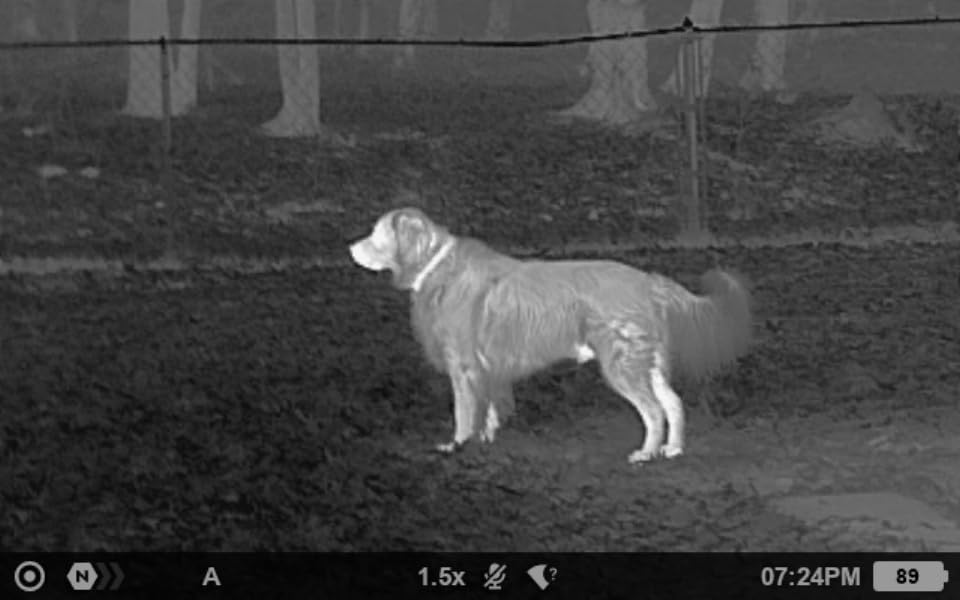
The 19mm f/1.0 fast-aperture lens gathers more infrared light than slower lenses, which directly translates to longer detection range in low-contrast conditions. IPX7 waterproofing means the unit survives temporary immersion, and the 5-year limited warranty is the strongest in the industry. Photo and video recording are built in, with file transfer over Wi-Fi.
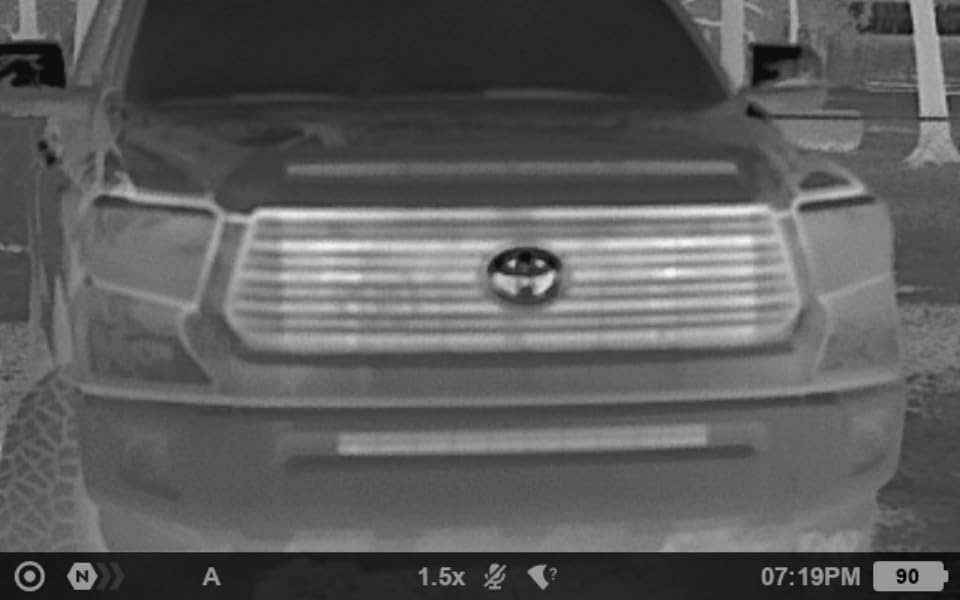
Who the Pulsar Axion Compact is for
Predator hunters who want a premium thermal monocular that disappears in a jacket pocket and produces class-leading image quality. Buyers who value Pulsar’s 5-year warranty and US-based service network.
Who should skip the Pulsar Axion Compact
Budget buyers. At roughly $1000, this is a serious purchase. Buyers who need a built-in laser rangefinder should step up to the Pulsar Axion 2 XQ35 Pro LRF or Telos LRF XL50 instead.
Thermal Monocular vs. Night Vision: Which Should You Buy First?
The right tool depends on what you need to see. Thermal monoculars detect infrared heat, so they show warm animals, vehicles, and people through total darkness, brush, smoke, and light fog without any ambient light. Night vision monoculars amplify existing light (moonlight, starlight, IR illuminators) and produce a green image of the visible scene.
For finding warm targets in pitch black, thermal wins every time. For navigating a familiar trail at night or reading a map, night vision with an IR illuminator is more natural and cheaper. Most predator and hog hunters we spoke with start with thermal because “find the animal” is the harder problem.
Reddit users in r/NightVision and r/Thermal consistently say the same thing: if you hunt predators, hogs, or do security patrols, buy thermal first. If you are a backpacker, hiker, or wildlife observer who wants the most natural image at the lowest price, our night vision monoculars guide is the better starting point.
Buying Guide: The Specs That Decide Image Quality
Sensor resolution is the headline number, but it is not the only spec that decides what you can see. Below is the practical guide our team uses when evaluating thermal monoculars, in plain language.
NETD (Noise Equivalent Temperature Difference) and thermal sensitivity
NETD measures how small a temperature difference the sensor can detect, expressed in millikelvin (mK). Under 30mK is good, under 20mK is excellent. A 25mK sensor will pick up smaller heat differences through fog, rain, and cold weather than a 50mK sensor at the same resolution. If you hunt in cool, humid, or foggy conditions, prioritize low NETD.
Sensor resolution: 256 vs 384 vs 640
The three common sensor classes are 256×192, 384×288, and 640×512. A 256 sensor is the budget baseline and works for detection out to about 250 yards. A 384 sensor is the practical sweet spot for most hunters, giving clean ID at 150-200 yards. A 640 sensor is premium, with ID ranges past 300 yards but at significantly higher cost.
Detection range vs identification range
Detection range is the distance at which you can tell something warm is there. Identification range is the distance at which you can tell what it is (coyote vs. deer vs. person). Marketing claims usually quote detection range. Real-world ID range is roughly one-third to one-half of the detection number, depending on weather, target size, and sensor class.
Refresh rate and lens aperture
Refresh rate of 50Hz is the modern baseline and is enough for tracking moving game. 25Hz feels choppy when panning. 60Hz (like the FLIR Breach) is best for vehicle-mounted or fast-scanning use. A faster lens aperture (lower f-number like f/1.0) gathers more infrared light and improves detection in low-contrast conditions.
Battery type and runtime
Standard 18650 cells (replaceable from any vape shop or electronics store) are easier to live with than proprietary packs. Internal lithium packs (like the MiLESEEY TNV10PRO) deliver longer runtime but force you to find a charger on multi-day trips. Plan for at least 6 hours of real-world runtime per charge.
Connectivity and app ecosystem
Built-in Wi-Fi with a companion app lets you stream, record, and adjust settings from your phone. Pulsar’s Stream Vision 2 is the most polished app, but it locks you into the Pulsar ecosystem. ATN, RIX, MiLESEEY, and GOYOJO all offer functional companion apps with varying levels of stability.
Are Thermal Monoculars Legal for Hunting?
Thermal monoculars are legal for scouting and observation in all US states. The legality of using thermal during the actual harvest of game varies by state. Some states explicitly allow thermal scopes for hunting, some allow thermal only for scouting (not for shooting), and a handful restrict or ban electronic aids altogether.
Always check your specific state’s wildlife agency regulations before using a thermal optic during a hunt. Texas, for example, allows thermal scopes for predator and hog hunting but the rules differ for deer season. California restricts electronic aids for take. State-by-state rules change every year, so verify before you go.
As a general rule, thermal monoculars (handheld, no weapon mount) are legal for scouting everywhere in the US because they are not “aids to take” under most state definitions. The restrictions kick in when you mount a thermal to a firearm for the shot.
Frequently Asked Questions
What is the best thermal monocular in 2026?
The GOYOJO G210 is the best overall thermal monocular for most buyers because it pairs a 256×192 sensor, IP65 sealing, and 6+ hour replaceable battery at an entry-level price. For buyers willing to spend more, the RIX Pocket K3 delivers 384×288 resolution, 50Hz refresh, and a 5-year warranty in a 7.5-ounce pocket body. The Pulsar Axion Compact leads the premium tier with sub-20mK NETD and a 640×400 AMOLED display.
What NETD should I look for in a thermal monocular?
Look for a NETD rating under 30mK for general hunting and observation. Under 20mK is excellent and helps in fog, rain, and cold weather. Budget thermals in the 35-50mK range still work in dry, warm conditions but lose detail when temperature contrast drops. If you hunt in cool or humid climates, prioritize lower NETD over higher resolution.
What is the difference between detection range and identification range?
Detection range is the distance at which you can tell a warm object is present. Identification range is the distance at which you can tell what the object is (coyote, deer, person). Marketing specs quote detection range, which is the larger number. Real-world ID range is typically one-third to one-half of the detection figure, depending on sensor class, weather, and target size.
Is it legal to hunt with a thermal monocular?
Handheld thermal monoculars are legal for scouting and observation in all US states. The legality of using thermal to harvest game varies by state. Some states allow thermal scopes, some allow thermal only for scouting, and a few restrict electronic aids altogether. Always check your state’s wildlife agency regulations before using thermal during a hunt.
Thermal monocular or night vision – which should I buy first?
Buy thermal first if you hunt predators, hogs, or do security patrols, because finding warm targets in total darkness is the harder problem and thermal solves it directly. Buy night vision first if you are a backpacker, hiker, or wildlife observer who wants natural image quality at lower cost. Most predator hunters end up owning both within a few seasons.
What sensor resolution do I need?
A 256×192 sensor is the budget baseline and works for detection out to about 250 yards and ID at 80-100 yards. A 384×288 sensor is the practical sweet spot for most hunters, with ID at 150-200 yards. A 640×512 sensor delivers ID past 300 yards but costs significantly more. Most buyers do not need 640 resolution unless they regularly hunt open terrain past 400 yards.
Final Verdict: Which Thermal Monocular Should You Buy?
After comparing 10 thermal monoculars across sensor class, NETD sensitivity, detection range, refresh rate, battery life, and warranty, the GOYOJO G210 stands out as the best thermal monocular for most buyers in 2026. It pairs the right level of sensor, weather sealing, and replaceable battery at an entry-level price, and the 236-review track record confirms it works in the field.
For buyers ready to step up, the GOYOJO G215 is the best-value 50Hz upgrade, the RIX Pocket K3 is the premium-pick 384 sensor in a pocket form, and the Pulsar Axion Compact delivers class-leading sub-20mK NETD image quality with a 5-year warranty. Match your budget and use case, then get out and use it. A thermal monocular in your pack is worth a dozen scout trips with a flashlight.
If you are also shopping for cold-weather layering, our team has tested the best thermal underwear sets for hunting and outdoor use. Stay warm, scan smart, and hunt ethically.