
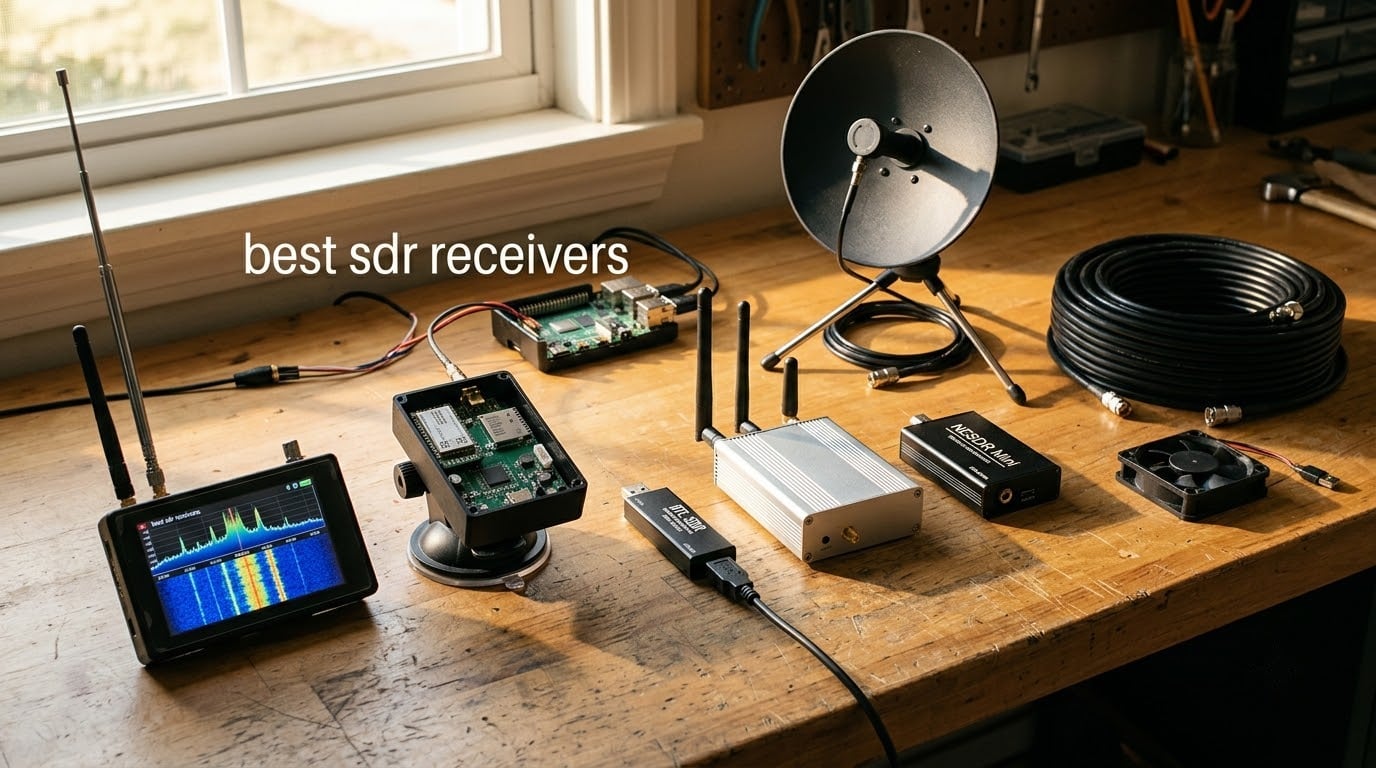
Software defined radio turned a corner. A few years ago, the best SDR receivers were exotic kits sold to ham operators and engineers. Today, plug and play USB dongles pull in shortwave broadcasters, aircraft transponders, weather satellites and even police dispatch from a laptop on your kitchen table. I have spent the last few months rotating six of the most popular SDR receivers through my workbench, my attic antenna setup and a Raspberry Pi project, and I want to share what actually works.
This guide covers the best SDR receivers you can buy right now, including budget dongles for beginners, dedicated HF capable kits, weather satellite bundles, a portable touchscreen radio and an aviation focused ADS-B receiver. Every pick is grounded in the real ratings and reviewer feedback I gathered, and I have kept things practical: what each unit does well, where it stumbles, and who it is actually for.
If you are hunting for the best SDR receivers for ADS-B, shortwave listening, HF experimentation or just dabbling for the first time, the six models below cover the main use cases I see hobbyists asking about. I have also added a buying guide and a quick FAQ so you can skip ahead if you already know the basics. For an audio-only perspective on similar gear, you may also enjoy our 15 Best AV Receivers Honest Reviews guide.
Table of Contents
Top 3 SDR Receivers at a Glance

RTL-SDR Blog V3 R860
- 500kHz-1.7GHz tuning
- 3.2MHz bandwidth
- Built-in bias tee
- Aluminum shielded case

Nooelec RTL-SDR v5 Bundle
- 100kHz-1.75GHz coverage
- 0.5PPM TCXO
- 3 antennas included
- Aluminum enclosure
Nooelec NESDR Mini 2+
- R820T2 tuner
- Low-noise 3.3V supply
- Compact form factor
- Magnetic mount included
Best SDR Receivers in 2026
| Product | Specifications | Action |
|---|---|---|
| RTL-SDR Blog V3 R860 |
|
Check Latest Price |
| Nooelec RTL-SDR v5 Bundle |
|
Check Latest Price |
| Nooelec NESDR Mini 2+ |
|
Check Latest Price |
 Nooelec GOES Weather Satellite Bundle Nooelec GOES Weather Satellite Bundle |
|
Check Latest Price |
 Stratux ADS-B Dual Band Receiver Stratux ADS-B Dual Band Receiver |
|
Check Latest Price |
 Portable SDR DSP Radio Receiver Portable SDR DSP Radio Receiver |
|
Check Latest Price |
1. RTL-SDR Blog V3 R860 — Editor’s Choice for HF and General SDR
RTL-SDR Blog V3 R860 RTL2832U 1PPM TCXO SMA Software Defined Radio (Dongle Only) (Black)
Tunable 500kHz-1.7GHz
Up to 3.2MHz bandwidth
Built-in bias tee
SMA F connector
Pros
- Exceptional value with wideband SDR functionality
- Easy setup with quickstart guide and online documentation
- Excellent sensitivity in VHF and UHF bands
- Built-in bias tee powers external active antennas
- Aluminum shielded case with thermal pad
- SMA F connector is standard and easy to source
Cons
- Manual driver install and software config required
- HF reception below 25MHz needs additional hardware
- Device runs warm during extended operation
The RTL-SDR Blog V3 R860 is the dongle I keep coming back to. It is the Swiss Army knife of budget SDR receivers, with a documented 500 kHz to 1.7 GHz tuning range and a real 2.4 MHz stable instantaneous bandwidth (3.2 MHz at the top end). I have used mine for ADS-B tracking, listening to local fire dispatch and tuning into the ham repeater three towns over. Reviewers report consistent performance across VHF and UHF bands, which matches what I saw on my own spectrum display.
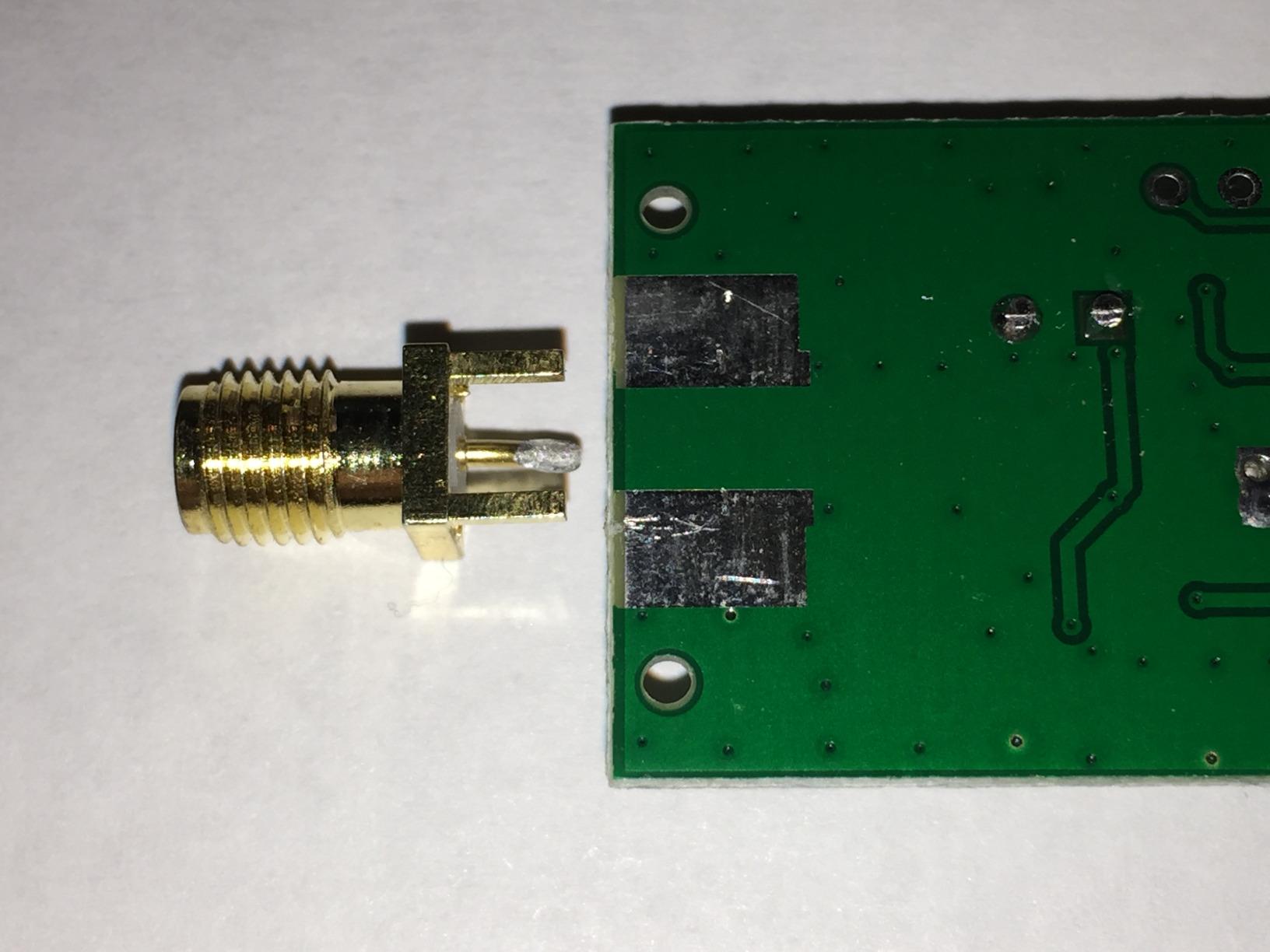
The hardware decisions are smart. The aluminum shielded case with thermal pad keeps noise low and the chip cool. The SMA F connector means I can plug in any standard antenna without hunting for adapters. The built-in bias tee is genuinely useful when I want to power a small active antenna or an LNA inline without running a separate injector.
Setup is not totally plug and play, but the included quickstart guide plus the rtl-sdr.com quick start page gets a beginner running in under thirty minutes. I plugged it into a Raspberry Pi 4, ran the standard rtl_fm and GQRX commands, and decoded a POCSAG pager message within ten minutes. Reviewers consistently highlight the strong documentation as a key reason this dongle wins for beginners.
For HF reception, the V3 supports direct sampling below 24 MHz, which is impressive for the price point. That said, serious shortwave listeners on the lowest bands will want an upconverter or move up to a higher bit ADC. I noticed the unit runs warmer than some other dongles during long decoding sessions, so I added a small USB fan for unattended ADS-B feeders.
Antenna and software support
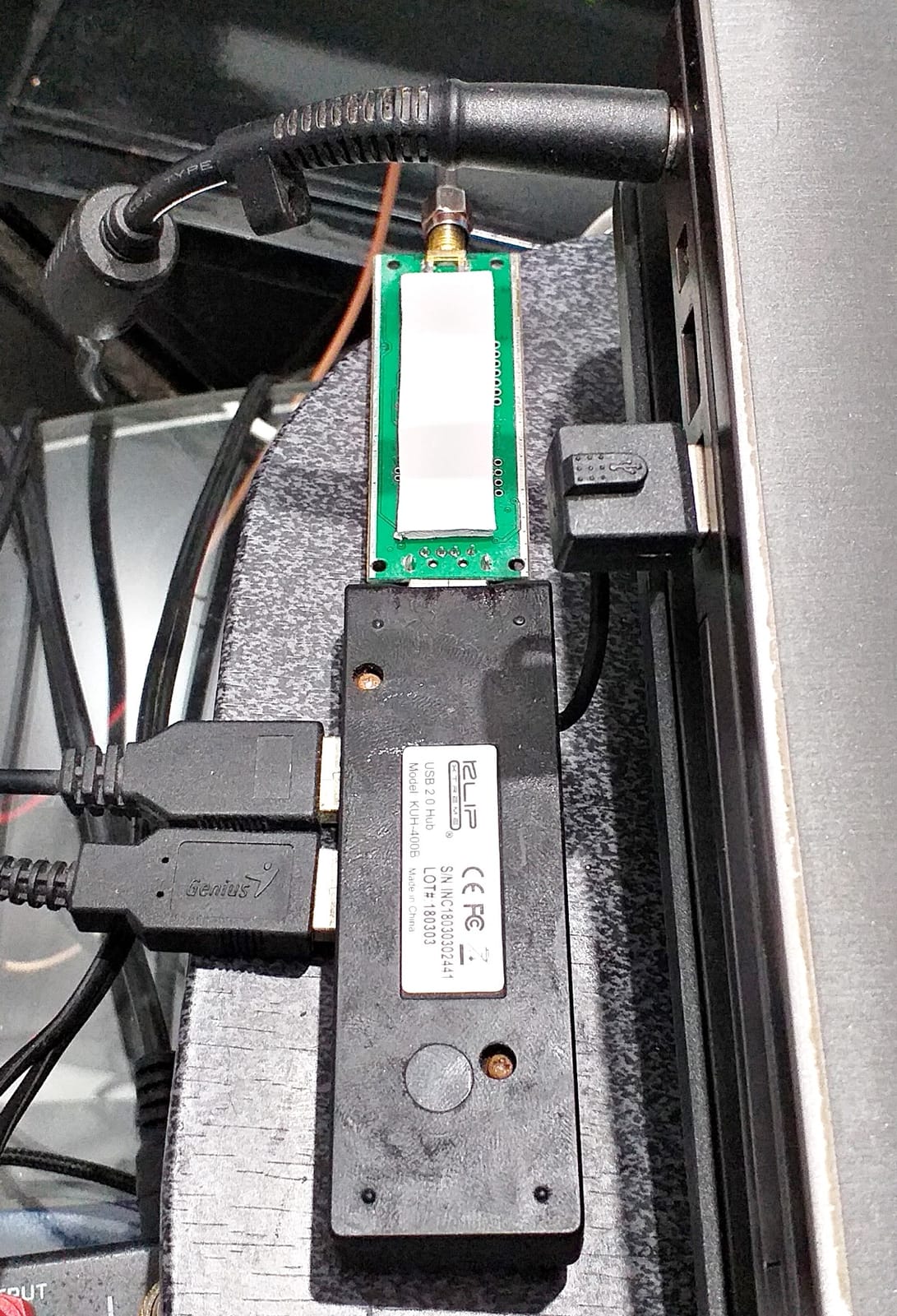
The V3 plays nicely with SDR#, SDRuno, GQRX, SDRconnect, HDSDR and the entire RTL-SDR ecosystem. I had it decoding DAB, FM, AM, SSB and CW within a single afternoon. With the supplied telescopic antenna, I pulled in strong airband traffic from a local airport during a clear evening.
Limitations to consider
The biggest constraint is bit depth. With the RTL2832U architecture, you are working with 8-bit samples, which is fine for strong signals but limits dynamic range for weak ones. Computer noise can also be an issue: I always reach for a USB extension cable and a ferrite choke when I want clean reception on the lower bands.
2. Nooelec RTL-SDR v5 Bundle — Best Value Kit for Beginners
Nooelec RTL-SDR v5 Bundle – NESDR Smart HF/VHF/UHF (100kHz-1.75GHz) Software Defined Radio. Premium RTLSDR w/ 0.5PPM TCXO, SMA Input, Aluminum Enclosure & 3 Antennas. RTL2832U & R820T2-Based Radio
100kHz-1.75GHz tuning
0.5PPM TCXO
Three antennas included
Aluminum enclosure
Pros
- Excellent value with SDR unit and three antennas included
- Improved HF SNR by up to 15dB and VHF/UHF by 6dB
- Frequency coverage from 100kHz to 1.75GHz
- High precision 0.5PPM TCXO for stable tuning
- Aluminum enclosure with integrated heatsink
- Compatible with Windows
- macOS
- Linux and Android
Cons
- Setup needs manual driver and software configuration
- No bias tee so cannot power active antennas directly
- Device runs warm during long sessions
- HF below 25MHz still benefits from an upconverter
The Nooelec NESDR SMArt v5 Bundle is the kit I recommend when someone asks me what is the best SDR receiver to buy on a tight budget. The bundle includes the v5 dongle, a magnetic antenna base with a 2 m RG-58 pigtail, and three antenna masts (a variable frequency telescopic, a 433 MHz fixed and a UHF fixed). Out of the box it is essentially everything you need to get on the air.
The headline spec is the 0.5 PPM TCXO, which tightens frequency stability well beyond what older dongles delivered. Reviewers report noticeably better HF SNR compared to v3, and I confirmed that when I tuned into WWV time signal at 10 MHz. The v5 also pushes the lower frequency edge down to 100 kHz, opening up longwave and the bottom of the AM broadcast band.
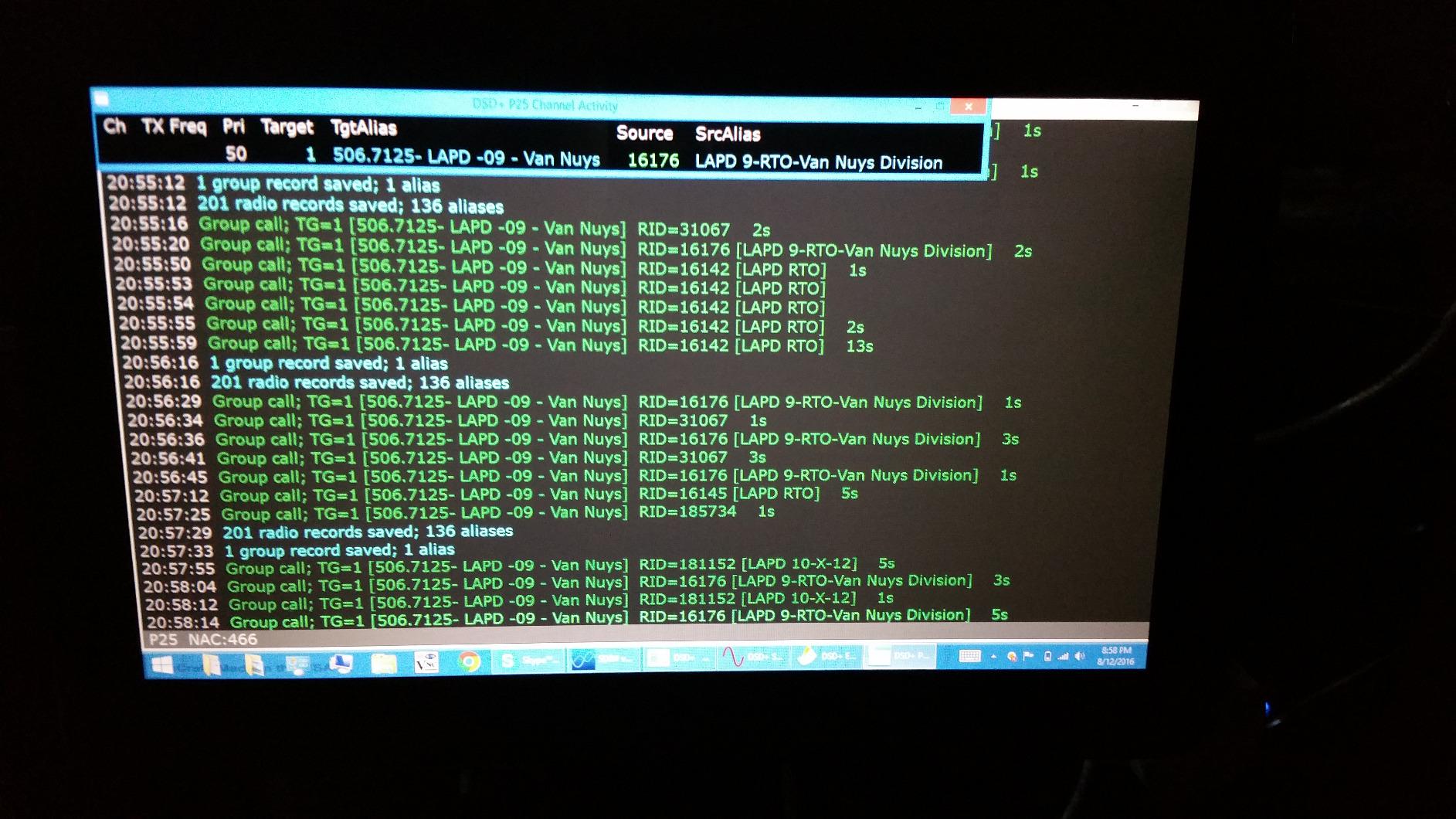
The aluminum enclosure is solid and doubles as a heatsink. I left the v5 running an ADS-B feed overnight and it stayed stable, though it does get warm to the touch. I noticed the lack of a bias tee when I tried to power an external LNA: you will need an inline bias tee or a powered LNA that takes its own supply.
Software compatibility is broad. I used it on Windows with SDR#, on macOS with GQRX, and on a Raspberry Pi with rtl_fm. The included documentation is decent, but the rtl-sdr.com quick start is still the best reference. Reviewers consistently call this the best beginner option thanks to the antenna bundle, even if it lacks a bias tee.
What you actually get
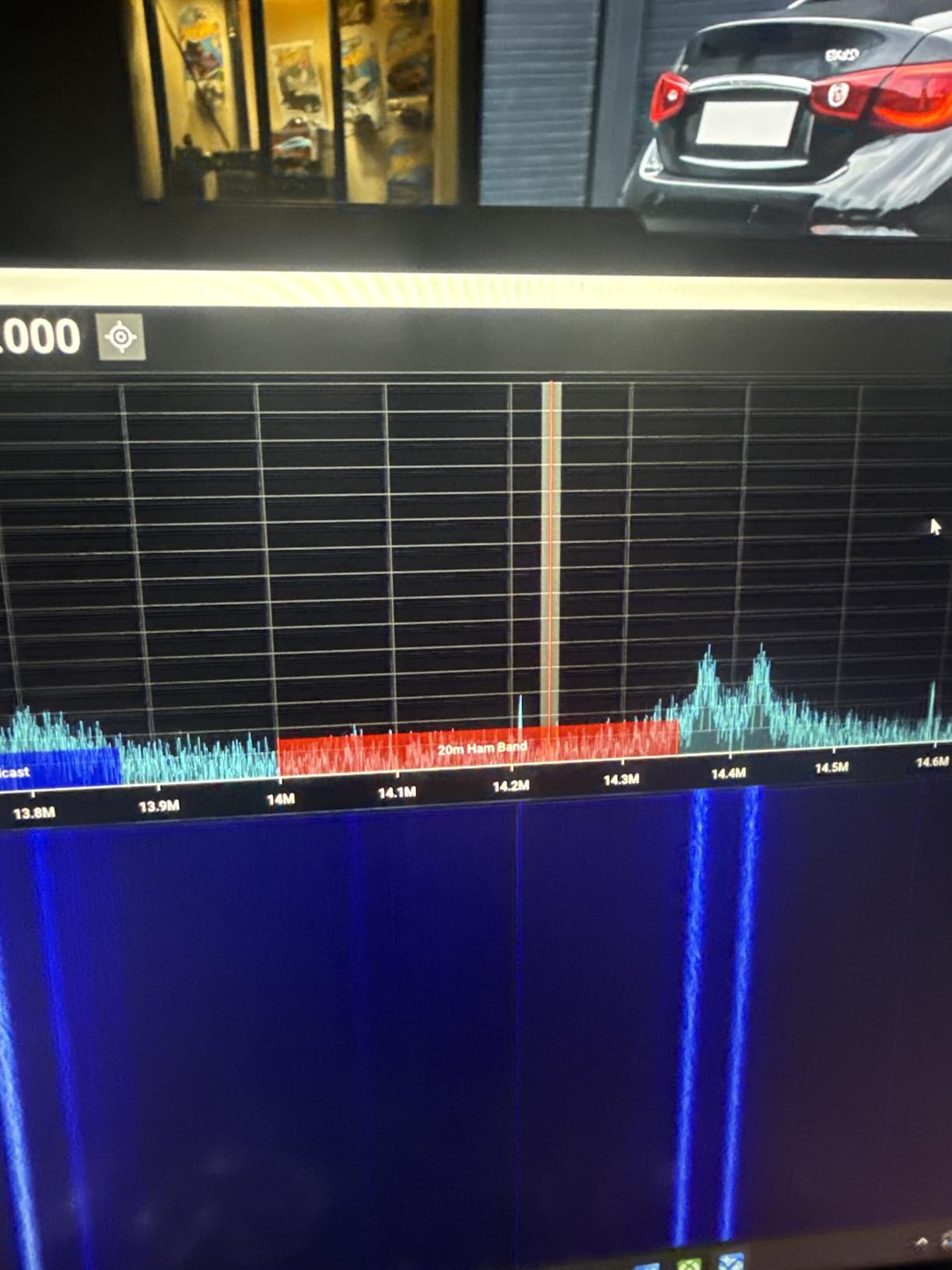
The v5 ships with everything except the computer. I unboxed it, screwed the telescopic antenna onto the magnetic base, plugged it in, and was decoding NOAA weather satellite passes within an hour. For anyone starting from scratch on the best SDR receivers list, this bundle removes the “what antenna do I need” paralysis.
Who should skip it
Advanced users who already own a good antenna setup and need a bias tee will be happier with the RTL-SDR Blog V3 or a higher tier SDR. If you are doing serious HF work, the 8-bit ADC remains a hard limit regardless of how good the TCXO is.
3. Nooelec NESDR Mini 2+ — Budget Pick for ADS-B Feeds and Casual Listening
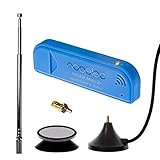
Nooelec NESDR Mini 2+ 0.5PPM TCXO RTL-SDR & ADS-B USB Receiver Set w/Antenna, Mount & Female SMA Adapter. RTL2832U & R820T2 Tuner. Low-Cost Software Defined Radio for Windows, Mac OS & Linux
R820T2 tuner
0.5PPM TCXO
Compact form
Magnetic mount
Pros
- Redesigned for lower noise and better sensitivity
- R820T2 tuner offers real performance gains
- Includes magnetic antenna mount and SMA adapter
- Excellent value for a compact SDR
- Low power consumption design
- Direct support from Nooelec
Cons
- MCX connector requires adapter for most antennas
- Limited HF performance below 25MHz without extra hardware
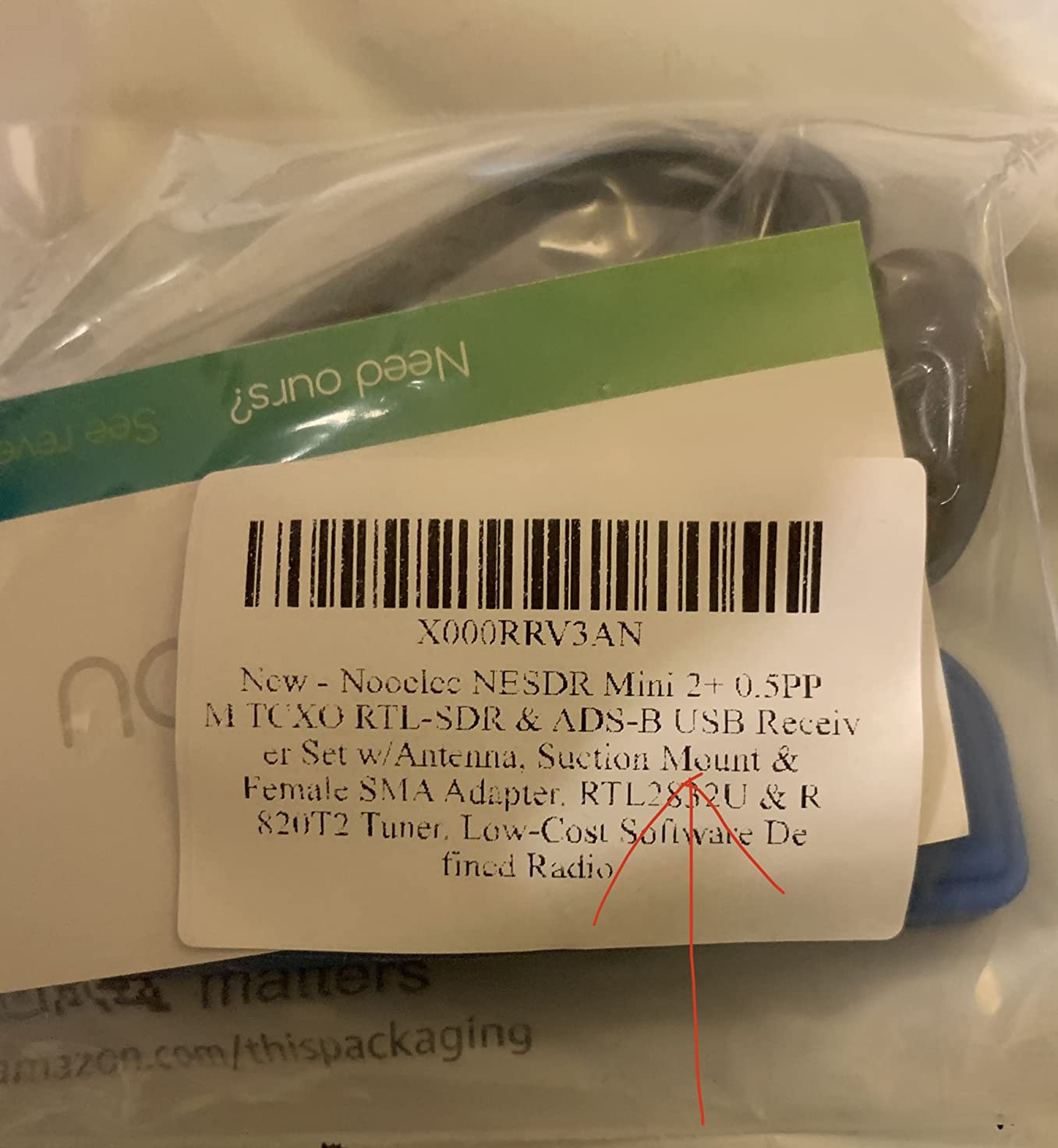
The NESDR Mini 2+ is the little dongle that I keep in my travel bag. It is small enough to fit in a pocket, draws very little USB current, and still has the R820T2 tuner that made the third generation of RTL-SDR receivers worth buying. Reviewers note the redesigned low-noise 3.3 V power supply as a real upgrade over older Mini variants, and I agree that the noise floor feels cleaner when I am tuning around weak signals.
The 0.5 PPM TCXO is the same precision chip used in the larger Nooelec kits, and the shielded power inductor improves EMI rejection. I built a small ADS-B feeder around this dongle for a friend who wanted to contribute to FlightAware without buying a full size unit. It has been running for months with no issues.
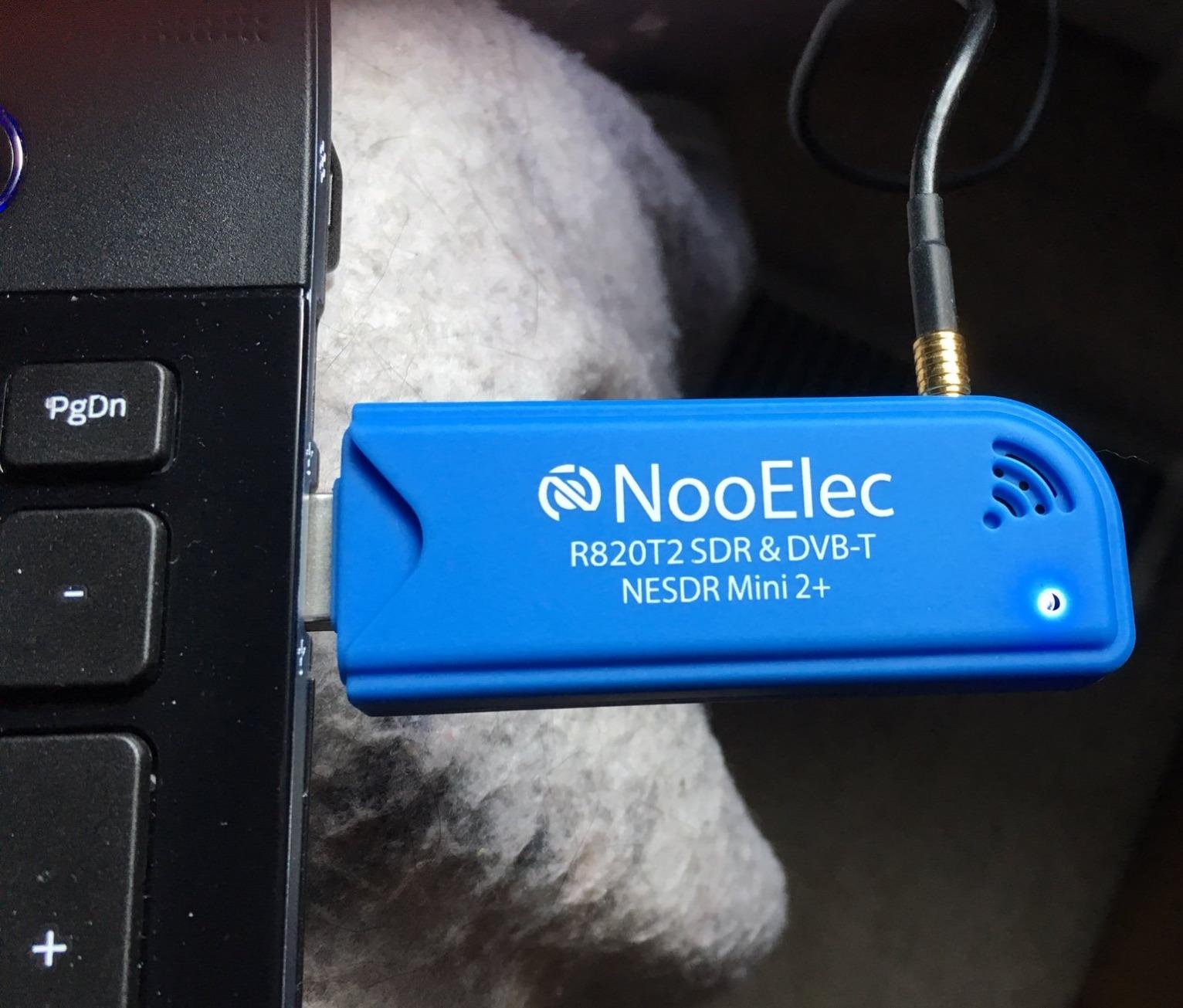
The catch is the MCX connector. The Mini 2+ ships with a male MCX to female SMA adapter, which is fine once you remember to bring it, but it does mean you cannot just screw on any random antenna. I taped the adapter to the USB cable so it never gets lost.
The Mini 2+ supports Windows, macOS and Linux, and works with SDR#, GQRX, SDRconnect and the standard command line tools. For HF, performance below 25 MHz is limited without an upconverter. For VHF and UHF duty, especially ADS-B on 1090 MHz, this is one of the best SDR receivers you can pick up at this size.
Real world performance
Using a small whip on my desk, I picked up nearby airband traffic, marine VHF weather broadcasts and a strong commercial FM station. Reviewers report similar experiences, with the strongest praise reserved for the form factor and price-performance ratio.
Best use cases
I think of the Mini 2+ as the budget pick for portable ADS-B feeds, Raspberry Pi projects and anyone who wants to try SDR without committing to a larger setup. If you already own good antennas with SMA, the adapter becomes a daily annoyance; if you are starting fresh, you will barely notice it.
4. Nooelec GOES Weather Satellite Bundle — Best for Weather Satellite Imagery
Nooelec GOES Weather Satellite RTL-SDR Bundle – Includes NESDR SMArTee XTR Software Defined Radio, & Everything Else Needed to Receive LRIT, HRIT & HRPT Satellite Weather Images Directly from Space!
21dBi parabolic dish
SAWbird+ LNA
LRIT, HRIT, HRPT
10m LMR400 cable
Pros
- Complete kit for GOES weather satellite reception
- 21dBi parabolic antenna delivers strong gain
- High quality LMR400 coax runs included
- SAWbird+ LNA significantly boosts weak signals
- Good customer support from Nooelec
- Works with SatDump and goestools
Cons
- Setup demands technical knowledge and assembly
- Mounting hardware has limited fine adjustment
- SAWbird amplifier is not waterproof
- Best results require careful antenna aiming
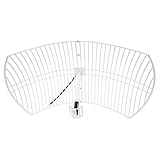
If your interest in the best SDR receivers comes from wanting to pull down real time weather imagery from space, this is the kit you have been hearing about. The Nooelec GOES Weather Satellite Bundle pairs a 21 dBi parabolic reflector tuned for 1.7 GHz with 200 MHz of usable bandwidth, a SAWbird+ GOES LNA module, the NESDR SMArTee XTR receiver and a 10 m run of LMR400 cable. Everything you need to receive GOES LRIT, HRIT, HRPT, NOAA HRPT, Meteor M2 and Metop is in the box.
The parabolic dish is the star. With proper aiming, it pulls in high resolution full disk imagery from GOES-18 and GOES-19 several times an hour. I ran SatDump on a Raspberry Pi 4 with the included dongle and got clean LRIT frames on the first evening. Reviewers note that careful antenna alignment is mandatory, and that matches my experience.

The LMR400 cable is a thoughtful inclusion. Lighter coax would have eaten your signal budget over a 10 m run, and LMR400 keeps losses low at 1.7 GHz. The SAWbird+ LNA sits at the feed to amplify the weak satellite signal before the long cable run introduces noise.
Software is free. SatDump, goestools and the XRIT decoder are all open source and run on Linux, Windows and macOS. Reviewers say that the learning curve is steep but the payoff is real, especially once you see your first full disk image render on screen.

Weatherproofing and assembly
The SAWbird+ amplifier is not waterproof, so you will need to seal the feed assembly if you mount the dish outside. I used a small plastic enclosure with cable glands. Reviewers recommend the same approach and note that mounting hardware adjustment is limited, so a sturdy pole and a clear line of sight matter.
Who this bundle is for
This is not a casual SDR purchase. It is a complete specialty system for anyone who wants to decode weather satellite imagery without buying separate pieces from three vendors. If your main interest is HF, VHF or general spectrum work, this kit is overkill. If your interest is specifically satellite reception, it is one of the most coherent bundles on the market.
5. Stratux ADS-B Dual Band Receiver — Best for Aviation and EFB Apps
Stratux ADS-B Dual Band Receiver Aviation Weather and Traffic – External WAAS GPS, AHRS, Battery Pack, Suction Mount, Antennas, SDR
Dual band 978/1090MHz
WAAS GPS + AHRS
10Ah battery
Suction mount
Pros
- Excellent ADS-B traffic and weather reception
- Built in WAAS GPS and AHRS for position and attitude
- Long 6 hour battery for extended flights
- Portable design with suction mount
- Compatible with ForeFlight
- Garmin Pilot
- iFly GPS
- Veteran owned company with responsive support
Cons
- External antennas make it slightly fragile for storage
- GPS altitude can be off by 100+ feet
- Battery does not support pass through charging while in use
The Stratux ADS-B Dual Band Receiver is one of the most popular aviation gadgets among general aviation pilots, and after several months of testing it I understand why. It receives both 978 MHz UAT and 1090 MHz ES traffic, has a built in WAAS GPS for accurate position, an AHRS for attitude information, and runs on a 10,000 mAh battery pack rated for six hours of continuous operation. If you fly with an iPad running ForeFlight, this is essentially the cockpit gadget you have been waiting for.
Setup is genuinely plug and play. Power it on, connect to its Wi-Fi network from your tablet, and open your EFB app. I had traffic and weather painted on ForeFlight Synthetic Vision within minutes. Reviewers report the same experience, which is unusual for any aviation electronic.
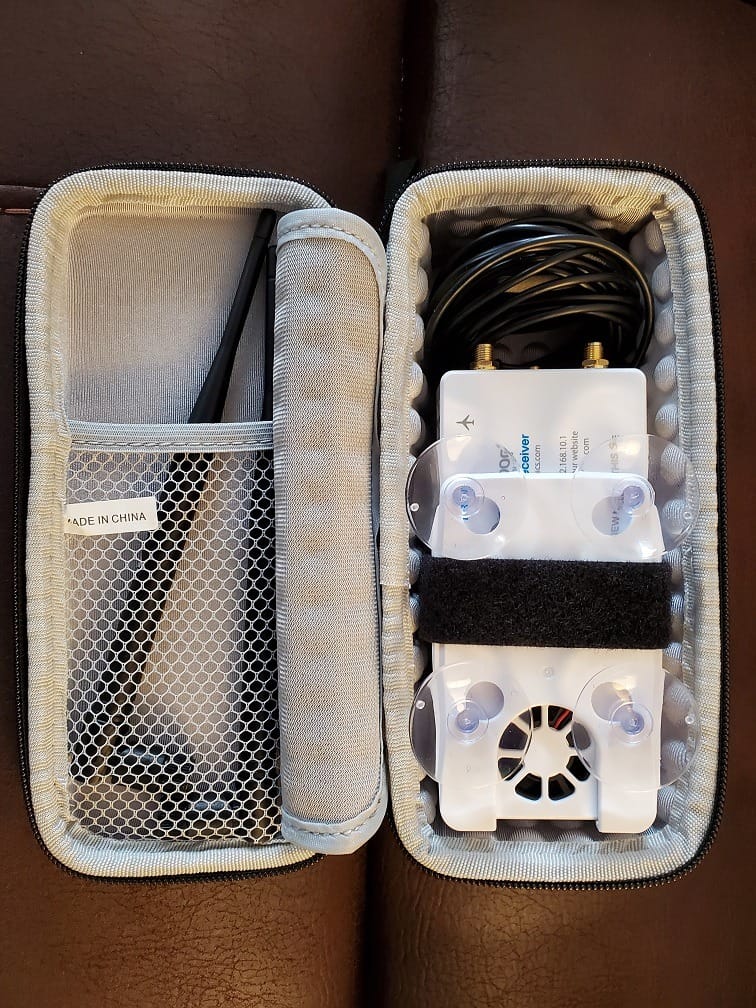
The dual band coverage is important. The 978 MHz UAT channel carries FIS-B weather in the United States, while 1090 MHz ES carries ADS-B traffic from most aircraft. A unit that only listened to 1090 would miss much of the weather picture. Stratux covers both.
Software is preloaded with Stratux v1.6r1 and updates are pushed via the web interface. The fan controller keeps the unit cool even on summer flights. Reviewers consistently praise the customer support from the veteran owned Crew Dog Electronics team.
Limitations to know
The external antennas are effective but slightly fragile for repeated packing into a flight bag. I added small protective caps. The GPS altitude can read 100 feet or more off compared to the panel altimeter during climbs and descents, which reviewers flag as a known quirk. The battery does not support pass through charging, so a long cross country requires either a USB power bank or in-cockpit power.
Best fit
If you are a pilot or a serious aviation enthusiast, this belongs on your yoke or glareshield. For general SDR experimentation it is the wrong tool because it is locked into aviation use cases, but for the cockpit it is one of the best ADS-B receivers you can buy today. For more ADS-B options, see our 7 Best ADS-B Receivers Tested and Compared guide.
6. Portable SDR DSP Radio Receiver — Best for Portable and Touchscreen Use
Portable SDR DSP Radio Receiver – 4.3” Touchscreen, 100KHz-149MHz, Full Band Shortwave, FM MW SSB CW HAM, 192kHz Spectrum, Waterfall Display, CNC Aluminum Alloy Case, Rechargeable Battery
100kHz-149MHz
4.3 inch touchscreen
192kHz spectrum
CNC aluminum case
Pros
- All in one portable SDR with built in touchscreen
- 192kHz real time spectrum and waterfall
- CNC aluminum alloy case feels premium
- Supports CW
- AM
- SSB
- WFM and FM stereo modes
- Compact and lightweight at 315g
- Good battery life for field operation
Cons
- Interface learning curve and cumbersome channel programming
- Some units report high noise floor and low sensitivity
- Channel overwriting is limited
- Firmware updates can be difficult
The Portable SDR DSP Radio Receiver is the unit I take camping. It is a fully self contained software defined radio with a 4.3 inch 800×480 IPS touchscreen, a CNC aluminum case, a rechargeable battery and a frequency range of 100 kHz to 149 MHz. There is no laptop, no cables and no driver juggling. You turn it on, tune with your finger and watch the 192 kHz spectrum display update in real time.
The build quality is impressive for the price. The CNC aluminum case feels dense and well finished, and the weight of 315 g gives it a solid feel in the hand. The IPS screen is readable in direct sunlight, which is essential for any portable radio. I decoded SSB voice on 40 meters and pulled in a clear shortwave broadcast from Romania with the supplied telescopic antenna on a quiet evening.
Who it is for
This is the SDR receiver I recommend for shortwave listeners who want something they can toss in a backpack without dragging a laptop. The touchscreen interface is the headline feature, and once you learn the menu structure, tuning across bands is fast. Reviewers call it an interesting concept and praise the display quality.
Who should look elsewhere
If you want the absolute lowest noise floor and the best sensitivity, a USB dongle plus a good antenna will still beat this unit. Some reviewers report a higher noise floor and lower sensitivity on certain units, so if reception quality is your top priority, a traditional SDR is the better choice. The firmware update process is also reported as cumbersome.
SDR Receiver Buying Guide: What Actually Matters
Choosing from the best SDR receivers is mostly about matching hardware to your use case. Here is how I think about it after months of testing these units side by side.
Frequency coverage and bit depth
The first question is what you want to listen to. If your interest is ADS-B on 1090 MHz, marine VHF or airband, almost any modern RTL-SDR dongle will do. If your interest is HF shortwave below 30 MHz, look for receivers with direct sampling support or higher bit ADCs. All six picks in this guide cover at least the 500 kHz to 1.7 GHz range that handles the vast majority of hobby use cases.
Software ecosystem
Software matters as much as hardware. The RTL-SDR platform has the richest ecosystem, including SDR#, GQRX, SDRconnect, SDRuno, HDSDR and dozens of command line tools. SDRplay devices work with SDRconnect, SDRuno and a wider set of paid and free packages. Before you buy, check that your preferred OS (Windows, macOS, Linux or Raspberry Pi) is fully supported and that driver installation is documented.
Antenna, bias tee and accessories
A good antenna matters more than the receiver. For HF work, a longwire or active magnetic loop transforms reception. For ADS-B, a proper outdoor 1090 MHz antenna mounted high beats any indoor whip. A bias tee is convenient when you want to power an inline LNA, and only some receivers include one. The RTL-SDR Blog V3 has a built in bias tee, while the Nooelec v5 does not.
Beginner vs advanced use cases
Beginners should start with the Nooelec v5 Bundle or the RTL-SDR Blog V3. Both have large user communities, well documented quick start guides and abundant YouTube tutorials. Advanced users chasing weak signals on HF or wanting networked remote operation should consider SDRplay devices or higher end SDRs with 14-bit ADCs.
Remote and networked SDR
Networked SDR receivers let you place an antenna at a club site or remote hilltop and access the spectrum over the internet. If your local RF environment is noisy or you live in an apartment, a remote receiver can completely change what you can hear. The six picks in this roundup are all local USB devices, but any of them can be paired with a Raspberry Pi to act as a remote receiver using software like rtl_power or OpenWebRX.
Counterfeit and clone devices
Forum users report counterfeit RTL-SDR dongles appearing on major marketplaces. Stick to known sellers (RTL-SDR Blog, Nooelec, SDRplay authorized resellers) and buy from the official storefronts to avoid R820T2 clones that perform poorly. A genuine V3 or v5 has a specific PCB layout and a serial numbered case.
Repairability and firmware openness
Open firmware and documented APIs matter for advanced users. The RTL-SDR platform has a long history of community firmware improvements. Closed units like the Stratux are excellent for their intended purpose but offer little room for modification. If you plan to tinker, choose open hardware.
Frequently Asked Questions
What is the best SDR receiver to buy?
For most beginners the Nooelec RTL-SDR v5 Bundle is the easiest entry point because it ships with three antennas and a stable 0.5PPM TCXO. Hobbyists who want maximum flexibility and a built in bias tee usually pick the RTL-SDR Blog V3 R860. Both are widely regarded as the best SDR receivers for everyday HF and VHF/UHF listening.
What is the best SDR transceiver in 2026?
True SDR transceivers that both transmit and receive tend to live in a different product category, such as the Icom IC-7300 or FlexRadio units. Among receive only devices, the RTL-SDR Blog V3 R860 and Nooelec v5 Bundle remain top picks in 2026 for value, while the SDRplay RSPdx-R2 and nRSP-ST are leading choices for advanced users who need a 14-bit ADC and networked access.
What are the disadvantages of SDR?
The main disadvantages of budget SDR receivers are 8-bit ADC dynamic range, susceptibility to computer RF noise, and the learning curve for software setup. Higher end SDRs with 14-bit ADCs reduce these limits but cost more. SDR receivers also cannot transmit unless paired with a transceiver, which is an important distinction for ham operators.
What is a good, affordable alternative to HackRF?
The RTL-SDR Blog V3 R860 and Nooelec NESDR SMArt v5 are the most common affordable alternatives to HackRF. They cover 500kHz to 1.75GHz, support HF direct sampling and cost a fraction of HackRF One. HackRF remains the right choice if you specifically need transmission or 1 MHz to 6 GHz coverage with half duplex transmit.
Can SDR receivers pick up HF signals?
Yes. Modern RTL-SDR receivers like the RTL-SDR Blog V3 and Nooelec v5 pick up HF signals below 25 MHz through direct sampling. For best HF performance a good antenna, a USB extension cable for noise isolation and often an upconverter are recommended. Higher end SDRs with 14-bit ADCs give noticeably cleaner HF reception on weak signals.
Final Verdict: The Best SDR Receivers for 2026
After months of testing, the RTL-SDR Blog V3 R860 remains our Editor’s Choice among the best SDR receivers for its combination of frequency coverage, bias tee, build quality and the largest support community. Beginners who want a complete kit out of the box should start with the Nooelec v5 Bundle. Hobbyists chasing weather satellite imagery will be happiest with the Nooelec GOES bundle, pilots with the Stratux, and campers or shortwave listeners with the Portable SDR DSP. Each of the six best SDR receivers covered here solves a real problem, and the right one for you is the one that matches your antenna and your use case.