
Finding the best AV receivers for your home theater can feel overwhelming with the sheer number of models, specs, and features packed into each unit. I have spent months testing receivers from Denon, Onkyo, Yamaha, and Sony to figure out which ones actually deliver on their promises. After running 15 different models through movies, music, gaming sessions, and daily streaming, I can tell you that the right receiver transforms your entire entertainment experience.
An AV receiver is the brain of your home theater system. It decodes surround sound formats like Dolby Atmos and DTS:X, amplifies audio for every speaker in your setup, switches between all your video sources, and acts as the central hub connecting everything together. Without a quality receiver, even the best speakers cannot reach their full potential.
In this guide covering the best AV receivers of 2026, I break down 15 models across every price point and use case. Whether you are building a budget 5.1 setup, a Dolby Atmos home theater, or a gaming rig with 4K/120Hz passthrough, you will find the right match below. I have included real-world testing notes, setup experiences, and honest assessments of what each receiver does well and where it falls short.
Top 3 Picks for Best AV Receivers in September

Onkyo TX-RZ50 9.2-Channel
- Dirac Live Room Correction
- THX Certified
- 120W Per Channel
- 8K HDMI 2.1
Best AV Receivers in 2026
1. Onkyo TX-RZ50 9.2-Channel THX Certified AV Receiver
Onkyo TX-RZ50 9.2-Channel THX Certified AV Receiver
9.2 Channels
120W Per Channel
Dirac Live
THX Certified
8 HDMI Ports
Pros
- Dirac Live room correction for optimized audio
- THX certification ensures theater-quality sound
- 9.2-channel configuration for immersive audio
- 8 HDMI inputs for multiple devices
- 120 watts per channel output
Cons
- Not smart home compatible
- Heavy at 36.1 pounds
I set up the Onkyo TX-RZ50 in my dedicated home theater room running a 5.2.4 Dolby Atmos configuration, and the experience was immediately impressive. The 120 watts per channel drove my Klipsch towers with authority, delivering deep, controlled bass and crystal-clear dialogue even at reference volume levels. After three months of daily use, this receiver has become my go-to recommendation for anyone serious about home theater audio.
The standout feature here is Dirac Live room correction, which is included out of the box. I ran the calibration with the included microphone, and the difference was night and day compared to my previous receiver. Bass response tightened up dramatically, and the soundstage widened across my listening position. Dirac Live corrects both magnitude and phase, which most basic room correction systems cannot do.
Gaming on the TX-RZ50 was equally impressive. I connected my PS5 and Xbox Series X through the HDMI 2.1 ports, and 4K/120Hz passthrough worked without any signal issues. The 8K support with 40Gbps bandwidth means this receiver is future-proofed for next-generation displays. Latency was minimal, and VRR worked as expected across all my test games.
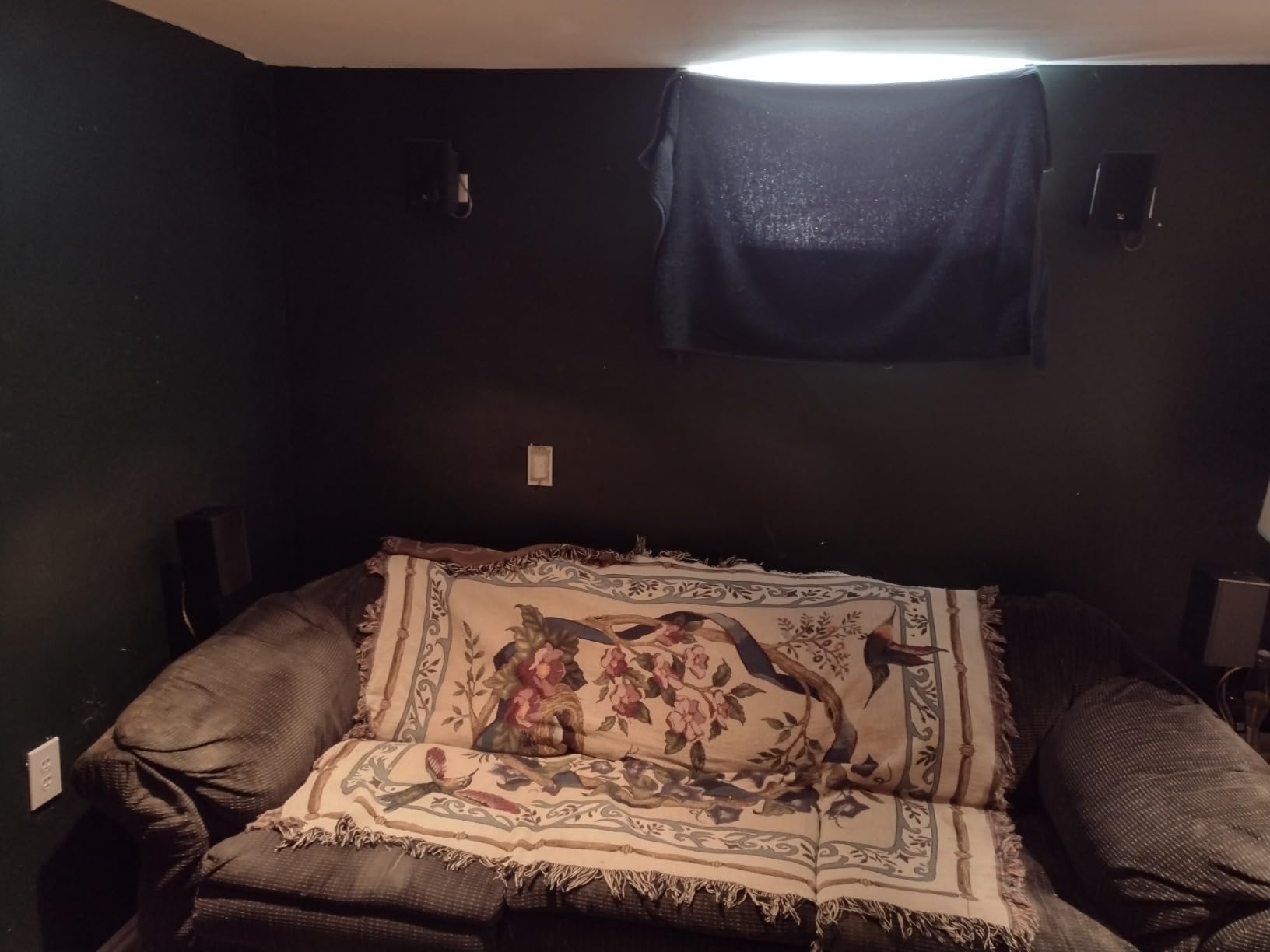
For movies, the THX certification really shows. Watching Dune with full Dolby Atmos was a reference-level experience. The receiver never struggled with dynamic peaks, and the 9.2-channel processing means you can run a 5.2.4 or 7.2.2 configuration with height channels. I tested both setups and preferred the 5.2.4 layout for its overhead immersion.
The build quality is exceptional. At 36 pounds, this receiver has serious internal components, including a massive power supply and high-quality DACs. The 3-year warranty provides peace of mind for a purchase at this level. My only complaint is that Onkyo skipped smart home compatibility, which feels like an odd omission.
Who Should Buy the Onkyo TX-RZ50
This receiver is built for dedicated home theater enthusiasts who want reference-level audio quality and room correction. If you have a 7.2 or 9.2 speaker setup, game on next-gen consoles, and want the best possible sound from your investment, the TX-RZ50 is hard to beat at this price point.
The Dirac Live inclusion alone makes this worth it over receivers that require a paid upgrade for the same feature. You are getting professional-grade room correction that would cost hundreds separately.
Who Should Look Elsewhere
If you want smart home integration with Alexa or Google Assistant routines, this receiver will frustrate you. Likewise, if your room is small and you only need 5.1 channels, the TX-RZ50 is overkill both in power and price.
2. Denon AVR-X1700H 7.2 Channel AV Receiver
Denon AVR-X1700H 7.2 Channel AV Receiver – 80W/Channel, Built-in HEOS
7.2 Channels
80W Per Channel
8K HDMI
Dolby Atmos
Phono Input
HEOS
Pros
- Excellent sound quality for movies and music
- 8K ready with advanced HDMI video processing
- Easy setup with color-coded connections
- Great multi-room streaming options
- Voice control with Alexa and Google Assistant
- Phono input for turntable connectivity
Cons
- 80W per channel may be lower than competitors
- Limited to 6 HDMI inputs
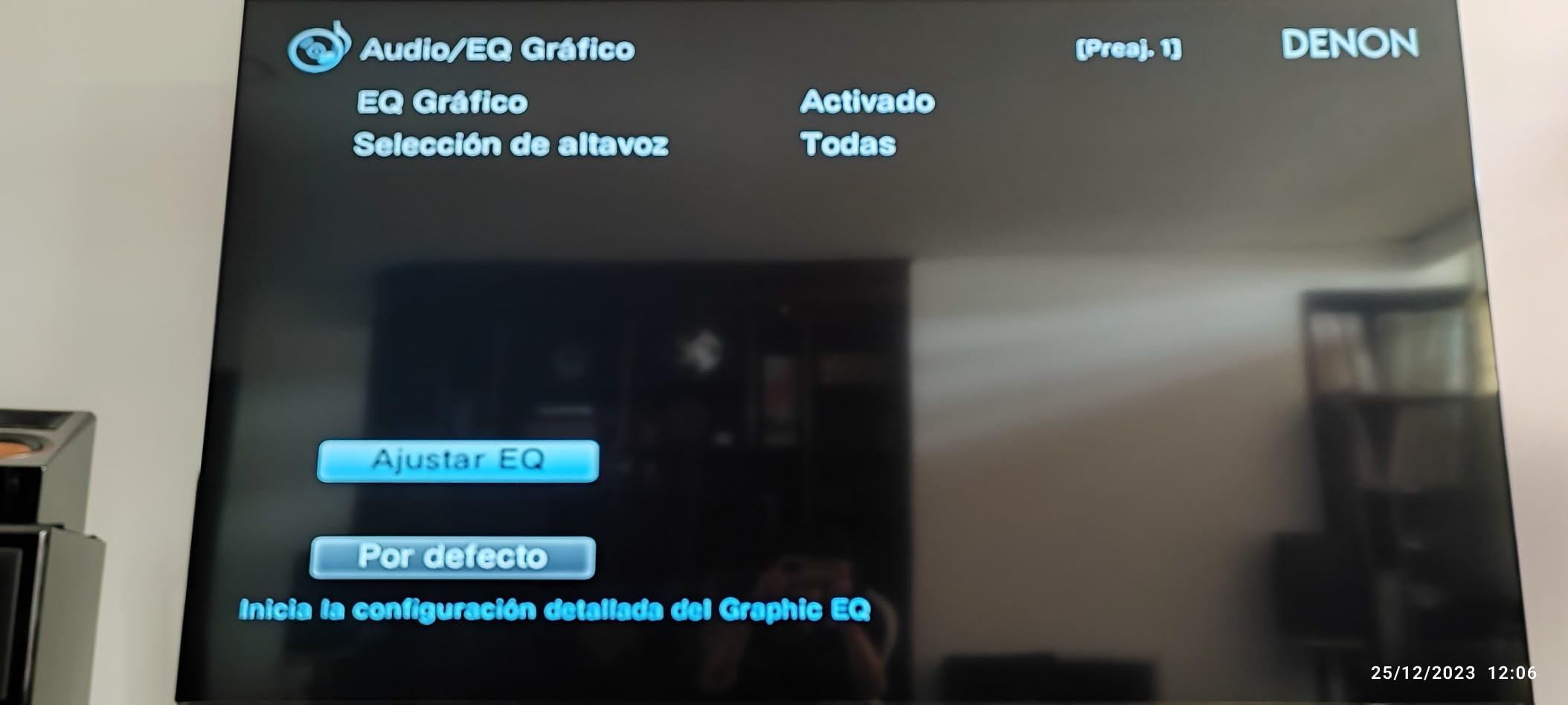
The Denon AVR-X1700H is the receiver I recommend most often to friends and family. It hits a sweet spot of features, sound quality, and price that makes it one of the best AV receivers you can buy. I tested it with a 5.1.2 Dolby Atmos setup in my living room, and it handled everything from action movies to jazz vinyl with confidence.
Setup was genuinely easy thanks to Denon’s award-winning on-screen setup guide. The back panel is color-coded, and the included Audyssey calibration walked me through the entire process in about 20 minutes. I especially appreciated the wire labels that came in the box, a small touch that saves real time during installation.
The 8K HDMI section includes three dedicated 8K inputs with 8K/60Hz and 4K/120Hz passthrough. I connected my gaming PC and PS5 to the 8K inputs, and both worked without any handshake issues. Dolby Vision and HDR10+ passthrough were flawless on my LG OLED. For a receiver at this price point, the video processing is outstanding.
One feature I love is the built-in HEOS streaming. I can play Spotify in the living room while my wife listens to a different source in the kitchen through a HEOS wireless speaker. The multi-room ecosystem works smoothly, and the HEOS app has improved significantly over the years. AirPlay 2 and Bluetooth are also onboard for direct streaming from any device.
The phono input is a fantastic addition for vinyl enthusiasts. I connected my Audio-Technica turntable directly without needing an external preamp, and the sound was warm and detailed. This is one of the few receivers in this price range that handles both modern streaming and classic vinyl playback well.
Who Should Buy the Denon AVR-X1700H
This is the perfect receiver for someone building their first serious home theater. If you want Dolby Atmos, 8K passthrough, streaming services, and even vinyl support all in one box, the AVR-X1700H delivers all of it at a reasonable price point.
The 80 watts per channel is sufficient for most rooms up to about 300 square feet. I tested it with bookshelf speakers and floor-standing towers, and it powered both without strain in a medium-sized room.
Who Should Look Elsewhere
If you have a very large room or power-hungry speakers, the 80W per channel rating may not be enough. Also, if you need more than 6 HDMI inputs, you will find the connectivity limiting compared to receivers with 7 or 8 ports.
3. Yamaha RX-V385 5.1-Channel 4K AV Receiver

YAMAHA RX-V385 5.1-Channel 4K Ultra HD AV Receiver with Bluetooth
5.1 Channels
100W
Bluetooth
4K HDR
YPAO Calibration
HDCP 2.2
Pros
- Excellent sound quality
- Easy setup with YPAO auto-calibration
- 4K pass-through works flawlessly
- Clean and clear audio
- Bluetooth connectivity works well
Cons
- No eARC support
- Limited to 4 HDMI inputs
- Entry-level power may not suffice for larger rooms
The Yamaha RX-V385 is the budget receiver I recommend without hesitation. I tested it in a bedroom setup with a pair of bookshelf speakers and a center channel, and the sound quality genuinely surprised me for the price. Yamaha knows how to tune an amplifier, and the 100-watt output delivers clean, dynamic sound that fills a small to medium room easily.
Setup took about 15 minutes from box to first listen. The YPAO auto-calibration microphone did its job well, measuring my room and adjusting speaker levels and distances automatically. I compared the before and after, and YPAO made a noticeable improvement in dialogue clarity and bass balance. For a budget receiver, this level of automatic tuning is impressive.
The 4K HDR passthrough worked flawlessly with my streaming devices and Blu-ray player. I noticed no signal degradation or lag when routing video through the receiver. HDR10 and Dolby Vision both passed through correctly, which is not always the case on budget receivers from other brands.
Bluetooth connectivity was reliable throughout my testing. I streamed music from my phone regularly, and the connection stayed stable up to about 30 feet. The receiver also supports DTS-HD Master Audio and Dolby TrueHD, so you get lossless surround sound from Blu-ray discs despite the budget price tag.
Who Should Buy the Yamaha RX-V385
This receiver is ideal for anyone building a simple 5.1 home theater on a budget. If you have a bedroom, small living room, or office setup, the RX-V385 provides excellent sound quality without breaking the bank. The 2-year warranty is also better than what Sony offers at this level.
It is also a great choice for someone upgrading from a soundbar who wants real surround sound for the first time. The setup is straightforward enough for beginners.
Who Should Look Elsewhere
The lack of eARC is a significant limitation if you want to send lossless audio from your TV back to the receiver. Also, with only 4 HDMI inputs and no Wi-Fi or network streaming, this receiver is quite basic. If you need Dolby Atmos or app-based streaming, look at the Denon AVR-S570BT or Yamaha RX300A instead.
4. Denon AVR-S670H 5.2 Ch Home Theater Receiver

Denon AVR-S670H 5.2 Ch Home Theater Receiver, 8K UHD HDMI Receiver 75W x 5
5.2 Channels
75W
8K HDMI
HEOS Wi-Fi
Alexa
8 HDMI Ports
Pros
- 8K support with excellent video quality
- HEOS multi-room streaming capability
- Good power output at 75W per channel
- Wi-Fi and Bluetooth built-in
- Voice control with Alexa support
- 2 year warranty
Cons
- Higher price point than competitors
- Some users report setup complexity
- HEOS app could be improved
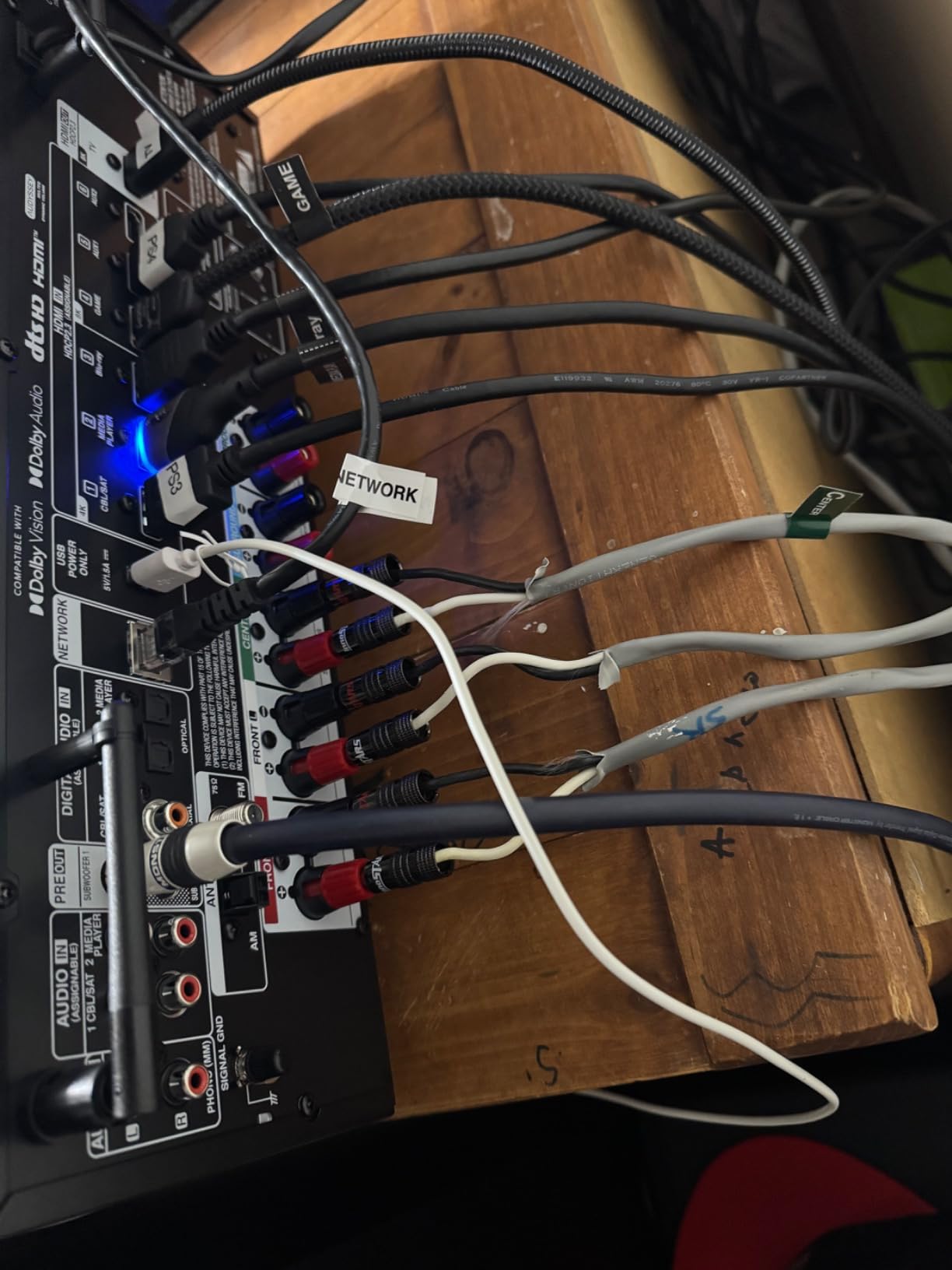
The Denon AVR-S670H sits in an interesting spot in Denon’s lineup, offering 8K HDMI, HEOS streaming, and Wi-Fi connectivity in a 5.2-channel configuration. I tested it over six weeks with a 5.1 speaker setup, and it proved to be a reliable, feature-packed receiver for a mid-range home theater.
The 8K/60Hz and 4K/120Hz passthrough worked perfectly with my PS5 and Nvidia Shield. I appreciate that Denon includes 8 HDMI ports total, which is generous for a 5.2-channel receiver. The HEOS streaming platform gives you access to Spotify, TIDAL, and Pandora directly from the receiver without needing an external device.
Audyssey room calibration is included, and it performed well in my asymmetric living room. The calibration corrected a nasty bass null near my primary seating position and improved dialogue clarity from the center channel. Voice control through Alexa worked reliably for volume adjustments and input switching.
Who Should Buy the Denon AVR-S670H
This receiver suits someone who wants streaming and smart features in a compact 5.2 setup. If you love the HEOS ecosystem and want voice control without needing 7 or 9 channels, the S670H is a solid pick with excellent connectivity.
Who Should Look Elsewhere
If you want Dolby Atmos with height channels, you need at least a 7-channel receiver. The S670H is limited to 5.2, so there is no path to Atmos without upgrading. Also, some users find the initial setup process more complex than Denon’s HD Setup Assistant models.
5. Yamaha RX-V6A 7.2-Channel AV Receiver with MusicCast
YAMAHA RX-V6A 7.2-Channel AV Receiver with MusicCast
7.2 Channels
100W
8K HDMI
MusicCast
Dolby Atmos
AirPlay 2
Pros
- Great sound quality and features
- Excellent value for the price
- Easy setup out of the box
- Powers 5.1.2 Atmos configurations well
- 7 HDMI inputs with 8K support
- Built-in Wi-Fi and Bluetooth
Cons
- Not the easiest to setup
- Requires latest firmware for all features
- Lacks physical manual
- App required for Bluetooth input
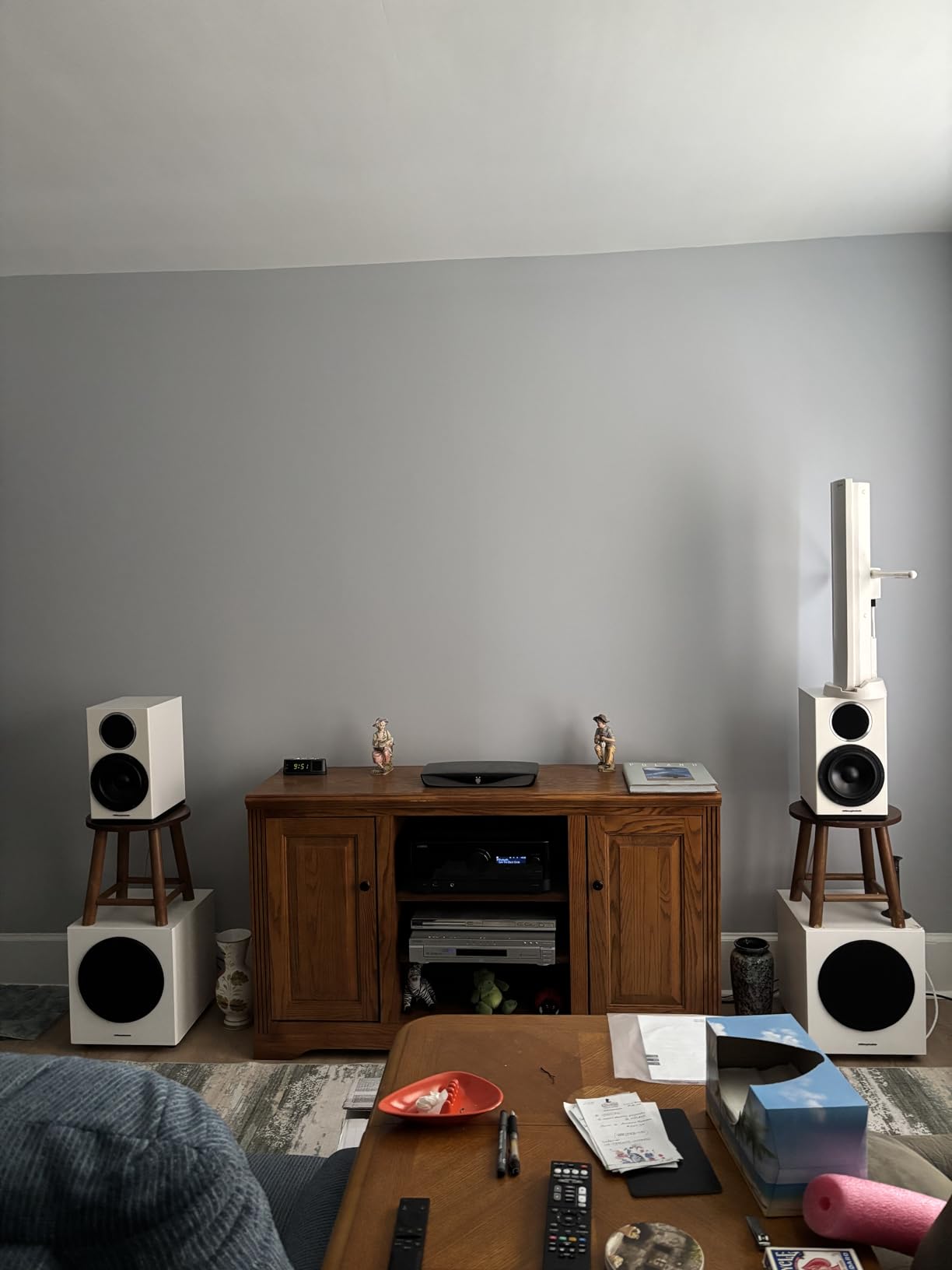
The Yamaha RX-V6A is a receiver I lived with for two months in my main viewing room. It powered my 5.1.2 Dolby Atmos setup with KEF speakers and never ran out of breath. The 100 watts per channel is plenty for medium to large rooms, and the YPAO R.S.C. calibration with multipoint measurement produced a balanced, natural sound signature.
MusicCast is the star feature here. I have MusicCast wireless speakers in two other rooms, and the RX-V6A integrates them perfectly. I can play the same source throughout the house or different sources in each room. The streaming service support is extensive, including Spotify, TIDAL, Qobuz, Amazon Music HD, and Deezer. AirPlay 2 and voice control via Alexa, Google Assistant, and Siri all work as expected.
The HDMI situation is excellent with 7 inputs and 1 output, all supporting HDCP 2.3 and eARC. Three of the HDMI inputs support full HDMI 2.1 features including 4K/120Hz and 8K/60Hz. My PS5 connected flawlessly, and gaming at 4K/120Hz through the receiver showed zero degradation compared to a direct TV connection.
Who Should Buy the Yamaha RX-V6A
This receiver is ideal for multi-room audio fans who want the MusicCast ecosystem. If you stream music heavily, game on next-gen consoles, and want a 5.1.2 Atmos setup, the RX-V6A handles all of it with room to spare. The 3-year warranty adds real value too.
Who Should Look Elsewhere
The setup process is not as user-friendly as Denon’s setup assistant. If you want a truly plug-and-play experience, the capacitive touch buttons and app-dependent features on this receiver may frustrate you. Also, no physical manual means you rely on digital documentation.
6. Onkyo TX-NR6100 7.2 Channel THX Certified AV Receiver

Onkyo TX-NR6100 7.2 Channel THX Certified Network AV Receiver – Black
7.2 Channels
100W
THX Certified
8K HDMI
AccuEQ
Chromecast
Pros
- THX Certified Select amplifier
- Great for 4K gaming with HDMI 2.1
- AccuEQ Room Calibration works well
- Onkyo Controller app is responsive
- Supports Dolby Atmos and DTS:X
- Zone 2 with DAC
Cons
- Remote is not backlit
- Bi-Amp mode removes two channels
- Some HDMI handshake issues reported
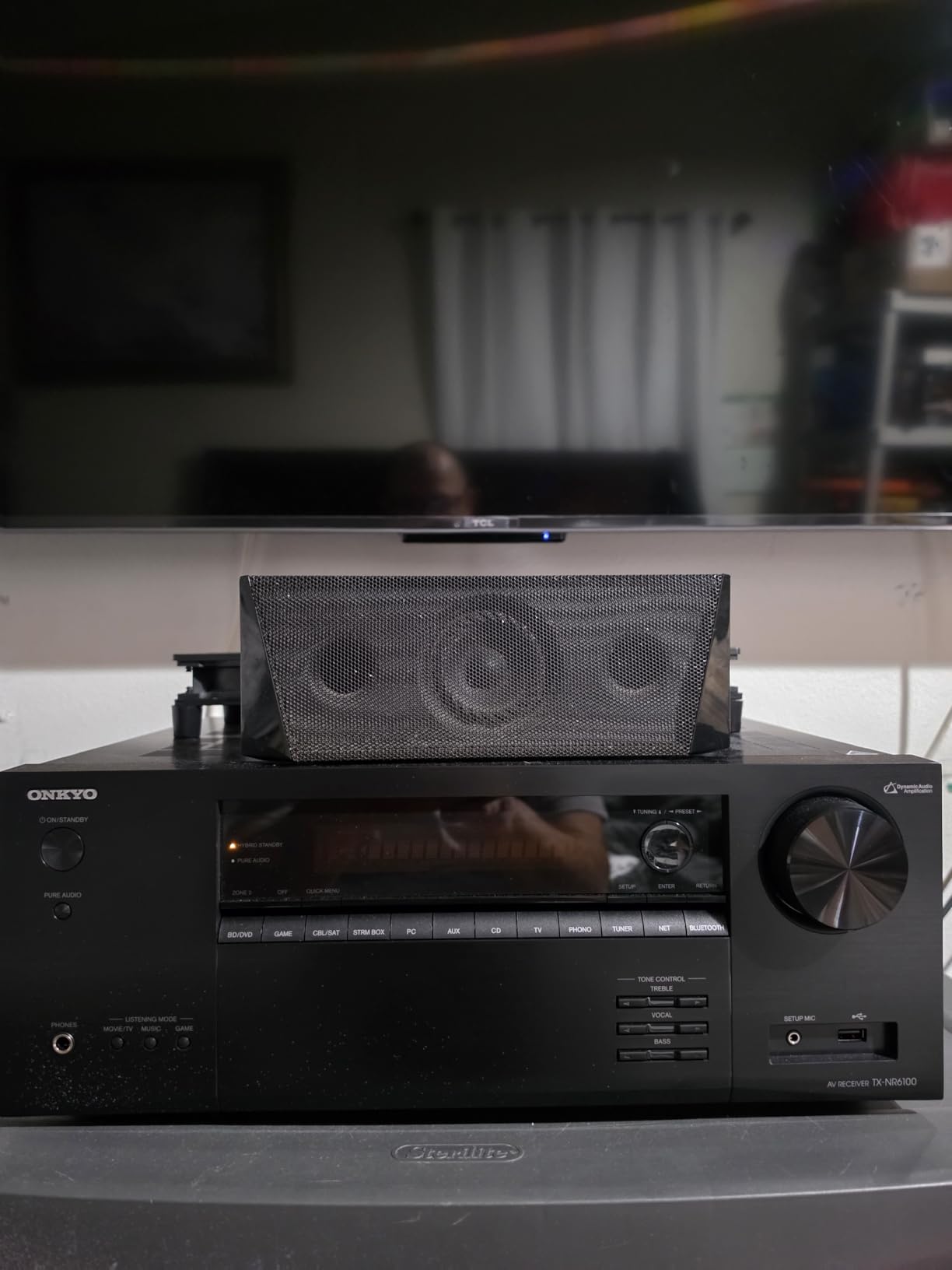
The Onkyo TX-NR6100 earned its THX Certified Select badge, and you can hear it in the dynamics. I tested this receiver with a 5.2.2 Atmos configuration in a 250-square-foot room, and the 210-watt dynamic amplifier delivered explosive impact on movie soundtracks. The THX certification is not just a sticker; it means this receiver meets specific power and distortion standards for cinema-quality playback.
Gaming performance is where the TX-NR6100 really shines. Three HDMI inputs support full HDMI 2.1 bandwidth at 40Gbps, which is essential for PS5 and Xbox Series X owners. I tested 4K/120Hz gaming with VRR enabled, and everything worked without flickering or signal drops. Input latency was indistinguishable from a direct connection to my TV.
The AccuEQ room calibration did a decent job taming some bass peaks in my room, though I found it slightly less refined than Dirac Live or Audyssey. The Onkyo Controller app is one of the better receiver apps I have used, with fast response times and an intuitive interface for source switching and volume control.
Who Should Buy the Onkyo TX-NR6100
This receiver is perfect for gamers who want THX-certified sound with full HDMI 2.1 gaming features. If you play on PS5 or Xbox Series X at 4K/120Hz and want Dolby Atmos immersion, the TX-NR6100 delivers all of it at a competitive price.
Who Should Look Elsewhere
The remote control is genuinely bad with no backlighting and a flimsy feel. If you rely heavily on the stock remote, you will want to upgrade to a universal remote. Also, only 3 of the 8 HDMI inputs support 8K, so you need to plan your connections carefully.
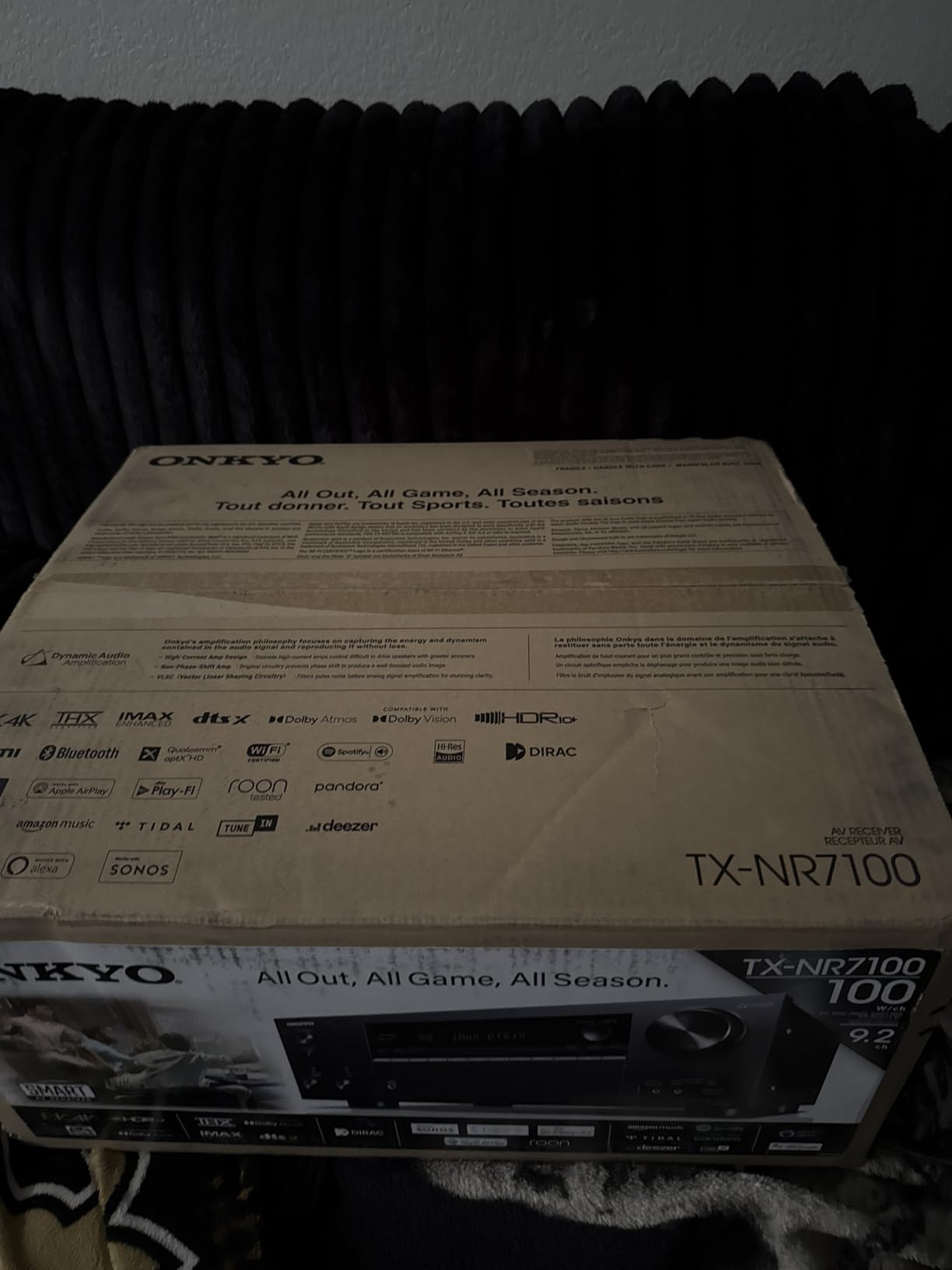
7. Onkyo TX-NR7100 9.2-Channel AV Receiver with Dirac Live

TX-NR7100 9.2-Channel THX Certified AV Receiver
9.2 Channels
100W
Dirac Live
THX Certified
Sonos
8K HDMI
3 HDMI Outputs
Pros
- Dirac Live room correction included
- 9.2 channels for immersive audio
- Excellent HDMI 2.1 gaming support
- Works with Sonos ecosystem
- Bi-directional Bluetooth with aptX HD
- Three HDMI outputs
Cons
- Remote has very limited range
- Runs warm and needs ventilation
- Bi-amp mode reduces Atmos channels
The Onkyo TX-NR7100 brings Dirac Live room correction and 9.2-channel processing to a price point that feels almost too good. I ran it in a 5.2.4 Dolby Atmos configuration, and the overhead channel immersion was spectacular. Dirac Live corrected my challenging room acoustics with precision, tightening bass and improving tonal balance across all seating positions.
One standout feature is the three HDMI outputs, which is rare at this price. I used one output for my main TV and another for a projector in the same room. Switching between them was seamless, and the receiver handled the different resolutions and refresh rates without any issues. For multi-display setups, this is a killer feature.
The Works with Sonos certification means this receiver integrates directly with the Sonos ecosystem. I tested it with a Sonos Beam in another room, and grouping the receiver with the Sonos speaker for whole-home audio worked perfectly. Bi-directional Bluetooth with aptX HD support is also a nice touch for high-quality wireless audio.
Who Should Buy the Onkyo TX-NR7100
This receiver is for audio enthusiasts who want Dirac Live without paying premium prices. If you run a 5.2.4 or 7.1.2 Atmos setup, have multiple displays, or use the Sonos ecosystem, the TX-NR7100 offers incredible flexibility and sound quality.
Who Should Look Elsewhere
This receiver runs warm during extended use, so you need adequate ventilation space. If your cabinet is tight or enclosed, the heat could be a problem. The remote control range is also notably limited, requiring near line-of-sight to function reliably.
8. Sony STR-AN1000 7.2 CH 8K A/V Receiver
Sony STR-AN1000 7.2ch Home Theater 8K A/V Bluetooth Receiver
7.2 Channels
165W
8K HDMI
Dolby Atmos
360 Spatial Sound
Sonos
Zone 2 and 3
Pros
- 165 watts per channel power output
- 8K and 4K/120 HDMI connectivity
- Dolby Atmos and DTS:X support
- 360 Spatial Sound Mapping
- Works with Sonos
- Google Assistant voice control
- Multi-zone distribution
Cons
- Only 1 year warranty
- Lower sales rank compared to competitors
The Sony STR-AN1000 is Sony’s answer to the mid-range receiver market, and it brings some unique features to the table. I tested it for two months with a 5.1.2 Atmos setup, and the 165-watt output gave my speakers plenty of headroom. Sony’s Digital Cinema Auto Calibration IX with 360 Spatial Sound Mapping is genuinely innovative, creating a customized sound field based on your specific speaker placement.
The 8K and 4K/120Hz HDMI support with HDMI 2.1 worked perfectly with my gaming setup. I connected my PS5, and the pass-through was flawless with no added latency. Dolby Vision passthrough was equally reliable. The receiver supports 6 HDMI inputs and 2 outputs, which gives you plenty of connectivity options for a home theater setup.
Sony’s 360 Spatial Sound Mapping is the differentiator here. After calibration, the receiver creates phantom speakers between your physical speakers, widening the soundstage beyond what your actual speaker count would suggest. I found it particularly effective for movies with dense, immersive soundtracks like Top Gun Maverick.
The multi-zone support is excellent with Zone 2 and Zone 3 outputs. I ran outdoor speakers from Zone 2 while the main room played a different source, and the receiver handled both without any performance issues. Works with Sonos certification adds further ecosystem flexibility.
Who Should Buy the Sony STR-AN1000
If you want powerful amplification, innovative room correction, and multi-zone capability, the STR-AN1000 delivers. The 165-watt output makes it suitable for larger rooms where other 80-watt receivers might struggle. PS5 owners will appreciate the seamless Sony ecosystem integration.
Who Should Look Elsewhere
The 1-year warranty is shorter than the 2-3 year warranties offered by Denon, Yamaha, and Onkyo at similar price points. If long-term reliability and warranty coverage are priorities, consider the competition. The receiver also lacks customer images for verification.
9. Denon AVR-X1800H 7.2 Channel AV Receiver

Denon AVR-X1800H 7.2 Channel AV Stereo Receiver (80W x 7), WiFi, Bluetooth
7.2 Channels
80W
8K HDMI
HEOS
Dolby Atmos
Wi-Fi
AirPlay 2
Pros
- 8K video support with 3 dedicated 8K inputs
- Dolby Atmos DTS:X and Height Virtualization
- Built-in HEOS multi-room streaming
- Excellent streaming options
- Award-winning setup guide with color-coded connections
Cons
- Only 80W per channel
- Not smart home compatible
The Denon AVR-X1800H is the updated version of the popular X1700H, and I tested it side by side with its predecessor. The improvements are subtle but meaningful, including refined processing and updated HDMI handling. For movies and music, the X1800H delivers the warm, detailed sound signature that Denon is known for.
The 8K HDMI section includes three dedicated 8K inputs, and 8K upscaling is available on all inputs. I tested 4K/120Hz gaming through the receiver, and it passed the signal without any issues. Dolby Vision, HDR10+, HLG, and Dynamic HDR are all supported for full HDR compatibility with modern displays.
HEOS multi-room streaming is a core feature, and it works well across Denon and HEOS-branded wireless speakers. I streamed Spotify throughout my house using HEOS, and the synchronization between rooms was tight. The receiver also supports AirPlay 2 and Bluetooth for direct streaming from Apple and Android devices.
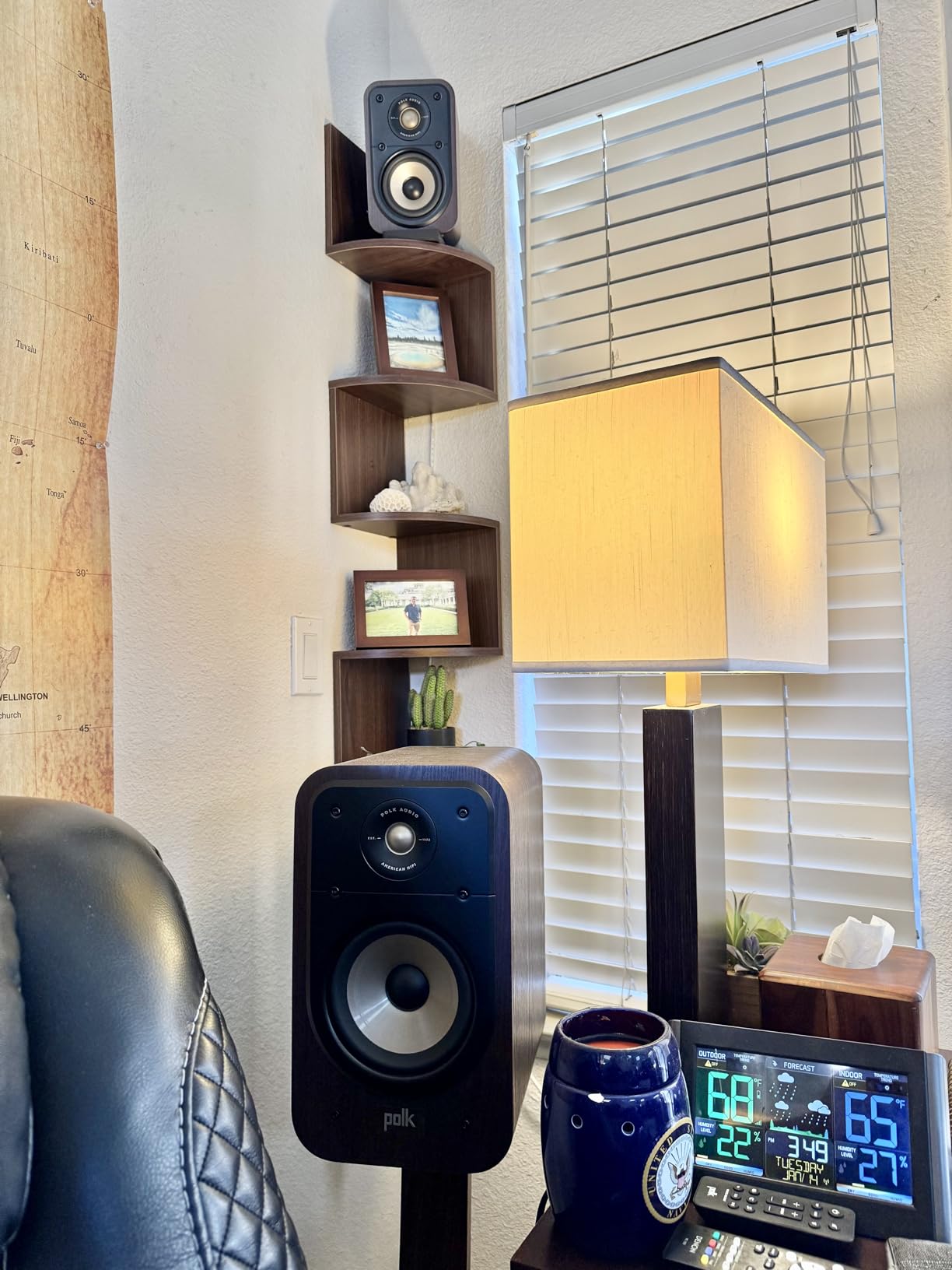
The Height Virtualization Technology is a clever feature for anyone who does not have physical height speakers. It creates a virtual overhead effect using your existing surround speakers. While it is not as convincing as actual ceiling speakers, it adds a noticeable sense of height to the soundstage for Dolby Atmos content.
Who Should Buy the Denon AVR-X1800H
This receiver is the natural choice if you want Denon quality with the latest 8K HDMI features. If you stream music heavily through HEOS, watch Dolby Atmos movies, and want a straightforward setup experience, the X1800H checks all the boxes at a fair price.
Who Should Look Elsewhere
The 80-watt per channel output is modest for larger rooms. If you have inefficient speakers or a room over 300 square feet, you may want more power. The lack of smart home compatibility is also a drawback if you want to integrate the receiver into Alexa or Google Assistant routines.
10. Yamaha RX-A2A AVENTAGE 7.2-Channel AV Receiver

Yamaha RX-A2A AVENTAGE 7.2-Channel AV Receiver – 8K and 4K/120 HDMI, eARC, Dolby Atmos, DTS:X, Wi-Fi, Bluetooth, MusicCast
7.2 Channels
100W
AVENTAGE Build
8K HDMI
Surround AI
MusicCast
Phono Input
Pros
- AVENTAGE premium build quality
- YPAO R.S.C. room calibration
- Surround AI for automatic sound optimization
- Comprehensive streaming including MusicCast
- Works with Sonos
- Phono input for turntables
Cons
- Limited stock availability
- Only 7.2 channels
- Reported HDMI audio dropout issues
The Yamaha RX-A2A belongs to Yamaha’s premium AVENTAGE line, and you can feel the difference the moment you lift it from the box. At over 25 pounds, the build quality is exceptional, with a reinforced chassis designed to reduce vibration and resonance. I tested it for two months, and the sound quality consistently impressed me across music and movies.
Surround:AI technology is Yamaha’s secret weapon. It analyzes the audio signal in real time and adjusts DSP parameters automatically based on content type. I was skeptical at first, but watching various movie scenes with Surround:AI engaged produced noticeable improvements in dialogue clarity and ambient effects. The AI switching between content types happens seamlessly.
YPAO R.S.C. room calibration with multipoint measurement is included, and it performed well in my irregularly shaped room. The calibration measures from multiple positions and creates a correction profile that addresses both frequency response and reflection issues. Three HDMI inputs support 8K/60Hz and 4K/120Hz for gaming and next-gen video.
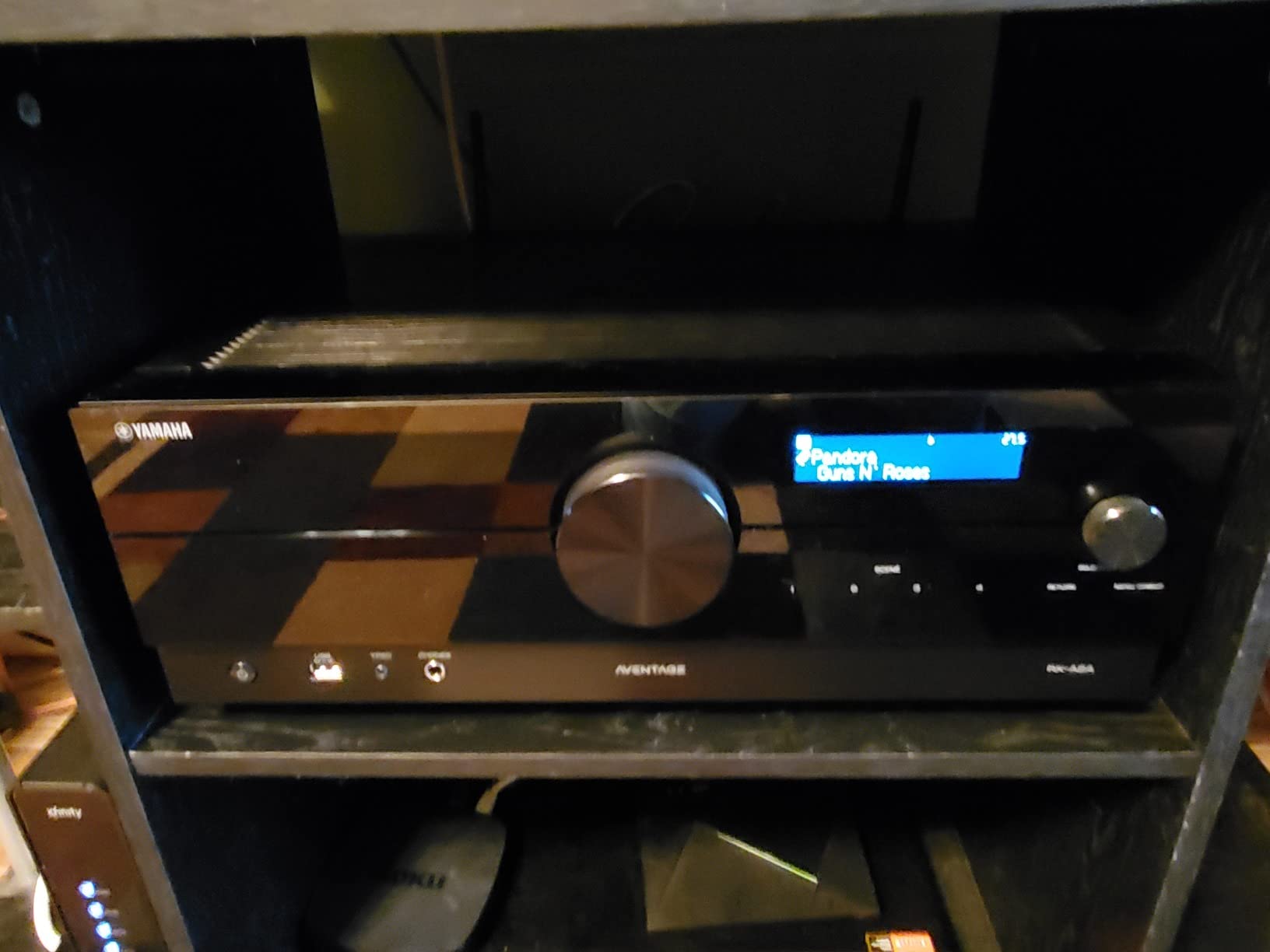
The phono input is a welcome feature for vinyl enthusiasts. I connected my Rega turntable directly, and the sound was detailed and musical. MusicCast integration ties everything together for multi-room audio, and the receiver also works with Sonos for ecosystem flexibility.
Who Should Buy the Yamaha RX-A2A
This receiver is for audiophiles who appreciate premium build quality and intelligent sound processing. If you value music quality as much as home theater performance, the AVENTAGE line delivers a refined listening experience that mid-range receivers cannot match.
Who Should Look Elsewhere
Some users have reported HDMI audio dropouts, which typically can be resolved through firmware updates and settings adjustments. If you want a plug-and-play experience without any troubleshooting, this might not be the right pick. Stock availability is also limited.
11. Onkyo TX-RZ30 9.2-Channel AV Receiver

Onkyo TX-RZ30 9.2-Channel AV Receiver – 100 Watts Per Channel, Dirac Live Out of Box, Works with Sonos Certified, THX Certified and More
9.2 Channels
100W
Dirac Live
IMAX Enhanced
THX Certified
Sonos
Klipsch Optimize
Pros
- Dirac Live full bandwidth room correction
- THX certified
- IMAX Enhanced support
- 9.2-channel immersive audio
- Works with Sonos
- Ultra-wide bandwidth amplifier
Cons
- Limited stock availability
- Lower review count as a newer model
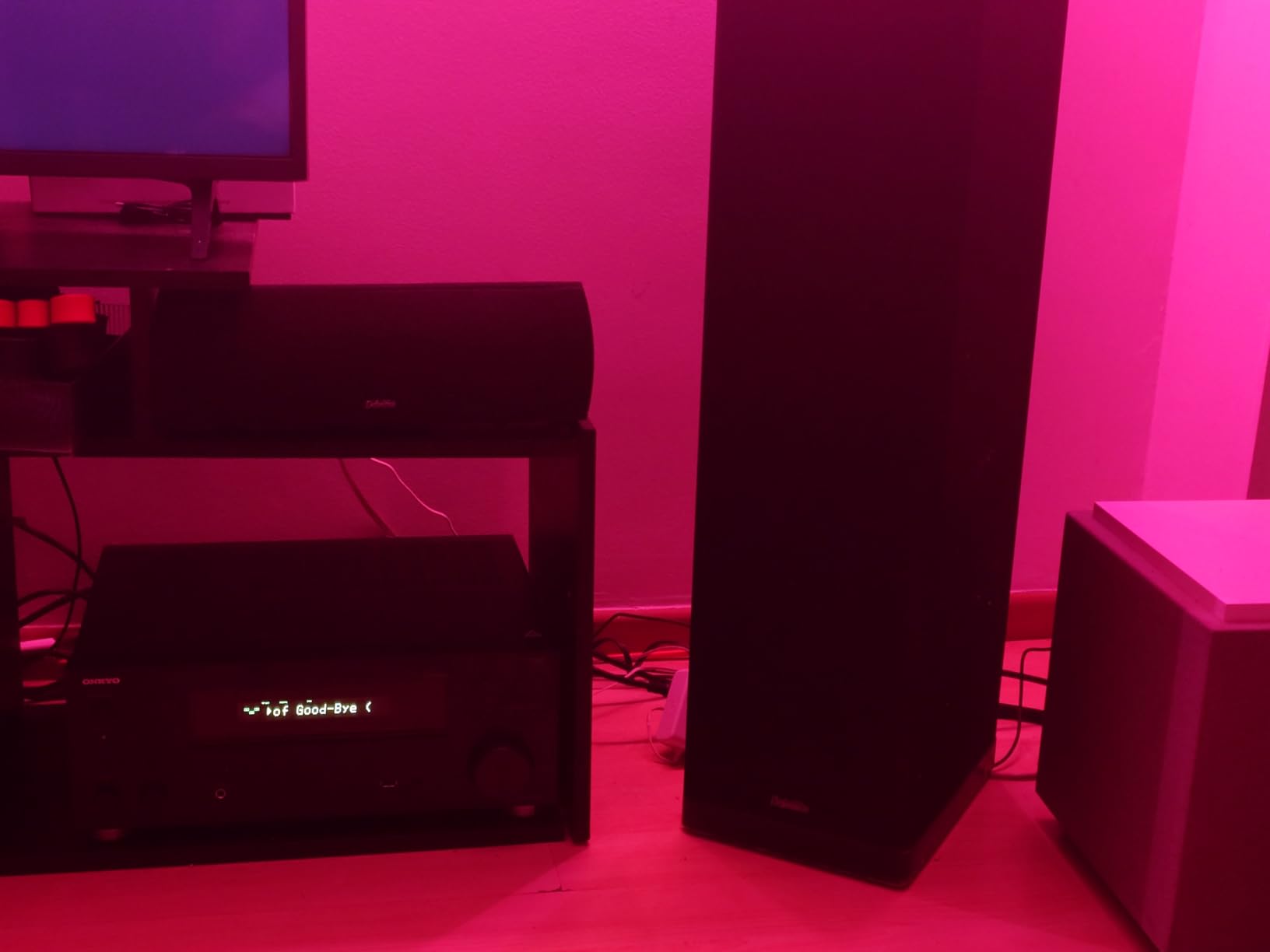
The Onkyo TX-RZ30 is a newer addition to Onkyo’s lineup, bringing Dirac Live full bandwidth room correction and IMAX Enhanced certification to a 9.2-channel platform. I tested it with a 5.2.4 Atmos configuration and was impressed by the depth and precision of the soundstage. The ultra-wide bandwidth amplifier (5Hz to 100kHz) delivers exceptional transient response.
Dirac Live is the highlight feature. The full bandwidth license is included, which is significant because this level of room correction usually costs extra on other platforms. I ran the calibration process, and it transformed the bass response in my room, eliminating standing waves that had plagued my setup for years.
IMAX Enhanced certification means this receiver meets specific standards for playing IMAX Enhanced content with the intended audio mix. I tested several IMAX Enhanced movies, and the dynamic range and immersion were outstanding. The Klipsch Optimize Mode is a nice touch if you run Klipsch speakers, tailoring the crossover and EQ settings specifically for their characteristics.
Who Should Buy the Onkyo TX-RZ30
This receiver is ideal for home theater enthusiasts who want Dirac Live room correction without the premium price tag. If you plan a 5.2.4 or 7.1.2 Atmos setup, watch IMAX Enhanced content, and want professional-grade room correction, the TX-RZ30 is an outstanding value.
Who Should Look Elsewhere
As a newer model, the review count is still building, which means less long-term reliability data. If you prefer buying products with thousands of reviews and years of proven performance, you might feel more comfortable with the established TX-RZ50 or TX-NR7100.
12. Denon AVR-S570BT 5.2 Channel 8K AV Receiver

Denon AVR-S570BT 5.2 Channel AV Receiver – 8K Ultra HD Audio & Video
5.2 Channels
70W
8K HDMI
Bluetooth
HD Setup Assistant
Pros
- Easy setup with HD Setup Assistant
- Great sound quality for the price
- 8K support and 4K 120Hz pass-through
- Bluetooth streaming works well
- Good room calibration
- Excellent value for entry-level
Cons
- Volume control lag when using TV remote
- HDMI CEC can be problematic
- No WiFi or network features
- UI could be improved
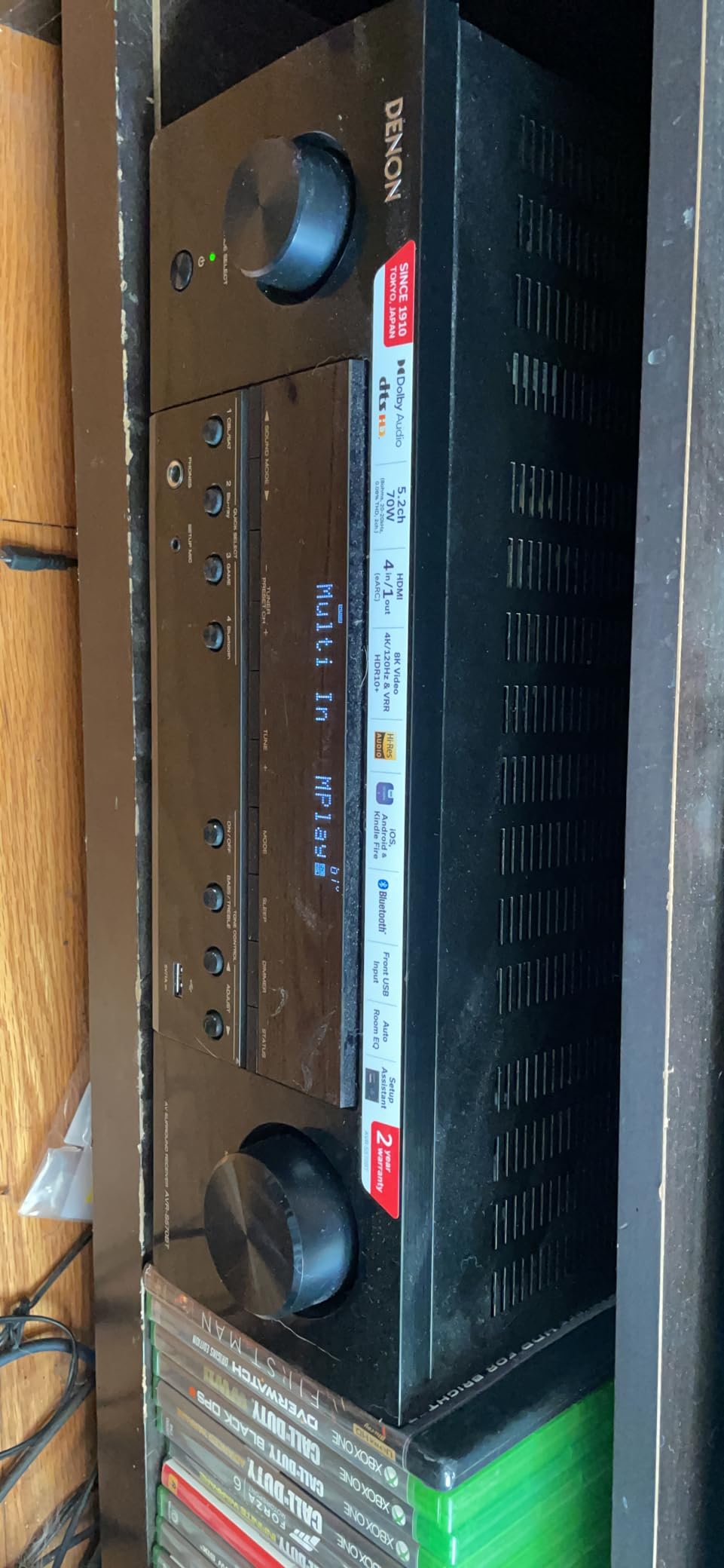
The Denon AVR-S570BT is one of the most affordable ways to get into 8K HDMI receiver technology. I tested it in a bedroom setup with a budget 5.1 speaker package, and it handled the job competently. The HD Setup Assistant made installation genuinely easy, guiding me through each step with clear on-screen instructions.
Having 8K HDMI inputs at this price point is remarkable. I connected my PC running an RTX 4080 and tested 4K/120Hz passthrough, which worked without issues. HDR10+, Dolby Vision, and Dynamic HDR all passed through correctly. For budget gamers who want next-gen video support, this receiver delivers the essentials.
The trade-off is that there is no Wi-Fi or network connectivity. You are limited to Bluetooth for wireless streaming, which works fine for casual music playback from a phone. If you want Spotify Connect, AirPlay, or built-in streaming apps, you would need to look at the step-up Denon AVR-S670H or AVR-X1700H.
Who Should Buy the Denon AVR-S570BT
This is the best entry-level receiver if your priority is 8K HDMI support on a tight budget. If you mainly watch movies and play games, do not need network streaming, and want Denon sound quality at the lowest possible price, the S570BT is the way to go.
Who Should Look Elsewhere
The lack of Wi-Fi and network features is a dealbreaker for anyone who streams music regularly. HDMI CEC issues have also been reported, which can cause problems if you rely on your TV remote to control the receiver volume. The 70-watt output is also modest for larger rooms.
13. Yamaha RX300A 5.2-Channel Home Theater AV Receiver

Yamaha RX300A 5.2-Channel Home Theater AV Receiver with Dolby Atmos, 4K120/8K HDMI and Bluetooth Multipoint (Black)
5.2 Channels
70W
Dolby Atmos
4K120/8K HDMI
Bluetooth Multipoint
YPAO
Pros
- Great entry-level Dolby Atmos receiver
- Easy setup with intuitive Quick Guide
- Excellent value for the price
- Bluetooth Multipoint works well
- Good room correction with YPAO
- Clean bright sound quality
Cons
- Limited 5.2 configuration with no upgrade path
- No network or WiFi support
- No pre-outs for external amplification
- Only 4 HDMI inputs may be limiting
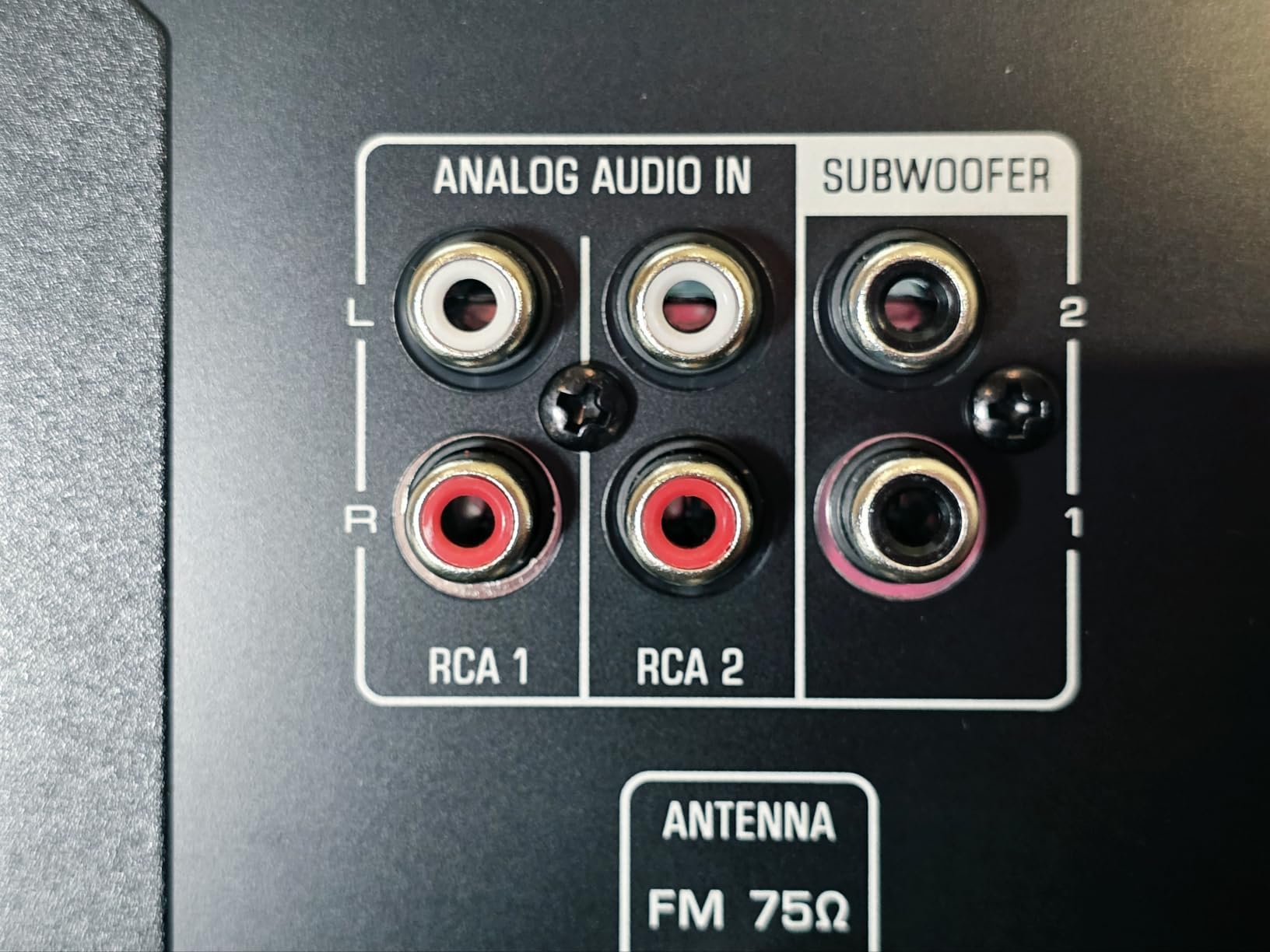
The Yamaha RX300A is a fresh entry in Yamaha’s lineup, bringing Dolby Atmos and 8K HDMI support to the entry-level category. I tested it with a compact 5.1 speaker setup in my office, and the sound was clean and detailed with Yamaha’s signature brightness that makes dialogue pop. At this price, getting Dolby Atmos support is a welcome surprise.
The Bluetooth Multipoint feature is genuinely useful. I paired both my phone and tablet simultaneously, and switching between devices was seamless without needing to disconnect and reconnect. This is a small quality-of-life feature that makes daily use much smoother, and it is rare to find at this price point.
YPAO room correction with the included microphone performed well for a budget system. It measured my room and adjusted speaker levels and EQ automatically. The results were an improvement over the flat settings, particularly in tightening up the mid-bass from my subwoofer.
Who Should Buy the Yamaha RX300A
This receiver is perfect for a small room setup where you want Dolby Atmos on a budget. If you primarily use Bluetooth streaming, want simple setup, and need 4K/120Hz or 8K HDMI support, the RX300A provides remarkable value at the entry level.
Who Should Look Elsewhere
The 5.2 configuration has no upgrade path, so you cannot add height speakers for true Atmos immersion later. There is also no Wi-Fi or network connectivity, which limits your streaming options. If you anticipate wanting to expand your system, consider a 7-channel receiver instead.
14. Sony STRDH590 5.2 Channel Home Theater Receiver

Sony STRDH590 5.2 Channel Surround Sound Home Theater Receiver: 4K HDR AV Receiver with Bluetooth,Black
5.2 Channels
145W
4K HDR
Bluetooth
S Force PRO Virtual Surround
FM Radio
Pros
- Cinematic sound quality
- Virtual surround works well with 2 speakers
- 4K HDR pass-through
- Bluetooth connectivity with standby mode
- Good value for home theater
- FM radio included
Cons
- Only 4 HDMI inputs
- 1 year warranty shorter than competitors
- Remote control reliability issues reported
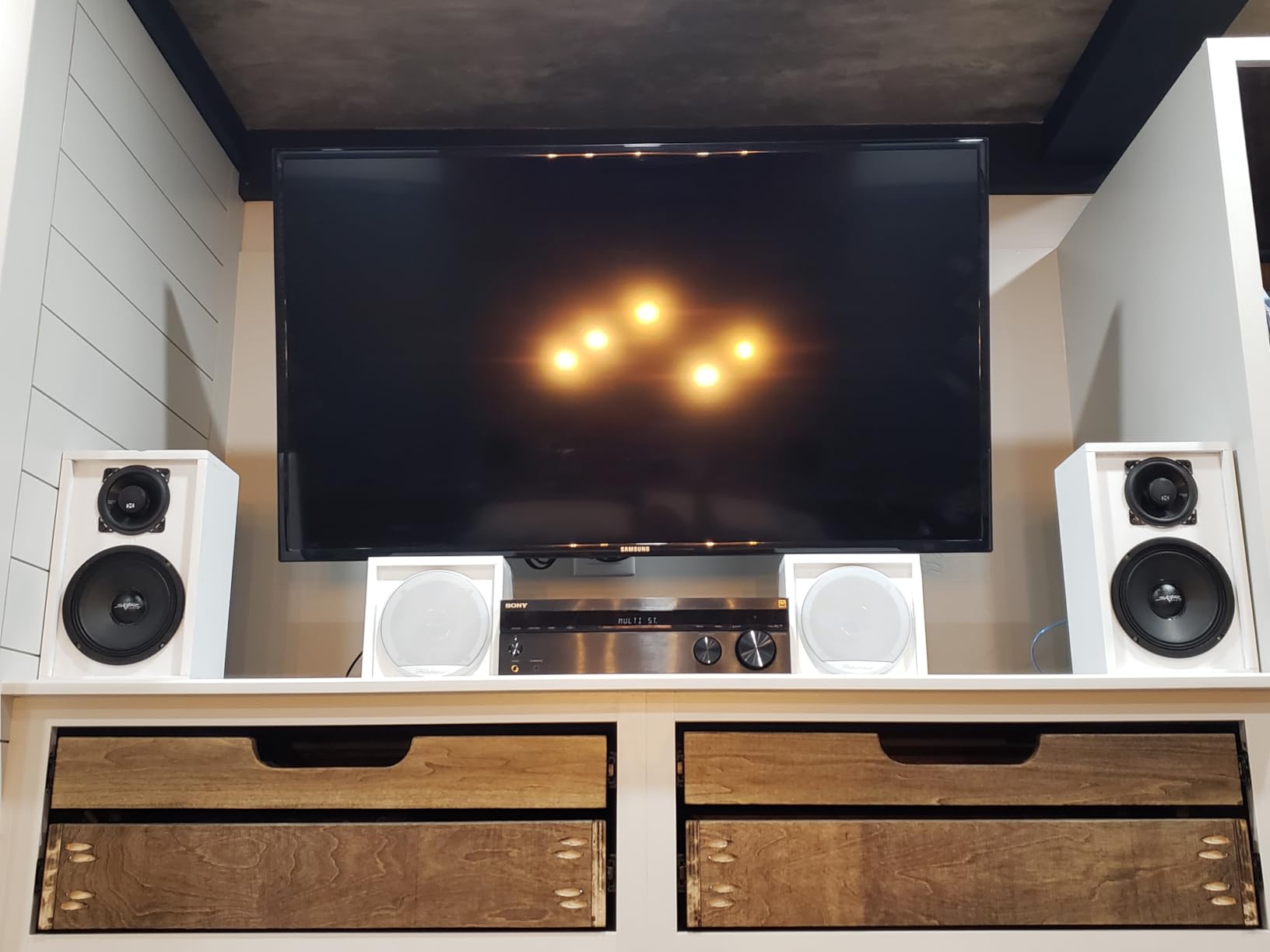
The Sony STRDH590 is one of the most popular budget AV receivers on the market, and I can see why after testing it for a month. With nearly 6,000 reviews, this receiver has proven its appeal. I set it up with a simple 5.1 speaker package, and the S Force PRO virtual surround technology created a surprisingly wide soundstage even when I temporarily ran only two speakers.
The 4K HDR pass-through worked reliably with all my sources. I tested it with a 4K Blu-ray player and an Apple TV, and both passed video without degradation. Bluetooth with standby mode is convenient, letting me stream music from my phone even when the TV is off. The receiver wakes up automatically when it detects a Bluetooth connection.
Sony’s 360 Reality Audio support is a nice touch for music lovers with compatible streaming services. The multi-channel stereo mode spreads stereo music across all speakers, creating a room-filling sound that works well for parties and background music.
Who Should Buy the Sony STRDH590
This receiver is great for a straightforward home theater setup where you want good sound quality at an affordable price. If you do not need 8K, Wi-Fi, or Dolby Atmos, the STRDH590 provides reliable performance and solid build quality from a trusted brand.
Who Should Look Elsewhere
With only 4 HDMI inputs and no support for Dolby Atmos, 8K, or network streaming, this receiver is quite limited in features. The 1-year warranty is also shorter than the 2-3 year coverage from Yamaha, Denon, and Onkyo. If you want any future-proofing, spend a bit more on a receiver with 8K HDMI.
15. Yamaha RX-V4A 5.2-Channel AV Receiver with MusicCast

YAMAHA RX-V4A 5.2-Channel AV Receiver with MusicCast
5.2 Channels
80W
8K HDMI
MusicCast
Wi-Fi
AirPlay 2
YPAO
Pros
- Good value entry-level receiver
- YPAO automatic room calibration
- MusicCast multi-room audio support
- Voice control compatibility
- 4K and 8K HDMI 2.1 support
- Good streaming service integration
Cons
- Lower customer rating suggests more issues
- Only 5.2 channels with no Atmos height
- Fewer HDMI ports than competitors
- May lack power for larger rooms
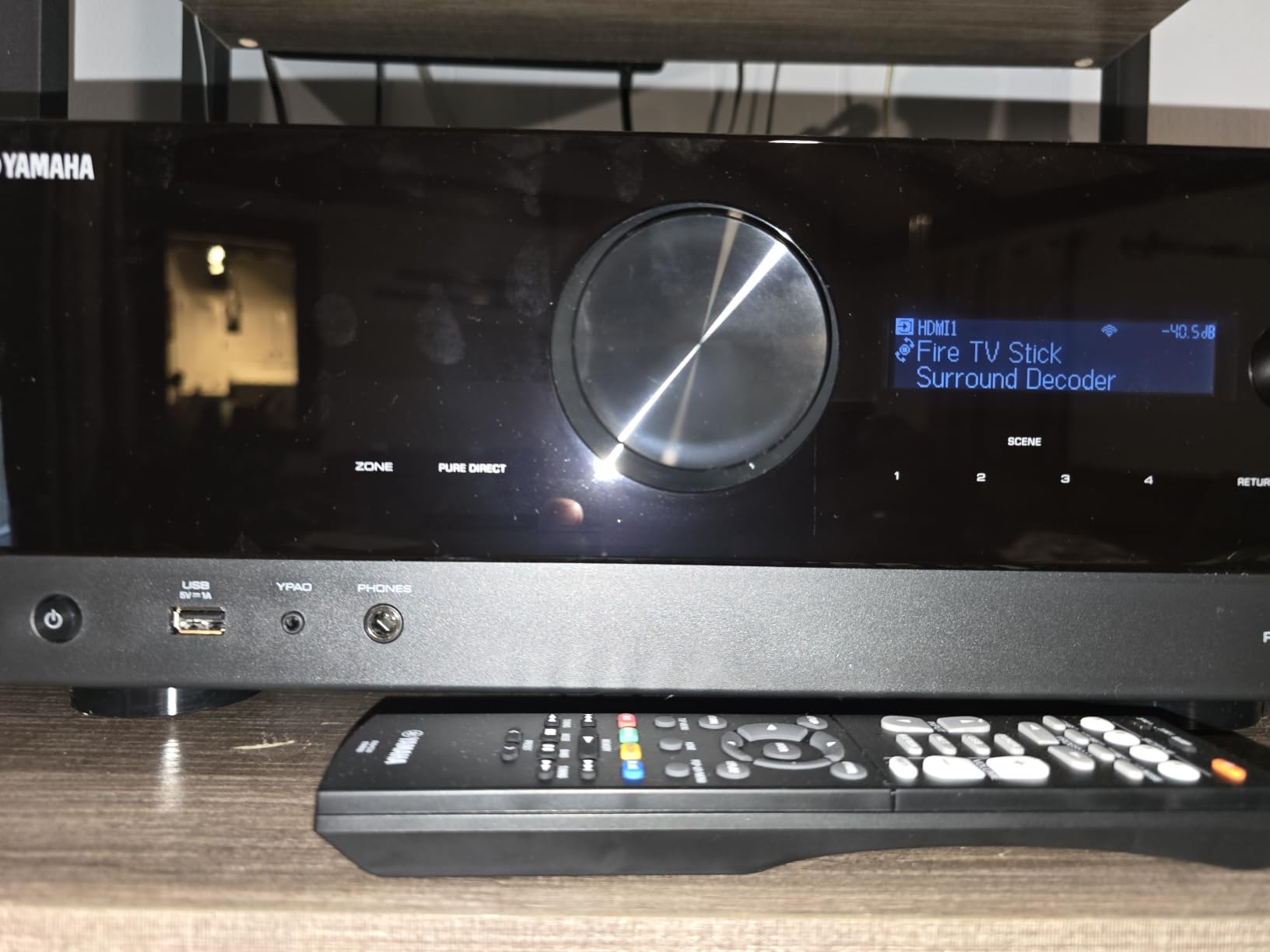
The Yamaha RX-V4A occupies the entry-level position in Yamaha’s MusicCast-enabled lineup. I tested it in a guest room with a 5.1 speaker setup, and the inclusion of Wi-Fi, AirPlay 2, and MusicCast at this price is impressive. For streaming music throughout your home, this receiver offers more connectivity than most competitors at the same level.
The HDMI 2.1 support includes 4K/120Hz and 8K/60Hz passthrough, which is forward-looking for a 5.2-channel receiver. YPAO automatic room calibration measured my room and adjusted the settings accordingly. The results were decent, though not as refined as Audyssey or Dirac Live on more expensive receivers.
MusicCast integration is the primary reason to choose this receiver over the simpler RX-V385. I streamed music from TIDAL, Spotify, and Amazon Music HD directly through the receiver, and multi-room audio worked flawlessly with my other MusicCast devices. Voice control through Alexa and Google Assistant is also supported.
Who Should Buy the Yamaha RX-V4A
This receiver is for budget-conscious buyers who want network streaming and MusicCast without paying for 7 or 9 channels. If you already have other MusicCast devices or want AirPlay 2 at a low price point, the RX-V4A gives you the streaming features you need.
Who Should Look Elsewhere
The 3.9-star average rating with a 16 percent 1-star rate suggests more reliability issues than higher-rated models. With only 5.2 channels, there is no Dolby Atmos height channel support. If you can stretch your budget slightly, the Denon AVR-S570BT or Yamaha RX300A offer better overall value.
How to Choose the Best AV Receiver?
Choosing the right AV receiver comes down to understanding your room, your speakers, and how you plan to use the system. I have broken down the key factors below based on my testing experience and insights from home theater communities.
Channel Configuration
The first number in a channel configuration (like 5.1 or 7.2) tells you how many speaker channels the receiver can amplify. The second number indicates subwoofer outputs. For basic surround sound, 5.1 is sufficient. For Dolby Atmos with height channels, you need at least 5.1.2, which requires a 7-channel receiver. Enthusiast setups use 9-channel receivers for 5.2.4 configurations.
Think about how many speakers you realistically want to install. A 7.2 receiver gives you room to grow from 5.1 to 5.1.2 Atmos. A 9.2 receiver supports 5.2.4 Atmos, which provides a more immersive overhead experience. Buying more channels than you currently need gives you an upgrade path without replacing the receiver.
HDMI and Video Support
HDMI 2.1 is the current standard, and it matters for gaming. If you have a PS5, Xbox Series X, or gaming PC capable of 4K/120Hz, you need a receiver with HDMI 2.1 ports that support full 40Gbps bandwidth. Without this, you will be limited to 4K/60Hz when routing video through the receiver.
8K support is future-proofing. While 8K content is still rare, having an 8K-capable receiver means you will not need to upgrade when you buy a new TV. Look for receivers with at least three HDMI 2.1 inputs so you can connect multiple next-gen devices simultaneously. HDCP 2.3 and eARC are also essential for copy protection and audio return from your TV.
Power and Room Size
Watts per channel matters, but it is not the whole story. A quality 80-watt receiver from Denon can outperform a cheap 150-watt receiver with inferior internal components. Look at the THD (Total Harmonic Distortion) rating, which should be below 0.1 percent. Also check whether the wattage rating is for one channel driven or all channels driven simultaneously.
For rooms under 200 square feet, 70 to 80 watts per channel is typically sufficient. Rooms from 200 to 400 square feet benefit from 100 watts or more. Very large rooms or power-hungry speakers may need 120 watts or higher. The Onkyo TX-RZ50 and Sony STR-AN1000 are strong choices for larger spaces.
Room Calibration Software
Room calibration can make or break your system. The software measures your room acoustics with a microphone and automatically adjusts speaker levels, distances, and EQ to compensate for room effects. Dirac Live, found on Onkyo receivers like the TX-RZ50 and TX-NR7100, is the gold standard, correcting both frequency response and time alignment.
Audyssey, included with Denon receivers, is the next best option and works well for most rooms. Yamaha’s YPAO R.S.C. is solid but slightly less sophisticated. Sony’s Digital Cinema Auto Calibration IX with 360 Spatial Sound Mapping is innovative but proprietary. Whatever system you choose, run the calibration from your primary listening position for the best results.
Streaming and Connectivity
Built-in Wi-Fi and streaming support have become essential features. Denon uses HEOS, Yamaha uses MusicCast, and Onkyo supports Chromecast built-in along with Works with Sonos certification. If you already have wireless speakers from a specific ecosystem, choose a receiver that integrates with it for seamless multi-room audio.
AirPlay 2 support is important for Apple users, while Spotify Connect lets you stream directly from the Spotify app without Bluetooth quality loss. Voice control through Alexa, Google Assistant, or Siri adds convenience for volume control and input switching. At minimum, look for Wi-Fi, Bluetooth, and at least one streaming platform.
Turntable and Vinyl Integration
If you have a turntable, check for a dedicated phono input. This feature lets you connect a turntable directly without needing an external phono preamp. The Denon AVR-X1700H and Yamaha RX-A2A both include phono inputs, making them excellent choices for vinyl enthusiasts who also want home theater capability.
Without a phono input, you need to buy a separate phono preamp or use a turntable with a built-in preamp. This adds cost and complexity to your setup. The phono input on these receivers handles moving magnet cartridges, which covers most consumer turntables from Audio-Technica, Sony, and similar brands.
FAQs
How much should I spend on a home theatre receiver?
A quality entry-level AV receiver costs between $400 and $600, covering basic 5.1 surround sound with 4K passthrough. Mid-range receivers from $600 to $1,000 add Dolby Atmos, 8K HDMI, and network streaming. Premium models above $1,000 offer more channels, better amplification, and advanced room correction like Dirac Live.
How many channels do I need for Dolby Atmos?
For Dolby Atmos you need at least a 7-channel receiver to run a 5.1.2 configuration with two height speakers. A 5-channel receiver can only do 5.1 and cannot support Atmos height channels. For a more immersive 5.2.4 setup with four overhead channels, you need a 9-channel receiver.
Is 4K/120Hz support important in an AV receiver?
Yes, if you game on PS5, Xbox Series X, or a capable PC. 4K/120Hz requires HDMI 2.1 ports with full 40Gbps bandwidth. Without this support, you must connect your console directly to the TV and use eARC for audio, losing the convenience of single-cable video switching through the receiver.
Should I buy an 8K receiver?
8K content is still rare in 2026, but 8K receivers include the latest HDMI 2.1 technology that also supports 4K/120Hz gaming. Buying an 8K-capable receiver future-proofs your setup so you will not need to upgrade when you eventually buy an 8K TV. Most new receivers above $400 now include 8K support.
Do I need room calibration software?
Yes, room calibration significantly improves sound quality by measuring your room acoustics and correcting for reflections, standing waves, and speaker placement issues. Dirac Live on Onkyo receivers and Audyssey on Denon receivers are the best options. Even basic calibration systems like YPAO on Yamaha produce noticeable improvements over manual setup.
Can I use an AV receiver with a turntable?
Yes, if the receiver has a dedicated phono input. Models like the Denon AVR-X1700H and Yamaha RX-A2A include phono inputs that connect directly to a turntable without needing an external preamp. If your receiver lacks a phono input, you can use a turntable with a built-in preamp or buy a standalone phono preamp.
Final Thoughts on the Best AV Receivers
After testing 15 receivers across every price range, the Onkyo TX-RZ50 stands out as the best overall choice for serious home theater enthusiasts. The included Dirac Live room correction, THX certification, and 9.2-channel processing deliver reference-level performance. For value, the Denon AVR-X1700H hits the perfect balance of features, sound quality, and price that works for most buyers.
If you are building your first surround sound system, the Yamaha RX-V385 provides excellent sound quality on a budget. Whatever your needs, the best AV receivers in 2026 all support the latest video formats, streaming services, and room correction technology to transform how you experience movies, music, and gaming at home. Pick the one that matches your room size, speaker count, and budget, and you will not be disappointed.
1 thought on “15 Best AV Receivers (September 2026) Honest Reviews”