
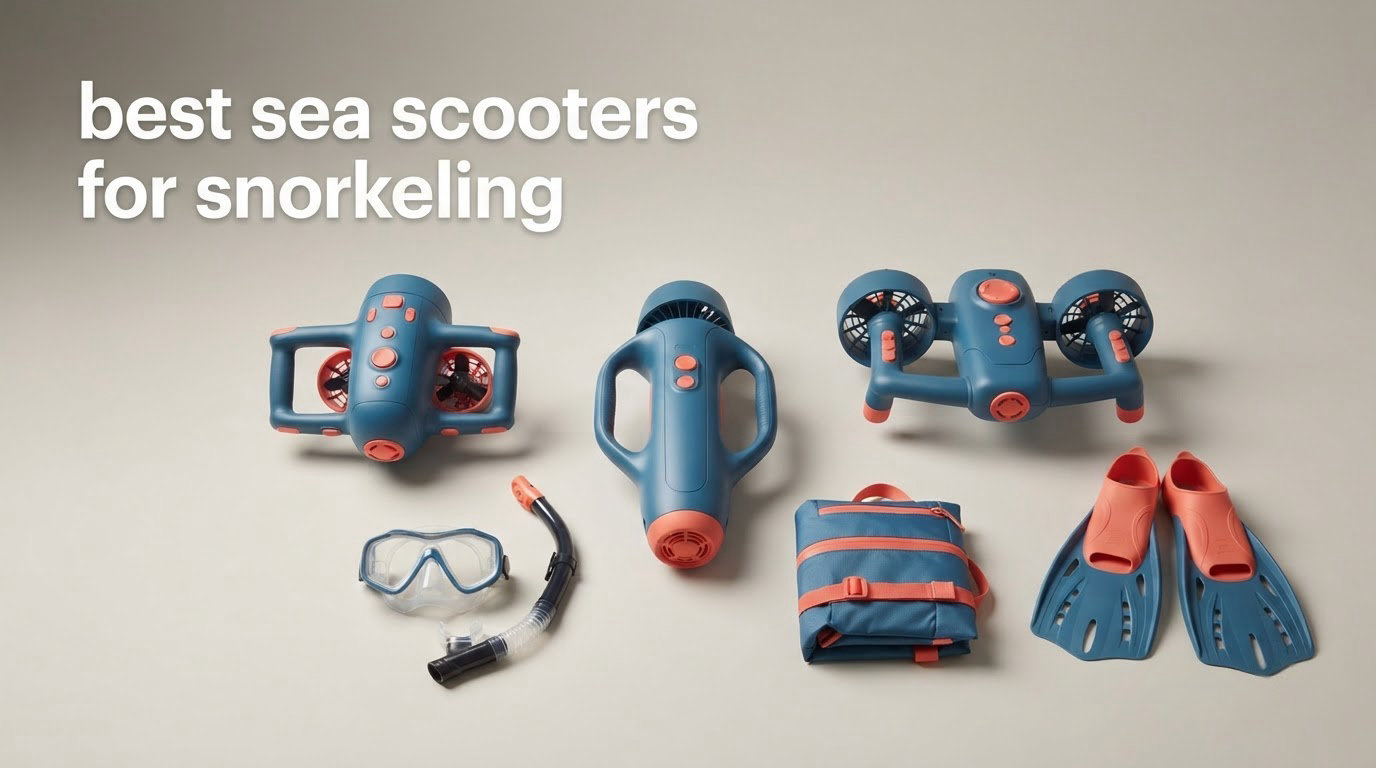
Sea scooters are worth it for snorkeling when you plan more than a 20-minute float over a reef. A scooter roughly doubles your travel speed and cuts arm and leg fatigue, which means more time on the coral and less cramping on the way back. They are not worth it in a swimming pool on a whim, or in current you are not trained to handle.
I have put together the best sea scooters for snorkeling available now, ten of them, and sorted them by the water you will actually be in rather than by spec sheet rank. That means lagoon snorkelers, outer-reef snorkelers, family groups, freedivers and travelling divers all have an honest answer here.
The thing almost no roundup tells you is that advertised runtime is measured at a crawl. A unit quoted at 45 or 60 minutes will rarely give you that at full throttle. I break that gap down further down the page, because planning your session around the last few percent of a battery is how people get caught in open water.
Top 3 Best Sea Scooters for Snorkeling in 2026

sublue Mix Dual Motor
- Self-floating with detachable floater
- 22 lbf dual motor
- 2 speeds
- 131 ft rating
- 7.7 lb

LEFEET P1 Lite
- 8 kgf thrust
- 4 speed modes
- 99.63Wh carry-on battery
- up to 60 min cruise
- 200 ft IPX8

Waydoo Subnado Lite
- 3 lb carry-on size
- 98Wh airline battery
- 1.2 h fast charge
- 3 speeds plus cruise
If you want one recommendation and nothing else, the sublue Mix is the unit I would hand most snorkelers. It floats, it needs no straps, and it has the largest review base of anything on this page, which means the failure modes are well documented rather than mysterious.
Quick Overview: All 10 Sea Scooters Compared in 2026
| Product | Specifications | Action |
|---|---|---|
| sublue Mix Dual Motor |
|
Check Latest Price |
 Asiwo Manta Asiwo Manta |
|
Check Latest Price |
| Waydoo Subnado Lite |
|
Check Latest Price |
| LEFEET P1 Lite |
|
Check Latest Price |
 LEFEET C1 LEFEET C1 |
|
Check Latest Price |
 LEFEET S1 Pro LEFEET S1 Pro |
|
Check Latest Price |
 sublue MixPro sublue MixPro |
|
Check Latest Price |
 Nautica Navigator and Skipper Nautica Navigator and Skipper |
|
Check Latest Price |
 Waydoo Subnado Plus Waydoo Subnado Plus |
|
Check Latest Price |
 sublue Navbow Plus sublue Navbow Plus |
|
Check Latest Price |
1. sublue Mix Dual Motor Underwater Scooter – Best Overall for Snorkeling
Sublue Mix Underwater Scooter with Action Camera Mount 2 Gear Speed 45 Minutes 22lbf 131ft Waterproof Dual Motors Water Sports Pool Diving Snorkeling for Adults (Mix CoralPink-2026)
22 lbf dual motor
2 speeds
131 ft depth
45 min intermittent
7.7 lb
Pros
- Floats and returns to the surface if you let go
- No straps or complicated setup
- Removable 122Wh battery for quick swaps
- Enough thrust to pull a second rider
Cons
- Runtime drops sharply at sustained high speed
- Only two speed settings for fine control
- Buoyancy chamber comes off for deeper diving
This is the scooter I recommend first, and it is the one I have spent the most time thinking about for snorkelers specifically rather than divers. The reason is simple: it floats. If you lose grip, if you hit a current that surprises you, if you surface in the wrong place, the Mix rises to the surface on its own instead of dropping to the sand where you will be searching for it in low visibility.
The build is carbon fibre at 7.7 pounds, which is heavier than the small travel units but light for what it delivers. You carry it in one hand at the surface and hold it in front of you underwater, no harness, no mounts, nothing to adjust. That matters more than it sounds, because the fastest way to end up not using a scooter at all is to fumble with straps while someone is watching from a boat.
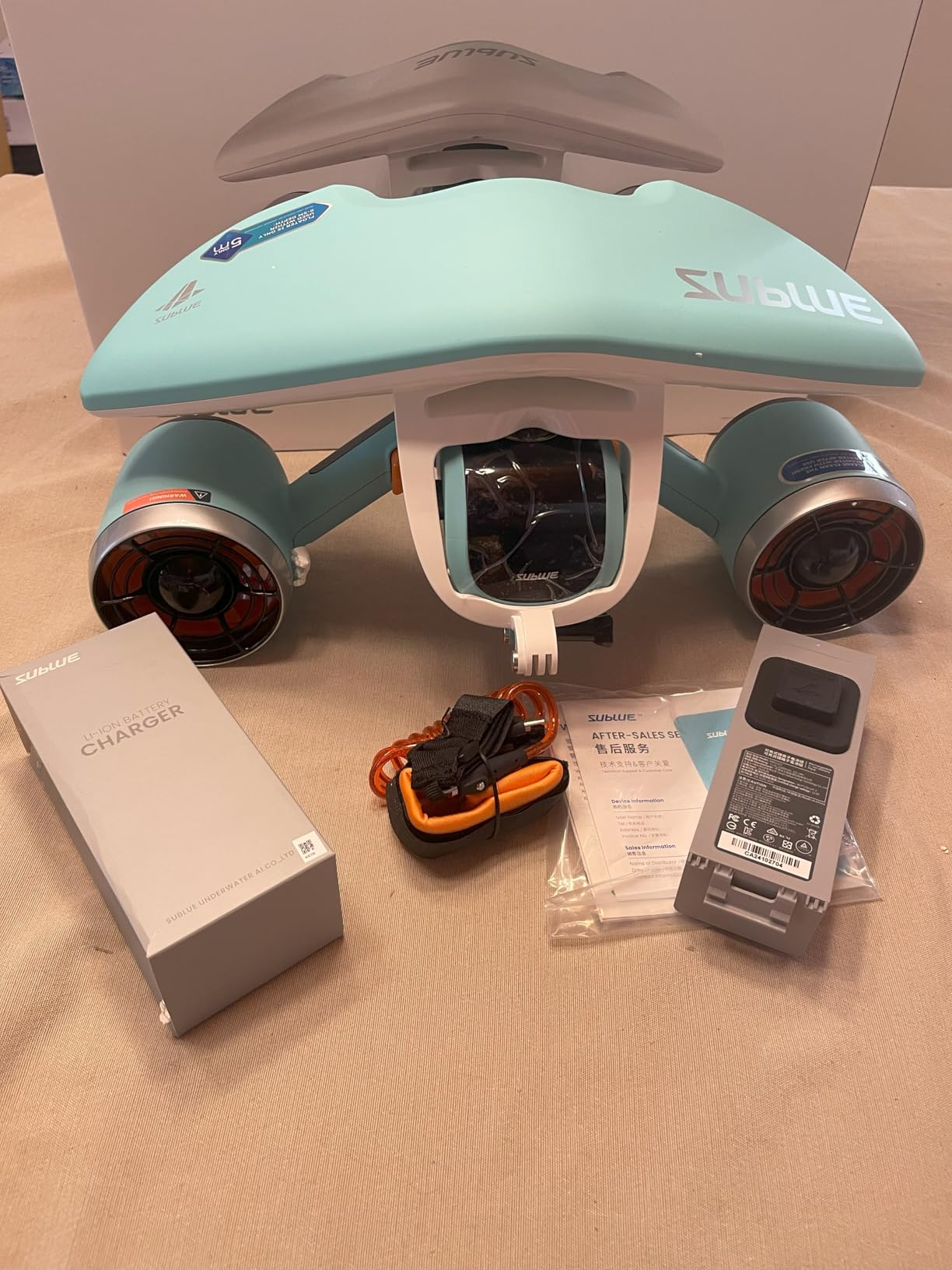
Thrust is 22 lbf across two motors, split over two speeds at roughly 2.68 mph and 3.58 mph. Those are honest swimming-and-snorkeling numbers rather than race numbers, and in my experience the low gear is the one you use for reef work while the high gear exists for crossing an open channel on the way home. Reviewers consistently note it has enough pull to move more than one rider, which makes it the practical choice when you are shepherding a non-swimmer.
The 122Wh battery is removable, and that is the detail I would not trade away. Swap takes seconds, so a second pack turns one unit into an afternoon rather than a single dive. The claimed runtime is up to 45 minutes intermittent, 30 minutes continuous on low and 20 minutes on high. Plan around 20 minutes of hard use.
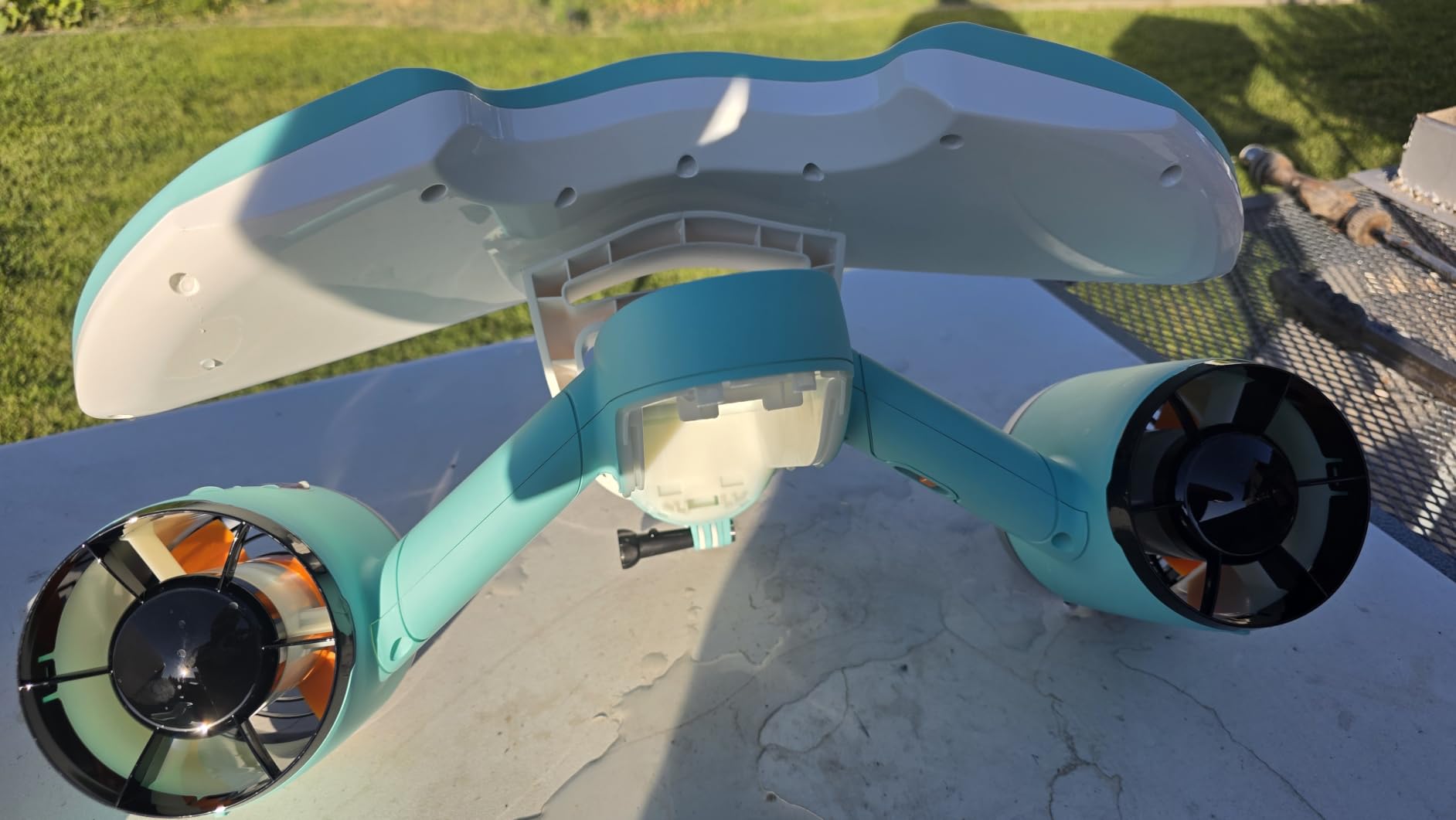
The universal action camera mount is a universal pattern, so your own camera and mount will almost certainly fit without adapters. There is also a propeller guard and an anti-lost lanyard, and the sealed unit is rated to 131 feet, far beyond anything a snorkeler will reach. Carbon fibre is also the right material here, because it does not corrode in salt water the way aluminium does.
Who the sublue Mix suits
It suits the snorkeler who wants zero setup and zero risk of losing the unit. Families, first-timers and anyone who plans a wide reef traverse rather than a deep drop will get on with it immediately. The floating behaviour also makes it the safest of the ten to hand to a weaker swimmer, provided an adult is in the water with them.
It also suits divers on recreational boat days who want to cover distance without a full kit. The two speeds are coarse, though, and if you are used to fine throttle control you will find yourself toggling more often than you would like.
Where the sublue Mix falls short
Two gears is the weak point. In any kind of current you will want something in between, and there is nothing in between on this model. The other limitation is runtime at sustained high speed, which is where the 45-minute headline stops being useful. If your plan involves a 45-minute session at full throttle, buy two batteries.
2. Asiwo Manta Dual-Motor Sea Scooter – Best Pull and Battery Security
Asiwo Manta Underwater Scooter for Adults, Dual-Motor Sea Scooter, 3 Speeds, 35-Min Runtime, 131-ft Depth, 19.8-lb Thrust, Action Camera Mount for Diving and Snorkeling
19.8 lb thrust
3 speeds
126Wh battery
131 ft depth
7.7 lb with battery
Pros
- Floats naturally with no added flotation device
- Secure battery attachment resists knock-off
- Best pull in like-for-like comparisons
- Light enough for older children to handle
Cons
- Some owners report units failing within seven months
- Only one battery included so a spare is effectively essential
- Real pool runtime closer to 20-30 minutes
- Propeller openings can catch long hair
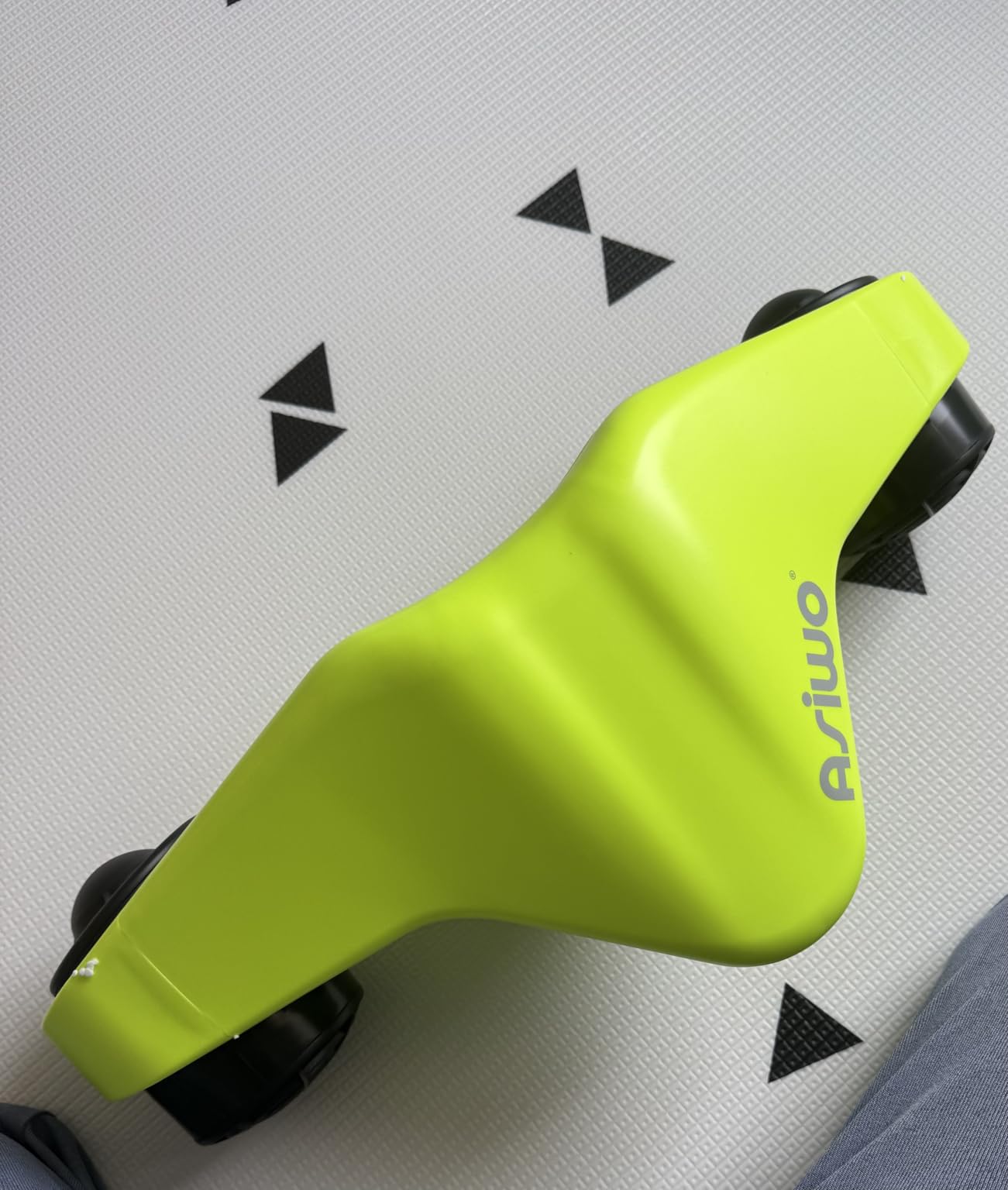
The Manta is the one I would pick if pull matters more than everything else. Owners who own several brands of scooter single it out for raw thrust in direct comparison, and the 19.8 lb figure is real rather than marketing. Three speeds give better granularity than the two-speed units, which is the feature I would rank first for reef work.
It floats on its own with no detachable floater to lose or misfit, and at 7.7 pounds including the battery it is light enough for an older child to handle. The 126Wh battery releases with a proper locking attachment rather than a friction fit, which is the detail that decides whether your battery ends up on the seabed.
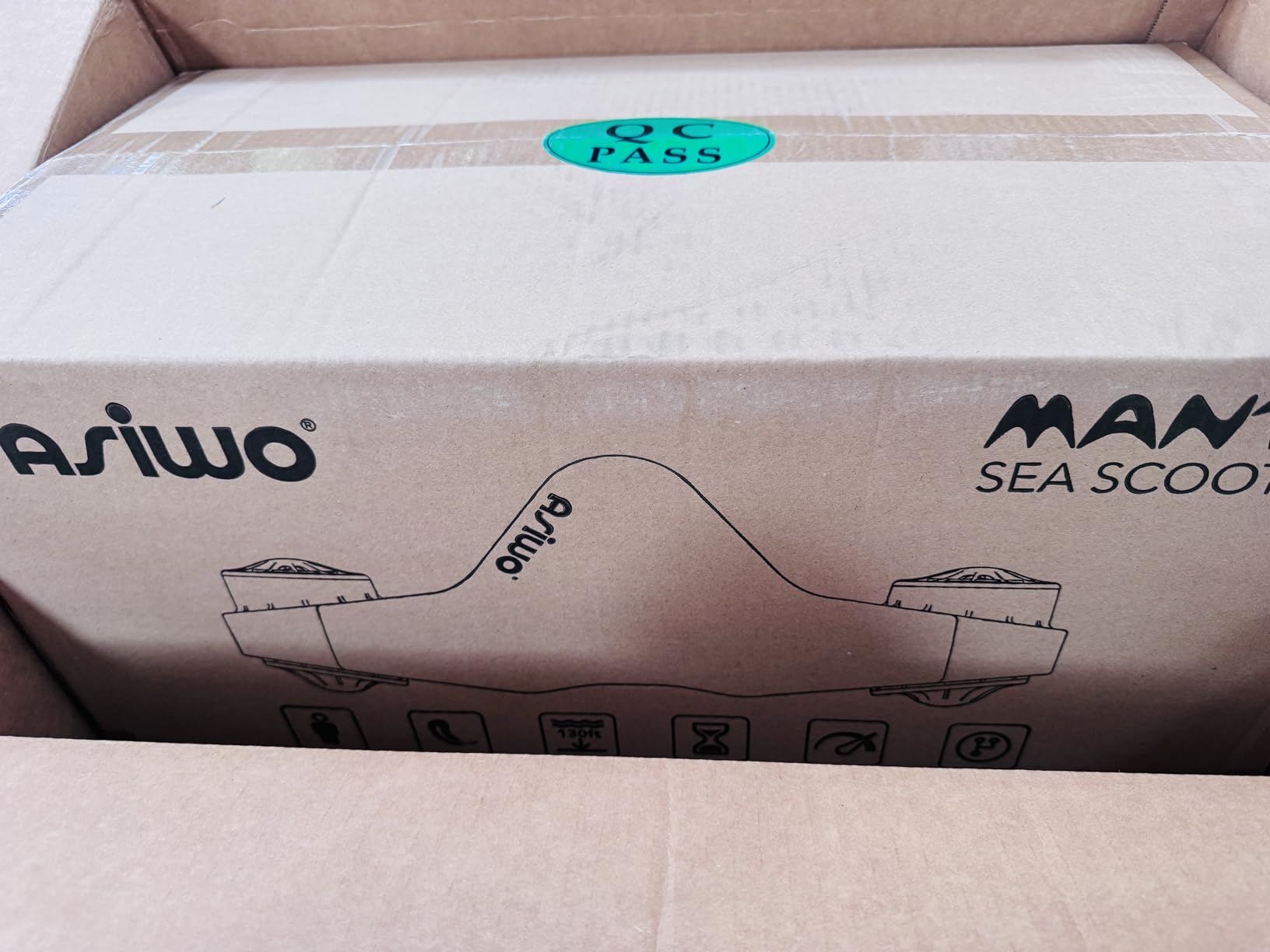
Runtime is quoted at up to 35 minutes on low, roughly 20 minutes on medium and about 12 minutes at maximum speed. Enclosed propeller guards, a safety leash and release-to-stop control cover the usual safety checklist, and there is an integrated action camera mount. A carry bag is included, which is not always the case at this size.
The rated depth of 131 feet is far more than a snorkeler needs, so treat it as reassurance that the seals are good rather than an invitation to go deeper. The main open question on this model is longevity. A recurring set of reviews reports failures at around seven months, which is worth weighing if you are buying for a single holiday versus a season of use.
Who the Asiwo Manta suits
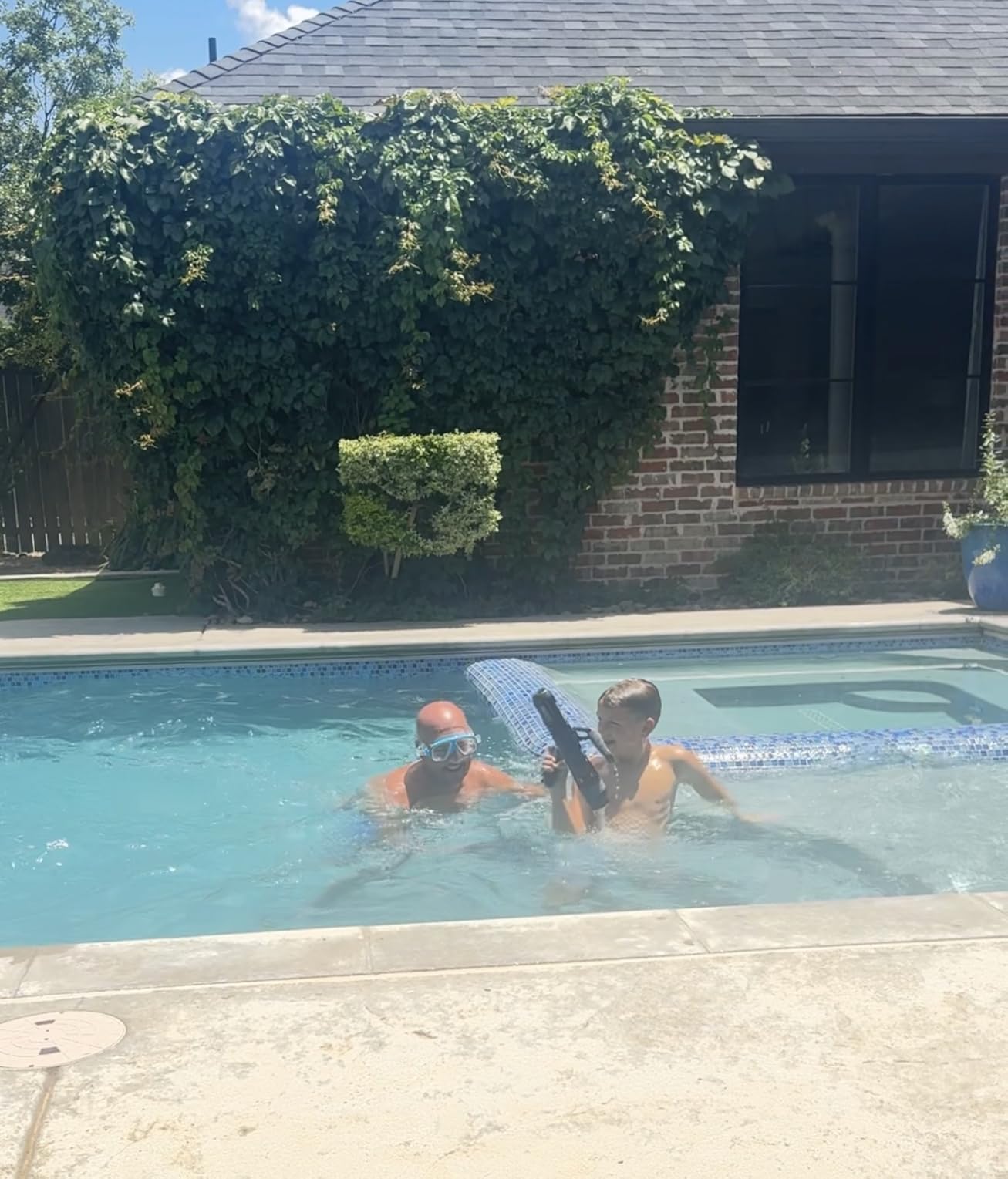
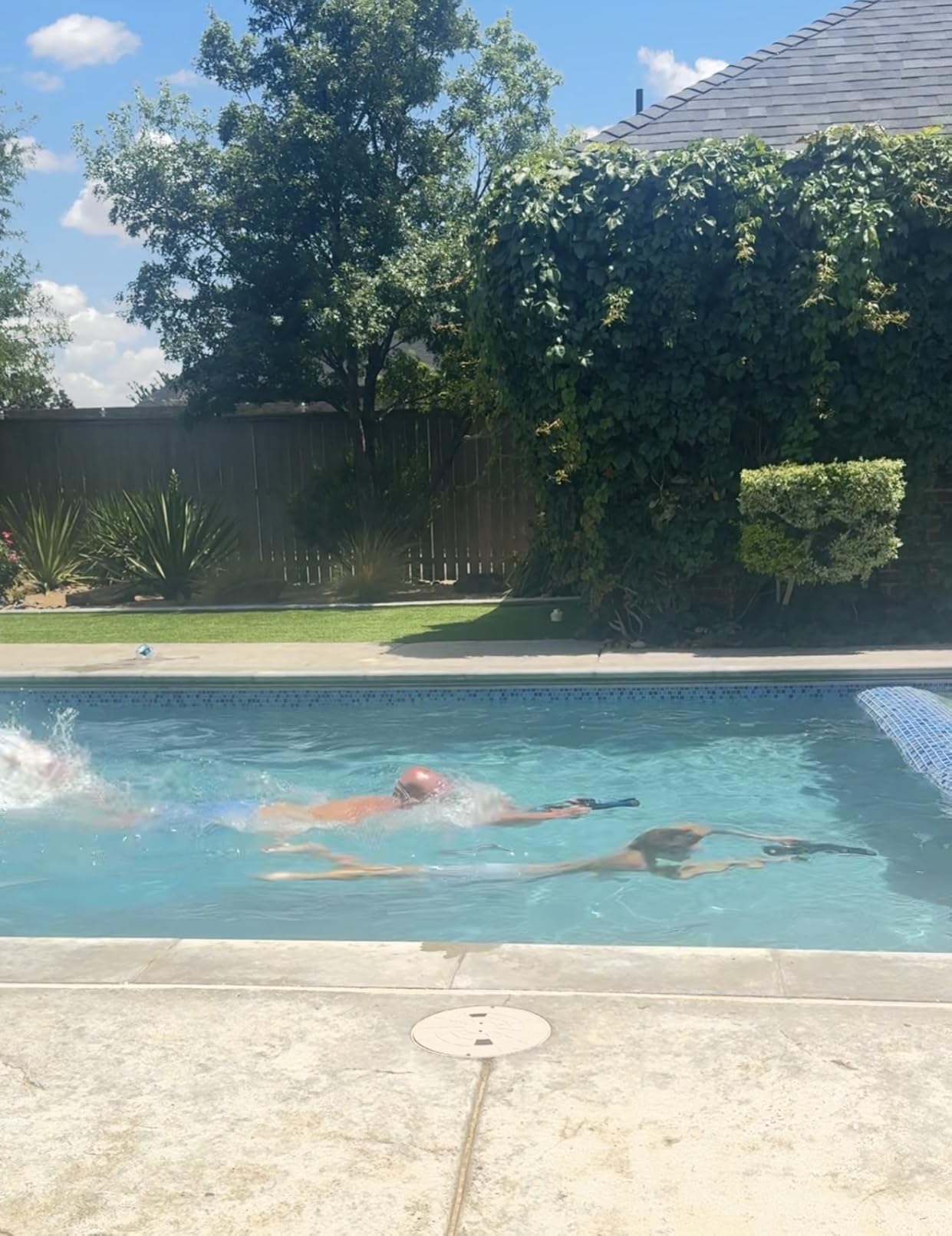
It suits pool and sheltered-reef snorkelers who want strong acceleration without carrying a heavy unit. Anyone starting out in a current, or anyone towing a child or a less confident swimmer, will feel the extra thrust immediately. Three speeds also make it a better teaching tool than a two-speed scooter.
Families with older children are a good fit too. The grip and weight are manageable at 7.7 pounds, and the enclosed guards reduce the hair and finger worries that come with exposed propellers.
Where the Asiwo Manta falls short
Only one battery is included. Owners almost immediately buy a second pack, which is a real cost adder for anyone planning more than one session a day. The durability reports at around seven months are the other concern, and the propeller openings warrant a hair tie or a close watch with young children nearby.
3. Waydoo Subnado Lite – Most Versatile and Cabin Baggage
Waydoo Subnado Underwater Scooter Lite, Water Sports Diving Scooter with Removable Handle, Compact and Portable Water Scooter for Adults&Kids, Scuba Diving Snorkeling Sea Scooter Multiple Uses, Blue
3 lb body
98Wh airline battery
1.2 h charge
50 min cruise
14.33 lb thrust
Pros
- Smallest and lightest unit in this roundup
- Carry-on compliant with the 98Wh battery
- 100W fast charge and 100W reverse charging
- Controls are simple enough for a first-timer
Cons
- Less thrust and depth capability than larger dual-motor units
- Internal battery is not user-replaceable
- No display for charge or runtime state
- Mounts and cases are pricey add-ons
At 3 pounds and roughly the length of a soda bottle, with a handle that unbolts for packing, the Subnado Lite is the answer to the question that comes up constantly on dive forums: can I take this on a plane. The 98Wh battery sits under the standard carry-on threshold, which removes the single biggest obstacle to flying with a scooter.
Charging is genuinely quick. The 100W system fills the battery in about 1.2 hours, and the same unit reverses charge, meaning it will top up a phone or a camera between dives. On a multi-stop trip where outlets are scarce and charge time is the real constraint, that reverses the usual travel maths.
Control is three speeds plus a cruise mode, with up to 50 minutes of cruising claimed, and thrust of about 14.33 lb. Cruise mode is the sleeper feature for snorkelers, because it holds a steady low speed so you can stop fighting the trigger and actually look at the reef.
The trade is power. Fourteen pounds of thrust moves an adult comfortably in flat water and across a lagoon, but it is not the tool to push back against real current or to drag a second person. If you are heading somewhere with a known current, this is not the scooter for that trip.
Who the Subnado Lite suits
It suits anyone travelling light, on a cruise, or on a multi-stop trip where every kilogram and every battery rule is a real constraint. It also suits beginners and families, because the controls are uncomplicated and the unit is small enough that nobody is intimidated by it.
Cruise mode makes it a good fit for long, lazy reef traverses rather than short dashes. If your snorkeling is mostly flat lagoons and calm bays, the modest thrust is genuinely enough.
Where the Subnado Lite falls short
The sealed internal battery is the main structural complaint. When it wears out, the unit is finished rather than rechargeable, which shortens the working life of an otherwise good design. There is also no display showing charge or runtime state, so you judge remaining time by feel, and mounts and cases are expensive extras.
4. LEFEET P1 Lite – Best Four-Speed Control and Longest Cruise Runtime
LEFEET P1 Lite Underwater Scooter, 4 Speed Modes Portable Water Scooter for Adults, 60 Min Runtime, 200ft Depth with Camera Mount, Sea Scooter for Snorkeling, Swimming Pool Scuba, Diving
8 kgf thrust
4 speed modes
200 ft IPX8
99.63Wh battery
3.9 lb
Pros
- Real thrust for its size against current
- Four speed modes give the finest control here
- Carry-on legal and fits a normal gear bag
- Quiet operation keeps reef fish calm
Cons
- Integrated battery that cannot be swapped
- Not a powerhouse with full scuba kit
- Does not float on its own
- No flotation sleeve made for this model
Four speed modes is not a spec-sheet detail, it is a control decision, and on this unit the extra gears change how the scooter feels in moving water. Smaller, older and knee-limited swimmers in particular report getting real benefit from being able to feather the throttle instead of choosing between too slow and too fast.
The thrust figure of 8 kgf sits mid-pack, but the 3.9 pound weight means the power-to-weight ratio is one of the best here. It is also the deepest-rated unit on this page at 200 feet under IPX8, which matters if you also use it on shallow recreational dives rather than pure snorkelling.
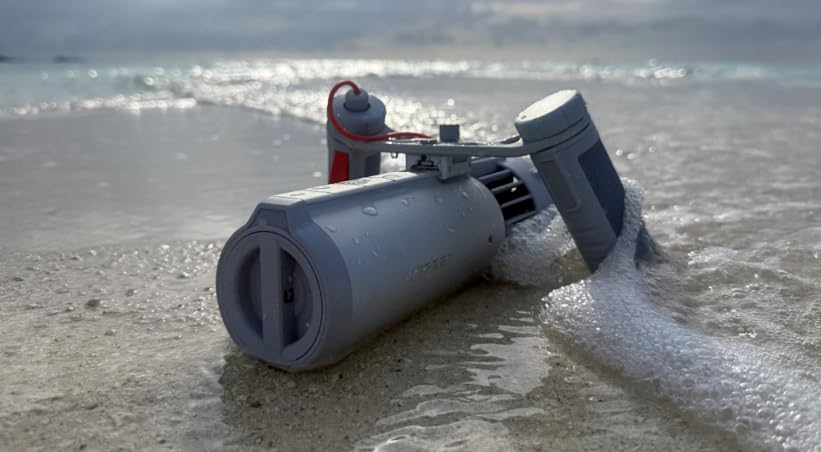
The 99.63Wh battery meets airline carry-on rules and charges over USB-C, so one cable covers the scooter and a laptop. Runtime is quoted at up to 60 minutes of cruising, and unlike most claims on this list, owners of this model report 45 to 50 minutes of real mixed use, which is about as close to honest as this category gets.
It is also the quietest unit here. On a reef that matters more than most buyers expect, because a noisy approach scatters fish before you get within camera range. There is a finger-safe propeller guard and a wired control with instant response, plus a modular accessory system covering rail, tank, leg and paddleboard mounts.
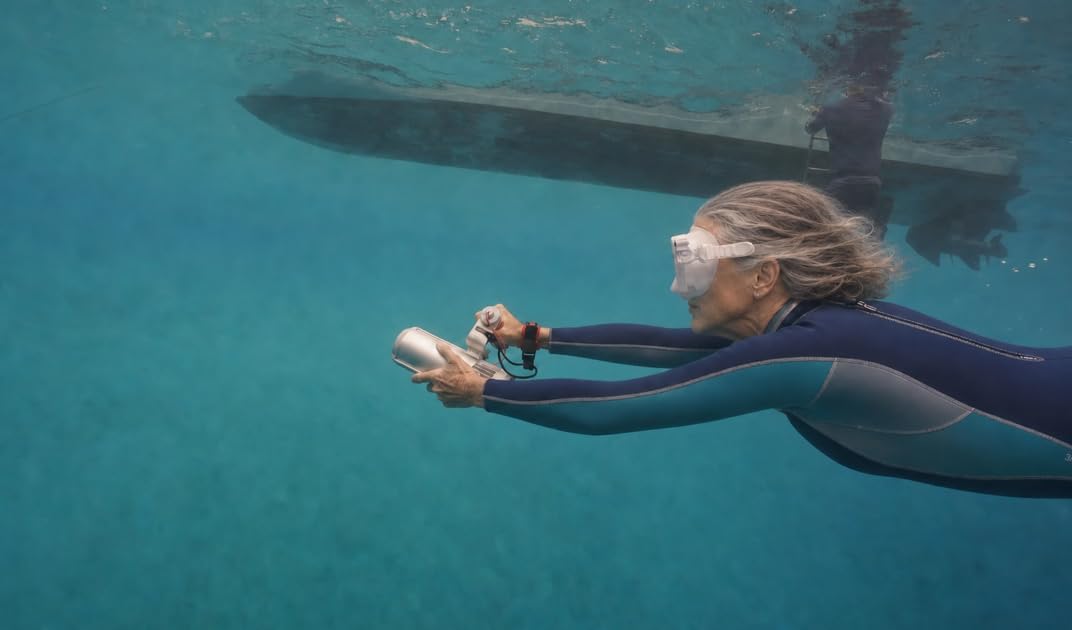
Who the P1 Lite suits
It suits snorkelers in mild current, older divers, and anyone with joint or knee limitations who tires quickly on fins. Travelling divers who want one device for both snorkelling and shallow recreational dives will like the 200 foot rating and the carry-on battery.
Underwater photographers get a quiet unit with a 200 foot rating and a full accessory ecosystem, which is more than most rivals offer at this size.
Where the P1 Lite falls short
It does not float. That single fact changes everything about how you use it, because a dropped scooter goes to the bottom and stays there. It also has an integrated battery you cannot swap, and it will not power two adults in full scuba kit regardless of what the thrust figure suggests.
5. LEFEET C1 Dual-Motor – Best Dual-Motor Rig That Breaks Down for Storage
LEFEET C1 Underwater Scooter, Dual-Motor Sea Scooter with 8kgf Thrust & 1.6m/s Speed, Modular Design, 100ft/30m IPX8 Waterproof, 60 Min Runtime for, Snorkeling, Scuba Diving, Pool Activities
Dual 200W motors
8 kgf thrust
97.2Wh quick-swap battery
100 ft IPX8
auto shutoff
Pros
- Two motors give a genuine flying feel at mid-range cost
- Handles break off for storage and drying
- Quick-swap battery suits multi-session days
- Battery indicator and shrouded motors aid safety
Cons
- Sinks rather than floats so the strap is essential
- Two speeds only and high speed cuts runtime sharply
- No buoyancy or trim adjustment
- Changing speed mid-dive means taking a hand off
This is the one I would describe as the best-feeling unit for its size. Two 200W motors give the sensation people describe as flying, which is not something the single smaller units quite deliver, and the 97.2Wh battery swaps in about five seconds with a charging case included.
What I like most as a snorkeler is the safety set. The propellers auto-shutoff the instant you release the trigger, the motors are fully shrouded, and the control knob carries a green, yellow and red battery indicator so you get warning before you get stranded. That indicator is small and unglamorous, and it is the feature I would miss first on cheaper models.
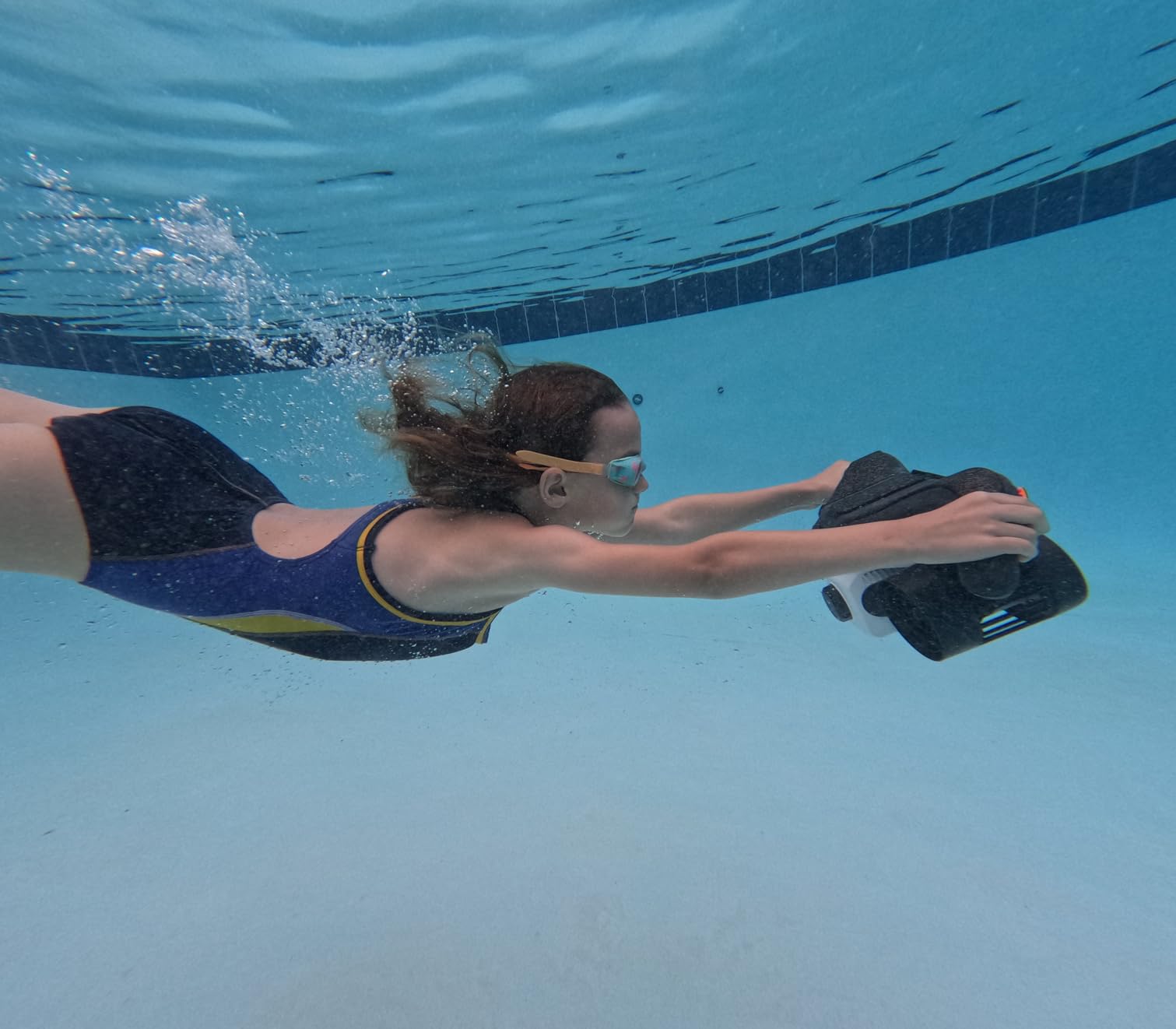
The design is modular and splits into a handle section and a motor body, which makes it genuinely practical for travel and for salt-water care, since you can dry the parts properly instead of hoping. Owners report steady durability over two full seasons of pool use, and LEFEET support has replaced broken units quickly.
The 100 foot IPX8 rating with anti-corrosion construction is honest for a plastic-bodied unit, though shallower than the carbon fibre and aluminium models here. Runtime is quoted at up to 60 minutes, realistically less at high speed.
Who the LEFEET C1 suits
It suits snorkelers who want real dual-motor acceleration without moving up to the premium carbon fibre units, and anyone running multiple sessions a day who will use the quick-swap battery and the charging case. Parents gain confidence from the auto shutoff and shrouded motors.
Travel is also fine despite the 3 kg weight, because the body separates for packing. For boat-based days where you rinse and dry between sessions, that separation is a genuine advantage.
Where the LEFEET C1 falls short
It sinks. Owners are emphatic that the wrist strap is not optional, and if you are a snorkeler who drops gear regularly, negative buoyancy is a poor trade for the feel. Only two speed settings exist, and changing gear mid-swim requires taking a hand off the handle.
6. LEFEET S1 Pro – Best Built Quality and Wireless Remote
LEFEET Underwater Scooter S1 Pro, 3 Speed Adjustments, Max Speed 6.5km/h ,Modular Sea Scooter with Action Camera Mount, 40M Depth Rating for Water Sports Diving, Snorkeling, Swimming, Freediving
18 lb thrust
1.8 m/s top speed
70 min per charge
40 m depth
wireless remote
Pros
- Premium machined build with tight fittings
- Wireless remote frees both hands and pairs two units
- Swappable battery supports a full day of use
- Quiet enough that marine life does not scatter
Cons
- Reports of the battery sealing ring cracking and admitting water
- Needs careful rinsing and drying before opening the housing
- Top speed modest for the money
- One unit may not feel powerful for an average adult
The S1 Pro is the one that feels machined rather than moulded. Fittings are tight, there is no wobble, and at 2.5 kg it is lighter than the size would suggest. If you are the sort of buyer who notices a control cable, this is the scooter that rewards you.
Its distinguishing feature is the wireless remote. It frees both hands, which sounds minor until you are holding a camera or a mask in a current, and the same controller can drive two units at once for double power. Owners running a doubled-up rig report a genuinely different experience, and it is the configuration to consider if you carry heavy gear.
Runtime is quoted at up to 70 minutes per charge with five-second battery swaps, and the accessory system includes a dual chassis, a flotation device and a backpack rig. Depth rating is 40 metres when configured per the manual. The top speed of 1.8 m/s, or 6.5 km/h, is quick for a recreational unit.
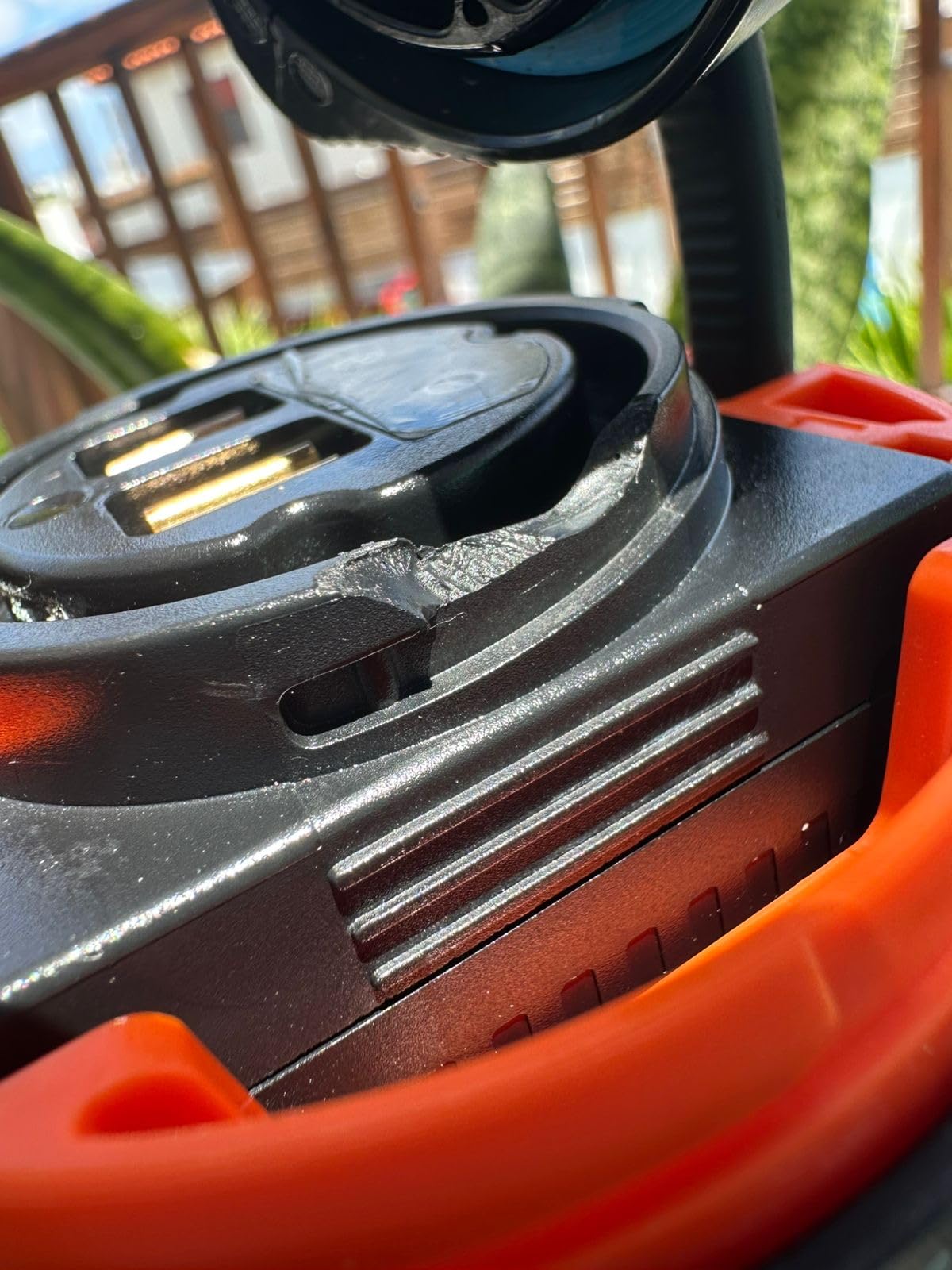
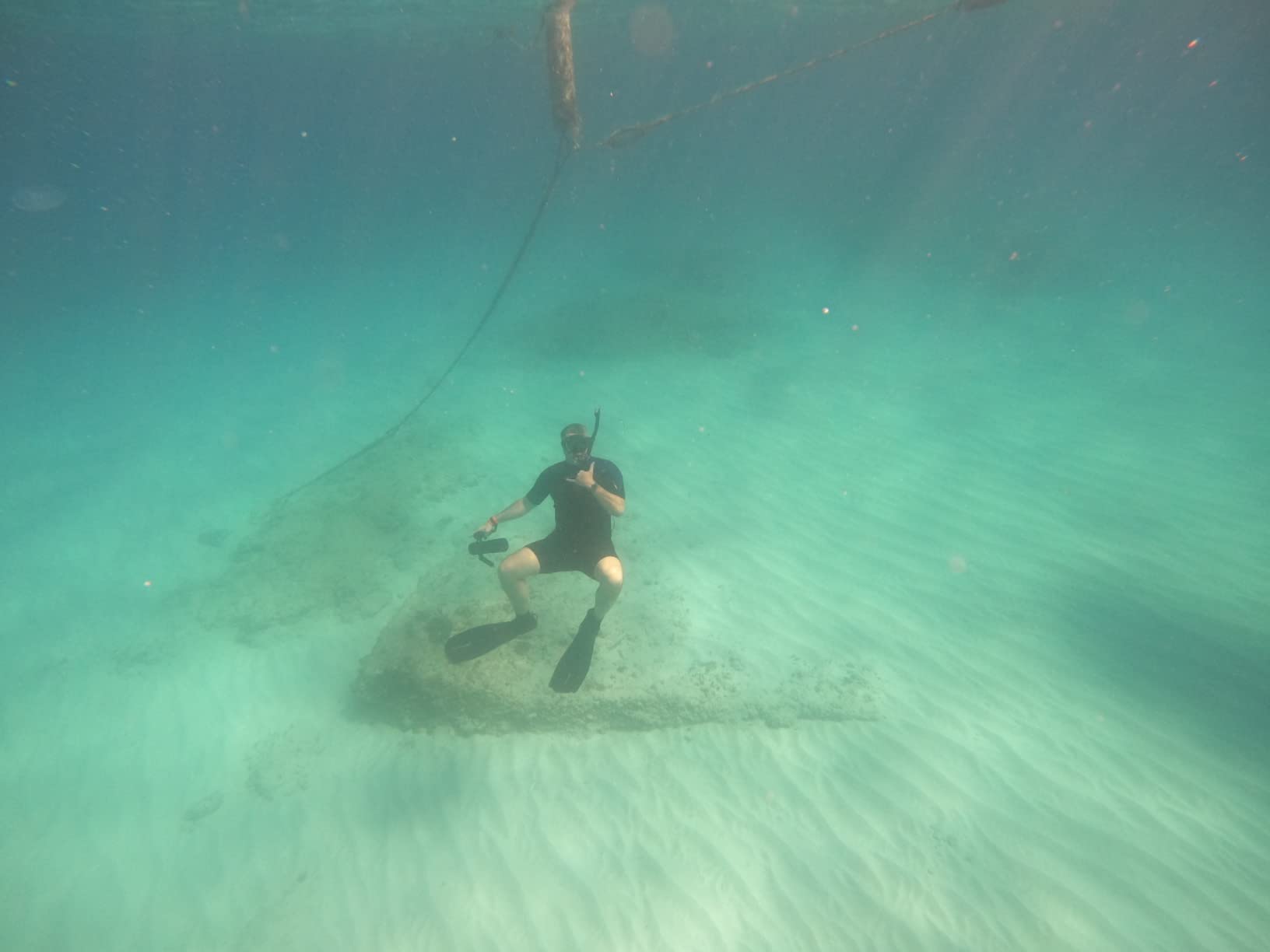
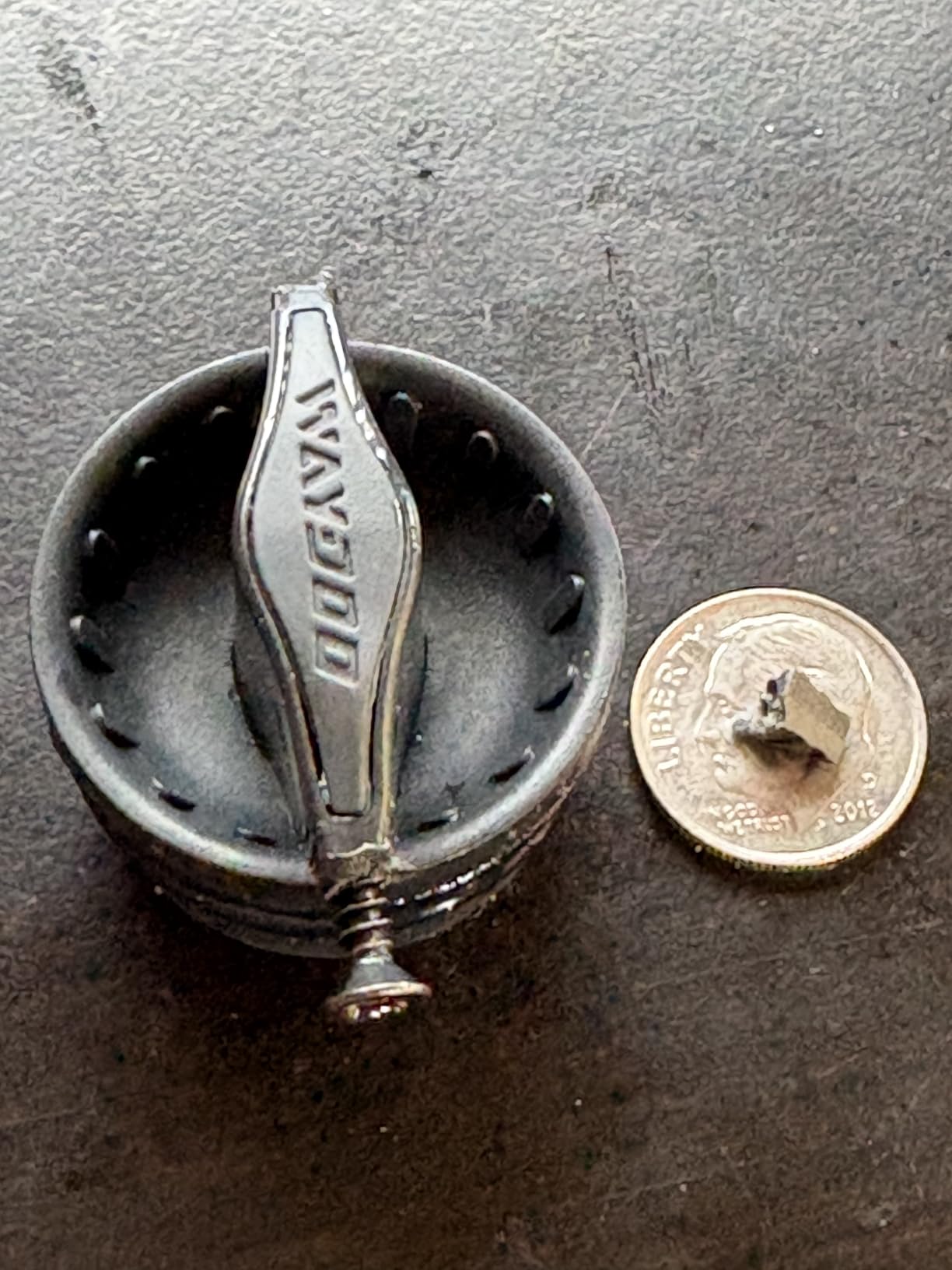
There is one specific failure mode to know about. Several reports describe the plastic ring on the battery cracking and letting water in, ruining the pack, and owners describe it as a manufacturing defect rather than damage they caused. It is not universal, but it is specific enough that you should check the seal carefully on arrival and keep the spare dry.
Who the S1 Pro suits
It suits divers who already know what they want from a propulsion tool, and anyone planning to run two units as a pair for extra thrust on longer traverses. The wireless remote is a real advantage for underwater filming and for cold-water snorkelling where you want your hands free.
It also suits anyone who cares about packability for international travel, since spare batteries are permitted in airline carry-on within the watt-hour limit.
Where the S1 Pro falls short
For a snorkeler on a reef, the top speed is underwhelming next to smaller dual-motor units that cost less, and one unit may feel modest for an average adult. The battery seal issue is the more serious concern, and the housing needs a proper freshwater rinse and full dry before you ever open the battery compartment.
7. sublue MixPro Dual Motor – Best for Two Riders
sublue Mix Pro Dual Motor Underwater Scooter – 3 Speed Modes, 60 Min Runtime, 131ft Depth with Camera Mount & Low Battery Alarm for Pool, Diving, Snorkeling – Water Scooter for Adults
24 lbf dual motor
3 speeds to 4.02 mph
60 min intermittent
131 ft depth
7.82 lb
Pros
- Middle speed mode is the sweet spot for adults
- About an hour of mixed-speed runtime in practice
- Self-floating so it surfaces rather than sinking
- Bundled 30L waterproof backpack and phone mount
Cons
- Top speed drains the battery quickly
- No spare battery in the box
- Listings and Q&A disagree on whether a case is bundled
- A few reports of early unit failure
The MixPro is the Mix scaled up rather than redesigned, and the upgrade is meaningful in one specific way: 24 lbf of thrust against 22, three speeds instead of two, and enough pull that owners report moving two riders at once. If your buddy is a non-swimmer or a child, this is the unit that makes that possible without a fight.
Three modes at 2.68, 3.36 and 4.02 mph resolve the coarse control problem on the base Mix. Owners repeatedly name the middle gear as the sweet spot for adults, and I agree, since it is the setting that balances speed against the battery budget.
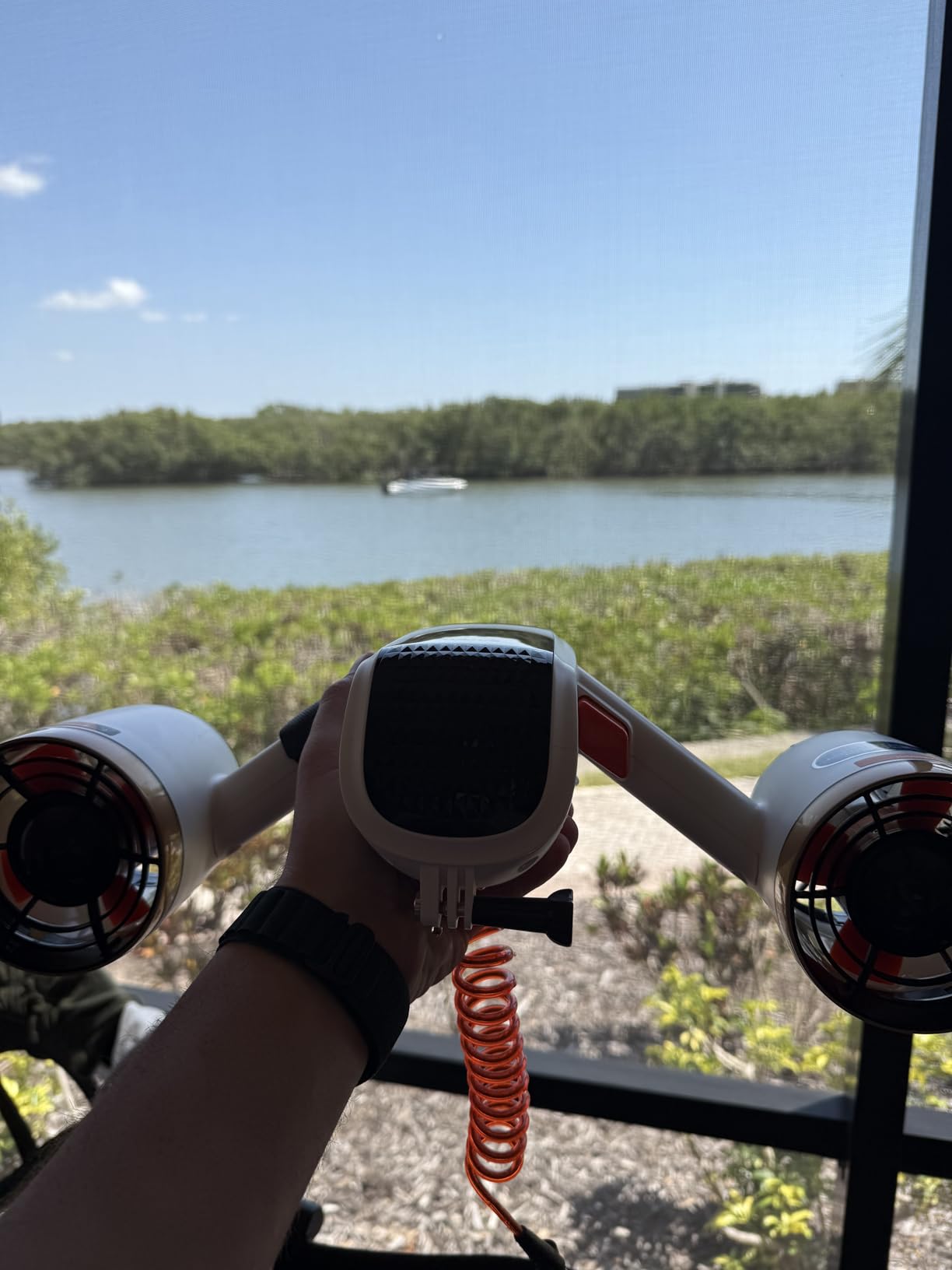
It self-floats with a detachable buoyancy chamber, is rated to 131 feet, and has an LED low-battery indicator so you get a warning rather than a surprise. The fast charger refills the 122Wh battery in about two hours, and the box includes a 30L waterproof backpack and a smartphone mount, which is a genuinely useful bundle for a boat day.
Runtime is quoted at up to 60 minutes intermittent, with 30 minutes on low, 20 on medium and 18 on high. Top speed drains it quickly, so treat medium as your working ceiling and buy a spare pack if you want a full day.
Who the MixPro suits
It suits pairs and families who want one unit to carry two people, and snorkelers who want more speed headroom than the two-gear Mix offers. The bundled dry bag matters more than it looks, because most snorkelling day bags leak somewhere.
It also suits anyone who wants the floating safety net plus a bigger battery without moving up to a much heavier premium body.
Where the MixPro falls short
No spare battery is included, which is a genuine miss for a unit sold on runtime. There is also real inconsistency between listings about what ships in the box, so check the contents carefully. A small number of reviews report early hardware failure with slow support response, so keep the receipt and test the unit promptly.
8. Nautica Navigator and Skipper – Best for Children Aged 8 and Up
Nautica Navigator Underwater Seascooter, Underwater Seascooter Reliable Performance for Aquatic Adventures Scuba Diving and Snorkeling, Water Scooter for Swimming Pool
60 min runtime
2.5 mph top speed
30 ft depth
dual-trigger cut-off
grille guard
Pros
- Two-trigger controls an 8-year-old can master
- Protective grille keeps fingers and debris out
- Powered swimming at up to 2.5 mph for young snorkelers
- Integrated action camera mount for hands-free filming
Cons
- 30 ft depth limit suits pools and shallow water only
- Seven to eight hour recharge time is the longest here
- Highest one-star share of the ten units reviewed
- Too shallow and heavy for serious recreational diving
This is the only unit here designed from the start for younger snorkelers, and the thinking shows. Power stops when either of the two triggers is released, which means a child who lets go of one hand cannot surge forward. There is a protective grille over the propeller, and the controls are symmetric and obvious.
Nautica is an established marine-wear brand, which is worth something when you are handing a powered device to an eight-year-old. The action camera mount is built in, so a child can film hands-free without carrying a separate mount.
Runtime is quoted at up to 60 minutes and top speed at 2.5 mph, which is enough to keep a child interested rather than exhausted. The limits are equally clear. The 30 foot depth rating means pools and shallow tropical water only, and the recharge time of seven to eight hours is the longest on this page, so it charges overnight and goes once a day.
Who the Nautica pair suits
It suits families with children aged eight and up on pool holidays and shallow reef trips. For a child who tires before the interesting part of the snorkel, powered swimming keeps them engaged for the whole session rather than the first ten minutes.
It also suits parents who want a specific safety design rather than a scaled-down adult scooter with a smaller propeller and a joke warranty.
Where the Nautica pair falls short
The 30 foot rating rules it out of anything deeper, which is most of the world’s best reef. The long recharge means one session a day unless you buy a second battery, and the one-star share of its reviews is the highest of the ten units here, which suggests the reliability margin is thinner than the brand name implies.
9. Waydoo Subnado Plus – Best Thrust per Pound
Waydoo Subnado Plus Underwater Scooter, 800W Motor Output and 144W Battery, 60 Minutes Max Runtime, Lightweight and Portable Sea Scooter with Bi-Directional Fast Charging for Snorkeling and Diving
800W motor
21 lb thrust
3.8 mph
144Wh battery
1.2 h charge
4 lb
Pros
- 800W motor holds speed in current where cheaper units stall
- Only 4 lb despite the larger battery
- Full charge in about 1.2 hours with bi-directional charging
- Solid aluminium and metal housing that feels premium
Cons
- Lowest average rating of the ten units reviewed
- Sealed battery and a 144Wh pack needing airline approval
- Sand jams the power button and trigger assembly
- Housing scratches easily and the control wire snags on lines
Put weight next to thrust on this one and the ratio stands out. Twenty-one pounds of thrust from an 800W motor in a 4 pound aluminium body is the best power-to-weight figure here, and enthusiasts including a freediving instructor credit it with holding speed in current where cheaper units stall.
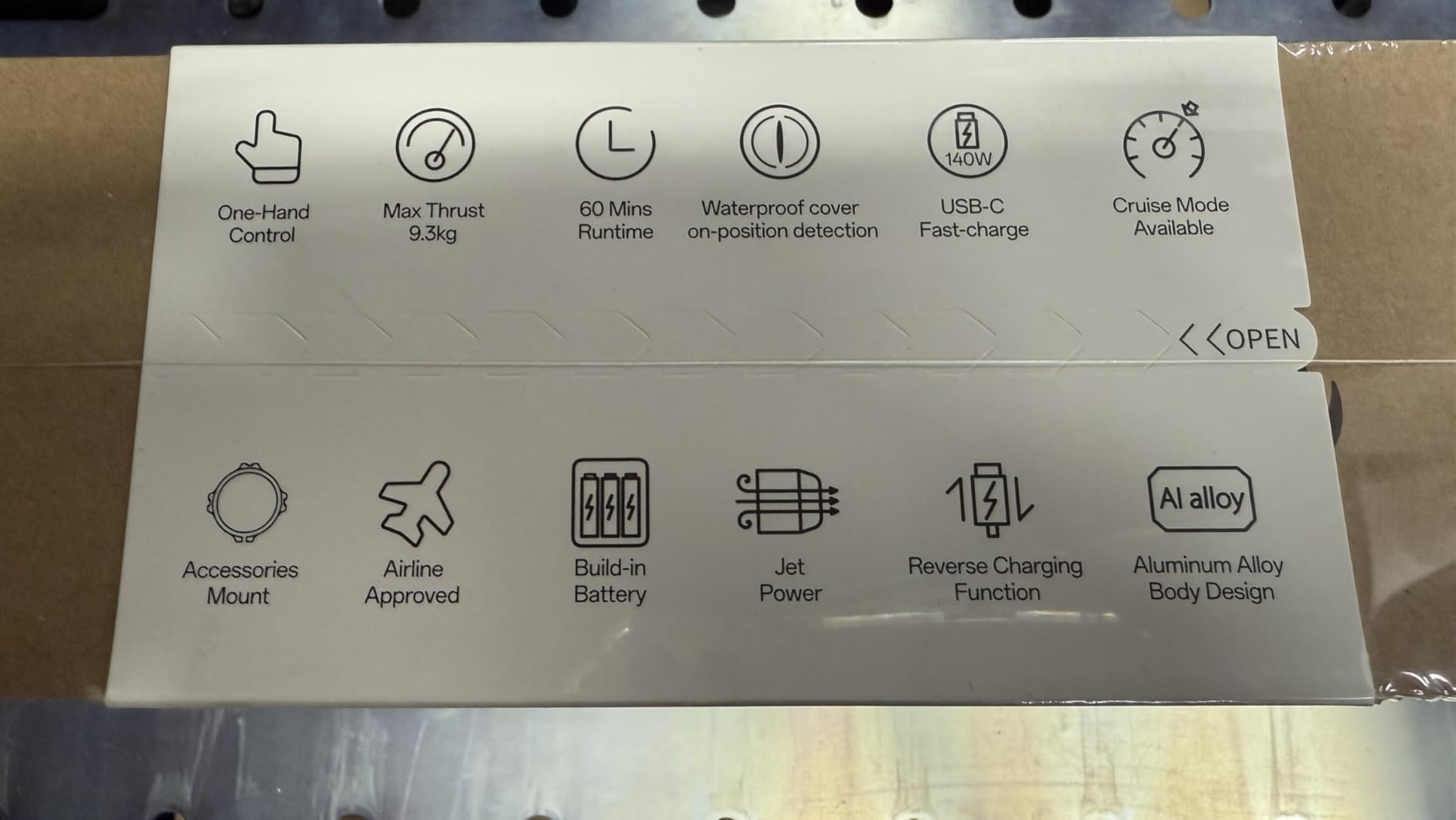
Speed tops out at 3.8 mph across three settings, which makes it the second-fastest unit on this page. Charging is bi-directional at 140W for a full charge in around 1.2 hours, and there is low-noise operation plus charging-cap position detection that stops the unit starting underwater.
The 144Wh battery is quoted at up to 60 minutes continuous. Note that this figure sits above the airline carry-on threshold, so it needs approval rather than just travelling in the bag. The sealed battery is not replaceable, which is the same structural flaw as the Subnado Lite, at larger scale.
This is also the unit where beach handling matters most. Owners report sand getting into the power button and trigger assembly and jamming them, and the housing scratches easily even inside a backpack. Rinse it in fresh water before you let it near sand.
Who the Subnado Plus suits
It suits snorkelers heading somewhere with real current, and freedivers who want to get somewhere fast and still travel light. Anyone who has fought a cheap scooter that could not maintain speed will feel the difference immediately.
It suits divers upgrading from a small unit and wanting more speed without adding weight, which is why the mass matters less than the number suggests.
Where the Subnado Plus falls short
It has the lowest average rating of the ten units here, and the sealed non-replaceable battery is a long-term liability. Reports of failures within a month with slow warranty response are worth taking seriously, and the sand and snagging issues are practical problems you will meet on day one at a beach.
10. sublue Navbow Plus – Best Built-In Instruments and Deep Water Data
sublue Navbow Navbow Plus Smart Professional Underwater Scooter Dual Motors with Camera Mount 3 Gear Speed 4.47mph 60 Mins 131ft Pool Diving Snorkeling Water Scooter for Adults
31 lbf thrust
3 speeds to 4.47 mph
OLED depth and compass
159Wh battery
9.9 lb
Pros
- Strongest thrust of any unit here with a genuinely fast Turbo mode
- OLED display shows depth
- temperature
- compass and battery
- Self-floating so a release surfaces it
- Swappable 159Wh battery with two-hour fast charging
Cons
- Heaviest unit here at 9.9 lb and the largest footprint
- 159Wh battery needs airline written approval
- No spare battery included and the charger has no charge indicator
- Turbo drains the pack in minutes
Nothing else on this page tells you where you are. The Navbow Plus has a built-in depth sensor, temperature sensor and digital compass feeding an OLED display, plus a SublueGo app that raises depth and return-to-home battery alerts and generates a dive log automatically. For a diver moving on a scooter, that data is genuinely useful rather than decorative.
Thrust is 31 lbf across three modes, with Free at 2.24 mph, Sport at 3.36 and Turbo at 4.47, the fastest figure in this roundup. It self-floats with positive buoyancy, so a release sends it slowly to the surface, and the 159Wh battery swaps quickly and fast-charges in two hours.
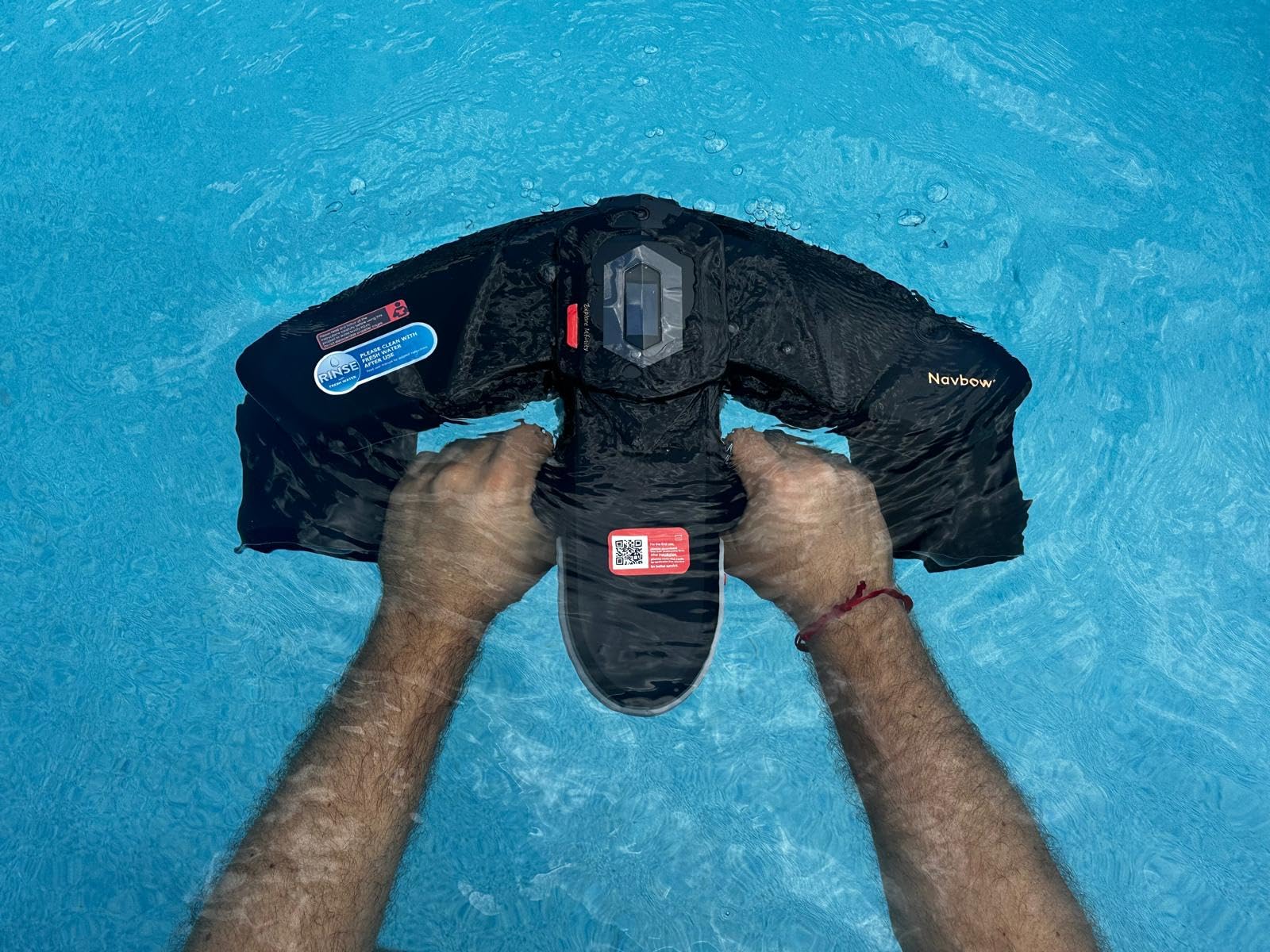
There is a buzzer and on-screen alarms for over-depth, low battery and faults, and a setting for freshwater or seawater so depth readings stay accurate. It ships in a hard case, which is the sort of thing that matters on a boat.
It is also the heaviest and largest unit here at 9.9 pounds, which is a serious consideration if you are carrying it up a beach ladder in a 3mm wetsuit. The 159Wh pack also falls in the airline approval tier, so it is not the simplest travel companion.
Who the Navbow Plus suits
It suits divers and serious snorkelers who want instruments rather than a throttle and a guess. Anyone filming or photographing benefits from knowing depth and temperature without a separate gauge, and the compass removes one more thing from the wrist.
It also suits anyone who wants maximum thrust on a single unit rather than carrying two, and its floating behaviour keeps it safe on deep or unfamiliar dives.
Where the Navbow Plus falls short
It is heavy at 9.9 pounds, which defeats the point if your transport is a backpack or a long swim. There is no spare battery in the box, the charger has no charge-level indicator, and a handful of reviews report units failing within a day, so test it early and keep the packaging.
How to Choose a Sea Scooter for Snorkeling
Start with the water, not the product photograph. A scooter that is perfect in a glassy Caribbean lagoon can be the wrong tool on a drift dive off a reef wall, and most disappointment comes from buying for the holiday you imagine rather than the one you booked.
For a flat lagoon or a pool: thrust barely matters. Pick for floatation, weight and simplicity. A self-floating unit like the sublue Mix means a dropped scooter comes back up, and something in the three to four pound range is easier to carry from a car park.
For outer reef with mild current: you want four or more speed settings so you can feather the throttle, and at least around 20 lb of thrust. This is where the LEFEET P1 Lite earns its place, since its four gears let you sit at a steady crawl instead of surging.
For real current or a drift dive: buy thrust. The Waydoo Subnado Plus at 800W and the sublue Navbow Plus at 31 lbf are the two on this list designed to hold speed against flow. Be honest about your training first. If you have never run a drift dive, a scooter is not the answer, because current is the hazard divers most often mention in scooter discussions.
For children: buy for guards and cut-off behaviour, not for power. The Nautica pair wins on symmetric dual triggers that stop the motor when either hand lets go. Keep an adult within arm’s reach regardless, and remember a scooter is not a flotation device.
For travel: watt-hours decide everything. Under 100Wh goes in carry-on without asking. Between 100 and 160Wh needs airline approval in advance. Over 160Wh is not permitted. On this list the Subnado Lite at 98Wh, the P1 Lite at 99.63Wh and the LEFEET C1 at 97.2Wh travel easy, while the Navbow Plus at 159Wh sits in the approval tier.
Buoyancy, briefly: positive means it floats, which is safer for snorkelers. Neutral hangs. Negative sinks, which is fine for divers tracking a line but means a dropped scooter is gone. Two of the ten here sink.
Depth rating is the least important spec for a snorkeler. A 40 metre rating is more than you will ever reach, so treat it as evidence of good sealing rather than a feature. Camera mount matters more than most buyers expect if you film at all, and nearly every unit here has one, so check it accepts your mount rather than assuming.
Sea Scooter Safety: What to Never Do in the Water
Snorkeling is a low-consequence activity that becomes high-consequence quickly when a current, a shoal or a dropped scooter turns it into a swim against your best estimate. A few rules remove most of that risk.
Never ride a scooter alone. The buddy system is not paperwork, it is the reason you have a second pair of eyes on your air and your position. Never let a scooter become a competition, and never chase fish or attempt to outrun anything. Speeds on this page are in the low single digits in miles per hour, which is nowhere near outrunning a shark, but the habit of chasing is how people get separated.
Never dive a scooter without a plan for the ride home. Treat the last third of your battery as your return budget, and agree a turnaround time with your buddy before you go under. If you are riding with a child, set a hard time limit and stick to it.
Never ignore current. On dive forums and in operator briefings, current is repeatedly the hazard most associated with scooter accidents, and several operators explicitly discourage beginners from scootering where they regularly see incidents. If the site has a drift, respect it, and if you cannot judge it, you are not ready.
Check your scooter before every session: battery seated and locked, propeller guard intact, trigger responding, seals dry, no sand in the controls. Never charge a wet or salt-covered unit, and never open a battery housing before a full dry.
Flying With a Sea Scooter and Salt-Water Care
Lithium battery rules are simple and absolute. Under 100Wh, spare batteries go in carry-on baggage with no approval. Between 100 and 160Wh, you need airline approval in advance and you must keep the battery in carry-on. Over 160Wh is prohibited on passenger aircraft, full stop. Batteries never go in checked luggage or in the hold, and a swollen or damaged battery cannot travel at all.
Three of the units here make travel easy with 97.2Wh, 98Wh and 99.63Wh packs. The LEFEET S1 Pro approach also matters on multi-stop trips, since its allowance for additional spare batteries inside the watt-hour limit is what lets a traveller run two units for a full day of stops. The 126Wh, 122Wh, 144Wh and 159Wh packs on this page all fall into the approval or prohibited conversation, so check before you commit.
Salt water is the other thing that decides how long these last. Rinse the unit in fresh water immediately after every session, pay particular attention to the propeller guard and seals, and let it dry fully before charging. Give the O-rings a wipe with silicone grease where the manufacturer recommends it. For long-term storage, keep the unit charged in a dry place away from direct sun and give it a top-up every two to three months, since lithium cells dislike sitting fully empty for months.
If you also use mobility scooters onshore between dive trips, our guides to the best folding mobility scooters and the best travel mobility scooters cover the packing side of a gear-heavy trip.
Frequently Asked Questions
Are sea scooters worth it for snorkeling?
Yes, when you plan more than a short reef float. A scooter roughly doubles your travel speed and cuts arm and leg fatigue, so you spend more time on the coral and less on the swim back. It is not worth it for a pool session on a whim, and it is not a substitute for good swimming ability in current.
Which underwater scooter is the best for beginners?
The sublue Mix is the most beginner-friendly unit on this list because it floats on its own, needs no straps and has only two simple controls. It also has the largest review base here, so its failure modes are documented rather than mysterious. For children, the Nautica pair wins on dual-trigger cut-off.
How long do sea scooter batteries really last?
Plan on the medium-speed figure, not the headline. The sublue MixPro is quoted at up to 60 minutes but breaks down to 30 minutes on low, 20 on medium and 18 on high. The Asiwo Manta drops from a claimed 35 minutes to about 12 at top speed. Budget the middle number and keep a third of the charge for the return.
Can you take an underwater scooter on a plane?
It depends on watt-hours, not on the scooter. Under 100Wh goes in carry-on with no approval, between 100 and 160Wh requires airline approval in advance, and over 160Wh is prohibited on passenger aircraft. Batteries must never travel in checked luggage. The Subnado Lite, P1 Lite and LEFEET C1 all sit under the 100Wh threshold.
How do you steer and stop a sea scooter?
Steering is by body weight, not by a stick. Lean left or right and the unit follows, and you trim for neutral buoyancy so it sits level rather than rising or sinking under you. To stop, release the thumb trigger; on most models the propeller stops almost immediately with magnetic braking. Practise stopping in shallow calm water first.
Conclusion
Ten sea scooters, and only one of them is the right answer for most snorkelers. The sublue Mix is our pick for good reasons: it floats, it needs no setup, and its two-speed simplicity is easier to learn than anything more capable. If you need finer throttle control against mild current, move up to the LEFEET P1 Lite. If you need real thrust in flow, the Waydoo Subnado Plus and the sublue Navbow Plus are the two built for it. If you are flying, count watt-hours before anything else.
Whichever you choose, budget the middle speed figure rather than the headline runtime, rinse it in fresh water after every session, and never ride it alone. Start shallow, practise stopping, and check our gear guides for the rest of your trip kit.