
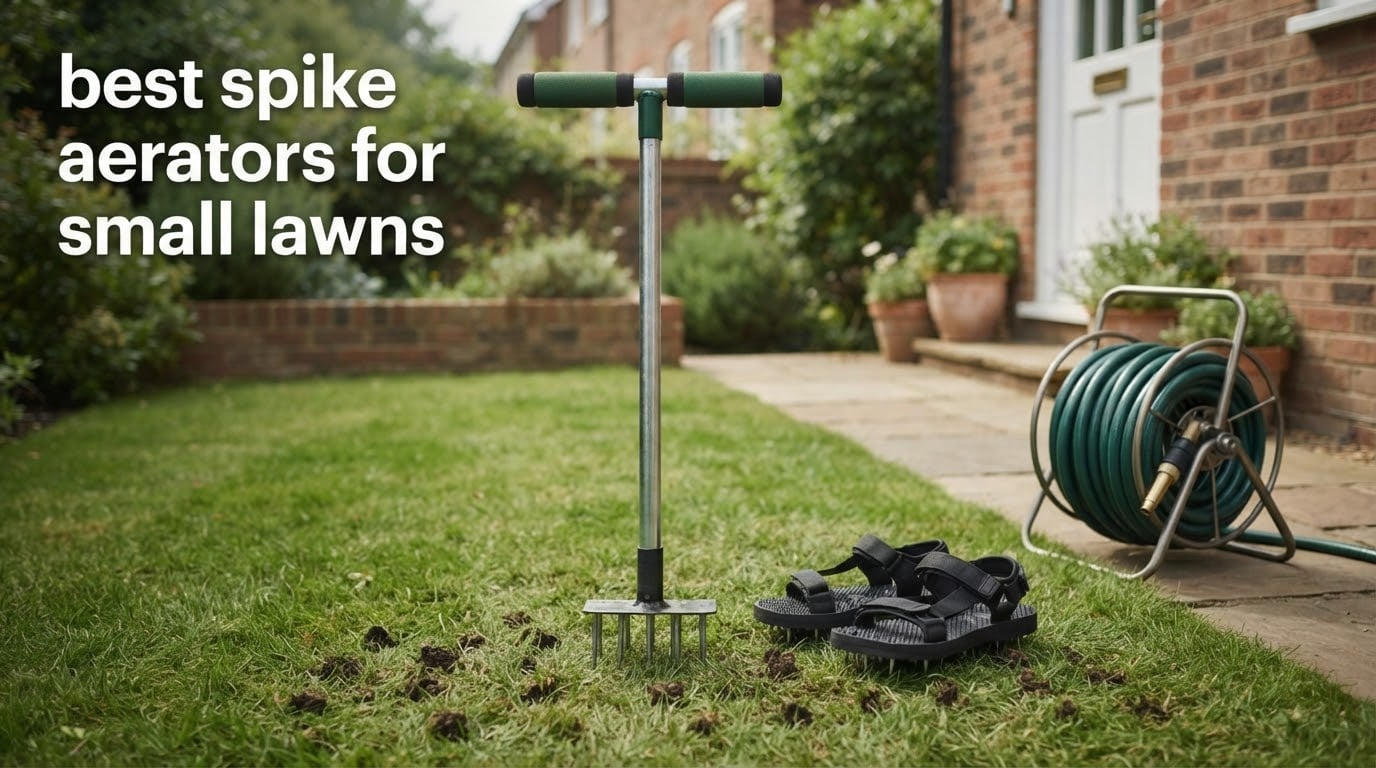
A small lawn is the awkward middle ground in lawn care. It is too big to ignore, too small to justify renting a tow-behind aerator, and almost always walked on far more than it should be. Every time someone crosses it to reach the back door, the soil underneath compresses a little tighter. That is why picking the right spike aerator matters more here than anywhere else, because the tool you choose has to be light enough to store in a closet and effective enough on a few thousand square feet of compacted ground.
We spent weeks putting the best spike aerators for small lawns through their paces across townhouse yards, apartment lawns and postage-stamp back gardens. We weighed foot plate size, spike length, handle height, weight and storage footprint, because those five numbers decide whether a tool gets used twice a year or abandoned in the shed.
This guide covers handheld spike aerators and spike aerator shoes side by side, and it is honest about where each one falls short. If your lawn is under 3000 square feet, the whole list below is relevant. If it is much larger, start with our broader full lawn aerator guide instead, or read about tow-behind aerators once your lawn outgrows hand tools.
Top 3 Best Spike Aerators for Small Lawns in 2026

Walensee 4-Row Spike Aerator
- 20 steel spikes at 2.8 inch
- 34.6 inch overall length
- 9.2 x 5.5 inch foot plate
- Four-row spike layout

Colwelt 3.5 Inch Spike Aerator
- Four spikes at 3.5 inch long
- 6 inch wide foot plate
- 38 inch assembled height
- Solid rust-resistant steel

DenForste Aerator Shoes
- 675MPa spike yield strength
- Aluminum alloy and plastic sole
- Three adjustable hook-and-loop straps
- Spans US 6-10 and 6-9
Those three cover the three most common small-lawn situations. The Walensee tool is the general answer, with a four-row spike head that covers ground faster than anything else in this list. The Colwelt model is the pick for clay, because its 3.5 inch spikes are the longest here and its foot plate is wide enough to take real body weight. The DenForste shoes are the pick for ground full of stones, tree roots or a slope, where spike strength matters more than anything else.
Quick Overview: All 12 Spike Aerators Compared
| Product | Specifications | Action |
|---|---|---|
| Walensee 4-Row Spike Aerator |
|
Check Latest Price |
 Ohuhu Aerator Sandals Ohuhu Aerator Sandals |
|
Check Latest Price |
| DenForste Aerator Shoes |
|
Check Latest Price |
 Opmeiro Aerator Shoes Opmeiro Aerator Shoes |
|
Check Latest Price |
 Bakulala Aerator Shoes Bakulala Aerator Shoes |
|
Check Latest Price |
 Onadak Spring Assist Aerator Onadak Spring Assist Aerator |
|
Check Latest Price |
| Colwelt 3.5 Inch Spike Aerator |
|
Check Latest Price |
 Saker Auto-Clean Aerator Saker Auto-Clean Aerator |
|
Check Latest Price |
 Bluesea 16-Spike Aerator Bluesea 16-Spike Aerator |
|
Check Latest Price |
 Leweio Aerator Shoes Leweio Aerator Shoes |
|
Check Latest Price |
 RIFPOD Adjustable Aerator RIFPOD Adjustable Aerator |
|
Check Latest Price |
 Flying Ideas Aerator Shoes Flying Ideas Aerator Shoes |
|
Check Latest Price |
1. Walensee 4-Row Spike Aerator for Small Yards
Walensee 4-Row Lawn Aerator Tool with 20 Steel Spikes for Small Yards
20 steel spikes at 2.8 inch
34.6 inch overall length
9.2 x 5.5 inch foot plate
Four-row layout
Pros
- Four rows of spikes cover ground faster than narrower designs
- Sturdy steel that feels solid rather than flimsy
- Fast tool-free assembly with no missing parts
- Light enough to reduce fatigue
- 20 spikes give a wide spread of holes per press
Cons
- Untreated steel spikes rust quickly if stored damp
- Small footprint makes whole-lawn aeration slow
- Best suited to spot work and overseeding prep
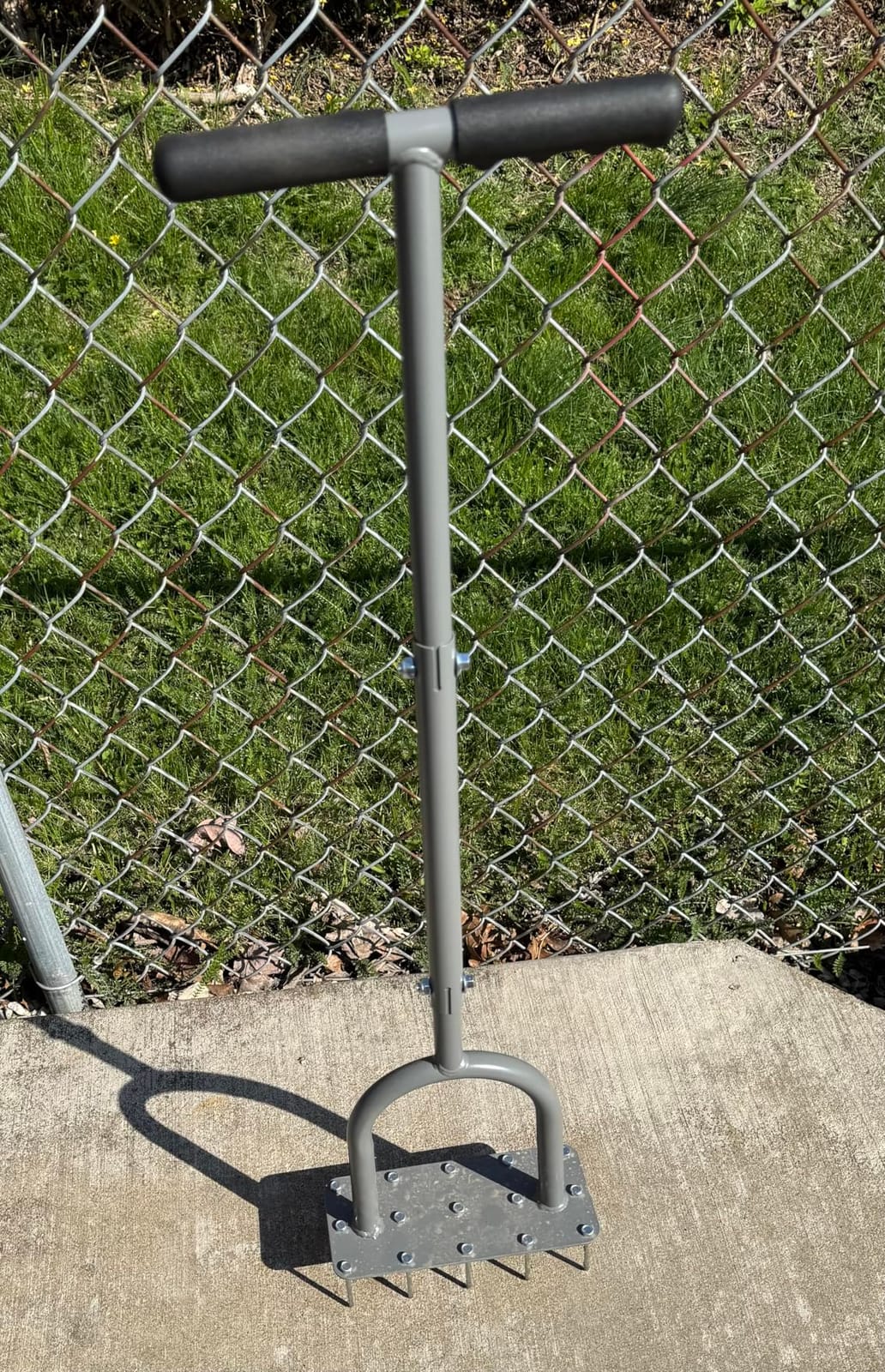
This is the tool we kept reaching for. Over several weeks of work on patches of compacted lawn, the four-row head was the reason it kept winning the job, because each press opens twenty holes spread across a 9.2 by 5.5 inch foot plate. That is roughly four times the coverage of a single-spike head per step, and on a lawn under 3000 square feet that difference is the whole ballgame.
Assembly took a couple of minutes with no tools and nothing missing, which matters if you are putting it together in a garage rather than a workshop. The 34.6 inch overall length puts the handle at a comfortable height for most adults, and the weight was light enough that we could keep going after a full pass without switching hands.
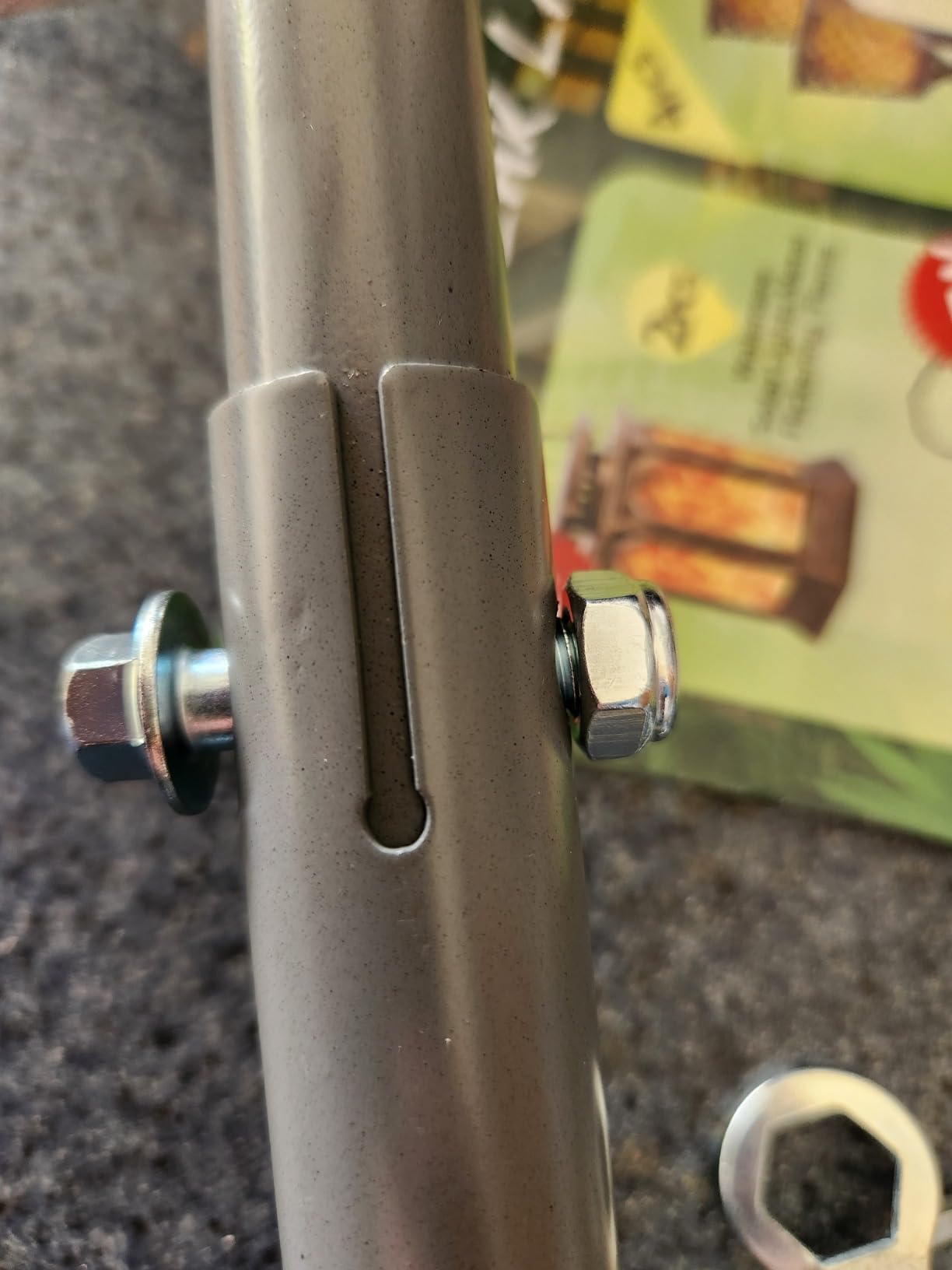
The spikes measure 2.8 inches, which is mid-pack here. Longer spikes exist, and if your soil is hard clay you may want the Colwelt model further down instead. What the Walensee does better than the longer-spike options is pace: four rows means fewer steps for the same coverage, and reviewers consistently report visible improvement in grass color and thickness after a season of use.
The one complaint that repeats is rust. These are plain steel spikes, and if you hose the tool off and leave it against the fence, you will find orange marks on the tines within weeks. Dry it and bring it inside, and the tool has held up well for us.
What it does well on a small lawn
This is the right pick for a lawn that has bare patches, thinning color and traffic paths but is not rock-hard. The twenty holes per press make spot repair and overseeding prep genuinely practical, and the lightweight build means you can finish a small yard in one sitting rather than abandoning the job half done.
Where it falls short
The small footprint cuts both ways. On a lawn of any real size, the number of steps needed to cover everything becomes the limiting factor, and by the end of a long session the repetition is tiring. If your “small” lawn is closer to 5000 square feet, expect to spend real time on it.
2. Ohuhu Aerator Sandals for Walking the Whole Lawn
Ohuhu Lawn Aerator Shoes with Hook & Loop Straps, All New Unique Design Free-Installation Heavy Duty Spiked Aerating Sandals, One-Size-Fits-All for Yard Patio Lawn Garden
One-size-fits-all spiked sandals
Hook and loop strap fastening
Pre-assembled, no installation
Pros
- No assembly required
- ready to strap on immediately
- Hook and loop straps make on-and-off fast
- Lightweight and easy to walk in while working
- Works as a cheap alternative to renting a rolling aerator
Cons
- Spikes clog with soil and leaf debris
- Coverage limited to areas the wearer can walk
- Listed dimensions and weight are sparse
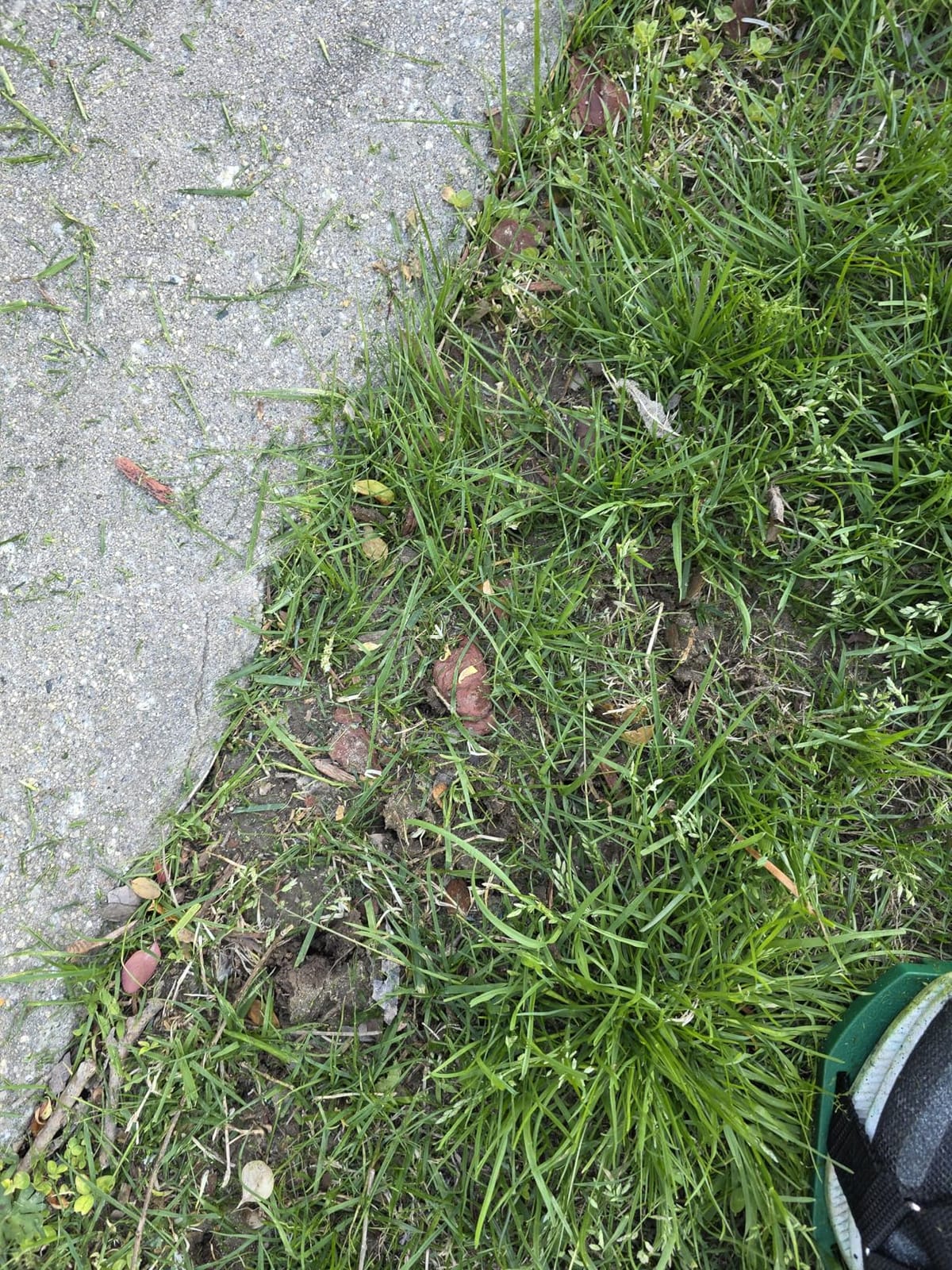
For a very small lawn, this is the fastest way to cover the entire surface. There is no handle, no foot plate and no assembly step, which means the walk itself is the work. Strap them on, walk the lawn in overlapping passes, and you have aerated everything you can reach without bending down once.
That convenience is genuine and it is why this pair carries the largest review count in the list. The hook and loop straps come on and off in seconds, which matters because you will take them off and on repeatedly. At a listed one pound, they are light enough to be worn by someone with back or knee trouble who cannot manage a foot press.
Be realistic about penetration, though. This is the shallowest approach in the guide. Spiked sandals work by distributing your body weight across small points, and on soil that is already loose and well maintained that is exactly enough. On compacted clay, the spikes tend to glance off and the effort feels wasted.
Reviewers also report clogging, which is the standard weakness of every shoe design here. Soil and leaf debris pack into the points, and after a few passes you need to knock them out before continuing.
Who should buy the sandals
Buy these if your lawn is genuinely postage-stamp sized, roughly under 1000 square feet, and you want full coverage without hauling a tool around. They are also the right answer for balconies, patios and courtyard grass where a foot plate has no room to work.
What to watch out for
The rating sits at 4.0 with the widest spread in this group, including a noticeable share of one-star reviews, and the reason is almost always expectations. People who expected machine-level core aeration were disappointed. People who wanted cheap full-lawn coverage on a tiny yard are satisfied.
3. DenForste Aerator Shoes for Rocky or Sloped Ground
DenForste Lawn Aerator Shoes for Grass – Pre-Assembled Grass Aerator Shoes for Lawn – Soil Yard Aerator Tool for Aerating Patio Garden, Black
675MPa spike yield strength
Aluminum alloy and plastic sole
Three adjustable heel straps
Pros
- Fully pre-assembled with no spike installation
- Aluminum alloy base feels sturdier than plastic-only rivals
- Spikes resist bending in hard soil and around rocks
- Adjustable straps hold the shoes in place while walking
Cons
- Straps can feel flimsy and hold unevenly
- Size range skips larger feet
- Spikes collect leaf debris if the lawn is not cleared
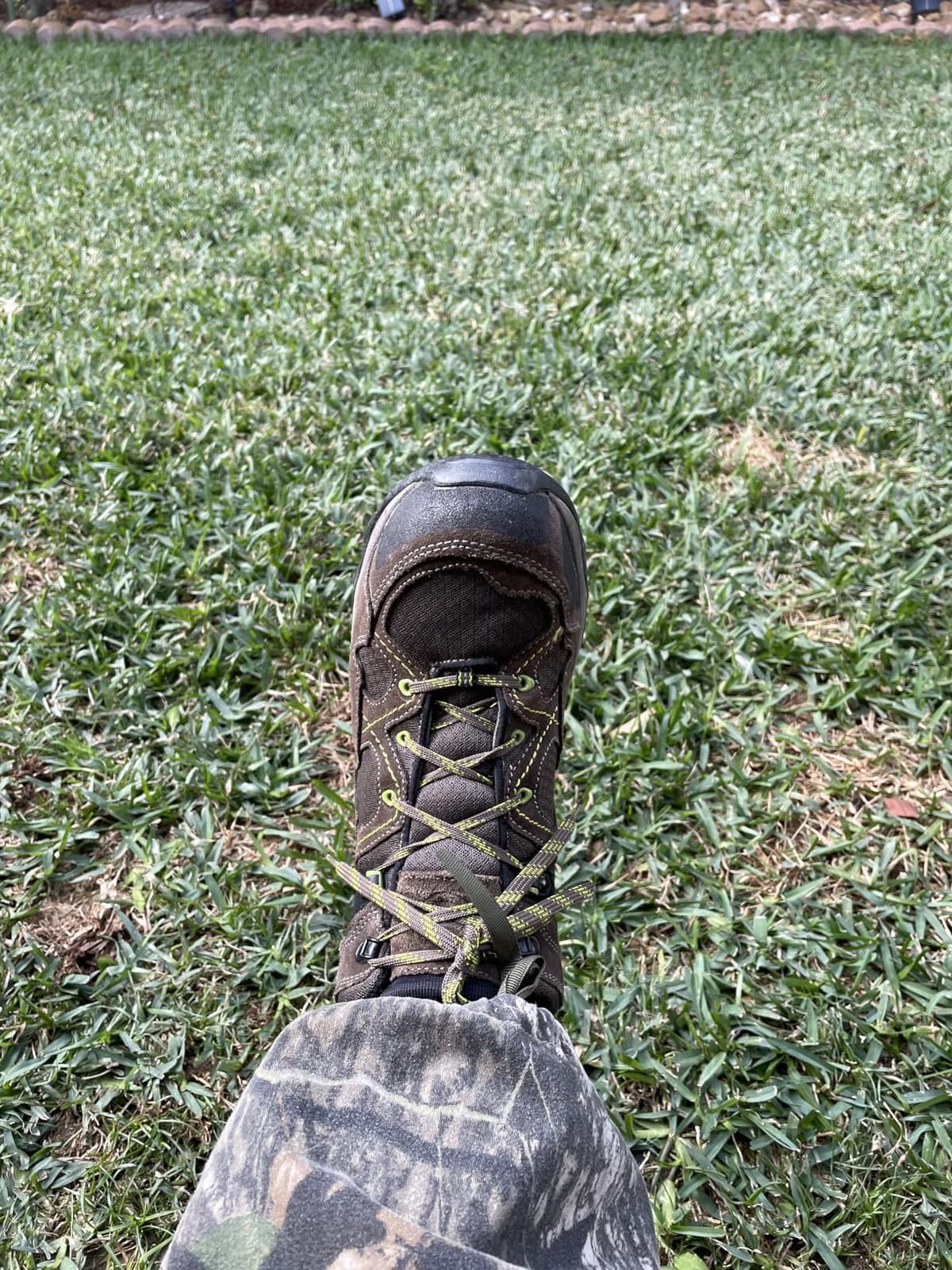
These are the shoes we would take to a yard full of stones, exposed tree roots or a slope. The spikes are rated at 675MPa yield strength, which is the number that matters when the alternative is a spike snapping off on a rock, and the aluminum alloy base does not twist the way an all-plastic sole does.
They arrive fully assembled. The 11.5 by 5 inch foot plate is already fitted with spikes, and three adjustable hook-and-loop straps wrap the heel to stop the shoe sliding off mid-stride. That is a firmer attachment than a single strap across the top of the foot, and reviewers note the shoes stay put through long mowing and aerating sessions.
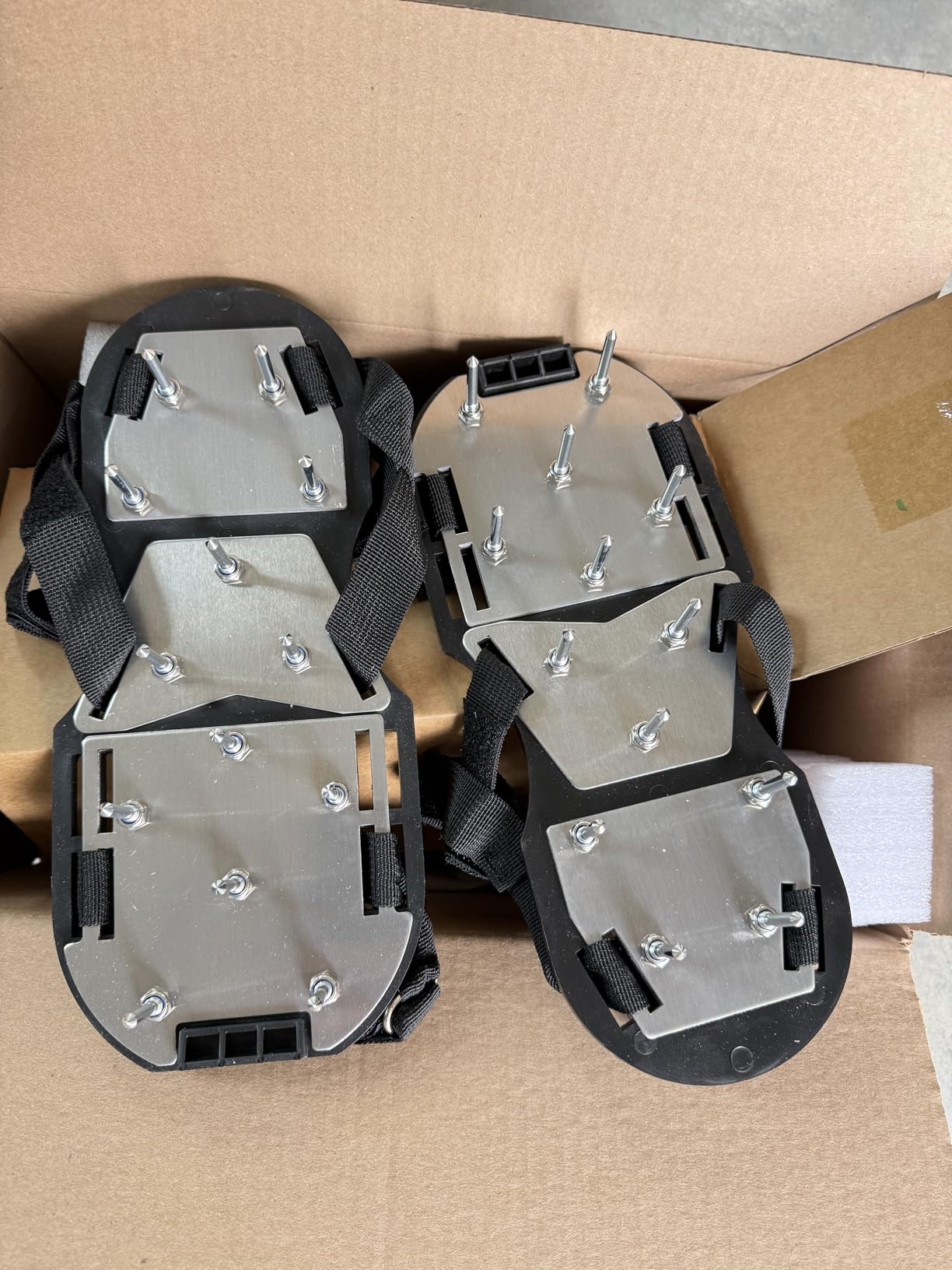
Coverage is still limited to where you can walk, so this is spot work on traffic paths and bare patches rather than whole-lawn treatment. Reviewers do report visible improvement on compacted spots, and the pre-assembled design means there is no installation step standing between opening the box and working.
Clear the lawn before you start. Fallen leaves and clippings pack into the spikes and reduce the effect, which is the most common complaint alongside strap durability and sizing.
Why it stands out on rough ground
If your small lawn has a gravelly patch, a fill area from new construction or any slope near a retaining wall, spike strength is the deciding factor. These are built for it.
Where the fit falls down
The size range is the main limitation. The foot plate covers women’s US 6-10 and men’s US 6-9, and it falls between ranges rather than covering them, so anyone with larger feet will find the shoes loose.
4. Opmeiro Aerator Shoes with a Cleaning Tool in the Box
Opmeiro Lawn Aerator Shoes – Fully Assembled Soil Aeration Shoe Pair – Yard Aerator Tool for Aerating Patio Garden Grass Lawn
13 stainless steel spikes per shoe
11.5 x 5 inch foot plate
Three heel straps
Small cleaning tool
Pros
- Spikes pre-installed so only the straps need fastening
- Aluminum alloy base survives rocky ground
- Straps stay tight through long mowing sessions
- Includes a tool for clearing packed soil and debris
Cons
- Awkward to walk in
- especially on concrete and when putting them on
- Several straps make fitting complicated and fussy
- Spikes clog with dirt
- leaves and mulch
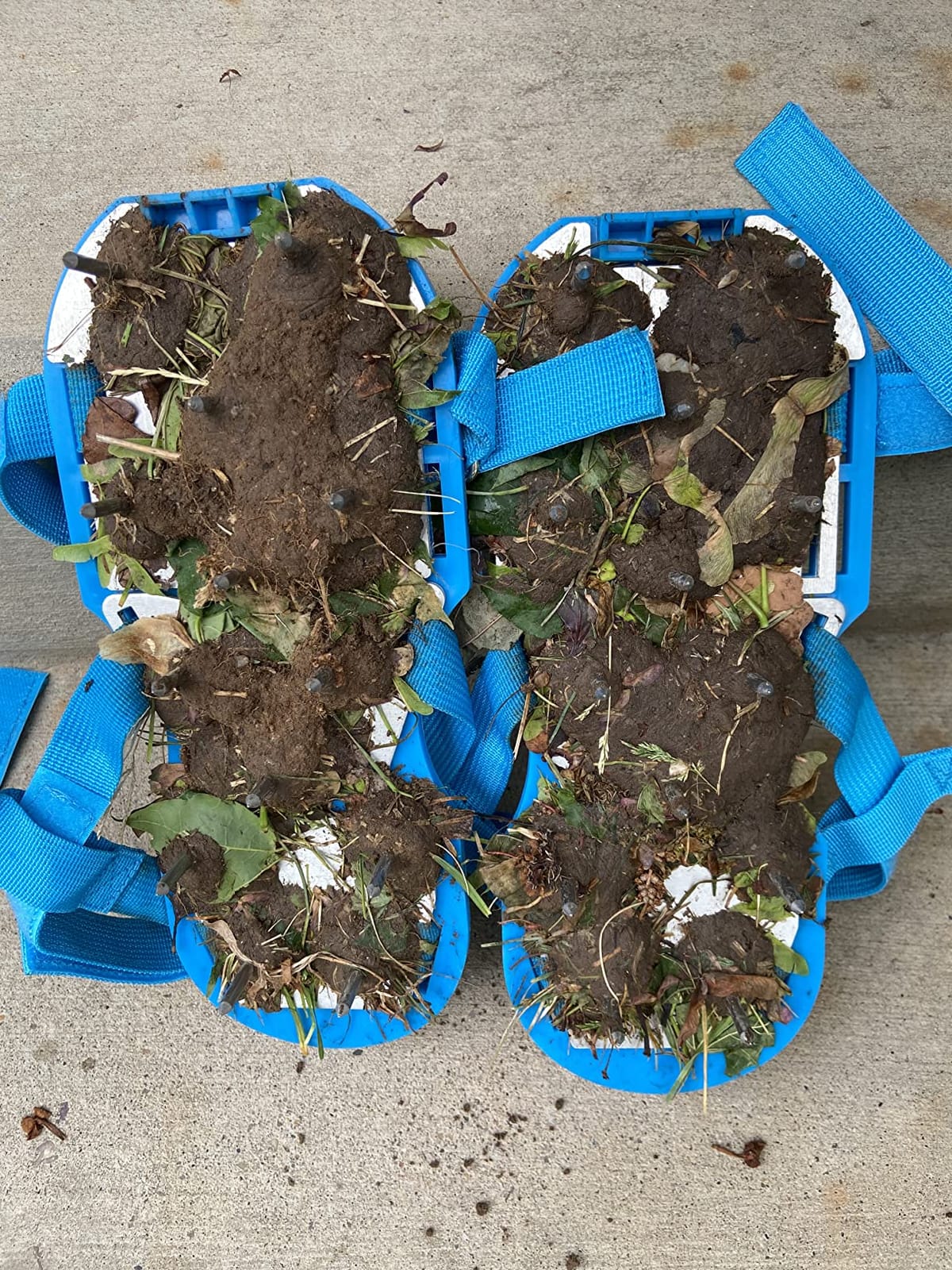
This pair sold us on the accessory bundle. A small cleaning tool ships in the box, and once you have used spiked shoes for twenty minutes you will understand why that matters, because packed soil builds up in the points fast and is miserable to clear by hand.
Thirteen stainless steel spikes per shoe sit on an 11.5 by 5 inch foot plate with an aluminum alloy and plastic sole. Reviewers confirm the spikes genuinely penetrate soil rather than only scratching the surface, and the alloy base survives yards where rocks and gravel are an issue.
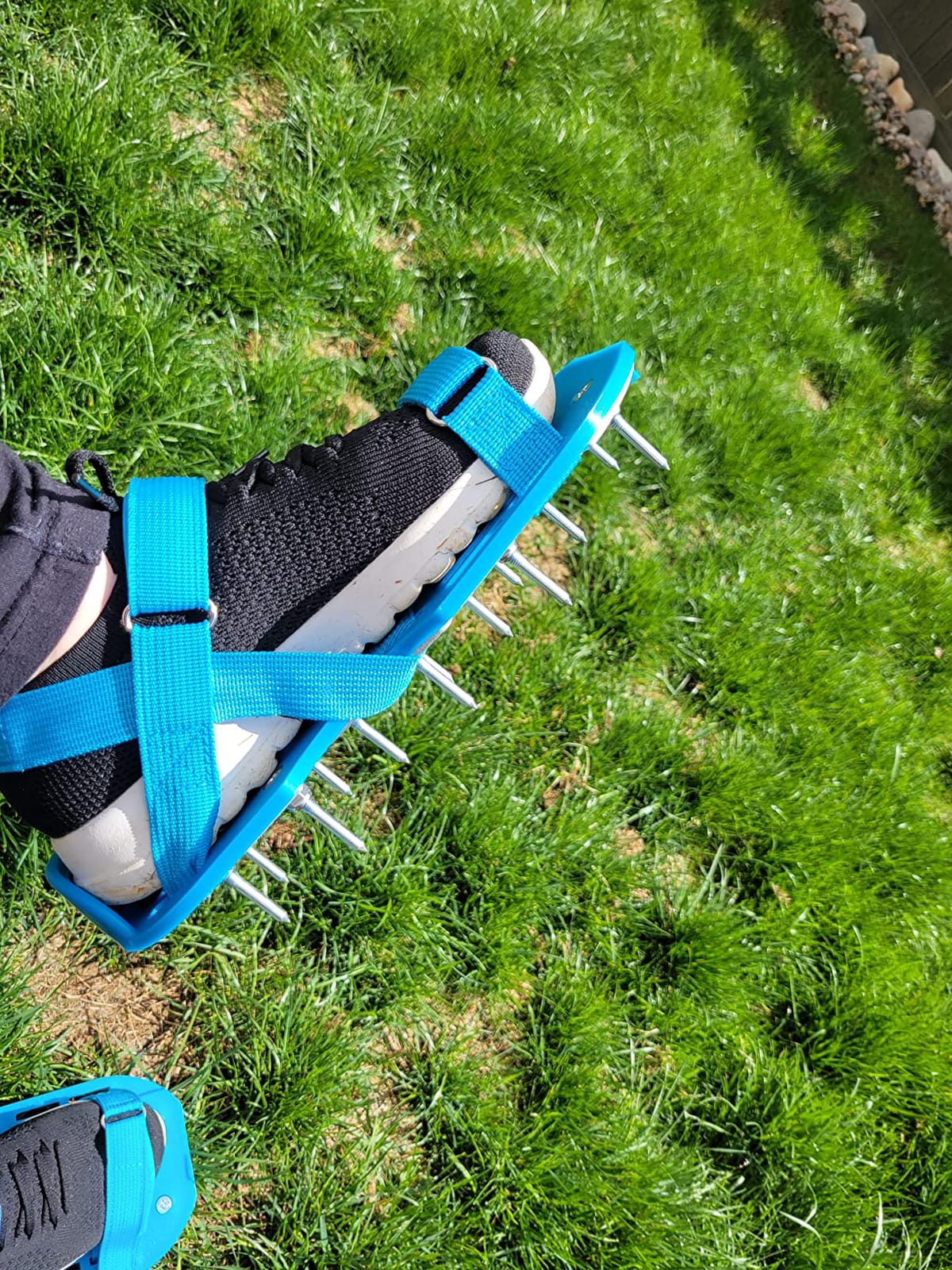
The straps are the weak point. Three adjustable hook-and-loop straps around the heel keep the shoe on, and several owners describe the fitting process as fussy, particularly with three separate straps to thread and tighten. Once on, they reportedly stay tight through long mowing sessions.
There is also a real awkwardness to walking in them, especially stepping on to concrete to cross a patio or driveway. It fades after a few minutes, but the first pass always feels strange.
Where it earns its place
For bare patches, sandy worn areas and the strip along a path, this is a fast and satisfying tool. You can treat a specific problem in ten minutes and put the shoes back in a drawer. That is a better fit for a small lawn than a full-coverage pass you never get around to.
What buyers complain about
Clogging is the recurring theme, alongside the fitting friction. Dirt, mud, leaves and mulch all pack into the spikes, and the included tool is the difference between a five-minute job and a thirty-minute one. Keep it in your pocket and use it every few passes.
5. Bakulala Aerator Shoes Built for a Wide Size Range
Lawn Aerator Shoes Pre‑Assembled with Secure Dual Instep Straps for Lawn
2 inch sturdy spikes
900D crisscross plus dual instep straps
US 6-12 fit for men and women
Pros
- Dual instep straps give a secure
- slip-resistant fit
- 900D crisscross straps feel tougher than basic hook-and-loop
- Accessory bundle includes shovel
- spare spikes and wrench
- Anti-corrosive spikes resist rusting
Cons
- Walking pace is slower and the stride feels unnatural
- Benefits limited to areas covered on foot
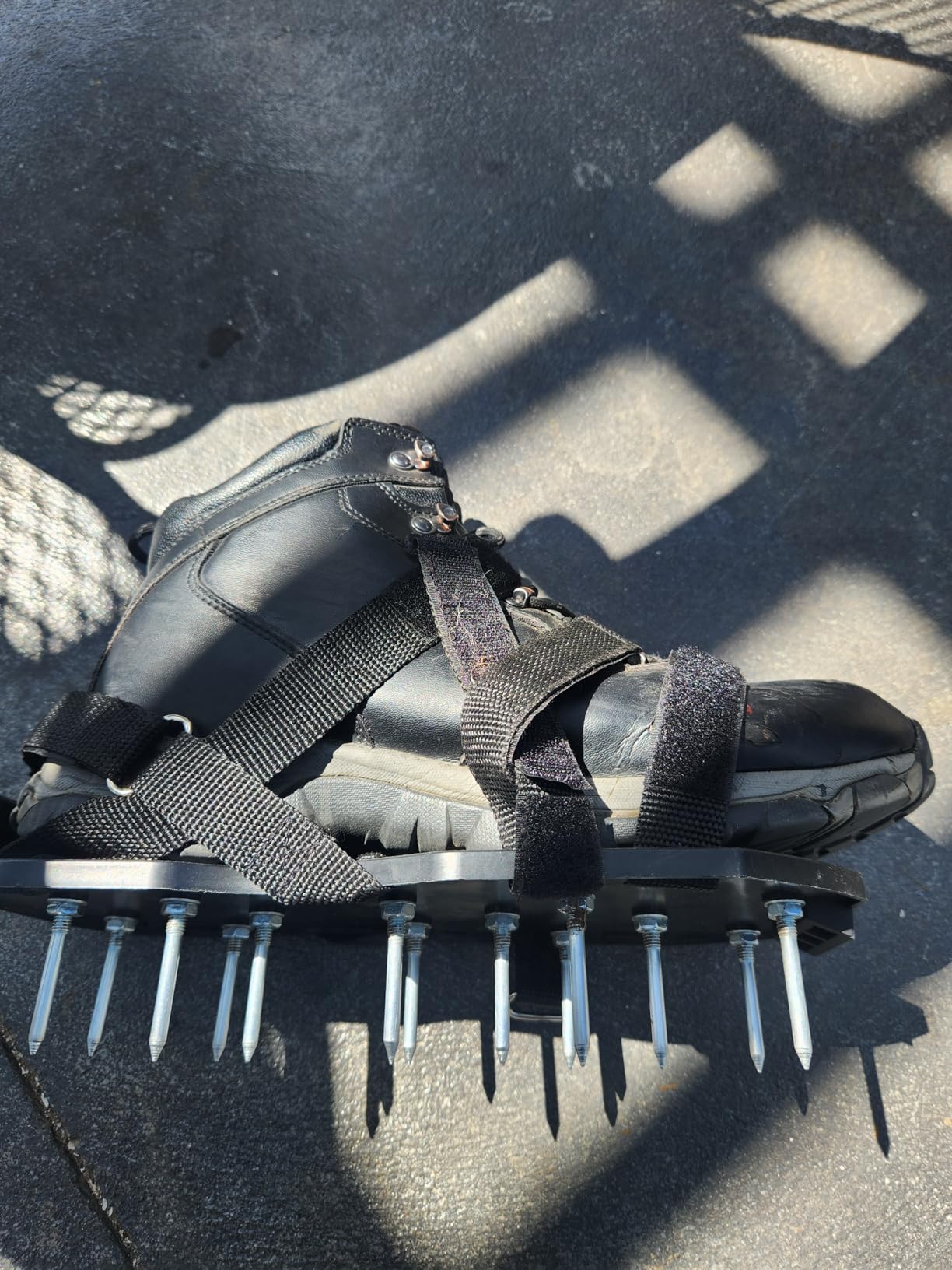
If standard sizing has bitten you before, this is the pair to look at. The fit covers men’s and women’s US 6-12, one of the widest ranges in this guide, and the fastening system uses 900D crisscross straps plus dual front instep straps rather than a single strap over the top of the foot.
That strap layout is the reason the shoes stay on. Reviewers repeatedly single out how secure the fit is, and the 900D material is noticeably stiffer and more durable than basic hook-and-loop webbing. The spikes themselves are two inches and treated against corrosion, so they do not bloom orange after a wet season.
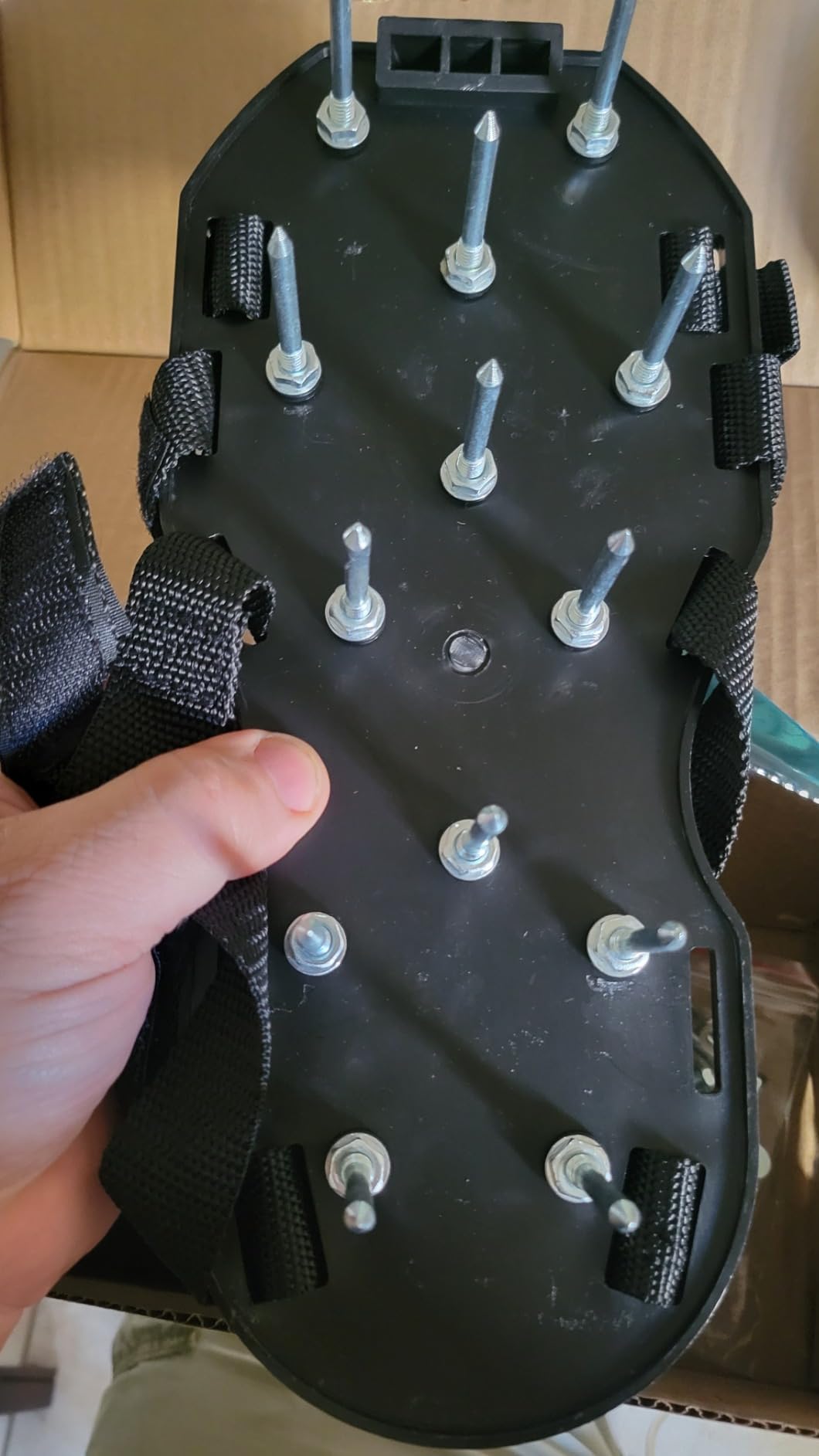
The accessory bundle is unusually complete. A stainless steel cleaning shovel, spare spikes and a small wrench all ship in the box, so if a spike does bend on a stone you have a replacement rather than a new pair of shoes.
Two inches of spike is a modest figure, and it is the main reason this pair is best used on lawns that are compacted at the surface rather than hard clay all the way down.
Best fit for larger feet
The US 6-12 span means most adults can wear these without the sizing gap that trips people up on narrower ranges. It is the single most practical reason to pick this pair over a cheaper one, and reviewers confirm the instep straps hold through a full pass without needing a retie.
The anti-corrosive spikes also make it a sensible choice if you are not fussy about wiping tools down. That maintenance you skip on plain steel is exactly what you would lose here.
What to accept
Walking pace slows down, and the stride takes practice. Owners consistently report a less natural gait, so plan on aerating in one session rather than weaving it around other chores.
And the coverage ceiling is the same as every shoe in this list: whatever ground you can walk. On a small lawn that is a feature. On anything larger, it is not.
6. Onadak Spring-Assist Aerator for Hard Ground
Onadak 15 Steel Spikes Lawn Aerator with Spring Assist for Yard Garden
15 metal spikes at 3 inch
Spring assist lift
10.6 inch foot plate
38 inch, 5 pounds
Pros
- Spring assist pops the spikes back out with far less wrestling
- Heavy-duty steel rather than thin stamped metal
- Long padded T-handle avoids bending and stooping
- 15 spikes give good coverage per press
Cons
- Handle tubes have slight play at the joint
- Supplied spanner is too small for the assembly nuts
- Polystyrene packaging fragments stick to the grease
The spring assist is the feature that sets this apart, and reviewers point to it directly. Most manual aerators leave their spikes buried when you pull up, which means wrestling the tool out of the soil and losing balance. This one uses a spring to help the plate release.
You drive fifteen three-inch spikes through a foot plate that is 10.6 inches wide and 0.8 inches thick, which is the widest foot plate in this roundup. That width spreads your weight over a larger area, so the spikes enter the ground instead of stopping at the surface. The 38 inch overall height with a padded T-handle means the work happens upright.
Construction is iron with a baked enamel finish rather than painted sheet metal, and it hoses off cleanly afterward. Reviewers report visible drainage improvement after a few passes, which is the practical result you want on a lawn that was holding water.
Assembly takes a few minutes and the tube connection only fits one way, so follow the order. It also disassembles for storage, which makes it viable in a small space if you keep the pieces together in a bag.
Why the spring matters
If you have ever fought a tool out of wet soil, you know how much time that costs over a full lawn. The spring reduces the force needed to lift each press, and combined with the long handle it makes this the least back-stressing handheld option here.
Three-inch spikes also put it ahead of the two-inch and 1.74-inch tools on the list, so it works on soil that is genuinely compacted rather than only surface-hard.
Small annoyances to plan around
There is slight play at the handle tube joint, which can feel wobbly while you push. The spanner supplied is too small for the assembly nuts, so have your own tool nearby.
Also expect to pick polystyrene packaging fragments out of the grease before you start. Annoying, but it happens once.
7. Colwelt 3.5 Inch Spike Aerator for Clay Soil
Colwelt Aerator Lawn Tool, Manual Lawn Grass Aerator with Rugged Wide Spike
Four 3.5 inch spikes
6 inch anti-slip foot plate
Cushioned T-handle
38 inch, 4.31 pounds
Pros
- Long thick spikes punch into hard clay without much force
- Wide foot plate controls depth and fits larger shoes
- Steel build survives rocks and tree roots
- Cushioned T-handle stays comfortable over long sessions
Cons
- Demands substantial physical effort and will not scale to a large yard
- Some play at the telescoping tube joints
- Spikes need cleaning of packed soil between passes
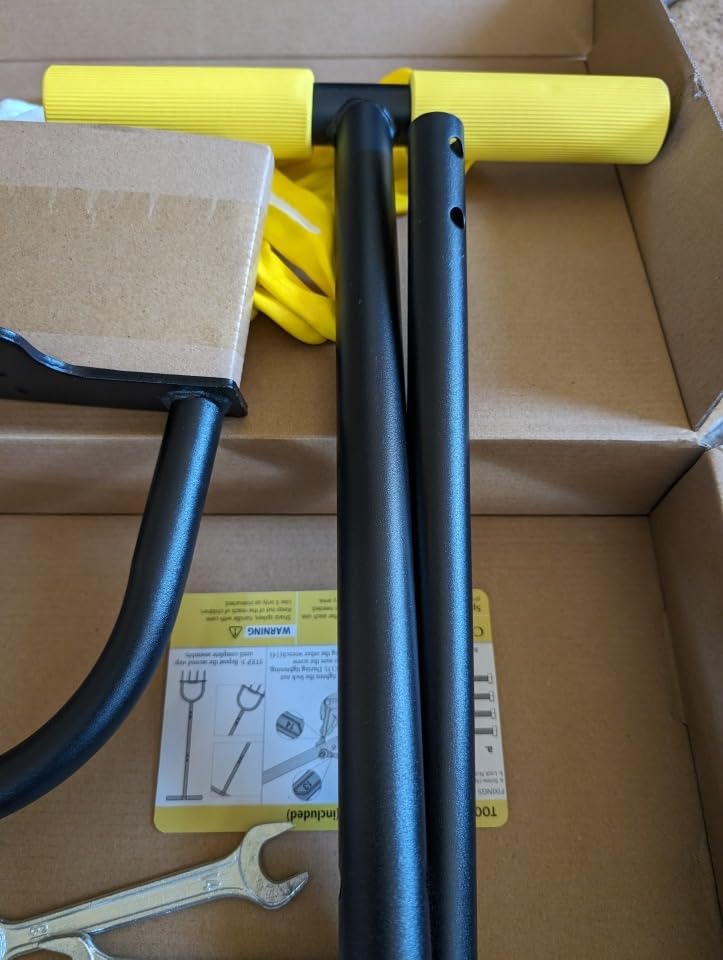
Spike length and diameter are where this one leads. Four spikes at 3.5 inches long and two-fifths of an inch in diameter give the thickest tines in this roundup, and reviewers consistently describe them punching into hard clay soil without much force.
Only four spikes means less coverage per step than the Walensee or Bluesea, but each hole is substantially bigger. On hard ground that trade is clearly worth making, because a wide shallow hole in clay achieves very little while a deep one opens a real channel.
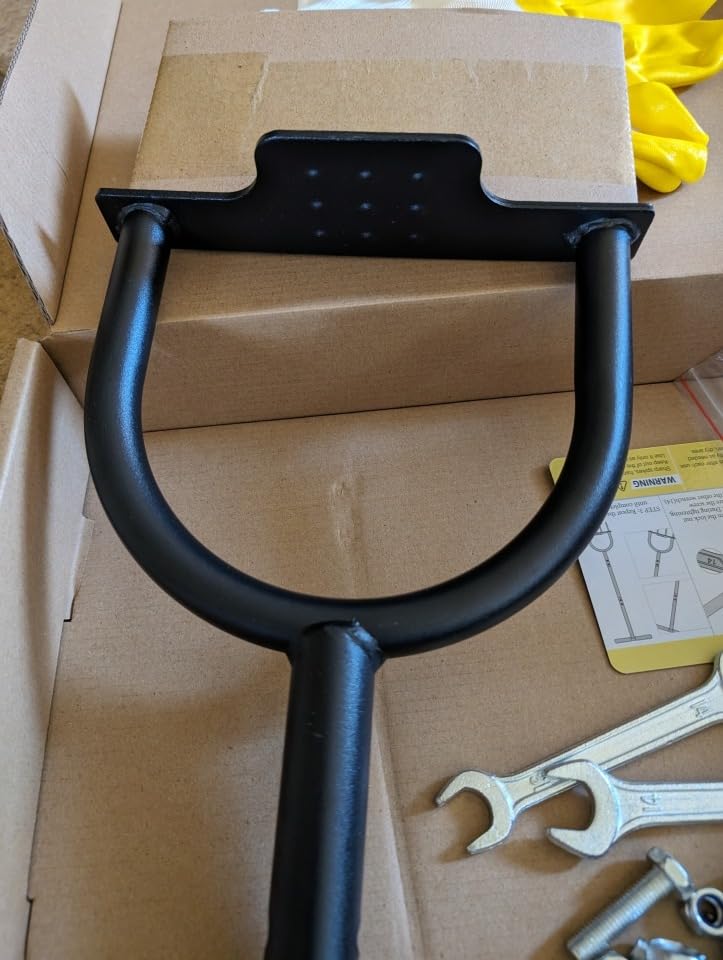
The foot plate is 6 inches wide and 5.5 inches high with an anti-slip surface, which lets you control how deep each spike goes by shifting your weight. It also accommodates larger shoes, which is a real problem with narrow plates. The cushioned T-handle at 38 inches assembled height reduces strain across a full session.
This is a three-section pole design, so it comes apart for storage and goes back together in minutes with all fixings and tools supplied. Watering the lawn the day before makes a large difference in clay, and reviewers consistently note that.
Made for the hardest small lawns
Clay is where spike tools earn their place, because clay holds water, packs tight and resists everything short of a real spike. The 3.5 inch length here is what gets you below the compressed surface layer, and the thick diameter keeps the hole open rather than letting it close again immediately.
It is also a genuinely useful shape for awkward areas. Four spikes reach into narrow corners, around a downspout or along a fence line where nothing with a wider head will fit.
The effort involved
Be honest with yourself about the physical demand. Reviewers describe results on small lawns as strong and large yards as out of reach, which is a fair summary. Each press is real work.
There is also a little play at the telescoping joints. Some owners reduce it with duct tape, which tells you it is a tolerance issue rather than a structural one. Clean the spikes between passes and it will run smoothly.
8. Saker Aerator with Automatic Soil Ejection
Saker Manual Lawn Aerator Tool with 15 Iron Spikes Black
15 spikes at 2.3 inch
Spring ejects soil automatically
Screw-reinforced foot pedal
Adjustable handle
Pros
- Double-layer spring sheds soil so spikes do not clog
- Screw-reinforced foot pedal carries more load than a welded joint
- Adjustable handle height suits different users
- Thickened iron with rust-resistant coating
Cons
- Shortest spikes in this group at 2.3 inch for hard soil
- Heaviest listed unit
- which adds effort per press
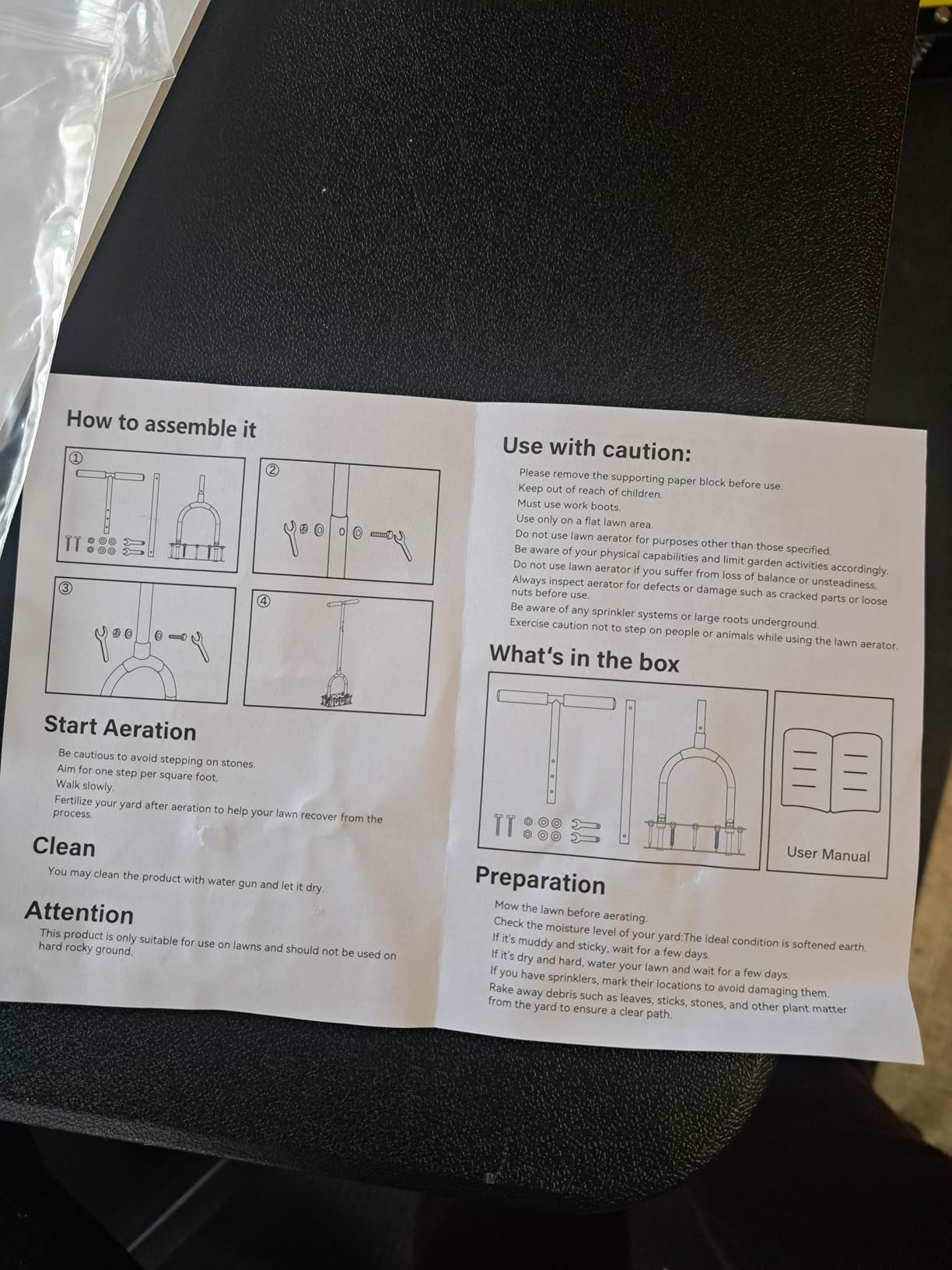
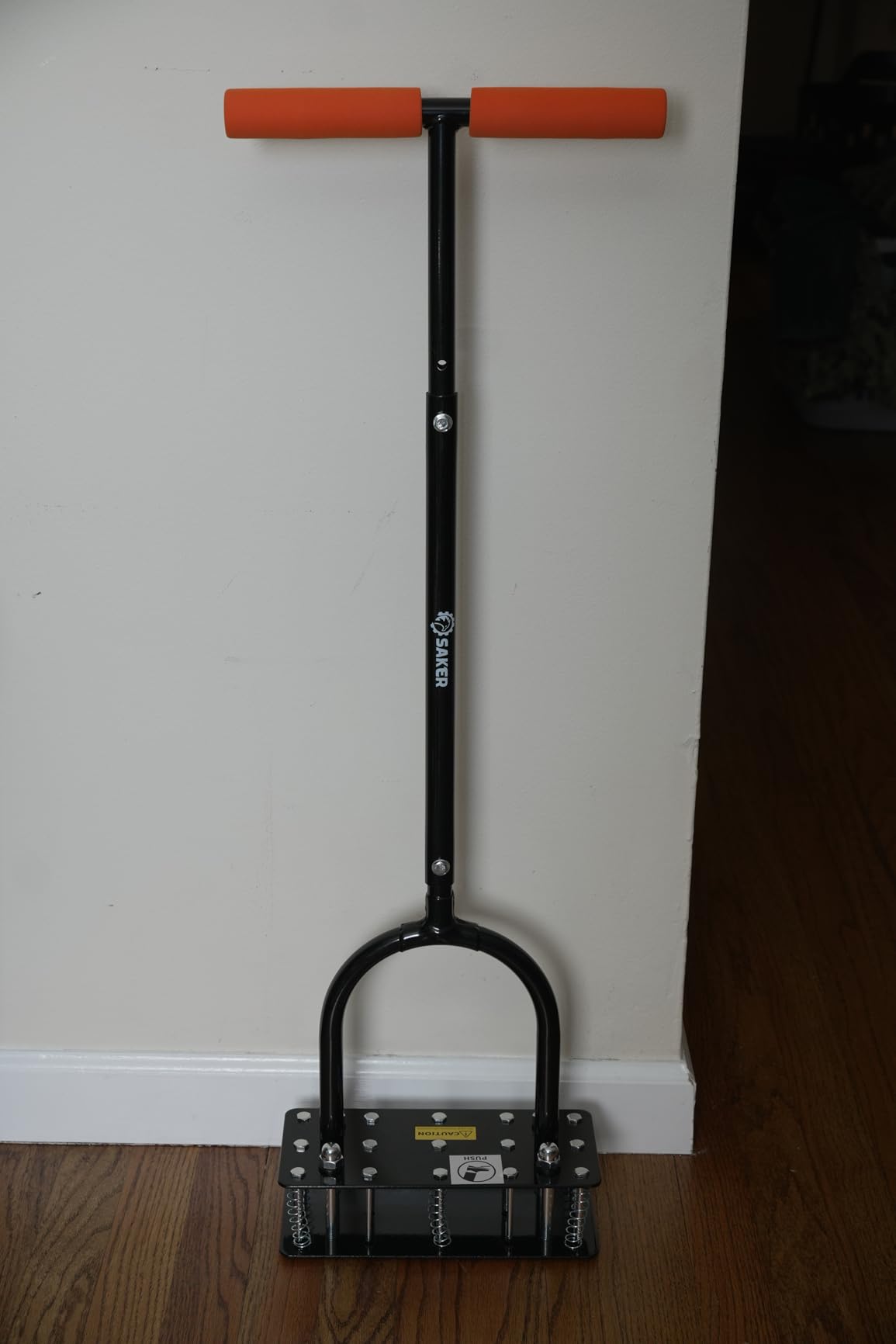
The self-cleaning mechanism is the reason to look at this one. A built-in double-layer spring ejects soil and debris automatically as you work, which removes the single most common complaint about manual aerators. You do not stop every few passes to clear packed spikes.
Fifteen iron spikes at 2.3 inches make multiple holes per step, and the foot pedal is joined with high-strength screws rather than welding, which reviewers credit with a higher load capacity. Handle height adjusts from 32.2 to 35.4 inches, so shorter and taller users both get a workable position. Protective gloves ship in the box.
The trade-off is weight. At 6.53 pounds listed, this is the heaviest tool here, and that mass goes into your legs and lower back on every press. Combined with the handle adjustment it stays manageable, but it is a real consideration if you already have joint trouble.
It is also the only model in this roundup that lists protective gloves as a standard inclusion, which tells you something about how the manufacturer expects it to be used.
For anyone tired of stopping to clear spikes
Clogging is the reason people abandon hand aerators. Soil packs into solid spikes, penetration drops to nothing, and you end up clearing a putty knife’s worth of muck every few square feet. The double-layer spring handles that automatically.
That makes it the pleasantest tool to use over a long afternoon, and with fifteen spikes per press it still covers ground at a reasonable pace.
Where it stops working
Two-point-three inch spikes are the shortest of the handheld tools in this roundup. On soil that is hard all the way down, that length is the binding constraint, and the added weight helps but does not fully solve it.
The weight is a genuine downside for a single user working a small lawn alone. It is a well-built tool, just a demanding one.
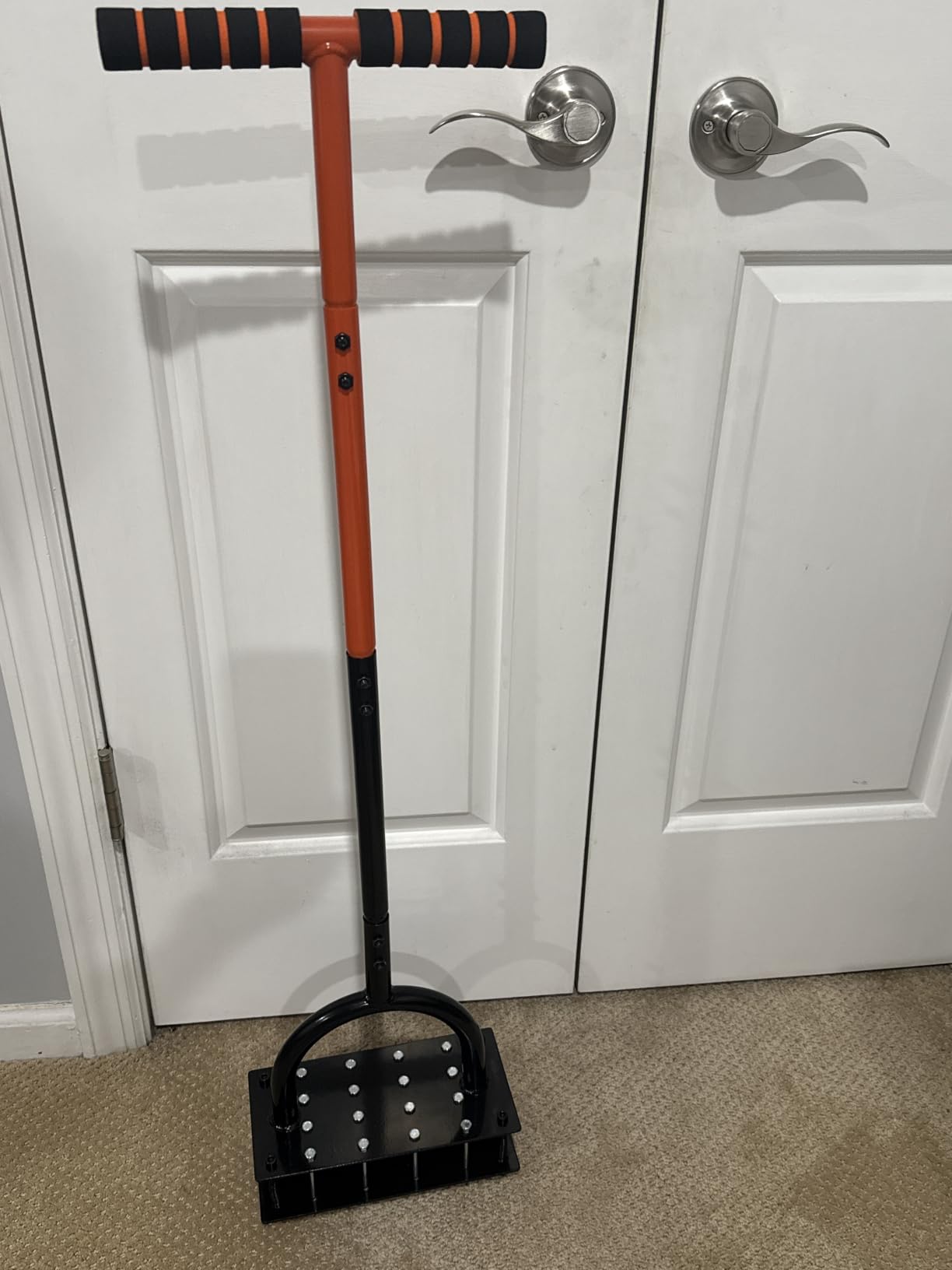
9. Bluesea 16-Spike Aerator for Wider Coverage per Step
Bluesea Lawn Aerator with 16 Iron Spikes & Ergonomic T-Handle, Orange
16 spikes at 3.5 inch, 4x4 grid
Double-layer spring sheds soil
Argon arc welded 2mm steel
Pros
- Highest spike count here at 16 in a 4x4 grid for even coverage
- 3.5 inch spikes reach deeper than most manual aerators
- Double-layer spring keeps tines clear without cleaning
- Argon arc welded plates give real structural rigidity
Cons
- Lowest average rating here
- with a 12 percent one-star share
- Coverage limited to ground you can cover on foot
- Coating still needs debris cleared between passes
This is the most interesting combination of numbers in the roundup. Sixteen spikes at 3.5 inches in a four-by-four grid gives you the deepest spikes available and the widest spread of holes per press at the same time, which is normally a trade-off you have to make.
The structure is serious. Two millimeter reinforced steel plates are joined by argon arc welding, and an electrostatically applied anti-corrosion coating handles the rust problem that plagues plain steel spikes. A double-layer spring mechanism shakes soil off after each pass, so the self-cleaning benefit is there too.
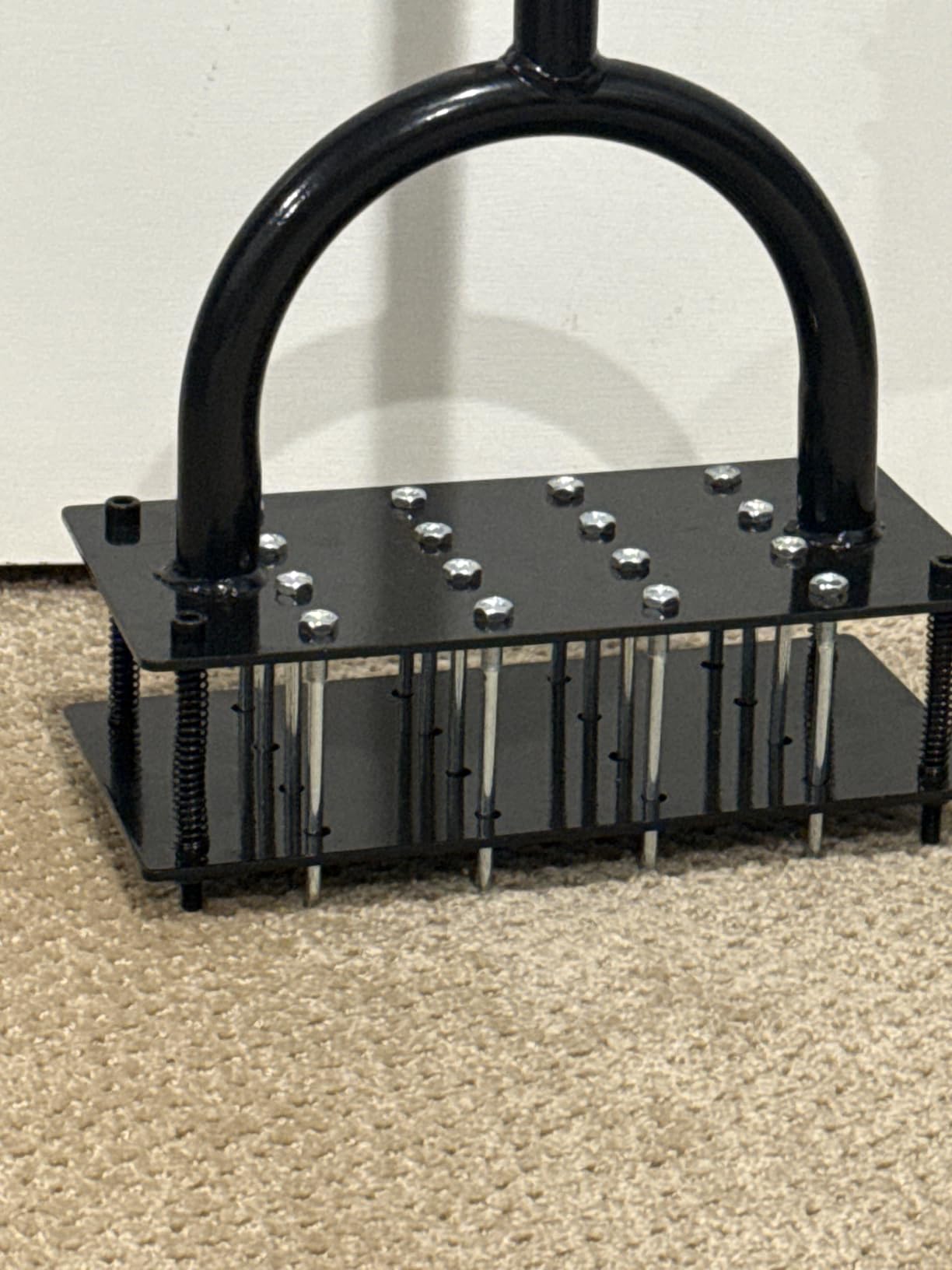
Spikes and springs arrive pre-installed. You only attach the steel tube, which makes setup among the shortest of the handheld tools. The handle uses thermoplastic elastomer for grip comfort.
Reviewers like the spike count and the length, and report that the grid pattern spaces holes evenly enough for overseeding work. The self-cleaning spring behavior is well received.
The best coverage-to-effort ratio here
Sixteen holes at 3.5 inches deep per press is a lot of aerating for one step. If your small lawn is on the larger end of small, say closer to 3000 square feet, that ratio does more for you than any ergonomic improvement.
The grid layout also matters for seeding. Evenly spaced holes at a workable depth are exactly what you want before scattering seed, and this tool delivers that without you having to overlap passes as carefully.
The honest drawback
It has one of the lowest average ratings in this group and a comparatively large one-star share at twelve percent. Reviewers who were satisfied praised the spike count and length; the dissatisfied group tends to report results weaker than expected on tougher soil.
So buy it for spike count and depth, not as a miracle tool. It also still needs debris cleared from the spikes occasionally despite the coating, and the 2.83 kg listed weight is real.
10. Leweio Aerator Shoes for Compacted Clay
Pre-Assembled Lawn Aerator Shoes with Secure Adjustable Strap for Clay Soil
3mm thickened metal sole
2 inch heat-treated spikes with lock nuts
Adjustable hook-and-loop straps
Pros
- Thickened metal sole resists breaking and bending
- Heat-treated spikes penetrate compacted soil effectively
- Arrive fully assembled with no setup
- Stable
- secure fit while walking the lawn
Cons
- Hook-and-loop straps can loosen and fall off
- Weaker penetration on very dry soil
- Water the lawn first for best results
This is a metal-soled shoe rather than the usual plastic base, and you can feel the difference. A 3mm thickened metal sole resists bending and twisting, which is what lets the two-inch heat-treated spikes hold their line when the ground is not cooperating.
Reviewers describe these as sturdy, stable and effective at loosening compacted soil, and the spike fit uses secure lock nuts so they do not work loose during a session. They arrive fully assembled, so the only setup is putting them on.
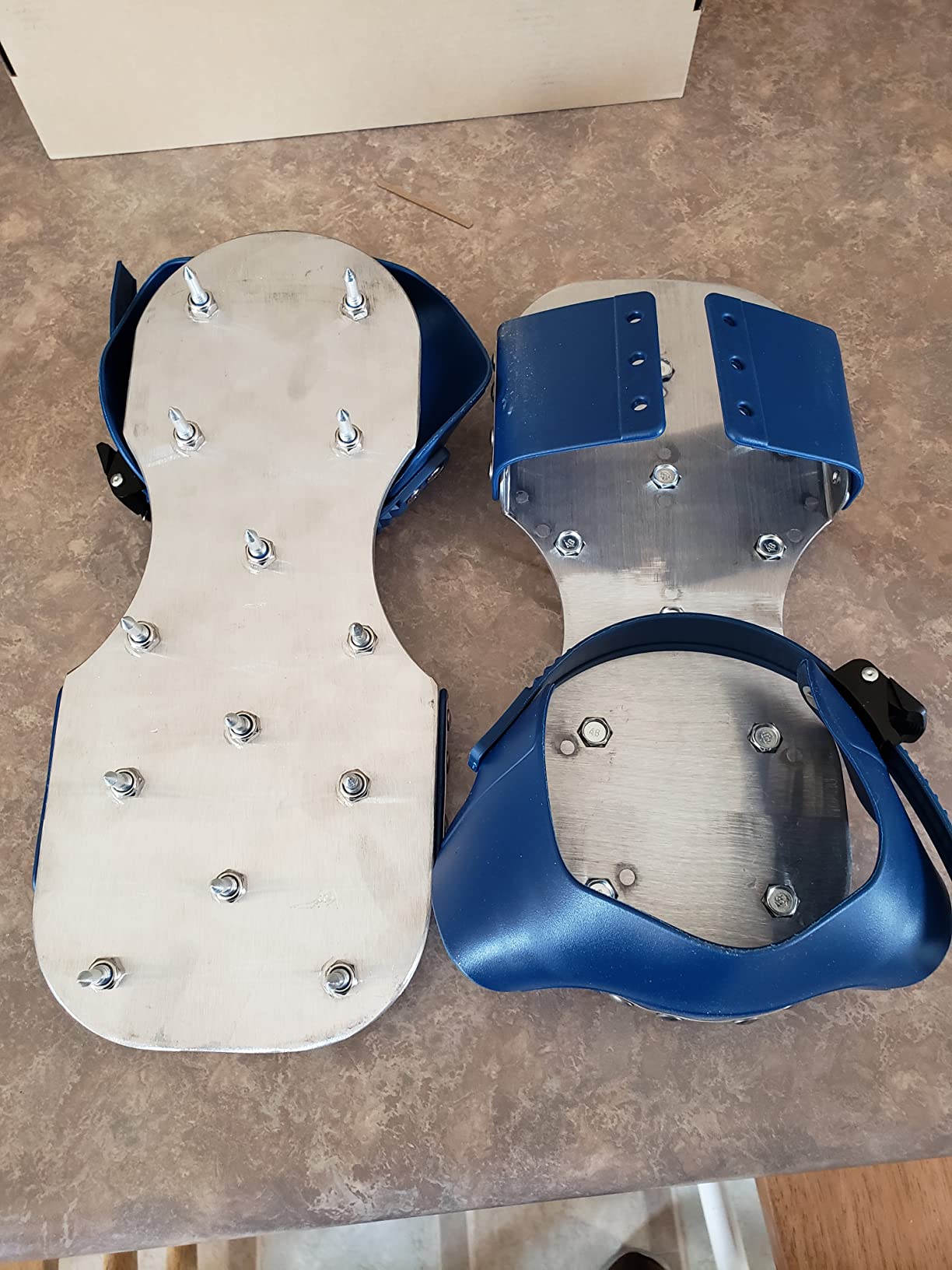
They are listed for clay, sand and loamy soils, which is a broader claim than most shoes in this roundup make. On clay in particular, the heat-treated spikes are reported to penetrate effectively rather than just skating across the surface.
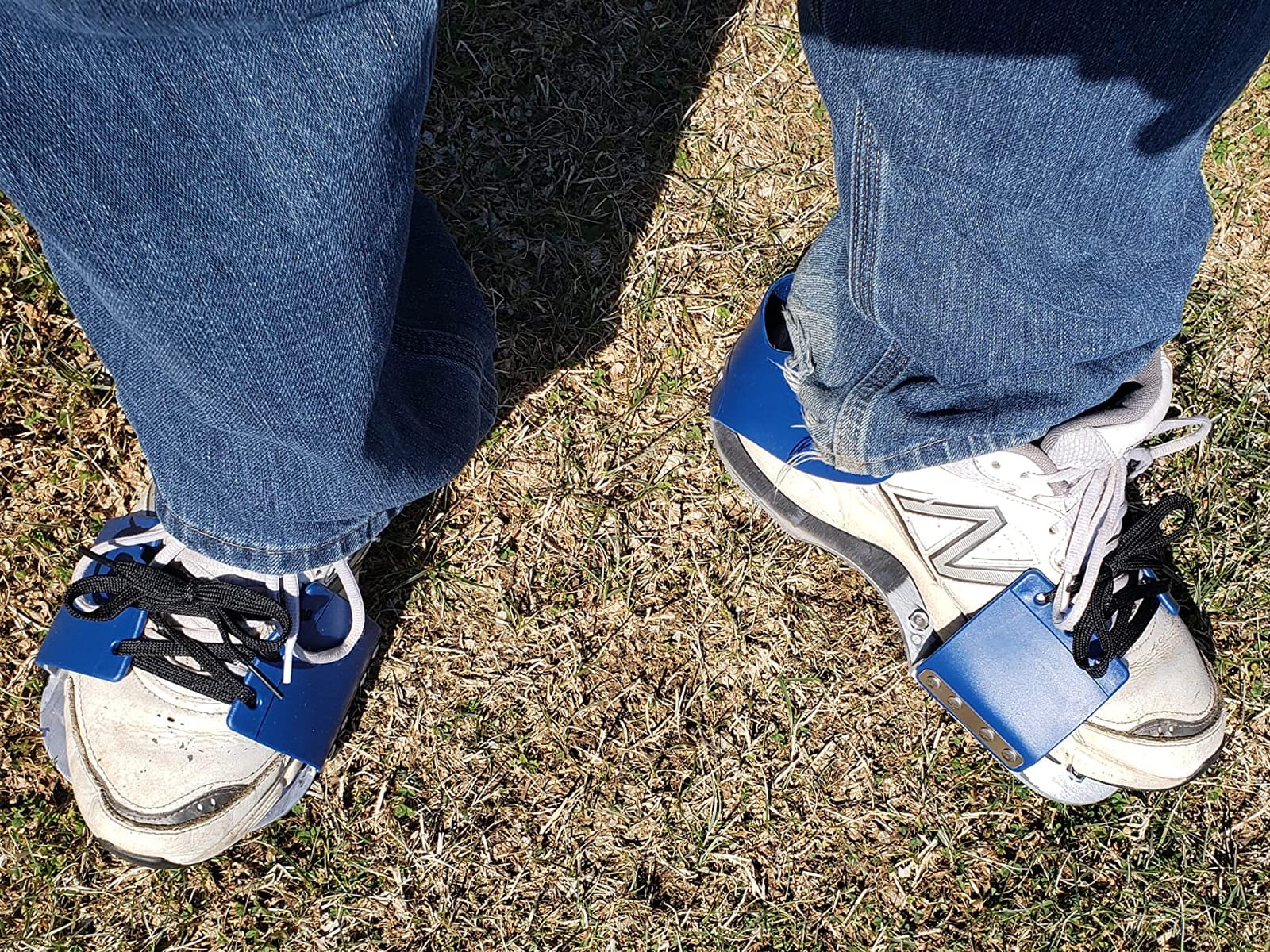
Adjustable elastic hook-and-loop straps fit most adult shoe sizes, which covers the sizing problem that affects several cheaper pairs.
When the lawn is on the dry side
The important caveat is moisture. A minority of buyers note weaker penetration when the lawn is very dry, and the advice is straightforward: water first, then aerate. Softened ground lets two-inch spikes go in properly. Bone-dry ground makes them glance.
That is true of every tool here, but it matters more for a short-spike shoe, so plan the watering into your day rather than treating it as optional.
Watch the straps
Some buyers report the hook-and-loop straps loosening and the shoes coming off during use. Not everyone sees it, but check them every few passes if you are walking a long patch.
Otherwise this is a well-made, no-fuss option for a small lawn where you want something that works the first time you put it on.
11. RIFPOD Aerator with Adjustable Handle Height
RIFPOD Lawn Aerator, Automatic Dirt and Leaf Clean Design, Heavy Duty Manual Lawn Aerator Tool with 15 Iron Spikes, Height Adjustable, Yard Grass Aerator for Lawn(Black)
Spring auto dirt and leaf release
15 spikes at 1.74 inch
32-35 inch adjustable handle
Pros
- Dual-layer spring stops spikes clogging with soil and leaves
- Sturdy well-built iron that resists rust
- Adjustable handle suits different users and eases back strain
- Assembles quickly with basic hand tools
Cons
- Spike holes are smaller than the illustrations suggest
- Solid spikes do not pull soil plugs
- Requires physical effort and prep work
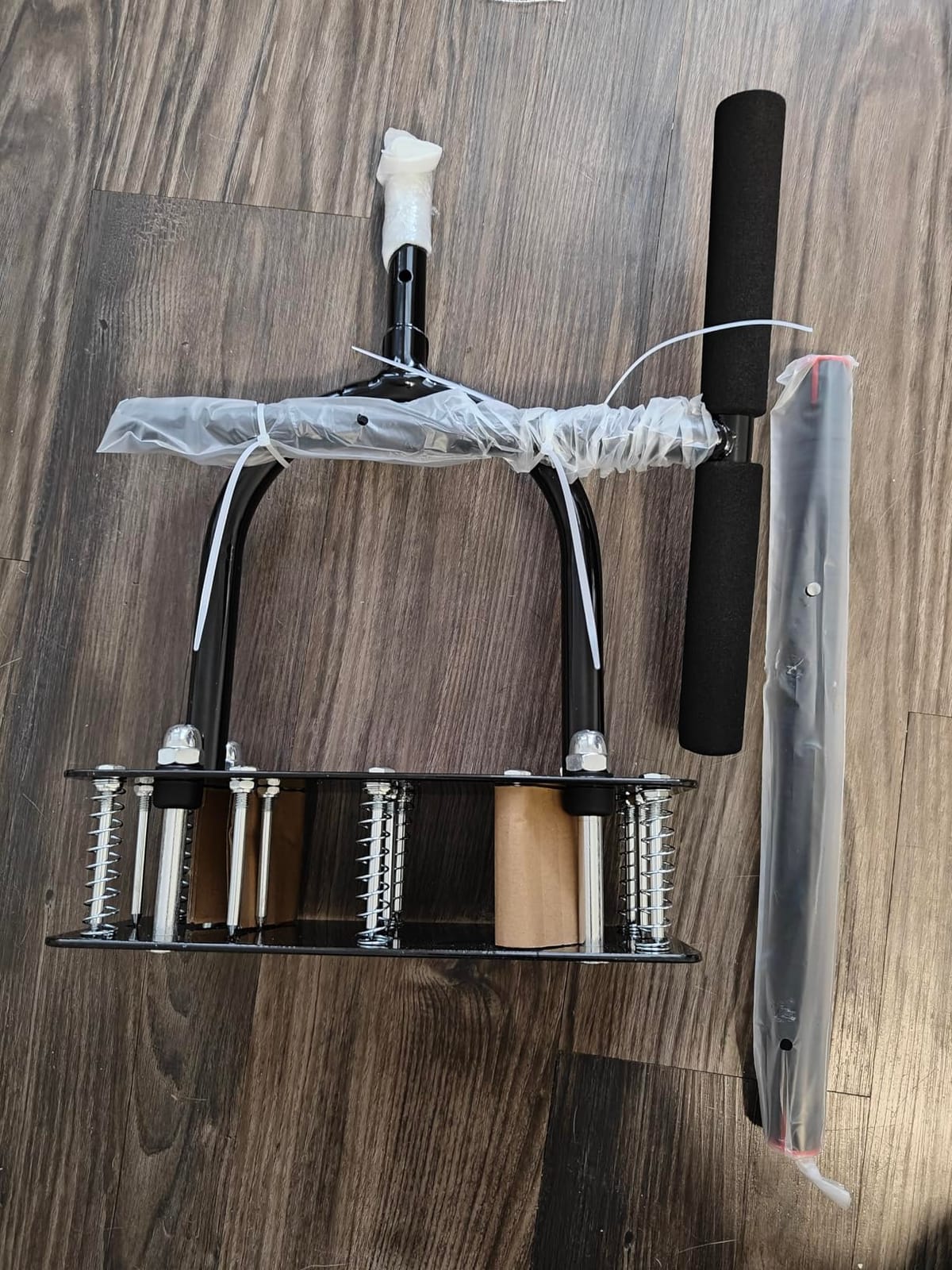
The adjustable handle is the reason this one is worth a look for a shared lawn or a house with two different heights of user. The shaft runs from 32 to 35 inches, which covers a real range of body heights and takes pressure off the lower back.
The patent-pending double-layer spring handles automatic dirt and leaf release, and owners list that self-cleaning action alongside the sturdy construction as the main reasons they like the tool. The frame is thickened iron with arc welding and rust-resistant surface treatment, and it assembles with screws, washers and a small wrench.
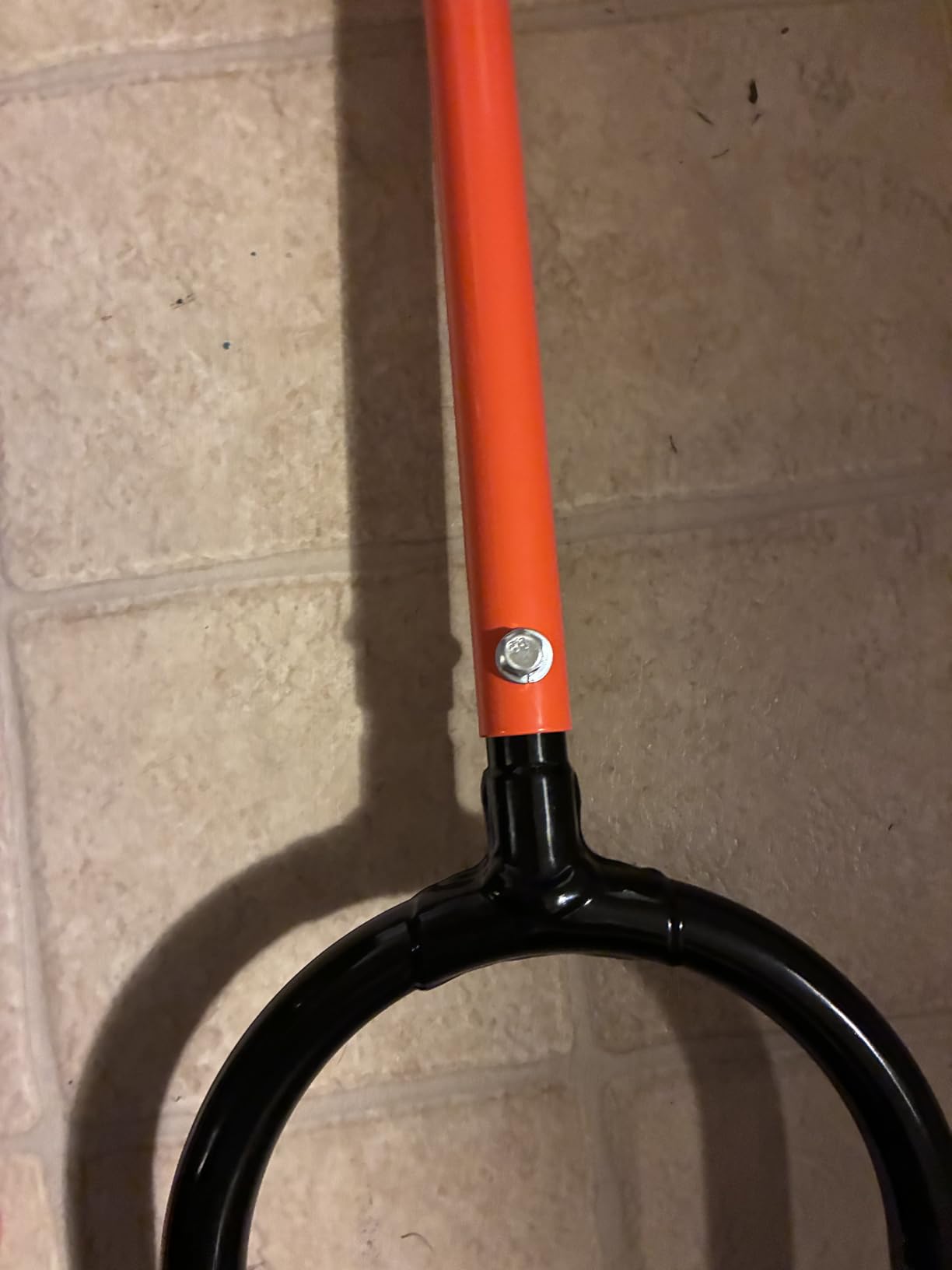
Fifteen iron spikes give a reasonable spread of holes per press. Reviewers also point out good value against the cost of renting an aerator, which for a small lawn used once or twice a year is a legitimate comparison.
Arc welding plus rust-resistant treatment means this is a tool you can hose off and leave without watching for orange tines the next morning.
A good shared or multi-user tool
Most manual aerators come with one fixed handle height that suits one person. This one adjusts, which makes it the practical choice for a household where two people share the lawn care, or for anyone whose height has changed since they bought their last tool.
It is also among the more compact designs when disassembled, which matters in a small storage space.
The honest limitation
Owners report the spike holes are smaller than the product illustrations suggest, and at 1.74 inches these are the shortest spikes in the roundup. That makes it a surface-compaction tool rather than a deep-soil one.
And it will not pull soil plugs, so if core aeration is your goal you need a different category of tool. Owners also note it takes prep work and real effort, which is fair for any manual aerator.
12. Flying Ideas Aerator Shoes with Ankle Protection
Aerator Shoes, Lawn Aerator Shoes for grass with Foot Protection ,Aeration Shoes for Lawn with Adjustable Strap, Pre-Assembled Aerating Shoes for Lawns, Gardens, and Courtyards (Black&Dark Blue)
Soft leather ankle wrap
Lacing plus locking buckle
US 6-12 fit
Anti-loosening spike nuts
Pros
- Lacing and buckle keep the shoes from slipping off while walking
- Soft leather wrap adds comfort and ankle protection
- Fully assembled
- tie and go
- Anti-loosening nuts keep spikes secure
Cons
- Spikes should be tightened before first use
- Best results on dry grass since wet turf gums up the spikes
- Takes practice to adjust to the altered stride
This is the one to consider if your small lawn has a slope, uneven ground or anything that makes a loose shoe a hazard. Instead of hook-and-loop straps, it uses a soft leather ankle wrap with adjustable lacing and a locking buckle, so the shoe stays put even on a tilt.
That ankle protection is the differentiator. Most spiked shoes expose the ankle entirely, and on rough ground that ends badly. Buyers find these effective, comfortable and well priced, and the buckle system prevents the shoes from coming off mid-walk.
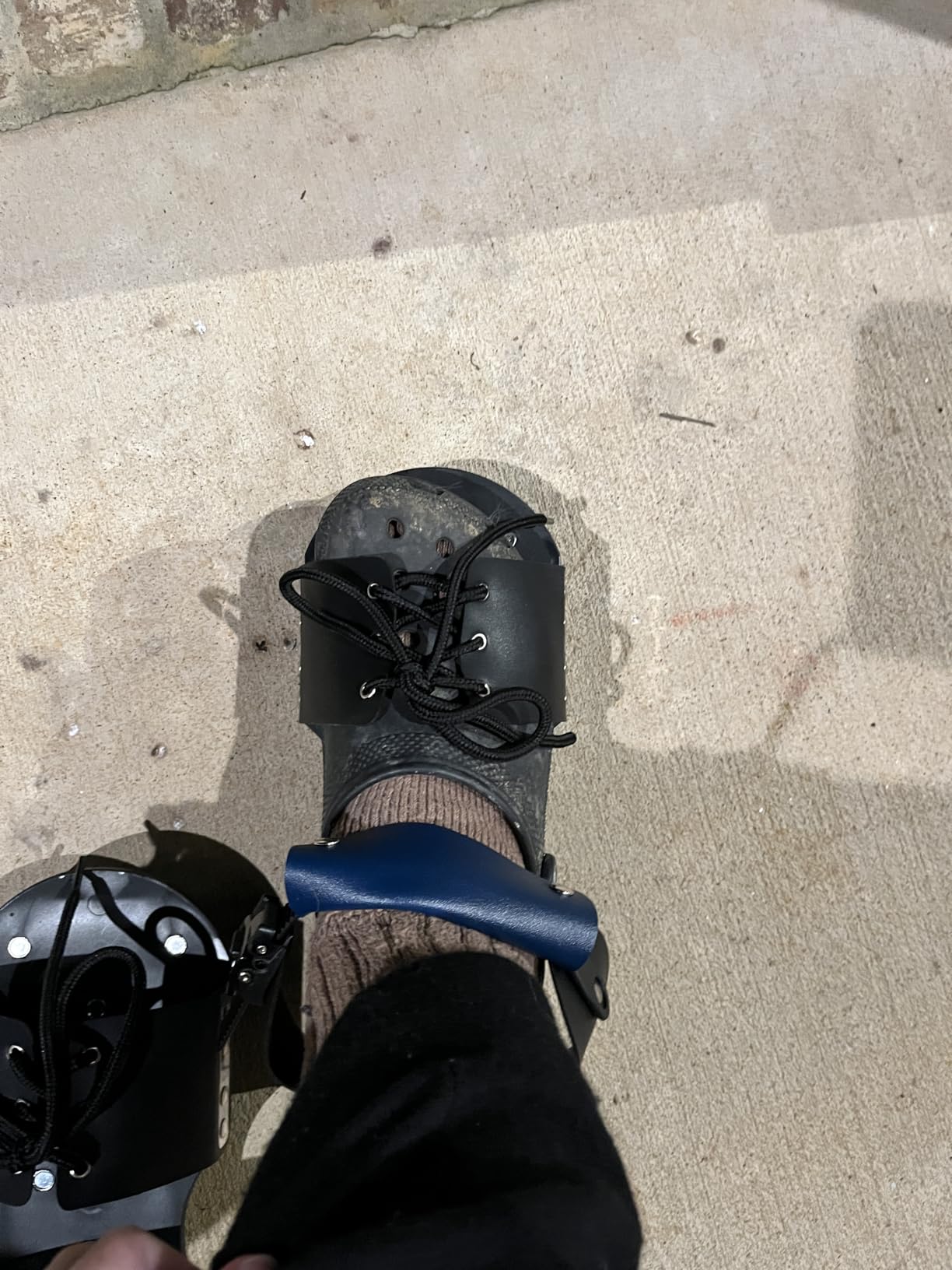
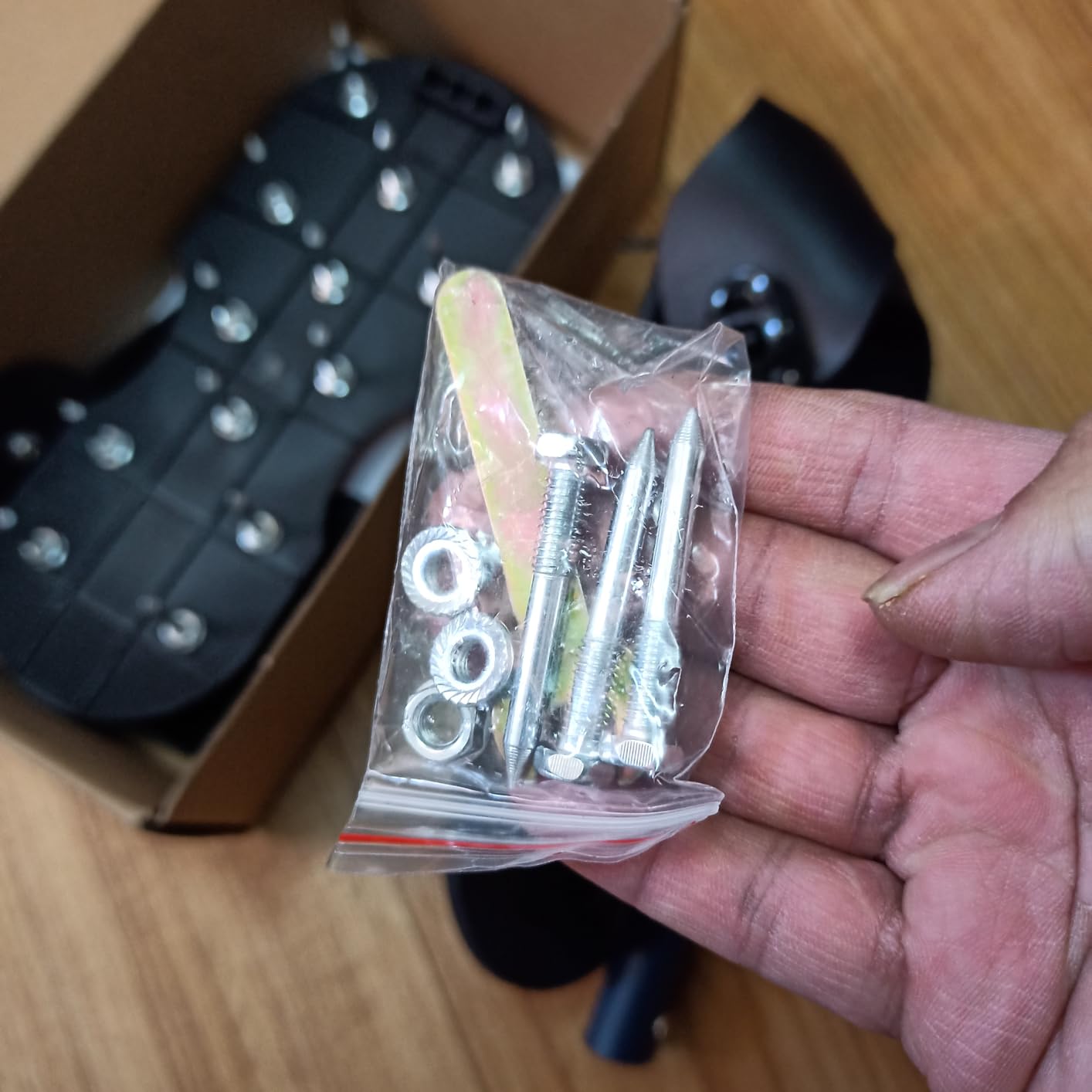
Anti-loosening nuts hold the spikes secure between uses, though you should tighten them yourself before the first outing. Fitting covers shoe sizes 6-12 through the lacing system, and the shoes arrive fully assembled, so you tie them and go.
Reviewers report the spikes work well for breaking up compacted lawn without hiring any equipment, which is exactly the small-lawn use case.
Best for uneven or sloped ground
Secure fit and ankle coverage are the whole point here. On a lawn with a slope, a raised edge or tree roots, a shoe that stays on and protects the ankle is worth more than a marginally deeper spike elsewhere in this list.
The buckle also means fit adjustments take seconds, so you can tighten or loosen across a session as conditions change.
What to do before the first pass
Tighten the spikes first. It is the single most repeated piece of advice in the reviews, and it costs a minute.
Aerate dry grass. Wet turf gums up the spikes and cuts the effectiveness significantly, which is the opposite advice from what you might expect. Give it a few days after rain.
How to Aerate a Small Lawn, Step by Step
Getting results from any of these tools comes down to preparation. The steps below are the order we have found works, and skipping the first one is the most common reason a session produces nothing.
1. Water the lawn two to three days before you plan to work. Moist soil lets spikes penetrate, dry soil makes them glance off. This is the single highest-impact step.
2. Clear the surface. Rake away leaves, clippings and mulch, because debris packs into spikes and clogging is the most common complaint across every shoe in this guide.
3. Pick the right tool for the area. Use the handheld aerator for open lawn, and the shoes for traffic paths, edges and anything under a downspout or against a fence.
4. Work in a grid, not in rows. A second pass at right angles to the first gives far better coverage than doubling up on one direction. The overlap is what gets you even penetration.
5. Use your weight. For handheld tools, step firmly and lean into the handle. If the spikes are not going in, add weight to the handle rather than forcing it. Users report that attaching dumbbells or a sandbag makes a dramatic difference on soft tools.
6. Clear the spikes as you go. Every few passes, knock out packed soil. The tools with double-layer springs do this for you, which is exactly what that mechanism is for.
7. Overseed immediately if you are repairing bare patches. The open holes you just made let seed fall in and reach moisture. Water lightly and keep it damp until the seed takes.
Overseeding works far better straight after aeration than a few weeks later, and pairing your aerator with a spreader is an easy way to cover a small lawn evenly. Our sprinkler guide covers keeping new seed damp through germination.
When to Aerate a Small Lawn Through the Year
The short answer is spring and early fall, with the exact window depending on your grass type. A small lawn recovers faster than a large one, so the second window matters more for you than it would for someone with half an acre.
For cool-season grass, aerate in early spring as growth starts and again in early fall. Fall is the more important of the two because seed sown then establishes before winter, and the lawn has the whole growing season ahead to fill in.
For warm-season grass, late spring through early summer is the window, once the grass is actively growing. Avoid aerating during the hottest part of summer, when stress on an already-thinning lawn is expensive.
Do not aerate during a drought or on frozen ground. And do not aerate a lawn that is already growing well with no compacted areas, because there is nothing to gain and you will only stress the grass.
Buying Guide: Choosing a Spike Aerator for a Small Yard
For a small lawn, five numbers decide whether the tool gets used. Here they are in the order that matters most.
Spike length. This is the first filter. Two inches handles surface compaction on an already-worked lawn. Three inches and up starts reaching the layer where the real problem lives. Our Colwelt and Bluesea picks carry 3.5 inch spikes, which is why they suit clay.
Foot plate or foot plate width. Wider spreads your weight and pushes spikes deeper. Six inches and up, like the Colwelt and Onadak designs, is a meaningful difference you feel immediately on hard ground.
Number of spikes. More spikes means more holes per step and less walking. Four is right for deep narrow channels. Fifteen or sixteen is right for speed. This is a direct trade against spike length and you cannot maximize both.
Weight. Heavier tools penetrate better but tire you faster and are harder to lift into a storage space. Under five pounds is comfortable for a single session. Above six, expect to feel it.
Storage footprint. Small lawn owners often have a closet rather than a shed. Telescoping or three-section poles that come apart are worth more than they look. The Walensee at 34.6 inches needs no disassembly at all.
Two more practical considerations. If your lawn has stones, roots or a slope, spike strength and a secure fit matter more than coverage, which is where the DenForste and Flying Ideas shoes come in. And if you will only use it once or twice a year, compare the tool against renting, since a rental aerator covers a small lawn comfortably in an afternoon.
Finally, ask who is actually going to use it. A handle you can adjust, or a tool light enough to step into without thinking about your knees, will get used more often than a more capable model that nobody wants to lift out of the closet. If you are weighing this against a machine, our full lawn aerator guide covers the powered options in detail.
Frequently Asked Questions
What is the best aerator for a small lawn?
For a lawn under 3000 square feet, a handheld spike aerator with a wide foot plate and 3 inch or longer spikes is the best all-round choice, because it covers ground faster than shoes and stores in far less space. The Walensee 4-Row model is our top pick for general use, while the Colwelt 3.5 Inch model is the better answer for clay soil. Spiked shoes suit lawns under about 1000 square feet and anyone who cannot manage the foot press.
Which is better, an aerator or a spike aerator?
A core aerator pulls soil plugs out of the lawn and is the better tool for severe compaction, because it physically removes material. A spike aerator punctures the soil to open channels for air, water and seed without removing any soil, which is why it suits small lawns where the plugs would be visible and where there is no need to move that much earth. For most small lawns, a spike aerator used correctly does the job a rental core aerator would, at a fraction of the effort.
How do you aerate a very small lawn?
Water the lawn two to three days ahead, rake off debris, then work the area with a handheld spike aerator in a grid pattern, making a second pass at right angles to the first. Clear packed soil from the spikes every few passes, lean your body weight into the handle to drive the spikes in, and overseed immediately if you are repairing bare patches.
Does a spike aerator really work?
Yes, when the spikes are long enough and the soil is moist. A spike aerator opens vertical channels that let air, water and seed reach the root zone, which is most of what a lawn needs from aeration. It is far less effective on dry, hard soil where the spikes simply glance off, and it does not remove soil the way a core aerator does, so it is the wrong tool for severely compacted ground.
Are spike aerator shoes worth it?
For a lawn under about 1000 square feet, yes. They are the fastest way to cover an entire small lawn because you walk rather than step and press, and the strap-on design puts almost no strain on your back. On anything larger, or on hard clay, they are not worth it, because the spikes are short and they only work where you can walk.
Conclusion
For most small lawns, the Walensee 4-Row spike aerator is the tool to buy. Twenty spikes across four rows covers ground fast, the 34.6 inch length stores easily, and it handles spot repair, overseeding prep and general maintenance without the commitment of a bigger machine.
Work your way down the list from there based on your soil and your storage situation. Clay calls for the longer spikes, gravel and slopes call for stronger shoes, and a truly tiny lawn may need nothing more than a pair of sandals and a slow walk across it.
Whichever one you pick, water the lawn first, clear the debris and work in a grid. Those three things matter more than any spec on the box.