
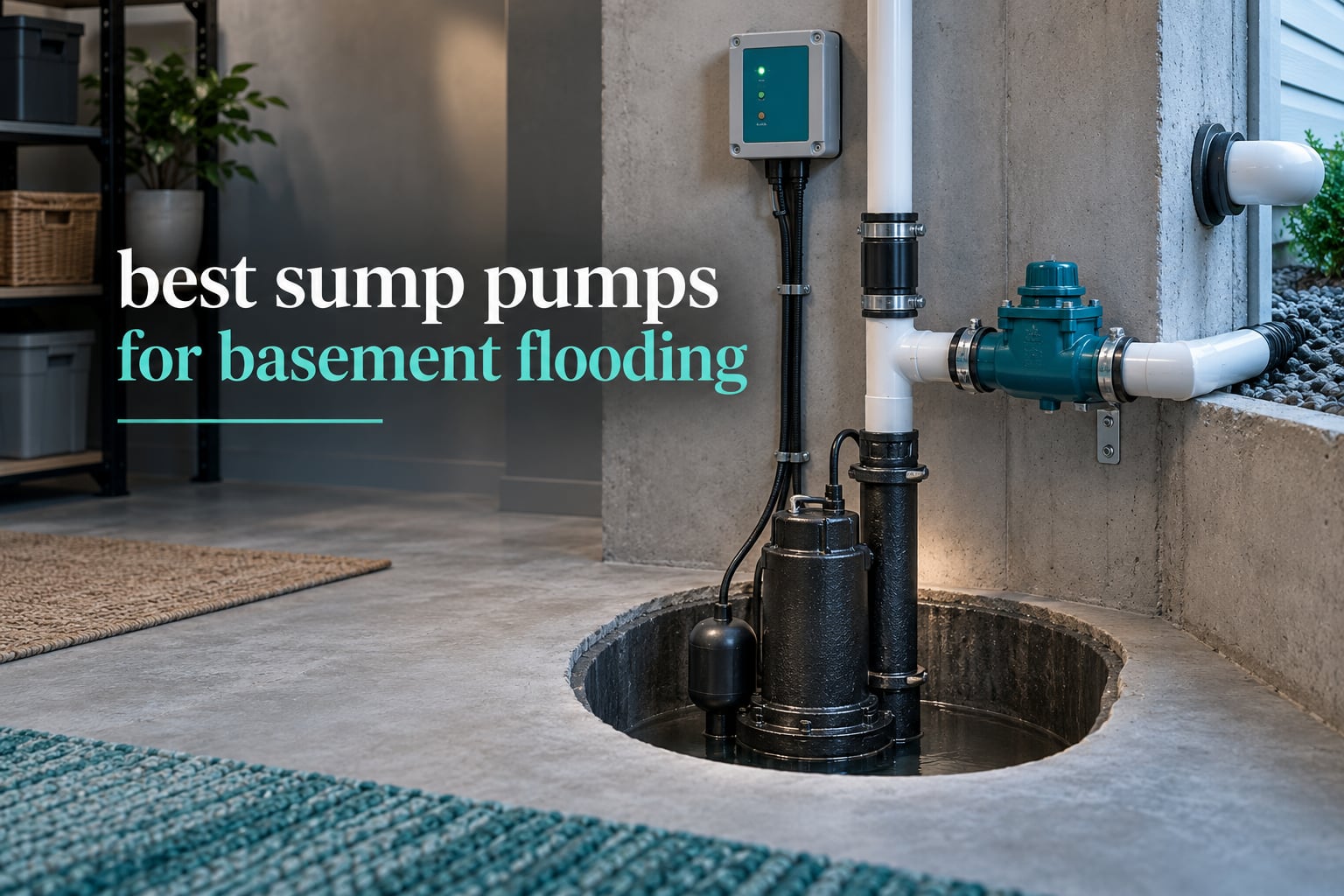
A sump pump is the cheapest insurance a homeowner with a basement can buy, and the most expensive one to go without. The failure mode is unforgiving: the storm that floods your basement is almost always the same storm that knocks out power or fills the pit faster than a tired pump can clear it. Our team pulled ten of the most-reviewed pumps in the category, checked their horsepower, flow ratings, float switch design and build materials against the specs, and sorted them by the basement they actually fit.
Three decisions determine whether a sump pump works when you need it. The first is capacity, measured in horsepower and gallons per hour at your real vertical lift. The second is the sump pit itself, because an undersized basin will overflow no matter how good the pump is. The third is backup power, since the primary pump is worthless the moment the circuit breaker trips. Everything else on the spec sheet is detail compared to those three.
If you are still choosing a pump from scratch, our broader basement sump pump roundup covers the full buying decision. This guide goes narrower and names the exact models, with the horsepower, flow numbers and failure points for each one.
Top 3 Sump Pump Picks for Basement Flooding in 2026
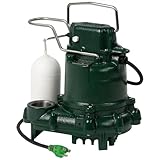
Zoeller M53 Mighty-mate
- 1/3 HP cast iron motor and housing
- Non-clogging vortex impeller
- 19.25 ft maximum lift
- Float activated with LED power plug

Wayne CDU790 1/3 HP
- 4600 GPH and 20 ft lift
- Cast iron volute
- Top suction anti-airlock design
- Vertical float switch tested to 1 million cycles

Wayne CDU980E 3/4 HP
- 5490 GPH at 92 gpm
- Cast iron and stainless steel
- Integrated vertical float switch
- 5-year warranty
Best Sump Pumps for Basement Flooding in 2026
All ten pumps below, with the numbers that decide whether they fit your pit and your discharge line. Two of them are emergency utility pumps rather than automatic sump pumps, and two are backup systems rather than primary pumps.
| Product | Specifications | Action |
|---|---|---|
| Zoeller M53 Mighty-mate 1/3 HP |
|
Check Latest Price |
| Wayne CDU790 1/3 HP |
|
Check Latest Price |
| Wayne CDU980E 3/4 HP |
|
Check Latest Price |
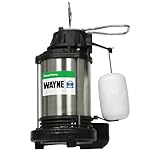 Wayne CDU1000 1 HP Wayne CDU1000 1 HP |
|
Check Latest Price |
 Zoeller M98 Flow-Mate 1/2 HP Zoeller M98 Flow-Mate 1/2 HP |
|
Check Latest Price |
 Superior Pump 92341 1/3 HP Superior Pump 92341 1/3 HP |
|
Check Latest Price |
 Liberty SumpJet SJ10 Water-Powered Backup Liberty SumpJet SJ10 Water-Powered Backup |
|
Check Latest Price |
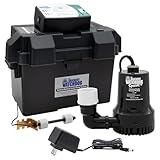 Basement Watchdog BWSP Battery Backup Basement Watchdog BWSP Battery Backup |
|
Check Latest Price |
 AQUASTRONG 1 HP Utility Pump AQUASTRONG 1 HP Utility Pump |
|
Check Latest Price |
 Green Expert 1/4 HP Utility Pump Green Expert 1/4 HP Utility Pump |
|
Check Latest Price |
1. Zoeller M53 Mighty-mate 1/3 HP Submersible Sump Pump
Zoeller M53 Mighty-mate Submersible Sump Pump, 1/3 Hp
1/3 HP
Cast iron motor and housing
Vortex impeller
19.25 ft max lift
Float activated
Pros
- Highest average rating in this group at 4.7 stars
- Vortex impeller resists clogging in debris-heavy pits
- Cast iron motor and housing feel solidly built
- LED power plug confirms power at a glance
Cons
- Zoeller float switches are a known wear item after several years
- Heaviest unit here at 21 pounds so awkward to lift from a pit
- Plastic base is less corrosion-resistant than an all-metal base
The M53 is the pump we come back to most often, and it earned the top rating in this group at 4.7 stars across more than 3200 reviews. It is a conventional 1/3 HP submersible unit, which is exactly what most basements need: enough muscle to lift water out of a standard pit, small enough to drop into a narrow basin, and simple enough that a competent homeowner can swap it in an afternoon.
What separates it from cheaper plastic-bodied competitors is the build. The motor, housing and switch case are cast iron, and the impeller is a non-clogging vortex design rather than a straight-fin impeller. That matters in pits that collect silt, fines and iron oxide from the water table, because a vortex impeller pushes debris around rather than catching it in the vanes.
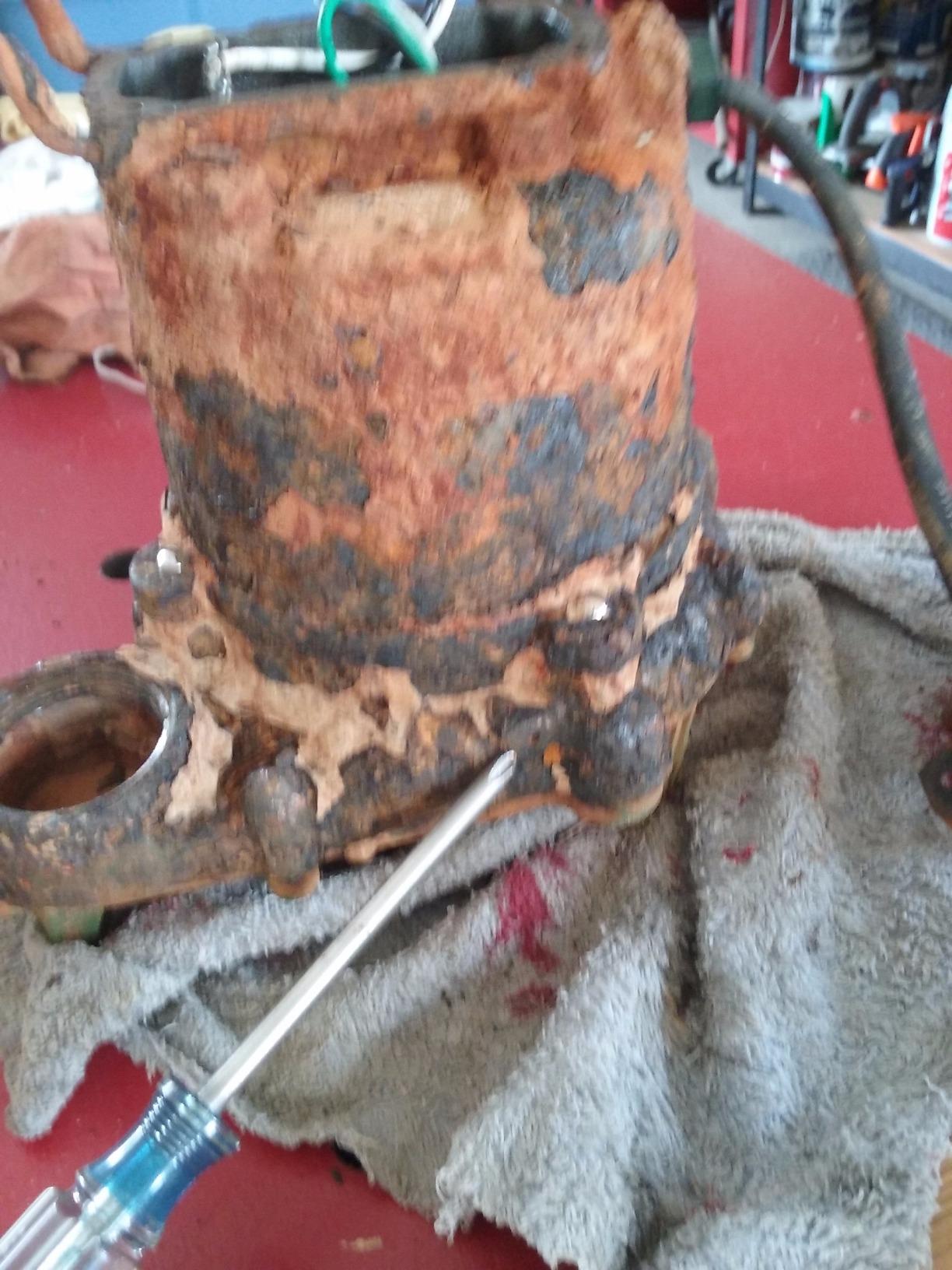
Reviewers consistently describe the M53 as heavier and more solidly built than the plastic pumps it replaced, and many note it outlasting them. The LED power plug is a small detail that pays off repeatedly, since a glance at the plug tells you the outlet is live before you assume the pump is at fault. Forum regulars on plumbing boards also single out Zoeller as a long-standing name in this category, with the M53 named often as a common choice for a standard residential pit.
The weaknesses are honest ones. The float switch is the component most likely to fail first, sometimes sticking in the on or off position after several seasons, and it is replaceable on its own. At 21 pounds the unit is the heaviest in this roundup, which is genuinely awkward when you are lifting it out of a wet pit, and the plastic base is the one part of the housing that is not metal.
Check the float switch and pit clearance before you buy
Before committing, look down into your pit and measure the diameter. The M53 needs enough clearance for the float to swing freely without touching the pit wall, and pits in older homes are often tighter than the drawings suggest. If your basin is 18 inches or narrower, the Wayne CDU790 below fits where some pumps will bind.
Also decide in advance what you will do about backup power, because the M53 is a primary pump and does nothing during an outage. Our battery backup sump pump guide covers the options if your pit has room for a second unit.
Where it is not the right pick
This is a 1/3 HP pump rated to lift water 19.25 feet, so it is undersized for a deep basin on a high water table where water has to travel up two full stories to daylight. It is also the wrong tool if you need something portable, because it is a fixed installation with a float switch, not a pump you drop in a wet basement and point at a hose.
If your pump is older than about 7 to 10 years, replacing it with the M53 is also the smartest money you can spend in this guide. Old pumps do not fail gradually. They fail on the worst night of the year.
2. Wayne CDU790 1/3 HP Cast Iron Submersible Sump Pump
WAYNE CDU790 1/3 HP Submersible Water Pump, Heavy Duty Basement Sump Pump
1/3 HP
4,600 GPH
20 ft max lift
Cast iron volute
Vertical float switch
Pros
- Drains a typical 24 x 18 inch pit in about six seconds
- Fits 11 inch diameter pits where other floats jam
- Float switch tested to 1 million cycles
- One owner ran the same model for 13+ years
- 3-year warranty covers longer than most rivals
Cons
- Float cycling level is not adjustable
- Impeller needs periodic cleaning to stay clear of leaves
- Heavy at 16.4 pounds
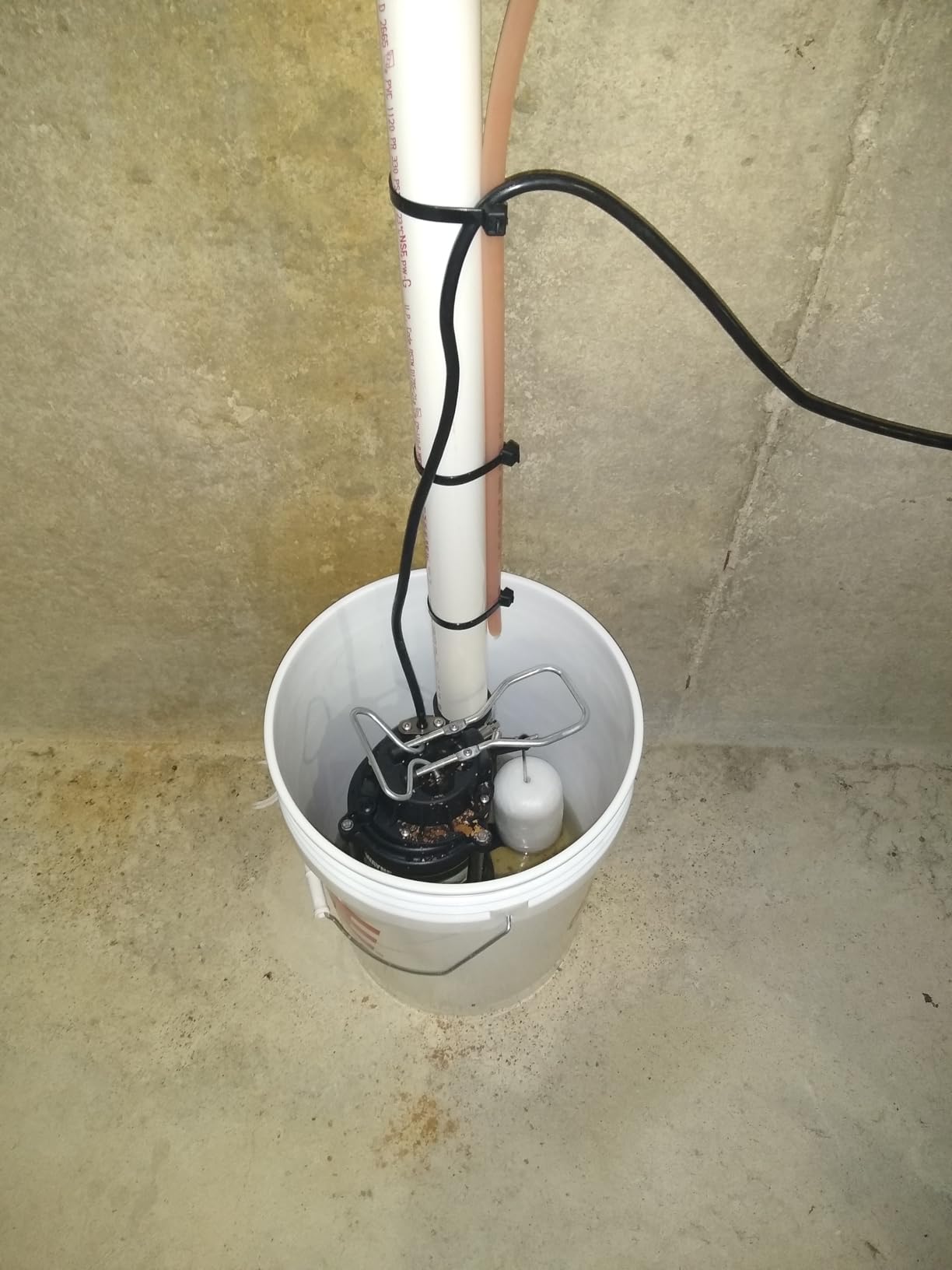
The CDU790 shares the top rating in this roundup at 4.7 stars, and it is the model we would pick over the M53 for a narrow pit. Wayne describes the vertical float switch as tested to 1 million cycles, and owners with basins as small as 11 inches across say it is the reason they did not have to widen their pit.
Flow is rated at up to 4,600 GPH with a 20 foot maximum lift, which covers the majority of residential installations. The cast iron volute and epoxy-coated steel motor housing with stainless steel fasteners are the parts that decide longevity in a wet pit, and this model has plenty of long-service reports behind it, including one owner who ran the same pump for more than 13 years.
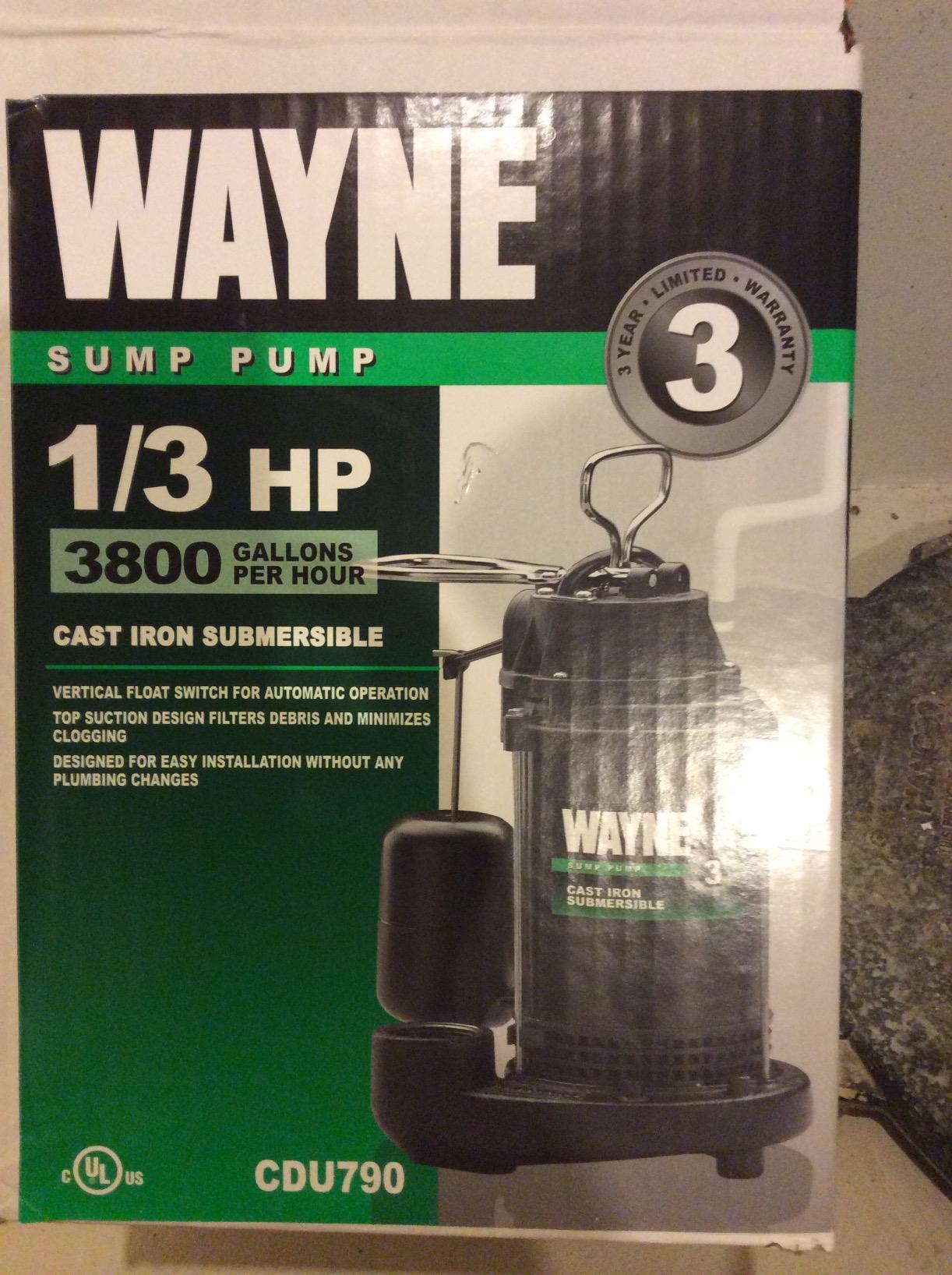
Quiet operation is the other thing owners keep mentioning. Several say they have to walk over and check the pit to confirm it is running, and the top suction design means the pump draws water from above the debris that collects at the bottom of a basin. That design also removes the need to drill a weep hole, so installation in matching existing plumbing takes about 15 minutes.
The trade-off is the float switch level, which is fixed rather than adjustable. That means more standing water remains in the pit between cycles than some owners would like, and a few of them work around it with a small sleeve on the float. It also means you cannot fine-tune the switch the way you can on a pedestal pump, which is a real drawback if your pit collects a lot of debris.
Why the narrow-pit fit matters more than the horsepower rating
Most pump failures in undersized pits are mechanical, not electrical. A float that touches the wall sticks, a switch that never resets leaves the pump running dry, and a basin that is too small refills before the pump finishes its cycle. If your pit is small, matching the pump footprint to the basin is worth more than an extra 100 GPH.
The CDU790 is also assembled in the USA with a 3-year limited warranty, which is longer than most pumps in this horsepower class offer. That matters if you plan to keep the pump beyond the standard replacement window.
Where it is not the right pick
At 1/3 HP this is a pit-and-discharge pump for a standard single-family basement, not a solution for a home on a high water table that takes in water faster than a small pump can move it. If your pit fills to the rim within minutes of rain starting, you need more capacity, not a better float switch.
It is also a fixed primary pump with no backup function, and its 16.4 pound cast iron body is heavy to lift out when the pit is muddy. Pair it with a water-powered backup rather than a battery unit if your pit has a nearby water supply line available.
3. Wayne CDU980E 3/4 HP Cast Iron and Stainless Steel Sump Pump
WAYNE CDU980E 3/4 HP Submersible Sump Pump – Cast Iron & Stainless Steel, Vertical Float Switch, 5,490 GPH, 5-Year Warranty
3/4 HP
5,490 GPH at 92 gpm
Cast iron and stainless steel
Integrated vertical float
5-year warranty
Pros
- Very quiet
- several owners measured roughly 60 dB
- Clears a typical sump pit in seconds at 92 gpm
- Several owners report 8 or more years of service
- Top suction design removes the need for a weep hole
Cons
- Float switch is the most failure-prone part
- Replacement float switches may need separate sourcing
- Swapping to a different brand can mean extra ABS pipe and fittings
The CDU980E is the one we recommend for a finished or occupied basement where noise is a factor. Rated at 3/4 HP with 5,490 GPH of capacity at 92 gpm, it clears a standard pit faster than the 1/3 HP units in this roundup, and several owners measuring noise put it around 60 dB, low enough to be inaudible from the next room.
Construction is a heavy-duty cast iron volute with a stainless steel motor housing, and it is assembled in the USA with a 5-year manufacturer warranty. That warranty length is notable because most pumps in the class offer 1 to 3 years, and electrical component failures are the leading cause of sump pump retirement.
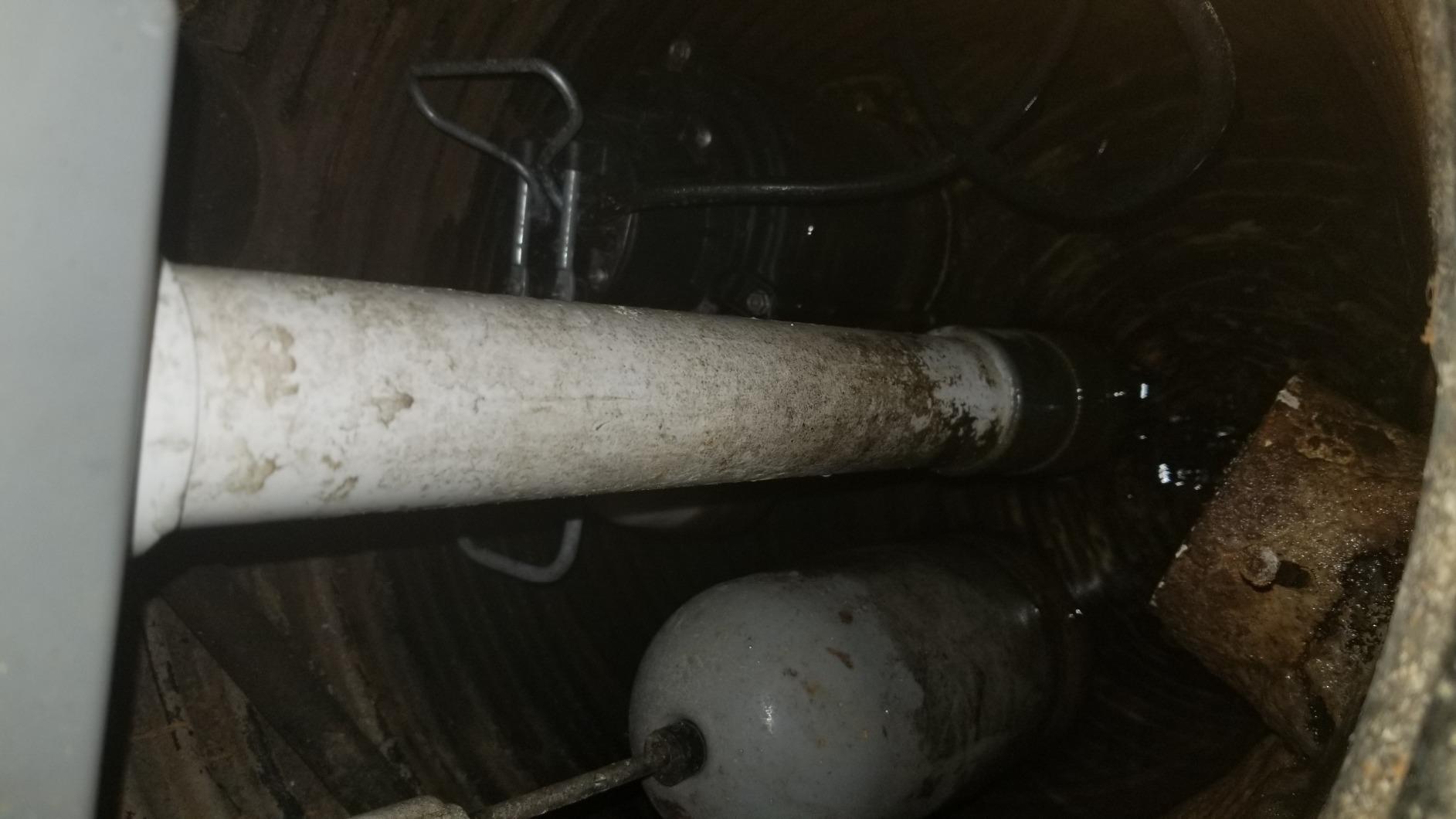
The integrated vertical float switch is the design detail to pay attention to. Because the switch is built into the pump rather than hanging off a tethered cord, it fits narrow pits and there is no float cable to snag on debris. The top suction anti-airlock design also means you can skip drilling a weep hole, which is one less step between you and a working pump.
Long-service reports are the strongest part of the review history here, with owners describing 8 to 13 or more years of continuous use and several buying the same model again. The documented weakness is narrow and predictable: the float switch is the wear item, and while it can be replaced on its own for a fraction of a new pump, sourcing the right replacement is sometimes the fiddly part.
Where the extra horsepower is actually needed
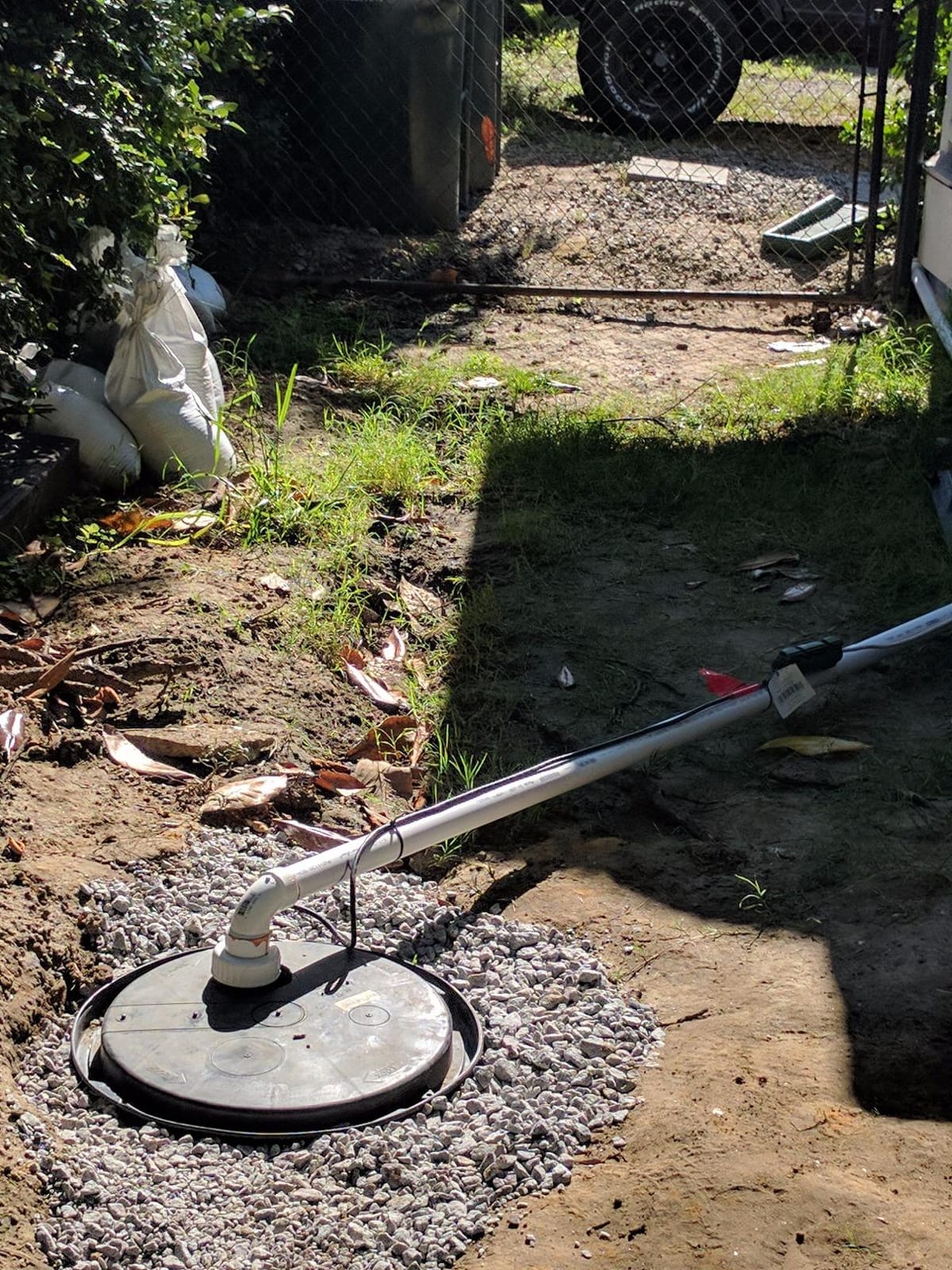
The jump from 1/3 HP to 3/4 HP matters when water has to travel further than a short vertical run, when the pit refills quickly during a storm, or when the discharge line is long and has several elbows. On a shallow dry-basement pit with a short discharge run, the added capacity is wasted money and only means faster cycling.
Measure your lift before you commit. Count the vertical feet from the pump to the point where water leaves the building, add roughly 1 foot per elbow in the discharge line, and that total is your working head. Compare it against the pump rating, not the number on the box.
Where it is not the right pick
This is a 1-inch-discharge-class unit at 12 pounds, and it is heavier than the 1/3 HP models. If you are on a tight budget and have a shallow pit, the CDU790 does the same job with less capacity you will never use.
It also remains a primary pump only. A storm that takes out your breaker will stop this pump just as surely as it stops a smaller one, which is why we treat backup power as a separate and non-optional decision in every flood-prone home.
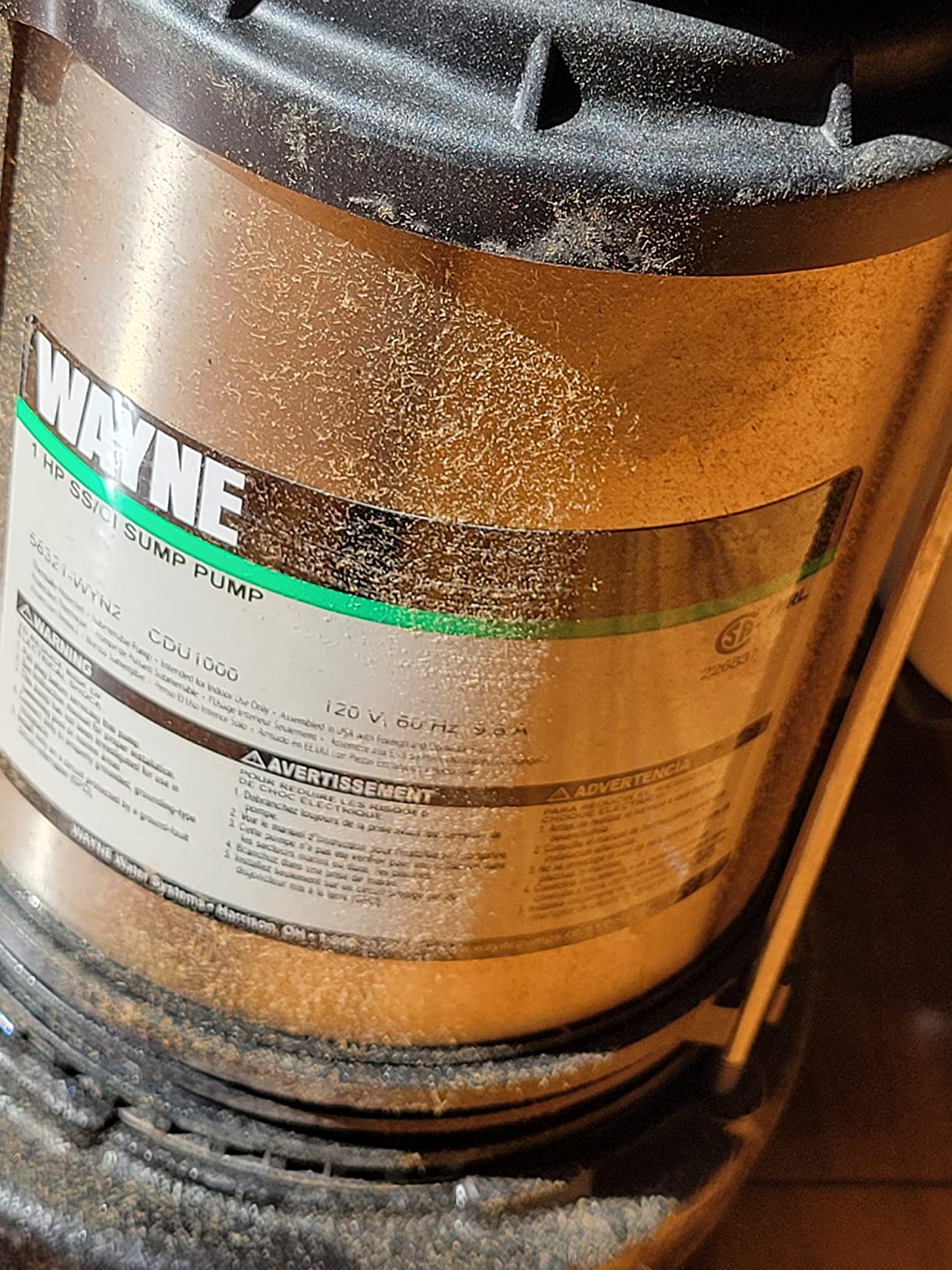
4. Wayne CDU1000 1 HP Submersible Sump Pump
WAYNE CDU1000 1 HP Submersible Sump Pump – Cast Iron & Stainless Steel, Integrated Vertical Float Switch, 6,100 GPH, 5-Year Warranty, Assembled in USA
1 HP
6,100 GPH at 102 gpm
Cast iron volute, stainless housing
1-1/2 inch NPT
5-year warranty
Pros
- Highest flow of the primary pumps here at 6100 GPH
- Shares its platform and parts with the CDU980E
- Integrated vertical float switch fits narrow pits
- Top suction design eliminates drilling a weep hole
Cons
- Heaviest Wayne model here at 19 pounds
- Listed 10 ft maximum lift is modest for a 1 HP motor
- Confirm your pit and discharge line can take a 1 HP unit
The CDU1000 is the capacity pick. At 1 HP it moves up to 6,100 GPH at 102 gpm, the highest throughput of any automatic pump in this roundup, and that is the number that decides whether you keep up with inflow on a high water table property during a multi-day storm.
It uses the same architecture as the CDU980E, including the cast iron volute, stainless steel motor housing, integrated vertical float switch and 5-year warranty. That shared platform matters more than it sounds. Parts, float switches and service knowledge are interchangeable across the two, so an installer who has worked on one has worked on the other.
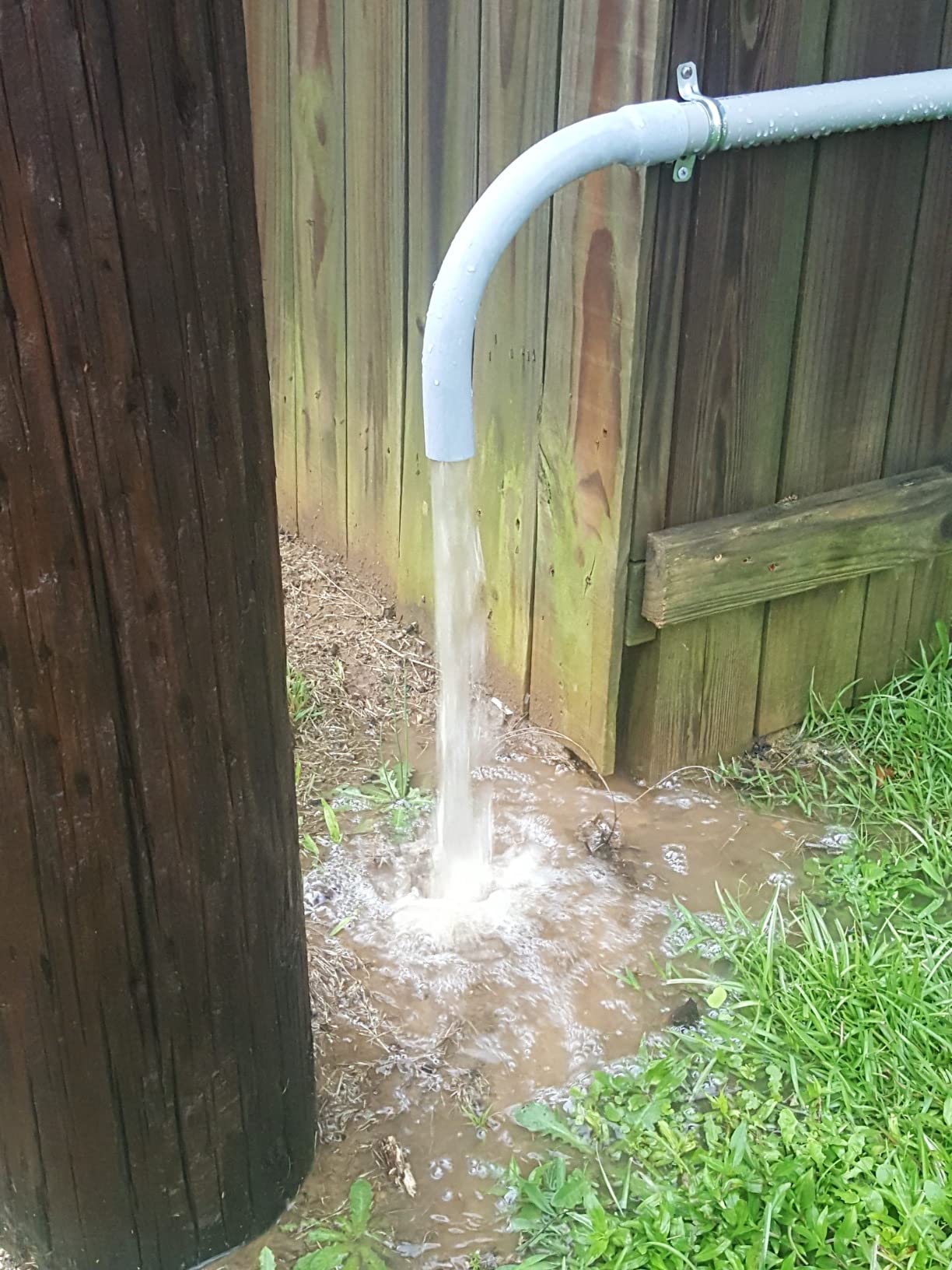
The top suction design keeps debris at the bottom of the pit from reaching the impeller, and the 1-1/2 inch NPT discharge meets standard building code sizing, so most existing 1-1/2 inch discharge lines will accept it without modification. Eighty-two percent of owners rate it five stars, and the review history is unusually consistent for a pump this powerful.
What to know before ordering: the published maximum lifting height is listed at 10 feet, which is modest for a 1 HP motor, so confirm the geometry of your installation. And at 19 pounds it is the heaviest Wayne unit here, so lifting it out of a flooded pit in an emergency is a two-person job.
How to know if you actually need 1 HP
You need the big pump if your basement takes on water faster than a small pump clears it, if your water table sits high enough that the pit refills within minutes, or if your discharge line runs a long way with several elbows before it reaches daylight. You do not need it if your pit is shallow and your existing 1/3 HP pump handles storms without the water level rising past the float.
A practical test: note how long the pump runs during a heavy rain. A short burst once every twenty minutes is normal. Continuous running or cycling every few seconds is a sign the pump is undersized or the pit is undersized, not that you need more horsepower.
Where it is not the right pick
Do not buy a 1 HP pump to compensate for a pit that is too small. Extra flow into a basin with an inadequate inlet just refills the pit faster, and short cycling is what destroys motors and float switches. Fix the pit first if the basin is the problem.
It is also a primary pump, so it needs a backup just like everything else in this guide. At this capacity, a 1/3 HP battery backup can still help, but a water-powered backup is a better match.
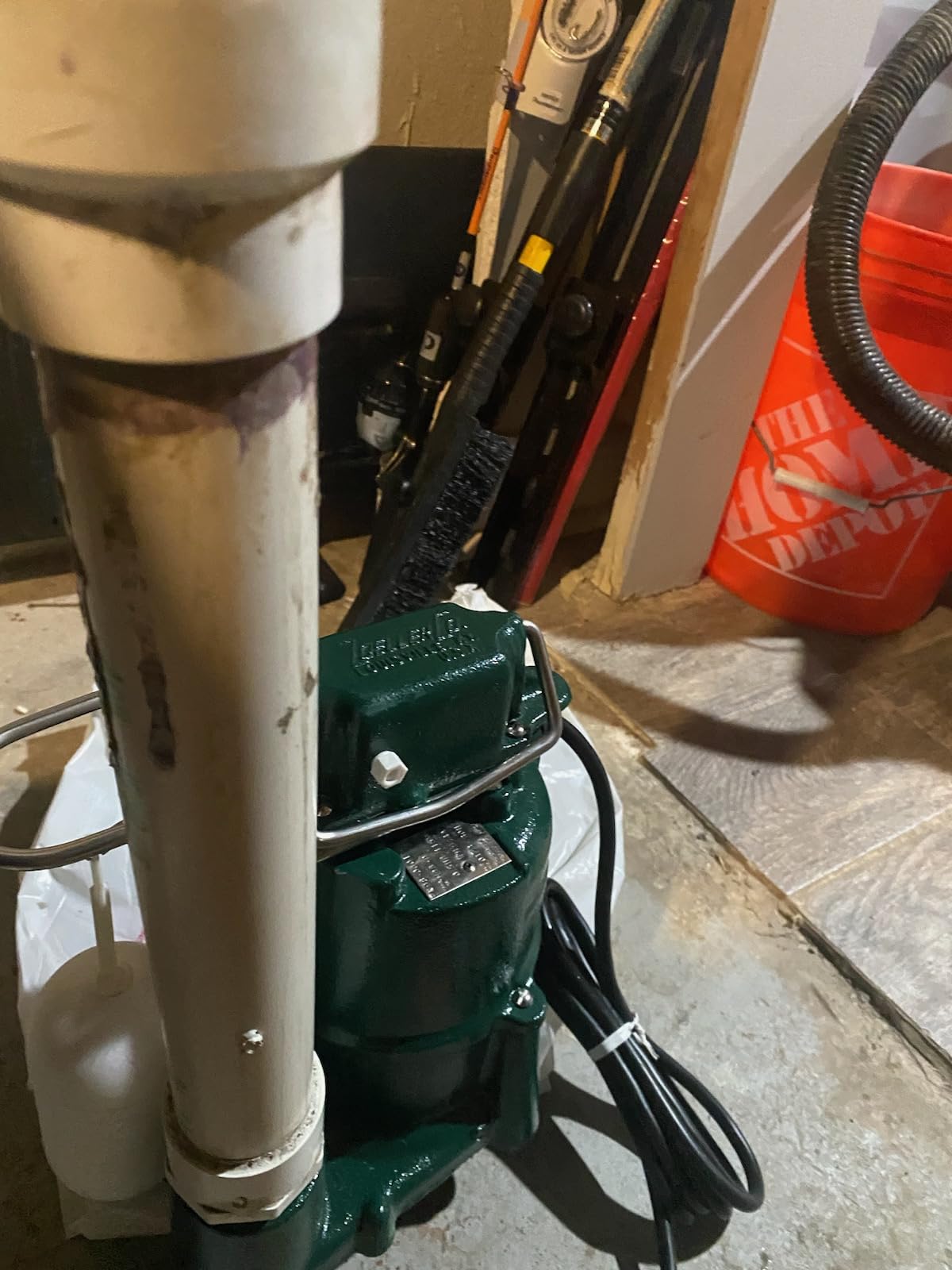
5. Zoeller M98 Flow-Mate 1/2 HP Cast Iron Submersible Sump Pump
Zoeller M98 Flow-Mate Sump Pump – 1/2 HP – Cast Iron – LED Power Plug – High Flow – Vortex Impeller – Stainless Steel Hardware – Factory Tested and Float Operated – Submersible Sump Pump – 115V
1/2 HP
4,320 GPH at 72 gpm
23 ft lift
Oil-filled cast iron motor
Vortex impeller
Pros
- Oil-filled motor runs cool and dissipates heat well
- Heavy all-metal build with no exterior bolts to rust
- Vortex impeller passes solids with less clogging
- One owner reports nearly 11 years of service
Cons
- Start capacitors reported failing within about a year
- Float switches documented failing within 1 to 3 years
- Customer service was unresponsive on a warranty claim
The M98 sits in the middle of the horsepower range at 1/2 HP, rated to remove up to 4,320 GPH with a 23 foot maximum lift. Its oil-filled motor inside a cast iron housing is the design choice that separates it from cheaper pumps, since oil filling handles heat dissipation and lets the motor run longer during a single extended drawdown.
The impeller is a corrosion-resistant plastic vortex design, which is the part we like most in a pit that collects fines. Owners report the pump moving large volumes quickly with a barely audible hum, and the housing has no exterior bolts exposed to rust. One long-term owner reports a single unit running nearly 11 years.
Now the part you should weigh carefully. This pump has the widest spread of ratings in the roundup, and the reason is electrical rather than hydraulic. A cluster of reviews documents float switches failing within one to three years, and more concerning, start capacitors in the 1/2 HP motor blowing within about a year, which leaves a dead motor that an auxiliary switch cannot rescue.
Several owners work around the float switch problem with an auxiliary switch, but the capacitor failure cannot be worked around. Warranty terms also run only 12 months from installation or 18 months from manufacture, whichever comes first, and some owners report unresponsive customer service on claims. The LED power plug is included, which at least tells you instantly whether the outlet is live.
What the oil-filled motor buys you in a debris-heavy pit
Oil filling is about heat. A motor that runs cool can stay submerged through a long drawdown without tripping thermal protection, and a 1/2 HP motor moving 4,320 GPH will run for a long time in a pit that is refilling steadily. If your pit silts up and your pump runs near-continuously during storms, that is an argument for this design.
The vortex impeller handles the second issue. Rather than trapping solids in its vanes, it keeps them moving, which cuts down on the impeller clogging that leads to short cycling and motor damage.
Where it is not the right pick
Skip this one if your priority is a quiet finished basement and you can live with a smaller motor, or if you want the longest warranty in the category. A 4-year covered warranty on a pump is not a small difference when electrical components are the documented failure mode.
It is also the most expensive automatic pump in this roundup by a wide margin, which is worth weighing against the CDU980E, whose shared 5-year warranty and comparable capacity come with a much better spread of reviews.
6. Liberty SumpJet SJ10 Water-Powered Backup Sump Pump
SumpJet® Water Powered Backup Emergency Sump Pump
Water powered
No electricity required
19.8 gpm
20 to 100 psi inlet
Stainless steel and metal
Pros
- Runs on municipal water pressure during a power outage
- Pumps close to a 1/2 HP main pump unlike most battery backups
- Arrives fully assembled with clear instructions
- One owner reports 8 years of flawless service
Cons
- Needs a 3/4 inch supply line and a backflow preventer
- Long body is tight to fit in a shallow pit
- Uses potable water at roughly 1 gallon in to 2 gallons out
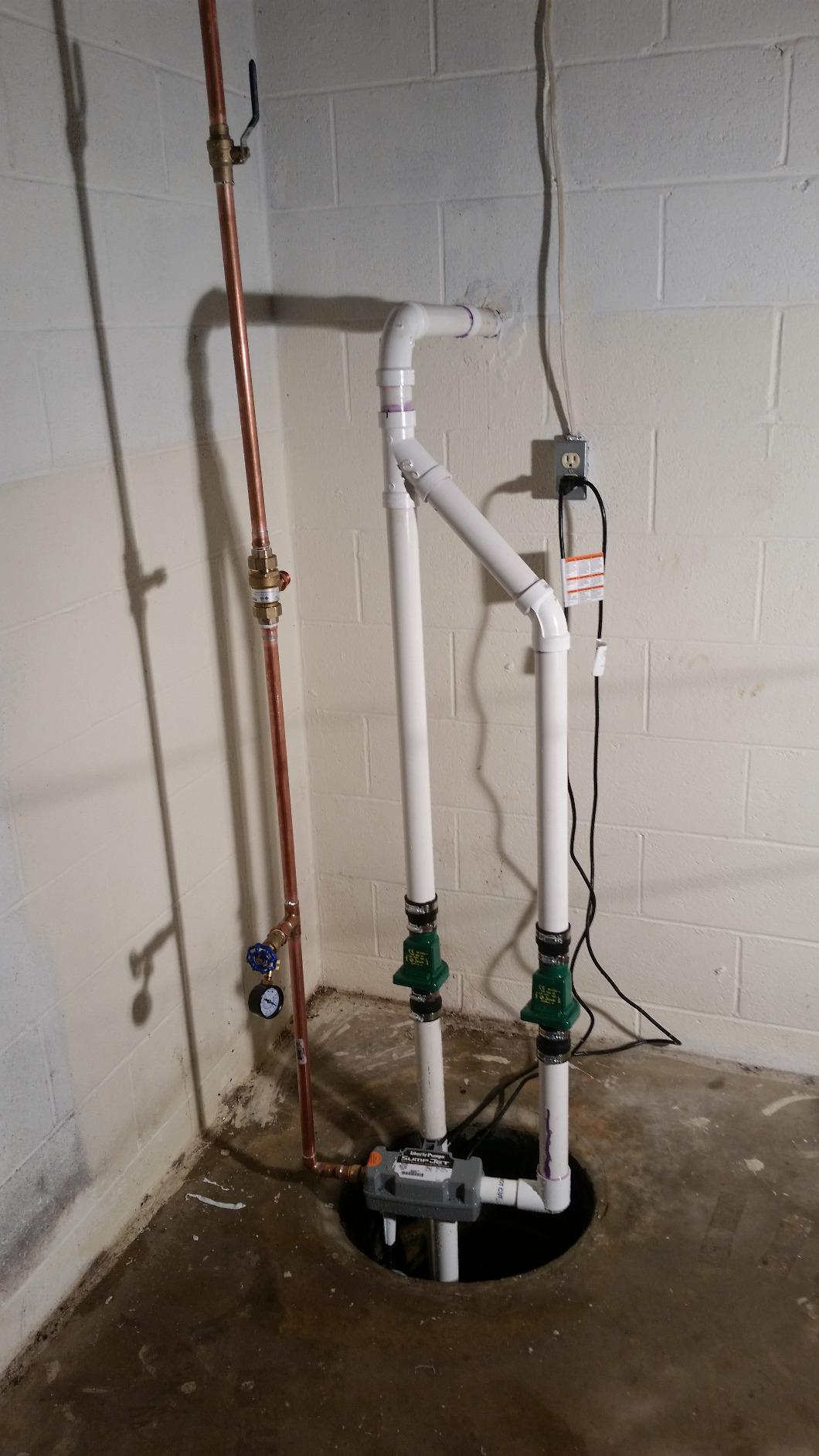
The SumpJet is the answer to the most common forum question in this category, which is what happens when the power goes out at the exact moment you need a pump. It runs on municipal water pressure and a siphon effect, with no battery to fail, no charger to maintain and no electronics to go dead. It accepts anything from 20 to 100 psi of inlet supply.
Flow is the surprise. At 19.8 gpm it moves water close to a 1/2 HP primary pump, which is far more than most battery backups can manage. Several owners report that their battery unit could not keep up during heavy rain while this one could, and multiple people say it actually saved their basement during extended outages.
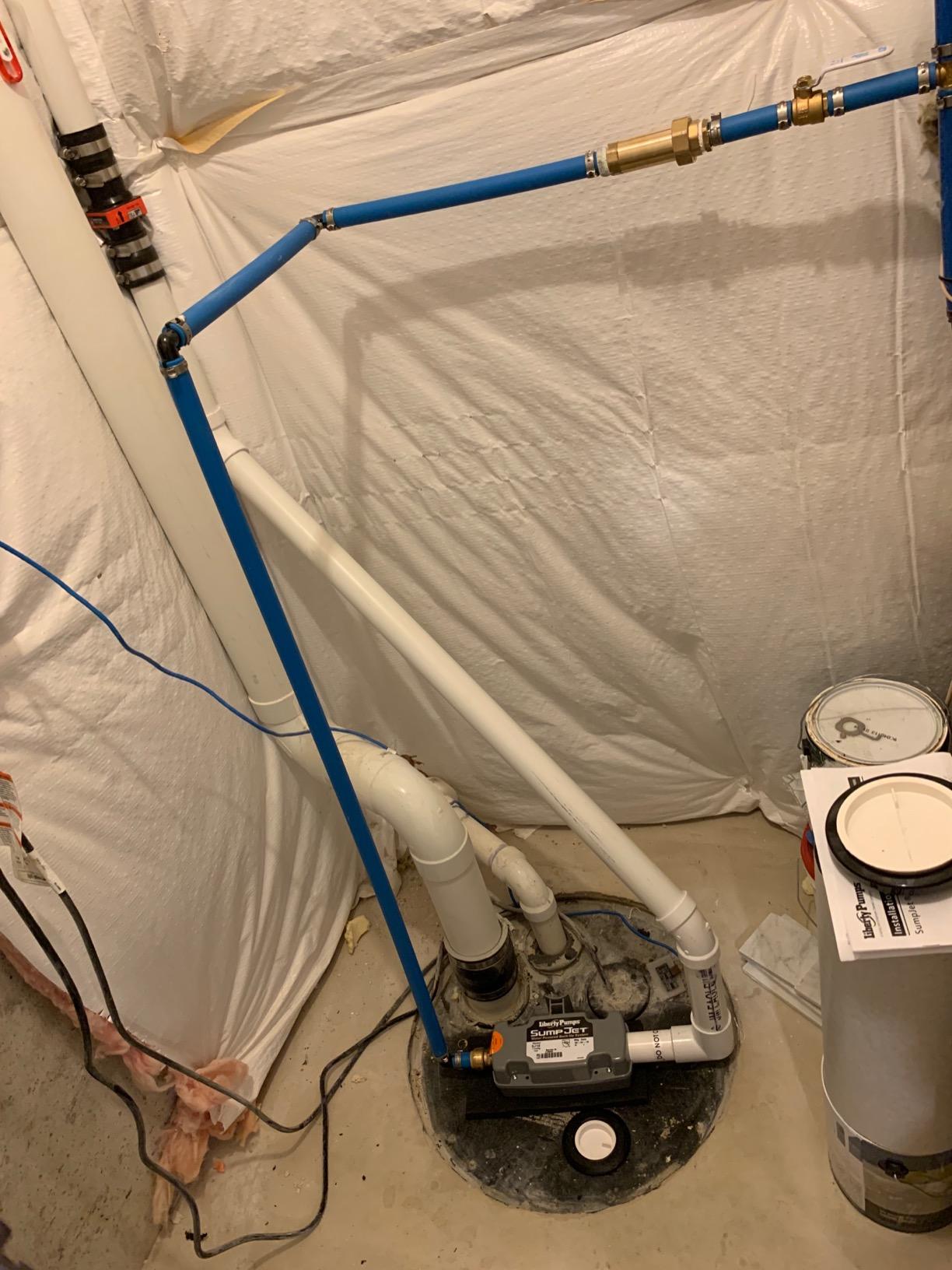
It arrives fully assembled at 5 pounds, which makes installation much less intimidating than it sounds. You plumb a 3/4 inch water supply into the pump, add a backflow prevention valve, and tie it into the existing discharge. The float activation is fully automatic once it is in place, and the unit runs quietly.
The cost is water and space. It consumes potable water at roughly 1 gallon in for every 2 gallons out, so a long activation during a flood is not free, and the body is 21.6 inches long, which is a tight fit in a shallow or small pit. It also needs periodic manual testing, since a pump that only runs in an emergency is easy to forget about.
Why water-powered beats battery in most basements
A battery backup is only as good as its battery. Those units need periodic charging, they lose capacity as they age, and they often cannot keep up with heavy inflow, which is exactly the condition that matters. The SumpJet has no consumable power source, so the only things that can go wrong are mechanical.
One owner reports eight years of flawless service, and plumbing professionals in forum discussions frequently describe this style of backup as installed hundreds of times with failures traced back to installation error rather than the unit. The trade is simple: you spend more on plumbing and give up some pit space, and in exchange you get backup capacity that does not decay.
Where it is not the right pick
This is a backup, not a primary. Its 21.6 inch maximum lifting height and 19.8 gpm flow will not carry a whole basement on its own, and it needs a functioning discharge line and a water supply to plumb into. If you have no municipal water line near the pit, this is the wrong technology.
It is also the wrong choice for anyone unwilling to accept the water cost or the installation work. Our battery backup comparison covers plug-and-play options for homes without a convenient water supply.
7. Basement Watchdog BWSP Connect Battery Backup Sump Pump System
The Basement Watchdog Special CONNECT Battery Backup Sump Pump System w/Copper-Wound Motor, 2,890 GPH (BWSP); WiFi-Capable w/Add-on Module
Battery powered
2,500 GPH at 0 ft
Copper-wound motor
Dual float switch
2-year warranty
Pros
- Control panel lights up with a warning and what to do next
- Battery fluid sensor catches a dying battery early
- Compact body fits small and narrow pits
- Dual float switch gives two independent activation points
Cons
- Battery is sold separately and adds substantial cost
- Output is modest against any primary pump
- Can lag behind heavy inflow during a long outage
The BWSP is the most user-friendly backup system in this roundup, and its selling point is maintenance rather than capacity. The control panel lights up with a warning and tells you what to do about it, and a sensor monitors the battery fluid level, which is the single most useful feature here because a silently dead battery is how most backup pumps fail.
The pump body is compact enough to install in a small or narrow sump pit, which matters because the second pump in a pit is always the one that will not physically fit. It uses a copper-wound motor that runs cool and handles extended backup cycles, and a dual float switch that provides two independent activation points.
Output is the limitation to plan around. It pumps about 2,500 GPH at zero lift and 1,730 GPH at 10 feet, which is a fraction of any primary pump in this guide. In a mild inflow situation during a power outage that is plenty, but in a high water table area during a long storm, it can fall behind.
Two more practical notes. The battery is not included, so budget for it separately, and the housing is thermoplastic rather than metal, which is less durable against the long-term abuse of a wet pit. The system is WiFi-capable with an add-on module if you want remote monitoring.

Why the battery fluid sensor is worth paying for
Standard lead-acid batteries in sump basins fail in a specific way: they hold charge well right up until they do not, and the failure shows up during the one storm that matters. A sensor that reads the fluid level turns an invisible failure into a warning light, which is the difference between a two-hour fix and a flooded basement.
The dual float switch is the second feature worth understanding. Two independent activation points give you a backup trigger for the backup pump, so a single stuck float does not take out the whole system.
Where it is not the right pick
Do not treat this as a primary pump. If your basement takes on water fast enough that you need 2,500 GPH in normal conditions, this pump is already at its limit with no reserve. It works as a second line of defense, and the pairing we would build is this with a 1/2 HP or 3/4 HP primary.
If you want a longer service record, the water-powered option above has a more established history.
8. Superior Pump 92341 1/3 HP Cast Iron Submersible Sump Pump
Superior Pump 92341 1/3 HP Cast Iron Submersible Sump Pump with Vertical Float Switch
1/3 HP
2,760 GPH
25 ft vertical lift
Cast iron
Vertical float 6 in on 2 in off
Pros
- All-metal cast iron build owners describe as rock solid
- Compact footprint fits beside a battery backup in a small pit
- Float arm repositions for very narrow pits
- Replacement parts are readily available so failures are repairable
Cons
- Noticeably louder than premium cast iron pumps
- No discharge pipe adapters included so extra fittings needed
- Leaves more than an inch of water in the pit after a cycle
The 92341 is the value pick, and the reason is the compact footprint. At 1/3 HP with a 1-1/2 inch NPT discharge and a 25 foot rated lift, it is small enough to sit in a tight basin alongside a battery backup pump, which is the exact configuration most flood-prone homes need and the one few pumps can physically accommodate.
Construction is rugged cast iron with a 10 foot cord, and owners describe it in plain terms as rock solid. It moves up to 2,760 GPH, keeps pumping through silt and debris, and one reviewer reports it replaced a failed higher-horsepower plastic competitor while moving just as much water.
The vertical float switch has an on point at 6 inches and an off point at 2 inches, and the float arm can be repositioned to the back of the motor for very narrow pits. That adjustability is unusual at this size, and it is the feature that lets the pump work in basins that defeat fixed-switch competitors.
Two drawbacks stand out. It is noticeably louder than the premium cast iron pumps from other brands, so it is not our choice under a bedroom or home theater. It also does not include discharge pipe adapters, and it leaves more than an inch of water in the pit after a cycle, which matters if you are storing things on the floor.
When a compact pump is the right call
Space is the deciding factor in plenty of older homes. If your pit is small, if you want a primary and a backup in one basin, or if access to the pit is awkward, the physical footprint of the pump matters more than its rated flow. A pump that fits will always beat one that does not.
Replacement parts being readily available also changes the economics. When something on this pump fails, you can often repair it rather than replacing the whole unit, which stretches a purchase across many more years than the 7 to 10 year replacement cycle suggests.
Where it is not the right pick
Do not install it directly under a finished room where pump noise matters. The louder operation is a real, documented difference and it is the main reason we rank it below the Wayne models despite the lower cost.
The 2,760 GPH rating is also modest. If your basement floods quickly, this will lag behind the inflow. In that case, spend the difference and get the CDU980E or the CDU1000 instead.
9. AQUASTRONG 1 HP 4500 GPH Submersible Water Pump
AQUASTRONG 1 HP Sump Pump 4500 GPH Submersible Water Pump for Water Removal
1 HP
4500 GPH at 5 ft
30 ft max lift
Bottom suction
10 ft UL cord
Pros
- Very high flow and quiet for a pump of this size
- Plug-and-play with hose adapters included
- Handles sludge and silt without clogging
- Bottom suction pulls water down to 1/5 inch
Cons
- Manual on and off only with no float switch
- Bulky at 8.5 pounds and awkward to carry
- Discharge hose threads are easy to cross-thread
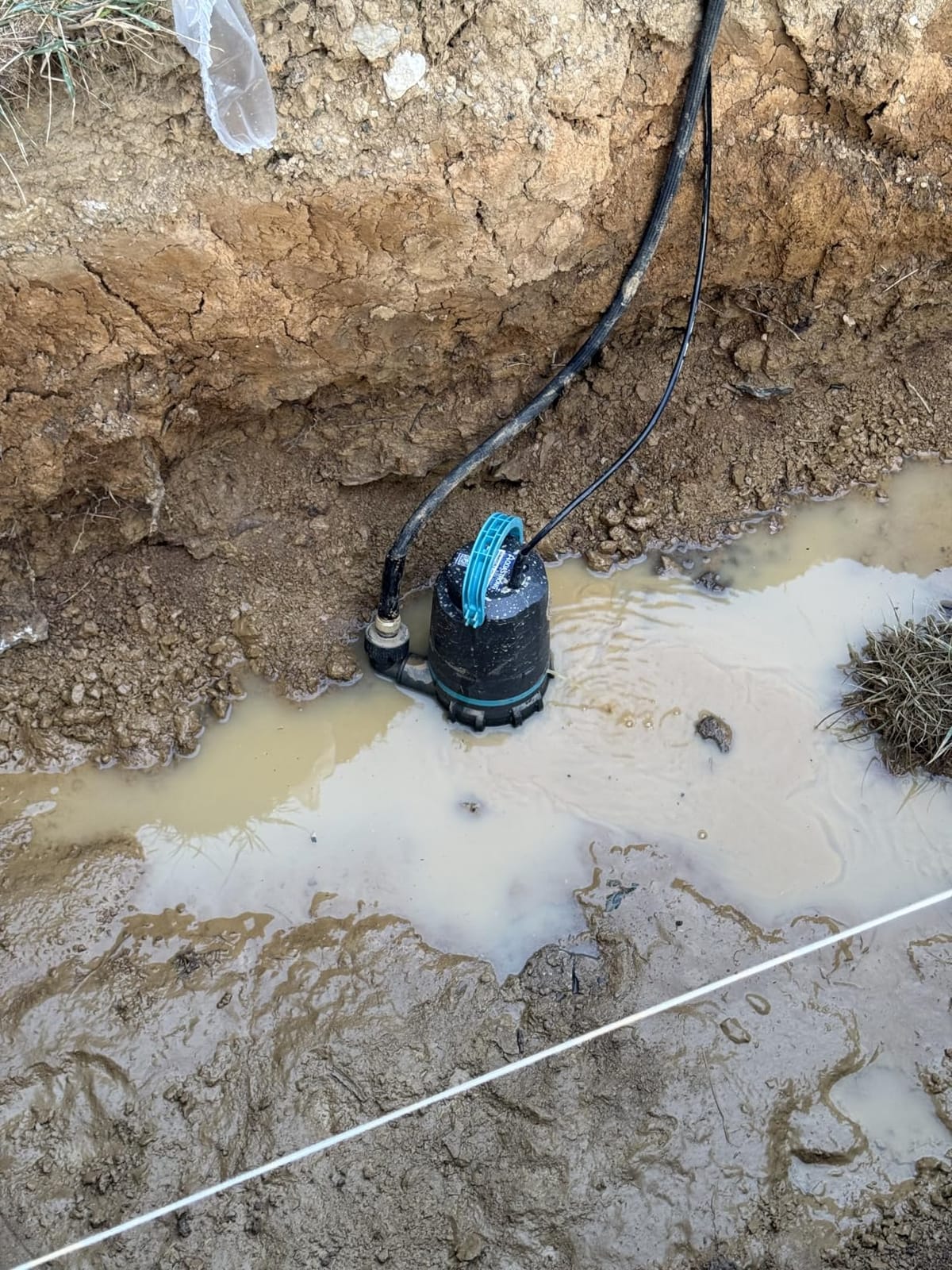
Be clear about what this is. The AQUASTRONG is a portable utility pump, not an automatic sump pump. There is no float switch, so you plug it in, switch it on, and it runs until you switch it off. Reviewers make this distinction constantly, because the overwhelming majority of owners use it for pools, hot tubs, ponds and window wells rather than automatic basement drainage.
Where it belongs in a basement flood kit is the emergency. When a sump pump fails and water is already in the basement, this is what you carry down the stairs. It moves 4,500 GPH at 5 feet of head, lifts up to 30 feet vertically, and pulls water down to 1/5 inch from the surface so the remaining water can be shop-vacbed.
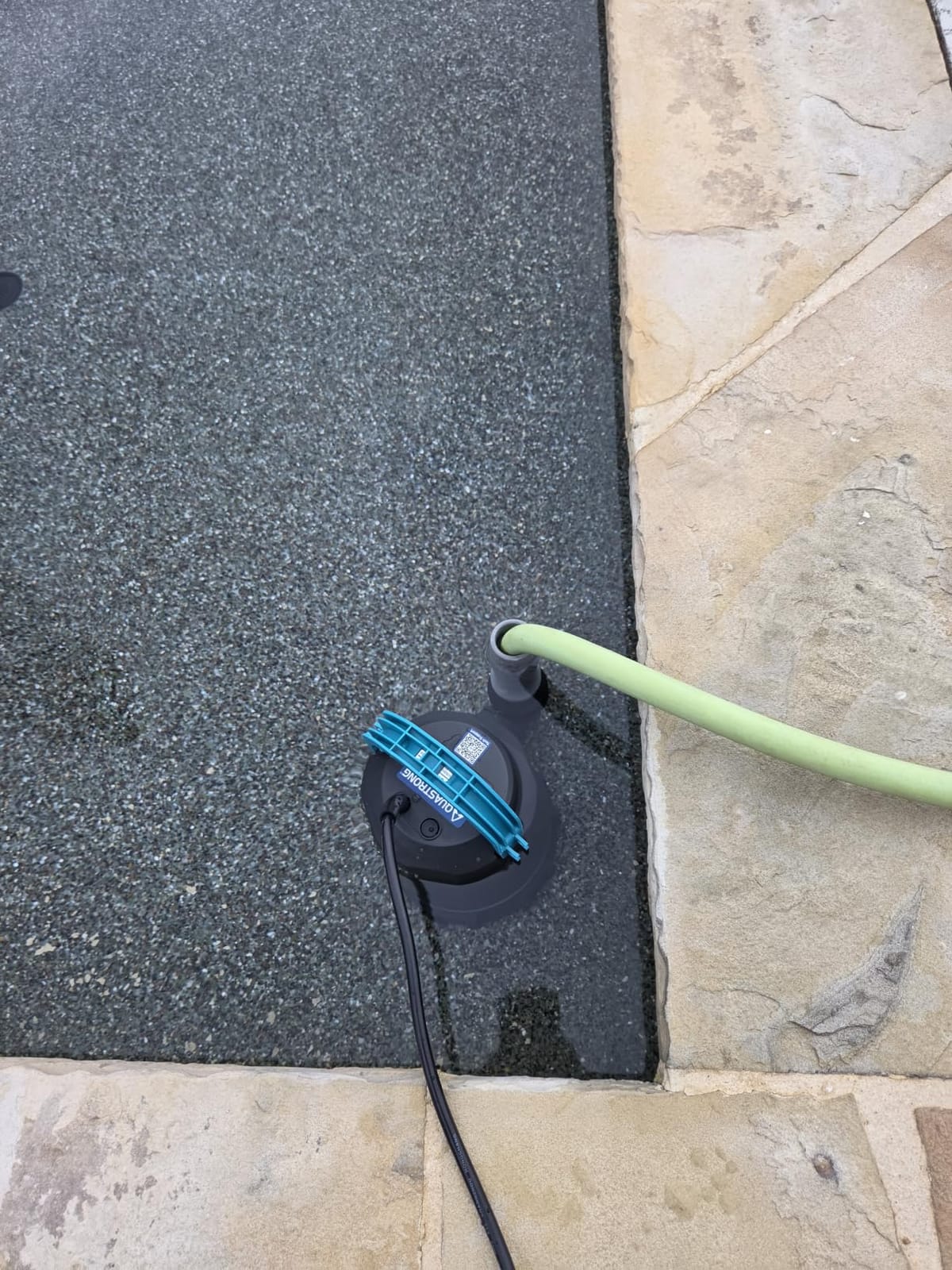
The spec sheet is strong for a portable unit. Reinforced engineering thermoplastic casing resists corrosion and abrasion, a mechanical seal prevents leakage, and a built-in thermal overload protector stops the motor burning out if it runs dry. The bottom suction design filters debris, and the 1-1/4 inch NPT discharge comes with a 1-1/2 inch elbow and snap coupling adapters for 3/4 inch, 1 inch or 1-1/4 inch hoses.
Owners praise the flow rate for the money, the relative quietness, and the fact that it handles silt and sludge without clogging the base or the hose. Several report it replacing far more expensive pumps for pool and hot tub duty. The caveats are the ones you would expect from a portable design: the hose fittings are easy to cross-thread, and at 8.5 pounds the body is bulky to carry up basement stairs.
Why a manual pump is a smart second tool
Automatic pumps fail. That is the whole reason the industry exists. A manual utility pump gives you a way to move water when the automatic system is down, the outlet is without power, or the pit is full and the float switch cannot reach its trigger point. Keeping one in a closet upstairs costs little and covers a gap no automatic pump can.
Because it runs on a standard 10 foot UL-listed cord, it also works from a wet vac outlet or an extension lead, which gives you flexibility the fixed installations do not have.
Where it is not the right pick
Never install this as your primary sump pump. Without a float switch it will not start on its own, it will not stop on its own, and leaving it running unattended is how you burn out a motor. It belongs in the closet, not in the pit.
It is also a poor match for clay-loaded water compared to higher-flow pumps, where flow drops noticeably. If your basement water carries heavy sediment, this is a short-term emergency tool rather than a solution.
10. Green Expert 1/4 HP 1800 GPH Submersible Utility Pump
Green Expert 1/4HP Submersible Sump Pump, High Flow 1800GPH, 28FT Max Head, Portable Utility Water Pump for Basement Flooding, Emergency Water Removal, Pool, Hot Tub, Garden Drainage
1/4 HP
1800 GPH at 30 gpm
28 ft max head
Plug and use
Includes hose adapters
Pros
- Lightweight and genuinely portable at just over 3 kg
- Steady flow across a 100 ft hose run
- Quiet enough to run beside a hot tub without disruption
- Handles dirt and grit without quitting
Cons
- Plastic hose barb connector is a weak point that can strip
- No float switch so it is a manual pump only
- All-plastic housing raises durability questions for sump duty
The Green Expert is the budget emergency option, and like the AQUASTRONG it is a manual utility pump with no float switch. It is the cheapest way to keep a hose-based dewatering kit on hand, and reviewers use it for everything from sump pump replacement work to hot tubs, bins and yard drainage.
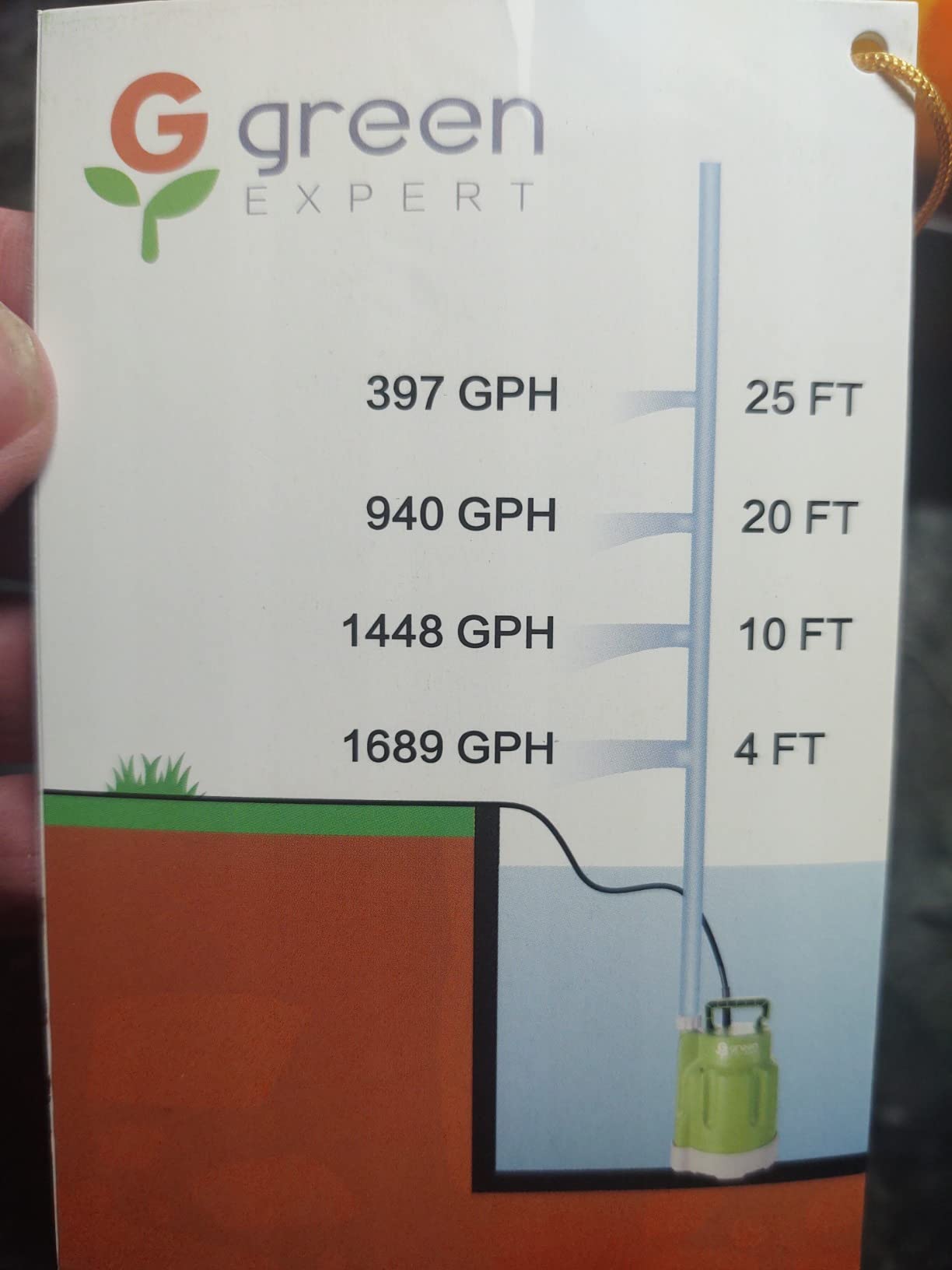
Flow is 1,800 GPH at 30 gpm with a 28 foot maximum head, which is less than half the output of the pumps above it. That is still enough to clear a wet basement floor over a long evening, which is the actual job it is being bought for.
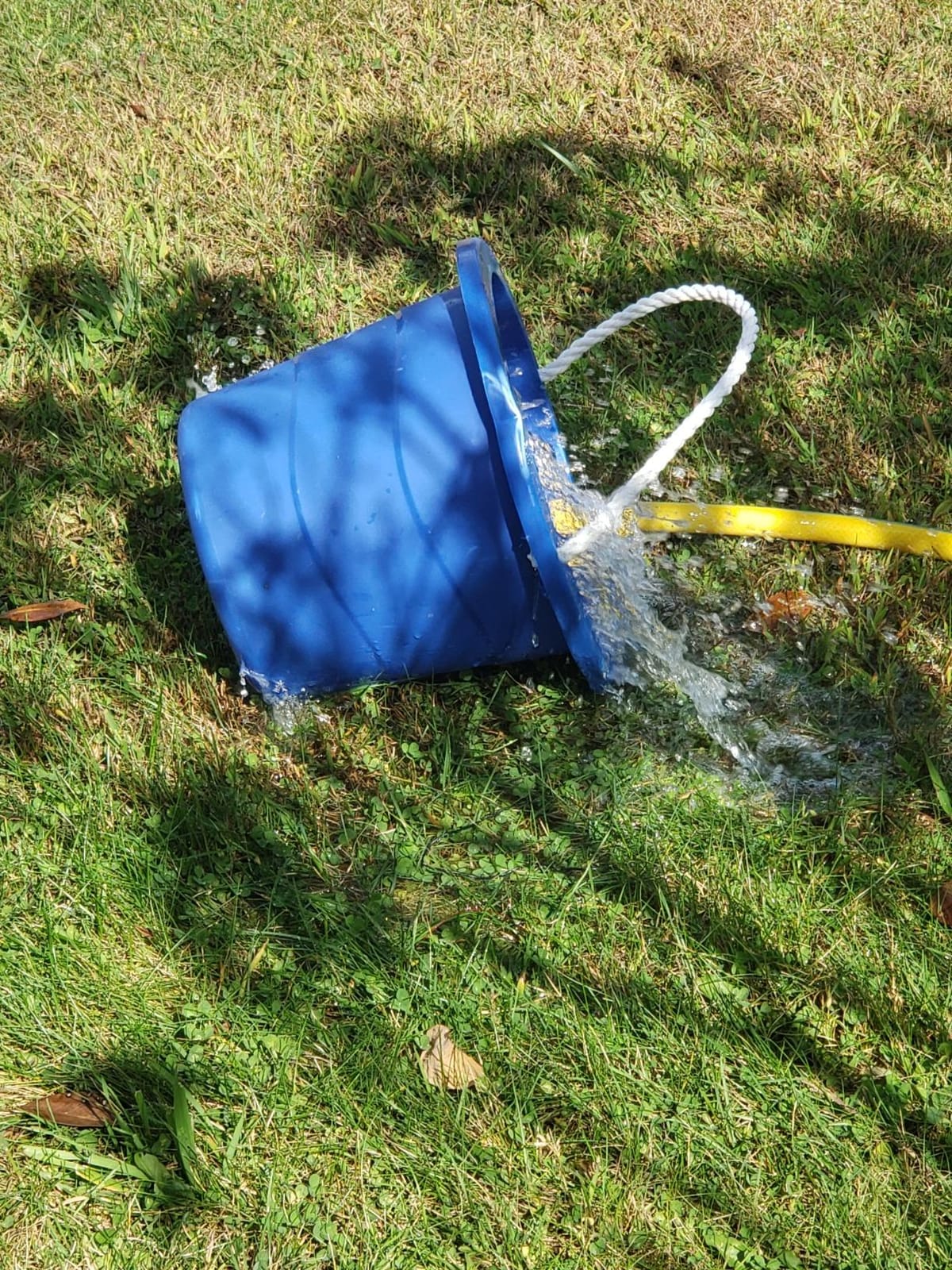
What reviewers like is the weight. At just over 3 kg it is the easiest pump here to carry down stairs, and one owner ran a full 100 foot of hose successfully while maintaining steady flow. It is also quiet enough to run beside a hot tub without being disruptive, drains to roughly half an inch, and handles dirt and grit without quitting.
The complaints are consistent and all about the plastic. The hose barb connector is a weak point that has stripped and rendered the unit unusable, the built-in male garden hose fitting is slightly obstructed by the handle, and the all-plastic housing raises real questions about long-term sump duty. Flow also drops noticeably with very long or narrow hose runs, so size the hose to the pump rather than the other way around.
When a small manual pump is genuinely the right tool
For emergency dewatering of a finished basement, flow matters less than convenience. A lighter pump you can grab quickly, carry down a set of stairs and connect to a garden hose is more useful in a real flood than a heavier one you cannot move fast enough.
The included adapters help. It ships with a 3/4 inch garden hose adapter, a 1-1/4 inch hose barb adapter and a lifting rope, and a 25 foot cord, so you can be running water within minutes of opening the box.
Where it is not the right pick
Do not put it in a sump pit. There is no float switch, the housing is all plastic, and the hose connection is the component most likely to fail. If you want something in the pit, the Superior Pump or the Zoeller is a fundamentally different and better machine.
It is also the wrong answer to a recurring-flooding problem. It manages a consequence rather than preventing it, and the pit-level pumps earlier in this list are the ones that stay on duty through a storm.
How to Size a Sump Pump for Your Basement
Size by working head, not by horsepower. Measure the vertical distance from the pump to where the water exits the building, add about 1 foot of head for every elbow in the discharge line, and use that total to check the pump’s rated lift. A pump rated for 20 feet of head is fine at 12 feet of real lift and struggling at 20.
Then account for pit size. A basin that receives inflow faster than it can discharge will overflow no matter what you install, and a pump in a too-small pit will short cycle. Most basements are fine with a 1/3 HP unit, which is why the Zoeller M53 and Wayne CDU790 are so widely recommended. Move up to 1/2 HP for a large or deep pit, and to 3/4 HP or 1 HP for a high water table home or a basement that fills fast during heavy rain.
Ask two more questions before buying. How far is the discharge line and does it need a secondary backup check valve? And does the pit freeze in winter? An unheated pit in a cold climate needs heat trace tape or a heated pit cover, and a frozen discharge line is one of the most common causes of a total flooding failure documented in homeowner forums.
If you want a wider look at the model landscape before committing, our best sump pumps for basements guide walks through more of the sizing variables in detail.
Submersible vs Pedestal Sump Pumps: Which Style Fits Your Pit
Submersible pumps sit inside the pit and are the right default for most basements. The motor is sealed, protected from debris and generally quieter, and every automatic pump in this roundup is a submersible unit. Pedestal pumps leave the motor mounted above the water line on a column inside the pit, which makes them easier to service without pulling the pump out and immune to mud that would jam a submersible impeller.
The trade is real. Pedestal pumps offer a wide float adjustment range, and some owners report pedestal units still running after 20 years, which is why they remain a legitimate choice in older homes with a large brick or masonry pit. The disadvantages are size, cost and noise, since the exposed motor is louder and takes up considerably more vertical space in the basin.
Choose submersible for a typical modern pit, a finished basement or anywhere noise matters. Choose pedestal for a deep masonry pit with lots of debris, a confined space where you cannot lift a heavy pump out, and a maintenance approach you prefer.
Battery Backup vs Water-Powered Backup for Flood-Prone Homes
Every flood-prone home needs a backup, because the timing of power outages tracks the timing of storms closely. The choice comes down to how much pit space and plumbing work you can accept.
A water-powered backup such as the Liberty SumpJet uses municipal pressure to drive water out with no electricity at all. It never needs charging and cannot fail from a dead battery, and at 19.8 gpm it handles a surprising amount of water. The costs are a 3/4 inch supply line, a backflow preventer, real installation work, and roughly 1 gallon of potable water consumed for every 2 gallons pumped.
A battery backup is simpler to live with day to day. It installs next to the primary pump, needs no water line, and the control panel style used by the Basement Watchdog system will tell you when the battery needs attention. The trade is capacity and battery decay, since most models deliver a fraction of a primary pump’s output and lose effectiveness as the battery ages.
If you have a water line near the pit and the space to work, we prefer water-powered. If you do not, or if you want the lowest-friction install, a battery system with a battery fluid sensor is the sensible second choice. Avoid buying a backup with no monitoring at all, because a silent battery failure is the most common way a backup is discovered not to exist.
Why Does a Sump Pump Go Off Every 30 Seconds?
Roughly every 30 seconds during heavy rain means the pump is short cycling, and short cycling is what kills sump pumps. It happens for a small number of reasons, and only one of them involves the pump itself.
The most common cause is a stuck or mis-set float switch. If the switch never resets to the off position, the pump runs continuously and its motor overheats. Check that the float moves freely, that it is not jammed against the pit wall, and that the tether is not tangled.
The second is a pit that is too small. If inflow exceeds what the pump can move, the water level returns to the trigger point before the basin drains, and the cycle restarts immediately. The fix is a larger pit or a higher-capacity pump, not a different switch.
The third is a check valve that is not sealing, which lets water drain back down the discharge line and refills the pit right after shutdown. You may also hear a sharp bang when the pump starts, which is the same check valve slamming shut under flow.
Less common causes are a partially clogged intake screen or impeller, a frozen pit in cold weather, and a failed float switch that sticks in the on position. If cycling happens in dry weather with no rain at all, suspect the switch first and the check valve second.
Installation Essentials: Pit Size, Check Valve and Discharge Line
Measure the pit before the pump arrives. A 1/3 HP pump needs a basin roughly 18 inches in diameter and 24 inches deep for comfortable clearance, and anything tighter leaves the float switch no room to move. Old pits are frequently undersized plastic inserts, and a pump sized to the old pump may not be the right pump for the new basin.
On the discharge side, rigid PVC or ABS is the right material. Corrugated flexible pipe is a poor substitute because it restricts flow and is prone to collapse, and the difference shows up as reduced pumping capacity at exactly the wrong moment. Run the line with a slight constant slope toward the exit point.
Install a true check valve, ideally a quarter-turn flap style, and add an anti-siphon hole in the discharge line above the pump. Without the hole, a pump that stops while the discharge is still full can siphon the basin dry and defeat the float switch. Many of the pumps in this roundup use a top suction design specifically to reduce this air-lock problem.
Finally, protect against freezing. Insulate the pit lid, check the discharge pipe in unheated areas, and consider heat trace tape if your climate reaches freezing temperatures. Forum discussions about sump pumps almost always circle back to frozen pits and frozen discharge lines as the leading cause of a catastrophic, avoidable failure.
What a Sump Pump Cannot Fix
A sump pump manages water that reaches your pit. It does nothing about water that comes in through cracks, and this is where most disappointed buyers end up.
Groundwater infiltration through foundation wall cracks, mortar joints and the floor slab does not run into a pit. Neither does water backing up through a floor drain or a sewer line during heavy rain, which is a sewage problem, not a sump problem. A pump cannot lower the water table around your foundation, and it cannot stop hydrostatic pressure from pushing water through a wall.
Interior and exterior waterproofing address those problems, and they are the correct fix for a persistently wet wall. Our take is that pumps and waterproofing are complementary rather than alternative measures. If your basement takes on water from more than one direction, a better pump is not the answer.
Which Sump Pump Brand Is the Most Dependable?
Among the brands in this roundup, Wayne and Zoeller carry the strongest long-term reputation. Wayne is the only brand here offering a 5-year manufacturer warranty on its primary pumps, and owners report 8 to 13 or more years of service. Zoeller pairs a 4.7-star average with a build that forum users consistently describe as reliable and long lasting.
Brand alone is not the deciding factor though, and this is the point homeowners on plumbing forums make most often. Failures are usually traced to a stuck float switch, a failed capacitor or a frozen discharge line rather than to the pump body, which means installation quality and maintenance discipline do more to protect a basement than the logo on the volute.
Our practical ranking for dependability: Wayne for warranty coverage and shared parts across models, Zoeller for build quality and impeller design, Superior Pump for repairability and value. Liberty and Basement Watchdog are the two brands here built specifically for the backup role rather than the primary one.
Replace any pump older than 7 to 10 years regardless of its condition. Pumps do not wear out gradually, and the failure will land on the worst night of the year.
Frequently Asked Questions
What type of pump is best for draining a flooded basement?
A portable utility pump with a high flow rate is the right tool for draining an already-flooded basement, because it runs on a cord you control rather than a float switch. For prevention, a cast iron submersible sump pump with an automatic vertical float switch is the standard choice. Choose 1/3 HP for a typical pit, 1/2 HP for a large or deep one, and 3/4 HP or 1 HP for a high water table.
Should I get a 1/3 hp or 1/2 hp sump pump?
A 1/3 HP pump is right for most basements with a standard shallow pit and a short discharge run. Step up to 1/2 HP when the pit is deep, the discharge line is long, or the water table is high enough that the pit refills quickly during rain. The deciding factor is inflow rate rather than basement size, so time how fast your current pit fills before you buy.
Why does my sump pump go off every 30 seconds during heavy rain?
That is short cycling, and it shortens the life of any pump. The usual causes are a float switch that is stuck or will not reset, a sump pit too small to drain between cycles, or a check valve that is not sealing so water drains back down the discharge line. Clear the float, confirm it moves freely, and check the check valve. Do not ignore it, because short cycling overheats the motor.
Which brand of sump pump is the most dependable?
Wayne and Zoeller carry the strongest track records in our testing, with Wayne offering the only 5-year warranty on a primary pump and Zoeller holding the highest average rating in our group. Long service reports of 8 to 13 or more years appear for both. Most failures still trace back to float switches, capacitors or frozen lines rather than the pump body itself, so installation and maintenance matter as much as the brand.
Will a sump pump keep my basement from flooding?
A sump pump keeps water that reaches the pit out of your living space, which handles the majority of basement flooding. It will not stop water entering through foundation wall cracks, the floor slab, a backed-up floor drain or a sewer line, because none of that water reaches the pit. If your basement is wet in more than one direction, you need interior or exterior waterproofing alongside a properly sized pump and a backup power source.
Final Verdict: Which Sump Pump Fits Your Basement
The best sump pumps for basement flooding are not all the same pump, and the search for a single winner is the wrong approach. Match the pump to three things: your real vertical lift, your pit diameter, and whether you have a water line near the pit for a backup.
For a standard basement, the Zoeller M53 Mighty-mate is our pick, with the best rating in the group and a cast iron build that rewards long ownership. If your pit is narrow, the Wayne CDU790 fits where others bind. For a high water table or a basement that fills fast, go to the Wayne CDU980E or CDU1000 for the capacity, and pair either with the Liberty SumpJet as a water-powered backup.
Add a portable utility pump to the kit regardless of what goes in the pit, test the system every spring with a bucket of water, and replace any pump past 7 to 10 years. For more options across the category, see our basement sump pump guide.