

A wooden dummy, called a Mook Yan Jong (also spelled Muk Yan Jong, Mu Ren Zhuang or Mook Jong), is a Wing Chun training post built with two upper arms, one middle arm and one angled leg so you can drill angles, footwork and hand technique alone, without a partner holding pads for you.
That single sentence covers most of what this guide is about. The best wooden dummies are not fitness equipment and they are not a substitute for sparring. They are a fixed, correctly angled reference that lets you repeat a movement ten thousand times without a training partner getting tired at repetition two hundred.
We spent weeks going through the eight best wooden dummies on the market, weighing what the owners actually say after living with them, not just the spec sheets. What follows covers freestanding frames, wall-mounted piles, portable strap-on dummies and a metal-bodied entry option, plus the honest answer to whether beginners should buy one at all. We also break down mounting, wood species, sizing, noise and the base-weighting step that almost no manufacturer explains.
If your interest is in training partners rather than training posts, our guides to the best boxing dummies and the best grappling dummies cover the other side of the dummy aisle.
Is a wooden dummy effective? Yes, but only as a polishing tool. A wooden dummy develops structure, timing, footwork and forearm conditioning because the limbs sit at fixed, opponent-like angles, so you repeat the same positioning correctly every time. It does not replace live sparring, and it will not teach you what a resisting opponent feels like.
Top 3 Wooden Dummy Picks for 2026

AugustaPro Iron Body Wing Chun Dummy
- 65 inch iron body
- Hardwood arms and leg
- 12 suction cup base
- Fillable hollow trunk

Flex HQ Adjustable Wing Chun Dummy
- Solid wood tripod base
- 67 inch height
- 22 inch adjustable arms
- Two striking pads
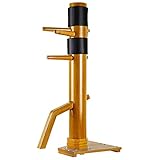
Geniqua 67 Inch Solid Wood Dummy
- Solid wood frame
- 99 lb build
- All hardware included
- Full 67 inch height
The AugustaPro is the pick we recommend to most people first because it is the only unit here that arrives complete, assembles in about fifteen minutes and does not need a stud finder or a joist. The Flex HQ is the one to buy if you want an all-wood trunk at traditional height, and the Geniqua is the heavier, more premium-feeling version of the same idea.
Best Wooden Dummies at a Glance in 2026
| Product | Specifications | Action |
|---|---|---|
| AugustaPro Iron Body Wing Chun Dummy |
|
Check Latest Price |
| Flex HQ Adjustable Wing Chun Dummy |
|
Check Latest Price |
| Geniqua 67 Inch Solid Wood Dummy |
|
Check Latest Price |
 MR Wing Chun Dummy with Tripod Base MR Wing Chun Dummy with Tripod Base |
|
Check Latest Price |
 dummymaker Walnut and Gray Ash Dummy dummymaker Walnut and Gray Ash Dummy |
|
Check Latest Price |
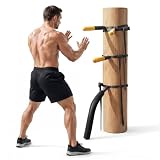 SYNTECSO Portable Wing Chun Dummy SYNTECSO Portable Wing Chun Dummy |
|
Check Latest Price |
 DYK and NX Wall Mounted Wooden Man Pile DYK and NX Wall Mounted Wooden Man Pile |
|
Check Latest Price |
| Geniqua Brown Free-Standing Wooden Dummy |
|
Check Latest Price |
Two numbers decide most purchases here: total height and total weight. The full-size frames in this list all stand 65 to 67 inches tall and weigh between 99 and 110 pounds. The portable and wall-mounted units are a different category entirely, closer to 59 inches of limb on a strap or a screw rather than a freestanding post.
1. AugustaPro Iron Body Wing Chun Dummy – Best Overall Freestanding Pick
AUGUSTAPRO ™ Iron Body Wing Chun Dummy Mook Yan Jong with Hardwood Arms and Leg – Traditional IP Man Wing Chun Dummy
65 inch iron body
6.5 inch diameter
Arms extend 12.6 inch
Suction cup base
Pros
- Assembles in about 15 minutes with basic tools
- Hardwood arms and leg take strikes well
- Base is stable once weighted with pebbles or sand
- Hollow iron body can be filled to add weight
Cons
- Metal body gives a metallic ring compared with all-wood
- Suction cups wear and need periodic checks
- Base plates are not machined to line up perfectly
- Leg screws protrude rather than sit flush
This is the dummy I put in front of beginners who want something that works the day it arrives. The body is a 65 inch iron column with a 6.5 inch diameter, and the arms and leg are hardwood. Assembly genuinely took about fifteen minutes with a hex key, which matters more than it sounds when you are doing it alone in a garage at the end of a long day.
The arms extend 12.6 inches from the trunk and can be set to almost leveled or staggered positions, so you can reconfigure the dummy when you switch between systems. Owners frequently add their own wrapping at the hand ends once the wood starts to show wear.
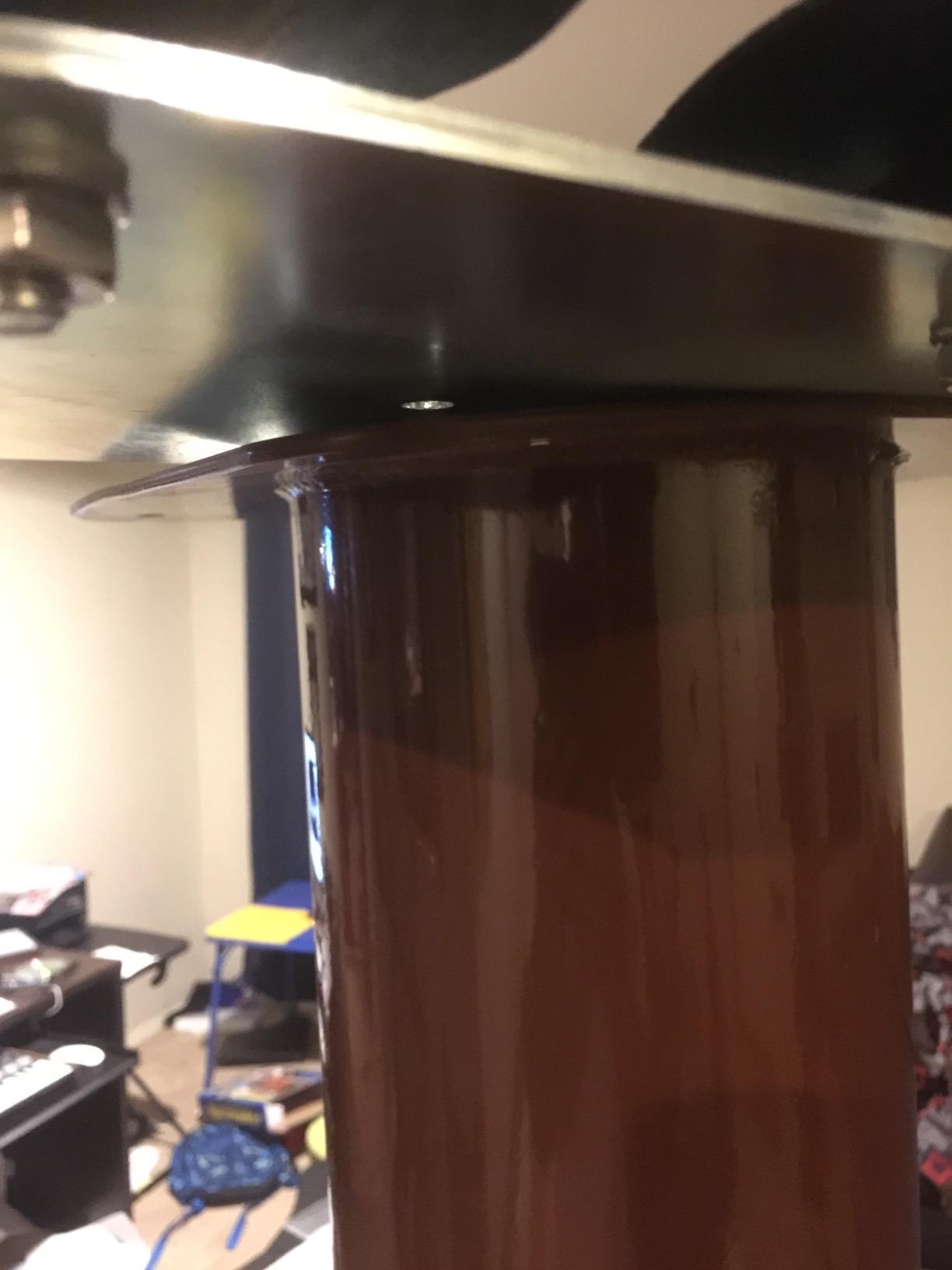
The design detail nobody advertises is the hollow trunk. You can drop weight into it, and reviewers on r/martialarts repeatedly make the same point: this dummy feels best after the base is weighted with pebbles or sand, because the suction cups alone are not enough. Fill the base and the wobble largely disappears.
The trade-off is sound. Strike the trunk and you get a hollow metallic ring rather than the dense thud of a solid wood post. In a garage or basement that is not a problem. In a flat above someone else’s bedroom, it is a real one, and it is the main reason I rank this second to the all-wood options for apartment living.
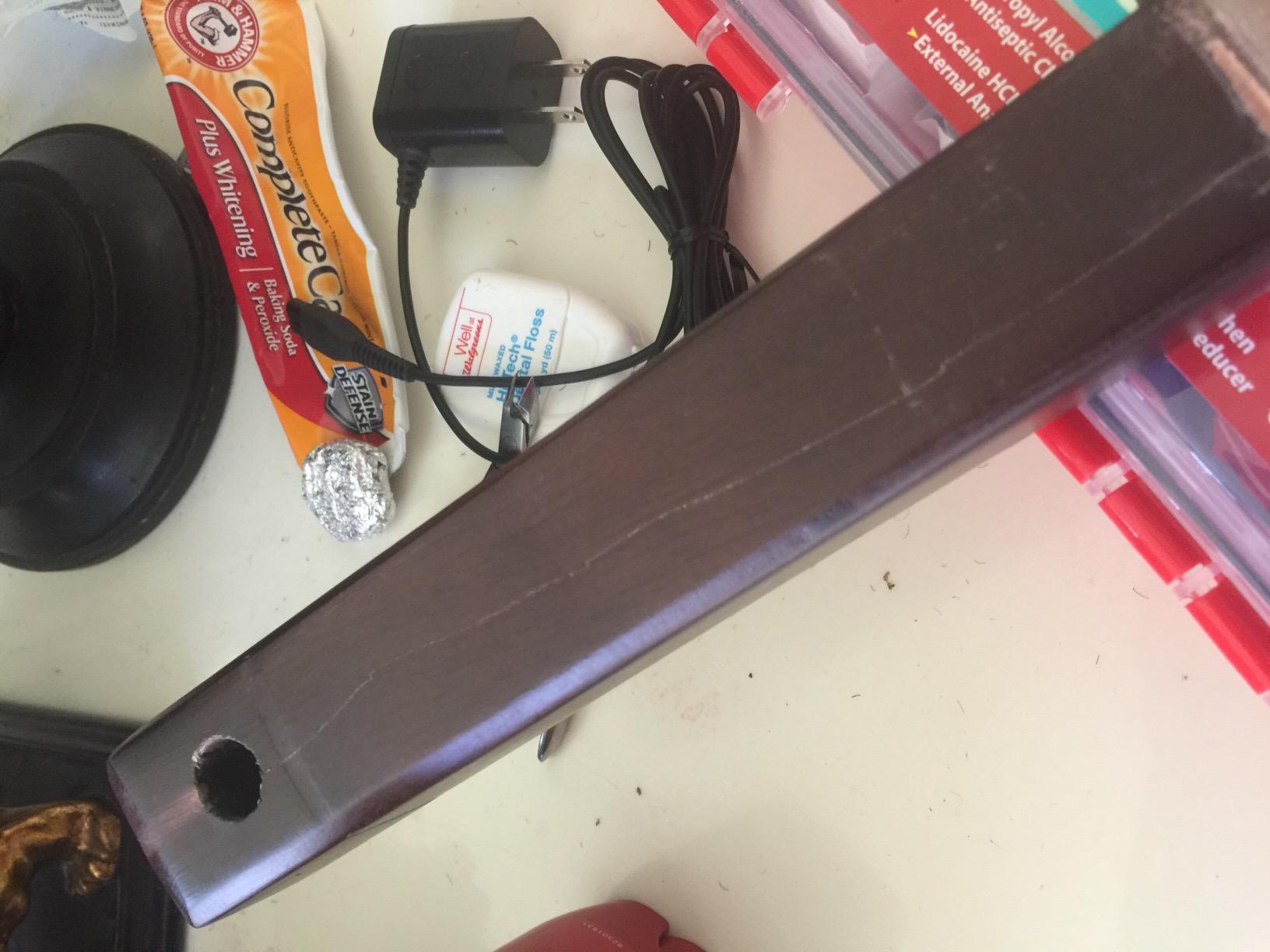
Two smaller things worth knowing: the two base plates do not line up perfectly because the casting is not precision machined, and the leg screws are not counter-sunk, so they sit proud of the surface. Neither is dangerous. Both are the kind of detail you notice on day one and forget about by day thirty.
How it holds up to hard training
Owners report the hardwood arms and leg absorb years of regular striking without splitting, which is the failure mode that ruins cheap dummies. The suction cups are the consumable part. Check them periodically, and the base is the piece you will inspect most often in the first year of ownership.
It also runs small for very tall, heavy practitioners. At 65 inches it suits most adults, but if you are well over six feet you may find yourself punching below where you would naturally land.
Where it will disappoint you
It is not a lifetime-purchase frame. The metal trunk is the reason this sits where it does rather than at the very top: no hollow metal column will ever feel like laminated hardwood, and the sound gives it away every time you hit it hard.
If you live in a shared building and train at night, read the noise section below before you commit. The Flex HQ or the Geniqua will be quieter for the same money.
2. Flex HQ Adjustable Wing Chun Dummy – Best Full-Size Solid Wood
Adjustable Wing Chun Dummy Mook Yan Jong IP Man Training Target Wood Base Dark Brown
Solid wood with tripod base
67 inch height
8 inch diameter
22 inch adjustable arms
Pros
- Traditional 67 inch height suits most practitioners
- Roughly 99 lb of weight makes it very hard to knock over
- Deep even stain over solid wood
- Assembly usually takes under an hour
- Included striking pads and pole padding
Cons
- Can wobble side to side from naturally bowed wood
- Slightly less rigid than heavy-duty school dummies
- Bundled training disc is a Video CD not a DVD
At 4.6 stars across more than 160 reviews, this is the best full-size solid wood dummy in the group and the highest-rated model with a meaningful review history. The trunk is wood rather than metal, the tripod base is genuinely heavy, and the whole thing stands at a traditional 67 inches.
Each arm is 22 inches long and can be set to leveled or staggered positions, which makes this the most flexible of the wood frames here. The included striking pads matter more than the marketing suggests, because unprotected finger strikes on a raw wood arm is a fast way to hurt yourself in month one.
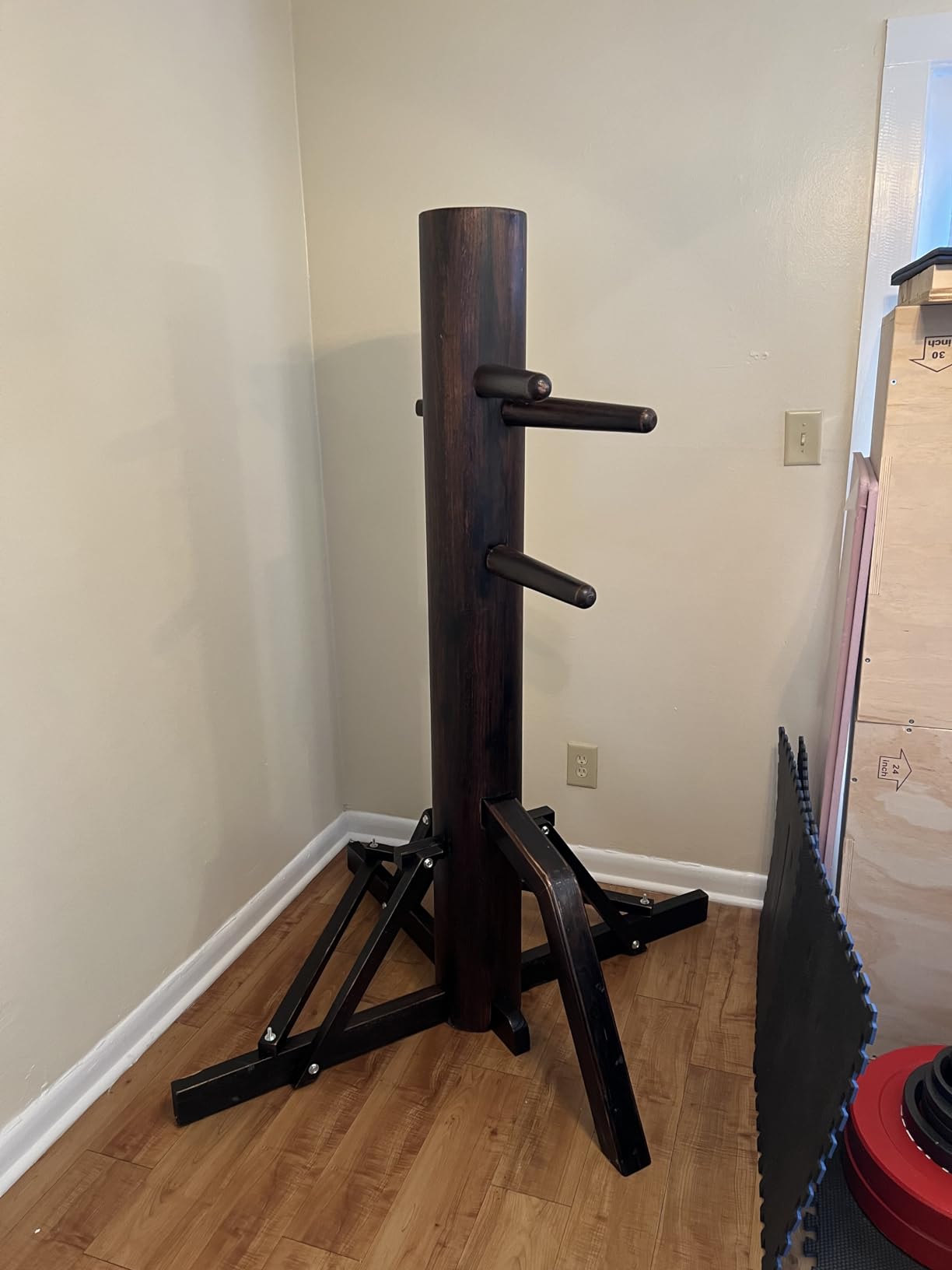
What reviewers like most is the weight. At roughly 99 pounds it takes real effort to knock over, which means you can commit to a strike instead of protecting your own hands. On a suction-cup base that is not true, and on a wall mount it depends entirely on your fixings.
The wobble is the recurring complaint. Natural bow in the trunk can let it rock side to side under heavy side kicks, and a few owners note it feels slightly less rigid than the heavy-duty frames used in some kung fu schools. For home drilling and form practice, it is a fair trade for a trunk that sounds and feels like wood.
One more quirk: the bundled training material is a Video CD rather than a standard DVD. If you plan to watch it on anything modern, you will need a separate drive. The material itself is useful, so treat this as a packaging detail rather than a quality signal.
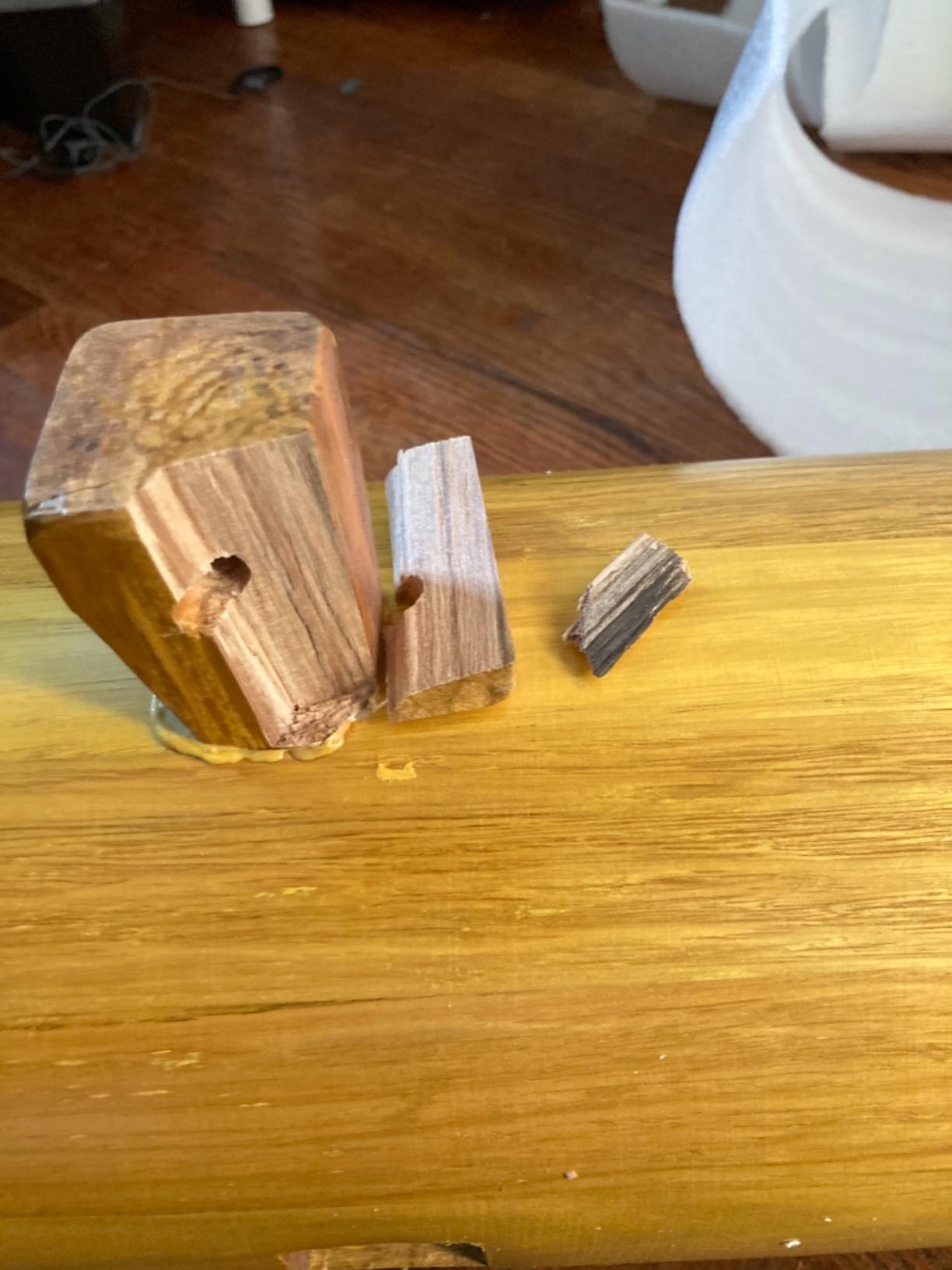
How it handles apartment training
This is the quietest option among the full-size frames. A solid wood trunk absorbs impact rather than ringing, and the tripod base means no wall anchors and no studs to find. You can place it on carpet, on a gym mat, or on concrete in a covered patio space.
It is still 99 pounds. Test the route from your door to the training spot before you order, because that is the part people underestimate.
Where it will disappoint you
If you train in a small studio with neighbours close by, solid wood at 99 pounds transfers a lot of low-frequency thud into the floor. A rug is not optional in my experience, and neither is a reason to check downstairs neighbours before you start.
The height is fixed. Unlike a custom-built unit, you cannot have it made to your exact measurement, so very short and very tall practitioners may find the arm height slightly off their centreline.
3. Geniqua 67 Inch Solid Wood Dummy – Best Premium Solid Wood
Geniqua Walnut Wing Chun Wood Target Base Training Dummy IP Man Martial Arts Traditional
Solid and manufactured wood
67 inch height
8 inch diameter
99 lb build
Pros
- Full traditional 67 inch height and 99 lb weight
- Solid wood built to take heavy strikes
- Quick setup with all hardware in the box
- Solid base designed for harsh use
Cons
- 99 lb frame is awkward to move between rooms
- Finish blemishes reported on some pieces
- Only a modest number of owner reviews
This is the Geniqua round-shape model, and it is the more substantial of the two wood frames from that brand. Ninety-nine pounds, 67 inches tall and 8 inches across, with a solid base designed for harsh use. Out of the box you get all the hardware needed for installation.
Owners consistently rate the build quality and the finish well for a dummy in this size class. At 4.4 stars across 91 reviews it sits comfortably with the field, and the AI summary of the reviews is blunt: solidly built, good weight, straightforward assembly.

The honest weakness is portability. Ninety-nine pounds of solid wood is not a piece of equipment you reposition while your hands are taped. Plan where it will live before the box arrives, because moving it means two people or a furniture dolly.
There have also been reports of small blemishes and finish inconsistencies on individual pieces. That is normal with wood and often invisible once the dummy is assembled and stained, but check the arms and trunk before you accept a damaged finish.
If you want the same brand in a slightly different format, our review of the brown free-standing variant is further down this page. The two share a core design, and comparing them helped us pin down where the money actually goes in this price class.
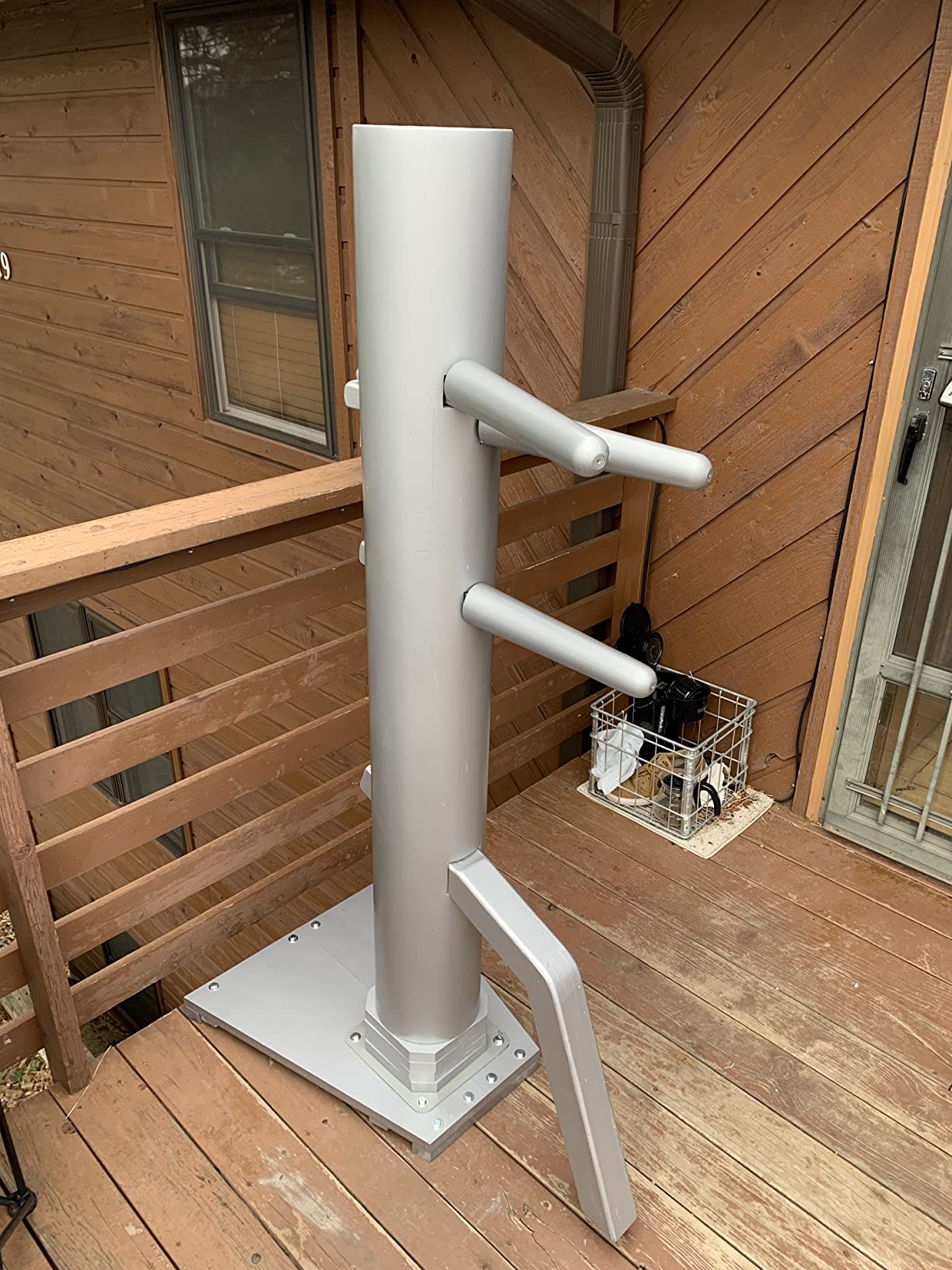
How it handles hard kicking
The solid base is the story here. Where suction cups slide and lightweight frames rock, a 99 pound wood base with a wide footprint stays put, and that is what makes it usable for the kicking and kneeing drills that destroy lesser dummies.
Fit a striking pad over the hand and knee sections before your first hard session. Bare-knuckle and bare-foot contact against a raw wood edge is where beginners injure themselves, not in the technique itself.
Where it will disappoint you
The review volume is modest compared with the metal-bodied leader, so you are trusting the design more than a large body of owner feedback. That said, the design is conventional and there is very little about it to go wrong.
It is not adjustable in height. If you train with a much shorter or taller partner, you are learning on a fixed 67 inch frame rather than one built to your own measurement.
4. MR Wing Chun Dummy with Tripod Base – Best for Hard Striking
MR Wing Chun Dummy, Wooden Mook Yan Jong, IP Man Training Target with Tripod Base, Adjustable Height Mook Yan Jong Training with 3 Striking Pad, Martial Arts Traditional Kung Fu Training Dummy
110 lb freestanding base
22 inch adjustable arms
Three striking pads
Leveled or staggered
Pros
- Heaviest frame here at 110 lb and very stable
- Arms extend 22 inch and adjust to leveled or staggered
- Three striking pads with strong Velcro included
- Freestanding tripod needs no wall attachment
Cons
- No printed assembly instructions
- Some hardware holes drilled to the wrong diameter
- One rear bolt is too short once washers are fitted
- Listing photo shows the top arms reversed
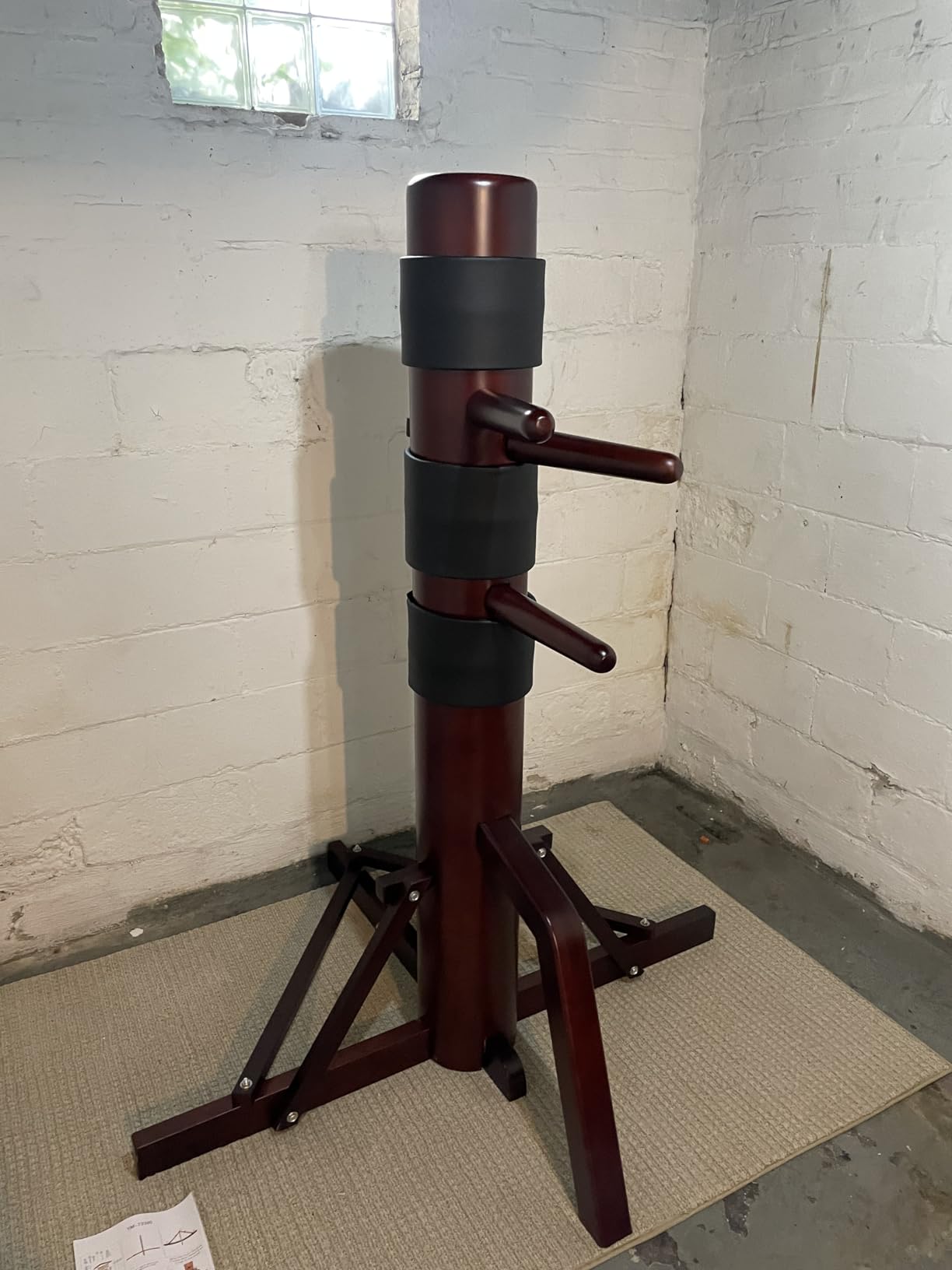
At 110 pounds this is the heaviest unit in the group, and that is not an accident. If your training involves hard kicks, teeps and repeated high-intensity combinations, weight is the feature that keeps the dummy in place while you commit fully to the technique.
The tripod base means no drilling and no wall fixings, and the finish on the reddish-maroon wood looks good once assembled. Arms extend 22 inches from the trunk and can be set leveled or staggered, and three striking pads are included rather than the usual two.
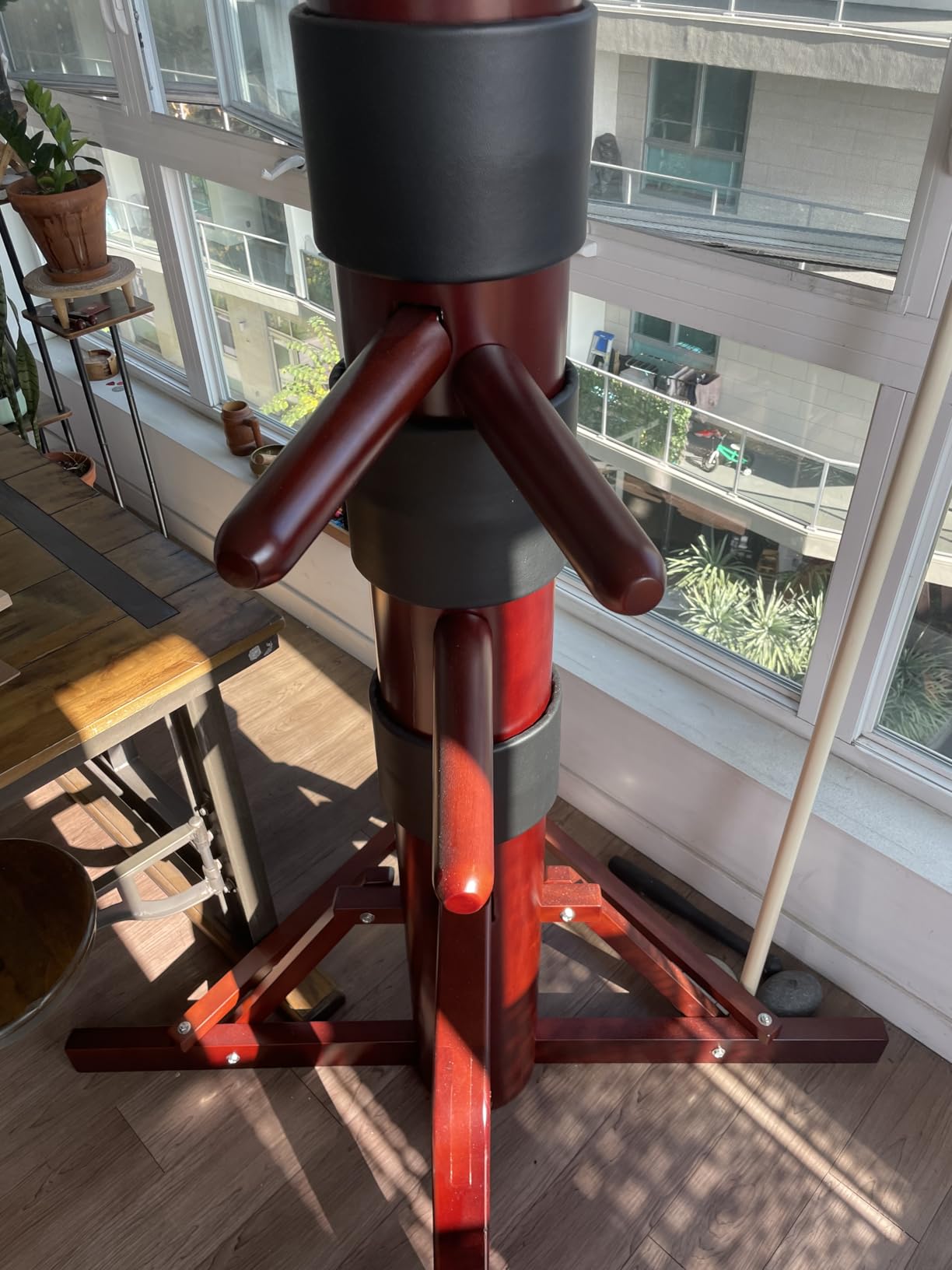
Now the part that needs honesty. The most detailed review on this listing describes real assembly problems: hardware holes drilled to the wrong diameter that need redrilling, a rear bolt that is too short once the washers are fitted, and no printed instructions at all. You end up inferring the layout from listing photos with one included wrench.
That is an hour of frustration on a 110 pound object, and it is worth knowing before you order rather than after. Have a drill, a bit set and a longer bolt on hand before you start.
The listing photo also shows the top arms reversed from the unit that actually arrives, so do not build your expectations around arm configuration from the images alone. Check what is in the box and set the arms yourself once it is built.
When this frame earns its weight
Heavier is not automatically better, but for power work it is decisive. A 110 pound base resists the kind of rocking that makes you shorten your kick before it lands, and the tripod footprint spreads the load across the floor rather than concentrating it under the trunk.
The three included pads are a genuine bonus. They use strong Velcro, so you can move them to whichever limb you are working without fussing with ties between rounds.
Where it will disappoint you
The assembly experience is the weak point, and it is a real one. If you are not comfortable with a drill and a bit set, budget extra time or pay someone to build it. Comparing assembly notes across the reviews is how we found this issue, and it is the main reason this frame is not the top pick despite its weight.
At 110 pounds you are also committing to one permanent spot in your home. There is no realistic way to shift it solo.
5. dummymaker Walnut and Gray Ash Dummy – Best Handmade Craftsmanship
Wing Chun Wooden Dummy Plane Walnut Gray Ash Color
Made one at a time by one craftsman
Walnut and gray ash
Customisable from the maker
Requires wall or beam mounting
Pros
- Highest rated model in this group at 4.7 stars
- Handmade hardwood build and finish owners call a display piece
- Compact enough for basements and covered patios
- All hardware included with clear instructions
Cons
- Mounting holes and arm holes may not align out of the box
- You may need larger tapcon screws for masonry
- Needs a wall or beam rather than standing on its own
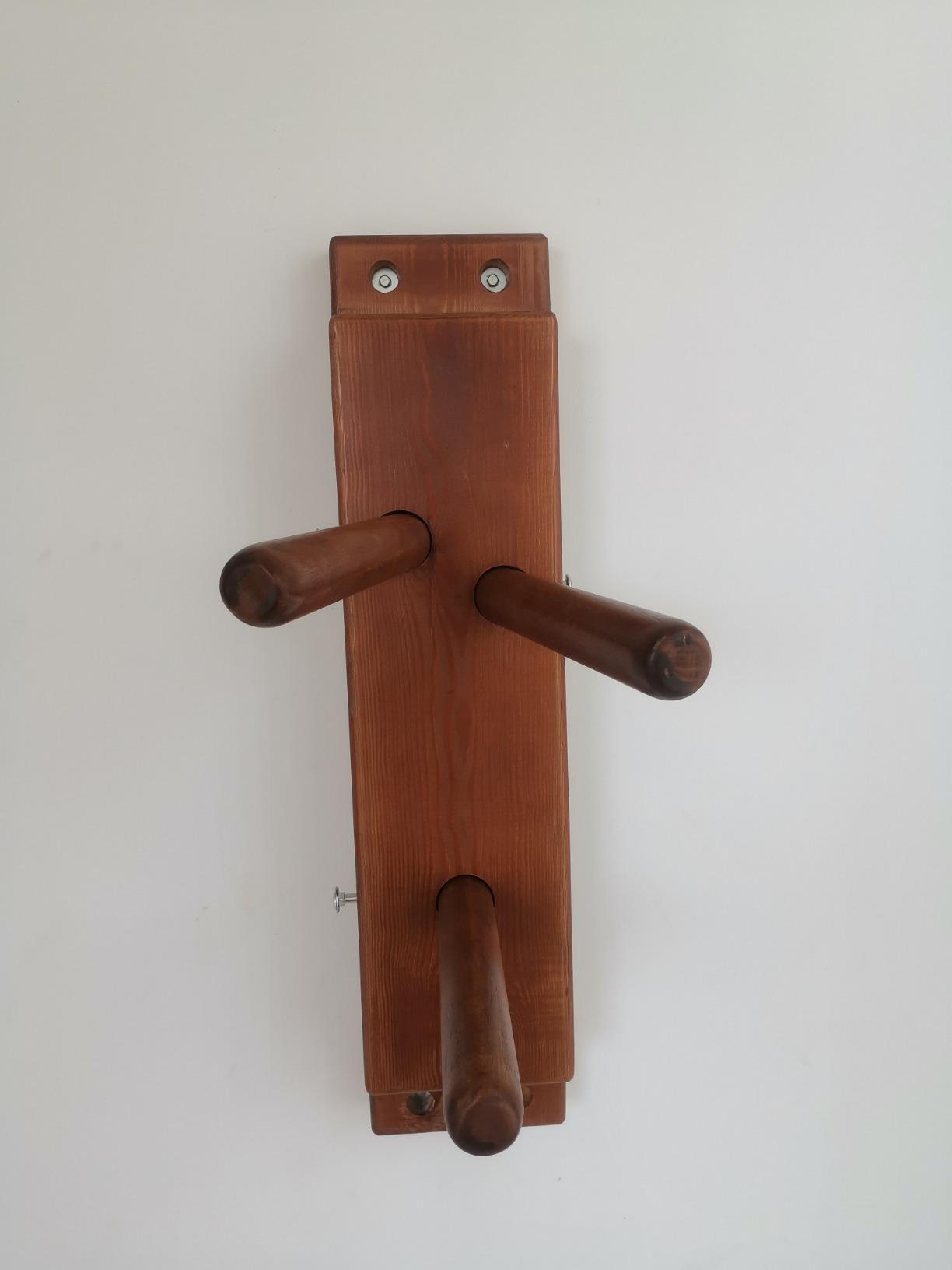
This is the one that made us stop and look twice. It carries a 4.7 rating across 68 reviews with no one- or two-star feedback in the set, and the construction is genuinely different: one craftsman builds them, one at a time, all to the same measurements but with individual character in the finish.
Owners describe the walnut and gray ash finish as something you would happily leave on display in a living space, which is not a sentence most martial arts equipment earns. It is also compact enough for a basement, a garage or a covered patio.
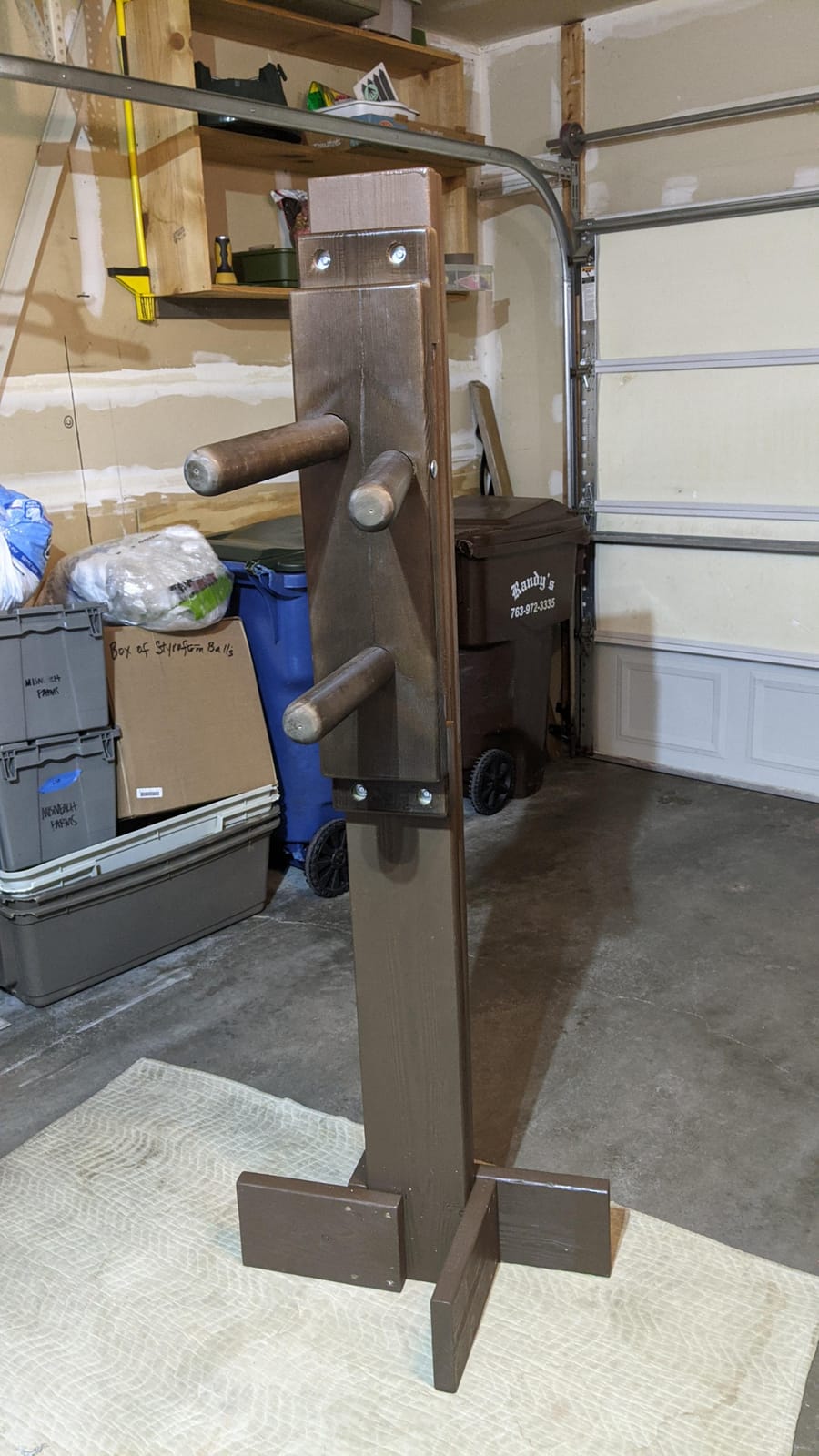
The catch is that it is a wall or beam unit, not a freestanding frame. You need a solid fixing point and you need to be comfortable with a stud finder. If you rent, or your ceiling has no exposed beams, this is not the one.
The practical note repeated by buyers is alignment. The holes for the mounting bolt and the arms may not line up perfectly out of the box, and if you are anchoring into masonry you will likely need larger tapcon screws than the ones supplied. A photo of your wall and your fixings before assembly saves an afternoon.
Customisation is available directly from the manufacturer, which matters if you want a specific height, arm configuration or finish. That option is worth using if your centreline sits higher or lower than a standard 67 inch frame.
Why handmade changes the feel
Because every unit is built by one person to fixed measurements, the joints and the finish are consistent in a way that production-line units rarely are. Reviewers who have owned cheaper frames first tend to describe the difference as solidity rather than weight alone.
For a wall-mounted unit this matters more than it would for a freestanding frame, because a hollow or poorly jointed trunk is where splits and flex start, and those are the failures that end a dummy’s life.
Where it will disappoint you
Installation is on you, and it is the part buyers mention most. If you have never fixed a load-bearing wall fitting, this is not a first project, and the weight and leverage of a swinging dummy make a weak fixing genuinely dangerous.
Review volume is on the smaller side compared with the mass-market frames. The rating is excellent, but you are reading the words of a smaller group of owners than you would with the most-reviewed option.
6. SYNTECSO Portable Wing Chun Dummy – Best Budget and Portable
SYNTECSO Portable Wing Chun Dummy, Detachable Wooden Training Dummy
59 inch overall
Straps to posts 15cm or wider
Spring loaded arms and leg
Detachable limbs
Pros
- Spring arms and leg are forgiving and absorb shock
- Straps onto a tree or pillar in seconds
- Detachable limbs let you change height between users
- Saves floor space compared with a freestanding frame
- Wood and metal parts feel well made
Cons
- Does not include striking pads
- Needs a post
- tree or pillar at least 15cm across
- Springy limbs do not give rigid impact feedback
This is the odd one out in the best wooden dummies lineup, and it is worth including for a specific reason: it is the only unit here you can take down, carry to a park, and reattach in under a minute with adjustable straps and locks.
It measures 150 centimeters, or 59 inches, overall. Arms are 30 centimeters long with internal springs, and the 52 centimeter leg has a leather sleeve over a stainless steel core with high density sponge. The limbs detach and can be used separately.
Those internal springs are the defining feature. They give the arms and leg more movement, which makes spread, pull and circle techniques easier to learn and absorbs a lot of the shock of a hard stop. Owners and instructors describe it as a forgiving stand-in for a full Mook Yan Jong rather than a replacement for one.
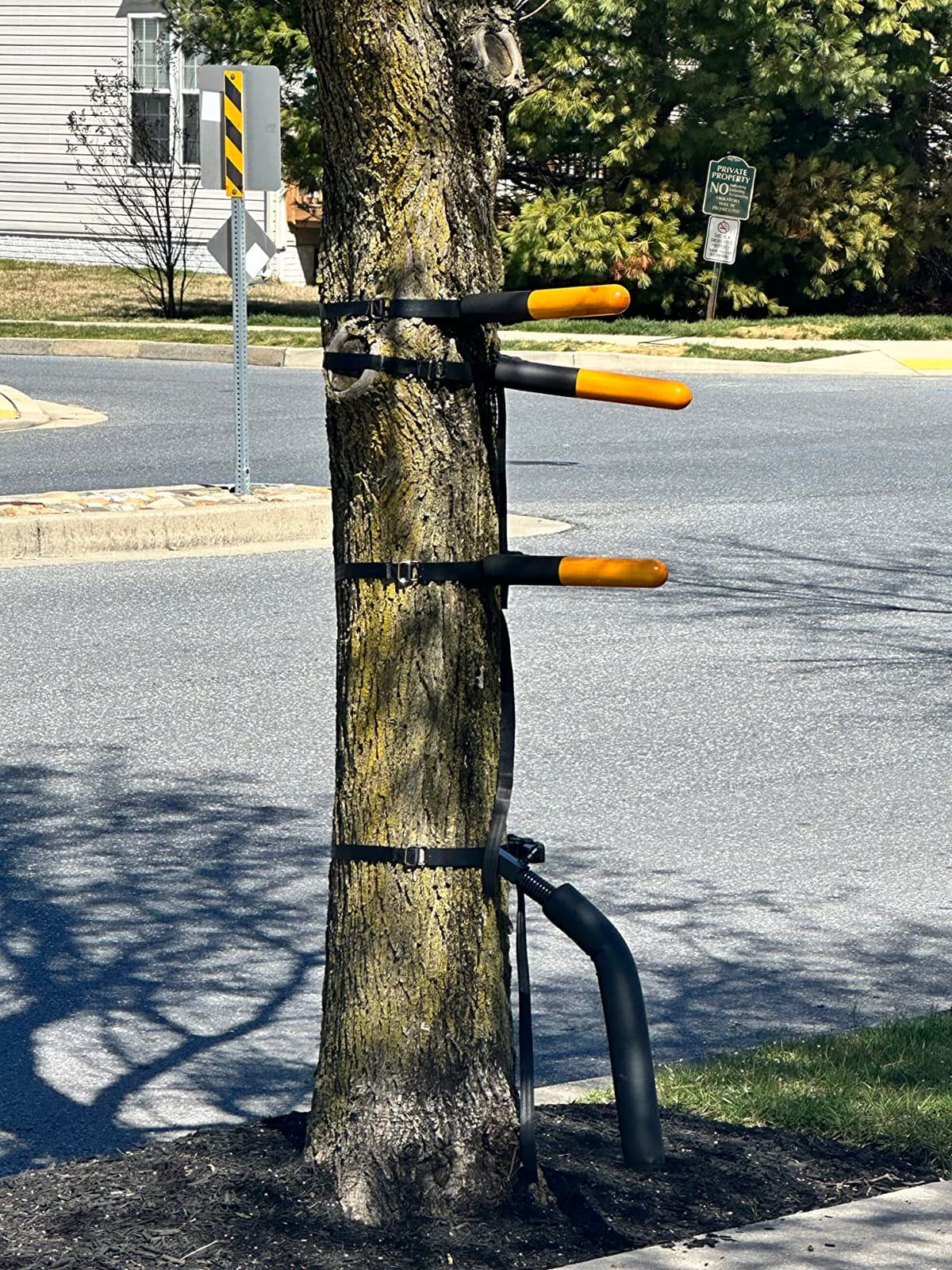
The requirement is simple but not optional: something hard to strap to, at least 15 centimeters or 5.9 inches across. A garage column, a porch post, a tree trunk. If you do not have that, this model does not work at all.
No striking pads are included, so budget for them. And be honest with yourself about what the springs do and do not give you. There is no rigid impact feedback here, so if your goal is forearm conditioning through solid, unyielding resistance, a wood frame serves you better.
Where portability wins
Apartment living, a shared house, a garage that has to clear for the car, a garden with a mature post. This is the dummy that disappears when you are not using it, which removes the single most common excuse for never training at home.
It also handles multiple practitioners better than a fixed-height frame. Detach the limbs, change the strap height, and a shorter student can train on the same unit.
Where it will disappoint you
Beginners can mistake springy limbs for proper structure work. If you have not already learned the forms with a partner, the give hides small errors in angle and hand position, and you will practise those errors until they feel normal.
It is also the least versatile for other arts. If you want a target for Taekwondo kicks, JKD combinations or pressure work, you need something rigid and heavy.
7. DYK and NX Wall Mounted Wooden Man Pile – Best for Small Floor Space
Wing Chun Wooden Man Pile, Wall Mounted Dummy for Home Martial Arts Training, Portable Device for Wall or Marble Surface
Wall mounted unit
Arm 30cm long and 4.7cm across
Leg 52cm with sponge core
About 11.8 inch dimensions
Pros
- Wall mounted so it takes almost no floor space
- Spring loaded arms and legs give forgiving feedback
- Traditional limb dimensions suit standard technique work
- Height adjustable with arms and legs usable separately
Cons
- Needs a load-bearing wall
- solid pillar or marble surface
- Leather and sponge sleeves wear with weather exposure
- Less stable for power striking than a weighted freestanding frame
This wooden man pile is the answer for anyone whose training space is measured in square feet rather than square metres. It mounts to a load-bearing wall, a solid pillar or a marble surface, and once it is up the floor space it takes is close to nothing.
The limb dimensions are traditional: a 30 centimeter arm at 4.7 centimeters in diameter, and a 52 centimeter leg with a leather sleeve over a stainless steel core and high density sponge. Spring hands and legs give the same forgiving feedback as the portable model, and arms and legs can be used on their own.
Reviewers emphasise one thing above everything else, which is that the mounting surface has to be right. A wall-mounted dummy develops real leverage when you swing a chain punch into it, and drywall or plaster is not a mounting surface.
Why floor space is the real constraint
Almost every objection people raise about wooden dummies is really an objection about where it goes. A 99 pound frame needs a corner, a clear floor area and a route to get it there. A wall unit needs a wall and a stud, and then it disappears.
If you are in a flat with hard floors and thin walls, that trade is worth taking carefully. Read the noise section below before you fix anything to anything.
Where it will disappoint you
Power striking. This is a 5000 gram unit on a wall bracket, not a weighted base, so repeated hard kicks and knee strikes will transmit straight into your fixings and into the wall behind them. Practise technique on it, not power.
Weather exposure also matters. Leather and sponge sleeves degrade outdoors, so if your only suitable mounting point is an exterior wall, this is the wrong tool.
8. Geniqua Brown Free-Standing Wooden Dummy – Best First Dummy for Beginners
Geniqua Walnut Wing Chun Wood Target Base Training Dummy IP Man Martial Arts Traditional
Solid and manufactured wood
67 inch height
99 lb build
Free-standing
Pros
- Well made and easy to assemble
- Freestanding format simplifies storage and travel
- Full traditional 67 inch height on a solid wood frame
- All installation hardware included
Cons
- 99 lb build is hard to reposition
- One buyer reported a unit arriving damaged
- Smaller review base than the other wood frames
We are including this brown free-standing variant because comparing it with the rounder Geniqua model above made the trade-off obvious. Same core idea, 67 inches tall, 99 pounds, solid and manufactured wood, solid base, and all hardware in the box.
What the owners report is exactly what a first dummy should deliver: easy assembly, a full traditional height, and a free-standing design that keeps storage and travel simple compared with a wall-mounted unit.
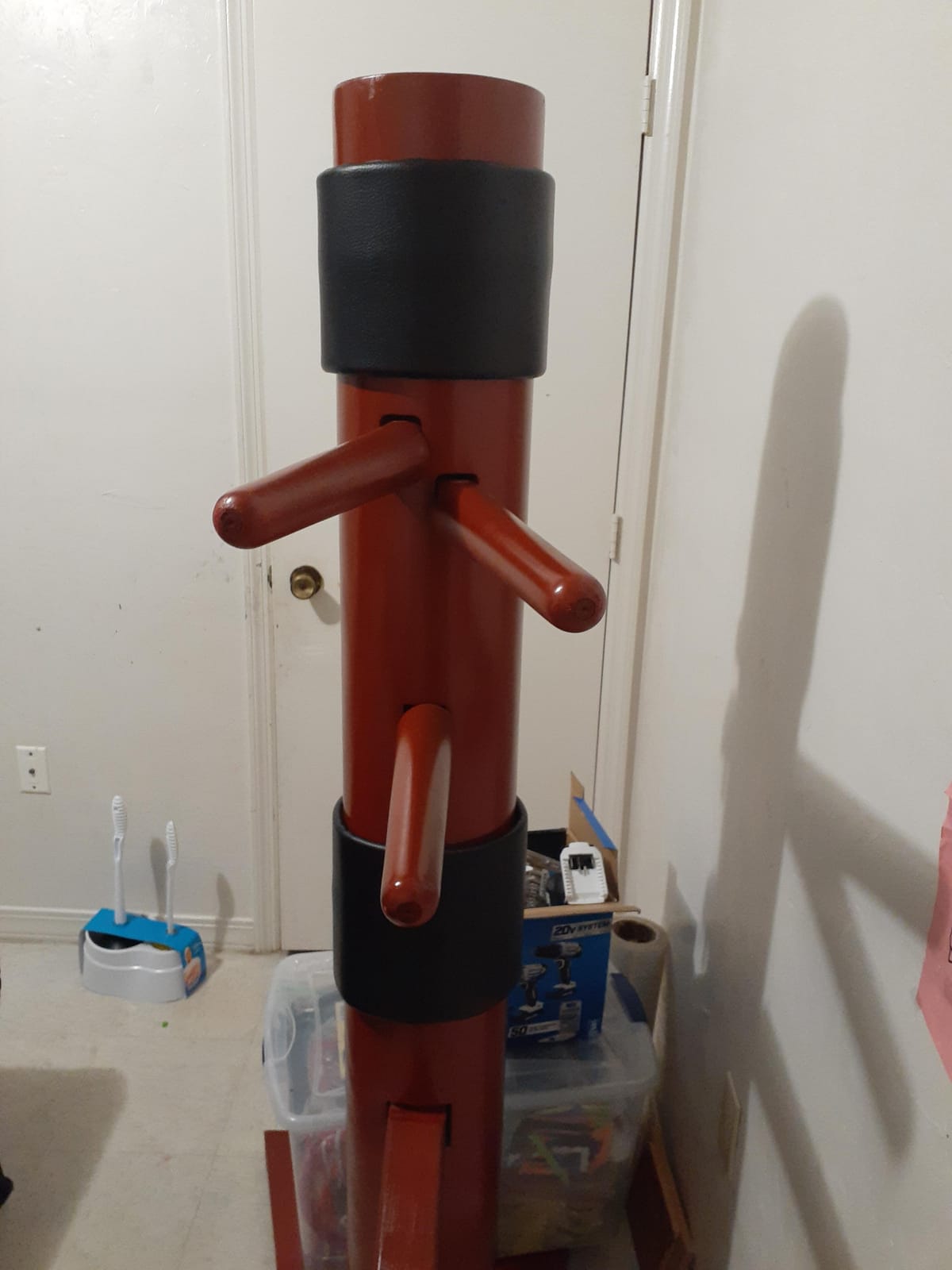
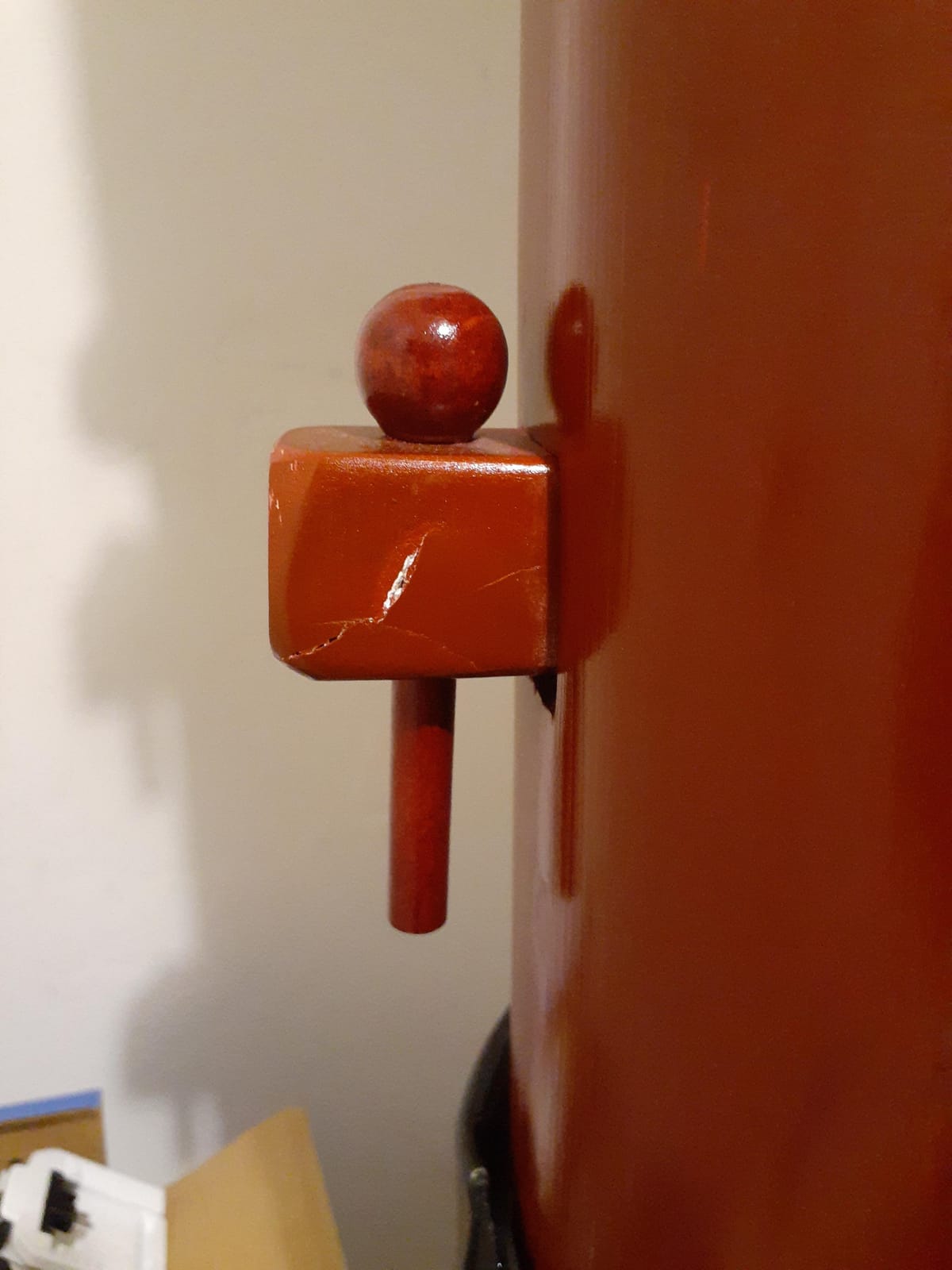
That is a narrower, smaller review base than the other wood frames, with 18 reviews at a 4.4 average. One buyer reported a late delivery and a unit arriving damaged, which is worth raising not as a pattern but as a single data point: inspect the arms and trunk the moment it arrives, before you assemble anything.
Because it is built from solid and manufactured wood with a solid base, the frame takes the same heavy strikes as the more expensive units in this list. That is the practical argument for choosing it over the other 67 inch wood frames: the construction is equivalent, the owner experience is the most straightforward, and the differences between the options at this size come down to finish and assembly tolerances rather than build quality.
The other advantage is that it needs no fixing at all. Nothing drilled, no studs located, no anchors rated, and no landlord conversation about putting a 99 pound object into a wall.
What makes it beginner friendly
It is the combination, not any one feature. A 67 inch traditional height means the limb positions match what your instructor demonstrates, and 99 pounds means the frame stays where you put it. Nothing about it requires drilling, studs or a joist to find.
Budget separately for a striking pad before your first session. Training bare-knuckled against a raw wood hand section is how people quit in the first month, and that is a trivial problem to solve compared with the mistakes this frame is otherwise prone to.
Where it will disappoint you
Same limitation as its sibling: 99 pounds is a permanent commitment to one spot. And the review base is small, so you have less owner feedback to lean on than with the highest-reviewed options.
If your space is tight or your building is shared, look at the wall-mounted or portable picks instead. Weight you cannot move is weight you regret.
Wooden Dummy Buying Guide: Mounting, Material, Size and Noise
Hanging, wall-mounted or free-standing
A free-standing frame is the simplest to install and the hardest to move. You carry it to the spot, weight the base, and train. It suits garages, basements and any room with a clear floor area and a route wide enough for a 99 pound object.
A wall-mounted unit takes almost no floor space and feels the most like the traditional dummy in a school, but it needs a genuinely solid fixing. Find a stud, a joist, a beam or a pillar, and use anchors rated well beyond the dummy’s weight.
A portable strap-on unit is the compromise: minimal space, minimal installation, and springy limbs that forgive beginner mistakes. It needs something solid to attach to, and the feedback is less realistic than wood.
Hardwood, manufactured wood or metal
Solid hardwood gives the densest, quietest impact and the most realistic forearm conditioning. It is also the heaviest and the most expensive, and it is what you want if you will train on the same frame for years.
Manufactured and engineered wood frames sit in the middle. They take strikes well, they are lighter and cheaper, and the trunk can flex slightly under heavy side kicks, which some owners read as wobble.
Metal bodies are tough and fillable, which is genuinely useful for adjusting feedback, but they ring. In a shared building, the sound gives away your session and the neighbours usually notice before you do.
Matching the dummy to your height
Match the dummy to your own height before you match it to your style. If the arm height does not sit near your centreline, you will compensate with your shoulders, and hours of drilling will build that compensation in.
Most full-size frames here are 65 to 67 inches. Custom-built units can be made to your exact measurement, and that is worth paying for if you are at either extreme of the height range. Shorter practitioners and mixed-height households do better with adjustable or detachable limbs.
How much noise you can live with
Noise follows material more than it follows price. Solid wood on a carpeted floor with a rug under the base is the quietest combination in this guide. Metal bodies are the loudest, and spring-loaded limbs are somewhere in the middle because the springs absorb some of the hit.
In a flat, treat the wall behind the dummy as part of the problem. Padding the studs, or mounting onto a wall shared with your own bedroom rather than the neighbour’s, changes more than any dummy swap. Train in a padded room and keep hard sessions for weekends.
Six things to check before you buy
Check the space. Measure the footprint and the route to the training spot, not just the floor area you will use.
Check the mounting surface. No stud, no joist, no beam means a free-standing frame or a portable unit, not a wall mount.
Check the height against your own. Stand next to it and confirm the arms land near your centreline.
Check the base and the weighting. Manufacturers rarely explain it, and an unweighted suction-cup base is the most common cause of a dummy that tips onto your feet.
Check the noise tolerance of your household and neighbours before you drill anything.
Check what is included. Striking pads, all installation hardware and clear instructions are the details that separate a good week from a frustrating one.
Inspecting a used dummy
Used dummies carry no warranty, and the two failure modes look similar at a glance. Delamination on a laminated trunk shows as a lifting, peeling layer at an edge or a seam. Normal wear shows as a darkened, polished impact area that is still flush with the surface.
Look for cracks radiating from the arm sockets, play in the arms when you wiggle them, stripped or missing hardware, and a suction base with hardened or torn cups. If the seller cannot tell you how long the dummy has been under load, treat that as a reason to walk.
Weigh the risk against repair cost. On a cheap frame, a single replacement arm can cost more than a new budget model, which is the argument the experienced community makes for buying once and buying well.
Who Should Buy a Wooden Dummy, and Who Should Wait
The most common question on the martial arts forums is not which dummy to buy. It is whether a beginner should buy one at all, and the community consensus is unusually consistent: master your forms first. A dummy practised with bad habits cements those habits faster than shadowboxing does, because the fixed reference makes wrong angles feel correct.
Once the empty-hand forms are solid, the picture changes. A dummy is the bridge between solo form practice and partner drills, and it is where most people get the most value. It gives you a training partner who never cancels, does not get tired at repetition two hundred, and stands in the same place every session.
For anyone in a flat, the choice narrows. Pick a wall-mounted or half-size unit rather than a heavy freestanding frame, and train the noise plan rather than discovering it afterwards. If you have no suitable wall and no post to strap to, the portable model is the honest answer.
And keep the order straight. For base conditioning and power, a heavy bag is the better tool, and the r/martialarts view is that dummy work is polishing. It will not make you beat a live opponent. What it will do is make your structure, timing and footwork automatic when you are tired and someone is trying to hit you.
Frequently Asked Questions
Is a wooden dummy effective?
Yes, as a polishing tool rather than a substitute for sparring. The arms and leg sit at fixed, opponent-like angles, so you can drill positioning, transitions, timing and footwork the same correct way every repetition, and repeated impact conditions your forearms. It will not replace live partner training.
What is the name of the wooden dummy used in Wing Chun?
It is called a Mook Yan Jong, also spelled Muk Yan Jong, Mu Ren Zhuang or Mook Jong. It is a training post with two upper arms, one middle arm and one angled leg that approximates an opponent’s structure for solo practice.
What is the best martial arts dummy?
For Wing Chun, the best all-round choice is a freestanding frame with adjustable arms, a solid base and a trunk height that matches your own. Metal-bodied frames are the most forgiving to set up, while solid hardwood frames feel and sound the most realistic.
How do I choose a Wing Chun dummy?
Decide mounting first based on your space and wall structure, then match the dummy height to your own centreline, then check the material. Solid hardwood is quietest and heaviest, engineered wood is lighter, and metal frames are tough but ring loudly. Weighted bases and included striking pads matter more than most listings suggest.
Are wooden dummies noisy?
Wood is far quieter than metal or PVC. Noise depends on material, the floor covering and what is behind the wall. In an apartment, a solid wood frame on carpet with a rug under the base and padded studs will be dramatically quieter than a metal body on concrete.
Conclusion: Our Wooden Dummy Verdict for 2026
For most people, the best wooden dummies in 2026 start with the AugustaPro Iron Body, because it is complete, quick to assemble and needs no tools beyond a hex key. If you want wood instead of metal, the Flex HQ gives you a solid 67 inch frame that is hard to knock over and quiet enough for a basement or garage.
Whatever you choose, measure the space, weight the base, and get the striking pads on before your first session. And if you have not drilled your forms with a partner yet, put the dummy aside for another month and pick it up when the structure is there to be refined.