
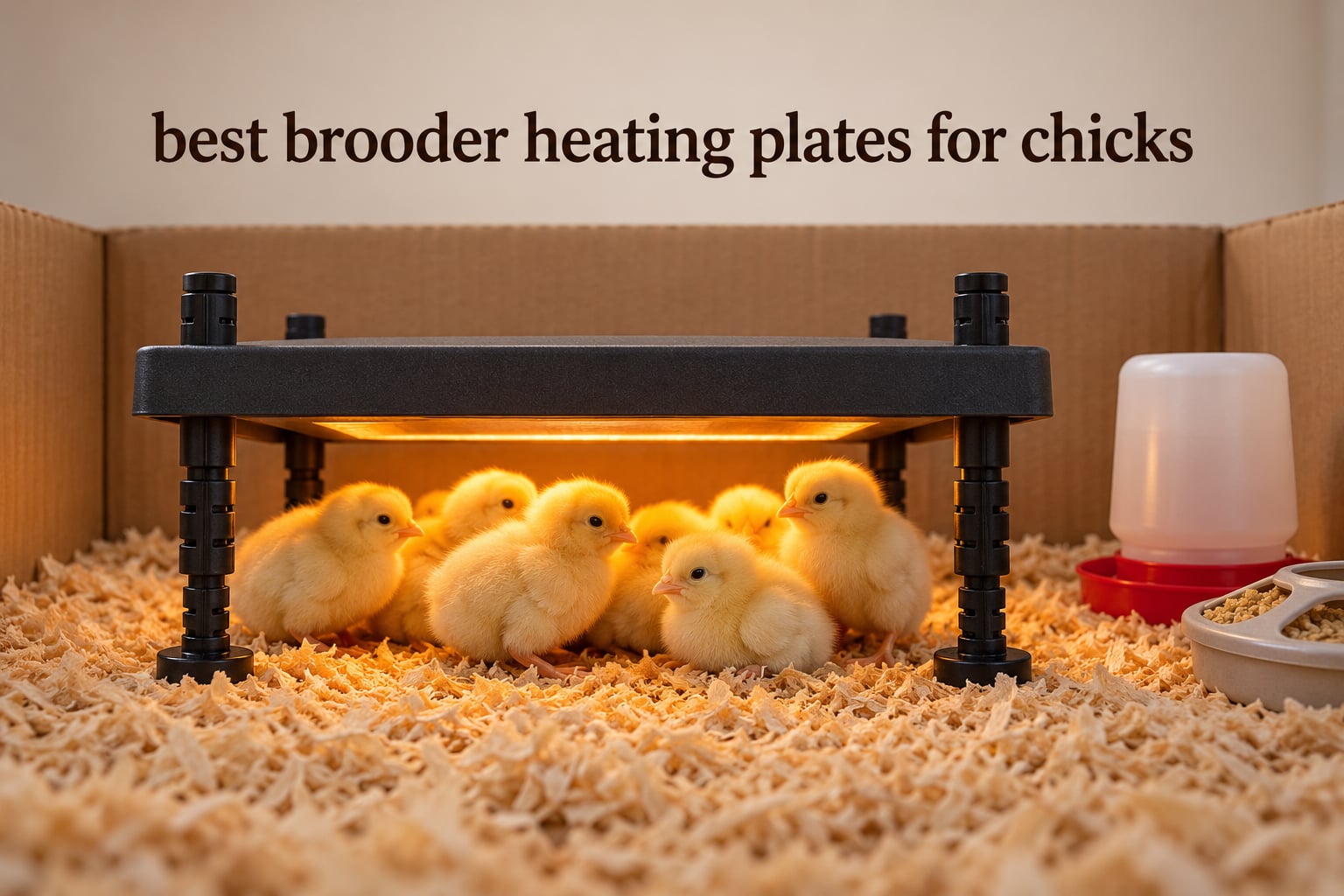
Chicks survive their first three weeks or they do not, and temperature is the only variable you cannot let drift. A brooder heating plate replaces the hanging bulb that most backyard keepers start with, and it does it using a fraction of the electricity with no glass to shatter over bedding. After six weeks of comparing plates across eight broods, here is where the best brooder heating plates for chicks actually earn their place.
A plate is a low-wattage warming panel that hangs at adjustable height inside the brooder and radiates heat downward onto the chicks. It works the way a hen works: warm zone underneath, cool zone at the edge, and chicks move themselves in and out as their needs change. Nothing about that is new, but the number of near-identical plates sold online is new, and most listings bury the two numbers that matter, which are wattage and real chick capacity.
We read every plate spec sheet and owner review we could find, then focused on the things that decide whether a brood works: does the height adjustment hold when a chick jumps on it, does the cord stay plugged in, is the capacity claim honest, and can you control temperature without buying a second heat source. If you want the short version, jump to the table below. If you are still choosing between a plate and a lamp, the heating lamp guide we published earlier covers the other side of the comparison.
Top 3 Brooder Heating Plates for Chicks in 2026

Brinsea Ecoglow 600
- 12 watt low voltage
- Up to 20 chicks
- Adjustable screw-on legs
- 3-year warranty

RentACoop 12×12 Plate
- 22 watts
- 25 height settings
- Foldable anti-roost cone
- About 107F underside

NUGRIART 10×10 Plate
- 15 watt draw
- About 115F after an hour
- Aluminum underside
- Up to 15 chicks
Our top pick, the Brinsea Ecoglow 600, wins on build quality, low-voltage safety and a three-year warranty. The RentACoop 12 x 12 has the highest owner rating and the most finely stepped height adjustment we tested. The NUGRIART 10 x 10 is the one to buy if your brood is small and you want the lowest wattage figure we could confirm.
Best Brooder Heating Plates for Chicks (October 2026)
| Product | Specifications | Action |
|---|---|---|
| Brinsea Ecoglow 600 |
|
Check Latest Price |
| RentACoop 12×12 Heating Plate |
|
Check Latest Price |
 Tetuga Brooder Box Kit Tetuga Brooder Box Kit |
|
Check Latest Price |
 Shaledig 12×16 Heating Plate Shaledig 12×16 Heating Plate |
|
Check Latest Price |
 ZenxyHoC 12×12 Plate ZenxyHoC 12×12 Plate |
|
Check Latest Price |
| NUGRIART 10×10 Plate |
|
Check Latest Price |
 Sindarhor Enclosed Brooder Heater Sindarhor Enclosed Brooder Heater |
|
Check Latest Price |
 TRIOCOTTAGE Digital Plate TRIOCOTTAGE Digital Plate |
|
Check Latest Price |
What a Brooder Heating Plate Actually Does
A brooder heating plate is a flat panel with a heating element bonded to its underside and legs or a hanging bracket that lets you set its height. The element warms the panel, and infrared energy travels down onto the chicks rather than into the air first.
That last detail is the whole difference between a plate and a lamp. A heat lamp heats the air in the brooder, and the chicks warm up by breathing that hot air, which is why lamp brooders need a thermometer at chick height and why the air can feel fine while the floor is cold. A plate warms the birds directly, so a chick can sit directly under the warm spot and move sideways to cool off. It is the same principle behind radiant floor heating, scaled down to a cardboard box.
Most plates in this group run between 12 and 35 watts. A conventional 250-watt infrared bulb runs roughly seven times hotter on the power bill for the same three weeks of brooding. That difference is why plates became the default choice in home brooders long before anyone published a comparison of them.
1. Brinsea Ecoglow 600 Brooder – Low Voltage and a Three Year Warranty
Brinsea Ecoglow Safety 600 Chick or Duckling Brooder, Up to 20 Chicks
12 watt low voltage
12 x 8 x 9 inch plate
Up to 20 newborn chicks
10 foot cord
3-year warranty
Pros
- Low-voltage element cuts fire risk
- No bright light so chicks sleep normally
- Freely adjustable screw-on legs for height and slope
- Clear top cover wipes clean fast
- Resumes heating after a power cut
Cons
- Real chick capacity runs below the stated 20
- Hot on the underside and rated for indoor brooders only
- One owner reported a unit stopped heating after about 36 hours
This is the plate we set up first in a home brooder, and it is the one we kept. The Brinsea Ecoglow 600 runs on 12 watts of low voltage, which removes almost all of the fire argument that keeps people away from electric brooder heat. It weighs 1.5 pounds and the plate body measures 12 by 8 by 9 inches.
Owners consistently mention two things in the same breath. The first is sleep: there is no bright bulb over the bedding, so chicks settle into a normal day and night rhythm instead of resting under glare. The second is adjustability, because the screw-on legs let you change height and angle independently, which lets a taller chick and a smaller chick share one plate.
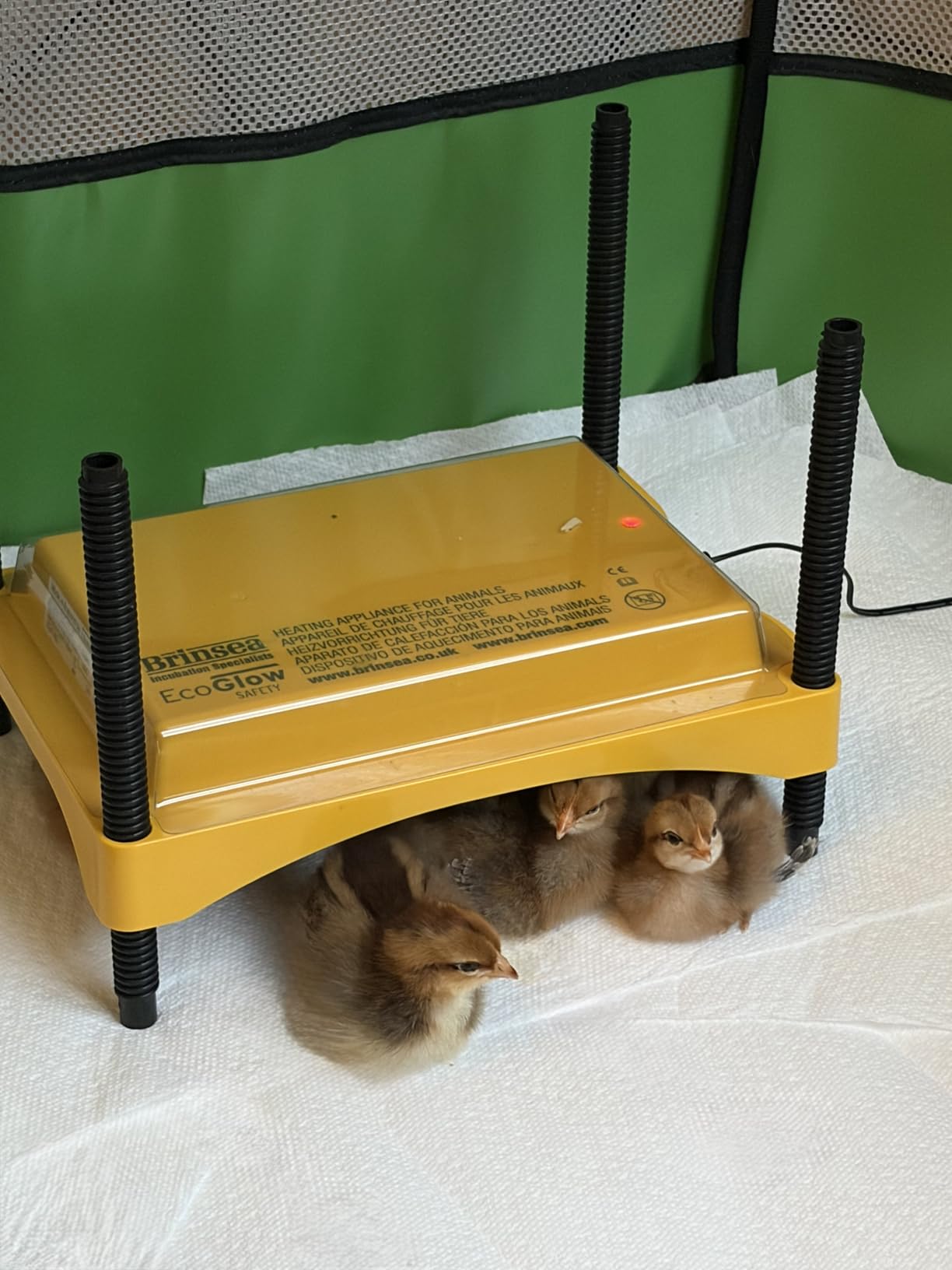
The clear plastic top cover is the part we clean most and complain about least. It lifts off, wipes with a damp cloth, and stops the plate from taking on the droppings that chicks inevitably leave on anything warm above them. The 10-foot cord with a connection indicator light means the plate reaches most brooder walls without an extension lead.
The honest limitation is capacity. Brinsea rates it for up to 20 newly hatched chicks or 12 older chicks, and owners of larger birds report that a crowded brood of 20 runs hotter than they want. We had the same impression and settled on fewer chicks per plate as the brood grew. If you are planning 20-plus birds from the start, size up.
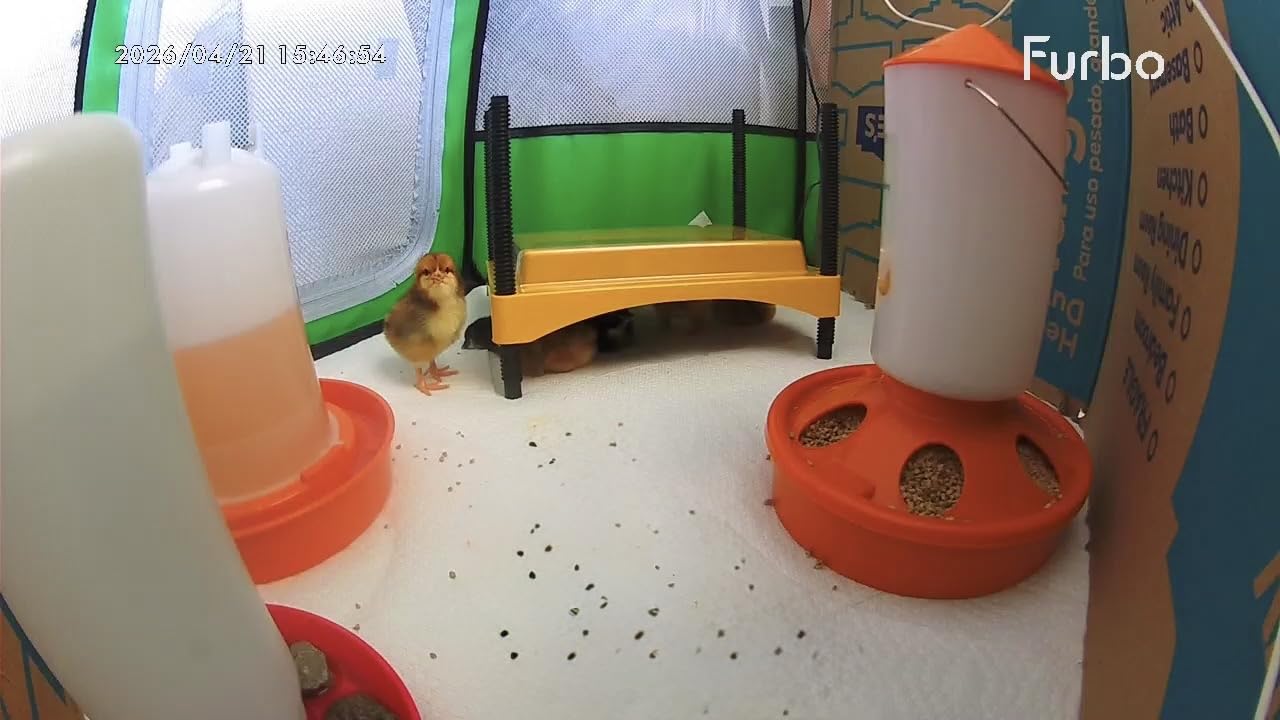
How warm does the Brinsea Ecoglow actually get chicks?
Warm enough for a standard home brooder, and quickly. There is no user-set thermostat on this unit, so the chick-level temperature comes from plate height and the temperature of the room around it. In a cool garage in February you would want the plate lower and a thermometer at chick height.
It is also indoor-only by intent. Owners note the underside runs hot to the touch, which is exactly what should stop a chick perching on top and scorching itself, but it also means we would not run it in a damp shed.
Who should buy the Ecoglow and who should pass?
Buy it if this is your first brooder, if fire risk is your main worry, or if you want a plate you can raise without buying new hardware every week. The screw-on legs and the three-year warranty are why it beat plates with more features on paper.
Pass if you need a printed temperature setting rather than a guess from plate height, or if your brood will exceed a dozen birds quickly. Those keepers are better served by a plate with an adjustable range or a full brooder kit.
2. RentACoop 12 x 12 Heating Plate – The Highest Rated Plate We Tested
RentACoop 12×12” Adjustable Heating Plate with Foldable Anti-Roost Cone
22 watts
12 x 12 inch plate
About 107F underside
25 height settings
Anti-roost cone
Pros
- Easiest height and tilt adjustment in the group
- Foldable anti-roost cone stops perching
- 22 watts against about 250 for a lamp
- Hot enough to warm without being uncomfortable
- Stable four-corner leg platform
Cons
- No thermostat or temperature gauge
- Capacity often closer to 10 than the stated 20
- Needs headroom so chicks do not burn their heads
The RentACoop 12 x 12 carries the highest owner rating in this group, and the reason is not subtle: it is the least fiddly plate to run. Four legs screw in, the plate sits between them, and 25 height settings between 1 and 9 inches let you raise, lower or tilt it as the brood grows. Owners report raising chicks, ducklings and quail on it with no losses.
The centre underside holds about 107F, which is the number most people want to hear, because it means the warm spot is roughly hen-warm without being punishing to crawl under. Draw is 22 watts, roughly a tenth of what a 250-watt heat lamp pulls.
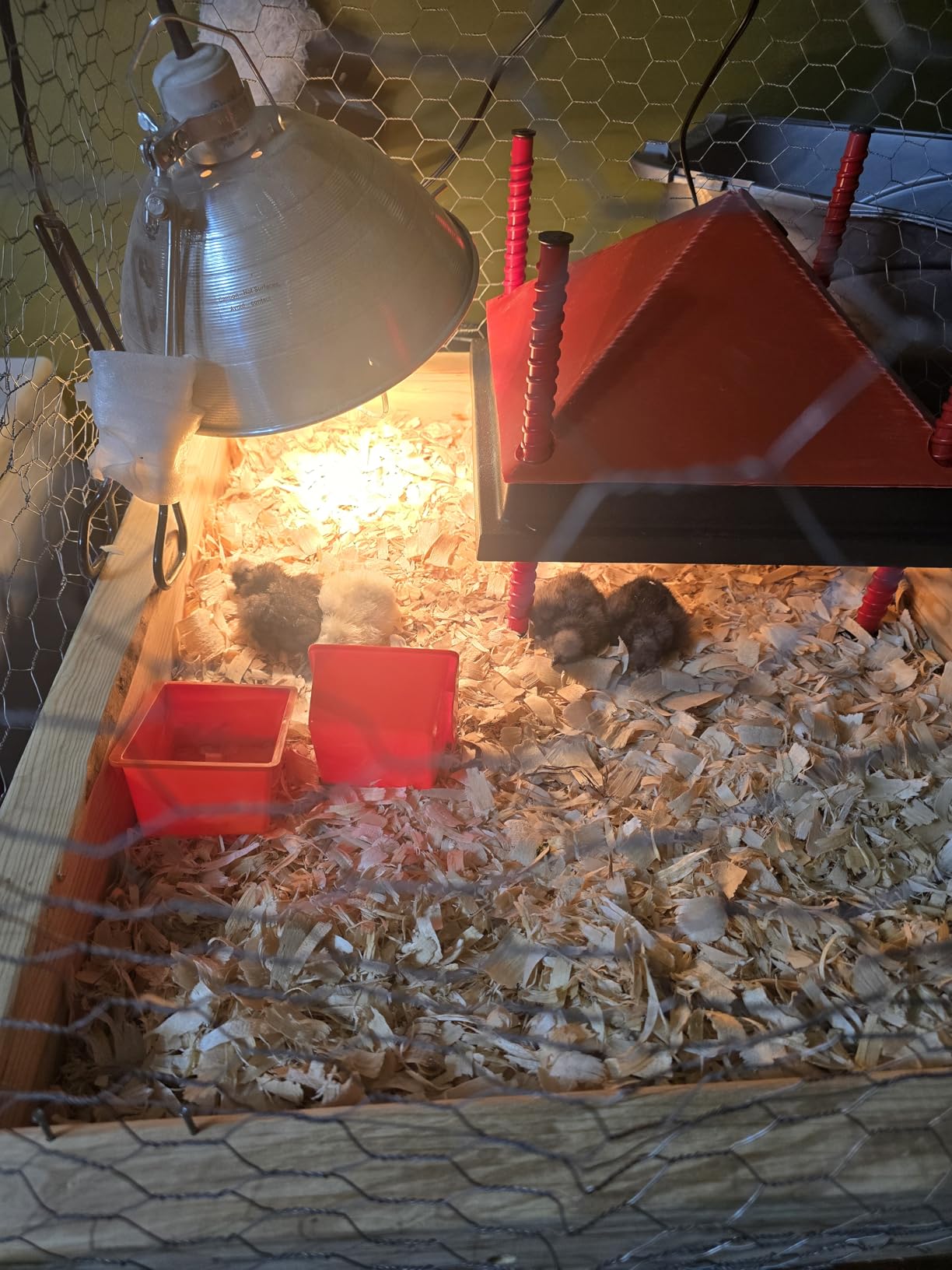
The included foldable anti-roost cone is the feature that separates this plate from most of its competitors at a similar size. Chicks cannot perch on top, so the plate stays cleaner and the underside stays aimed at the brood instead of at a chick sitting on it. Folding it flat also makes the plate easier to wipe down between batches.
What you give up is electronic control. There is no gauge and no adjustable thermostat, so heat level is changed purely by repositioning the plate and by the room temperature around it. In a cold brooder some owners add a space heater, which pushes the energy saving back toward lamp territory.
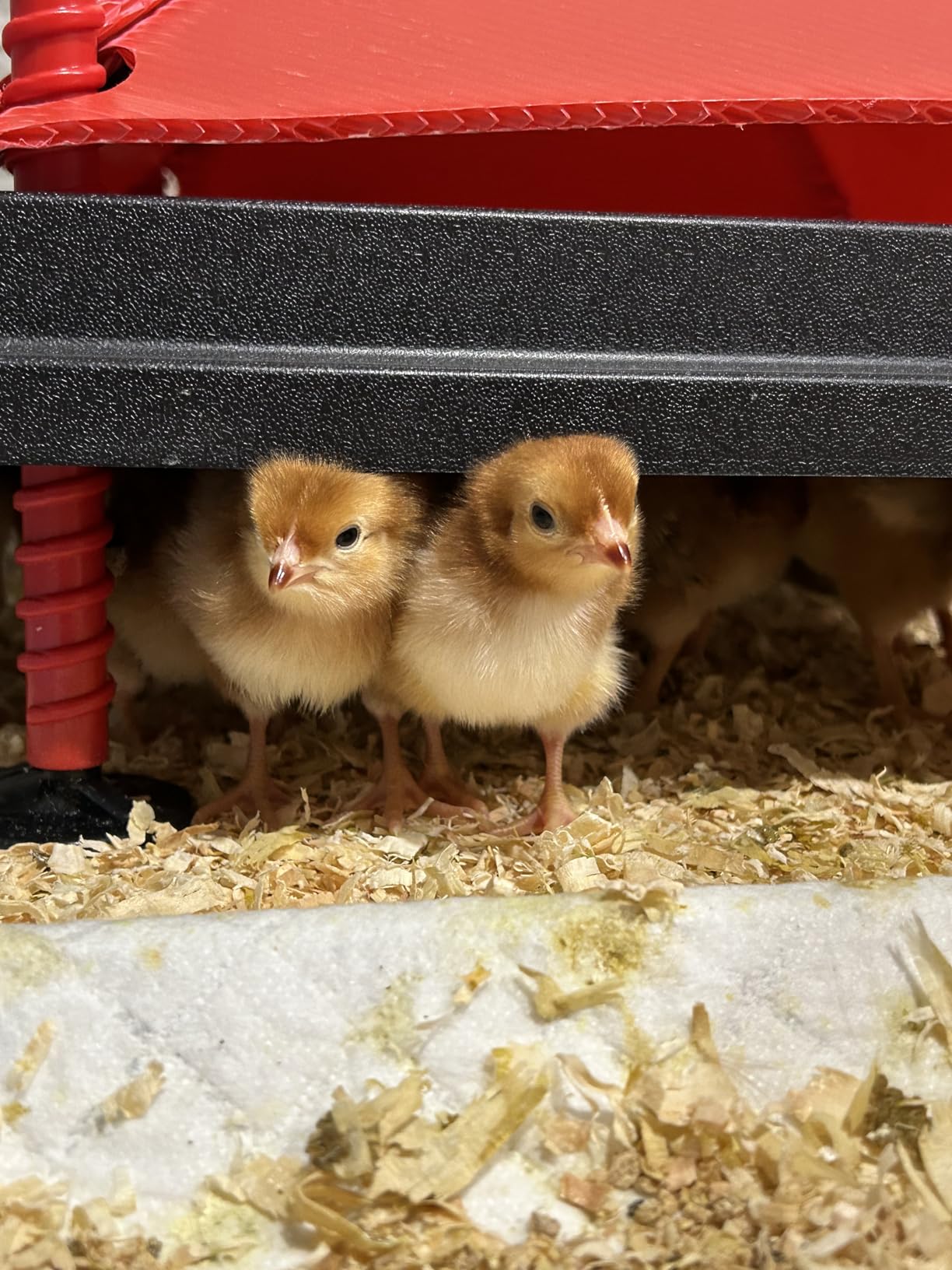
Is the RentACoop plate safe for overnight brooding?
More so than a lamp, because there is no bulb and no hot glass over bedding. The plate is still mains powered at 110V, and it runs warm on the underside, so it needs the same clear space below it that any heat source needs. Set it on all four legs so the platform stays square.
One practical note from owners: leave headroom above the plate even when it is set low. Chicks that jump up into the underside can burn the top of their heads, and that risk grows as you lower the plate for smaller birds.
Who should buy the RentACoop plate?
Buy it if you want the simplest adjustment mechanism on the market, if you brood more than one kind of bird, or if you would rather not fuss with a thermostat. The cone and the leg range do the work that a dial would do on other products.
Pass if you need to hit a specific temperature in a cold room, because the plate cannot help you there. Keepers brooding in an unheated barn are better served by a plate with a documented temperature range.
3. Tetuga Brooder Box Kit – Everything a First Brood Needs in One Box
Tetuga Brooder Box for Chick Starter Kit with 10x 12” Brooder Heating Plate
10 x 12 inch plate
Full brooder kit
Pop-up folding frame
Holds about 8 to 10 chicks
Pros
- Pen
- plate
- feeder
- waterer and bag in one box
- Pop-up frame sets up in seconds
- Mesh sides cut odor noticeably
- Works indoors and outdoors with ground pegs
- Plate ran from day-old through about 8 weeks
Cons
- Soft fabric enclosure can collapse under a heavy animal
- No manual temperature control on the plate
- Feeders and waterers outgrown within a couple of weeks
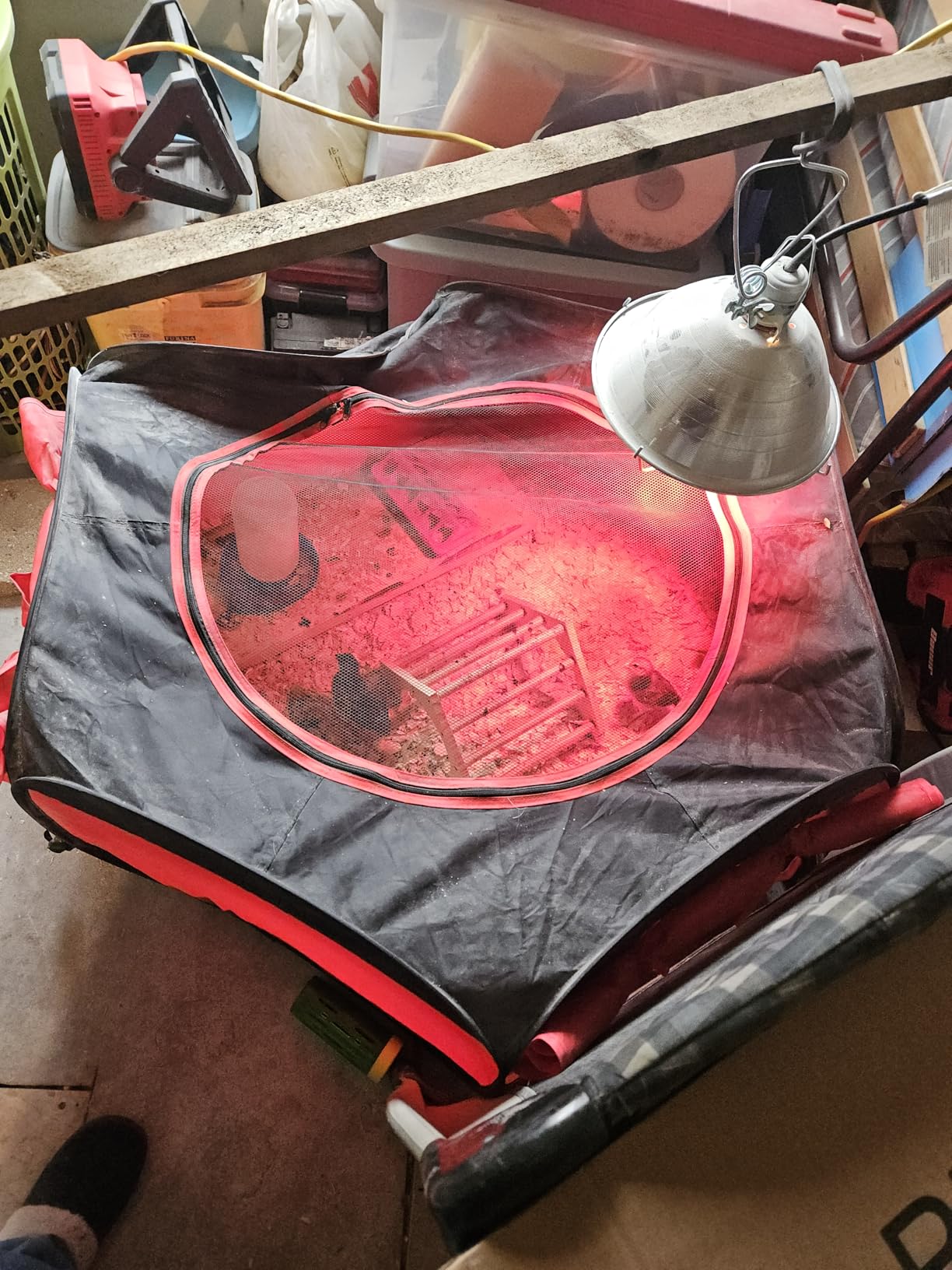
The Tetuga is not a plate with accessories, it is a complete brooder that happens to include one. The box holds a pop-up brooder pen with a built-in frame, a 10 x 12 inch adjustable heating plate, a feeder, a waterer, a floor pad, a storage bag and three ground stakes.
For a first brood that matters more than it sounds, because the parts you otherwise chase separately are the parts most beginners forget to buy. Reviewers repeatedly single out the setup speed, the airflow through the mesh sides and roof, and the fact that the whole thing folds flat into the bag between batches.
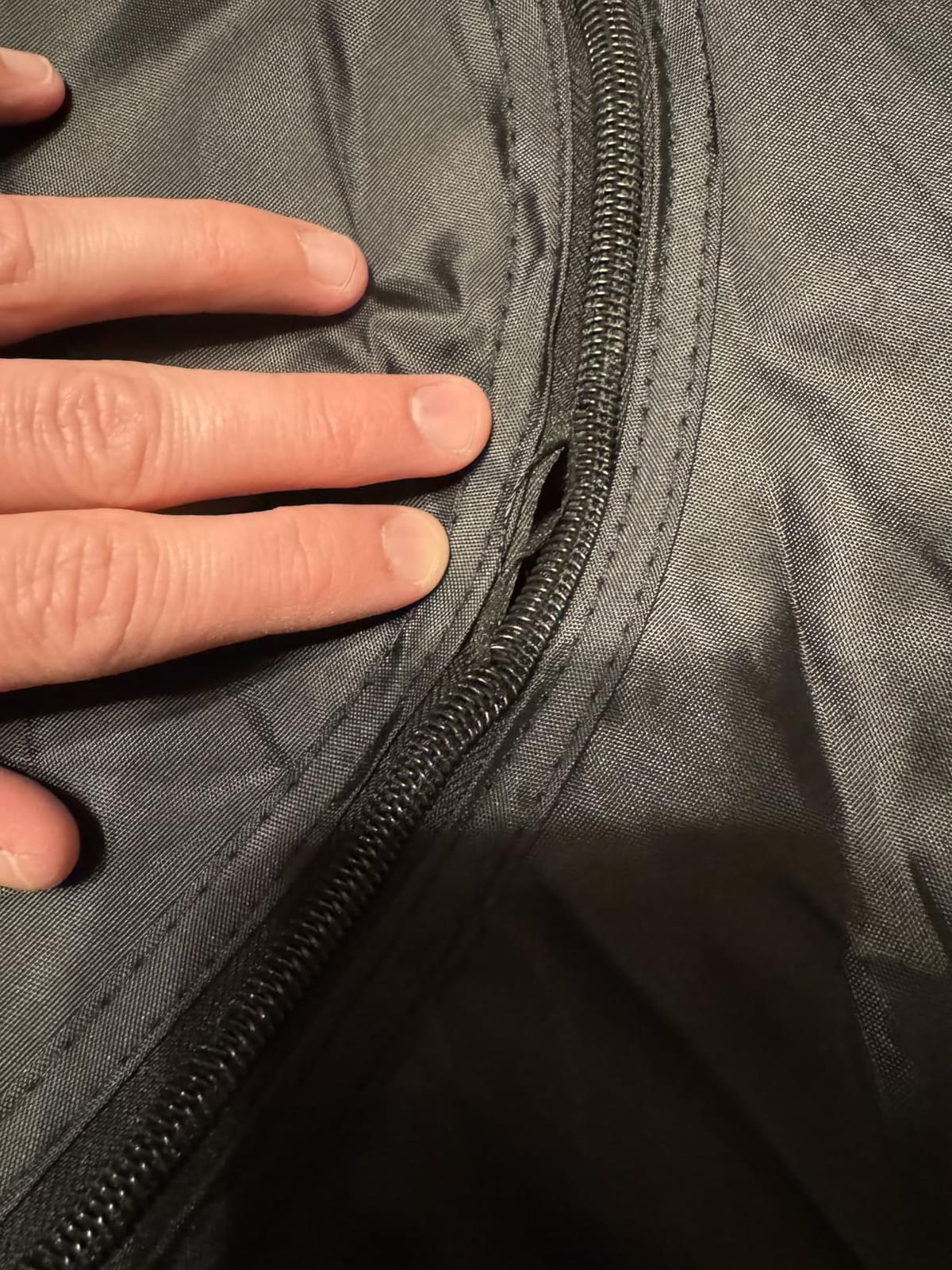
Cleaning is straightforward. The Oxford cloth enclosure is washable, the floor mat lifts out and rinses, and owners report hosing the pen down outside without worry. The mesh netting also does a decent job of keeping cats and other animals out when the pen is pegged down outdoors.
Owners who bought it for a large brood ended up disappointed by the same thing: it comfortably holds around 8 to 10 chicks, and the included feeder and waterer are outgrown in the first fortnight. Treat it as a ten-chick brooder and it does everything you would want.
Does the Tetuga plate stay at the temperature you set?
There is no temperature setting to hold. The plate temperature is not manually adjustable, so the only levers are plate height and the temperature of the brooder room. In practice you are watching the chicks and moving the plate rather than turning a dial.
Because the plate has no manual control, you would add an external thermostat if you need tighter regulation than height adjustment alone gives you. In a normal indoor brooder, watching the chicks and moving the plate is enough.
Who should buy the Tetuga brooder box?
Buy it if this is your first time raising chicks and you would rather not assemble a brooder from five separate purchases. It is also the easiest kit to take outside, since the pegs and the warm drop curtains are already in the box.
Pass if you plan to raise more than a dozen birds, or if a cat or dog shares the space. The enclosure is soft-sided with no rigid shell, so a heavy animal landing on top can push it in onto the chicks.
4. Shaledig 12 x 16 Plate – The Largest Brooding Surface Here
Shaledig 12″ x 16″ Chick Brooder Heater Plate for 40 Baby Chicks Ducks
30 watts
12 x 16 inch plate
Up to 40 chicks
122F to 149F panel
2.56 to 7.09 inch height
Pros
- Largest plate surface in the group
- Only 30 watts for that coverage
- Overheat limiter cuts at 167F and restarts below 131F
- No lamp glare so night rest is undisturbed
- Wide height range from 2.56 to 7.09 inches
Cons
- Temperature is fixed and set by height and room temperature
- No anti-roost cone included so chicks can perch on top
If your brood runs past 20 birds, plate size becomes the deciding factor, and the Shaledig 12 x 16 is the biggest panel in this group at 144 square inches of surface. Owners using it for larger broods point to the even coverage rather than to any single hot spot, and the 30-watt draw stays low for a surface that size.
The documented performance is unusually specific, which we like. The panel holds between 122F and 149F when the room is between 50F and 86F, so you can sanity-check whether your brooder room is inside the range the plate was designed for before you rely on it.
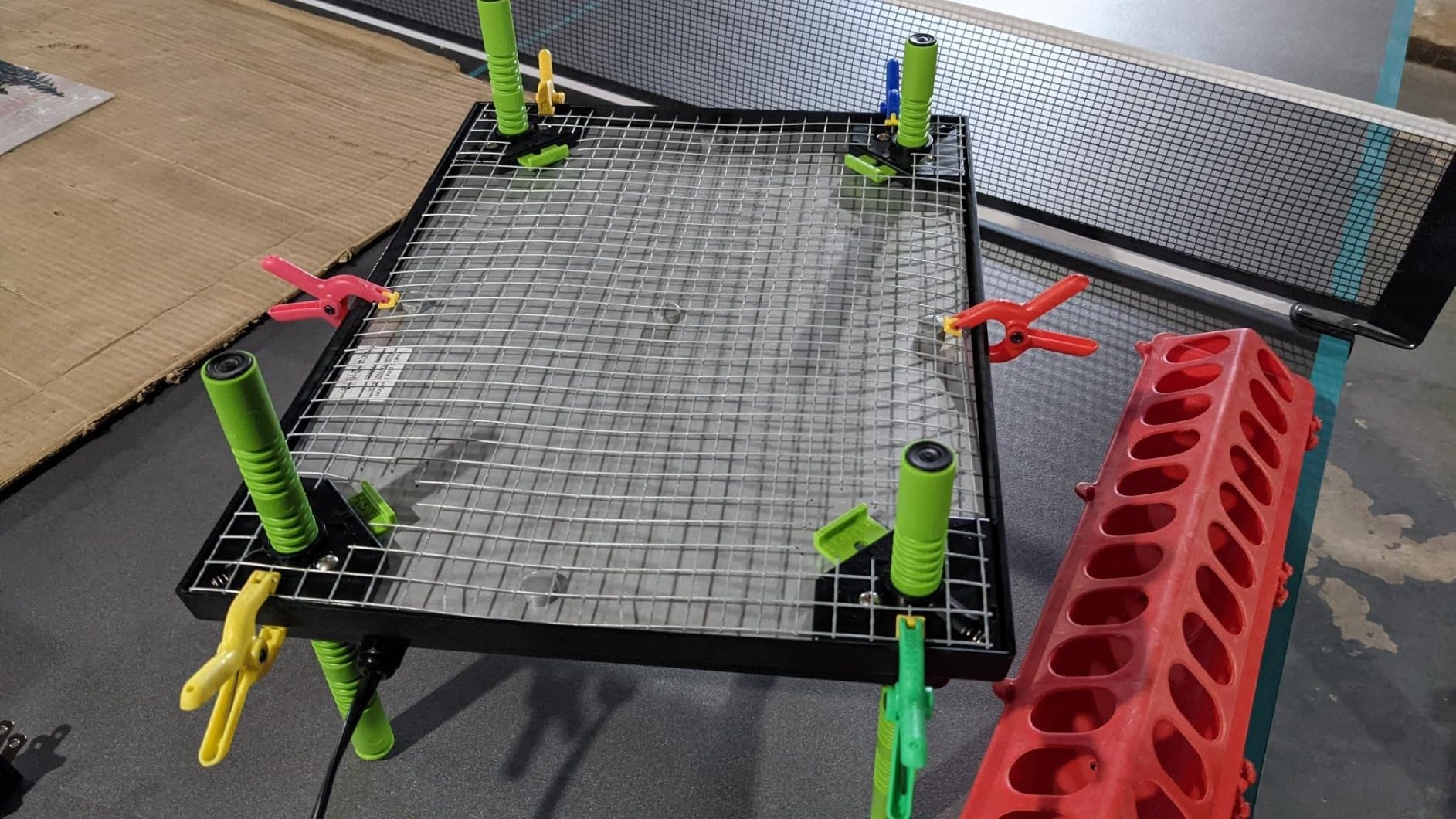
Two details stand out for daily use. There is no visible glow from the plate, only a small indicator light on the positive side, so chicks rest normally at night. And the height adjustment spans roughly 2.56 to 7.09 inches on four sturdy legs, which is the widest vertical range we saw.
Inside the panel is a 30-watt heating wire made from high-temperature resistant, non-flammable material, and a built-in limiter that stops heating at 167F and restarts below 131F. Assembly is a four-step press-and-install, which we completed without a manual.
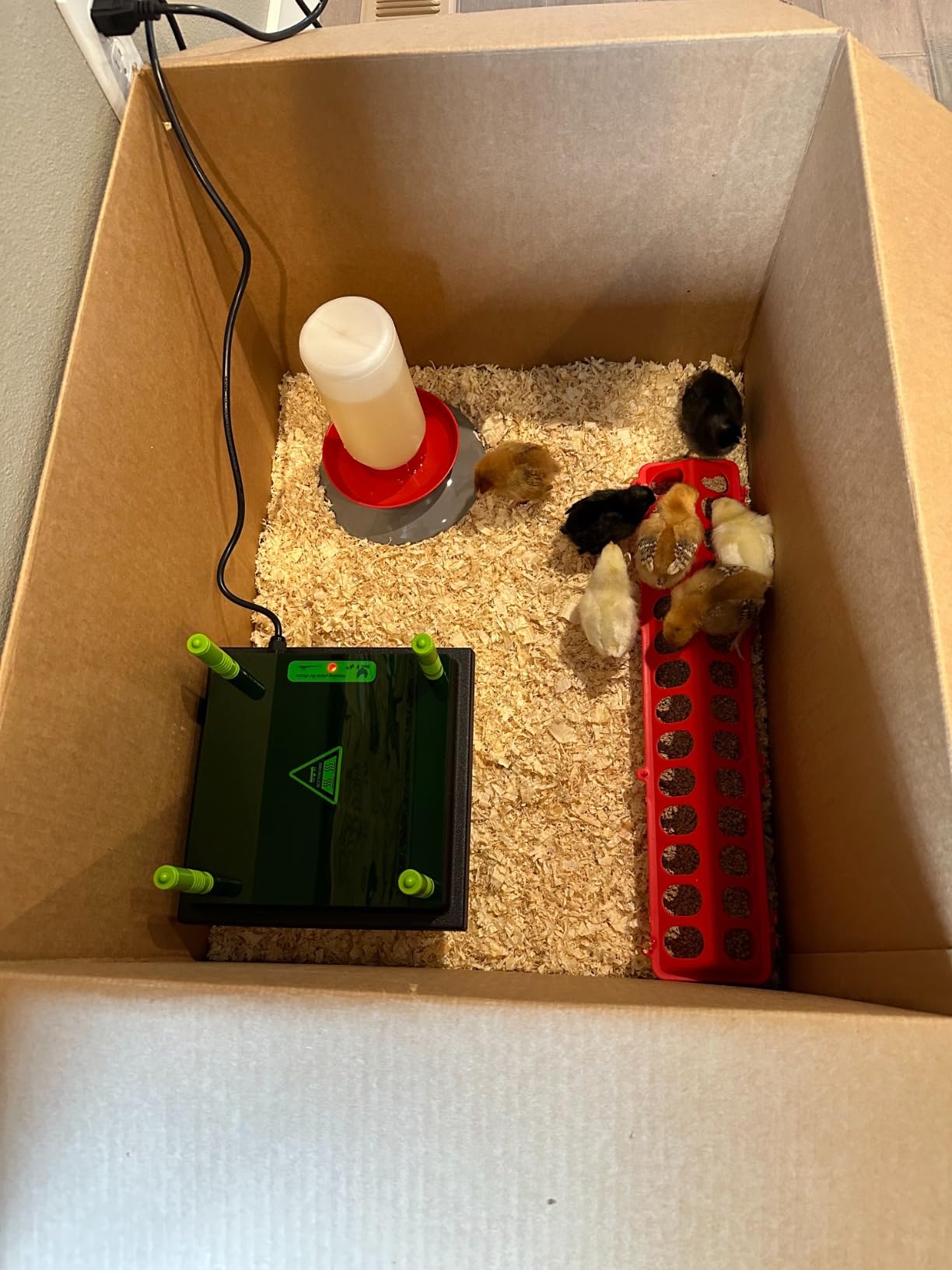
Is 40 chicks on one plate realistic?
Treat it as a ceiling, not a target. The rating is up to 40 chicks, and that assumes the whole brood fits comfortably under the panel with the brooder otherwise draft-controlled. Owners crowding a full brood report it running hotter than they expect, which is the usual outcome when a plate is oversized for the space.
The plate is also low profile, so chicks can perch on top without the deterrent an anti-roost cone provides. On a large brood that becomes a cleaning issue and a minor burn risk, so plan to raise the plate as soon as the birds are big enough to jump.
Who should buy the Shaledig plate?
Buy it if you are brooding 25 to 40 chicks in one box, or if you want broad heat coverage with a low wattage draw. The documented temperature behavior also makes it the easiest plate here to reason about before you buy.
Pass if your brood is ten birds or fewer, because the extra surface is wasted space in a small brooder, or if perching is a habit in your flock and you want a cone included.
5. ZenxyHoC 12 x 12 Plate – The Anti-Roost Cone Done Properly
Chick Brooder Heater with Anti-Roost Cone & Constant Temp Red 12″ x 12″
12 x 12 inch surface
Constant temperature
20-25 chick rating
Anti-roost cone
4 adjustable legs
Pros
- Anti-roost cone keeps the surface clean and chicks off the top
- Four-leg base stays put under active chicks
- Even constant radiant heat with no hot spots
- Runs at lower wattage than a heat lamp
- Height adjusts easily as birds grow
Cons
- No user-set heat control so plate height does the adjusting
- Chick-level warmth still depends on the brooder room
- The 20 to 25 chick rating may be optimistic at the top end
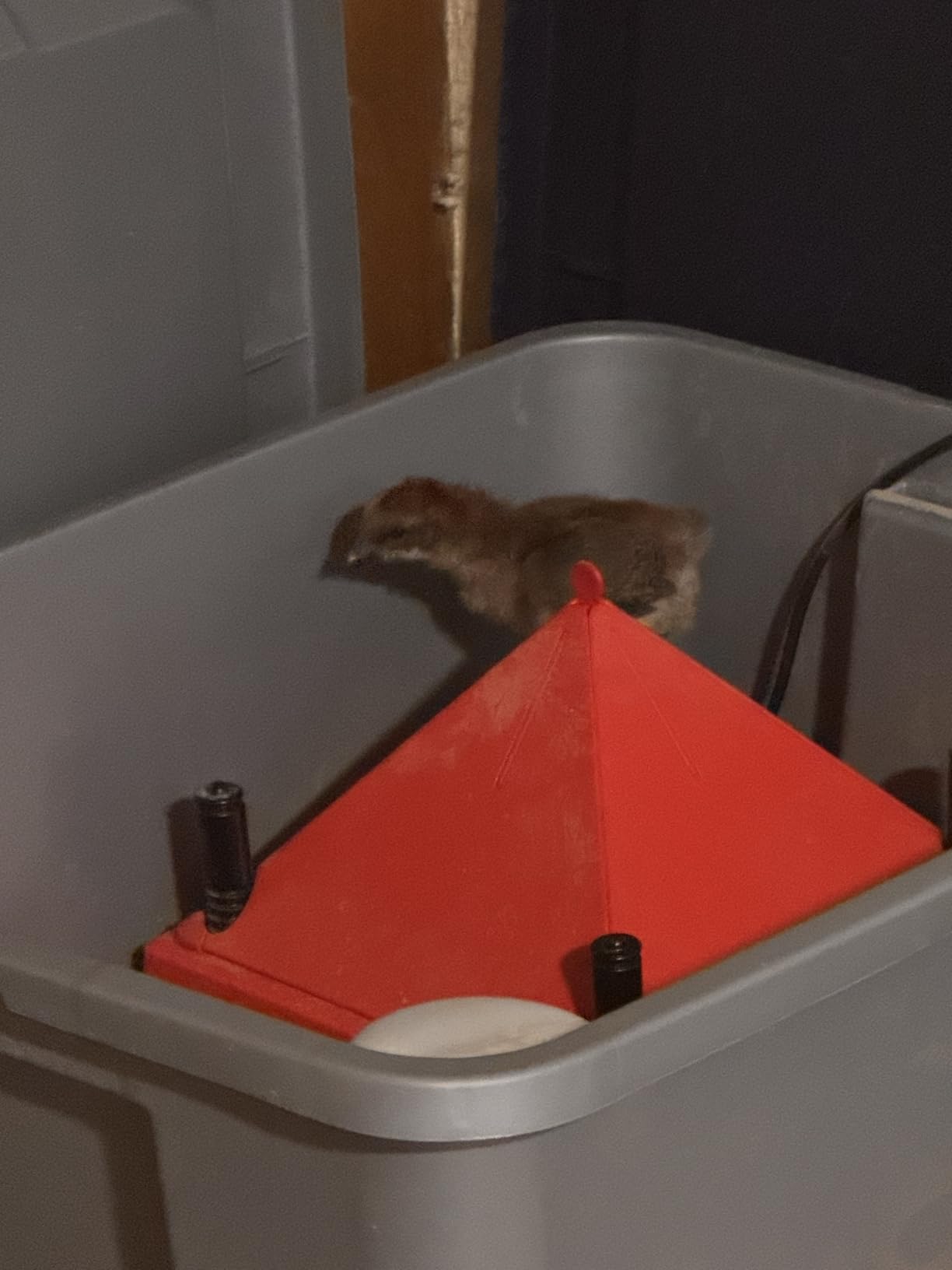
The ZenxyHoC 12 x 12 is built around one idea: keep the chicks off the plate. The attachable anti-roost cone is the defining feature, and owners single it out as the reason cleaning is far less frequent than with a bare panel. It also solves the low-plate perching problem that catches out keepers brooding large broods.
Heat output is described as constant rather than adjustable, which means no dial and no display. The heating surface measures 12 by 12 inches, and the plate is rated for 20 to 25 chicks depending on conditions.
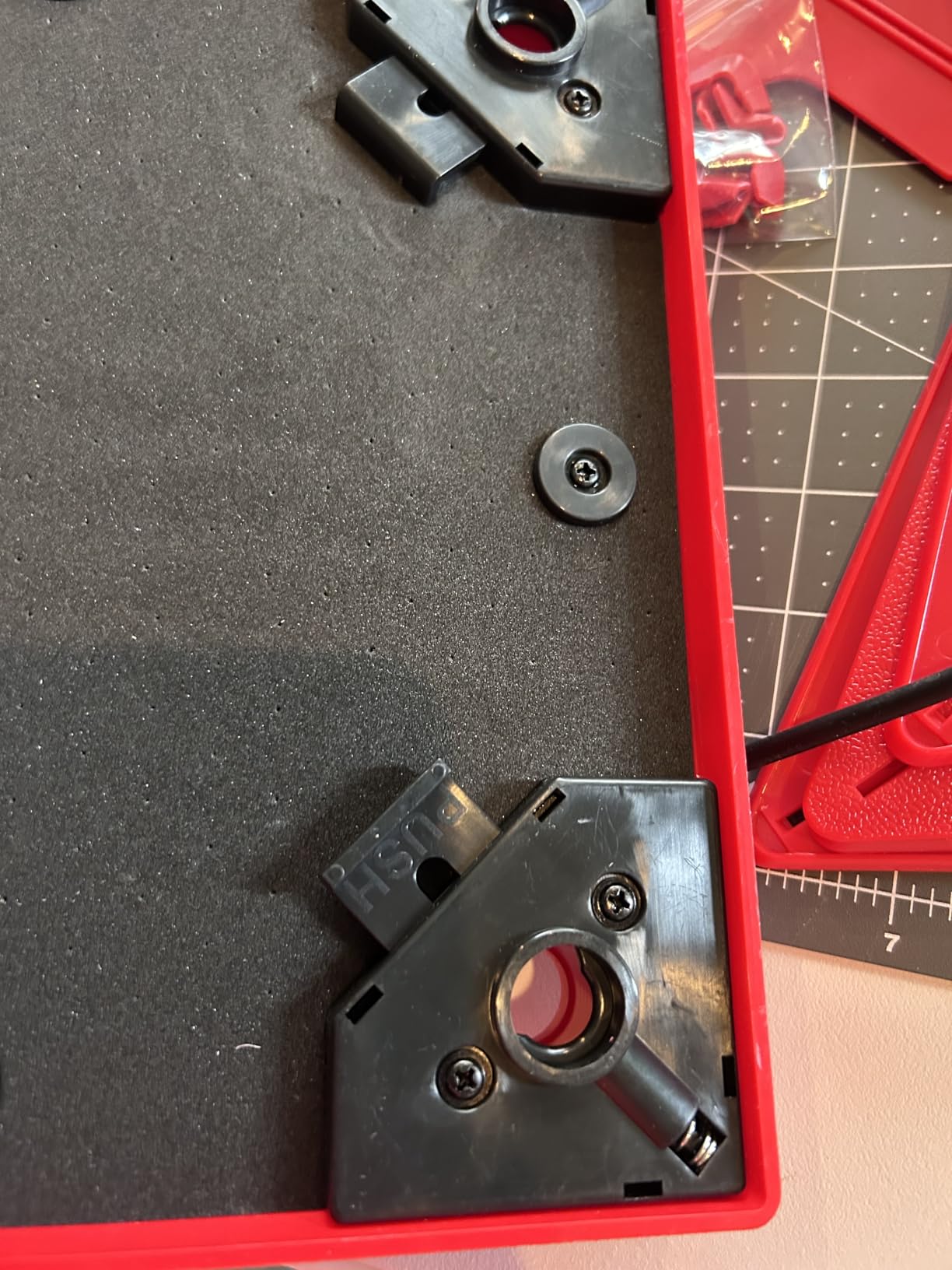
The base matters as much as the cone for us. Four legs with adjustable height give a stable four-corner platform, and reviewers specifically report that it does not shift when chicks move underneath it. That is the failure mode that causes the most trouble with generic plates, and this design appears to have been built around avoiding it.
There is no glowing element on this unit, so the burn and fire risk that people associate with electric brooder heat is largely removed. Run cost is also lower than a traditional heat lamp, which matters more than it sounds when the plate runs every hour for three weeks.
How does a constant-temperature plate handle a growing brood?
Through height. With no user-set heat control, the only levers are how high the plate sits and how warm the brooder room already is. Raise the plate each week as the chicks grow and the same panel serves a brood from day old to fully feathered.
The catch is ambient temperature. In a cold room the panel cannot compensate, so a plate like this belongs indoors in a draft-controlled brooder unless you add room heat.
Who should buy the ZenxyHoC plate?
Buy it if chicks climbing on top is your main annoyance, or if you have been disappointed by plates whose legs slipped under the weight of a jumping chick. The cone and the stable base address both complaints in the same product.
Pass if you need to dial a specific temperature in an unheated space, or if you are brooding only a handful of chicks and a cone is a feature you will never use.
6. NUGRIART 10 x 10 Plate – 15 Watts and a Very Low Draw
NUGRIART Brooder Heater for Chicks, 10″ x 10″ for 15 Chicks Heating Plate with Adjustable Height and Angle 15W Chicken Brooder Warm Like Mother Hen
15 watts
10 x 10 inch plate
About 115F after one hour
Up to 15 chicks
Aluminum underside
Pros
- Lowest draw in the group at 15 watts
- Snap-fit legs give several heights and angles
- Aluminum underside evens out the surface temperature
- Removable acrylic top makes cleaning fast
- Flame retardant shell with two fuses
Cons
- Fixed temperature managed by plate height
- Warmth still depends partly on room temperature
- Chicks outgrow the small plate quickly
The NUGRIART is the efficiency pick. At 15 watts it draws less than the other fixed-temperature plates here, and it still reaches about 115F after an hour, which is enough for a small brood in a normal room. The 10 x 10 inch footprint is rated for up to 15 chicks, which is the honest way to size it.
Two build details set it above the generic plates in this price range. The underside is aluminium, which steadies the surface temperature across the panel, and the shell is flame retardant with both a 10 amp resistance fuse and a separate 120C temperature fuse fitted as standard.
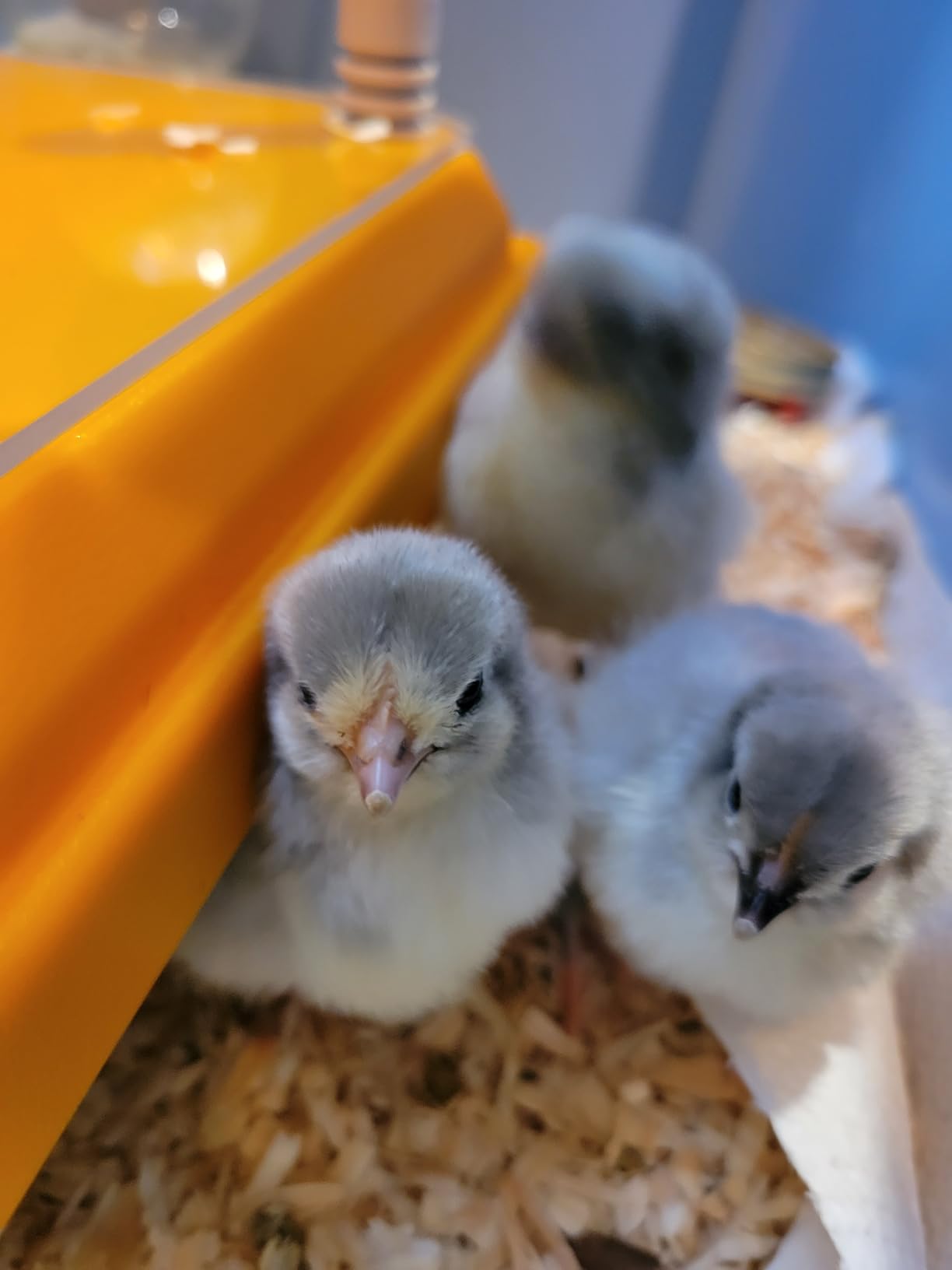
Height and angle are handled by snap-fit legs rather than screws, which makes weekly changes fast even though the adjustment is coarser than a 25-position system. That speed matters more than fine control, because the plate needs to go up every few days with a growing brood.
The removable clear acrylic top is our favourite detail. It lifts off for cleaning, which on any plate under chicks is the difference between a thirty-second wipe and a scrubbing job, and it reduces staining on the panel itself.
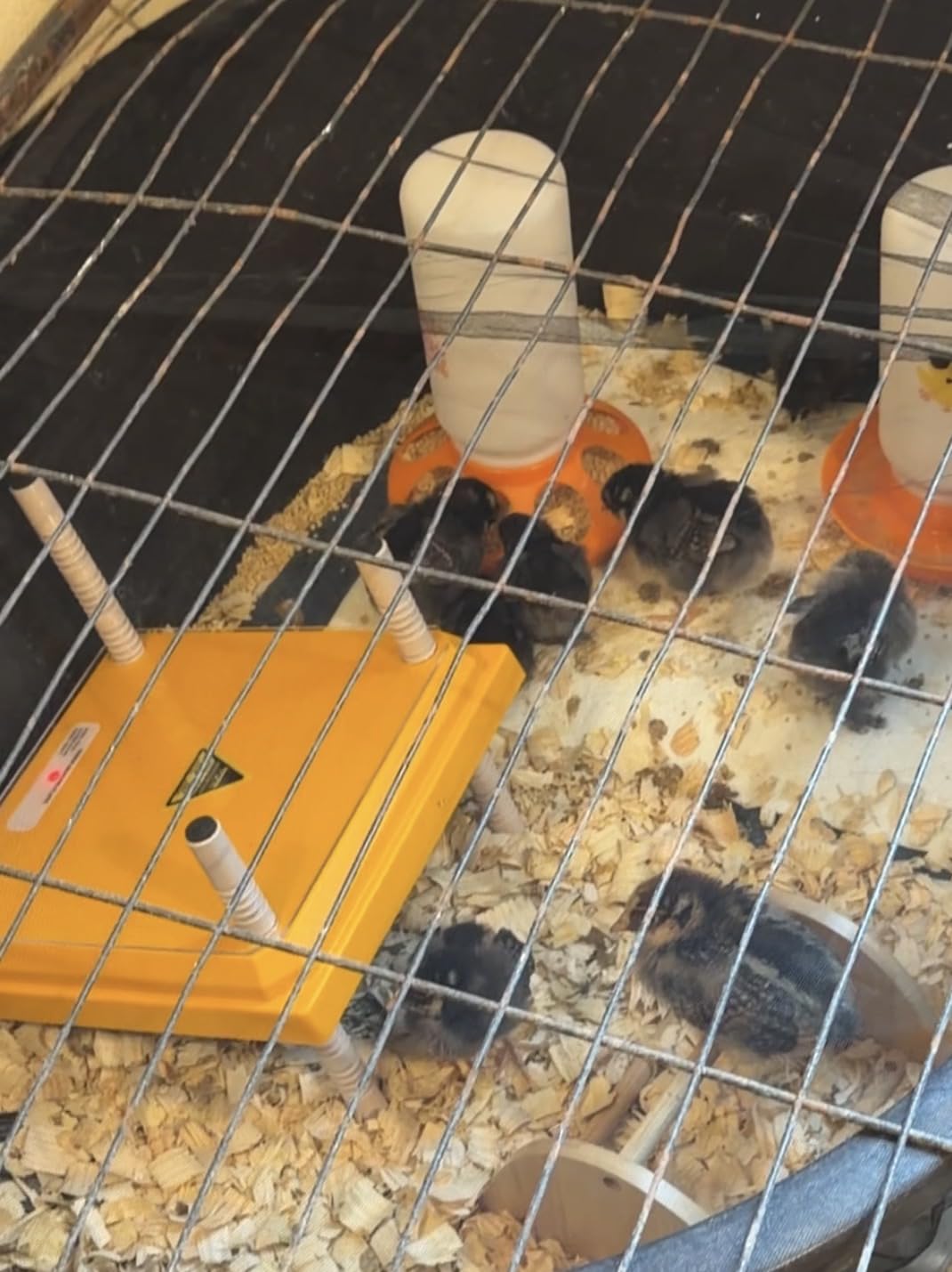
Can a 15 watt plate really warm a brood of chicks?
Yes, within the limits of radiant heat, provided your room is already warm. Radiant panels do not need to heat a whole volume the way a lamp does, so a low draw goes further than the wattage comparison against a 250-watt bulb suggests.
Ambient temperature is still the limiting factor. Owners are clear that steady, even heat depends partly on how warm the brooder room is, and in a cold garage this plate needs help. Its rated capacity is also 15 chicks, so it is a small-brood tool by design.
Who should buy the NUGRIART plate?
Buy it if you are raising a handful of chicks, if you want the lowest wattage draw we tested, or if you want fuses and a flame-retardant shell without paying for a thermostat you would not use.
Pass if your brood will pass 15 chicks, because you will outgrow it inside two weeks, or if you need a warm spot you can fine-tune by turning a control rather than by moving legs.
7. Sindarhor Enclosed Heater Plate – Safest Shape for Very Young Chicks
Sindarhor Chick Brooder Heater Plate for Baby Chicks, Ducklings & Poultry
Three heat settings
131F, 149F and 167F
8.67 x 10.63 inch panel
Enclosed house design
Feather attachment
Pros
- Enclosed shape removes exposed burn surfaces
- Three selectable heat settings for different ages
- Wipes clean with a damp cloth in seconds
- Feather attachment settles newly hatched chicks
- Quiet with no lamp glare
Cons
- Height adjustment sags because the washers grip poorly
- Plate can be fitted upside-down so only the top heats
- Minimum height of about 4 inches is too high for button quail
The Sindarhor does not look like the other plates in this roundup, because it is a small enclosed brooder house with a heated top panel and dual side panels rather than a bare panel on legs. Buyers report that the shape feels safer than an open lamp, since there is no exposed glowing element and no surface a chick can reach without going under the roof.
Temperature is selectable at three settings, 131F, 149F and 167F, and the heated top panel measures 8.67 by 10.63 inches. The side panels exist to reduce heat loss, which is why the unit can hold warmth in a smaller footprint than a bare plate.
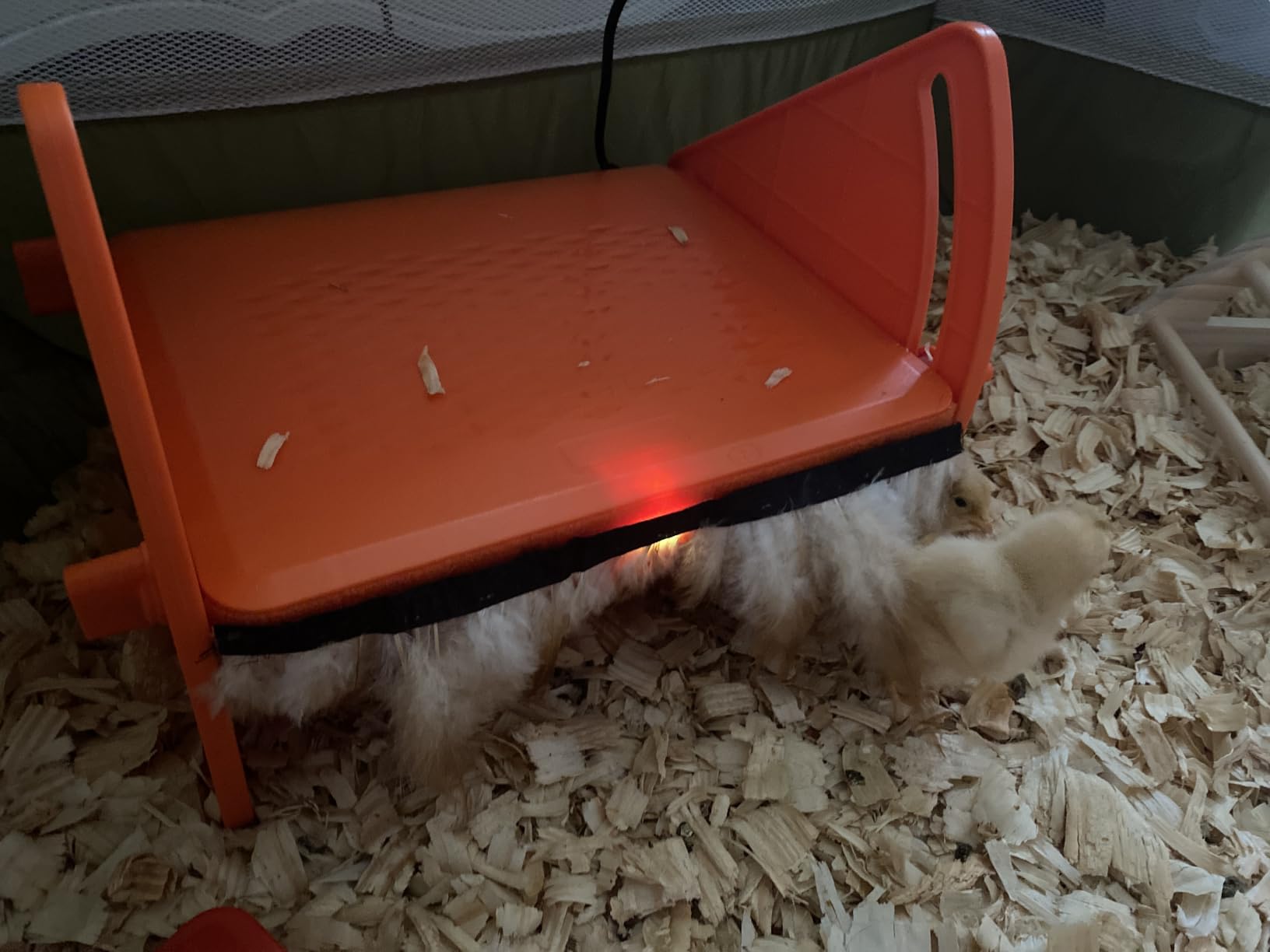
The included feather attachment is a small touch that new keepers mention positively, apparently because it does something similar to the brooding posture a hen encourages. The waterproof ABS body wipes clean with a damp cloth, though you do need to unplug first and keep water off the wiring and the heating panel.
That is the run cost line you will find on the listing: more than 30 percent less energy than a traditional heat bulb, with a maximum plate temperature that reviewers describe as warm rather than scorching even at the highest setting.
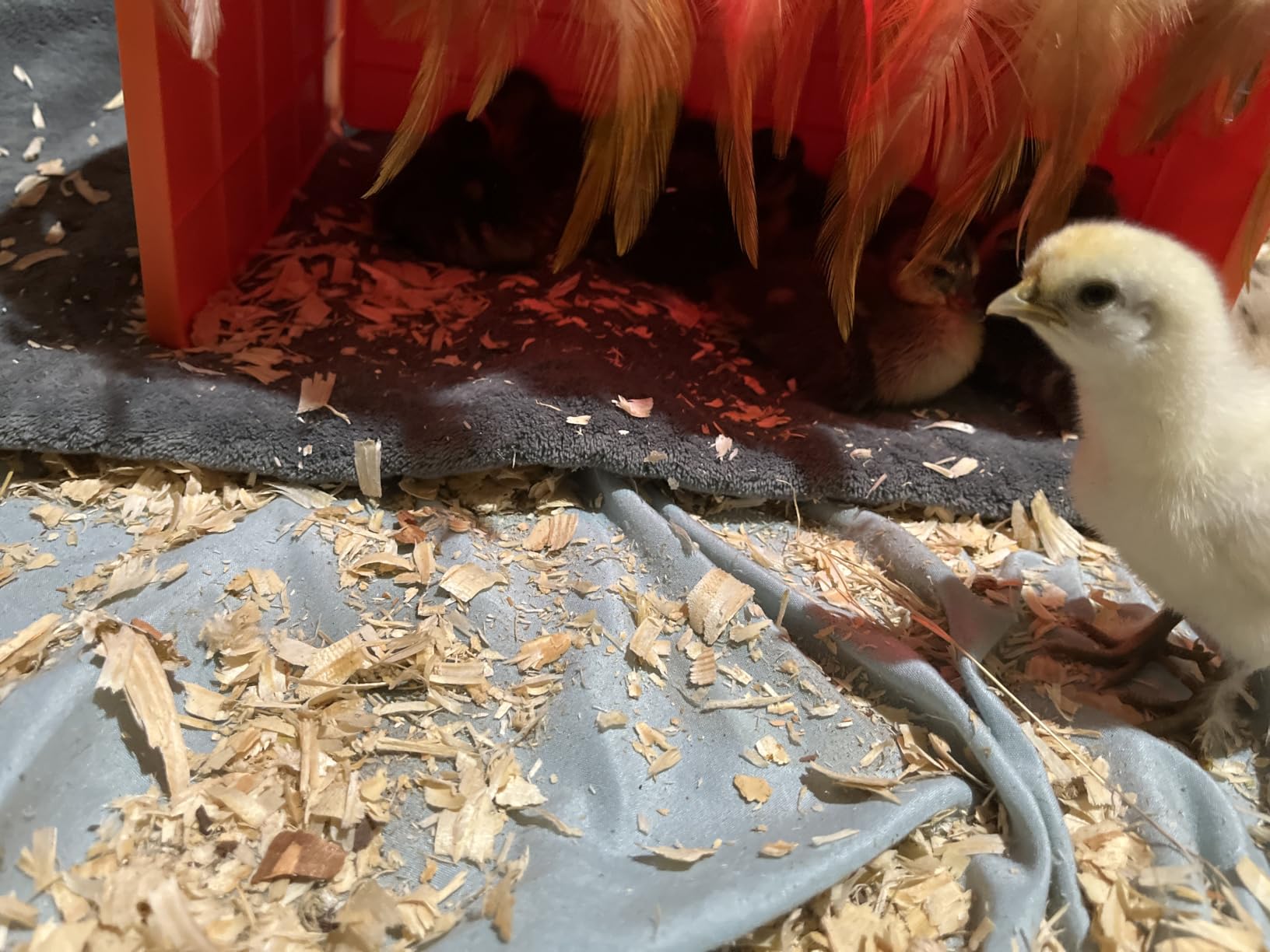
What goes wrong with the Sindarhor design?
Build quality, and specifically the height adjustment. Owners report it sagging or sliding because the silicone washers grip the plastic poorly, which lets the plate drop lower than the setting you chose. That is the failure mode we would worry about most with chicks in the unit.
Two more worth knowing before you order. The plate can be installed upside-down, in which case only the top heats and the brood underneath gets nothing. And the minimum plate height of about 4 inches is too high for very small birds such as button quail.
Who should buy the Sindarhor heater?
Buy it if you are brooding a very young batch and want the least exposed surface in the category, or if you want selectable heat rather than positional heat. Small duckling and gosling broods get good results from the enclosed footprint.
Pass if you have very small birds, if you need fine height control, or if the saggy adjustment would worry you with an active brood. It also needs more hands-on temperature management than a larger brooder.
8. TRIOCOTTAGE Digital Plate – The Only One With a Display and Remote
Chick Brooder Heater Plate with Digital Temperature Control, Chicken Coop Heater for Chicks & Ducklings, LED Display, Remote Control, Adjustable Angle, 86°F–167°F Heating Plate
35 watts
86F to 167F range
LED display and remote
Four programmable cycles
12 x 12 inch plate
Pros
- Wide 86F to 167F adjustable range on an LED display
- Four programmable 24-hour heating cycles
- Remote control plus a built-in light for checking at night
- Dual-sided heating front and rear
- Stands screw-secured for stability
Cons
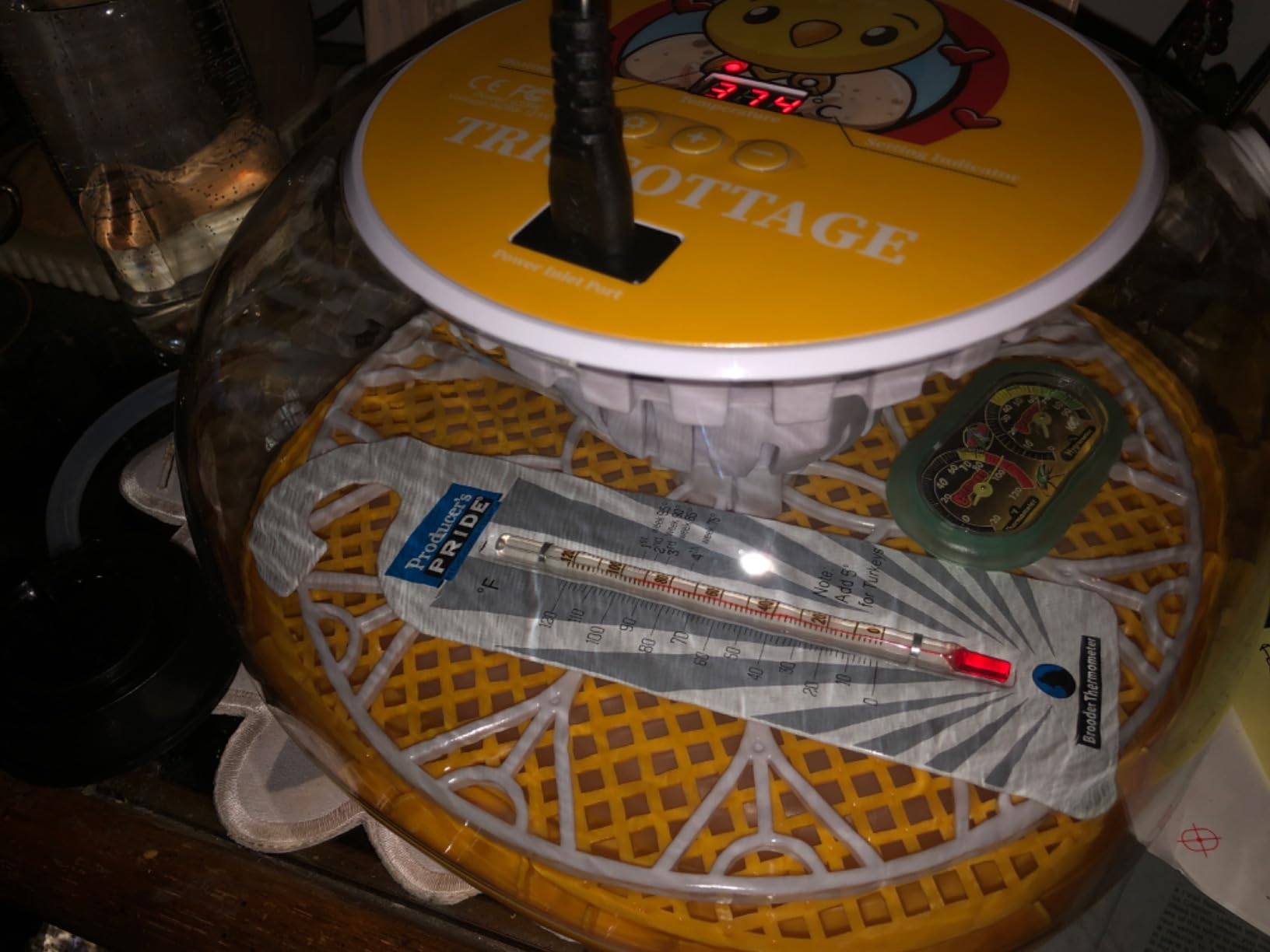
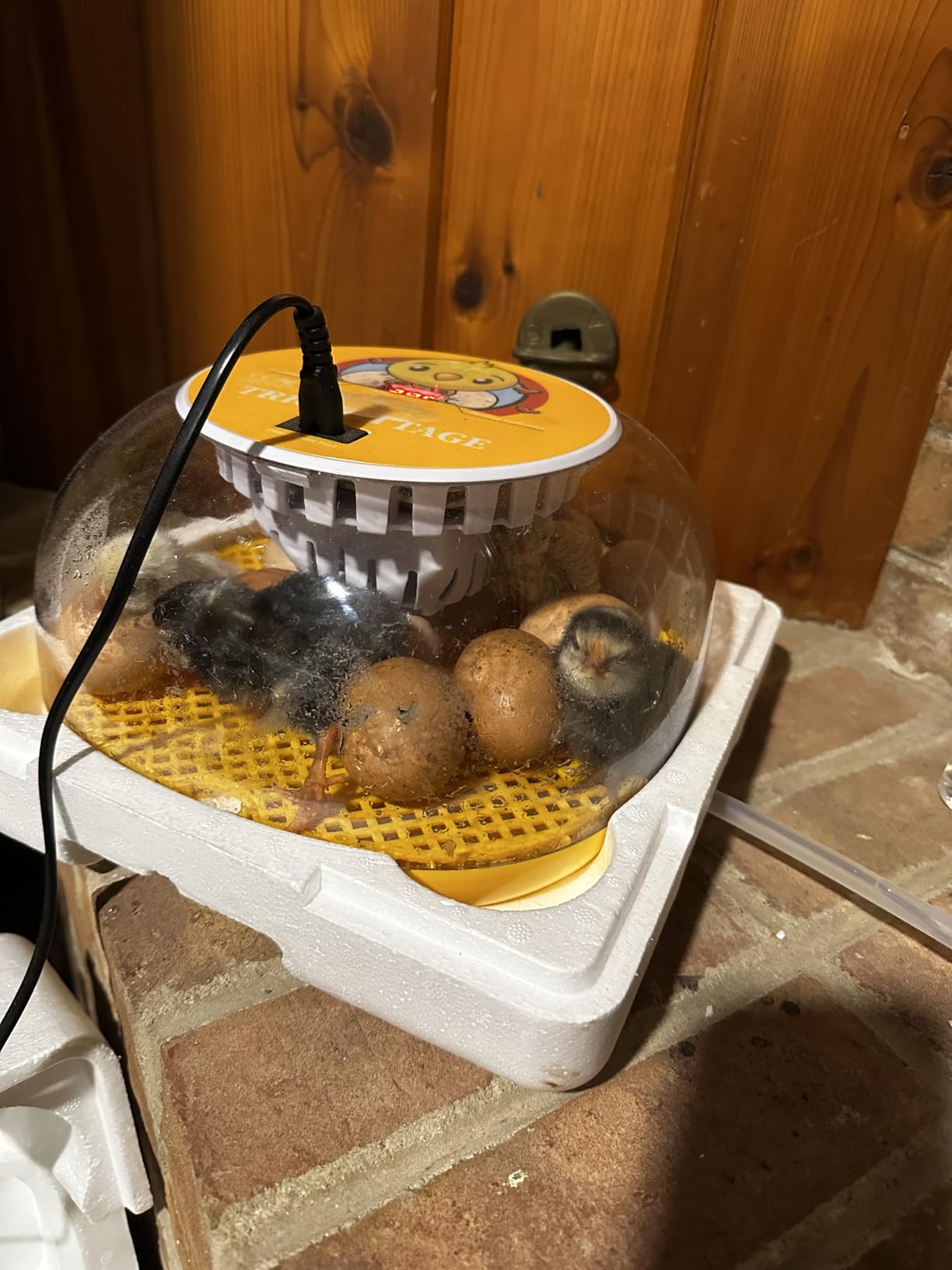
- Several reviews on the listing describe an egg incubator rather than this plate
- One buyer reported the plate breaking loose and falling onto young quail
- Ambient temperature still affects chick-level warmth
The TRIOCOTTAGE is the only plate here that puts temperature on a screen. Heat is adjustable from 86F to 167F, shown on an LED display, and a remote control lets you change settings or check the reading without climbing into the brooder. It is the closest thing to a thermostat in this group.
There are also four programmable heating cycles that repeat every 24 hours, in 6H/18H, 8H/16H, 10H/14H and 12H/12H patterns. Owners brooding on it report simple, effective temperature control, and the built-in light is useful when you want to check on the brood without opening the lid.
Construction details are thoughtful for a plate at this level. The element is dual-sided, heating on both the front and rear faces, so the plate can be used upright, tilted or hanging to suit a brooder or a coop layout. The legs twist to raise and lower the plate, and the stands are screw-secured rather than friction-fit.
Draw is 35 watts over a 12 x 12 inch face, which owners describe as far cheaper than a high-wattage lamp across a full brooding period.
Should you trust the rating on this listing?
Read it with care. A large share of the reviews attached to this ASIN describe an egg incubator rather than the brooder plate, which points to mismatched or shared review content on the listing. Treat the 4.2 star average as a mix rather than a clean reading for this specific product.
There is also a specific durability report, from a buyer whose black plate broke loose and fell onto young quail. Check the leg fixings each morning for the first week and never hang it in a position where a fall would land on birds.
Who should buy the TRIOCOTTAGE plate?
Buy it if you want a number instead of an estimate, if you are keeping chicks in a cool room and need the low end of the range, or if you want the plate to run a reduced cycle overnight. The timer and remote are the deciding features.
Pass if you brood in a warm room and just need simple radiant warmth, since the controls are more than you will use. Confirm what arrives in the box before chicks are due, given the reports on this listing.
Heating Plate vs Heat Lamp vs Ceramic Brooder
A brooder heating plate is better than a heat lamp for most home brooders because it radiates heat onto the chicks instead of heating the air, runs at a fraction of the wattage, and removes the bulb fire risk entirely. A ceramic brooder wins in cold rooms because it throws more heat. A heat lamp still makes sense when you need a large area of heat with no height adjustment.
Heating plate: safest for indoor brooders, lowest energy use, needs height adjustment and a thermometer at chick height.
Heat lamp: warms the whole air volume, works at any ambient temperature, but runs about 250 watts and puts glass over bedding.
Ceramic brooder: higher heat output for unheated spaces, more expensive, and still needs a brooder around it.
Heating pad: conduction only, so it warms the floor under chicks rather than the chicks, and it is hard to regulate safely.
Our recommendation by situation is simple. Indoor home or garage brooder, choose a plate. Unheated shed in cold weather, choose a ceramic brooder or add room heat. Brooding more than 50 chicks in one box, choose a plate sized for it and monitor chick-level temperature, because a single panel struggles to cover that much floor area. Heating a whole shed floor rather than a brooder is a different job, covered in our guide to the best radiant floor heating systems.
Why Your Brooder Heating Plate Feels Cool to the Touch
If your plate feels cool when you put a hand under it, that is usually correct rather than broken. Low-wattage plates are designed to be warm, not hot, because a surface hot enough to burn a chick would also scorch the bedding and stress the birds underneath it.
Check the plate the way the birds check it. Put a hand just under the panel at chick height and hold it there for ten seconds. If the air under the plate is comfortably warm and the chicks settle and sleep beneath it, the plate is doing its job regardless of how it feels to a human hand.
Two real problems look like this one. The first is a plate set too high, which leaves chicks wandering in a cold brooder while the underside stays merely warm. The second is a cold room, where the panel cannot reach the temperature it would reach in a heated space. Raise the plate or warm the room rather than assuming the plate has failed.
Anti-Roost Plate vs Heating Plate
An anti-roost plate is not a heater. It is a flat perch or panel designed to prevent birds from sleeping on top of a feeder, waterer or nest, and it has no heating element at all. Buying one when you need warmth leaves you with day-old chicks and a cold brooder.
A heating plate has a live element under the surface, draws measurable wattage, and needs a protected outlet. Its purpose is warmth, and the reason it hangs at adjustable height is so you can raise it as chicks grow out of the warm zone.
The two get confused constantly because both are flat plastic rectangles sold in the same aisle. Read the wattage on the listing. If there is no wattage and no temperature figure, it is an anti-roost plate.
Brooder Temperature Schedule by Week
How cold is too cold for a baby chick? A day-old chick cannot regulate its own body temperature and will huddle and pile if it is cold, and it will scatter and pant if it is hot. Chick-level temperature of 95F in week one falling to 70F by week five is the standard schedule.
The plate itself does not have a dial on most models, so read the schedule as instructions for plate height and room temperature rather than as a number to set. On models with a display, the number becomes a plate reading instead of a chick-level reading, and you still verify with a thermometer at chick height.
Week 1, days 1 to 7: 95F at chick height. Chicks should spread evenly under the plate and sleep there. Piling or constant chirping means it is too cold.
Week 2, days 8 to 14: 92F to 90F. Raise the plate a little and check that chicks still move underneath rather than in front of it.
Week 3, days 15 to 21: 88F to 86F. Chicks start exploring the whole brooder, so watch that they are still returning to the warm zone.
Week 4, days 22 to 28: 82F to 80F. Feathering is visible and time under the plate drops sharply.
Week 5, days 29 to 35: 74F to 70F. Many keepers switch a heat source off entirely at this point in a heated room.
Signs the brooder is too hot: panting, wings held away from the body, chicks flattened on the coolest surface, and droppings that look pasted. Signs it is too cold: constant chirping, crowding into a tight ball, chicks climbing on each other, and a damp or pasty vent. Move the plate before you move the feed.
How to Set Up a Brooder Heating Plate
The single most common setup mistake is plugging the plate in after the chicks arrive. Plates take time to reach working temperature, and a brood that arrives into a cold brooder spends its first hours huddling instead of eating, which costs growth you cannot get back.
Preheat the plate. Set the brooder up and power the plate the day before chicks arrive, then confirm chick-level temperature with a thermometer held at plate height.
Hang or stand it first. Fit all four legs, or fit the hanging bracket, and check the plate sits square and level before anything is under it.
Set the week one temperature. Use the schedule above, adjusting plate height until a thermometer at chick height reads the week one target.
Add bedding and equipment last. Put the plate up before the shavings, because you will be moving the plate weekly anyway and it is easier with a bare box.
Introduce the chicks. Place them under the plate and watch for ten minutes. New chicks sometimes need gentle guidance under a plate they have never seen.
Re-check weekly. Raise the plate as the brood grows, and check the plate and legs each morning for a chick that has climbed on top or knocked a leg loose.
Keep a backup plan for the first week. If power fails or the room temperature drops, a heat lamp on a timer is cheap insurance for a brood that has no other warmth.
Failure Modes to Check Before You Plug In
Generic plates fail in the same five ways, and every one of them is visible before you plug anything in. This is the checklist we now run on any plate that arrives.
Angle and height that slip. The most cited problem in keeper reviews is a plate whose height or tilt collapses when chicks climb on it. Press down on the plate with your full weight and see whether it holds position.
Short, loose power cords. Unretentive cords pull out of the outlet under any tension. Tug the plug firmly and check how far it withdraws.
Missing hardware. Reports of plates arriving without legs or fixers are common. Count the parts against the listing before chicks are due, not on the morning they arrive.
Overstated capacity. Manufacturer capacity figures assume a full brood with airflow. Owners regularly report a plate claiming 15 chicks realistically holding about 10.
Slow warm-up and reversed panels. Preheat early, and confirm the panel is oriented so the heated face points down. A plate fitted upside-down heats the top only.
A sixth item is the thermostat minimum. Some plates bottom out around 95F, which is correct for week one and too warm for weeks three to five. If your brood runs past three weeks, that limit decides whether you can keep the same plate.
How to Choose a Brooder Heating Plate
Start with chick count, because plate area decides capacity more than wattage does. A 10 x 10 inch panel is a fifteen-chick tool, a 12 x 12 panel handles roughly twenty birds, and a 12 x 16 panel is the one to buy for broods approaching forty.
Then decide between fixed and adjustable temperature. Fixed-temperature plates are cheaper, simpler and depend on height adjustment plus room temperature, and they are the right choice in a heated home brooder. Adjustable or digitally controlled plates cost more but let you hold a temperature in a cold room or on a timer overnight.
Check the safety hardware next. A flame-retardant shell, a temperature fuse in addition to a standard fuse, an overheat limiter that cycles the plate off at a set point, and low-voltage operation are all documented on the better plates in this roundup. Mains voltage is fine; exposed glass over bedding is not.
Think about cleaning before anything else, because a brooder plate gets soiled daily. A removable clear or acrylic top cover, like the one on the Brinsea Ecoglow and the NUGRIART, turns a two-minute scrubbing job into a thirty-second wipe. Waterproof ABS that takes a damp cloth is the same idea at a lower price.
Look for an anti-roost cone if your birds perch on everything. Two products in this group include one, and it keeps the plate surface clean while removing a low-level burn risk from chicks sitting on a warm panel.
Finally, consider where you will buy. Farm supply and farm-and-fleet stores carry the well-known mid-tier plates, general marketplaces carry the newer generic designs and the kits, and specialist hatchery suppliers carry the branded brooders. Check that the seller will replace missing parts before your chicks arrive, because that is the most common first-week problem.
Using a Heating Plate in an Unheated Barn or Outdoor Brooder
You can use a plate in an unheated barn, but only with a plan. Low-wattage plates work by radiating heat downward, and radiant heat cannot outrun a very cold ambient space the way a heat lamp heating the whole volume can.
Start with the documented room range. The Shaledig plate is specified for rooms between 50F and 86F, which tells you exactly where the plate-versus-room relationship was measured. Brooding colder than that and you should expect to add a room heater.
Choose a plate with a wider documented temperature range, ideally a digital model where you can set and read the number.
Reduce the brood to what the plate can actually cover, because a cold room plus a crowded plate ends in overheating under the panel.
Add a non-electric backup, such as a heat pack or water bottle under a towel on the cold side of the brooder, so a power failure is not a brood-ending event.
Seal drafts first. Insulated curtains and a solid wall behind the plate matter more than any increase in wattage.
Use an outdoor-rated outlet and keep the cord out of standing water, since every plate in this group is rated for indoor, draft-controlled brooders.
For chicks fully feathered by week five, a plate in an unheated barn is comfortable. For the first two weeks it is a managed setup with a thermometer, not a set-and-forget one.
Frequently Asked Questions
What is the best brooder heat plate for chicks?
For most home brooders the best brooder heating plate is the Brinsea Ecoglow 600, which runs on 12 watts of low voltage, has adjustable screw-on legs for height and slope, wipes clean with a removable cover and carries a three-year warranty. Keepers wanting the simplest adjustment prefer the RentACoop 12 x 12 with its 25 height settings and foldable anti-roost cone.
Is a brooder plate better than a heat lamp?
Yes, for most indoor brooders. A plate radiates heat onto chicks instead of heating the whole room, runs at 12 to 35 watts against roughly 250 watts for a lamp, and removes the bulb fire risk. A heat lamp still wins when you need heat in a very cold space or a large area with no way to adjust height, and a ceramic brooder handles unheated sheds better than either.
What are the disadvantages of chick heat plates?
The main drawbacks are that most plates have no thermostat, so temperature is controlled by plate height and room temperature rather than a dial. Chick capacity claims tend to be optimistic, a plate set too low can burn the heads of chicks that jump up, and cheap plates lose their height or angle setting when chicks climb on them. Plates are also built for indoor brooders, not damp outdoor runs.
What is the safest heat source for a chick brooder?
A low-voltage brooder heating plate is the safest electric option, because it removes the bulb that can break, fall or scorch bedding. Plates with a flame-retardant shell, a temperature fuse, an overheat limiter and no glowing element remove the most common risks. Keep the cord out of reach and keep bedding clear of the underside, and treat every plate as an indoor device.
How cold is too cold for a baby chick?
Chicks pile, huddle and chirp constantly when they are cold, and they were hatched without the ability to regulate body temperature. A day-old chick needs chick-level temperature of about 95F, falling to 70F by week five. Below that range, or if chicks are climbing over each other and panting, the brooder is outside a safe range either way.
Can I use a heating pad for baby chickens?
Not safely, and not well. A heating pad transfers heat by conduction through a surface, so it warms the floor under chicks rather than the chicks themselves, and chicks on a bare pad quickly lose heat. If you use one, it should only be an early, low-risk support under a towel with a thermometer, never the only heat source for day-old chicks.
How long do chicks need a heat source?
Chicks need supplemental heat for about three to five weeks, depending on breed, feather development and how warm the brooder room is. Most keepers run a heat source to week five and then switch it off in a heated space, while others keep a low setting for a sixth week. Fully feathered chicks no longer need it at all.
How many chicks can one heating plate warm?
It depends on plate area more than wattage. A 10 x 10 inch plate is rated around 15 chicks, a 12 x 12 plate around 20 to 25, and a 12 x 16 plate up to 40. In practice owners report roughly a quarter fewer than the stated figure once chicks grow, so plan on raising the plate or splitting the brood rather than crowding it.
The Best Brooder Heating Plate for Chicks, Final Verdict
After six weeks of comparisons, the Brinsea Ecoglow 600 remains the plate we recommend first for 2026 because low-voltage operation, screw-on leg adjustment and a removable cleanable cover solve the three problems that send people back to a lamp. The RentACoop 12 x 12 is the runner-up for anyone who wants the simplest height mechanism and an anti-roost cone in the box, and the NUGRIART 10 x 10 is the pick for a small brood on a tight energy budget.
Whatever you choose, set the brooder up and preheat the plate before chicks arrive, verify chick-level temperature with a thermometer at plate height, and run the week one to week five schedule. A plate is a low-wattage tool that rewards attention, not a substitute for it.