
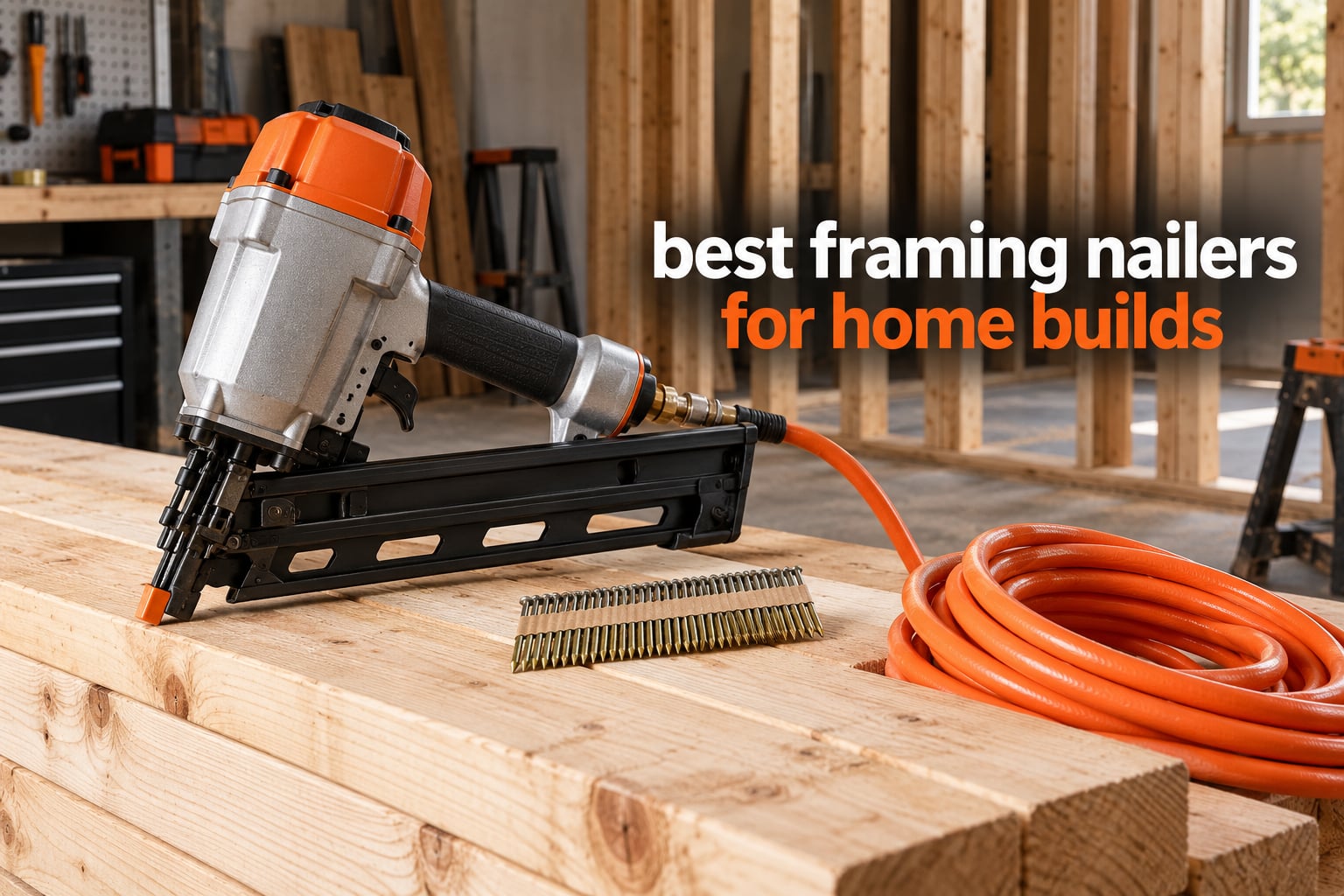
A framing nailer is a power tool that fires structural nails up to 3-1/2 inches long into dimensional lumber, replacing hand nailing for wall framing, subfloors, sheathing and roof decking. For a home build it turns hours of swinging a hammer into minutes and drives each nail to a consistent depth, which is what lets a wall stand up and resist racking. If that is the job in front of you, this guide covers the best framing nailers for home builds in 2026, ranked on data you can check yourself rather than marketing adjectives.
Before anything else, a decision gate. If you are hanging trim, building a small planter, or fastening picture-hanging cleats, a 16-gauge finish nailer or a brad nailer is the right tool and a framing nailer is overkill. That rule covers plenty of interior projects too, including a small dedicated room build like our best home planetariums guide, which is finish and brad work rather than structure. A framing nailer earns its place when you are standing walls, laying subfloor, nailing off sheathing, or decking a roof or shed floor. Those tasks need the drive energy of a 10D nail, and lighter tools simply will not do it.
There is a second gate that most roundups skip: almost every nailer here is pneumatic, which means it needs a compressor. If you already own one, you have the single biggest hurdle cleared. If you do not, the cost and size of that compressor is part of the purchase decision, and we cover it in its own section below. We also look closely at nail length limits, because a nailer that tops out at 3-1/4 inches cannot drive every code-approved structural nail.
We compared eight nailers side by side, weighing published specifications against the patterns that show up consistently in owner reviews: depth consistency, jam frequency, balance during overhead work, and how the tool holds up after months rather than days. Each pick below lists what we liked and what we would live with.
Top 3 Framing Nailer Picks for Home Builds (October 2026)

NuMax SFR2190
- Widest review base at over 7
- 300 ratings
- Dual mode trigger
- Tool-free depth adjust and 360 degree exhaust

Metabo HPT NR90AES1
- Lightest at 7.5 lb
- Selectable actuation switch
- Five year professional warranty

Bostitch F21PL
- Swappable framing and connector nosepieces
- Magnesium body
- Adjustable rafter hook
All 8 Framing Nailers at a Glance in 2026
| Product | Specifications | Action |
|---|---|---|
| NuMax SFR2190 Pneumatic 21 Degree Framing Nailer |
|
Check Latest Price |
| Metabo HPT NR90AES1 Pneumatic 21 Degree Framing Nailer |
|
Check Latest Price |
| Bostitch F21PL Pneumatic Round Head Framing Nailer |
|
Check Latest Price |
 Metabo HPT NR83A5 Pneumatic 21 Degree Framing Nailer Metabo HPT NR83A5 Pneumatic 21 Degree Framing Nailer |
|
Check Latest Price |
 Makita AN924 Pneumatic 21 Degree Framing Nailer Makita AN924 Pneumatic 21 Degree Framing Nailer |
|
Check Latest Price |
 Metabo HPT NV90AGS 15 Degree Coil Framing Nailer Metabo HPT NV90AGS 15 Degree Coil Framing Nailer |
|
Check Latest Price |
 Freeman PFR2190 Pneumatic 21 Degree Framing Nailer Freeman PFR2190 Pneumatic 21 Degree Framing Nailer |
|
Check Latest Price |
 3PLUS H2190SP Pneumatic 21 Degree Framing Nailer 3PLUS H2190SP Pneumatic 21 Degree Framing Nailer |
|
Check Latest Price |
How We Picked These Framing Nailers
Every nailer in this guide is a full-size 21-degree or 15-degree machine, not a light-duty brad or a cordless finish nailer dressed up as a framer. We ranked them on five criteria that actually change the experience of a home build.
Drive depth and nail compatibility. A tool is only useful if it drives the nail your structure needs, at the diameter your local code calls for. We checked the stated length range and diameter range against the standard 3-1/2 inch 10D structural nail, and flagged any gun that cannot reach full depth.
Weight and balance. Framing a wall means holding 8 to 10 pounds out at arm’s length for hours. A one-pound difference is not nothing, and a nailer that is long and lopsided between joists is more tiring than its weight alone suggests.
Magazine and jam behaviour. Stick magazines mean frequent reloads; coil magazines mean long uninterrupted runs but narrower nail availability. We weighted this heavily because reloads are where momentum dies.
Controls and serviceability. A tool-free depth adjust, a mode switch, an open nose, and a manufacturer that still stocks replacement parts all reduce frustration over a long project.
Verified owner feedback. We leaned on review volume and consistency of comment themes. A tool with 7,000 ratings telling the same story is a safer bet than a five-star gun with forty reviews. Ratings and review counts below are copied exactly as they appear in the product data, not rounded or estimated.
1. NuMax SFR2190 Pneumatic 21-Degree Framing Nailer
NuMax SFR2190 Pneumatic 21 Degree 3-1/2″ Framing Nailer
21 degree, 2-3-1/2 in nails
8.6 lb
Dual mode trigger, tool-free depth adjust
Pros
- Largest review base of any nailer here at more than 7300 ratings
- Dual mode trigger switches fast between sequential and bump firing
- Tool-free depth adjust wheel and 360 degree adjustable exhaust
- No-mar safety tip and comfort grip handle
Cons
- Requires a separate air compressor and hose
- Anti-dry-fire stops firing when a partial strip remains
- Only a 1 year limited warranty
This is the nailer I recommend first, and the reason is the review base rather than any single spec. More than 7,300 ratings at 4.6 stars is a large enough sample that the pattern in the comments is trustworthy: owners use it as the default 21-degree workhorse for wall framing, subfloors, roof decking, pallets and fencing, and they report that it keeps doing so. The tool is built around a one-piece hardened steel drive blade, which is the part that actually takes the punishment when a nail is deflected by a knot.
It accepts 21-degree plastic collated full round head framing nails from 2 to 3-1/2 inches long, at 0.113 to 0.131 inch diameter. That range covers standard 10D structural work, and full round head nails are the type many building codes require where clipped heads are not permitted, which is one of the safer defaults for a homeowner who has not yet learned their local inspector’s preferences.
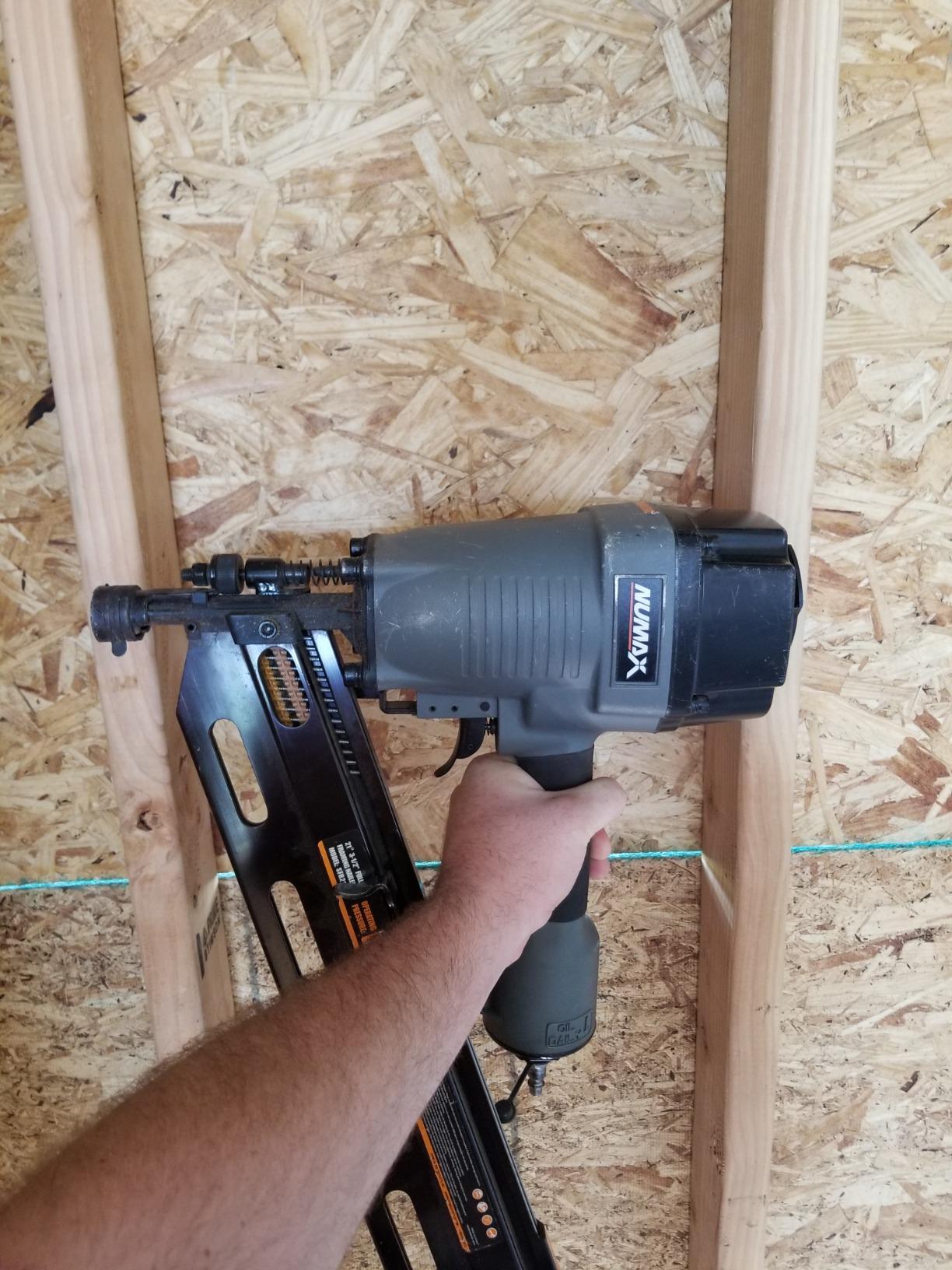
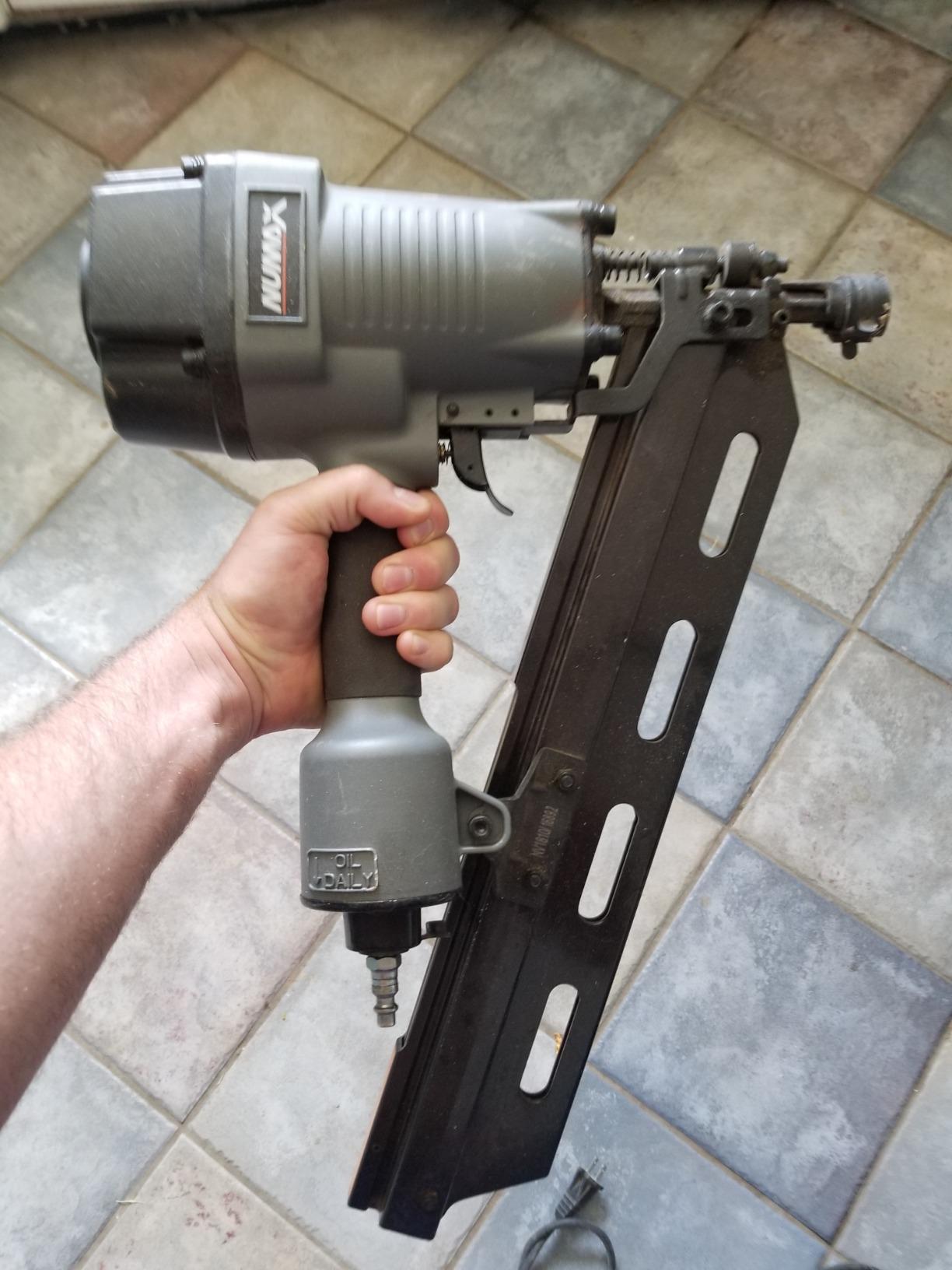
Control layout is where this tool earns its keep. The dual mode trigger changes between single sequential firing for precision and bump firing for speed quickly, so you can toe-nail a stud one nail at a time and then switch to driving a top plate fast without hunting for a setting. The tool-free depth adjustment wheel changes driving depth by hand across different materials, which saves time when you move from framing lumber to subfloor panels.
Two smaller details matter more than they sound. The 360 degree adjustable exhaust lets you point the air away from your face instead of straight into your sightline, and the no-mar safety tip keeps the claw from denting finished surfaces when you back the tool into a face you already care about.
Why it suits a home build
It covers the widest spread of homeowner tasks of anything on this list: framing, subfloor, roof decking, sheathing, pallets and fencing, all in one tool. If your weekend plan spans more than one of those, this is the gun that stops you from buying a second one. One build that uses all of it is a home climbing wall, where the stud framing has to be square before anything gets bolted on; our best home climbing walls guide covers the part that comes after the nailing is done.
The dual mode trigger also makes it forgiving. Sequential mode means one pull, one nail, which is what you want when you are learning depth settings or placing studs by hand, and bump mode means you can move along a plate without lifting the tool off the wood.
Where it falls short
You need a compressor, a hose and a fitting before this tool does anything at all. That is a real barrier for a first-time buyer and it is the single most common hesitation we see in homeowner forums.
Two smaller tradeoffs. The anti-dry-fire mechanism stops firing when only a partial strip remains, which is correct behaviour and still catches people out mid-project, and the 1 year limited warranty is the shortest we saw across these eight models.
2. Metabo HPT NR90AES1 Pneumatic 21-Degree Framing Nailer
Metabo HPT Framing Nailer, 21° Plastic Collated 2-3.5in, NR90AES1
21 degree, 2-3-1/2 in nails
7.5 lb
Selectable actuation, tool-free depth
Pros
- Highest rated at 4.7 stars with a 2489 rating base and the top sales rank in the category
- Lightest nailer here at 7.5 lb for less fatigue on long framing days
- Selectable actuation switch moves between sequential and contact nailing instantly
- Covered by a five year professional tool warranty
Cons
- Requires a separate air compressor and hose
- Plastic collated compatibility narrows fastener choice versus a coil nailer
- Manufacturer documentation is thin for first-time users
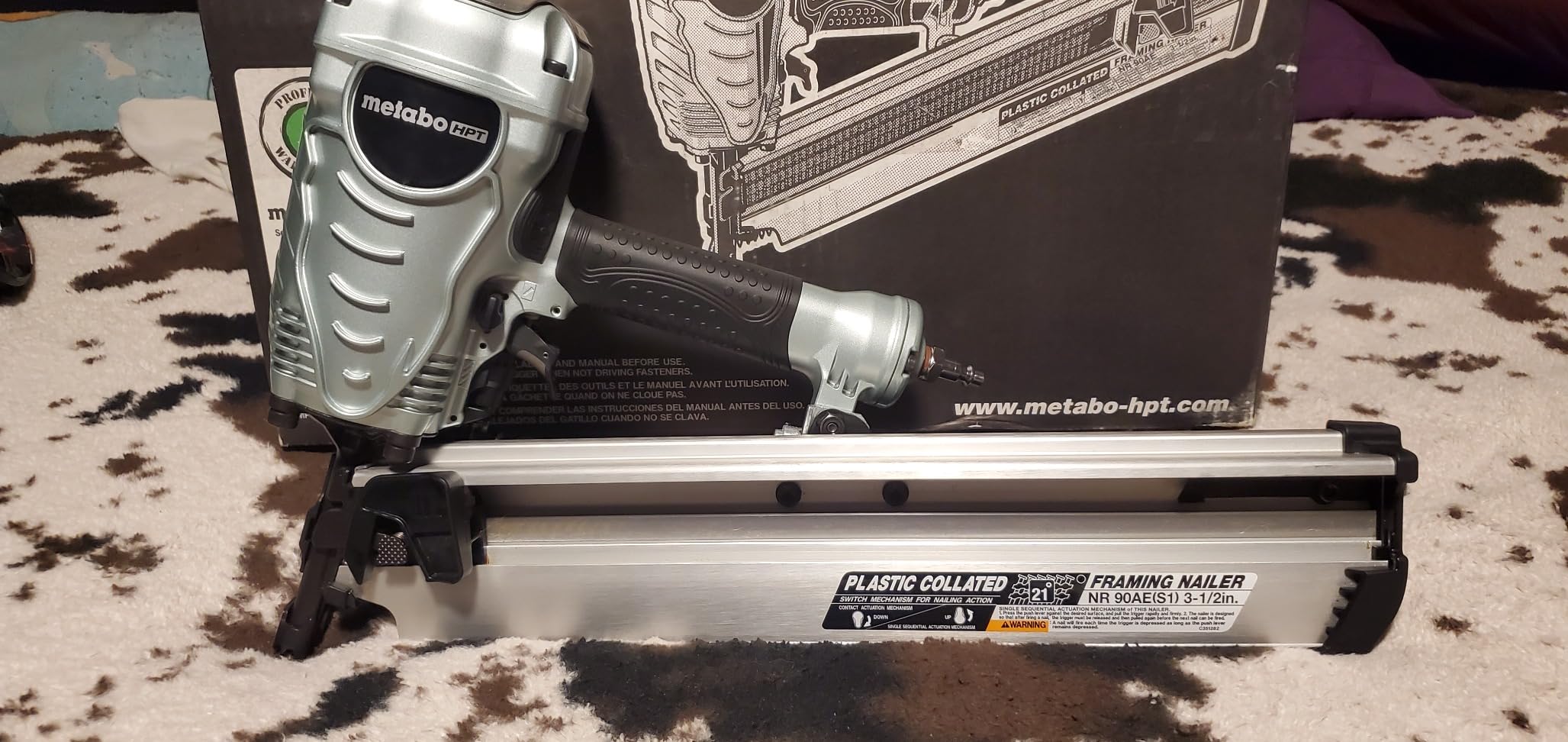
This is the highest-rated nailer in the group and the one I would pick if you are framing overhead for a full day. At 7.5 pounds it is the lightest tool here, and reviewers single out the balance as much as the number. The Metabo HPT cylinder valve drive mechanism is what gives it fast, consistent driving, and the combination of light weight and that drive is the reason people keep reaching for it.
A note on the brand, because it causes confusion: Metabo HPT is the rebranded Hitachi tool line, now sold under Koki Holdings America. It is not a budget-only house brand. That history actually works in your favour here, because parts availability for a long-running professional line tends to be better than for a short-lived private label, and the company backs this gun with a five year professional tool warranty.
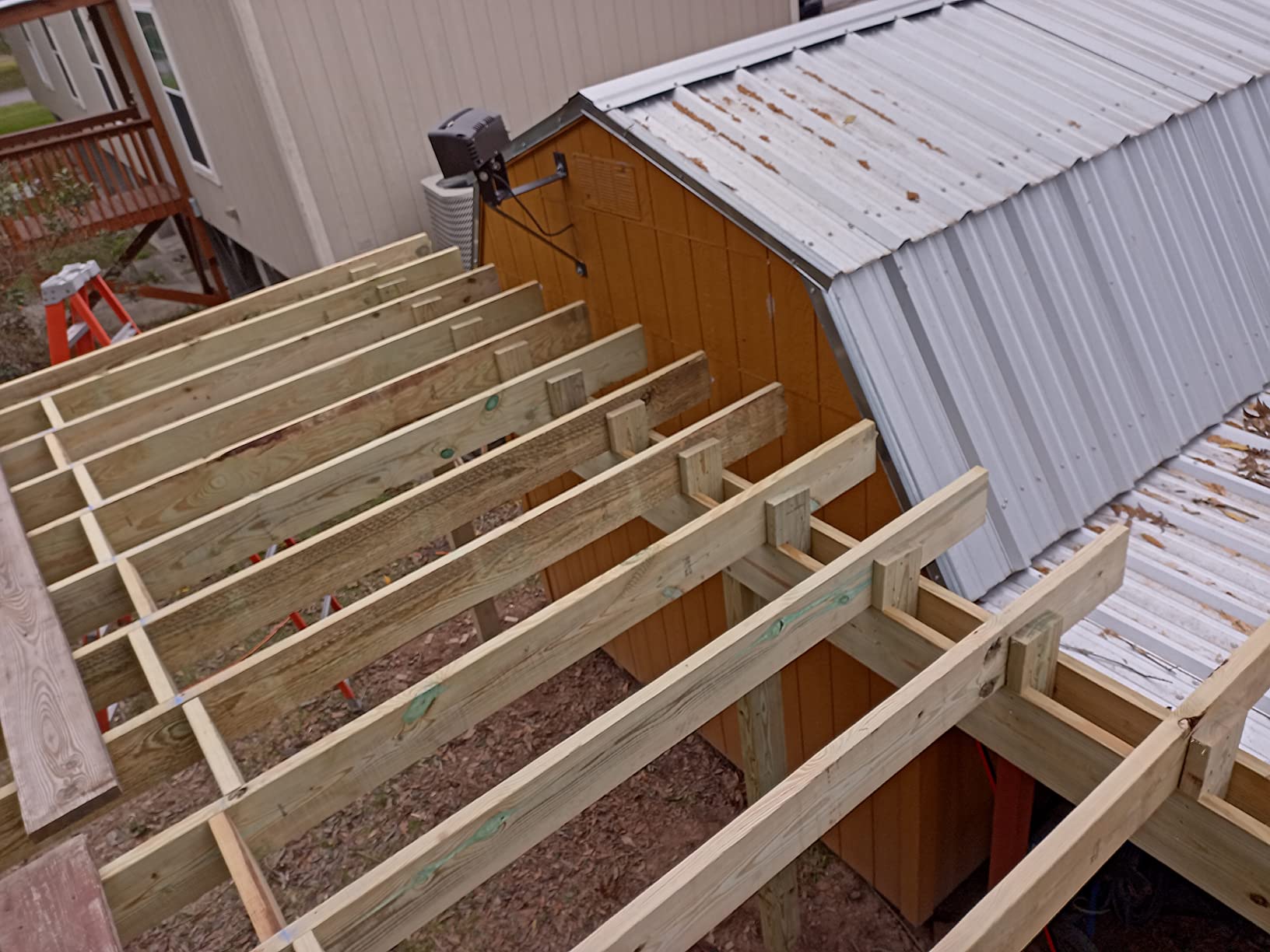
The application list is broad: flooring and framing, truss build-up, window build-up, sub flooring, roof decking, wall sheathing and general housing construction. It accepts plastic collated framing nails from 2 inches up to 3-1/2 inches, so it covers the standard structural range rather than a restricted subset of it.
Builder and Developer Magazine named it Pro Preferred Nailer for seven years running from 2014 to 2020, and owners report consistent behaviour across roughly 85 percent five-star ratings. The one thing reviewers mention that is worth knowing before you buy is that the manual is brief, so plan on learning depth settings by feel on scrap lumber first.
Why it suits a home build
Weight is the deciding factor for ceiling strapping, roof decking and any job where your arms are above shoulder height for more than an hour. Every pound you are not holding out there is a pound you feel at the end of the day.
The selectable actuation switch flips between sequential and contact nailing without removing any part, so you can move from careful layout work to production nailing mid-wall without breaking stride.
Where it falls short
It shares the compressor requirement with every other pneumatic nailer on this list. If you do not own a compressor and do not plan to buy one, this class of tool is simply not ready to work on day one.
Plastic collation also narrows your fastener options. You cannot feed it coil nails, so if a project calls for wire coil you will be ordering a different magazine worth of fasteners than a stick nailer would need.
3. Bostitch F21PL Pneumatic Round Head Framing Nailer
BOSTITCH Framing Nailer, Round Head, 1-1/2-Inch to 3-1/2-Inch, Pneumatic (F21PL)
Round head plus connector nails
8.15 lb magnesium
Two quick change nosepieces
Pros
- Two quick change nosepieces let one tool cover framing and metal connector work
- Magnesium body is durable and well balanced for its size
- Push button depth guide is easy to reset between toe nailing and flush driving
- Adjustable rafter hook is genuinely useful on a ladder
Cons
- Some packages arrive without the connector nosepiece and pneumatic fitting
- Plastic collation debris and sparks exit the nose and require eye protection
- Occasional jams or misfires at the seam between nail strips
The Bostitch F21PL is the one to buy when your project list contains something other than wood. It includes two quick-change nosepieces that convert it between framing applications and metal connector applications, and it drives plastic collated 1-1/2 inch and 2-1/2 inch metal connector nails at 0.131 to 0.148 inch diameter alongside its framing nails. For a homeowner building a workbench, a garage rack or a play structure with hardware hangers, that is a second tool you do not have to buy.
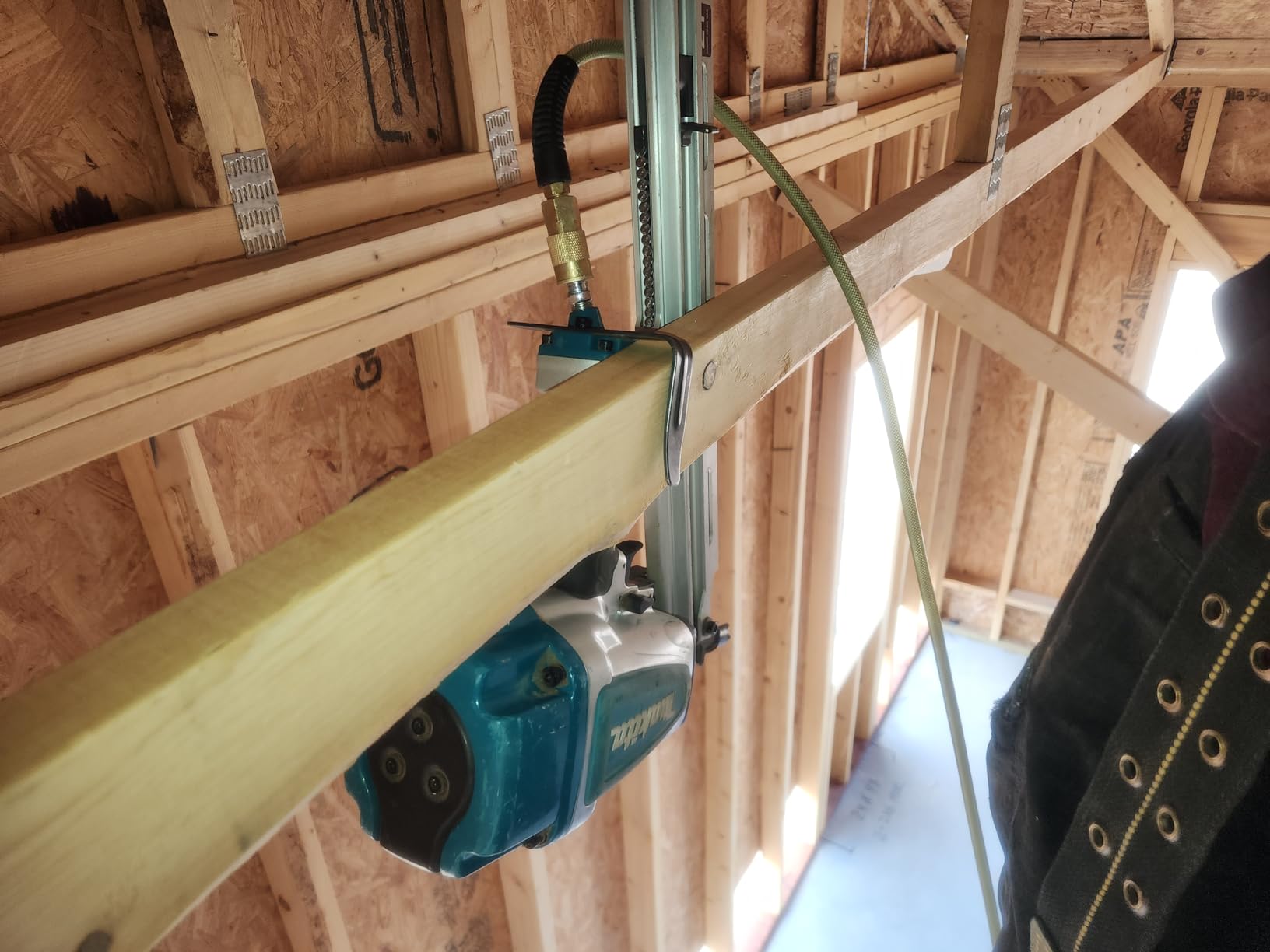
It is a magnesium-bodied tool at 8.15 pounds and 21.2 inches long, and owners report years of trouble-free service across garages, decks, fences, pergolas and rafter repairs. That production history is the reason several forums still list it as a durable legacy option. The patented push button depth guide is quick to set, and the adjustable rafter hook lets you hang the tool on a rafter or joist when your hands are busy.
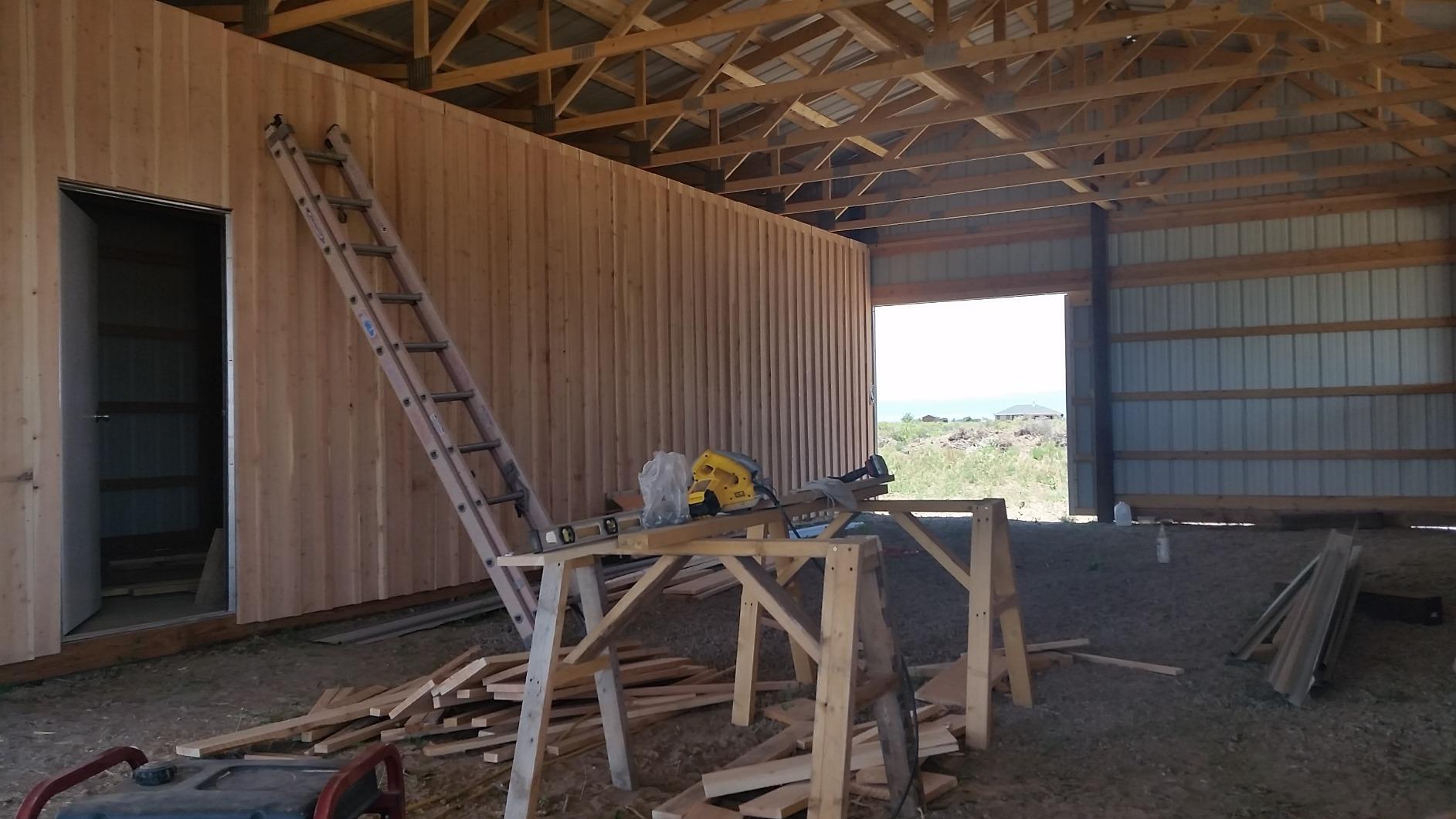
It fires full round head nails, which matters if your local code bans clipped heads in structural connections. The separate single-shot and bump triggers are a design choice some owners prefer over a mode switch because the setting cannot be changed by accident, which is a small but real advantage in a house with children around.
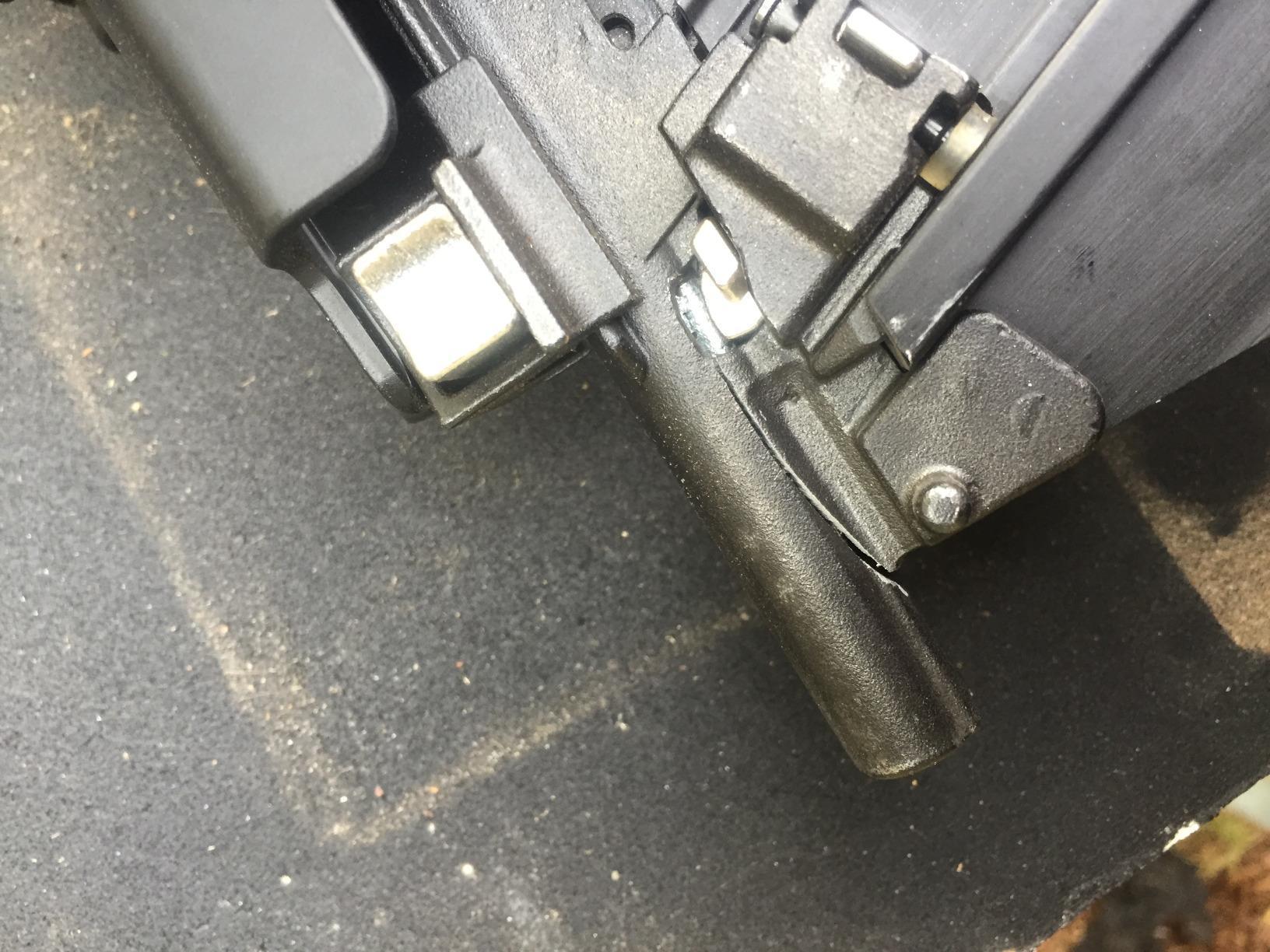
There is a practical packing caveat. Some packages arrive without the metal connector nosepiece and without a pneumatic fitting in the box, so check the package contents the moment it turns up rather than mid-project. There is no official carrying case, and owners also report collation debris and sparks exiting the nose, so eye protection is not optional with this one.
Why it suits a home build
Two tools in one is the argument. If any part of your project involves metal connector nails rather than framing nails, this saves you an entire purchase and the shop time to find one.
The magnesium body and rafter hook combination is well suited to scattered weekend work, where you are climbing a ladder, holding a 2×6 in one hand and nailing with the other.
Where it falls short
The unmarked depth adjustment notches are easy to lose when you swap nosepieces, so expect to re-dial your setting after a change. Occasional jams and misfires, particularly at the seam between nail strips, are the most common complaint in reviews.
It is also one of the longest-bodied tools in this roundup at 21.2 inches, which makes it the least comfortable of the group to work between joists. Metal connector nails are hard to find at big-box stores and usually need ordering separately.
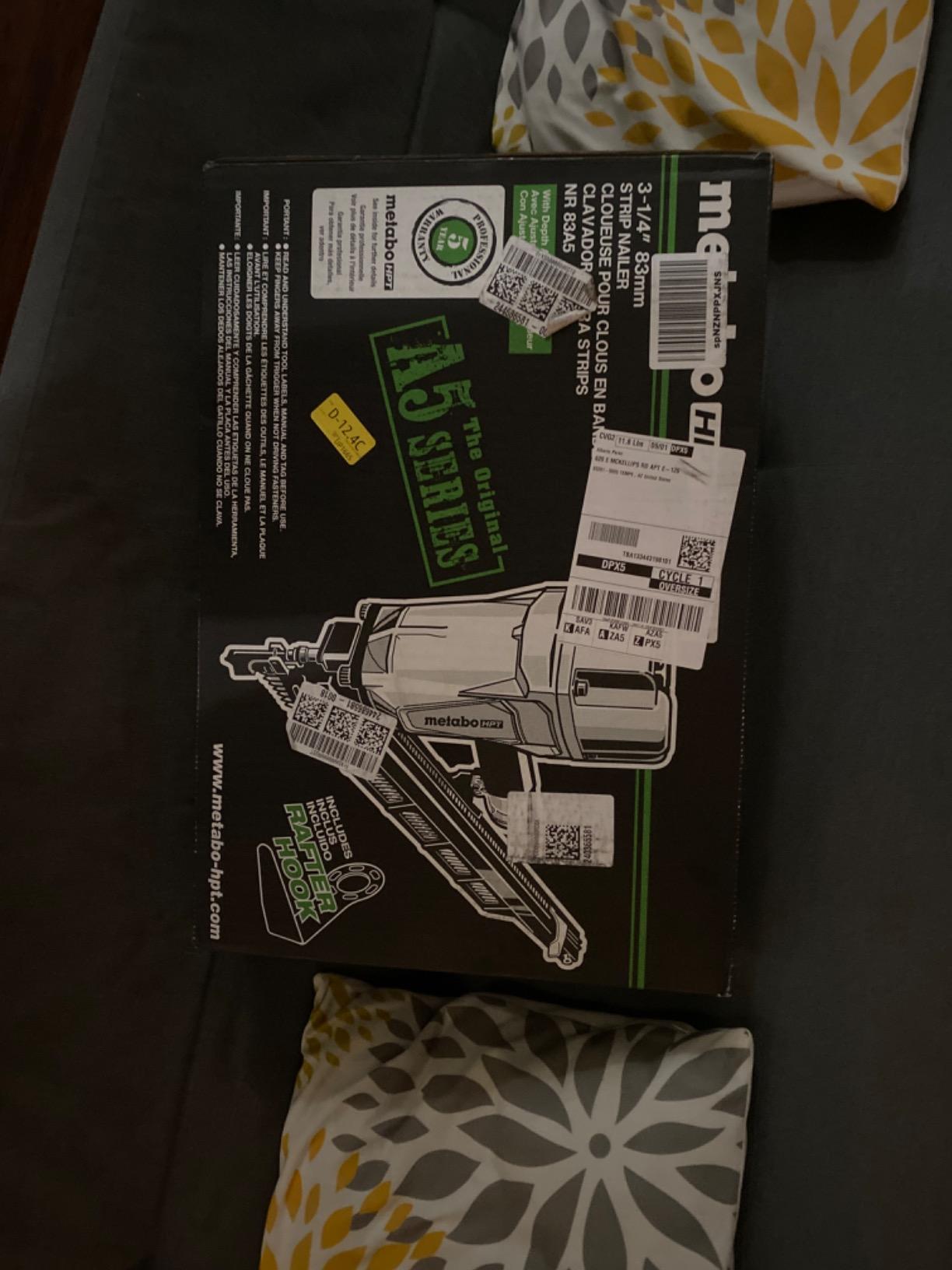
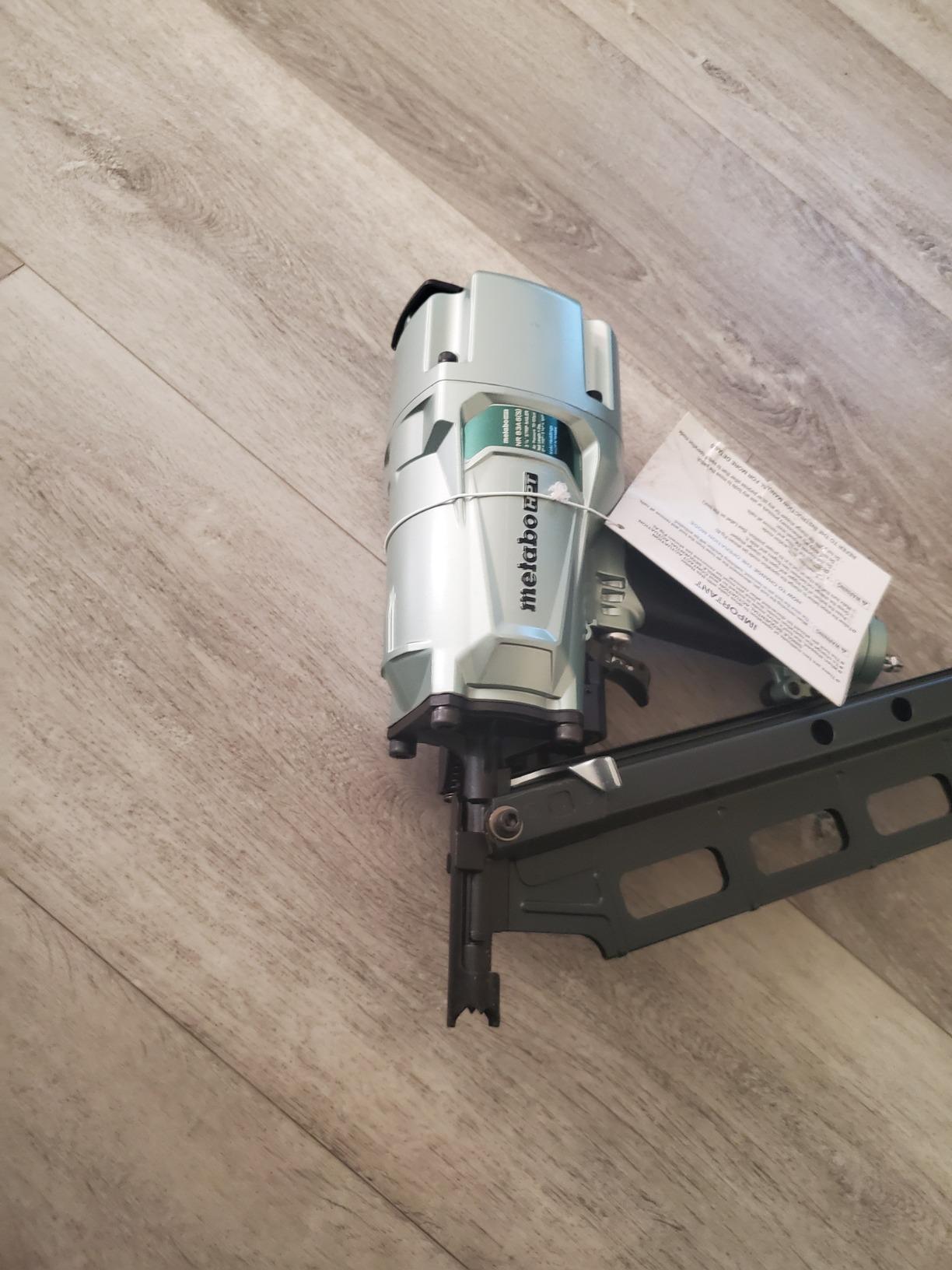
4. Metabo HPT NR83A5 Pneumatic 21-Degree Framing Nailer
Metabo HPT Framing Nailer, Pneumatic Selectable Trigger, 21°, NR83A5
21 degree, cylinder valve drive
8.8 lb, 21.2 in
Trigger-selectable mode, open nose
Pros
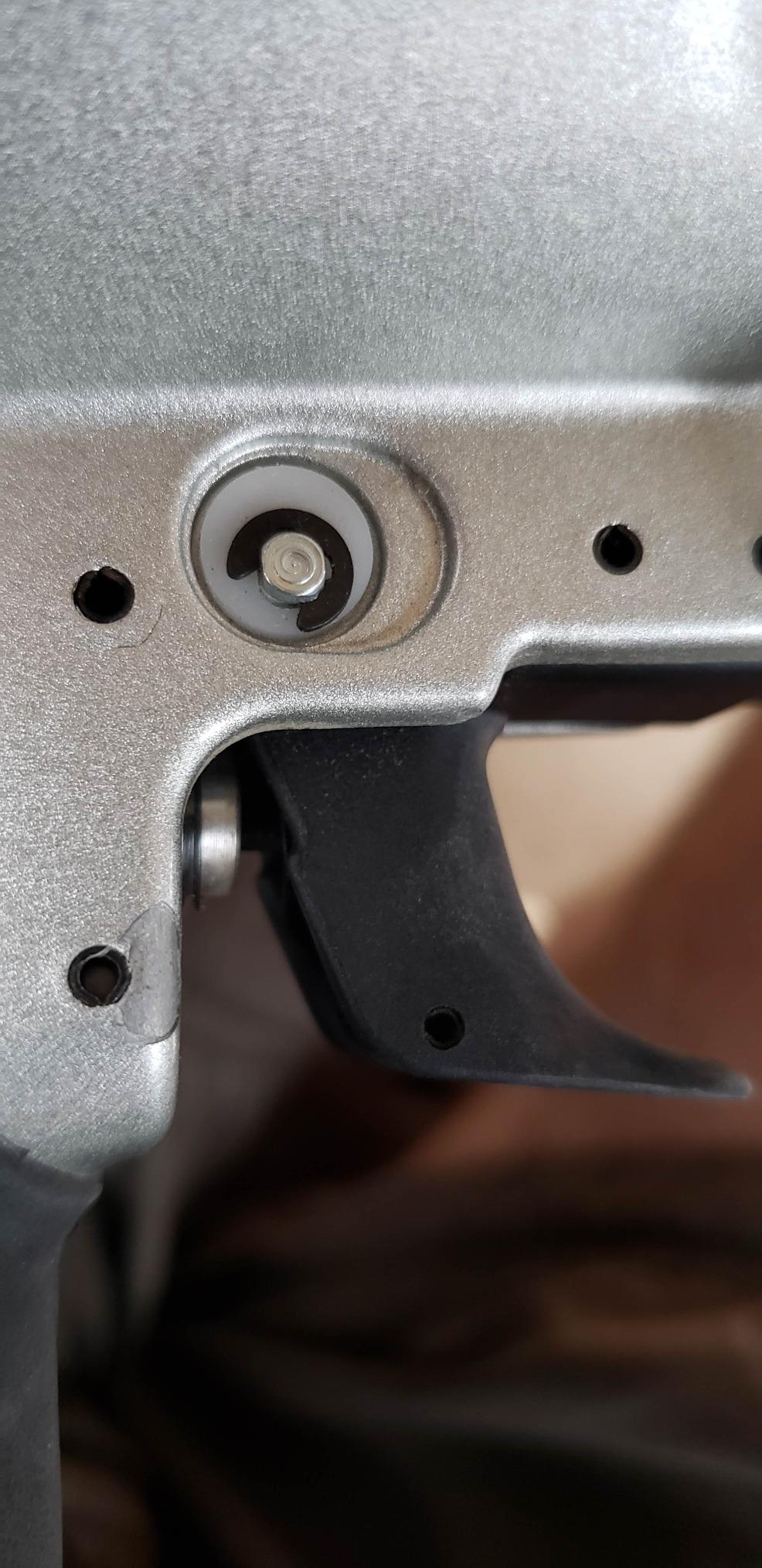
- Selectable trigger mode switch sits inside the handle for quick changes
- Cylinder valve drive gives fast
- powerful and consistent driving
- Hardened claw tip grips wood well for toe nailing at different angles
- Open nose design allows jam extraction without disassembly
Cons
- One of the longest tools here at 21.2 in
- Releasing the magazine aggressively can crack the plastic nail clip
- Nail length range tops out near 3-1/4 inch for typical framing
The NR83A5 is the gun to look at if you frame heavy timber or work on thick engineered lumber and want a tool that does not labour. The Metabo HPT cylinder valve drive mechanism is credited with quick response and rapid, powerful driving, and owners describe it as handling framing and sheathing all day without complaint. Builder and Developer Magazine named it Pro Preferred Nailer nine years running from 2014 to 2022.
Its open nose design is the feature experienced owners value most. When a nail jams, you can extract the fragment without pulling the tool apart, which turns a five-minute problem into a thirty-second one. The hardened claw tip resists wear and grips wood well when you are driving at an angle, which is exactly what toe nailing is.
The rafter hook can be positioned on either side depending on handedness, which matters when you are working in tight roof spaces. The two-piece magazine is designed for durability and for straightforward replacement, and the rubber grip is a genuine comfort improvement on a full day of nailing. The rear-loading magazine makes replenishment quick, and the trigger-selectable mode means you choose contact or single sequential actuation without changing any parts.
Two practical warnings come straight from owners. At 8.8 pounds and 21.2 inches, this is one of the longest and heaviest tools in the group, and both numbers show up during overhead work. Releasing the magazine aggressively can crack the plastic nail clip and cause a jam, so ease it open.
Why it suits a home build
It is built for the harder end of home building: thick lumber, engineered products, sheathing that has to sit flat, and long days where you need consistent depth rather than a light tool that tires you out.
Open nose jam access and a replaceable two-piece magazine are the features that pay off over years of intermittent use, when a tool that is awkward to service tends to get abandoned rather than fixed.
Where it falls short
It is the wrong choice for a first framing nailer if your plan involves a lot of work above your head. The weight and length are the two most repeated complaints in the reviews.
It also needs a separate compressor, and the typical nail length range tops out around 3-1/4 inch, which is shorter than the full 3-1/2 inch structural range some code schedules reference. Check your nail length needs before committing.
5. Makita AN924 Pneumatic 21-Degree Framing Nailer
Makita AN924 21º Full Round Head 3-1/2″ Framing Nailer
21 degree full round head
2-3-1/2 in at .148 in
Top loading aluminum magazine
Pros
- Large capacity air chamber drives nails up to 3-1/2 inch at 0.148 inch diameter
- Solid top loading aluminum magazine built for longer life
- Top loading magazine is fast to reload during continuous framing
- Box includes air fitting
- hex wrench
- pneumatic nailer oil and safety glasses
Cons
- Heaviest listed weight here at 11.8 lb
- Only a 3 year limited warranty
- No selectable trigger mode so sequential and bump firing are not switchable
The Makita AN924 is the drive-power pick. It has the largest capacity air chamber in its class, specified to drive nails up to 3-1/2 inches long at 0.148 inch diameter, which is the heaviest end of the 10D structural nail. That headroom is what you want when you are nailing into LVL, engineered studs or laminated members, where a nailer that lacks reserve leaves the fastener standing proud.
Speed is the other selling point. Owners report faster driving than most competitors, and the solid top loading aluminum magazine is built for longer life than a plastic magazine. Top loading means you drop a fresh strip in from above without flipping the tool, which is much faster when you are nailing a long run of studs or strapping a ceiling.
The box is unusually complete for this category: air fitting, hex wrench, pneumatic nailer oil and safety glasses all come in the box, so you are not making a second hardware store run before the first nail. It accepts 21-degree plastic collated framing nails from 2 to 3-1/2 inches at 0.113 to 0.148 inch diameter, and fires full round heads that satisfy codes banning clipped heads.
Be aware of the weight figure. The listed item weight is 11.8 pounds, while the manufacturer states a tool weight of 8.3 pounds, so the higher number likely includes packaging or accessories. Even using the manufacturer’s figure, this is a substantial tool, and reviewers note it tires the arms and shoulders faster than the lighter options here.
Why it suits a home build
Drive reserve is the reason to choose it. If your project involves engineered lumber, thick rim joists, or a lot of nailing into wood that is denser than standard framing pine, the extra air chamber capacity reduces the number of fasteners that finish standing proud.
It is also the pick for anyone who wants the accessories handled. The included oil and fitting matter for longevity, because a pneumatic nailer that runs dry wears faster than one that gets serviced.
Where it falls short
It carries the highest purchase figure in this group and only a 3 year limited warranty, which is shorter than the five year coverage on the Metabo HPT models. Those two facts together make it a harder sell as a once-a-year tool.
There is no selectable trigger mode, so you cannot switch between sequential and bump firing without a different procedure. Plastic collated strips also mean more reloads than a coil nailer would require, and it still needs its own compressor.
6. Metabo HPT NV90AGS 15-Degree Coil Framing Nailer
Metabo HPT Coil Framing Nailer, 15° Nails, NV90AGS
15 degree wire coil, 1-3/4-3-1/2 in
7.7 lb
Tool-less depth dial, open nose
Pros
- Coil format means far fewer reloads than any stick nailer here
- Accepts wire coil nails from 1-3/4 to 3-1/2 inches
- Light at 7.7 lb and well balanced
- Tool-less depth dial and open nose for fast changes and jam clearing
Cons
- Only 15 degree coil compatibility
- so it will not accept 21 degree plastic collated nails
- Wire coil nails are harder to find locally than plastic strips
If your project involves spending hours at roof height nailing off decking or sheathing, this is the tool that changes your day. Coil feeding means you are not reloading every few dozen nails. Owners pick this nailer specifically to avoid the reload cycle, and they describe it as a major time saver on roof decking and sheathing, with some reporting thousands of nails through it without a single jam.
It accepts 15 degree plus or minus 1 wire coil nails from 1-3/4 to 3-1/2 inches. The tool-less depth of drive dial adjusts for flush fastening across varying materials, the selective actuation switch moves between sequential and contact nailing with a flip, and the open nose design clears jams easily. The steel head plate adds durability where it is needed most.
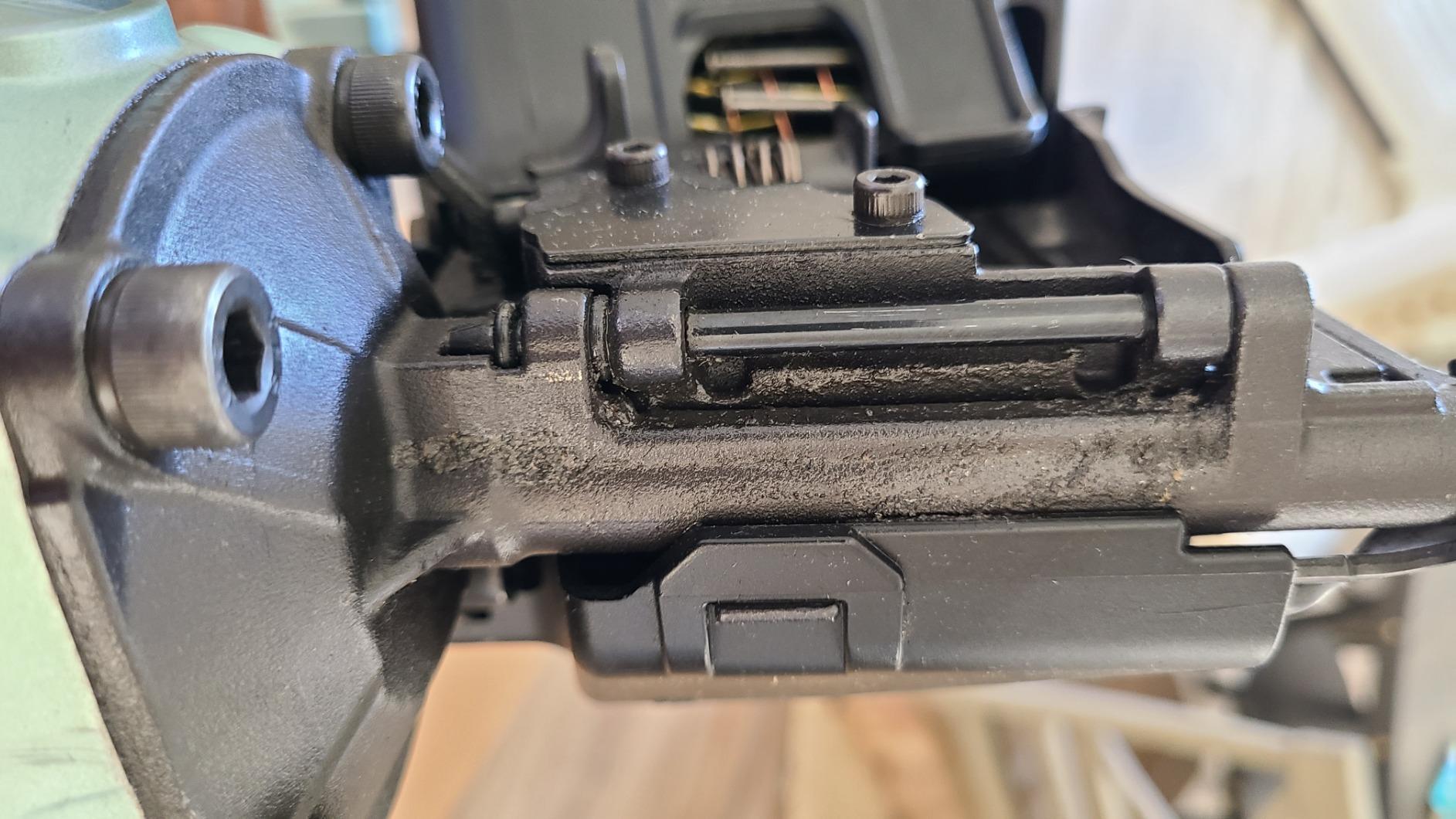
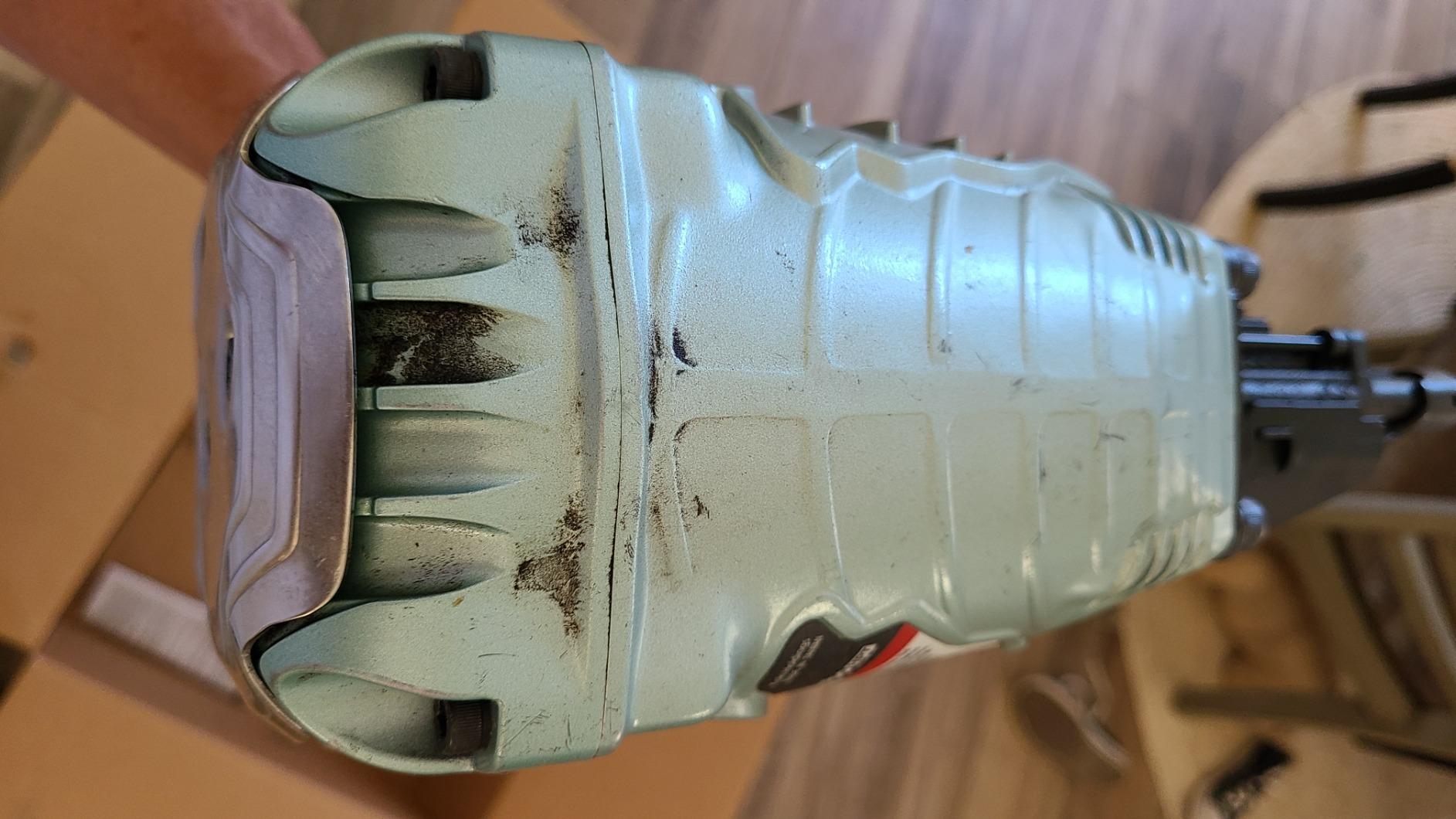
At 7.7 pounds it is the second lightest gun here, and reviewers call out balanced handling for a full day of nailing. Builder and Developer Magazine named it Pro Preferred Nailer for twelve years running from 2014 to 2025, the longest award streak of any pick in this guide, and it carries the five year professional warranty.
The catch is a real one, not a minor caveat. It only accepts 15 degree coil nails. It will not take 21-degree plastic collated framing nails, so it does not substitute for a stick nailer in a mixed project, and you need to confirm that wire coil nails of the length you need are available where you build before you commit to it.
Why it suits a home build
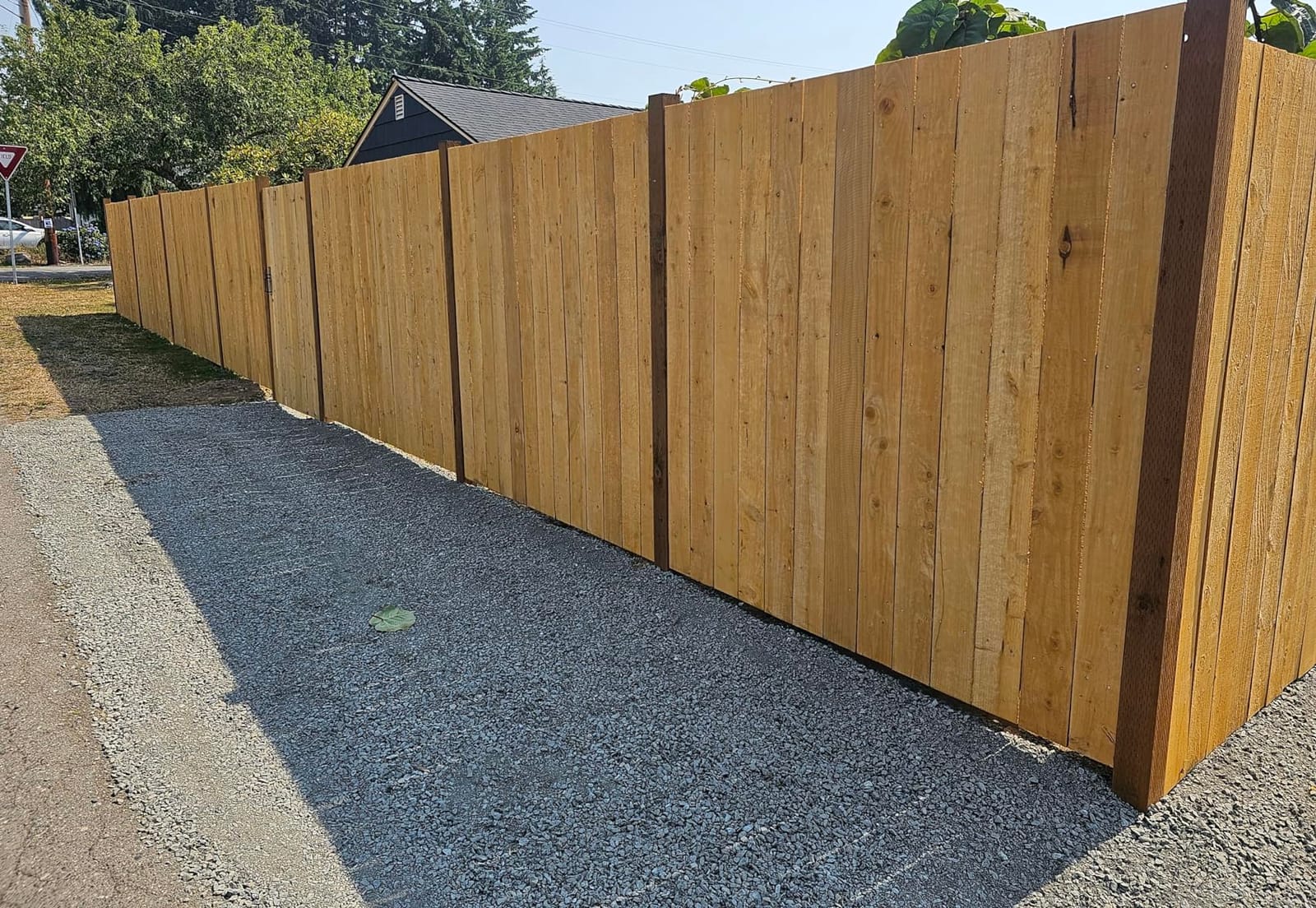
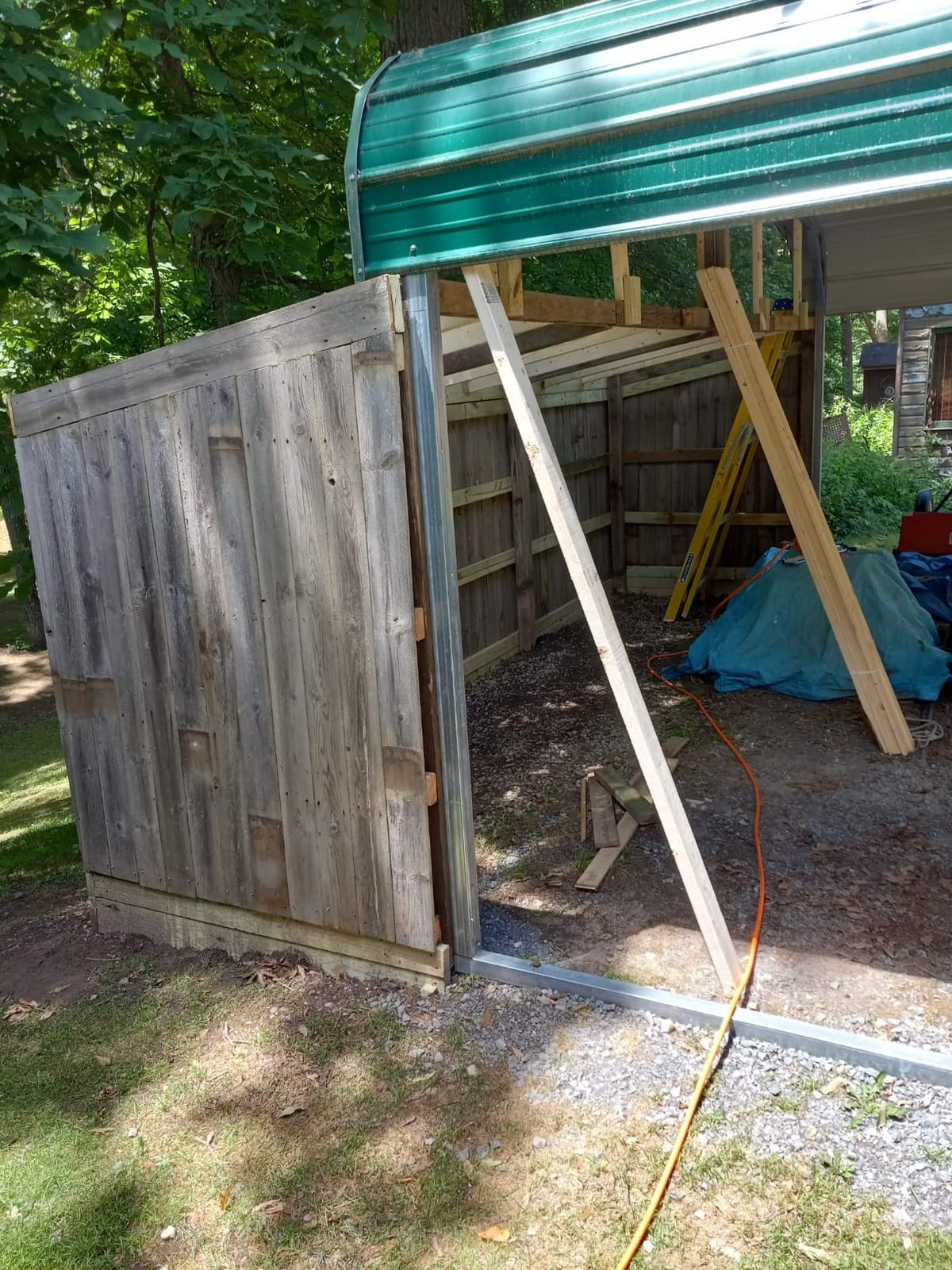
Roof decking and full sheathing coverage on a shed, garage or addition is the sweet spot. Those jobs produce thousands of nails in a confined position, and reloads are where both time and hand comfort go. Small outbuilding projects work the same way, whether you are starting from our best home saunas guide framing plan or a simple shed floor.
It is also the right companion tool if you already own one of the 21-degree nailers in this guide and want to stop restocking plastic collated strips for the sheathing pass.
Where it falls short
Nail availability is the deciding issue. Regional hardware stores carry 21-degree plastic collated strips far more widely than 15-degree wire coil, and forum discussion on this topic is consistent that angle is less about performance and more about what you can find on a Saturday morning.
A few owners also report needing replacement parts within months of purchase, and one review reports an air leak at the trigger. The manual is thin for beginners, so budget time to learn the settings.
7. Freeman PFR2190 Pneumatic 21-Degree Framing Nailer
Freeman Pneumatic 21° 3-1/2″ Framing Nailer | PFR2190
21 degree full round head
2-3-1/2 in nails
8.5 lb, includes case
Pros
- Includes a fitted blow molded carrying case
- which most rivals in this range do not
- Seven year limited warranty plus 90 days on wearable parts
- One piece hardened steel drive blade with anodized aluminum magazine and cylinder
- No-mar tip can be removed for aggressive teeth and precision toe nailing
Cons
- No rafter hook on a tool this heavy
- Anti-dry-fire leaves about four nails and a fresh strip behind them can jam
- Not well balanced and bulky between joists or overhead
The Freeman PFR2190 is the pick when a project is a one-off rather than a building phase. It comes with a blow molded carrying case, which almost nothing else in this range includes, and that single feature matters more than it sounds if the tool lives in a car and you are not moving it to a garage. The seven year limited warranty with 90 days on wearable parts is the longest coverage in the group.
Underneath, it is a competent 21-degree pneumatic framer. It uses a one piece hardened steel drive blade with an anodized aluminum magazine and cylinder, accepts 21 degree plastic collated full round head framing nails from 2 to 3-1/2 inches at 0.113 to 0.131 inch diameter, and has a dual mode trigger, a tool-free depth adjust wheel and a 360 degree adjustable exhaust. Owners report thousands of nails through it with no jams, and they cite the fitted case and the warranty as the deciding factors over similarly capable rivals.
One feature is worth planning around: the no-mar safety tip can be removed to expose more aggressive teeth for precision toe nailing, where you are driving into the side of a stud at an angle and need the claw to bite. That is a genuinely useful design on a nailer that will be used for both framing and trim-adjacent work.
The recurring complaint is about four nails. The anti-dry-fire mechanism stops firing when the magazine runs low, but those remaining nails can jam a fresh strip if you load behind them. Empty the magazine rather than topping it up, and the problem disappears.
Why it suits a home build
It suits the homeowner with a defined job list: a bathroom or closet reframe, a fireplace surround, a basement wall, one shed. Own it, use it hard for a few weeks, and the case and warranty make it an easy tool to keep rather than resell. If the structure you are framing is meant to hold anything valuable, our best home safes guide covers what comes after the wall is up.
Full round head nails are the default, so it will meet code requirements that ban clipped heads without any change to your supply list.
Where it falls short
There is no rafter hook, which is a real omission on an 8.5 pound tool you will be holding up to a joist. It is also described as not well balanced and bulky between joists or overhead, so it is not the first choice for ceiling work.
The trigger must be physically swapped to change between bump and sequential firing rather than flipped, and there is no adjustable firing rate, so it can drive deeper than intended in soft material. The glossy paint finish also scuffs easily.
8. 3PLUS H2190SP Pneumatic 21-Degree Framing Nailer
3PLUS H2190SP 21 Degree Full Round Head Framing Nailer
21 degree full round head
2-3-1/2 in nails
10.69 lb
Tool-free depth, dry-fire lockout
Pros
- Lowest purchase figure in the roundup
- Tool-free depth adjustment for flush or countersink driving
- 360 degree rotating exhaust cover directs air away from the user
- Hardened claw tip reduces nose wear and resists slippage when toe nailing
Cons
- Heaviest nailer here at 10.69 lb
- Some owners report 3-1/2 inch nails will not drive consistently
- Dry-fire lockout will not fire unless the stick is nearly full
The 3PLUS H2190SP is the entry point. It is the least expensive tool in this guide by a clear margin, and for a first framing nailer bought on a tight budget it does the core job: it fires 21 degree full round head plastic collated nails from 2 to 3-1/2 inches, has tool-free depth adjustment for flush or countersink driving, and includes a multi-directional exhaust cover that rotates 360 degrees so you can point the air away from yourself.
Several owners report it still working several years after purchase, and the hardened claw tip earns specific credit for reducing nose wear and minimising slippage when toe nailing. The selective actuation switch moves between sequential and bump fire with a flip, and the dry-fire lockout is there to protect the motor and prevent missed nails.
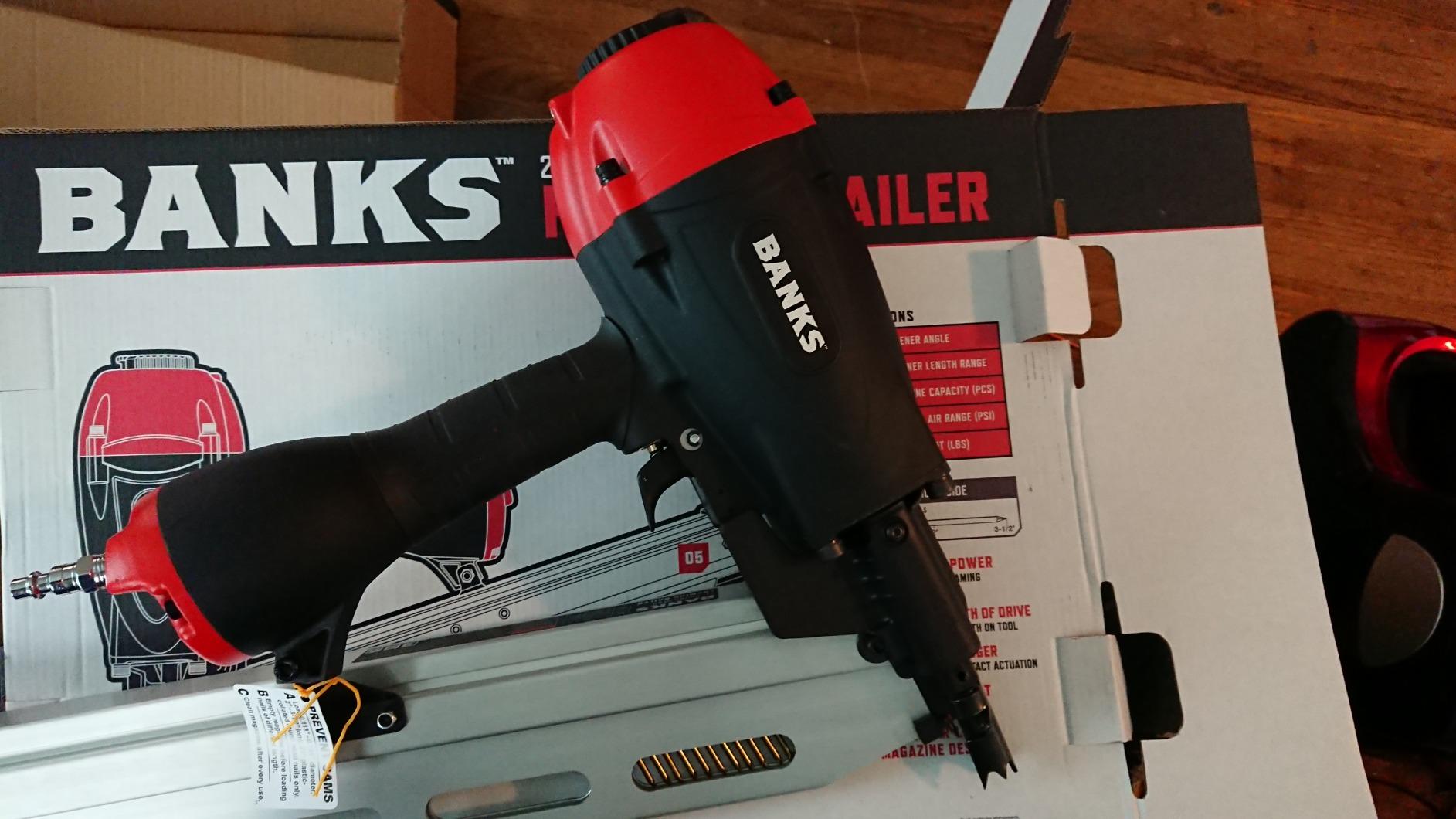
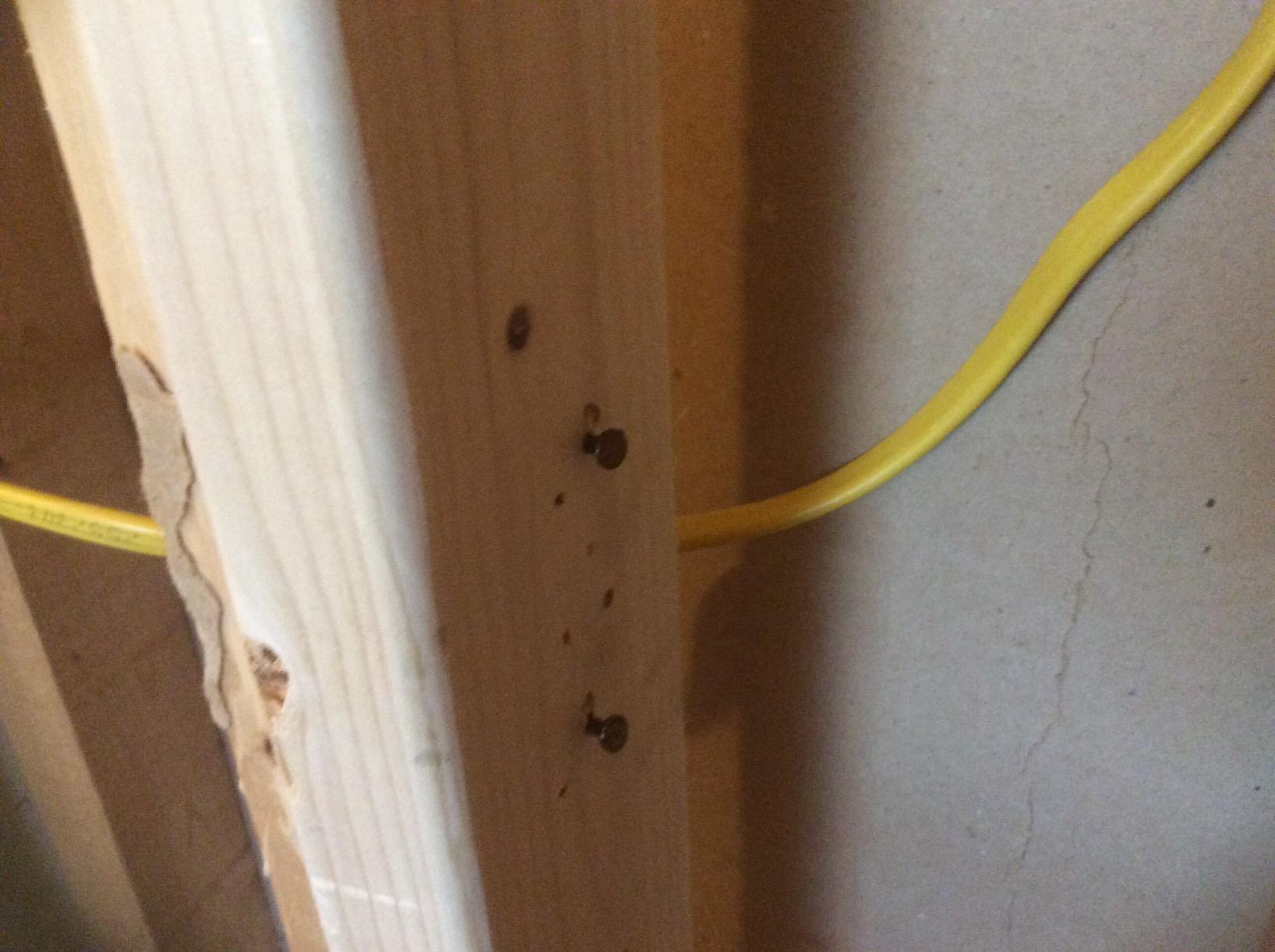
There are honest limits. At 10.69 pounds it is the heaviest nailer in this roundup by a wide margin, and weight is the first thing that tells on you during framing. A number of owners also report that 3-1/2 inch nails will not drive consistently regardless of compressor pressure, and that occasional double firing or nails standing proud trace back to compressor capacity rather than to the tool itself.
Two smaller things. The dry-fire lockout will not fire unless the stick is nearly full, which catches new users out, and sparks occasionally emit from the nail exit, so eye protection matters even during setup. Parts availability is uncertain for a brand this small, which is worth weighing if you like having things repaired rather than replaced.
Why it suits a home build
It is the right call for a homeowner whose framing needs are genuinely occasional and whose budget is the deciding factor. It covers the full nail length range and the correct full round head collation, so nothing about the job forces an upgrade later.
If you can accept more weight in exchange for a longer review history and better-documented service parts, step up one section instead.
Where it falls short
Weight and consistency of full-depth driving are the two real problems. A nailer that will not reliably set a 3-1/2 inch structural nail is a problem precisely when you most need it, and the reports of proud nails trace to insufficient airflow rather than to a fixable setting.
It also has the smallest rating base here at 419, so there is less long-term evidence behind it, and the dry-fire behaviour means you will finish a strip and have to reload rather than top off.
Do You Need a Compressor for a Framing Nailer?
Yes, if you buy any of the eight nailers in this guide. Every one is pneumatic, which means every one is useless until you have compressed air at the correct pressure. This is the hidden cost that stops most first-time buyers, and it is the single most common question raised in homeowner forums about framing nailers.
A framing nailer is a consumer of volume, not just pressure. It dumps a large burst of air on every stroke, which is why small pancake compressors struggle and why a nailer can perform beautifully on one setup and badly on another. The same gun can be the best and worst tool you own depending on what is feeding it.
What matters: sustained airflow, a tank large enough that the pump does not cycle mid-burst, and a hose long enough to reach the work. Continuous pressure matters more than a high peak number on a gauge, because a nail driven at the end of a long burst lands shorter than one driven at the start.
Think about it as an asset. If you frame once, a small compressor plus a nail gun is a purchase you make for a job. If you own one, it also serves an inflator, a finish nailer, a brad nailer, sanders and impact wrenches. That changes the argument entirely, and it is why so many owners who went cordless for framing still bought an air compressor for everything else.
Do not stretch the hose indefinitely. Long thin runs of hose reduce the effective pressure at the nailer. A shorter, fatter hose from the tank to the tool will do more for your nail consistency than a larger tank will.
Set expectations on maintenance. A pneumatic nailer needs a drop of nailer oil in the cylinder on a regular schedule, and a drain on the tank. A few minutes of maintenance is the difference between a tool that lasts a decade and one that scores out after two seasons.
How to Choose a Framing Nailer for Your Project
The buying criteria for framing nailers reward specificity. If you are working through a buying guide for a different kind of home project, our home climbing wall features checklist follows the same principle: decide what the tool must do before you decide which brand to trust with it. Here is what actually changes the outcome on a framing nailer.
Power source: pneumatic, cordless or fuel
Pneumatic is the traditional answer and the one every pick here uses. It is the cheapest route into framing, the parts are widely available, and the tools are generally lighter than their cordless counterparts. Its weakness is the compressor.
Cordless framing nailers use a rechargeable battery and a brushless motor, and they remove the compressor entirely, which is why they have become the default for homeowners who do not want a second large machine in the garage. The tradeoffs are weight and bulk, which forum users raise consistently: a cordless framer can be heavier and harder to control overhead than an air gun of comparable power. Owners also report battery performance dropping in cold weather.
If you already own batteries from a major platform, that ecosystem is often the deciding factor, because the gun is only the first purchase and you will need at least one spare pack. Fuel-driven nailers sit in between, running on a replaceable fuel cell, and are less common in the homeowner category.
Framing angle and collation
A framing nailer’s magazine angle determines which nail strips fit, and strips are not interchangeable between angles. A 21-degree nailer will not accept 30-degree nails, and no adapter makes this work safely. Check what angle the hardware stores near you actually carry before choosing, because that single factor causes more weekend-project stalls than any other.
Mechanically, lower angles place the nail closer to perpendicular in the strip, which makes the tool a little more stable but slightly harder to fit into tight spaces. Thirty-degree strips sit flatter and reach awkward corners more easily. The practical difference is smaller than the specifications suggest, and the honest advice from experienced builders is that availability in your area should decide it.
Stick magazines use plastic collated strips of 20 to 60 nails. Coil magazines use wire-connected coils that feed continuously. Coil wins on volume; stick wins on nail availability and on accepting the full round head nails many codes require.
Nail length and head style
Know your nail length before you buy, because the ranges differ more than the model names suggest. A tool listed for 2 to 3-1/2 inches covers the full 10D structural range, while one topping out around 3-1/4 inches will not drive every nail your structural schedule calls for. Nail diameter matters as much as length, and the nailer must accept the diameter you are using.
Full round head nails have the highest holding power and are the type many building codes require in structural connections, where clipped heads are not permitted. Clipped head nails leave less visible mark and hold well in clean conditions, but a homeowner working near an inspection point is safer with full round heads. Check your local code schedule, which is where the requirement is actually written down.
Weight, balance and handling
Read the weight, then read the dimension. The difference between 7.5 pounds and 8.8 pounds is obvious, but a long-bodied nailer at the same weight is harder to use between joists than a compact one. For overhead work, the light end of the range is the sensible choice, and for toe nailing, a hardened claw tip that grips the stud makes more difference than any weight saving.
Controls, jams and maintenance
Four features repay their cost quickly: a tool-free depth adjust, a mode switch for sequential and bump firing, an open nose for jam access, and a rafter hook. Every one of them saves time on a long project, and the first three are the difference between a thirty-second fix and a stripped screw.
When a jam does happen, treat the tool like a firearm. Disconnect the air line, or remove the battery on a cordless gun. Pull the remaining nails out of the magazine. Let the driver blade retract fully, and only then open the nose and remove the fragment with pliers. Reconnect last, and test-fire into scrap before returning to the wall.
Hearing and eye protection are not optional on any tool in this list, and eye protection matters more than usual on models that vent plastic collation debris and sparks from the nose. Keep bystanders clear of the line of fire, and never point a framing nailer at anything you have not visually confirmed is lumber.
Pre-purchase checklist. Confirm you own or will buy a compressor with sufficient sustained airflow. Confirm the nail angle is carried by stores near you. Confirm the nail length range covers your structural schedule. Weigh the tool against your overhead work. Check the warranty length. Check that replacement parts exist. Then buy.
Frequently Asked Questions
What is the best cordless framing nailer?
There is no single cordless answer for homeowners, because the deciding factor is the battery platform you already own. If you have packs for a major platform, a cordless framer on that platform removes the compressor requirement entirely. Weigh cordless models carefully for overhead work, since forum users consistently report them as heavier and bulkier than air guns of similar power, and expect runtime to shorten in cold weather.
Is a cordless framing nailer powerful enough for home builds?
Yes. Cordless framing nailers drive the same 3-1/2 inch structural nails as pneumatic tools and are widely used for wall framing, subfloor and sheathing on home builds. The limits are runtime per charge, bulk during overhead work, and battery cost when you add spare packs. For occasional weekend projects a single pack is usually enough; for continuous framing you will want a second pack charging while you work.
Do I need a compressor for a framing nailer?
Only if you buy a pneumatic one, and every nailer reviewed in this guide is pneumatic. A framing nailer consumes a large burst of air per stroke, so you need a compressor with sustained airflow, a tank large enough that the pump does not cycle mid-burst, and a hose short and thick enough to reach the work. If you already own a compressor for an inflator or finish nailer, you have the main hurdle cleared.
Which is better, a 21 or a 30 degree framing nailer?
For most home builds, a 21-degree nailer is the easier choice because full round head 21-degree nails are widely stocked and commonly required by building code for structural connections. A 30-degree magazine reaches tighter corners more easily. The mechanical difference matters less than availability, and experienced builders generally advise picking the angle you can buy nails for locally. Nails are not interchangeable between angles and there is no safe adapter.
Can I use 21 degree nails in a 30 degree nailer?
No. Magazine angle is part of the tool’s design, and 21-degree plastic collated strips will not feed through a 30-degree magazine reliably or safely. Pick the nailer that matches the strips you can obtain, and check the length and diameter range as well, since those also vary by model.
What size framing nailer do I need?
You need a full-size framer for any structural work: wall framing, subfloor, sheathing, blocking or roof decking. A lighter 16-gauge finish nailer or brad nailer is only appropriate for trim and light non-structural work, and it will not drive structural nails. Within a full-size framer, verify the nail length range reaches 3-1/2 inches if your structural schedule calls for it, since some models stop around 3-1/4 inches.
What is the difference between a framing nailer and a finish nailer?
A framing nailer drives heavy structural nails, typically 10D nails up to 3-1/2 inches, using a high-energy drive mechanism and usually full round heads. A finish nailer drives much lighter nails into trim and cabinet work and is designed to leave a small visible mark. They are not interchangeable, and a finish nailer cannot do structural framing work.
Can a framing nailer be used for shingles?
A framing nailer is the wrong tool for shingles. Shingles need a roofing nail or a coil nailer driving short nails with a wide head, and a framing nailer will split shingles or drive them too deeply. If your project is decking rather than roofing, a framing nailer or the coil nailer reviewed here is appropriate for the deck framing itself.
Do I even need a framing nailer for a small project?
Probably not. A finish or brad nailer covers trim, casing, shelving, picture framing and light built-ins. Buy or borrow a framing nailer when you are standing walls, laying subfloor, nailing off sheathing, or decking a roof or shed floor, because those tasks need the drive energy of a structural nail. A rental is also a reasonable option for a single defined job such as a bathroom reframe.
The Best Framing Nailer for Your Next Home Build
The best framing nailers for home builds are not the same tool for everyone, and the reason is your compressor, your project and your shoulders. The NuMax SFR2190 is our top pick because more than 7,300 ratings describe the same reliable 21-degree workhorse, its dual mode trigger handles both precision and production nailing, and it covers framing, subfloor, decking and fencing without a second tool.
If overhead work dominates, take the Metabo HPT NR90AES1 at 7.5 pounds, the lightest gun here and the highest rated at 4.7 stars with a five year professional warranty. If your project list includes metal connector work rather than only wood, the Bostitch F21PL’s swappable nosepieces save you a purchase. If you are nailing off a roof deck or full sheathing for hours, the Metabo HPT NV90AGS coil nailer removes the reload cycle entirely.
For a single defined job, the Freeman PFR2190 pairs a carrying case with the longest warranty in the group, and the 3PLUS H2190SP is the budget entry point. Whichever you choose, verify your nail length and collation first, buy the compressor before the nailer, and wear eye and hearing protection every time you pull the trigger. If the structure you are framing is a climbing wall, our best home climbing walls roundup is the natural next read.