
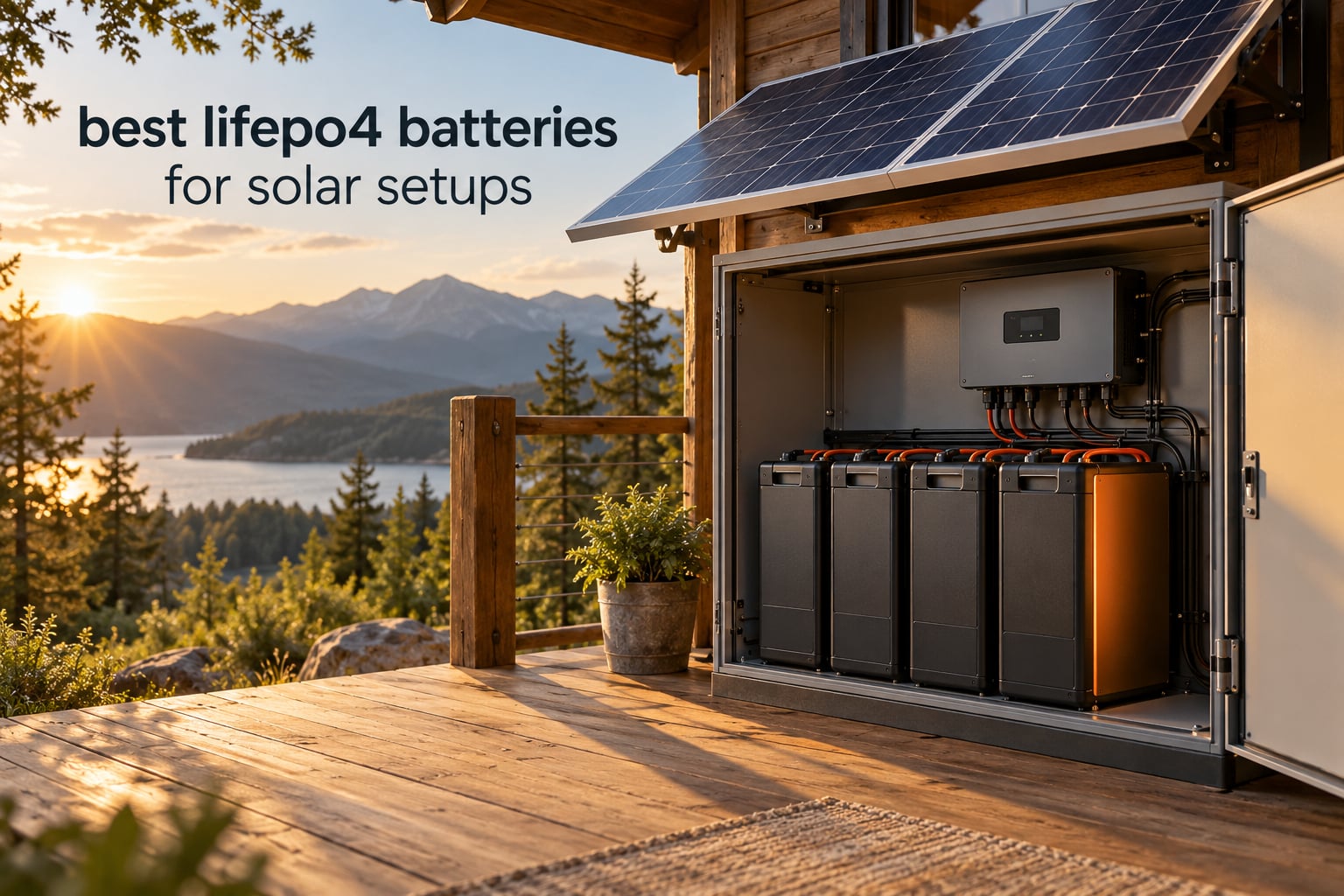
If you are building an off-grid cabin, converting a van, or adding storage to a rooftop array, the best LiFePO4 batteries for solar setups are the ones that give you full usable capacity, a real warranty and a battery management system that cooperates with your inverter. The short version: the Redodo 12V 100Ah is the dependable all-rounder, the Litime 12V 200Ah Mini is the strongest compact option, and the ECO-WORTHY Cubix100 48V 100Ah is the pick for whole-home storage.
We spent weeks reading the spec sheets, the warranty terms and thousands of owner reviews across twelve 12V and 51.2V packs, then mapped each one to the system it actually suits. This is not a list of the biggest batteries or the ones with the flashiest star counts. It is a list of the packs that behave predictably once they are wired to a charge controller, an inverter and a real winter.
One honest note before we start. Retail ratings and multi-battery reliability are not the same thing. The highest-rated product in this group has a 4.9 score off a comparatively small review base, while the pack with the deepest body of owner feedback sits at 4.5. Forum threads on r/SolarDIY and diysolarforum make the same point repeatedly: what dies first is usually the battery management system, not the cells. We weight that heavily below.
Top 3 LiFePO4 Batteries for Solar Setups in 2026

Redodo 12V 100Ah Group 31
- 4000+ cycles at 100% DoD
- 100A BMS with 20+ protections
- 4S4P expansion
- 5-year warranty

Litime 12V 200Ah Mini
- 40.8% smaller than standard 200Ah
- 200A continuous and 1000A surge
- Bluetooth 5.0 monitoring
- 5-year warranty

dumfume 12V 200Ah 2560Wh
- 2560Wh at 200A continuous
- IP65 dust and water sealing
- 4000+ cycles at 100% DoD
- UL and UN38.3 certified
All 12 LiFePO4 Solar Batteries Compared Side by Side
Every pack below runs on lithium iron phosphate chemistry at 12.8V or 51.2V nominal. The differences that actually matter to a solar installer are usable watt-hours, continuous output amps, whether the pack has a low-temperature charging cutoff, whether it speaks CAN or RS485 to your inverter, and how many years the warranty runs.
| Product | Specifications | Action |
|---|---|---|
| Redodo 12V 100Ah Group 31 |
|
Check Latest Price |
 Litime 12V 100Ah Group 24 Litime 12V 100Ah Group 24 |
|
Check Latest Price |
 DC HOUSE 12V 100Ah Bluetooth DC HOUSE 12V 100Ah Bluetooth |
|
Check Latest Price |
| dumfume 12V 200Ah 2560Wh |
|
Check Latest Price |
| Litime 12V 200Ah Mini |
|
Check Latest Price |
 PUPVWMHB 12V 300Ah 3840Wh PUPVWMHB 12V 300Ah 3840Wh |
|
Check Latest Price |
 ECO-WORTHY EnergyRock 12V 280Ah Metal ECO-WORTHY EnergyRock 12V 280Ah Metal |
|
Check Latest Price |
 Litime 12V 460Ah Group 8D Litime 12V 460Ah Group 8D |
|
Check Latest Price |
 Vatrer 12V 300Ah Self-Heating Vatrer 12V 300Ah Self-Heating |
|
Check Latest Price |
 ECO-WORTHY 12V 314Ah ECO-WORTHY 12V 314Ah |
|
Check Latest Price |
 ECO-WORTHY Cubix100 48V 100Ah ECO-WORTHY Cubix100 48V 100Ah |
|
Check Latest Price |
 Vatrer 51.2V 100Ah Two-Pack Vatrer 51.2V 100Ah Two-Pack |
|
Check Latest Price |
1. Redodo 12V 100Ah Group 31 – the dependable small-system pick
Redodo 12V 100Ah LiFePO4 Battery, Group 31, for RV, Marine
12.8V 100Ah / 1280Wh
Group 31 case, 25.4 lb
100A BMS, 4S4P expansion
5-year warranty
Pros
- 4000 cycles at 100% DoD and 6000 at 80% DoD
- 100A BMS with overcharge
- over-discharge and temperature cutoffs
- Expands to 4S or 4P for 400Ah or 51.2V banks
- Only 3% self-discharge so idle solar banks hold charge
- Group 31 footprint drops into standard battery boxes
Cons
- Not a cranking battery
- Group 31 case is taller than some Group 27 boxes
- A small number of long-term BMS lockout reports exist
- Needs a LiFePO4-compatible charger to top up cleanly
We picked this as our best overall because it has the deepest owner feedback in the group at 936 ratings, and the feedback is consistent. Owners running trolling motors, boats and small off-grid solar arrays describe roughly five times the usable capacity of an equivalent lead-acid pack at a fraction of the weight. The model number is FE-A14114N-0D and it measures 12.99 by 6.82 by 8.46 inches.
The cycle-life claim is the part that changes the economics. The published figures are 4,000 cycles at 100% depth of discharge, 6,000 at 80% and 15,000 at 60%. A lead-acid bank of the same capacity manages a few hundred meaningful cycles, so this is a battery you size smaller for the same autonomy.
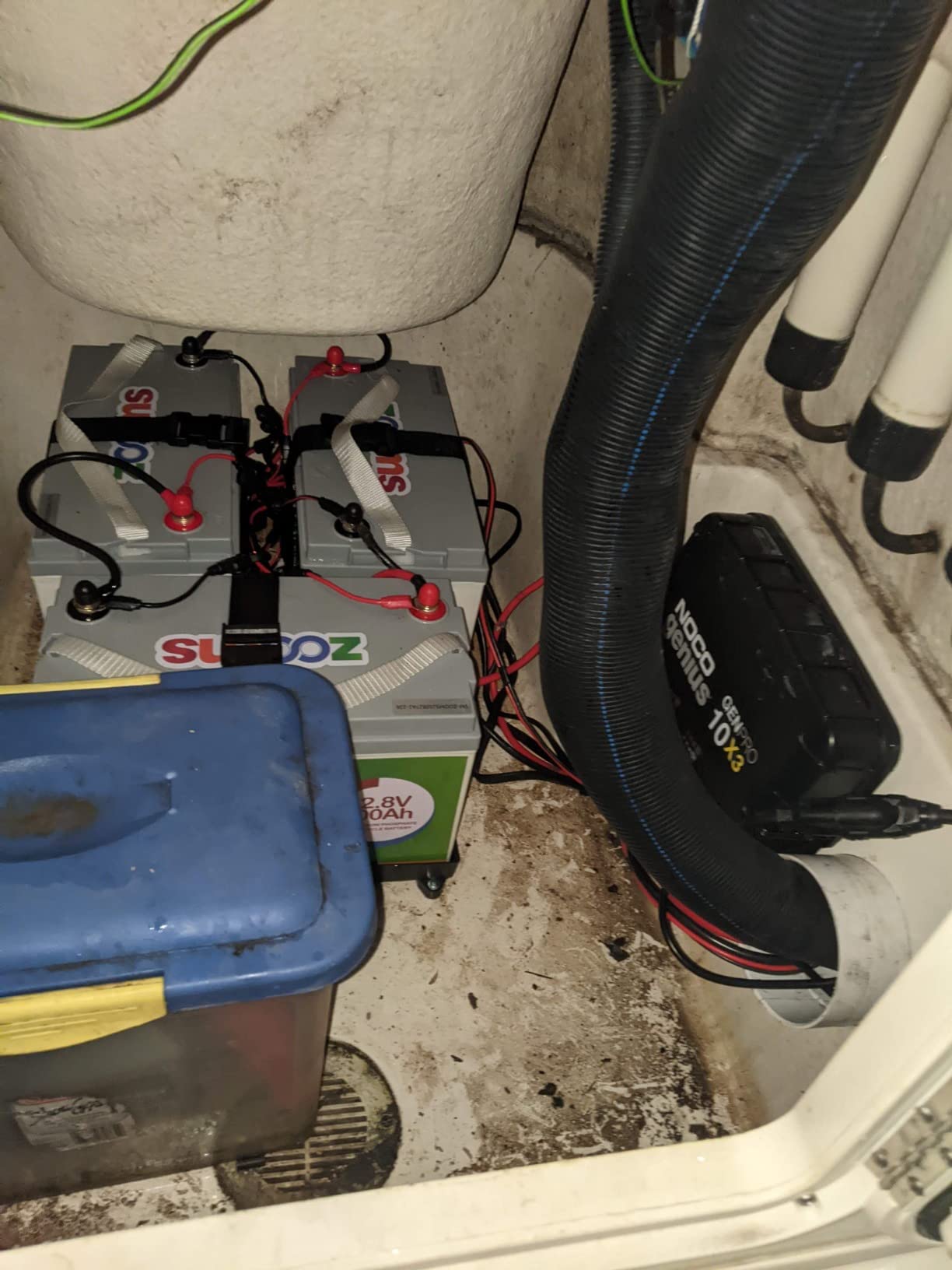
The BMS is a 100A unit covering overcharge, over-discharge, over-current, short-circuit and temperature protection, and the battery expands to 4S or 4P configurations. That means two of these in series give you a 25.6V bank, and four in series give you 51.2V – the same string a 48V inverter expects.
How it performs in a small off-grid bank
For a weekend cabin or a van, a single Redodo paired with a 200-400W panel array and a small MPPT controller covers the usual weekend load. Self-discharge of 3% per month means a bank sitting unused through two months of bad weather still holds most of its charge, which is where lead-acid falls apart first.
Because it is a Group 31 case, check your tray before you order. Owners upgrading from smaller Group 27 boxes report needing a new tray, and a handful describe warranty resolution being handled pro-rata rather than as a straight replacement.
Who should look elsewhere
If you need to crank an engine, this is the wrong battery and so is every other pack on this list. If you want phone-based monitoring without opening a second app, look at the DC HOUSE instead – it exposes per-cell voltage and fault codes where the Redodo leads with warranty service instead.
Forum owners on r/SolarDIY describe LiFePO4 as genuinely durable in service, with cell failures being rare and individually replaceable. The recurring forum worry is the BMS, not the chemistry, and the Redodo’s five-year warranty matches the best cover we see in the 12V 100Ah class.
2. Litime 12V 100Ah Group 24 – the drop-in upgrade
Litime 12V 100Ah LiFePO4 Battery, Group 24 Lithium Batteries for RV, Camper
12.8V 100Ah / 1280Wh
Group 24 case, 21 lb
Bluetooth 5.0 app
5-year warranty
Pros
- Fits a standard Group 24 box as a lead-acid replacement
- About 63% lighter than comparable lead-acid
- Full 100Ah usable without a cycle-life penalty
- Bluetooth 5.0 app shows SOC
- voltage
- current and temperature
- 4P4S expansion to 20.48kWh
Cons
- The app can be glitchy while charging and needs a manual reconnect
- Not a cranking battery
- May need a lithium-activation charger to wake from initial sleep
- Heated and non-heated variants do not mix reliably in the app
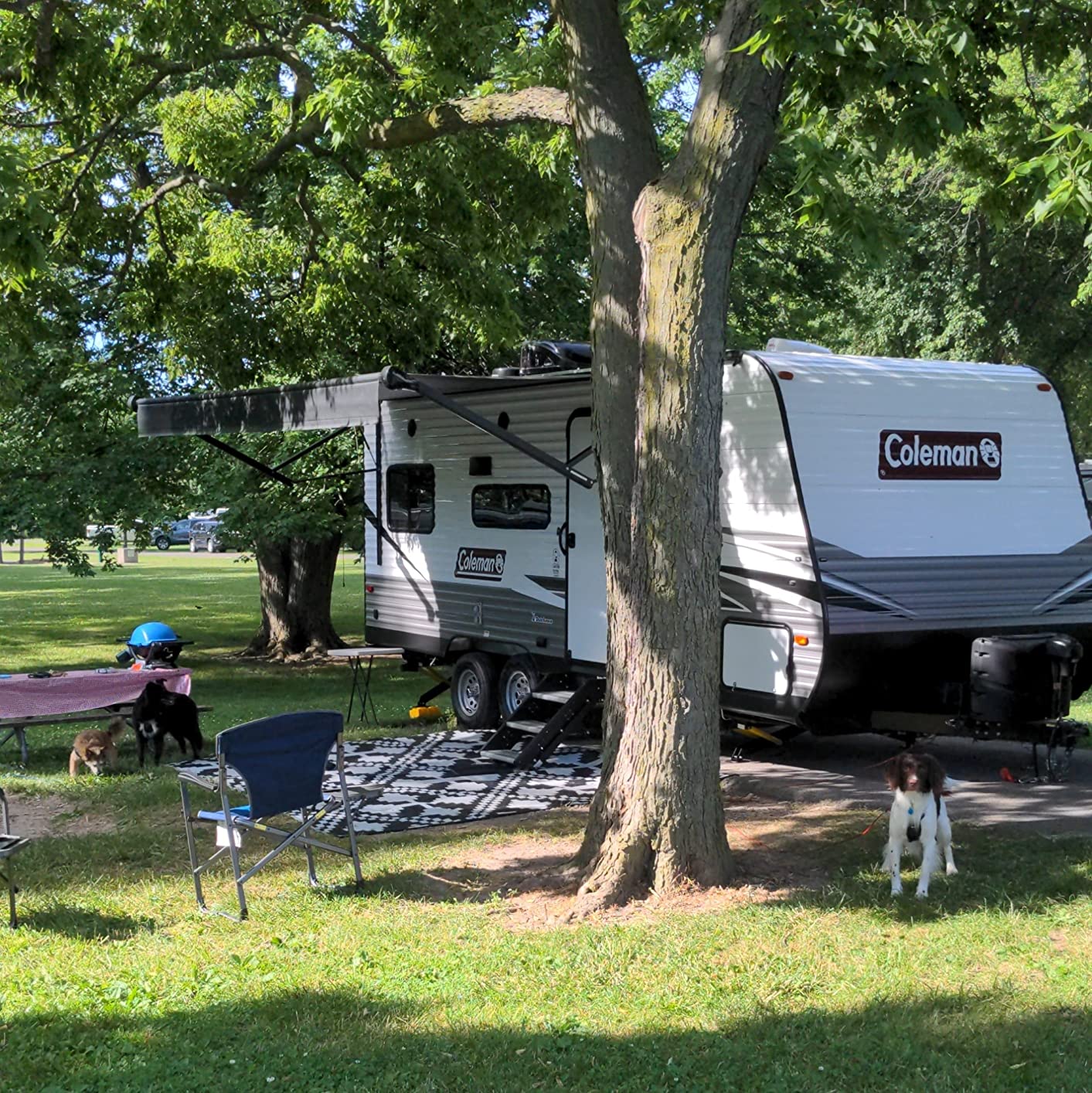
This is the most common lithium upgrade in RV and camper circles for a reason: the Group 24 case at 10.24 by 6.61 by 8.3 inches drops into the box most people already have. At 21 pounds it is roughly 63% lighter than the lead-acid it replaces, and a pair in parallel gives owners a reported full week of off-grid camping.
The technical claims are 4,000+ deep cycles, a rated 10-year lifespan on A+ automotive-grade cells, and a 100A BMS with more than twenty protections including a low-temperature charging cutoff. Bluetooth 5.0 monitoring runs through the LiTime app and shows state of charge, voltage, current and temperature.
One caution we want to name plainly. Members on Forest River Forums have reported problems running LiTime packs in parallel, and LiTime builds are the single most common battery in RV solar installs. That is aggregated owner experience, not a defect claim, and it has not stopped LiTime from turning up in more RV solar installs than any other brand here. Just wire matched pairs from the same batch and recheck balance after the first month.
How it performs as a house battery
The LiTime holds 12.8V or above through the full rated capacity, which is where the usable-energy advantage over lead-acid comes from. For a cabin that runs a fridge, lighting and a fan overnight, two of these in parallel with 400-600W of panel is a clean fit.
The app is the weak point, and reviewers are candid about it. Connectivity can drop mid-charge and need a manual disconnect and reconnect, and Bluetooth range is shorter than some competing smart packs. If you want telemetry you can actually trust at range, the DC HOUSE app has a wider usable window in owner reports.
Who should look elsewhere
If you are building a bank larger than about 5kWh from 12V packs, you are running into the limits of where 12V stops being sensible, and the ECO-WORTHY Cubix100 at 51.2V is the better architecture. It is also worth pairing any LiTime purchase with our guide to battery chargers so you are not relying on a lead-acid charge profile.
3. DC HOUSE 12V 100Ah Bluetooth – telemetry on a budget
DC HOUSE 12V 100Ah Bluetooth LiFePO4 Trolling Motor Lithium Battery
12.8V 100Ah / 1280Wh
23.8 lb, Group 24 footprint
UL and UN38.3 cells
3-year warranty
Pros
- App exposes per-cell voltage
- SOC
- current and fault codes
- Automatic low-temperature charge and discharge cutoff with recovery
- UL and UN38.3 certified Class A cells
- Up to 15000 cycle claim with a 10-year service life
- Expands to 4S or 4P
Cons
- 3-year warranty is shorter than rivals
- 5-10 meter Bluetooth range is short
- Runs about 0.3 inches taller than Group 24 spec
- Not a cranking battery
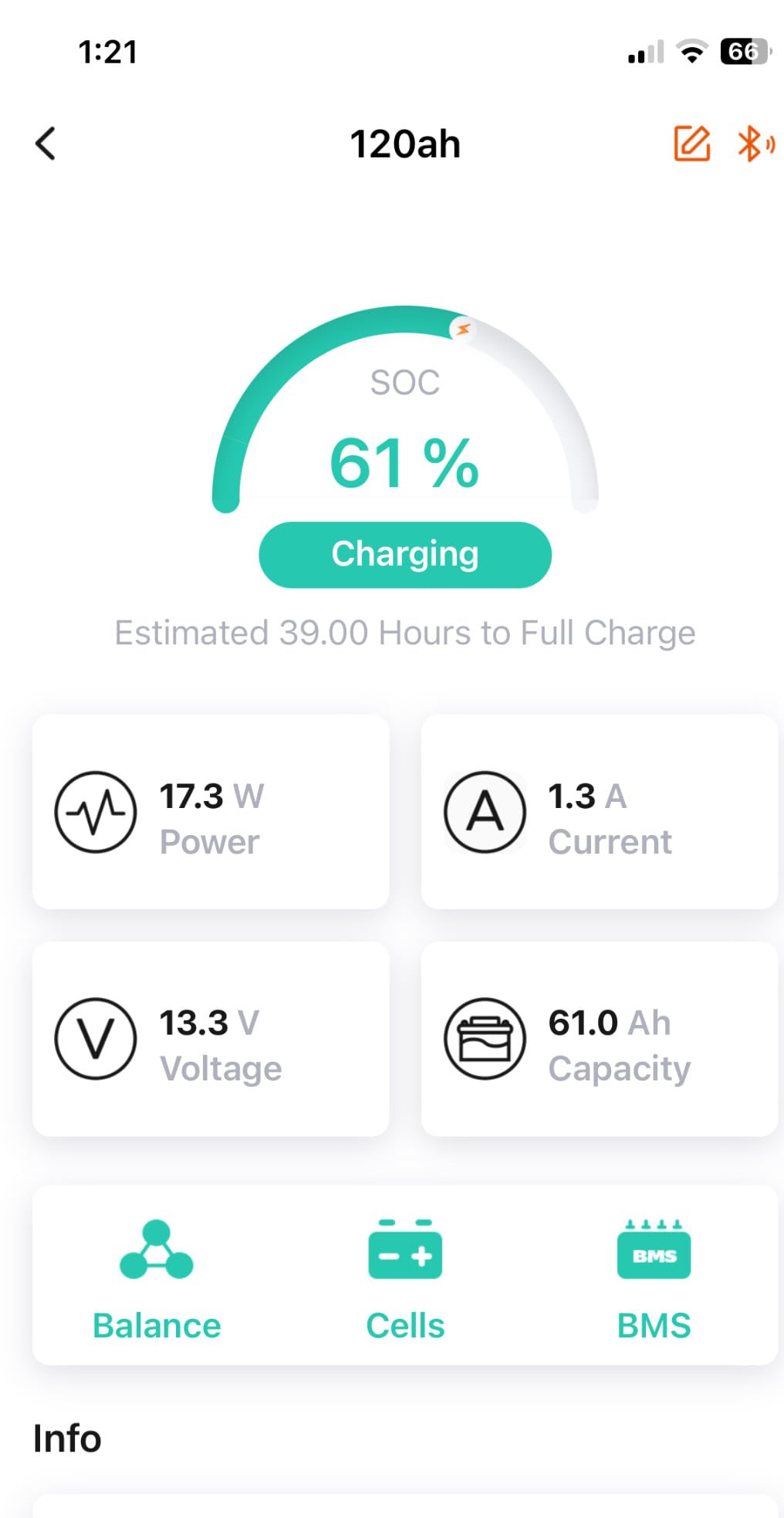
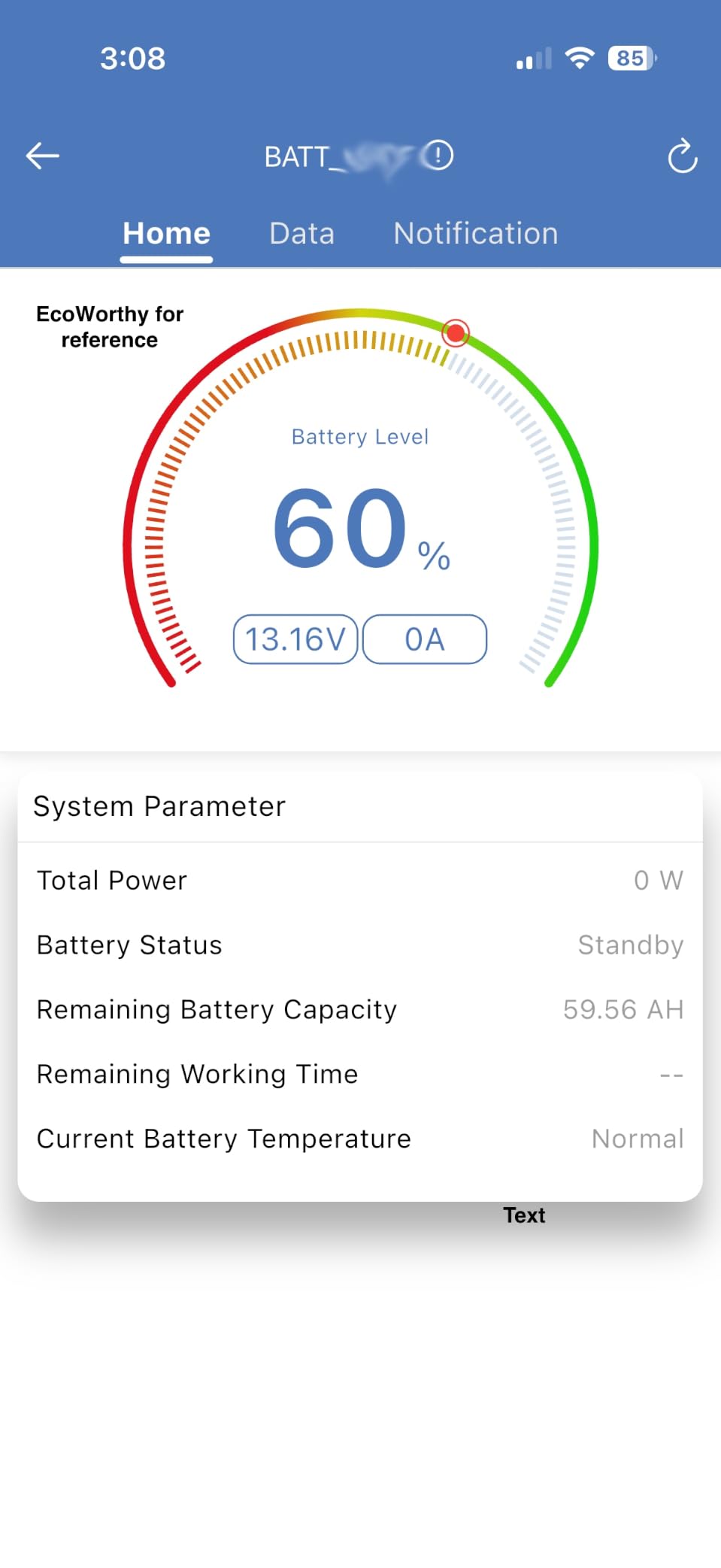
What separates this pack from the other 100Ah options is what the app shows. Where most competitors report a single pack-level state of charge, the DC HOUSE app includes a per-cell fault page with individual cell voltages. For anyone diagnosing imbalance early, that is the most useful screen in the class.
The cold-weather numbers are explicit, which we appreciate. Charging is disabled below 19.4F, discharge is blocked below -4F, and the pack recovers automatically at 32F. That behaviour is closer to what a northern solar install needs than a pack that just refuses and stays refused.
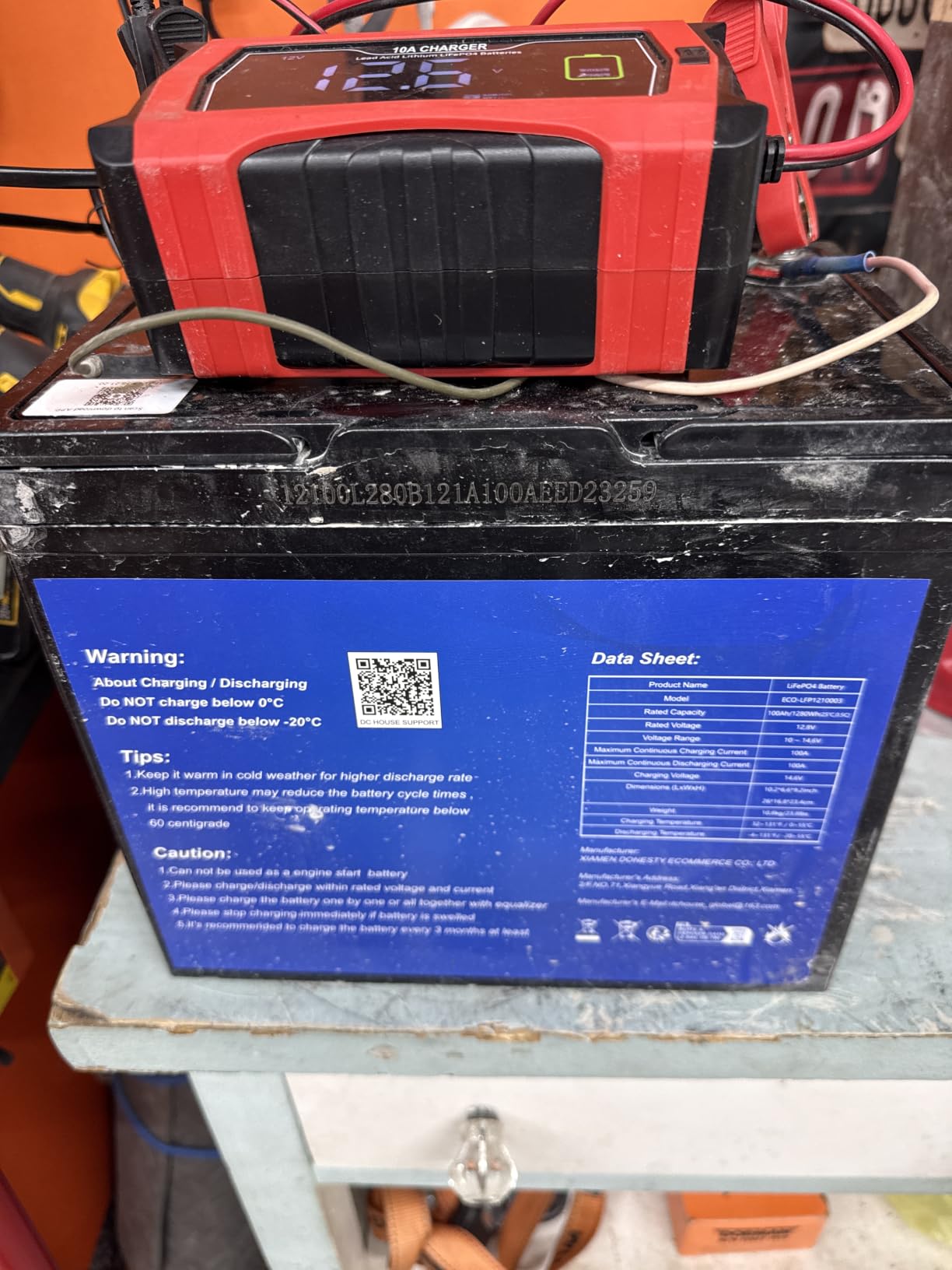
Cell certification is the other differentiator. UL and UN38.3 certified Class A cells are named on the listing, and the manufacturer part number is ECO-LFP1210003. The 15,000-cycle claim at reduced depth of discharge is aggressive but consistent with what grade A prismatic cells can deliver.
How it fits a van or boat build
At 23.8 pounds and 6.6 by 10.2 by 9.2 inches, it is close to Group 24 but runs about 0.3 inches taller, so measure your tray before committing. For a boat house bank or a campervan, that small tolerance is usually solvable with a spacer.
The 3-year warranty is the honest drawback. The Redodo and the Litime both carry 5 years, and on a chemistry expected to last a decade, three years of coverage is a real gap. Buyers on r/batteries consistently treat warranty length as the deciding factor after capacity.
Who should look elsewhere
If cold charging is your main concern rather than telemetry, the Vatrer 12V 300Ah self-heating pack actually warms itself instead of simply shutting down. And if warranty length matters more than app detail, the Redodo at five years is the safer bet for the same class of capacity.
4. dumfume 12V 200Ah 2560Wh – the value large-format pick
Dumfume 12V 200Ah LiFePO4 Lithium Battery 200A BMS 2560Wh IP65
12.8V 200Ah / 2560Wh
58.9 lb
200A smart BMS
5-year warranty
Pros
- Very high capacity for the outlay
- IP65 dust and water sealing
- 4000+ cycles at 100% DoD and 6000+ at 80% DoD
- 200A continuous with sub-100 microsecond short-circuit isolation
- Build quality praised after teardown with no assembly shortcuts
Cons
- Must be charged to 14.6V with no load to balance cells before first use
- Some packs ship partially charged and need a jump to accept charge
- Occasional reports of a pack failing after about a year
- 5-year warranty is advertised for direct purchases only
This is the one that keeps coming up in price-per-watt-hour conversations, and at 2560Wh per battery it is a big step up from the 100Ah class without moving into rack-mount territory. Buyers consistently cite the 200A continuous smart BMS and the IP65 enclosure as the two features that justify the pick for exposed outdoor installs.
The cutoff behaviour is the most conservative in the group. Discharge is allowed to -4F, charging is disabled below 32F, and overcharge cut-off is 14.6V plus or minus 0.2V with over-discharge at 9.2V. Expansion runs to 4S4P, so sixteen batteries reach 40.96kWh.
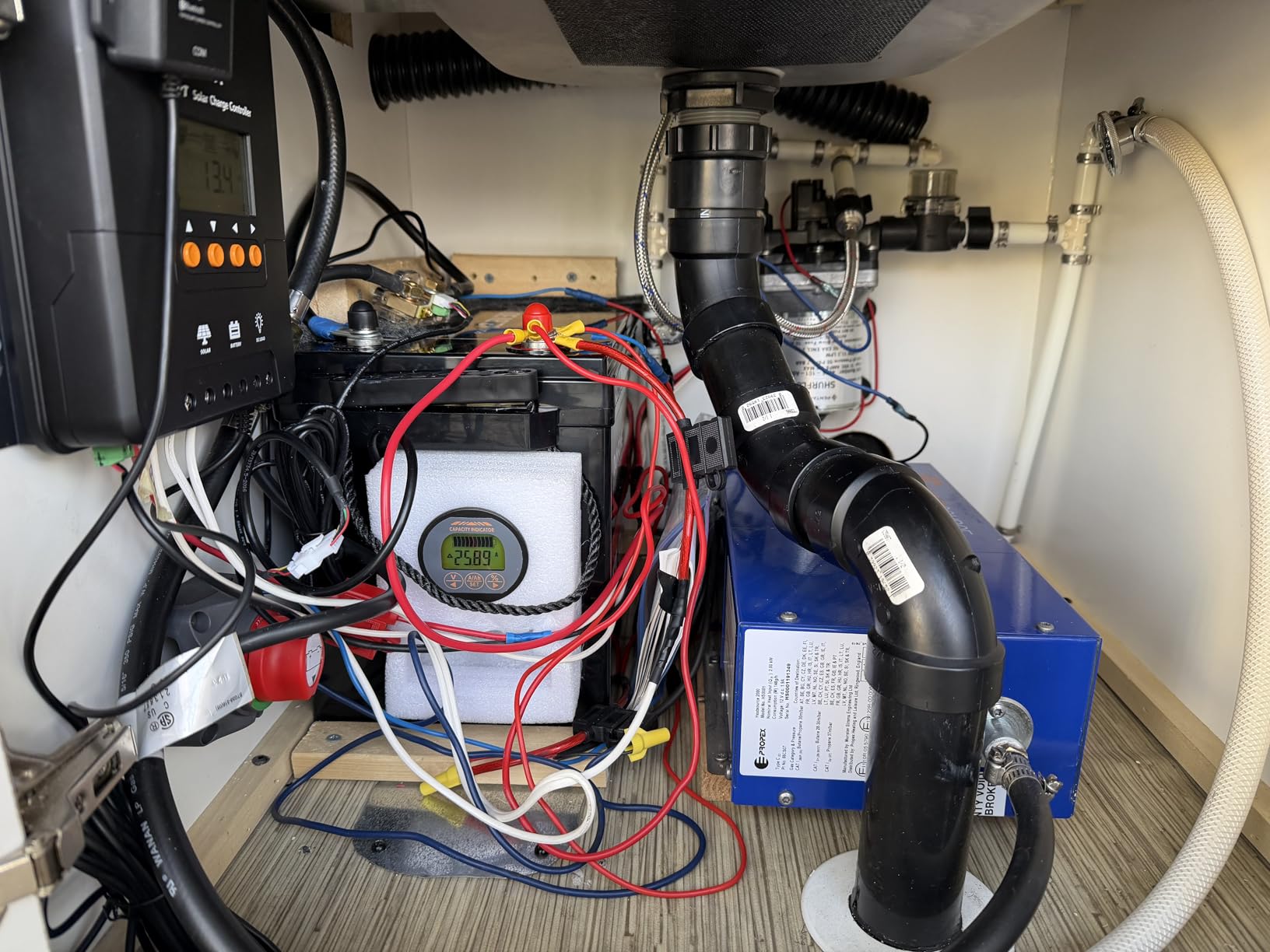
Owners report it running high-draw RV air conditioning for extended periods, which tells you something about the 200A continuous rating in practice. Internal teardowns have been praised, and reviewers have documented high 12k BTU compressor runtimes without the voltage sag that usually shows up on a lead-acid bank.
The first charge matters more than it should
This is the single most repeated complaint in the reviews, and it is a real one. The pack must reach 14.6V with no load attached to balance the cells before first use, and a number of buyers received packs that were only partially charged. Some needed a jump from a charged pack before they would accept charge at all.
Plan for it. Give the battery a full day on a proper LiFePO4 charger before you wire in the controller, and check the cell balance in the app after the second cycle. It is an afternoon of work that avoids a lot of downstream confusion.
Who should look elsewhere
If your warranty needs to cover a third-party purchase, the advertised 5-year coverage applies to direct purchases and leaves resellers thinner. If physical footprint is the binding constraint, the Litime 12V 200Ah Mini is 40.8% smaller. And if you want one fewer step in the setup, a pack that ships ready to charge saves the balancing exercise entirely.
5. Litime 12V 200Ah Mini – 200Ah in a small footprint
Litime 12V 200Ah Mini LiFePO4 Battery with Bluetooth for RV, Camper, Marine
12.8V 200Ah / 2560Wh
13.11 x 6.93 x 9.45 in, 44.5 lb
200A continuous, 1000A surge
5-year warranty
Pros
- 40.8% smaller than a standard 200Ah LiFePO4 battery
- Fits a Group 31 tray in tight RV and marine bays
- About 65% lighter than a lead-acid equivalent
- 6000+ deep cycles at 100% DoD
- 200A continuous and 1000A surge handles inverters and fridges
Cons
- May need a lithium-activation or MPPT charger to wake on first use
- Some users report faster drain than simple amp-hour math predicts
- Not for starting engines
- golf carts or jacks
- App detail is basic without a separate shunt
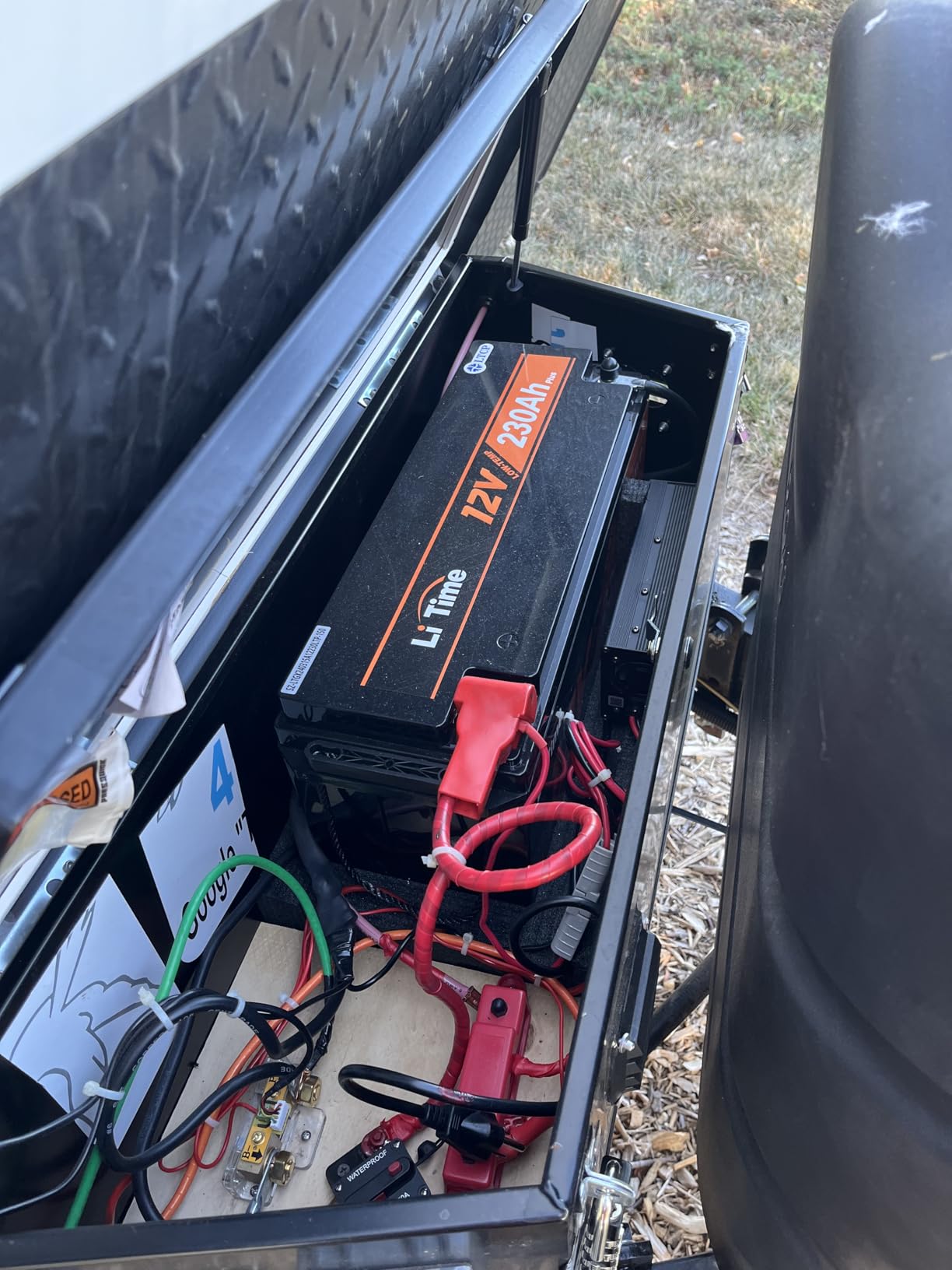
Footprint is the entire argument here, and reviewers make it forcefully. At 40.8% smaller than a standard 200Ah pack, this is the battery people buy when the bay is already full and the old Group 31 tray is not being replaced. One owner reported swapping out four heavy 6V deep-cycle batteries in a fifth-wheel install with a single unit.
On paper it is the strongest cycle-life claim in the 12V class: 6,000+ deep cycles at 100% depth of discharge. Output is 200A continuous with 1000A surge, which is enough headroom to start a compressor-heavy load without the inverter browning out.
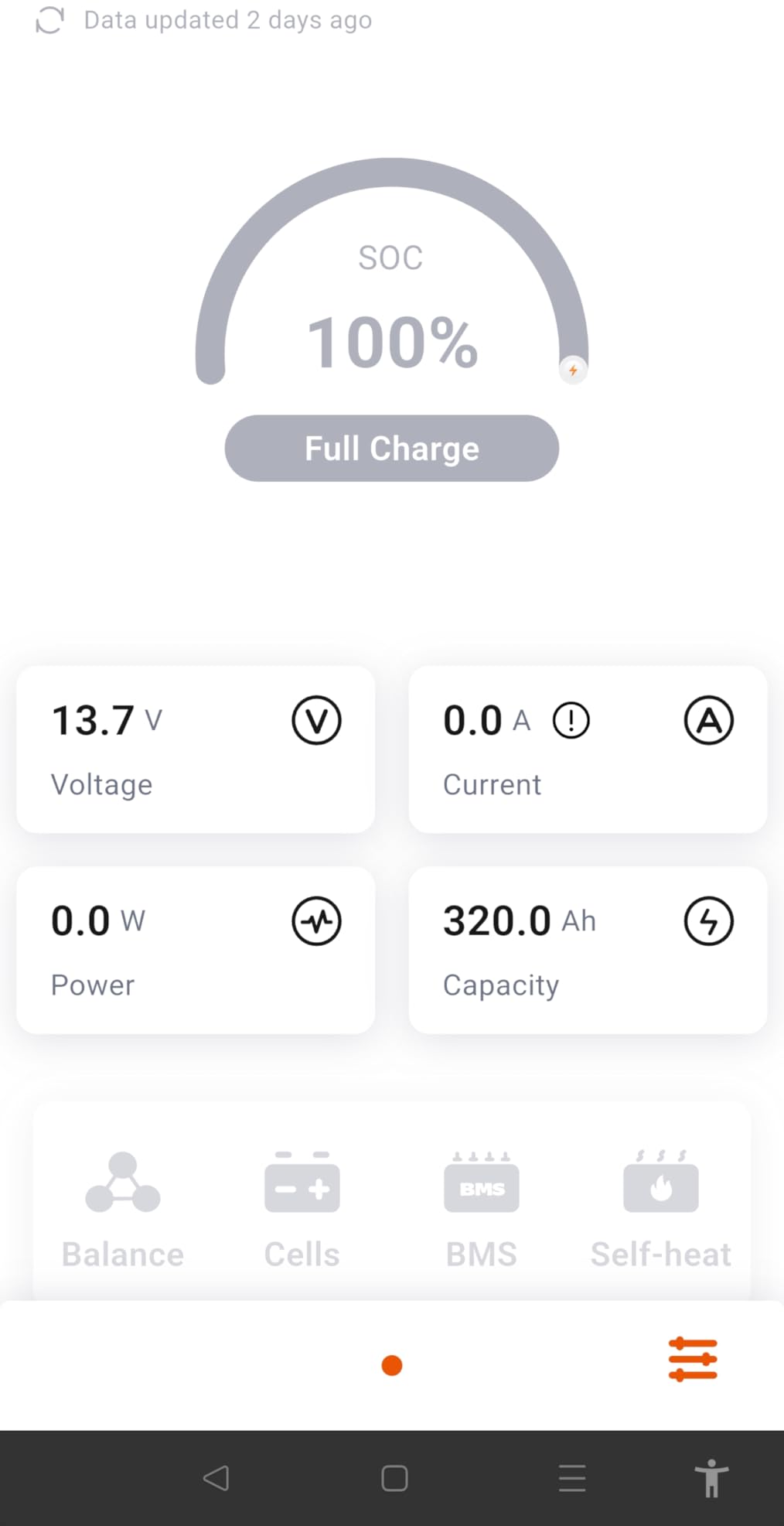
Bluetooth 5.0 monitoring through the LiTime app covers charge level, voltage, current and temperature, with QR code pairing. Owners with real RV installs report the range reaching comfortably beyond the battery compartment, which solves the problem that hurts smaller packs.
How it performs in a marine or RV bank
Salt air and vibration are the two things that kill batteries in those installs, and at 44.5 pounds this is light enough for a two-person lift while still holding 2560Wh. Users running it on refrigeration and lighting report stable voltage across long multi-day stretches.
The app granularity is the limitation. It gives you pack-level data, not per-cell detail, so if you are chasing an imbalance you will want a shunt or a meter. We cover that in the reliability section below.
Who should look elsewhere
If you need metal-case heat resistance rather than a plastic enclosure, the ECO-WORTHY EnergyRock is the more rugged physical object. And if you are planning a large bank, remember the 4P4S limit: expansion reaches 40.96kWh, and past that you are better served by the 51.2V architecture.
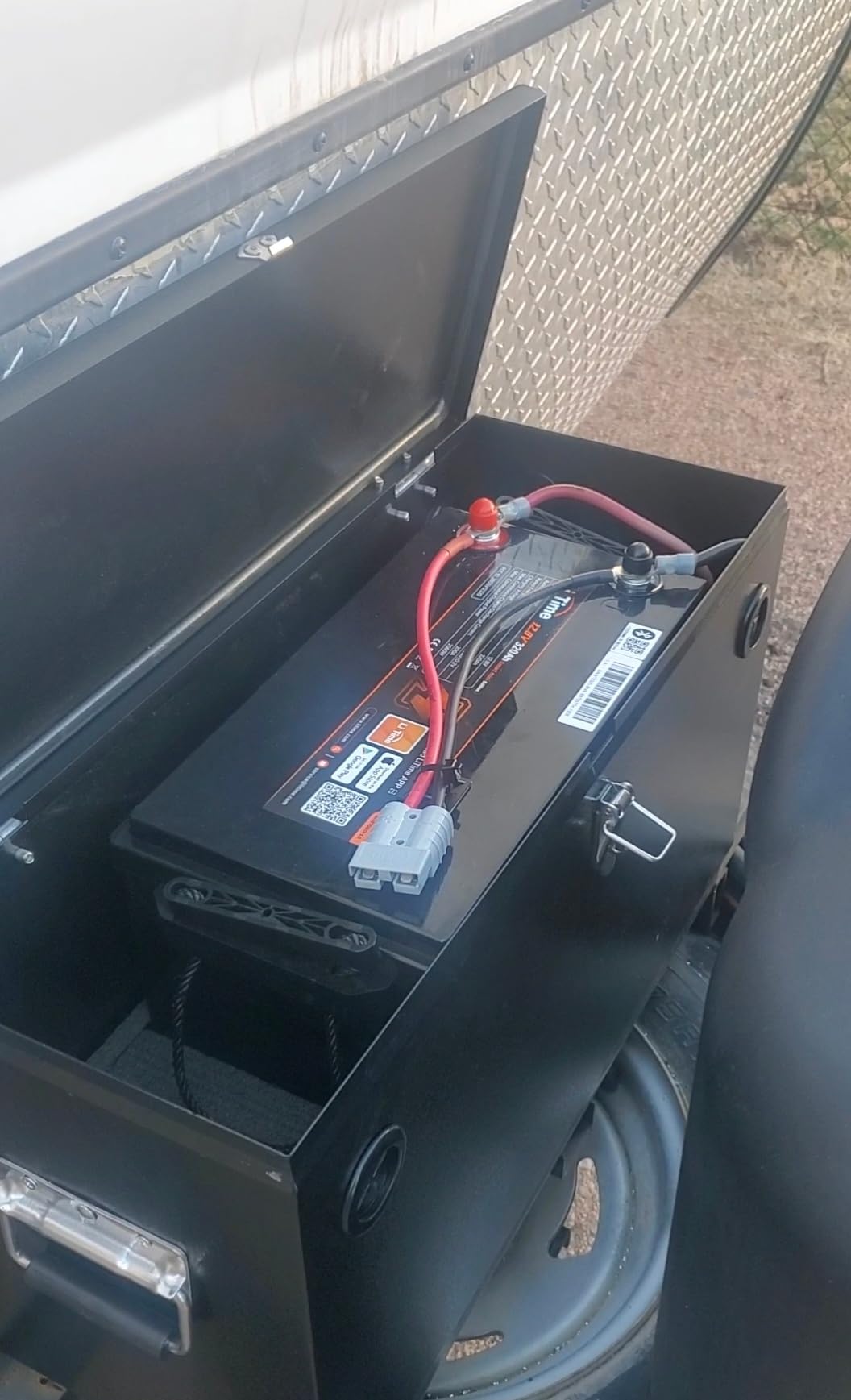
6. PUPVWMHB 12V 300Ah 3840Wh – most capacity per unit of outlay
PUPVWMHB 12V 300Ah LiFePO4 Lithium Battery, Bluetooth LifePO4 Battery, Upgraded 200A BMS, 3840Wh Rechargeable Lithium Battery with Low Temp Cut off, Perfect for RV Solar Marine Solar Panel Camping
12.8V 300Ah / 3840Wh
59 lb
upgraded 200A BMS
5-year warranty
Pros
- 3840Wh of capacity at a low price per kWh
- App reports current
- voltage
- temperature and cycle count in real time
- Capacity holds above 80% after 2000 cycles
- Non-acid chemistry mounts in any orientation
- Expands to 51.2V / 1200Ah / 61.44kWh
Cons
- Lesser-known brand with limited independent teardown or long-term field data
- App detail is basic against established competitors
- No charger bundled so you need a LiFePO4-compatible unit
- Series and parallel expansion goes further than most 300Ah rivals
At 3840Wh nominal, this is one of the largest single 12V packs in the group and it is the least expensive way to reach that figure. If your load is genuinely big – a workshop, a fifth-wheel, a two-week off-grid stay – this is the pack that gets you there with the fewest units to wire.
The durability claim that matters most here is the 80% capacity retention after 2,000 cycles. That is a more honest framing than a headline cycle number, because it tells you what you will actually have on cycle 2,000 rather than what the datasheet promised on day one.
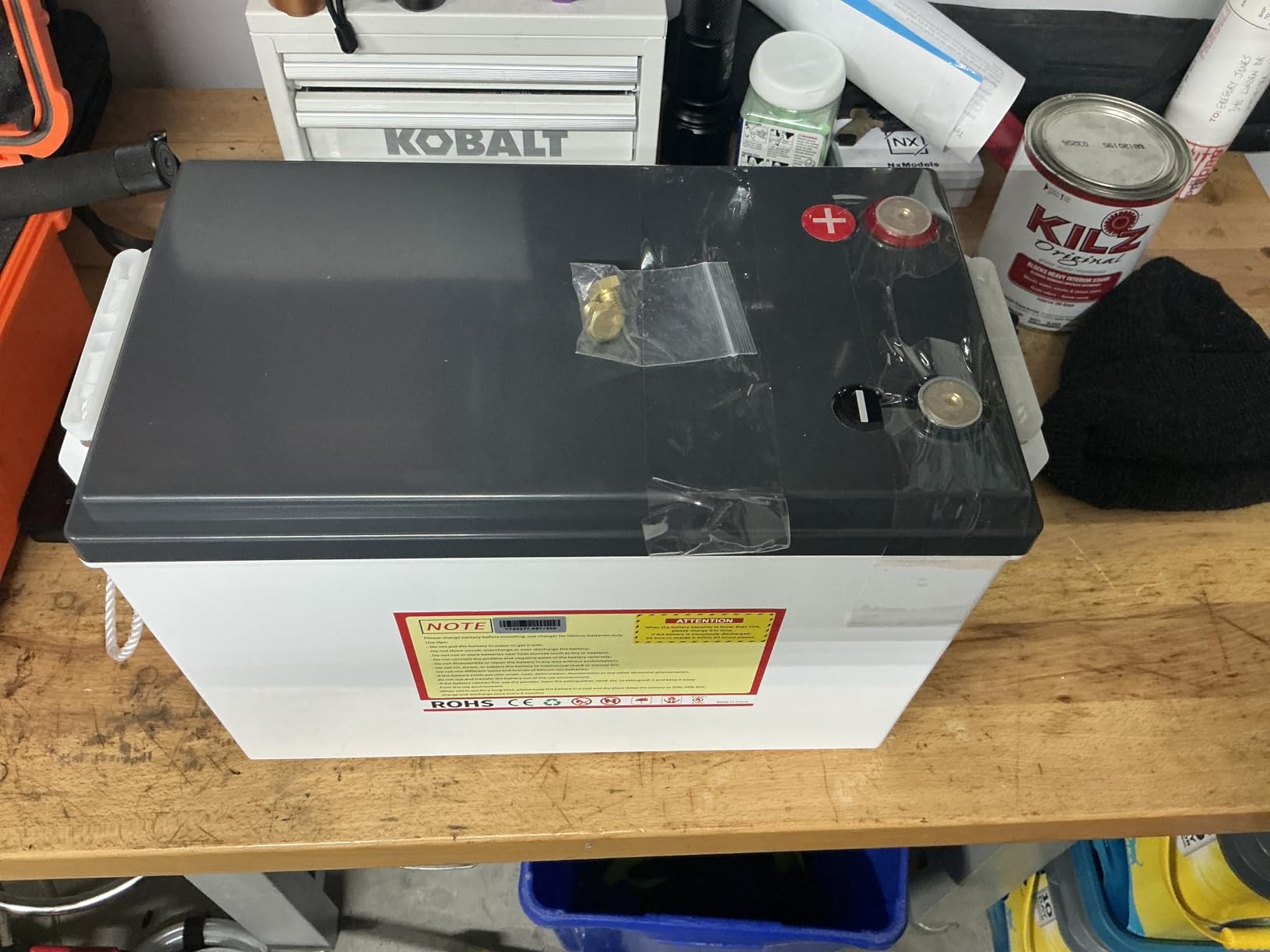
Monitoring is handled by an app reporting current, voltage, temperature and cycle count. Users report the pack charging cleanly and powering RV and marine loads without drama, and the low-temperature charging cutoff is present for winter installs.
The honest trade-off here is brand depth
This is the most important thing to say about this pick. Buyers are getting a lot of capacity from a lesser-known name, and there is less independent teardown data and thinner long-term field history than the Redodo or Litime options carry. That is not a defect claim, it is a data-availability observation.
For an unattended seasonal cabin where nobody will see a fault for four months, we would take the longer-documented brand. For a system you visit regularly and monitor, the capacity math can win.
Who should look elsewhere
If cold-weather operation is the priority, the Vatrer 12V 300Ah self-heating pack at the same nominal capacity actually warms itself rather than blocking charge. If you want metal-case fire and heat resistance, the ECO-WORTHY EnergyRock is the more physical object for an exposed bay.
7. ECO-WORTHY EnergyRock 12V 280Ah Metal – the rugged metal case
ECO-WORTHY EnergyRock 12V 280Ah Metal Case LiFePO4 Lithium Battery
12.8V 280Ah / 3584Wh
approx 68.5 lb
metal case with mounting feet
200A BMS with app
Pros
- Metal enclosure adds heat and fire resistance over plastic cases
- Built-in one-touch on/off safety switch
- Four mounting feet mean no separate battery box
- Front-mounted terminals tidy up an RV battery bay
- Bluetooth app readings match an external shunt closely
- Reported to perform in snowy conditions around 20F
Cons
- At about 68.5 lb this is a two-person lift
- Footprint is larger than a Group 31 AGM so existing boxes may not fit
- No IP water-resistance certification or sealed lid gasket
- Slightly wider than standard batteries
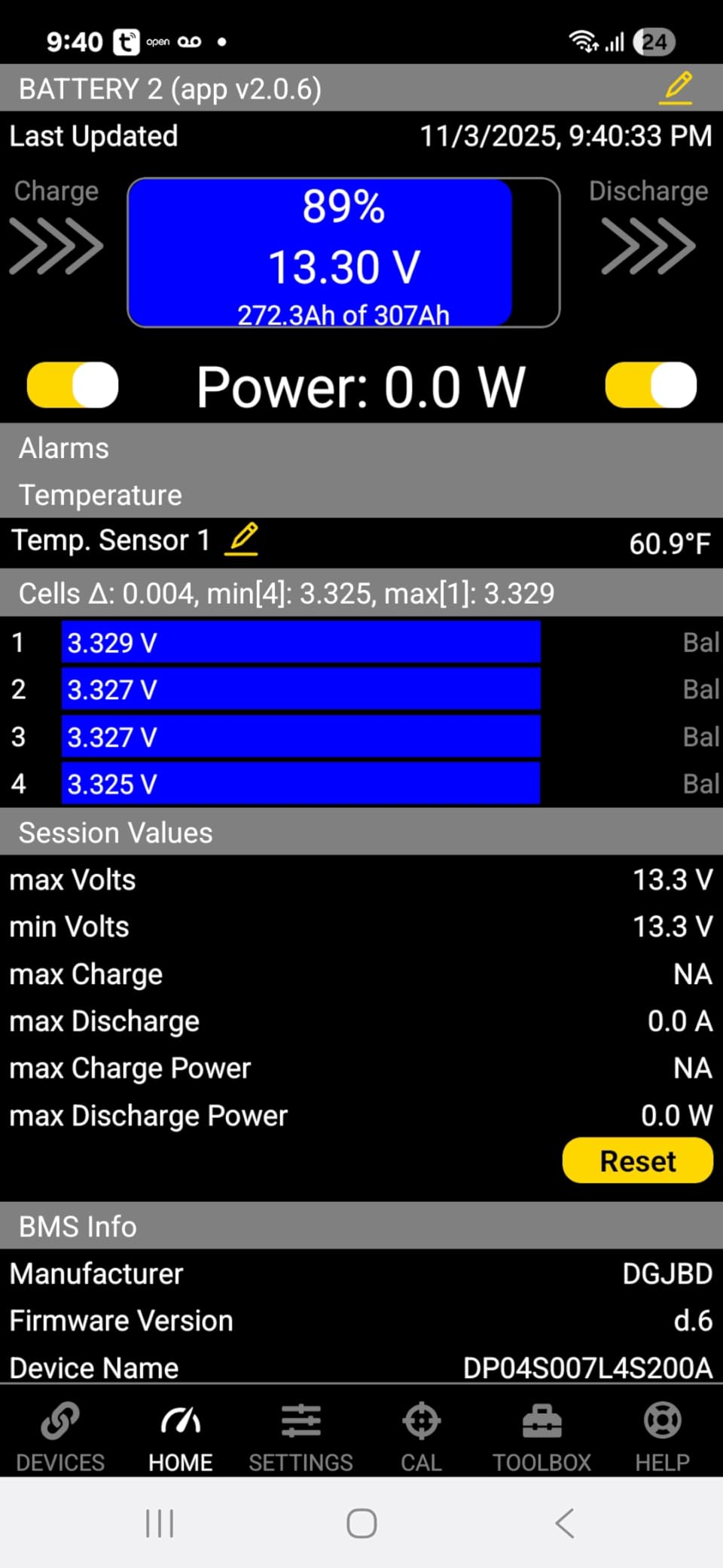
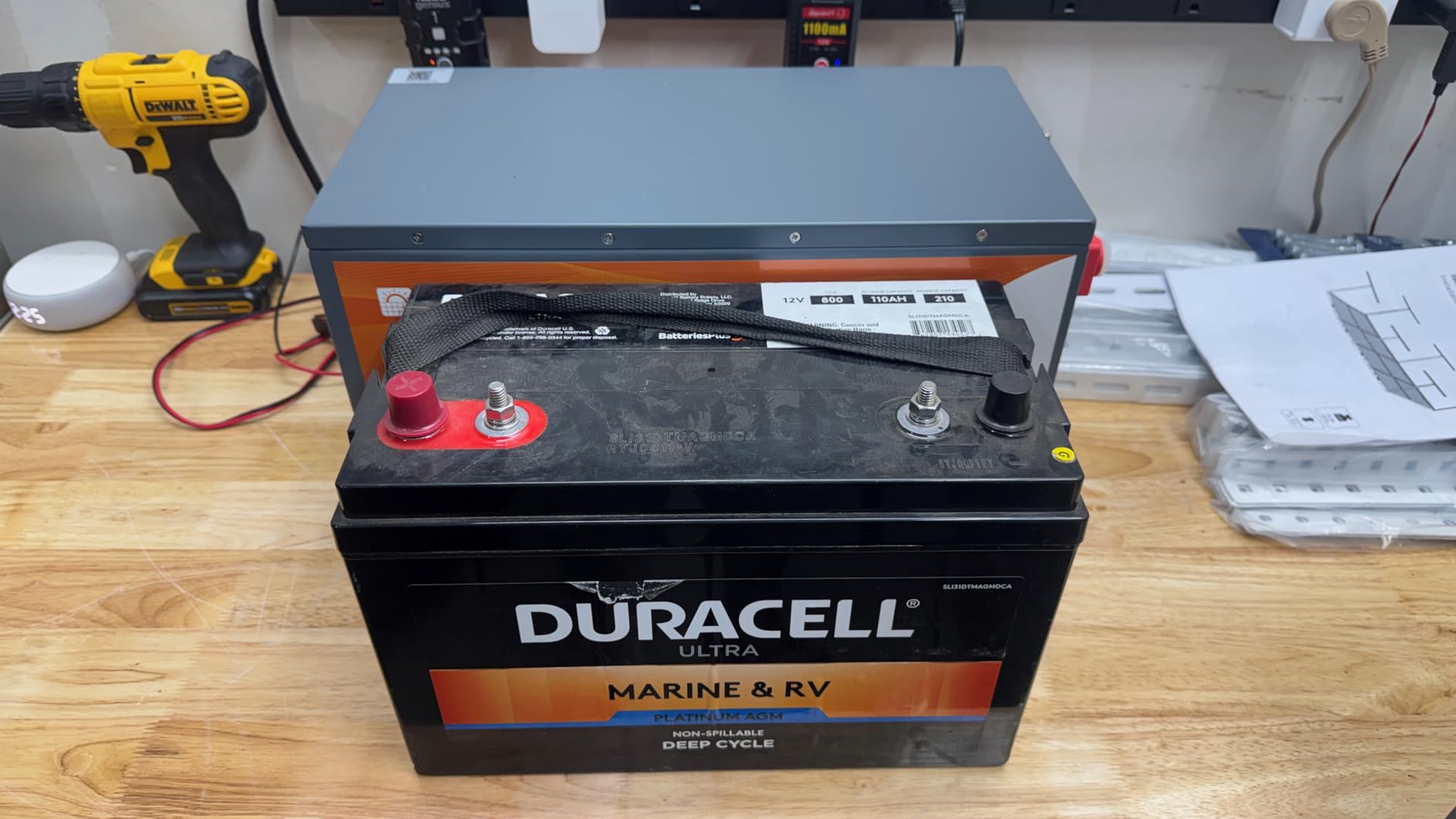
The metal case is the reason this one exists. Reviewers upgrading from single 110Ah AGM batteries describe the capacity jump as transformative, and they single out the metal enclosure and the safety switch as the two features that made the install easy. Four mounting feet mean no separate battery box, which matters in a hot RV bay.
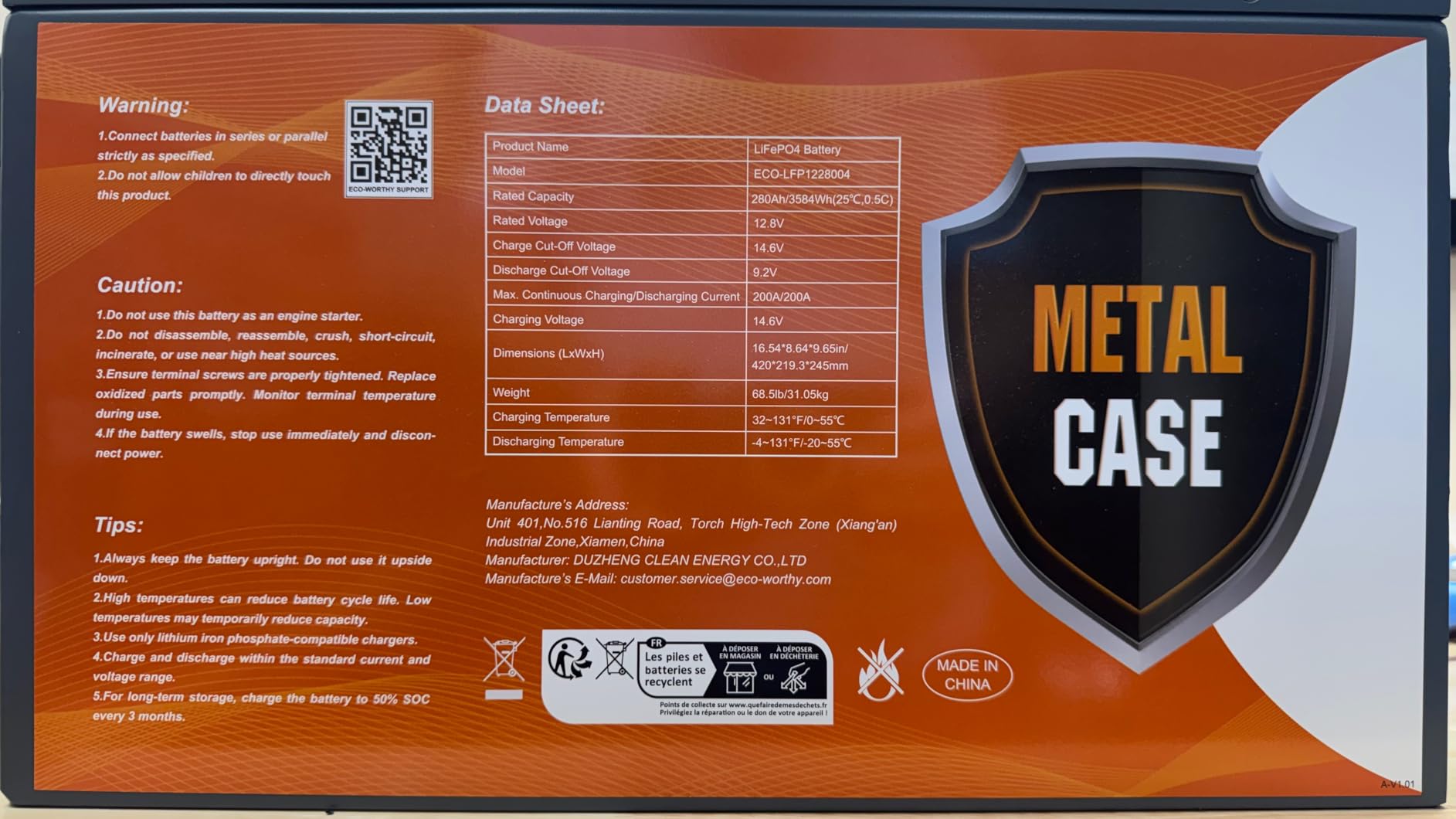
Capacity is 12.8V, 280Ah, 3584Wh, with a 200A maximum continuous charge and discharge current. A built-in on/off safety switch means you can isolate the pack for storage without a separate disconnect, which is a real convenience for seasonal use.
Grade A LiFePO4 cells are named on the listing, and the Bluetooth app tracks the same readings a proper shunt would show. One owner reports holding up in snowy camping conditions around 20F, which is a useful real-world data point for cold installs.
Where the metal case earns its keep
Heat is the enemy of lithium cycle life, and a metal enclosure conducts it away faster than injection-moulded plastic. In a bay that reaches high ambient temperature with the inverter running, that difference compounds over years of daily cycling.
The counterweight is weight. At approximately 68.5 pounds this is the heaviest pack in the 200Ah-to-300Ah range, and a fair number of buyers return units purely on that basis. Plan a two-person lift and check your floor load rating before committing to several in parallel.
Who should look elsewhere
If your bay is exposed to rain and spray, the dumfume 200Ah carries an actual IP65 rating, which this does not. If weight and footprint are tight, the Litime 12V 200Ah Mini gives you comparable energy in a fraction of the space. For boats specifically, our marine battery guide covers the wet-environment trade-offs in more depth.
8. Litime 12V 460Ah Group 8D – one battery instead of four
Litime 12V 460Ah Group 8D Lithium LiFePO4 Battery for RV Marine Solar
12.8V 460Ah / 5888Wh
Group 8D, 86 lb
250A BMS with EV-grade cells
4P4S expansion
Pros
- 460Ah in a single Group 8D case consolidates a whole bank
- 250A BMS built around EV-grade cells for high loads
- Holds 100% depth of discharge while staying above 12.8V
- Expands to 4P4S for home backup and off-grid use
- Internal layout confirmed by teardown reviews
Cons
- Very heavy at 86 lb and needs two people to install
- Must not be mounted upside down or terminal-side down
- Taller than Group 24 or 31 boxes so the battery box often needs replacing
- Some LiTime chargers need unplugging and replugging to resume charging
This is the consolidation play. One 460Ah Group 8D unit replaces a bank of smaller 12V packs, and buyers report noticeably better runtime on rooftop air conditioning and other high loads than they got from the same money spread across several mid-size batteries.
The BMS rating is the standout number: 250A continuous from EV-grade cells. That is more than double what most 200Ah packs offer, and it is what lets the battery absorb a compressor start without tripping protection.
At 100% depth of discharge while staying above 12.8V, usable energy works out to roughly double what an equivalent lead-acid bank delivers. Expansion is 4P4S, and the pack is CE and RoHS compliant. The model number is EF-A5C532N-13.
How to plan the install
At 86 pounds with dimensions of 20.47 by 10.59 by 8.66 inches, this is a two-person job and it is taller than a standard Group 31 box. Measure the bay and plan on replacing the battery box. Reviewers with freight-delivered units note the packaging holds up, which matters for something this size.
Mounting orientation is the other constraint. The pack must not be installed upside down or on its terminal side, so the mounting cradle and cable routing are not free choices.
Who should look elsewhere
If 86 pounds is more than your floor or your lift can take, the 280Ah metal-case ECO-WORTHY is 17 pounds lighter with a similar duty cycle. And if you are running a 5kW or larger inverter, a single 12V pack at this size is the wrong architecture – move to 48V and cut your cable losses by a factor of sixteen.
9. Vatrer 12V 300Ah Self-Heating – the cold-climate specialist
12.8V 300Ah Self-Heating LiFePO4 Lithium Battery with APP Monitoring
12.8V 300Ah / 3840Wh
54.7 lb
self-heating with 200A BMS
5,000+ cycles at 100% DoD
Pros
- Built-in self-heating allows safe charging and discharging in cold climates
- 5000+ cycles at 100% depth of discharge
- Average rating of 4.9 stars with 98% five-star reviews
- About a third the weight of an equivalent lead-acid pack
- App gives real-time current
- voltage
- temperature and cycle count
- Tie-down straps included
Cons
- Self-heating surface can become hot to the touch during operation
- Small review base of 77 ratings relative to the 4.9 score
- Warranty terms are deferred to the manufacturer website rather than the listing
- Not recommended for series connection in golf cart applications
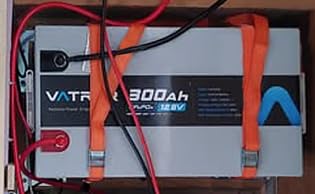
Every other pack in this roundup deals with cold by refusing to charge, and that is not a flaw, it is how the cells are protected. This one draws power to warm itself first, which is a meaningfully different answer for a winter off-grid install. The 4.9 average across 77 reviews came with 98% of those reviews at five stars.
Underneath, it is a 3840Wh pack with a 200A advanced BMS, multi-layer protection and 5,000+ cycles at 100% depth of discharge. App monitoring covers current, voltage, temperature and cycle count, and tie-down straps are included in the box.
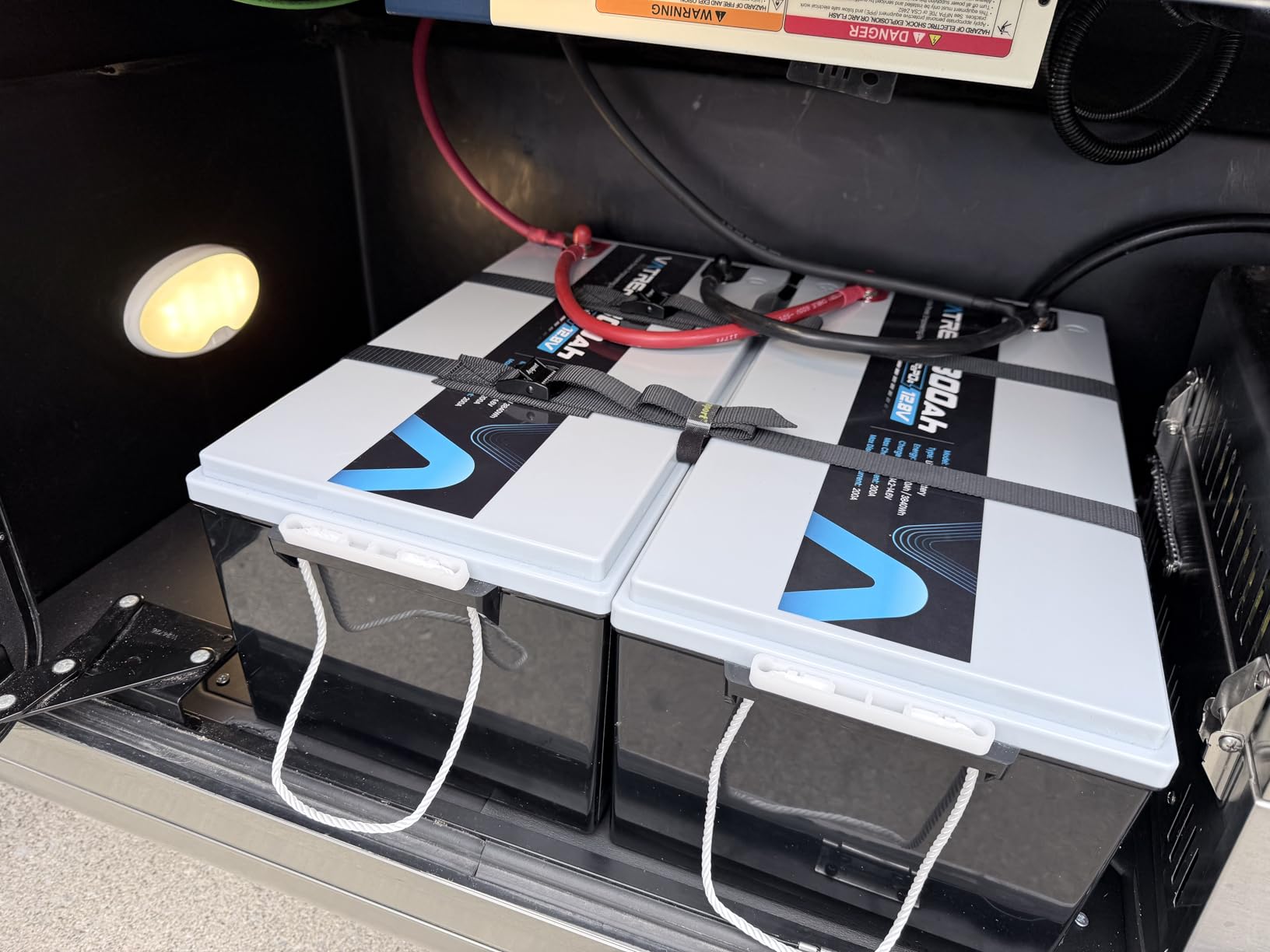
The weight is 54.7 pounds, roughly a third of what an equivalent lead-acid installation weighs, and the model number is LM12300. Grade A cells are specified. For a van, boat, cabin or off-grid shed that sees real winters, that combination of heating and capacity is the reason to look here first.
What the self-heating system actually costs you
Two things. The heating surface runs warm during operation, so it needs clearance and it is not something to mount where someone will brush against it. And energy drawn to keep cells above freezing comes out of the bank, which on a marginal winter solar day is a real draw.
Against that, a pack that refuses to charge below freezing is useless for a January morning. For northern installs, heated is usually the right trade.
Who should look elsewhere
If you want the same heating behaviour with more owner history behind it, the LiTime 12V 200Ah Mini range includes cold-weather variants, and buyers credit them specifically. If heat is a concern rather than cold, note the warm-to-touch surface and give the enclosure ventilation.
10. ECO-WORTHY 12V 314Ah – on-board status and fault alerts
ECO-WORTHY 12V 314AH LiFePO4 Lithium Battery Bluetooth with SOC LEDs, Low Temp Protection, 4019WH, 200A BMS Up to 15000 Deep Cycle for Off-Grid, RV, Solar Power System, HomeBackup
12.8V 314Ah / 4019Wh
60.4 lb
SOC LED panel plus buzzer
200A BMS with app
Pros
- 4019Wh at 60.4 lb
- about a third the weight of lead-acid
- On-board SOC LED display plus Bluetooth app for remote checks
- Bluetooth range connects from another floor
- 200A BMS with low-temperature charging cutoff below 19.4F
- Built-in buzzer for fault alerts
- Fits a truck camper battery space with room for a second pack
Cons
- 3-year warranty is shorter than some rivals
- Bluetooth voltage readout reported as inaccurate against a clamp meter
- App shows temperature only as Normal or Not Normal
- Customer service response criticised in a small number of cases
The distinguishing feature is the hardware on the case itself. An SOC LED indicator panel and a built-in buzzer mean you can walk up to the battery in a garage and know its state without a phone, and a fault condition makes noise instead of waiting for you to open an app three rooms away.
Capacity was upgraded from 300Ah to 314Ah effective April 2026, giving 4019.2Wh in a 16.3 by 8.5 by 10.2 inch case weighing 60.4 pounds. Reviewers converting from gel or AGM camper banks describe roughly triple the usable power at a similar footprint.
Grade A cells are specified, the 200A BMS carries high and low voltage, overload and temperature protection, and charging is blocked below 19.4F. Expansion runs to 4P2S or 2P4S, up to 32.15kWh. Bench testers report the pack exceeding its published specifications, which is not something we can say for most of this list.
Verify the Bluetooth voltage reading yourself
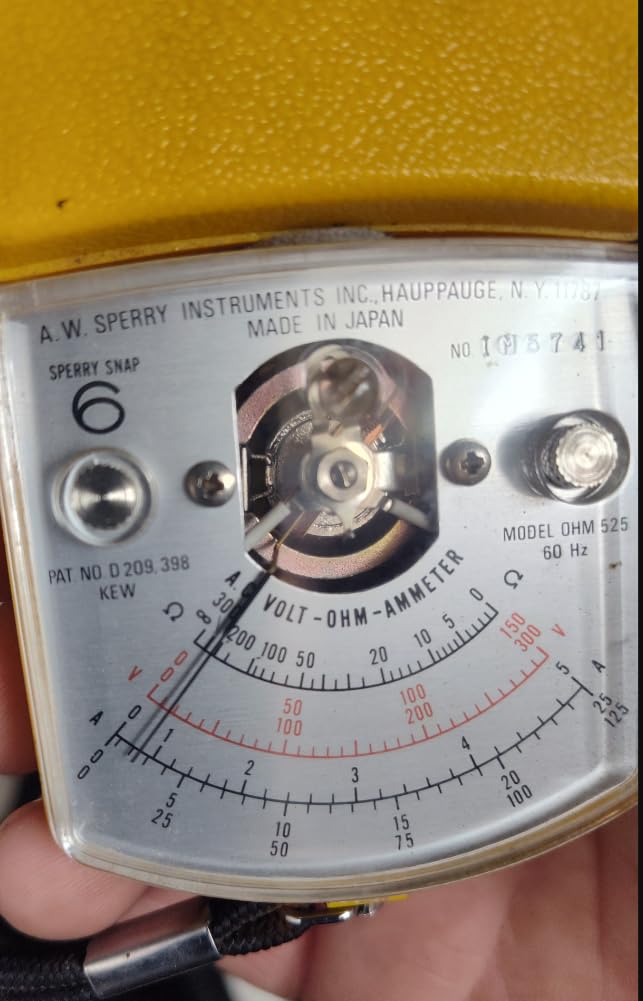
Some owners have checked the app’s voltage against a clamp meter and found a mismatch. Treat the app as a status indicator and confirm with a meter before you make a sizing decision based on it. The on-board SOC LED panel is the more trustworthy local readout.
That caution matters because state of charge is a derived estimate in every app in this roundup, not a measurement. If you need real numbers for load planning, a shunt is the tool – our trolling motor battery guide covers shunt selection for high-draw monitoring.
Who should look elsewhere
The 3-year warranty is the shortest-term cover on any pack in this roundup, and if the battery is going to sit unattended through winters, that gap matters. Buyers wanting longer coverage in a similar footprint should look at the 5-year options in the 300Ah class.
11. ECO-WORTHY Cubix100 48V 100Ah – whole-home rack storage
ECO-WORTHY Cubix100 48V 100Ah LiFePO4 Lithium UL9540 Server Rack Battery
51.2V 100Ah / 5120Wh per module
22.09 x 19.02 x 5.63 in, 103 lb
CAN and RS485 comms
10-year warranty
Pros
- UL9540
- UL1973 and CEC listed through Intertek
- 5.12kWh per module in a server-rack format that rolls into position
- CAN and RS485 closed-loop comms integrate with Victron and other hybrid inverters
- Bluetooth and WiFi monitoring with no screen needed at the battery
- Parallel expansion to 32 modules for 163.8kWh
- Includes parallel cables
- comms cables
- grounding wires and terminal covers
Cons
- No on-unit display so status comes from the app or inverter
- App is basic and lacks time-to-full and time-remaining estimates
- One owner received a module with unbalanced cells and a CAN comms fault
- At 103 lb per module installation generally takes two people
This is where a real whole-home system should start. At 51.2V and 5.12kWh per module, one battery is the equivalent of four 12V 100Ah packs in series, and it halves your cable gauge requirement. Rated 2.56kW continuous with 5.12kW maximum output, it is sized for a serious inverter rather than a weekend cabin.
The certification is the differentiator that should drive your decision. UL9540, UL1973 and CEC listing through Intertek is a triple that is genuinely uncommon at this price point, and those are the standards your AHJ and your insurance provider will ask about.
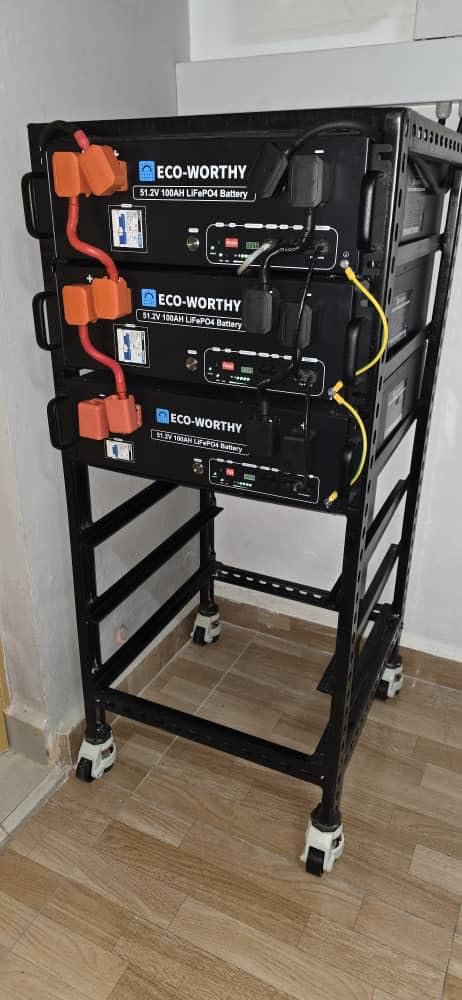
Communication is closed-loop CAN and RS485, which is what lets Victron and other mainstream hybrid inverters talk to the battery directly rather than guessing state of charge. Bluetooth and WiFi monitoring means you do not need a display panel on the rack. Parallel up to 32 modules reaches 163.8kWh, and all the cabling and hardware is in the box.
How whole-home buyers use it
Owners building whole-home and cabin systems single out the certification set and the inverter integration as the reasons to choose this over a generic rack battery. Reported experience running Sungold and Bluetti setups is strongly positive, and adding a second module for double the storage is straightforward.
Plan the CAN configuration before you install. The battery and the inverter have to be told to talk to each other, and getting that wrong leaves you with a system that works but never sees accurate state of charge.
Who should look elsewhere
If you want to see the state of charge on the battery itself, the Vatrer two-pack has a built-in touchscreen where this has none. And if 103 pounds per module is a problem, remember that at 48V you are lifting fewer batteries to reach the same capacity – the per-module weight is offset by the count.
12. Vatrer 51.2V 100Ah Two-Pack – rack power with a touchscreen
51.2V 100AH Lithium LiFePO4 Battery (2 Pack), Built-in 100A BMS
51.2V 100Ah / 5.12kWh per battery
Sold as a 2-pack, 102.5 lb total
built-in touchscreen and 100A BMS
Pros
- Touchscreen display plus app is uncommon in 48V server-class batteries
- One-touch ON/OFF switch doubles as a circuit breaker
- Dual positive and negative terminals spread current and reduce heat
- 5000+ cycles against 300-500 for lead-acid
- UL1973 compliant and Intertek ETL certified
- Parallel compatible with the earlier Vatrer 48V version
Cons
- Two-pack weight of 102.5 lb makes this a two-person install
- A large upfront investment for a residential backup system
- Requires a compatible 48V inverter or charge controller to use the 5.12kWh
Two 51.2V 100Ah batteries give you 10.24kWh, which is the smallest bank that meaningfully covers overnight household load plus a sunny morning of recharge. Each battery holds 16 automotive-grade Grade A prismatic cells, and the pair is equivalent to eight 12V 100Ah packs in series.
The touchscreen is the feature that separates it. A built-in display on the front of a rack battery is uncommon at this level of capability, and it means you can read state of charge, cell voltages and current without a phone – useful when the rack is in a garage and the phone is in the house.
Electrical design details here are thoughtful. A one-touch ON/OFF switch doubles as a circuit breaker, and dual positive and negative terminals spread current and reduce heat at the connections, which is where high-current 48V banks usually lose efficiency. The built-in 100A BMS carries high and low temperature cutoffs, and the pack is UL1973 compliant with Intertek ETL certification.
What a 10kWh bank actually covers
Assume 90% round-trip efficiency and 80% usable depth of discharge, and 10.24kWh of nominal storage delivers roughly 7.4kWh to the loads. That covers a typical household overnight draw with margin, or a smaller home running a refrigerator-freezer, lighting and electronics for a couple of days.
The constraint is upstream. You need a 48V inverter and a charge controller that will drive 5.12kWh per battery, and neither is optional. Budget the whole system, not the battery.
Who should look elsewhere
If you want UL9540 and UL1973 certification rather than ETL, the ECO-WORTHY Cubix100 is the alternative, and it carries a 10-year warranty against the 5 years here. If you would rather build storage out of two or three 12V packs than a rack pair, the 12V 300Ah options in this list get there with more wiring and more lugs to land on the same total.
How to Size a LiFePO4 Bank and Match Solar Panels to It
Start from the load, not the battery. Measure what you actually use overnight – the fridge, lighting, fans, communications, the coffee maker – because those hours are the only ones the battery serves. Then divide by usable capacity rather than nameplate capacity, and that single habit is where most undersized banks come from.
The formula is straightforward: battery watt-hours needed equals your overnight kilowatt-hours divided by 0.8 usable depth of discharge, divided by 0.9 system efficiency. If your house draws 8kWh overnight, that is 8 divided by 0.8 equals 10kWh, then 10 divided by 0.9 equals 11.1kWh of nameplate storage. Round up to the next pack combination that fits your voltage architecture.
For solar input, the rule of thumb is 200W to 400W of panel per kWh of daily battery throughput in a temperate climate, and closer to 500W per kWh if you have winter cloud cover or a steep latitude. A single 200Ah 12V battery holds 2560Wh, so 500W to 1,280W of panel fills it in a good day.
To answer the common question directly: a 200Ah lithium battery at 12.8V stores 2.56kWh. With realistic losses you can pull about 1.8kWh from it, so you want roughly 400W to 800W of panel to refill that in one sunny day, and 1,000W or more if you expect cloudy stretches. Oversizing the array a little is cheap; undersizing it means your bank never reaches full and you lose cycle life to shallow daily cycling.
For a capacity target table, 5kWh of storage is about two 12V 200Ah packs or one 51.2V 100Ah module. 10kWh is four 200Ah packs or two 51.2V modules. 20kWh is ten 200Ah packs or four 51.2V modules, and 30kWh is fifteen or six. Every pack in this roundup expands to reach those targets, so the architecture is rarely the constraint – cable length and physical volume are.
LiFePO4 vs Lead-Acid, Gel and AGM for Solar Storage
Lithium iron phosphate wins on almost every measurable axis for daily solar cycling, and loses on exactly one: purchase price. If your system cycles the battery most days, the arithmetic settles it within a few years.
On cycle life, LiFePO4 is rated in the thousands – the packs above claim between 4,000 and 15,000 depending on depth of discharge – while flooded, gel and AGM banks typically deliver a few hundred to a couple of thousand meaningful cycles. Depth of discharge is the second gap: lithium delivers 80% to 100% usable, where lead-acid is usually treated as 50% and gel closer to 50% as well.
Round-trip efficiency runs about 90% to 95% for lithium against roughly 70% to 85% for lead-acid, and that difference compounds daily. Maintenance is where lead-acid still scores a point: flooded cells need water, equalisation and venting, while lithium needs none of it. Weight is decisive for van, boat and cabin builds – a 200Ah lithium pack is roughly a third to two-thirds lighter than its lead-acid equivalent.
Cost per delivered kilowatt-hour is the number that actually matters, and it is where the sticker-price objection dies. A lithium pack that costs several times more but delivers five times the cycles and twice the usable capacity is cheaper per kilowatt-hour delivered by the second replacement cycle, and a lead-acid bank swapped twice over a decade typically ends up costing more than the lithium did up front.
Where lead-acid still makes sense: a very low-cycle seasonal system, or a budget build where the battery sits mostly unused. If your panels only charge it a handful of times a year, the premium never amortises.
Reliability, BMS and What Actually Fails First
The single most repeated complaint across every solar forum we read is not cell degradation. It is the battery management system dropping into protection mode and refusing to come back. On diysolarforum users put it bluntly – the BMSs fail before the cells. The same pattern shows up on GoodSam community and in RV and marine forums.
The dangerous part is how quiet it is. A pack in protection mode looks fine until you need it, and owners describe batteries that ran for a year and then cut out overnight. Treat any BMS lockout as a diagnostic event, not a nuisance.
Common problems, in the order they show up: protection-mode lockouts that need a reset; cell imbalance in parallel banks, which Forest River Forums members have reported specifically with LiTime packs running in parallel; capacity fade from storing a pack hot and full; and mixed-age or mixed-brand banks, which is the most common self-inflicted failure of all.
Never mix brands, ages or capacities in one parallel string. Two batteries from different production lots will not share current evenly, the older unit carries more of the load, and cell divergence accelerates from there. Buy matched packs from the same batch, cable them with equal-length runs, and check balance monthly for the first year.
If a pack drops out, start with reverse polarity on the terminals, because a BMS that has seen reversed current may latch permanently. Next, measure the resting voltage with a meter: a healthy 12V pack rests near 13.2V, while a deeply sleeping one sits below 12V.
If your charger or app supports a wake current, apply a LiFePO4 activation charge to bring the pack above the BMS sleep threshold. Then disconnect all loads and reconnect them, which resets many protection states.
If the pack will not wake at all, the BMS is very likely dead and the unit needs warranty service rather than another charge cycle.
Two habits prevent most of this. Store lithium at partial charge in a cool space rather than full and hot, and check cell voltage spread in your app or with a meter every few months. A spread creeping above roughly 50mV between the highest and lowest cell is the early warning, and it is fixable before it becomes a failure.
Inverter, Charge Controller and MPPT Compatibility
Yes, LiFePO4 batteries can be charged directly from solar panels, but only through a controller with a lithium charge profile. Lead-acid presets are wrong for this chemistry in a way that matters: lithium’s absorption voltage is higher and its voltage curve is flatter, so a lead-acid profile either undercharges the pack or holds it at a high float that stresses the BMS.
Use an MPPT controller rather than PWM. The flat LiFePO4 curve means a PWM controller wastes a meaningful share of what the panels produce. Charge current matters too – 10% of capacity is the conservative rule, so a 200Ah pack wants a 20A controller minimum and a 40A controller for faster recovery.
Voltage matching is where a lot of installs go wrong. A 12V inverter needs a 12.8V bank, 24V needs 25.6V, and 48V needs 51.2V. Four 12V 100Ah packs in series give you 51.2V and match a 48V inverter, which is why the 51.2V modules in this roundup are simply the same bank pre-assembled.
For anything above about 5kW, 48V is the right call. At the same power, current is a quarter of what it would be at 12V, and resistive loss scales with the square of current. At 48V you are also using thinner cable for the same job, which offsets some of the higher controller cost.
Finally, check whether your inverter speaks the battery’s protocol. Victron, MultiPlus, Sol-Ark, Xantrex and SMA systems all support CAN or RS485 communication from compatible BMS units, and that link is what gives you accurate state of charge. Without it the inverter is estimating, and estimates drift. The ECO-WORTHY Cubix100 ships with both protocols, which is why it integrates more cleanly than the Bluetooth-only packs.
Where LiFePO4 Falls Short Before You Buy
Balanced coverage matters more than enthusiasm here, because a battery that is wrong for your site wastes the whole system budget.
Cold charging. Below 32F most packs block charging entirely to protect the cells. Without a heated pack or a heated install location, a northern winter system simply will not take a charge on a cold morning. A self-heating pack solves it at higher cost and with a warm-to-touch surface.
The BMS is a single point of failure. When it fails you lose the pack, and often the pack is still full of good cells. This is the dominant owner complaint across every forum we read.
Upfront cost. A lithium bank costs multiples of an equivalent lead-acid bank up front. The premium pays back over daily cycling and rarely pays back at all on seasonal use.
No cranking. Every pack here is deep-cycle only. Starting an engine needs a separate lead-acid or lithium-starting battery, and lithium-starter models are a different category entirely.
App data is derived, not measured. Bluetooth apps estimate state of charge. Some owners have found voltage readouts that disagree with a clamp meter, so confirm with real instrumentation before you size around them.
Very low-cycle systems. A cabin used four months a year may never amortise the premium. Lead-acid or AGM is the honest answer there.
Thermal runaway anxiety is the one myth worth dismantling directly. LiFePO4 chemistry is markedly more stable than nickel-manganese-cobalt chemistries, and in the forum discussions the consensus is that failures are overwhelmingly linked to external damage – a crushed pack, a punctured cell, an overcharged unit – rather than spontaneous internal events. That is not a claim of zero risk, but the chemistry itself is not the weak point.
Frequently Asked Questions
Which LiFePO4 battery is best for solar power?
The Redodo 12V 100Ah Group 31 is the best all-round choice for small and mid-size solar setups, with 4,000+ cycles, a 100A BMS, expansion to 4S4P and a five-year warranty. For whole-home storage the ECO-WORTHY Cubix100 48V 100Ah leads, offering 5.12kWh per module, UL9540 and UL1973 certification and a ten-year warranty.
What are the best brands in LiFePO4 batteries?
No single brand wins every class. LiTime and Redodo carry the deepest owner feedback in the 12V range, ECO-WORTHY is the only name here with UL9540 and UL1973 listing plus a ten-year warranty, and Vatrer leads on cold-climate self-heating. Forum owners on diysolarforum repeatedly name Lion Energy and SOK as higher-quality builds, and we would expect those names to score similarly on paper.
What are the downsides of LiFePO4 batteries?
The main drawbacks are a higher upfront cost than lead-acid, charging cutoffs below 32F on most packs unless you buy a self-heating or heated-install option, and the battery management system acting as a single point of failure. Most packs are also deep-cycle only and cannot crank an engine. Bluetooth apps estimate state of charge rather than measuring it.
What are some common problems with LiFePO4 batteries?
The most common problems are BMS lockouts where the pack refuses to charge or discharge and needs a reset, cell imbalance in parallel banks, capacity fade from storing a pack hot and fully charged, and failures traced to mixing brands, ages or capacities in one bank. Buyers also report that packs shipped partially charged sometimes will not accept a charge until they are brought up to full voltage once.
How many solar panels do I need for a 200Ah lithium battery?
A 200Ah battery at 12.8V stores 2.56kWh. Allowing for roughly 90% system efficiency and 80% usable depth of discharge, about 1.8kWh reaches your loads, so 400W to 800W of panel refills it in a good sunny day. In cloudy or high-latitude climates, size closer to 1,000W or more.
The Bottom Line on the Best LiFePO4 Batteries for Solar Setups
For most people reading this, the Redodo 12V 100Ah Group 31 is the battery to buy. It has the deepest owner feedback of anything on this list, a five-year warranty, a documented 4,000-cycle life and a 100A BMS, and it expands cleanly if your system grows. For tighter bays, the Litime 12V 200Ah Mini gives you 2560Wh in a case 40.8% smaller than standard. For cold climates, the Vatrer 12V 300Ah self-heating pack solves the problem no other battery here does. For whole-home storage, the ECO-WORTHY Cubix100 48V 100Ah is the only one here with UL9540 and UL1973 certification, CAN and RS485 inverter comms and a ten-year warranty.
Whichever you choose, the details that decide whether it works are the boring ones: a lithium charge profile on your MPPT controller, a voltage architecture matched to your inverter, and a bank built from matched batteries of the same age. Get those right and any of the twelve above will serve you for a decade. Check the current listing for each product before you commit, and start with the overnight load rather than the panel count.