
Most people buy a police scanner for the same reason they buy any radio: curiosity about what is happening nearby. Then they get it out of the box, punch in a few channels, and hear static. The problem is rarely the hardware. It is that the feature set on the box does not match the radio system in their county.
That is why a roundup of models on its own does not help much. Knowing that a scanner has 25000 channels tells you nothing, because a metro area might run four channels worth listening to and a rural county might need forty. What actually determines whether you hear traffic is decode capability, simulcast handling, and whether the built-in database knows your agencies. Those are the best features to look for in police scanners, and we break each one down below.
Before you spend anything, spend five minutes on the RadioReference database. Look up your county, note whether the system is P25 Phase 1 or Phase 2, whether it is trunked or conventional, and how many agencies are listed as encrypted. That single check prevents the most common purchase mistake in this hobby, and it takes less time than choosing a color scheme.
We spent 2026 listening to owner reviews across all six scanners below, cross-checked the technical specifications against the manufacturer listings, and mapped each one to the specific feature it actually delivers. Our broader picks are collected in our police scanner roundup, and the six models here are the ones whose feature sets we could verify in detail.
One thing to clear up before anything else: no consumer scanner decodes encrypted radio traffic. That is a hardware and legal limit, not a settings problem. Every model below receives unencrypted traffic only.
Table of Contents
The Ten Features That Actually Matter
P25 Phase 2 decode — the standard US public safety digital format; without it a metro scanner hears little.
Trunk following — follows the control channel to track a conversation across repeaters and sites.
DMR and NXDN support — essential for railroad, and for some Canadian and municipal systems.
Simulcast tolerance — True I/Q or adaptive re-decode stops multiple towers from garbling each other.
Built-in database and zip code loading — removes the programming barrier for beginners.
Form factor — handheld, base, or mobile determines where you can realistically listen.
GPS location scanning — changes channels automatically as you cross county lines while driving.
Connectivity — Wi-Fi or Ethernet for streaming and remote listening from a phone or PC.
Antenna flexibility — an external antenna connection matters more in weak-signal areas than any menu setting.
Firmware upgradability — the ability to unlock new digital formats as they appear.
The order matters. Items one through four decide whether the scanner works at all in your area. Items five through ten decide whether you will still be happy with it a year from now.
Top 3 Best Features To Look For In Police Scanners (October 2026)
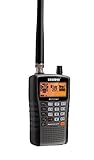
Uniden Bearcat BC125AT
- 500 channels in 10 banks
- Close Call RF capture
- Analog only
- Orange backlight
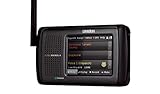
Uniden HomePatrol-2
- APCO-25 Phase 1 and Phase 2
- Zip code loading
- GPS location scanning
- Color touchscreen

Whistler WS1065
- P25 Phase 1 plus Motorola EDACS LTR
- 1800 channels
- Adaptive tracking
- Skywarn alerts
These three cover the three most common situations. The BC125AT is the first scanner we recommend to someone in an area that still runs conventional analog, because it is the easiest unit here to operate with no computer and no subscription. The HomePatrol-2 is the only model in this group that decodes P25 Phase 2, which is the format most large US agencies now use. The WS1065 is the pick when you want a desktop unit with genuine digital trunking and enough memory for many agencies at once.
All Six Scanners at a Glance in 2026
| Product | Specifications | Action |
|---|---|---|
| Uniden Bearcat BC125AT |
|
Check Latest Price |
 Whistler WS1025 Whistler WS1025 |
|
Check Latest Price |
| Whistler WS1065 |
|
Check Latest Price |
 Whistler WS1040 Whistler WS1040 |
|
Check Latest Price |
| Uniden HomePatrol-2 |
|
Check Latest Price |
 Uniden BC355N Uniden BC355N |
|
Check Latest Price |
Read that table as a capability map rather than a ranking. Five of these six units are analog-only or limited to P25 Phase 1, which is a genuine ceiling in a digital market and not a defect. Only the HomePatrol-2 decodes Phase 2, and only three of the six can follow a trunked system at all, so the format line is where the real difference lives.
Can Police Tell If You Are Listening to a Scanner?
Short answer: a scanner is a receive-only radio, and listening to unencrypted public safety traffic is legal in the overwhelming majority of US states. What you may not do is transmit on those frequencies, sell the audio, or interfere with a transmission. FCC Part 90 rules govern the use of these bands, and a handful of states add their own restrictions on where a scanner can be carried, particularly in a vehicle.
There is no mechanism by which an agency detects that you are listening. A scanner does not identify itself to the tower, does not register on any network, and leaves no log entry. The only realistic way anyone learns you are listening is because you say so, or because you behave differently on the air, which a receive-only radio cannot do.
RadioReference is the source we use for verification, and it lists encryption status by agency and by talkgroup. If a department shows as encrypted, no scanner on this page will hear it, and no software update will change that. The other thing to check in your state is whether your local law restricts scanner use in a vehicle, because a handful of states treat that as a separate offence even when possession is fine.
1. Uniden Bearcat BC125AT Review
Uniden Bearcat BC125AT Handheld Scanner, 500-Alpha-Tagged Channels, Close Call Technology, PC Programable, Aviation, Marine, Railroad, NASCAR, Racing, and Non-Digital Police/Fire/Public Safety.
500 channels in 10 banks
Close Call RF capture
Analog only
2 AA NiMH batteries included
Pros
- Works out of the box with pre-set service bands
- Close Call tunes to nearby transmitters instantly
- Lightweight 14.4 ounce body with orange backlight
- Receive-only design is simple to operate
Cons
- Analog only with no P25 DMR or NXDN decode
- No trunk following so it cannot follow a trunked system
- No computer database programming so alpha tags are manual
The BC125AT is the scanner we hand to someone who has never programmed a radio before. It arrives with search bands already configured for police and fire, ham, marine, railroad, civil aviation, military aviation, CB, and FRS/GMRS/MURS. You pick a band, press volume, and you are listening. That simplicity is the whole appeal.
Close Call is the feature that gets more credit than it deserves. When a transmission happens nearby, the scanner tunes to it instantly rather than waiting for the next pass through the scan list, which means you catch new or unlisted frequencies without knowing they exist.
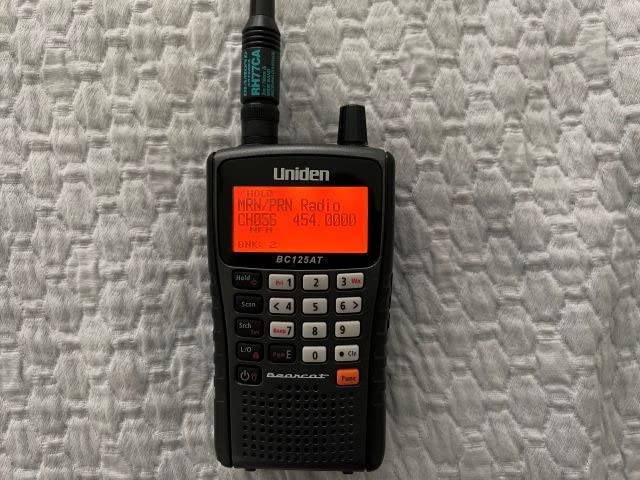
The channel count is 500 alpha-tagged channels spread across 10 storage banks, and the tags are what make a scanner usable day to day. An untagged frequency is just a number, so the manual alpha tagging process is the real cost of this unit. Budget an evening for a county-wide setup.
Our team compared this against the other analog options here and the deciding factor was the pre-set service banks. The Whistler WS1025 and the Uniden BC355N both expect you to enter frequencies yourself, which is exactly the step that stops most beginners.
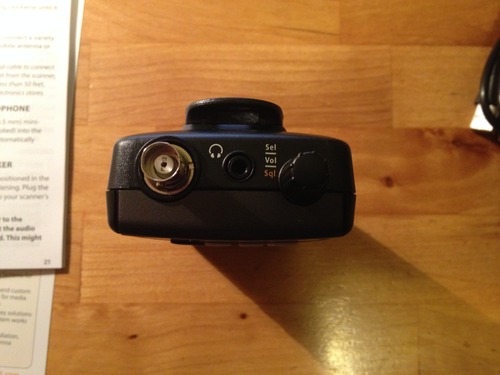
Coverage depends on band, and the BC125AT covers 25-54 MHz, 108-174 MHz, 225-380 MHz, and 400-512 MHz UHF. That range includes the 700 and 800 MHz public safety allocations that most agencies moved to years ago, so frequency coverage is not the problem. The problem is only the format.
The reception side is honest about its limits. A built-in antenna on a handheld will not reach a tower that is out of range, but it will do better than most people expect for local traffic. The specification sheet lists the unit at 14.4 ounces and 2.17 by 4.33 by 7.28 inches, which is genuinely pocketable for a radio with this much memory behind it.
Who the BC125AT suits?
It suits a first-time buyer whose local agencies still use conventional analog, a family member who wants a scanner that works without help, and anyone who listens away from a large city where the radio infrastructure is old or rural. It also works as a backup scanner for aviation, marine, and weather monitoring, because those bands are largely analog regardless of what police departments do.
The rechargeable AA NiMH batteries and roughly 10 hour average battery life mean a full shift of portable use, and the orange backlit display is readable in a dark room or at night outdoors.
Where the BC125AT falls short?
It falls short anywhere the local system is digital. If your county has moved to P25, this scanner will not decode it, and no amount of antenna work will change that. The same applies to trunked systems, which it cannot follow at all.
Because there is no computer-based database programming, you are entering every frequency and tag by hand. Owners in digital areas describe exactly this outcome: the receiver is fine, the format is wrong, and the machine hears nothing.
2. Whistler WS1025 Review
Whistler WS1025 Analog Desktop Scanner – Programmable Police/Fire/Weather Radio with 200 Channels and Backlit LCD Display – Easy-to-Use Base Unit – Black
200 programmable channels
Backlit LCD display
Desktop base unit
Analog reception only
Pros
- Backlit LCD is readable in a dim room
- Priority channel checks every two seconds
- Scan delay holds two seconds to catch the reply
- Tune function finds unlisted frequencies
Cons
- 200 channels is light for multi-agency listening
- Analog only with no digital or trunking decode
- Aimed at experienced users rather than beginners
The WS1025 is a desktop base unit, and the form factor is the point. It sits at a desk with mains power, takes a larger antenna, and does not ask you to manage batteries. For a home listener in a conventional analog area, that is a comfortable permanent arrangement.
Three controls earn their place on a desktop unit. Priority channel monitoring checks a channel you select every two seconds while the scanner scans everything else. Scan delay holds a hit for two seconds so you catch the reply. The Tune function starts at a frequency you specify and steps upward, which is how you find new or unlisted channels that nobody has published.
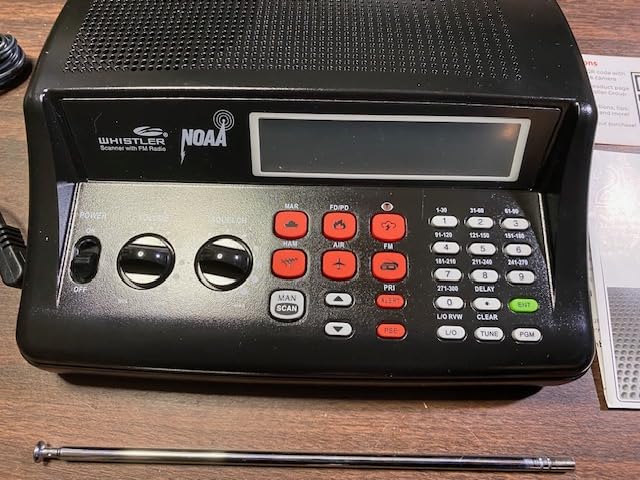
It weighs 1.5 pounds and measures 6.87 by 8.25 by 2.37 inches, so it takes up about as much space as a paperback. The LED backlight keeps the display readable in a dim room, which matters if the scanner lives in a bedroom or a study rather than a lit office.
Programmable audible alarms are useful for agencies you care about, and the backlit display means you can leave it scanning unattended without walking over to check it.
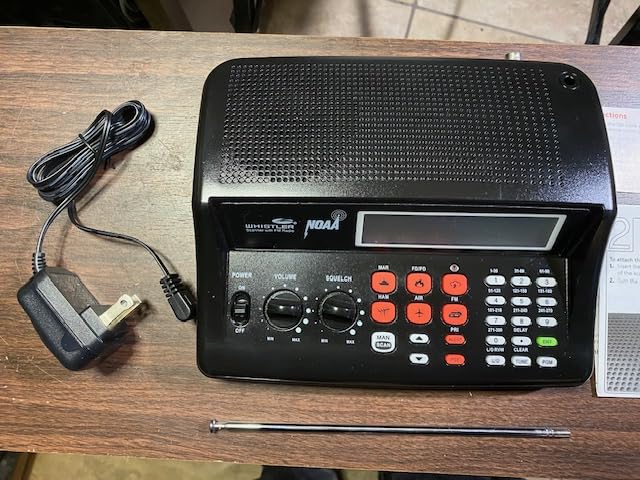
The WS1025 is receive-only as well, with no transmit function of any kind. That is not a limitation so much as a reassurance: there is no way to accidentally key up on a public safety frequency, because the hardware cannot do it.
Warranty coverage is one year, and the unit is designed to sit in one place. Treating it as a portable device means carrying mains-dependent hardware, so the practical use case is a desk, a shelf, or a bedroom nightstand with the backlight on low.
Who the WS1025 suits?
It suits a home listener in a rural or suburban area where agencies still broadcast conventional analog, and it suits anyone who wants a fixed unit with a proper antenna connection rather than a handheld with a rubber duck. Weather and aviation monitoring also fit, since those bands remain analog.
It also suits a buyer who already knows what frequencies they want. If you have a list, this unit will run it reliably for a long time without fuss.
Where the WS1025 falls short?
The 200 channel ceiling is the first limit. Listeners covering several county agencies, or aviation and marine alongside public safety, will fill that quickly. The memory is not expandable.
The second limit is that it is analog only, so it cannot decode P25, DMR, or NXDN and cannot follow a trunked system. Reviews also note that the menu system assumes some experience, so it is a weaker choice than the BC125AT for someone who has never programmed a scanner.
3. Whistler WS1065 Review
Whistler WS1065 Digital Trunking Desktop Scanner – Programmable Police/Fire Radio with Backlit Display, 1800 Memory Channels, and V-Scanner Technology – Black
P25 Phase 1 plus Motorola EDACS LTR
1800 memory channels
50+ decodes per second
Skywarn storm access
Pros
- Adaptive tracking re-decodes 50+ times per second
- Free-form memory stores 37800+ objects
- Menu-driven programming with context help
- High-speed USB transfers and 8x cloning
Cons
- P25 Phase 1 only with no Phase 2 DMR or NXDN
- Programming needs third-party PC software that can carry a cost
- Supplied antenna is weak so an external one is common
The WS1065 is the strongest desktop digital unit in this group, and its differentiator is the signal processing. It re-decodes the digital signal more than 50 times per second, which lets it adapt to multipath fading and a moving receiver without you adjusting anything. On a desk near a window, that is the difference between steady audio and dropouts.
Memory is the second differentiator. The 1800 memory channels use a free-form structure that allocates dynamically rather than in fixed banks, so you can store over 37800 objects without wasting space on empty slots. If you follow a lot of agencies, that headroom is real.
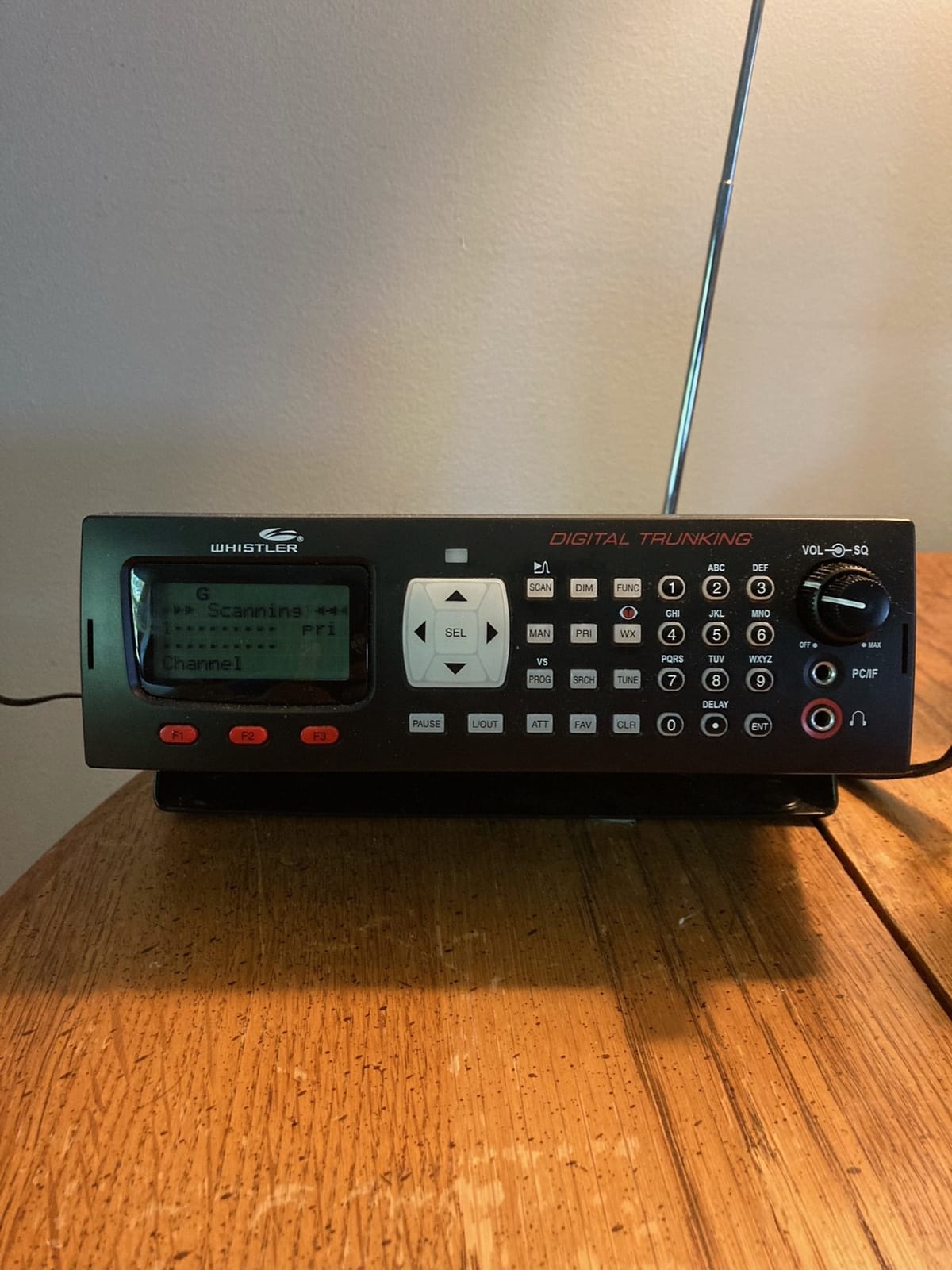
Programming is menu-driven with context-sensitive help on each item, which is friendlier than the button-sequence programming older scanners demand. For anything beyond the menus, owners use third-party PC software such as ARC500 or PSRedit500, and some of that software carries a subscription cost you should factor into the total.
Digital AGC lifts the low audio levels typical of digital systems, and P25 NAC filtering suppresses transmissions you have not selected. Signal strength is shown in real time, so you can point an antenna at a tower and watch the number move.
The Spectrum Sweeper and Tune functions let you search a band for activity without knowing the frequency in advance, which is the practical way to find a new system in your area after a migration.
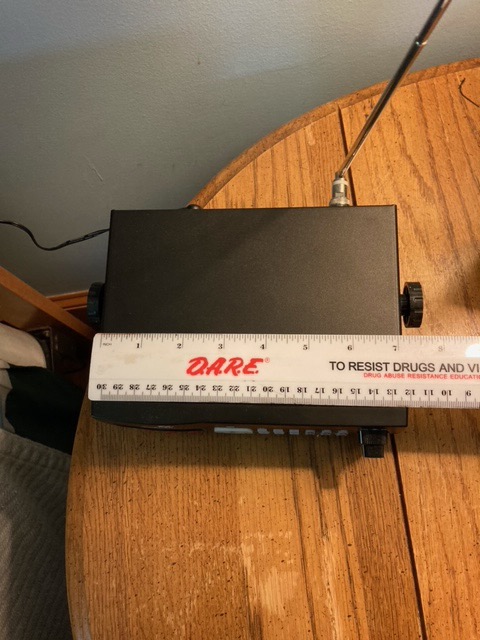
At 1.2 kg and 5.3 by 7.3 by 2.2 inches, the unit is a substantial desktop box rather than a thin one. It is a one year limited warranty item, and the USB cable for PC programming is included, so the initial programming path is complete out of the box.
Who the WS1065 suits?
It suits a home base station operator in an area running P25 Phase 1, or one running Motorola, EDACS, or LTR trunking. It also suits a listener who monitors many agencies at once and needs memory headroom, and anyone who wants programmable audible alarms plus a customizable alert LED with up to 8 user-defined colours.
Skywarn storm spotter access is a genuine bonus for weather spotters, and the high-speed USB interface with 8 times faster cloning between scanners makes backing up a database painless.
Where the WS1065 falls short?
The hard limit is P25 Phase 1 only. It will not decode Phase 2, DMR, or NXDN, so in a market that has moved to Phase 2 this unit is the wrong desktop choice no matter how well it performs on Phase 1 systems.
Owners also report a weaker front end on VHF, occasional simulcast dropouts in dense environments, tinny audio on some digital channels without an external speaker, and a telescoping antenna that owners widely replace with a discone.
4. Whistler WS1040 Review
Whistler WS1040 Handheld Digital Scanner – P25 Phase I, Trunking, Same Weather Alerts, Multi-System Support, Programmable, PC Interface, LED & Audio Alerts
P25 Phase 1 and trunking handheld
Digital AGC
Color-coded LED alerts
8.48 ounce body
Pros
- Whistler digital decoding is widely praised for clarity
- Menu-driven programming with context help
- Free-form dynamic memory and custom scan lists
- Skywarn storm spotter function included
Cons
- P25 Phase 1 only with no Phase 2 DMR or NXDN
- Programming needs RadioReference data plus third-party software
- Speaker volume is low over road noise in a vehicle
The WS1040 is the digital handheld option here, and at 8.48 ounces it is the lightest unit in the group. It decodes P25 Phase 1 and follows trunked systems, which puts it a tier above every analog handheld on this list and a tier below the Phase 2 models.
Where Whistler earns its reputation is audio. Owners consistently describe the decoded digital audio as the clearest of any scanner brand, and the digital AGC compensates for the low audio levels that make digital transmissions quiet on lesser hardware. That clarity matters on a handheld held away from your ear.
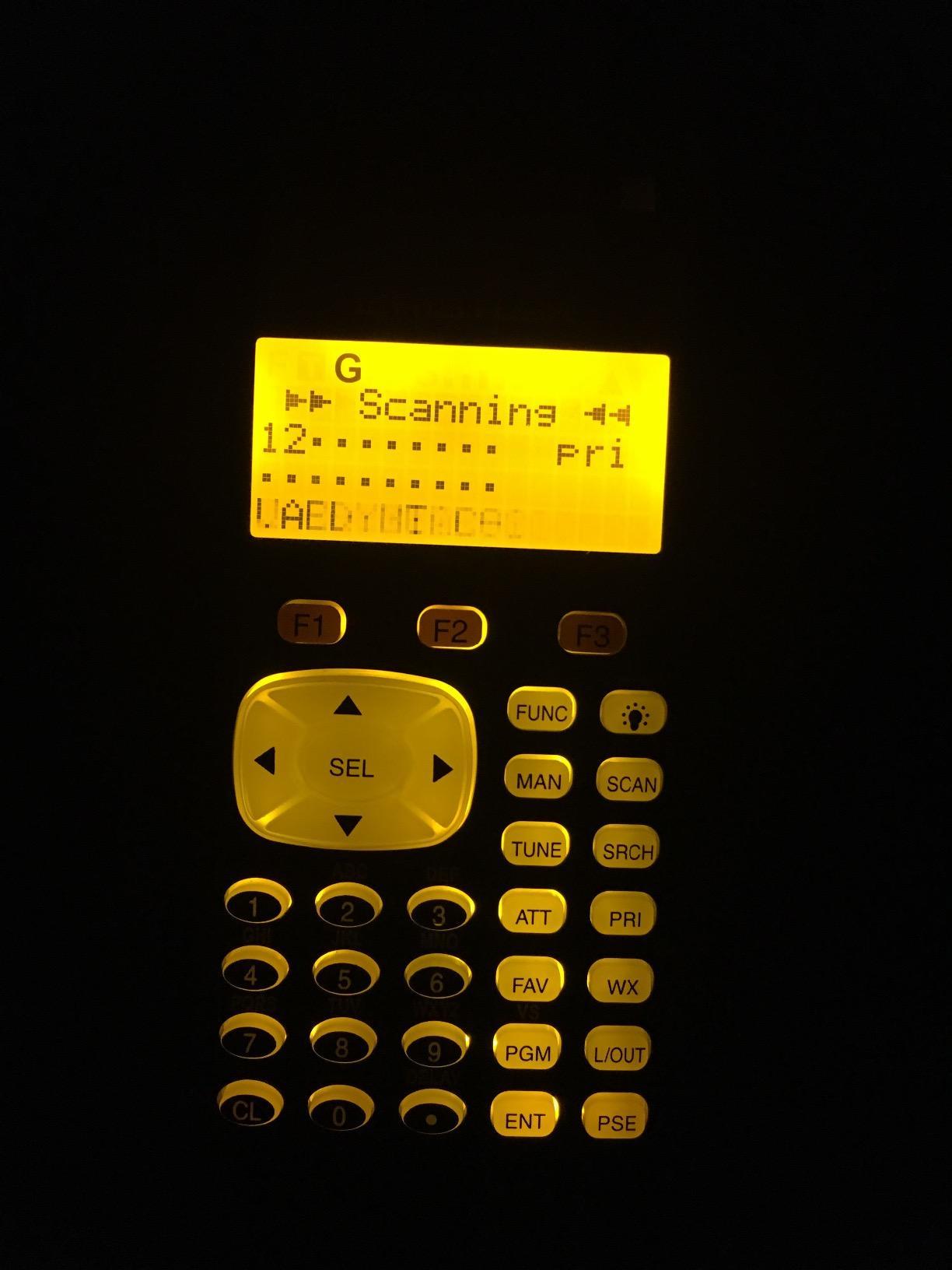
Programmable colour-coded LED alerts let you identify which agency is transmitting from across the room, which is more useful than it sounds during a storm or a shift where you are doing something else. The custom scan list lets you arrange groups and scan objects in your preferred order rather than accepting the factory sequence.
Memory is free-form and dynamically allocated, and the unit clones to and from GRE PSR-500, PRO-106, PRO-197, and WS1065 units with a 3.5mm cable, so you can move a database between Whistler hardware without starting again.
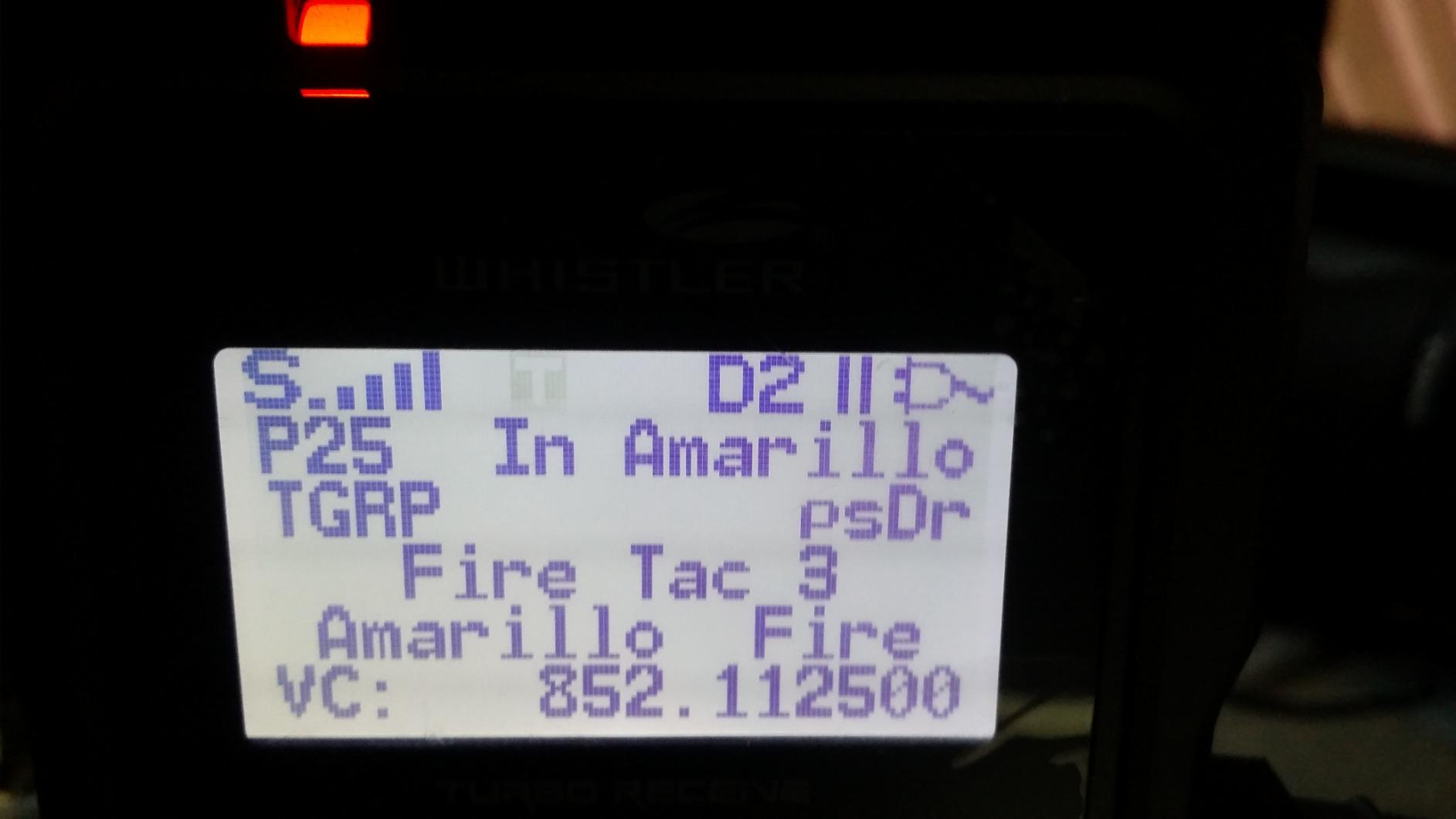
Weather alerting is built in, and the LED alerts are programmable by agency rather than by channel group, so you can identify a transmission source at a glance across a room. That combination is what makes it practical as an unattended monitor at home.
One caveat on the hardware: the unit is built for the US band plan, which limits usefulness outside North America. Buying it for a Canadian or European system means buying the wrong radio before you discover the problem, so check where you will use it.
Who the WS1040 suits?
It suits a portable listener in a P25 Phase 1 or Motorola, EDACS, or LTR market who wants real digital decode without the weight of a desktop unit. Skywarn storm spotter access also makes it a reasonable second device for a weather spotter who wants to carry one box.
It suits an owner who already has a Whistler ecosystem, since cloning between units removes the usual reprogramming chore.
Where the WS1040 falls short?
Phase 1 is the ceiling. It will not decode P25 Phase 2, DMR, or NXDN, and in a Phase 2 market that is the single most expensive mistake available to a buyer.
Programming is the other complaint. It needs local trunking data from a RadioReference subscription plus third-party software such as ARC500 or PSRedit500, so it rewards an owner who will do that work. Owners also report speaker volume that is too low over road noise in a moving vehicle, and dropouts on digital simulcast sites depending on where you are relative to the towers.
5. Uniden HomePatrol-2 Review
Uniden HomePatrol-2 Color Touchscreen Simple Programing Digital Scanner, TrunkTracker V and S,A,M,E, Emergency/Weather Alert, Digital Capable, APCO P25 Phase 1 and 2, Covers USA and Canada
APCO-25 Phase 1 and Phase 2
Zip code loading
GPS location scanning
Color touchscreen
Pros
- Zip code plus microSD database sets up in about a minute
- Decodes APCO-25 Phase 1 and Phase 2 plus Motorola EDACS LTR
- GPS changes channels automatically with location
- Record and replay plus Sentinel software updates
Cons
- Touchscreen-only channel selection with no numeric keypad
- No programmable search function for hunting new channels
- Some owners report ROM lockups and a weak loose rubber antenna
The HomePatrol-2 is the only scanner here that decodes APCO-25 Phase 1 and Phase 2, and that single fact makes it the right answer for most metropolitan buyers. Phase 2 uses TDMA, so a Phase 1 scanner hears broken fragments where this unit hears a whole conversation.
Setup is the second reason to choose it. You enter a zip code, pick services from a list on the colour touchscreen, and the included microSD database loads your local agencies in about a minute. Sentinel software keeps the favourites lists, database, and firmware current afterward.
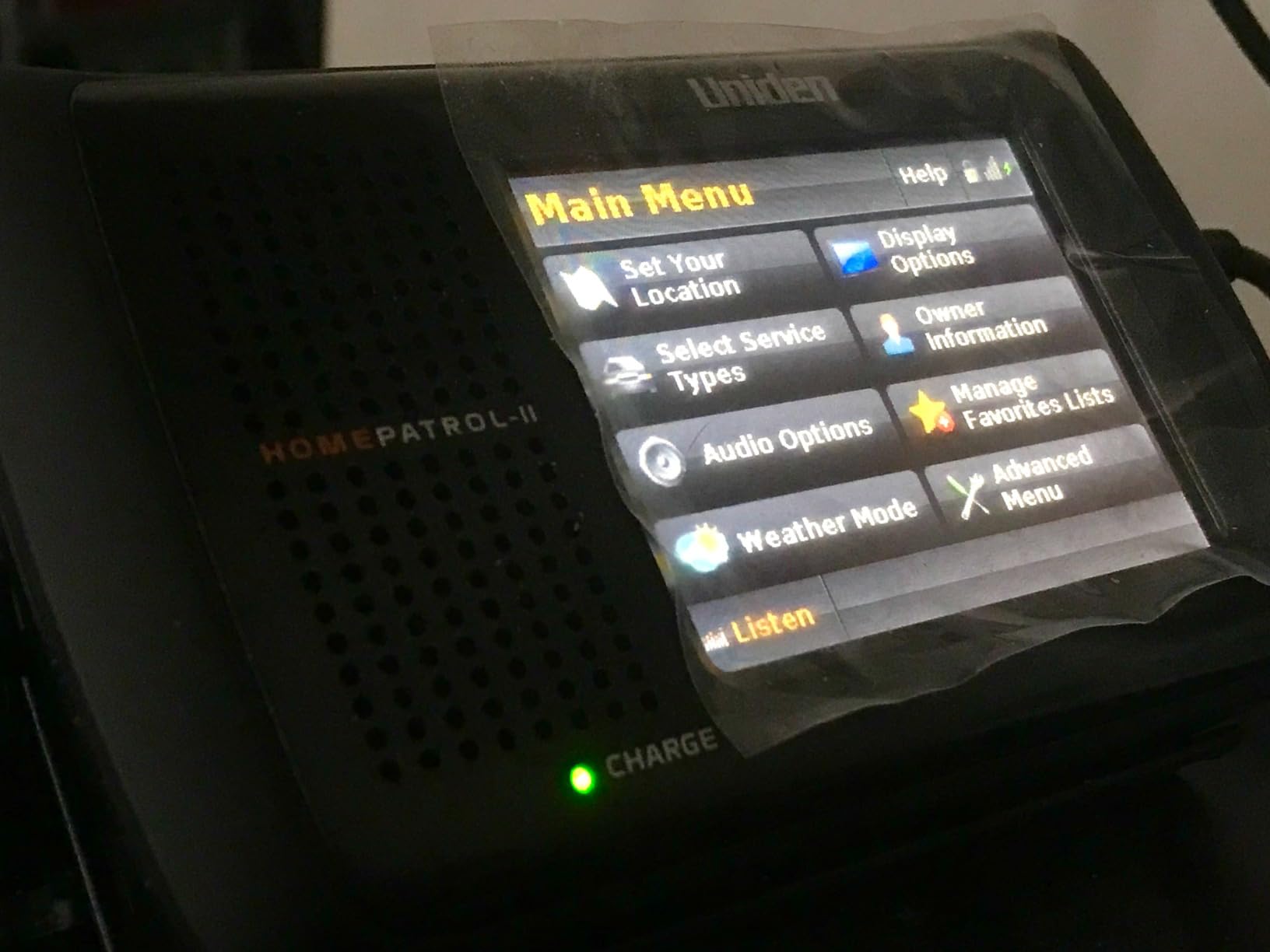
GPS is the feature that changes daily use. The unit changes channels based on where you are, so crossing a county line in a car switches the scanner to the right agencies automatically. Loading a different zip code makes the whole unit portable for travel, which is how a single device covers a multi-jurisdiction commute.
Record and replay lets you go back over a transmission you missed, decoded audio is consistently reported as clear, and the unit runs on four included AA NiMH rechargeable batteries or USB power.
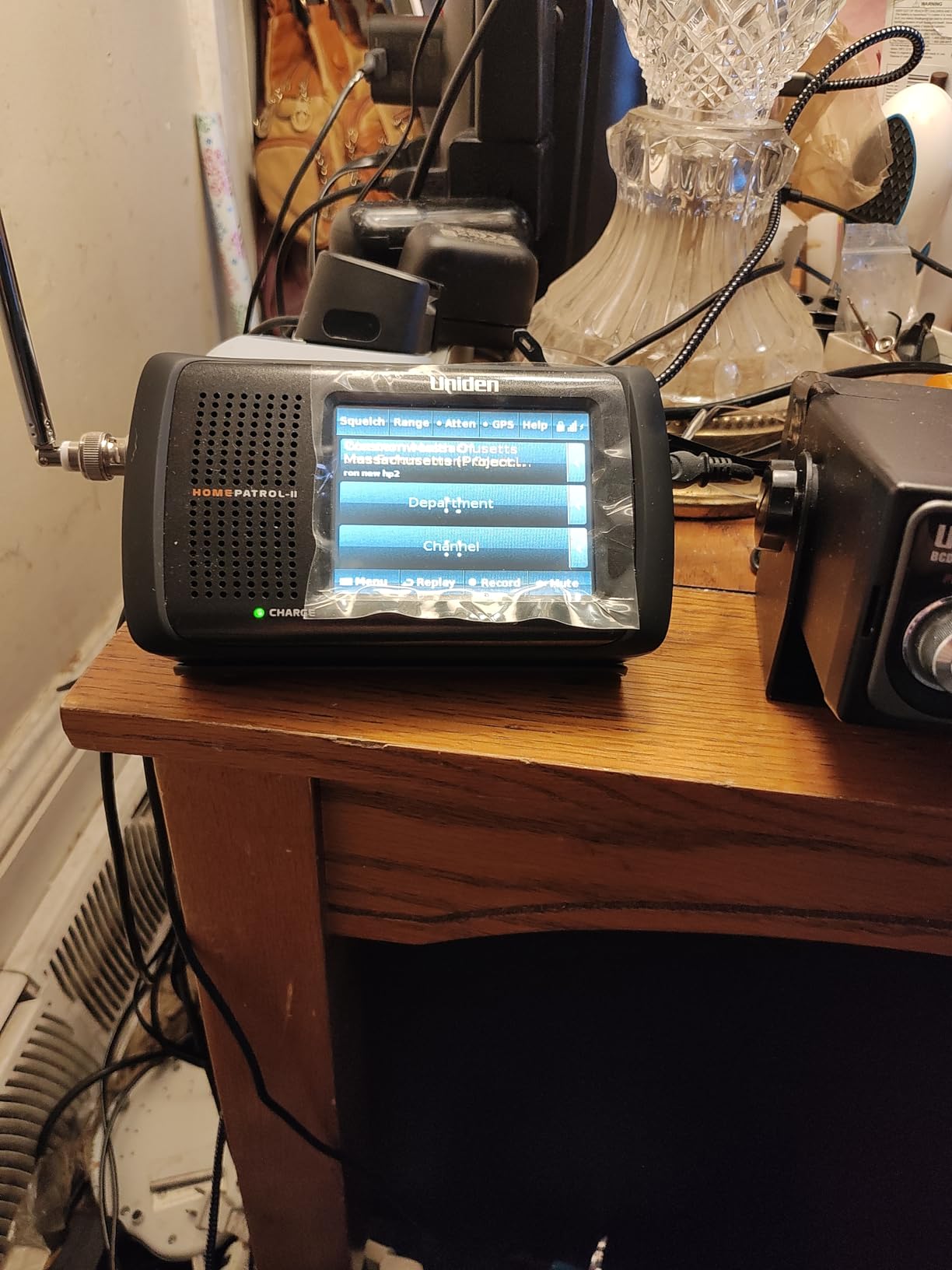
In the box you get a miniUSB to USB connection cable, four AA NiMH rechargeable batteries, a rubber antenna, an antenna connector, an installed microSD card, and a table stand. That is a complete kit, and the antenna connector is worth noting because it is the point where a better antenna attaches.
At 1.4 pounds and 6 by 3.4 by 1.5 inches with the stand, it is a desk-first device. The touchscreen is the reason: it is readable and the list browsing is fast, but it is less precise than hardware buttons when you know the exact frequency you want.
Who the HomePatrol-2 suits?
It suits a commuter who crosses county lines, a first-time buyer who wants to be listening within minutes of opening the box, and anyone in a P25 Phase 2 market. Emergency and weather alerting covers the severe weather use case, and it covers both US and Canadian systems.
It also suits a traveller. One zip code change turns it into a scanner for wherever you are staying, which no handheld on this list can do.
Where the HomePatrol-2 falls short?
Experienced operators complain about control. Channel selection is touchscreen-only with no numeric keypad, and there is no programmable search function, so you cannot set a lower and upper limit and hunt for new channels the way you can on a Whistler.
Some owners report ROM or memory lockups that show a white screen and are cleared by pulling the microSD card, and the included rubber duckie antenna is weak and can work loose in a bag, reception drops with it, and the zip code database does not list every local agency, so it still needs a RadioReference check.
6. Uniden BC355N Review
Uniden BC355N 300-Channel Base/Mobile Scanner, Close Call Capture, Pre-programmed Search Bands, NOAA Weather, Aviation, Marine, Railroad, NASCAR, and ‘Non-digital’ emergency services
300 memory slots in service banks
Close Call RF capture
AC DC and automotive power
Two antennas included
Pros
- Dual power supports home and vehicle use
- Includes telescoping base and suction cup vehicle antennas
- Close Call finds newly activated frequencies fast
- Compact 5.75 x 5.18 x 1.63 inch footprint
Cons
- Analog only with no digital or trunking support
- Programmable banks scan only after roughly 4000 pre-programmed channels
- No numeric keypad so frequency entry is slow
The BC355N is built for two places: a desk and a dashboard. It runs from an AC adapter, a DC power cable, or an automotive power outlet plug, and it includes both a telescoping base antenna and a suction-cup vehicle antenna in the box. That combination of dual power and two antennas is the reason it has accumulated so much owner feedback.
Close Call RF capture tunes instantly to nearby transmitters, which in practice means you find a new frequency the moment a system switches on without waiting for a scan cycle. Owners monitoring fire and EMS paging or new county channels rely on it heavily.
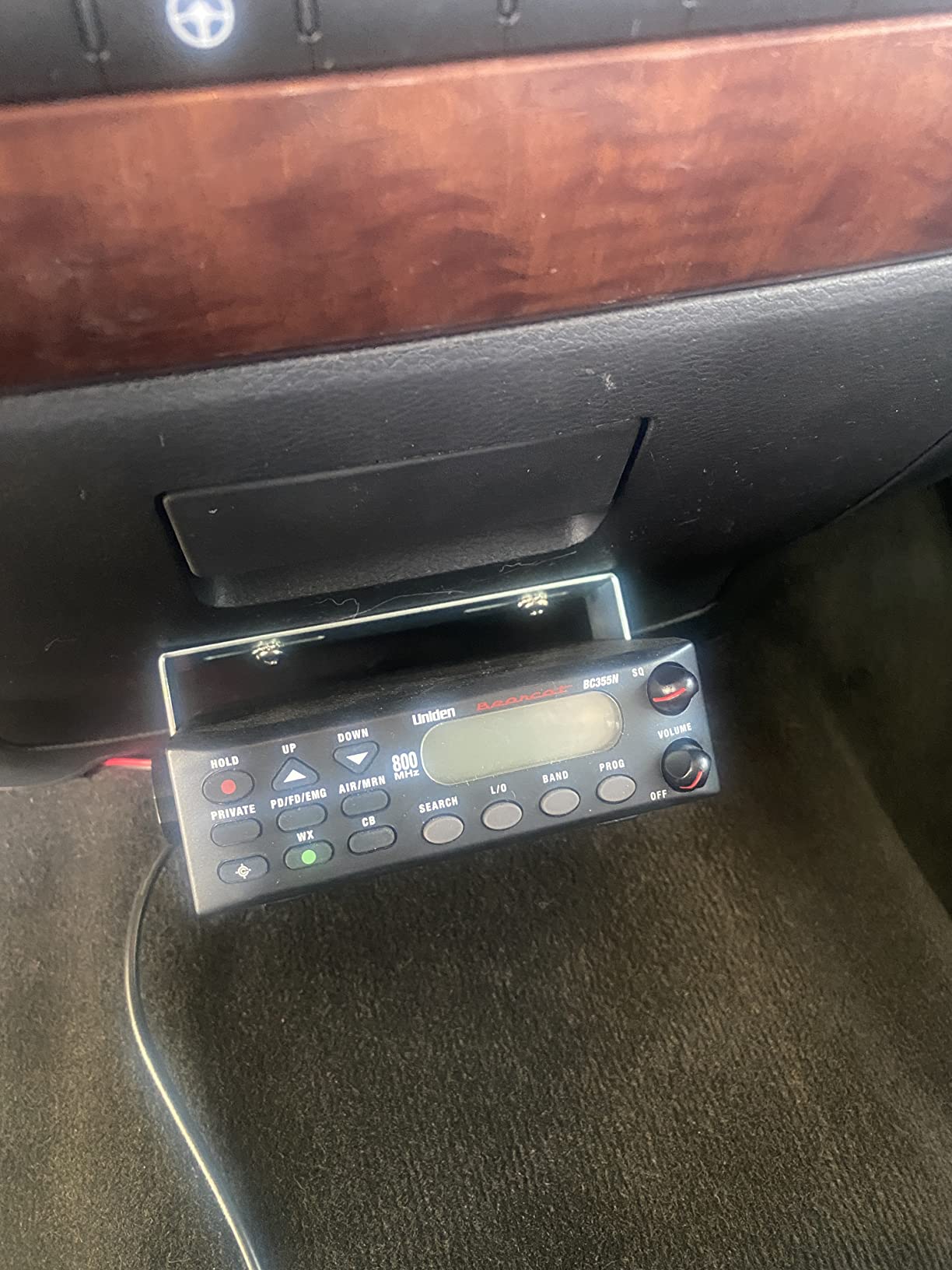
It weighs 3.3 pounds and measures 5.75 by 5.18 by 1.63 inches, with a removable flip stand and rubber feet, so it moves between the house and the car without modification. Presets cover NOAA weather, aviation, marine, railroad, NASCAR, ham, and public utilities out of the box, and the aircraft band runs 108.0000 to 136.9916 in 8.33 kHz steps.
For a listener whose interests are weather, aviation, and analog public safety, the preset banks mean useful listening on day one without a computer.
The NOAA weather alert capability is a genuine practical benefit for storm spotters, and the aircraft band coverage down to 8.33 kHz steps reaches the frequencies used by many light aircraft. Preset coverage of marine and railroad adds to that, and all of these bands remain analog regardless of what public safety agencies do.
Like the other analog units here, the BC355N is receive-only and carries a one year warranty. The removable flip stand means you can set it upright on a desk or lay it flat in a console, and the rubber feet keep it from sliding during driving.
Who the BC355N suits?
It suits someone who splits time between a home base station and a car, because the same unit serves both with the included power and antenna options. It also suits aviation, marine, railroad, and NOAA weather monitoring, where analog remains the norm.
It suits a buyer who wants a physical volume control and a backlit display rather than a touchscreen, and who will accept a manual keyboard workflow.
Where the BC355N falls short?
It is analog only, so it cannot monitor Project 25, DMR, or NXDN and cannot follow a trunked system. In a county that has moved to digital, it is a paperweight for police traffic.
The bank design is the bigger everyday frustration. Programmable banks are only scanned after roughly 4000 pre-programmed channels, and with only 100 lockouts the police and fire and air and marine banks become unusable in any dense RF traffic. Of the advertised 300 slots, 200 sit under the air and marine bank rather than a general bank, there is no numeric keypad, and the included speaker is not loud enough over road noise at highway speed.
What to Look for in a Police Scanner: The Full Feature Checklist?
Start with the system, not the spec sheet
Every other decision follows from one question: what radio system does my local agency use. Open the RadioReference database, find your county, and read the system type. You will see P25 Phase 1, P25 Phase 2, DMR, NXDN, Motorola, EDACS, LTR, or conventional analog, and you will see which talkgroups are marked encrypted.
If the system is P25 Phase 2, the scanner must decode Phase 2. If it is NXDN or DMR, you need those formats, which on many models is a paid firmware unlock rather than an included feature. If the agency is encrypted, stop there, because that traffic is unreachable on any consumer scanner.
A short glossary of the terms you will meet
Trunking means agencies share a pool of frequencies. A control channel constantly announces which talkgroup is active on which frequency, and a trunk-following scanner retunes itself to follow a conversation as it moves between sites. A scanner without trunk following hears the control channel announcements and no voice at all.
Simulcast means several towers transmit the same channel at once so your radio works deep inside buildings and at range. Because the transmissions arrive by different paths, a cheap receiver blends them into garbage. True I/Q and adaptive re-decoding are the two engineering answers.
DMR and NXDN are narrowband digital formats used widely on railroads and by some municipal and Canadian systems. ProVoice is a narrowband format used by some commercial operations. If your interest is railroads, DMR matters as much as P25.
How to get better reception?
Reception problems are usually antenna problems, not firmware problems. Our community sources on this topic repeatedly credit an external antenna with fixing reception on handhelds more often than any setting change does.
Move the scanner away from computer monitors, LED lighting, and unshielded power supplies, all of which radiate noise into a receiver.
For a handheld, a 800 MHz discone antenna on a short adapter is the single most effective upgrade, and it works at a desk, a windowsill, or a car.
For a base station, use a proper discone or a scanner bandpass antenna on a mast as high as you can safely mount, with coax run as short as practical.
For a car, mount the antenna on the roof or rear glass rather than at the fender, and keep the power lead away from the antenna feed.
Rotate or reposition a mounted antenna. Aiming at a tower beats a more expensive antenna pointed the wrong way.
Features to ignore, and red flags to avoid
Channel count is the number one misleading figure in this category. A 25000 channel scanner listening to five useful frequencies is not better than a 500 channel one. Judge decode capability, database quality, and antenna options instead.
The second red flag is the word digital used loosely. Many entry-level scanners advertised as digital decode only conventional FM digital voice, which is not the same thing as P25, and several budget models are analog-only in practice. Check the format list in the specifications, not the marketing headline. The same confusion comes from a different device entirely: an OBD2 car code reader shares the word scanner but has nothing to do with radio, and our OBD2 scanner guide covers that category if that is what you were looking for.
Third, treat a rubber duckie antenna as a placeholder. It is fine for a first hour and frustrating thereafter. Fourth, be skeptical of any package that lists a large channel count as its headline feature. Fifth, check the programming path before buying, because a scanner that needs third-party PC software and a paid data subscription is a different commitment from one that loads from a zip code.
Programming and the Windows question
Database programming runs through desktop software rather than a phone app, and that software is overwhelmingly Windows-first. Uniden scanners use Sentinel, and Whistler scanners use ARC500 or PSRedit500. Both need a computer, and Mac users routinely describe the experience as a second-class workaround.
Firmware updates also generally want a Windows PC. This is the single most common source of buyer frustration after encryption, and it is a reason to factor a desktop computer into a home setup. It is not a reason to avoid the hardware, but it should not be a surprise. The same Windows-first pattern shows up across consumer tech, and if you are digitising paper files rather than listening to radio, our home office document scanner guide covers a different category of device.
The encryption reality check
Encryption is the single most-cited constraint in every community source we read, and it is the one limit that no purchase will move. Agencies that encrypt their traffic use it on the air, and the keys stay inside the radios. A scanner without a key produces noise where speech should be.
This matters because the disappointment is usually misattributed. Buyers assume a higher-priced model unlocks encryption, then find a four-star radio that hears nothing on the agencies they care about. The model is not defective. The traffic is simply not being broadcast in the clear, and no consumer scanner on the market decodes it.
What encryption does change is the value of the purchase. If a large share of your local system is encrypted, a scanner is still worth owning for fire dispatch, EMS paging, aviation, weather, and the remaining unencrypted talkgroups, but it will be a hobby rather than a window onto everything happening. RadioReference lists encryption status by agency, so you can calculate that ratio for your county before buying rather than discovering it afterward.
Do I need GPS, and do I need streaming?
GPS earns its place if you drive across jurisdiction lines. A scanner that retunes based on position means the counties you pass through are already loaded and selected when you arrive, with no stop-and-program break. It also makes a single unit usable as a travel radio, since loading a different zip code reloads the local agencies.
Streaming and app control earn their place in a different scenario: a fixed base station you want to monitor from elsewhere. Wi-Fi or Ethernet streaming sends audio to a phone, a second receiver, or a recorder over your network. If you never leave home, this changes nothing for you, and it is not a reason to stretch your budget.
Both are convenience features layered on top of decode capability. Neither rescues a scanner that cannot decode your system, and both are worthless if the antenna situation at home is poor.
Phone apps, software-defined radio, and when to skip the scanner
There is an honest case for not buying a receiver at all. Broadcastify and similar feeds are useful for hearing an area before you commit, and a low-cost software-defined radio setup with free decoding software can explore a wide range of frequencies for very little. Both are widely used in the hobby for exactly that purpose. And if by scanning you actually mean converting negatives or prints into images, that is a completely different piece of hardware, covered in our film scanner guide.
The case against them is reliability and coverage. Feeds drop, coverage varies by contributor, and a phone app will not follow a trunked system for you. A dedicated scanner works every time you switch it on, in an area with no data coverage, and it is the only option that gives you simulcast control and record-and-replay.
A sensible order of operations is to test your area with software or a feed first, confirm that unencrypted traffic exists near you, and then buy a receiver. That avoids the most common and most disappointing outcome, which is a scanner that works perfectly on frequencies that nobody in your county is using.
New, used, and pre-programmed
Pre-programmed scanners sold by retailers solve the single biggest barrier in this hobby, which is programming. The database arrives loaded for your area, and buyers treat the premium as worth paying. If you are buying for someone else, a gift, or a person who will not touch a computer, this is the route that avoids a returned product.
The used market is worth watching for a mid-tier digital model, because digital scanners hold their value well and the format does not change. A used Phase 2 capable unit is a better value than a new Phase 1 only model, since the newer protocol is the direction counties are moving.
Check the database and firmware date on any used unit before buying. A scanner with a three-year-old database still works once you reprogram it, but a scanner sold unprogrammed with no charging cable and no battery is a parts project rather than a receiver.
Accessories that actually move the needle
An external antenna is the accessory that changes results, on a handheld, a car, and a base station. A discone covering the scanner bands handles most listening, and on a handheld a short adapter to a better antenna is a five-minute job that fixes most complaints about weak reception.
A spare battery or a proper charging cradle is the second useful addition, because the rechargeable cells in these scanners are consumable over years rather than months. Third, a longer or better USB cable matters more than it sounds, because the included cable is often short and charging a desktop unit at a desk is an everyday task.
Programming cables and software are also worth budgeting for, since third-party programming packages on some models carry a subscription cost of their own. That belongs in your total ownership calculation, alongside any paid firmware unlock for DMR or NXDN that your local system might require.
The five-step buying decision
Our whole recommendation compresses into five steps, and it is worth doing them in this order rather than shopping first and justifying later.
Check your local system on RadioReference. Record the system type, the band it uses, and the encryption status of the agencies you care about.
Rule out anything that cannot decode it. If the system is P25 Phase 2, cross off every Phase 1-only unit on your list, however good the reviews are.
Pick the form factor that matches where you listen. Mostly at home means a base unit, mostly in the car means a mobile arrangement, and a mix of both usually means two devices.
Decide how much programming you will do. Zip code loading is minutes of work, third-party software and a data subscription is an evening every time the database changes.
Budget for the antenna. A better antenna on an entry scanner beats an expensive scanner with the supplied rubber duckie, and it is the cheaper half of the equation either way.
If your local system turns out to be heavily encrypted, stop at step one and reassess whether a scanner is the purchase you actually want.
Where to spend, and where not to spend?
Spend on decode capability, because that is binary. A scanner that cannot decode your system hears nothing, and no antenna or accessory recovers audio that was never transmitted in the clear.
Spend on an antenna, because reception is where owner dissatisfaction concentrates. Community sources repeatedly describe an external antenna as fixing reception more often than any firmware update or menu change.
Do not spend on channel count, colour screens, or extra memory beyond what your area uses. A very large memory capacity is wasted on a county with forty channels, and a colour screen does not improve decode.
Do spend on form factor honesty. A desktop unit you leave running will hear more each day than a handheld you leave in a drawer, so the better hardware is only the better buy if you will use it where it lives.
Budget for the ongoing costs that catch people out: third-party programming software subscriptions, paid DMR or NXDN firmware unlocks on some models, and replacement batteries over the life of the unit. These are rarely listed in a comparison and they are real.
Handheld, base, or mobile: which form factor?
Handhelds are portable and battery powered, which suits walking around and travel, and which also means a compromise on antenna and speaker size. Base units run on mains power, take a large external antenna, and monitor continuously, which suits a home listener who is not moving.
Mobile is a car-mounted unit with an external roof antenna and vehicle power, which is the best reception option and the least convenient to carry anywhere. Many listeners own a handheld and a base unit rather than one device doing both jobs.
Which Scanner Fits Which Listener?
First-time buyer in a digital market: the HomePatrol-2. Zip code entry plus Phase 2 decode removes both the programming barrier and the format problem, which is the combination that actually gets a beginner listening.
First-time buyer in a conventional analog area: the BC125AT. Nothing else in this group is as close to working out of the box, because the pre-set service bands do the setup for you.
Home base station operator on a Phase 1 system: the WS1065. The adaptive tracking, the 1800 channels of free-form memory, and the alarm and LED options reward a listener who runs many channels around the clock.
Portable digital listener on a Phase 1 system: the WS1040. It is the lightest digital handheld here, and the audio quality is the most commonly praised feature in its reviews.
Driver splitting time between home and a car: the BC355N. The dual power options and the two included antennas make the move between locations trivial, provided your local agencies are still analog.
Desktop listener on conventional analog, already knowing frequencies: the WS1025. Fixed power, a backlit display, and the Tune function for finding new channels is a sensible low-commitment setup.
Our wider comparison of the current scanner market lives in our best police scanners guide, where we cover options beyond this six-model feature focus.
Frequently Asked Questions
What should I look for in a police scanner?
Look for P25 Phase 2 decode first, then trunk following, then DMR and NXDN support if your area uses them. After that check simulcast handling such as True I/Q or adaptive re-decoding, a built-in database with zip code loading, the right form factor, GPS if you cross county lines, Wi-Fi or Ethernet for streaming, an external antenna connection, and firmware upgradability. Channel count is not a meaningful comparison figure.
Can police tell if you are listening to a scanner?
No. A scanner is receive-only, does not identify itself to the tower, and leaves no record. Listening to unencrypted public safety traffic is legal in most US states, and the FCC governs use of these bands under Part 90. You may not transmit on them, rebroadcast the audio, or interfere with a transmission. A small number of states restrict carrying a scanner in a vehicle, so check your local law.
What is the best scanner for P25 Phase 2?
Among the six we reviewed, the Uniden HomePatrol-2 is the only model that decodes APCO-25 Phase 1 and Phase 2, and it also loads your local agencies from a zip code. Phase 2 uses TDMA, so a Phase 1 scanner hears broken fragments rather than whole conversations in a Phase 2 market.
What is nxdn on a scanner?
NXDN is a narrowband digital two-way radio format used by many public safety agencies, particularly in Canada, and by some US systems. A scanner must explicitly support NXDN to decode it, and on many models that support is a paid firmware unlock rather than a standard included feature. NXDN is separate from P25 and DMR.
How do I get better reception on a police scanner?
Move the scanner away from computer monitors and LED lighting, and replace a handheld rubber duckie antenna with an 800 MHz discone on a short adapter, which is the most common fix. For a base station use a proper antenna as high as you can safely mount with short coax. In a car, put the antenna on the roof or rear glass and keep the power lead away from the feed. Finally, rotate the antenna toward the tower you want.
Are police scanners legal?
Possession and listening to unencrypted public safety radio is legal in the vast majority of US states, and the FCC sets the rules for those bands under Part 90. Restrictions usually concern transmitting on public safety frequencies, rebroadcasting or selling the audio, obstructing transmissions, and in some states carrying a scanner in a vehicle. Check your state statute before buying.
Final Verdict: The Best Features to Look for in Police Scanners in 2026
The best features to look for in police scanners are decode capability and reception, in that order. P25 Phase 2 support, trunk following, and DMR or NXDN decide whether the scanner works in your county at all. Simulcast handling, an external antenna, and a usable speaker decide whether it works well. Everything after that, including channel count, is decoration.
Our top pick is the Uniden Bearcat BC125AT, because it is the most complete answer for a listener in a conventional analog area and the least frustrating unit to operate. In a digital market, the Uniden HomePatrol-2 is the buy, because it is the only one here that decodes Phase 2 and loads your agencies from a zip code. The Whistler WS1065 is the desktop choice for a Phase 1 home station, and the BC355N is the right unit when the same scanner has to work at a desk and in a car.
Do the RadioReference check first, pick the format your county actually uses, and then choose the form factor that matches where you listen. That order saves money more often than anything else in this guide.