
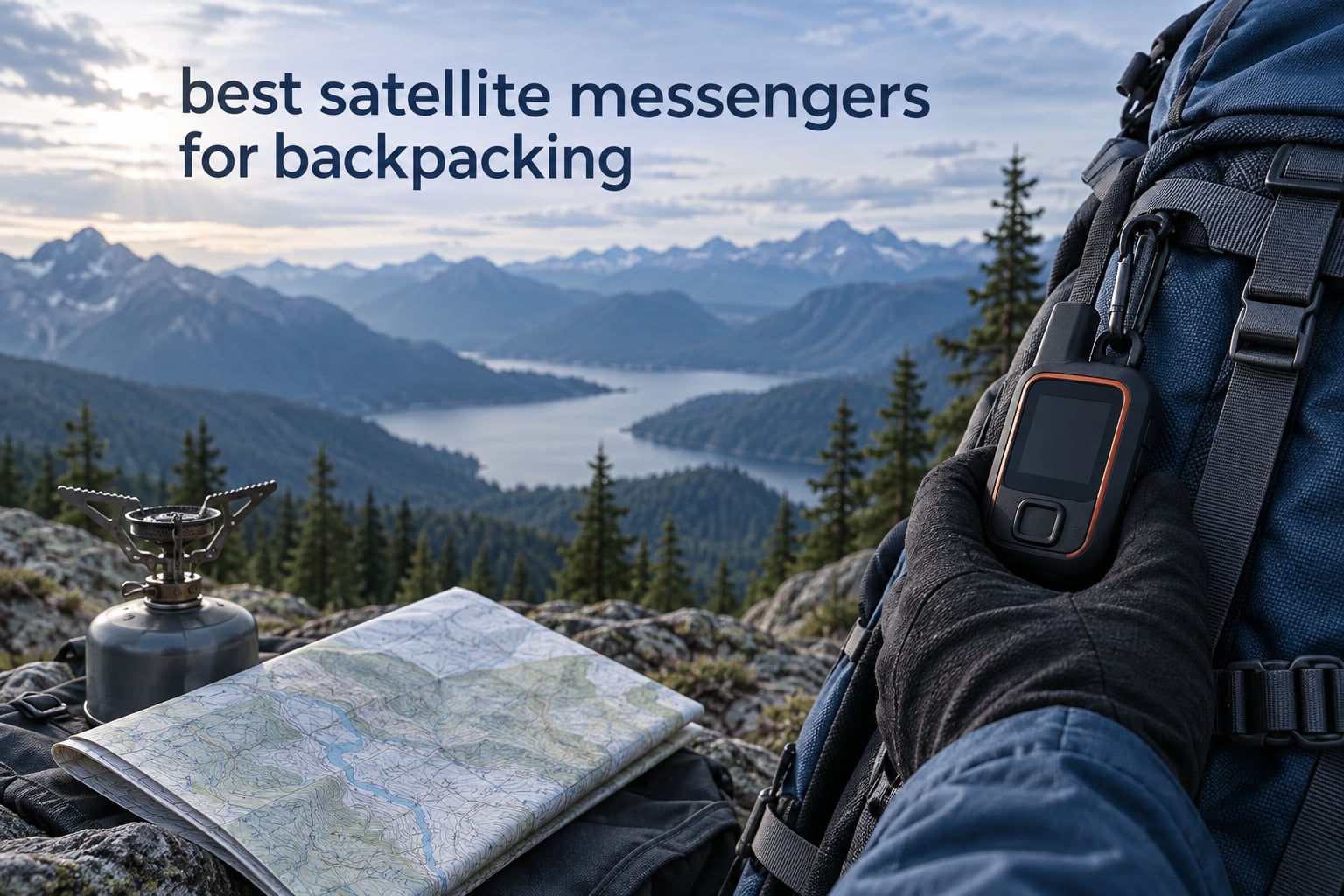
A satellite messenger is a small GPS device that sends and receives two-way text messages and an interactive SOS over a satellite network instead of cell towers. That single capability is why it has become the one piece of safety gear most thru-hikers, desert travelers and solo alpine climbers now carry. If you break a leg twelve miles past the last trailhead with no bars, a messenger is the difference between a bad night and a rescue.
We built this guide around the best satellite messengers for backpacking that are actually worth buying right now, then sorted them by the things that matter on a trail: weight, whether the device works without your phone, how long the battery genuinely lasts at a realistic tracking interval, and what happens to your messages when the sky closes up. We read the manufacturer specifications, we read thousands of owner reviews, and we read the hiking forums where people complain about these things in the cold and the dark. This is a specs-plus-reports guide, not a lab test, and we would rather say that up front than pretend otherwise.
Two things came out of the research that shaped this list. First, the real-world failure modes: fog, dense canopy, slot canyons and a device buried in the bottom of a fifty-liter pack cause more failed messages than broken hardware ever does. Second, manufacturer battery numbers are not comparable across brands, because every company tests under different conditions. Both of those threads run through the reviews below.
If you are still working out the rest of your kit, start with our backpacking backpack roundup so the messenger has somewhere sensible to live, and check our picks for ultralight sleeping pads to keep base weight honest. Then come back here and pick a communicator. The short version: how much are you spending on gear, how far from help are you really going, and do you want to be able to send messages from the device itself or only through your phone?
Top 3 Best Satellite Messengers for Backpacking for 2026
These three cover the overwhelming majority of backpackers. The ZOLEO wins on the balance of battery life, messaging and price. The inReach Mini 2 wins on proven reliability and a rating nothing else in the category touches. The GPSMAP 66i wins if you also need a handheld GPS.
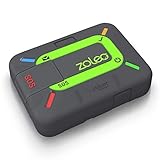
ZOLEO Satellite Communicator
- Two-way Iridium messaging
- Dedicated SMS number and email
- 200+ hour battery
- IP68 waterproof

Garmin inReach Mini 2
- Interactive SOS to Garmin Response
- TracBack navigation
- 14 day battery at 10 minute tracking
- 99 g

Garmin GPSMAP 66i
- 3 inch color touchscreen
- Topo maps and Birdseye imagery
- Two-way Iridium messaging
- 35 hours at 10 minute tracking
All Seven Satellite Messengers at a Glance in 2026
The table below is the fastest way to see the whole category. Weights, battery figures and networks are taken from the manufacturer specifications for each device. Read the battery column with caution: those numbers assume a specific tracking interval, and the interval you actually set changes the result dramatically.
| Product | Specifications | Action |
|---|---|---|
| ZOLEO Satellite Communicator |
|
Check Latest Price |
| Garmin inReach Mini 2 |
|
Check Latest Price |
| Garmin GPSMAP 66i |
|
Check Latest Price |
 Spot X 2-Way Satellite Messenger Spot X 2-Way Satellite Messenger |
|
Check Latest Price |
 Garmin inReach Messenger Garmin inReach Messenger |
|
Check Latest Price |
 Motorola Defy Satellite Link Motorola Defy Satellite Link |
|
Check Latest Price |
 ACR Bivy Stick ACR Bivy Stick |
|
Check Latest Price |
1. ZOLEO Satellite Communicator – The Community Favourite
ZOLEO Satellite Communicator (Slate Grey)
12 ounces
IP68
Iridium two-way messaging
Dedicated SMS number
Pros
- Battery lasts days not hours on a single charge
- Dedicated SMS number and email let contacts reach you first
- IP68 sealed housing survives creek crossings and rain
- Unlimited check-ins included in the plan
Cons
- No onboard maps and no standalone navigation
- Vague setup instructions and a steep app learning curve
- Needs open sky; stalls under heavy canopy
This is the device most of our readers already own, and it is the one we recommend first. At 12 ounces it is not the lightest thing in this list, but the weight buys a housing rated IP68 and a battery rated beyond 200 hours. Owners report running it for a week of continuous use on one charge, which quietly means you can stop thinking about it entirely.
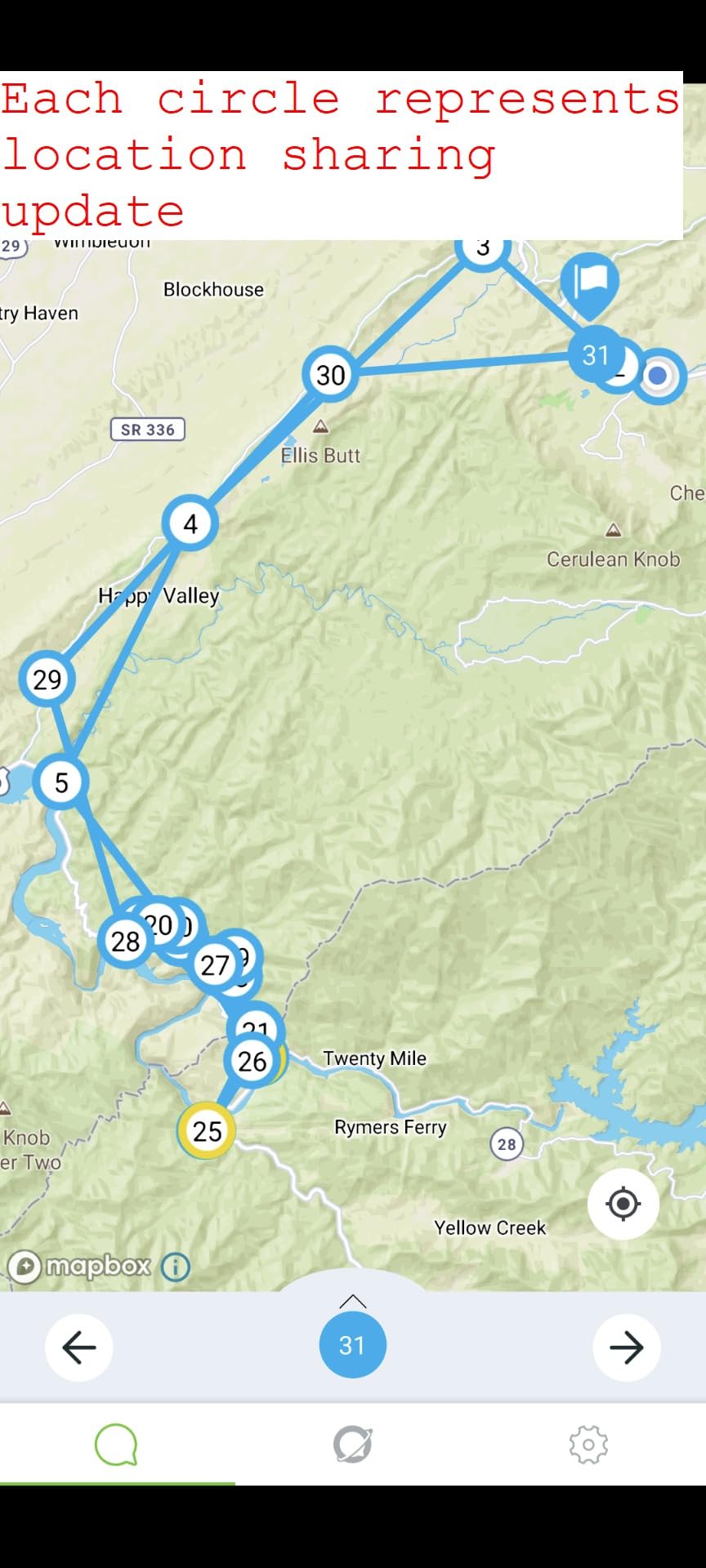
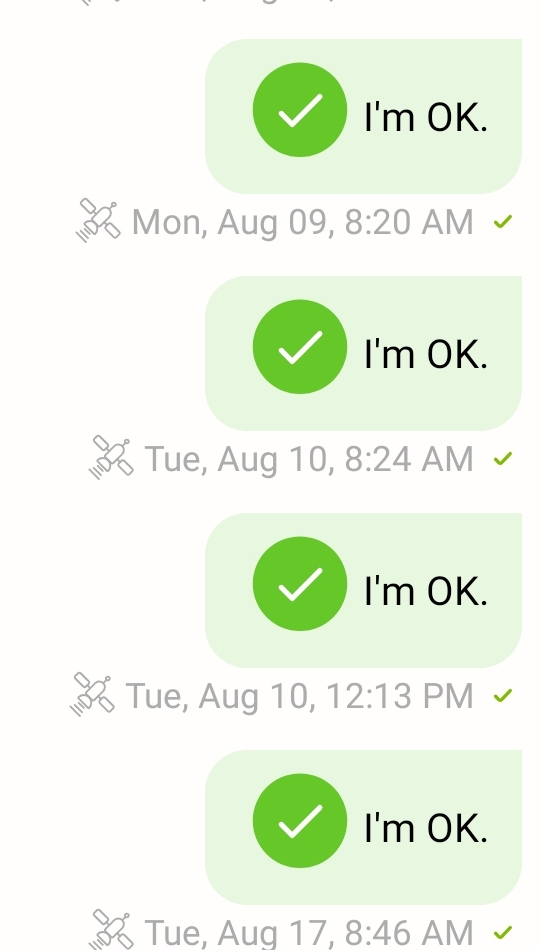
What separates ZOLEO from the phone-dependent options is the dedicated SMS number and email address assigned on activation. Your family can text you first, without installing anything. ZOLEO also supports 900-character messages, far longer than the character-limited competition, and unlimited check-ins sent from either the device or the app.
The ZOLEO is a communicator, not a navigation tool. There are no onboard topographic maps, and if your phone dies you are left with messaging and a paper map. That is a fair trade for most hikers, and it is exactly why this model pairs so well with a dedicated GPS if you want one.
SOS triggers a 24/7 monitoring centre with your GPS location attached, and a separate non-emergency Medical Assist option covers the far more common case of someone needing medical advice but not rescue. Both work from the device without the app being open, which matters when your phone is flat or soaked.
When ZOLEO is the right call
Choose it if you text heavily, want a number your family can reply to, and plan to carry a separate map or GPS. It is also the strongest option for anyone who wants check-ins and messaging without a subscription surcharge per message, since check-ins are unlimited on the plan.
It is a poor fit for someone who wants one device to do everything, or for hikers who expect to be under heavy tree cover for most of their trip. A hikers forum regular put it plainly: the ZOLEO is preferred when heavy texting in and out of coverage is expected, because the app is simpler and the plans cost less.
When ZOLEO is the wrong call
Skip it if you are navigation-obsessed, or if you cannot tolerate an app-driven experience. The setup documentation is thin and the interface has a real learning curve, and reviewers flag both consistently. People who expect a self-contained, screen-and-button device end up frustrated.
The other real limitation is sky view. It must have open sky to send reliably, and in heavy tree cover or a canyon the message simply will not go until you move. That is physics, not a defect, but it is worth planning around.
2. Garmin inReach Mini 2 – The Solo Hiker’s Default
Garmin inReach® Mini 2, Satellite Communicator, Orange
Two-way satellite messaging
TracBack navigation
MapShare sharing
Digital compass
Pros
- Highest rating in the category at 4.6 out of 5
- Physical buttons work with gloves and wet hands
- Standalone SOS and preset messages without a phone
- TracBack navigation returns you to your start point
Cons
- Tiny 1.27 inch screen makes typing custom text slow
- Preset messages must be set up on a computer
- Internal battery needs USB-C with no AA cells
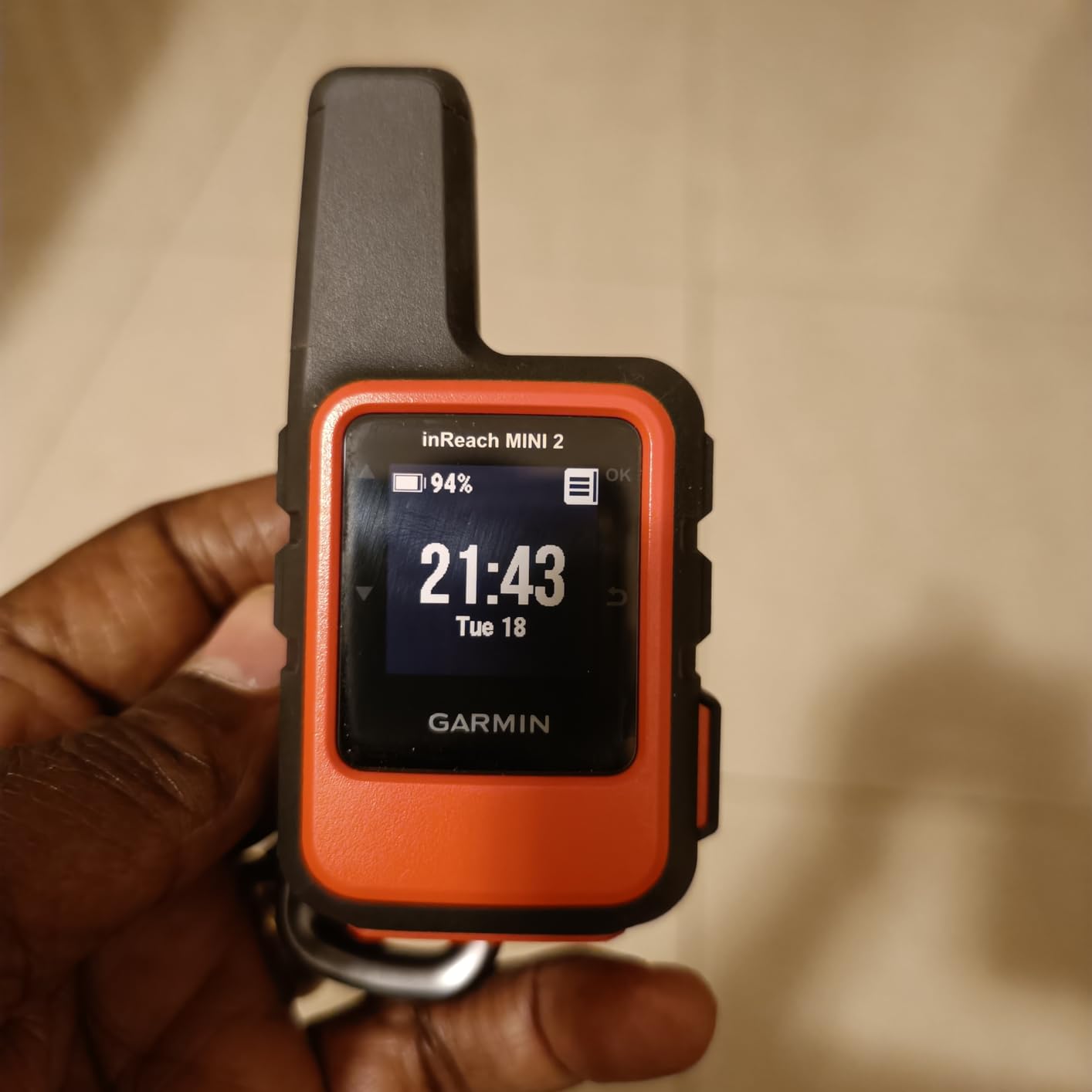
The inReach Mini 2 has the highest rating of anything we reviewed, and after years of owner reports it is the most recommended communicator in the category by a wide margin. Long-term owners describe it in the same terms: no complaints, it generally just works. That is the entire pitch, and for a safety device it is the right pitch.
At 99 grams it is genuinely pocketable, and the physical buttons mean you can operate it in gloves, rain, or while shaking. It works standalone for SOS and preset messages, so a dead phone does not take your emergency capability with it. Battery life runs up to 14 days at a 10-minute tracking interval, and owners report multiple days on a charge with moderate use.
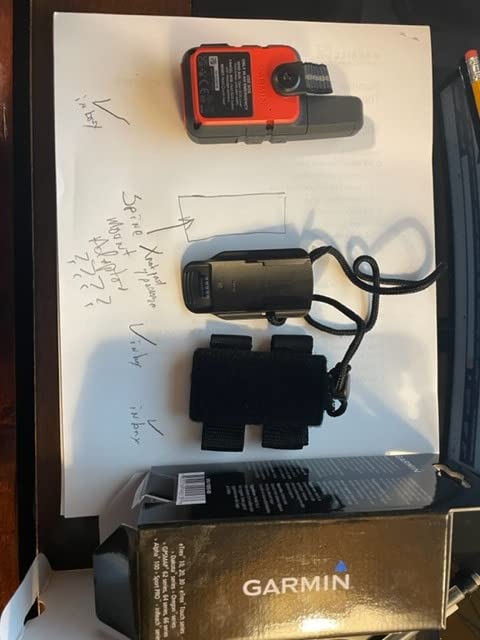
TracBack navigation is the underrated feature. It records your route and walks you back to your starting point without a paper map, and the built-in digital compass gives you a heading even when you are standing still, which matters far more than it sounds in whiteout. Location sharing embeds GPS coordinates in a MapShare page your family can follow.
SOS routes to the Garmin Response centre, and there is a long history of owner reports describing successful rescues enabled by the device. Messages relay through the inReach portal, and the unit pairs with Garmin wearables and handhelds to extend its range of use.
When the Mini 2 earns its place
Buy it if you are solo, cold is likely, and you want the highest confidence rating available. Reviewers describe it as insurance for solo trips, and for a device whose job is to be boring and dependable, that framing is accurate. It also carries the least weight of the Garmin options here.
It is a strong pick for anyone who wants to send short, structured check-ins rather than conversation. Preset messages and TracBack do most of the thinking for you, which is exactly what you want when your hands are cold and your attention is elsewhere.
When the Mini 2 is the wrong call
Typing custom text on a 1.27-inch monochrome screen is genuinely painful, and reviewers say so without prompting. The screen is not usable as a standalone mapping display. And because preset messages are configured through the inReach portal on a computer, setup is not something you do at the trailhead.
The internal rechargeable battery is the other sticking point. No AA cells, no field top-up, just USB-C. Reviewers also note several minutes of send and receive latency in normal use, and that activation and account setup can take a while, so do it weeks before you leave, not the night before.
3. Garmin GPSMAP 66i – Navigation and Comms in One Box
Garmin GPSMAP 66i, GPS Handheld and Satellite Communicator, Featuring TopoActive Mapping and inReach Technology
3 inch color display
Topo maps included
Iridium two-way messaging
35 hours at 10 minute tracking
Pros
- The only unit here that pairs a real handheld GPS with satellite messaging
- Preloaded topo maps plus free Birdseye satellite imagery
- Large sunlight-readable color screen usable with gloves
- Interactive SOS backed by GEOS rescue coordination
Cons
- Dated interface with a steep learning curve
- GPX import is unreliable and often produces pins not routes
- Battery falls short of the 35 hour claim on multi-day trips
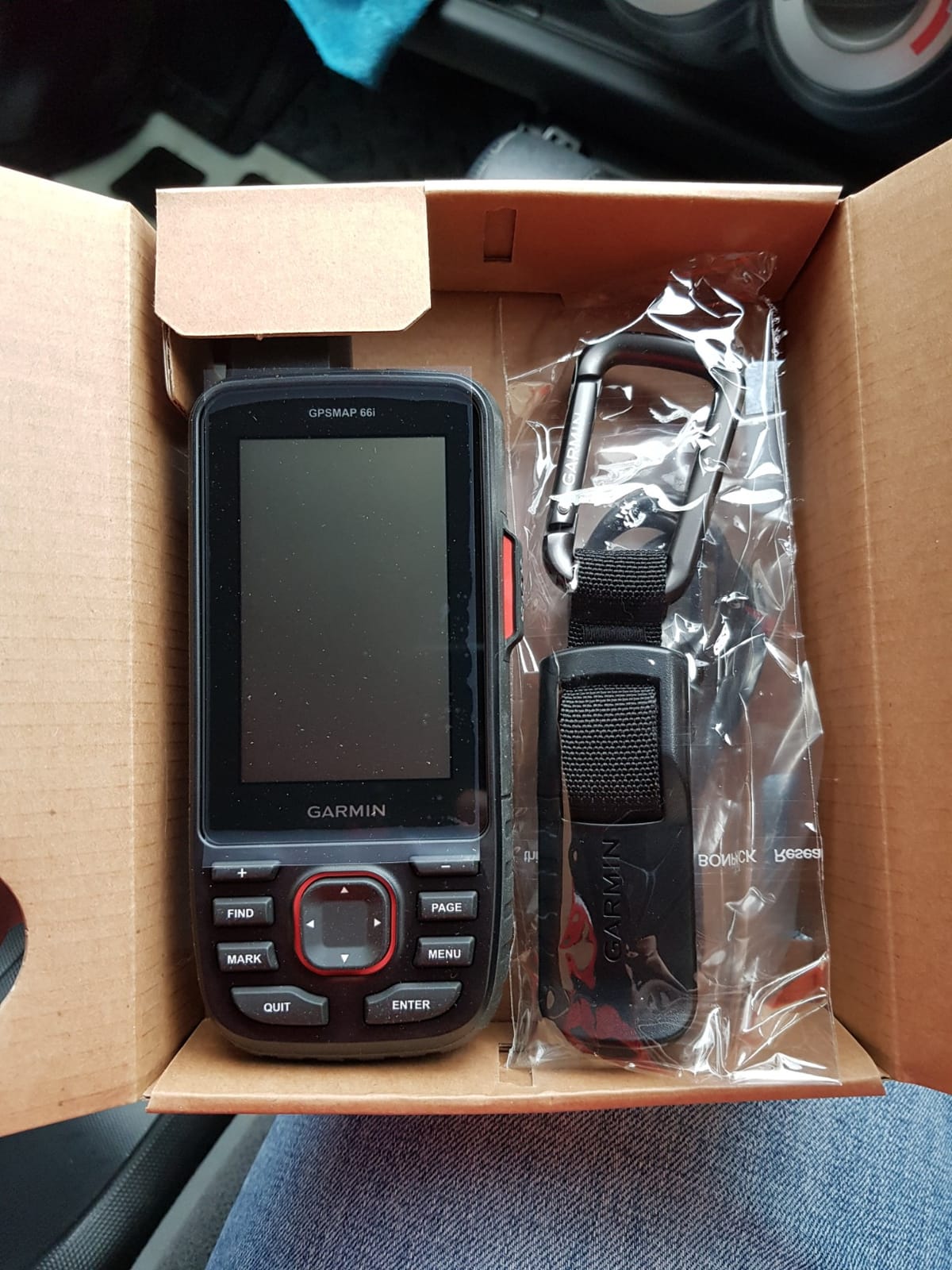
The GPSMAP 66i answers a question no other device in this list can: what if you want a proper handheld GPS and a satellite communicator without carrying two boxes. It is the most capable unit we reviewed, and experienced backcountry users consistently call it the most capable device in the category for navigation-heavy trips.
You get a 3-inch sunlight-readable color display that works with gloves, preloaded Garmin TOPO mapping, and direct-to-device Birdseye satellite imagery downloads that need no annual subscription. Multi-GNSS support and navigation sensors handle positioning in rough terrain.
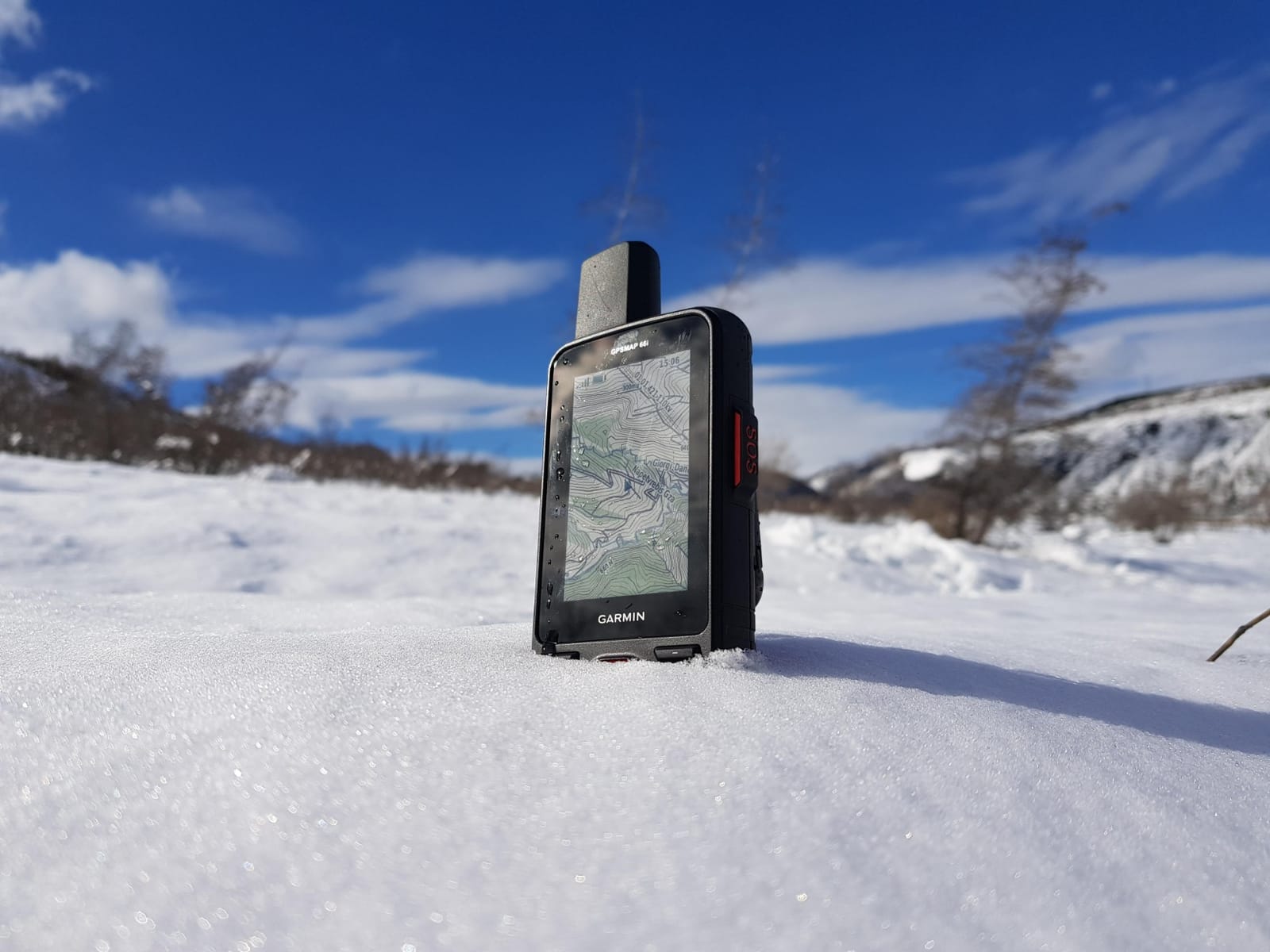
Interactive SOS runs to the GEOS 24/7 search and rescue monitoring centre over the global Iridium network, with two-way messaging attached. A detail experienced users appreciate: preset messages on this unit do not count against your messaging plan, so routine check-ins are effectively free.
Battery figures run up to 35 hours at a 10-minute tracking interval and up to 200 hours in Expedition mode with 30-minute tracking. Cell connectivity, when a phone is nearby, unlocks active weather forecasts and live geocaching. The physical form factor is a 6.4-inch-tall handheld with a 1-year limited warranty.
Who the 66i is built for
It is for the trip where navigation is the problem, not just communication. Off-trail routes, alpine traverses, desert crossings with no defined path, anywhere a paper map is not enough and a phone compass is not trusted. Several reviewers justify the cost explicitly by comparing it to carrying a GPS and a satellite phone together.
It is also the right pick if you want color mapping and a screen you can actually read in daylight, and if you are not bothered by a device that takes a weekend to learn properly.
Who should pass on it
Casual day hikers. This is overkill for someone who only wants to text a friend from a summit, and the weight and size reflect the navigation capability rather than the messaging capability.
The complaints are consistent and worth hearing before you buy. The interface is dated with a steep learning curve on both the device and the desktop software, GPX import is unreliable and often turns a route into a list of pins, and early firmware releases had bugs including restarts when toggling Wi-Fi. Reviewers also note real battery life falls somewhat short of the advertised 35 hours, so plan on a power bank for multi-day trips.
4. Spot X – The One You Can Use Without a Phone
Spot X with Bluetooth 2-Way Satellite Messenger
7.04 ounces
240 hour battery
Dedicated US mobile number
Standalone or Bluetooth
Pros
- Only communicator here that works fully without a phone
- Dedicated US number for inbound messages from anyone
- Free unlimited check-ins plus a large preset message bank
- Physical keyboard works with gloves and in rain
Cons
- Micro-USB rather than USB-C and slow to charge
- Buttons sometimes unresponsive
- 5G cellular signals can block incoming messages
The Spot X is the practical answer to a specific fear: what happens when your phone dies, gets wet, or runs out of battery on day four. Pair over Bluetooth for full two-way messaging, or use it completely standalone through its own dedicated US mobile number. Nothing else in this list gives you a genuine phone-free path with that much capability.
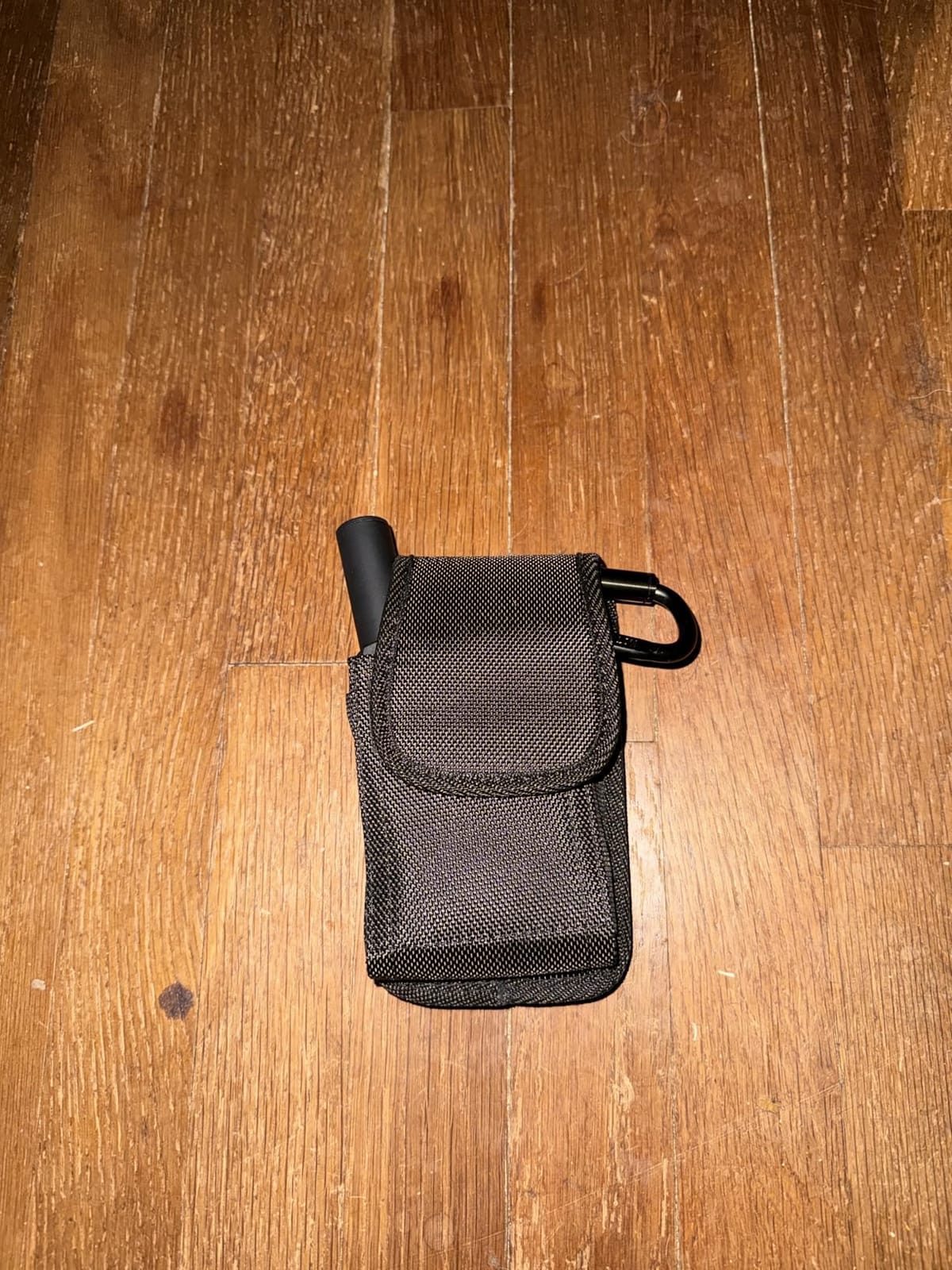
SOS reaches a 24/7 search and rescue service with a two-way conversation about the emergency, and you can message any cell number or email address. It works with both Android and iPhone, and the box includes a strap, carabiner, kickstand and an SOS mirrored sticker.
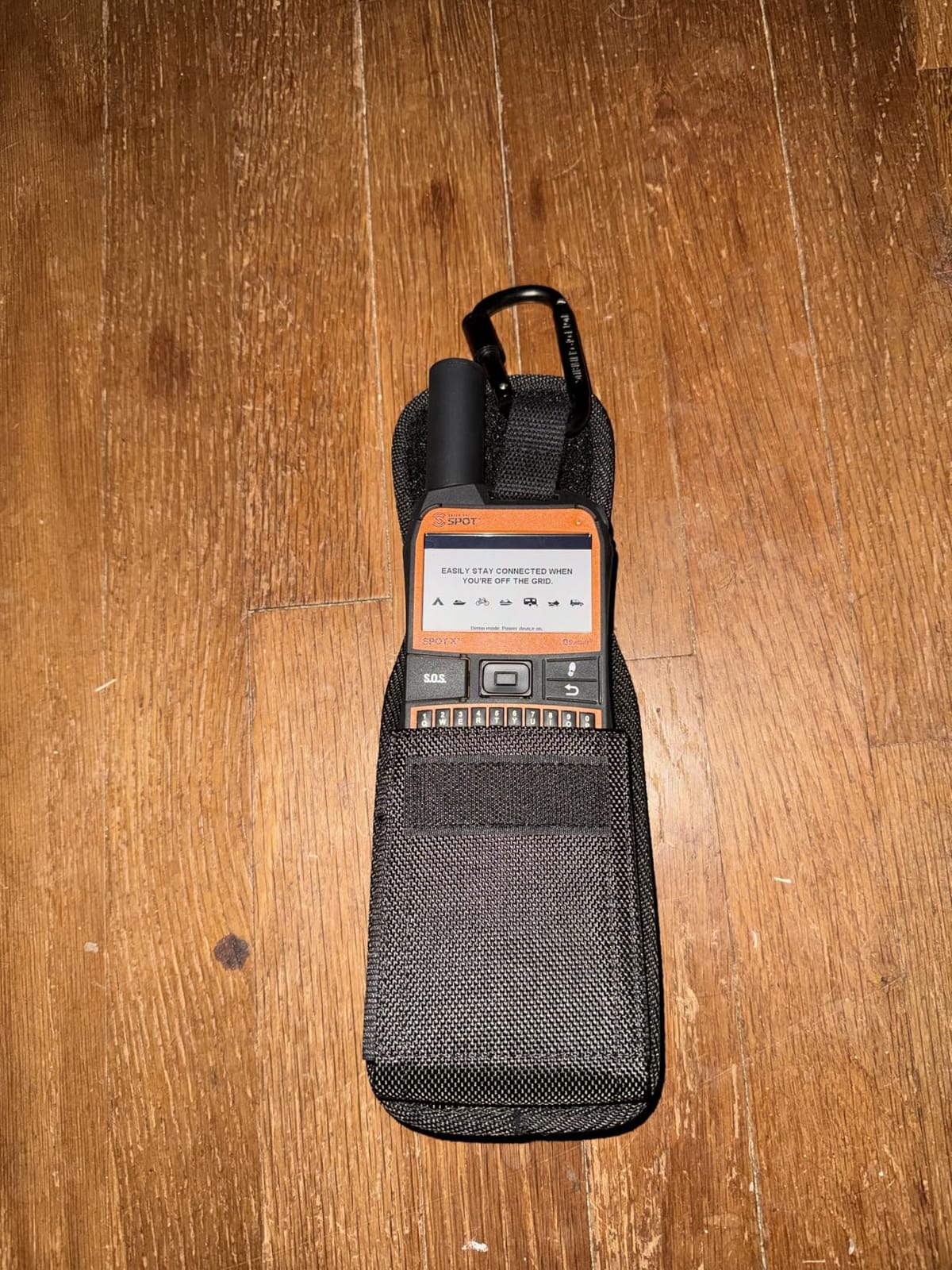
Check-ins are free and unlimited, which is unusual, and the preset message bank is large enough to cover most of a trip. Battery is rated at 240 hours, and owners report a full charge covering a weekend of intermittent use with room to spare.
For most people the dealbreaker is philosophical rather than technical. Forum consensus repeatedly describes SPOT as not worth it when one-way-style workflows frustrate you, because a responder cannot always reply to confirm receipt. The X improved on that with real two-way satellite messaging, but the app-driven delivery confirmation still leaves gaps.
When the Spot X makes sense
It suits hikers who want zero phone dependency, or who carry the device in a vehicle, a go-bag, or a boat where the paired phone is not always close. It also suits anyone whose contacts will not install an app, because inbound messages go to a normal phone number.
The physical QWERTY keyboard is genuinely useful in bad conditions, and at 7.04 ounces it is the second-heaviest unit here. Reviewers praise reliable tracking and check-ins in open backcountry terrain, and note it works well as a standby emergency device.
When the Spot X disappoints
There is one specific technical issue that shows up repeatedly and is worth understanding. Strong 5G cellular signals interfere with receiving messages, and the device cannot confirm delivery, so it retries until it gives up. That drives a meaningful share of the one-star reviews, and it is worse in populated areas than in the backcountry.
Beyond that: micro-USB instead of USB-C, slow charging, buttons that sometimes need several presses, and small on-screen icons with a clunky menu that sends you to the manual. There is also no two-way satellite coverage in Australia, which matters if that is your destination. If you want a pure tracker or a pure SOS beacon rather than a general communicator, this is the wrong shape of device.
5. Garmin inReach Messenger – The Best Value Per Dollar
Garmin inReach® Messenger Satellite Communicator, Global Two-Way Messaging
4 ounces
28 days at 10 minute tracking
Group messaging
Safety charging for a phone
Pros
- Best real-world battery in this roundup
- owners report 8 days on 40 percent charge
- Routes over cellular or Wi-Fi when available to save satellite credits
- Group messaging to multiple contacts at once
- Preset check-ins do not count against your plan
Cons
- No dedicated phone number so contacts without the app cannot reply easily
- Battery drops to 2 or 3 days with heavy two-way messaging in poor sky
- Turns itself on when plugged in so it cannot be topped up while off
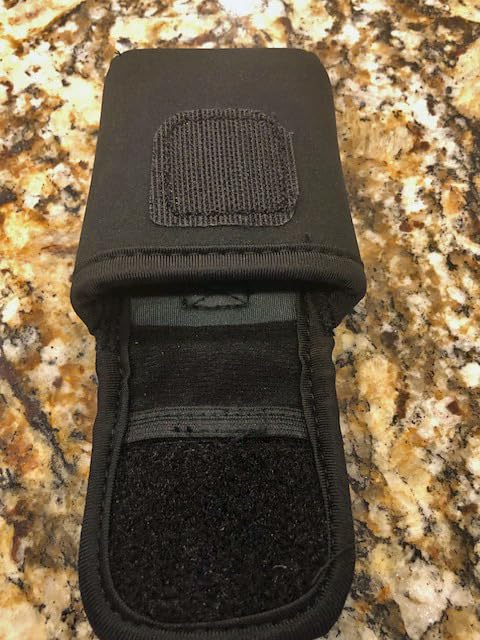
Between the Mini 2 and the GPSMAP 66i sits the inReach Messenger, and owners describe it as the sweet spot. It is the smallest Garmin unit with genuinely long battery life, and at 4 ounces it disappears into a pocket. Rated battery is up to 28 days at a 10-minute tracking interval, which no other device in this list approaches.
The real-world numbers are even better than the spec. Reviewers report 8 days of mixed use on 40 percent charge. The caveat is honest and important: heavy two-way messaging in poor sky conditions pulls that down to 2 or 3 days. Set expectations correctly and it still beats everything here.
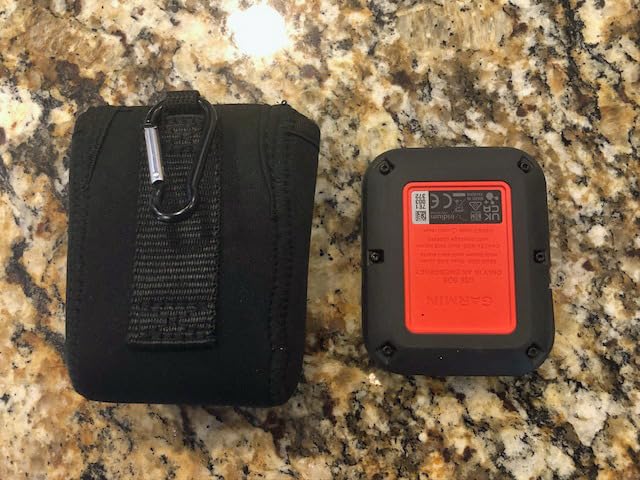
Automatic routing is the feature owners mention most. When your phone has cellular or Wi-Fi, messages go that way instead of burning satellite credits, and nobody has to think about it. Group messaging through the Garmin Messenger app lets you text several contacts at once, which solves a problem no other device in this roundup addresses as directly.
It also carries multi-GNSS support across BeiDou, GPS, Galileo and QZSS, which is worth having in steep terrain. Safety charging lets the device top up a depleted phone, turning it into a small power bank on a cold night when your phone dies first. SOS routes to the Garmin IERCC monitoring and coordination centre.
Where the Messenger wins
It is the pick for a party that wants to message several people at once from camp, and for anyone who will be in and out of cell coverage on a long trip and wants the plan to route automatically. Reviewers confirm it works reliably under partial tree cover and in poor weather.
It can function without a phone, though Bluetooth pairing makes it much easier. It is the smallest device here that does real group work, and it pairs with other Garmin handhelds, wearables and marine equipment if that is your world.
Where it falls short
There is no dedicated phone number. Contacts without the Garmin Messenger app cannot easily reply, which is a real friction point for casual check-ins with family. Some users also report confusion about whether a given message went over satellite or over their paired phone, which matters when you think a message was sent and it was not.
Setup documentation is unclear and pulls you through multiple apps, and the cheaper variant has no photo or voice messaging. One odd behaviour: the device powers itself on when plugged in to charge, so you cannot top up the battery while it is switched off, which is exactly what you would want to do overnight in a cold camp.
6. Motorola Defy Satellite Link – The Cheap Backup Beacon
Motorola Defy Satellite Link – Rugged Handheld GPS Communicator, Two-Way Global SMS Text Messenger, Emergency SOS Alerting – Android iOS Compatible
2.5 ounces
IP68
600 mAh battery
One button check-in
Pros
- By far the lowest hardware cost in the category
- Very low monthly subscription relative to the others
- Light enough to sit in a pack lid permanently
- IP68 rated dustproof and waterproof to nearly 5 ft for 30 minutes
Cons
- Message length capped at roughly 35 characters per credit
- Data allowance is charged by character count so long texts cost more
- No screen at all so everything runs in the phone app
The Defy Satellite Link exists because not every trip needs a full communicator. At 2.5 ounces with an IP68 rating and a one-button check-in, it is the lightest and least expensive unit in this roundup, and the 3.6 rating reflects a product that does a narrow job imperfectly rather than one that is fundamentally broken.
Unlimited SOS is included with every service plan and SOS assist works without a phone connection, so the emergency path does not depend on your phone. Messages go both ways through the accompanying app, and you can send from any phone number with or without the app installed. It works up to 75 miles offshore within coverage areas.
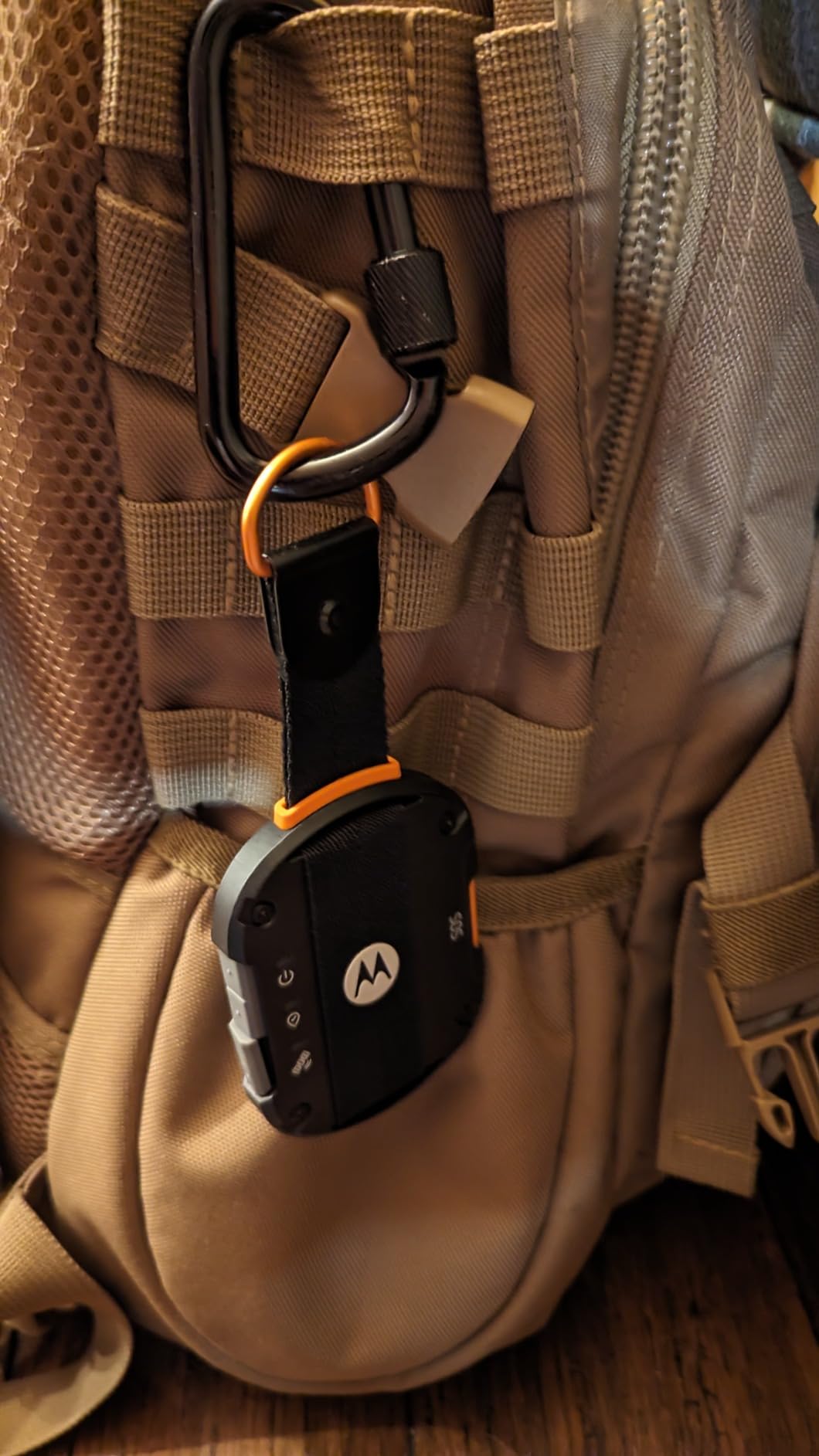
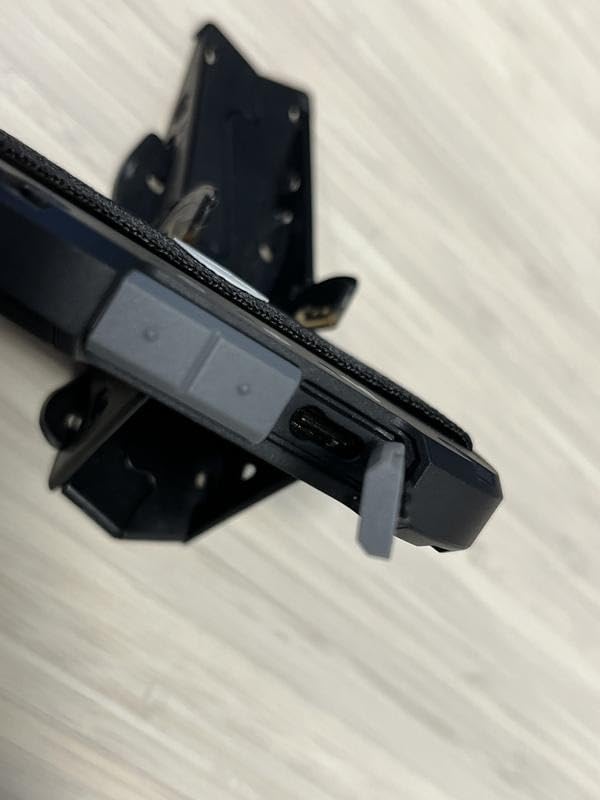
The 600 mAh battery gives up to 4 days of standby, USB-C charging, and an included D-ring and webbing strap. For owners who need basic satellite check-ins for emergency backup and road trips, that combination rates far higher than it would for someone relying on it as a primary backcountry device.
Reliability varies more than the rating suggests. Many users report fast, dependable messaging in open terrain, but others report repeated connection drops even with clear sky. A device that sometimes does nothing is a hard thing to depend on when the situation is serious, which is why we place it as a backup rather than a primary.
Reasons to buy the Defy anyway
If you are price-sensitive, or you want a permanent entry in the pack lid of a vehicle, boat or go-bag that costs almost nothing to carry, it does that job well. The one-button check-in means a non-technical person can use it, which is a genuine advantage if the device is meant for the whole household.
Because there is no dedicated number, there is also no spam texting problem. Note the battery is a 600 mAh cell with roughly 4 days of standby rather than a multi-day trail figure, so it is not a long-trip primary device.
Reasons to skip it
The character economics are the biggest trap. A single credit covers roughly 35 characters, and the monthly data allowance is charged by character count rather than by message, so a longer text silently consumes multiple credits. If you plan to write paragraphs, this is the wrong tool.
There is no screen, so everything happens in the phone app, which several users find unintuitive. Bluetooth pairing with some iPhones is unreliable and has to be re-established manually, and account setup can loop on password-reset errors. There is no navigation of any kind. Treat it as a beacon, not a communicator.
7. ACR Bivy Stick – Built for Groups of Twelve
ACR Bivy Stick – Iridium Satellite Communicator, GPS Tracker & SOS
3.35 ounces
120 hour battery
Full Iridium coverage
GroupTrack for up to 12
Pros
- Full global Iridium coverage with a dedicated number and email assigned on activation
- GroupTrack supports messaging and live location sharing for up to 12 people
- Unlimited free check-in messages with a breadcrumb trail
- Built-in GPS with downloadable offline maps and pace and altitude data
Cons
- App-only operation with no screen or physical keyboard
- Shortest rated battery in the roundup at 120 hours
- Smallest review base so less long-term field history
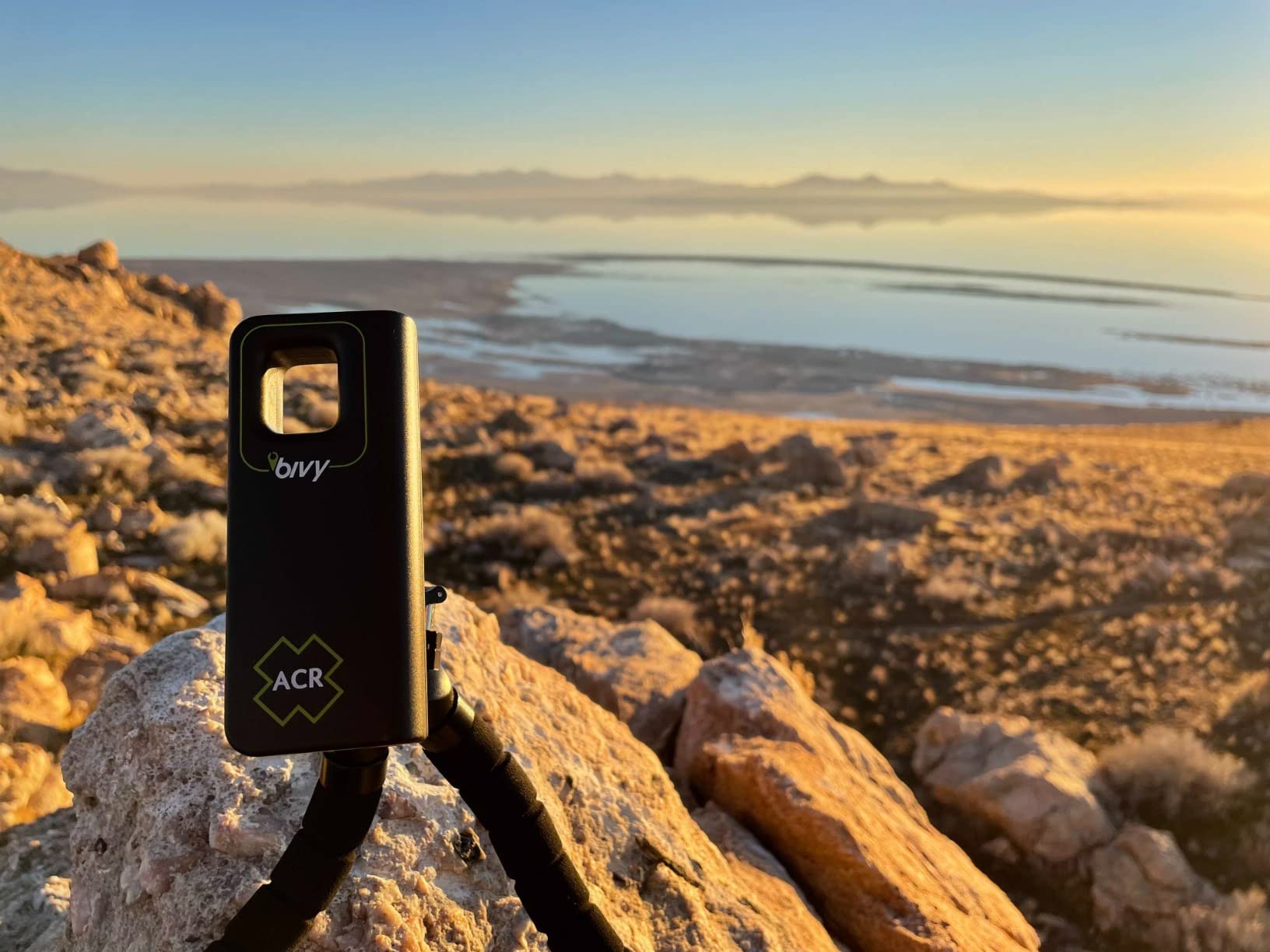
The Bivy Stick is built around a feature nothing else here has at this level: GroupTrack, which handles messaging and live location sharing for up to 12 people through the device, the app, or a web browser. If your trip is a group, or a family that wants to see everyone at once, that is the whole argument.
It runs on 100 percent global Iridium coverage for two-way SMS, email, GPS tracking, offline maps, SOS, weather updates and location sharing. You get a dedicated SMS number and email assigned on activation, so contacts can reach you inbound without installing anything.
The built-in GPS with downloadable global offline maps is more capable than it sounds, and the Bivy app includes curated adventures you can browse before a trip. The enclosure is IPX7 and MIL-STD-810 compliant, and at 3.35 ounces it is among the lightest devices here. The box includes a carabiner, charging cable, lanyard and mounting adapter.
Plans are flexible in a way hikers appreciate: a one-time three-month commitment, then month to month, and suspendable between trips. SOS monitoring runs through Global Rescue, triggered from the app or the device button.
When the Bivy Stick fits
Take it for group trips, family travel, or any situation where a shared live map matters more than a rugged physical interface. The dedicated number and email plus unlimited check-ins make it easy to run a trip-wide communication plan without anyone installing an app.
Buyers who pair it with the Bivy app value exactly the three things above: the dedicated number, 12-person GroupTrack, and downloadable offline maps. The 12-month warranty and lightweight shell also hold up well for pack use.
Where it falls short
All configuration runs through the Bivy app. There is no screen and no physical keyboard, so if the app is the failure point, the device is the failure point too. For a device meant to be your backup when everything else fails, that is a structural weakness.
Battery is the shortest rated figure in this roundup at 120 hours, roughly half the ZOLEO and two-thirds the Spot X, so plan charging on long trips. It also has the smallest review base, which means the least long-term field history, and messaging is more limited than the Garmin ecosystem. Treat the 3.8 rating as a smaller sample rather than a defect.
How to Choose a Satellite Messenger: 7 Questions to Ask
Which network do you need? Iridium covers essentially the entire planet including the poles, and every Garmin, ZOLEO and ACR device on this list uses it. Globalstar powers SPOT and costs less, but has documented gaps at high latitude. Alaska, the Aleutians and high Arctic trekking are exactly the trips where that matters, so pick Iridium unless your destinations are firmly lower 50 degrees.
Does it have to work without your phone? The inReach Mini 2 and the Spot X both send SOS and preset messages standalone. The ZOLEO, the inReach Messenger, the Motorola and the Bivy Stick all depend on a companion app for anything beyond the device. If your phone dying is a scenario you plan for, the Spot X is the only unit here with a full standalone messaging path.
How do you read battery numbers? Manufacturer figures are not comparable, because every company tests under different conditions and most cite a specific tracking interval. A 28-day figure at 10-minute intervals and a 120-hour figure may describe very different duty cycles. Our rule: treat every number as a best case, add a margin, and check whether the device has a low-power or expedition mode. Cold weather is repeatedly flagged by owners as the real battery killer, more than any spec sheet suggests, so carry a way to recharge in the field.
What does the tracking interval actually cost you? This is where battery claims get honest. Every extra ping is a satellite transmission, and every transmission drains the cell. If you leave 10-minute tracking running for a week when you only check in at camp, you are spending a week of battery on a safety net you did not need. Pick an interval that matches your actual check-in habits.
Do you need navigation too? Only the GPSMAP 66i does both properly. Everything else is a communicator, and pairing one with a handheld GPS or a paper map is normal practice. If your trips are on-trail, stay lighter and carry a map. If they are off-trail in canyon or alpine terrain, the 66i earns its size.
Is this a solo trip, a group, or a family? Solo hikers want the longest history of reliable SOS. Groups should look at the inReach Messenger for group messaging. Families who want to text first should look at the ZOLEO, the Spot X or the Bivy Stick, since all three assign a dedicated number. For a group, one device per group is the common answer, but at least two people should know where it is and how to use it, and a missed check-in should trigger a defined response before anyone assumes the worst.
Messenger or PLB? A personal locator beacon is simpler, lighter in some cases, and often needs no subscription. What it cannot do is two-way messaging, so nobody can confirm receipt, give you instructions, or talk you through a problem. If your trips are short and low-consequence, a beacon is enough. If anything you do could leave you waiting overnight for a rescue, interactive SOS is worth the extra complexity and the ongoing plan cost.
On costs and legality: every device here except a beacon needs an active plan, and the recurring cost is where most owners report regret. Activation and reactivation fees bite people who cancel between seasons, so look for plans that let you suspend rather than cancel, such as the ZOLEO and ACR options. If you are travelling internationally, check the import rules for the destination before you fly, because satellite devices are restricted in some countries and possession rules vary. Our lightweight tent picks and portable camp stove guide cover the rest of the shelter and kitchen kit.
Finally, test before you go. Activate the device weeks ahead, update firmware, add your emergency contacts, send a real test message to yourself and to a family member, and confirm it arrived. Use the approved test process for SOS and never trigger a real emergency to check it works. If you can, note the time between pressing send and receiving a reply in open sky so you know what normal looks like before you need it.
Frequently Asked Questions
What is the best satellite SOS device for hiking?
For most backpackers the ZOLEO is the best all-round satellite messenger, offering a dedicated SMS number, unlimited check-ins and multi-day battery. Solo hikers who want the highest confidence rating often choose the Garmin inReach Mini 2, whose 4.6 out of 5 across more than 2,000 reviews reflects a long record of dependable performance. Pick whichever device you will actually carry and test before your trip.
Is there anything better than Garmin inReach?
There is no device that beats Garmin inReach on every axis, and the honest answer depends on what you value. ZOLEO competes on battery life, a dedicated number and cheaper airtime. ACR Bivy Stick offers group tracking for up to 12 people. The Spot X is the only one that works fully without a phone. For pure GPS capability alongside messaging, the Garmin GPSMAP 66i has no real equivalent.
Is Garmin inReach Messenger better than ZOLEO?
Neither is better outright. The inReach Messenger has longer rated battery, group messaging and automatic cellular routing. ZOLEO has a dedicated SMS number, longer 900-character messages, unlimited check-ins on plan and a cheaper entry plan. Garmin wins on ecosystem and rescue history; ZOLEO wins on messaging flexibility and cost for heavy text users.
Why are satellite messengers restricted in some countries?
Satellite communicators transmit on licensed radio frequencies, so a country can restrict or ban possession and use of them. Import rules also vary, and some nations limit or prohibit devices that use the Iridium network. Because rules change, check the specific destination country before travelling rather than assuming a device that works in the United States will work everywhere.
How do satellite communicators fail in the field?
Almost always because of sky view rather than hardware. Fog, dense tree canopy, slot canyons, snow and mountains all block the satellite lock, so sends stall until you move to open sky. A second common failure is physical: the device is buried at the bottom of a heavy pack and unreachable after a fall. Battery drain in cold weather is the third cause. Keep the device clipped to a shoulder strap and expect delays of several minutes as normal.
Can my phone replace a satellite messenger?
Partly. Recent iPhone and Pixel models can send emergency SOS and short messages via satellite, which covers a genuine emergency with no plan. They do not replace a communicator for routine check-ins, group tracking, a dedicated number, location sharing pages, or a device that works when your phone is dead. For anything beyond a true emergency on a remote multi-day trip, carry a dedicated device.
The Verdict: Which Satellite Messenger Should You Carry in 2026?
The ZOLEO is our pick for the best satellite messengers for backpacking in 2026 because it balances the three things that matter most: multi-day battery, a dedicated number your family can text first, and a plan with unlimited check-ins. It is the most-praised device in the category by owners, and its long review history is the strongest reliability signal we found.
If you want the highest rating and do not care about typing, take the Garmin inReach Mini 2. If you need a real handheld GPS, the GPSMAP 66i. If your phone might die, the Spot X. Whatever you choose, activate it early, test a real message, and clip it somewhere you can reach without unpacking.